Accura HealthCare of Kenesaw
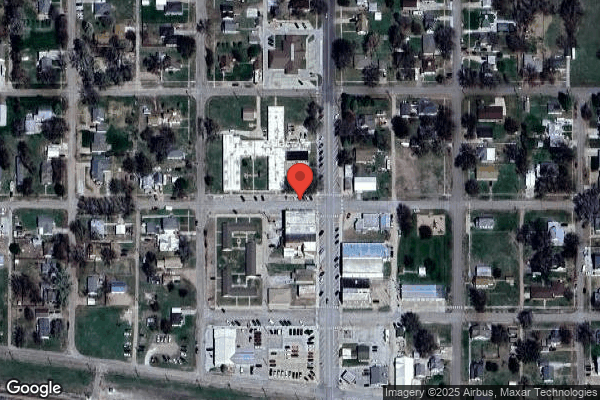
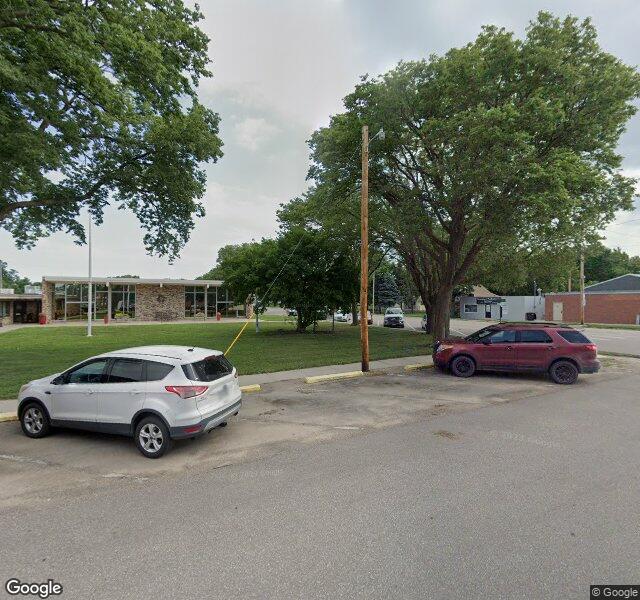
100 West Elm Avenue, Kenesaw, NE 68956 (402) 752-3212
For profit - Limited Liability company 76 Beds ACCURA HEALTHCARE Data: November 2025 1 Immediate Jeopardy citation
Trust Grade
26/100
#136 of 177 in NE
Last Inspection: August 2024

Within standard 12-15 month inspection cycle. Federal law requires annual inspections.

Overview

Accura HealthCare of Kenesaw currently holds a Trust Grade of F, indicating poor performance with significant concerns about care quality. It ranks #136 out of 177 facilities in Nebraska, placing it in the bottom half, and is #2 of 2 in Adams County, meaning only one local option is worse. While the facility is showing some improvement in issues reported, decreasing from 6 to 4, it still has serious problems, including a critical finding related to fall prevention that affected multiple residents. Staffing is a potential strength, with 0% turnover, which suggests staff are stable, but the low RN coverage is concerning, as it is less than 86% of other Nebraska facilities. Additionally, the facility has incurred $12,445 in fines, which is higher than most others in the state, reflecting ongoing compliance issues, and there have been incidents where staff failed to complete necessary background checks before working with residents and where food safety protocols were not followed, posing risks for residents.

Trust Score
F
26/100
In Nebraska
#136/177
Bottom 24%
Safety Record
High Risk
Review needed
Inspections
Getting Better
6 → 4 violations
Staff Stability
○ Average
Turnover data not reported for this facility.
Penalties
✓ Good
$12,445 in fines. Lower than most Nebraska facilities. Relatively clean record.
Skilled Nurses
⚠ Watch
Each resident gets only 17 minutes of Registered Nurse (RN) attention daily — below average for Nebraska. Fewer RN minutes means fewer trained eyes watching for problems.
Violations
⚠ Watch
27 deficiencies on record. Higher than average. Multiple issues found across inspections.
★☆☆☆☆
1.0
Overall Rating
★☆☆☆☆
1.0
Staff Levels
★★☆☆☆
2.0
Care Quality
★☆☆☆☆
1.0
Inspection Score
Stable
2024: 6 issues
2025: 4 issues

The Good

  • Full Sprinkler Coverage · Fire safety systems throughout facility
  • No fines on record

Facility shows strength in fire safety.

The Bad

1-Star Overall Rating

Below Nebraska average (2.9)

Significant quality concerns identified by CMS

Federal Fines: $12,445

Below median ($33,413)

Minor penalties assessed

Chain: ACCURA HEALTHCARE

Part of a multi-facility chain

Ask about local staffing decisions and management

The Ugly 27 deficiencies on record

1 life-threatening
Aug 2025 2 deficiencies
CONCERN (D) 📢 Someone Reported This

A family member, employee, or ombudsman was alarmed enough to file a formal complaint

Potential for Harm - no one hurt, but risky conditions existed

Accident Prevention (Tag F0689)

Could have caused harm · This affected 1 resident

Licensure Reference Number 175 NAC 12-006.09(I) Based on observation, interview, and record review the facility failed to prevent accidents and or incidents from occurring for 1 resident (Resident 62)...

Read full inspector narrative →
Licensure Reference Number 175 NAC 12-006.09(I) Based on observation, interview, and record review the facility failed to prevent accidents and or incidents from occurring for 1 resident (Resident 62) of 1 sampled residents. The facility census was 67. Findings are:A record review of a facility policy titled Vulnerable Adult and dated 10/19/2022 revealed the facility shall take ongoing steps to identify each resident at risk for accidents and adequately plan care and implement procedures to prevent accidents. A record review of Resident 62's Resident Dashboard revealed the facility admitted Resident 62 on 12/03/2024 with diagnoses of schizophrenia (a chronic mental illness characterized by a combination of positive, negative, and cognitive symptoms that significantly impair daily functioning), and bipolar with psychotic features (a severe form of bipolar disorder characterized by the presence of psychotic symptoms, such as delusions and hallucinations, in addition to mood swings). A record review of Resident 62's Quarterly Minimum Data Set (MDS, a federally mandated comprehensive assessment tool used to determine a resident's functional capabilities and helps nursing home staff identify health problems) dated 06/19/2025 revealed Resident 62 had a Brief Interview for Mental Status (BIMS, a brief screener that aids in detecting cognitive impairment) score of 14/15 indicating the resident was cognitively intact. The resident was documented to have delusions but no other behavioral problems, including wandering. The resident was independent with their activities of daily living and was independently ambulatory throughout the facility without an assistive device. A record review of a facility supplied document titled Risk Assessment: Elopement and dated 06/17/2025 revealed Resident 62 had a score of 4, placing them in the high-risk category for elopement. The assessment stated a total score of 3 or greater is high level of risk and precautions were to be initiated. The assessment stated the resident was independently mobile without an assistive device, had a previous history of wandering, had episodes of disorientation and confusion. In the comments area, documentation was present that the resident was only a moderate risk of elopement and that their wander guard had been removed. A record review of a facility document titled Incidents by Incident Type and dated 08/06/2024 through 08/20/2025 revealed Resident 62 had 1 incident during this period of time described as a witnessed fall. No other incidents or accidents were listed for Resident 62. A record review of Resident 62's physician orders on 08/26/2025 revealed the resident had an order for a wander guard to be in place and functioning on their left ankle. Staff were directed to check for placement and function of the wander guard every shift with a start date of 08/21/2025. A record review of Resident 62's Progress Notes revealed documentation on 08/18/2025 at 9:17 PM that the resident was having aggressive behaviors towards staff and was brought back inside the facility. Additional documentation on 08/19/2025 at 5:53 AM revealed the resident was having aggressive behaviors towards staff and was brought back inside the facility from the courtyard. A record review of a facility supplied document titled Rehab Communication and dated 08/20/2028 revealed documentation that Resident 62 was found outside of the facility and the therapy staff had assisted the resident back into the facility and reported the incident to the charge nurse. There was no other documentation in Resident 62's medical health record about this event. A record review of Resident 62's Progress Notes on 08/21/2024 revealed documentation that on 08/21/2025 a wander guard had been placed to the resident's left ankle due to the resident's exit seeking. In an observation completed on 08/25/2025 at 11:29 AM, a resident in a wheelchair entered the code to the secured front door of the facility, releasing the security device and wheeled themself out the front double doors. Resident 62 walked behind this resident and exited the building onto the unsecured front patio of the building. The resident in the wheelchair that entered the code to the door un-securing it, did not know Resident 62 had exited the building behind them. Resident 62 was outside the building on the patio and had started walking to the sidewalk that leads to a busy street. Licensed Practical Nurse (LPN)-B exited the building approximately 1 minute later, saw Resident 62 and assisted the resident back into the building. In an interview completed on 08/25/2025 at 4:45 PM with the facility Director of Nursing (DON), the DON confirmed that no new or changes to interventions to prevent Resident 62 from exiting the building without staff knowledge had been placed. The DON confirmed that the resident had exited the building without staff knowledge on 08/18/2025 and 08/19/2025 and no incident reports had been completed for these incidents and no changes to interventions to prevent the resident from exiting the building without staff knowledge had been placed on these dates. The DON confirmed a wander guard had been placed on Resident 62 on 08/21/2025 due to the resident's increased exit seeking, and confirmed that no incident reports or interventions were placed from 08/18/2025 through 08/21/2025 to prevent the resident from exiting the building without staff knowledge, ensuring the resident's safety.
CONCERN (F) 📢 Someone Reported This

A family member, employee, or ombudsman was alarmed enough to file a formal complaint

Potential for Harm - no one hurt, but risky conditions existed

Abuse Prevention Policies (Tag F0607)

Could have caused harm · This affected most or all residents

Licensure Reference Number 175 NAC 12-006.04(A)(iii)(2)Licensure Reference Number 175 NAC 12-006.02(H)Based on record review and interview, the facility failed to complete nurse aide registry checks p...

Read full inspector narrative →
Licensure Reference Number 175 NAC 12-006.04(A)(iii)(2)Licensure Reference Number 175 NAC 12-006.02(H)Based on record review and interview, the facility failed to complete nurse aide registry checks prior to staff having possible/probable contact with residents for 3 of 6 sampled staff and failed to report an adverse event to the designated agencies as stated in facility policy for 1 resident (Resident 59) of 1 sampled residents. The facility census was 67.Findings Are:A.Review of a facility policy titled Pre-Employment Background Screening and dated 02/01/2024 revealed applicants for employment will receive job offers contingent upon the satisfactory completion of a background screening. A record review of a facility document titled General Orientation Check List dated 08/15/2025 revealed a date of hire for Nurse Aide (NA)-F of 07/30/2025. A record review of a facility document titled Timecard for 07/27/2025 through 08/02/2025 revealed that NA-F worked on 07/30/2025, 07/31/2025 and 08/02/2025. A record review of a facility document titled Public Health Licensure Unit Certification of Licensure and included NA-F full name was dated 08/08/2025. The registry check was completed 10 days after NA-F was hired and began working in the facility. A record review of a facility document titled General Orientation Check List dated 06/12/2025 revealed a date of hire for the Business Office Manager (BOM) of 06/12/2025. A record review of a facility document titled Timecard for 06/08/2025 through 06/14/2025 revealed that the BOM worked on 06/12/2025. A record review of a facility document titled Public Health Licensure Unit Certification of Licensure and included the BOM full name was dated 06/24/2025. The registry check was completed 12 days after BOM was hired and began working in the facility. A record review of a facility document titled General Orientation Check List dated 06/27/2025 revealed a date of hire for Housekeeper (HSK)-J of 06/09/2025. A record review of a facility document titled Timecard for 06/08/2025 through 06/14/2025 revealed that the HSK-J worked on 06/09/2025, 06/10/2025, 06/12/2025, 06/13/2025, and 06/14/2025. A record review of HSK-J's employee records revealed no evidence of the Nurse Aide registry check being completed. In an interview completed on 08/25/2025 at 2:15 PM with the Facility Administrator (FA), the FA confirmed that NA-F and the BOM worked prior to the date listed on the registry check document indicating the registry check was not completed prior to the individuals working in the facility. The FA confirmed that no registry check was completed for HSK-J prior to working in the facility. B.Review of a facility policy titled Vulnerable Adult and dated 10/19/2022 revealed the facility shall report abuse, neglect, and mistreatment of an vulnerable adult as soon as possible after the discovery of the incident. In the section labeled identifying maltreatment, it revealed an adverse event was an untoward, undesirable, and usually unanticipated event that caused death or serious injury, or the risk thereof. A record review of a Resident Dashboard revealed the facility admitted Resident 59 on 08/13/2021 with a diagnosis of spinal stenosis (a condition where the spinal canal or the bony tunnel that protects the spinal cord becomes narrowed causing pain, numbness, and weakness). In an interview completed on 08/20/2025 at 11:18 AM with Resident 59 the resident stated they had suffered from a recent fall. The resident stated that during a transfer from their wheelchair to their bed in the full body lift they fell out of the lift and landed half on their bed and half on the floor. The resident stated that they only suffered some soreness and bruises from the incident. A record review of a facility supplied document titled Witnessed Fall and dated 06/16/2025 revealed that Resident 59 was observed lying on the floor and staff stated the strap on the sling for the full body list broke causing the resident to fall from the lift to the floor. The report listed a predisposing environmental factor of the incident was malfunctioning equipment and the resident was observed to have no injuries from the incident. In an interview completed on 08/21/2025 at 2:30 PM with the facility Director of Nursing (DON), the DON confirmed that this event was an unusual unanticipated event that had the potential to cause serious injury. The DON confirmed that this incident was not reported to the appropriate agencies as outlined in the facility policy.
Mar 2025 2 deficiencies 1 IJ
CRITICAL (J) 📢 Someone Reported This

A family member, employee, or ombudsman was alarmed enough to file a formal complaint

Immediate Jeopardy (IJ) - the most serious Medicare violation

Accident Prevention (Tag F0689)

Someone could have died · This affected 1 resident

**NOTE- TERMS IN BRACKETS HAVE BEEN EDITED TO PROTECT CONFIDENTIALITY** Licensure Reference Number 175 NAC 12-006.09(I)(i)(1) Based on record review, observations, and interviews, the facility failed ...

Read full inspector narrative →
**NOTE- TERMS IN BRACKETS HAVE BEEN EDITED TO PROTECT CONFIDENTIALITY** Licensure Reference Number 175 NAC 12-006.09(I)(i)(1) Based on record review, observations, and interviews, the facility failed to identify causal factors for falls and failed to implement interventions for the prevention of new falls following each new incident. This affected 3 (Residents 3,7, and 11) of 3 sampled residents. The facility census was reported to be 60. The facility Administrator was notified on 3/17/2025 at 5:44 PM of an Immediate Jeopardy (IJ) which began on 12/01/2024. The IJ was removed on 3/17/2025, as confirmed by surveyor onsite verification. Findings are: Record review of the facility policy Fall Risk and Prevention Guidelines revised October 2024 revealed that a resident's fall risk begins pre-admission. Upon admission, the plan of care should be ready to incorporate the fall prevention measures based on information gathered. The Morse Fall Scale is completed with each admission, readmission and with quarterly, annual and significant changes when completing the minimum data set (MDS, a standardized assessment tool used in Medicare and Medicaid certified nursing homes to collect comprehensive, standardized data on residents' health status and functional capabilities). Intervention and prevention measures of falls were to include use of: 1.) the resident care plan to identify history, risks, and resistance or refusal of interventions, 2.) incident analysis to identify trends and patterns for prevention. 3.) customer service rounds (nursing rounds), 4.) resident information sheets or the use of a [NAME], 5.) information gathered post fall, 6.) use of the reference Suggested Interventions to Manage Falls, 7.) immediate assessment and treatment of any injuries, 8.) complete set of vital signs, 9.) make appropriate notifications to Director of Nursing, hospital, family, etc. At this point the root cause analysis could be conducted by: 1.) interviewing any witnesses, 2.) making notes of the resident's surroundings, 3.) interviewing staff about the last time cares were provided to the individual, 4.) recording reviews of the medications and any recent lab work and revisit the plan of care, and 5.) nursing reviews of the post data collected and initiating a plan of care. Record review of the facility policy Risk Management updated on 09/27/2025 revealed all accidents/incidents involving residents must be reported, investigated, and reviewed through the facility's quality improvement program to ensure residents are receiving the highest quality of care. Each nurse who identified an incident would be responsible for completing the incident report. The incidents reportable included witnessed and unwitnessed falls, new skin issues, elopements, medication errors, abuse, resident to resident interactions, any unusual event, and smoking or burn injuries. The completed report would include details and descriptions of the incident as well as any immediate action taken; list any injuries, pain level, mobility and any confusion: identify predisposing factors for the incident including environmental, physiological, situation, or other causative factors; list any witnesses; describe actions taken (called family, director of nursing, ER), document in the electronic medical record; and finally, the nurse's signature. Neurological assessments were to take place if there were any unwitnessed falls or head injuries and to continue assessing for potential or further injuries. Record review of the facility policy Person Centered Care Plan revised January 2024 revealed the care plans are developed within 7 days after the completion of the comprehensive MDS assessment, and reviewed annually, quarterly and with significant changes as needed. The comprehensive person centered care plan contains measurable objectives and time frames to meet a resident's medical, nursing, mental, and psychosocial needs that are identified. The overall person centered care plan should be oriented towards 1.) preventing avoidable declines, 2.) managing risk factors, 3.) preserving and building on the resident's strengths, 4.) respecting personal preferences and the right to decline treatments, 5.) include specific goals, treatment preferences and desired outcomes of care, and 6.) Include resident strengths and care needs. The care plans should be clear and concise, include personal strengths, include refusals of care, and show the risk versus the benefits. A. Record review of the annual MDS assessment dated [DATE] revealed Resident 7 had a Brief Interview for Mental Status (BIMS score-a 15-point cognitive screening tool used in long-term care facilities to assess a resident's cognitive function) score of 9 indicating the resident is moderately cognitively impaired, used a walker, needed standby assistance with dressing but substantial assistance when toileting or bathing, was occasionally incontinent of bowel and/or bladder, had no skin conditions, used a pressure reducing device in her chair, had diagnoses of arthritis, hypertension, and non-Alzheimer's dementia as well as other diagnoses. Resident 7's medications included the use of anti-psychotics, diuretics, antiplatelets, a hypoglycemic, and anticonvulsants. Resident 7 did not receive any physical therapy or occupational therapy in the 7 days used to prepare the annual MDS assessment. Record review of the working Care Plan (a structured approach to address an individual's healthcare and personal care needs) for Resident 7, printed and reviewed on 03/17/2025, revealed Resident 7 used an anticoagulant with a goal to remain free of complications and injuries (bleeding, bruising, swelling, hypotension and hospitalizations) through the next review of date of 07/06/2025. Resident 7's Protime/INR (a test that measures how quickly ones blood clots, helping to assess the effectiveness of blood-thinning medications like Warfarin) was to be checked per the physician orders. Resident 7 was at high risk of falling related to gait and balance problems, incontinence, and hypotension. New care plan interventions were initiated on 02/26/2025 for the following: -call light within reach and encourage use, -educate resident, staff, and family about safety reminders, -ensure proper footwear, -fax meds to physician for review, -follow facility fall protocol, -review information on past falls and attempt to determine cause of falls, -record possible root causes. -Alter remove any potential causes if possible. Educate resident/family/caregivers/Interdisciplinary team as to causes. Care plan interventions were also updated on 03/03/2025 when staff were to request a physical therapy and occupational therapy evaluation and obtain a urine analysis (UA) due to recent falls report and send results to provider. The resident started an antibiotic for a urinary tract infection. The last update was initiated on 03/10/2025 which stated the resident needs a safe environment with, even floors free from spills and/or clutter; adequate, glare-free light; a working and reachable call light, personal items within reach. Record review of the facility incidents by incident types for the month of February 2025 revealed eight witnessed falls, eight unwitnessed falls, two unusual event incidents, and two observed on the floor incidents of which Resident 7 had two unwitnessed falls (02/23/2025 and 02/26/2025). Record review of the facility incidents by incident types for March 1 to March 17, 2025, revealed five witnessed falls, nine unwitnessed falls, and one unusual event incidents of which Resident 7 had one witnessed fall (03/08/2025) and 3 unwitnessed falls (03/01/2025, 03/02/2025, and 03/10/2025). Record review of the post Fall Report from 02/26/2025 at 7:10 AM revealed Resident 7 was alert and oriented to person, place, and thing and had fallen in the hallway on the way back to the resident's room. Resident 7 stated they had fallen in the hallway when they lost their balance. Vital signs were reported to be stable. The resident reported dizzy feeling prior to falling. Interventions put into place by facility included need to tighten the laces on the shoes when tied, possible need for new shoes, and need to change pull-up when getting dressed in the morning. No injuries noted. Record review of the post Fall Report from 03/01/2025 at 6:55 AM revealed Resident 7 had been found on the floor of the resident's room with no apparent injuries noted. Resident 7 was alert and oriented to person, place and thing, but was found to be incontinent of both bowel and bladder. Interventions on the fall report but not the care plan stated to keep the call light within reach of Resident 7. No injuries noted. Record review of the post Fall Report from 03/02/2025 at 11:30 PM revealed Resident 7 was found on the floor of the resident's bathroom. Resident 7 reportedly lost balance and fell due to weakness and being alone. Resident 7 was reported to be alert and oriented to person, place and thing, wore only socks without grippers, and had changes in gait and balance over the last 2 weeks. When found Resident 7 was incontinent of urine. Resident 7 had started a new medication for a urinary tract infection the same date. Interventions put into place were to obtain a physical therapy and occupational therapy referral. No injuries noted. Record review of the post Fall Report from 03/08/2025 at 6:45 PM revealed Resident 7 tried to get out of the wheelchair without assistance and fell in the presence of a roommate. Neurological checks were initiated because it was unknown if Resident 7 hit (gender) head. Resident 7 was moved near the nurses station until it was time for bed for that single evening episode. There was no update to Resident 7's care plan. No injuries noted. Record review of the post Fall Report from 03/10/2025 at 4:03 PM revealed Resident 7 lost (gender) balance when getting out of the wheelchair, was disoriented x 2, had changes in gait, mobility, and balance over the past 2 weeks, and had a change in mental condition. At the time of the fall, Resident 7 wasn't using the walker for ambulation and had not used the call light. No injuries noted. Record review on 03/17/2025 of the Progress Notes of Resident 7 revealed that the Healthcare Power of Attorney (HPOA) had been contacted by nursing staff about the fall that occurred on 03/10/2025 at 3:15 PM. The HPOA asked that the resident be sent to the emergency room for further evaluation. This was further ordered by Resident 7's primary healthcare physician as noted in the progress notes. Interview on 03/17/2025 at 1:20 PM with the MDS, revealed that since Resident 7 had been placed in the hospital on [DATE]. The MDS had not gotten any updates about Resident 7 but did know the hospital admission diagnosis included a diagnosis of urinary tract infection. The MDS, further revealed that generally, the next day the care plans are updated with the new interventions because there must be a new intervention with each incident. The nurses and charge nurses may come to me or to the DON to ask about adding something to the care plan and then the DON and I meet to add what is needed. The DON and I have weekly meetings. We also have monthly meetings to discuss the high fall risk residents and make sure there are interventions in place. Interview on 03/17/2025 at 1:25 with the DON in the office of the DON, revealed that there is a Performance Improvement Project (PIP) in place for falls. We have seen some trends and made some improvements. After an incident, the MDS, the Assistant Director of Nursing (ADON), and I all meet to discuss what staff put into place in the fall report at the time of the incident. We let the staff know right away by going out to the floors and visiting with the staff when we have changed the care plan. We also use a white board to share updates. I think the staff use a small binder at the nurses' station to track these changes as well. But a lot of the updates are done by word of mouth at the time of report. Interview on 03/17/2025 at 3:45 PM with the DON confirmed that not all information identified for care plan interventions, found on the fall reports, get added to the care plans after each incident. DON confirmed that some of the updates to care plan interventions did not show on the care plans until a few days after the incidents and at times another incident had already taken place. DON further confirmed some interventions are not appropriate because staff cannot assist with interventions such as physical therapy and occupational therapy referrals, asking physician for orders for biopsies, and single occurrence interventions. The DON also confirmed the fall reports are used to identify issues and follow trends, but the root cause of many of the fall issues is not found. B. Record review of the Resident 11 quarterly MDS dated [DATE] revealed this resident had a BIMS Score of 12 indicating the resident was moderately cognitively impaired, did not wander or refuse cares, used a walker and wheelchair, is independent in activities of daily living except for supervision at bathing time, is occasionally incontinent of urine, and had diagnoses of hypertension, hypokalemia, diabetes, and seizure disorder. Resident 11 also took the following types of medications: Antipsychotics, antidepressants, hypnotics, and anticonvulsant's. Record review of the care plan for Resident 7 revealed the resident had idiopathic epilepsy and was a high risk for falls. The care plans were updated for falls on 12/13/2024, 01/06/2025, 01/30/2025, 3/7/2025, and 3/10/2025. The care plan update on 3/7/2025 stated staff were to rearrange the room. The update on 3/10/2025 occurred while the resident was in the hospital and revealed the facility had added siderail's to Resident 11's bed to promote independence with transfers and repositioning, and to promote safety. Record review of the facility incidents by incident types for the month of January 2025 revealed Resident 11 had two unwitnessed falls (1/1 and 1/28/2025). Record review of the facility incidents by incident types for the month of February 2025 revealed Resident 11 had one witnessed fall (2/21/2025) Record review of the facility incidents by incident types for March 1 to March 17, 2025, revealed Resident 11 had 2 unwitnessed falls (3/5 and 3/7/2025). Record review of the Progress notes reviewed on 03/17/2025 revealed a health status note written on 03/07/2025 at 5:09 AM revealed Resident 11 was having urgency and frequency with urination and when asked about the symptoms denied burning or pain with urination. Resident 11 was assisted to the bathroom and voided small amounts and was having incontinence issues post voiding with no strong odors or cloudiness observed while voiding but needed to have assistance to the bathroom every hour through the night. The resident remained on Neuro checks from a fall that occurred on 03/05/2025. On 03/07/2025 at 5:34 AM a change of condition notification was faxed to the Resident 7's doctor and staff awaited a response. On 03/07/2025 at 6:33 AM the staff found Resident 7 on the floor in the bathroom with back resting against the wall. Resident 11 was confused and after a quick assessment by staff was ambulated and found to be unsteady and shaky. Resident 11's primary care physician sent an order to have to have Resident 11 sent to the emergency room for evaluation and treatment. Record review of the Hospital Discharge paperwork for Resident 11 dated 03/13/2025 revealed that upon admission to the emergency room the resident had chills, an altered mental status changes. His blood work revealed a white count of 20,000 (Normal is 3000 to 11,000) which indicated a bacterial infection, a lactic acid of 2.0 and procal of 5.5 (Both lactic acid and procalcitonin are indicators used to determine whether a patient has sepsis of the blood). Resident 11's urine was positive for bacteria that was positive for nitrates, 3+ leukocyte esterase, cloudy, many bacteria, and a white count that was too numerous to mention (nitrates, leukocyte esterase, cloudiness, bacteria and white counts are all used to determine if there is an infection in the urine). Prior to discharge Resident 11 was diagnosed with a urinary tract infection and sepsis due to E.coli (a bacteria) without acute organ dysfunction. The reason for his referral to the hospital had been weakness. Interview with MDS Coordinator on 03/17/2025 at 3:45 PM who revealed that updates to the care plan did not occur with each incident and were not added immediately after the incidents that occurred. Interview with the DON on 03/17/2025 at 3:45 PM who confirmed that updates to the care plan did not flow over from the progress notes and were not added to the care plan. C. Record Review of the MDS dated [DATE] for Resident 3 revealed the BIMS had not been conducted for this resident as Resident 3 is rarely understood or never understood. Resident 3 does have behavioral issues 1 to 3 times per week, and occasional rejects cares, is unable to ambulate 10 feet, and uses a motorized electric wheelchair. Resident 3 needs assistance with eating and toileting, and is dependent with cares related to dressing and bathing. Resident 3 is occasionally incontinent of urine, frequently incontinent of bowel, and has ongoing pain. Resident 3's diagnoses include atrial fibrillation (abnormal beating of the heart), osteoporosis (weakened bones), anxiety, depression, schizophrenia, and a fractured right patella. Resident 3 takes medications for anxiety, depression, opioid for pain, and an anticonvulsant. Record review of the Care Plan printed on 3/17/2025 for Resident 3 revealed this resident was at high potential for falls. There were no updates to the care plan for falls during the month of December 2024. During the month of January 2025, there were updates to the care plan on 01/06, 01/08, 01/10, 01/28 and 01/29/2025. During the month of February 2025 there was a single update to the care plan pertaining to falls on 2/26/2025. There were no updates to the fall area of the care plan during the month of March 2025. Record review of the Progress Notes for Resident 3 which revealed falls occurred on 12/01/2024 at 10:16 PM, 12/22/2024 at 11:45 AM, and 12/28/2024 at 5:39 PM during the month of December 2025. The progress notes further revealed that Resident 3 was educated about carrying too many things at one time. This was not included in the care plan. Record review of Resident 3's progress notes also revealed that on 12/23/2024 the resident was given gripper socks, educated about wearing proper footwear, and to not wash things in the sink. This was not added to the care plan. Resident 3 did have pain in the right knee following the accident on 12/28/2024 at 5:39 PM. A change of condition report was called to the Primary care provider and the resident was sent to the emergency room at 11:45 PM. The resident returned to the facility on [DATE] at 1:30 AM diagnoses with a right patellar fracture of the right knee, wearing an ace wrap and an immobilizer to the right knee. Record review of the facility incidents by incident types for the month of January 2025 revealed Resident 3 had four unwitnessed falls (1/12, 1/17, 1/26 and 1/27/2025) and one observed on the floor incident (1/2/2025). Record review of the facility incidents by incident types for the month of February 2025 revealed Resident 3 had one witnessed fall (2/26/2025). Record review of the facility incidents by incident types for March 1 to March 17, 2025, revealed Resident 3 had one unwitnessed fall (3/13/2025). Interview with the MDS Coordinator on 03/17/2025 at 3:45 PM revealed that Resident 3 is able to get out the wheelchair to sit on the floor for prayers. We encourage Resident 3 to ask for assistance, but oftentimes (gender) doesn't remember to use the call light. Resident 3 is a High Potential Fall Risk per (gender) care plan but we really didn't have any issues until December. There were no care plan updates added to Resident 3's care plan until that fractured patella occurred. MDS Coordinator confirmed that new interventions should have been added with each incident. Interview with the DON on 03/17/2025 at 3:34 PM confirmed no new updates to the care plan concerning fall risks were added until January. Also confirmed that some of the interventions need to be revised so that they are pertinent to the staff. D. Interview on 03/17/2025 at 1:15 PM with the charge nurse Licensed Practical Nurse (LPN-C) who has worked at the facility for the past 3 years, explained that the current process following incidents in the facility is to call the Director of Nursing (DON) and family as well as sending a change of condition report to the physician to let them know about the occurrences. The DON will then update the care plan and let us as staff know right away what changes have been added. LPN-C admitted to not reviewing the care plan itself and just gets the care plans by word of mouth from the DON or the MDS. Charge nurses do not update the care plans. Charge nurses will fill out the fall reports and do the neuro checks when needed such as unwitnessed falls and when a resident hits their head. Interview on 03/17/2025 at 1:20 PM with the MDS in the office of the MDS, revealed that generally, the next day the care plans are updated with the new interventions because there must be a new intervention with each incident. The nurses and charge nurses may come to me or to the DON to ask about adding something to the care plan and then the DON and I meet to add what is needed. The DON and I have weekly meetings. We also have monthly meetings to discuss the high fall risk residents and make sure there are interventions in place. Interview on 03/17/2025 at 1:25 with the DON in the office of the DON, revealed that there is a Performance Improvement Project (PIP) in place for falls. We have seen some trends and made some improvements. After an incident, the MDS, the Assistant Director of Nursing (ADON), and I all meet to discuss what staff put into place in the fall report at the time of the incident. We let the staff know right away by going out to the floors and visiting with the staff when we have changed the care plan. We also use a white board to share updates. I think the staff use a small binder at the nurses' station to track these changes as well. But a lot of the updates are done by word of mouth at the time of report. Interview on 03/17/2025 at 3:25 PM with Nurse Aide (NA-A) revealed the nurses will tell the nurse aides at the beginning of the shift if there are any changes to the way care is provided for residents. Or there is a book we can look in at the desk too. NA-A revealed [gender] does not review the care plans for any residents and instead relies on word of mouth. Interview on 03/17/2025 at 3:28 PM with NA-B revealed to have no knowledge of a book at the front desk to obtain updates. NA-B stated the nursing staff let the nurse aides know about changes at the beginning of the shift about care changes. NA-B does not review the care plans for any residents. Interview on 03/17/2025 at 3:30 PM with LPN-C who confirmed that most staff including LPN-C rely on the word of mouth to get the information about care updates on residents in house. Interview on 03/17/2025 at 3:45 PM with the MDS Coordinator in office of the DON who stated that the care plans are updated with each incident, however, MDS was unable to identify the updates for each incident on the care plans for sampled residents after incidents in question. MDSC also identified the care plan interventions that do not actually assist the residents at the time of the incidents. MDS did identify that some residents are non-compliant with interventions and so these are just not added to the care plans. Interview on 03/17/2025 at 3:45 PM with the DON confirmed that not all information identified for care plan interventions, found on the fall reports, get added to the care plans after each incident. DON confirmed that some of the updates to care plan interventions did not show on the care plans until a few days after the incidents and at times another incident had already taken place. DON further confirmed some interventions are not appropriate because staff cannot assist with interventions such as physical therapy and occupational therapy referrals, asking physician for orders for biopsies, and single occurrence interventions. The DON also confirmed the fall reports are used to identify issues and follow trends, but the root cause of many of the fall issues is not found. E. An abatement statement was presented and approved on 03/17/2025 at 9:34 PM by the Administrator. The Abatement statement read as follows: -On 3/17/2025, Administrator, Director of Nursing and MDS were educated on the Accura Risk Management process by Chief Clinical Officer. -On 3/17/2025, staff education was initiated to ensure all licensed staff understand the Accura risk management process. Any licensed staff not currently working will be educated prior to the start of their next shift. -On 3/17/2025. All NA's through evening shift into night shift were educated on the communication plan for care plan changes and intervention updates. -On 3/17/2025, Care Plan updates were initiated on Resident 3 and Resident 11. Resident 7 remains out of the facility and the care plan will be updated upon return. Audit: All residents who have had two or more galls within 30 days in the last 60 days will have care plan reviews for causative factors and appropriate interventions. The communication board will be audited daily for the next 4 days to ensure all updated care plan changes and new interventions are communicated to the NAs. We will move to auditing 3x weekly starting 3.24.2025. Any concerns will be reported to the administrator immediately and addressed in facility Quality Assurance. After consideration, it was determined that the facility put the facility residents in a situation of immediate jeopardy by not assessing the fall situations, identifying the causal factors for the fall incidents, and for failing to add interventions that staffing knew about immediately following the incidents, and to make changes to care plans using a process that was known to all staff members. The Immediate Jeopardy started with the fall that took place on 12/01/2024 at 10:16 PM. At the time of the survey, the violation was determined to be at the immediate jeopardy level J. Based on Observation, interview, and record review completed during the onsite visit, it was determined the facility had implemented corrective action to remove the IJ violation at the time. A final revisit will be conducted to determine if the facility is in substantial compliance with participation requirements. After receiving the abatement statement, the severity was changed to a D.
CONCERN (D) 📢 Someone Reported This

A family member, employee, or ombudsman was alarmed enough to file a formal complaint

Potential for Harm - no one hurt, but risky conditions existed

Deficiency F0712 (Tag F0712)

Could have caused harm · This affected 1 resident

**NOTE- TERMS IN BRACKETS HAVE BEEN EDITED TO PROTECT CONFIDENTIALITY** Based on record review and interivews, the facility failed to ensure that all residents were seen by a physician every 30 to 60 ...

Read full inspector narrative →
**NOTE- TERMS IN BRACKETS HAVE BEEN EDITED TO PROTECT CONFIDENTIALITY** Based on record review and interivews, the facility failed to ensure that all residents were seen by a physician every 30 to 60 days. This had the potential to affect 5 of 5 sampled residents (Residents 3,7,11,13, and 15.) The facility census was 60. Findings are: Review of the policy Physician Visits and Physician Delegation dated 03/2025 revealed it is the policy of this facility to ensure the physician takes an active role in supervising the care of the residents. The physician should: -See the resident within 30 days of initial admission to the facility. -The resident must be seen at least once every 30 calendar days for the first 90 calendar days after admission and at least every 60 days thereafter by a physician or physician delegate. A. Record review of the Minimum Data Set Assessment (MDS) completed with a significant change and Assessment Reference Date (ARD) of 01/02/2025 revealed Resident 3 did not have a Brief Interview for Mental Status score due to inability to understand, was admitted on [DATE], had diagnoses of osteoporosis, atrial fibrillation, fractured right patella, and frequent pain. Interview with the Director of Nursing (DON) on 03/18/2025 at 11:25 AM. The DON was asked to provide copies of the physician face to face primary care visits for Resident 3 and stated those visits would be brought in for review. Interview with the DON on 03/18/2025 at 1:10 who revealed all of the face-to-face primary care visits for Resident 3 were presented for review. There were documented primary care visits with Resident 3 for the following dates: -03/19/2024, -06/04/2024, -08/20/2024, -11/05/2024, -01/05/2025, -01/07/2025, -02/14/2025, -03/14/2025. In an interview with the Director of Nursing (DON) on 03/18/2025 at 2:45 PM revealed that a copy of all primary care visits had been made available for review. In an interview with the Administrator (ADM) on 03/18/2025 at 2:50 PM confirmed that the dates did not cover all the mandated physician visits. B. Record review of the Annual MDS with an ARD of 01/16/2025 revealed Resident 7 had a Brief Interview for Mental Status score of 9 (moderate cognitive impairment), was admitted on [DATE], had diagnoses of non-Alzheimer's dementia, hypertension, diabetes, arthritis, depression, and chronic kidney disease. In an innterview with the DON on 03/18/2025 at 1:10 PM who revealed all of the face-to-face primary care visits for Resident 7 were presented for review. There were documented primary care visits with Resident 7 for the following dates: -05/09/2024, -08/22/2025, -10/31/2024. In an interview with the DON on 03/18/2025 at 2:45 PM who stated that a copy of all primary care visits had been made available for review. In an interview with the ADM on 03/18/2025 at 2:50PM confirmed that the dates did not cover all the mandated physician visits. C. Record review of the quarterly MDS with an ARD of 01/16/2025 revealed Resident 11 had a Brief Interview for Mental Status score of 12 (moderate cognitive impairment), was admitted on [DATE], had diagnoses of seizure disorder, diabetes, chronic kidney disease, hypertension, and depression. In an interview with the DON on 03/18/2025 at 1:10 PM revealed all of the face-to-face primary care visits for Resident 11 were presented for review. There were documented primary care visits with Resident11 for the following dates: -05/15/2024, -12/17/2024, -01/21/2025, -03/05/2025, -03/07/2025. In an interview with the DON on 03/18/2025 at 2:45 PM who stated that a copy of all primary care visits had been made available for review. Interview with the ADM on 03/18/2025 at 2:50 PM confirmed that the dates did not cover all the mandated physician visits. D. Record review of the quarterly MDS completed and ARD of 02/27/2025 revealed Resident 13 had a Brief Interview for Mental Status score of 15 (cognitively intact), was admitted on [DATE], and had diagnoses of status post stroke, hypertension, chronic obstructive pulmonary disease, history of falling, long term use of anticoagulants, anxiety, bipolar disorder, schizophrenia, and hemiplegia. Interview with the Director of Nursing (DON) on 03/18/2025 at 11:25 AM. The DON was asked to provide copies of the physician face to face primary care visits for Resident 15 and stated those visits would be brought in for review. Interview with the DON on 03/18/2025 at 1:10 who revealed all the face-to-face primary care visits for Resident 15 were presented for review. There were documented primary care visits with Resident 13 for the following dates: -04/16/2024, -07/02/2024, -08/21/2024, -09/12/2024, -11/19/2024, -01/21/2024, -03/11/2024. In an interview with the DON on 03/18/2025 at 2:45 PM who stated that a copy of all primary care visits had been made available for review. In an interview with the ADM on 03/18/2025 at 2:50 PM confirmed that the dates did not cover all the mandated physician visits. E. Record review of the MDS completed with an ARD of 02/27/2025 revealed Resident 15 had a Brief Interview for Mental Status score of 12 (Moderate cognitive impairment), was admitted on [DATE], and had diagnoses of hypertension, long term use of anticoagulants, and end stage renal disease. In an interview with the DON on 03/18/2025 at 1:10 PMwho revealed all the face-to-face primary care visits for Resident 15 were presented for review. There were documented primary care visits with Resident 15 for the following dates: -08/20/2024, -10/09/2024, -11/20/2024, -01/28/2025. In an interview with the DON on 03/18/2025 at 2:45 PM who stated that a copy of all primary care visits had been made available for review. In an interview with the ADM on 03/18/2025 at 2:50 PM confirmed that the dates did not cover all the mandated physician visits.
Aug 2024 5 deficiencies
CONCERN (D)

Potential for Harm - no one hurt, but risky conditions existed

Assessment Accuracy (Tag F0641)

Could have caused harm · This affected 1 resident

**NOTE- TERMS IN BRACKETS HAVE BEEN EDITED TO PROTECT CONFIDENTIALITY** B. A review of Resident 16's admission Record revealed an admission date to the facility of 1/18/2022. Record review of Residen...

Read full inspector narrative →
**NOTE- TERMS IN BRACKETS HAVE BEEN EDITED TO PROTECT CONFIDENTIALITY** B. A review of Resident 16's admission Record revealed an admission date to the facility of 1/18/2022. Record review of Resident 16's Annual MDS dated [DATE] Section O, hospice was marked No. An interview on 7/31/2024 at 10:39 AM with the Hospice RN revealed the resident was admitted to their services on 7/19/2022. Review of Resident 16's physician orders revealed an order dated 7/19/2022 to admit resident to Hospice services. An interview on 7/31/2024 at 9:19 AM with the Director of Nursing (DON) confirmed the resident is on hospice. The DON stated the discrepancy was due to changes in MDS staffing during that time. Licensure Reference Number 175 NAC 12-006.09B Based on observation, record review and interview the facility failed to ensure accuracy of the Minimum Data Set (MDS - a comprehensive assessment of each resident's functional capabilities used to develop a resident's plan of care) assessment for 2 (Residents 33 and 16) of 6 sampled residents related to Stage 2 pressure injury wounds (loss of partial thickness of the skin including epidermis and part of the superficial dermis) for (Resident 33) and for hospice services for (Resident 16). The facility census was 62. Findings are: A. A review of Resident 33's admission Record revealed an admission date to the facility of 11/20/2020. A review of Resident 33's MDS dated [DATE] revealed that in Section C a Brief Interview for Mental Status (BIMS - a test used to get a quick snapshot of a resident's cognitive function, scored from 0-15, the higher the score, the higher the cognitive function) score of 15 which suggests the resident is cognitively intact. In an interview on 07/29/24 at 2:17 PM with Resident 33 revealed Resident 33 reported having a sore on (gender) bottom and the sore had been there for a few months. A review of Resident 33's Comprehensive Careplan (CCP - written instructions needed to provide effective and person centered care of the resident that meet professional standards of quality care) revealed: -Focus area date initiated 4/19/2021 and last revision date of 7/25/2024 revealed right lower posterior pressure injury area. An observation on 07/31/2024 at 8:35 AM of Resident 3's wound care to the left buttock with Licensed Practical Nurse (LPN)-C revealed a red opened area to left buttocks that was bleeding. In an interview on 7/31/2024 at 8:39 AM LPN-C reported that the sore was a pressure wound and that Resident 33 had the wound for a while. A review of Resident 33's MDS dated [DATE] revealed in Section M: - Resident has a pressure ulcer/injury, a scar over bony prominence, or a non-removable dressing/device not indicated. - Does this resident have one or more unhealed pressure ulcers/injuries? Answered as no. A review of Resident 33's Weekly Skin assessment dated [DATE] revealed two Stage 2 Pressure areas to the resident's left buttock. A review of the MDS 3.0 Resident Assessment Instrument (RAI) User's Manual v1.18.11 dated October 2023 revealed: -if the medical record reflects the presence of a Stage 2 pressure injury, it should be coded on the MDS as a Stage 2 pressure ulcer. -code 1, yes if the resident had any pressure ulcer/injury -pressure ulcer/injury should continue to be classified at the higher numerical stage until healed. In an interview on 07/31/24 at 4:05 PM the Administrator confirmed that Resident 33's Stage 2 pressure ulcer was not coded on the MDS dated [DATE] and should have been.
CONCERN (D)

Potential for Harm - no one hurt, but risky conditions existed

Deficiency F0688 (Tag F0688)

Could have caused harm · This affected 1 resident

**NOTE- TERMS IN BRACKETS HAVE BEEN EDITED TO PROTECT CONFIDENTIALITY** Licensure Reference Number 175 NAC 12-006.09(H)(v) Based on record review, interview and observation the facility failed to prov...

Read full inspector narrative →
**NOTE- TERMS IN BRACKETS HAVE BEEN EDITED TO PROTECT CONFIDENTIALITY** Licensure Reference Number 175 NAC 12-006.09(H)(v) Based on record review, interview and observation the facility failed to provide restorative therapy and an assistance device for contractures (abnormal shortening of muscle tissue making it highly resistant to stretching and eventually causing permanent disability) for 1 (Resident 58) of 3 sampled residents. The facility census was 62. Findings are: Record review of Resident 58's admission Record revealed resident admitted to the facility on [DATE] with a diagnosis of Muscle Wasting and Atrophy, not elsewhere classified, unspecified site, Generalized Muscle Weakness, Hemiplegia (paralysis of one side of the body) and Hemiparesis (one-sided muscle weakness) following other nontraumatic intracranial hemorrhage (bleeding on the brain causing a stroke) affecting unspecified side. Record review of Resident 58's care plan with admission date of 12/08/2023 printed on 07/29/2024 revealed the following: -The resident had deficits in Activities of Daily Living related to Hemiplegia and Hemiparesis and needed one staff assistance for bathing, bed mobility, dressing, eating, mobility, and transfers. -Resident wears right hand splint, assisted by staff to apply daily and off at hour of sleep for contracted hand. An observation and interview with Resident 58 on 07/30/2024 at 2:32 PM revealed that they are unable to open contracted fingers on right hand, unable to move right wrist, and can extend elbow approximately 30 degrees. Resident 58 denied ever having any brace for right hand. An interview with COTA (Certified Occupational Therapy Assistant) on 07/31/2024 at 2:25 PM confirmed Resident 58 was not receiving any restorative therapy and that the therapy department was not aware of Resident 58's contractures. An interview with DON on 08/01/2024 at 9:01 AM confirmed that Resident 58 had limited range of motion to the right arm and had a contracture to the right hand and that an orthotic device was not provided to help reduce contractures. An interview with DON on 08/01/2024 at 10:42 AM confirmed that the facility does not have a restorative program for Resident 58. A record review of facility policy Restorative Nursing- Contracture Prevention and Management Program Original dated 5/14/2014 revealed: -Assisting a resident/patient to attain and/or maintain joint mobility promotes independence, prevents or reduces contractures, preserves range of motion for use of prostheses, stimulated circulation and enhances muscle strengthening. A resident/patient requiring passive range of motion, active range of motion and/or splint/brace application and removal are considered for this restorative program. Restorative programs including range of motion and splint/brace application are provided by trained nursing assistants or licensed nurses. -Procedures #4. Review any recommendations from therapy on providing range of motion or splint/brace application. #5. Complete the nursing evaluation, Range of Motion Data Collection. #6. Develop the Restorative Program Plan and Summary with recommendations from the interdisciplinary team and the resident/patient and family responsible party.
CONCERN (D)

Potential for Harm - no one hurt, but risky conditions existed

Accident Prevention (Tag F0689)

Could have caused harm · This affected 1 resident

Licensure Reference Number 175 NAC 12-006.09(l) Based on observations, interviews, and record review, the facility failed to evaluate a Broda chair (a specialty wheelchair that can be used for positio...

Read full inspector narrative →
Licensure Reference Number 175 NAC 12-006.09(l) Based on observations, interviews, and record review, the facility failed to evaluate a Broda chair (a specialty wheelchair that can be used for positioning and can be placed in a reclining position with the foot rest up) for safety prior to use for 1( Resident 16) of 1 sampled resident. The facility staff identified a census of 62. Findings are: Record review of Resident 16's admission record revealed the resident was admitted to this facility on 1/18/22. Record review of Resident 16's physician orders dated 07/19/22 revealed the resident was placed on Hospice on 7/19/22 with a diagnosis of senile degeneration. Record review of Resident 16's annual Minimum Data Set (MDS) (a federally mandated assessment used to identify a resident's functional capabilities and health needs) with an Assessment Reference Date (ARD) of 7/9/2024, revealed under Section C, Resident 16's Cognitive Skills for Daily Decision Making are Moderately impaired. Section GG revealed the following: use of a wheelchair, transfers including bed to chair and toilet scored at a 2 which indicates substantial assistance. Section P under Restraints and Devices revealed no devices were marked for restraints or alarms. The quarterly Minimum Data Set (MDS), with Assessment Reference Date (ARD) of 4/8/24, also revealed Resident 16's Cognitive Skills for Daily Decision Making are Moderately impaired. Record review of Resident 16's care plan with a last target date of 7/8/2024 revealed under the Focus problem: Resident has potential for falls related to ( r/t) confusion, gait/balance problems, incontinence, unaware of safety needs as evidenced by history of falls with injuries. Gets out of bed at different times and is unsteady when first getting out of bed. Interventions are: -Anticipate and meet the resident's needs. Keep needed items, water, etc., in reach. Date initiated 01/26/2022. - Broda chair per Hospice due to unstable core daily. Date Initiated: 10/25/2023. An observation on 7/29/24 at 10:30 AM revealed Resident 16 was trying to climb out of a reclined Broda chair and calling out for help. Further observation on 7/29/2024 at 10:30 AM revealed facility staff at a desk did not intervene. A continuous observation from 07/29/24 at 2:09 PM until 2:44 PM revealed Resident 16 sitting in a Broda chair in the west dining room with several other residents gathered for a group activity at the table. The resident sat back several feet from the table, attempting to sit up but both legs were elevated due the wheelchair being reclined. Further observation on 7/29/2024 revealed the following: -At 2:11 PM the resident called out the daughter's name, also asking for someone to move the stuff out of the way so the resident could get up. The resident continued trying to sit up more in the chair, talking to the back of the person sitting in front of the resident. -At 2:15 PM the resident had both legs over the left side of the reclined Broda chair, still attempting to get someone's attention by talking. -At 2:18 PM the resident had both feet extenders of the wheelchair folded up, still talking loudly with no staff responding. -At 2:44 PM the resident yells, I can't go anywhere, and was still trying to get up out of the Broda chair. Resident then yelled, Does anyone want to help me? without staff responding. An observation on 07/29/24 at 3:50 PM revealed Resident 16 sitting in the Broda chair in an upright position and was pushed up to a table in the west dining room, the brakes were engaged on the Broda chair. Resident 16 was talking to them self and calling out. There were no staff in dining area to monitor Resident 16. An observation on 7/31/24 11:00 AM of Nurse Aide/Medication Aide F (NA/MA F) and Nurse Aide E (NA E) revealed Resident 16 was transferred from bed to the Broda chair to the toilet and then place back into the Broda chair. An interview on 7/31/2024 at 11:10 AM with NA E revealed Resident 16 had previously used a regular wheelchair but Resident 16 kept falling because (gender) frequently stood up from wheelchair. A continuous observation on 07/31/2024 from 1:34 PM until 1:54 PM revealed Resident 16 sitting in a reclined Broda chair in the [NAME] dining room calling out, Somebody help me. Further observation on 7/31/2024 at 1:34 PM revealed Resident 16's leg was extended up in the air, talking to self and was holding on to a foot. An observation on 7/31/24 at 3:02 PM revealed Resident 16 was in the [NAME] dining room trying to sit up in the reclined Broda chair. Staff sitting beside the resident did not set Resident 16 up in the Broda chair up to visit. An interview on 7/31/24 at 9:14 AM with the Registered Nurse with Hospice (Hospice RN) revealed that Resident 16 was admitted to their services on 7/19/22. Hospice RN reported when Resident 16 is in the Broda chair the recommendations are supervision, redirection and if needed antianxiety medications. Hospice RN also stated, If the resident had a regular wheelchair, (the resident) would try to get up. An interview with Licensed Practical Nurse (LPN) C on 7/31/24 at 12:20 PM revealed when asked about Resident 16's previous level of functioning, LPN C stated the resident used to walk with a walker. When the facility tried a wheelchair, the resident was falling out of it, so the facility had to go to the Broda chair right away. An interview on 07/31/24 at 1:46 PM was conducted with Resident 16's Family Member (FM). During the interview Resident 16's FM reported seeing Resident 16 flip around in the Broda chair with the residents head at the foot pedals and feet at the head area. An interview on 7/31/24 at 12:32 PM with the Director of Nursing (DON) revealed the following the Broda chair is being used to prevent falls and because Resident 16 has a weak core. The DON confirmed the facility had not evaluated Resident 16 for the use of the Broda chair. During the interview with the DON on 7/31/24 at 12:35 PM the Corporate Registered Nurse verbalized that maybe there should be an assessment by occupational therapy for the Broda chair.
CONCERN (D)

Potential for Harm - no one hurt, but risky conditions existed

Medication Errors (Tag F0758)

Could have caused harm · This affected 1 resident

**NOTE- TERMS IN BRACKETS HAVE BEEN EDITED TO PROTECT CONFIDENTIALITY** Licensure Reference Number 175 NAC 12-0006.09(H) Based on interviews and record reviews the facility failed to ensure non-pharma...

Read full inspector narrative →
**NOTE- TERMS IN BRACKETS HAVE BEEN EDITED TO PROTECT CONFIDENTIALITY** Licensure Reference Number 175 NAC 12-0006.09(H) Based on interviews and record reviews the facility failed to ensure non-pharmacological interventions were provided prior to administering the PRN (as needed) Xanax (a medication used to treat anxiety) for one (Resident 53) of 5 sampled residents. The facility identified a census of 62. Findings Are: A record review of the admission Record ran on 7/30/24 revealed Resident 53 had been accepted into the facility on 6/7/24 and readmitted on [DATE] with a primary diagnosis of Sepsis (an infection trigger inflammation throughout the body) and Pulmonary Embolism with Acute Cor Pulmonale (a blood clot gets stuck in an artery in the lung). A record review of the MDS (Minimum Data Set, a comprehensive assessment of each resident's physical and mental functional capabilities) dated 7/5/24, Section C, revealed Resident 53 had a BIMS (Brief Interview for Mental Status, a test used to get a quick snapshot of a resident's cognitive function, scored from 0-15, the higher the score, the higher the cognitive function, while scores of 00 or 99 indicate total confusion) score of 15. A record review of current orders list ran on 07/30/24 at 02:20 PM revealed Resident 53 had the following orders; Alprazolam 0.5mg (milligrams) give 1 tab by mouth (po) twice (BID) daily as needed for anxiety or sleep (Related Diagnoses: Anxiety Disorder, Unspecified) Alprazolam 0.5mg 1 tab po three (TID) times daily as needed for sleep (Indications for Use: Anxiety/Insomnia) (Additional Directions: DNE (do not exceed): 3 tablets in 24 hour period) A record review of the running Comprehensive Care Plan (CCP- written instructions needed to provide effective and person-centered care of the resident that meet professional standards of quality care) for Resident 53 revealed the following goal and interventions related to anxiety; -Administer medications as ordered. Monitor/document for side effects and effectiveness. Date Initiated: 06/13/2024. -Monitor/record/report to MD prn mood patterns s/sx (signs/symptoms) of depression, anxiety, sad mood as per facility behavior monitoring protocols. Date Initiated: 06/13/2024. A record review of the MAR (Medication Administration Record) dated July 2024 revealed Resident 53 had been given the PRN Xanax 54 times between 7/1/24 and 7/30/24 with no non-pharmacological interventions documented. A record review of the Progress Notes dated 7/1/24 through 7/30/24 revealed no documentation of non-pharmacological interventions surrounding the PRN Xanax administration. An interview on 8/1/24 at 9:10 AM with the facility Administrator, after review of the MAR dated July 2024 for Resident 53, confirmed that the facility expectation was to attempt non-pharmacological interventions prior to administering the PRN Xanax and that no indications of non-pharmacological interventions existed for Resident 53 and should have. A record review of the facility policy titled Behavior Management, dated 5/2014, revealed the following guidance related to non-pharmacological interventions; -Non-pharmacological interventions are the first choice in management of behavioral symptoms, when possible.
CONCERN (F)

Potential for Harm - no one hurt, but risky conditions existed

Food Safety (Tag F0812)

Could have caused harm · This affected most or all residents

LICENSURE REFERENCE NUMBER NAC 175 12-006.11(E) The facility failed to ensure foods were not outdated and were labeled to prevent the potential for food-borne illness for all 62 residents served out ...

Read full inspector narrative →
LICENSURE REFERENCE NUMBER NAC 175 12-006.11(E) The facility failed to ensure foods were not outdated and were labeled to prevent the potential for food-borne illness for all 62 residents served out of the kitchen. The facility identified a census of 62. An observation on 7/29/24 from 8:35 AM to 9:15 AM during the initial kitchen tour revealed the following: - 5 bags of opened cereal on a metal cart that with no label or date on them. - The upright refrigerator with 12 half chicken salad sandwiches with no label or date, and Med Pass nutritional shake open without a date with the manufacturers label instructing to use within 4 days of opening. -The dry storage room with 1 can of dented mandarin oranges on the shelf for use, a large bag of taco seasoning open with no date, 1 container of chicken bouillon cubes with best by date of 10/2023, and 1 bag of semi-sweet chocolate chips open with no date. -The walk in refrigerator with 1 plastic container of pears with a use by date of 7/17/24,and 1 plastic container of sliced jalapeno labeled with an open date of 5/15/24 and no use by date. An interview with the Dietary Supervisor (DS) on 7/29/2024 at 9:10 AM confirmed the 12 half chicken salad sandwiches had not label or date, the can of mandarin oranges was dented and available for use, the taco seasoning had no open date, the chicken bouillon cubes were expired, the bag of chocolate chips had no open date, and the plastic containers of pears and jalapeno were expired. Record review of the Nutrition services manual: Sanitation: Storage- Dry Storage revealed: Number 8 states: Pour contents of open canned goods into plastic container with label and date and place into refrigerator storage. Dry goods may be placed in plastic bags and sealed or placed in plastic containers. Number 9 states: Follow expiration date for all packaged goods.
Jun 2024 1 deficiency
CONCERN (E) 📢 Someone Reported This

A family member, employee, or ombudsman was alarmed enough to file a formal complaint

Potential for Harm - no one hurt, but risky conditions existed

Safe Environment (Tag F0584)

Could have caused harm · This affected multiple residents

Licensure Reference Number 175 NAC 12.006.19(A) Based on observation and interview, the facility failed to ensure the emergency entrance/exit door at the south end of the 100-hallway functioned correc...

Read full inspector narrative →
Licensure Reference Number 175 NAC 12.006.19(A) Based on observation and interview, the facility failed to ensure the emergency entrance/exit door at the south end of the 100-hallway functioned correctly. The total facility census was 64. Findings are: In an interview on 06/25/2024 at 10:18 AM, Resident 1 confirmed that when the Kenesaw Fire Department (KFD) arrived at the facility on 06/21/2024 to investigate the shorted electrical receptacle (outlet) in Resident's 1 room, KFD was unable to open the door at the south end of the 100-hallway and had to go to the Main Entrance to the facility. An observation on 06/25/2024 at 11:05 AM revealed the code on the keypad could be used to release the door to exit the facility, but the code that was located on the keypad in the entryway did not allow entry back into the facility from the street. When the code was entered, it sounded like it released the door to allow entry but did not. The egress mechanism (designed to allow escape from a building in an emergency) on the door did release the door if it had pressure on it for 5 seconds. The observation revealed that door was the closest entry to the building from the street with the most direct access to the 100-hallway if there was an emergency on the 100 hall. An observation on 06/25/2024 at 11:25 AM revealed 3 repair personnel working on the door. An observation on 06/25/2024 at 12:10 PM revealed the door at the South end of the 100-hallway keypads would now allow exit and entrance to the 100-hallway when the codes were used on either side of the door. In an interview on 06/25/2024 at 12:12 PM, the Senior Administrator (SA) confirmed the door at the South end of the 100-hallway was not functioning properly prior to the repair on 06/25/2024. In an interview on 06/25/2024 at 3:23 PM, the Maintenance Supervisor (MS) confirmed the door was not working prior to being repaired on 06/25/2024 and should have been.
Aug 2023 9 deficiencies
CONCERN (D) 📢 Someone Reported This

A family member, employee, or ombudsman was alarmed enough to file a formal complaint

Potential for Harm - no one hurt, but risky conditions existed

Deficiency F0561 (Tag F0561)

Could have caused harm · This affected 1 resident

**NOTE- TERMS IN BRACKETS HAVE BEEN EDITED TO PROTECT CONFIDENTIALITY** LICENSURE REFERENCE NUMBER 175 NAC 12-006.05(4) Based on record review and interview the facility failed to ensure residents rec...

Read full inspector narrative →
**NOTE- TERMS IN BRACKETS HAVE BEEN EDITED TO PROTECT CONFIDENTIALITY** LICENSURE REFERENCE NUMBER 175 NAC 12-006.05(4) Based on record review and interview the facility failed to ensure residents received a bath at least one time weekly for 1 resident (Resident 162) of 5 sampled residents. The facility identified a census of 59. Findings Are; A record review of the demographic information revealed Resident 162 admitted to the facility on [DATE]. A record review of the running, undated Comprehensive Care Plan (CCP- written instructions needed to provide effective and person-centered care of the resident that meet professional standards of quality care) for Resident 162 revealed it did not indicate the frequency of baths that Resident 162 had wished to receive. A record review of the untitled documents dated December 2022, January 2023, and February 2023 for Resident 162 related to bathing, revealed the following; December 2022 ,Intervention/task: bathing indicated a bath had been on 12/12/22 and not again until 12/22/22 which is 9 days between baths. January 2023, Intervention/task: bathing indicated a bath had been on 1/12/23 and not again until 1/25/22 which is 12 days between baths. February 2023, Intervention/task: bathing indicated a bath had been on 2/2/23 and not again until 2/14/23 which is 11 days between baths. An interview conducted on 8/24/23 at 08:00 AM with the DON, after review of the December 2022, January 2023, and February 2023 bathing logs for Resident 162, confirmed that bathing had not been provided consistently and that the facility expectation for bathing was at minimum of one time weekly.
CONCERN (D)

Potential for Harm - no one hurt, but risky conditions existed

Quality of Care (Tag F0684)

Could have caused harm · This affected 1 resident

**NOTE- TERMS IN BRACKETS HAVE BEEN EDITED TO PROTECT CONFIDENTIALITY** B. Record review for Resident 7 revealed a diagnosis of Schizoaffective Disorder, Acute on Chronic Diastolic Heart Failure, Bip...

Read full inspector narrative →
**NOTE- TERMS IN BRACKETS HAVE BEEN EDITED TO PROTECT CONFIDENTIALITY** B. Record review for Resident 7 revealed a diagnosis of Schizoaffective Disorder, Acute on Chronic Diastolic Heart Failure, Bipolar Disorder, Type 2 Diabetes Mellitus, Anemia, Morbid Obesity, Non-Pressure Chronic Ulcer of left ankle, Edema and Venous Insufficiency. Record review of Resident 7's physician's orders dated 4-4-23 revealed an order for Unna boots to bilateral lower extremities 3 times weekly one time a day every Monday, Wednesday and Friday for skin integrity. Record review of Resident 7's physician's order dated 5-31-23 revealed an order for xeroform gauze to outer portion of left lower leg with Unna boot changes one time a day every Monday, Wednesday and Friday. Record review of Resident 7's care plan revealed the resident has chronic pain related to bilateral edema in lower legs. An intervention date initiated 5/25/23 and revised on 6/01/23 for left lower extremity wrap on Monday, Wednesday and Friday with Unna boots and Xeroform to heal and prevent increased edema. An observation with Registered Nurse (RN)-D and Resident 7 on 08/23/23 at 7:50AM revealed RN-D gathered supplies and entered Resident 7's room. RN-D performed hand washing then applied clean gloves and asked Resident 7 to pull up both pant legs which Resident 7 did. RN-D removed both unna boots (a compression dressing used to wrap legs and feet) from both lower legs. RN-D washed hands, applied gloves and then applied the unna boot portion and elastic pressure dressing to left leg. RN-D then washed hands and applied clean gloves and then applied unna boot and elastic pressure dressing to right leg. RN-D then removed the gloves and washed hands. Resident 7 denied pain. RN-D did not apply xeroform gauze to outer left lower leg before applying the unna boot to the left lower leg. An interview on 08/23/23 12:45 PM with RN-D confirmed that xeroform was not applied as ordered. Licensure Reference Number 175 NAC 12.006.09D2b Based on observation, interview, and record review, the facility failed to ensure wound care was completed for 2(Resident 7 and 18) of 5 sampled residents as ordered by the practitioner. The total facility census was 59. Findings are: A Record review of Resident 18's Clinical Census dated 08/22/2023 revealed the resident was admitted to the facility on [DATE]. A record review of Resident 18's Medication Administration Record (MAR) and Treatment Administration Record (TAR) dated August 2023 revealed the resident had diagnoses of Hemiplegia and Hemiparesis follow a Cerebral Vascular Accident (CVA)(paralyzed left side of body from a stroke), Peripheral Vascular Disease (poor circulation in the limbs of the body), Venous Insufficiency ( proper functioning of the valves in the veins), Anemia (lack of red blood cells), Lymphedema (swelling in arm or leg caused by a blockage), and Morbid Obesity (excessively overweight) among others. A record review of Resident 18's Minimum Data Set (MDS)(a comprehensive assessment used to develop a resident's care plan) dated 05/30/2023 revealed the resident had a Brief Interview for Mental Status (BIMS)(a score of a residents cognitive abilities) of 14 out of 15 which indicates the resident is cognitively aware, The resident was a 2 person physical assist with transfers and toilet use, and a 1-person physical assist with bed mobility (moving in bed), dressing, and personal hygiene (cleaning). The MDS did not reveal the resident had skin problems or treatments. The MDS did reveal applications of ointments/medications other than to feet. A record review of Resident 18's Care Plan with an admission date of 11/16/2021 revealed the resident had a Focus area of potential for altered skin integrity related to the CVA affecting the left side. Resident's skin is consistently moist. The Care Plan revealed an intervention of keep body parts/skin folds from excessive moisture. A record review of Resident 18's Order Listing Report dated 08/22/2023 revealed an order started 02/12/2022 to cleanse (clean) left underarm and apply Nystatin Powder (a topical powder applied to the skin to treat fungal or yeast infections) one time a day every other day for wound treatment. An observation on 08/22/2023 at 8:07 AM revealed Resident 18 had dark red moist skin damage with edge peeling in the left armpit and in the crease of the left elbow. Resident is unable to move that arm unless the resident used the right arm to move the left arm. The observation revealed a container of Thera antifungal powder (a powder that relieves skin cracks, rashes, and fungal inflammation) on the overbed table in front of the resident. In an interview on 08/22/2023 at 8:07 AM Resident 18 confirmed that the resident applied the Thera antifungal powder to (gender) wounds. The resident confirmed the nurses didn't do any treatments to Resident 18's sores. An observation on 08/22/2023 at 10:59 AM with Licensed Practical Nurse (LPN)-B revealed Resident 18 had dark red moist skin damage with edge peeling in the left armpit and in the crease of the left elbow. LPN-B washed hands and got a trash bag and supplies. LPN-B put on gloves, applied water and 2 pumps of hand soap to a towel from the wall dispenser. LPN-B then wiped 2 times from back to front of the wound in the crease of the elbow and put the towel in the trash bag. LPN-B took a new towel to the faucet and wet it, applied 2 pumps of hand soap from the wall dispenser and wiped back to front 3 time in the armpit. LPN-B then put the towel used on the armpit in the trash bag and removed gloves. The observation did not reveal that LPN-B rinsed either wound. LPN-B applied new gloves, took the med cup of Nystatin Powder and dumped one half on each wound. LPN-B the rubbed the Nystatin Powder in the crease of the elbow twice and with the same gloved hand, rubbed the powder in the wound of the left armpit. LPN-B did not change gloves between wounds, did not rinse or dry the wounds after cleaning with soap and water, and did not clean the excess Nystatin Powder from surrounding tissues or the bed sheets. In and interview on 08/23/2023 at 3:07 PM, the Administrator confirmed LPN-B should not have rubbed the Nystatin Powder in the crease of the elbow wound and then to the armpit wound without changing gloves and hand hygiene. The Administrator confirmed LPN-B should have rinsed and dried both wounds after cleaning with towels with soap and water on them.
CONCERN (D)

Potential for Harm - no one hurt, but risky conditions existed

Pressure Ulcer Prevention (Tag F0686)

Could have caused harm · This affected 1 resident

**NOTE- TERMS IN BRACKETS HAVE BEEN EDITED TO PROTECT CONFIDENTIALITY** LICENSURE REFERENCE NUMBER 175 NAC 12-006.09D2A Based on observations, record review and interview; the facility staff failed to...

Read full inspector narrative →
**NOTE- TERMS IN BRACKETS HAVE BEEN EDITED TO PROTECT CONFIDENTIALITY** LICENSURE REFERENCE NUMBER 175 NAC 12-006.09D2A Based on observations, record review and interview; the facility staff failed to implements assessed intervention to prevent pressure ulcers development and promote healing for 1 (Resident 52) of 4 sampled residents. The census was 59. Findings are: A record review of the Skin Care and (&) Wound Management Policy dated 06/2015 revealed the facility staff was to identify areas of skin impairment (diminishment or loss), develop Care Plan interventions, communicate interventions to the team, and evaluate for consistent implementation (put into effect) of interventions. If a resident refused care, the facility staff was to document the basis of the refusal, notify the physician and family, and evaluate for potential alternatives. The staff was to position with pillows or support devices, protect/elevate elbows and heels as needed, and evaluate and document refusal for care and treatment. A record review of Resident 52's Clinical Census dated 08/22/2023 revealed Resident 52 was admitted to the facility on [DATE]. A record review of Resident 52's Medical Diagnosis dated 08/22/2023 revealed Resident 52 had diagnoses of Dementia (confusion), Left Femur Fracture (break of the bone of the left hip), Peripheral Vascular Diseases (poor circulation), Difficulty in Walking, and Unsteadiness on Feet among others. A record review of Resident 52's Minimum Data Set (MDS)(an assessment tool that measures the health status of nursing home residents) dated 07/03/2023 revealed the resident had a Brief Interview for Mental Status (BIMS)(a score of a residents cognitive abilities) of 12 out of 15 which suggest the resident was moderately cognitively impaired (has trouble remembering, learning, or making decisions). The resident was a 2-person physical assist with transfers and the resident was a 1-person physical assist with dressing, bed mobility (moving), and personal hygiene (cleaning). The MDS revealed the resident did have 2 - Stage 2 Pressure Ulcers (full thickness tissue loss) and Moisture Associated Skin Damage. A record review of Resident 52's Care Plan, with an admission date of 05/02/2023, revealed the resident did have interventions to float (keep off the bed) the heels when in bed and heel protectors while in bed to protect the heels. A record review of Resident 52's Pressure Injury Weekly Assessments dated 06/13/2023 - 08/18/2023 revealed: • 08/11/2023 Facility acquired left heel Stage 3 pressure ulcer 1.0 cm long and 0.2 cm wide, no depth, with interventions of elevate heels, heel protectors while in bed, nutritional support • 08/18/2023 Facility acquired left heel Stage 3 pressure ulcer 0.8 cm long and 0.2 cm wide, no depth, with interventions of elevate heels, heel protectors while in bed, nutritional support. A record review of Resident 52's Clinical Physician Orders revealed an order for bilateral heel protectors (both heels) while in bed every shift and wear surgical shoes to offload pressure on the wound 1 time per day for wound care. An observation on 08/21/2023 at 10:31 AM revealed Resident 52 was lying in bed with bilateral heels flat on the mattress and did not reveal offloading of the heels, heel protectors on the resident, or surgical shoes on the resident. In an interview on 08/21/2023 at 10:31 AM, Resident 52 confirmed that the staff does not always ask to offload the heels, put on heel protectors, or put on surgical shoes. An observation on 08/22/2023 at 10:27 AM revealed Resident 52 was lying in bed with tennis shoes on, shoes were flat on the mattress, and did not reveal offloading of the heels, heel protectors on the resident, or surgical shoes on the resident. In an interview on 08/23/2023 at 09:57 AM, Nursing Assistant (NA)-C confirmed that the staff did not ask Resident 52 if the staff could offload the heels or put heel protectors or surgical shoes on the resident. NA-C confirmed that NAs could not document in the MAR & TAR if a resident allowed the staff to apply heel protectors or surgical shoes, or if the resident refused. NA-C confirmed the nurses had to document that the heel protectors were on or refused. NA-C confirmed that Resident 52 was in bed and the heels were not offloaded, and heel protectors or surgical shoes were not on the resident. NA-C confirmed the resident had not been offered offloading, heel protectors, or surgical shoes at all that morning and the resident did not refuse. In an interview on 08/23/2023 at 10:03 AM, Resident 52 confirmed that the staff does not ask the resident to put heel protectors or surgical shoes on. He confirmed if the staff would ask during the day the resident might refuse because the resident prefers the new tennis shoes. The resident confirmed if the staff did put Heel protectors or surgical shoes on, the resident would not attempt to remove them. A record review of Resident 52's Medication Administration (MAR) and Treatment Administration Records (TAR) dated June 2023, July 2023, and August 2023 revealed that the nursing staff documented the resident had surgical shoes on every morning for all 3 months, and the nursing staff documented the resident had bilateral heel protectors on every day and night shift since the order began on 06/14/2023 night shift. An observation on 08/23/2023 at 10:31 AM with Registered Nurse (RN)-A revealed Resident 52 was lying in bed with bilateral heels flat on blankets at the end of the bed and did not reveal offloading of the heels, heel protectors on the resident, or surgical shoes on the resident. In an interview on 08/23/2023 at 09:41 AM, RN-A confirmed that Resident 52 was in bed and the resident's heels were not offloaded and the resident did not have heel protectors or surgical shoes on, and they should have been. RN-A confirmed that if the resident refused, it should have been documented in the TARs or progress notes. RN-A confirmed that the staff would not be able to apply heel protectors and surgical shoes at the same time, and the orders needed corrected. In an interview on 08/23/2023 at 03:07 PM, the Administrator confirmed the heel protectors and/or surgical shoes had not been applied and should have been, and there was not a way to apply both at the same time.
CONCERN (D) 📢 Someone Reported This

A family member, employee, or ombudsman was alarmed enough to file a formal complaint

Potential for Harm - no one hurt, but risky conditions existed

Incontinence Care (Tag F0690)

Could have caused harm · This affected 1 resident

**NOTE- TERMS IN BRACKETS HAVE BEEN EDITED TO PROTECT CONFIDENTIALITY** Licensure Reference Number 175 NAC 12.006.09D3 Based on interview and record review, the facility failed to ensure interventions...

Read full inspector narrative →
**NOTE- TERMS IN BRACKETS HAVE BEEN EDITED TO PROTECT CONFIDENTIALITY** Licensure Reference Number 175 NAC 12.006.09D3 Based on interview and record review, the facility failed to ensure interventions for toileting were completed timely for 1 (Resident 161) of 3 sampled residents. The total facility census was 59. Findings are: A. A record review of the Bowel and (&) Bladder Continence Management Policy dated 05/14 revealed the staff were to determine an appropriate bowel and bladder plan, develop a Care Plan, communicate individualized interventions to the caregiving team, monitor and document participation in the program, document effectiveness, and evaluate effectiveness. A record review of Resident 161's Clinical Census dated 08/23/2023 revealed the resident was admitted to the facility on [DATE]. A record review of Resident 161's Medical Diagnosis dated 08/23/2023 revealed the resident had a primary diagnosis of Abdominal Aortic Aneurysm Without Rupture (a bulge in the main vessel from the heart), other diagnoses include Unspecified Abnormalities of Gait and Mobility (difficulty walking), Unsteadiness on Feet, Edema (fluid overload), Radiculopathy (pinched nerve), Muscle Wasting, Anxiety, and Depression. A record review of Resident 161's Minimum Data Set (MDS)(a comprehensive assessment used to develop a resident's care plan) dated 03/22/2023 revealed the resident had a Brief Interview for Mental Status (BIMS)(a score of a residents cognitive abilities) of 7 out of 15 which indicates the resident is severely cognitively impaired (unable to think, reason, remember or learn), The resident was a 2 person physical assist with toileting, transfers, bed mobility, dressing, and walking in the room. A record review of Resident 161's Care Plan with an admission date of 02/27/2023 revealed the resident had a Focus area of bladder and bowel incontinence (lack of voluntary control) at times related to (r/t) loss of sensation (feeling) and immobility (prevent from moving). The Care Plan revealed an intervention of check the resident every 2 hours and as needed (PRN) for incontinence and take the resident to the toilet (commode) every 2 hours and document results on Plan of Correction (POC) daily. Other Care Plan interventions were: reinforce to staff the importance of toileting resident when he arrives at room after meals, during rounds and prn, assist of 2 for transfer onto toilet, do not leave alone in bathroom (BR), provide reassurance that it is no bother to take him to the toilet when he voices this, TOILET USE: the resident is totally dependent on staff for toilet use. Use commode and offer every 2 hours, and TRANSFER: The resident has required 1-2 staff participation with transfers. All of the interventions on the Care Plan had an initial and revised date of 08/23/2023 due to the Director of Nursing (DON re-opened it the wrong way. A record review of the facility's Resident Grievance (complaint)/Concern/Complaint Report dated 04/17/2023 for Resident 161 revealed that a grievance was filed by the resident's representative and the resident representative did complain of Nursing Assistants (NA) were not toileting the resident and it was worse on weekends. The facility put on a daily task for documentation and put Care Plan interventions for toileting every 2 hours. The resident representative was called and receptive of intervention. In-service training on toileting for NAs, NAs were required to chart toileting every 2 hours and toileting was placed on the Care Plan and hospice was notified. A record review of Toilet Use Task dated May 2023 revealed the following information: • Last offered at 9:00 AM 05/02/2023 and not offered again until 9:26 PM on 5/02/2023 • Last offered at 9:26 PM on 05/02/2023 and not offered again until 1:40 PM on 05/03/2023 • Last offered at 1:31 PM on 05/04/2023 and not offered again until 9:51 PM on 05/04/2023 • Last offered at 9:52 PM 05/04/2023 and not offered again until 8:58 PM on 05/05/2023 • Last offered at 9:28 PM 05/06/2023 and not offered again until 10:24 AM on 05/07/2023 • Last offered at 2:14 PM 05/07/2023 and not offered again until 10:50 PM on 05/07/2023 • Last offered at 10:50 PM 05/07/2023 and not offered again until 3:03 PM on 05/08/2023 • Last offered at 3:04 PM 05/08/2023 and not offered again until 12:38 AM on 05/09/2023 • Last offered at 3:00 AM 05/09/2023 and not offered again until 9:30 AM on 05/09/2023 • Last offered at 2:19 PM 05/09/2023 and not offered again until 9:39 PM on 05/09/2023 • Last offered at 9:00 AM 05/09/2023 and not offered again until 9:07 AM on 05/10/2023 • Last offered at 1:34 PM 05/10/2023 and not offered again until 9:33 PM on 05/10/2023 • Last offered at 9:33 PM 05/10/2023 and not offered again until 7:18 PM on 05/11/2023 • Last offered at 11:18 PM 05/11/2023 and not offered again until 1:23 PM on 05/12/2023 • Last offered at 1:59 PM 05/12/2023 and not offered again until 8:53 PM on 05/12/2023 • Last offered at 11:24 PM 05/12/2023 and not offered again until 10:14 PM on 05/13/2023 • Last offered at 1:15 PM 05/16/2023 and not offered again until 9:56 PM on 05/16/2023 • Last offered at 9:56 PM 05/16/2023 and not offered again until 12:41 PM on 05/17/2023 • Last offered at 1:54 PM 05/17/2023 and not offered again until 8:03 PM on 05/17/2023 • Last offered at 2:02 AM 05/18/2023 and not offered again until 10:53 AM on 05/18/2023 • Last offered at 1:34 PM 05/18/2023 and not offered again until 9:21 PM on 05/18/2023 • Last offered at 2:31 AM 05/19/2023 and not offered again until 11:03 AM on 05/19/2023 • Last offered at 3:13 PM 05/20/2023 and not offered again until 11:36 PM on 05/20/2023 • Last offered at 1:13 AM 05/21/2023 and not offered again until 9:32 AM on 05/21/2023 • Last offered at 10:06 PM 05/21/2023 and not offered again until 7:13 AM on 05/22/2023 • Last offered at 10:17 AM 05/22/2023 and not offered again until 8:16 PM on 05/22/2023 • Last offered at 9:25 AM 05/23/2023 and not offered again until 11:29 PM on 05/23/2023 • Last offered at 11:29 PM 05/23/2023 and not offered again until 9:14 AM on 05/24/2023 • Last offered at 9:44 AM 05/24/2023 and not offered again until 11:05 PM on 05/23/2023 • Last offered at 2:13 PM 05/25/2023 and not offered again until 10:16 PM on 05/25/2023 • Last offered at 11:16 PM 05/25/2023 and not offered again until 10:00 AM on 05/26/2023 • Last offered at 10:15 PM 05/26/2023 and not offered again until 10:47 AM on 05/27/2023 • Last offered at 4:33 AM 05/28/2023 and not offered again until 9:02 PM on 05/27/2023 • Last offered at 1:37 PM 05/29/2023 and not offered again until 9:08 AM on 05/29/2023 • Last offered at 1:33 PM 05/30/2023 and not offered again until 9:33 PM on 05/30/2023 In an interview on 08/23/2023 at 11:21 AM Resident 161's resident representative confirmed the facility staff was not offering the resident toileting every 2 hours. The resident's representative wanted to and did text pictures of the facility's toileting log that was hung on the fall in the resident's room. A record review of Picture 1 taken by the resident's representative dated on May 24 at 07:58 PM revealed he facility's Documentation dated 05/16/2023 - 05/21/2023 did not reveal Resident 161 was offered toileting every 2 hours on: • 05/17/2023 11:50 AM until 09:00 PM • 05/18/2023 9:30 AM until 7:00 AM on 05/19/2023 • 05/19/2023 9:00 AM until 2:00 PM • 05/19/2023 2:00 PM until 7:45 PM • 05/19/2023 7:45 PM until 7:30 AM 05/20/2023 • 05/20/2023 4:45 PM until 10:00 PM A record review of Picture 2 taken by the resident's representative dated on May 24 at 07:57 PM revealed he facility's Documentation dated 05/20/2023 - 05/24/2023 did not reveal Resident 161 was offered toileting every 2 hours on: • 05/20/2023 10:00 PM until 7:45 AM 05/21/2023 • 05/21/2023 07:45 AM until 11:30 AM • 05/21/2023 04:17 PM until 8:00 PM • 05/22/2023 10:00 AM until 1:00 PM • 05/22/2023 01:00 PM until 9:00 AM on 05/23/2023 • 05/23/2023 01:15 AM until 9:00 PM • 05/23/2023 09:00 PM until 12:30 AM on 05/24/2023 • 05/24/2023 02:30 AM until 7:30 AM • 05/24/2023 07:30 AM until 11:15 AM • 05/24/2023 01:30 PM until 4:48 PM • 05/24/2023 04:48 PM until 7:30 PM A record review of Picture 3 taken by the resident's representative dated on June 3 at 06:41 PM revealed he facility's Documentation dated 05/31/2023 - 06/02/2023 did not reveal Resident 161 was offered toileting every 2 hours on: • 05/31/2023 07:15 AM until 10:20 AM • 05/31/2023 04:10 PM until 08:40 PM on 06/01/2023 • 06/01/2023 08:40 PM until 11:05 PM In an interview on 08/24/2023 at 08:50 AM the Administrator confirmed the Documentation Logs in Pictures 1, 2, and 3 were the facility's toileting Documentation logs for Resident 161. In an interview on 08/23/2023 at 02:51 PM, the DON confirmed the facility did not toilet the resident every 2 hours per the Care Plan. In an interview on 08/24/2023 at 08:50 AM, the Administrator confirmed the resident was not toileted every 2 hours per the Care Plan and should have been.
CONCERN (E)

Potential for Harm - no one hurt, but risky conditions existed

Medication Errors (Tag F0758)

Could have caused harm · This affected multiple residents

**NOTE- TERMS IN BRACKETS HAVE BEEN EDITED TO PROTECT CONFIDENTIALITY** C. A record review of the facility's Behavior Management, Psychoactive Medication (drugs that affect the mind) Management Overvi...

Read full inspector narrative →
**NOTE- TERMS IN BRACKETS HAVE BEEN EDITED TO PROTECT CONFIDENTIALITY** C. A record review of the facility's Behavior Management, Psychoactive Medication (drugs that affect the mind) Management Overview Policy dated 05/14 revealed the staff should monitor for side effects and/or consequences of the medication and document frequency of behavioral symptoms and effectiveness of interventions on the Behavior Monitoring Sheets. A record review of Resident 11's Clinical Census dated 08/22/2023 revealed the resident was admitted to the facility on [DATE]. A record review of Resident 11's Medical Diagnosis dated 08/23/2023 revealed the resident had diagnoses of Depression, Chronic (long term) Kidney Disease, and Personal History of Malignant Neoplasm (Cancer), along with others. A record review of Resident 11's Minimum Data Set (MDS)(a comprehensive assessment used to develop a resident's care plan) dated 07/24/2023 revealed the resident had a Brief Interview for Mental Status (BIMS)(a score of a residents cognitive abilities) of 14 out of 15 which indicates the resident cognitively aware (able to think, reason, remember or learn), The MDS indicated that the resident did have an Antidepressant (a drug used to alleviate depression). A record review of Resident 11's Care Plan with an admission date of 04/19/2023 revealed the resident had the following interventions for depressive disorders: • Administer medications as ordered, monitor/document for side effects and effectiveness. • Monitor/record/report to the medical doctor (MD) as needed mood patterns, signs and symptoms of depression, anxiety, sad mood as per facility behavior monitoring protocols. A record review of Resident 11's Order Listing Report dated 08/23/2023 revealed the resident had orders for antidepressant medications: Trazadone (a medication used to treat depression) 100 milligram (mg) tablet every bedtime for depression and Venlafaxine (a medication used to treat depression) 150 mg and 75 mg capsules 1 time per day for depression. A record review of the untitled document containing Nursing Assistants (NA) behavior task for Resident 11 dated June 2023, July 2023 and August 2023 revealed only 1 adverse behavior had occurred on 06/12/2023 at 10:33 PM. The documents had also contained 11 shifts which were blank in August, 4 days which were blank in July, and 4 days which were blank in June. The documents did not reveal side effect monitoring had been completed. A record review of Resident 11's Progress Notes dated 06/01/2023 through 08/23/2023 did not reveal any behavior charting or issues or side effect monitoring. An interview on 08/24/23 at 09:42 AM with the facility Administrator after review of behavior charting for Resident 11 dated June 2023, July 2023, and August 2023, confirmed that the documentation did not support the need for Psychoactive medications for Resident 11. In an interview on 08/23/2023 at 03:34 PM, the Administrator confirmed the facility did not have Behavior Monitoring Sheets as listed in the Behavior Management, Psychoactive Medication (drugs that affect the mind) Management Overview Policy dated 05/14. In an interview with the Administrator on 08/22/2023 at 03:24 PM, the Administrator confirmed the facility did not have target behavior monitoring or side effect monitoring for Resident 11 or any newer admission residents due to the MDS nurse used to put behavior and side effect monitoring in the Treatment Administration Record (TAR), but the MDS nurse was no longer employed at the facility and now behavior monitoring and side effect monitoring was not being completed and should have been. D. Record review of the facility's Behavior Management, Psychoactive Medication Management Overview Policy dated 05/14 revealed the staff should monitor for side effects and/or consequences of the medication and document frequency of behavioral symptoms and effectiveness of interventions on the Behavior Monitoring Sheets. A record review of Resident 52's Clinical Census dated 08/22/2023 revealed the resident was admitted to the facility on [DATE]. A record review of Resident 52's Medical Diagnosis dated 08/23/2023 revealed the resident had diagnoses of Depression, Insomnia (problems falling and staying asleep), Suicide Attempt, Unspecified Mood Disorder, and Unspecified Dementia (confusion), along with others. A record review of Resident 52's MDS dated [DATE] revealed the resident had a of 12 out of 15 which indicates the resident is moderately cognitively impaired. The MDS indicated that the resident did have an Antidepressant medication, and the resident did have mood and behavior issues. A record review of Resident 52's Care Plan with an admission date of 05/02/2023 revealed the resident had the following interventions for depressive disorders: • Administer medications as ordered, monitor/document for side effects and effectiveness. • Monitor/record/report to the medical doctor (MD) as needed mood patterns, signs and symptoms of depression, anxiety, sad mood as per facility behavior monitoring protocols. A record review of Resident 52's Order Listing Report dated 08/22/2023 revealed the resident had orders for Venlafaxine 150 mg capsules 1 time per day for depression. A record review of the untitled document containing NA behavior task for Resident 52 dated June 2023, July 2023 and August 2023 revealed only 2 adverse behaviors had occurred on 06/19/2023 at 02:03 PM and 06/24/2024 at 02:36 PM. The documents had also contained 6 shifts which were blank in August, 6 days which were blank in July, and 7 days which were blank in June. The documents did not reveal side effect monitoring had been completed. A record review of Resident 52's Progress Notes dated 06/01/2023 through 08/23/2023 did not reveal any behavior charting for the behavior the Nursing Assistant (NA) documented on the behavior monitoring task and did not reveal side effect monitoring. In an interview on 08/23/2023 at 03:34 PM, the Administrator confirmed the facility did not have Behavior Monitoring Sheets as listed in the Behavior Management, Psychoactive Medication (drugs that affect the mind) Management Overview Policy dated 05/14. In an interview with the Administrator on 08/22/2023 at 03:24 PM, the Administrator confirmed the facility did not have target behavior monitoring or side effect monitoring for Resident 52, or any newer admission residents due to the MDS nurse used to put behavior and side effect monitoring in the Treatment Administration Record (TAR), but the MDS nurse was no longer employed at the facility and now behavior monitoring and side effect monitoring was not being completed and should have been. LICENSURE REFERENCE NUMBER 175 NAC 12-006.09D Based on record review and interview the facility failed to ensure residents were free from unnecessary psychotropic medications related to the lack of behavior monitoring for 2 residents (Residents 29,32, 11 and 52) of 5 sampled residents. The facility identified a census of 59. Findings Are; A. A record review of the demographic information revealed Resident 29 had been admitted on [DATE]. A record review of the Progress Notes dated 2/22/23 through 8/23/23 revealed Resident 29 was alert and oriented to person, place, and time. A record review of the diagnosis list for Resident 29 dated 2/22/23 revealed an admitting secondary diagnosis of Anxiety Disorder (intense, excessive, and persistent worry and fear about everyday situations) dated 2/22/23 and Major Depressive Disorder (mood disorder that causes a persistent feeling of sadness and loss of interest) dated 2/22/23. A record review of the History and Physical (H&P) dated 2/12/23 for Resident 29 also revealed a diagnosis of Panic Attacks (a sudden feeling of acute and disabling anxiety). A record review of the untitled document containing behavior charting for Resident 29 dated June 2023, July 2023 and August 2023 revealed no adverse behaviors had occurred. The documents had also contained 13 days which were blank in August, 7 days which were blank in July and 8 days which were blank in June. An interview on 08/24/23 at 09:42 AM with the facility Administrator after review of behavior charting for Resident 29 dated June 2023, July 2023, and August 2023, confirmed that the documentation did not support the need for psychotropic medications for Resident 29. An interview on 8/24/23 at 0800 with the facility Administrator, after review of the documentation, completed by the NA's covering June 2023, July 2023, and August 2023, confirmed that the behavior charting for Resident 29 was not being completed every shift and/or every day as expected and that no non-pharmacological interventions were getting documented and should have been. B. A record review of the demographic information revealed Resident 32 had been admitted on [DATE]. A record review of the MDS (Minimum Data Set, a comprehensive assessment of each resident's functional capabilities) dated 7/17/23, Section C, revealed that Resident 32 had a BIMS ( Brief Interview for Mental Status, a test used to get a quick snapshot of a resident's cognitive function, scored from 0-15, the higher the score, the higher the cognitive function) score of 05. A record review of the History and Physical (H&P) dated 6/7/22 for Resident 32 revealed the follow diagnoses related to mental health; Schizophrenia ( a serious mental disorder in which people interpret reality abnormally) Schizoaffective Disorder (mental health disorder that is marked by a combination of schizophrenia symptoms) Moderate Depressed Bipolar I Disorder ( a milder form of bipolar disorder. It involves frequent mood swings of hypomanic and depressive episodes) Generalized Anxiety Disorder (a mental condition characterized by excessive or unrealistic anxiety about two or more aspects of life) Conduct Disorder ( a group of behavioral and emotional problems characterized by a disregard for others) Primary Degenerative Dementia of the Alzheimer's type, senile onset (a neurological disease that is the most common cause of dementia. Senile Onset occurs in patients [AGE] years of age and older). A record review of the MAR (Medication Administration Record) dated August 2023 revealed Resident 32 to be taking the following medications that affect mood and behavior; *Citalopram Hydrobromide (a type of antidepressant called a selective serotonin reuptake inhibitor (SSRI) indicated for the treatment of depression) Tablet 10 MG Give 1.5 tablet by mouth one time a day for Depression *Divalproex tab 500MG ER (Extended Release) 3 tabs by mouth at bedtime (Diagnoses: Schizophrenia, Bipolar Disorder, *Quetiapine (an antipsychotic medication used to treat Schizophrenia, Bipolar Disorder and Depression) Fumarate Tablet 300 MG Give 1 tablet by mouth one time a day related to Schizophrenia, Dementia *Trazodone HCl (a medication used in the management and treatment of major depressive disorder) Tablet 50 MG Give 75 mg by mouth one time a day related to Schizophrenia, Bipolar Disorder, Generalized Anxiety *Memantine HCl (used to treat the symptoms of Alzheimer's disease) Tablet 10 MG Give 1 tablet by mouth two times a day related to Schizophrenia, Bipolar Disorder, Current episode Depressed *Haloperidol (used to treat certain mental/mood disorders) injectable 5MG/ML inject 2 MG IM (intramuscular) every 6 hours as needed for aggression or agitation *STOP DATE 2/09/24* *Abilify injectable (antipsychotic medication. It works by changing the actions of chemicals in the brain) 300 MG inject every 28 days (Related Diagnoses: Schizophrenia). A record review of the Progress Notes dated 8/20/22 through 8/21/23 for Resident 32 revealed the following entry on 8/9/23 with no other Progress Notes since that time regarding behaviors; 8/9/2023 11:05 Health Status Note text: Staff reported that resident was having hallucinations and delusions and making statements about harming roommate. Roommate was removed from the room. Called the hospital behavioral unit re: possible voluntary admission per guardian. Social worker discussed with director of the behavioral unit and stated that resident did not meet qualifications at that time for admission. Called the physician and left message with the nurse requesting PRN (as needed) Haldol for a couple of days in case of emergency. 8/10/2023 13:51 PAR Meeting Review Note Text: PAR note: Reviewed for increase behaviors and new order. Therapy Director, Social Services Director, DON (Director of Nursing), and the facility Administrator. A record review of the facility policy titled Behavior Management Psychoactive Medication Management dated 05/14 contained the following guidelines; 8. Monitor for efficacy, side effects, and/or adverse consequences of the medication. 9. Document frequency of behavioral symptoms and effectiveness of interventions on the Behavior Monitoring Sheets. A record review of the task behavior documentation, completed by the NA's (Nurse Aides) covering June 2023, July 2023, and August 2023 revealed no adverse behaviors had been documented on any day with days left blank 15 shifts in June 2023, 8 shifts in July 2023 and 17 shifts thus far in August 2023. A record review of the Progress Notes dated 7/13/23 through 8/23/23 revealed Resident 32 had displayed delusions and hallucinations only on 8/9/23. No other adverse behaviors had been documented. A record review of the facility document titled Interdisciplinary Rehabilitation Screening form with notes dated 6/8/23, 6/29/23, 7/13/23 and 8/10/23 revealed a note on 8/10/23 which read increased behaviors, order for IM Haldol. An interview on 8/24/23 at 0800 with the facility Administrator, after review of the documentation, completed by the NA's (Nurse Aides) covering June 2023, July 2023, and August 2023, confirmed that the behavior charting for Resident 32 was not being completed every shift and/or daily as expected and that no non-pharmacological interventions were getting documented and should have been.
CONCERN (F)

Potential for Harm - no one hurt, but risky conditions existed

Deficiency F0801 (Tag F0801)

Could have caused harm · This affected most or all residents

Licensure Reference Number NAC 12-006.04D2 Based on record review and interview, the facility failed to have a qualified director of food and nutrition services. This had the potential to affect all 5...

Read full inspector narrative →
Licensure Reference Number NAC 12-006.04D2 Based on record review and interview, the facility failed to have a qualified director of food and nutrition services. This had the potential to affect all 59 resident that consumed food from the kitchen. The facility census was 59. Findings are: Record review of the facility personnel listing revealed Dietary Supervisor-G (DS-G) to be the Dietary Manager. An interview on 8-21-23 at 9:00AM with DS-G indicated that DS-G was the Dietary Manager for the facility, but was not a Certified Dietary Manager (CDM). An interview with the District Manager-H on 8-22-23 at 10:55AM confirmed that DS-G is not a certified dietary manager (CDM) and that the ServSafe certificate had lapsed. An interview with the Administrator on 8-22-23 at 2:10PM confirmed that a new dietician started on 8-2-23 and had not been to the facility yet and the facility did not have anyone else assisting with the oversight of the kitchen.
CONCERN (F) 📢 Someone Reported This

A family member, employee, or ombudsman was alarmed enough to file a formal complaint

Potential for Harm - no one hurt, but risky conditions existed

Deficiency F0804 (Tag F0804)

Could have caused harm · This affected most or all residents

**NOTE- TERMS IN BRACKETS HAVE BEEN EDITED TO PROTECT CONFIDENTIALITY** Licensure Reference Number NAC 12-006.11D Based on observations, interviews and record reviews the facility failed to provide fo...

Read full inspector narrative →
**NOTE- TERMS IN BRACKETS HAVE BEEN EDITED TO PROTECT CONFIDENTIALITY** Licensure Reference Number NAC 12-006.11D Based on observations, interviews and record reviews the facility failed to provide food that is palatable and at a safe and appetizing temperature. This had the potential to affect all 59 resident that consumed food from the kitchen. The facility census was 59. Findings are: An observation on 8/22/23 at 10:40 AM revealed Cook-E removed a pan from oven and placed the pan in the steam table. Cook-E started to remove chicken from the pan. Cook-E needed a verbal cue to temp the chicken. Cook-E obtained the temperature of the chicken with a thermometer at 168.6 degrees. Cook-E placed chicken into the puree blender and then added warm water and began to puree. Cook-E stopped the blender and checked consistency with a soiled gloved finger and then added more warm water and continued blending. Cook-E scraped the chicken out of the blender and into a small pan then covered, labeled it and returned it to the oven. Record Review of the recipe for chicken parmesan revealed that the chicken parmesan should have been cooked in a 2-inch pan to distribute the marinara sauce evenly on the chicken. Cook-E used a 4-inch pan and the bottom layers of chicken did not get an equal amount of sauce. An observation on 8/22/23 at 12:30 PM revealed Cook-E was preparing to serve the meal and needed a verbal cue to temp the main dish as it was removed from the oven at 10:47 AM and had been in the steam table since then and none of the following temps were recorded anywhere by Cook-E. Spaghetti-131.5 degrees Fahrenheit (F) (The spaghetti was not brought back to temp) Chicken- 180 degrees F Green beans-179.2 degrees F Pureed chicken parmesan -163.5 F Pureed spaghetti-159 degrees F Ground chicken parmesan- 144.5 degrees F Gravy- 156 degrees F Mashed potatoes-171 degrees F Pork chop- 154.2 degrees F Hamburger-168 degrees F An observation on 8/22/23 at 1:18 PM revealed the last room trays were leaving the kitchen and a test tray had been requested to be delivered to the conference room [ROOM NUMBER] after all the room trays had been passed to the residents. An observation on 8/22/23 at 1:26 PM revealed the test tray was delivered to conference room. An observation of Cook-E and the Dietary Supervisor-G (DS-G) in the conference room on 8/22/23 at 1:26 PM revealed Cook-E obtained the temperature of the food on the room tray that was delivered to the conference room. The following temps were obtained: Pureed Chicken -123.5 degrees F Mashed potatoes- 115.5 degrees F Pureed green beans- 109.8 degrees F Chicken parmesan- 127.2 degrees F Spaghetti- 113.5 degrees F Green beans-117.2 degrees F After Cook-E and DS-G sampled the puree chicken and beans they confirmed that the puree chicken was bland and that the food tasted cold. A record review of the policy, Food: Preparation revised on 9/2017 revealed that all foods will be held at appropriate temperatures, greater than 135 degrees F for hot holding and less than 41 degrees F for cold holding. Temperature for Time/Temperature Control for Safety (TCS) Foods will be recorded at the time of service, and monitored periodically during meal service periods. A record review of the policy, Food: Quality and Palatability revised on 9/2017 revealed a policy statement, Food will be prepared by methods that conserve nutritive value, flavor and appearance. Food will be palatable, attractive and served at a safe and appetizing temperature. Procedures in the policy revealed that the cook prepares food in a manner utilizing the principles of Hazard Analysis Critical Control Point (HACCP) and time and temperature guidelines as outlined in the Federal Food Code. The cook prepares food in accordance with recipes and use proper cooking techniques to ensure color and flavor retention. An interview on 8/22/23 at 2:12 PM with Cook-E revealed when asked if there was a food temperature log, Cook-E stated I think so but I'm not sure. An interview on 8/22/23 at 2:15 PM with the DS-G revealed that the staff started recording food temperatures on 8/8/23 but they were not consistently being done at this time. An interview with Resident 19 on 8/23/23 at 1:20 PM after receiving a room tray confirmed that the food was cold and on this occasion the cabbage was hard.
CONCERN (F) 📢 Someone Reported This

A family member, employee, or ombudsman was alarmed enough to file a formal complaint

Potential for Harm - no one hurt, but risky conditions existed

Food Safety (Tag F0812)

Could have caused harm · This affected most or all residents

Licensure Reference Number NAC 12-006.11E Based on observations, interviews, and record review, the facility failed to store, prepare, and serve food in a manner to prevent cross contamination and foo...

Read full inspector narrative →
Licensure Reference Number NAC 12-006.11E Based on observations, interviews, and record review, the facility failed to store, prepare, and serve food in a manner to prevent cross contamination and food borne illness to all 59 residents served from the kitchen. Findings are: A. An observation during the initial kitchen tour on 8/21/23 from 9:00 AM to 9:33 AM revealed the stove top with dried food on it and the back of the stove with old splatters, the front of stove with debris, the prep station with food and debris on the bottom shelf. The floor behind the stove with old dirt on it. The bottom shelf of the table behind the stove with old food debris. The floor under the dishwasher/rinse area with a rust and hard water buildup. A cart by the stove with dust and old food particles on it. In the dry storage there were 4 totes that stored bulk sugar, flour, cornstarch, and salt. 3 of the totes had a soiled plastic cup for scooping. The cornstarch tote was left opened with a fly sitting on it. The dry storage shelves contained: 2 large containers of mustard with an expiration date of 7-15-23, 2 bags of Tostitos chips with a use by date of 6-6-23, 3 packages of country gravy packets with expiration dates of 6/2023, a large bag of rotini dry noodles opened and undated, a package of cake mix open with illegible handwriting, 16 cans of mushrooms with expiration date of 4-11-22, and 21 full boxes of food sitting on the floor. The walk-in refrigerator had a large pan of cut and uncovered cornbread, an undated pan of gravy and a pan of cooked carrots with expired dates on it, and 12 boxes of fruit and other foods sitting on the floor. The upright refrigerator contained an opened container of ranch dip and coffee mate with a resident name on it. An interview on 8/21/23 at 9:20 AM with Dietary Supervisor (DS)-G during initial tour revealed that the boxes of food were delivered on Thursday, which was 4 days previous. An observation in the kitchen on 8/22/23 at 9:05 AM revealed the 21 full boxes of food remained on the floor in the dry storage room and employee food and drink sitting on a cart with resident food on it. An observation on 8/22/23 9:35 AM of the kitchen refrigerator revealed uncovered cake in cups without dates, several egg sandwiches wrapped without dates, and several macaroni salads in cups without dates. An interview with DM-H on 8/22/23 9:40 AM confirmed there were expired items in the dry storage room and boxes of food should not be stored on the floor. An interview on 8/22/23 at 3:10 PM with the Regional Administrator-I confirmed the cleanliness concerns in the kitchen as identified. Record review of facility policy Receiving Food, last revised 9/2017 revealed All food items will be appropriately labeled and dated either through manufacturer packaging or staff notation. And All non-perishable foods and supplies will be stored appropriately. Record review of facility policy Food Storage: Dry Goods last revised 9/2017 revealed All items will be stored on shelves at least 6 inches above the floor. And Storage areas will be neat, arranged for easy identification, and date marked as appropriate. Record review of facility policy Food Storage: Cold Foods last revised 9/2017 revealed All food items will be stored 6 inches above the floor and 18 inches below the sprinkler unit. And All foods will be stored wrapped or in covered containers, labeled and dated, and arranged in a manner to prevent cross contamination. B. An observation in the kitchen on 8/21/23 at 9:00 AM revealed [NAME] F with a full beard and [NAME] F did not have a beard cover on. An observation on 8/21/23 1:50 PM revealed [NAME] F without a beard cover in kitchen after serving lunch. An observation on 8/22/23 8:21 AM revealed [NAME] F serving drinks and food, with no beard cover in place. An interview with DS-G on 8/22/23 at 9:06 AM confirmed that any staff in the kitchen with a beard should have a beard cover on. Record review of facility policy Staff Attire last revised 9/2017 revealed All staff members will have their hair off the shoulders, confined in a hair net or cap, and facial hair properly restrained. C. An observation on 8/22/23 at 9:40 AM revealed Cook-E washed hands with soap under running water for 13 seconds, dried hands and applied gloves. Cook-E then brought a box of chicken, a bag of mozzarella cheese, and a container of parmesan cheese from the refrigerator, and pans, a bowl and wax paper from a shelf and sat all the items on the prep counter. Cook-E touched every piece of chicken with gloved hands while placing them on the pans. Cook-E used a pair of dirty scissors to open a new bag of chicken, placed more chicken on the pan, took the pans to the oven and placed them in the oven. Cook-E then obtained a third pan from a shelf that was noted to have gray, dry fuzzy matter hanging from slats, and put more chicken on the pan while still wearing the same pair of dirty gloves. Cook-E put the partially empty bag of chicken back into the box, got a sticker and used a dirty pen to write date, placed the sticker on the chicken bag then placed the box back in the refrigerator. Cook-E removed gloves and washed hands under running water for 6 seconds then applied new gloves. Cook-E then took a dirty scale down from a shelf and placed on prep counter, then obtained mozzarella cheese with a dirty gloved hand. An observation on 8/22/23 at 9:40 AM revealed DS-G sweeping floor while food was being prepared. An observation on 8/22/23 at 10:30 AM revealed the floor being scrubbed with a machine while the dietary staff were preparing food, water was observed to be all over floor. An observation on 8/22/23 at 10:45 AM revealed DS-G mopping floors around staff while staff were preparing food and removing food from the oven. An interview on 8/22/23 at 10:37 AM with Housekeeper J confirmed that it was not usual practice to use the scrub machine in the kitchen. An observation on 8/22/23 at 10:40 AM revealed Cook-E putting gloves on to spray a cooking pan, then applied potholders to obtain a pan from the oven and place the pan in the steam table. Cook-E removed gloves, washed hands for 5 seconds and there were no paper towels available, Cook-E dried hands with a rag. Cook-E then obtained paper towels and rewashed hands without the benefit of soap, and then applied gloves. An observation on 8/22/23 at 10:46 AM revealed Cook-E placing 15 pieces of chicken in the puree blender with gloves on. Cook-E then plugged in the blender with gloves on and the cord was visibly soiled. Cook-E asked the surveyor what the proper way was to puree food. Cook-E continued to puree the food and then stuck a dirty gloved finger into the food to test consistency. Cook-E then added more water and transferred the puree chicken to a pan. With the same gloves on, Cook-E continued to prepare ground chicken. The ground chicken was then placed into a pan and Cook-E wiped the blade with a dirty glove. An observation on 8/22/23 at 11:47 AM revealed DS-G open 2 fruit cocktail cans with a metal can opener without first wiping off the tops of the lids. Both lids fell into the cans when opening was completed. DS-G then scooped the fruit into bowls with DS-G's thumb touching inside of each bowl. An observation on 8/22/23 at 12:00 PM revealed [NAME] F making sandwiches, touching the bread sack and other objects with gloves on then touching all the bread, meat, and cheese with soiled gloves and placing the sandwiches in baggies. An observation on 8/22/23 at 1:10 PM revealed DS-G, wearing soiled gloves, taking a plate of cookies from kitchen, opening the door with the gloved hand and passing out cookies to the residents, touching each cookie with same soiled gloved hand. An interview on 8/22/23 at 1:30 PM with the DS-G revealed gloves were soiled and were not changed and should have been. Record review of facility policy Food: Preparation last revised 9/2017 revealed All staff will practice proper hand washing techniques and glove use. And All staff will use serving utensils appropriately to prevent cross contamination.
CONCERN (F)

Potential for Harm - no one hurt, but risky conditions existed

Infection Control (Tag F0880)

Could have caused harm · This affected most or all residents

**NOTE- TERMS IN BRACKETS HAVE BEEN EDITED TO PROTECT CONFIDENTIALITY** LICENSURE REFERENCE NUMBER 175 NAC 12-006.17B LICENSURE REFERENCE NUMBER 175 NAC 12-006.17D Based on observation, interview and...

Read full inspector narrative →
**NOTE- TERMS IN BRACKETS HAVE BEEN EDITED TO PROTECT CONFIDENTIALITY** LICENSURE REFERENCE NUMBER 175 NAC 12-006.17B LICENSURE REFERENCE NUMBER 175 NAC 12-006.17D Based on observation, interview and record review the facility failed to have a Legionella Plan, failed to perform hand hygiene during wound care for 1 (Resident 18) of 1 sampled residents and failed to properly clean and store respiratory equipment for 2 (Residents 29 and 50) of 2 sampled residents. The facility identified a census of 59. Findings Are: A. Record Review of the Legionella Plan Binder received from Maintenance Director was not a legionella plan for this facility but rather an example of a different facility and the CDC toolkit for writing a legionella plan. An interview on 8/24/23 at 10:45 AM with Maintenance Director (MD) confirmed the facility does not have a water testing log, that there is not a facility map with water flow risks, and that MD has had no training regarding Legionella mitigation. MD also confirmed that the water flow diagram in the Legionella Plan binder was not for this facility. An interview on 8/24/23 at 11:04 AM with Administrator confirmed the facility does not have a water management plan. D. A record review of the facility's Handwashing Policy with a reviewed date of 03/2020 revealed handwashing must be done after contact with blood/body fluid, contact with contaminated items or services, contact with resident, contact with wounds, initiating a clean procedure, removal of gloves. A record review of Resident 18's Clinical Census dated 08/22/2023 revealed the resident was admitted to the facility on [DATE]. A record review of Resident 18's Medication Administration Record (MAR) and Treatment Administration Record (TAR) dated August 2023 revealed the resident had diagnoses of Hemiplegia and Hemiparesis follow a Cerebral Vascular Accident (CVA)(paralyzed left side of body from a stroke), Peripheral Vascular Disease (poor circulation in the limbs of the body), Venous Insufficiency ( proper functioning of the valves in the veins), Anemia (lack of red blood cells), Lymphedema (swelling in arm or leg caused by a blockage), and Morbid Obesity (excessively overweight) among others A record review of Resident 18's Minimum Data Set (MDS)(a comprehensive assessment used to develop a resident's care plan) dated 05/30/2023 revealed the resident had a Brief Interview for Mental Status (BIMS)(a score of a residents cognitive abilities) of 14 out of 15 which indicates the resident is cognitively aware, The resident was a 2 person physical assist with transfers and toilet use, and a 1-person physical assist with bed mobility (moving in bed), dressing, and personal hygiene (cleaning). The MDS did not reveal the resident had skin problems or treatments. The MDS did reveal applications of ointments/medications other than to feet. A record review of Resident 18's Order Listing Report dated 08/22/2023 revealed an order started 02/12/2022 to cleanse (clean) left underarm and apply Nystatin Powder (a topical powder applied to the skin to treat fungal or yeast infections) one time a day every other day for wound treatment. An observation on 08/22/2023 at 08:07 AM revealed Resident 18 had dark red moist skin damage with edge peeling in the left armpit and in the crease of the left elbow. Resident is unable to move that arm unless the resident used the right arm to move the left arm. The observation revealed a container of Thera antifungal powder (a powder that relieves skin cracks, rashes, and fungal inflammation) on the overbed table in front of the resident. An observation on 08/22/2023 at 10:59 AM with Licensed Practical Nurse (LPN)-B revealed Resident 18 had dark red moist skin damage with edge peeling in the left armpit and in the crease of the left elbow. LPN-B washed hands and got a trash bag and supplies. LPN-B put on gloves, applied water and 2 pumps of hand soap to a towel from the wall dispenser. LPN-B then wiped 2 times from back to front of the wound in the crease of the elbow and put the towel in the trash bag. LPN-B took a new towel to the faucet and wet it, applied 2 pumps of hand soap from the wall dispenser and wiped back to front 3 time in the armpit. LPN-B then put the towel used on the armpit in the trash bag and removed gloves. LPN-B applied new gloves but did not reveal LPN-B performed hand hygiene between glove changes. LPN-B then took the med cup of Nystatin Powder and dumped one half on each wound. LPN-B the rubbed the Nystatin Powder in the crease of the elbow twice and with the same gloved hand, rubbed the powder in the wound of the left armpit. LPN-B did not change gloves between wounds, did not rinse or dry the wounds after cleaning with soap and water, and did not clean the excess Nystatin Powder from surrounding tissues or the bed sheets. In an interview on 08/22/2023 at 11:14 AM, LPN-B confirmed that LPN-B should have performed hand hygiene between glove changes. In and interview on 08/23/2023 at 03:07 PM, the Administrator confirmed LPN-B should not have rubbed the Nystatin Powder in the crease of the elbow wound and then to the armpit wound without changing gloves and hand hygiene. The Administrator confirmed LPN-B should have performed hand hygiene between glove changes. B. An observation on 08/21/23 at 10:45 AM revealed Resident 29's CPAP (Continuous Positive Airway Pressure -- a treatment that uses mild air pressure to keep your breathing airways open) mask to be intact and lying on the floor under the bed. Resident 29 voiced that the facility was not able to bleed the oxygen in through the CPAP at night so Resident 29 had to wear the nasal cannula under the CPAP mask. An observation on 08/23/23 at 08:20 AM, revealed Resident 29's CPAP mask to be intact and lying on the floor under the bed and the oxygen tubing and nasal cannula that was attached to the concentrator to be lying on the floor also. An interview on 8/23/23 at 08:30 AM when accompanied to Resident 29's room with the Charge Nurse, RN (Registered nurse)-D confirmed that the CPAP mask and the oxygen nasal cannula should not be on the floor but stored in a bag. A blue bag was attached to the oxygen concentrator. The interview with RN-D revealed that Resident 29 will remove the CPAP mask and the oxygen cannula on (gender) own but that nursing staff were still responsible to clean the equipment daily. A record review of the facility policy titled Medication Administration - Nebulizer dated 1/13 revealed the following guidelines related to nebulizer equipment; 15. Drain excess medication by detaching nebulizer from gas source and shaking out any residual medication following completion of therapy. -rinse as needed 16. Store the dry nebulizer in a storage bag labeled with resident/patient's name and date. An interview with the facility Administrator on 8/23/23 at 04:10 PM revealed that the facility did not have a policy related to CPAP use or cleaning and storage of the mask. The Administrator voiced that the facility expectations were carried out per manufacturer recommendations. A copy of the manufacturer recommendations were requested. Record review of the undated document titled Cleaning and Maintenance regarding the CPAP machine revealed the following instructions; cushion, clean each day, wash with soapy water or use CPAP cleaning wipes, allow to dry. cleaning tips -- -establish a daily routine to wash and care for your supplies -clean equipment prevents bacterial growth and decreases the risk of infections -facial oil and moisturizers can contribute to mask wear, cleaning your mask daily will be critical to making your mask as efficient as possible C. Observation on 08/21/23 01:44 PM revealed Resident 50's CPAP mask to be intact and lying on the nightstand. An observation on 08/23/23 at 08:20 AM, revealed Resident 50's CPAP mask to be intact and lying on the nightstand. An interview on 8/23/23 at 08:30 AM when accompanied to Resident 50's room with the Charge Nurse, RN-D confirmed that the CPAP mask was intact and lying on the nightstand and should be cleaned/rinsed and left to air dry by nursing staff each day after being removed upon awakening. An interview with the facility Administrator on 8/23/23 at 04:10 PM revealed that the facility did not have a policy related to CPAP use or cleaning and storage of the mask. The Administrator voiced that the facility expectations were carried out per manufacturer recommendations. A copy of the manufacturer recommendations were requested.
Aug 2022 8 deficiencies
CONCERN (D)

Potential for Harm - no one hurt, but risky conditions existed

Comprehensive Care Plan (Tag F0656)

Could have caused harm · This affected 1 resident

Licensure Reference NAC 12-006.09C Based on observation, interviews and record reviews, the facility failed to implement the care planned interventions related to skin integrity for 1 resident (Reside...

Read full inspector narrative →
Licensure Reference NAC 12-006.09C Based on observation, interviews and record reviews, the facility failed to implement the care planned interventions related to skin integrity for 1 resident (Resident 17). Census was 50. Findings are: A. On 8/10/22 at 9:57 AM observation revealed Resident 17 had a red and moist looking skin condition under the arms, breasts and abdominal folds. Resident 17 stated, the condition was in the groin area as well. Interview with Resident 17 on 8/10/22 at 10:00 revealed that the skin issue has been ongoing for over a month. The resident stated that the affected areas do not get washed and dried twice a day as they should and that the medication is not put on twice a day like it should be. The resident stated on a good week it gets done two times. Observation on 8/11/22 at 8:47 AM revealed the resident had finished breakfast and stated the nurse from the night shift came into the room at 6:00 AM and washed the reddened areas but did not put any Nystatin powder (an antifungal powder) on the areas that are red and irritated. Observation on 8/11/22 at 8:47 AM resident was in bed with a gown on and the gown was damp in some areas from the wounds. There were no pillow cases in the skin folds or Nystatin powder applied. Observation on 8/11/22 at 1:07 PM revealed the resident had a bed bath. There were no pillow cases applied to the folds of the skin and no Nystatin powder was applied to the wound areas. Observation on 8/15/22 at 12:15 PM revealed the resident was eating lunch in bed. The wound areas had not been washed nor was Nystatin powder applied. Interview with Resident 17 on 08/15/22 at 1:42 PM revealed, I haven't been washed up or had Nystatin powder put on my red areas since Friday 8/12. Observation on 8/15/22 at 2:43 PM revealed the resident in bed and no Nystatin powder had been applied to the wound areas. The wound areas are bright fiery red and very moist to the point it is soaking in the resident's gown in spots. On inspection there are no pillow cases in the folds of the skin. The resident revealed that the resident has not been washed in the folds or had Nystatin powder or pillow cases applied since Friday 8/12/22. Observation on 8/15/22 at 4:02 PM revealed that Resident 17 had been washed with soap and water and Nystatin powder had been applied, and pillowcases were applied into the folds as is care planned. Interview with Resident 17 on 8/16/22 at 8:31 AM revealed, I was cleaned up they washed my areas last night around 11:00 PM but didn't put any Nystatin powder on but they did use the pillow cases. Today they will give me a bed bath and put Nystatin powder on me is what they told me. Observation on 8/16/22 at 12:26 PM Resident is in bed sitting upright eating lunch. Resident 17 stated that a bed bath had been done and nystatin powder was applied as well as pillow cases put in the folds. Record review of the 7/19/22 90-day physicians visit on 8/11/22 revealed Resident 17 had a diagnosis of extensive intertrigo (skin inflammation, usually in warm, moist areas) under armpits, under breasts, under abominal folds and in the groin area. Record Review of Resident 17's orders on 8/11/22 revealed that the resident had orders to receive nystatin powder to armpits, under breasts, and under abdomen topically every 12 hours prn (as needed) for skin integrity. The care plan reviewed on 8/11/22 revealed the resident has excoriated (part of the surface is removed) skin/skin breakdown under bilateral breasts, under entire abdominal apron, in armpits due to moisture associated/fungul infection. The resident receives an antifungal oral medication for 30 days per physician orders. Care plan interventions are: 1) Ensure resident folds are clean and dry every shift. Apply pillowcases under all folds and change every shift and when soiled. 2) Give oral medication per physician orders, monitor for side effects/adverse reactions. 3)Nurse to monitor wound via daily wound evaluation and document location, size an treatment of skin injury. Report abnormalities, failure to heal, signs and symptoms of infection and maceration to the physician with weekly skin evaluations. 4) The resident is to receive a bed bath every shift and antifungal treatment is to be applied per physician order. Monitor for signs an symptoms of infection, lack of healing and report to physician as needed. Record review on 8/15/22 the MAR (Medication Administration Record)/TAR (Treatment Administration Record) Nystatin was not charted as given on any day between August 1 through august 14th. Record Review on 8/16 of the weekly skin assessments reveals that there is minimal charting related to the impaired skin in armpits, under breasts, under abdomen, and groin areas. Record review of the bath book on 8/16/22 revealed Resident 17 had a bed bath or a shower on these dates starting in April; 4/15, 4/20, 5/4, 6/5, 6/8, 6/22, 6/26, 7/3, 7/7, 7/13, 7/24, 7/27, 8/3, 8/7, 8/11. Interview with LPN-F (Licensed Practical Nurse) on 8/15/22 at 9:30 revealed, the excoriation has an order for Nystatin BID (twice a day) prn. So, if the resident is wanting Nystatin (gender) just needs to ask for it. We will not put it on if (gender) doesn't ask for it. Interview with MA-I (Medication Aide) on 8/15/22 at 9:30 revealed, the resident will sometimes, I would say 25% of the time refuse cares. Interview with the DON (Director of Nursing) on 8/16/22 at 10:55 AM revealed, PRN medications will be given as the physician prescribed. The nurse will assess the resident and then choose to either administer the medication or not administer the medication.
CONCERN (D)

Potential for Harm - no one hurt, but risky conditions existed

Deficiency F0657 (Tag F0657)

Could have caused harm · This affected 1 resident

LICENSURE REFERENCE NUMBER 175 NAC 12-006.09C1c Based on observation, interview, and record review; the facility failed to ensure a restorative nursing walk-to-dine program (a program which residents ...

Read full inspector narrative →
LICENSURE REFERENCE NUMBER 175 NAC 12-006.09C1c Based on observation, interview, and record review; the facility failed to ensure a restorative nursing walk-to-dine program (a program which residents walk from their room to meals in the dining room) was included on the care plan for 1 Resident (Resident 10). This affected 1 of 19 sampled residents whose care plans were reviewed. The facility identified a census of 50 at the time of survey. Findings are: Interview with Resident 10 on 8/10/22 at 11:53 AM revealed the facility staff were supposed to walk with them to the chow hall every meal but Resident 10 revealed they could count on one hand how many times this had happened. Observation of Resident 10 on 8/10/22 at 11:54 AM revealed Resident 10 was walking down the hall with their walker without staff assistance. An unidentified staff person approached Resident 10 and told them they were supposed to wait for staff to assist them to walk to the dining room. Review of Resident 10's annual MDS (Minimum Data Set-a comprehensive assessment tool used to develop a resident's care plan) dated 5/11/22 revealed and admission date of 5/3/2021. Resident 10 had a BIMS (Brief Interview for Mental Status) score of 10 which indicated moderate cognitive impairment. Resident 10 required set up help with supervision from 1 staff person for transfers and limited assistance of 1 staff person to walk in room and corridor. A walker was used for a mobility device. Balance during transitions and walking indicated Resident 10 was unsteady. Review of Resident 10's Task documentation for May, June, July, and August 2022 revealed the following: Nursing rehab walk-to-dine with staff assistance was initiated 5/24/2022. There was no documentation Resident 10 was assisted with the walk-to-dine program for 3 meals every day. It was documented Resident 10 walked to 2 meals on 5/26, 5/27, 6/2, 6/8, 6/13, 6/17, 6/20, 6/22, 6/24, 6/29, 6/30, 7/7, 7/9, 7/10, 7/17, 7/20, 7/30, 8/2, 8/5, 8/6, 8/10. It was documented Resident 10 walked to 1 meal on 6/4, 6/5, 6/18, 7/2, 7/3, 7/21, 7/31, 8/4, 8/7, 8/9. Resident 10 did not walk to any meals on 7/16, 7/19, and 7/25. Review of Resident 10's Care Plan dated 5/4/2021 revealed Resident 10 was at risk for falls and staff were to assist Resident 10 with transfers. There was no documentation Resident 10 was receiving a restorative nursing program for walk-to-dine. Interview with the facility DOR (Director of Rehabilitation) on 8/11/22 at 12:43 PM confirmed the facility staff were expected to walk with Resident 10 to all meals preferably. The DOR revealed the walk-to-dine program was the preferable way to maintain mobility and strength for Resident 10. Interview with MA-I (Medication Aide) on 8/11/22 at 1:16 PM revealed they got the information they needed to care for the residents from the care plan. Interview with the DON (Director of Nursing) on 8/16/22 at 10:05 AM revealed they updated Resident 10's care plan on 8/13/22. The DON revealed Resident 10's care plan should have been updated when the walk-to-dine program was initiated in May 2022. The DON revealed they went through all the care plans to see if the restorative programs were on them on 8/13/2022 and Resident 10's care plan had been missed. Review of the facility policy Care Plan Development dated 08/15 revealed the following: An individualized, comprehensive care plan using the results of the RAI (Resident Assessment Instrument)/MDS assessment, resident/family/legal representative and interdisciplinary input will be developed for each resident in the facility within 21 days of admission or 7 days after the completion date of a comprehensive MDS assessment, and describe the services that are to be furnished to attain or maintain the resident's highest practicable physical, mental and psychosocial well-being. The care plan will include measurable objectives, interventions, goals, and timetables. The care plan will be reviewed and revised on an as needed basis and at least every 92 days.
CONCERN (D)

Potential for Harm - no one hurt, but risky conditions existed

Deficiency F0676 (Tag F0676)

Could have caused harm · This affected 1 resident

LICENSURE REFERENCE NUMBER 175 NAC 12-006.09D1b Based on observation, interview and record review; the facility failed to ensure to help a resident participate in a walk-to-dine program for 1 of 1 sam...

Read full inspector narrative →
LICENSURE REFERENCE NUMBER 175 NAC 12-006.09D1b Based on observation, interview and record review; the facility failed to ensure to help a resident participate in a walk-to-dine program for 1 of 1 sampled residents (Resident 10). The facility identified a census of 50 at the time of survey. Findings are: Interview with Resident 10 on 8/10/22 at 11:53 AM revealed the facility staff were supposed to walk with them to the chow hall every meal but Resident 10 revealed they could count on one hand how many times this had happened. Observation of Resident 10 on 8/10/22 at 11:54 AM revealed Resident 10 was walking down the hall with their walker without staff assistance. An unidentified staff person approached Resident 10 and told them they were supposed to wait for staff to assist them to walk to the dining room. Review of Resident 10's annual MDS (Minimum Data Set-a comprehensive assessment tool used to develop a resident's care plan) dated 5/11/22 revealed and admission date of 5/3/2021. Resident 10 had a BIMS (Brief Interview for Mental Status) score of 10 which indicated moderate cognitive impairment. Resident 10 required set up help with supervision from 1 staff person for transfers and limited assistance of 1 staff person to walk in room and corridor. A walker was used for a mobility device. Balance during transitions and walking indicated Resident 10 was unsteady. Review of Resident 10's Task documentation for May, June, July, and August 2022 revealed the following: Nursing rehab walk-to-dine with staff assistance was initiated 5/24/2022. There was no documentation Resident 10 was assisted with the walk-to-dine program for 3 meals every day. It was documented Resident 10 walked to 2 meals on 5/26, 5/27, 6/2, 6/8, 6/13, 6/17, 6/20, 6/22, 6/24, 6/29, 6/30, 7/7, 7/9, 7/10, 7/17, 7/20, 7/30, 8/2, 8/5, 8/6, 8/10. It was documented Resident 10 walked to 1 meal on 6/4, 6/5, 6/18, 7/2, 7/3, 7/21, 7/31, 8/4, 8/7, 8/9. Resident 10 did not walk to any meals on 7/16, 7/19, and 7/25. Review of Resident 10's Care Plan dated 5/4/2021 revealed Resident 10 was at risk for falls and staff were to assist Resident 10 with transfers. Interview with the facility DOR (Director of Rehabilitation) on 8/11/22 at 12:43 PM confirmed the facility staff were expected to walk with Resident 10 to all meals preferably. The DOR revealed the walk-to-dine program was the preferable way to maintain mobility and strength for Resident 10. Interview with the DON (Director of Nursing) on 8/16/22 at 9:35 AM revealed the facility staff were expected to follow Resident 10's walk-to-dine program and document it. Review of the facility policy Restorative Nursing Contracture Prevention dated 5/14 revealed the following: Assisting a resident/patient to attain and/or maintain joint mobility promotes independence, prevents, or reduces contractures, preserves range of motion for use of prosthesis, stimulates circulation and enhances muscle strengthening. A resident/patient requiring passive range of motion, active range of motion and/or splint/brace application and removal are considered for this restorative program. Restorative programs including range of motion and splint/brace assistance are provided by trained nursing assistants or licensed nurses. Procedure: Review resident/patient status with interdisciplinary team. A resident/patient may benefit from a restorative contracture prevention and management program if one of the following exists: Currently receiving PT and/or OT which includes range of motion or splint/brace application and removal. Interdisciplinary team recommends restorative nursing to begin while receiving therapy services. Currently receiving PT and/or OT which includes range of motion or splint/brace application and removal. Interdisciplinary team recommends restorative nursing to begin after completion of therapy goals. Demonstrates change in condition that indicates a need for range of motion or a splint or brace. Communicate individualized interventions to the caregiving team. Provide specific directions and training as needed (e.g., correct splint application, range of motion techniques, skin integrity). Document resident/patient daily participation, including actual number of minutes participating, on the Restorative Care Flow Record. Evaluate effectiveness of interventions and document progress towards goals weekly. Re-evaluate range of motion at least quarterly and with change in condition using the Range of Motion Data Collection. Review resident/patient in Care Management. Modify goals and interventions as needed. Communicate any modifications to the caregiving team. Review of the facility policy Restorative Nursing dated 05/14 revealed the following: The facility strives to enable residents/patients to attain and maintain their highest practicable level of physical, mental, and psychosocial functioning. Document resident/patient daily participation and actual number of minutes participating in the restorative intervention.
CONCERN (D)

Potential for Harm - no one hurt, but risky conditions existed

Quality of Care (Tag F0684)

Could have caused harm · This affected 1 resident

B. On 8/10/22 at 9:57 AM Resident 17 was eager to reveal a red and moist looking skin condition under the arms, breasts and abdominal folds. Resident 17 stated the condition was in the groin area as w...

Read full inspector narrative →
B. On 8/10/22 at 9:57 AM Resident 17 was eager to reveal a red and moist looking skin condition under the arms, breasts and abdominal folds. Resident 17 stated the condition was in the groin area as well and not being taken care of as it should be. The resident stated that days go by before she will get the areas cleansed with soap and water and any medicinal treatment on the areas as ordered. Interview with Resident 17 on 8/10/22 at 10:00 revealed that the skin issue has been ongoing for over a month. The resident stated that the affected areas do not get washed and dried twice a day as they should and that the medication is not put on twice a day like it should be. The resident stated on a good week it gets done two times. Observation on 8/11/22 at 8:47 AM revealed the resident had finished breakfast and had stated the nurse from the night shift came into the room at 6:00 AM and washed the reddened areas but did not put any Nystatin powder (an antifungal powder) on the areas. Observation on 8/11/22 at 8:47 AM revealed the resident was in bed with a gown on and the gown was damp in the armpits from the wounds. There were no pillow cases in the folds or Nystatin powder applied. Observation on 8/11/22 at 1:07 PM revealed the resident had a bed bath. There were no pillow cases applied to the folds of the skin and no Nystatin powder was applied to the wound areas. Observation on 8/15/22 at 12:15 PM revealed the resident was eating lunch in bed in the room. The wound areas had not been washed and Nystatin powder was not applied. Interview with Resident 17 on 08/15/22 at 1:42 PM revealed, I haven't been washed up or had Nystatin powder put on my red areas since Friday 8/12. Observation on 8/15/22 at 2:43 PM revealed the resident in bed and has not had a bed bath or Nystatin powder applied to the wound areas. The wound areas are bright fiery red and very moist to the point it is soaking the gown in spots. On inspection there are no pillow cases in the folds of the skin. The Resident revealed a bed bath has not been done and Nystatin powder has not been applied since Friday 8/12/22. Observation on 8/15/22 at 4:02 PM revealed that Resident 17 had a bed bath and Nystatin powder had been applied, and pillowcases were applied into the skin folds. Interview with Resident 17 on 8/16/22 at 8:31 AM revealed, I was cleaned up they washed my areas last night around 11:00 PM but didn't put any Nystatin powder on but they did use the pillow cases. Today they will give me a bed bath and put Nystatin powder on me is what they told me. Observation on 8/16/22 at 12:26 PM Resident is in bed sitting upright eating lunch. Resident 17 stated that a bed bath had been done and Nystatin powder was applied as well as pillow cases put in the folds. Record review of the 7/19/22 90-day physicians visit on 8/11/22 revealed Resident 17 had a diagnosis of extensive intertrigo (skin inflammation, usually in warm, moist areas) under armpits, under breasts, under abominal folds and in the groin area. Record Review of Resident 17's physician orders on 8/11/22 revealed that the resident had orders to receive nystatin powder to armpits, under breasts, and under abdomen topically every 12 hours prn (as needed) and a bed bath daily for skin integrity. The care plan reviewed on 8/11/22 revealed the resident has excoriated (part of the surface is removed) skin/skin breakdown under bilateral breasts, under entire abdominal apron, in armpits due to moisture associated/fungul infection. The resident receives an antifungal oral medication for 30 days per physician orders. Care plan interventions are: 1) Ensure resident folds are clean and dry every shift. Apply pillowcases under all folds and change every shift and when soiled. 2) Give oral medication per physician orders, monitor for side effects/adverse reactions. 3)Nurse to monitor wound via daily wound evaluation and document location, size an treatment of skin injury. Report abnormalities, failure to heal, signs and symptoms of infection and maceration to the physician with weekly skin evaluations. 4) The resident is to receive a bed bath every shift and antifungal treatment is to be applied per physician order. Monitor for signs an symptoms of infection, lack of healing and report to physician as needed. Record review on 8/15/22 the MAR (Medication Administration Record)/TAR (Treatment Administration Record) Nystatin was not charted as given on any day between August 1 through august 14th. Record Review on 8/16 of the weekly skin assessments reveals that there is minimal charting related to the impaired skin in armpits, under breasts, under abdomen, and groin areas. Record review of the bath book on 8/16/22 revealed Resident 17 had a bed bath or a shower on these dates starting in April; 4/15, 4/20, 5/4, 6/5, 6/8, 6/22, 6/26, 7/3, 7/7, 7/13, 7/24, 7/27, 8/3, 8/7, 8/11. Interview with LPN-F on 8/15/22 at 9:30 revealed, the excoriation has an order for Nystatin BID (twice a day) prn. So, if the resident is wanting Nystatin she just needs to ask for it. We will not put it on if she doesn't ask for it. Interview with MA-I on 8/15/22 at 9:30 revealed, the resident will sometimes, I would say 25% of the time refuse cares. Interview with the DON on 8/16/22 at 10:55 AM revealed, PRN medications will be given as the physician prescribed. The nurse will assess the resident and then choose to either administer the medication or not administer the medication. LICENSURE REFERENCE NUMBER 175 NAC 12-006.09 Licensure Reference NAC 12-006.09D2 Based on observation, interview, and record review; the facility failed to follow physician's orders to prevent excess edema for 1 resident (Resident 53) and failed to provide treatments and cares for skin integrity for 1 resident (Resident 17). This affected 2 of 2 sampled residents. The facility identified a census of 50 at the time of survey. Findings are: A. Review of Resident 53's quarterly MDS (Minimum Data Set-a comprehensive assessment tool used to develop a resident's care plan) dated 7/26/22 revealed an admission date of 4/13/22. Resident 53 was dependent upon 2 staff for bed mobility, transfer, locomotion on and off unit, dressing, toilet use, and personal hygiene. Resident 53 had impairment in ROM (Range of Motion) on one side of upper and lower extremity. Resident 53's primary medical condition was a stroke. Review of Resident 53's Diagnoses dated 4/13/2022 revealed Resident 53 had hemiplegia (weakness) and hemiparesis (paralysis) following cerebral infraction (stroke) affecting the left non-dominant side. Review of Resident 53's Physician's Orders dated 4/20/2022 revealed the following order: left hand edema glove to be worn at all times with an active date of 4/14/2022 and left hand/arm splint to be applied at HS (bedtime) and removed in AM with an active date of 4/14/2022. The physician's orders had been signed by the medical provider on 4/22/22 and 7/19/22. Observation of Resident 53 on 8/10/22 at 1:53 PM, 8/11/22 at 8:27 AM, 8/11/22 at 10:30 AM, 8/11/22 at 2:29 PM, and 8/15/22 at 9:38 AM, revealed their left hand and fingers were very edematous (swollen); the skin on their hand and fingers was translucent and taut. The fingers on their left hand were bent in toward the palm of their hand and their left forearm was swollen and mottled. Resident 53's left hand was laying in their lap without any compression, edema glove, splint, or elevation. Observation of Resident 53 on 8/15/22 at 10:28 AM, 8/15/22 at 12:20 PM, and 8/15/22 at 2:49 PM revealed Resident 53 was wearing edema wear (a type of mesh stocking) and a splint on their left hand and arm. There was no edema glove on their hand. Interview with the DON (Director of Nursing) on 8/15/22 at 9:40 AM revealed Resident 53 was expected to have an edema glove on their left hand/arm, but they often refused to wear it. The DON revealed they would ask MA-I (Medication Aide) about it as that was the staff person who was caring for Resident 53. Observation of Resident 53's room on 8/15/22 at 12:26 PM revealed the directions for the splint, edema wear, and edema glove were posted on the wall. The instructions read: For at night (left arm): Isotoner edema glove, resting hand splint, edema wear up to arm. During the Day (left arm): Isotoner edema glove, chip bag above glove and under edema wear. Edema wear over the glove. Observation of Resident 53 on 8/15/22 at 1:22 PM with the DON revealed Resident 53 had edema wear on the left hand with the splint over it. MA-I was also present and revealed they could not find the edema glove, so they put the splint on since it was better than nothing. The DON revealed they would look in the laundry for the edema glove. The DON revealed Resident 53 really should have 2 edema gloves in case 1 of them got soiled. The DON confirmed the facility staff were expected to follow the order and the wear schedule for the edema glove, edema wear, and splint that was posted on the wall. Review of Resident 53's TAR (Treatment Administration Record) for August 2022 revealed documentation the edema glove was applied every day including 8/10/22, 8/11/22, and 8/15/22 when the edema glove was not observed to be in place. There was no documentation Resident 53 had refused to wear the edema glove. Review of the facility policy Restorative Nursing Contracture Prevention dated 5/14 revealed the following: Assisting a resident/patient to attain and/or maintain joint mobility promotes independence, prevents, or reduces contractures, preserves range of motion for use of prosthesis, stimulates circulation and enhances muscle strengthening. A resident/patient requiring passive range of motion, active range of motion and/or splint/brace application and removal are considered for this restorative program. Restorative programs including range of motion and splint/brace assistance are provided by trained nursing assistants or licensed nurses. Procedure: Review resident/patient status with interdisciplinary team. A resident/patient may benefit from a restorative contracture prevention and management program if one of the following exists: Currently receiving PT (Physical Therapy) and/or OT (Occupational Therapy) which includes range of motion or splint/brace application and removal. Interdisciplinary team recommends restorative nursing to begin while receiving therapy services. Currently receiving PT and/or OT which includes range of motion or splint/brace application and removal. Interdisciplinary team recommends restorative nursing to begin after completion of therapy goals. Demonstrates change in condition that indicates a need for range of motion or a splint or brace. Communicate individualized interventions to the caregiving team. Provide specific directions and training as needed (e.g., correct splint application, range of motion techniques, skin integrity). Document resident/patient daily participation, including actual number of minutes participating, on the Restorative Care Flow Record. Evaluate effectiveness of interventions and document progress towards goals weekly. Re-evaluate range of motion at least quarterly and with change in condition using the Range of Motion Data Collection. Review resident/patient in Care Management. Modify goals and interventions as needed. Communicate any modifications to the caregiving team.
CONCERN (D)

Potential for Harm - no one hurt, but risky conditions existed

Deficiency F0760 (Tag F0760)

Could have caused harm · This affected 1 resident

LICENSURE REFERENCE NUMBER 175 NAC 12-006.10D Based on observation, interview, and record review; the facility failed to ensure 1 of 2 residents (Resident 18) received the amount of insulin ordered by...

Read full inspector narrative →
LICENSURE REFERENCE NUMBER 175 NAC 12-006.10D Based on observation, interview, and record review; the facility failed to ensure 1 of 2 residents (Resident 18) received the amount of insulin ordered by failing to prime the insulin pen prior to administration. The facility identified a census of 50 at the time of survey. Findings are: Observation of Resident 18 on 8/15/22 at 11:58 AM revealed LPN-F (Licensed Practical Nurse) dialed 2 units of Humalog Kwikpen insulin and injected it into Resident 18's arm. LPN-F did not prime the insulin pen before injecting the insulin into Resident 18's arm. Review of Resident 18's Physician's Orders dated 8/2/22 revealed an order for Humalog Kwikpen insulin inject 2 units subcutaneously (under the skin) 3 times daily with meals. Interview with the DON (Director of Nursing) on 8/15/22 at 3:36 PM revealed the nurses were expected to prime the insulin pens before administering insulin. Review of the facility policy Medication Administration dated 01/13 revealed no documentation of the procedure for priming the insulin pen. Review of the undated manufacturer's directions for use of the insulin pen revealed the following: Instructions for Use HUMALOG KwikPen® insulin lispro injection 100 units/mL, 3 mL single-patient-use pen: Priming your Pen Prime before each injection. Priming your Pen means removing the air from the Needle and Cartridge that may collect during normal use and ensures that the Pen is working correctly. If you do not prime before each injection, you may get too much or too little insulin. Step 6: To prime your Pen, turn the Dose Knob to select 2 units. Step 7: Hold your Pen with the Needle pointing up. Tap the Cartridge Holder gently to collect air bubbles at the top. Step 8: Continue holding your Pen with Needle pointing up. Push the Dose Knob in until it stops, and 0 is seen in the Dose Window. Hold the Dose Knob in and count to 5 slowly. You should see insulin at the tip of the Needle. If you do not see insulin, repeat priming steps 6 to 8, no more than 4 times. If you still do not see insulin, change the needle, and repeat priming steps 6 to 8.
CONCERN (E)

Potential for Harm - no one hurt, but risky conditions existed

ADL Care (Tag F0677)

Could have caused harm · This affected multiple residents

**NOTE- TERMS IN BRACKETS HAVE BEEN EDITED TO PROTECT CONFIDENTIALITY** Licensure Reference Number 175NAC 12-006.09D1c Based on observation, interview, and record review; the facility failed to ensure...

Read full inspector narrative →
**NOTE- TERMS IN BRACKETS HAVE BEEN EDITED TO PROTECT CONFIDENTIALITY** Licensure Reference Number 175NAC 12-006.09D1c Based on observation, interview, and record review; the facility failed to ensure that residents received bathing as required for 4 residents (Residents 40, 18, 3, and 44). The facility census was 50. Findings are: A. Record review of the Resident Information and Reference Guide dated April 2020 revealed that the resident has a right to a dignified existence. The section titled Nebraska Resident Rights revealed that the resident has a right to be treated with respect and dignity and cared for in a manner and in an environment that promotes maintenance or enhancement of his or her quality of life. The facility must provide equal access to quality care regardless of diagnosis, severity of condition, or payment source. Record review of the facility policy titled Bathing dated 01/13 revealed that the purpose of bathing was to clean the skin and shampoo the hair (as needed), to increase circulation, to exercise body parts, to reduce tension, and to promote comfort while maintaining safety and dignity. Steps included assess for any breaks in the skin, reddened areas, rashes, abrasions, and skin tears. Document any observations made during bathing. Observations may include but are not limited to: refusal of all or part of shower, skin condition, complaints of pain or discomfort, resident level of participation in bathing/grooming/dressing, and resident response to shower. Provide the resident with the opportunity to bathe according to preference and facility procedure. Review and revise the resident bathing plan as indicated. Observation on 8/11/22 at 12:29 PM in the room of Resident 40 revealed that the resident propelled themself in the wheelchair at bedside. Resident 40's hair was flat and greasy in appearance. The face of Resident 40 was unshaven with approximately 1/4-inch-long whiskers. Resident 40's skin was dry and flaky. Record review of the admission Record dated 8/10/22 for Resident 40 revealed that Resident 40 admitted into the facility on [DATE]. Diagnoses included muscle weakness, blindness, low back pain, and leg pain. Record review of the care plan (a written interdisciplinary comprehensive plan detailing how to provide quality care for a resident) dated 8/10/22 for Resident 40 revealed that Resident 40 required 1 staff to assist with bathing. Resident 40 required 1 staff assistance with personal hygiene (bathing, washing your hands, brushing your teeth) and oral care. Record review of the Minimum Data Set (MDS) (a mandatory comprehensive assessment tool used for care planning) for Resident 40 dated 7/12/22 revealed that Resident 40 required 1-person physical assistance with bathing. Resident 40 required extensive assistance of 1 staff for personal hygiene including shaving. Interview on 8/11/22 at 9:48 AM with Nursing Assistant-H (NA-H) revealed that Resident 40 allows the staff to assist the resident with personal hygiene. NA-H confirmed that Resident 40 is blind. NA-H revealed that Resident 40 is not anxious with bathing. Record review of the Task Record (a report that documents the assistance that staff provided to the resident for activities of daily living (ADLS's) performed including eating, bathing, and mobility in the resident's electronic health record) for Resident 40 for the month of April 2022 dated 8/11/22 revealed that Resident 40 received a bath on 4/4/22, 4/6/22, 4/11/22, 4/14/22, 4/17/22, 4/20/22, 4/21/22, and 4/27/22. Record review of the facility manual bathing schedules (a paper form containing the names of residents scheduled for baths on that day) documented that during April 2022 Resident 40 received a bath on 4/6/22, 4/27/22, and 4/30/22. Record review of the Task Record for Resident 40 for the month of May 2022 dated 8/11/22 revealed that Resident 40 received a bath on 5/20/22 (this was 20 days after the previous bath on 4/30/22), 5/23/22, and 5/29/22. Record review of the manual bathing schedules revealed that during May 2022 Resident 40 was offered a bath and refused to be bathed on 5/10/22 (this was 10 days after the previous bath on 4/30/22). Interview on 8/16/22 at 10:54 AM with Registered Nurse-E (RN-E) revealed that if a resident refuses the bath, a couple of people try to get the resident to agree to a bath. RN-E revealed that if the resident still refuses, the nurse is to document the refusal in a progress note. Record review of the Progress Notes for Resident 40 revealed no documentation of the resident's refusal of the bath on 5/10/22. Record review of the Task Record for Resident 40 for the month of June 2022 dated 8/11/22 revealed that Resident 40 received a bath on 6/6/22, 6/20/22, and 6/30/22 (10 days after the previous bath on 6/20/22). Record review of the manual bathing schedules revealed that for the month of June 2022 staff documented that Resident 40 received a bath on 6/5/22, 6/6/22, 6/11/22, 6/20/22 (9 days after the previous bath on 6/11/22), and 6/30/22 (10 days after the previous bath on 6/20/22). Record review of the Task Record for Resident 40 for the month of July 2022 dated 8/11/22 revealed that Resident 40 received a bath on 7/7/22, 7/17/22, 7/26/22, and 7/28/22. Record review of the manual bathing schedules documented that during July 2022 Resident 40 received a bath on 7/6/22, 7/13/22, 7/17/22, 7/24/22 (7 days after the previous bath on 7/17/22), 7/27/22, and 7/30/22. Record review of the Task Record for Resident 40 for the month of August 2022 dated 8/16/22 revealed that Resident 40 received no bath in August as of 8/16/22. Record review of the manual bathing schedules documented that during August 2022 Resident 40 received a bath on 8/6/22. Interview on 8/15/22 at 4:20 PM with the facility Director of Nursing (DON) confirmed that the bare minimum number of baths a resident should receive is at least 1 a week. If the resident wants 2 baths, they can have 2. The DON revealed that the facility has a bath aide who works four- 10 hours shifts. The DON revealed that the facility has been struggling with getting staff to chart baths. The DON revealed that if a resident refuses their bath, the staff are supposed to notify the charge nurse or the DON so they can talk to the resident. B. Record review of the admission Record for Resident 18 dated 8/10/22 revealed that Resident 18 admitted into the facility on 1/20/17. Diagnoses included multiple sclerosis (a disabling disease of the brain and spinal cord resulting in nerve damage that causes many different symptoms, including vision loss, pain, fatigue, and impaired coordination), obesity, and muscle weakness. Record review of the care plan dated 8/10/22 for Resident 18 revealed that Resident 18 was totally dependent on staff for bathing. Resident 18 required 1 staff assistance with personal hygiene and oral care. Record review of the MDS Assessment for Resident 18 dated 6/3/22 revealed that Resident 18 was totally dependent on staff for bathing. Resident 18 required extensive assistance of 1 staff for personal hygiene. Observation on 8/11/22 at 12:22 PM in the facility dining room revealed that Resident 18 sat in the wheelchair at a dining room table. Resident 18 was unshaven. Resident 18's hair was flat and greasy in appearance. Resident 18 had skin flakes on the face. Observation on 8/16/22 at 1:05 PM in the room of Resident 18 revealed that Resident 18 was in bed. The resident's hair was flat and greasy in appearance. The resident's face had unshaved whiskers. Record review of the Task Record (a report that documents the assistance that staff provided to the resident for activities of daily living (ADLS's) including eating, bathing, and mobility in the resident's electronic health record) for Resident 18 for the month of April 2022 dated 8/16/22 revealed that Resident 18 received one bath on 4/28/22. Record review of the resident census revealed that Resident 18 was out of the facility and in the hospital from [DATE] (this date was 25 days after the last documented bath on 3/23/22) to 4/21/22. Record review of the facility manual bathing schedules (a paper form containing the names of residents scheduled for baths on that day) documented that during April 2022 Resident 18 received a bath on 4/27/22. Record review of the Task Record for Resident 18 for the month of May 2022 dated 8/16/22 revealed that Resident 18 received a bath on 5/10/22 (12 days after previous bath on 4/28/22), and 5/28/22 (18 days after previous bath on 5/10/22). Record review of the facility manual bathing schedules documented that during May 2022 Resident 18 received a bath on 5/10/22 (12 days after the previous bath on 4/28/22). Record review of the Task Record for Resident 18 for the month of June 2022 dated 8/16/22 revealed that Resident 18 received a bath on 6/7/22, 6/8/22, 6/16/22 (8 days after the previous bath on 6/8/22), 6/27/22, 6/29/22, and 6/30/22. Record review of the facility manual bathing schedules documented that during June 2022 Resident 18 received a bath on 6/5/22 (8 days after the previous bath on 5/28/22), 6/8/22, 6/19/22 (documented that Resident 18 was out of facility), 6/22/22 (documented that Resident 18 was in the hospital), 6/27/22, and 6/29/22. Record review of the resident census revealed that Resident 18 was out of the facility and in the hospital from [DATE] to 6/24/22. Record review of the Task Record for Resident 18 for the month of July 2022 dated 8/16/22 revealed that Resident 18 received a bath on 7/6/22, 7/13/22, 7/24/22, and 7/27/22. Record review of the facility manual bathing schedules documented that during July 2022 Resident 18 received a bath on 7/6/22, 7/13/22, 7/17/22, 7/17/22 (bed bath), 7/20/22, 7/24/22, 7/27/22, and 7/31/22. Record review of the Task Record for Resident 18 for the month of August 2022 dated 8/16/22 revealed that Resident 18 received a bath on 8/7/22 (7 days after the previous bath on 7/31/22). No baths were documented between 8/7/22 and 8/16/22 (9 days since the previous bath on 8/7/22). Record review of the facility manual bathing schedules documented that during August 2022 Resident 18 refused a bath on 8/3/22 and received a bath on 8/7/22. Record review of the Progress Notes for Resident 18 revealed no documentation of the resident's refusal of the bath on 8/3/22. Interview on 8/16/22 at 1:05 PM with Resident 18 revealed that the resident sometimes gets 1 bath a week. Resident 18 revealed that the resident prefers to have 2 baths per week but rarely gets 2 baths a week. Resident 18 revealed that staff shave the resident. Resident 18 confirmed that the staff did not shave the resident today. Interview on 8/15/22 at 4:20 PM with the facility Director of Nursing (DON) confirmed that the bare minimum number of baths a resident should receive is at least 1 a week. If the resident wants 2 baths, they can have 2. The DON revealed that the facility has a bath aide who works four- 10 hours shifts. The DON revealed that the facility has been struggling with getting staff to chart baths. The DON revealed that if a resident refuses their bath, the staff are supposed to notify the charge nurse or the DON so they can talk to the resident. C. Record review of the admission Record for Resident 3 dated 8/11/22 revealed that Resident 3 admitted into the facility on [DATE]. Diagnoses included fatigue, muscle weakness, anxiety, and chronic pain. Record review of the care plan for Resident 3 dated 8/11/22 revealed that Resident 3 required the assistance of 1 staff with bathing. Record review of the MDS assessment dated [DATE] for Resident 3 revealed that Resident 3 required physical help of 1 staff with bathing. Resident 3 required extensive assistance of 1 staff with personal hygiene. Observation on 8/11/22 at 8:28 AM in the facility dining room revealed that Resident 3 sat in a chair at a table. Resident 3's hair was uncombed and was flat and greasy in appearance. Resident 3 was unshaved with facial hair visible. Observation on 8/15/22 at 9:31 AM outside the Facility Administrator's office revealed that Resident 3 sat in a wheelchair with the eyes closed and the arms resting on the resident's lap. Resident 3's hair was flat and greasy in appearance. Observation on 8/16/22 at 10:44 AM in the facility TV lounge next to the East Nurse's Station revealed that Resident 3 sat in a chair. Resident 3's hair was uncombed and was flat and greasy in appearance. A slight body odor was present. Record review of the Task Record (a report that documents the assistance that staff provided to the resident for activities of daily living (ADLS's) including eating, bathing, and mobility in the resident's electronic health record) for Resident 3 for the month of April 2022 dated 8/16/22 revealed that Resident 3 received a bath on 4/19/22, 4/21/22, 4/25/22, and 4/30/22. Record review of the facility manual bathing schedules (a paper form containing the names of residents scheduled for baths on that day) documented that during April 2022 Resident 3 received a bath on 4/4/22 (12 days since the previous bath on 3/23/22), 4/14/22 (Documented that Resident 3 refused the bath. This was 10 days after the previous bath on 4/4/22), 4/21/22, 4/25/22 (documented that Resident 3 refused the bath), and 4/28/22. Record review of the Progress Notes for Resident 3 revealed no documentation of the resident's refusal of the bath on 4/14/22 or the refusal of the bath on 4/25/22. Record review of the Task Record for Resident 3 for the month of May 2022 dated 8/16/22 revealed that Resident 3 received a bath on 5/27/22 (22 days after previous bath on 5/5/22), and 5/28/22. Record review of the facility manual bathing schedules documented that during May 2022 Resident 3 received a bath on 5/5/22 (7 days after the previous bath on 4/28/22) and documented that Resident 3 refused a bath on 5/9/22. Record review of the Progress Notes for Resident 3 revealed no documentation of the resident's refusal of the bath on 5/9/22. Record review of the Task Record for Resident 3 for the month of June 2022 dated 8/16/22 revealed that Resident 3 received a bath on 6/7/22, 6/15/22, 6/23/22 (8 days after previous bath on 6/15/22), and 6/27/22. Record review of the facility manual bathing schedules documented that during June 2022 Resident 3 received a bath on 6/6/22 (9 days after the previous bath on 5/28/22), 6/9/22, 6/23/22 (8 days after the previous bath on 6/15/22), and 6/27/22. Record review of the Task Record for Resident 3 for the month of July 2022 dated 8/16/22 revealed that Resident 3 received a bath on 7/4/22 (7 days after the previous bath on 6/27/22), 7/13/22 (9 days after previous bath on 7/4/22), 7/14/22, and 7/27/22. Record review of the facility manual bathing schedules documented that during July 2022 Resident 3 received a bath on 7/4/22, 7/13/22, 7/14/22, 7/11/22, 7/18/22, and 7/27/22 (9 days after the previous bath on 7/18/22). Record review of the Task Record for Resident 3 for the month of August 2022 dated 8/16/22 revealed that Resident 3 received a bath 8/7/22. No other baths were documented between 8/7/22 and 8/16/22 (9 days without a bath). Record review of the facility manual bathing schedules documented that during August 2022 Resident 3 received a bath on 8/1/22, 8/4/22, and 8/7/22. Interview on 8/16/22 at 10:44 AM with Resident 3 revealed that the resident prefers a bath instead of a shower. Resident 3 revealed that it feels good to take a bath, but it is sometimes cold. Resident 3 refused to reveal if the resident preferred more than 1 bath a week. Interview on 8/15/22 at 4:20 PM with the facility Director of Nursing (DON) confirmed that the bare minimum number of baths a resident should receive is at least 1 a week. If the resident wants 2 baths, they can have 2. The DON revealed that the facility has a bath aide who works four- 10 hours shifts. The DON revealed that the facility has been struggling with getting staff to chart baths. The DON revealed that if a resident refuses their bath, the staff are supposed to notify the charge nurse or the DON so they can talk to the resident. D. Record review of Resident 44's admission record revealed the resident was admitted to the facility February 10, 2016, Interview on 8-10-22 at 11:30 AM per telephone, with Resident 44's POA (Power of Attorney), that Resident 44 had not been receiving baths weekly. Review of Resident 44's Personal Hygiene and bathing record revealed no documentation or form found on Resident 44's EMR (Electronic Medical Record) about bathing since 4/26/22 in the EMR. Review of the written bathing logs revealed the resident had not had documentation for bathing since 7/21/22 and the lines on the logs were empty with no documentation on the forms. Record review on the Hospice medical records documentation revealed the absence of documentation on any type of bathing for Resident 44. Interview on 8-15-22 at 11:02 AM with the DON, revealed that the Hospice team were there to complete bathing for for Resident 44. The facility staff and hospice are not good at charting the cares for Resident 44 on the medical record. Review of MDS (Minimum Data Set) dated 4-26-22 revealed Resident 44 was dependent on staff for bathing. Interview on 8-16-22 at 11:06 AM with the Director of Nursing (DON) revealed the expectation would be for residents to have a weekly bath.
CONCERN (E)

Potential for Harm - no one hurt, but risky conditions existed

Infection Control (Tag F0880)

Could have caused harm · This affected multiple residents

C. Record review of the facility policy titled Covid-19 Immunizations: Unvaccinated employees dated 01/22 revealed that an employee who declines to get vaccinated will be required to wear an N95 mask ...

Read full inspector narrative →
C. Record review of the facility policy titled Covid-19 Immunizations: Unvaccinated employees dated 01/22 revealed that an employee who declines to get vaccinated will be required to wear an N95 mask (a respiratory protective mask designed to protect the wearer and others from respiratory diseases including Covid-19) and a face shield for source control (the use of masks and other barriers to cover a person's mouth and nose to help reduce the spread of large respiratory droplets to others when the person talks, sneezes, or coughs. This can help reduce the spread of Covid-19 by someone who is infected but does not know it) regardless of whether they are providing direct care. Observation on 8/15/22 at 4:16 PM in the facility courtyard smoking gazebo revealed that Nursing Assistant-D (NA-D) had the top of the face mask down underneath the chin. The face mask did not cover the face of NA-D. Medication Aide-I (MA-I) wore the face mask down underneath the chin. The face mask did not cover the nose and mouth of MA-I. Residents 34, 36, and 50 were in the courtyard smoking gazebo with NA-D and MA-I. NA-D sat in a chair while MA-I walked between residents in the smoking gazebo. Observation on 8/15/22 at 4:18 PM in the courtyard smoking gazebo revealed that MA-I stood next to Resident 50. MA-I pulled up the face mask over the nose and mouth and began to push the resident in the wheelchair out of the smoking gazebo. Record review of the COVID-19 Staff Vaccination Status for Providers (a document showing the Covid-19 vaccination status of all staff members) provided by the facility on 8/10/22 revealed that NA-D was vaccinated for Covid-19 but did not receive any booster doses. MA-I was vaccinated for Covid-19 and had received the booster doses. B. Observation in the kitchen on 8-15-22 at 11:45 AM revealed that Dietary Cook-A (DC-A) and Dietary Aide-B (DA-B); without masks on their faces; pulled the mask up; walked over to steam table and touched their face, mask, head and clothing; then continued on to serve plates of food from the steam table to the staff in the dining room. Observation on 8-15-22 at 11:45 AM in the facility kitchen revealed that DC-A and DA-B; masks are not on staff faces; the staff pulled their masks up when they saw surveyors; walked over to steam table and touched face, mask, head and clothing; then continued on to serve plates of food from steam table to the staff in the dining room. Observation on 8-15-22 at 12:10 PM in the facility dining room revealed that Nursing Assistant-C (NA-C), Speech Therapist (ST), and Nursing Assistant-D (NA-D) were standing at the dining room food service window, (waiting for dinner plates), and their face masks were underneath their chins and not over the nose and mouth at all. Observation on 8-15-22 at 12:15 PM in the dining room revealed NA-C with the face mask directly below the nares (nose) and falling farther down their face. Observation on 8-15-22 at 12:30 PM in the dining room revealed that ST; waiting in line to pass dining room trays; had their face mask below the nose and above mouth. ST had their hands on the mask, and was moving it about their face; for several minutes. Record review of the Infection Control Policy for the facility revealed all staff should be wearing face masks; on face and over the nose and not under chin. Interview with FA (Facility Administrator) on 8-15-22 at 12:52 PM; revealed the expectation of the staff is to have masks on their face and to leave it on at all times as it is an Infection Control Policy. LICENSURE REFERENCE NUMBER 175 NAC 12-006.17 Based on observation, interview, and record review; the facility staff failed to prevent the potential spread of Covid-19 by failing to wear face masks in resident care areas and when in proximity of the facility residents. This affected 41 of 50 facility residents. The facility identified a census of 50 at the time of survey. Findings are: A. Observation of the facility grounds on 8/10/22 at 10:01 AM revealed MA-G (Medication Aide) was sitting outside under the gazebo with the residents who were smoking and did not have face coverings on. MA-G did not have a face mask on and was within 6 feet of the residents and they were all sitting in a circle. Resident 34, Resident 26, Resident 36, Resident 50, and Resident 51 were all outside smoking within 6 feet of MA-G and they did not have face coverings. Observation of the facility nurses' station on 8/15/22 at 10:25 AM revealed MA-I was sitting at the nurses' station with a surgical mask down under their chin leaving their nose and mouth uncovered and exposed. The nurses' station was not enclosed and was open to the hall. Resident 10 was wheeling by the nurses' station and was within 2 feet of MA-I and Resident 10 did not have a mask on. Resident 50 was sitting directly across from the nurses' station in view of MA-I and Resident 50 had no face mask on. Resident 50 was approximately 4 feet away from MA-I. Observation of the facility nurses' station on 8/15/22 at 12:05 PM revealed LPN-K (Licensed Practical Nurse) was standing at the nurses' station with a surgical mask that was down below their chin leaving their mouth and nose uncovered and exposed. Resident 15 was sitting in their wheelchair by the nurses' station within 6 feet of LPN-K and Resident 15 did not have any face covering. Observation of Resident 53's room on 8/15/22 at 1:22 PM revealed MA-I was standing in Resident 53's room straightening the linens on the bed. MA-I's surgical mask was down below their chin leaving their mouth and nose uncovered and exposed. Resident 53 was sitting in a wheelchair right next to MA-I and Resident 53 did not have any face covering. Observation of the facility grounds on 8/15/22 at 4:16 PM revealed MA-I and NA-D were sitting outside in the gazebo with 3 residents. MA-I and NA-D did not have a face covering on and their noses and mouths were uncovered. Resident 36, Resident 34, and Resident 50 did not have any face covering on and were sitting within 6 feet of MA-I and NA-D. Interview with the DON (Director of Nursing) on 8/15/22 at 3:36 PM revealed the facility staff were expected to wear masks in resident care areas or when they were around the residents including outside. Review of the facility policy Pandemic Covid 19 Plan revised 4/2022 revealed the following: Provide personal protective equipment for staff. Review of the facility policy Covid-19 Immunizations dated 1/22 revealed the following: The facility, as recommended by the Centers for Disease Control (CDC), will implement, and adhere to additional precautions that are intended to reduce the risk of Covid-19 transmission for those employees that are not fully vaccinated. N95 and face shield may only be removed in the building when the employee is alone and in a designated office space or break room. Those unvaccinated or exempt employees will be required to adhere to universal source control and physical distancing of at least 6 feet, including areas that are restricted from patient access. This includes areas such as meeting rooms, break rooms, kitchen, etc. Review of the undated facility Covid-19 Staff Vaccination Status for Providers revealed MA-G and DA-B were unvaccinated for Covid-19. NA-D, ST, and LPN-K were not up to date (2 doses of Moderna or Pfizer or 1 dose of Johnson & Johnson Covid-19 vaccine and recommended boosters) on their Covid-19 vaccinations.
CONCERN (F)

Potential for Harm - no one hurt, but risky conditions existed

Food Safety (Tag F0812)

Could have caused harm · This affected most or all residents

Based on observation and record review; the facility failed to ensure hand hygiene was performed to prevent cross contamination when handling and serving food in the kitchen after touching their face,...

Read full inspector narrative →
Based on observation and record review; the facility failed to ensure hand hygiene was performed to prevent cross contamination when handling and serving food in the kitchen after touching their face, mask, hair, and clothing; and failed to ensure that staff wore a hair covering when coming into the kitchen from other areas of the facility. The facility census was 50. Findings are: Observation in the kitchen on 8-10-22 at 8:42 AM revealed two kitchen staff, Dietary Cook-A (DC-A), and Dieatary Aide-B (DA-B); were serving the breakfast meal and had touched their masks, hair, and clothing between serving trays for breakfast for residents. Hand hygiene was not completed. Observation on 8-15-22 at 11:45 AM in the facility kitchen revealed that DC-A and DA-B; without masks on face; pulled mask up; walked over to the steam table and touched the face, mask, head, and clothing; then continued to serve plates of food from the steam table to the staff in the dining room. No hand hygiene was performed before trays or between trays. DC-A and DA-B continued to touch areas on the face and clothing and did not perform hand hygiene. Observation on 8-15-22 at 12:20 PM revealed Nursing Assistant-D (NA-D) coming into the kitchen, by the dishwasher, and taking plates of food and scraping them into the garbage. NA-D was not wearing a hair covering coming in and out of kitchen. Record review revealed the procedure for the kitchen staff is located in the undated healthcare services Infection Control Overview and Policy. The policy revealed that hand hygiene is to be performed before and after handling food, after handling soiled or used linens, and after handling soiled equipment or utensils. The policy revealed that it is important to wear hair restraints (hair nets) while in the kitchen areas to prevent hair from contacting exposed food.
Understanding Severity Codes (click to expand)
Life-Threatening (Immediate Jeopardy)
J - Isolated K - Pattern L - Widespread
Actual Harm
G - Isolated H - Pattern I - Widespread
Potential for Harm
D - Isolated E - Pattern F - Widespread
No Harm (Minor)
A - Isolated B - Pattern C - Widespread

Questions to Ask on Your Visit

  • "What changes have you made since the serious inspection findings?"
  • "Can I speak with families of current residents?"
  • "What's your RN coverage like on weekends and overnight?"

Our Honest Assessment

Strengths
  • • Licensed and certified facility. Meets minimum state requirements.
Concerns
  • • Multiple safety concerns identified: 1 life-threatening violation(s). Review inspection reports carefully.
  • • 27 deficiencies on record, including 1 critical (life-threatening) violation. These warrant careful review before choosing this facility.
  • • $12,445 in fines. Above average for Nebraska. Some compliance problems on record.
  • • Grade F (26/100). Below average facility with significant concerns.
Bottom line: Trust Score of 26/100 indicates significant concerns. Thoroughly evaluate alternatives.

About This Facility

What is Accura Healthcare Of Kenesaw's CMS Rating?

CMS assigns Accura HealthCare of Kenesaw an overall rating of 1 out of 5 stars, which is considered much below average nationally. Within Nebraska, this rating places the facility higher than 0% of the state's 100 nursing homes. A rating at this level reflects concerns identified through health inspections, staffing assessments, or quality measures that families should carefully consider.

How is Accura Healthcare Of Kenesaw Staffed?

CMS rates Accura HealthCare of Kenesaw's staffing level at 1 out of 5 stars, which is much below average compared to other nursing homes.

What Have Inspectors Found at Accura Healthcare Of Kenesaw?

State health inspectors documented 27 deficiencies at Accura HealthCare of Kenesaw during 2022 to 2025. These included: 1 Immediate Jeopardy (the most serious level, indicating potential for serious harm or death) and 26 with potential for harm. Immediate Jeopardy findings are rare and represent the most serious regulatory concerns. They require immediate corrective action.

Who Owns and Operates Accura Healthcare Of Kenesaw?

Accura HealthCare of Kenesaw is owned by a for-profit company. For-profit facilities operate as businesses with obligations to shareholders or private owners. The facility is operated by ACCURA HEALTHCARE, a chain that manages multiple nursing homes. With 76 certified beds and approximately 62 residents (about 82% occupancy), it is a smaller facility located in Kenesaw, Nebraska.

How Does Accura Healthcare Of Kenesaw Compare to Other Nebraska Nursing Homes?

Compared to the 100 nursing homes in Nebraska, Accura HealthCare of Kenesaw's overall rating (1 stars) is below the state average of 2.9 and health inspection rating (1 stars) is much below the national benchmark.

What Should Families Ask When Visiting Accura Healthcare Of Kenesaw?

Based on this facility's data, families visiting should ask: "What changes have been made since the serious inspection findings, and how are you preventing similar issues?" "Can you walk me through typical staffing levels on day, evening, and night shifts?" "Can I visit during a mealtime to observe dining assistance and food quality?" "How do you handle medical emergencies, and what is your hospital transfer rate?" These questions are particularly relevant given the facility's Immediate Jeopardy citations and the below-average staffing rating.

Is Accura Healthcare Of Kenesaw Safe?

Based on CMS inspection data, Accura HealthCare of Kenesaw has documented safety concerns. Inspectors have issued 1 Immediate Jeopardy citation (the most serious violation level indicating risk of serious injury or death). The facility has a 1-star overall rating and ranks #100 of 100 nursing homes in Nebraska. Families considering this facility should ask detailed questions about what corrective actions have been taken since these incidents.

Do Nurses at Accura Healthcare Of Kenesaw Stick Around?

Accura HealthCare of Kenesaw has not reported staff turnover data to CMS. Staff turnover matters because consistent caregivers learn residents' individual needs, medications, and preferences. When staff frequently change, this institutional knowledge is lost. Families should ask the facility directly about their staff retention rates and average employee tenure.

Was Accura Healthcare Of Kenesaw Ever Fined?

Accura HealthCare of Kenesaw has been fined $12,445 across 1 penalty action. This is below the Nebraska average of $33,203. While any fine indicates a compliance issue, fines under $50,000 are relatively common and typically reflect isolated problems that were subsequently corrected. Families should ask what specific issues led to these fines and confirm they've been resolved.

Is Accura Healthcare Of Kenesaw on Any Federal Watch List?

Accura HealthCare of Kenesaw is not on any federal watch list. The most significant is the Special Focus Facility (SFF) program, which identifies the bottom 1% of nursing homes nationally based on persistent, serious quality problems. Not being on this list means the facility has avoided the pattern of deficiencies that triggers enhanced federal oversight. This is a positive indicator, though families should still review the facility's inspection history directly.