Colonial Acres of Humboldt
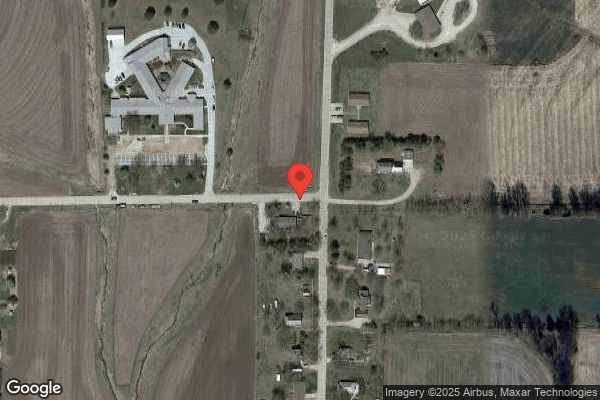

1043 10th Street, Humboldt, NE 68376 (402) 862-3123
Government - City 49 Beds Independent Data: November 2025
Trust Grade
70/100
#78 of 177 in NE
Last Inspection: October 2024

Within standard 12-15 month inspection cycle. Federal law requires annual inspections.

Overview

Colonial Acres of Humboldt has a Trust Grade of B, indicating it is a good choice among nursing homes, but there may be room for improvement. It ranks #78 out of 177 facilities in Nebraska, placing it in the top half, and #1 out of 3 in Richardson County, meaning it is the best option locally. The facility's trend is stable, with the number of issues reported remaining consistent over the past two years. Staffing is rated 4 out of 5 stars with a turnover rate of 42%, which is below the state average, suggesting that staff are experienced and familiar with residents. Notably, there have been no fines on record, which is a positive sign. However, there are some concerns to consider. The facility has had 10 reported issues, all classified as potential harm, including incidents where personal protective equipment was not used properly during wound care and outdated food was found in the kitchen, which could lead to foodborne illnesses. Additionally, there were failures in notifying residents about hospital transfers, which raises questions about communication and care coordination. Overall, while Colonial Acres has strengths in staffing and compliance history, families should weigh these concerns when making a decision.

Trust Score
B
70/100
In Nebraska
#78/177
Top 44%
Safety Record
Low Risk
No red flags
Inspections
Holding Steady
3 → 3 violations
Staff Stability
○ Average
42% turnover. Near Nebraska's 48% average. Typical for the industry.
Penalties
✓ Good
No fines on record. Clean compliance history, better than most Nebraska facilities.
Skilled Nurses
○ Average
Each resident gets 31 minutes of Registered Nurse (RN) attention daily — about average for Nebraska. RNs are the most trained staff who monitor for health changes.
Violations
○ Average
10 deficiencies on record. Average for a facility this size. Mostly minor or procedural issues.
★★★☆☆
3.0
Overall Rating
★★★★☆
4.0
Staff Levels
★☆☆☆☆
1.0
Care Quality
★★★★☆
4.0
Inspection Score
Stable
2023: 3 issues
2024: 3 issues

The Good

  • 4-Star Staffing Rating · Above-average nurse staffing levels
  • Full Sprinkler Coverage · Fire safety systems throughout facility
  • No fines on record
  • Staff turnover below average (42%)

    6 points below Nebraska average of 48%

Facility shows strength in staffing levels, fire safety.

The Bad

3-Star Overall Rating

Near Nebraska average (2.9)

Meets federal standards, typical of most facilities

Staff Turnover: 42%

Near Nebraska avg (46%)

Typical for the industry

The Ugly 10 deficiencies on record

Oct 2024 3 deficiencies
CONCERN (D) 📢 Someone Reported This

A family member, employee, or ombudsman was alarmed enough to file a formal complaint

Potential for Harm - no one hurt, but risky conditions existed

Comprehensive Assessments (Tag F0636)

Could have caused harm · This affected 1 resident

**NOTE- TERMS IN BRACKETS HAVE BEEN EDITED TO PROTECT CONFIDENTIALITY** Licensure Reference Number 175 NAC 12-006.09(B) Based on record review and observations, the facility failed to ensure the Minim...

Read full inspector narrative →
**NOTE- TERMS IN BRACKETS HAVE BEEN EDITED TO PROTECT CONFIDENTIALITY** Licensure Reference Number 175 NAC 12-006.09(B) Based on record review and observations, the facility failed to ensure the Minimum Data Set (MDS, a federally mandated comprehensive assessment tool used for care planning purposes) reflected the status of Resident 27's catheter at the time of admission. The sample size was 13. The facility census was 27. Findings Are: On 9/30/24 at 11:42 AM Resident 27 was observed sitting in (gender's) room in (gender's) wheelchair with a catheter bag hanging from the wheelchair. On 10/1/24 at 9:00 AM Resident 27 was observed sitting in (gender's) room in (gender's) wheelchair with a catheter bag hanging from the wheelchair. A record review of an admission Record with the printed date of 9/30/24 indicated the facility admitted Resident 27 on 5/15/24 with diagnoses of Malignant Neoplasm of Bladder (also known as bladder cancer, is a cancerous tumor that forms in the lining of the bladder), Calculus of Kidney (a hard deposit of minerals and salts that forms in the kidney), Hematuria (the presence of red blood cells in the urine), Retention of Urine(a condition that makes it difficult or impossible to empty the bladder), Obstructive and Reflux Uropathy(when urine can't drain through the urinary tract, causing urine to back up into the kidneys). A record review of Resident 27's History and Physical dated 5/20/24 revealed that Resident 27 was admitted with a urinary catheter. A record review of Resident 27's physician's orders with a revision date of 9/14/24 revealed an order to Flush Foley catheter with 60 ml normal saline daily. A record review of Resident 27's physician's orders with a revision date of 9/13/24 revealed an order to Change the catheter every 30 days and as needed. Replace with same size catheter and bulb fill as per physicians orders. May irrigate catheter with 120 cc (cubic centimeters) of normal saline/sterile water as needed. A record review of Resident 27's MDS dated [DATE] revealed documentation in Section H-Bladder and Bowel stating None of the above in reference to whether the resident had an indwelling catheter, an external catheter, an ostomy, or intermittent catheterization. An interview on 10/2/24 with the DON (Director of Nursing) confirmed that the catheter should have been marked on the MDS and that the catheter was not marked on the MDS.
CONCERN (D) 📢 Someone Reported This

A family member, employee, or ombudsman was alarmed enough to file a formal complaint

Potential for Harm - no one hurt, but risky conditions existed

Comprehensive Care Plan (Tag F0656)

Could have caused harm · This affected 1 resident

Licensure Reference Number 175 NAC 12-006.09(E) Based on record review and interview, the facility failed to develop a Comprehensive Care Plan (CCP-written instructions needed to provide effective and...

Read full inspector narrative →
Licensure Reference Number 175 NAC 12-006.09(E) Based on record review and interview, the facility failed to develop a Comprehensive Care Plan (CCP-written instructions needed to provide effective and person centered care of a resident that meet professional standards of quality care) for 1 (Resident 27) of 2 sampled resident's catheter cares. The facility census was 27. Findings Are: On 9/30/24 at 11:42 AM Resident 27 was observed sitting in (gender's) room in (gender's) wheelchair with a catheter bag hanging from the wheelchair. On 10/1/24 at 9:00 AM Resident 27 was observed sitting in (gender's) room in (gender's) wheelchair with a catheter bag hanging from the wheelchair. A record review of an admission Record with the printed date of 9/30/24 indicated the facility admitted Resident 27 on 5/15/24 with diagnoses of Malignant Neoplasm of Bladder (also known as bladder cancer, is a cancerous tumor that forms in the lining of the bladder), Calculus of Kidney (a hard deposit of minerals and salts that forms in the kidney), Hematuria (the presence of red blood cells in the urine), Retention of Urine(a condition that makes it difficult or impossible to empty the bladder), Obstructive and Reflux Uropathy(when urine can't drain through the urinary tract, causing urine to back up into the kidneys). A record review of Resident 27's History and Physical dated 5/20/24 revealed the resident was admitted with a urinary catheter. A record review of Resident 27's physician's order dated 9/14/24 revealed an order to Flush Foley catheter with 60 milliliters (ml) of normal saline daily. A record review of Resident 27's physician's order dated 9/13/24 revealed an order to Change the catheter every 30 days and as needed. Replace with same size catheter and bulb fill as per physician's orders. May irrigate catheter with 120 cubic centimeters (cc) of normal saline/sterile water as needed. A record review of Resident 27's CCP dated 5/16/24 revealed the following: A) Focus: The resident has urge, functional, mixed bladder incontinence related to disease process bladder cancer. B) Interventions: 1) Brief Use: The resident is very resistant to utilizing incontinency products. Offer different types to achieve comfort zone, 2) Check bathroom and room for wet clothing frequently and place soiled clothing in laundry, 3) Clean peri-area with each incontinence episode, 4) Incontinent: Check between meals and as required for incontinence. C) Goals: 1) The resident will remain free from skin breakdown due to incontinence and brief use through the review date: Target date 7/19/24. An interview on 10/2/14 at 12:27 PM with the DON (Director of Nursing) confirmed that Resident 27's catheter care should have been on the care plan and the catheter care was not on the care plan.
CONCERN (E) 📢 Someone Reported This

A family member, employee, or ombudsman was alarmed enough to file a formal complaint

Potential for Harm - no one hurt, but risky conditions existed

Infection Control (Tag F0880)

Could have caused harm · This affected multiple residents

E. An observation on 10/01/2024 at 12:58 PM revealed missing signage and Personal protective equipment (PPE) for Enhanced Barrier precautions (EBP) for wound cares and wound vacuum treatments for Resi...

Read full inspector narrative →
E. An observation on 10/01/2024 at 12:58 PM revealed missing signage and Personal protective equipment (PPE) for Enhanced Barrier precautions (EBP) for wound cares and wound vacuum treatments for Resident 131's right lower extremity. An observation on 10/02/2024 at 3:11 PM with the Director of nursing (DON) providing cares to Resident 131's right lower leg wound and wound vacuum. The DON pealed back the temporary dressing of a folded 4x4 and paper tape to expose the right lower extremity wound. When preforming this action, the DON did not have on all of the required PPE, the DON had donned gloves to their bilateral hands. An interview with the Director of Nursing on 10/2/2024 at 12:27 PM confirmed that there was not EBP posted signage and/or supplies of PPE, (Staff and/or visitors are required to wear to minimize possible exposure to hazards that cause serious workplace injuries and illnesses) for residents who have indwelling appliances or wound care. Licensure Reference Number 175 NAC 12-006.18(B) & 1-005.06 Based on observations, interviews, and record reviews; the facility failed to utilize Enhanced Barrier Precautions (EBP, a set of infection control measures that aim to reduce the spread of multidrug-resistant organisms (MDROs) in nursing homes), to reduce the potential for transmission of infection during high contact resident care activities related to Resident 27's indwelling urinary catheter, Resident 22's wound, urostomy, and colostomy, Resident 129's tube feeding, Resident 131's wound, and Resident 18's wound. The sample size of residents was 27. The facility census was 27. Findings are: A review of the facility's Personal Protective Equipment policy statement dated 2001 and revised October 2018 revealed the following: Policy Interpretion and Implementation: -Personnel who perform task that may involve exposure to blood/body fluids are provided appropriate personal protective equipement at no charge. -Personal protective equipment provided to our personnel includes but is not necessarily limited to: gowns/aprons/lab coats (disposable, cloth, and or plastic),gloves (sterile, non-sterile, heavy duty, and or puncture resistant),masks and,eye wear (goggles, and or face shields). -A supply of protective clothing and equipment is maintained at the nurse's station. PPE required for transmission-based precautions (TBP) is maintained outside and inside of resident's rooms, as needed. A. A record review of Resident 18's wound-weekly observation tool dated 8/15/24 revealed Resident 18 had wound areas to Resident 18's right and left buttocks. A record review of Resident 18's diagnosis list with the printed dated of 10/1/24 revealed a pressue ulcer (a localized injury to the skin and tissue caused by prolonged pressure on the skin) dated 7/23/24. A record review of a follow up document from the wound physician, dated 9/19/24 revealed Resident 18 had a decubitus ulcer (a localized injury to the skin and tissue caused by prolonged pressure on the skin) to Resident 18's right and left buttocks. On 10/1/24 at 8:30 AM, Resident 18 was observed sitting in their wheelchair in their room. There were no EBP supplies in Resident 18's room or signage by Resident 18's door indicating the need for EBP. On 10/1/24 at 9:30 AM an observation was made of the Director of Nursing (DON) assisting Resident 18 to the bathroom and with gloved hands, cleansed the resident's peri-area after use of toilet. There was no dressing covering the open areas on Resident 18's buttocks. There were no EBP supplies in the resident's room. There was no signage on Resident 18's door indicating the need for EBP. B. On 9/30/24 at 11:42 AM Resident 27 was observed sitting in (gender's) room in (gender's) wheelchair with a catheter bag hanging from the wheelchair. There was no Enhanced Barrier Precautions (EBP) are a set of infection control measures that aim to reduce the spread of multidrug-resistant organisms (MDROs) in nursing homes) in the room or a sign by the Residents door. On 10/1/24 at 9:00 AM Resident 27 was observed sitting in (genders) room in (genders) wheelchair with a catheter bag hanging from the wheelchair. There was no EBP in Resident 27's room or signage by Resident 27's door indicating the need for EBP. A record review of Resident 27's physician's orders dated 9/14/24 revealed an order to Flush Foley catheter with 60 milliliters (ml) normal saline daily. A record review of Resident 27's physician's orders dated 9/13/24 revealed an order to Change the catheter every 30 days and as needed. Replace with same size catheter and bulb fill as per physician's orders. May irrigate catheter with 120 cubic centimeters (cc) of normal saline/sterile water as needed. C. A record review of Resident 22's admission Record revealed that Resident 22 returned to the facility on 9/30/24. Resident 22 had a urostomy (a surgical procedure that creates a new opening in the abdomen to allow urine to exit the body) and a colostomy (an operation that creates an opening for the colon, or large intestine, through the abdomen) and Resident 22 had a wound vac (a medical device that uses suction to help wounds heal). An observation on 10/2/24 at 12:00 PM of Resident 22's room revealed that there was no EBP supplies in Resident 22's room or outside of Resident 22's room nor any signs posted inside or outside Resident 22's room indicating the need for EBP. D. On 9/30/24 at 1:22 PM an observation of Resident 129 revealed the resident sitting in bed with a G-Tube (a tube that's surgically inserted through the abdominal wall and into the stomach) showing outside of (gender's) shirt. There was no EBP supplies in Resident 129's room or outside of Resident 129's room nor any signs posted inside or outside Resident 129's room indicating that EBP was needed. An interview on 10/02/24 at 11:05 AM with the DON (Director of Nursing) confirmed that the facility was not following the EBP for indwelling catheters/devices or wound cares. There were no EBP signs on the residents' doors that had indwelling catheters/devices or wounds and there was no PPE in the rooms or outside of the rooms for Resident 27(catheter), Resident 22 (wounds, colostomy,urostomy), Resident 131 (wounds), Resident 18 (wounds) and Resident 129 (tube feeding) and there should have been EBP for residents who had indwelling appliances and wound care.
Nov 2023 3 deficiencies
CONCERN (D)

Potential for Harm - no one hurt, but risky conditions existed

PASARR Coordination (Tag F0644)

Could have caused harm · This affected 1 resident

**NOTE- TERMS IN BRACKETS HAVE BEEN EDITED TO PROTECT CONFIDENTIALITY** Based on record review and interviews, the facility failed to complete a level 2 PASARR (necessary to confirm the indicated diag...

Read full inspector narrative →
**NOTE- TERMS IN BRACKETS HAVE BEEN EDITED TO PROTECT CONFIDENTIALITY** Based on record review and interviews, the facility failed to complete a level 2 PASARR (necessary to confirm the indicated diagnosis noted in the Level I Screening and to determine whether placement or continued stay in a Nursing Facility is appropriate) assessment for 2 of 2 sampled residents (Resident 22 and Resident 23) after a new diagnosis of a serious mental disorder was received. The facility had a census of 31. Findings are: A. Record review of Resident 22's admission Record reviewed on 11/14/2023 shows an admission date to facility on 5/1/2022 with a diagnosis of Generalized Anxiety Disorder (GAD) (persistent feeling of anxiety or dread) with an onset date of 5/1/2022. Record review of Resident 22's admission Orders dated 5/1/2022 shows an order for hydroxyzine (an antihistamine that can be used to treat anxiety) 12.5 mg (milligram) at bedtime for anxiety (intense, excessive and persistent worry and fear) and insomnia (inability to sleep). Record review of Resident 22's preadmission PASARR dated 5/1/22 reported there were no signs of a serious mental illness, intellectual disability, or a related diagnoses found during the Level 1 screen. Record review of Resident 22's admission MDS (Minimum Data Set, a comprehensive assessment of a resident's functional abilities) dated 5/7/22 under Section A1500, read: is the resident currently considered by the state level II PASARR to have a serious mental illness and/or intellectual disability or a related condition is marked with an answer of 'no.' Section I5700 of the MDS is marked yes for active diagnosis of Anxiety Disorder. Record review of Resident 22's admission Record printed 11/14/2023 revealed a new diagnoses of Delusional Disorders (type of psychotic disorder in which a person can't tell what's real from what's imagined) and Major Depressive Disorder (mood disorder that causes a persistent feeling of sadness and loss of interest) both added 7/8/2022. Record review of Resident 22's Care Plan (document that provides direction on the type of nursing care a resident needs) dated 8/8/2023 showed that Mirtazapine (medication for depression) and Seroquel (antipsychotic medication for depression and delusional disorder) was initiated 6/2/2022. Record review of Resident 22's Quarterly MDS dated [DATE] 22 under Section A1500, is the resident currently considered by the state level II PASARR to have a serious mental illness and/or intellectual disability or a related condition is marked 'no,' with Section I5700 marked yes for active diagnosis of Anxiety Disorder, 15800 Depression and I5950 Psychotic disorder. Interview on 11/15/2023 at 4:30 PM with Social Services (SS) confirmed that no level II PASARR was initiated with additional diagnosis of Delusional Disorder and Major Depressive Disorder on 7/8/2022 and should have been done. B. A record review of the PASARR dated 11/11/2022 for Resident 23 indicated no serious mental illness or intellectual disability or related condition. The PASARR contained a diagnosis of mild depressive disorder (continuous low mood or sadness; feeling hopeless and helpless; having low self-esteem; feeling tearful) for Resident 23. The PASARR for Resident 23 contained a question which read as follows: -Does the individual have a diagnosis of dementia (progressive or persistent loss of intellectual functioning) or neurocognitive disorder (decreased mental function due to a medical disease other than a psychiatric illness) that is considered advanced, primary, or late stage with an answer of no. A record review of the MDS dated [DATE], section A had the following question and answer regarding Resident 23's PASARR: -A1500. PASARR, Is the resident currently considered by the state level II PASRR process to have serious mental illness and/or intellectual disability or a related condition? with an answer of no. -Section I5950 was documented as a Psychotic disorder (a group of serious illnesses that affect the mind) (other than schizophrenia) with an answer of yes. A record review of the diagnosis list for Resident 23 revealed a diagnosis of unspecified dementia with agitation dated 11/9/22, delusional disorder (a type of serious mental called a psychotic disorder illness), dated 8/2/22, generalized anxiety disorder (Persistent worrying or anxiety about a number of areas that are out of proportion to the impact of the events) dated 7/7/23, and major depressive disorder (a mood disorder that interferes with daily life) dated 7/7/23. An interview on 11/15/23 at 2:20 PM with the MDS Coordinator confirmed that no level 2 PASARR had been initiated with the additional diagnosis of generalized anxiety disorder dated 7/7/23, and major depressive disorder dated 7/7/23.
CONCERN (D)

Potential for Harm - no one hurt, but risky conditions existed

Deficiency F0661 (Tag F0661)

Could have caused harm · This affected 1 resident

**NOTE- TERMS IN BRACKETS HAVE BEEN EDITED TO PROTECT CONFIDENTIALITY** LICENSURE REFERENCE NUMBER 175 NAC 12-006.09C3 Based on interview and record review the facility failed to complete a recapitula...

Read full inspector narrative →
**NOTE- TERMS IN BRACKETS HAVE BEEN EDITED TO PROTECT CONFIDENTIALITY** LICENSURE REFERENCE NUMBER 175 NAC 12-006.09C3 Based on interview and record review the facility failed to complete a recapitulation of stay for 2 (Residents 32 and 33) of 2 sampled residents. The facility staff identified a census of 31. Findings are: A. A record review of the facility admission Record revealed Resident 32 had been admitted into the facility on 8/10/23 with a primary diagnosis of Cellulitis (a common, potentially serious bacterial skin infection). A record review of the Progress Notes dated 9/6/23 revealed Resident 32 had been sent to the emergency room (ER) due to respiratory distress and low blood pressure. A request was made on 11/15/23 at 1:35 PM for the recapitulation of stay for Resident 32. An interview with the facility Director of Nursing (DON) on 11/15/23 at 4:00 PM confirmed that the facility had not completed a recapitulation of stay for Resident 32. B. A record review of the demographic information for Resident 33 revealed Resident 33 admitted on [DATE] with a primary diagnosis of Atrial Fibrillation (an irregular and often very rapid heart rhythm). A record review of the Progress Notes dated 10/14/23 revealed Resident 33 had left the facility with the representative. A record review of the Progress Notes dated 10/14/23 revealed Resident 33 had been admitted to the hospital and did not return to the facility. A request was made on 11/15/23 at 1:35 PM for the recapitulation of stay for Resident 33. An interview with the facility DON on 11/15/23 at 4:00 PM confirmed that the facility had not completed a recapitulation of stay for Resident 33. Record review of the undated facility policy titled Discharge Summary and Plan of Care read as follows: 3. Upon discharge of a resident (other than in emergency to hospital or death) a discharge summary will be provided to the receiving care provider. The Discharge Summary should include: a. An overview of the resident's stay that includes but not limited to: diagnosis, course of illness/treatment or therapy, and pertinent lab, radiology, and consultation results. b. A final summary of the resident's status at the time of discharge that is available for release to authorized persons and agencies, with the consent of the resident or resident's representative. c. Reconciliation of all pre-discharge medications with the resident's post discharge medications to include prescription and over the counter medications.
CONCERN (E)

Potential for Harm - no one hurt, but risky conditions existed

Food Safety (Tag F0812)

Could have caused harm · This affected multiple residents

LICENSURE REFERENCE NUMBER 175 NAC-12-006. 11E Based on observation, interview and record review; the facility failed to ensure outdated foods were not available for use, failed to label and date open...

Read full inspector narrative →
LICENSURE REFERENCE NUMBER 175 NAC-12-006. 11E Based on observation, interview and record review; the facility failed to ensure outdated foods were not available for use, failed to label and date opened food and failed to utilize handwashing and gloving techniques to prevent the potential for food borne illness This had the potential to affect all the residents. Facility census was 31. Findings are: A. Observation on 11/13/23 at 9:10 AM with the Dietary Manager (DM) during initial kitchen tour revealed the following: -A open bag of shredded mozzarella cheese with no open date. -A open bag of shredded cheddar cheese with no open date. -Cheddar cheese slices wrapped in saran wrap with no open date. -A open bag of cabbage heads not closed shut with one head of cabbage to have dark brown/black discoloration. -A open bag of lettuce heads not closed shut with one head appearing wet/slimy with brown leaves. -A large bag of open shredded lettuce with no open date. -A open horseradish container with expiration date of 8/22/2023. -A jug of salsa with open date of 6/25/2023 with expiration date of 7/23/2023. -A jug of lime juice with open date of 3/17/2023 with expiration date of 8/13/2023. -A open bag of powdered sugar with no open date. -Record review of the facility policy Food Procurement, Receiving and Storage dated 2021 stated label, date, and monitor refrigerated food, including leftovers, so that it is consumed by its use-by-date, frozen (where applicable), or discarded. -Interview on 11/13/2023 at 9:15 AM with the DM confirmed that all food packages should be labeled and dated when opened and all food packages that have expired should be disposed of to prevent food borne illness. B. Observation on 11/15/2023 at 11:50 AM revealed Dietary Manager DM) washed hands at sink with soap and water for 15 seconds. Observation on 11/15/2023 at 12:20 PM revealed DM washed hands at sink with soap and water for 10 seconds. Observation on 11/15/2023 at 12:40 PM revealed [NAME] rinsed their hands at sink with water only and dried hands. Interview on 11/15/2023 at 2:00 PM with DM revealed 10-15 seconds was not long enough to wash hands with soap and water to prevent cross contamination or food borne illness. DM also confirmed that rinsing hands with water only is not appropriate hand hygiene.
Nov 2022 4 deficiencies
CONCERN (D)

Potential for Harm - no one hurt, but risky conditions existed

Comprehensive Care Plan (Tag F0656)

Could have caused harm · This affected 1 resident

**NOTE- TERMS IN BRACKETS HAVE BEEN EDITED TO PROTECT CONFIDENTIALITY** NAC 175 12-006.09C Based on record review and interview, the facility failed to ensure that a Comprehensive Care Plan (CCP-- wri...

Read full inspector narrative →
**NOTE- TERMS IN BRACKETS HAVE BEEN EDITED TO PROTECT CONFIDENTIALITY** NAC 175 12-006.09C Based on record review and interview, the facility failed to ensure that a Comprehensive Care Plan (CCP-- written instructions needed to provide effective and person-centered care of the resident including care needs, goals, and interventions) for Resident 28 included target behaviors and non-pharmalogical interventions relating to the use of psychotropic (a drug that affects behavior, mood, thoughts, or perception) medications. This affected 1 of 12 residents sampled for Comprehensive Care Plans. The facility census was 36. Findings are: A record review of Resident 28's admission Face Sheet revealed that the resident was admitted to the facility on [DATE] and that his list of diagnoses included Dementia, Delusional Disorders (a serious mental disorder in which the person cannot tell the difference between what is real and what is not), and Post-Traumatic Stress Disorder (PTSD-a disorder that develops in some people who have experienced a shocking, scary, or dangerous event). A review of Resident 28's Order Summary dated 11/15/22 revealed the resident was on the following psychotropic medications: Quetiapine (an antipsychotic) 25 milligrams (mg) take one tablet by mouth at bedtime; and Mirtazapine (an antidepressant) 15 mg take one tablet by mouth at bedtime. Record review of the pharmacy's Note to Attending Physician/Prescriber signed by the provider on 11/2/22, revealed that the Quetiapine was for Delusional Dementia with PTSD, and the Mirtazapine was for mood, Dementia, sleep, and appetite. A review of the resident's CCP revealed a focus that addressed the resident's use of psychotropics. One of the listed interventions for this, dated 3/16/22, was to Monitor/record occurrence of for target behavior symptoms and document per facility protocol. The CCP did not identify specific target behaviors for staff to monitor. The CCP also did not contain information regarding any interventions to be used for the use of antipsychotic and antidepressant medications. A review of Resident 28's Treatment Administration Record (TAR) for November 2022 revealed an order for Behavior monitoring for Seroquel use two times a day. The TAR did not contain any specified target behaviors to monitor or any non-pharmalogical interventions to use. An interview with Registered Nurse (RN) A on 11/17/22 at 1:19 PM confirmed there were no target behaviors or non-pharmalogical interventions listed in Resident 28's CCP or TAR for staff to monitor or document.
CONCERN (D)

Potential for Harm - no one hurt, but risky conditions existed

Deficiency F0923 (Tag F0923)

Could have caused harm · This affected 1 resident

**NOTE- TERMS IN BRACKETS HAVE BEEN EDITED TO PROTECT CONFIDENTIALITY** LICENSURE REFERENCE 12-007-04D Based on observation and interview, the facility failed to provide ventilation in the residents' ...

Read full inspector narrative →
**NOTE- TERMS IN BRACKETS HAVE BEEN EDITED TO PROTECT CONFIDENTIALITY** LICENSURE REFERENCE 12-007-04D Based on observation and interview, the facility failed to provide ventilation in the residents' bathrooms for rooms [ROOM NUMBERS]. The facility census was 36. Findings are: Observation on 11/14/22 at 11:00 AM, in room [ROOM NUMBER] and 209 bathroom's; the vents did not draw air for 1 ply toilet paper. Observation on 11/17/22 at 3:00 PM, in 204 and 209's bathroom; the vents did not draw air for 1 ply toilet paper. Interview on 11/17/22 at 3:15 PM with the Maintenance Director revealed at times the vent did not pull air into the system.
CONCERN (E)

Potential for Harm - no one hurt, but risky conditions existed

Transfer Notice (Tag F0623)

Could have caused harm · This affected multiple residents

**NOTE- TERMS IN BRACKETS HAVE BEEN EDITED TO PROTECT CONFIDENTIALITY** Based on record review and interview, the facility failed to ensure that the resident and/or resident's representative was notif...

Read full inspector narrative →
**NOTE- TERMS IN BRACKETS HAVE BEEN EDITED TO PROTECT CONFIDENTIALITY** Based on record review and interview, the facility failed to ensure that the resident and/or resident's representative was notified in writing of the reason for transfer to the hospital for 3 residents (Resident 4, 15, and 29) out of 3 sampled for transfer notices, and the facility failed to notify the ombudsman of transfer for 1 resident (Resident 4) out of 3 sampled for Ombudsman notification. The facility census was 36. Findings are: A. In the initial interview on 11/14/22 at 4:40 PM, Resident 4 revealed that they had gone to the emergency room (ER) after they fell off the toilet. A review of the resident's Electronic Health Record (EHR) revealed that the resident was transferred to the ER on [DATE] after a fall and returned later that day. A review of Resident 4's Progress Notes from 9/21/22 to 10/1/22 revealed no documentation of Written Notice of Transfer being given to the resident or their representative. An interview with the Social Service Designee (SSD) on 11/16/22 at 2:25 PM confirmed that they had not provided the resident or their representative a Written Notice of Transfer when the resident went to the hospital ER. A review of the list of Ombudsman notifications for September 2022 revealed Resident 4 was not on the list provided to the Ombudsman. An interview with the SSD on 11/17/22 at 11:21 AM confirmed that the Ombudsman was not notified of Resident 4's transfer to the hospital ER in September 2022. B. In the initial interview on 11/15/22 at 10:45 AM Resident 15 revealed that they had gone to the ER after a fall. A review of the resident's EHR revealed that the resident was transferred to the ER on [DATE] after falling and was in the hospital from [DATE] to 8/31/22. A review of Resident 15's Progress Notes from 8/28/22 to 9/1/22 revealed no documentation of Written Notice of Transfer being given to the resident or their representative. An interview with the Social Service Designee (SSD) on 11/16/22 at 2:25 PM confirmed that they had not provided the resident or their representative a Written Notice of Transfer when the resident went to the hospital ER. C. A review of Resident 29's medical record revealed on 8/9/22 the resident was transferred to the emergency room after the resident fell, had an injury, and then had hip surgery. Interview on 11/17/22 at 9:00 AM an interview with the Director of Nursing revealed the status of the resident and accident; were telephoned to the family and no written documentation was completed.
CONCERN (E)

Potential for Harm - no one hurt, but risky conditions existed

Deficiency F0625 (Tag F0625)

Could have caused harm · This affected multiple residents

**NOTE- TERMS IN BRACKETS HAVE BEEN EDITED TO PROTECT CONFIDENTIALITY** Based on record review and interview, the facility failed to notify the resident and/or resident's representative of the facilit...

Read full inspector narrative →
**NOTE- TERMS IN BRACKETS HAVE BEEN EDITED TO PROTECT CONFIDENTIALITY** Based on record review and interview, the facility failed to notify the resident and/or resident's representative of the facility policy for bed hold upon transfer to the hospital for 3 Residents (4, 15, and 29) out of 3 sampled for bed hold notices. The facility census was 36. Findings are: A. In the initial interview on 11/14/22 at 4:40 PM, Resident 4 revealed that they had gone to the emergency room (ER) after they fell off the toilet. A review of the resident's Electronic Health Record (EHR) revealed that the resident was transferred to the ER on [DATE] after a fall and returned later that day. A review of Resident 4's Progress Notes from 9/21/22 to 10/1/22 revealed no documentation of the facility's Policy for Bed Hold being given to the resident or their representative. An interview with the Social Service Designee (SSD) on 11/16/22 at 2:25 PM confirmed that they had not provided the resident or their representative a copy of the facility's Policy for Bed Hold when the resident went to the hospital ER. B. In the initial interview on 11/15/22 at 10:45 AM Resident 15 revealed that they had gone to the ER after a fall. A review of the resident's EHR revealed that the resident was transferred to the ER on [DATE] after falling and was in the hospital from [DATE] to 8/31/22. A review of Resident 15's Progress Notes from 8/28/22 to 9/1/22 revealed no documentation of the facility's Policy for Bed Hold being given to the resident or their representative. An interview with the Social Service Designee (SSD) on 11/16/22 at 2:25 PM confirmed that they had not provided the resident or their representative a copy of the facility's Policy for Bed Hold when the resident went to the hospital ER. C. A review of Residents 29's medical record revealed Resident 29 was hospitalized from a fall and injury on 8/9/22 and the resident had hip surgery on 8/10/22. A review of Resident 29's medical record did not reveal documentation that Resident 29's or representative were provided documentation from facility for a bed hold policy. An interview on 11/17/22 at 9:00 AM with the Director of nursing confirmed no written bed hold policy was given to Resident 29 or representative for hospital stay starting 8/9/22.
Understanding Severity Codes (click to expand)
Life-Threatening (Immediate Jeopardy)
J - Isolated K - Pattern L - Widespread
Actual Harm
G - Isolated H - Pattern I - Widespread
Potential for Harm
D - Isolated E - Pattern F - Widespread
No Harm (Minor)
A - Isolated B - Pattern C - Widespread

Questions to Ask on Your Visit

  • "Can I speak with families of current residents?"
  • "What's your RN coverage like on weekends and overnight?"

Our Honest Assessment

Strengths
  • • No major safety red flags. No abuse findings, life-threatening violations, or SFF status.
  • • No fines on record. Clean compliance history, better than most Nebraska facilities.
  • • 42% turnover. Below Nebraska's 48% average. Good staff retention means consistent care.
Concerns
  • • No major red flags. Standard due diligence and a personal visit recommended.
Bottom line: Mixed indicators with Trust Score of 70/100. Visit in person and ask pointed questions.

About This Facility

What is Colonial Acres Of Humboldt's CMS Rating?

CMS assigns Colonial Acres of Humboldt an overall rating of 3 out of 5 stars, which is considered average nationally. Within Nebraska, this rating places the facility higher than 99% of the state's 100 nursing homes. This mid-range rating indicates the facility meets federal standards but may have areas for improvement.

How is Colonial Acres Of Humboldt Staffed?

CMS rates Colonial Acres of Humboldt's staffing level at 4 out of 5 stars, which is above average compared to other nursing homes. Staff turnover is 42%, compared to the Nebraska average of 46%. This relatively stable workforce can support continuity of care.

What Have Inspectors Found at Colonial Acres Of Humboldt?

State health inspectors documented 10 deficiencies at Colonial Acres of Humboldt during 2022 to 2024. These included: 10 with potential for harm.

Who Owns and Operates Colonial Acres Of Humboldt?

Colonial Acres of Humboldt is owned by a government entity. Government-operated facilities are typically run by state, county, or municipal agencies. The facility operates independently rather than as part of a larger chain. With 49 certified beds and approximately 35 residents (about 71% occupancy), it is a smaller facility located in Humboldt, Nebraska.

How Does Colonial Acres Of Humboldt Compare to Other Nebraska Nursing Homes?

Compared to the 100 nursing homes in Nebraska, Colonial Acres of Humboldt's overall rating (3 stars) is above the state average of 2.9, staff turnover (42%) is near the state average of 46%, and health inspection rating (4 stars) is above the national benchmark.

What Should Families Ask When Visiting Colonial Acres Of Humboldt?

Based on this facility's data, families visiting should ask: "Can I visit during a mealtime to observe dining assistance and food quality?" "How do you handle medical emergencies, and what is your hospital transfer rate?" "Can I speak with family members of current residents about their experience?"

Is Colonial Acres Of Humboldt Safe?

Based on CMS inspection data, Colonial Acres of Humboldt has a clean safety record: no substantiated abuse findings (meaning no confirmed cases of resident harm), no Immediate Jeopardy citations (the most serious violation level indicating risk of serious injury or death), and is not on the Special Focus Facility watch list (a federal program monitoring the lowest-performing 1% of nursing homes). The facility has a 3-star overall rating and ranks #1 of 100 nursing homes in Nebraska. While no facility is perfect, families should still ask about staff-to-resident ratios and recent inspection results during their visit.

Do Nurses at Colonial Acres Of Humboldt Stick Around?

Colonial Acres of Humboldt has a staff turnover rate of 42%, which is about average for Nebraska nursing homes (state average: 46%). Moderate turnover is common in nursing homes, but families should still ask about staff tenure and how the facility maintains care continuity when employees leave.

Was Colonial Acres Of Humboldt Ever Fined?

Colonial Acres of Humboldt has no federal fines on record. CMS issues fines when nursing homes fail to meet care standards or don't correct problems found during inspections. The absence of fines suggests the facility has either maintained compliance or corrected any issues before penalties were assessed. This is a positive indicator, though families should still review recent inspection reports for the full picture.

Is Colonial Acres Of Humboldt on Any Federal Watch List?

Colonial Acres of Humboldt is not on any federal watch list. The most significant is the Special Focus Facility (SFF) program, which identifies the bottom 1% of nursing homes nationally based on persistent, serious quality problems. Not being on this list means the facility has avoided the pattern of deficiencies that triggers enhanced federal oversight. This is a positive indicator, though families should still review the facility's inspection history directly.