Ambassador Health of Lincoln
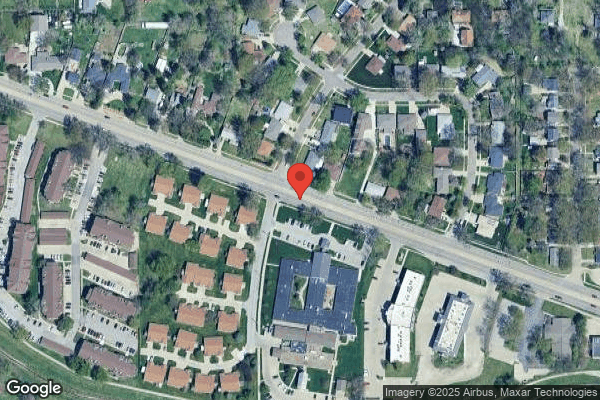
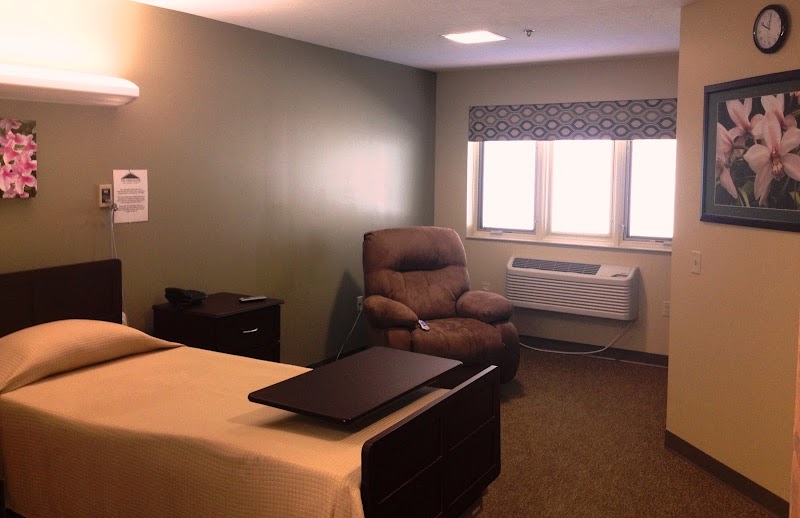
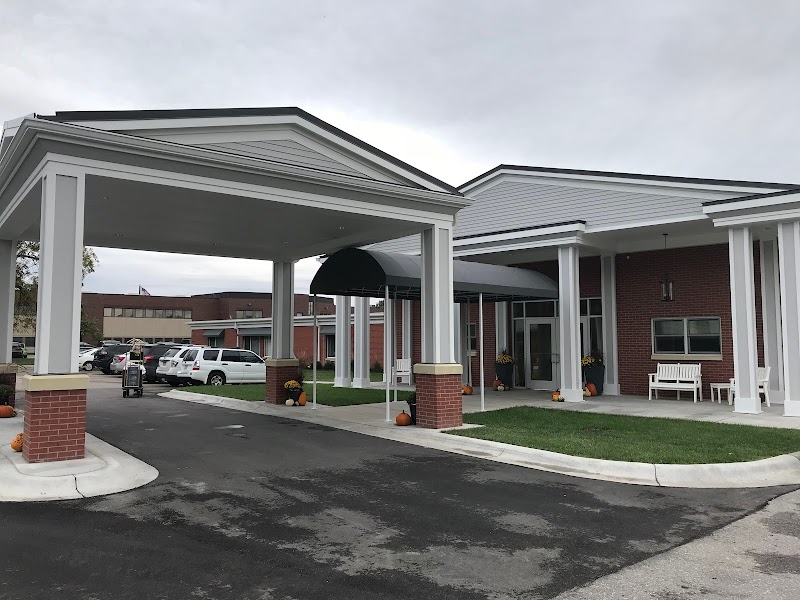
4405 Normal Blvd, Lincoln, NE 68506 (402) 488-2355
For profit - Corporation 122 Beds AMBASSADOR HEALTH Data: November 2025
Trust Grade
63/100
#72 of 177 in NE
Last Inspection: November 2024

Within standard 12-15 month inspection cycle. Federal law requires annual inspections.

Overview

Ambassador Health of Lincoln has a Trust Grade of C+, indicating it is slightly above average, but not exceptional. It ranks #72 out of 177 facilities in Nebraska, placing it in the top half, and #7 out of 14 in Lancaster County, meaning there are only a few local options that are better. The trend is improving, with reported issues decreasing from 8 in 2023 to 5 in 2024, suggesting positive changes are being made. Staffing is a strength, rated at 4 out of 5 stars, with a turnover rate of 45% which is below the state average, meaning staff are likely to remain and develop relationships with residents. However, there have been some concerning incidents, such as staff failing to perform proper hand hygiene in the kitchen, and a resident's nebulizer kit not being cleaned after use, indicating potential risks in infection control and resident care. Overall, while the facility shows some strengths, there are important areas needing improvement.
Trust Score
C+
63/100
In Nebraska
#72/177
Top 40%
Safety Record
Low Risk
No red flags
Inspections
Getting Better
8 → 5 violations
Staff Stability
○ Average
45% turnover. Near Nebraska's 48% average. Typical for the industry.
Penalties
✓ Good
$9,750 in fines. Lower than most Nebraska facilities. Relatively clean record.
Skilled Nurses
✓ Good
Each resident gets 61 minutes of Registered Nurse (RN) attention daily — more than 97% of Nebraska nursing homes. RNs are the most trained staff who catch health problems before they become serious.
Violations
⚠ Watch
13 deficiencies on record. Higher than average. Multiple issues found across inspections.
★★★☆☆
3.0
Overall Rating
★★★★☆
4.0
Staff Levels
★★★☆☆
3.0
Care Quality
★★★☆☆
3.0
Inspection Score
Stable
2023: 8 issues
2024: 5 issues

The Good

  • 4-Star Staffing Rating · Above-average nurse staffing levels
  • Full Sprinkler Coverage · Fire safety systems throughout facility
  • No fines on record
  • Staff turnover below average (45%)

    3 points below Nebraska average of 48%

Facility shows strength in staffing levels, fire safety.

The Bad

3-Star Overall Rating

Near Nebraska average (2.9)

Meets federal standards, typical of most facilities

Staff Turnover: 45%

Near Nebraska avg (46%)

Typical for the industry

Federal Fines: $9,750

Below median ($33,413)

Minor penalties assessed

Chain: AMBASSADOR HEALTH

Part of a multi-facility chain

Ask about local staffing decisions and management

The Ugly 13 deficiencies on record

Nov 2024 5 deficiencies
CONCERN (D)

Potential for Harm - no one hurt, but risky conditions existed

Resident Rights (Tag F0550)

Could have caused harm · This affected 1 resident

**NOTE- TERMS IN BRACKETS HAVE BEEN EDITED TO PROTECT CONFIDENTIALITY** Licensure Reference Number 175 NAC 12-006.05(S) Based on interview and record review, the facility failed to ensure the staff ex...

Read full inspector narrative →
**NOTE- TERMS IN BRACKETS HAVE BEEN EDITED TO PROTECT CONFIDENTIALITY** Licensure Reference Number 175 NAC 12-006.05(S) Based on interview and record review, the facility failed to ensure the staff explained procedures and provide privacy during resident cares for 1 (Resident 15) of 3 sampled residents. The total facility census was 72. Findings are: A record review of the facility's Dignity policy dated 02/05/2024 revealed residents were treated with dignity and respect at all times. Procedures were explained before they were performed. Staff would promote, maintain, and protect resident privacy, including bodily privacy during assistance with personal care and during treatment procedures. Staff were expected to treat cognitively impaired (confused) residents with dignity and sensitivity. A record review of Resident 15's Resident Census dated 11/13/2024 revealed the resident was admitted to the facility on [DATE]. A record review of Resident 15's SNF (Skilled Nursing Facility) Continuity of Care Document (CCD) dated 11/13/2024 revealed the resident had diagnoses of Anoxic Brain Injury (an injury that cut off oxygen to the brain), Tracheostomy status (trach)(a tube inserted in the neck for breathing), Acute and Chronic Respiratory Failure with hypoxia (breathing problem with low oxygen), and Dependance on respirator (ventilator)(breathing machine). A record review of Resident 15's Minimum Data Set (MDS)(a comprehensive assessment used to develop a resident's care plan) dated 09/02/2024 revealed the resident had a Brief Interview for Mental Status (BIMS)(a score of a residents cognitive abilities) of 99 that indicated the resident is rarely/never understood. The resident was dependent on staff for all activities of daily living (ADLs). The resident was on oxygen, needed tracheostomy care, and was on a ventilator. A record review of Resident 15's Care Plan with last reviewed/revised date of 09/10/2024 revealed an intervention for Respiratory to provide trach care as ordered and as needed (PRN). A record review of Resident 15's Podiatry Exam dated 11/06/2024 revealed the Podiatrist (foot doctor) trimmed and debrided (removed damaged tissue) on both of the resident's feet 11/06/2024. A record review of Resident 15's Medication Administration Record and Treatment Administration Record (MAR & TAR) dated 11/01/2024 - 11/13/2024 revealed Respiratory Therapist (RT)-C done the resident trach care the morning of 11/12/2024. An observation on 11/06/2024 at 8:52 AM revealed the Podiatrist was trimming Resident 15's left toenails with the room door open all of the way and the procedure was visible from the hall. An observation on 11/12/2024 at 08:08 AM revealed RT-C entered Resident 15's room and performed trach care on the resident, but did not explain what RT-C was going to do to the resident before or during trach care. In an interview on 11/13/2025 at 7:05 AM, the Director of Nursing (DON) confirmed the Podiatrist should have closed the door while trimming Resident 15's toenails and RT-C should have told Resident 15 what RT-C was going to do prior to starting trach care regardless of the resident cognitive ability (ability to understand).
CONCERN (D)

Potential for Harm - no one hurt, but risky conditions existed

Assessment Accuracy (Tag F0641)

Could have caused harm · This affected 1 resident

**NOTE- TERMS IN BRACKETS HAVE BEEN EDITED TO PROTECT CONFIDENTIALITY** Licensure Reference Number 175 NAC 12-006.09(D) Based on observation, interview and record review, the facility failed to ensure...

Read full inspector narrative →
**NOTE- TERMS IN BRACKETS HAVE BEEN EDITED TO PROTECT CONFIDENTIALITY** Licensure Reference Number 175 NAC 12-006.09(D) Based on observation, interview and record review, the facility failed to ensure the accuracy of the MDS (Minimum Data Set, a comprehensive assessment of each resident's physical and mental functional capabilities) related to the BiPap use for one (Resident 14) of two sampled residents. The facility identified a census of 72. Findings Are: A record review conducted on 11/7/24 of the face sheet printed on 6/6/24 revealed Resident 14 had been accepted into the facility on 1/24/24 with a primary diagnosis of COPD (a term for lung and airway diseases that restrict your breathing) and hypotension (a blood pressure that is lower than normal). A record review conducted on 11/7/24 of the MDS dated [DATE] revealed Resident 14 had a BIMS (Brief Interview for Mental Status, a test used to get a quick snapshot of a resident's cognitive function, scored from 0-15, the higher the score, the higher the cognitive function, while scores of 00 or 99 indicate total confusion). score of 15. During an interview on 11/06/24 at 10:20 AM Resident 14, an observation revealed a BiPAP (a noninvasive ventilation) nasal pillows (a mask that is smaller and easy to wear), still connected to the tubing and hanging from a hook on the wall behind the machine with the nasal pillows touching the wall and not stored in a bag and tubing was undated. Resident 14 also revealed being on 4 liters per mineute l/m of o2 continuously. An observation on 11/7/24 at 09:34 AM revealed Resident 14's nasal pillows to be connected to the tubing and hanging from a hook on the wall. An interview on 11/7/24 at 9:46 AM with LPN-D revealed that Resident 14 requests that the tubing and nasal pillows be hung from hook on the wall. An interview on 11/12/24 at 10:22 AM with Resident 14 confirmed (gender) request to have nasal pillows and tubing hanging on the hook on the wall. Resident 14 confirmed staff had educated (gender) on best practice of keeping tubing and nasal pillows in a bag to prevent the potential for cross contamination. A record review on 11/7/24 at 5:15 PM of the MDS dated [DATE], Section O, did not indicate Resident 14 used a BiPAP. An interview on 11/13/24 at 8:27 AM with the facility MDS Nurse, after review of the MDS dated [DATE], Section O, confirmed it did not reflect the BiPAP use for Resident 14. The interview revealed that the facility follows the RAI (Resident Assessment Instrument) Manual related to guidance when completing an MDS. A record review conducted on 11/13/24 at 2:22 PM of the RAI Manual related to completing section O of an MDS revealed the following instructions: O0110. Special Treatments, Procedures, and Programs Check all of the following treatments, procedures, and programs that were performed. O0110G2, BiPAP Check if the non-invasive mechanical ventilator support was BiPAP.
CONCERN (D)

Potential for Harm - no one hurt, but risky conditions existed

Respiratory Care (Tag F0695)

Could have caused harm · This affected 1 resident

Licensure reference number 175 NAC 12-006.09D6(7) Based on observation, interview and record review; the facility failed to follow the physician's order for administration of Oxygen for Resident 28. ...

Read full inspector narrative →
Licensure reference number 175 NAC 12-006.09D6(7) Based on observation, interview and record review; the facility failed to follow the physician's order for administration of Oxygen for Resident 28. Findings are: Record review of O2 Therapy - General Principles Policy dated 10/2011 revealed: It is the policy of this facility to treat or prevent symptoms of hypoxia. Adjust liter flow/FI)2 per physician's order. An SaO2 reading on the prescribed liter flow must be documented. Record review of Resident 28's Continuity of Care Document dated 11/7/24 revealed admission was 12/28/2017. Record review of Resident 28's MDS (Minimum Data Set, a comprehensive assessment of each resident's functional capabilities) dated 9/24/24 revealed in Section C having a BIMS (Brief Interview for Mental Status, a test used to get a quick snapshot of a resident's cognitive function, scored from 0-15, the higher the score, the higher the cognitive function) scored 15 and in Section O receiving O2. Record review of Resident 28's Diagnoses in Continuity of Care Document dated 11/7/24 revealed Acute respiratory failure with hypoxia. Record review of Physician Orders dated 11/7/24 revealed Oxygen: O2 @ 1 LPM Continuous. Special Instructions: Update PCP if needing more than 1L. *Document Minutes of O2 use: Continuous for 12 hours would be 720 Minutes Every Shift. Record review of August 2024 Medication Administration Record revealed O2 2 L administered 29 times. Record review of September 2024 Medication Administration Record revealed O2 2 L administered 13 times. Record review of October 2024 Medication Administration Record revealed O2 2 L administered 7 times. Record review of November 2024 Medication Administration Record revealed O2 2 L administered 0 times. Observation on 11/6/24 at 2:00 PM Resident 28 with O2 (Oxygen) 2 L (liter) per nasal cannula on via oxygen concentrator. Observation on 11/7/24 at 8:20 AM Resident 28's O2 on at 1.5 L per nasal cannula via oxygen concentrator. Observation of Liscenced Practical Nnurse (LPN)-D on 11/7/24 at 2:35 PM revealed LPN changed Resident 28's O2 from 1.5 L to 1 L. Interview on 11/7/24 at 2:36 PM wit LPN-D revealed that there was no documentation for the increase of O2. Interview with Resident 28 on 11/12/24 at 9:56 AM revealed resident has not asked for the oxygen to be increased and has been short of breath. Record review of O2 saturation (Oxygen saturation which is a measurement of the percentage of how much oxygenation is in the blood) documented 2-3 times a day from 8/1/24 to 11/13/24 revealed O2 saturations were not lower than 91%. Interview on 11/13/24 at 7:24 AM with the Director of Nursing (DON) revealed that there was no documentation of reason for increasing the O2 from 1 liter and the physician was not notified.
CONCERN (F)

Potential for Harm - no one hurt, but risky conditions existed

Food Safety (Tag F0812)

Could have caused harm · This affected most or all residents

Licensure reference number 175 NAC 12-006.11C Based on observation, interview and record review, the facility failed to perform hand hygiene and wear a beard net in the kitchen to prevent food-borne ...

Read full inspector narrative →
Licensure reference number 175 NAC 12-006.11C Based on observation, interview and record review, the facility failed to perform hand hygiene and wear a beard net in the kitchen to prevent food-borne illness. And failed to ensure food items were sealed, labeled, and dated. This had the ability to affect 65 of 71 residents who eat out of the kitchen. The census of the facility was 72. Findings are: Initial kitchen tour on 11/6/24 at 7:05 AM revealed: Jello in their individual containers without labels or dated in the walk-in refrigerator. Carrot cake in their individual containers without labels or dated in the walk-in refrigerator. A box of rainbow sprinkles, with the sack not sealed and not dated. Rice Krispies and raisin bran cereal opened and sealed, but not labeled or dated. Vanilla instant pudding sack was not sealed or dated. Brown sugar was opened, but not sealed or dated. Natural Cocoa powder package was open, but not sealed. Interview with CDM (Certified Dietary Manager) on 10/6/24 at 7:20 AM revealed the food items listed above should be sealed, labeled, and dated. Observation on 11/6/24 at 7:30 AM Cook-E was preparing breakfast without a beard net on. [NAME] length was ½ to ¾ inch in length. Observation on 11/7/24 at 10:05 AM Cook-E was prepping food without a beard net on. [NAME] length was ½ to ¾ inch in length. Interview on 11/7/24 at 10:05 AM with Cook-E revealed [gender's] supervisor told Cook-E that if shaves beard 2 x a week and it is like a shadow beard then [gender] would not have to wear a mask. Interview with CDM on 11/7/24 at 10:31 AM confirmed that Cook-E's beard is not a shadow beard, and [gender] needs to wear a mask over it. On 11/12/24 at 9:04 AM observed food prep by Cook-F. [Gender] had a cap, mask over beard and an apron on. At 9:08 AM Cook-F washed hands with soap and water x 12 seconds. Cook-F the opened 2 cans of V8 juice and 2 cans of diced tomatoes and poured into pan. At 9:18 AM Cook-F preformed hand washing for 8 seconds, then put in basil, rosemary, and thyme in pan and stirred. Cook-F put the frozen meatballs in same pan and stirred again. Cook-F placed a pan of frozen tomato basil soup and pan meatball/saucepan in oven after covering. At 9:29 am Cook-F washed hands for 6 seconds, donned gloves, and placed hoagie buns in pan and covered. Cook-F placed 4 tilapia in a pan, and beef franks with water in another pan, then placed into the oven. At 9:47 AM Cook-F washed hands for 12 seconds. Interview on 11/12/24 at 9:40 AM with CDM revealed there was 65 out of 72 residents who consumed foods from the kitchen. Interview on 11/12/24 at 9:52 am interview with CDM revealed that hand washing should be performed for 20 seconds. Corporate Dietary Hand washing Policy dated 7/1/09 revealed: Procedure: Clean hands immediately before engaging in food preparation including working with exposed food. -Wet hands with warm water and apply soap -Scrub well with soap and additional water as needed, scrubbing all areas thoroughly. Pay close attention to finger and fingertips. Wash hands for a minimum of 20 seconds. -Apply vigorous friction between fingers and fingertips. Rinse with clean, running warm water. -Dry hands thoroughly with single use towel, turn off faucets with towel and discard. Record review of Food Receiving and Storage Policy dated 12/21/23 revealed: Policy Statement: Foods shall be received and stored in a manner that complies with safe Handling practices. Refrigerated/Frozen Storage: -All foods stored in the refrigerator or freezer are covered, labeled, and dated (use by date). -Refrigerated foods are labeled, dated and monitored so they are used by their use by date, frozen, or discarded. Record review of Food Preparation and Services Policy dated 12/21/23 revealed: -Food and nutrition services staff wear hair restraints (hair net, hat, beard restraint, etc.) so that hair does not contact food. Record review of Nebraska Food Code dated 9/6/23 revealed the following: Hair Restraints 2-402.11 Effectiveness. (A) Except as provided in (B) of this section, food employees shall wear hair restraints such as hats, hair coverings or nets, beard restraints, and clothing that covers body hair, that are designed and worn to effectively keep their hair from contacting exposed food; clean equipment. utensils, and linens; and unwrapped single service, and single use articles.
CONCERN (F) 📢 Someone Reported This

A family member, employee, or ombudsman was alarmed enough to file a formal complaint

Potential for Harm - no one hurt, but risky conditions existed

Infection Control (Tag F0880)

Could have caused harm · This affected most or all residents

**NOTE- TERMS IN BRACKETS HAVE BEEN EDITED TO PROTECT CONFIDENTIALITY** C. Record review of Resident 28's Continuity of Care Document dated 11/7/24 revealed admission to facility was 12/28/2017. Reco...

Read full inspector narrative →
**NOTE- TERMS IN BRACKETS HAVE BEEN EDITED TO PROTECT CONFIDENTIALITY** C. Record review of Resident 28's Continuity of Care Document dated 11/7/24 revealed admission to facility was 12/28/2017. Record review of Resident 28's MDS (Minimum Data Set, a comprehensive assessment of each resident's functional capabilities) dated 9/24/24 revealed: Section M: Risk for Pressure Ulcer - indicated yes. Does this resident have one or more unhealed pressure ulcers/injuries - indicated no. Other Ulcers, Wounds and Skin Problems: MASD (Moisture Associated Skin Damage) (e.g., incontinence-associated dermatitis [IAD], perspiration, drainage) - indicated yes. Record review of Physician Orders dated 11/7/24 revealed: Right buttock crease: Clean wound with mild soap and water. Apply skin prep to periwound. Apply therabond over wound and secure with tegaderm daily. Once A Day. Observation of wound care on 11/12/24 at 10:07 AM by Licsensed Practical Nurse (LPN)-D. LPN-D had supplies in room on a bedside table. LPN-D performed hand washing with soap and water for 12 seconds. LPN-D donned (put on) gown and gloves. The Therabond and tagaderm dressing had fallen off and was on chux. LPN-D removed and threw away the dressing in the trash. LPN-D doffed (took off) gloves, performed hand hygiene using hand sanitizer gel, then donned new gloves. LPN-D cleansed right buttock wound with soap and water and patted dry with clean dry gauze. LPN-D performed hand hygiene using hand sanitizer gel and applied new gloves, then applied skin prep to periwound. LPN-D then applied therabond dressing over the wound and secured it with Tegaderm dressing. Interview on 11/12/24 at 10:19 AM with LPN confirmed that hand washing should be done for 20 seconds. Interview on 11/12/24 at 3:38 pm with DON revealed that hand washing is to be for 20 seconds. Record review of Hand washing policy dated 12/2019 revealed: Policy Statement - It is the policy of the facility to prevent the spread of infection through the use of hand washing and hand sanitizing gel in accordance with professionally accepted standards. Antiseptic Hand Wash Procedure: -Completely wet your hands and the area above the wrist by 2-3 inches under the running water. Keep your fingertips pointed downward. -Apply antimicrobial soap. -Hold your hands lower than your elbows while washing. -Work up a good lather. Spread it over the entire area of your hands and 2-3 inches above the wrist. Get soap under nails and between your fingers. -Clean under the nails by rubbing your nails across the palms of your hands. Use a rotating and rubbing (frictional) motion for a minimum of 20 seconds. Licensure Reference Number 175 NAC 12-006.18(B) Licensure Reference Number 175 NAC 12-006.19(C)i Based on observation, interview, and record review, the facility failed to ensure the area was kept clean behind the washing machines, a fan was not blowing from the dirty to clean side, and ensure a gown was worn during sorting contaminated (dirty or used) laundry in the laundry room to prevent cross contamination (transfer of bacteria). This had the ability to affect all residents in the facility. The facility failed to ensure staff handled clean laundry away from the staff's clothing, ensure hand hygiene (cleaning) was completed between glove changes during medication administration (provide medications) for 2 (Residents 11 and 30) of 2 sampled residents and perform handwashing greater than 20 seconds during wound care for 1 (Resident 28) of 1 sampled resident to prevent cross contamination. The total facility census was 72. Findings are: A. A record review of the facility's Laundry Department Procedures dated 08/2024 revealed proper hand hygiene (cleaning), safety practices, and the appropriate use of Personal Protective Equipment (PPE) are essential to the physical safety of the facility's associates, as well as minimizing the contribution of contaminated laundry to the incident of healthcare associated illness and infections. Gloves should be worn any time laundry is being handled. Fluid resistant protective gowns (and gloves) should be used any time soiled laundry is being sorted to protect the associate from contaminants on the laundry. [NAME] associates must wear gloves, fluid resistant gown, and optional mask, hair net, foot covers, goggles while sorting soiled laundry. An observation on 11/06/2024 at 12:00 PM revealed Laundry Aide (LA)-B delivered cleaned personal laundry to resident rooms [ROOM NUMBERS] after holding the laundry between LA-B's left arm and chest, touching LA-B's clothing. An observation on 11/12/2024 at 9:10 AM with the Director of Maintenance (DOM) revealed a large amount of a gray fuzzy substance, debris, and a hanger was behind the washing machines. The observation revealed a fan was located just to the left of the wall opening separating the dirty side from the clean side of the laundry room with the airflow going from the dirty side to the clean side. The observation revealed LA-A was wearing gloves on the dirty side, but not a gown. At the time LA-A was not sorting laundry. In an interview on 11/12/2024 at 9:10 AM, LA-A confirmed the staff only wore gloves when opening the soiled bags of laundry and linens. LA-A confirmed the staff did not wear a gown when sorting soiled laundry and linens. In an interview on 11/12/2024 at 9:21 AM, DOM confirmed the staff should have wore a gown and gloves when sorting laundry, it should have been clean behind the wash machines, and the fan in the laundry room should not have blown from the dirty side to the clean side of the laundry room. B. An observation on 11/12/24 at 7:11 AM revealed Medication Aide (MA)-G had been in the process of preparing medications for a resident when MA-G dropped a pill on the top of the medication cart then picked up the pill with ungloved hands and placed it into the medication cup containing other medications. When questioned of the facility process for dropped medications, MA-G confirmed that (gender) should not have picked the pill up with ungloved hands or picked the pill out of the medication cup which contained other pills, with ungloved hands and placed the pill into the sharps container (a safe, disposable container for needles, syringes, lancets, and often used as a safe container to dispose of medications). MA-G then donned gloves, replaced the pill, and then placed the cup of pills into the pocket of (gender) scrub top and grabbed a cup of water and the blood pressure machine and proceeded to the resident room. The following medication administration was observed: MA-G adminstered Resident 30's medications at 7:14 AM. The observation further revealed that MA-G did change gloves at this time but did no handwashing or sanitization. Then MA-G prepared and administered Resident 11's medications as 7:22 AM. An interview on 11/12/24 at 7:23 AM with MA-G, when questioned about the availability of hand sanitizer, as there was no dispenser on the cart. MA-G stated, well there are some there that we're supposed to use, pointing to a container of Virex wipes (disinfectant cleaner wipes) hanging from a dispenser on the wall behind the nurse's desk. An interview on 11/12/24 at 10:17 AM with the DON (Director of Nursing) confirmed that the facility expectation was that hand hygiene would be performed between each resident when passing medications. The DON also confirmed that hand sanitizer was available to be placed on the medication cart or carried in staff pockets. A record review of the facility policy titled Medications: Administration-General Principles, dated 09/2019, contained the following guidance related to medication administration: -Wash hands. -Apply personal protective equipment as applicable per the exposure control plan. Although the medication is not to be touched, the work area should be as free of bacteria as possible. -Administer the medication. Allow the resident/patient to be as independent as possible, NEVER touch the medications with your hand. Give an adequate amount of fluid to ensure all medication is swallowed. You must observe the act of swallowing and NEVER leave medication with the resident/patient to be taken later. -Wash hands and/or use hand sanitizer and remove any personal protective equipment as applicable before procced to the next resident/patient. This must be done between each resident/patient.
Dec 2023 3 deficiencies
CONCERN (D)

Potential for Harm - no one hurt, but risky conditions existed

Deficiency F0637 (Tag F0637)

Could have caused harm · This affected 1 resident

**NOTE- TERMS IN BRACKETS HAVE BEEN EDITED TO PROTECT CONFIDENTIALITY** Licensure Reference 175 NAC 12-006.09B1(2) Based on record review and interviews, the facility failed to ensure a Significant Ch...

Read full inspector narrative →
**NOTE- TERMS IN BRACKETS HAVE BEEN EDITED TO PROTECT CONFIDENTIALITY** Licensure Reference 175 NAC 12-006.09B1(2) Based on record review and interviews, the facility failed to ensure a Significant Change in Status Assessment (SCSA) Minimum Data Set (MDS- a comprehensive assessment of each resident's functional capabilities. An SCSA is required when a resident has a major improvement or decline in condition that will not resolve itself.) was completed after a significant change in condition for 1 (Resident 52) of 18 sampled residents. The facility census was 66. Findings are: A record review of Resident 52's Continuity of Care Document (CCD) created 12-19-2023 revealed, that the resident was admitted to the facility on [DATE] with a fractured right femur (thigh bone), multiple rib fractures on the left side, and a fractured vertebra after a fall at home. The resident also had diagnoses of chronic kidney disease, osteoporosis (a disease that weakens the bones), and macular degeneration (a disease of the eye that cause blurred or reduced central vision). A record review of Resident 52's Quarterly MDS dated [DATE] revealed, that Resident 52 was independent with bed mobility, and required supervision with transfers, eating, and toilet use. A record review of Resident 52's Quarterly MDS dated [DATE] revealed, that Resident 52 required substantial to maximal assistance with eating, and was dependent on staff for bed mobility, transfers, and toileting hygiene. A record review of the MDS 3.0 Resident Assessments list printed 12-19-2023 revealed, there were no other MDS assessments completed for Resident 52 between 09-15-2023 and 11-28-2023. An interview with Licensed Practical Nurse (LPN)-A on 12-21-2023 at 10:51 AM revealed, that the resident had a significant decline in condition, and should have had a SCSA MDS done.
CONCERN (D)

Potential for Harm - no one hurt, but risky conditions existed

Assessment Accuracy (Tag F0641)

Could have caused harm · This affected 1 resident

**NOTE- TERMS IN BRACKETS HAVE BEEN EDITED TO PROTECT CONFIDENTIALITY** Licensure Reference Number175 NAC 12-006.09B Based on record reviews and interviews, the facility failed to code anti-anxiety me...

Read full inspector narrative →
**NOTE- TERMS IN BRACKETS HAVE BEEN EDITED TO PROTECT CONFIDENTIALITY** Licensure Reference Number175 NAC 12-006.09B Based on record reviews and interviews, the facility failed to code anti-anxiety medication for Resident 50, and a fall for Resident 52 on the Minimum Data Set (MDS-a comprehensive assessment of each resident's functional capabilities) . This affected 2 of 17 residents sampled. The facility census was 66. Findings are: A. A record review of Resident 50's Continuity of Care Document (CCD) created 12-19-2023 revealed, that Resident 50 was admitted to the facility on [DATE] with diagnoses of: acute respiratory failure and generalized anxiety disorder. Further record review of Resident 50's CCD revealed, the resident had an order for buspirone (an anti-anxiety medication) 15 milligrams (mg) three times a day with a start date of 09-23-2022. A record review of Resident 50's Quarterly MDS dated [DATE] revealed, that in Section N-Medications, question N0415B was not checked to indicate that the resident was taking an anti-anxiety medication. A record review of Resident 50's Medication Administration Record and Treatment Administration Record (MAR/TAR) for November 2023 revealed, the resident received buspirone during the assessment time frame for the 11/13/23 MDS, which was 11-07-2023 to 11-13-2023. An interview with Licensed Practical Nurse (LPN)-A on 12-21-2023 at 10:51 AM revealed, that the buspirone was not coded on the 11-13-23 MDS as an antianxiety medication. B. A record review of Resident 52's Continuity of Care Document (CCD) created 12-19-2023 revealed, that Resident 52 was admitted to the facility on [DATE] with a fractured right femur (thigh bone), multiple rib fractures on the left side, and a fractured vertebra after a fall at home. The resident also had diagnoses of chronic kidney disease, osteoporosis (a disease that weakens the bones), and macular degeneration (a disease of the eye that cause blurred or reduced central vision). A record review of Resident 52's Progress Notes from 10-01-2023 to 12-21-2023 revealed, that the resident had a fall on 11-16-2023. Further record review of the Progress Notes revealed, that an X-ray was done on 11-19-2023 which revealed, a fractured left collarbone. A record review of the resident's quarterly MDS dated [DATE] revealed, that in Section J-Health Conditions, question J1800 regarding falls since last admission or re-entry or since the most recent assessment was coded no, indicating no falls. A record review of the MDS 3.0 Resident Assessments list printed 12-19-2023 revealed, that there were no other MDSs completed for the resident between 09-15-2023 and 11-28-2023. An interview with LPN-A on 12-21-2023 at 2:20 PM revealed, that the fall from 11-16-2023 should have been captured on the 11-28-2023 MDS as a fall with major injury.
CONCERN (D)

Potential for Harm - no one hurt, but risky conditions existed

Infection Control (Tag F0880)

Could have caused harm · This affected 1 resident

Licensure Reference Number 175 NAC 12-006.17D Based on observation, record review and interview; the facility failed to perform hand hygiene to prevent the spread of infection and prevent cross contam...

Read full inspector narrative →
Licensure Reference Number 175 NAC 12-006.17D Based on observation, record review and interview; the facility failed to perform hand hygiene to prevent the spread of infection and prevent cross contamination during morning cares for 1 resident (Resident 34) of 1 sampled residents. The facility census was 66. Findings are: An observation on 12/20/2023 at 6:50 AM of morning cares were completed on Resident 34 by Restorative Aide (RA)-B Medication Aide (MA)-C revealed the following: RA-B and MA-C were in Resident 34's room with gloves applied. Resident 34 was lying in bed with [gender] TED (thrombo-embolic deterrent stockings to prevent blood clots) hose, pants and shoes already on. RA-B performed peri-care with incontinence wipes to the front of Resident 34's genitalia. The resident was rolled to their side with the assist of MA-C who then washed Resident 34's buttocks with incontinence wipes. RA-B and MA-C then applied a clean brief. RA-B and MA-C did not perform hand hygiene or change their gloves. Then, RA-B and MA-C removed their soiled gloves and applied new gloves without performing hand hygiene. RA-B assisted the resident in getting their legs over side of bed and feet onto floor. RA-B then applied deodorant, put a t-shirt on, and applied tuba-grip (a sleeve that provides support for swelling) to Resident 34. MA-C put a sweater on resident. Then, RA-B applied a gait belt (a belt applied to resident to assist with transferring) around the resident's waist. Resident 34's feet were placed on a pivot stand, and transferred to wheelchair by RA-B and MA-C. MA-C then put Resident 34's dirty gown and incontinence pad from the bed into the garbage bag. MA-C then removed their gloves. RA-B made the resident's bed while MA-C replaced the garbage bags and the cleaned the resident's room. MA-C then performed hand hygiene at the sink with soap and water for 20 seconds. RA-B removed their gloves and applied new gloves and set the resident up to brush their teeth. RA-B washed Resident 34's face then removed their soiled gloves and applied new gloves. RA-B rinsed Resident 34's toothbrush and put it away. Then, RA-B removed their soiled gloves and left the resident's room. In an interview on 12/20/2023 at 7:08 AM with RA-B revealed [gender] did not complete hand hygiene between the removal of dirty gloves and the application of new gloves when performing cares to Resident 34. RA-B further revealed [gender] did not perform hand hygiene prior to leaving Resident 34's room. RA-B confirmed hand hygiene should have been performed during cares and prior to leaving the resident's room. In an interview on 12/20/2023 at 7:09 AM with MA-C revealed [gender] did not complete hand hygiene between the removal of dirty gloves and the application of new gloves while performing cares to Resident 34. MA-C confirmed this should have been done. In an interview on 12/20/2023 at 8:55 AM with the DON (Director of Nursing) revealed hand hygiene should be completed after the removal of dirty gloves and before proceeding with other cares. The DON revealed hand hygiene should be completed prior to staff leaving a resident's room. A record review of the facility policy Hand Washing dated 12/2019 under Indications for Hand Antisepsis and Alcohol-based Hand Rub revealed: -Antiseptic Hand Wash: (hand washing with antimicrobial soap and water) a. whenever gloved hands are visibly soiled with blood or body fluids including urine and feces. -Alcohol-based hand rub: b. when entering or leaving a patient's room, e. when going from dirty to clean function on the same patient. A record review of the facility policy Infection Control Guidelines for All Nursing Procedures dated 6/2/2023 under General Guidelines revealed: -Employees must wash their hands for 20 seconds using antimicrobial or non-antimicrobial soap and water under the following conditions: - before and after direct contact with residents, - after contact with blood, body fluids, secretions, mucous membranes or non-intact skin, and - after removing gloves.
Jan 2023 5 deficiencies
CONCERN (D)

Potential for Harm - no one hurt, but risky conditions existed

Transfer Notice (Tag F0623)

Could have caused harm · This affected 1 resident

**NOTE- TERMS IN BRACKETS HAVE BEEN EDITED TO PROTECT CONFIDENTIALITY** Licensure Reference Number 175 NAC 12-006.05 Based on record review and interview, the facility failed to notify the State Offic...

Read full inspector narrative →
**NOTE- TERMS IN BRACKETS HAVE BEEN EDITED TO PROTECT CONFIDENTIALITY** Licensure Reference Number 175 NAC 12-006.05 Based on record review and interview, the facility failed to notify the State Office of the Ombudsman (a state official appointed to investigate resident complaints) of the emergent hospital transfer for 1 (Resident 61) of 1 sampled resident. The facility staff identified a census of 73. Findings are: A record review of Resident 61's Progress Notes dated 6/22/22 at 01:14 PM revealed the resident was admitted to the facility on [DATE]. A record review of Resident 61's Progress Note dated 12/19/22 revealed the resident was adjusted in bed on 12/19/22 at 03:14 PM when staff heard a pop. A Physician Assistant was present in the building and saw the resident. Resident 61 was transferred to [NAME] Hospital for left femur (bone in upper leg that attaches to the hip) evaluation and treatment. A record review of Resident 61's Progress Note dated 12/22/22 at 03:46 PM revealed that Resident 61 returned to the facility on [DATE]. A record review of the facility's Electronic Medical Record did not reveal documentation that the Ombudsman had been notified that Resident 61 had been hospitalized for a leg fracture (break) on 12/19/22. An interview on 01/24/23 at 08:50 AM with the Director of Nursing confirmed that the Ombudsman was not notified about Resident 61's hospitalization. An interview on 01/24/23 at 10:17 AM with Social Services-H confirmed that the Ombudsman was not notified of Resident 61's hospitalization. A record review of Emergent Transfer or Discharge Policy dated 01/27/22 revealed that the Ombudsman was to be notified of emergency transfers on a monthly basis. A record review of the Admission/Leave/Discharge Tracking Report dated 12/01/2022 - 12/31/2022 did not reveal that Resident 61's name was listed on the emergency discharge to the hospital. In an interview on 01/24/23 at 11:30 AM the Administrator confirmed that Resident 61's name was not on the Admission/Leave/Discharge Tracking Report dated 12/01/2022 - 12/31/2022 that was faxed to Ombudsman on 12/31/22. Resident #61
CONCERN (D)

Potential for Harm - no one hurt, but risky conditions existed

Quality of Care (Tag F0684)

Could have caused harm · This affected 1 resident

LICENSURE REFERRENCE NUMBER 175 NAC 12-00609D Based on record review and interview, the facility failed to follow physician's orders related to a fluid restriction ordered for Resident 16. The sample ...

Read full inspector narrative →
LICENSURE REFERRENCE NUMBER 175 NAC 12-00609D Based on record review and interview, the facility failed to follow physician's orders related to a fluid restriction ordered for Resident 16. The sample size was 1. The facility census was 73. Findings are: On 01/24/23 at 11:10 AM a record review of the Active Orders list for Resident 16 revealed the following order: Diet: Dysphagia 2 Diet with 2000ml (Milliliters) a day fluid restriction dated 2/18/2020. On 01/24/23 at 11:17 AM a record review of the vitals charting titled Intakes/Fluids revealed the following fluid intakes charted by the Nurse Aides in the last 90 days for Resident 16, which were in excess of the 2000 cc fluid (cubic centimeter or millimiter) restriction ordered for Resident 16: -2220 cc total on 11/15/22 -2265 cc total on 11/19/22 -2190 cc total on 12/17/22 On 01/22/23 at 11:17 AM a record review of the vitals charting titled Intakes/Fluids for the last 90 days for Resident 16 revealed no documentation of fluids on the following dates and times: -12/1/22 only documented in the evening shift, not day shift or night shift -12/2/23 two entries at 3 pm, no other shifts. -12/3/22 one documented entry at 06:24 PM -12/4/22 two entries at 6:00 PM and 8:00 PM, no meal intakes documented -12/10/22 no day shift fluid documentation -12/16/22 no evening shift fluid documentation -12/20/22 documented as 4,880 and 2,440 intakes for the 24-hour period. -12/31/22 single entry at 7:43 PM, no other entries -1/4/23 no evening shift documentation -1/13/23 no evening shift documentation An interview on 01/24/23 at 12:02 PM with the DON (Director of Nursing), after review of the fluid restriction documentation for Resident 16, confirmed that the documentation was incomplete. On 01/22/23 at 11:17 AM a record review of the facility policy titled Encouraging and Restricting Fluids dated 09/2015, revealed the following directions related to fluid restrictions: General Guidelines 2. Follow physician's orders concerning fluid intake or restrictions.
CONCERN (D)

Potential for Harm - no one hurt, but risky conditions existed

Deficiency F0757 (Tag F0757)

Could have caused harm · This affected 1 resident

LICENSURE REFERRENCE NUMBER 175 NAC 12-006.12A Based on record review and interview, the facility failed to ensure residents were free of duplicate medications related to the use of 4 hypoglycemic med...

Read full inspector narrative →
LICENSURE REFERRENCE NUMBER 175 NAC 12-006.12A Based on record review and interview, the facility failed to ensure residents were free of duplicate medications related to the use of 4 hypoglycemic medications (medications used to lower blood glucose levels) for Resident 16. The sample size was 5. The facility census was 73. Findings are: Record review of the Active Orders list revealed Resident 16 to be taking the following medications for diabetes: -Actos for diabetes -Metformin for diabetes -Levemir Insulin for diabetes -Humulog insulin for diabetes An interview on 1/19/23 at 1:45 PM with the DON (Director of Nursing), after review of the medication list for Resident 16, confirmed that duplicate medications were present and had not been addressed with the physician prior to today. A record review of the facility policy titled Blood Glucose Monitoring dated 01/2015 revealed that the policy did not address hypoglycemic medication use or duplicate medication use. A record review of the facility policy titled Medications: Administration-General Principles dated 09/2019 revealed it did not address hypoglycemic medication use or duplicate medication use.
CONCERN (D)

Potential for Harm - no one hurt, but risky conditions existed

Medication Errors (Tag F0758)

Could have caused harm · This affected 1 resident

B. Record review of Resident 44's medication administration record revealed Resident 44 had an order for clonazepam 1.5mg (milligrams) at bedtime which began on 4/15/2022. Resident 44 had an order for...

Read full inspector narrative →
B. Record review of Resident 44's medication administration record revealed Resident 44 had an order for clonazepam 1.5mg (milligrams) at bedtime which began on 4/15/2022. Resident 44 had an order for clonazepam 0.5mg once a day at lunch which began on 4/28/2022. The diagnosis for Resident 44's clonazepam is generalized anxiety disorder. Record review revealed the facility consultant pharmacist conducts a monthly medication regimen review. The record review revealed the consultant pharmacist sent a letter requesting a gradual dose reduction (GDR) for the clonazepam order. A record review revealed this request was rejected, on the basis that dosage reduction is contraindicated due to behaviors noted in the care plan and charting. The use of the medication is in accordance with relevant standards of practice. Any attempted dosage reduction would be likely to impair the residents' function or cause psychiatric instability by exacerbating an underlying medical or psychiatric conditions. A record review of Resident 44's care plan dated 11/09/2022 revealed clonazepam was not listed as a medication on the care plan. A record review of the care plan dated 11/09/2022 revealed the Nurse Aide instruction report unusual behavior. A record review of Resident 44's Medication Administration Record for the period of 11/23/2022 and 12/02/2022 revealed Resident 44 received clonazepam 1.5mg at bedtime and 0.5mg at lunch and no behavior charting was completed. A record review of Resident 44's Medication Administration Record for the period between 12/02/2022 and 12/31/2022 revealed Resident 44 received clonazepam 1.5mg at bedtime and 0.5mg at lunch and no behavior charting was completed. A record review of Resident 44's Medication Administration Record for the period between 1/1/2023 and 1/23/2023 revealed Resident 44 received clonazepam 1.5mg at bedtime and 0.5mg at lunch and no behavior charting was completed An interview with the Infection Preventionist RN, (IP) on 01/19/2023 at 11:29AM confirmed that behavior charting should have been put in place and completed for the clonazepam use. An interview with IP confirmed behavior charting was not completed. LICENSURE REFERRENCE NUMBER 175 NAC 12-006.12B(5b) Based on record review and interview, the facility failed to ensure residents were free from unnecessary medications related to PRN (as needed) Ativan (an antianxiety medication) being given to Resident 16 on 47 occasions in 90 days with no documentation to show that the medication was needed and failed to provide monitoring for Resident 44's Clonazepam use. The facility census was 73. Findings are: A. Record review of the Active Orders list revealed Resident 16 to be taking the following medication for anxiety: -Ativan prn (as needed) for anxiety Record review of the MAR (Medication Administration Record) dated January 2023 for Resident 16 revealed the PRN (as needed) Ativan had been given to Resident 16 on 1/1/23, 1/2/23, 1/3/23, 1/4/23, 1/6/23, 1/7/23, 1/8/23, 1/9/23, 1/10/23, 1/11/23, 1/12/23, 1/13/23, and 1/16/23 with no documentation indicating the need for this medication. A record review of the MAR dated December 2022 revealed Resident 16 had been given the PRN Ativan every day during the month of December except 12/14/22, 12/19/22, and 12/25/22 with no documentation indicating the need for this medication. A record review of the MAR dated November 2022 revealed Resident 16 had been given the PRN Ativan on 11/5/22, 11/6/22, 11/7/22, 11/13/22, 11/14/22 and 11/16/22 with no documentation indicating the need for this medication. A record review of the facility policy titled Psychotropic Medication Use dated 08/2017, revealed no direction regarding PRN antianxiety medication use or the documentation of behaviors associated with the use. A record review of the facility policy titled Psychotropic Medication Use dated 08/2017 revealed the following direction related to Target Behaviors: 8. Target behaviors will be reviewed monthly with pharmacy consultant and will be care planned accordingly. A record review of the facility policy titled Medications: Administration-General Principles dated 09/2019 revealed no direction regarding PRN antianxiety medication use or the documentation of behaviors associated with the use. An interview on 1/19/23 at 1:45 PM with the DON (Director of Nursing), after review of the PRN Ativan administration and the Progress Notes for Resident 16 for the correlating days, confirmed that no behavior documentation regarding why the PRN Ativan was given existed. Record review of the MAR dated January 2023 for Resident 16 revealed no non-pharmacological interventions had been documented prior to giving the PRN Ativan. Record review of the MAR dated December 2022 for Resident 16 revealed no non-pharmacological interventions had been documented prior to giving the PRN Ativan. Record review of the MAR dated November 2022 for Resident 16 revealed no non-pharmacological interventions had been documented prior to giving the PRN Ativan.
CONCERN (E)

Potential for Harm - no one hurt, but risky conditions existed

Infection Control (Tag F0880)

Could have caused harm · This affected multiple residents

D. An observation on 01/17/2023 at 03:30 PM revealed Resident 68's nebulizer kit had been placed on top of the nebulizer machine with a residual amount of medication left in it. An observation on 01/1...

Read full inspector narrative →
D. An observation on 01/17/2023 at 03:30 PM revealed Resident 68's nebulizer kit had been placed on top of the nebulizer machine with a residual amount of medication left in it. An observation on 01/18/2023 at 02:32 PM revealed Resident 68's nebulizer kit had been placed on top of the nebulizer machine with a residual amount of medication left in it. An observation on 01/19/2023 at 07:57 AM revealed Resident 68's nebulizer kit was standing on top of the nebulizer machine with a residual amount of medication left in it. In an interview on 01/19/2023 at 12:00 PM, Registered Nurse (RN)-A confirmed that the nurses are responsible for Resident 68's nebulizer medication treatments and that they do not clean the nebulizer kit after the treatment is completed or at the end of the day. In an interview on 01/23/2023 at 08:58 AM, the Director of Nursing confirmed that Resident 68's nebulizer kit had not been cleaned after the nebulizer treatment and should have been, and was not stored in a clean dry place and should have been. LICENSURE REFERRENCE NUMBER 175 NAC 12-006.17B Based on observation, record review and interview, the facility failed to ensure respiratory equipment was cleaned and stored in a manner to prevent potential cross contamination when not in use for 4 of 5 sampled residents (Resident 49, 55, 68, and 226). The facility census was 73. Findings are: A. On 01/17/2023 at 02:40 PM an observation revealed an oxygen concentrator in Resident 226's room to have the tubing connected and draped over the machine with the nasal cannula touching the outside of the concentrator. On 1/18/23 at 12:44 PM an observation revealed Resident 226's oxygen tubing remained draped over the concentrator with the nasal cannula touching the machine. On 1/19/23 at 11:52 AM an observation revealed Resident 226's oxygen tubing remained draped over the concentrator with the nasal cannula touching the machine. B. On 01/17/23 at 03:30 PM an observation revealed a nebulizer (a device used for producing a fine spray of liquid, used for getting medications into the lungs) equipment (tubing, mask or mouthpiece and medication chamber) to be intact, coiled up and setting on the counter near the sink in Resident 49's room. On 1/18/23 at 12:44 PM an observation revealed Resident 49's nebulizer kit to be intact and resting on nightstand. On 1/19/23 at 11:52 AM an observation revealed Resident 49's nebulizer kit to be intact and resting on nightstand C. On 01/17/2023 at 02:40 PM an observation revealed an oxygen concentrator in Resident 55's room to have the tubing connected and draped over the machine with the nasal cannula touching the outside of the concentrator. On 1/18/23 at 12:44 PM an observation revealed Resident 55's oxygen tubing remained draped over the concentrator with the nasal cannula touching the machine. On 1/19/23 at 11:52 AM an observation revealed Resident 55's oxygen tubing remained draped over the concentrator with the nasal cannula touching the machine. An interview on 1/19/23 at 01:45 PM with the DON (Director of Nursing) confirmed that the facility expectation was that respiratory equipment be stored in a baggie when not in use. Record review of the facility policy titled Medication: Aerosol Administration (Nebulizer Treatment) dated 08/2011 revealed the following direction for the nebulizer kits: 11. Once the treatment is completed, the nebulizer should be dismantled, rinsed with tap water and placed in a clean place to air dry. Record review of the facility policy titles Oxygen Therapy - General Principle dated 10/2011 revealed no direction as to how to store oxygen tubing when not in use to prevent the potential for cross contamination.
Understanding Severity Codes (click to expand)
Life-Threatening (Immediate Jeopardy)
J - Isolated K - Pattern L - Widespread
Actual Harm
G - Isolated H - Pattern I - Widespread
Potential for Harm
D - Isolated E - Pattern F - Widespread
No Harm (Minor)
A - Isolated B - Pattern C - Widespread

Questions to Ask on Your Visit

  • "Can I speak with families of current residents?"
  • "What's your RN coverage like on weekends and overnight?"

Our Honest Assessment

Strengths
  • • No major safety red flags. No abuse findings, life-threatening violations, or SFF status.
  • • 45% turnover. Below Nebraska's 48% average. Good staff retention means consistent care.
Concerns
  • • 13 deficiencies on record. Higher than average. Multiple issues found across inspections.
Bottom line: Mixed indicators with Trust Score of 63/100. Visit in person and ask pointed questions.

About This Facility

What is Ambassador Health Of Lincoln's CMS Rating?

CMS assigns Ambassador Health of Lincoln an overall rating of 3 out of 5 stars, which is considered average nationally. Within Nebraska, this rating places the facility higher than 99% of the state's 100 nursing homes. This mid-range rating indicates the facility meets federal standards but may have areas for improvement.
How is Ambassador Health Of Lincoln Staffed?

CMS rates Ambassador Health of Lincoln's staffing level at 4 out of 5 stars, which is above average compared to other nursing homes. Staff turnover is 45%, compared to the Nebraska average of 46%. This relatively stable workforce can support continuity of care.

What Have Inspectors Found at Ambassador Health Of Lincoln?

State health inspectors documented 13 deficiencies at Ambassador Health of Lincoln during 2023 to 2024. These included: 13 with potential for harm.
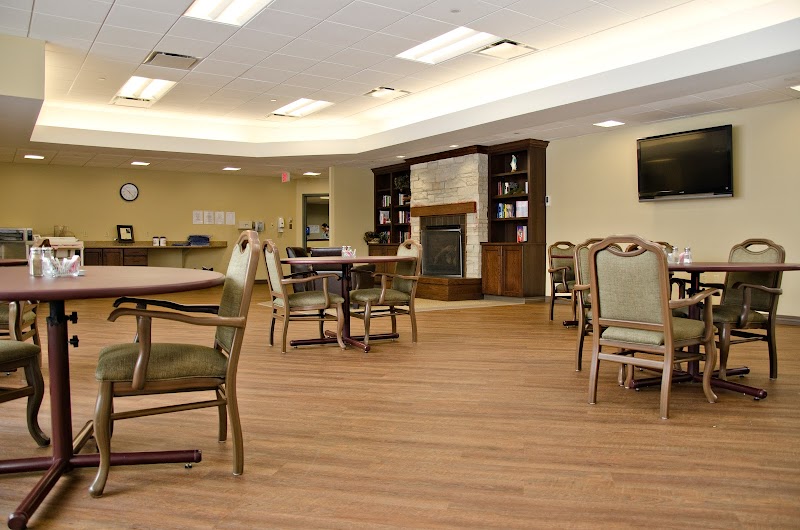
Who Owns and Operates Ambassador Health Of Lincoln?

Ambassador Health of Lincoln is owned by a for-profit company. For-profit facilities operate as businesses with obligations to shareholders or private owners. The facility is operated by AMBASSADOR HEALTH, a chain that manages multiple nursing homes. With 122 certified beds and approximately 76 residents (about 62% occupancy), it is a mid-sized facility located in Lincoln, Nebraska.

How Does Ambassador Health Of Lincoln Compare to Other Nebraska Nursing Homes?

Compared to the 100 nursing homes in Nebraska, Ambassador Health of Lincoln's overall rating (3 stars) is above the state average of 2.9, staff turnover (45%) is near the state average of 46%, and health inspection rating (3 stars) is at the national benchmark.

What Should Families Ask When Visiting Ambassador Health Of Lincoln?

Based on this facility's data, families visiting should ask: "Can I visit during a mealtime to observe dining assistance and food quality?" "How do you handle medical emergencies, and what is your hospital transfer rate?" "Can I speak with family members of current residents about their experience?"

Is Ambassador Health Of Lincoln Safe?

Based on CMS inspection data, Ambassador Health of Lincoln has a clean safety record: no substantiated abuse findings (meaning no confirmed cases of resident harm), no Immediate Jeopardy citations (the most serious violation level indicating risk of serious injury or death), and is not on the Special Focus Facility watch list (a federal program monitoring the lowest-performing 1% of nursing homes). The facility has a 3-star overall rating and ranks #1 of 100 nursing homes in Nebraska. While no facility is perfect, families should still ask about staff-to-resident ratios and recent inspection results during their visit.

Do Nurses at Ambassador Health Of Lincoln Stick Around?

Ambassador Health of Lincoln has a staff turnover rate of 45%, which is about average for Nebraska nursing homes (state average: 46%). Moderate turnover is common in nursing homes, but families should still ask about staff tenure and how the facility maintains care continuity when employees leave.

Was Ambassador Health Of Lincoln Ever Fined?

Ambassador Health of Lincoln has been fined $9,750 across 1 penalty action. This is below the Nebraska average of $33,176. While any fine indicates a compliance issue, fines under $50,000 are relatively common and typically reflect isolated problems that were subsequently corrected. Families should ask what specific issues led to these fines and confirm they've been resolved.

Is Ambassador Health Of Lincoln on Any Federal Watch List?

Ambassador Health of Lincoln is not on any federal watch list. The most significant is the Special Focus Facility (SFF) program, which identifies the bottom 1% of nursing homes nationally based on persistent, serious quality problems. Not being on this list means the facility has avoided the pattern of deficiencies that triggers enhanced federal oversight. This is a positive indicator, though families should still review the facility's inspection history directly.