

Eastmont

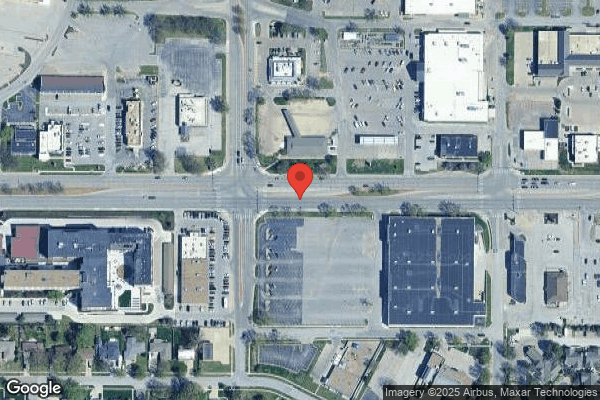
6315 O Street, Lincoln, NE 68510 (402) 489-6591
Non profit - Corporation 23 Beds Independent Data: November 2025
Trust Grade
80/100
#44 of 177 in NE
Last Inspection: August 2024

Within standard 12-15 month inspection cycle. Federal law requires annual inspections.

Overview

Eastmont nursing home received a Trust Grade of B+, indicating it is above average and generally recommended for care. It ranks #44 out of 177 facilities in Nebraska, placing it in the top half, and #4 out of 14 in Lancaster County, suggesting only three other local options are better. However, the trend is worsening, with the number of issues increasing from 2 in 2023 to 3 in 2024. Staffing is a concern, rated only 1 out of 5 stars, but the turnover is impressively low at 0%, meaning staff are stable and familiar with residents. Although there are no fines recorded, recent inspections revealed some issues, such as unclean kitchen exhaust hoods that could pose a risk for foodborne illness and failure to provide necessary catheterization and oral care for some residents. These findings highlight both the strengths of stable staff and areas needing improvement in care practices.

Trust Score
B+
80/100
In Nebraska
#44/177
Top 24%
Safety Record
Low Risk
No red flags
Inspections
Getting Worse
2 → 3 violations
Staff Stability
○ Average
Turnover data not reported for this facility.
Penalties
✓ Good
No fines on record. Clean compliance history, better than most Nebraska facilities.
Skilled Nurses
✓ Good
Each resident gets 66 minutes of Registered Nurse (RN) attention daily — more than 97% of Nebraska nursing homes. RNs are the most trained staff who catch health problems before they become serious.
Violations
⚠ Watch
11 deficiencies on record. Higher than average. Multiple issues found across inspections.
★★★★☆
4.0
Overall Rating
★☆☆☆☆
1.0
Staff Levels
★★★★★
5.0
Care Quality
★★★★☆
4.0
Inspection Score
Stable
2023: 2 issues
2024: 3 issues

The Good

  • 5-Star Quality Measures · Strong clinical quality outcomes
  • Full Sprinkler Coverage · Fire safety systems throughout facility
  • No fines on record

Facility shows strength in quality measures, fire safety.

The Bad

No Significant Concerns Identified

This facility shows no red flags. Among Nebraska's 100 nursing homes, only 0% achieve this.

The Ugly 11 deficiencies on record

Aug 2024 3 deficiencies
CONCERN (D)

Potential for Harm - no one hurt, but risky conditions existed

Infection Control (Tag F0880)

Could have caused harm · This affected 1 resident

**NOTE- TERMS IN BRACKETS HAVE BEEN EDITED TO PROTECT CONFIDENTIALITY** Licensure Reference Number 175 NAC 12-006.18 (C) Based on observation, record review, and interviews, the facility failed to en...

Read full inspector narrative →
**NOTE- TERMS IN BRACKETS HAVE BEEN EDITED TO PROTECT CONFIDENTIALITY** Licensure Reference Number 175 NAC 12-006.18 (C) Based on observation, record review, and interviews, the facility failed to ensure hand hygiene was performed in a manner to prevent the potential for cross contamination during peri-cares (washing the genitals and anal area) for Resident 16. This affected 1 resident sampled for urinary tract infections (UTIs). The facility census was 17. Findings are: A review of Resident 16's admission Record printed 07/30/2024 revealed the resident was admitted on [DATE] with diagnoses of heart attack, heart failure, Alzheimer's disease, rhabdomyolysis (a condition in which damaged muscle breaks down quickly and releases potential toxins into the blood), high blood pressure, and anxiety. A review of an SBAR [Situation-Background-Assessment-Recommendation, a tool used for communicating with a medical provider] Tool for Suspected Urinary Tract Infection) dated 097/19/2024 revealed the nurse reported symptoms of increased urinary incontinence, urgency, and frequency, and received an order to check a Urine culture (if indicated) (check a urine sample for infection.) A review of a urine culture report reported 07/24/2024 revealed an order dated 07/29/2024 for amoxicillin (an antibiotic) 500 milligrams (mg) give 1 by mouth twice a day for five days. An observation of peri-cares performed by Nurse Aide (NA) A on 07/31/2024 at 11:22 AM revealed the NA sanitized their hands, entered the room, moved the resident's wheelchair, then washed their hands with soap and water for 8 seconds and put on gloves. NA A then assisted Resident 16 to sit up in their recliner, put a gait belt (a device put on a patient who has mobility issues by a caregiver to aid with transfers) on the resident, and assisted the resident to walk into the bathroom with their walker. NA A assisted Resident 16 by pulling down the resident's pants and incontinence wear and stepped outside the bathroom door. When the resident indicated they were finished in the bathroom, NA A, still wearing the same gloves, assisted Resident 16 to stand and performed peri-care. The NA removed their gloves, did not perform hand hygiene, and pulled up the resident's incontinence wear and pants, then assisted the resident to walk back to their recliner. NA A then emptied the trash, washed their hands with soap and water for 5 seconds, and gave the resident their call light and a blanket before leaving the room. A review of the facility's Handwashing/Hand Hygiene Policy with Revision/Reviewed date of 08/30/2023 revealed: -Policy Interpretation and Implementation -7. Use an alcohol-based hand rub containing at least 62% alcohol; or alternatively, soap (antimicrobial or non-antimicrobial) and water for the following situations: b. before and after direct contact with residents; l. after contact with objects (e.g. medical equipment) in the immediate vicinity of the resident; -Washing Hands 1. Wet hands first with water, then apply an amount of product recommended by the manufacturer to hands. 2. Rub hands together vigorously for at least 20 seconds, covering all surfaces of the hands and fingers. 3. Rinse hands with water and dry thoroughly with a disposable towel. 4. Use towel to turn off faucet. 5. Avoid using hot water, because repeated exposure to hot water may increase the risk of dermatitis. An interview on 07/31/2024 at 11:35 AM with NA A confirmed that handwashing with soap and water should be done for 20 seconds and should be done after touching other objects and before touching the resident. In an interview on 07/31/2024 at 4:13 PM the Director of Nursing (DON) confirmed that handwashing should be done for 20 seconds, and that five and eight second durations were not long enough.
CONCERN (F)

Potential for Harm - no one hurt, but risky conditions existed

Food Safety (Tag F0812)

Could have caused harm · This affected most or all residents

**NOTE- TERMS IN BRACKETS HAVE BEEN EDITED TO PROTECT CONFIDENTIALITY** Licensure Reference Number 175 NAC 12-006.11(E) Based on observations, record review, and interviews, the facility failed to mai...

Read full inspector narrative →
**NOTE- TERMS IN BRACKETS HAVE BEEN EDITED TO PROTECT CONFIDENTIALITY** Licensure Reference Number 175 NAC 12-006.11(E) Based on observations, record review, and interviews, the facility failed to maintain the exhaust hood over the cooking area in clean and sanitary conditions to prevent the potential for food-borne illnesses. This had the potential to affect all residents who ate food served from the kitchen. The facility census was 17. Findings are: An observation on 07/29/2024 at 9:10 AM during the initial brief tour of the kitchen revealed the exhaust hoods over the cooking areas were coated with a dark brown substance. In an interview on 07/29/2024 at 9:10 AM, the Dietary Manager (DM) confirmed the exhaust hoods over the cooking area were not clean. The DM revealed that twice a year, an external company comes out to clean them. A review of the 2017 Nebraska Food Code 4-601.11 Equipment, Food-Contact Surfaces, Nonfood- Contact Surfaces, and Utensils, revealed: (C) Nonfood-contact surfaces of equipment shall be kept free of an accumulation of dust, dirt, food residue, and other debris. A review of the 2017 Nebraska Food Code 4-602.13 Nonfood-Contact Surfaces, revealed: Nonfood-contact surfaces of equipment shall be cleaned at a frequency necessary to preclude accumulation of soil residues. A record review of the Sample Daily Cleaning Schedule Form dated 7/24 to 7/30 revealed that cleaning the exhaust hoods was not an assigned task. A record review of the Cleaning Schedule dated July 29-[DATE] revealed that cleaning the exhaust hoods was not an assigned task. A review of an invoice from a cleaning company revealed that Hood Exhaust Cleaning Production Kitchen was performed on 03/27/2024. An observation on 07/31/2024 at 8:07 AM revealed the exhaust hoods over the cooking area remained coated with a dark brown substance. In an interview on 07/31/2024 at 9:05 AM, the DM confirmed the exhaust hood cleaning task was not on the cleaning lists provided. The DM further confirmed that they had not been cleaning the exhaust hoods.
MINOR (C) 📢 Someone Reported This

A family member, employee, or ombudsman was alarmed enough to file a formal complaint

Minor Issue - procedural, no safety impact

Staffing Data (Tag F0851)

Minor procedural issue · This affected most or all residents

Based on record review and interview: the facility failed to submit their Payroll Based Journal (PBJ) data for quarter 2 of 2024 as required. This had the potential to affect all resident residing wit...

Read full inspector narrative →
Based on record review and interview: the facility failed to submit their Payroll Based Journal (PBJ) data for quarter 2 of 2024 as required. This had the potential to affect all resident residing within the facility. The facility identified a census of 17. Findings are: A record review of the PBJ report from Centers for Medicare and Medicaid services (CMS) revealed the facility had failed to submit data for the second quarter (January 1, to March 31) in 2024. The PBJ report is a collection of staffing information and is a requirement of all long-term facilities to promote accountability and consistency. An interview on July 31, 2024, at 3:45 PM, the Staffing Coordinator (SC) revealed the facility did not get the PBJ report turned in within the allotted time frame placed by CMS. The SC stated the facility was one week late. The SC confirmed the PBJ report was not turned in on time. An interview on July 31, 2024, at 3:55 PM, the Administrator (ADM) revealed the facility had recently switched to a new payroll vendor. The new payroll vendor was placing all facility hours into the PBJ system (Paid time off, sick leave, education hours) as worked hours on the floor. Due to this discrepancy with the new payroll system the facility was not able to correct and turn in the report within the allotted time.
Jul 2023 2 deficiencies
CONCERN (D)

Potential for Harm - no one hurt, but risky conditions existed

Deficiency F0757 (Tag F0757)

Could have caused harm · This affected 1 resident

LICENSURE REFERENCE NUMBER 175 NAC 12-006.09D Based on interview and record review, the facility failed to ensure residents were free from unnecessary medications related to medication being given out...

Read full inspector narrative →
LICENSURE REFERENCE NUMBER 175 NAC 12-006.09D Based on interview and record review, the facility failed to ensure residents were free from unnecessary medications related to medication being given outside of the physician ordered parameters for 1 (Resident 5) of 2 sampled residents. The facility identified a census of 16. Findings Are: A record review of Resident 5's MAR (Medication Administration Record) dated July 2023 revealed Resident 5 was taking the following medication; Midodrine (a medication which causes the blood vessels to tighten, which increases blood pressures) 10 milligrams (MG) 1 tablet three times daily for hypotension and medication should be held for systolic blood pressure (SBP (systolic blood pressure which indicates the pressure caused by your heart contracting and pushing out blood)) greater than 140. A record review of the MAR's dated July 2023, June 2023 and May 2023 revealed the Midodrine which had parameters to hold if SBP was greater than 140, had been given outside of ordered parameters on the following days; 6/4/23 at 12:00 PM with a documented B/P (blood pressure) of 145/79 6/4/23 at 8:00 AM with a documented B/P (blood pressure) of 152/79 6/3/23 at 12:00 PM with a documented B/P (blood pressure) of 153/78 6/1/23 at 8:00 AM with a documented B/P (blood pressure) of 150/90 5/25/23 at 8:00 AM with a documented B/P (blood pressure) of 205/68 5/24/23 at 6:00 PM with a documented B/P (blood pressure) of 166/88 5/23/23 at 12:00 PM with a documented B/P (blood pressure) of 145/81 A record review of the facility policy titled Administering Medications, with a revision date of April 2019, revealed the policy did not address or provide guidance related to having blood pressure parameters. A record review of the facility policy titled Blood Pressure, Measuring with a revised of September 2010, revealed the policy did not address or provide guidance related to having blood pressure parameters. An interview on 7/13/23 at 10:02 AM with the DON (Director of Nursing), after review of the blood pressures found given outside the ordered parameters for Resident 5, confirmed that on the listed 7 days, the Midodrine should have been held and not given.
CONCERN (D)

Potential for Harm - no one hurt, but risky conditions existed

Deficiency F0805 (Tag F0805)

Could have caused harm · This affected 1 resident

**NOTE- TERMS IN BRACKETS HAVE BEEN EDITED TO PROTECT CONFIDENTIALITY** LICENSURE REFERENCE NUMBER 175 NAC 12-006.11A2 Based on interview, observation, and record review, the facility failed to provid...

Read full inspector narrative →
**NOTE- TERMS IN BRACKETS HAVE BEEN EDITED TO PROTECT CONFIDENTIALITY** LICENSURE REFERENCE NUMBER 175 NAC 12-006.11A2 Based on interview, observation, and record review, the facility failed to provide fluids to meet the ordered restrictions for 1 (Resident 5) of 1 sampled resident. The facility identified a census of 19. Findings Are: A record review on 7/10/23 of Resident 5's demographic information revealed Resident 5 admitted to the facility on [DATE]. A record review on 7/10/23 of the diagnoses list revealed Resident 5 had diagnoses of ESRD (End Stage Renal Disease) dated 10/26/20 and Chronic Kidney Disease and Resident 5 was receiving dialysis treatments. A record review of the MDS (Minimum Data Set, a comprehensive assessment of each resident's functional capabilities) dated 5/5/23 revealed Resident 5 had a BIMS score ( Brief Interview for Mental Status, a test used to get a quick snapshot of a resident's cognitive function, scored from 0-15, the higher the score, the higher the cognitive function) of 14 which indicated Resident 5 was cognitivley intact. The MDS revealed Resident 5 was dependent for transfers and did not ambulate in the room. During an interview on 07/10/23 at 12:21 PM, Resident 5 revealed [gender] was on a fluid restriction but was unaware of the restricted amount. Observation on 7/10/23 at 09:45 AM of Resident 5's room revealed no signage posted related to being on a fluid restriction. The observation revealed Resident 5 had a full 240cc (cubic centerimeter which is a measure of volume in the metric system) glass of water, and an empty 120cc glass also setting at Resident 5's bedside table, no meal tray was present. A record review of the active Order Summary ran on 7/11/23 revealed Resident 5 had the following order; -1500cc fluid restriction per day per Dialysis Center of [NAME] with an initial order date of 8/31/21. An observation on 07/11/23 at 9:56 AM of Residnt 5's breakfast tray revealed a 240cc glass of juice, 240cc cup of coffee, and 240cc glass of water. The observation revealed that the diet card which was on the breakfast tray that had been sent to Resident 5's room did indicate Resident 5 was on a fluid restriction but did not indicate an amount. The observation revealed all fluids that were requested by Resident 5 were sent for breakfast. A record review of Resident 5's electronic medical record conducted on 7/12/23 at 10:00 AM revealed Resident 5's fluid restriction was being documented in 3 different locations, 2 different areas on the MAR (Medication Administration Record) and Task charting. A record review of the Medication Administration Records dated June 2023 and July 2023 revealed 2 entries related to Resident 5's fluid restriction; -1500cc fluid restriction per day per Dialysis Center of [NAME] every evening shift with a start date of 8/31/2021, -1500cc fluid restriction per day per Dialysis Center of [NAME] every shift with a start date of 8/31/2021which indiciated the amount was to be charted for days, evenings, and nights. A record review of Resident 5's Task section within Point of Care revealed a task of: Fluid Intake (1500cc fluid restriction, do not count boost). A record review of the fluid restriction entries over the last 30 days revealed the follow intakes; 7/8/23 MAR entry #1 160 cc MAR entry #2 770 cc TASK 1200 cc with a 24 hour total of 2130 cc 7/6/23 MAR entry #1 360 cc MAR entry #2 60 cc TASK 1255 cc with a 24 hour total of 1675 cc 7/4/23 MAR entry #1 480 cc MAR entry #2 600 cc TASK 1200 cc with a 24 hour total of 2280 cc 7/1/23 MAR entry #1 340 cc MAR entry #2 1255 cc TASK 920 cc with a 24 hour total of 2515 cc 6/30/23 MAR entry #1 480 cc MAR entry #2 560 cc TASK 1080 cc with a 24 hour total of 2120 cc 6/29/23 MAR entry #1 240 cc MAR entry #2 800 cc TASK 1040 cc with a 24 hour total of 2080 cc 6/28/23 MAR entry #1 0 cc MAR entry #2 960 cc TASK 640 cc with a 24 hour total of 1600 cc 6/27/23 MAR entry #1 480 cc MAR entry #2 1000 cc TASK 1440 cc with a 24 hour total of 2920 cc 6/26/23 MAR entry #1 720 cc MAR entry #2 360 cc TASK 650 cc with a 24 hour total of 1730 cc 6/25/23 MAR entry #1 0 cc MAR entry #2 1130 cc TASK 1115 cc with a 24 hour total of 2245 cc 6/24/23 MAR entry #1 480 cc MAR entry #2 1135 cc TASK 1340 cc with a 24 hour total of 2955 cc 6/22/23 MAR entry #1 600 cc MAR entry #2 650 cc TASK 1320 cc with a 24 hour total of 2570 cc 6/21/23 MAR entry #1 0 cc MAR entry #2 1080 cc TASK 960 cc with a 24 hour total of 2040 cc 6/20/23 MAR entry #1 600 cc MAR entry #2 700 cc TASK 1420 cc with a 24 hour total of 2720 cc 6/19/23 MAR entry #1 360 cc MAR entry #2 840 cc TASK 960 cc with a 24 hour total of 2160 cc 6/15/23 MAR entry #1 480 cc MAR entry #2 580 cc TASK 1080 cc with a 24 hour total of 2140 cc 6/14/23 MAR entry #1 897 cc MAR entry #2 537 cc TASK 720 cc with a 24 hour total of 2154 cc 6/13/23 MAR entry #1 480 cc MAR entry #2 840 cc TASK 1320 cc with a 24 hour total of 2640 cc A record review of the undated facility policy titled Encouraging and Restricting Fluids revealed the following steps; Restricting Fluids: 8. Wash and dry your hands thoroughly before serving the resident fluids. 9. Take the fluid container to the resident's room. 10. Inform the resident you have brought him or her a drink. Tell the resident what type of drink it is. 11. Encourage the resident to drink the fluid if it is within their restricted limit. Should the resident refuse, report such information to your supervisor. 12. Record the amount of fluid consumed on the intake side of the intake and output record. Record fluid intake in ml's (milliliters) 13. Provide mouth care as necessary. 14. Wash and dry your hands thoroughly. An interview on 7/13/23 at 10:02 AM with the DON (Director of Nursing), after review of the 24-hour fluid totals over the last 30 days for Resident 5, confirmed that the fluid intakes exceeded the ordered fluid restrictions on 18 of the 30 days and should not have.
May 2022 6 deficiencies
CONCERN (D)

Potential for Harm - no one hurt, but risky conditions existed

Accident Prevention (Tag F0689)

Could have caused harm · This affected 1 resident

**NOTE- TERMS IN BRACKETS HAVE BEEN EDITED TO PROTECT CONFIDENTIALITY** Licensure Reference Number 175 NAC 12-006.09D7 Based on interview and record review, the facility failed to transfer 1 (Residen...

Read full inspector narrative →
**NOTE- TERMS IN BRACKETS HAVE BEEN EDITED TO PROTECT CONFIDENTIALITY** Licensure Reference Number 175 NAC 12-006.09D7 Based on interview and record review, the facility failed to transfer 1 (Resident 8) of 2 sampled residents in a manner to prevent a fall. Total facility census was 16. Findings are: Record review of Resident 8's History and Physical dated 03/16/2022 revealed the physician documented the resident had continued to become increasingly weak and fatigued to the point that the resident required 2 people to assist with all transfers and change in position. Record review of Resident 8's Medical Diagnosis list dated 04/26/2022 revealed the resident had a diagnosis of Parkinson's Disease (a progressive disease of the nervous system marked by shaking, stiff muscles, and slow, imprecise movements), Weakness, and Dementia (a group of thinking and social symptoms that interferes with daily function). Record review of Resident 8's Progress Notes on 04/18/2022 revealed the resident continued to be an extensive 1 assist with EZ Stand (a mechanical lift to raise a person to a standing position, or lower a person to a sitting position) for transfers. Record review of Resident 8's admission Minimum Data Set (MDS)(a comprehensive assessment of each residents functional capabilities) dated 03/23/2022 revealed the resident had been assessed as extensive assistance needed for transfers on Self-Performance and 2 plus person assist for Transfer Support. Record review of Resident 8's Comprehensive Person-Centered Care Plan (a plan that provides direction on the type of nursing care the resident may need) dated 03/18/2022 revealed Resident 8 is ask risk for falls and no transfer interventions (action to improve a situation) until after the fall on 04/21/2022. Record review if Medicare/Care Plan/Discharge Plan team note dated 04/12/2022 revealed the Physical Therapist (PT)-E documented Resident 8 was a Transfer Assist of 1 assist when working with a PT, but EZ Stand with nursing. In an interview on 04/26/2022 at 11:06 AM, Resident 8 confirmed the resident fell on [DATE] while being transferred to a shower chair. Resident 8 stated it was due to the shower chair was the wrong size. Resident 8 confirmed the resident's back was pretty bruised up, but no major injuries. Record review of the 04/22/2022 Progress Notes by the Director of Nursing (DON) revealed on 04/21/2022 a Medication Aide (MA) transferred Resident 8 into the shower chair and the resident did not bend legs when the resident sat down on the shower chair. Resident 8's back applied pressure to the back of the shower chair and it tipped Resident 8 backwards. The DON documented Resident 8 did complain of back pain which was relieved with heat, and no apparent injuries reported. EZ Stand was to be utilized when staff transferred Resident 8 to the shower chair for the resident's safety. The time of the fall was not documented by the DON. Record review of the Progress Notes on 4/21/2022 at 09:17 PM revealed Resident 8 did complain to the staff of lower back and stomach pain. Resident did moan and grimace when repositioned in the chair/bed. Heat pack applied by nursing. Record review of the Progress notes dated 04/22/2022 at 08:50AM revealed nursing staff documented: no bruising or swelling to mid upper back. Resident stated the resident felt better. Record review of Resident 8's Resident dashboard dated 04/26/2022 revealed the resident was 6 foot 6 inches tall on 03/18/2022 and weighed 199 pounds on 04/18/2022. In an interview on 04/27/2022 at 12:02 PM with PT-E confirmed PT recommended Resident 8 be transferred with an EZ Stand by nursing since admission. In an interview on 04/27/2022 at 03:00 PM the Administrator confirmed it is the facility's expectation that the Comprehensive Person-Centered Care Plan would incorporate the information on the MDS and recommendations from PT for transfer interventions, and the nursing staff would follow those recommendations.
CONCERN (D)

Potential for Harm - no one hurt, but risky conditions existed

Respiratory Care (Tag F0695)

Could have caused harm · This affected 1 resident

**NOTE- TERMS IN BRACKETS HAVE BEEN EDITED TO PROTECT CONFIDENTIALITY** Licensure Reference Number 175 NAC 12-006.09D6 Based on observation, interview, and record review, the facility failed to ensure...

Read full inspector narrative →
**NOTE- TERMS IN BRACKETS HAVE BEEN EDITED TO PROTECT CONFIDENTIALITY** Licensure Reference Number 175 NAC 12-006.09D6 Based on observation, interview, and record review, the facility failed to ensure a valid order was in the medical record for the Continuous Positive Airway Pressure (CPAP)(a machine used to deliver positive airway to a resident's airway to prevent it from closing during sleep) and that supplies were cleaned and changed according to manufacturer's recommendations for 1 (Resident 8) of 1 sampled residents. Total facility census is 16. Findings are: An observation of Resident 11's room on 04/25/2022 at 12:36 PM revealed a ResMed S9 CPAP machine with a heated humidifier located on the resident's nightstand along with an uncovered, uncleaned ResMed Mirage [NAME] CPAP mask, headgear, and heated tubing. Record review of Resident 11's Clinical Physician Orders dated 04/26/2022 revealed an order: Ok for Continuous Positive Airway Pressure at night for Sleep Apnea (a sleep disorder in which breathing repeatedly stops and starts) ordered on 04/11/2022, but no directions specified, and no order for cleaning. An observation on 04/26/2022 at 12:36 PM revealed a CPAP machine and uncleaned supplies located on Resident 11's nightstand. An observation on 04/27/2022 at 06:45 AM revealed Resident 11's CPAP machine and uncleaned supplies was located on the resident's nightstand. The CPAP tubing was off the mask and 1 side of the forehead cushion was not on the mask. In an interview with Resident 11 on 04/27/2022 at 06:45 AM, Resident 11 confirmed Resident 11 used the CPAP at night, and the facility did not clean the CPAP or the CPAP supplies. In an interview with Medication Aide (MA)-C on 04/27/2022 at 09:04 AM, MA-C confirmed Resident 11 has a CPAP and the nurses help the resident put the mask on at night. MA-C was not sure who cleaned the mask or supplies, but assumed nursing did it if the resident had not. MA-C confirmed that MA-C had never cleaned the CPAP mask or supplies. Record review of the facility's CPAP Guidelines dated 06/2011 revealed: See manufacturer's instructions. Record review of the undated Resmed S9 CPAP Welcome Guide revealed ResMed recommended tube cleaning weekly, machine cleaning monthly, and replace the filter every 6 months. Record review of the undated ResMed Mirage [NAME] CPAP mask Users Guide revealed ResMed recommended cleaning the mask daily and the headgear weekly. Record review of the undated ResMed Heated Humidifier Welcome Guide revealed ResMed recommended cleaning the humidifier daily. Record review of Resident 11's Medication Administration Record and Treatment Administration Record for February 2022, March 2022 and April 2022 did not reveal records for Resident 11's CPAP machine or supplies being applied, removed, or cleaned. Record review of Resident 11's admission Minimum Data Set (MDS)(a comprehensive assessment of each residents functional capabilities), section O0100 dated 10/20/2021 revealed Resident 11 used a CPAP. Record review of Resident 11's Comprehensive Person-Centered Care Plan (a plan that provides direction on the type of nursing care the resident may need) dated 10/15/2021 did not reveal interventions for Resident 11's CPAP. In an interview with the Director of Nursing (DON) on 04/27/2022 at 09:04 AM, the DON confirmed there was not a valid order for a CPAP, the CPAP and supplies were not on the Comprehensive Person-Centered Care Plan, there was not a schedule for the CPAP or supplies to be cleaned, there was not a record of the CPAP or supplies being cleaned, and there was not documentation of when the CPAP was put on or taken off Resident 11, and all of the above should have been completed and documented in the medical record.
CONCERN (D)

Potential for Harm - no one hurt, but risky conditions existed

Deficiency F0698 (Tag F0698)

Could have caused harm · This affected 1 resident

Based on record review and interview, the facility failed to monitor a dialysis access site for Resident 3. The facility census was 16. Findings are: Review of Resident 3 diagnosis list in the Elect...

Read full inspector narrative →
Based on record review and interview, the facility failed to monitor a dialysis access site for Resident 3. The facility census was 16. Findings are: Review of Resident 3 diagnosis list in the Electronic Medical Record (EMR) revealed Resident 3 has a diagnosis of Chronic Kidney Disease (SEVERE), Dependence on Renal Dialysis, and Dementia without behavioral disturbance , Resident 3 attends dialysis 3 days a week. Review of Resident 3's Care plan revealed the following interventions related to the dialysis access site: - Do not draw blood or take blood pressure readings in my left arm where my I have my fistula(an access site) for dialysis. - Monitor, document, and report as needed any signs or symptoms of infection to access site: Redness, Swelling, warmth or drainage. - Monitor,document, and report as needed for signs or symptoms of the following: excessive bleeding, blood infection or septic shock(a life threatening infection). Review of progress notes revealed no documentation of monitoring bruit and thrill, removal or assessment of pressure dressing, or any care of the dialysis site. Review of Resident 3's Medication administration record(MAR) and Treatment Record (TAR) revealed no documentation of monitoring of the fistula. Rreview of the facility policy dated 12-2020 titled Eastmont Guidelines for Residents Receiving Hemodialysis revealed : - Eastmont will routinely observe the vascular access site for changes, assess for bruit and thrill and report changes to the dialysis facility - Eastmont will coordinate with the dialysis facility regarding diet orders and sending a sack lunch with the resident to dialysis. -If the vascular access site is noted to have active bleeding, Eastmont staff will reinforce the dressing, apply pressure and notify the dialysis center. Review of the April 2022 MAR and TAR for Resident # 3 revealed no documentation of follow up assessment of bruit and thrill (an assessment to determine if access is working) between dialysis appointments and no assessment for bleeding on the day of dialysis after the resident returns. Review of Resident 3's Progress notes revealed no documentation of assessment of dialysis access site between or after dialysis appointments. Interview on 04/27/22 at 8:05 AM with Registered Nurse (RN) F revealed that the staff should be checking for Bruit and Thrill and monitor bleeding after dialysis and documenting in Resident 3's medical record.
CONCERN (E)

Potential for Harm - no one hurt, but risky conditions existed

Comprehensive Care Plan (Tag F0656)

Could have caused harm · This affected multiple residents

Licensure Reference Number 175 NAC 12-006.09C Based on observation, interview, and record review, the facility failed to ensure straight catheterization (cath)(a soft, thin tube used to pass urine fro...

Read full inspector narrative →
Licensure Reference Number 175 NAC 12-006.09C Based on observation, interview, and record review, the facility failed to ensure straight catheterization (cath)(a soft, thin tube used to pass urine from the body) on Resident 8, and the Continuous Positive Airway Pressure (CPAP)(a machine used to deliver positive airway to a resident's airway to prevent it from closing during sleep) device for Resident 11 was included in the Comprehensive Person-Centered Care Plan (a plan that provides direction on the type of nursing care the resident may need). This affected 2 of 9 sampled residents. Total facility census was 16. Findings are: A. In an interview with Resident 8 on 04/25/2022 at 10:44 AM, the resident stated the nurses straight cath the resident to drain the bladder (a sac in which urine is held). Record review of Resident 8's Medical Diagnosis dated 04/26/2022 revealed the resident has Urine Retention (continue to hold) and Neuromuscular Bladder Dysfunction (problem with the muscles or nerves of the bladder). Record review of Resident 8's Clinical Physician's Orders dated 04/26/2022 revealed the physician ordered straight cath to be done 3 times per day (TID). Record review of Resident 8's Minimum Data Set (MDS)(a comprehensive assessment of each residents functional capabilities), section H0100, dated 03/23/2022 revealed Resident 8 needed intermittent (recurring) catheterization. Record review of Resident 8's Comprehensive Person-Centered Care Plan did not reveal interventions (action taken to improve) for straight catheterization. In an interview on 04/27/2022 at 11:25 AM, the Director of Nursing confirmed the order for straight catheterization should have been on the Comprehensive Person-Centered Care Plan. B. An observation of Resident 11's room on 04/25/2022 at 12:36 PM revealed a ResMed S9 Continuous Positive Airway Pressure (CPAP)(a machine used to deliver positive airway to a resident's airway to prevent it from closing during sleep) device with a heated humidifier located on the resident's nightstand along with uncovered CPAP Mask and supplies. Record review of Resident 11's Clinical Physician Orders dated 04/26/2022 revealed an order: Ok for Continuous Positive Airway Pressure at night for Sleep Apnea (a sleep disorder in which breathing repeatedly stops and starts) ordered on 04/11/2022, but no directions specified, and no order for cleaning. An observation on 04/26/2022 at 12:36 PM revealed a CPAP machine and supplies located on the Resident 11's nightstand. An observation on 04/27/2022 at 06:45 AM revealed Resident 11's CPAP machine and uncleaned supplies was located on the resident's nightstand. The CPAP tubing was off the mask and 1 side of the forehead cushion was not on the mask. In an interview with Resident 11 on 04/27/2022 at 06:45 AM, Resident 11 confirmed Resident 11 used the CPAP at night. In an interview with Medication Aide (MA)-C on 04/27/2022 at 09:04 AM, MA-C confirmed Resident 11 has a CPAP and the nurses helped the resident put the mask on at night. MA-C was not sure who cleaned the mask or supplies, but assumed nursing did it if the resident had not. MA-C confirmed that MA-C had never cleaned the CPAP mask or supplies. Record review of Resident 11's admission Minimum Data Set (MDS)(a comprehensive assessment of each residents functional capabilities), section O0100 dated 10/20/2021 revealed Resident 11 used a CPAP. Record review of Resident 11's Comprehensive Person-Centered Care Plan (a plan that provides direction on the type of nursing care the resident may need) dated 10/15/2021 did not reveal any interventions for Resident 11's CPAP. In an interview with the Director of Nursing (DON) on 04/27/2022 at 09:04 AM, the DON confirmed the CPAP and supplies were not on the Comprehensive Person-Centered Care Plan.
CONCERN (E)

Potential for Harm - no one hurt, but risky conditions existed

ADL Care (Tag F0677)

Could have caused harm · This affected multiple residents

Licensure Reference Number 175 NAC 12-006.09D1c Based on observation, interview, and record review; the facility failed to ensure oral care was completed for 1 (Resident 11) of 2 sampled residents. To...

Read full inspector narrative →
Licensure Reference Number 175 NAC 12-006.09D1c Based on observation, interview, and record review; the facility failed to ensure oral care was completed for 1 (Resident 11) of 2 sampled residents. Total facility census was 16. Findings are: An observation on 04/25/2022 at 11:09 AM revealed Resident 11 was still in bed and personal care had not been done. In an interview on 04/25/2022 at 11:09 AM Resident 11 confirmed the staff did not help with ADLs and Resident 11 uses fingernail to take care of Resident 11's teeth. In an interview with Resident 11 on 04/27/2022 at 06:45 AM, Resident 11 confirmed ADLs had not been done and the resident again stated the resident uses fingernail to brush teeth. Record review of Resident 11's Medical Diagnosis list dated 04/26/2022 revealed the resident had a diagnosis of Post-polio Syndrome (a progressive disorder of the nerves and muscles), Weakness, Dementia (a group of thinking and social symptoms that interferes with daily function), and Segmental and Somatic Dysfunction of Upper Extremity (a condition that caused decreased range of motion at the shoulder joints). Record review of Resident 11's Significant Change Minimum Data Set (MDS)(a comprehensive assessment of each residents functional capabilities), Section G0110, dated 04/07/2022 revealed Resident 1 was assessed as an Extensive Assistance for Self-Performance and a 1 person physical assist on Support for Personal hygiene. Record review of Resident 11's Comprehensive Person-Centered Care Plan (a plan that provides direction on the type of nursing care the resident may need) dated 10/15/2021 revealed Resident 11 is not independent with ADLs and an intervention (action to improve a situation) was: Staff to assist with ADLs as needed and provide cares according to facility guidelines. Record review of the facility's Morning and Afternoon Care Guideline dated 09/2021 revealed the staff should have performed oral care (before or after breakfast) and again in the afternoon. In an interview on 04/27/2022 at 06:50 AM Nursing Assistant (NA)-D confirmed that Resident 11 did not usually get out of bed until right before lunch. NA-D confirmed the staff assisted the resident to the wheelchair, and the resident performed own ADLs. In an interview on 04/27/2022 at 11:25 AM, the Director of Nursing confirmed the facility staff would attempt to allow the resident to do own oral care, but if unable to, the staff should have assisted in completing the task.
CONCERN (E)

Potential for Harm - no one hurt, but risky conditions existed

Medication Errors (Tag F0758)

Could have caused harm · This affected multiple residents

Based on record review and interviews, the facility failed to identify and monitor target behaviors when a psychotropic medication is used for Resident 2. Findings are: Review of Resident 2's Electr...

Read full inspector narrative →
Based on record review and interviews, the facility failed to identify and monitor target behaviors when a psychotropic medication is used for Resident 2. Findings are: Review of Resident 2's Electronic Medical Record (EMR) revealed Resident 2 was ordered Divalproex(used for seizures and bipolar disorder) and Lexapro (antidepressant) for Major Depressive Disorder. Review of Resident 2's EMR revealed no list of target behaviors to be monitored to ensure the effectiveness of the medication. Review of Resident 2's Care plan revealed no care plan related to the monitoring of target behaviors with the use of a psychotropic medication. Interview on 04/27/22 at 08:09 AM with Registered Nurse (RN)-F revealed behavior notes are completed in the progress notes however no target behaviors are identified in Resident 2's EMR. Interview on 4/27/22 at 1:00 PM with the Director of Nursing (DON) revealed no documentation of target behaviors being identified or any occurence of behaviors charted.
Understanding Severity Codes (click to expand)
Life-Threatening (Immediate Jeopardy)
J - Isolated K - Pattern L - Widespread
Actual Harm
G - Isolated H - Pattern I - Widespread
Potential for Harm
D - Isolated E - Pattern F - Widespread
No Harm (Minor)
A - Isolated B - Pattern C - Widespread

Questions to Ask on Your Visit

  • "Can I speak with families of current residents?"
  • "What's your RN coverage like on weekends and overnight?"

Our Honest Assessment

Strengths
  • • Grade B+ (80/100). Above average facility, better than most options in Nebraska.
  • • No major safety red flags. No abuse findings, life-threatening violations, or SFF status.
  • • No fines on record. Clean compliance history, better than most Nebraska facilities.
Concerns
  • • 11 deficiencies on record. Higher than average. Multiple issues found across inspections.
Bottom line: Generally positive indicators. Standard due diligence and a personal visit recommended.

About This Facility

What is Eastmont's CMS Rating?

CMS assigns Eastmont an overall rating of 4 out of 5 stars, which is considered above average nationally. Within Nebraska, this rating places the facility higher than 99% of the state's 100 nursing homes. This rating reflects solid performance across the metrics CMS uses to evaluate nursing home quality.

How is Eastmont Staffed?

CMS rates Eastmont's staffing level at 1 out of 5 stars, which is much below average compared to other nursing homes.

What Have Inspectors Found at Eastmont?

State health inspectors documented 11 deficiencies at Eastmont during 2022 to 2024. These included: 10 with potential for harm and 1 minor or isolated issues.

Who Owns and Operates Eastmont?

Eastmont is owned by a non-profit organization. Non-profit facilities reinvest revenue into operations rather than distributing to shareholders. The facility operates independently rather than as part of a larger chain. With 23 certified beds and approximately 15 residents (about 65% occupancy), it is a smaller facility located in Lincoln, Nebraska.

How Does Eastmont Compare to Other Nebraska Nursing Homes?

Compared to the 100 nursing homes in Nebraska, Eastmont's overall rating (4 stars) is above the state average of 2.9 and health inspection rating (4 stars) is above the national benchmark.

What Should Families Ask When Visiting Eastmont?

Based on this facility's data, families visiting should ask: "Can you walk me through typical staffing levels on day, evening, and night shifts?" "Can I visit during a mealtime to observe dining assistance and food quality?" "How do you handle medical emergencies, and what is your hospital transfer rate?" "Can I speak with family members of current residents about their experience?" These questions are particularly relevant given the below-average staffing rating.

Is Eastmont Safe?

Based on CMS inspection data, Eastmont has a clean safety record: no substantiated abuse findings (meaning no confirmed cases of resident harm), no Immediate Jeopardy citations (the most serious violation level indicating risk of serious injury or death), and is not on the Special Focus Facility watch list (a federal program monitoring the lowest-performing 1% of nursing homes). The facility has a 4-star overall rating and ranks #1 of 100 nursing homes in Nebraska. While no facility is perfect, families should still ask about staff-to-resident ratios and recent inspection results during their visit.

Do Nurses at Eastmont Stick Around?

Eastmont has not reported staff turnover data to CMS. Staff turnover matters because consistent caregivers learn residents' individual needs, medications, and preferences. When staff frequently change, this institutional knowledge is lost. Families should ask the facility directly about their staff retention rates and average employee tenure.

Was Eastmont Ever Fined?

Eastmont has no federal fines on record. CMS issues fines when nursing homes fail to meet care standards or don't correct problems found during inspections. The absence of fines suggests the facility has either maintained compliance or corrected any issues before penalties were assessed. This is a positive indicator, though families should still review recent inspection reports for the full picture.

Is Eastmont on Any Federal Watch List?

Eastmont is not on any federal watch list. The most significant is the Special Focus Facility (SFF) program, which identifies the bottom 1% of nursing homes nationally based on persistent, serious quality problems. Not being on this list means the facility has avoided the pattern of deficiencies that triggers enhanced federal oversight. This is a positive indicator, though families should still review the facility's inspection history directly.