Emerald Nursing & Rehab Brookside LLC
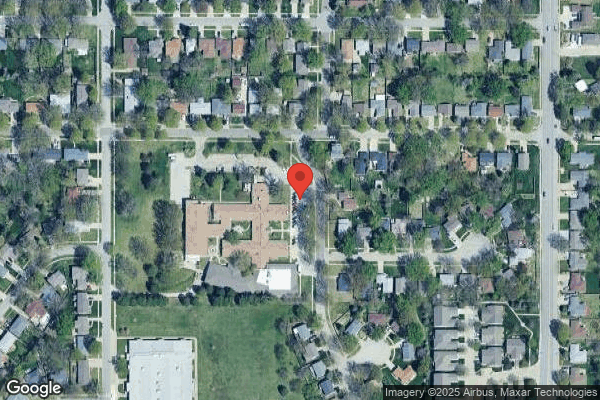
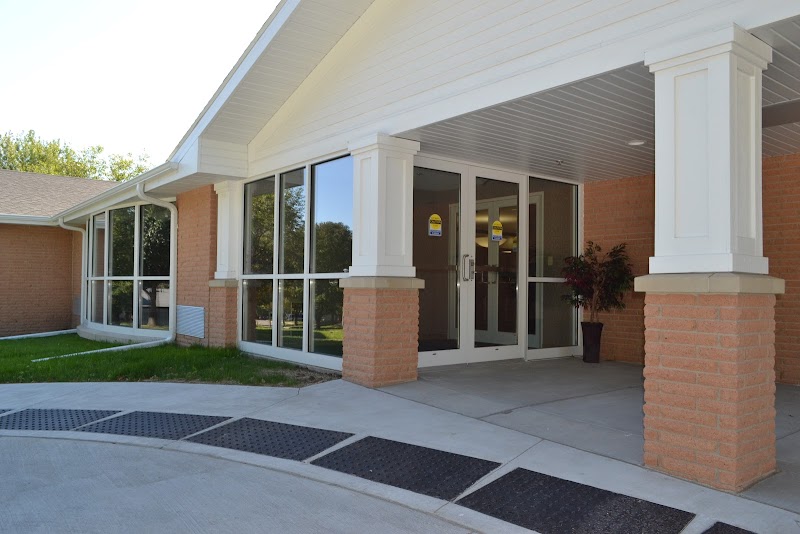
4735 South 54th Street, Lincoln, NE 68516 (402) 488-0977
For profit - Limited Liability company 173 Beds EMERALD HEALTHCARE Data: November 2025 2 Immediate Jeopardy citations
Trust Grade
0/100
#142 of 177 in NE
Last Inspection: August 2024

Within standard 12-15 month inspection cycle. Federal law requires annual inspections.

Overview

Emerald Nursing & Rehab Brookside LLC has received a Trust Grade of F, indicating significant concerns about the quality of care provided. Ranked #142 out of 177 facilities in Nebraska and #11 out of 14 in Lancaster County, this places it in the bottom half of options available, suggesting that families may want to consider other facilities first. The trend appears to be improving, with the number of issues decreasing from 17 in 2024 to 6 in 2025, but the facility still has a concerning total of 56 deficiencies. Staffing receives a below-average rating of 2 out of 5 stars, with a turnover rate of 57%, which is higher than the state average, indicating challenges in staff retention. Additionally, the facility has incurred $75,578 in fines, which is higher than 91% of Nebraska facilities, reflecting ongoing compliance issues. While the facility has average RN coverage, there have been critical incidents reported, including failure to prevent hot liquid burns for a resident and not maintaining power to a life-sustaining device for another resident. Families should weigh these significant weaknesses against any potential strengths when considering this facility for their loved ones.

Trust Score
F
0/100
In Nebraska
#142/177
Bottom 20%
Safety Record
High Risk
Review needed
Inspections
Getting Better
17 → 6 violations
Staff Stability
⚠ Watch
57% turnover. Above average. Higher turnover means staff may not know residents' routines.
Penalties
✓ Good
$75,578 in fines. Lower than most Nebraska facilities. Relatively clean record.
Skilled Nurses
○ Average
Each resident gets 33 minutes of Registered Nurse (RN) attention daily — about average for Nebraska. RNs are the most trained staff who monitor for health changes.
Violations
⚠ Watch
56 deficiencies on record. Higher than average. Multiple issues found across inspections.
★☆☆☆☆
1.0
Overall Rating
★★☆☆☆
2.0
Staff Levels
★☆☆☆☆
1.0
Care Quality
★☆☆☆☆
1.0
Inspection Score
Stable
2024: 17 issues
2025: 6 issues

The Good

  • Full Sprinkler Coverage · Fire safety systems throughout facility
  • No fines on record

Facility shows strength in fire safety.

The Bad

1-Star Overall Rating

Below Nebraska average (2.9)

Significant quality concerns identified by CMS

Staff Turnover: 57%

10pts above Nebraska avg (46%)

Frequent staff changes - ask about care continuity

Federal Fines: $75,578

Well above median ($33,413)

Moderate penalties - review what triggered them

Chain: EMERALD HEALTHCARE

Part of a multi-facility chain

Ask about local staffing decisions and management

Staff turnover is elevated (57%)

9 points above Nebraska average of 48%

The Ugly 56 deficiencies on record

2 life-threatening 1 actual harm
Sept 2025 1 deficiency
CONCERN (D) 📢 Someone Reported This

A family member, employee, or ombudsman was alarmed enough to file a formal complaint

Potential for Harm - no one hurt, but risky conditions existed

Report Alleged Abuse (Tag F0609)

Could have caused harm · This affected 1 resident

**NOTE- TERMS IN BRACKETS HAVE BEEN EDITED TO PROTECT CONFIDENTIALITY** Licensure Reference Number 175 NAC 12-006.02 (H) The facility failed to report an allegation of abuse on two residents (Resident...

Read full inspector narrative →
**NOTE- TERMS IN BRACKETS HAVE BEEN EDITED TO PROTECT CONFIDENTIALITY** Licensure Reference Number 175 NAC 12-006.02 (H) The facility failed to report an allegation of abuse on two residents (Resident 1 and Resident 2), out of four sampled residents. The facility census was 102. Findings: A.A record review of Resident 1's Clinical Census revealed an admission date of 5/16/2023. A record review of Resident 1's Minimum Data Set (MDS) (this comprehensive assessment evaluates each resident's functional capabilities) dated 6/03/2025 revealed a brief interview for mental status (BIMS) score of five which indicated the resident had severe cognitive impairment. A record review of Resident 1's Care Plan with an admission date of 5/16/2023 and a revision date of 3/26/2025 revealed a diagnosis of dementia, psychotic disturbance, mood disturbance, adjustment disorder, anxiety, and depressed mood and a focus area to include mood problem relating to dementia. Interventions included redirecting/separating from another resident. A record review of Resident 1's Progress Notes dated 6/16/2025 at 5:30 PM revealed that Resident 1 was found standing next to own bed, pulling pants up while Resident 2 was lying on Resident 1's bed. Resident 1 and resident 2 were separated. Resident's not able to give much information about incident due to confusion and medical history. B.A record review of Resident 2's Clinical Census revealed an admission date of 12/12/2024. A record review of Resident 2's MDS dated [DATE] revealed a BIMS score of zero which indicated the resident had severe cognitive impairment and required supervision or touch assist to ambulate 150 feet. A record review of Resident 2's Care Plan with an admission date of 12/12/2024 revealed a diagnosis of Alzheimer's disease, depression, and dementia with agitation. A focus area with a revision date of 12/16/2024 included impaired cognitive function or decision making. Interventions included observing for any changes in cognitive function: decision making ability, memory, recall and general awareness, difficulty expressing self, difficulty understanding others, level of consciousness, inattention, disorganized thinking, and mental status changes. A record review of Resident 2's Progress Notes dated 6/16/2025 at 5:20 PM revealed Resident 2 was found in Resident 1's room, on the bed with pants/brief down. Resident 1 was standing next to the bed, in the process of pulling up own pants. Writer stated, Residents not able to give details of the incident due to mental status/ medical history of dementia. Resident 1 and Resident 2 were separated and assisted to the dining room for supper. A record review of Resident 2's progress notes dated 6/16/2025-9/15/2025 revealed no resident assessment completed regarding the incident on 6/16/2025 at 5:20 PM. In an interview on 9/15/2025 at 11:00AM with the administrator (ADM), confirmed there had been issues with the charge nurse and inaccurate documentation. ADM stated there was no contact between Resident 1 and Resident 2 and the incident did not need to be reported. In an interview on 9/15/2025 at 1:40 PM with the assistant director of nursing (ADON), confirmed there was no body assessment completed on Resident 2 after the incident on 6/16/2025. Due to the completion of the investigation, it was determined there was no contact and no need to report the incident. An interview on 9/16/2025 at 10:00 AM with medication aide (MA)-A confirmed the details of the incident on 6/16/205 at approximately 5:00 PM with Resident 1 and 2: Resident 1 and Resident 2 were both sitting outside holding hands. The staff separated Resident 1 and 2. A while later, while passing medications, it was noted that Resident 2 was not in own room. Another nurse aide (NA)-B requested me to come to Resident 1's room quick, and I assumed that Resident 1 had fallen. When I arrived at Resident 1's room, NA-B stated that Resident 1's door was mostly closed. While opening the resident's door, Resident 2 was found with pants and brief pulled down, on top of Resident 1, who was fully dressed. MA-A confirmed witnessing Resident 1 leaving the room and Resident 2 pulling up pants. Charge nurse was notified immediately of the event. On 6/17/2025, Resident 2 was found in resident 1's room, again with pants down. Resident 1 was in room, but no interaction was observed. This occurred at approximately 7:00 PM and was reported to the charge nurse. MA-A confirmed the actions of Resident 1 and Resident 2 were inappropriate and could not understand why it took so long to move Resident 1 to another unit. MA-A confirmed Resident 1 was transferred to another unit about one week later. In a record review of the Facility's Abuse, Neglect, and Exploitation policy dated 11/2017 and a revision date of 1/2024 revealed: Each resident has the right to be free from abuse. Residents must not be subject to abuse by anyone, including, but not limited to other residents. Alleged Violation refers to a situation or occurrence that is observed or reported by staff or others but has not yet been investigated. Any investigation of an allegation of resident sexual abuse must start with a determination of whether the sexual activity was consensual on the part of the resident. A facility is required to investigate and protect a resident from non-consensual sexual relations anytime the facility has reason to suspect that the resident does not wish to engage in sexual activity or may not have the capacity to consent. Investigation of alleged abuse or reports of abuse, an investigation is immediately warranted. Document the entire investigation chronologically. Residents must be protected after the alleged abuse. Suspected abuse will be reported, and an investigation will be initiated immediately. In an interview with the ADM upon survey entrance on 9/15/2025 at 9:00 AM, a list of the facility reportable events was requested. There was no record of a report involving Resident 1 and Resident 2 on 6/16/2025.
Jun 2025 2 deficiencies
CONCERN (D) 📢 Someone Reported This

A family member, employee, or ombudsman was alarmed enough to file a formal complaint

Potential for Harm - no one hurt, but risky conditions existed

Deficiency F0761 (Tag F0761)

Could have caused harm · This affected 1 resident

**NOTE- TERMS IN BRACKETS HAVE BEEN EDITED TO PROTECT CONFIDENTIALITY** Licensure reference number 175 NAC 12-006.12(D)(i) Based on record reviews, observations and interviews, the facility failed to ...

Read full inspector narrative →
**NOTE- TERMS IN BRACKETS HAVE BEEN EDITED TO PROTECT CONFIDENTIALITY** Licensure reference number 175 NAC 12-006.12(D)(i) Based on record reviews, observations and interviews, the facility failed to store medications properly in medication rooms and medication carts for 2 (Resident 5 and Resident 14) of 2 sampled residents. The facility census was 96. Findings are: A. Record review of Resident 5's Clinical Census record dated 6/1/25 revealed admission to the facility was 7/18/24. Record review of Resident 5's Diagnosis record dated 6/1/25 revealed diagnosis of Alzheimer's disease (a progressive brain disorder that leads to memory loss, thinking difficulties, and behavioral changes), and unspecified dementia (a general term for a group of brain disorders that cause a decline in memory, thinking, and reasoning skills). Record review of Resident 5's Minimum Data Set (MDS, a federally mandated comprehensive assessment tool used to determine a resident's functional capabilities and helps nursing home staff identify health problems) dated 4/16/25 revealed: -Section C -Brief Interview for Mental Status (BIMS, a brief screener that aids in detecting cognitive impairment) score: 13-15: cognitively intact, 8-12: moderately impaired, 0-7: severe impairment, scored 0 indicating severe impairment. -Section GG- Uses walker and wheelchair, needs supervision with eating, maximum assistance with toileting hygiene, bathing, and lower body dressing. Needs moderate assistance with upper body dressing. Dependent assistance with oral hygiene, footwear, personal hygiene, rolling left and right in bed, and transfers. Record review of Resident 5's Care plan dated 6/1/25 revealed: The resident has impaired cognitive function or impaired decision making related to Alzheimer's disease, dementia. Date Initiated: 07/18/2024 Revision on: 01/15/2025 -Staff to ask resident if need assist with toileting every 2 hours related to cognition, decision making ability, memory/mental status. Date Initiated: 11/20/2024 Revision on: 11/20/2024 Date Initiated: 07/18/2024 Revision on: 08/05/2024 -Provide consistent caregivers and routines in a home like environment (Specify: resident prefers) to minimize confusion Date Initiated: 07/18/2024, Revision on: 07/26/2024. Observation on 6/2/25 at 6:45 AM with MA-E performing peri-cares on Resident 5 revealed MA-E put gloves on without performing hand hygiene. MA-E assisted resident to sit up in bed, placed a gait belt on around resident's waist and transferred resident to wheelchair. MA-E pushed the wheelchair to the bathroom and assisted [gender] to stand and removed the disposable brief, then assisted resident to pivot and sit onto the toilet. When Resident 5 was finished with using the toilet, MA-E changed gloves without performing hand hygiene and placed several cleansing wipes onto a paper towel on the sink. MA-E assisted putting disposable pullups into resident's legs, then cleansed resident's left groin with 2 different cleansing wipes. MA-E cleansed the right groin area using 2 different cleansing wipes. MA-E did not dry the groin area. MA-E changed gloves without performing hand hygiene. MA-E stated, there is some Nystatin powder in this cup that someone left on the toilet, I can tell that it's Nystatin powder, I will use it since [gender] groins are red. MA-E poured some of this powder onto [gender] gloved hands and rubbed onto groin areas. MA-E assisted resident's legs into the slacks while sitting on toilet. MA-E assisted Resident 5 to stand and cleaned the peri-area with several different wipes, then cleansed their buttocks with several different wipes. MA-E changed gloves without performing hand hygiene. MA-E assisted Resident 5 to the wheelchair, applied deodorant, and shirt. MA-E removed gloves and combed resident's hair without performing hand hygiene. Interview on 6/2/25 at 8:40 AM with MA-E confirmed [gender] should not use the powder that was on the toilet unless [gender] brought it in from the cart prior to starting this procedure. Interview on 6/2/25 at 8:55 AM with the Director of Nursing confirmed that the staff should not store medicine in residents' room or use the powder that was on the toilet unless it was brought in from the cart prior to starting this procedure. The facility did not have a medication storage policy. B. Record review of Resident 14's admission Record dated 6/1/25 revealed admission to the facility was on 9/15/24. Record review of Resident 14's Diagnosis dated 6/1/25 revealed bipolar disorder, personal history of suicide behavior, depression, other psychoactive substance abuse, personal history of other mental and behavioral disorders. Observation on 6/2/25 at 10:30 AM in Resident 14's room, a medication cup with cream colored ointment sitting on the bedside table. Record review of Resident 14's Physician Orders dated 6/1/25 revealed: Nystatin/Triamcinolone Cream, apply topically to affected area twice daily (Indications for Use: skin care). Record review of Resident 14's Physician orders dated 6/1/25 revealed no orders for the resident to self-administer medications. Record review of Resident 14's assessment records dated 6/1/25 revealed there was no evaluation to self-administer medication. Record Review of Resident 14's MDS dated [DATE] revealed: Section C -Brief Interview for Mental Status (BIMS, a brief screener that aids in detecting cognitive impairment) score: 13-15: cognitively intact, 8-12: moderately impaired, 0-7: severe impairment, scored 11 indicating moderate cognitive impairment. Section GG - limited ROM on one side upper and lower, uses wheelchair, independent with eating, max assist with oral cares and personal hygiene, dependent with all other cares. Interview with RN-C on 6/2/25 at 10:33 AM revealed the night shift nurse puts some Nystatin cream in a medication cup and places it on Resident 14's bedside table for the nurse to put it on the next morning. Observation on 6/2/25 at 10:58 AM with RN-C applying Nystatin/Triamcinolone Cream to groin areas. NA's performed peri-cares prior to RN-C applying cream. RN-C came into Resident 14's room with gloves on and the tube of Nystatin/Triamcinolone Cream. RN-C threw the medication cup of Nystatin/Triamcinolone Cream that was on the bedside table prior to RN-C arriving and put it in the trash. RN-C then applied Nystatin/Triamcinolone cream to both groins and peri-area. RN-C took gloves off, picked up the Nystatin/Triamcinolone cream tube and left the room without performing hand hygiene. Interview on 6/2/25 at 11:05 AM with Director of Nursing confirmed that the nurse should wash hands prior to leaving the room and should not store medications in the room. The facility did not have a medication storage policy.
CONCERN (D) 📢 Someone Reported This

A family member, employee, or ombudsman was alarmed enough to file a formal complaint

Potential for Harm - no one hurt, but risky conditions existed

Infection Control (Tag F0880)

Could have caused harm · This affected 1 resident

**NOTE- TERMS IN BRACKETS HAVE BEEN EDITED TO PROTECT CONFIDENTIALITY** Licensure reference number 175 NAC 12-006.18(D) Based on record reviews, observations and interviews, the facility failed to ens...

Read full inspector narrative →
**NOTE- TERMS IN BRACKETS HAVE BEEN EDITED TO PROTECT CONFIDENTIALITY** Licensure reference number 175 NAC 12-006.18(D) Based on record reviews, observations and interviews, the facility failed to ensure staff performed hand hygiene prior to applying gloves and in between glove changes during peri-cares for 1 (Resident 5) of 2 sampled residents, and failed to perform hand hygiene prior to applying gloves and in between glove changes during peri-cares and catheter care, and wear a gown for 1 (Resident 14) of 2 sampled residents to prevent potenial cross contamination. The facility census was 96. Findings are: A. Record review of the facilities Infection Control-Handwashing Policy revised 1/2024 revealed: Policy Statement - This policy considers hand hygiene the primary means to prevent the spread of infections. Use an alcohol-based hand rub containing at least 62% alcohol; or alternately, soap (antimicrobial or non-antimicrobial) and water for the following situations: -Before and after contact with residents -Before moving from a contaminated body site to a clean during resident care -After removing gloves The use of gloves does not replace hand washing/hand hygiene. Applying and removing gloves -Perform hand hygiene before applying non-sterile gloves. Record review of Resident 5's Diagnosis dated 6/1/25 revealed diagnosis of overactive bladder, Alzheimer's disease (a progressive brain disorder that leads to memory loss, thinking difficulties, and behavioral changes), unspecified dementia (a general term for a group of brain disorders that cause a decline in memory, thinking, and reasoning skills), and urinary tract infection (occur when bacteria enter the urinary tract and cause inflammation). Record review of Resident 5's Clinical Census record dated 6/1/25 revealed admission to the facility was 7/18/24. Record review of Resident 5's Minimum Data Set (MDS, a federally mandated comprehensive assessment tool used to determine a resident's functional capabilities and helps nursing home staff identify health problems) dated 4/16/25 revealed: -Section C -Brief Interview for Mental Status (BIMS, a brief screener that aids in detecting cognitive impairment) score: 13-15: cognitively intact, 8-12: moderately impaired, 0-7: severe impairment, scored 0 indicating severe impairment. -Section GG- Uses walker and wheelchair, needs supervision with eating, maximum assistance with toileting hygiene, bathing, and lower body dressing. Needs moderate assistance with upper body dressing. Dependent assistance with oral hygiene, footwear, personal hygiene, rolling left and right in bed, and transfers. Record review of Resident 5's Care plan dated 6/1/25 revealed: The resident has bladder incontinence related to Disease Process-Alzheimer's Disease, Dementia, need for assistance with cares and transfers. Dx (Diagnosi): overactive bladder Date Initiated: 07/26/2024 Revision on: 01/15/2025 -The resident will remain clean and dry through the next review date. Date Initiated: 07/26/2024 Revision on: 05/05/2025 -Incontinent: Routine Check and change every 2-3 hours and as required for incontinence. Date Initiated: 07/26/2024 Revision on: 07/26/2024 -Brief use: The resident uses disposable briefs. Change every 2-3 hours and prn (as needed). Date Initiated: 07/26/2024 Revision on: 07/26/2024 The resident has potential impairment of skin integrity to reoccurring MASD (Moisture-associated skin damage refers to inflammation and erosion of the skin caused by prolonged exposure to various sources of moisture. -The resident will maintain intact skin through the next review date. Date Initiated: 08/05/2024 Revision on: 05/05/2025 -Avoid scratching and keep hands and body parts from excessive moisture. Keep fingernails short. Date Initiated: 08/05/2024 Observation on 6/2/25 at 6:45 AM revealed MA-E performed peri-cares on Resident #5. MA-E put gloves on without performing hand hygiene. MA-E assisted resident to sit up in bed, placed a gait belt on around resident's waist and transferred to wheelchair. MA-E pushed the wheelchair to the bathroom and assisted [gender] to stand and removed the disposable brief, then assisted resident to pivot and sit onto the toilet. When Resident 5 was finished with using the toilet, MA-E changed gloves without performing hand hygiene and placed several cleansing wipes onto a paper towel on the sink. MA-E assisted putting disposable pullups into resident's legs, then cleansed resident's left groin with 2 different cleansing wipes. MA-E cleansed the right groin area using 2 different cleansing wipes. MA-E did not dry the groin area. MA-E changed gloves without performing hand hygiene. MA-E stated, there is some Nystatin powder in this cup that someone left on the toilet, I can tell that it's Nystatin powder, I will use it since [gender] groins are red. MA-E poured some of this powder onto [gender] gloved hands and rubbed onto groin areas. MA-E assisted resident's legs into the slacks while sitting on toilet. MA-E assisted Resident 5 to stand and cleaned the peri-area with several different wipes, then cleansed the buttocks with several different wipes. MA-E changed gloves without performing hand hygiene. MA-E assisted Resident 5 to the wheelchair, applied deodorant, and [gender] shirt. MA-E removed gloves and combed resident's hair without performing hand hygiene. Interview on 6/2/25 at 8:40 AM with MA-E confirmed [gender] should have washed hands before putting on gloves, in between changing gloves, dry the areas after cleaning, and not use the powder that was on the toilet unless [gender] brought it in from the cart prior to starting this procedure. Interview on 6/2/25 at 8:55 AM with the Director of Nursing confirmed that staff should wash hands before donning gloves, in between glove changes, dry areas after cleaning, and not use the powder that was on the toilet unless they brought it in from the cart prior to starting the procedure. B. Record review of the facilities MDRO (Multidrug-Resistant Organisms) PPE (Personal protective equipment) -Enhanced Barrier Precautions revised 1/2024 revealed: -Enhance Barrier Precautions (EBP) are an infection control interventions designed to reduce transmission of resistant organisms that employs targeted gown and glove use during high contact resident care activities. -EBP may be indicated for residents with any of the following- wounds or indwelling medical devices, regardless of MDRO colonization status. -For residents for whom EBP are indicated, EBP is employed when performing the following high-contact resident care activities: providing hygiene, device care or use: central line, urinary catheter, feeding tube, tracheostomy/ventilator. Record review of the facilities Infection Control-Handwashing Policy revised 1/2024 revealed: Policy Statement - This policy considers hand hygiene the primary means to prevent the spread of infections. Use an alcohol-based hand rub containing at least 62% alcohol; or alternately, soap (antimicrobial or non-antimicrobial) and water for the following situations: -Before and after contact with residents -Before moving from a contaminated body site to a clean during resident care -After removing gloves The use of gloves does not replace hand washing/hand hygiene. Applying and removing gloves -Perform hand hygiene before applying non-sterile gloves. Record review of Resident 14's admission Record dated 6/1/25 revealed admission to the facility was on 9/15/25. Record review of Resident 14's Diagnosis dated 6/1/25 revealed urinary tract infection. Record review of Resident 14's Physician Orders dated 6/1/25 revealed: Foley Catheter: Indwelling Size:16 French, Diagnosis: Urinary retention, Change Catheter and Drainage bag(s) Every 30 Days and as needed. Record review of Resident 14's Physician Orders dated 6/1/25 revealed: Nystatin/Triamcinolone Cream, apply topically to affected area twice daily (Indications for Use: skin care). Record Review of Resident 14's MDS dated [DATE] revealed: -Section C -Brief Interview for Mental Status (BIMS, a brief screener that aids in detecting cognitive impairment) score: 13-15: cognitively intact, 8-12: moderately impaired, 0-7: severe impairment, scored 11 indicating moderate cognitive impairment. -Section GG - limited range of motion on one side of upper and lower extremity, uses wheelchair, independent with eating, maximum assistance with oral cares and personal hygiene, dependent cares with all other cares. -Section H - has an indwelling catheter Record Review of Resident 14's care plan dated 6/1/25 revealed: The resident has (Foley) Catheter related to multiple sclerosis Date Initiated: 05/18/2025 Revision on: 05/26/2025 -The resident will be/remain free from catheter-related trauma through review date. Date Initiated: 05/18/2025 -The resident will show no s/sx of Urinary infection through review date. Date Initiated: 05/18/2025 -CATHETER: The resident has (18 French) Foley Catheter. Position catheter bag and tubing below the level of the bladder Date Initiated: 05/18/2025 Revision on: 05/26/2025 Observation on 6/2/25 at 10:50 AM with NA-A and NA-B performing peri-cares and catheter cares on Resident 14's. NA-A and NA-B put gloves on without performing hand hygiene and did not put a gown on. NA-A cleansed Resident 14's external genitalia with cleansing disposable wipes while NA-B handed NA-A a clean wipe after each swipe of cleaning an area. NA-A held onto the catheter tubing near the external urethral opening and cleansed tubing from opening to 6 inches down the tube using 2 different wipes. NA-A did not dry the area after cleansing. NA-A and NA-B changed gloves without performing hand hygiene. The NA's assisted resident to turn to [gender] left side. NA-A cleansed buttocks and anal area with cleansing wipes as NA-B handed new wipes to NA-A. NA-A and NA-B assisted resident to back and then both NA's performed hand hygiene for 20 seconds. Observation on 6/2/25 at 10:58 AM with RN-C applying Nystatin/Triamcinolone Cream to groin areas. RN-C came into Resident 14's room with gloves on and the tube of Nystatin/Triamcinolone Cream. RN-C threw the medication cup of Nystatin/Triamcinolone Cream that was on the bedside table prior to RN-C arriving and put it in the trash. RN-C then applied Nystatin/Triamcinolone cream to both groins and peri-area. RN-C took gloves off, picked up the Nystatin/Triamcinolone cream tube and left the room without performing hand hygiene. Interview on 6/2/25 at 11:05 AM with Director of Nursing (DON) confirmed that the staff should wash hands prior to applying gloves, perform hand hygiene between glove changes, wear a gown, and the nurse wash hands prior to leaving the room. DON confirmed Resident 14 was in Enhanced Barrier Precautions.
Apr 2025 1 deficiency
CONCERN (E) 📢 Someone Reported This

A family member, employee, or ombudsman was alarmed enough to file a formal complaint

Potential for Harm - no one hurt, but risky conditions existed

Assessment Accuracy (Tag F0641)

Could have caused harm · This affected multiple residents

**NOTE- TERMS IN BRACKETS HAVE BEEN EDITED TO PROTECT CONFIDENTIALITY** Licensure Reference Number 175 NAC 12-006.09B Based on record review and interview, the facility failed to ensure that 4 Minimum...

Read full inspector narrative →
**NOTE- TERMS IN BRACKETS HAVE BEEN EDITED TO PROTECT CONFIDENTIALITY** Licensure Reference Number 175 NAC 12-006.09B Based on record review and interview, the facility failed to ensure that 4 Minimum Data Sets (MDS -a comprehensive assessment of each resident's functional capabilities used to develop a resident's plan of care) were coded correctly related to falls for 3 (Residents 1, 3, and 5) out of 5 sampled residents for falls. The facility census was 98. Record review of facility policy and procedures, titled Expanded Assessment Areas last updated 1/2024 revealed: -the facility shall prepare an interdisciplinary comprehensive assessment of the resident required by the Resident Assessment Instrument (RAI) using the Minimum Data Set (MDS) 3.0 and evidence based discipline assessment tools. -the assessment and the MDS information will be used to develop a comprehensive, person-centered careplan. Record review of the RAI manual dated October of 2024 revealed the definition of fall with injury to include abrasions, fractures or any fall related injury that causes the resident to complain of pain. During an interview on 4/3/2025 at 9:07 AM the Director of Nursing (DON) confirmed that the facility uses the RAI manual to ensure the MDS accuracy. Record Review of Resident 1's Annual MDS dated [DATE] revealed that the resident was admitted to the facility on [DATE]. A. Record review of Resident 1's progress notes dated 3/23/2025 revealed the resident fell in their room and was sent to the hospital and had a C1 fracture (a break in the first vertebra of the cervical spine, located at the base of the skull). Record review of Resident 1's Discharge MDS dated [DATE] was not marked as fall with injury. During an interview on 4/3/2025 at 11:21 AM the MDS - A nurse coordinator confirmed that Resident 1's fall with injury was not marked correctly on the Discharge MDS dated [DATE] and should have been. B. Record review of Resident 1's fall data collection assessments revealed that the resident had falls on 1/28/2025, 2/9/2025, 2/11/2025 the resident had an abrasion, 2/13/2025 the resident complained of pain, and 2/17/2025. Record review of Resident 1's Annual MDS dated [DATE] revealed was marked with falls with no injury. An interview on 4/3/2025 at 11:22 AM interview with MDS - A nurse coordinator confirmed Resident 1's fall with the abrasion and the fall with complaints of pain were not marked correctly on the MDS dated [DATE] and should have been marked as falls with injury. C. Record review of Resident 3's Annual MDS dated [DATE] revealed that the resident was admitted to the facility on [DATE]. Record review of the facility provided Matrix revealed Resident 3 has had a fall with injury. Review of Resident 3's Quarterly MDS dated [DATE] revealed resident has had falls with major injury. Record review of Resident 3's fall data collection assessments revealed no current fall risk assessment completed. Record review of Resident 3's progress notes dated 3/10/25 through 3/28/2025 revealed no falls. Record review of Resident 3's Comprehensive Careplan (CCP- written instructions needed to provide effective and person centered care of the resident that meet professional standards of quality care) dated 3/27/2024 did not reveal any falls. During an interview on 4/3/2025 at 8:55 AM the DON confirmed that the resident's last fall was on 1/29/2022. During an interview on 4/3/2025 at 9:04 AM the MDS - A nurse coordinator confirmed that Resident 3's last MDS dated [DATE] was marked incorrectly and should not have been marked for falls. D. Record review of Resident 5's Quarterly MDS dated [DATE] revealed that the resident was admitted to the facility on [DATE]. Record review of facility provided incident report dated 2/18/2025 revealed that Resident 5 had an unwitnessed fall on 2/18/2025. Record review of Resident 5's MDS dated [DATE] revealed no falls indicated. During an interview on 4/3/2025 at 4:41 PM the MDS - A nurse coordinator confirmed that no falls were marked on the Quarterly MDS dated [DATE] and should have been.
Mar 2025 1 deficiency
CONCERN (D) 📢 Someone Reported This

A family member, employee, or ombudsman was alarmed enough to file a formal complaint

Potential for Harm - no one hurt, but risky conditions existed

Deficiency F0658 (Tag F0658)

Could have caused harm · This affected 1 resident

**NOTE- TERMS IN BRACKETS HAVE BEEN EDITED TO PROTECT CONFIDENTIALITY** Licensure Reference Number 175 NAC 12-006.10 Based on observation, interview and record review the facility failed to follow the...

Read full inspector narrative →
**NOTE- TERMS IN BRACKETS HAVE BEEN EDITED TO PROTECT CONFIDENTIALITY** Licensure Reference Number 175 NAC 12-006.10 Based on observation, interview and record review the facility failed to follow the physician's orders for 1 (Resident 6) of 3 sampled residents. The facility identified a census of 92. Findings are: A record review of the admission record reviewed on 3/3/25 revealed that Resident 6 had been admitted into the facility on [DATE] with a primary diagnosis of severe protein calorie malnutrition. A record review of the significant change Minimum Data Set (MDS, a federally mandated comprehensive assessment tool used to determine a resident's functional capabilities and helps nursing home staff identify health problems) dated 1/2/25, revealed Resident 6 had a Brief Interview for Mental Status (BIMS, a brief screener that aids in detecting cognitive impairment) score of 13/15 indicating the resident had no cognitive impairment. A record review of the Order Summary for Resident 6, reviewed on 3/3/25, revealed the indication for use of the Omeprazole was Gastro-Esophageal Reflux Disease (GERD, a chronic digestive disease where the liquid content of the stomach refluxes into the throat) dated 11/18/23. An observation on 3/3/25 of the medication administration completed by Medication Aide (MA)-D revealed the following medications were administered to Resident 6 at 7:45 AM: -Tylenol (an over the counter pain reliever) 650 milligrams (mg) (2 tablets of 325mg) by mouth (po) three times daily (TID), -HZD-2 Estradiol (a hormone supplement) 2 mg po every day, -Hyoscyamine (a medication used for gastrointestinal disorders) 0.375 mg extended release (ER) po every day, -Omeprazole (a medication used for gastrointestinal disorders) 20 mg po every day, give 60 minutes before breakfast, -Probiotic (live bacteria and yeasts that have beneficial effects on your body) 1 tablet po every day, -Spironolactone (a medication used to treat fluid retention) 25 mg po BID with food, -Tab-a-vite with iron (a multivitamin) with morning meal, -Vitamin D3 (a vitamin supplement) 400 mg po every day, -Pregabalin (a medication used to treat nerve pain and control seizures) 50 mg po every day, -Miralax (a stimulant laxative) 17 grams (gm) mix with 4-8 ounces of liquid po every day, -Tums (an antacid) 1 tablet po every morning. An observation on 3/3/25 revealed that the Station 2 breakfast trays had arrived at 7:54 AM. An observation on 3/3/25 at 8:01 AM revealed Resident 6 had been given (gender) breakfast tray and began eating at this time. An interview on 3/3/25 at 8:03 AM with Medication Aide (MA)-D confirmed that Resident 6 had been given (gender) breakfast tray and had begun eating 18 minutes after receiving the Omeprazole which was ordered to be given one hour prior to breakfast. MA-D confirmed that it had not been an hour as ordered since taking the Omeprazole. On 3/3/25 at 11:36 AM, when a copy of the facility medication administration policy was requested, a Medication Administration check list was provided by the Corporate Nurse Consultant (CNC) who voiced that this was what the facility used. A record review of the document titled Medication Administration revealed that under the category titled Med Admin consisted of the step titled Correct dose time. An interview on 3/3/25 at 11:36 AM revealed that the CNC had contacted the facility pharmacist regarding the Omeprazole instructions to give 60 minutes prior to breakfast. The CNC voiced that the pharmacist had stated that 30 minutes prior to breakfast would also be sufficient. When informed that it had been given 18 minutes prior to Resident 6 eating breakfast, the CNC confirmed that 18 minutes was not sufficient.
Jan 2025 1 deficiency
CONCERN (D) 📢 Someone Reported This

A family member, employee, or ombudsman was alarmed enough to file a formal complaint

Potential for Harm - no one hurt, but risky conditions existed

Safe Environment (Tag F0921)

Could have caused harm · This affected 1 resident

Licensure Reference Number 175 NAC 12-009.11(A) Based on observation and interview; the facility failed to ensure a bathroom floor was maintained in a clean and sanitary manner for 1 (Resident 1) of 3...

Read full inspector narrative →
Licensure Reference Number 175 NAC 12-009.11(A) Based on observation and interview; the facility failed to ensure a bathroom floor was maintained in a clean and sanitary manner for 1 (Resident 1) of 3 sampled residents. The facility census was 97. Findings are: In an observation on 1/21/25 at 3:27 PM of Resident 1's bathroom floor revealed the following: -4 cracked tiles in front of the toilet with one tile having a missing area -Large brown stained area out from base of toilet -Caulking around base of toilet with cracks and brown stains around the front of the toilet In an observation on 1/22/25 at 8:08 AM of Resident 1's bathroom floor revealed the same concerns as listed above. In an interview on 1/22/25 at 8:08 AM, the Administrator confirmed that the above-mentioned areas were present and confirmed that Resident 1's bathroom floor was not maintained in a clean and sanitary manner.
Oct 2024 1 deficiency 1 IJ
CRITICAL (J) 📢 Someone Reported This

A family member, employee, or ombudsman was alarmed enough to file a formal complaint

Immediate Jeopardy (IJ) - the most serious Medicare violation

Accident Prevention (Tag F0689)

Someone could have died · This affected 1 resident

**NOTE- TERMS IN BRACKETS HAVE BEEN EDITED TO PROTECT CONFIDENTIALITY** Licensure Reference Number NAC 175 12-006.09 and 12-006.09(I) Based on record review, observation, and interviews; the facility ...

Read full inspector narrative →
**NOTE- TERMS IN BRACKETS HAVE BEEN EDITED TO PROTECT CONFIDENTIALITY** Licensure Reference Number NAC 175 12-006.09 and 12-006.09(I) Based on record review, observation, and interviews; the facility staff failed to implement interventions to prevent hot liquid burns for 1 (Resident 1) of 1 sampled residents, and failed to evaluate for potential injuries from a fall prior to moving the resident for 1 (Resident 2) of 3 sampled residents . The facility staff identified a census of 107. The facility Administrator was notified on 10/17/24 at 4:30 PM of an Immediate Jeopardy (IJ) which began on 08/05/24. The IJ was removed on 10/17/24 at 6:30 PM, as confirmed by surveyor onsite verification. Findings are: A. A record review of admission Record revealed Resident 1 was admitted to the facility on [DATE] with the diagnoses of: -Burn of unspecified body region, unspecified degree, -Type 2 Diabetes Mellitus without complication (a disease that occurs when the body doesn't use insulin properly, resulting in high blood sugar levels), -Muscle Weakness generalized (lack of muscle strength), -Unsteadiness on Feet (when you have trouble walking or maintaining your balance), -Abnormalities of Gait and Mobility (changes to a person's normal walking pattern). A record review of the Minimum Data Set (MDS, a comprehensive assessment of each resident's functional capabilities) dated 5/15/24 revealed in section C Cognitive Patterns revealed a Brief Interview for Mental Status, (BIMs, a test used to get a quick snapshot of a resident's cognitive function, scored 0-15, the higher the score, the higher the cognitive function) of 15 meaning cognitively intact. Resident 1 was independent with Activities of Daily Living (ADL's). A record review of the Care Plan (CP, written instructions needed to provide effective and person-centered care of the resident that meet professional standards of quality care) dated 8/15/24 revealed Resident 1 had no care plan addressing skin issues related to burns. A record review of the admission packet revealed that the facility did not approve or deny items being brought into the facility by the family. A record review of the Progress notes dated 11/3/2023 at 7:58 AM revealed that Resident 1 is storing medication in room. The medications were not removed from the room. Resident 1 family member has a history of bringing in over the counter medications for Resident 1. The family member and Resident 1 have received education on the dangers of this and that it is against facility policy. Both the family member and Resident 1 have acknowledged understanding. The progress note did not reveal other items being brought into the facility that was not allowed. A record review of the Progress notes dated 8/5/24 revealed a Skin/Wound weekly observation of a burn to right foot and right anterior leg. Further review of the medical record did not reveal any further skin/wound documentation. A record review of Provider Notification SBAR (situation, background, assessment, request) dated 6/7/24 revealed documentation of Superficial burn to leg with orders for silvadine (a topical antimicrobial drug indicated as an adjunct for the prevention and treatment of wound sepsis in patients with second- and third-degree burns) twice a day for one week. A record review of the Wound Nurses notes referred areas to right foot/right leg as burns dated 6/24/24, 7/1/24, 7/9/24 and 7/15 24 An interview on 10/17/24 at 10:30 AM with RN (Register Nurse)-1 confirmed that Resident 1 had received burns to Resident 1's right foot and right front leg due to spilling hot coffee from Resident 1's rice cooker. RN-1 confirmed that Resident 1 would use the rice cooker to make coffee, rice and ramen noodles. RN-1 confirmed that Resident 1 received another burn on 10/12/24 on Resident 1 buttocks. RN-1 confirmed that on 10/14/24 Resident 1 was sent to the hospital and was kept overnight due to the burns on Resident 1 buttocks. An interview on 10/17/24 at 11:00 AM with MA (Medication aide)-5 and NA(Nursing assistant)-4 confirmed that staff had knowledge that Resident 1 had the rice cooker in Resident 1's room and that Resident 1 made ramen noodles, coffee, and rice in the rice cooker in Resident 1 room. MA-5 confirmed that (gender) had reported the rice cooker in Resident 1 room and since nothing was done assumed that the rice cooker was allowed. MA-5 confirmed that the rice cooker had been in Resident 1 room for over 6 months. An interview on 10/17/24 at 9:34 AM with S.S (Social Services) revealed that Housekeeping had removed a rice cooker from the Resident 1's room before Resident 1's burn on 10/12/24. S.S confirmed that the previous Administrator who exited the facility on April 5th had educated the family of Resident 1 a couple of times saying that family member could not bring anything into Resident 1 without telling the nurse. An interview on 10/17/24 at 11:00 AM with HK-2 (Housekeeping) confirmed that on 10/14/24 was the first time they had been asked to remove the rice cooker. HK-2 confirmed that (gender) also removed a power strip that was not approved per fire code, and 2 electric blankets. One electric blanket was on the bed and the other electric blanket was in a drawer. An interview on 10/17/24 at 2:30 PM with the DON (Director of Nursing) confirmed that (gender) had no knowledge of the rice cooker that Resident 1 had in (gender) room. The DON confirmed that the rice cooker should not have been in Resident 1's room. The DON confirmed that staff after 10/16/24 was educated on what to do if these items are found in Resident 1 room. The DON confirmed that (gender) was not aware that the wounds on Resident 1 right leg/right foot was from a burn. B. A record review of the facility policy Fall Management dated 4/15, date revised 4/20 and last date revised 1/24 revealed the following: Post fall/Injury resident management. -In the event a resident has fallen and or is found on the ground, a complete head to toe assessment must be performed prior to moving the resident unless life-threatening safety concerns are present. Remain with the resident while calling for assistance, if at all possible. A record review of the admission Record revealed that Resident 2 was admitted to the facility on [DATE] with the diagnoses of: -Malignant Neoplasm of Pancreas (a cancerous tumor that develops in the pancreas), -Type 2 Diabetes Mellitus (a disease that occurs when the body doesn't use insulin properly, resulting in high blood sugar levels), -Depression(a mental health condition that involves a prolonged low mood or loss of interest in activities), -Anxiety Disorder (a feeling of fear, dread, or uneasiness that can be a reaction to stress), -Conduct Disorder (a group of behavioral and emotional problems characterized by a disregard for others), -Weakness (lacking strength). A record review of the MDS dated [DATE] revealed in section C Cognitive Patterns revealed a BIMS score of 6 meaning the resident is severely cognitively impaired. A record review of the CP dated 10/11/24 revealed that Resident 2 was at risk for falls and staff will conduct routine visual rounding. A record review of the Nursing Assistant Task revealed that Resident 2 was a 1 assist with Activities of Daily Living and transfers. An observation on 10/17/24 at 10:00 AM revealed Resident 2 on the floor this surveyor told NA-3 that Resident 2 was on the floor. NA-3 went into Resident 2's room and assisted Resident 2 off the floor using no lift equipment to assist the resident off the floor. An interview on 10/17/24 at 11 AM with the RN-1 confirmed that the NA-3 should not have assisted the resident off the floor before a full body assessment was done. An interview on 10/17/24 at 11 AM with the DON confirmed that the NA-3 should not have gotten Resident 2 off the floor prior to being assessed. The facility implemented the following actions on 10/17/24 to remove the immediacy of the situation and protect the residents: Abatement Statement: skin/wounds Identified opportunity for improvement/Deficient Practice: Facility failed to report skin breakdown/injury due to resident spilling hot liquid: Immediate Corrective Action for those affected by the deficient practice: Residents wound was assessed, Physician notified and orders received. (Completed 10/14/24) Education provided to resident's Power of Attorney (POA) on what resident can/cannot have in room (Complete 10/14/24) Items removed from resident room to be returned to son (Completed 10/14/24) Staff education completed related to items that could potentially cause injury and what to do if items are found. (Education began 10/14/24, all nursing staff will be educated prior to working their next shift) Staff education completed on reporting skin issues to Administrator, DON and or Assistant Director of Nursing (ADON) at time wound is found (Education began 10/14/24, all nursing staff will be educated prior to working their next shift). Process/Steps to identify other having the potential to be impacted by the same deficient practice: Hot Liquid evaluation for Risk Residents completed on all residents started on 10/14/24. (Evaluations will be completed by 10/18/24 Care plans updated on any resident identified as being at risk for potential injury due to hot liquids (by 10/25/24) Measures put into place/systematic changes to ensure the deficient practice does not occur: All residents have hot liquid evaluation completed on admission and quarterly. Nursing staff education related to wound identification who and how to report any potential wounds. All new hires will be educated regarding the skin protocol, potential for injury and process of reporting wounds. Wounds will be discussed daily as part of morning clinical. Residents rooms will be audited weekly for potential hazardous equipment. Affected resident room will be audited daily. Plan to monitor performance to ensure solutions are sustained. Hot liquid eval's will be completed on admission and quarterly. Items that are a potential risk will be identified on admission with personal inventories. The plan of correction will be reviewed by the Quality Assurance and Performance Improvement (QAPI) program committee for the next 3 months. Falls 10/17/24 Identified Opportunity for Improvement/Deficient Practice: Facility failed to ensure staff following protocol for resident falls Immediate Corrective Action for those affected by the deficient practice: Staff education outlining fall protocol: staff to call for nurse to assess resident prior to moving resident to chair or bed, (began 10/17/24, all nursing staff will be educated prior to working their next shift. Process/Steps to identify others having the potential to be impacted by the same deficient practice: High fall risk residents will be identified (begin 10/17/24, completion by 10/18/24). Care plan audited to ensure risk for falls or actual falls identified as a focus with resident centered appropriate interventions in place ( completion by 10/18/24). Residents profiles updated indicating fall risk (completion by 10/18/24). Measures put into place/systematic changes to ensure the deficient practice does not recur: All new admissions fall risk will be identified. Resident centered interventions will be put into place on care plans. All falls will be reviewed daily in morning clinical. Fall packet will be put into place. Fall policy and procedure will be gone over with all new nursing hire by DON/ADON. All staff education on fall policy and procedure will be ongoing with all staff meetings. Post fall huddle will be completed by nursing staff immediately following fall. Random gait belt audits will be done on all nursing staff. Plan to monitor performance to ensure solutions are sustained. Monitoring will be on going. The plan of correction will be reviewed by the Quality Assurance and Performance Improvement (QAPI) program committee for the next 3 months. At the time of the survey, the violation was determined to be at the immediate jeopardy level J. Based on observation, interview and record review, completed during the onsite visit, it was determined the facility had implemented corrective action to remove the immediacy of the violation at the time. A final revisit will be conducted to determine if the facility is in substantial compliance with participation requirements. At the time of exit, the severity of the deficiency was lowered to the D level.
Aug 2024 9 deficiencies
CONCERN (D)

Potential for Harm - no one hurt, but risky conditions existed

Deficiency F0554 (Tag F0554)

Could have caused harm · This affected 1 resident

**NOTE- TERMS IN BRACKETS HAVE BEEN EDITED TO PROTECT CONFIDENTIALITY** Licensure Reference Number 175 NAC 12-006.10 A(i) Based on record review, observation and interview, the facility failed to eval...

Read full inspector narrative →
**NOTE- TERMS IN BRACKETS HAVE BEEN EDITED TO PROTECT CONFIDENTIALITY** Licensure Reference Number 175 NAC 12-006.10 A(i) Based on record review, observation and interview, the facility failed to evaluate 1 (Resident 6) of 5 sampled residents' ability to self-medicate and ensure security of medications. The facility had a total census of 112 residents. Findings are: According to Resident 6's admission Record, Resident 6 admitted to the facility on [DATE] with a diagnosis of Chronic Obstructive Pulmonary Disease, Unspecified (a common lung disease causing restricted airflow and breathing problem) and Unspecified Intellectual disabilities (a term used when a person has certain limitations in cognitive functioning, conceptual, social and practical skills). Record review of a quarterly MDS (Minimum Data Set, a federally mandated assessment utilized to determine a resident's functional capabilities and care) dated May 28, 2024, revealed that Resident 6 had a BIMS (Brief Interview for Mental Status, an interview used to determine cognition) of 15, which indicated the resident is cognitively intact. Record review of Resident 6's Care Plan printed on 08/22/2024 revealed no evidence of a focus issue, goal or interventions regarding self-administration of medications. Record review of Physician Orders for Resident 6 revealed on order for: Atrovent HFA 17MCG/ACT (200) (dosage of medication), an inhaled medication used to assist with ease of breathing. Inhale 2 puffs by mouth three times daily, for COPD, and Symbicort AER *160-4.5 (dosage of medication), Inhale 2 puffs by mouth twice daily-rinse mouth after use for COPD. Record review of Resident 6's assessments revealed a Self-Administration of Medication Assessment completed on 03/02/2021, revealed that the resident did not wish to self-administer medications. A review of Resident 6's assessments from 03/03/2021 through 08/22/2024 did not reveal evidence of an evaluation of Resident 6's ability to self- medicate. An observation on 08/20/2024 1:26 PM revealed an Atrovent Inhaler laying on Resident 6's bed. An interview with Resident 6 on 08/20/2024 at 1:26 PM revealed that they are taking 1 puff of the Atrovent at a time and waiting 15 minutes before administering the second puff. An observation on 08/20/2024 at 1:27 PM revealed Resident 6 self-administering 1 puff of Atrovent Inhaler with no facility staff present. An observation on 08/21/2024 at 10:27 AM revealed an Atrovent and Symbicort inhaler on Resident 6's bed. An interview with Resident 6 on 08/21/2024 at 10:27 AM revealed that Resident 6, after looking at their wall clock, intended to start self-administering their inhalers in five minutes. An interview with Director of Nursing on 08/21/2024 at 3:45 PM confirmed that the facility had not completed an evaluation on Resident 6's ability to safely self-administer medications and there was no physician's order for Resident 6 to self-administer medications.
CONCERN (D)

Potential for Harm - no one hurt, but risky conditions existed

Transfer Notice (Tag F0623)

Could have caused harm · This affected 1 resident

**NOTE- TERMS IN BRACKETS HAVE BEEN EDITED TO PROTECT CONFIDENTIALITY** State Statue Number 71-6022(1) Based on record review and interview, the facility failed to provide a written notice of the reas...

Read full inspector narrative →
**NOTE- TERMS IN BRACKETS HAVE BEEN EDITED TO PROTECT CONFIDENTIALITY** State Statue Number 71-6022(1) Based on record review and interview, the facility failed to provide a written notice of the reason for transfer for 3 (Residents 42, 61 and 84) of 3 residents sampled for Hospitalizations. The facility identified a census of 112. Findings are: A record review of the facility policy Bed Hold and Return to Facility, revised 1-2024 revealed the following: It is the policy of this facility that residents who are transferred to the hospital or go on a therapeutic leave are provided with written information about the State's bed hold duration and payment amount before the transfer. Residents and their representative will be provided with bed hold and return information at admission and before a hospital transfer or therapeutic leave. Nursing and social work staff are educated about the resident's bed hold and return rights to ensure that required information is provided at the time the resident leaves the facility. A. A record review of Resident 42's medical record revealed Resident 42 had been discharged to the hospital on [DATE] and 4/11/2024. Further review of Resident 42's medical record revealed that there was no evidence located to indicate the facility had provided a written notice of transfer for Resident 42 or Resident 42's representatives for the dates of 11/20/2023 and 4/11/2024. An interview was conducted on 8/21/24 at 12:04 PM with the Director of Nursing (DON) revealed they were not able to locate information or documentation indicating the written notice of transfer had been provided to Resident 42 or Residents 42's representatives when Resident 42 was discharged to the hospital on [DATE] and 4/11/2024. The DON further revealed [gender] was not able to locate a copy of the written notice of transfer or documentation the written notice of transfer had not been completed and delivered to Resident 42 or Resident 42's representatives. An interview was conducted on 8/21/24 at 12:04 PM with the Cooperate Nurse Consultant (CNC) revealed they were unable to locate the written notice of transfer for Resident 42 for dates 11/20/2023 and 4/11/2024. The CNC confirmed the written notice of transfer had not been given to Resident 42 or Resident 42's representative on the hospital discharge date s of 11/20/2023 and 4/11/2024. CNC stated the written notice of transfer should have been distributed to Resident 42 or Resident 42's representative upon transfer to the hospital. B. A review of Resident 61's admission Record printed 08/22/2024 revealed the resident was admitted on [DATE] and had a diagnosis of hemiplegia (paralysis on one side of the body) and hemiparesis (weakness on one side of the body) on the right side following a brain bleed. A review of Resident 61's Clinical Census printed 08/22/2024 revealed the resident was on hospital leave from 05/07/2024 to 05/15/2024. A review of Resident 61's Electronic Health Record (EHR) revealed no documentation that a written notice of transfer was provided to Resident 61 or their representative when the resident was transferred to the hospital. An interview on 08/21/2024 at 4:38 PM with the Corporate Nurse Consultant (CNC) confirmed the facility did not provide a written notice of transfer to the resident or resident representative upon hospitalization.C. A record review of the document titled admission Record revealed Resident 84 had been accepted into the facility on [DATE] with a primary diagnosis of chronic respiratory failure with hypoxia (a condition where you don't have enough oxygen in the tissues in your body). A record review of the MDS (Minimum Data Set, a comprehensive assessment of each resident's physical and mental functional capabilities) dated 6/11/24 revealed Resident 84 had a BIMS (Brief Interview for Mental Status, a test used to get a quick snapshot of a resident's cognitive function, scored from 0-15, the higher the score, the higher the cognitive function, while scores of 00 or 99 indicate total confusion) score of 15. A record review of the Progress Notes for Resident 84 dated 8/20/24 revealed Resident 84 went to the hospital. Further review of the progress notes did not reveal documentation that a written notice of transfer was provided to the resident or the resident's representitive. An interview on 08/21/24 at 4:38 PM with the CNC (Corporate Nurse Consultant) confirmed that the facility did not complete a written notice of transfer related to Resident 84's hospitalization on 8/20/24 due to respiratory distress.
CONCERN (D)

Potential for Harm - no one hurt, but risky conditions existed

Deficiency F0625 (Tag F0625)

Could have caused harm · This affected 1 resident

**NOTE- TERMS IN BRACKETS HAVE BEEN EDITED TO PROTECT CONFIDENTIALITY** Based on record review and interviews, the facility failed to provide a written notice of bed hold policy to residents or their ...

Read full inspector narrative →
**NOTE- TERMS IN BRACKETS HAVE BEEN EDITED TO PROTECT CONFIDENTIALITY** Based on record review and interviews, the facility failed to provide a written notice of bed hold policy to residents or their representatives within 24 hours of them being transferred to the hospital for 3 (Residents 42's, 61 and 84) of 3 residents sampled for Hospitalizations. The facility identified a census of 112. Findings are: A record review of the facility policy Bed Hold and Return to Facility revised 1-2024 revealed the following: It is the policy of this facility that residents who are transferred to the hospital or go on a therapeutic leave are provided with written information about the State's bed hold duration and payment amount before the transfer. Residents and their representative will be provided with bed hold and return information at admission and before a hospital transfer or therapeutic leave. Nursing and social work staff are educated about the resident's bed hold and return rights to ensure that required information is provided at the time the resident leaves the facility. A. A record review of Resident 42's, medical record revealed resident 42 had been discharged to the hospital on [DATE] and 4/11/2024. Further review of Resident 42's medical record revealed that there was no evidence located to indicate the facility had provide a Bed hold notice to Resident 42 or Resident 42's representatives. An interview was conducted on 8/21/24 at 12:04 PM with the Director of Nursing (DON) revealed they were not able to locate information or documentation indicating the Bed Hold policy had been provided to Resident 42 or Residents 42's representatives when Resident 42 was discharged to the hospital on [DATE] and 4/11/2024. The DON further revealed that the Bed Hold policies are to be provided to the resident's or the residents representatives as per the facility Bed Hold policy states: upon admission and before a hospital transfer or therapeutic leave. An interview was conducted on 8/21/24 at 12:04 PM with the Cooperate Nurse Consultant (CNC) revealed they were unable to locate the Bed hold policy for Resident 42 for dates 11/20/2023 and 4/11/2024. The CNC confirmed the Bed Hold policy had not been given to Resident 42 or Resident 42's representative on the hospital discharge date s of 11/20/2023 and 4/11/2024. CNC stated the Bed Hold policy should have been distributed to Resident 42 or Resident 42's representative before the hospital transfer. B. A review of Resident 61's admission Record printed 08/22/2024 revealed the resident was admitted on [DATE] and had a diagnosis of hemiplegia (paralysis on one side of the body) and hemiparesis (weakness on one side of the body) on the right side following a brain bleed. A review of Resident 61's Clinical Census printed 08/22/2024 revealed the resident was on hospital leave from 05/07/2024 to 05/15/2024. A review of Resident 61's Electronic Health Record (EHR) revealed no documentation that a notice of bed hold policy was provided to Resident 61 or their representative when the resident was transferred to the hospital. An interview on 08/21/2024 at 4:38 PM with the Corporate Nurse Consultant (CNC) confirmed the facility did not provide a notice of bed hold policy to the resident or resident representative upon hospitalization. C. A record review of the document titled admission Record revealed Resident 84 had been accepted into the facility on [DATE] with a primary diagnosis of chronic respiratory failure with hypoxia (a condition where you don't have enough oxygen in the tissues in your body). A record review of the MDS (Minimum Data Set, a comprehensive assessment of each resident's physical and mental functional capabilities) dated 6/11/24 revealed Resident 84 had a BIMS (Brief Interview for Mental Status, a test used to get a quick snapshot of a resident's cognitive function, scored from 0-15, the higher the score, the higher the cognitive function, while scores of 00 or 99 indicate total confusion) score of 15. A record review of the Progress Notes for Resident 84 dated 8/20/24 revealed Resident 84 went to the hospital. Further review of the progress notes did not reveal documenation of a bed hold was provided to the resident or resdient representive. An interview on 08/21/24 at 4:38 PM with the CNC (Corporate Nurse Consultant) confirmed that the facility did not complete a signed bed hold policy related to Resident 84's hospitalization on 8/20/24 due to respiratory distress.
CONCERN (D) 📢 Someone Reported This

A family member, employee, or ombudsman was alarmed enough to file a formal complaint

Potential for Harm - no one hurt, but risky conditions existed

Accident Prevention (Tag F0689)

Could have caused harm · This affected 1 resident

Licensure Reference Number 175 NAC 12-006.09(I) Based on record review and interview, the facility failed to monitor head injuries identified for 1 (Resident 165) of 1 sampled resident. The facility i...

Read full inspector narrative →
Licensure Reference Number 175 NAC 12-006.09(I) Based on record review and interview, the facility failed to monitor head injuries identified for 1 (Resident 165) of 1 sampled resident. The facility identified a census of 112. Findings are: A record review of the facility policy titled Accidents/Neuro Checks, dated 11/22; 1-2024 read as follows; The purpose of this procedure is to provide guidelines for a neurological assessment: Neurological assessments are indicated: following a fall or other accident/injury involving head trauma; or when indicated by resident's condition. A record review of the document titled admission Record dated 9/11/23 revealed Resident 165 had been accepted into the facility on 9/11/23 with a primary diagnosis of Dementia (a loss of cognitive functioning that affects a person's ability to think, remember, learn, and make decisions). A record review of the MDS (Minimum Data Set, a comprehensive assessment of each resident's physical and mental functional capabilities) dated 3/16/24 revealed Resident 165 had a BIMS (Brief Interview for Mental Status, a test used to get a quick snapshot of a resident's cognitive function, scored from 0-15, the higher the score, the higher the cognitive function, while scores of 00 or 99 indicate total confusion) score of 01 which indicated the resident had severe cognititive impairement. A record review of the Progress Notes dated 4/19/24 for Resident 165 revealed the following entry; 4/18/2024 5:09 PM Resident has yellow/green bruise noted to forehead on L side measuring 2.2 cm (centimeters) x 2.0 cm. Area slightly elevated. This writer talked with NA (Nurse Aide) as NA was the one who pointed out area to forehead. NA states a housekeeper opened the door, not realizing resident was behind the door, and hit the resident in the head with the door. PERRLA (pupils equal, round, and reactive to light). DON (Director of Nursing) and daughter are aware of the situation. A record review of the Progress Notes for Resident 165 revealed no follow up documentation related to the forehead bruise on 4/19/4 and on 4/20/24 the notes read as follows; See Skin/Wound New Observation for additional details. A record review of the form titled Skin/Wound New Observation V1 dated 4/20/24 read as follows; Does resident have a new skin issue? With an answer of no. Further record review of Resident 165's medical chart revealed no further documenataion of neruo checks for resident's incident on 4/19/24. An interview on 08/20/24 at 09;30 AM with the facility Corporate Nurse Consultant (CNC) confirmed that no neurological assessments (crani checks) existed for Resident 165 surrounding the bruise to forehead resulting from being hit in the head with the doorknob. The CNC confirmed that neuro assessment (crani checks) should have been completed due to the head injury.
CONCERN (E) 📢 Someone Reported This

A family member, employee, or ombudsman was alarmed enough to file a formal complaint

Potential for Harm - no one hurt, but risky conditions existed

Deficiency F0761 (Tag F0761)

Could have caused harm · This affected multiple residents

Licensure Reference Number 175 NAC12-006.10(D) Based on observations, record review and interviews, The facility failed to ensure proper storage and labeling of medications on 3 stations (stations 1, ...

Read full inspector narrative →
Licensure Reference Number 175 NAC12-006.10(D) Based on observations, record review and interviews, The facility failed to ensure proper storage and labeling of medications on 3 stations (stations 1, 2, and 4) out of 5 nursing stations in the building, and the facility failed to properly store medications for Resident 42. The facility identified at census of 112. Findings are: A. An observation on 08/21/2024 at 10:54 AM with Medication Aid-B (MA-B), this station [station 1] medication storage room contains a small sized refrigerator. The door of this refrigerator had a sheet of paper taped to the outside of it. Furhter observation revealed it was a blank form dated 11/16/23 to record refrigerator temperatures. An interview on 08/21/2024 at 10:54 A.M. with MA-B reveals this sheet of paper was to record the temperatures of the refrigerator. This form contains a written date recorded as 11/16/2023. The form has no recorded temperatures out of 31 possible entries on it. MA-B stated they were unsure of who was responsible for recording the daily temperatures of the refrigerator. MA-B stated it should be done daily. MA-B was not able to locate a thermometer inside of the refrigerator. An observation on 08/21/2024 at 11:14 AM with MA-O, Station 2 medication storage room contains a small sized refrigerator. The door of this refrigerator had a sheet of paper taped to the outside of it. MA-O reveals this sheet of paper is to record the temperatures of the refrigerator. This form contains a written date recorded as 11-16-2023. The form has no recorded temps out of 31 possible entries on it. An interview on 08/21/2024 at 11:14 AM, MA-O stated they thought night shift was responsible for recording the daily temperatures of the refrigerator. MA-O confirms there is not the thermometer located inside the refrigerator and only one entry dated 11/25/2023 recorded on the temperature sheet. An observation on 08/21/2024 at 12:12 P.M. with MA-K, Station 4 medication storage room contains a small sized refrigerator. The door of this refrigerator had a sheet of paper taped to the outside of it. MA-K confirmed the filled in date on this refrigerator temp sheet is 11/16/2023 and had one entry out of 31 possible entries. An Interview on 08/21/2024 at 12:12 P.M. MA-K stated they were not sure, but believed the Assistant Director of Nursing (ADON) or maybe the unit managers were responsible for the temperatures logs in the medication room on the refrigerators. MA-K confirmed the refrigerator temperature sheet was missing 30 out of 31 entries. An interview on 08/21/2024 at 3:10 P.M. with the Corporate Nurse Consultant (CNC) and the Director of nursing (DON). The CNC confirmed the temperature sheet for refrigerators on nursing stations 1, 2, and 4 were not filled out or regulated for proper temperatures. The CNC stated they do not have a specific policy for the monitoring of the medication room refrigerators. B. An observation on 08/21/2024 12:39 PM inside of the station 4 medication cart with MA-K and Licensed Practice Nurse-M (LPN-M), one open medication bottle of iron. This medication bottle did not have a date of opening on the bottle. This cart also contained an opened undated stock pump bottle of Cetaphil. An interview on 08/21/2024 at 12:39 PM MA-K confirmed the both the iron bottle, and the pump bottle of Cetaphil were without an open date, [gender] stated I did not open those bottles, but I do know it should have been marked with the date it was opened. An interview on 08/21/2024 at 12:42 PM with LPN-M confirms the iron and Cetaphil bottles were missing the open date and stock medication [all medications] that are not in a bubble pack should have an open date marked on to the outside of the bottle to indicate the date the item was opened. An interview on 08/21/2024 at 3:10 PM with the DON with CNC present revealed the medication bottles should have been marked with an open date. The DON was not able to locate a specific policy for the storage of stock medications. C. A review of a facility policy titled Resident self-administration of medications, dated 11-2017 revealed: Each resident who desires to self-administer medication may be permitted to do so if the facility's interdisciplinary team has determined that the practice would be safe for the resident and other residents of the facility. Self-administration should be written into the care plan once safety has been established. Policy Explanation and Compliance Guidelines: Bedside medication storage is permitted only when it does not present a risk to confused residents who wander into the other resident's rooms or to confused roommates of the resident who self-administered medication. The following conditions are met for bedside storage to occur: -The manner of storage prevents access by other residents. Lockable drawers or cabinets are required only if locked storage is ineffective. -The medications provided to the resident for bedside storage are kept in the containers dispensed by the provider pharmacy. -All nurses and aides are required to report to the charge nurse on duty any medication found at the bedside not authorized for bedside storage. Unauthorized medications are given to the charge nurse for return to the family or responsible part. Families or responsible parties are reminded of policy and procedure regarding resident self-administration when necessary. A record review of a document labeled Face Sheet dated 10/26/2022 revealed Resident 42's re-entry to the facility date was on 09/01/2023. A record review of a document labeled Minimum Data Set (MDS, a standardized assessment tool used in nursing homes and skilled nursing facilities) indicated resident 42 has a Brief interview for Mental Status (BIMS, is a cognitive screening tool used to assess a person's short-term word recall and orientation in time.) score of 8 (Scores of 8-12 indicate the resident's cognition is moderately impaired.) An observation on 08/20/2024 at 2:30 P.M. to 08/21/2024 at 2:15 P.M. found on the table inside of Resident 42's room was an opened, undated bottle of ear drops. An interview on 08/21/2024 at 2:20 P.M. with MA-B, they stated Resident 42 did not have a self-administration order, [gender] was unsure why the bottle of ear drops were in his room. MA-B confirmed the bottle should not be in Resident 42's room unattended, they should be stored in the locked medication cart unless needed. An interview on 08/21/2024 at 3:02 P.M. with the CNC and the DON, a copy of Resident 42's self-administration order was requested. The DON revealed Resident 42 does not have a self-administration order for any of [gender] medications. The DON and CNC confirmed Resident 42 should not have unattended medications in Resident 42's room.
CONCERN (F)

Potential for Harm - no one hurt, but risky conditions existed

Deficiency F0567 (Tag F0567)

Could have caused harm · This affected most or all residents

Licensure Reference Number 175 NAC 12-006.05Q Based on record review and interviews, the facility failed to ensure that residents could access their personal resident fund money on weekends, holidays,...

Read full inspector narrative →
Licensure Reference Number 175 NAC 12-006.05Q Based on record review and interviews, the facility failed to ensure that residents could access their personal resident fund money on weekends, holidays, or during evening/overnight hours. This affected 65 of 65 residents with a personal fund account. The facility census was 112. An interview on 08/20/2024 at 8:22 AM with Resident 9 revealed Resident 9 had concerns that they were only able to access their money in their personal fund account during business hours when the business office is open, or sometimes when certain front receptionists are working but was unable to get any monies in the evening or on the weekends. An interview with the Business Office Manager (BOM) on 08/21/2024 at 8:17 AM confirmed that residents who have money in a personal fund account at the facility can only access their money Monday through Friday, 8:00 AM to 5:00 PM at the front desk or the Business Office. BOM confirmed that there are 65 residents who have a personal fund account at the facility. A record review of the policy titled Facility Responsibilities, Policy No: ROP-83, Created 1-2024 revealed no evidence that the facility should have access to petty cash on an ongoing basis to honor resident requests to access their money in their personal funds account.
CONCERN (F) 📢 Someone Reported This

A family member, employee, or ombudsman was alarmed enough to file a formal complaint

Potential for Harm - no one hurt, but risky conditions existed

Deficiency F0730 (Tag F0730)

Could have caused harm · This affected most or all residents

Licensure Reference Number 175 NAC 12-006.04(B)(ii) Based on interview and record review; the facility failed to provide the required 12 hours of ongoing training for 5 (Medication Aide (MA)-B, MA-E, ...

Read full inspector narrative →
Licensure Reference Number 175 NAC 12-006.04(B)(ii) Based on interview and record review; the facility failed to provide the required 12 hours of ongoing training for 5 (Medication Aide (MA)-B, MA-E, NA-G, NA-H, and MA-J) of 5 sampled direct care staff. This had the potential to affect all the residents residing in the facility. The facility census was 112. Findings are: Record review of 5 direct care staff files who have been employed a year or more revealed all 5 direct care staff had not completed the required 12 hours of ongoing training. An interview on 8/21/24 at 2:10 PM the Human Resources Director revealed that the 12 hour ongoing training had not been being completed for any direct care staff, confirmed that the 12 hours of ongoing training had not been completed on the 5 sampled direct care staff and should have been.
CONCERN (F) 📢 Someone Reported This

A family member, employee, or ombudsman was alarmed enough to file a formal complaint

Potential for Harm - no one hurt, but risky conditions existed

Menu Adequacy (Tag F0803)

Could have caused harm · This affected most or all residents

Licensure Reference Number 175 NAC 12-006.11 Based on observation, record review and interview, that facility failed to follow menus when preparing resident meals. This had the potential to affect 110...

Read full inspector narrative →
Licensure Reference Number 175 NAC 12-006.11 Based on observation, record review and interview, that facility failed to follow menus when preparing resident meals. This had the potential to affect 110 residents who received food from the kitchen. The facility identified a census of 112. Findings are: A record review of the facility policy titled Food Preparation Guidelines, dated 11/17, contained the following guidelines: The cook, or designee, should prepare menu items following he facility's written menus and standardized recipes. Food should be protected from contamination while being stored, prepared, and transported. An observation on 08/21/24 at 9:37 AM of meal preparation being completed by Cook-A revealed a recipe was out for meatloaf preparation. The observation on 08/21/24 at 9:37 AM of the meatloaf preparation being completed by Cook-A revealed (gender) had washed (gender) hands and donned gloves, then retrieved 6 of the 5lb (pound) packages of ground beef. Cook-A to cut open 2 tubes of ground beef packaging with the knife and dumped the ground beef into a large mixing bowl. Cook-A then grabbed the peppers and onions and scooped out an unknown amount into the ground beef bowl and mixed them together. Cook-A then grabbed the bag of breadcrumbs and poured an unknown amount into the ground beef mixture. Cook-A then placed the ground beef mixture into a metal pan and prepared to make a second pan in the same manner. When Cook-A was asked how much of the breadcrumbs had been poured into the mixture, Cook-A stated, I've only been here two months, I was not trained for this. A record review of the undated recipe for Meatloaf, titled Corporate Recipe Number 7093, revealed the following: Portion size: 4 oz (ounce), Servings: 113 and ingredients/amounts listed as: Beef, ground, lean 80/20, 27 1/8 pound Egg, liquid, whole, pasturized 1 3/8 quart Onion, yellow, fresh 1 1/8 cup Milk, 2%, reduced fat, gallon 2 1/4 quart Crumb, bread, plain, bulk 1 1/8 quart Sugar, brown, light, granulated, bulk 1 2/3 quart Mustard, yellow, bulk 1 2/3 quart Ketcup, tomato, canned 3/4 #10 can Procedure: 2. in a large bowl, combine beef, egg, onion, milk & bread. Place in a lightly greased 9 x 13 baking dish or 5 x 9 loaf pan. An interview on 08/21/24 at 9:37 AM with the facility ADM confirmed that Cook-A should have followed the recipe.
CONCERN (F)

Potential for Harm - no one hurt, but risky conditions existed

Infection Control (Tag F0880)

Could have caused harm · This affected most or all residents

**NOTE- TERMS IN BRACKETS HAVE BEEN EDITED TO PROTECT CONFIDENTIALITY** Licensure Reference Number 175 NAC 12-007.03(N), Licensure Reference Number 12-006.18, Licensure Reference Number 12-006.18(B)...

Read full inspector narrative →
**NOTE- TERMS IN BRACKETS HAVE BEEN EDITED TO PROTECT CONFIDENTIALITY** Licensure Reference Number 175 NAC 12-007.03(N), Licensure Reference Number 12-006.18, Licensure Reference Number 12-006.18(B), Licensure Reference Number 12-006.18(D) Based on observations, interviews, and record reviews, the facility failed to ensure a functioning handwashing sink was available in the laundry, failed to maintain enhanced barrier precautions during peri cares (the practice of washing the genital and anal areas of the body) and a transfer for Resident 56, failed to ensure hand hygiene was performed during peri cares in a manner to prevent cross contamination for Resident 56, and failed to ensure oxygen tubing was stored in a manner to prevent cross contamination for 3 (Resident 15, 72, 76) of 5 residents with oxygen. The facility census was 112. The findings are: A. An observation on 08/21/2024 at 9:12 AM revealed no working hand sink or eye wash station in the laundry. An interview with Environmental Manager on 08/21/2024 at 9:12 AM confirmed that the hand washing station in the laundry area has been broken, with no running water, since December 2023. An interview with Regional Administrator Consultant on 08/21/2024 at 9:45 AM confirmed no working hand washing station in the laundry area and that there should be one that works. B. A review of the facility policy MDRO PPE-Enhanced Barrier Precautions, last revised 1/2024 revealed the following: Enhanced Barrier Precautions (EBP) are an infection control intervention designed to reduce transmission of resistant organisms that employs targeted gown and glove use during high contact resident care activities. EBP may be indicated (when Contact Precautions do not otherwise apply) for residents with any of the following: Wounds or indwelling medical devices, regardless of MDRO (multidrug-resistant organisms) colonization status. For residents for whom EBP are indicated, EBP is employed when performing the following high-contact resident care activities: -Dressing -Bathing/showering -Transferring -Providing hygiene -Changing linens -Changing briefs or assisting with toileting -Device care or use: central line, urinary catheter, feeding tube, tracheostomy/ventilator -Wound care: any skin opening requiring a dressing. A review of Resident 56's admission Record printed 08/22/2024 revealed the resident was admitted [DATE] and had diagnoses of prostate cancer, a narrowed urethra (tube that carries the urine from the bladder to the outside of the body) and kidney failure. A review of Resident 56's Order Summary printed 08/22/2024 revealed an order dated 08/21/2023 that gave care orders for a supra pubic catheter (a tube that drains the bladder through the lower abdomen). An observation on 08/19/2024 at 9:42 AM revealed a plastic cart in the resident's room with gloves and gowns in it and a CDC.gov EBP sign on the door. A review of the undated CDC.gov EBP sign on Resident 56's door revealed: Enhanced Barrier Precautions Everyone must: -Clean their hands, including before entering and when leaving the room. -Providers and staff must also: Wear gloves and a gown for the following High-Contact Resident Care Activities such as dressing, bathing/showering, transferring, changing linens, providing hygiene, changing briefs or assisting with toileting -Device care or use: central line, urinary catheter, feeding tube, tracheostomy Wound Care: any skin opening requiring a dressing. An observation on 08/22/2024 at 10:20 AM of Nurse Aide (NA) H and Medication Aide (MA) K performing a transfer with Resident 56 revealed that NA H and MA K put on gloves but no gowns to assist the resident to transfer. NA H put a gait belt on the resident, and MA K moved the wheelchair parallel to the bed. NA H and MA K then held on to the gait belt while Resident 56 stood up and turned to sit on the bed. Resident 56 was close enough to touch NA H's and MA K's clothing during the transfer. MA K then left the room, and NA H performed peri-cares for Resident 56 without putting on a gown. While changing Resident 56's incontinence brief, NA H rolled the resident over into NA H's clothing. Continued observation on 08/22/2024 at 10:47 AM revealed MA K returned to the room to assist with transferring Resident 56 into the wheelchair. MA K put on gloves, but no gown, and NA H and MA K held onto the gait belt while Resident 56 stood up and turned to sit in the wheelchair. Resident 56 was close enough to touch NA H's and MA K's clothing during the transfer. An interview on 08/22/2024 at 10:54 AM with MA K revealed the MA thought EBP was washing hands and using gloves to prevent infections. Stated that it was important with Resident 56, because the resident gets urinary tract infections. MA K stated they had read the sign on the resident's door, and was aware it listed transfers as a time to wear a gown. MA K confirmed they should have worn a gown for the transfer, but had not done so. An interview on 08/22/2024 11:02 AM with NA H revealed that the NA was unfamiliar with EBP, and had not read the sign on the resident's door. NA H confirmed that they were supposed to wear a gown when transferring and performing catheter cares on Resident 56 and had not done so. C. A review of the facility policy Infection Control Standard Precautions-Handwashing last revised 1/2024 revealed the following: Washing Hands 1. Wet hands first with water, then apply an amount of product recommended by the manufacturer to hands. 2. Rub hands together vigorously for at least 20 seconds, covering all surfaces of the hands and fingers. 3. Rinse hands with water and dry thoroughly with a disposable towel. 4. Use towel to turn off faucet. 5. Avoid using hot water, because repeated exposure to hot water may increase the risk of dermatitis. A review of the facility's undated Skills Check Perineal Care Male revealed the following: Clean scrotum and pat dry. Clean inner thighs and pat dry. Cover resident with top linen for privacy. Remove gloves, wash hands and apply clean gloves. Apply barrier cream. Turn on side, clean perineal and rectal areas and buttocks on both sides. Pat dry. Cover resident with top linen for privacy. Remove gloves, wash hands, and apply clean gloves. Apply barrier cream. Apply clean brief or preferred underclothes. Change linens if necessary. Cover resident with top linen for privacy. Remove gloves and wash hands. An observation on 08/22/2024 from 10:20 AM to 10:38 AM revealed NA H and MA K entered the room to transfer the resident to bed. NA H used alcohol-based hand rub (ABHR) to sanitize their hands, then put gloves but no gown on. MA K washed their hands with soap and water for 12 seconds, and put on gloves but no gown. After transferring the resident to the bed, MA K removed their gloves, washed their hands with soap and water for 12 seconds, then left the room. NA H removed their gloves, washed their hands for 10 seconds with soap and water, then put their hands back under the running water. After drying their hands, the NA put new gloves but no gown on. NA H adjusted Resident 56's clothing, and used wipes to wash the resident's groin, penis, and scrotum. Without changing gloves, NA H got more wipes out of the package and wiped down the catheter tubing away from the insertion site. Wearing the same gloves, NA H started to roll Resident 56 to their left side, then rolled them to their right side. NA H got wipes out of the package and wiped Resident 56's peri anal area, getting feces on the wipe. With the same soiled gloves, NA H reached back into the package for more wipes, wiped the back of the resident's scrotum, got more wipes, and wiped the resident's buttocks. NA H then removed their gloves and used ABHR to sanitize their hands, put on new gloves and no gown, changed Resident 56's brief and adjusted their clothing. While rolling the resident side to side, the resident was up against NA H's clothing. NA H then washed their hands with soap and water for 7 seconds, then put their hands under running water. Put on new gloves, no gown, and emptied the catheter bag, then removed gloves and washed their hands with soap and water for 8 seconds. An observation on 08/22/2024 at 10:47 AM revealed that MA K returned to Resident 56's room, washed their hands for 16 seconds and put on new gloves. NA H and MA K assisted Resident 56 back to the wheelchair, then NA H and MA K removed their gloves. MA K washed their hands with soap and water for 8 seconds, and NA H washed their hands with soap and water for 5 seconds. An interview on 08/22/2024 at 10:54 AM with MA K confirmed handwashing should take at least 20 seconds and that eight, 12, and 16 seconds were not long enough. MA K further confirmed they were unaware that they should not add more water during those 20 seconds. An interview on 08/22/2024 at 11:02 AM with NA H confirmed handwashing take at least 20 seconds. NA H further confirmed they were unaware that they should not add more water during those 20 seconds. D. A review of the facility's Cleaning Respiratory Equipment policy, last revised 5-1-2017 revealed the following under Procedure: Supplies: -Replace masks and or/cannulae [plural of cannula, which is the part of the tubing that goes in the nostrils to deliver the oxygen] used by an individual resident within seven (7) days and as needed (PRN) when obviously contaminated. -When not in use, store masks and cannulae in plastic bags labeled with the resident's name and date. A review of Resident 76's admission Record printed 08/21/2024 revealed the resident was admitted on [DATE] and had a diagnosis of chronic obstructive pulmonary disease (COPD-a group of lung diseases that block airflow and make it difficult to breathe). A review of Resident 76's Order Summary printed 08/21/2024 revealed an order dated 09/04/2023 for continuous oxygen at 2 liters per minute (how much oxygen is being delivered) at bedtime. An observation on 08/19/2024 at 12:10 PM revealed an oxygen concentrator in the room, turned off. There was tubing dated 7/24/24 attached to the concentrator, with the cannula draped over bottom of the overbed table and lying on the floor. There were two portable oxygen tanks, one standing unrestrained, with undated tubing attached and lying on the floor, and the other in a rolling holder with no tubing attached. An observation on 08/20/2024 at 7:33 AM revealed an oxygen concentrator with undated tubing attached and the cannula lying on the floor. There were two portable oxygen tanks, one standing unrestrained, with undated tubing attached and lying on the floor, and the other in a rolling holder with no tubing attached. An observation on 08/20/2024 at 2:31 PM revealed the tubing on the concentrator was dated 8/19/24, and it was coiled on top of concentrator with the cannula not on the floor. The tubing was not in a bag. The unrestrained portable oxygen tank had undated tubing attached and lying on the floor. An interview on 08/20/2024 at 2:35 PM with MA L confirmed that oxygen tubing should not be on the floor and that the tubing attached to the portable oxygen tank was on the floor. MA L then coiled the tubing around the regulator (control valve) on the tank. An observation on 08/21/2024 7:33 AM revealed the tubing attached to the concentrator, including the nasal cannula, was in the trash can next to the concentrator. The unrestrained portable oxygen tank had undated tubing coiled around the regulator. An interview on 08/21/2024 at 7:37 AM with Licensed Practical Nurse (LPN) M confirmed that oxygen tubing should be stored in a bag when not in use. LPN M further confirmed the nasal cannula was in the trash can, and that neither the tubing attached to the concentrator nor the tubing attached to the portable oxygen tank were being stored in bags. E. A record review of the document titled admission Record revealed Resident 15 had been accepted into the facility on 7/5/24 with a primary diagnosis of Uterine Cancer and Asthma. An observation on 08/21/24 at 7:38 AM revealed the O2 (oxygen) concentrator for Resident 15 was off at this time as O2 is ordered for night time use only. The observation revealed the O2 cannula connected to the concentrator in the room to be draped over the machine with the nasal prongs touching the outside of the concentrator. An interview on 08/21/24 at 7:45 AM with MA-I, when questioned what the facility procedure was regarding O2 tubing storage when not in use, responded we just drape it over the machine. An interview on 08/21/24 at 7:48 AM with LPN-C confirmed that O2 tubing is to be stored in a bag when not in use. An interview on 08/21/24 at 7:50 AM with SC-D, who previously worked the floor and was present during the observation, confirmed that O2 tubing was to be stored in a bag when not in use and confirmed that Resident 15's nasal cannula should not be draped over the concentrator. H. A record review of the document titled admission Record revealed Resident 72 had been accepted into the facility on 1/20/21 with a primary diagnosis of COPD (Chronic Obstructive Pulmonary Disease, a long-term lung disease that affects the airways). An observation on 08/21/24 at 7:38 AM of the o2 concentrator revealed Resident 72 was out of the room and connected to a portable o2 tank running at 3 liters per minute and noted that the o2 cannula connected to the concentrator in the room was draped over recliner with the nasal prongs touching the disposable pad which was in the seat of the recliner. An interview on 08/21/24 at 7:45 AM with MA-I, when questioned what the facility procedure was regarding o2 tubing storage when not in use, responded we just drape it over the machine. An interview on 08/21/24 at 7:48 AM with LPN-C confirmed that o2 tubing is to be stored in a bag when not in use. An interview on 08/21/24 at 7:50 AM with SC (Staffing Coordinator) -D, who previously worked the floor and was present during the observation, confirmed that o2 tubing was to be stored in a bag when not in use and confirmed that Resident 72's nasal cannula should not be touching the seat of the recliner.
Jul 2024 1 deficiency
CONCERN (D) 📢 Someone Reported This

A family member, employee, or ombudsman was alarmed enough to file a formal complaint

Potential for Harm - no one hurt, but risky conditions existed

Safe Environment (Tag F0584)

Could have caused harm · This affected 1 resident

Licensure Reference Number 175 NAC 12-006.19 Based on observations and interviews, the facility failed to maintain the cleanliness of the floors and station 1, 3, and 4 within the facility. The facil...

Read full inspector narrative →
Licensure Reference Number 175 NAC 12-006.19 Based on observations and interviews, the facility failed to maintain the cleanliness of the floors and station 1, 3, and 4 within the facility. The facility identified a census of 110. Findings are: Observations made on 7/23/24 at 4:40 PM, and on 7/24/24 at 7:20 AM, 10:40 AM, 11:53 AM, and 1:55 PM: -Station 1 - There was free standing pieces of insulation along the window seal on the wall. -Station 3 - The hallway floors had clumps of a black substance, debris, food, stains, and sticky areas of unknown substances. There were four colored candy pieces at the end of the station 3 hall, 2 dead bugs next to the mat that is found at the end of the hallway. The mat was covered with dirt, dust, and rubber bands. - There were cobwebs and dust under the curio cabinet on the station 3 hallway. - Station 4 - The hallway was dirty with brown and black type debris and there was a sticky areas of unknown substances. - In the activity area next to the stove pieces of torn up paper towel were found. The entry way to the activity room had dried food pieces smashed into the floor. An interview on 7/24/24 at 2:15 PM with the Environmental Services Director (EVS) Confirmed the hallways are scheduled for cleaning daily, the facility has designated a floor technician for this task. EVS confirmed the hallways needed cleaned and the insulation should be removed. The EVS revealed the floor technician had completed the cleaning for the day. An interview on 7/24/24 at 2:15 PM with the Administered (ADM) confirmed the hallways are not clean and the insulation should be removed. The ADM confirmed the hallways need to be cleaned.
Apr 2024 3 deficiencies
CONCERN (D) 📢 Someone Reported This

A family member, employee, or ombudsman was alarmed enough to file a formal complaint

Potential for Harm - no one hurt, but risky conditions existed

Notification of Changes (Tag F0580)

Could have caused harm · This affected 1 resident

Licensure Reference Number 174 NAC 12-006.04C3a(6) Based on record review and interview the facility failed to obtain daily weights for 1 (Resident 8) of 3 sampled residents as ordered by the Physicia...

Read full inspector narrative →
Licensure Reference Number 174 NAC 12-006.04C3a(6) Based on record review and interview the facility failed to obtain daily weights for 1 (Resident 8) of 3 sampled residents as ordered by the Physician, and the facility failed to obtain labs for 1 (Resident 5) of 3 sampled residents as ordered by the Physician. The facility census was 107. Findings are: A. Record review of Physician Orders revealed that Resident 8 has orders for daily weights dated 12/2/23 for congestive heart failure, Fax recordings weekly to Physician. Call if weight gain of 2-3 pounds for 2 consecutive days, weight gain of 5 pounds in one week. Weights had not been documented as completed on the following dates: -4/3/24 -4/4/24 -3/29/24 -3/27/24 -3/26//24 -3/25/24 -3/24/24 -3/23/24 -3/22/24 -3/13/24 -3/6/24. Record review of the Weight Monitoring Policy created 1/2024 revealed compliance Guidelines: 1) Suggested weight schedule C) If clinically indicated-more frequent than weekly An interview on 4/8/2024 at 11:30 AM with Director of Nursing (DON) confirmed that daily weights had not been completed for Resident 8 and should have been. B. Record review of the facilities Laboratory Services and Reporting policy created 1/24 revealed that the facility must provide or obtain laboratory services when ordered by the physician, physician assistant, nurse practitioner, or clinical nurse specialist in accordance with state law. Policy Explanation and Compliance guidelines: 1) The facility must provide or obtain laboratory services to meet the needs of its residents 2) The facility is responsible for the timeliness of the services. 3) Should the facility provide its own laboratory services, the services must meet the applicable requirements for laboratories. 6) All laboratory reports will be dated and contain the name and address of the testing laboratory and will be filed un the residents clinical record. 7) Promptly notify the ordering Physicians, Physicians assistant, Nurse Practitioner, or Clinical Nurse Specialist of laboratory results that fall outside the clinical reference range. Record review of Physician Orders dated 1/30/24 for Resident 5 revealed that Resident 5 had an order for a Basic Metabolic Panel (BMP helps doctors check the body 's fluid balance and levels of electrolytes and see how well the kidneys are working.) that was ordered to be done on 2/2/24 after a hospitalization. Record review of Lab Reports revealed no record of a BMP being completed on 2/2/24. Record review of Progress Notes dated 2/2/24 revealed no documentation that the BMP was collected from Resident 5. Record review of Progress Notes dated from 2/1/24 through 4/7/24 revealed no documentation to notifiy the Physician that the BMP had not been completed on 2/2/24. An interview on 4/8/2024 at 1:30 PM with the DON confirmed the BMP that was to be collected on 2/2/24 was not completed and should of been. An interview on 4/8/24 at 2:30 PM with Nursing Consultant (NC) confirmed that there were no lab results for the BMP ordered on 2/2/24. NC further confirmed [gender] called the lab company and there were no lab results found for Resident 5. NC also confirmed the BMP had not been drawn on 2/2/24 and should have. An interview on 4/8/24 at 2:30 PM with Nursing Consultant (NC) confirmed that no lab results for BMP had been found and that the lab had been called and no lab results for the BMP had been found. NC confirmed that the BMP had not been drawn and that the BMP should of been drawn on 2/2/24.
CONCERN (D) 📢 Someone Reported This

A family member, employee, or ombudsman was alarmed enough to file a formal complaint

Potential for Harm - no one hurt, but risky conditions existed

Infection Control (Tag F0880)

Could have caused harm · This affected 1 resident

Licensure Reference Number 175 NAC 12-006.17D Based on observation, interview and record review, the facility failed to ensure hand hygiene was performed to prevent the spread of infection or prevent ...

Read full inspector narrative →
Licensure Reference Number 175 NAC 12-006.17D Based on observation, interview and record review, the facility failed to ensure hand hygiene was performed to prevent the spread of infection or prevent cross contamination during and after catheter (a soft, plastic or rubber tube that is inserted into the bladder to drain the urine) care with appropriate change of gloves for 1 (Resident 7) of 3 sampled residents. The facility census was 107. Findings are: Observation on 4/9/24 from 10:01 AM to 10:13 AM of catheter care for Resident 7 with Medication Aide (MA)-A and the Nurse Consultant (NC) revealed the following: MA-A donned (put on) gloves prior to entering Resident 7's room. MA-A completed no hand hygiene prior to donning gloves. MA-A entered Resident 7's room and removed a new trash bag from the trash can and placed on the tray table, raised the bed with the bed remote, lowered the blinds and obtained supplies for catheter care. MA-A completed catheter care with no concerns. After catheter care was completed, MA-A rolled Resident 7 onto [gender] right side and found that [gender] had been incontinent of stool. MA-A removed the soiled brief, cleansed Resident 7 with one wipe, noted stool still present on [gender] buttocks, and removed [gender] gloves. MA-A completed hand hygiene and donned new gloves. MA-A cleansed Resident 7's buttocks of remaining stool, placed a new brief under [gender], rolled [gender] to the left side, straightened out the brief, placed Resident 7 on [gender] back and pulled the brief up between [gender] legs to fasten. MA-A assisted Resident 7 with pulling up [gender] sheet, removed [gender] gloves, removed the trash, placed a new bag in the trash can, and moved Resident 7's tray table next to [gender] bed. MA-A then completed hand hygiene. An interview on 4/9/24 at 10:15 AM, MA-A confirmed that [gender] should have completed hand hygiene prior to donning gloves before entering Resident 7's room and changed gloves prior to beginning catheter care because [gender] had removed a new trash bag, raised the bed, lowered the blinds, and obtained the needed supplies. MA-A further confirmed that [gender] gloves should have been changed and hand hygiene completed prior to and after the new brief was placed and that [gender] had not. An interview on 4/9/24 at 10:16 AM the NC confirmed that MA-A had not completed hand hygiene or changed gloves during the above-mentioned times. Review of the facility, Catheter Care, Urinary, policy, revised 9/2014 revealed the following: -Steps in the Procedure: 1. Place the clean equipment on the bedside stand or overbed table. Arrange the supplies so they can be easily reached. 2. Wash and dry your hand thoroughly. 5. Put on gloves. 9. Place soiled linen into designated container. 10. Put on clean gloves. 11. Remove gloves and discard into the designated container. Wash and dry your hands thoroughly. 20. Discard disposable items into designated containers. Remove gloves and discard into designated container. Wash and dry your hands thoroughly. 21. Reposition the bed covers.
CONCERN (E) 📢 Someone Reported This

A family member, employee, or ombudsman was alarmed enough to file a formal complaint

Potential for Harm - no one hurt, but risky conditions existed

Safe Environment (Tag F0584)

Could have caused harm · This affected multiple residents

**NOTE- TERMS IN BRACKETS HAVE BEEN EDITED TO PROTECT CONFIDENTIALITY** Licensure Reference Number 175 NAC 12-006.18A(1) Based on observation, and interviews the facility failed to maintain a clean en...

Read full inspector narrative →
**NOTE- TERMS IN BRACKETS HAVE BEEN EDITED TO PROTECT CONFIDENTIALITY** Licensure Reference Number 175 NAC 12-006.18A(1) Based on observation, and interviews the facility failed to maintain a clean environment for rooms 113,211,212, and 312. The facility failed to maintain a clean floors for 400 and 300 hallway and clean carpets for 100 and 200 hallways and the facility failed to maintain clean tray tables for rooms 211-212-312. The facility census was 107. An observation on 4/8/24 at 9:30 AM revealed that room [ROOM NUMBER] had a brown sticky substance on the floor by tray table. Observation of the trash can in room [ROOM NUMBER] 's bathroom was overflowing with paper towels. Observation of the tray table in room [ROOM NUMBER] revealed Resident 9 that had a pitcher of water sitting on the tray table that was dirty with dry substance on top of tray table and base of tray table had a dry brown and yellow colored substance covering the base of the tray table. An observation on 4/8/24 at 9:45 AM revealed that in rooms [ROOM NUMBER] the floors had a sticky substance throughout the room. An observation on 4/8/24 at 9:45 AM of the Tray tables in rooms 211, 212 and 113 revealed that the tray tables had a dry yellow colored substance on top of tray tables and the base of the tray tables had dry brown and yellow colored substance on the base. An observation on 4/8/24 at 9:30 AM revealed that the 300 and 400 laminated floors in the hallway had spots of dry rings of substance throughout the hallway. An observation on 4/8/24 at 9:45 AM revealed that the 100 and 200 carpeted hallways had spots of dry dark rings of substance throughout the hallways. An observation on 4/8/24 at 9:50 AM revealed that the kitchenette on the 200 hall had a rug by the sink with spots of white and red colored dry substance on it and dry substance on the floor in the kitchenette the floor. An interview and tour of the facility on 4/8/24 at 10:30 AM with Nurse Consultant (NC) confirmed that the tray tables in room [ROOM NUMBER],212, and 113 were dirty and needs cleaned up. NC confirmed that the floor in room [ROOM NUMBER] was sticky and needed to be cleaned, and that the tray table was dirty and that the tray tables needed to be cleaned. NC confirmed that the 400 and 300 hallway floors were dirty and needs cleaned and that the 100 and 200 carpets were dirty and needed cleaned. NC confirmed that the facility cannot hire anyone for weekends as nobody wants to work weekend for housekeeping.
Feb 2024 3 deficiencies
CONCERN (D) 📢 Someone Reported This

A family member, employee, or ombudsman was alarmed enough to file a formal complaint

Potential for Harm - no one hurt, but risky conditions existed

Deficiency F0676 (Tag F0676)

Could have caused harm · This affected 1 resident

**NOTE- TERMS IN BRACKETS HAVE BEEN EDITED TO PROTECT CONFIDENTIALITY** Licensure Reference Number 175 NAC 12-006.09D1c Change to F550 Based on record review and interview, the facility failed to foll...

Read full inspector narrative →
**NOTE- TERMS IN BRACKETS HAVE BEEN EDITED TO PROTECT CONFIDENTIALITY** Licensure Reference Number 175 NAC 12-006.09D1c Change to F550 Based on record review and interview, the facility failed to follow a resident's preference for bathing for 1 (Resident 10) of 3 sampled residents. The facility census was 107. Findings are: In an interview on 2/5/24 at 3:10 PM, with Resident 10 revealed, Resident 10 had not received any showers last week, and [gender] preferred to have a shower twice a week. Resident 10 also revealed there had been other weeks when [gender] had not received a shower or any other sort of bathing. Resident 10 further revealed, that when [gender] had not received a shower [gender] felt dirty and smelly. A review of Resident 10's Minimum Data Set (MDS-a comprehensive assessment of each resident's functional capabilities used to develop a resident's plan of care), dated 11/22/23, revealed the following: -Resident was admitted on [DATE]. -Brief Interview for Mental Status (BIMS- a test used to get a quick snapshot of a resident's cognitive function, scored from 0-15, the higher the score, the higher the cognitive function): 15 which indicated the resident is cognitively intact. -Resident 10 requires moderate assistance from 1 staff member for bathing. A record review of Resident 10's CCP, revised on 11/29/23, revealed that Resident 10 preferred a shower twice a week. A review of Resident 10's bathing documentation from 12/1/2023 to 2/5/24 revealed that Resident 10 had not received any bathing from 12/18/23 to 12/30/23. The documentation further revealed that Resident 10 went from 1/22/24 to 2/5/24 without any bathing. Review of the facility policy, Bath, Shower/Tub, dated February 2018, revealed the following required for documentation: -1. The date and time the shower/tub bath was performed -2. The name and title of the individual(s) who assisted the resident with the shower/tub bath -5. If the resident refused the shower/tub bath, the reason(s) In an interview on 2/6/24 at 1:50 PM with the Director of Nursing (DON) revealed that Resident 10 had not received a shower or any type of bathing from 12/18/23 to 12/30/23 or from 1/22/24 to 2/5/24. The DON further revealed no other documentation was available that verified if Resident 10 had bathed from 12/18/23 to 12/30/23 and 1/22/24 and 2/5/24.
CONCERN (D) 📢 Someone Reported This

A family member, employee, or ombudsman was alarmed enough to file a formal complaint

Potential for Harm - no one hurt, but risky conditions existed

Quality of Care (Tag F0684)

Could have caused harm · This affected 1 resident

**NOTE- TERMS IN BRACKETS HAVE BEEN EDITED TO PROTECT CONFIDENTIALITY** Licensure Reference Number 175 NAC 12-006.09D Based on record review and interviews, the facility failed to follow a provider's ...

Read full inspector narrative →
**NOTE- TERMS IN BRACKETS HAVE BEEN EDITED TO PROTECT CONFIDENTIALITY** Licensure Reference Number 175 NAC 12-006.09D Based on record review and interviews, the facility failed to follow a provider's order to change a Foley catheter (a medical device that helps drain urine from the bladder) monthly for 1 ( Resident 1's) of 1 sampled resident. The facility census was 107. Findings are: A record review of Resident #1 revealed they were admitted on [DATE] with diagnoses of: neuromusular dysfunction of bladder, paraplegia, colostomy, hypertension, pulmonary fibrosis, osteomyelitis of vertebra. A record review of Resident #1's Physician Orders revealed an order to Change Resident #1's 16 french/5 milliliter (mL) Foley catheter on the 25th of every month for neurogenic bladder related to Neuromusclar dysfunction of the bladder. A record review of Resident #1's Treatment Administration Record (TAR) revealed in the month of October 2023, November 2023 and December 2023, there was not documentation the Foley cather was changed on the 25th. Was it signed out on a specific date? A record review of Resident #1's Progress Notes for the month of October 2023, November 2023, and December 2023 revealed no documentation that the catheter was changed. A record review of Resident #1's Progress Notes on 1/25/2024 revealed Resident #1's catheter was changed and the resident tolerated the procedure. An interview 02/06/2024 at 1:30 PM with the Director of Nursing (DON) confirmed there was not documentation Resident #1's catheter was changed in October- December 2023 and there should have been. A record review of the Catheter Care, Urinary Policy MED-PASS, Inc. revised September 2014 revealed, that the following information should be recorded in the resident's medical record: -The date and time that catheter care was given -All assessment data obtained when giving catheter care -Character of urine such as color(straw-colored, dark, red), clarity(Cloudy, solid particles, or blood), and odor -How the resident tolerated the procedure -If the resident refused the procedure, the reason(s), why and the interventions taken -The signature and title of the person recording the data.
CONCERN (D) 📢 Someone Reported This

A family member, employee, or ombudsman was alarmed enough to file a formal complaint

Potential for Harm - no one hurt, but risky conditions existed

Deficiency F0691 (Tag F0691)

Could have caused harm · This affected 1 resident

**NOTE- TERMS IN BRACKETS HAVE BEEN EDITED TO PROTECT CONFIDENTIALITY** Licensure Reference Number 175 NAC 12-006.09D6 Based on record review and interviews, the facility failed to provide necessary c...

Read full inspector narrative →
**NOTE- TERMS IN BRACKETS HAVE BEEN EDITED TO PROTECT CONFIDENTIALITY** Licensure Reference Number 175 NAC 12-006.09D6 Based on record review and interviews, the facility failed to provide necessary care and treatment for colostomy (a hole (stoma) in the abdominal wall allows waste to leave the body) for 2 (Resident 1 and Resident 6) of 2 sampled residents. The facility census was 107. Findings are: A. A record review of Resident 1's Physicians Diagnosis list dated 02/02/2023 revealed a diagnosis of having a colostomy. A record review of Resident 1's Physician Orders dated 02/02/2023 revealed, there was no orders for the colostomy bag (a colostomy bag attaches to the stoma to collect the waste) and wafer to be changed. A record review of Resident 1's Progress Notes for December 2023 and January 2024 revealed, there was no documentation of colostomy cares being done. A record review of Resident 1's Comprehensive Care Plan dated 02/10/2023 (CCP- written instructions needed to provide effective and person-centered care of the resident that meet professional standards of quality care) revealed, a focus area that Resident 1 has alteration in gastrointestinal status related to a colostomy. The CCP revealed interventions of: - avoid snacks that aggravate the condition dietary: avoid foods or beverages that tend to irritate esophageal lining such as, alcohol, chocolate, caffeine, acidic or spicy foods, fried, or fatty foods, - give medications as ordered, monitor/document side effects and effectiveness. An interview on 02/06/2024 at 2:30 PM with the Director of Nursing (DON) revealed, there were no orders for the treatment of Resident 1's colostomy and there should have been. The DON revealed Resident 1 should have had orders to change the colostmy bag and wafer. The DON confirmed Resident 1's medical record did not contain documentation of colostmy cares for the months of December 2023 and January 2024. A record review of the Colostomy/Ileostomy care Policy MED-PASS, Inc. (Revised October 2010) revealed: -Review the residents care plan to assess for any special needs of the resident. Documentation: The following information should be recorded in the resident's medical record. - The date and time the colostomy/ileostomy care was provided. - The name and title of the individual (s) who provided the colostomy/ileostomy care. - Any breaks in resident's skin, signs of infection(purulent discharge, pain, redness, swelling, temperatures, or excoriation of skin). - How the resident tolerated the procedure. - If the resident refused the procedure, the reason (s) and why and the interventions taken. -The signature and title of the person recording the data. Record review on 2/6/20204 of treatment order record dated 2/01/2024 revealed that there was no mention of when to empy the bag or the wafer dressing. B. A record review of Resident 6's Physicians Diagnosis dated 01/21/2024 revealed the resident had a colostomy. A record review of Resident 6's Physician Orders dated 01/21/2024 revealed there are no treatment orders for changing the colostmy bag or wafer. A record review of Resident 6's CCP revealed Resident 6 has an alteration in gastrointestinal status related to sigmoid resection and has a colostmy. The CCP revealed interventions of: - avoid lying down for at least 1 hour after eating. Encourage the resident to avoid alcohol, smoking, coffee (even decaffeinated), fatty foods, chocolate, citrus juices, [NAME], tomato products, garlic and onions, - encourage a bland diet, - observe/document as needed signs and symptoms of Gerd: Belching, coughing/choking when lying down, heartburn, dyspepsia, nausea, vomiting, indigestion, regurgitation, increase salivation, swallowing problems, increase gag response. An interview on 02/06/2024 at 1:00 PM with Resident 6 revealed, that [gender] had to ask for the nursing staff to come in and change the wafer and/or to empty the colostomy bag. Resident 6 revealed the nursing staff do not check it daily, only when [gender] request for the cares of the colostomy. An interview on 02/06/2024 at 2:30 PM with the DON revealed, there were no orders that pertained to Resident 6's colostmy bag or wafer. The DON confirmed there was no documentation in Resident 6's Progress Notes that Resident 6 recieved care to [gender] colostmy bag and wafer. The DON confirmed Resident 6 should have had orders and documentation relating to the colostmy bag, wafer, and cares.
Sept 2023 10 deficiencies
CONCERN (D) 📢 Someone Reported This

A family member, employee, or ombudsman was alarmed enough to file a formal complaint

Potential for Harm - no one hurt, but risky conditions existed

Resident Rights (Tag F0550)

Could have caused harm · This affected 1 resident

Licensure Reference Number 175 NAC 12-006.05(21) Based on the record review and interview, the facility failed to ensure resident dignity was maintained while at an appointment for 1 (Resident 208) of...

Read full inspector narrative →
Licensure Reference Number 175 NAC 12-006.05(21) Based on the record review and interview, the facility failed to ensure resident dignity was maintained while at an appointment for 1 (Resident 208) of 3 sampled residents. The facility census was 104 at the time of survey. Findings are: Record review of Resident 208's Comprehensive Care Plan (CCP- written instructions needed to provide effective and person centered care of the resident that meet professional standards of quality care) initiated 10/20/20 revealed Resident 208 needed extensive assist with personal hygiene cares. Interview on 09/25/23 11:45 AM with Director of Nursing (DON) confirmed there was no documentation of refusals of cares or baths for Resident 208 noted in progress notes from 1/5/23 through 1/25/23. Interview on 9/27/23 at 1:14 PM with staff member at the Dialysis Center revealed that Resident 208 was transferred to the dialysis center the morning of 1/16/23 and was noted to have blood in hair, face and was wearing a hospital gown. Interview on 9/26/2023 at 10:54 AM with the DON confirmed the expectation is that Resident 208 should have been clean and dressed before going to any appointment. Record review of the facility policy titled Resident Rights created November 2017 revealed, the resident has the right to a dignified existence, self-determination, and communication with and access to persons and services inside and outside the facility.
CONCERN (D) 📢 Someone Reported This

A family member, employee, or ombudsman was alarmed enough to file a formal complaint

Potential for Harm - no one hurt, but risky conditions existed

Notification of Changes (Tag F0580)

Could have caused harm · This affected 1 resident

**NOTE- TERMS IN BRACKETS HAVE BEEN EDITED TO PROTECT CONFIDENTIALITY** LICENSED REFERENCE NUMBER 175 NAC 12-006.04C3a(6) Based on observation, record review, and interview; the facility failed to not...

Read full inspector narrative →
**NOTE- TERMS IN BRACKETS HAVE BEEN EDITED TO PROTECT CONFIDENTIALITY** LICENSED REFERENCE NUMBER 175 NAC 12-006.04C3a(6) Based on observation, record review, and interview; the facility failed to notify the practitioner of a significant weight loss for 1 (Resident 24) of 4 sampled residents. The facility staff identified a census of 104. Findings are: Record review of Resident 24's admission Record sheet revealed that Resident 24 was admitted to the facility on [DATE]. Resident 24 was admitted with diagnoses of closed fracture right femur, psychosis, dementia without behaviors, nonverbal and severe developmental delays, and anxiety. Record review of Resident 24's current diet order revealed: regular diet puree with nectar thickened liquids. Record review of Resident 24's weight record sheet revealed the following: -4/24/2023, Resident 24's weight was 124.0 pounds (lbs). -5/11/2023, Resident 24's weight was 119.0 lbs. -5/19/2023, Resident 24's weight was 118.0 lbs. -5/21/2023, Resident 24's weight was 117.0 lbs. Record review of Resident 24's Nutritional admission Data Collection Sheet, dated 4/27/23, revealed the resident's weight was 125.0. Record review of Resident 24's physician order dated 4/24/23 revealed an order for dietary supplement. Record review of the April 2023 and May 2023 Medication Administration Record (MAR) revealed that Resident 24 drank 100 percent supplement daily. Record review of Resident 24's Electronic Medical Record (EMR) revealed no documentation that Resident 24's practitioner was notified of 6.4% weight loss. An interview with the Director of Nursing on 9/25/23 at 9:00 AM confirmed that a significant weight loss should have been reported to the practitioner for Resident 24. An interview with the Registered Dietician (RD) on 9/25/23 at 10:40 AM revealed that Resident 24 had an 6.4% weight loss from 4/24/23 to 5/21/23.
CONCERN (D) 📢 Someone Reported This

A family member, employee, or ombudsman was alarmed enough to file a formal complaint

Potential for Harm - no one hurt, but risky conditions existed

Investigate Abuse (Tag F0610)

Could have caused harm · This affected 1 resident

**NOTE- TERMS IN BRACKETS HAVE BEEN EDITED TO PROTECT CONFIDENTIALITY** C. Record review of Resident 208's Comprehensive Care Plan (CCP- written instructions needed to provide effective and person-ce...

Read full inspector narrative →
**NOTE- TERMS IN BRACKETS HAVE BEEN EDITED TO PROTECT CONFIDENTIALITY** C. Record review of Resident 208's Comprehensive Care Plan (CCP- written instructions needed to provide effective and person-centered care of the resident that meet professional standards of quality care) initiated 10/20/20 revealed Resident 208 with an original admission date of 7/30/20. Record review of Resident 208's progress notes dated 1/12/23 revealed the resident returned from the hospital at approximately 6:30 PM with a dressing to forehead and noted bruising from fall from earlier in the facility. Record review of Resident 208's Discharge MD dated 1/16/23 in section J 1900 B revealed 1 fall since prior assessment. Record review of Resident 208's emergency room report dated 1/12/23 revealed a visit due to a fall in the facility that resulted in a head injury with an abrasion noted to Resident 208's forehead. Interview on 9/26/23 at 12:30 PM with DON confirmed there was no facility accident report or written 5 day report for the fall for Resident 208 on 1/12/23 that resulted in a head injury and treatment at the Emergency Room. LICENSURE REFERENCE NAC 12-006.02(8) The facility failed to report significant falls with injury within the required time frame for 2 (Resident 8 and 208) of 4 sampled residents and the facility failed to submit a written investigation for accidents in 5 working days for 2 (Residents 8, 208) of 4 sampled residents. The facility also failed to submit a written investigation for an abuse allegation in 5 working days for 1 (Resident 59) of 4 sampled residents. The facility identified a census of 104. Findings are: A. Record review of Resident 8's face sheet revealed the resident admitted to the facility 10/9/2019 with diagnoses of Unspecified Intellectual Disabilities, Major Depressive Disorder with Psychotic symptoms and Chronic Obstructive Pulmonary Disease. Record review of Resident 8's Minimum Data Set (MDS) (an assessment used to determine resident needs) dated 8/28/2023 revealed in Section C, the resident had a Brief Mental Status (BIMS) (an assessment to determine a resident's cognitive status) score of 15. 15 indicates the resident is cognitively intact. Section G revealed the resident needed staff assistance with transfers, dressing and toileting. Record review of Resident 8's progress notes revealed the nurse was called to the resident's room at 2:35 PM on 8/14/2023 as the resident had blood on the right side of the head and blood on the floor. The resident had a 1 to 2 inch laceration to the right side of forehead with visible bleeding. Resident verbalized to the nurse that the resident was sitting in the wheelchair and was reaching for the urinal and fell out of wheelchair hitting the head. Resident 8 was transported to hospital via 911 and the ambulance. Record review of the Facility Accidents Report for Resident 8 was dated 8/31/2023. The accident was called to Adult Protective Services (APS) on 8/31/2023. The written 5-day investigative report was sent to the State Agency on 9/5/2023. The call to APS was 18 days late according to the Federal Regulations and the 5-day written investigative report was late as well. An interview with the Director of Nursing (DON) on 9/21/2023 at 9:35 AM confirmed the APS call was late as well as the 5-day written investigative report. B. Record review of Resident 59's face sheet revealed the resident admitted to the facility 1/30/2020 with diagnoses of Hemiplegia affecting left nondominant side, Vascular Dementia unspecified severity without behavior disturbance, psychotic disturbance, mood disturbance and anxiety. Record review of Resident 59's MDS dated [DATE] revealed Section C, the BIMS with a score of 10, indicating the resident had mild cognition impairment. Section G revealed the resident needed staff assistance with transfers, dressing and toileting. Record review of Resident 59's progress note dated 01/27/2023 at 11:56 PM written by the previous DON revealed the DON was called into the facility due to resident 59 had been yelling at the roommate. Staff had intervened and it was determined to move resident 59 to a different room. Resident 59 was educated and a message was left for the POA regarding the room change. No further documentation was found in the chart regarding this issue. Record review of the Facility Investigation revealed that on 1/27/2023 Resident 59 was yelling at the roommate in the residents room. Resident 59 thought that the roommate had taken the remote so was yelling at the roommate. Resident 59 did not touch the roommate. Staff intervened and Resident 59 was moved to another room. The Facility Investigation form also revealed that this was called to APS on 1/27/2023. No indication that the written investigative form had been submitted to the State Agency in 5-working days. An interview with the DON on 9/25/2023 at 11:30 AM confirmed that there was no further written investigative report that was turned into the State Agency.
CONCERN (D)

Potential for Harm - no one hurt, but risky conditions existed

Comprehensive Care Plan (Tag F0656)

Could have caused harm · This affected 1 resident

**NOTE- TERMS IN BRACKETS HAVE BEEN EDITED TO PROTECT CONFIDENTIALITY** Licensure Reference Number NAC 12-006.09C Based on interview and record review, the facility failed to develop and implement a c...

Read full inspector narrative →
**NOTE- TERMS IN BRACKETS HAVE BEEN EDITED TO PROTECT CONFIDENTIALITY** Licensure Reference Number NAC 12-006.09C Based on interview and record review, the facility failed to develop and implement a comprehensive person-centered care plan for 1 (Resident 45) of 22 sampled residents. The facility identified a census of 104 residents. Findings are: A record review of Resident 45's Face Sheet dated 8/28/23 revealed the resident was admitted on [DATE] and included the following diagnoses: Chronic diastolic heart failure (CHF) (the heart is not strong enough to pump blood), Chronic respiratory failure with hypoxia (a condition making it difficult to breathe), type 2 diabetes mellitus (a disease causing too much sugar in the blood), asthma (a disease making it difficult to breathe), Chronic obstructive pulmonary disease (a respiratory disease that makes it difficult to breathe), peripheral vascular disease (reduced blood flow throughout the body) , hypertension (when blood pressure is elevated), anxiety (a state of fear due to thoughts) , depression (feelings of sadness), Chronic kidney disease stage 3 (kidneys are damaged and cannot filter bodily fluids). A record review of Resident 45's admission Minimum data set (MDS) (an assessment that determines care needs for the resident) dated 9/4/23 revealed Section C: Brief Interview for Mental Status score (BIMS) is 15 which indicates that resident is cognitively intact. Section D: Resident Mood Interview (PHQ-9) score is 2 which indicates none to minimal depression. Section G: Functional Status indicates extensive assist with 2 staff for bed mobility, transfers, dressing, toilet use and personal hygiene, and total dependence with 2 staff for bathing. Section H: Bladder and Bowel indicates frequent incontinence of bowel and bladder. Section M: Skin Conditions indicates one venous and/or arterial ulcer present. Section O: Special Treatments, Procedures, and Programs indicated a need for oxygen and cpap (device in which air is pumped into the lungs to treat respiratory disorders), physical and occupational therapy. A record view of facility policy Standards of Care and Care Planning Practice dated 4/1/23 version 2 state under POLICY: Care plans should reflect resident-centered items that are unique to that resident's care. The resident's plan of care consists of items on the Care Plan tab of and ALSO other areas of the electronic medical record including, but not limited to, Order Tab, Task TAB, Weights and Vitals TAB, Miscellaneous Tab, Form Tab, Therapy Tab, Allergy, Med Diagnosis Tab, Immunization Tab, Care Plan Tab and Care Profile Tab. Exceptions to routine practice related to medical needs, personal preference and/or resident choice will be reflected on the care plan. A record review of Resident 45's chart on 09/21/2023 at 1:00 PM reveals no comprehensive care plan. A record review of federal regulations under 42 CFR 483.21 indicate that a comprehensive care plan should be completed within 21 days after admission . An interview on 09/25/2023 at 1:00 PM with RN-W revealed Resident 45's care plan was well overdue. RN-W revealed the care plan should have been completed by now.
CONCERN (D) 📢 Someone Reported This

A family member, employee, or ombudsman was alarmed enough to file a formal complaint

Potential for Harm - no one hurt, but risky conditions existed

ADL Care (Tag F0677)

Could have caused harm · This affected 1 resident

Licensure Reference Number 175 NAC 12-006.09D1c Based on observations, record review and interviews, the facility failed to provide oral cares and failed to follow resident preference for bathing for ...

Read full inspector narrative →
Licensure Reference Number 175 NAC 12-006.09D1c Based on observations, record review and interviews, the facility failed to provide oral cares and failed to follow resident preference for bathing for one resident (Resident 54) out of 8 sampled residents who required assistance with hygiene and bathing. The facility census was 104 at the time of survey. Findings are: A. Observation on 9/20/2023 at 8:45 AM revealed Resident 54 was in their room. Further observations revealed Resident 54 had food debrie in their mouth and there was not a toothbrush in the residents room. An interview on 9/20/23 at 8:46 AM with Resident 54 revealed Resident 54's teeth had not been brushed and had white matter on them. During the interview Resident 54's breath had a foul odor. Observation on 09/21/23 at 8:00 AM revealed Resident 54's teeth had white film noted and breath with foul odor. There was not a toothbrush found in Resident 54's room or in bathroom. An interview on 9/21/23 at 8:02 AM was conducted with Resident 54. During the interview Resident 54 reported their teeth had not been brushed. Observation on 09/25/23 at 7:50 AM of Nursing Assistant (NA) - BB completed morning cares with Resident 54. During the observation NA -BB did not offer, assist, or perform oral cares for Resident 54. Observation on 09/25/23 at 9:44 AM of Resident 54 revealed no oral cares had been completed. Resident 54 had food paticals noted in teeth. An interview on 09/25/23 at 9:45 AM was conducted with Resident 54. During the interview Resident 54 reported staff had not assited with oral cares. An interview on 09/25/23 9:46 AM was conducted with NA-BB. During the interview NA-BB confirmed NA - not offer or assist with oral cares for Resident 54. Interview on 9/26/23 at 7:45 AM with Resident 54 revealed that no one had helped Resident 54 complete oral cares. A interview 09/26/23 8:02 AM with the Assistant Director of Nursing (ADON) was completed . During the interview the ADON confirmed the expectation is that all residents should have a toothbrush and should have oral cares completed every morning and every evening. B. Record review of Resident 54's Comprehensive Care Plan (CCP- written instructions needed to provide effective and person centered care of the resident that meet professional standards of quality care) initiated on 3/1/23 revealed Resident 54 prefered 2 showers per week and staff will assist. Record review of a bath sheet dated 9-14-2023 revealed Resident 54 had a bath there was no other information avilabe to indicate if additional baths were given to Resident 54. A interview 09/25/23 at 9:23 AM with Registered Nurse (RN)-W confirmed the last documented bath for Resident 54 was on 9/14/23. Interview on 09/25/23 at 11:54 AM with Director of Nursing (DON) confirmed a bath or shower had not given since 9/14/23 and there was no documentation of any refusals. Interview on 9/26/23 at 9:34 AM with DON confirmed that Resident 54 prefers showers twice weekly and had only gotten them once a week for at least 2 weeks.
CONCERN (D) 📢 Someone Reported This

A family member, employee, or ombudsman was alarmed enough to file a formal complaint

Potential for Harm - no one hurt, but risky conditions existed

Unnecessary Medications (Tag F0759)

Could have caused harm · This affected 1 resident

Licensure Reference Number 175 NAC 12-006.10D Based on observation and record review, the facility failed to ensure it was free of a medication error rate of less than 5% or greater. Observation of 41...

Read full inspector narrative →
Licensure Reference Number 175 NAC 12-006.10D Based on observation and record review, the facility failed to ensure it was free of a medication error rate of less than 5% or greater. Observation of 41 medications administered revealed 3 errors resulting in a medication error rate of 7.31%. The medication errors affected 2 residents (38 and 54) out of 6 residents sampled. The facility identified with a census of 104 at the time of survey Findings are: A. Observation on 9/25/23 at 7:30 AM of medication aide (MA)-C administering Albuterol Sulfate HFA Inhalation Aerosol (inhaler) and Breztri Aerosphere (inhaler) to Resident 38. Albuterol Sulfate HFA Inhalation Aerosol was administered to Resident 38 by MA-C who gave Resident 38 1 puff and immediately after gave a 2nd puff of the inhaler. The Breztri Aerosphere inhaler was given 4 minutes after the Albuterol Sulfate HFA Inhalation Aersol inhaler. MA-C gave Resident 38 one puff of the Breztri Aerosphere (inhaler) and immediately after gave a 2nd puff of the inhaler. A record review of Residents 38's active orders revealed: -Albuterol Sulfate HFA Inhalation Aerosol inhale 2 puffs four times a day for shortness of breath, -Breztri Aerosphere inhale 2 puffs twice a day for shortness of breath. A record review of manufacturers specifications for Albuterol Sulfate HFA Inhalation Aerosol direct to wait 1-2 minutes in between puffs from the inhaler. A record review of manufactuers specifications for Breztri Aerosphere direct to wait 1-2 minutes in between puffs from the inhaler. Interview on 9/25/23 at 9:30 AM with the Director of Nursing (DON) confirmed that the medication aide should have waited 1-2 minutes between puffs for the Albuterol Sulfate HFA Inhalation Aerosol and Breztri Aerosphere inhalers. B. Observation on 9/25/23 at 9:10 AM of MA-D administering medication Carvedilol 1.5 miligrams (mg) to Resident 54 in a medication cup whole with pudding. MA-D observed Resident 54 swallow the medication. MA-D did not obtain a blood pressure prior to medication administration. A record review of Resident 54 active orders revealed: -Carvedilol 25 mg, take 1.5 mg (37.5 mg). Take with food and hold if Systolic blood pressure (SBP) is less than 100 or Diastolic Blood Pressure (DBP) is less than 40. An interview on 9/25/23 at 9:15 AM with MA-D confirmed that a blood pressure was not taken before giving the medications and MA-D was not aware that a blood pressure was supposed to be taken. An interview on 9/25/23 at 9:30 AM with the DON confirmed that the blood pressure should have been taken before medication was given and the blood pressure was not taken.
CONCERN (D)

Potential for Harm - no one hurt, but risky conditions existed

Infection Control (Tag F0880)

Could have caused harm · This affected 1 resident

B. An observation on 9/22/23 at 9:20 AM of pericare for Resident 45, revealed Nursing Assistant (NA)-S and Medication Assistant (MA)-C came into room to perform pericare.Further observations revealed ...

Read full inspector narrative →
B. An observation on 9/22/23 at 9:20 AM of pericare for Resident 45, revealed Nursing Assistant (NA)-S and Medication Assistant (MA)-C came into room to perform pericare.Further observations revealed hand hygiene (HH) was not performed when entering room by both NA-S and MA-C. NA-S removed the visibly soiled gloves at one point while cleaning stool and reapplied gloves, without HH, and completed removal of stool. NA-S then removed the visibly soiled gloves and without the benefit of hand hygiene applied a clean brief and changed the linen on the bed. MA-C applied barrier cream to buttocks and removed visibly soiled gloves and without the benefit of hand hygiene, assisted NA-S with applying a clean brief with bare hands and no HH performed following task. An interview on 9/22/23 at 0935AM with NA-S and MA-C confirmed that HH should be performed upon entering room before starting any task, before and after glove application and removal, and upon completion of task to prevent cross contamination and spread of possible infection. An observation on 9/25/23 at 11:20 AM with LPN-AA performed wound care for Resident 45. LPN-AA performed HH at the bathroom sink with soap and water for 15 seconds. LPN-AA applied gloves and proceeded to wash residents right lower leg with soap and water. LPN-AA removed soiled gloves and went to the hand sanitizer pump in room and was unable to get anything out of the pump and shrugged shoulders and said its empty. LPN-AA applied new gloves and applied Medihoney to Mepilex dressing per order and applied dressing to wound. LPN-AA removed soiled gloves and went to sink in bathroom and performed HH for 15 seconds. An interview on 9/22/23 at 11:30 AM with LPN-AA confirmed that HH should be at least 20 seconds and hands could and should have been washed with soap and water when realized the hand sanitizer pump was empty. LICENSURE REFERENCE NUMBER 175 NAC 12-006.17 Based on observations, record review and interview, the facility staff failed to ensure Oxygen tubing for 1 (Resident 77) of 4 residents was maintained in a manner to prevent contamination and failed to complete hand hygiene during the provison of personal care for 1 (Resident 45) of 3 sampled residents. The facility staff identified a census of 104. Findings are: A. On 9/21/2023 at 10:41 AM observation of Resident 77 oxygen (O2)tubing was undated and lying found on the floor next to concentrator. Record review of Resident 77's Medication Administration Record for September 2023 revealed orders for Continuous Oxygen at 2 liters per minute (LPM)via Nasal Cannula(NC)to keep oxygen saturations above 90% at Hour of sleep(HS)every evening and night shift. On 9/21/2023 at 2:15 PM an observation of O2 tubing on the floor between the bed and concentrator and is undated. On 9/25/2023 at 10:15 AM an interview with Resident 77 revealed that(gender) uses O2 only at night time when in bed. On 9/25/2023 at 10:15 AM observation of O2 tubing undated and on the floor between the bed and concentrator. On 9/25/2023 at 10:47 AM an interview with LPN-H confirmed that O2 tubing needs to be dated, not on the floor and should be in a protective bag. Record review of Infection Control: Cleaning Respiratory Equipment policy dated 5/1/2017 revealed To prevent cross contamination of respiratory equipment and supplies. Supplies 1)When not in use, store masks and cannula in plastic bags labeled with the resident's name and date.
CONCERN (F) 📢 Someone Reported This

A family member, employee, or ombudsman was alarmed enough to file a formal complaint

Potential for Harm - no one hurt, but risky conditions existed

Food Safety (Tag F0812)

Could have caused harm · This affected most or all residents

**NOTE- TERMS IN BRACKETS HAVE BEEN EDITED TO PROTECT CONFIDENTIALITY** Licensure Reference Number NAC 12-006.11E, 12-007.01A Based on observations, interviews, and record review, the facility failed ...

Read full inspector narrative →
**NOTE- TERMS IN BRACKETS HAVE BEEN EDITED TO PROTECT CONFIDENTIALITY** Licensure Reference Number NAC 12-006.11E, 12-007.01A Based on observations, interviews, and record review, the facility failed to store, prepare, and serve food in a manner to prevent cross contamination to prevent the potential for food borne illness. The facility practice had the potential to effect 101 out of 104 residents who ate food from the kitchen. The facility staff identified a census of 104. Findings are: A. An observation during the initial kitchen tour on 9/20/23 from 7:23 AM to 8:05 AM revealed the microwave to be dirty both on the outside and the inside with crumbs and an uncovered plate of hard cooked eggs. Dry hard macaroni pieces were noted inside of microwave as well. A large trash can with trash like matter was placed next to and touching a rack of clean plate toppers and hot plates. The windowsill behind the microwave with old crumbs and dust present. There were clean plates with crumbs on them sitting on windowsill as well. The outside of the refrigerator had grease like build up on it. Inside the refrigerator there were 8 trays of Styrofoam cups containing food that was not dated or labeled, 1 silver tray with grease debris on it, peanut butter and jelly sandwich dated 8/8, 1 block of cheese in saran wrap not dated. There was also a container of meatballs with no date, a container of pasta salad dated 9/10, a container of beef patties with tomatoes not dated, a container of diced ham dated 9/6 and more beef patties in a silver tub with saran wrap partially covering them and the patties appeared dried out with no date, a container of cole slaw mix dated 9/15, an open carton of potato salad with no date, 2 cartons of sour cream with expiration dates of 9/12 and other 9/19. One large bag of lettuce open and dated 9/11. The ice machine had dirt and dust on it, the inside of the ice machine had a moderate amount of condensation and when wiped with a paper towel it showed a moldy and slimy like substance that was brown and black in color. There were 3 carts being used to hold dishes, bowls of food and equipment, all carts were soiled with old food crumbs and debris. The mixer was on a stand along base and there was old flour sitting on it and underneath it. The shelving containing clean pots and pan with grease build up and debris underneath with 1 empty rodent trap. There were several empty boxes on the floor as well. Underside shelving of prep table had a tray with bags of undated, opened powdered and brown sugar, 2 containers of opened mashed potato flakes, 1 dated 9/8 and other dated 9/18 and debris on floor below the shelf as well. The oven had dirt and grease buildup on the outside, the back splash and on the stove top. Black grease and food debris buildup was on the floor around the stove. The Vulcan griddle/grill had baked on crusted food on the entire surface. The hood of the griddle/grill had a buildup of grease. The 3-compartment sink had debris and the windowsill behind the sink was dirty with crumbs and a dead bug noted on floor beside it. There were 2 dead bugs noted on windowsill above the sink. In the dry storage room, an undated sealed vanilla tapioca bag had sticky brown substance on it, a dented can of whole peeled tomatoes on the shelf available for use. All carts in this room with food crumbs on them. A 25 pound open undated bag of Japanese style breadcrumbs, nearly empty was on a shelf for use, the bag had debris on the outside of it. The entrance to the walk-in fridge/freezer-floor is dirty with wood shavings, dead bugs and crickets noted by a rodent trap. The walk-in refrigerator floor was so sticky that shoes were sticking. The cleaning log for the refrigerator was blank for entire month of September. Shelving in the refrigerator was dirty with dried brown substance on the food racks. One bag of lettuce dated 8/26 had water like substance in the bottom of the bag, a silver pan of cracked open eggs covered with saran wrap was not dated and available for use. There was a bag of celery turning brown dated 9/10., a bag of chopped tomatoes with a date of 9/8. The walk-in freezer had green beans and other food debris on the floor. There was an undated open box of pre-made pancakes, a bag of chicken strips open and undated and an undated open box of carrots, all these items were not sealed and left wide open. An interview on 9/20/23 at 11:20 AM with Dietary Manager (DM), confirmed the cleanliness concerns of the kitchen, the outdated food items in the refrigerators, and open and undated food in fridge/freezer. When the DM was asked about the cleaning logs for the kitchen, the DM replied, no one showed me where the cleaning logs are at. An observation on 9/21/23 at 11:24 AM Cook-V complete handwashing for 13 seconds. Cook-V then proceeded to fill coffee pot and left the kitchen. When Cook-V returned and washed hands again for 12 seconds. An observation on 9/21/23 at 11:46 AM Cook-V checked temp of foods wiping probe with alcohol wipes in between each use. Cook-V then proceeded to perform handwashing for 4-5 seconds, applied gloves and returned to serve food. Cook-V obtained hamburger buns from the package with the same soiled gloves on 3 different occasions. An interview on 9/21/23 at 1:25 PM with the Dietician confirmed that handwashing should be completed for 20 seconds house wide. An observation 9/21/23 at 11:58 AM of staff delivering room trays from the cart on Station 4 revealed NA-X performed handwashing for 8 seconds. A follow up observation of the kitchen on 9/26/23 at 9:45 AM revealed the prep table, stoves, 3 sink compartment, and pan rack continued to have grease/food buildup on the floor around them. There was a new 25-pound bag of Japanese panko that was opened and dated 9/22 in dry storage area. The dented can of tomatoes still in rotation for use. The dead crickets remain in the walk-in refrigerator. B. Observation of the dinner meal tray distribution on area 200 on 09/20/23 at 12:10 PM revealed LPN-I (Licensed Practical Nurse) took a meal tray from dietary cart and carried it into room [ROOM NUMBER] and placed the meal tray in front of a resident. Further observations revealed LPN -I took the hand control for the bed and placed head of bed in a higher position and did not complete hand hygiene. On 9-20-2023 at 12:15 PM an interview was conducted with LPN-I. During the interview LPN-I reported not needing to worry about hand hygiene. Interview with the DON (Director Of Nursing) on 09/21/23 at 2:30 PM revealed hand hygiene was the expectation when staff was serving the resident meal trays to their rooms. The DON confirmed that hand hygiene should be completed before taking meal into room and upon completion of delivery of the room tray to the resident in the room. Interview with the ADON (Assistant Director of Nursing) on 09/21/23 at 2:30 PM revealed hand hygiene was the expectation when staff was serving the resident meal trays to their rooms. The ADON confirmed that hand hygiene should be completed before taking meal into room and upon completion of delivery of the room tray to the resident in the room. Record review of the facility policy titled: Infection Prevention and Control Program; and #4 Hand Hygiene Protocol states : all staff shall wash their hands when coming on duty, between resident contacts, after handling contaminated objects, after PPE (Personal Protective Equipment), before and after eating, before and after toileting, and before going off duty. Staff shall wash their hands before and after performing resident care procedures. Hands shall be washed in accordance with our facility's established hand hygiene procedure.
CONCERN (F)

Potential for Harm - no one hurt, but risky conditions existed

Deficiency F0865 (Tag F0865)

Could have caused harm · This affected most or all residents

Licensure Reference Number 175 NAC 12-006.07C Based on observation, record reviews, and interviews, the facility Quality Assessment Performance Improvement Plan failed to identify ongoing issues relev...

Read full inspector narrative →
Licensure Reference Number 175 NAC 12-006.07C Based on observation, record reviews, and interviews, the facility Quality Assessment Performance Improvement Plan failed to identify ongoing issues relevant to F550, F580, F610, F656, F677, F686, F759, F812, F880, and F882 and implement plans of action to identify and correct the deficient practice. The QAPI failed to ensure repeated deficiencies at F686 and F880 were corrected and the correction was maintained. This deficient practice had the potential to affect all residents who reside in the facility. The facility identified a census of 104 at the time of survey. Findings are: Record review of an undated facility Quality Assurance and Performance Improvement (QAPI) Plan revealed the following information: -Objective: -1. Provide a means to identify and resolve present and potential negative outcomes related to care and services. -2. Reinforce and build upon effective systems and processes related to the delivery of quality care and services. -3. Provide structure and processes to correct identified quality and/or deficiencies. -4. Establish and implement plans to correct deficiencies, and to monitor the effects of these action plans on resident outcomes. -7. Establish systems and processes to maintain documentation relative to the QAPI Program, as a basis for demonstrating that there is an effective on-going process. -Authority -2. The Administrator is responsible for assuring that this facility's QAPI Program complies with federal, state, and local regulatory agency requirements. -Implementation -1. The QAPI Committee shall oversee implementation of the QAPI Plan. QAPI Coordinator shall coordinate QAPI Committee activities, including documentation. Record review of QAPI Action Plan revealed categories issues, concerns, root cause analysis and goals were not filled in. During the recent survey with and ending dated of 9-26-2023 identified the following citations and repeated citation -F550. The facility failed to ensure a residents dignity was maintained at an appointment. -F580. The facility failed to notify the physician of a change in condition. -F610. The facility failed to report a significant injury within 2 hours and failed to submit a investigation report within the required time frames. -F656. The facility failed to develop a Comprehensive Care Plan. -F677. The facility failed to provide oral care. -F759. The facility failed to ensure a medication error rate of less than 5%. -F812. The facility failed to ensure foods was served in a manner to prevent the potential for cross contamination. -F882. The facility failed to have a Infection Control Preventionist who was not the Director of Nursing. -Repeated citations: -F686. The facility failed to implement interventions to promote healing and prevent a decline in a pressure ulcer. -F880. The facility failed to implement hand hygiene when conducting personal care and failed to maintain oxygen tubing in a manner to prevent contamination. Interview on 9/26/23 at 11:12 AM with the Administrator revealed, the facility is unable to provide documentation that the plan of correction from last survey dated 9/29/2022 that was implemented or followed. Interview on 09/26/23 at 11:35 AM with the DON confirmed current Performance Improvement audits are not documented anywhere. Interview on 9/26/23 at 12:12 PM with RN-A revealed the facility does not have an active QAPI plan in place. Interview 09/26/23 01:01 PM with the Admin revealed there were no audits from the last survey.
CONCERN (F)

Potential for Harm - no one hurt, but risky conditions existed

Deficiency F0882 (Tag F0882)

Could have caused harm · This affected most or all residents

Based on interview and record review, the facility failed to employee an Infection Preventionist (IP, a facility staff member that looks for patterns, observes, and educates staff on infection control...

Read full inspector narrative →
Based on interview and record review, the facility failed to employee an Infection Preventionist (IP, a facility staff member that looks for patterns, observes, and educates staff on infection control, and compiles infection data for the facility) at least part-time, that was not the Director of Nursing (DON). This had the potential to affect all 104 residents in the facility. Total census was 104. Findings are: A record review of The Centers for Disease Control and Prevention (CDC) Certificate dated 3/11/2023 revealed the facility's Infection Preventionist (IP) was the DON (Director of Nursing). In an interview on 9/25/23 at 9:30 AM, the Administrator confirmed that the DON was the full-time DON and the facility's only Infection Preventionist. The Administrator confirmed the facility did not have a different IP that was employed at least part-time.
Jun 2023 2 deficiencies 1 IJ
CRITICAL (J) 📢 Someone Reported This

A family member, employee, or ombudsman was alarmed enough to file a formal complaint

Immediate Jeopardy (IJ) - the most serious Medicare violation

Quality of Care (Tag F0684)

Someone could have died · This affected 1 resident

**NOTE- TERMS IN BRACKETS HAVE BEEN EDITED TO PROTECT CONFIDENTIALITY** Licensure Reference Number 175 NAC 12-006.09 Based on record review and interview; the facility failed to ensure a Left Ventricu...

Read full inspector narrative →
**NOTE- TERMS IN BRACKETS HAVE BEEN EDITED TO PROTECT CONFIDENTIALITY** Licensure Reference Number 175 NAC 12-006.09 Based on record review and interview; the facility failed to ensure a Left Ventricular Assist Device (LVAD-surgically implanted assistive device that allows the heart to not have to work as hard in patients that are in End Stage Heart Failure) was operational by not maintaining power to the device via a working power source for one (Resident 2) of one sampled resident. This resulted in an Immediate Jeopardy past noncompliance. The facility census was 103. Findings are: Record review of Resident 2's electronic medical record revealed that Resident 2 admitted to the facility on [DATE] at 1:00 PM with the following diagnoses: Chronic combined systolic congestive and diastolic congestive heart failure, heart assist device, ischemic cardiomyopathy, atherosclerotic heart disease, and presence of aortocoronary bypass graft. Record review of the Community LVAD Education provided by the Acute Care Nurse Practitioner (ACNP)-B on 5/15/23 revealed the following: -Pump Running Symbol-most important piece to the controller. If both arrows are LIT UP IN GREEN, then the controller and pump are working well. If only one arrow is lit up GREEN, then the controller has changed to back up mode-CALL COORDINATOR. If no arrows are lit in green and instead are BLACK, the pump is off. -Status Symbols: Diamond-Yellow and 15 minutes left on set of battery; 4 Bars-Green and 25% increments; Battery- Red and 5 minutes left on battery set; Broken Heart: RED, low flow or power/patient disconnected; Wrench-Yellow and indicates something is wrong with controller. -External Power Equipment: Batteries will last 12-17 hours based upon the speed of the pump, push the battery button on the battery and it will give you a percentage of how much battery power is left (in 20% increments). Alternating Current (AC) power at night and batteries during the day if up and about. Record review of the undated facility resource binder revealed the following; -VAD (Ventricular Assist Device) Coordinator/Emergency Phone Number. -Pictures of the LVAD equipment. -The LVAD device used 14 Volt lithium-ion batteries that provide up to 17 hours of support. The batteries drain simultaneously and require 4 hours to charge. Five lights on each battery indicate the amount of power remaining. -Parameters for the heart mate 3 included the flow (amount of blood coming out of the heart through pump every minute measured in liters per minute), speed (a set speed that referred to how fast the pump is running in revolutions per minute), and power (measured by the system controller and reflects the wattage required to power the pump). -Notification to the VAD Coordinator for any VAD alarms, any changes in mental status, any light headedness or dizziness. -Notification to the primary care physician for anything that is not VAD related. -Notification to 911: if VAD is not functioning (no green arrows) call 911 first THEN VAD Coordinator. -Obtain all four VAD numbers and document them in the parameter book EVERY DAY and then document it in acticare touch screen daily when you receive from company. -It is very important to perform the daily self- checks on the pocket controller and power module. -It is important to change your back up controller monthly. Record review of the sign in sheet from the education provided to staff on 5/15/23 by ACNP-B revealed Registered Nurse (RN)-C was in attendance and Licensed Practical Nurse (LPN)-D was not in attendance. Record review of the facility's nursing staff schedule, dated 5/18/23, revealed LPN-D worked 2:00 pm to 10:30 pm and RN-C worked 10:00 pm to 6:30 am. Interview on 5/31/23 at 11:40 am, the Regional Nurse Consultant (RNC) revealed that the night nurses, RN-C and LPN-D, had not assessed Resident 2 during the shift worked. RNC confirmed there were no other residents with an LVAD device within the facility. Record review of Resident 2's care plan with a closed date of 5/23/23 did not reveal information regarding Resident 2's LVAD device. Record review of Resident 2's Medication and Treatment Administration record printed 5/31/23 for the month of May 5/1-5/31/23 did not reveal information regarding Resident 2's LVAD device. Record review of Resident 2's electronic health record did not indicate the pump parameters for Resident 2's LVAD device. Interview on 5/31/23 at 1:08 pm, ACNP-B revealed that on 5/15/23 ACNP-B arrived at the facility at 4:00 pm and remained at the facility for one and a half hours to train the staff. ACNP-B revealed that the education included equipment for staff to work with the LVAD hands on and hear the alarms. ACNP-B revealed that a resource binder was provided to the facility as a reference. ACNP-B further revealed that when Resident 2 admitted to the facility on [DATE] ACNP-B and LVAD team were present and provided additional education to facility staff on shift. ACNP-B revealed that Resident 2's battery stated 60% at 2:45 pm when ACNP-B left the facility. ACNP-B confirmed that it is an expectation for the LVAD to be plugged into an AC power source when Resident 2 went to bed. ACNP-B revealed that the process to plug in the LVAD was performed. Interview on 5/31/23 at 1:56 pm, LPN-D revealed that LPN-D had not attended the education on 5/15/23. LPN-D further revealed that upon arrival for LPN-D's shift at 2:00 pm, LPN-E and the LVAD team were in Resident 2's room. LPN-D revealed that LPN-D entered the room and was shown what the alarm sounded like. LPN-D revealed that LPN-D was in Resident 2's room between 7:00 pm to 8:00 pm and had not assessed Resident 2 throughout the shift. LPN-D revealed that no education was provided regarding the need to plug the LVAD in and LPN-D confirmed LPN-D did not plug in the LVAD. Interview on 5/31/23 at 2:13 pm, RN-C revealed that RN-C had not attempted to assess Resident 2 until 2:30 am, at which time RN-C noted Resident 2 was not breathing at which time RN-C plugged in the LVAD and notified the on-call provider for the LVAD team. RN-C revealed that prior to 2:30 am RN-C had only peaked into Resident 2's room. Review of Resident 2's progress note dated 5/19/23 at 3:30 am revealed that the on call for primary care physician was contacted and an order to release Resident 2's body was obtained and that family was present and notified mortuary. The facility did confirm there were no additional residents with LVAD devices in the facility.
CONCERN (D) 📢 Someone Reported This

A family member, employee, or ombudsman was alarmed enough to file a formal complaint

Potential for Harm - no one hurt, but risky conditions existed

Infection Control (Tag F0880)

Could have caused harm · This affected 1 resident

Licensure Reference Number 175 NAC 12-006.17B Based on observation, record review and interview, the facility failed provide care and services as required for foley catheters for 1 (Resident 1) of 3 s...

Read full inspector narrative →
Licensure Reference Number 175 NAC 12-006.17B Based on observation, record review and interview, the facility failed provide care and services as required for foley catheters for 1 (Resident 1) of 3 sampled residents. The facility had a census of 103. Findings are: Observation on 5/31/23 at 11:15 AM for catheter cares for Resident 1. The certified nurse aide (CNA-A) got cleaning supplies out and placed on bed where resident was lying. Regional Nurse Consultant (RNC) was there also. CNA-A received permission from resident and pulled covers back exposing resident's catheter. CNA-A washed their hands and donned gloves. CNA took out 1 cleansing wipe out of the container and cleansed around urethra of penis with the wipe. CNA threw that wipe away and without changing gloves on got a clean wipe and cleansed the catheter tubing by meatus. CNA-A threw that wipe away in trash and without changing gloves on retrieved another wipe and cleansed the catheter tubing from approximately 3 inches from urethra down the tube to the urinary bag. CNA-A threw that wipe away and without changing gloves on got another wipe out of the container and cleansed the groin areas. A dark brownish dry substance approximately ½ inch from urethra 1/4 inch wide by ¾ inch long remained on catheter tubing. CNA-A pulled the sheet up over the resident, and indicated the procedure was completed. Interview with CNA-A on 5/31/23 at 11:30 am revealed that CNA-A was not aware of need to change gloves prior to removing a clean wipe. CNA-A further revealed that CNA-A had not seen the dark brownish dry substance on the catheter tubing. Interview with RNC on 5/31/23 at 11:30 AM confirmed that CNA-A did not remove the dry brownish substance from the catheter tubing. RNC further confirmed that CNA-A did remove clean wipes from container without changing gloves and CNA-A should have changed gloves prior to removing clean wipe from container.
Dec 2022 8 deficiencies 1 Harm
SERIOUS (G) 📢 Someone Reported This

A family member, employee, or ombudsman was alarmed enough to file a formal complaint

Actual Harm - a resident was hurt due to facility failures

Pressure Ulcer Prevention (Tag F0686)

A resident was harmed · This affected 1 resident

**NOTE- TERMS IN BRACKETS HAVE BEEN EDITED TO PROTECT CONFIDENTIALITY** LICENSURE REFERENCE NUMBER 175 NAC 12-006.09D2b Based on observation, record review and interview; the facility staff failed to ...

Read full inspector narrative →
**NOTE- TERMS IN BRACKETS HAVE BEEN EDITED TO PROTECT CONFIDENTIALITY** LICENSURE REFERENCE NUMBER 175 NAC 12-006.09D2b Based on observation, record review and interview; the facility staff failed to identify, evaluate casual factors and implement interventions for the development of pressure ulcers for 1(Resident 5) of 3 sampled residents. The facility staff identified a census of 107. Findings are: Record review of an Order Summary Report sheet printed on 12-20-2022 revealed Resident 5 was admitted to the facility on [DATE] with the diagnoses that included Cerebral Infarction (commonly known as a stroke) with left side side paralysis. Record review of Resident 5's Minimum Data Set (MDS, a federally mandated assessment tool used for care planning ) dated 11-09-2022 revealed the facility staff assessed the following about the resident: -Brief Interview of Mental Status (BIMS) was a 10. According to the MDS [NAME] a score of 8 to 12 indicates a person cognition is moderately impaired. -Required extensive assistance with toilet use, bed mobility and dressing. -Required total assistance with transfers and personal hygiene. -Incontinent of bowel and bladder. -Was at risk for the development of pressure ulcer and currently did not have any. Record review of Resident 5's Comprehensive Care Plan (CCP) dated 8-10-2022 revealed Resident 5 had the potential for pressure ulcer development. The goal for Resident 5 was to have intact skin. Interventions to meet this goal included monitoring, reminding and assisting Resident 5 to reposition at least every 2 hours and more if requested. Record review of a Skin/Wound Weekly Observation dated 12-15-2022 revealed the facility staff had documented Resident 5 did not have any skin issues. Review of Resident 5's medical record that included CCP's, practitioner orders and Resident 5's Progress notes revealed no indications Resident 5 had pressure ulcers. Observation on 12-20-2022 at 11:08 AM with Licensed Practical Nurse (LPN) C revealed LPN C with the assistance of another staff member positioned Resident 5 onto the left laying position. LPN C had unfastened and pulled down an adult brief revealing Resident 5's right buttock with a an approximate quarter sized open area and the left buttock with a wound area of approximately 0.3 centimeters (cm) wide and 2.4 cm long area that was dark purple and non-blanch-able. On 12-20-2022 at 11:08 AM an interview was conducted with LPN C. During the interview LPN C reported not being aware Resident 5 had skin breakdown as there were no treatments for skin breakdown for Resident 5. LPN C reported the areas to Resident 5's left and right buttocks were pressure ulcers. On 12-20-2022 at 11:12 AM an interview was conducted with Resident 5's family member. During the interview Resident 5's family member reported visiting the resident daily and often assist with doing Resident 5's personal cares. Resident 5's family member reported being aware of the open areas for at least 2 weeks and reported having instructed staff to use a cream for the buttock area. Resident 5's family member further reported staff do not always put the cream on. On 12-20-2022 at 1:10 PM an interview was conducted with the Director of Nursing (DON). During the interview the DON reported not being aware Resident 5 had a pressure ulcer.
CONCERN (D) 📢 Someone Reported This

A family member, employee, or ombudsman was alarmed enough to file a formal complaint

Potential for Harm - no one hurt, but risky conditions existed

Notification of Changes (Tag F0580)

Could have caused harm · This affected 1 resident

**NOTE- TERMS IN BRACKETS HAVE BEEN EDITED TO PROTECT CONFIDENTIALITY** LICENSURE REFERENCE NUMBER 175 NAC 12-006.04C3a(6) Based on record review and interview; the facility failed to notify the resid...

Read full inspector narrative →
**NOTE- TERMS IN BRACKETS HAVE BEEN EDITED TO PROTECT CONFIDENTIALITY** LICENSURE REFERENCE NUMBER 175 NAC 12-006.04C3a(6) Based on record review and interview; the facility failed to notify the resident's representative of a fall that required transfer to a hospital for 1 (Resident 4) of 3 sampled residents and failed to notify the practitioner of the development of a pressure ulcer for 1 (Resident 5) of 3 sampled residents. The facility had a total census of 107 residents. Findings are: A. A record review of Resident 4's electronic medical record revealed that the facility had not notified Resident 4's representative after a fall that required transfer to a hospital. A record review of the facilities Falls Management policy, dated 04/2020, revealed the following: -Post Fall/Injury Resident Management #12: Contact physician and family and document in the medical record, including time and person spoken with. In an interview, on 12/20/22 at 7:55 AM, the Director of Nursing (DON) confirmed that Resident 4's representative had not been notified, by the facility, of the fall and transfer to the hospital. B. Record review of an Order Summary Report sheet printed on 12-20-2022 revealed Resident 5 was admitted to the facility on [DATE] with the diagnoses that included Cerebral Infarction (commonly known as a stroke) with left side side paralysis. Review of Resident 5's medical record that included Comprehensive Care Plan, practitioner orders and Resident 5's Progress notes revealed no indications Resident 5 had pressure ulcers. Observation on 12-20-2022 at 11:08 AM with Licensed Practical Nurse (LPN) C revealed LPN C with the assistance of another staff member positioned Resident 5 onto the left laying position. LPN C had unfastened and pulled down an adult brief revealing Resident 5's right buttock with a an approximate quarter sized open area and the left buttock with a wound area of approximately 0.3 centimeters (cm) wide and 2.4 cm long area that was dark purple and non-blanch-able. On 12-20-2022 at 11:08 AM an interview was conducted with LPN C. During the interview LPN C reported not being aware Resident 5 had skin breakdown as there were no treatments for skin breakdown for Resident 5. LPN C reported the areas to Resident 5's left and right buttocks were pressure ulcers. On 12-20-2022 at 11:12 AM an interview was conducted with Resident 5's family member in the room. During the interview Resident 5's family member reported visiting the resident daily and often assisted with doing Resident 5's personal cares. Resident 5's family member reported being aware of the open areas for at least 2 weeks and reported having instructed staff to use a cream for the buttock area. Resident 5's family member further reported staff do not always put the cream on. On 12-20-2022 at 1:10 PM an interview was conducted with the Director of Nursing (DON). During the interview the DON reported not being aware Resident 5 had a pressure ulcer. The DON further reported Resident 5's practitioner had not been notified of the pressure ulcers.
CONCERN (D) 📢 Someone Reported This

A family member, employee, or ombudsman was alarmed enough to file a formal complaint

Potential for Harm - no one hurt, but risky conditions existed

Deficiency F0583 (Tag F0583)

Could have caused harm · This affected 1 resident

Licensure Reference Number 175 NAC 12-006.05(21) Based on observation and interview, the facility failed to ensure personal privacy in a resident bathroom for 1 (Resident 206) of 10 sampled residents....

Read full inspector narrative →
Licensure Reference Number 175 NAC 12-006.05(21) Based on observation and interview, the facility failed to ensure personal privacy in a resident bathroom for 1 (Resident 206) of 10 sampled residents. The facility had a total census of 97 residents. The findings are: An observation on 2/27/23 at 11:25 AM revealed Resident 206 was in the bathroom using the toilet. There was no door on the bathroom and Resident 206 was in view of their roommate who was lying in bed. An observation on 2/27/23 at 11:54 AM revealed Resident 206 was standing at the bathroom sink without any clothes on. There was no door on the bathroom and Resident 206 was in view of their roommate who was lying in bed. In an interview on 2/27/23 at 12:35 PM, Resident 206 reported they were upset and wished they had a bathroom door. Resident 206 reported they had not had a bathroom door for at least a week. An observation on 2/27/23 at 3:30 PM revealed Resident 206 was in the bathroom using the toilet. There was no door on the bathroom and Resident 206 was in view of their roommate. An observation on 2/28/23 at 10:57 AM revealed Resident 206 was in the bathroom using the toilet. There was no door on the bathroom and Resident 206 was in view of their roommate. In an interview on 2/28/23 at 1:28 PM, the Maintenance Director (MD) confirmed they were aware Resident 206 did not have a bathroom door. The MD stated they were unsure why Resident 206 did not have a bathroom door but thought it had been that way since the start of their employment in October. The MD reported being unsure if the facility had extra doors to put on Resident 206's bathroom. In an interview on 2/28/23 at 1:28 PM, the Director of Nursing (DON) reported the bathroom door was broken by Resident 206's previous roommate.
CONCERN (D) 📢 Someone Reported This

A family member, employee, or ombudsman was alarmed enough to file a formal complaint

Potential for Harm - no one hurt, but risky conditions existed

ADL Care (Tag F0677)

Could have caused harm · This affected 1 resident

B. Record review of Resident 3's Minimum Data Set (MDS) )(a comphrensive assessment used to determine care needs for residents) dated 10/31/22 revealed Resident 3 had a self care deficit and required ...

Read full inspector narrative →
B. Record review of Resident 3's Minimum Data Set (MDS) )(a comphrensive assessment used to determine care needs for residents) dated 10/31/22 revealed Resident 3 had a self care deficit and required assist of 2 staff for Activities of Daily Living and bathing. Record review of the bathing schedule for Resident 3, showed bathing should have taken place with in 24 hours of admission and then every Tuesday and Friday. Record review of the bathing schedule confirmed Resident 3, should have received a bath on 10/24 or 10/25/22, 10/28, 11/1, 11/4, 11/8, 11/11, 11/15, 11/18, 11/22, 11/25, 11/29, 12/2, 12/6, 12/9, 12/13, 12/16. Record review of Resident 3's bathing documentation revealed the resident received a bath on 11/2, 11/16, 11/30, & 12/7/22, indicating 13 bathing episodes were missed . An interview with Resident 3 on 12/19/22 at 11:00-11:20 AM confirmed that two baths were preferred each week, and that the resident had not been receiving them per their preference. An interview with the Director of Nursing (DON) on 12/20/22 at 9:40 AM confirmed that Resident 3 received baths on 11/2, 11/16, 11/30, & 12/7/22. Licensure Reference Number 175 NAC 12-006.09D1c Based on record review and interview; the facility failed to ensure bathing was provided for 2 (Resident 1 and 3) of 4 sampled residents. The facility staff identified a census 107. The findings are: A. Record review of Resident 1's comprehensive care plan dated 6/16/22 revealed Resident 1 had a self care deficit and required assist of 1 staff with Activities of Daily Living. Record review of the Nursing readmission Data Collection Form dated 12/13/22 revealed Resident 1 returned from the hospital stay for a fracture to the right hip and a need for assistance with personal care. Record review of bathing documentation for Resident 1 from 11/15/22-12/20/22 revealed Resident 1 received 1 bath on 11/15/22. An interview with the Director of Nursing on 12/20/21 at 06:49 AM confirmed that Resident 1 had only1 bath in the last 30 days documented on 11/15/22 and no baths documented for December.
CONCERN (D) 📢 Someone Reported This

A family member, employee, or ombudsman was alarmed enough to file a formal complaint

Potential for Harm - no one hurt, but risky conditions existed

Deficiency F0679 (Tag F0679)

Could have caused harm · This affected 1 resident

LICENSURE REFERENCE NUMBER 175 NAC 12-006.09D5b Based on observations, record review and interview; the facility staff failed to implement an individualized activity program for 1 (Resident 6) of 3 sa...

Read full inspector narrative →
LICENSURE REFERENCE NUMBER 175 NAC 12-006.09D5b Based on observations, record review and interview; the facility staff failed to implement an individualized activity program for 1 (Resident 6) of 3 sampled residents. The facility staff identified a census of 107. Findings are: Record review of Resident 6's Recreation Services Assessment (RSA) dated 10-24-2022 revealed Resident 6 liked bingo, going to church, 1 to 1 visit, large and small group activities. Observation on 12-19-2022 at 1:30 PM revealed Resident 6 was awake in bed with a darkened room with no indications of activities going on for the resident. During the observation Resident 5 reported being bored and nothing to do. Observation on 12-19-2022 at 3:20 PM revealed Resident 6 was awake in bed in the darkened room. During the observation when asked if Resident 6 was tired, Resident 6 reported was bored. Observation on 12-20-2022 at 10:00 AM revealed Resident 6 was in Resident 6's room and did not have any activities. Record review of Resident 6's Activity Attendance for December 2022 revealed no indications Resident 6 was offered activities, declined activities or had activity items provided from 12-09-2022 to 12-19-2022. On 12-20-2022 at 12:53 PM an interview was conducted with the Activity Director (AD). During the interview the AD confirmed individualized activities had not been provided to Resident 6 since 12-08-2022.
CONCERN (D) 📢 Someone Reported This

A family member, employee, or ombudsman was alarmed enough to file a formal complaint

Potential for Harm - no one hurt, but risky conditions existed

Deficiency F0688 (Tag F0688)

Could have caused harm · This affected 1 resident

**NOTE- TERMS IN BRACKETS HAVE BEEN EDITED TO PROTECT CONFIDENTIALITY** LICENSURE REFERENCE NUMBER 175 NAC 12-006.09D4 Based on record review and interview; the facility staff failed to evaluate 2 (Re...

Read full inspector narrative →
**NOTE- TERMS IN BRACKETS HAVE BEEN EDITED TO PROTECT CONFIDENTIALITY** LICENSURE REFERENCE NUMBER 175 NAC 12-006.09D4 Based on record review and interview; the facility staff failed to evaluate 2 (Resident 5 and 6) for a Restorative Nursing Program (RNP) of 3 sampled residents. The facility staff identified a census of 107. Findings are: A. Record review of an Order Summary Report sheet printed on 12-20-2022 revealed Resident 5 was admitted to the facility on [DATE] with diagnoses that included Cerebral Infarction (commonly known as a stroke) with left side side paralysis. Record review of Resident 5's Minimum Data Set (MDS, a federally mandated assessment tool used for care planning ) dated 11-09-2022 revealed the facility staff assessed the following about the resident: -Brief Interview of Mental Status (BIMS) was a 10. According to the MDS [NAME] a score of 8 to 12 indicates a person cognition is moderately impaired. -Required extensive assistance with toilet use, bed mobility and dressing. -Required total assistance with transfers and personal hygiene. Record review of Resident 5's Occupational Therapy (OT) note dated 9-09-2022 revealed Resident 5 was discharged from therapy due to Resident 5's insurance denying further therapy. According to Resident 5's OT note dated 9-09-2022 Resident 5's Current Level of Function (CLOF) was good with consistent staff follow-through. Review of Resident 5's medical record that included Comprehensive Care Plan (CCP), practitioner orders and Resident 5's Progress Notes revealed there were no indications Resident 5 had been evaluated for a RNP. On 12-20-2022 at 1:10 PM an interview was conducted with the Director of Nursing (DON). During the interview the DON confirmed Resident 5 was not on a RNP and was not evaluated for a RNP. B. Record review of Resident 6's MDS dated [DATE] revealed the facility staff assessed the following about the resident: -BIMS was 12. -Independent with bed mobility. -Required supervision was eating and toilet use. -Required limited assistance with transfers, dressing and personal hygiene. Record review of Resident 6's MDS dated [DATE] revealed the facility staff assessed the following about the resident: -BIMS was a 7. According to the MDS [NAME] a score of 0 to 7 indicates severe cognitive impairment. -Required extensive assistance with bed mobility, transfers, dressing, toilet use and personal hygiene. Review of Resident 6's medical record that included Comprehensive Care Plan (CCP), practitioner orders and Resident 6's Progress Notes revealed there were no indications Resident 6 had been evaluated for a RNP. On 12-20-2022 at 10:00 AM an interview was conducted with Registered Nurse (RN) D. During the interview RN D reported RN D's position was to complete MDSs. Review of Resident 6's MDSs dated 7-21-2022 and 12-02-2022 was completed with RN D. RN D confirmed Resident 6 had a decline in cognition and Activities of Daily living (ADLs). RN D confirmed Resident 6 was not on a RNP. Record review of the facility Policy for ADL's dated 5-2017 revealed the following information: -Policy: -The facility will ensure a resident's ability in ADLs do not deteriorate unless deterioration is unavoidable. -Policy Explanation and Compliance Guidelines: -2. The facility will provide a maintenance and restorative program to assist the resident in achieving and maintaining the highest practicable outcome based on the comprehensive assessment. -3. A resident who is unable to carry out activities of daily living will receive the necessary services to maintain good nutrition, grooming, and personal and oral hygiene.
CONCERN (D) 📢 Someone Reported This

A family member, employee, or ombudsman was alarmed enough to file a formal complaint

Potential for Harm - no one hurt, but risky conditions existed

Deficiency F0692 (Tag F0692)

Could have caused harm · This affected 1 resident

**NOTE- TERMS IN BRACKETS HAVE BEEN EDITED TO PROTECT CONFIDENTIALITY** B. Observation on 12/19/22 at 11:05 AM revealed no fluids available in Resident 4's room. An observation on 12/19/22 at 2:36 PM ...

Read full inspector narrative →
**NOTE- TERMS IN BRACKETS HAVE BEEN EDITED TO PROTECT CONFIDENTIALITY** B. Observation on 12/19/22 at 11:05 AM revealed no fluids available in Resident 4's room. An observation on 12/19/22 at 2:36 PM revealed no fluids available in Resident 4's room. An observation on 12/19/22 at 4:19 PM revealed Resident 4 in a wheelchair, placed at a table in the dining room with no fluids on the table. A record review of the facility's Nutrition Management policy, dated 5/1/11, revealed the following: -Hydration Status-Management/Improvement, Procedure #2: Assure a full container of ice water (or temperature to liking) is within the resident/patient's reach at all times, unless contraindicated: provide an alternative fluid if resident/patient refuses water. Provide fluid in an amount that can be managed by the resident/patient independently. A record review of Resident 4's Minimum Data Set (MDS- a comprehensive assessment of each resident's functional capabilities used to develop a resident's plan of care), dated 11/4/22, revealed Resident 4 required extensive assistance from one staff member for eating. A record review of Resident 4's care plan revealed that Resident 4 utilized a double handled cup with spouted lid for beverage intake. In an interview on 12/19/22 at 2:41 PM with NA-E confirmed that Resident 4 did not have a double handled cup for beverages in Resident 4's room because Resident 4 required assistance with fluid intake. In an interview on 12/20/22 at 8:46 AM with the DON confirmed that Resident 4 should have a double handled cup placed on the table within reach of Resident 4. C. A record review of Resident 4's physician orders dated 12/19/22 revealed the following order: Encourage fluids 1.6 Liters (L)/day, dated 9/21/20. A record review of Resident 4's fluid intake from 11/29/22 (returned from hospitalization) to 12/18/22 revealed the following fluid intake documented to note 1L=1000 milliliters (ml): -11/29/22: 120ml -11/30/22: 240ml, 240ml and 240ml -12/1/22: 480ml, 360ml and 200ml -12/2/22: 240ml, 360, and 400ml -12/3/22: 240ml and 120ml -12/4/22: 480ml, 240ml and 200ml -12/5/22: 480ml, 480ml and 200ml -12/6/22: 480ml, 720ml and 240ml -12/7/22: 480ml, 240ml and 300ml -12/8/22: 480ml, 480ml and 300ml -12/9/22: 480ml, 480ml, and 300ml -12/10/22: 120ml, 240ml and 240ml -12/11/22: 480ml and 240ml -12/12/22: 480ml, 480ml and 300ml -12/13/22: 480ml, 240ml 300ml -12/14/22: 240ml, 360ml and 200ml -12/15/22: 240ml, 480ml and 200ml -12/16/22: 240ml, 480ml and 240ml -12/17/22: 240ml, 240ml and 480ml -12/18/22: 240ml and 480ml A record review of the facility's Nutrition Management policy, dated 5/1/11, revealed the following: -Hydration Status-Management/Improvement, Procedure #3: provide the amount of fluids needed to meet the daily fluid requirements. In an interview, on 12/19/22 at 2:56 PM, the Director of Nursing (DON) confirmed that the facility had not provided or documented Resident 4's fluid intake to equal the 1.6L/day that had been encouraged. LICENSURE REFERENCE NUMBER 175 NAC 12-006.09D8b LICENSURE REFERENCE NUMBER 175 NAC 12-006.09D9 Based on observation, record review and interview; the facility staff failed to complete a nutritional assessment and failed to evaluate a significant weight loss for 1 (Resident 1) of 3 sampled residents and failed to provide fluids to prevent potential dehydration and maintain hydration for 1 (Resident 4) of 3 sampled residents. The facility staff identified a census of 107. The findings are: A. Record review of Resident 1's documented weights in the elctronic medical record revealed the following: 12/18/2022 124.4 Lbs (pounds) 12/17/2022 129.8 Lbs 12/14/2022 134.7 Lbs 12/13/2022 130.0 Lbs 12/6/2022 132.4 Lbs 12/5/2022 135.0 Lbs 12/3/2022 137.4 Lbs 12/2/2022 137.2 Lbs 11/30/2022 141.0 Lbs 11/29/2022 139.6 Lbs 11/28/2022 140.2 Lbs 11/24/2022 139.8 Lbs 11/23/2022 141.6 Lbs 11/20/2022 140.0 Lbs 11/19/2022 140.4 Lbs 11/18/2022 140.1 Lbs From 11/18/22 to 12/18/22 a weight loss of 15.7 lbs or -11% in 30 days. Record Review of the Nursing readmission Data Collection for Resident 1 dated 12/13/22 revealed nutrition is probably inadequate: Rarely eats a complete meal and generally eats only about 1/2 of any food offered. Record review of Resident 1's comprehensive care plan dated 6/6/22 revealed a focus of nutrition risk factors and an intervention to notify the physician and RD (Registered Dietician) of a significant weight change. Review of Resident 1's progress notes from 11/1/22-12/12/20/22 revealed no documentation of the physician or the RD notification of weight loss. Review of Resident 1's medical record revealed the last Nutritional Assessment was completed 09/22 and no nurtritional assessment was completed upon readmission from the hospital on [DATE]. Further review of Resident 1's medical record revealed no indication the facility staff had evaluated or implemented interventions to manage Resident 1's significant weight loss. Review of the facilility's Nutrition Management policy dated as revised on 05/01/2011 Identify and assess residents/patients at risk for nutritional disorders. Nutritional disorders include, but are not limited to, the following: Confusion, Weight loss. The following criteria may be used as a guide >5% weight loss in 30 days. Facility clinicians will assist in maintaining or improving the residents nutritional status at a minimum frequency admission, quarterly, and change of condition. An interview with the Director of Nursing (DON) on 12/20/21 at 06:49 AM confirmed the significant weight loss and confirmed there was no Nutritional Assessment completed to address the significant weight loss. The DON also confirmed the physician had not been notified of the significant weight loss.
CONCERN (F) 📢 Someone Reported This

A family member, employee, or ombudsman was alarmed enough to file a formal complaint

Potential for Harm - no one hurt, but risky conditions existed

Infection Control (Tag F0880)

Could have caused harm · This affected most or all residents

**NOTE- TERMS IN BRACKETS HAVE BEEN EDITED TO PROTECT CONFIDENTIALITY** Licensure Reference Number 175 NAC 12-006.17A Licensure Reference Number 175 NAC 12-006.17B Based on observation, interview, and...

Read full inspector narrative →
**NOTE- TERMS IN BRACKETS HAVE BEEN EDITED TO PROTECT CONFIDENTIALITY** Licensure Reference Number 175 NAC 12-006.17A Licensure Reference Number 175 NAC 12-006.17B Based on observation, interview, and record review, the facility failed to prevent the spread of COVID-19 as evidenced by the following: -1). Failure to utilize PPE (Personal Protective Equipment) in a manner to prevent cross-contamination. -2). Failure to perform hand hygiene to prevent cross-contamination. -3). Failure to isolate COVID-19 positive residents. At the time of the survey the facility had a total of 20 residents that had tested positive for COVID-19 since the start of the outbreak on 2/16/23. This had the potential to affect all residents residing in the facility. The facility also failed to perform hand hygiene and gloving during wound care to prevent cross-contamination for 2 (Resident 201 and 202) of 3 residents observed for wound care. The facility had a total census of 97 residents. The findings are: A. In an interview on 2/27/23 at 8:45 AM, the DON (Director of Nursing) reported the facility was currently experiencing an outbreak of COVID-19. A review of an email dated 2/23/23 revealed the following COVID-19 timeline: -2/16/23 - 5 residents tested positive for COVID-19 -2/17/23 - 2 residents tested positive for COVID-19 -2/19/23 - 2 residents tested positive for COVID-19 -2/20/23 - 7 residents tested positive for COVID-19 -2/23/23 - 2 residents tested positive for COVID-19 Further review of the email revealed the COVID positive residents were housed on the 200 and 300 hallways in the facility. An observation on 2/27/23 at 11:17 AM revealed Dietary Staff - N sat at a dining room table on the 600 hallway. Dietary Staff - N wore eye protection and an N95 respirator around their neck, leaving both their mouth and nose exposed. An unidentified resident sat at the table approximately 2 feet from Dietary Staff - N. An observation on 2/27/23 at 11:28 AM revealed the 300 hallway contained a mixture of resident rooms identified as red zone and green zone. Each room had Red Zone or [NAME] Zone instructions posted outside the door. Further observation at this time revealed room [ROOM NUMBER], 302, 303, and 305 doors were open and all were identified as red zone rooms. Observations at this time also revealed a large bag of trash was sitting on the floor in the 300 hallway. The bag of trash was open and contained discarded PPE and Styrofoam food containers. A review of an undated facility Red Zone (Isolation Zone) signage posted in the facility revealed the following: -All the time while on the unit: Respirator (N95) and eye protection (either face shield or goggles). These may only be worn between residents that are also in a red zone. -Before entering resident room: perform hand hygiene, don isolation gown & gloves. -Before exiting resident room: doff isolation gown & gloves and perform hand hygiene. -If the next room you are going to is Yellow (quarantine zone - asymptomatic residents who may have been exposed to COVID-19), Modified Yellow (fully vaccinated, asymptomatic residents who may have been exposed to COVID-19 who can comply with certain infection control measures), Gray (unvaccinated residents without known exposure to COVID-19 who are being transferred from the hospital/outside facilities in communities with moderate to high COVID-19 transmission rates), or [NAME] (asymptomatic residents without any exposure to COVID-19) you must change your N95 and disinfect your eye protection. -Keep resident's door closed. An observation on 2/27/23 at 11:54 AM revealed staff began to pass lunch trays on the 300 hallway. The food cart full of resident trays was parked in the center of the 300 hallway with the large bag of trash containing discarded PPE on the floor directly next to the food cart. The large bag of trash remained open. An observation on 2/27/23 at 12:06 PM revealed NA (Nurse Aide) - J exited room [ROOM NUMBER] (identified as red zone) wearing an isolation gown. NA - J walked to the center of the 300 hallway and doffed the isolation gown into the open trash bag on the floor next to the food cart, then performed hand hygiene. An observation on 2/27/23 from 12:10 PM - 12:18 PM revealed NA - D exited room [ROOM NUMBER] (identified as red zone) into the hallway wearing an isolation gown and gloves. NA - D then reentered room [ROOM NUMBER] and doffed the isolation gown and gloves. NA - D exited room [ROOM NUMBER] again. No hand hygiene was performed by NA - D after doffing the isolation gown and gloves. NA - D donned a new isolation gown and entered room [ROOM NUMBER] (identified as red zone), then exited the room into the hallway still wearing the isolation gown. NA - D reentered room [ROOM NUMBER] and doffed the isolation gown, then exited the room again. NA - D did not perform hand hygiene after doffing the isolation gown. NA - D poured a drink from a pitcher at a drink station in the hallway, then donned a new isolation gown and entered room [ROOM NUMBER]. NA - D doffed the isolation gown and exited room [ROOM NUMBER]. No hand hygiene was performed. NA - D picked up a new room tray from the cart in the center of the hallway and then rubbed their eyes under their eye protection. NA - D then entered room [ROOM NUMBER] (identified as green zone) with the room tray. NA - D exited room [ROOM NUMBER] still carrying the room tray and placed it back on the food cart. NA - D donned a new isolation gown in the hallway, performed hand hygiene, then donned a pair of gloves. An observation on 2/27/23 from 12:12 PM - 12:24 PM revealed NA - L donned an isolation gown in the hallway and entered room [ROOM NUMBER] (identified as red zone) with a room tray. NA - L exited room [ROOM NUMBER] into the hallway still wearing the isolation gown. NA - L then reentered room [ROOM NUMBER] and doffed the isolation gown, then exited the room. NA - L performed hand hygiene in the hallway. NA - L entered room [ROOM NUMBER] (identified as red zone), then room [ROOM NUMBER] (identified as red zone) without donning an isolation gown or gloves. NA - L exited room [ROOM NUMBER] and performed hand hygiene in the hallway. NA - L entered room [ROOM NUMBER] again without donning an isolation gown or gloves. NA - L exited room [ROOM NUMBER] carrying a room tray lid. NA - L did not perform hand hygiene after exiting the room. NA - L went to the drink station in the center of the hallway, poured a drink, and placed it on a room tray. NA - L placed a surgical mask over their N95 respirator and donned an isolation gown, then entered room [ROOM NUMBER] (identified as red zone) with the room tray. NA - L doffed the isolation gown and surgical mask in room [ROOM NUMBER] and performed hand hygiene in the hallway. NA - L entered room [ROOM NUMBER] (identified as green zone) to assist a resident. An observation on 2/27/23 at 12:27 PM revealed the large bag of trash containing used PPE remained in the center of the 300 hallway next to the food cart. The bag of trash also remained open. Observations on 2/27/23 from 11:54 AM - 12:38 PM on the 300 hallway revealed NA - D, NA - J, NA - L, and RN - I wore N95 respirators and eye protection. NA -D, NA - J, NA - L, and RN (Registered Nurse) - I all went in and out of both red zone and green zone rooms without changing their N95 respirators or disinfecting their eye protection in accordance with the facility's Red Zone instructions. An observation on 2/27/23 at 3:22 PM revealed LPN (Licensed Practical Nurse) - M stood at a medication cart in the 200 hallway and administered medication to an unidentified resident. LPN - M wore eye protection and an N95 respirator around their neck, leaving both their mouth and nose exposed. Further observation at this time revealed the 200 hallway contained a mixture of resident rooms identified as red zone and green zone. An observation on 2/28/23 at 8:30 AM revealed room [ROOM NUMBER] door was open and identified as a red zone room. An observation on 2/28/23 at 10:55 AM revealed AA (Activity Assistant) - O stood in room [ROOM NUMBER] reading mail to an unidentified resident. AA - O wore their mask under their chin, leaving both their nose and mouth exposed. An observation on 2/28/23 at 10:57 AM revealed room [ROOM NUMBER], 310, and 319 doors were open and all were identified as red zone rooms. In an interview on 2/28/23 at 1:58 PM, the Hospital Liaison reported being responsible for facility COVID-19 testing. The Hospital Liaison stated they had done resident testing today and 2 more residents tested positive for COVID-19. In an interview on 2/28/23 at 3:00 PM, the DON confirmed staff were expected to follow the instructions on the Red Zone signage in the hallways. B. An observation on 2/28/23 at 8:33 AM revealed RN (Registered Nurse) - K stood at the medication cart in the 300 hallway preparing wound care supplies for a pressure ulcer to Resident 202's right great toe. RN - K wore gloves and opened and closed the drawers of the medication cart, touching different medications and supplies. RN - K also touched the computer and mouse on top of the medication cart with their gloved hands. RN - K took the wound care supplies they had gathered and entered Resident 202's room wearing the same pair of gloves they had on in the hallway. RN - K moved personal items out of the way on Resident 202's bedside table and laid down 2 facial tissues to create a barrier on the bedside table. RN - K laid out the wound care supplies on the facial tissues. RN - K opened a package of sterile gauze and turned on the water in the bathroom to wet the gauze and applied soap to the gauze. RN - K cleansed a small, open area to Resident 202's right great toe with the soapy gauze, then used a new piece of gauze to dry the area. RN - K rinsed their gloves in the sink in Resident 202's bathroom and then removed them. RN - K applied new gloves. No hand hygiene was performed. RN - K used a piece of cotton to apply betadine to the open area on Resident 202's right great toe, then allowed it to air dry. RN - K put the extra wound care supplies in their scrub pocket, removed their gloves, then washed their hands in Resident 202's bathroom. A review of the facility's Infection Control, Pressure Ulcers Policy, last revised 5/1/2010 revealed the following information: -Policy: To provide guidance in the preventive measures for controlling common infections for residents with pressure ulcers as part of the overall infection control program. The facility is committed to providing a safe and healthy environment for residents and to minimize or prevent the spread of infections. -Procedure: -1. Wear gloves for anticipated contact with blood, secretions, mucous membranes, non-intact skin, and moist body substances for all residents. -2. Change gloves and wash hands before treating another resident. -9. Wash hands before contact with clean dressing or dressing supplies. -10. Prior to the dressing or treatment, remove only the number of dressing necessary for each dressing change from the containers. -11. Once hands are soiled with wound secretions, remove gloves and discard properly; wash hands before touching the remaining clean dressings or other supplies. In an interview on 2/28/23 at 3:00 PM, the DON (Director of Nursing) confirmed hand hygiene should be performed prior to wound care and when gloves were changed. C. An observation on 2/28/23 at 8:44 AM revealed RN (Registered Nurse) - G wore gloves in Resident 201's room and prepared to provide wound care to a pressure ulcer on Resident 201's left heel. RN - G placed a small towel under Resident 201's left heel to create a barrier between Resident 201's heel and the bed. RN - G removed the old dressing from Resident 201's left heel, then cleansed Resident 201's left heel with wound wash and soap using a piece of gauze. Observation at this time revealed a small open area to Resident 201's left heel. RN - G reached in their scrub pocket and retrieved a pair of scissors to open a betadine pad. RN - G applied the betadine to the pressure ulcer on Resident 201's left heel. RN - G used their scissors to open a second betadine pad and applied it to the pressure ulcer on Resident 201's left heel. RN - G reapplied Resident 201's socks. RN - G picked up Resident 201's breakfast tray and set it on the second bed in the room. RN - G arranged Resident 201's personal items, touching the trash can and Resident 201's urinal. RN - G picked up the extra wound care supplies and placed them in Resident 201's bathroom, then dumped a bath basin filled with water, rinsed the basin, dried it with a paper towel, and returned it to a shelf in the bathroom. RN - G rinsed a washcloth in the bathroom sink and hung it on the towel bar in the bathroom. RN - G removed their gloves and washed their hands in the bathroom sink. The same pair of gloves was worn by RN - G throughout the observation. A review of the facility's Infection Control, Pressure Ulcers Policy, last revised 5/1/2010 revealed the following information: -Policy: To provide guidance in the preventive measures for controlling common infections for residents with pressure ulcers as part of the overall infection control program. The facility is committed to providing a safe and healthy environment for residents and to minimize or prevent the spread of infections. -Procedure: -1. Wear gloves for anticipated contact with blood, secretions, mucous membranes, non-intact skin, and moist body substances for all residents. -2. Change gloves and wash hands before treating another resident. -9. Wash hands before contact with clean dressing or dressing supplies. -10. Prior to the dressing or treatment, remove only the number of dressing necessary for each dressing change from the containers. -11. Once hands are soiled with wound secretions, remove gloves and discard properly; wash hands before touching the remaining clean dressings or other supplies. In an interview on 2/28/23 at 3:00 PM, the DON (Director of Nursing) confirmed hand hygiene should be performed prior to wound care and when moving from dirty to clean tasks during wound care.
Sept 2022 13 deficiencies
CONCERN (D)

Potential for Harm - no one hurt, but risky conditions existed

Deficiency F0582 (Tag F0582)

Could have caused harm · This affected 1 resident

LICENSURE REFERENCE NUMBER 175 NAC 12-006.05(1) Based on record review and interview, the facility failed to provide the resident or resident representative the required beneficiary notification forms...

Read full inspector narrative →
LICENSURE REFERENCE NUMBER 175 NAC 12-006.05(1) Based on record review and interview, the facility failed to provide the resident or resident representative the required beneficiary notification forms regarding the discontinuation of Medicare Part A benefits for skilled services for 2 (Resident 6 and 15) of 3 sampled residents. The facility staff identified a census of 102. The findings are: Review of the Beneficiary Notification for Resident 6 with a last covered date of 6/28/22 revealed benefit days were not exhausted and Resident 6 remained in the facility. The SNFABN (Skilled Nursing facility Advance Beneficiary Notice of Non-coverage) was not provided to Resident 6. Review of Beneficiary Notification for Resident 15 with a last covered day of 4/20/22 revealed benefit days were not exhausted and Resident 15 remained in the facility. The SNFABN was not provided to Resident 15. Interview with Licensed Nursing Home Administrator E on 09/28/22 at 12:45 PM confirmed no SNFABN was given to Resident 6 or Resident 15 and should have been provided.
CONCERN (D)

Potential for Harm - no one hurt, but risky conditions existed

Transfer Notice (Tag F0623)

Could have caused harm · This affected 1 resident

Based on record review and interview, the facility failed to provide Resident 55 with a signed transfer/discharge notice prior to Resident 55's discharge to the hospital. The facility failed to notify...

Read full inspector narrative →
Based on record review and interview, the facility failed to provide Resident 55 with a signed transfer/discharge notice prior to Resident 55's discharge to the hospital. The facility failed to notify the Ombudsman of Resident 55's discharge to the hospital. Facility census was 102. Findings are: A record review of Resident 55's electronic health record revealed the resident was admitted to the hospital for cellulitis of the left great toe on 9/1/2022. Resident 55 returned to the facility on 9/6/2022. A record review of Resident 55's electronic health record and hard copy chart revealed there was not a copy of the facility transfer/discharge notice in either the electronic health record or the hard copy chart. An interview on 9/27/2022 at 11:51AM with Resident 55 confirmed Resident 55 did not receive a signed transfer/discharge notice from the facility. An interview on 9/28/2022 at 02:00PM with LNHA-E (Licensed Nursing Home Administrator) confirmed the facility did not provide Resident 55 with a signed copy of the transfer/discharge notice. LNHA-E confirmed the facility did not notify the Ombudsman of Resident 55's discharge to the hospital.
CONCERN (D)

Potential for Harm - no one hurt, but risky conditions existed

Deficiency F0625 (Tag F0625)

Could have caused harm · This affected 1 resident

Based on record review and interview, the facility failed to provide Resident 55 with a bed hold policy prior to Resident 55's transfer/discharge to the hospital. Facility census was 102. Findings ar...

Read full inspector narrative →
Based on record review and interview, the facility failed to provide Resident 55 with a bed hold policy prior to Resident 55's transfer/discharge to the hospital. Facility census was 102. Findings are: A record review of Resident 55's electronic health record revealed the resident was admitted to the hospital for cellulitis of the left great toe on 9/1/2022. Resident 55 returned to the facility on 9/6/2022. A record review of Resident 55's electronic health record and hard copy chart revealed a copy of the facility policy for bed hold was not in the record or the hard copy chart. An interview on 9/27/2022 at 11:51AM with Resident 55 confirmed Resident 55 did not receive a bed hold policy from the facility. An interview on 9/28/2022 at 02:00PM with LNHA-E (Licensed Nursing Home Administrator) confirmed the facility did not provide Resident 55 with a bed hold policy prior to Resident 55's transfer/discharge to the hospital.
CONCERN (D)

Potential for Harm - no one hurt, but risky conditions existed

Deficiency F0661 (Tag F0661)

Could have caused harm · This affected 1 resident

LICENSURE REFERENCE NUMBER 175 NAC 12-006.09C3a Based on record review and interview, the facility staff failed to complete a discharge summary that included the recapitulation of stay for 1 (Resident...

Read full inspector narrative →
LICENSURE REFERENCE NUMBER 175 NAC 12-006.09C3a Based on record review and interview, the facility staff failed to complete a discharge summary that included the recapitulation of stay for 1 (Resident 107) of 2 sampled resident. The facility staff identified a census of 102. The findings are: Record review of Resident 107's nursing progress note date 6/29/2022 revealed that Resident 107 was admitted to the facility for rehabilitation services post surgical repair of a fracture to the right lower extremity. Record review of nursing progress notes for Resident 107 dated 08/19/22 revealed the resident was discharged home in stable condition. Record review of Resident 107's medical record revealed no discharge summary for the resident. On 09/29/22 at 10:00 AM an interview with the Director of Nursing confirmed there was no discharge summary in the medical record for Resident 107.
CONCERN (D)

Potential for Harm - no one hurt, but risky conditions existed

Deficiency F0679 (Tag F0679)

Could have caused harm · This affected 1 resident

LICENSURE REFERENCE NUMBER 175 NAC 12-006.09D5b Based on observation, record review and interview; the facility staff failed to implement an individualized activity program for 1 (Resident 21) of 1 sa...

Read full inspector narrative →
LICENSURE REFERENCE NUMBER 175 NAC 12-006.09D5b Based on observation, record review and interview; the facility staff failed to implement an individualized activity program for 1 (Resident 21) of 1 sampled residents. The facility staff identified a census of 102. Findings are: Record review of Resident 21's Initial Activities Review dated 01/20/22 revealed a list of activities the resident participated in that included reading large print, watching football and basketball, sewing, knitting, embroidery, puzzles and animals. Record review of Residents 21's medical record revealed no other activity assessment had been completed. Record review of Resident 21's Comprehensive Care Plan revealed an individualized activity program was not addressed as a focus. On 09/26/22 at 09:34 AM Resident 21 was sitting in the recliner in (gender) room with no activities being provided such as watching football or basketball on TV, knitting, puzzles, or embroidery. On 09/26/22 at 11:30 AM Resident 21 was sitting in the recliner in (gender) room with no activities being provided. On 09/26/22 at 01:50 PM Resident 21 was sitting in the recliner in (gender) room with no activities being provided. On 09/27/22 at 09:25 AM Resident 21 was sitting in the wheelchair in (gender) room with no activities being provided. On 09/27/22 at 10:30 AM Resident 21 was sitting in the wheelchair in (gender) room with no activities being provided. On 09/27/22 at 1:26 AM Resident 21 was sitting in the wheelchair in (gender) room. An interview with Resident 21 regarding activities revealed there was nothing to do as far as activities. Interview with Activity Director J on 09/27/22 at 10:45 AM revealed no knowledge of how often an activity assessment should be completed and that an individualized activity program had not been developed for Resident 21. Further interview confirmed watching football and basketball, sewing, embroidery, knitting, puzzles and animals had not been offered to Resident 21 and activities had not been addressed on the comprehensive care plan.
CONCERN (D)

Potential for Harm - no one hurt, but risky conditions existed

Quality of Care (Tag F0684)

Could have caused harm · This affected 1 resident

Licensure Reference Number 175 NAC 12-006.09D2c Based on observation, interview, and record review, the facility failed to assess and treat a skin condition, and complete Weekly Skin Assessments for 1...

Read full inspector narrative →
Licensure Reference Number 175 NAC 12-006.09D2c Based on observation, interview, and record review, the facility failed to assess and treat a skin condition, and complete Weekly Skin Assessments for 1 (Resident 79) of 1 sampled resident. Total census was 102. Findings are: A. A record review of the Facility's undated Skin Integrity Guideline revealed residents will be observed by the CNA (Nurse Aide) daily for reddened/open areas. Changes will be reported to the licensed nurse and documented. A record review of Resident 79's Minimum Data Set (MDS)(a comprehensive assessment of a person's functional, medical, and cognitive status) dated 08/16/2022 revealed the resident was admitted to the facility with a diagnosis of Chronic Kidney disease, Dementia (thinking and social symptoms that interferes with daily functioning), need for assistance with personal cares, and Hyponatremia (a condition that occurs when the level of sodium in the blood is too low and can cause the body to hold too much water). The MDS indicated the resident did have a Brief Interview for Mental Status (BIMS) score of 14 on a scale of 0-15 indicating the resident was cognitively intact. A record review of Resident 79's Care Plan with an admission date of 06/09/2018 revealed Resident 79 had a potential for skin breakdown due to Chronic Kidney Disease. One intervention was to report any redness, breaks in skin, bruising, or scratches to the nurse and Physician. Another intervention was for skin assessments by a licensed nurse weekly and document the results. In an interview with Resident 79 on 09/26/2022 at 11:34 AM, Resident 79 confirmed there was a rash on the resident's back that has not been addressed by the facility. Resident 79 confirmed the rash has been there for about 2 weeks. A record review of Resident 79's Weekly Skin Integrity (the state of being whole and undivided) Review dated 09/20/2022 did not reveal any skin issues and documented skin was intact. In an interview on 09/27/2022 at 11:13 AM with Medication Aide (MA)-L, MA-L confirmed Resident 79 did have a rash on the back but was not sure why or if it was being treated. In an interview on 09/27/2022 at 11:13 AM with Nursing Assistant (NA) M, NA-M confirmed that Resident 79 did have a rash on the back but was not sure why or if it was being treated. In an interview on 09/27/2022 at 12:01 PM with MA-L, MA-L confirmed Resident 79 did have a rash on the back and it had been there for about a week. In an interview on 09/27/2022 at 12:01 AM with NA-M, NA-M confirmed that Resident 79 did have a rash on the back but was not sure when it appeared. In an interview on 09/27/2022 at 01:25 PM with NA-O, NA-O did confirm that a shower was completed for Resident 79 on 09/19/2022 and 09/26/2022 and NA-O did recall what appeared to be scratches on the mid to left upper back. NA-O confirmed the nurse was not notified. A record review of Resident 79's Progress Notes dated 06/09/2018 to 09/27/2022 did not reveal documentation of a rash or other skin issues. In an interview on 09/27/2022 at 11:14 AM, Licensed Practical Nurse (LPN)-D confirmed LPN-D was not aware of a rash or skin issue on Resident 79's back and the resident did not have any treatments ordered for a skin issue on the resident's back. An observation on 09/27/2022 at 11:52 AM with LPN-D revealed Resident 79 did have a softball sized bright red and bumpy area on the upper mid-left side of the back. In an interview on 09/27/2022 at 11:52 AM, LPN-D confirmed that Resident 79 did have a skin breakdown area on the upper left area of the back. In an interview with the Director of Nursing (DON) on 09/28/2022 at 11:53 AM, the DON confirmed NA-O, NA-M, and MA-M did not notify the nurse of Resident 79's skin breakdown and should have and treatment should have been started. B. A record review of the undated Skin Integrity Guideline revealed residents will be observed by the NA daily for reddened/open areas. Changes will be reported to the licensed nurse and documented. The Skin Integrity Guideline also revealed a licensed nurse would perform a skin evaluation or observation weekly. A record review of Resident 79's Care Plan with an admission date of 06/09/2018 revealed Resident 79 had a potential for skin breakdown due to Chronic Kidney Disease. An intervention was for skin assessments by a licensed nurse weekly and document the results. A record review of Resident 79's Order Summary Report dated 09/28/2022 revealed an order to: Complete a skin assessment and document any areas weekly. A record review of Resident 79's Weekly Skin Integrity Reviews since 03/01/2022 did not reveal Weekly Skin Integrity Reviews for: 03/01/22, 03/08/2022, 03/22/2022, 04/19/2022, 05/10/22, 05/17/2022, 05/24/2022, 06/07/2022, 06/14/2022, 06/28/2022, 07/05/2022, 07/26/2022, 08/23/2022, 09/06/2022, or 09/13/2022. In an interview on 09/28/2022 at 12:25 PM with the Assistant Director of Nursing (ADON), the ADON confirmed the Weekly Skin Integrity Reviews for: 03/01/22, 03/08/2022, 03/22/2022, 04/19/2022, 05/10/22, 05/17/2022, 05/24/2022, 06/07/2022, 06/14/2022, 06/28/2022, 07/05/2022, 07/26/2022, 08/23/2022, 09/06/2022, or 09/13/2022 were not completed.
CONCERN (D)

Potential for Harm - no one hurt, but risky conditions existed

Pressure Ulcer Prevention (Tag F0686)

Could have caused harm · This affected 1 resident

LICENSURE REFERENCE NUMBER 175 NAC 12-006.09D2a Based on observation, record review and interview: the facility staff failed to implement interventions to prevent potential pressure ulcers for 2 ( Res...

Read full inspector narrative →
LICENSURE REFERENCE NUMBER 175 NAC 12-006.09D2a Based on observation, record review and interview: the facility staff failed to implement interventions to prevent potential pressure ulcers for 2 ( Resident 7 and 27) of 2 sampled residents. The facility staff identified a census of 102. The findings are: A. Observation on 09/26/22 at 09:15 AM revealed Resident 7 lying in the bed with no prevalon boot on. Observation on 09/26/22 at 10:30 AM revealed Resident 7 lying in the bed with no prevalon boot on. Observation on 09/26/22 at 11:42 AM revealed Resident 7 lying in the bed with no prevalon boot on. Observation on 09/26/22 at 01:56 PM revealed Resident 7 in the wheelchair working with therapy. No prevalon boot. Observation on 09/27/22 at 08:05 AM revealed Resident 7 lying in the bed with no prevalon boot on. Observation on 09/27/22 08:45 AM with LPN D of Resident 7's right heel revealed a dry scabbed area noted to bottom of right heel. LPN D stated resident does not use soft boots. Review of physician orders dated 09/17/22 revealed: Offloading Right heel- Prevalon boot and inspect foot daily. Interview on 09/27/22 11:00 AM with LPN D confirmed that the resident had an order to wear prevalon boots to the right foot but did not have them on and should have had Prevalon boots on per the order. B. Observation on 09/26/22 at 08:16 AM revealed Resident 27 sitting in the recliner with no prevalon boots on. Observation on 09/26/22 at 10:30 AM revealed Resident 27 sitting in the recliner with no Prevalon boots on. The Prevalon boots are lying on the bed. Observation on 09/26/22 at 11:33 AM revealed Resident 27 sitting in the recliner with no Prevalon boots on. The Prevalon boots are lying on the bed. Observation on 09/26/22 at 01:59 PM revealed Resident 27 sitting in the recliner with no Prevalon boots on. The Prevalon boots are lying on the bed. Review of the current physician orders revealed an order for Prevalon Boots on Bilateral Feet at all times every shift for Protection of heels/feet. Observation on 09/27/22 at 08:35 AM of Resident 27's heels with LPN D revealed the resident's left heel had a discolored area being treated with skin prep. LPN D stated that prevalon boots are only used while Resident 27 is in the bed. On 09/27/22 at 11:00 AM LPN D confirmed the order for Prevalon boots was for the Prevalon boots to be worn at all times. LPN D also confirmed the boots were on the bed and the resident should have been wearing the boots at all times.
CONCERN (D)

Potential for Harm - no one hurt, but risky conditions existed

Accident Prevention (Tag F0689)

Could have caused harm · This affected 1 resident

Licensure Reference Number 175 NAC 12-006.09D3 Based on observation, interview, and record review, the facility failed to ensure that fall interventions were in place for 1 (Residents 28) of 5 sampled...

Read full inspector narrative →
Licensure Reference Number 175 NAC 12-006.09D3 Based on observation, interview, and record review, the facility failed to ensure that fall interventions were in place for 1 (Residents 28) of 5 sampled residents. Total census was 102. Findings are: A record review of Resident 28's Minimum Data Set (MDS)(a comprehensive assessment of a person's functional, medical, and cognitive status) dated 06/25/2022 revealed the resident was admitted to the facility with a diagnoses of Dementia (thinking and social symptoms that interferes with daily functioning), and impulse disorders (failure to resist a temptation). The MDS revealed the resident had a fall since admission to the facility. The MDS indicated the resident did not have a Brief Interview for Mental Status (BIMS) score due to the resident was rarely/never understood. A record review of Resident 28's Care Plan with an admission date of 07/28/2019 revealed the resident was at risk of falls and had fallen on 05/03/2022. There was an intervention put in place for a fall mat to prevent injuries on 03/30/2021. An observation on 09/27/2022 at 08:40 AM revealed Resident 28 was sleeping in bed without a fall mat in the room. An observation on 09/27/2022 at 01:29 PM revealed Resident 28 was sleeping in bed without a fall mat in the room. In an interview with the Director of Nursing (DON) on 09/27/2022 at 01:29 PM, the DON confirmed there was not a fall mat in the room and the resident was sleeping in bed.
CONCERN (D)

Potential for Harm - no one hurt, but risky conditions existed

Deficiency F0692 (Tag F0692)

Could have caused harm · This affected 1 resident

**NOTE- TERMS IN BRACKETS HAVE BEEN EDITED TO PROTECT CONFIDENTIALITY** LICENSURE REFERENCE NUMBER 175 NAC 12-006.09D8 Based on record review and interview; the facility staff failed to evaluate and i...

Read full inspector narrative →
**NOTE- TERMS IN BRACKETS HAVE BEEN EDITED TO PROTECT CONFIDENTIALITY** LICENSURE REFERENCE NUMBER 175 NAC 12-006.09D8 Based on record review and interview; the facility staff failed to evaluate and implement interventions to meet nutritional needs for 1 (Resident 7) of 1 sampled resident. The facility staff identified a census of 102. The findings are: Record review revealed a documented weight for Resident 7 on admission to the facility on [DATE] was 157. On 06/08/2022 there was a documented weight of 162. On 09/21/22 the documented weight was 140 which revealed a weight loss of 11.05% from admission to 09/21/22. Review of the quarterly Minimun data Set (MDS: a federally mandated comprehensive assessment tool used for care planning) dated 6/12/22 revealed a documented weight of 148 and yes to weight loss - not on a prescribed weight loss regimen Review of Resident 7's Quarterly Nutritional assessment dated [DATE] revealed a weight of 140 pounds. Weight loss since last assessment was coded yes and due to an amputation that occurred during a hospital stay from 06/1/22-06/8/22. The assessment did not include an assessment of nutritional needs, desired weight range or weight loss, resident food likes or dislikes. Review of Resident 7's medical record revealed there was no additional nutrition assessments for initial admission, hospital return, or quarterly. Review of Resident 7's progress notes revealed no indication that the physician had been notified of Resident 7's weight loss. Review of Resident 7's comprehensive care plan revealed no focus for nutritional needs or weight loss. Review of the policy for Nutritional Management dated 05/01/11 revealed Facility clinicians will assist in maintaining or improving the residents nutritional status by identifying risk factors affecting the nutritional status of the residents at a minimum frequency of admission, quarterly, and change in clinical condition. The dietician will be notified as needed when an additional nutritional assessment is required. Interview with the Director of Nursing on 09/28/22 at 06:30 AM confirmed the 11:05% weight loss, the only nutritional assessment in the medical record was 09/19/22, the physician was not notified of the weight loss and the comprehensive care plan did not address nutritional needs or weight loss for Resident 7.
CONCERN (F)

Potential for Harm - no one hurt, but risky conditions existed

Deficiency F0804 (Tag F0804)

Could have caused harm · This affected most or all residents

Licensure Reference Number 175 NAC 12-006.11D Based on observation, interview, and record review, the facility failed to ensure food was served at a temperature to prevent foodborne illness. This had ...

Read full inspector narrative →
Licensure Reference Number 175 NAC 12-006.11D Based on observation, interview, and record review, the facility failed to ensure food was served at a temperature to prevent foodborne illness. This had the potential to affect 101 residents that ate food prepared in the facility kitchen. Facility census was 102. Findings are: A record review of the facility's Food Preparation Guidelines, dated 11/17, revealed food should be palatable, attractive, and at the proper temperature, as determined by the type of food, to ensure resident's satisfaction and to meet individuals needs, and that food and drink should be served that is palatable, attractive, and at a safe and appetizing temperature (hot foods are served hot and cold foods are served cold). A record review of the facility's Food Safety Requirements, dated 05/17, revealed danger zone refers to warm food temperatures below 135 degrees Fahrenheit (a scale of temperature) will allow rapid growth of pathogenic microorganisms (very small bacterium, virus, or fungus which can cause disease in a person) and can cause foodborne illness. The longer the food remains in the danger zone, the greater the risk for growth of harmful pathogens. An observation on 09/28/2022 at 01:26 PM revealed the Registered Dietician (RD)-I checked the temperatures of the food on the last tray served in the facility. The temperature for the Peppered Beef was 105.9 degrees Fahrenheit, the temperature of the Vegetable Medley was 100.4 degrees Fahrenheit, and the temperature of the Parmesan Noodles were 86.1 degrees Fahrenheit. In an interview on 09/28/2022 at 01:26 PM with RD-I, RD-I confirmed the temperature for the Peppered Beef was 105.9 degrees Fahrenheit, the temperature of the Vegetable Medley was 100.4 degrees Fahrenheit, and the temperature of the Parmesan Noodles were 86.1 degrees Fahrenheit. RD-I confirmed the temperatures were all below the required holding temperature of 135 degrees Fahrenheit.
CONCERN (F)

Potential for Harm - no one hurt, but risky conditions existed

Food Safety (Tag F0812)

Could have caused harm · This affected most or all residents

Licensure Reference Number 175 NAC 12-006.11D Based on observation, interview and record review, the facility failed to ensure the equipment in the facility kitchen was maintained in a clean and sanit...

Read full inspector narrative →
Licensure Reference Number 175 NAC 12-006.11D Based on observation, interview and record review, the facility failed to ensure the equipment in the facility kitchen was maintained in a clean and sanitary manner to prevent the potential for foodborne illness. This had the potential to affect 101 residents that ate food prepared in the facility kitchen. Facility census was 102. Findings are: An observation on 09/26/2022 at 08:10 AM revealed there was a brown, sticky, fuzzy substance on the panels of the exhaust hood above the stove and ovens in the kitchen. The bottom of the lower Southbend oven was covered with a black, crusty, charcoal substance. The Southbend ovens were splattered with a brown, slick substance and food debris. The top of the Southbend oven had a sticky, fuzzy substance, and charcoal debris throughout the surface. The wall behind the Southbend ovens splattered with a brown, slick substance and food debris. The floor under the Southbend ovens splattered with a brown, slick substance and food debris. A record review of the Hood Masters sticker located on Exhaust Hood above the stove and ovens in the kitchen revealed the Exhaust Hood was last cleaned by Hood Masters in July 2022. An observation on 09/27/2022 at 09:12 AM revealed there was a brown, sticky, fuzzy substance on the panels of the exhaust hood above the stove and ovens in the kitchen. The bottom of the lower Southbend oven was covered with a black, crusty, charcoal substance. The Southbend ovens were splattered with a brown, slick substance and food debris. The top of the Southbend oven had a sticky, fuzzy substance and charcoal debris throughout the surface. The wall behind the Southbend ovens splattered with a brown, slick substance and food debris. The floor under the Southbend ovens splattered with a brown, slick substance and food debris. In an interview on 09/26/2022 at 08:43 AM, the Registered Dietician (RD)-I confirmed there was a brown, sticky, fuzzy substance on the panels of the exhaust hood above the stove and ovens in the kitchen. The bottom of the lower Southbend oven was covered with a black, crusty, charcoal substance. The Southbend ovens were splattered with a brown, slick substance and food debris. The top of the Southbend oven had a sticky, fuzzy substance and charcoal debris throughout the surface. The wall behind the Southbend ovens splattered with a brown, slick substance and food debris. The floor under the Southbend ovens splattered with a brown, slick substance and food debris. In an interview with the Kitchen Manager (KM)-K on 09/27/2022 at 09:12 AM, KM-K confirmed there was a brown, sticky, fuzzy substance on the panels of the exhaust hood above the stove and ovens in the kitchen. The bottom of the lower Southbend oven was covered with a black, crusty, charcoal substance. The Southbend ovens were splattered with a brown, slick substance and food debris. The top of the Southbend oven had a sticky, fuzzy substance and charcoal debris throughout the surface. The wall behind the Southbend ovens splattered with a brown, slick substance and food debris. The floor under the Southbend ovens splattered with a brown, slick substance and food debris.
CONCERN (F)

Potential for Harm - no one hurt, but risky conditions existed

Infection Control (Tag F0880)

Could have caused harm · This affected most or all residents

B. An observation on 09/27/2022 at 04:15 PM revealed Medication Aide (MA)-B was at the end of Station 6, in front of a resident's room, with a surgical mask below MA-B's chin. An observation on 09/27...

Read full inspector narrative →
B. An observation on 09/27/2022 at 04:15 PM revealed Medication Aide (MA)-B was at the end of Station 6, in front of a resident's room, with a surgical mask below MA-B's chin. An observation on 09/27/2022 at 04:15 PM revealed Housekeeping Aide (HA)-F was at the end of Station 6, in front of a resident's room, with a surgical mask below HA-Fs chin. An observation on 09/29/2022 at 12:30 PM revealed Nursing Assistant (NA)-H was assisting a resident with a meal with NA-H's surgical mask below the chin. An observation on 09/29/2022 at 04:30 PM revealed Licensed Practical Nurse (LPN)-G was standing outside the elevator on Station 3 with LPN-G's hand on a resident's back with LPN-G's surgical mask below their chin. In an interview with the Director of Nursing (DON) on 09/29/2022 at 07:30 AM, the DON confirmed all staff should have had the surgical mask covering from above the nose to below the chin at all times while in a resident care area. Licensure Reference Number 175 NAC 12-006.17 Based on observation, record review and interview, the facility staff failed to prevent the potential spread of COVID 19 by not wearing face masks as intended. The had the potential to affect all residents. The facility census was 102. Findings are: A. Record review of a facility policy entitled Personal Protective Equipment- Using Face Masks dated October 2010 revealed the following information: -Objective: 1. To prevent transmission of infectious agents through the air. 2. To protect the wearer from inhaling droplets. 3. To prevent transmission of some infections that are spread by direct contact with mucous membranes. 4. To prevent the splashing of blood or bodily fluids into the mouth or nose. -Miscellaneous: 2. Be sure that face mask covers the nose and mouth while performing treatment or services for the patient. B. Observation on 09/27/22 at 03:20 PM revealed Licensed Practical Nurse [LPN] A near the medication cart on the 200 hall. A surgical mask was pulled down around the mouth and did not cover the nose. Observation on 09/28/22 at 05:35 AM on the 600 hall revealed Medication Aide [MA] B and LPN C had their surgical masks pulled down around their chins. The mask did not cover their mouths or noses. Interview on 09/29/22 at 1:15 PM with the facility Infection Preventionist confirmed the expectation that face masks should be worn to ensure coverage of the nose and the mouth.
MINOR (C)

Minor Issue - procedural, no safety impact

Staffing Information (Tag F0732)

Minor procedural issue · This affected most or all residents

Based on observation and interview, the facility failed to ensure that daily nurse staffing information was posted in the facility. This failure has the potential to affect all residents. Facility cen...

Read full inspector narrative →
Based on observation and interview, the facility failed to ensure that daily nurse staffing information was posted in the facility. This failure has the potential to affect all residents. Facility census was 102. Findings are: Observation on 09/28/22 at 02:53 PM of the facility public areas revealed the facility does not have a daily nurse staffing sheet posted. An interview on 09/28/2022 03:00PM with the Staffing Coordinator confirmed that the facility does not use a daily nurse staffing sheet. The staffing Coordinator confirmed the facility has not used a daily nurse staffing sheet for more than 6 months.
Understanding Severity Codes (click to expand)
Life-Threatening (Immediate Jeopardy)
J - Isolated K - Pattern L - Widespread
Actual Harm
G - Isolated H - Pattern I - Widespread
Potential for Harm
D - Isolated E - Pattern F - Widespread
No Harm (Minor)
A - Isolated B - Pattern C - Widespread

Questions to Ask on Your Visit

  • "What changes have you made since the serious inspection findings?"
  • "Why is there high staff turnover? How do you retain staff?"
  • "Can I speak with families of current residents?"
  • "What's your RN coverage like on weekends and overnight?"

Our Honest Assessment

Strengths
  • • Licensed and certified facility. Meets minimum state requirements.
Concerns
  • • Multiple safety concerns identified: 2 life-threatening violation(s), 1 harm violation(s), $75,578 in fines, Payment denial on record. Review inspection reports carefully.
  • • 56 deficiencies on record, including 2 critical (life-threatening) violations. These warrant careful review before choosing this facility.
  • • $75,578 in fines. Extremely high, among the most fined facilities in Nebraska. Major compliance failures.
  • • Grade F (0/100). Below average facility with significant concerns.
Bottom line: Trust Score of 0/100 indicates significant concerns. Thoroughly evaluate alternatives.

About This Facility

What is Emerald Nursing & Rehab Brookside Llc's CMS Rating?

CMS assigns Emerald Nursing & Rehab Brookside LLC an overall rating of 1 out of 5 stars, which is considered much below average nationally. Within Nebraska, this rating places the facility higher than 0% of the state's 100 nursing homes. A rating at this level reflects concerns identified through health inspections, staffing assessments, or quality measures that families should carefully consider.

How is Emerald Nursing & Rehab Brookside Llc Staffed?

CMS rates Emerald Nursing & Rehab Brookside LLC's staffing level at 2 out of 5 stars, which is below average compared to other nursing homes. Staff turnover is 57%, which is 10 percentage points above the Nebraska average of 46%. High turnover can affect care consistency as new staff learn residents' individual needs.

What Have Inspectors Found at Emerald Nursing & Rehab Brookside Llc?

State health inspectors documented 56 deficiencies at Emerald Nursing & Rehab Brookside LLC during 2022 to 2025. These included: 2 Immediate Jeopardy (the most serious level, indicating potential for serious harm or death), 1 that caused actual resident harm, 52 with potential for harm, and 1 minor or isolated issues. Immediate Jeopardy findings are rare and represent the most serious regulatory concerns. They require immediate corrective action.

Who Owns and Operates Emerald Nursing & Rehab Brookside Llc?

Emerald Nursing & Rehab Brookside LLC is owned by a for-profit company. For-profit facilities operate as businesses with obligations to shareholders or private owners. The facility is operated by EMERALD HEALTHCARE, a chain that manages multiple nursing homes. With 173 certified beds and approximately 94 residents (about 54% occupancy), it is a mid-sized facility located in Lincoln, Nebraska.

How Does Emerald Nursing & Rehab Brookside Llc Compare to Other Nebraska Nursing Homes?

Compared to the 100 nursing homes in Nebraska, Emerald Nursing & Rehab Brookside LLC's overall rating (1 stars) is below the state average of 2.9, staff turnover (57%) is significantly higher than the state average of 46%, and health inspection rating (1 stars) is much below the national benchmark.

What Should Families Ask When Visiting Emerald Nursing & Rehab Brookside Llc?

Based on this facility's data, families visiting should ask: "What changes have been made since the serious inspection findings, and how are you preventing similar issues?" "How do you ensure continuity of care given staff turnover, and what is your staff retention strategy?" "Can you walk me through typical staffing levels on day, evening, and night shifts?" "Can I visit during a mealtime to observe dining assistance and food quality?" These questions are particularly relevant given the facility's Immediate Jeopardy citations, the facility's high staff turnover rate, and the below-average staffing rating.

Is Emerald Nursing & Rehab Brookside Llc Safe?

Based on CMS inspection data, Emerald Nursing & Rehab Brookside LLC has documented safety concerns. Inspectors have issued 2 Immediate Jeopardy citations (the most serious violation level indicating risk of serious injury or death). The facility has a 1-star overall rating and ranks #100 of 100 nursing homes in Nebraska. Families considering this facility should ask detailed questions about what corrective actions have been taken since these incidents.

Do Nurses at Emerald Nursing & Rehab Brookside Llc Stick Around?

Staff turnover at Emerald Nursing & Rehab Brookside LLC is high. At 57%, the facility is 10 percentage points above the Nebraska average of 46%. High turnover means new staff may not know residents' individual needs, medications, or preferences. It can also be disorienting for residents, especially those with dementia who rely on familiar faces. Families should ask: What is causing the turnover? What retention programs are in place? How do you ensure care continuity during staff transitions?

Was Emerald Nursing & Rehab Brookside Llc Ever Fined?

Emerald Nursing & Rehab Brookside LLC has been fined $75,578 across 6 penalty actions. This is above the Nebraska average of $33,835. Fines in this range indicate compliance issues significant enough for CMS to impose meaningful financial consequences. Common causes include delayed correction of deficiencies, repeat violations, or care failures affecting resident safety. Families should ask facility leadership what changes have been made since these penalties.

Is Emerald Nursing & Rehab Brookside Llc on Any Federal Watch List?

Emerald Nursing & Rehab Brookside LLC is not on any federal watch list. The most significant is the Special Focus Facility (SFF) program, which identifies the bottom 1% of nursing homes nationally based on persistent, serious quality problems. Not being on this list means the facility has avoided the pattern of deficiencies that triggers enhanced federal oversight. This is a positive indicator, though families should still review the facility's inspection history directly.