
Gateway Vista

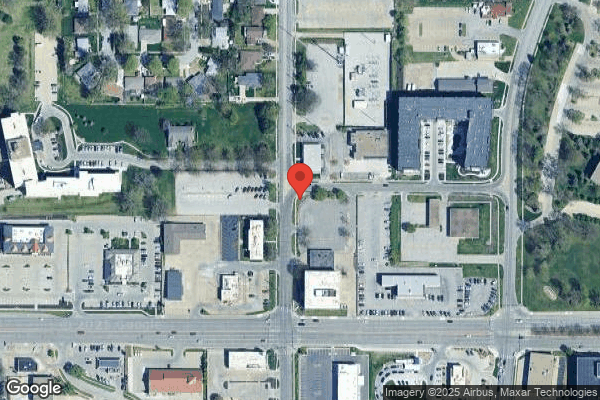
225 North 56th Street, Lincoln, NE 68504 (402) 464-6371
For profit - Corporation 80 Beds Independent Data: November 2025
Trust Grade
53/100
#84 of 177 in NE
Last Inspection: June 2024

Within standard 12-15 month inspection cycle. Federal law requires annual inspections.

Overview

Gateway Vista in Lincoln, Nebraska, holds a Trust Grade of C, indicating it is average compared to other nursing homes. It ranks #84 out of 177 facilities in Nebraska, placing it in the top half, and #8 out of 14 in Lancaster County, meaning only seven local options are better. The facility shows an improving trend, reducing issues from five in 2024 to one in 2025. Staffing is rated at 4 out of 5 stars, which is good, but the turnover rate is concerning at 71%, significantly higher than the state average of 49%. While the facility has some strengths, such as better RN coverage than many other state facilities, there are serious concerns as well. For example, there was a failure to effectively manage pain for a resident, and the kitchen conditions were reported to be unsanitary, with expired food and cleanliness issues that could affect all residents. Additionally, a resident was found at risk of falls due to inadequate assistance during transfers, highlighting areas that need attention. Overall, families should weigh both the strengths and weaknesses carefully when considering Gateway Vista for their loved ones.

Trust Score
C
53/100
In Nebraska
#84/177
Top 47%
Safety Record
Moderate
Needs review
Inspections
Getting Better
5 → 1 violations
Staff Stability
⚠ Watch
71% turnover. Very high, 23 points above average. Constant new faces learning your loved one's needs.
Penalties
○ Average
$8,659 in fines. Higher than 74% of Nebraska facilities. Some compliance issues.
Skilled Nurses
✓ Good
Each resident gets 45 minutes of Registered Nurse (RN) attention daily — more than average for Nebraska. RNs are trained to catch health problems early.
Violations
○ Average
10 deficiencies on record. Average for a facility this size. Mostly minor or procedural issues.
★★★☆☆
3.0
Overall Rating
★★★★☆
4.0
Staff Levels
★★★☆☆
3.0
Care Quality
★★★☆☆
3.0
Inspection Score
Stable
2024: 5 issues
2025: 1 issues

The Good

  • 4-Star Staffing Rating · Above-average nurse staffing levels
  • Full Sprinkler Coverage · Fire safety systems throughout facility
  • No fines on record

Facility shows strength in staffing levels, fire safety.

The Bad

3-Star Overall Rating

Near Nebraska average (2.9)

Meets federal standards, typical of most facilities

Staff Turnover: 71%

25pts above Nebraska avg (46%)

Frequent staff changes - ask about care continuity

Federal Fines: $8,659

Below median ($33,413)

Minor penalties assessed

Staff turnover is very high (71%)

23 points above Nebraska average of 48%

The Ugly 10 deficiencies on record

1 actual harm
Sept 2025 1 deficiency
CONCERN (D) 📢 Someone Reported This

A family member, employee, or ombudsman was alarmed enough to file a formal complaint

Potential for Harm - no one hurt, but risky conditions existed

Deficiency F0697 (Tag F0697)

Could have caused harm · This affected 1 resident

**NOTE- TERMS IN BRACKETS HAVE BEEN EDITED TO PROTECT CONFIDENTIALITY** Licensure Reference Number 175 NAC 12-006.09(H)Based on record review and interview, the facility failed to implement, monitor, ...

Read full inspector narrative →
**NOTE- TERMS IN BRACKETS HAVE BEEN EDITED TO PROTECT CONFIDENTIALITY** Licensure Reference Number 175 NAC 12-006.09(H)Based on record review and interview, the facility failed to implement, monitor, and revise interventions to manage pain for 1 (Resident 1) out of 3 sampled residents for pain control. The facility census was 76 at the time of survey. Findings are:Record review of the facility's policy Pain Management dated December 2023, revealed the facility must ensure that pain management is provided to residents who require such services consistent with professional standards of practice. In order to help a resident attain his/her highest practicable level of physical, mental and psychosocial well-being and to manage pain, the facility will:- Recognize when the resident is experiencing pain and identify circumstances when the pain can be anticipated.- Evaluate the resident for pain and the cause upon admission, and during ongoing assessments.- Manage pain, consistent with current professional standards of practice, and the resident's goals and preferences. If the pain re-assessment findings indicate pain is not adequately controlled, the pain management regimen will be revised as indicated.Record review from Core Principles of Pain Management from Geriatric pain.org dated May 2023 revealed pain is a subjective experience and the individual is the best judge of his or her own pain, and the expert on each pain treatment's effectiveness on him/herself. Further review also revealed that every older adult deserves adequate pain management. Record review of Resident 1's admission record revealed the resident was admitted to the facility on [DATE] with a diagnosis of pain and low back pain.Record review of Resident 1's progress notes dated 9/9/25 revealed order for Acetaminophen (Tylenol) 650 milligram (mg- unit of measurement for medications) every 6 hours as needed for pain.Record review of Resident 1's History and Physical from hospital date of service of 9/5/2025 revealed this resident has chronic back pain and is on chronic opioids (Dilaudid 2 milligram {mg- a dosage of a medication} 5 times a day) with a history of spinal surgeries. Record review of Resident 1's Brief Interview for Mental Status (BIMS) dated 9/10/2025 revealed a score of 13 which indicated intact cognitive function, meaning the resident has normal thinking and memory and is not experiencing a significant level of cognitive impairment.Record review of facility's pain book (educational staff resource) revealed facility used a Pain and Function Assessment Tool with a use of a 0-10 scale (0 = No Pain, 10= Worst Possible Pain) for residents to rate their own pain. Record review of Resident 1's Order Summary dated 9/14/2025 revealed an order for Hydromorphone (Dilaudid) tablet- two milligrams (mg) take one table by mouth five times daily for five days for diagnosis of pain with a start date of 9/7/2025 and a stop date of 9/13/2025.Record review of Resident 1's September 2025's Medication Administration Record, Pain Level Summary and Progress notes revealed:Monday, 9/8/2025 at 4:14 PM Resident rated pain as a 6. No documentation of the site of Resident's pain. No documentation that other pain medications were administered to resident. No documentation of facility's use of Non-Pharmacological Interventions (NPI).Monday, 9/8/2025 at 8:00 PM Resident 1 received Dilaudid 2 mg as ordered. Pain site documented as NA (not applicable) Resident rated pain was a 0. Facility documented NA for use of Non-Pharmacological Interventions (NPI).Tuesday, 09/9/2025 at 8:00 AM Resident 1 received Dilaudid 2 mg as ordered. Pain site documented as NA. Resident rated pain was a 0. Facility documented NA (not applicable) for use of Non-Pharmacological Interventions (NPI).Tuesday, 09/9/2025 at 11:00 AM Resident 1 received Dilaudid 2 mg as ordered. Pain site documented as NA. Resident rated pain was a 0. Facility documented NA (not applicable) for use of Non-Pharmacological Interventions (NPI).Tuesday, 09/9/2025 at 2:00 PM Resident 1 received Dilaudid 2 mg as ordered. Pain site documented as NA. Resident rated pain was NA. Facility documented NA (not applicable) for use of Non-Pharmacological Interventions (NPI).Tuesday, 09/9/2025 at 5:00 PM Resident 1 received Dilaudid 2 mg as ordered. Pain site documented as NA. Resident rated pain was a 0. Facility documented NA (not applicable) for use of Non-Pharmacological Interventions (NPI).Tuesday, 09/9/2025 at 8:00 PM Resident 1 received Dilaudid 2 mg as ordered. Pain site documented as right leg. Resident rated pain was a 7. Facility documented rest for use of Non-Pharmacological Interventions (NPI). Resident 1 continued to rate pain a 7 at 8:42 PM, 8:57 PM, and at 10:15 PM. No documentation of any revision to the pain management regimen. No documentation of any additional use of Non-Pharmacological Interventions besides rest. Wednesday, 09/10/2025 at 8:00 AM Resident 1 received Dilaudid 2 mg as ordered. Pain site documented as NA. Resident rated pain was NA. Facility documented NA for use of Non-Pharmacological Interventions (NPI).Wednesday, 09/10/2025 at 11:00 AM Resident 1 received Dilaudid 2 mg as ordered. Pain site documented as NA. Resident rated pain was a 0. Facility documented NA for use of Non-Pharmacological Interventions (NPI).Wednesday, 09/10/2025 at 2:00 PM Resident 1 received Dilaudid 2 mg as ordered. Pain site documented as NA. Resident rated pain was a 0. Facility documented NA for use of Non-Pharmacological Interventions (NPI).Wednesday, 09/10/2025 at 5:00 PM Resident 1 received Dilaudid 2 mg as ordered. Pain site documented as NA. Resident rated pain was a 0. Facility documented NA for use of Non-Pharmacological Interventions (NPI).Wednesday, 09/10/2025 at 8:00 PM Resident 1 received Dilaudid 2 mg as ordered. Pain site documented as legs. Resident rated pain was a 10. No documentation that other pain medications were administered to resident. Facility documented rest for use of Non-Pharmacological Interventions (NPI). Resident 1 continued to rate pain a 7 at 8:32 PM, and rated pain as a 3 at 10:43 PM. No documentation of any revision to the pain management regimen. No documentation that other pain medications were administered to resident or Non-Pharmacological Interventions were used besides rest. Thursday, 09/11/2025 at 8:00 AM Resident 1 received Dilaudid 2 mg as ordered. Pain site documented as back. Resident rated pain was a 10. Facility documented rest for use of Non-Pharmacological Interventions (NPI). Resident 1 continued to rate pain a 10 at 9:02 AM and at 10:06 AM. No documentation of any revision to the pain management regimen. No documentation of any additional use of Non-Pharmacological Interventions besides rest. No documentation that other pain medications were administered to resident. Thursday, 09/11/2025 at 11:00 AM Resident 1 received Dilaudid 2 mg as ordered. Pain site documented as right hip. Resident rated pain was a 8. Facility documented rest for use of Non-Pharmacological Interventions (NPI). Resident 1 continued to rate pain a 8 at 11:43 AM, and as a 10 at 12:53 AM. No documentation of any revision to the pain management regimen. No documentation of any additional use of Non-Pharmacological Interventions besides rest. No documentation that other pain medications were administered to resident. Thursday, 09/11/2025 at 2:00 PM Resident 1 received Dilaudid 2 mg as ordered. Pain site documented as right hip. Resident rated pain was a 5. Facility documented rest for use of Non-Pharmacological Interventions (NPI). No facility documentation to assess or reassess pain/effectiveness of Dilaudid.Thursday, 09/11/2025 at 5:00 PM Resident 1 received Dilaudid 2 mg as ordered. Pain site documented as right hip. Resident rated pain was a 5. Facility documented rest for use of Non-Pharmacological Interventions (NPI). No facility documentation to assess or reassess pain/effectiveness of Dilaudid.Thursday, 09/11/2025 at 8:00 PM Resident 1 received Dilaudid 2 mg as ordered. Pain site documented as right hip. Resident rated pain was a 4. Facility documented rest for use of Non-Pharmacological Interventions (NPI).Friday, 09/12/2025 at 8:00 AM Resident 1 received Dilaudid 2 mg as ordered. Pain site documented as NA. Resident rated pain was a 0. Facility documented NA for use of Non-Pharmacological Interventions (NPI).Friday, 09/12/2025 at 11:00 AM Resident 1 received Dilaudid 2 mg as ordered. Pain site documented as NA. Resident rated pain was a 0. Facility documented NA for use of Non-Pharmacological Interventions (NPI). Resident 1 rated pain a 10 at 12:08 PM. No documentation of any revision to the pain management regimen. No documentation of any additional use of Non-Pharmacological Interventions. No documentation that other pain medications were administered to resident.Friday, 09/12/2025 at 2:00 PM Resident 1 received Dilaudid 2 mg as ordered. Pain site documented as NA. Resident rated pain was a 0. Facility documented NA for use of Non-Pharmacological Interventions (NPI).Friday, 09/12/2025 at 5:00 PM Resident 1 received Dilaudid 2 mg as ordered. Pain site documented as NA. Resident rated pain was a 0. Facility documented NA for use of Non-Pharmacological Interventions (NPI).Friday, 09/12/2025 at 8:00 PM Resident 1 received Dilaudid 2 mg as ordered. Pain site documented as NA. Resident rated pain was a 0. Facility documented NA for use of Non-Pharmacological Interventions (NPI).Saturday, 09/13/2025 at 8:00 AM Resident 1 received Dilaudid 2 mg as ordered. Pain site documented as NA. Resident rated pain was a 0. Facility documented NA for use of Non-Pharmacological Interventions (NPI).Record review of Resident 1's Electronic Medical Record revealed resident's last dose of Dilaudid 2 mg was administered on Saturday, 9/13/2025 at 8:00AM.During an interview on 9/17/2025 at 3:54 PM Resident 1's family member confirmed that the resident had been taking Dilaudid for approximately 2 decades for back pain and that it had been abruptly discontinued while at the facility. Record review of Resident 1's Medication Administration Record (MAR) revealed the resident refused the pain medication on 9/13/2024 at 11:00 AM. Pain rating at that time was a 0 (zero-meaning no pain).Record review of Resident 1's Pain Assessments for 9/13/2025 (Saturday) revealed at 1:54 PM the resident rated pain at a 10. No documentation of any revision to the pain management regimen. No documentation of any use of Non-Pharmacological Interventions. No documentation that other pain medications were administered to resident.Record review of Resident 1's Pain Assessments, Progress Notes, and Electronic Medical Record dated 9/14/2025 (Sunday) revealed:9:18 AM- Pain was a 9. No documentation of any revision to the pain management regimen. No documentation that other pain medications were administered to resident. No documentation of any use of Non-Pharmacological Interventions. 10:28 AM-Pain was a 9. Pain was constant, generalized, aching, non-radiating (not spreading) Facility documented Non- medication interventions refused or did not provide relief.11:37 AM- General complaints of pain was rated a 7, which is considered severe and demands a person's full attention. Facility documented refusal of Non-Pharmacological Interventions. Resident 1 accepted Tylenol 650 mg for pain.12:20 PM- Pain was a 10, which signifies the worst, most severe pain imaginable. It is pain so intense that it is completely incapacitating and dominates all thoughts and sensations.Facility documented that PRN administration (Tylenol) was ineffective.Record review of Resident 1's electronic medical record revealed the resident complained of a pain rating of 9 on Sunday, 9/14/2025 at 9:18 AM, then the nurse called Resident 1's medical provider on 9/14/21 at 10:21 AM. Further record review revealed the nurse never received the order from the medical provider to continue the Dilaudid and never called the medical provider back to ask to resend the faxed order. The fax was later located in the closed business office still on the fax machine on Monday, 9/15/2025. During an interview on 9/18/2025 at 12:26 PM Registered Nurse (RN)-A confirmed that the nurse never received the Dilaudid order, did not follow up with the provider and did not give the medication before the resident discharged from the facility. RN-A also confirmed that the facility had three Dilaudid 2 mg pills in the narcotic drawer for Resident 1. Record review of Resident 1's nurses notes dated 9/14/2025 at 2:35 PM revealed that resident's daughter removed Resident 1 from the facility against medical advice (AMA) because Resident 1 went 24 hours without Dilaudid (pain medication) and is taking them home to medicate (gender) and will not be returning to the facility. During an interview on 9/17/2025 at 3:45 PM with Licensed Practical Nurse (LPN) - B confirmed that Resident 1 came from the hospital with an order for Hydromorphone (Dilaudid) for five days and it was scheduled to be stopped during the weekend and when residents come with a stop date on pain meds, the facility will reassess their pain and address it from there. LPN-B further confirmed the facility did not have a plan for when Resident 1's five day scheduled order for Dilaudid was discontinued, and there was no plan to taper (gradually reduce) the medication. Record review of Resident 1's Comprehensive Care Plan (CCP - written instructions needed to provide effective and person centered care of the resident that meet professional standards of quality care) with a focus area dated 9/9/25, revealed the resident had chronic pain with a goal of adequate relief of pain, interventions included to identify previous pain history and management of that pain, administer analgesics, and document response.During an interview on 9/18/25 at 1:37 PM with Director of Clinical Operations (DCO) confirmed there was no documentation of the resident pain assessment or condition between 12:20 PM and 2:35 PM for Resident 1 on 9/14/2025, the day of discharge. The DCO also confirmed that pain is subjective (subjective means pain is described and reported based on the individual's perception and interpretation).Record review of Resident 1's Minimum Data Set (MDS - this comprehensive assessment evaluates each resident's functional capabilities) dated 9/14/2025 revealed the resident discharged from the facility on 9/14/2025.During an interview on 9/18/2025 at 3:43 PM with the Director of Nursing (DON) confirmed that Resident 1's pain was not under control, based on the pain assessment, when the resident was discharged .
Jun 2024 5 deficiencies 1 Harm
SERIOUS (G) 📢 Someone Reported This

A family member, employee, or ombudsman was alarmed enough to file a formal complaint

Actual Harm - a resident was hurt due to facility failures

Accident Prevention (Tag F0689)

A resident was harmed · This affected 1 resident

Based on record review and interview; the facility staff failed to implement assessed interventions to prevent significant injury for 1(Resident 35) of 4 sampled residents. The facility staff identifi...

Read full inspector narrative →
Based on record review and interview; the facility staff failed to implement assessed interventions to prevent significant injury for 1(Resident 35) of 4 sampled residents. The facility staff identified a census of 68. Findings are: Record review of Resident 35's Comprehensive Care Plan (CCP) with an initiation date of 3/14/2023 revealed Resident 35 had Activities of Daily Living (ADL's) self-care performance deficit related to the diagnosis of Parkinson Diseases. Further review of Resident 35's CCP with a initiation date of 3/14/2024 revealed Resident 35 was at a high risk for falls related to confusion, de-conditioning and gait/balance problems. The goal identified on Resident 35's CCP was Resident 35 would not sustain a serious injury. Interventions identified to meet the goal revealed the following: -Anticipated and meets Resident 35's needs. -Assistive devices in place with mobility. -Audio monitor in room to be turned on at night. -Bedside table with needed items within reach. -Ensure gait belt (also known as a transfer belt) is in place with transfers and ambulation. -Follow facility fall protocol. A record review of Resident 35's Minimum Data Set (MDS, a federally mandated assessment tool used foe care planning) dated 3/12/2024 revealed the facility staff assessed Resident 35 as needing partial to moderate assistance with toilet transfer. A record review of Physical Therapy (PT) notes for Resident 35 dated 4/23/2024 revealed Resident 35 had a history of falls. According to The PT notes dated 4/23/2024 revealed Resident 35 felt unsteady when walking and was worried about falling. Further review of the PT note for Resident 35 revealed the root cause of Resident 35's fear of falling was due to the Parkinson causing the resident to be unable to employ stepping strategies to maintain balance. A record review of a Gateway Vista Restorative Program sheet dated and signed by a Occupational Therapist dated 9/18/2023 for Resident 35 revealed when transferring Resident 35, staff were to use a gait belt and the assistance of 1 staff member. A record review of Resident 35's Progress Note (PN) dated 4/30/2024 with a time of 3:56 PM revealed Nursing Assistant (NA)-B was assisting Resident 35 from the toilet when Resident 35 took 2 steps forward. According to Resident 35's PN dated 4/30/2024 NA-B held onto Resident 35 as Resident 35 fell with NA-B falling with Resident 35. Resident 35's PN dated 4/30/2024 revealed NA-B's lower extremities may have fallen onto Resident 35 with resulting in a transfer to the hospital. A record review of Resident 35's PN dated 4/30/2024 at 7:29 PM revealed a Hospital Nurse called and reported Resident 35 had sustain a left side superior Pubic Ramus fracture (commonly known as a pelvic fracture). A record review of a Witnessed Fall sheet dated 4/30/2024 revealed Resident 35 was being transferred by NA-B when Resident 35 fell resulting in emergency services being called and Resident 35 transferred to the hospital. A record review of a facility investigation reported dated 5/03/2024 revealed Resident 35 required 1 person assistance with the use of a gait belt and a walker for ambulation and ADL's. Further review of the facility investigation report dated 5/03/2024 revealed Resident 35 sustain a left side superior Pubic Ramus fracture. On 6/12/2024 at 8:30 AM an interview was conducted with the Director of nursing (DON). During the interview the DON confirmed NA-B did not use a gait belt when transferring Resident 35 from the toilet. The DON further reported re-educating nursing staff on the floor Resident 35 resided on and some float staff. When asked was all of nursing re-educated on the use of gait belts, the DON stated no.
CONCERN (D)

Potential for Harm - no one hurt, but risky conditions existed

Assessment Accuracy (Tag F0641)

Could have caused harm · This affected 1 resident

**NOTE- TERMS IN BRACKETS HAVE BEEN EDITED TO PROTECT CONFIDENTIALITY** Based on observation, interview, and record review, the facility failed to ensure the accuracy of 1 (Resident 42) of 7 sampled r...

Read full inspector narrative →
**NOTE- TERMS IN BRACKETS HAVE BEEN EDITED TO PROTECT CONFIDENTIALITY** Based on observation, interview, and record review, the facility failed to ensure the accuracy of 1 (Resident 42) of 7 sampled resident's Minimum Data Set (MDS, a comprehensive resident assessment of a person's functional, medical, and mental function). The facility census was 68. Findings are: A record review of the Centers for Medicare and (&) Medicaid Services' Long-Term Care Resident Assessment Instrument User's Manual dated October 2023 revealed Federal regulations at 42 CFR (Code of Federal Regulations) 483.20 (b)(1)(XVIII), (g), and (h) require that (1) the assessment accurately reflects the resident's status. A record review of Resident 42's Clinical Census dated 06/11/2024 revealed the resident was admitted to the facility on [DATE]. A record review of Resident 42's Medical Diagnosis dated 06/11/2024 revealed the resident had diagnoses of Chronic Inflammatory Demyelinating Polyneuritis (an abnormal immune response that can lead to nerve swelling and irritation), Anemia (low red blood cells), Acute Kidney Failures, Unspecified, Multifocal Motor Neuropathy (a rare and progressive disorder that affects motor neurons and cause muscle weakness in the extremities), and Thyrotoxicosis, Unspecified Without Thyrotoxic Crisis Or Storm (too much thyroid hormone). A record review of Resident 42's MDS dated 04/02/2024 revealed the resident had a Brief Interview for Mental Status (BIMS, a score of a residents cognitive abilities) of 5 of 15 which indicates the resident was severely cognitively impaired (confused). The resident was independent with oral and personal hygiene (cleaning), and upper body dressing. The resident needed supervision or touching assistance with toileting, lower body dressing and putting on footwear. The MDS revealed the resident was on Dialysis (a treatment that removes waste and excess fluid from the blood when the kidneys are not functioning properly). A record review of Resident 42's Care Plan did not reveal the resident was on Dialysis. An observation on 06/11/2024 at 11:12 AM revealed Resident 42 did not have a visible Dialysis catheter (a tube inserted into a vein) in the resident's chest, neck, or arm. In an interview on 06/11/2024 at 11:12 AM, Resident 42 confirmed the resident was not on Dialysis, but did have a procedure done every 2 weeks to separate the blood. Resident 42 confirmed the resident did not have a Dialysis catheter. A record review of the facility's MDS Resident Matrix dated 06/11/2024 did not reveal that Resident 42 was on Dialysis. In an interview on 06/12/2024 at 8:30 AM, The Director of Nursing confirmed Resident 42 was on Plasmapheresis (a process of removing the blood from the body, separating it into plasma and cells, and transfusing the cells back into the bloodstream) and was not on Dialysis. In an interview on 06/12/2024 at 8:58 AM, the MDS Coordinator-A confirmed Resident 42 was not on Dialysis and the MDS dated 04/02/2024 was not accurate and Dialysis should not have been marked.
CONCERN (D)

Potential for Harm - no one hurt, but risky conditions existed

Deficiency F0655 (Tag F0655)

Could have caused harm · This affected 1 resident

**NOTE- TERMS IN BRACKETS HAVE BEEN EDITED TO PROTECT CONFIDENTIALITY** Based on observation, record review and interview; the facility staff failed develop a Basline Care Plan (BLC,a plan of care tha...

Read full inspector narrative →
**NOTE- TERMS IN BRACKETS HAVE BEEN EDITED TO PROTECT CONFIDENTIALITY** Based on observation, record review and interview; the facility staff failed develop a Basline Care Plan (BLC,a plan of care that is developed to meet the residents basic needs until a comprehensive care plan can be established) for 1 (Resident 109) of 1 residents. The facility staff identified a census of 68. Findings are: A record review of a Order Summary report dated 6/11/2024 revealed Resident 109 admitted to the facility on [DATE] with the diagnoses of Hypertension, surgical amputation, falls, Osteomylitis and Non-displaced type ll dens fracture (neck fracture). Further review of Resident 109's Order Summary Report dated 6-11-2024 revealed Resident 109's practitioner ordered Resident 109 to have a cervical collar on at all time when upright or mobilizing. An observation on 6/11/2024 at 3:25 PM revealed Resident 109 was seated up-right in a wheelchair and had the cervical Collar in place. Record review of Resident 109's BLC initiated on 6-03-2024 revealed the use of the cervical collar was not identified on the plan. On 6/12/2024 at 3:30 PM an interview was conducted with the Director of Nursing (DON). During the interview the DON confirmed the sue of the cervical collar was not identified on Resident 109's BLC.
CONCERN (D)

Potential for Harm - no one hurt, but risky conditions existed

Comprehensive Care Plan (Tag F0656)

Could have caused harm · This affected 1 resident

**NOTE- TERMS IN BRACKETS HAVE BEEN EDITED TO PROTECT CONFIDENTIALITY** Based on observation, interview, and record review, the facility failed to ensure Plasmapheresis (a process of removing the bloo...

Read full inspector narrative →
**NOTE- TERMS IN BRACKETS HAVE BEEN EDITED TO PROTECT CONFIDENTIALITY** Based on observation, interview, and record review, the facility failed to ensure Plasmapheresis (a process of removing the blood from the body, separating it into plasma and cells, and transfusing the cells back into the bloodstream) and the arteriovenous (AV) fistula (a surgical connection between an artery and a vein that creates a stronger entry point for needles necessary for residents that require Dialysis or Plasmapheresis) were identified on 1 (Resident 42) of 7 sampled resident's Care Plan. The facility census was 68. Findings are: A record review of the facility's Care Plans Guideline with a Date Implemented of 2023 revealed the care planning process would include an assessment of the residents needs and would incorporate the resident's personal and cultural preferences in developing goals of care. Services provided or arranged by the facility, as outlined by the care plan. The care plan would describe the services that would be furnished to attain or maintain the resident's highest practicable (able to be done) physical, mental, and psychosocial (relating to thought and behavior) well-being. A record review of Resident 42's Clinical Census dated 06/11/2024 revealed the resident was admitted to the facility on [DATE]. A record review of Resident 42's Medical Diagnosis dated 06/11/2024 revealed the resident had diagnoses of Chronic Inflammatory Demyelinating Polyneuritis (an abnormal immune response that can lead to nerve swelling and irritation), Anemia (low red blood cells), Acute Kidney Failures, Unspecified, Multifocal Motor Neuropathy (a rare and progressive disorder that affects motor neurons and cause muscle weakness in the extremities), and Thyrotoxicosis, Unspecified Without Thyrotoxic Crisis Or Storm (too much thyroid hormone). A record review of Resident 42's Minimum Data Set (MDS, a comprehensive assessment used to develop a resident's care plan) dated 04/02/2024 revealed the resident had a Brief Interview for Mental Status (BIMS, a score of a residents cognitive abilities) of 5 of 15 which indicates the resident was severely cognitively impaired (confused). The resident was independent with oral and personal hygiene (cleaning), and upper body dressing. The resident needed supervision or touching assistance with toileting, lower body dressing, and putting on footwear. A record review of Resident 42's Care Plan did not reveal the resident was on Plasmapheresis or had an AV fistula. A record review of Resident 42's Progress Note dated 03/09/2024 revealed an admission notes that the resident was on Plasmapheresis. A record review of Resident 42's Clinical Physician Orders dated 06/11/2024 revealed orders for: -Dialysis Fistula: No blood pressures (BP's), labs, jewelry or heavy lifting in extremity having fistula in right arm. every day and evening shift for hemodialysis (HD) catheter and fistula in right arm -Assess fistula site right arm. Palpate thrill (vibration felt when fingers are placed on AV fistula) and auscultate bruit (a sound that indicated how well an AV fistula is functioning) and note any concerns. Assess fistula appearance and document any concerns. Update/notify medical doctor (MD) as needed (prn) abnormal findings. every shift for fistula A record review of the facility's undated Daily Duty Sheet - 3rd Floor did not reveal the resident was on Plasmapheresis or had an AV fistula and required special precautions need related to the right arm AV fistula. An observation on 06/11/2024 at 3:21 PM revealed Resident 42's right arm had an AV fistula located on the inner elbow. In an interview on 06/11/2024 at 3:21 PM, Resident 42 confirmed the resident did leave the facility to have a procedure done every 2 weeks to separate the blood and did have an AV fistula located in the inner elbow of the right arm. The resident was not sure what the name of the procedure was. In an interview on 06/12/2024 at 8:30 AM, The Director of Nursing confirmed Resident 42 was on Plasmapheresis (a process of removing the blood from the body, separating it into plasma and cells, and transfusing the cells back into the bloodstream) and had an AV fistula in the right arm. In an interview on 06/12/2024 at 8:58 AM, the MDS Coordinator (MDS)-A confirmed Resident 42 had Plasmapheresis done every 2 weeks, had a AV fistula in the right arm. MDS-A confirmed Resident 42's Plasmapheresis and AV fistula was not on the Care Plan and should have been.
CONCERN (D)

Potential for Harm - no one hurt, but risky conditions existed

Infection Control (Tag F0880)

Could have caused harm · This affected 1 resident

**NOTE- TERMS IN BRACKETS HAVE BEEN EDITED TO PROTECT CONFIDENTIALITY** Based on observation, record review and interview, the facility staff failed to utilize hand hygiene and gloving, failed to ensu...

Read full inspector narrative →
**NOTE- TERMS IN BRACKETS HAVE BEEN EDITED TO PROTECT CONFIDENTIALITY** Based on observation, record review and interview, the facility staff failed to utilize hand hygiene and gloving, failed to ensure clean surface for treatment supplies,failed to clean scissors prior to wound care and failed to perform wound care in a manor to prevent potential cross contamination for 1 (resident 109) of 1 sampled resident. The facility staff identified a census of 68. Findings are: A record review of a Order Summary report dated 6/11/2024 revealed Resident 109 admitted to the facility on [DATE] with the diagnoses of Hypertension, surgical amputation, falls, Osteomylitis and Non-displaced type ll dens fracture (neck fracture). Further review of Resident 109's Order Summary Report dated 6/11/2024 revealed Resident 109's practitioner ordered a treatment to be completed to Resident 109's right 2nd amputated toe area that consisted of paint the wound with betadine, allow the betadine to air dry, then dress the wound with xereform (type of dressing), apply gauze and then wrap the area with ace wrap. An observation on 6/12/2024 at 10:40 AM of wound care and a transfer revealed Registered Nurse (RN)-C entered Resident 109's room and did not complete hand hygiene. RN-C removed resident's foot from [gender] wheelchair in preparation of a transfer. RN-C obtained and applied a gait belt (also known as a transfer belt) around Resident 109's waist and cued the resident for the transfer and transferred the resident into a recliner. RN-C removed the gait belt and explained to Resident 109 of the need to complete a treatment to the resident right toe area. RN-C without completing hand hygiene, left the residents room, obtained the required treatment supplies and returned to Resident 109's room. Further observation revealed upon entering Resident 109's room with treatment supplies, RN-C placed the treatment supplies on a corner room shelf without a barrier. The scissors that were included with the treatment supplies slid off the stack of the supplies onto the bare surface of the shelf. RN-C without completing hand hygiene donned (put on) gloves and removed Resident 109's right shoes and unwrapped the Ace wrap around Resident 109's right foot and lower right leg, RN-C removed the previous dressing revealing the wound to have stitches that measured approximately 2 centimeters in length. RN-C removed the soiled gloves, completed hand hygiene and donned clean gloves. RN-C then obtained a breadline swab and wiped downwards multiple times on the wound without changing the site on the swab. RN-C obtained the un-sanitized scissors and cut a portion of xereform dressing and placed the dressing onto Resident 109's right 2nd toe amputation site with the remainder of the xereform dressing placed back into the package. RN-C placed a 2 by 2 gauze dressing over the zereform dressing and without changing the gloves and completing hand hygiene wrapped Resident 109's right foot and leg with the Ace wrap and applied the resident shoe. RN-C removed the soiled glove and used hand sanitizer to clean the hand and scissors and placed the scissors into RN-C pocket. On 6/12/2024 at 11:00 AM an interview was completed with RN-C. During the interview RN-C confirmed soiled gloves had not been change and hands washed, soiled scissors were used and not sanitized after use and clean barrier for wound supplies was not used during the treatment on 6/12/2024 at 10:40 AM. On 6/12/2024 at 3:32 PM an interview was conducted with the facility Infection Control Preventionist (ICP). During the interview the ICP reported hand hygiene is to be completed before and after glove use, when using a betadine swab, the site on the swab needs to be changes with each swipe, a clean barrier needs to be in place for wound supplies and scissors need to be sanitized before and after use. A record review of the facility policy dated 2/2024 for Hand hygiene revealed the following: -Guidelines: -All staff will perform proper hand hygiene procedures to prevent the spread of infection to other personal, residents and visitors. This applies to all staff working in all locations within the facility. -6.a. The use of gloves does not replace hand hygiene. If your task requires gloves, perform hand hygiene prior to donning gloves and immediately after removing gloves.
Apr 2022 4 deficiencies
CONCERN (D)

Potential for Harm - no one hurt, but risky conditions existed

Comprehensive Care Plan (Tag F0656)

Could have caused harm · This affected 1 resident

Licensure Reference Number 175 NAC 12-006.09C Based on interviews and record reviews; the facility failed to develop care plans to address pain for 2 (Resident 64 and Resident 50) of 4 sampled residen...

Read full inspector narrative →
Licensure Reference Number 175 NAC 12-006.09C Based on interviews and record reviews; the facility failed to develop care plans to address pain for 2 (Resident 64 and Resident 50) of 4 sampled residents. The facility census was 63 with 18 sampled residents. Findings are: A. Record review of Resident 64's face sheet dated 4/5/22 as date of admission revealed diagnoses of; Unspecified fracture of shaft of humerus, right arm, Unspecified fall, subsequent encounter, Chronic Kidney Disease, Other specified anxiety disorders. Interview with the resident on 4/19/22 at 9:00 AM revealed the resident frequently rates (gender) pain greater than 5 and that the resident has to request the Lidocaine Patch be put on before therapy but most of the time the patch does not get put on in time for therapy. This morning I did not get my pain patch and Occupational Therapy was very painful to me. Record review of Resident 64's physician's orders dated 4/21/22 revealed the following orders: -Gabapentin (a medication used to treat nerve pain) 300mg capsule by mouth three times a day. -Lidocaine PA Patch 4% (a patch used for pain) apply topically and change daily (on 12 hours, off 12 hours). -Acetaminophen 325 milligrams (mg) take 2 tablets by mouth every 8 hours. -Assess pain every shift, have resident rate pain if present. -Occupation therapy, physical therapy and speech therapy to evaluate and treat. -Wear right shoulder sling immobilization at all times. Record review of Resident 64's care plan revealed that pain was not addressed on the care plan. The care plan addressed limited physical mobility related to weakness and fracture. Interview with Registered Nurse (RN) Clinical Nurse Coordinator (CNC) for Unit 1 on 4/22/22 at 9:25 AM confirmed that pain, pain medications, and non-pharmacological interventions were not addressed on Resident 64's care plan and that Resident 64's pain assessment on 4/19/22 day shift revealed Resident 64's pain to be rated at a 6. B. Record review of Resident 50's face sheet dated 3/26/2022 as date of admission revealed diagnoses of; pain in left leg, weakness, hemiplegia and hemiparesis following cerebral infarction affecting right non-dominant side. Observation of the resident on 4/19/22 at 9:10 AM revealed that the resident was grimacing when attempting to sit up in bed independently and holding left leg. Interview with the resident on 4/19/22 at 9:11 AM revealed that the resident has a lot of pain in the left leg after the stroke and today the the resident would rate the pain at an 8 on a scale of 1 to 10. Resident 50 also verbalized that (gender) asked for heat several times but had never received it and that (gender) might have to wait an hour to get a (PRN: as needed or requested medication) pain medication when requesting it. Record review of Resident 50's physicians orders revealed the following orders; -Pain assessment every shift, rate pain on a 1 to 10 scale. -Gabapentin (a medication used to treat nerve pain) 100 milligrams (MG) orally three times a day. -Lidocaine PA Pad 4% (a patch used to treat pain) apply 2 patches topically and change daily (on 12 hours, off 12 hours). -Tramadol HCL tab (a narcotic used to treat moderate pain) 50 MG 1 tablet orally every 6 hours as needed (PRN). Record review of Resident 50's comprehensive care plan revealed an identified Behavior problem showing a BIMS of 14, indicating resident is cognitively intact and alert/oriented and able to make choices. The Care Plan also revealed that pain, Tramadol and non-pharmacological interventions were not addressed on the care plan. The care plan had an identified problem for medications with a black box warning and to monitor for undesirable side effects and a problem for limited physical mobility. Record review of Resident 50's medication administration record for March and April 2022 revealed Tramadol was being used as a PRN pain medication. Record review of physician orders from the referring hospital revealed the the resident had been using heat and/or ice interventions in the hospital prior to admitting to the facility. Interview with RN CNC for Unit 2 on 4/22/22 at 9:15 AM confirmed that Tramadol and Lidocaine, and any other non-pharmacological interventions for pain were not on the care plan.
CONCERN (D)

Potential for Harm - no one hurt, but risky conditions existed

Deficiency F0697 (Tag F0697)

Could have caused harm · This affected 1 resident

Licensure Reference Number 175 NAC 12-006.09D Based on interview and record review; the facility failed to administer scheduled pain medication at the scheduled time for 1 (Resident 64) of 4 residents...

Read full inspector narrative →
Licensure Reference Number 175 NAC 12-006.09D Based on interview and record review; the facility failed to administer scheduled pain medication at the scheduled time for 1 (Resident 64) of 4 residents sampled, which resulted in Resident 64 having pain. The facility identified a census of 63. Findings are: Record review of Resident 64's face sheet dated 4/5/22 as date of admission revealed diagnoses of Unspecified fracture of shaft of humerus, right arm, Unspecified fall, subsequent encounter, Chronic Kidney Disease, Other specified anxiety disorders. Interview with the resident on 4/19/22 at 9:00 AM revealed the resident frequently rates the resident's pain greater than 5 and that the resident has to request the Lidocaine Patch be put on before therapy but most of the time the patch does not get put on in time for therapy. This morning I did not get my pain patch and Occupational Therapy was very painful to me. Interview also revealed that the resident will not lift right arm or move right arm as it causes too much pain. Record review of the medication administration record for Resident 64 revealed the Lidocaine Patch 4% to be scheduled at 8:00 AM to be administered. On 4/19/22 it was administered at 10:23 AM and on 4/21/22 the Lidocaine Patch 4% was administered at 11:01 AM. Record review of therapy notes on 4/22/22 confirmed that Resident 64 had two therapy sessions on 4/19/22 and 4/21/22. Interview with Resident 64 on 4/22/22 at 10:54 AM confirmed that therapy is done every morning and afternoon. Record review of Resident 64's medication administration record revealed a pain assessment on 4/19/21 on day shift and that the resident rated pain at a 6 on a scale of 1-10. 10 being the worst pain. Interview with Registered Nurse (RN) Clinical Nurse Coordinator (CNC) for Unit 1 on 4/22/22 at 9:25 AM confirmed that Resident 64's pain assessment on 4/19/22 day shift revealed Resident 64's pain to be rated at a 6. Interview on 4/21/22 at 9:10 AM with the Therapy Manger revealed that there was no schedule for therapy. Further discussion revealed that the patient was responsible for asking for pain medication prior to therapy and therapy does not call nursing to let them know when the patient's therapy will be occurring. Interview on 4/22/22 at 7:30 AM with RN E confirmed that nursing is rarely notified when therapy is going to see the residents in order to give pain medication. Interview on 4/21/22 at 10:20 AM with RN F confirmed that if therapy goes to see a resident and the resident is having pain, they will ask the nurse to give pain medication and therapy will come back anywhere from ½ hour to 2 hours later to do therapy. Record review of Resident 64's physician's orders dated 4/21/22 revealed the following orders: -Gabapentin (a medication used to treat nerve pain) 300mg capsule by mouth three times a day. -Lidocaine PA Patch 4% (a patch used for pain) apply topically and change daily (on 12 hours, off 12 hours). -Acetaminophen 325 milligrams (mg) take 2 tablets by mouth every 8 hours. -Assess pain every shift, have resident rate pain if present. -Occupation therapy, physical therapy and speech therapy to evaluate and treat. -Wear right shoulder sling immobilization at all times. Interview with the Director of Nursing on 4/22/22 at 3:00 PM confirmed the Lidocaine Patch was administered over 2 hours late on 4/19/22 and that Resident 64 rated (gender) pain at a 6.
CONCERN (D)

Potential for Harm - no one hurt, but risky conditions existed

Pharmacy Services (Tag F0755)

Could have caused harm · This affected 1 resident

**NOTE- TERMS IN BRACKETS HAVE BEEN EDITED TO PROTECT CONFIDENTIALITY** Licensure Reference Number 175 NAC 12-006.10A2 Based on observation, record review, and interview, the facility failed to ensur...

Read full inspector narrative →
**NOTE- TERMS IN BRACKETS HAVE BEEN EDITED TO PROTECT CONFIDENTIALITY** Licensure Reference Number 175 NAC 12-006.10A2 Based on observation, record review, and interview, the facility failed to ensure residents received medication in accordance with prevailing standards and physician orders for 2 residents (Residents #64 and #52.) The facility census was 63 current residents. The sample size was 18 residents. Findings are: A. A review of the complete medical record for Resident #52 revealed the resident was admitted on [DATE]. Continued review revealed the resident had orders for: 1) Metoclopram (a medication utilized in the treatment for gastroentestinal reflux disease)10mg (milligrams) tablet; 1 tablet by mouth four times daily. Give 30 minutes before a meal*; and 2) Lubiprostone (a medication utilized in the treatment for constipation) 24mcg (micrograms) 1 capsule by mouth twice daily. *Take with food, Do not crush* An observation on 4/21/2022 at 08:55 AM revealed RN-F (Registered Nurse-F) prepared medications for Resident #64. 1 tablet of Metoclopram and 1 capsule of lubiprostone were among the medications prepared for administration to the resident. Resident #64 was sitting in a personal recliner in the residents own room. RN-F offered the medications to Resident #64 and the resident consumed the medications. On 4/21/2022 at 08:55 AM an interview with Resident #64 revealed the morning meal had been consumed at least 30 minutes ago. An interview with RN-F revealed Resident #64 had eaten breakfast approximately 30 minutes prior to receiving the morning medications. B. A review of the complete medical record for Resident #52 revealed the resident was admitted on [DATE]. Continued review revealed the resident had orders for: 1) Carvedilol (a medication utilized in the treatment for heart disease) 3.125mg 1 tablet by mouth twice daily. Take with food*; and 2) Ferrous Sulfate (a medication utilized in the treatment of anemia[low blood iron])1 tablet by mouth twice daily with meals. An observation on 04/21/22 at 09:10 AM revealed RN-F prepared medications for Resident #52. 1 tablet of carvedilol 3.125mg and 1 tablet ferrous sulfate 325mg were among the medications prepared for administration to the resident. Resident #52 was sitting in a personal recliner in the residents own room. RN-F offered the medications to Resident #52 and the resident consumed the medications. On 4/21/2022 at 09:10 AM an interview with Resident #52 revealed the resident had eaten breakfast at approximately 08:20 AM. An interview with RN-F revealed Resident #52 had eaten breakfast approximately 45 to 50 minutes prior to receiving the morning medications On 4/21/2022 an interview with Administrator verified medications had not been administered as ordered to Resident #52 and Resident #64. An interview with the nurse consultant vereified medications had not been administered as ordered to Resident #52 and Resident #64.
CONCERN (F)

Potential for Harm - no one hurt, but risky conditions existed

Food Safety (Tag F0812)

Could have caused harm · This affected most or all residents

Licensure Reference Number 175 NAC 12-006.11E Based on observation, record review, and interview, the facility failed to provide clean and sanitary conditions for food preparation and failed to preve...

Read full inspector narrative →
Licensure Reference Number 175 NAC 12-006.11E Based on observation, record review, and interview, the facility failed to provide clean and sanitary conditions for food preparation and failed to prevent the potential for food borne illnesses due to expired food and beverages in the refrigerator. The failure had the potential to affect all 63 residents receiving meals from the kitchen and kitchenettes. The facility identified a census of 63 and sample size was 18. Findings are: The initial tour of the main kitchen on 4/18/22 at 6:00 PM revealed a cart with containers that were not upside down, there was grease on the floor by the stove and the front of the oven was dirty. The observation also revealed that the water and gasoline pipes in-between the stove and oven were exposed and were covered with grease and dust. The shelf containing clean trays had dust and lint on it as well as the shelf above the clean prep sink had a thick layer of dust and debris covering the surface. There was a dust pile and debris on the floor in storage room. The initial tour of the second floor kitchenette on the 4/18/22 at 07:05 PM revealed the freezer had two open tortilla packages without dates on them. The initial tour of the third floor kitchenette on 4/18/22 at 6:55 PM revealed outdated orange juice in a pitcher dated 4/17/22 and preparation date was 4/14/22; a pitcher of apple juice did not have an expiration date on it and the preparation date was 4/14/22; and a bag of cereal had no open date. The initial tour of the fourth floor kitchenette on 4/18/22 at 6:35 PM revealed that the steam table was dirty; a tray under the steam table was dirty; the microwave was dirty with food debris; and the storage room floor had water stains that went from the floor under the sink and into the food storage room. There was an orange juice concentrate in the refrigerator with an expiration date of 2/24/22 and two cereal packages were open and not dated. Observation also revealed the the resident refrigerator in the kitchenette corridor had undated and unlabeled drinks and a medication pass supplement. There was a container of opened food and beverage thickener that was not dated. There was an uncovered and unlabeled dish of ice-cream in the freezer door with a metal spoon in it and two uncovered pans of cake observed sitting on the counter in the kitchenette corridor with missing pieces. At 6:45 PM, an interview with Culinary Services Employee A, confirmed the outdated drink and food items. On 4/22/22 at 10:45 AM a second observation of the main kitchen with the Registered Dietician (RD) and the Culinary Certified Dietary Manager (CDM), Dietetic Technician Registered (DTR) present, revealed the water and gasoline pipes in-between the stove and oven were exposed and covered with grease and dust; the shelf underneath the steamer had dirt and debris on it which had a stack of large stainless steel bowls lying face down on the dirty shelf; the shelf containing clean trays with dust and lint on it; there was a dust pile and debris on the storage room floor; and the shelf above the clean prep sink where pureed food was prepared had a thick layer of dust and debris covering its surface. Interview on 4/22/22 at 10:45 AM with the RD, CDM, and DTR confirmed the water and gasoline pipes in-between the stove and oven were exposed and covered with grease and dust; the shelf underneath the steamer had dirt and debris on it which had a stack of large stainless steel bowls lying face down on the dirty shelf; the shelf containing clean trays with dust and lint on it; there was a dust pile and debris on the storage room floor; and the shelf above the clean prep sink where pureed food was prepared had a thick layer of dust and debris covering its surface.
Understanding Severity Codes (click to expand)
Life-Threatening (Immediate Jeopardy)
J - Isolated K - Pattern L - Widespread
Actual Harm
G - Isolated H - Pattern I - Widespread
Potential for Harm
D - Isolated E - Pattern F - Widespread
No Harm (Minor)
A - Isolated B - Pattern C - Widespread

Questions to Ask on Your Visit

  • "Why is there high staff turnover? How do you retain staff?"
  • "Can I speak with families of current residents?"
  • "What's your RN coverage like on weekends and overnight?"

Our Honest Assessment

Strengths
  • • Licensed and certified facility. Meets minimum state requirements.
Concerns
  • • 10 deficiencies on record, including 1 serious (caused harm) violation. Ask about corrective actions taken.
  • • Grade C (53/100). Below average facility with significant concerns.
  • • 71% turnover. Very high, 23 points above average. Constant new faces learning your loved one's needs.
Bottom line: Mixed indicators with Trust Score of 53/100. Visit in person and ask pointed questions.

About This Facility

What is Gateway Vista's CMS Rating?

CMS assigns Gateway Vista an overall rating of 3 out of 5 stars, which is considered average nationally. Within Nebraska, this rating places the facility higher than 99% of the state's 100 nursing homes. This mid-range rating indicates the facility meets federal standards but may have areas for improvement.

How is Gateway Vista Staffed?

CMS rates Gateway Vista's staffing level at 4 out of 5 stars, which is above average compared to other nursing homes. Staff turnover is 71%, which is 25 percentage points above the Nebraska average of 46%. High turnover can affect care consistency as new staff learn residents' individual needs. RN turnover specifically is 55%, which is notably high. RNs provide skilled clinical oversight, so turnover in this role can affect medical care quality.

What Have Inspectors Found at Gateway Vista?

State health inspectors documented 10 deficiencies at Gateway Vista during 2022 to 2025. These included: 1 that caused actual resident harm and 9 with potential for harm. Deficiencies causing actual harm indicate documented cases where residents experienced negative health consequences.

Who Owns and Operates Gateway Vista?

Gateway Vista is owned by a for-profit company. For-profit facilities operate as businesses with obligations to shareholders or private owners. The facility operates independently rather than as part of a larger chain. With 80 certified beds and approximately 67 residents (about 84% occupancy), it is a smaller facility located in Lincoln, Nebraska.

How Does Gateway Vista Compare to Other Nebraska Nursing Homes?

Compared to the 100 nursing homes in Nebraska, Gateway Vista's overall rating (3 stars) is above the state average of 2.9, staff turnover (71%) is significantly higher than the state average of 46%, and health inspection rating (3 stars) is at the national benchmark.

What Should Families Ask When Visiting Gateway Vista?

Based on this facility's data, families visiting should ask: "How do you ensure continuity of care given staff turnover, and what is your staff retention strategy?" "Can I visit during a mealtime to observe dining assistance and food quality?" "How do you handle medical emergencies, and what is your hospital transfer rate?" "Can I speak with family members of current residents about their experience?" These questions are particularly relevant given the facility's high staff turnover rate.

Is Gateway Vista Safe?

Based on CMS inspection data, Gateway Vista has a clean safety record: no substantiated abuse findings (meaning no confirmed cases of resident harm), no Immediate Jeopardy citations (the most serious violation level indicating risk of serious injury or death), and is not on the Special Focus Facility watch list (a federal program monitoring the lowest-performing 1% of nursing homes). The facility has a 3-star overall rating and ranks #1 of 100 nursing homes in Nebraska. While no facility is perfect, families should still ask about staff-to-resident ratios and recent inspection results during their visit.

Do Nurses at Gateway Vista Stick Around?

Staff turnover at Gateway Vista is high. At 71%, the facility is 25 percentage points above the Nebraska average of 46%. Registered Nurse turnover is particularly concerning at 55%. RNs handle complex medical decisions and coordinate care — frequent RN changes can directly impact care quality. High turnover means new staff may not know residents' individual needs, medications, or preferences. It can also be disorienting for residents, especially those with dementia who rely on familiar faces. Families should ask: What is causing the turnover? What retention programs are in place? How do you ensure care continuity during staff transitions?

Was Gateway Vista Ever Fined?

Gateway Vista has been fined $8,659 across 1 penalty action. This is below the Nebraska average of $33,165. While any fine indicates a compliance issue, fines under $50,000 are relatively common and typically reflect isolated problems that were subsequently corrected. Families should ask what specific issues led to these fines and confirm they've been resolved.

Is Gateway Vista on Any Federal Watch List?

Gateway Vista is not on any federal watch list. The most significant is the Special Focus Facility (SFF) program, which identifies the bottom 1% of nursing homes nationally based on persistent, serious quality problems. Not being on this list means the facility has avoided the pattern of deficiencies that triggers enhanced federal oversight. This is a positive indicator, though families should still review the facility's inspection history directly.