Holmes Lake Rehabilitation & Care Center
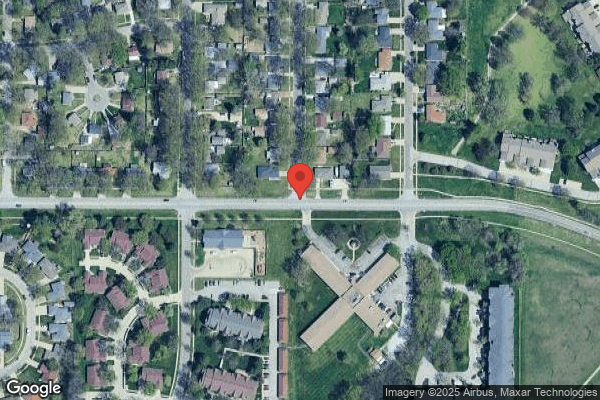

6101 Normal Blvd, Lincoln, NE 68506 (402) 489-7175
For profit - Corporation 97 Beds Independent Data: November 2025
Trust Grade
28/100
#155 of 177 in NE
Last Inspection: October 2024

Within standard 12-15 month inspection cycle. Federal law requires annual inspections.

Overview

Holmes Lake Rehabilitation & Care Center has received a Trust Grade of F, indicating significant concerns about the quality of care provided. It ranks #155 out of 177 facilities in Nebraska, placing it in the bottom half of nursing homes in the state, and #13 out of 14 in Lancaster County, meaning there is only one local option that performs better. Although the facility is showing an improving trend, decreasing from 9 issues in 2024 to 6 in 2025, it still faces serious challenges, including a high staff turnover rate of 82%, which is well above the Nebraska average. Additionally, the nursing home has been cited for failing to notify the state about changes in its Director of Nursing in a timely manner and for maintaining poor kitchen cleanliness, which raised potential food safety risks for residents. While the RN coverage is concerning, being lower than 94% of Nebraska facilities, the facility does maintain an average rating in quality measures, offering a mixed picture of overall care.

Trust Score
F
28/100
In Nebraska
#155/177
Bottom 13%
Safety Record
Low Risk
No red flags
Inspections
Getting Better
9 → 6 violations
Staff Stability
⚠ Watch
82% turnover. Very high, 34 points above average. Constant new faces learning your loved one's needs.
Penalties
✓ Good
$3,174 in fines. Lower than most Nebraska facilities. Relatively clean record.
Skilled Nurses
⚠ Watch
Each resident gets only 17 minutes of Registered Nurse (RN) attention daily — below average for Nebraska. Fewer RN minutes means fewer trained eyes watching for problems.
Violations
⚠ Watch
32 deficiencies on record. Higher than average. Multiple issues found across inspections.
★☆☆☆☆
1.0
Overall Rating
★☆☆☆☆
1.0
Staff Levels
★★★☆☆
3.0
Care Quality
★☆☆☆☆
1.0
Inspection Score
Stable
2024: 9 issues
2025: 6 issues

The Good

  • Full Sprinkler Coverage · Fire safety systems throughout facility
  • No fines on record

Facility shows strength in fire safety.

The Bad

1-Star Overall Rating

Below Nebraska average (2.9)

Significant quality concerns identified by CMS

Staff Turnover: 82%

35pts above Nebraska avg (46%)

Frequent staff changes - ask about care continuity

Federal Fines: $3,174

Below median ($33,413)

Minor penalties assessed

Staff turnover is very high (82%)

34 points above Nebraska average of 48%

The Ugly 32 deficiencies on record

Jun 2025 3 deficiencies
CONCERN (D) 📢 Someone Reported This

A family member, employee, or ombudsman was alarmed enough to file a formal complaint

Potential for Harm - no one hurt, but risky conditions existed

Investigate Abuse (Tag F0610)

Could have caused harm · This affected 1 resident

**NOTE- TERMS IN BRACKETS HAVE BEEN EDITED TO PROTECT CONFIDENTIALITY** Licensure Reference Number 175 NAC 12-006.02(H) Based on interviews and record reviews, the facility failed to complete and send...

Read full inspector narrative →
**NOTE- TERMS IN BRACKETS HAVE BEEN EDITED TO PROTECT CONFIDENTIALITY** Licensure Reference Number 175 NAC 12-006.02(H) Based on interviews and record reviews, the facility failed to complete and send a 5-day written investigation of an alleged abuse to the Department of Health and Human Services (DHHS) as required for 1 (Resident 8) of 3 sampled residents. The facility census was 50. Findings are: Record review of the facility's undated investigation form Abuse, Neglect, or Misappropriation revealed: The complete form must be faxed to Health Facility investigations [PHONE NUMBER] within 5 working days from the date of the allegation/incident. Record review of Resident 8's admission Record dated 6/10/25 revealed admission to the facility was on 5/24/20. Resident 8 had diagnoses of Hemiplegia (paralysis or severe weakness on one side of the body) and Hemiparesis (weakness or partial paralysis on one side of the body), cerebrovascular disease (heart condition that include diseased vessels, structural problems, and blood clots) affecting left non-dominant side, atrial fibrillation (irregular often rapid heart rate that commonly causes poor blood flow), diabetes (a disease of inadequate control of blood levels of glucose), anxiety, history of falling, difficulty in walking, shortness of breath, low back pain, and muscle weakness. Record review of Resident 8's MDS (Minimum Data Set, a comprehensive assessment of each resident's functional capabilities) dated 5/8/25 revealed: -The resident had a BIMS (Brief Interview for Mental Status, a test used to get a quick snapshot of a resident's cognitive function, scored from 0-15, the higher the score, the higher the cognitive function) score was 15 indicating no cognitive impairment. Record review of Resident 8's investigation report, regarding an allegation of abuse from 3/18/25 revealed the 5-day investigation report was not sent to the State Agency (DHHS) as required within 5 days. The investigation report was submitted to DHHS on day 7. Interview on 6/10/25 at 3:16 PM with the Director of Nursing (DON) confirmed that the 5-day investigation report for Resident 8 should have been sent in within 5 working day to DHHS and that it was sent in late.
CONCERN (E) 📢 Someone Reported This

A family member, employee, or ombudsman was alarmed enough to file a formal complaint

Potential for Harm - no one hurt, but risky conditions existed

Deficiency F0675 (Tag F0675)

Could have caused harm · This affected multiple residents

**NOTE- TERMS IN BRACKETS HAVE BEEN EDITED TO PROTECT CONFIDENTIALITY** Licensure Reference Number 175 NAC 12-006.09(H) Based on observations, interviews and record reviews, the facility failed to ens...

Read full inspector narrative →
**NOTE- TERMS IN BRACKETS HAVE BEEN EDITED TO PROTECT CONFIDENTIALITY** Licensure Reference Number 175 NAC 12-006.09(H) Based on observations, interviews and record reviews, the facility failed to ensure prompt response to call lights to ensure resident needs were being met for 4 (Residents 1, 3, 7, and 8) out of 4 sampled residents. The facility census was 50. Findings are: A. Record review of Resident 1's admission Record dated 6/10/25 revealed admission to the facility was on 2/13/25. Record review of Resident 1's Diagnosis Form dated 6/10/25 revealed diagnoses of Cerebral Infarction (when blood flow to a part of the brain is blocked) due to embolism (a blockage-causing piece of material, inside a blood vessel) of right middle cerebral artery, hemiplegia (weakness or partial paralysis on one side of the body) affecting left nondominant side, Type II diabetes (a disease of inadequate control of blood levels of glucose), moderate persistent asthma (a condition on which a person's airway becomes inflamed, narrow and swell, and produce extra mucus, which makes it difficult to breathe), morbid obesity, anxiety disorder, obstructive sleep apnea (intermittent airflow blockage during sleep), dependence on wheelchair. Record review of Resident 1's MDS (Minimum Data Set, a comprehensive assessment of each resident's functional capabilities) dated 5/22/25 revealed: -BIMS (Brief Interview for Mental Status, a test used to get a quick snapshot of a resident's cognitive function, scored from 0-15, the higher the score, the higher the cognitive function) was 15 indicating no cognitive impairment. -Dependent with toileting, bathing, rolling side to side in bed, transfers, upper and lower dressing and footwear. Moderate assistance with oral hygiene and personal hygiene. Needs set up assistance for eating. Has a catheter. Incontinent of bowel. Transfers with Hoyer lift. Interview on 6/10/25 at 12:57 PM with Resident 1 revealed that one time this resident had to wait 2 hours for the staff to answer the call light. Resident 1 stated, for the past month, but usually on the evening shift, I have to wait 30 minutes to 1 hour for them (nursing staff) to answer my call light. Record review of Resident 1's call light response time recorded on the Device Activity Report between May 11, 2025 through June 10, 2025 revealed: -The call lights that were answered between 22 to 45 minutes occurred 75 times. -The call lights that were answered between 46 to 100 minutes occurred 39 times. -The call lights that were answered between 101 to 168 minutes occurred 9 times. B. Record review of Resident 3's admission Record dated 6/10/25 revealed admission to the facility was on 4/23/25. Record review of Resident 3's Diagnosis Form dated 6/10/25 revealed diagnoses of unspecified convulsions (type of seizure characterized by sudden, uncontrolled, and often violent shaking of the body due to abnormal electrical activity in the brain), alcohol abuse, generalized anxiety disorder, macular degeneration (an eye disease that affects central vision). Record review of Resident 3's MDS dated [DATE] revealed: -BIMS score was 11 indicating moderate cognitive impairment. -maximum assistance with toilet hygiene, lower body dressing, and footwear. Moderate assistance with oral hygiene, upper body dressing, rolling right to left in bed, transfers and personal hygiene. Bathing not attempted to do medical condition or safety. Set up assistance with eating. Interview on 6/10/25 at 11:15 AM with Resident 3 revealed [gender] has had some issues with call light not being answered timely. Resident 3 stated I have waited a few times for 1 hour, another time 45 minutes and another time it was 1.5 hours and could not identify a specific shift that was worse with call light response times. Record review of Resident 3's call light response time recorded on the Device Activity Report between May 11, 2025 through June 10, 2025 revealed: -The call lights that were answered between 22 to 45 minutes occurred 6 times. C. Record review of Resident 7's admission Record dated 6/10/25 revealed admission to the facility on 8/15/23. Record review of Resident 7's Diagnosis Form dated 6/10/25 revealed diagnoses of acute respiratory failure (occurs when the lungs can't properly exchange gases, causing abnormal levels of carbon dioxide and/or oxygen in the arteries), cerebral infarction (when blood flow to a part of the brain is blocked), urinary incontinence, anxiety, major depressive disorder, post-traumatic stress disorder (a disorder in which a person has difficulty recovering after experiencing or witnessing a terrifying event), history of falling, urge incontinence, dementia (a decline in mental ability severe enough to interfere with daily life), and morbid obesity. Record review of Resident 7's MDS dated [DATE] revealed: -BIMS was 14 indicating no cognitive impairment. -Dependent assistance with toileting hygiene, lower body dressing, footwear, rolling from right to left in bed, and transfers. Maximum assistance with oral hygiene, bathing, upper body dressing and personal hygiene. Always incontinent of bowel and bladder. -Open lesion on foot, moisture associated skin damage. Interview on 6/10/25 at 9:08 AM with Resident 7 revealed that [gender] call light does not get answered for quite a while frequently. This surveyor asked Resident 7 to turn the call light on at 9:10 AM to see about the staff answering the call light. Observation on 6/10/25 at 9:10 AM when Resident 7 turned the call light on, also noting the call system on the wall in the resident's room had a red light indicating the call light was on. -At 9:16 AM Activity Director brought in resident's mail but did not check about the call light. -At 9:22 AM the NA (nurse aide) brought Resident 7's breakfast tray in, sat it on the bedside table and did not check about the call light being on. -Observed at 9:28 AM one NA walked by the room without looking in. -Observed at 9:28 AM the Marquee sign above each hallway entrance and exit displaying the room numbers that have call lights on. Resident 7's room number was scrolling through every 5 seconds on the Marquee. -Observed at 9:32 AM 2 NA's walked by the room and did not look into Resident 7's room. -At 9:33 AM this surveyor walked away and stood within 4 doors away from Resident 7's room and observed one MA walk by resident's room without stopping. -Observed at 9:43 AM the DM (Dietary Manager) went into Resident 7's room and was talking about their food and choices. Another NA went in and stood by the DM, neither staff checked why the light was on. -Observed at 9:47 AM the Administrator walked by when the DM and NA were there and told them to check the call light and they did. Record review of Resident 3's call light response time recorded on the Device Activity Report between May 11, 2025 through June 10, 2025 revealed: -The call lights that were answered between 22 to 45 minutes occurred 62 times. -The call lights that were answered between 46 to 100 minutes occurred 25 times. -The call lights that were answered between 101 to 168 minutes occurred 1 times. D. Record review of Resident 8's admission Record dated 6/10/25 revealed admission to the facility was on 5/24/20. Record review of Resident 8's admission record dated 6/10/25 revealed Diagnosis: Hemiplegia (paralysis or severe weakness on one side of the body) and Hemiparesis (weakness or partial paralysis on one side of the body), cerebrovascular disease (heart condition that include diseased vessels, structural problems, and blood clots) affecting left non-dominant side, atrial fibrillation (irregular often rapid heart rate that commonly causes poor blood flow), diabetes (a disease of inadequate control of blood levels of glucose), anxiety, history of falling, difficulty in walking, shortness of breath, low back pain, and muscle weakness. Record review of Resident 8's MDS (Minimum Data Set, a comprehensive assessment of each resident's functional capabilities) dated 5/8/25 revealed: -BIMS (Brief Interview for Mental Status, a test used to get a quick snapshot of a resident's cognitive function, scored from 0-15, the higher the score, the higher the cognitive function) was 15 indicating no cognitive impairment. -Impairment of one side of upper and lower extremities, dependent assistance with oral hygiene, toileting hygiene, lower body dressing, footwear and transfer. Maximum assistance with upper body dressing and personal hygiene. Set up assistance with eating, and bathing resident refused. Always incontinent of bowel and bladder. Interview on 6/10/25 at 11:00 AM with Resident 8 revealed that sometimes I have had to wait 1 hour, usually in the evenings 2 hours for the staff to answer my call light. But I would say usually within 30 minutes they come to answer it. Record review of Resident 8's call light response time recorded on the Device Activity Report between May 11th to June 10th, 2025 revealed: -The call lights that were answered between 22 to 45 minutes 115 times. -The call lights that were answered between 46 to 100 minutes 46 times. -The call lights that were answered between 101 to 168 minutes 7 times. Interview on 6/10/25 at 3:00 PM with the DON (Director of Nursing) confirmed the call lights should be answered in less than 20 minutes.
CONCERN (F) 📢 Someone Reported This

A family member, employee, or ombudsman was alarmed enough to file a formal complaint

Potential for Harm - no one hurt, but risky conditions existed

Deficiency F0844 (Tag F0844)

Could have caused harm · This affected most or all residents

Licensure Reference Number 175 NAC 12-006.04(E) Based on interviews and record reviews, the facility failed to provide notification to Department of Health and Human Servcies (DHHS) within 5 working ...

Read full inspector narrative →
Licensure Reference Number 175 NAC 12-006.04(E) Based on interviews and record reviews, the facility failed to provide notification to Department of Health and Human Servcies (DHHS) within 5 working days of a change in Director of Nursing (DON) position. This had the potential to affect all the residents that reside in the facility. The facility census was 50. Findings are: Record review of the facilities notification of the change in DON that was sent to State Agency revealed the previous DON service end date was 2/2/2024 and the new DON service start date was 2/3/2024. DHHS received notification of the DON change on 3/31/2025. Interview with DON on 6/10/25 at 3:00 PM confirmed that the 5-day notification of the DON change was not sent into the State Agency within 5 working days as required. Interview with DON on 6/10/25 at 3:05 PM confirmed that the year of service dates should have been dated 2025.
Jan 2025 3 deficiencies
CONCERN (D) 📢 Someone Reported This

A family member, employee, or ombudsman was alarmed enough to file a formal complaint

Potential for Harm - no one hurt, but risky conditions existed

Deficiency F0657 (Tag F0657)

Could have caused harm · This affected 1 resident

Licensure Reference Number 175 NAC 12-006.04C3a(5) Based on interview and record review the facility failed to have a nursing services representative present during the care plan conferences for 4 (Re...

Read full inspector narrative →
Licensure Reference Number 175 NAC 12-006.04C3a(5) Based on interview and record review the facility failed to have a nursing services representative present during the care plan conferences for 4 (Residents 1, 4 and 6) of 4 sampled residents. The facility identified a census of 52. Findings are: A record review of the facility policy dated 9/2019 and titled Care Plan Process revealed that that Care Plan Conferences should include the resident, Family/Legal Representative (if the resident is not able to attend or gives approval for participations, Clinical Reimbursement Manager/ MDS (Minimum Data Set, a comprehensive assessment of each resident's physical and mental functional capabilities) Coordinator, Director of Nursing Services or Registered Nurse (RN) designee and that the signature of the DON or designee indicated knowledge of the care plan and that is appropriate for the residents's needs. A record review of the Care Plan Conference note dated 9/17/24 for Resident 6 revealed no one from nursing services attended the Care Plan Conference. A record review of the Care Plan Conference note dated 1/2/25 for Resident 4 revealed no one from nursing services attended the Care Plan Conference. A record review of the Care Plan Conference note dated 9/17/24 and 12/31/24 for Resident 1 revealed no documentation that nursing services attended these Care Plan Conferences. An interview on 1/9/25 at 12:29 PM with the facility Administrator revealed that the DON (Director of Nursing) was expected to attend Care Plan Conferences for nursing services representation. ADM confirmed that the DON did not attend Residents 1, 4, 6 Care Plan Conference.
CONCERN (D) 📢 Someone Reported This

A family member, employee, or ombudsman was alarmed enough to file a formal complaint

Potential for Harm - no one hurt, but risky conditions existed

Deficiency F0760 (Tag F0760)

Could have caused harm · This affected 1 resident

**NOTE- TERMS IN BRACKETS HAVE BEEN EDITED TO PROTECT CONFIDENTIALITY** Licensure Reference Number 175 NAC 12.00610(D) Based on observation, record review and interview, the facility failed to ensure1...

Read full inspector narrative →
**NOTE- TERMS IN BRACKETS HAVE BEEN EDITED TO PROTECT CONFIDENTIALITY** Licensure Reference Number 175 NAC 12.00610(D) Based on observation, record review and interview, the facility failed to ensure1 resident (Resident 3) of 5 sampled residents were free from significant medication errors. The facility census is 52. Findings are: Record review of the facility's undated policy, titled Using the Flexpen Insulin Competency revealed instructions to dial a test dose of 2 units, hold the pen upright and tap to bring any bubbles to the top. Prime the pen and dial the ordered dose before injecting dose. Record review of Diabetes Journal article titled Insulin Pen Priming dated [DATE] revealed priming an insulin pen is recommended to remove air bubbles from needle to ensure the full dose of insulin. If you do not prime the pen before each injection, you may get too much or too little insulin. An observation on 1/8/25 at 9:09 AM Registered Nurse (RN) - A completed an accucheck on Resident 3. The resident was lying in bed and stated (gender) had not eaten breakfast yet. RN - A applied gloves and prepped the area, then injected the insulin pen into the resident's left arm then dialed the pen and injected the insulin. The nurse did not prime the pen. In an interview on 1/8/25 at 9:10 AM RN - A confirmed that (gender) did not dial the prescribed dose of insulin or prime the pen before injecting Resident 3 with insulin but should have. Record review of Resident 3's entry Minimum Data Set (MDS - a comprehensive assessment of each resident's functional capabilities used to develop a resident's plan of care) dated 12/31/24 revealed that the resident was admitted to the facility on [DATE] with an active diagnosis of Type 2 Diabetes Mellitus. Review of Resident 3's physician orders dated 12/31/24 revealed order for Insulin Glargine (long acting) inject 20 units subcutaneously twice daily. Review Resident 3's Treatment Administration Record (TAR) for January 2025 revealed an order dated 1/6/25 to increase Insulin Glargine to 20 units in the morning and 22 units in the evening. In an interview on 1/13/24 at 8:06 AM the Administer (Adm) confirmed that the insulin pen should have been primed and dialed to dose before injecting the insulin into resident 3 to ensure an accurate dose. In an interview on 1/13/25 at 12:34 PM the Regional Nurse Consultant (RNC) confirmed there were 13 residents in the facility that required injectable insulin.
CONCERN (D) 📢 Someone Reported This

A family member, employee, or ombudsman was alarmed enough to file a formal complaint

Potential for Harm - no one hurt, but risky conditions existed

Infection Control (Tag F0880)

Could have caused harm · This affected 1 resident

**NOTE- TERMS IN BRACKETS HAVE BEEN EDITED TO PROTECT CONFIDENTIALITY** Licensure Reference Number 175 NAC 12-006.17D Based on observation, interview and record review the facility failed to ensure in...

Read full inspector narrative →
**NOTE- TERMS IN BRACKETS HAVE BEEN EDITED TO PROTECT CONFIDENTIALITY** Licensure Reference Number 175 NAC 12-006.17D Based on observation, interview and record review the facility failed to ensure infection control procedures were followed and maintained during peri cares (the process of washing the genitals and anal area) for one (Resident 11) of two residents sampled. The facility identified a census of 52. Findings are: A record review of the document titled admission Record, printed on 1/9/25, revealed Resident 11 admitted to the facility on [DATE] with a primary diagnosis of cerebral infarct (occurs when blood flow is blocked causing brain tissue to die). An observation on 1/9/25 at 12:02 PM, accompanied by the facility's Regional Nurse Consultant, revealed Nurse Aide (NA)-F preparing to toileting Resident 11. During the observation NA-F ambulated Resident 11 to the bathroom, assisted [gender] onto the toilet, pulled down Resident 11's pants and soiled brief without gloves on. NA-F then performed hand hygiene and applied gloves. Next NA-F removed Resident 11's shoes, pants and soiled brief, applied a clean brief and then had Resident 11 stand and proceeded to wipe the peri/rectal area without performing hand hygiene or changing gloves. An interview on 1/9/25 at 12:12 PM with the facility Regional Nurse Consultant confirmed that NA-F did not change gloves after removing shoes, clothing and soiled brief and prior to providing perineal cares and should have. An interview on 1/9/25 at 12:12 PM with NA-F confirmed that [gender] did not change gloves after removing shoes, clothing and soiled brief and prior to providing perineal cares and should have.
Oct 2024 1 deficiency
CONCERN (D) 📢 Someone Reported This

A family member, employee, or ombudsman was alarmed enough to file a formal complaint

Potential for Harm - no one hurt, but risky conditions existed

Infection Control (Tag F0880)

Could have caused harm · This affected 1 resident

**NOTE- TERMS IN BRACKETS HAVE BEEN EDITED TO PROTECT CONFIDENTIALITY** Licensure Reference Number 175 NAC 12-006.17 Based on observations, interviews, and record reviews, the facility failed to ensur...

Read full inspector narrative →
**NOTE- TERMS IN BRACKETS HAVE BEEN EDITED TO PROTECT CONFIDENTIALITY** Licensure Reference Number 175 NAC 12-006.17 Based on observations, interviews, and record reviews, the facility failed to ensure staff was wearing N-95 mask for Resident 1, wear the N-95 mask appropriately, not placing the Covid sample on clean surface, and washing hands between gloves changes to prevent potential for cross contamination. The facility census is 46. Findings are: A. On 10/21/24 at 9:05 AM observed Nurse Aide-A wearing N95 without one of the strings over the top of head as it is designed to wear. On 10/21/24 at 9:07 AM interview with NA-A confirmed that [gender] should have both mask strings over the head. Observation on 10/21/24 at 9:09 AM of SSD (Social Service Director) and Maintenance worker in dining room wearing their N95 mask without one of the strings over the top of their head. Interview with SSD on 10/21/24 at 9:10 AM revealed [gender] should have both mask strings over their head. Interview with Maintenance worker on 10/21/24 at 9:11 AM revealed [gender] should have both mask strings over their head. B. On 10/21/24 Observation of Garden Walk hallway. Red dots by room [ROOM NUMBER],44,45,46,47,49 and 56 indicating COVID positive. They also had EBP (Enhanced Barrier Precaution) equipment outside their door and/or sharing the container with the room across. The trash is inside the rooms where they place their used gowns. On 10/21/24 Observation on Wilderness Way hallway revealed COVID positive rooms are 21,22,24,25,29,30,31,33 and 35. They have EBP outside their room or is being shared with room across the hall. The trash is inside the rooms where they place their used gowns. On 10/21/24 at 9:17 AM observation of Registered Nurse (RN) going into Resident 1's room with PPE (personal protective equipment) on except RN is wearing a surgical mask instead of N95 mask. Resident 1 is in [gender] room which is a Covid + room. RN doffed (took off) the gown in the room then placed the COVID sample directly on the treatment cart with no barrier. RN removed gloves and donned (put on) new gloves without washing hands and picked up the Covid sample well and took it to the director of nurse's office and set it on the counter. RN read the Covid testing instructions to see what the pink and blue line meant and the results was positive. RN then threw the sample well away and removed gloves but did not wash hands or clean the medication cart. RN kept surgical mask on and sat down and start typing on the computer. Interview with RN on 10/21/24 at 9:23 AM revealed that the RN should have worn a N-95 mask, placed the Covid sample well on a clean barrier, and wash hands when removing gloves each time. On 10/21/24 at 11:07 AM an interview with Director of Nursing (DON) revealed that staff are to wear the N95 mask with both straps up over head as the masks are designed to wear. On 10/21/24 at 11:45 AM an interview with DON revealed that RN should have been wearing a N95 mask, washed hands in between changing gloves and should have placed the Covid sample well on a clean barrier. Record Review of Infection prevention and control program policy revised 1/2024 revealed: Policy: It is a policy of this facility to establish and maintain an infection prevention and control program designed to provide a safe, sanitary environment and to help prevent the development and transmission of communicable diseases and infections. Hand Hygiene Protocol: a. All staff shall wash their hands when coming on duty, between resident s contact, after handling contaminated objects, after PPE removal, before/after eating, before/after toileting, and before going off duty. b. Staff shall wash their hands before and after performing resident care procedures. c. Hands shall be washed in accordance with our facility's established handwashing procedure. Record review of Handwashing Policy revised 3/20/24 revealed: This facility considers hand hygiene the primary means to prevent the spread of infections. -Wash hands with soap (antimicrobial or non-antimicrobial) and water for the following situations: after contact with a resident with infectious diarrhea including, but not limited to infections caused by norovirus, salmonella, shigella, and C. difficile. -Use an alcohol-based hand rub, containing at least 62% alcohol; or, alternatively, soap (antimicrobial or non-antimicrobial) and water for the following situations: before and after direct contact with residents, after removing gloves, before and after entering isolation precaution settings. - Hand hygiene is the final step after removing and disposing of personal protective equipment. Record review of Carestart COVID-19 Antigen Home Test quick reference instructions revealed: -Remove the test cassette and place on on a flat, clean surface.
Oct 2024 7 deficiencies
CONCERN (D)

Potential for Harm - no one hurt, but risky conditions existed

Notification of Changes (Tag F0580)

Could have caused harm · This affected 1 resident

**NOTE- TERMS IN BRACKETS HAVE BEEN EDITED TO PROTECT CONFIDENTIALITY** Licensure Reference Number 175 NAC 12.006.04(F)(i)(5) Based on interview and record review, the facility failed to ensure 2 (Res...

Read full inspector narrative →
**NOTE- TERMS IN BRACKETS HAVE BEEN EDITED TO PROTECT CONFIDENTIALITY** Licensure Reference Number 175 NAC 12.006.04(F)(i)(5) Based on interview and record review, the facility failed to ensure 2 (Residents 23 and 38) of 4 sampled resident's representative was notified following all falls. The facility census was 47. Findings are: A record review of the facility's Fall Management policy with a last date revised of 01/2024 revealed after a resident's fall, the facility would contact the physician and family and document in the medical record, including time and person spoken with. A. A record review of Resident 23's Clinical Census dated 10/07/2024 revealed the resident was admitted to the facility on [DATE]. A record review of Resident 23's Minimum Data Set (MDS, a federally mandated comprehensive assessment tool used to develop a resident's care plan) dated 07/23/2024 revealed the resident had a Brief Interview for Mental Status (BIMS, a score of a residents cognitive abilities) of 3 out of 15 that indicated the resident was severely cognitively impaired. The MDS revealed the resident had fallen in the last 2-6 months. A record review of the facility's Incident By Incident Type log dated 10/02/2024 revealed Resident 23 had fallen on 01/04/2024, 04/22/2024, 08/27/2024, 09/24/2024, and 10/02/2024. A record review of Resident 23's Progress Notes dated 10/07/2024 revealed the resident fell from the recliner on 10/02/2024 and the progress note did not reveal evidence that the family/Power of Attorney (POA, person assigned to make decisions for another person) was notified. A record review of Resident 23's Fall (Un-witnessed) document dated 10/02/2024 revealed the resident fell from a power lift recliner and the person listed as being notified was the Nurse Practioner. It did not reveal evidence that the family had been notified of the fall. In an interview on 10/08/2024 at 9:51 AM, Resident 23's family member/POA confirmed the POA was upset and concerned because the facility did not notify the family of the resident's fall on 10/02/2024. The family member/POA confirmed they found out by accident a couple of days later when the family was at the facility. In an interview on 10/08/2024 at 2:15 PM the facility's Clinical Nurse Consultant (CN) confirmed the resident's representative was not notified following the 10/02/2024 fall and should have been. B. A record review of the document titled admission Record revealed Resident 38 had been admitted to the facility on [DATE] with a primary diagnosis of multiple right rib fractures with acute pain due to trauma. A record review of the Minimum Data Set (MDS, a federally mandated comprehensive assessment of each resident's physical and mental functional capabilities) dated 6/25/24 revealed that Resident 38 had a Brief Interview for Mental Status (BIMS, a test used to get a quick snapshot of a resident's cognitive function, scored from 0-15, the higher the score, the higher the cognitive function, while scores of 00 or 99 indicate total confusion) score of 8, which indicated the resident's cognition was moderately impaired. A record review conducted on 10/02/24 at 10:07 AM of the Facility Incident Log dated 10/2/23 through 10/2/24 revealed Resident 38 had had 2 recent falls on 9/18/24 and 9/24/24. An interview on 10/02/24 at 10:33 AM revealed that Resident 38's representative had not been notified of the resident's falls on 9/18/24 and 9/24/24. A record review of Resident 38's Progress Notes dated 6/1/24 through 10/8/24 revealed Resident 38 did have a fall on 9/18/24 and the Progress Notes read as follows; -9/18/2024 at 5:43 PM Resident observed lying on side in hallway, several staff nearby rushed to assist. Neuro checks negative for head injury. See risk management report for full synapsis. VSS (vital signs stable) NP (Nurse Practitioner) notified via fax. Resident is own responsible party, so family was not called. Resident denies pain or injury. Confused. Oriented to self only. Skin appears to be without injury. Resident advised to use call light for assistance when ambulating until we receive direction from MD (Medical Doctor) or NP. Resident indicates understanding but remains confused. The record review of the Progress Notes dated 6/1/24 through 10/8/24 for Resident 38 related to the fall revealed no documentation of family or representative notification nor any follow up documentation post fall. An interview with the facility Administrator on 10/08/24 at 1:55 PM confirmed that the expectation was that family/resident representative be notified along with the physician on any and all falls. An interview on 10/08/24 at 2:48 PM with RN-I revealed that the facility process related to falls was to notify the resident's physician and their family, ASAP (as soon as possible) if needed. If there was no injury, RN-I stated (gender) would not notify the family until the next day if it was late at night or during the night. An interview on 10/08/24 at 2:49 PM with CN (Corporate Nurse) confirmed that Resident 38's representative had not been notified of falls that had occurred on 9/18/24 and 9/24/24 and should have been.
CONCERN (D)

Potential for Harm - no one hurt, but risky conditions existed

Accident Prevention (Tag F0689)

Could have caused harm · This affected 1 resident

**NOTE- TERMS IN BRACKETS HAVE BEEN EDITED TO PROTECT CONFIDENTIALITY** Licensure Reference Number 175 NAC 12-006.09(I) Based on interview and record review, the facility failed to ensure intervention...

Read full inspector narrative →
**NOTE- TERMS IN BRACKETS HAVE BEEN EDITED TO PROTECT CONFIDENTIALITY** Licensure Reference Number 175 NAC 12-006.09(I) Based on interview and record review, the facility failed to ensure interventions were implemented to prevent falls for 1 (Resident 23) of 5 sampled residents. The facility census was 47. Findings are: A record review of the facility's Fall Management policy with a last date revised of 01/2024 revealed that after a resident falls, the facility would assess and review resident risk factors and implement appropriate interventions to reduce the risk of falls. The facility would adjust/add interventions on the plan of care and educate the staff, resident, and family. A. A record review of Resident 23's Clinical Census dated 10/07/2024 revealed the resident was admitted to the facility on [DATE]. A record review of Resident 23's Medical Diagnosis dated 09/04/2024 revealed the resident had diagnoses of Muscle Weakness, History Of Falling, Alzheimer's Disease, Difficulty Walking, Acute On Chronic Diastolic (Congestive) Heart Failure, Acute Respiratory Failure, and Other Pulmonary Embolism (clot in the lungs). A record review of Resident 23's MDS dated 07/23/2024 revealed the resident had a BIMS score of 3 out of 15 which indicated the resident was severely cognitively impaired. The resident required partial/moderate assistance with personal and oral hygiene (cleaning), and was dependent on staff for dressing, bathing, and toileting. The resident required substantial/maximal assistance with sit to stand positioning, chair to bed transfer, and toilet transfer and was dependent on staff for tub/shower transfers. The MDS revealed the resident had fallen in the last 2-6 months. A record review of the facility's Incident By Incident Type log dated 10/02/2024 revealed Resident 23 had falls on 01/04/2024, 04/22/2024, 08/27/2024, 09/24/2024, and 10/02/2024. A record review of Resident 23's Progress Notes reviewed on 10/07/2024 revealed: - 9/24/2024 - the resident was playing with the power recliner remote and lifted the chair all the way up and slid out onto the floor. - 10/02/2024 - the power recliner was raised to the standing position and the staff found the resident on the floor in front of the power recliner. A record review of the facility's Fall report dated 09/24/2024 revealed Resident 23 was playing with the power recliner remote and lifted the chair all the way up and slid out onto the floor. The resident was alert and oriented to person only per baseline. The resident had no injuries. Predisposing environmental factors was furniture. Predisposing physiological factors included confused and weakness. Under Other Information it revealed the resident playing with recliner remote. A record review of the facility's Fall (un-witnessed) report dated 10/02/2024 revealed the power recliner was raised to the standing position and the staff found Resident 23 on the floor in front of the power recliner. The resident was alert and oriented to person, place, and situation. The resident had no injuries. Predisposing environmental factors was none. Predisposing physiological factors included impaired memory. A record review of Resident 23's Care Plan with an admission date of 12/28/2023 revealed the resident needed 2 staff and a Hoyer lift (full body lift) for transfers. The resident was experiencing cognitive function/dementia. The resident has had an actual fall and was at high risk for falls related to unsteady gait. The Care Plan did not reveal new interventions for the 09/24/2024 and 10/02/2024 falls. A record review of the facility's Clinical document dated 09/01/2024 through 09/27/2024 revealed Resident 23's 09/24/2024 fall was on the list and an intervention was: Make sure feet elevated when resident is.The question for Risk Management Completed? was marked in progress and the question for Care Plan Updated? was blank. A record review of the facility's Clinical document dated 08/12/2024 through 10/09/2024 revealed Resident 23's 10/02/2024 fall was on the list and an intervention was: remote to side of recliner. The question for Risk Management Completed? was marked in progress and the question for Care Plan Updated? was blank. A record review of the facility's Clinical - Assessment list dated 10/07/2024 for Resident 23 revealed a Nursing Bedside Recliner Chair Assessment had been completed on 03/30/2024 and on 06/29/2024 but did not reveal a Nursing Bedside Recliner Chair Assessment had been completed for September 2024 or following the falls from a power recliner on 08/27/2024, 09/24/2024, or 10/02/2024. An observation on 10/02/2024 at 7:50 AM revealed Resident 23 was sleeping in the power recliner with the legs up and leaning to the right. The power recliner remote was not in reach and was laying on the floor. An observation on 10/02/2024 at 2:24 PM revealed Resident 23 was sleeping in the power recliner with the legs up, but the resident was sliding down with the feet off the end to mid-calf. The power recliner remote was not in reach and was laying on the floor. An observation on 10/07/2024 at 1:31 PM revealed Resident 23 was sleeping in the power recliner with the feet elevated and the power recliner remote was on the arm of the chair and the cord was tied to the upper right-hand side of the chair. An observation on 10/07/2024 at 3:50 PM revealed Resident 23 was awake and reclined in the power recliner with the feet elevated and the power recliner remote was in the pouch on the bottom of the right-hand side of the chair and the cord was tied to the upper right-hand side of the chair. In an interview on 10/08/2024 at 2:37 PM, NA-G confirmed NA-G was not working at the time of any of Resident 23's falls. NA-G confirmed the resident played with the power recliner remote and had previously slid out of the recliner. NA-G was not aware of any Care Plan interventions to prevent it from happening but did confirm to prevent it from happening, NA-G puts the controller in the pocket on the side of the recliner. In an interview on 10/08/2024 at 2:37 PM, NA-H confirmed NA-H was not working at the time of any of Resident 23's falls. NA-H confirmed the resident played with the power recliner remote and had previously slid out of the recliner. NA-G was not aware of any Care Plan interventions to prevent this from happening again. In an interview on 10/08/2024 at 9:51 AM, Resident 23's family member/Power of Attorney (POA) confirmed the POA was concerned that the resident was lifting the recliner all the way up and was being found on the floor. The family member/POA confirmed the resident needed the recliner for keeping the legs elevated and because the resident had sleep apnea and refused treatment. The family member/POA confirmed staff had not educated the family on the risk versus benefits of the power recliner and was upset due to the facility did not notify the family of the resident's fall on 10/02/2024, they were only notified of the fall in the bath house and 1 of the falls from the power recliner. In an interview on 10/08/2024 at 2:15 PM the facility's Clinical Nurse Consultant (CN) confirmed that the facility should have completed new Recliner Chair Assessments following each of Resident 23's falls from the power recliner to evaluate safety, but they were not completed. The CN confirmed that interventions should have been added to the Care Plan following the 09/24/2024 and 10/02/2024 falls from the recliner, but they had not been.
CONCERN (D) 📢 Someone Reported This

A family member, employee, or ombudsman was alarmed enough to file a formal complaint

Potential for Harm - no one hurt, but risky conditions existed

Medication Errors (Tag F0758)

Could have caused harm · This affected 1 resident

**NOTE- TERMS IN BRACKETS HAVE BEEN EDITED TO PROTECT CONFIDENTIALITY** Licensure Reference Number 175 NAC 12-006.09 Based on interview and record review, the facility failed to ensure rationale was p...

Read full inspector narrative →
**NOTE- TERMS IN BRACKETS HAVE BEEN EDITED TO PROTECT CONFIDENTIALITY** Licensure Reference Number 175 NAC 12-006.09 Based on interview and record review, the facility failed to ensure rationale was provided and the provider's order was followed for 1 (Resident 26) of 5 sampled resident's as needed (PRN) Lorazepam (an antianxiety medication used to treat anxiety). The facility census was 47. Findings are: A record review of the facility's Medication Regimen Review (MRR) policy with a reviewed date 01/2024 revealed the pharmacist must report any irregularities to the attending physician, the facility's medical director, and the director of nursing (DON) and the reports must be acted on. Upon completion of the MRR, the facility designee and/or physician will respond to the recommendations in a timely manner. PRN orders for psychotropic drugs (substance that affect how the brain works) are limited to 14 days unless the attending physician believes that it is appropriate for the PRN order to be extended beyond 14 days, then they should document their rationale in the resident's medical record and indicate the duration for the PRN order. A record review of Resident 26's Clinical Census dated 10/03/2024 revealed the resident was admitted to the facility on [DATE]. A record review of Resident 26's Medical Diagnosis dated 09/04/2024 revealed the resident had diagnoses of Restlessness and Agitation, Depression, and Psychotic Disorder (severe mental illness that causes a person to lose touch with reality). A record review of Resident 26's Minimum Data Set (MDS, a federally mandated comprehensive assessment tool used to develop a resident's care plan) dated 07/16/2024 revealed the resident had a Brief Interview for Mental Status (BIMS, a score of a residents cognitive abilities) score of 15 out of of 15 which indicated the resident was cognitively aware. The MDS did not reveal the resident had behaviors during the assessment period. Anxiety was not listed in the MDS for the resident's mood disorders but the resident was on an antianxiety medication. A record review of Resident 26's Care Plan with an admission date of 07/10/2024 revealed the resident had a potential psychosocial (interrelation of social factors and thought and behavior) well-being problem related to the need for admission and possible need for long term care, but no specific interventions for the use of an antianxiety medication. A record review of the facility's pharmacy admission Medication Regimen Review dated 07/15/2024 for Resident 26 revealed the pharmacist marked that the resident had a PRN psychotropic medication which will discontinue (DC) in 14 days, if physician does not want to DC in 14 days, please provide both rational and duration for the continued use of Lorazepam. The Nurse Practitioner ordered: indication anxiety times (x) 30 day then re-evaluate use. A record review of the facility's pharmacy Pharmacist Recommendation to Prescriber dated 08/27/2024 for Resident 26 revealed a recommendation to DC the Lorazepam or if denied, the physician was to provide a clinical rationale for need and a date for reassessment was needed. There was no evidence of the physician having addressed the recommendation. A record review of Resident 26's Order Summary Report dated 10/03/2024 revealed the resident had an order for Lorazepam tablet 0.5 milligrams (MG) by mouth twice daily as needed for anxiety. The indications for use were anxiety/agitation. The order start date was 07/10/2024 and no stop date was listed. In an interview on 10/03/2024 at 12:46 AM, the facility's Clinical Nurse Consultant (CN) confirmed when the Nurse Practitioner ordered: indication anxiety times (x) 30 day the re-evaluate use on the admission Medication Regimen Review dated 07/15/2024, the indication of anxiety was not a valid rationale to continue the Lorazepam for 30 days. In an interview on 10/03/2024 at 2:53 PM, the CN confirmed the rationale to continue the PRN Lorazepam for Resident 26 was not provided by the Nurse Practitioner, that the diagnosis was not a rationale, and the PRN Lorazepam was not stopped or re-evaluated in 30 days as ordered. The CN also confirmed that the Lorazepam was still ordered as PRN and should not have been.
CONCERN (E) 📢 Someone Reported This

A family member, employee, or ombudsman was alarmed enough to file a formal complaint

Potential for Harm - no one hurt, but risky conditions existed

Quality of Care (Tag F0684)

Could have caused harm · This affected multiple residents

**NOTE- TERMS IN BRACKETS HAVE BEEN EDITED TO PROTECT CONFIDENTIALITY** Licensure Reference Number 175 NAC 12-006.09(H)(iv) Based on observation, record review and interview, the facility failed to ch...

Read full inspector narrative →
**NOTE- TERMS IN BRACKETS HAVE BEEN EDITED TO PROTECT CONFIDENTIALITY** Licensure Reference Number 175 NAC 12-006.09(H)(iv) Based on observation, record review and interview, the facility failed to change Resident 31's indwelling catheter monthly per the resident's physician's order. The sample size was 1 and the facility census was 47. Findings are: Record review of Resident 31's Clinical Census dated 10/02/2024, revealed the resident was admitted to the facility on [DATE]. Record review of the Minimum Data Set (MDS, a federally mandated comprehensive assessment tool used for care planning) dated August 12, 2024 revealed the following related to Resident 31: -The resident had a Brief Interview for Mental Status (BIMS, a brief assessment used to determine cognitive ability) score of 12 out of 15 which indicated the resident had moderately impaired cognition. -The resident required substantial/maximal assistance with toileting hygiene. -The resident had an indwelling urinary catheter (a small tube that is inserted into the bladder to drain urine that drains into a urinary collection bag) often referred to as a Foley catheter. -The resident had a diagnosis of Neurogenic Bladder (a condition where the nerves along the pathway between the bladder and the brain do not work properly resulting urine being retained in the bladder). An observation on 10/2/2024 at 1:50 PM of Resident 31 revealed that the resident had an indwelling catheter that was connected to a leg bag (a small urinary collection bag that is secured to the leg). An interview with Resident 31 on 10/02/2024 at 1:50 PM confirmed that they had an indwelling catheter and that the facility was supposed to change the catheter every 4 weeks but the catheter had not been changed in months. A record review of Resident 31's Physician Orders revealed an order dated 07/31/2024 that stated to change the resident's catheter every month using a latex-free catheter. A record review of Resident 31's Progress Note on 07/20/2024 at 6:16 AM revealed Unable to irrigate Foley, has leaked around cath with almost no output per foley, replaced foley with 16FR foley per sterile technique, instilled 25 cc water into balloon, resident is upset that foley was clogged and (gender) sleep was interrupted, (gender) did allow CNAs to change (gender) brief. A record review of Resident 31's Progress Note on 08/31/2024 at 6:27 AM revealed that the Foley catheter did not get changed because Latex free catheter unavailable. A record review of Resident 31's Progress Note on 09/30/2024 at 12:37 AM revealed Latex free catheter unavailable. Note left to have them ordered. An interview on 10/08/2024 at 10:15 AM with the Director of Nursing confirmed that Resident 31's last indwelling Foley catheter change was on 07/20/24 and that their catheter should have been changed every month and had not been. D. An interview on 10/07/2024 at 1:31 PM with Resident 31 revealed that Resident 31's bath days were on Mondays and Thursdays, but they had only received 1 (one) shower in the prior 4 (four) weeks and they got shaved in the shower. An observation on 10/07/2024 at 1:45 PM revealed Resident 31 had facial hair growth on cheeks, chin and above and below lips. Resident 31 stated I like to be clean shaven, at least once a week. A record review of facility provided documentation revealed that Resident 31's last shower was on 08/29/2024, which indicated that the resident hadn't had a shower in 39 days. A record review of Resident 31's care plan, reviewed on 10/08/2024 revealed no bathing preferences. A record review of a bathing list that was posted at the nurse's station revealed Resident 31 was on the schedule to receive a shower on Mondays and Thursdays, in the morning. An interview with the Director of Nursing (DON) on 10/07/2024 at 3:40 PM confirmed that it was the facility's expectation that all residents were provided with personal hygiene including bathing services, and that baths were to be given at least weekly. E. Based on observation, record review and interview, the facility failed to change Resident 31's indwelling catheter monthly per the resident's physician's order. The sample size was 1 and the facility census was 47. Findings are: Record review of Resident 31's Clinical Census dated 10/02/2024, revealed the resident was admitted to the facility on [DATE]. Record review of the Minimum Data Set (MDS, a federally mandated comprehensive assessment tool used for care planning) dated August 12, 2024 revealed the following related to Resident 31: -The resident had a Brief Interview for Mental Status (BIMS, a brief assessment used to determine cognitive ability) score of 12 out of 15 which indicated the resident had moderately impaired cognition. -The resident required substantial/maximal assistance with toileting hygiene. -The resident had an indwelling urinary catheter (a small tube that is inserted into the bladder to drain urine that drains into a urinary collection bag) often referred to as a Foley catheter. -The resident had a diagnosis of Neurogenic Bladder (a condition where the nerves along the pathway between the bladder and the brain do not work properly resulting urine being retained in the bladder). An observation on 10/2/2024 at 1:50 PM of Resident 31 revealed that the resident had an indwelling catheter that was connected to a leg bag (a small urinary collection bag that is secured to the leg). An interview with Resident 31 on 10/02/2024 at 1:50 PM confirmed that they had an indwelling catheter and that the facility was supposed to change the catheter every 4 weeks but the catheter had not been changed in months. A record review of Resident 31's Physician Orders revealed an order dated 07/31/2024 that stated to change the resident's catheter every month using a latex-free catheter. A record review of Resident 31's Progress Note on 07/20/2024 at 6:16 AM revealed Unable to irrigate Foley, has leaked around cath with almost no output per foley, replaced foley with 16FR foley per sterile technique, instilled 25 cc water into balloon, resident is upset that foley was clogged and (gender) sleep was interrupted, (gender) did allow CNAs to change (gender) brief. A record review of Resident 31's Progress Note on 08/31/2024 at 6:27 AM revealed that the Foley catheter did not get changed because Latex free catheter unavailable. A record review of Resident 31's Progress Note on 09/30/2024 at 12:37 AM revealed Latex free catheter unavailable. Note left to have them ordered. An interview on 10/08/2024 at 10:15 AM with the Director of Nursing confirmed that Resident 31's last indwelling Foley catheter change was on 07/20/24 and that their catheter should have been changed every month and had not been. Licensure Reference Number 175 NAC 12-006.09 Based on interview and record review the facility failed to provide bathing services as required for four (Residents 2, 31, 35 and 38) of eight sampled residents. The facility identified a census of 47. Findings are: A record review of the facility policy titled Activities of Daily Living (ADLs) dated 1/2024, revealed that ADL's included the resident's ability to bathe, dress and groom but did not indicate a frequency related bathing. A. A record review of the document titled admission Record revealed Resident 2 had been admitted to the facility on [DATE] with a primary diagnosis of Dementia (general term that represents a group of diseases and illnesses that affect your thinking, memory, reasoning, personality, mood and behavior) with behavioral disturbances. A record review of the Minimum Data Set (MDS, a federally mandated comprehensive assessment of each resident's physical and mental functional capabilities) dated 8/2/24 revealed that Resident 2 had a Brief Interview for Mental Status (BIMS, a test used to get a quick snapshot of a resident's cognitive function, scored from 0-15, the higher the score, the higher the cognitive function, while scores of 00 or 99 indicate total confusion) score of 9, which indicated the resident had moderately impaired cognition. A record review conducted on 10/08/24 at 8:03 AM of the bathing logs titled Documentation Survey Report V2, Intervention/Task, ADL-bathing for Resident 2 over the prior 90 days revealed that no bath had been given or no refusal had been documented from 8/22/24 to 9/1/24 for a total of 10 days and also 9/19/24 to 10/3/24 for a total of 15 days. A record review of the undated, active Care Plan for Resident 2 revealed no evidence of bathing preference related to bathing frequency for Resident 2. An interview on 10/7/24 at 3:16 PM with Nurse Aide (NA)-J confirmed that the facility had no specific bath aide and that all NAs gave resident baths daily according to a list posted at the nurses' station. B. A record review of the document titled admission Record revealed Resident 35 had been admitted to the facility on [DATE] with a primary diagnosis of protein calorie malnutrition, severe. A record review of the MDS dated [DATE] revealed that Resident 35 had a BIMS score of 00/15, which indicated the resident had severe cognitive impairment. A record review completed on 10/08/24 at 8:03 AM of the bathing logs titled Documentation Survey Report V2, Intervention/Task, ADL-bathing for Resident 35, for the prior 90 days, revealed that no bath had been given or refused from 8/12/24 through 8/25/24 for a total of 13 days, no bath had been documented as given or refused from 8/26/24 through 9/22/24 for a total of 27 days, and on 9/22/24 ADL-Bathing had been documented as NA meaning not applicable and no other documentation related to bathing had been done until a refusal was documented on 9/29/24. An interview on 10/7/24 at 3:16 PM with NA-J confirmed that the facility had no specific bath aide and that all NAs gave resident baths daily according to a list posted at the nurses' station. A record review of the undated, active care plan for Resident 35 revealed no bathing preference related to frequency of bathing. C. A record review of the document titled admission Record revealed Resident 38 had been admitted to the facility on [DATE] with a primary diagnosis of multiple right rib fractures and acute pain due to trauma. A record review of the MDS dated [DATE] revealed that Resident 38 had a BIMS score of 8/15, which indicated the resident had moderately impaired cognition. A record review conducted on 10/08/24 at 8:03 AM of the bathing logs titled Documentation Survey Report V2, Intervention/Task, ADL-bathing for Resident 38 over the prior 90 days revealed that no bath had been given or refused from 8/23/24 to 9/1/24 for a total of 9 days and from 9/23/24 to 10/3/24 for a total of 11 days. An interview on 10/3/24 at 12:51 PM with the DON, after review of the bathing logs for Resident 38, confirmed that bathing is slim. The DON voiced awareness of the lack of bathing and voiced that a PIP had been initiated 3 days prior however no audits had been completed yet to show any kind of improvement in the bathing or frequency of. During the interview, the DON confirmed that the facility expectation was that all residents received a minimum of one bath weekly. A record review of the undated, active care plan for Resident 38 revealed no bathing preference related to frequency of bathing. An interview on 10/7/24 at 3:16 PM with NA-J confirmed that the facility had no specific bath aide and that all NA's gave resident baths daily according to a list posted at the nurses' station. An interview on 10/3/24 at 12:51 PM with the Director of Nursing (DON), after review of the bathing logs for Residents 2, 35, and 38, confirmed that bathing is slim. The DON voiced awareness of the lack of bathing and voiced that a PIP (Process Improvement Plan) had been initiated 3 days prior however no audits had been completed to show any kind of improvement in the bathing or frequency of bathing. During the interview, the DON confirmed that the facility expectation was that all residents received a minimum of one bath weekly.
CONCERN (F)

Potential for Harm - no one hurt, but risky conditions existed

Food Safety (Tag F0812)

Could have caused harm · This affected most or all residents

Licensure Reference Number 175 NAC 12-006.11(E) Based on observation, interview and record review; the facility failed to maintain the cleanliness of the kitchen to prevent the potential for food-born...

Read full inspector narrative →
Licensure Reference Number 175 NAC 12-006.11(E) Based on observation, interview and record review; the facility failed to maintain the cleanliness of the kitchen to prevent the potential for food-borne illness and failed to ensure fluids were provided that were maintained within the required temperature range. This had the potential to affect all 47 residents that ate food prepared in the facility kitchen. The facility census was 47. Findings are: A. Record review of the Nebraska Food Code dated 2017. Section 4-602.13 revealed that nonfood- contact surfaces of equipment shall be cleaned at a frequency necessary to prevent the accumulation of soil residues. An observation of the facility kitchen on 10/02/2024 between 7:35 AM and 8:10 AM revealed the following environmental concerns: -A ceiling exhaust fan, located directly above the walkway between the facility stove and food prep table, was coated with a fuzzy dark gray/black substance. Food was being prepared in this area and the exhaust fan was turned on. -Ceiling light panels near the facility stove and food preparation area were coated with multiple specks of a dark gray/black substance. -Exhaust fans located in the dry storage room were coated with a dark gray/black substance. -Food debris was observed on the bottom shelf of the freezer in the dry storage room. -Two white bins (resembling large trash cans) on a mobile base in the dry storage room contained food debris inside the bins and the mobile base was coated with a dark gray, thick and shiny substance. -A 6-shelved storage rack located in the kitchen near the dry storage room door had multiple staff personal items on the top shelf that included a box of Kleenex, 3 drink Koozies, a small metal tin labeled herbal healing salve, toothpicks, and an open can of Sprite. The shelves on this storage rack had visible food debris on all shelves and were coated with a sticky/greasy substance. -A wheeled cart with 3 shelves that had an attached can opener on the top shelf was coated with visible food debris and was coated with a brown, thick and shiny substance. -The floor in the dishwashing area (clean side) was coated with a dark gray substance around the base tiles and in the corners. An interview with DM on 10-2-2024 at 10:35 AM confirmed all items identified above were not clean and had the potential to cause food borne illness if any of the food debris or dark gray/black substance were to drop down into the food. DM confirmed that they were unsure when the last time the ceiling exhaust fan near the stove was cleaned. DM confirmed that all 47 residents that resided in the facility ate food that was prepared in the facility kitchen. B. Record review of facility policy Food Safety requirements dated/revised: May 2022 and January 2024 revealed It is the policy of this facility to provide safe and sanitary storage, handling, and consumption of all foods including those brought to residents by family and other visitors. This policy identified a definition of Danger Zone meant temperatures above 41 degrees Fahrenheit (F) and below 135 degrees F that allow the rapid growth of pathogenic microorganisms that can cause foodborne illness. An observation on 10-3-2024 at 12:27 PM revealed lunch was being served to the facility residents by the Cook. The lunch meal consisted of Swiss steak with gravy, mashed potatoes, cascade blend vegetables, toffee bar blondie (dessert bar), milk, tomato juice, iced tea, and coffee. During the observation a test tray was requested to be prepared and provided with room trays for residents who ate in their rooms. An observation on 10-3-2024 at 12:45 PM revealed the Dietary Manager (DM) obtained a facility thermometer and followed the room trays out the kitchen. Once the final resident room tray was delivered, the test tray was removed from the cart at 1:04 PM and DM obtained the temperature of the fluids and reported their findings with the following results: -White milk temperature was 60 degrees. DM reported that the temperature of the milk was concerning and refused to taste test. -Tomato Juice temperature was 62 degrees. DM reported that the temperature of the tomato juice was concerning and refused to taste test. -Iced tea temperature was 61 degrees. DM reported that ice should still be in the tea and that tea should be cold instead of room temperature. Interview with DM on 10-3-2024 at 1:15 PM confirmed that the temperatures of the milk and tomato juice were not cold enough and should not have been served to the residents.
CONCERN (F)

Potential for Harm - no one hurt, but risky conditions existed

Infection Control (Tag F0880)

Could have caused harm · This affected most or all residents

**NOTE- TERMS IN BRACKETS HAVE BEEN EDITED TO PROTECT CONFIDENTIALITY** Licensure Reference Number 175 NAC 12-006.19(C)(i) Licensure Reference Number 175 NAC 12-006.18(B) Based on observation, interv...

Read full inspector narrative →
**NOTE- TERMS IN BRACKETS HAVE BEEN EDITED TO PROTECT CONFIDENTIALITY** Licensure Reference Number 175 NAC 12-006.19(C)(i) Licensure Reference Number 175 NAC 12-006.18(B) Based on observation, interview, and record review, the facility failed to ensure staff handled contaminated and clean laundry and linens to prevent cross contamination, failed to ensure Enhanced Barrier Precautions (EBP) signage was posted and Personal Protective Equipment (PPE) was available for staff use in 3 (Residents 23, 31, and 40) of 4 sampled resident's rooms, failed to ensure 1 (Resident 5) of 2 sampled resident's Positive Airway Pressure (PAP, a machine use to treat sleep apnea) device contained a filter, and failed to clean and store PAP supplies for 1 (Resident 2) of 2 sampled residents. The facility census was 47. Findings are: A. A record review of the facility's Standard Precautions policy with a last revised date of 01/2024 revealed soiled linens are handled in a manner that prevents contamination of clothing and avoids transfer of microorganisms (small germs) to other residents in the facility. Clean linen requires staff handle, store, process, and transport all linens and laundry in accordance with accepted national standards in order to produce hygienically (clean and free from bacteria) clean laundry and prevent the spread of infection to the extent possible. Linen should be covered when transporting and/or bagged so as not to come in contact with the staff's uniform. A record review of the facility's Laundry policy with a last revised date of 01/2024 revealed all used laundry was handled as potentially contaminated until it is properly bagged and labeled for appropriate processing. Contaminated laundry is placed in a bag or container at the location where it was used. Contaminated laundry bags/containers are not held close to body or squeezed during transport. An observation on 10/07/2024 at 8:36 AM revealed Nursing Assistant (NA)-A walked from the utility room and down the Garden Walk resident hallway with linens between NA-A's left arm and chest with the linens touching NA-A's clothing and entered a resident room. An observation on 10/07/2024 at 8:43 AM revealed Housekeeping Aide (HSK)-B obtained linens from the Serenity Lane linen closet and delivered the linens to room [ROOM NUMBER] and then to room [ROOM NUMBER] while carrying the linens between HSK-B's left arm and chest with the linens touching HSK-B's clothing. An observation on 10/07/2024 at 8:51 AM revealed HSK-B exit a resident room on Serenity Lane and walk to the laundry room with soiled linens held between HSK-B's arm and chest, touching HSK-B's clothing. The soiled linens were not bagged. HSK-B then obtained 2 leak chux pads (pads used to protect bedding and furniture from accidents or spills) and delivered then to resident room [ROOM NUMBER], allowing the chux pads to touch HSK-B's clothing during the transport. An observation on 10/07/2024 at 9:32 AM revealed the Environmental Services Director (ESD) delivered hanging laundry to resident room [ROOM NUMBER] while allowing the clothing to drag on and touch the floor and the ESD's clothing. The ESD then returned to the clean laundry cart and delivered hanging clothes to resident room [ROOM NUMBER] allowing the clothing to drag on the floor and touch ESD's clothing. The ESD returned to the clean laundry cart and held a blanket between their left arm and chest, against the ESD's clothing, and delivered to resident room [ROOM NUMBER]. The ESD then returned to the cart and delivered hanging clothes to resident rooms [ROOM NUMBERS] while allowing the clean clothing to touch the ESD's clothing. The ESD then delivered clean laundry to resident rooms [ROOM NUMBERS] and allowed the residents' clothing to come in contact with the ESD's clothing. The ESD then continued delivering clothing in that same manner to the rest of the residents' rooms. An observation on 10/07/2024 at 9:35 AM revealed NA-C left the residents' bath house with clean linens pressed between NA-C's arm and clothing and delivered the linens to resident room [ROOM NUMBER]. An observation on 10/07/2024 at 9:50 AM with the Director of Nursing revealed the facility's ESD delivered clean clothing to residents room [ROOM NUMBER] while allowing the clean clothing to come into contact with ESD's clothing. In an interview on 10/07/2024 at 9:50 AM, the DON confirmed the staff should not allow clean or contaminated laundry or linens to come into contact with the staff's clothing. B. A record review of the facility's Infection Prevention and Control Program policy with a revised date of 01/2024 revealed laundry and direct care staff shall handle, store, process, and transport linens so as to prevent the spread of infection. Clean linen shall be delivered to resident care units on covered linen carts with the covers down. An observation on 10/07/2024 at 9:32 AM revealed the ESD exited the laundry room and delivered the laundry cart down the Garden Walk resident hallway with the cart's side cover draped over the cart and laundry on top of the cart. An observation on 10/07/2024 at 9:50 AM with the Director of Nursing (DON) revealed the ESD delivered the laundry cart down the Garden Walk hallway with the side cover draped over top of the cart. In an interview on 10/07/2024 at 9:50 AM, the DON confirmed the staff laundry carts should have all covers down when transported in resident care areas. C. A record review of the facility's Multi Drug Resistant Organism (MDRO) PPE-Enhanced Barrier policy with a last revised date of 01/2024 revealed EBP's are an infection control intervention designed to reduce transmission of resistant organisms that employs targeted gown and glove use during high-contact resident care activities. EBP may be indicated for residents with wounds or indwelling medical devices (devices inserted into the body), regardless of MDRO colonization (a group of MDRO germs living in or on the body) status. Indwelling medical device examples included urinary catheters. The facility should post clear signage on the door or wall outside the resident's room indicating the type of precautions and the required PPE. For EBP, signage should also clearly indicate the high-contact resident care activities that require the use of gown and gloves. Gown and gloves should be available outside each resident room. A record review of the facility's un-titled, un-dated resident matrix (a list of problem areas a resident had) revealed Residents 23, 31, and 40 had indwelling catheters but did not reveal the residents were in transmission-based precautions (isolation). A record review of Resident 23's Clinical Physician Orders dated 10/07/2024 revealed the resident had orders to change their indwelling urinary catheter every month and for catheter cares to be done every 12 hours. A record review of Resident 23's Care Plan with an admission date of 12/28/2023 revealed the resident had a Suprapubic (SP) catheter (drain tube inserted in the urinary bladder). A record review of Resident 23's Minimum Data Set (MDS, a federally mandated comprehensive assessment tool used to develop a resident's care plan) dated 07/23/2024 revealed the resident had an indwelling catheter. A record review of Resident 31's Clinical Physician Orders dated 10/07/2024 revealed the resident had orders to measure catheter output every shift and to provide catheter cares every shift. A record review of Resident 31's Care Plan with an admission date of 03/28/2024 revealed the resident had a foley catheter (drain tube inserted in the urinary bladder). A record review of Resident 40's Clinical Physician Orders dated 10/07/2024 revealed the resident had orders to measure catheter output every shift and to provide catheter cares every shift. A record review of Resident 40's Care Plan with an admission date of 01/30/2024 revealed the resident had a foley catheter. A record review of Resident 40's MDS dated [DATE] revealed the resident had an indwelling catheter. An observation on 10/07/2024 at 9:58 AM with Licensed Practical Nurse (LPN)-E revealed Resident 23 had a visible catheter bag. An observation on 10/07/2024 at 2:16 PM revealed Residents 23, 31, and 40 all had visible catheter bags but did not reveal EBP signage or PPE carts outside their rooms. An observation on 10/07/24 at 2:19 PM with the DON revealed Residents 23, 31, and 40 all had visible catheter bags but did not reveal EBP signage or PPE carts outside their rooms. In an interview on 10/07/2024 at 9:58 AM, LPN-E confirmed Resident 23 had an indwelling urinary catheter but did not have an EBP sign or PPE cart outside their rooms and should have. In an interview on 10/07/24 at 2:19 PM the DON confirmed Residents 23, 31, and 40 all had indwelling catheters but did not have EBP signage or PPE available outside their rooms and should have. D. A record review of the facility's Cleaning Respiratory Equipment policy dated 05/01/2017 revealed the facility was committed to providing a safe and healthy environment for residents and to minimize or prevent the spread of infections. The staff was to change filters used with a PAP circuit per manufacturer's recommendations. A record review of the undated ResMed AirSense 10 Users Guide revealed the air filter should be replaced at least every 6 months and more often if needed. https://document.resmed.com/documents/products/machine/airsense-series/user-guide/airsense-10-device-with-humidifier_user-guide_amer_eng.pdf A record review of Resident 5's Treatment Administration Record (TAR) dated September 2024 and October 2024 revealed the resident's PAP filter was last changed/replaced on 09/25/2024. An observation on 10/02/2024 at 11:57 AM revealed Resident 5 had a ResMed AirSense 10 Autoset Continuous Positive Airway Pressure (CPAP), but the unit did not have a filter. An observation on 10/03/2024 at 11:35 AM revealed Resident 5 had a ResMed AirSense 10 Autoset CPAP, but the unit did not have a filter. An observation on 10/07/2024 at 8:21 AM revealed Resident 5 had a ResMed AirSense 10 Autoset CPAP, but the unit did not have a filter. An observation on 10/07/2024 at 8:40 AM with LPN-F revealed Resident 5 had a ResMed AirSense 10 Autoset CPAP, but the unit did not have a filter. In an interview on 10/07/2024 at 8:40 AM, LPN-F confirmed Resident 5's CPAP did not have a filter and should have had one. E. A record review of the facility policy titled Cleaning Respiratory Equipment, dated 5/1/2017 read as follows; Procedure 1.Supplies: - Replace masks and/or cannula used by an individual resident within seven days. - When not in use, store masks and cannulas in plastic bags labeled with the resident's name and date. A record review of the document titled admission Record revealed Resident 2 had been admitted to the facility on [DATE] with a primary diagnosis of dementia (general term that represents a group of diseases and illnesses that affect your thinking, memory, reasoning, personality, mood and behavior) with behavioral disturbances. A record review of the Minimum Data Set (MDS, a federally mandated comprehensive assessment of each resident's physical and mental functional capabilities) dated 8/2/24 revealed that Resident 2 had a Brief Interview for Mental Status (BIMS, a test used to get a quick snapshot of a resident's cognitive function, scored from 0-15, the higher the score, the higher the cognitive function, while scores of 00 or 99 indicate total confusion) score of 9, which indicated the resident had moderately impaired cognition. An observation on 10/02/24 at 8:05 AM revealed Resident 2's Continuous Positive Airway Pressure (CPAP, a treatment that uses mild air pressure to keep your breathing airways open) mask to be attached to undated tubing that was attached to the CPAP machine and the mask was lying uncovered on the floor next to the head of the resident's bed. An observation on 10/03/24 at 10:03 AM revealed Resident 2's CPAP mask to be attached to undated tubing that was attached to the CPAP machine while draped over the 3-drawer cart next to the resident's nightstand with the face side of the mask touching the cart. An interview on 10/03/24 at 10:10 AM with LPN-E, after observing Resident 2's CPAP mask attached to the tubing and machine and draped over the 3-drawer cart, confirmed that the CPAP masks were to be stored in a bag and confirmed that Resident 2's CPAP mask was not being cleaned and stored to prevent the potential for cross contamination.
CONCERN (F)

Potential for Harm - no one hurt, but risky conditions existed

Deficiency F0947 (Tag F0947)

Could have caused harm · This affected most or all residents

Licensure Reference Number 175 NAC 12-006.04(B)(ii)(1) Based on record review and interview; the facility failed to ensure current staff were completing the required 12 hours of continuing education ...

Read full inspector narrative →
Licensure Reference Number 175 NAC 12-006.04(B)(ii)(1) Based on record review and interview; the facility failed to ensure current staff were completing the required 12 hours of continuing education annually. This had the potential to affect all residents in the facility. The facility identified a census of 47. Findings are: A record review of the facility policy titled Required Training, Certification and Continuing Education of Nurse Aides, dated 11-17; 1-2024 revealed the following guidelines; It is the policy of this facility too comply with State and Federal regulations and requirements as they pertain to the training, certification, and continuing educate of its nurse aides. 5. The facility will provide at least 12 hours of in-service training annually, based on the employment date, not calendar year. a. Documentation of in-services will be forwarded to the HR Director and maintained in the employee's personnel file. An interview on 10/07/24 at 2:40 PM with the facility's Corporate Nurse Consultant confirmed that NA-O hired on 3/4/22, NA-G hired on 6/30/22, MA-P hired on 6/22/09 and MA-Q hired on 2/16/18 had not completed 12 hours of continuing education annually as required. The facility Corporate Nurse Consultant also confirmed that the only education that these 4 staff members had completed in the last one year was an Abuse and Neglect training.
Mar 2024 1 deficiency
CONCERN (D) 📢 Someone Reported This

A family member, employee, or ombudsman was alarmed enough to file a formal complaint

Potential for Harm - no one hurt, but risky conditions existed

Accident Prevention (Tag F0689)

Could have caused harm · This affected 1 resident

Licensure Reference Number 175 NAC 12-006.09D7b Based on record review and interview; the facility staff failed to implement and re-evaluate interventions to prevent ongoing falls for 1 (Resident 1) o...

Read full inspector narrative →
Licensure Reference Number 175 NAC 12-006.09D7b Based on record review and interview; the facility staff failed to implement and re-evaluate interventions to prevent ongoing falls for 1 (Resident 1) of 3 sampled residents. The facility staff identifed a census of 50. Findings are: A record review of the facility policy tilted Fall Prevention Program dated October 2021 revealed the following: -All residents identified at risk for falls will have deficits and interventions care planned -Reassess risk factors following a fall in order to evaluate and identify the root cause of fall and care plan interventions -Updates of fall prevention interventions will be communicated to staff Record review of Resident 1's admission Record dated 3/13/2024, revealed the resident was admitted into the facility on 8/12/2022 with diagnoses of: - Wernick's Encephalopathy (a condition that is similar to dementia and is caused by drinking too much alcohol). - acquired absence of the right toes (amputation). - depression. - alcohol abuse. - generalized Anxiety Disorder. - hypertension. - repeated falls. - encephalopathy (brain disease the alters brain function). - hypotension. - muscle weakness. - history of falling. Record review of Resident 1's Minimum Data Set (MDS, a federally mandated assessment tool used for care planning) dated 7/03/2023 revealed Resident 1's Brief Interview of Mental Status (BIMS a brief cognitive screening measure that focuses on orientation and short-term word recall) score was 13 which indiciated Resident 1 was cognitivley intact. Record review of Resident 1's Comprehensive Care Plan (CCP) dated 5/04/2023 revealed Resident 1 had fallen on 3/06/2024 with an injury which resulted in Resident 1 being sent to the Emergency Room. Resident 1's CCP identified Resident 1 sustained a fractured nose, multiple bruises and a laceration to their face. Further review of Resident 1's CCP revealed there were no indications a new intervention had been implemented to prevent ongoing falls related to the fall on 3/06/2024. A record review of Resident 1's Morse Fall Scale ( tool used assess a residents likelihood of falling) assessments done on 8/12/22, 11/10/22, 2/9/2023, 6/18/2023, 9/18/2023 and 12/17/2023 revealed that Resident 1 was a high risk for falling. Record review of the Fall Investigation Report for Resident 1 was completed on the following dates of 1/1/2024, 1/7/24, 1/10/24 1/15/25, 1/19/24, 1/23/24, 1/27/24, 1/31/24 revealed the root cause of the falls were Resident 1 was self transferring. The initial interventions to prevent falls dated 1/7/2024 was to continue the current safety measures. No new interventions were put into place to prevent ongoing falls. A record review of the Fall investigation Reports completed on 2/1/24, 2/2/24, 2/5/24, 2/5/24, 2/8/24, 2/13/24, 2/14/24, 2/16/24, 2/17/24, 2/18/24, 2/25/24, 2/26/24, 2/27/24, revealed the root cause of the fall was Resident 1 was self transferring. The initial interventions to prevent falls was to continue current safely measures and frequently monitoring. There were no new interventions put in place to prevent future falls for Resident 1. Record review of Resident 1's Progress Notes (PN) revealed: - 3/6/2024 Resident 1 had fallen with no documentation of root cause, intervention, or a fall investigation report. - 3/7/2024 at 10:45 AM Resident 1 had fallen with no documentation of root cause, intervention, or a fall investigation report. - 3/7/2024 at 7:10 PM Resident 1 had fallen with no documentation of root cause, intervention, or a fall investigation report. - 3/8/2024 at 9:39 PM Resident 1 had fallen with no documentation of root cause, intervention, or a fall investigation report. - 3/11/2024 at 10:23 PM Resident 1 had fallen with no documentation of root cause, intervention, or a fall investigation report. A record review of Resident 1's Safety Monitoring sheet indiciated the facility staff were to complete hourly safety checks on Resident 1 related to their frequent falls. The facility staff were to initial when the checks were completed. The Safety Monitoring Sheet revealed the below where initials were not completed. -1/5/2024, 1/6/2024, 1/7/2024, and 1/8/2024 in a 24 hour period revealed that there was 16 blank blanks where staff did not initial -1/9/2024 in a 24 hour period revealed that there was no staff initials -1/10/2024 in a 24 hour period revealed that there was 10 blanks with no staff initials -1/11/2024 in a 24 hour period revealed that there was 13 blanks with no staff initials -1/12/2024 in a 24 hour period revealed that there was 9 blanks with no staff initials -1/13/2024 in a 24 hour period revealed that there was 15 blanks with no staff initials -1/14/2024 in a 24 hour period revealed that there was 15 blanks with no staff initials -1/15/2024 in a 24 hour period revealed that there was 15 blanks with no staff initials -1/16/2024 in a 24 hour period revealed that there was 7 blanks with no staff initials -1/17/2024 in a 24 hour period revealed that there was 15 blanks with no staff initials -1/18/2024 in a 24 hour period revealed that there was 10 blanks with no staff initials -1/19/2024 in a 24 hour period revealed that there was 15 blanks with no staff initials -1/20/2024 in a 24 hour period revealed that there was 7 blanks with no staff initials -1/21/2024 in a 24 hour period revealed that there was 8 blanks with no staff initials -1/22/2024 in a 24 hour period revealed that there was 8 blanks with no staff initials -1/23/2024 in a 24 hour period revealed that there was 10 blanks with no staff initials -1/24/2024 in a 24 hour period revealed that there was 15 blanks with no staff initials -1/25/2024 in a 24 hour period revealed that there was 16 blanks with no staff initials -1/26/2024 in a 24 hour period revealed that there was 17 blanks with no staff initials -1/27/2024 in a 24 hour period revealed that there was 8 blanks with no staff initials -1/28/2024 in a 24 hour period revealed that there was 6 blanks with no staff initials -1/29/2024 in a 24 hour period revealed that there was 23 blanks with no staff initials -1/30/2024 in a 24 hour period revealed that there was 16 blanks with no staff initials -1/31/2024 in a 24 hour period revealed that there was 16 blanks with no staff initials -2/1/2024 in a 24 hour period revealed that there was 9 blanks with no staff initials -2/2/2024 in a 24 hour period revealed that there was 16 blanks with no staff initials -2/5/2024 in a 24 hour period revealed that there was 16 blanks with no staff initials -2/6/2024 in a 24 hour period revealed that there was 9 blanks with no staff initials -2/7/2024 in a 24 hour period revealed that there was 13 blanks with no staff initials -2/8/2024 in a 24 hour period revealed that there was 7 blanks with no staff initials -2/9/2024 in a 24 hour period revealed that there was 16 blanks with no staff initials -2/10/2024 in a 24 hour period revealed that there was 10 blanks with no staff initials -2/11/2024 in a 24 hour period revealed that there was 15 blanks with no staff initials -2/12/2024 in a 24 hour period revealed that there was 16 blanks with no staff initials -2/13/2024 in a 24 hour period revealed that there was 8 blanks with no staff initials -2/14/2024 in a 24 hour period revealed that there was 9 blanks with no staff initials -2/15/2024 in a 24 hour period revealed that there was 17 blanks with no staff initials -2/23/2024 in a 24 hour period revealed that there was 8 blanks with no staff initials -2/24/2024 in a 24 hour period revealed that there was 9 blanks with no staff initials -2/25/2024 in a 24 hour period revealed that there was 16 blanks with no staff initials -2/26/2024 in a 24 hour period revealed that there was 8 blanks with no staff initials -2/27/2024 in a 24 hour period revealed that there was 8 blanks with no staff initials -2/28/2024 in a 24 hour period revealed that there was 1 blanks with no staff initials -2/29/2024 in a 24 hour period revealed that there was 8 blanks with no staff initials An interview on 3/12/2024 at 10:00 AM with Certified Medication Assistant (CMA)-A confirmed that Resident 1 was a high risk for falls. CMA-A reported there was a sheet of paper taped to the door that said hourly safety checks and monitoring and the other side of the paper was the dates, times and initial of staff that had checked on Resident 1. CMA-A confirmed the staff who is checking on Resident 1 is to sign off on the sheet when they lay eyes on Resident 1. An interview on 3/12/2024 at 10:15 AM with Nursing Assistant (NA)-B confirmed Resident 1 had fallen several times. NA-B reported the Safety Monitoring sheets to be completed hourly had been in place for Resident 1 for several months. According to NA-B, the staff are to initial when they have checked on Resident 1 every hour. An interview on 3/13/2024 at 10:00 AM was completed with the DON. During the interview the DON revealed the nursing staff (Registered Nurse, Licensed Practical Nurse, NA's and CMA's) are responsible for the hourly safely checks. The DON reported the staff are to be initialing the Safety Monitoring sheets when they have laid eyes on Resident 1. The DON confirmed the Safety Monitoring sheets for the months of January and February were not being done every hour and that the Safely monitoring is the intervention that had been put in place months ago. The DON reported there were no new interventions put in place with each fall to prevent future falls for Resident 1. The DON reported new interventions should of been put in place with each fall to prevent future falls for Resident 1.
Nov 2023 6 deficiencies
CONCERN (D) 📢 Someone Reported This

A family member, employee, or ombudsman was alarmed enough to file a formal complaint

Potential for Harm - no one hurt, but risky conditions existed

Quality of Care (Tag F0684)

Could have caused harm · This affected 1 resident

**NOTE- TERMS IN BRACKETS HAVE BEEN EDITED TO PROTECT CONFIDENTIALITY** Licensure Reference Number 175 NAC 12.006.09D2 Based on observation, interview and record review, the facility failed to follow ...

Read full inspector narrative →
**NOTE- TERMS IN BRACKETS HAVE BEEN EDITED TO PROTECT CONFIDENTIALITY** Licensure Reference Number 175 NAC 12.006.09D2 Based on observation, interview and record review, the facility failed to follow provider wound orders for 1 (Resident 14) of 1 sampled. The total facility census was 50. Findings are: A record review of the facility's Skin Program dated February 2021 revealed the staff were to assess pressure points, assess skin during baths and daily, and when inspecting darkly pigment skin look for changes in tone, temp, and tissue consistency. The weekly skin observation would be completed on all residents with a diagnosis of Diabetes Mellitus (uncontrolled blood sugar) using the Skin Observation Tool. If there was a skin injury present, the staff were to refer the resident to the Wound Consultant. If there was an injury identified, the staff were to reassess weekly using the Weekly Wound Observation Tool assessment in the Electronic Medical Record (EMR). A record review of Resident 14's Care Plan with an admission date of 08/16/2023 revealed, the resident had a Focus area of actual impairment to skin integrity and had interventions to monitor/document location, size, and treatment of skin injury and weekly treatment documentation to include measurement of each area of skin breakdown's width, length, depth, type of tissue, exudate (drainage), and any other notable changes or observations. A record review of Resident 14's Clinical Census dated 11/29/2023 revealed, the resident was originally admitted to the facility on [DATE]. A record review of Resident 14's Medical Diagnosis dated 11/29/2023 revealed, the resident had a primary diagnosis of Hemiplegia and Hemiparesis Following Cerebral Infarction Affecting the Left Side (limited motion on the left side following a stroke). Other diagnoses include Type 2 Diabetes Mellites (DMII)(uncontrolled blood sugars), Non-Pressure Chronic Ulcer of Skin of Other Sites with Unspecified Severity (sores not related to pressure), Unspecified Open Wound Left Lower Leg Subsequent Encounter, and many others. A record review of Resident 14's Minimum Data Set (MDS)(a comprehensive assessment used to develop a resident's care plan) dated 11/20/2023 revealed the resident had a Brief Interview for Mental Status (BIMS)(a score of a residents cognitive abilities) of 9 of 15 which indicated the resident was moderately cognitive impaired. The resident needed substantial/maximal assistance with toileting, sit to lying, lying to sitting on the side of the bed, sit to stand, and chair/bed to chair transfer. The MDS did not reveal the resident had any skin concerns but did indicate the resident had applications of nonsurgical dressing and ointments other than to feet. A record review of the Resident 14's Order Summary Report dated 11/29/2023 revealed, orders of: -Wound care to left lower leg (LLL) open area. Cleanse with soap and water, apply wound veil (a dry dressing), moistened Therabond to area and cover with abdominal (ABD) pad (a dry dressing to absorb drainage). daily dressing changes, -Wound Care: Wash right lower leg (RLL) with soap and water, apply wound veil and Therabond, cover with dry dressing daily (use same Therabond for 14 days) for skin integrity. An observation on 11/27/2023 at 7:23 AM revealed, Licensed Practical Nurse (LPN)-A completed wound care on Resident 14's BLE wounds but did not reveal that the dry dressings were secured prior to putting the resident's compression stockings back on, that wound veil was applied, that an ABD dressing was applied, and that measurements were taken of the wounds. A record review of the facility's Physician and Facility Communication form dated 11/16/2023 revealed a provider's order to cleanse bilateral lower leg wounds with soap and water daily and apply tap water moistened Therabond. Cover with dry dressing and secure. In an interview on 11/29/2023 at 7:23 AM LPN-A revealed, the drainage color was from the silver on the Therabond (a wound dressing). LPN-A confirmed the nurses do not measure wounds and the resident seen a wound doctor every 3-4 weeks. In an interview on 11/29/2023 at 7:50 AM,LPN-A revealed, LPN-A had cut the wound veil but did not apply it. In an interview on 11/29/2023 at 8:12 AM LPN-A revealed, the orders in the EMR were incorrect and LPN-A followed the provider orders on the Physician and Facility Communication form dated 11/16/2023. LPN-A confirmed a nurse working when LPN-A was not there would not look at the scanned Physician and Facility Communication form. In an interview on 11/29/2023 at 4:11 PM the Director of Nursing (DON) revealed, the facility did not have a general wound care policy, the facility just followed the wound clinic's orders. The DON confirmed this resident did not see the facility's Wound Consultant since Resident 14 goes to the wound clinic every 3-4 weeks. The DON confirmed the nurse just observed the wounds to determine decline or improvement and should document it in the EMR.
CONCERN (D)

Potential for Harm - no one hurt, but risky conditions existed

Pressure Ulcer Prevention (Tag F0686)

Could have caused harm · This affected 1 resident

License Reference Number 175 NAC 12-006.09D2a Based on record review and interview, the facility failed to monitor pressure injuries weekly with measurements and wound appearance for 1 resident (Resid...

Read full inspector narrative →
License Reference Number 175 NAC 12-006.09D2a Based on record review and interview, the facility failed to monitor pressure injuries weekly with measurements and wound appearance for 1 resident (Resident 4) of 3 sampled residents. The facility identified a census of 50 at time of survey. Findings are: A record review of the policy titled Skin Program dated 2/2021 revealed, a weekly skin observation will be completed on all residents with diagnosis of Diabetes Mellitus for the length of stay. Using skin observation tool. Assess the skin injury initially and reassess weekly for documentation utilize wound weekly observation tool assessment in PCC (Point Click Care which is resident medical record) A record review of Resident 4's admission Record undated revealed, Resident 4 admitted to facility on 11/30/22, and had diagnoses of pressure ulcer (a skin and soft tissue injury that form as a result of constant or prolonged pressure exerted on the skin) of sacral region unspecified stage, pressure ulcer of unspecified site stage 4, pressure ulcer of other site unstageable, and Diabetes Mellitus Type 2 (a chronic disease characterized by high levels of sugar in the blood). A record review of Resident 4's Medication Administration Record for the month of November 2023 revealed, an order for the resident's buttock wound which was to apply xeroform dressing topically and cover with dry gauze and dressing to be change three times a week on Monday, Wednesday, and Friday. A record review of Resident 4's Minimum Data Set (MDS is a standardized assessment tool that measures health status in nursing home residents) dated 10/9/23 revealed, Resident 4 had a Brief Interview for Mental Status (BIMS is used to get a quick snapshot of how well you are functioning cognitively) score of 15 out of 15 which indiciated the resident was cognitively intact. The MDS Section M skin revealed the resident had open lesions. An interview on 11/30/23 at 12:02 PM with the Wound Clinic revealed, Resident 4 had a stage 3 pressure injury on the left buttock. A record review of Resident 4's Care Plan date initiated 3/21/19 revealed, that Resident 4 was at risk for additional ulcer development, and ulcers show slow healing. Interventions were to provide medications and treatments as ordered and monitor for effectiveness. Wounds are observed and treatments updated by Wound Care Clinic. A record review of Resident 4's Braden Score (a lower score indicates higher risk for pressure ulcer development) dated 3/6/23 revealed, Resident 4 had a score of 13which indiciated the resident was a moderate risk for development of pressure ulcers. A record review of Resident 4's Diabetic Weekly Body Check from October 9th through November 29th revealed the following dates 10/31/23, 11/7/23, 11/14/23, 11/21/23, 11/28/23 for completion. The Diabetic Weekly Body Checks revealed there was no documentation of measurements or the appearance of the resident's wounds. There were no other Diabetic Weekly Body Check within Resident 4's medical record. A record review of Resident 4's Skin Observation Tool from October 9th through November 29th revealed the following date 10/24/23 of completion. The Skin Observation Tool revealed, there was no documentation of measurements or appearance of the resident's wounds. A record review of Resident 4's Progress Note Skin/Wound Note dated 11/10/2023 at 10:04 AM revealed, Resident 4's left buttock remained open, and treatment was applied. A record review of Resident 4's Progress Note Skin/Wound Note dated 11/13/2023 at 1:00 PM revealed, Resident 4's left buttock remained open with red edges and pink center. A record review of Resident 4's Progress Note Skin/Wound Note dated 11/14/2023 at 10:44 AM revealed, Resident 4's wound dressing to left buttock was intact. A record review of Resident 4's Progress Note Skin/Wound Note 11/15/2023 at 9:43 AM revealed, Resident 4's left buttock remained open with no active bleeding. A record review of Resident 4's Progress Note Skin/Wound Note dated 11/16/2023 at 10:11 AM revealed, that the dressing on the buttock was intact. A record review of Resident 4's Progress Note Skin/Wound Note dated 11/17/2023 at 10:19 AM revealed, that the left buttock remained open with no bleeding. A record review of Resident 4's Progress Note Skin/Wound Note dated 11/19/2023 at 11:53 PM revealed, that when getting Resident 4 ready for a bath the CNAs (Certified Nursing Assistant) reported bleeding from the resident's buttock and no dressing was in place. Pressure was applied with 4 x 4 gauze. Xeroform and ABD was applied to the wound. A record review of Resident 4's Progress Note Skin/Wound Note dated 11/22/2023 at 9:41 AM revealed, Resident 4's dressing to buttocks was intact. A record review of Resident 4's Progress Note Order Note dated 11/22/2023 at 1:40 PM revealed, that Resident 4 was seen at the wound clinic and to continue current treatment orders to buttock. A record review of Resident 4's Progress Note Skin/Wound Note dated 11/23/2023 at 7:31 AM revealed, dressing to left buttock was intact. A record review of Resident 4's Progress Note Skin/Wound Note dated 11/26/2023 at 4:04 PM revealed, CNA reported bleeding from buttocks. No dressing was on the wound and the wound was red and moist with active bleeding. Xeroform and dry gauze was applied to the wound. A record review of Resident 4's Progress Note Skin/Wound Note dated 11/27/2023 at 1:57 PM revealed, that the left buttock remained open, with area red, and good blood supply to the area. No active bleeding noted. Dressing was changed. An interview on 11/29/23 at 11:59 AM with Licensed Practical Nurse (LPN)-A revealed that Resident 4 had the pressure injury for 3 years, and [gender] was a slow healer. Resident 4 was seen at a wound clinic for [gender] wounds every 2-3 weeks depending on when the doctor wants to see the wound. The wound clinic does all the measuring there. LPN-A stated [gender] does not do any measuring of the wounds but if [gender] does see a change in the wound [gender] would fax the doctor at the wound clinic. An interview on 11/29/23 at 4:20 PM with the Director of Nursing (DON) revealed, that staff do not measure wounds. The facility Wound Nurse Advanced Practice Registered Nurse (APRN) does not see Resident 4 because [gender] goes out to the wound clinic for wound care every 2-3 weeks whatever the order is for the visits. Staff are expected to look at the wounds, and with every dressing change document on appearance, but they do not need to measure the wounds because they go to the wound clinic and the nurses can see if a wound is worse or better without measuring. The measurements from wound clinic visits are not requested from the wound clinic. An interview on 11/30/23 at 8:50 AM with DON revealed, that the Registered Nurses (RN) are not expected to assess or measure the wounds weekly just to do the dressing changes and document on appearance of the wound. An interview on 11/30/23 at 9:10 AM LPN-I revealed, was [gender] was unable to remember when last training was for wound care. An interview on 11/30/23 at 9:18 AM with LPN-A revealed, that the facility does not provide any training on wound care. An interview on 11/30/23 at 10:08 AM with the Director of Nursing (DON) revealed, that there are no wound care procedure policies for monitoring of wounds, and no nurse competency or education has been completed on wound care management.
CONCERN (E)

Potential for Harm - no one hurt, but risky conditions existed

Respiratory Care (Tag F0695)

Could have caused harm · This affected multiple residents

**NOTE- TERMS IN BRACKETS HAVE BEEN EDITED TO PROTECT CONFIDENTIALITY** Licensure Reference Number 175 NAC 12.006.09D6(5) Based on observation, interview, and record review, the facility failed to ens...

Read full inspector narrative →
**NOTE- TERMS IN BRACKETS HAVE BEEN EDITED TO PROTECT CONFIDENTIALITY** Licensure Reference Number 175 NAC 12.006.09D6(5) Based on observation, interview, and record review, the facility failed to ensure 4 (Residents 14, 16, 2, and 4) of 4 sampled residents had a valid non-invasive ventilator (a machine used to deliver positive pressure to the airway) provider order. The total facility census was 50. Findings are: A record review of the Sleep Foundation's article Do You Need a Prescription For a Continuous Positive Airway Pressure (CPAP) Machine? dated 12/28/2022 revealed, the Food and Drug Administration classified a CPAP machine as a Class II medical device, and requires a prescription. The prescription should indicate the type of unit and pressure setting. https://www.sleepfoundation.org/cpap/do-you-need-a-prescription-for-a-cpap-machine A. A record review of Resident 14's Clinical Census dated 11/29/2023 revealed, the resident was originally admitted to the facility on [DATE]. A record review of Resident 14's Medical Diagnosis dated 11/29/2023 revealed, the resident had a primary diagnosis of Hemiplegia and Hemiparesis Following Cerebral Infarction Affecting the Left Side (limited motion on the left side following a stroke). Other diagnoses include Obstructive Sleep Apnea (OSA)(closure of the airway during sleep), Hypertensive Heart Disease Without Heart Failure (heart disease due to high blood pressure). A record review of Resident 14's Minimum Data Set (MDS is a comprehensive assessment used to develop a resident's care plan) dated 11/20/2023 revealed, that the Resident 14 had a Brief Interview for Mental Status (BIMS a score of a residents cognitive abilities) of 9 of 15 which indicated the resident was moderately cognitive impaired. The MDS did reveal the resident had a non-invasive ventilator while a resident. A record review of Resident 14's active Care Plan revealed, the resident had a focus area of altered respiratory status/difficulty breathing related to OSA and had an intervention of BiPAP (a PAP machine with 2 pressures a machine used to treat OSA) /CPAP/VPAP (variable pressure PAP a machine used to treat OSA) Settings: as ordered. A record review of Resident 14's Order Summary Report dated 11/29/2023 did not reveal, an order for a CPAP, BiPAP, or VPAP. An observation on 11/27/2023 at 8:15 AM revealed, Resident 14 had a PAP device in the room located on the bedside table with the tubing and mask draped over the bedside table. An observation on 11/28/2023 at 10:39 AM revealed, Resident 14 had a PAP device in the room located on the bedside table with the tubing and mask draped over the bedside table. An observation on 11/28/2023 at 3:33 PM revealed, Resident 14 was sleeping in bed and had a PAP device in the room located on the bedside table with the tubing and mask draped over the bedside table, not on the resident. An observation on 11/29/2023 at 7:23 AM revealed, Resident 14 had a PAP device in the room located on the bedside table with the tubing and mask draped over the bedside table. In an interview on 11/29/2023 at 1:25 PM with Licensed Practical Nurse (LPN)-A revealed, that there was not orders for Resident 14's PAP machine and there should have been. B. A record review of Resident 16's Clinical Census dated 11/29/2023 revealed, the resident was originally admitted to the facility on [DATE]. A record review of Resident 16's Medical Diagnosis dated 11/29/2023 revealed, the resident had a primary diagnosis of Amyotrophic Lateral Sclerosis (ALS)(a nervous system disease that affects the nerves in the brain). Other diagnoses include OSA, Essential Hypertension (high blood pressure). A record review of Resident 14's MDS dated [DATE] revealed, Resident 16 had a BIMS of 15 of 15 which indicated the resident was cognitively aware. The MDS did not reveal the resident had a non-invasive ventilator while a resident. A record review of Resident 14's active Care Plan revealed, the resident had a focus area of altered respiratory status/difficulty breathing related to OSA and had an intervention of BiPAP/CPAP/VPAP (variable pressure PAP) Settings: as ordered. A record review of Resident 14's Order Summary Report dated 11/29/2023 revealed, an order for a sleep apnea machine - wipe portion of mask or nasal pillows that comes in contact with skin with warm damp cloth daily, every day shift for maintenance. Empty and set out water chamber to dry. Drain excess water from tubing and hang dry. An observation on 11/27/2023 at 12:07 PM revealed, Resident 16 had a Respironics Trilogy Ventilator located on the bedside table with tubing and mask connected, mask clean and covered. An interview on 11/27/2023 at 12:07 PM with Resident 16 revealed, the only setting [gender] knows for the non-invasive ventilator is that it is set in Expiratory Positive Airway Pressure (EPAP)(machine delivers positive airway pressure on expiration) mode. The resident cleans the mask and tubing. An observation on 11/28/2023 at 10:53 AM revealed, Resident 16 had a Respironics Trilogy Ventilator located on the bedside table with tubing and mask connected, mask clean and covered. An observation on 11/29/2023 at 1:33 PM revealed, Resident 16 had a Respironics Trilogy Ventilator located on the bedside table with tubing and mask connected, mask clean and covered. In an interview on 11/29/2023 at 1:33 PM with Resident 16 revealed, that the Trilogy is worn every night and applied by the resident. The resident thought the Trilogy was ordered for OSA and not ALS at this point. In an interview on 11/29/2023 at 1:25 PM with Licensed Practical Nurse (LPN)-A revealed, there was not orders for Resident 16's Trilogy non-invasive ventilator mode or settings, and there should have been. C. A record review of Resident 2's Clinical Census dated 11/28/2023 revealed, the resident was originally admitted to the facility on [DATE]. A record review of Resident 2's Medical Diagnosis dated 11/28/2023 revealed, the resident had diagnoses of OSA, Edema (excess fluid in the hands or feet). A record review of Resident 2's MDS dated [DATE] revealed, the resident had a BIMS of 10 of 15 which indicates the resident was moderately cognitive impaired. The MDS did not reveal that the resident was on a non-invasive mechanical ventilator (CPAP or BiPAP). A record review of Resident 2's active Care Plan revealed, the resident had a focus area of a diagnosis of OSA with use of CPAP machine and had an intervention to provide CPAP at night per order settings. A record review of Resident 2's Order Summary Report dated 11/29/2023 revealed, a provider order of sleep apnea machine on when sleeping. The order did not reveal type of therapy or settings. An observation on 11/27/2023 at 11:22 AM revealed, Resident 2 had a PAP device located on the plastic bin beside the bed with the mask draped on top of the machine. An observation on 11/29/2023 at 7:05 AM revealed, Resident 2 was sleeping in bed with a PAP device located on the plastic bin next to the bed with the mask draped on top of the unit. The observation did not reveal that the resident had the PAP machine on. In an interview on 11/28/2023 at 10:23 AM with LPN-A revealed, Resident 2 did wear the PAP machine, but not every night. LPN-A also revealed, that the resident did not have a valid order for CPAP or settings and should have had one. D. A record review of Resident 4's Clinical Census dated 11/29/2023 revealed, the resident was originally admitted to the facility on [DATE]. A record review of Resident 4's Medical Diagnosis dated 11/28/2023 revealed, the resident had diagnoses of OSA, Chronic Diastolic (congestive) Heart Failure, Unspecified Atrial Fibrillation (irregular heart rate), Unspecified Hypertension (high blood pressure). A record review of Resident 4's MDS dated [DATE] revealed, the resident had a BIMS of 15 of 15 which indicates the resident was cognitively aware. The MDS did not reveal that the resident was on a non-invasive mechanical ventilator (CPAP or BiPAP). A record review of Resident 4's active Care Plan revealed, the resident had a focus area of sleep apnea, and had an intervention of CPAP utilized at night. A record review of Resident 4's Clinical Physician Orders dated 11/29/2023 revealed, a provider order of Resume CPAP/BiPAP as at home. The order did not reveal if the facility was supposed to use a CPAP or BiPAP and did not include a setting. An observation on 11/28/2023 at 10:23 AM revealed, Resident 4 had a PAP machine on the dresser beside the bed with water in the humidifier, but no tubing or mask. In an interview on 11/28/2023 at 10:23 AM with Resident 4 revealed, that the PAP was used every night and the mask and tubing was hanging in the closet. Resident 4 also revealed, the resident did not know what type of machine or setting the resident used. An observation on 11/29/2023 at 7:00 AM revealed, Resident 4 had a PAP machine on the dresser beside the bed with water in the humidifier, but no tubing or mask. In an interview on 11/29/2023 at 7:00 AM with Resident 4 revealed, the PAP was used last night and the mask and tubing was hanging in the closet. Resident 4 also revealed the resident was unsure of the settings. In an interview on 11/28/2023 at 10:23 AM with LPN-A revealed, Resident 4 did not have a valid order that specified CPAP or BiPAP and the settings were not on the order and should have had a valid order.
CONCERN (F)

Potential for Harm - no one hurt, but risky conditions existed

Staffing Information (Tag F0732)

Could have caused harm · This affected most or all residents

Based on observation and interview, the facility failed to ensure daily nurse staffing was posted. This had the potential to affect all 50 residents in the facility. Findings are: An observation on 1...

Read full inspector narrative →
Based on observation and interview, the facility failed to ensure daily nurse staffing was posted. This had the potential to affect all 50 residents in the facility. Findings are: An observation on 11/30/2023 at 10:40 AM revealed, the daily posted nurse staffing reports for the facility were placed in a clear plastic folder taped to the window of the Administrator's office with dates of 03/04/2023, 03/06/2023, 03/07/2023, 03/08/2023, and 03/09/2023. In an interview on 11/30/2023 at 11:32 AM with the Accounting Director (AD) revealed, the daily posted nurse staffing reports were going to be the AD's responsibility and they have not been completed since 03/09/2023. In an interview on 11/30/2023 at 10:40 AM with the Human Resources Director revealed, the daily posted nurse staffing reports have not been completed since 03/09/2023 and should have been completed and posted every day. In an interview on 11/30/2023 at 11:32 AM with the Director of Nursing revealed, the posted nurse staffing had not been completed since 3/9/23 when the previous HR director was employed and they should have been completed and posted every day.
CONCERN (F)

Potential for Harm - no one hurt, but risky conditions existed

Infection Control (Tag F0880)

Could have caused harm · This affected most or all residents

C. A record review of Resident 4's admission Record undated revealed, Resident 4 admitted to facility on 11/30/22 and has diagnoses of pressure ulcer of sacral region, unspecified stage, pressure ulce...

Read full inspector narrative →
C. A record review of Resident 4's admission Record undated revealed, Resident 4 admitted to facility on 11/30/22 and has diagnoses of pressure ulcer of sacral region, unspecified stage, pressure ulcer of unspecified site stage 4, pressure ulcer of other site unstageable. A record review of Resident 4 's Novemeber 2023 Medication Administration Record revealed, an order for the buttock wound to apply xeroform dressing topically and cover with dry gauze and dressing to be change three times a week on Monday, Wednesday, and Friday. A record review of Resident 4's Minimum Data Set (MDS is a standardized assessment tool that measures health status in nursing home residents) dated 10/9/23 revealed, Resident 4 had a Brief Interview for Mental Status (BIMS is used to get a quick snapshot of how well you are functioning cognitively now) score of 15 which indiciated resident was cognitively intact. The MDS revealed Resident 4 had open skin lesions. An interview on 11/30/23 at 12:02 PM with the Wound Clinic revealed, Resident 4 has a stage 3 pressure injury on the left buttock. An observation on 11/29/23 at 11:50 AM was conducted of LPN-A performing wound care to Resident 4. LPN-A gathered supplies at the medication cart. Locked cart with bare hands and entered Resident 4's room. No hand hygiene was performed upon entering the room. LPN-A then gathered supplies in the Resident 4's room out of their top dresser drawer including a scissors and placed supplies on the top of the dresser with bare hands. LPN-A then put on gloves and did not perform hand hygiene prior. With gloved hands LPN-A opened the bathroom door in resident's room using the door handle knob and turned on the bathroom sink. LPN-A then opened gauze sterile pad and placed under the running water in the sink. Next LPN-A placed the wet gauze directly on top of the dresser at the besides without a barrier between the wet gauze and dresser. LPN-A then received a phone call which [gender] reached in [gender] pocket and grabbed the phone and answered phone with the same gloves. LPN-A then placed the phone back in [gender] pocket after the phone call. LPN-A did not perform hand hygiene or change gloves after re-placing the phone in [gender] pocket. LPN-A then prepared a new colostomy bag with the same gloves. Next LPN-A turned around to the dresser and opened xeroform package for Resident 4's wound and cut to size and then placed the scissors on Resident 4's dresser with no barrier. LPN-A then cleaned Resident 4's stoma site with the same gloves and applied a new colostomy bag. LPN-A took the gloves off and performed hand hygiene with soap and water and placed on new gloves. Then, LPN-A assisted with rolling the resident to their left side touching Resident 4's upper back and their right hip with gloves on. Next with the same gloves LPN-A took the dressing off Resident 4's left buttock. The wound had 10% dry black scabbed edges, and 90% red tissue to the rest of the wound. There was with no redness to the surrounding tissue or drainage from the wound. LPN-A without changing gloves cleaned the wound with wet gauze that was directly on top of the dresser. LPN-A then with same gloves placed xeroform on the wound and covered with a dry dressing. After wound care was completed LPN-A took off the gloves and performed hand hygiene. An interview on 11/29/23 at 11:59 AM with LPN-A revealed, that Resident 4 had a pressure injury for 3 years and [gender] was a slow healer. Resident 4 was seen at a wound clinic for their wounds every 2-3 weeks depending on when the doctor wants to see the wound. LPN-A also revealed that [gender] works during the week and does all of Resident 4's wound care. LPN-A stated that it is not normal practice to answer the phone during cares but was waiting on this phone call. LPN-A also stated [gender] should have used a barrier for clean supplies and it was not normal practice to not use a paper towel as a barrier. An interview on 11/30/23 at 9:18 AM with LPN-A revealed, that the facility does not provide any training on wound care. An interview on 11/30/23 at 10:08 AM with the Director of Nursing (DON) revealed, that there are no wound care procedures policies, nurse competency or education completed on wound care management. Licensure Reference Number 175 NAC 12.006.17B Licensure Reference Number 175 NAC 12.006.17D Based on record reviews, observations, and interviews, the facility failed to 1) ensure they had a water management plan which had the potential to affect all 50 residents 2) ensure hand hygiene, glove changes, and a barrier were placed to prevent cross contamination during wound care for 2 (Resident 4 and 14) of 4 sampled residents. The facility census was 50. Findings are: A. Record review of the facility's Emergency Preparedness book revealed the Water Management Program Policy dated July 2017, stated the facility was to establish a water management plan for reducing the risk of Legionnaires and other opportunistic pathogens. Record review of the facility's Emergency Preparedness book did not reveal the facility had a water management plan. An interview on 11/28/23 at 8:56 AM with the facility Maintenance Director-E revealed, the facility did not have a water management program to identify Legionnaires or other opportunistic pathogens. B. A record review of the Policy Hand Hygiene Effective date 4/30/2018 Guideline revealed, hand hygiene will be completed and is indicated after touching blood, body fluids, secretions, excretions, and contaminated items whether gloves or not are worn. Wash hands immediately after gloves are removed. It may be necessary to wash hands between tasks and procedures on the same resident to prevent cross contamination to different body sites. Alcohol based sanitizer if soap and water are no readily available use hand sanitizer that contains at least 60% alcohol. A waterless antiseptic may be used to supplement routine hand washing. Regular hand washing must be performed on a routine basis. A record review of Resident 14's Medical Diagnosis dated 11/29/2023 revealed, the resident had diagnoses of: Non-Pressure Chronic Ulcer of Skin of Other Sites with Unspecified Severity (sores not related to pressure), and Unspecified Open Wound Left Lower Leg Subsequent Encounter. A record review of Resident 14's Care Plan with an admission date of 08/16/2023 revealed, the resident had a focus area of actual impairment to skin integrity and had interventions to monitor/document location, size, and treatment of skin injury and weekly treatment documentation to include measurement of each area of skin breakdown's width, length, depth, type of tissue, exudate (drainage), and any other notable changes or observations. A record review of the Resident 14's Order Summary Report dated 11/29/2023 revealed, orders for: • Wound care to left lower leg (LLL) open area. Cleanse with soap and water, apply wound veil (a dry dressing), moistened Therabond to area and cover with abdominal (ABD) pad (a dry dressing to absorb drainage). daily dressing changes. • Wound Care: Wash right lower leg (RLL) with soap and water, apply wound veil and Therabond, cover with dry dressing daily (use same Therabond for 14 days) for skin integrity. An observation on 11/27/2023 at 7:23 AM revealed, Licensed Practical Nurse (LPN)-A gloved, adjusted Resident 14's recliner, removed the resident's left shoe and pulled down compression stocking. LPN-A removed the dressing on the left lower leg and cleaned wound with a 4x4 dressing with soap and water on it. LPN-A then allowed wound on the left lower leg to rest directly back on the recliner footrest with no barrier. LPN-A then cleaned the Therabond dressing with water and put dressing on the resident's wound, applied a 4/4 dressing over the Therabond and reapplied the compression stocking and shoe. LPN-A then took the resident's right shoe, pulled down stocking, removed Therabond dressing, cleansed the Therabond with water, cleansed wound with soap and water, re-applied Therabond dressing, applied a 4x4 over the Therabond, pulled compression stocking up, and put right shoe back on. LNP-A then completed handwashing with soap and water for 10 seconds. No hand hygiene (cleaning) or glove changes were completed when going from the contaminated site to the clean site on either leg, or when going from left to right leg. In an interview on 11/29/2023 at 1:25 PM with LPN-A revealed, LPN-A did not perform hand hygiene when going from a contaminated body site to a clean body site and should have. LPN-A also revealed [gender] did not do hand hygiene when going from 1 body part to another body part and should have. LPN-A further revealed, [gender] did not put a barrier between the wound and a contaminated surface and allowed the clean wound to rest on a contaminated surface. LPN-A revealed, that [gender] should have used a barrier between the wound and the contaminated surface of the recliner footrest.
CONCERN (F)

Potential for Harm - no one hurt, but risky conditions existed

Deficiency F0947 (Tag F0947)

Could have caused harm · This affected most or all residents

Licensure Reference Number 175 NAC 12.006.04B2a Based on interview and record review, the facility failed to complete 12 hours of on ongoing education for nursing assistants. This had the potential to...

Read full inspector narrative →
Licensure Reference Number 175 NAC 12.006.04B2a Based on interview and record review, the facility failed to complete 12 hours of on ongoing education for nursing assistants. This had the potential to affect all 50 residents in the facility. The total facility census was 50. Findings are: A record review of the Facility's Employee Files revealed, ongoing continuing education had not been completed since the end of March 2023 for 5 of 5 sampled staff files for Nursing Assistant (NA)-D, NA-E, NA-F, NA-G, and NA-H. A record review of the Facility's Training Logbook revealed, that the only training completed in the past 12 months was Abuse and Neglect training dated 01/26/2023 and Fire/Tornado Training on 04/28/2023. In an interview on 11/30/2023 at 10:40 AM with the Human Resources Director (HR) revealed, the nursing assistant training only included Abuse and Neglect training dated 01/26/2023 and Fire/Tornado Training on 04/28/2023. HR also revealed, none of the NA's employed by the facility had received the required 12 hours of ongoing training.
Sept 2023 1 deficiency
CONCERN (E) 📢 Someone Reported This

A family member, employee, or ombudsman was alarmed enough to file a formal complaint

Potential for Harm - no one hurt, but risky conditions existed

Accident Prevention (Tag F0689)

Could have caused harm · This affected multiple residents

LICENSURE REFERENCE NUMBER 175 NAC 12-006.09D7b Based on observation, interview and record review, the facility failed to identify and implement new interventions related to fall prevention for 3 of 3...

Read full inspector narrative →
LICENSURE REFERENCE NUMBER 175 NAC 12-006.09D7b Based on observation, interview and record review, the facility failed to identify and implement new interventions related to fall prevention for 3 of 3 (Resident 1, Resident 2, and Resident 3) residents reviewed. The facility identified a census of 43. Findings Are: A record review of the facility policy titled Fall Prevention Program, dated October 2021, revealed the following: 4. All resident's identified at risk for falls will have deficits and interventions care planned. 5. Reassess risk factors following a fall in order to evaluate and identify the root cause of fall and care plan interventions. 7. Updates of fall prevention interventions will be communicated to staff. A. A record review of the demographic information revealed Resident 1 had an admission date of 3/8/21 with a diagnosis list to include Type 2 Diabetes Mellitus a condition that happens because of a problem in the way the body regulates and uses sugar as a fuel) with Neuropathy ( when the nerves that are located outside of the brain and spinal cord (peripheral nerves) are damaged), muscle weakness, and repeated falls. A record review of the MDS (Minimum Data Set, a comprehensive assessment of each resident's functional capabilities) dated 7/20/23, section C, revealed Resident 1 had a BIMS (Brief Interview for Mental Status, a test used to get a quick snapshot of a resident's cognitive function, scored from 0-15, the higher the score, the higher the cognitive function) score of 12. An interview on 9/6/23 at 11:50 AM with MA (Medication Aide)-A and MA-B revealed that staff could locate information regarding any new or additional fall interventions of the residents by reviewing the pocket care plans which the floor staff carry in their pockets and that fall risk residents were identified with the use of the star magnets placed on the door frame of the resident rooms. An interview on 9/6/23 at 12:00 PM with NA-D revealed that new fall interventions were passed along during the shift to shift report. A record review of the facility incident log dated 3/1/23 through 9/6/23 revealed that Resident 1 had fallen on 7/3/23 during the last 180 days. A record review of the undated, running, Comprehensive Care Plan (CCP) (written instructions needed to provide effective and person-centered care of the resident) for Resident 1 revealed no new interventions related to the fall on 7/3/23 had been added. An interview on 9/6/23 at 1:52 PM with the DON, after a review of Resident 1's CCP confirmed that no new fall interventions had been added since admission or after 7/3/23 fall. B. A record review of the demographic information revealed Resident 2 had an admission date of 6/23/23 with a diagnosis list to include Cerebral Infarct (occurs as a result of disrupted blood flow to the brain) with Left Hemiplegia (paralysis of one side of the body) and Hemiparesis (weakness and/or paralysis of one side of the body), muscle weakness and a history of falls. A record review of the MDS (Minimum Data Set, a comprehensive assessment of each resident's functional capabilities) dated 8/21/23, section C, revealed Resident 2 did not have a BIMS (Brief Interview for Mental Status, a test used to get a quick snapshot of a resident's cognitive function, scored from 0-15, the higher the score, the higher the cognitive function) score indicating the area had not been assessed. An interview on 9/6/23 at 12:00 PM with NA-D revealed that fall risk residents were identified with the use of the star magnets placed on the door frame of the resident rooms. During the interview, NA-D relayed that new fall interventions were passed along during the shift to shift report. A record review of the facility incident log dated 3/1/23 through 9/6/23 revealed that Resident 2 had fallen on 7/5/23, 7/19/23 and 8/29/23 during the last 180 days. A record review of the undated, running, CCP for Resident 2 revealed no new interventions related to the resident's falls from 7/5/23, 7/19/23, and 8/29/23 had been added. An interview on 9/6/23 at 01:52 PM with the DON, after a review of Resident 2's CCP confirmed that no new interventions had been added related to falls in July 2023 or August 2023. C. A record review of the face sheet for Resident 3 revealed an admission date of 7/1/23 with a primary diagnosis of Chronic Congestive Heart Failure (a serious and often long-term condition in which the heart doesn't pump blood as efficiently as it should). A record review of the MDS, (Minimum Data Set, a comprehensive assessment of each resident's functional capabilities) Section C, dated 7/13/23 revealed Resident 3 had a BIMS (Brief Interview for Mental Status, a test used to get a quick snapshot of a resident's cognitive function, scored from 0-15, the higher the score, the higher the cognitive function) score of 15. A record review of the facility incident log dated 3/1/23 through 9/6/23 revealed that during the last 180 days, Resident 3 had fallen on 5/26/23, 7/9/23, 7/17/23, 7/20/23 and 7/21/23. An interview on 9/6/23 at 11:50 AM with MA (Medication Aide)-A and MA-B revealed that fall risk residents were identified with the use of the star magnets placed on the door frame of the resident rooms and that current or newly added fall interventions could be found on the pocket care plans used by the NA's and were also relayed in report meetings. An interview on 9/6/23 at 12:00 PM with NA-D revealed (gender) that fall interventions for residents could be found on the pocket care plans which the floor staff carry in their pockets and that fall risk residents were identified with the use of the star magnets placed on the door frame of the resident rooms. During the interview, NA-D relayed that new fall interventions were also passed along during the shift to shift report. A record review of the undated, running, CCP for Resident 3 revealed no new interventions related to falls had been added related to the falls in May 2023 and July 2023. An interview on 9/6/23 at 1:52 PM with the DON, after a review of Resident 3's CCP confirmed that no other interventions were listed related to falls.
Nov 2022 10 deficiencies
CONCERN (D)

Potential for Harm - no one hurt, but risky conditions existed

Deficiency F0554 (Tag F0554)

Could have caused harm · This affected 1 resident

Licensure Reference Number 175 NAC 12-006.10A Based on observation, record review and interview, the facility failed to ensure a self-medication assessment had been completed prior to leaving medicati...

Read full inspector narrative →
Licensure Reference Number 175 NAC 12-006.10A Based on observation, record review and interview, the facility failed to ensure a self-medication assessment had been completed prior to leaving medications at the bedside for 1 (Resident 16) of 1 resident reviewed. The facility census was 40. Findings are: Record review of an undated policy for Self-administration of non-narcotic revealed: - Residents are assessed for self-administration of medications upon request and physician order. - A Determination of Self Administration form must be passed by the resident. - Satisfactory completion of the Determination for self- administration of medication by the resident may qualify him/ her for self- administration. - The interdisciplinary team will determine the final decision on whether or not the resident is competent in self administration of any medication. Record review of a Policy for Medication Administration Guidelines dated 2/3/21 revealed: 8. Residents should be observed to ensure that medications are swallowed. Record review of Resident 16's Minimum Data Set [MDS, a mandatory comprehensive assessment tool used for care planning] dated 9/5/22 revealed that Resident 16 had a Brief Inventory of Mental Status [BIMS, a brief screening tool that aids in detecting cognitive impairment] score of 15 which indicated that Resident 16 was fully cognitively intact. Observation on 11/02/22 at 09:08 AM revealed Resident 16 lying in bed with a bedside table next to the resident and in reach of the resident. In a medication cup on the bedside table were 4 unidentified medications. The resident stated that they would take the medications when the breakfast tray came. Observation on 11/2/22 at 9:23 AM revealed that the medications in the cup were gone and Resident 16 stated that they had taken them with breakfast. Record review of Resident 16's Electronic Medical Record revealed no self- medication assessment had been completed. Interview on 11/03/22 at 1:04 PM with the Director of Nursing [DON] confirmed that no self-medication administration assessment that had been completed for Resident 16. The DON confirmed that the Medication Aide should not have left the medication in Resident 16's room and should have stayed and observed the swallow of the medications.
CONCERN (D)

Potential for Harm - no one hurt, but risky conditions existed

Notification of Changes (Tag F0580)

Could have caused harm · This affected 1 resident

LICENSURE REFERENCE NUMBER 175 NAC 12-006.04C3a(6) Based on record review and interview, the facility failed to notify the physician of a change in condition related to an episode of vomiting and sync...

Read full inspector narrative →
LICENSURE REFERENCE NUMBER 175 NAC 12-006.04C3a(6) Based on record review and interview, the facility failed to notify the physician of a change in condition related to an episode of vomiting and syncope for Resident 5. The sample size was 4. The facility census was 40. FINDINGS ARE: A record review of the Progress Notes dated 11/3/21 through 11/3/22 for Resident 5 revealed the following entry: 11/3/2022 at 02:40 AM: Health Status Note Note Text: Turns on call light around 2:30AM. 1 assist provided to hold the resident's hands while the resident walked to the bathroom. Incontinent of bladder. Changed brief and the resident did their own peri cares. While walking back to the bed the resident started to pass out and sat down on the edge of the bed and vomited up a small amount of undigested food. Nurse assessed for possible aspiration. Lungs clear to auscultation, respirations 20 non-labored. Skin pale. Blood pressure 124/69, Temperature 97.8, Saturation oxygen level was 93% on 3Liters per minute. Oxygen was on the entire time. The resident drank some water and reports she is feeling better. Call light is within reach. An interview on 11/07/22 at 09:29 AM with LPN (Licensed Practical Nurse)-A, after review of the Progress Notes dated 10/31/22 through 11/6/22 for Resident 5, confirmed that no physician notification of the episode occurring on 11/3/2022 at 02:40 AM when returning from the bathroom had been completed.
CONCERN (D)

Potential for Harm - no one hurt, but risky conditions existed

Report Alleged Abuse (Tag F0609)

Could have caused harm · This affected 1 resident

LICENSURE REFERENCE NUMBER 12-006.02(8) Based on record review and interview, the facility failed to ensure an injury of unknown etiology related to a toe laceration for Resident 30 was reported to th...

Read full inspector narrative →
LICENSURE REFERENCE NUMBER 12-006.02(8) Based on record review and interview, the facility failed to ensure an injury of unknown etiology related to a toe laceration for Resident 30 was reported to the required state entities. The sample size was 1. The facility census was 40. FINDINGS ARE: A record review of the Progress Notes revealed Resident 30 to have a topical treatment to right foot wound and also small sores and excoriation to groin/scrotum area. The record review revealed Resident 30 was noted to have a toe laceration of unknown origin found on 10/1/22 which did require medical treatments to heal. An interview on 11/3/22 at 3:55 PM with the DON (Director of Nursing) confirmed that the injury of unknown origin for Resident 30 had not been reported to the required state entities.
CONCERN (D)

Potential for Harm - no one hurt, but risky conditions existed

Quality of Care (Tag F0684)

Could have caused harm · This affected 1 resident

Licensure Reference Number 175 NAC 12-006.09D2c Based on observation, interview, and record review, the facility failed to ensure that Resident 32's head wound was monitored weekly. This affected 1 (R...

Read full inspector narrative →
Licensure Reference Number 175 NAC 12-006.09D2c Based on observation, interview, and record review, the facility failed to ensure that Resident 32's head wound was monitored weekly. This affected 1 (Resident 32) of 2 sampled residents. Facility census was 40. Findings are: A record review of the facility's Licensed Nurses Skin Program Guidelines dated February 2021 revealed Weekly Skin observation should have be completed on all residents with a diagnosis of Diabetes Mellitus (too much blood sugar in the blood) using the Skin Observation Tool. If a skin injury was present, the staff should refer the resident to a Wound Consultant. A record review of Resident 32's Order Summary Report dated 11/03/2022 revealed Resident 32 did have a diagnosis of Type 2 Diabetes Mellitus and the provider did order Weekly Skin Assessments for the length of stay using the Skin Observation Tool. A record review of Resident 32's Clinical - Assessment list dated 11/03/2022 revealed the last Skin Observation Tool the facility completed was on 06/25/2022 and the facility started documenting Resident 32's skin issues on a Diabetic Weekly Body Check. In an interview with Resident 32 on 11/02/2022 at 11:16 AM, Resident 32 confirmed that the resident had a fall about 2 months ago and the resident's head hit the corner of the dresser by the bathroom door. An observation on 11/02/2022 at 11:16 AM revealed Resident 32 did have a quarter sized wound on the left back side of the head. A record review of Resident 32's Progress Notes Dated 11/03/2022 revealed Resident 32 did have a fall on 08/27/2022 at 11:35 AM, but the resident denied hitting the resident's head. A record review of Resident 32's Diabetic Weekly Body Check dated 08/27/2022 at 08:37 PM did not reveal a head wound. A record review of Resident 32's Progress Notes Dated 11/03/2022 revealed Licensed Practical Nurse (LPN)-B charted on 09/01/2022 at 09:21 AM that the resident had an open scratch on the left side of the head the size of a dime. A record review of Resident 32's Diabetic Weekly Body Check dated 09/03/2022 revealed Resident 32 had an abrasion (an area damaged by scraping) to the left scalp (head) from a recent fall. A record review of Resident 32's Diabetic Weekly Body Check dated 09/10/2022 revealed Resident 32 had an open lesion, cut, or skin tear from a recent fall. A record review of Resident 32's Diabetic Weekly Body Checks from 09/17/2022 to 10/29/2022 did not reveal Resident 32 had a wound on the left side of the head. In an observation on 11/03/2022 at 02:06 PM with the Director of Nursing (DON) and LPN-B, revealed the DON and LPN-B observed the wound on back, left side of Resident 32's head. In an interview with LPN-B on 11/03/2022 at 02:15 PM, LPN-B confirmed that the resident scratched the resident's head with fingernails, not from a fall. LPN-B confirmed the wound on Resident 32's head was not healed and should be noted on the Diabetic Weekly Body Checks. A record review of Resident 32's Electronic Medical Record did not reveal a referral to a Wound Consultant. A record review of the facility's Skin Report for Superficial (existing at or on the surface) Skin Issues Dated September 2022, revealed Resident 32's left side of the head was scratched and bleeding 09/01/2022 and the DON had not marked the wound as healed. In an interview with the DON on 11/03/2022 at 02:15 PM the DON confirmed the facility did not use the Skin Observation Tool and the wound on the back, left side of Resident 32's head was not healed and should have been monitored on the Diabetic Weekly Body Checks.
CONCERN (D)

Potential for Harm - no one hurt, but risky conditions existed

Accident Prevention (Tag F0689)

Could have caused harm · This affected 1 resident

LICENSURE REFERENCE NUMBER 12-006.18E4 Based on observation, record review and interview, the facility failed to prevent potential accidents related to leaving a mopping disinfectant setting out in th...

Read full inspector narrative →
LICENSURE REFERENCE NUMBER 12-006.18E4 Based on observation, record review and interview, the facility failed to prevent potential accidents related to leaving a mopping disinfectant setting out in the lounge of the Gardenwalk hallway which could be obtained by wandering residents. This had the potential to affect 2 residents which wander (Residents 3 and 41). The facility identified a census of 40. FINDINGS ARE: An observation on 11/2/22 at 09:08 AM of the Garden Walk hallway lounge area revealed the lounge to be a storage type area currently, containing furniture, tvs, tray table, and a housekeeping cart. The observation revealed a bottle labeled mopping disinfectant to be setting on the floor outside of the unlockable, unenclosed housekeeping cart. An observation on 11/2/22 at 1:02 PM revealed the mopping disinfectant bottle was still setting out on the floor in the lounge, lid was in place. An observation on 11/2/22 at 02:55 PM revealed the mopping disinfectant bottle was still setting out, the lid remained on. An interview on 11/02/22 02:59 PM with NA (Nurse Aide)-H identified 1 resident down the Garden Walk Hallway to be a wanderer, which was Resident 41. During the interview, NA-H confirmed that the cleaning solution should not have been left out. A record review of the document titled Safety Data Sheet with a revision date of 4/28/2015 reads as follows: For Industrial and Institutional Use Only, Causes skin irritation, Causes serious eye damage An interview on 11/02/22 02:59 PM with NA-D, identified that 1 resident (Resident 3). down the Serenity Hallway to be a wanderer. An interview on 11/2/22 at 3:03 PM with Housekeeper-N confirmed that the mopping disinfectant bottle should not be setting out in the lounge and removed the bottle.
CONCERN (D)

Potential for Harm - no one hurt, but risky conditions existed

Incontinence Care (Tag F0690)

Could have caused harm · This affected 1 resident

LICENSURE REFERENCE NUMBER 12-006.09D3 Based on record review and interview, the facility failed to evaluate bowel management related to the use of routine bowel care medications for Resident 30. The ...

Read full inspector narrative →
LICENSURE REFERENCE NUMBER 12-006.09D3 Based on record review and interview, the facility failed to evaluate bowel management related to the use of routine bowel care medications for Resident 30. The sample size was 3. The facility identified a census of 40. FINDINGS ARE: A record review of the bowel movement (bm) documentation titled POC Response History task: Bowel elimination dated 10/5/22 through 11/3/22, revealed Resident 30's bowel movement pattern to be documented as follows: bm x2 on 10/5/22 bm x4 on 10/6/22 bm x1 on 10/7/22, 10/8/22, 10/9/22, 10/10/22 and 10/11/22 bm x2 on 10/12/22 bm x1 on 10/13/22 bm x2 on 10/14/22 bm x1 on 10/15/22 bm x2 on 10/16/22 bm x1 on 10/17/22 bm x4 on 10/18/22 bm x1 on 10/19/22, 10/20/22 no bm on 10/21/22 bm x1 on 10/22/22 and 10/23/22 bm x2 on 10/24/22 bm x1 on 10/25/22, 10/26/22, 10/27/22, 10/28/22 bm x2 on 10/29/22 bm x1 on 10/30/22 no bm on 10/31/22 bm x2 on 11/1/22 bm x1 on 11/2/22 bm x1 on 11/3/22 The record review of the bowel documentation titled POC Response History task: Bowel elimination consistency of BM dated 10/5/22 through 11/3/22, for Resident 30 revealed the consistency of bm's for Resident 30 was documented as loose/diarrhea on 10/5/22, 10/6/22 x3, 10/7/22, 10/8/22, 10/9/22, 10/10/22. 10/11/22, 10/12/22, 10/13/22, 10/14/22, 10/15/22, 10/16/22, 10/17/22. 10/18/22 x4, 10/19/22, 10/22/22, 10/24/22 x2, 10/25/22, 10/26/22, 10/27/22, 10/29/22, 10/30/22, 11/1/22 x2. A record review of the MAR (Medication Administration Record) dated October 2022 and November 2022 revealed Resident 30 was taking Colace (a stool softener) 100mg twice daily and Miralax (a laxative medication) 17gm twice daily for bowel management and had not been held on any day during October 2022 of thus far in November 2022 for diarrhea. An interview on 11/07/22 at 09:29 AM with LPN(Licensed Practical Nurse)-A after review of the BM documentation for Resident 30, confirmed that the diarrhea stools being documented had not been reported to the nurses and further direction could be provided. An interview on 11/7/22 at 10:31 AM with the DON (Director of Nursing), after review of Resident 30's bowel documentation, confirmed that the NA bowel documentation did not support the need for 2 routine bowel medications ordered and given twice daily.
CONCERN (E)

Potential for Harm - no one hurt, but risky conditions existed

Deficiency F0725 (Tag F0725)

Could have caused harm · This affected multiple residents

Licensure Reference Number 175 NAC 12-006.07 Based on observation, interview, and record review, the facility failed to ensure that call lights were responded to promptly for 3 (Residents 7, 32, and 2...

Read full inspector narrative →
Licensure Reference Number 175 NAC 12-006.07 Based on observation, interview, and record review, the facility failed to ensure that call lights were responded to promptly for 3 (Residents 7, 32, and 244) of 5 sampled residents. Facility census was 40. Findings are: A record review of the facility's Call-light Guidelines dated 01/14/2019 revealed that the use of call lights is the source by which residents communicate to Nursing staff when they need assistance and calls should be responded to promptly by staff. An interview on 11/02/2022 at 11:12 AM with Resident 32 confirmed that the resident had experienced long wait times for staff to answer the call light when it is activated. The resident confirmed that sometimes it takes an hour for the call light to get answered. An observation of the active call light displays in the hall on 11/08/2022 at 07:30 AM revealed Resident 29 activated the call light at 07:30 AM and the Director of Nursing (DON) entered the room at 07:51 AM and cleared the call light. An observation of th active call light displays in the hall on 11/08/2022 at 07:29 AM revealed that Resident 244 activated the call light at 07:29 AM and the Nursing Assistant (NA) entered the room at 07:50 AM and cleared the call light. A record review of the Device Activity Report dated 11/07/2022 - 11/08/2022 revealed Resident 32 activated the call light at 07:17 AM and it was reset 33 minutes later. A record review of the Device Activity Report dated 11/07/2022 - 11/08/2022 revealed Resident 244 activated the call light at 07:15 AM and it was reset 39 minutes later. That report also revealed the resident activated the call light on 11/07/2022 at 05:59 AM and it was reset 24 minutes later. A record review of the Device Activity Report dated 10/01/2022 - 11/07/2022 revealed Resident 7 activated the call light on: • 10/09/2022 at 07:42 PM and it was reset 40 minutes later. • 10/16/2022 at 02:14 PM and it was reset 38 minutes later. • 10/17/2022 at 01:35 PM and it was reset 55 minutes later. • 10/18/2022 at 11:41 AM and it was reset 27 minutes later. • 10/22/2022 at 01:41 PM and it was reset 22 minutes later. • 10/23/2022 at 06:40 PM and it was reset 40 minutes later. • 10/30/2022 at 11:22 AM and it was reset 20 minutes later. A record review of the Device Activity Report dated 10/01/2022 - 11/07/2022 revealed Resident 32 activated the call light on: • 10/13/2022 at 08:08 AM and it was reset 26 minutes later. • 10/18/2022 at 07:43 AM and it was reset 32 minutes later. • 10/22/2022 at 06:04 PM and it was reset 21 minutes later. • 10/24/2022 at 05:17 PM and it was reset 24 minutes later. • 10/26/2022 at 07:27 AM and it was reset 22 minutes later. • 11/03/2022 at 08:17 PM and it was reset 21 minutes later. • 11/06/2022 at 06:40 PM and it was reset 59 minutes later. A record review of the facility's Daily Worksheet For Tuesday November 8, 2022 revealed the facility had 2 Charge Nurses, 2 Medication Aides, and 7 Nursing Assistants on the schedule for the 6:30 AM to 3:00 PM shift, and 1 Nursing assistant working 6:30 AM to 11:00 AM. In an interview with the Administrator on 11/08/2022 at 09:23 AM, the Administrator confirmed that call lights not answered within 20 minutes are too long and not considered prompt.
CONCERN (F)

Potential for Harm - no one hurt, but risky conditions existed

Menu Adequacy (Tag F0803)

Could have caused harm · This affected most or all residents

Licensure Reference Number 175 NAC 12-006.11A1 Based on observation, record review, and interview; the facility failed to follow menus during food preparation. This had the potential to affect 39 out ...

Read full inspector narrative →
Licensure Reference Number 175 NAC 12-006.11A1 Based on observation, record review, and interview; the facility failed to follow menus during food preparation. This had the potential to affect 39 out of 40 residents who ate food prepared in the kitchen. The facility census is 40 at the time of survey. Findings are: An observation on 11/03/22 at 12:27 PM of [NAME] I revealed not following the vegetable soup recipe and noted to be adding multiple ingredients without measuring into the large cooking pot including onions, celery, olive oil, garlic, capers, Balsamic vinegar and tomato soup. An interview on 11/3/22 at 12:35 with [NAME] I voiced it's vegetable soup, I have done it this way for years. It's cleaner this way, I don't get measuring cups dirty. A record review of the Garden Vegetable soup Recipe for 45 servings revealed the ingredients to be: 2 3/4 gal + 1 cup Water 1/4 cup + 2 tsp Beef Base 1 lb + 12 oz Diced Onions 8 lb + 7 oz Mixed vegetables, frozen 90 fl oz Tomato juice 2 qt + 1/2 cup Diced Tomatoes, canned 3 tsp Black Pepper 5 2/3 Celery Stalks, Diced 5 2/3 Potatoes, Peeled and Diced An observation on 11/03/22 at 12:54 PM of [NAME] I revealed not following the Potato salad recipe and noted to be adding multiple ingredients without measuring into large bowl including chopped onions and celery, mayonnaise, mustard, sour cream, lemon pepper and dill weed. A record review of the Standardized Recipe Potato Salad ingredients to include: 16 oz Diced Onions 16 oz Diced Celery 8 cups Salad Dressing 4 cups Sour Cream 4 oz Parsley 1 oz Ground Pepper 1 tbsp Salt 1 tbsp Dill 18 Hard Boiled Eggs In an interview on 11/03/22 at 01:27 PM with RD (Registered Dietician) confirmed that staff should follow the recipes provided. In an interview on 11/03/22 at 01:28 PM with RD confirmed that 39 out of 40 residents ate food that was prepared in the kitchen.
CONCERN (F)

Potential for Harm - no one hurt, but risky conditions existed

Food Safety (Tag F0812)

Could have caused harm · This affected most or all residents

Licensure Reference Number 175 NAC 12-006.11C Licensure Reference Number 175 NAC 12-006.11E Based on observation, record review and interviews; the facility failed to ensure food was served in a manne...

Read full inspector narrative →
Licensure Reference Number 175 NAC 12-006.11C Licensure Reference Number 175 NAC 12-006.11E Based on observation, record review and interviews; the facility failed to ensure food was served in a manner to prevent potential food borne illness during 2 meal service observations, failed to store food according to professional standards for food service safety, and failed to ensure kitchen staff were wearing hair restraints at all times. This had the potential to affect 39 out of 40 residents who ate food prepared in the kitchen. The facility census is 40 at the time of survey. Findings are: A. An observation on 11/03/22 at 12:44 PM of Activity Aide J revelaed Activity Aide J touched resident food with their bare hand by putting fingers on the rim of the desert cup and hand over the top of the grapes when serving in the dining room. No hand hygiene was observed. An interview on 11/03/22 at 01:27 PM with the Registered Dietician (RD) confirmed staff should hold all dishes and plates from the bottom as to not contaminate the food. B. During the initial tour of the kitchen on 11/02/22 at 08:19 AM revealed 11 boxes noted on floor of the storage room. A record review of Nebraska Food Code, dated July 21, 2016 section 3-305.11, revealed Food shall be protected from contamination by storing the food at least 15 cm (6 inches) above the floor. Interview on 11/02/22 at 08:19 AM with [NAME] O confirmed there were boxes on the floor that had not been put away yet but should not have been sitting on the floor. C. An observation on 11/03/22 at 12:07 PM revealed [NAME] I entering into the kitchen without a hairnet on. In an interview on 11/3/22 at 12:08 PM with [NAME] I revealed that staff usually put hairnets on before entering the kitchen. A record review of the facility's undated Job Outline of Duties confirmed that employees should put a hairnet on. A record review of the Hairnet Policy dated November 7, 2022 revealed that all dietary staff who enter the kitchen area must have a hair net on prior to entering. It must cover all hair. A record review of the Nebraska Food Code, dated July 21, 2016 based on the United States Food and Drug Administration Food Code and used as an authoritative reference for the food service sanitation practices, revealed the following regarding 2-402.11 (A) Food Employees shall wear hair restraints such as hats, hair coverings or nets, beard restraints, an clothing that covers body hair, that are designed and worn effectively to keep their hair from contacting exposed food: clean equipment, utensils and linens. An interview on 11/03/22 at 01:28 PM with RD confirmed that 39 out of 40 residents ate food that was prepared in the kitchen.
CONCERN (F)

Potential for Harm - no one hurt, but risky conditions existed

Infection Control (Tag F0880)

Could have caused harm · This affected most or all residents

**NOTE- TERMS IN BRACKETS HAVE BEEN EDITED TO PROTECT CONFIDENTIALITY** D. A record review of the facility's undated Nebulizer Care Guidelines revealed the staff was to take the nebulizer kit apart a...

Read full inspector narrative →
**NOTE- TERMS IN BRACKETS HAVE BEEN EDITED TO PROTECT CONFIDENTIALITY** D. A record review of the facility's undated Nebulizer Care Guidelines revealed the staff was to take the nebulizer kit apart and rinse the parts in warm water after each use. The nebulizer kit was to be placed on a clean paper or cloth towel to air dry and then be stored in a dry fabric bag. An observation on 11/02/2022 at 09:39 AM revealed the nebulizer kit was located on Resident 26's nightstand with a small amount of medication still in it from the last use, and not in a fabric bag. An observation on 11/03/2022 at 10:25 AM revealed the nebulizer kit was located on Resident 26's nightstand with a small amount of medication still in it from the last use, and not in a fabric bag. An observation on 11/07/2022 09:01 AM revealed the nebulizer kit was located on Resident 26's nightstand with a small amount of medication still in it from the last use, and not in a fabric bag. In an interview on 11/03/2022 at 10:25 AM, Resident 26 confirmed that the staff does not clean the nebulizer kit after treatments, and it is not placed into a fabric bag after treatments. In an interview on 11/07/2022 at 01:33 PM, the Director of Nursing (DON) confirmed she observed the nebulizer kit was laying on the nightstand and it had not been cleaned after the last treatment and should have been. The DON also confirmed the nebulizer kit was not in a fabric bag and should have been. Licensure Reference Number 175 NAC 12-006.17 Based on observation, record review and interview, the facility failed to ensure a CPAP [Continuous Positive Airway Pressure device, a machine that delivers pressure to a residents airway to assist in keeping it open while sleeping] filter and mask were clean for Resident 33, failed to ensure a nebulizer kit [a device used to deliver mediations in the form of a mist inhaled into the lungs] was cleaned and placed in a fabric bag for Resident 26 and failed to wear masks in a manner to prevent the potential spread of COVID 19. This had the potential to affect all residents that resided in the facility. The facility census was 40. Findings are: A. Record review of the facility policy entitled CPAP Care Guidelines dated August 2019 revealed the following: Daily: - wipe portion of mask or nasal pillow that comes in contact with skin with a warm damp cloth. Monthly: - Filter will either be disposable or washable depending on the machine. - Check condition of filter and wash it, if needed replace it. - Disposable filters should be available from the vendor. Observation on 11/02/22 at 09:39 AM revealed a CPAP machine with tubing and mask laying on the bedside table in Resident 33's room. The mask was not enclosed in a bag. The mask had a yellow crusted substance on the nasal pieces that came into contact with the face. There were no dates on the tubing to indicate when the tubing had last been changed. Interview on 11/02/22 at 09:39 AM with Resident 33 revealed that they were unsure of the last time the CPAP machine had been cleaned. Observation on 11/03/22 at 8:20 AM revealed a CPAP machine with tubing attached and mask laying on the bedside table in Resident 33's room. The mask was not enclosed in a bag. The mask had yellow crusted substance on the interior surface of the nasal pieces and the filter in the CPAP machine was gray with dark particles present. Observation on 11/03/22 at 01:11 PM with the Director of Nursing [DON] revealed a CPAP machine with mask and tubing sat on the bedside table of Resident 33's room. The DON confirmed that the nasal pillows on the CPAP mask were soiled with a crusted yellow substance and needed to be replaced and the filter was very soiled with dark particles present and needed to be replaced. Interview on 11/03/22 at 01:15 PM with the DON confirmed that the nasal pillows on the CPAP mask were soiled with a crusted yellow substance and needed to be replaced and the filter was very soiled with dark particles present and needed to be replaced. The DON confirmed the filter was disposable. B. Upon entry to the facility on [DATE] at 7:52 AM, interview with Human Resources Director [HRD]revealed that the Community Transmission Rate [the amount of COVID 19 spread within each county used to determine infection control interventions] in [NAME] County was red [indicates high rate of transmission in the county]. The HRD stated that the staff were required to wear surgical masks at all times in the facility. Record review of an undated policy entitled General Information for Face Mask use with regard to COVID 19 revealed: - Masks should be positioned over the mouth and nose at all times. Observation on 11/02/22 at 07:53 AM revealed Nursing Assistant [NA] D walked down the Serenity Lane of the facility with a surgical mask on. NA D was observed to enter several rooms with the surgical mask positioned below the nose. Observation on 11/02/22 at 4:40 PM revealed Medication Aide [MA] E passed medications on the Wilderness Way hallway of the facility. MA E wore a surgical mask that was positioned below the nose. Observation on 11/03/22 at 6:35 AM and 7:19 AM revealed NA F walked down the Wilderness Way hallway of the facility. NA F was observed to enter several rooms with the surgical mask positioned below the nose. Observation on 11/08/22 at 8:31 AM revealed NA K walked down the Wilderness Way hallway of the facility with the surgical mask positioned below the nose. NA K knocked on several doors, looked into the rooms then closed the doors. Interview on 11/07/22 at 02:10 PM with the DON confirmed that masks should be worn over the nose and the mouth and that this could be a concern for the potential transmission of COVID 19.
Understanding Severity Codes (click to expand)
Life-Threatening (Immediate Jeopardy)
J - Isolated K - Pattern L - Widespread
Actual Harm
G - Isolated H - Pattern I - Widespread
Potential for Harm
D - Isolated E - Pattern F - Widespread
No Harm (Minor)
A - Isolated B - Pattern C - Widespread

Questions to Ask on Your Visit

  • "Why is there high staff turnover? How do you retain staff?"
  • "Can I speak with families of current residents?"
  • "What's your RN coverage like on weekends and overnight?"

Our Honest Assessment

Strengths
  • • No major safety red flags. No abuse findings, life-threatening violations, or SFF status.
  • • $3,174 in fines. Lower than most Nebraska facilities. Relatively clean record.
Concerns
  • • 32 deficiencies on record. Higher than average. Multiple issues found across inspections.
  • • Grade F (28/100). Below average facility with significant concerns.
  • • 82% turnover. Very high, 34 points above average. Constant new faces learning your loved one's needs.
Bottom line: Trust Score of 28/100 indicates significant concerns. Thoroughly evaluate alternatives.

About This Facility

What is Holmes Lake Rehabilitation & Care Center's CMS Rating?

CMS assigns Holmes Lake Rehabilitation & Care Center an overall rating of 1 out of 5 stars, which is considered much below average nationally. Within Nebraska, this rating places the facility higher than 0% of the state's 100 nursing homes. A rating at this level reflects concerns identified through health inspections, staffing assessments, or quality measures that families should carefully consider.

How is Holmes Lake Rehabilitation & Care Center Staffed?

CMS rates Holmes Lake Rehabilitation & Care Center's staffing level at 1 out of 5 stars, which is much below average compared to other nursing homes. Staff turnover is 82%, which is 35 percentage points above the Nebraska average of 46%. High turnover can affect care consistency as new staff learn residents' individual needs. RN turnover specifically is 88%, which is notably high. RNs provide skilled clinical oversight, so turnover in this role can affect medical care quality.

What Have Inspectors Found at Holmes Lake Rehabilitation & Care Center?

State health inspectors documented 32 deficiencies at Holmes Lake Rehabilitation & Care Center during 2022 to 2025. These included: 32 with potential for harm.

Who Owns and Operates Holmes Lake Rehabilitation & Care Center?

Holmes Lake Rehabilitation & Care Center is owned by a for-profit company. For-profit facilities operate as businesses with obligations to shareholders or private owners. The facility operates independently rather than as part of a larger chain. With 97 certified beds and approximately 53 residents (about 55% occupancy), it is a smaller facility located in Lincoln, Nebraska.

How Does Holmes Lake Rehabilitation & Care Center Compare to Other Nebraska Nursing Homes?

Compared to the 100 nursing homes in Nebraska, Holmes Lake Rehabilitation & Care Center's overall rating (1 stars) is below the state average of 2.9, staff turnover (82%) is significantly higher than the state average of 46%, and health inspection rating (1 stars) is much below the national benchmark.

What Should Families Ask When Visiting Holmes Lake Rehabilitation & Care Center?

Based on this facility's data, families visiting should ask: "How do you ensure continuity of care given staff turnover, and what is your staff retention strategy?" "Can you walk me through typical staffing levels on day, evening, and night shifts?" "Can I visit during a mealtime to observe dining assistance and food quality?" "How do you handle medical emergencies, and what is your hospital transfer rate?" These questions are particularly relevant given the facility's high staff turnover rate and the below-average staffing rating.

Is Holmes Lake Rehabilitation & Care Center Safe?

Based on CMS inspection data, Holmes Lake Rehabilitation & Care Center has a clean safety record: no substantiated abuse findings (meaning no confirmed cases of resident harm), no Immediate Jeopardy citations (the most serious violation level indicating risk of serious injury or death), and is not on the Special Focus Facility watch list (a federal program monitoring the lowest-performing 1% of nursing homes). The facility has a 1-star overall rating and ranks #100 of 100 nursing homes in Nebraska. While no facility is perfect, families should still ask about staff-to-resident ratios and recent inspection results during their visit.

Do Nurses at Holmes Lake Rehabilitation & Care Center Stick Around?

Staff turnover at Holmes Lake Rehabilitation & Care Center is high. At 82%, the facility is 35 percentage points above the Nebraska average of 46%. Registered Nurse turnover is particularly concerning at 88%. RNs handle complex medical decisions and coordinate care — frequent RN changes can directly impact care quality. High turnover means new staff may not know residents' individual needs, medications, or preferences. It can also be disorienting for residents, especially those with dementia who rely on familiar faces. Families should ask: What is causing the turnover? What retention programs are in place? How do you ensure care continuity during staff transitions?

Was Holmes Lake Rehabilitation & Care Center Ever Fined?

Holmes Lake Rehabilitation & Care Center has been fined $3,174 across 1 penalty action. This is below the Nebraska average of $33,111. While any fine indicates a compliance issue, fines under $50,000 are relatively common and typically reflect isolated problems that were subsequently corrected. Families should ask what specific issues led to these fines and confirm they've been resolved.

Is Holmes Lake Rehabilitation & Care Center on Any Federal Watch List?

Holmes Lake Rehabilitation & Care Center is not on any federal watch list. The most significant is the Special Focus Facility (SFF) program, which identifies the bottom 1% of nursing homes nationally based on persistent, serious quality problems. Not being on this list means the facility has avoided the pattern of deficiencies that triggers enhanced federal oversight. This is a positive indicator, though families should still review the facility's inspection history directly.