Old Cheney Rehabilitation
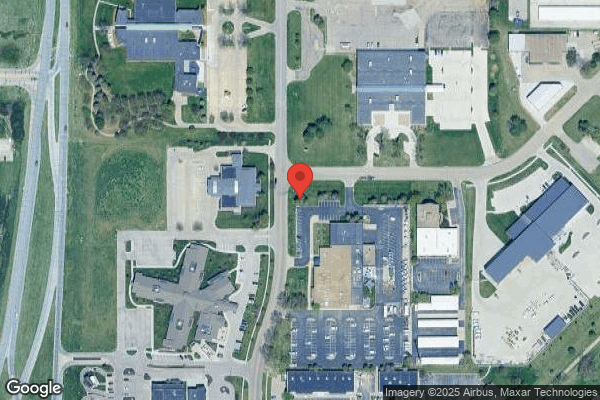
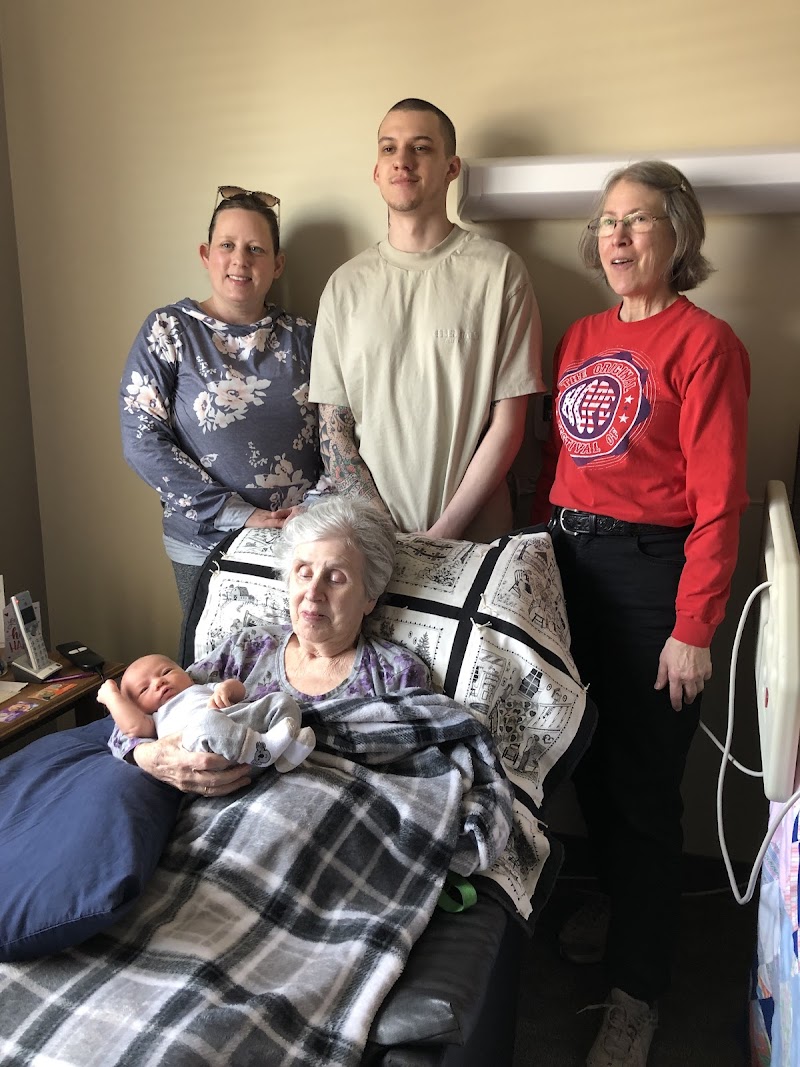
5431 South 16th Street, Lincoln, NE 68512 (531) 739-3200
For profit - Limited Liability company 47 Beds PROMONTORY HEALTHCARE Data: November 2025
Trust Grade
50/100
#127 of 177 in NE
Last Inspection: May 2025

Inspected within the last 6 months. Data reflects current conditions.

Overview

Old Cheney Rehabilitation in Lincoln, Nebraska has a Trust Grade of C, which means it is average and sits in the middle of the pack among facilities. It ranks #127 out of 177 in Nebraska, placing it in the bottom half, and #10 out of 14 in Lancaster County, indicating only a few local options are better. The facility is currently improving, with reported issues decreasing from 10 in 2024 to 8 in 2025. Staffing is a relative strength, earning a 3/5 star rating with no staff turnover, suggesting that employees remain consistent and familiar with the residents' needs. However, the facility has faced concerns, including failures in hand hygiene practices in the kitchen and inadequate staff training for several aides, which could potentially affect resident safety. Overall, while there are strengths in staffing stability and improving trends, families should weigh these against the identified issues.

Trust Score
C
50/100
In Nebraska
#127/177
Bottom 29%
Safety Record
Low Risk
No red flags
Inspections
Getting Better
10 → 8 violations
Staff Stability
○ Average
Turnover data not reported for this facility.
Penalties
✓ Good
No fines on record. Clean compliance history, better than most Nebraska facilities.
Skilled Nurses
✓ Good
Each resident gets 74 minutes of Registered Nurse (RN) attention daily — more than 97% of Nebraska nursing homes. RNs are the most trained staff who catch health problems before they become serious.
Violations
⚠ Watch
22 deficiencies on record. Higher than average. Multiple issues found across inspections.
★★☆☆☆
2.0
Overall Rating
★★★☆☆
3.0
Staff Levels
★★☆☆☆
2.0
Care Quality
★★☆☆☆
2.0
Inspection Score
Stable
2024: 10 issues
2025: 8 issues

The Good

  • Full Sprinkler Coverage · Fire safety systems throughout facility
  • No fines on record

Facility shows strength in fire safety.

The Bad

2-Star Overall Rating

Below Nebraska average (2.9)

Below average - review inspection findings carefully

Chain: PROMONTORY HEALTHCARE

Part of a multi-facility chain

Ask about local staffing decisions and management

The Ugly 22 deficiencies on record

May 2025 8 deficiencies
CONCERN (D)

Potential for Harm - no one hurt, but risky conditions existed

Deficiency F0628 (Tag F0628)

Could have caused harm · This affected 1 resident

**NOTE- TERMS IN BRACKETS HAVE BEEN EDITED TO PROTECT CONFIDENTIALITY** Based on interview and record review, the facility failed to ensure a notice of transfer was provided to 1 (Resident 27) of 1 sa...

Read full inspector narrative →
**NOTE- TERMS IN BRACKETS HAVE BEEN EDITED TO PROTECT CONFIDENTIALITY** Based on interview and record review, the facility failed to ensure a notice of transfer was provided to 1 (Resident 27) of 1 sampled resident and the resident's representative in a language they could understand upon emergent transfer from the facility. The total facility census was 30. Findings are: A record review of the facility's Transfer and Discharge (including AMA (against medical advice) policy dated 01/2025 revealed the facility's transfer/discharge notice would be provided to the resident and resident's representative in a language and manner in which they could understand. The notice would include the specific reason and basis for transfer or discharge. The notice must be provided at least 30 days prior to a transfer or discharge of the resident except when an immediate transfer is required by the resident's urgent medical needs. In that case, the notice must be provided to the resident and the resident's representative as soon as practicable before the transfer or discharge. In an emergency transfer to acute care (the hospital), the notice would be given to the resident and the resident's representative as indicated. A record review of Resident 27's Clinical Census dated 05/21/2025 revealed the resident was admitted to the facility on [DATE] and the facility stopped billing 03/31/2025. A record review of Resident 27's Medical Diagnosis dated 05/21/2025 revealed the resident the resident was admitted to the facility for surgical aftercare following surgery on the skin and subcutaneous tissue (innermost layer of skin). A record review of Resident 27's Minimum Data Set (MDS)(a comprehensive assessment used to develop a resident's care plan) dated 02/20/2025 revealed the resident had a Brief Interview for Mental Status (BIMS)(a score of a resident's cognitive abilities) of 13 which indicated the resident was cognitively aware. The resident required supervision for oral and personal hygiene (cleaning), partial/moderate assistance for eating and upper body dressing, substantial assistance for bathing and footwear, and was dependent on staff for lower body dressing and toileting. A record review of Resident 27's Care Plan with an admission date of 02/14/2025 revealed the resident had planned to discharge to home after the stay at the facility. A record review of Resident 27's Progress Notes dated 05/21/2025 revealed on 03/31/2025 at 9:37 AM, Registered Nurse (RN)-G charted the resident was hypotensive (low blood pressure) this AM with physical therapy (PT), had a systolic blood pressure (SBP)(top number of the blood pressure reading) in the 70's. Resident had increase lethargy (lack of energy). Awakens with verbal and tactile (touching) stimulation but fell back asleep if not stimulated. Speech confused/mumbling. Diaphoretic (increased perspiration). APRN (advanced practice registered nurse) was present and notified. N.O. (no order) for chest ray (X-ray an image of the structures of the chest), labs (laboratory workup), or UA (urinalysis - checking the urine for infection). The resident's family member arrived and requested the resident be transferred to the ER (emergency room). APRN okay with that. Placed a call to the transport company and their ETA (estimated time of arrival) was 10:45 AM to transport to the hospital. At 10:55 AM RN-G charted the resident departed (left) the facility with the transport company. At 12:53 PM RN-G charted the resident was admitted to the hospital with severe sepsis (a major infection). A record review of the facility's undated Transfer Form and Emergency Transfer Form revealed they were forms to be completed when a resident was transferred to another facility and included the resident's medical and family information, a reason for transfer box to be completed, and the documents that were sent with the resident. A record review of the facility's undated Transfer Documentation: Documentation Expectations and Improvements revealed it included a copy of the facility's Transfer Form and a statement that: This material is for nurses to use when transferring patient: Documentation Nurse to Nurse Report off of, etc. (etcetera) A record review of the facility's undated Transfer To Hospital: Use Envelope. Copies Of Documents Sent With Patient (Check All That Apply) folder checklist did not reveal that a transfer notification was to be included. A record review of Resident 27's entire Electronic Medical Record and Paper Chart dated 02/14/2025 - 05/21/2025 did not reveal that a Transfer Form or Emergency Transfer Form had been completed for Resident 27 upon discharge. Both the Electronic Medical Record and Paper Chart dated 02/14/2025 - 05/21/2025 revealed a Transfer Or Discharge Notice dated 03/31/2025 and that form revealed the reason for you discharge had a checkmark by The transfer or discharge is necessary for the resident's welfare (health and happiness) and the resident's needs cannot be met by the facility. Resident 27's entire Electronic Medical Record and Paper Chart dated 02/14/2025 - 05/21/2025 did not reveal any document given to the resident that included a specific reason for the resident's transfer in a manner that a resident or resident's representative would be able to understand without a medical background. In an interview on 05/21/2025 at 7:26 AM, the facility's Administrator confirmed the staff said they sent the completed Transfer Form with Resident 27 and did not get a copy of it when the resident was transferred to the hospital. In an interview on 05/21/2025 at 9:10 AM, RN-G confirmed RN-G sent Resident 27's bed hold, order summary, medication and treatment administration records, face sheet, and code status with the resident when the resident transferred to the hospital. RN-G confirmed the Transfer Form does not always get completed when a resident gets transferred emergently and probably did not in this resident's situation and RN-G did not remember completing one for Resident 27. In an interview on 05/21/2025 at 9:48 AM RN-G confirmed RN-G thought RN-G might have completed a transfer for Resident 27. RN-G confirmed RN-G would have got a copy of it for the Paper Chart. In an interview on 05/22/2025 at 6:36 AM, the facility's Administrative Assistant (AA) confirmed AA reviewed Resident 27's Paper Chart and it did not reveal a Transfer Form. In a telephone interview on 05/21/2025 at 8:02 AM, Resident 27's child that requested the resident be sent to the ER on the morning of 03/31/2025 confirmed the facility did not give the resident or the resident's child any paperwork when the resident was transferred to the ER. In an interview on 05/21/2025 at 11:16 AM, the Assistant Director of Nursing (ADON) confirmed the Transfer Forms and Emergency Transfer Forms are not given to the resident or the resident's representative on an emergent transfer. The ADON confirmed the Emergency Transfer Form was an old form and should not have been being used by the nursing staff. The Transfer Form was an internal document and for the use of the nurse only for report. The ADON confirmed the ADON had educated the staff on that. The ADON confirmed the Social Worker prints the Transfer Or Discharge Notice and the reason for discharge is documented in the Progress Notes. That information is given to the Emergency Medical Services (EMS) worker that transports the residents unless the family does. The ADON confirmed Resident 27's Progress Note and the Transfer Or Discharge Notice did not contain a detailed reason for discharge in a manner that Resident 27 or the resident's representative could understand.
CONCERN (D)

Potential for Harm - no one hurt, but risky conditions existed

Assessment Accuracy (Tag F0641)

Could have caused harm · This affected 1 resident

**NOTE- TERMS IN BRACKETS HAVE BEEN EDITED TO PROTECT CONFIDENTIALITY** Licensure Reference Number 175 NAC 12.006.09(B)(iii) Based on observation, interview, and record review, the facility failed to ...

Read full inspector narrative →
**NOTE- TERMS IN BRACKETS HAVE BEEN EDITED TO PROTECT CONFIDENTIALITY** Licensure Reference Number 175 NAC 12.006.09(B)(iii) Based on observation, interview, and record review, the facility failed to ensure the Minimum Data Set (MDS)(a comprehensive assessment used to develop a resident's care plan) dated 05/06/2025 included 1 (Resident 6) of 1's documented behaviors. The total facility census was 30. Findings are: A record review of the Centers for Medicare and (&) Medicaid Services' Long-Term Care Facility Resident Assessment Instrument (RAI) 3.0 User's Manual, Version 1.18.11 dated October 2023, Section E: Behaviors revealed: The items in this section identify behavioral symptoms in the last seven days that may cause distress to the resident, or may be disruptive to facility residents, staff members or the care environment. E0200 Steps for Assessment included medical record review for the 7-day look back, interview staff, family and friends who had frequent contact with the resident and observe the resident in different situations for the 7-day lookback period. Coding instructions are as follows: • Code 0 if behaviors not present • Code 1 if the resident had behaviors 1-3 days of the last 7 days • Code 2 if the behavior occurred 4-6 days of the last 7 days • Code 3 if the behaviors occurred daily A record review of Resident 6's Clinical Census dated 05/22/2025 revealed the resident was admitted to the facility on [DATE]. A record review of Resident 6's Medical Diagnosis dated 05/22/2025 revealed the resident had diagnoses of Urinary Tract Infection, Pain, Repeated Falls, Traumatic Subdural Hemorrhage (bleeding on the brain from an impact), and Congestive Heart Failure. A record review of Resident 6's admission MDS dated 05/06/2025 revealed it was a scheduled 5-day assessment for a Medicare Part A stay. The resident had a Brief Interview for Mental Status (BIMS)(a score of a resident's cognitive abilities) of 11 which indicated the resident was moderately cognitively impaired. The resident required partial/moderate assistance with upper body dressing, substantial assistance with oral and personal hygiene (cleaning), and was dependent on staff for lower body dressing, footwear, and toileting. Section V of the MDS did not reveal Behavior Symptoms Care Area triggered. Section V was signed by the MDS Registered Nurse Coordinator (MDS). Section Z revealed that the MDS Coordinator (MDS) signed the Behavior section as complete on 05/07/2025. The MDS did not reveal the resident exhibited behaviors. A record review of Resident 6's Care Plan with an admission date of 04/30/2025 revealed the resident had a focus area and interventions for episodes of verbal behaviors of yelling at staff and hollering out for help. A record review of Resident 6's Progress Notes dated 04/30/2025 - 05/21/2025 revealed: • 05/02/2025 - resident was having notable behavior issues and noted verbal behaviors. • 05/03/2025 - resident was having notable behavior issues and noted verbal behaviors. • 05/04/2025 - resident was having notable behavior issues and noted verbal behaviors. • 05/05/2025 - did not reveal a nursing progress note. • 05/06/2025 - resident was having notable behavior issues and noted verbal behaviors. Resident yells out when needs assistance and does not use the call light. An observation on 05/19/2025 at 8:55 AM revealed Resident 6 was sitting in the wheelchair in the room and the resident answers did not make sense and the resident was angry and lashed out to get out of the room. No dressings on the right lower leg or left forearm. An observation on 05/19/2025 at 3:32 PM with Registered Nurse (RN)-G revealed Resident 6 was sitting in the wheelchair in the resident's room and did not have a dressing on the right lower leg or left forearm. An observation on 05/21/2025 at 8:50 AM revealed Resident 6 was sitting in the wheelchair in the doorway to the resident's room upset and yelling at staff. In an interview on 05/19/2025 at 3:32 PM, RN-G confirmed Resident 6 has behaviors of yelling out, but was having a good day. Resident had behaviors of picking at the skin and removing the dressings that cover the resident's wounds. In an interview on 05/20/2025 at 8:21 AM, RN-J confirmed the resident (Resident 6) had behaviors of yelling out and removing wound dressings. The resident was to have a shower before wound care, but the resident would probably refuse. In an interview on 05/21/2025 at 10:05 AM, the MDS Coordinator confirmed that they missed the documentation regarding Resident 6's behaviors when they completed the Minimum Data Set Assessment. The MDS Coordinator confirmed Resident 6 had documented behaviors on 05/02/2025, 05/03/2025, 05/04/2025, and 05/06/2025 of the 7-day look-back period. In an interview on 05/21/2025 at 8:42 AM, MDS Coordinator confirmed that Resident 6 did have a lot of behaviors and the Minimum Data Set assessment dated [DATE] did not reveal the resident had behaviors and should have.
CONCERN (D)

Potential for Harm - no one hurt, but risky conditions existed

Respiratory Care (Tag F0695)

Could have caused harm · This affected 1 resident

**NOTE- TERMS IN BRACKETS HAVE BEEN EDITED TO PROTECT CONFIDENTIALITY** Licensure Reference Number 175 NAC 12.006.09(H)(vi)(3)(g) Based on observation, interview, and record review, the facility faile...

Read full inspector narrative →
**NOTE- TERMS IN BRACKETS HAVE BEEN EDITED TO PROTECT CONFIDENTIALITY** Licensure Reference Number 175 NAC 12.006.09(H)(vi)(3)(g) Based on observation, interview, and record review, the facility failed to ensure 2 (Residents 129 and 13) of 2 sampled residents had a valid non-invasive ventilator (a machine used to deliver positive pressure to the airway) provider order. The total facility census was 30. Findings are: A record review of the Sleep Foundation's article Do You Need a Prescription For a Continuous Positive Airway Pressure (CPAP)(a machine used to treat sleep apnea) Machine? dated 12/28/2022 revealed, the Food and Drug Administration classified a CPAP machine as a Class II medical device and requires a prescription. The prescription should indicate the type of unit and pressure setting. https://www.sleepfoundation.org/cpap/do-you-need-a-prescription-for-a-cpap-machine A record review of ResMed's Diagnosed with sleep apnea? Getting Started on Continuous Positive Airway Pressure dated 02/26/2020 revealed that before starting a CPAP the resident would receive a prescription from a doctor to get a machine and start therapy. The prescription would list a pressure setting which would be determined by the doctor based on the results of a sleep study. https://www.resmed.com/en-us/sleep-health/blog/diagnosed-with-sleep-apnea/ A. A record review of Resident 129's Clinical Census dated 05/20/2025 revealed the resident was admitted to the facility on [DATE]. A record review of Resident 129's Medical Diagnosis dated 05/20/2025 revealed the resident had diagnoses of Congestive Heart Failure and Infection And Inflammatory Reaction Due To Cardiac Valve Replacement (infection in the blood stream related to a heart valve replacement). A record review of Resident 129's admission Minimum Data Set (MDS)(a comprehensive assessment used to develop a resident's care plan) dated 05/19/2025 revealed the resident had a Brief Interview for Mental Status (BIMS)(a score of a resident's cognitive abilities) of 15 which indicated the resident was cognitively aware. The activities of daily living (ADLs) section and Section O had not completed at the time of survey. A record review of Resident 129's Care Plan with an admission date of 05/16/2025 did not reveal the resident had a focus area or interventions for a CPAP. A record review of Resident 129's Clinical Physician Orders dated 05/20/2025 revealed orders for CPAP at hours of sleep (HS) with home settings. It did not reveal pressure settings. A record review of Resident 13's After Visit Summary hospital discharge order dated 05/16/2025 revealed type of device: CPAP. It did not reveal pressure settings. An observation on 05/19/2025 at 8:37 AM revealed Resident 129's ResMed A-10 CPAP machine and CPAP mask were both laying directly on the floor and the mask had facial oils on it. An observation on 05/19/2025 at 3:06 PM revealed Resident 129's ResMed A-10 CPAP machine and CPAP mask were both laying directly on the floor and the mask had facial oils on it. An observation on 05/20/2025 at 8:34 AM revealed Resident 129's ResMed A-10 CPAP machine and CPAP mask were both laying directly on the floor and the mask had facial oils on it. The CPAP machine filter had a thick coating of a gray fuzzy substance on it. An observation on 05/20/2025 at 9:38 AM with Registered Nurse (RN)-J revealed Resident 129's ResMed A-10 CPAP machine and CPAP mask were both laying directly on the floor and the mask had facial oils on it. The CPAP machine filter had a thick coating of a gray fuzzy substance on it. An observation on 05/21/2025 at 9:07 AM revealed Resident 129's ResMed A-10 CPAP machine and CPAP mask were both laying directly on the floor and the mask had facial oils on it. The CPAP machine filter had a thick coating of a gray fuzzy substance on it. In an interview on 05/20/2025 at 8:34 AM, Resident 129 confirmed that the ResMed A-10 CPAP machine and mask on the floor was the residents that they brought from home and the resident wore it every night. In an interview on 05/21/2025 at 11:38 AM, the MDS Coordinator confirmed Resident 129's CPAP machine order did not contain pressure settings and should have. B. A record review of Resident 13's Clinical Census dated 05/20/2025 revealed the resident was admitted to the facility on [DATE]. A record review of Resident 13's Medical Diagnosis dated 05/20/2025 revealed the resident had diagnoses of Congestive Heart Failure, Respiratory Failure, Chronic Obstructive Pulmonary Disease (COPD), and Obstructive Sleep Apnea. A record review of Resident 13's MDS dated 04/07/2025 revealed the resident had a BIMS score of 13, which indicated the resident was cognitively aware. The resident was independent with oral hygiene (cleaning), needed setup assistance with eating, supervision or touching assistance with upper body dressing and personal hygiene, and substantial assistance with lower body dressing, footwear, toileting, and bathing. The resident was on a CPAP. A record review of Resident 13's Care Plan with an admission date of 04/01/2025 revealed the resident had a focus area of COPD and the resident was on a Trilogy (a ventilator) at HS. The care plan did not reveal interventions for the resident's CPAP machine. A record review of Resident 13's Clinical Physician Orders dated 05/20/2025 revealed orders for CPAP/Bilevel/Trilogy for obstructive sleep apnea, has auto-CPAP continue settings. It did not reveal pressure settings. A record review of Resident 13's Care Providers hospital discharge order dated 04/01/2025 revealed orders for CPAP/Bilevel/Trilogy for obstructive sleep apnea, has auto-CPAP continue settings. It did not reveal pressure settings. An observation on 05/19/2025 at 8:41 AM revealed Resident 13's ResMed A-10 CPAP machine was covered with dust, the CPAP mask was on the floor with facial oils on it. An observation on 05/19/2025 at 3:19 PM revealed Resident 13's ResMed A-10 CPAP machine and CPAP mask were in use and on the resident. An observation on 05/20/2025 at 6:37 AM revealed Resident 13's ResMed A-10 CPAP machine was covered with dust, the CPAP mask was in the plastic bag attached to the bedside table, but had facial oils on it. An observation on 05/20/2025 at 2:37 PM with RN-D confirmed that Resident 13's ResMed A-10 CPAP machine was covered with dust and the CPAP mask was in the plastic bag attached to the bedside table had facial oils on the mask. In an interview on 05/21/2025 at 11:38 AM, the MDS Coordinator confirmed Resident 13's CPAP machine order did not contain pressure setting and should have.
CONCERN (D)

Potential for Harm - no one hurt, but risky conditions existed

Deficiency F0698 (Tag F0698)

Could have caused harm · This affected 1 resident

**NOTE- TERMS IN BRACKETS HAVE BEEN EDITED TO PROTECT CONFIDENTIALITY** Licensure Reference Number 175 NAC 12-006.09(H) Based on observation, interview, and record review, the facility failed to asses...

Read full inspector narrative →
**NOTE- TERMS IN BRACKETS HAVE BEEN EDITED TO PROTECT CONFIDENTIALITY** Licensure Reference Number 175 NAC 12-006.09(H) Based on observation, interview, and record review, the facility failed to assess the resident's fistula (A port used for dialysis -a process of filtering the blood), and obtain vital signs following dialysis for 2 (Resident 7 and 9) of 2 sampled residents. The total facility census was 30. Findings are: A record review on 05/21/25 at 12:45 PM of the policy Hemodialysis with date implemented on 04/2022 and reviewed/revised on 01/2025 revealed: This facility will provide the necessary care and treatment, consistent with professional standards of practice, physician orders, the comprehensive person-centered care plan, and the residents' goals and preferences to meet the special medical, nursing, mental, and psychosocial needs of residents receiving hemodialysis. Purpose: The facility will ensure that each resident has ongoing assessment and oversight which included monitoring of the resident's condition during and after treatments received at a certified dialysis facility. Number 8 on the Compliance Guidelines stated, The nurse will monitor and document the status of the resident's access site from the dialysis treatment for bleeding and other complications. Number 13 on the Compliance Guidelines stated, The nurse will ensure that the dialysis access site is checked before and after dialysis treatments and every shift for patency. A. A record review on 05/20/2025 revealed Resident 7 has a diagnosis of End Stage Renal Disease (Loss of kidney function). An observation on 05/19/25 at 11:00AM revealed Resident 7 returned from dialysis, eating lunch tray with no nursing assessment upon return from dialysis. A record review of the care plan dated 03/14/2025 for Resident 7 revealed: -Monitor/document/report to Medical Director PRN (as needed) for signs and symptoms of the following: Bleeding, Hemorrhage, Bacteremia, septic shock. -Obtain vital signs and weight per protocol. Report significant changes in pulse, respirations and Blood Pressure immediately. An observation on 05/21/25 at 10:09 AM revealed Resident 7 returned from Dialysis. Assistant Director of Nursing (ADON) assisted Resident 7 into the chair and was encouraged to elevate legs. ADON offered water and food to Resident 7. The ADON did not assess the fistula or complete the blood pressure. An interview on 05/21/25 at 10:22 AM with RN-G revealed that the blood sugar is checked and meal delivered when returning from dialysis. Fistula is assessed anytime during the shift and upon return. Vital Signs are completed weekly as a long-term care resident, the report from the dialysis center is reviewed by the nurse when resident returns from dialysis. Weight is completed on dialysis days. An interview on 05/21/25 at 10:39 AM with RN-G requested to clarify with the ADON that the vitals are checked weekly and should not be daily as a long-term care resident. RN-G stated that the fistula site is assessed upon return and only documented by exception. An observation on 05/21/25 at 10:40 AM revealed that Resident 7's fistula was not assessed, and the vital signs were not completed upon return from dialysis. In an interview with the ADON on 05/21/25 at 10:48 AM revealed that the expectation when a resident returns from dialysis is that the paperwork is reviewed by the nurses for any concerns during dialysis. If so, the nurse would follow up. The residents get weighed when they go to dialysis. Residents are sent with a form for the dialysis center to complete. The nurses need to assess the fistula for bleeding and checking vitals upon return from dialysis. Assessments should be done every shift. Nurses are not to remove the bandage until the next day. There is no time frame to assess the fistula once they return, just assess during the shift. Nurses should document the outcome of each assessment of the fistula in the medical record. ADON confirmed that the fistula should be assessed immediately for bleeding upon return from dialysis and confirmed this was not done for Resident 7. In a record review of an article titled Caring for a patient's vascular access for hemodialysis in the [NAME] & [NAME], Inc. publication dated 2010 revealed: After dialysis, assess the vascular access for any bleeding or hemorrhage. Assess for blebs (ballooning or bulging) of the vascular access that may indicate an aneurysm that can rupture or cause hemorrhage. In a record review of an article titled Optimizing Dialysis in Nursing Homes posted on January 14th, 2024 from the SMK Medical website revealed: Nurses must conduct assessments and monitor for complications before and after dialysis treatments. B. A record review on 5/19/25 revealed Resident 9 was admitted to facility on 4/17/25 with the diagnosis of End stage renal disease (kidney can no longer filter waste from the blood), Polycystic kidney, adult type (fluid fill sacs grow in the kidneys), Acquired absence of left leg above knee, Essential (primary) hypertension ( high blood pressure), Chronic diastolic (congestive) Heart failure (heart can't pump blood as well). A record review on 5/20/25 at 9:45 AM revealed Resident 9 Minimum Data Set (MDS, a comprehensive assessment used to develop a resident's care plan) dated 4/23/25 revealed the resident is on dialysis (Hemodialysis is one type of this procedure.) A record review on 05/20/25 at 10:30 AM revealed Physician orders for Resident 9 to remove the band aid or tape from access site in the evening on dialysis days, to prevent damage to fistula, (Allows for high blood flow needed for dialysis) every night shift every Monday, Wednesday and Friday. An observation on 05/19/25 at 10:21 AM when Resident 9 returned from dialysis and at this time had a band aide on right arm at port site with no signs of bleeding. An observation on 5/21/25 at 10:20 AM revealed Resident 9 was wheeled to gender room after receiving dialysis treatment. Breakfast was brought to Resident 9 from staff member and genders coat removed. Resident 9 went on to eat breakfast in room without any staff members coming into room to assess the arm. An interview on 05/19/25 at 10:21 AM with Resident 9 revealed, resident 9 stated No they don't ever do anything when I come back from my dialysis except feed me. An interview on 05/19/25 at 2:45 PM with RN-G (Registered nurse) revealed that when they have dialysis the night shift takes the patient's weight and listens for the bruit (Sound heard through stethoscope of blood flow) prior to going to dialysis. When the patient returns the nurse or staff make sure they get their meal and then they don't need to assess them further. An interview on 05/21/25 at 10:48 AM with the ADON (Assistant Director of Nursing), revealed that the expectation when a resident returns from Dialysis Center is that the paperwork received from the Dialysis Center is reviewed by the nurses for any concerns. Residents are sent with a form for the Dialysis Center to complete. The nurses need to assess the fistula for bleeding and checking vitals signs upon return from the dialysis. Assessments of the fistula should be done every eight or twelve hours upon returning from the Dialysis Center. Nurses are not to remove the bandage until the next day. Nurses should document the outcome of each assessment of the fistula in the medical record. The ADON confirmed that the fistula should be assessed immediately for bleeding upon return from dialysis and confirmed this was not done for Resident 9 and should have been.
CONCERN (D)

Potential for Harm - no one hurt, but risky conditions existed

Unnecessary Medications (Tag F0759)

Could have caused harm · This affected 1 resident

**NOTE- TERMS IN BRACKETS HAVE BEEN EDITED TO PROTECT CONFIDENTIALITY** Licensure Reference Number 175 NAC 12-006.10 (D) Based on observation, record review and interviews, the facility failed to ensu...

Read full inspector narrative →
**NOTE- TERMS IN BRACKETS HAVE BEEN EDITED TO PROTECT CONFIDENTIALITY** Licensure Reference Number 175 NAC 12-006.10 (D) Based on observation, record review and interviews, the facility failed to ensure they had a medication error rate of less than 5%. Observations of 36 medications administrations revealed 3 errors, for a medication error rate of 8.33%. This affected 2 residents (Resident 20 and Resident 13) of 5 residents sampled. The facility census was 30. Findings are: A. A record review of Resident 20's admission Record printed 05/21/2025 revealed the resident had been admitted to the facility on [DATE] and had diagnoses of a fractured pelvis, falls, pain, an irregular heartbeat, high blood pressure, and prostate cancer. A record review of Resident 20's admission Minimum Data Set (MDS-a comprehensive assessment of each resident's functional capabilities) dated 05/21/2025 revealed it was not completed, but Section C Cognitive Patterns was complete and showed a Brief Interview for Mental Status (BIMS- a test used to get a quick snapshot of a resident's cognitive function, scored from 0-15, the higher the score, the higher the cognitive function) score of 13. An observation on 05/20/2025 at 7:20 AM revealed Medication Aide (MA) B preparing the following medications for Resident 20: -amlodipine (a blood pressure medication) 10 milligrams (mg) tab 1 tablet by mouth daily, -buspirone (an anti-anxiety medication) 7.5 mg 1 tablet by mouth twice daily, -cinacalcet (a medication to treat high levels of calcium in the blood) 30 mg 1 tablet by mouth twice daily, -Eliquis (a blood thinner) 5 mg 1 tablet by mouth twice daily, -folic acid (a supplement) 800 micrograms (mcg) 1 tablet by mouth daily, -furosemide (a water pill used for high blood pressure) 40 mg 1 tablet by mouth daily, -losartan (a blood pressure medication) 100 mg 1 tablet by mouth daily, -potassium chloride (a supplement) 20 milliequivalents (mEq) 1 tablet by mouth daily, -spironolactone (a water pill used for high blood pressure) 25 mg 1 tablet by mouth daily, and -Xtandi (a medication to treat prostate cancer) 40 mg 4 capsules by mouth daily. The MA took the medications into the resident's room and assisted Nurse Aide (NA) C to provide cares prior to giving Resident 20 the medications. An observation on 05/20/2025 at 7:47 AM revealed MA B and NA C assisted the resident to sit up in bed. MA B handed Resident 20 their pills and observed them take the medications. The resident did not have food in their room at that time. An observation on 05/20/2025 at 8:29 AM revealed that the Assistant Director of Nursing (ADON) delivered a room tray to Resident 20. This was 42 minutes after the potassium was given. A record review of Resident 20's Medication Administration Record (MAR) for May 2025 revealed that the potassium order had instructions to be taken with food and a full glass of water. Further review of the MAR revealed an order for PEG 3350 powder (a laxative powder) mix 17 grams in 4 to 8 ounces of liquid daily. The PEG 3350 powder was not observed to be given. A record review of the facility's Medication Administration policy last reviewed/revised 5/2025 revealed that staff should administer medication as ordered in accordance with manufacturer specifications, such as providing the appropriate amount of food and fluid. The policy provided guidelines for medications requiring administration after meals or with food, which included Potassium. An interview on 05/20/2025 at 9:22 AM with MA B confirmed that the PEG 3350 powder had been omitted. An interview on 05/20/2025 at 2:54 PM with MA B stated that medications with instructions to be given with food should be given within half an hour of the resident receiving food. An interview on 05/21/2025 at 10:54 AM with the ADON confirmed that medications ordered with food should be given with food, not prior to receiving it. B. An observation on 05/21/25 at 8:10 AM of MA-I (Medication Aide) administered Trelegy Ellipta (Long-term inhaler for maintenance treatment of air flow obstruction) 100mcg/62.5mcg to Resident 13 and did not have Resident 13 rinse out mouth following the inhalation. Other medication given at that time were as follows: Adult 50+ cap Ocuvite (vitamin supplement take one capsule by mouth daily Amiodarone tab (treats abnormal heart rhythms) 200 mg take 1 tablet by mouth daily with meals Amlodipine tab (a blood pressure medication) 10 mg take 1 tablet by mouth daily Bupropion tab (an antidepressant medication) 300 mg xl take 1 tablet by mouth every morning Citrucel tab (vitamin supplement) 500 mg take 2 tablets (1000 mg) by mouth twice daily Eliquis (Thins the blood) tab 5mg take 1 tablet by mouth twice daily Ferrous sulf ( iron supplement) 325 mg (65 mg [NAME] take 1tablet by mouth daily with meals Fluticasone spray (allergy nose spray) 50 mcg use 1 spray in each nostril twice daily Pot Chloride micro tab( Potassium supplement) 20 meq ER take 2 tablets (40 meq) by mouth every morning Senexon-s tab ( a bowel softner and stimulant) 8.6-50 mg take 2 tablets (17.2-100 mg) by mouth twice daily Vitamin C tab (Supplment) 500 mg take 1 tablet by mouth daily Spironolactone tab (a potassium sparing diuretic) 25 mg take 1 tablet by mouth daily Tamsulosin cap (helps treat enlarged prostate) 0.4 mg take one capsule by mouth daily Torsemide tab (a diuretic to help treat edema(excess fluid) or high blood pressure) 20 mg take 2 tablets (40 mg) by mouth daily A record review on 05/21/25 revealed the physician order summary dated 04/02/25 stated to administer to Resident 13 the medication called Trelegy Ellipta 100-62.5-25 mcg inhale 1 puff by mouth daily and rinse mouth after each use. Interview on 5/22/25 at 9:30 AM of the MDS (Minimum Data Set is standardized collection tool in nursing homes), Coordinator revealed that the Highlights of prescribing information for Trelegy Ellipta with a revised date of 1/2019 reviewed Trelegy Ellipta information and verified it should be administered as 1 inhalation once daily by the orally inhaled route only. After inhalation, the patient should rinse out mouth with water without swallowing to help reduce the risk of oropharyngeal candidiasis (Oral fungus builds up in the mouth) Interview on 5/22/25 at 10:00 AM with MA-I (Medication Aide) confirmed that after giving Trelegy Ellipta the MA-I should have had Resident 13 rinse mouth out.
CONCERN (E)

Potential for Harm - no one hurt, but risky conditions existed

Infection Control (Tag F0880)

Could have caused harm · This affected multiple residents

**NOTE- TERMS IN BRACKETS HAVE BEEN EDITED TO PROTECT CONFIDENTIALITY** Licensure Reference Number 175 NAC 1-005.06(D) Based on observations, record reviews, and interviews, the facility failed to ens...

Read full inspector narrative →
**NOTE- TERMS IN BRACKETS HAVE BEEN EDITED TO PROTECT CONFIDENTIALITY** Licensure Reference Number 175 NAC 1-005.06(D) Based on observations, record reviews, and interviews, the facility failed to ensure that staff followed principles of infection control and prevention related to hand hygiene, use of personal protection equipment (PPE), and cleaning and storage of respiratory equipment. This affected 6 residents (Residents 13, 14, 20, 21, 129, and 136) of 9 sampled for infection control practices. The facility census was 30. Findings are: Review of the facility's policy for Hand Hygiene undated with copyright 2024 from the Compliance Store revealed that hand hygiene should be performed under the conditions listed in, but not limited to, the attached hand hygiene table. The policy further revealed that use of alcohol-based hand rub (ABHR) was preferred in most situations, but soap and water should be used if hands were visibly dirty, before eating, and after using the restroom. For hand hygiene using ABHR, staff should apply ABHR and rub hands together until they feel dry, which should take about 20 seconds. For hand hygiene using soap and water, staff should get hands wet, apply soap, and rub hands together vigorously for at least 20 seconds. It also stated that the use of gloves does not replace hand hygiene. If your task requires gloves, perform hand hygiene prior to donning gloves and immediately after removing gloves. A record review of the Hand Hygiene Table undated with copyright 2024 from the Compliance Store revealed hand hygiene should be performed with Either soap and water or Alcohol Based Hand Rub (ABHR is preferred) under the following circumstances: Before applying and after removing personal protective equipment (PPE), including gloves. Before preparing or handling medications. Before and after handling clean or soiled dressings, linens, etc. Before performing resident care procedures, After handling items potentially contaminated with blood, body fluids, secretions, or excretions. When, during resident care, moving from a contaminated site to a clean body site. A. A record review of Resident 20's admission Record printed 05/21/2025 revealed the resident had been admitted to the facility on [DATE] and had diagnosis of a fractured pelvis, falls, pain, an irregular heartbeat, high blood pressure, and prostate cancer. A record review of Resident 20's admission Minimum Data Set (MDS-a comprehensive assessment of each resident's functional capabilities) dated 05/21/2025 revealed it was not completed, but Section C Cognitive Patterns was complete and showed a Brief Interview for Mental Status (BIMS- a test used to get a quick snapshot of a resident's cognitive function, scored from 0-15, the higher the score, the higher the cognitive function) score of 13. A record review of the facility's policy for Medication Administration last reviewed/revised 5/2025 revealed that staff should wash hands prior to administering medication per facility protocol. A record review of the facility's policy for Catheter Care last reviewed/revised 1/2025 revealed that hand hygiene was mentioned prior to beginning and after completing the procedure, but there was no mention of hand hygiene or glove changes during the procedure. An observation on 05/19/2025 at 3:42 PM revealed that Resident 20 had an indwelling catheter (tube inserted into the bladder to drain urine). An observation on 05/20/2025 at 7:20 AM revealed Medication Aide (MA) B preparing Resident 20's morning medications. The MA washed their hands with soap and water for 13 seconds prior to preparing medications. An observation on 05/20/2025 at 7:30 AM revealed MA B entered the resident's room with the medications and a cup of water and placed them on the table in the room, then put on a gown and gloves. Nurse Aide (NA) C also entered the room, sanitized their hands and put on a gown and gloves. MA B then realized they were out of wipes in the room, removed the gown and gloves, and went to get some while NA C removed Resident 20's pants and pull-up. Upon returning to the room, MA B put on a gown and gloves without performing hand hygiene. MA B then used wipes to clean both sides of Resident 20's groin, got a new wipe and cleaned the head of Resident 20's penis, got a new wipe and cleaned the catheter tubing, moving away from the urethra, then got a new wipe and cleaned the front of the resident's scrotum. MA B and NA C then both actively assisted to ensure the resident's foreskin was extended. MA B and NA C then both changed their gloves without performing hand hygiene. Resident 20 rolled to their left side, and NA C got wipes out and cleaned the resident's right buttock. NA C then changed their gloves without performing hand hygiene and used new wipes to clean the back of the resident's scrotum, left buttock, and peri-anal area. NA C then changed their gloves without performing hand hygiene. An observation on 05/20/2025 at 7:47 AM revealed MA B and NA C assisted Resident 20 to sit up with the head of the bed up. MA B then removed their gown and gloves, did not perform hand hygiene, and gave Resident 20 their pills. MA B then washed their hands with soap and water for 10 seconds. In an interview on 05/20/2025 at 7:55 AM NA C confirmed they had not performed hand hygiene with glove changes during catheter care and should have. In an interview on 05/20/2025 at 9:22 AM MA B confirmed that they had not performed hand hygiene with glove changes during catheter care and should have, and that hand washing with soap and water should have been done for at least 20 seconds. MA B further confirmed they should have performed hand hygiene after removing their gloves and administering medications to Resident 20. In an interview on 05/21/2025 at 10:54 AM the Assistant Director of Nursing (ADON) confirmed that hand washing should be done for 20 seconds, and hand hygiene should be performed with glove changes. B. A record review of Resident 21's admission Record printed 05/21/2025 revealed the resident had been admitted to the facility on [DATE] and had diagnoses of chronic obstructive pulmonary disease (COPD-group of lung diseases that block airflow and make it difficult to breathe), pain, high blood pressure, and bipolar disorder (a mental health condition characterized by extreme mood swings). A record review of Resident 21's admission MDS dated [DATE] revealed a BIMS score of 15. A record review of the facility's policy for Wound Treatment Management last reviewed/revised 5/2025 revealed it did not address hand hygiene. An interview with Resident 21 on 05/19/2025 at 9:32 AM revealed the resident had a sore on their right elbow from always laying on that side. A record review of Resident 21's Order Summary Report printed 05/19/2025 revealed an order for wound care daily to the right elbow. An observation on 05/20/2025 at 2:02 PM revealed RN D carried wound care supplies into Resident 21's room and put them down on the overbed table without cleaning it or placing a barrier. RN D then took a washcloth into the bathroom, used their bare right hand to turn on the faucet, got the washcloth wet, used their bare right hand to turn off the faucet, shook their right hand, put the wet washcloth on the sink, then put on gloves. RN D went to bedside and removed the old dressing. The RN then removed their gloves and stated they did not have the correct dressing in the room. RN D sanitized their hands and left the room to get the correct dressing. A continued observation on 5/20/2025 at 2:06 PM revealed RN D returned to Resident 21's room with the correct dressing and a pair of scissors and put them on the bed. RN D then performed hand hygiene, put on gloves, and moved the dressing and scissors onto the overbed table on top of a notepad and the resident's cell phone. The RN then went into the bathroom and turned on the faucet with their gloved hands, picked up the wet washcloth on the sink and a dry washcloth, and ran water over them, then turned off the faucet with their gloved hands. Without performing hand hygiene or changing gloves, the RN went to the bedside, sprayed one washcloth with a no-rinse foam cleanser and used that to clean the wound. RN D used the other washcloth to wipe the wound, then patted it dry with a dry washcloth. The RN then performed hand hygiene, changed their gloves and completed the dressing change. An interview on 5/20/2025 at 2:20 PM with RN D confirmed they should have cleaned the overbed table or put a barrier down prior to putting the supplies on it, that they should not have put the washcloth on the sink, and that they should have performed hand hygiene in between touching the faucet and putting on gloves, and they should have performed hand hygiene and changed gloves between touching the faucet with gloves on and performing resident care. In an interview on 05/21/2025 at 10:54 AM the ADON confirmed that hand washing should be done for 20 seconds, and hand hygiene should be performed with glove changes. C. A record review of Resident 136's admission Record printed 05/21/2025 revealed the resident had been admitted to the facility on [DATE] and had diagnoses of kidney failure and dementia (a term for several diseases that affect memory, thinking, and the ability to perform daily activities). A record review of Resident 136's admission MDS dated [DATE] revealed a BIMS score of 10. A record review of the facility's policy for Nebulizer [a drug delivery device used to administer medication in the form of a mist inhaled into the lungs] Therapy last reviewed/revised 05/25 revealed that the equipment should be cleaned after every use, disassembled after every treatment, and once dry, the nebulizer cup and mouthpiece should be stored in a zip lock bag. A record review of Resident 136's Treatment Administration Record (TAR) for May 2025 revealed the resident had an order for a medication to be administered via nebulizer three times a day, scheduled at 8:00 AM, 1:00 PM, and 7:00 PM. An observation on 05/19/2025 at 10:02 AM revealed the nebulizer machine sitting on the seat of a chair at the table under the TV in the resident's room. The kit was attached to the machine, fully assembled with the mask attached, and lying on the seat of the chair. Resident 136 said they had received their treatment this morning, and that the nurses usually leave the mask where it is. An observation on 05/19/2025 at 12:26 PM revealed the nebulizer kit attached to the machine, fully assembled with the mask attached, and lying on the seat of the chair with liquid in the cup. An observation on 05/19/2025 at 3:44 PM revealed the nebulizer kit attached to the machine, fully assembled with the mask attached, and lying on the seat of the chair. An observation on 05/20/2025 at 11:43 AM revealed the nebulizer kit attached to the machine, fully assembled with the mask attached, and lying on the overbed table. An observation on 05/20/2025 at 2:38 PM revealed attached to the machine, fully assembled with the mask attached, and lying on the table under the TV. An observation on 05/21/2025 at 7:04 AM revealed the nebulizer kit attached to the machine, fully assembled with the mask attached and lying on the nightstand. An interview on 05/20/2025 at 2:44 PM with RN D revealed that the nebulizer kits got cleaned at night and left attached to the machine during the day. An interview on 05/21/2025 at 7:04 AM with Licensed Practical Nurse (LPN) A revealed that Resident 136 had not received their nebulizer treatment yet. LPN A confirmed that the nebulizer kit and mask were lying on the nightstand and should not be. The LPN further confirmed that the kit and mask should be rinsed between treatments and laid out to dry on a paper towel. In an interview on 05/21/2025 at 10:54 AM the Assistant Director of Nursing (ADON) confirmed that nebulizer kits and masks should be cleaned every night and anytime they were soiled, and that they should be stored in a bag and not left laying out. E. A record review of the facility's Continuous Positive Airway Pressure (CPAP)/Bilevel Positive Airway Pressure (BiPAP)(machine used to treat sleep apnea) Cleaning policy dated 05/2025 revealed the staff should dust the machine when needed and wipe clean with a damp cloth and mild detergent. Clean mask frame daily after use with CPAP cleaning wipe or soap and water. Cover with plastic bag or completely enclosed in machine storage when not in use. Follow manufacturer's instruction for the frequency of cleaning/replacing filters. Replace disposable filters twice monthly. A record review of Resident 129's Clinical Census dated 05/20/2025 revealed the resident was admitted to the facility on [DATE]. A record review of Resident 129's Medical Diagnosis dated 05/22/2025 revealed the resident had diagnoses of Congestive Heart Failure and Infection And Inflammatory Reaction Due To Cardiac Valve Replacement (infection in the blood stream related to a heart valve replacement). A record review of Resident 129's admission MDS dated 05/19/2025 the resident had a BIMS score of 15 which indicated the resident was cognitively aware. The activities of daily living (ADLs) section and Section O had not completed at the time of survey. A record review of Resident 129's Care Plan with an admission date of 05/16/2025 did not reveal the resident had a focus area or interventions for a CPAP. A record review of Resident 129's Clinical Physician Orders dated 05/20/2025 revealed orders for CPAP at hours of sleep (HS) with home settings and change out respiratory equipment and patient bag set-up weekly. An observation on 05/19/2025 at 8:37 AM revealed Resident 129's CPAP machine and CPAP mask were both laying directly on the floor and the mask had facial oils on it. An observation on 05/19/2025 at 3:06 PM revealed Resident 129's CPAP machine and CPAP mask were both laying directly on the floor and the mask had facial oils on it. An observation on 05/20/2025 at 8:34 AM revealed Resident 129's CPAP machine and CPAP mask were both laying directly on the floor and the mask had facial oils on it. The CPAP machine filter had a thick coating of a gray fuzzy substance on it. An observation on 05/20/2025 at 9:38 AM with Registered Nurse (RN)-J revealed Resident 129's CPAP machine and CPAP mask were both laying directly on the floor and the mask had facial oils on it. The CPAP machine filter had a thick coating of a gray fuzzy substance on it. An observation on 05/21/2025 at 9:07 AM revealed Resident 129's CPAP machine and CPAP mask were both laying directly on the floor and the mask had facial oils on it. The CPAP machine filter had a thick coating of a gray fuzzy substance on it. In an interview on 05/20/2025 at 8:34 AM, Resident 129 confirmed that the CPAP machine and mask on the floor was the resident's from home and (gender) wore it every night. In an interview on 05/20/2025 at 9:38 AM, RN-J confirmed Resident 129's CPAP machine and CPAP mask were both laying directly on the floor and should not have been, the mask had facial oils on it, and it should have been cleaned, and the CPAP machine filter had a thick coating of a gray fuzzy substance on it and should not have had. In an interview on 05/21/2025 at 11:01 AM, the Assistant Director of Nursing (ADON) confirmed Resident 129's CPAP machine and CPAP mask should never be on the floor, the mask should have been cleaned daily or after each use if soiled (dirty), and maintenance should have changed the CPAP machine when it was brought into the facility. F. A record review of the facility's Continuous Positive Airway Pressure (CPAP)/Bilevel Positive Airway Pressure (BiPAP)(machine used to treat sleep apnea) Cleaning policy dated 05/2025 revealed the staff should dust the machine when needed and wipe clean with a damp cloth and mild detergent. Clean mask frame daily after use with CPAP cleaning wipe or soap and water. Cover with plastic bag or completely enclosed in machine storage when not in use. Follow manufacturer's instruction for the frequency of cleaning/replacing filters. Replace disposable filters twice monthly. A record review of the facility's Nebulizer (neb) Therapy dated 04/2025 revealed the staff should disassemble (take apart) and rinse the neb with sterile or distilled water and allow to air dry. Clean the neb after each use. Disassemble parts after every treatment. Once completely dry, store neb cup and mouthpiece in a zip lock bag. Change the neb kit every 72 hours. A record review of Resident 13's Clinical Census dated 05/20/2025 revealed the resident was admitted to the facility on [DATE]. A record review of Resident 13's Medical Diagnosis dated 05/20/2025 revealed the resident had diagnoses of Congestive Heart Failure, Respiratory Failure, Chronic Obstructive Pulmonary Disease (COPD), and Obstructive Sleep Apnea. A record review of Resident 13's MDS dated 04/07/2025 the resident had a BIMS score of 13 which indicated the resident was cognitively aware. The resident was independent with oral hygiene (cleaning), needed setup assistance with eating, supervision or touching assistance with upper body dressing and personal hygiene, and substantial assistance with lower body dressing, footwear, toileting, and bathing. The resident was on a CPAP. A record review of Resident 13's Care Plan with an admission date of 04/01/2025 revealed the resident had a focus area of COPD and the resident was on a Trilogy (a ventilator) at HS. It did not reveal interventions for the resident's neb. A record review of Resident 13's Clinical Physician Orders dated 05/20/2025 revealed orders for CPAP/Bilevel/Trilogy for obstructive sleep apnea, has auto-CPAP continue settings. Clean CPAP and BiPAP daily, clean mask with soap and water and let air dry. Clean CPAP daily, change out respiratory equipment and patient bag set-up weekly. Ipratropium-Albuterol (nebulizer treatments) TID (3 times per day). A record review of Resident 13's Medication Administration Record and Treatment Administration Record (MAR & TAR) dated April and May 2025 revealed all the above orders were marked as completed as ordered, but did not reveal CPAP/Bilevel/Trilogy for obstructive sleep apnea, has auto-CPAP continue settings. An observation on 05/19/2025 at 8:41 AM revealed Resident 13's CPAP machine was covered with dust, the CPAP mask was on the floor with facial oils on it, the neb kit was draped over the bedside table with a residual (small, leftover) amount of medication in the kit and facial oils on the mask. An observation on 05/19/2025 at 3:19 PM revealed Resident 13's CPAP machine and CPAP mask were in use and on the resident, the neb kit was draped over the bedside table with a residual amount of medication in the kit and facial oils on the mask. An observation on 05/20/2025 at 6:37 AM revealed Resident 13's CPAP machine was covered with dust, the CPAP mask was in the plastic bag attached to the bedside table, but still had facial oils on it, and the neb kit was draped over the bedside table with a residual amount of medication in it and facial oils on the mask. An observation on 05/20/2025 at 2:37 PM with RN-D revealed Resident 13's CPAP machine was covered with dust, the CPAP mask was in the plastic bag attached to the bedside table, but still had facial oils on it, and the neb kit was draped over the bedside table with a residual amount of medication in it and facial oils on the mask. In an interview on 05/20/2025 at 9:38 AM, RN-D confirmed RN-D had not cleaned the CPAP mask, but it was marked on the TAR as completed. RN-D confirmed Resident 13's CPAP machine had a coat of dust on it and did not appear it had been cleaned for a few days. RN-D confirmed the neb kit and mask had been cleaned that morning but was draped over the bedside table put together and a small amount of medication in the cup. In an interview on 05/21/2025 at 11:01 AM, the ADON confirmed Resident 13's CPAP machine should have been cleaned at least weekly or immediately if soiled. The CPAP mask should have been cleaned daily, or after each use if soiled, and never should have been on the floor. The resident's neb kit should have been anytime it was soiled, but at least daily. D. A record review of Resident 14's admission Record printed on 05/20/25 at 12:40 PM revealed Resident 14 with original admission date of 05/31/2022. Diagnosis of Chronic kidney disease, stage 3a , Chronic combined systolic (congestive) and diastolic (congestive) heart failure, Morbid (severe) obesity due to excess calories, Rheumatoid Arthritis. A record review of the Hand Hygiene Table undated with copyright 2024 from the Compliance Store revealed hand hygiene should be performed with Either soap and water or Alcohol Based Hand Rub (ABHR is preferred) under the following circumstances: Before applying and after removing personal protective equipment (PPE), including gloves. Before preparing or handling medications. Before and after handling clean or soiled dressings, linens, etc. Before performing resident care procedures, After handling items potentially contaminated with blood, body fluids, secretions, or excretions. When, during resident care, moving from a contaminated site to a clean body site. A record review on 05/20/2025 at 12:45 PM revealed Resident 14's care plan revealed Resident 14 dated 05/03/2025 had skin breakdown on right lower extremity to second toe and to use PPE (Personal Protective Equipment) which involved using a gown and putting on gloves. A record review on 05/20/2025 at 12:45 PM revealed physician order for Resident 14 as followed to provide wound care to the right foot 2nd toe dorsal (side) wash daily with soap/water then paint open area with betadine daily and cover with gauze pad wrap around toe. Do daily until healed. An observation on 05/19/25 2:30 PM in Resident 14 room revealed the Enhanced Barrier Precautions (EBP) sign is in place in (genders) room on the wall as you open the door. An observation on 05/20/2025 at 7:35 AM revealed RN-D (Registered Nurse), put on gloves after using hand sanitizer and gathered supplies for treatment to right foot second toe on dorsal side. RN-D did not apply a gown for treatment, did not change gloves or wash hands after cleaning wound. When done with treatment RN-D went into the bathroom and used soap and water only and washed hands for 13 seconds. An interview on 05/20/2025 at 07:45 AM revealed RN-D confirmed that a gown was no put on for doing treatment to Resident 14's foot and confirmed they did not change gloves or washed hands in between dirty to clean areas during the wound treatment to right foot second toe and should have. RN-D confirmed to not washing hands for 20 to 30 seconds and should have.
CONCERN (E)

Potential for Harm - no one hurt, but risky conditions existed

Room Equipment (Tag F0908)

Could have caused harm · This affected multiple residents

**NOTE- TERMS IN BRACKETS HAVE BEEN EDITED TO PROTECT CONFIDENTIALITY** Licensure Reference Number 175 NAC 12.006.19(A)(i) Based on observation, interview, and record review the facility failed to en...

Read full inspector narrative →
**NOTE- TERMS IN BRACKETS HAVE BEEN EDITED TO PROTECT CONFIDENTIALITY** Licensure Reference Number 175 NAC 12.006.19(A)(i) Based on observation, interview, and record review the facility failed to ensure that the ventilation (the provision of fresh air to a room, building, etc.) systems were operational in 7 resident bathrooms (rooms 501, 502, 503, 507, 508, 509, and 510) of the occupied resident bathrooms. The facility census was 30. Findings are: An observation on 05/19/2025, 05/20/2025, 05/21/2025, and 05/22/2025 revealed foul odor in room [ROOM NUMBER]. An observation on 05/19/2025 between 9:36 AM-10:13 AM revealed bathroom vents were not operational in rooms 501, 502, 502, 507, 508, 509, and 510 when holding a tissue to the vent system. Record review of the undated facility Fresh Air Vents form revealed that the bathroom vents were checked on 300, 400, and 500 hallways and in good working order in March, April, and May 2025. No specific rooms were noted on the form. Record review of the facility Maintenance Checklist dated 09/4/2024, 11/19/2024, and 03/12/2025 showed that the room vents on hallway 500 had a check mark indicating that the vents were OK. Record review of the facility policy dated 04/2022 and revised on 01/2025 HVAC System revealed that the facility will maintain an HVAC system in a manner that protects resident health and safety from fire and extreme temperatures. The policy also states that the maintenance director is responsible for notifying the service agency of needed repairs, servicing, or maintenance as well as the documentation of all inspections and tests. An interview with the maintenance director on 05/21/2025 at 9:59 AM revealed that the vent checks are completed monthly and if one room works in the hallway, it is assumed that they all work on that hallway. During the facility tour on 05/22/2025 12:50 PM with the maintenance director, it was confirmed that the bathroom vents in rooms 501, 502, 503, 507, 508, 509, and 510 were not functional.
CONCERN (F)

Potential for Harm - no one hurt, but risky conditions existed

Food Safety (Tag F0812)

Could have caused harm · This affected most or all residents

Licensure Reference Number 175 NAC 12.006.11(E) Based on observation, interview, and record review, the facility failed to complete hand hygiene (the practice of keeping your hands clean) between glov...

Read full inspector narrative →
Licensure Reference Number 175 NAC 12.006.11(E) Based on observation, interview, and record review, the facility failed to complete hand hygiene (the practice of keeping your hands clean) between glove changes and after hands were soiled while preparing food in the kitchen. The facility failed to wash dirty vegetables prior to use. The facility failed to ensure facial hair was completely covered. This had the potential to affect 30 of 30 residents that resided at the facility. The total facility census was 30. Findings are: A. A record review of Section 3-304.15 of the Nebraska Food Code dated 03/08/2012 revealed that If used, SINGLE-USE gloves shall be used for only one task such as working with READY-TO-EAT or with raw animal FOOD, used for no other purpose, and discarded when damaged or soiled, or when interruptions occur in the operations. Record review of the undated facility Hand Hygiene policy revealed that the use of gloves does not replace hand hygiene. If your task requires gloves, perform hand hygiene prior to donning gloves, and immediately after removing gloves. Record review of the undated Hand Hygiene Table revealed that either soap or water or Alcohol Based Hand Rub (ABHR) will be used before applying and after removing personal protective equipment (PPE), including gloves. An observation on 05/20/2025 during meal prep between 9:40 AM-10:45 AM, the cook failed to change gloves and complete hand hygiene after touching a contaminated door handle while retrieving supplies, grabbing pots, and placing them on the counter. The cook wiped the counter with gloves on and did not change gloves or wash hands prior to opening a box of rice and placing the rice into a pan with water. The cook grabbed the bowls and placed them on the counter with the same gloves. The cook proceeded to mix the rice in the water with the gloved hand. Observation also revealed stirring corn starch in water with gloved hands. The cook changed gloves and logged food temps, made grilled cheese with the same gloves and removed the rolls from the oven and placed them on the steam table. The cook then changed gloves but did not wash hands in between glove changes. An observation on 05/20/2025 at 11:54 AM revealed the cook applying gloves without hand hygiene, obtained plates and cover to prep area, used tongs to place buns on plates and then placed all lettuce, tomatoes, and pickles on plates with the same gloves on. In an interview on 05/21/2025 at 7:45 AM with Dietary Manager (DM) confirmed that the cook should have changed gloves more often and that hand hygiene was not always performed between glove changes. DM stated that the expectation is that the staff change their gloves between tasks or when they are soiled and to wash hands in between glove changes and this did not always happen and should have B. A record review of Section 3-302.15(A) of the Nebraska Food Code dated 03/08/2012 revealed that raw fruits and vegetables shall be thoroughly washed in water to remove soil and other contaminants before being cut, combined with other ingredients, cooked, served, or offered for human consumption in ready-to-eat form. A record review of the facility 'Dining Manager recipe for the Beef Pepper Steak' copyright 2025 revealed that the vegetables are to be thoroughly washed, rinsed, drained and trimmed prior to use. An observation on 05/20/2025 during meal prep between 9:40 AM-10:45 AM, the cook failed to wash the raw vegetables. The cook obtained peppers and onions from the storage area and placed them on the counter. The cook proceeded to cut up the peppers and onions without washing them and placing them into the pan. In an observation on 05/20/2025 at 11:50 AM during meal service, the cook cut an unclean onion on the prep tray located on the prep cart without washing the onion. In an interview on 05/21/2025 at 7:45 AM with DM confirmed that the cook should have washed the raw vegetables prior to cutting and placing them into the pan. C. A record review of Section 2-402.11(A) of the Nebraska Food Code dated 03/08/2012 revealed that food employees shall wear hair restraints such as hats, hair coverings or nets, beard restraints, and clothing that covers body hair, that are designed and worn to effectively keep their hair from contacting exposed food; clean equipment, utensils, and linens; and unwrapped single-use and single-use articles. An observation on 05/20/2025 during meal prep between 9:40 AM-10:45 AM, the cook failed to completely cover the beard and facial hair when initially entering the kitchen while cooking pancakes and the beard cover was under the mouth area throughout the meal prep. The beard cover did not completely contain the whole beard on the sides of the face. In an interview on 05/21/2025 at 7:45 AM with the DM confirmed that facial hair should always be covered and that they are to have a beard covered at all times while in the kitchen and this did not always happen.
Jun 2024 7 deficiencies
CONCERN (D)

Potential for Harm - no one hurt, but risky conditions existed

Transfer Notice (Tag F0623)

Could have caused harm · This affected 1 resident

**NOTE- TERMS IN BRACKETS HAVE BEEN EDITED TO PROTECT CONFIDENTIALITY** Based on record review and interview, the facility failed to provide a written notice of transfer to Resident 20 and/or their re...

Read full inspector narrative →
**NOTE- TERMS IN BRACKETS HAVE BEEN EDITED TO PROTECT CONFIDENTIALITY** Based on record review and interview, the facility failed to provide a written notice of transfer to Resident 20 and/or their representative upon transfer to the hospital. This affected 1 of 2 residents sampled for hospitalizations. The facility census was 34. Findings are: A review of Resident 20's admission Record printed 06/11/2024 revealed Resident 20 was admitted to the facility on [DATE] and had diagnoses of: peripheral vascular disease (PVD-a systemic disorder that involves the narrowing of blood vessels away from the heart, such as in the legs and feet), high blood pressure, diabetes mellitus type 2 (a long-term medical condition in which your body doesn't use insulin properly, resulting in unusual blood sugar levels), and end stage renal disorder (ESRD-a medical condition in which a person's kidneys cease functioning on a permanent basis). A review of Resident 20's Progress Notes revealed that the resident went to the emergency room on [DATE] for treatment of wounds on the left foot and was subsequently admitted to the hospital. The resident returned to the facility on [DATE]. During an interview conducted on 06/12/2024 at 12:54 PM, the Administrator confirmed the facility had not provided written notice of transfer to Resident 20 or their representative upon transfer to the hospital.
CONCERN (D)

Potential for Harm - no one hurt, but risky conditions existed

Deficiency F0625 (Tag F0625)

Could have caused harm · This affected 1 resident

**NOTE- TERMS IN BRACKETS HAVE BEEN EDITED TO PROTECT CONFIDENTIALITY** Based on record review and interview, the facility failed to provide a notification of the facility policy for bed hold to Resid...

Read full inspector narrative →
**NOTE- TERMS IN BRACKETS HAVE BEEN EDITED TO PROTECT CONFIDENTIALITY** Based on record review and interview, the facility failed to provide a notification of the facility policy for bed hold to Resident 20 and/or their representative upon transfer to the hospital. This affected 1 of 2 residents sampled for hospitalizations. The facility census was 34. Findings are: A review of Resident 20's admission Record printed 06/11/2024 revealed Resident 20 was admitted to the facility on [DATE] and had diagnoses of: peripheral vascular disease (PVD-a systemic disorder that involves the narrowing of blood vessels away from the heart, such as in the legs and feet), high blood pressure, diabetes mellitus type 2 (a long-term medical condition in which your body doesn't use insulin properly, resulting in unusual blood sugar levels), and end stage renal disorder (ESRD-a medical condition in which a person's kidneys cease functioning on a permanent basis). A review of Resident 20's Progress Notes revealed that the resident went to the emergency room on [DATE] for treatment of wounds on the left foot and was subsequently admitted to the hospital. The resident returned to the facility on [DATE]. During an interview conducted on 06/12/2024 at 12:54 PM, the Administrator confirmed the facility had not provided a notification of the facility policy for bed hold to Resident 20 or their representative upon transfer to the hospital.
CONCERN (D)

Potential for Harm - no one hurt, but risky conditions existed

Deficiency F0887 (Tag F0887)

Could have caused harm · This affected 1 resident

**NOTE- TERMS IN BRACKETS HAVE BEEN EDITED TO PROTECT CONFIDENTIALITY** Based on record review and interview, the facility failed to offer the COVID-19 vaccination and failed to provide education rega...

Read full inspector narrative →
**NOTE- TERMS IN BRACKETS HAVE BEEN EDITED TO PROTECT CONFIDENTIALITY** Based on record review and interview, the facility failed to offer the COVID-19 vaccination and failed to provide education regarding the risks and benefits of receiving the COVID-19 vaccination to Resident 5 and Resident 16 and/or their representatives. This affected 2 of 5 residents sampled for COVID-19 vaccination status. The facility census was 34. Findings are: A review of the facility's undated policy titled Covid-19 Vaccination revealed: -It is the policy of this facility to minimize the risk of acquiring, transmitting, or experiencing complications from COVID-19 (SARS-CoV-2) by educating and offering our residents and staff the COVID-19 vaccine. -27. The resident's medical record will include documentation of the following: a. Education to the resident or resident representative regarding the risks, benefits, and potential side effects of the COVID-19 vaccine; b. Each dose of the vaccine administered to the resident, or; c. If the resident did not receive the COVID-19 vaccine due to medical contraindication or refusal. d. Follow-up monitoring of the resident post vaccination. A. A review of Resident 5's Clinical Census record revealed the resident was admitted on [DATE]. A review of Resident 5's Medical Diagnosis list dated 06/11/2024 revealed the resident had diagnoses of a fractured pelvis, heart failure, diabetes mellitus type 2 (a long-term medical condition in which your body doesn't use insulin properly, resulting in unusual blood sugar levels), and high blood pressure. A review of Resident 5's Clinical-Immunizations record dated 06/13/2024 revealed no documentation of the COVID-19 vaccination being given or declined, or of education provided to the resident and or their representative. An interview on 06/13/2024 at 11:35 AM Registered Nurse-B confirmed the facility did not have documentation of COVID-19 vaccination being given or declined, or of education provided to Resident 5 and or their representative. B. A review of Resident 16's admission Record revealed the resident was admitted [DATE] and had diagnoses of chronic kidney disease, heart failure, diabetes mellitus type 2, and an above the knee amputation of the left leg. A review of Resident 16's Clinical-Immunizations record dated 06/13/2024 revealed no documentation of the COVID-19 vaccination being given or declined, or of education provided to the resident and or their representative. An interview on 06/13/2024 at 11:35 AM Registered Nurse-B confirmed the facility did not have documentation of COVID-19 vaccination being given or declined, or of education provided to Resident 16 and or their representative.
CONCERN (F)

Potential for Harm - no one hurt, but risky conditions existed

Deficiency F0726 (Tag F0726)

Could have caused harm · This affected most or all residents

**NOTE- TERMS IN BRACKETS HAVE BEEN EDITED TO PROTECT CONFIDENTIALITY** Licensure Reference Number 175 NAC 12-006.04(B)(ii) Based on record review and interviews, the facility failed to ensure 3 nurse...

Read full inspector narrative →
**NOTE- TERMS IN BRACKETS HAVE BEEN EDITED TO PROTECT CONFIDENTIALITY** Licensure Reference Number 175 NAC 12-006.04(B)(ii) Based on record review and interviews, the facility failed to ensure 3 nurse aides (NA) and 1 medication aide (MA)(NA-C, NA-E, NA-F, MA-D) of 6 sampled have the competencies required to care for residents' needs. The facility census was 34. Findings are: Record review of 3 NA's personnel files revealed competencies were not compeleted this past year. The 3 NA's without competencies with their hire date are: -NA-C was hired on 11/18/2022, -NA-E was hired on 10/26/2018, -NA-F was hired on 04/26/2023, -MA-D was hired on 06/21/23. In an interview with the Administrator on 6/12/24 at 3:00 PM revealed that the facility does not have current policy or recent plan on when staff should complete their Relias education. In an interview with the Administrator on 6/13/24 at 7:15 AM revealed that MA-D and NA-C did not attend the Old [NAME] Rehabilitation fair that was held in December 2023. In an interview with the Administrative Assistant on 6/13/24 at 11:05 AM revealed that NA-C, NA-E, and NA-F did not have their competencies completed within the last year. Competencies are offered yearly.
CONCERN (F)

Potential for Harm - no one hurt, but risky conditions existed

Deficiency F0801 (Tag F0801)

Could have caused harm · This affected most or all residents

175 NAC 12-006.04(H)(ii)(1) Based on record review and interview, the facility failed to ensure the Dietary Manager (DM) had the required credentials. This had the potential to affect 33 of 34 residen...

Read full inspector narrative →
175 NAC 12-006.04(H)(ii)(1) Based on record review and interview, the facility failed to ensure the Dietary Manager (DM) had the required credentials. This had the potential to affect 33 of 34 residents who ate food prepared in the kitchen. The facility census was 34. Findings are: During an initial tour of the kitchen on 06/10/2024 from 7:15 AM to 7:33 AM, the DM revealed that [gender] had not completed the requirements to be a Certified Dietary Manager (CDM), but were enrolled in the course. An interview on 06/11/2024 at 12:15 PM with the DM revealed the facility had a consulting dietitian who worked for the facility part-time. The DM revealed they had a ServSafe certification for Food Protection Manager. A review of the ServSafe Certification provided by the DM revealed an examination date of 07/11/2023 and an expiration date of 07/11/2028. Review of the ServSafe website revealed the ServSafe Manager certification course was 8-10 hours long. https://www.servsafe.com/Administrators/Online-Course-Best-Practices An interview on 06/13/2024 at 10:34 AM with the DM confirmed the ServSafe Manager course was approximately 10 hours long, and further confirmed they were currently enrolled in the program to become a Certified Dietary Manager.
CONCERN (F)

Potential for Harm - no one hurt, but risky conditions existed

Food Safety (Tag F0812)

Could have caused harm · This affected most or all residents

Liscensure Reference Number 175 NAC 12-006.11E Based on observations, record review and interview, the facility failed to ensure hair was covered during food preparation and cooking. This had the pote...

Read full inspector narrative →
Liscensure Reference Number 175 NAC 12-006.11E Based on observations, record review and interview, the facility failed to ensure hair was covered during food preparation and cooking. This had the potential to affect 33 or 34 residents who ate food prepared in the dining room. The facility census was 34. Findings are: An observation on 06/11/2024 at 7:03 AM revealed [NAME] A in the kitchen with a hair net and baseball cap on. [NAME] A had a short beard, and was not wearing a beard net. An observation on 06/11/2024 from 9:56 AM to 11:30 AM revealed [NAME] A preparing and cooking food for lunch. [NAME] A was not wearing a beard net during this time. An observation on 06/11/2024 at 11:56 AM revealed [NAME] A preparing deli sandwiches and salads for the meal alternate selections. [NAME] A was not wearing a beard net during this time. During an interview on 06/13/2024 at 10:34 AM The Dietary Manager confirmed that [NAME] A should have been wearing a beard net during food preparation and cooking. A review of the facility policy titled Food Safety Requirements implemented 9/2022 revealed: d. Dietary staff must wear hair restraints (e.g. hairnet, hat, and/or beard restraint) to prevent hair from contacting food. e. Hairnets should be worn with cooking, preparing, or assembling food, such as stirring pots, or assembling the ingredients of a salad. A review of the 2017 Nebraska Food Code section 2-402, Hair Restraints, revealed: Food employees shall wear hair restraints such as hats, hair coverings or nets, beard restraints, and clothing that covers body hair, that are designed and worn to effectively keep their hair from contacting exposed food.
CONCERN (F)

Potential for Harm - no one hurt, but risky conditions existed

Deficiency F0947 (Tag F0947)

Could have caused harm · This affected most or all residents

Licensure Reference Number 175 NAC 12-006.04B(ii) Based on record review and interviews, the facility failed to ensure 3 nurse aides(NA) and medication aide (MA) (NA-C, MA-D, NA-F) of 6 sampled had at...

Read full inspector narrative →
Licensure Reference Number 175 NAC 12-006.04B(ii) Based on record review and interviews, the facility failed to ensure 3 nurse aides(NA) and medication aide (MA) (NA-C, MA-D, NA-F) of 6 sampled had at least 12 hours of continuing education in a year. The facility census was 34. Findings are: Record review of 6 sampled staff personnel files revealed 3 NA's (nurses aide) did not have their 12 hours of continuing education done as required. The 3 NA's without the education, hire dates, and hours of education completed are the following: -NA-C was hired on 11/18/2022 has had no hours completed for the past year. -MA-D was hired on 06/21/2023 and has completed 1.5 hours of education. -NA-F was hired on 04/26/2023 and has completed 4 hours of education. In an interview with the Administrative Assistant (AA) on 6/12/24 at 2:27 PM revealed that NA-C, MA-D and NA-F did not complete 12 hours of education on Relias within this past year. In an interview with the Administrator on 6/12/24 at 3:00 PM revealed that NA-C, MA-D and NA-F did not complete 12 hours of education on Relias within this past year.
Apr 2024 3 deficiencies
CONCERN (D) 📢 Someone Reported This

A family member, employee, or ombudsman was alarmed enough to file a formal complaint

Potential for Harm - no one hurt, but risky conditions existed

Notification of Changes (Tag F0580)

Could have caused harm · This affected 1 resident

**NOTE- TERMS IN BRACKETS HAVE BEEN EDITED TO PROTECT CONFIDENTIALITY** Licensure Reference Number 175 NAC 12-006.04C3a(6) Based on record review and interviews; the facility failed to notify the resi...

Read full inspector narrative →
**NOTE- TERMS IN BRACKETS HAVE BEEN EDITED TO PROTECT CONFIDENTIALITY** Licensure Reference Number 175 NAC 12-006.04C3a(6) Based on record review and interviews; the facility failed to notify the resident's physician of discharge to another facility for 1 (Resident 1) of 1 resident sampled. The facility census was 30. Findings are: A record review of Resident 1's admission Record revealed that Resident 1 was admitted on [DATE] with diagnoses of Sepsis (a serious condition in which the body responds improperly to an infection), Dysphagia(difficulty swallowing), Gastro-esophageal Reflux Disease(A digestive disease in which stomach acid or bile irritates the food pipe lining), Pulmonary embolism(A condition in which one or more arteries in the lungs become blocked by a blood clot), Depression(It involves a depressed mood or loss of pleasure or interest in activities for long periods of time), Acute respiratory failure with hypoxia( a condition where you don't have enough oxygen in the tissues in your body). A record review of Resident 1's Progress Note indicated that Resident 1 was discharged to another facility on 9/22/23. A record review on 4/17/24 of Physician Orders on 9/22/23 revealed that there had been no order to discharge Resident 1 to another facility. An interview on 4/17/24 at 12:30 PM with LPN- A confirms that there was no physician order to discharge Resident 1. LPN-A further confirmed Resident 1 was discharged . LPN-A also confirmed and order should have been recieved prior to Resident 1's discharge. An interview on 4/17/24 at 2:00 PM with the Director of Nursing and Administrator confirmed that Resident 1 was discharged to another facility and a discharge order from the Physican for Resident 1 could not be located, and a discharge order from the Physican should of been done. Administrator confirms that the facility is unable to locate a policy on physican's orders at this time.
CONCERN (D) 📢 Someone Reported This

A family member, employee, or ombudsman was alarmed enough to file a formal complaint

Potential for Harm - no one hurt, but risky conditions existed

Report Alleged Abuse (Tag F0609)

Could have caused harm · This affected 1 resident

**NOTE- TERMS IN BRACKETS HAVE BEEN EDITED TO PROTECT CONFIDENTIALITY** Licensure Reference Number 175 NAC 12-006.02(8) Based on record review and interview; the facility failed to notify APS (Adult P...

Read full inspector narrative →
**NOTE- TERMS IN BRACKETS HAVE BEEN EDITED TO PROTECT CONFIDENTIALITY** Licensure Reference Number 175 NAC 12-006.02(8) Based on record review and interview; the facility failed to notify APS (Adult Protective Services ) within 2 hours of serious bodily injury from a fall for 1 (Resident 3) of 3 sampled residents and failed to submit an investigation to the State Agency within 5 working days of a serious bodily injury from a fall for 1 (Resident 3) of 3 sampled residents and an investigation for an injury of Unknown Origin for 1 (Resident 2) of 3 sampled residents. The facility census was 30. Findings are: A. A record review of Resident 3's Medical Diagnosis revealed Resident 3 was admitted on [DATE] with the diagnoses of end stage renal disease (the kidneys no longer work requiring dialysis), chronic pancreatitis (inflammation of the pancreas), severe protein-calorie malnutrition, and weakness. A record review of Resident 3's Progress Note dated 4/7/2024 revealed the resident was sent to the emergency room at 6:15 AM following a fall in [gender] bathroom. The resident returned to the facility at 9:45 AM with 4 staples to a head laceration from the fall. A record review of Resident 3's Fall with an Injury report indicated APS was notified of the fall with injury on 4/8/2024 at 9:24 AM by the Administrator (ADM) by phone. A record review of a Fax Cover Sheet dated 4/15/2024 at 2:39 PM indicated that was the date time the report was submitted by the facility to the State Agency for Resident 3. An interview on 4/16/2024 at 12:05 PM with the ADM confirmed that APS was not notified within 2 hours of known injury from a fall and should have been reported to the State Agency by 4/12/2024. B. A record review of Resident 2's Medical Diagnosis revealed Resident 2 was admitted on [DATE] with diagnoses of alcohol abuse, cellulitis (infection of the skin) to lower legs, severe protein-calorie malnutrition , and pressure ulcer to the sacrum (open wound to lower spine). A record review of Resident 2's Injury of Unknown Origin report dated 3/31/2024 indicated the resident was sent to the emergency room at 1:30 AM for symptoms of pain, cold fingertips and cyanotic (blue) nailbed, cold and purple toes and gray skin to face. While in the emergency room it was discovered that the resident had an orbital (bones around the eye) fracture. The report further indicated the resident had slid out of her recliner onto the floor on 3/28/2024. The resident had denied hitting their head. A record review of a Fax Cover Sheet dated 4/8/2024 at 2:28 PM indicated that was the date time the report was submitted by the facility to the State Agency for Resident 2. An interview on 4/16/2024 at 12:05 PM with the ADM confirmed that the State Agency should have been notified of the injury by 4/5/2024. An interview on 4/16/2024 at 1:15 PM with LPN-A regarding falls with injury revealed that the nurse calls the ADM so [gender] can call it in to APS. LPN-A stated the nurses do not call in the injuries to the State Agency. LPN-A stated a fall with a serious injury must be called within 2 hours. An interview on 4/16/2024 at 1:20 PM with LPN-B regarding falls with injury revealed that [gender] would call the DON (Director of Nursing) or the ADM so they could call APS. LPN-B thought this should be done within 24 hours. A record review of the facility policy Abuse, Neglect and Exploitation dated 9/22/22 stated: VII. Reporting/Response A. The facility will have written procedures that include: 1. Reporting of all alleged violations to the Administrator, state agency, APS and to all other required agencies within specified timeframes: a. Immediately, but not later than 2 hours after the allegation is made, if the events that cause the allegation involve abuse or result in serious bodily injury, or b. Not later than 24 hours if the events that cause the allegation do not involve abuse and do not result in serious bodily injury. B. The administrator will follow up w/ government agencies, during business hours, to confirm the initial report was received, and to report the results of the investigation when final within 5 working days of the incident, as required by state agencies
CONCERN (D) 📢 Someone Reported This

A family member, employee, or ombudsman was alarmed enough to file a formal complaint

Potential for Harm - no one hurt, but risky conditions existed

Transfer Requirements (Tag F0622)

Could have caused harm · This affected 1 resident

**NOTE- TERMS IN BRACKETS HAVE BEEN EDITED TO PROTECT CONFIDENTIALITY** Licensure Reference Number 175 NAC 12-006.05(5) Based on record review and interviews the facility failed to complete a discharg...

Read full inspector narrative →
**NOTE- TERMS IN BRACKETS HAVE BEEN EDITED TO PROTECT CONFIDENTIALITY** Licensure Reference Number 175 NAC 12-006.05(5) Based on record review and interviews the facility failed to complete a discharge summary for 1 (Resident 1) of 3 sampled residents. The facility census was 30. Findings are: A record review of Resident 1's admission record revealed Resident 1 was admitted on [DATE] with the admitting diagnosis of sepsis( a serious condition in which the body responds improperly to an infection). A record review of Resident 1 Progress notes dated 9/24/23 revealed that Resident 1 was discharged on 9/22/23 to another Nursing home. A record review of Nursing Assessments revealed that there was no discharge summary initiated on or before 9/22/23. An interview on 4/17/24 at 1:30 PM with Social Services (SS)-C confirmed that [gender] starts a discharge plan on admission which consist of goals for Resident 1 wanting to return home. SS-C confirmed that a discharge summary had not been done on discharge for Resident 1 and that a discharge summary should of been done. An interview on 4/17/24 at 2:00 PM with Director of Nursing (DON) and Administrator confirmed that Resident 1 was discharged to another facility and that the DON or Administrator could not locate a Discharge Summary for Resident 1 and that a Discharge Summary should of been done. A record review of the undated Discharge Summary Policy revealed that: Compliance Guidelines: 1) Upon discharge of a resident (other than in emergency to hospital or death) a discharge summary will be provided to the receiving care provider at the time the resident leaves the facility. The discharge summary should include: A) A recapitulation of the residents stay that includes, but is not limited to diagnoses, course of illness/treatment or therapy, and include any pending lab results. B) A final summary of the residents status which includes items from the resident's most recent comprehensive assessment which would include cognitive pattern, nutritional status, communication, skin conditions, medications and documentation of participation in assessment.
Jun 2023 3 deficiencies
CONCERN (D)

Potential for Harm - no one hurt, but risky conditions existed

Deficiency F0757 (Tag F0757)

Could have caused harm · This affected 1 resident

Based on record review and interview, the facility failed to ensure residents were free from unnecessary medications related to antibiotic use for Resident 13. The sample size was 1. The facility iden...

Read full inspector narrative →
Based on record review and interview, the facility failed to ensure residents were free from unnecessary medications related to antibiotic use for Resident 13. The sample size was 1. The facility identified a census of 35. Findings Are: Record review revealed Resident 13 had an order for Cephalexin 500mg qid (4 times daily) x 7 days for possible infection ordered on 6/11/23. Record review of the Progress Notes dated 6/11/23 for Resident 13 read as follows; Resident 13 had a medium emesis this AM and had several loose stools. Resident 13 refused to work with therapy and was shivering when PTA (Physical Therapy Aide) was talking to [gender]. Resident 13 had a tachy (elevated pace) pulse. Resident's 13 daughter came to the faciltiy prior to dinner and was concerned about Resident 13 not feeling well and inquired if Resident 13 could have a urinary tract infection. Resident 13's urine in foley bag and urine was odorous, cloudy, dark yellow with sedimentation. The Doctor had seen Resident 13 on 6/11/23 afternoon and ordered a one time dose of Rocephin (an injectable antibiotic) now, Keflex (an oral antibiotic) 500 MG by mouth four times daily for 7 days, and to obtain a UA (urinalysis) with C&S (culture and sensitivity which ensure the correct antibiotic needed to treat the infection) if indicated. Record review of the urinalysis report dated 6/13/23 indicated small leukocyte esterase (white blood cells indicating infection) resulting as abnormal with a reference range (a range indicating acceptable levels to be considered within normal range) of negative. The report indicates an initial range of white blood cell count of 10-20 with a reference range of 0-5. Record review of the culture and sensitivity of the urinalysis dated 6/14/23 revealed bacterial growth at 40,000 which is not indicative of a urinary tract infection and can be present with chronic UTI's (the colony count indicating a UTI is 70,00-100,00). The sensitivity portion revealed that the ordered Cephalexin (brand name: Keflex) was resistant to the bacteria noted. Interview on 06/20/23 1:18 PM with the DON (Director of Nursing), after review of the urinalysis report and the culture and sensitivity report for Resident 13, confirmed the physician was not contacted or consulted regarding the results of the urinalysis or the sensitivity portion that indiciated resident 13 was resistant to the ordered Keflex treatment and should have been to prevent the use of unnecessary antibiotics.
CONCERN (E)

Potential for Harm - no one hurt, but risky conditions existed

Quality of Care (Tag F0684)

Could have caused harm · This affected multiple residents

LICENSURE REFERENCE NUMBER 175 NAC 12-006.09D3(5) LICENSURE REFERENCE NUMBER 175 NAC 12-006.09D9 Based on interview, observation, and record review, the facility failed to ensure bowel care was monit...

Read full inspector narrative →
LICENSURE REFERENCE NUMBER 175 NAC 12-006.09D3(5) LICENSURE REFERENCE NUMBER 175 NAC 12-006.09D9 Based on interview, observation, and record review, the facility failed to ensure bowel care was monitored and protocol provided for Resident 6, 13 and 22; in addition, the facility failed to follow fluid restriction for Resident 29. The sample size was 4. The facility identified a census of 35. Findings Are: A. Record review of the facility policy titled Order Summary related to bowel care revealed facility staff are to chart bowel movements and initiate bowel protocol as applicable for no bowel movement (BM) in 3 or more days. The policy revealed the facility staff were to document any refusal of protocol and/or use of alternate intervention(s). The policy revealed the following was the BM protocol (if a resident has not had a BM in the given days); - 3 days (of a resident not having a bowel movement) the facility staff were to administer MOM (Milk of Magnesia) or Prune Juice, - 4 days (of a resident not having a bowel movement) the facility staff were to administer a suppository, - 5 days (of a resident not having a bowel movement) the facility staff were to administer a Fleets Enema and notify provider, - The facility staff were to enter a 0 if no intervention was required every shift for constipation AND as needed for constipation. Interview on 6/14/23 at 12:20 PM, Resident 6 revealed having episodes of constipation and reported going 3-4 days between bowel movements (BM's). Record review of Resident 6's BM documentation dated for the last 30 days (5/17/23 thru 6/14/23) revealed the following; - 5/17/23, 5/18/23, and day shift of 5/19/23 no BM documentation - med BM documented on day shift of 5/19/23 - large BM documented on the evening shift of 5/20/23 - 5/21/23, 5/22/23, 5/23/23, 5/24/23, with no BM's documented (4 days without a BM) - small BM documented on evening shift of 5/25/23 - 5/26/23 no BM documented - med BM documented on 5/27/23 - med BM documented on 5/28/23 - 5/29/23 and 5/30/23 with no BM documentation - med BM documented on 6/1/23 and 6/2/23 - large BM documented on 6/3/23 - no BM documented on 6/4/23 - small BM documented on 6/5/23 - med BM documented on 6/6/23 and 6/7/23 - 6/8/23, 6/9/23, and 6/10/23 with no BM's documented (3 days without a BM) - med BM documented on 6/11/23 - med BM documented on 6/12/23 - no BM documented on 6/13/23 - large BM documented on 6/14/23 Record review of the MAR (Medication Administration Record) dated May 2023 revealed Resident 6 does take MiraLax Oral Powder 17 GM/SCOOP (a medication used for occasional constipation) Give 1 scoop by mouth in the morning for constipation and Senna-Docusate Sodium Oral Tablet 8.6-50 MG (a stimulant laxative) Give 1 tablet by mouth two times a day for constipation on a daily basis. Record review of the MAR dated May 2023 revealed Resident 6 had the following medications ordered PRN for bowel care; - Milk of Magnesia (MOM) Suspension (a medication used to treat constipation) 400 MG/5ML Give 30 ml by mouth every 24 hours as needed for Constipation daily, given 1 time on 5/17/23 and no other time between 5/17/23 and 5/31/23. - Dulcolax Rectal Suppository (a laxative given rectally) 10 MG Insert 1 suppository rectally every 24 hours as needed for constipation not given between 5/17/23 and 5/31/23. - Senna Oral Tablet 8.6 MG (Sennosides) Give 1 tablet by mouth every 24 hours as needed for constipation not given between 5/17/23 and 5/31/23. Record review of the undated CCP (Comprehensive Care Plan) for Resident 6, revealed it did not contain a problem, goal or interventions related to constipation, normal bowel pattern for resident or bowel management. Interview on 06/15/23 at 10:45 AM with the DON (Director of Nursing), after review of the above BM documentation and medications for bowel care for Resident 6, confirmed the facility policy in place to prevent constipation was not followed for Resident 6. B. Interview with Resident 13 on 06/14/23 at 12:36 PM, revealed that Resident 13 had diarrhea last week. Resident 13 voiced being unsure the cause of the diarrhea. Record review of the bowel documentation from 5/22/23 through 6/19/23 for Resident 13 revealed the following: - no BM documented for 5 days 6/5/23 through 6/9/23. Record review of the MAR dated June 2023 revealed the following order: - Monitor for Constipation; monitor for signs and symptoms of delirium/Over sedation/Change in mental status and reduced respirations every shift with an order date of 5/22/23. Record review of the MAR dated June 2023 revealed Resident 13 had not received any PRN MOM, no PRN Dulcolax suppository and no PRN Fleets enema thus far in June 2023. Record review of the CCP with an initiated date of 2/1/23 revealed no problem, goal or interventions related to constipation, diarrhea or bowel care in general. Interview on 06/20/23 at 12:35 PM with the DON (Director of Nursing), after review of bowel documentation for the last 30 days for Resident 13, confirmed no BM's had been documented for 5 days 6/5/23 through 6/9/23 and did not recieve any bowel movement protocol medications. C. Interview on 06/14/23 at 12:04 PM Resident 22 voiced having a recent problem with constipation resulting in a visit with the physician. Resident 22 voiced recieving Miralax last evening and a stool softener this morning (6/14/23). Resident 22 voiced having 3-4 days between bowel movements Record review of the MAR dated May 2023 revealed Resident 22 had the following bowel management orders; - Docusate Sodium 100 MG take one capsule by mouth at bedtime as needed with an indiciation for use for constipation - Milk of Magnesia Suspension 400 MG/5ML Give 30 ml by mouth every 24 hours as needed for constipation - MiraLax Powder 17 GM/SCOOP Give 1 scoop by mouth every 24 hours as needed for constipation - Dulcolax Suppository 10 MG Insert 1 suppository rectally every 24 hours as needed for Constipation - Fleet Enema 7-19 GM/118ML (Sodium Phosphates) Insert 1 each rectally every 24 hours as needed for Constipation - Senexon-S Tab 8.6-50MG take 2 tablets by mouth at bedtime with an indication for constipation and to hold for diarrhea. Record review of the BM documentation from 5/17/23 through 6/13/23 for Resident 22 revealed the following; - 5/17/23 medium BM documented - 5/18/23 through 5/24/23 (7 days without a BM) - 5/25/23 large BM documented - 5/26/23 and 5/27/23 no BM documented - 5/28/23 medium BM documented - 5/29/23 large BM documented - 5/30/23 and 5/31/23 no BM documented - 6/1/23 medium BM documented - 6/2/23 small BM documented - 6/3/23 and 6/4/23 no BM documented - 6/5/23 small BM documented x2 - 6/6/23 large BM documented - 6/7/23 small BM documented - 6/8/23 and 6/9/23 no BM documented - 6/10/23 large BM documented - 6/11/23, 6/12/23, 6/13/23 and 6/14/23 no BM documented (4 days without a BM) Record review of the MAR dated May 2023 and June 2023 for Resident 22 revealed as needed Colace, MOM, Dulcolax suppository, or Fleets enema had been given in May or June for bowel management. Record review revealed Resident 22 had received as needed Miralax on 5/27/23 for bowel management. Interview on 06/15/23 at 10:45 AM with the DON (Director of Nursing), after review of the above BM documentation and medications for bowel care for Resident 22, confirmed that the facility policy in place to prevent constipation was not being followed for Resident 22. D. Record review of the undated facility policy titled Fluid Restriction reads as follows; Policy Explanation: Fluid restrictions are basically the restriction of fluid intake. This may be due to underlying medical conditions that may cause fluid buildup such as congestive heart failure or end stage renal disease, in addition to electrolyte imbalance disorders such as hyponatremia. The policy had the following guidelines: 1. The nurse will obtain and verify the physician's order for the fluid restriction and an order written to include the breakdown of the amount of fluid per 24 hours to be distributed between the food and nutrition department and the nursing department and will be recorded on the medication record or other format as per facility protocol. 2. The fluid restriction distribution will take into consideration the amount of fluid to be given at mealtimes, snacks, and medication passes. 4. Water will not be provided at the bedside unless calculated into the daily total fluid restriction. 5. The risks and benefits of the fluid restriction will be explained to the resident and/or resident representative. 6. The resident has the right to refuse the fluid restriction, and if refused, documentation should support the reason for the refusal, the education of the risks and benefits, and any supporting documentation of the resident's continued refusal, assessment for any changes in condition related to the refusal and the notification of the physician about the resident's refusal. Interview on 06/14/23 04:00 PM with Resident 29 revealed no awareness of being on a fluid restriction. Record review of the Orders Summary for Resident 29 revealed an order for 1500cc fluid restriction. Record review of Resident 29's diet card revealed it did not contain any information related to Resident 29 being on a fluid restriction. Record review of the document titled After Visit Summary dated 4/3/23 revealed Resident 29 had the following diagnoses; - Acute on Chronic Congestive Heart Failure - Acute on Chronic Heart Failure with decreased ejection fraction - Coronary Artery Disease without angina pectoris - Hypertension Observation on 6/14/23 at 8:35 AM Resident 29 had 240 mL of fluid with breakfast. Observation on 6/15/23 at 12:52 PM of Resident 29's room revealed a water pitcher of 600 mL sitting on the bedside table. Observation revealed there was no signate within Resident 29's room that indiciated Resident 29 was on a fluid restriction. Observation on 6/20/23 at 9:45 AM of Resident 29's room revealed a water pitcher of 600 mL sitting on the bedside table. Observation revealed a sign had been posted in Resident 29's room that indiciated Resident 29 was on a fluid restriction. Interview on 6/20/23 at 9:00 AM with Resident 29 revealed that (gender) had not been provided any education by the facility staff regarding the effects of not following the ordered fluid restriction while having a diagnosis of CHF (Congestive Heart Failure -- condition in which the heart doesn't pump blood sufficiently). Record review of the Resident 29's medical record revealed that fluid intake was documented in the TAR (Treatment Administration Record) and the Task portion of the record. The fluid intakes for Resident 29 were documented as follows; - 5/17/23 TAR 240 mL, Task 1560 mL for a 24-hour total of 1800 mL - 5/18/23 TAR 1900 mL, Task 2100 mL for a 24-hour total of 4,000 mL - 5/19/23 TAR 1200 mL, Task 1420 mL for a 24-hour total of 2620 mL - 5/20/23 TAR 1200 mL, Task 720 mL for a 24-hour total of 1920 mL - 5/21/23 TAR 2680 mL, Task 2480 mL for a 24-hour total of 5100 mL - 5/22/23 TAR 1300 mL, Task 1490 mL for a 24-hour total of 2790 mL - 5/23/23 TAR 1140 mL, Task 1860 mL for a 24-hour total of 3000 mL - 5/24/23 TAR 960 mL, Task 2165 mL for a 24-hour total of 3125 mL - 5/25/23 TAR 1300 mL, Task 3580 mL for a 24-hour total of 4880 mL - 5/26/23 TAR 2360 mL, Task 1840 mL for a 24-hour total of 4200 mL - 5/27/23 TAR 1640 mL, Task 900 mL for a 24-hour total of 2540 mL - 5/28/23 TAR 4700 mL, Task 2340 mL for a 24-hour total of 7,040 mL - 5/29/23 TAR 980 mL, Task 1850 mL for a 24-hour total of 2830 mL - 5/30/23 TAR 1980 mL, Task 2070 mL for a 24-hour total of 4050 mL - 5/31/23 TAR 1880 mL, Task 2690 mL for a 24-hour total of 4570 mL - 6/1/23 TAR 2430 mL, Task 3750 mL for a 24-hour total of 6180 mL - 6/2/23 TAR 1620 mL, Task 3120 mL for a 24-hour total of 4740 mL - 6/3/23 TAR 1824 mL, Task 1320 mL for a 24-hour total of 3144 mL - 6/4/23 TAR 1200 mL, Task 2120 mL for a 24-hour total of 2620 mL - 6/5/23 TAR 780 mL, Task 2435 mL for a 24-hour total of 2620 mL - 6/6/23 TAR 1210 mL, Task 3870 mL for a 24-hour total of 5080 mL - 6/7/23 TAR 1360 mL, Task 3640 mL for a 24-hour total of 5000 mL - 6/8/23 TAR 1680 mL, Task 2400 mL for a 24-hour total of 4080 mL - 6/9/23 TAR 2580 mL, Task 2000 mL for a 24-hour total of 4580 mL - 6/10/23 TAR 900 mL, Task 1850 mL for a 24-hour total of 2750 mL - 6/11/23 TAR 2180 mL, Task 2650 mL for a 24-hour total of 4830 mL - 6/12/23 TAR 1030 mL, Task 3770 mL for a 24-hour total of 4800 mL - 6/13/23 TAR 1200 mL, Task 1420 mL for a 24-hour total of 2620 mL - 6/14/23 TAR 2422 mL, Task 2340 mL for a 24-hour total of 4762 mL - 6/15/23 TAR 2340 mL, Task 1620 mL for a 24-hour total of 3960 mL - 6/16/23 TAR 2280 mL, Task 1080 mL for a 24-hour total of 3360 mL - 6/17/23 TAR 1540 mL, Task 1940 mL for a 24-hour total of 3480 mL - 6/18/23 TAR 2705 mL, Task 2250 mL for a 24-hour total of 4955 mL - 6/19/23 TAR 1680 mL, Task 1040 mL for a 24-hour total of 2720 mL Interview on 06/20/23 at 10:43 AM with the DON (Director of Nursing), after review of the fluid intakes document both on the TAR and the Task charting confirmed that Resident 29's fluid restriction was not being followed and should have been.
CONCERN (F)

Potential for Harm - no one hurt, but risky conditions existed

Food Safety (Tag F0812)

Could have caused harm · This affected most or all residents

LICENSURE REFERENCE NUMBER 175 NAC 12-006.11C Based on observation, interview, and record review; the facility failed to ensure the kitchen was maintained in a clean and sanitary manner, the facility ...

Read full inspector narrative →
LICENSURE REFERENCE NUMBER 175 NAC 12-006.11C Based on observation, interview, and record review; the facility failed to ensure the kitchen was maintained in a clean and sanitary manner, the facility failed to ensure hair restraints were being worn, and facility failed to ensure hand washing was being completed by facility staff to prevent potential cross contamination. This had the potential to affect all 35 residents who received food from the facility kitchen. The facility identified a census of 35 at the time of survey. Findings are: Observation on 6/14/23 at 7:25 AM of the main kitchen revealed the steam table had food crumbs and debris along the entire length of the steam table approximately 3 feet long. The steam table also revealed brownish/blackish residue the entire length of the steam table approximately 3 feet long. Observation further revealed two counter tops which were the length of two walls had toast and crumbs of food throughout the entire length of the countertop. Observation revealed that breakfast had not been started at this time. Observation on 6/15/23 at 7:25 AM revealed of the main kitchen revealed Dietary [NAME] (DC)-D preparing and serving food and did not have the entire head of hair covered with a hair restraint. Observation of DC-D revealed the front of [gender] hair was covered but the back of the head of hair remained uncovered. Interview on 6/14/23 at 7:25 AM with DC-D revealed [gender] had not received training on cleaning of the steam table or other areas in the kitchen since their 3-month employment and did not know what or how to clean the equipment. Record review did not have the cleaning of the steam table as one of the items on the list of the staff of the kitchen to clean. Record review of the June 2023 posting of duties revealed staff names, what items and the required frequency of items that needed to be cleaned. Observation on 6/14/23 at 8:00 AM revealed DC-D was in the main kitchen and dropped paper on the floor and picked it back up. DC-D went back to serving residents without performing hand hygiene. DC-D also would touch their face and the lid of the garbage can to open it and immediately return to plating food without performing hand hygiene. Observation on 6/14/23 at 8:00 AM revealed Dietary Aide (DA)-A was in the main dining area and had entered the kitchen area and lifted the trash can lid up by hand and immediately went to serving residents in the dining room without performing hand hygiene. Observation on 6/15/23 at 8:00 AM of the main kitchen revealed the steam table and counters remained with toast, food crumbs and brownish/blackish residue the entire length of the steam table and counters. The observation was unchanged from 6/14/23 at 7:25 AM. Observation on 6/15/23 at 8:09 AM revealed DA-A was in the main kitchen plating food from the steam table and had opened the trash can by the lid and immediately went back to plating food without performing hand hygiene. Observation on 6/15/23 at 8:15 AM revealed Nurse Aide (NA)-C entered the kitchen area with no hair restraint, went to the refrigerator, poured a glass of juice and left the kitchen area. Observation on 6/15/23 from 8:10 AM to 9:30 AM revealed DC-D was in the main kitchen area and was plating and serving breakfast. DC-D touched the refrigerator, dry storage items, kitchen cupboards, and picked up the garbage can lid with bare fingers and immediately returned to plating and serving residents food without performing hand hygiene. Observation on 6/20/23 at 8:00 AM revealed the Dietary Manager (DM) entered the main kitchen without a hair restraint on and went to the freezer, dry storage, stove, and made the jello salad. Interview on 6/20/23 at 12:52 PM with the DM revealed the facility staff need to improve on the cleaning of the kitchen. Interview on 6/20/23 at 3:00 p.m. with the Administrator revealed the facilty staff should have washed their hands after touching items prior to plating food and serving residents food. The Administrator revealed hair restraints should be worn when staff enter the kitchen and are around food prep areas. Record review of the undated Hand Hygiene policy from the kitchen, revealed the staff should wash hands before and after going to the bathroom, any time touch face, hair, or other areas of the kitchen.
Dec 2022 1 deficiency
CONCERN (D) 📢 Someone Reported This

A family member, employee, or ombudsman was alarmed enough to file a formal complaint

Potential for Harm - no one hurt, but risky conditions existed

Pressure Ulcer Prevention (Tag F0686)

Could have caused harm · This affected 1 resident

**NOTE- TERMS IN BRACKETS HAVE BEEN EDITED TO PROTECT CONFIDENTIALITY** Licensure Reference Number: 175 NAC 12-006.09D2a Based on record review and interviews, the facility failed to put interventions...

Read full inspector narrative →
**NOTE- TERMS IN BRACKETS HAVE BEEN EDITED TO PROTECT CONFIDENTIALITY** Licensure Reference Number: 175 NAC 12-006.09D2a Based on record review and interviews, the facility failed to put interventions in place to prevent the development of a pressure ulcer for 1 resident (Resident 1) Findings are: Review of Resident1's progress notes revealed Resident 1 was admitted to the facility on [DATE] for rehabilitation after a shoulder surgery. Review of Resident 1's list of diagnoses revealed Resident 1 had anxiety disorder, Parkinson's, Severe Protein-Calorie malnutrition. Review of Resident 1's Total Skin and Body assessment dated [DATE] revealed Resident 1 had no open areas other than surgical wounds. Interview on 12/5/2022 at 12:00 PM with Registered Nurse (RN) E revealed RN E was working the day Resident 1 was admitted . RN E revealed report was received from the hospital on transfer and the nurse at the hospital stated the only skin issues the resident had were surgical incisions to the resident's shoulder from surgery and chest related to a pacemaker placement. Interview on 12/5/2022 at 12:15 with RN E revealed Resident 1 was restless and moved in bed often. Review of Resident 1's Progress notes dated 11/21/2022 revealed Resident 1 was found to have an open wound on the coccyx (tailbone) area that measured 7 centimeters (cm) x 4 cm. Review of Physician orders dated 11/21/2022 revealed an order was received from the Medical Doctor (MD) for: - Roho cushion (specialized air mattress for a chair), -air mattress (mattress put on top of the regular mattress to prevent pressure), -wound nurse to see Resident 1. Wound notes dated 11/25/2022 from RN F revealed the wound measured 9.5 cm x 13 cm with eschar (dead tissue) covering the entire wound. Review of Resident 1's care plan revealed no interventions were in place prior to the wound being identified. Interview on 12/5/2022 with the administrator revealed Resident 1 was using a standard pressure relieving mattress prior to the wound identification.
Understanding Severity Codes (click to expand)
Life-Threatening (Immediate Jeopardy)
J - Isolated K - Pattern L - Widespread
Actual Harm
G - Isolated H - Pattern I - Widespread
Potential for Harm
D - Isolated E - Pattern F - Widespread
No Harm (Minor)
A - Isolated B - Pattern C - Widespread

Questions to Ask on Your Visit

  • "Can I speak with families of current residents?"
  • "What's your RN coverage like on weekends and overnight?"

Our Honest Assessment

Strengths
  • • No major safety red flags. No abuse findings, life-threatening violations, or SFF status.
  • • No fines on record. Clean compliance history, better than most Nebraska facilities.
Concerns
  • • 22 deficiencies on record. Higher than average. Multiple issues found across inspections.
  • • Grade C (50/100). Below average facility with significant concerns.
Bottom line: Mixed indicators with Trust Score of 50/100. Visit in person and ask pointed questions.

About This Facility

What is Old Cheney Rehabilitation's CMS Rating?

CMS assigns Old Cheney Rehabilitation an overall rating of 2 out of 5 stars, which is considered below average nationally. Within Nebraska, this rating places the facility higher than 0% of the state's 100 nursing homes. A rating at this level reflects concerns identified through health inspections, staffing assessments, or quality measures that families should carefully consider.

How is Old Cheney Rehabilitation Staffed?

CMS rates Old Cheney Rehabilitation's staffing level at 3 out of 5 stars, which is average compared to other nursing homes.

What Have Inspectors Found at Old Cheney Rehabilitation?

State health inspectors documented 22 deficiencies at Old Cheney Rehabilitation during 2022 to 2025. These included: 22 with potential for harm.

Who Owns and Operates Old Cheney Rehabilitation?

Old Cheney Rehabilitation is owned by a for-profit company. For-profit facilities operate as businesses with obligations to shareholders or private owners. The facility is operated by PROMONTORY HEALTHCARE, a chain that manages multiple nursing homes. With 47 certified beds and approximately 26 residents (about 55% occupancy), it is a smaller facility located in Lincoln, Nebraska.

How Does Old Cheney Rehabilitation Compare to Other Nebraska Nursing Homes?

Compared to the 100 nursing homes in Nebraska, Old Cheney Rehabilitation's overall rating (2 stars) is below the state average of 2.9 and health inspection rating (2 stars) is below the national benchmark.

What Should Families Ask When Visiting Old Cheney Rehabilitation?

Based on this facility's data, families visiting should ask: "Can I visit during a mealtime to observe dining assistance and food quality?" "How do you handle medical emergencies, and what is your hospital transfer rate?" "Can I speak with family members of current residents about their experience?"

Is Old Cheney Rehabilitation Safe?

Based on CMS inspection data, Old Cheney Rehabilitation has a clean safety record: no substantiated abuse findings (meaning no confirmed cases of resident harm), no Immediate Jeopardy citations (the most serious violation level indicating risk of serious injury or death), and is not on the Special Focus Facility watch list (a federal program monitoring the lowest-performing 1% of nursing homes). The facility has a 2-star overall rating and ranks #100 of 100 nursing homes in Nebraska. While no facility is perfect, families should still ask about staff-to-resident ratios and recent inspection results during their visit.

Do Nurses at Old Cheney Rehabilitation Stick Around?

Old Cheney Rehabilitation has not reported staff turnover data to CMS. Staff turnover matters because consistent caregivers learn residents' individual needs, medications, and preferences. When staff frequently change, this institutional knowledge is lost. Families should ask the facility directly about their staff retention rates and average employee tenure.

Was Old Cheney Rehabilitation Ever Fined?

Old Cheney Rehabilitation has no federal fines on record. CMS issues fines when nursing homes fail to meet care standards or don't correct problems found during inspections. The absence of fines suggests the facility has either maintained compliance or corrected any issues before penalties were assessed. This is a positive indicator, though families should still review recent inspection reports for the full picture.

Is Old Cheney Rehabilitation on Any Federal Watch List?

Old Cheney Rehabilitation is not on any federal watch list. The most significant is the Special Focus Facility (SFF) program, which identifies the bottom 1% of nursing homes nationally based on persistent, serious quality problems. Not being on this list means the facility has avoided the pattern of deficiencies that triggers enhanced federal oversight. This is a positive indicator, though families should still review the facility's inspection history directly.