Southlake Village Rehabilitation & Care Center
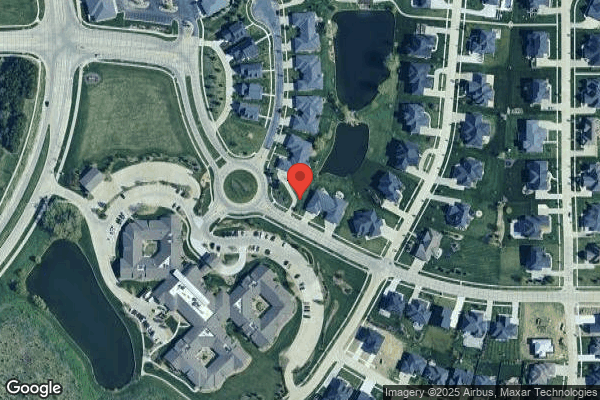

9401 Andermatt Drive, Lincoln, NE 68526 (402) 327-6300
Non profit - Corporation 126 Beds VETTER SENIOR LIVING Data: November 2025
Trust Grade
85/100
#31 of 177 in NE
Last Inspection: August 2024

Within standard 12-15 month inspection cycle. Federal law requires annual inspections.

Overview

Southlake Village Rehabilitation & Care Center has a Trust Grade of B+, indicating it is above average and recommended for families considering care options. It ranks #31 out of 177 facilities in Nebraska, placing it in the top half, and is the best option among 14 local facilities in Lancaster County. The facility is improving, having reduced its issues from 5 in 2023 to none in the following year, and has a strong staffing rating with only a 34% turnover, which is better than the state average. However, there have been concerns, such as the improper maintenance of food safety protocols and unsecured medication carts, which could pose risks to residents. On a positive note, the center has not incurred any fines, and it offers more RN coverage than many facilities, which helps ensure better patient care.

Trust Score
B+
85/100
In Nebraska
#31/177
Top 17%
Safety Record
Low Risk
No red flags
Inspections
Getting Better
5 → 0 violations
Staff Stability
○ Average
34% turnover. Near Nebraska's 48% average. Typical for the industry.
Penalties
✓ Good
No fines on record. Clean compliance history, better than most Nebraska facilities.
Skilled Nurses
○ Average
Each resident gets 36 minutes of Registered Nurse (RN) attention daily — about average for Nebraska. RNs are the most trained staff who monitor for health changes.
Violations
⚠ Watch
15 deficiencies on record. Higher than average. Multiple issues found across inspections.
★★★★★
5.0
Overall Rating
★★★★★
5.0
Staff Levels
★★★★☆
4.0
Care Quality
★★★★★
5.0
Inspection Score
Stable
2023: 5 issues
2024: 0 issues

The Good

  • 5-Star Staffing Rating · Excellent nurse staffing levels
  • 4-Star Quality Measures · Strong clinical quality outcomes
  • Full Sprinkler Coverage · Fire safety systems throughout facility
  • No fines on record
  • Staff turnover below average (34%)

    14 points below Nebraska average of 48%

Facility shows strength in staffing levels, quality measures, fire safety.

The Bad

Staff Turnover: 34%

12pts below Nebraska avg (46%)

Typical for the industry

Chain: VETTER SENIOR LIVING

Part of a multi-facility chain

Ask about local staffing decisions and management

The Ugly 15 deficiencies on record

Aug 2023 1 deficiency
CONCERN (D)

Potential for Harm - no one hurt, but risky conditions existed

Infection Control (Tag F0880)

Could have caused harm · This affected 1 resident

Licensure Reference Number 175 NAC 12-006.17D Based on observation, interviews, and record review, the facility failed to ensure that staff performed hand hygiene (sanitizing)using hand sanitizer or w...

Read full inspector narrative →
Licensure Reference Number 175 NAC 12-006.17D Based on observation, interviews, and record review, the facility failed to ensure that staff performed hand hygiene (sanitizing)using hand sanitizer or wash hands with soap and water for at least 20 seconds during resident treatment to prevent cross contamination for 1(Resident 17 )of 4 sampled resident. The facility census was 116. Finding are: An observation of wound care on Resident 17's left foot on 8/2/23 at 6:45 AM revealed Licensed Practical Nurse(LPN-A)gathered supplies for wound care, walked into Resident 17's room, and placed supplies on bedside table that had a barrier. LPN-A applied gloves without performing hand hygiene and removed Resident 17's dressings from left foot. LPN-A then changed gloves without performing hand hygiene. LPN-A cleansed the wounds with wound cleanser. LPN-A measured the wounds then removed gloves and donned new gloves on without performing hand hygiene. LPN-A applied Medihoney ointment with a Q-tip to lateral(outer area)of left foot wound bed and covered wound with Allevyn dressing. LPN-A then applied skin prep to medial(inside area)of left foot toe wound and covered with Allevyn dressing. LPN-A removed gloves and placed them in the trash bag. LPN-A then washed her hands with soap and water for 20 seconds. An Interview with LPN-A on 8/2/23 at 6:59 AM confirmed that hand washing needed to be completed prior to wound cares and when finished with wound cares. LPN-A confirmed that hand hygiene should be performed between changing of gloves. An Interview with Director of Nursing(DON on 8/2/23 at 9:45 AM confirmed that the expectation for hand hygiene with wound dressing changes is to perform hand hygiene prior to dressing change, in between changing the gloves, and when wound care is finished. Record review of Hand Hygiene Policy dated 9/12/17 revealed Procedure: 1. Hand hygiene is to occur: Before and after patient contact After removing and disposing of gloves and other protective equipment After contact with blood, body fluids, mucous membranes, non-intact skin, and wound dressings After contact with inanimate objects or medical equipment close to patient Record review of Hand Hygiene Competency form dated 12/2019 revealed Procedure Step: When to wash hands: Before each resident contact Before and after gloving. Hand Hygiene using Hand Sanitizer: Examples: Before and after direct contact with resident After removing gloves or between changing gloves
Jan 2023 4 deficiencies
CONCERN (D)

Potential for Harm - no one hurt, but risky conditions existed

Pressure Ulcer Prevention (Tag F0686)

Could have caused harm · This affected 1 resident

**NOTE- TERMS IN BRACKETS HAVE BEEN EDITED TO PROTECT CONFIDENTIALITY** LICENSURE REFERENCE NUMBER 175 NAC 12-006.09D2b Based on observations, record review and interview; the facility staff failed to...

Read full inspector narrative →
**NOTE- TERMS IN BRACKETS HAVE BEEN EDITED TO PROTECT CONFIDENTIALITY** LICENSURE REFERENCE NUMBER 175 NAC 12-006.09D2b Based on observations, record review and interview; the facility staff failed to implement ordered interventions to prevent pressure ulcers for 1 (Resident 4) of 4 sampled residents. The facility staff identified a census of 118. Findings are: Record review of Resident 4's Minimum Data Set (MDS; a federally mandated assessment tool used in care planning) dated 1-19-2023 revealed the facility staff assessed the following about the resident: -Brief Interview of Mental Status (BIMS) was a 2. According to the MDS [NAME] a score of 0 to 7 indicate severe cognitive impairment. -Required extensive assistance with bed mobility, transfers, dressing, eating, toilet use and personal hygiene. -Had pain indicators. -At risk for the development of pressure ulcers. Record review of Resident 4's Comprehensive Care Plan (CCP) dated printed on 1-25-2023 revealed Resident 4 was at risk for decreased skin integrity and/or pressure ulcers related to decreased mobility. The goal identified for Resident 4 was that Resident 4's skin would be free from complication. Interventions identified on Resident 4's CCP printed on 1-25-2023 included encouraging Resident 4 to elevate the legs when resting, float heels using pillows or off loading boots as needed and provide pressure relieving devices to the chair and bed at all times. Record review of Resident 4's Order Summary Report signed by Resident 4's practitioner on 1-12-2023 revealed Resident 4 was to wear Prevalon boot ( type of pressure reliving foot wear) to both feet at all times. Observation on 1-24-2023 at 11:50 revealed Resident 4 was up in a wheel chair seated at the dinning room table. Resident 4 did not have the Prevalon boots on. Observation on 1-24-2023 at 1:08 PM revealed Resident 4 was seated in the recliner and did not have the Prevalon boots on. Observation on 1-24-2023 at 2:37 PM revealed resident 4 was seated in a recliner and did not have the Prevalon boots on. Observation on 1-24-2023 at 3:20 PM revealed Resident 4 was seated in a recliner and did not have the Prevalon boots on. Observation on 1-24-2023 at 3:45 PM revealed Resident 4 remained seated in a recliner and did not have the Prevalon boots on. Observation on 1-25-2023 at 7:20 AM revealed resident 4 was seated in a wheel chair in the dinning room. Resident 4 did not have the Prevalon boots on. Observation on 1-25-2023 at 9:30 AM revealed resident 4 was seated in a recliner and did not have the Prevalon boots on. On 1-25-2023 at 9:40 AM an interview was conducted with Licensed Practical Nurse (LPN) D. During the interview LPN D confirmed Resident 4 did not have the Prevalon boots on. When asked if Resident 4 was to wear the Prevalon boots at all times, LPN D reviewed Resident 4's Order Summary Report sheet signed on 1-12-2023 and confirmed Resident 4 was to wear the Prevalon boots at all times.
CONCERN (D)

Potential for Harm - no one hurt, but risky conditions existed

Deficiency F0697 (Tag F0697)

Could have caused harm · This affected 1 resident

**NOTE- TERMS IN BRACKETS HAVE BEEN EDITED TO PROTECT CONFIDENTIALITY** LICENSURE REFERENCE NUMBER 175 NAC 12-006.09 Based on observations, record review and interview; the facility staff failed to im...

Read full inspector narrative →
**NOTE- TERMS IN BRACKETS HAVE BEEN EDITED TO PROTECT CONFIDENTIALITY** LICENSURE REFERENCE NUMBER 175 NAC 12-006.09 Based on observations, record review and interview; the facility staff failed to implement interventions to manage pain for 1 (Resident 4) of 1 sampled resident. The facility staff identified a census of 118. Findings are: Record review of Resident 4's Minimum Data Set (MDS; a federally mandated assessment tool used in care planning) dated 1-19-2023 revealed the facility staff assessed the following about the resident: -Brief Interview of Mental Status (BIMS) was a 2. According to the MDS [NAME] a score of 0 to 7 indicate severe cognitive impairment. -Required extensive assistance with bed mobility, transfers, dressing, eating, toilet use and personal hygiene. -Had pain indicators. -At risk for the development of pressure ulcers. Record review of Resident 4's Comprehensive Care Plan (CCP) printed on 1-25-2023 revealed Resident 4 was identified as having pain related to generalized discomfort. The goal identified for Resident 4 was to be free of any discomfort or adverse side effects from pain medications. Intervention included the following: -Assessing the need for preventative pain measures prior to Activities of Daily Living (ADL's), treatments, exercise and etc. -Medications per practitioner's orders. -Non-pharmacological interventions such as offering repositioning, warm/cold compresses's, lighting changes, etc. Observation on 1-25-2023 at 9:30 AM of a wound treatment to Resident 4's back revealed Licensed Practical Nurse (LPN) D and Nursing Assistant (NA) E donned gloves and explained to Resident 4, while seated in a recliner, that the treatment to Resident 4's back was going to start. NA E began to pull Resident 4 forward in the recliner causing Resident 4 to yell out that hurts, that hurts, oh, that hurts with Resident 4's face becoming red and indications of holding the breath with mouth clinched. Both NA E and LPN D both said I know; I know and continued with the treatment. LPN D removed the dressing from the back of Resident 4's wound area causing Resident 4 to yell out Oh my god that hurts, that hurts. Both LPN D and NA E stated I know, we're almost done. Staff did not stop the treatment and offer interventions to manage Resident 4's pain. LPN D obtained a 4 by 4 gauze sponge, applied soap as order and began to cleans the wound on Resident 4's back. Resident 4 yelled out oh that hurts, that hurts as LPN continued to cleanse the wound. Resident 4's face was redden as LPN D continued to cleanse the wound. Observation of the wound revealed area measured approximately the size of a nickel. Staff do not stop the treatment and offer pain medications, or other interventions to manage Resident 4's pain. LPN D obtained the ordered ointment and using a Q-Tip applied the ointment to Resident 4's wound. Resident 4 yelled out oh that hurts, that hurts. LPN D obtained and applied the cover dressing to Resident 4's back. On 1-25-2023 at 9:40 AM an interview was conducted with LPN D. During the interview LPN D confirmed Resident 4 had pain. When asked what was to happen if Resident 4 had pain, LPN D stated we are supposed to stop and see if they need something else and give them a break. Record review of the facility Pain Management Standard policy dated 1-2017 revealed the following: -Key Elements: -Residents will be pain free, or pain will be managed to the level that is acceptable to the resident. -Pain is frequently under-treated in cognitively impaired residents. -Elderly may show atypical signs of pain or may not exhibit the expected signs and symptoms to the degree as younger patients. -Potential Causes of Pain in the Elderly: -Stiffness due to inactivity. -Pressure ulcers. -Spinal column disorders. -Persistent back pain. -Non-specific signs and symptoms that may suggest the presence of pain: -Bracing, guarding or rubbing. -Frowning, grimacing, fearful, facial expressions, grinding of teeth, groaning, breathing heavily. -Pain Prevention: -2. Anticipate and aggressively treat for pain before, during, and after painful diagnostic and/or therapeutic treatments.
CONCERN (D)

Potential for Harm - no one hurt, but risky conditions existed

Deficiency F0760 (Tag F0760)

Could have caused harm · This affected 1 resident

LICENSURE REFERENCE NUMBER 175 NAC 12-006.10D Based on observations record review and interview; the facility staff failed to ensure 1(Resident 2) of 12 sampled residents were free of significant medi...

Read full inspector narrative →
LICENSURE REFERENCE NUMBER 175 NAC 12-006.10D Based on observations record review and interview; the facility staff failed to ensure 1(Resident 2) of 12 sampled residents were free of significant medication errors. The facility staff identified a census of 118. Findings are: Record review of Resident 2's Order Summary Report sheet printed on 1-24-2023 revealed Resident 2's practitioner ordered medications that included Novolog insulin. According to the ordered instructions for the administration of the Novolog insulin, staff were to hold the Novolog insulin if Resident 2 skips a meal. Observation on 1-24-2023 at 10:40 AM revealed Licensed Practical Nurse (LPN) F prepared Resident 2's medications not including the Novolog insulin and administered the medications to Resident 2. LPN F reported Resident 2's Novolog insulin would be held until Resident 2 ate lunch. Observation on 1-24-2023 at 11:50 AM revealed LPN prepared Resident 2 Novolog insulin of 10 units to be given. On 1-24-2023 at 11:50 AM a interview was conducted with LPN F. During the interview LPN F reported Resident 2 had eaten lunch. When asked if LPN F was going to administer the Novolog insulin, LPN F stated yes. During the interview review of Resident 2's Novolog insulin orders were reviewed. During the interview LPN F confirmed the Novolog insulin was to be held if Resident 2 skips a meal. LPN F confirmed Resident 2 did not eat breakfast and confirmed that would be considered skipping a meal and the Novolog insulin should have been held. LPN F confirmed that would be a significant medication error.
CONCERN (E)

Potential for Harm - no one hurt, but risky conditions existed

Deficiency F0761 (Tag F0761)

Could have caused harm · This affected multiple residents

**NOTE- TERMS IN BRACKETS HAVE BEEN EDITED TO PROTECT CONFIDENTIALITY** Licensure Reference Number 175 NAC 12-006 Based on observation and interview; the facility failed to ensure that the medication ...

Read full inspector narrative →
**NOTE- TERMS IN BRACKETS HAVE BEEN EDITED TO PROTECT CONFIDENTIALITY** Licensure Reference Number 175 NAC 12-006 Based on observation and interview; the facility failed to ensure that the medication cart was secured when left unattended to prevent the potential for diversion of medications for 2 out of 6 medication carts in the building. The facility census was 118 at the time of survey. Findings are: A. An observation on 1/24/23 at 10:56 AM on the College View Hall medication cart was found to be unlocked with the keys in the top drawer. An interview on 1/24/23 at 10:59 AM with Registered Nurse (RN) - B (ADON) Assistand Director of Nurses confirmed that the medication cart should have been locked and the keys should not have been in the cart. B. An observation on 1/24/23 at 11:28 AM on the [NAME] Hall the medication cart was found to be unlocked. An interview on 1/24/23 at 11:32 with Licensed Practical Nurse (LPN) - A confirmed that the medication cart should have been locked.
May 2022 10 deficiencies
CONCERN (D)

Potential for Harm - no one hurt, but risky conditions existed

Notification of Changes (Tag F0580)

Could have caused harm · This affected 1 resident

Licensure Reference 175 NAC 12-006.04C3a(6) Based on record review and interviews, the facility failed to notify the physician of a 17.27 % weight loss for Resident 44. This affected 1 of 1 residents ...

Read full inspector narrative →
Licensure Reference 175 NAC 12-006.04C3a(6) Based on record review and interviews, the facility failed to notify the physician of a 17.27 % weight loss for Resident 44. This affected 1 of 1 residents sampled for notification of changes in condition. The facility census was 114. Findings are: A record review of Resident 44's weights revealed that on 12/08/2021, the resident weighed 124.5 pounds. On 02/28/2022, the resident weighed 103 pounds which is a -17.27 % Loss. A record review of the resident's Progress Notes from 12/25/21 to 5/9/22 at 6:13 AM revealed a Nutrition/Dietary Note from 3/9/22 at 9:28 PM that stated Nutrition quarterly assessment completed. [Resident 44] receives heart healthy diet with regular texture and thin consistency liquids as ordered. [Weight] on 2/28/22 was 103 [pounds]. [Body Mass Index] 17.1 is in underweight range. [Weight] down 11 [pounds] this assessment period. A Physician Visit/Communication Form was sent to Resident 44's provider on 4/12/22 reporting the resident's weight loss and requesting a nutritional supplement. A review of the Nutritional Status Documentation Audit with Revision date 4/2022 revealed: -Nutritional assessments are completed upon admission, every 90 days, and when there is a change of condition which impacts the ability to maintain acceptable parameters of nutritional status. -Care plans are kept current. -The physician is notified of all significant weight changes. An interview with the Food Service Supervisor/Registered Dietitian (FSS/RD) on 5/12/22 from10:15 to 10:30 AM confirmed that Resident 44's weight loss was documented on 3/9/22 and the physician was not notified until 4/12/22.
CONCERN (D)

Potential for Harm - no one hurt, but risky conditions existed

Assessment Accuracy (Tag F0641)

Could have caused harm · This affected 1 resident

**NOTE- TERMS IN BRACKETS HAVE BEEN EDITED TO PROTECT CONFIDENTIALITY** Licensure Reference 175 NAC 12-006.09B Based on record review and interview, the facility failed to ensure the Minimum Data Set ...

Read full inspector narrative →
**NOTE- TERMS IN BRACKETS HAVE BEEN EDITED TO PROTECT CONFIDENTIALITY** Licensure Reference 175 NAC 12-006.09B Based on record review and interview, the facility failed to ensure the Minimum Data Set (MDS-a comprehensive assessment of each resident's functional capabilities) regarding weight loss for Resident 44 reflected the resident's current status at the time of the assessment. This affected 1 of 1 residents sampled for MDS accuracy. The facility census was 114. Findings are: A review of Resident 44's Quarterly MDS from 3/7/22 revealed the resident's weight as 110 pounds, and stated No or unknown for question K0300 loss of 5% or more in the last month or loss of 10% or more in last 6 months. A record review of Resident 44's weights since 12/8/21 revealed that the resident's most recent weight prior to the MDS was on 2/28/22 and was 103.5 pounds, which was more than a 10% loss. An interview with the facility dietician on 05/12/22 at 11:18 AM confirmed that the MDS dated [DATE] was inaccurate.
CONCERN (D)

Potential for Harm - no one hurt, but risky conditions existed

Comprehensive Care Plan (Tag F0656)

Could have caused harm · This affected 1 resident

Licensure Reference Number 175 NAC 12-006.09C Based on observation, interview, and record review, the facility failed to include CPAP/BiLevel (a device used to deliver positive air pressure to a resid...

Read full inspector narrative →
Licensure Reference Number 175 NAC 12-006.09C Based on observation, interview, and record review, the facility failed to include CPAP/BiLevel (a device used to deliver positive air pressure to a resident's airway to prevent closure during sleep) Unit in the Comprehensive Person-Centered Care Plan (a plan that provides direction on the type of nursing care the resident may need) for Resident 6, 33, and 61 and edema (puffiness caused by excess fluid trapped in the body's tissues) for Resident 89. This affected 4 of 5 sampled residents. Total census was 114. Findings are: A. Record Review of the facility's Comprehensive Care Plans Policy dated 11/28/2016 revealed the care planning process will include an assessment of the resident's needs and will described the services that were to be provided. An observation on 05/09/2022 at 10:38 AM of Resident 6's room revealed the resident had a CPAP/BiLevel unit on the nightstand with a visibly soiled mask draped over the unit and no black infection prevention bag was observed in the room. There was an oxygen machine in the restroom with tubing that was ran to the CPAP/BiLevel unit that was dated 02/06/2022. An observation on 05/10/2022 at 02:31 PM revealed Resident 6's CPAP/BiLevel unit was located on the nightstand with a visibly soiled mask on top of it. No black infection prevention bag was located in the room and the oxygen tubing was still dated 02/06/2022. An observation on 05/11/2022 at 06:35 AM revealed Resident 6's CPAP/BiLevel unit was located on the nightstand and the mask was in a different spot and visibly soiled. Oxygen tubing was dated 02/06/2022. Record review of Resident 6's medical record revealed that the resident's CPAP/Bilevel unit was not on the Comprehensive Person-Centered Care Plan. In an interview with the Health Information Manager (HIM) on 05/11/2022 at 07:33 AM confirmed Resident 6's CPAP/BiLevel unit should have been on the Comprehensive Person-Centered Care Plan but was not. B. Record Review of the facility's Comprehensive Care Plans Policy dated 11/28/2016 revealed the care planning process will include an assessment of the resident's needs and will described the services that were to be provided. An observation on 05/10/2022 at 08:34 AM of Resident 33's room revealed the resident had a CPAP/BiLevel unit on the nightstand with a visibly soiled mask laying on the nightstand. There was an oxygen machine in the room with tubing that was not dated. An observation on 05/10/2022 at 01:53 PM revealed Resident 33's CPAP/BiLevel unit was located on the nightstand with a visibly soiled mask laying on top of the nightstand. The undated oxygen tubing was laying on the bed. Record review of Resident 33's medical record revealed that the resident's CPAP/Bilevel unit was not on the Comprehensive Person-Centered Care Plan. In an interview with the Health Information Manager (HIM) on 05/11/2022 at 07:33 AM confirmed Resident 33's CPAP/BiLevel unit should have been on the Comprehensive Person-Centered Care Plan but was not. C. Record review of Resident 61 chart revealed use of a CPAP at night. Review of Resident 61's current comprehensive care plan revealed no indication on the care plan for the use of CPAP. On 5/11/22 at 2:00 PM an interview was conducted with LPN B (Licensed Practical Nurse) which confirmed that the CPAP was not addressed on the care plan. D. Observation on 05/09/22 at 01:50 PM of Resident 89's bilateral lower extremities revealed lower extremities were swollen. Observation on 5/10/22 at 10:25 AM revealed Resident 89's lower extremities were swollen. Record review of the current Comprehensive Care Plan revealed no indication that edema was addressed. Interview conducted with RN C (Registered Nurse) at 10:20 AM on 5/12/22 confirmed that edema had not been addressed on the care plan and that it should have been addressed as a problem. Review of the Comprehensive Care Plans Policy dated 6.2017 revealed The comprehensive care plan will be reviewed and revised by the interdisciplinary team after each comprehensive, quarterly MDS assessment and as needed.
CONCERN (D)

Potential for Harm - no one hurt, but risky conditions existed

Quality of Care (Tag F0684)

Could have caused harm · This affected 1 resident

Licensure Reference 175 NAC 12-006.09D3(5) Based on record review and interviews, the facility failed to prevent constipation for 1 resident (82) out of 1 sampled for constipation. The facility census...

Read full inspector narrative →
Licensure Reference 175 NAC 12-006.09D3(5) Based on record review and interviews, the facility failed to prevent constipation for 1 resident (82) out of 1 sampled for constipation. The facility census was 114. Findings are: During the initial interview on 5/9/22 10:42 AM, Resident 82 revealed that (gender) suffered from constipation, and that sometimes it's so big it hurts to go. A review of Resident 82's bowel record from 4/13/22 to 5/11/22 revealed that from 4/27/22 to 5/2/22 the resident was marked as having no bowel movement (BM) for a total of 6 days, and that from 5/4/22 to 5/8/22 the resident was marked as having no BM for a total of 5 days. The resident was marked as having had a medium BM on 5/3/22. A review of Resident 82's Progress Notes revealed that the resident refused a Dulcolax (a laxative) suppository on 5/2/22 at 12:25 PM, and did receive some prune juice on 5/3/22 at 12:30 AM. A review of the resident's Medication Administration Record (MAR) for May 2022 revealed that the resident received Miralax (a laxative) every other day on a routine basis for bowel management. The MAR further revealed that the resident received a Dulcolax suppository on 5/3/22 at 1:18 AM. The suppository was marked U for follow up, which is defined in the chart codes box on the MAR as Unknown. An interview with the Director Of Nursing (DON) on 5/11/22 at 8:55 AM revealed that the facility did not have a bowel care policy. An interview with the DON on 5/11/22 at 12:15 PM confirmed that the resident did not have a BM from 4/27/22 to 5/2/22 and from 5/4/22 to 5/8/22. After review of the bowel care record, the DON further confirmed that the resident's bowel care did not meet professional standards.
CONCERN (D)

Potential for Harm - no one hurt, but risky conditions existed

Incontinence Care (Tag F0690)

Could have caused harm · This affected 1 resident

Licensure reference 175 NAC 12-006.09D5 Based on record review, interviews, and observations, the facility failed to implement a toileting program on 1 (Resident 74) of 1 sampled resident. The facilit...

Read full inspector narrative →
Licensure reference 175 NAC 12-006.09D5 Based on record review, interviews, and observations, the facility failed to implement a toileting program on 1 (Resident 74) of 1 sampled resident. The facility identified a census of 114. Record review of the Minimum Data Set (MDS: an assessment used to determine cares) for Resident 74, dated 1/6/22 revealed: the resident had a foley catheter for a diagnosis of Urinary Retention and that the resident was always incontinent of bowel movement (BM). The MDS confirmed the resident was not on any type of toileting program. Resident 74 had a Brief Interview for Mental Status (BIMS) of 0. During observations the resident demonstrated the ability to answer Yes when asked if needed to use the restroom. Observation of Resident 74 on 05/11/22 at 8:55 AM revealed Resident 74 was sitting in the recliner and eating breakfast. Half of the breakfast remained on the tray and the resident was moving and restless in the recliner. Interview with Nursing Assistant (NA)-S on 05/11/22 at 10:13 AM revealed Resident 74 was a 2 assist pivot transfer, and NA-S verbalized that the resident used the bedpan in bed at times. Interview with NA-S on 05/11/22 at 12:33 PM confirmed the resident had been in the recliner since breakfast and that staff would be repositioning the resident after supper at bedtime. Observation of Resident 74 on 05/11/22 at 1:55 PM revealed the resident sitting in the recliner attempting to get out of the recliner with the left leg hanging over the side. The staff entered the room and asked the resident if (gender) needed to use the restroom and the resident said yes. NA-U and NA-V transferred the resident to the bed from the recliner. The resident repeatedly said no, the bed is wet. Once the transfer was complete the resident's brief was removed and the resident had been incontinent of BM. NA-U and NA-V performed peri-care (hygiene to clean stool) for the resident. Interview with NA-V on 5/11/22 at 2:20 PM confirmed the resident had not been toileted all day. Interview with NA-T on 05/11/22 at 3:41 PM revealed Resident 74 was a 2 assist pivot transfer and NA-T verbalized the resident has a catheter, and doesn't have very big BMs so we just change the resident's brief. NA-T confirmed that resident is not placed on the toilet. Record review on 05/12/22 of the BM report for April 2022 revealed 14 episodes of incontinent BMs between 7:08 PM and 9:48 PM, and no evidence of the resident being toileted. Record review of the BM report for May 1 -May 11, 2022 revealed 11 episodes of incontinent BMs between 7:08 PM and 9:48 PM, and no evidence of the resident being toileted. Interview with the Assistant Director of Nursing (ADON)-A on 05/12/22 at 1:39 PM confirmed there was a trend of Resident 74 being incontinent of BMs between 7:08 PM and 9:48 PM in the months of April and May, and no evidence of the resident being toileted. Record review of Resident 74's Activities of Daily Living (ADL) care plan with a revised date of 6/24/21 revealed the resident was a pivot transfer with 2 assist. The alteration in bowel elimination careplan revealed there was no evidence of a toileting method, a toileting schedule or plan, and the type of bowel incontinence was not identified. Interventions were not included in the careplan. Interview with ADON-A on 5/12/22 from 8:00-8:30 AM confirmed the careplan had no documentation relating to toileting method, toileting schedule/plan, and the type of bowel incontinence was not identified, as well as no interventions were included in the careplan. Record review of the BM report for March 2022 revealed no BM from 3/18/22 to 3/ 23/22 (6 days), and for April 2022 revealed no BM from 4/17/22 to 4/23/22 (7 days). Interview with ADON-A on 05/12/22 from 8:00 - 8:30 AM confirmed that the resident went without a BM from March 18 through the 23 and April 17 through the 23. Record review of the Bowel Assessment Form dated 4/14/21 revealed the form was marked no risk factors, and there were 3 blank areas and no treatment/managment program decisions were documented. Record review of the Bowel Assessment form dated 10/5/21 revealed the assessment was not complete, 2 sections were blank and no treatment/management program decisions were documented. Record review of the Bowel Assessment form dated 1/4/22 revealed the assessment was not complete, 4 sections were blank and no treatment/management program decisions were documented. Record review of the Bowel Assessment form dated 4/4/22 revealed the assessment was not complete, 4 sections were blank and no treatment/management program decisions were documented. Interview with ADON-A on 5/12/22 at 8:00 AM confirmed the Bowel Assessment Forms dated 4/14/21, 10/5/21, 1/4/22, 4/4/22 were not incomplete and didn't reflect the resident's needs. Record review of the Bowel and Bladder Management Standard Policy revised 4/18/17 revealed : Residents with fecal incontinence must receive the appropriate treatment and services to restore as much normal bowel function as possible and the resident's careplan should indicate the type of incontinence identified and shall include appropriate care plan interventions to address identified risk areas. Interview with ADON-A on 05/12/22 from 8:00 - 8:30 AM confirmed that the resident did not have a toileting plan and that it was a concern that staff were leaving the resident sit in the recliner all day without toileting.
CONCERN (D)

Potential for Harm - no one hurt, but risky conditions existed

Respiratory Care (Tag F0695)

Could have caused harm · This affected 1 resident

Licensure Reference Number 175 NAC 12-006.09D6(5,6,7) Based on observation, interview, and record review, the facility failed to ensure Resident's 6, 33, 61, and 107 respiratory supplies were cleaned ...

Read full inspector narrative →
Licensure Reference Number 175 NAC 12-006.09D6(5,6,7) Based on observation, interview, and record review, the facility failed to ensure Resident's 6, 33, 61, and 107 respiratory supplies were cleaned daily, changed monthly, and stored in a black infection prevention bag when not in use to prevent cross contamination. This affected 4 of 4 sampled residents. Total census was 114. Findings are: A. Record of the undated Your CPAP/BiLevel (a device used to deliver positive air pressure to a resident's airway to prevent closure during sleep) Unit Policy revealed the staff was to clean the CPAP/Bi-Level mask and humidifier chamber daily and clean the headgear, mask, and tubing weekly. Record review of the undated Night Shift Responsibilities document revealed the staff was to change the oxygen tubing every Sunday night and change the respiratory bags monthly. An observation on 05/09/2022 at 10:38 AM of Resident 6's room revealed the resident had a CPAP/BiLevel unit on the nightstand with a visibly soiled mask draped over the unit and no black infection prevention bag was observed in the room. There was an oxygen machine in the restroom with tubing that was ran to the CPAP/BiLevel unit that was dated 02/06/2022. An observation on 05/10/2022 at 02:31 PM revealed Resident 6's CPAP/BiLevel unit was located on the nightstand with a visibly soiled mask on top of it. No black infection prevention bag was located in the room and the oxygen tubing was still dated 02/06/2022. An observation on 05/11/2022 at 06:35 AM revealed Resident 6's CPAP/BiLevel unit was located on the nightstand and the mask was in a different spot and visibly soiled. Oxygen tubing was dated 02/06/2022. In an interview on 05:11/2022 at 07:20 with Resident 6, Resident 6 confirmed that the oxygen and CPAP/BiLevel unit was used about every night and the staff did not clean either one. In an interview with Licensed Practical Nurse (LPN)-P on 05/11/2022 at 06:41 AM confirmed the staff is to clean all of Resident 6's CPAP/BiLevel equipment and supplies everyday with soap and water. LPN-P did not know the settings. LPN-P was unsure how often the CPAP/BiLevel supplies were to be changed. LPN-P confirmed the oxygen tubing was to be changed weekly. LPN-P confirmed there was not an order in the system to change the CPAP/BiLevel supplies, or oxygen tubing and the staff would go off the order in the system to change the supplies. In an interview on 05/11/2022 at 07:33 AM with the Health Information Manager (HIM), The HIM confirmed there should have been and order in the system to clean and replace Resident 6's respiratory supplies but there was not. The HIM confirmed all respiratory supplies were to be cleaned daily and replaced monthly. In an interview with the HIM on 05/11/2022 at 08:28 AM, the HIM confirmed that the information given in the interview on 05/11/2022 at 07:33 AM was inaccurate and Resident 6's respiratory supplies were to be changed weekly. In an interview with the Director of Nursing on 05/11/2022 at 08:33 AM, the DON confirmed that all of Resident 6's respiratory supplies were to be cleaned daily and changed monthly, there was not an order in the system for that to be done, and that it was not charted anywhere in the medical record. In an interview on 05/11/2022 at 08:49 AM with Registered Nurse (RN)-Q, RN-Q confirmed there was not an order in the system to clean or replace the respiratory supplies, so the system did not notify the staff that the respiratory supplies needed to be cleaned or replaced. RN-Q confirmed the respiratory supplies for Resident 6 were not being cleaned or replaced. B. Record of the undated Your CPAP/BiLevel Unit Policy revealed the staff was to clean the CPAP/Bi-Level mask and humidifier chamber daily and clean the headgear, mask, and tubing weekly. Record review of the undated Night Shift Responsibilities document revealed the staff was to change the oxygen tubing every Sunday night and change the respiratory bags monthly. An observation on 05/10/2022 at 08:34 AM of Resident 33's room revealed the resident had a CPAP/BiLevel unit on the nightstand with a visibly soiled mask laying on the nightstand. There was an oxygen machine in the room with tubing that was not dated. An observation on 05/10/2022 at 01:53 PM revealed Resident 33's CPAP/BiLevel unit was located on the nightstand with a visibly soiled mask laying on top of the nightstand. The undated oxygen tubing was laying on the bed. In an interview with Licensed Practical Nurse (LPN)-P on 05/11/2022 at 06:41 AM confirmed the staff is to clean all of Resident 33's CPAP/BiLevel equipment and supplies everyday with soap and water. LPN-P did not know the settings. LPN-P was unsure how often the CPAP/BiLevel supplies were to be changed. LPN-P confirmed the oxygen tubing was to be changed weekly. LPN-P confirmed there was not an order in the system to change the CPAP/BiLevel supplies, or oxygen tubing and the staff would go off the order in the system to change the supplies. In an interview on 05/11/2022 at 07:33 AM with the Health Information Manager (HIM), The HIM confirmed there should have been and order in the system to clean and replace Resident 6's respiratory supplies but there was not. The HIM confirmed all respiratory supplies were to be cleaned daily and replaced monthly. In an interview with the HIM on 05/11/2022 at 08:28 AM, the HIM confirmed that the information given in the interview on 05/11/2022 at 07:33 AM was inaccurate and Resident 33's respiratory supplies were to be changed weekly. In an interview with the Director of Nursing on 05/11/2022 at 08:33 AM, the DON confirmed that all of Resident 33's respiratory supplies were to be cleaned daily and changed monthly, there was not an order in the system for that to be done, and that it was not charted anywhere in the medical record. In an interview on 05/11/2022 at 08:49 AM with Registered Nurse (RN)-Q, RN-Q confirmed there was not an order in the system to clean or replace the respiratory supplies, so the system did not notify the staff that the respiratory supplies needed to be cleaned or replaced. RN-Q confirmed the respiratory supplies for Resident 33 were not being cleaned or replaced. D. An observation on 05/09/22 at 01:23 PM revealed Resident 107 to be receiving nebulizer breathing treatments, and the Nebulizer kit (a drug delivery device used to administer medication in the form of a mist inhaled into the lungs) was intact and resting on the machine. An observation on 05/10/22 08:55 AM revealed Resident 107 Nebulizer kit was intact and resting on the machine. A record review of the facility policy titled Nebulizer therapy, small volume and dated 11/17/2017 contained the following instructions related to cleaning and storage: Rinse the nebulizer with sterile water and allow it to air-dry or discard it after the treatment Dispose of used supplies in appropriate receptacles An interview with the DON (Director of Nursing) on 5/11/22 at 08:55 AM confirmed that the respiratory equipment including nebulizer kits were to be stored in an IP (Infection Prevention) bag after cleaning and when not in use. C. On 05/10/22 at 01:26 PM an observation of Resident 61's CPAP (Continuous Positive Airway Pressure; used for sleep apnea) mask and headgear was uncovered and laying across the bedside table. On 5/11/22 at 09:33 AM an observation of Resident 61's CPAP mask and headgear was uncovered and laying on the bedside table. Record review of Resident 61's current physician orders revealed no order for daily cleaning or weekly cleaning of the CPAP mask and headgear. Record review of Resident 61's Treatment Administration Record revealed no documentation of cleaning of the CPAP mask and headgear. An interview with Health Information Management on 5/11/22 at 07:25 AM revealed the CPAP mask and headgear should be placed in a bag when not in use and the equipment is changed monthly. There is no documentation of when the equipment is changed or cleaned. An interview with LPN G on 5/11/22 at 08:12 AM revealed the CPAP mask and headgear is washed weekly by the night shift and is documented on the TAR. Staff are to wipe out the CPAP mask after every use. The CPAP mask is changed out monthly. An interview with LPN I on 5/11/22 at 08:30 AM revealed the night shift changes the CPAP equipment but was unsure how often. LPN I looked at the physician orders for orders to change the CPAP and was unable to locate any. Interview with the Director of Nursing on 5/11/22 at 08:20 AM revealed that CPAP equipment is changed monthly and they do not document that anywhere.
CONCERN (D)

Potential for Harm - no one hurt, but risky conditions existed

Deficiency F0697 (Tag F0697)

Could have caused harm · This affected 1 resident

LICENSURE REFERENCE NUMBER 175 NAC 12-006.09 Based on record review and interview, the facility failed to monitor pain levels and the effectiveness of routine pain medications for Resident 3 and 268. ...

Read full inspector narrative →
LICENSURE REFERENCE NUMBER 175 NAC 12-006.09 Based on record review and interview, the facility failed to monitor pain levels and the effectiveness of routine pain medications for Resident 3 and 268. The sample size was 5. The facility census was 114. FINDINGS ARE: A. A record review of the admission Record for Resident 3 revealed an admission date of 11/3/2021 with a primary diagnosis of ACQUIRED ABSENCE OF RIGHT LEG ABOVE KNEE. A record review of the MDS (Minimum Data Set, a comprehensive assessment of each resident's functional capabilities) dated 4/27/22, Section C revealed Resident 3 had a BIMS (Brief Interview for Mental Status, a test used to get a quick snapshot of a resident's cognitive function, scored from 0-15, the higher the score, the higher the cognitive function) score of 14. A record review of the MAR (Medication Administration Record) dated May 2022 for Resident 3 revealed the following orders for pain: -Acetaminophen Tablet 500 MG Give 2 tablet by mouth three times a day for pain Do not exceed 4G in 24 hr -HYDROmorphone HCl Tablet 2 MG Give 1 tablet by mouth every 4 hours as needed (PRN) for Moderate Pain A record review of the MARs dated April 2022 and May 2022 for Resident 3 revealed no pain ratings or monitoring of effectiveness with the Acetaminophen. A record review of the April 2022 MAR revealed Resident 3 had been given the PRN Hydromorphone HCL 9 times in April 2022 for breakthrough pain. The record review revealed pain ratings, on a 1-10 scale, with the Hydromorphone of 0 once, 3once, 5once, 7 on 4 occasions, 8once and 10once. A record review of the document titled Pain Review (V2) dated 11/3/2021 for Resident 3, question 8j read: Resident's acceptable pain level with a response of 5. A record review of the facility policy titled Pain Management Standard dated 1/2017, contained the following: -If reassessment findings indicate pain is not adequately controlled, revise the pain management regimen and care plan as indicated. -Evidence suggests that pain is often poorly assessed and poorly managed. -Pain Recognition: Every resident should be regularly and systematically evaluated for pain. At least daily for residents with a known painful conditions. -Monitoring: Reassess residents with pain regularly. An interview on 5/11/22 at 1:58 PM with the DON (Director of Nursing) confirmed that the facility expectation for pain monitoring was 1-2 times per shift at a minimum when routine pain meds are being given. After review of the MARs dated April 2022 and May 2022 for Resident 3, the interview with the DON confirmed that pain assessments should have been done and were not. B. A record review of the admission Record for Resident 268 revealed an admission date of 4/20/2022 with a primary diagnosis of a right knee cap fracture. A record review of the MDS (Minimum Data Set, a comprehensive assessment of each resident's functional capabilities) dated 4/26/22, Section C revealed Resident 268 had a BIMS (Brief Interview for Mental Status, a test used to get a quick snapshot of a resident's cognitive function, scored from 0-15, the higher the score, the higher the cognitive function) score of 15. An interview on 05/09/22 at 02:01 PM revealed Resident 268 had voiced having a lot of pain yet also acknowledged being on routine pain meds. A record review of the MAR dated May 2022 for Resident 268 revealed the following orders were on board for pain management: -Acetaminophen Tablet 500 MG Give 2 tablet by mouth every 6 hours for pain Max dose is 3G in 24 hour. -traMADol HCl Tablet 50 MG *Controlled Drug* Give 1 tablet by mouth every 6 hours as needed for pain. -Buprenorphine Patch Weekly 7.5 MCG/HR Apply 1 patch trans-dermally in the morning every Mon for pain patient may refuse and remove per schedule. A record review of the MAR dated May 2022 for Resident 268 revealed no routine pain monitoring or ratings were being completed with the routine Acetaminophen given. A record review of the MAR dated May 2022 for Resident 268 revealed PRN Tramadol had been given 10 times for breakthrough pain between 5/1/22 and 5/12/22. The record review revealed pain ratings with the PRN Tramadol of 4 twice, 5 four times, 6 twice and 8 once. A record review of the document titled Pain Review (V2) dated 4/20/22 for Resident 268, question 8j read: Resident's acceptable pain level with a response of 2. An interview on 5/11/22 at 1:58 PM with the DON confirmed that the facility expectation for pain monitoring was 1-2 times per shift at a minimum when routine pain meds are being given
CONCERN (D)

Potential for Harm - no one hurt, but risky conditions existed

Deficiency F0804 (Tag F0804)

Could have caused harm · This affected 1 resident

Licensure Reference Number 175 NAC 12.006.11D Based on observation and interview, the facility failed to ensure that the puree (cooked food that has been ground, pressed, or blended to the consistency...

Read full inspector narrative →
Licensure Reference Number 175 NAC 12.006.11D Based on observation and interview, the facility failed to ensure that the puree (cooked food that has been ground, pressed, or blended to the consistency of a creamy paste or liquid) process was completed in a manner to preserve nutritive value and flavor of the food. The facility failed to use a recipe while pureeing food. This had the potential to affect 5 residents consuming pureed food from the kitchen. Total census was 114. Findings are: An observation on 05/10/2022 at 06:50 AM in the main kitchen revealed the Dietary (kitchen) Cook-R pureed broccoli with a water base and thickener, green beans with a water base to a very thin consistency, scalloped potatoes with a water base, enchiladas with a water base, pinto beans with a water base and thickener, and ham loaf with a water base. No receipes were being used during the puree. An observation on 05/10/2022 at 08:00 AM in the satellite kitchen revealed the Dietician pureed 2 scoops of oatmeal using a 3 second pour of hot water and tested consistency with a fork. No recipes were being used during the observation. An observation on 05/10/2022 at 08:00 AM revealed Dietary Cook-K pureed 3 scoops of eggs with hot water to a very thin consistency. No receipe was used during the observaiton. In an interview with the Culinary (cooking) Chef-J on 05/10/2022 at 07:26 AM confirmed the staff pureed all dishes with a water base except dairy products. In an interview with Culinary Chef-J on 05/10/2022 at 10:32 AM confirmed the facility did not have recipes for pureed food and the staff was to puree all foods to an applesauce consistency. In an interview on 05/11/2022 at 04:01 PM with the Dietician confirmed puree of foods, especially meats, with a water base would decrease the nutritional value and flavor of the food. The dietician confirmed the facility did not use a policy, procedure, or guideline for the puree process.
CONCERN (E)

Potential for Harm - no one hurt, but risky conditions existed

Deficiency F0761 (Tag F0761)

Could have caused harm · This affected multiple residents

**NOTE- TERMS IN BRACKETS HAVE BEEN EDITED TO PROTECT CONFIDENTIALITY** Licensure reference 175 NAC 12-006.12E7 Based on observation and interviews, the facility failed to ensure potentially expired a...

Read full inspector narrative →
**NOTE- TERMS IN BRACKETS HAVE BEEN EDITED TO PROTECT CONFIDENTIALITY** Licensure reference 175 NAC 12-006.12E7 Based on observation and interviews, the facility failed to ensure potentially expired and expired medications weren't available for resident use and outdated lab supplies weren't available for resident use on six of eight medication and treatment carts and in the medication room. The facility also failed to ensure medications left in rooms for 2 (Resident 3 and Resident 100) were secured. Sample size was 24 sampled residents. The facility census was 114. A. Observation on 05/10/22 at 2:00 PM of the 200 Hall medication cart revealed: -1 open and undated Novolog insulin vial. -1 open and undated Levemir insulin pen. -1 open and undated bottle of Artificial Tears eyedrops. -1 open and undated bottle of Systane gel drops. -1 open and undated bottle of Fluticasone nose spray. -1 open and undated bottle Gentle Tears. Observation on 5/10/22 at 2:05 PM of the as needed medications on 200 Hall revealed: -1 expired bubble pack of Docusate capsules. -1 expired bubble pack of Mucinex tablets. -1 open and expired tube of Polysporin ointment. -3 open and expired bottles of Nyacinamide powder. -1 open and expired tube of Arthritis Pain Cream. -1 open and expired bottle of Caladryl lotion. -1 open and expired box of Ipratroprium-Albuterol breathing treatments. Interview with Licensed Practical Nurse (LPN)-W on 5/10/22 at 2:30 PM confirmed the expired and undated medications on the 200 Hall medication cart. B. Observation on 5/10/22 at 2:30 PM of 600 Hall medication cart revealed: -1 open and undated bottle of Timolol Maleate eye drops. -1 open and undated bottle of Latanaprost eye drops. -1 open and undated bottle of Ketotifen eye drops. -1 open and undated bottle of Latanoprast eye drops. -1 open and undated Humalog Insulin pen. Interview with LPN-G on 5/10/22 at 2:35 confirmed the undated medications on the 600 Hall medication cart. C. Observation on 5/10/22 at 2:40 PM of 100 Hall medication cart revealed: -2 open and undated bottles of Olopatadine eye drops. -1 expired bubble pack of Amoxicillin tablets. -1 expired bubble pack of Ondansetron tablets. -1 open and undated vial of Lantus insulin. -1 open and expired tube of Hydrocortisone cream. -1 open and expired tube of Triple Antibiotic ointment. Interview with RN-X on 5/10/22 at 2:45 confirmed the expired and undated medications on the 100 Hall medication cart. D. Observation on 5/10/22 at 2:15 PM of 500 Hall medication cart revealed: -1 open and undated bottle of Olopataline eyedrops Interview with LPN-I on 5/10/22 at 2:18 PM confirmed the open and undated medication on the 500 Hall medication cart. E. Observation of the Medication storage room with the Administrator (ADM) revealed: -1 open and expired package of blue top blood draw tubes that was 3/4 full. Interview with ADM on 5/10/22 at 2:55 confirmed the open and expired lab supplies. F. An observation on 05/09/22 at 01:21 PM revealed nystatin powder (used to treat fungal skin infections) was at the bedside in room [ROOM NUMBER] for Resident 100. An observation on 05/10/22 at 10:19 AM revealed Nystatin powder remained in the room on nightstand for Resident 100. An interview with the DON (Director of Nursing) on 05/11/22 at 08:55 AM revealed that the facility standard practice was that self-medication administration assessments were completed only when the resident requested to keep a med at bedside or requested to self-administer their medications. G. An observation on 05/11/22 at 08:15 AM revealed a plastic cup with pills in it setting on Resident 3's table. When asked if this was normal practice, Resident 3 stated normally they stand over me An interview on 05/11/22 at 08:20 AM with RN-Z, when asked about medications left in room [ROOM NUMBER] with Resident 3, voiced I left them with her because she asked me to, I was going back in but haven't made it yet. When asked if Resident 3 had a self-med assessment showing the ability and knowledge to self-administer medications, RN-Z voiced I don't know. An interview with the DON (Director of Nursing) on 05/11/22 at 08:55 AM revealed that the facility standard practice was that self-medication administration assessments were completed only when the resident requested to keep a med at bedside or requested to self-administer their medications. The interview confirmed that medications should not be left in resident rooms.
CONCERN (F)

Potential for Harm - no one hurt, but risky conditions existed

Food Safety (Tag F0812)

Could have caused harm · This affected most or all residents

Licensure Reference Number 175 NAC 12-006.11C Based on observation, interview, and record review, the facility failed to ensure the ovens, ranges, utensils, and backsplashes had been maintained in a c...

Read full inspector narrative →
Licensure Reference Number 175 NAC 12-006.11C Based on observation, interview, and record review, the facility failed to ensure the ovens, ranges, utensils, and backsplashes had been maintained in a clean and safe operating condition to prevent the potential for food-borne illness, and the facility failed to ensure meals were served without the potential for cross contamination by gloves worn and not changed between tasks, thumbs touching the eating surfaces of plates, and no eye protection worn in the dining room. This had the potential to affect 111 residents consuming food from the kitchen. Total census was 114. Findings are: A. Record review of the undated Sanitation Policy revealed the food service area shall be maintained in a clean and sanitary manner. All utensils, counters, shelves and equipment shall be kept clean. Kitchen surfaces not in contact with food shall be cleaned on a regular schedule and frequent enough to prevent accumulation of grime. An observation 500 hall kitchen on 05/12/2022 at 07:30 AM revealed the range, the oven, and the range backsplash had a sticky coating of grease and debris on the surfaces. 2 of the hanging ladles (scoops) were visibly soiled and 1 had debris on it. There was a white crust and debris on the floor behind the ice maker. An observation of the 300-hallway kitchen on 05/12/2022 at 07:45 AM revealed a thick layer of a gray, fuzzy substance on the chemical cleaning system above the sink. The reach-in refrigerator vents had a gray, fuzzy substance on the surface. The range had a thick black, crusty substance on the burners. The range backsplash had a sticky, brown, fuzzy substance on the vertical surface. The oven had several streaks of a sticky brown substance on the sides. There was a dried green substance on the back of the bottom shelf of the steam table where cookware was stored. In an interview on 05/12/2022 at 08:24 AM, the Dietician confirmed the Dietician seen the 500 hall kitchen range, oven, range backsplash had a sticky coating of grease and debris on the surfaces, there was a white crust and debris behind the ice maker, there was a gray fuzzy substance on the chemical system above the sink in the 300 hall kitchen, there was a green crusty substance on the bottom shelf of the 300 hall steamtable, the range had a thick black crust on it, and the oven and range backsplash of the 300 hall kitchen had a sticky, brown substance and debris on the surfaces and all should have been clean. B. An observation on 05/09/2022 at 11:32 AM revealed Nursing Assistant (NA)-N walking down the 500 resident hall and serve 4 residents in the 500 resident hall dining room with NA-N's eye shield on top of the head. An observation on 05/09/2022 at 11:37 AM revealed NA-O serving 6 residents in the 500 hall dining room without performing hand hygiene (cleaning). An observation on 05/10/2022 at 06:50 AM revealed Dietary Cook-R perform an 8 second hand wash with soap and water between puree (cooked food that has been ground, pressed, or blended to the consistency of a creamy paste or liquid) processes and a 10 second handwash with soap and water between puree processes. An observation on 05/10/2022 at 07:45 AM revealed the Dietician performed an 8 second hand wash with soap and water prior to starting the food prep process and a 5 second hand wash with soap and water prior to the puree process. An observation on 05/10/2022 at 07:45 AM revealed Dietary Cook-K touched the inside of a food bowl with his gloved thumb. An observation on 05/11/2022 at 12:30 AM revealed Dietary Cook-L performed a 10 second hand washing with soap and water during the food prep process and touched the sides of the mixer bowl and then use the same gloved hand to wipe the cake batter out of the mixer bowl into the cake pan. An observation on 05/12/2022 at 07:30 AM revealed Dietary Cook-M touched the eating surfaces of the plates and bowls during the serving process. In an interview on 05/11/2022 at 04:01 PM, the Dietician confirmed that handwashing should be a full 20 seconds with soap and water. In an interview on 05/12/2022 at 08:24 AM, the Dietician confirmed that plate and bowl serving surfaces were not to be touched prior to serving the residents. In an interview on 05/12/2022 at 12:30 PM the Director of Nursing (DON) confirmed that staff was not to touch the top or food surfaces of plates, bowls, or glasses. The DON confirmed that the staff is to wear eye protection over the eyes in all resident care areas.An observation on 05/10/22 at 08:15 AM revealed NA-AA to be passing meal trays and liquids, getting cups out of the cupboard with gloves on, then sat down to assist a resident with the meal and did not change gloves or perform hand hygiene. An observation on 05/10/22 at 08:17 AM revealed LPN-W in the dining room during breakfast and began checking oxygen saturation levels and a resident temperature while residents were having breakfast. An observation on 05/10/22 at 08:35 AM revealed that LPN-W had served a piece of toast to a resident while touching the eating surface of the plate with the thumb. An interview on 05/12/22 at 12:25 PM with the DON confirmed gloves should be changed and hand hygiene performed between tasks in the dining room and plates should be delivered in a manner that eating surfaces are not touched.
Understanding Severity Codes (click to expand)
Life-Threatening (Immediate Jeopardy)
J - Isolated K - Pattern L - Widespread
Actual Harm
G - Isolated H - Pattern I - Widespread
Potential for Harm
D - Isolated E - Pattern F - Widespread
No Harm (Minor)
A - Isolated B - Pattern C - Widespread

Questions to Ask on Your Visit

  • "Can I speak with families of current residents?"
  • "What's your RN coverage like on weekends and overnight?"

Our Honest Assessment

Strengths
  • • Grade B+ (85/100). Above average facility, better than most options in Nebraska.
  • • No major safety red flags. No abuse findings, life-threatening violations, or SFF status.
  • • No fines on record. Clean compliance history, better than most Nebraska facilities.
  • • 34% turnover. Below Nebraska's 48% average. Good staff retention means consistent care.
Concerns
  • • 15 deficiencies on record. Higher than average. Multiple issues found across inspections.
Bottom line: Generally positive indicators. Standard due diligence and a personal visit recommended.

About This Facility

What is Southlake Village Rehabilitation & Care Center's CMS Rating?

CMS assigns Southlake Village Rehabilitation & Care Center an overall rating of 5 out of 5 stars, which is considered much above average nationally. Within Nebraska, this rating places the facility higher than 99% of the state's 100 nursing homes. This rating reflects solid performance across the metrics CMS uses to evaluate nursing home quality.

How is Southlake Village Rehabilitation & Care Center Staffed?

CMS rates Southlake Village Rehabilitation & Care Center's staffing level at 5 out of 5 stars, which is much above average compared to other nursing homes. Staff turnover is 34%, compared to the Nebraska average of 46%. This relatively stable workforce can support continuity of care.

What Have Inspectors Found at Southlake Village Rehabilitation & Care Center?

State health inspectors documented 15 deficiencies at Southlake Village Rehabilitation & Care Center during 2022 to 2023. These included: 15 with potential for harm.

Who Owns and Operates Southlake Village Rehabilitation & Care Center?

Southlake Village Rehabilitation & Care Center is owned by a non-profit organization. Non-profit facilities reinvest revenue into operations rather than distributing to shareholders. The facility is operated by VETTER SENIOR LIVING, a chain that manages multiple nursing homes. With 126 certified beds and approximately 118 residents (about 94% occupancy), it is a mid-sized facility located in Lincoln, Nebraska.

How Does Southlake Village Rehabilitation & Care Center Compare to Other Nebraska Nursing Homes?

Compared to the 100 nursing homes in Nebraska, Southlake Village Rehabilitation & Care Center's overall rating (5 stars) is above the state average of 2.9, staff turnover (34%) is significantly lower than the state average of 46%, and health inspection rating (5 stars) is much above the national benchmark.

What Should Families Ask When Visiting Southlake Village Rehabilitation & Care Center?

Based on this facility's data, families visiting should ask: "Can I visit during a mealtime to observe dining assistance and food quality?" "How do you handle medical emergencies, and what is your hospital transfer rate?" "Can I speak with family members of current residents about their experience?"

Is Southlake Village Rehabilitation & Care Center Safe?

Based on CMS inspection data, Southlake Village Rehabilitation & Care Center has a clean safety record: no substantiated abuse findings (meaning no confirmed cases of resident harm), no Immediate Jeopardy citations (the most serious violation level indicating risk of serious injury or death), and is not on the Special Focus Facility watch list (a federal program monitoring the lowest-performing 1% of nursing homes). The facility has a 5-star overall rating and ranks #1 of 100 nursing homes in Nebraska. While no facility is perfect, families should still ask about staff-to-resident ratios and recent inspection results during their visit.

Do Nurses at Southlake Village Rehabilitation & Care Center Stick Around?

Southlake Village Rehabilitation & Care Center has a staff turnover rate of 34%, which is about average for Nebraska nursing homes (state average: 46%). Moderate turnover is common in nursing homes, but families should still ask about staff tenure and how the facility maintains care continuity when employees leave.

Was Southlake Village Rehabilitation & Care Center Ever Fined?

Southlake Village Rehabilitation & Care Center has no federal fines on record. CMS issues fines when nursing homes fail to meet care standards or don't correct problems found during inspections. The absence of fines suggests the facility has either maintained compliance or corrected any issues before penalties were assessed. This is a positive indicator, though families should still review recent inspection reports for the full picture.

Is Southlake Village Rehabilitation & Care Center on Any Federal Watch List?

Southlake Village Rehabilitation & Care Center is not on any federal watch list. The most significant is the Special Focus Facility (SFF) program, which identifies the bottom 1% of nursing homes nationally based on persistent, serious quality problems. Not being on this list means the facility has avoided the pattern of deficiencies that triggers enhanced federal oversight. This is a positive indicator, though families should still review the facility's inspection history directly.