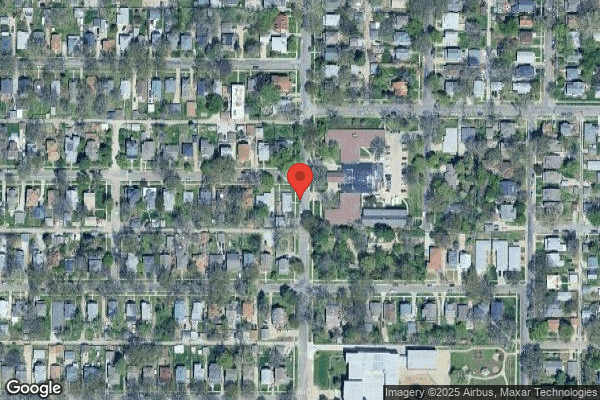
Sumner Place

1750 South 20th Street, Lincoln, NE 68502 (402) 475-6791
Non profit - Corporation 104 Beds VETTER SENIOR LIVING Data: November 2025
Trust Grade
83/100
#62 of 177 in NE
Last Inspection: May 2025

Inspected within the last 6 months. Data reflects current conditions.

Overview

Sumner Place in Lincoln, Nebraska has a Trust Grade of B+, which means it is recommended and above average in quality. It ranks #62 out of 177 facilities in the state, placing it in the top half, and #5 of 14 in Lancaster County, indicating it is one of the better options locally. The facility's performance is stable, with the same number of issues reported in both 2023 and 2025, and it has a good staffing rating with a turnover rate of 26%, well below the state average. However, there have been specific concerns, such as failing to ensure proper handwashing during food preparation and not adequately addressing pressure ulcers for one resident, highlighting areas needing improvement despite no fines on record and average RN coverage. Overall, while Sumner Place has strengths in staffing and cleanliness, families should be aware of the identified care gaps.

Trust Score
B+
83/100
In Nebraska
#62/177
Top 35%
Safety Record
Low Risk
No red flags
Inspections
Holding Steady
3 → 3 violations
Staff Stability
✓ Good
26% annual turnover. Excellent stability, 22 points below Nebraska's 48% average. Staff who stay learn residents' needs.
Penalties
✓ Good
No fines on record. Clean compliance history, better than most Nebraska facilities.
Skilled Nurses
✓ Good
Each resident gets 42 minutes of Registered Nurse (RN) attention daily — more than average for Nebraska. RNs are trained to catch health problems early.
Violations
○ Average
6 deficiencies on record. Average for a facility this size. Mostly minor or procedural issues.
★★★★☆
4.0
Overall Rating
★★★★☆
4.0
Staff Levels
★★★★☆
4.0
Care Quality
★★★★☆
4.0
Inspection Score
Stable
2023: 3 issues
2025: 3 issues

The Good

  • 4-Star Staffing Rating · Above-average nurse staffing levels
  • 4-Star Quality Measures · Strong clinical quality outcomes
  • Low Staff Turnover (26%) · Staff stability means consistent care
  • Full Sprinkler Coverage · Fire safety systems throughout facility
  • No fines on record
  • Staff turnover is low (26%)

    22 points below Nebraska average of 48%

Facility shows strength in staffing levels, quality measures, staff retention, fire safety.

The Bad

Chain: VETTER SENIOR LIVING

Part of a multi-facility chain

Ask about local staffing decisions and management

The Ugly 6 deficiencies on record

May 2025 3 deficiencies
CONCERN (D)

Potential for Harm - no one hurt, but risky conditions existed

Pressure Ulcer Prevention (Tag F0686)

Could have caused harm · This affected 1 resident

**NOTE- TERMS IN BRACKETS HAVE BEEN EDITED TO PROTECT CONFIDENTIALITY** Licensure Reference Number 175 NAC 12.006.18(B) Licensure Reference Number 175 NAC 12.006.18(D) Based on observation, interview,...

Read full inspector narrative →
**NOTE- TERMS IN BRACKETS HAVE BEEN EDITED TO PROTECT CONFIDENTIALITY** Licensure Reference Number 175 NAC 12.006.18(B) Licensure Reference Number 175 NAC 12.006.18(D) Based on observation, interview, and record review, the facility failed to implement interventions to heal pressure ulcers (wound on a bony structure on the body caused by pressure to the area) for 1 (Resident 54) of 1 sampled resident. The total facility census was 78. Findings are: A record review of the facility's Skin and Wound Management Standard with a revised date of 04/2019 revealed that a resident that had a pressure ulcer received treatment and services to promote healing, prevent infection, and prevent new ulcers from developing. Dressing changes would be done using good infection control technique. Covering the wound is required for Stage III (3)(full thickness tissue loss) and IV (4)( full thickness tissue loss with exposed bone, tendon, or muscle) ulcers. A record review of Resident 54's Clinical Census dated 05/13/2025 revealed the resident was admitted to the facility on [DATE] and was admitted to Hospice (end of life care) 10/02/2024. A record review of Resident 54's Medical Diagnosis dated 05/13/2025 revealed the resident had diagnoses of Moderate Protein-Calorie Malnutrition (nutrition intake does not meet nutritional needs), Dementia (confused), Cerebral Infarction (stroke), and Parkinson's Disease (movement disorder of the nervous system). A record review of Resident 54's Minimum Data Set (MDS)(a comprehensive assessment used to develop a resident's care plan) dated 04/03/2025 did not reveal the resident had a Brief Interview for Mental Status (BIMS)(a score of a resident's cognitive abilities) which indicated the resident was rarely/never understood. The resident was dependent on staff for all Activities of Daily Living (ADLs) and mobility. The MDS revealed the resident was at risk for developing pressure ulcers/injuries, the resident had unhealed pressure ulcers, and had one Stage 1, three Stage 2, and two Stage 3 ulcers and was receiving pressure ulcer/injury care. A record review of Resident 54's Care Plan with an admission date of 01/12/2022 revealed the resident had Stage 3 pressure ulcers on the left 5th finger and the right 5th finger. Interventions included an Abdominal (ABD)(a dry, absorbent dressing) pad wrapped with InterDry (a moisture wicking fabric with an antimicrobial agent), weave (in and out) between fingers on bilateral (both) hands, keep skin clean and dry, and Wound Care Plus nurse practitioner as needed. A record review of Resident 54's Pressure Ulcer Records dated 03/26/2025 - 5/7/2025 revealed on 5/7/2025, the resident had a right and left 5th finger pressure ulcer. The right was 0.2 centimeter (cm) long by (x) 0.2 cm wide x 0.1 cm deep wound, treatment (tx) change skin prep and Mepilex was crossed off. The left was 0.3 cm long x 0.2 cm wide with no depth, tx change skin prep, Mepilex. A record review of Resident 54's Progress Notes dated 04/03/2025 with the author of Licensed Practical Nurse (LPN)-C revealed dictation per the Advanced Practice Registered Nurse (APRN)-D Continue with ABD pad wrapped in InterDry weaved between all fingers. Discussed hard palm/finger splints cause pain and DermaSavers may have been trapping moisture. A record review of Resident 54's Progress Notes dated 05/07/2025 with the author of LPN-C revealed Advanced Practice Registered Nurse (APRN)-D dictated pressure ulcer to bilateral 5th fingers improved treatment changed to skin prep and Mepilex. A record review of Resident 54's Order Summary Report dated 05/12/2025 revealed the following orders: • ABD wrapped with InterDry in between fingers bilateral hands every shift check placement every (Q) shift. • Wound care pressure ulcer Stage 3 to right 5th finger skin prep. Do not wash skin prep off between application. Every day shift for wound care. • Wound care pressure ulcer to left 5th finger skin prep. Do not wash skin prep off between application. Cover with Mepilex (foam dressing used in wound care). Every day shift for wound care. A record review of Resident 54's Wound Care Plus Progress Note dated 05/07/2025 revealed that APRN-D saw the resident and noted both finger wounds were looking pretty good and improving. Patient did complain of a little pain while we were looking at the areas. The ARRN-D would change both wound orders to be skin prep daily and let them dry, then they can put border gauze for protection. The assessment for the left little finger was completed and the Wound Recommendations/Orders and Certified Plan of Care revealed to wipe skin protectant (Skin Prep) to stable eschar (crust of dead tissue that forms over a wound). Ensure edges and surrounding skin are painted. Do not wash off skin protectant between applications. Product is designed to layer and thicken up to ensure eschar is kept intact. Cover with bordered gauze. Change dressing daily and as needed for soiling, saturation, or unscheduled removal. All orders would remain in effect until discontinued, revised, or replaced with additional orders. The assessment for the right little finger was completed and the Wound Recommendations/Orders and Certified Plan of Care revealed to wipe skin protectant (Skin Prep) to stable eschar. Ensure edges and surrounding skin are painted. Do not wash off skin protectant between applications. Product is designed to layer and thicken up to ensure eschar is kept intact. Cover with bordered gauze. Change dressing daily and as needed for soiling, saturation, or unscheduled removal. All orders would remain in effect until discontinued, revised, or replaced with additional orders. A record review of Resident 54's Physician Visit/Communication Form (v6) - V 2 dated 5/12/25 revealed: Right 5th finger area is macerated. May we have a Mepitel (a wound dressing) to the area until wound care nurse can see resident this week? An observation on 05/08/2025 at 9:51 AM revealed Resident 54 had DermaSaver Finger Separators in right hand and did not reveal a dressing on the 5th digit wound or ABD pad wrapped with InterDry between fingers on either hand. An observation on 05/12/2025 at 6:50 AM revealed Resident 54 had DermaSaver Finger Separators in both the left and right hands and did not reveal a dressing on the right-hand 5th digit wound or ABD pad wrapped with InterDry between fingers on either hand. An observation on 05/12/2025 at 9:02 AM with LPN-C revealed Resident 54 was sitting in the wheelchair in the resident's room following a bath. The resident had DermaSaver Finger Separators in both the left and right hands and no dressings in either hand. The DermaSaver Finger Separators fabric was directly against the resident's untreated, uncovered wounds on both hands. LPN-C performed hand hygiene (cleaning), donned (put on) a gown and gloves. LPN-C removed the DermaSaver Finger Separators from the right hand and placed it on the overbed table. LPN-C then opened and applied skin prep to the right-hand 5th digit and allowed it to air dry. LPN-C then took a pre-cut ABD pad and wrapped with InterDry and weaved through the fingers. The observation did not reveal LPN-C changed gloves or performed hand hygiene after touching the contaminated DermaSaver Finger Separators and before doing wound care on the right-hand 5th digit. LPN-C doffed (took off) gloves, performed hand hygiene, and re-gloved. LPN-C removed the DermaSaver Finger Separators from the resident's left hand and placed it on the overbed table, then opened and applied skin prep to the left-hand 5th digit wound and allowed it to air dry. LPN-C opened and applied a border dressing to the wound. LPN-C then took a pre-cut ABD pad and wrapped with InterDry and weaved through the fingers. The observation did not reveal LPN-C changed gloves or performed hand hygiene after touching the contaminated DermaSaver Finger Separators and before doing wound care on the left-hand 5th digit. In an interview on 05/12/2025 at 6:55 AM, LPN-C confirmed Resident 54 was using DermaSavers and they weren't working as they hoped due to excessive moisture, so they are now using an ABD pad and a wicking material to help keep the area between the fingers dry. In an interview on 05/12/2025 at 11:12 AM, LPN-C confirmed that the staff should not have applied the DermaSaver Finger Separators to Resident 54 bilateral hands following the resident's bath and before the treatments were completed, and the resident was not supposed to have them on. LPN-C was going to remove the DermaSaver Finger Seperators from the room. In an interview on 05/13/2025 at 8:34 AM, LPN-C confirmed that Resident 54 had a border dressing applied to the left-hand 5th digit wound, but not the right-hand 5th digit wound. Wound care APRN writes the orders for wound care. In an interview on 05/13/2025 at 8:34 AM, the Assistant Director of Nursing (ADON)-B confirmed that ADON-B used APRN-D's Wound Care Plus Progress Note dated 05/07/2025 Wound Recommendations/Orders and Certified Plan of Care as the wound care orders for Resident 54. ADON-B confirmed the Wound Care Plus Progress Note Wound Recommendations/Orders and Certified Plan of Care contained the following orders for both the left and right hands 5th digit wounds: Wipe skin protectant to stable eschar. Ensure edges and surrounding skin are painted. Do not wash off skin protectant between applications. Product is designed to layer and thicken up to ensure eschar is kept intact. Cover with bordered gauze. Change dressing daily and as needed for soiling, saturation, or unscheduled removal. All orders would remain in effect until discontinued, revised, or replaced with additional orders. ADON-B would not confirm that Resident 54 should have had bordered gauze on the right hand 5th finger wound because APRN-D said in the Visit specific information on the Wound Care Plus Progress Note dated 05/07/2025 that: they can put the border gauze on for protection. In a telephone interview on 05/13/2025 at 8:48 AM, APRN-D confirmed that what APRN-D put in the Wound Care Plus Progress Note dated 05/07/2025 Wound Recommendations/Orders and Certified Plan of Care would be APRN-D's wound care orders for Resident 54 and APRN-D ordered border dressings for both the left and right hands 5th digits for protection. In an interview on 05/13/2025 at 10:49 AM, the Director of Nursing (DON) confirmed there should have been a border dressing applied to the right-hand 5th digit per APRN-D's order.
CONCERN (D)

Potential for Harm - no one hurt, but risky conditions existed

Infection Control (Tag F0880)

Could have caused harm · This affected 1 resident

**NOTE- TERMS IN BRACKETS HAVE BEEN EDITED TO PROTECT CONFIDENTIALITY** Licensure Reference Number 175 NAC 12.006.18(B) Licensure Reference Number 175 NAC 12.006.18(D) Based on observation, interview,...

Read full inspector narrative →
**NOTE- TERMS IN BRACKETS HAVE BEEN EDITED TO PROTECT CONFIDENTIALITY** Licensure Reference Number 175 NAC 12.006.18(B) Licensure Reference Number 175 NAC 12.006.18(D) Based on observation, interview, and record review, The facility failed to ensure 1 (Resident 54) of 1 sampled resident's DermaSaver Finger Separators (cushioning palm pillows with fabric placed between each finger) were not in contact with untreated wounds on the resident's bilateral (both) hand's 5th digit (pinky finger) and ensure glove changes and hand hygiene was completed following touching a contaminated object and before completing wound care to prevent the potential for cross contamination (transfer of bacteria from one surface to another). The total facility census was 78. Findings are: A record review of the facility's Skin and Wound Management Standard with a revised date of 04/2019 revealed that a resident that had a pressure ulcer received treatment and services to promote healing, prevent infection, and prevent new ulcers from developing. Dressing changes would be done using good infection control technique. Covering the wound is required for Stage III (3)(full thickness tissue loss) and IV (4)( full thickness tissue loss with exposed bone, tendon, or muscle) ulcers. A record review of Resident 54's Clinical Census dated 05/13/2025 revealed the resident was admitted to the facility on [DATE] and was admitted to Hospice (end of life care) 10/02/2024. A record review of Resident 54's Medical Diagnosis dated 05/13/2025 revealed the resident had diagnoses of Moderate Protein-Calorie Malnutrition (nutrition intake does not meet nutritional needs), Dementia (confused), Cerebral Infarction (stroke), and Parkinson's Disease (movement disorder of the nervous system). A record review of Resident 54's Minimum Data Set (MDS)(a comprehensive assessment used to develop a resident's care plan) dated 04/03/2025 did not reveal the resident had a Brief Interview for Mental Status (BIMS)(a score of a resident's cognitive abilities) which indicated the resident was rarely/never understood. The resident was dependent on staff for all Activities of Daily Living (ADLs) and mobility. The MDS revealed the resident was at risk for developing pressure ulcers/injuries, the resident had unhealed pressure ulcers, and had one Stage 1, three Stage 2, and two Stage 3 ulcers and was receiving pressure ulcer/injury care. A record review of Resident 54's Care Plan with an admission date of 01/12/2022 revealed the resident had Stage 3 pressure ulcers on the left 5th finger and the right 5th finger. Interventions included an Abdominal (ABD)(a dry, absorbent dressing) pad wrapped with InterDry (a moisture wicking fabric with an antimicrobial agent), weave (in and out) between fingers on bilateral (both) hands, keep skin clean and dry, and Wound Care Plus nurse practitioner as needed. A record review of Resident 54's Pressure Ulcer Records dated 03/26/2025 - 5/7/2025 revealed on 5/7/2025, the resident had a right and left 5th finger pressure ulcer. The right was 0.2 centimeter (cm) long by (x) 0.2 cm wide x 0.1 cm deep wound. The left was 0.3 cm long x 0.2 cm wide with no depth. An observation on 05/08/2025 at 9:51 AM revealed Resident 54 had DermaSaver Finger Separators in right hand and did not reveal a dressing on the 5th digit wound. An observation on 05/12/2025 at 6:50 AM revealed Resident 54 had DermaSaver Finger Separators in both the left and right hands and did not reveal a dressing on the right-hand 5th digit wound. An observation on 05/12/2025 at 9:02 AM with Licensed Practical Nurse (LPN)-C revealed Resident 54 was sitting in the wheelchair in the resident's room following a bath. The resident had DermaSaver Finger Separators in both the left and right hands and no dressings in either hand. The DermaSaver Finger Separators fabric was directly against the resident's untreated, uncovered wounds on both hands. LPN-C performed hand hygiene (cleaning), donned (put on) a gown and gloves. LPN-C removed the DermaSaver Finger Separators from the right hand and placed it on the overbed table. LPN-C then opened and applied skin prep to the right-hand 5th digit and allowed it to air dry. LPN-C then took a pre-cut ABD pad and wrapped with InterDry and weaved through the fingers. The observation did not reveal LPN-C changed gloves or performed hand hygiene after touching the contaminated DermaSaver Finger Separators and before doing wound care on the right-hand 5th digit. LPN-C doffed (took off) gloves, performed hand hygiene, and re-gloved. LPN-C removed the DermaSaver Finger Separators from the resident's left hand and placed it on the overbed table, then opened and applied skin prep to the left-hand 5th digit wound and allowed it to air dry. LPN-C opened and applied a border dressing to the wound. LPN-C then took a pre-cut ABD pad and wrapped with InterDry and weaved through the fingers. The observation did not reveal LPN-C changed gloves or performed hand hygiene after touching the contaminated DermaSaver Finger Separators and before doing wound care on the left-hand 5th digit. In an interview on 05/12/2025 at 7:51 AM, the facility's Administrator confirmed the facility did not have a policy for handwashing, but they do facility-wide handwashing competencies. In an interview on 05/12/2025 at 9:15 AM, LPN-C confirmed LPN-C should have done hand hygiene and glove changes between removing the DermaSaver Finger Separators and completing wound care on Resident 54's bilateral hands 5th digits. In an interview on 05/12/2025 at 11:12 AM, LPN-C confirmed that the staff should not have applied the DermaSaver Finger Separators to Resident 54 bilateral hands following the resident's bath and before the treatments were completed. LPN-C confirmed that it could be an infection control concern with the contaminated DermaSaver Finger Separators touching the wounds prior to the treatment being completed. LPN-C confirmed the right-hand 5th digit wound was macerated (breakdown of skin due to excess moisture) and the left-hand 5th digit was not completely covered with new tissue. In an interview on 05/12/2025 at 1:05 PM, the Assistant Director of Nursing (ADON)-B confirmed LPN-C should have changed gloves after removing the DermaSaver Finger Separators and before wiping Resident 54's wounds with skin prep on both hands. ADON-B confirmed the DermaSaver Finger Separators should not have been placed in the residents hands with wounds prior to wound care.
CONCERN (F)

Potential for Harm - no one hurt, but risky conditions existed

Food Safety (Tag F0812)

Could have caused harm · This affected most or all residents

Licensure Reference Number 175 NAC 12.006.11(E) Licensure Reference Number 175 NAC 12.006.11(D) Based on observation, interview, and record review, the facility failed to ensure handwashing was comple...

Read full inspector narrative →
Licensure Reference Number 175 NAC 12.006.11(E) Licensure Reference Number 175 NAC 12.006.11(D) Based on observation, interview, and record review, the facility failed to ensure handwashing was completed for at least 20 seconds during food preparation (prep) to prevent potential cross contamination (transfer of bacteria from one surface to another) and failed to ensure the chicken used in the Sesame Chicken was cooked to an internal temperature of 165 degrees Fahrenheit (F) to prevent the potential for foodborne illness (disease caused by food contaminaton). This had the potential to affect 77 of 78 residents that resided at the facility. The total facility census was 78. Findings are: A. A record review of the facility's Hand Hygiene Competency dated 12/2019 revealed the staff should have wet hands, applied soap, and rubbed hands together for full 20 seconds before rinsing. Handwashing was to be completed after touching contaminated items, before and after gloving, and whenever indicated. A record review of Section 2-301.12(A) of the Nebraska Food Code dated 07/21/2016 revealed that food employees shall clean their hands and exposed portions of their arms for at least 20 seconds, using a cleaning compound. An observation using the second hand of an Apple iWatch (a smart digital watch) on 05/08/2025 at 10:10 AM - 10:50 AM revealed Cook-A pureed (blended to pudding like consistency) beets. Cook-A then removed gloves and washed hands for 11 seconds. [NAME] -A then gloved, removed the blade from the blender and put the blade back in the blender, grabbed beef patties with the gloved hands, and placed in the blender. Cook-A then put the lid on the blender, pressed the start button to the blender, then reached in with the right gloved hand and tested the consistency of the mechanical soft (chopped to reduce the amount of chewing needed) beef patties. Cook-A went to the drawer and got a rubber spatula, scooped the blended beef patties into a small steam pan. Cook-A then adjusted the blade in the blender again with the same gloved hand, then grabbed more beef patties with the same gloved hand, tore them up, placed them into the blender, and pressed the start button on the blender again. When the beef patties' puree process was completed, Cook-A removed gloves, sanitized (cleaned with chemicals) the prep table and blenders, then washed hands for 10 seconds. Cook-A then prepped gravy on the stove and touched the butter with Cook-A's ungloved hands before adding it to the pot. The gravy splashed and Cook-A grabbed a towel and dried hands and wiped Cook-A's face and added milk to the mixture as Cook-A whisked into the pot of gravy ingredients on the stove. Cook-A then took dishes to the dish room, took a drink from a personal cup, performed handwashing for 12 seconds, returned to the stove, whisked in the remaining milk, and placed the whisk in the pot with the handle touching the gravy 5 different times in the gravy prep process. Cook-A then scratched Cook-A's nose with the left hand, went to the serving table, back to the pot of gravy and stirred, got 2 steam pans while touching the inside with the left hand, sprayed with non-stick spray and dumped the gravy in. An observation using the second hand of an Apple iWatch on 05/08/2025 at 11:10 AM - 12:13 PM revealed Cook-A touched face with the left hand, checked food temperatures, got steam pans and sprayed with non-stick spray, placed food in steam pans on steam table, got scissors, gloved, got knife, cut open potatoes bags, dumped in steam pan, touched trash can, removed gloves, and continued to check food temperatures. Cook-A got a large steam pan, wiped pants with right hand, adjusted glasses right hand, took probe out of beef patties with the right hand, adjusted glasses with the right hand and used tongs to put beef in a steam pan with the right hand. Cook-A put an oven mitt on the right hand, moved the steam pan lid, placed temp probe in beef patties in the steam pan. Cook-A then pulled Cook-A's shirt down over Cook-A's bottom, then placed hands on hips. Cook-A then got oven mitts, took cart to oven put mitts on, put potatoes on cart, got a whisk, whisked the gravy with right hand, let whisk handle fall in gravy, got the whisk out with the right hand, and used the whisk to dump the gravy in a small steam. Cook-A then checked the temperature of the remaining food and recorded on the log sheet. Cook-A then put vegetables in the steamer, scratched face with the right hand. At 11:40 AM Cook-A put the potatoes and gravy on steam table, went to dry storage, stopped and scratched head with the right hand, then went into the walk-in refrigerator to get 2 each gallon jugs of Ken's Asian Sesame Sauce and opened and put in a pot on the stove. Cook-A then grabbed the trash can and discarded an empty jug of the Ken's Asian Sesame Sauce, and washed hands for 6 seconds. Cook-A then got a plastic container and dumped the heated sauce in, got a medium steam pan, touched the inside with right hand, sprayed with non-stick spray, and continued with food prep. In an interview on 05/12/2025 at 7:51 AM, the facility's Administrator confirmed the facility did not have a policy for handwashing for the kitchen. The staff was to follow the food code. In an interview on 05/08/2025 at 2:16 PM, the Dietary Manager (DM) confirmed all but 1 of the 78 residents in the facility eat food from the kitchen. In an interview on 05/08/2025 at 12:13 PM, Cook-A confirmed Cook-A washed hands just long enough to get the soap off and it did not wash hands for 20 seconds and should have. In an interview on 05/08/2025 at 12:56 PM, the facility's Dietary manager confirmed Cook-A should have washed hands for at least 20 seconds. B. A record review of Section 3-401.11(3) of the Nebraska Food Code dated 07/21/2016 revealed that poultry (domesticated birds raised for meat, eggs, or feathers) shall be cooked to heat all parts of the food to 165 degrees F or above for 15 seconds. A record review of the facility's Week At a Glance Week 1 menu dated 2025 revealed that on Thursday for lunch the facility was to serve Sesame Chicken and that was the only chicken dish served that day. A record review of the facility's Sesame Chicken recipe dated 2025 revealed the frozen tempura chicken should be cooked to a final internal temperature of 165 degrees F for less than (<) 1 second. A record review of the facility's Quality Assureance: Food Temperatures log dated 05/08/2025 revealed that the Alternate Entrée of Orange Chicken beginning temp was 144.1 degrees F. Beginning temps must reach 165 degrees F. An observation on 05/08/2025 at 11:40 AM - 12:24 PM revealed Cook-A got the tempura chicken from the oven and checked the temperature with a thermometer, and it was 144 degrees F. Cook-A then used a metal spatula and transferred the tempura chicken chunks from the cookie sheet to a steam pan on the steam table. Cook-A then added the heated Ken's Asian Sesame Sauce. Cook-A and the DM started plating food without re-temping the Sesame Chicken. Residents 6, 39, 2, 4, and 61 were served the Sesame Chicken prior to the end of the observation. In an interview on 05/12/2025 at 7:51 AM, the facility's Administrator confirmed the facility did not have a policy for checking food temperatures or following the recipes for the kitchen. The staff was to follow the food code. In an interview on 05/08/2025 at 12:56 PM, the facility's DM confirmed Cook-A should not have served the Sesame Chicken at 144 degrees F, it should have been at least 165 degrees, and the Orange Chicken listed on the Quality Assureance: Food Temperatures log was Sesame Chicken.
Jul 2023 3 deficiencies
CONCERN (D)

Potential for Harm - no one hurt, but risky conditions existed

Tube Feeding (Tag F0693)

Could have caused harm · This affected 1 resident

LICENSURE REFERENCE NUMBER 175 NAC 12-006.09D6(1) Based on interview and record review the facility failed to provide enteral feedings as ordered for Resident 35 related to giving bolus feedings when ...

Read full inspector narrative →
LICENSURE REFERENCE NUMBER 175 NAC 12-006.09D6(1) Based on interview and record review the facility failed to provide enteral feedings as ordered for Resident 35 related to giving bolus feedings when eating greater than 50% of meals. The sample size was 1. The facility identified a census of 95. Findings Are; A record review of the demographic information for Resident 35 revealed an admission date of 11/26/2022. A record review of the MDS (Minimum Data Set, a comprehensive assessment of each resident's functional capabilities) dated 6/1/23, Section C, indicated Resident 35 had short and long term memory problems and was not cognitively intact. An interview conducted on 07/19/23 at 9:19 AM with Resident 35's representative revealed that Resident 35 did eat orally and was supplemented with bolus feedings (a method of enteral tube feeding given in smaller volumes several times throughout the day for residents that may not consume enough nutritionally by eating orally) via the G-tube (a surgically placed device used to give direct access to the stomach for supplemental feeding, hydration or medicine) if (gender) eats less than 50% of the meal. A record review conducted on 07/19/23 of the History & Physical exam for Resident 35 dated 7/22/20 revealed a diagnosis of a Traumatic Brain Injury (usually results from a violent blow or jolt to the head or body) and Dysphagia (difficulty swallowing, taking more time and effort to move food or liquid from your mouth to your stomach). A record review of the Speech Therapy (ST) evaluation dated 8/3/22 revealed the following Speech Therapy notes; -Bedside Swallow Evaluation completed at noon meal. Pt (patient) currently on a diet consisting of pureed (foods you don't need to chew) solids and honey thick liquids. Pt has a G-tube for nutrition as well as medications when needed. Pt presents with head lean to the right. Pt referred to ST to document functional decline with meal intakes. Pt presenting with increased pocketing (holding food in the mouth for an extended amount of time without swallowing) refusals to open mouth for PO (by mouth) intake and oral cares at times and increased anterior spillage. Pt consumed ~50% of pureed solids this date with total assist for feeding. SLP (Speech Language Pathology) provided staff education including alternating consistencies and temperatures to sustain attention to meal as well as verbal and tactile cues to initiate swallow when needed. SLP provided education to stop feeding Pt when (gender) is pocketing/spitting food out as this could be a sign of refusal. Staff able to utilize g-tube for nutrition and medications when needed. Standardized Tests. Pt unable to follow directions, Pt unable to communicate, Pt with increased pocketing and denying oral cares. A record review completed on 07/19/23 at 03:12 revealed Resident 35 had the following order; -Jevity 1.2 (calorically dense, fiber-fortified therapeutic nutrition) Bolus 237ml per g-tube if meal intake is less than 50%. Document percentage of meal intakes dated 4/15/2021. The record review revealed that the bolus feedings had been documented as OP (outside of parameters) indicating that the bolus feeding had not been given or as a check mark indicating the bolus tube feeding had been given. A record review of the meal intakes dated 4/21/23 through present revealed the following; -5/26/23 it was documented that Resident 35 had eaten 75% of breakfast and a bolus tube feeding had been given -5/23/23 it was documented that Resident 35 had eaten 75% of lunch and a bolus tube feeding had been given -5/16/23 it was documented that Resident 35 had eaten 75% of dinner (evening meal) and a bolus tube feeding had been given -5/14/23 it was documented that Resident 35 had eaten 75% of lunch and a bolus tube feeding had been given -5/14/23 it was documented that Resident 35 had eaten 75% of dinner and a bolus tube feeding had been given -5/08/23 it was documented that Resident 35 had eaten 75% of breakfast and a bolus tube feeding had been given -5/07/23 no intake had been documented for dinner intake for Resident 35 and a bolus tube feeding had been given An interview on 07/20/23 at 03:27 PM with the ADON (Assistant Director of Nursing) after review of the meal intakes for Resident 35 and the bolus tube feeding documentation covering the last 90 days confirmed that the bolus tube feedings had been given on 7 occasions when it should not have been given.
CONCERN (D)

Potential for Harm - no one hurt, but risky conditions existed

Medication Errors (Tag F0758)

Could have caused harm · This affected 1 resident

LICENSURE REFERENCE NUMBER 175 NAC 12-006.09D Based on interview and record review, the facility failed to attempt non-pharmacological interventions prior to giving anti-anxiety medications for 1(Resi...

Read full inspector narrative →
LICENSURE REFERENCE NUMBER 175 NAC 12-006.09D Based on interview and record review, the facility failed to attempt non-pharmacological interventions prior to giving anti-anxiety medications for 1(Resident 90) of 2 sampled residents. The facility census was 95. Findings Are: A record review of the demographic information for Resident 90 revealed an admission date of 02/13/2023. A record review of the diagnosis list ran on 7/19/23 revealed Resident 90 had a diagnosis of Vascular Dementia with Anxiety and Depression dated 2/13/23. A record review of the MDS (Minimum Data Set, a comprehensive assessment of each resident's functional capabilities) dated 5/3/23, Section C, indicated Resident 90 had a BIMS (Brief Interview for Mental Status, a test used to get a quick snapshot of a resident's cognitive function, scored from 0-15, the higher the score, the higher the cognitive function) score of 15, indicating Resident 90 was alert and oriented with no confusion at the time of the assessment. A record review conducted on 07/19/23 at 12:46 PM of the Order Summary ran today revealed Resident 90 was receiving an antidepressant and a PRN (as needed) Xanax (a benzodiazepine medication used to treat anxiety and panic disorders). During an interview on 07/19/23 at 2:19 PM Resident 90 voiced experiencing some normal depression upon admission and now (gender) is just angry about not being able to live at home. A record review of the MAR (Medication Administration Record) dated July 2023 revealed Resident 90 had been given the PRN (as needed) Xanax on 7/4/23, 7/11/23, 7/13/23 x2 and 7/15/23. A record review of the Progress Notes dated 4/6/23 through 7/25/23 revealed no documentation of non-pharmacological (any non-chemical intervention performed on and benefitting the patient) interventions provided and no documentation of the Xanax being given on 7/11/23, 7/13/23 and 7/15/23. The record review revealed that on 7/4/23 the Progress Notes did indicate that the PRN Xanax had been given but non-pharmacological interventions had been documented. A record review of the mood and behavior charting completed by the NA's (Nurse Aides) and dated July 2023, revealed target behaviors for Resident 90 consisted of restlessness and tearfulness/crying. The record review of the July 2023 behavior charting indicated no behaviors had occurred on 7/4/23, 7/11/23, 7/13/23 or 7/15/23. An interview on 07/25/23 at 08:22 AM with the ADON (Assistant Director of Nursing), after review of the Progress Notes and Task mood/behavior charting related to the dates of the PRN Xanax had been given to Resident 90, confirmed that non-pharmacological interventions had not been documented and behaviors being exhibited had not been documented. A record review of the facility policy titled Out of Character Response Prevention and Medication Management with a revision dated of 1/2017 revealed the following facility guidelines; Documentation for Antipsychotic Medication: Every target behavior occurrence should have a corresponding entry in the Interdisciplinary Notes (Progress Notes) to provide a thorough description of the factors leading to the behavior, interventions (Non-Pharmacological) attempted, the effectiveness of the attempted interventions, physician/responsible party notifications as appropriate and any identified side effects.
CONCERN (D)

Potential for Harm - no one hurt, but risky conditions existed

Infection Control (Tag F0880)

Could have caused harm · This affected 1 resident

LICENSURE REFERENCE NUMBER 175 NAC 12-006.17B Based on observation, interview and record review, the facility failed to ensure respiratory equipment was cleaned and stored in a manner to prevent poten...

Read full inspector narrative →
LICENSURE REFERENCE NUMBER 175 NAC 12-006.17B Based on observation, interview and record review, the facility failed to ensure respiratory equipment was cleaned and stored in a manner to prevent potential cross contamination for 1( Resident's 40) of 2 sampled residents. Findings Are: A. A record review of the demographic information for Resident 40 revealed an admission date of 04/10/2020 with a diagnosis of COPD (Chronic obstructive pulmonary disease is a chronic inflammatory lung disease that causes obstructed airflow from the lungs) and Acute on Chronic Respiratory Failure with Hypoxia (a sudden or repetitive condition where there's not enough oxygen or too much carbon dioxide in your body). A record review of the MDS (Minimum Data Set, a comprehensive assessment of each resident's functional capabilities) dated 6/9/23, Section C, indicated Resident 40 had a BIMS (Brief Interview for Mental Status, a test used to get a quick snapshot of a resident's cognitive function, scored from 0-15, the higher the score, the higher the cognitive function) score of 14, indicating Resident 40 was alert and oriented at the time of the assessment. An observation conducted on 07/19/23 at 1:40 PM revealed Resident 40 to have a CPAP (a treatment that uses mild air pressure to keep your breathing airways open while sleeping) mask resting on the bedside stand and not covered. An observation conducted on 07/20/23 at 8:40 AM revealed Resident 40's CPAP mask to be resting on the nightstand with the mask touching other items on the nightstand. An observation conducted on 07/24/23 at 09:40 AM revealed Resident 40's CPAP mask to be resting on the nightstand with the mask touching other items on the nightstand. An interview on 07/24/23 at 9:45 AM with Registered Nurse (RN)-H confirmed the CPAP mask for Resident 40 should be stored in the black IP (infection prevention) bag and was not.
Understanding Severity Codes (click to expand)
Life-Threatening (Immediate Jeopardy)
J - Isolated K - Pattern L - Widespread
Actual Harm
G - Isolated H - Pattern I - Widespread
Potential for Harm
D - Isolated E - Pattern F - Widespread
No Harm (Minor)
A - Isolated B - Pattern C - Widespread

Questions to Ask on Your Visit

  • "Can I speak with families of current residents?"
  • "What's your RN coverage like on weekends and overnight?"

Our Honest Assessment

Strengths
  • • Grade B+ (83/100). Above average facility, better than most options in Nebraska.
  • • No major safety red flags. No abuse findings, life-threatening violations, or SFF status.
  • • No fines on record. Clean compliance history, better than most Nebraska facilities.
  • • 26% annual turnover. Excellent stability, 22 points below Nebraska's 48% average. Staff who stay learn residents' needs.
Concerns
  • • No significant concerns identified. This facility shows no red flags across CMS ratings, staff turnover, or federal penalties.
Bottom line: Generally positive indicators. Standard due diligence and a personal visit recommended.

About This Facility

What is Sumner Place's CMS Rating?

CMS assigns Sumner Place an overall rating of 4 out of 5 stars, which is considered above average nationally. Within Nebraska, this rating places the facility higher than 99% of the state's 100 nursing homes. This rating reflects solid performance across the metrics CMS uses to evaluate nursing home quality.

How is Sumner Place Staffed?

CMS rates Sumner Place's staffing level at 4 out of 5 stars, which is above average compared to other nursing homes. Staff turnover is 26%, compared to the Nebraska average of 46%. This relatively stable workforce can support continuity of care.

What Have Inspectors Found at Sumner Place?

State health inspectors documented 6 deficiencies at Sumner Place during 2023 to 2025. These included: 6 with potential for harm.

Who Owns and Operates Sumner Place?

Sumner Place is owned by a non-profit organization. Non-profit facilities reinvest revenue into operations rather than distributing to shareholders. The facility is operated by VETTER SENIOR LIVING, a chain that manages multiple nursing homes. With 104 certified beds and approximately 79 residents (about 76% occupancy), it is a mid-sized facility located in Lincoln, Nebraska.

How Does Sumner Place Compare to Other Nebraska Nursing Homes?

Compared to the 100 nursing homes in Nebraska, Sumner Place's overall rating (4 stars) is above the state average of 2.9, staff turnover (26%) is significantly lower than the state average of 46%, and health inspection rating (4 stars) is above the national benchmark.

What Should Families Ask When Visiting Sumner Place?

Based on this facility's data, families visiting should ask: "Can I visit during a mealtime to observe dining assistance and food quality?" "How do you handle medical emergencies, and what is your hospital transfer rate?" "Can I speak with family members of current residents about their experience?"

Is Sumner Place Safe?

Based on CMS inspection data, Sumner Place has a clean safety record: no substantiated abuse findings (meaning no confirmed cases of resident harm), no Immediate Jeopardy citations (the most serious violation level indicating risk of serious injury or death), and is not on the Special Focus Facility watch list (a federal program monitoring the lowest-performing 1% of nursing homes). The facility has a 4-star overall rating and ranks #1 of 100 nursing homes in Nebraska. While no facility is perfect, families should still ask about staff-to-resident ratios and recent inspection results during their visit.

Do Nurses at Sumner Place Stick Around?

Staff at Sumner Place tend to stick around. With a turnover rate of 26%, the facility is 20 percentage points below the Nebraska average of 46%. Low turnover is a positive sign. It means caregivers have time to learn each resident's needs, medications, and personal preferences. Consistent staff also notice subtle changes in a resident's condition more quickly.

Was Sumner Place Ever Fined?

Sumner Place has no federal fines on record. CMS issues fines when nursing homes fail to meet care standards or don't correct problems found during inspections. The absence of fines suggests the facility has either maintained compliance or corrected any issues before penalties were assessed. This is a positive indicator, though families should still review recent inspection reports for the full picture.

Is Sumner Place on Any Federal Watch List?

Sumner Place is not on any federal watch list. The most significant is the Special Focus Facility (SFF) program, which identifies the bottom 1% of nursing homes nationally based on persistent, serious quality problems. Not being on this list means the facility has avoided the pattern of deficiencies that triggers enhanced federal oversight. This is a positive indicator, though families should still review the facility's inspection history directly.