Tabitha Nursing Home
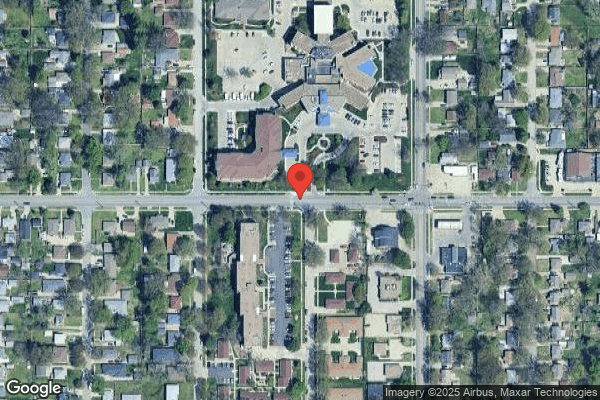

4720 Randolph Street, Lincoln, NE 68510 (402) 483-7671
Non profit - Corporation 197 Beds Independent Data: November 2025
Trust Grade
73/100
#64 of 177 in NE
Last Inspection: December 2024

Within standard 12-15 month inspection cycle. Federal law requires annual inspections.

Overview

Tabitha Nursing Home has received a Trust Grade of B, which indicates it is a good choice, sitting comfortably in the middle tier of nursing facilities. Ranked #64 out of 177 in Nebraska, it is in the top half, and #6 out of 14 in Lancaster County, meaning there are only five facilities in the area that are rated higher. However, the facility is experiencing a concerning trend, with issues increasing from 8 in 2023 to 10 in 2024. Staffing is a strong point with a 5-star rating and a turnover rate of 49%, which is on par with the state average, suggesting that staff remain fairly stable and familiar with residents' needs. On the flip side, the facility has incurred $13,000 in fines, which is average but still indicates some compliance issues. Additionally, RN coverage is only average, which may affect the quality of care. Specific incidents noted during inspections included failure to properly maintain a resident's CPAP equipment, which was left uncovered and dirty, and the lack of a dedicated Infection Preventionist, which could potentially compromise infection control for all 148 residents. Overall, while there are strengths in staff stability and a good Trust Grade, there are significant areas of concern that families should carefully consider.

Trust Score
B
73/100
In Nebraska
#64/177
Top 36%
Safety Record
Low Risk
No red flags
Inspections
Getting Worse
8 → 10 violations
Staff Stability
⚠ Watch
49% turnover. Above average. Higher turnover means staff may not know residents' routines.
Penalties
✓ Good
$13,000 in fines. Lower than most Nebraska facilities. Relatively clean record.
Skilled Nurses
✓ Good
Each resident gets 52 minutes of Registered Nurse (RN) attention daily — more than average for Nebraska. RNs are trained to catch health problems early.
Violations
⚠ Watch
18 deficiencies on record. Higher than average. Multiple issues found across inspections.
★★★★☆
4.0
Overall Rating
★★★★★
5.0
Staff Levels
★★★☆☆
3.0
Care Quality
★★★☆☆
3.0
Inspection Score
Stable
2023: 8 issues
2024: 10 issues

The Good

  • 5-Star Staffing Rating · Excellent nurse staffing levels
  • Full Sprinkler Coverage · Fire safety systems throughout facility
  • No fines on record

Facility shows strength in staffing levels, fire safety.

The Bad

Staff Turnover: 49%

Near Nebraska avg (46%)

Higher turnover may affect care consistency

Federal Fines: $13,000

Below median ($33,413)

Minor penalties assessed

The Ugly 18 deficiencies on record

Dec 2024 7 deficiencies
CONCERN (D)

Potential for Harm - no one hurt, but risky conditions existed

Assessment Accuracy (Tag F0641)

Could have caused harm · This affected 1 resident

**NOTE- TERMS IN BRACKETS HAVE BEEN EDITED TO PROTECT CONFIDENTIALITY** Licensure Reference Number 175 NAC 12-006.09(B) Based on record review and interview, the facility failed to ensure the accuracy...

Read full inspector narrative →
**NOTE- TERMS IN BRACKETS HAVE BEEN EDITED TO PROTECT CONFIDENTIALITY** Licensure Reference Number 175 NAC 12-006.09(B) Based on record review and interview, the facility failed to ensure the accuracy of the Minimum Data Set (MDS, a comprehensive assessment of each resident's functional capabilities used to develop a resident's plan of care) related to the use of an anticoagulant (a medication used to prevent and treat blood clots in blood vessels and the heart) for 1 (Resident 30) of 5 sampled residents. The facility census was 139. Findings Are: A record review of the Resident Assessment Instrument (RAI, a manual used to provide instructions on how to complete the MDS and the care plans) User's Manual, with effective date of October 1, 2019, under N0410: Medications Received - Anticoagulant (e.g., warfarin, heparin, or low- molecular weight heparin): Record the number of days an anticoagulant medication was received by the resident at any time during the 7-day look-back period (or since admission/entry or reentry if less than 7 days). Do not code antiplatelet medications such as aspirin/extended release, dipyridamole, or clopidogrel. Record review of Resident 30's Quarterly MDS dated [DATE] revealed: -The resident was admitted to the facility on [DATE], -For anticoagulant use under the column is taking anticoagulant was checked. Record review of Resident 30's Medication Administration Record (MAR) for September and October of 2024 revealed no use of an anticoagulant. Record review of Resident 30's Comprehensive Care Plan (CCP, written instructions needed to provide effective and person centered care of the resident that meet professional standards of quality care) revealed no use of anticoagulant for the resident's cardiovascular status. Interview on 12/17/24 at 10:47 AM with the MDS Director revealed the facility used the RAI manual to ensure MDS accuracy and that anticoagulant should not have been marked for Resident 30.
CONCERN (D)

Potential for Harm - no one hurt, but risky conditions existed

PASARR Coordination (Tag F0644)

Could have caused harm · This affected 1 resident

**NOTE- TERMS IN BRACKETS HAVE BEEN EDITED TO PROTECT CONFIDENTIALITY** Based on interviews and record reviews, the facility failed to ensure that a Preadmission Screening and Resident Review (PASRR L...

Read full inspector narrative →
**NOTE- TERMS IN BRACKETS HAVE BEEN EDITED TO PROTECT CONFIDENTIALITY** Based on interviews and record reviews, the facility failed to ensure that a Preadmission Screening and Resident Review (PASRR Level II, a comprehensive evaluation required as a result of a positive Level I Screening. A Level II is necessary to confirm the indicated diagnosis noted in the Level I Screening and to determine whether placement or continued stay in a Nursing Facility is appropriate) for 1 (Resident 4) of 4 sampled residents was completed as required. The census of the facility was 139. Findings are: Record review of the facility's undated Preadmission Assessment and Annual Resident Review Screening (PASARR) Policy revealed that all admissions to the facility will have a PASARR completed. For any admission with a Level II screen, the facility will follow the recommendations on the PASARR screen. Record review of Resident 4's Minimum Data Set (MDS, a comprehensive assessment of each resident's functional capabilities) dated 11/28/24 revealed the resident was admitted to the facility on [DATE]. Record review of Resident 4's diagnoses dated 12/12/24 revealed the following diagnoses: -Generalized Anxiety Disorder (a condition characterized by excessive anxiety and worry about a variety of events or activities that occurs more days than not, for at least 6 months), -Major Depressive Disorder- Recurrent Severe without psychotic features (a serious mood disorder involving one or more episodes of intense psychological depression or loss of interest or pleasure that lasts two or more weeks and is accompanied by irritability, fatigue, poor concentration, sleep disturbances, weight gain or loss, feelings of worthlessness or guilt, and sometimes suicidal tendencies), and -Bipolar Disorder, unspecified (a condition characterized by dramatic shifts in mood, energy, and activity levels that affect a person's ability to carry out day-to-day tasks. These shifts in mood and energy levels are more severe than the normal ups and downs that are experienced by everyone). Record review of Resident 4's PASARR II (PASRR Level II is a comprehensive evaluation required as a result of a positive Level I Screening. A Level II is necessary to confirm the indicated diagnosis noted in the Level I Screening and to determine whether placement or continued stay in a Nursing Facility is appropriate) dated 3/14/24 revealed: -This resident was found to have a serious mental illness. -This resident did require, and was appropriate for nursing facility services at that time. -The number of days approved was 180. Record Review of Resident 4's medical records revealed no evidence of an additional PASRR Level II evaluation being completed after the initial 180 days had passed. Interview on 12/16/24 at 2:46 PM with Social Worker (SW)-M revealed that Resident 4's PASRR Level II evaluation was due in September 2024 and it had not been done. Interview on 12/17/24 at 7:30 AM with the administrator revealed that Resident 4's next PASRR Level II evaluation was due in September 2024 and that had not been completed.
CONCERN (D)

Potential for Harm - no one hurt, but risky conditions existed

Comprehensive Care Plan (Tag F0656)

Could have caused harm · This affected 1 resident

**NOTE- TERMS IN BRACKETS HAVE BEEN EDITED TO PROTECT CONFIDENTIALITY** Licensure Reference Number 175 NAC 12-006.09(E)(i) Based on interview and record review, the facility failed to develop and impl...

Read full inspector narrative →
**NOTE- TERMS IN BRACKETS HAVE BEEN EDITED TO PROTECT CONFIDENTIALITY** Licensure Reference Number 175 NAC 12-006.09(E)(i) Based on interview and record review, the facility failed to develop and implement a resident centered Comprehensive Care Plan (CCP- written instructions needed to provide effective and person centered care of the resident that meet professional standards of quality care) that accurately reflected the care needs of the resident for 1 (Resident 3) of 5 sampled residents. The facility census was 139. Findings are: Record review of facility policy titled Interdisciplinary Care Planning date reviewed 11/11/2023, revealed a comprehensive care plan will be developed by the Interdisciplinary team (IDT). The baseline careplan must include reason for admission, current medical conditions and treatments. Record review of Resident 3's list of diagnoses dated 11/15/24, revealed a primary diagnosis of chronic obstructive pulmonary disease (COPD, a group of lung diseases that block airflow and make it difficult to breathe). Record review of Resident 3's baseline careplan dated 11/15/24 revealed no diagnosis or interventions for the resident's COPD. Record review of Resident 3's CCP dated 11/16/24 revealed no diagnosis or interventions for the resident's COPD. Record review of Resident 3's admission Minimum Data Set (MDS -a comprehensive assessment of each resident's functional capabilities used to develop a resident's plan of care) dated 11/21/24 revealed: -The resident was admitted to the facility on [DATE]. -The resident received respiratory therapy 4 times in the prior 7 days. An interview on 12/17/24 at 10:33 AM with the MDS Director confirmed that COPD was the admitting diagnosis for Resident 3 and that the diagnosis was not on the baseline careplan or the CCP and should have been in both.
CONCERN (D)

Potential for Harm - no one hurt, but risky conditions existed

Respiratory Care (Tag F0695)

Could have caused harm · This affected 1 resident

**NOTE- TERMS IN BRACKETS HAVE BEEN EDITED TO PROTECT CONFIDENTIALITY** Licensure Reference Number 175 NAC 12-006.09(H)(vi)(3)(g) Based on interviews and record reviews the facility failed to obtain a...

Read full inspector narrative →
**NOTE- TERMS IN BRACKETS HAVE BEEN EDITED TO PROTECT CONFIDENTIALITY** Licensure Reference Number 175 NAC 12-006.09(H)(vi)(3)(g) Based on interviews and record reviews the facility failed to obtain a physician's order for the settings of the Continuous Positive Airway Pressure (CPAP, a treatment that uses mild air pressure to keep your breathing airways open) for 1 (Resident 14) of 3 sampled residents. The census of the facility was 139. Findings are: Record review of the facility policy, Provider Orders Policy dated 1/17/14 revealed: Purpose: To define expectations and requirements for provider orders. Procedure: 1. The facility will obtain complete provider orders for each client admitted to the facility for those therapeutic and skilled services that legally require such orders. 3. All medical diagnostic and therapeutic orders, including verbal or telephone orders, will be signed by the provider and incorporated into the individual client's clinical record. Record review of Resident 14's Minimum Data Set (MDS, a comprehensive assessment of each resident's functional capabilities) dated 11/25/24 revealed the resident was admitted to the facility on [DATE]. Record review of Resident 14's diagnoses revealed the following: -Chronic Obstructive Pulmonary Disease (pulmonary disease that is characterized by chronic typically irreversible airway obstruction resulting in a slowed rate of exhalation), -Chronic Respiratory Failure with Hypoxia (a deficiency of oxygen reaching the tissues of the body), -Obstructive Sleep Apnea (characterized by episodes of a complete airway collapse or a partial collapse with an associated decrease in oxygen saturation or arousal from sleep), and -Mild Persistent Asthma (a chronic condition that inflames and narrows the airways in the lungs). Record review of Resident 14's physician orders dated 12/12/24 revealed the following orders: -May use CPAP/BiPAP at home/ hospital settings: No directions specified for order. -2 L (liter) O2 (oxygen) bled into CPAP at bedtime. Record review of Resident 14's Electronic Medical Record (EMR, a legal electronic record of a patient's information at a facility by a health care professional) revealed no physician's order for CPAP settings. Interview on 12/17/24 at 7:28 AM with the administrator confirmed that there was not a physician's order for CPAP settings for Resident 14 and there should have been.
CONCERN (D)

Potential for Harm - no one hurt, but risky conditions existed

Unnecessary Medications (Tag F0759)

Could have caused harm · This affected 1 resident

Licensure Reference Number 175 NAC 12-006.10(D) Based on observation, record review, and interview; the facility failed to ensure a medication error rate of less than 5%. Observation of administration...

Read full inspector narrative →
Licensure Reference Number 175 NAC 12-006.10(D) Based on observation, record review, and interview; the facility failed to ensure a medication error rate of less than 5%. Observation of administration of 28 medications revealed 7 errors resulting in an error rate of 25%. The medication errors affected 1 (Resident 94) of 7 sampled residents. The facility census was 139. Findings are: Record review of the facility policy titled Medication Administration dated August 2016 revealed: -Medication administration schedule will be determined for all scheduled (routine) medications, -Residents will be administered medications according to the established schedule, -Medications are to be given within 1 hour before or after the scheduled administration time and are to be administered precisely as ordered. Record review of Resident 94's Quarterly Minimum Data Set (MDS, a comprehensive assessment of each resident's functional capabilities used to develop a resident's plan of care) dated 10/22/24 revealed an admission to the facility on 3/8/2023. In an observation on 12/12/24 at 12:08 PM the Medication Administration Record (MAR) on Medication Aide (MA)- H's computer screen was all red for Resident 94. During an interview on 12/12/24 at 12:09 PM MA - H revealed the red screen meant that all of the morning medications were late for Resident 94. Record review of Resident 94's MAR printed on 12/12/24 revealed the following orders scheduled to be given at 6:00 AM: -Metoprolol Succinate (a medication that lowers your blood pressure and heart rate) tablet 100 milligrams (mg) extended release (ER) take 1 tablet by mouth daily. -Levothyroxine (a medication used to treat an underactive thyroid gland) tablet 100 micrograms (mcg) take 1 tablet by mouth daily on an empty stomach at least 30 minutes prior to meal. - Furosemide (a medication that increases production of urine) tablet 40 mg take 1 tablet by mouth daily. - Cephalexin (medication used to treat bacterial infections) 500 mg capsule, take 1 capsule by mouth four times daily. - Potassium chloride (a medication used to treat low potassium in the blood) micro tab 20 milliequivelants (mEq) ER, take 1 tablet by mouth daily with breakfast, take with food and a full glass of water. - Citalopram (a medication used to treat depression) 10 mg tablet, take 1 tablet by mouth daily. - Amlodipine Besylate (a medication used to treat high blood pressure) tablet 2.5 mg, take 1 tablet by mouth daily. Observation on 12/12/24 at 12:25 PM of MA- H revealed the MA administering the above medications to Resident 94 at that time. An interview on 12/12/24 at 12:34 PM MA - H confirmed (gender) gave all the medications together, the Levothyroxine was not given on an empty stomach, the potassium was not given with food and that all of the morning medications were administered late to Resident 94. MA-H also revealed that they always give Resident 94's morning medications late because (gender) prefers to sleep late. An interview on 12/12/24 at 12:38 PM with Licensed Practical Nurse (LPN)- I confirmed that the Levothyroxine and the potassium should not have been given together. LPN- I further confirmed that Resident 94 received all of their morning medications late.
CONCERN (E)

Potential for Harm - no one hurt, but risky conditions existed

Menu Adequacy (Tag F0803)

Could have caused harm · This affected multiple residents

Licensure Reference Number 175 NAC 12-006.11(A)(1) Based on observation, interview, and record review; the facility failed to follow recipes when preparing resident meals. This had the potential to af...

Read full inspector narrative →
Licensure Reference Number 175 NAC 12-006.11(A)(1) Based on observation, interview, and record review; the facility failed to follow recipes when preparing resident meals. This had the potential to affect the 93 residents who received food from the kitchen. The facility identified a census of 139. Findings are: A record review of the recipe titled PU4 Hot Dog Beef 8/1 on Bun (PU4 Hot Dog on Bun) and dated 12/16/24 revealed the following instructions: -Ingredients: Hotdog Beef 8/1 on Bun, 2 each. 1/2 cup of water. 1/2 cup of Low Sodium (LS) Soup Broth Beef/Base. -Puree Bread: Tear or cut bread product into smaller pieces to facilitate blending, then add to blender or food processor. Pour in liquid. Blend until desired consistency is reached. Add additional liquid to achieve desired consistency. -Puree Filling: Place sandwich filling in blender or food processor. Add broth or other liquid. Blend until desired consistency is reached. Add additional liquid if needed to achieve desired consistency. -Sandwich Serving: Place 1 #12 scoop of the filling between 2 #12 scoops of bread. A continuous observation of meal prep being completed that began on 12/16/24 at 9:57 AM by Cook-N and being observed by the Culinary Director, revealed preparation of hot dogs. Cook-N was following a to do list which was lying on the prep table on top of the recipes for the meal. The observation revealed Cook-N grabbing a clear plastic pitcher and scooped water from the pot that the hotdogs were boiling in and poured that water into a blender. Cook-N then added 2 hotdogs, more hot water and a liquid thickener to the blender. When asked how Cook-N knew how much water or liquid to use when pureeing the hot dogs, Cook-N stated I just use whatever is needed. Cook-N was then observed chopping up some hotdogs for the ground consistency meals. The pureed consistency hotdogs was noted to be a watery liquid consistency. Cook-N then placed lids on the bowls of pureed and ground hotdogs and placed them into the warming carts going to the floors for lunch. The observation revealed that no bread or bun had been used for the resident meals. During an interview on 12/16/24 at 9:57 AM with the Culinary Director, it was confirmed that Cook-N did not prepare any buns and did not measure any of the water used, but should have. The Culinary Director also confirmed that Cook-N did not have the recipe out or use it during meal preparation.
CONCERN (F)

Potential for Harm - no one hurt, but risky conditions existed

Infection Control (Tag F0880)

Could have caused harm · This affected most or all residents

**NOTE- TERMS IN BRACKETS HAVE BEEN EDITED TO PROTECT CONFIDENTIALITY** G. Record Review of facility policy, Hand Hygiene and Gloving Policy dated 10/26/24 revealed: It is the policy of the facility t...

Read full inspector narrative →
**NOTE- TERMS IN BRACKETS HAVE BEEN EDITED TO PROTECT CONFIDENTIALITY** G. Record Review of facility policy, Hand Hygiene and Gloving Policy dated 10/26/24 revealed: It is the policy of the facility to utilize appropriate hand hygiene practices to prevent and control the spread of infection. Procedure: 4. For procedures related to hand hygiene, refer to EBSCO, CDC guidelines, or hand hygiene competency. Record review of facility policy Hand Hygiene Competency Policy with revision date of 6/9/24 revealed: 1. Prepare a paper towel if not visible. 2. Turn on the water and wet your hands and wrists while holding your fingertips down, 3. Apply soap and work into a lather. 4. Rub all surfaces of hands, between fingers, under nails, and at minimum 2 inches above the wrists continuously for at least 20 seconds. 5. Rinse hands under running water without touching the sink or faucet, holding fingertips downward. Do not flick or shake fingertips to dry. 6. Dry hands and wrist thoroughly using a paper towel without touching the towel dispenser or sink. 7. Dispose of the paper towel into a waste container. 8. Using a new paper towel, turn the faucet off and dispose of the paper towel into a waste container. Record review of facility policy, Enhanced Barrier Precaution Policy dated 10/26/24 revealed: It is the policy of the facility to follow best practice guidance related to enhanced barrier precautions on a case-by-case analysis of risk factors. Purpose: The purpose of this policy is to decrease the likelihood of transmission of infectious diseases through the use of enhanced barrier precautions. PPE (Personal protective Equipment) Procedure: 1. Use Enhanced Barrier Precautions (EBP) when performing high contact resident care activities for residents who meet the criteria for the use of EBP. b. Hand hygiene upon entering and leaving the room. 2. High-Contact cares may include: d. Providing hygiene h. Wound Care: Any skin opening requiring a dressing. 3. Intended to be uses for the resident's entire length of stay in the facility, or until wound is healed or invasive device is removed. Record review of Resident 119's Minimum Data Set (MDS, a comprehensive assessment of each resident's functional capabilities) dated 10/6/24 revealed the resident was admitted to the facility on [DATE]. Record review of Resident 119's diagnoses dated 12/12/24 revealed diagnoses of Pressure-Induced Deep Tissue Damage of Right Heel and Pressure Ulcer of left buttock, stage 3. Record review for Resident 119's physician orders revealed: -EBP related to wounds two times a day with a start date of 08/29/2024. -Apply dry Hydrofera blue rope with a little piece out of the wound to left buttocks. Cleanse with soap and water vigorously and change daily. Continue to cover the wound with 4x4 gauze and Tegaderm every day. This order had a start date of 12/4/24. Observation on 12/16/24 at 7:15 AM of Resident 119's wound cares completed by LPN-J. LPN-J performed hand hygiene with soap and water for 15 seconds and donned gloves. LPN-J did not put a gown on. LPN-J removed the old dressing from left upper buttock wound. LPN-J took off their gloves, performed hand hygiene for 14 seconds and donned new gloves. LPN-J sprayed foam cleanser-no rinse needed onto gauze and cleansed the wound. LPN-J removed their gloves, performed hand hygiene for 16 seconds, and donned new gloves. LPN-J applied a small piece of Hydrofera blue rope in wound, covered with dry 4x4 gauze and secured with Tegaderm dressing. LPN-J removed their gloves and performed hand hygiene for 16 seconds. Interview on 12/16/24 at 10:43 AM with LPN-J revealed [gender] should have worn a gown when performing wound cares and washed hands with soap and water for at least 20 seconds. Interview on 12/16/24 at 1:09 PM with NM-K confirmed the staff needs to perform hand washing at least 20 seconds and to wear a gown when doing wound cares. H. Record review of facility policy Perineal Care: Male/Female & Catheter Care Competency dated 6/9/24, revealed staff were to arrange supplies to avoid contaminating clean items. Record review of Resident 114's MDS (Minimum Data Set, a comprehensive assessment of each resident's functional capabilities) dated 10/12/24 revealed the resident was admitted to the facility on [DATE] and required maximum assistance with their toileting hygiene. Record review of Resident 114's physician's orders dated 12/12/24 revealed an order for catheter cares to be performed every shift. Observation on 12/16/24 at 6:30 AM with MA-L performing catheter cares on Resident 114 in the resident's room. EBP supplies were in a container in the room. MA-L applied a gown and then performed hand hygiene with soap and water for 12 seconds and donned gloves. MA-L took a cleansing wipe from the container and wiped the resident's pubic area, then got another wipe from the container with the same glove and washed both sides of the resident's groin, folding the wipe between sides. MA-L obtained another wipe from the container with the same soiled glove and cleansed the resident's urethral meatus and continued down the catheter tubing several inches. MA-L then removed the soiled gloves, performed hand hygiene with hand sanitizer, and donned new gloves. MA-L changed the resident's brief and cleansed the perineal area. MA-L removed their gown and gloves and washed their hands for 18 seconds. Interview on 12/16/24 at 7:00 AM with MA-L revealed that [gender] should not have placed their dirty glove into the cleansing wipes container and their hands should have been washed with soap and water for at least 20 seconds. Interview on 12/16/24 at 1:07 PM with NM-K confirmed the staff needs to perform hand washing for at least 20 seconds and staff was not to use soiled gloves when getting wipes out of the cleansing wipe container. Licensure Reference Number 175 NAC 12.006.18(B) Licensure Reference Number 175 NAC 12.006.18(D) Based on observation, interview, and record review, the facility failed to ensure Yellow Zone signs were posted at the entrances to the 100 hallway, ensure [NAME] Zone signs were posted on the entrances of [NAME] and Good Houses, and ensure passive screening education was posted at Good, [NAME], and [NAME] Houses to prevent the spread of COVID-19. This had the potential to affect all residents in the facility. The facility also failed to ensure Enhanced Barrier Precautions (EBP) signs were posted for Residents 18, 54, and 120, ensure staff placed a barrier between the carpeting and staff clothing in a contact isolation room, ensure a mask was worn above the nose and below the chin in a [NAME] Zone, ensure staff wore a gown and gloves in a contact isolation room, ensure hand hygiene and gloves changes were performed between wound sites during wound care on Resident 39, ensure the staff performed hand hygiene during wound cares for Resident 119, ensure staff performed hand hygiene during catheter cares for Residents 114, ensure staff did not use contaminated (dirty) gloves to obtain cleansing wipes from the clean container, and failed to use the required Personal Protective Equipment (PPE) for EBP during wound care for Resident 119 to prevent cross contamination. The facility census was 139. Findings are: A. A record review of the facility's 2024 Infection Prevention & Control Plan dated January 1st, 2024 revealed team members would provide resident's family and visitors education about infection prevention and transmission of communicable disease as appropriate. A record review of the facility's SNF (Skilled Nursing Facility) COVID-19 policy with a date reviewed of 10/16/2024, revealed the facility would provide passive screening education, such as visual postings, to all that enter the facility's buildings. The facility would not restrict visitation but would provide education on recommendations for PPE and/or infection control. In a [NAME] Zone everyone should mask in communal areas of the unit and staff should wear a surgical mask and eye protection. In a Yellow Zone staff would wear a N95 mask (a mask that filters very small particle of bacteria) and eye protection, residents would wear source control when out of the room and restrict communal dining. A record review of the facility's undated Attention All Visitors Respiratory Illness Alert sign revealed it was a passive screening education sign used by the facility that recommended a person delay visitation if they were experiencing any symptoms of a respiratory illness and had instructions if a person must visit. An observation on 12/12/2024 at 1:46 PM did not reveal any passive screening education at the entrances to [NAME], [NAME], or Good Houses. Staff were not wearing masks. An observation on 12/16/2024 at 6:23 AM did not reveal any passive screening education at the entrances to [NAME] or Good Houses. An observation on 12/16/2024 at 6:34 AM did not reveal [NAME] Zone signs at the entrances to [NAME] or Good Houses. An observation on 12/16/2024 at 6:36 AM did not reveal any passive screening education at the entrances to [NAME] House and staff were not wearing masks. An observation on 12/16/2024 from 9:38 AM until 10:01 AM with the facility's Infection Preventionist (IP) revealed there was now a [NAME] Zone sign on the entrances to Good and [NAME] Houses. There was no passive screening education sign on [NAME] House. The observation did not reveal Yellow Zone signs or any sign indicating what PPE should be used on the north entrance and entrance from the main lobby to the 100 hallway. In an interview on 12/11/2024 at 7:00 AM with the [NAME] President of Nebraska Operations confirmed 100 and 300 hallways were in a Yellow Zone due to residents had tested positive for COVID-19 in those areas. In an interview on 12/16/2024 at 6:23 AM with Licensed Practical Nurse (LPN)-B, the charge nurse for [NAME] and Good Houses, confirmed a housekeeping staff member tested Positive for COVID-19 on 12/11/2024 or 12/12/2024 and [NAME] and Good Houses were now in a [NAME] Zone and staff were required to wear masks. In an interview on 12/16/2024 at 2:16 PM with Licensed Practical Nurse (LPN)-B, the charge nurse for [NAME] and Good Houses, confirmed the Nurse Manager (NM)-G just put the [NAME] Zone signs up that morning at the entrances to [NAME] and Good Houses. In an interview on 12/17/2024 at 4:17 PM with the Administrator confirmed there were Yellow Zone signs for 100 hallway, but they were posted at the nurse's station which was by the elevator. Residents were still allowed to eat in the dining room which was between the main entrance to the 100 hallway and the nurse's station. In an interview on 12/16/2024 at 10:24 AM, the IP confirmed the 100 hallway went into a Yellow Zone on 12/11/2024 and [NAME] and Good House went to a [NAME] Zone 12/13/2024. The [NAME] Zone Signs should have been posted at the entrances to [NAME] and Good Houses on 12/13/2024, but the NM's did not work on the weekends and that was why it did not get done. In an interview on 12/16/2024 at 10:05 AM, the IP confirmed the undated Attention All Visitors Respiratory Illness Alert sign should have been at the entrances to [NAME], Good, and [NAME] Houses and was not. The IP confirmed there should have been Yellow Zone signs posted at all entrances to the 100 hallway and there were not. B. A record review of the facility's Enhanced Barrier Precautions policy with a review date of 10/26/2024 revealed EBP was to be used in conjunction with standard precautions and expanded the use of PPE to donning (putting on) a gown and gloves during high-contact resident care activities. Indications for use included residents with wounds, indwelling medical devices (inserted in the body), and infection or colonization (bacteria that live in the body without any problems) with a Multidrug-resistant Organism (MDRO, bacteria that resist treatment with more than one antibiotic). An observation on 12/11/2024 at 11:36 AM revealed Resident 120 was in the resident's room and had a visible urinary catheter bag hanging on side of the bed, but did not reveal an EBP sign in the room or restroom. An observation on 12/11/2024 at 12:05 PM revealed Residents 18 and 54 were in their rooms and had visible urinary catheter bags, but did not reveal an EBP signs in either of the resident's rooms or restrooms. An observation on 12/11/2024 at 12:22 PM revealed Residents 54 was in the resident's room and had visible urinary catheter bag, but did not reveal an EBP sign in the resident's room or restroom. An observation on 12/12/2024 at 1:31 PM revealed Resident 120 was in the resident's room and had a visible urinary catheter bag hanging on side of the bed, but did not reveal an EBP sign in the room or restroom. An observation on 12/16/2024 at 1:22 PM with LPN-B revealed Residents 18, 54, and 120 were in their rooms and had visible urinary catheter bags, but did not reveal an EBP sign in any of the resident's rooms or restrooms. In an interview on 12/16/2024 at 1:22 PM, LPN-B confirmed LPN-B could not find an EBP sign in Residents 18, 54, or 120's rooms and there should have been signs present. C. A record review of the facility's 2024 Infection Prevention & Control Plan dated January 1, 2024 revealed team members would support resident safety by adhering to all policies and procedures related to infection prevention. A record of the facility's undated QAPI (Quality Assurance and Performance Improvement), IPCP (Infection Prevention and Control Program), COVID, ASP (Antibiotic Stewardship Program) PowerPoint for staff revealed Contact Precautions was implemented when the resident had an infection that was spread through contact with the environment or resident. Contact Precautions help keep staff and visitors from spreading germs after touching the resident or their environment. A record review of Resident 88's Medical Diagnosis dated 12/12/2024 revealed the resident had a Stage 3 Pressure Ulcer (a wound that involved a full thickness loss of skin and some damage to the underlying tissue) of the right heel. A record review of Resident 88's Clinical Physician Orders dated 12/12/2024 revealed the resident had an order for wound care to the right heel and Antibiotic Charting: Resident placed on an antibiotic for Methicillin-resistant Staphylococcus Aureus (MRSA, bacteria that is resistant to the antibiotic Methicillin and very hard to treat) to the right heel. Contact precautions in place. A record review of Resident 88's Skin Progress Note dated 12/12/2024 revealed the resident had a Stage 3 Pressure Ulcer to the right heel that was 4.32 centimeters (cm) long and 4.47 cm wide with light exudate of serosanguineous (contains blood and a clear, yellowish liquid) fluid, and less than 25% dressing saturation. In an observation on 12/12/2024 at 12:25 PM revealed the resident's dressing were saturated through the kerlix (dry wrap dressing) at the wound area. Advanced Practice Registered Nurse (APRN)-E was sitting on the floor in front of the resident with APRN's clothing in direct contact with the carpeting in the resident's room. After APRN-E completed evaluating and debriding (removed damaged tissue), LPN-A got dressings and kneeled down in front of the resident to dress the wounds. LPN-A's clothing was in direct contact with the carpeting in Resident 88's room. In an interview on 12/16/2024 at 9:38 AM, the facility's IP confirmed APRN-E and LPN-A should have placed a barrier on the floor prior to getting on the floor during wound care to prevent cross contamination (spread of bacteria) from the resident's carpeting to the staff's clothing. D. A record review of the facility's SNF COVID-19 policy with a date reviewed of 10/16/2024 revealed the facility would provide passive screening education, such as visual postings, to all that enter the facility's buildings. The facility would not restrict visitation but would provide education on recommendations for PPE and/or infection control. In a [NAME] Zone everyone should mask in communal areas of the unit and staff should wear a surgical mask and eye protection. In a Yellow Zone staff would wear a N95 mask and eye protection, residents would wear source control when out of the room and restrict communal dining. An observation on 12/16/2024 from 9:38 AM until 10:01 AM with the facility's Infection Preventionist (IP) revealed there was now a [NAME] Zone sign on the entrances to Good and [NAME] Houses. An observation on 12/16/2024 at 1:17 PM revealed a sign posted by the entrance door to [NAME] House that revealed: Attention, [NAME] Zone, team members - surgical masks and hand hygiene (cleaning) and guests - surgical masks recommended and hand hygiene. An observation on 12/16/2024 at 1:55 PM revealed Supply Chain (SC)-D staff member entered [NAME] House from Good House, walk to the supply closet, and walk back out of [NAME] House to Good House with the entire N95 mask below their chin. SC-D was within 6 feet of staff and residents. In an interview on 12/16/2024 at 2:00 PM, LPN-B, the charge nurse, confirmed SC-D should have had a mask on above the nose and below the chin while in the [NAME] Zone. E. A record of the facility's undated QAPI, IPCP, COVID, ASP PowerPoint for staff revealed Contact Precautions were implemented when the resident had an infection that was spread through contact with the environment or resident. Contact Precautions help keep staff and visitors from spreading germs after touching the resident or their environment. An observation on 12/12/2024 at 1:19 PM revealed Housekeeping Aide (HA)-C entered Resident 88's room with only an N-95 mask on to clean the restroom. There was a sign on the door as you enter the room that said: Attention, Contact Precautions. hand hygiene, gown, and gloves were needed to enter the room. In an interview on 12/12/2024 at 1:22 PM, HA-C confirmed HA-C did not wear a gown or gloves when HA-C entered Resident 88's room and cleaned the restroom. In an interview on 12/16/2024 at 9:46 AM, the facility's IP confirmed HA-C should have donned a gown and gloves before entering Resident 88's room. F. A record review of the facility's Wound and Skin Care Management policy with a date reviewed of 11/11/2023 revealed the facility would provide care and services to promote prevention and management of skin injuries. A record review of Resident 39's Order Summary Report dated 12/16/2024 revealed orders for: Wash right heel, apply Silvadene (antibiotic cream used to treat or prevent infections) and cover with Mepilex (a foam wound dressing). Wash left toe and 4th left toe, apply Silvadene, and cover with bandaids every evening shift for wound care. Vaseline Gauze, 4x4, and wrap with kerlix on skin tear to right lateral (outside) leg every evening shift. An observation on 12/17/2024 at 11:31 AM revealed Resident 88's wound physician examined the resident's right lateral shin wound, debrided left great toe and right heel, and examined the left 4th toe. LPN-F cleansed and dressed the resident's right lateral shin with no concerns. LPN-F then cleansed right heel and left toes with no concerns. LPN-F washed hands for greater than 20 seconds, applied gloves, and went to get Silvadene and there was none in the room or in the medication cart. Resident 88's wound physician ordered to use Xeroform (a petroleum-based antibiotic dressing) instead of the Silvadene. The facility's IP brought in a package of Xeroform and a pair of scissors. LPN-F completed handwashing for greater than 20 seconds, applied new gloves, opened the Xeroform package and cut a piece to the size of the right heel wound, opened the Mepilex dressing and applied it to the right heel, cut 2 more pieces of Xeroform to the size of the wounds on the left toes and applied a dressing to each toe wound, then opened 3 bandages and applied 1 bandage to the left great toe and 2 bandages to the left 4th toe over the Xeroform all without performing hand hygiene and glove changes between wound sites. In an interview on 12/17/2024 at 12:14 PM, LPN-F confirmed LPN-F should have performed hand hygiene and glove changes between body sites during the application of dressings to the wounds. In an interview on 12/17/2024 at 12:19 PM, the facility's IP confirmed LPN-F should have performed hand hygiene and glove changes between wound sites during the application of dressings to the wounds.
Jan 2024 3 deficiencies
CONCERN (D)

Potential for Harm - no one hurt, but risky conditions existed

Assessment Accuracy (Tag F0641)

Could have caused harm · This affected 1 resident

**NOTE- TERMS IN BRACKETS HAVE BEEN EDITED TO PROTECT CONFIDENTIALITY** Licensure Reference Number 175 NAC 12-006.09B Based on record review and interview, the facility failed to code anticoagulant me...

Read full inspector narrative →
**NOTE- TERMS IN BRACKETS HAVE BEEN EDITED TO PROTECT CONFIDENTIALITY** Licensure Reference Number 175 NAC 12-006.09B Based on record review and interview, the facility failed to code anticoagulant medication on the Minimum Data Set (MDS -a comprehensive assessment of each resident's functional capabilities used to develop a resident's plan of care) for 1 (Resident 84) of 5 sampled residents. The facility census was 137. Findings are: A record review of Resident 84's admission Record undated revealed, an admission date of 3/24/23 with a primary diagnosis of Atrial Fibrillation (an irregular and often very rapid heart rhythm). A record review of Resident 84's Medication Administration Record (MAR) for December 2023 revealed, an order for Eliquis (anticoagulant medication) 5 milligrams (mg) take 1 tablet by mouth twice daily for Atrial Fibrillation with a start date of 10/24/23, and that the resident received Eliquis in December during the assessment time frame from 12/1/23 through 12/7/12. A record review of Resident 84's Comprehensive Care plan (CCP - written instructions needed to provide effective and person-centered care of the resident that meet professional standards of quality care) dated 4/3/23 revealed, the resident was on anticoagulant therapy related to Atrial fibrillation. A record review of Resident 84's Quarterly MDS dated [DATE] revealed, that in Section N - Medications, question N0415 was not checked to indicate that the resident was taking an anticoagulant medication. An interview on 01/08/24 at 9:42 AM with Registered Nurse (RN)-G confirmed, that the quarterly MDS dated [DATE] was not coded correctly for the use of an anticoagulant medication. An interview on 1/8/24 at 9:44 AM with RN-G confirmed, that the facility utilizes use the RAI manual guidelines to ensure MDS accuracy.
CONCERN (D)

Potential for Harm - no one hurt, but risky conditions existed

Quality of Care (Tag F0684)

Could have caused harm · This affected 1 resident

**NOTE- TERMS IN BRACKETS HAVE BEEN EDITED TO PROTECT CONFIDENTIALITY** Licensure Reference Number 175 NAC 12-006.09D3 Based on record review and interview; the facility failed to monitor bowel moveme...

Read full inspector narrative →
**NOTE- TERMS IN BRACKETS HAVE BEEN EDITED TO PROTECT CONFIDENTIALITY** Licensure Reference Number 175 NAC 12-006.09D3 Based on record review and interview; the facility failed to monitor bowel movements and administer as needed medications to prevent constipation which affected 1 (Resident 71) of 1 sampled resident. The facility census was 137. Findings are: A record review of Resident 71's Clinical Resident Profile revealed, that Resident 71 was admitted on [DATE] with diagnosis' of Alzheimer's (a progressive disease that destroys memory, thinking skills, and the inability to carry out simple tasks), hypertensive heart disease (changes in the heart that cause chronic blood pressure elevation), malignant neoplasm of the uterus (cancer of the uterus), major depressive disorder (persistent feeling of sadness and loss of interest), generalized anxiety disorder (constant worry and restlessness) and constipation. A record review of the Quarterly MDS (Minimum Data Set) (a comprehensive assessment that measures a residents functional, medical, psychosocial, and cognitive status) dated 10/19/2023 revealed, a BIMS (Brief Interview for Mental Status) score of 0 indicating the resident is rarely or never understood. Further review of Section B: Hearing, Speech, and Vision indicates the resident has no speech. Further review of Section H: Bladder and Bowel indicates the resident is always incontinent of bowel and bladder. Further review of Section GG: Functional Abilities and Goals indicates the resident is dependent on staff for dressing, toileting, hygiene and repositioning. A record review of the resident's bowel elimination record for the last 30 days showed an incontinent bowel movement on 12/12/2023, 12/15/2023, 12/16/2023, 12/20/2023, 12/21/2023, 12/26/2023, 12/28/2023, 12/30/2023 and 1/3/2023. No further bowel movement documented through 1/9/2024 at 9:00 AM. A record review of the residents Order Summary Report dated 1/8/2024 revealed the following bowel medications that are ordered for the resident: - bisacodyl (a medication used to treat constipation) suppository 10 miligram (mg)-insert 1 suppository rectally as needed for constipation if no bowel movement in 4 days, - Enema (a medication used to treat constipation) -insert 1 enema rectally for one dose if no bowel movement on day 5. Notify the Medical Director (MD) if there are no results, - Miralax (a medication used to treat constipation) powder-mix 17 grams in 4 to 8 ounces of liquid every other day, - Magnesium citrate (a medication used to treat constipation) -take 4 ounces by mouth for one dose if no stool within 4 hours of bisacodyl suppository as needed, - Milk of magnesia (a medication used to treat constipation)-take 30 milliliters by mouth for one dose as needed on day 3 of no bowel movement, - Miralax powder-Mix 17 grams in 4 to 8 ounces of liquid every day as needed. A record review of the Resident 71's December Medication Administration Record (a record used to document medications administered to a resident) revealed, that Resident 71 drank the Miralax as ordered every other day. There were not any as needed medications were administered for bowels the month of December. A record review of the Resident 71's January Medication Administration Record revealed, that Resident 71 drank the Gavilax as ordered every other day. A dose of milk of magnesia was documented as given on 1/8/2024 at 1:54 PM. No other prn medications were documented as given prior to this for the month of January. An interview on 1/8/2024 at 1:10 PM with Medication Aide (MA)-C revealed, that they give prune juice if the resident has not had a bowel movement in 3 days and if that did not work then they would give a prn medication that was ordered by the doctor. An interview on 1/9/2024 at 9:10 AM with Licenesed Practical Nurse (LPN)-B revealed, that the nurse or medication aide are to give milk of magnesia if it has been 3 days without a bowel movement, a Dulcolax suppository is to be given on the 4th day of no bowel movement and an enema on the 5th day of no bowel movement. LPN-B revealed the provider's orders needed to be followed for the resident. LPN-B confirmed if a resident has not had a bowel movement in 3, 4, or 5 days without medications administered is an issue. An interview on 1/9/2024 at 9:15 AM with MA-D revealed, that the night nurse usually gives the day nurse a list of residents that have gone 3 or more days without a bowel movement so a prn medication can be administered. The nurse then lets the medication aide know who is on this list so they may administer a medication ordered. MA-D said [gender] did not receive a list this morning. An interview on 1/9/2024 at 9:10 AM with Regestered Nurse (RN)-E revealed, [gender] did not receive a list of residents that have not had a bowel movement in 3 or more days from the night nurse. When asked how [gender] knows who has or had not had a bowel movement, RN-E stated [gender] asks the resident. When asked what is done for those residents' that are dependent on staff and who cannot speak for themselves, [gender] commented [gender] can check the electronic chart throughout the day. Notified both LPN-B and RN-E that as of 1/9/2024 at 9:10 AM this resident has not had a bowel movement since 1/3/2024 and LPN-B commented I know [gender] received a dose of milk of magnesia yesterday. A record review of the resident's electronic health record revealed, no documentation regarding bowel movements, refusals of any prn medications, or notifications to the medical doctor. An interview on 1/8/2024 at 2:55 PM with the Director of Nurssing confirmed, that if a resident has gone 3, 4, 5 or more days without having received a prn medication to promote bowel movement is an issue and a medication should have been administered.
CONCERN (D)

Potential for Harm - no one hurt, but risky conditions existed

Respiratory Care (Tag F0695)

Could have caused harm · This affected 1 resident

**NOTE- TERMS IN BRACKETS HAVE BEEN EDITED TO PROTECT CONFIDENTIALITY** Licensure Reference Number 175 NAC 12-006.09D6 Based on observation, record review and interview; the facility failed to rinse o...

Read full inspector narrative →
**NOTE- TERMS IN BRACKETS HAVE BEEN EDITED TO PROTECT CONFIDENTIALITY** Licensure Reference Number 175 NAC 12-006.09D6 Based on observation, record review and interview; the facility failed to rinse out a nebulizer (machine that changes medication from a liquid to a mist which is inhaled into the lungs through a mask worn over the nose and mouth) mask equipment after each use and failed to change out the nebulizer mask equipment weekly to prevent the risk of potential infection for 1(Resident 79) of 2 sampled residents. The facility census was 137. Findings are: A record review of the facility policy Respiratory Equipment Cleaning and Storage dated 12/7/2023 under nebulizer equipment revealed: 1.Nebulizer equipment is rinsed after each use and left to dry on a clean dry surface. 2.Nebulizer equipment is soaked in warm, soapy water each day and left to dry on a clean, dry surface. 3.Nebulizer equipment is exchanged weekly and prn (as needed). 4.Nebulizer equipment is stored in a clean/dry environment. A record review of Resident 79's Clinical Resident Profile revealed Resident 79 was admitted on [DATE] with diagnosis' of ischemic cardiomyopathy (heart is unable to pump blood properly), chronic kidney disease, stage 4, (severe loss of kidney function ), type 2 diabetes mellitus (disease in which the body has high levels of sugar) with recent diagnosis of pneumonia (an infection that causes the lungs air sacs to fill with fluid making it difficult to breathe). A record review of the Medicare 5-day assessment (a comprehensive assessment of a resident's capabilities and health needs) dated 12/14/2023 revealed a BIMS (Brief Interview for Mental Status) score of 13 which indicated the resident was cognitively intact. An observation on 1/8/2024 at 1:10 PM in Resident 79's room revealed undated nebulizer mask equipment and tubing laying on a table attached to the nebulizer machine. The mask had spotty dried particles on the inside of the mask. An interview on 1/8/2024 at 1:10 PM with the resident revealed a response of they cleaned it a few days ago, when asked if the mask equipment is rinsed out every use. An observation on 1/9/2024 at 9:05 AM in the resident's room revealed an undated nebulizer mask equipment and tubing sitting on a table attached to the nebulizer machine with moist condensation in the chamber that holds the liquid medication. A record review of the resident's Order Summary Report dated 1/8/2024 revealed an order for ipratropium-albuterol (liquid that helps open airways and reduces inflammation in the lungs) to be inhaled per nebulizer four times a day. A record review of the resident's January Treatment Administration Record (a legal and accurate record of the treatments received by the resident) revealed the ipratropium-albuterol was given as ordered on 1/8/2024 and 1/9/2024 at 6:00 AM, 11:00 AM, 4:00 PM and 7:00 PM. An interview on 1/9/2023 at 9:10 AM with Licensed Practical Nurse (LPN)-B confirmed Resident 79's nebulizer mask should be rinsed out after use and had not been. A record review of the resident's electronic medical record showed no documentation of who or when the nebulizer equipment was changed. An interview on 1/9/2024 at 11:20 AM with the facility Director of Nursing confirmed the nebulizer mask equipment should be rinsed out after each use and set out to dry and that it should be documented when the nebulizer equipment was changed weekly and had not been.
Sept 2023 2 deficiencies
CONCERN (D) 📢 Someone Reported This

A family member, employee, or ombudsman was alarmed enough to file a formal complaint

Potential for Harm - no one hurt, but risky conditions existed

Quality of Care (Tag F0684)

Could have caused harm · This affected 1 resident

**NOTE- TERMS IN BRACKETS HAVE BEEN EDITED TO PROTECT CONFIDENTIALITY** Based on interviews and record review, the facility failed to provide prompt emergency care to 1 (Resident 1) of 3 residents sam...

Read full inspector narrative →
**NOTE- TERMS IN BRACKETS HAVE BEEN EDITED TO PROTECT CONFIDENTIALITY** Based on interviews and record review, the facility failed to provide prompt emergency care to 1 (Resident 1) of 3 residents sampled for emergency treatment. The facility census was 146. Findings are: A review of Resident 1's admission Record revealed the resident was admitted [DATE] with diagnoses of hemiplegia (paralysis) and hemiparesis (weakness) after a stroke (a disruption of blood flow to part of the brain) affecting the right side of her body, heart disease, chronic kidney disease, depression, and unsteadiness on the feet. A review of Resident 1's Quarterly Minimum Data Set (MDS-a comprehensive assessment of each resident's functional capabilities) dated 07-12-2023 revealed the Brief Interview for Mental Status (BIMS - a screening measure that evaluates the resident's memory and orientation) score was 15, indicating the resident's cognition (the mental process involved in knowing, learning, and understanding things) was intact. The MDS further revealed that resident required extensive assistance (meaning the resident was involved in the activity, but staff provided weight bearing support) with transfers, bed mobility, and toileting; and required supervision with eating. A review of Resident 1's Electronic Health Record (EHR) revealed the following: A Progress Note (PN) from 09-08-2023 at 10:29 PM stated a Nurse Aide (NA) had called the nurse to the resident's room at 9:40 PM. The NA had lowered Resident 1 to the floor during a transfer in the bathroom and the nurse observed the resident lying on their right side. The note did not address whether the resident had any injuries or complaints of pain or discomfort. The note revealed that the PCP would be notified by fax. A Situation-Background-Assessment-Request (SBAR-a tool used for communication between the resident's nurse and their PCP) dated 09/09/2023 at 7:00 AM was faxed to notify the PCP of the resident's fall and complaint of right arm pain. It was electronically signed by the PCP on 09/12/2023. A PN from 09/10/2023 at 3:17 PM stated an updated SBAR had been faxed to update the PCP of the resident's increased arm pain. An SBAR dated 09/10/2023 with no time noted that stated the resident was having increased pain to the right shoulder. It was electronically signed by the PCP on 09/12/2023. A PN from 09/11/2023 at 9:23 AM that stated the PCP was updated by SBAR. A PN from 09/11/2023 at 3:44 PM that stated the nurse had called the PC and left a message. A Telephone Order received 09/11/2023 at 7:21 PM with orders for Resident #1 to receive an X-ray of the right shoulder STAT (immediately) and to call the office with the results as soon as possible. It was electronically signed by the PCP on 09/12/2023. A Radiology Report dated 09/11/2023 and electronically signed by the Radiologist (a doctor who interprets x-rays) stated the resident's results may represent age-indeterminate fracture. This document had handwritten Telephone Orders for a sling, pain medication, and an urgent referral to an orthopedic (a branch of medicine that specializes in treating bones and muscles) doctor. It was electronically signed by the PCP on 09/12/2023. A Physician's Visit Record dated 09/12/2023 from the orthopedic doctor that listed a diagnosis of a right proximal humerus fracture (a fracture at the near end of the big bone in the upper arm,) a physical therapy protocol, and a follow-up appointment. A review of Resident 1's Pain Level Summary from 08/01/2023 to 09/08/2023 when the resident fell revealed that the resident's pain level was being monitored using a numerical pain scale of 0 to 10, with 0 being no pain and 10 being the worst pain imaginable, at least twice a day. During that time, the resident had rated their pain at 0 142 times, at 1 twice, at 2 three times, at 3 five times, at 5 four times, and at 8 once. There were no ratings at the intensities of 4, 6, 7, 9, and 10. A review of Resident 1's Pain Level Summary starting on 09/09/2023 after the fall until 09/11/2023 before the resident's Primary Care Provider (PCP) was called revealed the resident had rated their pain at 0 five times, at a 3 three times, at 4, 5, 6, and 7 one time each, at 8 four times, and at 10 five times. There were no ratings at the intensities of 1, 2, or 9. A review of Resident 1's Order Summary Report dated 09/26/2023 revealed orders for: -Acetaminophen (a pain medication) 325 milligrams (mg) two tablets by mouth three times daily; -Acetaminophen 500 mg take two tablets by mouth every eight hours as needed for pain or fever. -Diclofenac (a pain-relieving medication that gets applied topically [to the skin on a particular part of the body]) gel 1% (the medication strength) apply 2 grams (gm) topically to the right shoulder at bedtime. -Diclofenac gel 1% apply 2 gm topically to the right shoulder four times daily as needed for shoulder pain. -Non-medication interventions available for pain were an Aqua-K pad (a heating pad) as needed, and ice to the affected area as needed. A review of Resident 1's Medication Administration Report and Treatment Administration Report (MAR/TAR) from August 2023 revealed the resident had not taken any of the as needed acetaminophen and had not used either the ice or the heat during the month. Resident 1 had utilized the as needed diclofenac gel once. A review of Resident 1's MAR/TAR for September 2023 revealed that prior to 09/09/2023, the resident had not used the as needed acetaminophen, diclofenac gel, ice, or Aqua-K pad. Further review revealed that the resident's scheduled acetaminophen was replaced with the higher as needed dose once on 09/09/2023, and once on 09/10/2023. The resident received an as needed dose of the acetaminophen in the early morning of 09/09/2023 and received another as needed dose on 09/10/2023. The resident received two applications of the as needed diclofenac gel on 09/10/2023 and utilized the Aqua-K pad in the early morning hours of 09/11/2023. An interview with Resident 1 on 09/26/2023 at 2:54 PM revealed that the resident had a stroke a year ago November 29th and as a result their right side was not mobile. The resident further stated that on 09/08/2023 the NA was taking them to the bathroom. The resident revealed that they fell off the handled pivot disc and landed on their right arm. The resident revealed they started having right arm pain right away, but the nurse that was on duty that night didn't think I broke anything, just thought it was a sore muscle. Resident 1 reported [gender] had requested a sling, as their arm kept falling off the wheelchair armrest, but that they did not receive one until they saw the orthopedic doctor on 09/12/2023. An interview on 09/27/2023 at 9:14 AM with Licensed Practical Nurse (LPN) A revealed that if the resident was having increased pain above their usual level, the nurse would evaluate where the pain was coming from and notify the provider because that was something different. The LPN further revealed that if this occurred on a weekend, they would notify the on-call provider and if the resident complained of new pain after a fall, they would notify the provider immediately and see what the provider wanted to do. An interview on 09/27/2023 at 3:34 PM with the Director of Nursing (DON) confirmed that Resident 1's pain was an increase above their usual pain level. The DON further confirmed that the provider had not been notified immediately of the resident's increased pain. The DON confirmed that the SBARs were faxed, and that the provider's office was closed on Sundays, so no-one would be there to receive a fax.
CONCERN (D) 📢 Someone Reported This

A family member, employee, or ombudsman was alarmed enough to file a formal complaint

Potential for Harm - no one hurt, but risky conditions existed

Accident Prevention (Tag F0689)

Could have caused harm · This affected 1 resident

**NOTE- TERMS IN BRACKETS HAVE BEEN EDITED TO PROTECT CONFIDENTIALITY** Licensure Reference 175 NAC 12-006.09D7 Based on record reviews and interviews, the facility failed to ensure that an assistive ...

Read full inspector narrative →
**NOTE- TERMS IN BRACKETS HAVE BEEN EDITED TO PROTECT CONFIDENTIALITY** Licensure Reference 175 NAC 12-006.09D7 Based on record reviews and interviews, the facility failed to ensure that an assistive device was used in the recommended manner during a transfer for Resident 1. This resulted in a fall causing a fracture. This affected 1 of 3 resident reviewed for accidents. The facility census was 146. Findings are: A review of Resident 1's admission Record revealed the resident was admitted [DATE] with diagnoses of hemiplegia (paralysis) and hemiparesis (weakness) after a stroke (a disruption of blood flow to part of the brain) affecting the right side of her body, heart disease, chronic kidney disease, depression, and unsteadiness on the feet. A review of Resident 1's Quarterly Minimum Data Set (MDS-a comprehensive assessment of each resident's functional capabilities) dated 07-12-2023 revealed the Brief Interview for Mental Status (BIMS - a screening measure that evaluates the resident's memory and orientation) score was 15, indicating the resident's cognition (the mental process involved in knowing, learning, and understanding things) was intact. The MDS further revealed that resident required extensive assistance (meaning the resident was involved in the activity, but staff provided weight bearing support) with transfers, bed mobility, and toileting; and required supervision with eating. A review of Resident 1's Electronic Health Record (EHR) revealed the following: A Progress Note (PN) from 09-08-2023 at 10:29 PM stated a Nurse Aide (NA) had called the nurse to the resident's room at 9:40 PM. The NA had lowered Resident 1 to the floor during a transfer in the bathroom and the nurse observed the resident lying on their right side. The note did not address whether the resident had any injuries or complaints of pain or discomfort. The note revealed that the PCP would be notified by fax. A Radiology Report dated 09/11/2023 and electronically signed by the Radiologist (a doctor who interprets x-rays) stated the resident's results may represent age-indeterminate fracture. This document had handwritten Telephone Orders for a sling, pain medication, and an urgent referral to an orthopedic (a branch of medicine that specializes in treating bones and muscles) doctor. It was electronically signed by the PCP on 09/12/2023. A Physician's Visit Record dated 09/12/2023 from the orthopedic doctor that listed a diagnosis of a right proximal humerus fracture (a fracture at the near end of the big bone in the upper arm,) a physical therapy protocol, and a follow-up appointment. A review of the faxed investigative report received 09-18-2023 revealed a statement from Resident 1 that revealed NA B removed the hand [they were] supporting [Resident 1] with to grab wipes, and [Resident 1] began to lose balance, causing her to lean to [their] right. [Resident 1] told the [NA B] 'I'm falling' and [NA B] grabbed onto [Resident 1's] gait belt (an assistive device which can be used to help safely transfer a person) to catch her. NA B was unable to stop the fall and the resident fell, landing on their right arm. A review of the faxed investigative report received 09-18-2023 revealed a statement from NA B that they had been taking the resident to the bathroom when the resident started to lean to the right NA B grabbed ahold of [their] gait belt and lowered [them] to the floor. A review of Resident 1's Care Plan revealed an intervention revised 02-28-2023 in the ADL (Activities of Daily Living (ADLs-a person's daily self care activities, such as bathing and dressing) focus that stated the resident was to wear a gait belt with all transfers. Further review revealed an intervention initiated 01-20-2023 that stated the resident used a Handled Pivot Disc (HPD-a rotating disc that the resident stands on and holds onto a handle) for transfers. A review of the Revision Record for Transfer Interventions revealed that at the time of the fall, the resident required assistance from one staff member for transfers. This was revised to 2 people on 09-18-2023. An interview with Resident 1 on 09/26/2023 at 2:54 PM revealed that the resident had a stroke a year ago November 29th and as a result their right side was not mobile. The resident further stated that on 09/08/2023 the NA was taking them to the bathroom. The resident stated they transfer using an HPD and a Posey and pointed to a gait belt hanging on a hook in the resident's room. This belt was similar to a gait belt, but wider and had handles for staff to hold on to. Resident A stated that on the night they fell, NA B was assisting them to the bathroom, using the HPD and the Posey belt. The resident revealed that NA B was assisting the resident to stand up for cares after the resident had used the toilet. NA B took one hand off the Posey belt to get the package of wipes, then took the other hand off the belt to get wipes out of the package. The resident confirmed that at that time the NA was not touching them. Resident 1 revealed at that time they started to fall to the right, and the NA tried to catch them but couldn't. The NA was able to lower the resident partway, but the resident did fall to the floor on their right arm. The resident revealed that prior to the fall they had not necessarily had pain in the right arm, just did not have use of it, but that they did have pain immediately after falling. An interview with NA C on 09-26-2023 at 3:33 PM confirmed that Resident 1 required the use of the HPD and Posey belt with assistance of one or two staff for transfers. An interview with Medication Aide (MA) D on 09-27-2023 at 9:04 AM confirmed that staff should always have at least one hand on the Posey belt during transfers. An interview with Licensed Practical Nurse (LPN) E on 09-27-2023 at 9:49 AM revealed that for transfers Resident 1 used the HPD. The resident held onto the handle of the HPD, and the NA held onto the Posey belt and could turn the disc with their foot. LPN E confirmed that during transfers they would suggest having a hand on [Resident 1] because of [their] bad arm. An interview with Physical Therapy (PT) F on 09-27-2023 on 3:48 PM revealed that in Resident 1's case, while using the HPD they would recommend the NA keep hold of the Posey belt or have two people and then one of them should keep hold of the belt. Confirmed they would not recommend not having at least one hand on Resident 1 during a transfer.
Feb 2023 6 deficiencies
CONCERN (D)

Potential for Harm - no one hurt, but risky conditions existed

Resident Rights (Tag F0550)

Could have caused harm · This affected 1 resident

LICENSURE REFERRENCE NUMBER 175 NAC 12-006.05(21) Based on observation and interview, the facility failed to ensure dignity was maintained for one resident (Resident 11) related to exposed skin when i...

Read full inspector narrative →
LICENSURE REFERRENCE NUMBER 175 NAC 12-006.05(21) Based on observation and interview, the facility failed to ensure dignity was maintained for one resident (Resident 11) related to exposed skin when in a public area. The facility identified a census of 148. Findings are: An observation on 01/30/23 at 11:42 AM revealed staff had assisted Resident 11 up to the table in the lounge for the noon meal with (gender's) shirt not pulled down resulting in the resident's stomach and upper buttocks being exposed. An observation on 01/31/23 at 07:50 AM revealed Resident 11 was up to the table in the lounge for breakfast with (gender's) shirt not pulled down resulting in (gender's) stomach being exposed. An observation on 02/01/23 at 12:04 PM revealed Resident 11 up to the table in the lounge for the noon meal with (gender's) shirt not pulled down resulting in the resident's stomach being exposed. An interview on 02/01/23 at 04:13 PM with the Director of Nursing (DON) confirmed that residents should not have skin exposed when in a public area including the dining room.
CONCERN (D)

Potential for Harm - no one hurt, but risky conditions existed

Quality of Care (Tag F0684)

Could have caused harm · This affected 1 resident

Licensure Reference Number 175 NAC 12-006.09B(7) Based on observation, interview and record review, the facility failed to ensure 1 (Resident 72) of 1 sampled resident's skin abrasions (a cut or tear ...

Read full inspector narrative →
Licensure Reference Number 175 NAC 12-006.09B(7) Based on observation, interview and record review, the facility failed to ensure 1 (Resident 72) of 1 sampled resident's skin abrasions (a cut or tear in the skin or flesh) were monitored and evaluated. The facility census was 148. Findings are: A record review of the facility's Resident Care Policy dated 02/26/2014 revealed the nursing staff should assist each resident with preventative measures to maintain skin integrity. An observation on 01/30/2023 at 11:28 AM revealed Resident 72 had open abrasions on the forehead and right side of the nose. In an interview on 01/30/2023 at 11:28 AM, Resident 72 confirmed the resident had abrasions on the forehead and nose. Resident 72 confirmed that the abrasions were possible skin cancer due to the resident has a history of skin cancer. The resident confirmed that nursing was not treating the abrasions. An observation on 02/01/2023 at 10:45 AM revealed Resident 72 had abrasions on the forehead and right side of the nose, but the abrasions appeared scabbed over. A record review of Resident 72's Nurse Weekly Evaluations from 10/13/2022 - 01/25/2023 did not reveal Resident 72 had an abrasion on the forehead and nose. An interview and record review with Licensed Practical Nurse (LPN)-K of Resident 72's Electronic Medical Record (EMR) and Paper Chart since admission did not reveal documentation of Resident 72's skin abrasions on the forehead and nose. LPN-K confirmed the facility was not monitoring or treating Resident 72's forehead and skin abrasions. LPN-K confirmed the picture from admission in the EMR did reveal the forehead and skin abrasions. In an interview on 02/01/2023 at 11:05 AM, Registered Nurse (RN)-A confirmed RN-A observed and interviewed Resident 72 and RN-A confirmed the resident did have skin abrasions and the resident told RN-A that the resident had a history of skin cancer. RN-A confirmed the history of skin Cancer was not in Resident 72's EMR.
CONCERN (F)

Potential for Harm - no one hurt, but risky conditions existed

Infection Control (Tag F0880)

Could have caused harm · This affected most or all residents

**NOTE- TERMS IN BRACKETS HAVE BEEN EDITED TO PROTECT CONFIDENTIALITY** E. Observation, on 01/30/23 at 10:12 AM, revealed Resident 61's CPAP (continuous positive airway pressure) tubing and mask were ...

Read full inspector narrative →
**NOTE- TERMS IN BRACKETS HAVE BEEN EDITED TO PROTECT CONFIDENTIALITY** E. Observation, on 01/30/23 at 10:12 AM, revealed Resident 61's CPAP (continuous positive airway pressure) tubing and mask were uncovered and on top of the bedside table, along with the humidifier chamber plugged into the CPAP machine. The observation further revealed an oily-type residue on the mask. An observation, on 1/31/23 at 1:07 PM, revealed Resident 61's CPAP tubing and mask were uncovered and on top of the bedside table, along with the humidifier chamber plugged into the CPAP machine. The observation further revealed an oily-type residue on the mask. A record review of Resident 61's current physician orders revealed an order, dated 6/9/21 for: AutoCPAP-A-Flex (specific type of cpap) Min Pressure 4 centimeters water (cmH20), Max Pressure 20 cmH20 one time a day related to Obstructive Sleep Apnea (OSA- a common sleep related breathing disorder). Further review of Resident 61's record revealed an order dated 7/10/21,for Resident 61's CPAP mask to be wipe daily and for the water to be emptyed from humidifier chamber. The facility staff were to fill chamber with warm, soapy water and shake, then, rinse with clean water and let air dry to be completed one time a day. A record review of the facilities Respiratory Equipment Policy, dated 8/25/22, revealed: -1. CPAP/BiPAP mask is wiped down daily with a damp cloth. Remaining water in the chamber is emptied. Fill the chamber with warm, soapy water and shake, Rinse the chamber with clean water. Let air dry on a clean, dry surface. Tubing is hung to dry/drain out residual water. In an interview, on 2/2/23 at 8:05 AM, NM-P confirmed that Resident 61's mask and tubing should not be on the bedside table and that the mask should be rinsed out daily and put on a towel in the bathroom and that the tubing should be hung up to air dry. In the interview, NM-P further confirmed that Resident 61's CPAP mask and tubing had been left on the beside table and that the humidifier chamber remained in the machine. Licensure Reference Number 175 NAC 12-006.17 Based on observation, interview, and record review, the facility failed to ensure that the COVID-19 testing surface was sanitized (cleaned) between tests to prevent the potential spread of COVID-19, failed to clean Positive Airway Pressure (PAP),(a machine used to deliver pressure to the airway to keep it open during sleep) supplies for Residents 61 and 79, failed to ensure signs were placed on isolation rooms [ROOM NUMBERS] to notify staff and visitors what Personal Protective Equipment (PPE) was required, failed to ensure staff donned (put on) and doffed (removed) PPE specific to the type of isolation and in sequence (order), and failed to perform hand hygiene (cleaning) during PPE donning and doffing. This had the potential to affect all 148 residents in the facility. The facility census was 148. Findings are: A. Record review of the undated [NAME] NINAXNOW COVID-19 AG CARD TEST HELPFUL TESTING TIPS revealed the facility should avoided cross-contamination (transfer of harmful bacteria from one person, object, or place to another) between specimens (a sample for medical testing), which includes decontaminating (chemical removal of dangerous substances) surfaces before processing another specimen. Record review of the facility's BinaxNOW Card Testing Procedure dated 09/24/2020 revealed that at the end of the testing cycle the staff was to clean bench/work surfaces with spray or disinfecting (cleaning something with a chemical to destroy bacteria) wipe. An observation on 02/01/2023 at 07:48 AM revealed Registered Nurse (RN)-G COVID-19 tested 3 staff members without decontaminating the testing surfaces before or after the COVID-19 test. RN-G did have a paper towel barrier on the testing surface but did not change the paper towel between tests. In an interview on 02/01/2023 at 07:48 AM, RN-G confirmed that the COVID-19 testing surfaces were disinfected about every hour and the paper towels were changed at that time. In an interview on 02/02/2023 at 07:53 AM, the Director of Nursing (DON) confirmed that RN-G should have disinfected the COVID-19 testing surfaces between tests and/or changed the paper towel barrier between tests. B. Record review of the facility's Respiratory Equipment Policy dated 08/25/2022 revealed a PAP mask should be wiped down daily with a damp cloth and the water chamber should be emptied and cleaned with warm soapy water and let air dry on a clean dry surface. Observation on 01/30/2023 at 10:48 AM revealed Resident 79's PAP mask was draped on the overbed table, and the water chamber was still in the PAP with a residual amount of water in the chamber. Observation on 01/31/2023 at 02:54 PM revealed Resident 79's PAP mask was on the overbed table, and the water chamber was in the PAP with a residual amount of water in the chamber. In an interview on 01/23/2023 at 2:55 PM, Resident 79 confirmed the staff had not cleaned the PAP supplies or water chamber. In an interview on 01/31/2023 at 03:04 PM, Licensed Practical Nurse (LPN)-E confirmed the supplies were laying on the overbed table and that LPN-E only drains the water chamber and did not clean it with warm soapy water and rinse. C. Record review of the facility's Transition Zone versus Reverse Isolation staff education sheet dated 01/30/2023 revealed Resident 9 was in a Transition Zone and required PPE was an N95 mask, gloves, eyewear, and gown. Change masks before you go into and out of the room. An observation on 01/30/2023 at 10:29 AM revealed Resident 9 was in room [ROOM NUMBER] and the door was closed with a box hanging on the door with PPE in it. The observation did not reveal any isolation signs or signs that indicated what PPE should have been used to enter Resident 9's room. Record review of Resident 9's Electronic Medical Record (EMR) revealed the resident was a new admission to the facility and refused the COVID-19 vaccines. In an interview on 01/30/2023 at 10:29 AM, LPN-E confirmed Resident 9 was in isolation, there was not a sign on the door, and LPN-E was unaware of the PPE to be used for that resident. In an observation and interview on 02/02/2023 at 10:05 AM, the DON confirmed there were not isolation type or PPE required signs on Residents 9 room door and should have been. An observation on 02/01/2023 at 9:26 AM revealed Physical Therapist (PT)-I did not perform hand hygiene before PT-I donned gown and gloves. PT-I did not change a N95 mask before or after PT-I entered and worked with Resident 9. PT-I exited room on 02/01/2023 at 10:17 AM with the same N95 mask on and walked down the resident hall. An observation on 02/01/2023 at 09:47 AM revealed Resident 9's family member entered the room wearing only a surgical mask and exited the room to go down the hall to speak with RN-F on 2 occasions with no PPE change. D. Record review of the facility's Transition Zone versus Reverse Isolation staff education sheet dated 01/30/2023 revealed Resident 79 was in Reverse Isolation and good hand hygiene (cleaning) and DON PPE at room entry and doff in hallway was listed, but it did not reveal what PPE was required. An observation on 02/01/2023 at 9:26 AM revealed Nursing Assistant (NA)-H donned gloves without hand hygiene, changed from surgical mask to N95 mask, removed gloves and donned new gloves without hand hygiene and entered Resident 79's Reverse Isolation room. An observation on 02/01/2023 at 02/01/2023 at 09:37 AM revealed NA-H exited Resident 79's room, doffed gloves then doffed N95 mask and put the used surgical mask back on, no hand hygiene, and went and assisted a resident in room [ROOM NUMBER]. An observation on 02/01/2023 at 09:47 AM revealed RN-F did not complete hand hygiene, donned a gown and put gloves on, and entered Resident 79's Transition Zone room with a used surgical mask on. RN-F then exited the room, removed gloves, and then gown, and did not change the surgical mask. In an interview on 02/01/2023 at 09:50 AM, RN-F confirmed that RN-F did not change the surgical mask or wear and N95 into Resident 79's room and should have. RN-F confirmed there were not signs on Residents 9 or 79's doors and should have been. An observation on 02/01/2023 at 09:56 AM revealed RN-F did not perform hand hygiene before donning the gown, performed hand hygiene, and then gloved, then entered Resident 79's Transition Zone room. RN-F did not change mask from surgical to an N95 mask. A record review of the facility's Donning and Doffing PPE Competency dated 04/01/2021 revealed: Donning PPE and the order: • Identify type of isolation • Perform hand hygiene before donning PPE • Don appropriate gown • Don Appropriate mask for the type of isolation • Don appropriate eye wear • Don gloves Doffing PPE and the order: • Doff gown • Doff gloves • Doff mask • Perform hand hygiene immediately after removing all PPE
CONCERN (F)

Potential for Harm - no one hurt, but risky conditions existed

Deficiency F0882 (Tag F0882)

Could have caused harm · This affected most or all residents

Based on interview and record review, the facility failed to employee an Infection Preventionist (IP,a facility staff member that looks for patters, observes and educates staff on infection control, a...

Read full inspector narrative →
Based on interview and record review, the facility failed to employee an Infection Preventionist (IP,a facility staff member that looks for patters, observes and educates staff on infection control, and compiles infection data for the facility) at least part-time, that was not the Director of Nursing (DON). This had the potential to affect all 148 residents in the facility. Total census was 148. Findings are: A record review of the Skilled Nursing News article Why Infection Prevention and Control is More Than a Part-Time Job For Nursing Homes, dated 07/07/2022 (https://skillednursingnews.com/2022/07/why-infection-prevention-and-control-is-more-than-a-part-time-job-for-nursing-homes/) revealed The Centers for Medicare and Medicaid Services (CMS) required facilities to have at least a part-time IP on-site. A record review of The Centers for Disease Control and Prevention (CDC) Certificate dated 11/28/2021 revealed the facility's Infection Preventionist was the DON. In an interview on 01/31/2023 at 04:04 PM, the DON confirmed that the DON was the full-time DON and the facility's only Infection Preventionist. The DON confirmed the facility did not have a different IP that was employed at least part-time. In an interview on 01/31/2023 at 04:04 PM, the Administrator confirmed that the DON was the full-time DON and the facility's only IP.
CONCERN (F)

Potential for Harm - no one hurt, but risky conditions existed

Deficiency F0886 (Tag F0886)

Could have caused harm · This affected most or all residents

**NOTE- TERMS IN BRACKETS HAVE BEEN EDITED TO PROTECT CONFIDENTIALITY** Based on interview and record review, the facility failed to ensure staff with a COVID-19 vaccination exemption was tested per t...

Read full inspector narrative →
**NOTE- TERMS IN BRACKETS HAVE BEEN EDITED TO PROTECT CONFIDENTIALITY** Based on interview and record review, the facility failed to ensure staff with a COVID-19 vaccination exemption was tested per the facility's Mandatory COVID-19 Vaccination Policy and at least 48 hours between tests to prevent the spread of COVID-19. This had the potential to affect all 148 residents in the facility. The facility census was 148. Findings are: A record review of the facility's undated Mandatory COVID-19 Vaccination Policy revealed that work requirements for staff members that had an approved COVID-19 vaccine Declination (refused)/Accommodation (settlement or compromise) would be required to test at least weekly for COVID-19, or at increments (increase or decrease) defined by the facility's leadership. A. Record review of undated COVID-19 Staff Vaccination Status for Providers revealed Licensed Practical Nurse (LPN)-B had a Religious Exemption for the COVID-19 Vaccine. A record review of LPN-B's Religious Exemption Decision dated 09/16/2021 revealed LPN-B was granted a Religious Exemption and would be required to test for COVID-19 at least 1 time per week, in increments required by the Administrator during an outbreak (a sudden start of COVID-19), and/or based on what current COVID-19 transmission (spread) guidelines were. Record review of the facility's undated, unnamed National Healthcare Safety Network (NSHN) logs for LPN-B revealed LPN-B tested on [DATE] and 01/01/2023 for the date range of 12/01/2022 - 01/31/2023. A record review of the facility's Location Schedules with Coverage for the dates of 12/01/2022 - 01/31/2023 revealed LPN-B worked: 12/09/2022 12/17/2022 12/18/2022 12/25/2022 12/30/2022 01/01/2023 01/07/2023 01/08/2023 01/20/2023 01/28/2023 01/28/2023 In an interview on 02/02/2023 at 1:00 PM, the Director of Nursing (DON) confirmed that LPN-B had not tested at least once per week, before the worked shift, or twice per week during the facility's outbreak and should have. B. Record review of undated COVID-19 Staff Vaccination Status for Providers revealed Medical Aide (MA)-C had a Religious Exemption for the COVID-19 Vaccine. A record review of the facility's undated, unnamed NSHN logs for the date range of 12/01/2022 - 01/31/2023 revealed MA-C tested for COVID-19 on: 12/05/2022 12/23/2022 12/29/2022 01/11/2023 01/25/2023 A record review of the MA-C's Timecard for the dates of 12/01/2022 - 01/31/2023 revealed LPN-B worked: 12/01/2022 - 12/02/2022 12/05/2022 12/07/2022 - 12/09/2022 12/12/2022 - 12/16/2022 12/19/2022 - 12/23/2022 12/25/2022 12/26/2022 - 12/30/2022 01/01/2023 01/02/2023 - 01/06/2023 In an interview on 02/02/2023 at 1:00 PM, the DON confirmed that MA-C had not tested at least once per week, before the worked shift, or twice per week during the facility's outbreak and should have. The facility just got out of outbreak testing 01/31/2023. C. Record review of undated COVID-19 Staff Vaccination Status for Providers revealed Registered Dietician (RD)-J had a Medical Exemption for the COVID-19 Vaccine. A record review of RD-J's COVID-19 Exemption Decision dated 09/15/2021 revealed RD-J was granted a Medical Exemption and would be required to test for COVID-19 at least 1 time per week, in increments required by the Administrator during an outbreak, and/or based on what current COVID-19 transmission guidelines were. A record review of the facility's undated, unnamed NSHN logs for the dates 12/01/2022 - 01/31/2023 revealed RD-J tested for COVID-19 on: 12/06/2022 and 12/07/2022 12/14/2022 and 12/15/2022 12/19/2022 12/21/2022 12/28/2022 and 12/29/2022 01/03/2023 and 01/04/2023 01/09/2023 and 01/10/2023 01/16/2023 and 01/17/2023 01/24/2023 and 01/25/2023 01/30/2023 In an interview on 02/02/2023 at 1:00 PM, the DON confirmed that RD-J tested per the required schedule but tested on back-to-back days except one week and should not have. The DON confirmed there should have been 48 hours between COVID-19 tests.
CONCERN (F)

Potential for Harm - no one hurt, but risky conditions existed

Room Equipment (Tag F0908)

Could have caused harm · This affected most or all residents

LICENSURE REFERRENCE NUMBER 175 NAC 12-006.18B3 Based on observation and interview, the facility failed to ensure equipment was operational related to a burner on the stove being lit with a lighter. T...

Read full inspector narrative →
LICENSURE REFERRENCE NUMBER 175 NAC 12-006.18B3 Based on observation and interview, the facility failed to ensure equipment was operational related to a burner on the stove being lit with a lighter. This had the potential to affect 147 of 148 residents. The facility identified a census of 148. Findings are: An observation on 02/01/23 at 9:31 AM revealed Cook-L used a handheld long lighter to light the burner on the stove. During the observation the Certified Dietary Manager (CDM)-M was present. On 2-01-2023 at 9:31 AM an interview was completed with [NAME] -L. During the interview Cook-L reported normally lighting the burner with the long lighter lately. An interview with the CDM on 02/01/23 at 9:40 AM revealed the CDM had not been aware of the need for repair prior to the Fire Marshall's visit yesterday and that a call to the repair service had been placed this morning. The CDM confirmed that use of the long handled lighter was not the appropriate way to light the burner. A record review of the facility policy titled Food and Nutrition: Safety Rules dated 09/25/19 revealed the following: 5. Report all faulty equipment (i.e., frayed or loose electrical plugs) and water leaks to Supervisor immediately.
Understanding Severity Codes (click to expand)
Life-Threatening (Immediate Jeopardy)
J - Isolated K - Pattern L - Widespread
Actual Harm
G - Isolated H - Pattern I - Widespread
Potential for Harm
D - Isolated E - Pattern F - Widespread
No Harm (Minor)
A - Isolated B - Pattern C - Widespread

Questions to Ask on Your Visit

  • "Can I speak with families of current residents?"
  • "What's your RN coverage like on weekends and overnight?"

Our Honest Assessment

Strengths
  • • No major safety red flags. No abuse findings, life-threatening violations, or SFF status.
Concerns
  • • 18 deficiencies on record. Higher than average. Multiple issues found across inspections.
  • • $13,000 in fines. Above average for Nebraska. Some compliance problems on record.
Bottom line: Mixed indicators with Trust Score of 73/100. Visit in person and ask pointed questions.

About This Facility

What is Tabitha Nursing Home's CMS Rating?

CMS assigns Tabitha Nursing Home an overall rating of 4 out of 5 stars, which is considered above average nationally. Within Nebraska, this rating places the facility higher than 99% of the state's 100 nursing homes. This rating reflects solid performance across the metrics CMS uses to evaluate nursing home quality.

How is Tabitha Nursing Home Staffed?

CMS rates Tabitha Nursing Home's staffing level at 5 out of 5 stars, which is much above average compared to other nursing homes. Staff turnover is 49%, compared to the Nebraska average of 46%.

What Have Inspectors Found at Tabitha Nursing Home?

State health inspectors documented 18 deficiencies at Tabitha Nursing Home during 2023 to 2024. These included: 18 with potential for harm.

Who Owns and Operates Tabitha Nursing Home?

Tabitha Nursing Home is owned by a non-profit organization. Non-profit facilities reinvest revenue into operations rather than distributing to shareholders. The facility operates independently rather than as part of a larger chain. With 197 certified beds and approximately 131 residents (about 66% occupancy), it is a mid-sized facility located in Lincoln, Nebraska.

How Does Tabitha Nursing Home Compare to Other Nebraska Nursing Homes?

Compared to the 100 nursing homes in Nebraska, Tabitha Nursing Home's overall rating (4 stars) is above the state average of 2.9, staff turnover (49%) is near the state average of 46%, and health inspection rating (3 stars) is at the national benchmark.

What Should Families Ask When Visiting Tabitha Nursing Home?

Based on this facility's data, families visiting should ask: "Can I visit during a mealtime to observe dining assistance and food quality?" "How do you handle medical emergencies, and what is your hospital transfer rate?" "Can I speak with family members of current residents about their experience?"

Is Tabitha Nursing Home Safe?

Based on CMS inspection data, Tabitha Nursing Home has a clean safety record: no substantiated abuse findings (meaning no confirmed cases of resident harm), no Immediate Jeopardy citations (the most serious violation level indicating risk of serious injury or death), and is not on the Special Focus Facility watch list (a federal program monitoring the lowest-performing 1% of nursing homes). The facility has a 4-star overall rating and ranks #1 of 100 nursing homes in Nebraska. While no facility is perfect, families should still ask about staff-to-resident ratios and recent inspection results during their visit.

Do Nurses at Tabitha Nursing Home Stick Around?

Tabitha Nursing Home has a staff turnover rate of 49%, which is about average for Nebraska nursing homes (state average: 46%). Moderate turnover is common in nursing homes, but families should still ask about staff tenure and how the facility maintains care continuity when employees leave.

Was Tabitha Nursing Home Ever Fined?

Tabitha Nursing Home has been fined $13,000 across 1 penalty action. This is below the Nebraska average of $33,209. While any fine indicates a compliance issue, fines under $50,000 are relatively common and typically reflect isolated problems that were subsequently corrected. Families should ask what specific issues led to these fines and confirm they've been resolved.

Is Tabitha Nursing Home on Any Federal Watch List?

Tabitha Nursing Home is not on any federal watch list. The most significant is the Special Focus Facility (SFF) program, which identifies the bottom 1% of nursing homes nationally based on persistent, serious quality problems. Not being on this list means the facility has avoided the pattern of deficiencies that triggers enhanced federal oversight. This is a positive indicator, though families should still review the facility's inspection history directly.