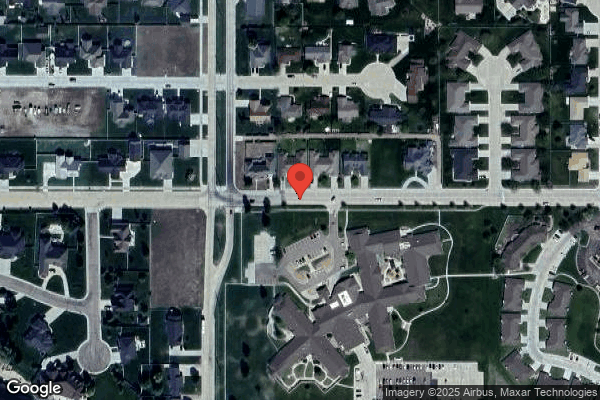




Linden Court

4000 West Philip Avenue, North Platte, NE 69101 (308) 532-5774
Non profit - Corporation 135 Beds VETTER SENIOR LIVING Data: November 2025 2 Immediate Jeopardy citations
Trust Grade
12/100
#122 of 177 in NE
Last Inspection: January 2025

Within standard 12-15 month inspection cycle. Federal law requires annual inspections.

Overview

Linden Court in North Platte, Nebraska, has received a Trust Grade of F, indicating significant concerns and a poor reputation among nursing homes. It ranks #122 out of 177 facilities in the state, placing it in the bottom half, although it is the top option in Lincoln County. The facility is experiencing a worsening trend, with issues increasing from 2 in 2024 to 8 in 2025. Staffing is a strong point, receiving a 5/5 star rating with a low turnover of 28%, which is well below the state average. However, the facility faces concerning fines of $21,565, higher than 78% of Nebraska facilities, and has critical incidents, including failing to provide a safe environment for residents at risk of wandering and not performing proper hand hygiene in the kitchen, which risks foodborne illness for all residents.

Trust Score
F
12/100
In Nebraska
#122/177
Bottom 32%
Safety Record
High Risk
Review needed
Inspections
Getting Worse
2 → 8 violations
Staff Stability
✓ Good
28% annual turnover. Excellent stability, 20 points below Nebraska's 48% average. Staff who stay learn residents' needs.
Penalties
✓ Good
$21,565 in fines. Lower than most Nebraska facilities. Relatively clean record.
Skilled Nurses
✓ Good
Each resident gets 54 minutes of Registered Nurse (RN) attention daily — more than average for Nebraska. RNs are trained to catch health problems early.
Violations
⚠ Watch
17 deficiencies on record. Higher than average. Multiple issues found across inspections.
★★☆☆☆
2.0
Overall Rating
★★★★★
5.0
Staff Levels
★★☆☆☆
2.0
Care Quality
★☆☆☆☆
1.0
Inspection Score
Stable
2024: 2 issues
2025: 8 issues

The Good

  • 5-Star Staffing Rating · Excellent nurse staffing levels
  • Low Staff Turnover (28%) · Staff stability means consistent care
  • Full Sprinkler Coverage · Fire safety systems throughout facility
  • No fines on record
  • Staff turnover is low (28%)

    20 points below Nebraska average of 48%

Facility shows strength in staffing levels, staff retention, fire safety.

The Bad

2-Star Overall Rating

Below Nebraska average (2.9)

Below average - review inspection findings carefully

Federal Fines: $21,565

Below median ($33,413)

Minor penalties assessed

Chain: VETTER SENIOR LIVING

Part of a multi-facility chain

Ask about local staffing decisions and management

The Ugly 17 deficiencies on record

2 life-threatening
May 2025 3 deficiencies 1 IJ (1 affecting multiple)
CRITICAL (K) 📢 Someone Reported This

A family member, employee, or ombudsman was alarmed enough to file a formal complaint

Immediate Jeopardy (IJ) - the most serious Medicare violation

Accident Prevention (Tag F0689)

Someone could have died · This affected multiple residents

**NOTE- TERMS IN BRACKETS HAVE BEEN EDITED TO PROTECT CONFIDENTIALITY** Licensure Reference Number 175 NAC 12.006.09(I) Based on observations, interviews and record reviews, the facility failed to pro...

Read full inspector narrative →
**NOTE- TERMS IN BRACKETS HAVE BEEN EDITED TO PROTECT CONFIDENTIALITY** Licensure Reference Number 175 NAC 12.006.09(I) Based on observations, interviews and record reviews, the facility failed to provide a safe environment when residents have been identified at risk for elopement. This affected 10 (Residents 1, 4, 5, 7, 8, 9, 10, 11, 12, and 13) of 12 sampled residents. The facility census was 105. The facility Administrator (ADM) was notified on 04/30/2025 at 6:00 PM of an Immediate Jeopardy (IJ) which began on 04/20/2025. The IJ was removed on 04/30/2025, as confirmed by surveyor onsite verification. Findings are: A record review of a policy titled Elopement Prevention and Management dated 3/2024 revealed: Key elements: -Every building must have a current Elopement Risk Manual, located at the nurse's station. It includes the Missing Resident Identification Form for those at risk for elopement. -Every facility should be doing elopement drills quarterly and as needed. -Elopement Prevention Audit per the QAPI Audit schedule Resident Risk Assessment: -All residents will be evaluated prior to admission for concerns related to elopement risk and resident safety. Appropriate placement of the resident is of utmost importance. Ongoing review will occur with all residents to ensure proper placement and a safe environment. Pre-Admission/admission and ongoing review: -Social Services or Nursing will complete the Elopement Risk Review as a component of admission paperwork utilizing the Elopement/Wandering Review in PCC. All residents at risk are care planned for elopement risk by Social Services or Nursing and approaches are implemented and maintained. Elopement risk should be care planned separately on the care plan. -The Elopement Risk Manual includes resident identified at risk for elopement. The Administrator is ultimately responsible for ensuring this manual is current and accessible. -Discontinuation of residents from the Elopement Risk Manual (If the IDT feels the resident no longer poses a risk for elopement, the determination would be documented on an in the resident's medical record and the corresponding resident's Missing Resident Identification information would be removed from the Elopement Risk Manual as well as discontinuing the elopement risk problem from the care plan.) -If a resident is identified at risk an admission photograph is taken and the Missing Resident Identification Form is completed, including resident photo, and placed in the Elopement Risk Manual at the nurses' station for easy access during an emergency. The Missing Resident Identification form will be reviewed during weekly risk meetings, with every care plan conference and prn (as needed) to ensure all information is current and accurate. Education/Preparedness: -New team members are oriented to elopement prevention policies. The facility will also conduct in-services for all team members regarding elopement prevention and management procedures annually and as needed. An observation on 04/30/2025 at 8:00 AM revealed at the front door, the doors opening on their own by sensor, then a second door also opening by sensor. A front desk was observed at the opening of the front entrance and a greeter. An interview on 04/30/2025 at 8:05 AM with Guest Relations (GR)-J revealed they are at the desk from 8:00 AM until 4:00 PM and then someone relieves them and works until 7:00 PM. When asked about the front doors, who is staffing or watching, GR-J stated they just started working at the facility and were not entirely sure who or how it is maintained. An observation on 04/30/2025 at 8:30 AM revealed an area for residents identified as high risk for elopement located in a secure unit, accessible through keypad entry. On the west section of the building, the unit was titled [NAME] Street and included 12 residents. An observation on 04/30/2025 at 8:40 AM revealed an area for residents identified as high risk for elopement located in a secure unit, accessible through keypad entry. On the west section of the building, the unit was titled Pine Street and included 15 residents. An observation on 04/30/2025 at 8:45 AM revealed an area for residents identified as high risk for elopement located in a unit, accessible through an open door. On the west section of the building, the unit was titled [NAME] Street and included 8 residents. An observation on 04/30/2025 at 9:00 AM revealed an open area in the East side of the building where residents reside in areas of the facility easily accessible to all residents, families, and staff. These areas are called: Birch Street, containing 11 Residents, Ash Street, containing 21 Residents, Chestnut Street, containing 20 Residents, and Dogwood Street, containing 18 Residents. A record review of an undated list titled, Resident at Risk for Elopement revealed 28 Residents on the list from various areas of the building and 1 resident no longer residing in the building. A record review of an Elopement Risk Manual on [NAME] Street revealed 9 residents identified on the Resident at Risk for Elopement List and 7 Missing Resident Identification Forms for those identified as an elopement risk were in the Elopement Risk Manual. Of those 7 Missing Resident Identification Forms in the Elopement Risk Manual, several were identified as missing from the binder. Resident 9 resides on [NAME] Street and is identified on the Resident at Risk for Elopement; however, no form is found in the manual. Resident 10 resides on [NAME] Street and is identified on the Resident at Risk for Elopement; however, no form is found in the manual. Resident 11 resides on [NAME] Street and is identified on the Resident at Risk for Elopement; however, no form is found in the manual. A record review of Resident 9's Elopement/Wandering Review assessment dated [DATE] revealed a score of 26 with a category of High Risk. A record review of Resident 10's Elopement/Wandering Review assessment dated [DATE] revealed a score of 25 with a category of High Risk. A record review of Resident 11's Elopement/Wandering Review assessment dated [DATE] revealed a score of 41 with a category of High Risk. A record review of an Elopement Risk Manual on Pine Street revealed 8 residents identified on the Resident at Risk for Elopement List and 6 Missing Resident Identification Forms for those identified as an elopement risk were in the Elopement Risk Manual. Of those 6 Missing Resident Identification Forms in the Elopement Risk Manual, several were identified as missing from the binder. Resident 7 resides on Pine Street and is identified on the Resident at Risk for Elopement, however no form is found in the manual. Resident 12 resides on Pine Street and is identified on the Resident at Risk for Elopement, however no form is found in the manual. A record review of Resident 7's Elopement/Wandering Review assessment dated [DATE] revealed a score of 11 with a category of High Risk. A record review of Resident 12's Elopement/Wandering Review assessment dated [DATE] revealed a score of 15 with a category of High Risk. A record review of an Elopement Risk Manual on [NAME] Street revealed 5 residents identified on the Resident at Risk for Elopement List and 3 Missing Resident Identification Forms for those identified as an elopement risk were in the Elopement Risk Manual. Of those 3 Missing Resident Identification Forms in the Elopement Risk Manual, several were identified as missing from the binder. Resident 8 resides on [NAME] Street and is identified on the Resident at Risk for Elopement, however no form is found in the manual. Resident 13 resides on [NAME] Street and is identified on the Resident at Risk for Elopement, however no form is found in the manual. Resident 4 resides on [NAME] Street and is identified on the Resident at Risk for Elopement, however no form is found in the manual. A record review of Resident 8's Elopement/Wandering Review assessment dated [DATE] revealed a score of 25 with a category of High Risk. A record review of Resident 13's Elopement/Wandering Review assessment dated [DATE] revealed a score of 15 with a category of High Risk. A record review of Resident 4's Elopement/Wandering Review assessment dated [DATE] revealed a score of 10 with a category of High Risk. A record review of an Elopement Risk Manual on Birch Street revealed 2 Missing Resident Identification Forms for those identified on the Resident at Risk for Elopement List and 2 Missing Resident Identification Forms for those identified as an elopement risk were in the Elopement Risk Manual. A record review of an Elopement Risk Manual on Ash Street revealed 2 residents identified on the Resident at Risk for Elopement List and 2 Missing Resident Identification Forms for those identified as an elopement risk were in the Elopement Risk Manual. A record review of an Elopement Risk Manual on Chestnut Street revealed no residents identified on the Resident at Risk for Elopement List and no Missing Resident Identification Forms for those identified as an elopement risk were in the Elopement Risk Manual. A record review of an Elopement Risk Manual on Dogwood Street revealed 1 resident identified on the Resident at Risk for Elopement List and no Missing Resident Identification Forms for those identified as an elopement risk were found in the Elopement Risk Manual. Resident 5 resides on Dogwood Street and is identified on the Resident at Risk for Elopement, however no form is found in the manual. A record review of Resident 5's Elopement/Wandering Review assessment dated [DATE] revealed a score of 15 with a category of High Risk. An interview on 04/30/2025 at 2:00 PM with Nursing Assistant (NA)-C and NA-D on Chestnut and Ash Street revealed they were unaware of who was an elopement risk and where to locate the Elopement Risk Manual. An interview on 04/30/2025 at 2:10 PM with Registered Nurse (RN)-E on Chestnut and Ash Street revealed they were aware of who was at risk for elopement and elaborated on the process of why they were at risk and how to keep them safe. RN-E further revealed they completed an elopement risk assessment for Resident 5 who was located on Dogwood Street several weeks ago. An interview on 04/30/2025 at 2:15 PM with Licensed Practical Nurse (LPN)-G on Dogwood Street revealed LPN-G knew who was at risk for elopement and where the Elopement Risk Manual was located. When looking through the manual, no one was identified for being at risk for elopement. When interviewed, LPN-G revealed an assessment was due that day for Resident 5 and the resident was not at risk because they used oxygen services. A record review of Resident 5's elopement assessment completed by LPN-G on 04/03/2025 revealed that the resident scored a 15, which was a category of High Risk. The resident was also identified on the Resident at Risk for Elopement list previously provided. An interview on 04/30/2025 at 2:35 PM with Medication Aide (MA)-F on [NAME] Street revealed all residents except 1 resident; due to an inability to walk or self-propel in their wheelchair were at risk for elopement. When interviewed, MA-F revealed they were not responsible for updating the Elopement Risk Manual, this would be completed by the Social Services Department. An interview on 04/30/2025 at 3:25 PM with Social Services (SS)-H and SS-I revealed they were responsible for updating the list of Resident at Risk for Elopement and all Elopement Risk Manuals within the facility. When asked about the process of determining who was at risk for elopement, SS-H revealed this was determined at the risk meeting (IDT-Inter-Disciplinary Team-a working meeting between team leaders to identify those at risk for medical complications or matters) amongst all facility department leader staff. An interview on 04/30/2025 at 3:30 PM with the Director of Nursing (DON) revealed there was no wander guard system to prevent residents that wander from exiting the front door. During the interview, the DON stated that the front doors were unlocked around 5:00 AM to 6:00 AM when the Maintenance Directors arrive every morning, and locked by the Charge Nurse after the last pharmacy drop off occurred around 10:00 PM every evening. The DON also revealed the front desk schedule was for it to be staffed from 8:00 AM until 7:00 PM Monday through Friday and 9:00 AM through 4:00 PM on Saturday and Sunday, leaving the front doors unstaffed and unlocked for several hours daily. An interview on 04/30/2025 at 4:15 PM with facility staff member Guest Relations (GR)-K revealed their workstation was at the front desk, but that they were not at the front desk throughout their entire shift. GR-K also revealed not knowing who was at risk for elopement and not knowing how to locate or identify this information if needed. GR-K was asked about education on elopement, to which they revealed not receiving, but still needing to complete online. A record review of education provided on March 27, 2025 revealed instruction on wandering, types of wandering, elopement, and the elopement process including identified risks. Of the 192 staff listed, 45 facility staff attended the education event, leaving the remaining staff to receive and review the education at another time through an offsite education platform available online. GR-K was identified as not attending this education event. A record review of the facility's most recent elopement drill revealed it was conducted on 04/15/2025 at 4:15 PM due to a potential elopement of Resident 10 while attempting to pry a window open. The drill signature sheet revealed 6 staff members being educated at the event. A record review of facility Incidents dated 01/30/2025 through 04/30/2025 revealed one elopement incident concerning Resident 1 on 04/20/2025 at 11:00 AM when GR-K was working the front desk that day. An interview on 04/30/2025 at 4:15 PM with GR-K on the elopement of Resident 1 revealed GR-K seeing Resident 1 leave through the front doors and not being alarmed because the resident stopped right out front. The interview further revealed GR-K left the front desk area to assist another resident and family, however upon returning, Resident 1 was no longer in view. GR-K stated after looking for Resident 1, the resident could be seen being assisted back to the facility by way of an off-duty facility staff member. An interview on 04/30/2025 at 4:30 PM with the DON revealed education was not provided to facility staff after the incident of the elopement that occurred on 04/20/2025 with Resident 1. The facility implemented the following plan on 4/30/2025 to remove the immediacy: Immediate plan of correction [NAME] Court 04/30/2025: -All elopement binders have been updated as of 04/30/2025 with current resident that are identified as being at risk for elopement. -Care plans for those identified as being at risk have been updated as of 04/30/2025. -Front desk team member educated on elopement standard 04/30/2025 -Front door will be locked when staff is not present at front desk to monitor. -Elopement standard education will be provided to all staff currently working as well as all staff prior to start of shift beginning 04/30/2025 to be completed with all staff by 05/02/2025. -Elopement binders will be reviewed weekly by IDT and updated as needed. -Process will be reviewed in QAPI. At the time of the survey, the violation was determined to be at the immediate jeopardy level K. Based on observation, interview and record review completed during the onsite visit, it was determined the facility had implemented corrective action to remove the IJ violation at the time. A final revisit will be conducted to determine if the facility is in substantial compliance with participation requirements. At the time of exit, the severity of the deficiency was lowered to the E level.
CONCERN (D) 📢 Someone Reported This

A family member, employee, or ombudsman was alarmed enough to file a formal complaint

Potential for Harm - no one hurt, but risky conditions existed

Assessment Accuracy (Tag F0641)

Could have caused harm · This affected 1 resident

B. A record review of a facility document titled admission Record revealed the facility admitted Resident #14 on 04/08/2025 with diagnoses that included Dementia (a usually progressive condition marke...

Read full inspector narrative →
B. A record review of a facility document titled admission Record revealed the facility admitted Resident #14 on 04/08/2025 with diagnoses that included Dementia (a usually progressive condition marked by the development of multiple cognitive deficits (such as memory impairment, aphasia, and the inability to plan and initiate complex behavior), and Type 2 Diabetes (a common form of diabetes mellitus that develops especially in adults and most often in obese individuals and that is characterized by hyperglycemia resulting from impaired insulin utilization coupled with the body's inability to compensate with increased insulin production). The Comprehensive Minimum Data Set (MDS, a federally mandated comprehensive assessment tool used to determine a resident's functional capabilities and helps nursing home staff identify health problems) with an Assessment Reference Dated (ARD) of 04/09/2025 revealed the resident was coded to have received an Anticonvulsant medication during the look back period for obtaining MDS data (the ARD plus 13 days). A record review of Resident #14 Physician orders revealed no physician order present for resident to receive an anticonvulsant medication from 03/27/2025 through 04/09/2025. A record review of Resident #14 Electronic Medication Administration Record from 03/27/2025 through 04/09/2025 (the MDS look back period) revealed no documentation reflecting Resident #14 received a anticonvulsant medication. In an interview completed on 05/01/2025 at 1:15 PM with MDS-B, MDS-B confirmed that the MDS was coded incorrectly and that Resident #14 was not prescribed and did not receive a anticonvulsant medication during the look back period for the MDS. C. A record review of a facility document titled admission Record revealed the facility admitted Resident #5 on 03/31/2025 with diagnoses that included Pulmonary Fibrosis (a thickening of the tissue around and between the air sacks in the lungs causing difficulties breathing) and Congestive Heart Failure (when the heart can not pump enough blood to meet the body's needs). The Comprehensive Minimum Data Set (MDS, a federally mandated comprehensive assessment tool used to determine a resident's functional capabilities and helps nursing home staff identify health problems) with an Assessment Reference Dated (ARD) of 04/06/2025 revealed the resident had a Brief Interview for Mental Status (BIMS, a brief screener that aids in detecting cognitive impairment) score of 8 indicating the resident was moderately cognitively impaired. The resident was also coded as occasionally incontinent of bladder and staff provided supervision or touching assistance with toilet use and set up or clean up assistance with toileting hygiene. A record review of the Care Area Assessment(CAA) (which is a systematic process used to analyze data collected through the MDS to identify resident needs and guide care planning for triggered care areas (CAA) for the comprehensive MDS revealed Resident #5's cognitive impairment and incontinence to triggered CAA areas. Review of the Cognitive Loss/Dementia CAA revealed documentation that this area was a potential problem. Further documentation revealed in the area that cognitive loss or dementia will be addressed in the care plan with an answer of no. In the area indicated to describe the impact of this problem on the resident and the rational for the care plan decision area was left blank and no documentation present explaining the rational for the care plan decision to not address the residents' cognitive impairment on the care plan. Review of the Urinary Incontinence CAA revealed documentation that this was an actual problem for the residents. Further documentation revealed in the area will Urinary Incontinence be addressed in the care plan with an answer of no. In the area indicated to describe the impact of this problem on the resident and the rational for the care plan decision area was left blank and no documentation present explaining the rational for the care plan decision to not address the resident's urinary incontinence. In an interview completed on 05/01/2025 at 1:15 PM with MDS-A, MDS-A confirmed that the CAA's for Resident #5 addressing the cognitive impairment and urinary incontinence were not completed correctly. The MDS-A confirmed that both areas should have been marked yes to be addressed on the resident's care plan and the rational for the decision area should have been completed for each area and was not. D. A record review of a facility document titled admission Record revealed the facility admitted Resident #14 on 04/08/2025 with diagnoses that included Dementia (a usually progressive condition marked by the development of multiple cognitive deficits (such as memory impairment, aphasia, and the inability to plan and initiate complex behavior), and Type 2 Diabetes (a common form of diabetes mellitus that develops especially in adults and most often in obese individuals and that is characterized by hyperglycemia resulting from impaired insulin utilization coupled with the body's inability to compensate with increased insulin production). The Comprehensive Minimum Data Set (MDS, a federally mandated comprehensive assessment tool used to determine a resident's functional capabilities and helps nursing home staff identify health problems) with an Assessment Reference Dated (ARD) of 04/09/2025 revealed the resident was coded to always be incontinent of bladder and the resident to be independent with toileting hygiene and toilet use. A record review of the CAA for the comprehensive MDS revealed Resident #14's Urinary Incontinence CAA documentation that this was an actual problem for the residents. Further documentation revealed in the area will Urinary Incontinence be addressed in the care plan with an answer of yes. In the area indicated to describe the impact of this problem on the resident and the rational for the care plan decision area was left blank and no documentation present explaining the rational for the care plan decision. In an interview completed on 05/01/2025 at 1:15 PM with MDS-A, MDS-A confirmed that the CAA for Resident #14 addressing the urinary incontinence was not completed correctly. The MDS-A confirmed that the rational for the decision area should have been completed and was not. Licensure Reference Number: 175 NAC 12-006.09(D) Based on record review, and interview, the facility failed to accurately code comprehensive assessments for 2 of 4 sampled residents (Resident #7 and Resident #14) and failed to accurately complete care area assessment summaries for 2 of 4 sampled residents (Resident #5 and Resident #14). The facility census was 105. Findings are: A. Record review of Resident #7's Quarterly Minimum Data Set (MDS - a federally mandated assessment used to develop resident care plans) dated 04/23/2025 revealed an anticoagulant medication (medication used to prevent blood clots) and antidepressant medication (medication used to treat symptoms of depression) was used during the last 7 days. Record review of Resident #7's MAR (medication administration record) showed no anticoagulant or antidepressant medication in use during the MDS observation period. An interview on 05/01/2025 at 1:45 PM with MDS Coordinator RN-A and MDS Coordinator LPN-B revealed that medications anticoagulant and antidepressant should not have been on the MDS because Resident #7 is no longer taking the medications and has not been taking the medications since the look back period.
CONCERN (D) 📢 Someone Reported This

A family member, employee, or ombudsman was alarmed enough to file a formal complaint

Potential for Harm - no one hurt, but risky conditions existed

Deficiency F0657 (Tag F0657)

Could have caused harm · This affected 1 resident

Licensure Reference Number: 175 NAC 12-006.09(F) Based on record review and interview, the facility failed to update resident care plans to reflect resident care needs for 1 resident (Resident #7). Th...

Read full inspector narrative →
Licensure Reference Number: 175 NAC 12-006.09(F) Based on record review and interview, the facility failed to update resident care plans to reflect resident care needs for 1 resident (Resident #7). The facility census was 105. Findings are: A record review of Resident #7's Care Plan (CP - an individual plan for caring for each resident that can be updated daily, and as needed between quarterly care plan assessments) last updated on 04/30/2025 revealed Resident #7 is taking an anticoagulant medication (medication used to prevent blood clots) and psychoactive medications; an antianxiety (medication used to treat symptoms of anxiety) and an antidepressant (medication used to treat symptoms of depression). Record review of Resident #7's MAR (medication administration record) showed no anticoagulant or antidepressant medication in use during the MDS observation period. Record review of Resident #7's last Quarterly Minimum Data Set (MDS - a federally mandated assessment used to develop resident care plans) was dated 04/23/2025. A record review of a Comprehensive Care Plan Policy dated 11/28/2016 revealed that the comprehensive care plan will be reviewed and revised by the interdisciplinary team after each comprehensive, quarterly MDS (MDS- a Federally mandated tool for implementing standardized assessment and facilitating care management in nursing homes) assessment, and as needed. An interview on 05/01/2025 at 1:45 PM with MDS Coordinator RN-A and MDS Coordinator LPN-B revealed that medications anticoagulant and antidepressant should not have been on the CP because Resident #7 is no longer taking the medications and has not been taking the medications since the look back period.
Jan 2025 5 deficiencies
CONCERN (D)

Potential for Harm - no one hurt, but risky conditions existed

Comprehensive Care Plan (Tag F0656)

Could have caused harm · This affected 1 resident

**NOTE- TERMS IN BRACKETS HAVE BEEN EDITED TO PROTECT CONFIDENTIALITY** Licensure Reference 175 NAC 12-006.09(E)(iii) Based on record reviews and interviews, the facility failed to develop comprehensi...

Read full inspector narrative →
**NOTE- TERMS IN BRACKETS HAVE BEEN EDITED TO PROTECT CONFIDENTIALITY** Licensure Reference 175 NAC 12-006.09(E)(iii) Based on record reviews and interviews, the facility failed to develop comprehensive care plans (CCP, a document that includes measurable objectives and timetables to meet a resident's medical, nursing, and mental and psychosocial needs that are identified in the comprehensive assessment) that reflected Resident 97's dialysis treatment and Resident 99's anticoagulant use. This affected 2 (Resident 97 and 99) of 21 sampled residents. The facility identified a census of 104. Findings are: A record review of a facility policy, Comprehensive Care Plans with a date implemented of 11/28/2016, indicated that is the policy of this facility to develop and implement a comprehensive person-centered care plan for each resident, consistent with the resident's rights, that includes measurable objectives and timeframes to meet each resident's medical, nursing, and mental and psychosocial needs that are identified in the resident's comprehensive assessment. The CCP will include services that are to be furnished and any specialized services the nursing facility will provide to maintain the resident's highest practicable physical, mental and psychosocial well-being. A. A record review of an admission Record revealed the facility admitted Resident 99 on 11/18/2024 with diagnoses of cardiac arrythmia (an abnormal heart rhythm, characterized by an irregular, too fast, or too slow heartbeat), a history of blood clots, and long term (current) use of anticoagulants (blood thinners.) A record review of Resident 99's admission Minimum Data Set (MDS, a federally mandated comprehensive assessment tool used to determine a resident's functional capabilities and helps nursing home staff identify health problems) with an Assessment Reference Date (ARD) of 11/24/2024 revealed Resident 99 was taking an anticoagulant. A record review of Resident 99's undated Care Plan revealed no focus care area for anticoagulant use. An interview on 1/29/2025 at 3:44 PM with MDS-A confirmed Resident 99's care plan did not include a care focus area for their anticoagulant use and should be included. B. A record review of Resident 97's admission face sheet revealed an admission date of 10/25/24. A record review of an MDS dated [DATE] revealed in Section C a BIMS score of 15; indicating that Resident 97 is cognitively intact. Section GG revealed Resident 97 uses a walker for ambulation and is independent with most cares and activities apart from toileting, for which Resident 97 is dependent. Section 0 reveals Resident 97 to be on hemodialysis (a treatment that removes waste products and excess fluid from the blood when the kidneys are no longer able to do so). A record review of Resident 97's current pertinent diagnoses include: -Discitis (an inflammation of the intervertebral discs). -End stage renal disease (a condition where the kidneys have permanently lost most of their function and can no longer adequately filter waste products from the blood). -Moderate protein-calorie malnutrition (a condition where a person is not consuming enough protein and calories). -Type 2 Diabetes Mellitus (a chronic condition that affects how the body uses sugar (glucose) for energy). -Malignant Neoplasm of the Bladder (a type of cancer that develops in the bladder, the organ that stores urine). A record review of Resident 97's Care Plan dated 1/27/25 revealed no evidence of hemodialysis being a focus area with subsequent interventions or monitoring. An observation and interview with Resident 97 on 1/27/25 at 2:05 PM in Resident 97's room revealed Resident 97 is scheduled for dialysis every Monday, Wednesday, and Friday and had been on dialysis since admission to the facility. An Interview with the Minimum Data Set Nurse (MDS-A) on 1/28/24 at 10:00 A.M confirmed that Resident 97 was on dialysis and that it was not on the care plan as an area of focus. MDS-A confirmed that the MDS-A was responsible for ensuring the comprehensive care plan was complete and confirmed that dialysis would fall under the role of Nursing to complete. An interview with the Director of Nursing (DON) on 1/28/25 at 3:00 PM confirmed Resident 97 was on dialysis, which has many side effects and potential complications to monitor for. The DON confirmed that dialysis was not listed in the care plan as a focus area and that it should have been.
CONCERN (D)

Potential for Harm - no one hurt, but risky conditions existed

Deficiency F0657 (Tag F0657)

Could have caused harm · This affected 1 resident

**NOTE- TERMS IN BRACKETS HAVE BEEN EDITED TO PROTECT CONFIDENTIALITY** Licensure Reference Number 12.006.04(F) Based on observation, interview, and record review; the facility failed to ensure that 1...

Read full inspector narrative →
**NOTE- TERMS IN BRACKETS HAVE BEEN EDITED TO PROTECT CONFIDENTIALITY** Licensure Reference Number 12.006.04(F) Based on observation, interview, and record review; the facility failed to ensure that 1 (Resident 94) of 21 sampled residents care plan was reviewed and revised to reflect significant weight loss. The facility identified a census of 104. The findings are: A record review of a Comprehensive Care Plan Policy dated 11/28/2016 revealed that the comprehensive care plan will be reviewed and revised by the interdisciplinary team after each comprehensive, quarterly MDS (MDS- a Federally mandated tool for implementing standardized assessment and for facilitating care management in nursing homes) assessment, and as needed. A record review of Resident 94's admission face sheet revealed an admission date of 10/4/24. A record review of Resident 94's diagnoses included pneumonia (an inflammation of the lungs that causes the air sacs (alveoli) to fill with fluid or pus), altered mental status (a change in a person's level of consciousness, awareness, and cognitive function), and functional diarrhea (a chronic condition characterized by frequent, loose, and watery stools without an underlying structural or biochemical abnormality). A record review of a MDS dated [DATE] revealed in Section C that Resident 94 had a Brief Interview for Mental Status (BIMS-a cognitive screening tool that helps identify cognitive impairment in patients and residents) score of 7; indicating moderate to severe cognitive impairment. Section D revealed a Patient Health Questionnaire 2-9 (PHQ 2-9-a tool used to screen for and diagnose depression) score of 0, indicating that Resident 94 was likely not experiencing symptoms of depression. Section GG revealed Resident 94 needed some help with self-care and was independent with eating. Section K revealed no evidence of swallowing concerns. Section K revealed Resident 94's height was 67 inches and weight was 135 pounds (lbs.). Section K recorded no weight loss. Record review of a Physician Notification Communication Form dated 12/18/24 revealed that Resident 94's weight was 126 pounds (lbs) that day and that Resident 94 was triggering for a 9.5 lbs. or 7% weight loss in 30 days. The communication stated that Resident 94's food intake was poor and that Resident 94 was currently being offered an oral house supplement twice a day. The communication further stated that Resident 94 was continuing to have loose to liquid stools. There was a request attached to the communication requesting to add Metamucil to aid with stools and to change oral nutritional supplement to 237 milliliters of Ensure Plus twice a day to prevent further weight loss. The physician was noted to have agreed to the request. A record review of a Physician Notification Communication Form dated 1/7/25 revealed a request to change Resident 94 to a mechanical soft and thin liquid diet as Resident 94 was having difficulty chewing regular texture diet due to no teeth. The request was agreed to by the physician. A record review of Resident 94's care plan dated 1/27/25 revealed a Focus area dated 10/7/24 stating at risk for potential impaired nutritional status related to pneumonia and altered mental status. Interventions for risk for impaired nutritional status included: -Notify Doctor with significant weight loss as needed- date initiated 10/7/24. -Dietician to evaluate for nutritional needs as needed- date initiated 10/7/24. -Monitor and document food intake- date initiated 10/7/24. -Lab work as ordered by physician- date initiated 10/7/24. -Allow adequate time to ingest meal and offer assistance as needed- date initiated 10/7/24. -Provide diet as ordered- regular diet with texture and fluids- date initiated 10/7/24. -Provide supplement as ordered- date initiated 10/24/24. -Review pharmacological regiment and note any medications that may interfere with food intake. Document and report findings to physician- date initiated 10/7/24. -Weigh per facility protocol and as needed- date initiated 10/7/24. A record review of Resident 94's care plan dated 1/27/25 revealed no evidence of revision or updating of the care plan to reflect Resident 94's weight loss or any subsequent interventions and strategies developed by the interdisciplinary team related to that weight loss. An interview with the Minimum Data Set (MDS-A) Nurse on 1/28/24 at 10:00 A.M revealed that they are responsible for the oversight of the entire care plan, however, each department is responsible for entering their own data and interventions. MDS-A is responsible for ensuring the entirety of the care plan is complete and reminding departments when a specific portion of the care plan is missing. MDS-A nurse stated they do this during the MDS documentation period. MDS-A stated that revisions were done at the facilities Risk meeting, after care conferences, and as needed. An interview with the Registered Dietician (RD) on 1/29/25 at 11:15 A.M revealed the RD thought the information currently on the care plan was sufficient to address weight loss and noted they were following the interventions in the care plan. The RD did confirm that Resident 94 was now on a mechanical soft diet and that the care plan reflected a regular texture diet. The RD did confirm that the initiation date of the focus area and interventions were at admission or shortly after and that there were no revisions since that time. An interview with the Director of Nursing (DON) on 1/29/25 at 12:30 P.M revealed that the DON's expectation of the care plan is that the interdisciplinary team will add or revise it as needed. The DON confirmed that it is considered to be the facilities plan of care for each resident and confirmed that the weight loss should have been added under the core focus area.
CONCERN (D)

Potential for Harm - no one hurt, but risky conditions existed

Deficiency F0661 (Tag F0661)

Could have caused harm · This affected 1 resident

Licensure Reference 175 NAC 12-006.09(G)(i) Based on record reviews and interview, the facility failed to develop and provide a discharge summary (a detailed document with individualized care instruct...

Read full inspector narrative →
Licensure Reference 175 NAC 12-006.09(G)(i) Based on record reviews and interview, the facility failed to develop and provide a discharge summary (a detailed document with individualized care instructions to ensure continuity of care and a safe return home for the resident) that included a recapitulation of stay; information regarding the resident's physical functioning and assistance level needs, continence, and skin condition; and a reconciliation of the resident's medications as required for 1 (Resident 102) of 1 sampled resident. The facility identified a census of 104. Findings are: A record review of an admission Record indicated the facility discharge Resident 102 on 10/31/2024 at 2:00 PM. Resident 102 had diagnoses of a history of a right femur (thigh bone) fracture with surgical correction and high blood pressure. A record review of Resident 102's Discharge Minimum Data Set (MDS, a federally mandated comprehensive assessment tool used to determine a resident's functional capabilities and helps nursing home staff identify health problems) with an Assessment Reference Date of 10/31/2024 indicated Resident 102 required supervision with bathing, setup assistance with eating, and was independent with oral hygiene, toileting, dressing, and personal hygiene. The MDS also indicated Resident 102 was occasionally incontinent of urine, had no skin conditions, and was on a high-risk medication of an anticoagulant (blood thinner.) A record review of Resident 102's Nursing Discharge Summary - V2 completed on 10/31/2024 by Licensed Practical Nurse (LPN) - D revealed the following: - Under the section Physical Functioning Status, the boxes regarding whether Resident 102 did or did not require assistance with Activities of Daily Living (ADLs) were not marked. - There was no information included under the section Skin/Foot Care. - There was no information included under the section Recapitulation Summary. - There was no information regarding Resident 102's continence needs. - The box for Reconciliation of all pre-discharge medication and post-discharge medications have been completed (both prescribed and over-the counter) box was not marked. An interview on 1/28/2025 at 12:40 PM with LPN-D confirmed the recapitulation of stay and skin condition sections were left blank, Resident 102's reconciliation of medications was not completed, and the level of assistance Resident 102 required with ADLs was not indicated. LPN-D was unaware these sections were required as part of the discharge summary. An interview on 1/29/2025 at 10:48 AM with the Director of Nursing (DON) confirmed the discharge summary should include a recapitulation of stay, reconciliation of the resident's medications, the level of assistance needed with ADLs, and a review of the resident's skin condition, noting if there are no skin concerns. An interview on 1/29/2025 at 9:50 AM with the Administrator revealed the facility does not have a policy regarding discharges but does a discharge checklist the facilities utilize to ensure all steps of discharge are completed. A record review of an undated facility-used checklist, Nursing Planned Discharge to Home revealed steps to complete both User-Defined Assessments (UDAs) in the Electronic Health Records (EHR) titled Discharge Instruction for Home Care and Nursing Discharge Summary with a special note to ensure to include medications, treatments, skin condition, and injection status on both, then save, sign, and lock and exit.
CONCERN (F)

Potential for Harm - no one hurt, but risky conditions existed

Food Safety (Tag F0812)

Could have caused harm · This affected most or all residents

Licensure Reference Number NAC 175 12-006.11E Based on observations, interviews, and record review, the facility failed to perform hand hygiene as required after handling uncooked meat and failed to w...

Read full inspector narrative →
Licensure Reference Number NAC 175 12-006.11E Based on observations, interviews, and record review, the facility failed to perform hand hygiene as required after handling uncooked meat and failed to wear hair restraints in the kitchen as required to prevent the potential for food-borne illness. This had the potential to affect all 104 residents who resided within the facility and were served out of the kitchen. Findings are: A. Record review of an undated facility policy titled, Hand Washing Importance and Technique, revealed that hand washing was indicated after handling uncooked foods including raw meat, fish, poultry, and produce. An observation on 1/28/25 at 7:37 AM revealed Culinary Lead-B (CL-B) was preparing the ingredients for meat loaf. The observation revealed CL-B performed the following: -CL-B completed hand hygiene prior to food preparation using soap and water. -CL-B opened a 10-pound tube of uncooked ground beef while wearing gloves and emptied it into a bowl. -CL-B removed their gloves, then discarded their gloves and packaging at the same time. -CL-B entered the walk-in cooler and returned with a carton of eggs. CL-B then cracked 6 eggs into the bowl containing the meat. -CL-B measured additional ingredients, including breadcrumbs, salt, spices, Worcestershire sauce, and chopped onion, handling all packages with their bare hands. CL-B used a ladle to measure and remove tomato sauce from a plastic bulk container. -CL-B then mixed the ingredients, dumped the mixture into a pan and formed it into loaves. -CL-B completed hand hygiene using soap and water. An observation on 1/28/25 at 7:52 AM revealed CL-B entered the walk-in cooler and returned with one and a half 10-pound tubes of uncooked ground beef. The observation revealed CL-B was not wearing gloves. CL-B opened the tubes with a knife, then emptied the meat into a mixing bowl. CL-B added the additional ingredients, touching eggs, containers, and utensils with their ungloved hands. The CL-B completed hand hygiene using soap and water at the end of meat loaf preparation. An interview on 1/28/25 at 8:10 AM with CL-B confirmed they did not complete hand hygiene after handling uncooked meat and should have. An interview on 1/28/25 at 8:25 AM with the Culinary Director (CD) confirmed CL-B should have completed hand hygiene after handling uncooked meat and before handling other items. B. A record review of an undated, facility-provided excerpt from the 2017 Nebraska Food Code revealed that food employees were required to wear hair restraints. This document was provided in lieu of a facility-specific policy for hair restraints in the kitchen. An interview on 1/30/25 at 10:30 AM with the Administrator confirmed that the 2017 Nebraska Food Code was what the facility utilized for hair restraint guidance and that the facility did not have a policy for this topic. An observation on 1/29/25 at 11:30 AM revealed Culinary Assistant-C (CA-C) walked through the food preparation area of the kitchen without wearing a hair restraint. An interview on 1/29/25 at 11:31 AM with CD confirmed that they were also present to observe CA-C not wearing a hair restraint while in the food preparation area and that CA-C should have been wearing one.
CONCERN (F)

Potential for Harm - no one hurt, but risky conditions existed

Infection Control (Tag F0880)

Could have caused harm · This affected most or all residents

Licensure Reference Number 1-005.06(D) Based on observations and interviews, the facility failed to follow infection control practices during environmental cleaning, disinfection, and with the applica...

Read full inspector narrative →
Licensure Reference Number 1-005.06(D) Based on observations and interviews, the facility failed to follow infection control practices during environmental cleaning, disinfection, and with the application of Personal Protection Equipment (PPE). This had the potential to affect all the residents. The facility identified a census of 104. Findings Are: A continuous observation on 1/28/25 from 10:20 AM to 10:45 AM of the 100 Hall revealed at 10:22 AM a housekeeping staff (HSK-H) coming out of a residents' room with gloves on both hands. HSK-H was then observed renewing supplies at the housekeeping cart and returning to a different room with the same gloves on. HSK-H was observed using this technique to clean three resident rooms. At 10:40 AM a Nurses Assistant (NA-I) was observed applying PPE to enter an Enhanced Barrier Precautions room (EBP). NA-I was observed applying gown to shoulder length without tying it up to the neck before entering the room. An interview on 1/28/25 at 10:35 AM with HSK-H confirmed that the observed technique was not the facility policy and that HSK-H should have removed the gloves and washed hands. An interview on 1/28/25 at 10:45 AM with NA-I confirmed was it was not policy to wear gown in that fashion and stated I didn't think I'd be in there that long. NA-I confirmed that was not how the facility trained regarding the application of PPE. Interview with Infection Preventionist (IP) nurse on 1/29/25 at 3:00 PM confirmed that HSK-H was to perform hand hygiene and new glove application between cleaning rooms. IP further confirmed that NA-I should have tied gown around the neck and not allowed to drape around shoulders.
Feb 2024 2 deficiencies
CONCERN (D)

Potential for Harm - no one hurt, but risky conditions existed

Pharmacy Services (Tag F0755)

Could have caused harm · This affected 1 resident

**NOTE- TERMS IN BRACKETS HAVE BEEN EDITED TO PROTECT CONFIDENTIALITY** Licensure Reference Number 175 NAC 12.006.12E8 Based on interview and record review, the facility failed to ensure 1 (Resident 7...

Read full inspector narrative →
**NOTE- TERMS IN BRACKETS HAVE BEEN EDITED TO PROTECT CONFIDENTIALITY** Licensure Reference Number 175 NAC 12.006.12E8 Based on interview and record review, the facility failed to ensure 1 (Resident 76) of 5 sampled resident's Fentanyl Duragesic patch (a topical pain medication patch) destruction was witnessed by 2 credentialied individuals. The facility census was 98. Findings are: A record review of the facility's VSL ([NAME] Senior Living) Medication Destruction/Disposal Policy and Procedure dated 02/2020 revealed removed topical patches should have been disposed in the medication disposal system and 2 staff members needed to observe the disposal of a used Fentanyl patch. Ideally 2 nurses would observe the disposal of a removed Fentanyl patch. If 2 nurses were not available at least 1 staff member must be a nurse and the second may be a MA. Each person would initial witnessing the disposal on the Medication Administration Record (MAR). A record review of Resident 76's admission Record dated 02/27/2024 revealed the resident was admitted to the facility on [DATE]. A record review of Resident 76's Order Summary Report dated 02/27/2024 revealed the resident was on a Fentanyl Transdermal Patch (pain patch applied to the skin) for pain that was to be changed every 3 days. The Order Summary Report dated 02/27/2027 also revealed there were orders to remove the patch from the resident in the presence of a witness, and a second signature was required for the witnessing of the removal and disposal of the Fentanyl patch every 3 days. A record review of Resident 76's Medication Administration Record (MAR) dated December 2023 revealed the Fentanyl Transdermal Patch was changed on the following dates but the staff member that changed the patch was the staff member that also signed they witnessed the patch being changed: - 12/06/2023 - 12/09/2023 - 12/12/2023 - 12/18/2023 - 12/21/2023 - 12/24/202 - 12/27/2023 - 12/30/2023 A record review of Resident 76's Medication Administration Record (MAR) dated January 2024 revealed the Fentanyl Transdermal Patch was changed on the following dates but the staff member that changed the patch was the staff member that also signed they witnessed the patch being changed: - 01/02/2024 - 01/11/2024 -01/17/2024 - 01/20/2024 - 01/23/2024 - 01/29/2023 A record review of Resident 76's Medication Administration Record (MAR) dated February 2024 revealed the Fentanyl Transdermal Patch was changed on the following dates but the staff member that changed the patch was the staff member that also signed they witnessed the patch being changed: - 02/04/2024 - 02/07/2024 - 02/10/2024 - 02/16/2024 - 02/22/2024 In an interview on 02/28/2024 at 3:35 PM, Licensed Practical Nurse (LPN)-B confirmed there should be a nurse that removed and disposed of a Fentanyl Transdermal patch and there should have been a different nurse there to witness the removal of the patch and the flushing of the patch in the toilet. LPN-B confirmed each of the 2 different nurses need to mark the removal and destruction of the patch on the MAR. In an interview on 02/28/2024 at 10:21 AM, The Assistant Director of Nursing (ADON) confirmed it was the facility's policy to have a witness observe and document the removal and disposal of the Fentanyl patch. The ADON confirmed that the MAR's revealed the same person that documented they remove and disposed of the Fentanyl patch was the same staff member that witnessed the removal and disposal of the Fentanyl Transdermal patch removal. The ADON confirmed it should have been the nurse that removed and disposed of the patch and another nurse or MA to witness the removal and destruction, but it was not.
CONCERN (D)

Potential for Harm - no one hurt, but risky conditions existed

Infection Control (Tag F0880)

Could have caused harm · This affected 1 resident

**NOTE- TERMS IN BRACKETS HAVE BEEN EDITED TO PROTECT CONFIDENTIALITY** B. A record review of Resident 58's admission Record revealed the resident had been admitted to the facility on [DATE]. The sect...

Read full inspector narrative →
**NOTE- TERMS IN BRACKETS HAVE BEEN EDITED TO PROTECT CONFIDENTIALITY** B. A record review of Resident 58's admission Record revealed the resident had been admitted to the facility on [DATE]. The section Diagnosis Information revealed Resident 58 had diagnoses of paralysis of vocal cords and larynx, unspecified, and tracheostomy (trach) status. A record review of Resident 58's MDS dated [DATE], Section 0-Special Treatments, Procedures, and Programs revealed the resident receives suctioning and tracheostomy care. A record review of Resident 58's Clinical Physician Orders revealed an orders for: - Weekly cleaning: trach is to be removed fully and cleaned with 1:1 peroxide and sterile water using tools in the trach cleaning trays to remove all mucus build up inside of the trach tube. Then, rinse trach with sterile water then replace using trach guide (which is then immediately removed after placement) and secure with trach collar every day shift every Thursday with a start date of 2/22/2024. - Suctioning: Do not insert suction catheter past 11 centimeters (cm) as marked on the catheter to avoid injury or damage to the airway. Then, suction at minimum first thing in the morning, at lunch time, at dinner time, and right before bed to avoid build up. If there is build up that prevents full insertions of catheter, get the catheter wet to loosen mucus build up in trach tube and to suction it out four times a day with a start date of 2/8/2024. - Trach Collar: Trach is secured by a trach collar which is to be fitted snug around the neck to avoid movement of the device when talking or coughing. The Trach is to be covered by a trach mask with a revision date of 2/8/24. - Split sponge: to be changed twice daily in the morning and at bedtime. The area around the trach and under the sponge to be cleaned and dried at this time prior to placing clean sponge two times a day with a start date of 2/8/2024. An observation on 2/27/2024 at 3:35 PM in Resident 58's room revealed the resident sitting in a chair with their feet elevated on a four-wheeled walker. Resident 58 had a mask for humidification covering their trach. An observation of tracheostomy care on 2/28/2024 at 9:01 AM revealed RN-E had donned gloves, removed Resident 58's trach and cleaned it in a peroxide and sterile water solution and a brush. RN-E was cleaning out mucous from the trach and the mucous fell on the left bare side of the resident's overbed table. Mucous and the solution were splattering while RN-E was cleaning the trach. RN-E had not sanitized the overbed table where the trach supplies were. RN-E had completed cleaning Resident 58's trach and reinserted it into the trach site. RN-E had suctioned Resident 58's trach. RN-E had doffed their soiled gloves and washed their hands with soap and water for 16 seconds. RN-E placed a split sponge gauze around Resident 58's trach site, placed the Velcro strap on the trach to secure it, and placed a mask and humidity over Resident 58's trach. RN-E washed their hands with soap and water for 16 seconds. RN-E wiped Resident 58's over-bed table with a dry paper towel and did not sanitize it before placing the resident's breakfast plate and drinks on the table and positioning the over-bed table in front of the resident. An interview on 2/28/2024 at 11:15 AM with the Director of Nursing (DON) revealed they expected the staff to sanitize and set up a clean filed before placing trach or wound care supplied on an overbed table/work area and after the treatment/procedure had been completed. The DON revealed they expect the staff to wash their hands with soap and water for a minimum of 20 seconds. An interview on 2/28/24 at 11:29 AM with RN-E confirmed they had not sanitized the residents over the bed table before placing the trach supplies on it and phlegm from the trach and the peroxide-sterile waster solution dripped onto the bare part of the resident's table. RN-E confirmed they had not sanitized Resident 58's overbed table after completing trach care had wiped the table with a dry paper towel and then placed the resident's breakfast (plate and drinks) on the overbed table. RN-E further confirmed they had washed their hands for less than 20 seconds. A record review of the facility's 5.6 Hand Hygiene with a revised date of 9/12/2017 revealed The LC ([NAME] Court) team will exercise proper hand hygiene technique to prevent the transmission of infectious agents. The Agency has adopted the CDC Hand Hygiene guidelines. LC has a continuing goal to improve compliance with the hand hygiene guidelines. The section, Procedure revealed Number 1) Hand hygiene is to occur after removing and disposing of gloves and other protective equipment; before handling invasive device for insertion; after contact with blood, body fluids, mucous membranes, non-intact skin, and wound dressings; and after contact with inanimate objects or medical equipment close to patient. 2) Procedure for hand hygiene with soap and water: Wet hands first, then apply soap. Using friction, rub hands together, cleaning under nails and between fingers thoroughly. Wash up to your wrists as well. Do this for 20 seconds. Rinse thoroughly without touching the inside of the sink or faucet as these are considered soiled. Leave the water running. Dry hands well with disposable towel. When finished, use a clean paper towel to turn off faucet. A record review of the facility's Respiratory System- Tracheostomy: Routine and Emegency Care with a copyright date of 2017, revealed the section titled Procedure. Number 1. Perform hand hygiene. Identify the patient according to agency policy. Explain procedure. Adhere to standard precautions. Assemble equipment. 5. Prepare equipment: a. Place a plastic trash bag near work site. b. Create a clean field for equipment by opening trach tray. 18. Clean reusable equipment. Wash hands. Licensure Reference Number 175 NAC 12.006.17B Licensure Reference Number 175 NAC 12.006.17D Based on observation, interview, and record review, the facility failed to ensure that 1 (Resident 151) of 2 sampled resident's indwelling urinary catheter (a tube inserted in the bladder to drain urine) bag was kept off the floor and failed to ensure a clean barrier was used during tracheostomy (trach)(a breathing tube placed in the neck) care for 1 (Resident 58) of 1 sampled resident to prevent the potential for cross contamination, and failed to ensure handwashing was completed for at least 20 seconds during trach care for 1 (Resident 58) of 1 sampled resident. The facility census was 98. Findings are: A. A record review of the facility's Indwelling Urinary Catheter (Foley) Care and Management policy dated 12/11/2023 revealed the staff should not place the urinary catheter drainage bag on the floor to reduce the risk of contamination and subsequent Community Acquired Urinary Tract Infection (CAUTI). A record review of Resident 151s admission Record dated 02/28/2024 revealed the resident was admitted to the facility on [DATE]. A record review of Resident 151's Medical Diagnosis dated 02/28/2024 revealed the resident had diagnoses of Chronic (long term) Kidney Disease, Stage 2 (Mild), Acute Pulmonary Edema (fluid in the lungs), Acute Systolic (Congestive) Heart Failure, and Hyperlipidemia (too many fats in the blood). A record review of Resident 151's Minimum Data Set (MDS)(a comprehensive assessment used to develop a resident's care plan) dated 02/07/2024 revealed the resident had a Brief Interview for Mental Status (BIMS)(a score of a residents cognitive abilities) of 15 which indicated the resident was cognitively aware. The resident was dependent on staff or needed substantial assistance for most activities of daily living except oral hygiene which the resident needed partial/moderate assistance with. The MDS revealed Resident 76 had an indwelling catheter. A record review of Resident 151's Care Plan with an admission date of 03/31/2021 revealed the resident had a Focus area of indwelling catheter related to Urinary Retention and had associated interventions. An observation on 02/26/2024 at 1:29 PM revealed Resident 151's urinary catheter drainage bag was laying on the floor with the drain tube touching the carpet. An observation on 02/27/2024 at 9:04 AM revealed Resident 151's urinary catheter drainage bag was laying directly on the carpeted floor. An observation on 08/28/2024 at 8:20 AM revealed Resident 151's urinary catheter drainage bag was located on the floor next to the resident's recliner. An observation on 08/28/2024 at 8:27 AM with Registered Nurse (RN)-C revealed Resident 151's urinary catheter drainage bag was on the floor by the recliner. In an interview on 02/28/2024 at 8:27 AM, RN-C confirmed the that the urinary catheter drainage bag was laying on the carpeted floor. RN-C confirmed that was common practice for the staff to leave Resident 151's urinary catheter drainage bag on the floor because there was not really a place to hang it. In an interview on 02/28/2024 at 3:06 PM, the Director of Nursing (DON) confirmed the urinary catheter bag should not be placed on the floor. It should be kept off the floor to prevent the potential for an infection.
Jan 2023 7 deficiencies 1 IJ (1 affecting multiple)
CRITICAL (K) 📢 Someone Reported This

A family member, employee, or ombudsman was alarmed enough to file a formal complaint

Immediate Jeopardy (IJ) - the most serious Medicare violation

Free from Abuse/Neglect (Tag F0600)

Someone could have died · This affected multiple residents

Deficiency Text Not Available

Read full inspector narrative →
Deficiency Text Not Available
CONCERN (D) 📢 Someone Reported This

A family member, employee, or ombudsman was alarmed enough to file a formal complaint

Potential for Harm - no one hurt, but risky conditions existed

Notification of Changes (Tag F0580)

Could have caused harm · This affected 1 resident

Licensure Reference Number 175 NAC 12-006.04C3a Based on record review and interview the facility failed to notify the physician of a resident fall with injury for 1 resident (Resident 32). Facility c...

Read full inspector narrative →
Licensure Reference Number 175 NAC 12-006.04C3a Based on record review and interview the facility failed to notify the physician of a resident fall with injury for 1 resident (Resident 32). Facility census was 100. Findings are: Review of a late Progress note dated 07/01/22 revealed a resident skin assessment was done on Resident 32. Resident 32 was found to have a hematoma to the left knee, multiple bruises to both arms, and a hematoma to the center of the forehead that extended past the hair line. Resident 32 revealed that a fall had occurred and was able to get back up. Nurses Progress note dated 6/30/22 revealed that Resident 32 went to a wound care appointment and was sent to the ER (emergency room) for evaluation and was admitted to the hospital. Record review of Resident 32's order summary dated 1/24/22 revealed that Resident 32 had been taking Eliquis (a medication used to prevent blood clots from forming) oral tablets 2.5 mg (milligrams) by mouth two times a day related to Atrial Fibrillation (irregular heartbeat that causes the heart to beat too fast). Review of the ER (emergency room) physician note dated 6/30/22 revealed that Resident 32 reported pain in the neck and in the left knee. A CT (computerized tomography) scan did not show a brain bleed. A verbal report of the MRI (magnetic resonance imaging) did note an odontoid fracture (fracture in the second bone of the neck). Neurosurgery was consulted and recommended use of an Aspen cervical collar 24/7. Interview on 1/26/22 at 10:55 AM with the DON (Director of Nursing) revealed that the family was notified of the fall on 6/30/22 at 1:38PM and there was no call to a physician. Resident 32 had a wound care appointment the same day and was sent to the ER. Interview on 1/26/22 with LPN (Licensed Practical Nurse)-E at 11:00 AM revealed that the physician is always notified after every fall along with a family member. Interview on 1/26/22 at 11:15 AM with the ADON (Assistant Director of Nursing) revealed that after every fall a physician is notified either by fax or phone call. If the resident is on an anticoagulant then an actual call is made to the physician.
CONCERN (D)

Potential for Harm - no one hurt, but risky conditions existed

Deficiency F0712 (Tag F0712)

Could have caused harm · This affected 1 resident

Based on interview and record review; the facility failed to ensure Resident 95 was seen by the medical provider as required. This affected 1 of 5 sampled residents. The facility identified a census o...

Read full inspector narrative →
Based on interview and record review; the facility failed to ensure Resident 95 was seen by the medical provider as required. This affected 1 of 5 sampled residents. The facility identified a census of 100 at the time of survey. Findings are: Review of Resident 95's SCSA (Significant Change in Status) MDS (Minimum Data Set-a comprehensive assessment used to develop a resident's care plan) dated 12/30/22 revealed an admission date of 10/26/22. Resident 95 had a BIMS (Brief Interview for Mental Status) score of 3 which indicated severe cognitive impairment. Review of Resident 95's EHR (Electronic Health Record) and medical chart revealed no documentation Resident 95 had been seen by their medical provider as required 60 days after Resident 95 was admitted to the facility. The last documented medical provider visit was seen was 11/28/22 when Resident 95 fell and was seen in the emergency room. Interview with the DON (Director of Nursing) on 1/26/23 at 8:59 AM confirmed there was no documentation Resident 95 was seen by the medical provider 60 days after Resident 95 was admitted to the facility. The DON confirmed the residents newly admitted to the facility were required to be seen every 30 days for the first 3 months at 30 days, 60 days, and 90 days. Interview with the DON on 1/26/23 at 9:29 AM revealed the facility did not have a policy for the provider visits and that the facility just followed the regulation.
CONCERN (D)

Potential for Harm - no one hurt, but risky conditions existed

Medication Errors (Tag F0758)

Could have caused harm · This affected 1 resident

Deficiency Text Not Available

Read full inspector narrative →
Deficiency Text Not Available
CONCERN (F)

Potential for Harm - no one hurt, but risky conditions existed

Deficiency F0801 (Tag F0801)

Could have caused harm · This affected most or all residents

Deficiency Text Not Available

Read full inspector narrative →
Deficiency Text Not Available
CONCERN (F) 📢 Someone Reported This

A family member, employee, or ombudsman was alarmed enough to file a formal complaint

Potential for Harm - no one hurt, but risky conditions existed

Infection Control (Tag F0880)

Could have caused harm · This affected most or all residents

Deficiency Text Not Available

Read full inspector narrative →
Deficiency Text Not Available
CONCERN (F) 📢 Someone Reported This

A family member, employee, or ombudsman was alarmed enough to file a formal complaint

Potential for Harm - no one hurt, but risky conditions existed

Deficiency F0888 (Tag F0888)

Could have caused harm · This affected most or all residents

Licensure Reference Number 175NAC 12-006.17 Based on record review and interview, the facility failed to prevent the potential for the spread of Covid-19 infection by failing to ensure that facility s...

Read full inspector narrative →
Licensure Reference Number 175NAC 12-006.17 Based on record review and interview, the facility failed to prevent the potential for the spread of Covid-19 infection by failing to ensure that facility staff were vaccinated for Covid-19 or had an approved exemption (a documented medical or religious reason approved by the facility freeing the individual from the requirement to be vaccinated for Covid-19). This had the potential to affect all facility residents. The facility census was 100. Findings are: A. Record review of the facility Mandatory COVID-19 Vaccination Policy dated 11/12/21 revealed that all team members are expected to receive the vaccination or provide evidence of vaccine receipt or exemption. Team members hired after 12/5/21 will be required to have their first vaccination prior to their first day on the job. The second dose would need to be administered within 30 days of the first dose. Record review of the undated list of Facility Staff revealed that Nursing Assistant-A (NA-A) had a hire date of 4/13/22. Record review of the undated Covid-19 Staff Vaccination Status for Providers revealed that NA-A received one dose of the Moderna Covid-19 vaccine (a two-dose vaccine) on 4/7/22. Record review of the Covid-19 Vaccination Record Card for NA-A revealed that NA-A received one dose of Moderna Covid-19 vaccine at an outside pharmacy on 4/7/22. Record review of the undated Timecard Report for NA-A for the dates of 4/13/22 through 1/26/23 revealed that NA-A worked in the facility 11 days in April 2022, 19 days in May 2022, 19 days in June 2022, 20 days in July 2022, 20 days in August 2022, 18 days in September 2022, 14 days in October 2022, 10 days in November 2022, 0 days in December 2022, and 2 days in January 2023. Interview on 1/26/23 at 4:24 PM with the facility Infection Control Coordinator (ICC) confirmed that NA-A did not have an approved exemption from receiving the Covid-19 vaccination series. The ICC confirmed that NA-A had only received the first dose of the two dose Covid-19 vaccination series. The ICC confirmed that NA-A had not received the second dose of Covid 19 within 30 days of the first dose as required. B. Record review of the undated list of Facility Staff revealed that Nursing Assistant-D (NA-D) had a hire date of 12/7/22. Record review of the undated Covid-19 Staff Vaccination Status for Providers revealed that NA-D received one dose of the Moderna Covid-19 vaccine on 11/28/22. Record review of the Covid-19 Vaccination Record Card for NA-D revealed that NA-D received one dose of Moderna Covid-19 vaccine at an outside pharmacy on 11/28/22. Record review of the undated Timecard Report for NA-D for the dates of 12/1/22 through 1/26/23 revealed that NA-D worked in the facility 13 days in December 2022 (12/7/22, 12/12/22, 12/16/22, 12/17/22, 12/18/22, 12/20/22, 12/22/22, 12/23/22, 12/26/22, 12/27/22, 12/28/22, 12/30/22, and 12/31/22). NA-D worked in the facility 11 days in January 2023 (1/4/23, 1/5/23, 1/10/23, 1/12/23, 1/14/23, 1/15/23, 1/16/23, 1/17/23, 1/19/23, 1/24/23, and 1/26/23). Interview on 1/26/23 at 4:24 PM with the facility Infection Control Coordinator (ICC) confirmed that NA-D did not have an approved exemption from receiving the Covid-19 vaccination series. The ICC confirmed that NA-D had only received the first dose of the two dose Covid-19 vaccination series. The ICC confirmed that NA-D had not received the second dose of Covid 19 within 30 days of the first dose as required.
Understanding Severity Codes (click to expand)
Life-Threatening (Immediate Jeopardy)
J - Isolated K - Pattern L - Widespread
Actual Harm
G - Isolated H - Pattern I - Widespread
Potential for Harm
D - Isolated E - Pattern F - Widespread
No Harm (Minor)
A - Isolated B - Pattern C - Widespread

Questions to Ask on Your Visit

  • "What changes have you made since the serious inspection findings?"
  • "Can I speak with families of current residents?"
  • "What's your RN coverage like on weekends and overnight?"

Our Honest Assessment

Strengths
  • • 28% annual turnover. Excellent stability, 20 points below Nebraska's 48% average. Staff who stay learn residents' needs.
Concerns
  • • Multiple safety concerns identified: 2 life-threatening violation(s), Special Focus Facility. Review inspection reports carefully.
  • • 17 deficiencies on record, including 2 critical (life-threatening) violations. These warrant careful review before choosing this facility.
  • • $21,565 in fines. Higher than 94% of Nebraska facilities, suggesting repeated compliance issues.
  • • Grade F (12/100). Below average facility with significant concerns.
Bottom line: This facility is on CMS's Special Focus list for poor performance. Consider alternatives strongly.

About This Facility

What is Linden Court's CMS Rating?

CMS assigns Linden Court an overall rating of 2 out of 5 stars, which is considered below average nationally. Within Nebraska, this rating places the facility higher than 0% of the state's 100 nursing homes. A rating at this level reflects concerns identified through health inspections, staffing assessments, or quality measures that families should carefully consider.

How is Linden Court Staffed?

CMS rates Linden Court's staffing level at 5 out of 5 stars, which is much above average compared to other nursing homes. Staff turnover is 28%, compared to the Nebraska average of 46%. This relatively stable workforce can support continuity of care.

What Have Inspectors Found at Linden Court?

State health inspectors documented 17 deficiencies at Linden Court during 2023 to 2025. These included: 2 Immediate Jeopardy (the most serious level, indicating potential for serious harm or death) and 15 with potential for harm. Immediate Jeopardy findings are rare and represent the most serious regulatory concerns. They require immediate corrective action.

Who Owns and Operates Linden Court?

Linden Court is owned by a non-profit organization. Non-profit facilities reinvest revenue into operations rather than distributing to shareholders. The facility is operated by VETTER SENIOR LIVING, a chain that manages multiple nursing homes. With 135 certified beds and approximately 104 residents (about 77% occupancy), it is a mid-sized facility located in North Platte, Nebraska.

How Does Linden Court Compare to Other Nebraska Nursing Homes?

Compared to the 100 nursing homes in Nebraska, Linden Court's overall rating (2 stars) is below the state average of 2.9, staff turnover (28%) is significantly lower than the state average of 46%, and health inspection rating (1 stars) is much below the national benchmark.

What Should Families Ask When Visiting Linden Court?

Based on this facility's data, families visiting should ask: "What changes have been made since the serious inspection findings, and how are you preventing similar issues?" "Can I visit during a mealtime to observe dining assistance and food quality?" "How do you handle medical emergencies, and what is your hospital transfer rate?" "Can I speak with family members of current residents about their experience?" These questions are particularly relevant given the facility's Immediate Jeopardy citations.

Is Linden Court Safe?

Based on CMS inspection data, Linden Court has documented safety concerns. Inspectors have issued 2 Immediate Jeopardy citations (the most serious violation level indicating risk of serious injury or death). The facility is currently on the Special Focus Facility watch list (a federal program monitoring the lowest-performing 1% of nursing homes nationwide). The facility has a 2-star overall rating and ranks #100 of 100 nursing homes in Nebraska. Families considering this facility should ask detailed questions about what corrective actions have been taken since these incidents.

Do Nurses at Linden Court Stick Around?

Staff at Linden Court tend to stick around. With a turnover rate of 28%, the facility is 18 percentage points below the Nebraska average of 46%. Low turnover is a positive sign. It means caregivers have time to learn each resident's needs, medications, and personal preferences. Consistent staff also notice subtle changes in a resident's condition more quickly.

Was Linden Court Ever Fined?

Linden Court has been fined $21,565 across 1 penalty action. This is below the Nebraska average of $33,295. While any fine indicates a compliance issue, fines under $50,000 are relatively common and typically reflect isolated problems that were subsequently corrected. Families should ask what specific issues led to these fines and confirm they've been resolved.

Is Linden Court on Any Federal Watch List?

Linden Court is currently an SFF Candidate, meaning CMS has identified it as potentially qualifying for the Special Focus Facility watch list. SFF Candidates have a history of serious deficiencies but haven't yet reached the threshold for full SFF designation. The facility is being monitored more closely — if problems continue, it may be added to the official watch list. Families should ask what the facility is doing to address the issues that led to this status.