The Maples at Centennial
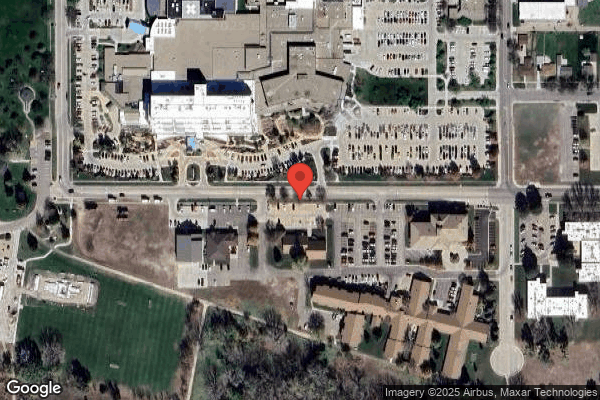
510 Centennial Circle, North Platte, NE 69101 (308) 534-7000
For profit - Limited Liability company 68 Beds AVID HEALTHCARE GROUP Data: November 2025 1 Immediate Jeopardy citation
Trust Grade
26/100
#134 of 177 in NE
Last Inspection: June 2025

Inspected within the last 6 months. Data reflects current conditions.

Overview

The Maples at Centennial has received a Trust Grade of F, indicating significant concerns and a poor reputation among nursing homes. Ranking #134 out of 177 facilities in Nebraska places it in the bottom half, while being #2 of 4 in Lincoln County suggests there is only one better option nearby. The facility is currently improving, as the number of issues reported decreased from 8 in 2024 to 7 in 2025. Staffing is average with a 3/5 rating and a turnover rate of 56%, which is similar to the state average. However, the facility has faced $22,313 in fines, which is higher than 86% of Nebraska facilities, indicating compliance issues. While the facility benefits from good RN coverage, which is better than 77% of state facilities, there have been critical incidents, including failing to prevent falls for multiple residents and not implementing necessary interventions to prevent weight loss and pressure ulcers. Overall, families should weigh these strengths and weaknesses carefully when considering this nursing home.

Trust Score
F
26/100
In Nebraska
#134/177
Bottom 25%
Safety Record
High Risk
Review needed
Inspections
Getting Better
8 → 7 violations
Staff Stability
⚠ Watch
56% turnover. Above average. Higher turnover means staff may not know residents' routines.
Penalties
✓ Good
$22,313 in fines. Lower than most Nebraska facilities. Relatively clean record.
Skilled Nurses
✓ Good
Each resident gets 43 minutes of Registered Nurse (RN) attention daily — more than average for Nebraska. RNs are trained to catch health problems early.
Violations
⚠ Watch
20 deficiencies on record. Higher than average. Multiple issues found across inspections.
★★☆☆☆
2.0
Overall Rating
★★★☆☆
3.0
Staff Levels
★★☆☆☆
2.0
Care Quality
★★☆☆☆
2.0
Inspection Score
Stable
2024: 8 issues
2025: 7 issues

The Good

  • Full Sprinkler Coverage · Fire safety systems throughout facility
  • No fines on record

Facility shows strength in fire safety.

The Bad

2-Star Overall Rating

Below Nebraska average (2.9)

Below average - review inspection findings carefully

Staff Turnover: 56%

10pts above Nebraska avg (46%)

Frequent staff changes - ask about care continuity

Federal Fines: $22,313

Below median ($33,413)

Minor penalties assessed

Chain: AVID HEALTHCARE GROUP

Part of a multi-facility chain

Ask about local staffing decisions and management

Staff turnover is elevated (56%)

8 points above Nebraska average of 48%

The Ugly 20 deficiencies on record

1 life-threatening 2 actual harm
Jun 2025 4 deficiencies
CONCERN (D)

Potential for Harm - no one hurt, but risky conditions existed

Deficiency F0628 (Tag F0628)

Could have caused harm · This affected 1 resident

Licensure Reference Number NAC 175-12 006.09(G)(i)7 Based on record review and interviews, the facility failed to document a recapitulation (a complete summary of resident stay in nursing facility fro...

Read full inspector narrative →
Licensure Reference Number NAC 175-12 006.09(G)(i)7 Based on record review and interviews, the facility failed to document a recapitulation (a complete summary of resident stay in nursing facility from admittance to discharge) for a resident-initiated discharge for 1 (Resident 50) of 6 sample resident. The facility identified a census of 59. Findings are: A record review of a Discharge summary and Plan of Care dated 06/08/2025 of Resident 50 revealed no documentation of a recapitulation summary of residents stay at facility. An Interview with the Social Service Director (SSD) on 06/24/2025 02:30 PM revealed that the recapitulation has not been part of the facilities discharge process, and that the facility utilized a Discharge Summary and Plan of Care. The SSD confirmed they were unaware of the regulatory requirement for the Recapitulation Summary and stated they would work to incorporate it in the discharge process in the future.
CONCERN (D)

Potential for Harm - no one hurt, but risky conditions existed

Deficiency F0657 (Tag F0657)

Could have caused harm · This affected 1 resident

Licensure Reference Number NAC 175-12 006.09(F) Based on record review and interviews, the facility failed to implement a Comprehensive Care Plan (a detailed, individualized guide that outlines a resi...

Read full inspector narrative →
Licensure Reference Number NAC 175-12 006.09(F) Based on record review and interviews, the facility failed to implement a Comprehensive Care Plan (a detailed, individualized guide that outlines a residents medical, functional, and psychosocial needs) addressing the need for repositioning bars based on assessed physical needs. A review of 1 (Resident 23) out of 3 sampled residents. The facility identified a census of 59. Findings are: A record review of the facilities Positioning Rails and Monitoring Policy dated 10/08/2024 revealed positioning rails are to only be implemented when clinically indicated. A record review of a Minimum Data Set (MDS, a federally mandated assessment tool for nursing homes reveals) a Brief Interview for Mental Status (BIMS) score of 11 idicating the resident is moderately cognitive impairment. An observation on of Resident 23's bed 6/23/2025 at 10:00 AM revealed 2 bed canes (a type of bed rail), 1 on each side of the bed. An interview with Resident 23 on 6/23/2025 10:00 AM revealed the (gender) did not know why bed canes were on (gender) bed. Resident revealed the repositioning bars were on the bed when (gender) was admitted . A record review of a Resident 23's Care Plan revealed no documentation for the use of the repositioning bars. An interview with the Assistant Director of Nursing (ADON) at 9:15 AM confirmed that resident 23s Care Plan did not include the use of bed canes and that it should have.
CONCERN (D)

Potential for Harm - no one hurt, but risky conditions existed

Quality of Care (Tag F0684)

Could have caused harm · This affected 1 resident

**NOTE- TERMS IN BRACKETS HAVE BEEN EDITED TO PROTECT CONFIDENTIALITY** Based on interviews and record review, the facility failed to assess a wound and obtain wound care orders for Resident 67. The s...

Read full inspector narrative →
**NOTE- TERMS IN BRACKETS HAVE BEEN EDITED TO PROTECT CONFIDENTIALITY** Based on interviews and record review, the facility failed to assess a wound and obtain wound care orders for Resident 67. The sample size was 6 with the facility identifying a census of 59. Findings are: A record review of Resident 67's admission Summary revealed Resident 67 was admitted to the facility on [DATE] after a surgery to the right ankle for intravenous (IV) antibiotics, wound care, and physical therapy services. Resident 67 had an admission diagnosis of Osteomyelitis (a bone infection, most often caused by bacteria) and Cellulitis (a bacterial infection of the skin and underlying tissues) to the right ankle. A record review of Resident 67's Physician Orders revealed no documented evidence of wound care orders to the right lower leg or Resident 67's weight-bearing status (the amount of weight that can safely be placed on a body part during healing after an injury or surgery). A record review of a progress note on 6/21/25 revealed that Resident 67 is alert and oriented to person, place, time, and situation. The note revealed that Resident 67 is able to make their needs known. An interview with Resident 67 on 6/23/25 at 9:30 AM revealed that their dressing had not been changed since they arrived because the facility stated they had no wound care orders. Resident 67 stated that no one has taken off their dressing to look at their wound. Resident 67 stated that they also thought they were supposed to be non-weight bearing but that the facility has been doing toe touch transfers. An interview with RN-A on 6/24/25 at 12:25 PM confirmed that there had been no dressing change or visualization of the wound since Resident 67 has been admitted on [DATE]. RN-A confirmed that the facility had no wound care orders at that time. RN-A further revealed that they thought Resident 67 was to be non-weight bearing but would need to clarify. RN-A confirmed that there is no weight bearing status order in Resident 67's order set. An interview with NA-F on 6/23/25 at 11:35 AM revealed they were not totally sure how Resident 67 transferred but thought they were non-weight bearing. An interview with the Rehab Services Director (RSD) on 06/25/25 at 9:26 AM revealed that Resident 67 is on their caseload and that they had orders that Resident 67 was to be non-weight bearing. The RSD revealed that they receive their orders from the Physical Therapist. The RSD later produced a document from Resident 67's discharge paperwork that revealed Resident 67 was to be non-weight bearing upon discharge from the hospital.
CONCERN (F)

Potential for Harm - no one hurt, but risky conditions existed

Food Safety (Tag F0812)

Could have caused harm · This affected most or all residents

**NOTE- TERMS IN BRACKETS HAVE BEEN EDITED TO PROTECT CONFIDENTIALITY** Licensure Reference Number NAC 175 12-006.11(E) Based on observations, interviews, and record review, the facility failed to st...

Read full inspector narrative →
**NOTE- TERMS IN BRACKETS HAVE BEEN EDITED TO PROTECT CONFIDENTIALITY** Licensure Reference Number NAC 175 12-006.11(E) Based on observations, interviews, and record review, the facility failed to store, prepare, and serve food in a manner to prevent potential for foodborne illness. This included not wearing gloves while touching food, not wearing beard covers in the food preparation area, not using water from a clean source for food preparation or steam table. This had the potential to affect all 59 residents who resided within the facility. Findings are: A. An observation on 6/23/25 at 10:58 AM in the walk-in cooler of the kitchen revealed: - 1 Sunkist orange juice concentrate 3-liter container, more than 75% used, no open date. - 1 Sunkist apple juice concentrate 3-liter container labeled 5/17, approximately 25% used. An observation on 6/23/25 at 11:18 AM in the dry goods storage area revealed: - 1-gallon jugs (128 fluid ounces) of Pearl [NAME] Company Original syrup, including 1 unopened jug with a best by date of 12/29/24 and 1 opened partial jug with an opened date of 3/20/24 and best by date of 12/29/24, and three unopened jugs with a best by date of 11/9/24. - Seven unopened 46-oz boxes of Grove brand pineapple juice, all labeled with an expiration date of 5/30/25. A record review of a facility policy titled, Food Safety Requirements, last revised 3/26/25, revealed that food should be labeled, dated, and monitored so it is used by its use-by date. An interview with the Dietary Manager (DM) on 6/23/25 at 11:36 AM revealed the following: - The 5/17 written on the apple juice concentrate referred to the date the item was received in the kitchen, and that there was no open date written on either container of concentrated juice. - The DM had consulted the juice manufacturer's website and found that the shelf life for the concentrated juice if opened was 10 days. The DM stated that the accepted practice is for kitchen staff to label the containers with an open date and follow the manufacturer's recommendations, and that the juice should have been discarded. An interview with DM on 6/23/25 at 11:36 AM confirmed the food items listed above were not safe or suitable for resident use and should have been used or discarded prior to the best by dates, and that opened items should have been labeled with an open date. B. Observations on 6/23/25 at 10:53 AM in the kitchen food preparation area revealed the DM and Cook-B were not wearing any covering over their lip and chin facial hair. An observation on 6/23/25 at 10:57 AM revealed that Dietary Aide-D (DA-D) had facial hair on their upper lip and chin but was not wearing a beard cover. An observation on 6/23/25 at 11:15 AM revealed that Dietary Aide-C (DA-C) walked through dry storage area to dining room. DA-C had facial hair on their upper lip and chin but was not wearing a beard cover. Record review of a facility policy titled, Food Safety Requirements, last revised 3/26/25 revealed that dietary staff must wear hair restraints, including beard covers, to prevent hair from contacting food. A record review of a facility policy titled, Maintaining a sanitary tray line, last revised 3/26/25 revealed staff shall wear hair restraints when preparing or handling food. An interview with DM on 6/23/25 at 11:36 AM revealed that beard covers were worn by kitchen staff for hair longer than ¼ in length, and that the staff members with hair or beards longer than that should have been wearing beard covers. DM confirmed that staff members Cook-B, DA-C, DA-D, and themselves (DM) should have worn beard covers while in the kitchen. C. An observation on 6/23/25 at 11:36 AM in the kitchen revealed Cook-B putting a clean grill scraper (a stainless-steel blade with plastic handle) into an uncovered stainless-steel pan with a charcoal block, next to several cleaning chemicals under a sink where dirty dishes were washed. A record review of a facility policy titled Food Safety Requirements, last revised 3/26/25, revealed, clean dishes shall be kept separate from dirty dishes. A record review of the 2017 Nebraska Food Code Section 7-201.11 revealed that toxic materials should be stored so they cannot contaminate food, equipment, and utensils. An interview with Cook-B at that time revealed the location observed under the sink was where the grill cleaning tools were always kept. An interview with DM on 6/23/25 at 11:40 AM confirmed that the grill cleaning tools were kept in that location. DM stated they were unaware the grill tools should not be kept in that location but agreed that accidental contamination could occur. D. An observation on 6/23/25 at 11:34 AM revealed Cook-B making a half sandwich of pulled pork on a hamburger bun. Cook-B touched the bun with an ungloved left hand and cut in half from top to bottom, scooped meat onto the opened bun, and then placed the top of the bun onto the meat without wearing gloves. Cook-B used a metal scoop to put macaroni and cheese in a small bowl, put the bowl on the plate with the half sandwich, then put into the serving window. Cook-B continued with the lunch service for additional residents. A record review of a facility policy titled Food Safety Requirements, last revised 3/26/25 revealed that staff shall not touch food with bare hands. The policy also revealed that gloves would be worn when directly touching ready-to-eat foods. A record review of a facility policy titled, Maintaining a sanitary tray line, last revised 3/26/25 revealed staff shall wear gloves when handling food items, especially when handling ready-to-eat foods. An interview with Cook-B on 6/23/25 at 11:38 AM revealed that Cook-B performed frequent handwashing instead of wearing gloves because they had been instructed in the past by another staff member that it was acceptable to do so. An interview with the DM at this time revealed that they had questioned the practice of not wearing gloves while touching ready-to-eat food in the past, but they were told by a superior the practice was allowed. E. An observation of food preparation on 6/25/25 at 9:53 AM revealed Cook-E dispensing water from the faucet in the handwashing sink into pitchers. The water from the handwashing sink was transferred into two separate pans for making boiled carrots and 2 more containers for instant mashed potatoes. At 10:35 AM water from the handwashing sink was added to the steam table. A record review of the 2017 Nebraska Food Code Section 5-205.11 revealed that a handwashing sink may not be used for another purpose besides handwashing. An interview with Cook-E on 6/25/25 at revealed they were not aware that the Nebraska Food Code stated the handwashing sink may only be used for handwashing. Cook-E stated the sink that was supposed to be used for clean water was on the opposite side of the kitchen. An interview with DM revealed the handwashing sink was being used for water because the hot water routinely took too long to reach the other faucets in the kitchen. Following education regarding the Food Code, they confirmed the practice could result in cross contamination.
Mar 2025 3 deficiencies 1 Harm
SERIOUS (G) 📢 Someone Reported This

A family member, employee, or ombudsman was alarmed enough to file a formal complaint

Actual Harm - a resident was hurt due to facility failures

Deficiency F0692 (Tag F0692)

A resident was harmed · This affected 1 resident

**NOTE- TERMS IN BRACKETS HAVE BEEN EDITED TO PROTECT CONFIDENTIALITY** Licensure Reference Number 175 NAC 12-006.09(H)(i)(3) Licensure Reference Number 175 NAC 12-006.09(J)(i)(1) Based on observation...

Read full inspector narrative →
**NOTE- TERMS IN BRACKETS HAVE BEEN EDITED TO PROTECT CONFIDENTIALITY** Licensure Reference Number 175 NAC 12-006.09(H)(i)(3) Licensure Reference Number 175 NAC 12-006.09(J)(i)(1) Based on observations, record reviews, and interviews; the facility failed to implement interventions to prevent weight loss for 2 (Residents 6 & 7) of 4 sampled residents. The facility census was 68. Findings Are: A record review of the facility policy Nutritional Management with review/revise date of 4/9/24 revealed the facility provides care and services to each resident to ensure the resident maintains acceptable parameters of nutritional status in the context of (gender) overall condition. In the Care plan implementation section, the policy stated an example of an intervention was to provide physical assist or provision of assistive devices and stated that real food would be offered first before adding supplements. A record review of a facility provided document Staff Education dated 2/11/2025 revealed that a nurse must be present in the dining room during every meal. A. A record review of Resident 6's admission Record revealed the resident was admitted to the facility on [DATE] with a primary diagnosis of dementia. A record review of Resident 6's most recent Minimum Data Set (MDS, a federally mandated comprehensive assessment tool used to determine a resident's functional capabilities and helps nursing home staff identify health problems) dated 12/26/24 revealed the resident had not had any weight changes, was on a therapeutic diet, and required supervision or touch assistance with eating. A record review of Resident 6's undated Care Plan revealed a Focus area stating the resident was at nutritional risk, which had a goal dated 12/16/24 of I will maintain a stable weight with no significant changes. The care plan also revealed in the Activities of Daily Living section that for eating/dining the resident required prompting, cueing, and set up. A record review of Resident 6's weights documented in their electronic health records revealed the following: -On 2/7/25 the resident weighed 82.5 pounds (lbs) and on 3/14/25 the resident weighed 76 lbs. This was a 7.8% weight loss in one month. -On 12/13/24 the resident weighed 86.5 lbs and on 3/14/25 the resident weighed 76 lbs. This was a 12.1% weight loss in 3 months. -On 9/13/24 the resident weighed 84.5 lbs and on 3/14/25 the resident weighed 76 lbs. This was a 10% weight loss in 6 months. A record review of Resident 6's Medication Administration Record (MAR) for February and March of 2025 revealed the resident had an order for Ensure or Glucerna three times a day, with a start date of 8/15/2024. Further review revealed the resident drank 100% of most doses. A record review of Resident 6's Task Monitor Amount Eaten documentation from 2/16/25 through 3/17/25 revealed Resident 6 consumed less than 50% of 40 out of the 90 meals, and there were 16 out of the 90 meals that had no documentation. A record review conducted on 3/18/25 of Resident 6's Progress Notes revealed a progress note dated 2/2/25 which stated the resident had been seen by their provider with no changes to medications and a statement to encourage protein drink/supplement daily. There were no additional progress notes after that date. A record review conducted on 3/18/25 of Resident 6's electronic medical records revealed no evidence that the facility had reached out to a provider or the dietitian in the prior 30 days related to the resident's weight loss. An observation on 3/17/25 beginning at 11:57 AM in the dining room revealed staff were bringing residents into the room at that time. At 12:10 PM the dietary aides began passing meal trays out to the residents who were in the room. At 12:16 PM nurse aides began entering the room and assisting residents with eating at two of the tables. Resident 6 was sitting in a chair approximately 1.5 feet away from the table where their food and drinks were. At 12:29 PM Resident 6 dropped their fork on the floor and a nurse took a new one to the resident. At 12:41 PM, Resident 6 left the dining room after consuming less than 25% of their food, 50% of their water, and 25% of their tea. No staff approached the resident during the meal to assist them to scoot their chair closer to the table, ask if they needed any assistance, or ask if they would like something different to eat. An observation on 3/18/25 from 7:37 AM through 8:23 AM of breakfast meal service in the dining room revealed Resident 6 was not in the dining room. An observation on 3/18/25 at 8:25 AM revealed the door to Resident 6's room was closed. In the dining room, Resident 6's meal ticket was sitting on the table next to the serving window, which is where the facility kept them until the resident was served their meal. A continuous observation on 3/18/25 beginning at 8:44 AM revealed Resident 6's call light was turned on and their room door was closed. At 8:57 AM, staff entered Resident 6's room, turned off the call light, and left the room. At 9:00 AM, the bath aide entered Resident 6's room and 3 minutes later both the bath aide and Resident 6 exited the room and walked down the hallway. Resident 6 attempted to walk into the dining room and the bath aide redirected the resident into the bathing room, stating lets go take a bath first. At 9:24 AM, Resident 6 exited the bathing room, and the bath aide guided the resident to a table in the dining room where the resident sat down. At 9:27 AM, the bath aide returned to the dining room and placed a plate of food, cup of orange juice, and cup of hot tea in front of Resident 6. The aide then left the dining room, the resident and a dietary aide remained in the dining room. Resident 6 spent from 9:27 AM until 9:34 AM opening their sugar packets and pouring them into the hot tea cup. Resident 6 began eating their breakfast at 9:36 AM. An interview on 3/18/25 at 9:36 AM with Dietary Aide (DA)- E revealed that there were typically 3-4 days per week at breakfast time where 2-3 residents were not taken to the dining room for their meal until after most of the other residents were done eating. An interview on 3/18/25 at 10:10 AM with NA-C revealed the staff did not provide assistance to Resident 6 during meals because this resident did not need assistance. When asked what staff were to do if a resident did not eat very well during a meal, NA-C stated the facility did not have any set guidelines, but that NA-C would offer the resident something different if the resident did not want to eat what had been served. An interview on 3/18/25 at 10:20 AM with Licensed Practical Nurse (LPN)-B revealed the nurse's responsibility when a resident had weight loss identified was to ask staff to re-weigh the resident to verify the weight, and to fax the resident's doctor and ask for Ensure. LPN-B stated that the nurse working the medication cart was responsible for administering any Ensure that was ordered for residents. LPN-B stated Resident 6's morning dose of Ensure was usually given around 8:00 AM with their breakfast and medications, and that Resident 6 usually drank all of their Ensure. An interview on 3/18/25 at 10:25 AM with the Director of Nursing (DON) revealed that the facility addresses resident's not eating well on a case-by-case basis. DON stated the facility discusses residents with weight loss during their daily stand up meetings, during weekly risk meetings, and during monthly Quality Assurance (QAPI) meetings. DON stated Resident 6 has had weight loss and receives a supplement three times a day, which the resident did drink routinely. DON stated that Resident 6 was an independent person and did not often want assistance from staff, but that the DON would still expect staff to offer to assist the resident if they were not eating during meals. B. A record review of Resident 7's admission Record revealed the resident was admitted to the facility on [DATE] with a primary diagnosis of an unspecified fracture of shaft of left femur (the bone in the upper portion of the leg). A record review of Resident 7's admission MDS dated [DATE] revealed the resident required set up or clean up assist with eating. A record review of Resident 7's undated Care Plan revealed a nutritional status goal of Resident will maintain adequate nutritional and hydration status as evidenced by weight being stable with no signs or symptoms of malnutrition or dehydration being present. An intervention in this section stated, Registered dietitian to evaluate and make diet/supplement change recommendations as needed. In the Activities of Daily Living section, it revealed the resident was independent with eating. A record review of Resident 7's weights documented in their electronic health record revealed the following: -The resident was admitted to the facility on [DATE] with a weight of 117.5 and on 3/1/25 their weight was 110.5. This was a 5.9% weight loss in one month. A record review of Resident 7's MAR for February and March 2025 revealed an order with a start date of 2/2/25 for Ensure or house supplement twice a day; to be administered between 7 AM-11 AM and between 4 PM-7 PM. The order did not allow for documentation of how much the resident consumed. A record review of Resident 7's Task Monitor Amount Eaten documentation from 2/16/25 through 3/17/25 revealed the resident refused their meal for 11 out of the 90 meals and consumed 0-25% of 47 out of the 90 meals. There was also no documentation present for 16 out of the 90 meals. A record review of a scanned document Appointment Order Form dated 3/7/25 for Resident 7 revealed the resident was seen by their provider that day and had an order to start taking a multivitamin. There was no evidence that the provider had been made aware of Resident 7's weight loss. An observation on 3/17/25 from 11:57 AM through 12:39 PM in the dining room revealed residents entering the dining room in preparation for the lunch meal. At 12:10 PM, staff began distributing meal trays to the residents that were present in the room, at this time Resident 7 was sitting in their wheelchair at a table. At 12:19 PM an aide sat down between Resident 7 and another resident but neither resident had their meals yet. Resident 7 received their meal shortly after this. At 12:31 PM, Resident 7 had taken a couple of bites of food and a drink of their tea. The aide sitting next to Resident 7 had been assisting another resident at the table. At 12:39 PM, Resident 7 independently exited the dining room after consuming less than 25% of their meal. Staff had not provided any assistance to the resident during the meal. An observation on 3/18/25 from 7:37 AM through 10:17 AM revealed staff began taking residents into the dining room at 7:37 AM, Resident 7 was sitting in a recliner outside the dining room at that time. The first meal trays began to be delivered at 8:02 AM in the dining room. At 9:00 AM, an aide set up a meal tray on an overbed table in front of Resident 7, who remained sitting in the recliner outside the dining room with their feet elevated, in a slouched position and leaning to the left. Resident 7 could be heard stating to their spouse that they could not get their feet down. The overbed tray was level with Resident 7's chin, and their silverware was sitting on the tray on the far side of their juice cup. The plate contained scrambled eggs, sausage links, and a slice of raisin toast. At 9:02 AM, Resident 7 picked up their juice cup and took a drink. Resident 7 did not take any further drinks from their cup or attempt to eat any of the food on their plate from 9:02 AM through 10:17 AM, and no staff approached the resident. At 10:18 AM, an aide approached Resident 7, cut a piece of egg, held the egg up to the resident and asked if the resident wanted a bite. Resident 7 said no, and then the aide took the plate and silverware into the dining room without any further conversation with the resident. An interview on 3/18/25 at 10:17 AM with Registered Nurse (RN)-A revealed the facility staff removed food trays from residents once they had been sitting out for 2 hours. RN-A then instructed a nearby aide to go see if they could assist Resident 7 after the surveyor pointed out that resident had had their meal tray for over an hour with no food consumption. An interview on 3/18/25 at 10:10 AM with NA-C revealed the staff knows which residents need assistance with meals by looking at the resident care plans which are in a book at the nurse's station. NA-C stated each resident's meal slip, which is placed on their tables with their meals, also states what type of assistance the residents need. When asked what staff were to do if a resident did not eat very well during a meal, NA-C stated the facility did not have any set guidelines, but that NA-C would offer the resident something different if the resident did not want to eat what had been served. NA-C stated that Resident 7 did need assistance with meals but that the resident would not eat. NA-C stated staff sit Resident 7 with their spouse for meals and offers the resident something different that they might enjoy more. NA-C also stated that sometimes Resident 7 ate in the dining room and sometimes in a recliner outside the dining room depending on the day and how the resident was feeling. An interview on 3/18/25 at 10:25 AM with the Director of Nursing (DON) revealed that the facility addresses resident's not eating well on a case-by-case basis. DON stated the facility discusses residents with weight loss during their daily stand up meetings, during weekly risk meetings, and during monthly Quality Assurance (QAPI) meetings. When asked about Resident 7, the DON stated that this resident doesn't ever want to eat. Facility recently changed resident's primary provider at the request of the resident's family due to the previous provider not meeting the resident's needs. DON stated the facility has tried supplements and milkshakes for this resident. DON also stated they would expect staff to cue Resident 7 at mealtimes and as needed. DON stated the facility's Dietitian works remotely and did provide consulting for some residents on 3/14/25, but not for Resident 7. The DON was unsure why Resident 7 was not reviewed/consulted on that date.
CONCERN (D) 📢 Someone Reported This

A family member, employee, or ombudsman was alarmed enough to file a formal complaint

Potential for Harm - no one hurt, but risky conditions existed

ADL Care (Tag F0677)

Could have caused harm · This affected 1 resident

Licensure Reference Number 175 NAC 12.006.09(H)(i)(3) Based on observation, interview, and record review, the facility failed to provide assistance with activities of daily living for one (Resident 4)...

Read full inspector narrative →
Licensure Reference Number 175 NAC 12.006.09(H)(i)(3) Based on observation, interview, and record review, the facility failed to provide assistance with activities of daily living for one (Resident 4) of five sampled residents. The facility identified a census of 67. Findings are: A record review of a Day Shift Routine/Checklist revealed at 6:15 AM Nurse Aides (NA) were to begin AM cares, including brushing teeth, and getting residents up and ready for breakfast. They were to obtain daily weight and vital signs as ordered. All residents should get dressed. If they refuse to get up or dressed, inform the Charge Nurse. A record review of an admission face sheet revealed Resident 4 was admitted to facility 11/26/24. Resident 4's pertinent diagnoses are as follows: Acute Kidney Failure (a significant decline in kidney function that leads to an accumulation of waste products in the blood), Chronic Obstructive Pulmonary Disease (a disease that causes inflammation and damage to the airways and air sacs in the lungs, leading to breathing difficulties), Muscle Weakness, Repeated Falls, and Anxiety. A record review of a quarterly Minimum Data Set (MDS- a federally mandated assessment tool used in nursing homes to evaluate level of function) revealed in Section C that Resident 4 has a Brief Interview for Mental Status (BIMS- a standardized assessment tool used to screen for cognitive impairment and track cognitive function in long-term care facilities) score of 9/15 indicating mild cognitive impairment. A record review of an Interdisciplinary Team Meeting Note dated 2/24/25 revealed Resident 4 required set up assistance with eating. Resident 4 was noted to dependent with all other cares including dressing/undressing, bathing, toileting, and transferring. An observation on 3/17/24 at 11:00 AM revealed Resident 4 in their room, laying on their back in bed. Resident 4 had on a yellow hospital gown with small green dots and a small pink food/liquid stain on the upper left collar. Resident 4's hair had a disheveled and uncombed appearance. An oxygen concentrator was turned on with the tubing draped over Resident 4's stomach and was not attached to their nose. Resident 4 did not show any signs of shortness of breath at that time. The bedside table was noted to be over the bed and had a clear, dried sticky substance on the surface. A nutritional supplement was observed on the bedside table with a straw inserted. When asked if Resident 4 had gotten up for breakfast or planned on getting up for lunch, [gender] responded they don't get me up, there's no need to. An observation on 3/17/25 at 12:30 PM of Resident 4 in their room revealed Resident 4 laying in bed, on their back, with oxygen tubing draped over abdomen and not placed in nose in the same fashion as previous observation. Resident 4 was noted to be awake and alert. No changes were noted from the previous observation. An observation on 3/17/25 at 3:00 PM of Resident 4 in bed, laying on their back with oxygen tubing draped over abdomen and not placed in nose. The bedside table was free from debris and trash. An observation on 3/18/25 at 7:50 AM revealed Resident 4 in bed, laying on their back. The oxygen tubing was noted to be placed in the nose and the concentrator was turned on. Resident 4 discussed their family photos at that time. An observation on 3/17/25 at 11:00 AM of Resident 4 in their room revealed Resident 4 laying in bed, on their back. Resident 4 was awake and talking with this surveyor. Resident 4's oxygen concentrator was turned on and the tubing was placed in their nose. Resident 4 had on a yellow hospital gown with green dots with a small pink food/fluid stain on the upper left collar. It appeared to be gown observed on 3/17/25. Resident 4 was observed to have their eyes closed and had a neck pillow placed behind her head. An interview on 3-17-25 at 3:15 PM with Nurse Aid (NA) G revealed Resident 4 is totally dependent on staff for cares. NA-G revealed that they, personally, have never assisted Resident 4 out of bed, but states they have asked Resident 4 if they'd like to and that [gender] has refused. NA-G stated that Resident 4 is supposed to be repositioned every few hours and have their brief changed. An interview on 3/17/25 at 3:30PM with Registered Nurse (RN) A revealed that Resident 4 is on comfort cares and is bed bound and stated that they were using the lift on [gender] but not anymore. RN-A revealed that Resident 4 wore a gown to make it easier to change [gender] brief. RN-A stated I told the same thing to the family when [gender] asked me about why Resident 4 had to wear the gown all the time. RN-A confirms it is the shift expectation for all residents to be assisted with cares including: washing face, brushing teeth, combing hair, and getting dressed for the day. RN-A confirmed that Resident 4 is not actively dying and was often awake and alert enough to get out of bed. 3-18-25 at 9:15 AM Interview with the Director of Nursing (DON) revealed staff are educated regarding the implementation and expectation of assistance with cares including dressing for the day, combing hair, and getting out of bed. The DON confirmed that Resident 4 should not be left in a gown for staff convenience and if Resident 4 chooses to wear a gown that it should be changed daily. The DON confirms that Resident 4 should be assisted with AM cares every morning and PM cares every evening. The DON confirms that if Resident 4 wants to stay in bed then it should be documented and that a more rigorous repositioning schedule should be implemented.
CONCERN (D) 📢 Someone Reported This

A family member, employee, or ombudsman was alarmed enough to file a formal complaint

Potential for Harm - no one hurt, but risky conditions existed

Infection Control (Tag F0880)

Could have caused harm · This affected 1 resident

Licensure Reference Number 175 NAC 1-005.06(D) Based on observation, interview, and record review, the facility failed to don (put on) Personal Protective Equipment (PPE) for Enhanced Barrier Precauti...

Read full inspector narrative →
Licensure Reference Number 175 NAC 1-005.06(D) Based on observation, interview, and record review, the facility failed to don (put on) Personal Protective Equipment (PPE) for Enhanced Barrier Precautions (EBP- infection control measures that involve targeted use of gowns, gloves, and mask during high-contact resident care activities to reduce the transmission of multidrug-resistant organisms) for one (Resident 5) of three sampled residents. The facility identified a census of 67. Findings are: A record review of an Enhanced Barrier Precautions Policy dated 4/1/24 revealed that EBP was required while performing high-contact care including: dressing, bathing, transferring, hygiene, changing linens, changing briefs or assisting with toileting, device care (central lines, urinary catheters, feeding tubes) and wound care. An observation on 3/17/24 at 1:00 PM revealed Nurse Aid (NA)-C and NA-F use a hoyer lift (a mechanical device designed to assist caregivers in safely transferring individuals with limited mobility from one place to another) to transfer Resident 5 from their wheelchair to their bed for the purpose of perineal (the area of skin and underlying tissues located between the anus and the genitals) care and catheter care. Resident 5 was noted to have an EBP sign on the outside of door related to their urinary catheter. NA-C and NA-F were observed entering Resident 5's room without donning PPE, with the exception of gloves, which were applied while performing perineal care and catheter care. An interview with NA-F on 3/17/25 at 1:50 PM revealed that NA-F was knowledgeable of the EBP policy and situations in which that policy was enacted. NA-F confirmed that Resident 5 was on EBP due to their urinary catheter. NA-F confirmed that perineal care and catheter care are considered high-contact care and confirmed that they were not wearing the PPE that was required per facility policy. An interview with NA-C on 3/17/25 at 1:45 PM revealed that NA-C was knowledgeable of the EBP policy and the situations that required EBP to be implemented. NA-C confirmed that Resident 5 had an EBP sign on their door which indicated the use of PPE for high-contact care. NA-C confirmed that they should have applied the required PPE prior to perineal care and catheter care. An interview with the Director of Nursing (DON) on 3/17/25 at 3:00 PM revealed staff are expected to apply PPE when performing any high-contact cares. The DON confirmed that both nurse aides should have applied PPE prior to providing care for Resident 5.
Oct 2024 1 deficiency 1 IJ
CRITICAL (J) 📢 Someone Reported This

A family member, employee, or ombudsman was alarmed enough to file a formal complaint

Immediate Jeopardy (IJ) - the most serious Medicare violation

Accident Prevention (Tag F0689)

Someone could have died · This affected 1 resident

Licensure Reference 175 NAC 12-006.09(I) Based on interviews and record reviews, the facility failed to identify causative factors, and develop and implement new interventions for falls for 3 (Residen...

Read full inspector narrative →
Licensure Reference 175 NAC 12-006.09(I) Based on interviews and record reviews, the facility failed to identify causative factors, and develop and implement new interventions for falls for 3 (Resident 1, 3, 4) of 4 sampled residents. The facility also failed to develop and implement interventions for 1 (Resident 5) of 4 sampled resident at-risk for elopement. The facility identified a census of 54. The facility was notified on 10/16/2024 at 8:40 PM of an Immediate Jeopardy (IJ) which began on 7/4/2024. The IJ was removed on 10/17/2024, as confirmed by the surveyor onsite verification. Findings are: A record review of facility policy Fall Prevention Program with a last revised date of 10/16/23 revealed when a resident experiences a fall, the facility will review and update the resident's care plan. The policy did not include identifying causative factors of falls. A. A record review of an admission Record indicated the facility admitted Resident 1 on 7/4/2024 with diagnoses of vascular dementia, disorientation, muscle weakness, and repeated falls. A record review of Resident 1's discharge Minimum Data Set (MDS, a federally mandated comprehensive assessment tool used for care planning), with a date of 9/30/2024, indicated Resident 1 had moderate cognitive impairment. A record review of Resident 1's Progress Notes with a date of 7/4/2024 revealed Resident 1 was found on the room of their floor. Resident 1 had a skin tear to their right elbow. A record review of a Post Fall Assessment with a date of 7/4/2024 revealed the causative factor of Resident 1's fall as unknown. A record review of Resident 1's Progress Notes with a date of 8/7/2024 at 7:20 AM revealed Resident 1 was found sitting on the floor in front of their closet. Resident 1 had complained of excruciating lower back pain and had two skin tears to their right elbow. Resident 1 was sent to the Emergency Department for evaluation. A record review of an Unwitnessed Fall without Injury report with a date of 8/7/24 revealed Resident 1 was observed sitting on the floor in front of their closet and stated he was trying to get pants. Confusion, noncompliance, and impaired memory were identified as causative factors of the fall. A record review of Resident 1's Progress Notes with a date of 8/7/2024 at 11:00 AM revealed Resident 1 was being admitted to the hospital with lumbar compression fracture and pneumonia. A record review of Resident 1's Progress Notes with a date of 8/12/2024 revealed Resident 1 was observed laying on the floor. Resident 1 had been complaining of chest pain. Resident 1 also suffered a skin tear to their right elbow. A record review of an Unwitnessed Fall without Injury report with a date of 8/12/24 revealed Resident 1 was laying found on the floor. Identified causative factor was poor lighting. A record review of an Unwitnessed Fall without Injury report with a date of 8/13/24 revealed resident was found on the bathroom on their knees. Resident 1 had stated they were trying to get back in their wheelchair when they lost their strength when trying to stand. Confusion and gait imbalance were identified as causative factors and ambulating without assistance. A record review of Resident 1's Progress Notes with a date of 9/28/2024 revealed Resident 1 had arrived from the Emergency Department. Resident 1 was found 20 minutes later on the floor and had been laying in a puddle of blood. Resident 1 was transported by the ambulance back to the hospital. Resident 1 later returned to the facility with a glued facial wound. Resident 1 was placed on 1 on 1 cares. A record review of a Post Fall Assessment with a date of 9/28/2024 revealed the causative factor of Resident 1's fall as noncompliance. A record review of Resident 1's Progress Notes with a date of 9/29/2024 revealed Resident 1 was being non-compliant with staying in the bed. A record review of Resident 1's Progress Notes with a date of 9/30/2024 revealed Resident 1 was found on the ground noted to be bleeding from a previous laceration to his face. Resident was transferred to the Emergency Department by the ambulance. A record review of Resident 1's Progress Notes with a date of 9/30/2024 revealed Resident 1 had been admitted to the hospital following the CT results of having a brain bleed and was also noted to have a cut to their left ear, four stitches to their left eyebrow, a skin tear to their left elbow, and an abrasion to their left shoulder. A record review of an Unwitnessed Fall with Injury report with a date of 9/30/2024 indicated Resident 1's post fall Emergency Department notes indicated Resident 1 was hospitalized with a brain bleed after fall. It also revealed non-compliance, gait imbalance, and ambulating without assistance as causative factors for the fall. A record review of Resident 1's fall care plan revealed Resident 1 was at risk for falls due to cognitive impairment, confusion, unaware of safety needs, and wandering. It also revealed no interventions were placed after Resident 1's fall on 7/4/2024 and the intervention for Resident 1 was 1 to 1with the resident by a staff member from 9/28/2024 was not resolved until 10/4/2024. It also revealed the intervention for Resident 1's fall identified as due to poor lighting was to schedule a doctor's appointment. An interview on 10/16/24 at 5:10 PM with Nurse Aide (NA) - C revealed that fall mats, side rails, and cameras were the only fall interventions NA-C was aware of. Regarding Resident 1, NA-C stated Resident 1 did not like female staff assisting them and would get upset when female staff tried to redirect [gender] or assist [gender]. An interview on 10/16/24 at 5:15 PM with LPN-B revealed that when a resident has a fall, LPN-B does not put new interventions into place for the residents. LPN-B stated they would, however, make sure the resident's bed was in low position and their call light was within reach. When asked about fall interventions, LPN-B stated the only fall interventions they were aware of for the residents were to make sure the residents' beds were in low position and that their call lights were within reach. An interview on 10/16/2024 at 8:12 PM with the Administrator confirmed mental status and noncompliance were not causative factors of falls as the residents are vulnerable adults and lack the safety awareness to protect themselves from falls. The interview also confirmed no causative factor was identified or follow up intervention placed after Resident 1's fall on 7/4/2024. Interview also revealed an intervention of 1 to 1 with staff until settled was placed for Resident 1's fall on 9/28/2024, but no causative factor was identified. The Administrator stated 1 to 1 with staff was discontinued, but was unsure of when, but believed it was on 9/29/2024. The Administrator did confirm the intervention was not resolved off the care plan until 10/4/2024 and confirmed no documentation 1 to 1 with staff was removed or Resident 1 had settled, the Administrator also acknowledge the Progress Note written on 9/29/2024 stated that Resident 1 had been non-compliant with staying in bed. The Administrator also confirmed intervention for Resident 1's fall on 8/12/24 was not appropriate. B. A record review of an admission Record indicated the facility admitted Resident 4 on 2/16/2024 with diagnoses of chronic pain and repeated falls. A record review of Resident 4's quarterly MDS with a date of 8/15/2024 indicated Resident 4 had severe cognitive impairment. It also indicated Resident 4 had two or more falls since their last assessment. A record review of Resident 4's Progress Notes with a date of 7/1/2024 revealed Resident 4 was in the restroom and had fallen. The progress note did not identify a causative factor of the fall. A record review of Resident 4's Fall report with a date of 7/1/2024 revealed no causative factors of Resident 4's fall had been identified. A record review of Resident 4's Progress Notes with a date of 8/6/2024 revealed Resident 4 was found sitting on the floor by the end of their roommate's bed. The progress note did not identify a causative factor of the fall. A record review of Resident 4's Unwitnessed Fall without Injury with a date of 8/6/2024 revealed no causative factors of Resident 4's had been identified. A record review of Resident 4's Progress Notes with a date of 8/27/2024 revealed Resident 4 had a witnessed fall while sliding off their bed. A record review of an Unwitnessed Fall without Injury report with a date of 8/27/2024 revealed Resident 4 had slid off their bed and fell. A causative factor had been identified as wet floor. A record review of Resident 4's Progress Notes with a date of 8/29/2024 revealed Resident 4 had an unwitnessed fall. Resident 4 had tried to slide from the bed to the trashcan to have a bowel movement and fell. Resident 4 had no injuries. A record review of an Unwitnessed Fall without Injury report with a date of 8/29/2024 revealed resident was attempting to transfer from bed to the trashcan due to needing to have an urgent bowel movement. Causative factors were identified as incontinence and ambulating without assist. A record review of Resident 4's Progress Notes with a date of 9/11/2024 revealed Resident 4 was found laying in the lobby between a chair and their wheelchair. Resident 4 reported [gender] had hit [gender] head. The on-call physician had recommended Resident 4 be sent to the emergency room for evaluation due to being on a blood thinner. The family declined. A record review of an Unwitnessed Fall without Injury report with a date of 9/11/2024 revealed Resident 4 had fallen in the lobby. Causative factors of confusion and noncompliance had been identified for Resident 4's fall. A record review of Resident 4's Progress Notes with a date of 9/29/2024 revealed Resident 4 was found sitting on their bottom with their legs under the bed. Resident was unable to explain what they were doing at the time of fall. Resident 4 had no injuries. A record review of an Unwitnessed Fall without Injury report with a date of 9/29/2024 revealed Resident 4 was observed sitting on their bottom with legs under the bed. Resident 4 was unable to explain what they had been doing doing. Identified causes of Resident 4's fall were determined as poor lighting and improper footwear. A record review of Resident 4's Progress Notes with a date of 10/1/2024 revealed Resident 4 was found sitting on the floor next to their bed and had stated they were trying to get ready for bed. Resident 4 had no injuries. A record review of an Unwitnessed Fall without Injury report with a date of 10/1/2024 revealed Resident 4 was observed sitting on the floor next to their bed, and had stated I was going to bed. It also revealed causative factor identified as impaired memory, confusion, and ambulating without assist. A record review of Resident 4's fall care plan with a date initiated of 3/7/2024 revealed Resident 4 was at risk for falls due to dementia/confusion, gait imbalance, incontinence, and unaware of safety needs. It also revealed the following: - Intervention from fall on 10/1/2024 was a duplicate of 9/27/2024 to educate staff. - An intervention for Resident 4's fall on 9/11/2024 had not been developed and implemented on the care plan. - The intervention for Resident 4's fall on 8/27/2024 was to ensure appropriate footwear, when Resident 4 rolled out of bed. An interview on 10/16/2024 with the Director of Nursing (DON) confirmed no causative factors were identified for Resident 4's falls on 8/6/2024, 7/1/2024. The DON also confirmed Resident 4's intervention for 8/29/2024 and 9/29/2024 were not appropriate. The DON also confirmed Resident 4's fall on 8/27/2024 causative factor and interventions were not appropriate. An interview on 10/16/2024 at 6:17 PM with the Administrator confirmed Resident 4's fall intervention for 10/1/2024 was already used on 9/27/2024. An interview on 10/16/2024 at 6:45 PM with the Administrator confirmed mental status and noncompliance were not causative factors of falls as the residents are vulnerable adults and lack the safety awareness to protect themselves from falls. The Administrator also confirmed the intervention for Resident 4's fall on 8/27/2024 was not appropriate. C. A record review of an admission Record indicated the facility admitted Resident 3 on 3/8/2022 and had diagnoses of cognitive communication deficit, muscle weakness, repeated falls, difficulty in walking, and osteoporosis. A record review of Resident 3's annual MDS with a date of 8/7/2024 revealed Resident 3 had moderate cognitive impairment. It also revealed Resident 3 had fallen two or more times since the last assessment. A record review of Resident 3's fall care plan with an initiated date of 11/22/2021 revealed Resident 3 was at risk for falls and had recent falls. A record review of Resident 3's Progress Notes with a date of 9/7/2024 revealed Resident 3 had been heard yelling for help. Resident 3 was found sitting on the floor next to their bedroom door. Resident 3 had no injuries. A record review of Resident 3's AS- Post Fall Assessment with a date of 9/7/2024 revealed root cause analysis and interventions boxes were left uncompleted. An interview on 10/16/2024 at 5:48 PM with the Director of Nursing (DON) confirmed a causative factor of Resident 3's fall on 9/7/2024 had not been identified at the time of Resident 3's fall. An interview on 10/16/2024 at 8:06 PM with the Administrator confirmed a causative factor of Resident 3's fall on 9/7/2024 had not been identified at the time of Resident 3's fall. D. A record review of an undated facility policy titled Elopements and Wandering Residents revealed the facility will identify and assess risk and implement interventions when a resident is at risk for elopement. The policy also revealed the team will evaluate unique factors contributing to the resident's risk in order to develop a person-centered care plan. A record review of an admission Record indicated the facility admitted Resident 5 on 10/2/2024 with diagnoses of heart failure, Chronic Kidney Disease, and Type II Diabetes Mellitus. A record review of the facility's Elopement Log, the facility's list of residents who have been identified to be at-risk for elopement, revealed that Resident 5 was added to the Elopement Log, on 9/4/2024. A record review of Resident 5's undated Care Plan revealed Resident 5 had no care plan focus, goals, or interventions related to elopement, exit seeking, or wandering. A record review of Resident 5's physician's orders revealed Resident 5 had no orders related to their Wanderguard or other orders of interventions for exit seeking. An interview on 10/16/24 at 7:50 PM with Licensed Practical Nurse (LPN) - A revealed they were unaware Resident 5 was at risk for elopement and were unaware Resident 5 had a Wanderguard. LPN-A also confirmed they check the functionality of Wanderguards on nightshift, but had not been checking Resident 5's Wanderguard. An interview on 10/16/2024 at 7:00 PM with the DON confirmed Resident 5 had no focus area regarding elopement or wandering on their care plan. The DON also confirmed Resident 5 had no orders for the Wanderguard or to check the functionality placed in their orders. The facility took the following immediate actions to remove the immediacy of the situation: Facility Abatement Statement: How are we going to identify residents at risk for fall and Elopement: -Fall assessment upon admission -Elopement assessment upon admission How will you remove the deficient practice and when? -Resident 1 (as of 10-16-2024) resident is no longer residing in the facility -Residents 3 and 4 (environmental check will be completed to ensure room is free of clutter, fall hazards and new interventions will be implemented as indicated after check is completed by end of day 10-16-2024) -Resident 5 Wander guarded location and functionality order to monitor was placed on the TAR and Care Plan updated to reflect elopement risk. 10-16-2024 -All staff present now will be educated regarding fall prevention, root cause analysis and elopement, and all other staff will be educated prior to working their next shift. -A Fall Risk assessment will be completed on all HC residents by end of day 10-17-2024 any resident identified as at risk for falls will have appropriate interventions implemented and an care plan updated. -An Elopement assessment will be completed on all HC residents by end of day 10-16-2024 any resident identified as at risk for elopement will have appropriate interventions implemented and care plan updated. -Fall Care Plan created upon admission and reviewed quarterly and as indicated by Fall assessment score. -Residents at risk for falls will have fall care plans (baseline initially) and comprehensive care plan with interventions in place. -With each fall a post fall assessment will be completed, and a root cause analysis will be completed to determine the cause of the fall, and appropriate interventions will be added to prevent a recurrence. -Residents at high risk for elopement as identified by the Elopement assessment score will be provided a wander guard, they will be added to the elopement binder, and an order for monitoring the device will be placed in the orders (location and functionality) every day and night shift. -Risk for elopement will be placed on the care plan with interventions. -Staff will be educated on the location of the Elopement book at the nurse's station, a reminder sign will be added to the staff bulletin board, and a list posted on the facility bulletin board in PCC. -All staff present now will be educated regarding falls and elopement, and all other staff will be educated prior to working their next shift. -A Fall Risk assessment will be completed on all HC residents by end of day 10-17-2024 any resident identified as at risk for falls will have appropriate interventions implemented and an care plan updated. -An Elopement assessment will be completed on all HC residents by end of day 10-16-2024 any resident identified as at risk for elopement will have appropriate interventions implemented and care plan updated. How will we ensure this will not reoccur: -Falls will be reviewed daily in Daily Clinical -Administrator or Designee will utilize the fall review checklist to audit fall review, Root Cause analysis, and intervention implementation weekly x 12 weeks. -Falls will be reviewed weekly in Risk meeting to ensure interventions are effective and if not, new interventions will be implemented. -Administrator or Designee will audit fall review in risk weekly x 12 weeks. -Elopement assessment scores will be reviewed upon admission in Daily Clinical. -Administrator or Designee will audit Elopement assessment scores to ensure appropriate interventions are in place weekly x 12 weeks. At the time of the survey, the violation was determined to be at the immediate jeopardy level J. Based on observation, interview and record review completed during the onsite visit, it was determined the facility had implemented corrective action to remove the IJ violation at the time. A final revisit will be conducted to determine if the facility is in substantial compliance with participation requirements. At the time of exit, the severity of the deficiency was lowered to the D level.
Jun 2024 7 deficiencies
CONCERN (D)

Potential for Harm - no one hurt, but risky conditions existed

Comprehensive Assessments (Tag F0636)

Could have caused harm · This affected 1 resident

**NOTE- TERMS IN BRACKETS HAVE BEEN EDITED TO PROTECT CONFIDENTIALITY** Licensure Reference Number 175 NAC 12-006.09(B) Based on observations, record review, and interviews; the facility failed to en...

Read full inspector narrative →
**NOTE- TERMS IN BRACKETS HAVE BEEN EDITED TO PROTECT CONFIDENTIALITY** Licensure Reference Number 175 NAC 12-006.09(B) Based on observations, record review, and interviews; the facility failed to ensure 1 (Resident 13) of 14 sampled resident's MDS (Minimum Data Set, a federally mandated comprehensive assessment tool utilized for care planning) was coded with current level of assist. The facility census was 47. The findings are: A record review of the facility policy MDS 3.0 Completion with implementation date of 8/1/23, revealed that the facility would conduct an initial and periodic comprehensive, accurate and standardized assessment of each resident's functional capacity, using the Resident Assessment Instrument (RAI) specified by the State. A record review of Resident 13's annual MDS, dated [DATE] revealed in section GG that Resident 13 was dependent on staff for transfers. The MDS defined the term dependent as the helper does ALL of the effort. Resident does none of the effort to complete the activity, or that the assistance of 2 or more helpers is required for the resident to complete the activity. An observation on 6/25/24 at 8:50 AM revealed NA (Nurse Aide)-P in Resident 13's room preparing to take Resident 13 to the bathing room for a bath. Resident 13 was laying in their bed. NA-P explained to Resident 13 what they were going to do, then Resident 13 sat themselves up and then scooted to the edge of the bed while gripping NA-P's hand. NA-P then assisted Resident 13 to stand up, pivot, and sit down in their wheelchair. An interview on 6/26/24 at 9:25 AM with NA-O revealed NA-O had worked in the facility since August 2023 and that they were familiar with the level of assistance Resident 13 required for their cares. NA-O stated that Resident 13 was able to stand and pivot transfer with the assistance of 1 staff and a gait belt. A record review of facility nursing staff Activities of Daily Living (ADL) documentation on Resident 13 for the month of April 2024, revealed Resident 13 required limited to extensive assist of one staff for transfers. A record review of facility nursing staff ADL documentation on Resident 13 for the month of May 2024, revealed Resident 13 required limited to extensive assist of one staff for transfers. A record review of facility nursing staff ADL documentation on Resident 13 for the month of June 2024, revealed Resident 13 required limited to extensive assist of one staff for transfers. An interview on 6/26/24 at 9:35 AM with the MDS Coordinator revealed [gender] completed Section GG of each resident's MDS by interviewing a nurse aide and asking them how the resident transferred, received information from the therapy department if the resident was receiving therapy, and had recently started utilizing a new assessment that was available in Point Click Care (a long-term care electronic medical record system). MDS Coordinator revealed that sometimes residents were coded as dependent if the resident was having behaviors and required two staff assistance, but did not know if this was the reason they had coded Resident 13 this way on their MDS.
CONCERN (D)

Potential for Harm - no one hurt, but risky conditions existed

Quality of Care (Tag F0684)

Could have caused harm · This affected 1 resident

Licensure Reference Number 175 NAC 12-006.09 Based on observations, record reviews and interviews; the facility failed to ensure 1 (Resident 5) of 1 sampled resident had labs completed per the physici...

Read full inspector narrative →
Licensure Reference Number 175 NAC 12-006.09 Based on observations, record reviews and interviews; the facility failed to ensure 1 (Resident 5) of 1 sampled resident had labs completed per the physicians' order. The facility census was 47. Findings are: A. A record review of Resident 5's Census Record revealed the resident admitted to facility on 11/14/23. A record review of Resident 5's Medical Chart did not reveal a diagnosis of Hypothyroidism diagnosis. A record review of MMR (Medication Regimen Review) dated 4/23/24 and 5/24/24 under Findings/Recommendations from the pharmacist revealed the following: Resident has an order for a yearly Thyroid-stimulatine hormone (TSH). A record review of Physician Orders for the June 2023 TAR (Treatment Administration Review) revealed an order for a lab draw for TSH, and fax results to the physican. The lab was ordered revealed a start date of 9/15/2022 and is to be completed annually. A record review of Physician's Order on the June 2023 MAR (Medication Administration Review) revealed a medication order with a start date of 12/1/2023 to give 75 mcg (micrograms) of Levothyroxin by mouth daily with a indication for thyroid. A record review of TSH labs revealed last results were dated 9/16/22. Further review of Resident 5's medical chart did not reveal any other TSH labs. In an interview with DON on 6/24/24 at 3:22 PM confirmed that Resident 5's TSH lab has not been completed since 9/16/22.
CONCERN (D)

Potential for Harm - no one hurt, but risky conditions existed

Deficiency F0698 (Tag F0698)

Could have caused harm · This affected 1 resident

**NOTE- TERMS IN BRACKETS HAVE BEEN EDITED TO PROTECT CONFIDENTIALITY** Licensure Reference Number 175 NAC 12-006.09 Based on record review and interview; the facility failed to follow dialysis instr...

Read full inspector narrative →
**NOTE- TERMS IN BRACKETS HAVE BEEN EDITED TO PROTECT CONFIDENTIALITY** Licensure Reference Number 175 NAC 12-006.09 Based on record review and interview; the facility failed to follow dialysis instructions for assessment of the arterial venous (AV) graft (an abnormal connection between an artery and a vein in an arm or leg) and a dialysis catheter (a flexible tube used for dialysis treatment) for 1 (Resident 30) of 1 sampled resident. The facility census was 47. Findings are: A review of policy Hemodialysis dated 8/1/23 revealed the following: -The policy purpose was to assure that the resident receives care and services for the provision of Hemodialysis that is consistent with professional standards of practice. This included ongoing a assess of condition, complications before and after dialysis treatments. -The nurse will ensure that the dialysis access site is checked before, and after dialysis, treatments. The dialysis graft is to be auscultated every shift for patency by a listening for a bruit/thrill. If absent the nurse will immediately notify the attending physician, dialysis facility and or nephrologist. -External dialysis catheters will be assessed every shift to ensure that the catheter dressing is intact and not soiled. A record review of Resident 30's Order Summary Report dated 6/26/24 included the following: -Complete Pre/Post Dialysis Communication before and after dialysis on Monday, Wednesday, and Friday. -Do not submerge dialysis catheter site. Must stay clean and dry. Every day and night shift for infection prevention. -Must remove bandage to AV graft site 4 hours after dialysis treatment for prevention. -Send midodrine (a medication that is used to increase a blood pressure) with resident to dialysis -Wrap upper arm containing [NAME] Cream (a mixture of lidocaine and prilocaine that is used for its numbing properties) 1 hour before dialysis and wrap with saran wrap. A record review of Nurse's Notes dated 3/2/24 - 6/25/24 revealed no documentation of assessment for the following: -Checking bruit ( is a whooshing sound.) /thrill (is like a vibration caused by blood flowing through the fistula and can be felt by placing your fingers just above your incision line) of AV graft site upper arm graft. -No documented monitoring for sign or symptom of infection, drainage, or dressing status for Resident 30's 2 dialysis access sites. -No documented ointment being applied prior to dialysis. An interview on 6/24/24 at 2:16 PM with Resident 30 revealed the nursing staff do not look at the dialysis sites, and the staff do not listen to a bruit/thrill, and most times they do not take off the dressing when gets back to the facility. An interview on 6/25/24 at 1:43 PM with Registered Nurse (RN) reveals that the nursing staff are responsible for assessing the dialysis sites, documenting, and notifying the physician if needed. States that all assessments are documented in the nurses' notes. An interview on 06/25/24 at 3:18 PM with the Director of Nursing confirmed that there were not assessments or documentation for Resident 30 either on the treatment record, or in the nurses' notes.
CONCERN (D)

Potential for Harm - no one hurt, but risky conditions existed

Medication Errors (Tag F0758)

Could have caused harm · This affected 1 resident

**NOTE- TERMS IN BRACKETS HAVE BEEN EDITED TO PROTECT CONFIDENTIALITY** Based on interviews and record reviews; the facility failed to obtain a clinically valid rationale for the continuance of a psyc...

Read full inspector narrative →
**NOTE- TERMS IN BRACKETS HAVE BEEN EDITED TO PROTECT CONFIDENTIALITY** Based on interviews and record reviews; the facility failed to obtain a clinically valid rationale for the continuance of a psychotropic medications for 1 (Resident 26) of 5 sampled residents. The facility census was 47. Findings are: A record review of the facility policy Use of Psychotropic Medication with a last revised date of 4/24/2023 revealed a resident should receive a gradual dose reductions, unless clinically contraindicated, in an effort to discontinue psychotropic medications. A record review of an annual Minimum Data Set (MDS, a standardized assessment tool that measures health status in nursing home residents), with an Assessment Reference Date of 5/1/2024 revealed Resident 26 was admitted to the facility on [DATE]. The MDS also revealed Resident 26 had a Brief Interview for Mental Status ( a mandatory tool used to screen and identify the cognitive condition of residents upon admission into a long-term care facility) score of 14, which indicated Resident 26 was cognitively intact. A record review of Resident 26's Orders with a date of 6/24/2024 revealed an order for sertraline 100 milligrams (mg.) A record review of a Note To Attending Physician/Prescriber indicated the pharmacist had identified the need for a dosage reduction of Resident 26's sertraline. The physician had responded that a dosage reduction was clinically contraindicated with a rationale of because [NAME]. An interview on 6/24/2024 at 3:15 PM with the Director of Nursing confirmed the rationale for the continued use of Resident 26's sertraline was not a clinical rationale.
CONCERN (E)

Potential for Harm - no one hurt, but risky conditions existed

Comprehensive Care Plan (Tag F0656)

Could have caused harm · This affected multiple residents

**NOTE- TERMS IN BRACKETS HAVE BEEN EDITED TO PROTECT CONFIDENTIALITY** F. A record review of Resident 30's Face Sheet dated 6/25/24 revealed the resident was admitted on [DATE] and was receiving dial...

Read full inspector narrative →
**NOTE- TERMS IN BRACKETS HAVE BEEN EDITED TO PROTECT CONFIDENTIALITY** F. A record review of Resident 30's Face Sheet dated 6/25/24 revealed the resident was admitted on [DATE] and was receiving dialysis care upon admission. A record review of the residents Diagnosis List dated 6/25/24 revealed that the resident had a diagnosis of End Stage Renal Disease (ESRD, a disease in which the kidneys do not function as they should, leaving waste products in the blood). A record review of Resident 30's Care Plan revealed that there was no focus or interventions for dialysis on the Care Plan. A record review of Resident 30's Order Summary Report dated 6/26/24 included the following order: Complete Pre/Post Dialysis Communication before and after dialysis on Monday, Wednesday, and Friday. A record review of Resident 30's Nurses Notes dated 3/2/24-6/25/24 revealed that there were no notes mentioning dialysis for care plan meetings. An interview on 6/25/24 at 3:18 PM with the DON confirmed that dialysis was not on Resident 30's Care Plan. B. A record review of an admission Record indicated the facility admitted Resident 48 on 4/27/2024 with diagnoses of atrial fibrillation, chronic pain syndrome, muscle weakness, depression, asthma, and obesity. A record review of Resident 48's admission MDS with an Assessment Reference Date of 5/2/2024 indicated Resident 48 required supervision with oral hygiene; partial assistance with personal hygiene; and extensive assistance with toileting, bathing, and dressing. A record review of Resident 48's Care Plan, under the Activities of Daily Living section, revealed no information regarding Resident 48's assistance needs for eating, ambulation, dressing, personal hygiene, or bathing. C. A record review of an admission Record indicated the facility admitted Resident 54 on 5/2/2024 with diagnoses of Chronic Obstructive Pulmonary Disease, chronic respiratory failure, Diabetes Mellitus, depression, chronic pain, atrial fibrillation, Congestive Heart Failure, and muscle weakness. A record review of Resident 56's admission MDS with an Assessment Reference Date of 5/6/2024 indicated Resident 56 required setup assistance for eating, moderate assistance for toileting and personal hygiene, and extensive assistance with dressing and bathing. A record review of Resident 56's Care Plan, under the Activities of Daily Living section, revealed no information regarding Resident 56's assistance needs for eating, toileting, dressing, personal hygiene, or bathing. An interview on 6/26/24 at 11:05 AM with the Administrator revealed the facility leadership was aware of the residents' care plans containing out of date information and of the care plans not comprehensively addressing each of the residents' needs. Licensure Reference Number 175 NAC 12-006.09(E) Based on record review, observations, and interviews; the facility failed to develop and implement comprehensive care plans based on the resident assessments and needs for 6 (Residents 22, 28, 29, 30, 48, and 54) of 14 sampled residents. The facility census was 47. The findings are: Comprehensive Care Plans Policy dated 9/18/2023 revealed under Policy: It is the policy of this facility to develop and implement a comprehensive person-centered care plan for each resident, consistent with resident rights, that includes measurable objectives and timeframe's to meet a resident's medical, nursing, and mental and psychosocial needs that are identified in the resident's comprehensive assessment. Under Policy Explanation and Compliance Guidelines: 3. The Comprehensive care plan will describe, at a minimum, the following: a. The services that are to be finished to attain or maintain the resident's highest practicable physical, mental, and psychosocial well-being. A. A record review of Resident 22's Minimum Data Set (MDS, a federally mandated comprehensive assessment tool used for care planning), dated 3/23/24 revealed in Section C a Brief Interview for Mental Status (BIMS, is a mandatory tool used to screen and identify the cognitive condition of residents upon admission into a long-term care facility) score of 9/15, which indicated the resident had moderate cognitive impairment, Section I revealed diagnoses of arthritis and pain, and Section J revealed the resident had received both routine and as needed pain medications in the prior 5 days. A record review of Resident 22's physician's orders revealed the following active orders: -Monitor pain level every day and night shift. -Acetaminophen (a medication used to treat mild pain) 325 milligrams (MG), two tablets every 6 hours as needed for pain, headache, or fever. -Acetaminophen 325 MG, two tablets twice a day (BID) for pain. -Gabapentin (an anticonvulsant medication sometimes used for nerve pain) 100 MG, one capsule BID for pain. -Gabapentin 300 MG, one capsule at bedtime for pain. -Tramadol (a medication used to treat moderate pain) 50 MG, one tablet every 6 hours as needed for pain management. -Tramadol 50 MG, one tablet every morning for low back pain. -Hydrocodone/Acetaminophen (a narcotic pain medication) 5/325 MG, one tablet every 6 hours as needed related to diagnosis of displaced fracture of hamate bone, left wrist. -Diclofenac Gel 1%, apply topically to the left knee every 12 hours as needed for pain. A record review of Resident 22's diagnosis list revealed diagnoses of osteoarthritis and pain. A record review of Resident 22's undated Care Plan revealed no evidence of the resident's pain being identified as an area of concern for the resident or of interventions related to the resident's need for both routine and as needed medications to treat their pain. An interview on 6/26/24 at 11:05 AM with the administrator revealed the facility leadership was aware of the residents' care plans containing out of date information and of the care plans not comprehensively addressing each of the residents' needs. D. A record review of Resident 28's MAR (Medication Administration Record) revealed resident was admitted to the facility on [DATE]. A record review of Resident 28's medical chart revealed a diagnosis of Monoarthritis. A record review of MDS dated [DATE] revealed in Section GG0115. Functional Limitation in Range of Motion of upper and lower extremity marked 0 indicating no impairment for: upper extremity (shoulder, elbow, wrist, hand) and lower extremity (hip, knee, ankle, foot). A record review of Resident 28's Care Plan did not reveal that the resident had limited ROM, positioning devices or preventive skin care for the left hand. An observation on 6/24/24 at 7:49 AM revealed Resident 28 was in bed with [gender] left hand closed. The resident was unable to open it [gender] left hand. The observation did not reveal any positioning or protective devices in place. An observation on 6/24/24 at 12:32 PM revealed Resident 28 was eating lunch in the dining room and feeding [gender] after the kitchen staff cut the meat into bit size pieces on [gender] plate. Resident 28's left hand was closed and had no positioning or protective devices in place. An observation on 6/25/24 at 8:39 AM revealed staff pushing Resident 28 to the dining room for breakfast in a wheelchair. Resident 28's left hand was closed and had no positioning or protective devices between the palm and fingers. An observation on 6/26/24 at 8:25 AM revealed Resident 28 in the dining room eating breakfast. Resident 28's left hand was closed and had no positioning or protective devices in place. In an interview with Nurse Aide (NA)-G on 6/25/24 at 12:00 PM revealed that Resident 28 needs extensive assistance with cares and the staff anticipate the resident's needs. NA-G further revealed Resident 28 had contractures of the left hand prior to admission to the facility. The staff tried using a carrot device and washcloth in the hand, but resident kept taking it out. In an interview on 6/25/24 at 10:58 AM with the Director of Nursing (DON) revealed Resident 28 was unable to open [gender] left hand and when the DON attempted to open the hand and was unable to. Resident said it was painful when DON was trying to open it. No redness or open area noted to palm of hand. DON stated [gender] would notify the physician. E. A record review of Resident 29's EMAR (a legal electronic record of the medications administered to a patient at a facility by a health care professional) revealed Resident 29 admitted to the facility on [DATE]. A record review of Resident 29's Diagnosis is Colostomy (is surgery to create an opening for the colon (large intestine) through the belly (abdomen)). A record review revealed Resident 29's medical chart did not reveal any documentation for ostomy in the physician orders, EMAR, or care plan. A record review revealed Resident 29's MDS dated [DATE] under Section H0100. Appliances C revealed the resident has an ostomy (an artificial opening in an organ of the body, created during an operation). A record review of Resident 29's Care plan revealed no documentation of an ostomy. An observation on 6/24/24 at 10:17 AM revealed Resident 29 has an ostomy bag in place. In an interview with Resident 29 on 6/23/24 at 3:18 PM revealed [gender] has an ostomy and the staff care for it by changing the wafer every 3-4 days and emptying the bag. In an interview on 6/25/24 at 2:30 PM with the DON confirmed Resident 29's ostomy was not documented on the Physician's Orders, EMAR or Care Plan. Ostomy Care - Colostomy, Urostomy, and Ileostomy Policy revised 11/27/23 revealed: It is the policy of this facility to ensure that residents who require colostomy, urostomy, or ileostomy services receive care consistent with professional standards of practice, the comprehensive person-centered care plan, and the resident's goals and preferences. Under Policy Explanation and Compliance Guidelines: 4. The resident's goals and preferences for care and treatment of the ostomy will be used to formulate a plan of care for the ostomy (i.e. self-care, dependent care). 5. The frequency of pouch changes and the products required for changing ostomy devices will be noted on the resident's person-centered care plan. 9. The comprehensive care plan will reflect any special products or pouching techniques needed to prevent or manage any skin breakdown surrounding the ostomy.
CONCERN (E)

Potential for Harm - no one hurt, but risky conditions existed

Unnecessary Medications (Tag F0759)

Could have caused harm · This affected multiple residents

Licensure Reference 175 NAC 12- 006.10(D) Based on observations, interviews, and record review; the facility failed to ensure medications were administered at the right time for 3 (Resident 10, 11, a...

Read full inspector narrative →
Licensure Reference 175 NAC 12- 006.10(D) Based on observations, interviews, and record review; the facility failed to ensure medications were administered at the right time for 3 (Resident 10, 11, and 21) of 3 sampled residents and to ensure the medication error rate was less than 5%. The medication error rate was 12%. The facility census was 47. Findings are: A. A record review of the facility policy Medication Administration with an implemented date of 8/1/2023 revealed medication on an empty stomach include glipizide and insulin. The policy also stated to administer within 60 minutes prior to or after scheduled time unless otherwise ordered by physician. A record review of Resident 10's Order Entry for Novolog with a date of 6/24/22024 revealed directions to administer 15 minutes prior to meals. An observation on 6/24/2024 at 8:04 AM revealed Registered Nurse (RN)-A administered Novolog to Resident 10. Resident had been in the dining room eating a banana just prior to administration. An interview on 6/24/2024 at 8:13 AM with RN-A confirmed Resident 10 was not administered the Novolog 15 minutes before breakfast as ordered. B. A record review of Resident 21's Order Entry for glipizide with a date of 6/24/2024 revealed directions to administer 30 minutes before a meals. An observation on 6/24/2024 at 8:26 AM revealed Medication Aide (MA)-B administered glipizide to Resident 21. Resident was in the dining room eating a bowl of cereal at the time of administration. An interview on 6/24/2024 at 8:50 AM with MA-B confirmed Resident 21 was not administered glipizide 30 minutes before breakfast as ordered. C. A record review of Resident 11's Medication Administration Record with a date of July 2024 revealed an order for Prostat to be administered at 9:00 AM. An observation on 6/24/2024 at 11:54 AM revealed MA-B administered Prostat to Resident 11. An interview on 6/24/2024 at 12:03 PM with MA-B confirmed Resident 21's Prostat was administered late because Resident 21 had requested it be given at lunch.
CONCERN (E)

Potential for Harm - no one hurt, but risky conditions existed

Infection Control (Tag F0880)

Could have caused harm · This affected multiple residents

**NOTE- TERMS IN BRACKETS HAVE BEEN EDITED TO PROTECT CONFIDENTIALITY** Licensure Reference Number 175 NAC 12-006.18(B) Based on observations, record reviews, and interviews; the facility failed to di...

Read full inspector narrative →
**NOTE- TERMS IN BRACKETS HAVE BEEN EDITED TO PROTECT CONFIDENTIALITY** Licensure Reference Number 175 NAC 12-006.18(B) Based on observations, record reviews, and interviews; the facility failed to distribute residents' laundry in a manner that prevented the potential for cross contamination, and failed to ensure the cleanliness of nebulizer equipment for 1 (Resident 29) of 1 sampled resident to prevent the potential for cross contamination. The facility census was 47. The Findings Are: A. A record review of facility policy Infection Prevention and Control Program with implementation date of 4/1/24, revealed that laundry and direct care staff would handle, store, process, and transport linens to prevent the spread of infection and that clean linen would be delivered to resident care units on covered linen carts with the covers down. An observation on 6/25/24 at 8:59 AM of the Laundry Supervisor (LS) revealed the LS was distributing residents' personal laundry. LS parked the rolling clean linen cart outside resident room [ROOM NUMBER] and opened the cart cover on the side of the cart facing the center of the hallway and propped the cover on the top of the cart. LS then obtained one resident's clean laundry from the cart at a time for residents residing in rooms 401, 402, 404, 405, and 408, and carried the laundry from the cart parked outside room [ROOM NUMBER] to each of the rooms without the benefit of a protective covering. The clean linen cart was left uncovered and unattended while LS delivered the laundry to each room. LS then closed the cart cover, and pushed the cart to the 500 hallway, parking it outside room [ROOM NUMBER]. LS then opened the cart cover on the side of the cart facing the center of the hallway and propped the cover on the top of the cart. LS then obtained one resident's clean laundry from the cart at a time for residents residing in rooms 502, 505, 507, 509, and 511, and carried the laundry from the cart parked outside room [ROOM NUMBER] to each of the rooms without the benefit of a protective covering. LS then closed the cart cover and pulled the linen cart to another hallway. An interview on 6/25/24 at 9:13 AM with LS confirmed that the clean linen cart was left uncovered throughout the time it was parked on the 400 hall and while it was parked on the 500 hall. LS also confirmed that the clean laundry was carried from the parked linen cart to each resident room without a protective covering on it. B. A record review of Nebulizer Therapy Policy revised 4/16/2024 revealed: It is the policy of this facility for nebulizer treatments, once ordered, to be administered by nursing staff as directed using proper technique and standard precautions. Policy Explanation and Compliance Guidelines: 16. Disassemble and wash the nebulizer with water, hot soapy water, rinse and allow to air dry. Care of the Equipment: -Clean after each use. -Wash hands before handling equipment. -Disassemble parts after every treatment. -Wash the nebulizer cup and mouthpiece with hot soapy water and rinse. -Place in basket and allow to air. A record review of Resident 29's Clinical Census revealed the resident admitted on [DATE]. A record review of Resident 29's Care plan revealed: Respiratory Status Impaired: Resident has impaired respiratory status and is at risk for shortness of breath, respiratory distress, increased anxiety, and hypoxia with an intervention of provide nebulizer therapy as ordered date initiated: 05/29/2024. A record review of Resident 29's undated Diagnosis Sheet revealed a diagnosis of lobar pneumonia. A record review of Resident 29's Physicians Orders on the EMAR (Electronic Medication Administration Record, a legal record of the medications administered to a patient at a facility by a health care professional) revealed the following: - Change nebulizer mask/pipe and tubing weekly. Wipe down machine with disinfectant wipes every night shift every Sun for neb. - Clean nebulizer mask/pipe after each use with soap and water and place in a basket to dry. - Ipratropium/Sol Albuter 1 vial inhale orally every 4 hours as needed for SOB (shortness of breath)/wheezing with a start date of 6/12/2024. - Albuterol Neb 0.083% 1 vial inhale orally every 6 hours as needed for wheezing with a start date of 5/28/2024. A record review of June's EMAR revealed that a nebulizer treatment dose was not documented, the mask was undated, but documented that it was changed on 6/23/24 in the EMAR. An observation on 6/23/24 at 11:55 AM revealed Resident 29's nebulizer mask was laying on stand beside TV undated, unassembled and with dry whitish residue on the inside of the mask. An observation on 6/24/24 at 8:03 AM revealed Resident 29's nebulizer mask with dry whitish residue on the inside of the mask sitting by the Nebulizer machine unassembled and undated. An observation on 6/24/24 at 10:17 AM revealed Resident 29's nebulizer mask unassembled, undated and with dry whitish residue on the inside of the mask. An observation on 6/25/24 at 7:25 AM revealed Resident 29's nebulizer mask was undated with dry whitish residue on the inside of the mask, laying by the TV unassembled. In an interview on 6/25/24 at 1:22 PM with the Director of Nursing (DON) confirmed that the nebulizer mask is not dated and has dry whitish residue on the mask. The DON revealed that the facilities expectations were that the nurses should put the mask in a basket for storage when not in use, and to clean the mask with soap and water after each use.
Jun 2023 5 deficiencies 1 Harm
SERIOUS (G) 📢 Someone Reported This

A family member, employee, or ombudsman was alarmed enough to file a formal complaint

Actual Harm - a resident was hurt due to facility failures

Pressure Ulcer Prevention (Tag F0686)

A resident was harmed · This affected 1 resident

Licensure Reference Number 175 NAC 12-006.09D2a Licensure Reference Number 175 NAC 12-006.09D2b Based on record review and interview the facility failed to ensure that it developed and implemented int...

Read full inspector narrative →
Licensure Reference Number 175 NAC 12-006.09D2a Licensure Reference Number 175 NAC 12-006.09D2b Based on record review and interview the facility failed to ensure that it developed and implemented interventions to prevent pressure ulcers (a Pressure injury-a localized wound of the skin and/or underlying tissue, usually over a bony area. A bedsore.) for 1 resident (Resident 103). The facility census was 47. Findings are: Record review of the facility policy titled Pressure Ulcers/Skin Breakdown dated April 2018 revealed that the nursing staff will assess and document an individual's significant risk factors for developing pressure ulcers; for example immobility, recent weight loss, and a history of pressure ulcer. The staff will examine the skin of newly admitted residents for evidence of existing pressure ulcers or other skin conditions. Record review of the admission Record for Resident 103 dated 6/6/23 revealed that Resident 103 admitted into the facility on 5/19/22 for orthopedic aftercare (care provided after a surgical procedure). The admission Record revealed that Resident 103 discharged from the facility on 6/20/22. Record review of the progress note for Resident 103 dated 5/20/22 at 12:24 PM revealed that Resident 103 was non-weight bearing on their ankle for 6 to 8 weeks. Record review of the Braden Scale for Predicting Pressure Ulcer Risk (a standardized, evidence-based assessment tool commonly used in health care to assess and document a patient's risk for developing pressure injuries) dated 5/19/22 for Resident 103 revealed that Resident 103 had a score of 18. A score of 18 indicates the resident is at mild risk for pressure ulcer development. The assessment listed clinical suggestions for interventions to put into place to prevent pressure ulcers. No interventions were selected. Interview on 6/8/23 at 2:53 PM with the Facility Administrator (FA) revealed that staff are expected to conduct a Braden Scale assessment on admission and then weekly for 3 weeks for all admissions to the facility. Record review of the medical record for Resident 103 revealed no additional Braden Scale assessments documented for Resident 103 to assess the resident's risk for developing pressure ulcers. Record review of the undated care plan for Resident 103 revealed that it contained no focus area for Resident 103's risk of pressure ulcer development and no interventions for staff to provide care to prevent the development of pressure ulcers for Resident 103 until after Resident 103 developed a pressure ulcer. The focus area titled I have a potential for pressure ulcer development related to immobility was initiated (added to the care plan) on 6/24/22 (this was 4 days after Resident 103 discharged from the facility). Record review of the facility Weekly Skin Check (a form used to document an assessment of the resident's skin) dated 5/19/22 for Resident 103 documented that Resident 103 had skin that was intact (no breaks, scrapes, cuts, or other openings in the skin). (Resident 103 had no pressure ulcers). Record review of the Minimum Data Set (MDS) (a mandatory comprehensive assessment tool used for care planning) dated 5/25/22 for Resident 103 revealed that it was the admission assessment for Resident 103. The MDS revealed that Resident 103 had a Brief Interview for Mental Status (BIMS) (a brief screening tool that aids in detecting cognitive impairment) score of 8 (a score of 8 indicates that the resident has moderately impaired cognitive abilities). The MDS revealed that Resident 103 required the extensive assistance of 2 or more staff providing physical assistance for bed mobility (turning side to side and repositioning) and toilet use. The MDS revealed that Resident 103 was at risk of developing pressure ulcers. The MDS revealed that Resident 103 did not have any unhealed pressure ulcers. The MDS revealed that the only skin and ulcer/injury treatments in place for Resident 103 were surgical wound care, applications of ointments/medications, and application of dressings to the feet. Pressure ulcer prevention interventions of pressure reducing device for chair, pressure reducing device for bed, and turning/repositioning program were not documented as applicable for Resident 103 and were not in place. Record review of the progress note for Resident 103 dated 5/28/22 at 8:54 AM revealed that a pressure area to the sacrum (a triangular bone in the lower back just above the tailbone) was cleansed and the dressing changed. Record review of the facility skin Alteration Evaluation (a facility form used to document breaks in a resident's skin) for Resident 103 dated 5/29/23 documented that Resident 103 now had a pressure ulcer on the left buttock measuring 4.5 centimeters (cm) long, 0.6 cm wide, with no depth. The stage of the pressure ulcer (a classification assigned to a pressure ulcer based on the depth, severity, types of tissues affected, and other characteristics) was marked NA non applicable. The evaluation documented that Resident 103 now had a pressure ulcer on the sacrum (a triangular bone in the lower back just above the tailbone) that measured 3 cm long, 1.5 cm wide, and was 0.8 cm deep. The pressure ulcer was classified as unstageable (full thickness loss of tissue). Record review of the progress note dated 5/29/22 at 3:05 PM for Resident 103 revealed that the facility notified the physician and requested a wound care appointment for Resident 103's open areas to their buttocks. Record review of the progress note for Resident 103 dated 5/30/22 at 9:35 PM revealed that Resident 103 is now on a turn schedule (a schedule for repositioning a resident to reduce pressure on one part of the body for an extended period of time). The note revealed that Resident 103 now had a pressure reducing device to their chair and their bed. (This was 2 days after Resident 103 was identified as having a pressure ulcer on the sacrum.) Record review of the medical record for Resident 103 revealed no documentation of any pressure ulcer prevention interventions prior to the progress note dated 5/30/22. Record review of the facility policy titled Pressure Ulcers/Skin Breakdown dated April 2018 revealed that the nurse shall describe and document the following: a. Full assessment of pressure sore including location, stage, length, width and depth, presence of exudates (drainage) or necrotic tissue (dead body tissue). b. pain assessment as needed. c. Resident's mobility status. d. Current treatments, including support surfaces. e. All active diagnoses. Interview on 6/8/23 at 2:53 PM with the FA confirmed that Resident 103 developed pressure ulcers while in the facility. The FA confirmed that the facility only had 1 Braden Scale assessment documented for Resident 103. The FA confirmed that the 3 weekly Braden Scale assessments expected after admission were not completed. The FA confirmed that the expectation is for staff to assess and document pressure ulcer measurements and the description of pressure ulcers weekly and as needed until healed. The FA revealed that the staff should complete the Skin Alteration Evaluation weekly until the pressure ulcer is healed. The FA confirmed that weekly monitoring of pressure ulcers including their measurements and description is required to identify if the pressure ulcer is healing or if a new treatment should be considered. Record review of the Weekly Skin Check for Resident 103 dated 6/2/22 revealed that Resident 103 had no new skin alterations. The skin check documented that Resident 103 had pressure injury of the left buttock and sacrum. The documentation did not contain any measurements or description of the pressure injuries for Resident 103. Record review of the Weekly Skin Check for Resident 103 dated 6/9/22 revealed that Resident 103 had no new skin alterations. The skin check documented that Resident 103 had pressure injury of the left buttock and sacrum. The documentation did not contain any measurements or description of the pressure injuries for Resident 103. Record review of the Weekly Skin Check for Resident 103 dated 6/16/22 revealed that Resident 103 had no new skin alterations. The skin check documented that Resident 103 had specific skin concerns of the left buttock and sacrum. The type of skin concern (pressure injury) was not documented. The documentation did not contain any measurements or description of the pressure injuries for Resident 103. Record review of the facility skin Alteration Evaluation for Resident 103 dated 6/16/22 documented that Resident 103 had an open area on the left buttock that measured 0.5 cm long by 1 cm wide, with no depth. The stage of the pressure injury was not documented. The evaluation documented that the area on the sacrum was an unstageable pressure ulcer that measured 4.5 cm long, 2.5 cm wide, and had a depth of 4 cm. The section titled other relevant information documented that the resident was seeing wound care for treatment of the left buttock and sacrum. Record review of the MDS Discharge Assessment for Resident 103 dated 6/20/22 revealed that Resident 103 had two stage 2 pressure ulcers. Interview on 6/8/23 at 3:50 PM with the FA revealed that Resident 103 went out of the facility for wound care treatment with the contracted wound care clinic once the resident developed pressure ulcers in the facility. The FA revealed that the facility had difficulty getting any documentation from the wound clinic. Interview on 6/8/23 at 3:50 PM with the FA confirmed that the care plan for Resident 103 was updated to include the potential for pressure ulcer development on 6/24/22. The FA confirmed that the update to the care plan was completed to document the interventions that were put into place on 5/29/22 for Resident 103 after Resident 103 developed a pressure ulcer. The FA confirmed that the care plan for Resident 103 did not contain interventions to prevent a pressure ulcer prior to the development of pressure ulcers.
CONCERN (E)

Potential for Harm - no one hurt, but risky conditions existed

Deficiency F0655 (Tag F0655)

Could have caused harm · This affected multiple residents

Licensure Reference Number 175 NAC 12-006.09C1a Based on record review and interview the facility failed to complete the required baseline care plan (a written plan required to be developed within 48 ...

Read full inspector narrative →
Licensure Reference Number 175 NAC 12-006.09C1a Based on record review and interview the facility failed to complete the required baseline care plan (a written plan required to be developed within 48 hours of admission detailing the instructions needed to provide initial effective and person-centered quality care for a resident) for 1 resident (Resident 14); and failed to ensure that a written summary of the baseline care plan was reviewed and provided to the resident/resident representative for 3 residents (Residents 1, 14, and 7). This prevented the resident/resident representative from participating in the care plan and identifying any additional care needed by the resident. The facility census was 47. Findings are: A. Record review of the undated Facility Admissions Packet revealed the section titled Resident Rights. The section revealed that the Resident has the right to be fully informed of his or her total health status. The resident has a right to be fully informed in advance about care, treatment, and any changes in that care or treatment which may affect the Resident's well-being. The Resident has a right to participate in planning his or her care and treatment or changes in care and treatment. Record review of the facility policy titled Care Plans-Baseline Nebraska dated December 2016 revealed that a baseline plan of care to meet the resident's immediate needs shall be developed for each resident within 24 hours of admission. The Baseline Care Plan evaluation shall be reviewed with the interdisciplinary team, resident, and representative and they will be provided with a copy of the Baseline Care Plan evaluation that includes the initial goals of the resident, a summary of the resident's medications and dietary instructions, any services and treatments to be administered by the facility and personnel acting on behalf of the facility, any updated information based on the details of the comprehensive care plan as necessary. Record review of the admission Record for Resident 14 dated 6/6/23 revealed that Resident 14 admitted into the facility on 9/20/22. Diagnoses included stroke, anxiety, and quadriplegia (paralysis of all 4 limbs). Record review of the health record for Resident 14 revealed no documentation of a baseline care plan being completed for Resident 14. Interview on 6/7/23 at 10:50 AM with the Facility Administrator (FA) confirmed that the facility did not have a baseline care plan for Resident 14 as required. Interview on 6/7/23 at 12:01 PM with the facility Social Services Director (SSD) confirmed that the expectation is to complete the resident baseline care plan within 24 hours of admission. B. Record review of the undated Facility Admissions Packet revealed the section titled Resident Rights. The section revealed that the Resident has the right to be fully informed of his or her total health status. The resident has a right to be fully informed in advance about care, treatment, and any changes in that care or treatment which may affect the Resident's well-being. The Resident has a right to participate in planning his or her care and treatment or changes in care and treatment. Record review of the facility policy titled Care Plan-Baseline Nebraska dated December 2016 revealed that a baseline plan of care to meet the resident's immediate needs shall be developed for each resident within 24 hours of admission. The Baseline Care Plan evaluation shall be reviewed with the interdisciplinary team, resident, and representative and they will be provided with a copy of the Baseline Care Plan evaluation that includes the initial goals of the resident, a summary of the resident's medications and dietary instructions, any services and treatments to be administered by the facility and personnel acting on behalf of the facility, any updated information based on the details of the comprehensive care plan as necessary. Record review of the admission Record for Resident 1 dated 6/6/23 revealed that Resident 1 admitted into the facility on 9/9/22. Diagnoses included respiratory failure with hypoxia (a condition where you don't have enough oxygen in the tissues in your body), schizophrenia (a serious mental disorder in which people interpret reality abnormally), and diabetes. Record review of the undated Baseline Care Plan (BCP) for Resident 1 documented the admission date as 9/9/22 for Resident 1. The BCP revealed the section titled BCP Summary and Signatures. The section Plan of Care BCP summary was blank. The section for the Resident signature and date and the Representative signature and date were blank.The section titled Signatures of Staff Completing the Baseline Care Plan contained a signature of a Food Service Director with no date documented. Record review of the resident medical record for Resident 1 revealed no documentation of a review of the baseline care plan with the resident/representative. The medical record contained no documentation that a written summary of the baseline care plan was provided to the resident/representative. Interview on 6/7/23 at 11:46 AM with the Facility Administrator (FA) confirmed that the expectation is for the facility to review the baseline care plan with the resident and resident representative and to provide a copy of the baseline care plan. The FA confirmed that the facility expectation is to follow the facility policy. Interview on 6/7/23 at 12:01 PM with the facility Social Services Director (SSD) revealed that each department is expected to complete their section of the resident baseline care plan. The SSD revealed that the SSD is to print out the Baseline Care Plan and the resident Order Summary (a listing of all physician orders for a resident) to present to the resident and resident representative to review and sign. The SSD revealed that the signed baseline care plan should be scanned into the resident record. The SSD revealed that the expectation is to complete the resident baseline care plan within 24 hours of admission. The SSD confirmed that the expectation is to meet with the resident/resident representative to review and sign the baseline care plan within 48 hours of admission. C. Record review of the admission Record for Resident 14 dated 6/6/23 revealed that Resident 14 admitted into the facility on 9/20/22. Diagnoses included stroke, anxiety, and quadriplegia (paralysis of all 4 limbs). Record review of the health record for Resident 14 revealed no documentation of a baseline care plan being completed for Resident 14. The health record for Resident 14 revealed no documentation that the resident/representative participated in a baseline care plan. Interview on 6/7/23 at 10:50 AM with the Facility Administrator (FA) confirmed that the facility did not have a baseline care plan for Resident 14. The FA confirmed the facility did not have a baseline care plan to review with the resident/resident representative as required. Interview on 6/7/23 at 12:01 PM with the facility Social Services Director (SSD) revealed that each department is expected to complete their section of the resident baseline care plan. The SSD revealed that the SSD is to print out the Baseline Care Plan and the resident Order Summary (a listing of all physician orders for a resident) to present to the resident and resident representative to review and sign. The SSD revealed that the signed baseline care plan should be scanned into the resident record. The SSD revealed that the expectation is to complete the resident baseline care plan within 24 hours of admission. The SSD confirmed that the expectation is to meet with the resident/resident representative to review and sign the baseline care plan within 48 hours of admission. D. Record review of the admission Record for Resident 7 dated 6/6/23 revealed that Resident 7 admitted into the facility on 4/20/23. Diagnoses included fractured vertebra (a bone of the backbone/spine), major depression, and respiratory failure (a serious condition that makes it difficult to breathe on your own). Record review of the Baseline Care Plan (BCP) for Resident 7 dated 4/22/23 revealed the section titled BCP Summary and Signatures. The section Plan of Care BCP summary was blank. The section for the Resident signature and date and the Representative signature and date were blank. The section titled Signatures of Staff Completing the Baseline Care Plan contained a signature of a Food Service Director with no date documented. Record review of the resident medical record for Resident 7 revealed no documentation of a review of the baseline care plan with the resident/representative. The medical record contained no documentation that a written summary of the baseline care plan was provided to the resident/representative. Interview on 6/7/23 at 11:46 AM with the Facility Administrator (FA) confirmed that the expectation is for the facility to review the baseline care plan with the resident and resident representative and to provide a copy of the baseline care plan. The FA confirmed that the facility expectation is to follow the facility policy. Interview on 6/7/23 at 12:01 PM with the facility Social Services Director (SSD) revealed that each department is expected to complete their section of the resident baseline care plan. The SSD revealed that the SSD is to print out the Baseline Care Plan and the resident Order Summary (a listing of all physician orders for a resident) to present to the resident and resident representative to review and sign. The SSD revealed that the signed baseline care plan should be scanned into the resident record. The SSD revealed that the expectation is to complete the resident baseline care plan within 24 hours of admission. The SSD confirmed that the expectation is to meet with the resident/resident representative to review and sign the baseline care plan within 48 hours of admission.
CONCERN (E) 📢 Someone Reported This

A family member, employee, or ombudsman was alarmed enough to file a formal complaint

Potential for Harm - no one hurt, but risky conditions existed

ADL Care (Tag F0677)

Could have caused harm · This affected multiple residents

Licensure Reference Number 175 NAC 12-006.09D1 Based on observation, record review, and interview the facility failed to provide bathing to residents as required for 5 residents (Residents 3, 43, 7, 1...

Read full inspector narrative →
Licensure Reference Number 175 NAC 12-006.09D1 Based on observation, record review, and interview the facility failed to provide bathing to residents as required for 5 residents (Residents 3, 43, 7, 104, and 105). The facility census was 47. Findings are: A. Record review of the facility policy titled Resident Self Determination and Participation dated February 2021 revealed that the facility respects and promotes the right of each resident to exercise his or her autonomy regarding what the resident considers to be important facets of his or her life. Each resident is allowed to choose activities and schedule health care consistent with their interests, values, assessments, and plans of care including personal care needs such as bathing methods. Record review of the undated facility Clinical Admissions Packet revealed that the section titled admission Agreement included that the facility will provide the resident with 24-hour nursing and personal care. Your care will be that needed for your health, safety, and well-being. The section titled Resident Rights revealed that the resident has a right to a dignified existence. Record review of the admission Record for Resident 3 dated 6/63/23 revealed that Resident 3 admitted into the facility on 8/3/21. Observation on 6/6/23 at 4:08 PM in the room of Resident 3 revealed that the resident's hair was uncombed and sticking up. The hair was greasy in appearance. Observation on 6/7/23 at 8:33 AM in the facility dining room revealed that Resident 3 sat in a wheelchair. Resident 3 had hair that was uncombed and sticking up. The resident's scalp appeared dry with white pieces of dry skin. Resident 3's fingernails were soiled with dull yellow-brown residue. Observation on 6/8/23 at 10:14 AM in the room of Resident 3 revealed that the resident hair was greasy and uncombed. Resident 3's face had dried food on it. Record review of the Minimum Data Set (MDS) (a mandatory comprehensive assessment tool used for care planning) dated 3/31/23 for Resident 3 revealed that section G0120 (Bathing) was blank and did not include the amount of self-performance or amount of support provided to Resident 3 with bathing. Section GG of the assessment revealed that Resident 3 required partial to moderate assistance with bathing/showering. Record review of the undated current care plan for Resident 3 revealed that Resident 3 required assistance of 1 staff with bathing per resident preferences. Interview on 6/8/23 at 10:14 AM with Resident 3 revealed that the resident wants to receive their baths and prefers a bath 3 times a week. Resident 3 revealed that there were weeks the resident did not get a bath. Record review of the undated Care Task Record Reports for 3/1/23 through 6/7/23 for Resident 3 revealed that the resident received a bath/shower on 3/3/23, 3/6/23, 3/8/23, 3/16/23 (8 days after the previous bath), 4/5/23 (20 days after the previous bath), 4/10/23, 4/12/23, 4/17/23, 4/19/23, 4/24/23, 4/26/23, 5/2/23, 5/8/23, 5/10/23, 5/15/23, 5/29/23 (14 days after the previous bath), 6/2/23, and 6/5/23. Interview on 6/8/23 at 10:21 AM with Nurse Aide-F (NA-F) confirmed that Resident 3 loves their baths and showers and does not refuse to take them. NA-F revealed that the facility social worker documents resident bathing preferences on admission. Interview on 6/8/23 at 3:37 PM with the facility Director of Nursing (DON) confirmed that the expectation is for residents to receive a minimum of 2 baths weekly or per the resident preference. Interview on 6/8/23 at 3:37 PM with the Regional Nurse Consultant (RNC) confirmed that facility residents were not getting baths weekly or per their preferred number of baths a week. The RNC revealed that the facility started to ensure that residents were getting baths. The RNC revealed that the facility started with ensuring that the resident received 1 bath per month and then increased to at least 1 bath per week. B. Record review of the admission Record for Resident 43 dated 6/6/23 revealed that Resident 43 admitted into the facility on 2/18/22. Observation on 6/6/23 at 4:09 PM in the room of Resident 43 revealed that Resident 43's hair was flat and greasy in appearance. Observation on 6/7/23 at 8:35 AM in the facility dining room revealed that Resident 43's hair was uncombed. Resident 43's hair was flat and greasy in appearance. Observation on 6/7/23 at 12:10 PM in the facility dining room revealed that Resident 43's hair was flat and greasy in appearance. Resident 43's hair was pulled back in a ponytail. Record review of the MDS assessment for Resident 43 dated 4/8/23 revealed that Resident 43 required physical help with bathing. Section GG (Functional Abilities) revealed that Resident 43 required substantial assistance with bathing/showering. Record review of the undated Care Task Record Reports for 3/1/23 through 6/7/23 for Resident 43 revealed that the resident received a bath/shower on 3/6/23, 3/8/23, 3/13/23, 3/15/23, 3/16/23, 3/17/23, 3/20/23, 3/24/23, 3/31/23, 4/7/23, 4/10/23, 4/12/23, 4/14/23, 4/17/23, 4/19/23, 4/24/23, 4/26/23, 5/3/23, 5/8/23, 5/10/23, 5/15/23, 6/2/2 (18 days after the previous bath), and 6/5/23. Record review of the medical record census for Resident 43 revealed that the resident was on hospital leave from 5/12/23 through 5/15/23. C. Record review of the admission Record for Resident 7 dated 6/6/23 revealed that Resident 7 admitted into the facility on 4/20/23. Observation on 6/6/23 at 10:38 AM in the room of Resident 7 revealed that the resident's hair was flat and greasy in appearance. Record review of the MDS assessment for Resident 7 dated 4/26/23 revealed that Resident 7 required physical help with bathing transfers. Section GG revealed that Resident 7 required moderate assistance with bathing/showering. Record review of the undated current care plan for Resident 7 contained no description of Resident 7's assistance required for bathing or Resident 7's preference for frequency of bathing. Record review of the undated Care Task Record Reports for 4/20/23 through 6/7/23 for Resident 7 revealed that the resident received a bath/shower on 4/24/23, 4/27/23, 5/4/23, 5/5/23, 5/8/23, 5/9/23, 5/11/23, 5/12/23, 5/15/23, 5/23/23 (8 days after the previous bath), 5/25/23, 5/26/23, 5/29/23, 5/30/23, 6/5/23, and 6/6/23. Record review of the medical record census for Resident 7 revealed that Resident 7 was out of the facility on hospital leave from 5/27/23 through 5/29/23. (Resident 7 was not in the facility to receive the bath documented on 5/29/23). Record review of the progress note dated 5/30/23 at 3:54 PM revealed that Resident 7 readmitted to the facility per wheelchair. Interview on 6/8/23 at 2:32 PM with Resident 7 revealed that the resident loves their baths and would get one daily if the resident could. Resident 7 revealed that a bath makes the resident feel so good. D. Record review of the admission Record dated 6/6/23 for Resident 104 revealed that Resident 104 admitted into the facility on 6/24/22 and discharged on 12/16/22. Record review of the MDS assessment for Resident 104 dated 6/29/22 revealed that section G0120 (Bathing functional status) documented that bathing activity did not occur during the assessment lookback period. Record review of the admission Packet for Resident 104 revealed the Bath Preference dated 6/28/22. The Bath Preference documented that Resident 104 preferred 3 showers per week. Record review of the undated care plan for Resident 104 revealed that Resident 104 required the assistance of 1 staff with bathing per resident preferences. Record review of the undated Care Task Record Reports for Resident 104 from 9/1/22 through 12/16/22 revealed that the resident received a bath/shower on 9/2/22, 9/7/22, 9/16/22 (9 days after previous bath), 9/23/22, 9/28/22, 11/11/22 (43 days after previous bath) (no baths were documented in October 2022), and 12/15/22 (34 days after previous bath). E. Record review of the admission Record dated 6/6/23 for Resident 105 revealed that Resident 105 admitted into the facility on 7/1/21 and discharged on 1/20/23. Record review of the MDS assessment for Resident 105 dated 1/15/23 revealed that Resident 105 was totally dependent on staff for bathing. Record review of the undated care plan for Resident 105 revealed that Resident 105 required the assistance of 1 staff with bathing per resident preferences. Record review of the undated Care Task Record Reports for Resident 105 from 10/1/22 through 1/20/23 revealed that the resident received a bath/shower on 10/17/22, 10/24/22, 11/7/22 (14 days after the previous bath), 11/23/22 (16 days after the previous bath), 11/28/22, 12/12/22 (14 days after the previous bath), 12/26/22 (14 days after the previous bath), and 1/18/23 (23 days after the previous bath).
CONCERN (E) 📢 Someone Reported This

A family member, employee, or ombudsman was alarmed enough to file a formal complaint

Potential for Harm - no one hurt, but risky conditions existed

Infection Control (Tag F0880)

Could have caused harm · This affected multiple residents

Licensure Reference Number 175 NAC 12-006.17D Based on observation, record review, and interview the facility failed to ensure that staff performed hand hygiene (hand washing using soap and water or a...

Read full inspector narrative →
Licensure Reference Number 175 NAC 12-006.17D Based on observation, record review, and interview the facility failed to ensure that staff performed hand hygiene (hand washing using soap and water or an alcohol-based hand rub (ABHR) to remove germs for reducing the risk of transmitting infection among patients and health care personnel) as required during laundry delivery to prevent the potential for cross-contamination and infection for 30 residents (Residents 31, 10, 24, 1, 17, 35, 43, 108, 29, 107, 47, 6, 45, 154, 36, 39, 44, 37, 9, 6, 32, 40, 23, 7, 38, 8, 4, 34, 30, and 18); and the facility failed to ensure that staff performed hand hygiene between resident contacts to prevent the potential for cross contamination for 3 residents (Residents 38, 2, and 20). The facility census was 47. Findings are: A. Record review of the facility policy titled Handwashing/Hand Hygiene dated August 2019 revealed that the facility considers hand hygiene to be the primary means to prevent the spread of infections. All personnel (staff) shall follow the handwashing/hand hygiene procedures to help prevent the spread of infections to other personnel, residents, and visitors. Use an alcohol-based hand rub or soap and water for the following situations: Before and after direct contact with residents; After contact with a resident's skin; After handling contaminated equipment; After contact with objects in the immediate vicinity of the resident; Before and after assisting a resident with meals. Record review of the facility policy titled Laundry and Bedding dated September 2022 revealed that laundry and bedding shall be handled and transported according to best practices for infection prevention and control. Clean linen is protected from dust and soiling during transport and storage. Observation on 6/5/23 at 4:32 PM on the facility 600 hall revealed that Housekeeping/Laundry Staff-A (HLS-A) removed clothing on hangers from inside the laundry cart. HLS-A carried the clothes into the room of Residents 31 and 10 (roommates). HLS-A exited the room and returned to the laundry cart. HLS-A did not perform hand hygiene. HLS-A removed clothing on hangers from inside the laundry cart and carried them into the room of Residents 31 and 10. HLS-A exited the room carrying used hangers and placed them inside the laundry cart. HLS-A did not perform hand hygiene. HLS-A removed clothing on hangers from inside the laundry cart and carried them into the room of Residents 24 and 1 (roommates). HLS-A exited the room and returned to the laundry cart. HLS-A did not perform hand hygiene. HLS-A removed clothing on hangers from inside the laundry cart and carried them into the room of Residents 17 and 35 (roommates). HLS-A exited the room and returned to the laundry cart. HLS-A did not perform hand hygiene. HLS-A removed clothing on hangers from inside the laundry cart and carried them into the room of Resident 43. HLS-A exited the resident room and returned to the laundry cart. HLS-A did not perform hand hygiene. HLS-A removed clothing on hangers from inside the laundry cart and carried them into the room of Residents 108 and 29 (roommates). HLS-A exited the resident room and returned to the laundry cart. HLS-A did not perform hand hygiene. HLS-A removed clothing on hangers from inside the laundry cart and carried them into the room of Resident 107. HLS-A exited the room and returned to the laundry cart. HLS-A did not perform hand hygiene. HLS-A pulled the laundry cart from the facility 600 hall to the 500 hall. HLS-A removed clothing on hangers from inside the laundry cart and carried them into the room of Residents 47 and 6 (roommates). HLS-A exited the resident room and returned to the laundry cart. HLS-A did not perform hand hygiene. HLS-A removed clothing on hangers from inside the laundry cart and carried them into the room of Resident 45. HLS-A exited the resident room and returned to the laundry cart. HLS-A did not perform hand hygiene. HLS-A removed clothing on hangers from inside the laundry cart and carried them into the room of Resident 154. HLS-A exited the room and returned to the laundry cart. HLS-A did not perform hand hygiene. HLS-A removed clothing on hangers from inside the laundry cart and carried them into the room of Resident 36. HLS-A exited the room and returned to the laundry cart. HLS-A did not perform hand hygiene. HLS-A removed clothing on hangers from inside the laundry cart and carried them into the room of Resident 39. HLS-A exited the room and returned to the laundry cart. HLS-A did not perform hand hygiene. HLS-A removed clothing on hangers from inside the laundry cart and carried them into the room of Resident 44. HLS-A exited the room and returned to the laundry cart. HLS-A did not perform hand hygiene. HLS-A removed clothing on hangers from inside the laundry cart and carried them into the room of Resident 37. HLS-A exited the room and returned to the laundry cart. HLS-A did not perform hand hygiene. HLS-A removed clothing from inside the laundry cart and carried them into the room of Residents 9 and 6 (roommates). HLS-A exited the room and returned to the laundry cart. HLS-A did not perform hand hygiene. HLS-A pulled the laundry cart from the 500 hall and entered the 400 hall. HLS-A pulled the cart out of the 400 hall towards the facility laundry room. Interview on 6/7/23 at 11:50 AM with the Facility Administrator (FA) confirmed that all staff should have clean hands on entering the resident room and are expected to perform hand hygiene on exiting the resident room. The FA confirmed that this includes laundry and housekeeping staff. The FA confirmed that all staff are expected to perform hand hygiene after touching a resident or their belongings before starting another task or assisting another resident. B. Observation on 6/6/23 at 1:58 PM on the facility 400 hall revealed that Housekeeping/Laundry Staff-A (HLS-A) carried clothing into the room of Residents 32 and 40 (roommates). HLS-A exited the resident's room and returned to the laundry cart. HLS-A did not perform hand hygiene. HLS-A removed clothing on hangers from inside the laundry cart and carried them into the room of Residents 32 and 40 (roommates). HLS-A exited the resident's room and returned to the laundry cart. HLS-A did not perform hand hygiene. HLS-A removed clothing on hangers and carried them into the room of Residents 23 and 7 (roommates). HLS-A exited the resident's room. HLS-A did not perform hand hygiene. HLS-A exited the 400 hall. HLS-A returned to the 400 hall carrying an item of clothing. HLS-A carried the item into the room of Residents 23 and 7 (roommates). HLS-A exited the resident's room and returned to the laundry cart. HLS-A did not perform hand hygiene. HLS-A removed clothing on hangers and carried them into the room of Residents 38 and 8 (roommates). HLS-A exited the resident's room. HLS-A did not perform hand hygiene. C. Observation on 6/6/23 at 1:58 PM on the facility 400 hall revealed that Housekeeping/Laundry Staff-B (HLS-B) removed clothing on hangers from inside the laundry cart and carried them into the room of Residents 4 and 34 (roommates). HLS-B hung the clothing in the closet and adjusted hangers and clothing items in the closet. HLS-B exited the resident's room and returned to the laundry cart. HLS-B did not perform hand hygiene. HLS-B removed clothing on hangers from inside the laundry cart and carried them into the room of Residents 30 and 18 (roommates). HLS-B hung the clothing in the closet and repositioned clothing on hangers in the closet. HLS-B exited the resident's room and returned to the laundry cart. HLS-B did not perform hand hygiene. D. Record review of the facility policy titled Handwashing/Hand Hygiene dated August 2019 revealed that the facility considers hand hygiene to be the primary means to prevent the spread of infections. All personnel shall follow the handwashing/hand hygiene procedures to help prevent the spread of infections to other personnel, residents, and visitors. Use an alcohol-based hand rub or soap and water for the following situations: Before and after direct contact with residents; After contact with a resident's skin; After handling contaminated equipment; After contact with objects in the immediate vicinity of the resident; Before and after assisting a resident with meals. Observation on 6/5/23 at 12:28 PM in the facility dining room revealed that Nurse Aide-C (NA-C) sat to the right of Resident 38 at a dining room table. NA-C wore disposable gloves on both hands and used the resident's fork to feed bites of food to Resident 38. NA-C removed the gloves at 12:35 PM and did not perform hand hygiene. NA-C used the silverware to feed remnants of the ice cream sandwich to Resident 38. NA-C stood up and went behind Resident 2. Resident 2 sat at the same table with Resident 38. NA-C removed the clothing protector (an apron-like cloth placed over the front of a resident and secured around the neck to assist with keeping clothes dry and clean) from around the neck of Resident 2 with the bare hands and then rubbed the back of Resident 2. NA-C did not perform hand hygiene. NA-C then walked behind Resident 30 at the same table. NA-C removed the clothing protector from around the neck of Resident 30 and rubbed the shoulders of Resident 30. NA-C did not perform hand hygiene. NA-C sat down to the right of Resident 38. NA-C did not perform hand hygiene. NA-C picked up the fork with the bare hands and fed a bite of food to Resident 38. NA-C rubbed their left eye with their left hand and then repositioned their glasses onto the top of their head. NA-C continued to feed bites of food to Resident 38. The time was now 12:40 PM. NA-C stood up and walked to Resident 2. NA-C grabbed the handles of the walker with the bare hands and repositioned the resident's walker. Resident 2 grabbed the handles of the walker with the bare hands. NA-C positioned a gait belt (a belt device placed around a resident's abdominal area used to aid in the safe movement of a resident with mobility problems) around the waist of Resident 2. NA-C held the gait belt and assisted Resident 2 to walk out of the dining room. Interview on 6/7/23 at 11:50 AM with the Facility Administrator (FA) confirmed that all staff are expected to perform hand hygiene after touching a resident or their belongings before starting another task or assisting another resident.
CONCERN (F)

Potential for Harm - no one hurt, but risky conditions existed

Food Safety (Tag F0812)

Could have caused harm · This affected most or all residents

License Reference Number 175 NAC 12-006.11E Based on observation, record review, and interview, the facility failed to provide clean and sanitary conditions for food preparation. This had the potenti...

Read full inspector narrative →
License Reference Number 175 NAC 12-006.11E Based on observation, record review, and interview, the facility failed to provide clean and sanitary conditions for food preparation. This had the potential to affect 46 of 47 residents who resided in the facility and received meals prepared by dietary services. The facility identified a census of 47 residents at the time of the survey. Findings are: An observation in the facility's kitchen on 6/7/2023 at 9:26 AM revealed Cook-D gathering ingredients for the Salisbury steak that they were going to prepare. Cook-D revealed they were going to prepare mushroom gravy, corn, and loaded baked potatoes to go with the main dish. An observation on 6/7/2023 at 9:33 AM revealed Cook-D had doffed gloves they were wearing and performed hand sanitization with soap and water for 8 seconds. Cook-D cut open tubes of hamburger meat and donned gloves prior to touching the hamburger. Cook-D removed the hamburger from the plastic packaging and placed it into a large plastic tub. Cook-D had doffed their gloves after touching the hamburger and had not performed hand hygiene. An observation on 6/7/2023 at 9:47 AM revealed Cook-D had washed their hands with soap and water for 10 seconds after they had retrieved ingredients (e.g., onions from the walk-in cooler and seasonings) for the Salisbury steak. Cook-D had adjusted glasses that were worn on their face with bare hands, used a measuring spoon to scoop pepper out of a plastic container, used a measuring spoon to reach into a box of iodized salt with their bare hand and up to their wrist, and used a measuring spoon to scoop out Italian seasoning to spread over the hamburger meat. No hand sanitization was performed while retrieving seasonings for the Salisbury steak meat. An observation on 6/7/2023 at 9:55 AM revealed Cook-D had taken their glasses off their face with bare hands, held the glasses, retrieved a cutting board, placed it on the prepping counter, retrieved a measuring cup, and poured dried parsley flakes in it and spread it over the hamburger meat. Cook-D then performed hand sanitization with soap and water for 8 seconds. An observation on 6/7/2023 at 10:15 AM revealed Cook-D washed their hands with soap and water for 10 seconds, donned gloves, scooped hamburger meat with a 4-ounce scoop, and made patties. An observation in the kitchen on 6/7/2023 during lunch meal preparation at 10:38 AM, revealed Cook-E had washed their hands with soap and water for 8 seconds prior to getting a food scale from a cabinet shelf. Cook-E had picked up and put pans filled with corn to the side and placed the food scale back on the shelf. Cook-E washed their hands with soap and water for 5 seconds and cut blocks of butter. The block of butter was unwrapped and Cook-E had held it in place with their bare hands while cutting it, then placed it into the pans of corn. An observation on 6/7/2023 at 10:55 AM revealed Cook-E retrieved a large can of creamed corn and washed their hands with soap and water for 5 seconds. Cook-E then opened the can and placed it in a baking pan. An interview on 6/7/23 with Cook-D at 12:52 PM confirmed they had not washed their hands for 20 seconds or longer as required during meal preparation of food. An interview with Cook-E on 6/7/23 at 12:56 PM confirmed they had not washed their hands for at least 20 seconds during meal preparation. An interview with Dietary Manager (DM) on 6/7/2023 at 2:21 PM revealed the expectation for dietary staff was to wash their hands for 30 seconds or longer with soap and water during the following situations: When their hands are visibly soiled, when going from one area to a new area, or when they doff gloves. The DM had confirmed they had seen two dietary staff members who had not been washing their hands as required during the noon lunch meal preparation. The DM revealed there was not a separate hand hygiene policy for dietary service, so they follow the facility's policy. A record review of the facility's, Handwashing/Hand Hygiene policy with a revised date of August 2019, revealed the facility considers hand hygiene the primary means to prevent the spread of infections. Under the section, Policy Interpretation and Implementation revealed number 2) All personnel shall follow the handwashing/hand hygiene procedures to help prevent the spread of infections to other personnel, residents, and visitors. Number 6) Wash hands with soap (antimicrobial or non-microbial) and water for the following situations: a. When hands are visibly soiled. Number 8) Hand hygiene is the final step after removing and disposing of personal protective equipment. Number 9) The use of gloves does not replace hand washing/hand hygiene. The section of the policy titled, Washing Hands revealed Number 1) Wet hands first with water, then apply an amount of product recommended by the manufacturer to hands; 2) Rub hands together vigorously for at least 20 seconds, covering all surfaces of the hands and fingers; 3) Rinse hands with water and dry thoroughly with a disposable towel; and 4) Use a towel to turn off the faucet. The section titled, Applying and Removing Gloves revealed number 1) Perform hand hygiene before applying non-sterile gloves and number 5) Perform hand hygiene.
Understanding Severity Codes (click to expand)
Life-Threatening (Immediate Jeopardy)
J - Isolated K - Pattern L - Widespread
Actual Harm
G - Isolated H - Pattern I - Widespread
Potential for Harm
D - Isolated E - Pattern F - Widespread
No Harm (Minor)
A - Isolated B - Pattern C - Widespread

Questions to Ask on Your Visit

  • "What changes have you made since the serious inspection findings?"
  • "Why is there high staff turnover? How do you retain staff?"
  • "Can I speak with families of current residents?"
  • "What's your RN coverage like on weekends and overnight?"

Our Honest Assessment

Strengths
  • • Licensed and certified facility. Meets minimum state requirements.
Concerns
  • • Multiple safety concerns identified: 1 life-threatening violation(s), 2 harm violation(s), Payment denial on record. Review inspection reports carefully.
  • • 20 deficiencies on record, including 1 critical (life-threatening) violation. These warrant careful review before choosing this facility.
  • • $22,313 in fines. Higher than 94% of Nebraska facilities, suggesting repeated compliance issues.
  • • Grade F (26/100). Below average facility with significant concerns.
Bottom line: Trust Score of 26/100 indicates significant concerns. Thoroughly evaluate alternatives.

About This Facility

What is The Maples At Centennial's CMS Rating?

CMS assigns The Maples at Centennial an overall rating of 2 out of 5 stars, which is considered below average nationally. Within Nebraska, this rating places the facility higher than 0% of the state's 100 nursing homes. A rating at this level reflects concerns identified through health inspections, staffing assessments, or quality measures that families should carefully consider.
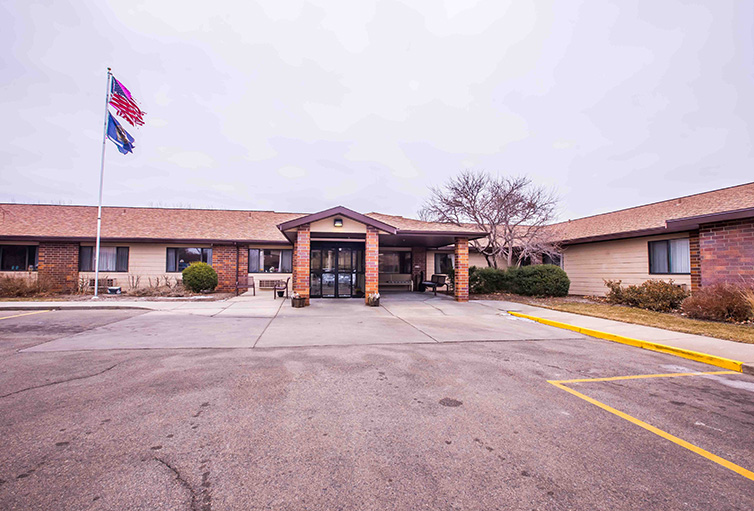
How is The Maples At Centennial Staffed?

CMS rates The Maples at Centennial's staffing level at 3 out of 5 stars, which is average compared to other nursing homes. Staff turnover is 56%, which is 10 percentage points above the Nebraska average of 46%. High turnover can affect care consistency as new staff learn residents' individual needs.

What Have Inspectors Found at The Maples At Centennial?

State health inspectors documented 20 deficiencies at The Maples at Centennial during 2023 to 2025. These included: 1 Immediate Jeopardy (the most serious level, indicating potential for serious harm or death), 2 that caused actual resident harm, and 17 with potential for harm. Immediate Jeopardy findings are rare and represent the most serious regulatory concerns. They require immediate corrective action.
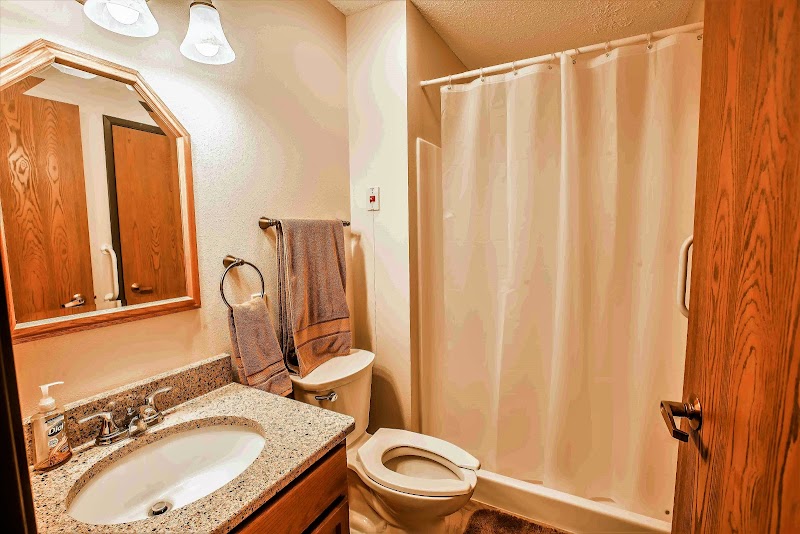
Who Owns and Operates The Maples At Centennial?

The Maples at Centennial is owned by a for-profit company. For-profit facilities operate as businesses with obligations to shareholders or private owners. The facility is operated by AVID HEALTHCARE GROUP, a chain that manages multiple nursing homes. With 68 certified beds and approximately 64 residents (about 94% occupancy), it is a smaller facility located in North Platte, Nebraska.

How Does The Maples At Centennial Compare to Other Nebraska Nursing Homes?

Compared to the 100 nursing homes in Nebraska, The Maples at Centennial's overall rating (2 stars) is below the state average of 2.9, staff turnover (56%) is significantly higher than the state average of 46%, and health inspection rating (2 stars) is below the national benchmark.

What Should Families Ask When Visiting The Maples At Centennial?

Based on this facility's data, families visiting should ask: "What changes have been made since the serious inspection findings, and how are you preventing similar issues?" "How do you ensure continuity of care given staff turnover, and what is your staff retention strategy?" "Can I visit during a mealtime to observe dining assistance and food quality?" "How do you handle medical emergencies, and what is your hospital transfer rate?" These questions are particularly relevant given the facility's Immediate Jeopardy citations and the facility's high staff turnover rate.

Is The Maples At Centennial Safe?

Based on CMS inspection data, The Maples at Centennial has documented safety concerns. Inspectors have issued 1 Immediate Jeopardy citation (the most serious violation level indicating risk of serious injury or death). The facility has a 2-star overall rating and ranks #100 of 100 nursing homes in Nebraska. Families considering this facility should ask detailed questions about what corrective actions have been taken since these incidents.

Do Nurses at The Maples At Centennial Stick Around?

Staff turnover at The Maples at Centennial is high. At 56%, the facility is 10 percentage points above the Nebraska average of 46%. High turnover means new staff may not know residents' individual needs, medications, or preferences. It can also be disorienting for residents, especially those with dementia who rely on familiar faces. Families should ask: What is causing the turnover? What retention programs are in place? How do you ensure care continuity during staff transitions?

Was The Maples At Centennial Ever Fined?

The Maples at Centennial has been fined $22,313 across 1 penalty action. This is below the Nebraska average of $33,302. While any fine indicates a compliance issue, fines under $50,000 are relatively common and typically reflect isolated problems that were subsequently corrected. Families should ask what specific issues led to these fines and confirm they've been resolved.

Is The Maples At Centennial on Any Federal Watch List?

The Maples at Centennial is not on any federal watch list. The most significant is the Special Focus Facility (SFF) program, which identifies the bottom 1% of nursing homes nationally based on persistent, serious quality problems. Not being on this list means the facility has avoided the pattern of deficiencies that triggers enhanced federal oversight. This is a positive indicator, though families should still review the facility's inspection history directly.