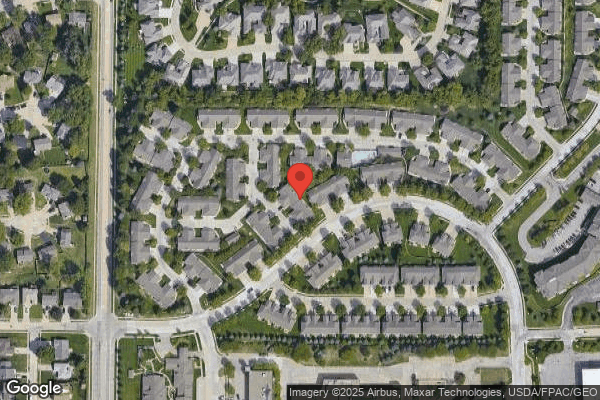
Newport House

6798 N 67th Plaza, Omaha, NE 68152 (402) 572-2595
Non profit - Corporation 96 Beds IMMANUEL Data: November 2025
Trust Grade
93/100
#26 of 177 in NE
Last Inspection: September 2024

Within standard 12-15 month inspection cycle. Federal law requires annual inspections.

Overview

Newport House in Omaha, Nebraska, has received a Trust Grade of A, indicating it is an excellent facility that is highly recommended. It ranks #26 out of 177 nursing homes in Nebraska, placing it in the top half, and #3 out of 23 in Douglas County, suggesting only two local options are better. The facility's trend is stable, with one issue recorded in both 2023 and 2024, and it has a strong staffing rating of 5 out of 5 stars, with a turnover rate of 28%, significantly lower than the state average of 49%. Notably, Newport House has not incurred any fines, which is a positive sign of compliance, and it offers more RN coverage than 95% of other facilities in Nebraska, ensuring better oversight of resident care. However, there have been concerns regarding hygiene practices, as staff failed to perform hand hygiene between residents during meal service and did not provide sufficient hydration for some residents. Additionally, there were issues with food portion sizes not meeting the established lunch menu, which could affect resident satisfaction. Overall, while Newport House has many strengths, these specific incidents highlight areas for improvement.

Trust Score
A
93/100
In Nebraska
#26/177
Top 14%
Safety Record
Low Risk
No red flags
Inspections
Holding Steady
1 → 1 violations
Staff Stability
✓ Good
28% annual turnover. Excellent stability, 20 points below Nebraska's 48% average. Staff who stay learn residents' needs.
Penalties
✓ Good
No fines on record. Clean compliance history, better than most Nebraska facilities.
Skilled Nurses
✓ Good
Each resident gets 79 minutes of Registered Nurse (RN) attention daily — more than 97% of Nebraska nursing homes. RNs are the most trained staff who catch health problems before they become serious.
Violations
○ Average
7 deficiencies on record. Average for a facility this size. Mostly minor or procedural issues.
★★★★★
5.0
Overall Rating
★★★★★
5.0
Staff Levels
★★★★★
5.0
Care Quality
★★★★★
5.0
Inspection Score
Stable
2023: 1 issues
2024: 1 issues

The Good

  • 5-Star Staffing Rating · Excellent nurse staffing levels
  • 5-Star Quality Measures · Strong clinical quality outcomes
  • Low Staff Turnover (28%) · Staff stability means consistent care
  • Full Sprinkler Coverage · Fire safety systems throughout facility
  • No fines on record
  • Staff turnover is low (28%)

    20 points below Nebraska average of 48%

Facility shows strength in staffing levels, quality measures, staff retention, fire safety.

The Bad

Chain: IMMANUEL

Part of a multi-facility chain

Ask about local staffing decisions and management

The Ugly 7 deficiencies on record

Sept 2024 1 deficiency
CONCERN (D)

Potential for Harm - no one hurt, but risky conditions existed

Deficiency F0761 (Tag F0761)

Could have caused harm · This affected 1 resident

License Reference Number NAC 12-006.12(D)(i) Based on observation, interview, and record review, the facility failed to dispose of medications in accordance with standard of practice. The facility ide...

Read full inspector narrative →
License Reference Number NAC 12-006.12(D)(i) Based on observation, interview, and record review, the facility failed to dispose of medications in accordance with standard of practice. The facility identified a census of 94. Findings are: Observation on 8/29/24 at 7:00 AM of medication administration by Registered Nurse (RN) B, revealed RN B dropped a Tylenol 500 mg on the floor. After dropping the Tylenol 500 mg on the floor, RN B picked up the Tylenol tab and threw it away in the trash can attached to the medication cart. Interview on 8/29/24 at 7:30 AM of RN B confirmed RN B did not know how to dispose of medications. Observation on 8/29/24 at 8:21 AM of medication administration by Licensed Practical Nurse (LPN) C, revealed LPN C had placed the following medications in the medication cup: Atorvastatin (used for treatment of high cholesterol) 40 mg, Sertraline (antidepressant) 25 mg, Amlodipine (antihypertensive) 2.5 mg, memantine (used for treatment of dementia) 10 mg, Aspirin 81 mg, Carvedilol (antihypertensive) 6.25 mg, Donepezil (used for treatment of dementia) 10 mg, however, when pouring the medications in a plastic sleeve in preparation to crush the medication, all of these medications fell on the floor. LPN C picked up all the medications and threw all the medications in the trash can attached to the medication cart. Interview on 8/29/24 at 8:40 AM with LPN C confirmed LPN C did not know how to dispose of medications. Interview on 8/29/24 at 9:40 AM with Director of Nursing (DON) confirmed RN B and LPN C did not dispose of medication in accordance with facility policy. Record review of Medication Processes and Protocols (undated) revealed the following instructions for the destruction process of medications: Two staff will destroy the medications together-from prep to disposal: a. [NAME] gloves-double glove if any medications to be destroyed are Hazardous Medications. b. Open Deterra Drug Destruction System Bag (a safe medication disposal pouch that inactivates medications with charcoal). c. Fill bag 50% (half full) with warm water. d. Keep Deterra bag open for 30-45 seconds. e. Seal Deterra bag tightly and discard in the trash bin.
Jul 2023 1 deficiency
CONCERN (F)

Potential for Harm - no one hurt, but risky conditions existed

Food Safety (Tag F0812)

Could have caused harm · This affected most or all residents

**NOTE- TERMS IN BRACKETS HAVE BEEN EDITED TO PROTECT CONFIDENTIALITY** Licensure Reference Number 175 NAC 12-006.17D Licensure Reference Number 175 NAC 12-006.11E Based on observation, interview, and...

Read full inspector narrative →
**NOTE- TERMS IN BRACKETS HAVE BEEN EDITED TO PROTECT CONFIDENTIALITY** Licensure Reference Number 175 NAC 12-006.17D Licensure Reference Number 175 NAC 12-006.11E Based on observation, interview, and record review, the facility failed to ensure staff performed hand hygiene between Residents 34, 20, 33, 75, 65, 13, 17, 26, 14, 11 and 57 during meal service in the dining room, failed to ensure staff changed gloves and performed hand hygiene (cleaned) after surgical mask and cell phone were touched during meal service for Resident 6 to prevent cross-contamination (transfer of bacteria from one surface to another), and failed to ensure the vent in front of the kitchen hood was clean to prevent the potential for foodborne illness (illness caused by food contamination). This had the potential to affect 90 resident who consumed (ate) food prepared in the facility kitchen. The total facility census was 91. Findings are: A. A record review of the facility's undated What's Expected of Me Quick Sheet, The Role and Responsibility of All Staff Related to Dining Service revealed that when the staff served meals, the staff was expected to perform hand hygiene before getting the resident's meal tray and in between assisting each resident. A record review of the facility's Hand Hygiene and Glove Usage policy dated 03/09/2021 revealed the staff should have worn and changed gloves between residents and performed hand hygiene after removing gloves. A record review of Resident 11's Clinical Census dated 07/25/2023 revealed the resident was admitted to the facility on [DATE]. A record review of Resident 11's Medical Diagnosis dated 07/25/2023 revealed the resident had a primary diagnosis of Dementia (confusion) and multiple other diagnoses. A record review of Resident 11's Minimum Data Set (MDS)(a comprehensive assessment used to develop a resident's Care Plan) dated 04/25/2023 revealed the resident had a Brief Interview for Mental Status (BIMS)(a score of a residents cognitive abilities) of 3 out of 15. According to the MDS [NAME] a score of 0 to 7 indicates a resident has severe cognitive imparement. The resident needed extensive assistance with self-performance on eating and a 1-person physical assist with support on eating. A record review of Resident 14's Clinical Census dated 07/25/2023 revealed the resident was admitted to the facility on [DATE]. A record review of Resident 14's Medical Diagnosis dated 07/25/2023 revealed the resident had a primary diagnosis of Alzheimer's Disease (a progressive disease that destroys memory and mental functions), and the resident had Dementia (confusion), Cerebral Infarction (Stroke), Cognitive Communication Deficit (difficulty thinking and how someone uses language), Dysphagia (difficulty swallowing), and multiple other diagnoses. A record review of Resident 14's Minimum Data Set (MDS)(a comprehensive assessment used to develop a resident's Care Plan) dated 05/25/2023 revealed the resident was rarely/never understood and a BIMS score had not been completed. The resident was a 1-person physical assist with support on eating. An observation on 07/19/2023 at 11:34 AM revealed Nursing Assistant (NA-A) was seated in main dining room with Resident 11 on the right side and Resident 14 on the left side of NA-A. NA-A performed hand hygiene and donned (put on) gloves. NA-A assisted Resident 11 with drinking of a nutrition shake and assisted Resident 11 with eating the resident's Herbed Pork Loin. NA-A removed gloves, and repositioned Resident 14's wheelchair and donned gloves without having performed hand hygiene. NA-A touched Resident 14's clothing, then turned and assisted Resident 11 with eating without a glove change or hand hygiene. NA-A reached across table and moved Resident 14's stuffed dog with a gloved right hand and then back to assist Resident 11 with the gloved right hand without a glove change or hand hygiene. NA-A then gave Resident 14 a drink with the gloved right hand, then turned and gave Resident 11 a drink with the same gloved right hand without a glove change or hand hygiene. NA-A then touched Resident 14's chest with the right hand and wiped Resident 14's nasal drainage with Resident 14's cloth napkin after Resident 14 sneezed. NA-A repositioned (moved) Resident 14's glasses up the resident's nose a wipe, then repositioned Resident 11's wheelchair without a glove change or hand hygiene. NA-A then grabbed the straw at the drinking surface with a gloved right hand and gave Resident 14 a drink, then turned and grabbed Resident 11's drink, touched the drinking surface with the same right hand and gave Resident 11 a drink without a glove change or hand hygiene. NA-A grabbed Resident 11 and repositioned Resident 11 in the resident's wheelchair, removed gloves, performed hand hygiene, applied new gloves and then grabbed and checked NA-A's cell with both hands and then gave Resident 11 a drink with the gloved right hand without a glove change or hand hygiene. In an interview on 07/24/2023 at 07:36 AM, the Dietary Manager (DM) confirmed the staff in the dining room should have changed gloves and washed hands between residents and after the staffed touched any personal items including cell phones. In an interview on 07/24/2023 at 09:45 AM, the Director of Nursing (DON) confirmed that hand hygiene and glove changes should have been completed between each resident and should have performed hand hygiene after touching any personal items. B. A record review of Resident 6's Clinical Census dated 07/25/2023 revealed the resident was admitted to the facility on [DATE]. A record review of Resident 6's Medical Diagnosis dated 07/25/2023 revealed the resident had a primary diagnosis of Alzheimer's Disease (a progressive disease that destroys memory and mental functions). Resident 6 also had Vascular Dementia (confusion) and multiple other diagnoses. A record review of Resident 6's Minimum Data Set (MDS)(a comprehensive assessment used to develop a resident's Care Plan) dated 04/25/2023 revealed the resident was rarely/never understood and a BIMS score had not been completed. The resident was a total dependance with self-performance on eating and a 1-person physical assist with support on eating. An observation on 07/19/2023 at 12:17 PM revealed Nursing Assistant (NA)-B gloved and sat at a main dining room table to assist Resident 6 with eating. NA-B touched NA-B's cell phone multiple times and outside of NA-B's surgical mask multiple times before Resident 6's meal arrived. NA-B assisted Resident 6 with a utensil to eat the resident's Cherry Bar without a glove change or hand hygiene. NA-B then grabbed Resident 6's Dinner Roll with gloved hands, buttered the Dinner Roll, and continued to assist Resident 6 with eating the residents Herbed Pork Loin and Dinner roll. NA-B then touched the outside of NA-B's surgical mask and then tore apart Resident 6's Herbed Pork Loin with the same gloved hands and continued to assist the resident with eating without a glove change or hand hygiene being performed. At 12:42 PM, NA-B was observed as NA-B touched the outside of the surgical mask with the left hand, grabbed the resident's Dinner Roll with the left hand and used a knife to cut the Dinner Roll into pieces with the right hand without a glove change or hand hygiene and assisted resident with taking a bite of the Dinner Roll. NA-B then tore up Resident 6's Herbed Pork Loin with gloved hands and placed the Herbed Pork Loin in the resident's mouth with NA-B's gloved hand without a glove change or hand hygiene. In an interview on 07/24/2023 at 07:36 AM, the Dietary Manager (DM) confirmed the staff in the dining room should have changed gloves and washed hands after the staffed touched any personal items including surgical masks and cell phones. In an interview on 07/24/2023 at 09:45 AM, the Director of Nursing (DON) confirmed that the staff should have performed glove changes and hand hygiene after touching any personal items and before touching a resident's food. C. An observation on 07/20/2023 at 07:48 AM revealed Food Service Associate (FSA)-C was in the main dining room and got a cup of soda and a cup of water for Resident 34 and placed a clothing protector around Resident 34's neck while touching the resident. FSA-C then went to the kitchen serving area, pulled a pen from the staff member's pants pocket and completed a dining ticket, FSA-C then picked up 2 plates of food and delivered the 2 plates to Resident 33 and Resident 20. FSA-C went and poured beverages and delivered to Resident 75, returned to the serving area, and placed hands on the counter. FSA-C then delivered a plate of food to Resident 65, returned to the serving area, got a plate of food, and delivered to Resident 13. FSA-C then returned to the serving area, picked up a plate of food, and delivered to Resident 17. FSA-C delivered a plate of food to Resident 26, then went and touched another resident's wheelchair before FSA-C returned to the kitchen counter, went in the kitchen and got several additional assistive eating utensils, came back to dining room and placed into a bin. FSA-C placed hands on the kitchen counter, got a pen from pants pocket, completed a dining ticket, got a plate from the serving area and delivered to Resident 57. FSA-C went back to the kitchen counter, placed hands on the counter, and then got a plate from the serving area and delivered to Resident 75. FSA-C did not perform hand hygiene during the entire observation. In an interview on 07/24/2023 at 07:36 AM, the Dietary Manager (DM) confirmed the staff in the dining room should have washed hands between residents and after the staffed touched any personal items. In an interview on 07/24/2023 at 09:45 AM, the Director of Nursing (DON) confirmed that hand hygiene should have been completed between each resident and the staff should have performed hand hygiene after touching any personal items. D. An observation on 07/19/2023 at 07:06 AM revealed a gray fuzzy substance was hanging from the vent located in the ceiling in front of the entire length of the kitchen exhaust hood. This vent was above the cooking and food preparation areas. An observation on 07/20/2023 at 10:48 AM revealed a gray fuzzy substance was hanging from the vent located in the ceiling in front of the entire length of the kitchen exhaust hood. This vent was above the cooking and food preparation areas. An observation on 07/20/2023 at 11:56 AM with the Dietary Manager (DM) revealed a gray fuzzy substance was hanging from the vent located in the ceiling in front of the entire length of the kitchen exhaust hood. This vent was above the cooking and food preparation areas. In an interview on 07/20/2023 at 11:56 AM, the DM confirmed there was a gray fuzzy substance was hanging from the vent located in the ceiling in front of the entire length of the kitchen exhaust hood. The DM confirmed the DM thought that was an item that should have been cleaned when the kitchen exhaust hood was cleaned by an outside company on 07/12/2023. In an interview on 07/20/2023 at 01:04 PM, the DM confirmed that the vent in the ceiling in front of the kitchen exhaust hood was not included in the kitchen hood cleaning process that was completed by an outside company on 07/12/2023 and the vent had not been cleaned since the build was built. In an interview on 07/25/2023 at 09:17 AM. The DM confirmed the vent in the ceiling in front of the kitchen exhaust hood was in a location that could have potentially allowed the gray fuzzy substance to dislodge and fall in uncovered food products during cooking or food preparation.
May 2022 5 deficiencies
CONCERN (D)

Potential for Harm - no one hurt, but risky conditions existed

Resident Rights (Tag F0550)

Could have caused harm · This affected 1 resident

Based on observation, interview and record review, the facility failed to maintain the dignity of Resident 26 by not ensuring the bedroom door was closed while the resident was using the toilet room a...

Read full inspector narrative →
Based on observation, interview and record review, the facility failed to maintain the dignity of Resident 26 by not ensuring the bedroom door was closed while the resident was using the toilet room area which exposed the resident's thigh and peri area. Findings are: An observation on 4/25/2022 at 09:06 AM revealed Resident 26 seated in a wheelchair with pants and brief around Resident 26's upper thighs and a towel over the lap. When Resident 26 was asked if the resident was waiting for help, Resident 26 said help was not needed. The door to the room was open to the hall way and Resident 26 was visible from the dining area. An observation on 04/25/2022 at 09:35 AM revealed Resident 26 still seated in a wheelchair with pants and brief around upper thighs. An observation on 04/25/2022 at 09:55 AM revealed Resident 26 had pants and brief pulled up around waist. An interview with RN-C (Registered Nurse) on 04/25/2022 at 11:22 AM revealed Resident 26 frequently takes self to bathroom and transfers self to a wheelchair with pants and briefs around thighs. An interview with Nurse Aide-F (NA-F) on 04/25/2022 at 01:25 PM confirmed if Resident 26's call light is not answered quickly when the resident is on the toilet, Resident 26 will transfer self to wheelchair. Resident 26 is unable to pull up their pants by themselves so Resident 26 will remain in the wheelchair with the pants and briefs around the Resident's thighs until someone helps to pull them up. An observation on 04/26/2022 at 07:42 AM revealed Resident 26 getting out of bed. Nurse Aide G (NA-G) placed a wheelchair beside Resident 26's bed and locked the wheels. NA-G placed gait belt around Resident 26's upper chest. Resident 26 swung their legs to the edge of the bed and used the hand rail to pull themself up. NA-G had one hand on the gait belt to guide Resident 26. Resident 26 shuffled their feet to the side and reached back with one hand while holding the hand rail with the other hand and lowered self into wheelchair. NA-G pushed the resident into the toilet. Resident 26 locked the wheelchair brakes, grasped the hand rails around the toilet and pulled self upright. NA-G lowered Resident 26's briefs and Resident 26 turned self around and lowered self to the toilet. An interview on 04/26/2022 at 07:56 AM with Registered Nurse H (RN-H) confirmed Resident 26 does not always wait for help when Resident is done on the toilet. Resident 26 will transfer self to a wheelchair but is not able to pull up their briefs and pants completely. RN-H confirmed the expectation is that staff is to help the resident with the resident's clothes as soon as it is noticed. RN-H confirmed that being partially undressed is a dignity issue. Record review of the facility's Resident Rights Policy dated 03/04/2022 revealed A Resident is to be treated with dignity and respect in full recognition of the resident's individuality.
CONCERN (D)

Potential for Harm - no one hurt, but risky conditions existed

Transfer Notice (Tag F0623)

Could have caused harm · This affected 1 resident

**NOTE- TERMS IN BRACKETS HAVE BEEN EDITED TO PROTECT CONFIDENTIALITY** Based on record review and interview, the facility failed to provide a written notice of the reason for transfer to a hospital t...

Read full inspector narrative →
**NOTE- TERMS IN BRACKETS HAVE BEEN EDITED TO PROTECT CONFIDENTIALITY** Based on record review and interview, the facility failed to provide a written notice of the reason for transfer to a hospital to the resident / representative for 1 (Resident 32) of 3 residents reviewed for hospitalization/transfer. The facility census was 79. Findings are: A. Record review of a facility policy entitled Discharge Plan of Care and Discharge Transfer Summary dated 11/16/21 revealed that a notice of transfer or discharge will be given to the resident and representative within 24 hours of discharge. B. Record review of Resident 32's Discharge Tracking MDS (Minimum Data Set-a comprehensive assessment tool used to develop a resident's care plan) dated 11/13/21 revealed that Resident 32 had a unplanned discharge from the facility to an acute care hospital on [DATE]. Record review of Resident 32's Entry Tracking Record dated 11/16/21 revealed that Resident 32 was readmitted to the facility from an acute care hospital on [DATE]. Record review of Resident 32's Electronic Medical Record [EMR] revealed no written information related to the reason for transfer to the hospital on [DATE] had been provided to the resident or their representative at the time of the transfer or within 24 hours of the residents discharge from the facility. Record review of Resident 32's Discharge Tracking MDS dated [DATE] revealed that Resident 32 had a unplanned discharge from the facility to an acute care hospital on 1/10/22. Record review of Resident 32's Entry Tracking Record dated 1/14/22 revealed that Resident 32 was readmitted to the facility from an acute care hospital on 1/14/22 . Record review of Resident 32's Electronic Medical Record [EMR] revealed no written information related to the reason for transfer to the hospital on 1/10/ 22 had been provided to the resident or their representative at the time of the transfer or within 24 hours of the residents discharge from the facility. C. Interview on 04/26/22 at 2:08 PM with the Director of Nursing confirmed that no written notice of the reason for the transfer to the hospital had been provided to the resident or representative at the time of the transfer or within 24 hours on 11/13/21 or 1/10/22 for Resident 32.
CONCERN (D)

Potential for Harm - no one hurt, but risky conditions existed

Deficiency F0655 (Tag F0655)

Could have caused harm · This affected 1 resident

LICENSURE REFERENCE NUMBER 175 NAC 12-006.09C1a Based on record review and interview, the facility failed to identify interventions to prevent falls on the baseline care plan for 2 (Resident 70 and Re...

Read full inspector narrative →
LICENSURE REFERENCE NUMBER 175 NAC 12-006.09C1a Based on record review and interview, the facility failed to identify interventions to prevent falls on the baseline care plan for 2 (Resident 70 and Resident 182) of 5 sampled residents. The facility staff identified a census of 79. The findings are: A. Record review for Resident 182 revealed an admission date of 03/28/22 with diagnoses of fracture to right femur, Pain in right hip, Muscle Weakness (generalized), and Difficulty in walking. Review of Falls Risk Assessment for Resident 182 dated 3/28/22 revealed a score of 15 indicating high risk. The assessment further instructed that if the total score is 10 or greater, the resident should be considered at HIGH RISK for potential falls. Prevention protocol should be initiated immediately and documented on the care plan. Review of the baseline care plan for Resident 182 dated 3/28/22 revealed a history of falls and fall related injury fracture of the femur. No interventions for falls were identified on the baseline care plan. Interview on 4/27/22 at 07:40 AM with MA (Medication Aid) A and RN (Registered Nurse) B confirmed there were no interventions for falls on Resident 182's baseline care plan and also confirmed that there should be interventions in place on admission when a resident is identified as risk for falls. B. Record Review for Resident 70 revealed an admission date of 4/13/22 with diagnoses of muscle weakness, difficulty in walking, unsteadiness on feet, abnormalities of gait and mobility Review of the Fall Risk Assessment for Resident 70 dated 4/13/22 revealed the resident scored a 13 indicating the resident was at risk for falls. If the total score is 10 or greater, the resident should be considered at HIGH RISK for potential falls. Prevention protocol should be initiated immediately and documented on the care plan. Review of the baseline care plan for Resident 70 dated 4/13/22 revealed history of falls. No interventions for falls were identified on the baseline care plan. Interview on 4/27/22 at 07:40 AM with MA (Medication Aid) A and RN (Registered Nurse) B confirmed there were no interventions for falls on Resident 70's baseline care plan and also confirmed that there should be interventions in place on admission when a resident is identified as risk for falls. Review of the policy for Accidents-Falls dated 1/19/22 revealed the procedure for all residents was a fall risk assessment is conducted upon admission, upon readmission from the hospital, quarterly with MDS assessment, annually, and with any significant change to the residents status which puts them at a great risk for falls. A plan of care to reduce fall risk will be developed for residents whose assessment indicate that they are at risk for falls/accidents. The plan of care is communicated to all appropriate staff.
CONCERN (E)

Potential for Harm - no one hurt, but risky conditions existed

Deficiency F0692 (Tag F0692)

Could have caused harm · This affected multiple residents

**NOTE- TERMS IN BRACKETS HAVE BEEN EDITED TO PROTECT CONFIDENTIALITY** LICENSURE REFERENCE NUMBER 175 NAC 12-006.11A Based on observation, record review and interview, the facility staff failed to en...

Read full inspector narrative →
**NOTE- TERMS IN BRACKETS HAVE BEEN EDITED TO PROTECT CONFIDENTIALITY** LICENSURE REFERENCE NUMBER 175 NAC 12-006.11A Based on observation, record review and interview, the facility staff failed to ensure water was provided and fluid intake was sufficient to meet resident needs for 4 (Residents 17, 37, 78 and 181) of 5 residents reviewed for hydration. The facility staff identified a census of 79. Findings are: A. Record review of facility policy for Hydration dated 3-04-2022 revealed the following information: -Policy Statement: -The facility will offer sufficient fluid intake to maintain proper hydration and health to the extent possible following the residents care plan and providers orders. B. Record review of an undated and unsigned facility Hydration Protocol revealed the following information: -Hydration is an important area of consideration in caring for the elderly. It is recognized that hydration impacts mental functioning, skin integrity, bowel and bladder status, resistance to infections, reactions to medications, and much more. Some issue related to good hydration include availability of fluids, need for assistance with taking fluids, swallowing, hesitancy to drink fluids because of fear of incontinence or difficulty getting to the bathroom and the lack of fluid reserves in the elderly. C. Observation on 4-25-2022 at 9:54 AM revealed there was not water at Resident 17's bedside or within reach. Observation on on 4-25-2022 at 2:01 PM revealed there was not water at Resident 17's bedside or within reach. Record review of Resident 17's Nutrition Short Term/Quarterly assessment dated [DATE] revealed the facility Registered Dietician (RD) evaluated Resident 17 as requiring total dependence for eating and identified Resident 17 would need 2055 milliliters (ml) of fluid a day. Record review of Resident 17's Comprehensive Care Plan (CCP) dated 2-22-2022 revealed staff were to monitor and record Resident 17's intake at each meal. Record review of Resident 17's Documentation Survey Report (DSR) v2 sheet printed on 4-26-2022 revealed Resident 17's fluid intake for the following dates: -April 19th , fluid intake was identified as 930 ml's for the day. -April 20th, fluid intake was identified as 730 ml's for the day. -April 21st, fluid intake was identified as 300 ml's for the evening shift, there were no amounts identified for the breakfast or lunch time frames. -April 22nd, fluid intake was identified as 1120 ml's for the day. -April 23rd, fluid intake was identified as 990 ml's for the day. On 4-26-2027 at 7:20 AM an interview was conducted with the facilty RD. During the interview the facility RD reported water should be at the residents bedside and within reach. On 4-26-2022 at 2:30 PM a follow up interview was conducted with the facility RD. During the interview review of Resident 17's DSR vs sheet for April 2022 was reviewed. The facility RD confirmed the fluid intakes record April 19th through April 23rd did not meet Resident 17's daily fluid needs. D. Observation on 4-25-2022 at 10:01 PM revealed Resident 37 did not have water at bed side or within reach. Observation on 4-26-2022 at 7:22 AM revealed resident 37 was in bed and did not have water within reach. Record review of Resident 37's Nutrition Short Quarterly Assessment (NSQA) sheet dated 2-21-2022 revealed the facility RD assessed required total dependence for eating and required 1845 ml's of fluid per day. Record review of Resident 37's CCP dated 4-23-2022 revealed the facility staff were to monitor and record Resident 37's meal intake for each meal. Record review of Resident 37's DSR V2 reported for April 2022 revealed the fluid intake recorded for Resident 37: -April 19th, fluid intake was identified as 830 ml's for the day. -April 20th, fluid intake was identified as 1000 ml's for the day. -April 21st, fluid intake was identified as 420 ml's for the day. The lunch amount of fluid intake was not identified. -April 22nd, fluid intake was identified as 730 ml's for the day. -April 23rd, fluid intake was identified as 1160 ml's for the day. -April 24th, fluid intake was identified as 900 ml's for the day. On 4-26-2027 at 7:20 AM an interview was conducted with the facilty RD. During the interview the facility RD reported water should be at the residents bedside and within reach. On 4-26-2022 at 2:45 PM a follow up interview was conducted with the facility RD. During the interview review of Resident 37's DSR v2 sheet for April 2022 was reviewed. The Facility RD confirmed during the interview the record fluid amounts from April 19th 2022 through April 24th 2022 would not meet Resident 37's fluid needs per day. E. Observation on 4-25-2022 at 10:13 AM revealed water was not within reach of Resident 78. Observation on 4-25-2022 at 2:02 PM revealed water was not within reach for Resident 78. Record review of Resident 78's CCP dated 4-23-2022 revealed the facility staff were to monitor and record Resident 78's intake. Record review of Resident 78's Nutrition assessment dated [DATE] revealed the facility RD required 1431 ml's of fluid per day. Record review of Resident 78's DSR v2 sheet dated for April 2022 revealed the fluid intakes recorded for Resident 78 for the following dates: -April 19th, fluid intake was recorded as 600 ml's for the day. -April 20th, fluid intake was recorded as 995 ml's for the day. -April 21st, fluid intake was recorded as 780 ml's for the day. -April 22nd, fluid intake was recorded as 480 ml's for the day. On 4-26-2022 at 2:10 PM an interview was conducted with the facility RD. During the interview review of Resident DSRv2 report for April 2022 was reviewed. During the interview the facility RD confirmed based upon the amount of fluids documented would not meet Resident 78's daily fluid needs. F. Observation on 4-25-2022 at 11:22 AM revealed there was not water at Resident 181's bedside. Observation on 4-26-2022 at 7:20 AM with the facility Director of Nursing (DON) revealed water was not at Resident 181's bed side. The DON confirmed water was not at Resident 181's bedside. Record review of Resident 181's Nutrition assessment dated [DATE] revealed the facility RD assessed Resident 181's daily fluid needs as 1557 ml's per day. Record review of Resident 181's DSRv2 report for April 2022 revealed Resident 181's fluid intake as follows: -April 19th, fluid intake was identified as 560 ml's for the day. -April 20th, fluid intake was identified as 840 ml's for the day. -April 22nd, fluid intake was identified as 750 ml's for the day. -April 23rd, fluid intake was identified as 850 ml's for the day. -April 24th, fluid intake was identified as 540 ml's for the day. -April 25th, fluid intake was identified as 800 ml for the day. On 4-26-2022 at 3:00 PM an interview was conducted with the facility RD. During the interview the facility RD reported the amount of fluid intake from April 19th through April 25th would not meet Resident 181's daily fluid needs.
CONCERN (E)

Potential for Harm - no one hurt, but risky conditions existed

Menu Adequacy (Tag F0803)

Could have caused harm · This affected multiple residents

**NOTE- TERMS IN BRACKETS HAVE BEEN EDITED TO PROTECT CONFIDENTIALITY** LICENSURE REFERENCE NUMBER 175 NAC 12-006.11A Based on observation, record review and interview; the facility staff failed to fo...

Read full inspector narrative →
**NOTE- TERMS IN BRACKETS HAVE BEEN EDITED TO PROTECT CONFIDENTIALITY** LICENSURE REFERENCE NUMBER 175 NAC 12-006.11A Based on observation, record review and interview; the facility staff failed to follow the lunch menu for 40 residents who ate regular textured meals in the North Dinning room. The facility staff identified a census of 79. Findings are: Record review of a Diet Spreadsheet for week 5 printed on 4-27-2022 revealed for the lunch meal on 4-27-2022 the residents were to receive food items that included 3 ounces (oz) of beef pot roast. Observation on 4-27-2022 at 11:42 AM of the lunch meal service in the North Dinning room revealed [NAME] H prepared and served the [NAME] items that included sliced beef pot roast. Further observations revealed the sliced pot roast looked to be thin. [NAME] using the facility scale weighed a slice of the beef pot roast revealing the weight to be 0.10 of a pound of beef pot roast. [NAME] H obtained a second slice of the beef pot roast revealing a weight of 0.12 pounds. On 4-27-2022 at 11:55 AM an interview was conducted with the Dietary Manager (DM). During the interview the DM reported the weight of 0.10 of a pound was less than 2 oz's and the weight of 0.12 pound was about 2 oz's. The DM confirmed the menu was resident were to receive 3 oz's of the beef pot roast and what was being served to the residents was not enough of the beef pot roast.
Understanding Severity Codes (click to expand)
Life-Threatening (Immediate Jeopardy)
J - Isolated K - Pattern L - Widespread
Actual Harm
G - Isolated H - Pattern I - Widespread
Potential for Harm
D - Isolated E - Pattern F - Widespread
No Harm (Minor)
A - Isolated B - Pattern C - Widespread

Questions to Ask on Your Visit

  • "Can I speak with families of current residents?"
  • "What's your RN coverage like on weekends and overnight?"

Our Honest Assessment

Strengths
  • • Grade A (93/100). Above average facility, better than most options in Nebraska.
  • • No major safety red flags. No abuse findings, life-threatening violations, or SFF status.
  • • No fines on record. Clean compliance history, better than most Nebraska facilities.
  • • 28% annual turnover. Excellent stability, 20 points below Nebraska's 48% average. Staff who stay learn residents' needs.
Concerns
  • • No significant concerns identified. This facility shows no red flags across CMS ratings, staff turnover, or federal penalties.
Bottom line: Generally positive indicators. Standard due diligence and a personal visit recommended.

About This Facility

What is Newport House's CMS Rating?

CMS assigns Newport House an overall rating of 5 out of 5 stars, which is considered much above average nationally. Within Nebraska, this rating places the facility higher than 99% of the state's 100 nursing homes. This rating reflects solid performance across the metrics CMS uses to evaluate nursing home quality.

How is Newport House Staffed?

CMS rates Newport House's staffing level at 5 out of 5 stars, which is much above average compared to other nursing homes. Staff turnover is 28%, compared to the Nebraska average of 46%. This relatively stable workforce can support continuity of care.

What Have Inspectors Found at Newport House?

State health inspectors documented 7 deficiencies at Newport House during 2022 to 2024. These included: 7 with potential for harm.

Who Owns and Operates Newport House?

Newport House is owned by a non-profit organization. Non-profit facilities reinvest revenue into operations rather than distributing to shareholders. The facility is operated by IMMANUEL, a chain that manages multiple nursing homes. With 96 certified beds and approximately 92 residents (about 96% occupancy), it is a smaller facility located in Omaha, Nebraska.

How Does Newport House Compare to Other Nebraska Nursing Homes?

Compared to the 100 nursing homes in Nebraska, Newport House's overall rating (5 stars) is above the state average of 2.9, staff turnover (28%) is significantly lower than the state average of 46%, and health inspection rating (5 stars) is much above the national benchmark.

What Should Families Ask When Visiting Newport House?

Based on this facility's data, families visiting should ask: "Can I visit during a mealtime to observe dining assistance and food quality?" "How do you handle medical emergencies, and what is your hospital transfer rate?" "Can I speak with family members of current residents about their experience?"

Is Newport House Safe?

Based on CMS inspection data, Newport House has a clean safety record: no substantiated abuse findings (meaning no confirmed cases of resident harm), no Immediate Jeopardy citations (the most serious violation level indicating risk of serious injury or death), and is not on the Special Focus Facility watch list (a federal program monitoring the lowest-performing 1% of nursing homes). The facility has a 5-star overall rating and ranks #1 of 100 nursing homes in Nebraska. While no facility is perfect, families should still ask about staff-to-resident ratios and recent inspection results during their visit.

Do Nurses at Newport House Stick Around?

Staff at Newport House tend to stick around. With a turnover rate of 28%, the facility is 18 percentage points below the Nebraska average of 46%. Low turnover is a positive sign. It means caregivers have time to learn each resident's needs, medications, and personal preferences. Consistent staff also notice subtle changes in a resident's condition more quickly. Registered Nurse turnover is also low at 12%, meaning experienced RNs are available to handle complex medical needs.

Was Newport House Ever Fined?

Newport House has no federal fines on record. CMS issues fines when nursing homes fail to meet care standards or don't correct problems found during inspections. The absence of fines suggests the facility has either maintained compliance or corrected any issues before penalties were assessed. This is a positive indicator, though families should still review recent inspection reports for the full picture.

Is Newport House on Any Federal Watch List?

Newport House is not on any federal watch list. The most significant is the Special Focus Facility (SFF) program, which identifies the bottom 1% of nursing homes nationally based on persistent, serious quality problems. Not being on this list means the facility has avoided the pattern of deficiencies that triggers enhanced federal oversight. This is a positive indicator, though families should still review the facility's inspection history directly.