Rose Blumkin Jewish Home
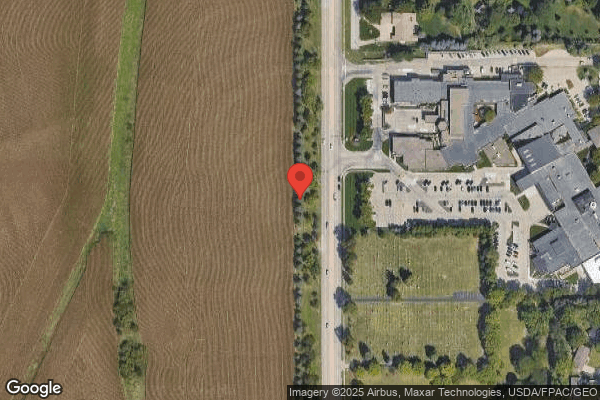
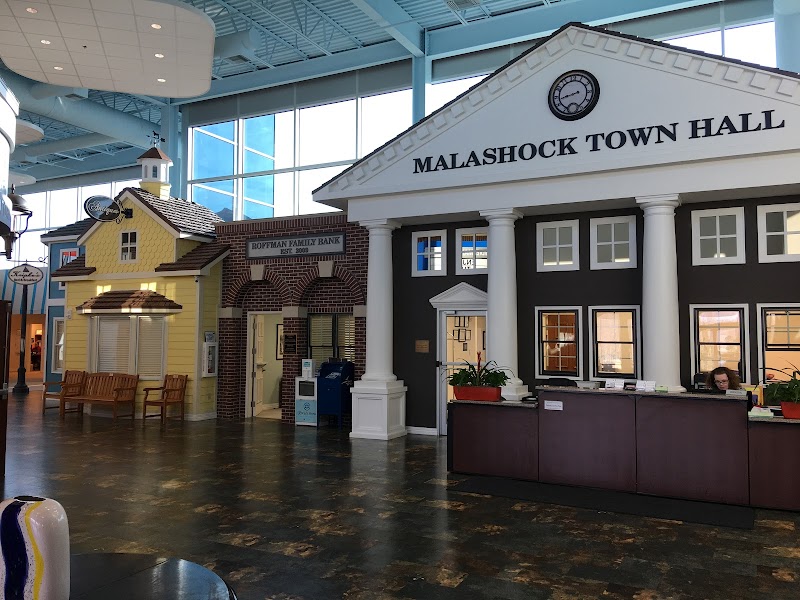
323 South 132nd Street, Omaha, NE 68154 (402) 330-4272
Non profit - Other 105 Beds Independent Data: November 2025
Trust Grade
85/100
#29 of 177 in NE
Last Inspection: October 2024

Within standard 12-15 month inspection cycle. Federal law requires annual inspections.

Overview

Rose Blumkin Jewish Home in Omaha, Nebraska has a Trust Grade of B+, which means it is considered above average and recommended for families seeking care. It ranks #29 out of 177 nursing homes in Nebraska, placing it in the top half of facilities in the state, and #4 out of 23 in Douglas County, indicating that only three local options are better. However, the facility's trend is worsening, with reported concerns increasing from one issue in 2023 to two in 2024. Staffing is a strong point, as the home has a 5/5 star rating and a turnover rate of 38%, which is below the state average, suggesting that staff are experienced and familiar with the residents. Notably, there have been issues with hand hygiene during food preparation and resident care, as staff did not consistently wash their hands, which raises concerns about infection control. Overall, while Rose Blumkin Jewish Home has strengths in its staffing and overall rating, families should be aware of the recent concerns regarding hygiene practices.
Trust Score
B+
85/100
In Nebraska
#29/177
Top 16%
Safety Record
Low Risk
No red flags
Inspections
Getting Worse
1 → 2 violations
Staff Stability
○ Average
38% turnover. Near Nebraska's 48% average. Typical for the industry.
Penalties
✓ Good
No fines on record. Clean compliance history, better than most Nebraska facilities.
Skilled Nurses
✓ Good
Each resident gets 55 minutes of Registered Nurse (RN) attention daily — more than average for Nebraska. RNs are trained to catch health problems early.
Violations
⚠ Watch
13 deficiencies on record. Higher than average. Multiple issues found across inspections.
★★★★★
5.0
Overall Rating
★★★★★
5.0
Staff Levels
★★☆☆☆
2.0
Care Quality
★★★★★
5.0
Inspection Score
Stable
2023: 1 issues
2024: 2 issues

The Good

  • 5-Star Staffing Rating · Excellent nurse staffing levels
  • Full Sprinkler Coverage · Fire safety systems throughout facility
  • No fines on record
  • Staff turnover below average (38%)

    10 points below Nebraska average of 48%

Facility shows strength in staffing levels, fire safety.

The Bad

Staff Turnover: 38%

Near Nebraska avg (46%)

Typical for the industry

The Ugly 13 deficiencies on record

Oct 2024 2 deficiencies
CONCERN (D)

Potential for Harm - no one hurt, but risky conditions existed

Deficiency F0710 (Tag F0710)

Could have caused harm · This affected 1 resident

**NOTE- TERMS IN BRACKETS HAVE BEEN EDITED TO PROTECT CONFIDENTIALITY** Licensure Reference Number 175 NAC 12-006.08 Based on interview and record review, the facility failed to notify a resident's me...

Read full inspector narrative →
**NOTE- TERMS IN BRACKETS HAVE BEEN EDITED TO PROTECT CONFIDENTIALITY** Licensure Reference Number 175 NAC 12-006.08 Based on interview and record review, the facility failed to notify a resident's medical practitioner of a significant weight loss for one (Resident 8) of one sampled resident. The facility census was 71. Findings are: Review of Resident 8's weights revealed that [gender] had a 7.91% weight loss from 9/1/24 to 10/1/24 based on the following weights: -9/1/24: 139.6 lbs (lbs-pounds), -10/1/24: 128.6 lbs. Review of Resident 8's Minimum Data Set (MDS- a comprehensive assessment of each resident's functional capabilities used to develop a resident's plan of care), dated 10/2/24, revealed that Resident 8 had a weight loss of 5% or more in the last month or loss of 10% or more in last 6 months and that [gender] was not on a physician-prescribed weight-loss regimen. Review of Resident 8's electronic health record and paper chart revealed no documentation of [gender] medical practitioner being notified of the significant weight loss. Interview on 10/31/24 at 9:36 AM, the Director of Nursing confirmed that Resident 8 had a significant weight loss and that there was no documentation available that indicated that [gender] medical practitioner had been notified of the weight loss. Review of the policy, [NAME] of Condition-Reporting to Physician, Resident Representative and Staff, dated 9/2024, revealed the following: -To communicate with physicians, resident representative any changes in Resident conditions and to ensure appropriate medical follow-up. -Change in condition: 2. non-immediate notification a. new or worsening symptoms that do not meet above criteria (immediate notification: any symptoms, sign or apparent discomfort that is acute or sudden in onset, marked change in relation to usual symptoms and signs or unrelieved by measure already prescribed)
CONCERN (D)

Potential for Harm - no one hurt, but risky conditions existed

Infection Control (Tag F0880)

Could have caused harm · This affected 1 resident

Licensure Reference Number 175 NAC 12.006.17B Based on observation, interview, and record review, the facility staff failed to sanitize multiple resident use equipment when exiting an Enhanced Barrie...

Read full inspector narrative →
Licensure Reference Number 175 NAC 12.006.17B Based on observation, interview, and record review, the facility staff failed to sanitize multiple resident use equipment when exiting an Enhanced Barrier Precaution room for 1 (Resident 24) of 1 sampled residents, and failed to store oxygen tubing to prevent potential cross contamination for 1 (Resident 18) of 1 sampled residents. The facility identified a census of 71. Findings are: A. An observation of the provision of medications and G-tube feeding (method of delivering nutritional liquid through a small, flexible tube inserted into the stomach) for Resident 24 on 10/28/2024 at 2:04 PM revealed a sign on the resident 24's door that stated Enhanced Barrier Precautions (an infection control strategy that uses personal protective equipment to reduce the spread of multidrug resistant organisms in nursing homes). Licensed Practical Nurse (LPN)-A entered room, washed [gender] hands for more than 20 seconds, put on an isolation gown and gloves. LPN-B was in the room and observing LPN-A. LPN-A used a stethoscope that was resting around LPN-A's neck and placed the bell of the stethoscope on Resident 24's stomach and verified the tube placement. LPN-A put stethoscope back around their neck and then administered ordered medications and nutritional feeding through Resident 24's G-tube. An observation on 10/28/2024 at 3:07 PM revealed LPN-A exited the room without cleaning or sanitizing the stethoscope around [gender] neck. An interview with LPN-A on 10/29/2024 at 3:10 PM confirmed that the stethoscope should have sanitized when leaving an Enhanced Barrier Precaution room. An interview with LPN-B on 10/29/2024 at 3:10 PM confirmed that LPN-A should have sanitized the stethoscope when leaving an Enhanced Barrier Precaution room. An interview with Director of Nursing (DON) on 10/29/2024 at 3:14 PM confirmed that any medical equipment, including a stethoscope, should be sanitized when leaving a room with Enhanced Barrier Precautions. A record review of the facility's Infection Prevention and Control Program Policy drafted March 2011 and Modified March 2022 revealed Environmental Controls: -Multiple Resident use equipment that have the potential for contamination with blood and other body fluids will be cleaned with approved cleaning wipes after each resident use. These devices include but are not limited to : blood glucose monitoring machine, blood pressure machine, spot oximetry machine, thermometer, pacemaker check devices, etc. B. review of the facility policy titled Oxygen Therapy, last modified on February 2018 stated: Oxygen will be administered appropriately to residents to improve oxygenation and provide comfort to residents experiencing respiratory difficulties. A record review of Resident 18 Care Plan (undated entry) revealed Resident 18 has diagnoses of: Acute systolic (congestive) heart failure (CHF) (a serious condition that occurs when the heart's left ventricle is unable to pump enough blood to the body.) CHF produce symptoms (not limited to) of Shortness of breath, fatigue and a persistent cough or wheezing. A record review of resident 18's Care Plan dated 04/18/2024 reveals a problem stated: Potential for infection related to potential exposure to Respiratory syncytial virus, Influenza, COVID. An intervention was listed for this problem: Standard precautions. A record review of resident 18's Treatment Record revealed an order dated 10/29/2024 for: Oxygen at 4 liters per minute every night at bedtime, this order is without an end date. An observation on 10/28/2024 at 3:10 PM revealed Resident 18's oxygen tubing was laying under the bed. The Oxygen tubing and nasal cannula were touching the floor. The oxygen concentrator did not have any devices for storage of the oxygen tubing or nasal cannula attached to it. Resident 18 was not in the room at that time. An observation on 10/29/2024 at 2:58 PM revealed Resident 18's nasal cannula and oxygen tubing were laying on the floor in front of the oxygen concentrator. Resident 18 was sitting in their room in the recliner chair placed at the opposite corner of the room. An observation on 10/30/2024 at 2:33 PM revealed Resident 18's oxygen tubing and nasal cannula were laying on the floor under Resident 18's bed. Resident 18 is not in the room. An interview on 10/29/2024 at 2:58 PM with Resident 18 revealed [gender] denied self-removing the oxygen tubing and the nasal cannula. An interview with Registered Nurse-C (RN-C) 10/29/2024 at 2:58 PM confirmed the oxygen tubing and nasal cannula should not be on the ground, the oxygen tubing and nasal cannula should be stored hanging on the wall on a provided hook. RN-C confirms the oxygen tubing and nasal cannula were located on the floor under Resident 18's bed and the hook for the wall could not be located. An interview with the Director of nursing (DON) on 10/29/2024 at 3:25 PM confirmed storage of the oxygen tubing and nasal cannula should not be touching the ground.
Sept 2023 1 deficiency
CONCERN (F)

Potential for Harm - no one hurt, but risky conditions existed

Food Safety (Tag F0812)

Could have caused harm · This affected most or all residents

Licensure Reference Number 12-006.11D Licensure Reference Number 12-006.17D Based on observation, interview and record review, the facility failed to ensure proper hand hygiene was performed during fo...

Read full inspector narrative →
Licensure Reference Number 12-006.11D Licensure Reference Number 12-006.17D Based on observation, interview and record review, the facility failed to ensure proper hand hygiene was performed during food preparation and assisting residents with eating, maintain a fan in clean condition in the kitchen, and failed to store foods in a manner to prevent cross-contamination. The facility failure had the potential to affect all residents. The facility identified a census of 85. Findings are: A. Hand washing and sanitization of temperature probes: Record review of a facility policy titled Hand washing Policy - Dietary Department dated October 2016 revealed It is the policy of the [NAME] Blumkin Jewish Home to ensure that Dietary Staff follow standards for Health and personal hygiene to prevent contamination of food. The procedure states: Hand hygiene requires soap and hot water and disposable towels, hands must be washed for a minimum of 20 seconds. Observation on 8/31/23 at 7:15 AM - 7:30 AM revealed Cook-B was in the facility kitchen and had gloves on both hands. Cook-B had eggs in the Robocoup (commerical blender) and pureed the eggs, placed them in a pan, covered them with plastic wrap, and put them on a portable steam table. Cook-B returned to the kitchen and removed [gender] gloves and performed hand hygiene with soap and water for 10 seconds. Cook-B donned new gloves on both hands, retrieved additional eggs and placed the eggs into the Robocoup. Cook-B purred the eggs, added milk to the eggs from a milk carton, placed them in a pan, and covered with plastic wrap. Cook-B then removed [gender] gloves and performed hand hygiene with soap and water for 5 seconds. Observation on 8/31/23 at 7:30 AM - 7:35 AM revealed Dietary Aide-B had gloves on both hands and was placing fresh fruit in 3 large insulated pans with their gloved hands. Dietary Aide-B then removed [gender] gloves and took the soiled pan to the dishroom and pushed it through the dish machine. Dietary Aide-B did not perform hand hygiene and returned to cover the 3 large insulated pans with fruit with plastic wrap. Dietary Aide-B then labeled the insulated pans and pushed the cart out of the kitchen to a unit within the facility. Observation on 8/31/23 at 10:20 AM - 10:30 AM revealed Cook-A took out a pan of fish from the oven. Cook-A performed hand hygiene with soap and water for 7 seconds, wiped their hands on [gender] apron, then obtained a towel off of the 3-compartment sink area and wiped their hands on the towel. Cook-A then removed a pan of vegan taco rounds from the oven, cut, and placed the rounds into pans with bare hands. Cook-A covered the pans with plastic wrap and placed into the oven. Cook-A then performed hand hygiene with soap and water for 4 seconds and dried their hands on a towel sitting on the counter. Observation on 8/31/23 at 10:55 AM - 11:00 AM revealed Cook-A performed hand hygiene with soap and water for 6 seconds and dried their hands on a cloth towel. Cook-A then removed a cherry cake from the oven, left the prep area, and placed it on a steam table. Cook-A returned to the prep area with no hand hygiene performed and placed cod and vegetables into the oven to cook. Interview on 09/05/23 12:15 PM with Dietary Manager (DM): revealed that hand hygiene should be performed for 20 seconds. DM confirmed hands should be washed if staff leave the prep area and then return, after they remove gloves and before they touch any other items. B. Sanitation concerns: Record review of the Equipment Cleaning Schedule dated revised 3/21/2007 did identify that the dish room gets clean every week on Thursday AM but it did not identify the fan as a part to be cleaned. The cleaning schedule identified the following as a part of the cleaning schedule: Remove all dish dollies and racks from dish room. Clean all walls and sinks with all-purpose cleaner. Sweep floor. Set out wet floor signs. Set up mop bucket with floor cleaning solution. Using cleaning solution and deck brush to scrub floor, and rinse with hose and mop to dry. Return all dollies and racks. Observation on 08/30/23 at 7:20 AM - 7:40 AM revealed a fan attached to the wall in the Dish room which had a coating of a gray fuzzy substance present on the fan blades and the exterior surface of the fan cover. The fan was turned to off and was not blowing. The fan was positioned to blow on the clean side of the dish room where the clean dishes come out of the dishwasher. Observation on 09/05/23 at 11:40 AM with the DM revealed the fan in the dish room was turned on and was blowing on the clean side of the dish machine. The DM turned off the fan and waited for it to stop turning. When it did stop, there was a coating of a gray fuzzy substance which resembled dust on the fan blades. Interview on 09/05/23 at 11:45 AM with the DM confirmed there was a gray substance present on the fan blades and that the fan had been blowing onto the clean section of the dish room. Interview on 09/06/23 at 9:45 AM with the DM revealed the facility did not have a cleaning schedule that the staff check off daily and that there is just the list of what is to be done daily. The DM confirmed that the fan in the dish room was not on the list of items to be cleaned in the dish room. C. Foods not dated when opened: Record review of a facility policy entitled Food Storage dated September 2016 for Refrigerated Storage revealed Food placed in the walk-in refrigerators and the neighborhood refrigerators will be labeled when it is opened and properly sealed. The dates of the opened or re-refrigerated foods will be clearly marked on the packaging. A use by date will also be indicated. The Food Service Director or designee will monitor the refrigerated food to ensure the dates are marked and the food is not beyond the accepted date. If the food is beyond the accepted date or is not dated, it will be discarded. Observation on 09/05/23 at 11:30 AM - 12:10 PM with the DM revealed the following food items in the walk-in refrigerator that were not labeled or dated when opened: - 5 bags of lettuce - 5 bags of fresh parsley - 1 bag of frozen raspberries - 1 bag of Turkey slices - 1 bag of carrots - 1 bag of mixed vegetables - 1 bag of frozen spinach Interview on 09/05/23 at 12:15 PM with the DM confirmed that food items needed to be dated when opened. E. Observation on 08/31/23 at 12:15 PM revealed Cook-A was in the 200/300 facility dining room. Cook-A put an apron and gloves on prior to plating food from the steam table. Cook-A then wiped their gloved hands on their apron and wiped their nose. Cook-A continued to serve food without performing hand hygiene or changing gloves. Interview on 08/31/23 at 1:44 PM with the IP (the infection preventionist) confirmed that gloves should be removed, hand hygiene performed, and new gloves placed after touching items or personal body parts. F. A record review of the Hand Hygiene (sanitizing) and (&) Gloving Policy modified July 2023 revealed all staff that worked in the facility were required to perform hand hygiene to prevent the spread of infection. Hand hygiene would be completed before and after direct resident contact, handling food, after removing gloves, and after handling soiled care items. An observation on 8/31/2023 at 8:00 AM - 8:43 AM did not reveal Nursing Assistant (NA)-A performed hand hygiene before and after direct resident contact, handling food, after removing gloves, and after handling soiled care items during the following: NA-A gave a resident a drink of water by touching cup, sat the cup back down, took out and viewed a cell phone, then assisted Resident 39 with drink of water. NA-A then took the phone back out of NA-A's pocket, sat it on the table, and assisted Resident 35 with eating. NA-A put gloves on and assisted Resident 39 with a bite of eggs with the right hand, then with same right hand, assisted Resident 35 with a bite of food, then back to Resident 39 with the same gloved right hand. NA-A cut sausage with Resident 39's fork, then back and assisted Resident 35 with a bite of food. NA-A was then observed assisting Resident 28 with same gloved right hand. NA-A then grabbed Resident 39's toast and tore into bite size pieces with both gloved hands, then removed gloves. NA-A proceeded to assist Resident 35 with NA-A's right hand, then back to Resident 29 with the same right hand. NA-A then got up, moved Resident 25's utensils and plate and assisted Resident 25 with several bites of food off the plate. NA-A went back to Resident 39 and assisted with a bite of eggs with NA-A's right hand and then Assisted Resident 35 with eating with right hand. NA-A got up, assisted Resident 25 with bites of food with same right hand, then went back to Resident 39 and assisted eating with same right hand. NA-A then reached and assisted Resident 35 with eating with same right hand. NA-A then gave Resident 39 a drink, touched the back of Resident 39's wheelchair with NA-A's right hand, grabbed Resident 35's plate, got a spoonful of food and assisted Resident 35 same right hand. NA-A then went back to Resident 39 and assisted with a bite of food, then got up and gave Resident 25 several bites with NA-A right hand while touching Resident 25's food containers and have Resident 25 a drink of water. NA-A returned to Resident 39 and assisted with eating with NA-A's right hand. NA-A adjusted Resident 35's clothing protector, then assisted Resident 39 with eating again. NA-A then went back to Resident 35 and assisted with eating, NA-A got up and gave Resident 25 a drink of water and several bites of food, wiped Resident 25's mouth with the clothing protector, sat back down and assisted Resident 39 with a bite of food. Na-A wiped Resident 25's mouth with the napkin and returned to Resident 35 and went back and forth between Resident 35 and Resident 39 assisting with bites of food. NA-A then placed the right hand on Resident 39's wheelchair and went back to assisting Resident 39 and 35 with eating with the same right hand that touched the wheelchair. NA-A went back to Resident 25 and assisted with several bites of food. NA-A then removed Resident 25's clothing protector, wheeled Resident 25 away from the table, moved a dining room chair, and assisted Resident 41 with eating. The entire observation did not reveal NA-A performed hand hygiene. In an interview on 08/31/2023 at 08:58 AM, NA-A confirmed hand hygiene should have been completed between residents in the dining room. In an interview on 09/06/2023 at 10:17 AM, the Infection Preventionist (IP) confirmed that Residents 39, 35, 25, and 41 were all cognitively impaired and all required some form of assistance with eating. In an interview on 08/31/23 01:42 PM, the IP confirmed hand hygiene should have been performed between residents, between glove changes, after touching any resident belongings, wheelchair, personal items, clothing, and after touching the staff member's or resident's face, hair, or other body parts.
Aug 2022 10 deficiencies
CONCERN (D)

Potential for Harm - no one hurt, but risky conditions existed

Employment Screening (Tag F0606)

Could have caused harm · This affected 1 resident

Licensure Reference Number: 175 NAC 12-006.04A3b Based on record review and interview, the facility failed to ensure required registry checks were completed for 2 of 5 staff files reviewed. The facili...

Read full inspector narrative →
Licensure Reference Number: 175 NAC 12-006.04A3b Based on record review and interview, the facility failed to ensure required registry checks were completed for 2 of 5 staff files reviewed. The facility census was 71. Findings are: Review of 5 random employee files revealed 2 of 4 Nursing Assistant (NA) personnel files did not contain a NA registry check for disciplinary action. After the review was completed the facility provided NA registry checks printed on 8/3/2022 for NA A and NA B indicated that the check was not completed prior to staff starting employment. Review of the facility policy dated 3-2019 titled Abuse Prohibition/Reporting Abuse and Crime revealed for nursing staff, the Director of Nursing/designee will contact the applicable Nursing License Registry or state nurse Aide Registry to determine current status and standing. Interview on 8/3/2022 at 4:00 PM with RN-C revealed the registry forms were printed after the review of the files and were not present on hire. Interview on 08/04/22 at 11:39 AM with the Assistant Administrator revealed all staff should be checked on the registry prior to starting work.
CONCERN (D)

Potential for Harm - no one hurt, but risky conditions existed

Transfer Notice (Tag F0623)

Could have caused harm · This affected 1 resident

Based on record review and interview, the facility failed to ensure residents or resident representatives were notified in writing of reason for transfer for 1 resident (resident 5). The facility cens...

Read full inspector narrative →
Based on record review and interview, the facility failed to ensure residents or resident representatives were notified in writing of reason for transfer for 1 resident (resident 5). The facility census was 71 Findings are: A record review of Resident 5's Electronic Health Record revealed the following: -4/14/2022 at 22:55, resident transferred to Hospital. Rescue squad arrived and left with resident at 22:54 going to Methodist. Spouse will meet resident at the hospital. An interview on 8/3/2022 at 03:45PM with RN-C (Registered Nurse) confirmed that the facility does not send a written transfer/discharge notice to the resident or resident representative but calls the resident representative to inform them of the transfer.
CONCERN (D)

Potential for Harm - no one hurt, but risky conditions existed

Deficiency F0625 (Tag F0625)

Could have caused harm · This affected 1 resident

**NOTE- TERMS IN BRACKETS HAVE BEEN EDITED TO PROTECT CONFIDENTIALITY** Based on record review and interviews, the facility failed to ensure residents or resident representatives were provided with a ...

Read full inspector narrative →
**NOTE- TERMS IN BRACKETS HAVE BEEN EDITED TO PROTECT CONFIDENTIALITY** Based on record review and interviews, the facility failed to ensure residents or resident representatives were provided with a copy of the bedhold policy when transfered to the hospital for 2 residents (Residents 5, 20). The facility census was 71. Findings are: A. Record review of Resident 5's Electronic Health Record revealed the following: -4/14/2022 at 22:55, the resident transferred to Hospital. Rescue squad arrived and left with resident at 22:54 going to Methodist. Spouse will meet the resident at the hospital. An interview on 8/3/2022 at 03:45PM with RN- C (Registered Nurse) confirmed the facility did not provide a written notice of the bed hold policy or reserve payment policy if needed to the resident representative. B. Review of Resident 20's medical record revealed Resident 20 was admitted to the hospital on [DATE]. Review of Resident 20's medical record revealed no documentation of Bed Hold Policy being provided to the resident or the residents representative at the time of transfer indicating what the cost was to hold the bed while the resident was in the hospital. Review of the facility policy dated 2003 titled Bed Hold and readmission policy revealed: - Residents or the resident's representative will be offered the opportunity to hold the Resident's current bed during hospitalization or leave of absence. - A facility representative will provide written notification of the bed hold policy to the Resident or the Resident representative at the time of each hospitalization or leave of absence. - In the event of hospitalization, a letter regarding the bed hold policy will also be sent to the Resident's Representative via United States Postal Service. - A facility representative may contact the Resident or Resident Representative via telephone to confirm a bed hold status. - Private Pay Residents will be charged a bed hold fee, equivalent to the daily room rate charge not including ancillary charges, until such time as the facility is notified of the Resident's or Resident Representative's desire to discharge from the facility. Review of Record revealed No bed hold policy signed by the resident or resident representative and no documentation in the medical record that the bed hold policy was provided to Resident 20 or Resident 20's representative at time of transfer to the hospital. Interview on 8/3/2022 at 4:00 PM with RN-D revealed no bed hold was provided on transfer to the hospital.
CONCERN (D)

Potential for Harm - no one hurt, but risky conditions existed

Deficiency F0661 (Tag F0661)

Could have caused harm · This affected 1 resident

Licensure Reference Number: 175 NAC 12-006.09C3 Based on record review and interview, the facility failed to complete a discharge summary to include a recapitulation of residents stay for 1 resident (...

Read full inspector narrative →
Licensure Reference Number: 175 NAC 12-006.09C3 Based on record review and interview, the facility failed to complete a discharge summary to include a recapitulation of residents stay for 1 resident (Resident 68). The facility census was 71. Findings are: Review of Resident 68's medical record revealed no discharge summary including a recapitulation of residents stay. Review of Resident 68's progress notes regarding the discharge planning contained no status documentation by departments of Resident 68's status at the time of discharge and no recapitulation of stay. Interview on 8/3/2022 at 4:00 PM with Registered Nurse (RN-D) revealed discharge summaries were not being completed.
CONCERN (D)

Potential for Harm - no one hurt, but risky conditions existed

Quality of Care (Tag F0684)

Could have caused harm · This affected 1 resident

**NOTE- TERMS IN BRACKETS HAVE BEEN EDITED TO PROTECT CONFIDENTIALITY** LICENSURE REFERENCE NUMBER 175 NAC 12-006.09 Based on observations, record review and interview; the facility staff failed to id...

Read full inspector narrative →
**NOTE- TERMS IN BRACKETS HAVE BEEN EDITED TO PROTECT CONFIDENTIALITY** LICENSURE REFERENCE NUMBER 175 NAC 12-006.09 Based on observations, record review and interview; the facility staff failed to identify and monitor bruising for 1(Resident 7) of 5 sampled residents. The facility staff identified a sample of 71. Findings are: Record review of Resident 7's Minimum Data Set (MDS: a federally mandated assessment tool used for care planning) dated 5-04-2022 revealed the facility staff assessed the following about the resident: -Brief Interview of Mental status was a 15. According to the MDS [NAME] a score of 13 to 15 indicated a person is cognitively intact. -Limited assistance with personal hygiene. -Extensive assistance with bed mobility. -Total assistance with transfers. Observation on 8-02-2022 at 1:15 PM revealed staff provided personal cares to Resident 7. Further observations on 8-02-2022 at 1:15 PM revealed Resident 7 had multiple areas of bruising to both lower legs. On 8-02-2022 at 1:15 PM an interview was conducted with Resident 7. During the interview Resident 7 reported staff cased the bruising to the lower legs when holding onto them. Resident 7 further reported bruising easily and that the bruising has been there a few days. Review of Resident 7's medical record that included progress notes, skin monitoring sheets, care plan, and practitioners orders revealed there was not an indication Resident 7 had the bruising to both lower legs. Record review of a Initial Alteration in Skin Integrity Observation (ASIO) sheet dated 8-02-2022 with a time of 830 PM revealed the facility staff identified the following bruised areas on Resident 7: -The back of the left hand bruising measured 3 centimeters (cm) by 2 cm's. -Right outer ankle bruising measured 5 cm's by 4.5 cm's. -Right inner shin bruising measured 2.8 cm's by 2.0 cm's. -Left outer shin bruising measured 3 cm's by 1.8 cm's. -Left inner shin bruising measured 3 cm's by 2.8 cm's. -Front of left foot bruising measured 3.5 cm's by 2.1 cm's. -Medial knee bruising measured 5 cm's by 4 cm's. -Left outer forearm bruising measured 5 cm's by 4.5 cm's. -Under right knee lateral side bruising measured 7 cm's by 4.5 cm's. Record review of the facility Skin Integrity Program modified on 10/2020 revealed the following information: -Documentation : -Alterations in skin integrity identification, measurements and description will be documented completely and thoroughly, weekly, and as needed in the residents medical record. -#6. If the alteration is a skin tear greater than 1 cm or the bruise of unknown origin, the nurse will notify administration so further investigation can take place. On 8-04-2022 at 8:04 AM an interview was conducted with Registered Nurse (RN) D. During the interview RN D confirmed Resident 7's bruising had not been monitored.
CONCERN (D)

Potential for Harm - no one hurt, but risky conditions existed

Deficiency F0692 (Tag F0692)

Could have caused harm · This affected 1 resident

LICENSURE REFERENCE NUMBER 175 NAC 12-006.09D8 Based on observations, record review and interview; the facility staff failed to evaluate and implement interventions to meet nutritional needs for 1 (Re...

Read full inspector narrative →
LICENSURE REFERENCE NUMBER 175 NAC 12-006.09D8 Based on observations, record review and interview; the facility staff failed to evaluate and implement interventions to meet nutritional needs for 1 (Resident 65) of 2 sampled residents. Findings are: Record review of an Order Summary Report (OSR) sheet printed on 8-02-2022 revealed Resident 65 practitioner order Resident 65 was to have nothing by mouth (NPO) as of 3-30-2021. Further review of the OSR sheet printed on 8-02-2022 revealed Resident 65's was to receive Jevity ( feeding formula) 1.5 starting at 9:00 am of a container that held 1000 milliliters (ml) via tube. Record review of Resident 65's Medication Administration Record (MAR for July 2022 revealed an updated order for Jevity 1.5 to run at 39 ml per hour for 20 hours. Review of Resident 65's medical record that included progress notes, practitioners orders and Comprehensive Care Plan (CCP) revealed no indications a comprehensive nutritional evaluation had been completed to ensure Resident 65's nutritional requirements were being meet. Observation on 8-02-2022 at 10:00 AM revealed Jevity 1.5 was being provided via feeding pump with a setting of 39 ml per hour. On 8-02-2022 at 1:50 PM an interview was completed with Registered Nurse (RN) E. During the interview RN E confirmed the Jevity 1.5 infusing rate was 39 ml per hour for 20 hours. On 8-02-2022 at 1:59 PM an interview was conducted with the facility Registered Dietician (RD). During the interview the facility RD confirmed there was not a comprehensive nutritional evaluation completed and further confirmed the Jevity 1.5 at 39 ml for 20 hours was not enough to meet resident 65's nutritional needs. On 8-4-2022 the facility RD completed a Nutritional Evaluation of Resident 65's daily requirement revealed Resident daily calorie needs was 1525. Further review of the Nutritional Evaluation completed on 8-04-2022 revealed the Jevity 1.5 at 39 ml for 20 hours provided 1170 calories per day. On 8-4-2022 at 9:05 AM an interview was completed with the facility RD. During the interview review of Resident 65's Nutritional Evaluation dated 8-4-22 was completed . The facility RD confirmed the Jevity 1.5 at 39 ml for 20 hours did not meet Resident 65's nutritional daily needs. The RD further reported a full comprehensisve assessment should have been completed when the resident was totally NPO.
CONCERN (D)

Potential for Harm - no one hurt, but risky conditions existed

Tube Feeding (Tag F0693)

Could have caused harm · This affected 1 resident

C. Record review of Resident 52's electronic health record revealed Resident 52 has a diagnosis of dysphagia and malabsorption and is NPO. (Nothing by mouth) Tube feeding via G-tube (Gastrostomy tube ...

Read full inspector narrative →
C. Record review of Resident 52's electronic health record revealed Resident 52 has a diagnosis of dysphagia and malabsorption and is NPO. (Nothing by mouth) Tube feeding via G-tube (Gastrostomy tube is a tube inserted through the abdomen that is used to bring nutrition directly to the stomach) is used to provide nutrition. The tube feed order is for Isosource 1.5 55 cc an hour for 15 hours. Tube feeding to be off from 8 a.m. to 5 p.m. Check and record residuals every shift, notify MD of residuals per order. Flush tube with 300 cc water 4 times a day. An observation on 08/02/2022 at 05:09PM of tube feeding and medication administration via G-tube by LPN-G revealed the following: LPN-G (Licensed Practical Nurse) donned gloves and informed surveyor that they had washed their hands earlier. LPN-G entered Resident 52's room and turned on the light with their gloved hands. LPN-G set 30ml liquid Imodium on Resident 52's side table and then woke the resident and explained what that they would be hooking up the tube feed. The tube feed was marked at an earlier time with the resident room number, the tube feed start time, the date 8/2/2022 and the LPN initials. Resident 52 was resting in bed on their back with the head of the bed slightly elevated. LPN-G did not check to see if the angle of the bed was elevated to 30 degrees or more. LPN-G entered the bathroom and turned on the light using their gloved hand. LPN-G then went to the bathroom sink, turned on the hot water and filled a graduated cylinder with 300ml of warm water. LPN -G placed the graduated cylinder and 60ml syringe on Resident 52's side table. LPN-G removed a stethoscope from the side table and pulled Resident 52's bedding down and raised the gown to expose the G-Tube. LPN-G placed a towel beneath the G-tube, uncapped the tube and attached the syringe with 20cc of air. LPN-G explained that she was about to check G-tube placement and placed the stethoscope earpieces in their ears and placed the stethoscope disc on the resident's abdomen. LPN-G pushed air through the syringe to confirm placement. LPN-G removed the stethoscope and pulled back on the plunder to check residual. The plunger was removed and LPN-G poured some water into the syringe and allowed it to feed through by gravity. LPN-G poured the Imodium into the syringe. When the medication had drained through the syringe, LPN-G poured the remainder of the 300ml of water through the syringe. When the syringe was clear, LPN-G removed the syringe and attached the tubing and the tube feed. LPN-G then initiated the feeding pump with the previously entered settings and started the tube feeding. LPN-G removed the towel from the resident and resettled her gown and bedding. LPN-G returned the syringe and the graduated cylinder to the bathroom counter. LPN-G turned off the lights and left the room. LPN-G doffed their gloves at the med cart. An interview with LPN-G confirmed that this is the process they follow for tube feed administration. Record review of Resident 52's care plan revealed the following intervention: -Elevate HOB (head of bed) higher than chest at all times during feeding for at least 30-40 minutes after feeding has stopped. An observation on 08/04/2022 at 07:16AM revealed Resident 52 lying on their back in bed with the head of the bed slightly elevated. Resident 52 was asleep with tube feed running at 55milliliters an hour. The measured angle of the head of the bed was 11.3 degrees. An interview with LPN-F confirmed LPN-F saw the measured degree of the head of the bed and confirmed it was 11.3 degrees. An interview with LPN-F confirmed that degree of bed rise was too low. Interview with LPN-F confirmed that they did not know how high it should be. A record review of the facility Tube Feeding policy revealed Position Resident upright, head above chest, during feeding and for at least 1 hour after feeding, if feeding is intermittent. The American Nurse Association Standard of practice suggests the head of the bed should be elevated 30 degrees or higher during feeding and for at least 30 minutes after the feed to reduce the risk of aspiration. (sucking food into an airway). LICENSURE REFERENCE NUMBER 175 NAC 12-006.09D6(1) Based on observations, record review and interview, the facility staff failed to check placement of a feeding tube for 1 (Resident 65) of 2 sampled residents and failed to ensure the head of the bed was elevated to prevent the potential for aspirations of stomach contents during tube feeding for 1 (Resident 52) of 2 sampled Residents. The facility staff identified a census of 71. Findings are: A. Record review of the facility Policy and Procedure for Gastronomy Tube/Jejunostomy Tube modified on 3/2021 revealed the following information: -Policy: -It is the policy of [NAME] Blumkin Jewish Home to provide for safe enteral nutrition, hydration, and medication administration and limiting the risk for complications. -Procedure: -2. Position Resident upright, head above chest, during feeding and for at least 1 hour after feeding if feeding is intermittent. -4. Check tube placement before each feeding, and at least once per shift if the feeding is continuous. Tube placement may also be checked by aspirating gastric contents. B. Record review of an Order Summary Report (OSR) sheet printed on 8-02-2022 revealed Resident 65 practitioner order Resident 65 was to have nothing by mouth (NPO) as of 3-30-2021. Further review of the OSR sheet printed on 8-02-2022 revealed Resident 65's was to receive Jevity ( feeding formula) 1.5 starting at 9:00 am of a container that held 1000 milliliters (ml) via tube. Observation on 8-03-2022 at 9:35 AM Revealed Licensed Practical Nurse (LPN) H obtained Resident 65's Jevity formula and the required tubing. LPN H completed hand hygiene and donned gloves. LPN H hung the bottle of Jevity on an IV pole and connected the feeding to the feeding pump. LPN H without checking placement connected the the tubing to Resident 65's feeding tube. LPN H set the rate at 39 ml's on the feeding pump and set it to start the infusion. On 8-03-2022 at 9:35 PM an interview was conducted with LPN H. During the interview, LPN H reported did not need to check placement of the feeding tube. During the interview LPN H checked Resident 65's electronic practitioners orders and confirmed placement of the feeding tube was to be checked prior to starting the feeding.
CONCERN (D)

Potential for Harm - no one hurt, but risky conditions existed

Unnecessary Medications (Tag F0759)

Could have caused harm · This affected 1 resident

Licensure Reference Number: 175 NAC 12-006.10D Based on observation, interview and record review, the facility failed to ensure medication rate of under 5 %. The observed medication error rate was 6.9...

Read full inspector narrative →
Licensure Reference Number: 175 NAC 12-006.10D Based on observation, interview and record review, the facility failed to ensure medication rate of under 5 %. The observed medication error rate was 6.98%. This affected Resident 24. The facility staff identified the census at 71. The findings are: An observation conducted on 8-3-2022 at 7:55 AM of Licensed Practical Nurse (LPN) -F administering medications to Resident 24 revealed that LPN-F verified medications to be given with Medication Administration Record (MAR), crushed all oral medications and placed in applesauce prior to administration. The resident took the medications with a spoon and swallowed. The medications administered included: Metoprolol Succinate ER (extended release) 25mg (cardiac). The MAR indicated DO NOT CRUSH Omeprazole Delayed Release 20mg (for stomach) Potassium Chloride ER (extended release) 20mEq (supplement) Information from Web MD identifies directions for the medications as follows: Metoprolol Succinate ER is a medication that is given for control of chest pain, heart failure, high blood pressure. Do not crush or chew extended-release tablets. Doing so can release all of the drug at once, increasing the risk of side effects. Also, do not split extended-release tablets unless they have a score line and your doctor or pharmacist tells you to do so. Swallow the whole or split tablet without crushing or chewing. Omeprazole Delayed Release is a medication that is given for gastric reflux. Directions include Do not crush, break, or chew this medication. Swallow the medication whole. Potassium Chloride ER is a mineral supplement used to treat or prevent low amounts of potassium in the blood. Do not crush, chew, or suck on the tablets. Doing so can release all of the drug at once, increasing the risk of side effects. On 8/4/2022, review of Facility Policy/Procedure regarding Oral Medication Administration revealed the procedure for crushing medications includes If a medication cannot be crushed, the pharmacist may recommend an alternative and the nurse will notify the physician for an order. Medications that require specific instructions for administration are administered in a way that complies with manufacturer's recommendations. On 8/3/2022 at 9:00 AM, an interview with Charge Nurse, Registered Nurse (RN)- I regarding crushing of medications that are delayed release or extended release medications revealed that they can crush meds unless the order specifies do not crush but they get clarification from the Dr for extended release and delayed release medications. RN-I indicated that clarification had not been received for the 3 medications that Resident 24 was administered.
CONCERN (E)

Potential for Harm - no one hurt, but risky conditions existed

Drug Regimen Review (Tag F0756)

Could have caused harm · This affected multiple residents

Licensure Reference Number: 12-006.12B (5) Based on record review and interviews, the facility failed to complete a drug regimen review for 5 residents (Residents 51,4,5,19,11) and failed to develop a...

Read full inspector narrative →
Licensure Reference Number: 12-006.12B (5) Based on record review and interviews, the facility failed to complete a drug regimen review for 5 residents (Residents 51,4,5,19,11) and failed to develop and implement a medication regimen review policy. The facility census was 71. Findings are: A. A record review of Resident 5's physician orders revealed Resident 5 has been prescribed Mirtazapine 45mg daily and Olanzapine 2.5mg daily. An interview on 08/03/2022 at 3:20PM with RN-D (Registered Nurse) revealed that the facility does not have a Medication Regimen Review policy/procedure. An interview with RN-D confirmed the Pharmacist conducts a monthly medication review and if there is an issue the pharmacist will contact the facility. An interview with RN-D confirmed that if an issue is not identified by the pharmacist there will be nothing in the resident chart except the note: Chart reviewed refer to pharmacy report B. Record review of Resident 19's electronic health record revealed Resident 19 is followed by a pyschiatrist on a monthly basis. A record review of Resident 19's Physician notes reveal discussions between Resident 19 and Pyschiatrist related to medication wishes of Resident 19 and Physician's rational for prescriptions. A record review of Resident 19's care plan revealed interventions and strategies to work with Resident 19's behaviors. An interview on 08/03/2022 at 3:20PM with RN-D revealed that the facility does not have a Medication Regimen Review policy/procedure. An interview with RN-D confirmed the Pharmacist conducts a monthly medication review and if there is an issue the pharmacist will contact the facility. An interview with RN-D confirmed that if an issue is not identified by the pharmacist there will be nothing in the resident chart except the note: Chart reviewed refer to pharmacy report. C. An observation at lunch on 08/1/22 at 11:45AM revealed Resident 51 was displaying exaggerated oral movements. An observation at breakfast on 08/02/2022 at 08:00 AM revealed resident 51 had no exaggerated oral movements. A record review of Resident 51's Electronic health record revealed Resident 51 was seen by Psychiatrist on 4/22/2022, 6/23/2022 and 7/28/2022. A record review revealed Resident 51 was prescribed Aripripazole. 10mg daily and Quetiapine 200mg at bedtime. An interview on 08/03/2022 at 3:20PM with RN-D revealed that the facility does not have a Medication Regimen Review policy/procedure. An interview with RN-D confirmed the Pharmacist conducts a monthly medication review and if there is an issue the pharmacist will contact the facility. An interview with RN-D confirmed that if an issue is not identified by the pharmacist there will be nothing in the resident chart except the note: Chart reviewed refer to pharmacy report. E. Review of Resident 11's Electronic Medical Record (EMR) revealed on the following dates the Pharmacist documented Chart reviewed refer to Pharmacy Report: 5/19/2022 6/27/2022 7/19/2022 Review of Resident 11's medical record revealed no pharmacy report in Resident 11's medical record. Interview on 8/4/2022 at 3:20 PM with RN-D revealed no pharmacy report in Resident 11's medical record. Interview on 08/03/22 at 3:20 PM with RN-D revealed the process is the pharmacist conducts a monthly medication review and if there is an issue the pharmacist will contact the facility, however, if no issue is identified there is nothing in the resident chart except a note that the review was completed. D. Record review of Resident 4's Medical record revealed the facility Pharmacist when completing the monthly drug regimen review since 1-2022 did not identify if there were any irregularities or not in Resident 4's medical record. On 8-03-2022 at 7:30 AM an interview was conducted with RN D. During the interview RN D confirmed the facility Pharmacist did not identify irregularities or not in Resident 4's medical record.
CONCERN (F)

Potential for Harm - no one hurt, but risky conditions existed

Infection Control (Tag F0880)

Could have caused harm · This affected most or all residents

B. An observation on 08/02/2022 at 05:09PM of tube feeding and medication administration via G-tube by LPN-G revealed the following: LPN-G donned gloves and informed surveyor that they had washed thei...

Read full inspector narrative →
B. An observation on 08/02/2022 at 05:09PM of tube feeding and medication administration via G-tube by LPN-G revealed the following: LPN-G donned gloves and informed surveyor that they had washed their hands earlier. Surveyor did not witness LPN-G performing hand hygiene. LPN-G turned on room and bathroom lights, performed G-tube placement check, gave Resident 52 liquid Imodium and a 300ml water flush and started G-tube feeding without replacing their gloves or washing their hands. A record review of the Facility's Gastrostomy Tube/Jejunostomy Tube Policy and Procedure revealed the following: -Hand hygiene will be performed before and after handling the tube. LICENSURE REFERENCE NUMBER 175 NAC 12-006.17 Based on observation, record review and interview; the facility staff failed complete outbreak testing and implement interventions to prevent the potential spread of COVID-19 and failed to complete hand hygiene prior to performing feeding tube care for 1 (Resident 52) of 2 sampled residents. The facility staff identified a census of 71. Findings are: A. Record review of the facility COVID-19 Response Plan modified on 3/2022 revealed the following information: -Definitions: -Exposure: an individual who has had close contact (within 6 feet for a total of 15 minutes or more) to a person with COVID-19 who has symptoms (in the period from 2 days before symptom onset until they meet the criteria for discontinuing home isolation: or a person who has tested positive for COVID-19 in the 2 day before the specimen was obtained. -Outbreak testing: occurs when there has been a positive COVID-19 case among residents or staff. All residents and staff will be tested every 3 to 7 days for at least 14 days since the most recent positive results. -Response to an Outbreak: - AN outbreak exits when a new nursing home onset of COVID-19 occurs (i.e., a new COVID-19 case among residents or staff). When a new case is identified, the facility should immediately began outbreak testing. -Zones: -Yellow: All asymptomatic residents who may have been exposed to COVID-19. Record review of a spread sheet provided by the facility on 8-02-2022 revealed a list of staff were identified as testing positive for COVID-19 in July 2022. Further review of the spread sheet revealed Licensed Practical Nurse (LPN) J was symptomatic for COVID-19 on 7-26-2022 and tested positive for COVID-19 on 7-27-2022. Record review of a Daily Schedule sheet dated 7-24-2022 revealed LPN J worked the evening shift and the night shift ( into the morning of 7-25-2022). Record review of the Daily schedule dated 7-25-2022 revealed LPN J did not work. On 8-04-2022 at 7:35 AM an interview was conducted with Registered nurse (RN) D. During the interview RN D reported LPN J was symptomatic for COVID-19 on 7-26-2022. RN J reported LPN J had worked a double on 7-24-2022. RN J reported contact tracing was not completed. According to Merriam-Webster. com, the definition of contact tracing is the practice of identifying, notifying, and monitoring individuals who may have had close contact with a person having a confirmed or probable case of an infectious disease as a means of controlling the spread of infection. On 8-04-2022 at 9:20 AM an interview was conducted with the facility Assistant Administrator (AA). During the interview the AA confirmed contact tracing should have been completed to determine the level of outbreak testing that would be required.
Understanding Severity Codes (click to expand)
Life-Threatening (Immediate Jeopardy)
J - Isolated K - Pattern L - Widespread
Actual Harm
G - Isolated H - Pattern I - Widespread
Potential for Harm
D - Isolated E - Pattern F - Widespread
No Harm (Minor)
A - Isolated B - Pattern C - Widespread

Questions to Ask on Your Visit

  • "Can I speak with families of current residents?"
  • "What's your RN coverage like on weekends and overnight?"

Our Honest Assessment

Strengths
  • • Grade B+ (85/100). Above average facility, better than most options in Nebraska.
  • • No major safety red flags. No abuse findings, life-threatening violations, or SFF status.
  • • No fines on record. Clean compliance history, better than most Nebraska facilities.
  • • 38% turnover. Below Nebraska's 48% average. Good staff retention means consistent care.
Concerns
  • • 13 deficiencies on record. Higher than average. Multiple issues found across inspections.
Bottom line: Generally positive indicators. Standard due diligence and a personal visit recommended.

About This Facility

What is Rose Blumkin Jewish Home's CMS Rating?

CMS assigns Rose Blumkin Jewish Home an overall rating of 5 out of 5 stars, which is considered much above average nationally. Within Nebraska, this rating places the facility higher than 99% of the state's 100 nursing homes. This rating reflects solid performance across the metrics CMS uses to evaluate nursing home quality.
How is Rose Blumkin Jewish Home Staffed?

CMS rates Rose Blumkin Jewish Home's staffing level at 5 out of 5 stars, which is much above average compared to other nursing homes. Staff turnover is 38%, compared to the Nebraska average of 46%. This relatively stable workforce can support continuity of care.

What Have Inspectors Found at Rose Blumkin Jewish Home?

State health inspectors documented 13 deficiencies at Rose Blumkin Jewish Home during 2022 to 2024. These included: 13 with potential for harm.

Who Owns and Operates Rose Blumkin Jewish Home?

Rose Blumkin Jewish Home is owned by a non-profit organization. Non-profit facilities reinvest revenue into operations rather than distributing to shareholders. The facility operates independently rather than as part of a larger chain. With 105 certified beds and approximately 85 residents (about 81% occupancy), it is a mid-sized facility located in Omaha, Nebraska.

How Does Rose Blumkin Jewish Home Compare to Other Nebraska Nursing Homes?

Compared to the 100 nursing homes in Nebraska, Rose Blumkin Jewish Home's overall rating (5 stars) is above the state average of 2.9, staff turnover (38%) is near the state average of 46%, and health inspection rating (5 stars) is much above the national benchmark.

What Should Families Ask When Visiting Rose Blumkin Jewish Home?

Based on this facility's data, families visiting should ask: "Can I visit during a mealtime to observe dining assistance and food quality?" "How do you handle medical emergencies, and what is your hospital transfer rate?" "Can I speak with family members of current residents about their experience?"

Is Rose Blumkin Jewish Home Safe?

Based on CMS inspection data, Rose Blumkin Jewish Home has a clean safety record: no substantiated abuse findings (meaning no confirmed cases of resident harm), no Immediate Jeopardy citations (the most serious violation level indicating risk of serious injury or death), and is not on the Special Focus Facility watch list (a federal program monitoring the lowest-performing 1% of nursing homes). The facility has a 5-star overall rating and ranks #1 of 100 nursing homes in Nebraska. While no facility is perfect, families should still ask about staff-to-resident ratios and recent inspection results during their visit.

Do Nurses at Rose Blumkin Jewish Home Stick Around?

Rose Blumkin Jewish Home has a staff turnover rate of 38%, which is about average for Nebraska nursing homes (state average: 46%). Moderate turnover is common in nursing homes, but families should still ask about staff tenure and how the facility maintains care continuity when employees leave.

Was Rose Blumkin Jewish Home Ever Fined?

Rose Blumkin Jewish Home has no federal fines on record. CMS issues fines when nursing homes fail to meet care standards or don't correct problems found during inspections. The absence of fines suggests the facility has either maintained compliance or corrected any issues before penalties were assessed. This is a positive indicator, though families should still review recent inspection reports for the full picture.

Is Rose Blumkin Jewish Home on Any Federal Watch List?

Rose Blumkin Jewish Home is not on any federal watch list. The most significant is the Special Focus Facility (SFF) program, which identifies the bottom 1% of nursing homes nationally based on persistent, serious quality problems. Not being on this list means the facility has avoided the pattern of deficiencies that triggers enhanced federal oversight. This is a positive indicator, though families should still review the facility's inspection history directly.