Heritage of Webster County
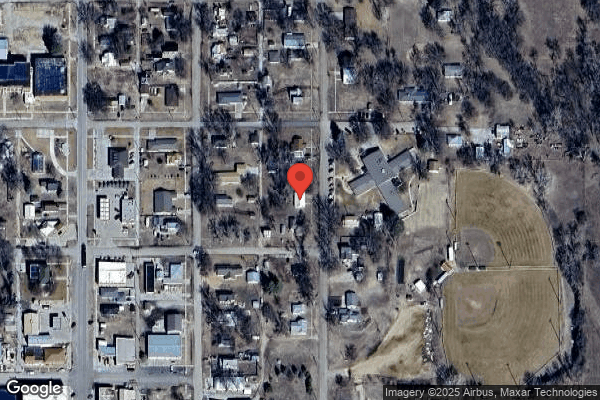
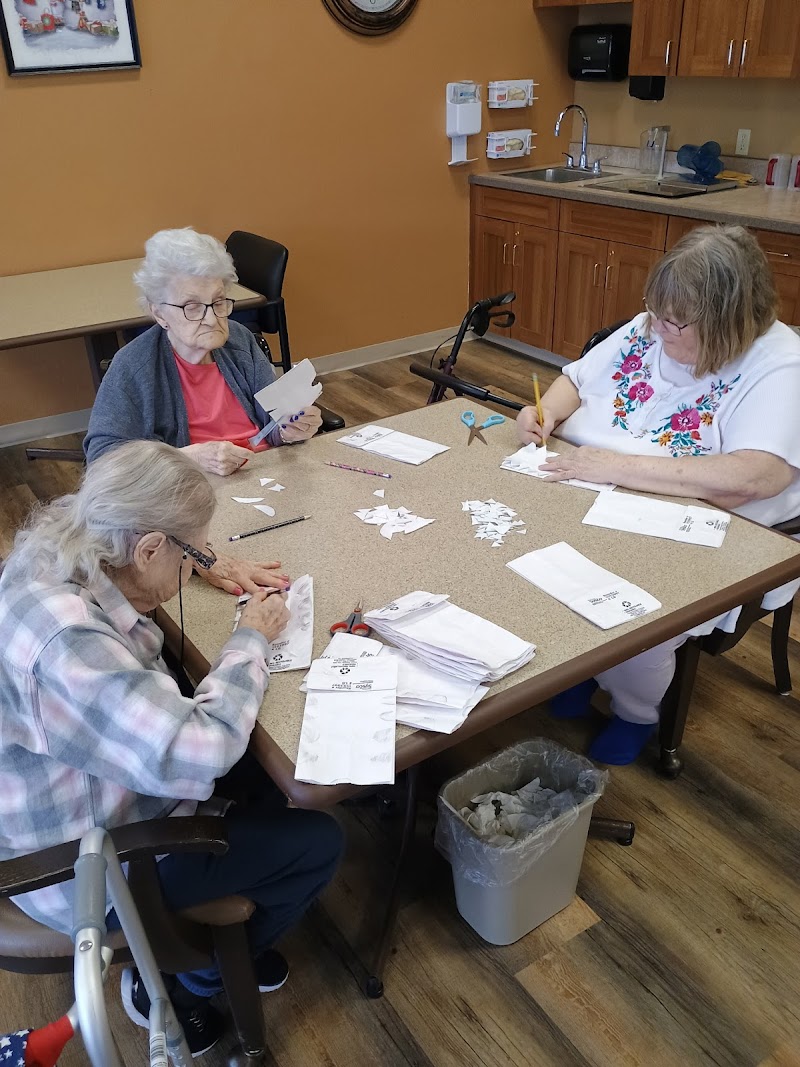
636 North Locust Street, Red Cloud, NE 68970 (402) 746-2296
Non profit - Corporation 43 Beds Independent Data: November 2025
Trust Grade
55/100
#117 of 177 in NE
Last Inspection: June 2024

Within standard 12-15 month inspection cycle. Federal law requires annual inspections.

Overview

Heritage of Webster County in Red Cloud, Nebraska has received a Trust Grade of C, indicating it is average compared to other facilities. It ranks #117 out of 177 in the state, placing it in the bottom half, but it is the best option in Webster County. The facility's performance is improving, with the number of identified issues decreasing from 8 in 2024 to 4 in 2025. Staffing is a relative strength, with a turnover rate of 0%, which is significantly lower than the state average, although the RN coverage is rated as average. However, there are notable concerns; for instance, the facility struggled with infection control practices, which could affect all residents, and failed to properly manage blood glucose testing for diabetic residents. Additionally, care plans for several residents were inadequately developed, raising concerns about the quality of care provided. While there are strengths in staffing and no fines reported, these issues indicate that families should carefully consider the overall care quality at this facility.
Trust Score
C
55/100
In Nebraska
#117/177
Bottom 34%
Safety Record
Low Risk
No red flags
Inspections
Getting Better
8 → 4 violations
Staff Stability
○ Average
Turnover data not reported for this facility.
Penalties
✓ Good
No fines on record. Clean compliance history, better than most Nebraska facilities.
Skilled Nurses
○ Average
Each resident gets 40 minutes of Registered Nurse (RN) attention daily — about average for Nebraska. RNs are the most trained staff who monitor for health changes.
Violations
⚠ Watch
20 deficiencies on record. Higher than average. Multiple issues found across inspections.
★★☆☆☆
2.0
Overall Rating
★★★☆☆
3.0
Staff Levels
★★★★☆
4.0
Care Quality
★★☆☆☆
2.0
Inspection Score
Stable
2024: 8 issues
2025: 4 issues

The Good

  • 4-Star Quality Measures · Strong clinical quality outcomes
  • Full Sprinkler Coverage · Fire safety systems throughout facility
  • No fines on record

Facility shows strength in quality measures, fire safety.

The Bad

2-Star Overall Rating

Below Nebraska average (2.9)

Below average - review inspection findings carefully

The Ugly 20 deficiencies on record

Aug 2025 4 deficiencies
CONCERN (D) 📢 Someone Reported This

A family member, employee, or ombudsman was alarmed enough to file a formal complaint

Potential for Harm - no one hurt, but risky conditions existed

Report Alleged Abuse (Tag F0609)

Could have caused harm · This affected 1 resident

Licensure Reference Number 175NAC 12-00.02(H)Based on record review and interview, the facility failed to submit a written investigation of a possible instance of abuse or neglect to the state agency ...

Read full inspector narrative →
Licensure Reference Number 175NAC 12-00.02(H)Based on record review and interview, the facility failed to submit a written investigation of a possible instance of abuse or neglect to the state agency within 5 working days for 1 (Resident 29) of 1 sampled residents. The facility census was 28.Findings are:A review of a facility policy titled Abuse, Neglect and Exploitation dated 07/2024 revealed the facility will report all alleged violations of abuse or neglect no later then 24 hours after the event if the event does not result in serious bodily injury. The facility will report the results of an investigation of allegations within 5 working days of the incident, as required by the state agency. A review of an admission Record revealed the facility admitted Resident 29 on 3/21/2024 with diagnosis of dementia (a usually progressive condition marked by the development of multiple cognitive deficits (such as memory impairment, aphasia, and the inability to plan and initiate complex behavior).The Quarterly Minimum Data Set (MDS, a federally mandated comprehensive assessment tool used to determine a resident's functional capabilities and helps nursing home staff identify health problems) dated 6/18/2025 revealed Resident 29 had a Brief Interview for Mental Status (BIMS, a brief screener that aids in detecting cognitive impairment) score of 2 indicating the resident had severe cognitive impairment. did not have impairment to the function of their upper or lower extremities, and required staff set up or clean up assistance with eating.A record review of a facility document titled Hot Liquids Risk Assessment revealed the resident exhibited risk factors of impaired cognition, confusion, and dementia placing them at risk for hot liquid accidents.A record review of Resident 29's Progress Notes revealed on 7/30/2025 documentation stating that the resident spilled coffee on themselves while sitting at the dinning room table. The resident was taken to their room and was observed to have a light pink area to their skin on the left side of their abdomen.A record review of an Incident Investigation dated 7/30/2025 revealed an order was placed to monitor Resident 29's burn to their abdomen.In an interview completed on 8/12/2025 at 3:30 PM with the facility Director of Nursing (DON), the DON confirmed that they did not submit the investigation into Resident 29's burn received due to a hot coffee spill to the state agency and should have.
CONCERN (D) 📢 Someone Reported This

A family member, employee, or ombudsman was alarmed enough to file a formal complaint

Potential for Harm - no one hurt, but risky conditions existed

Accident Prevention (Tag F0689)

Could have caused harm · This affected 1 resident

Licensure Reference Number 175NAC 12-00.09 (I)Based on observation, record review, and interview the facility failed to protect residents from accidents and or incidents for 2 residents (Resident 6 an...

Read full inspector narrative →
Licensure Reference Number 175NAC 12-00.09 (I)Based on observation, record review, and interview the facility failed to protect residents from accidents and or incidents for 2 residents (Resident 6 and Resident 29) of 2 sampled residents. The facility census was 28.Findings are:A.A review of an admission Record revealed that the facility admitted Resident 6 on 7/13/2020 with a diagnosis of dementia (a usually progressive condition marked by the development of multiple cognitive deficits (such as memory impairment, aphasia, and the inability to plan and initiate complex behavior).The Comprehensive Minimum Data Set (MDS, a federally mandated comprehensive assessment tool used to determine a resident's functional capabilities and helps nursing home staff identify health problems) dated 6/17/2025 revealed Resident 6 had a Brief Interview for Mental Status (BIMS, a brief screener that aids in detecting cognitive impairment) score of 1 indicating the resident had severe cognitive impairment, the resident required substantial or maximal assistance with bed mobility, transfers, and toilet use, and the resident had 3 falls since the prior assessment (in the last 90 days).Review of Resident 6's Care Plan (a document that includes measurable objectives and timetables to meet a resident's medical, nursing, and mental and psychosocial needs that are identified in the comprehensive assessment) on 8/12/2025 revealed a focus of the resident had a history and the potential for falls with date initiated of 7/14/2020. Interventions were listed that the resident was to have a pressure alarm while in wheelchair and bed dated 6/19/2023 and to ensure the fall alarm was out of the residents reach but still audible dated 11/5/2023.In an observation completed on 8/13/2025 at 2:05 PM Resident 6 was self-propelling their wheelchair down the 200 hallway. The resident stopped in front of the couch located at the end of the hall. The resident transferred independently from their wheelchair onto the couch. No alarm was heard to be sounding. There was a white box with a cord coming out of it attached to the back of the resident's wheelchair. The Director of Nursing (DON) came down the hall witnessed the resident sitting on the couch and assisted the resident back into their wheelchair. The DON then reached for the bottom of the white box and turned on the resident's alarm.In an interview completed on 8/13/2025 at 2:08 PM with the facility DON, the DON confirmed that Resident 6's alarm was not turned on allowing the resident to self-transfer from their wheelchair to the couch without staff assistance. The DON confirmed that Resident 6's alarm is to always be on when in their wheelchair.In an interview completed on 8/13/2025 at 2:14 PM with Medication Aide C (MA-C), MA-C confirmed that Resident 6 had a history of falls and was to have their alarm on at all times to alert staff to when the resident was attempting to self-transfer so staff could intervene and assist the resident to prevent the resident from falling.In an interview completed on 8/13/2025 at 2:15 PM with Medication Aide D (MA-D), MA-D confirmed that Resident 6 had a history of falls and was to have their alarm on at all times to alert staff to when the resident was attempting to self-transfer so staff could intervene and assist the resident to prevent the resident from falling.In an observation completed on 8/14/2025 at 8:43 AM Resident 6 was observed to be sitting at the table in the dining area in their wheelchair. The residents' white alarm box or alarm cord was not visible, indicating the residents' alarm was attached or on while the resident was sitting in their wheelchair.In an observation completed on 8/14/2025 at 9:17 AM Medication Aide G (MA-G) was observed to be assisting Resident 6 to their room via their wheelchair. When in the residents' room MA-G removed the white alarm box from the residents' bedside table and connected it to the resident and placed it on the back of the resident's wheelchair.In an interview completed on 8/14/2025 at 9:17 AM with MA-G, MA-G confirmed that Resident 6 is to always have their alarm on to alert staff to when the resident was attempting to self-transfer for staff to intervene and prevent the resident from falling. The MA confirmed they had just placed the alarm to the resident and the alarm should have been on while the resident was in their wheelchair and was not.In an interview completed on 8/14/2025 at 9:18 AM with the DON, the DON confirmed that Resident 6 was to always have the alarm on.B.A review of an admission Record revealed the facility admitted Resident 29 on 3/21/2024 with diagnosis of dementia (a usually progressive condition marked by the development of multiple cognitive deficits (such as memory impairment, aphasia, and the inability to plan and initiate complex behavior).The Quarterly Minimum Data Set (MDS, a federally mandated comprehensive assessment tool used to determine a resident's functional capabilities and helps nursing home staff identify health problems) dated 6/18/2025 revealed Resident 29 had a Brief Interview for Mental Status (BIMS, a brief screener that aids in detecting cognitive impairment) score of 2 indicating the resident had severe cognitive impairment. did not have impairment to the function of their upper or lower extremities, and required staff set up or clean up assistance with eating.A record review of a facility document titled Hot Liquids Risk Assessment and dated 3/24/2025 revealed the resident exhibited risk factors of impaired cognition, confusion, and dementia placing them at risk for hot liquid accidents. The document stated the resident was to be evaluated by therapy and staff were to provide supervision with meals until evaluation was completed.A record review of Resident 29's Progress Notes revealed on 7/30/2025 documentation stating that the resident spilled coffee on themselves while sitting at the dining room table. The resident was taken to their room and was observed to have a light pink area to their skin on the left side of their abdomen.A record review of an Incident Investigation dated 7/30/2025 revealed on order was placed to monitor Resident 29's burn to their abdomen.In an interview completed on 8/12/2025 at 3:30 PM with the facility Director of Nursing (DON), the DON confirmed that Resident 29 was not evaluated by therapy and supervised during meals until evaluated by therapy as directed on the 3/24/2025 Hot Liquid Risk Assessment. The DON confirmed that Resident 29 did have a burn due to a hot liquid spill on 7/30/2025
CONCERN (D) 📢 Someone Reported This

A family member, employee, or ombudsman was alarmed enough to file a formal complaint

Potential for Harm - no one hurt, but risky conditions existed

Deficiency F0844 (Tag F0844)

Could have caused harm · This affected 1 resident

Licensure Reference Number 175 NAC 12-006.04(E)Based on interviews and observations, the facility failed to notify the department of a change in Director of Nursing within 5 working days as required. ...

Read full inspector narrative →
Licensure Reference Number 175 NAC 12-006.04(E)Based on interviews and observations, the facility failed to notify the department of a change in Director of Nursing within 5 working days as required. This had the potential to affect all facility residents. The facility census was 28. Findings are: An observation on 08/11/2025 at 10:00 AM revealed the Director of Nursing (DON). An interview with the DON on 08/11/2025 revealed they began their position about 1 month ago however had worked on the floor as a floor nurse for about 1 year prior. An interview with the Administrator (ADMIN) on 08/11/2025 at 11:15 AM revealed they come to the facility for a few hours a day to oversee operations. An interview on 8/12/2025 at 2:15 PM with the ADMIN revealed that the previous DON left about 1 month ago and a new DON was since hired who is active at this time. When asked about when the Department was notified about the change in DON, the ADMIN stated this had not been done yet and guessed it needed to be done as soon as possible.
CONCERN (E) 📢 Someone Reported This

A family member, employee, or ombudsman was alarmed enough to file a formal complaint

Potential for Harm - no one hurt, but risky conditions existed

Quality of Care (Tag F0684)

Could have caused harm · This affected multiple residents

**NOTE- TERMS IN BRACKETS HAVE BEEN EDITED TO PROTECT CONFIDENTIALITY** Licensure Reference Number 175 NAC 12-006.09Based on record review, observations, and interviews, the facility failed to ensure ...

Read full inspector narrative →
**NOTE- TERMS IN BRACKETS HAVE BEEN EDITED TO PROTECT CONFIDENTIALITY** Licensure Reference Number 175 NAC 12-006.09Based on record review, observations, and interviews, the facility failed to ensure that glucometer testing supplies were dated and discarded when expired according to the manufacturer's instructions; and the facility failed to ensure nurses had been trained adequately in the use of the continuous blood glucose monitoring systems. This affected all residents with diabetes, a total of 7 residents (Residents 1, 2, 14, 20, 24, 27, and 28), and the facility failed to ensure insulin (abnormal blood glucose) medication was administered or withheld in accordance with the prescribers' orders for 1 (Resident 1) of 1 sampled resident. The facility census was 28. Findings are: A. Record review of the undated facility policy “Blood Glucose Monitoring” revealed it is the policy of the facility to perform blood glucose monitoring to diabetic residents as per physicians’ orders. The policy explanation and compliance guidelines further stated; 1- The facility will perform blood glucose monitoring as per physician’s orders. 2- The nurse will perform the blood glucose test utilizing the facility’s glucometer as per manufacturer’s instructions. 3- If possible, glucometers should not be shared between residents, but if this is not possible, the nurse is responsible for cleaning and disinfection of the machine between residents following the manufacturer’s instructions and in accordance with the facility’s glucometer disinfection policy. 4- Calibration checks on glucometers must be performed ____(Specify frequency/shift) as per manufacturer’s instructions. 8- For residents who have continuous glucose monitoring systems, blood glucose via glucometer for verification of results will be done as per physician order. (See Continuous Glucose Monitors Policy.) Record review of the undated facility policy “Continuous Glucose Monitors” revealed the continuous glucose monitor (CGM) systems are used to increase glycemic time in range and decrease hypo and hyperglycemic episodes (episodes of low or high blood sugars). CGMs may be considered for residents with inconsistent or confounding glycemic control, particularly when insulin is prescribed. It is the policy of this facility to allow diabetic residents access and use of a CGM system when ordered by their physician. Care planning of the CGM use is necessary to meet the needs of each resident and to prevent adverse effects on a resident’s condition. The policy definition of the continuous glucose monitoring system defined the system as the use of a small sensor inserted subcutaneously (sensory needle in the skin) to continuously measure glucose levels in interstitial fluid (the body fluid between blood vessels and cells). Results from the sensor are transmitted to a receiver device, insulin pump, and/or smart phone which displays real time glucose levels and glycemic trends. The policy explanation and compliance guidelines stated 1- Staff and resident training will be provided per facility policy. Consider contacting the device manufacturer’s local representative as well as viewing online training videos from the manufacturer. 2- Continuous glucose monitor values will be recorded as part of daily vital signs. 4- The facility will document in the resident’s chart the site, date and time the CGM sensor and or transmitter was applied with a note of when the device will expire. 16- An adequate supply of CGM sensors/transmitters will be kept on hand for a resident with physician orders. CGM sensors/transmitters will be reordered and stored according to facility policy. Record review of the (brand name) glucometer calibration testing solutions on page 23 dated 03/14 from (company name) manufacturing instructions revealed that once glucometer testing solutions are opened, under part B; Storage and Handling, use the control solution within 90 days (3 months) of first opening or discard. It is recommended that the date of opening on the control solution is written as a reminder to dispose of the opened solution after 90 days. Under the testing procedure for the testing solution, the manufacture stated: Step 3 – Mix solution by gently inverting control solution bottles several times. Remove the cap from the control solution bottle. Place cap on flat surface. Squeeze the bottle and discard the first drop. Apply the second drop to the top of the clean cap. Furthermore, on page 21, the manufacturer stated- when you first open the bottle, write the date on the bottle label. Use the test strips within 3 months of first opening the bottle. Step 4 – Bring meter and strip to drop. Test strip will draw up the solution. The meter will show the result. Record review of the (brand name) CGM system user guide revised and published 07/2025 stated on page 37 of the manual that there are only two times that is important to check the CGM with the glucometer You can use your (brand name CGM) to treat. However, there are two situations when you should use your BG meter instead: There is no number and/or no arrow on the monitor where there should be a numerical reading and/or when the resident symptoms don't match sensor readings. Record review of the Midnight Census Report dated [DATE] received from the Director of Nursing who had denoted who was using a continuous blood sugar monitoring device, received insulin, and who received blood glucose monitoring only included the following residents; Resident 1; had a CGM and received insulin injections (medication to control blood sugars) Resident 2; had a CGM and received insulin injections Resident 14; had a CGM and received insulin injections Resident 20; had a CGM and received insulin injections Resident 24; used only glucose monitoring without a CGM and received insulin Resident 27; had a CGM and received insulin injections Resident 28; had only glucose monitoring and no CGM and no insulin injections Record review of the Glucometer Monitoring Record for Resident 11 revealed 1 documented glucometer reading dagted [DATE] using glucometer calibration testing solution Level 1 with the lot number 022224A with a manufacturer expiration date of [DATE] which was not dated with the date opened and a testing solution Level 2 with lot number 0222824A with an expiration date of [DATE] which was not dated when opened. Record review of the Glucometer Monitoring Record for Resident 20 revealed 2 documented glucometer readings dated [DATE] and a second reading of [DATE] was entered after the calibration process with Registered Nurse (RN) A was completed. using glucometer calibration testing solution Level 1 with the lot number 022224A with a manufacturer expiration date of [DATE] which was not dated with the date opened and a testing solution Level 2 with lot number 0222824A with an expiration date of [DATE] which was not dated when opened. Record review of the Glucometer Monitoring Record for Resident 2 revealed 1 documented glucometer reading dated [DATE] using glucometer calibration testing solution Level 1 with the lot number 022224A with a manufacturer expiration date of [DATE] which was not dated with the date opened and a testing solution Level 2 with lot number 0222824A with an expiration date of [DATE] which was not dated when opened. Record review of the Glucometer Monitoring Record for Resident 1 revealed 2 documented glucometer readings dated [DATE] and [DATE] using glucometer calibration testing solution Level 1 with the lot number 022224A with a manufacturer expiration date of [DATE] which was not dated with the date opened and a testing solution Level 2 with lot number 0222824A with an expiration date of [DATE] which was not dated when opened. Record review of the Glucometer Monitoring Record for Resident 24 revealed 2 documented glucometer readings dated [DATE] and [DATE] using glucometer calibration testing solution Level 1 with the lot number 022224A with a manufacturer expiration date of [DATE] which was not dated with the date opened and a testing solution Level 2 with lot number 0222824A with an expiration date of [DATE] which was not dated when opened. Record review of the Glucometer Monitoring Record for Resident 28 revealed no glucometer calibration records were found. Resident 28 had orders for glucometer checks to be completed every Monday. Record review of the Glucometer Monitoring Record for Resident 27 revealed the last glucometer calibration record test found was performed on [DATE] using a different testing solution. Observation on [DATE] at 7:20 AM as RN A checks the CGM system. Reading is 322. RN A then does a glucometer check with a fingerstick glucometer reading of 297. RN A then calibrated the CGM monitoring device to the glucometer reading obtained. Observation on [DATE] at 7:40 AM of the personal blood testing boxes for each diabetic resident in the facility revealed the Test strips for Resident 20 were opened but not dated, the test strips for Resident 27 were opened but not dated, the test strips for Resident 14 were opened but not dated, the test strips for Resident 1 were opened but not dated, and the test strips for Resident 28 were opened but not dated. Observation on [DATE] at 7:45 AM of RN A who calibrated the blood glucometer (blood sugar testing device). RN A did not gently shake either of the testing solutions prior to use. The cap of each solution was removed and wiped with a Kleenex. RN A placed two drops of the testing solution on the top of each lid from the testing solutions. RN A then placed a glucose testing strip from the testing supply box of Resident 20 into the glucometer, touched the drop of solution which had been placed on the testing solution cap, and tested the Level 1 calibration solution. This was repeated testing the Level 2 calibration solution in the same way. The blood glucose testing strips had not been dated when opened. The glucometer testing Level 1 solution had an open date of [DATE]. The manufacturer’s expiration date was [DATE]. Lot number 022224A. The glucometer testing Level 2 solution had an open date of [DATE]. The manufacturer’s expiration date was [DATE]. Lot number 0222824A. RN A cleansed the testing space and the top of the testing solutions with a Kleenex and not with a disposable cleansing wipe or any other cleansing solution. When RN A realized the Testing strips were not dated with an open date, RN A wrote [DATE] on the testing strips bottle because “Resident 20 just returned from the hospital and so I think they are new strips.” Interview on [DATE] at 7:40 AM with RN A who revealed all staff use the glucose control solutions until the manufacturer’s date of expiration. The staff do write the date the solutions were opened on the box, but not on the bottles of testing solution. RN A did not know that the testing solution had to be disposed 90 days after opening. RN A did not know the recommended manufacturer’s recommendations stated the solutions had to be discarded 90 days after opening. RN A did know that the testing glucometer strips had to be dated when opened, but did not know that the bottle had to be discarded 90 days after opening. RN A was not able to find any of the calibration and blood glucometer monitoring logs that included the calibration dates, testing solutions and lot numbers with expiration numbers except what RN A found on the clipboard. RN A stated the controls are conducted every ten days for those who wear a CGM, when the new glucose testing strips are opened, and at times when any staff member feels the glucose test needs to be conducted to compare to the CGM results. RN A doesn’t like the CGM very well and does check the glucometer with the CGM readings frequently. RN A does not know how often the other nursing staff do a calibration. Interview on [DATE] at 8:10 AM with the Director of Nursing (DON) who revealed no other documented records could be found for the CGM and blood sugar monitor calibration readings. Interview on [DATE] at 9:00 AM with the DON who confirmed there were no more documents of the glucometer calibrations found other than the ones that had been on the clip board so it looked as if the calibrations were not being completed, confirmed that the staff did not change the glucometer calibration solutions after 90 days, and confirmed that testing strips were not being dated after opening. the DON Confirmed that the calibration testing solution had been open longer than 90 days. DON also confirmed no records of trainings for nursing staff related to insulin injections, the use of insulin pens, the use of CGM systems, or glucometers and calibrations have been found. The DON had only been in the position for the past month and was working with the ICC to do the needed trainings. Interview on [DATE] at 10:40 AM with RN A who stated no formal education was given to staff about using the CGM device. The only training we received was when the last Director of Nursing sat them down and showed them how to use it. That was the only education we received and that training lasted about 10 minutes. The last director of nursing did not review the manufacturer instructions or guidelines. RN A did not remember signing anything confirming education or competency for the use of the CGM. When asked about calibrating education received to know when the glucometer and the CGM had to be calibrated together, RN A stated it seemed to be just common sense – “If you get two different numbers, you calibrate the machine.” RN A stated there were no parameters to follow, but felt that any CGM readings over 200 were too high and anything less than 120 was too low and at that point felt there was a need to recalibrate the CGM with a glucometer reading. This is in addition to the recalibration that is completed every 10 days when the new CGM is placed on a resident using the device. RN A did not feel the current system the facility used was very accurate and frequently performed finger stick glucometer checks to check that readings with the CGM. The last DON wanted to use them and RN A simply didn’t trust them. Interview on [DATE] at 2:15 PM with the Infection Control Coordinator (ICC) nurse who stated if we are using the CGM then there is no need to be sticking these residents to do a fingerstick blood sugar check with the glucometer. ICC stated [gender] was unable to find any training or competencies related to insulin injections, insulin pens, or the use of the CGM. B. Record review of a facility policy titled, “Timely Administration of Insulin” undated revealed; It is the policy of this facility to provide timely administration of insulin in order to meet the needs of each resident and to prevent adverse effects on a resident’s condition. Explanation and Compliance Guidelines: 1. All insulins will be administered in accordance with physician’s orders. Record review of an admission record for Resident 1 revealed an admission date of [DATE]. Additional reviews revealed Resident 1 relevant diagnosis listed as Type 2 Diabetes Mellitus with Diabetic Neuropathy (diabetes (chronic disease of insufficiency to produce insulin) with nerve damage) Record review of an admission record for Resident 1 revealed an admission date of [DATE]. Additional reviews revealed Resident 1 relevant diagnosis listed as Type 2 Diabetes Mellitus with Diabetic Neuropathy (diabetes (chronic disease of insufficiency to produce insulin) with nerve damage) Record review Resident 1’s physician orders related to insulin, Continuous glucose monitor (CGM) and blood glucose monitoring revealed: -Change CGM every 10 days and as needed (PRN) missing/malfunctioning. every day shift every 10 day(s) -Insulin Lispro Injection Solution 100 UNIT/ milliliter (ML) , Inject 10 unit subcutaneously 0800; 1200; 1700 ***Please hold insulin if blood glucose is less than 110*** -Check blood sugar prior to meals and bedtime four times a day. -May check blood sugar per finger stick glucometer checks PRN if CGM is not available Record review of Resident 1’s blood sugars that are taken four times a day on 0800 (8:00 AM); 1200 (12:00 PM); 1700 (5:00 PM); and 2000 (8:00 PM) from [DATE], [DATE] and [DATE]-12, 2025 revealed several times Resident 1’s blood glucose was listed less than 110 milligrams per deciliter (mg/dL) and insulin was or should have been withheld: 6/3 at 12:00 PM =100mg/dL - Medication date and time on the MAR states HL=(Medication was held). 6/7 at 12:00 PM =101mg/dL - Medication date and time on the MAR states HL. 6/20 at 12:00 PM =97mg/dL - Medication date and time on the MAR states HL. 6/26 at 5:00 PM =96mg/dL - Medication marked as given, Progress Notes for dates [DATE] revealed no notation or explanation. 6/29 at 5:00 PM =107mg/dL - Medication date and time on the MAR states DR=(Drug Refused) notation in Progress Notes on [DATE] Resident 1 refused the medication. 7/3 at 12:00 PM =105mg/dL - Medication marked as given, Progress Notes for dates [DATE] revealed no notation or explanation. 7/3 at 5:00 PM =101mg/dL - Medication date and time on the MAR states OT= (Other Notes); notation in Progress Notes on [DATE] for 1700 revealed the medication was withheld per physician orders. 7/8 at12:00 PM =108mg/dL - Medication marked as given, Progress Notes for dates [DATE] revealed no notation or explanation. 7/28 at 5:00 PM =109mg/dL - Medication date and time on the MAR states HL. An interview on [DATE] at 1:59 PM with the Director of Nursing (DON) agreed that nursing staff should be following physician orders for insulin administration, notifying the physician and documenting a rationale if the medication was given when outside of physician parameters.
Jun 2024 8 deficiencies
CONCERN (D)

Potential for Harm - no one hurt, but risky conditions existed

Deficiency F0582 (Tag F0582)

Could have caused harm · This affected 1 resident

Licensure Reference Number 175 NAC 12-006.05(B) Based on record review and interview, the facility failed to provide a Skilled Nursing Facility Advance Beneficiary Notice (SNF ABN-a notice given to Me...

Read full inspector narrative →
Licensure Reference Number 175 NAC 12-006.05(B) Based on record review and interview, the facility failed to provide a Skilled Nursing Facility Advance Beneficiary Notice (SNF ABN-a notice given to Medicare beneficiaries to inform them that Medicare will most likely deny the care that they are about to receive. It must be delivered in advance to give the beneficiary time to consider the options and make an informed choice) to Resident 9 and Resident 21 or their representatives to notify them of charges for non-covered care items and services prior to a change in Medicare A coverage. This affected 2 of 2 residents sampled for Advance Beneficiary Notification. The facility census was 26. Findings are: A. A review of the Beneficiary Notice-Residents discharged Within the Last Six Months provided to the facility during the Entrance Conference revealed that Resident 9 was discharged from Medicare A services with days remaining on 04/22/2024 and remained in the facility. A review of the SNF Beneficiary Protection Notification Review form for Resident 9 revealed a Medicare A Skilled Services Episode Start Date of 01/25/2024 and a Last covered day of Part A Service of 04/22/2024. Further review of the form revealed the facility initiated the discharge when there were benefit days remaining. Question 1 Was an SNF ABN, Form CMS-10055 provided to the resident? was marked in the box for no. The facility was unable to provide a copy of a SNF ABN for Resident 9. During an interview on 06/26/2024 at 8:23 AM, the Director of Nursing (DON) confirmed that Resident 9 had not been provided with a SNF ABN upon discharge from Medicare A services, and that Resident 9 had remained in the facility after discharge from Medicare A services. 2. A review of the Beneficiary Notice-Residents discharged Within the Last Six Months provided to the facility during the Entrance Conference revealed that Resident 21 was discharged from Medicare A services with days remaining on 06/20/2024 and remained in the facility. A review of the SNF Beneficiary Protection Notification Review form for Resident 9 revealed a Medicare A Skilled Services Episode Start Date of 06/11/2024 and a Last covered day of Part A Service of 06/20/2024. Further review of the form revealed the facility initiated the discharge when there were benefit days remaining. Question 1 Was an SNF ABN, Form CMS-10055 provided to the resident? was marked in the box for no. The facility was unable to provide a copy of a SNF ABN for Resident 21. During an interview on 06/26/2024 at 8:23 AM, the DON confirmed that Resident 21 had not been provided with a SNF ABN upon discharge from Medicare A services, and that Resident 21 had remained in the facility after discharge from Medicare A services.
CONCERN (D)

Potential for Harm - no one hurt, but risky conditions existed

Deficiency F0604 (Tag F0604)

Could have caused harm · This affected 1 resident

**NOTE- TERMS IN BRACKETS HAVE BEEN EDITED TO PROTECT CONFIDENTIALITY** Licensure Reference Number 175 NAC 12-006.05 (G) Based on observations, record review, and interviews, the facility failed to ev...

Read full inspector narrative →
**NOTE- TERMS IN BRACKETS HAVE BEEN EDITED TO PROTECT CONFIDENTIALITY** Licensure Reference Number 175 NAC 12-006.05 (G) Based on observations, record review, and interviews, the facility failed to evaluate the need for physical restraints for 1 (Resident 2) of 1 residents. The facility census was 26. Findings are: A review of Resident 2's admission Record dated 06/25/2024 revealed the resident was admitted on [DATE] and had diagnoses of hemiplegia (paralysis) and hemiparesis (weakness) on the left side of the body related to a past cerebral infarction (disruption of blood flow to part of the brain), unspecified kyphosis (excessive forward rounding of the back), and generalized muscle weakness. A review of Resident 2's Quarterly Minimum Data Set (MDS-a comprehensive assessment of each resident's functional capabilities) dated 03/26/2024 revealed the resident had a Brief Interview for Mental Status (BIMS-a screening tool used to assess cognition [relating to the mental process involved in knowing, learning, and understanding things]. The BIMS assessment uses a points system that ranges from 0 to 15 points: 0 to 7 points indicates severe cognitive impairment; 8 to 12 points indicates moderate cognitive impairment; and 13 to 15 points indicates that cognition is intact) score of 14, indicating the resident was cognitively intact. An observation on 06/24/2024 at 10:46 AM revealed Resident 2 was sitting up in a wheelchair with a strap that went under the left arm and over the left shoulder, and fastened to the top of the wheelchair back. An interview with Resident 2 on 06/24/2024 at 10:46 AM revealed that the resident was unable to unfasten the strap without assistance. An observation on 06/26/2024 at 9:35 AM revealed Resident 2 was sitting up in a wheelchair with a strap that went under the left arm and over the left shoulder, and fastened to the top of the wheelchair back. An interview with Resident 2 on 06/25/2024 at 3:25 PM revealed the strap over the resident's left arm is to help them sit up straight. Resident 2 revealed they would still be unable to get out of their wheelchair if the strap was not there. Resident 2 confirmed they were unable to unfasten or remove the strap without assistance. An interview with Medication Aide (MA) A on 06/26/2024 at 9:40 AM revealed that Resident 2 requested the straps on the wheelchair, and that Resident 2 was unable to sit up without the strap in place. MA A further confirmed that the resident was unable to unfasten or remove the wheelchair strap without assistance. A review of Resident 2's Electronic Health Record (EHR) revealed no documentation of the wheelchair straps being evaluated for use prior to application of the device, or of risks and benefits being discussed with the resident and/or their representative prior to use. A review of the facility's Restrictive Device Determination Guidelines dated 1/2017 revealed: All devices which may impede the movement of residents will be evaluated prior to application, on a quarterly basis, and with any significant change in condition. These devices may involve but are not limited to: Assist bars, scoop mattresses, reclining wheelchairs, recliners, wedge cushions, lap buddy, alarms, bed against the wall, low bed, etc. 1. Prior to the initiation of any potentially restraining device being implemented, a designated member of the nursing team, with Interdisciplinary Team involvement, will complete the Pre-Restraining Evaluation and request therapy screen and/or evaluation. Alternatives to these devices will be considered and the appropriate referrals will be made. If the resident can remove, release, or freely move about, the device is not restrictive and not determined to be a restraint. 2. If the device is considered to be a restraint, the nurse will initially obtain and review the Informed Consent for Use of Restraints with the resident/responsible party, discussing the benefits and potential risks. An interview with the Director of Nursing (DON) on 06/27/2024 at 8:54 AM confirmed that if Resident 2 was unable to remove the shoulder strap on their own, it was a restraint. The DON further confirmed the facility had not done any evaluations for restraint use, and did not have a consent form for the shoulder strap.
CONCERN (D)

Potential for Harm - no one hurt, but risky conditions existed

Quality of Care (Tag F0684)

Could have caused harm · This affected 1 resident

**NOTE- TERMS IN BRACKETS HAVE BEEN EDITED TO PROTECT CONFIDENTIALITY** Licensure Reference Number 175 NAC 12-006.09(H)(iii)(3) Based on observation, record review, and interviews, the facility failed...

Read full inspector narrative →
**NOTE- TERMS IN BRACKETS HAVE BEEN EDITED TO PROTECT CONFIDENTIALITY** Licensure Reference Number 175 NAC 12-006.09(H)(iii)(3) Based on observation, record review, and interviews, the facility failed to complete and document weekly non-pressure wound assessments for Resident 15 and Resident 17. This affected 2 of 4 residents sampled for impaired skin integrity. The facility census was 26. Findings are: A. A review of the facility's Skin and Wound Management Standard Rev 4/2019 revealed for Non-Pressure Skin Conditions: 1. Monitoring/Documentation. Non-pressure skin conditions will be assessed and measured every 7 days or more frequently if indicated, until resolved. and 2. Care plan. All actions/interventions will be included in the care plan at the time of identification. B. A review of Resident 15's admission Record dated 06/25/2024 revealed the resident was admitted [DATE] and had diagnoses of end stage renal disease, chronic obstructive pulmonary disease (COPD-group of lung diseases that block airflow and make it difficult to breathe), type 2 diabetes mellitus (a long-term condition in which the body has trouble controlling blood sugar and using it for energy), and heart failure. A review of Resident 15's Modification of admission Minimum Data Set (MDS-a comprehensive assessment of each resident's functional capabilities) dated 04/15/2024 revealed a Brief Interview for Mental Status (BIMS-a screening tool used to assess cognition [relating to the mental process involved in knowing, learning, and understanding things]. The BIMS assessment uses a points system that ranges from 0 to 15 points: 0 to 7 points indicates severe cognitive impairment; 8 to 12 points indicates moderate cognitive impairment; and 13 to 15 points indicates that cognition is intact) score of 13, indicating the resident was cognitively intact. An observation on 06/25/2024 at 07:56 AM revealed dressings to both lower legs. An interview with Resident 15 on 06/25/2024 at 7:56 AM revealed that the resident went to wound clinic once a week. The resident revealed there were open areas on the medial (inner) and lateral (outer) aspects of the left lower leg, and only on the medial aspect of the right lower leg. A review of a form provided on 06/25/2024 by the Director of Nursing (DON) titled From our RISK report 6/20/2024 + [Resident 11] (6/22/24) revealed Resident 15 had 4 wounds: -One to the left lateral lower leg, noted 04/08/2024, with assessment date 06/08/2024. No measurements listed. -One to the left medial lower leg, noted 05/07/2024, with assessment date 06/08/2024. No measurements listed. -One to the right medial lower leg, superior (upper) wound, noted 04/21/2024, with assessment date 06/08/2024. No measurements listed. -One to the right medial lower leg, inferior (lower) wound, noted 05/07/2024, with assessment date 06/08/2024. No measurements listed. C. A review of Resident 17's admission Record dated 06/25/2024 revealed the resident was admitted [DATE] and had diagnoses of chronic kidney disease, a kidney transplant, high blood pressure, and type 1 diabetes mellitus (a disease in which the body does not produce insulin, resulting in high blood sugars). A review of Resident 17's Modification of Quarterly MDS dated [DATE] revealed a BIMS of 15, indicating the resident was cognitively intact. An interview with Resident 17 on 06/24/2024 at 1:09 PM revealed the resident had an open area on their right buttock. The resident revealed that the open area started as a blister and opened up. A review of a form provided on 06/25/2024 by the Director of Nursing (DON) titled From our RISK report 6/20/2024 + [Resident 11] (6/22/24) revealed Resident 17 had one wound to the right buttock, noted 05/29/2024 with assessment date of 06/04/2024. This was described as Moisture damage, and had measurements of 2 centimeters (cm) by 2 cm several areas. D. An interview with the DON on 06/25/2024 at 10:00 AM revealed that the DON had been monitoring wounds. The DON further revealed that wound documentation was not up to date. An interview with the DON on 06/27/2024 at 12:55 PM confirmed that non-pressure skin issues should be assessed and documented weekly and that was not being done.
CONCERN (D)

Potential for Harm - no one hurt, but risky conditions existed

Pressure Ulcer Prevention (Tag F0686)

Could have caused harm · This affected 1 resident

**NOTE- TERMS IN BRACKETS HAVE BEEN EDITED TO PROTECT CONFIDENTIALITY** Licensure Reference Number 175 NAC 12-006.09(H)(iii)(2) Based on record review and interviews, the facility failed to complete w...

Read full inspector narrative →
**NOTE- TERMS IN BRACKETS HAVE BEEN EDITED TO PROTECT CONFIDENTIALITY** Licensure Reference Number 175 NAC 12-006.09(H)(iii)(2) Based on record review and interviews, the facility failed to complete weekly pressure ulcer assessments for 1( Resident 3) of 1 sampled resident. The facility census was 26. Findings are: A review of Resident 3's admission Record dated 06/25/2024 revealed the resident was admitted [DATE] and had diagnoses of respiratory failure, chronic obstructive pulmonary disease (COPD-group of lung diseases that block airflow and make it difficult to breathe), heart failure, and peripheral vascular disease (PVD-reduced circulation of blood to a body part, other than the brain or heart, due to a narrowed or blocked blood vessel). A review of Resident 3's Significant Change Minimum Data Set (MDS-a comprehensive assessment of each resident's functional capabilities) dated 06/11/2024 revealed a Brief Interview for Mental Status (BIMS-a screening tool used to assess cognition [relating to the mental process involved in knowing, learning, and understanding things]. The BIMS assessment uses a points system that ranges from 0 to 15 points: 0 to 7 points indicates severe cognitive impairment; 8 to 12 points indicates moderate cognitive impairment; and 13 to 15 points indicates that cognition is intact) score of 99, indicating the resident was unable to complete the interview. The Staff Assessment for Mental Status question C1000 Cognitive Skills for Daily Decision Making was answered as Moderately Impaired, meaning the resident's decisions were poor and they required cues/supervision. A review of a form provided on 06/25/2024 by the Director of Nursing (DON) titled From our RISK report 6/20/2024 + [Resident 11] (6/22/24) revealed Resident 3 had a wound to the left heel, noted 03/12/2024 with assessment date of 06/03/2024. This was described as a Stage 3 pressure area, and had measurements of 1.5 centimeters (cm) by 0.8 cm by 0.3 cm. A review of a Pressure Ulcer Record dated 06/11/2024 for Resident 3 revealed documentation of an open area 1.5 cm X 0.8 cm with approximately 0.3 depth. We will consider this a Stage 3 pressure wound at present. A review of Resident 3's Progress Notes from 06/29/2023 to 06/25/2024 revealed no documentation of wound assessment after 06/11/2024. A review of the facility's Skin and Wound Management Standard Rev 4/2019 revealed for Pressure Ulcer/ Injury Skin Conditions: 1. Monitoring/Documentation Pressure ulcers/injuries will be formally assessed, staged, and measured every 7 days or more frequently if indicated (measure length, width, depth, odor, drainage, pain, wound bed and peri wound appearance). Tunneling and undermining - use the face of a clock and include depth (i.e., 2 cm undermining from 12:00 to 3:00 o'clock). and 2. All actions/interventions will be included in the care plan in PCC [PointClickCare-the Electronic Health Record (EHR) used by the facility]. An interview with the DON on 06/25/2024 at 10:00 AM revealed that the DON had been monitoring wounds. The DON revealed that they were not documenting wounds in the medical record, but were using the Risk reports as a tracking tool for wound assessments and measurements. The DON further revealed that wound documentation was not up to date.
CONCERN (E)

Potential for Harm - no one hurt, but risky conditions existed

Comprehensive Care Plan (Tag F0656)

Could have caused harm · This affected multiple residents

**NOTE- TERMS IN BRACKETS HAVE BEEN EDITED TO PROTECT CONFIDENTIALITY** Licensure Reference Number 175 NAC 12-006.09(E)(iii) Based on record reviews,observation and interviews, the facility failed to ...

Read full inspector narrative →
**NOTE- TERMS IN BRACKETS HAVE BEEN EDITED TO PROTECT CONFIDENTIALITY** Licensure Reference Number 175 NAC 12-006.09(E)(iii) Based on record reviews,observation and interviews, the facility failed to develop a Care Plan (CP- written instructions needed to provide effective and person centered care of the resident that meet professional standards of quality care) to address Resident #7 regarding ambulation, Resident #18 regarding falls, and Resident # 25 regarding falls of13 sampled residents. The facility census was 26. Findings are: A.) A record review of the admission Record dated 6/25/24 revealed Resident # 7 was admitted on [DATE] with the diagnosis of muscle weakness(decreased strength in muscles), difficulty in walking(walking off balance or impaired gait), Urinary tract infection(an infection in any part of the urinary system), Chronic obstructive Pulmonary disease(a group of lung conditions that make it hard to breathe and restricts airflow), Heart Failure(the heart doesn't pump blood as well as it should), Diabetes(to much sugar in the blood), Chronic Kidney Disease( progressive loss of kidney function), Depression (loss of pleasure or interest in activities) and Gout(severe pain, swelling,redness,and tenderness in joints). A. Record review of Resident #7's CP revealed the following focus area: -Restorative Program revised on 08/24/2023 revealed a goal to prevent decline. The intervention to meet this goal was staff were to ambulation Resident #7 in the hallways. An observation on 6/25/24 at 7:45 AM of Resident # 7 revealed during a transfer from the recliner to the wheelchair, Resident # 7 was able to stand and pivot with 2 staff assisting the resident. An observation on 6/26/24 at 1:30 PM of Resident #7 revealed during the transfer from the wheelchair to the recliner Resident # 7 required 2 staff to assist with stand and pivoting. An interview on 6/26/24 at 10:30 AM with Medication Assistant (MA)-A confirmed Resident # 7 stands and pivots with transfers and does not ambulate. MA-A reported Resident # 7 has not ambulated for over 6 months. An interview on 6/26/24 at 11:00 AM with the DON confirmed Resident #7's care plan had not been updated to reflecting Resident # 7 does not ambulate and Resident #7's care plan should of been updated. B. A record review of the admission Record sheet dated June 26, 24 revealed Resident # 18 was admitted on [DATE] with diagnosis of Dementia(impaired ability to remember, think, or make decisions that interferes with doing everyday activities), Depression(mood or loss of pleasure or interest in activities), Muscle weakness(decrease strength in the muscles), Hypertension(blood vessels have persistently raised pressure), and other symptoms and signs involving cognitive functions(perception, memory, learning, attention, decision making, and language abilities and awareness). A record review of Resident #18's Progress Notes (PN) dated 5/1/2024 revealed Resident # 18 had fallen in (genders) room with no injuries and Resident #18's walker was out of reach of the resident. A record review of the MDS(Minimum Data Set, A comprehensive assessment of each resident's functional capabilities) dated June 18, 2024 revealed a BIMS (Brief Mental Status, a test used to get a quick snapshot of a resident's cognitive function, scored from 0-15, the higher the score, the higher the cognitive function) of 4 indicating Resident #18 was severely cognitively impaired. A record review of Resident #18's CP revealed no new focus, goal or interventions for the fall on 5/1/24 was addressed on the CP. An interview on 6/26/24 at 11:00 AM with the DON confirmed Resident #18's CP did not have any new interventions from the fall on 5/1/24. The DON reported there should have been a new intervention place onto Resident #18's CP. C. A record review of the admission Record sheet dated June 26th 2024 revealed Resident # 25 was admitted on [DATE] with diagnoses of Rheumatoid Arthritis(inflammatory that affects joints causing painful swelling., Parkinson's Disease(Affects the nervous system and the pars of the body it controls), atherosclerotic Heart Disease(damage or disease in the hearts major blood vessels usually plaque buildup). A record review of the MDS ( Minimum Data Set, a comprehensive assessment of each resident's functional capabilities) dated 4/23/2024 revealed a BIMS (Brief Interview for Mental Status, a test used to get a quick snapshot of a resident's cognitive function, scored from 0-15, the higher the score, the higher the cognitive function) score of 14, indicating Resident 14 was cognitively intact. A record review Resident #25's Progress Notes (PN) dated 4/20/24 revealed Resident # 25 had a fall in (genders) room having slide out of a recliner. A record review of Resident #25's CP dated 4/17/24 revealed there was no focus, goals, or interventions for the fall on 4/20/24. An interview on 6/26/24 at 11:00 AM with the DON confirmed Resident # 25 fallen. The DON further confirmed new interventions should have been placed onto Resident #25's CP.
CONCERN (E)

Potential for Harm - no one hurt, but risky conditions existed

Deficiency F0657 (Tag F0657)

Could have caused harm · This affected multiple residents

**NOTE- TERMS IN BRACKETS HAVE BEEN EDITED TO PROTECT CONFIDENTIALITY** Licensure Reference Number 175 NAC 12-006.09(F)(iii) Based on observations, record review and interviews, the facility failed to...

Read full inspector narrative →
**NOTE- TERMS IN BRACKETS HAVE BEEN EDITED TO PROTECT CONFIDENTIALITY** Licensure Reference Number 175 NAC 12-006.09(F)(iii) Based on observations, record review and interviews, the facility failed to involve Resident #26 in the development of the Comprehensive Care Plan (CCP), failed to include Resident #26 was a high risk for elopement , failed to revise the care plan for Residents #11 and #17 regarding impaired skin integrity and failed to identify Resident #18 was on hospice, out of 13 sampled residents. The facility census was 26. Findings are: A). A record review of the admission Record dated 6/25/24 revealed Resident # 26 was admitted to the facility on [DATE] with diagnoses of Schizoaffective disorder (characterized by abnormal thought processes and an unstable mood), Covid-19( characterized mainly by fever and cough and is capable of progressing to severe symptoms), Generalized Anxiety(A mental health disorder characterized by feelings of worry, anxiety, or fear that are strong enough to interfere with one's daily activities), Chronic Obstructive Pulmonary Disease(a chronic lung disease that causes breathing problems and restricted airflow), and Chronic Kidney Disease( a gradual loss of kidney function over time). A record review of the MDS (Minimum Data Set, a comprehensive assessment of each resident's functional capabilities) dated June 3rd 2024 revealed a BIMS ( Brief Interview for Mental Status, a test used to get a quick snapshot of a resident's cognitive function, scored from 0-15, the higher the score, the higher the cognitive function) score of 15 indicating cognitively intact. An interview on 6/24/24 at 1:25 PM with Resident #26 confirmed that (gender) was not aware of what a care plan was and had not been invited to care plan meeting. A record review of a letter dated May 21, 2024 revealed a letter was sent out to Resident # 26 POA notifying the POA of a care plan meeting scheduled for Thursday May 23, 2024 at 9:45 AM. A record review of the Progress Notes (PN) dated May 21, 2024 through May 25th 2024 revealed there was no progress notes related to the care plan meeting taking place for Resident #26. A record review of a undated Care Plan acknowledgement form revealed that after the care plan meeting takes place, resident and representative and facility staff sign the form that Resident/family attended or did not attend the care plan meeting. There was no Care Plan acknowledgement form signed for Resident #26. An interview on 6/26/24 at 11:00 AM with the Director of Nursing (DON). The DON confirmed that Resident #26 had not been invited to the care plan meeting. B. An observation on 6-24-2024 at 1:25 PM of Resident #26 revealed Resident #26 had a wanderguard bracelet ( device to alert staff when a residents attempts to leave the facility. Commonly use with residents who are a elopement risk) on right wrist. A record review of Elopement/ wandering review assessment dated [DATE] revealed Resident #26 was a high risk for elopement. A record review of Resident #26's CCP dated 5/23/24 reveals that there is no focus, goals or interventions in place regarding the wanderguard or high risk for elopement. An interview on 6/26/24 at 11:00 AM with the DON confirmed that Resident #26 does have a wander guard bracelet on Resident #26 right wrist and that Resident #26 assessment for elopement indicated Resident #26 was a high risk for elopement. The DON confirmed that Resident #26 CCP does not have any focus, goals, or interventions for the wanderguard or elopement risk and there should of been focus, goals and interventions for the elopement risk and wanderguard. C. A record review of the admission Record dated 6/26/24 revealed that Resident #18 was admitted to the facility on [DATE] with diagnoses of Dementia without behavioral disturbance, psychotic disturbance, mood disturbance (the loss of cognitive functioning - thinking, remembering, and reasoning - to such an extent that it interferes with a person's daily life and activities) , Anxiety(A mental health disorder characterized by feelings of worry, anxiety, or fear that are strong enough to interfere with one's daily activities), Depression(mood disorder that can affect how a person feels, thinks, and functions in their daily life), Muscle weakness( when the body can't contract muscles properly, resulting in reduced strength), and symptoms and signs involving cognitive functions and awareness(including learning, thinking, reasoning, remembering, problem solving, decision making, and attention). A record review of the MDS dated [DATE] revealed a BIMS score of 4 indicating Resident #18 was severely cognitively impaired. A record review of Resident #18's Progress Notes dated 6/19/24 revealed Resident # 18 was admitted to Ascera Care Hospice services. A record review of Resident #18's CCP dated 6/12/2024 revealed the CCP did not address Resident #18 being admitted to Hospice. An interview on 6/26/24 at 11:00 AM with the DON confirmed that residents care plan has not been updated to reflect Resident # 18 being admitted to hospice services. D. A record review of the admission Record dated 6/27/24 revealed Resident # 11 was admitted to the facility on [DATE] with diagnoses of Age-related Cognitive decline (a gradual loss of thinking abilities, such as learning, remembering, paying attention, and reasoning),Muscle Weakness (when the body can't contract muscles properly, resulting in reduced strength), Bacterial Pneumonia (an infection of the lung), Squamous Cell Carcinoma of skin of the other parts of face,(type of skin cancer that can develop on the face and other areas of the body, including the ears, neck, lips, arms, and hands). A record review of the MDS dated [DATE]th 2024 revealed a BIMS score of 3 indicating Resident #11 was severely cognitively impaired. A record review of a skin assessment for Resident #11 dated 6/22/24 revealed a skin assessment for a bruise on the right hand middle digit. A record review of Resident #11's CCP update on 3/22/24 did not address the bruising to Resident # 11 right hand middle digit from middle of finger. An interview on 6/26/24 at 11:00 AM with the DON confirmed Resident #11's care plan did not address the bruising to Resident #11 right hand middle digit. E. A review of Resident 17's admission Record dated 06/25/2024 revealed the resident was admitted [DATE] and had diagnoses of chronic kidney disease, a kidney transplant, high blood pressure, and type 1 diabetes mellitus (a disease in which the body does not produce insulin, resulting in high blood sugars). A review of Resident 17's Modification of Quarterly MDS dated [DATE] revealed a BIMS of 15 indicating Resident 17 was cognitively intact. An interview with Resident 17 on 06/24/2024 at 1:09 PM revealed the resident had an open area on their right buttock. The resident revealed that the open area started as a blister and opened up. A review of a Non-Pressure Skin Condition Record dated 05/29/2024 for Resident 17 revealed a Date First Observed of 05/29/2024. A review of a form provided on 06/25/2024 by the Director of Nursing (DON) titled From our RISK report 6/20/2024 + [Resident 11] (6/22/24) revealed Resident 17 had one wound to the right buttock, noted 05/29/2024 with assessment date of 06/04/2024. This was described as Moisture damage, and had measurements of 2 centimeters (cm) by 2 cm several areas. A review of Resident 17's CCP printed 06/25/2024 revealed no mention of the open area on Resident 17's right buttock. A review of the facility's Skin and Wound Management Standard Rev 4/2019 revealed for Non-Pressure Skin Conditions: 1. Monitoring/Documentation. Non-pressure skin conditions will be assessed and measured every 7 days or more frequently if indicated, until resolved. and 2. Care plan. All actions/interventions will be included in the care plan at the time of identification. An interview with the DON on 06/27/2024 at 12:55 PM confirmed that Resident 17's CCP had not been updated to include the open area on the resident's right buttock
CONCERN (E)

Potential for Harm - no one hurt, but risky conditions existed

Infection Control (Tag F0880)

Could have caused harm · This affected multiple residents

**NOTE- TERMS IN BRACKETS HAVE BEEN EDITED TO PROTECT CONFIDENTIALITY** Licensure Reference Number 175 NAC 12-006.18(B); 12-006.18(D) Based on observation, record review, and interviews, the facility ...

Read full inspector narrative →
**NOTE- TERMS IN BRACKETS HAVE BEEN EDITED TO PROTECT CONFIDENTIALITY** Licensure Reference Number 175 NAC 12-006.18(B); 12-006.18(D) Based on observation, record review, and interviews, the facility failed to ensure hand hygiene and glove changes were performed according to standards to prevent the potential for cross-contamination during wound cares for 2 residents (Resident 3 and Resident 17) of 5 residents sampled for wounds, and the facility failed to implement enhanced barrier precautions (EBP- an infection control intervention designed to reduce transmission of multidrug-resistant organisms [MDROs] in nursing homes. EBP involves wearing a gown and gloves during high-contact resident care activities, such as wound care, for residents known to be colonized or infected with a MDRO as well as residents at increased risk of MDRO acquisition [for example, residents with wounds or indwelling medical devices]) for 3 residents (Resident 3, Resident 15, and Resident 17) of 5 sampled for wounds. The facility census was 26. Findings are: A. A review of the facility's Hand Hygiene Competency dated 2/2017 revealed the following: -Under the Procedure Step Hand Hygiene Using Antimicrobial Soap and Water: 4. Lather and Rub hands together for full 20 seconds. -Under the procedure Step Hand Hygiene Using Hand Sanitizer: Examples: After removing gloves or between changing gloves. B. A review of Resident 3's admission Record dated 06/25/2024 revealed the resident was admitted [DATE] and had diagnoses of respiratory failure, chronic obstructive pulmonary disease (COPD-group of lung diseases that block airflow and make it difficult to breathe), heart failure, and peripheral vascular disease (PVD-reduced circulation of blood to a body part, other than the brain or heart, due to a narrowed or blocked blood vessel). A review of Resident 3's Significant Change Minimum Data Set (MDS-a comprehensive assessment of each resident's functional capabilities) dated 06/11/2024 revealed a Brief Interview for Mental Status (BIMS-a screening tool used to assess cognition [relating to the mental process involved in knowing, learning, and understanding things]. The BIMS assessment uses a points system that ranges from 0 to 15 points: 0 to 7 points indicates severe cognitive impairment; 8 to 12 points indicates moderate cognitive impairment; and 13 to 15 points indicates that cognition is intact) score of 99, indicating the resident was unable to complete the interview. The Staff Assessment for Mental Status question C1000 Cognitive Skills for Daily Decision Making was answered as Moderately Impaired, meaning the resident's decisions were poor and they required cues/supervision. A review of a form provided on 06/25/2024 by the Director of Nursing (DON) titled From our RISK report 6/20/2024 + [Resident 11] (6/22/24) revealed Resident 3 had a Stage 3 pressure ulcer to the left heel. An observation on 06/24/2024 at 3:25 PM revealed Resident 3 resting in bed. There were no gowns noted inside or outside of the resident's room, and no signs indicating the need for EBP. An observation on 06/26/2024 at 9:30 AM of Licensed Practical Nurse (LPN) C performing wound care on Resident 3's right heel wound. The LPN gathered supplies and positioned the resident with their foot up. LPN C washed their hands with soap and water for eight seconds, then rinsed the soap off. LPN C then put on gloves, but no gown. The LPN then removed the old dressing, cleaned the wound with wound spray and gauze, reached back into the package of clean gauze with the soiled glove and got gauze to pat area dry, and applied a new dressing with the same gloves on. The LPN repositioned the resident's legs, and adjusted the bed, then removed their gloves and washed hands with soap and water for 20 seconds. There were no gowns noted inside or outside of the resident's room, and no signs indicating the need for EBP. An interview on 06/26/2024 at 9:35 AM with LPN C confirmed the LPN did not change their gloves and perform hand hygiene between removing the old dressing, cleaning the wound, and applying a new dressing, and should have. LPN C further confirmed they did reach into the package of clean gauze with a soiled glove and should not have, and that hand washing was supposed to be done for 20 seconds. C. A review of Resident 15's admission Record dated 06/25/2024 revealed the resident was admitted [DATE] and had diagnoses of end stage renal disease, COPD, type 2 diabetes mellitus (a long-term condition in which the body has trouble controlling blood sugar and using it for energy), and heart failure. A review of Resident 15's Modification of admission MDS dated [DATE] revealed a BIMS score of 13, indicating the resident was cognitively intact. A review of a form provided on 06/25/2024 by the DON titled From our RISK report 6/20/2024 + [Resident 11] (6/22/24) revealed Resident 15 had two open areas to the right medial (inner) lower leg, one to the left medial lower leg, and one to the left lateral (outer) lower leg. An observation on 06/24/2024 at 2:47 PM revealed no gowns inside or outside of the resident's room, and no signs indicating the need for EBP. An observation on 06/25/2024 at 8:23 AM revealed no gowns inside or outside of the resident's room, and no signs indicating the need for EBP. An observation on 06/27/2024 at 8:42 AM of LPN C performing wound care on Resident 15's leg wounds revealed LPN C did not wear a gown during wound care. D. A review of Resident 17's admission Record dated 06/25/2024 revealed the resident was admitted [DATE] and had diagnoses of chronic kidney disease, a kidney transplant, high blood pressure, and type 1 diabetes mellitus (a disease in which the body does not produce insulin, resulting in high blood sugars). A review of Resident 17's Modification of Quarterly MDS dated [DATE] revealed a BIMS of 15. A review of a form provided on 06/25/2024 by the DON titled From our RISK report 6/20/2024 + [Resident 11] (6/22/24) revealed Resident 17 had an open area to the right buttock. An interview with Resident 17 on 06/24/2024 at 2:42 PM revealed the resident had open area to the right buttock. Resident 17 revealed that staff were wearing gloves, but not gowns during wound care. An observation on 06/24/2024 at 2:42 PM revealed no gowns noted inside or outside of the resident's room, and no signs indicating the need for EBP. An observation on 06/25/2024 at 3:51 PM revealed no gowns noted inside or outside of the resident's room, and no signs indicating the need for EBP. An observation on 06/26/2024 at 8:55 AM of LPN C performing wound care on Resident 17's right buttock open area. LPN C gathered supplies, washed their hands with soap and water for six seconds then rinsed the soap off. The LPN closed the door, put on gloves but no gown, and assisted the resident onto their right side. LPN C then touched the window curtain and the light switch light, pulled down Resident 17's pants and incontinence wear and placed an absorbent pad under the buttocks. LPN C changed their gloves without performing hand hygiene, and removed the old dressing. The LPN changed gloves and cleaned the wound with wound spray and gauze, reached back into the package of clean gauze with the soiled glove, cleaned the left buttock, and reached into package of clean gauze with the soiled glove again to get more gauze and patted the areas dry. LPN C removed the gloves, went into hall to the treatment cart by the door to get more supplies, then put on new gloves without performing hand hygiene. Resident 17 complained of nausea, so the LPN provided a towel. LPN C applied ointment to the open area on the right buttock using a cotton swab, and put on a new dressing, then pulled up the resident's incontinence wear and pants. Resident 17 did vomit, and without changing gloves the LPN picked up the towel and wiped the resident's face and arm with it, then adjusted the resident's position, and covered them with a light blanket. LPN C took their gloves off, moved the soiled towel using their bare hands, and washed their hands with soap and water for six seconds, then rinsed the soap off. An interview on 06/26/2024 at 9:10 AM with LPN C confirmed the LPN did not perform hand hygiene when changing gloves and should have, and that they should have changed gloves and performed hand hygiene between completing the dressing change and touching Resident 17's face. LPN C further confirmed they did reach into the package of clean gauze with a soiled glove and should not have, and that hand washing was supposed to be done for 20 seconds. E. An interview on 06/26/2024 at 1:49 PM with Medication Aide (MA) A revealed that MA A was unfamiliar with what EBP was. An interview on 06/26/2024 at 2:24 PM with Nurse Aide (NA) B revealed that NA B had not heard of EBP. An interview on 06/26/2024 at 3:52 PM with LPN C revealed that LPN C was unfamiliar with what EBP was. An interview on 06/27/2024 at 8:54 AM with the DON revealed the facility did not have a policy for EBP, and had not been implementing EBP for Resident 3, Resident 15, or Resident 17. The DON further confirmed that EBP should be in place for those residents due to them having open wounds. An interview on 06/27/2024 at 12:55 PM with the DON confirmed that hand washing should be done with soap and water for at least 20 seconds, and that sanitizer should be used between changing gloves.
CONCERN (F)

Potential for Harm - no one hurt, but risky conditions existed

Deficiency F0882 (Tag F0882)

Could have caused harm · This affected most or all residents

Based on interview and record review the facility failed to employee a Infection Preventionist (IP) (a facility member that looks for patterns, observes, and educate staff on infection control and com...

Read full inspector narrative →
Based on interview and record review the facility failed to employee a Infection Preventionist (IP) (a facility member that looks for patterns, observes, and educate staff on infection control and compiles infection data for the facility) at least part-time, that is not the Director of Nursing (DON). This had the potential to affect all 26 residents in the facility. The facility census was 26. Findings are: A record review of Licensed Personnel and Consultants sheet provided by the facility during survey revealed the Director of Nursing (DON) was listed as the DON and the Infection Control Coordinator. A record review of the Quality Assurance Performance Improvements (QAPI) Committee Members sheet provided during the survey revealed the DON was listed as the DON and the Infection Control Nurse. An interview on 6/26/24 at 1:30 PM with the DON confirmed they had not taken the course for the Infection Preventionist and was the full time DON at the facility. The DON further reported they were also doing the Infection Preventionist role full time in the facility. The DON reported a Licensed Practical Nurse (LPN) from the hospital has the training for Infection Control, however, has not overseen the infection control program at the facility.
Jun 2023 1 deficiency
CONCERN (D)

Potential for Harm - no one hurt, but risky conditions existed

Notification of Changes (Tag F0580)

Could have caused harm · This affected 1 resident

Licensure Reference Number 175 NAC 12-006.08 Based on observation, interview and record review, the facility failed to notify the physician of weight loss for 1 (Resident 26) out of 6 residents sample...

Read full inspector narrative →
Licensure Reference Number 175 NAC 12-006.08 Based on observation, interview and record review, the facility failed to notify the physician of weight loss for 1 (Resident 26) out of 6 residents sampled for weight loss. The facility identified a census of 30 at the time of survey. Findings are: A. Interview on 6/26/23 at 11:23 AM with Resident 26 revealed that they had lost weight since coming to this facility. Record review of Resident 26's weight record revealed admission weight on 5/25/23 was 118.0 pounds. On 06/22/2023, the resident weighed 109 pounds which is a -7.63 % loss. Record review of Resident 26's Comprehensive Careplan (CCP- written instructions needed to provide effective and person centered care of the resident that meet professional standards of quality care) revealed the date of admission was 5/24/23. Record review of Resident 26's CCP revealed a Potential for impaired nutritional status was initiated on 5/31/23 with an intervention to notify the physician with a significant weight loss. Interview on 6/28/23 at 7:05 AM with the Administrator revealed the physician had not been notified regarding the significant weight loss of Resident 26 and should have been. Interview on 6/28/23 at 11:53 AM with DM -E confirmed faciltiy staff discuss weight loss at risk meetings weekly and nursing leadership is made aware of which residents are losing weight. Record review of weekly risk meeting notes regarding weight loss for Resident 26 revealed Resident 26 was addressed at each meeting beginning on 6/7/23. Record review of the undated facility policy titled Recommended points of documentation, revealed facility staff were to notify the MD of a weight change status. Interview on 6/29/23 at 11:11 AM with RD - E confirmed that when the weight loss was identified on Resident 26 nursing was informed but the provider was not notified.
Mar 2022 7 deficiencies
CONCERN (D)

Potential for Harm - no one hurt, but risky conditions existed

Resident Rights (Tag F0550)

Could have caused harm · This affected 1 resident

Licensure Reference Number 175NAC 12-006.05 (21) Based on observation and interview, the facility staff failed to promote resident dignity by wearing disposable rubber gloves while feeding 2 residents...

Read full inspector narrative →
Licensure Reference Number 175NAC 12-006.05 (21) Based on observation and interview, the facility staff failed to promote resident dignity by wearing disposable rubber gloves while feeding 2 residents (Residents 14 and 5). The facility census was 36. Findings are: A. Observation on 3/30/22 at 8:19 AM in the facility dining room revealed that Nursing Assistant-E (NA-E) sat to the left of Resident 14 at a dining room table. NA-E wore disposable gloves and used the resident's silverware to feed Resident 14. Observation on 3/30/22 at 8:19 AM in the facility dining room revealed that Nursing Assistant-D (NA-D) sat at a table with Resident 5. NA-D wore disposable gloves and used the silverware to feed Resident 5. Observation on 3/30/22 at 8:30 AM in the facility dining room revealed that NA-E continued to feed Resident 14. NA-E wore disposable gloves and used the resident's silverware to feed the resident. Record review of the facility Admissions Agreement dated 6/2018 revealed that federal and state laws provide certain rights specific to your treatment and care as a resident. The Resident's [NAME] of Rights has been provided to you and is incorporated in this agreement by this reference. Record review of the facility document titled Resident Rights dated 8/17 revealed that the resident has a right to be treated with consideration, dignity, and respect including privacy in treatment and in care for personal needs. The facility must treat each resident with respect and dignity, and care for each resident in a manner and in an environment that promotes maintenance or enhancement of his or her quality of life, recognizing each resident's individuality. Interview on 3/31/22 at 10:43 AM with the Dietary Manager (DM) confirmed that facility staff should not wear disposable gloves while feeding a resident. The DM confirmed that staff would only wear disposable gloves when touching or picking up food to avoid contact with the bare hands. B. Observation on 3/30/22 at 12:24 PM in the dining room revealed that Nursing Assistant-F (NA-F) sat to the right of Resident 14 at a dining room table. NA-F wore disposable gloves and used the resident's silverware to feed Resident 14. Observation on 3/30/22 at 12:24 PM in the dining room revealed that NA-E sat to the right of Resident 5 at a dining room table. NA-E wore disposable gloves and used the resident's silverware to feed Resident 5. C. Observation of the facility dining room on 3/28/22 at 5:36 PM revealed NA-D was sitting next to Resident 5 feeding them. NA-D was wearing disposable gloves. NA-D was using the utensils to feed Resident 5 and picked up Resident 5's water mug and Resident 5 took a drink out of it through the straw all while NA-D was wearing the disposable gloves. D. Observation of the facility dining room on 3/29/22 at 8:05 AM revealed NA-D was wearing disposable gloves to feed Resident 5. NA-D was using utensils and was not handling any readily prepared food, precipitating the need for disposable gloves. E. Observation of the facility dining room on 3/30/22 at 8:12 AM revealed NA-E was sitting next to Resident 14 feeding them. NA-E was wearing disposable gloves and used the fork to feed eggs to Resident 14. Interview with the CC (Clinical Coordinator) on 3/30/22 at 4:30 PM revealed the facility staff had not been trained to wear disposable gloves while feeding the residents and this was not usual practice.
CONCERN (D)

Potential for Harm - no one hurt, but risky conditions existed

Deficiency F0561 (Tag F0561)

Could have caused harm · This affected 1 resident

LICENSURE REFERENCE NUMBER 175 NAC 12-006.05 (4) Based on interview and record review; the facility failed to honor bathing preference for 1 of 1 sampled residents; Resident 18. The facility identifie...

Read full inspector narrative →
LICENSURE REFERENCE NUMBER 175 NAC 12-006.05 (4) Based on interview and record review; the facility failed to honor bathing preference for 1 of 1 sampled residents; Resident 18. The facility identified a census of 36 at the time of survey. Findings are: Review of Resident 18's quarterly MDS (Minimum Data Set-a comprehensive assessment tool used to develop a resident's care plan) dated 12/28/2021 revealed an admission date of 5/1/2015. Resident 18 had a BIMS (Brief Interview for Mental Status) score of 15 which indicated no cognitive impairment. Bathing activity did not occur during the 7 day MDS look back period. Interview with Resident 18 on 3/29/22 at 10:23 AM revealed they were supposed to receive a bath every week but this did not always happen. Review of Resident 18's Care Plan dated 4/25/2017 revealed Resident 18 preferred a tub spa and limited to extensive bathing assistance with bathing was required. Interview with the CC (Clinical Coordinator) on 3/30/22 at 9:24 AM revealed the facility had been having some struggles with ensuring bathing was being done due to the yellow zoning and staffing issues which they had identified during QA (Quality Assurance-a program designed for facilities to identify issues and implement action to correct them). They implemented plans and the CC provided the action list from 2/3/22 for two baths a week and on 3/17/22 listed the action plan for 2 baths a week. The action plans were not marked as resolved. The CC also revealed the facility identified documentation issues with bathing. The CC revealed from 11/15/21 through 11/26/21 the facility was in Covid Red Zone (full quarantine) on the 300 unit; the 100 unit was in Yellow (partial quarantine) through December 8th; the 100 unit was placed back into Yellow on 12/30/31; the 100 and 300 units were yellow 1/1/22 through 1/15/22; and on 1/24/22 all of the units were back to moderate Yellow. The CC revealed the staff were still expected to provide bathing to the residents despite the facility being in quarantine and they were working on it in QA; however, the facility continued to work on the issues of staffing and documentation and confirmed Resident 18 was not receiving their baths per their preference. Interview with the CC on 3/30/22 at 2:46 PM revealed the residents were to receive at least one bath a week. The CC confirmed there were bed bath/sponge bath options during quarantine and bathing should have been provided. Review of the facility grievances revealed Resident 18 had filed 3 grievances regarding bathing since 8/31/2021: Review of the Complaint/Grievance Report dated 8/31/21 revealed the following: Describe concern in detail: Resident 18 did not get a bath on Friday the 27th and Tuesday the 31st. Resident 18 told the bath aide they wanted to wait until after dinner (31st). The bath aide said well if you get one. Review of the Complaint/Grievance Report dated 2/15/22 revealed the following: Describe concern in detail: Resident 18 did not get a bath today (Tues 15th) or last Friday (11th). Staff told Resident 18 that they are only giving one bath a week due to staffing. Resident 18 needs to be cleaned under their abdominal fold as they break out easily. Findings of investigation: Resident 18 did not get their 2nd spa. Complainant remarks: I just want to get my baths. Review of the Complaint/Grievance Report dated 3/18/22 revealed the following: Describe concern in detail: Resident 18 did not get a bath today and was told they had already gotten one this week and there were others that had not had any. Findings of investigation: Resident did not get their scheduled bath. Complainant remarks: Resident 18 wants the nurse or aide to come explain to them when they will get another spa. Interview with the CC on 3/31/22 at 8:54 AM revealed Resident 18's bathing documentation indicated Resident 18 had not been receiving their baths per expectation for August, September, October, and November 2021 since Resident 18 had filed a grievance in August 2021. The CC reiterated the facility was in yellow October 14, 21 and in November 2021 there were 6+ Covid positive residents in the facility and the facility was in red and yellow quarantine. Interview with Resident 18 on 3/31/22 at 10:28 AM revealed they preferred 2 baths a week. Resident 18 revealed they did not expect to receive a bath tomorrow as scheduled because there were only 2 staff scheduled and 1 person could not take care of 36 residents. Resident 18 revealed the facility had a bath aide; however, they only worked 3 days a week. Resident 18 revealed the other staff were expected to pick up and do the baths but they didn't have enough staff scheduled to do that. Resident 18 revealed that during the Covid they went 4 months without receiving a bath. Resident 18 revealed they had resided on the non-Covid wing but the facility had outbreaks of Covid so Resident 18 could not go on the other units and Resident 18 did not get a bath. Resident 18 revealed they had been offered a sponge bath twice during the 4 month time frame. Resident 18 revealed they tried to wash themselves as good as they could but that was not a bath. Review of Resident 18's Follow Up Question Report for bathing for August, September, October, November, and December of 2021 revealed documentation Resident 18 received a bath on 8/6/21; 8/13 (7 days with no bath), 8/17, 8/24 (7 days with no bath); 9/1/21 (8 days with no bath); 9/3; 9/7; 9/10; 9/17 (7 days with no bath); 9/24 (7 days with no bath); 9/28; 10/12 (14 days with no bath); 10/19 (7 days with no bath); 11/5 (17 days with no bath); 11/9; 11/29 (20 days with no bath); 12/14 (15 days with no bath); and 12/29/21 (15 days with no bath). Review of Resident 18's Follow Up Question Report for bathing for January, February, and March 2022 revealed documentation Resident 18 received a bath on 1/7/22 (9 days with no bath); 1/11/22; 1/14/22; 1/21/22 (7 days with no bath); 1/28/22 (7 days with no bath); 2/22/22 (25 days with no bath); and 3/8/22 (14 days with no bath). Reviewed of Resident 18's MDS schedule revealed Resident 18 was discharged Return Anticipated on 10/1/21 and returned 10/2/21 which indicated Resident 18 was not out out of the facility and unavailable for a bath during the time frames the baths were not documented. Review of Resident 18's Progress Notes for December 2021 through March 2022 revealed no documentation in the progress notes that Resident 18 had refused their baths. Review of the facility policy Getting to Know Us Resident Policies dated 12/2020 revealed the following: Routines: you will be receiving at least one bath or shower per week. Unless you go to the beauty shop or give us other directions, we will shampoo your hair during you spa time. Concerns/Grievances: If you have any concerns, we want to know. Without you sharing your concerns, we may not know of the issues or be able to correct them. If you would like to put your concerns/grievances in writing, there are forms available at the nurses' station, the social services office, or you may file a health information privacy complaint online with the Office for Civil Rights. Please be assured that any concerns that you voice or present in writing will be used to improve our services.
CONCERN (D)

Potential for Harm - no one hurt, but risky conditions existed

PASARR Coordination (Tag F0644)

Could have caused harm · This affected 1 resident

Based on interview and record review, the facility failed to ensure Resident 32 had a PASRR (Pre-admission Screening and Resident Review-a screening tool used to ensure residents receive the care they...

Read full inspector narrative →
Based on interview and record review, the facility failed to ensure Resident 32 had a PASRR (Pre-admission Screening and Resident Review-a screening tool used to ensure residents receive the care they require for mental illness) and ensure a Level II screen was conducted for SMI (Serious Mental Illness) for 1 of 1 sampled residents, Resident 32. The facility identified a census of 36 at the time of survey. Findings are: Review of Resident 32's annual MDS (Minimum Data Set-a comprehensive assessment tool used to develop a resident's care plan) dated 2/23/2022 revealed an admission date of 2/26/2020. The question Is the resident currently considered by the state level II PASRR process to have serious mental illness and/or intellectual disability or a related condition? was marked no. Active diagnoses included anxiety disorder and bipolar disorder. Review of Resident 32's Medical Record revealed no documentation a PASRR was completed upon admission or that a new PASRR was completed when Resident 32 was diagnosed with bipolar disorder on 6/14/2021. Review of Resident 32's Diagnoses revealed Resident 32 was diagnosed with bipolar disorder on 6/14/2021. Review of Resident 32's Order Summary Report dated 3/30/2022 revealed Resident 32 was receiving antipsychotic medication for bipolar disorder. Interview with the SSD (Social Services Director) on 3/29/22 at 1:50 PM revealed there was no documentation in Resident 32's Medical Record a PASRR had been completed. The SSD revealed Resident 32 was diagnosed with a serious mental illness bipolar disorder and anxiety disorder and a Level II PASRR was required. The SSD revealed they had been unable to locate Resident 32's admission PASRR and that a new PASRR should have been completed when Resident 32 was diagnosed with bipolar disorder on 6/14/2021. Interview with the MDSC (Minimum Data Set Coordinator) on 3/30/22 at 1:38 PM revealed there was no documentation a PASRR had been completed for Resident 32 and there was no documentation a PASRR was redone when Resident 32 was diagnosed with bipolar disorder 6/14/2021. The MDSC confirmed Resident 32 did not have a diagnosis of bipolar disorder upon admission and a new PASRR should have been conducted after Resident 32 was diagnosed with bipolar disorder 6/14/2021. The MDSC confirmed they were unable to locate Resident 32's admission PASRR. Review of the Centers for Medicare & Medicaid Services Long-Term Care Facility Resident Assessment Instrument 3.0 User's Manual Version 1.17.1 October 2019 revealed the following: All individuals who are admitted to a Medicaid certified nursing facility, regardless of the individual's payment source, must have a Level I PASRR completed to screen for possible mental illness (MI), intellectual disability (ID), developmental disability (DD), or related conditions (please contact your local State Medicaid Agency for details regarding PASRR requirements and exemptions). o Individuals who have or are suspected to have MI or ID/DD or related conditions may not be admitted to a Medicaid-certified nursing facility unless approved through Level II PASRR determination. Those residents covered by Level II PASRR process may require certain care and services provided by the nursing home, and/or specialized services provided by the State. o A resident with MI or ID/DD must have a Resident Review (RR) conducted when there is a significant change in the resident's physical or mental condition. Therefore, when an SCSA is completed for a resident with MI or ID/DD, the nursing home is required to notify the State mental health authority, intellectual disability or developmental disability authority (depending on which operates in their State) in order to notify them of the resident's change in status. Section 1919(e) (7) (B) (iii) of the Social Security Act requires the notification or referral for a significant change. 1 Review of the SMI Adviser website reviewed 4/4/22 revealed the following: WHAT IS SERIOUS MENTAL ILLNESS? Serious Mental Illness (SMI) is defined as someone over the age of 18 who has (or had within the past year) a diagnosable mental, behavioral, or emotional disorder that causes serious functional impairment that substantially interferes with or limits one or more major life activities. SMI is a small subset of the 300 mental illnesses listed in The Diagnostic and Statistical Manual of Mental Disorders (DSM). SMI includes disorders such as bipolar disorder, major depressive disorder, schizophrenia, and schizoaffective disorder. All mental health conditions have the potential to produce impairment and interfere with quality of life. Thus, many instances of mental illness may broadly qualify as serious according to various uses and interpretations of the term. Definitions of serious mental illness can vary, too. It may depend on whether the term is used for legal, clinical, or epidemiological purposes. What is Considered a Serious Mental Illness? Serious mental illness (SMI) includes: Schizophrenia A subset of major depression called severe, major depression A subset of bipolar disorder classified as severe A few other disorders Some terms related to SMI are used interchangeably: Affective disorders- mood disorders Bipolar disorders-manic-depressive disorder/manic depression Major depressive disorders-major depression It is helpful to be aware of other terms that are often used as part of broader categories of mental health conditions. These often come up around SMI: Mood disorders - depressive disorders, bipolar disorders Anxiety disorders - posttraumatic stress disorder, for example Psychotic disorders - schizophrenia, delusional disorder, schizoaffective disorder The National Alliance on Mental Illness (NAMI) uses the terms mental health conditions and mental illness/es interchangeably. 5 NAMI notes that: A mental health condition isn't the result of one event. Research suggests multiple, linking causes. Genetics, environment and lifestyle influence whether someone develops a mental health condition. A stressful job or home life makes some people more susceptible, as do traumatic life events. Biochemical processes and circuits and basic brain structure may play a role, too. https://smiadviser.org/about/serious-mental-illness
CONCERN (D)

Potential for Harm - no one hurt, but risky conditions existed

Accident Prevention (Tag F0689)

Could have caused harm · This affected 1 resident

LICENSURE REFERENCE NUMBER 175 NAC 12-006.09D7 Based on observation, interview, and record review; the facility failed to implement interventions to prevent potential elopement for 1 of 1 sampled resi...

Read full inspector narrative →
LICENSURE REFERENCE NUMBER 175 NAC 12-006.09D7 Based on observation, interview, and record review; the facility failed to implement interventions to prevent potential elopement for 1 of 1 sampled residents, Resident 2. The facility identified a census of 36 at the time of survey. Findings are: Review of Resident 2's Annual MDS (Minimum Data Set-a comprehensive assessment tool used to develop a resident's care plan) dated 3/9/2022 revealed an admission date of 9/23/2019. Resident 2 had a BIMS (Brief Interview for Mental Status) score of 00 which indicated severe cognitive impairment. Observation of the facility main entrance on 3/28/22 at 3:45 PM, 3/29/22 at 7:30 AM, 3/30/22 at 7:30 AM, and 3/31/31 at 7:30 AM revealed the doors were unlocked and did not alarm when opened. The facility dining room was on the other side of the doors and the facility residents had to walk past the main entrance doors to enter the dining room from the units. Observation of the facility on 3/29/22 at 8:15 AM revealed Resident 2 was standing in the hall unattended with a walker without staff assistance. No elopement alarm was observed. Observation of the facility on 3/30/22 at 10:58 AM revealed Resident 2 was standing in the hall with their walker without staff assistance. RN-A (Registered Nurse) was observed directing Resident 2 which direction they should go. Resident 2 was not observed to have an elopement alarm. Observation of the facility on 3/31/22 at 7:40 AM revealed Resident 2 was observed standing in the hall with their walker wearing pajamas. The BOM (Business Office Manager) was standing next to Resident 2 directing them to return to their room to get dressed for breakfast. Resident 2 expressed they were unaware it was time for breakfast. Interview with NA-D (Nursing Assistant) on 3/30/22 at 1:28 PM revealed Resident 2 had attempted to leave the facility unattended at times and had to be redirected. NA-D revealed Resident 2 did not have an elopement alarm. Interview with RN-A on 3/30/22 at 4:36 PM revealed the main entrance to the facility was unlocked during the day and was not alarmed. The main entrance did not lock unless the resident had an elopement alarm which locked the door automatically if the resident tried to leave the facility unattended. Review of Resident 2's Elopement Assessments dated 3/16/2022, 12/14/2021, 9/14/2021, 6/14/2021, 3/18/2021, 3/15/2021, 12/15/2020, and 9/24/2020 revealed Resident 2 was High Risk for elopement. Review of Resident 2's Diagnoses included unspecified dementia and Alzheimer's disease. Review of Resident 2's Care Plan dated 9/23/2019 revealed no documentation of interventions to prevent elopement. Resident 2's Care Plan revealed documentation Resident 2 had confusion and was independent for locomotion with a walker. It was documented Resident 2 often did not wait for assistance. Review of Resident 2's Progress Notes revealed the following: On 12/22/2021 at 11:33 it was documented Resident 2 was observed with increased restlessness. On 2/11/2022 at 5:45 it was documented Resident 2 was attempting to get another resident to go to bed thinking it was their spouse and staff had attempted to distract Resident 2 for a couple hours. On 1/30/2022 at 17:15 it was documented Resident 2 had been very agitated throughout the day and Resident 2 had been ambulating up and down the halls wanting to go home and calling people names. It was documented Resident 2 had refused all interventions and antianxiety medication was given at 1100 with no relief noted. On 1/26/2022 at 03:46 it was documented that at approximately 3 am, Resident 2 woke up and went into the hallway. It was documented Resident 2 was determined to go into a different resident's room to get their kids. On 12/22/2021 at 04:17 it was documented that Resident 2 was up walking in the hall 4 times during the night starting at 2:30 AM. It was documented Resident 2 was found outside a room in hall 2 and that Resident 2 seemed agitated and talking about looking for ---then unable to tell nurse what Resident 2 was looking for. It was documented Resident 2 did not want to sit out at the nursing station and went back to bed each time, sometimes toileting before Resident 2 got back into bed. It was documented Resident 2 was unaware of the time and seemed surprised that it was still night time hours. On 10/22/2021 at 00:58 it was documented Resident 2 continued to be monitored related to recent witnessed fall. It was documented Resident 2 continued to ambulate in facility by self with their walker. On 10/3/2021 at 01:19 it was documented that Resident 2 was wandering in the evening. On 9/20/2021 at 14:21 it was documented Resident 2 was asking to call their folks. It was documented Resident 2's child reminded Resident 2 their spouse had passed away and Resident 2 did not believe this but also believed that they were in a different town and much younger. On 8/31/2021 at 17:31 it was documented Resident 2 refused supper/drinks only their coffee and left the table and confronted residents as they passed by telling them to get out of their way with attempts to re-direct without success. On 8/31/2021 at 17:01 it was documented Resident 2 had been very confrontational for the last hour towards staff and other residents. It was documented Resident 2 was attempting to enter other resident's room and refused medication and used profound language towards staff and other residents. On 7/16/2021 at 16:23 it was documented Resident 2 had increased restlessness/pacing the halls/exit seeking/continuously asking how do I get out of here? On 7/11/2021 at 18:55 it was documented Resident 2 was restless with increased confusion noted. It was documented Resident 2 attempted to sit in roommate's recliner. On 6/1/2021 at 11:12 it was documented Resident 2 had increased anxiety, agitation, and confusion. It was documented Resident 2 had been restless looking for spouse or other nonrealistic situations. It was documented Resident 2 had wanted to leave the building x 2. On 5/1/2021 at 17:04 it was documented Resident 2 continued to have increased confusion/restlessness throughout the day. On 4/18/2021 at 13:02 it was documented Resident 2 had been up since early am. It was documented Resident 2 was restless and ambulated outside of room. It was documented Resident 2 had increased confusion with verbalizations. On 3/11/2021 at 05:26 it was documented Resident 2 was awake most of the night and kept coming out to the nurse's station and asking when the turkey would be done for Thanksgiving dinner. It was documented Resident 2 was ambulating in halls several times during the night. On 2/9/2021 at 20:34 it was documented Resident 2 continuously came out of room to staff stating they were getting out of here; wanting to find their brothers and is gonna wring their necks for drinking too much. Staff documented they were unable to redirect Resident 2. On 1/26/2021 at 15:43 it was documented Resident 2 was very confused and coming out into the hallway and Resident 2 was very upset and looking for their spouse. On 11/9/2020 at 18:26 it was documented Resident 2 was restless at times attempting to ambulate out of room. On 10/22/2020 at 15:36 it was documented Resident 2's spouse passed away. On 10/2/2020 at 14:10 it was documented Resident 2 was restless at times. It was documented Resident 2 frequently attempted to ambulate independently with walker. On 9/19/2020 at 21:28 it was documented Resident 2 was up and out of room by self and walking toward front door with walker. I want to get out of here, Resident 2 stated. It was documented Resident 2 had been up several times in the evening without assist and was difficult to re-direct at times. Review of Resident 2's Order Summary Report dated 3/31/2022 revealed no elopement alarm was ordered. Interview with the FA (Facility Administrator) on 3/31/22 at 11:15 AM revealed they had talked with the IDT (Interdisciplinary)/Care Plan team during stand up meeting and they did not deem Resident 2 an elopement risk as Resident 2 rarely asked to leave and was easily redirected. The FA confirmed there was no documentation of interventions implemented after Resident 2 was deemed high risk for elopement after the Elopement Assessments were conducted. Interview with the CC (Clinical Coordinator) on 3/31/22 at 11:16 AM confirmed there was no documentation of interventions to prevent elopement for Resident 2 including on Resident 2's Care Plan. Review of the facility policy Elopement Prevention and Management dated 1/2016 revealed the following: Standard: Each resident received adequate supervision and assistance for their safety. The facility maintains a practice that allows for a safe environment for all residents. This includes appropriate review and assessment of residents who have impaired cognitive and decision-making skills that could place them at risk for elopement. (Facility) Expectations: The Administrator needs to determine the discipline responsible for elopement prevention and management to ensure the standard is implemented. Resident Risk Review: All residents will be evaluated prior to admission for concerns related to elopement risk and resident safety. Appropriate placement of the resident is of utmost importance. Ongoing review will occur with all residents to ensure proper placement and a safe environment. All residents at risk are care planned for elopement risk by Social Services or Nursing and approaches are implemented and maintained. Elopement risk should be care planned separately on the care plan. The Missing Resident identification form will be reviewed interdisciplinary during weekly risk meetings, with every care plan conference and prn (as needed) to ensure all information is current and accurate. Residents who exhibit exit seeking behaviors, verbalize intentions of going home or leaving the facility or who have had an episode of attempted elopement should be considered for a Memory Support Household. Social Services will have primary responsibility for addressing these kinds of concerns. The Elopement Risk Assessment is a tool used to assist in determining and documenting resident's elopement risk potential. The Elopement Risk Assessment is completed on: Pre-admission/day of admission/readmission; 72 hours after admission/readmission; 30 days after admission/readmission/quarterly and annually; PRN Change of Condition; Discontinuation of resident from the Elopement Risk Manual (If the IDT feels the resident no longer poses a risk for elopement, the determination would be documented on an Elopement Risk Assessment and the corresponding resident's Missing Resident Identification information would be removed from the Elopement Risk Manual as well as discontinuing the elopement risk problem from the care plan.)
CONCERN (E)

Potential for Harm - no one hurt, but risky conditions existed

Deficiency F0655 (Tag F0655)

Could have caused harm · This affected multiple residents

**NOTE- TERMS IN BRACKETS HAVE BEEN EDITED TO PROTECT CONFIDENTIALITY** Licensure Reference Number 175NAC 12-006.09C1a Based on interview and record review, the facility failed to ensure that a baseli...

Read full inspector narrative →
**NOTE- TERMS IN BRACKETS HAVE BEEN EDITED TO PROTECT CONFIDENTIALITY** Licensure Reference Number 175NAC 12-006.09C1a Based on interview and record review, the facility failed to ensure that a baseline care plan (an initial written plan required to be developed within 24 to 48 hours of admission detailing the basic instructions needed to provide initial effective and person-centered quality care for a resident) was completed and that a written summary of the baseline care plan was provided to the resident/resident representative prior to the completion of the comprehensive care plan (a written interdisciplinary comprehensive plan detailing how to provide quality care for a resident) for 5 residents (Residents 35, 14, 21, 37, and 19). This prevented the resident/resident representative from identifying additional care concerns for inclusion in the care plan. The facility census was 36. Findings are: A. Record review of the facility Admissions Agreement dated 6/2018 revealed that the facility will develop a baseline care plan within 24 hours of a resident admission. The baseline care plan will include instructions needed to provide the resident effective person-centered care. The facility will provide the resident and/or the resident representative with a summary of the baseline care plan prior to the completion of the comprehensive care plan. Record review of the admission Record (a document that gives a resident's information at a quick glance that can include contact details, a brief medical history and the patient's level of functioning) for Resident 35 revealed that Resident 35 admitted into the facility on 4/2/21. Diagnoses included multiple sclerosis (a disease in which the immune system eats away at the protective covering of nerves and causes many different symptoms, including vision loss, pain, fatigue, and impaired coordination), heart failure, and scoliosis (sideways curvature of the spine that can be painful and disabling). Record review of the Minimum Data Set (MDS) (a mandatory comprehensive assessment tool used for care planning) for Resident 35 dated 4/7/21 revealed that the resident assessment was an admission assessment required by day 14 after admission. Record review of the health record for Resident 35 revealed no baseline care plan for Resident 35. The health record contained no documentation that a written summary of a baseline care plan was provided to the resident or resident's representative. Record review of the Care Plan meeting invitation letter for Resident 35 dated 7/7/21 revealed that a care plan meeting had been scheduled for 7/14/22 at 10:15 AM. Record review of the Care Plan Acknowledgement Form for Resident 35 dated 7/14/21 revealed that the type of care plan reviewed was the entire comprehensive care plan. Interview on 3/31/22 at 1:49 PM with the Minimum Data Set Coordinator (MDSC) (a facility nurse that utilizes a mandatory comprehensive assessment tool for care planning) revealed that the baseline care plan is started on admission. The MDSC confirmed that the baseline care plan is closed once the comprehensive care plan is completed. The MDSC confirmed that the baseline care plan and the comprehensive care plan are both reviewed with the resident/representative at the comprehensive care plan meeting. The MDSC confirmed the facility was not reviewing the baseline care plan with the residents/resident representatives prior to the completion of the comprehensive care plan. The MDSC revealed that the facility offers a written summary to the resident/resident representative at the comprehensive care plan meeting during review of the baseline and comprehensive care plans. B. Record review of the admission Record for Resident 14 revealed that Resident 14 admitted into the facility on 7/14/21. Diagnoses included anxiety disorder, diabetes, and dysphagia (difficulty swallowing foods or liquids). Record review of the MDS assessment for Resident 14 dated 7/19/21 revealed that the resident assessment was an admission assessment. Record review of the baseline care plan for Resident 14 revealed that it contained the signatures of the representative of Resident 14, the MDSC, and the Social Services Director (SSD). No dates were documented with the signatures. Page 10 contained the signature of the Dietary Manager (DM) with a date of completion documented as 8/4/21. Record review of the Care Plan Acknowledgement Form for Resident 14 dated 8/4/21 revealed that both the baseline care plan and the comprehensive care plan were marked for the type of care plan review. The check box next to the statement that the resident was offered a copy of the baseline care plan was left blank. The check box next to the statement that the resident was offered but declined a copy of the baseline care plan was left blank. Record review of the health record for Resident 14 revealed no documentation that a written summary of the baseline care plan was provided to the resident or the resident's representative. C. Record review of the admission Record for Resident 21 revealed that Resident 21 admitted into the facility on 6/23/21. Diagnoses included dementia, chronic kidney disease (decreased kidney function with decreased ability to filter wastes and excess fluid from the blood), and chronic obstructive pulmonary disease (damage to the lungs that cannot be reversed). Record review of the MDS assessment for Resident 21 dated 6/28/21 revealed that the resident assessment was an admission assessment. Record review of the baseline care plan for Resident 21 revealed that it contained the signatures of the representative of Resident 21, the MDSC, the DM, the SSD, and the Life Enrichment Coordinator/Activities Director (LEC/AD). No dates were documented with the signatures. Record review of the Care Plan Acknowledgement Form for Resident 21 dated 7/14/21 revealed that both the baseline care plan and the comprehensive care plan were marked for the type of care plan review. The check box next to the statement that the resident was offered a copy of the baseline care plan was left blank. The check box next to the statement that the resident was offered but declined a copy of the baseline care plan was left blank. Record review of the health record for Resident 21 revealed no documentation that a written summary of the baseline care plan was provided to the resident or the resident's representative. D. Record review of the admission Record for Resident 37 revealed that Resident 37 admitted into the facility on [DATE]. Diagnoses included major depressive disorder, after care for joint replacement (a surgical procedure in which parts of an arthritic or damaged joint are removed and replaced with a metal, plastic, or ceramic device called a prosthesis), and high blood pressure. Record review of the MDS assessment for Resident 37 dated 10/25/21 revealed that the resident assessment was an admission assessment. Record review of the baseline care plan for Resident 37 revealed that it contained the signatures of Resident 37 and the SSD. No dates were documented with the signatures. The baseline care plan contained a signature of the MDSC with a date of 11/2/21. Record review of the Care Plan Acknowledgment Form for Resident 37 revealed that both the baseline care plan and the comprehensive care plan were marked for the type of care plan review. The check box next to the statement that the resident was offered a copy of the baseline care plan was left blank. The check box next to the statement that the resident was offered but declined a copy of the baseline care plan was left blank. Record review of the health record for Resident 21 revealed no documentation that a written summary of the baseline care plan was provided to the resident or the resident's representative. E. Review of Resident 19's admission MDS dated [DATE] revealed an admission date of 1/10/2022. Resident 19 had a BIMS (Brief Interview for Mental Status) score of 13 which indicated Resident 19 was cognitively intact. Resident 19's admission MDS was signed as completed on 1/20/2022. Review of Resident 19's Comprehensive Care Plan revealed a created date of 1/20/22. Interview with Resident 19 on 3/29/22 at 10:17 AM revealed they did not receive a written summary of their baseline care plan upon admission. Review of Resident 19's Baseline Care Plan reveled it was signed by Resident 19 on 1/26/2022; 16 days after admission and 6 days after the completion of their admission MDS. The facility staff member signed the care plan completion date was 1/26/22. Review of Resident 19's Progress Notes revealed no documentation the baseline care plan written summary was provided to Resident 19. Review of Resident 19's Care Plan Acknowledgement form dated 1/26/2022 revealed the Baseline and Comprehensive Care Plan type of care plan were both checked. Resident was provided a copy of the Baseline Care Plan or Resident was offered the above but declined copies were not marked. Review of the facility policy Baseline Care Plan (BCP) Guidelines dated 3/2021 revealed the following: To be completed per state guidelines (within 24 hours in NE). An IDT member will review the baseline care plan summary with the resident/representative prior to the completion of the Comprehensive Care Plan (7 days from when MDS is signed). If the resident/representative prefers to not have a copy of the BCP and Order Summary, document in the progress notes that a copy of the BCP was offered to resident/representative and the copies were declined. If the resident/representative wishes to have a copy of the documents, a reminder should be given that there is sensitive HIPPA protected information on these documents and to handle accordingly. Updated BCP will be provided to the resident/representative. (This updated BCP will need to be signed by the resident/representative and scanned into the resident's chart. A progress note will be made in the record indicating the BCP and Order Summary was reviewed with the resident/representative and state if the resident/representative accepted or declined copies). Interview with the MDSC (Minimum Data Set Coordinator) on 3/31/22 at 1:55 PM revealed Resident 32's Baseline Care Plan and the Comprehensive care plan were reviewed with Resident 32 at the same time. The MDSC confirmed the baseline care plan had not been reviewed with Resident 32 or a written summary provided to Resident 32 prior to completion of the comprehensive care plan.
CONCERN (E)

Potential for Harm - no one hurt, but risky conditions existed

Food Safety (Tag F0812)

Could have caused harm · This affected multiple residents

Licensure Reference Number 175NAC 12-006.11E Based on observation, record review, and interview; the facility failed to ensure that staff delivered resident meals and assisted residents to prevent the...

Read full inspector narrative →
Licensure Reference Number 175NAC 12-006.11E Based on observation, record review, and interview; the facility failed to ensure that staff delivered resident meals and assisted residents to prevent the potential for food borne illness for 7 residents (Residents 33, 6, 11, 2, 27, 13, and 14). The facility census was 36. Findings are: A. Record review of the Nebraska Food Code, Effective date 7/21/16, 81-2,272.10* (Replaces 2013 Food Code 3-301.11 (B), (C), (D) and (E) Preventing Contamination from Hands) * revealed: (3) Except when washing fruits and vegetables, food employees shall minimize bare hand and arm contact with exposed food. Observation on 3/28/22 at 5:34 PM in the facility dining room revealed that Nursing Assistant-B (NA-B) carried a plate of food from the food service window to Resident 33 with the bare thumb of the right hand on the top of the plate next to the food. NA-B sat the plate of food on the table in front of Resident 33. NA-B's hand touched the table in front of the unmasked resident. NA-B returned to the food service window. NA-B did not perform hand hygiene. NA-B carried a plate of food from the food service window to Resident 6 with the bare thumb of the right hand on the top of the plate next to the food. NA-B sat the plate of food on the table in front of Resident 6. NA-B's hand touched the table in front of the unmasked resident. NA-B carried a plate of food from the food service window to Resident 11 with the thumb of the bare right hand on the top of the plate. The bare thumb touched the food on the plate. NA-B sat the plate of food on the table in front of Resident 11. NA-B's hand touched the table in front of the unmasked resident. NA-B returned to the food service window. NA-B did not perform hand hygiene. NA-B carried a plate of food from the food service window to Resident 2 with the bare thumb of the right hand on the top of the plate next to the food. NA-B sat the plate of food on the table in front of Resident 2. NA-B's hand touched the table in front of the unmasked resident. NA-B returned to the food service window. NA-B did not perform hand hygiene. NA-B carried a plate of food from the food service window to Resident 27 with the bare thumb of the right hand on the top of the plate next to the food. NA-B sat the plate of food on the table in front of Resident 27. NA-B's hand touched the table in front of the unmasked resident. NA-B did not perform hand hygiene. NA-B carried a plate of food from the food service window to Resident 13 with the bare thumb of the right hand on the top of the plate next to the food. NA-B sat the plate of food on the table in front of Resident 13. NA-B's hand touched the table in front of the unmasked resident. Interview on 3/31/22 at 10:04 AM with the facility Dietary Manager (DM) confirmed that plates are to be handled so that the thumbs and hands do not touch the top surface of the plate containing the food. B. Observation on 3/28/22 at 5:50 PM in the facility dining room revealed that NA-B moved a chair to the table and positioned it to the right of Resident 14. NA-B picked up the fork next to Resident 14's plate and offered a bite to Resident 14. Resident 14 refused the meal. NA-B asked Resident 14 if they would prefer a sandwich. Resident 14 stated yes. NA-B went to the food service counter and requested a sandwich for Resident 14. Observation on 3/28/22 at 5:54 PM in the facility dining room revealed that NA-B returned to the food service window. NA-B carried the plate with the sandwich to Resident 14. The sandwich was sliced in half. NA-B sat in the chair next to Resident 14. NA-B picked up 1/2 of the sandwich from the plate with the bare right hand. NA-B lifted the sandwich towards the mouth of Resident 14. NA-B sat the 1/2 sandwich back on the plate. NA-B stood up and asked where NA-B could get a knife. NA-B went to the food service counter and got a knife. NA-B returned to the table of Resident 14. NA-B sat in the chair next to resident 14 and used the knife and a fork to cut up the 1/2 sandwich that NA-B had picked up with the bare hand. NA-B used the fork to feed bites of the sandwich to Resident 14. Interview on 3/31/22 at 10:43 AM with the Dietary Manager (DM) confirmed that staff are expected to not pick up or touch food with the bare hands.
CONCERN (E)

Potential for Harm - no one hurt, but risky conditions existed

Infection Control (Tag F0880)

Could have caused harm · This affected multiple residents

Licensure Reference Number 175NAC 12-006.18C1 Licensure Reference Number 175NAC 12-006.17D Based on observation, interview, and record review; the facility failed to ensure that the facility staff per...

Read full inspector narrative →
Licensure Reference Number 175NAC 12-006.18C1 Licensure Reference Number 175NAC 12-006.17D Based on observation, interview, and record review; the facility failed to ensure that the facility staff performed hand hygiene (hand washing using soap and water or an alcohol based hand rub (ABHR) to remove germs for reducing the risk of transmitting infection among patients and health care personnel) between resident rooms during the delivery of resident laundry for 12 residents (Residents 35, 11, 16, 22, 23, 5, 26, 27, 10, 31, 4, and 29) to prevent the potential for cross contamination and Covid-19; failed to ensure that staff handled resident laundry in a sanitary manner for 3 residents (Residents 35, 4, and 29); failed to ensure that staff performed hand hygiene between resident contacts for 4 residents (Residents 5, 14, 26, and 11); and failed to ensure that staff performed hand hygiene during wound care and before putting on and after taking off disposable gloves for 1 resident (Resident 35) to prevent the potential for cross contamination. The facility census was 36. Findings are: A. Record review of the undated facility policy titled Linen Distribution revealed that staff should perform hand hygiene prior to handling linens and after touching potentially contaminated surfaces. Record review of the facility Hand Hygiene Competency dated 12/2019 revealed that staff are expected to wash the hands before each resident contact, after touching a resident or handling their belongings, and after handling contaminated items. Hand sanitizer (ABHR) should be used before and after direct resident contact, and after contact with inanimate objects such as medical equipment in the resident's room or vicinity. Observation on 3/29/22 at 12:13 PM on the facility 200 hall revealed that Housekeeping Assistant-G (HA-G) pushed the covered laundry cart to just past the door of the room of Residents 11 and 16 (roommates). HA-G reached into the cart and removed clothing on hangers. HA-G carried the hangers of clothing into the room of Resident 21. Resident 21 was under transmission based precautions for potential exposure to a Covid-19 positive staff member. HA-G exited the room of Resident 21 carrying used empty hangers. HA-G placed the hangers into the laundry cart. HA-G did not perform hand hygiene. HA-G reached into the bottom of the laundry cart and removed several pieces of folded laundry and held them against HA-G's clothing. HA-G removed clothing on hangers from the cart. HA-G carried the hangers with clothing and the folded laundry into the room of Resident 35. The folded laundry was carried with the folded laundry touching HA-G's clothing. HA-G hung the clothing on hangers in the resident's closet. HA-G opened a dresser drawer and placed the folded laundry into the dresser. HA-G removed empty hangers from the resident's closet and exited the resident's room. HA-G went to the laundry cart and hung the empty hangers in the laundry cart. HA-G did not perform hand hygiene. HA-G reached into the cart and removed clothing on hangers. HA-G carried the hangers of clothing into the room of Residents 11 and 16 (roommates). HA-G exited the resident's room carrying used empty hangers. HA-G went to the laundry cart and hung the empty hangers in the laundry cart. HA-G did not perform hand hygiene. HA-G reached into the cart and removed clothing on hangers. HA-G carried the hangers of clothing into the room of residents 22 and 23 (roommates). HA-G exited the resident's room carrying used empty hangers. HA-G went to the laundry cart and hung the empty hangers in the laundry cart. HA-G did not perform hand hygiene. HA-G reached into the cart and removed clothing on hangers. HA-G carried the hangers of clothing into the room of residents 5 and 26 (roommates). HA-G exited the resident's room carrying used empty hangers. HA-G went to the laundry cart and hung the empty hangers in the laundry cart. HA-G did not perform hand hygiene. HA-G reached into the cart and removed clothing on hangers. HA-G carried the hangers of clothing into the room of residents 27 and 10 (roommates). HA-G exited the resident's room carrying used empty hangers. HA-G went to the laundry cart and hung the empty hangers in the laundry cart. HA-G did not perform hand hygiene. HA-G reached into the bottom of the laundry cart and removed folded laundry from the cart. HA-G reached into the cart and removed clothing on hangers. HA-G carried the clothing on hangers and the folded laundry into the room of Resident 31. HA-G exited the resident room carrying used empty hangers. HA-G went to the laundry cart and hung the empty hangers in the laundry cart. HA-G did not perform hand hygiene. HA-G reached into the bottom of the laundry cart and removed folded laundry from the cart. HA-G held the folded laundry against HA-G's clothing. HA-G removed clothing on hangers from the cart. HA-G carried the clothing on hangers and the folded laundry into the room of Residents 4 and 29 (roommates). The folded laundry was carried with the folded laundry touching HA-G's clothing. HA-G hung the clothing on hangers in the resident's closet. HA-G used the bare hand and moved the over bed table from in front of the dresser. HA-G opened the dresser and placed the folded laundry into the dresser. HA-G removed used empty hangers from the closet and exited the resident's room. HA-G went to the laundry cart and hung the empty hangers in the laundry cart. HA-G did not perform hand hygiene. Interview on 3/31/22 at 11:00 AM with the facility Infection Preventionist (IP) confirmed that staff are required to perform hand hygiene after exiting a resident room. The IP confirmed that staff are required to perform hand hygiene between resident rooms during laundry delivery and after touching contaminated items. B. Record review of the undated facility policy titled Linen Distribution revealed that to avoid cross contamination the staff are never to carry clean or dirty linens against their work uniform or unclothed arms to avoid contamination. Observation on 3/29/22 at 12:13 PM on the facility 200 hall revealed that Housekeeping Assistant-G (HA-G) reached into the bottom of the laundry cart and removed several pieces of folded laundry and held them against HA-G's clothing. HA-G removed clothing on hangers from the cart. HA-G carried the hangers with clothing and the folded laundry into the room of Resident 35. The folded laundry was carried with the folded laundry touching HA-G's clothing. Observation on 3/29/22 at 12:24 PM on the facility 200 hall revealed that HA-G reached into the bottom of the laundry cart and removed folded laundry from the cart. HA-G held the folded laundry against HA-G's clothing. HA-G removed clothing on hangers from the cart. HA-G carried the clothing on hangers and the folded laundry into the room of Residents 4 and 29 (roommates). The folded laundry was carried with the folded laundry touching HA-G's clothing. Interview on 3/31/22 at 11:00 AM with the facility Infection Preventionist (IP) confirmed that staff are required to carry clean laundry away from their body so that the laundry does not touch the staff's clothing. C. Record review of the facility Hand Hygiene Competency dated 12/2019 revealed that staff are expected to wash the hands before each resident contact, after touching a resident or handling their belongings, and after handling contaminated items. Hand sanitizer (ABHR) should be used before and after direct resident contact, and after contact with inanimate objects such as medical equipment in the resident's room or vicinity. The competency revealed the steps for hand washing with soap and water. The staff are to wet the hands and apply soap. The staff are to lather and rub the hands together for a full 20 seconds. The staff are then to rinse the hands well under running water. Observation on 3/28/22 at 5:28 PM in the facility dining room revealed that Resident 20 requested a coffee refill. Dietary Aide-H (DA-H) carried the coffee pot to the table of Resident 20. DA-H held the coffee cup on the table with the bare left hand. DA-H refilled the cup with coffee. DA-H returned to the dining room counter. DA-H did not perform hand hygiene. DA-H partially filled a mug with juice. DA-H went into the kitchen to obtain more juice. DA-H did not perform hand hygiene. DA-H returned to the dining room counter and placed a lid on the mug with the bare hands. DA-H carried the mug to Resident 14 and sat it on the table in front of the resident. Observation on 3/28/22 at 5:44 PM in the facility dining room revealed that Nursing Assistant-B (NA-B) sat a plate of food on the table in front of Resident 6. NA-B placed a clothing protector (a cloth bib-like device designed to protect the resident's clothes from getting soiled while eating) on the front of Resident 6. NA-B used the bare hands and straightened the resident's shirt. NA-B did not perform hand hygiene. NA-B went to Resident 5 and placed a clothing protector on the front of Resident 5. NA-B secured the clothing protector on the back of the resident's neck. NA-B did not perform hand hygiene. NA-B went to Resident 14 and placed a clothing protector on the front of Resident 14. NA-B secured the clothing protector on the back of the resident's neck. NA-B did not perform hand hygiene. NA-B went to Resident 26 and placed a clothing protector on the front of Resident 26. NA-B secured the clothing protector on the back of the resident's neck. NA-B went to the dining room sink. NA-B applied soap to the dry hands and scrubbed the hands with soap for 9 seconds. NA-B placed the hands under running water and continued to scrub the hands underneath the running water for 15 seconds. NA-B dried the hands. NA-B carried a plate of food from the food service window to Resident 11 with the thumb of the bare right hand on top of the plate next to the food. NA-B sat the plate of food on the table in front of Resident 11. Interview on 3/31/22 at 11:00 AM with the facility Infection Preventionist (IP) confirmed that staff are required to perform hand hygiene after handling contaminated items and between resident contacts. The IP confirmed that this included hand hygiene between residents when putting on clothing protectors. D. Record review of the progress note for Resident 35 dated 2/28/22 at 5:52 PM revealed that Resident 35 returned to the facility from having an above the knee amputation (surgical removal of the lower leg and knee) of the left lower leg. Resident 35 had a dressing intact to the surgical incision with a stump sock on [a special sock worn over an amputation stump (the end of the limb that is left after amputation)]. Record review of the facility Hand Hygiene Competency dated 12/2019 revealed that staff are expected to wash the hands before each resident contact, after touching a resident or handling their belongings, after handling contaminated items, and before and after gloving. The competency revealed the steps for hand washing with soap and water. The staff are to wet the hands and apply soap. The staff are to lather and rub the hands together for a full 20 seconds. The staff are to then rinse the hands well under running water. Record review of the facility Clean Dressing Change Competency dated 11/2019 revealed the steps for performing a dressing change on a wound. Wash the hands or use alcohol sanitizer prior to handling clean dressing supplies. Gather the supplies you will be using. Establish a clean field. Open the dressing supplies onto the clean field, including several clean gloves. Establish a container for soiled dressings and used supplies. Wash the hands. Apply clean gloves. Remove the old dressing and discard it in the plastic bag previously established. Remove the gloves. Wash the hands or use hand sanitizer. Apply clean gloves. Cleanse the wound with the ordered solution. Remove the gloves and wash the hands or use hand sanitizer. Apply clean gloves. Dress the wound as ordered. Remove the gloves and wash the hands or use hand sanitizer. Return the resident to a comfortable position. Wash the hands prior to leaving the resident's room. Observation on 3/30/22 at 8:45 AM in the room of Resident 35 revealed that Registered Nurse-A (RN-A) entered the resident's room. Nursing Assistant-F (NA-F) was in the room of Resident 35. RN-A went to the sink and washed the hands. RN-A scrubbed the hands with soap for 12 seconds and then rinsed and dried the hands. RN-A put on disposable gloves. RN-A picked up the trash can from under the sink with the gloved right hand over the rim of the trash can and the fingers inside of the trash can. The trash can contained used paper towels and other waste. The thumb was on the outside of the trash can. RN-A sat the trash can on the floor at the foot of the bed. RN-A did not perform hand hygiene. RN-A removed the stump sock from Resident 35's left leg with the gloved hands. RN-A removed the wrap dressing from the resident's left stump. RN-A removed the non-stick dressing from the base of the stump that covered the surgical incision. The incision was approximately 18 centimeters (cm) in length per visual measurement. RN-A removed the gauze from the lateral (outer) edge of the wound using the gloved hands. A dark red/black scab was in place measuring approximately 5cm x 3cm per visual measurement. NA-F removed the gloves and put on new gloves. NA-F did not perform hand hygiene after removing the gloves and before putting on the new gloves. RN-A removed the dressing from Resident 35's sacral area (the bottom of the spine between the buttocks). A slit measuring approximately 4 cm x 0.3cm was present. The slit was pink in color. RN-A removed the gloves and went to the sink. RN-A washed the hands and scrubbed the hands with soap for 25 seconds. RN-A rinsed and dried the hands. NA-F readied the resident for transfer to receive a bath. RN-A exited the resident's room. Observation on 3/30/22 at 9:38 AM in the room of Resident 35 revealed that RN-A entered the room. Resident 35 was now in bed after having a bath. NA-F went to the sink and washed the hands. NA-F scrubbed the hands with soap for 24 seconds and then rinsed and dried the hands. RN-A went to the sink and washed the hands. RN-A scrubbed the hands with soap for 14 seconds and then rinsed and dried the hands. RN-A obtained a paper towel and laid it on the foot of the bed. RN-A put on disposable gloves. RN-A obtained a package of wrap dressing, a syringe with salt water, and dressings from the shelf in the corner of the room by the foot of the resident's bed. RN-A sat the supplies on the paper towel on the bed. NA-F reviewed that the stump sock was inside out on the application tool. RN-A removed the gloves. RN-A did not perform hand hygiene. NA-F corrected the stump sock on the application tool. RN-A grabbed packages of 2x2 gauze with the bare hands and placed them on the paper towel on the bed. RN-A put on gloves. RN-A did not perform hand hygiene before putting on the gloves. RN-A sprayed wound cleaner on the incision of the resident's left leg stump. RN-A used the 2x2 gauze to dab the cleaner along the incision using the gloved hands. RN-A opened the syringe of salt water and irrigated the incision and wound. RN-A used 2x2 gauze to dab and dry the incision with the gloved hands. RN-A did not remove the gloves and perform hand hygiene. RN-A did not put on new gloves. RN-A opened a package of 4x4 gauze with the used gloves on RN-A's hands. RN-A opened the non-stick dressing. RN-A soaked the 4x4 gauze with salt water. RN-A grabbed another syringe of salt water from the shelf with the gloved hands and opened it. RN-A soaked the 4x4 gauze with additional salt water. RN-A folded the 4x4 gauze and placed some on the lateral wound of the incision. NA-F held the edges of the gauze onto the wound with the gloved hands. RN-A grabbed more of the 4x4 gauze and placed it along the length of the incision to the medial (inner) edge. RN-A placed the non-stick dressing over the 4x4 gauze on the resident's stump to cover the 4x4 gauze over the wound and the incision. NA-F held the edges of the non-stick dressing against the resident's stump. RN-A opened the roll of wrap dressing. RN-A unrolled the wrap dressing along the length of the incision and continued to unroll the wrap dressing to cover the resident's stump. RN-A used tape to tape the end of the wrap dressing to the stump. RN-A applied the stump sock. NA-F removed the gloves and went to the sink. NA-F picked up the trash can with the bare fingers inside of the trash can. NA-F carried the trash can to the bedside. RN-A discarded the supply wrappers and paper towel into the trash can. NA-F put on new gloves. NA-F did not perform hand hygiene before putting on the new gloves. RN-A removed the gloves and went to the sink. RN-A washed the hands and scrubbed with soap for 25 seconds. RN-A rinsed and dried the hands. RN-A put on gloves. RN-A obtained the mepilex border dressing (a type of cushioned dressing) and opened it. NA-F positioned Resident 35 onto the resident's right side. RN-A positioned the mepilex border dressing over the slit on the resident's sacral area. NA-F assisted RN-A by grabbing the edge of the dressing with the gloved hands to find the removable cover on the dressing. RN-A removed the cover from one side of the dressing. RN-A removed the cover from the other side of the dressing and adhered the dressing onto the resident. NA-F repositioned the resident onto the back and covered the resident. NA-F went to the sink and washed the hands. NA-F scrubbed the hands with soap for 30 seconds and then rinsed and dried the hands. RN-A removed the gloves and went to the sink. RN-A performed hand washing and scrubbed the hands with soap for 16 seconds. RN-A then rinsed and dried the hands. RN-A exited the resident's room. Interview on 3/31/22 at 11:00 AM with the facility Infection Preventionist (IP) confirmed that staff are required to perform hand hygiene before putting on gloves. The IP confirmed that staff are required to perform hand hygiene after removing gloves prior to performing any other tasks. Interview on 3/31/22 at 1:32 PM with the facility Infection Preventionist confirmed that during hand washing the staff are expected to scrub the hands with soap for 20 seconds before rinsing the hands.
Understanding Severity Codes (click to expand)
Life-Threatening (Immediate Jeopardy)
J - Isolated K - Pattern L - Widespread
Actual Harm
G - Isolated H - Pattern I - Widespread
Potential for Harm
D - Isolated E - Pattern F - Widespread
No Harm (Minor)
A - Isolated B - Pattern C - Widespread

Questions to Ask on Your Visit

  • "Can I speak with families of current residents?"
  • "What's your RN coverage like on weekends and overnight?"

Our Honest Assessment

Strengths
  • • No major safety red flags. No abuse findings, life-threatening violations, or SFF status.
  • • No fines on record. Clean compliance history, better than most Nebraska facilities.
Concerns
  • • 20 deficiencies on record. Higher than average. Multiple issues found across inspections.
  • • Grade C (55/100). Below average facility with significant concerns.
Bottom line: Mixed indicators with Trust Score of 55/100. Visit in person and ask pointed questions.

About This Facility

What is Heritage Of Webster County's CMS Rating?

CMS assigns Heritage of Webster County an overall rating of 2 out of 5 stars, which is considered below average nationally. Within Nebraska, this rating places the facility higher than 0% of the state's 100 nursing homes. A rating at this level reflects concerns identified through health inspections, staffing assessments, or quality measures that families should carefully consider.

How is Heritage Of Webster County Staffed?

CMS rates Heritage of Webster County's staffing level at 3 out of 5 stars, which is average compared to other nursing homes.

What Have Inspectors Found at Heritage Of Webster County?

State health inspectors documented 20 deficiencies at Heritage of Webster County during 2022 to 2025. These included: 20 with potential for harm.
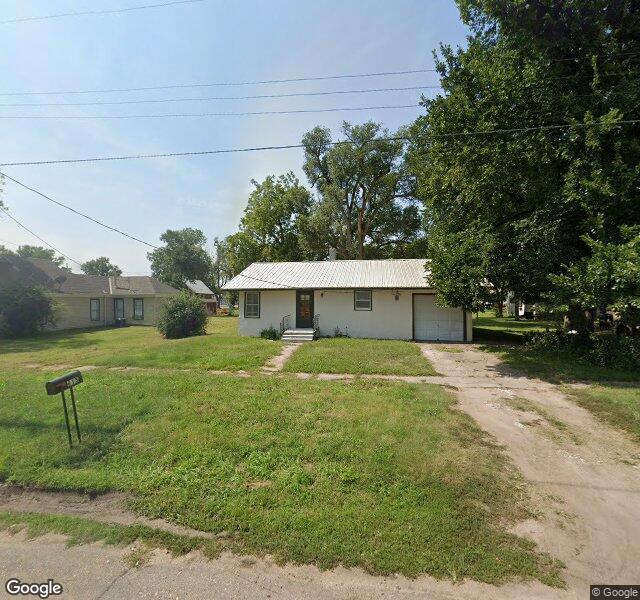
Who Owns and Operates Heritage Of Webster County?

Heritage of Webster County is owned by a non-profit organization. Non-profit facilities reinvest revenue into operations rather than distributing to shareholders. The facility operates independently rather than as part of a larger chain. With 43 certified beds and approximately 29 residents (about 67% occupancy), it is a smaller facility located in Red Cloud, Nebraska.

How Does Heritage Of Webster County Compare to Other Nebraska Nursing Homes?

Compared to the 100 nursing homes in Nebraska, Heritage of Webster County's overall rating (2 stars) is below the state average of 2.9 and health inspection rating (2 stars) is below the national benchmark.

What Should Families Ask When Visiting Heritage Of Webster County?

Based on this facility's data, families visiting should ask: "Can I visit during a mealtime to observe dining assistance and food quality?" "How do you handle medical emergencies, and what is your hospital transfer rate?" "Can I speak with family members of current residents about their experience?"

Is Heritage Of Webster County Safe?

Based on CMS inspection data, Heritage of Webster County has a clean safety record: no substantiated abuse findings (meaning no confirmed cases of resident harm), no Immediate Jeopardy citations (the most serious violation level indicating risk of serious injury or death), and is not on the Special Focus Facility watch list (a federal program monitoring the lowest-performing 1% of nursing homes). The facility has a 2-star overall rating and ranks #100 of 100 nursing homes in Nebraska. While no facility is perfect, families should still ask about staff-to-resident ratios and recent inspection results during their visit.

Do Nurses at Heritage Of Webster County Stick Around?

Heritage of Webster County has not reported staff turnover data to CMS. Staff turnover matters because consistent caregivers learn residents' individual needs, medications, and preferences. When staff frequently change, this institutional knowledge is lost. Families should ask the facility directly about their staff retention rates and average employee tenure.

Was Heritage Of Webster County Ever Fined?

Heritage of Webster County has no federal fines on record. CMS issues fines when nursing homes fail to meet care standards or don't correct problems found during inspections. The absence of fines suggests the facility has either maintained compliance or corrected any issues before penalties were assessed. This is a positive indicator, though families should still review recent inspection reports for the full picture.

Is Heritage Of Webster County on Any Federal Watch List?

Heritage of Webster County is not on any federal watch list. The most significant is the Special Focus Facility (SFF) program, which identifies the bottom 1% of nursing homes nationally based on persistent, serious quality problems. Not being on this list means the facility has avoided the pattern of deficiencies that triggers enhanced federal oversight. This is a positive indicator, though families should still review the facility's inspection history directly.