Oglala Sioux Lakota Nursing Home
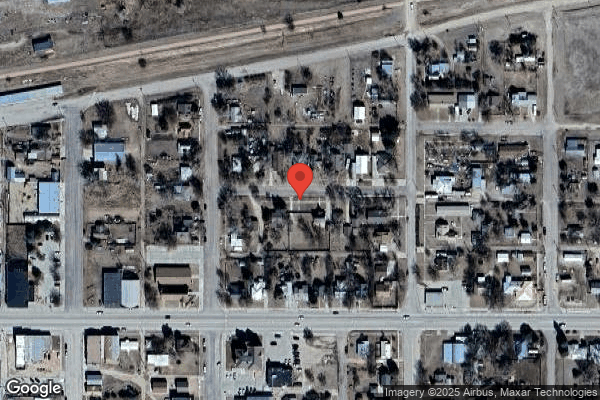
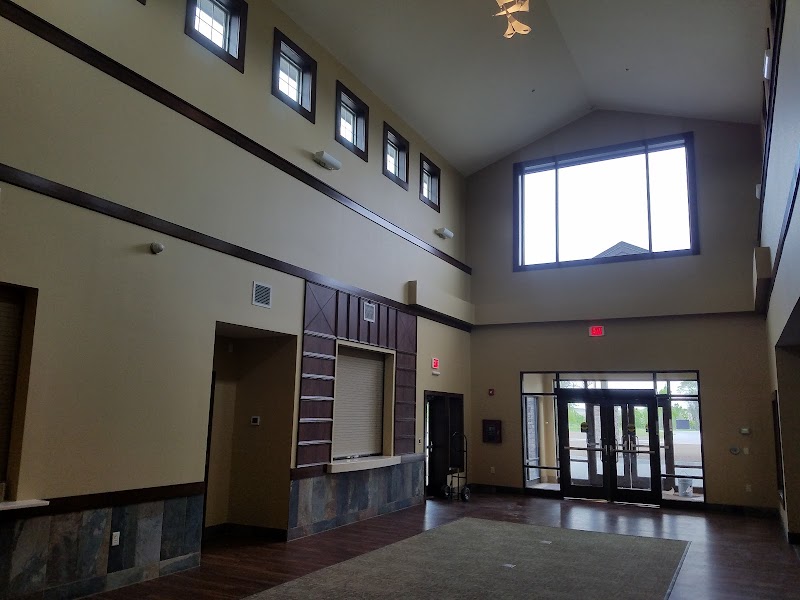
7835 Elders Drive, State Highway 87, Rushville, NE 69360 (308) 862-4020
Non profit - Corporation 72 Beds Independent Data: November 2025
Trust Grade
50/100
#126 of 177 in NE
Last Inspection: September 2024

Within standard 12-15 month inspection cycle. Federal law requires annual inspections.

Overview

Oglala Sioux Lakota Nursing Home has a Trust Grade of C, indicating an average performance that is neither outstanding nor poor. It ranks #126 out of 177 facilities in Nebraska, placing it in the bottom half, and #3 out of 3 in Sheridan County, meaning only one local option is better. The facility is on an improving trend, with significant issues decreasing from 14 in 2024 to just 1 in 2025. Staffing is a strong point, rated 5 out of 5 stars with a turnover rate of 46%, which is slightly below the state average, suggesting that staff are familiar and consistent with resident care. However, there are concerning issues noted in inspections, such as failing to prevent significant weight loss in one resident and inadequate food safety practices that could expose residents to foodborne illness. Additionally, there were lapses in laundry handling that risked cross-contamination. While the nursing home has no fines on record and offers better RN coverage than 87% of Nebraska facilities, families should weigh both the strengths and weaknesses carefully when considering this home for their loved ones.
Trust Score
C
50/100
In Nebraska
#126/177
Bottom 29%
Safety Record
Moderate
Needs review
Inspections
Getting Better
14 → 1 violations
Staff Stability
⚠ Watch
46% turnover. Above average. Higher turnover means staff may not know residents' routines.
Penalties
✓ Good
No fines on record. Clean compliance history, better than most Nebraska facilities.
Skilled Nurses
✓ Good
Each resident gets 85 minutes of Registered Nurse (RN) attention daily — more than 97% of Nebraska nursing homes. RNs are the most trained staff who catch health problems before they become serious.
Violations
⚠ Watch
17 deficiencies on record. Higher than average. Multiple issues found across inspections.
★★☆☆☆
2.0
Overall Rating
★★★★★
5.0
Staff Levels
★★☆☆☆
2.0
Care Quality
★☆☆☆☆
1.0
Inspection Score
Stable
2024: 14 issues
2025: 1 issues

The Good

  • 5-Star Staffing Rating · Excellent nurse staffing levels
  • Full Sprinkler Coverage · Fire safety systems throughout facility
  • No fines on record

Facility shows strength in staffing levels, fire safety.

The Bad

2-Star Overall Rating

Below Nebraska average (2.9)

Below average - review inspection findings carefully

Staff Turnover: 46%

Near Nebraska avg (46%)

Higher turnover may affect care consistency

The Ugly 17 deficiencies on record

1 actual harm
Feb 2025 1 deficiency
CONCERN (E) 📢 Someone Reported This

A family member, employee, or ombudsman was alarmed enough to file a formal complaint

Potential for Harm - no one hurt, but risky conditions existed

Accident Prevention (Tag F0689)

Could have caused harm · This affected multiple residents

**NOTE- TERMS IN BRACKETS HAVE BEEN EDITED TO PROTECT CONFIDENTIALITY** Licensure Reference Number 175 NAC 12-006.006.09(I)(i)(3) Based on record review and interviews, the facility failed to implemen...

Read full inspector narrative →
**NOTE- TERMS IN BRACKETS HAVE BEEN EDITED TO PROTECT CONFIDENTIALITY** Licensure Reference Number 175 NAC 12-006.006.09(I)(i)(3) Based on record review and interviews, the facility failed to implement interventions to prevent falls for 3 (Residents 1, 2, and 3) of 3 sampled residents. The facility census was 42. Findings Are: A record review of facility policy Falls-Clinical Protocol, with a revision date of March 2018 revealed that for an individual who has fallen, the staff and practitioner will begin to try to identify possible causes within 24 hours of the fall. The staff and physician will continue to collect and evaluate information until either the cause of the falling is identified, or it is determined that the cause cannot be found or is not correctable. The policy also stated that based on the preceding assessment, the staff and physician will identify pertinent interventions to try to prevent subsequent falls and to address the risks of clinically significant consequences of falling. If underlying causes cannot be readily identified or corrected, staff will try various relevant interventions based on assessment of the nature or category of falling, until falling reduces or stops or until a reason is identified for its continuation. A. A record review of Resident 1's Clinical Resident Profile revealed the resident was admitted to the facility on [DATE] and had a diagnosis of dementia. A record review of Resident 1's significant change Minimum Data Set (MDS, a federally mandated comprehensive assessment tool used to determine a resident's functional capabilities and helps nursing home staff identify health problems), dated 1/16/2025 revealed the resident had a Brief Interview for Mental Status (BIMS, a brief screener that aids in detecting cognitive impairment) score of 0/15, which indicated the resident had severe cognitive impairment. The MDS also revealed the resident required substantial staff assistance for their bed mobility and was dependent on staff assistance for their transfers and locomotion. Resident 1 had not had any falls since their prior assessment. A record review of Resident 1's Care Plan, dated 2/4/25 revealed the resident was at high risk for falls related to frequently declining health, physical condition change, life expectancy less than 6 months, and weakness. A record review of Resident 1's Progress Notes revealed the following: -The resident had a fall in the evening on 1/8/2025, was sent to the hospital on 1/9/2025 due to left thigh pain and had left hip surgery due to a fracture. -The resident had a fall on 1/20/2025 with no new injuries. The documentation further revealed that the resident had an increase in their pain medication following this fall. Further record review of Resident 1's Care Plan revealed no new interventions had been put into place following their fall on 1/8/2025. A record review of facility provided Fall Huddle Report documents revealed no evidence of a fall huddle being completed for either of Resident 1's falls in January 2025. A record review of the facility's Weekly Risk Management document dated January 1st-9th, 2025 revealed Resident 1 had a fall on 1/8/2025, the interventions for the fall section was blank. An interview on 2/4/2025 at 2:20 PM with the Director of Nursing (DON) confirmed the facility had not implemented any fall interventions following Resident 1's fall on 1/8/2025. B. A record review of Resident 3's Clinical Resident Profile revealed the resident was admitted to the facility on [DATE] and had a diagnosis of dementia. A record review of Resident 3's quarterly MDS dated [DATE] revealed the resident had a BIMS score of 12/15, which indicated the resident had moderate cognitive impairment. The MDS also revealed the resident ranged from independent to set up assist for all activities of daily living. The resident had fallen two or more times since their previous assessment. A record review of Resident 3's Care Plan, dated 5/1/2024 revealed the resident was at risk for falls related to muscle weakness. A record review of Resident 3's Progress Notes revealed the following: -On 10/25/2024 the resident was found on the floor in their room by housekeeping, there was also a moderate amount of baby powder on the floor. -On 10/26/2024 the resident was found on the floor by a nurse aide and housekeeping, the resident stated they had forgotten to lock their wheelchair brakes during a self-transfer. -On 11/12/2024 at 9:38 AM staff documented Provider aware of resident fall. There was no documentation in the progress notes of what time this fall had occurred. -On 11/12/2024 at 9:53 AM the resident was found sitting on the floor against their bed. -On 11/12/2024 at 12:09 PM the resident was found sitting on the floor at their bedside, the resident stated their feet had slid out from under them. -On 11/13/2024 the resident was found on the floor by their bed, the resident stated they were trying to propel their wheelchair and fell over. -On 11/17/2024 the resident had a fall while self-transferring in their room. -On 12/15/2024 the resident was found sitting on the floor next to their bed, the resident stated they had forgotten to lock their wheelchair brakes. -On 12/19/2024 at midnight, the resident was sitting on the floor next to their bed, the resident stated they had missed their wheelchair. -On 12/19/2024 at 8:00 AM the resident was found on the bathroom floor; the resident was attempting to self-toilet. -On 1/2/2025 the resident was found sitting on the floor in their room. -On 1/6/2025 the resident was found on the floor in their room. A record review of the facility's Weekly Risk Management document dated November 7th-13th, 2024 revealed Resident 3 had an additional fall on 11/12/2024, which was at 12:15 AM. Further record review of Resident 3's Care Plan revealed no evidence of new interventions being put into place following the resident's falls on 10/26/2024, 11/12/2024, 11/13/2024, 12/15/2024, 12/19/2024, 1/2/2025, or on 1/6/2025. A record review of facility provided Fall Huddle Report documents for Resident 3's falls occurring between October 2024 and January 2025 revealed fall huddles were completed for the falls that occurred on 10/25/2024, 11/12/2024 at 12:09 PM, 11/17/2024, and 12/19/2024. There was no evidence of new interventions put into place via the huddles for the falls on 11/17/2024 or 12/19/2024. Further record review of the facility's Weekly Risk Management documents revealed the following falls were reviewed for Resident 3: -The resident had a fall on 10/25/2024 and a new intervention had been put into place. -The resident had a fall on 10/26/2024 and the interventions section was blank. -The resident had falls on 11/12/2024 at 12:15 AM and at 9:43 AM, both falls' interventions sections were blank. -The resident had a fall on 11/12/2024 at 12:00 PM and a new intervention had been put into place. -The resident had a fall on 11/13/2024 and a new intervention had been put into place. -The resident had a fall on 12/15/2024 with no new interventions put into place. -The resident had a fall on 1/2/2025 and the interventions section was blank. -The resident had a fall on 1/6/2025 and the interventions section was blank. The documents contained no evidence that the facility had revealed Resident 3's falls that had occurred on 11/17/2024 and 12/19/2024. An interview on 2/4/2025 at 2:20 PM with the Director of Nursing (DON) confirmed the facility had not implemented any fall interventions following Resident 3's falls that occurred on 10/26/2024, 11/12/2024 at 12:15 AM and 9:53 AM, 12/19/2024 at midnight, 1/2/2025, or on 1/6/2025. C. A record review of a Clinical Resident Profile indicated the facility admitted Resident 2 on 10/13/2022 with a diagnosis of Dementia. A record review of Resident 2's quarterly MDS with an Assessment Reference Date (ARD) on 12/26/2024 revealed Resident 2 had a BIMS of 0/15, which indicated severe cognitive impairment and also noted severe cognitive impairment with daily decision-making skills. The MDS also revealed Resident 2 had one fall without injury and two falls with minor injury since the last assessment. A record review of Resident 2's Care Plan revealed Resident 2 had a care focus area with a date initiated of 10/26/2022 and was at high risk for falls due to wandering, confusion, balance problems, use of an antidepressant, incontinence, and fall history. A record review of Resident 2's Progress Notes indicated Resident 2 had a fall on 12/13/2024 and 12/31/2024, no interventions were included in the note. A record review of a Fall Huddle Report with a date of 12/31/2024 revealed Resident 2 was self-transferring to the bathroom and fell. What interventions can you implement to prevent further falls? section was left blank. A record review of the facility's Risk Management Meeting Minutes with a date of 12/12/2024-12/18/2024 identified Resident 2's cause of fall on 12/13/2024 as gait imbalance during a transfer. There were no new interventions identified. A record review of the facility's Risk Management Meeting minutes with a date of 12/25/2024-12/31/2024 identified Resident 2's cause of fall on 12/25/2024 as gait imbalance, impaired memory, and weakness. There were no new interventions identified. Further record review of Resident 2's Care Plan revealed no new interventions were placed after Resident 2's fall on 12/13/2024 and 12/31/2024. An interview on 2/4/2025 with Nurse Aide (NA) - A revealed their dependence on the care plans being up to date to know what interventions have been put in place for a resident to prevent falls or other accidents. An interview on 2/4/2025 with the Director of Nursing (DON) confirmed there were no new interventions developed for Resident 2's Progress Notes, Fall Huddle Report, Risk Management Meeting minutes, or Care Plan following Resident 2's falls on 12/13/2024 and 12/31/2024.
Sept 2024 14 deficiencies 1 Harm
SERIOUS (G)

Actual Harm - a resident was hurt due to facility failures

Deficiency F0692 (Tag F0692)

A resident was harmed · This affected 1 resident

Licensure Reference Number 175 NAC 12-006.09(J)(i)(1) Based on observations, interviews, and record reviews; the facility failed to implement new interventions to prevent significant weight loss for 1...

Read full inspector narrative →
Licensure Reference Number 175 NAC 12-006.09(J)(i)(1) Based on observations, interviews, and record reviews; the facility failed to implement new interventions to prevent significant weight loss for 1 (Resident 20) of 4 sampled residents. The facility census was 47. Findings are: A record review of a facility policy Weight Assessment and Intervention with a revision date of March 2022 revealed the following: -Weight loss of 7.5% in three months is considered significant. A weight loss of greater than 7.5% is considered severe. -Weight loss of 10% over six months is considered significant. A weight loss of greater than 10% over six months is considered severe. -Care planning for weight loss is a multidisciplinary effort and includes the physician, nursing staff, the dietitian, the consultant pharmacist, and the resident or resident's legal surrogate. -Individualized care plans shall address the identified causes of weight loss, goals, and timeframes for monitoring and reassessment. A record review of Resident 20's quarterly Minimum Data Set (a federally mandated comprehensive assessment that includes medical, psychosocial, cognitive, and functional status to assist with developing care plans for individual residents), dated 7/11/2024 revealed Resident 20 had a significant weight loss, was not on a prescribed weight loss program, and required a mechanically altered diet. A record review of Resident 20's weights revealed Resident 20 weighed 98.7 pounds (lbs) on 9/2/2024 and weighed 109.5 lbs on 6/3/2024, which was a -9.86% weight loss in three months, which is severe. On 3/4/2024, Resident 20 weighed 113.3 lbs, which was a -12.89% loss over six months, which is a severe weight loss. A record review of Resident 20's Order Summary revealed an order for pureed textured food due to loose teeth with a start date of 4/2/2024. A record review of Resident 20's Care Plan revealed Resident 20 had a potential for a nutritional problem due to dementia with behavioral disturbance and Type 2 Diabetes Mellitus, and had a goal that Resident 20 would maintain adequate nutritional status as evidence by maintaining weight within 5% of baseline weight of 135 and consuming at least 75% of all meals daily through review date with a target date of 7/21/2024. Interventions included the following: - Monitor, document, and report any signs of difficulty swallowing with a created date of 7/2/2021. - Obtain and monitor lab/diagnostic work as ordered, reporting results to the physician and follow up as needed with a created date of 9/28/2020. - Provide and serve supplements as ordered: 2cal 180 milliliters after meals and at bedtime with a last revised date on 9/12/2023. - Provide and serve diet as ordered, including mechanical soft texture with a last revised date on 8/1/2023. - Registered dietitian to evaluate and make diet change recommendation as needed with an update on 7/28/2023 that stated to include easy to chew foods. A record review of a Nutrition/Dietary Note with a date of 6/11/2024 from the Registered Dietitian recommended to continue current nutrition interventions, offer a snack as necessary, and monitor intake and weights with following-up per protocol. A record review of a Nutrition/Dietary Note with a date of 7/3/2024 from the Registered Dietitian recommended to continue current nutrition interventions, offer snack as necessary, and monitor intakes and weights with following-up per protocol. A record review of a Nutrition/Dietary Note with a date of 8/12/2024 from the Registered Dietitian noted a significant weight loss over 180 days. The Registered Dietitian to implement Two Cal and snack as soon as Resident 20 wakes up. A record review of a Nutrition/Dietary Note with a date of 9/6/2024 from the Registered Dietitian noted a significant weight loss over 180 days. No new interventions were implemented to mitigate Resident 20's severe weight loss. An interview on 9/12/2024 at 12:34 PM with the Director of Nursing confirmed no new interventions were put into place to mitigate Resident 20's severe weight loss and confirmed Resident 20's care plan had not been updated with interventions to prevent Resident 20's severe weight loss.
CONCERN (D)

Potential for Harm - no one hurt, but risky conditions existed

Transfer Notice (Tag F0623)

Could have caused harm · This affected 1 resident

**NOTE- TERMS IN BRACKETS HAVE BEEN EDITED TO PROTECT CONFIDENTIALITY** Licensure Reference Number 175 NAC 12-006.05 Nebraska State Statute 71-6023 Based on record review and interview, the facility f...

Read full inspector narrative →
**NOTE- TERMS IN BRACKETS HAVE BEEN EDITED TO PROTECT CONFIDENTIALITY** Licensure Reference Number 175 NAC 12-006.05 Nebraska State Statute 71-6023 Based on record review and interview, the facility failed to ensure the required information was included in the written notice of transfer for Resident 8 upon transfer to the hospital. This affected 1 of 1 resident sampled for hospitalization. The facility census was 47. Findings are: A record review of Resident 8's admission Record printed on 9/12/2024 revealed the resident was admitted to the facility on [DATE] and had a primary diagnosis of dementia (a term for several diseases that affect memory, thinking, and the ability to perform daily activities). A record review of Resident 8's Clinical Census printed on 9/10/2024 revealed the resident was transferred to the hospital on 8/16/2024 and returned to the facility on 8/17/2024. A record review of Resident 8's Notice of Resident Transfer or Discharge dated 8/16/2024 provided by the facility revealed the following: -Resident 8's name was not on the form. -Under the section The reason for the transfer/discharge is for the following reasons: the box next to The transfer is necessary for the resident's welfare and the resident's needs cannot be met by the facility (i.e. urgent medical need). Specify: was checked, but no specific need was given. -There was no contact information for the state long-term care agency or the state long-term care ombudsman on the form. An interview on 9/12/2024 at 8:38 AM the with Social Services Director (SSD) confirmed the specific medical reason for transfer, and the contact information for the state long-term care agency and the state long-term care ombudsman were not on the form.
CONCERN (D)

Potential for Harm - no one hurt, but risky conditions existed

Deficiency F0637 (Tag F0637)

Could have caused harm · This affected 1 resident

Licensure Refence 175 NAC 12-006.09(C)(ii) Based on interview and record reviews, the facility failed to complete a significant change Minimum Data Set (MDS, a federally mandated comprehensive assessm...

Read full inspector narrative →
Licensure Refence 175 NAC 12-006.09(C)(ii) Based on interview and record reviews, the facility failed to complete a significant change Minimum Data Set (MDS, a federally mandated comprehensive assessment that includes medical, psychosocial, cognitive, and functional status to assist with developing care plans for individual resident) for 1 (Resident 20) of 12 sampled residents. The facility identified a census of 47 at the time of the survey. Findings are: A record review of a facility policy Change in a Resident's Condition or Status with a revision date of February 2021 revealed the following: -A significant change of condition is a major decline in the resident's status that impacts more than one area of the resident's health status. -If a significant change of condition occurs, a comprehensive assessment will be conducted as required by current Omnibus Budget Reconciliation Act (OBRA) regulations and as outlined in the Resident Assessment Instrument (RAI) Manual, a document published by the Centers for Medicare & Medicaid Services (CMS) to facilitate accurate and effective resident assessment practices in long-term care facilities. A record review of the MDS RAI 3.0 Manual indicated a decline in two areas, including any decline in Activities of Daily Living (ADLs) and emergence of unplanned weight loss, warranted a significant change MDS to be completed. A record review of an admission Record indicated the facility admitted Resident 20 on 9/15/2020 with a diagnosis of dementia. A record review of Resident 20's Quarterly MDS with an Assessment Reference Date (ARD) of 4/11/2024 revealed Resident 20 required partial assistance with oral hygiene and had no weight loss. A record review of Resident 20's Quarterly MDS with an ARD of 7/11/2024 revealed Resident 20 required full assistance with oral hygiene and had a significant weight loss. An interview on 9/12/2024 at 10:47 AM with the MDS Coordinator confirmed Resident 20 had a decline in ADL status and significant weight loss over the prior couple of months and that a significant change MDS should have been completed.
CONCERN (D)

Potential for Harm - no one hurt, but risky conditions existed

MDS Data Transmission (Tag F0640)

Could have caused harm · This affected 1 resident

**NOTE- TERMS IN BRACKETS HAVE BEEN EDITED TO PROTECT CONFIDENTIALITY** Based on record review and interview, the facility failed to complete and transmit a Discharge Minimum Data Set (MDS-a federally...

Read full inspector narrative →
**NOTE- TERMS IN BRACKETS HAVE BEEN EDITED TO PROTECT CONFIDENTIALITY** Based on record review and interview, the facility failed to complete and transmit a Discharge Minimum Data Set (MDS-a federally mandated comprehensive assessment of each resident's functional capabilities) for Resident 8 upon hospitalization. This affected 1 of 1 resident sampled for discharge. The facility census was 47. Findings are: A record review of Resident 8's admission Record printed on 9/12/2024 revealed the resident was admitted to the facility on [DATE] and had a primary diagnosis of dementia (a term for several diseases that affect memory, thinking, and the ability to perform daily activities). A record review of Resident 8's Clinical Census printed on 9/10/2024 revealed the resident was transferred to the hospital on 8/16/2024 and returned to the facility on 8/17/2024. A record review of Resident 8's Progress Notes printed on 9/12/2024 revealed a note from 8/16/2024 at 3:49 PM that stated, Resident to be admitted into [hospital]. Further review revealed a note from 8/17/2024 at 11:30 AM that stated, Patient admitted overnight to [hospital] for dehydration. A record review of a list printed on 9/12/24024 of completed MDSs revealed no Discharge MDS had been completed when Resident 8 was hospitalized from [DATE] to 8/17/2024. A record review of the Minimum Data Set 3.0 Resident Assessment Instrument User's Manual v1.18.11 (an instruction manual for completing the MDS) revealed that a discharge MDS must be completed within 14 days after the discharge date . An interview on 9/12/2024 at 1:35 PM with the MDS Coordinator confirmed a discharge MDS had not been done when Resident 8 was hospitalized , and should have been.
CONCERN (D)

Potential for Harm - no one hurt, but risky conditions existed

Assessment Accuracy (Tag F0641)

Could have caused harm · This affected 1 resident

**NOTE- TERMS IN BRACKETS HAVE BEEN EDITED TO PROTECT CONFIDENTIALITY** B. A record review of the Long-Term Care Facility Resident Assessment Instrument 3.0 User's Manual, a document published by the...

Read full inspector narrative →
**NOTE- TERMS IN BRACKETS HAVE BEEN EDITED TO PROTECT CONFIDENTIALITY** B. A record review of the Long-Term Care Facility Resident Assessment Instrument 3.0 User's Manual, a document published by the Centers for Medicare & Medicaid Services (CMS) to facilitate accurate and effective resident assessment practices in long-term care facilities, indicated for section N0415-E1 to check if resident had taken an anticoagulant during the 7-day look back period and for section N0415-E2 to check if the was an indication noted for the anticoagulation medication taken by the resident during the observation period. A record review of Resident 9's Minimum Data Set (MDS,) a federally mandated comprehensive assessment that includes medical, psychosocial, cognitive, and functional status to assist with developing care plans for individual residents, with an Assessment Reference Date of 7/11/2024 under section N indicated Resident 9 was not taking an anticoagulant and had no indication for taking one. A record review of Resident 9's Order Summary with a date of 9/11/2024 revealed Resident 9 had an order for Xarelto, an anticoagulant, for atrial fibrillation. Resident 9 had been taking this medication since 10/3/2018. An interview on 9/12/2024 at 10:54 AM with the MDS Coordinator confirmed Resident 9 was taking an anticoagulant and that this should have been reflected on the MDS. Licensure Reference Number 175 NAC 12-006.09(B) Based on record reviews and interviews; the facility failed to ensure the accuracy of the Minimum Data Set (MDS-a federally mandated comprehensive assessment of each resident's functional capabilities) for Resident 2 regarding a Positive Airway Pressure (PAP) device and for Resident 9 regarding anticoagulant use. This affected 2 of 12 residents reviewed for MDS accuracy. The facility census was 47. Findings are: A. A record review of Resident 2's admission Record printed on 9/12/2024 revealed the resident was admitted to the facility on [DATE] and had a primary diagnosis of muscular dystrophy (a group of genetic diseases that cause progressive weakness and loss of muscle mass). A record review of Resident 2's Order Summary printed on 9/10/2024 revealed an order for C PAP [continuous positive airway pressure - a machine that helps people breathe while they sleep by delivering a steady stream of air pressure through a mask or nosepiece] at bedtime for oxygen to use full face mask nightly. one time a day with a start date of 7/29/2021. A record review of Resident 2's Treatment Administration Record (TAR) for June 2024 revealed that the CPAP order was signed as administered every day in June, including during the look-back period (the time period over which the resident's condition or status is captured by the MDS assessment, in this case, from 6/7/2024 to 6/13/2024). A record review of Resident 2's Annual MDS dated [DATE] revealed that under Section O Special Treatments, Procedures and Programs, the box at row G1 Non-invasive Mechanical Ventilator and column b. While a Resident was not checked to indicate that the resident had used a PAP device during the look-back period. An interview on 9/12/2024 at 11:55 AM with the MDS Coordinator confirmed that Resident 2 had used a PAP device during the look-back period and that the box should have been marked to indicate they had.
CONCERN (D)

Potential for Harm - no one hurt, but risky conditions existed

Comprehensive Care Plan (Tag F0656)

Could have caused harm · This affected 1 resident

Licensure Reference 175 NAC 12-006.09(E) Based on interviews and record reviews, the facility failed to develop a comprehensive care plan regarding behaviors and non-pharmacological interventions for ...

Read full inspector narrative →
Licensure Reference 175 NAC 12-006.09(E) Based on interviews and record reviews, the facility failed to develop a comprehensive care plan regarding behaviors and non-pharmacological interventions for 1 (Resident 40) of 12 sampled residents. The facility identified a census of 47 at the time of the survey. Findings are: A record review of a facility policy Care Plans, Comprehensive Person-Centered with a last revised date of March 2022 included a policy statement that read A comprehensive, person-centered care plan that includes measurable objectives and timetables to meet the resident's physical, psychosocial, and functional needs is developed and implemented for each resident. The policy also indicated, when possible, interventions should address the underlying sources of the problem, not just symptoms or triggers. A record review of an admission Record indicated the facility admitted Resident 40 on 11/21/2023 with diagnoses of dementia, depression, and anxiety. A record review of Resident 40's Minimum Data Set (MDS, a federally mandated comprehensive assessment that includes medical, psychosocial, cognitive, and functional status to assist with developing care plans for individual residents), dated 6/27/2024 revealed Resident 40 had other behavioral symptoms, such as hitting or scratching self, pacing, rummaging, or disruptive sounds, 1-3 days during the 7-day observation period. A record review of Resident 40's Care Plan, which had a revision date of 4/1/2024, revealed the following: -Use of psychotropic medication related to behavior management with interventions to administer psychotropic medication as ordered with monitoring for side effects; consult pharmacy and physician to consider dosage reduction when appropriate; discuss with physician and family the ongoing need for use of medication; review behaviors, interventions, and alternate therapies attempted and their effectiveness. -Use of anti-anxiety medication related to adjustment issues with interventions to administer anti-anxiety medication as ordered with monitoring for side effects; educate the resident and family about the risks, benefits, and side effects; and monitor the resident for safety. -Has depression and anxiety with interventions to administer medications as ordered with monitoring for side effects; monitor for any risk for harm to self; monitor for depression symptoms; and monitor for risk of harming others. There was no evidence of behavioral symptoms specific to Resident 40 or interventions to address Resident 40's behaviors in Resident 40's care plan. A record review of Resident 40's Progress Notes revealed the following: -8/17/2024: Resident 40 yelling through shift. Nursing staff redirected resident, asked about pain, offered snacks and fluids, and assisted with toileting. -8/16/2024: Resident 40 continuously yelling throughout the night. Resident 40 currently sitting in recliner in TV room with staff at their side. Nursing staff redirected, offered snack, and assisted resident with toileting. -7/4/2024: Resident 40 yelling for help continuously throughout shift. Resident 40 was also kicking the door in the dining area, stating they were scared. Resident 40 was placed in the recliner in the TV room, which was effective. Resident 40 calmed down and went to sleep. An interview on 9/12/2024 at 10:05 AM with Medication Aide (MA) - I revealed Resident 40 had behaviors of refusing to lay in their bed and hallucinations of people are going to hurt them, especially more towards the evening. MA-I revealed interventions that are effective include offering a snack, toileting, offering 1:1 time, talking about likes from the past, and placing in recliner in the TV room. An interview on 9/12/2024 at 10:08 with Registered Nurse (RN) - C revealed Resident 40 had a fear of being alone and did better when in common areas. If left alone, Resident 40 would begin to yell. RN-C revealed effective interventions for Resident 40's behaviors included participation in activities, especially church on Sundays and placing the resident in the recliner in the common areas. An interview on 9/12/2024 at 10:54 AM with the MDS Coordinator confirmed Resident 40's care plan was not comprehensive as it did not include specific behaviors or interventions to address Resident 40's behaviors.
CONCERN (D)

Potential for Harm - no one hurt, but risky conditions existed

Deficiency F0657 (Tag F0657)

Could have caused harm · This affected 1 resident

Licensure Reference 175 NAC 12- 006.09(F)(iii) Based on interviews and record review, the facility failed to revise the activities of daily living (ADLs) care plan to reflect current status for 1 (Res...

Read full inspector narrative →
Licensure Reference 175 NAC 12- 006.09(F)(iii) Based on interviews and record review, the facility failed to revise the activities of daily living (ADLs) care plan to reflect current status for 1 (Resident 20) of 12 sampled residents. The facility identified a census of 47. Findings are: A record review of a facility policy Care Plans, Comprehensive Person-Centered with a last revised date of March 2022 revealed assessments of residents are ongoing and care plans are revised as information about the residents and the residents' conditions change, at least quarterly. A record review of Resident 20's quarterly Minimum Data Set (MDS,) a federally mandated comprehensive assessment that includes medical, psychosocial, cognitive, and functional status to assist with developing care plans for individual residents, with a date of 7/11/2024 revealed Resident 20 required moderate assistance with eating and was dependent for oral hygiene, toileting, dressing, and personal hygiene. A record review of Resident 20's Care Plan under the ADLs section, with a revision date of 4/30/2023, revealed the following: -Resident 20 required extensive assistance with bathing, dressing, and personal hygiene. -Resident 20 required supervision with eating. An interview on 9/12/2024 at 10:47 AM with the MDS Coordinator confirmed Resident 20's care plan was not reflective of Resident 20's current status and should have been updated to reflect Resident 20's current needs.
CONCERN (D)

Potential for Harm - no one hurt, but risky conditions existed

Quality of Care (Tag F0684)

Could have caused harm · This affected 1 resident

**NOTE- TERMS IN BRACKETS HAVE BEEN EDITED TO PROTECT CONFIDENTIALITY** Licensure Reference Number 175 NAC 12-006.09(H)(iv)(5) Based on record reviews and interviews, the facility failed to implement ...

Read full inspector narrative →
**NOTE- TERMS IN BRACKETS HAVE BEEN EDITED TO PROTECT CONFIDENTIALITY** Licensure Reference Number 175 NAC 12-006.09(H)(iv)(5) Based on record reviews and interviews, the facility failed to implement interventions to prevent constipation for Resident 22. This affected 1 of 1 resident sampled for bowel care. The facility census was 47. Findings are: A record review of Resident 22's admission Record printed on 9/12/2024 revealed the resident was admitted to the facility on [DATE] and had a primary diagnosis of dementia (a term for several diseases that affect memory, thinking, and the ability to perform daily activities). A record review of Resident 22's quarterly Minimum Data Set (MDS-a federally mandated comprehensive assessment of each resident's functional capabilities) dated 6/20/2024 revealed a Brief Interview for Mental Status (BIMS-a screening tool used to assess cognition [relating to the mental process involved in knowing, learning, and understanding things]. The BIMS assessment uses a points system that ranges from 0 to 15 points: 0 to 7 points indicates severe cognitive impairment; 8 to 12 points indicates moderate cognitive impairment; and 13 to 15 points indicates that cognition is intact) score of 02, indicating the resident had severe cognitive impairment. A record review of Resident 22's Point of Care (POC) Response History for bowel continence from 8/1/2024 to 9/11/2024 revealed the resident was documented for No Bowel Movement (BM) from 8/19/2024 to 8/30/2024 (12 days), and from 9/5/2024 to 9/9/2024 (five days). A review of Resident 22's Order Summary printed on 9/10/2024 revealed the following orders for medications to treat constipation: -Senokot S (a combination laxative and stool softener) 1 tablet by mouth scheduled routinely two times a day for constipation. -Senokot S 1 to 2 tablets by mouth daily as needed for constipation. -Miralax (a laxative) powder 1 scoop by mouth every 24 hours as needed for constipation. -Milk of Magnesia (MOM - a laxative) 30 milliliters (mL) by mouth every 24 hours as needed for constipation. -Dulcolax (a laxative) suppository (a form of medication inserted into the rectum) 10 milligrams (MG) insert 1 suppository rectally every 24 hours as needed for constipation. -Fleet Oil (a laxative) enema (fluid inserted directly into the rectum) insert 1 dose rectally every 72 hours as needed for constipation. A record review of Resident 22's Medication Administration Record (MAR) for August 2024 revealed the resident received the as needed MOM on 8/23/2024, when it was marked ineffective, and on 8/27/2024, when it was marked effective. There was no documentation of the resident receiving the as needed Senokot S, Miralax, Fleet Oil enema, or Dulcolax suppository. A record review of Resident 22's MAR for September 2024, up to 9/11/2024, revealed the resident had not received the as needed Senokot S, Miralax, MOM, Fleet Oil enema, or Dulcolax suppository. A record review of Resident 22's Progress Notes printed on 9/11/2024 revealed a note from 8/27/2024 at 2:54 PM that stated hospice staff had been in the facility and instructed facility staff to administer an as needed bowel medication, as the last documented BM was 8/18/2024. On 8/27/2024 at 3:42 PM, as needed MOM was given, and on 8/27/2024 at 4:54 PM it was documented effective, indicating the resident had a BM. An interview on 9/11/2024 at 8:50 AM with Registered Nurse (RN)-B confirmed Resident 22 was not documented for a BM from 9/5/2024 to 9/9/2024 for a total of 5 days. RN-B further confirmed that the resident was incontinent of bowel, and required the use of a full lift for transfers. An interview on 9/11/2024 at 10:07 AM with the Nurse Practitioner (NP)-K from hospice confirmed Resident 22 had constipation and would periodically go four to five days without a bowel movement. An interview on 9/11/2024 at 11:52 AM with the Director of Nursing (DON) confirmed that the eight days from 8/19/2024 to 8/26/2024 was too long to go without a bowel movement. An interview on 9/12/2024 at 9:28 AM with the DON confirmed the facility did not have a bowel protocol. The DON stated they had a night shift duty sheet for the nurses that gave them direction on what to do. A record review of the undated Night Shift Responsibilities list provided by the DON revealed the following: 2. Bowel report-(Note who is on day 2, 3, or more without bowel movement and give to oncoming day nurse) -Give 3+ days suppositories, Days will give day 2 MOM An interview on 9/12/2024 at 10:45 AM with the DON confirmed that when Resident 22's MOM was not effective on 8/23/2024, the resident should have been given a PRN dose of Dulcolax. The DON further confirmed there was no further documentation of BMs between 8/19/2024 and 8/27/2024.
CONCERN (D) 📢 Someone Reported This

A family member, employee, or ombudsman was alarmed enough to file a formal complaint

Potential for Harm - no one hurt, but risky conditions existed

Accident Prevention (Tag F0689)

Could have caused harm · This affected 1 resident

**NOTE- TERMS IN BRACKETS HAVE BEEN EDITED TO PROTECT CONFIDENTIALITY** Licensure Reference Number 175 NAC 12-006.09(I) Based on record reviews and interviews, the facility failed to develop and imple...

Read full inspector narrative →
**NOTE- TERMS IN BRACKETS HAVE BEEN EDITED TO PROTECT CONFIDENTIALITY** Licensure Reference Number 175 NAC 12-006.09(I) Based on record reviews and interviews, the facility failed to develop and implement interventions to prevent elopement for 1 (Resident 23) of 1 sampled resident. The facility census was 47. Findings are: A record review of a facility policy Wandering and Elopements with a revision date of March 2019, indicated in the policy statement, the facility will identify residents who are at risk of unsafe wandering and strive to prevent harm while maintaining the least restrictive environment for residents. Under policy interpretation and implementation, the policy indicated if a resident was identified at-risk for wandering or elopement, the resident's care plan would include strategies and interventions to maintain the resident's safety. A record review of Resident 23's Wandering Risk Scale with a date of 2/13/2024 revealed Resident 23 was at-risk to wander and had a history of wandering. A record review of Resident 23's Progress Notes written by the MDS Coordinator, with a date of 3/3/2024 revealed Resident 23 had eloped and was found outside by the garage around 7:30 AM. Resident 23 was brought back in and taken to the dining room for breakfast. The nurse was in the main dining room when an aide brought resident and reported the aide had found Resident 23 outside again. The progress note did not reveal any evidence of interventions being implemented to prevent elopement. A record review of Resident 23's Care Plan revealed no evidence an elopement or wandering care plan was initiated prior to Resident 23's elopement on 3/3/2024. An interview on 9/10/2024 at 2:55 PM with the MDS Coordinator revealed the MDS Coordinator was attempting to get ahold of Resident 23's Power of Attorney (POA) to get consent to place a Wander guard when Resident 23 was found outside again. The MDS coordinator revealed 15-minute checks were being completed to prevent Resident 23 from eloping again after the first elopement. The MDS coordinator confirmed Resident 23 was identified to be at risk-for wandering and elopement on 2/13/2024 and confirmed a care plan with intervention should have been developed and implemented when Resident 23 was initially found to be at-risk for wandering and elopement on 2/13/2024. The MDS Coordinator confirmed interventions to prevent elopement for Resident 23 were not developed or implemented until 3/3/2024, when Resident 23 had eloped. A record review of Oglala Sioux [NAME] Nursing Home - SNF Documentation Survey Report vs, a report of nurse aide documentation of the 15-minute checks, with a date of March 2024 revealed no evidence 15-minute checks had been completed on 3/3/2024 from 6:00 AM-6:00 PM for Resident 23. An interview on 9/11/2024 at 11:52 AM with the Director of Nursing confirmed the 15-minute checks were placed as part of Resident 23's fall interventions, should have been documented as completed in the nurse aide documentation, and the facility did not have any evidence 15-minute checks or other interventions were put in place on 3/3/2024 to prevent Resident 23 from eloping again.
CONCERN (D)

Potential for Harm - no one hurt, but risky conditions existed

Respiratory Care (Tag F0695)

Could have caused harm · This affected 1 resident

**NOTE- TERMS IN BRACKETS HAVE BEEN EDITED TO PROTECT CONFIDENTIALITY** Licensure Reference Number 175 NAC 12-006.09(H)(vi)(3)(g) Based on record reviews and interviews, the facility failed to ensure ...

Read full inspector narrative →
**NOTE- TERMS IN BRACKETS HAVE BEEN EDITED TO PROTECT CONFIDENTIALITY** Licensure Reference Number 175 NAC 12-006.09(H)(vi)(3)(g) Based on record reviews and interviews, the facility failed to ensure Resident 2 had a Positive Airway Pressure (PAP) device order that included settings. This affected 1 of 2 residents sampled for respiratory care. The facility census was 47. Findings are: A record review of the facility's CPAP/BiPAP [bilevel positive airway pressure] Support policy last revised March 2015 revealed that preparation for using a PAP device should include checking the physician's order to determine the pressure settings for the machine. A record review of Resident 2's admission Record printed on 9/12/2024 revealed the resident was admitted to the facility on [DATE] and had a primary diagnosis of muscular dystrophy (a group of genetic diseases that cause progressive weakness and loss of muscle mass). A record review of Resident 2's Order Summary printed on 9/10/2024 revealed an order for C PAP [continuous positive airway pressure - a machine that helps people breathe while they sleep by delivering a steady stream of air pressure through a mask or nosepiece] at bedtime for Oxygen to use full face mask nightly. one time a day with a start date of 7/29/2021. A record review of a written order dated 1/26/2017 for Resident 2 revealed an order regarding the PAP device with no settings included. A record review of a written order dated 2/01/2017 for Resident 2 revealed an order regarding the PAP device with no settings included. A review of the website for ResMed (a CPAP machine manufacturer) revealed that Once you've been diagnosed with sleep apnea, you'll receive a prescription from a doctor in order to acquire a CPAP machine and start therapy. The prescription will list a pressure setting, which is determined by the prescribing physician based on the results of your sleep study. https://www.resmed.com/en-us/sleep-apnea/sleep-blog/diagnosed-with-sleep-apnea/#:~:text=Once%20you've%20been%20diagnosed,results%20of%20your%20sleep%20study An interview on 9/12/2024 at 9:44 AM with Licensed Practical Nurse (LPN)-A confirmed there were no settings included in the PAP device orders for Resident 2. An interview on 09/12/2024 at 10:52 AM with the Director of Nursing (DON) confirmed that there were no settings in the order for the PAP device for Resident 2.
CONCERN (D)

Potential for Harm - no one hurt, but risky conditions existed

Medication Errors (Tag F0758)

Could have caused harm · This affected 1 resident

Based on interviews and record reviews, the facility failed to attempt a gradual dose reduction as required for psychotropic medications (medications that treat mental illness) for 1 (Resident 16) of ...

Read full inspector narrative →
Based on interviews and record reviews, the facility failed to attempt a gradual dose reduction as required for psychotropic medications (medications that treat mental illness) for 1 (Resident 16) of 5 sampled residents. The facility identified a census of 47. Findings are: A record review of a facility policy Psychotropic Medication Use with a revision date of July 2022 indicated residents on psychotropic medications should receive a gradual dose reduction (GDR) in conjunction with non-pharmacological interventions, unless clinically contraindicated, in an effort to discontinue these medications. A record review of Resident 16's quarterly Minimum Data Set (MDS, a federally mandated comprehensive assessment that includes medical, psychosocial, cognitive, and functional status to assist with developing care plans for individual residents), with an Assessment Reference Date of 6/6/2024 revealed Resident 16 had a Patient Health Questionnaire, a questionnaire that screen for symptoms of depression, score of 0, which indicated the resident had no symptoms of depression. A record review of Resident 16's Order Summary with a date of 9/10/2024 indicated Resident 16 had an order for sertraline, an antidepressant, for major depressive disorder, with an order date of 6/27/2024. It also revealed an order for Trazodone, an antidepressant and sedative, for sleep with an order date of 1/9/2024. A record review of a Gradual Dose Reduction Request with a date of 4/16/2024 for Resident 16 stated the resident was currently taking sertraline and trazodone. Under behavior summary, it stated no behaviors noted since 12/31/2024. Under new orders, the physician wrote no change. A record review of a Gradual Dose Reduction Request with a date of 8/8/2024 for Resident 16 stated resident was currently taking sertraline and trazodone. Under behavior summary, it stated no behaviors. Under new orders, the physician wrote no change. An interview on 9/12/2024 at 11:00 AM with the Director of Nursing confirmed the facility had no evidence of documentation from the physician that a gradual dose reduction was clinically contraindicated for Resident 16 and confirmed a gradual dose reduction should have been attempted.
CONCERN (E)

Potential for Harm - no one hurt, but risky conditions existed

Unnecessary Medications (Tag F0759)

Could have caused harm · This affected multiple residents

Licensure Reference Number 175 NAC 12-006.10(D) Based on observations, interviews, and record review; the facility failed to administer medication at the right time and to ensure the medication error ...

Read full inspector narrative →
Licensure Reference Number 175 NAC 12-006.10(D) Based on observations, interviews, and record review; the facility failed to administer medication at the right time and to ensure the medication error rate was less than 5% for 3 (Residents 11, 43, and 98) out of 5 sampled residents. The medication error rate was 35.71%. The facility census was 47. Findings are: A record review of a facility policy Administering Medications with a revision date of April 2019 indicated medications are to be administered within one hour of their prescribed time. A record review of Resident 98's Medication Administration Record with a date of September 2024 revealed an order for cephalexin, an antibiotic, with a prescribed time of 7:00 AM. An observation on 9/11/2024 at 8:20 AM revealed Medication Aide (MA) - H had administered Resident 98's cephalexin at this time. A record review of Resident 43's Medication Administration Record with a date of September 2024 revealed orders for Miralax and omeprazole, both with prescribed times of 7:30 AM. An observation on 9/11/2024 at 8:48 AM revealed MA-H had administered Resident 43's Miralax and omeprazole at this time. An interview on 9/11/2024 at 8:50 AM with MA-H confirmed Resident 98's cephalexin and Resident 43's Miralax and omeprazole were administered late due to the MA running behind. A record review of Resident 11's Medication Administration Record with a date of September 2024 revealed orders for rivastigmine, acetaminophen, gabapentin, potassium chloride, stool softener, thermotabs, and oxcarbazepine, all with a prescribed administration time of 8:00 AM. An observation on 9/11/2024 at 9:10 AM revealed Resident 11 crying out in pain and yelling for help. An interview on 9/11/2024 at 9:10 AM with MA-I confirmed this was Resident 11 that was yelling and that MA-I was aware that Resident 11's medications were going to be administered late, stating we try not to bother Resident 11 in the morning as much as possible. An observation on 9/11/2024 at 9:15 AM revealed Resident 11 continued to be in pain and had asked MA-I to assist them with repositioning due to them hurting. An observation on 9/11/2024 at 9:22 AM revealed MA-I had administered Resident 11's for rivastigmine, acetaminophen, gabapentin, potassium chloride, stool softener, thermotabs, and oxcarbazepine at this time.
CONCERN (E)

Potential for Harm - no one hurt, but risky conditions existed

Infection Control (Tag F0880)

Could have caused harm · This affected multiple residents

**NOTE- TERMS IN BRACKETS HAVE BEEN EDITED TO PROTECT CONFIDENTIALITY** C. A record review of a facility policy Handwashing/Hand Hygiene with a revision date of October 2023 indicated hand hygiene is...

Read full inspector narrative →
**NOTE- TERMS IN BRACKETS HAVE BEEN EDITED TO PROTECT CONFIDENTIALITY** C. A record review of a facility policy Handwashing/Hand Hygiene with a revision date of October 2023 indicated hand hygiene is indicated before moving from work on a soiled body site to a clean body site on the same resident and immediately after glove removal. An observation on 9/11/2024 at 9:15 AM revealed Medication Aide (MA) - I had entered Resident 11's room to administer medications. MA-I applied gloves and proceeded to perform peri-cares for Resident 11. MA-I then removed their gloves and then proceeded to administer medications to Resident 11 without the benefit of performing hand hygiene prior. An interview on 9/11/2024 at 9:30 with MA-I confirmed MA-I had not performed hand hygiene and should have between peri-care and medication administration for Resident 11. Licensure Reference Number 175 NAC 12-006.18(B); 12-006.18(D) Based on observations, record reviews, and interviews, the facility failed to ensure a PAP (Positive Airway Pressure-a machine that delivers just enough air pressure to a mask worn over the nose or mouth to keep the upper airway passages open) mask was cleaned per facility policy to prevent infection for 1 (Resident 2) of 2 sampled residents for respiratory care, failed to implement enhanced barrier precautions (EBP- an infection control intervention designed to reduce transmission of multidrug-resistant organisms [MDROs] in nursing homes. EBP involves wearing a gown and gloves during high-contact resident care activities, such as wound care, for residents known to be colonized or infected with a MDRO as well as residents at increased risk of MDRO acquisition [for example, residents with wounds or indwelling medical devices]) for 1 (Resident 22) of 2 sampled residents for pressure injury, and the facility failed to ensure hand hygiene was performed during wound care for 1 (Resident 22) of 2 sampled residents for pressure injury, and between peri-cares and medication administration for 1 (Resident 11) of 5 residents observed during medication administration. The facility census was 47. Findings are: A. A review of the facility's CPAP/BiPAP Support policy last revised March 2015 revealed: General Guidelines for Cleaning 7. Masks, nasal pillows and tubing: Clean daily by placing in warm soapy water and soaking/agitating for 5 minutes. Mild dish detergent is recommended. Rinse with warm water and allow it to air dry between uses. 8. Headgear (strap); Wash with warm water and mild detergent as needed. Allow to air dry. A record review of Resident 2's admission Record printed on 9/12/2024 revealed the resident was admitted to the facility on [DATE] and had a primary diagnosis of muscular dystrophy (a group of genetic diseases that cause progressive weakness and loss of muscle mass). A record review of Resident 2's Annual Minimum Data Set (MDS-a federally mandated comprehensive assessment of each resident's functional capabilities) dated 6/13/2024 revealed a Brief Interview for Mental Status (BIMS-a screening tool used to assess cognition [relating to the mental process involved in knowing, learning, and understanding things]. The BIMS assessment uses a points system that ranges from 0 to 15 points: 0 to 7 points indicates severe cognitive impairment; 8 to 12 points indicates moderate cognitive impairment; and 13 to 15 points indicates that cognition is intact) score of 15, indicating the resident was cognitively intact. A record review of Resident 2's Order Summary printed on 9/10/2024 revealed an order for C PAP [continuous positive airway pressure - a machine that helps people breathe while they sleep by delivering a steady stream of air pressure through a mask or nosepiece] at bedtime for Oxygen to use full face mask nightly. one time a day with a start date of 7/29/2021. An observation on 9/9/2024 at 11:36 AM of Resident 2's room revealed a PAP machine on the nightstand next to the bed. The mask for the PAP was lying on the nightstand and had light colored debris inside it. An observation on 9/10/24 at 9:01 AM of Resident 2's room revealed a PAP machine on the nightstand next to the bed. The mask for the PAP was lying on the nightstand and had light colored debris in it. The inside of the cushion had a yellow residue on the surface. The head strap had dark discoloration on the inner surface that fit next to the head. During an interview with Resident 2 on 9/9/2024 at 3:52 PM the resident stated the nurses are supposed to come clean the mask every day. A record review of Resident 2's Order Summary printed on 9/10/2024 revealed orders to clean the PAP device every Saturday, and rinse the mask and tubing daily, dry it, and place it in a bag. An interview on 9/10/2024 at 12:30 PM with Registered Nurse (RN)-C confirmed that the PAP mask had light colored debris in it and the strap had dark discoloration on the inner surface that fit next to the head. An interview on 9/12/2024 at 10:52 AM with the Director of Nursing (DON) confirmed that the facility policy was not being followed regarding washing the mask with soap and water daily. B. A record review of the facility's Handwashing/Hand Hygiene policy last revised October 2023 revealed hand hygiene should be performed after contact with blood, body fluids, or contaminated surfaces; and before moving from work on a soiled body site to a clean body site on the same resident. A review of the undated CDC.gov (Centers for Disease Control) EBP sign on Resident 22's door revealed that staff must wear a gown and gloves for high-contact resident care activities including personal hygiene, changing briefs, and wound care. A review of the facility's Enhanced Barrier Precautions policy last revised August 2022 revealed that EBPs were used during high-contact resident care activities when contact precautions (a set of measures used to prevent the spread of infectious agents that can be transmitted by direct or indirect contact with a patient or their environment) did not apply regardless of MDRO status of the resident. The policy review further revealed that examples of high-contact resident care activities included providing hygiene, changing briefs, and wound care, and that personal protective equipment (PPE - equipment used to prevent or minimize exposure to infection such as gown, gloves, masks, and eye protection) should be available outside the resident's room. A record review of Resident 22's admission Record printed on 9/12/2024 revealed the resident was admitted to the facility 12/2/2020 and had a primary diagnosis of dementia (a term for several diseases that affect memory, thinking, and the ability to perform daily activities). A record review of Resident 22's quarterly MDS dated [DATE] revealed a BIMS score of 02, indicating the resident had severe cognitive impairment. A record review of Resident 22's Comprehensive Care Plan (CCP- written instructions needed to provide effective and person-centered care of the resident that meet professional standards of quality care) revealed a focus for impaired skin integrity last revised on 3/27/2024, with a goal of no complications r/t [related to] skin integrity to coccyx [tailbone]. An observation on 9/9/2024 at 11:46 AM revealed a CDC.gov EBP sign on Resident 22's door. There were no gowns outside or inside the room. An observation on 9/9/2024 at 1:00 PM revealed a CDC.gov EBP sign on Resident 22's door. There were no gowns outside or inside the room. An observation on 9/10/2024 at 9:07 AM revealed a CDC.gov EBP sign on Resident 22's door. There were no gowns outside or inside the room. An observation on 9/10/2024 at 2:02 PM revealed Nurse Aide (NA)-D and NA-L holding Resident 22 in position on their right side. The resident's buttocks were exposed with the dressing to the coccyx visible. Both NAs were wearing gloves but no gowns. NA-D stated the resident had been incontinent of bowel and they had just finished cleaning them up. NA-L then sanitized their hands and left the room. An observation on 9/10/2024 at 2:03 PM revealed RN-B was in Resident 22's room and had sanitized their hands and put on gloves but no gown. RN-B removed the old dressing from Resident 22's coccyx, measured the wound, removed their gloves, sanitized their hands, and put on new gloves. RN-B cleaned the wound, then without changing gloves, applied a new dressing. RN-B removed their gloves, and with bare hands patted the bottom edge of the dressing down and wrote the date and their initials on it, then sanitized their hands. NA-D continued to hold Resident 22 on their right side throughout the dressing change while wearing gloves and no gown. An interview on 9/10/2024 at 2:12 PM with NA-D confirmed that the NA was aware of what EBP were, and that EBP required the use of a gown and gloves when performing personal cares on someone with an open wound. The NA stated they had not worn a gown because there were none available in Resident 22's room. An interview on 9/10/2024 at 2:14 PM with RN-B confirmed that Resident 22 was on EBP for an open wound. The RN confirmed that the RN did not wear a gown during the dressing change and should have. An interview on 9/11/2024 at 4:45 PM with Licensed Practical Nurse (LPN)-A confirmed that gloves should have been changed and hand hygiene performed between cleaning a wound and applying a new dressing.
CONCERN (F)

Potential for Harm - no one hurt, but risky conditions existed

Food Safety (Tag F0812)

Could have caused harm · This affected most or all residents

**NOTE- TERMS IN BRACKETS HAVE BEEN EDITED TO PROTECT CONFIDENTIALITY** Licensure Reference Number 175 NAC 12-006.11(E) Based on observations, interviews, and record reviews; the facility failed to en...

Read full inspector narrative →
**NOTE- TERMS IN BRACKETS HAVE BEEN EDITED TO PROTECT CONFIDENTIALITY** Licensure Reference Number 175 NAC 12-006.11(E) Based on observations, interviews, and record reviews; the facility failed to ensure foods were disposed of or consumed prior to best-by and use-by dates, and failed to ensure food practices were conducted as required to prevent the potential for foodborne illness. This had the potential to affect all 47 residents who resided within the facility and ate foods prepared in the kitchen. A. An initial kitchen tour observation on 9/9/2024 at 9:16 AM revealed the following: In the dry food storage area: -Eleven 32-ounce containers of [NAME] Ready-care no sugar added 1.7 high calorie high protein nutrition drink with best by date of 5/7/24. -Three 4-ounce cups of 'Gelatein 20' high protein gelatin with an expiration date of 7/20/24. -Fourteen 28-ounce packets of Jell-O brand dry chocolate pudding mix with an expiration date of 6/12/24. -Twelve 4-ounce cups of prune juice, with a best by date of 7/3/24. -Forty 4-ounce cans of [NAME] nacho cheese dip with a best by date of 4/6/24. -4 packs of graham crackers wrapped in plastic stored in a plastic storage container with no date on it. -One 1-gallon container of premium sweet pickle relish with the lid on top crooked and the inside seal opened. -One 6-pound can of crushed pineapple with a large dent in the side. In the walk-in refrigerator: -9 loaves of sliced bread in unopened clear bags, not labeled with a date. -1 bag of hamburger buns in an unopened clear bag, not labeled with a date. -4 bags of 30 dinner rolls each, in unopened clear bags, not labeled with a date, and firm to the touch. -1 half-full 12-ounce Gatorade bottle, on a top shelf above food items that were to be served to residents. An interview on 9/9/24 at 11:28 AM with the Dietary Manager (DM) confirmed the items observed during the initial kitchen tour should have been dated with an opened-on and use-by date and consumed or disposed of by the use-by or best-by dates. The interview confirmed the pickle relish and can of crushed pineapple should have been discarded since the containers were damaged. Record review of facility policy, Food Receiving and Storage, with a last revised date of October 2017 stated, All foods stored in the refrigerator or freezer will be covered, labeled, and dated (use by date). The policy also stated, partially eaten food may not be kept in the refrigerator. An interview on 9/9/24 at 11:28 AM with DM confirmed that the graham crackers, bread loaves, hamburger buns, and dinner rolls were not labeled with a date and that the Gatorade did not belong in a cooler with resident foods since it was partially consumed and it was unknown who it belonged to. B. Record review of facility policy, Food Preparation and Service, with a last revised date of April 2019 stated, The temperatures of foods held in steam tables are monitored throughout the meal by food and nutrition services staff. An observation on 9/11/24 at 9:53 AM revealed Cook-N removed steak from the oven and measured the temperature. The pan of steak was then put onto the steam table. An observation on 9/11/24 at 11:58 AM revealed Cook-N placed food on plates from pans in the steam table for the residents' lunch without first obtaining temperatures of the foods. An interview on 9/11/24 at 11:58 AM with Cook-N revealed they were serving the main dining room plates, and the lunch plates for the special care unit had already been served without checking the temperature of the food held in the steam table. An observation on 9/11/24 at 11:58 AM revealed the food held in the steam table included steak, barbeque ribs, steamed baby carrots, and baked potatoes. An interview on 9/11/24 at 11:59 AM with Cook-M revealed that their routine process was to check the temperatures of the foods after being removed from the oven but not prior to being served. The interview also revealed the mechanically altered texture foods had not been checked for safe temperatures. An interview on 9/11/24 at 12:06 PM with the Dietary Manager (DM) confirmed the typical routine was to check food temperatures when the cooking process was complete and the food was placed on the steam table, but not prior to serving, regardless of hold time on the steam table. The DM confirmed that the food should have been checked for the required temperature prior to serving.
Aug 2023 2 deficiencies
CONCERN (E)

Potential for Harm - no one hurt, but risky conditions existed

Grievances (Tag F0585)

Could have caused harm · This affected multiple residents

License Reference Number 175 NAC 12-006.06B Based on record review and interviews, the facility failed to address and resolve grievances for five residents (Residents 2, 12, 16, 17, and 26). The facil...

Read full inspector narrative →
License Reference Number 175 NAC 12-006.06B Based on record review and interviews, the facility failed to address and resolve grievances for five residents (Residents 2, 12, 16, 17, and 26). The facility identified a census of 38 residents at the time of the survey. Findings are: A record review of the last three months (May, June, and July of 2023) of the facilities, Grievance/Complaint Forms revealed the forms had the resident's concerns or complaints written on the forms, but there was not a written resolution identified on the form. There was not a signature of the residents or their Representatives indicating there had been a resolution that they agreed with. A) A record review of a Grievance/Complaint Form with a date of 6/22/2023 revealed the form had been completed by the Social Service Director (SSD)-B on behalf of Resident 2. Resident 2 had a complaint about another resident making comments to them at a Bingo activity. There was no resolution documented, regarding Resident 2's concern on the Grievance/Complaint Form. B) A record review of a Grievance/Complaint Form with a date of 5/20/2023 revealed the form had been completed by Business Office Manager (BOM)-A on behalf of Resident 12. Resident 12 had a concern that a staff member had been asked for help and they had laughed and went the other direction and there were three other Nursing Assistants sitting and on their phones. There was no resolution documented, regarding Resident 12's concern on the Grievance/Complaint Form. C) A record review of the Grievance/Complaint forms revealed Resident 16 had filed five grievances that had no resolution documented on the Grievance/Complaint Forms. A grievance was filed by Resident 16 on 5/11/2023, 5/20/2023, 5/24/2023, 5/25/2023, and an undated grievance form. On 5/11/2023, 5/20/2023, and 5/25/2023, Resident 16 had written they were missing an orange coffee cup and asked that it be found. On 5/24/2023 and 5/25/2023, Resident 16 had written they were missing a jacket, stocking cap, and gloves that were stuffed in the jacket. On 5/25/2023 Resident 16 wrote they were missing a pair of black men's small slip-on tennis shoes. There was no resolution documented, regarding Resident 16's concern on the Grievance/Complaint Form. D) A record review of a Grievance/Complaint Form completed on 7/30/2023 by Resident 17 revealed Resident 17 was missing thirty dollars. There was no resolution documented, regarding Resident 17's concern on the Grievance/Complaint Form. E) A record review of a Grievance/Complaint Form with a date of 7/22/2023 revealed Nursing Assistant (NA)-C had completed the form on behalf of Resident 26. Resident 26 had a complaint that personnel from activities had taken them to get a haircut when Resident 26 did not wish for a haircut. There was no resolution documented regarding Resident 26's concern on the Grievance/Complaint Form. During an interview with the Resident Council on 8/23/2023 at 2:15 PM with a total of four residents (Residents 5, 7, 17, and 29) revealed the residents knew how to file a grievance. The residents also revealed the facility staff did not follow up on grievances or concerns as they never heard back on a resolution to the problem. -Resident 29 revealed they had filled out grievance forms for other residents in the facility if they were not able to do so for themselves and it had been reported back to Resident 29, they had not heard anything after the grievance was filed and nothing had gotten done about their concern. Resident 29 had also filed grievances for themself and had not heard anything back about their concern. -Resident 17 revealed they had turned in grievances and they did not hear back anything from facility staff or did not receive a written response. Resident 17 was concerned grievances were not resolved. During an interview with SSD-B on 8/23/2023 at 12:47 PM confirmed the Grievance/Complaint Forms for Residents 2, 12, 16, 17, and 26 were incomplete. SSD-B explained they had never documented on paper or in the resident's charts that they had visited with residents and/or their representatives regarding the grievances or whether there was a resolution to the concerns. During an interview with SSD-B on 8/23/2023 at 3:46 PM confirmed Progress Notes regarding discussions with residents and/or their representatives did not address the grievances or the residents/representatives' concerns. SSD-B revealed they had never been trained to document the conversations regarding grievances in a Progress Note or on the Grievance Forms. A record review of the facility policy, Grievances/Complaints-Staff Responsibility with a revised date of October 2017, revealed under the Policy Statement, The administrator and staff will make prompt efforts to resolve grievances to the satisfaction of the resident and/or representative. Under the section, Policy Interpretation and Implementation revealed Number 3, all grievances, complaints, or recommendations filed by the resident(s) and their representative(s) would be responded to in writing, including a rationale for the response. Number 8, Upon receipt of the grievance and/or complaint, the grievance officer will review and investigate the allegations and submit a written report of such findings to the administrator within five working days. Number 10, The grievance officer, administrator, and staff will take immediate action to prevent further potential violations of resident rights while the alleged violation is being investigated. Number 11, The administrator will review the findings with the grievance officer to determine what corrective actions, if any need to be taken. Number 12, The resident, or person filing the grievance and/or complaint on behalf of the resident, will be informed verbally and in writing of the findings of the investigation and the actions that would be taken to correct the identified problems. Number 14, The results of all grievances files, investigated and reported will be maintained on file for a minimum of three years from the issuance of the grievance or grievance decision.
CONCERN (F)

Potential for Harm - no one hurt, but risky conditions existed

Infection Control (Tag F0880)

Could have caused harm · This affected most or all residents

LICENSURE REFERENCE NUMBER 12-006.18C1 Based on observations, interviews and record review; the facility failed to 1) prevent potential cross contamination between clean and dirty laundry and 2) faile...

Read full inspector narrative →
LICENSURE REFERENCE NUMBER 12-006.18C1 Based on observations, interviews and record review; the facility failed to 1) prevent potential cross contamination between clean and dirty laundry and 2) failed to ensure airflow was venting outside of the facility. This had the potential to affect all facility residents who received laundering services. The facility identified a census of 38 residents at the time of the survey. Findings are: An observation on 08/23/23 at 3:48 PM revealed H-D (Housekeeping Assistant) taking uncovered dirty laundry through the clean laundry side to the dirty side to complete sorting. There were clean linens observed in the room uncovered in a cart and on tables. The laundry room revealed there was not a door or any item to separate the clean from dirty linens. The laundry room revealed there was no direct access to the dirty/soiled side. An interview with H-D on 08/23/23 at 3:52 PM confirmed [gender] did take dirty/soiled laundry through the clean laundry to be sorted. H-D revealed [gender] was aware this was an isue and the facility was aware of it. H-D revealed the facility was going to remodel the room but did not have a change of process to separate dirty from clean laundry. An observation on 08/24/23 at 9:20 AM of an air flow test with a cigarette lighter by HD-E (Housekeeping Director), revealed air flow not venting from the laundry room to outside but rather the airflow was circulating back into the laundry area. An interview on 08/24/23 at 9:21 AM with HD-E revealed the air flow from the laundry room was not flowing outside of the facility as it should and needed to be addressed. HD-E revealed facility staff should not pass through with dirty laundry through the clean laundry areas. HD-E revealed the dirty and clean laundry sides should be separated. HD-E revealed the facility had plans in place to remodel the laundry room to place a door to access directly into the dirty laundry side but there was not a process in place in the interim prior to the remodel. Review of the facility policy titled - Laundry and Bedding, Soiled Policy dated 2001 and revised on September 2022 revealed: A) Number 3 on Storage Section revealed clean linen is kept separate, from contaminated linen. The use of separate rooms, closets, or other designated spaces with a closing door are used to reduce the risk of accidental contamination. B) Number 2 on Onsite Laundry, Processing Section revealed the receiving area for contaminated textiles is clearly separated from clean laundry areas for workflow designed to prevent cross-contamination. C) Number 3 on Onsite Laundry, Processing Section revealed in laundry processing areas the ventilation not to flow from soiled processing areas to clean laundry areas.
Understanding Severity Codes (click to expand)
Life-Threatening (Immediate Jeopardy)
J - Isolated K - Pattern L - Widespread
Actual Harm
G - Isolated H - Pattern I - Widespread
Potential for Harm
D - Isolated E - Pattern F - Widespread
No Harm (Minor)
A - Isolated B - Pattern C - Widespread

Questions to Ask on Your Visit

  • "Can I speak with families of current residents?"
  • "What's your RN coverage like on weekends and overnight?"

Our Honest Assessment

Strengths
  • • No fines on record. Clean compliance history, better than most Nebraska facilities.
Concerns
  • • 17 deficiencies on record, including 1 serious (caused harm) violation. Ask about corrective actions taken.
  • • Grade C (50/100). Below average facility with significant concerns.
Bottom line: Mixed indicators with Trust Score of 50/100. Visit in person and ask pointed questions.

About This Facility

What is Oglala Sioux Lakota Nursing Home's CMS Rating?

CMS assigns Oglala Sioux Lakota Nursing Home an overall rating of 2 out of 5 stars, which is considered below average nationally. Within Nebraska, this rating places the facility higher than 0% of the state's 100 nursing homes. A rating at this level reflects concerns identified through health inspections, staffing assessments, or quality measures that families should carefully consider.
How is Oglala Sioux Lakota Nursing Home Staffed?
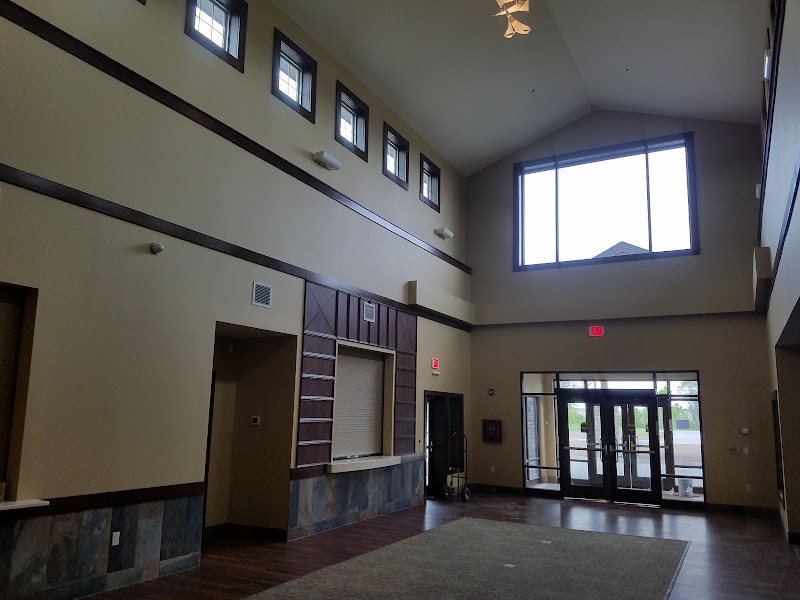
CMS rates Oglala Sioux Lakota Nursing Home's staffing level at 5 out of 5 stars, which is much above average compared to other nursing homes. Staff turnover is 46%, compared to the Nebraska average of 46%.

What Have Inspectors Found at Oglala Sioux Lakota Nursing Home?

State health inspectors documented 17 deficiencies at Oglala Sioux Lakota Nursing Home during 2023 to 2025. These included: 1 that caused actual resident harm and 16 with potential for harm. Deficiencies causing actual harm indicate documented cases where residents experienced negative health consequences.

Who Owns and Operates Oglala Sioux Lakota Nursing Home?

Oglala Sioux Lakota Nursing Home is owned by a non-profit organization. Non-profit facilities reinvest revenue into operations rather than distributing to shareholders. The facility operates independently rather than as part of a larger chain. With 72 certified beds and approximately 43 residents (about 60% occupancy), it is a smaller facility located in Rushville, Nebraska.

How Does Oglala Sioux Lakota Nursing Home Compare to Other Nebraska Nursing Homes?

Compared to the 100 nursing homes in Nebraska, Oglala Sioux Lakota Nursing Home's overall rating (2 stars) is below the state average of 2.9, staff turnover (46%) is near the state average of 46%, and health inspection rating (1 stars) is much below the national benchmark.

What Should Families Ask When Visiting Oglala Sioux Lakota Nursing Home?

Based on this facility's data, families visiting should ask: "Can I visit during a mealtime to observe dining assistance and food quality?" "How do you handle medical emergencies, and what is your hospital transfer rate?" "Can I speak with family members of current residents about their experience?"

Is Oglala Sioux Lakota Nursing Home Safe?

Based on CMS inspection data, Oglala Sioux Lakota Nursing Home has a clean safety record: no substantiated abuse findings (meaning no confirmed cases of resident harm), no Immediate Jeopardy citations (the most serious violation level indicating risk of serious injury or death), and is not on the Special Focus Facility watch list (a federal program monitoring the lowest-performing 1% of nursing homes). The facility has a 2-star overall rating and ranks #100 of 100 nursing homes in Nebraska. While no facility is perfect, families should still ask about staff-to-resident ratios and recent inspection results during their visit.

Do Nurses at Oglala Sioux Lakota Nursing Home Stick Around?

Oglala Sioux Lakota Nursing Home has a staff turnover rate of 46%, which is about average for Nebraska nursing homes (state average: 46%). Moderate turnover is common in nursing homes, but families should still ask about staff tenure and how the facility maintains care continuity when employees leave.

Was Oglala Sioux Lakota Nursing Home Ever Fined?

Oglala Sioux Lakota Nursing Home has no federal fines on record. CMS issues fines when nursing homes fail to meet care standards or don't correct problems found during inspections. The absence of fines suggests the facility has either maintained compliance or corrected any issues before penalties were assessed. This is a positive indicator, though families should still review recent inspection reports for the full picture.

Is Oglala Sioux Lakota Nursing Home on Any Federal Watch List?

Oglala Sioux Lakota Nursing Home is not on any federal watch list. The most significant is the Special Focus Facility (SFF) program, which identifies the bottom 1% of nursing homes nationally based on persistent, serious quality problems. Not being on this list means the facility has avoided the pattern of deficiencies that triggers enhanced federal oversight. This is a positive indicator, though families should still review the facility's inspection history directly.