Monument Rehabilitation and Care Center
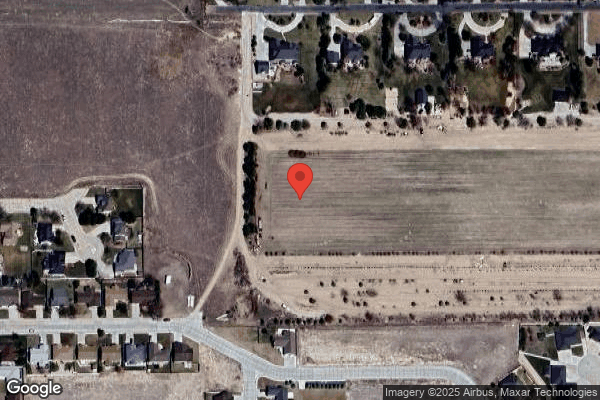
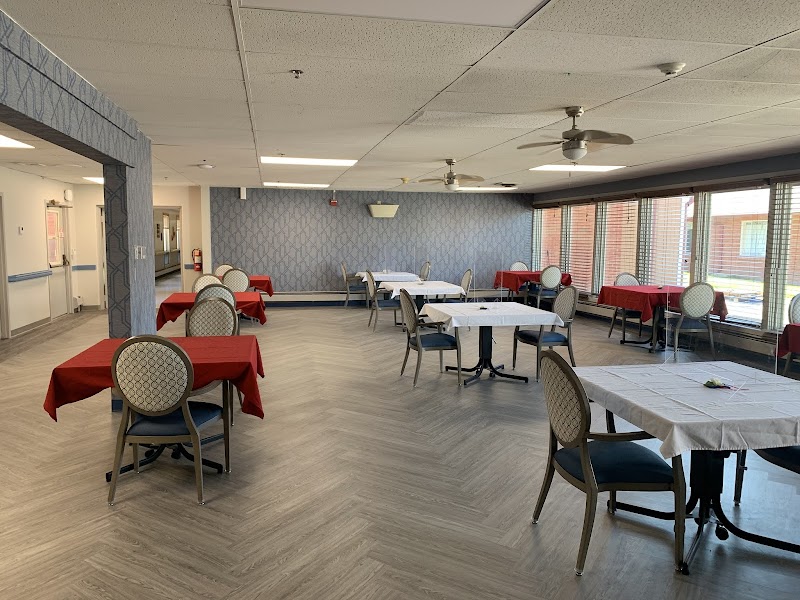
111 West 36th Street, Scottsbluff, NE 69361 (308) 635-2019
For profit - Limited Liability company 160 Beds LME FAMILY HOLDINGS Data: November 2025 2 Immediate Jeopardy citations
Trust Grade
0/100
#161 of 177 in NE
Last Inspection: August 2024

Within standard 12-15 month inspection cycle. Federal law requires annual inspections.

Overview

Monument Rehabilitation and Care Center has a Trust Grade of F, which indicates significant concerns about the facility's quality of care. It ranks #161 out of 177 nursing homes in Nebraska, placing it in the bottom half of facilities in the state, and #3 out of 4 in Scotts Bluff County, meaning only one local option is slightly better. Although the facility's trend is improving, with the number of issues dropping from 17 in 2024 to 8 in 2025, it still has a high turnover rate of 61%, which is concerning compared to the state average of 49%. The facility has incurred $42,638 in fines, which is higher than 84% of Nebraska facilities, indicating potential compliance issues. On the positive side, there is a critical need for improvement in staff performance, as evident from serious incidents such as failing to follow advance directives for CPR for three residents and not implementing proper infection control measures during COVID-19, posing risks to all residents. Conversely, the facility does have some strengths, like a commitment to improving care, but families should be aware of the serious weaknesses highlighted by these findings.
Trust Score
F
0/100
In Nebraska
#161/177
Bottom 10%
Safety Record
High Risk
Review needed
Inspections
Getting Better
17 → 8 violations
Staff Stability
⚠ Watch
61% turnover. Above average. Higher turnover means staff may not know residents' routines.
Penalties
✓ Good
$42,638 in fines. Lower than most Nebraska facilities. Relatively clean record.
Skilled Nurses
⚠ Watch
Each resident gets only 26 minutes of Registered Nurse (RN) attention daily — below average for Nebraska. Fewer RN minutes means fewer trained eyes watching for problems.
Violations
⚠ Watch
55 deficiencies on record. Higher than average. Multiple issues found across inspections.
★☆☆☆☆
1.0
Overall Rating
★★☆☆☆
2.0
Staff Levels
★☆☆☆☆
1.0
Care Quality
★☆☆☆☆
1.0
Inspection Score
Stable
2024: 17 issues
2025: 8 issues

The Good

  • Full Sprinkler Coverage · Fire safety systems throughout facility
  • No fines on record

Facility shows strength in fire safety.

The Bad

1-Star Overall Rating

Below Nebraska average (2.9)

Significant quality concerns identified by CMS

Staff Turnover: 61%

15pts above Nebraska avg (46%)

Frequent staff changes - ask about care continuity

Federal Fines: $42,638

Above median ($33,413)

Moderate penalties - review what triggered them

Chain: LME FAMILY HOLDINGS

Part of a multi-facility chain

Ask about local staffing decisions and management

Staff turnover is elevated (61%)

13 points above Nebraska average of 48%

The Ugly 55 deficiencies on record

2 life-threatening 3 actual harm
Aug 2025 1 deficiency
CONCERN (D) 📢 Someone Reported This

A family member, employee, or ombudsman was alarmed enough to file a formal complaint

Potential for Harm - no one hurt, but risky conditions existed

Deficiency F0697 (Tag F0697)

Could have caused harm · This affected 1 resident

Number of residents sampled: Number of residents cited: Based on observation, record review, interview, and facility policy review, the facility failed to implement an adequate pain management program...

Read full inspector narrative →
Number of residents sampled: Number of residents cited: Based on observation, record review, interview, and facility policy review, the facility failed to implement an adequate pain management program by accurately assessing, monitoring, and treating pain, which affected 1 (Resident #90) of 3 residents reviewed for pain management. The failure resulted in Resident #90 experiencing uncontrolled pain. Findings included: A facility policy titled, Pain Assessment and Management, revised 10/2022, indicated, The purposes of this procedure are to help the staff identify pain in the resident, and to develop interventions that are consistent with the resident's goals and needs and that address the underlying causes of pain. The policy revealed, 1. The pain management program is based on a facility-wide commitment to appropriate assessment and treatment of pain, based on professional standards of practice, the comprehensive care plan, and the resident's choices related to pain management. 2. ‘Pain management' is defined as the process of alleviating the resident's pain based on his or her clinical condition and established treatment goals. 3. Pain management is a multidisciplinary care process that includes the following: a. Assessing the potential for pain; b. Recognizing the presence of pain; c. Identifying the characteristics of pain; d. Addressing the underlying causes of pain; e. Developing and implementing approaches to pain management; f. Identifying and using specific strategies for different levels and sources of pain; g. Monitoring for the effectiveness of interventions; and h. Modifying approaches as necessary. The policy also indicated, Recognizing Pain included 1. Observe the resident (during rest and movement) for physiological and behavioral (non-verbal) signs of pain; and 5. Review the medication administration record to determine how often the individual requests and receives PRN [pro re nata; as needed] pain medication, and to what extent the administered medications relieve the resident's pain. The policy revealed, Assessing Pain included 1. Assess the resident at admission and during ongoing assessments to help identify the resident who is experiencing pain or for whom pain may be anticipated during specific procedures, care, or treatment; and 4. Assess pain using a consistent approach and a standardized pain assessment instrument appropriate to the resident's cognitive level. The policy continued, 5. During the pain assessment gather the following information as indicated from the resident (or legal representative), which included c. Characteristics of pain; d. Impact of pain on quality of life; f. Factors and strategies that reduce pain; and h. Physical and psychosocial issues (physical examination of the site of the pain, movement, or activity that causes the pain, as well as any discussion with resident about any psychological or psychosocial concerns that may be causing or exacerbating pain). The Implementing Pain Management Strategies included 1. Establish a treatment regimen that is specific to the resident based on consideration of the following: a. The resident's medical condition; b. Current medication regimen; c. History of addiction or opioid use disorder; d. Nature, severity, and cause of the pain; e. Course of the illness; and f. Treatment goals. The policy continued, 2. Non-pharmacological interventions may be appropriate alone or in conjunction with medications. The policy revealed, 5. The following are considered when establishing the medication regimen: a. Starting with lower doses and titrating upward as necessary; b. Administering medication around the clock rather than PRN; c. Combining long-acting medications with PRNs for breakthrough pain; d. Combining non-narcotic analgesics with narcotic (opioid) analgesics; and e. Reducing or preventing anticipated adverse consequences of medications. The policy revealed, Monitoring and Modifying Approaches included 5. Contact the prescriber immediately if the resident's pain or medication side effects are not adequately controlled, and 6. If pain has not been adequately controlled, the multidisciplinary team, including the physician, shall reconsider approaches and make adjustments as indicated. The policy revealed, Report the following information to the physician or practitioner, which included 4. Prolonged, unrelieved pain despite care plan interventions. An admission Record indicated the facility admitted Resident #90 on 08/05/2025. According to the admission Record, the resident had a medical history that included diagnoses of primary osteoarthritis of the left shoulder, the presence of a left artificial shoulder joint, aftercare following joint replacement surgery, pain in the left shoulder, low back pain, and chronic pain. An admission Minimum Data Set (MDS), with an Assessment Reference Date (ARD) of 08/11/2025, revealed Resident #90 had a Brief Interview for Mental Status (BIMS) score of 13, which indicated the resident had intact cognition. The MDS indicated the resident received or was offered PRN medication during the assessment timeframe. Resident #90's Care Plan Report included a focus area initiated 08/07/2025, that indicated the resident was at risk for pain related to the primary diagnosis of osteoarthritis and left shoulder surgery. Interventions initiated on 08/07/2025 directed staff to administer medications as ordered and to reposition the resident. The Care Plan Report revealed no other non-pharmacological interventions to address the resident's pain. Resident #90's hospital Post Acute Care Transition Report, dated 08/05/2025, revealed Active Medications included the following: -Acetaminophen (an analgesic) 500 milligrams (mg), two tablets (1,000 mg) by mouth every six hours PRN, with a maximum of 4,000 mg a day. -Hydrocodone-acetaminophen (a narcotic analgesic combination) 5-325mg, two tablets by mouth every four hours PRN for acute pain. Resident #90's hospital Post Acute Care Transition Report, dated 08/05/2025, revealed Discontinued Medications included tramadol (an opioid) 50 mg. Resident #90's Order Recap [Recapitulation] Report, for order dates from 08/01/2025 through 08/31/2025, included the following orders: -Pain monitoring every day and night shift, with an order to utilize an appropriate pain scale according to the resident's cognition, ordered on 08/05/2025. -Acetaminophen extra strength 500 mg, two tablets by mouth every six hours PRN for pain, with instructions to not exceed 4,000 mg per day, ordered on 08/05/2025. -Hydrocodone-acetaminophen 5-325 mg, two tablets by mouth every four hours PRN for acute pain, ordered on 08/05/2025 and discontinued on 08/12/2025. -Hydrocodone-acetaminophen 5-325, one tablet by mouth every six hours PRN for acute pain, ordered 08/12/2025. The Order Recap Report revealed no orders for non-pharmacological interventions for pain. Resident #90's Pain Evaluation, dated 08/05/2025, was incomplete. The evaluation indicated the resident was on a scheduled pain management regimen and received PRN and non-medication interventions for pain. The evaluation included a Pain Interview that indicated that the resident had almost constant pain over the previous five days that made it hard to sleep at night and limited their day-to-day activities. The evaluation revealed the sections for indicating the location of the pain, potential underlying causes of pain, pain intensity, pain relief, type of pain, timing and contributing factors, manner of expressing pain and associated symptoms, pain interference, laxatives ordered, and interventions were incomplete. The evaluation did not include the signature of the staff member who completed the evaluation. Resident #90's August 2025 Medication Administration Record [MAR], for the timeframe from 08/05/2025 (date of admission) through 08/15/2025 (the MAR report was printed on 08/15/2025 at 9:52 AM), revealed the following: - Staff documented monitoring the resident's pain each shift (6:00 AM shift and 6:00 PM shift), beginning on 08/05/2025. The record revealed that of the 18 times staff documented the resident's pain level, the resident's pain was a 10 (on a scale of 0-10, with 10 being the worst possible pain) 10 times; 9, one time; 8, two times; 6, two times; 5, two times; and 1, one time. - Staff documented Resident #90 received two tablets of hydrocodone-acetaminophen 5-325 mg one time on 08/05/2025, two times on 08/06/2025, four times on 08/07/2025, four times on 08/08/2025, four times on 08/09/2025, three times on 08/10/2025, three times on 08/11/2025, and three times on 08/12/2025. - Of the 24 administrations of two tablets of hydrocodone-acetaminophen 5-325 mg, staff documented the resident's pain level was rated 10, 12 times; 9, five times; 8, four times; and 4, one time. Two were not documented. - Hydrocodone-acetaminophen 5-325 mg was decreased from two tablets every four hours PRN to one tablet every six hours PRN on 08/12/2025. -Staff documented the resident received one tablet of hydrocodone-acetaminophen 5-325 mg three times on 08/13/2025, four times on 08/14/2025, and one time so far on 08/15/2025. - Of the eight administrations of the medication, staff documented the resident's pain level was rated 10, five times; 9, one time; 8, one time; and 2, one time. Resident #90's August 2025 MAR revealed staff documented Resident #90 received two tablets of hydrocodone-acetaminophen 5-325 mg on 08/07/2025 at 6:44 PM (pain level 9) with an unknown effectiveness, and the next administration was at 11:06 PM (pain level 9). Resident #90's Progress Notes revealed an Administration Note, dated 08/07/2025 at 6:44 PM, that indicated the resident received two tablets of hydrocodone-acetaminophen 5-325 mg and a follow-up note at 9:14 PM indicated the effectiveness was unknown, indicating that the resident stated that they had vomited their medication. The resident's Progress Notes revealed no documentation of other follow-up or intervention until 11:06 PM, when the resident was given two more tables of hydrocodone-acetaminophen 5-325 mg. Resident #90's August 2025 MAR revealed staff documented Resident #90 received two tablets of hydrocodone-acetaminophen 5-325 mg on 08/08/2025 at 2:06 PM (pain level 10) and the effectiveness was unknown. The MAR revealed the next administration was at 6:47 PM (pain level 10). Resident #90's Progress Notes revealed an Administration Note, dated 08/08/2025 at 2:06 PM, that indicated the resident received two tablets of hydrocodone-acetaminophen 5-325 mg and their follow pain level documented at 6:45 PM (over four hours after administration) was 10 and the effectiveness of the administration was unknown. The resident's Progress Notes revealed no other follow-up or intervention was provided until 6:47 PM, when the resident was given two more tables of hydrocodone-acetaminophen 5-325 mg. Resident #90's August 2025 MAR revealed staff documented the resident received two tablets of hydrocodone-acetaminophen 5-325 mg on 08/09/2025 at 10:22 AM (pain level 10) and was ineffective. The MAR revealed the next administration was at 5:04 PM (pain level 10), which was also documented as ineffective. Resident #90's Progress Notes revealed an Administration Note, dated 08/09/2025 at 10:22 AM, that indicated the resident received two tablets of hydrocodone-acetaminophen 5-325 mg and their follow-up pain level documented at 4:18 PM (over six hours later) was 9 and indicated the administration was ineffective. The resident's Progress Notes revealed no other follow-up or intervention was provided until 5:04 PM, when the resident was provided another two tablets of hydrocodone-acetaminophen 5-325 mg. Per the notes, the follow-up pain level documented at 7:31 PM was 10 and indicated the administration was ineffective. The notes indicated the resident was given two tables of acetaminophen extra strength 500 mg at 7:32 PM and their follow-up pain level documented at 8:32 PM was 3 and indicated the administration was effective. Resident #90's August 2025 MAR revealed staff documented Resident #90 received two tablets of acetaminophen extra strength 500 mg on 08/10/2025 at 5:37 AM (pain level 10) with an unknown effectiveness. Resident #90's Progress Notes revealed an Administration Note, dated 08/10/2025 at 5:37 AM, that indicated the resident received two tablets of acetaminophen extra strength 500 mg and their follow-up pain level documented at 9:51 AM (over three hours after administration) was 10 and the effectiveness was unknown. The Progress Notes revealed an Administration Note, dated 08/10/2025 at 9:51 AM, that indicated the resident received two tablets of hydrocodone-acetaminophen 5-325 mg and their follow-up pain level documented at 1:46 PM (over four hours after administration) was 10, but it was documented that the administration as effective. Resident #90's Nursing Daily Skilled Charting, dated 08/10/2025 at 10:58 AM, indicated the resident rated their pain a 10. The record indicated that the resident displayed non-verbal indicators of pain, indicating that the resident was tearful at times. Resident #90's Nursing Daily Skilled Charting, dated 08/11/2025 at 3:07 PM, indicated the resident rated their pain a 10. The record indicated that the resident displayed non-verbal indicators of pain, indicating that the resident was tearful at times. Resident #90's August 2025 MAR revealed staff documented the resident received two tablets of hydrocodone-acetaminophen 5-325 mg on 08/12/2025 at 2:22 PM (pain level 10) and the effectiveness was unknown. Resident #90's Progress Notes revealed an Administration Note, dated 08/12/2025 at 2:22 PM that indicated the resident received two tables of hydrocodone-acetaminophen 5-325 mg and their follow-up pain level documented at 7:23 PM (over five hours after administration) was unknown. The Progress Notes revealed no other follow-up or intervention was provided until 08/13/2025 at 3:57 AM (over seven hours later) when the resident was given one tablet of hydrocodone-acetaminophen 5-325 mg. Resident #90's Nursing Daily Skilled Charting, dated 08/12/2025 at 10:09 PM, indicated the resident rated their pain a 10. The record indicated that the resident displayed non-verbal indicators of pain, indicating that the resident was tearful at times. Resident #90's August 2025 MAR revealed staff documented the resident received one tablet of hydrocodone-acetaminophen 5-325 mg on 08/13/2025 at 5:04 PM (pain level 10) and the administration was ineffective. Resident #90's Progress Notes revealed an Administration Note, dated 08/13/2025 at 5:04 PM, that indicated that the resident received one tablet of hydrocodone-acetaminophen 5-325 mg and their follow-up pain level documented at 7:37 PM (over two hours later) was a 10 and indicated the administration was ineffective. The Progress Notes indicated that the resident received two tablets of acetaminophen extra strength 500 mg at 7:39 PM and their follow-up pain level documented at 9:47 PM was a 5 and indicated the administration was effective. Resident #90's August 2025 MAR revealed staff documented the resident received one tablet of hydrocodone-acetaminophen 5-325 mg on 08/14/2025 at 5:12 PM (pain level 10) and the administration was ineffective, and the next administration was at 11:40 PM (pain level 10). Resident #90's Progress Notes revealed an Administrative Note, dated 08/14/2025 at 5:12 PM, that indicated that the resident received one tablet of hydrocodone-acetaminophen 5-325 mg and their follow-up pain level documented at 8:27 PM (over three hours after the administration) was 10 and indicated the administration was ineffective. The resident's Progress Notes revealed no documentation of other follow-up or intervention until 11:40 PM when the resident was given another tablet of hydrocodone-acetaminophen 5-325 mg. Resident #90's record revealed no documented rationale for decreasing the resident's hydrocodone-acetaminophen. The record revealed no documentation of non-pharmacological interventions for pain offered or provided to the resident. During an interview and observation on 08/12/2025 at 2:47 PM, Resident #90 stated it took forever to get pain medications. The resident stated they had just gotten pain medication a few minutes earlier, but they had not had any since that morning. Resident #90 stated they had shoulder surgery and was supposed to get the staples out that Friday (08/15/2025). The resident grimaced in pain with the movement of the left arm. During an interview on 08/13/2025 at 10:06 AM, Resident #90 was lying in bed and stated the pain to their left shoulder was rated an 8 at that time, and they were unsure when they had last received pain medication but wished they could get something to help. During an interview on 08/14/2025 at 10:45 AM, Resident #90 stated they had increased shoulder pain that day. The resident stated the facility decreased their pain medication to one pill every six hours, and the resident did not know why. Resident #90 stated the physician had not come in and talked to them about their pain. The resident stated they were trying to work with therapy staff as much as they could but felt they (Resident #90) were limited due to the pain. Resident #90 grimaced when they moved their arm and was guarding it. During an interview on 08/14/2025 at 10:57 AM, Licensed Practical Nurse (LPN) Q stated they ran out of Resident #90's hydrocodone-acetaminophen 5-325 mg that was ordered for two tablets every four hours. They stated that they tried to get the pharmacy to refill the prescription on Tuesday (08/12/2025), and the physician sent the prescription for one tablet every six hours right before the end of their shift, so they were not the one to follow up on it. LPN Q stated the provider wanted to start weaning the resident off the pain medication since it had been a week since the resident's surgery. LPN Q stated the provider did not assess the resident prior to decreasing the resident's medication. LPN Q stated Resident #90 continued to rate their pain level at a 10. LPN Q stated the resident did not like to use ice, saying it made the pain worse. During an interview on 08/14/2025 at 11:50 AM, LPN Q stated they called the physician's office to follow up on the decrease in the pain medication and was told that it was their protocol to start decreasing the pain medications the further out from surgery that the resident got. LPN Q stated that the nurse practitioner was out at that time, but they would let them know to follow up with the resident the following morning since the resident was still complaining their pain level was 10 out of 10 most of the time. During an interview on 08/15/2025 at 4:44 PM, Unit Nurse Manager (UNM) U, who was the UNM where Resident #90 resided, stated residents should be assessed half an hour to an hour after receiving a PRN pain medication to see if it was effective. UNM U stated that if it was not effective, then other PRN medications or non-pharmacological interventions should be provided. They stated if there were still no positive results, the physician should be notified to get further orders on what to do. UNM U stated they had not been notified of Resident #90's pain levels and said it should have been followed up on prior to that day. UNM U stated that any time a resident had ineffective results from a pain medication, the nurse should follow up on it and do something more. UNM U stated they were not aware of Resident 90's pain levels. They stated it should have been reported and followed up on sooner. UNM U stated that even if the resident rated their pain 10 out of 10 every time, the staff should have used an alternate type of assessment to follow up on the resident's pain. During an interview on 08/14/2025 at 3:10 PM, the Director of Rehabilitation (DOR) stated Resident #90 was having a lot of muscle spasms that limited their range of motion (ROM). The DOR stated they tried to ensure the resident had been given pain medication prior to therapy. The DOR stated they were looking to see what they could do for the resident's pain and decreased ROM. During a concurrent interview on 08/15/2025 at 1:45 PM, Physical Therapist (PT) N, while providing ROM for Resident #90, stated the resident had been able to do more ROM in the previous two days than since they were admitted . PT N stated there was a concern about the swelling in the resident's arm, so the resident was going for an ultrasound at 2:00 PM. Resident #90 stated they spoke with a physician assistant (PA) about their pain, and the PA ordered an X-ray that was negative, an ultrasound, and some laboratory tests. The resident stated that the PA did not adjust their pain medication. PT N stated the resident's therapy had been limited due to the resident's staples and the limited ROM. PT N stated the resident's pain needed to be under control in order for therapy to be effective. During an interview on 08/15/2025 at 2:24 PM, Medical Assistant (MA) X, who was the MA for the resident's orthopedic PA, stated Resident #90 complained of pain at a level of 10 out of 10 pain before surgery and during the five days following the operation while they were in the hospital, even after getting intravenous (IV) pain medications. MA X stated that a nurse followed up with the resident 15 to 20 minutes after giving the pain medication, and the resident continued to rate their pain level at a 10 out of 10. MA X stated the resident did not know how to describe their pain. They stated the resident was seen by the orthopedic PA that morning due to the pain and swelling. They stated the X-ray was negative, and the PA ordered laboratory tests and an ultrasound to rule out deep vein thrombosis (a blood clot). MA X stated the resident had orders for hydrocodone-acetaminophen 5-325 mg, one tablet every six hours and could get acetaminophen in between. They stated that when the medication was decreased, they were not aware that the resident's pain was not controlled. MA X stated that all they knew was that the resident needed a new prescription for their pain medication and the PA followed the normal process of lowering the dose because of the amount of time that had passed since surgery. MA X stated the facility needed to be utilizing acetaminophen and trying other non-pharmacological interventions, like ice. The MA stated pain management was based on each individual patient. MA X stated if the resident felt that the tramadol would be more beneficial, they (MA X) could talk to the PA about it, but it would not be until Monday (08/18/2025), and if the facility needed something more for the resident before then, they needed to contact the resident's primary care physician. During a telephone interview on 08/15/2025 at 4:25 PM,the Medical Director (MD), who was the Resident #90's primary care physician, stated they expected the staff to contact a provider when a resident's pain was not being controlled within 24 hours. The MD stated Resident #90 always reported their pain level at a 10 but expected the resident 10 but pain after surgery. The MD stated the staff should offer ice packs, position changes, a lidocaine (an anesthetic) patch, distraction, and other activities. The MD stated they were not aware of the resident's complaint of uncontrolled pain or of the resident being sent for an ultrasound. The MD stated Resident #90 did have some cognitive impairment and it was difficult to assess their pain, and the staff needed to use a clinical assessment with the resident's input to determine what the resident's pain level was. The MD stated tramadol was not effective for Resident #90 in the hospital, but it may be effective going forward if the resident felt it would be beneficial. The MD stated the resident's pain level needed to be controlled for them to participate in therapy to make progress. Resident #90's Order Recap Report, for order dates from 08/01/2025 through 08/31/2025, contained an order, dated 08/15/2025 and started on 08/16/2025, for lidocaine 4% patch, to be applied to the left shoulder in the morning and removed at bedtime. During an interview on 08/16/2025 at 9:52 AM, Resident #90 was lying in bed with their arm elevated on a pillow. There was notable swelling observed to the upper arm. The resident stated their pain was 10 at that time and they were waiting for pain medication. Resident #90 stated they had not noticed a difference with the medication changes. They stated they had a patch on their shoulder and stated that it was not effective. Resident #90 stated it had been so long since they had not had any pain that they did not know what a tolerable level of pain would be. The resident stated they were old and tired of being in pain. The resident stated having to wait six hours for pain medication was too long. The resident stated they wanted to be able to get the pain medication more often and wanted to know why they could not have tramadol back. Resident #90 grimaced in pain with movement and held onto their arm, guarding it with any movement. During an interview on 08/15/2025 at 4:50 PM, the Director of Nursing (DON) stated if a resident indicated they were having uncontrolled pain, the nurse should be evaluating the resident's pain and administering anything that was ordered, and if that was not effective, they should contract the physician to get further orders, and it should be documented. The DON stated they were not aware of Resident #90's unrelieved pain and stated the nurses should have contacted the orthopedic physician for further orders, and if the nurse did not get a response, then they should have contacted the resident's primary care physician. The DON stated if a resident indicated their pain management was ineffective, the physician should be notified to get further orders. The DON stated if the physician could not be contacted, the resident should be sent to the emergency room for further evaluation and pain management. During an interview on 08/16/2025 at 10:57 AM, the Administrator stated nursing staff should follow physician orders when administering pain medication, assessing residents to ensure their pain was being managed, and if it was not, they should try other interventions. The Administrator stated that if the pain was still not controlled, they should contact the physician to see what other interventions they want to try. The Administrator stated they should try repositioning or moving the resident to a different setting, and the staff should document what was being tried.
Jul 2025 1 deficiency
CONCERN (D) 📢 Someone Reported This

A family member, employee, or ombudsman was alarmed enough to file a formal complaint

Potential for Harm - no one hurt, but risky conditions existed

Report Alleged Abuse (Tag F0609)

Could have caused harm · This affected 1 resident

Licensure Reference Number 175 NAC 12-006.02(H) State Statute 28-372 Based on record review and interview, the facility failed to submit an investigative report to the State Agency within 5 working da...

Read full inspector narrative →
Licensure Reference Number 175 NAC 12-006.02(H) State Statute 28-372 Based on record review and interview, the facility failed to submit an investigative report to the State Agency within 5 working days following a fall that resulted in significant injury for 1 (Resident 1) of 3 sampled residents. The facility identified a census of 88. Findings are: A record review of the facility's policy Abuse, Neglect, Exploitation or Misappropriation - Reporting and Investigating, with a last revised date of September 2022 revealed the facility would provide a follow-up investigative report of any allegation of abuse or incidents that resulted in serious bodily injury within 5 business days of the incident to the state agency. A record review of an admission Record revealed the facility admitted Resident 1 on 5/2/2025. Resident 1 had an admitting diagnosis of metabolic encephalopathy (problems with a person's metabolism that can cause brain dysfunction). A record review of an Un-witnessed Fall Report with a date of 6/28/2025 revealed Resident 1 had tripped and fallen. Resident 1 had bleeding from the nose and was transported to the hospital for treatment. A record review of Resident 1's Emergency Department Provider Notes with a date of 6/28/2025 revealed Resident 1 had a fractured nasal bone and required stitches to their nose and finger. A record review of the facility's provided records of their submitted investigative reports revealed no evidence that an investigative report had been submitted following Resident 1's fall with significant injury. An interview on 7/9/2025 at 10:30 AM with the Director of Nursing (DON) revealed Resident 1 had sustained a broken nose following their fall on 6/28/2025. The DON confirmed the facility had notified the State Agency within 2 hours of being made aware of Resident 1's significant injury, but did not submit a follow-up investigative report to the State Agency within 5 business days and should have.
Apr 2025 6 deficiencies 1 Harm
SERIOUS (G) 📢 Someone Reported This

A family member, employee, or ombudsman was alarmed enough to file a formal complaint

Actual Harm - a resident was hurt due to facility failures

Deficiency F0757 (Tag F0757)

A resident was harmed · This affected 1 resident

Licensure Reference Number 175 NAC 12.006.09 (H) Based on observation, record review, and interviews; the facility failed to ensure that one (Resident 5) of three sampled residents were not over-medic...

Read full inspector narrative →
Licensure Reference Number 175 NAC 12.006.09 (H) Based on observation, record review, and interviews; the facility failed to ensure that one (Resident 5) of three sampled residents were not over-medicated. The facility identified a census of 89. Findings are: A record review of an undated Psychotropic Medication Use Policy revealed the following: Residents receiving psychotropic medications are monitored for adverse consequences. If psychotropic medications are identified as possibly causing or contributing to adverse consequences, the prescriber will determine whether the medication(s) should be continued, and document the rationale for this decision. Situations which may prompt an evaluation or re-evaluation of the resident include: -A clinically significant change in condition/status; -A new, persistent, or recurrent clinically significant symptom or problem; -A worsening of an existing problem or condition; -An unexplained decline in function or cognition. A record review of physicians' orders revealed the following: -Risperidone (a type of antipsychotic medication that treats mental health conditions schizophrenia, bipolar disorder and some symptoms of autism) 0.25 milligrams (mg); give one tablet by mouth every 12 hours as needed (PRN) for behaviors. The order had no documented evidence of a stop date or duration and included instructions to follow up with Resident 5s' primary health care provider. The order had a start date of 1/12/25. -Oxycodone (an opioid medication used for the treatment of pain) 10 mg; give one tablet by mouth every 12 hours for chronic pain requiring long term opioid treatment. This order had a start date of 1/10/25 -Oxycodone-Acetaminophen (an opioid combined with a non-opioid medication used to treat pain) 10-325 mg; give one tablet by mouth every 5 hours for chronic pain. The order had a start date of 1/10/25. -Buprenorphine HCl (a partial opioid used to treat pain with less side effects) 2 mg, Give 0.5 tablet under the tongue twice a day. This medication had a start date of 1/20/25, was administered the month of February as a scheduled medication, and replaced the scheduled Oxycodone 10 mg order in an effort to decrease side effects. A review of a Federal Drug Administration (FDA) Drug Safety Communication released in 2016 revealed a Black Box Warning (the most serious level of warning the FDA can place on a prescription drug label, indicating a significant risk of serious, potentially life-threatening, adverse effects) had been issued related to the interaction between opioid medications and antipsychotic medications. The interaction was shown to cause increased respiratory depression (a condition where breathing becomes too slow or shallow, potentially leading to insufficient oxygen and carbon dioxide exchange) and increased sedation. A record review of Resident 5s' admission Summary revealed an admission date of 01/10/2025 from a short-term general hospital. The summary revealed Resident 5s' pertinent diagnoses include: -Wedge compression vertebral fracture T7-T8- (a bone fracture located in the mid vertebral spine). -Scoliosis- (an abnormal curvature of the spine). -Osteoarthritis- (chronic inflammation and deterioration of the cartilage between joints). -Depression- (a mood disorder characterized by a sustained feeling of sadness and loss of interest). A record review of Resident 5s' Minimum Data Set (MDS- a federally mandated assessment tool for nursing homes) dated 01/14/2025 revealed the following: -Section C revealed Resident 5 had a Brief Interview for Mental Status (BIMS- a standardized assessment tool used to screen for cognitive impairment in long-term care facilities) score of 11/15 indicating Resident 5 had mild cognitive impairment. -Section D revealed Resident 5 had a Patient Health Questionnaire 2 (PHQ-2to9 - brief screening tool for depression; used to assess the severity of depressive symptoms) score of 4/27 indicating that Resident 5 suffered from minimal symptoms of depression. -Section E revealed Resident 5 exhibited no potential indicators of experiencing hallucinations or delusions. Section E further revealed that Resident 5 exhibited behavioral symptoms not directed at occurred daily and significantly disrupted care of living environment. -Section GG revealed Resident 5 required maximal to total dependent assistance with dressing, undressing, bathing, and hygiene. -Section I revealed Resident 5 had a psychiatric diagnosis of depression. -Section J revealed Resident 5 received scheduled pain medication and PRN pain medication. The section further revealed that Resident 5 had not received non-medication intervention for pain. The Pain Assessment Interview revealed Resident 5 acknowledged the presence of pain rarely and revealed that pain rarely effected the ability to sleep. A record review of a Progress Note for Resident 5 dated 1/10/15, Resident 5s' admission day, revealed Resident 5 was alert and oriented to person, place, time, and situation. Resident 5 was responsive to commands and questions. Resident 5 used a walker and staff assistance for transfers. A record review of a Progress Note for Resident 5 dated 1/12/25 at 5:41 PM revealed Resident 5 began yelling out about pain to their back, despite having both PRN and regularly scheduled pain medication given. The writer documented they entered the room and found Resident 5 sitting in wheelchair, appearing to be sleeping and offering no complaints. The writer documented they left the room and approximately 10 minutes later, Resident 5 began to yell out again, and stated ow, it hurts. The writer documented that they notified the on-call provider at that point due to nothing helping Resident 5 with pain and discomfort. The writer stated that Resident 5 had pain medication, was repositioned, was redirected, and still Resident 5 continued to yell out. The writer documented that the provider prescribed an order for Risperidone 0.25 mg, one tablet every 12 hours as needed. The provider then instructed the facility to follow up with Resident 5s' primary care physician. The writer documented that the medication was administered, and Resident 5 continued to yell out for approximately 30 minutes, then was calm and did not yell out in pain since. A record review of Resident 5s' Medication Administration Record from 1/12/25 to 1/31/25 revealed the as needed antipsychotic medication was administered 11 occasions in 20 days with no documented evidence regarding what behaviors were observed that indicated the use of the medication. A review of the follow-up documentation (documentation required when an as needed medication is administered, to determine its effectiveness) revealed the medication was documented as being effective, indicating that no further behaviors were observed. A record review of Resident 5s' Medication Administration Record from 1/12/25 to 1/28/25 revealed the opioid medication was administered 21 occasions in 16 days. The follow-up documentation revealed the medication was effective in treating Resident 5s' pain. A record review of A record review of Resident 5s' Medication Administration Record from 2/11/25 to 2/28/25 revealed the antipsychotic medication was administered 12 occasions in 18 days. A review of the follow-up documentation revealed three occasions that the medication was documented as ineffective. A record review of Resident 5s' Medication Administration Record from 2/11/25 to 2/28/25 revealed the Buprenorphine medication was administered daily, as ordered. A record review of Resident 5s' Medication Administration Record from 3/1/25 to 3/20/25 revealed the antipsychotic medication was administered 8 occasions in 20 days. A record review of Resident 5s' Medication Administration Record from 3/1/25 to 3/31/25 revealed the opioid medication was administered every day, three times a day, as ordered by the provider. A record review of Resident 5's Progress Notes from 1/12/25 to 3/24/25 revealed the following documentation: -On 1/20/25, a Progress Note revealed Resident 5 was seen at a pain clinic where the Provider documented that Resident 5 was too heavily medicated and discontinued Resident 5s' routinely scheduled Oxycodone, but left the PRN oxycodone order in place. In addition, an order for Buprenorphine HCl (a partial opioid used to treat pain with less side effects) 2 mg, Give 0.5 tablet under the tongue twice a day was initiated -On 1/23/25, Resident 5 was evaluated by their primary care physician. The progress note further stated that Resident 5 has had a decline in cognition and physical ability. There was no documented evidence of the provider addressing the need for continuation of the antipsychotic medication or acknowledging a potential interaction between pain medication regimen and antipsychotic medication. -On 1/24/25, Resident 5s' representative voiced concern over Resident 5s' decline to which the facility told them labs were drawn and results were pending. -On 1/25/25, a Progress Note stated Resident 5 continues to decline with mentation and physical ability. Resident 5 has trouble feeding self, transfers, working with Physical Therapy, communicating issues (eating, using restroom, pain, and hold a conversation). The writer further stated that a phone call was placed to a physician in regard to the decline, as, when Resident 5 was admitted , they were alert and oriented to person, place, time, and situation. Now Resident 5 is oriented to self only. The physician gave orders to send Resident 5 to the Emergency Department. -Resident 5 returned from the Emergency Department after a chest x-ray, brain scan, and lab work with no issues noted, per writer. -On 1/28/25 a Care Conference Note revealed that Resident 5s' representatives had concerns with Resident 5s' mentation and stated that Resident 5 is not confused at baseline. Resident 5s' representatives requested to have their medications reviewed. No documented evidence of a follow-up is noted in the Progress Notes regarding this request. -On 1/28/25 a Progress Note regarding a telephone call with the pain clinic regarding Resident 5 revealed an order to discontinue all orders for the oxycodone. -On 2/3/25 a Progress Note at 1:37 AM revealed that Resident 5 was screaming out in pain and pointed to [gender] upper left side and stated it radiated around [gender] back. Resident 5 was transported to the Emergency Department per an order from the Nurse Practitioner on-call. Resident was discharged from the hospital after having their pain treated with opioid medication. -On 2/3/25 a Progress note at 5:59 PM revealed Resident 5 was again sent to the Emergency Department regarding uncontrolled pain. -On 2/10/25 Resident 5 was discharged from the hospital with no new orders, per writer. Writer further revealed that per the hospital nurse nothing new was found during the hospitalization. -On 2/10/25 a Progress Note revealed Resident 5 had a fall in their room, per writer. -On 2/13/25 a Progress Note revealed Resident 5 was administered the as needed antipsychotic medication due to sporadic yelling during the night. Writer stated the medication was effective. -On 2/18/25 a Progress Note revealed that the in-house Nurse Practitioner saw Resident 5 and instructed the facility to follow up with primary provider and pain management provider. There was no documented evidence of the provider addressing the need for continuation of the antipsychotic medication or acknowledging a potential interaction between pain medication regimen and antipsychotic medication. -On 2/25/25 a Progress Note revealed the Director of Nursing (DON) left a message for Resident 5s' primary care provider regarding risperidone order stating Resident 5 currently has a PRN order for risperidone and utilizes it daily. The DON is requesting that it be scheduled as a routine medication. -On 2/28/25 a Progress Note revealed Resident 5 returned from the pain clinic with orders to discontinue the pain medication- Buprenorphine 2 mg and issued an order to re-start the Oxycodone-Acetaminophen 10-325 mg three times at day, scheduled. -On 3/21/25 a Progress Note revealed a call to Resident 5s' primary care provider revealing that Resident 5s' representatives would like the antipsychotic medication Risperidone discontinued. The note further stated that Resident 5 has an appointment with the physician 3/24/25 and that it would be addressed at that time. -On 3/24/25 a Progress Note revealed Resident 5 was evaluated by the Primary Care Provider who stated Resident 5 was not doing well. Has many issues. The Physician discontinued the antipsychotic and the buprenorphine. Resident 5 remained on the PRN oxycodone. An interview on 4/2/25 at 12:10 PM with Physical Therapy Director (PTD) revealed that Resident 5 was discharged from therapy on 3/13/25 related to inconsistencies with therapy. The PTD further describes Resident 5s' inconsistencies as They were alert, oriented, and able to follow commands one day; then would be nearly completely nonverbal the next day. This made any progress with therapy very difficult to achieve. An interview on 4/2/25 at 10:45 AM with Nurse Aide (NA)-G revealed that they have worked with Resident 5 since their admission to the facility. NA-G stated there was period of time after Resident was admitted that their cognition and physical abilities appeared to have declined. NA-G further revealed that within the last week they had noted an improvement in Resident 5's cognition and stated Resident 5 seems more with it, knows more about what they want, and are able to tell me. An interview on 4/2/25 at 12:30 PM with Resident 5's representative revealed they were not made aware that Resident 5 was placed on that medication until much later and stated they would have not agreed to it, had they been told. The representative revealed they voiced concern about Resident 5's decline on numerous occasions and knew that something was off. The representative revealed they requested it be discontinued immediately upon hearing that the medication was an antipsychotic. Resident 5's representative stated they visit Resident 5 up to three times a day and have noticed an improvement in Resident 5's cognition and physical abilities. An interview on 3/31/25 at 10:30 AM with Unit Manager (UM)-D revealed that new education has been provided to staff on using the on-call provider for the management of behaviors. UM-D revealed they thought each time a provider signed the order summary that the provider was essentially renewing the PRN order. UM-D confirmed that there were many missed opportunities to evaluate the potential of Resident 5 being over-medicated or a potential interaction between opioids and antipsychotics.
CONCERN (D) 📢 Someone Reported This

A family member, employee, or ombudsman was alarmed enough to file a formal complaint

Potential for Harm - no one hurt, but risky conditions existed

Notification of Changes (Tag F0580)

Could have caused harm · This affected 1 resident

Licensure Reference Number 175 NAC 12.006.09 (I)(i)(1) Based on record review and interview, the facility failed to notify the resident and/or the residents' representative of a new medication for one...

Read full inspector narrative →
Licensure Reference Number 175 NAC 12.006.09 (I)(i)(1) Based on record review and interview, the facility failed to notify the resident and/or the residents' representative of a new medication for one (Resident 5) of three sampled residents. The facility identified a census of 89. Findings are: A record review of an undated Change in A Resident's Condition or Status Policy revealed the following: A significant change of condition is a major decline or improvement in the resident's status that will not normally resolve itself without intervention by staff or by implementing standard disease-related clinical interventions (is not self-limiting). Unless otherwise instructed by the resident, a nurse will notify the resident's representative when there is a significant change in the resident's physical, mental, or psychosocial status. A record review of Resident 5s' admission Summary revealed an admission date of 01/10/2025 from a short-term general hospital. The summary revealed Resident 5s' pertinent diagnoses include: -Wedge compression vertebral fracture T7-T8- (a bone fracture located in the mid vertebral spine). -Scoliosis- (an abnormal curvature of the spine). -Osteoarthritis- (chronic inflammation and deterioration of the cartilage between joints). -Depression- (a mood disorder characterized by a sustained feeling of sadness and loss of interest). A record review of Resident 5s' Minimum Data Set (MDS- a federally mandated assessment tool for nursing homes) dated 01/14/2025 revealed the following: -Section C revealed Resident 5 had a Brief Interview for Mental Status (BIMS- a standardized assessment tool used to screen for cognitive impairment in long-term care facilities) score of 11/15 indicating Resident 5 had mild cognitive impairment. -Section D revealed Resident 5 had a Patient Health Questionnaire 2 (PHQ-2to9 - brief screening tool for depression; used to assess the severity of depressive symptoms) score of 4/27 indicating that Resident 5 suffered from minimal symptoms of depression. -Section E revealed Resident 5 exhibited no potential indicators of experiencing hallucinations or delusions. Section E further revealed that Resident 5 exhibited behavioral symptoms not directed at occurred daily and significantly disrupted care of living environment. -Section GG revealed Resident 5 required maximal to total dependent assistance with dressing, undressing, bathing, and hygiene. A record review of physicians' orders revealed the following: -Risperidone (a type of antipsychotic medication that treats mental health conditions schizophrenia, bipolar disorder and some symptoms of autism) 0.25 milligrams (mg); give one tablet by mouth every 12 hours as needed (PRN) for behaviors. The order had no documented evidence of a stop date or duration and included instructions to follow up with Resident 5s' primary health care provider. The order had a start date of 1/12/25. A record review of a Progress Note for Resident 5 dated 1/12/25 at 5:41 PM revealed Resident 5 began yelling out about pain to their back, despite having both PRN and regularly scheduled pain medication given. The writer documented they entered the room and found Resident 5 sitting in wheelchair, appearing to be sleeping and offering no complaints. The writer documented they left the room and approximately 10 minutes later, Resident 5 began to yell out again, and stated ow, it hurts. The writer documented that they notified the on-call provider at that point due to nothing helping Resident 5 with pain and discomfort. The writer stated that Resident 5 had pain medication, was repositioned, was redirected, and still Resident 5 continued to yell out. The writer documented that the provider prescribed an order for Risperidone 0.25 mg, one tablet every 12 hours as needed. The provider then instructed the facility to follow up with Resident 5s' primary care physician. The writer documented that the medication was administered, and Resident 5 continued to yell out for approximately 30 minutes, then was calm and did not yell out in pain since. A record review of Progress Notes revealed no documented evidence of Resident 5 or their representative being notified of the newly prescribed medication. An interview on 4/2/25 at 12:30 PM with Resident 5's representative revealed they were not made aware that Resident 5 was placed on that medication until much later and stated they would have not agreed to it, had they been told. The representative revealed they requested it be discontinued immediately upon hearing that the medication was an antipsychotic. An interview on 4/2/25 at 3:15 PM with Licensed Practical Nurse-A revealed that to their understanding the facility expectation is to notify the resident representative with changes in condition, which would include the use of a PRN antipsychotic. An interview on 4/2/25 at 9:30 AM with Unit Manager-D revealed staff are educated to notify resident representatives as soon as possible when there is a change in condition that requires intervention. The UM-D confirmed that there was no documented evidence of Resident 5's representative being notified of the new medication and that there should have been.
CONCERN (D) 📢 Someone Reported This

A family member, employee, or ombudsman was alarmed enough to file a formal complaint

Potential for Harm - no one hurt, but risky conditions existed

Deficiency F0657 (Tag F0657)

Could have caused harm · This affected 1 resident

Licensure Reference Number 175 NAC 12.006.09 (F) Based on observation, record review, and interviews, the facility failed to have resident specific interventions in place to address or minimize the be...

Read full inspector narrative →
Licensure Reference Number 175 NAC 12.006.09 (F) Based on observation, record review, and interviews, the facility failed to have resident specific interventions in place to address or minimize the behaviors of one (Resident 1) of three sampled residents. The facility identified a census of 89. Findings are: A record review of Resident 1's admission Summary revealed an admission date of 6/22/23. A record review of Resident 1's pertinent diagnoses revealed the following: -Dementia without behavioral disturbance, psychotic disturbance, mood disturbance, and anxiety (a general term for a decline in mental ability, including memory, thinking, and reasoning, and is caused by damage to or changes in the brain). -Alzheimer's Disease (a progressive neurodegenerative disorder that primarily affects memory, thinking, and behavior). - Depression (a common and serious medical illness that negatively affects how you feel, think, and act. It's characterized by persistent sadness, loss of interest in activities). A record review of Resident 1's Quarterly Minimum Data Set (a federally mandated assessment tool used in long term care) dated 1/7/25 revealed the following: -Section C revealed a Brief Interview for Mental Status (BIMS- an assessment tool used in long term care to assess cognition) score of 6/15- indicating that Resident 1 had moderate to severe cognitive impairment. -Section D revealed a Patient Health Questionnaire (PHQ 9- a screening tool to assess for symptoms and severity of depression) score of 6- indicating Resident 1 experienced minimal symptoms of depression. -Section E revealed that Resident 1 had no documented behaviors. A record review of Resident 1's current Care Plan revealed the following: -A focus area revealed: Resident 1 has the potential to be physically aggressive related to their diagnosis of dementia. The goal for that focus area revealed: Resident 1 will not harm self or others. -Interventions for that focus area revealed: Analyze times of day, places, circumstances, triggers, and what de-escalates behavior and document. Assess and address for contributing sensory deficits. Psychiatric/Psychogeriatric consult as indicated. A record review of incident reports revealed a resident to resident altercation on 2/23/25 involving Resident 1 that occurred in Resident 1's room with their roommate. The incident report revealed: A nurse was called into Resident 1's room by other staff who stated Resident 1 had been punching their roommate. Staff immediately separated Resident 1 from the roommate and Resident 1 was asked to sit in the common room. When Resident 1 was approached by staff they made negative comments about the roommate continuously talking to Resident 1, which led to the altercation. A record review of a Physician Visit on 3/5/25 revealed that Resident 1's provider recommended to the facility that Resident 1 would do better without a roommate given recent altercation. A record review of Progress Notes revealed the following: -A Progress Note on 1/17/25 revealed Resident 1 was cussing at her roommate who was being disruptive yelling throughout the night. -A Progress Note on 1/19/25 revealed Resident 1 was yelling out directly at their roommate. Both residents were in their own beds at this time. Staff was in the room and ensured that residents remained separate. - A Behavior Note on 2/23/25 revealed Resident 1 was observed being aggressive with their room mate. - A Behavior Note On 2/25/25 revealed Resident 1 was agitated and aggressive concerning the administration of their medication. - A Behavior Note on 3/24/25 revealed Resident 1 became agitated and struck out at their table mate twice during lunch. Resident 1 refused re-direction. - A Behavior Note on 4/3/25 revealed Resident 1 refused to go in their room and continued to curse and push staff in the hallway. Resident 1 was allowed space while staff stayed close by to ensure Resident 1's safety as well as the safety of other residents. An interview on 3/31/25 at 10:20 AM with Nurse Aide (NA)-E revealed that Resident 1 does have the potential to become violent with little to no warning. NA-E stated that too much stimulation was a significant triggering factor for Resident 1. The stimulation could come in the form of visual, verbal, or acoustic. Regarding resident to resident abuse, NA-E reported that they voiced concerns regarding the transfer of Resident 1's now roommate to Resident 1's room to the Social Services Director (SSD). NA-E stated that the resident being moved into Resident 1's room was being transferred to memory support due to their propensity for violence. NA-E stated they were concerned that placing them in a room together would likely result in an altercation. NA-E stated that their concerns were largely ignored, as the two residents were placed together. NA-E stated that the SSD told all the staff on shift that their hands were tied and that the corporate office doesn't care how many altercations there are as long as the beds are filled. NA-E reported the two residents often argued in their room and required staff intervention to diffuse and redirect. NA-E stated they have not been approached by management team regarding Resident 1's behavior to discuss interventions, triggers to behaviors, or to gain input from floor staff. NA-E stated they are unsure of where to look to locate the facilities documented interventions for Resident 1 An interview on 3/31/25 at 10:15 AM with Registered Nurse (RN)-B revealed that Resident 1 required moderate supervision on days that were full of stimulation and had the potential for catastrophic reactions (a sudden, intense emotional outburst characterized by distress, agitation, and disorganized behavior, often triggered by an overwhelming situation, particularly in individuals with neurological impairments) and violence. On those days staff monitor Resident 1 very closely to mitigate and watch for situations that may trigger them. On those days, staff will attempt to re-direct resident to a quieter environment. RN-B stated they told the SSD that transferring the resident from another hall to a shared room with Resident 1 was a bad idea due to the fact that both residents had incidents of getting aggressive with other residents. RN-B confirmed that the SSD told all the staff on shift that their hands were tied and that the corporate office doesn't care how many altercations there are as long as the beds are filled. RN-B stated that they have not been approached by management team to discuss Resident 1's behaviors, triggers, potential interventions, or gain input from floor staff on what works and what doesn't work. RN-B stated memory support unit does not have a unit manager and that they often feel like they are forgotten back here. RN-B confirms Resident 1's Care Plan is not individualized to them and stated they do not get notifications from management team when new interventions have been documented. An interview on 4/3/25 at 10:00 AM with NA-F revealed that Resident 1 keeps to themself most of the time and does not like a lot of noise or stimulation. NA-F stated that they voiced concerns to SSD regarding the transfer of resident from the 200 hall to a shared room with Resident 1 based on the history of aggression that both residents had. NA-F confirmed that the SSD told all the staff on shift that their hands were tied and that the corporate office doesn't care how many altercations there are as long as the beds are filled. NA-F stated they are unsure of where to look to locate the facilities documented interventions for Resident 1. An interview with the Nursing Home Administrator (NHA) on 4/2/25 at 3:45 PM revealed they were not aware of staff having concerns regarding Resident 1's behavior and potential to become more violent with new roommate. The NHA confirmed that the unit that Resident 1 resides does not have its own Unit Manager that its oversight is split between the two other Unit Managers in the building. The NHA confirmed that the Care Plan is designed to be individualized and that Resident 1's is not.
CONCERN (D) 📢 Someone Reported This

A family member, employee, or ombudsman was alarmed enough to file a formal complaint

Potential for Harm - no one hurt, but risky conditions existed

Deficiency F0658 (Tag F0658)

Could have caused harm · This affected 1 resident

Licensure Reference Number 175 NAC 12.006.09 Based on interviews and record review, the facility failed to perform wound care as ordered for one (Resident 6) of three sampled residents. The facility i...

Read full inspector narrative →
Licensure Reference Number 175 NAC 12.006.09 Based on interviews and record review, the facility failed to perform wound care as ordered for one (Resident 6) of three sampled residents. The facility identified a census of 89. Findings are: A record review of an undated Pressure Ulcers/Skin Breakdown Clinical Protocol Policy revealed the physician will authorize pertinent orders related to wound treatments, including wound cleansing, debridement approaches, dressings, and application of topical agents, if indicated. A record review of Resident 6's care plan revealed that Resident 6 has a chronic surgical wound to their right shoulder. Interventions for that focus area revealed that staff are to follow treatment orders as provided by the wound nurse/wound clinic. A record review of Resident 6's provider orders revealed a wound care order with a start date of 8/18/24 and read as follows: Wound care to the right shoulder- cleanse with normal saline, wound cleanser, and gauze. Do not allow site to close, apply no sting barrier film to peri-wound, apply dermablue/equivalent over wound opening; cover with silicon border dressing every day shift for wound care. A record review of Resident 6's Minimum Data Set (MDS- a federally mandated assessment tool for nursing homes) dated 02/28/2025 revealed the following: -Section C revealed Resident 6 had a Brief Interview for Mental Status (BIMS- a standardized assessment tool used to screen for cognitive impairment in long-term care facilities) score of 15/15 indicating Resident 6 had no documented cognitive impairment. -Section GG revealed Resident 6 ambulated with a walker or a wheelchair and required partial to moderate assistance with dressing, undressing, toileting, and hygiene. -Section M revealed Resident 6 had a chronic surgical wound to their right anterior shoulder. A record review of Resident 6s' pertinent diagnosis revealed the following: -Unspecified open wound to right shoulder- a surgical wound that is expected to remain open per physicians' orders. -Major depressive disorder without psychotic features-a recurrent, severe form of depression characterized by persistent sadness, loss of interest, and other symptoms, but without hallucinations or delusions. -Bipolar disorder, Unspecified-a mental illness characterized by extreme shifts in mood, energy, and activity levels, ranging from periods of intense happiness and energy (mania or hypomania) to periods of deep sadness and low energy (depression). A record review of Resident 6s' Treatment Administration Record (TAR) for the month of March revealed documented evidence of dressing changes to Resident 6s' right shoulder being completed 20 of 31 days. An interview on 3/31/25 at 9:30 AM with Resident 6 revealed that Resident 6 feels well cared for. Resident 6 stated the wound on their right shoulder is supposed to have a dressing change every day but stated it isn't always done every day. Resident 6 revealed that it will sometimes go three days without being changed. An interview with Licensed Practical Nurse (LPN) A on 3/31/25 at 1:30 PM confirmed that there have been numerous times that they have performed addressing change to Resident 6s' right shoulder and found the old dressing to be dated two sometimes three days prior to that day. LPN-A revealed the dressing also at times does not have a date on it. An interview on 4/2/25 at 3:45 PM with the Director of Nursing (DON) confirmed that there was documented evidence on Resident 6s' TAR of dressing changes to right shoulder occurring a total of 20/31 days for March. The DON stated the facility expectation is that dressing changes will be completed as ordered and if the nurse on that shift is unable to complete the dressing, it should be passed on to the next shift for completion. The DON revealed that the facility had previously identified this as a facility-wide problem and revealed an education document that was given to Nursing staff regarding the importance of following the dressing change orders and frequency.
CONCERN (D) 📢 Someone Reported This

A family member, employee, or ombudsman was alarmed enough to file a formal complaint

Potential for Harm - no one hurt, but risky conditions existed

Accident Prevention (Tag F0689)

Could have caused harm · This affected 1 resident

Licensure Reference Number 175 NAC 12.006.09 (F) (i) (5) Based on observation, record review, and interviews, the facility failed to protect other residents from one (Resident 1) of three sampled resi...

Read full inspector narrative →
Licensure Reference Number 175 NAC 12.006.09 (F) (i) (5) Based on observation, record review, and interviews, the facility failed to protect other residents from one (Resident 1) of three sampled residents who displayed adverse behaviors. The facility identified a census of 89. Findings are: A record review of Resident 1's admission Summary revealed an admission date of 6/22/23. A record review of Resident 1's pertinent diagnoses revealed the following: -Dementia without behavioral disturbance, psychotic disturbance, mood disturbance, and anxiety (a general term for a decline in mental ability, including memory, thinking, and reasoning, and is caused by damage to or changes in the brain). -Alzheimer's Disease (a progressive neurodegenerative disorder that primarily affects memory, thinking, and behavior). - Depression (a common and serious medical illness that negatively affects how you feel, think, and act. It's characterized by persistent sadness, loss of interest in activities). A record review of Resident 1's Quarterly Minimum Data Set (a federally mandated assessment tool used in long term care) dated 1/7/25 revealed the following: -Section C revealed a Brief Interview for Mental Status (BIMS- an assessment tool used in long term care to assess cognition) score of 6/15- indicating that Resident 1 had moderate to severe cognitive impairment. -Section D revealed a Patient Health Questionnaire (PHQ 9- a screening tool to assess for symptoms and severity of depression) score of 6- indicating Resident 1 experienced minimal symptoms of depression. -Section E revealed that Resident 1 had no documented behaviors. A record review of Resident 1's current Care Plan revealed the following: A focus area revealed: -Resident 1 has the potential to be physically aggressive related to their diagnosis of dementia. The goal for that focus area revealed: Resident 1 will not harm self or others. Interventions for that focus area revealed: -Analyze times of day, places, circumstances, triggers, and what de-escalates behavior and document. -Assess and address for contributing sensory deficits. Psychiatric/Psychogeriatric consult as indicated. A record review of incident reports revealed a resident to resident altercation on 2/23/25 involving Resident 1 that occurred in Resident 1's room with their roommate. The incident report revealed: A nurse was called into Resident 1's room by other staff who stated Resident 1 had been punching their roommate. Staff immediately separated Resident 1 from the roommate and Resident 1 was asked to sit in the common room. When Resident 1 was approached by staff they made negative comments about the roommate continuously talking to Resident 1, which led to the altercation. A record review of a Physician Visit on 3/5/25 revealed that Resident 1's provider recommended to the facility that Resident 1 would do better without a roommate given recent altercation. A record review of Progress Notes revealed the following: -A Progress Note on 1/17/25 revealed Resident 1 was cussing at her roommate who was being disruptive yelling throughout the night. -A Progress Note on 1/19/25 revealed Resident 1 was yelling out directly at their roommate. Both residents were in their own beds at this time. Staff was in the room and ensured that residents remained separate. -A Behavior Note on 2/23/25 revealed Resident 1 was observed being aggressive with their room mate. -A Behavior Note On 2/25/25 revealed Resident 1 was agitated and aggressive concerning the administration of their medication. -A Behavior Note on 3/24/25 revealed Resident 1 became agitated and struck out at their table mate twice during lunch. Resident 1 refused re-direction. -A behavior Note on 4/2/25 revealed Resident 1 was visited by Psychiatric Provider who recommended Resident 1 be moved to a different room to lessen irritability. An observation on 3/31/25 at 10:15 AM Resident 1 is observed to be sitting in commons area with other residents who are engaged in an activity with activity staff. Resident 1 is noted to be sitting away from the group against the wall with arms folded across chest. Resident 1 appears to be taking part in activity while maintaining distance from the group of people. An interview on 3/31/25 at 10:20 AM with Nurse Aide (NA)-E revealed that Resident 1 does have the potential to become violent with little to no warning. NA-E stated that too much stimulation was a significant triggering factor for Resident 1. The stimulation could come in the form of visual, verbal, or acoustic. Regarding resident to resident abuse, NA-E reported that they voiced concerns regarding the transfer of Resident 1's now roommate to Resident 1's room to the Social Services Director (SSD). NA-E stated that the resident being moved into Resident 1's room was being transferred to memory support due to their propensity for violence. NA-E stated they were concerned that placing them in a room together would likely result in an altercation. NA-E stated that their concerns were largely ignored, as the two residents were placed together. NA-E stated that the SSD told all the staff on shift that their hands were tied and that the corporate office doesn't care how many altercations there are as long as the beds are filled. NA-E reported the two residents often argued in their room and required staff intervention to diffuse and redirect. NA-E stated they have not been approached by management team regarding Resident 1's behavior to discuss interventions, triggers to behaviors, or to gain input from floor staff. An interview on 3/31/25 at 10:15 AM with Registered Nurse (RN)-B revealed that Resident 1 required moderate supervision on days that were full of stimulation and had the potential for catastrophic reactions (a sudden, intense emotional outburst characterized by distress, agitation, and disorganized behavior, often triggered by an overwhelming situation, particularly in individuals with neurological impairments) and violence. On those days staff monitor Resident 1 very closely to mitigate and watch for situations that may trigger them. On those days, staff will attempt to re-direct resident to a quieter environment. RN-B stated they told the SSD that transferring the resident from another hall to a shared room with Resident 1 was a bad idea due to the fact that both residents had incidents of getting aggressive with other residents. RN-B confirmed that the SSD told all the staff on shift that their hands were tied and that the corporate office doesn't care how many altercations there are as long as the beds are filled. RN-B stated that they have not been approached by management team to discuss Resident 1's behaviors, triggers, potential interventions, or gain input from floor staff on what works and what doesn't work. RN-B stated memory support unit does not have a unit manager and that they often feel like they are forgotten back here. An interview on 4/3/25 at 10:00 AM with NA-F revealed that Resident 1 keeps to themself most of the time and does not like a lot of noise or stimulation. NA-F stated that they voiced concerns to SSD regarding the transfer of resident from the 200 hall to a shared room with Resident 1 based on the history of aggression that both residents had. NA-F confirmed that the SSD told all the staff on shift that their hands were tied and that the corporate office doesn't care how many altercations there are as long as the beds are filled. An interview with the Nursing Home Administrator (NHA) on 4/2/25 at 3:45 PM revealed they were not aware of staff having concerns regarding Resident 1's behavior and potential to become more violent with new roommate. The NHA confirmed that the unit that Resident 1 resides does not have its own Unit Manager that its oversight is split between the two other Unit Managers in the building.
CONCERN (D) 📢 Someone Reported This

A family member, employee, or ombudsman was alarmed enough to file a formal complaint

Potential for Harm - no one hurt, but risky conditions existed

Medication Errors (Tag F0758)

Could have caused harm · This affected 1 resident

Licensure Reference Number 175 NAC 12.006.09 (H) Based on record review and interview, the facility failed to have a diagnosis in place to support the use of an antipsychotic medication and failed to ...

Read full inspector narrative →
Licensure Reference Number 175 NAC 12.006.09 (H) Based on record review and interview, the facility failed to have a diagnosis in place to support the use of an antipsychotic medication and failed to ensure an as needed antipsychotic medication order was limited to 14 days as required. This affected 1 (Resident 5) of 3 sampled residents. The facility census was 89. Findings are: A record review of an undated Psychotropic Medication Use Policy revealed: Residents who have not used psychotropic medications are not prescribed or given these medications unless the medication is determined to be necessary to treat a specific condition that is diagnosed and documented in the medical record. Consideration of the use of any psychotropic medication is based on comprehensive review of the resident. This includes evaluation of the resident's signs and symptoms in order to identify underlying causes. Psychotropic medications are not prescribed or given on an as needed basis (PRN) unless that medication is necessary to treat a diagnosed specific condition that is documented in the clinical record. PRN orders for psychotropic medications are limited to 14 days. PRN antipsychotics cannot be renewed unless the attending physician or prescriber evaluates the resident and documents the appropriateness of the medication. A record review of a physicians' order revealed and order for the following: Risperidone (a type of antipsychotic medication that treats mental health conditions schizophrenia, bipolar disorder and some symptoms of autism) 0.25 milligrams (mg); give one tablet by mouth every 12 hours as needed for behaviors. The order had no documented evidence of a stop date or duration and included instructions to follow up with Resident 5s' primary health care provider. The order had a start date of 1/12/25. A record review of Resident 5s' admission Summary revealed an admission date of 01/10/2025 from a short-term general hospital. The summary revealed Resident 5s' pertinent diagnoses include: -Wedge compression vertebral fracture T7-T8- (a bone fracture located in the mid vertebral spine). -Scoliosis- (an abnormal curvature of the spine). -Osteoarthritis- (chronic inflammation and deterioration of the cartilage between joints). -Depression- (a mood disorder characterized by a sustained feeling of sadness and loss of interest). A record review of Resident 5s' Minimum Data Set (MDS- a federally mandated assessment tool for nursing homes) dated 01/14/2025 revealed the following: -Section C revealed Resident 5 had a Brief Interview for Mental Status (BIMS- a standardized assessment tool used to screen for cognitive impairment in long-term care facilities) score of 11/15 indicating Resident 5 had mild cognitive impairment. -Section D revealed Resident 5 had a Patient Health Questionnaire 2 (PHQ-2to9 - brief screening tool for depression; used to assess the severity of depressive symptoms) score of 4/27 indicating that Resident 5 suffered from minimal symptoms of depression. -Section E revealed Resident 5 exhibited no potential indicators of experiencing hallucinations or delusions. Section E further revealed that Resident 5 exhibited behavioral symptoms not directed at occurred daily and significantly disrupted care of living environment. -Section I revealed Resident 5 had a psychiatric diagnosis of depression. A record review of a Progress Note for Resident 5 dated 1/10/15, Resident 5s' admission day, revealed Resident 5 was alert and oriented to person, place, time, and situation. Resident 5 was responsive to commands and questions. A record review of a Progress Note for Resident 5 dated 1/12/25 at 5:41 PM revealed Resident 5 began yelling out about pain to their back, despite having both PRN and regularly scheduled pain medication given. The writer documented they entered the room and found Resident 5 sitting in wheelchair, appearing to be sleeping and offering no complaints. The writer documented they left the room and approximately 10 minuets later, Resident 5 began to yell out again, and stated ow, it hurts. The writer documented that they notified the on-call provider at that point due to nothing helping Resident 5 with pain and discomfort. The writer stated that Resident 5 had pain medication, was repositioned, was redirected, and still Resident 5 continued to yell out. The writer documented that the provider prescribed an order for Risperidone 0.25 mg, one tablet every 12 hours as needed. The provider then instructed the facility to follow up with Resident 5s' primary care physician. The writer documented that the medication was administered and Resident 5 continued to yell out for approximately 30 minutes, then was calm and did not yell out in pain since. An interview on 3/31/25 at 11:30 AM with Unit Manager (UM)-D confirmed that the use of an antipsychotic for an indication of behaviors is not best practice. UM-D also confirmed the PRN antipsychotic medication should have been stopped after 14 days and not re-started until Resident 5 had been evaluated by a physician who then would need to document a rationale for its continued use. UM-D confirmed that Resident 5 had an active antipsychotic medication order for 61 days.
Dec 2024 2 deficiencies
CONCERN (D) 📢 Someone Reported This

A family member, employee, or ombudsman was alarmed enough to file a formal complaint

Potential for Harm - no one hurt, but risky conditions existed

Quality of Care (Tag F0684)

Could have caused harm · This affected 1 resident

**NOTE- TERMS IN BRACKETS HAVE BEEN EDITED TO PROTECT CONFIDENTIALITY** Licensure Reference Number 175 NAC 12-006.09 Based on observation, interview, and record review; the facility failed to perform...

Read full inspector narrative →
**NOTE- TERMS IN BRACKETS HAVE BEEN EDITED TO PROTECT CONFIDENTIALITY** Licensure Reference Number 175 NAC 12-006.09 Based on observation, interview, and record review; the facility failed to perform wound care according to the provider's order for 1 (Resident 7) of 3 sampled residents. The facility census was 83. Findings Are: A record review of Resident 7's admission record revealed the resident was admitted to the facility on [DATE] and had a diagnosis of an open wound to their right shoulder which was added on 4/18/2022. A record review of Resident 7's physician's order revealed the following wound care order with a start date of 8/18/24: -Wound care to right shoulder: cleanse with Normal Saline (NS)/wound cleanser and gauze, do not allow site to close, apply No-Sting barrier film to peri-wound, apply Dermablue/equivalent over wound opening, and cover with a silicone border dressing. The order was to be completed daily on the day shift and as needed for drainage or dislodgement. An observation on 12/16/24 at 12:32 PM revealed Registered Nurse (RN)-A preparing to perform wound care on Resident 7. RN-A performed Hand Hygiene (HH) via Alcohol Based Hand Rub (ABHR) and obtained wound care supplies from a treatment cart located at the nurse's station. RN-A walked to a cart that was down the hallway and put on a mask, gown, and gloves from the cart, returned to treatment cart and prepared the wound dressing for Resident 7. RN-A carried the prepared wound dressing to Resident 7's room, entered the room and sat the dressing directly on Resident 7's overbed table without first establishing a clean field. RN-A took Resident 7's old dressing off of their right shoulder and threw the dressing in the trash, along with their gloves. RN-A obtained new, non-sterile gloves from a box in Resident 7's bathroom and put them on. RN-A realized they had left part of their wound care supplies at the treatment cart, so they opened Resident 7's room door, had another staff bring the gauze that was soaked in wound cleanser to the room, and then closed the room door with their elbow. RN-A used the soaked gauze to cleanse Resident 7's open wound on their right shoulder and then threw the gauze away. RN-A picked up the new dressing from Resident 7's overbed table and applied it to Resident 7's right shoulder wound without using any No-Sting barrier film as ordered. An interview on 12/16/24 at 2:34 PM with RN-A confirmed RN-A did not use the No-Sting barrier film per the physician's order.
CONCERN (D) 📢 Someone Reported This

A family member, employee, or ombudsman was alarmed enough to file a formal complaint

Potential for Harm - no one hurt, but risky conditions existed

Infection Control (Tag F0880)

Could have caused harm · This affected 1 resident

**NOTE- TERMS IN BRACKETS HAVE BEEN EDITED TO PROTECT CONFIDENTIALITY** Licensure Reference Number 175 NAC 12-006.18(D). Based on observation, interview, and record review; the facility failed to prev...

Read full inspector narrative →
**NOTE- TERMS IN BRACKETS HAVE BEEN EDITED TO PROTECT CONFIDENTIALITY** Licensure Reference Number 175 NAC 12-006.18(D). Based on observation, interview, and record review; the facility failed to prevent the potential for cross contamination during wound care for 1 (Resident 7) of 3 sampled residents. The facility census was 83. Findings Are: A record review of facility policy Wound Care dated October 2010 revealed in the section Steps in the Procedure, staff were to use a disposable cloth to establish clean field on resident's overbed table and were to place all items to be used during procedure on the clean field. The policy stated staff were to wash and dry their hands after placing supplies on the overbed table, after removing the soiled dressing from the resident, and after the completion of performing the wound care. The policy also revealed staff were to wear sterile gloves when physically touching the wound or holding a moist surface over the wound. A record review of Resident 7's admission record revealed the resident was admitted to the facility on [DATE] and had a diagnosis of an open wound to their right shoulder which was added on 4/18/2022. A record review of Resident 7's physician's order revealed the following wound care order with a start date of 8/18/24: -Wound care to right shoulder: cleanse with Normal Saline (NS)/wound cleanser and gauze, do not allow site to close, apply No-Sting barrier film to peri-wound, apply Dermablue/equivalent over wound opening, and cover with a silicone border dressing. The order was to be completed daily on the day shift and as needed for drainage or dislodgement. An observation on 12/16/24 at 12:32 PM revealed Registered Nurse (RN)-A preparing to perform wound care on Resident 7. RN-A performed Hand Hygiene (HH) via Alcohol Based Hand Rub (ABHR) and obtained wound care supplies from a treatment cart located at the nurse's station. RN-A walked to a cart that was down the hallway and put on a mask, gown, and gloves from the cart, returned to treatment cart and prepared the wound dressing for Resident 7. RN-A carried the prepared wound dressing to Resident 7's room, entered the room and sat the dressing directly on Resident 7's overbed table without first establishing a clean field. RN-A took Resident 7's old dressing off of their right shoulder and threw the dressing in the trash, along with their gloves. RN-A obtained new, non-sterile gloves from a box in Resident 7's bathroom and put them on. RN-A realized they had left part of their wound care supplies at the treatment cart, so they opened Resident 7's room door, had another staff bring the gauze that was soaked in wound cleanser to the room, and then closed the room door with their elbow. RN-A used the soaked gauze to cleanse Resident 7's open wound on their right shoulder and then threw the gauze away. RN-A then picked up the new dressing from Resident 7's overbed table and applied it to Resident 7's right shoulder wound, removed their gloves, gown and mask, threw them away and exited Resident 7's room. An interview on 12/16/24 at 2:34 PM with RN-A confirmed the RN did not use the no sting per the physician's order, did not put a barrier down on Resident 1's overbed table before placing the clean dressing on the table, and did not perform hand hygiene as required.
Aug 2024 15 deficiencies 1 IJ
CRITICAL (J)

Immediate Jeopardy (IJ) - the most serious Medicare violation

Deficiency F0678 (Tag F0678)

Someone could have died · This affected 1 resident

**NOTE- TERMS IN BRACKETS HAVE BEEN EDITED TO PROTECT CONFIDENTIALITY** Licensure Reference Number 175 NAC 12-006.09 Based on record reviews and interviews; the facility failed to follow the advance d...

Read full inspector narrative →
**NOTE- TERMS IN BRACKETS HAVE BEEN EDITED TO PROTECT CONFIDENTIALITY** Licensure Reference Number 175 NAC 12-006.09 Based on record reviews and interviews; the facility failed to follow the advance directive for Cardiopulmonary Resuscitation (CPR) (a lifesaving attempt combination of rescue breathing and chest compressions when someone's heart has stopped) or DNR (A type of advance directive in which a person states that health care providers should not perform cardiopulmonary resuscitation (restarting the heart) if his or her heart or breathing stops) for three residents (Residents 40, 32 and 46). The facility census was 75. The facility Administrator was notified on [DATE] at 9:00 PM of an Immediate Jeopardy (IJ) which began on [DATE]. The IJ was removed on [DATE], as confirmed by surveyor onsite verification. Findings are: Record review of the facility policy titled Do Not Resuscitate Order with a revision date of [DATE]. The policy statement revealed, our facility will not use cardiopulmonary resuscitation and related emergency measures to maintain life functions on a resident when there is a Do Not Resuscitate Order in effect. A. A review of Resident 40's admission record dated [DATE] revealed under advance directive as a DNR. A review of Resident 40's physician orders in the electronic medical record (EMR, a digital collection of medical information about a person that is stored on a computer), for the month of July showed, the resident was listed as a DNR with an order date of [DATE]. A review of Resident 40's medical record revealed an advance directive choice to attempt resuscitation/CPR and to provide full treatment dated [DATE]. The document was signed by the resident and the physician. During an interview on [DATE] at 2:25 PM the Unit Manager-M (UM-M) revealed when the resident needs emergency assistance, the crash cart is retrieved, and the code listing report is located on the crash cart revealing a code status for every resident. Record review of the code listing report found at the crash cart containing a list of all current residents and their current code status dated [DATE] revealed the code status listed for Resident 40 as DNR. An interview on [DATE] at 2:34 PM with UM-M further revealed, Resident 40's code status in the code listing report found at the crash cart and the code status found in the medical record were not accurate. Review of Resident 40's medical record, UM-M verified the advance directive found in the chart revealed a signed advance directive order for CPR, full treatment. UM-M reported to this surveyor, an interview with Resident 40 on [DATE] at 2:40 PM revealed the resident confirms an advance directive choice for CPR, full treatment. Licensed Practical Nurse-O (LPN-O) was interviewed on [DATE] at 3:32 PM revealing in an emergency, to locate a code status on an individual in an emergency, they look at the orders in the EMR. Registered Nurse-A (RN-A) was interviewed on [DATE] at 3:42 PM revealing in an emergency, to locate a code status on an individual, they look in the medical record. C. A review of an admission Record dated [DATE] revealed the facility admitted Resident 46 on [DATE]. Record review of the Resuscitation Orders form for Resident 46 dated [DATE] revealed that the resident chose to have No CPR (DNR-Do Not Resuscitate) in the event of Cardiac and/or Respiratory Arrest. The form was signed by the resident's physician on [DATE]. Record review of the care plan dated [DATE] for Resident 46 revealed that in the event of no pulse and absence of respirations Resident 46 chooses to be a DNR (Do Not Resuscitate). Record review of the facility Code Book (a listing of residents and their code status) dated [DATE] located on the facility emergency crash carts (a self-contained, mobile unit that contains virtually all of the materials and devices necessary to perform CPR) revealed that it listed Resident 46 as a Full Code. (This did not reflect the wishes of Resident 46 to have No CPR). Record review of Abatement Statement for F678 Cardiopulmonary Resuscitation dated [DATE] submitted by the Nursing Home Administrator on [DATE] and approved on [DATE] at 11:10 PM revealed the following: Residents identified that were affected or were identified at risk of serious injury, harm, impairment, or death were: Resident 40, Resident 32, Resident 46 -All residents' signed code status forms will be audited starting [DATE] to ensure physician orders match resident preferences. -Code status spreadsheet will be updated starting [DATE] to reflect accurate and current code statuses for each resident. -Starting [DATE], Social Services will contact residents without current code status preferences and discuss resident or representative wishes related to code status. -Starting [DATE], the Admissions Department will verify and obtain code statuses prior to admission with responsible party. -Starting [DATE], current code status forms will be placed in the code status binder and placed inside crash cart. -Director of Nursing (DON) will start in-services on [DATE] regarding: -Code status policy -Code status spreadsheet -Code status form: DNR/Full Code/Do Not Hospitalize (DNH) -Identifying a resident's code status -Education will be provided to all staff currently on duty and prior to any staff coming off duty. -Resident profile and code status icon on PCC will be audited and updated with current resident wishes related to code status by Unit Managers or designee weekly or upon admission or re-admit. -Starting [DATE], Social Services will audit code status book weekly to ensure code statuses for residents are accurate. -Starting [DATE], Admissions Department will audit code status forms received and obtained from hospital records weekly for new residents. -Starting [DATE], new admissions will be reviewed during clinical meetings to discuss and determine resident code statuses. -Auditing results will be submitted to Quality Assurance and Performance Improvement (QAPI) (a data driven and proactive approach to quality improvement) and addressed as appropriate. At the time of the survey, the violation was determined to be at the immediate jeopardy level J. Based on observation, interview and record review completed during the onsite visit, it was determined the facility had implemented corrective action to remove the IJ violation at the time. A final revisit will be conducted to determine if the facility is in substantial compliance with participation requirements. At the time of exit, the severity of the deficiency was lowered to the D level. B. Record review of the admission Record dated [DATE] for Resident 32 revealed that Resident 32 admitted into the facility on [DATE]. Diagnoses included Diabetes, Hypertension (high blood pressure), and Hyperlipidemia (high levels of fat particles (lipids) in the blood that increases the risk of stroke or heart attack). Record review of the Resuscitation Orders form for Resident 32 dated [DATE] revealed that the resident chose to have No CPR (DNR-Do Not Resuscitate) in the event of cardiac and/or Respiratory Arrest. The form was signed by the resident's physician on [DATE]. Record review Resident 32's Care Plan dated [DATE] revealed that in the event of no pulse and absence of respirations Resident 32 chooses to be a DNR (Do Not Resuscitate). Record review of the facility Code Book (a listing of residents and their code status) dated [DATE] located on the facility emergency crash carts (a self-contained, mobile unit that contains virtually all of the materials and devices necessary to perform CPR) revealed that it listed Resident 32 as a Full Code. (This did not reflect the wishes of Resident 32 to have No CPR).
CONCERN (D) 📢 Someone Reported This

A family member, employee, or ombudsman was alarmed enough to file a formal complaint

Potential for Harm - no one hurt, but risky conditions existed

Deficiency F0561 (Tag F0561)

Could have caused harm · This affected 1 resident

**NOTE- TERMS IN BRACKETS HAVE BEEN EDITED TO PROTECT CONFIDENTIALITY** Licensure Reference Number 175 NAC 12-006.05 (E) Based on interviews and record reviews, the facility failed to provide bathing ...

Read full inspector narrative →
**NOTE- TERMS IN BRACKETS HAVE BEEN EDITED TO PROTECT CONFIDENTIALITY** Licensure Reference Number 175 NAC 12-006.05 (E) Based on interviews and record reviews, the facility failed to provide bathing preferences for 1 (Resident 27) of 1 sampled resident. The facility census was 75. Findings are: A. Record review of Resident 27's admission Record dated 07/29/2024 revealed that Resident 27 originally admitted to the facility on [DATE]. Record review of Resident 27's Minimum Data Set (MDS -a comprehensive assessment of each resident's functional capabilities used to develop a resident's plan of care) dated 05/27/2024 revealed a Brief Interview for Mental Status (BIMS-a test used to get a quick snapshot of a resident's cognitive function, scored from 0-15, the higher the score, the higher the cognitive function) of 15, which indicated the resident had no mental status impairment. An interview on 07/29/2024 at 11:15 AM with Resident 27 indicated the staff would not allow a bed bath as a choice. A review of Resident 27's Care Plan revealed no reference for choice about bathing preferences. An interview on 07/31/24 at 07:50 AM with Medication Aide (MA)-N revealed the schedule for all resident baths and/or showers are in a book labeled Hall Bath Book, located at the nurse's station. According to MA-N, staff are to notify the resident they have a scheduled bath for the day and ask when they would like to have a bath or a shower. When the bath is completed, charting is done in Point of Care (POC) (the recording and documenting of patient information directly at the bedside or point of care.) and in the Hall Bath Book. Record Review of 200 Hall Bath Book revealed Resident 27 is scheduled for bathing weekly on Monday and Thursday. The Hall Bath Book revealed charting in POC must be completed when the bath or shower is complete. If the scheduled bath or shower is refused, an alternate day should be offered and documented in the electronic medical record (EMR) (digital collection of medical information about a person that is stored on a computer) on the refusal and an alternate day scheduled. A record review of Resident 27's POC revealed a 30 day look back period, document dated 07/30/2024. The record revealed: -07/01/2024-refused -07/04/2024-shower to be offered on alternate day -07/08/2024-refused -07/11/2024-refused -07/15/2024-refused -07/18/2024-refused -07/22/2024-refused -07/25/2024-refused A review of nursing Progress Notes, dated 06/30/2024 through 07/30/2024 revealed a refusal for baths, and/or showers dated: -07/29/2024 at 6:09 PM stating: resident refused shower this shift. -07/22/2024 at 5:50 PM stating: resident refused to have a skin check and shower done today. -07/15/2024 at 5:52 PM stating: resident refused (gender) shower/bath and skin check. No other dates revealed refusals, reattempts or alternates rescheduled. Interview on 07/31/2024 at 3:22 PM with MA-N revealed if a resident refuses their baths the resident would be asked again within the day. MA-N revealed if the resident had a specific bath type preference, it is honored. Interview on 07/31/2024 at 3:26 PM with Licensed Practical Nurse (LPN)-O revealed Resident 27 refuses their shower and does ask for a bed bath. LPN-O revealed Resident 27 was denied a bed bath and facility staff informed Resident 27 [gender] needed a shower. LPN-O revealed if bed baths are honored the residents would not get clean. A review of policy titled, Bathing/Shower Policy with a revision dated 11/24/2020 revealed: Reporting: 1. Notify the supervisor if the resident refuses the shower/tub bath. 2. Ask another staff member to attempt to bath/shower resident if the resident refuses, notify the social services as necessary. Ensure documentation is complete. 4. Report other information in accordance with facility policy and professional standards of practice. Preference: 1. Upon admission and at each care plan conference, shower preferences will be reviewed with resident and/or responsible party. Guidance: 1. If a resident refuses a bath because he or she prefers a shower or a different bathing method, such as in-bed bathing, prefers to bathe at a different time of day or on a different day, does not feel well that day, is uneasy about the aide assigned to help or is worried about falling, the resident's preferences must be accommodated.
CONCERN (D) 📢 Someone Reported This

A family member, employee, or ombudsman was alarmed enough to file a formal complaint

Potential for Harm - no one hurt, but risky conditions existed

Accident Prevention (Tag F0689)

Could have caused harm · This affected 1 resident

Licensure Reference Number 175 NAC 12-006.09(I)(i)(1) Based on observation, record review and interview the facility failed to investigate falls for causative factors and implement interventions by ca...

Read full inspector narrative →
Licensure Reference Number 175 NAC 12-006.09(I)(i)(1) Based on observation, record review and interview the facility failed to investigate falls for causative factors and implement interventions by causative factors to prevent falls with injury for 1 Resident, (Resident #24) of 2 sampled residents. Facility stated census of 75. Findings are: Review of a facility policy titled Falls Management dated 05/2017 revealed the interdisciplinary team identifies and implements appropriate interventions to reduce the risk of falls or injuries while maximizing dignity and independence. A review of an admission Record dated 07/30/2024 revealed the facility admitted Resident #24 on 01/12/2024 with diagnoses that included Multiple Sclerosis (a disease of the central nervous system), generalized muscle weakness, seizure disorder (when nerve cells don't signal properly causing seizures), and dementia (an impaired ability to remember, think, or make decisions that interferes with doing everyday activities). Review of a facility supplied document titled with the facility name and Incidents by Incident type dated 07/29/2024 revealed Resident #24 had unwitnessed falls on 06/07/2024, 06/13/2024, 06/20/2024, 07/03/2024, 07/11/2024, and 07/21/2024. The Quarterly Minimum Data Set (MDS) (a mandatory comprehensive assessment tool that measures the health status of nursing home residents and is used for care planning) dated 07/19/2024, revealed Resident #24 had a Brief Interview for Mental Status (BIMS) (a brief screening tool that aids in detecting cognitive impairment) score of 4 indicating the resident was severely cognitively impaired. The resident was independent with eating, needed partial to moderate assistance with bed mobility and was dependent on staff assistance for toilet use and transfers. Resident #24 used a wheelchair for mobility propelled by staff and was frequently incontinent of bladder and continent of bowel. The resident was coded to have had two or more falls without injury in the last 90 days. Review of Resident #24's Care Plan with the following dates revealed the resident was at risk for falls with interventions listed as: -06/07/2024 A scoop mattress was placed on the resident's bed to alert the resident to the edge of their bed for safety. -07/21/2024 A fall mat is to be placed on the floor beside the resident's bed to prevent injuries when the resident places themselves on the floor during seizure and behavior activity episodes. Staff are to follow the provider recommendations and a medication review with medication changes occurred. The residents' room was moved closer to the nurse's station for closer observation. Record review of facility supplied Un-Witnessed Fall report dated revealed: -06/07/2024 Resident #24 was found sitting on the floor with their back against their bed. The resident confirmed that they had sled off the edge of the bed. There were no documented injuries to the resident. -07/21/2024 Resident #24 was found on the floor next to their bed. The resident received a hematoma and laceration requiring sutures in the local emergency room. In an observation on 07/29/2024 at 3:15 PM revealed Resident #24's bed had a regular flat mattress present. In an interview on 07/30/2024 at 10:15 AM with Medication Aide D (MA-D), MA-D revealed fall prevention interventions for Resident #24 was to keep the resident in close observation and redirect the resident when attempting to get out of their wheelchair. MA-D further reported Resident #24 was recently moved closer to the nurse's station for closer observation while in their room. In an observation on 07/31/2024 at 1:15 PM it was observed that Resident #24's bed was placed with the head of the bed against the wall with a fall mat placed on the floor to the left side of the bed and Resident #24 had a regular flat mattress present. In an interview on 07/31/2024 at 1:30 PM with Licensed Practical Nurse (LPN) B, LPN-B confirmed that Resident #24 mattress was a regular flat mattress. LPN-B denied knowing if the resident was to have a special or scoop mattress. In an interview on 07/31/2024 at 2:45 PM with the Assistant Director of Nursing (ADON), the ADON confirmed that the resident was to have a special scoop mattress to their bed as a fall prevention intervention.
CONCERN (D)

Potential for Harm - no one hurt, but risky conditions existed

Drug Regimen Review (Tag F0756)

Could have caused harm · This affected 1 resident

Licensure Reference Number 175 NAC 12-006.12(A)(vi) Based on record review and interview the facility failed to ensure a monthly medication review (MRR) (a monthly review of a resident's medications b...

Read full inspector narrative →
Licensure Reference Number 175 NAC 12-006.12(A)(vi) Based on record review and interview the facility failed to ensure a monthly medication review (MRR) (a monthly review of a resident's medications by a licensed pharmacist to minimize or prevent adverse consequences or to prevent residents from receiving unnecessary drugs) was performed for 1 resident (Resident 37) of 5 residents reviewed. This had the potential for significant medication irregularities to go unidentified. The facility census was 75. Findings are: Record review of the admission Record for Resident 37 dated 7/30/24 revealed that Resident 37 admitted into the facility on 5/14/20. Diagnoses included Diabetes, hypertension (high blood pressure), and major depressive disorder. Record review of the Care Plan dated 7/30/24 for Resident 37 revealed that Resident 37 is on diuretic therapy (treatment with medicines that help reduce fluid buildup in the body. They are sometimes called water pills). The Care Plan revealed that the diuretic therapy may cause dizziness, hypotension (low blood pressure), fatigue, and increased risk for falls. The Care Plan revealed that Resident 37 has Diabetes. Interventions included diabetes medication as ordered by doctor. Monitor for side effects. The Care Plan revealed that Resident 37 has a potential behavior problem related to depression. Interventions included administer medications as ordered and monitor for side effects. The Care Plan revealed that the physician increased the resident's antipsychotic medication (a psychotropic medication used to manage psychotic disorders) due to increased anxiety on 12/12/23. The Care Plan revealed that Resident 37 has altered cardiovascular status (heart or blood vessel issues). Interventions included to give all cardiac medications as ordered and observe and document side effects. Report adverse reactions to the physician. Record review of the Minimum Data Set (MDS) (a mandatory comprehensive assessment tool used for care planning) dated 5/23/24 for Resident 37 revealed that Resident 37 received insulin all 7 days of the 7 day lookback period. The MDS revealed that Resident 37 received antipsychotic, antianxiety, antidepressant, and antiplatelet (medications that prevent platelets in the blood from sticking together and forming blood clots) medications during the 7 day lookback period. Record review of the Monthly Regimen Reviews (monthly medication reviews) completed for Resident 37 revealed that MRRs were completed on: 7/31/23- with no changes required to the resident medications. 8/29/23- with note that the resident Medication Administration Record update recommended. 3/31/23- no recommendations. 4/29/24- with note that Paxil (an antidepressant psychotropic medication) used for anxiety but not linked to a diagnosis code. 5/30/24- no recommendations. 6/30/24- consider gradual dose reduction for Paxil, aripiprazole (an antipsychotic medication used to treat schizophrenia, bipolar disorder, depression), lorazepam (a psychotropic medication used to treat anxiety), and mirtazapine (a psychotropic antidepressant). Record review of the medical record for Resident 37 revealed no MRRs for 9/2023, 10/2023, 11/2023, 12/2023, 1/2024, or 2/2024. Interview on 7/31/24 at 2:06 PM with the facility Infection Control Coordinator (ICC) revealed that the ICC is responsible for follow up on the resident MRRs. The ICC confirmed that an MRR is to be performed monthly for every resident.
CONCERN (D)

Potential for Harm - no one hurt, but risky conditions existed

Medication Errors (Tag F0758)

Could have caused harm · This affected 1 resident

Licensure Reference Number 175 NAC 12-006.09(H) Based on record review and interview the facility failed to ensure as needed antipsychotic medications were limited to 14 days of use and residents and ...

Read full inspector narrative →
Licensure Reference Number 175 NAC 12-006.09(H) Based on record review and interview the facility failed to ensure as needed antipsychotic medications were limited to 14 days of use and residents and or their representatives were informed of risks, benefits, purpose, and potential adverse consequences of antipsychotic medication use. This effected 1 of 2 sampled residents, Resident #24. Facility stated census of 75. Findings are: A review of a facility policy titled Antipsychotic Medication Use and dated 07/2022 revealed: -Residents and or resident representatives will be informed of the recommendation, risks, benefits, purpose, and potential adverse consequence of antipsychotic medication use. -As needed orders for antipsychotic medications will not be renewed beyond 14 days. The duration of the as needed order will be indicated in the order for the medication. A review of an admission Record dated 07/30/2024 revealed the facility admitted Resident #24 on 01/12/2024 with diagnoses of Multiple Sclerosis (a disease of the central nervous system), generalized muscle weakness, seizure disorder (when nerve cells don't signal properly causing seizures), and dementia (an impaired ability to remember, think, or make decisions that interferes with doing everyday activities). The Quarterly Minimum Data Set (MDS) (a mandatory comprehensive assessment tool that measures the health status of nursing home residents and is used for care planning) dated 07/19/2024, revealed Resident #24 had a Brief Interview for Mental Status (BIMS) (a brief screening tool that aids in detecting cognitive impairment) score of 4 indicating the resident was severely cognitively impaired. The resident was coded as displaying inattention and disorganized thinking that fluctuated in frequency and severity and not displaying any behaviors. Resident #24 was independent with eating, needed partial to moderate assistance with bed mobility and was dependent on staff assistance for toilet use and transfers. Resident #24 used a wheelchair for mobility propelled by staff and was frequently incontinent of bladder and continent of bowel. The resident was coded to have received antipsychotic medication without a gradual dose reduction being attempted and no documentation that a gradual dose reduction was clinically contraindicated. Review of Resident #24's Care Plan revealed a focus listed as Behavior: the resident had a potential to be verbally and physically aggressive, wander and reject care. Interventions were listed to administer medications as ordered, give the resident as many choices a possible, allow time for the resident to express self and feelings, encourage the resident to participate in activities when restless or agitated, and the resident was to be seen by the in-house psychiatric provider. A review of Resident #24's Behavior documentation record for the month of July 2024 revealed no documentation of the resident having behaviors. A review of Resident #24's Physician Orders for the month of July 2024 revealed the resident had orders to receive Seroquel, (an antipsychotic medication) 50 milligrams every morning and night and 25 milligrams in the afternoon, and Haloperidol (an antipsychotic medication) 1 milligram every 12 hours as needed. The Haloperidol as needed order did not have a 14-day discontinuation date. In an interview on 07/31/2024 at 2:45 PM with the Assistant Director of Nursing (ADON), the ADON confirmed that Resident #24's as needed Haloperidol did not have a discontinue date for the order and the order was indicated for indefinite use. The ADON stated the resident had not been seen by a psychiatric provider as stated as an intervention in the care plan and the resident and or their representative was not informed of the risks, benefits, purpose, and potential adverse consequences of antipsychotic medication use.
CONCERN (D) 📢 Someone Reported This

A family member, employee, or ombudsman was alarmed enough to file a formal complaint

Potential for Harm - no one hurt, but risky conditions existed

Deficiency F0760 (Tag F0760)

Could have caused harm · This affected 1 resident

**NOTE- TERMS IN BRACKETS HAVE BEEN EDITED TO PROTECT CONFIDENTIALITY** Licensure Reference Number 175 NAC 12-006.10D Based on observation, record review, and interview the facility failed to ensure t...

Read full inspector narrative →
**NOTE- TERMS IN BRACKETS HAVE BEEN EDITED TO PROTECT CONFIDENTIALITY** Licensure Reference Number 175 NAC 12-006.10D Based on observation, record review, and interview the facility failed to ensure that staff provided the ordered dose of insulin (a medication used to reduce the amount of blood sugar in the blood of residents with diabetes) to residents to prevent significant medication errors for 3 of 4 residents observed (Residents 40, 48, and 16). The facility census was 75. Findings are: A. Record review of the undated facility Insulin Administration for Qualified Medication Aide (QMA) (a Medication Aide) Competency Checklist revealed that the QMA must perform the procedure with 100% accuracy for competency. The steps for preparing an insulin pen and administering insulin revealed the staff is to check the Medication Administration Record (MAR) for the insulin order. Remove the (insulin) pen cap. Wipe the pen tip with an alcohol wipe. Remove the protective seal from a new needle and screw the needle in place. Dial a dose of 2 units to prime the pen. Hold the pen with the needle pointing straight up and tap lightly so the bubbles will rise to the top. Press the injection button all the way in and check to see that the insulin comes out of the needle (If no insulin comes out, repeat the test. If insulin still does not come out, get a new needle.) Check the order for the correct dose. Make sure the window shows 0 and then select the dose. Select the correct dose and dial until the number shows in the window. Take the medication and supplies to the resident. Record review of the admission Record dated 7/31/24 for Resident 40 revealed that Resident 40 admitted into the facility on 5/3/23 and had a diagnosis of Diabetes. Observation on 7/30/24 at 4:02 PM at the medication cart on the 200 hall revealed that MA-I obtained supplies and went to the room of Resident 40. MA-I wiped the pad of the resident's left little finger with the alcohol prep pad. MA-I used the lancet to prick the finger pad. MA-I squeezed the finger and a drop of blood appeared. MA-I applied the drop of blood to the glucometer test strip. MA-I revealed a blood sugar result of 277. MA-I returned to the medication cart. MA-I entered the blood sugar result and verified Resident 40 was to receive 6 units of Lispro insulin (a type of fast acting insulin). MA-I obtained the insulin pen and set the dial to 2 units. MA-I pushed the plunger as MA-I held the top of the pen downward and a drop of insulin appeared at the top of the pen. (MA-I had not applied the needle and held the pen upward to prime the pen as required). MA-I applied the needle and dialed the pen to a dose of 6 units. MA-I wiped the stomach of Resident 40 with an alcohol prep pad. MA-I tried to inject the insulin into the stomach of Resident 40, but the pen/needle would not click. MA-I returned to the medication cart and removed the needle and discarded it into the sharps container. MA-I applied a new needle. MA-I dialed the pen to 6 units and returned to the resident room. (MA-I did not prime the new needle). MA-I wiped a different area on the resident's stomach and injected the insulin and held the needle in place for 20 seconds at 4:08 PM. MA-I returned to the medication cart and documented the administration. Record review of the MAR (a legal record of the medications administered to a patient at a facility by a health care professional) dated 7/31/24 for Resident 40 revealed that Resident 40 had an order for sliding scale insulin. The MAR revealed that MA-I documented that 6 units of insulin were administered to Resident 40 for the 7/30/24 4:30 PM sliding scale insulin order. Interview on 8/1/24 at 9:14 AM with the facility Director of Nursing (DON) confirmed that the expectation is that staff follow the facility procedure for insulin administration. The DON confirmed that the needle is to be applied to the insulin pen prior to priming the pen. The DON confirmed that once the needle is applied to the insulin pen the insulin pen is dialed to 2 units. The DON confirmed the insulin pen is then held with the tip of the needle up when priming the pen to remove any air and ensure the correct insulin dose will be administered. B. Record review of the admission Record dated 8/1/24 for Resident 48 revealed that Resident 48 admitted into the facility on [DATE]. Resident 48 had a diagnosis of Diabetes. Observation on 7/30/24 at 4:35 PM at a medication cart on the 200 hall revealed that Medication Aide-J (MA-J) reviewed the insulin order for Resident 48. MA-J revealed the order for Resident 48 to receive 2 units of Lispro insulin. MA-J removed the cap from the insulin pen. MA-J applied a needle to the insulin pen and dialed the pen to 2 units. MA-J held the tip of the pen downward and pushed the plunger to prime the needle. (MA-J did not hold the tip of the pen/needle upward to prime the pen/needle as required). MA-J dialed the insulin pen to the ordered dose of 2 units and went to the resident's room. MA-J wiped an area on the resident's upper right arm with an alcohol prep pad. MA-J injected the insulin. MA-J held the needle in place for several seconds. MA-J returned to the medication cart and documented the administration. Record review of the MAR dated 7/31/24 for Resident 48 revealed that Resident 48 had an order for sliding scale insulin. The MAR revealed that MA-J documented that 2 units of insulin were administered to Resident 48 for the 7/30/24 5:30 PM sliding scale insulin order. Interview on 8/1/24 at 2:12 PM with MA-J revealed that MA-J was trained on use of insulin pens in December or January of last year (2023). MA-J revealed the steps for administering insulin with the insulin pen begin with removing the cap from the insulin pen. MA-J then places a needle on the pen and dials the pen to 2 units to prime. MA-J revealed that the insulin pen is held with the tip of the needle held down towards the trash can and the plunger is pushed so you can see insulin drip. MA-J revealed that MA-J then dials the ordered dose of insulin to administer to the resident. C. Record review of the admission Record dated 7/29/24 for Resident 16 revealed that Resident 16 admitted into the facility on 4/16/24. Resident 16 had a diagnosis of Diabetes. Observation on 7/31/24 at 11:32 AM on the facility 200 hall revealed that Medication Aide-I (MA-I) revealed a blood sugar of 161 for Resident 16 meant Resident 16 was to receive 2 units of insulin. MA-I removed the insulin pen from the medication cart and removed the cap from the Lispro insulin pen. MA-I applied a needle to the insulin pen. MA-I dialed the insulin pen to 2 units. MA-I held the tip of the insulin pen downward and pushed the plunger to prime the pen. (MA-I did not hold the tip of the pen/needle upward to prime the pen/needle as required). MA-I dialed the pen to the dose of 2 units and went to the room of Resident 16. MA-I wiped an area on the resident's stomach with an alcohol prep pad. MA-I placed the needle against the resident's stomach and injected the insulin and held the needle in place for 20 seconds. Record review of the MAR dated 8/1/24 for Resident 16 revealed that Resident had an order for sliding scale insulin. The MAR revealed that MA-I documented that 2 units of insulin were administered to Resident 16 for the 7/31/24 11:30 AM sliding scale insulin order. Interview on 8/1/24 at 9:14 AM with the facility Director of Nursing (DON) confirmed that the expectation is that staff follow the facility procedure for insulin administration. The DON confirmed that the needle is to be applied to the insulin pen prior to priming the pen. The DON confirmed that once the needle is applied to the insulin pen the insulin pen is dialed to 2 units. The DON confirmed the insulin pen is then held with the tip of the needle up when priming the pen to remove any air and ensure the correct insulin dose will be administered.
CONCERN (D)

Potential for Harm - no one hurt, but risky conditions existed

Deficiency F0925 (Tag F0925)

Could have caused harm · This affected 1 resident

**NOTE- TERMS IN BRACKETS HAVE BEEN EDITED TO PROTECT CONFIDENTIALITY** Licensure Reference Number 175 NAC 12-009.04 Based on observation and interview the facility failed to maintain a pest free envi...

Read full inspector narrative →
**NOTE- TERMS IN BRACKETS HAVE BEEN EDITED TO PROTECT CONFIDENTIALITY** Licensure Reference Number 175 NAC 12-009.04 Based on observation and interview the facility failed to maintain a pest free environment. This had the potential to effect all of the residents residing in the facility. The facility stated a census of 75. Findings are: Review of a facility policy labeled Maintenance Service dated 12/2009 revealed maintenance service shall be provided to all areas of the building, grounds, and equipment. The maintenance department is responsible for maintaining the buildings, grounds, and equipment in a safe and operable manner at all times. In an observation on 07/29/2024 at 3:04 PM flying insects were observed to be gathering in the corner of a window located in the courtyard across the hall from room [ROOM NUMBER] and 122. A resident was observed to be sitting in their wheelchair in the gazebo in the courtyard area. A wasp nest was present to the upper right-hand corner of the window frame approximately the size of a soft ball with multiple wasps visibly crawling on the nest and flying to and from the nest. In an interview on 07/29/2024 at 3:20 PM with Registered Nurse A (RN-A), RN-A confirmed that residents go out to the courtyard across from room [ROOM NUMBER] and 122 to sit and enjoy the flowers and the weather. RN-A denies having problems with flying insects in the facility that they are aware of. In an interview on 08/01/2024 at 10:05 AM with the Maintenance Director (MD) the MD confirmed there was an active wasp's nest present to the upper right-hand corner of the window of the courtyard. The MD stated that the nest had been observed approximately a week ago and had not had the time to exterminate the wasps. The MD stated the exterminator comes monthly for pest and insect control and confirmed that the active wasp nest was a potential hazard to the residents wishing to go out into the court yard.
CONCERN (E)

Potential for Harm - no one hurt, but risky conditions existed

Safe Environment (Tag F0584)

Could have caused harm · This affected multiple residents

**NOTE- TERMS IN BRACKETS HAVE BEEN EDITED TO PROTECT CONFIDENTIALITY** License Reference Numbers 175 NAC 12-006.19, NAC 1-006.02 Based on record reviews, observations and interviews, the facility fai...

Read full inspector narrative →
**NOTE- TERMS IN BRACKETS HAVE BEEN EDITED TO PROTECT CONFIDENTIALITY** License Reference Numbers 175 NAC 12-006.19, NAC 1-006.02 Based on record reviews, observations and interviews, the facility failed to provide a clean, home like environment and to ensure equipment and building fixtures were in good, working order. This had the potential to effect all of the residents residing in the facility. The facility stated census was 75. Findings are: In an observation on 07/29/2024 at 3:13 PM the following was observed in the hall of the 200 wing: -From room [ROOM NUMBER] to room [ROOM NUMBER] the base board trim was missing causing exposed unfinished flaking drywall from the floor up the wall approximately 4 inches spanning the length of the hall. -The trim was missing from the floor of the doorway of rooms [ROOM NUMBERS] with gray black buildup of substance visible in the crack that is present. -The tile floor of the 200 hall from room [ROOM NUMBER] to room [ROOM NUMBER] was visibly scuffed and stained with black gray marks to the floor and yellow brown buildup along the edges of the floor near the base board trim. -The wooden handrail going down the hall 200 to 300 wings is rough and porous. It is visible where the varnish has come off the railing resulting in a change in coloration from light tan to a white gray in color of the areas where the varnish has come off. In an observation on 07/29/2024 at 3:15 PM in the 400 wing the following was observed: -In the commons sitting area the television present had a splintering crack to the lower left-hand corner of the television. This crack resulted in the left 4 inches of the television to not be working. Present were multiple-colored vertical lines and no television picture consistent with the rest of the television. -The trim is missing from the floor in the commons area from where the carpet stops, and the laminate flooring starts resulting in a ¾ inch area of exposed underlayment with visible soiling with dirt and debris. -In the hallway of the 400-wing multiple large stains in the carpeting of the hallway. One area outside the doorway of the dining area at the end of the hall was the size of the doorway and brown, black in color. Multiple black, gray round spots varying in size were noted from the dinning room doorway up the hallway to the commons sitting area. The wallpaper at the end of the hall by the dinning room and the lounge area is pealing and seams are coming loose from the wall. -In the hallway of the 400 wing between rooms [ROOM NUMBERS] there was an electrical panel in the wall. The spackling to the top half of the panel was crumbling and falling out of the wall exposing a large crack between the panel and the dry wall. The lower half of the electrical panel the wallpaper that was on the wall is warped and pealing up. -In the dinning room of the 400 wing in the corner of the ceiling above the closet and the door is stained with a reddish brown splattering. An electrical outlet that is in the ceiling is loose from the ceiling approximately ¼ an inch. The window of the dinning area has a white gray film and 2 vertical lines of old tape to the outside of the window obstructing a clear view outdoors. In an interview on 08/01/2024 at 10:30 AM it was confirmed with the facility Maintenance Director (MAINT) the presence of the listed items made the facility an unsafe and un-homelike environment.
CONCERN (E)

Potential for Harm - no one hurt, but risky conditions existed

Deficiency F0655 (Tag F0655)

Could have caused harm · This affected multiple residents

**NOTE- TERMS IN BRACKETS HAVE BEEN EDITED TO PROTECT CONFIDENTIALITY** Licensure Reference Number 175 NAC 12-006.09(F)(i) Based on record review and interview the facility failed to ensure that a wri...

Read full inspector narrative →
**NOTE- TERMS IN BRACKETS HAVE BEEN EDITED TO PROTECT CONFIDENTIALITY** Licensure Reference Number 175 NAC 12-006.09(F)(i) Based on record review and interview the facility failed to ensure that a written summary of the baseline care plan (a written plan required to be developed within 48 hours of admission detailing the instructions needed to provide initial effective and person-centered quality care for a resident) was reviewed with the resident/resident representative and that the resident/resident representative was provided a copy of the written summary of the baseline care plan for 4 of 4 residents reviewed (Residents 22, 127, 23, and 13). This had the potential to prevent the resident/resident representative from identifying and communicating additional care required for the resident. The facility census was 75. Findings are: A. Record review of the facility policy titled Care Plans-Baseline dated March 2022 revealed that a baseline plan of care to meet the resident's immediate health and safety needs is developed for each resident within 48 hours of admission. The baseline care plan includes instructions needed to provide effective, person-centered care of the residents. The baseline care plan is used until the staff can conduct the comprehensive assessment and develop an interdisciplinary person-centered comprehensive care plan (no later than 21 days after admission). A comprehensive care plan may be used in place of the baseline care plan providing the comprehensive care plan is developed within 48 hours of the resident's admission and meets the requirements of a comprehensive assessment. The resident and/or representative are provided a written summary of the baseline care plan. Provision of the summary to the resident and/or representative is documented in the medical record. Record review of the admission Record dated 7/31/24 for Resident 22 revealed that Resident 22 admitted into the facility on [DATE]. Diagnoses included Hemiplegia and Hemiparesis (paralysis of one side of the body) following stroke, Pneumonia, and Parkinson's Disease. Record review of the medical record for Resident 22 revealed no identified baseline care plan for Resident 22. Record review of the medical record for Resident 22 revealed no documentation that the resident/resident representative were provided a written summary of a baseline care plan. Interview on 7/31/24 at 3:54 PM with the Director of Nursing Trainer (DONT) confirmed that the facility had no copy of a baseline care plan for Resident 22. DONT confirmed that the facility had no documentation that a written summary of a baseline care plan was reviewed with the resident/resident representative. DONT confirmed that the facility had no evidence that a copy of a written summary of a baseline care plan was provided to the resident/resident representative as required. B. Record review of the admission Record dated 8/1/24 for Resident 127 revealed that Resident 127 admitted into the facility on 3/5/24. Diagnoses included Encephalopathy (any brain disease that alters brain function or structure causing declining ability to reason and concentrate, memory loss, personality change, seizures, and twitching are common symptoms), Severe Malnutrition, and Acute Kidney Failure. Record review of the medical record for Resident 127 revealed no identified baseline care plan for Resident 127. Record review of the medical record for Resident 127 revealed no documentation that the resident/resident representative were provided a written summary of a baseline care plan. Interview on 7/31/24 at 3:54 PM with the Director of Nursing Trainer (DONT) confirmed that the facility had no copy of a baseline care plan for Resident 127. DONT confirmed that the facility had no documentation that a written summary of a baseline care plan was reviewed with the resident/resident representative. DONT confirmed that the facility had no evidence that a copy of a written summary of a baseline care plan was provided to the resident/resident representative as required. C. Record review of the admission Record dated 7/30/24 for Resident 23 revealed that Resident 23 admitted into the facility on [DATE]. Diagnoses included Chronic Respiratory Failure, Severe Obesity, and Unsteadiness on their Feet. Record review of the medical record for Resident 23 revealed no identified baseline care plan for Resident 23. Record review of the medical record for Resident 23 revealed no documentation that the resident/resident representative were provided a written summary of a baseline care plan. Interview on 7/31/24 at 3:54 PM with the Director of Nursing Trainer (DONT) confirmed that the facility had no copy of a baseline care plan for Resident 23. DONT confirmed that the facility had no documentation that a written summary of a baseline care plan was reviewed with the resident/resident representative. DONT confirmed that the facility had no evidence that a copy of a written summary of a baseline care plan was provided to the resident/resident representative as required. D. Record review of the admission Record dated 7/31/24 for Resident 13 revealed that Resident 13 admitted into the facility on 6/6/24. Diagnoses included Malnutrition, Transient Ischemic Attacks (a short period of symptoms similar to those of a stroke that is caused by a brief blockage of blood flow to the brain), and Sleep Apnea. Record review of the medical record for Resident 13 revealed no identified baseline care plan for Resident 13. Record review of the medical record for Resident 13 revealed no documentation that the resident/resident representative were provided a written summary of a baseline care plan. Interview on 7/31/24 at 3:54 PM with the Director of Nursing Trainer (DONT) confirmed that the facility had no copy of a baseline care plan for Resident 13. DONT confirmed that the facility had no documentation that a written summary of a baseline care plan was reviewed with the resident/resident representative. DONT confirmed that the facility had no evidence that a copy of a written summary of a baseline care plan was provided to the resident/resident representative as required.
CONCERN (E)

Potential for Harm - no one hurt, but risky conditions existed

Quality of Care (Tag F0684)

Could have caused harm · This affected multiple residents

**NOTE- TERMS IN BRACKETS HAVE BEEN EDITED TO PROTECT CONFIDENTIALITY** Licensure Reference Number 175 NAC 12-006.09(H) Based on observation, record review, and interview the facility failed to ensure...

Read full inspector narrative →
**NOTE- TERMS IN BRACKETS HAVE BEEN EDITED TO PROTECT CONFIDENTIALITY** Licensure Reference Number 175 NAC 12-006.09(H) Based on observation, record review, and interview the facility failed to ensure that staff performed blood glucose testing (determining the amount of blood sugar in your blood) in a manner consistent with current professional standards to prevent errors for 5 of 7 residents (Residents 47, 40, 48, 21, and 1). The facility census was 75. Findings are: A. Record review of the facility procedure titled Measuring A Blood Glucose Using A Handheld Glucometer (a medical device used to measure and display the amount of sugar in the blood for residents with diabetes) dated 7/11/24 revealed the steps included: wipe the site with an antiseptic wipe. Insert the test strip into the machine (glucometer). Perform a capillary puncture (a skin prick) using a lancet (a small sterile blade used to obtain a small amount of blood for testing). Discard lancet immediately in a sharp's container. Wipe away the first drop of blood. Touch the drop of blood to the reagent (test) strip, allowing it to be taken up by the strip. Read the digital result. Provide the patient with a cotton ball or gauze to hold pressure to stop the bleeding. Record review of the admission Record dated 8/1/24 for Resident 47 revealed Resident 47 admitted into the facility on 6/10/24. Resident 47 had a diagnosis of Diabetes. Observation on 7/30/24 at 3:58 PM at the medication cart on the facility 200 hall revealed Medication Aide-I (MA-I) performed hand sanitization and put on gloves. MA-I obtained the glucometer, test strip, alcohol antiseptic prep pad, and lancet and went to the room of Resident 47. MA-I wiped the fingertip of the resident's left little finger with the alcohol prep pad. MA-I pricked the finger with the lancet and squeezed the finger to force a drop of blood to appear. MA-I applied the drop to the glucometer test strip. (MA-I did not wipe away the first drop of blood and obtain a second drop of blood to test as required). MA-I told the resident the blood sugar result of 130. MA-I applied a cotton ball to the fingertip. MA-I returned to the medication cart and revealed it is too early for Resident 47's insulin. Record review of the Medication Administration Record (MAR) (a legal record of the medications administered to a patient at a facility by a health care professional) dated 7/31/24 for Resident 47 revealed that Resident 47 had an order for sliding scale insulin (a progressive increase in the insulin dose based on the resident's blood sugar level that is based on pre-defined blood sugar ranges as ordered by the physician). The MAR revealed that MA-I documented the blood sugar reading of 130 for the 7/30/24 blood sugar ordered for 5:30 PM. Interview on 8/1/24 at 9:14 AM with the facility Director of Nursing (DON) confirmed that the expectation for obtaining blood sugar using the handheld glucometer is that staff follow the procedure. The DON confirmed that the expectation is that staff wipe away the first drop of blood and obtain a second drop of blood to be applied to the test strip. The DON confirmed that an inaccurate blood sugar reading may be obtained when the first drop of blood is tested. The DON confirmed that using the second drop of blood for testing ensures an accurate blood sugar reading. B. Record review of the admission Record dated 7/31/24 for Resident 40 revealed that Resident 40 admitted into the facility on 5/3/23. Resident 40 had a diagnosis of Diabetes. Observation on 7/30/24 at 4:02 PM at the medication cart on the 200 hall revealed that MA-I obtained supplies and went to the room of Resident 40. MA-I wiped the pad of the resident's left little finger with the alcohol prep pad. MA-I used the lancet to prick the finger pad. MA-I squeezed the finger and a drop of blood appeared. MA-I applied the drop of blood to the glucometer test strip. (MA-I did not wipe away the first drop of blood and obtain a second drop of blood to test as required). MA-I revealed a blood sugar result of 277. MA-I returned to the medication cart. Record review of the MAR dated 7/31/24 for Resident 40 revealed that Resident 40 had an order for sliding scale insulin. The MAR revealed that MA-I documented the blood sugar reading of 277 for the 7/30/24 blood sugar ordered for 4:30 PM. C. Record review of the admission Record dated 8/1/24 for Resident 48 revealed that Resident 48 admitted into the facility on [DATE]. Resident 48 had a diagnosis of Diabetes. Observation on 7/30/24 at 4:12 PM at a medication cart on the 200 hall revealed that Medication Aide-J (MA-J) put on gloves and prepared supplies to check the blood sugar for Resident 48. MA-J went to the room of Resident 48 and wiped the pad of the resident's left little finger with the alcohol prep pad. MA-J pricked the finger with the lancet and squeezed until a drop of blood appeared. MA-J applied the drop to the glucometer test strip. (MA-J did not wipe away the first drop of blood and obtain a second drop of blood to test as required). MA-J revealed a blood sugar result of 153. MA-J returned to the medication cart and documented the blood sugar of 153. Record review of the MAR dated 7/31/24 for Resident 48 revealed that Resident 48 had an order for sliding scale insulin. The MAR revealed that MA-J documented the blood sugar reading of 153 for the 7/30/24 blood sugar ordered for 5:30 PM. Interview on 8/1/24 at 2:12 PM with MA-J revealed that MA-J was provided training on using the handheld glucometer last winter. MA-J revealed that the steps MA-J uses for obtaining a blood sugar are to identify which finger will be used and to wipe the finger with an alcohol wipe. MA-J revealed that they then poke the finger and apply the drop of blood to the test strip. MA-J revealed it is okay to use the first drop of blood. D. Record review of the admission Record dated 8/1/24 for Resident 21 revealed that Resident 21 admitted into the facility on 2/8/19. Resident 21 had a diagnosis of Diabetes. Observation on 7/30/24 at 4:15 PM at a medication cart on the 200 hall revealed that MA-J gathered supplies to check the blood sugar for Resident 21. MA-J put on gloves and wiped the resident's right ring finger. MA-J wiped the pad of the resident's finger with an alcohol prep pad. MA-J pricked the pad of the finger with the lancet and squeezed the finger to produce a drop of blood. MA-J applied the drop of blood to the glucometer test strip. (MA-J did not wipe away the first drop of blood and obtain a second drop of blood to test as required). MA-J placed a cotton ball on the resident's finger. MA-J revealed a blood sugar result of 141. Record review of the MAR dated 7/31/24 for Resident 21 revealed that Resident 21 had an order for blood glucose check before meals. The MAR revealed that MA-J documented the blood sugar reading of 141 for the 7/30/24 blood sugar check ordered for 5:30 PM. E. Record review of the admission Record dated 8/1/24 for Resident 1 revealed that Resident 1 admitted into the facility on 6/30/24. Resident 1 had a diagnosis of Diabetes. Observation on 7/31/24 at 4:21 PM in the room of Resident 1 revealed that Medication Aide-K (MA-K) put on gloves and placed a glucometer test strip in the glucometer. MA-K wiped the pad of the resident's right middle finger with an alcohol prep pad. MA-K pricked the finger with a lancet. A drop of blood appeared. MA-K applied the drop of blood to the test strip. (MA-K did not wipe away the first drop of blood and obtain a second drop of blood to test as required). MA-K revealed a blood sugar result of 163. Record review of the MAR dated 8/1/24 for Resident 1 revealed that Resident 1 had an order for sliding scale insulin. The MAR revealed that MA-K documented the blood sugar reading of 163 for the 7/31/24 blood sugar check ordered for 4:30 PM. Interview on 8/1/24 at 1:32 PM with MA-K revealed that the facility provided training on use of the handheld glucometer and thinks it was last fall. MA-K revealed that the process for obtaining a blood sugar using the glucometer included wiping the finger with the alcohol prep pad and poking the finger. MA-K revealed they apply the drop of blood to the glucometer test strip. MA-K confirmed that MA-K was not aware that the first drop of blood was to be wiped away and the second drop of blood was to be applied to the test strip.
CONCERN (E) 📢 Someone Reported This

A family member, employee, or ombudsman was alarmed enough to file a formal complaint

Potential for Harm - no one hurt, but risky conditions existed

Deficiency F0726 (Tag F0726)

Could have caused harm · This affected multiple residents

**NOTE- TERMS IN BRACKETS HAVE BEEN EDITED TO PROTECT CONFIDENTIALITY** Licensure Reference Number 175 NAC 12-006.04(B)(ii)2 Based on observation, record review, and interview the facility failed to e...

Read full inspector narrative →
**NOTE- TERMS IN BRACKETS HAVE BEEN EDITED TO PROTECT CONFIDENTIALITY** Licensure Reference Number 175 NAC 12-006.04(B)(ii)2 Based on observation, record review, and interview the facility failed to ensure that staff received training and assessments of competency for obtaining resident blood glucose (a measurement of the amount of blood sugar in your blood) and for use of the insulin pen (an injection device that allows you to deliver preloaded insulin-a medication used to reduce the amount of blood sugar in the blood of residents with diabetes) for 3 of 3 staff observed. This caused the residents to experience potential inaccurate blood sugar readings and incorrect insulin doses. The facility census was 75. Findings are: A. Record review of the Facility assessment dated [DATE] revealed the purpose is to determine what resources are necessary to care for residents competently. The section labeled Services and Care We Offer Based on our Resident's Needs revealed general care for medications with required specific Cares or Practices including administration of medications that residents need. The section titled Staff training/education and competencies revealed that training topics include infection control and required in-service training for nurse aides. The section revealed that the competencies to consider included medication administration-injectable, oral, subcutaneous (applied by needle under the skin), and topical. Complete competencies for measurements of staff adherence to procedures. Record review of the facility procedure titled Measuring A Blood Glucose Using A Handheld Glucometer (a medical device used to measure and display the amount of sugar in the blood for residents with diabetes) dated 7/11/24 revealed the steps included: wipe the site with an antiseptic wipe. Insert the test strip into the machine (glucometer). Perform a capillary puncture (a skin prick) using a lancet (a small sterile blade used to obtain a small amount of blood for testing). Discard lancet immediately in a sharp's container. Wipe away the first drop of blood. Touch the drop of blood (second drop of blood) to the reagent (test) strip, allowing it to be taken up by the strip. Read the digital result. Provide the patient with a cotton ball or gauze to hold pressure to stop the bleeding. Record review of the admission Record dated 8/1/24 for Resident 47 revealed that Resident 47 admitted into the facility on 6/10/24. Resident 47 had a diagnosis of Diabetes. Observation on 7/30/24 at 3:58 PM at the medication cart on the facility 200 hall revealed that Medication Aide-I (MA-I) performed hand sanitization and put on gloves. MA-I obtained the glucometer, test strip, alcohol antiseptic prep pad, and lancet and went to the room of Resident 47. MA-I wiped the fingertip of the resident's left little finger with the alcohol prep pad. MA-I pricked the finger with the lancet and squeezed the finger to force a drop of blood to appear. MA-I applied the drop to the glucometer test strip. (MA-I did not wipe away the first drop of blood and obtain a second drop of blood to test as required). MA-I told the resident the blood sugar result of 130. MA-I applied a cotton ball to the fingertip. MA-I returned to the medication cart and revealed it is too early for Resident 47's insulin. Record review of the Medication Administration Record (MAR) (a legal record of the medications administered to a patient at a facility by a health care professional) dated 7/31/24 for Resident 47 revealed that Resident 47 had an order for sliding scale insulin (a progressive increase in the insulin dose based on the resident's blood sugar level that is based on pre-defined blood sugar ranges as ordered by the physician). The MAR revealed that MA-I documented the blood sugar reading of 130 for the 7/30/24 blood sugar ordered for 5:30 PM. Interview on 8/1/24 at 9:14 AM with the facility Director of Nursing (DON) confirmed that the expectation for obtaining blood sugar using the handheld glucometer is that staff follow the procedure. The DON confirmed that the expectation is that staff wipe away the first drop of blood and obtain a second drop of blood to be applied to the test strip. The DON confirmed that an inaccurate blood sugar reading may be obtained when the first drop of blood is tested. The DON confirmed that using the second drop of blood for testing ensures an accurate blood sugar reading. Record review of the undated facility Insulin Administration for Qualified Medication Aide (QMA) (a Medication Aide) Competency Checklist revealed that the QMA must perform the procedure with 100% accuracy for competency. The steps for preparing an insulin pen and administering insulin revealed the staff is to check the Medication Administration Record (MAR) for the insulin order. Remove the (insulin) pen cap. Wipe the pen tip with an alcohol wipe. Remove the protective seal from a new needle and screw the needle in place. Dial a dose of 2 units to prime the pen. Hold the pen with the needle pointing straight up and tap lightly so the bubbles will rise to the top. Press the injection button all the way in and check to see that the insulin comes out of the needle (If no insulin comes out, repeat the test. If insulin still does not come out, get a new needle.) Check the order for the correct dose. Make sure the window shows 0 and then select the dose. Select the correct dose and dial until the number shows in the window. Take the medication and supplies to the resident. Record review of the admission Record dated 7/31/24 for Resident 40 revealed that Resident 40 admitted into the facility on 5/3/23. Resident 40 had a diagnosis of Diabetes. Observation on 7/30/24 at 4:02 PM at the medication cart on the 200 hall revealed that MA-I obtained supplies and went to the room of Resident 40. MA-I wiped the pad of the resident's left little finger with the alcohol prep pad. MA-I used the lancet to prick the finger pad. MA-I squeezed the finger and a drop of blood appeared. MA-I applied the drop of blood to the glucometer test strip. (MA-I did not wipe away the first drop of blood and obtain a second drop of blood to test as required). MA-I revealed a blood sugar result of 277. MA-I returned to the medication cart. MA-I entered the blood sugar result and verified Resident 40 was to receive 6 units of Lispro insulin (a type of fast acting insulin). MA-I obtained the insulin pen and set the dial to 2 units. MA-I pushed the plunger as MA-I held the top of the pen downward and a drop of insulin appeared at the tip of the pen. (MA-I had not applied the needle and held the pen upward to prime the pen as required). MA-I applied the needle and dialed the pen to a dose of 6 units. MA-I wiped the stomach of Resident 40 with an alcohol prep pad. MA-I tried to inject the insulin into the stomach of Resident 40, but the pen/needle would not click. MA-I returned to the medication cart and removed the needle and discarded it into the sharp's container. MA-I applied a new needle. MA-I dialed the pen to 6 units and returned to the resident room. (MA-I did not prime the new needle). MA-I wiped a different area on the resident's stomach and injected the insulin and held the needle in place for 20 seconds at 4:08 PM. MA-I returned to the medication cart and documented the administration. Record review of the MAR dated 7/31/24 for Resident 40 revealed that Resident 40 had an order for sliding scale insulin. The MAR revealed that MA-I documented the blood sugar reading of 277 for the 7/30/24 blood sugar ordered for 4:30 PM. The MAR revealed that MA-I documented that 6 units of insulin were administered to Resident 40 for the 7/30/24 4:30 PM sliding scale insulin order. Observation on 7/31/24 at 11:32 AM on the facility 200 hall revealed that Medication Aide-I (MA-I) revealed a blood sugar of 161 for Resident 16 meant that Resident 16 was to receive 2 units of insulin. MA-I removed the insulin pen from the medication cart and removed the cap from the Lispro insulin pen. MA-I applied a needle to the insulin pen. MA-I dialed the insulin pen to 2 units. MA-I held the tip of the insulin pen downward and pushed the plunger to prime the pen. (MA-I did not hold the tip of the pen/needle upward to prime the pen/needle as required). MA-I dialed the pen to the dose of 2 units and went to the room of Resident 16. MA-I wiped an area on the resident's stomach with an alcohol prep pad. MA-I placed the needle against the resident's stomach and injected the insulin and held the needle in place for 20 seconds. Record review of the MAR dated 8/1/24 for Resident 16 revealed that Resident had an order for sliding scale insulin. The MAR revealed that MA-I documented that 2 units of insulin were administered to Resident 16 for the 7/31/24 11:30 AM sliding scale insulin order. Interview on 8/1/24 at 9:14 AM with the facility Director of Nursing (DON) confirmed that the expectation is that staff follow the facility procedure for insulin administration. The DON confirmed that the needle is to be applied to the insulin pen prior to priming the pen. The DON confirmed that once the needle is applied to the insulin pen the insulin pen is dialed to 2 units. The DON confirmed the insulin pen is then held with the tip of the needle up when priming the pen to remove any air and ensure the correct insulin dose will be administered. This surveyor requested copies of all training and competency assessments for MA-I that the facility completed in the last year from the DON. The DON provided a Clinical Skills Observation for Licensed Nurse/Medication Aide for MA-I and a Medication Pass Evaluation for MA-I. Record review of the Clinical Skills Observation for Licensed Nurse/Medication Aide for MA-I dated 7/29/24 revealed that the skills checklist outlines the steps expected of you in order to properly administer tablets, pills, and capsules. The checklist did not contain required steps for performing blood glucose checks with the handheld glucometer. The checklist did not contain the required steps for administering insulin using an insulin pen. Neither of the check boxes were checked to identify that MA-I either met the requirements Medication Administration-Tablets, Pills, and Capsules Requirements Met or did not meet the requirements Medication Administration-Tablets, Pills, and Capsules Requirements NOT Met. The checklist was signed by MA-I and Unit Manager-M (UM-M). The checklist documented an observation date of 7/29/24. Record review of the Medication Pass Evaluation for MA-I dated 7/29/24 revealed that it contained no evaluation of performing blood glucose checks with the handheld glucometer. The evaluation contained no evaluation of using an insulin pen. The evaluation was signed by UM-M. The form had a completed date of 7/29/24. Interview on 8/1/24 at 2:18 PM with the DON confirmed that staff to are to receive training on use of the handheld glucometer and the insulin pen. The DON confirmed that staff competency should be assessed periodically on use of the handheld glucometer and the insulin pen to ensure staff are following procedure. The DON confirmed that the facility was unable to locate any additional training or competency documents for MA-I. The DON was unsure of a timeframe for how often competency assessments should be completed. B. Record review of the admission Record dated 8/1/24 for Resident 48 revealed that Resident 48 admitted into the facility on [DATE]. Resident 48 had a diagnosis of Diabetes. Observation on 7/30/24 at 4:12 PM at a medication cart on the 200 hall revealed that Medication Aide-J (MA-J) put on gloves and prepared supplies to check the blood sugar for Resident 48. MA-J went to the room of Resident 48 and wiped the pad of the resident's left little finger with the alcohol prep pad. MA-J pricked the finger with the lancet and squeezed until a drop of blood appeared. MA applied the drop to the glucometer test strip. (MA-J did not wipe away the first drop of blood and obtain a second drop of blood to test as required). MA-J revealed a blood sugar result of 153. MA-J returned to the medication cart and documented the blood sugar of 153. Record review of the MAR dated 7/31/24 for Resident 48 revealed that Resident 48 had an order for sliding scale insulin. The MAR revealed that MA-J documented the blood sugar reading of 153 for the 7/30/24 blood sugar ordered for 5:30 PM. Interview on 8/1/24 at 2:12 PM with MA-J revealed that MA-J was provided training on using the handheld glucometer last winter. MA-J revealed that the steps MA-J uses for obtaining a blood sugar are to identify which finger will be used and to wipe the finger with an alcohol wipe. MA-J revealed that they then poke the finger and apply the drop of blood to the test strip. MA-J revealed it is okay to use the first drop of blood. Record review of the admission Record dated 8/1/24 for Resident 21 revealed that Resident 21 admitted into the facility on 2/8/19. Resident 21 had a diagnosis of Diabetes. Observation on 7/30/24 at 4:15 PM at a medication cart on the 200 hall revealed that MA-J gathered supplies to check the blood sugar for Resident 21. MA-J put on gloves and wiped the resident's right ring finger. MA-J wiped the pad of the resident's finger with an alcohol prep pad. MA-J pricked the pad of the finger with the lancet and squeezed the finger to produce a drop of blood. MA-J applied the drop of blood to the glucometer test strip. (MA-J did not wipe away the first drop of blood and obtain a second drop of blood to test as required). MA-J placed a cotton ball on the resident's finger. MA-J revealed a blood sugar result of 141. Record review of the MAR dated 7/31/24 for Resident 21 revealed that Resident 21 had an order for blood glucose check before meals. The MAR revealed that MA-J documented the blood sugar reading of 141 for the 7/30/24 blood sugar check ordered for 5:30 PM. Record review of the admission Record dated 8/1/24 for Resident 48 revealed that Resident 48 admitted into the facility on [DATE]. Resident 48 had a diagnosis of Diabetes. Observation on 7/30/24 at 4:35 PM at a medication cart on the 200 hall revealed that Medication Aide-J (MA-J) reviewed the insulin order for Resident 48. MA-J revealed the order for Resident 48 to receive 2 units of Lispro insulin. MA-J removed the cap from the insulin pen. MA-J applied a needle to the insulin pen and dialed the pen to 2 units. MA-J held the tip of the pen slightly downward and pushed the plunger to prime the needle. (MA-J did not hold the tip of the pen/needle upward to prime the pen/needle as required). MA-J dialed the insulin pen to the ordered dose of 2 units and went to the resident's room. MA-J wiped an area on the resident's upper right arm with an alcohol prep pad. MA-J and injected the insulin. MA-J held the needle in place for several seconds. MA-J returned to the medication cart and documented the administration. Record review of the MAR dated 7/31/24 for Resident 48 revealed that Resident 48 had an order for sliding scale insulin. The MAR revealed that MA-J documented the blood sugar reading of 153 for the 7/30/24 blood sugar ordered for 5:30 PM. Interview on 8/1/24 at 2:12 PM with MA-J revealed that MA-J was trained on use of insulin pens in December or January of last year (2023). MA-J revealed the steps for administering insulin with the insulin pen begin with removing the cap from the insulin pen. MA-J then places a needle on the pen and dials the pen to 2 units to prime. MA-J revealed that the insulin pen is held with the tip of the needle held down towards the trash can and the plunger is pushed so you can see insulin drip. MA-J revealed that MA-J then dials the ordered dose of insulin to administer to the resident. This surveyor requested copies of all training and competency assessments for MA-J that the facility completed in the last year from the DON. The DON provided an Insulin Administration Competency for MA-J dated 3/15/24. Record review of the Insulin Administration Competency for MA-J dated 3/15/24 revealed that it did not include assessment of steps to use an insulin pen. The first step of the competency was to confirm the physician's order and draw accurate insulin amount and type. The staff then perform hand sanitization and put on gloves. Select an appropriate injection site. Clean the site with an alcohol swab. Remove the needle cap. Hold syringe between thumb and forefinger as if grasping a dart. Inject needle quickly and firmly at a 45 degree to 90 degree angle. This was the only training/competency documentation for MA-J that was provided. Interview on 8/1/24 at 2:18 PM with the DON confirmed that staff to are to receive training on use of the handheld glucometer and the insulin pen. The DON confirmed that staff competency should be assessed periodically on use of the handheld glucometer and the insulin pen to ensure staff are following procedure. The DON confirmed that the facility was unable to locate any additional training or competency documents for MA-J. C. Record review of the admission Record dated 8/1/24 for Resident 1 revealed that Resident 1 admitted into the facility on 6/30/24. Resident 1 had a diagnosis of Diabetes. Observation on 7/31/24 at 4:21 PM in the room of Resident 1 revealed that Medication Aide-K (MA-K) put on gloves and placed a glucometer test strip in the glucometer. MA-K wiped the pad of the resident's right middle finger with an alcohol prep pad. MA-K pricked the finger with a lancet. A drop of blood appeared. MA-K applied the drop of blood to the test strip. (MA-K did not wipe away the first drop of blood and obtain a second drop of blood to test as required). MA-K revealed a blood sugar result of 163. Record review of the MAR dated 8/1/24 for Resident 1 revealed that Resident 1 had an order for sliding scale insulin. The MAR revealed that MA-K documented the blood sugar reading of 163 for the 7/31/24 blood sugar check ordered for 4:30 PM. Interview on 8/1/24 at 1:32 PM with MA-K revealed that the facility provided training on use of the handheld glucometer and thinks it was last fall. MA-K revealed that the process for obtaining a blood sugar using the glucometer included wiping the finger with the alcohol prep pad and poking the finger. MA-K revealed they apply the drop of blood to the glucometer test strip. MA-K confirmed that MA-K was not aware that the first drop of blood was to be wiped away and the second drop of blood was to be applied to the test strip. This surveyor requested copies of all training and competency assessments for MA-K that the facility completed in the last year from the DON. The DON provided two Clinical Skills Observations for Licensed Nurse/Medication Aide for MA-K and two Medication Pass Evaluations for MA-K. Record review of the Clinical Skills Observation for Licensed Nurse/Medication Aide for MA-K revealed that it was undated and to see attached. A Medication Pass Evaluation for MA-K was attached with a date of 4/13/23. The Clinical Skills Observation for Licensed Nurse/Medication Aide for MA-K revealed that the skills checklist outlines the steps expected of you in order to properly administer tablets, pills, and capsules. The checklist did not contain required steps for performing blood glucose checks with the handheld glucometer. The checklist did not contain the required steps for administering insulin using an insulin pen. The check box Medication Administration-Tablets, Pills, and Capsules Requirements Met was checked. The form did not contain the learner's signature. The form did not contain the Observer's signature. Record review of the attached Medication Pass Evaluation for MA-K dated 4/13/23 revealed that it contained no evaluation of performing blood glucose checks with the handheld glucometer. The evaluation contained no evaluation of using an insulin pen. The signature for Review Completed By on the evaluation was illegible. Record review of the undated Clinical Skills Observation for Licensed Nurse/Medication Aide for MA-K revealed that the skills checklist outlines the steps expected of you in order to properly administer tablets, pills, and capsules. The checklist did not contain required steps for performing blood glucose checks with the handheld glucometer. The checklist did not contain the required steps for administering insulin using an insulin pen. Neither of the check boxes were checked to identify that MA-K either met the requirements Medication Administration-Tablets, Pills, and Capsules Requirements Met or did not meet the requirements Medication Administration-Tablets, Pills, and Capsules Requirements NOT Met. The checklist was signed by MA-K. The line for the Observer's name and Observer's signature were blank. The line for Observation Date was blank. The form was stapled to a Medication Pass Evaluation for MA-K that was dated 7/29/24. Record review of the Medication Pass Evaluation for MA-K dated 7/29/24 revealed that it contained no evaluation of performing blood glucose checks with the handheld glucometer. The evaluation contained no evaluation of using an insulin pen. The evaluation was signed by UM-M. The documented completed date was 7/29/24.
CONCERN (E) 📢 Someone Reported This

A family member, employee, or ombudsman was alarmed enough to file a formal complaint

Potential for Harm - no one hurt, but risky conditions existed

Unnecessary Medications (Tag F0759)

Could have caused harm · This affected multiple residents

**NOTE- TERMS IN BRACKETS HAVE BEEN EDITED TO PROTECT CONFIDENTIALITY** Licensure Reference Number 175 NAC 12-006.10(D) Based on observation, record review, and interview the facility failed to mainta...

Read full inspector narrative →
**NOTE- TERMS IN BRACKETS HAVE BEEN EDITED TO PROTECT CONFIDENTIALITY** Licensure Reference Number 175 NAC 12-006.10(D) Based on observation, record review, and interview the facility failed to maintain a medication error rate of less than 5% with an observed medication error rate of 16% (25 medications administered with 4 errors). The facility census was 75. Findings are: A. Record review of the undated facility Insulin Administration for Qualified Medication Aide (QMA) (a Medication Aide) Competency Checklist revealed that the QMA must perform the procedure with 100% accuracy for competency. The steps for preparing an insulin pen and administering insulin revealed the staff is to check the Medication Administration Record (MAR) for the insulin order. Remove the (insulin) pen cap. Wipe the pen tip with an alcohol wipe. Remove the protective seal from a new needle and screw the needle in place. Dial a dose of 2 units to prime the pen. Hold the pen with the needle pointing straight up and tap lightly so the bubbles will rise to the top. Press the injection button all the way in and check to see that the insulin comes out of the needle (If no insulin comes out, repeat the test. If insulin still does not come out, get a new needle.) Check the order for the correct dose. Make sure the window shows 0 and then select the dose. Select the correct dose and dial until the number shows in the window. Take the medication and supplies to the resident. Record review of the admission Record dated 7/31/24 for Resident 40 revealed that Resident 40 admitted into the facility on 5/3/23. Resident 40 had a diagnosis of Diabetes. Observation on 7/30/24 at 4:02 PM at the medication cart on the 200 hall revealed that MA-I obtained supplies and went to the room of Resident 40. MA-I wiped the pad of the resident's left little finger with the alcohol prep pad. MA-I used the lancet to prick the finger pad. MA-I squeezed the finger and a drop of blood appeared. MA-I applied the drop of blood to the glucometer test strip. (MA-I did not wipe away the first drop of blood and obtain a second drop of blood to test as required). MA-I revealed a blood sugar result of 277. MA-I returned to the medication cart. MA-I entered the blood sugar result and verified Resident 40 was to receive 6 units of Lispro insulin (a type of fast acting insulin). MA-I obtained the insulin pen and set the dial to 2 units. MA-I pushed the plunger as MA-I held the tip of the pen downward and a drop of insulin appeared at the tip of the pen. (MA-I had not applied the needle and had not held the pen tip upward to prime the pen as required- a medication error). MA-I applied the needle and dialed the pen to a dose of 6 units. MA-I wiped the stomach of Resident 40 with an alcohol prep pad. MA-I tried to inject the insulin into the stomach of Resident 40, but the pen/needle would not click. MA-I returned to the medication cart and removed the needle and discarded it into the sharps container. MA-I applied a new needle. MA-I dialed the pen to 6 units and returned to the resident room. (MA-I did not prime the new needle). MA-I wiped a different area on the resident's stomach and injected the insulin and held the needle in place for 20 seconds at 4:08 PM. MA-I returned to the medication cart and documented the administration. Record review of the MAR (a legal record of the medications administered to a patient at a facility by a health care professional) dated 7/31/24 for Resident 40 revealed that Resident 40 had an order for sliding scale insulin. The MAR revealed that MA-I documented that 6 units of insulin were administered to Resident 40 for the 7/30/24 4:30 PM sliding scale insulin order. Interview on 8/1/24 at 9:14 AM with the facility Director of Nursing (DON) confirmed that the expectation is that staff follow the facility procedure for insulin administration. The DON confirmed that the needle is to be applied to the insulin pen prior to priming the pen. The DON confirmed that once the needle is applied to the insulin pen the insulin pen is dialed to 2 units. The DON confirmed the insulin pen is then held with the tip of the needle up when priming the pen to remove any air and ensure the correct insulin dose will be administered. B. Record review of the admission Record dated 8/1/24 for Resident 48 revealed that Resident 48 admitted into the facility on [DATE]. Resident 48 had a diagnosis of Diabetes. Observation on 7/30/24 at 4:35 PM at a medication cart on the 200 hall revealed that Medication Aide-J (MA-J) reviewed the insulin order for Resident 48. MA-J revealed the order for Resident 48 to receive 2 units of Lispro insulin. MA-J removed the cap from the insulin pen. MA-J applied a needle to the insulin pen and dialed the pen to 2 units. MA-J held the tip of the pen downward and pushed the plunger to prime the needle. (MA-J did not hold the tip of the pen/needle upward to prime the pen/needle as required-a medication error). MA-J dialed the insulin pen to the ordered dose of 2 units and went to the resident's room. MA-J wiped an area on the resident's upper right arm with an alcohol prep pad. MA-J and injected the insulin. MA-J held the needle in place for several seconds. MA-J returned to the medication cart and documented the administration. Record review of the MAR dated 7/31/24 for Resident 48 revealed that Resident 48 had an order for sliding scale insulin. The MAR revealed that MA-J documented the blood sugar reading of 153 for the 7/30/24 blood sugar ordered for 5:30 PM. Interview on 8/1/24 at 2:12 PM with MA-J revealed that MA-J was trained on use of insulin pens in December or January of last year (2023). MA-J revealed the steps for administering insulin with the insulin pen begin with removing the cap from the insulin pen. MA-J then places a needle on the pen and dials the pen to 2 units to prime. MA-J revealed that the insulin pen is held with the tip of the needle held down towards the trash can and the plunger is pushed so you can see insulin drip. MA-J revealed that MA-J then dials the ordered dose of insulin to administer to the resident. C. Observation on 7/31/24 at 11:32 AM on the facility 200 hall revealed that Medication Aide-I (MA-I) revealed a blood sugar of 161 for Resident 16 meant Resident 16 was to receive 2 units of insulin. MA-I removed the insulin pen from the medication cart and removed the cap from the Lispro insulin pen. MA-I applied a needle to the insulin pen. MA-I dialed the insulin pen to 2 units. MA-I held the tip of the insulin pen downward and pushed the plunger to prime the pen. (MA-I did not hold the tip of the pen/needle upward to prime the pen/needle as required-a medication error). MA-I dialed the pen to the dose of 2 units and went to the room of Resident 16. MA-I wiped an area on the resident's stomach with an alcohol prep pad. MA-I placed the needle against the resident's stomach and injected the insulin and held the needle in place for 20 seconds. Record review of the MAR dated 8/1/24 for Resident 16 revealed that Resident 16 had an order for sliding scale insulin. The MAR revealed that MA-I documented that 2 units of insulin were administered to Resident 16 for the 7/31/24 11:30 AM sliding scale insulin order. D. Record review of the facility policy titled Installation of Eye Drops dated January 2014 revealed that the steps for the procedure included: Gently pull the lower eyelid down. Instruct the resident to look up. Drop the medication into the mid lower eyelid. Observation on 7/31/24 at 11:41 AM at the medication cart on the 200 hall revealed that Medication Aide-I (MA-I) performed med set up for Resident 40. MA-I reviewed the order for Resident 40 to receive Systane eye drop (a liquid medication used to treat dry eyes) one drop in each eye. MA-I entered the room of Resident 40. MA-I washed the hands and then applied gloves. Resident 40 sat in a wheelchair in the room. MA-I opened the bottle of Systane eye drops. MA-I squeezed the eye drop bottle and dropped 1 drop on the top of the right eyelid. (MA-I did not pull down on the lower eyelid to apply the drop into the lower eyelid as required) MA-I then pulled up on the top eyelid of the right eye and squeezed the eye drop bottle. A drop fell from the bottle onto the top of the closed bottom eyelid. The eye drop did not go into the eye (a medication error as the eye drop was not received in the eye). MA-I then moved their hands to the left eye of Resident 40. MA-I pulled up the top eyelid of the resident's left eye and applied a drop to the left eye. The drop landed on the eyeball. Record review of the MAR dated 7/31/24 for Resident 40 revealed that Resident 40 had an order for Systane eye drops to give 1 drop in each eye four times a day. The MAR revealed that MA-I documented that 1 drop was administered to each eye of Resident 40 for the 7/31/24 12:00 PM order. Interview on 8/1/24 at 9:14 AM with the facility Director of Nursing (DON) confirmed that the expectation for administering eye drops is that staff pull down on the lower eyelid and place the eye drop in the lower eyelid pocket for proper administration. The DON confirmed that staff should not pull up on the upper eyelid. The DON confirmed that the eye drop was not administered if it did not go into the eye.
CONCERN (F)

Potential for Harm - no one hurt, but risky conditions existed

Food Safety (Tag F0812)

Could have caused harm · This affected most or all residents

**NOTE- TERMS IN BRACKETS HAVE BEEN EDITED TO PROTECT CONFIDENTIALITY** License Reference Number 175 NAC 12-006.19(A) Based on observations and interviews: the facility staff failed to ensure the faci...

Read full inspector narrative →
**NOTE- TERMS IN BRACKETS HAVE BEEN EDITED TO PROTECT CONFIDENTIALITY** License Reference Number 175 NAC 12-006.19(A) Based on observations and interviews: the facility staff failed to ensure the facility dishwashing machine reached the required temperature to prevent to the potential for food borne illness. This had the potential to effect all residents who ate food from the kitchen. The facility staff identified a census of 75. Findings are: Observation on 08/01/24 at 10:00 AM of a Placard on the side of the [NAME] dishwasher indicated the minimum temperatures needed for the wash cycle was to 160 degrees Fahrenheit and the minimum for the rinse cycle was to be 180 degrees Fahrenheit. Observation on 8/01/2024 at 10:15 AM of the kitchen dishwasher revealed the wash cycle temperature was a 145 Degrees Fahrenheit (DF) and the rinse cycle was 163 DF. An interview was conducted on 8/01/2024 at 10:10 AM with Dietary Aide (DA) Q. During the interview DA-Q reported not knowing if the dishwasher was low or high temp and didn't know what temps needed to be reached to facilitate cleaning of the dishes. Interview on 08/01/24 at 10:13 AM with the DD. DD did not know what temperatures needed to be reached on the wash and the rinse cycles just knew they had to be hot. Nor did the DD know what the blinking light was on the dishwashing monitor. Interview on 8/1/24 at 10:15 AM with Dietary Aide - V (DA-V) who stated the blinking light meant that the machine was nearly out of dishwashing detergent. Confirmed the washer will stop completely when it runs out and needs refilled. Interview on 08/01/24 at 10:31 AM with Maintenance Personnel (MAINT) Stated the dishwasher was a high temp dishwasher and the temperature dishwasher.
CONCERN (F)

Potential for Harm - no one hurt, but risky conditions existed

Infection Control (Tag F0880)

Could have caused harm · This affected most or all residents

**NOTE- TERMS IN BRACKETS HAVE BEEN EDITED TO PROTECT CONFIDENTIALITY** F. On 07/31/2024 from 7:44 AM until 8:45 AM revealed Medication Assistant 9 MA)-N and MA-Y both entered room [ROOM NUMBER] to a...

Read full inspector narrative →
**NOTE- TERMS IN BRACKETS HAVE BEEN EDITED TO PROTECT CONFIDENTIALITY** F. On 07/31/2024 from 7:44 AM until 8:45 AM revealed Medication Assistant 9 MA)-N and MA-Y both entered room [ROOM NUMBER] to assist a resident out of the bed with a Hoyer lift. MA-N and MA-Y were observed leaving room [ROOM NUMBER] pushing the Hoyer lift into room [ROOM NUMBER] without sanitizing the hoyer lift before or after its use. The Hoyer lift was brought out of room [ROOM NUMBER] and parked for storage. MA-N and MA-Y did not sanitize the hoyer lift after using it in room [ROOM NUMBER]. MA-A N without sanitizing the same hoyer lift brought the hoyer lift into room [ROOM NUMBER]. Further review revealed MA-N completed using the hoyer left pushed out of room [ROOM NUMBER] and did not sanitize the hoyer lift. On 7/31-2024 at 8:45 AM an interview was conducted with MA-N. During the interview MA-N reported not being aware of who is responsible to sanitize the hoyer lift after use. An interview on 07/31/2024 at 10:32 AM with the Infection Control Coordinator (ICC) revealed that staff use a different sling for each resident who uses the Hoyer lift and sit to stand equipment. The ICC further revealed that cleaning multi-use equipment should be done in-between use by the nursing department. G. Record review of the facility Emergency Preparedness Plan revealed there was no information on the facility water management plan that included monitoring for and prevention of Legionella and any other water borne pathogen. An interview with the Maintenance Director revealed there is no water management plan available for the facility. The Maintenance Director confirmed there were no measures being taken to prevent the growth of Legionella. Further interview with the Maintenance Director revealed there is no monitoring processes in place when control limits are not met. Record review revealed documentation and communication on all activities for a water management plan was not happening. Licensure Reference Number 175 NAC 12-006.04(A)(ii) Licensure Reference Number 175 NAC 1-005.06 (A)(D)(F) Based on record review and interview the facility failed to ensure that pre-employment health history screens were reviewed to prevent the potential for transmission of contagious disease for 5 of 5 staff; the facility failed to ensure multi-use equipment was sanitized between use and hand hygiene practices were followed between tray passes; and the facility failed to implement a facility water management plan for the prevention of waterborne illnesses. The facility census was 75. Findings are: A. Record review of the undated and untitled list of facility employees revealed that Medication Aide-E (MA-E) had a hire date of 5/9/24. Record review of the Employee Health Screening Post Conditional Offer dated 5/9/24 for MA-E revealed that it was signed by MA-E on 5/9/24. The line for the RN (Registered Nurse) Signature was blank. Interview on 8/1/24 at 8:56 AM with the facility Human Resources (HR) revealed that the facility Employee Health Screening form is in the orientation packet. HR revealed that the staff member fills out the health screening form and returns it to HR. HR confirmed that the health screening form is placed into the employee file and is not reviewed. HR confirmed that the Employee Health Screening form is not reviewed by nursing or anyone else to assess for potential communicable diseases. HR confirmed that the information on the form should be reviewed and accepted with a signature of an RN. B. Record review of the undated and untitled list of facility employees revealed that Maintenance Worker-H (MW-H) had a hire date of 5/9/24. Record review of the Employee Health Screening Post Conditional Offer dated 5/9/24 for MW-H revealed that it was signed by MW-H on 5/9/24. The line for the RN (Registered Nurse) Signature was blank. C. Record review of the undated and untitled list of facility employees revealed that Nurse Aide-F (NA-F) had a hire date of 5/30/24. Record review of the Employee Health Screening Post Conditional Offer dated 5/30/24 for NA-F revealed that it was signed by NA-F on 5/30/24. The line for the RN (Registered Nurse) Signature was blank. D. Record review of the undated and untitled list of facility employees revealed that Transportation Driver (TD) had a hire date of 6/13/24. Record review of the Employee Health Screening Post Conditional Offer dated 6/12/24 for TD revealed that it was signed by TD on 6/12/24. The line for the RN (Registered Nurse) Signature was blank. E. Record review of the undated and untitled list of facility employees revealed that Medication Aide-G (MA-G) had a hire date of 7/11/24. Record review of the Employee Health Screening Post Conditional Offer dated 7/11/24 for MA-G revealed that it was signed by MA-G on 7/11/24. The line for the RN (Registered Nurse) Signature was blank.
MINOR (C)

Minor Issue - procedural, no safety impact

Employment Screening (Tag F0606)

Minor procedural issue · This affected most or all residents

Licensure Reference Number 175NAC 12-006.04A(iii) Based on record review and interview the facility failed to ensure that background checks were completed prior to staff working in the facility for 1 ...

Read full inspector narrative →
Licensure Reference Number 175NAC 12-006.04A(iii) Based on record review and interview the facility failed to ensure that background checks were completed prior to staff working in the facility for 1 of 5 sampled staff. This had the potential to expose all facility residents to potential abuse and neglect. The facility census was 75. Findings are: Record review of the facility policy titled Abuse, Neglect, Exploitation and Misappropriation Prevention Program dated April 2021 revealed that the facility will conduct employee background checks and not knowingly employ or otherwise engage any individual who has been found guilty of abuse, neglect, exploitation, misappropriation of property, or mistreatment by a court of law; had a finding entered into the state nurse aide registry concerning abuse, neglect, exploitation, mistreatment of resident or misappropriation of their property; or a disciplinary action in effect against his or her professional license by a state licensure body as a result of a finding of abuse, neglect, exploitation, mistreatment of residents or misappropriation of resident property. Record review of the undated facility Hiring Process Checklist revealed that the facility will complete Nebraska state specific APS/CPS (Adult Protective Services/Child Protective Services) Registry Check (A check of the Central Registry containing records of all reports of adult or child abuse to see if the individual's name appears). Record review of the untitled and undated list of facility employees revealed that Medication Aide-E (MA-E) had a hire date of 5/9/24. Record review of the employee file for MA-E revealed that it contained the Nebraska Central Registry Check received by the facility that was dated 5/22/24 (13 days after the hire date of MA-E). Record review of the Timecard report for MA-E dated 4/28/24-5/25/24 revealed that MA-E attended orientation on 5/9/24 from 9:00 AM to 3:00 PM. The timecard revealed that MA-E worked in the facility on 5/17/24 from 5:54 AM to 6:09 PM; 5/20/24 from 5:57 AM to 6:08 PM; and 5/21/24 from 5:53 AM to 6:05 PM prior to the facility having the completed Nebraska Central Registry check for MA-E. Interview on 8/1/24 at 8:56 AM with the facility Human Resources (HR) revealed that HR provides the employee orientation and runs the Central Registry check on the day of orientation. HR confirmed that MA-E attended orientation on 5/9/24. HR confirmed that the facility did not have the completed Nebraska Central Registry check for MA-E prior to MA-E working with residents in the facility.
Nov 2023 1 deficiency
CONCERN (D) 📢 Someone Reported This

A family member, employee, or ombudsman was alarmed enough to file a formal complaint

Potential for Harm - no one hurt, but risky conditions existed

Investigate Abuse (Tag F0610)

Could have caused harm · This affected 1 resident

Licensure Reference Number 175 NAC 12-006.02 (8) Based on record review and interview; the facility failed to report to the State Agency (SA) a fall that resulted in an injury for one (Resident 4) res...

Read full inspector narrative →
Licensure Reference Number 175 NAC 12-006.02 (8) Based on record review and interview; the facility failed to report to the State Agency (SA) a fall that resulted in an injury for one (Resident 4) resident within the required timeframes, and failed to thoroughly investigate allegations of residents' reporting missing funds for two (Resident 1 and Residnet 2) of three sampled residents. The facility identified a census of 87 residents at the time of the survey. Findings include: A. A record review of Resident 4's, admission Record with a printed date of 11/15/2023 revealed the resident had a diagnosis of unsteadiness on feet, generalized muscle weakness, and unspecified dementia, unspecified severity, without other behavioral disturbance. A record review of the facility's, Accidents/Unusual Occurrence report with a date of 9/20/2023 revealed Resident 4 had an unwitnessed fall that had occurred on 9/3/2023 at 3:00 PM. The report revealed at the time of the fall, Resident 4 had a Brief Interview Mental Status (BIMs- a tool utilized to evaluate a resident's cognitive status) score of 5 (severe cognitive impairment). Resident 4 required extensive assistance of one to two staff members with bed mobility, toileting, and transfers. Resident 4 had been assisted to the bathroom by a staff member and was left unattended while the staff member had gone to get a new brief for them and upon their return, Resident 4 was found lying on the bathroom floor. The back of Resident 4's head was bleeding, and the resident was sent to the emergency room (ER) to be evaluated. The Resident had received three staples to the open area on the back of their head. The fall with injury had not been reported to the State Agency (SA) as required as it was reported until 11 days after the incident had occurred. An interview with the Assistant Director of Nursing (ADON) on 11/15/2023 at 4:32 PM revealed Resident 4 had been in the hospital, and they were unaware the resident had returned to the facility as the nurse working the floor had not notified them. They had found out about Resident 4's return to the facility by reading a Progress and had completed an incident report at that time. The ADON had also called and reported the fall with injury to the SA at that time. The ADON confirmed they had not reported the incident to the SA as required after the Resident 4 had fallen and sustained an injury 11 days prior. An Interview with the Director of Nursing (DON) revealed they had seen a Progress seven days after Resident 4 had returned to the facility from the hospital after the initial report from staff that the resident had fallen. The DON said the Progress Note revealed Resident 4 had staples removed. The DON confirmed they had not reported the fall with injury within the required timeframes. A record review of the facility's policy, Abuse, Neglect, Exploitation or Misappropriation-Reporting and Investigating with a revised date of September 2022, revealed under, Policy Interpretation and Implementation, Reporting Allegations to the Administrator and Authorities, Number 1. If resident abuse, neglect, exploitation, misappropriation of resident property, or injury if unknown source is suspected, the suspicion must be reported immediately to the administrator and other officials according to state law. 3. Immediately is defined as: a. within two hours of an allegation involving abuse or result in serious bodily injury; or b. within 24 hours of an allegation that does not involve abuse or result in serious bodily injury. 4. Verbal/Written notices to agencies are submitted via special carrier, fax, e-mail, or by telephone. B. A record review of Resident 1's Minimum Data Set (MDS-a tool used in nursing homes to assess residents function ability and goals) with a Response Locked Date of 8/25/2023, Section C revealed Resident 1 had a Brief Interview for Mental Status (BIMs-a measurement of a resident's cognitive function) score of 15 of 15 which indicated the resident was cognitivley intact. An observation in Resident 1's room on 11/14/2023 at 1:03 PM revealed the resident sitting on their bed. Resident 1 had a bedside table that had a top drawer with a lock within it. Interview on 11/14/2023 at 1:03 PM with Resident 1 revealed their money had gone missing twice. Resident 1 revealed in-between September 7th and the 12th of 2023, the resident noticed they had $20.00 missing. Resident 1 revealed the $20.00 had been in their bed side table drawer which did not have a lock on it at the time. Resident 1 had reported the missing $20.00 to facility staff. Resident 1 revealed the second time occurred when they had $60.00 in a red pouch (fanny pack) that was attached to the front of their walker. Resident 1 revealed they had gone to Walmart around October 19th, 2023 and had pulled out $60.00 extra dollars, they folded it and had placed the money in their billfold. Resident 1 revealed they had placed the wallet in their red pouch that was attached to their walker. Then, Resident 1 had gone out of the facility to lunch with a relative a couple of days later and when Resident 1 had pulled their wallet out of the red pouch to pay for lunch, [gender] noticed the $60.00 was not there. Resident 1 had not filed a written grievance, but revealed they had reported it to the facility Social Worker (SW). Resident 1 revealed their money was not replaced because the SW had said it was not in a locked drawer. Further, Resident 1 was also informed by the facility SW that if anything was stolen or lost, it would not be reimbursed. Resident 1 revealed since the two incidents they had limited themselves on how much money they have on them to $10.00-$20.00. Resident 1 revealed [gender] was by facility staff that the facility would talk with all facility staff but Resident 1 had not heard anything further on the investigation. Resident 1 also revealed [gender] was the facility Resident Council President and were made aware from other facility residents who resided on the 200 hallway that they (other residents) had missing money. Resident 1 revealed residents informed [gender] scissors were being used to get into resident's locked drawers. Resident 1 revealed [gender] reported the resident concerns to the facility SW. B. A record review of Resident 2's MDS with a Response Locked Date of 9/9/2023, Section C revealed Resident 2 had a BIMs-a measurement of a resident's cognitive function) score of 15 out of 15 which indiciated the resident was cognitively intact. An observation on 11/14/2023 of Resident 2's room at 1:06 PM revealed the resident sitting in a wheelchair. The observationr evealed the resident had a bedside table which had a top drawer with a lock within it. Interview on 11/14/2023 at 1:06 PM with Resident 2 revealed they had money come up missing twice and did have a bedside table that had a top drawer that locked. Resident 2 revealed [gender] they were hospitalized approximately in October 2023 and had left money locked in the top drawer of their bed side table. However, when Resident 2 returned to the facility they were unable to open the top drawer of their bedside table. Resident 2 revealed they reported to a facility staff member they were unable to open the top locked drawer and the staff member jimmied the lock with the key and opened the drawer. Resident 2 revealed there was $27.00 dollars missing from their wallet and a pair of scissors were also missing. Resident 2 informed the facility staff member of the missing items who responded to the resident they would let someone know. Then, a staff member from the office across the hall from the Resident 2's room had told the resident [gender] needed to file a grievance. The facility had replaced Resident 2's pair of scissors and the $27.00 dollars that had gone missing. The facility SW informed the resident they would only be reimbursed one time. Resident 2 then revealed the second time their money had come up missing was approximately two weeks ago when they had a total of $67.00 dollars in their coin purse (the $27 dollars the facility had replaced and $40 dollars a family member had given them). Resident 2 revealed they had placed their coin purse that contained the $67.00 in a green plastic bag and had put it underneath a blanket on their unmade bed to hide it. Resident 2 had been taken to the shower room and upon their return the resident's bed had been made. Resident 2 had noticed the coin purse was no longer in the green plastic bag. Resident 2 had reported the missing funds to a facility staff member but had not filed a written grievance. The facility staff had searched for the missing coin purse and found their coin purse in someone else's trash without the money in it. Resident 2 revealed their trash can had been emptied prior to their shower and their trash can remained clean. Resident 2 revealed the facility did call the police and the police came to the facility and performed a search of employee cars. Resident 2 revealed they were not reimbursed for the $67.00 and was not updated on the investigation from the facility staff members. Resident 2 revealed they were aware of reports from the 100 and 200 hallways of other missing money. An interview on 11/14/2023 at 1:31 PM with Resident 2's family member revealed the facility SW had informed them that law enforcement was involved and a search including employee's purses and cars were performed. Resident 2's family member had not heard what the outcome was of the facility investigation. Resident 2's family member was only informed by Resident 2 that [gender] coin purse was found in the trash without money in it. A record review of the Monument Rehab & Care Resident Council Minutes with a date of 11/9/2023 at 10:30 AM revealed Residents 1 and 2 had attended the meeting. The meeting minutes included asking the residents to keep their money and other valuables in their locked drawers. A record review of questionnaire forms with a date of 9/21/2023 revealed Resident's on one half of the 100 unit (the side of the hallway where Residents 1 and 2 resided) were asked, Have you ever had money missing from your room? The forms had answers of, NO, or NA-did not understand the question, or NA BIMs of 9. An Interview with the facility SW on 11/15/23 at 11:52 AM revealed they had followed the State Agency (SA) form for incidents and interventions and had not documented a Progress Note on the allegations of misappropriation with details of the facility's investigation and the outcome of the investigation. There was a grievance that involved the resident's missing $27.00 and their scissors and the facility had replaced the money and scissors and provided the resident a nightstand that locked. The SW said replacing a resident's money or personal items depends on the situation as every case is different. The SW confirmed a questionnaire was done for half of the residents on the 100 hallway but not all residents on the 100 hallway or other halls. An interview with the facility SW on 11/15/2023 at 2:20 PM revealed they did not interview all staff on all shifts when each allegation of misappropriation of money had occurred for Resident's 1 and 2. The allegations occurred on the day shift so the facility focused on that shift and who was assigned to the 100 hallway. The SW said they followed the direction of the police department on what the facility should do, and the police department had taken over the investigations at that time. The SW revealed the facility thought that could be utilized as the facility's investigation as law enforcement was involved. The SW confirmed they could not provide documentation of the facility's investigations regarding the allegations of misappropriation of residents' money. Th SW confirmed they had not followed the facility's policy to thoroughly investigate the allegations of misappropriation as they did not interview all staff on all shifts and did not document the details of their investigations nor the outcome of the investigations. A record review of the facility's policy, Abuse, Neglect, Exploitation or Misappropriation-Reporting and Investigating with a revised date of September 2022, revealed under the section Policy Statement revealed that all reports of resident abuse (including injuries of unknown origin), neglect, exploitation, or theft/misappropriation of resident property are reported to local, state, and federal agencies (as required by current regulations) and thoroughly investigated by facility management. Findings of all investigations are documented and reported. Under the section, Reporting Allegations to the Administrator and Authorities, revealed number 1. If resident abuse, neglect, exploitation, misappropriation of resident property or injury of unknown source is suspected, the suspicion must be reported immediately to the administrator and other officials according to state law. Number 3. Immediately is defined as: a. within two hours of an allegation involving abuse or result in serious bodily injury; or b. within 24 hours of an allegation that does not involve abuse or result in serious bodily injury. The section, Investigating Allegations number 1. All allegations are thoroughly investigated. The administrator initiates investigations. Number 4. The administrator is responsible for keeping the resident and his/her representative (sponsor) informed of the progress of the investigation. Number 7. h. interviews staff members (on all shifts) who have had contact with the resident during the period of the alleged incident; i. interviews the resident's roommate, family members, and visitors; j. interviews other residents to whom the accused employee provides care and services; k. reviews all events leading up to the alleged incident; and l. documents the investigation completely and thoroughly. Under the section, Follow-Up Report, number 1. Within five (5) business days of the incident, the administrator will provide a follow-up investigation report. Number 2. The follow-up report will provide sufficient information to describe the results of the investigation, and indicate any corrective actions taken if the allegation was verified. Number 3. The follow-up investigation report will provide as much information as possible at the time of submission of the report.
Jul 2023 9 deficiencies
CONCERN (D)

Potential for Harm - no one hurt, but risky conditions existed

Deficiency F0569 (Tag F0569)

Could have caused harm · This affected 1 resident

**NOTE- TERMS IN BRACKETS HAVE BEEN EDITED TO PROTECT CONFIDENTIALITY** LICENSURE REFERENCE NUMBER 175 NAC 12-006.16E Based on interview and record review, the facility staff failed to covey the resid...

Read full inspector narrative →
**NOTE- TERMS IN BRACKETS HAVE BEEN EDITED TO PROTECT CONFIDENTIALITY** LICENSURE REFERENCE NUMBER 175 NAC 12-006.16E Based on interview and record review, the facility staff failed to covey the resident's personal funds within 30 days of discharge. This affected 1(Resident 188) of 3 discharged financial record reviewed. The facility identified a census of 87 at the time of survey. Findings are: Record Review of the facility document Trust-Current Account Balance as of 7/12/23 by Posting Date revealed Resident 188 had money in the trust account of $1606.00 and no longer resided in the facility. The discharge date was verified on the MDS Discharge Tracking (Minimum Data Set-an assessment tool used to track a resident's discharge from the facility) records. Interview with Ombudsman on 7/12/23 at 9:07 AM revealed Resident 188 discharged [DATE] and did not have the Trust -Current Account Balance paid out. Interview with the ADM (Administrator) on 7/12/23 at 09:44 AM revealed Resident 188 was discharged to another facility; and no return was anticipated. Revealed monies should be paid to resident within 30 days of discharge.
CONCERN (D)

Potential for Harm - no one hurt, but risky conditions existed

Deficiency F0582 (Tag F0582)

Could have caused harm · This affected 1 resident

Based on record review and interview, the facility failed to provide advance notifications of changes in coverage for Residents 3 and 11 on discharge from Medicare A services. This affected 2 of 3 res...

Read full inspector narrative →
Based on record review and interview, the facility failed to provide advance notifications of changes in coverage for Residents 3 and 11 on discharge from Medicare A services. This affected 2 of 3 residents sampled for Beneficiary Notification Review. The facility census was 87. Findings are: A. A review of the SNF (Skilled Nursing Facility) Beneficiary Protection Notification Review form provided by the facility for Resident 3 revealed that the resident's Last Covered Day for Medicare Part A services was 2-20-23. The facility initiated the discharge from Medicare part A services when benefit days were not exhausted. A further review of the form revealed the facility did not provide a SNF Advance Beneficiary Notice (SNF ABN-a form that lists the items or services that the facility expects Medicare will not pay for, along with an estimate of the costs for the items and services and the reasons why Medicare may not pay) or a Notice of Medicare Non-Coverage (NOMNC-a form that gives the last day that Medicare will cover costs and provides instructions for appealing that decision) to Resident 3. B. A review of the SNF Beneficiary Protection Notification Review form provided by the facility for Resident 11 revealed that the resident's Last Covered Day for Medicare Part A services was 2-1-23. The facility initiated the discharge from Medicare part A services when benefit days were not exhausted. A further review of the form revealed that the facility did not provide a SNF ABN or a NOMNC to Resident 11. An interview with the Social Services Designee (SSD) on 7-11-23 at 4:30 PM revealed that the facility had been unable to locate either a SNF ABN or a NOMNC for either Resident 3 or Resident 11. The SSD further confirmed that both residents had remained in the facility after being discharged from Medicare A services and should have received both forms.
CONCERN (D) 📢 Someone Reported This

A family member, employee, or ombudsman was alarmed enough to file a formal complaint

Potential for Harm - no one hurt, but risky conditions existed

Grievances (Tag F0585)

Could have caused harm · This affected 1 resident

Licensure Reference Number: 175NAC 12-006.06A Based on interview and record review, the facility staff failed to display the process for submitting grievances in the facility and educating the residen...

Read full inspector narrative →
Licensure Reference Number: 175NAC 12-006.06A Based on interview and record review, the facility staff failed to display the process for submitting grievances in the facility and educating the residents how to file grievances. This had the potential to affect all of the facility residents. The facility identified a census of 87 at the time of surrey. Findings are: An interview with Resident 60, on 7/12/23 at 10:04 AM revealed during the Resident (RC) meeting, the residents did not know the process for filing a grievance in the facility. Observation of the facility 7/10/23 during the survey revealed there was no information posted on how to file a grievance with the facility, or whom to talk with. Review of the RC meeting minutes for the past year from July 14th, 2022 thru June 8th,2023 revealed there was no documentation that the staff of the facility had educated the resident about the how to file a grievance with the facility. Record review of RC notes dated 7-12-2023 and 7-23-2023 revealed the RC expressed concerns about the facility ggrievance process. Interview with the SSD (Social Service Designee) on 7/10/23 at 3:30 PM revealed the residents were to talk to the SSD or any staff member if they had a grievance and the forms were located in the SSD's office in a file.
CONCERN (D)

Potential for Harm - no one hurt, but risky conditions existed

Deficiency F0637 (Tag F0637)

Could have caused harm · This affected 1 resident

Licensure Reference 175 NAC 12-006.09B1(2) Based on record review and interview, the facility failed to complete a Significant Change of Status Minimum Data Set (MDS-a comprehensive assessment of each...

Read full inspector narrative →
Licensure Reference 175 NAC 12-006.09B1(2) Based on record review and interview, the facility failed to complete a Significant Change of Status Minimum Data Set (MDS-a comprehensive assessment of each resident's functional capabilities) for Resident 5 after admission to hospice services. This affected 1 of 1 resident sampled for hospice services. The facility census was 87. Findings are: A review of Resident 5's Progress Notes revealed that the resident was transferred to the hospital 4/9/23 and admitted for pneumonia. A Progress Note from 4/15/23 revealed the resident returned to the facility 4/15/23 on comfort cares/Hospice care. Hospice will be at the facility on 4/16/23 to admit the resident. A review of Resident 5's Hospice Medicaid Benefit Election Statement revealed an Effective Date of 4/16/23. A review of the list of MDS dates revealed no Significant Change in Status MDS opened within 14 days of Resident 5's admission to hospice services. An interview with the MDS Coordinator on 07/12/23 at 4:18 PM confirmed that a Significant Change of Status MDS should have been done within 14 days of the resident's admission to hospice.
CONCERN (D)

Potential for Harm - no one hurt, but risky conditions existed

Assessment Accuracy (Tag F0641)

Could have caused harm · This affected 1 resident

**NOTE- TERMS IN BRACKETS HAVE BEEN EDITED TO PROTECT CONFIDENTIALITY** Licensure Reference 175 NAC 12-006.09B Based on record reviews and interview, the facility failed to ensure the accuracy of the ...

Read full inspector narrative →
**NOTE- TERMS IN BRACKETS HAVE BEEN EDITED TO PROTECT CONFIDENTIALITY** Licensure Reference 175 NAC 12-006.09B Based on record reviews and interview, the facility failed to ensure the accuracy of the Minimum Data Set (MDS-a comprehensive assessment of each resident's functional capabilities) regarding a Pressure Injury for Resident 4, and a Pre-admission Screening and Resident Review [PASARR-a federal requirement to help ensure that residents are not inappropriately placed in nursing homes for long term care. Level II screening is triggered by evidence of a serious mental illness (MI), Intellectual or Developmental Disabilities (IDD) or condition related to IDD (RC) as defined by state or federal guidelines] for Resident 12. This affected 2 of 21 residents reviewed for MDS accuracy. The facility census was 87. Findings are: A. A review of Resident 4's admission Record revealed a current admission date of 5/31/07 and a diagnosis of a Stage III Pressure Injury to the sacral region (tailbone) with an onset of 9/22/22. A review of the resident's Progress Notes revealed a Nutrition Note from 3/28/23 that mentioned the pressure injury on the resident's right buttock. A review of Resident 4's Progress Notes revealed a note from 4/20/23 from Physical Therapy regarding wound care to the right buttock. A review of Resident 4's Progress Notes revealed a Nursing Note from 4/25/23 regarding wound care to the buttock wound. A review of Resident 4's Quarterly MDS dated [DATE] revealed that question M0210 Does this resident have one or more unhealed pressure ulcers/injuries? was marked no. An interview with Registered Nurse (RN) A confirmed that Resident 4 did have a pressure ulcer to his right buttock through the entire month of April and it was not healed during that time. An interview on 7/12/23 at 4:18 PM with the MDS Coordinator confirmed that question M0210 should have been marked yes. B. A review of Resident 12's admission Record revealed an admission date of 11/12/08 and a diagnosis on admission of Schizophrenia (a chronic, severe mental disorder that affects the way a person thinks, acts, expresses emotions, perceives reality, and relates to others.) A review of Resident 12's Electronic Health Record (EHR) revealed a PASARR level II dated 7/22/19 that stated: You fall into the category of having a diagnosis that the PASRR program was designed to assess. Your condition is likely to require expert treatment in the future. That diagnosis is: A mental health condition .You have a diagnosis of Schizophrenia. A review of the resident's Annual MDS dated [DATE] revealed that question A1500 Is the resident currently considered by the state level II PASRR process to have serious mental illness and/or intellectual disability or a related condition? was marked no. An interview on 7/12/23 at 4:18 PM with the MDS Coordinator confirmed that question A1500 should have been marked yes.
CONCERN (D)

Potential for Harm - no one hurt, but risky conditions existed

Dental Services (Tag F0791)

Could have caused harm · This affected 1 resident

LICENSURE REFERENCE NUMBER 12-006.14 Based on observation, interview and record review: the facility failed to provide dental services for 1 (Resident 15) of 1 sampled resident. The facility staff ide...

Read full inspector narrative →
LICENSURE REFERENCE NUMBER 12-006.14 Based on observation, interview and record review: the facility failed to provide dental services for 1 (Resident 15) of 1 sampled resident. The facility staff identified a census of 87 at the time of the survey. Findings are: Record Review of Dietary Nutrition note dated 7/18/2022 revealed Resident 15 reported having difficulties chewing due to ill fitting dentures. On 7/11/23 at 9:55 AM an interview was conducted with Nursing Assistant (NA) U. During the interview NA U reported Resident 15 had been complaining of dentures not fitting correctly. On 7/11/23 at 10:43 AM an interview was conducted with Resident 15. During the interview Resident 15 reported Resident 15's dentures did not fit and needed to see dentist. On 7/12/23 at 8:30 AM observation of Resident 15 eating revealed Resident 15 was eating without dentures. Observation on 7/12/23 at 1:13 PM revealed Resident 15 putting dentures in. The dentures were loose with Resident 15 reporting the dentures rub on the gums and further the dentures did not fit to facility staff. Record review of admission policy revealed: The Facility shall arrange for routine and emergency dental services to meet the needs of each Resident, which may be charged to the Resident. When necessary or if requested, the Facility will assist the Resident in making appointments, and arranging for transportation to and from dental services locations.
CONCERN (F) 📢 Someone Reported This

A family member, employee, or ombudsman was alarmed enough to file a formal complaint

Potential for Harm - no one hurt, but risky conditions existed

Food Safety (Tag F0812)

Could have caused harm · This affected most or all residents

License Reference Number NAC 175 12-006.11E Based on observations, interviews, and record review, the facility staff failed to ensure the food services areas were maintained in a clean manor and in g...

Read full inspector narrative →
License Reference Number NAC 175 12-006.11E Based on observations, interviews, and record review, the facility staff failed to ensure the food services areas were maintained in a clean manor and in good repair, failed to utilize handwashing and gloving techniques during food preparation services to prevent the potential for food borne illness. This had the potential to affect 86 out of 87 residents who resided at the facility. The facility identified a census of 87 residents at the time of the survey. Findings are: Observations on the initial tour of the kitchen on 7/9/2023 at 1:54 PM revealed the following: A. -grease and dust buildup on the pipes and outlet connected to the stove (the pipes hover over the left, back burner. Dust was dangling down toward the stove top/burners from the outlet). -dust and grease buildup covering the white pipe/tubing that ran along the back wall/backsplash of the stove and double ovens. -build-up of grease and dust covering the white gas tank and its connections which were directly above a stainless-steel counter (to the right of the boiling AccuTemp machine ,used to steam vegetables). -the handle to the top door of the AccuTemp machine was broken (the lever was broken off from the middle of the lever down. The bottom steamer of the boiling Acc U Temp machine was not in working order. -buildup of burnt food and food debris surrounding the burners on the stovetop. -the insides of all four ovens including the doors and lip of the ovens were dirty with a thick layer of buildup of brown and/or black colored substances that appeared to be burnt food and grease that covered the entire inside of the ovens as well as, debris of food. The front and top of the grill oven door had dry streaks/drips of a brown-colored substance that ran down the front of the door, on the top ledge, and inner door. The brown-white-black colored dry substance was thick on the top of the grill oven door ledge and on the inside of the oven door ,covering the inner right side of the oven door. The inside of the double oven was dirty with debris of a white substance that covered the bottom of the oven. -splatters of a dry, white-colored substance that covered the left side of the double ovens next to the right side of the grill. -thick layer of dust buildup on wires protruding from the wall toward the ceiling, above a plastic shelving unit that had seasoning containers, cans of soup, gallon containers of liquid substances (e.g., soy sauce), etc. sitting on it. -a gray cart on wheels next to a counter close to the serving window that contained clean dishes. The second and third shelves of the cart had dishes sitting upright and there was debris of food on the shelf next to clean dishes. -the inside of the walk-in cooler there were four small containers of ice cream sitting in a clear plastic container that had very few ice cubes as most of them had melted. -kitchen floor including the dish room, hallway to an entrance door of the kitchen, and prep room floors were dirty with areas of a gray/black/orange/pinkish red/brown/white/etc. of buildup that appeared to be dirt, spilled food, spilled drinks, grease, hard water buildup, rust buildup and there were food and dirt debris. There was a thick gray/black/dark brown colored buildup that covered the floor edges/baseboards and thresholds of the entire kitchen including the hallway where a door to the kitchen was, the main entrance to the kitchen (and behind the main entrance kitchen door), the surrounding ramp edges to the walk-in cooler, in the prep room, and in the dish room. -a white built-in shelving area where a Folgers Coffee machine sat was dirty with a brown colored substance that appeared to have been dried, spilled coffee on all three shelves and there was a dry brown colored substance on the floor in front of the shelving unit. - the ice machine room (a room outside of the kitchen to the left and off the dining room) had the following findings: The floor of the room was wet and dirty with gray/black/brown/ and white-colored buildup and debris of dirt and crumbles of what appeared to be tile. There were broken pieces of tile on the floor to the left side of the ice machine and along the room's wall edges. There was a white sticky trap laying on the floor to the right of the ice machine that was covered in mildew or mold. A tan/brown colored cart on wheels was stored to the right of the ice machine and there were empty pop boxes and white buckets stored behind it, against the wall. There were two rubber mats in the room (one sticking out into the dining room where you could see water underneath the mats and surrounding them. The water ran out to the outside of the doorway and onto the dining room floor. The floor/wall edges of the ice machine room had a thick layer of brownish-black residue buildup and there were missing and/or broken tiles along the wall border. The corner of the wall/floor to the right of the doorway,facing the dining room, had a large and thick area of brown-colored buildup and debris. In the same corner of the doorway, there was an area where the wall missing from what appeared to be caused by water damage. -A juice storage room connected to the ice machine room revealed the floor had a thick brown colored buildup in-between the tiles, there were cracked tiles, and some areas of the floor appeared to be moist. The floor edges along the built-in shelves had a buildup of a dark brown colored substance. There was a corner to the right of the shelves where a drain was and had an orange electric cord, a rectangle plastic light cover, what appeared to be toothpicks, and a buildup of debris of brown, black, and white substances surrounding the floor drain. -the ice machine room and the juice storage room had a strong odor of mildew/mold/musty/moist smell. -the dish room floor was dirty with debris and buildup. There was a large square open area on the floor that had a plastic pipe draining water into it without a drain cover. The plastic pipe inside of the drain appeared to be cracked and the water was running around it instead of directly into it. There was white, brown, and rust-colored buildup on the floor surrounding the drain and the corner of the floor next to the drain and under the clean dish side counter with white-colored buildup that appeared to be hard water. There was loose debris of what appeared to be food debris, debris of dirt, and/or buildup covering the floor edges of the dish room. There was a white-colored buildup that appeared to be hard water on the right side of the dishwasher (upper and lower sides). There was a white-colored residue and/or buildup on the stainless-steel countertops of the clean side of the dish room. Three white buckets as well as two yellow mop buckets, one mop bucket was filled with a dirty gray/murky colored liquid, were sitting under the side washer counter on the clean side of the room. There was a rectangle ceiling panel that was drooping above the clean side of the dish room that had a large area of brown-colored stains that appeared to be from water damage. The rectangle, plastic light cover above the clean dish counter was dirty with areas of a brown colored substance. A fork was laying on the floor, under the dirty side counter that was covered with a brown-colored buildup as well as, two small bowls. There was a gray plastic container sitting underneath the dishwasher that was filled with water. -A hallway where there was a door to the kitchen, had carts on wheels, brooms, and a trash can stored in it. The walls were dirty with what appeared to be spilled liquids and dried food debris, the floor edges had a buildup of a brown-black colored substance, and the floor was dirty with debris and splatters of what appeared to be spilled liquid and food. -the walk-in freezer located outside had frost and ice buildup on the top and middle shelf to the right side of the freezer door. Two cooler fans had ice and frost buildup covering them, the pipe to the right of the fan unit had black tape covering it and the pipe appeared to have a cracked area as there was a thick amount of ice covering the middle of it. The back shelf under the fan unit had several boxes of meat (e.g., chicken) on the middle to right side of the shelves that were covered in a large amount/large chunks of ice. An interview with Dietary Assistant (DA) -L on 7/9/2023 at 1:54 PM confirmed the ice machine leaks water and the water runs into the juice storage room. An interview with the Doctor of Philosophy in Human Nutrition (PhD), (Master of Science in Nutrition (MS), Registered Dietician (RD), Consultant on 7/11/2023 at 11:00 AM confirmed the above with the exception of grill oven door that had been cleaned, handle to boiling Accu Temp machine had been repaired and water running into the juice room from the ice machine. B. An observation of lunch meal preparation on 7/11/2023 at 9:03 PM revealed Dietary [NAME] (DC)-P was going to be preparing roast beef, mashed potatoes, gravy, hamburger patties, and vegetables. At 9:20 AM, DC-P had donned gloved and placed hamburger patties on a pan. DC-P had doffed the gloves, placed the pan in the oven, and did not perform Hand Hygiene (HH) prior to continuing the meal preparation. DC-P had gathered ingredients for mashed potatoes and gravy. At 9:27 AM, DC-P performed HH with soap and water for 17 seconds . At 9:53 AM, DC-P had rubbed the bottom of their lip and/or chin with the bare fingers of their left hand and did not perform HH prior to touching the sides of a pot and mixing potatoes and placing them in another pan. At 9:53 AM, DC-P used a finger of their left hand to rub the left side of their nose and did not perform HH prior to placing a sheet of foil over the pan of mashed potatoes. At 9:57 AM, DC-P had opened a trash can lid, threw trash away, and touched an outlet on the wall to the right side of the serving window several times. DC-P performed HH with soap and water at 10:00 AM for less than 9 seconds. At 10:04 AM, DC-P began to prepare ground and pureed food. At 10:12 AM DC-P scratched their nose with a bare finger of their right hand, did not perform HH, and used a serving spoon to scoop the meat out of the food processor and into a pan. At 10:14 AM, DC-P had taken used dishes to the dish room and rinsed the food processor out, did not perform HH, placed the food processor back on the counter, cleaned the countertop with a scratcher/rag, where the food processor sat, prepared beef broth with water in a measuring cup, had taken dishes to the dish room, retrieved the clean food processor from the dish room, and had not performed HH prior to preparing pureed roast beef. At 10:24 AM, DC-P had not performed HH and drained water from a pan of vegetables. At 10:25 AM, DC-P scratched the inside of their right ear with the bare finger of their right hand, did not perform HH, and added thickener to the pureed meat and blended it. At 10:27 AM, DC-P had not performed HH retrieved a large pot and a whisk, placed the whisk in a drawer of the prepping counter, placed the pot on the stovetop, filled a pitcher of water and poured it into the pot, prepared gravy in a pitcher, grabbed a rag from the sink, and cleaned the counter. At 10:37 AM, DC-P had not performed HH wiped the preparation counter down with a rag, sprayed a pan with, All Purpose Food Release, took the pot of gravy off the stove, took dishes to the dish room, wiped a counter down with a rag, used a measuring cup to scoop gravy from a large pot and placed it in a smaller pan, and had not performed HH. An interview on 7/11/2023 at 10:46 AM with DC-P confirmed they did not perform HH as required after touching their face, nose, and ear with bare hands, in-between touching objects and preparing food, or after rinsing dishes in the dish room and continuing to prepare food during the meal preparation process. An interview with the Doctor of Philosophy in Human Nutrition (PhD), (Master of Science in Nutrition (MS), Registered Dietician (RD), Consultant on 7/11/2023 confirmed DC-P had not performed HH as required during lunch meal preparation. C. An observation in the dining room on 7/9/20523 at 5:40 PM revealed DA-N had retrieved a meal tray from the kitchen window and delivered it to a resident. DA-N had returned to the dining room window and did not perform hand hygiene (HH) prior to getting the next tray of food and taking it to another resident in the dining room. Their un-gloved fingers were touching the top rim of the plates when placing them onto the resident's tables. This occurred between four residents who were served meals in the dining room. An observation in the dining room on 7/29/2023 at 5:55 PM revealed Dietary [NAME] (DC) -O had delivered food to a resident. DC-O did not perform HH prior to retrieving another tray of food from the kitchen window and passing it to another resident. Their un-gloved finger had touched the top rim of the resident's plates. An observation in the dining room during meal service on 7/11/2023 at 12:21 PM revealed DC-Q, DA-R, DA-S, and DC-T passing meal trays to residents in the dining room. At 12:21 PM, DC-Q had delivered a resident's meal and did not perform HH prior to getting another resident's tray and delivering it. At 12:23 PM, DC-T served a resident's meal to them and did not perform HH. At 12:24 PM, DA-S had delivered a resident's food and did not perform HH after or prior to getting another resident's tray of food and delivering it. At 12:28 PM, DC-Q delivered a tray to a resident, sat the tray on the resident's table, placed the plate of food, drink cups, and dessert on the table, and did not perform HH after. At 12:31 PM, DA-S served a resident their meal and did not perform HH before getting another resident's food from the kitchen window and delivering it to the resident. From 12:21 PM to 12:31 PM dietary staff delivering meal trays in the dining room did not perform HH at any time during the meal service. An interview on 7-11-2023 with PhD, MS, RD, Consultant revealed the expectation of when staff are serving residents their meals, they are to hand sanitize in-between each tray delivery. PhD, MS, RD, Consultant further revealed hands are to be washed for a minimum of 20 seconds before the start of food preparation, before changing the tasks they are doing (e.g., when dealing with raw meat and then moving onto something cooked), after touching one face/skin/clothing, and before and after glove use. PhD, MS, RD, Consultant also revealed the expectation for persons with facial hair was to wear a beard/facial covering when working in the kitchen. D. Record review of the facility policy, Handwashing/Hand Hygiene with a revised date of August 2019 revealed under Policy Interpretation and Implementation: Number 2) All personnel shall follow the handwashing/hand hygiene procedures to help prevent the spread of infections to other personnel, residents, and visitors. Number 8) Hand Hygiene is the final step after removing and disposing of personal protective equipment. Number 9) The use of gloves does not replace hand washing/hand hygiene. Record review of the facility policy, Employee Sanitary Practices: All kitchen employees will practice sanitary procedures with a copyright date of 2010, revealed under Procedure: All employees shall: 1) Wear hair restraints (hairnet, hat, and/or beard restraint) to prevent hair from contacting exposed food. 2) Wash hands before handling food. 4) Avoid touching mouth or face while preparing food. Note: Follow all federal, state, and local requirements. Record review of the facility's Dietary Services policy, Food Preparation and Services with a revised date of November 2022, revealed under General Guidelines Number 3) Food preparation staff adhere to proper hygiene and sanitary practices to prevent the spread of food borne illness. Number 6) The following internal cooking temperatures/times for specific foods are reached to kill or sufficiently inactivate pathogenic microorganisms: Ground meat (beef, pork) to be at a temperature of 155 degrees Fahrenheit. Under Food Distribution and Services: Number 5) Food and nutrition service staff, wash their hands before serving food to residents. Record review of the facility's Food Safety Requirements-Hand Hygiene dietary Staff training with a date of 6/2023 revealed DA-R, DC-Q, DC-P, and DC-O had completed the training that included washing their hands for at least 20 seconds, covering all surfaces with hand rub (foam or gel) or with soap and water.
MINOR (C) 📢 Someone Reported This

A family member, employee, or ombudsman was alarmed enough to file a formal complaint

Minor Issue - procedural, no safety impact

Employment Screening (Tag F0606)

Minor procedural issue · This affected most or all residents

Licensure Reference 175 NAC 12-006.04 A3d Based on record reviews and interviews, the facility failed to ensure the Nebraska Nurse Aide Registry was checked prior to employees beginning to work in the...

Read full inspector narrative →
Licensure Reference 175 NAC 12-006.04 A3d Based on record reviews and interviews, the facility failed to ensure the Nebraska Nurse Aide Registry was checked prior to employees beginning to work in the facility. This affected 5 of 5 employees sampled for Registry checks and had the potential to affect all residents. The facility census was 87. Findings are: A review of the employee file for Nurse Aide (NA) B revealed a hire date of 5-11-23. Further review of the file revealed no Nebraska Nurse Aide Registry check. A review of the employee file for NA C revealed a hire date of 6/8/23. Further review of the file revealed no Nebraska Nurse Aide Registry check. A review of the employee file for NA D revealed a hire date of 6/22/23. Further review of the file revealed no Nebraska Nurse Aide Registry check. A review of the employee file for Activity Aide (AA) E revealed a hire date of 5/29/23. Further review of the file revealed no Nebraska Nurse Aide Registry check. A review of the employee file for Speech Language Pathologist (SLP) F revealed a hire date of 4/16/23. Further review of the file revealed no Nebraska Nurse Aide Registry check. A review of the facility's New and Current Employee, contractors, Vendors, Physicians, and other healthcare practitioners exclusions screening policy and procedure dated 2021 revealed that: The following screening procedures will be conducted by the facility. I. Employee Screening Prior to hire: -A. Prior to the hiring of any of the Facility employee, the Human Resources Department will screen all potential employees by: -g. The facility must complete and maintain documentation of pre-employment criminal background and registry checks on each unlicensed direct care staff member .The facility must check for adverse findings on the following registries: Nurse Aide Registry; Adult Protective Services Central Registry; Central Register of Child Protection Cases; and the Nebraska State Patrol Sex Offender Registry. A review of the facility's Abuse, Neglect, and Exploitation policy created 11-17 revealed: The facility must: 3. Not employ or otherwise engage individuals who: a. Have been found guilty of abuse, neglect, exploitation, misappropriation of property, or mistreatment by a court of law; b. Have had a finding entered the State nurse aide registry concerning abuse, neglect, exploitation, mistreatment of residents or misappropriation of their property; c. Have a disciplinary action in effect against his or her professional license by a state licensure body as a result of abuse, neglect, exploitation, mistreatment of resident's (sic) or misappropriation of resident property. d. Background, reference and credentials' checks should be conducted on employees prior to or at the time of employment, by facility administration, in accordance with applicable state and federal regulations. Any person having knowledge that an employee's license or certification is in question should report such information to the Administrator. A review of an untitled document provided by the facility revealed a hire date of 8/2/21 for the Human Resources (HR) employee. An interview with HR on 7/11/23 at 11:27 AM confirmed that they had worked at the facility for about 2 years and had not been conducting checks of the Nebraska Nurse Aide Registry during that time. An interview with the Interim Director of Nursing (IDON) on 7/11/23 at 4:10 PM confirmed the HR employee's hire date of 8/2/21.
MINOR (C)

Minor Issue - procedural, no safety impact

Social Worker (Tag F0850)

Minor procedural issue · This affected most or all residents

Based on record reviews and interviews, the facility failed to ensure the Social Services Director (SSD) had the required qualifications to hold that position in a facility with over 120 licensed beds...

Read full inspector narrative →
Based on record reviews and interviews, the facility failed to ensure the Social Services Director (SSD) had the required qualifications to hold that position in a facility with over 120 licensed beds. This had the potential to affect all residents. The facility census was 87. Findings are: A review of the Long Term Care Bed Count Record provided by the facility dated 7/12/23 revealed the facility had a census of 87 and 160 licensed beds. A review of the facility's Daily Census for 7/9/23 revealed an active census of 87. An interview with the Administrator (ADM) on 7/9/23 2:30 PM during the entrance conference confirmed that the facility had 160 licensed beds, and a census of 87. An interview with the Social Services Director (SSD) on 7/11/23 at 4:30 PM revealed that the SSD was not a Social Worker but was a Social Services Designee. An interview with the ADM on 7/12/23 at 10:45 AM confirmed that the SSD was not a Social Worker. The ADM further confirmed that the SSD had the state certification to be a Social Services Designee but did not have a bachelor's degree. The ADM further revealed that the facility was unable to provide the SSD's qualifications.
Mar 2023 4 deficiencies 1 IJ (1 facility-wide)
CRITICAL (L)

Immediate Jeopardy (IJ) - the most serious Medicare violation

Infection Control (Tag F0880)

Someone could have died · This affected most or all residents

⚠️ Facility-wide issue

**NOTE- TERMS IN BRACKETS HAVE BEEN EDITED TO PROTECT CONFIDENTIALITY** LICENSURE REFERENCE NUMBER 175 NAC 12-006.17A(1) LICENSURE REFERENCE NUMBER 175 NAC 12-006.17B LICENSURE REFERENCE NUMBER 175 NA...

Read full inspector narrative →
**NOTE- TERMS IN BRACKETS HAVE BEEN EDITED TO PROTECT CONFIDENTIALITY** LICENSURE REFERENCE NUMBER 175 NAC 12-006.17A(1) LICENSURE REFERENCE NUMBER 175 NAC 12-006.17B LICENSURE REFERENCE NUMBER 175 NAC 12-006.17D Based on observations, record review, and interviews; the facility failed to have measures in place to prevent the spread of COVID-19 (a mild to severe respiratory illness that is caused by a coronavirus) related to hand hygiene, doffing (removing) Personal Protective Equipment (PPE), mask use, quarantine of COVID-19 positive residents and the use of disposable supplies for meal service. The facility also failed to implement a surveillance plan for tracking and monitoring incidents of communicable disease transmission including COVID-19; and the facility failed to provide staff education pertaining to infection control including mitigating the spread of COVID-19. This had the potential to affect all residents. The facility census was 77. Findings are: A. An observation on 3/26/23 at 6:03PM revealed on Unit 4 Medication Aide (MA)-A's N95 (a respiratory protective device designed to achieve a very close facial fit and very efficient filtration of airborne particles) mask below MA-A's chin, with MA-A's nose and mouth exposed. In an interview on 3/26/23 at 6:03PM MA-A confirmed that MA-A's nose and mouth should be covered with MA-A's N95 mask. An observation on 3/27/23 at 9:37AM revealed on Unit 2 Licensed Practical Nurse (LPN)-B N95 mask below LPN-B's chin, with LPN-B's nose and mouth exposed. In an interview on 3/27/23 at 9:37AM LPN-B confirmed that LPN-B's nose and mouth should be covered with LPN-B's N95 mask. An observation on 3/27/23 at 10:48AM revealed on Unit 4 Registered Nurse (RN)-C N95 mask below RN-C's chin, with RN-C's nose and mouth exposed. In an interview on 3/27/23 at 9:37AM RN-C confirmed that RN-C's nose and mouth should be covered with RN-C's N95 mask. An observation on 3/27/23 at 12:33PM on Unit 1 revealed Nursing Assistant (NA)-D's, MA-E's, and LPN-F's N95 mask below NA-D's, MA-E's and LPN-C's chin, with NA-D's, MA-E's and LPN-C's nose and mask exposed. In an interview on 3/27/23 at 12:33PM NA-D confirmed that NA-D's, MA-E's and LPN-C's nose and mouth should be covered with NA-D's, MA-E's, and LPN-F's N95 mask. A review of the facility's COVID-19 Infection and Prevention and Control Recommendations for Healthcare Personnel, dated 9/23/22, revealed: -When SARS-CoV-2 Community Transmission levels are high, source control is recommended for everyone in a healthcare setting when they are in areas of the healthcare facility where they could encounter patients. B. An observation on 03/27/23 at 10:01 AM revealed NA-G came out of a room with their N95 mask on with the bottom strap hanging under their chin and not around the back of their neck. NA-G came out of the resident's room with their PPE on and then removed their PPE while in the hall. In an interview with NA-G on 3/27/23 at 10:02 AM confirmed staff always removed their PPE in the hallway and not in the resident's room the trash cans are in the halls. C. An observation on 03/27/23 at 12:47 PM revealed MA-E took a lunch tray into a COVID positive resident's room, room [ROOM NUMBER], wearing PPE as well as a nondisposable food tray, nondisposable coffee cup and nondisposable juice cup. MA-E was wearing an N95 mask below their chin with MA-E's nose and mouth exposed. An interview on 3/27/23 at 12:48 PM with MA-E confirmed that MA-E's nose and mouth should be covered with the mask. An observation on 03/27/23 at 01:16 PM of NA-H coming out of room [ROOM NUMBER] holding 2 nondisposable room trays with nondisposable dishes. NA-H sat both trays down on the nightstand in the hall to remove PPE and put the PPE in the trashcan. NA-H then put the trays in the cart. NA-H wore an N95 mask with the bottom strap hanging under their chin and not around the back of their neck. Interview on 3/27/23 at 1:18 PM with NA-H confirmed both straps should have been secured around NA-H's head. A record review of 3M Particulate Respirator N95 mask picture instructions revealed that both straps must be secured around head. H. Observation made on 3/26/23 at 4:37 PM revealed NA-O entered room [ROOM NUMBER] in full PPE (gown, gloves, N-95, and face shield). NA-O then exited room, still in full PPE, and removed gown and gloves in the hallway, discarding them in a trash can in the hallway. Observation made on 3/26/23 at 4:58 PM revealed NA-P and NA-Q entering room [ROOM NUMBER] in full PPE. At 5:03 PM both NAs exited them room, pushed the lift across the hall, removed gown and gloves and discarded them in the trash can in the hallway. A review of the CDC.gov (Centers for Disease Control website) Coronavirus disease 2019 (COVID-19) Factsheet dated 6/3/2020 revealed the steps for removing PPE as: Doffing (taking off the gear): 1. Remove gloves 2. Remove gown . 3. HCP [healthcare personnel] may now exit patient room. In a phone interview on 03/28/23 at 1:18 PM the ADM confirmed that PPE should not be removed in the hallway. I. On 3/26/23 at 6:30 PM, an observation was made of Unit Director (Unit Mgr) S testing self on entering the building. Unit Manager S stated this was a re-test as the first one was positive, and that Unit Manager S was asymptomatic (had no signs or symptoms of COVID-19). Unit Manager S further stated that this second test was showing as positive as well. On 3/26/23 at 7:00 PM, an observation was made of Unit Manager S seated at a desk in the ADON's office. Unit Manager S stated since I'm asymptomatic and vaccinated, I can be here as long as I don't have contact with residents. On 3/27/23 at 8:10 AM, Unit Manager S was observed seated at the desk in the ADON's office with their mask off. The ADON was also present in the office at the time. A review of the ICAP (Infection Control Assessment and Promotion Program) Summary of Recommendations for COVID-19 in a Long-Term Care Facility revised 10/19/22 revealed that Staff diagnosed with COVID-19 need to be restricted from work until 7 days have passed since symptoms first appeared (or from the date of positive test if asymptomatic) AND a negative viral test is obtained within 48 hours prior to returning to work. J. An interview with the Rehab Director (Rehab Dir) R on 3/26/23 at 4:45 PM revealed that the facility had 15 Residents (3, 4, 5, 6, 7, 8, 9, 10, 11, 12, 13, 14, 15, 16, and 17) who had tested positive for COVID-19, and that Resident 8 had been sent to the hospital earlier that day. A review of a list of COVID-19 positive residents provided by the facility on 3/27/23 revealed that Resident 6 tested positive 3/22/23, Residents 9, 10, 11, and 12 tested positive 3/24/23, and Residents 3, 4, 5, 7, 8, 13, 14, 15, 16, and 17 tested positive 3/26/23. The list further noted that Resident 8 had been hospitalized . A review of the facility's Midnight Census Report for 3/25/23 revealed that Resident 18 was Resident 15's roommate, Resident 19 was Resident 7's roommate, Resident 20 was Resident 9's roommate, Resident 21 was Resident 10's roommate, and Resident 22 was Resident 12's roommate. Prior to being hospitalized , Resident 8 was Resident 16's roommate. A review of Resident 19's Progress Notes from 3/26/2023 at 5:55 AM revealed that the resident's POA had been notified that Resident 19 had tested negative for COVID-19 that morning, but the resident's roommate had tested positive for COVID-19 on 3/26/23 at 3:00 AM, and the facility would keep family notified if anything changed. There was no indication that the option was given to the POA to separate the residents. A review of Resident 20's Progress Notes from 3/24/2023 at 1:23 PM revealed that the resident's POA had been notified that Resident 20 had tested negative for COVID-19 that day, but the resident's roommate had tested positive for COVID-19. There was no indication that the option was given to the POA to separate the residents. A review of Resident 21's Progress Notes from 3/24/2023 at 12:11 PM revealed that the resident's guardian (a person who looks after and is legally responsible for someone who is unable to manage their own affairs) was notified that Resident 21 had tested negative that day, but the resident's roommate had tested positive for COVID-19. There was no indication that the option was given to the POA to separate the residents. A review of ICAP Summary of Recommendations for COVID-19 in a Long-Term Care Facility. revised 10/19/22 revealed under Isolation of Resident Identified to Have COVID-19 (Red Zone) -Isolate the resident in a private room (can be the resident's own room) or in a designated isolation area if established. Resident door should be kept closed. -If the resident with COVID-19 has a roommate, the roommate should be moved to a separate private room if available within the same unit/hallway. (Do not move the resident into another area of the building where no cases of COVID-19 have been identified) -For larger outbreaks, if a facility has a separate unit or a walled off area in the building with empty rooms, a COVID-unit/red zone can be established in the area to move all the COVID-19 positive residents to one area. On 3/26/23 at 4:37 PM an interview with NA-O confirmed that Resident 7 tested positive for COVID on 3/25 and that the resident's roommate, Resident 19, was negative and had not been moved. An interview with the ADON on 3/27/23 at 8:53 AM revealed they did not know if the facility had been in communication with ICAP regarding COVID-19 outbreak, was unsure of when the first resident tested positive for this outbreak, and did not know if ICAP had provided guidance regarding keeping positive residents in the same room with their negative roommates. In an interview on 3/27/23 at 3:32 PM the ADON confirmed that residents who had tested negative for COVID-19 remained in the same room as residents who had tested positive for COVID-19, stated that if the resident's Power of Attorney (POA-a legal document that allows one person to make decisions for another person) wanted the resident who tested negative to remain in the room with a resident who had tested positive, that was their right, but was unsure whether or not that had been communicated with the resident representatives. K. A review of the Monument Rehabilitation and Care Center Annual Compliance Training packet provided by the ADON revealed no infection control education, and no COVID-19 specific education. This packet was accompanied by a signature list labeled All Staff and dated 11/17/22. The list had the Employee name on one side and a space for a signature on the other. The signatures were not dated. There were 44 empty spaces. An interview with the ADON on 3/28/23 at 12:30 PM revealed that the list was ongoing with employees signing it as they completed the training. An interview with the Director of Admissions (DoA) on 3/28/23 at 1:05 PM confirmed there was no information regarding infection control including COVID-19 in the training packet. An interview with the ADON on 3/28/23 at 1:55 PM confirmed the empty spaces on the signature sheet, and that empty spaces indicated that employee had not completed the training. An interview with the DoA on 3/28/23 at 2:12 PM confirmed that they were unable to find any COVID-19 specific education for the past year. On 3-28-2023 to abate the immediacy of the situation the facility provided the following plan which lowered the scope and severity to 'F': - Inserviced all staff including agency personnel on wearing proper PPE and hand hygiene. Education will be on going. Staff who have not completed education will not be allowed to work. - Inserviced all staff including agency personnel on appropriate donning and doffing of PPE, including disposal of PPE. - Inserviced all staff including agency personnel that all meal trays shall be served in disposable dining ware and staff must don PPE during delivery. - Inserviced all staff including agency on COVID Policies and Procedures. Staff who have not completed education will not be allowed to work the floor. - Placed PPE carts outside of COVID positive rooms and ensured all carts were stocked with appropriate supplies and checked every shift to be restocked. - Placed biohazard bins for trash and lined inside COVID positive resident rooms near door exit. - Placed hand sanitizers on PPE carts outside COVID positive rooms. - Placed visual signs for PPE requirements on all COVID positive rooms. - Placed visual signs for donning and doffing PPE on COVID positive rooms. - Ensured COVID positive residents were placed on isolation or transmission based precautions to prevent further spread. - Transferred COVID positive resident with current roommate to isolation room or may cohort with another COVID positive resident. - Residents exposed to COVID positive residents were monitored for symptom development. - All communal dining and activities were restricted. D. Observation at 4:05 PM on 3/26/23 revealed surgical masks and N95 mask setting directly on a table by the entrance door. Registered Nurse (RN-X) did not have a mask on and two other unidentified staff were wearing surgical masks. Interview with RN-X on 3/26/23 at 4:20PM revealed the facility had COVID 19. RN-X stated the administration had told RN-X that RN-X didn't need to wear a mask at the nurses station. At 4:24 PM on 3/26/23 NA-P answered the phone and their mask was below their nose. On 3/26/22 at 4:40 PM observation in the kitchen revealed DC-W (Dietary Cook) didn't have a mask on. The staff person using the dishwasher didn't have a mask on. DA- I (Dietary Aide) had their mask under their nose. On 3/27/23 at 7:00 AM observation of the kitchen revealed DC-U had their mask below their nose and DA-J had no mask on. On 3/28/23 at 10:34 AM LPN-N was observed talking on the phone with no mask on. Interview on 3/27/23 at 7:20 AM with the Dietary Manager revealed the administration had told the dietary department that they did not have to wear masks. On 3/27/23 at 7:20 AM observation revealed that DA-V was not wearing and mask and that the mask was in DA-V's uniform pocket. On 3/27/23 at 7:20 AM interview with DA-V revealed that all staff should be wearing masks in the facility. On 10:20 AM on 3/27/23, an interview with the DM revealed that the expectation of dietary staff was that the staff should be wearing an N95 mask at all times. Phone call interview on 3/28/23 at 1:18 PM with the ADM (Administrator) revealed the staff were expected to be wearing N95 masks and to be extra diligent in the times of a COVID 19 outbreak. E. On 3/26/23 at 6:00 PM observation revealed NA-D (Nursing Aide) passing trays on the 100 and 200 hallways from a cart. No hand hygiene was performed while picking up the supper trays from the different rooms. F. Observation on 3/26/23 at 6:00 PM of the kitchen staff; revealed the dietary staff using nondisposable dishes and silverware to serve the residents there meals. F. Use of disposable supplies. Use of disposable supplies Observation on 2/26/23 at 6 PM revealed the dietary personnel were putting food on nondisposable plates and trays and then placed these items onto carts and took the cart and trays to individual resident rooms. Observation of the nursing staff on 3/26/23 at 6:07 PM revealed the staff were passing supper trays and the food and drinks were not disposable dishes. The trays were being taken in and out of residents' rooms with the disinfecting the trays. G. Interview on 2/27/23 at 0810 AM, with the ADON (Assisted director of nurses) revealed that the Surveillance book kept by the Infection Control Person; was not up to date and did not have any information sited in the book of any past or current infection problems. Record review of the Infection Control book from the DON's (Director of Nursing) office revealed that the book didn't identify any type of surveillance for hand hygiene, donning and doffing of PPE (personal protective equipment), or any residents or staff that may have had an infectious disease. Monument Rehab infection control audit sheets from March 20, 2022 thru March 26, 2023 were blank and no information was on the sheets.
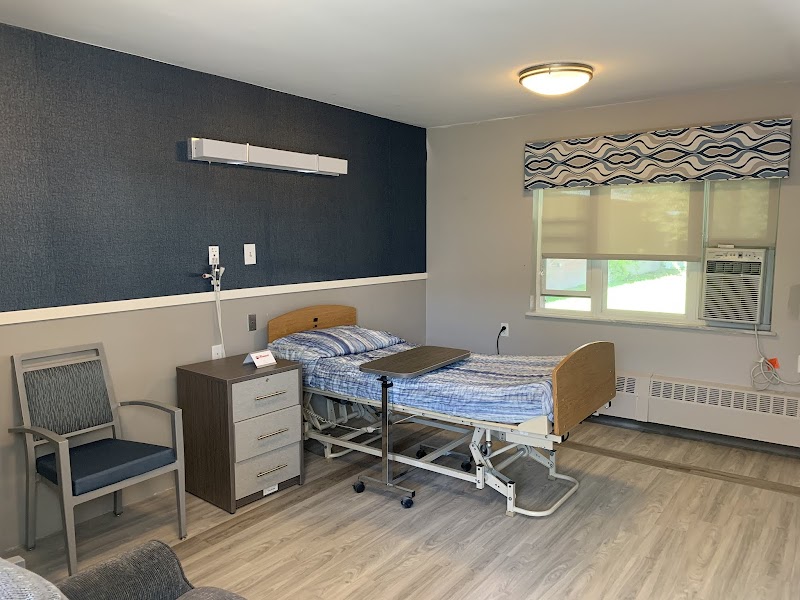
CONCERN (E)

Potential for Harm - no one hurt, but risky conditions existed

Deficiency F0886 (Tag F0886)

Could have caused harm · This affected multiple residents

**NOTE- TERMS IN BRACKETS HAVE BEEN EDITED TO PROTECT CONFIDENTIALITY** Based on observation, record review, and interview, the facility failed to perform COVID-19 (a mild to severe respiratory illnes...

Read full inspector narrative →
**NOTE- TERMS IN BRACKETS HAVE BEEN EDITED TO PROTECT CONFIDENTIALITY** Based on observation, record review, and interview, the facility failed to perform COVID-19 (a mild to severe respiratory illness that is caused by a coronavirus) testing according to current standards of practice and failed to maintain documentation of staff and resident COVID-19 testing. The facility census was 77. Findings are: A. An observation made on 3/27/23 at 7:50 AM revealed multiple COVID-19 Binax Now test cards lying spread out on the table in the conference room, each card on a separate Binax Now/[NAME] Card Rapid Test Result form with names and times on cards. Dietary Aide (DA) I at 5:40 AM, DA J at 6:15 AM, Laundry Aide (LA) K at 5:00 AM, Director of Admissions (DoA) L at 6:15 AM, and Personnel M at 5:21 AM. An interview with Licensed Practical Nurse (LPN) F on 3/27/23 at 7:50 AM confirmed that the test cards were for people who had come in that morning and tested themselves prior to going to work, that they had not been read yet and there were no results marked on the Binax Now/[NAME] Card Rapid Test Result forms. A review of the [NAME] BINAXNOWTM COVID ~19 AG CARD TEST HELPFUL TESTING TIPS revealed the following instructions: Visually read test results 15 to 30 minutes after the swab is inserted and the card is closed for processing. Results may be invalid if read before 15 minutes or after 30 minutes. Using a timer will assist with ensuring proper time is given for specimen processing. An interview with the ADON on 3/28/23 at 1:55 PM confirmed that the staff COVID-19 test cards had not been read within the 15-30 minute time frame required to ensure accuracy. The ADON further revealed that they were unable to provide an accurate record of employee testing, as many of the forms were missing dates, times, and /or signatures of the employee reading the tests, and that they were not sure they had them all. B. On 3/28/23 at 2:30 PM, the ADON brought in a stack of resident test reports and stated, they aren't all filled out right. -There were 34 forms dated 3/22/23, all marked negative. -There were 26 forms dated 3/24/23, 23 marked negative, 2 marked positive, and 1 not marked. -There were 9 forms dated 3/26/23, 2 marked negative, and 9 marked positive. -There were 20 forms dated 3/28/23, 17 marked negative, 2 not marked, and 1 new positive. -The facility census was 77.
CONCERN (F)

Potential for Harm - no one hurt, but risky conditions existed

Deficiency F0882 (Tag F0882)

Could have caused harm · This affected most or all residents

Based on interview and record review, the facility failed to employee an Infection Preventionist (IP, a facility staff member that looks for patterns, observes, and educates staff on infection control...

Read full inspector narrative →
Based on interview and record review, the facility failed to employee an Infection Preventionist (IP, a facility staff member that looks for patterns, observes, and educates staff on infection control, and compiles infection data for the facility) at least part-time, that was not the Director of Nursing (DON). This had the potential to affect all 77 residents in the facility. Total census was 77. Findings are: A record review of The Centers for disease Control and Prevention (CDC) Certificate dated 6/17/2021 revealed the facility's Infection Preventionist was the DON. In an interview on 3/28/23 at 2:27 PM, the Administrator confirmed that the DON was the full-time DON and the facility's only Infection Preventionist. The Administrator confirmed the facility did not have a different IP that was employed at least part-time.
CONCERN (F)

Potential for Harm - no one hurt, but risky conditions existed

Deficiency F0885 (Tag F0885)

Could have caused harm · This affected most or all residents

**NOTE- TERMS IN BRACKETS HAVE BEEN EDITED TO PROTECT CONFIDENTIALITY** Based on record review and interview; the facility staff failed to notify Resident 2's family or resident representative after R...

Read full inspector narrative →
**NOTE- TERMS IN BRACKETS HAVE BEEN EDITED TO PROTECT CONFIDENTIALITY** Based on record review and interview; the facility staff failed to notify Resident 2's family or resident representative after Resident 2 tested positive for COVID-19, and the facility failed to notify residents, families, and the resident representative by 5:00 PM the next calendar day following each time a confirmed COVID-19 infection was identified in the facility. The facility identified with a census of 77 at the time of survey. This had the potential to affect all residents. Findings are: A. A review of Resident 2's Binax Now/[NAME] Card Rapid Test Results form revealed that on 3/1/23 Resident 2 had a positive Rapid SARS=CoV-2 test. The review further revealed verification of the positive test by two nurses. A review of Resident 2's progress notes from 3/1/23 to 3/2/23 revealed Resident 2's family or representative had not been notified of Resident 2 testing positive for COVID-19. In an interview on 3/28/23 at 3:12 PM, the Administrator confirmed that Resident 2's family or representative should have been notified of Resident 2 testing positive for COVID-19. B. A review of testing logs of positive residents and staff revealed positive residents and staff were identified on the following dates: -3/22/23 Initial case resident was hospitalized and tested positive at the hospital. -3/24/23 Initiated outbreak testing and found 4 positive residents. -3/26/23 Found 8 positive staff and 10 positive residents. Families and resident representatives updated on COVID outbreak per call/message system. A review of the facility notifications sent to resident families and representatives revealed emails sent out on 3/26/23 at 9:28 PM. In an interview on 3/28/2 at 3:10 PM with the Assistant Director of Nurses (ADON) confirmed that emails were not sent out after each positive case.
Dec 2021 16 deficiencies 2 Harm
SERIOUS (G)

Actual Harm - a resident was hurt due to facility failures

Pressure Ulcer Prevention (Tag F0686)

A resident was harmed · This affected 1 resident

**NOTE- TERMS IN BRACKETS HAVE BEEN EDITED TO PROTECT CONFIDENTIALITY** C. Record review of the undated facility policy titled Skin Integrity Guideline revealed that the purpose of the guideline was t...

Read full inspector narrative →
**NOTE- TERMS IN BRACKETS HAVE BEEN EDITED TO PROTECT CONFIDENTIALITY** C. Record review of the undated facility policy titled Skin Integrity Guideline revealed that the purpose of the guideline was to provide a comprehensive approach for monitoring skin conditions, to decrease pressure ulcer and/or wound formation by identifying those residents who are at risk and implement appropriate interventions, and to promote healing of wounds of any etiology (cause) whether admitted (wound present on admission to the facility) or acquired (developed during the resident's stay in the facility). The Guideline revealed that the objectives were to decrease the prevalence and incidence of residents who develop pressure ulcers. The general guideline revealed that the facility develops a routine schedule to review residents with wounds, or at risk of developing wounds, on a weekly basis and will document findings. Wound status will be monitored on a weekly basis. The plan of care will address problems, goals, and interventions directed toward prevention of pressure ulcers and/or skin integrity concerns identified. The section titled Documentation and Care Interventions for Skin Integrity revealed that if identified at risk, the interventions will be documented in the comprehensive care plan (a written interdisciplinary comprehensive plan detailing how to provide quality care for a resident). Reposition every two hours, or as needed and tolerated. Record review of the admission Record (a document that gives a resident's information at a quick glance that can include contact details, a brief medical history and the patient's level of functioning) for Resident 9 revealed that Resident 9 admitted into the facility on 6/2/20. Diagnoses included Diabetes, dementia, and muscle weakness. Record review of the MDS for Resident 9 dated 4/20/21 revealed that Resident 9 was at risk for developing pressure ulcers. The MDS documented that Resident 9 did not have a pressure ulcer at the time of the assessment. The MDS revealed that Resident 9 required extensive assistance of 2 staff for bed mobility (how the resident turns side to side and positions the body while in bed or alternate sleep furniture) and transfers (how the resident moves between surfaces including to or from the bed, chair, wheelchair, and standing). Record review of the care plan for Resident 9 revealed that Resident 9 was at risk for skin breakdown (skin and tissue injury caused when tissue parts are pressed between two harder surfaces such as bone and whatever the resident is resting on) related to decreased mobility. The care plan directed that the nurse will check the skin weekly and report concerns to the primary care provider. Record review of the Braden Scale for Predicting Pressure Sore (ulcer) Risk (a resident assessment used to determine the amount of risk for development of pressure ulcers) for Resident 9 dated 6/23/21 revealed that the Braden Risk Scale Score for Resident 9 was 17 ( a score of 15-18 means the resident is at risk for developing pressure ulcers). Record review of the progress note for Resident 9 dated 6/30/21 at 3:54 AM revealed that the licensed nurse was called to the resident's room. Resident 9 was observed with an open area (pressure ulcer) on the coccyx measuring 1.6 centimeters (cm) by 0.6 cm. Await orders for wound treatment and continue to turn resident every 2 hours. Record review of the progress note for Resident 9 dated 6/30/21 at 3:01 PM revealed that a phone call was received from the physician's office with a new order for wound clinic consult due to the open area on the coccyx. Record review of the health record for Resident 9 from 4/2/21 through 12/16/21 revealed that the Weekly Skin Reviews documented for Resident 9 were completed on 4/2/21, 4/16/21 (2 weeks after the previous weekly skin review), 4/23/21, 4/30/21, 5/14/21 (2 weeks after the previous weekly skin review), 5/21/21, 5/28/21, 6/4/21, 6/11/21, 6/18/21, 6/25/21, 7/2/21, 7/9/21, 7/16/21, 8/6/21 (3 weeks after the previous weekly skin review), 8/20/21 (2 weeks after the previous weekly skin review), 9/3/21 (2 weeks after the previous weekly skin review), 9/17/21 (2 weeks after the previous weekly skin review), 10/15/21 (4 weeks after the previous weekly skin review), 10/31/21 (2 weeks and 2 days after the previous weekly skin review), and 11/10/21 (1 week and 3 days after the previous weekly skin review). The health record for Resident 9 contained no documentation of any Weekly Skin Reviews being performed for Resident 9 after 11/10/21. Record review of the health record for Resident 9 revealed that a Braden Scale for Predicting Pressure Sore Risk assessment for Resident 9 was performed on 8/23/21. The Braden Risk Scale Score for Resident 9 was now 13 (a score of 13-14 means the resident is at moderate risk for developing pressure ulcers). The resident was now assessed to be at higher risk for pressure ulcers than the previous assessment. The health record for Resident 9 contained no documentation of any Braden Scale for Predicting Pressure Sore Risk being performed after 8/23/21. Record review of the MDS for Resident 9 dated 8/31/21 revealed that Resident 9 required extensive assistance of 2 staff for bed mobility and was now dependent on the assist of 2 staff for transfers. The MDS documented that Resident 9 had a stage 3 (an identifier used to describe the type of skin tissues involved in the pressure ulcer wound) pressure ulcer and was receiving pressure ulcer care. Observation on 12/14/21 at 3:19 PM in the room of Resident 9 revealed that Resident 9 was lying on the resident's right side in the bed. RN-B and Licensed Practical Nurse-H (LPN-H) entered the room of Resident 9 to perform the ordered dressing change to the stage 3 pressure ulcer on the coccyx (bone at the base of the spine) of Resident 9. RN-B unhooked the resident's brief and lowered the brief to expose the wound on the coccyx. The pressure ulcer measured approximately 3 centimeters (cm) long by 2 cm wide with a depth of 0.3 cm per visual measurement. The skin around the wound was dark reddish-purple in color extending approximately 10 cm out from all edges of the wound. A scant amount of yellow colored slough (dead tissue) was noted in the upper portion of the open wound. Interview on 12/16/21 at 8:50 AM with the facility Director of Nursing (DON) in the DON office confirmed that the expectation for floor staff is to reposition a resident with a wound on the buttocks or coccyx at least every 1 to 2 hours to assist with healing of the wound. Observation on 12/15/21 at 10:11 AM in the room of Resident 9 revealed that Resident 9 was lying on the resident's back in the bed with the bed flat. Observation on 12/15/221 at 12:27 PM in the room of Resident 9 revealed that Nursing Assistant-G (NA-G) exited the resident's room carrying the meal tray. Resident 9 was lying on the resident's back in the bed with the head of the bed elevated approximately 70 degrees per visual measurement. Observation on 12/15/21 at 2:14 PM in the room of Resident 9 revealed that Resident 9 continued to lay on the resident's back. The head of the bed remained elevated at approximately 70 degrees per visual measurement. Observation on 12/15/21 at 2:25 PM revealed that Nursing Assistant-S (NA-S) and Nursing Assistant-T (NA-T) entered the room of Resident 9 and closed the door. NA-S and NA-T exited the resident room with a trash bag of soiled items at 2:33 PM. Observation on 12/15/21 at 2:34 PM in the room of Resident 9 revealed that Resident 9 was positioned lying on the resident's back in the bed with the head of the bed elevated approximately 25 degrees per visual measurement. Observation on 12/16/21 at 7:56 AM in the room of Resident 9 revealed that Nursing Assistant-I (NA-I) repositioned Resident 9 onto the resident's back. NA-I raised the head of the bed to approximately 45 degrees per visual measurement. Observation on 12/16/21 at 10:55 AM in the room of Resident 9 revealed that Resident 9 remained lying on the resident's back in the bed with the head of the bed elevated approximately 45 degrees per visual measurement. Interview on 12/15/21 at 2:28 PM with Medication Aide-F (MA-F) confirmed that Resident 9 has had the open area on the coccyx since at least June of 2021. MA-F revealed that Resident 9 has had the open pressure ulcer the whole time since MA-F started on the Memory Care unit. MA-F revealed that the MA-F was switched from the 100 hall to the Memory Care unit about 6 months ago. Interview on 12/15/21 at 8:05 AM with Nursing Assistant-I (NA-I) revealed that NA-I has worked on the Memory Care unit for about a year and 6 months. NA-I confirmed that Resident 9 has had the open pressure ulcer wound on the coccyx that has not healed for several months. Record review of the facility policy titled Wound Treatment Guidelines dated 05-17 revealed that to promote wound healing of various types of wounds, it is the facility policy to provide evidence-based treatments in accordance with current standards of practice and physician orders. Step 1. Wound treatments will be provided in accordance with physician orders, including the cleansing method, type of dressing, and frequency of dressing change. Step 5. Treatment decisions will be based on: a. Etiology (cause) of the wound b. Characteristics of the wound: i. Pressure injury stage. ii. Size- including shape, depth, and presence of tunneling (a tunnel that extends from the wound base underneath the skin) and/or undermining (a large wound with a small opening at the skin wound surface). iii. Volume and characteristics of exudate (fluid that oozes out of a wound). iv. Presence of pain. v. Presence of infection. vi. Presence of non-viable tissue. vii. Condition of peri-wound skin (the skin surrounding the wound). Step 8. The effectiveness of treatments will be monitored through ongoing assessment of the wound. Considerations for needed modifications include: a. Lack of progression towards healing. b. Changes in the characteristics of the wound. Record review of the health record for Resident 9 revealed that the only facility Weekly Wound Evaluations completed for Resident 9 during 2021 were documented on 11/23/21 and 12/14/21. The Weekly Wound Evaluation documented on 11/23/21 occurred 20 weeks and 6 days after the stage 3 pressure ulcer on the resident's coccyx was identified. Record review of the Weekly Wound Evaluation dated 11/23/21 revealed that Resident 9 had a stage 3 pressure ulcer acquired while in the facility. The measurements of the pressure ulcer were documented as 2.5 cm in length and 2.5 cm in width with 0 cm depth. Record review of the Progress Notes for Resident 9 written after 6/30/21 (when the stage 3 pressure ulcer was first documented) revealed a Progress Note dated 8/14/21 at 3:42 PM. The Progress Note revealed that [NAME] (a moisture barrier to promote healing) was applied to the wound on the coccyx and a foam (dressing) was applied. Turning the resident on sides to keep pressure off of the coccyx. The note contained no measurements or description of the pressure ulcer. Record review of the Weekly Skin Review for Resident 9 dated 8/20/21 documented that Resident 9 had a 2 cm diameter sore on the coccyx. The assessment contained no other description of the pressure ulcer wound. Record review of the Progress Note for Resident 9 dated 8/29/21 at 11:35 AM revealed a stage 3 pressure ulcer on the resident's coccyx. The note revealed that a fax was sent to the medical provider requesting treatment orders. Resident positioned side to side to avoid further pressure to the area. The note contained no measurements or description of the pressure ulcer. Record review of the Weekly Skin Review for Resident 9 dated 9/3/21 documented only that the sore on the coccyx was 2 cm in diameter. Treatment was applied as ordered. The assessment contained no other description of the pressure ulcer wound. Record review of the Weekly Skin Review for Resident 9 dated 9/17/21 documented the open area to the coccyx covered with an intact bandage. The assessment contained no measurements or description of the pressure ulcer wound. Record review of the Progress Note for Resident 9 dated 10/5/21 at 12:32 AM revealed that the pressure ulcer was noted with minimal serous (pale yellow body fluid) drainage. The note contained no measurements of the pressure ulcer. Record review of the Progress Note for Resident 9 dated 10/7/21 at 3:12 AM revealed that the pressure ulcer is a stage 3 with moderate slough covering the wound. The note documented that the pressure ulcer measured approximately 4 cm by 4 cm. Record review of the Weekly Skin Review for Resident 9 dated 10/15/21 documented the pre-existing open area. The assessment documented that the open area on the coccyx was 4 cm (in length) by 4 cm (in width) x 1.5 cm (deep). The assessment documented an additional open area to the left of the first wound measuring 0.5 cm by 0.5 cm by 0.2 cm. The assessment contained no other description of the pressure ulcer wounds. Record review of the Progress Note for Resident 9 dated 10/26/21 at 4:27 PM revealed that Resident 9 had an on-going open area on the coccyx. The note contained no measurements or description of the pressure ulcer. Record review of the Progress Note for Resident 9 dated 10/31/21 at 12:18 AM revealed that Resident 9's coccyx was assessed. The note revealed that there was a 15.4 cm reddened non-blanchable (pressing one's finger on the area does not force blood out of the capillaries and make the skin paler or white. This indicates injury to the tissue) with three 1.5 cm opened areas in the middle with yellow drainage. Record review of the Weekly Skin Review for Resident 9 dated 10/31/21 documented the pre-existing open area. The assessment documented that Resident 9's coccyx was noted to have a 15 cm by 15 cm bright red area. The assessment documented that open area number 1 was 1.2 cm by 1 cm and that the center contained yellow slough. Open area number 2 was 0.5 cm by 0.7 cm. The treatment to the open areas continue. Record review of the Weekly Skin Review for Resident 9 dated 11/10/21 documented that Resident 9's right hand little finger fingernail was falling off. The assessment contained no documentation of the resident's pressure ulcer on the coccyx . Record review of the Progress Note for Resident 9 dated 12/13/21 revealed that Resident 9 was seen at the wound clinic (The medical provider had ordered that Resident 9 have a wound clinic consult on 6/30/21 which was 23 weeks and 5 days ago). An order was received to irrigate the site with normal saline (a salt water mixture), skin prep (a liquid film-forming dressing that protects intact skin) the periwound skin, Silvercel (a sterile antimicrobial dressing) to the site, cover with a sacral border dressing (a foam dressing used for pressure ulcers on the coccyx) and change daily and as needed. Interview on 12/16/21 at 8:43 AM with the facility Director of Nursing (DON) in the DON office confirmed that weekly skin checks are to be performed and documented weekly in the electronic health record (EHR) Weekly Skin Review assessment. The DON revealed that weekly skin review assessments are a problem and have not been getting done. The DON confirmed that the Weekly Skin Review assessment is expected to be done weekly. The DON confirmed that the expectation is for wounds including pressure ulcers to be monitored and assessed weekly. The DON confirmed that the expectation is that the documentation is to include the measurements and description of the wound. The DON revealed that during dressing changes the nurse is to make a note if they observe any changes to the wound and make a note in the resident record. Interview on 12/16/21 at 11:02 AM with Registered Nurse-B (RN-B) confirmed that Resident 9 has had the stage 3 pressure ulcer on the coccyx that has remained unhealed since 6/30/21. RN-B confirmed that the pressure ulcer was facility acquired. RN-B revealed that RN-B recently followed up as to why Resident 9 had not been seen by the wound care consult as ordered on 6/30/21. RN-B revealed that an appointment for 12/13/21 was made for Resident 9 to receive the wound care consult. RN-B confirmed that the first wound care consult for the stage 3 pressure ulcer on Resident 9 occurred on 12/13/21 and should have occurred when ordered on 6/30/21. LICENSURE REFERENCE NUMBER 175 NAC 12-006.09D2a LICENSURE REFERENCE NUMBER 175 NAC 12-006.09D2b Based on observation, interview, and record review; the facility failed to implement measures to prevent pressure ulcers for Resident 9 and to promote healing of facility acquired pressure ulcers (a pressure ulcer/injury is localized injury to the skin and/or underlying tissue, usually over a bony prominence, as a result of intense and/or prolonged pressure or pressure in combination with shear. The pressure ulcer/injury can present as intact skin or an open ulcer and may be painful) for Residents 52 and 56. The facility also failed to document wound monitoring of an identified pressure ulcer for 3 residents (Residents 52, 56, and 9) which had the potential to affect the physician treatment decisions for any changes in the pressure ulcer This affected 3 of 9 sampled residents. The facility identified a census 85. Findings are: A. Review of Resident 52's Quarterly MDS (Minimum Data Set-a comprehensive assessment tool used to develop a resident's care plan) dated 10/22/2021 revealed an admission date of 3/21/2015. Resident 52 had a BIMS (Brief Interview for Mental Status) score of 6 which indicated severe cognitive impairment. Resident 52 required extensive assistance from staff for bed mobility, locomotion on and off unit, toilet use, and personal hygiene. Resident 52 was at risk of developing pressure ulcers/injuries. Resident 52 had no unhealed pressure ulcers. Observation of Resident 52 on 12/15/21 at 7:19 AM, 12/15/21 at 8:30 AM, 12/15/21 at 9:06 AM, 12/15/21 at 9:30 AM, 12/15/21 at 10:20 AM, 12/15/21 at 12:49 PM, 12/15/21 at 12:59 PM, 12/15/21 at 1:57 PM, 12/15/21 at 2:22 PM, revealed Resident 52 was resting in bed on their back. Observation of Resident 52 on 12/15/21 at 10:20 AM revealed they were resting in bed. At 10:21 AM, RN-V (Registered Nurse), completed a dressing change for Resident 52. Resident 52 was assisted to their right side in bed. After the soiled dressing was removed, Resident 52 was observed to have an open area on the coccyx and the left buttock. The area on the coccyx was approximately ½ cm (centimeter) in diameter and the area to the left buttock was oblong, approximately 6 cm long by 4 cm wide and had an appearance of a blister that had broken and the top layer of the skin was gone, exposing the skin underneath; the area was raw and white and was non-blanchable (skin that does not lose its redness with pressure). RN-V did not measure the areas. Both areas presented as Stage II upon observation (partial thickness loss of dermis presenting as a shallow open ulcer with a red-pink wound bed, without slough or bruising. May also present as an intact or open/ ruptured blister.) Review of Resident 52's Weekly Skin Reviews revealed they were completed on the following dates: 11/25/2021 10/13/2021 9/22/2021 9/15/2021 9/1/2021 8/25/2021 8/18/2021 8/4/2021 7/28/2021 7/21/2021 7/14/2021 6/30/2021 6/9/2021 6/2/2021 5/26/2021 There was no documentation the weekly skin reviews were completed weekly. Review of Resident 52's Weekly Skin Review dated 11/25/2021 revealed documentation of multiple open areas to right buttock. Full thickness, treating per orders. There was no documentation of measurements or characteristics including staging of the open areas. Review of Resident 52's Weekly Skin Review dated 0/13/2021 revealed documentation of Residents scrotum area continues to be red/excoriated, continue to treat per orders. No other areas of concern noted at this time. Skin is otherwise warm, dry and intact throughout. There was no documentation a weekly skin review had been completed since the open wounds were documented on Resident 52's right buttock on 11/25/2021 and no documentation of a weekly skin review regarding the open area to Resident 52's coccyx or left buttock. Review of Resident 52's Progress Notes revealed the following documentation: -On 12/14/2021 it was documented Resident 52 had a wound to the right buttock; -On 12/12/2021; 12/11/2021; 12/10/2021; 12/7/2021; 12/6/2021; 12/5/2021; 12/3/2021; 12/2/2021; 11/28/2021, and 11/27/2021; it was documented that Resident 52 had a wound to buttocks. There was no documentation of the size, stage, or description of the wound, or exact location. On 11/25/20221 it was documented Resident 52 had multiple open areas to right buttock, full thickness. There was no documented of the size, stage, or characteristics including depth and location other than to right buttock. It was documented a standing wound order was placed in the TAR (Treatment Administration Record). (Standing orders are written protocols that authorize designated members of the health care team (e.g., nurses or medical assistants) to complete certain clinical tasks without having to first obtain a physician order). -On 11/29/2021, 12/1/2021, 12/2/2021, 12/3/2021, 12/4/2021 it was documented Resident 52 had a wound to the coccyx. There was no documentation of size, stage, or characteristics of the wound. There was no documentation regarding the wound on the coccyx after 12/4/2021. -On 12/1/2021 and 11/30/2021 it was documented wounds remain unchanged at this time. There was no documentation of location, size, or characteristics of the wounds. -On 11/27/2021 it was documented wound continues to be open. On 11/28/2021, it was documented wounds continue to be open. There was no documentation of the location, size, or characteristics of the wounds. On 11/29/2021 it was documented Resident 52 had a wound on their bottom. There was no documentation of the size, characteristics, or location. Review of Resident 52's Progress Notes revealed no documentation the medical provider was notified of the pressure ulcers/open wounds to Resident 52's left buttock and coccyx. There was also no documentation of any measurements or characteristics of the pressure ulcers to determine if they were healing. There was also no documentation of the size or characteristics of the wounds on Resident 52's buttocks or coccyx. Review of Resident 52's Order Summary Report dated 12/15/2021 revealed the following orders: -Calmoseptine to open area to right scrotum TID three times a day -Wound Care: Cleanse area to right buttock with NS (Normal Saline), Pat dry, Apply Calmoseptine (ointment) and cover with foam dressing/boarding foam. Change BID (twice a day) and PRN (as needed) until resolved; every day and night shift for Wound care Active 11/25/2021. There was no documentation of a treatment order for the open area on Resident 52's coccyx or the left buttock. Review of Resident 52's Weekly Skin Review dated 11/25/2021 revealed the following documentation: Multiple open areas to right buttock. Full thickness, treating per orders 10/13/2021: Residents scrotum area continues to be red/excoriated, continue to treat per orders. There was no documentation of size, stage, or characteristics of the wounds. Review of Resident 52's Medical Record revealed no documentation of any other type of skin or wound assessment. Review of Resident 52's Care Plan revealed the following: -Resident 52 is at risk for altered skin integrity related to: decreased mobility, extensive assist with bed mobility, incontinence of B&B Refuses cares at times. Resident 52 gets redness/excoriation to scrotum at times. 12/9/21 -Resident 52 currently has open areas to buttocks Date Initiated: 04/14/2017 Created on: 04/14/2017 Revision on: 12/09/2021 -Affected area will heal without complications. Treatments will be applied as ordered until open areas to buttocks are resolved -Administer treatments per MD orders. Date Initiated: 05/20/2020 Created on: 05/20/2020 -Complete Braden Scale per facility policy Date Initiated: 04/14/2017 Created on: 04/14/2017 Revision on: 05/31/2019 -Conduct weekly skin inspection Date Initiated: 04/14/2017 Created on: 04/14/2017 -Float heels as Resident 52 allows. Date Initiated: 10/24/2017 Created on: 10/24/2017 Revision on: 05/13/2021 -Monitor for signs and symptoms of infection such as swelling, redness, warm, discharge, odor notify physician of significant findings Date Initiated: 12/09/2021 Created on: 12/09/2021 -Provide pressure reducing wheelchair cushion Date Initiated: 04/14/2017 Created on: 04/14/2017 -Provide pressure reduction/relieving mattress Date Initiated: 04/14/2017 Created on: 04/14/2017 -Provide thorough skin care after incontinent episodes and apply barrier cream Date Initiated: 04/14/2017 Created on: 04/14/2017 -Treatments as ordered. Wound Care: Cleanse area to right buttock with NS, Pat dry, Apply Calmoseptine and cover with foam dressing/boarding foam. Change BID and PRN until resolved Date Initiated: 12/09/2021 Created on: 12/09/2021 Revision on: 12/09/2021 -Turning and reposition as Resident 52 will allow Date Initiated: 10/24/2017 Created on: 10/24/2017 Revision on: 05/31/2019 Review of Resident 52's Braden Assessments revealed they were completed on 9/2/2021, 6/2/2021, and 3/2/2021 and indicated Resident 52 had moderate risk. There was no documentation the Braden Scale had been completed since 9/2/2021. Review of Resident 52's Physician's Order Form dated 11/10/2021 revealed the following: 60 day recertification (visit). No new orders. There was no documentation Resident 52 had been seen by the medical provider since 11/10/2021 or that the medical provider was notified about the open areas to Resident 52's coccyx and left buttock. B. Review of Resident 56's Quarterly MDS dated [DATE] revealed an admission date of 1/10/2019. Resident 56 had a BIMS score of 12 which indicated moderate cognitive impairment. Resident 56 required extensive assistance from staff for bed mobility, dressing, toilet use, and personal hygiene. Primary medical condition: fractures and other multiple trauma; displaced spiral fracture shaft of right femur (upper leg bone). Resident 56 was at risk to develop pressure ulcers. Resident 56 had no unhealed pressure ulcers at the time of the assessment. Interview with Resident 56 on 12/13/21 at 2:02 PM revealed they had an open sore on their buttock. Observation of Resident 56 on 12/14/21 at 2:06 PM; 12/14/21 at 3:05 PM; 12/15/21 at 7:19 AM; 12/15/21 at 12:30 PM; 12/15/21 at 1:05 PM; 12/15/21 at 1:55 PM revealed Resident 56 was resting in bed on their back. Observation of Resident 56 on 12/14/2021 at 3:09 PM revealed RN-A and RN-N entered the room of Resident 56. RN-A reported the open area to Resident 56's bottom was healed and they had a call out to the MD to get the treatment discontinued. RN-A pulled Resident 56's covers down as Resident 56 was in bed. Resident 56 was wearing a brief; RN-A lowered the brief and RN-N helped Resident 56 roll over to their left side in bed. There was white cream on Resident 56's bottom; RN-A wiped off the cream with pre-moistened wipes. There was an unhealed dark scabbed un-stageable (Unstageable Pressure Ulcers Related to Slough and/or Eschar- Dead or devitalized tissue that is hard or soft in texture; usually black, brown, or tan in color, and may appear scab-like. Necrotic tissue and eschar are usually firmly adherent to the base of the wound and often the sides/ edges of the wound) area observed to Resident 56's left buttock about the size of a quarter. RN-A wiped Resident 56's bottom, applied barrier cream, and re-applied the brief. RN-A did not measure the pressure area on Resident 56's left buttock. Review of Resident 56's Weekly Skin Review dated 11/28/2021 revealed the following documentation: skin intact. Review of Resident 56's Weekly Skin Review dated 12/5/2021 revealed the following documentation: Excoriated/Open area to coccyx, treating per orders. There was no documentation of wound measurements or characteristics of the wound. Review of Resident 56's Weekly Skin Review dated 12/12/2021 revealed the following documentation: continue to treat coccyx per orders. No other concerns noted at this time. There was no documentation of wound measurements or characteristics of the wound. There was no documentation of the un-stageable pressure ulcer/wound to Resident 56's left buttock. Review of Resident 56's Progress Notes for 1/10/2019 to 12/14/2021 revealed the following documentation: On 11/29/2021 it was documented Resident 56 had an open area to the coccyx. On 11/12/2021 it was documented Resident 56 had an open area to the coccygeal (tailbone) area about a quarter size. On 11/10/2021 it was documented Resident 56 had an open area to the right buttock cheek 2 cm in diameter with a depth of 0.1. There was no further documentation in Resident 56's Progress Notes of the open area to Resident 56's right buttock after 11/10/2021. There was no documentation of the open area to Resident 56's coccyx after 11/29/2021 or from 11/12/2021 to 11/29/2021 and there was no documentation of the un-stageable wound to Resident 56's left buttock. On 11/7/2021 it was documented Resident 56 had an excoriated/open area to top of gluteal cleft (groove between the buttocks). There was no documentation of measurements or characteristics of the open area. There was no documentation the medical provider was notified of the open areas to Resident 56's buttocks or coccyx. Review of Resident 56's Order Summary Report dated 12/14/2021 revealed the following orders: Apply moisture barrier cream to coccyx BID and PRN as needed for replenish dry skin area Active 04/03/2020 Apply moisture barrier cream to coccyx BID and PRN every morning and at bedtime for replenish dry skin area Active 04/03/202[TRUNCATED]
SERIOUS (G)

Actual Harm - a resident was hurt due to facility failures

Deficiency F0692 (Tag F0692)

A resident was harmed · This affected 1 resident

**NOTE- TERMS IN BRACKETS HAVE BEEN EDITED TO PROTECT CONFIDENTIALITY** LICENSURE REFERENCE NUMBER 175 NAC 12-006.09D8b Based on observation, interview, and record review; the facility staff failed to...

Read full inspector narrative →
**NOTE- TERMS IN BRACKETS HAVE BEEN EDITED TO PROTECT CONFIDENTIALITY** LICENSURE REFERENCE NUMBER 175 NAC 12-006.09D8b Based on observation, interview, and record review; the facility staff failed to implement interventions to ensure resident nutritional status was maintained including monitoring and preventing weight loss and implementing nutritional interventions to promote the healing of pressure ulcers for 3 of 12 sampled resident (Resident 52, Resident 56, and Resident 38). The facility identified a census of 85 at the time of survey. Findings are: A. Review of Resident 52's Quarterly MDS (Minimum Data Set-a comprehensive assessment tool used to develop a resident's care plan) dated 10/22/2021 revealed an admission date of 3/21/2015. Resident 52 had a BIMS (Brief Interview for Mental Status) score of 6 which indicated severe cognitive impairment. Resident 52 required extensive assistance from staff for bed mobility, locomotion on and off unit, toilet use, and personal hygiene. Resident 52 required supervision and set up help from staff for eating. Resident 52's height was 66 inches and their weight was 167 pounds. No or unknown weight loss or gain was indicated. Observation of Resident 52 on 12/15/21 at 10:20 AM revealed they were resting in bed. At 10:21 AM, RN-V (Registered Nurse), completed a dressing change for Resident 52. Resident 52 was assisted to their right side in bed. After the soiled dressing was removed, Resident 52 was observed to have an open area on the coccyx and the left buttock. The area on the coccyx was approximately ½ cm in diameter and the area to the left buttock was oblong, approximately 6 cm long by 4 cm wide and had an appearance of a blister that had broken and the top layer of the skin was gone, exposing the skin underneath; the area was raw and white and was non-blanchable (skin that does not lose its redness with pressure). Both areas presented as Stage II upon observation (partial thickness loss of dermis presenting as a shallow open ulcer with a red-pink wound bed, without slough or bruising. May also present as an intact or open/ ruptured blister.) Review of Resident 52's Order Summary Report dated 12/15/2021 revealed the following diet order: Regular diet Dysphasia (difficulty swallowing) texture, Nectar consistency, Level 2. Active 06/11/2020. There was no documentation Resident 52 was receiving a dietary supplement due to weight loss or skin breakdown. Review of Resident 52's Weights and Vitals Summary report dated 12/14/2021 revealed the following: -12/13/2021 at 10:56 137.0 Lbs. MDS: -5.0% change over 30 day(s) [Comparison Weight 11/11/2021, 151.0 Lbs., -9.3%, -14.0 Lbs.] MDS: -10.0% change over 180 day(s) [Comparison Weight 6/21/2021, 158.6 Lbs., -13.6%, -21.6 Lbs.] -3.0% change over 30 day(s) [Comparison Weight 11/11/2021, 151.0 Lbs., -9.3%, -14.0 Lbs.] -5.0% change [Comparison Weight 11/25/2021, 152.0 Lbs., -9.9%, -15.0 Lbs.] -7.5% change [Comparison Weight 9/16/2021, 173.0 Lbs., -20.8%, -36.0 Lbs.] -10.0% change [Comparison Weight 6/21/2021, 158.6 Lbs., -13.6%, -21.6 Lbs.] -12/2/2021 at 12:56 141.0 Lbs. MDS: -5.0% change over 30 day(s) [Comparison Weight 11/4/2021, 151.0 Lbs., -6.6%, -10.0 Lbs.] MDS: -10.0% change over 180 day(s) [Comparison Weight 6/5/2021, 158.6 Lbs., -11.1%, -17.6 Lbs.] -3.0% change from last weight [Comparison Weight 11/25/2021, 152.0 Lbs., -7.2%, -11.0 Lbs.] -3.0% change over 30 day(s) [Comparison Weight 11/4/2021, 151.0 Lbs., -6.6%, -10.0 Lbs.] -5.0% change [Comparison Weight 11/4/2021, 151.0 Lbs., -6.6%, -10.0 Lbs.] -7.5% change [Comparison Weight 9/9/2021, 172.4 Lbs., -18.2%, -31.4 Lbs.] -10.0% change [Comparison Weight 6/5/2021, 158.6 Lbs., -11.1%, -17.6 Lbs.] -11/25/2021 at 15:38 152.0 Lbs. -11/11/2021 at 13:18 151.0 Lbs. -11/4/2021 at 15:12 151.0 Lbs. -10/14/2021 at 14:18 167.0 Lbs. -3.0% change over 30 day(s) [Comparison Weight 9/16/2021, 173.0 Lbs., -3.5%, -6.0 Lbs.] 10/7/2021 15:49 167.0 Lbs. -3.0% change over 30 day(s) [Comparison Weight 9/9/2021, 172.4 Lbs., -3.1%, -5.4 Lbs.] -9/30/2021 at 15:23 171.0 Lbs. -9/16/2021 at 11:00 173.0 Lbs. -9/9/2021 at 13:34 172.4 Lbs. -9/2/2021 at 15:24 173.0 Lbs. -8/26/2021 at 15:24 171.0 Lbs. -8/19/2021 at 15:36 170.0 Lbs. -8/12/2021 at 18:14 169.0 Lbs. -8/5/2021 at 12:52 167.0 Lbs. -7/29/2021 at 14:44 168.0 Lbs. -7/22/2021 at 14:54 165.0 Lbs. -7/8/2021 at 14:17 164.0 Lbs. -6/24/2021 at 16:46 159.0 Lbs. -6/21/2021 at 11:55 158.6 Lbs. -6/5/2021 at 14:59 158.6 Lbs. -5/13/2021 at 15:23 158.2 Lbs. -5/11/2021 at 14:35 158.9 Lbs. -4/29/2021 at 12:49 159.2 Lbs. -4/8/2021 at 14:11 159.5 Lbs. -4/1/2021 at 13:56 169.7 Lbs. -3/4/2021 at 12:36 169.0 Lbs. -2/27/2021 at 16:05 168.0 Lbs. -2/25/2021 at 15:07 169.0 Lbs. -2/22/2021 at 13:59 168.0 Lbs. -2/11/2021 at 18:15 168.0 Lbs. -1/28/2021 at 15:51 175.6 Lbs. -1/21/2021 at 13:18 176.0 Lbs. -1/18/2021 at 10:16 175.6 Lbs. -12/17/2020 at 16:20 174.5 Lbs. Review of Resident 52's Care Plan revealed the following: -Nutritional risk Date Initiated: 06/30/2017 Created on: 03/13/2017 Revision on: 09/16/2021 -Resident 52 will consume at least 75% of 2 out of 3 meals daily through next review Date Initiated: 11/29/2019 Created on: 03/13/2017 Revision on: 11/11/2021 Target Date: 02/15/2022 -Food intake will be recorded each meal Date Initiated: 05/24/2020 Created on: 05/24/2020 Revision on: 07/08/2020 -Obtain and observe weight as ordered or per facility protocol. Weight may fluctuate due to use of a diuretic. Date Initiated: 06/30/2017 Created on: 03/13/2017 Revision on: 04/25/2019 -Provide cueing and/or assistance with meals as needed. Date Initiated: 06/30/2017 Created on: 03/13/2017 Revision on: 04/25/2019 -Provide divided plate and cups with lids during meals for ease of dining. Date Initiated: 06/30/2017 Created on: 03/13/2017 Revision on: 05/24/2020 -Provide food preferences as available. Resident likes meats, seafood, mashed potatoes and gravy. Date Initiated: 08/23/2018 Created on: 08/23/2018 Revision on: 04/25/2019 -Provide supplement as ordered. Magic cup BID 9/16/21 RD recommend to d/c r/t not consuming Magic cup d/c'd on 10/4/21 Date Initiated: 05/29/2019 Created on: 05/29/2019 Revision on: 10/29/2021 -Regular, Dysphagia (level 2), nectar thick fluid diet Date Initiated: 06/30/2017 Created on: 03/13/2017 Revision on: 06/14/2021 -Snacks at HS and PRN. Date Initiated: 06/30/2017 Created on: 03/13/2017 Revision on: 04/25/2019 -EATING: Resident 52 requires supervision by staff for participation to eat. Date Initiated: 04/14/2017 Created on: 04/14/2017 Revision on: 04/25/2019 Review of Resident 52's Nutrition Notes revealed the following: 11/18/2021 at 10:33 Nutrition: Resident has an interesting weight history. Their weight dropped 16 pounds in 3 weeks. Present weight is satisfactory with BMI of 24.4. Remains in dysphagia diet with nectar liquids. Intake varies widely. Will continue to monitor weight to determine if further interventions are appropriate. There was no documentation Resident 52 had a nutrition review since 11/18/2021 and there was no documentation Resident 52's medical provider had been notified of Resident 52's weight loss. Review of Resident 52's Documentation Survey reports for October, November, and December 2021 revealed Resident 52's meal intakes were not being documented for every meal: 12/5/21 no documentation of intake for breakfast, lunch, supper; 12/6 and 12/7 no documentation of supper; 12/8-no documentation of breakfast and lunch; 12/11- no documentation of breakfast, lunch, supper; 12/12 and 12/13-no documentation of breakfast and lunch intake. Review of Resident 52's Physician's Order Form dated 11/10/2021 revealed Resident 52 was seen by the MD for a 60 day recertification visit. There were no new orders. There was no weight documented on the form and no documentation the MD had been notified of Resident 52's weights. Review of Resident 52's Progress Notes revealed the following documentation: -11/18/2021 at 10:33 Nutrition: Resident has an interesting weight history. Their weight dropped 16 pounds in 3 weeks. Will continue to monitor weight to determine if further interventions are appropriate. -11/15/2021 at 18:44 Nursing: Received 60 day recertification visit from Dr. No new orders. -10/4/2021 at 16:01 Nursing: DC'd (discontinued) magic cup r/t RDN (Registered Dietician) recommendation and approval of PCP (Primary Care Provider). There was no documentation Resident 52 was out of the facility during the times their meal intake was not documented. B. Review of Resident 56's Quarterly MDS dated [DATE] revealed an admission date of 1/10/2019. Resident 56 had a BIMS score of 12 which indicated moderate cognitive impairment. Resident 56 required extensive assistance from staff for bed mobility, dressing, toilet use, and personal hygiene. Primary medical condition: fractures and other multiple trauma; displaced spiral fracture shaft of right femur (upper leg bone). Resident 56 was at risk to develop pressure ulcers. Resident 56 had no unhealed pressure ulcers at the time of the assessment. Resident 56 required supervision and set up help for eating. Resident 56's height was 64 inches. No weight was recorded. Weight loss was marked no or unknown. Mechanically altered diet was received while a resident. Interview with Resident 56 on 12/13/21 at 2:02 PM revealed they had an open sore on their buttock and Resident 56 revealed they had lost quite a bit of weight. I think I am down to 116 pounds. Observation of Resident 56 on 12/14/21 at 2:06 PM; 12/14/21 at 3:05 PM; 12/15/21 at 7:19 AM; 12/15/21 at 12:30 PM; 12/15/21 at 1:05 PM; 12/15/21 at 1:55 PM revealed Resident 56 was resting in bed. Observation of Resident 56 on 12/14/2021 at 3:09 PM revealed RN-A (Registered Nurse) and RN-N entered the room of Resident 56. RN-A reported the open area to Resident 56's bottom was healed and they had a call out to the MD to get the treatment discontinued. RN-A pulled Resident 56's covers down as Resident 56 was in bed. Resident 56 was wearing a brief; RN-A lowered the brief and RN-N helped Resident 56 roll over to their left side in bed. There was white cream on Resident 56's bottom; RN-A wiped off the cream with pre-moistened wipes. There was an unhealed dark scabbed un-stageable (Unstageable Pressure Ulcers Related to Slough and/or Eschar-ESCHAR TISSUE Dead or devitalized tissue that is hard or soft in texture; usually black, brown, or tan in color, and may appear scab-like. Necrotic tissue and eschar are usually firmly adherent to the base of the wound and often the sides/ edges of the wound) area observed to Resident 56's left buttock about the size of a quarter. RN-A wiped Resident 56's bottom, applied barrier cream, and re-applied the brief. RN-A did not measure the pressure area on Resident 56's left buttock. Observation of Resident 56 on 12/15/2021 at 9:13 AM revealed they were resting in bed and did not have any food. Interview with RN-A at this time revealed Resident 56 never ate breakfast. Observation of Resident 56 on 12/15/21 at 1:05 PM revealed Resident 56 was resting in bed. There was a tray of food and drinks on the bedside table next to their bed. Resident 56 revealed they had not eaten anything. Review of Resident 56's Order Summary Report revealed the following: Regular diet Mechanical Soft texture, Regular consistency, Level 3. Pt must be in chair for all meals and snacks. Active 06/16/2020 06/16/2020. There was no documentation of nutritional supplement orders. Review of Resident 56's Weights and Vitals Summary report dated 12/14/2021 revealed the following weights listed by date: -11/18/2021 at 11:12 110.0 Lbs. -09/1/2021 at 13:40 105.7 Lbs. -06/5/2021 at 14:58 108.8 Lbs. -04/7/2021 at 14:32 107.5 Lbs. -01/18/2021 at 10:16 108.3 Lbs. -12/10/2020 at 09:03 110 Lbs. -10/09/2020 at 15:01 108.6 Lbs. -09/30/2020 at 11:36 109 Lbs. -08/01/2020 at 15:05 110.4 Lbs. -07/29/2020 at 20:26 108.5 Lbs. -07/22/2020 at 20:57 108.5 Lbs. -07/08/2020 at 20:08 109.2 Lbs. -07/01/2020 at 16:45 108.8 Lbs. -05/06/2020 at 20:09 109 Lbs. -05/05/2020 at 15:58 109.1 Lbs. -04/07/2020 at 12:10 110.5 Lbs. -03/26/2020 at 15:24 112.5 Lbs. -02/22/2020 at 22:25 114.5 Lbs. -02/11/2020 at 08:10 113.5 Lbs. -01/31/2020 at 13:14 112 Lbs. -01/09/2020 at 12:55 116.5 Lbs. -12/23/2019 at 12:17 120.7 Lbs. -10/17/2019 at 11:47 123.5 Lbs. -09/16/2019 at 15:15 127.5 Lbs. -08/09/2019 at 10:26 128.5 Lbs. -07/15/2019 at 11:39 131 Lbs. -06/13/2019 at 15:12 128.5 Lbs. -05/18/2019 at 14:58 130.5 Lbs. -05/14/2019 at 12:48 138.4 Lbs. -05/13/2019 at 16:23 132.5 Lbs. -05/13/2019 at 12:44 132.5 Lbs. -04/29/2019 at 12:57 132.5 Lbs. -04/09/2019 at 13:59 135 Lbs. -03/26/2019 at 13:59 135 Lbs. -03/22/2019 at 11:39 134 Lbs. -03/05/2019 at 13:59 139 Lbs. -02/21/2019 at 18:30 144.5 Lbs. -02/19/2019 at 14:06 142.5 Lbs. -02/19/2019 at 08:15 142.5 Lbs. -02/13/2019 at 15:52 134.5 Lbs. -01/10/2019 at 16:54 142.9 Lbs. -There was no documentation Resident 56 been weighed since 11/18/2021 to ensure Resident 56 had maintained their weight and to ensure they had not any further weight loss. Resident 56 had a 23% weight loss since they were admitted to the facility. Review of Resident 56's MDS schedule revealed Resident 56 had not been out of the facility since 10/22/2021 and was available to be weighed. Review of Resident 56's Consultation/Clinic Referral dated 12/10/2021 revealed Resident 56's weight was listed at 110 pounds. There was no documentation Resident 56's weight loss was documented on the form. Review of Resident 56's Care Plan dated 1/31/2019 revealed the following: -Staff will provide diet as ordered: regular mechanical soft. Date Initiated: 01/31/2019 Created on: 01/31/2019 Revision on: 04/25/2019 -Staff will report any difficulty chewing or swallowing food to dietician and primary care provider for further intervention. Date Initiated: 01/31/2019 Created on: 01/31/2019 Revision on: 04/25/2019 -Eating: independent with set-up. Per ST, Resident 56 must be sitting up for meals to promote safe swallowing. Resident 56 refuses to get out of bed for meals, but does allow staff to position their in bed with their head up. RCS NSG Date Initiated: 04/18/2019 Created on: 01/11/2019 Revision on: 04/17/2021 Resident 56 has nutritional problem Date Initiated: 01/11/2019 Created on: 01/11/2019 Revision on: 10/03/2020 -Resident 56 will consume at least 75% of 2 meals per day Date Initiated: 01/27/2020 Created on: 01/11/2019 Revision on: 09/26/2021 Target Date: 12/28/2021 -Resident 56 often declines to eat one meal per day per their preference. Date Initiated: 04/24/2020 Created on: 04/24/2020 -Food/fluid intake will be recorded each meal Date Initiated: 01/11/2019 Created on: 01/11/2019 Revision on: 07/02/2020 Provide food preferences as available. Resident 56 likes cream of wheat, oatmeal, and orange sherbet. Resident 56 dislikes spinach and peas. Date Initiated: 01/11/2019 Created on: 01/11/2019 Revision on: 04/25/2019 -Regular, mechanical soft (level 3), regular fluid diet Date Initiated: 01/11/2019 Created on: 01/11/2019 Revision on: 07/02/2020 -Snacks provided PRN and at HS. Date Initiated: 01/11/2019 Created on: 01/11/2019 Revision on: 04/25/2019 -Weight will be obtained and monitored per facility policy Date Initiated: 01/11/2019 Created on: 01/11/2019 Revision on: 07/02/2020 NSG Review of Resident 56's Diagnoses included the following: SEQUELAE OF UNSPECIFIED NUTRITIONAL DEFICIENCY Review of Resident 56's Documentation Survey Report for December 2021 revealed no documentation of meal intakes for the following dates: 12/5/2021-breakfast, lunch, supper; 12/6-lunch; 12/7-supper; 12/8-breakfast and lunch; 12/11-supper; 12/12 and 12/13-breakfast and lunch. Review of Resident 56's Progress Notes revealed the following documentation: 12/3/2021 at 09:49. Value: 110.0 Vital Date: 2021-11-18 11:12:00.0 Resident is weighed infrequently. Fluctuations in weight are common. Most recent weight is BMI of only 18.9. Food intake is erratic. Need to monitor weight and intake to see if nutritional interventions are warranted. There was no documentation Resident 56 was out of the facility during the times their meal intake was not documented. C. Review of Resident 38's admission MDS dated [DATE] revealed an admission date of 10/1/2021. Resident 38 had severely impaired cognitive skills for daily decision making. Resident 38 was dependent upon staff for transfer and required extensive assistance from staff for dressing and eating. Resident 38's primary medical condition was stroke. Resident 38's height was 67 inches and their weight was 175 pounds. No or unknown weight loss or gain. Parenteral/IV feeding was received while a resident; feeding tube was used while a resident; mechanically altered diet was received while a resident; 51% or more and 500 cc/day or less received while a resident and during entire 7 days per parenteral/IV feeding. Resident 38 had a pressure ulcer/injury, a scar over bony prominence, or a non-removable dressing/device and had 1 unhealed pressure stage 2 that was present upon admission/entry. Review of Resident 38's Weights and Vitals Summary report dated 12/16/2021 revealed the following: -12/16/2021 at 09:37 163.5 Lbs. -7.5% change [Comparison Weight 10/15/2021, 177.0 Lbs., -7.6%, -13.5 Lbs.] -12/15/2021 14:59 162.0 Lbs. -7.5% change [Comparison Weight 10/15/2021, 177.0 Lbs., -8.5%, -15.0 Lbs.] -12/14/2021 13:12 160.0 Lbs. -3.0% change over 30 day(s) [Comparison Weight 11/14/2021, 165.0 Lbs., -3.0%, -5.0 Lbs.] -7.5% change [Comparison Weight 10/1/2021, 175.0 Lbs., -8.6%, -15.0 Lbs.] -12/13/2021 14:03 163.5 Lbs. -7.5% change [Comparison Weight 10/15/2021, 177.0 Lbs., -7.6%, -13.5 Lbs.] -12/13/2021 10:56 163.8 Lbs. -12/12/2021 11:02 163.0 Lbs. -7.5% change [Comparison Weight 10/15/2021, 177.0 Lbs., -7.9%, -14.0 Lbs.] -12/11/2021 15:31 164.0 Lbs. -12/10/2021 10:05 162.4 Lbs. -7.5% change [Comparison Weight 10/15/2021, 177.0 Lbs., -8.2%, -14.6 Lbs.] -12/9/2021 10:42 164.8 Lbs. -12/8/2021 07:26 163.4 Lbs. -3.0% change over 30 day(s) [Comparison Weight 11/8/2021, 169.0 Lbs., -3.3%, -5.6 Lbs.] -7.5% change [Comparison Weight 10/15/2021, 177.0 Lbs., -7.7%, -13.6 Lbs.] -12/7/2021 07:11 161.0 Lbs. -3.0% change over 30 day(s) [Comparison Weight 11/8/2021, 169.0 Lbs., -4.7%, -8.0 Lbs.] -7.5% change [Comparison Weight 10/1/2021, 175.0 Lbs., -8.0%, -14.0 Lbs.] -12/6/2021 14:46 164.0 Lbs. -12/5/2021 15:09 164.0 Lbs. -12/4/2021 14:15 163.4 Lbs. -3.0% change over 30 day(s) [Comparison Weight 10/31/2021, 170.3 Lbs., -4.1%, -6.9 Lbs.] -7.5% change [Comparison Weight 10/15/2021, 177.0 Lbs., -7.7%, -13.6 Lbs.] 12/2/2021 12:16 164.5 Lbs. -3.0% change over 30 day(s) [Comparison Weight 10/31/2021, 170.3 Lbs., -3.4%, -5.8 Lbs.] -12/1/2021 at 08:20 164.0 Lbs. -11/29/2021 at 14:42 163.0 Lbs. -11/28/2021 at 15:18 165.0 Lbs. -11/27/2021 at 14:48 164.0 Lbs. -11/26/2021 at 15:14 165.0 Lbs. -11/25/2021 at 12:55 164.7 Lbs. -11/24/2021 at 13:26 164.8 Lbs. -11/24/2021 at 11:14 166.0 Lbs. -11/23/2021 at 09:27 165.2 Lbs. -11/22/2021 at 09:02 164.0 Lbs. -11/21/2021 at 14:18 166.6 Lbs. -11/20/2021 at 14:13 166.8 Lbs. -11/19/2021 at 11:59 166.5 Lbs. -11/18/2021 at 14:38 165.7 Lbs. -11/17/2021 at 12:13 159.0 Lbs. -11/16/2021 at 14:41 163.0 Lbs. -11/15/2021 at 15:04 165.0 Lbs. -11/14/2021 at 17:10 165.0 Lbs. -11/14/2021 at 15:19 165.0 Lbs. -11/13/2021 at 08:01 164.4 Lbs. -11/12/2021 at 14:54 168.0 Lbs. -11/11/2021 at 14:05 165.0 Lbs. -11/10/2021 at 09:59 164.0 Lbs. -11/9/2021 at 12:53 164.4 Lbs. -11/8/2021 at 14:40 169.0 Lbs. -11/5/2021 at 12:59 168.0 Lbs. -11/4/2021 at 11:11 164.0 Lbs. -11/4/2021 at 07:06 164.5 Lbs. -10/31/2021 at 07:58 170.3 Lbs. -10/30/2021 at 13:23 169.0 Lbs. -3.0% change over 30 day(s) [Comparison Weight 10/1/2021, 175.0 Lbs., -3.4%, -6.0 Lbs.] -10/29/2021 at 17:22 171.2 Lbs. -10/26/2021 at 12:34 172.5 Lbs. -10/21/2021 at 11:35 170.0 Lbs. -10/17/2021 at 13:54 169.6 Lbs. -3.0% change from last weight [Comparison Weight 10/16/2021, 177.0 Lbs., -4.2%, -7.4 Lbs.] -10/16/2021 at 10:24 177.0 Lbs. -10/15/2021 at 15:30 177.0 Lbs. -10/13/2021 at 16:11 175.0 Lbs. &n[TRUNCATED]
CONCERN (D)

Potential for Harm - no one hurt, but risky conditions existed

Deficiency F0561 (Tag F0561)

Could have caused harm · This affected 1 resident

Licensure Reference 175 NAC 12-006.05(4) Based on record review and interviews, the facility failed to honor Resident 240's wishes regarding bathing. The facility census was 85. Findings are: Review ...

Read full inspector narrative →
Licensure Reference 175 NAC 12-006.05(4) Based on record review and interviews, the facility failed to honor Resident 240's wishes regarding bathing. The facility census was 85. Findings are: Review of Resident 240's Face Sheet revealed that Resident 240 was admitted to facility on 9/16/21 and discharged on 10/14/21 for a stay of 28 days. Review of bath reports from September 21 and October 21 revealed no baths documented for resident. Review of Care Plan revealed that bathing was not addressed in care plan. Interview with Administrator on 12/16/21 at 12:00 PM confirmed resident did not get a bath during stay.
CONCERN (D)

Potential for Harm - no one hurt, but risky conditions existed

Transfer Notice (Tag F0623)

Could have caused harm · This affected 1 resident

**NOTE- TERMS IN BRACKETS HAVE BEEN EDITED TO PROTECT CONFIDENTIALITY** Based on record review and interview, the facility failed to provide written notice of transfer for 2 residents (Resident 82 and...

Read full inspector narrative →
**NOTE- TERMS IN BRACKETS HAVE BEEN EDITED TO PROTECT CONFIDENTIALITY** Based on record review and interview, the facility failed to provide written notice of transfer for 2 residents (Resident 82 and 35) out of 3 sampled for Hospitalizations. The facility census was 85. Findings are: A. Review of Resident 82's Face Sheet revealed that Resident 82 was admitted on [DATE]. Review of census lines for Resident 82 in the resident's Electronic Medical Record (EMR) revealed recent hospitalizations on 9/29/21, 10/14/21, and 11/3/21. Interview with the facility Administrator on 12/15/21 at 04:45 PM confirmed that written notices of transfer and bed holds had not been completed for Resident 82's hospitalizations on 9/29/21, 10/14/21 or 11/3/21. B. Review of the MDS (Minimum Data Set, a federally mandated comprehensive assessment tool utilized to develop resident care plans) records for Resident #35 revealed a Discharge MDS was submitted for 8/29/2021. The resident had been discharged from the facility due to a hospitalization. The review also revealed an Admission/Entry MDS had been submitted for 9/24/2021 when Resident #35 had returned to the facility. A review of the Nurses Notes for Resident #35 revealed the following: -8/29/2021 15:21 Nursing Note Text: (Resident #35) to be admitted to 3rd floor for Encephalopathy, Lower lobe pneumonia, and Surgical pin site infection/sepsis. A review of the complete medical record for Resident #35 revealed no written notification of the reason for transfer/discharge of the resident to an acute care setting. On 12/15/21 at 04:42 PM an interview with the facility administrator confirmed that neither bed hold nor written notification is being provided to residents or resident's responsible party.
CONCERN (D)

Potential for Harm - no one hurt, but risky conditions existed

Deficiency F0625 (Tag F0625)

Could have caused harm · This affected 1 resident

**NOTE- TERMS IN BRACKETS HAVE BEEN EDITED TO PROTECT CONFIDENTIALITY** C. Review of Resident 82's Face Sheet revealed that Resident 82 was admitted on [DATE]. Review of census lines for Resident 82'...

Read full inspector narrative →
**NOTE- TERMS IN BRACKETS HAVE BEEN EDITED TO PROTECT CONFIDENTIALITY** C. Review of Resident 82's Face Sheet revealed that Resident 82 was admitted on [DATE]. Review of census lines for Resident 82's Electronic Medical Record (EMR) revealed recent hospitalizations on 9/29/21, 10/14/21, and 11/3/21. Interview with the facility Administrator on 12/15/21 at 04:45 PM confirmed that written notices of transfer and bed holds had not been completed. Based on record review and interview, the facility failed to ensure that the written notification of bed hold was provided to the resident/resident representative for 3 residents (Residents 25, 82, and 35). This prevented the resident/resident representative from making an informed decision to either request a bed hold (a reservation that allows a resident to return to the facility) or release the resident bed. The facility census was 85. Findings are: A. Record review of the facility policy titled Transfer and discharge date d 6/6/19 revealed that the facility complies with federal regulations to permit each resident to remain in the facility, and not transfer or discharge the resident from the facility unless the health of individuals in the facility would otherwise be endangered. Transfer and discharge includes movement of a resident to a bed outside of the certified facility. The policy step 7 revealed that emergency transfers/discharges- for medical reasons, or for the immediate safety and welfare of a resident initiated by the facility: a. Obtain a physician's order for the emergency transfer or discharge. b. Notify the resident and/or resident representative. i. Provide a notice of the resident's bed hold policy to the resident and representative at the time of transfer, as possible, but no later than 24 hours of the transfer. j. Provide transfer notice as soon as practicable to the resident and representative. Record review of the undated Bed Hold Policy and Notification revealed that it is the facility policy to inform residents/legal representatives upon admission and after leaving the facility for hospitalization, observation, or therapeutic leave (when a resident temporarily leaves the facility for a family-type setting) of the Bed Hold Policy and Notification. Each resident/legal representative will be informed by the facility staff of the facility's Bed Hold Policy and Notification upon admission to the facility and/or when a resident leaves for hospitalization, observation or therapeutic leave. In the event of a transfer to the hospital, the facility will notify residents and responsible parties as soon as possible by telephone. In addition, written notice will be mailed to resident and/or responsible parties. The resident has a right to written notice of the transfer or discharge and the right to appeal. Record review of the admission Record (a document that gives a resident's information at a quick glance that can include contact details, a brief medical history and the patient's level of functioning) for Resident 25 revealed that Resident 25 admitted to the facility on [DATE]. Diagnoses included sepsis (a potentially life-threatening condition that occurs when the body's response to an infection damages its own tissues), cognitive impairment (when a person has trouble remembering, learning new things, concentrating, or making decisions that affect their everyday life), and pneumonia. A child of Resident 25 was listed as the legal guardian. Record review of the Progress Note for Resident 25 dated 8/21/21 at 4:56 AM revealed that the staff heard a loud bang and a yell. Staff ran into the room to see Resident 25 on the floor. Resident 25 stated that the resident was trying to go to the bathroom. Record review of the Progress Note for Resident 25 dated 8/21/21 at 11:18 AM revealed that the facility notified the resident's legal guardian of the resident's fall and that Resident 25 was being sent to the emergency room to rule out fractures due to severe pain today. Record review of the Transfer Form for Resident 25 dated 8/21/21 revealed that Resident 25 was transferred from the facility to the emergency room. The form documented that the transfer was unplanned due to trauma from a fall. Record review of the Progress Note for Resident 25 dated 8/21/21 at 2:34 PM revealed that Resident 25 will be admitted for compression fractures (a type of fracture of the bones in the spine). The legal guardian of Resident 25 was updated on the report from the hospital. Record review of the Progress Note for Resident 25 dated 8/24/21 at 2:39 PM revealed that Resident 25 arrived in the facility. Record review of the census (a record of the resident's presence or absence from the facility) for Resident 25 revealed that Resident 25 was hospitalized out of the facility on 8/21/21 and returned to the facility on 8/24/21. Record review of the resident health record for Resident 25 revealed no documentation of bed hold notification occurring for the resident's hospitalization from 8/21/21 through 8/24/21. Interview on 12/15/21 at 4:45 PM with the Facility Administrator (FA) confirmed that written notice of resident transfers and written notice of bed holds had not been done. The FA confirmed that the facility was required to provide written notice of bed hold. Interview on 12/16/21 at 2:47 PM with the facility Assistant Director of Nursing (ADON) confirmed that the facility did not do a written notice of bed hold for Resident 25 for the 8/21/21 to 8/24/21 hospitalization. B. Record review of the Progress Note for Resident 25 dated 9/28/21 at 11:58 AM revealed that Resident 25 had a change of condition. The note revealed that Resident 25 was weak, unable to walk without assistance, pale, and could not make eye contact. Record review of the Progress Note for Resident 25 dated 9/28/21 at 3:40 PM revealed that Resident 25 was being admitted to the hospital for bradycardia (a slower than normal heart rate), hypotension (when blood pressure drops below the normal range), urinary tract infection, and rhinovirus (an infection causing the common cold). Record review of the Transfer Form for Resident 25 dated 9/28/21 revealed that Resident 25 was transferred from the facility to the hospital. The form documented that the transfer was unplanned. Record review of the Progress Note for Resident 25 dated 9/30/20 at 3:21 PM revealed that Resident 25 returned to the facility from the hospital. Record review of the census for Resident 25 revealed that Resident 25 was hospitalized out of the facility on 9/28/21 and returned to the facility on 9/30/21. Record review of the resident health record for Resident 25 revealed no documentation of bed hold notification occurring for the resident's hospitalization from 9/28/21 through 9/30/21. Interview on 12/15/21 at 4:45 PM with the Facility Administrator (FA) confirmed that written notice of resident transfers and written notice of bed holds had not been done. The FA confirmed that the facility was required to provide written notice of bed hold. Interview on 12/16/21 at 2:47 PM with the facility Assistant Director of Nursing (ADON) confirmed that the facility did not do a written notice of bed hold for Resident 25 for the 9/28/21 to 9/30/21 hospitalization. B. Review of the MDS (Minimum Data Set, a federally mandated comprehensive assessment tool utilized to develop resident care plans) records for Resident #35 revealed a Discharge MDS was submitted for 8/29/2021. The resident had been discharge from the facility due to a hospitalization. The review also revealed an Admission/Entry MDS had been submitted for 9/24/2021 when Resident #35 had returned to the facility. A review of theNurses Notes for Resident #35 revealed the following: 8/29/2021 15:21 Nursing Note Text: (Resident #35) to be admitted to 3rd floor for Encephalopathy, Lower lobe pneumonia, and Surgical pin site infection/sepsis. A review of the complete medical record for Resident #35 revealed no documentation of bed hold notification occurring for the resident's hospitalization from 8/29/2021 through 9/24/2021. On 12/15/21 at 04:42 PM an interview with the facility administrator confirmed that neither bed hold nor written notification is being provided to residents or residents responsible party. An interview on 12/16/2021 at 02:47 PM with the Assistanct Director of Nursing confirmed that the facility did not do a written notice of bed hold for Resident #35 for the 8/29/2021 hospitalization.
CONCERN (D)

Potential for Harm - no one hurt, but risky conditions existed

Comprehensive Care Plan (Tag F0656)

Could have caused harm · This affected 1 resident

**NOTE- TERMS IN BRACKETS HAVE BEEN EDITED TO PROTECT CONFIDENTIALITY** Licensure Reference 175 NAC 12-006.04C3a(5) Based on observations, record reviews, and interviews, the facility failed to develo...

Read full inspector narrative →
**NOTE- TERMS IN BRACKETS HAVE BEEN EDITED TO PROTECT CONFIDENTIALITY** Licensure Reference 175 NAC 12-006.04C3a(5) Based on observations, record reviews, and interviews, the facility failed to develop and implement comprehensive care plans for 3 of 33 residents sampled (Residents 75, 82, and 245). This resulted in one resident (82) falling with a major injury sustained. Findings are: A. 12/13/21 04:07 PM Observation revealed Resident 75 resting in bed with no splints or braces on. Review of Resident 75's Face Sheet revealed admission date of 4/21/21 and primary admitting diagnosis of Spastic Hemiplegic Cerebral Palsy (a condition which impairs movement by impairing the ability of the brain to send the proper nerve signals to the muscles-Hemiplegia refers to the condition affecting one side of the body). Review of Resident 75's Medication and Treatment Administration Records (MAR/TAR) revealed no orders for braces or splints. Review of Resident 75's Care Plan revealed interventions addressing braces and splints under Neurological focus for Cerebral Palsy. Care Plan made no mention of Range of Motion (ROM-activities performed to help maintain mobility and flexibility to help improve or prevent decline of joint function) exercises. Interview with ADON on 12/15/21 at 10:25 AM revealed that Resident 75 does not have a restorative program and should get ROM done through Activities of Daily Living (ADLs-the basic activities of care done daily) every day and that the aides should be documenting that in the Electronic Health Record. Interview with DON on 12/16/21 at 09:57 AM confirmed there was no documentation for ROM with ADLS, and no mention of ROM in Resident 75's care plan. B. 12/15/21 09:28 AM Observation of Resident 245 revealed (gender) was sitting up in a wheelchair and had a splint present to the right arm. 12/15/21 10:56 AM Observation of Resident 245 revealed Resident 245 remained in wheelchair in room, and continued to have a splint on the right arm. Review of Face Sheet for Resident 245 revealed that Resident 245 was admitted on [DATE] with cerebral infarction (stroke-a stroke happens when there is a loss of blood flow to part of the brain. The brain cells cannot get the oxygen and nutrients they need from blood, and they start to die within a few minutes. This can cause lasting brain damage, long-term disability, or even death), with right sided paralysis (inability to move). Review of orders revealed no orders for ROM or splint. Resident 245 does have an order for a compression stocking (tight sleeve) to right arm to manage swelling with an order date of 9/23/21. Review of Care Plan with printed date of 12/14/21 revealed no mention of ROM exercises, use of splint, or compression stocking. Interview with ADON on 12/15/21 at 10:25 AM revealed that Resident 245 does not have a restorative program and should get ROM done through ADLs every day and that the aides should be documenting that in the Electronic Health Record. ADON confirmed that therapy provided the splint for Resident 245's right arm, and there was no place to document this and no direction for application of the splint. Interview with DON on 12/16/21 at 09:57 AM confirmed that Resident 245 did not have an order for the splint and did have an order for the compression stocking to right arm, but was not wearing the stocking. DON further confirmed there was no documentation for ROM with ADLS, and no mention of ROM, compression stocking or splint in Resident 245's care plan. C. 12/13/21 03:37 PM Observation revealed oxygen concentrator (a medical device that provides extra oxygen) in Resident 245's room. Resident 245 was not present and concentrator was not turned on. There was no tubing attached to concentrator. 12/13/21 04:10 PM Observation revealed Resident 245 was not wearing oxygen. Review of orders revealed oxygen order is as needed. Oxygen 2L/NC as needed for Dyspnea (difficulty breathing)/sats (the amount of oxygen available in the blood stream) < (less than) 90% with a start date of 11/25/2021 at 08:15 PM. Review of progress note from 11/25/21 reads Residents VS taken by this nurse O2 (oxygen) was 83% standing order put in for O2 2L/NC PRN (as needed) for dyspnea/sats <90% rechecked O2 @ 2140 O2 was at 94% O2 was removed. Review of care plan printed 12/14/21 revealed no mention of oxygen. Interview with DON on 12/16/21 at 09:57 AM confirmed there was no care plan addressing oxygen use.
CONCERN (D)

Potential for Harm - no one hurt, but risky conditions existed

Deficiency F0657 (Tag F0657)

Could have caused harm · This affected 1 resident

LICENSURE REFERENCE NUMBER 175 NAC 12-006.09C1c Based on observation, interview and record review; the facility staff failed to revise Resident 38's care plan (a document which directs staff on how to...

Read full inspector narrative →
LICENSURE REFERENCE NUMBER 175 NAC 12-006.09C1c Based on observation, interview and record review; the facility staff failed to revise Resident 38's care plan (a document which directs staff on how to care for the residents) to reflect their current feeding status including removal of a feeding tube. This affected 1 of 33 resident care plans reviewed during the survey. The facility identified a census of 85 at the time of survey. Findings are: Review of Resident 38's admission MDS (Minimum Data Set-a comprehensive assessment tool used to develop a resident's care plan) dated 10/7/2021 revealed an admission date of 10/1/2021. Staff assessment for cognitive status revealed Resident 38 had severely impaired cognitive skills for daily decision making. Resident 38 was dependent upon staff for transfer and bed mobility. Resident 38 required extensive assistance from staff for dressing and eating. Resident 38's Primary medical condition was stroke. Parenteral/IV feeding was received while a resident; feeding tube was used while a resident. Observation of Resident 38 on 12/14/21 at 8:37 AM revealed they were sitting in the dining room eating breakfast and being fed orally by a staff person. Review of Resident 38's Order Summary Report dated 12/14/2021 revealed no documentation Resident 38 had a feeding tube. Review of Resident 38's Progress Notes revealed documentation that Resident 38's feeding tube was removed on 12/8/2021 by the MD (Medical Doctor). Review of Resident 38's Care Plan dated 10/15/2021 revealed the following: o FEEDING TUBES: Resident 38 requires tube feeding (PEG) r/t (related to) Swallowing problem Date initiated: 10/15/2021 Created on: 10/15/2021 Revision on: 10/29/2021 o Observe/document/report PRN (as needed) any s/sx (signs and symptoms) of: Aspiration- fever, SOB (shortness of breath), Tube dislodged, Infection at tube site, Self-extubation, Tube dysfunction or malfunction, Abnormal breath/lung sounds, Abnormal lab values, Abdominal pain, distension, tenderness, Constipation or fecal impaction, Diarrhea, Nausea/vomiting, Dehydration. Date Initiated: 10/15/2021 Created on: 10/15/2021 o RD (Registered Dietitian) to evaluate quarterly and PRN. Observe caloric intake, estimate needs. Make recommendations for changes to tube feeding as needed. Date Initiated: 10/15/2021 Created on: 10/15/2021 There was no documentation on Resident 38's Care Plan that the PEG feeding tube was removed. Interview with RN-B (Registered Nurse) on 12/16/21 at 11:30 AM confirmed that Resident 38's PEG feeding tube was removed by the MD last week. RN-B confirmed Resident 38's Care Plan should have been updated. Interview with the facility Administrator 12/16/21 at 12:05 PM revealed the facility did not have a policy for updating care plans.
CONCERN (D)

Potential for Harm - no one hurt, but risky conditions existed

ADL Care (Tag F0677)

Could have caused harm · This affected 1 resident

Licensure Reference Number: 175 NAC 12-006.09D1c Based on record reviews and interview, the facility failed to ensure that routine bathing was provided at least two times a week as requested for one c...

Read full inspector narrative →
Licensure Reference Number: 175 NAC 12-006.09D1c Based on record reviews and interview, the facility failed to ensure that routine bathing was provided at least two times a week as requested for one current sampled resident (Resident 45) dependent on staff for assistance with bathing. The facility census was 85 with 24 current sampled residents. Findings are: Review of Resident 45's Bathing record, dated 12/1/21 through 12/12/21, revealed that the resident had a bath on 12/1/21 and 12/12/21. Interview with the Director of Nursing on 12/14/21 at 3:45 PM revealed that the resident was dependent on staff for bathing and was to have a bath at least two times a week. Further interview confirmed that the resident did not receive baths as scheduled this month.
CONCERN (D)

Potential for Harm - no one hurt, but risky conditions existed

Quality of Care (Tag F0684)

Could have caused harm · This affected 1 resident

Licensure Reference Number: 175 NAC 12-006.09D Based on record reviews and interview, the facility failed to ensure that skin treatments were provided as ordered and that weekly skin assessments were ...

Read full inspector narrative →
Licensure Reference Number: 175 NAC 12-006.09D Based on record reviews and interview, the facility failed to ensure that skin treatments were provided as ordered and that weekly skin assessments were completed for two current sampled residents (Residents 29 and 45). The facility census was 85 with 24 current sampled residents. Findings are: A. Review of Resident 29's TAR (Treatment Administration Record), dated December 2021, revealed an order, dated 9/28/21, for Calmoseptine (ointment used as a moisture barrier to protect and help heal skin irritations) to the groin two times a day for skin integrity. Further review revealed no documentation that the treatment was provided at 5:00 PM on 12/2/21, 12/6/21, 12/7/21, 12/9/21, 12/11/21 and 12/12/21. Review of the TAR, dated December 2021, revealed an order, dated 7/20/21, for a weekly skin assessment on Tuesdays. Review of the electronic medical record, including the progress notes and assessments sections, revealed no documentation of the resident's skin assessment scheduled for 12/7/21. Review of the Nursing admission Data Collection, dated 12/2/21, revealed that the resident had Cellulitis (bacterial skin infection) at bilateral lower legs and open areas on the buttocks. B. Review of Resident 45's TAR, dated December 2021, revealed an order, dated 12/6/21, to cleanse bilateral lower extremities with a warm wash cloth or in the shower, soak wound with Vashe (solution used to cleanse, irrigate, moisten or debride wounds) moistened gauze for 10 - 15 minutes , apply Cavilon (moisturizing barrier cream) to bilateral lower extremities and around the wound, apply a small bead of Therahoney to Kerracel AG or Silvercel (silver dressing) and apply to the wound, apply Unna boot (compression dressing used to protect an ulcer or open wound). Change on shower days, scheduled for Wednesdays and Saturdays. Further review revealed no documentation that the wound care and dressing change was done on Wednesday 12/8/21. Review of the TAR, dated December 2021, revealed an order, dated 11/1/18 for a weekly skin assessment, scheduled on Wednesdays. Further review of the medical record, including the progress notes and assessments sections, revealed no documentation of a skin assessment on 12/8/21. Interview with the Director of Nursing on 12/15/21 at 4:50 PM confirmed that wound care was to be provided as ordered to promote healing of wounds. Further interview confirmed that weekly skin assessments were to be completed to ensure that wounds were healing without complications.
CONCERN (D)

Potential for Harm - no one hurt, but risky conditions existed

Deficiency F0688 (Tag F0688)

Could have caused harm · This affected 1 resident

**NOTE- TERMS IN BRACKETS HAVE BEEN EDITED TO PROTECT CONFIDENTIALITY** Based on observations, record reviews, and interviews, the facility failed to provide restorative programs to prevent a decline ...

Read full inspector narrative →
**NOTE- TERMS IN BRACKETS HAVE BEEN EDITED TO PROTECT CONFIDENTIALITY** Based on observations, record reviews, and interviews, the facility failed to provide restorative programs to prevent a decline in function and mobility of a joint or muscle in 2 of 2 residents sampled (Residents 75 and 245). The facility census was 85 A. Observation on 12/13/21 at 04:07 PM revealed Resident 75 resting in bed with no splints or braces on. Review of Resident 75's Face Sheet revealed an admission date of 4/21/21 and a primary admitting diagnosis of Spastic Hemiplegic Cerebral Palsy (a condition which impairs movement by impairing the ability of the brain to send the proper nerve signals to the muscles-Hemiplegia refers to the condition affecting one side of the body). Review of Resident 75's Medication and Treatment Administration Records (MAR/TAR) revealed no orders for braces or splints. Review of Resident 75's Care Plan revealed interventions addressing braces and splints under Neurological focus for Cerebral Palsy. Care Plan made no mention of Range of Motion (ROM-activities performed to help maintain mobility and flexibility to help improve or prevent decline of joint function) exercises. Interview with the ADON (Assistant Director of Nursing) on 12/15/21 at 10:25 AM revealed that Resident 75 does not have a restorative program and should get ROM exercises done through Activities of Daily Living (ADLs-the basic activities of care done daily) every day and that the aides should be documenting that in the Electronic Health Record. Interview with the DON (Director of Nursing) on 12/16/21 at 09:57 AM confirmed there was no documentation for ROM exercises with ADLS, and no mention of ROM exercises in Resident 75's care plan. B. Observation on 12/15/21 at 09:28 AM of Resident 245 revealed (gender) sitting up in a wheelchair and has a splint present to the right arm. Observation on 12/15/21 at 10:56 AM of Resident 245 revealed Resident 245 remained in a wheelchair in room and continued to have a splint on the right arm. Review of the Face Sheet for Resident 245 revealed that Resident 245 was admitted on [DATE] with cerebral infarction (stroke-A stroke happens when there is a loss of blood flow to part of the brain. The brain cells cannot get the oxygen and nutrients they need from blood, and they start to die within a few minutes. This can cause lasting brain damage, long-term disability, or even death), with right sided paralysis (inability to move). Review of orders revealed no orders for ROM exercises or a splint. Resident 245 does have an order for a compression stocking (tight sleeve) to right arm to manage swelling with an order date of 9/23/21. Review of Resident 245's Care Plan with a printed date of 12/14/21 revealed no mention of ROM exercises, use of splint, or compression stocking. Interview with the ADON on 12/15/21 at 10:25 AM revealed that Resident 245 does not have a restorative program and should get ROM exercises done through ADLs every day and that the aides should be documenting that in the Electronic Health Record. The ADON confirmed that therapy provided the splint for Resident 245's right arm, and there was no place to document this and no direction for application of the splint. Interview with the DON on 12/16/21 at 09:57 AM confirmed that Resident 245 did not have an order for the splint and did have an order for the compression stocking to the right arm, but was not wearing the stocking. The DON further confirmed there was no documentation for ROM exercises with ADLS, and no mention of ROM exercises, compression stocking or splint in Resident 245's care plan.
CONCERN (D)

Potential for Harm - no one hurt, but risky conditions existed

Pharmacy Services (Tag F0755)

Could have caused harm · This affected 1 resident

**NOTE- TERMS IN BRACKETS HAVE BEEN EDITED TO PROTECT CONFIDENTIALITY** Licensure Reference Number 175 NAC 12-006.12E Based on observation and interview the facility failed to properly store medicatio...

Read full inspector narrative →
**NOTE- TERMS IN BRACKETS HAVE BEEN EDITED TO PROTECT CONFIDENTIALITY** Licensure Reference Number 175 NAC 12-006.12E Based on observation and interview the facility failed to properly store medication for 4 sampled residents (#38, #49, #34, and #29), and 2 vials of stock (medication utilized for multiple residents) injectible medication which had the potential to effect all residents. Facility census was 85 with 24 sampled residents. An observation on 12/15/2021 at 09:03 AM of the 200 hall medication refrigerator revealed the following: 1) Resident #38: One bottle of liquid Neurontin (a medication used in the treatment of neuropathic pain [a type of pain cause by nerve damage], migraine headache, Bipolar disorder, anxiety, and diabetic peripheral neuropathy [a type of nerve damage that can occur with diabetes]) oral solution 250mg/5ml. Take 5ml per G-tube (a tube inserted through the belly that brings nutrition directly to the stomach) Three time daily. The observation revealed the bottle had been opened and used but had no open date. 2) One stock (used for the use of many residents) vial of Tubersol Injectable (indicated to aid in the diagnosis of trubercolosis infection.) The observation revealed the vial had been opened but had no open date. 3) Resident #49: One 10cc syringe of IV push Ceftriaxone 1GM/10ml; inject 1 gram IV daily for 3 days; to be given IV push over 1-4 minutes. Refrigerate* Sterile compounded product. The observation revealed the medication had been discontinued 12/2/2021. 4) Resident #49: 6 IV containers of IV Daptomycin (an antibacterial agent used to treat complicated skin and skin structure infections) 500mg/100ml. Infuse 500mg daily to run over 30 minutes via elastomeric (non-electronic medication pump designed to provide ambulatory infusion therapy) *refrigerate* Do not shake. Sterile compounded product. Further observation revealed the medication/treatment had been discontinued 12/6/2021. On 12/15/2021 at 09:15 AM an observation and interview with the Assistant Director of Nursing and RN-V verified there were discontinued medications and medications opened and being used without open dates. An observation on 12/16/2021 at 11:00 AM of the 100 hall medication room revealed the following: 1) Resident #29: One vial Vancomycin (an anti-infective used in the treatment of potentially life-threatening infections when less toxic anti-infectives are contraindicated.) Infuse 1.75grams of vancomycin in 250ml 0.9% sodium chloride over 105 minutes. Review of physician orders for Resident #29 revealed the order was completed 12/5/2021. 2) Resident #34: 1 bottle of cephalexan (an anti-infective for the treatment of infection caused by susceptable organisms) suspension 250mg/5ml. Take 10ml by mouth daily. Further observation revealed the bottle had been opened but had no open date. 3) One stock vial of Tubersol Injectable. The observation revealed the vial had been opened but had no open date. On 12/16/2021 at 11:20 AM an interview and observation with the Assistant Director of Nursing verified that a completed medication was being stored with active medications and that 2 other medications were open, available for use, and had no open dates. Source: David's Drug Guide for Nurses the 15th Edition 2017. Regarding Neurontin, Tubersol injection, Ceftriaxone, Daptomycin, Vancomycin, cephalexan Classification, and Indications. Based on record reviews and interviews, the facility failed to administer medications as ordered by the practitioner for two current sampled residents (Residents 79 and 29). The facility census was 85 with 24 current sampled residents. Findings are: Licensure Reference Number: 175 NAC 12-006.12 A. Review of Resident 79's MAR (Medication Administration Record), dated October 2021, revealed that the resident was admitted to the facility on [DATE]. Further review revealed no documentation that the resident received Atorvastatin on 10/29/21 at 8:00 PM as ordered. Interview with the Director of Nursing (DON on 12/15/21 at 4:50 PM confirmed that the nurses were to administer medications as ordered by the medical practitioner to ensure that the resident's needs were met. Licensure Reference Number: 175 NAC 12-006.10A2 B. Review of Resident 29's MAR, dated December 2021, revealed an order dated 12/2/21 to flush PICC (Peripherally Inserted Central Catheter) line with normal saline three times a day. Further review revealed no documentation that this was done on 12/5/21 at 6:00 PM, on 12/6/21 at 12:00 PM and 6:00 PM and on 12/8/21 and 12/9/21 at 8:00 AM and 12:00 PM. Interview with the DON on 12/15/21 at 4:50 PM confirmed that the nurses were to provide PICC line care as ordered by the medical practitioner to ensure that the resident's needs were met.
CONCERN (D)

Potential for Harm - no one hurt, but risky conditions existed

Drug Regimen Review (Tag F0756)

Could have caused harm · This affected 1 resident

Licensure Reference Number: 175 NAC 12-006.09D Based on observations, record reviews and interview; the facility failed to assess and monitor bruising for one current sampled resident (Resident 29) on...

Read full inspector narrative →
Licensure Reference Number: 175 NAC 12-006.09D Based on observations, record reviews and interview; the facility failed to assess and monitor bruising for one current sampled resident (Resident 29) on a blood thinning medication. The facility census was 85 with 24 current sampled residents. Findings are: Observations of Resident 29 on 12/13/21 at 2:45 PM revealed the resident seated in the recliner in room Further observations revealed multiple areas of bruising at various stages of healing on arms bilaterally. Interview with the resident on 12/13/21 at 2:45 PM revealed has a lot of bruises and takes a blood thinner medication. Review of the Medication Administration Record, dated December 2021, revealed an order, dated 9/28/21 for Aplxaban (blood thinner) two times a day. Review of the Nursing admission Data Collection form, dated 12/2/21, revealed that the resident was re-admitted to the facility. Further review revealed no documentation of bruising on the resident's upper extremities. Interview with the DON (Director of Nursing) on 12/15/21 at 4:50 PM confirmed that there was no documentation of the resident's bruising. Further interview confirmed that the resident was at risk for abnormal bleeding due to routinely taking a blood thinner medication. The DON confirmed that the nurses were to routinely assess and monitor the resident's skin to ensure that the resident had no excess bleeding and that the bruises were healing without complications.
CONCERN (D)

Potential for Harm - no one hurt, but risky conditions existed

Unnecessary Medications (Tag F0759)

Could have caused harm · This affected 1 resident

B) Observation of Medication administration done by LPN-J (Licensed Practical Nurse) on 12/16/21 at 08:35 AM medications administered through Percutaneous Endoscopic Gastrostomy tube (PEG-tube- a soft...

Read full inspector narrative →
B) Observation of Medication administration done by LPN-J (Licensed Practical Nurse) on 12/16/21 at 08:35 AM medications administered through Percutaneous Endoscopic Gastrostomy tube (PEG-tube- a soft plastic feeding tube placed through the abdominal wall into the stomach) to Resident 65. -Lactulose (a liquid medication used to treat or prevent constipation or treat liver disease) 15mL Milliliters) twice daily, -Clearlax (a powder that is mixed with juice or water and used to treat or prevent constipation) 17gm (grams) twice daily given out of a stock bottle, First these two medications were mixed with water in a cup. -Carbamazepine ER (an extended release form of a medication that is used to control seizures) 12 hr 100 mg 1 tablet by mouth twice daily, -Fluvoxamine (a medication for depression) 100 mg 1 tablet per G-tube daily, -Lamotrigine (a medication used to control seizures or stabilize moods) 200 mg 1 tablet by mouth twice daily, -Sodium chloride (a medication used to replace sodium in the body) 1 gm 1 tablet by mouth three times daily, -ASA (aspirin, a medication used to prevent the development of clots) 81 mg chewable 1 tablet daily given out of a stock bottle that was not dated, -Tylenol (a medication used to treat pain or fever) 500 mg 1 tablet daily given out of a stock bottle, -Vitamin C (a supplement) 250 mg 1 tablet twice a day given out of a stock bottle. These 7 pills were crushed and mixed together with the liquid medications. Review of manufacturer's recommendations for Carbamazepine revealed that the extended release form should not be crushed. Review of an undated facility document titled Administration of Medications via a Feeding Tube revealed that the procedure is to Administer each medication separately and by flushing 15-30 mL of sterile water in between each medication, and before the medication drains completely from the syringe. Follow the last dose of medication with 15-30 mL sterile water. Interview with the DON on 12/16/21 at 10:17AM confirmed that carbamazepine should not be crushed due to extended release formula. Interview with the DON on 12/16/21 at 11:51 AM confirmed that the policy stated to give each medication separately. Licensure Reference Number 175 NAC 12-006.10D Based on observation, record review, and interviews, the facility failed to obtain physician orders or pharmacist rationale for crushing medications with manufacturer recommendations not to crush for 2 medications. This resulted in 2 medication errors out of a sample of 29 opportunities which caluclated to a medication error rate of 6.9%. Facility census was 85 with 24 sampled residents. A. An observation of medication passed to Resident #38 on 12/15/21 at 08:17 AM by MA-W (Medication Aide): 1) Protonix (an anti-ulcer agent) 40mg (milligrams); give 1 tab by mouth two times a day for indigestion **DO NOT CRUSH/CHEW** MA-W dispensed the Protonix tablet from the residents medication card; crushed the protonix tablet and stated: I know we're not supposed to crush it but that's what we do. MA-W mixed the crushed tablet with some pudding, entered the residen'ts room and administered the protonix to Resident #38. A review of the Physician Order for Resident #38 revealed there was no order to crush the protonix for the administration of the medication. According to the Davis Drug Guide for Nurses the 15th Edition 2017, Protonix: May be administered with or without food. Do not break, crush, or chew tablets. On 12/15/21 at 09:47 AM an interview with the Director of Nursing verified protonix should not be crushed, chewed, or broken for administration and that there was no crush order given per the provider.
CONCERN (F)

Potential for Harm - no one hurt, but risky conditions existed

Food Safety (Tag F0812)

Could have caused harm · This affected most or all residents

Licensure Reference Number: 175 NAC 12-006.11E Based on observations and interviews, the facility failed to ensure that the ceiling vent above the food preparation table was cleaned to reduce the risk...

Read full inspector narrative →
Licensure Reference Number: 175 NAC 12-006.11E Based on observations and interviews, the facility failed to ensure that the ceiling vent above the food preparation table was cleaned to reduce the risk of food contamination. The facility census was 85 and this failure had the potential to effect all of the residents. Findings are: Observations of the kitchen on 12/13/21 at 9:00 AM, during the initial tour of the kitchen, revealed a build up of black fuzzy material on the ceiling vent above the food preparation table. Further observations on 12/15/21 at 10:00 AM revealed [NAME] - C prepared a casserole on the food preparation table under the soiled vent. Interviews with the Dietary Consultant and the Dietary Manager on 12/15/21 at 11:30 AM confirmed that the ceiling vent needed to be cleaned to reduce the risk of food contamination. Further interview confirmed that all residents were given food from the kitchen. Reference: Review of the 7/21/2016 version of the Food Code, based on the United States Food and Drug Administration Food Code and used as an authoritative reference for food service sanitation practices, revealed the following: 6-501.14 Cleaning Ventilation Systems (A) Intake and exhaust air ducts shall be cleaned and filters changed so they are not a source of contamination by dust, dirt and other materials.
CONCERN (F)

Potential for Harm - no one hurt, but risky conditions existed

Infection Control (Tag F0880)

Could have caused harm · This affected most or all residents

**NOTE- TERMS IN BRACKETS HAVE BEEN EDITED TO PROTECT CONFIDENTIALITY** Licensure Reference 175 NAC 12-006.17, Licensure Reference 175 NAC 12-006.17A, Licensure Reference 175 NAC 12-006.17B, Licensure...

Read full inspector narrative →
**NOTE- TERMS IN BRACKETS HAVE BEEN EDITED TO PROTECT CONFIDENTIALITY** Licensure Reference 175 NAC 12-006.17, Licensure Reference 175 NAC 12-006.17A, Licensure Reference 175 NAC 12-006.17B, Licensure Reference 175 NAC 12-006.17D Based on record review, observations, and interviews, the facility failed to maintain an infection prevention and control program to prevent and monitor the spread of infection and the facility failed to ensure the use of face masks to prevent the spread of COVID-19 and other respiratory infections. This had the potential to affect all residents. The facility failed to ensure hand hygiene [hand washing using soap and water or an alcohol based hand rub (ABHR) to remove germs for reducing the risk of transmitting infection among residents and health care personnel] and glove changes when indicated were done by staff between resident rooms during laundry delivery for 9 residents of 9 residents observed (Residents 47, 48, 67, 25, 9, 66, 44, 26, and 51), between residents during meal service and meal room tray delivery for 8 residents of 8 residents observed (Residents 26, 66, 51, 58, 44, 60, 54, and 9), during resident care procedures, including 2 of 3 residents sampled for catheter care (Residents 245 and 23), 1 of 2 residents sampled for tube feeding (Resident 75), 2 of 4 residents observed for administration of medications (Residents 31 and 75), and 1 of 1 resident observed for peri-care (Resident 23). The facility also failed to prevent potential cross contamination during wound care for 7 of 9 residents observed (Residents 38, 56, 53, 49, 9, 52, and 31). The facility census was 85. Findings are: A. Record review of Infection Control Policy and Procedure (P&P) binder revealed that it was adopted 3/11/2020. COVID-19 information in the binder was dated 3/1/2020. The binder did not include infection tracking or trending maps, logs, or reports. Interview with LPN-K (Licensed Practical Nurse) on 12/16/21 at 01:58 PM thru 2:09 PM revealed that the facility did staff education regarding infection control on orientation and revealed that (gender) was also the Infection Preventionist (IP-a nurse who makes sure healthcare workers and facilities are doing everything necessary to prevent the spread of infections), but that (gender) had not been maintaining an infection control program, or tracking or trending infections through maps or logs. LPN-K further confirmed there were no other records available for infection control. Interview with the DON (Director of Nursing) and the ADON (Assistant Director of Nursing) on 12/16/21 at 02:18 PM revealed that monitoring infection prevention was not being completed, and the facility was not doing any education or audits of staff for infection control, but were trying to keep a close eye on hand washing. Interview with the Administrator on 12/16/21 at 03:09 PM confirmedthe Infection Control P&P (Policy and Procedure) book was adopted 3/11/2020 and has not been updated since, and that the COVID information in the book was dated 3/1/2020. B. Observation on 12-16-2021 at 8:35 AM of medication administration by LPN J for Resident 75 revealed medications were to be administered through a Percutaneous Endoscopic Gastrostomy Tube (PEG tube, a tube placed through the abdominal wall into the stomach). LPN J did not perform hand hygiene, picked up gloves from the cart and placed the gloves into a pocket. LPN J prepared Resident 75's medications and carried them to Resident 75's room. LPN J without completing hand hygiene went into Resident 75's bathroom, obtained water in a measuring cup , left the bathroom and greeted Resident 75. LPN J informed Resident 75 LPN J was going to administer Resident 75's medications. LPN J added water to the medications and without hand hygiene removed gloves from the pocket and administered the medications. C. Observation on 12-15-2021 at 1:20 PM of tube feeding administration revealed LPN L entered Resident 75's room carrying a box of formula. LPN L greeted Resident 75 and explained the feeding procedure. LPN L without completing hand hygiene obtained 2 measuring containers and feeding syringes off Resident 75's night stand. LPN L poured 200 cubic centimeters (cc) into one of the containers and placed it on the over bed table. Without hand hygiene obtained the second container, went into Resident 75's bathroom and filled the container with 300 cc's of water and placed it on Resident 75's over bed table. LPN L completed hand hygiene for 10 seconds and donned gloves. LPN L retrieved the feeding tube from under Resident 75's shirt and completed the feeding. LPN L took the syringe and containers into the bathroom, rinsed them, then removed the gloves and washed hands for 13 seconds. LPN L donned gloves obtained peri-wipes and gauze dressing . LPN L cleansed around the insertion site of the suprapubic catheter ( tube placed through abdominal wall into the bladder to drain urine). LPN L without handwashing and changing the soiled gloves, placed the clean drainage gauze around the insertion site of the suprapubic catheter. LPN L then removed the soiled gloves and completed handwashing for 4 seconds. D. Observation on 12-16-2021 at 1:19 PM of catheter care for Resident 245 revealed NA M (Nurse Aide) entered Resident 245's room and washed hands for 4 seconds. NA N gathered gloves, wipes and a clean brief and placed them on the bed next to Resident 245. NA M donned gloves and removed Resident 245's hearing aids. NA M without changing gloves removed wipes from the container to be used during personal cares. NA M unfastened Resident 245's brief and cleansed the front peri area. NA M without changing the soiled gloves assisted Resident 245 in turning to the right side touching Resident 245's left hip. NA M then using a wipe, cleansed Resident 245's buttocks area. NA M with the same soiled gloves rolled the soiled brief under Resident 245. NA M with same soiled gloves, obtained the clean brief and placed it under Resident 245. NA M with the same soiled gloves lowered Resident 245's bed, removed the soiled gloves and did not perform hand hygiene. E. Review of a facility document labeled Routine Handwashing dated 05-2017 revealed that handwashing done with soap and water should be performed for a minimum of 20 seconds. Review of the World Health Organization's Glove Use Information Leaflet Revised August 2009 revealed the following: When wearing gloves, change or remove gloves in the following situations: during patient care if moving from a contaminated (dirty) body site to another body site (including a mucous membrane, non-intact skin or a medical device within the same patient or the environment). F. Record review of the facility policy titled Routine Handwashing dated 05-2017 revealed that handwashing is the single most important means of preventing the spread of infection. The section titled Handwashing Indications revealed that handwashing should be performed: 2. Before contact with particularly susceptible patients. 3. After contact with a source that is likely to be contaminated with virulent microorganisms (germs that cause disease) or hospital pathogens (germs often found in hospital settings that cause disease), such as an infected patient or an object or device contaminated with secretions or excretions of patients. 4. Between patients. The section titled hand washing indications (non-patient care) revealed that hand washing should be performed after exposure to dirty items, before going to clean. Observation on 12/13/21 at 11:32 AM revealed that Laundry Aide-E (LA-E) entered the facility Memory Care unit. LA-E had a laundry cart with covers on all sides. LA-E reached into the laundry cart and removed clothing on hangers from the cart. LA-E carried the clothing into the room of Resident 47 and delivered the clothing. LA-E exited the room of Resident 47 carrying empty used hangers and placed them in the laundry cart. LA-E did not perform hand hygiene. LA-E removed clothing on hangers from the laundry cart and carried the clothing into the room of Resident 48 and placed the clothing in the resident's room. LA-E exited the room of Resident 48 and returned to the laundry cart. LA-E did not perform hand hygiene. LA-E removed clothing on hangers from the laundry cart and carried the clothing into the room of Resident 67 and placed the clothing in the resident's room. LA-E exited the room of Resident 67 carrying empty used hangers and placed them in the laundry cart. LA-E did not perform hand hygiene. LA-E removed clothing on hangers from the laundry cart and carried the clothing to the room of Residents 25 and 9 (roommates). The clothing was held against the body of LA-E with the resident's clothing rubbing on the pant legs of LA-E. LA-E carried the clothing into the room of Residents 25 and 9 and delivered the clothing. LA-E exited the resident's room carrying empty used hangers and placed them in the laundry cart. LA-E did not perform hand hygiene. LA-E removed clothing on hangers from the laundry cart and carried them to the room of Residents 66 and 44 (roommates). The clothing was held against the body of LA-E with the resident's clothing touching the clothing of LA-E. LA-E carried the clothing into the room of Residents 66 and 44 and delivered the clothing. LA-E exited the resident's room carrying empty used hangers and placed them in the laundry cart. LA-E did not perform hand hygiene. LA-E removed clothing on hangers from the laundry cart and carried them to the room of Residents 26 and 51 (roommates). LA-E carried the clothing against the body of LA-E with the resident's clothing touching the clothing of LA-E. LA-E carried the clothing into the room of Residents 26 and 51 and delivered the clothing. LA-E exited the resident's room carrying empty used hangers and placed them in the laundry cart. LA-E did not perform hand hygiene. LA-E pushed the laundry cart to the exit door of the Memory Care unit and exited the Memory Care unit. Interview on 12/16/21 at 8:43 AM with the facility Director of Nursing (DON) in the DON office confirmed that facility staff are expected to perform hand hygiene after exiting a resident room during laundry delivery before going into the next resident room. The DON confirmed that the laundry staff would be touching the closet, dressers, and other items in the resident room. Interview on 12/16/21 at 8:57 AM with the facility Housekeeping Director (HD) confirmed that during laundry delivery the staff are taught and expected to perform hand hygiene after exiting each resident room before doing anything with the laundry for the next resident. The HD confirmed that clean resident clothing and laundry should be carried so that they do not touch the staff clothing to prevent contamination. G. Record review of the undated facility policy titled Managing Food Delivery revealed the section titled Hand Hygiene. Step 2 revealed that staff must decontaminate hands by proper hand washing or use of hand sanitizers when outside the kitchen in the following situations: -Prior to starting meal delivery. -Prior to entering or exiting resident rooms/common areas. -Between each glove change. -After meal delivery and pick up to patients on contact or droplet precautions. -As needed before handling the next tray or touches contaminated surfaces. Observation on 12/13/21 at 11:50 AM on the facility Memory Care unit revealed that Activity Assistant-D (AA-D) pushed a closed meal cart into the dining room on the memory care unit. AA-D opened the meal cart and removed a meal tray from the cart. AA-D did not perform hand hygiene. AA-D delivered the meal to Resident 26. Resident 26 was not wearing a face mask. AA-D sat the meal tray on the table in front of the resident and removed the plate cover from the plate on the tray. The hands of AA-D touched the table in front of the resident. AA-D returned to the meal cart. AA-D did not perform hand hygiene. AA-D removed a meal tray from the cart and delivered the meal to Resident 66. Resident 66 was not wearing a face mask. AA-D sat the meal tray on the table in front of the resident and removed the plate cover from the plate on the tray. AA-D repositioned the meal touching the table in front of the resident. AA-D returned to the meal cart. AA-D did not perform hand hygiene. AA-D removed a meal tray from the cart and delivered the meal to Resident 51. Resident 51 was not wearing a face mask. AA-D sat the meal tray on the table in front of the resident and removed the cover from the plate on the tray. AA-D touched the table in front of the resident. AA-D returned to the meal cart. AA-D did not perform hand hygiene. AA-D removed a meal tray from the cart and delivered the meal to Resident 58. Resident 58 was not wearing a face mask. AA-D sat the meal tray on the table in front of the resident and removed the cover from the plate on the tray. The hands of AA-D touched the table in front of the resident. AA-D returned to the meal cart. AA-D did not perform hand hygiene. AA-D removed a meal tray from the cart and delivered the meal to Resident 44. Resident 44 was not wearing a face mask. AA-D sat the meal tray on the table in front of the resident and removed the cover from the plate on the tray. AA-D opened the pudding cup for the resident and picked up the silverware. AA-D placed the silverware in the resident's hand. The hands of AA-D touched the hands of Resident 44. AA-D returned to the meal cart. AA-D did not perform hand hygiene. AA-D removed a meal tray from the cart and delivered the meal to Resident 60. Resident 60 was not wearing a face mask. AA-D sat the meal tray on the table in front of the resident and removed the cover from the plate on the tray. AA-D touched the table in front of the resident. AA-D removed the foil covering the plate with the chocolate cake for the resident. AA-D adjusted the AA-D's shirt touching the neck with the bare hands. AA-D returned to the meal cart. AA-D did not perform hand hygiene. AA-D pulled trays partially out of the meal cart to try to find the meal tray for Resident 71. AA-D did not find the tray for Resident 71. AA-D exited the dining room to go to the facility kitchen. Observation on 12/13/21 at 12:02 PM in the memory care unit dining room revealed that Nursing Assistant-I (NA-I) removed a meal tray from the meal cart and carried it out of the dining room. NA-I carried the meal tray in to the room of Resident 54 and sat the meal on the over bed table for the resident. NA-I exited the resident's room. NA-I did not perform hand hygiene. NA-I returned to the dining room. NA-I removed a meal tray from the meal cart and carried it out of the dining room. NA-I carried the meal tray into the room of Resident 9 and sat the meal on the over bed table next to the resident's bed. NA-I obtained a pair of gloves and placed a glove on the right hand. NA-I exited the resident's room with a container for straws and carried it to the activity room on the memory care unit. NA-I did not perform hand hygiene. NA-I filled the container with straws and returned to the room of Resident 9. NA-I sat the container in the resident's room. NA-I began to set up the meal for Resident 9. NA-I picked up the water mug and carried it out of the resident's room. NA-I did not perform hand hygiene. NA-I carried the water mug into the memory care unit activity room. NA-I removed the lid from the mug and scooped ice from the cooler and put the ice into the water mug. NA-I returned to the room of Resident 9. NA-I put a glove on the left hand. NA-I stood at the bedside of Resident 9 and picked up the silverware and began to feed the meal to Resident 9. NA-I gave Resident 9 sips of the drink. Interview on 12/16/21 at 8:43 AM with the facility Director of Nursing (DON) in the DON office confirmed that staff are expected to perform hand hygiene between residents during delivery of meals to residents in the dining room. The DON confirmed that staff are to perform hand hygiene after delivering meals into the resident room. H. Record review of the facility policy titled Routine Handwashing dated 05-2017 revealed that handwashing is the single most important means of preventing the spread of infection. The section titled Handwashing Indications revealed that handwashing should be performed: 1. Before and after contact with wounds. 2. Before contact with particularly susceptible patients. 3. After contact with a source that is likely to be contaminated with virulent microorganisms or hospital pathogens, such as infected patient or an object or device contaminated with secretions or excretions of patients. 4. Between patients. 5. After removing gloves. 6. Hand antisepsis (hygiene) is required before performing invasive procedures and before leaving the room of patients on contact precautions. The section titled hand washing indications (non-patient care) revealed that hand washing should be performed after exposure to dirty items, before going to clean. The section titled Handwashing Procedures revealed the steps for washing the hands with soap and water: 1. Wet hands under running water. 2. Keep hands lower than elbows; apply soap. 3. Scrub into lather, scrubbing fingers, palms, backs of hands, wrists and forearms for a minimum of 20 seconds. 4. Thoroughly rinse hands under running water with fingertips pointed down. 5. Use paper towel to blot and dry hands. Observation on 12/14/21 at 3:19 PM on the memory care unit revealed that Registered Nurse-B (RN-B) and Licensed Practical Nurse-H (LPN-H) entered the room of Resident 9 to perform the ordered dressing change to the stage 3 (an identifier used to describe the type of skin tissues involved in the pressure ulcer wound) pressure ulcer on the coccyx (bone at the base of the spine) of Resident 9. Resident 9 was lying on the right side in the bed. RN-B went into the resident's bathroom and wet the hands and applied soap. RN-B scrubbed the hands with soap for 11 seconds and then rinsed the hands for 9 seconds. RN-B then dried the hands and got a pair of disposable gloves. LPN-H wiped the top of the over bed table with a disinfectant wipe and then laid paper towels on the top of the over bed table. RN-B placed the supplies for the dressing change on the over bed table. LPN-H put on gloves. LPN-H did not perform hand hygiene before putting on the gloves. LPN-H went to the right side of the resident's bed. LPN-H and RN-B repositioned Resident 9 further onto the resident's right side. RN-B unhooked the resident's brief and lowered the brief to expose the wound on the resident's coccyx. The pressure ulcer measured approximately 3 centimeters (cm) long by 2 cm wide with a depth of 0.3 cm per visual measurement. The skin around the wound was dark reddish-purple in color extending approximately 10 cm out from all edges of the wound. A scant amount of yellow colored slough (dead tissue) was noted in the upper portion of the open wound. RN-B opened the normal saline (a salt water mixture) and applied normal saline to the gauze pads to wipe the wound. RN-B wiped the pressure ulcer with the gauze pads that had been dipped into the normal saline. RN-B discarded the gauze and removed the gloves and discarded them. RN-B went into the resident's bathroom and performed hand washing. RN-B scrubbed the hands with soap for 5 seconds and then rinsed and dried the hands. RN-B put on new gloves. RN-B used the ruler printed on the dressing package and measured the open wound as 2.2 cm long and 1.5 cm wide. RN-B opened a skin prep packet prep (a liquid film-forming dressing that protects intact skin) and applied the skin prep around the wound edges and the skin around the open pressure ulcer wound. RN-B opened a second skin prep packet and applied the skin prep to the skin around the wound. RN-B opened the package of the Silvercel (a sterile antimicrobial dressing) and cut the Silvercel to fit inside of the open wound. RN-B placed the cut Silvercel into the open wound. RN-B opened a foam dressing and applied the dressing over the wound. RN-B used a marker to date and initial the foam dressing. RN-B obtained wipes and removed stool from the resident's anal area. Resident 9 yelled out to stop. RN-B explained that RN-B was cleaning the area because it needed it. Resident 9 agreed. RN-B cleansed the anal area with the wipes. RN-B discarded the used wipes with the stool into the trash. RN-B removed and discarded the gloves. RN-B went into the resident's bathroom and performed hand washing. RN-B scrubbed the hands with soap for 3 seconds and then rinsed the hands for 3 seconds. RN-B dried the hands. LPN-H removed the gloves and discarded them into the trash. LPN-H did not perform hand hygiene. LPN-H gathered the trash from the wound care supplies and placed them into the trash bag. LPN-H removed the trash bag from the trash can. RN-B used a disinfectant wipe and wiped the top surface of the over bed table. RN-B exited the resident's room. LPN-H exited the resident's room and carried the trash bag to the soiled utility room and discarded it. LPN-H did not perform hand hygiene. RN-B and LPN-H exited the Memory Care unit. The time was now 3:34 PM. RN-B performed hand hygiene with alcohol based hand rub. LPN-H did not perform hand hygiene. Interview on 12/16/21 at 8:43 AM with the facility Director of Nursing (DON) in the DON office confirmed that staff are expected to scrub the hands with soap for at least 20-30 seconds during hand washing. The DON revealed that staff are instructed to sing the Happy Birthday song twice while scrubbing the hands with soap to ensure adequate time of 20-30 seconds for scrubbing. The DON confirmed that hand hygiene should be performed before putting on gloves and after removing gloves. The DON confirmed that staff should perform hand hygiene when exiting a resident room. J. Observation of the facility on 12/14/21 at 8:23 AM revealed the 200 unit nurses' station was open to the hall and residents were observed sitting in the hall by the nurses' station. MA-P (Medication Aide) was sitting at the desk with their face mask down below their nose and mouth; the face mask was on their chin and MA-P's mouth and nose were not covered. MA-P was conversing with Resident 49 who was sitting on the other side of the desk across the hall against the wall from the nurses' station. Observation of the 200 nurses' station on 12/14/21 at 2:00 PM revealed RN-A (Registered Nurse) was sitting at the 200 nurses' station with their face mask down around their chin. RN-A's nose and mouth were uncovered. The nurses' station was open to the hall and resident rooms were across the hall with their doors open. RN-A was observed talking to another unidentified staff person who was standing at the nurses' station leaning on the desk. Observation of the 200 nurses' station on 12/15/21 at 10:19 AM revealed NA-O (Nurse Aide) was observed standing at the end of the nurses' station. NA-O was closer than 6 feet to Resident 2 and NA-O was talking to Resident 2. NA-O pulled their surgical mask down exposing their nose and mouth while talking to Resident 2. With Resident 2 still present and NA-O's mouth and nose exposed, NA-O then picked up an iced coffee type drink in a plastic cup, took a drink out of it, then put the cup back down on the nurses' station under the platform. Resident 2 was observed in different areas of the facility after being exposed to NA-O who did not have a mask on: Observation of the facility on 12/15/21 at 11:15 AM revealed Resident 2 was driving their power wheelchair down the hall on 200. Resident 2's mask was down around their chin and Resident 2 went by other residents in the hall. Observation of Resident 2 on 12/15/21 at 12:45 PM revealed Resident 2 was driving down the 100 hall with their face mask down around their chin and not covering their nose and mouth. Observation of Resident 2 on 12/15/21 at 02:00 PM revealed Resident 2 was sitting in the lobby at the facility entrance talking on the telephone; Resident 2 did not have a face mask covering their nose or mouth. Observation of Resident 2 on 12/16/21 at 7:50 AM revealed Resident 2 was observed in their room on 100 hall. Observation of the 200 nurses' station on 12/15/2021 at 11:15 AM revealed AA-R (Activity Assistant) was standing at the end of the nurses' station and was talking to Resident 22. AA-R was holding their face mask down around their chin and AA-R's mouth and nose were exposed. AA-R was closer than 6 feet to Resident 22 who was not wearing a face mask. Interview with the FA (Facility Administrator) on 12/16/21 at 8:15 AM revealed the facility staff were expected to keep their face masks on at all times. The FA revealed the staff were only allowed to take their face masks off when they left the facility; administrative staff were allowed to have them off in their offices. The FA revealed the facility staff were expected to wear their masks when they were in any public area or private room in the facility. When a policy for staff mask use was requested from the FA, they replied the facility followed CMS (Centers for Medicare and Medicaid) guidelines for staff wearing masks in the facility. The FA confirmed the nurses' station was not enclosed so the staff were to keep their masks on. Observation of the 200 nurses' station on 12/16/21 at 9:00 AM revealed NA-O was at the 200 nurses' station with their mask down around their chin and their nose and mouth were uncovered and exposed. The 200 nurses' station was open to the hall and Resident 22 and Resident 27 were observed sitting in the hall by the nurses' station with their face masks down under their noses. Observation of Resident 38's room on 12/16/21 at 9:50 AM revealed AA-R was sitting in Resident 38's room facing Resident 38 who was sitting in their room in their wheelchair. AA-R was 1 foot away from Resident 38 who was not wearing a face mask. AA-R's face mask was down around their chin and their nose and mouth were uncovered. When AA-R was inquired if they were allowed to be in close proximity of the residents without a face mask on AA-R replied, No, I know I am supposed to have it on. K. Review of Resident 23's quarterly MDS dated [DATE] revealed an admission date of 2/14/2019. Resident 23 had a BIMS score of 11 which indicated moderate cognitive impairment. Resident 23 required extensive assistance from staff for mobility, dressing, toilet use, and personal hygiene. Resident 23 had an indwelling urinary catheter and was always incontinent of bowel. Interview with Resident 23 on 12/13/21 at 11:13 AM revealed the staff did not clean their perineum (bottom) to their expectation. Resident 23 revealed they often had stool in their perineum that was not cleaned and they needed to remind the staff to change their brief (disposable product used to manage incontinence). Resident 23 revealed they had an indwelling urinary catheter. Observation of Resident 23 on 12/13/21 at 11:14 AM revealed Resident 23 had an indwelling urinary catheter. Observation of Resident 23 on 12/14/21 at 3:25 PM revealed RN-A and RN-N entered Resident 23's room and closed the door. RN-A went into the bathroom and washed their hands for 3 seconds. RN-N then went into the bathroom and washed their hands for 5 seconds and turned the water off with a paper towel then used the same paper towel to dry their hands. RN-A put the dressing supplies on Resident 23's bed which consisted of some gauze sponges, a split gauze sponge, and some single use tubes of NS (Normal Saline). RN-A did not put the supplies on a barrier. RN-A donned gloves and lowered Resident 23's covers. Resident 23 was observed with a suprapubic catheter (a catheter surgically inserted directly into the bladder through the abdomen) that was connected to a drain tube that was draining into a bag that was hanging on Resident 23's bed frame. RN-A opened one of the packages of gauze sponges and a tube of NS and put the NS on the sponge. RN-A cleansed around the suprapubic catheter insertion site with the gauze sponge. RN-A then removed the gloves, did hand hygiene with ABHR, donned new gloves and applied a split 4x4/drain sponge around the suprapubic catheter insertion site/stoma. RN-A then removed their gloves and reported that MA-P and NA-Q were going to do Resident 23's perineal care. At 3:30 PM RN-A washed their hands for 5 seconds in the sink in the bathroom and RN-N washed their hands for 7 seconds. MA-P and NA-Q then did perineal care for Resident 23. They both donned gloves and NA-Q cleaned the front of Resident 23's perineum with the pre-moistened wipes changing sides once then discarding the wipe after they lowered Resident 23's brief. Resident 23 had BM in their labia; NA-Q continued to clean the front of Resident 23's perineum then MA-P assisted Resident 23 onto their right side. NA-Q used pre-moistened wipes to clean Resident 23's perineal area until Resident 23 was clean. Resident 23 had been incontinent of bowel and there was stool in their labia and around their anus/buttocks. NA-Q removed the soiled brief after they had rolled it under Resident 23 and discarded it in the trash can. NA-Q removed their soiled gloves, then donned clean gloves without doing any hand hygiene. NA-Q then put a clean brief under Resident 23 then applied Calmoseptine barrier cream to their perineal area. NA-Q then removed the gloves and put the catheter bag back into the holder on the bed frame by handling the catheter bag with their bare hands. NA-Q did not do hand hygiene after they removed their gloves before handling the catheter bag. MA-P then removed their gloves after handling the brief to reapply an under pad they had put back under Resident 23. MA-P then put the sheet over Resident 23 without doing hand hygiene after removing their gloves before handling the sheet. NA-Q then went into the bathroom and washed their hands. MA-P then took the trash bag out of the can, tied it, placed it on the floor; pulled a new liner up in the can and took the trash out of the room. Review of Resident 23's Progress Notes dated 2/16/2019 to 12/14/2021 revealed the following documentation: 12/14/2021 10:27 AM Resident was due for flush in suprapubic catheter site today. Cleansed and attempted to flush, was unable to flush, noticed smell coming from catheter site, blood tinged, thick urine coming out of catheter site. From 6/30/2021 to 7/9/2021 and 2/24/2021 to 3/4/2021 it was documented Resident 23 was treated for a UTI (Urinary Tract Infection). Review of the facility policy Suprabubic (sic): Care, Maintenance, and Reinsertion of the Established Catheter dated 5/1/2011 revealed the following: Catheter care will be provided daily with soap and water on an established suprapubic catheter with a well-healed stoma or as ordered by physician. Purpose: To minimize the risk of bladder infections. To provide care and comfort to the resident/patient. Care and Maintenance: Verify physician's order. Identify resident/patient, explain procedure, and provide privacy. Gather equipment and supplies: soap, towel, wash basin, wash cloth, water. Wash hands and don gloves. Remove dressing as applicable. Inspect skin and site for signs and symptoms of infection. Gently cleanse area and approximately three inches of the catheter with soap and warm water. Start at the stoma and work outward. Hold and support catheter to avoid tension or unnecessary movement. Gently rinse area, making sure all soap is removed. Pat the area dry. Replace split-gauze dressing as applicable. Secure the catheter to the abdomen with tap or Velcro multipurpose tube holder to reduce tension on insertion site. Coil excess tubing on bed. Be sure there are no obstructions in the tubing. Remove gloves, wash hands, and discard disposable supplies in a small plastic bag. L. Observation of Resident 56 on 12/14/2021 at 3:09 PM revealed RN-A and RN-N provided wound care for Resident 56. RN-A had brought in a medication cup with some white cream in it and put it on Resident 56's bedside table. RN-A washed their hands for 5 seconds then donned gloves. RN-N washed their hands for 7 seconds and donned gloves. RN-A pulled Resident 56's covers down as Resident 56 was in bed; RN-A lowered the brief and RN-N helped Resident 56 roll
CONCERN (F)

Potential for Harm - no one hurt, but risky conditions existed

Antibiotic Stewardship (Tag F0881)

Could have caused harm · This affected most or all residents

Licensure Reference 175 NAC 12-006.17A2 Based on record review and interviews, the facility failed to implement and maintain an antibiotic stewardship program to monitor antibiotic usage. This affecte...

Read full inspector narrative →
Licensure Reference 175 NAC 12-006.17A2 Based on record review and interviews, the facility failed to implement and maintain an antibiotic stewardship program to monitor antibiotic usage. This affected 1 Resident (Resident 245) and had the potential to affect all residents in the facility. The facility census was 85. Findings are: Review of the facility policy labeled Antibiotic Stewardship from MED-PASS, Inc. revised December 2016 revealed that the purpose of the facility's Antibiotic Stewardship Program was to monitor the use of antibiotics for the facility residents. Review of the facility policy labeled Antibiotic Stewardship-Review and Surveillance of Antibiotic Use and Outcomes from MED-PASS, Inc. revised December 2016 revealed that as part of the facility's Antibiotic Stewardship Program, all clinical infections treated with antibiotics will undergo review by the Infection Preventionist or designee. This would include reviewing antibiotic utilization, including whether the organism is susceptible to the antibiotic prescribed. Record review of the facility's Infection Control Policy and Procedure (P&P) binder revealed that it did not include infection tracking or trending maps, logs, or reports. Review of a Progress Note dated 12/5/21 revealed that Resident 245 returned from an emergency room (ER) visit on 12/5/21 with a diagnosis of urinary tract infection (UTI) and an order for an antibiotic. Review of orders for Resident 245 revealed an order for Cephalexin Tablet 500 MG (milligram) Give 1 tablet via PEG-tube (Percutaneous Endoscopic Gastrostomy tube - a soft plastic feeding tube placed through the abdominal wall into the stomach) three times a day for UTI for 10 Days started 12/5/21 with an end date of 12/15/21. Interview with the Infection Preventionist (IP-a nurse who makes sure healthcare workers and facilities are doing everything necessary to prevent the spread of infections) LPN-K (Licensed Practical Nurse) on 12/16/21 from 01:58 PM to 2:09 PM confirmed that there were no further records available for infection control or antibiotic stewardship review. Interview with the DON (Director of Nursing) and the ADON (Assistant Director of Nursing) on 12/16/21 at 02:18 PM confirmed that no follow up review had been done regarding Resident 245's UTI diagnosis and antibiotic order from ER visit 12/5/21. Interview with the Administrator on 12/16/21 at 03:09 PM confirmed the Infection Control P&P book was adopted 3/11/2020 and had not been updated since, including antibiotic stewardship program and the Administrator further confirmed that the facility needed to clarify who was overseeing the Infection Control and Antibiotic Stewardship programs, as it was not being completed at this time.
Understanding Severity Codes (click to expand)
Life-Threatening (Immediate Jeopardy)
J - Isolated K - Pattern L - Widespread
Actual Harm
G - Isolated H - Pattern I - Widespread
Potential for Harm
D - Isolated E - Pattern F - Widespread
No Harm (Minor)
A - Isolated B - Pattern C - Widespread

Questions to Ask on Your Visit

  • "What changes have you made since the serious inspection findings?"
  • "Why is there high staff turnover? How do you retain staff?"
  • "Can I speak with families of current residents?"
  • "What's your RN coverage like on weekends and overnight?"

Our Honest Assessment

Strengths
  • • Licensed and certified facility. Meets minimum state requirements.
Concerns
  • • Multiple safety concerns identified: 2 life-threatening violation(s), Special Focus Facility, 3 harm violation(s), $42,638 in fines. Review inspection reports carefully.
  • • 55 deficiencies on record, including 2 critical (life-threatening) violations. These warrant careful review before choosing this facility.
  • • $42,638 in fines. Higher than 94% of Nebraska facilities, suggesting repeated compliance issues.
  • • Grade F (0/100). Below average facility with significant concerns.
Bottom line: This facility is on CMS's Special Focus list for poor performance. Consider alternatives strongly.

About This Facility

What is Monument Rehabilitation And Care Center's CMS Rating?

CMS assigns Monument Rehabilitation and Care Center an overall rating of 1 out of 5 stars, which is considered much below average nationally. Within Nebraska, this rating places the facility higher than 0% of the state's 100 nursing homes. A rating at this level reflects concerns identified through health inspections, staffing assessments, or quality measures that families should carefully consider.
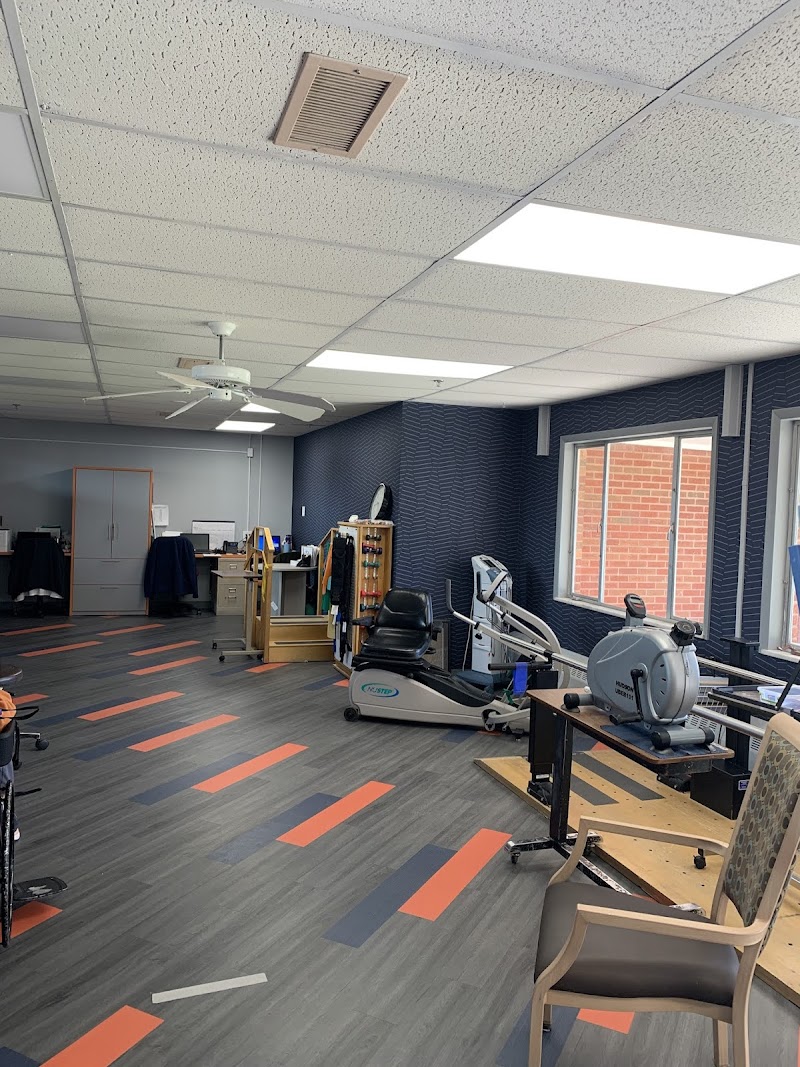
How is Monument Rehabilitation And Care Center Staffed?

CMS rates Monument Rehabilitation and Care Center's staffing level at 2 out of 5 stars, which is below average compared to other nursing homes. Staff turnover is 61%, which is 15 percentage points above the Nebraska average of 46%. High turnover can affect care consistency as new staff learn residents' individual needs. RN turnover specifically is 57%, which is notably high. RNs provide skilled clinical oversight, so turnover in this role can affect medical care quality.

What Have Inspectors Found at Monument Rehabilitation And Care Center?

State health inspectors documented 55 deficiencies at Monument Rehabilitation and Care Center during 2021 to 2025. These included: 2 Immediate Jeopardy (the most serious level, indicating potential for serious harm or death), 3 that caused actual resident harm, 47 with potential for harm, and 3 minor or isolated issues. Immediate Jeopardy findings are rare and represent the most serious regulatory concerns. They require immediate corrective action.

Who Owns and Operates Monument Rehabilitation And Care Center?

Monument Rehabilitation and Care Center is owned by a for-profit company. For-profit facilities operate as businesses with obligations to shareholders or private owners. The facility is operated by LME FAMILY HOLDINGS, a chain that manages multiple nursing homes. With 160 certified beds and approximately 84 residents (about 52% occupancy), it is a mid-sized facility located in Scottsbluff, Nebraska.

How Does Monument Rehabilitation And Care Center Compare to Other Nebraska Nursing Homes?

Compared to the 100 nursing homes in Nebraska, Monument Rehabilitation and Care Center's overall rating (1 stars) is below the state average of 2.9, staff turnover (61%) is significantly higher than the state average of 46%, and health inspection rating (1 stars) is much below the national benchmark.

What Should Families Ask When Visiting Monument Rehabilitation And Care Center?

Based on this facility's data, families visiting should ask: "What changes have been made since the serious inspection findings, and how are you preventing similar issues?" "How do you ensure continuity of care given staff turnover, and what is your staff retention strategy?" "Can you walk me through typical staffing levels on day, evening, and night shifts?" "Can I visit during a mealtime to observe dining assistance and food quality?" These questions are particularly relevant given the facility's Immediate Jeopardy citations, the facility's high staff turnover rate, and the below-average staffing rating.

Is Monument Rehabilitation And Care Center Safe?

Based on CMS inspection data, Monument Rehabilitation and Care Center has documented safety concerns. Inspectors have issued 2 Immediate Jeopardy citations (the most serious violation level indicating risk of serious injury or death). The facility is currently on the Special Focus Facility watch list (a federal program monitoring the lowest-performing 1% of nursing homes nationwide). The facility has a 1-star overall rating and ranks #100 of 100 nursing homes in Nebraska. Families considering this facility should ask detailed questions about what corrective actions have been taken since these incidents.

Do Nurses at Monument Rehabilitation And Care Center Stick Around?

Staff turnover at Monument Rehabilitation and Care Center is high. At 61%, the facility is 15 percentage points above the Nebraska average of 46%. Registered Nurse turnover is particularly concerning at 57%. RNs handle complex medical decisions and coordinate care — frequent RN changes can directly impact care quality. High turnover means new staff may not know residents' individual needs, medications, or preferences. It can also be disorienting for residents, especially those with dementia who rely on familiar faces. Families should ask: What is causing the turnover? What retention programs are in place? How do you ensure care continuity during staff transitions?

Was Monument Rehabilitation And Care Center Ever Fined?

Monument Rehabilitation and Care Center has been fined $42,638 across 2 penalty actions. The Nebraska average is $33,505. While any fine indicates a compliance issue, fines under $50,000 are relatively common and typically reflect isolated problems that were subsequently corrected. Families should ask what specific issues led to these fines and confirm they've been resolved.

Is Monument Rehabilitation And Care Center on Any Federal Watch List?

Monument Rehabilitation and Care Center is currently an SFF Candidate, meaning CMS has identified it as potentially qualifying for the Special Focus Facility watch list. SFF Candidates have a history of serious deficiencies but haven't yet reached the threshold for full SFF designation. The facility is being monitored more closely — if problems continue, it may be added to the official watch list. Families should ask what the facility is doing to address the issues that led to this status.