Wauneta Care and Therapy Center
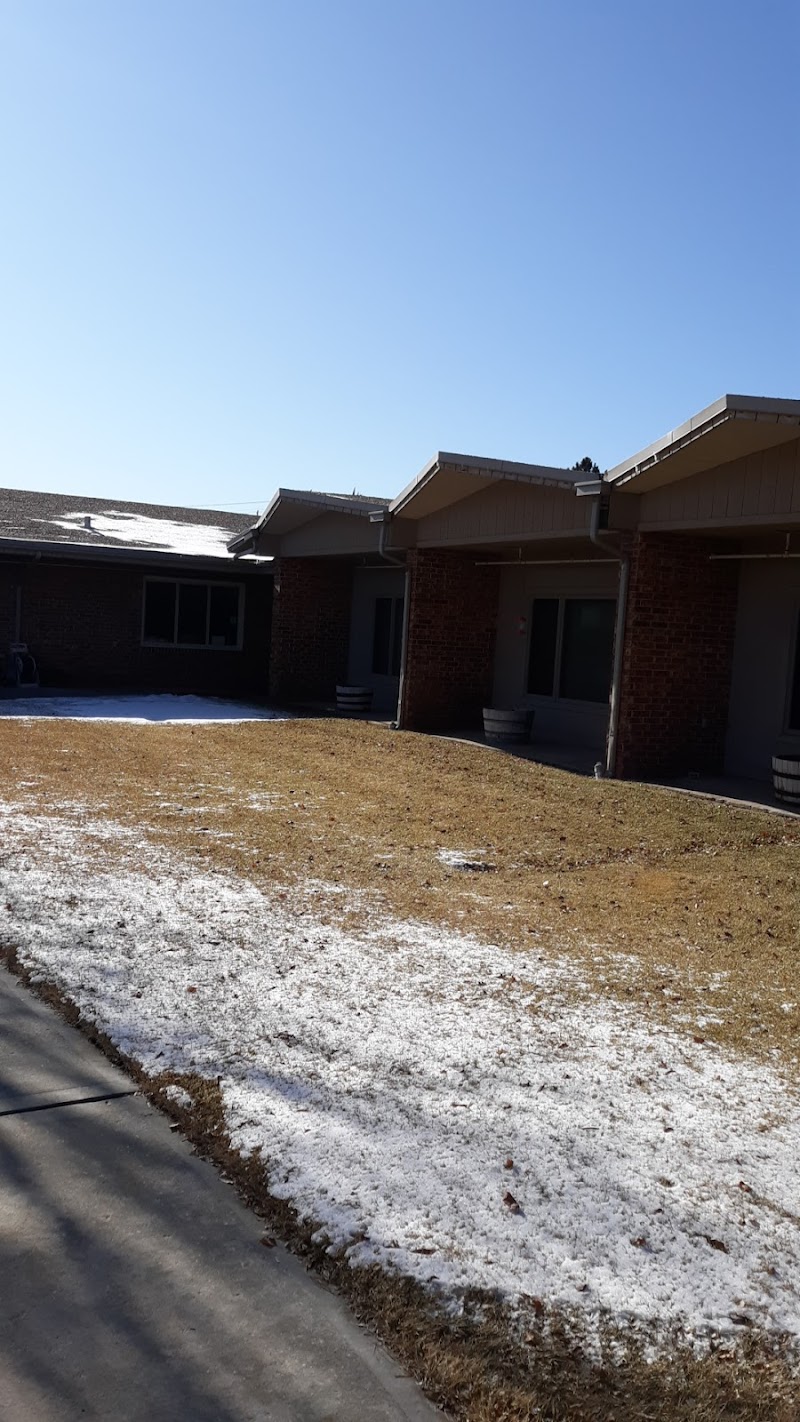
427 Legion Street, Wauneta, NE 69045 (308) 394-5738
Government - City 36 Beds Independent Data: November 2025
Trust Grade
30/100
#176 of 177 in NE
Last Inspection: May 2025

Inspected within the last 6 months. Data reflects current conditions.

Overview

Wauneta Care and Therapy Center has received a Trust Grade of F, indicating significant concerns about the quality of care provided. Ranking #176 out of 177 in Nebraska places it in the bottom half of facilities statewide, and it's the second of only two options in Chase County. The facility is showing improvement, with issues decreasing from seven in 2024 to five in 2025, but it still has a high staff turnover rate of 75%, which is concerning compared to the state average of 49%. While there are no fines on record, indicating some compliance with regulations, there have been serious incidents, including failing to properly assess a resident's pain and not ensuring nurse aides received the required continuing education. Overall, while there are some positive signs, families should be aware of the facility's weaknesses and the potential risks involved.

Trust Score
F
30/100
In Nebraska
#176/177
Bottom 1%
Safety Record
Moderate
Needs review
Inspections
Getting Better
7 → 5 violations
Staff Stability
⚠ Watch
75% turnover. Very high, 27 points above average. Constant new faces learning your loved one's needs.
Penalties
✓ Good
No fines on record. Clean compliance history, better than most Nebraska facilities.
Skilled Nurses
○ Average
RN staffing data not reported for this facility.
Violations
⚠ Watch
14 deficiencies on record. Higher than average. Multiple issues found across inspections.
★☆☆☆☆
1.0
Overall Rating
★☆☆☆☆
1.0
Staff Levels
★★☆☆☆
2.0
Care Quality
★★☆☆☆
2.0
Inspection Score
Stable
2024: 7 issues
2025: 5 issues

The Good

  • Full Sprinkler Coverage · Fire safety systems throughout facility
  • No fines on record

Facility shows strength in fire safety.

The Bad

1-Star Overall Rating

Below Nebraska average (2.9)

Significant quality concerns identified by CMS

Staff Turnover: 75%

28pts above Nebraska avg (46%)

Frequent staff changes - ask about care continuity

Staff turnover is very high (75%)

27 points above Nebraska average of 48%

The Ugly 14 deficiencies on record

1 actual harm
May 2025 5 deficiencies
CONCERN (D)

Potential for Harm - no one hurt, but risky conditions existed

Deficiency F0710 (Tag F0710)

Could have caused harm · This affected 1 resident

**NOTE- TERMS IN BRACKETS HAVE BEEN EDITED TO PROTECT CONFIDENTIALITY** Licensure Reference Number 175 NAC 12-006.08(A) Based on record reviews and interviews, the facility failed to ensure that all r...

Read full inspector narrative →
**NOTE- TERMS IN BRACKETS HAVE BEEN EDITED TO PROTECT CONFIDENTIALITY** Licensure Reference Number 175 NAC 12-006.08(A) Based on record reviews and interviews, the facility failed to ensure that all residents who were admitted to the facility had a written recommendation or had written orders from a physician. This affected 1 (Resident 32) of 12 residents sampled. The facility census was 30. Findings are: Record review of the admission orders for Resident 32 who was admitted to the facility on [DATE], revealed the orders had been written and signed on 12/18/2024 at 8:27 AM by Physician Assistant (PA)-H (a licensed healthcare professional who works with physicians to provide medical care - a non physician care provider). There was no co-signature of a physician (An MD or Medical Doctor) on these orders. According to the admission orders the resident had diagnoses for status post left hip replacement with complications, chronic right hip hardware infection, long term use of suppressive antibiotic use, hypertension, allergic rhinitis, history of deep vein thrombosis (blood lots), history of arterial embolism, anticoagulation (use of blood thinners to reduce the chances of blood clotting), left foot drop, muscle weakness, anxiety, and over active bladder. The resident was to see Physical Therapy and Occupational Therapy. Interview on 5/12/2025 at 3:05 PM with the Director of Nursing (DON) revealed that Resident 32's primary care provider was PA-H. DON confirmed the admission orders were signed by a physician assistant and not a physician. When asked about a physician caring for the resident, DON stated again that the primary care provider was PA-H. DON then stated that PA-H is a Physician Assistant and that Resident 32 was not followed by a physician, just the physician assistant. Interview on 5/13/2025 at 2:30 PM with DON who confirmed that after going through Resident 32's medical records, there was no information from a physician that recommended nursing home placement and a physician did not sign the admission orders.
CONCERN (D)

Potential for Harm - no one hurt, but risky conditions existed

Deficiency F0757 (Tag F0757)

Could have caused harm · This affected 1 resident

Based on record reviews and interviews, the facility failed to ensure gradual dose reductions were completed for residents taking psychotropic medications. This affected 1 (Resident 23) of 5 sampled r...

Read full inspector narrative →
Based on record reviews and interviews, the facility failed to ensure gradual dose reductions were completed for residents taking psychotropic medications. This affected 1 (Resident 23) of 5 sampled residents. The facility census was 30. Findings are: Record review of the 02/11/2025 quarterly Minimum Data Set (MDS - a standardized, comprehensive assessment tool used to evaluate and document the health status of residents in Medicare and Medicaid certified nursing homes) revealed Resident 25 was unable to answer questions to perform a Brief Interview for Mental Status exam (BIMS), got annoyed eaily and was short tempered, had poor appetite, difficulty concentrating, had delusions, would verbally and physically act out towards others, rejected cares one to three days a week, wandered 4 to 6 days a week, was able to ambulate with their walker throughout the facility, and had urinary incontinence. Resident 25 was diagnosed with renal insufficiency, Alzheimer's dementia, anxiety disorder, adjustment disorder with mixed disturbances of emotions and conduct, and had orders for antipsychotics, antidepressants, and anti-anxiety medications. Record review of the physician orders revealed Resident 25 received buspirone (an anti-anxiety medication) for generalized anxiety disorder, mirtazapine (an antidepressant medication) for Alzheimer's disease, and sertraline (an antidepressant medication) for dementia with anxiety. Record review of Resident 25's medical records revealed no evidence of a gradual dose reduction being attempted for psychotropic medications for Resident 25 in the past year. There were also no orders with rationales by a physician that stated a gradual dose reduction was not to be completed. Interview on 05/13/2025 at 1:20 PM with Director of Nursing (DON) who stated Resident 25 had been seen by one mental health practitioner group and then the facility switched to a new group. DON was unable to find any GDR for Resident 25. Interview on 05/13/2025 at 3:30 PM with DON confirmed the staff had been unable to find a gradual dose reduction or any physician documentation related to a contraindication for doing a dose reduction for Resident 25.
CONCERN (D)

Potential for Harm - no one hurt, but risky conditions existed

Unnecessary Medications (Tag F0759)

Could have caused harm · This affected 1 resident

Licensure Reference Number 175 NAC 12-006.10(D) Based on observations, record reviews, and interviews, the facility failed to ensure that medication error rates were less than 5%. This was based on 31...

Read full inspector narrative →
Licensure Reference Number 175 NAC 12-006.10(D) Based on observations, record reviews, and interviews, the facility failed to ensure that medication error rates were less than 5%. This was based on 31 medication administration opportunities and 2 medication errors resulting in an error rate of 6.5%. This affected 2 (Residents 27 and 18) of 4 sampled residents. The facility census was 30. Findings are: Record review of the undated facility policy The Five Rights of Medication Administration stated the safe provision of medication also includes observing a rule called the Five Rights. The Five Rights consist of several safety checks which help to prevent mistakes. While providing medications, give the right drug to the right resident, at the right amount at the right time, and by the right route. The five rights of medication administration are: -right drug -right resident -right amount -right time -right route Record review of the March 2010 policy Medication Errors - Defined revealed in paragraph 4 that medication errors can be made by not following accepted practice standards of medication provision. Examples included: -Giving a drug before a meal instead of after a meal when ordered -Given at the wrong time (anytime one hour prior to or one hour after the scheduled time) -Omitted or not given -Given by the wrong route -Wrong dose -Wrong drug -Wrong resident A. Record review of the May 2025 Electronic Medication Administration Record (EMAR) for Resident 27 revealed an order for acetaminophen extra strength 500 milligrams (mg), two tablets to be given four times a day at 9:00 AM, 12:00 PM, 5:00 PM, and at 9:00 PM for pain management. Observation on 05/08/2025 at 7:50 AM revealed Licensed Practical Nurse (LPN)-J administering medications to Resident 27, including the two tablets of acetaminophen 500mg, which was not due until 9:00 AM. Interview with LPN-J on 05/08/2025 at 7:50 AM revealed Resident 27 prefers their acetaminophen to be administered at this time rather than at the time it was ordered for. B. Record review of the May 2025 EMAR for Resident 18 revealed an order for acetaminophen 500 mg 4 times a day, with the first dose due at 7:00 AM. Observation on 05/08/2025 at 8:10 AM of LPN-J who gave medications, including the acetaminophen 500 mg, to Resident 18 at the dining room table. Interview on 05/08/2025 at 8:13 AM with LPN-J who confirmed that the acetaminophen was administered late to Resident 18. Interview on 05/08/2025 at 8:50 AM with the Director of Nursing (DON), who revealed that medications are in the medical records system with a specific administration time, and all are due in the time period of one hour before or one hour after the scheduled time. If the medications are given outside that time, then those medications were not given at the right time and that is a medication error.
CONCERN (E)

Potential for Harm - no one hurt, but risky conditions existed

Deficiency F0712 (Tag F0712)

Could have caused harm · This affected multiple residents

**NOTE- TERMS IN BRACKETS HAVE BEEN EDITED TO PROTECT CONFIDENTIALITY** E. Record review of the admission Record dated 5/8/25 for Resident 10 revealed that Resident 10 was admitted into the facility o...

Read full inspector narrative →
**NOTE- TERMS IN BRACKETS HAVE BEEN EDITED TO PROTECT CONFIDENTIALITY** E. Record review of the admission Record dated 5/8/25 for Resident 10 revealed that Resident 10 was admitted into the facility on [DATE]. Diagnoses included fracture of the lower spine, rectal cancer, and nutritional deficiency. Record review of the Emergency Department Provider Note dated 10/11/24 for Resident 10 revealed that the emergency physician (a Medical Doctor/MD) recommended admission to the facility for nursing home care. Record review of the Progress Note dated 10/23/24 at 4:02 PM for Resident 10 revealed that Advanced Practice Registered Nurse-F (APRN-F) (a registered nurse with advanced education and certification in a specific area of nursing practice. A non-physician care provider.) was in the facility for the 30-day nursing home recertification for Resident 10. (The 30-day visit was performed by a non-physician care provider). Record review of the History and Physical dated 11/1/24 for Resident 10 revealed that Resident 10 was evaluated by APRN-F. Record review of the Progress Note dated 1/2/25 at 1:01 PM for Resident 10 revealed that APRN-F was in the facility for the 60-day nursing home recertification for Resident 10. (The 60-day visit was performed by a non-physician care provider). Record review of the resident's profile page in the electronic health record for Resident 10 dated 5/12/25 revealed that APRN-F was listed as the resident's physician. F. Record review of the admission Record dated 5/8/25 for Resident 31 revealed that Resident 31 was admitted into the facility on [DATE]. Diagnoses included fracture of the left leg, hypokalemia (a condition where the body has too little potassium. The condition can cause life-threatening complications including heart arrhythmias), and breast cancer. Record review of the Transition Orders and Information for the Continuation of Patient Care for Resident 31 dated 11/12/24 revealed that the physician ordered resident admission to the nursing facility for care. The document revealed a follow-up appointment was scheduled for 11/19/24 with Advanced Practice Registered Nurse-G (APRN-G). Record review of the Progress Note dated 12/19/24 at 8:35 AM for Resident 31 revealed that APRN-G was in the facility for the 30-day nursing home recertification for Resident 31. (The 30-day visit was performed by a non-physician care provider). Record review of the Progress Note dated 2/21/25 at 4:56 PM for Resident 31 revealed that APRN-G was in the facility for the 60-day nursing home recertification. (The 60-day visit was performed by a non-physician care provider). Record review of the resident's profile page in the electronic health record for Resident 31 dated 5/12/25 revealed that APRN-G was listed as the resident's physician. Interview on 5/12/25 at 3:04 PM with the facility Director of Nursing (DON) confirmed that a physician is an MD and that Advanced Practice Registered Nurse-G is not a physician. Based on record reviews and interviews, the facility failed to ensure that residents were seen by a physician during the initial 30-day visit and at a minimum of every other visit. This affected 6 (Residents 10, 18, 25, 28, 31, and 32) of 12 sample residents reviewed. The facility census was 30. Findings are: Interview with the Director of Nursing (DON) on 05/08/2025 at 1:35 PM revealed that the DON believed that a physician assistant or nurse practitioner could perform all the 60-day certifications for nursing home residents after admission. At that time when asked about specific residents, the DON showed examples on the computer of the primary care physician for 2 residents was a Physician Assistant listed on the resident profile status. Another resident example revealed one resident's primary care physician was an Advanced Practice Registered Nurse. DON confirmed that the words primary care physician and primary care practitioner were used interchangeably but that they are not the same. DON confirmed a nurse practitioner and a physician assistant are not physicians. A. Record review of the Physician's Progress Notes for Resident 18 revealed that the Physician's Assistant (PA)-H (a licensed healthcare professional who works with physicians to provide medical care. An advanced practice non physician medical provider) had written notes during the 60 day on site recertification visits on the following dates: -06/11/2024 -08/20/2024 -10/15/2024 -12/23/2024 -02/03/2025 -02/28/2025 -04/15/2025 Record review of the office and clinic notes written on 06/11/2024 revealed Resident 18 was seen by PA-H for a 60-day recertification visit. This document revealed Resident 18 had a medical history of chronic bronchitis, chronic obstructive pulmonary disease, congestive heart disorder, diastolic heart failure, hypertension, edema, and osteoporosis. The diagnoses of chronic obstructive pulmonary disease, congestive heart failure, edema, and hypertension had been addressed during the visit. Record review of the office and clinic notes written on 10/15/2024 revealed Resident 18 was seen by PA-H for a 60-day recertification visit. The diagnoses of chronic obstructive pulmonary disease, congestive heart failure, hypertension, and osteoporosis had been addressed during the visit. Record review of the hospital discharge instructions dated 10/30/2024 for Resident 18 revealed the resident was seen by PA-H at the hospital. The diagnoses of chronic obstructive pulmonary disease, congestive heart failure, hypertension, and osteoporosis had been addressed during the visit. Record review of the office and clinic notes written on 12/18/2024 revealed Resident 18 was seen by PA-H for a 60-day recertification visit. Resident 18's congestive heart failure, edema, hypertension, osteoporosis, and hypoxemia had been addressed during the visit. Record review of the office and clinic notes written on 02/18/2025 revealed Resident 18 was seen by PA-H for a 60-day recertification visit. Resident 18's Congestive heart failure, edema, urinary incontinence, and hypertension were addressed as were the resident's medications during the visit. Record review of the Office and Clinic Notes from 04/15/2025 revealed Resident 18 was seen by PA-H for a 60-day recertification visit. Resident 18's Congestive heart failure, edema, hypothyroidism, and chronic obstructive pulmonary disease were addressed as were the resident's medications during the visit. Interview on 05/12/25 at 3:05 PM with the facility Director of Nursing (DON) confirmed that Resident 18 was not seen by a doctor on every other recertification visit. B. Record review of the Medical Diagnoses document for Resident 25 revealed an admission date of 05/31/2023 and had diagnoses of Alzheimer's disease, chronic obstructive pulmonary disease, chronic kidney disease stage 3B, hypothyroidism, hyperparathyroidism, dementia with behavioral, psychotic and mood disturbances, and anxiety. Record review of Resident 25's medical records revealed no evidence the resident had been evaluated by a physician during their stay in the facility. Record review of the emergency room physician notes for Resident 25 revealed the resident was seen by PA-H on 06/23/2024 for low back pain and a fall. Interview on 05/13/25 at 1:31 PM with the DON confirmed Resident 25 had not been evaluated by a physician during their stay at the facility. C. Record review of the 01/28/2025 quarterly Minimum Data Set (MDS - a standardized assessment tool used to collect data on the health and functional status of residents used to create care plans) revealed Resident 28 was admitted to the facility on [DATE]. Resident 28 had medically complex conditions which included coronary artery disease, congestive heart failure, hypertension, renal insufficiency, diabetes, Alzheimer's disease, pressure ulcers and other skin conditions. Resident 28's drug regimen included medications for anxiety, depression, anticoagulation (to reduce blood clots), diuretics for edema, opioid pain medications, and hypoglycemics for blood sugar control. Record review of the Physician Progress Notes revealed Resident 28's records had one entry for a 60-day recertification on 08/15/2024, when Resident 28 was seen by advanced practice registered nurse (APRN)-G (a registered nurse with advanced education and certification in a specific area of nursing practice. A non-physician care provider.) Record review of the Office and Clinic Notes for Resident 28 revealed the resident was seen on 08/15/2024 for a 60-day recertification visit. Resident 28's anxiety, depression, chronic systolic congestive heart failure, dementia, gastroesophageal reflux disease, hyperlipidemia, hypertension, kidney failure, sacral ulcer and diabetes were addressed during the visit as were the medications. Record review of the hospital transfer notes written and faxed to the facility on [DATE] revealed the resident was seen in the hospital by physicians. The patient was in the hospital from [DATE] to 10/20/2024. The resident had been hospitalized for gallbladder removal. Record review of the Office and Clinic Notes dated 11/06/2024 revealed that Resident 28 was seen by APRN-G for a 60-day recert and addressed the following medical issues for Resident 28: osteoporosis, edema, acute chronic systolic heart failure, adjustment disorder, anxiety, atrial fibrillation, chronic pain, dementia, depression, gastroesophageal reflux, hyperlipidemia, insomnia, hypertension kidney failure, pulmonary hypertension and status post gallbladder removal as well as the medications at this visit. There were no records to review during the month of 1/2025 for Resident 28 in reference to a required recertification visit for the nursing home. Record review of the Office and Clinic Notes dated 02/21/2025 revealed that Resident 28 was seen by APRN-G for a 60-day recertification and addressed the following medical issues: Diabetes, Stage 3B kidney disease, sacral ulcer, diabetic ulcer of the left great toe, chronic pain, anemia, osteoarthritis, anxiety, adjustment disorder, depression, dementia, insomnia, pulmonary hypertension, Atrial fibrillation, and chronic systolic congestive heart failure as well as the medications at this visit. There were no records to review for recertification visits for Resident 28 during the month of March 2025. Record review of the Office and Clinic Notes dated 04/28/2025 revealed that Resident 28 was seen by APRN-G for a Medicare Nursing Home recertification, and addressed the following medical issues for Resident 28: pressure ulcer of the left leg, adjustment disorder, anxiety, atrial fibrillation, chronic pain, chronic systolic heart failure, constipation, coronary artery disease, dementia, depression , edema, gastroesophageal reflux, history of cardioversion, history of femur fracture, history of septic shock, hyperlipidemia, hypertension, insomnia, anemia, long term use of high risk medications, peripheral vascular disorder, pulmonary hypertension, diabetes, osteoarthritis, and gout secondary to renal impairment as well as the medications at this visit. Interview on 05/12/25 at 3:05 PM with the facility Director of Nursing (DON) confirmed Resident 28 had only been seen by the APRN for recertification and 60-day Nursing Home rounds. D. Record review of the Discharge summary dated [DATE] revealed Resident 32 was admitted to swing bed at the local hospital on [DATE]. Resident 32 was transferred to the local facility following a hip fracture and hip revision on 10/31/2024. Resident 32 was admitted for strengthening but physical therapy progressed slowly and the agreement was made between the facility and the local hospital to transfer Resident 32. Record review quarterly MDS dated [DATE] revealed Resident 32 was admitted to the facility on [DATE] and had medically complex conditions. Resident 32 had infection due to orthopedic joint prosthesis, a methicillin susceptible staphylococcus infection, long term use of antibiotics, acute clotting in the deep veins of the lower extremities, left sided foot drop, depression, malnutrition, and a surgical wound. Resident 32 took medications for depression, a long-term antibiotic, diuretics for fluid retention, and opioids for pain. Record review of the admission orders for Resident 32 revealed this resident was admitted for left hip replacement with complications, chronic right hip hardware, long term use of suppressive antibiotics, hypertension, allergic rhinitis, history of deep vein thrombosis, history of arterial embolism, anticoagulation, left sided foot drop, muscle weakness, anxiety and over active bladder. The attending Physician Assistant signed the admission orders. Interview with the DON on 05/12/2025 at 10:45 AM who confirmed there was no recertification visit found for Resident 32 during the month of January. Review of the office visit note from 02/04/2025 when Resident 32 was seen by a physician at the clinic. This was the initial visit since being admitted to the facility from the local hospital. The initial visit (30-day recertification visit) by the physician was due on 01/17/2025 and should have been completed on or before 01/27/2025. Record review of the office visit note completed on 03/12/2025 revealed Resident 32 was seen for complaints of hip pain, questions about pain medications, physical therapy progress, no feeling in the left foot, and dry mouth. Medications were review and a treatment plan put into place by PA-H. Record review of the 60-day recertification for Medicare for Resident 32 was done on 04/15/2025 and completed by PA-H. Interview on 5/12/25 at 3:05 PM with the facility Director of Nursing (DON) confirmed that a physician did not routinely see Resident 32.
CONCERN (F)

Potential for Harm - no one hurt, but risky conditions existed

Deficiency F0947 (Tag F0947)

Could have caused harm · This affected most or all residents

Licensure Reference Number 175 NAC 12-006.04(B)(ii)(1) Based on record review and interview the facility failed to ensure that nurse aides received a minimum of 12 hours of continuing education per ye...

Read full inspector narrative →
Licensure Reference Number 175 NAC 12-006.04(B)(ii)(1) Based on record review and interview the facility failed to ensure that nurse aides received a minimum of 12 hours of continuing education per year as required for 1 of 5 sampled nurse aides. This had the potential to prevent residents from receiving competent care. The facility census was 30. Findings are: Record review of the facility policy titled Required Training, Certification and Continuing Education of Nurse Aides dated 3/12/24 revealed that it is the facility policy to comply with State and Federal regulations and requirements as they pertain to continuing education of nurse aides. The facility will provide at least 12 hours of in-service training annually, based on employment date and not on calendar year. Record review of the undated facility Employee List revealed that Nurse Aide (NA)-E had a hire date of 2/1/22. Record review of the facility Training Hours report dated 5/8/25 for NA-E for the date range of 2/1/24 through 2/1/25 (the annual period based on NA-E's employment date) revealed that NA-E completed a total of 2.85 hours of continuing education. Interview on 5/12/25 at 1:11 PM with the Facility Administrator (FA) confirmed that NA-E completed 2.85 hours of continuing education during the annual year based on the employment date of NA-E. The FA confirmed that NA-E did not complete 12 hours of continuing education as required.
May 2024 7 deficiencies 1 Harm
SERIOUS (G)

Actual Harm - a resident was hurt due to facility failures

Deficiency F0697 (Tag F0697)

A resident was harmed · This affected 1 resident

**NOTE- TERMS IN BRACKETS HAVE BEEN EDITED TO PROTECT CONFIDENTIALITY** Licensure Reference 175 NAC 12-006.09 Based on record review, observations, and interviews; the facility failed to identify and ...

Read full inspector narrative →
**NOTE- TERMS IN BRACKETS HAVE BEEN EDITED TO PROTECT CONFIDENTIALITY** Licensure Reference 175 NAC 12-006.09 Based on record review, observations, and interviews; the facility failed to identify and treat 1 (Resident 19) of 2 sampled resident's pain. The facility census was 32. The findings are: A record review of facility policy Pain Management with reviewed/revised date of 5/15/24 revealed the facility would observe for nonverbal indicators which may indicate the presence of pain and that the facility would use a pain assessment tool, which is appropriate for the resident's cognitive status, to assist staff in consistent assessment of a resident's pain. The policy also revealed that the interventions for pain management would be incorporated into the components of the comprehensive care plan, addressing conditions or situations that may be associated with pain or may be included as a specific pain management need or goal. A record review of facility policy Behavioral Assessment, Intervention and Monitoring with revised date of March 2019, revealed Behavioral or Psychological Symptoms of Dementia ([NAME]) describes behavioral symptoms in individuals with dementia that cannot be attributed to a specific medical or psychiatric cause. Appropriate assessment and treatment of behavioral symptoms requires differentiating between behavioral symptoms that can be managed by treating underlying factors and those that cannot. A record review of Resident 19's Minimum Data Set (MDS, a federally mandated comprehensive assessment tool used for care planning), dated 4/9/24 revealed in Section C that the resident had short- and long-term memory loss, and moderately impaired cognitive skills for daily decision making. Section J revealed the resident did receive routine and PRN pain medications and did not receive any non-medication interventions for pain during the prior 5 days, and that the staff assessment for pain indicated the resident had non-verbal sounds of pain every day during the prior 5 days. A record review of Resident 19's paper Care Plan, dated 3/5/24 revealed a Problem Statement of Resident 19 has a history of dementia which has greatly increased this past quarter. An intervention in this section stated, Assess for pain when Resident 19 is yelling out, restless, anxious, tearful. The Care Plan did not have a section which specifically addressed Resident 19's potential for pain. A record review of Resident 19's active Physician's Orders revealed the following orders: - Observe for individualized behaviors such as pacing, statements of I'm sick, crying, pacing, general anxiety, yelling out, repeated questions, excessive worrying. This order had a start date of 11/7/23 and did not provide guidance on how to address any behaviors identified during observation. - Sertraline HCl (an antidepressant medication) 25 Milligram (MG) tablet, give one tablet by mouth daily for generalized anxiety disorder. This order was increased from 12.5 MG daily to 25 MG daily on 5/3/24. - Risperdal (an antipsychotic medication) 0.5 MG tablet, give one tablet by mouth twice a day (BID) at 8am and 8pm for unspecified dementia, unspecified severity with mood disturbances. This order had a start date of 4/16/24. - Buspirone HCl (an anxiolytic medication used to treat anxiety) 7.5 MG tablet, give one tablet by mouth three times a day (TID). The order stated to hold for sedation and listed potential side effects of dizziness, drowsiness, headache, nausea, nervousness, lightheadedness, restlessness, blurred vision, tiredness, and trouble sleeping. The order had a start date of 4/12/24 and did not have a diagnosis or indication listed on the order. - Divalproex Sodium Delayed Release (DR) (an anticonvulsant medication that can also be used to treat the manic phase of bipolar disorder) 125 MG, give one capsule TID for severe dementia. This order had a start date of 3/2/24. - Trazadone (an antidepressant medication often used to treat symptoms of insomnia, which causes difficulty sleeping) 50 MG tablet, give one half tab (25mg) by mouth at bedtime for insomnia. This order had a start date of 4/3/24. - Arthritis Pain Extended Release (ER) 650 MG, give one caplet BID. This order had a start date of 5/13/22 and did not have a diagnosis or indication listed on the order. - Ativan (an anxiolytic medication used to treat anxiety) 1 MG tablet, give every 6 hours as needed for anxiety. This order had a start date of 3/17/24. This medication was given to the resident 43 times in April 2024 and 19 times between May 1st and May 15th, 2024. - Hydroxyzine HCl (an antihistamine medication often used to treat symptoms of anxiety) 25 MG tablet, give every 6 hours as needed for anxiety. This order had a start date of 3/2/24. This medication was given to the resident 29 times in April 2024 and 9 times between May 1st and May 15th, 2024. - Ask resident every shift if having pain, if yes- refer to pain assessment sheet. This order had a start date of 1/9/22. According to the documentation on the order, the resident had no pain between April 1, 2024, and May 14, 2024. - Tylenol (an analgesic used to treat minor aches and pains) 325 MG, give two tablets every 4 hours as needed for pain. This order had a start date of 3/16/21. This medication was given to the resident two times in April 2024 and three times between May 1st and May 15th, 2024. An observation on 5/13/24 at 11:13 AM revealed Resident 19 sitting in their wheelchair in their room with Nurse Aide (NA)-C. The overhead light in the room was turned off, with dim natural lighting in the room coming from the window and there was soft music playing. Resident 19 was fidgeting with their hands and attempting to stand up repetitively. An interview on 5/13/24 at 11:13 AM with NA-C revealed Resident 19 had been agitated all morning and NA-C was sitting with the resident in their room providing a quieter environment and soft music for the resident to listen to in an attempt to decrease Resident 19's agitation. An observation on 5/14/24 at 7:15 AM revealed Resident 19 sitting in their wheelchair near the nurse's station and next to Medication Aide (MA)-B who was working at the medication cart. Resident 19 was attempting to stand up intermittently and had facial grimacing. Resident 19 was making repetitive distressed vocalizations. The Activities Supervisor (AS)-E approached Resident 19 and told the resident they would go to the dining room after they got their medication. AS-E held Resident 19's hand and attempted to make conversation with the resident but did not ask the resident what was wrong or if they were having any pain. An observation on 5/14/24 at 8:36 AM revealed NA-D pushed Resident 19 in their wheelchair from the dining room to the sitting area outside the nurse's station and parked the resident in their wheelchair. Resident 19 used their feet to wheel themselves to this surveyor and stated ma'am, ma'am I don't feel good. My head hurts. Resident 19 was observed to have facial grimacing at that time. The surveyor moved away from Resident 19 after assuring the resident that there would be staff nearby soon. An observation on 5/14/24 at 8:39 AM revealed NA-D approached Resident 19, moved the resident's foot pedals to the sides of the wheelchair, and then walked away from the resident. Resident 19 was holding their forehead with one hand. Resident 19 then attempted to self-propel their wheelchair with their feet, could not get chair moving, and stopped attempting. Resident 19 placed both hands on their forehead and had slight facial grimacing. An observation on 5/14/24 at 8:41 AM revealed Resident 19 stating ma'am, ma'am, ma'am numerous times each time someone walked past the resident. Resident 19 resumed attempting to wheel self, only making about 1 foot of progress. NA-D approached Resident 19 at 8:42 AM, turned their wheelchair and stated, are you okay? NA-D then walked away from Resident 19 without waiting for the resident to respond. An observation on 5/14/24 at 8:44 AM revealed the Director of Nursing (DON) approached Resident 19 and held the resident's hand while the resident used their feet to self-propel their wheelchair across the room. NA-D approached a few seconds later and Resident 19 grabbed NA-D's hand with their other hand. Resident 19 continued to propel their wheelchair with their feet while holding both staffs' hands. Resident 19 had facial grimacing, was intermittently stating ma'am, ma'am, and was softly moaning. The DON walked away at 8:46 AM and NA-D continued to hold Resident 19's hand. At 8:27 AM, Resident 19 started crying. NA-D asked the resident what was the matter and Resident 19 responded, stating I'm sick. NA-D asked the resident what was hurting. Before Resident 19 was able to respond, another staff walked up, stated where ya headed?, and then walked away. Resident 19 continued to repeat Ma'am, ma'am and had their hand on their forehead. NA-C walked up to Resident 19 at 8:49 AM and put the resident's feet on the wheelchair pedals and then NA-C and NA-D took Resident 19 into a community bathroom and closed the door. None of the staff identified that the resident was having pain to their head during this time period. An observation on 5/14/24 at 8:52 AM revealed Resident 19 being assisted out of the bathroom by NA-C in a Merry-Walker (a walker that a person can be secured into and that has a seat on it). NA-C remained at Resident 19's side and the resident continued to have facial grimacing and repetitive moaning. NA-C held Resident 19's hand and rubbed the resident's back with their fingers. At 8:55 AM, Resident 19 was wiping their eyes with a Kleenex and moaning, NA-C rubbed the resident's back again for a few seconds and then resumed holding the resident's hand. Resident 19 continued to have facial grimacing. At 8:56 AM, NA-C had still not asked Resident 19 what was wrong. An observation on 5/14/24 at 9:32 AM revealed Resident 19 had just received a bath and was sitting in their regular wheelchair at the nurse's station facing one of the staff, who was using a computer. Resident 19 did not have facial grimacing, was holding [gender] forehead with [gender] hand. An observation on 5/14/24 at 10:58 AM revealed Resident 19 sitting in their wheelchair outside the nurse's station holding their forehead with both hands. NA-F was standing next to the resident but did not acknowledge the resident. An observation on 5/14/24 at 1:38 PM revealed Resident 19 being pushed up the 200 hallway in [gender] wheelchair by NA-D and was fidgeting with [gender] hands. An observation on 5/15/24 at 1:45 PM revealed Resident 19 sitting in [gender] wheelchair in [gender] room, with [gender] child sitting on [gender] bed next to them and holding their hand. Resident 19 was rocking back and forth in the wheelchair and making repetitive moaning sounds. An interview on 5/15/24 at 10:29 AM with DON revealed the facility used the FACES pain scale or would ask the resident if they were having pain and document it using the 0-10 pain scale. The DON revealed the facility had no alternate scale to be used for residents who were not cognitively intact. The DON confirmed Resident 19 was taking five psychotropic medications on a routine basis, two PRN (as needed) psychotropic medications that were being utilized frequently, and a PRN pain medication that had been used minimally over the last two months. The DON confirmed that the resident continued to have behavioral symptoms despite the frequent use of PRN psychotropics and the routine psychotropics and that this could be due to the root cause of the resident's problem not being addressed. An interview on 5/15/24 at 11:22 AM with Licensed Practical Nurse (LPN)-G confirmed that Resident 19's pain assessment order stated to ask the resident if they were having pain and that the pain scale attached to the order was the 0-10 pain rating scale. LPN-G also revealed that with residents who were not able to verbalize their pain, the facility would usually utilize the FACES pain scale. LPN-G stated that it was hard to tell if Resident 19 was having pain and that their most frequent behaviors were repetitive statements of I'm sick or I hurt. A record review of website, wongbakerfaces.org revealed the Wong-Baker FACES Pain Rating Scale was a self-assessment tool that must be understood by the patient, so they would be able to choose the face that best illustrated the physical pain they were experiencing. The website also stated it was not a tool to be used by a third person, parents, healthcare professionals, or caregivers, to assess the patient's pain. A record review of the website geriatricpain.org revealed an assessment tool titled Pain Assessment in Advanced Dementia (PAINAD) Scale, which was a pain behavior tool used to assess pain in older adults who have dementia or other cognitive impairment and are unable to reliably communicate their pain. Based on the observations of Resident 19 on 5/14/24, the resident's pain would have been rated at a 7 (on the PAINAD scale of 0-10), with positive responses in the negative vocalization, facial expression, body language, and consolability sections of the assessment tool.
CONCERN (D)

Potential for Harm - no one hurt, but risky conditions existed

Medication Errors (Tag F0758)

Could have caused harm · This affected 1 resident

LISCENSURE Reference Number 175 NAC 12-006.09D Based on record reviews and interviews; the facility failed to ensure that all psychotropic medications (medications that are given for a variety of ment...

Read full inspector narrative →
LISCENSURE Reference Number 175 NAC 12-006.09D Based on record reviews and interviews; the facility failed to ensure that all psychotropic medications (medications that are given for a variety of mental health disorders including psychosis, depression, anxiety, and sleep) given only when needed (PRN) are reviewed and reordered every 14 days for 1 (Resident 32) of 1 sampled resident. The facility census was 32. Findings are: In an interview with Resident 32 on 5/13/24 at 1:35 PM in Resident 32's room. Resident 32 revealed admission to this facility last year after being discharged from the hospital. Resident 32 confirms [gender] has meetings with some people by video (Telemedicine, the ability to visit a physician from home by using a television, computer, or other audio visual equipment) about every other week about how [gender] feels and about anxiety and depression. In an interview with Social Services Director (SSD) on 5/14/24 at 9:30 AM revealed Resident 32 is usually seen every one or two weeks with telemedicine for psychiatric care. In an interview with Minimum Data Set Nurse (MDS) on 5/14/2024 at 2:10 PM confirmed Resident 32 receives Mental Health Telemedicine every two weeks and has seen much improvement since the resident was admitted . In an interview with Infection Control Nurse (ICN)-A on 5/14/2024 at 2:15 PM confirmed that Resident 32 no longer receives Mental Health Telemedicine weekly as those appoints are now every two weeks. The facility staff have seen many changes and much improvement in the mental health of Resident 32. ICP-A further revealed staff receive the orders from the Telemedicine professionals. In an interview with the Director of Nurses (DON) on 5/15/24 at 1:45 PM confirmed Resident 32 is cared for by psychiatry using telemedicine. The resident was very sick and extremely depressed upon admission. Over the past few months (we) have watched Resident 32 come out of a shell and move mountains with all of the improvement. The ability to connect with psychiatric counsels and psychiatrists treat Resident 32's psychiatric behaviors and major depressive disorder has been incredible for everyone especially this resident. Telemedicine writes the orders for the psychiatric cares. A record review of the Mental Health Telemedicine document dated 1/9/2024 revealed an order change for the medication Clonazepam for Resident 32. New order reads Clonazepam 0.5 mg (milligrams) by mouth once daily as needed at bedtime for anxiety. The order did not reveal a stop date for Clonazepam. A record review of the Medication Administration Record dated February 2024 revealed that Resident 32 has an order for Clonazepam 0.5 mg (milligram) tablet daily at bedtime as needed for anxiety. The medication has an order date and a start date of 1/09/2024 with no stop date. Resident 32 received this medication on 2/3/24, 2/4/24, 2/8/24, 2/11/24, 2/12/24, 2/13/24, and 2/22/24. A record review of psychiatric telemedicine visit dated 2/1/2024 at 1:10 PM, revealed the chief complaint for the visit stated Resident 32 has been taking clonazepam less frequently - only once or twice a week. The document revealed that Resident 32 has an order for Clonazepam 0.5 mg tablet one tablet by mouth as needed at bedtime for anxiety. The medication list was reviewed by facility staff and psychiatric professionals during the telemedicine conference. The treatment plan revealed a new order for a different medication, continue monitoring psychiatric symptoms, continue to monitor therapeutic effects of psychiatric medications and for possible adverse effects. There is no 14-day renewal order for the clonazepam as needed order. A record review of Mental Health Telemedicine visit dated 2/7/2024 at 1:10 PM, revealed the chief complaint for the visit revealed Resident 32 has been taking clonazepam less frequently - only once or twice a week. The document revealed that Resident 32 has an order for Clonazepam (a medication) 0.5 mg tablet one tablet by mouth as needed at bedtime for anxiety. The medication list was reviewed by the staff hosting the telemedicine conference. There is no 14-day renewal order for the clonazepam PRN order. A record review of Mental Health Telemedicine visit dated 2/15/2024, documentation revealed Resident 32 has an order for Clonazepam (a medication) 0.5 mg tablet one tablet by mouth as needed at bedtime for anxiety. The medication list was reviewed by the staff hosting the telemedicine conference and this treatment plans states there are no medication changes at this visit. There is no specific 14-day renewal order for the PRN clonazepam. A record review of Mental Health Telemedicine visit dated 2/29/2024, documentation revealed Resident 32 has an order for Clonazepam (a medication) 0.5 mg tablet one tablet by mouth as needed at bedtime for anxiety. The medication list was reviewed by the staff hosting the telemedicine conference and this treatment plans states there are no medication changes at this visit. There is no specific 14-day renewal order for the PRN clonazepam. A record review of the Medication Administration Record dated March 2024 revealed that Resident 32 has an order for Clonazepam 0.5 mg (milligram) tablet daily at bedtime as needed for anxiety. The medication has an order date and a start date of 1/09/2024. Resident 32 received this medication on 3/6/24, 3/11/24, 3/20/24, 3/21/24, 3/25/24, and 3/26/24. A record review reveals there was no Mental Health Telemedicine review on 3/14/24 that addressed the as needed administration of clonazepam. A record review of psychiatric telemedicine visit dated 3/28/2024, documentation revealed Resident 32 has an order for clonazepam 0.5 mg tablet one tablet by mouth as needed at bedtime for anxiety. The medication list was reviewed by the staff hosting the telemedicine conference and this treatment plans states there are no medication changes at this visit. The chief complaint for the telemedicine visit reveals Resident 32 has been receiving clonazepam PRN three times weekly during the late-night hours for restless sleep. Orders reveal that facility staff are to continue to monitor psychiatric symptoms and the therapeutic effects of the medications. Clonazepam is not addressed in the orders or treatment plan and no specific 14-day renewal order for the PRN clonazepam. Record Review of the facility policy and procedure for Use of Psychotropic Medication dated 1/24/2024 states on paragraph 9 that for all psychotropic drugs the medications necessary to treat a diagnosed specific condition that is documented in the clinical record, and used only for a limited duration of 14 days, the prescribing practitioner will document the rationale for use in the medical record and indicate the duration for the PRN (as needed only) order.
CONCERN (D)

Potential for Harm - no one hurt, but risky conditions existed

Unnecessary Medications (Tag F0759)

Could have caused harm · This affected 1 resident

Licensure Reference 175 NAC 12-006.10D Based on record reciews, observations, and interviews; the facility failed to ensure medications that could not be crushed were not crushed for 1 (Resident 16) o...

Read full inspector narrative →
Licensure Reference 175 NAC 12-006.10D Based on record reciews, observations, and interviews; the facility failed to ensure medications that could not be crushed were not crushed for 1 (Resident 16) of 4 sampled residents and failed to ensure the medication error rate was less than 5%. The medication error rate was 16.67%. The facility census was 32. Findings are: A record review of a facility policy Medication Administration with a last revised date of 9/13/2023 revealed the following: - Crush medications as ordered. Do not crush medications with do not crush instructions. - Do not crush slow release or enteric coated medications. A record review of a facility Face Sheet revealed the facility admitted Resident 16 on 5/7/2019 with diagnoses of atrial fibrillation, heart failure, hypertension, Gastro-esophageal reflux disease, iron deficiency, and overactive bladder. A record review of Resident 16's Physician Orders dated May 2024 revealed the following: - ferrous sulfate 325 milligrams (mg) - take 1 tablet daily - without instruction of do not crush. - pantoprazole 40 mg - take 1 capsule twice a day - without instruction of do not crush. - potassium 20 milliequivalents - take 1 tablet daily - without instruction of do not crush. - solifenacin 10 mg - take 1 tablet daily - without instruction of do not crush. - carvedilol 6.25 mg - take 1 tablet in the morning - without instruction of do not crush. An observation on 5/14/2024 at 7:26 AM revealed Medication Aide (MA)-B had crushed Resident 16's ferrous sulfate, pantoprazole, potassium chloride, solifenacin, and carvedilol. An interview on 5/14/2024 at 7:32 AM with MA-B confirmed MA-B had crushed Resident 16's medications. A follow-up interview on 5/14/2024 at 9:30 AM with MA-B confirmed Resident 16's crush order was not in the computer nor were there direction of which medications could not be crushed. MA-B was unaware of medications that could not be crushed. A record review of Institute for Safe Medication Practices document Oral Dosage Forms That Should Not Be Crushed revealed potassium chloride, ferrous sulfate, pantoprazole, solifenacin, carvedilol was included on the list to not be crushed.
CONCERN (E)

Potential for Harm - no one hurt, but risky conditions existed

Comprehensive Care Plan (Tag F0656)

Could have caused harm · This affected multiple residents

D. A record review of Resident 32's History and Physical dated 10/6/2023 sent to the facility from the discharge hospital confirms the presence of pressure ulcers and arterial stasis ulcers on both fe...

Read full inspector narrative →
D. A record review of Resident 32's History and Physical dated 10/6/2023 sent to the facility from the discharge hospital confirms the presence of pressure ulcers and arterial stasis ulcers on both feet. A record review of Resident 32's Care Plan revealed no focus of care for Resident 32's arterial stasis ulcers or pressure ulcers from admission which were present upon admission. In an interview with MDS Nurse on 05/14/24 at 2:36 PM confirmed Resident 32's Care Plan was not comprehensive and did not address Resident 32's medical condition of pressure ulcers or arterial stasis ulcers. In an interview with DON on 05/14/24 at 2:38 PM. Confirms that the care plans do not include information regarding the pressure ulcers on both heels. Resident 32 entered the facility with pressure ulcers on his coccyx, both heels, the tip of one toe, and arterial stasis ulcers on both feet. B. A record review of a facility Face Sheet indicated the facility admitted Resident 23 on 1/15/2024 with diagnoses of heart failure, Chronic Obstructive Pulmonary Disease (COPD,) hypertension (high blood pressure,) and edema (swelling.) A record review of a quarterly MDS with an Assessment Reference Date of 4/9/2024 indicated that Resident 23 had a Brief Interview for Mental Status (BIMs) score of 11/15, which indicated Resident 23 had moderate cognitive impairment. The MDS also indicated Resident 23 had diagnoses of heart failure, hypertension, COPD and was currently taking an anticoagulant (blood thinner) and a diuretic (medication that reduces fluid buildup in the body.) A record review of Resident 23's Care Plan revealed no care focus for Resident 23's heart failure, COPD, or anticoagulant and diuretic use. An interview on 5/14/2024 at 11:24 AM with the MDS Nurse confirmed Resident 23's Care Plan was not comprehensive to address Resident 23's medical conditions. C. A record review of a facility Face Sheet indicated the facility admitted Resident 26 on 3/22/23 with diagnosis of Type 1 Diabetes. A record review of an annual MDS with an Assessment Reference Date of 2/13/2024 indicated Resident 26 had a BIMs score of 7/15, which indicated Resident 26 had severe cognitive impairment. The MDS also indicated Resident 26 had Diabetes Mellitus and was currently taking insulin. A record review of Resident 26's Care Plan revealed no care focus for Resident 26's Diabetes Mellitus and insulin use. An interview on 5/14/2024 at 3:07 PM with the MDS Nurse confirmed Resident 26's Care Plan was not comprehensive to address Resident 26's medical conditions. The MDS Nurse confirmed all care plans were not comprehensive and needed work. Licensure Reference 175 NAC 12-006.09C Based on record review and interviews; the facility failed to develop and implement comprehensive care plans for 4 (Residents 19, 23, 26, and 32) of 12 sampled residents. The facility census was 32. The Findings Are: A record review of the facility policy Comprehensive Care Plans with a last revised date 5/15/2024 revealed the facility will develop a comprehensive person-centered care plan for each resident to meet the resident's medical, nursing, mental, and psychosocial needs based off the resident's needs as identified in the resident's comprehensive assessment. A. A record review of facility policy Pain Management with reviewed/revised date of 5/15/24 revealed the facility would observe for nonverbal indicators which may indicate the presence of pain and that the facility would use a pain assessment tool, which is appropriate for the resident's cognitive status, to assist staff in consistent assessment of a resident's pain. The policy also revealed that the interventions for pain management would be incorporated into the components of the comprehensive care plan, addressing conditions or situations that may be associated with pain or may be included as a specific pain management need or goal. A record review of Resident 19's Minimum Data Set (MDS, a federally mandated comprehensive assessment tool used for care planning), dated 4/9/24 revealed in Section C that the resident had short- and long-term memory loss, and moderately impaired cognitive skills for daily decision making. Section J revealed the resident did receive routine and PRN pain medications and did not receive any non-medication interventions for pain during the prior 5 days, and that the staff assessment for pain indicated the resident had non-verbal sounds of pain every day during the prior 5 days. A record review of Resident 19's active physician's orders revealed the following pain-related orders: - Arthritis Pain Extended Release (ER) 650 MG, give one caplet BID. This order had a start date of 5/13/22 and did not have a diagnosis or indication listed on the order. - Ask resident every shift if having pain, if yes- refer to pain assessment sheet. This order had a start date of 1/9/22. According to the documentation on the order, the resident had no pain between April 1, 2024, and May 14, 2024. - Tylenol (an analgesic used to treat minor aches and pains) 325 MG, give two tablets every 4 hours as needed for pain. This order had a start date of 3/16/21. This medication was given to the resident two times in April 2024 and three times between May 1st and May 15th, 2024. A record review of Resident 19's care plan, dated 3/5/24 revealed a Problem Statement of Resident 19 has a history of dementia which has greatly increased this past quarter. An intervention in this section stated, Assess for pain when Resident 19 is yelling out, restless, anxious, tearful. The care plan did not address Resident 19's potential for pain or interventions to utilize when the resident had symptoms of pain. An interview on 5/15/24 at 10:29 AM with Director of Nursing (DON) revealed the facility used the FACES pain scale or would ask the resident if they were having pain and document it using the 0-10 pain scale. The DON revealed the facility had no alternate scale to be used for residents who were not cognitively intact. The DON confirmed Resident 19 was taking five psychotropic medications on a routine basis, two PRN (as needed) psychotropic medications that were being utilized frequently, and a PRN pain medication that had been used minimally over the last two months. The DON confirmed that the resident continued to have behavioral symptoms despite the frequent use of PRN psychotropics and the routine psychotropics and that this could be due to the root cause of the resident's problem not being addressed. An interview on 5/15/24 at 11:22 AM with Licensed Practical Nurse (LPN)-G confirmed that Resident 19's pain assessment order stated to ask the resident if they were having pain and that the pain scale attached to the order was the 0-10 pain rating scale. LPN-G stated that it was hard to tell if Resident 19 was having pain and that their most frequent behaviors were repetitive statements of I'm sick or I hurt.
CONCERN (E)

Potential for Harm - no one hurt, but risky conditions existed

Infection Control (Tag F0880)

Could have caused harm · This affected multiple residents

Licensure Reference 175 NAC 12-006.17B Licensure Reference 175 NAC 12-006.17D Based on record reviews, observations, and interviews; the facility failed to don (put on) the required personal protectiv...

Read full inspector narrative →
Licensure Reference 175 NAC 12-006.17B Licensure Reference 175 NAC 12-006.17D Based on record reviews, observations, and interviews; the facility failed to don (put on) the required personal protective equipment (PPE) of a gown for enhanced barrier precautions during catheters cares for 1 (Resident 4) of 1 sampled resident and failed to ensure hand hygiene was completed as required and medications were not contaminated during medication pass for 3 (Residents 16, 19, and 31) of 4 sampled residents. The facility census was 32. Findings are: A. A record review of the facility's policy Enhanced Barrier Precautions with a date implemented of 3/26/2024 revealed PPE of gowns and gloves is necessary when performing high-contact care activities, including urinary catheter care. A record review of a Face Sheet indicated the facility admitted Resident 4 on 4/18/2023 with diagnoses of left hip fracture and hydronephrosis (a condition that occurs when a kidney swells and can't get rid of urine like it should.) A record review of Resident 4's Minimum Data Set (MDS, a standardized assessment tool that measures health status in nursing home residents), with an Assessment Reference Date of 3/26/2024 revealed Resident 4 required maximal assistance with toileting hygiene. The MDS also revealed Resident 4 had an indwelling urinary catheter. An observation on 5/15/2024 at 7:50 AM revealed Resident 4's door had a sign on the door alerting staff enhance barrier precautions were in effect and staff must gown and glove during high-contact care activities. An observation on 5/15/2024 at 7:55 AM Nurse Aide (NA)-J had donned gloves, but no gown then proceeded to provide catheter care for Resident 4. An interview on 5/15/2024 at 8:17 AM with NA-J confirmed [gender] was aware but did not follow guidelines of PPE for enhanced barrier precautions by donning a gown. B. A record review of the facility's policy Handwashing/Hand Hygiene last revised October 2023 revealed hand hygiene is indicated before and after touching a resident. An observation on 5/14/2024 at 7:10 AM revealed Medication Aide (MA)-B had completed a medication pass for Resident 28. MA-B did not perform hand hygiene prior to beginning a medication pass for Resident 31. An observation on 5/14/2024 at 7:20AM revealed MA-B had been preparing Resident 19's medication. MA-B had questions regarding a medication and had been awaiting the nurse for clarification. MA-B dug out the medication with MA-B's bare hand without the benefit of a glove. An observation on 5/14/2024 at 7:26 AM revealed MA-B had completed a medication pass for Resident 19. MA-B touched MA-B's hair then proceeded to begin a medication pass for Resident 31. MA-B did not perform hand hygiene after touching hair or beginning the medication pass. An interview on 5/14/2024 at 7:39 AM with MA-B confirmed hand hygiene should be performed between residents and when touching personal body. MA-B also confirmed MA-B should have donned a glove before touching Resident 19's medications.
CONCERN (F)

Potential for Harm - no one hurt, but risky conditions existed

Staffing Data (Tag F0851)

Could have caused harm · This affected most or all residents

Based on record review and interview; the facility failed to submit their Payroll Based Journal (PBJ) data for Quarter 1 of 2024 as required. This had the potential to affect all residents residing wi...

Read full inspector narrative →
Based on record review and interview; the facility failed to submit their Payroll Based Journal (PBJ) data for Quarter 1 of 2024 as required. This had the potential to affect all residents residing within the facility. The facility census was 32. The Findings Are: A record review of the PBJ report from CMS revealed no direct care nursing staff (Registered Nurses, License Practical Nurses, Medication Aides, and Nurse Aides) data was submitted for the first quarter of fiscal year 2024, from 10/1/2023 through 12/31/2023. An interview on 5/15/24 at 1:46 PM with the Administrative Assistant (AA) confirmed the AA was responsible for submitting the facility's PBJ Data and that they did not submit the data for 2024 Quarter 1. The AA stated they attempted to log onto the site the evening of the due date and entered an incorrect password too many times, causing themselves to get locked out of the system and therefore unable to submit the required data.
CONCERN (F)

Potential for Harm - no one hurt, but risky conditions existed

Deficiency F0947 (Tag F0947)

Could have caused harm · This affected most or all residents

Licensure Reference 175 NAC 12-006.04B2a Based on record review and interview; the facility failed to ensure Nurse Aide (NA)-H completed 12 hours of ongoing training per year as required. This had the...

Read full inspector narrative →
Licensure Reference 175 NAC 12-006.04B2a Based on record review and interview; the facility failed to ensure Nurse Aide (NA)-H completed 12 hours of ongoing training per year as required. This had the potential to affect all residents who resided within the facility. The facility census was 32. The Findings Are: A record review of a Relias (an online training program utilized by long term care facilities) Transcript for NA-H dated 5/14/24, revealed NA-H had completed two 0.5-hour training courses for a total of 1.0 hour of training in the prior 12 months. A record review of a Relias Transcript for NA-H dated 5/15/24, revealed NA-H had completed five training courses on 5/14/24 for a total of 1.85 hours of training. An interview on 5/15/24 at 9:19 AM with the Administrative Assistant (AA) confirmed that NA-H had completed only 2.85 hours of training on Relias and had not attended any of the in-person facility in-services over the last twelve months.
Aug 2023 1 deficiency
CONCERN (D) 📢 Someone Reported This

A family member, employee, or ombudsman was alarmed enough to file a formal complaint

Potential for Harm - no one hurt, but risky conditions existed

Report Alleged Abuse (Tag F0609)

Could have caused harm · This affected 1 resident

Licensure Reference Number 175NAC 12-006.02(8) Based on record review and interview the facility failed to report potential abuse and neglect to the state agency in the required timeframe. This affect...

Read full inspector narrative →
Licensure Reference Number 175NAC 12-006.02(8) Based on record review and interview the facility failed to report potential abuse and neglect to the state agency in the required timeframe. This affected 1 resident (Resident 3) of 3 residents reviewed. The facility census was 31. Findings are: Record review of the facility policy titled Abuse, Neglect, and Exploitation dated 3/6/2 revealed that the resident has the right to be free from mistreatment, neglect and misappropriation of property. When abuse, neglect or exploitation is suspected, the Licensed Nurse should notify the Director of Nursing and Administrator and document the notification. Initiate an in investigation immediately. Contact the State Agency and the local Ombudsman office to report the alleged abuse. The administrator should follow up with government agencies and report the results of the investigation when final, as required by state agencies. Interview on 8/14/23 at 1:54 PM with Resident 3 revealed that Resident 3 had missing cash (misappropriation- a type of abuse and neglect) and that Resident 3 reported it to the Administrative Assistant. Resident 3 revealed that the Administrative Assistant and the head of housekeeping came into the resident's room and looked for the missing cash. Resident 3 stated that $500 in a small black pouch was taken along with the pouch. Resident 3 revealed that the resident kept the pouch in the pillow on their bed. Resident 3 revealed that in March the resident had $3000 to $4000 dollars go missing. Record review of the progress note dated 6/28/23 at 11:13 AM revealed that on 6/27/23 Resident 3 asked the charge nurse to talk to the Business Office Manager as the resident needed cash for supplies. Resident 3 stated that someone had stolen thousands of dollars from the resident. The Business Office Manager cashed out money from Resident 3's trust fund and counted it out with the facility Administrative Assistant as a witness. Record review of the progress note dated 7/12/23 at 3:16 PM revealed that the progress note was documented by the facility Administrative Assistant (AA). The progress note revealed that the AA visited with Resident 3 because Resident 3 reported to a Nurse Aide that someone stole $3000 from Resident 3. Resident 3 stated that someone stole the wallet from their pillow on Sunday that had $500 in it. Record review of the progress note dated 7/14/23 at 3:01 PM revealed that the facility AA spoke with Adult Protective Services (APS) to report misappropriation of funds from Resident 3. The AA documented that the facility would submit documentation for the required 5-day investigation report to the state agency. (This notification was over 24 hours after being made aware of the report of missing cash on 7/12/23). Interview on 8/15/23 at 9:34 AM with the facility Administrative Assistant (AA) confirmed that Resident 3 reported missing $3000 to the facility 7/12/23. AA revealed that the AA searched the resident room with their permission and was unable to find the missing cash. AA confirmed that the report of the missing cash was not reported to APS until 2 days later on 7/14/23. AA confirmed that the report to APS was not completed within 24 hours as required.
Mar 2023 1 deficiency
CONCERN (F) 📢 Someone Reported This

A family member, employee, or ombudsman was alarmed enough to file a formal complaint

Potential for Harm - no one hurt, but risky conditions existed

Deficiency F0801 (Tag F0801)

Could have caused harm · This affected most or all residents

Licensure Reference Number: 175 NAC 12-006.04D2 Based on record review and interview, the facility failed to ensure there was a qualified dietary manager (DM). This had the potential to affect all res...

Read full inspector narrative →
Licensure Reference Number: 175 NAC 12-006.04D2 Based on record review and interview, the facility failed to ensure there was a qualified dietary manager (DM). This had the potential to affect all residents in the building. The facility census was 26. Findings are: Record review of the Dietary Manager's employee records verified there were no educational or certification records identifying the DM successfully completing a course in food management. On 03/13/23 at 1:02 PM an interview with the DM confirmed that the educational requirements for the dietary manager was not completed. An interview on 03/15/2023 at 02:07 PM with the Administrator revealed the facility does not have a full time RD or a qualified DM.
Understanding Severity Codes (click to expand)
Life-Threatening (Immediate Jeopardy)
J - Isolated K - Pattern L - Widespread
Actual Harm
G - Isolated H - Pattern I - Widespread
Potential for Harm
D - Isolated E - Pattern F - Widespread
No Harm (Minor)
A - Isolated B - Pattern C - Widespread

Questions to Ask on Your Visit

  • "Why is there high staff turnover? How do you retain staff?"
  • "Can I speak with families of current residents?"
  • "What's your RN coverage like on weekends and overnight?"

Our Honest Assessment

Strengths
  • • No fines on record. Clean compliance history, better than most Nebraska facilities.
Concerns
  • • 14 deficiencies on record, including 1 serious (caused harm) violation. Ask about corrective actions taken.
  • • Grade F (30/100). Below average facility with significant concerns.
  • • 75% turnover. Very high, 27 points above average. Constant new faces learning your loved one's needs.
Bottom line: Trust Score of 30/100 indicates significant concerns. Thoroughly evaluate alternatives.

About This Facility

What is Wauneta Care And Therapy Center's CMS Rating?

CMS assigns Wauneta Care and Therapy Center an overall rating of 1 out of 5 stars, which is considered much below average nationally. Within Nebraska, this rating places the facility higher than 0% of the state's 100 nursing homes. A rating at this level reflects concerns identified through health inspections, staffing assessments, or quality measures that families should carefully consider.

How is Wauneta Care And Therapy Center Staffed?

CMS rates Wauneta Care and Therapy Center's staffing level at 1 out of 5 stars, which is much below average compared to other nursing homes. Staff turnover is 75%, which is 28 percentage points above the Nebraska average of 46%. High turnover can affect care consistency as new staff learn residents' individual needs. RN turnover specifically is 56%, which is notably high. RNs provide skilled clinical oversight, so turnover in this role can affect medical care quality.

What Have Inspectors Found at Wauneta Care And Therapy Center?

State health inspectors documented 14 deficiencies at Wauneta Care and Therapy Center during 2023 to 2025. These included: 1 that caused actual resident harm and 13 with potential for harm. Deficiencies causing actual harm indicate documented cases where residents experienced negative health consequences.

Who Owns and Operates Wauneta Care And Therapy Center?

Wauneta Care and Therapy Center is owned by a government entity. Government-operated facilities are typically run by state, county, or municipal agencies. The facility operates independently rather than as part of a larger chain. With 36 certified beds and approximately 31 residents (about 86% occupancy), it is a smaller facility located in Wauneta, Nebraska.

How Does Wauneta Care And Therapy Center Compare to Other Nebraska Nursing Homes?

Compared to the 100 nursing homes in Nebraska, Wauneta Care and Therapy Center's overall rating (1 stars) is below the state average of 2.9, staff turnover (75%) is significantly higher than the state average of 46%, and health inspection rating (2 stars) is below the national benchmark.

What Should Families Ask When Visiting Wauneta Care And Therapy Center?

Based on this facility's data, families visiting should ask: "How do you ensure continuity of care given staff turnover, and what is your staff retention strategy?" "Can you walk me through typical staffing levels on day, evening, and night shifts?" "Can I visit during a mealtime to observe dining assistance and food quality?" "How do you handle medical emergencies, and what is your hospital transfer rate?" These questions are particularly relevant given the facility's high staff turnover rate and the below-average staffing rating.

Is Wauneta Care And Therapy Center Safe?

Based on CMS inspection data, Wauneta Care and Therapy Center has a clean safety record: no substantiated abuse findings (meaning no confirmed cases of resident harm), no Immediate Jeopardy citations (the most serious violation level indicating risk of serious injury or death), and is not on the Special Focus Facility watch list (a federal program monitoring the lowest-performing 1% of nursing homes). The facility has a 1-star overall rating and ranks #100 of 100 nursing homes in Nebraska. While no facility is perfect, families should still ask about staff-to-resident ratios and recent inspection results during their visit.

Do Nurses at Wauneta Care And Therapy Center Stick Around?

Staff turnover at Wauneta Care and Therapy Center is high. At 75%, the facility is 28 percentage points above the Nebraska average of 46%. Registered Nurse turnover is particularly concerning at 56%. RNs handle complex medical decisions and coordinate care — frequent RN changes can directly impact care quality. High turnover means new staff may not know residents' individual needs, medications, or preferences. It can also be disorienting for residents, especially those with dementia who rely on familiar faces. Families should ask: What is causing the turnover? What retention programs are in place? How do you ensure care continuity during staff transitions?

Was Wauneta Care And Therapy Center Ever Fined?

Wauneta Care and Therapy Center has no federal fines on record. CMS issues fines when nursing homes fail to meet care standards or don't correct problems found during inspections. The absence of fines suggests the facility has either maintained compliance or corrected any issues before penalties were assessed. This is a positive indicator, though families should still review recent inspection reports for the full picture.

Is Wauneta Care And Therapy Center on Any Federal Watch List?

Wauneta Care and Therapy Center is not on any federal watch list. The most significant is the Special Focus Facility (SFF) program, which identifies the bottom 1% of nursing homes nationally based on persistent, serious quality problems. Not being on this list means the facility has avoided the pattern of deficiencies that triggers enhanced federal oversight. This is a positive indicator, though families should still review the facility's inspection history directly.