The Mulberry at Waverly
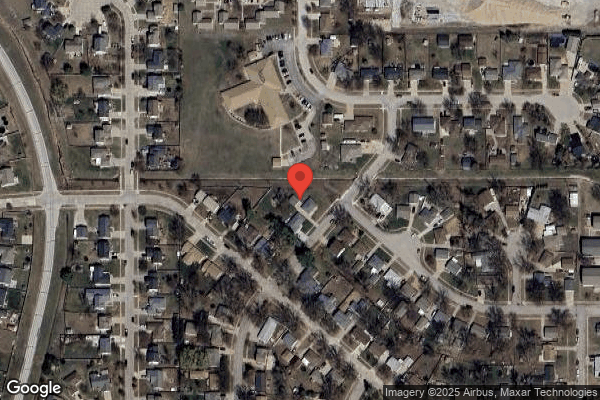
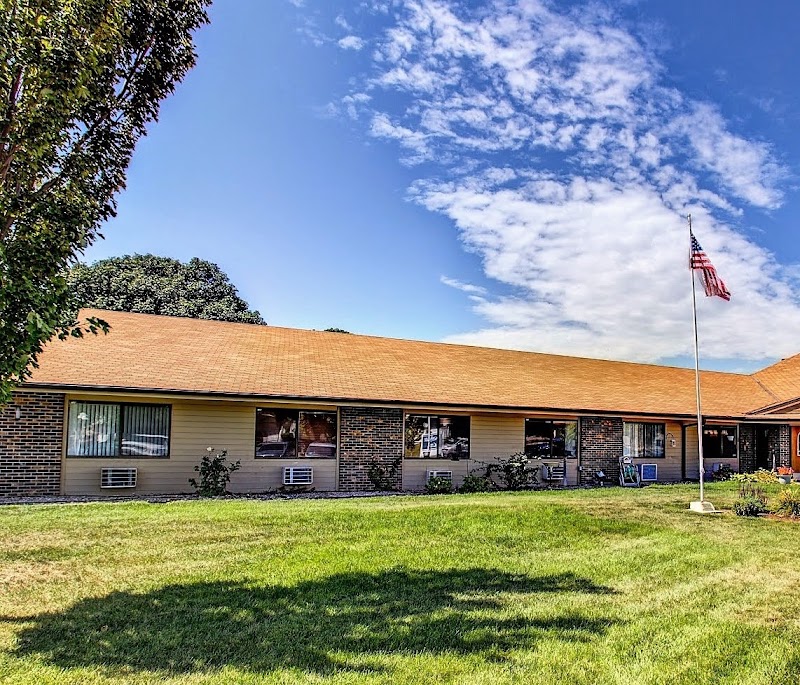
11041 North 137th St, Waverly, NE 68462 (402) 786-2626
For profit - Corporation 54 Beds AVID HEALTHCARE GROUP Data: November 2025 2 Immediate Jeopardy citations
Trust Grade
1/100
#171 of 177 in NE
Last Inspection: December 2024

Within standard 12-15 month inspection cycle. Federal law requires annual inspections.

Overview

The Mulberry at Waverly has a Trust Grade of F, which indicates significant concerns about the facility's quality of care and operations. It ranks #171 out of 177 facilities in Nebraska, placing it in the bottom half of the state, and is the lowest-ranked option in Lancaster County. Although the facility is improving its situation-reducing reported issues from 24 in 2024 to just 3 in 2025-there are still serious concerns, including a high staff turnover rate of 86%, which is well above the state average. The facility has also incurred $25,642 in fines, higher than 93% of Nebraska facilities, reflecting ongoing compliance problems. Specific incidents of concern include the failure to properly assess vital signs for two residents at the time of death, which raises serious questions about the quality of medical oversight. While staffing is rated average, there are still weaknesses that families should carefully consider.
Trust Score
F
1/100
In Nebraska
#171/177
Bottom 4%
Safety Record
High Risk
Review needed
Inspections
Getting Better
24 → 3 violations
Staff Stability
⚠ Watch
86% turnover. Very high, 38 points above average. Constant new faces learning your loved one's needs.
Penalties
✓ Good
$25,642 in fines. Lower than most Nebraska facilities. Relatively clean record.
Skilled Nurses
✓ Good
Each resident gets 42 minutes of Registered Nurse (RN) attention daily — more than average for Nebraska. RNs are trained to catch health problems early.
Violations
⚠ Watch
41 deficiencies on record. Higher than average. Multiple issues found across inspections.
★☆☆☆☆
1.0
Overall Rating
★★★☆☆
3.0
Staff Levels
★★☆☆☆
2.0
Care Quality
★☆☆☆☆
1.0
Inspection Score
Stable
2024: 24 issues
2025: 3 issues

The Good

  • Full Sprinkler Coverage · Fire safety systems throughout facility
  • No fines on record

Facility shows strength in fire safety.

The Bad

1-Star Overall Rating

Below Nebraska average (2.9)

Significant quality concerns identified by CMS

Staff Turnover: 86%

39pts above Nebraska avg (46%)

Frequent staff changes - ask about care continuity

Federal Fines: $25,642

Below median ($33,413)

Moderate penalties - review what triggered them

Chain: AVID HEALTHCARE GROUP

Part of a multi-facility chain

Ask about local staffing decisions and management

Staff turnover is very high (86%)

38 points above Nebraska average of 48%

The Ugly 41 deficiencies on record

2 life-threatening
Jun 2025 1 deficiency
CONCERN (D) 📢 Someone Reported This

A family member, employee, or ombudsman was alarmed enough to file a formal complaint

Potential for Harm - no one hurt, but risky conditions existed

Deficiency F0760 (Tag F0760)

Could have caused harm · This affected 1 resident

**NOTE- TERMS IN BRACKETS HAVE BEEN EDITED TO PROTECT CONFIDENTIALITY** Licensure Reference Number 175 NAC 12-006.10(D) Licensure Reference Number 175 NAC 12-006.10(A)(ii) Based on observation, interv...

Read full inspector narrative →
**NOTE- TERMS IN BRACKETS HAVE BEEN EDITED TO PROTECT CONFIDENTIALITY** Licensure Reference Number 175 NAC 12-006.10(D) Licensure Reference Number 175 NAC 12-006.10(A)(ii) Based on observation, interview, and record review, the facility failed to ensure 2 (Residents 4 and 5) of 2 sampled resident's insulin (a hormone produced in the pancreas which regulates the amount of glucose in the blood) was administered as ordered and to ensure staff followed the 5 rights for medication administration. The facility census was 44. Findings are: A record review of the facility's Timely Administration of Insulin policy dated 8/23 revealed: -All insulin will be administered in accordance with physician's orders. -Insulin administration will be coordinated with mealtimes and bedtime snacks unless otherwise specified in the physician orders. -Procedure includes reviewing the resident's name, medication name, medication dosage, time to be administered, and the route of the administration. A record review of the facility's Medication Administration policy dated 8/2023 revealed: - Ensure that the six rights of medication administration are followed: 1.Right resident 2. Right drug 3. Right dose 4.Right route 5.Right time 6.Right documentation -Administer medication as ordered in accordance with the manufacturer specifications. A record review of the manufacturer specifications on the novolog.com website regarding NovoLOG insulin administration revealed that NovoLog starts acting fast and to eat within 5-10 minutes after administration and take the medication exactly as ordered. A. A record review of Resident 4's Care Plan Report with an admission date of 9/18/2024 revealed a focus area of at risk for alteration in blood sugar levels, hypoglycemia (low blood sugar) and/or hyperglycemia (high blood sugars) due to Diabetes Mellitus (uncontrolled blood sugars), with a goal to have decrease risks for developing signs/symptoms of hyperglycemia or hypoglycemia. A record review of Resident 4's current diagnosis dated 6/23/2025 revealed Diabetes Mellitus. A record review of Resident 4's Minimum Data Set (MDS, a comprehensive assessment used to develop a resident's care plan) dated 06/10/2025 revealed the resident had a Brief Interview for Mental Status (BIMS, a score of a resident's cognitive abilities) of 15/15 which indicated the resident was cognitively aware. The resident was set up or clean up assist for eating and dependent for dressing and toileting. The MDS revealed the resident was receiving insulin injections. A record review of Resident 4's Order Summary Report dated 04/09/2025 revealed the resident had an order for NovoLOG FlexPen Insulin, inject 5 units subcutaneous before meals for Diabetes and to hold for blood sugars less than 100 and Basaglar KwikPen, inject 22 units subcutaneous in the morning for Diabetes Mellitus. A record review of Resident 4's EMAR (Electronic Medication Record) Resident Details report dated 06/24/2025 revealed that the NovoLOG FlexPen Insulin was documented as administered at 9:19 AM and was scheduled for 6:30 AM. A record review of Resident 4's Treatment Administration Record dated 06/24/2025 with a print time of 9:56 AM revealed that the NovoLOG FlexPen Insulin was documented as given and the and Basaglar KwikPen insulin was not signed as given. An interview on 6/24/2025 at 8:00 AM with LPN (Licensed Practical Nurse)-A confirmed Resident 4 had not yet received the insulin that was ordered for 6:30 AM before meals. It was also confirmed that the blood sugar was obtained but the insulin had not been given as ordered. An observation on 6/24/2025 at 8:00 AM revealed Resident 4 in the dining room eating breakfast. An interview on 6/24/2025 at 8:00 AM with Resident 4 confirmed the resident had not received insulin prior to eating breakfast. An interview on 6/24/2025 at 8:50 AM with the Director of Nursing (DON) confirmed that insulin is to be given within the ordered parameters. DON confirmed the insulin for Resident 4 was not given as ordered. An observation on 06/24/2025 at 9:15 AM revealed LPN-A administered 5 units of NovoLOG FlexPen insulin to Resident 4. The observation did not reveal Resident 4 receiving the Basaglar KwikPen Insulin. An interview on 6/24/2025 at 9:15 AM with LPN-A confirmed that Resident 4's insulin was given late and outside of the ordered parameters of 6:30 AM. B. A record review of Resident 5's Care Plan Report with an admission date of 6/16/2023 revealed a focus area of Diabetes with a goal to have reduced risk for complications related to Diabetes. Interventions included administering diabetic medications as ordered. A record review of Resident 5's MDS dated [DATE] revealed a diagnosis of Diabetes Mellitus, and Hyperlipidemia (high levels of fat particles in the blood). Resident 5 had a BIMS score of 13/15 which indicated the resident was cognitively aware. The MDS revealed Resident 5 was independent for eating, dressing, and bathing. The MDS revealed the resident was receiving insulin injections. A record review of resident 5's Treatment Administration Record dated 06/01/2025-06/30/2025 revealed the resident had an order for Insulin Aspart, inject 10 units subcutaneously before meals for Diabetes Mellitus to be given at 6:30 AM. A record review of Resident 5's EMAR (Electronic Medication Record) Resident Details report dated 06/24/2025 revealed that the Aspart Injection Solution (Insulin Aspart) was documented as administered at 7:58 AM with a scheduled time of 6:30 AM. An interview on 6/24/2025 at 8:00 AM with LPN-A confirmed that Resident 5 received the insulin at 7:58 AM and the insulin was ordered for 6:30 AM. An observation on 06/24/2025 at 8:30 AM of Resident 5 in the dining room eating breakfast. An interview on 6/24/2025 at 8:50 AM with the DON it was further confirmed that insulin is to be given within the ordered parameters and the insulin for Resident 5 was not given as ordered.
Apr 2025 2 deficiencies
CONCERN (D) 📢 Someone Reported This

A family member, employee, or ombudsman was alarmed enough to file a formal complaint

Potential for Harm - no one hurt, but risky conditions existed

Respiratory Care (Tag F0695)

Could have caused harm · This affected 1 resident

**NOTE- TERMS IN BRACKETS HAVE BEEN EDITED TO PROTECT CONFIDENTIALITY** Licensure Reference Number 175 NAC 12.006.09(h)(vi)(3)(g) Based on observation, interview, and record review, the facility faile...

Read full inspector narrative →
**NOTE- TERMS IN BRACKETS HAVE BEEN EDITED TO PROTECT CONFIDENTIALITY** Licensure Reference Number 175 NAC 12.006.09(h)(vi)(3)(g) Based on observation, interview, and record review, the facility failed to ensure 1 (Resident 1) of 1 sampled resident's oxygen concentrator (a machine that purifies oxygen) was functioning properly and that the settings were per the provider's orders. Total facility census was 46 residents. Findings are: A record review of the facility's undated Oxygen Concentrator policy revealed the staff was responsible for the use and care of oxygen concentrators and receive training on oxygen safety and the functionality of the device. Oxygen is administered under orders of the attending physician, except in the case of an emergency. A record review of the Invacare Operator's Manual Platinum Series concentrator manual revealed if the yellow indicator light was on by the exclamation point (!) indicator, the machine was only producing 73 percent (%) - 75% oxygen purity and the supplier should be called IMMEDIATELY. A record review of Resident 1's Clinical Census dated 04/08/2025 revealed the resident was admitted to the facility on [DATE]. A record review of Resident 1's Medical Diagnosis dated 04/08/2025 revealed the resident had diagnoses of Chronic Obstructive Pulmonary Disease (COPD), Chronic Respiratory Failure, Pneumonia, and Nicotine Dependence. A record review of Resident 1's Minimum Data Set (MDS)(a comprehensive assessment used to develop a resident's care plan) dated 01/04/2025 revealed the resident had a Brief Interview for Mental Status (BIMS)(a score of a residents cognitive abilities) of 12 which indicated the resident was moderately cognitively impaired (confused). The resident required supervision or touching assistance with eating, partial/moderate assistance with oral hygiene (cleaning), substantial/maximal assistance with dressing and personal hygiene, and was dependent on staff for footwear, toileting, and bathing. The MDS revealed that the resident was on oxygen therapy. A record review of Resident 1's Care Plan with an admission date of 11/26/2019 revealed an intervention of the resident now needed oxygen throughout the day dated 08/23/2023. The Care Plan did not reveal a setting but did reveal the resident needed continuous oxygen to keep oxygen saturations (sats)(percentage of oxygen in the blood) above 90%. A record review of Resident 1's Clinical Physician Orders dated 04/07/2025 revealed the resident had 2 orders for oxygen. One with a start date of 01/11/2024 for oxygen 1-4 liters per minute (l/M) to keep sats above 90%, and a more recent order with a start date of 11/21/2024 for oxygen to be on at all times at 2 l/m. BiPAP (a machine used to treat sleep apnea) at night or when sleeping. A record review of the facility's un-named provider communication form dated 11/20/2024 revealed an order for Resident 1 of oxygen to be on at all times at 2 l/m, may be removed for smoking. A record review of Resident 1's Medication Administration Record and Treatment Administration Record (MAR & TAR) dated April 2025 revealed the resident was marked as being on oxygen at all times at 2 l/m 04/04/2025 day and evening shift, 4/5/2025 all shifts, 04/06/2025 all shifts, and 4/07/2025 day shift. A record review of Resident 1's O2 (oxygen) Sats Summary dated 04/08/2025 revealed the following: • 04/08/2025 at 9:44 AM 94.0% Oxygen via Nasal Cannula (a tube in the nose to deliver oxygen) • 04/05/2025 at 9:24 AM 88.0% Oxygen via Nasal Cannula • 04/05/2025 at 5:50 AM 90.0% @ 3 L/M Oxygen via Nasal Cannula • 04/05/2025 at 1:46 AM 90.0% @ 3 L/M Oxygen via Nasal Cannula • 04/05/2025 at 1:12 AM 87.0% @ 3 L/M Oxygen via Nasal Cannula • 04/04/2025 at 9:04 PM 95.0% @ 6 L/M Oxygen via Nasal Cannula • 04/04/2025 at 8:30 PM 95.0% @ 6 L/M Oxygen via Nasal Cannula • 04/04/2025 at 8:29 PM 84.0% @ 4 L/M Oxygen via Nasal Cannula • 04/04/2025 at 8:27 PM 98.0% @ 6 L/M Oxygen via Nasal Cannula A record review of Resident 1's Progress Notes dated 04/04/2025 at 9:19 PM revealed the resident's oxygen kept dropping when the resident put on the BiPAP and the resident was switched to normal oxygen tanks and the oxygen sats went back up. The resident was sent to the hospital. A record review of Resident 1's Progress Notes dated 04/05/2025 at 1:00 AM revealed the resident was on 2 l/m throughout the hospital stay. When the resident returned to the facility, the resident's sats were 87% on 3 l/m. A record review of Resident 1's Progress Notes dated 04/07/2025 at 2:24 PM revealed the resident's concentrator was showing signs of malfunction (not working properly) and was replaced with a brand-new machine. Oxygen sats after the change was 92% on 3 l/m. An observation on 04/07/2025 at 11:25 AM revealed that Resident 1 was sleeping in bed and the resident would barely open eyes to answer questions and would fall back asleep while talking. The resident had rapid, shallow respirations (breathing) and could hardly speak. The resident waved hand back and forth when asked if the resident was short of breath. The resident's respiratory rate was 24 breaths per minute. The resident was sleeping in bed with an oxygen nasal cannula on and the Invacare Platinum XL oxygen concentrator set at 4 l/m. A BiPAP was on the bedside table without the tubing to connect it to the oxygen, and an orange light on the oxygen concentrator's face by the exclamation point that indicated the machine was not functioning correctly oxygen purity was below normal and a telephone symbol that indicated call supplier. An observation on 04/07/2025 at 2:07 PM revealed Resident 1 was sleeping in the room with the lights off. The oxygen concentrator was on and set at 4 l/m and the yellow light was still in indicating the machine's oxygen purity was below normal. The BiPAP was not on the resident and no oxygen tubing connected to the BiPAP. An observation on 04/07/2025 at 2:16 PM with Licensed Practical Nurse (LPN)-A revealed Resident 1 was sleeping in the room with the lights off. The oxygen concentrator was on and set at 4 l/m and the yellow light was still in indicating the machine's oxygen purity was below normal. LPN-A checked the resident's oxygen sat and it was 94% on 4 l/m. LPN-A the went and got a new oxygen concentrator and exchanged the Invacare Platinum XL oxygen concentrator that had the yellow light on Resident 1. An observation on 04/08/2025 at 7:15 AM revealed the resident was alert and the oxygen concentrator was set at 3 l/m. The resident could complete sentences without stopping for a breath or falling asleep. The resident was pleasant and answered several questions. In an interview on 04/07/2025 at 2:16 PM with LPN-A, LPN-A confirmed Resident 1 came back from the hospital on [DATE] and was on 2 l/m throughout the stay. The resident returned and was 87% on 3 l/m. LPN-A confirmed the oxygen concentrator was on and set at 4 l/m and the yellow light was on which indicated the machine was not functioning properly. In an interview on 04/07/2025 at 3:12 PM, LPN-A confirmed if Resident 1 had 2 orders for oxygen, LPN-A would follow the most recent. In an interview on 04/07/2025 at 3:15 PM, the Regional Nurse Consultant (RNC) confirmed a yellow light on Resident 1's concentrator revealed the machine was not functioning correctly and the resident had 2 orders for oxygen and the most recent was for 2 l/m all of the time. In an interview on 04/08/2025 at 2:05 PM the Director of Nursing (DON) confirmed Resident 1's oxygen concentrator had a light on indicating it was not functioning properly, it should have been changed out, and it was as soon as the DON was made aware of the problem. The order they had for the resident was for 2 l/m all of the time and the resident should not have been on 4 l/m.
CONCERN (F) 📢 Someone Reported This

A family member, employee, or ombudsman was alarmed enough to file a formal complaint

Potential for Harm - no one hurt, but risky conditions existed

Safe Environment (Tag F0921)

Could have caused harm · This affected most or all residents

**NOTE- TERMS IN BRACKETS HAVE BEEN EDITED TO PROTECT CONFIDENTIALITY** Licensure Reference Number 175 NAC 12.006.19(A) Based on observation, interview, and record review, the facility failed to ensur...

Read full inspector narrative →
**NOTE- TERMS IN BRACKETS HAVE BEEN EDITED TO PROTECT CONFIDENTIALITY** Licensure Reference Number 175 NAC 12.006.19(A) Based on observation, interview, and record review, the facility failed to ensure that the ceiling ventilation (vent) covers in the facility were cleaned and sanitized to prevent cross contamination. This had the potential to affect all residents in the facility. Total census was 46 residents. Findings are: A record review of the facility's Routine Cleaning and Disinfection policy dated 08/2023 revealed that routine cleaning and disinfection of visible soiled surfaces would be performed in common areas. An observation on 04/07/2025 at 11:40 AM revealed the flat ceiling vent in the entrance foyer (sitting area), conference room, above the nurse's station, in the ceiling at the entrance to the dining room, at the end of the Havelock hall, and at the end of the [NAME] hall all had a brown fuzzy substance on them. An observation on 04/08/2025 at 6:47 AM revealed the flat ceiling vent in the entrance foyer (sitting area), conference room, above the nurse's station, in the ceiling at the entrance to the dining room, at the end of the Havelock hall, and at the end of the [NAME] hall all had a brown fuzzy substance on them. An observation on 04/08/2025 at 11:27 AM with the Regional Maintenance Director (RMD) revealed the flat ceiling vent in the entrance foyer (sitting area), conference room, above the nurse's station, in the ceiling at the entrance to the dining room, at the end of the Havelock hall, and at the end of the [NAME] hall all had a brown fuzzy substance on them. An observation on 04/08/2025 at 11:50 AM with the Regional Director of Operations (RDO) and the Administrator revealed the flat ceiling vent in the entrance foyer (sitting area), conference room, above the nurse's station, in the ceiling at the entrance to the dining room, at the end of the Havelock hall, and at the end of the [NAME] hall all had a brown fuzzy substance on them. In an interview on 04/08/2025 at 11:27 AM, the RMD confirmed the flat ceiling vent in the entrance foyer, conference room, above the nurse's station, in the ceiling at the entrance to the dining room, at the end of the Havelock hall, and at the end of the [NAME] hall all had a brown fuzzy substance on them. The RMD confirmed there was not a workorder for maintenance to clean them because it was a housekeeping concern. Healthcare Service Group is the contracted company that does the facility cleaning and the RMD had reported the issue to them, and it had not been taken care of and should have been. In an interview on 04/08/2025 at 11:50 AM, the Administrator confirmed the above vents had a brown fuzzy substance on the and should have been clean. The Administrator confirmed it was not a housekeeping responsibility; it was the responsibility of the maintenance department to keep them clean. In an interview on 04/08/2025 at 11:50 AM, the RDO confirmed the above listed vents had a gray fuzzy substance on them and should have been clean and there was not a workorder in the system for maintenance to complete that task, but it would be added.
Dec 2024 9 deficiencies
CONCERN (D) 📢 Someone Reported This

A family member, employee, or ombudsman was alarmed enough to file a formal complaint

Potential for Harm - no one hurt, but risky conditions existed

Report Alleged Abuse (Tag F0609)

Could have caused harm · This affected 1 resident

Licensure Reference Number 175 NAC 12.006.02(H) Based on interview and record review, the facility failed to ensure 1 (Resident 10) of 1 sampled resident's abuse investigation was sent to the State Ag...

Read full inspector narrative →
Licensure Reference Number 175 NAC 12.006.02(H) Based on interview and record review, the facility failed to ensure 1 (Resident 10) of 1 sampled resident's abuse investigation was sent to the State Agency within 5 working days. The facility census was 47. Findings are: A record review of the facility's undated Abuse, Neglect and Exploitation policy revealed the Administrator would follow up with government agencies, during business hours, to confirm the initial report was received and to report the results of the investigation when final within 5 working days of the incident, as required by state agencies. A record review of the facility's Possible Abuse investigation dated 10/22/2024 revealed an investigation of the potential abuse on 10/22/2024 for staff to resident abuse was completed and the event happened 10/22/2024 at 12:45 PM. A record review of the facility's Self Report - Act#1089191/ dated 10/29/2024 revealed Possible Abuse investigation dated 10/22/2024 was emailed to DHHS Health Facility Investigations on 10/29/24 at 3:38 PM. In an interview on 12/04/2024 at 2:06 PM, the Administrator confirmed the event happened 10/22/2024 at 12:45 PM and the investigation was not emailed to the State Agency until 10/29/2024 at 3:58 PM. The Administrator confirmed that was 6 working days from the date of the event and it should have been sent within 5 working days.
CONCERN (D)

Potential for Harm - no one hurt, but risky conditions existed

Comprehensive Assessments (Tag F0636)

Could have caused harm · This affected 1 resident

**NOTE- TERMS IN BRACKETS HAVE BEEN EDITED TO PROTECT CONFIDENTIALITY** Licensure Reference Number 175 NAC 12-006.09C(i) Based on the record review and interviews, the facility failed to complete an a...

Read full inspector narrative →
**NOTE- TERMS IN BRACKETS HAVE BEEN EDITED TO PROTECT CONFIDENTIALITY** Licensure Reference Number 175 NAC 12-006.09C(i) Based on the record review and interviews, the facility failed to complete an admission MDS (Minimum Data Set, a comprehensive assessment of each resident's functional capabilities) for Resident 196 (1 of 4 sampled residents) in the required time frames. The facility census was 47. Findings are: Record review of admission Record dated 12/2/24 revealed Resident 196's admission was 10/21/24. Record review of MDS date 11/6/24 was started but not completed. The documentation indicated the MDS was in progress. An interview on 12/4/24 at 12:30 PM with the Minimum Data Set Cordinator confirmed that Resident 196's MDS dated [DATE] is late. An interview on 12/4/24 at 12:32 PM with the Director of Nursing confirmed that Resident 196's MDS dated [DATE] is late. Record review of CMS's RAI Version 3.0 Manual 2024 revealed: 5.2 Timeliness Criteria - For the admission assessment, the MDS Completion Date (Z0500B) must be no later than 13 days after the Entry Date (A1600).
CONCERN (D) 📢 Someone Reported This

A family member, employee, or ombudsman was alarmed enough to file a formal complaint

Potential for Harm - no one hurt, but risky conditions existed

Accident Prevention (Tag F0689)

Could have caused harm · This affected 1 resident

**NOTE- TERMS IN BRACKETS HAVE BEEN EDITED TO PROTECT CONFIDENTIALITY** Licensure Reference Number 175 NAC 12.006.09(I) Based on observation, interview, and record review, the facility failed to ensur...

Read full inspector narrative →
**NOTE- TERMS IN BRACKETS HAVE BEEN EDITED TO PROTECT CONFIDENTIALITY** Licensure Reference Number 175 NAC 12.006.09(I) Based on observation, interview, and record review, the facility failed to ensure interventions were added to prevent falls for 1 (Resident 10) of 1 sampled resident. The facility census was 47. Findings are: A record review of the facilities Incident and Accidents policy dated 8/2023 revealed the purpose of incident reporting could include assuring that appropriate and immediate interventions are implemented and corrective actions are taken to prevent recurrences. A record review of Resident 10's Clinical Census dated 12/03/2024 revealed the resident was admitted to the facility on [DATE]. A record review of Resident 10's Medical Diagnosis dated 12/03/2024 revealed the resident had diagnoses of fall from bed, hemiplegia and hemiparesis following other cerebrovascular disease affecting left non-dominant side (a condition that is a result from damage to the right side of the brain), congestive heart failure (CHF), chronic obstructive pulmonary disease (COPD), and peripheral vascular disease (low blood flow in the arms and legs). A record review of Resident 10's Minimum Data Set (MDS, a comprehensive assessment used to develop a resident's care plan) dated 09/06/2024 revealed the resident had a Brief Interview for Mental Status (BIMS, a score of a residents cognitive abilities) of 13 which indicated the resident was cognitively aware. The resident was supervision or touching assistance with oral hygiene (cleaning) and footwear. Partial moderate assistance with dressing, and substantial/maximal assistance with toileting and bathing. The MDS revealed the resident had fallen in the last month. A record review of Resident 10's Progress Note dated 10/22/2024 revealed the Nursing Assistant found Resident 10 on the floor beside the bed. The resident confirmed the resident slid down from the sheets. The resident was assessed and determined to have no new injuries or pain. A record review of Resident 10's Fall Assessment dated 10/22/2024 revealed the resident fell from bed and was assessed but did not reveal a new intervention to prevent future falls. A record review of Resident 10's Care Plan with an admission date of 08/22/2024 revealed a focus area of the resident being at risk for falls related to dementia/confusion and an intervention on 08/31/2024 of wedge under the resident while in bed to define edges and that intervention was revised on 09/05/2024. The Care Plan did not reveal a new intervention for the resident's 10/22/2024 fall to prevent future falls. An observation on 12/02/2024 at 11:30 AM revealed the resident was lying in bed with wedges in the bed with the resident. The call light and fluids were in reach. An observation on 12/03/2024 at 11:09 AM revealed Resident 10 was sitting in a wheelchair in the television room waiting to go out to smoke with a Prevalon boot (heel protector) on the left foot. The only potential fall intervention observed in place was a shoe on the right foot. In an interview on 12/02/2024 at 11:30 AM, Resident 10 confirmed the resident had fallen at the facility in August and October 2024. In an interview on 12/04/2024 at 12:24 PM, the Director of Nursing (DON) confirmed the DON done a record review of progress notes and fall assessments and seen the resident had a fall on 10/22/2024 but confirmed the facility did not have an incident report or investigation on the fall. In an interview on 12/04/2024 at 3:24 PM, the DON confirmed the facility did not have an incident report or investigation for Resident 10's fall on 10/22/2024 and the DON confirmed there was not an intervention put in place to prevent future falls. In an interview on 12/05/2024 at 10:50 AM, the Administrator confirmed the staff discussed Resident 10's fall on 10/22/2024 and a wedge was the intervention the staff put in place. The Administrator confirmed a Fall Risk Assessment or investigation had not been completed. The Administrator confirmed the wedge intervention had already been put in place following the 8/31/2024 fall, and that a new intervention to prevent future falls had not been put in place.
CONCERN (D)

Potential for Harm - no one hurt, but risky conditions existed

Infection Control (Tag F0880)

Could have caused harm · This affected 1 resident

**NOTE- TERMS IN BRACKETS HAVE BEEN EDITED TO PROTECT CONFIDENTIALITY** Licensure Reference Number 175 NAC 12.006.18(B) Based on observation, record review, and interview, the facility failed to ensur...

Read full inspector narrative →
**NOTE- TERMS IN BRACKETS HAVE BEEN EDITED TO PROTECT CONFIDENTIALITY** Licensure Reference Number 175 NAC 12.006.18(B) Based on observation, record review, and interview, the facility failed to ensure Personal Protective Equipment (PPE) was followed in an Enhanced Barrier Precautions (EBP) room for 1 (Resident 1) of 1 sampled residents. This had the potential to affect all residents EBP. The facility failed to ensure the staff performed hand hygiene for 2 (Resident's 4 and 21) of 2 sampled residents during cares this had the potential to affect all the residents in the facility. The facility failed to ensure Resident 21's BiPAP filter was cleaned or replaced to prevent cross contamination. This had the potential to affect 1 (Resident 21) of 1 sampled resident. The facility identified a census of 47. Findings are: A. A review of the facility Policy: Enhanced Barrier Precautions dated 04/01/2024 revealed the following: It is the policy of this facility to implement enhanced barrier precautions for the prevention of transmission of multidrug-resistant organisms (MDRO). Initiation of Enhanced Barrier Precautions: An order for enhanced barrier precautions will be obtained for residents with any of the following: -Wounds (E.g., chronic wounds such as pressure ulcers, diabetic foot ulcers, unhealed surgical wounds, and chronic venous stasis ulcers) and/or indwelling medical devices (e.g., central lines, urinary catheters, feeding tubes, tracheostomy/ventilator tubes) even if the resident is not known to be infected or colonized with MDRO. Implementation of Enhanced Barrier Precautions: -Make gowns and gloves available immediately near or outside of the resident's room. Note: face protection may also be needed if preforming activity with risk of splash or spray (i.e., wound irrigation, tracheostomy care). -Personal protective equipment (PPE) for enhanced barrier precautions is only necessary when preforming high-contact care activities and may not need to be donned prior to entering the resident's room. High-Contact resident care activities include: -Providing hygiene. -Changing briefs or assisting with toileting. -Device care or use: central lines, urinary catheters, feeding tubes, tracheostomy/ventilator tubes. -Wound care: any skin opening requiring a dressing. Enhanced barrier precautions should be followed outside the resident's room when performing transfers and assisting/during bathing in a shared/common shower room and when working with residents in the therapy gym, specifically when anticipating close physical contact while assisting with transfers and mobility. A record review of Resident 1's Care Plan dated 12/02/2024, revised on 12/02/2024 revealed: -Focus: The resident requires Enhanced Barrier Precautions due to Ostomy, pressure injury, Urinary catheters. -Goal: The resident will remain free from active infection with an MDRO through the review date. -Interaction: Wear gowns and gloves during high-contact resident care activities An observation on 12/3/24 at 10:45 AM revealed Registered Nurse (RN)-E enter Resident 1's room, RN-E preformed hand hygiene, placed gloves on both hands and gathered supplies needed for the wound care. RN-E assisted Resident 1 into a position of comfort and removed the old dressing, exposing two areas to the left upper gluteal region. RN-E removes their gloves, preformed hand hygiene and placed clean gloves on both hands. RN-E cleans the wound areas as per wound care orders. RN-E removes the soiled gloves, preforms hand hygiene, and places a pair of clean gloves on their bothl hands. RN-E applied a clean dressings on the wound per the wound care order. RN-E removes their gloves, preformed hand hygiene and placed clean gloves on both hands. RN-E assisted Resident 1 into a position of comfort, returns the supplies not used during the interaction and cleans the platform used to house the wound care supplies while preforming the wound care. RN-E preformed hand hygiene and exited the room. The observation did not reveal RN-E putting on PPE prior to performing wound care for Resident 1. An interview on 12/3/24 at 11:26 AM with RN-E, confirmed that when providing cares in an EBP room that include high-contact cares like wound care, staff are to preform hand hygiene, and wear gloves, gowns and at times eye shields. RN-E confirmed [gender] did not wear a gown during the wound care interaction with Resident 1. An interview on 12/3/24 at 11:34 AM with the Director of Nursing (DON) revealed the expectation for PPE use while providing cares in an EBP room would include the staff to wear gloves, gowns, and face shields if needed. DON confirmed that wound care is a high contact care requiring PPE. B. Record review of Resident 4's admission record dated 12/3/24 revealed Resident 4 was admitted on [DATE]. Record review of Resident 4's MDS (Minimum Data Set, a comprehensive assessment of each resident's functional capabilities) dated 10/3/24 revealed section C- BIMS (Brief Interview for Mental Status, a test used to get a quick snapshot of a resident's cognitive function, scored from 0-15, the higher the score, the higher the cognitive function) was 15 and Section H indicated catheter. Record review of Resident 4s' diagnoses revealed: Retention of Urine, Obstructive and Reflux Uropathy, unspecified and Benign Prostatic Hyperplasia without Lower Tract Symptoms. Record review of Resident 4's Comprehensive Care Plan (CCP- written instructions needed to provide effective and person-centered care of the resident that meet professional standards of quality care) revealed that resident has a urinary indwelling catheter (used to allow urine to drain if you have an obstruction in the tube that carries urine out of the bladder) and requires Enhanced Barrier Precautions. Record review of Resident 4's December 2024 Medication Administration Record revealed a physician's order that started on 12/2/24 for Keflex (a medication used to treat infections) Oral Capsule 500 mg by mouth two times a day for wound for 7 days. Record review of Resident 4's Physician Orders revealed: L) knee wound: Cleanse with mild soap and water, apply medihoney to wound bed, cut silver alginate to wound size and place into wound bed, cover with Mepilex everyday shift for wound care and for wound care as needed for soiling. An observation on 12/3/24 at 9:30 AM of left knee wound cares by RN-E revealed, EBP equipment on back of the bathroom door. RN-E performed hand hygiene with soap and water for 5 seconds, and applied gloves. RN-E did not put a gown on for EBP. RN-E removed the old dressing from left knee wound. RN-E performed hand hygiene with gel and then donned (put on) gloves. RN-E cleansed the wound with soap and water and then dried the wound. RN-E performed hand hygiene with gel and donned gloves. RN-E applied medi-honey ointment using a sterile q-tip, then cut a small piece of silver alginate and placed in wound bed. RN-E performed hand hygiene with gel and donned gloves. RN-E applied Mepilex dressing and dated it. RN-E performed hand hygiene for 10 seconds with soap and water, donned gloves, then applied stump shrinker. RN-E tied up trash bag, then washed hands 3 seconds with soap and water, and took trash bag out to hopper. In an interview with RN-E on 12/3/24 at 9:43 AM revealed that [gender] needed to wash hands at least 20 seconds and did not. In an interview with the DON on 12/4/24 at 6:55 AM revealed that the expectations for hand washing is to rub hands for 20 seconds and the staff are to wear EBP when caring for wounds. Record review of Hand hygiene Policy dated 4/1/24 revealed: All staff will perform proper hand hygiene procedures to prevent the spread of infection to other personnel, residents, and visitors. This applies to all staff working in all locations within the facility. -Rub hands together vigorously for at least 20 seconds, covering all surfaces of the hands and fingers. -Rinse hands with water. -Dry thoroughly with a single-use towel. C. Record review of Resident 21's admission record revealed admission was 4/16/20. Record review of Resident 21's diagnosis revealed Urinary retention. Record review of Resident 21's Minimum Data Set (MDS, a comprehensive assessment of each resident's functional capabilities) dated 8/21/24 revealed: Section C- Brief Interview for Mental Status (BIMS, a test used to get a quick snapshot of a resident's cognitive function, scored from 0-15, the higher the score, the higher the cognitive function) was 14 and Section H indicated occasional incontinence of urine. In an interview with Resident 21 on 12/3/24 at 11:05 AM revealed Resident 21's catheter was inserted when in the hospital but [gender] was unsure why. In an interview on 12/4/24 at 10:00 am with Assistant Director of Nursing revealed Resident 21 has been seeing the urologist for months for urinary retention and Urge incontinence. Record review of Resident 21's Physician orders revealed: -Foley catheter cares every day and evening shift for hygiene -Start Date- 11/07/2024. -Ensure dignity bag covering catheter every shift every shift -Start Date- 11/15/2024. An observation on 12/4/24 at 11:55 AM of catheter cares for Resident 21 by Nurse Aide (NA)-F and NA-G revealed, when both NA's entered Resident 21's room they took out a gown from the EBP (enhanced barrier precautions) supplies, looked at each other and then at surveyor and asked if they needed to put a gown on. Surveyor replied for them to do what they usually do. NA-F and NA-G donned the gowns. NA-F washed [gender] hands with soap and water for 20 seconds and donned gloves. NA-G washed [gender] hands with soap and water for 18 seconds and donned gloves. NA-F drained the catheter bag appropriately. NA-G placed catheter bag back in the privacy bag. NA-F looked at surveyor and asked if [gender] should take [gender] gloves off. Again, surveyor replied to them, to do what they usually do. NA-F then performed hand hygiene with soap and water for 18 seconds and donned gloves. NA-G did not perform hand hygiene. NA-F assisted the resident to lay on the bed, and removed slacks and the pull up brief. No hand hygiene was performed. NA-F layed the cleansing wipe container on the small dresser, took out a peri-wipe, and cleansed both groins folding wipe over between groins. NA-F obtained another wipe with using the same soiled glove and cleansed catheter at meatus area down tubing 6 inches while holding onto the catheter. NA-F obtained a clean wipe with using the same soiled glove again and cleansed catheter at meatus area down tubing 6 inches again holding onto the catheter. NA-F and NA-G assisted the resident with putting pull up and slacks back on, then they removed gloves and gown. NA-G washed hands with soap and water for14 seconds. NA-F performed hand hygiene with soap and water for 20 seconds. In an interview with NA-F on 12/4/24 at 12:13 PM confirmed that [gender] should have washed [gender] hands for at least 20 seconds and before cleansing Resident 21 NA-F should have washed hands again. NA-F revealed [gender] didn't realize [gender] could not use the same glove to get the clean wipes from container. In an interview with NA-G on 12/4/24 at 12:14 PM revealed that [gender] should have washed [gender] hands for at least 20 seconds and should have performed hand hygiene after placing catheter bag in the privacy bag. In an interview with the DON on 12/4 at 12:22 PM revealed that staff have been trained regarding EBP and to perform hand washing for at least 20 seconds. DON also confirmed NA-F should have not gotten into the clean wipes with dirty gloves. Record review of Hand hygiene Policy dated 4/1/24 revealed: All staff will perform proper hand hygiene procedures to prevent the spread of infection to other personnel, residents, and visitors. This applies to all staff working in all locations within the facility. Hand hygiene technique when using soap and water: -Wet hands with water. Avoid using hot water to prevent drying of skin. -Apply to hands the amount of soap recommended by the manufacturer. -Rub hands together vigorously for at least 20 seconds, covering all surfaces of the hands and fingers. -Rinse hands with water. -Dry thoroughly with a single-use towel. -Use clean towel to turn off the faucet. Record review of Enhanced Barrier Precautions Policy dated 4/1/24 revealed: It is the policy for this facility to implement enhanced barrier precautions for the prevention of transmission of multidrug-resistant organisms. Implementation of Enhanced Barrier Precaution: -PPE for enhanced barrier precautions is only necessary when preforming high-contact care High contact resident care activities include: -Dressing, -Bathing, -Transferring, -Providing hygiene, -Changing linens, -Changing briefs or assisting with toileting, -Device care or use: central lines, urinary catheters, feeding tubes, tracheostomy/ventilator tubes, -Wound care: any skin opening requiring a dressing. A record review of the facility's Noninvasive Ventilation (Continuous Positive Airway Pressure (CPAP), Bilevel Positive Airway Pressure (BiPAP), Average Volume-Assured Pressure Support (AVAPS), Trilogy)(all machines used to assist with breathing) policy dated 8/2023 revealed the facility would follow manufacturer's instructions for the frequency of cleaning/replacing filters and servicing the machine. Disposable filters would be replaced twice monthly. A record review of Resident 21's Clinical Census dated 12/03/2024 revealed the resident was admitted to the facility on [DATE]. A record review of Resident 21's Medical Diagnosis dated 12/03/2024 revealed the resident had diagnoses of chronic obstructive pulmonary disease (COPD), obstructive sleep apnea (OSA)(closure of the airway during sleep), chronic respiratory failure with hypercapnia (too much carbon dioxide the body can't get rid of), and morbid obesity (severely overweight). A record review of Resident 21's Minimum Data Set (MDS, a comprehensive assessment used to develop a resident's care plan) dated 08/21/2024 revealed the resident had a Brief Interview for Mental Status (BIMS)(a score of a residents cognitive abilities) of 14 which indicated the resident was cognitively aware. The resident was set up assistance with oral hygiene (cleaning), supervision or touching assistance with personal hygiene, dressing, and footwear, and partial/moderate assistance with toileting and bathing. The MDS revealed the resident was on a noninvasive ventilator. A record review of Resident 21's Care Plan with an admission date of 12/02/2020 revealed a focus area of the potential and actual altered respiratory pattern due to the inability to maintain an effective airway clearance due to pneumonia and COPD and need oxygen and BiPAP at night. A record review of Resident 21's Order Summary Report dated 12/03/2024 revealed the resident was on a BiPAP to be worn at hours of sleep, but it did not reveal an order for filter changes. A record review of Resident 21's Medication Administration Record and Treatment Administration Record (MAR & TAR) dated 10/01/2024 - 12/03/2024 revealed the resident was marked at wearing the BiPAP every night except 11/07/2024, 10/13/2024, 10/15/2024, and 10/24/2024. An observation on 12/02/2024 at 9:44 AM revealed Resident 21's BiPAP mask was laying on the bedside table and the BiPAP's disposable filter was dark gray and had a fuzzy gray coating on it. The BiPAP was a ResMed Airtouch 10 BiPAP and the disposable filter was supposed to be white. An observation on 12/03/2024 at 7:59 AM revealed Resident 21's BiPAP mask was laying on the bedside table and the BiPAP's disposable filter was dark gray and had a fuzzy gray coating on it. The BiPAP was a ResMed Airtouch 10. An observation on 12/03/2024 at 2:40 PM revealed Resident 10's BiPAP supplies had been cleaned but the filter was a dark fray and coated with a gray fuzzy substance. An observation on 12/05/2024 at 10:01 AM with the DON revealed Resident 21's BiPAP disposable filter was dark gray and had a fuzzy gray coating on it. In an interview on 12/02/2024 at 8:05 AM, Resident 21 confirmed the staff did not clean or replace the disposable filer in the BiPAP. In an interview on 12/05/2024 at 10:01 AM, the DON confirmed Resident 21's BiPAP disposable filter was dark gray with a gray fuzzy coating on it. The DON confirmed the filter had not been cleaned or replaced and should have been.
CONCERN (E) 📢 Someone Reported This

A family member, employee, or ombudsman was alarmed enough to file a formal complaint

Potential for Harm - no one hurt, but risky conditions existed

Safe Environment (Tag F0584)

Could have caused harm · This affected multiple residents

**NOTE- TERMS IN BRACKETS HAVE BEEN EDITED TO PROTECT CONFIDENTIALITY** Licensure Reference Number 175 NAC 12-006.19A Based on observations, interviews, and record review, the facility failed to maint...

Read full inspector narrative →
**NOTE- TERMS IN BRACKETS HAVE BEEN EDITED TO PROTECT CONFIDENTIALITY** Licensure Reference Number 175 NAC 12-006.19A Based on observations, interviews, and record review, the facility failed to maintain the walls, floors, door frames, light fixtures, exhaust fans, urine smells and baseboards in 14 rooms (rooms: 104,107,109, 112, 114, 116, 118, 119, 121, 122, 123, 124, 125, 126). The facility identified a census of 47. Findings are: Observations on 12/05/2024 between 9:05 AM and 9:45 AM with the facility Administrator (ADM) and the Corporate Nurse (CN) identifying the following environmental concerns during the environmental tour of the facility: -The ceiling fans in rooms: 104,107,109, 112, 114, 116, 118, 119, 121, 122, 123, 124, 125, 126 did not pull tissue to the fan during the tissue test and were covered in a gray fuzzy substance. -Resident rooms: 104,107,109, 112, 114, 116, 118, 119, 121, 122, 123, 124, 125, 126 had holes in drywall, walls with missing paint in. -There was a strong smell of urine present from resident room [ROOM NUMBER]. -In room [ROOM NUMBER] there was a broken plastic nightlight cover to the outside of the bathroom wall. -room [ROOM NUMBER]'s door frame is missing one side of the outer wall toward the bathroom door. -room [ROOM NUMBER]'s call light cord in the bathroom was missing. -The heater/air conditioner unit that sits in the wall under the window in room [ROOM NUMBER] is missing the wall around the unit. Cold air is visible, making a fog when entering the inner building. -A flyswatter was hanging on the hallway wall on the [NAME] wing. -Multiple screw, nails and hooks are in the [NAME] and Havelock wing walls. No décor is noted in the hallways. An interview on 12/05/2024 at 9:00 AM with the ADM and CN, revealed the TELS system is used to monitor any maintenance issues that have been reported. Requests made to obtain copies of the reports that would be in correspondence to the above stated rooms, TELS forms were not found. An interview on 12/05/2024 9:30 AM with ADM and CN, confirmed the above areas of concern observed during the environmental tour of the facility. An interview on 12/05/2024 at 9:40 AM with the ADM confirmed the above identified issues needed to be fixed and/or cleaned. An interview on 12/05/2024 at 11:59 AM with the ADM revealed the facility does not have a policy on environmental needs in the facility.
CONCERN (E) 📢 Someone Reported This

A family member, employee, or ombudsman was alarmed enough to file a formal complaint

Potential for Harm - no one hurt, but risky conditions existed

Unnecessary Medications (Tag F0759)

Could have caused harm · This affected multiple residents

**NOTE- TERMS IN BRACKETS HAVE BEEN EDITED TO PROTECT CONFIDENTIALITY** C. Record review of Resident 199 admission record revealed admission date was 11/25/24. An observation on 12/4/24 at 8:49 AM of ...

Read full inspector narrative →
**NOTE- TERMS IN BRACKETS HAVE BEEN EDITED TO PROTECT CONFIDENTIALITY** C. Record review of Resident 199 admission record revealed admission date was 11/25/24. An observation on 12/4/24 at 8:49 AM of LPN-H and Registered Nurse (RN)-I revealed, LPN-H gave a medication cup with medications in it to RN-I. RN-I administer the medications to Resident 199. The observation did not reveal that RN-I followed the 5 rights of medication administration by verifying the medications were correct dose, resident, route, time or right drug prior to giving the medicaitons. In an interview on 12/5/24 at 8:53 AM with RN-I revealed that [gender] did not dispense the medications for Resident 199 but stood by the cart and watched LPN-H dispense them, then LPN-H gave the medication cup to RH-I to give to the resident. The ADON was standing there with us and saw RN-I administer the medications also. RN-I said that LPN-H will document given since RN-I does not have access yet as [gender] is orientating. RN-I revealed that [gender] should not administer medications that someone else dispensed. Interview on 12/5/24 at 8:56 AM with LPN-H revealed that LPN-H did dispense the medications and gave to the RN-I to administer them. LPN-H confirmed that [gender] should not have done this. Interview with LPN-H on 12/4/24 at 8:59 AM that the following medications that were dispensed for Resident #199 were: Aspirin EC (Enteric coated) 81 milligrams everyday, Clopidogrel Bisulfate 75 milligrams every day, Empegliflozin 10 milligrams everyday, Lasix 40 milligrams everyday, Lisinopril 40 milligrams everyday, Pantoprazole Sodium 40 milligrams everyday, Amlodipine Besylate 5 milligrams twice a day, Breztri Aerosphere Inhalation 160-9-4.8 micrograms/act 1 puff inhale twice a day, Carvedilol 6.25 milligrams twice a day, Levetiracetam 500 milligrams twice a day, Metformin HCL 1000 milligrams twice a day, and Acetaminophen 500 milligrams 2 tabs three times a day. Interview on 12/5/24 at 9:44 AM with the DON confirmed that RN-I should not have administered medications as still orienting and did not dispense the medications themself. Medication Administration Policy dated 8/2023 revealed: Medications are administrated by licensed nurses, or other staff who are legally authorized to do so in this state. As ordered by the physician and in accordance with professional standards of practice, in a manner to prevent contamination or infection. Identify resident by photo in the MAR (medication administration record). Ensure that the six rights of medication administration are followed: -Right resident -Right drug -Right dosage -Right route -Right time -Right documentation Review MAR to identify medication to be administered. 12. Compare medication source (bubble pack, vial, etc.) with MAR to verify resident name, medication name, form, dose, route, and time. 14. Remove medication from source, taking care not to touch medication with bare hand. 16. Observe resident consumption of medication. 18. Sign MAR after administered. Licensure Reference Number 175 NAC 12.006.10(D) Based on observation, interviews, and record review, the facility staff failed to ensure a medication error rate of less than 5%. Observation of 40 medications revealed 14 errors resulting in an error rate of 35%. The medication errors affected 3 (Resident 10, 21, and 199) of 5 sampled residents. The facility staff identified a census of 47. Findings are: A. A record review of the facility's Timely Administration of Insulin policy dated 8/2023 revealed it was the policy of the facility to provide timely administration of insulin in order to meet the needs of each resident and to prevent adverse effects on a resident's condition. All insulin would be administered in accordance with physician's orders. A record review of the facility's Medication Administration policy dated 8/2023 revealed the staff should have obtained vital signs when applicable or per physician's orders. Ensure that the six rights of medication administration were followed: right resident, right drug, right dosage, right route, right time, right documentation. A record review of Resident 21's Clinical Census dated 12/03/2024 revealed the resident was admitted to the facility on [DATE]. A record review of Resident 21's Medical Diagnosis dated 12/03/2024 revealed the resident had diagnoses of long-term use of insulin, type 2 diabetes mellitus (uncontrolled blood sugar), chronic obstructive pulmonary disease (COPD), obstructive sleep apnea (OSA, closure of the airway during sleep), chronic respiratory failure with hypercapnia (too much carbon dioxide the body can't get rid of), and morbid obesity (severely overweight). A record review of Resident 21's Minimum Data Set (MDS, a comprehensive assessment used to develop a resident's care plan) dated 08/21/2024 revealed the resident had a Brief Interview for Mental Status (BIMS, a score of a residents cognitive abilities) of 14 which indicated the resident was cognitively aware. The resident was set up assistance with oral hygiene (cleaning), supervision or touching assistance with personal hygiene, dressing, and footwear, and partial/moderate assistance with toileting and bathing. The MDS revealed the resident was receiving insulin injections. A record review of Resident 21's Care Plan with an admission date of 12/02/2020 revealed a focus area of I am at risk for alteration (changes) in my blood sugar levels, hypoglycemia (low blood sugar) and/or hyperglycemia (high blood sugar) due to my diabetes. The interventions included blood sugar checks as ordered by doctor. Hold scheduled insulin if blood glucose (sugar) is below 100 (my blood sugars will be low a lot of the time). A record review of Resident 21's Order Summary Report dated 12/03/2024 revealed the resident had an order for Lantus SoloStar Solution Pen injector 100 unit/ml (milliliter) (Insulin Glargine), Inject 25 units subcutaneously two times a day for diabetes hold for blood glucose (BG) below100 milligrams per deciliter (mg/dl). A record review of Resident 21's Medication Administration Record and Treatment Administration Record (MAR & TAR) dated December 2023 revealed the resident was marked as the resident received the 25 units of Lantus SoloStar Solution Pen injector 100 unit/ml at 7:00 AM on 12/03/2024 and the BG level documented was 143 mg/dl. An observation on 12/03/2024 at 7:59 AM revealed Registered Nurse (RN)-E administered 25 units of Lantus SoloStar Solution Pen injector 100 unit/ml (Insulin Glargine). The observation did not reveal that RN-E tested Resident 21's BG level prior to administering the insulin. An observation on 12/03/2024 at 8:03 AM revealed RN-E went back in Resident 21's room and tested the resident's BG and it was 143 ml/dl. In an interview on 12/03/2024 at 7:59 AM, RN-E confirmed RN-E should have tested Resident 21's BG prior to the administration of the 25 units of Lantus SoloStar Solution Pen injector 100 unit/ml (Insulin Glargine) per the provider's order. In an interview on 12/05/2024 at 6:39 AM, the DON confirmed RN-E should not have administered Resident 21's 25 units of Lantus SoloStar Solution Pen injector 100 unit/ml (Insulin Glargine) without checking the resident's BG level first to determine if the BG was above 100 ml/dl per the provider's parameter, and it would be considered a significant medication error. B. A record review of the facility's Timely Administration of Insulin policy dated 8/2023 revealed it was the policy of the facility to provide timely administration of insulin in order to meet the needs of each resident and to prevent adverse effects on a resident's condition. All insulin would be administered in accordance with physician's orders. A record review of the facility's Medication Administration policy dated 8/2023 revealed the staff should have obtained vital signs when applicable or per physician's orders. Ensure that the six rights of medication administration were followed: right resident, right drug, right dosage, right route, right time, right documentation. A record review of Resident 10's Clinical Census dated 12/03/2024 revealed the resident was admitted to the facility on [DATE]. A record review of Resident 10's Medical Diagnosis dated 12/03/2024 revealed the resident had diagnoses of type 2 diabetes mellitus, fall from bed, hemiplegia and hemiparesis following other cerebrovascular disease affecting left non-dominant side (a condition that is a result from damage to the right side of the brain), congestive heart failure (CHF), COPD, and peripheral vascular disease (low blood flow in the arms and legs). A record review of Resident 10's MDS dated 09/06/2024 revealed the resident had a BIMS of 13 which indicated the resident was cognitively aware. The resident was supervision or touching assistance with oral hygiene and footwear. Partial moderate assistance with dressing, and substantial/maximal assistance with toileting and bathing. The MDS revealed the resident was administered insulin injections. A record review of Resident 10's Care Plan with an admission date of 08/22/2024 revealed a focus area of the resident had diabetes, and a goal of no complications related to diabetes through the review date. A record review of Resident 10's Order Summary dated 12/03/2024 revealed the resident had an order for Insulin Lispro Injection Solution 100 unit/ml (Insulin Lispro) Inject 3 unit subcutaneously before meals for diabetes. The order did not reveal parameters of do not administer if less than a specific BG level. A record review of Resident 10's MAR & TAR dated December 2024 revealed the resident's Lispro Injection Solution 100 unit/ml (Insulin Lispro) Inject 3 unit subcutaneously was not administered 12/04/2024 at 7:30 AM with a reason code of 12 indicating the blood sugar within normal parameters. An observation on 12/04/2024 at 7:24 AM revealed Licensed Practical Nurse (LPN)-H checked Resident 10's BG and it was 97 ml/dl. The observation did not reveal any insulin was administered. An observation on 12/04/2024 at 7:59 AM LPN-H administered Resident 10's Lantus long-acting insulin, but did not administer the resident's Insulin Lispro Injection Solution 100 unit/ml (Insulin Lispro) Inject 3 unit subcutaneously before meals. In an interview on 12/04/2024 at 7:24 AM, LPN-H confirmed Resident 10's Insulin Lispro Injection Solution 100 unit/ml (Insulin Lispro) Inject 3 unit subcutaneously before meals or Insulin Lispro Injection Solution 100 UNIT/ML (Insulin Lispro) Inject as per sliding scale would not be administered due to the residents BG was less than 100 ml/dl. In an interview on 12/04/2024 at 7:59 AM, LPN-H confirmed LPN-H did not administer Resident 10's Insulin Lispro Injection Solution 100 unit/ml (Insulin Lispro) Inject 3 unit subcutaneously before because the residents BG was less than 100 ml/dl. In an interview on 12/04/2024 at 8:40 AM, LPN-H confirmed Resident 10's confirmed order for Insulin Lispro Injection Solution 100 unit/ml (Insulin Lispro) Inject 3 unit subcutaneously before meals did not have a parameter but LPN-H held anyway due to BG was less than 100 ml/dl. In an interview on 12/05/2024 at 6:39 AM, the DON confirmed LPN-H should have administered Resident 10's Insulin Lispro Injection Solution 100 unit/ml (Insulin Lispro) Inject 3 unit subcutaneously before meals on 12/04/2024 at 7:59 AM due to the order did not have parameters to hold, and it would be considered a significant medication error.
CONCERN (E) 📢 Someone Reported This

A family member, employee, or ombudsman was alarmed enough to file a formal complaint

Potential for Harm - no one hurt, but risky conditions existed

Deficiency F0760 (Tag F0760)

Could have caused harm · This affected multiple residents

**NOTE- TERMS IN BRACKETS HAVE BEEN EDITED TO PROTECT CONFIDENTIALITY** C. Record review of Resident #199 admission record revealed admission date was 11/25/24. Observed LPN-H give a medication cup wi...

Read full inspector narrative →
**NOTE- TERMS IN BRACKETS HAVE BEEN EDITED TO PROTECT CONFIDENTIALITY** C. Record review of Resident #199 admission record revealed admission date was 11/25/24. Observed LPN-H give a medication cup with medications in it to RN-I on 12/4/24 at 8:49 AM. Observed RN-I administer the medications to Resident #199. Surveyor did not observe if RN-I checked the 5 medication rights or checking the MARS for Resident 199 before administration. Interview on 12/5/24 at 8:53 AM with RN-I revealed that [gender] did not dispense the medications for Resident 199 but stood by the cart and watched LPN-H dispense them, then LPN-H gave the medication cup to RH-I to give to the resident. The ADON was standing there with us and saw RN-I administer the medications also. RN-I said that LPN-H will document given since RN-I does not have access yet as [gender] is orientating. RN-I revealed that [gender] should not administer medications that someone else dispensed. Interview on 12/5/24 at 8:56 AM with LPN-H revealed that LPN-H did dispense the medications and gave to the RN-I to administer them. LPN-H confirmed that [gender] should not have done this. Interview with LPN-H on 12/4/24 at 8:59 AM that the following medications that were dispensed for Resident #199 were: Aspirin EC (Enteric coated) 81 milligrams everyday, Clopidogrel Bisulfate 75 milligrams every day, Empegliflozin 10 milligrams everyday, Lasix 40 milligrams everyday, Lisinopril 40 milligrams everyday, Pantoprazole Sodium 40 milligrams everyday, Amlodipine Besylate 5 milligrams twice a day, Breztri Aerosphere Inhalation 160-9-4.8 micrograms/act 1 puff inhale twice a day, Carvedilol 6.25 milligrams twice a day, Levetiracetam 500 milligrams twice a day, Metformin HCL 1000 milligrams twice a day, and Acetaminophen 500 milligrams 2 tabs three times a day. Interview on 12/5/24 at 9:44 AM with the DON confirmed that RN-I should not have administered medications as still orienting and did not dispense the medications themself. Medication Administration Policy dated 8/2023 revealed: Medications are administrated by licensed nurses, or other staff who are legally authorized to do so in this state. As ordered by the physician and in accordance with professional standards of practice, in a manner to prevent contamination or infection. 3. Identify resident by photo in the MAR (medication administration record). 10. Ensure that the six rights of medication administration are followed: a. Right resident b. Right drug c. Right dosage d. Right route e. Right time f. Right documentation 11. Review MAR to identify medication to be administered. 12. Compare medication source (bubble pack, vial, etc.) with MAR to verify resident name, medication name, form, dose, route, and time. 14. Remove medication from source, taking care not to touch medication with bare hand. 16. Observe resident consumption of medication. 18. Sign MAR after administered. Licensure Reference Number 175 NAC 12.006.10(D) Licensure Reference Number 175 NAC 12.006.10(A)(ii) Based on observation, interview, and record review, the facility failed to ensure 2 (Residents 10 and 21) of 5 sampled resident's Insulin was administered as ordered and ensure staff followed the 5 rights for medication administration for 1 (Resident 199) of 5 sampled residents. The facility census was 47. Findings are: A. A record review of the facility's Timely Administration of Insulin policy dated 8/2023 revealed it was the policy of the facility to provide timely administration of insulin in order to meet the needs of each resident and to prevent adverse effects on a resident's condition. All insulin would be administered in accordance with physician's orders. A record review of the facility's Medication Administration policy dated 8/2023 revealed the staff should have obtained vital signs when applicable or per physician's orders. Ensure that the six rights of medication administration were followed: right resident, right drug, right dosage, right route, right time, right documentation. A record review of Resident 21's Clinical Census dated 12/03/2024 revealed the resident was admitted to the facility on [DATE]. A record review of Resident 21's Medical Diagnosis dated 12/03/2024 revealed the resident had diagnoses of long-term use of insulin, type 2 diabetes mellitus (uncontrolled blood sugar), chronic obstructive pulmonary disease (COPD), obstructive sleep apnea (OSA)(closure of the airway during sleep), chronic respiratory failure with hypercapnia (too much carbon dioxide the body can't get rid of), and morbid obesity (severely overweight). A record review of Resident 21's Minimum Data Set (MDS)(a comprehensive assessment used to develop a resident's care plan) dated 08/21/2024 revealed the resident had a Brief Interview for Mental Status (BIMS)(a score of a residents cognitive abilities) of 14 which indicated the resident was cognitively aware. The resident was set up assistance with oral hygiene (cleaning), supervision or touching assistance with personal hygiene, dressing, and footwear, and partial/moderate assistance with toileting and bathing. The MDS revealed the resident was receiving insulin injections. A record review of Resident 21's Care Plan with an admission date of 12/02/2020 revealed a focus area of I am at risk for alteration (changes) in my blood sugar levels, hypoglycemia (low blood sugar) and/or hyperglycemia (high blood sugar) due to my diabetes. The interventions included blood sugar checks as ordered by doctor. Hold scheduled insulin if blood glucose (sugar) is below 100 (my blood sugars will be low a lot of the time). A record review of Resident 21's Order Summary Report dated 12/03/2024 revealed the resident had an order for Lantus SoloStar Solution Pen injector 100 unit/ml (milliliter) (Insulin Glargine), Inject 25 units subcutaneously two times a day for diabetes HOLD OF BLOOD GLUCOSE (BG) BELOW 100 milligrams per deciliter (mg/dl). A record review of Resident 21's Medication Administration Record and Treatment Administration Record (MAR & TAR) dated December 2023 revealed the resident was marked as the resident received the 25 units of Lantus SoloStar Solution Pen injector 100 unit/ml at 7:00 AM on 12/03/2024 and the BG level documented was 143 mg/dl. A record review of Resident 21's MAR & TAR dated October 2024 revealed the resident was administered Lantus SoloStar Solution Pen injector 100 unit/ml (Insulin Glargine), Inject 25 units on 10/02/2024 at 8:00 PM with a BG level of 93 ml/dl. An observation on 12/03/2024 at 7:59 AM revealed Registered Nurse (RN)-E administered 25 units of Lantus SoloStar Solution Pen injector 100 unit/ml (Insulin Glargine). The observation did not reveal that RN-E tested Resident 21's BG level prior to administering the insulin. An observation on 12/03/2024 at 8:03 AM revealed RN-E went back in Resident 21's room and tested the resident's BG and it was 143 ml/dl. In an interview on 12/03/2024 at 7:59 AM, RN-E confirmed RN-E should have tested Resident 21's BG prior to the administration of the 25 units of Lantus SoloStar Solution Pen injector 100 unit/ml (Insulin Glargine) per the provider's order. In an interview on 12/05/2024 at 7:53 AM, the Director of Nursing (DON) confirmed Resident 21's 10/02/2024 at 8:00 PM dose of Lantus was given with a BG of 93 ml/dl and the order had a parameter to hold if less than 100 ml/dl and should not have been administered. In an interview on 12/05/2024 at 6:39 AM, the DON confirmed RN-E should not have administered Resident 21's 25 units of Lantus SoloStar Solution Pen injector 100 unit/ml (Insulin Glargine) without checking the resident's BG level first to determine if the BG was above 100 ml/dl per the provider's parameter, and it would be considered a significant medication error. B. A record review of the facility's Timely Administration of Insulin policy dated 8/2023 revealed it was the policy of the facility to provide timely administration of insulin in order to meet the needs of each resident and to prevent adverse effects on a resident's condition. All insulin would be administered in accordance with physician's orders. A record review of the facility's Medication Administration policy dated 8/2023 revealed the staff should have obtained vital signs when applicable or per physician's orders. Ensure that the six rights of medication administration were followed: right resident, right drug, right dosage, right route, right time, right documentation. A record review of Resident 10's Clinical Census dated 12/03/2024 revealed the resident was admitted to the facility on [DATE]. A record review of Resident 10's Medical Diagnosis dated 12/03/2024 revealed the resident had diagnoses of type 2 diabetes mellitus, fall from bed, hemiplegia and hemiparesis following other cerebrovascular disease affecting left non-dominant side (a condition that is a result from damage to the right side of the brain), congestive heart failure (CHF), COPD, and peripheral vascular disease (low blood flow in the arms and legs). A record review of Resident 10's MDS dated 09/06/2024 revealed the resident had a BIMS of 13 which indicated the resident was cognitively aware. The resident was supervision or touching assistance with oral hygiene and footwear. Partial moderate assistance with dressing, and substantial/maximal assistance with toileting and bathing. The MDS revealed the resident was administered insulin injections. A record review of Resident 10's Care Plan with an admission date of 08/22/2024 revealed a focus area of the resident had diabetes, and a goal of no complications related to diabetes through the review date. A record review of Resident 10's Order Summary dated 12/03/2024 revealed the resident had an order for Insulin Lispro Injection Solution 100 unit/ml (Insulin Lispro) Inject 3 unit subcutaneously before meals for diabetes. The order did not reveal parameters of do not administer if less than a specific BG level. Resident 10 also had an order for Insulin Lispro Injection Solution 100 UNIT/ML (Insulin Lispro) Inject as per sliding scale: if 150 - 199 = 1 unit 4x/daily before meals and at bedtime; 200 - 249 = 2 units; 250 - 299 = 3 units; 300 - 349 = 4 units; 350 - 399 = 5 units ; 400 - 999 = 6 units 400 or greater give 6 units, subcutaneously before meals and at bedtime for diabetes, sliding scale insulin. A record review of Resident 10's MAR & TAR dated December 2024 revealed the resident's Lispro Injection Solution 100 unit/ml (Insulin Lispro) Inject 3 unit subcutaneously was not administered 12/04/2024 at 7:30 AM with a reason code of 12 indicating the blood sugar within normal parameters. A record review with the DON of Resident 10's MAR & TAR dated October 2024 revealed the resident's Lispro Injection Solution 100 unit/ml (Insulin Lispro) Inject 3 unit subcutaneously before meals for diabetes was not administered 10/14/2024, 10/25/2024, and 10/29/2024 at 6:30 AM and it was documented the blood sugar was within normal parameters. Resident 10's order for Insulin Lispro Injection Solution 100 unit/ml (Insulin Lispro) Inject as per sliding scale order was not administered and the resident's BG was 178 ml/dl. An observation on 12/04/2024 at 7:24 AM revealed Licensed Practical Nurse (LPN)-H checked Resident 10's BG and it was 97 ml/dl. The observation did not reveal any insulin was administered. An observation on 12/04/2024 at 7:59 AM LPN-H administered Resident 10's Lantus long-acting insulin, but did not administer the resident's Insulin Lispro Injection Solution 100 unit/ml (Insulin Lispro) Inject 3 unit subcutaneously before meals. In an interview on 12/04/2024 at 7:24 AM, LPN-H confirmed Resident 10's Insulin Lispro Injection Solution 100 unit/ml (Insulin Lispro) Inject 3 unit subcutaneously before meals or Insulin Lispro Injection Solution 100 UNIT/ML (Insulin Lispro) Inject as per sliding scale would not be administered due to the residents BG was less than 100 ml/dl. In an interview on 12/04/2024 at 7:59 AM, LPN-H confirmed LPN-H did not administer Resident 10's Insulin Lispro Injection Solution 100 unit/ml (Insulin Lispro) Inject 3 unit subcutaneously before because the residents BG was less than 100 ml/dl. In an interview on 12/04/2024 at 8:40 AM, LPN-H confirmed Resident 10's confirmed order for Insulin Lispro Injection Solution 100 unit/ml (Insulin Lispro) Inject 3 unit subcutaneously before meals did not have a parameter but LPN-H held anyway due to BG was less than 100 ml/dl. In an interview on 12/05/2024 at 11:28 AM, the DON confirmed Resident 10's Insulin Lispro Injection Solution 100 unit/ml (Insulin Lispro) Inject 3 unit subcutaneously before meals for diabetes should have been administered 10/14/2024, 10/25/2024, and 10/29/2024 at 6:30 AM, but nurse held due to blood sugar within normal parameters and the order did not have an order to hold if BG less than a specific value. The DON confirmed Resident 10's BG was 171 ml/dl on 10/30/2024 at 8:00 PM and the resident's Insulin Lispro Injection Solution 100 UNIT/ML (Insulin Lispro) Inject as per sliding scale was not administered per the ordered parameters and should have been. In an interview on 12/05/2024 at 6:39 AM, the DON confirmed LPN-H should have administered Resident 10's Insulin Lispro Injection Solution 100 unit/ml (Insulin Lispro) Inject 3 unit subcutaneously before meals on 12/04/2024 at 7:59 AM due to the order did not have parameters to hold, and it would be considered a significant medication error.
CONCERN (F)

Potential for Harm - no one hurt, but risky conditions existed

Staffing Information (Tag F0732)

Could have caused harm · This affected most or all residents

Based on observation and interview, the facility failed to ensure posting of the daily nursing staffing was current and contained all the required information. This had the potential to affect all the...

Read full inspector narrative →
Based on observation and interview, the facility failed to ensure posting of the daily nursing staffing was current and contained all the required information. This had the potential to affect all the facility residents. The facility identified a census of 47. Findings are: Observation on 12/2/24 at 11:38 AM and 2:40 PM revealed missing posting for the daily census sheet. Observation on 12/3/24 at 8:20 AM and 3:15 PM revealed missing postings for the daily census sheet. Observation on 12/4/24 at 7:15 AM revealed missing postings for the daily census sheet. An interview on 12/4/24 at 8:09 AM with the Administrator (ADM) revealed the facility did not have a policy for daily nursing staffing posting. An interview on 12/4/24 at 8:15 AM with Human Resources (HR) confirmed the posting is missing for December 2nd, 3rd, and 4th of 2024. An interview on 12/4/2024 at 8:30 AM with the ADM, confirmed the posting of the daily nursing staffing was not posted for December 2nd, 3rd, and 4th of 2024.
CONCERN (F) 📢 Someone Reported This

A family member, employee, or ombudsman was alarmed enough to file a formal complaint

Potential for Harm - no one hurt, but risky conditions existed

Food Safety (Tag F0812)

Could have caused harm · This affected most or all residents

Licensure Reference Number 175 NAC 12.006.18(D) Licensure Reference Number 175 NAC 12.006.18(B) Licensure Reference Number 175 NAC 12.006.19(A) Based on observation, interview, and record review, the ...

Read full inspector narrative →
Licensure Reference Number 175 NAC 12.006.18(D) Licensure Reference Number 175 NAC 12.006.18(B) Licensure Reference Number 175 NAC 12.006.19(A) Based on observation, interview, and record review, the facility failed to ensure the dietary staff performed handwashing for greater than 20 seconds to prevent foodborne illness, that the kitchen ceiling ventilation covers (vents) and light fixtures were clean to prevent cross contamination, and that all walls and the ceiling were in safe condition. The had the ability to affect 45 residents that consumed food from the kitchen. Findings are: A. A record review of the facility's Handwashing Guidelines for Dietary Employees policy dated 8/2023 revealed handwashing was necessary to prevent the spread of bacteria that may cause foodborne illnesses. Turn on water and moisten hands, cover with soap and rub vigorously for at least 20 seconds. An observation on 12/04/2024 at 09:50 AM revealed the facility's [NAME] (Cook-A) performed handwashing 8 seconds and gloved prior to food preparation. Cook-A got a knife and cut onions in quarters on cutting board, removed gloves and handwashed for 6 seconds. Cook-A put new gloves on, put onions in robot coup and blended then poured in a large mixing bowl. Cook-A took all items to dirty dish area, removed gloves, and performed handwashing for 12 seconds. Cook-A applied new gloves, got a bag, and cracked open eggs into a pitcher. Cook-A threw away the bag of eggshells, handwashed for 14 seconds and applied new gloves. Cook-A whisked eggs, poured in the large metal bowl, got a sanitizer rag, and sanitized the prep table surface. Cook-A then handwashed for 12 seconds, gloved, got a large cookie sheet, and covered with parchment paper, got a large tube of hamburger, opened, tore apart, and placed in the large metal bowl. Cook-A removed gloves, applied new gloves without handwashing, disposed of wrappers and put pan in dirty area. An observation on 12/04/2024 at 11:02 AM revealed Dietary Aide (DA-B) was washing dirty dishes in the sanitizer room, came into the main kitchen and performed handwashing for 14 seconds, and got clean dishes to return to the main kitchen. In an interview on 12/04/2024 at 10:46 AM, Cook-A confirmed [gender] was not washing hands for greater than 20 seconds and should have been. In an interview on 12/04/2024 at 2:10 PM, the facility's Registered Dietician (RD) confirmed the staff was not washing their hands for greater than 20 seconds and should have been. B. An observation on 12/02/2024 at 7:04 AM revealed the ceiling plaster was bubbled and cracked with a gray fuzzy substance around the vent as you enter the kitchen from the dining room above the prep area and steam table. There was a large crack in the wall above the food preparation sink as you enter the room with the 3-compartment sink from the main kitchen. The ceiling light fixtures above the prep tables contained a gray fuzzy substance. There was 1 ceiling vent in the room with the 3-compartment sink and 1 ceiling vent in the room with the dish sanitizer that were coated with a gray fuzzy substance and the filters were gray. An observation on 12/03/2024 at 8:53 AM with the RD revealed the ceiling plaster was bubbled and cracked with a gray fuzzy substance around the vent as you enter the kitchen from the dining room above the prep area and steam table. There was a large crack in the wall above the food preparation sink as you enter the room with the 3-compartment sink from the main kitchen. The ceiling light fixtures above the prep tables contained a gray fuzzy substance. There was 1 ceiling vent in the room with the 3-compatrtment sink and 1 ceiling vent in the room with the dish sanitizer that were coated with a gray fuzzy substance and the filters were gray. In an interview on 12/03/2024 at 8:53 AM, the RD confirmed the RD seen the ceiling plaster was bubbled and cracked with a gray fuzzy substance around the vent as you enter the kitchen from the dining room above the prep area and steam table. There was a large crack in the wall above the food preparation sink as you enter the room with the 3-compartment sink from the main kitchen. The ceiling light fixtures above the prep tables contained a gray fuzzy substance. There was 1 ceiling vent in the room with the 3-compatrtment sink and 1 ceiling vent in the room with the dish sanitizer that were coated with a gray fuzzy substance and the filters were gray. The RD confirmed the above items needed repaired, cleaned, and replaced. In an interview on 12/05/2024 at 12:13 PM, the DON confirmed all but 2 of the facility's census of 47 residents consume food from the kitchen.
Aug 2024 2 deficiencies
CONCERN (E) 📢 Someone Reported This

A family member, employee, or ombudsman was alarmed enough to file a formal complaint

Potential for Harm - no one hurt, but risky conditions existed

Quality of Care (Tag F0684)

Could have caused harm · This affected multiple residents

**NOTE- TERMS IN BRACKETS HAVE BEEN EDITED TO PROTECT CONFIDENTIALITY** Licensure Reference Number 175 NAC 4-006.09(H) Based on interview and record review, the facility failed to ensure daily weights...

Read full inspector narrative →
**NOTE- TERMS IN BRACKETS HAVE BEEN EDITED TO PROTECT CONFIDENTIALITY** Licensure Reference Number 175 NAC 4-006.09(H) Based on interview and record review, the facility failed to ensure daily weights were completed physician's order on 4 (Residents 1,3,5 and 6) of 4 sampled residents. The total facility census was 47. Findings are: A record review of the facility's Weight Monitoring policy dated 02/23/2023 revealed the facility would develop a weight monitoring schedule upon admission and if clinically indicated, monitor weights daily. A. A record review of Resident 1's Clinical Census dated 08/28/2024 revealed the resident was admitted to the facility on [DATE] and was discharged on 07/09/2024. A record review of Resident 1's Medical Diagnoses dated 08/28/2024 revealed the resident had diagnoses of Acute Systolic (Congestive) Heart Failure (CHF), Dysphagia (difficulty swallowing), Need For Assistance With Personal Care, and Morbid Obesity (severely overweight). A record review of Resident 1's Minimum Data Set (MDS)(a comprehensive assessment used to develop a resident's care plan) dated 07/09/2024 revealed the resident had a Brief Interview for Mental Status (BIMS)(a score of a residents cognitive abilities) of 15 of 15 which indicates the resident was cognitively intact (able to make decisions and remember). The resident needed substantial/maximal assistance with bathing, partial/moderate assistance with toileting, dressing, footwear, and personal hygiene (cleaning), and supervision with oral hygiene. A record review of Resident 1's Care Plan with an admission date of 06/27/2024 revealed the resident had a Focus area of CHF and had an intervention of weight monitoring per physician's orders. A record review of Resident 1's Clinical Physician Orders dated 08/28/2024 revealed the physician ordered daily weights to be completed in the morning. A record review of Resident 1's Medication Administration Record and Treatment Administration Record (MARs & TARs) dated June and July 2024 did not reveal daily weights. A record review of Resident 1's Weights & Vitals dated 08/28/2024 revealed 1 weight was taken for Resident 1 on 06/27/2024. In an interview on 08/28/2024 at 11:28 AM, the facility's Regional Clinical Nurse (RCN) confirmed 1 weight taken for Resident 1 was on 06/27/2024 and the resident's weight should have been taken daily and was not. B. A record review of Resident 3's Clinical Census dated 08/28/2024 revealed the resident was admitted to the facility on [DATE]. A record review of Resident 3's Medical Diagnoses dated 08/28/2024 revealed the resident had diagnoses of CHF, Dysphagia, Dyskinesia Of The Esophagus (disorders of the tube that carries food from the mouth to the stomach), Unspecified Protein-Calorie Malnutrition (inadequate intake of protein and calories), and Malignant Neoplasm Of Brain (brain cancer). A record review of Resident 3's MDS dated [DATE] revealed the resident had BIMS of 15 of 15 which indicates the resident was cognitively intact. The resident needed supervision with all activities of daily living (ADLs) and substantial/maximal assistance with bathing. A record review of Resident 3's Clinical Physician Orders dated 08/28/2024 revealed the physician ordered daily weights before breakfast. A record review of Resident 3's Weights & Vitals section of Resident 3's Electronic Medical record (EMR) dated 08/28/2024 revealed the facility staff did not identify the resident's weights in the EMR for the following dates:: -08/21/2024 -08/11/2024 -08/10/2024 -08/05/2024 -08/04/2024 -07/28/2024 -07/27/2024 -07/14/2024 -06/27/2024 -06/05/2024 A record review of Resident 3's MARs & TARs dated June, July and August 2024 reveal daily weights were not identified as being taken for the following dates: -8/11/2024 -08/10/2024 -08/05/2024 -07/28/2024 -06/27/2024 -06/05/2024 In an interview on 08/28/2024 at 10:06 AM, Resident 3 confirmed the resident did not get weighed every day. In an interview on 08/28/2024 at 11:28 AM, the facility's Regional Clinical Nurse (RCN) confirmed the Resident 3's weight was not taken every day and should have been taken daily per the physician's order and were not. C. A record review of Resident 5's Clinical Census dated 08/27/2024 revealed the resident was admitted to the facility on [DATE]. A record review of Resident 5's Medical Diagnoses dated 08/28/2024 revealed the resident had diagnoses of Schizoaffective Disorder (bipolar disorder), Chronic Obstructive Pulmonary Disease (COPD), Nausea And Vomiting, and Morbid Obesity. A record review of Resident 5's MDS dated 08/18/2024 did not reveal the resident had BIMS completed. The resident was dependent with upper body dressing, needed setup assistance with eating and oral and personal hygiene, supervision for toileting, lower body dressing, and footwear, and partial/moderate assistance with bathing. A record review of Resident 5's Care Plan with an admission date of 12/02/2020 revealed a Focus area at risk for inability to maintain nutrition and an intervention for daily weights. A record review of Resident 5's Clinical Physician Orders dated 08/27/2024 revealed the physician ordered daily weight before breakfast. A record review of Resident 5's Weights & Vitals section of Resident 5's EMR dated 08/28/2024 revealed the facility staff did not identify the resident's weighs in the EMR for the following dates: -08/11/2024 -08/03/2024 -07/28/2024 -07/27/2024 -07/27/2024 -07/05/2024 -06/19/2024 -06/18/2024 -06/15/2024 -06/14/2024 -06/11/2024 -06/07/2024 -06/05/2024 -06/04/2024 A record review of Resident 5's MARs & TARs dated June, July and August 2024 did not reveal daily weights were not identified as being taken for the following dates: -08/11/2024 -07/28/2024 -06/19/2027 -06/18/2024 -06/05/2024 -06/04/2024 In an interview on 08/28/2024 at 11:28 AM, the facility's Regional Clinical Nurse (RCN) confirmed the Resident 6's weight was not taken every day and should have been taken daily per the physician's order. D. A record review of Resident 6's Clinical Census dated 08/27/2024 revealed the resident was admitted to the facility on [DATE]. A record review of Resident 6's Medical Diagnoses dated 08/28/2024 revealed the resident had diagnoses of Paranoid Schizophrenia (overly suspicious), COPD, and Dysphagia. A record review of Resident 6's MDS dated 07/11/2024 revealed the resident had BIMS of 15 of 15 which indicates the resident was cognitively intact. The resident was independent with personal hygiene, needed setup assistance for eating and oral hygiene, partial/moderate assistance bathing and dressing, and substantial/moderate assistance with toileting and footwear. A record review of Resident 6's Care Plan with an admission date of 11/24/2019 revealed a Focus area potential/actual risk for alteration (changes) in cardiovascular (heart and blood vessels) status and an intervention of obtain weight as ordered daily and report changes to the doctor. A record review of Resident 6's Clinical Physician Orders dated 08/27/2024 revealed the physician ordered daily weight before breakfast. A record review of Resident 6's Weights & Vitals of the resident EMR dated 08/28/2024 revealed the facility staff had not identified the resident's weights in the EMR for the following dates: -08/23/2024 -08/11/2024 -08/17/2024 -08/16/2024 -08/15/2024 -08/11/2024 -08/07/2024 -07/28/2024 - 08/04/2024 -07/21/2024 -07/08/2024 - 07/18/2024 -07/05/2024 -07/04/2024 -07/02/2024 -07/01/2024 -06//30/2024 -06/28/2024 -/06/27/2024 -06/21/2024 - 06/23/2024 -06/17/2024 -06/14/2024 -06/07/2024 - 06/10/2024 -06/04/2024 A record review of Resident 6's MARs & TARs dated June, July and August 2024 revealed Resident 6's weights were not identified as being completed for the following dates: -08/23/2024 -08/11/2024 -08/02/2024 -07/31/2024 -07/28/2024 -07/19/2024 -07/18/2024 -07/08/2024 In an interview on 08/28/2024 at 10:50 AM, Resident 6 confirmed the Resident 6 was supposed to get weighed daily but did not. In an interview on 08/28/2024 at 11:28 AM, the facility's Regional Clinical Nurse (RCN) confirmed the Resident 6's weight was not taken every day and should have been taken daily per the physician's order.
CONCERN (E) 📢 Someone Reported This

A family member, employee, or ombudsman was alarmed enough to file a formal complaint

Potential for Harm - no one hurt, but risky conditions existed

Deficiency F0725 (Tag F0725)

Could have caused harm · This affected multiple residents

**NOTE- TERMS IN BRACKETS HAVE BEEN EDITED TO PROTECT CONFIDENTIALITY** Licensure Reference Number 175 NAC 4-006.04(G) Based on observation, interview, and record review, the facility failed to ensuri...

Read full inspector narrative →
**NOTE- TERMS IN BRACKETS HAVE BEEN EDITED TO PROTECT CONFIDENTIALITY** Licensure Reference Number 175 NAC 4-006.04(G) Based on observation, interview, and record review, the facility failed to ensuring nursing staff level were maintained to provided bathing for 4 (Resident 3,4,5 and 6) of 4 sampled residents. The total facility census was 47. Findings are: A record review of the facility's Resident Showers policy dated 08/2023 revealed the residents would be provided showers as per request or as per facility schedule protocols. A record review of the Bath QAPI (Quality Assurance and Performance Improvement dated 08/15/2024 revealed an identified opportunity for improvement was that residents were not getting the minimum of 2 baths per week or based on bathing preferences and a bathing schedule would be made per resident request. No audits had been completed. A. A record review of Resident 3's Clinical Census dated 08/28/2024 revealed the resident was admitted to the facility on [DATE]. A record review of Resident 3's Medical Diagnoses dated 08/28/2024 revealed the resident had diagnoses of Paresthesia Of Skin (burning, tingling, or numbness), Malignant Neoplasm Of Brain (brain cancer), Unsteadiness On Feet, Muscle Weakness, and Vertigo Of Central Origin (dizziness). A record review of Resident 3's Minimum Data Set (MDS,a comprehensive assessment used to develop a resident's care plan) dated 07/09/2024 revealed the resident had a Brief Interview for Mental Status (BIMS)(a score of a residents cognitive abilities) of 15 of 15 which indicates the resident was cognitively intact (able to make decisions and remember). The resident needed supervision with all activities of daily living (ADLs) and substantial/maximal assistance with bathing. A record review of Resident 3's undated Bath Preferences sheet revealed Resident 3 preferred 2 showers per week. A record review of Resident 3's Bathing task dated 08/28/2024 revealed for the previous 30 days, Resident 3 had been bathed/showered 1 time on 08/18/2024. An observation on 08/27/2024 at 3:22 PM revealed Resident 3 was sitting in recliner in the resident's room with hair combed, but the resident's hair was greasy. In an interview on 08/27/2024 at 3:22 PM, Resident 3 confirmed there was not near enough staff, and it was always an issue for either Resident 3 get a bath. Resident 3 reported they were lucky to get 1 per week if that often. In an interview on 08/28/2024 at 10:06 AM, Resident 3 confirmed that 2 baths per week would be agreeable, the resident would like it to be more often, but 2 is okay as long as they get them. In an interview on 08/28/2024 at 7:30 AM, Nursing Assistant (NA)-A confirmed NA-A did not know where to find a resident's bathing preferences and the last couple of days baths were getting done due to more agency staff, but before that baths were not getting completed. In an interview on 08/28/2024 at 7:34 AM, Medication Aide (MA)-B confirmed MA-B did not know where a resident's bathing preferences could be found, and residents were not getting bathed as often as they should be. MA-B confirmed it was because the facility was short staffed on the floor, so the bath aide would get taken off baths to assist residents on the floor. In an interview on 08/28/2024 at 7:42 AM, Registered Nurse (RN)-C confirmed residents did not get bathed like they should because they are short staffed on the floor. RN-C confirmed the bath aide kept getting pulled to work the floor and baths were not getting done. In an interview on 08/28/2024 at 11:28 AM, the Director of Nursing (DON) confirmed the facility did not have bathing logs on the residents. In an interview on 08/28/2024 at 7:40 AM, the Director of Nursing (DON) confirmed that bathing preferences had not been getting completed and bathing had not been getting completed until that week and should have been. B. A record review of Resident 4's Clinical Census dated 08/28/2024 revealed the resident was admitted to the facility on [DATE]. A record review of Resident 4's Medical Diagnoses dated 08/28/2024 revealed the resident had diagnoses of Hemiplegia And Hemiparesis Following Cerebral Infarction Affecting Unspecified Side (paralysis following a stroke), Constipation, Functional Urinary Incontinence (inability to hold urine), Urinary Tract Infection, and Vascular Dementia (confusion). A record review of Resident 4's MDS dated 07/01/2024 revealed the resident did not have a BIMS due to the resident was rarely/never understood. The resident needed partial/moderate assistance eating and personal and oral hygiene (cleaning, substantial/maximal assistance with dressing and footwear, and dependent on staff for toileting and bathing. A record review of Resident 4's Care Plan with an admission date of 04/06/2022 revealed the resident was to be bathed 2 times per week. A record review of Resident 4's Bathing task dated 08/28/2024 did not reveal the resident had been offered a bath in the previous 30 days. An observation on 08/27/2024 at 3:22 PM revealed Resident 4 was sitting in a wheelchair in the resident's room with hair not combed and the resident's hair was greasy. In an interview on 08/27/2024 at 3:22 PM, Resident 4's Family Member (FM) confirmed there was not near enough staff, and it was always an issue for Resident 4 to get a bath. In an interview on 08/28/2024 at 10:06 AM, Resident 4's FM confirmed that 2 baths per week would be agreeable for Resident 4, Resident 's FM would like Resident 4 bathed more often, but 2 is okay as long as they get them. In an interview on 08/28/2024 at 7:30 AM, NA-A confirmed NA-A did not know where to find a resident's bathing preferences and the last couple of days baths were getting done due to more agency staff, but before that baths were not getting completed. In an interview on 08/28/2024 at 7:34 AM, MA-B confirmed MA-B did not know where a resident's bathing preferences could be found, and residents were not getting bathed as often as they should be. MA-B confirmed it was because the facility was short staffed on the floor, so the bath aide would get taken off baths to assist residents on the floor. In an interview on 08/28/2024 at 7:42 AM, RN-C confirmed residents did not get bathed like they should because they are short staffed on the floor. RN-C confirmed the bath aide kept getting pulled to work the floor and baths were not getting done. In an interview on 08/28/2024 at 11:28 AM, the DON confirmed the facility did not have bathing logs on the residents. In an interview on 08/28/2024 at 7:40 AM, the DON confirmed that bathing preferences had not been getting completed and bathing had not been getting completed until that week and should have been. C. A record review of Resident 5's Clinical Census dated 08/27/2024 revealed the resident was admitted to the facility on [DATE]. A record review of Resident 5's Medical Diagnoses dated 08/28/2024 revealed the resident had diagnoses of Schizoaffective Disorder (bipolar disorder), Chronic Obstructive Pulmonary Disease (COPD), Nausea And Vomiting, and Morbid Obesity. A record review of Resident 5's MDS dated 08/18/2024 did not reveal the resident had BIMS completed. The resident was dependent with upper body dressing, needed setup assistance with eating and oral and personal hygiene, supervision for toileting, lower body dressing, and footwear, and partial/moderate assistance with bathing. A record review of Resident 5's Care Plan with an admission date of 12/02/2020 revealed a bathing intervention of extensive assist of 1, and 1 to 2 times per week. A record review of Resident 5's Bath Preferences sheet dated 08/19/2024 revealed Resident 5 preferred 3 baths per week. A record review of Resident 5's Bathing task dated 08/28/2024 did not reveal the resident had been offered a bath in the previous 30 days. An observation on 08/27/2024 at 1:57 PM revealed Resident 5 was sitting in the resident's room with hair messy and matted. In an interview on 08/27/2024 at 1:57 PM, Resident 5 confirmed there was not near enough staff to take care of everyone and don't get bathed regularly. In an interview on 08/28/2024 at 7:30 AM, NA-A confirmed NA-A did not know where to find a resident's bathing preferences and the last couple of days baths were getting done due to more agency staff, but before that baths were not getting completed. In an interview on 08/28/2024 at 7:34 AM, MA-B confirmed MA-B did not know where a resident's bathing preferences could be found, and residents were not getting bathed as often as they should be. MA-B confirmed it was because the facility was short staffed on the floor, so the bath aide would get taken off baths to assist residents on the floor. In an interview on 08/28/2024 at 7:42 AM, RN-C confirmed residents did not get bathed like they should because they are short staffed on the floor. RN-C confirmed the bath aide kept getting pulled to work the floor and baths were not getting done. In an interview on 08/28/2024 at 11:28 AM, the DON confirmed the facility did not have bathing logs on the residents. In an interview on 08/28/2024 at 7:40 AM, the DON confirmed that bathing preferences had not been getting completed and bathing had not been getting completed until that week and should have been. D. A record review of Resident 6's Clinical Census dated 08/27/2024 revealed the resident was admitted to the facility on [DATE]. A record review of Resident 6's Medical Diagnoses dated 08/28/2024 revealed the resident had diagnoses of Rosacea (enlarged facial blood vessels), Paranoid Schizophrenia (overly suspicious), Muscle Weakness, Difficulty In Walking, COPD, and Dysphagia. A record review of Resident 6's MDS dated 07/11/2024 revealed the resident had BIMS of 15 of 15 which indicates the resident was cognitively intact. The resident was independent with personal hygiene, needed setup assistance for eating and oral hygiene, partial/moderate assistance bathing and dressing, and substantial/moderate assistance with toileting and footwear. A record review of Resident 6's Care Plan with an admission date of 11/24/2019 revealed the resident was to get 1 bath per week but would often refuse. A record review of Resident 6's undated Bath Preferences sheet revealed Resident 6 preferred 3 showers per week. A record review of Resident 6's Bathing task dated 08/28/2024 revealed the resident had 1 bath on 08/25/2024 which was a Sunday. An observation on 08/27/2024 at 1:14 PM revealed Resident 6 was sitting in the resident's room with hair messy and greasy. In an interview on 08/27/2024 at 1:14 PM, Resident 6 confirmed the facility was short staffed all the time and wanted 3 showers per week and had not had 1 for over a month. In an interview on 08/28/2024 at 7:30 AM, NA-A confirmed NA-A did not know where to find a resident's bathing preferences and the last couple of days baths were getting done due to more agency staff, but before that baths were not getting completed. In an interview on 08/28/2024 at 7:34 AM, MA-B confirmed MA-B did not know where a resident's bathing preferences could be found, and residents were not getting bathed as often as they should be. MA-B confirmed it was because the facility was short staffed on the floor, so the bath aide would get taken off baths to assist residents on the floor. In an interview on 08/28/2024 at 7:42 AM, RN-C confirmed residents did not get bathed like they should because they are short staffed on the floor. RN-C confirmed the bath aide kept getting pulled to work the floor and baths were not getting done. In an interview on 08/28/2024 at 11:28 AM, the DON confirmed the facility did not have bathing logs on the residents. In an interview on 08/28/2024 at 7:40 AM, the DON confirmed that bathing preferences had not been getting completed and bathing had not been getting completed until that week and should have been. E. A record review of the Facility Assessment (tool used to identify minimum resources to meet the residents care needs) dated 08/16/2024 revealed the facility identified staffing needs as per resident unit as: -Registered Nurse (RN), 1 nurse/on both halls Days or nights -Licensed Practical Nurse (LPN), 1 nurse/on both halls Days or nights -Certified Medication Aide (CMA),1 CMA on both halls Days or nights -5 Certified Nursing Assistants (CNA's) day, 4 CNA's evening, and 2 CNA's overnight -Staffing needs as per shift Ratio of staff to residents:- Night shift: -RN - 1:24 -LPN - 1:24 -NA - 2:24 -Day shift: -RN - 1:24 -LPN - 1:24 -CNA - 1:12 -CMA - 1:24 -Evening shift: -RN - 1:24 -LPN - 1:24 -CNA - 1:12 -CMA - 1:24 A record review of the facility's Grievance (complaint) Form dated 08/21/2024 revealed a Physical Therapist Assistant (PTA)-D from the facility submitted a grievance for Resident 8 of not getting a shower for 7 days for 2-3 weeks in a row. The facility Administrator followed up with the Director of Nursing (DON) developed a new bath list ensuring that all residents will receive a bath 2 times per week. A record review of Resident 3's Bathing task dated 08/28/2024 revealed for the previous 30 days, Resident 3 had been bathed/showered 1 time on 08/18/2024 which was a Sunday. A record review of Resident 4's Bathing task dated 08/28/2024 did not reveal the resident had been offered a bath in the previous 30 days. A record review of Resident 5's Bathing task dated 08/28/2024 did not reveal the resident had been offered a bath in the previous 30 days. A record review of Resident 6's Bathing task dated 08/28/2024 revealed the resident had 1 bath on 08/25/2024 which was a Sunday. A record review of the Un-named staffing schedule as worked dated 07/26/2024 - 08/26/2024 revealed on: -07/26/2024 the census was 47 and the facility was short an evening CNA -07/28/2024 the census was 47 and the facility was short a CMA and CNA -07/30/2024 the census was 48 and the facility was short a CMA -07/31/2024 the census was 48 and the facility was short a day nurse -08/02/2024 the census was 48 and the facility was short an evening CNA -08/03/2024 the census was 48 and the facility was short a day nurse and an evening nurse, CMA, and CNA. The Assistant Director of Nursing (ADON) covered 3.45 hours as a day nurse. -08/04/2024 the census was 47 and the facility was short 2 day CMA's and a day CNA -08/05/2024 the census was 47 and the facility was short an evening CNA -08/07/2024 the census was 45 and the facility was short a CMA -08/10/2024 the census was 45 and the facility was short an evening nurse and an evening CMA, the ADON covered 2.30 hours as an evening nurse. -08/11/2024 the census was 44 and the facility was short a day nurse -08/12/2024 the census was 44 and the facility was short an evening nurse ½ shift -08/13/2024 the census was 44 and the facility was short an evening CNA -08/14/2024 the census was 45 and the facility was short an evening and night CNA -08/15/2024 the census was 45 and the facility was short an evening CNA -08/20/2024 the census was 44 and the facility was short an evening nurse ½ shift -08/21/2024 the census was 44 and the facility was short a day nurse -08/22/2024 the census was 45 and the facility was short a day nurse and evening CNA The un-named staffing schedules did not reveal the facility had a scheduled Bath Aide on Saturdays, Sundays, or for the following dates: -Tuesday 07/30/2024 from 11:00 AM - 1:00 PM -Thursday 08/08/2024 -Tuesday 08/13/2024 -Wednesday 08/14/2024 -Thursday 08/15/2024 -Friday 08/16/2024 An observation on 08/27/2024 at 3:22 PM revealed Resident 3 was sitting in recliner in the resident's room with hair combed, but the resident's hair was greasy. An observation on 08/27/2024 at 3:22 PM revealed Resident 4 was sitting in a wheelchair in the resident's room with hair not combed and the resident's hair was greasy. An observation on 08/27/2024 at 1:57 PM revealed Resident 5 was sitting in the resident's room with hair messy and matted. An observation on 08/27/2024 at 1:14 PM revealed Resident 6 was sitting in the resident's room with hair messy and greasy. In an interview on 08/27/2024 at 3:22 PM, Resident 3 confirmed there was not near enough staff, and it was always an issue for either Resident 3 or Resident 4 to get a bath. They were lucky to get 1 per week if that often. In an interview on 08/27/2024 at 1:57 PM, Resident 5 confirmed there was not near enough staff to take care of everyone and don't get bathed regularly. In an interview on 08/27/2024 at 1:14 PM, Resident 6 confirmed the facility was short staffed all the time and wanted 3 showers per week and had not had 1 for over a month. In an interview on 08/28/2024 at 7:30 AM, Nursing Assistant (NA)-A confirmed NA-A did not know where to find a resident's bathing preferences and and reported baths were not getting completed. In an interview on 08/28/2024 at 7:34 AM, Medication Aide (MA)-B confirmed MA-B did not know where a resident's bathing preferences could be found, and residents were not getting bathed as often as they should be. MA-B confirmed it was because the facility was short staffed on the floor, so the bath aide would get taken off baths to assist residents on the floor. In an interview on 08/28/2024 at 7:42 AM, Registered Nurse (RN)-C confirmed residents did not get bathed like they should because they are short staffed on the floor. RN-C confirmed the bath aide kept getting pulled to work the floor and baths were not getting done. In an interview on 08/28/2024 at 11:11 AM, the DON confirmed the facility was short of staff on the following days: -07/26/2024 the census was 47 and the facility was short an evening CNA -07/28/2024 the census was 47 and the facility was short a CMA and CNA -07/30/2024 the census was 48 and the facility was short a CMA -07/31/2024 the census was 48 and the facility was short a day nurse -08/02/2024 the census was 48 and the facility was short an evening CNA -08/03/2024 the census was 48 and the facility was short a day nurse and an evening nurse, CMA, and CNA. The Assistant Director of Nursing (ADON) covered 3.45 hours as a day nurse. -08/04/2024 the census was 47 and the facility was short 2 day CMA's and a day CNA -08/05/2024 the census was 47 and the facility was short an evening CNA -08/07/2024 the census was 45 and the facility was short a CMA -08/10/2024 the census was 45 and the facility was short an evening nurse and an evening CMA, the ADON covered 2.30 hours as an evening nurse. -08/11/2024 the census was 44 and the facility was short a day nurse -08/12/2024 the census was 44 and the facility was short an evening nurse ½ shift -08/13/2024 the census was 44 and the facility was short an evening CNA -08/14/2024 the census was 45 and the facility was short an evening and night CNA -08/15/2024 the census was 45 and the facility was short an evening CNA -08/20/2024 the census was 44 and the facility was short an evening nurse ½ shift -08/21/2024 the census was 44 and the facility was short a day nurse -08/22/2024 the census was 45 and the facility was short a day nurse and evening CNA A record review of the facility's Nursing Services and Sufficient Staff policy dated 08/2023 revealed the facility would provide sufficient staff with the appropriate competencies and skill sets to assure resident safety and attain (reach) or maintain the highest practicable (capable of being done) physical, mental, and psychosocial (social factors on one mind or behavior) well-being of each resident.
Aug 2024 2 deficiencies
CONCERN (D) 📢 Someone Reported This

A family member, employee, or ombudsman was alarmed enough to file a formal complaint

Potential for Harm - no one hurt, but risky conditions existed

Quality of Care (Tag F0684)

Could have caused harm · This affected 1 resident

**NOTE- TERMS IN BRACKETS HAVE BEEN EDITED TO PROTECT CONFIDENTIALITY** Licensure Reference Number 175 NAC 12-006.09(H) Based on observation, record review and interview; the facility failed to monito...

Read full inspector narrative →
**NOTE- TERMS IN BRACKETS HAVE BEEN EDITED TO PROTECT CONFIDENTIALITY** Licensure Reference Number 175 NAC 12-006.09(H) Based on observation, record review and interview; the facility failed to monitor wounds for 2 (Residents 5 and 8) of 2 sampled residents. The facility census was 46. Findings are: Review of Resident 5's Minimum Data Set (MDS- a comprehensive assessment of each resident's functional capabilities used to develop a resident's plan of care), dated 5/24/24, confirmed the following: -admission Date 3/20/24 and most recent reentry on 5/20/24 from the hospital -Diagnosis of septicemia (bacterial infection in blood), diabetes and osteomyelitis (infection in the bone) -Has an infection of the foot, surgical wound and received surgical wound care and application of dressings to feet Review of Resident 5's comprehensive care plan (CCP- written instructions needed to provide effective and person-centered care of the resident that meet professional standards of quality care.), dated 8/8/24, revealed the following: -Focus: Surgical Wound: Resident has a surgical wound and is at risk for infection, pain, and a decrease in functional abilities, initiated 5/20/24. Interventions: -Routinely evaluate and document the wound dimensions, drainage, and condition of surrounding tissue. Notify the physician as needed for changed. -Monitor and document for signs and symptoms of infection such as foul-smelling drainage, redness, swelling, tenderness, fever, and red lines or streaking originating at the wound. Notify the physician when detected. -Focus: Resident has ongoing or is at risk for bacterial/viral infection related to external fixator and wound, initiated 3/20/24. Interventions: -Administer hygienic care to infected and surrounding area to prevent spread of infection Review of the facility Wound Treatment Management policy, undated, revealed the following: -5. Treatment decisions will be based on: a. Etiology of the wound: i. Pressure injuries will be differentiated from non-pressure ulcers, such as arterial, venous, diabetic, moisture or incontinence related skin damage. ii. Surgical. iii. Incidental (i.e. skin tear, medical adhesive related skin injury.) b. Characteristics of the wound: i. Pressure injury stage (or level of tissue destruction if not a pressure injury). ii. Size-including shape, depth, and presence of tunneling and/or undermining. iii. Volume and characteristics of exudate (drainage). iv. Presence of pain. v. Presence of infection or need to address bacterial bioburden (number of bacteria present on a surface). vi. Condition of the tissue in the wound bed. vii. Condition of peri-wound (around the wound) skin. c. Location of the wound. -8. The effectiveness of treatments will be monitored through ongoing assessment of the wound. Considerations for needed modifications include: a. Lack of progression towards healing. b. Changes in the characteristics of the wound (see above). Review of the facility Skin Assessment policy, dated 8/30/24, revealed the following: -7. Documentation of skin assessment: c. Document type of wound. d. Describe wound (measurements, color, type of tissue in wound bed, drainage, odor, pain). An interview on 8/7/24 at 9:47 AM with Resident 5 revealed that [gender] had originally admitted to the facility in March after a hospitalization for a worsening diabetic ulcer to [gender] left heel that required partial removal of [gender] left heel bone and that [gender] is seen by a wound doctor every other week. Resident 5 further revealed that [gender] had been in the hospital due to cellulitis (bacterial skin infection) of [gender] left lower extremity and returned to the facility in May. An interview on 8/7/24 at 3:19 PM, the Licensed Practical Nurse (LPN) confirmed that weekly skin evaluations should include all wounds that the resident has, including both new and old, a wound description including how the wound bed looks, if there is any drainage and if so what it looks like, any odor, any signs and symptoms of infection, and what the skin looks like around the wound. A. Observation on 8/7/24 at 9:47 AM revealed Resident 5 sitting in [gender] wheelchair in [gender] room. The observation further revealed a wound vac (a device that drains seeping liquid from a wound that is used to reduce the incidence of infection and aid in the healing proves by forming an airtight cover and pumping the liquid out) to [gender] left heel along with an external fixator to [gender] left lower extremity with multiple pin insertion sites. Review of Resident 5's Weekly Skin Evaluation, dated 5/20/24, 5/22/24 and 5/29/24, revealed the following: Site left heel, Description: wound 2-centimeter (cm) (W-Width) x 1.2 (L-Length) x 2.5 cm (D-Depth). Evaluation of the left heel did not contain information regarding wound observation, type of tissue and color of wound bed, drainage, signs and symptoms of infection, condition of peri-wound skin and odor. Review of Resident 5's Weekly Skin Evaluation, dated 6/14/24 revealed the following: Site left heel, Description: wound 2.0 cm (W) 1.4 cm (L) x 2.2 cm (D). Evaluation does not contain information regarding wound observation, type of tissue and color of wound bed, drainage, signs and symptoms of infection, condition of peri-wound skin and odor. Review of Resident 5's Weekly Skin Evaluation, dated 6/5/24, 6/26/24, 7/8/24, 7/24/24, 7/31/24 and 8/6/24, revealed no documentation of the wound observation, measurements, type of tissue and color of wound bed, drainage, signs and symptoms of infection, condition of peri-wound skin and odor. Review of Resident 5's progress notes from 5/8/24 to 8/8/24 revealed no documentation regarding wound observation, measurements, type of tissue and color of wound bed, drainage, signs and symptoms of infection, condition of peri-wound skin and odor. An interview on 8/7/24 at 3:27 PM, the Assistant Director of Nursing (ADON) confirmed that a full description, including wound observation, measurements, type of tissue and color of wound bed, drainage, signs and symptoms of infection, condition of peri-wound skin and odor, of residents' wounds. The ADON confirmed during the interview Resident 5's skin were not complete. B. Review of Resident 8's MDS, dated [DATE], confirmed the following: -admission date of 9/21/23 and most recent reentry was 7/22/24 from the hospital -Diagnosis of right lower limb cellulitis, septicemia, and diabetes -Had an infection of the foot, diabetic foot ulcer and other open lesion(s) on the foot -Received application of dressings to feet Review of Resident 8's CCP, dated 8/8/24, revealed the following: -Focus: Diabetes: Resident has a diagnosis of diabetes and is at risk for unstable blood sugars and abnormal lab results, initiated 7/22/24. Interventions initiated 8/1/24: -Weekly skin checks to monitor skin for redness, circulatory problems, infection, and breakdown. Notify physician of any new skin conditions. -Inspect feet during bathing and as needed for open areas, sores, pressure areas, blisters, edema or redness and report to the nurse. -Focus: Wound Management Wound to RLE (right lower extremity). 7/11: blister bottom of left foot, initiated on 9/26/23 and revised on 7/12/24. Interventions: -Monitor ulcer for signs of infections. -Monitor ulcer for signs of progression. -Notify provider if no signs of improvement on current wound regimen. An interview on 8/8/24 at 12:00 PM with Resident 8 revealed Resident 8 admitted to the facility in September 2023 with a wound vac to [gender] right foot due to an amputation of [gender] right little toe because of a diabetic foot ulcer that would not heal. Resident 8 revealed that the area to the bottom of [gender] left foot was due to [gender] standing outside bare foot on the cement when the temperature was 90 degrees out in July and that [gender] was hospitalized in July due to an infection. Resident 8 revealed that [gender] is followed by a wound doctor every other week for both wounds. Observation on 8/8/24 at 11:51 AM of wound care with the LPN revealed an open area to the bottom of Resident 8's left foot. An observation of the wound revealed irregular oblong shaped area, peri-wound with no redness, wound bed dull pink in color, no drainage or odor and no signs or symptoms of infection. Measurements of the wound were not obtained by the LPN. Wound care was completed with no concerns. The observation further revealed a dry dressing intact to Resident 8's right foot. Review of Resident 8's progress notes from 5/8/24 to 8/8/24 revealed no documentation regarding wound observation, measurements, type of tissue and color of wound bed, drainage, signs and symptoms of infection, condition of peri-wound skin and odor except on 7/12/24 and 8/5/24. Review of Resident 8's Weekly Skin Evaluation, dated 5/10/24, 5/17/24, 5/24/24, 5/31/24, 6/7/24, 7/19/24, 7/26/24, and 8/2/24, revealed no documentation of the wound observation, measurements, type of tissue and color of wound bed, drainage, signs and symptoms of infection, condition of peri-wound skin and odor. Review of Resident 8's Weekly Skin Evaluation, dated 6/21/24 and 6/28/24, revealed the following: Site: other, Description: right foot, surgical wound small open area 0.3 cm diameter and did not contain information regarding wound observation, type of tissue and color of wound bed, drainage, signs and symptoms of infection, condition of peri-wound skin and odor. An interview on 8/8/24 at 12:01 AM, the LPN confirmed that Resident 8 is followed by a wound doctor every other week and had been since admitting to the facility with the right surgical wound and since July for the left foot wound. The LPN further confirmed that [gender] had not measured Resident 8's wounds. An interview on 8/7/24 at 3:27 PM, the Assistant Director of Nursing (ADON) confirmed that a full description, including wound observation, measurements, type of tissue and color of wound bed, drainage, signs and symptoms of infection, condition of peri-wound skin and odor, of residents' wounds were not completed for Resident 8.
CONCERN (D) 📢 Someone Reported This

A family member, employee, or ombudsman was alarmed enough to file a formal complaint

Potential for Harm - no one hurt, but risky conditions existed

Pressure Ulcer Prevention (Tag F0686)

Could have caused harm · This affected 1 resident

**NOTE- TERMS IN BRACKETS HAVE BEEN EDITED TO PROTECT CONFIDENTIALITY** Licensure Reference Number 175 NAC 12-006.09(H)(iii)(2) Based on observations, record review and interview; the facility staff f...

Read full inspector narrative →
**NOTE- TERMS IN BRACKETS HAVE BEEN EDITED TO PROTECT CONFIDENTIALITY** Licensure Reference Number 175 NAC 12-006.09(H)(iii)(2) Based on observations, record review and interview; the facility staff failed to monitor a pressure ulcer condition for 1 (Resident 10) of 1 sampled residents. The facility staff identified a census 46. Findings are: Review of Resident 10's Minimum Data Set,( MDS, afederally mandated assessment tool used for care planning) dated 6/21/24, revealed that following: -admitted to the facility on [DATE] and the most recent reentry was on 8/3/23 from the hospital -Functional limitation in Range of Motion to both lower extremities -Required total assist from staff with bed mobility and transfers -Has an indwelling catheter (tube inserted into the bladder for continuous drainage of urine) and colostomy (procedure that creates an opening for the large intestine in the abdomen to allow passage of stool) -Diagnoses of paraplegia (loss of muscle function in the lower half of the body) and spina bifida (a birth defect that causes the spinal cord not to develop properly) -One unstageable pressure ulcer, that was not present on admit) caused by a non-removeable dressing/device -Received pressure reducing device to chair and bed, nutrition or hydration intervention, pressure ulcer care and applications of ointments/medications other than to feet Review of Resident 10's Progress Note (PN) dated 6/16/24 revealed Resident 10 was identified with a brown areas that measured 0.7x0.5 centimeters (cm) and 0.5 cm by 0.5cm's. Review of Resident 10's Weekly Skin Evaluation, dated 6/18/24, 6/21/24, 6/23/24, 6/25/24, 6/28/24, 6/30/24, 7/3/24, 7/9/24, 7/16/24, 7/23/24, and 7/30/24, revealed no documentation of the wound observation, measurements, type of tissue and color of wound bed, drainage, signs and symptoms of infection, condition of peri-wound skin and odor. Record review of Resident 10's PN dated 7/21/2024 revealed a late entry indicating Resident 10 had been seen by a wound nurse on 6/21/2024 and 7/05/2024. According to the late entry PN dated 7/21/2024 the wound nurse asessed Resident 10 with a stage 3 (loss of skin tissue that extends to the subcutaneous fat (deepest layer of skin) but does not expose bone, muscle or tendon) to Resident 10 sacral area. that measure 1.3 cm by 1.5 cm by Observation on 8/7/24 at 2:01 PM revealed Resident 10 in bed and positioned on [gender] left side. An observation with the Registered Nurse (RN) of wound care to Resident 10's sacral (located at the bottom of the spine) ulcer revealed an open area with no active drainage, dried irregular shaped area on bed pad, wound bed covered with slough (dead cells making up yellow/white material located in a wound bed), wound edges rolled into wound, surrounding skin reddened and no odor. Wound care completed with no concerns and no measurements obtained by the facility RN. Review of Resident 10's CCP, dated 8/8/24, revealed the following: -Focus: I have a risk for pressure injuries with a history of pressure injuries to my coccyx and behind left ear which have healed. 6/21/24 Unstageable pressure ulcer to coccyx, 6/25/24 Stage 1 to sacrum, date initiated 12/13/22 and revised on 6/26/24. Interventions: -Educate the resident/family/caregivers as to causes of skin breakdown; including transfer/positioning requirements, importance of taking care during ambulating/mobility, good nutrition, and frequent repositioning. I often refuse to be repositioned. I like to lay on my left side and do not allow staff to reposition me off my side. I will let staff know if I need boosted up in bed. I don't like to reposition because I often feel nauseated when they do, we will try to offer resident something to help relieve/nausea, date initiated 12/13/22 and revised 6/26/24. -I have a low air loss mattress on my bed, initiated 1/16/23 and revised 8/23/23. Review of Resident 10's progress note, dated 6/16/24, revealed the following: at 0115 (1:15 AM) when repositioning resident and doing peri cares noted brown areas to sacrum measuring 0.7x0.5cm and 0.5x0.5cm. Also, redness noted to left hip area. Resident lays in bed on left side, refuses any other position. Educated and encouraged to alternate sides but resident continues to refuse. Review of Resident 10's progress notes from 6/17/24 to 8/8/24 revealed no documentation regarding wound observation, measurements, type of tissue and color of wound bed, drainage, signs and symptoms of infection, condition of peri-wound skin and odor except on 7/21/24 when a late entry was documented that Resident 10 had been seen by the wound nurse on 6/21/24 and 7/5/24. The noted revealed the following: resident was seen by Wound Nurse on 6/21/24 for sacral wound. Wound is a stage 3 pressure injury (loss of skin tissue that extends to the subcutaneous fat (deepest layer of skin) but does not expose bone, muscle or tendon) measurements as follows: L-1.2cm W-1.0cm D-0.1cm, minimal exudate serosang (serosanguineous- thin watery combination of blood and serum that is clear and straw-colored), no odor, wound edges flush with wound base, [gender] was again seen on 7/5/24 by wound nurse for stage 3 pressure injury to sacral area, measurements: L-0.9cm, W-0.2cm, D-0.1cm, exudate minimal serosang, no odor. Resident has been educated on repositioning [gender] continues to refuse and PCP (primary care physician) is aware of this refusal. Review of Resident 10's Weekly Skin Evaluation, dated 6/18/24, 6/21/24, 6/23/24, 6/25/24, 6/28/24, 6/30/24, 7/3/24, 7/9/24, 7/16/24, 7/23/24, and 7/30/24, revealed no documentation of the wound observation, measurements, type of tissue and color of wound bed, drainage, signs and symptoms of infection, condition of peri-wound skin and odor. Review of the wound nurse's documentation, dated 8/2/24, revealed the following: Stage 3 pressure injury to sacral area, L: 1.3, W: 1.5, D: 0.1, no undermining, adhered slough, minimal serosang exudate, no odor, wound edges flush with wound bed, peri wound clean dry and intact. Facility staff report patient previously had a wound to her sacral area that required a wound vac. An interview on 8/7/24 at 3:27 PM with the Assistant Director of Nursing (ADON) revealed a full description, including wound observation, measurements, type of tissue and color of wound bed, drainage, signs and symptoms of infection, condition of peri-wound skin and odor, of residents' wounds. The ADON confirmed monitoring of the pressures was not completed for Resident 10.0
Jun 2024 1 deficiency 1 IJ
CRITICAL (J) 📢 Someone Reported This

A family member, employee, or ombudsman was alarmed enough to file a formal complaint

Immediate Jeopardy (IJ) - the most serious Medicare violation

Quality of Care (Tag F0684)

Someone could have died · This affected 1 resident

**NOTE- TERMS IN BRACKETS HAVE BEEN EDITED TO PROTECT CONFIDENTIALITY** Licensure Reference Number 175 NAC 12-006.09 Based on record review and interview; facility staff failed to follow protocol rela...

Read full inspector narrative →
**NOTE- TERMS IN BRACKETS HAVE BEEN EDITED TO PROTECT CONFIDENTIALITY** Licensure Reference Number 175 NAC 12-006.09 Based on record review and interview; facility staff failed to follow protocol related to incomplete assessments when determining the death of 2 of 3 sampled residents; Resident 1 was pronounced dead and later discovered breathing while at the funeral home and Resident 2 had no evidence vital signs were assessed and verified at the time of death. The facility was notified on [DATE] at 4:20 PM of an Immediate Jeopardy (IJ) which began on [DATE]. The IJ was removed on [DATE], as confirmed by surveyor onsite verification. The facility census was 48. Findings are: A review of the facility's undated checklist Death In Facility revealed the following related to procedures for a resident death: -Note the absence of vital signs, no BP (blood pressure), no Pulse, no Respirations. -Notify the responsible party. -Call the physician and obtain a telephone order for the Time of Death, permission to release body to mortuary, physician name and indicate whether an autopsy was to be performed. -If patient is on hospice, notify hospice agency. -Call the coroner/sheriff to inform of the resident's death in the facility. -Call the mortuary. -After the coroner/sheriff has gone, assign a nurse aide to perform 'postmortem care'. -Complete Death Record and place back in the chart once completed. -Gather all medical records information after appropriate nursing charting completed. A. A review of Resident 1's Plan of Care with a print date of [DATE] revealed the following: -The resident was admitted on [DATE] and had diagnoses of: Intellectual Disabilities, anemia, anxiety disorder, major depressive disorder and malnutrition. -Moderate cognitive impairment and delusions. -Had a terminal illness and received hospice care that identified the resident/responsible party did not wish to have Cardiopulmonary Resuscitation (CPR) performed. A review of Resident 1's Record of Death dated [DATE] at 9:40 AM revealed Registered Nurse (RN)-A had pronounced the resident deceased at that time and notified the hospice nurse, hospice physician and the facility medical director. The document included a section authorization for release body that was dated [DATE] at 10:00 AM. Additionally, the document indicated the funeral home attendant had signed for receipt of the resident's body at 11:00 AM (1 hour and 20 minutes after the resident was pronounced dead). A review of Resident 1's Progress Note dated [DATE] at 9:30 AM revealed RN-A observed that patient was not breathing by visual assessment. Unable to locate carotid pulse (a pressure signal that can be felt in the neck over the carotid artery) digitally. A review of the facility's printed timeline for the events on [DATE] revealed the following regarding the resident's death and facility actions: -9:30 AM; Nursing Assistant (NA)-C reported to RN-A Resident 1 was not breathing. RN-A noted the resident was not breathing and had no carotid pulse. -9:40 AM; RN-A notified the hospice nurse that the resident had no pulse and notifications to the physician and funeral home would be completed. -9:55 AM; the resident's responsible party was notified of the resident's death. -11:10 AM; the resident was picked up at the facility by the funeral home. -12:30 PM; facility was notified by the hospital the resident was transported to the hospital from the funeral home and the resident was still alive. -12:35 PM; the Administrator notified the Regional Director of Operations and Nurse Consultant of the situation. -1:00 PM; the Sheriff arrived at the facility. -1:30 PM; a facility investigation was initiated. -2:00 PM; the Administrator notified the state agency. -2:24 PM; RN-A was suspended pending the investigation. -3:00 PM; education of nursing staff began and is ongoing. During an interview with RN-A on [DATE] at 10:43 AM and 12:35 PM the following was confirmed regarding Resident 1's death and the facility process related to a resident death: -RN-A used the facility's death checklist as a guide to follow the protocol related to Resident 1's death. -RN-A stated on [DATE] at 9:30 AM [gender] assessed for the absence of respirations by visually observing the resident's chest for 2 minutes and used a stethoscope to listen for heart sounds for 1 minute. RN-A also confirmed a blood pressure reading was not obtained as part of the vital signs assessment. RN-A then pronounced the resident as dead and notified the hospice nurse at 9:40 AM. -RN-A revealed [gender] had knowledge prior to the incident, about the facility's procedure to assess the absence of vital signs (no BP, no pulse, no respirations) and to have a second licensed nurse verify the absence of vital signs. RN-A also confirmed a second licensed nurse was not called upon to verify the absence of Resident 1's vital signs at the time of the presumed death. -RN-A revealed [gender] was re-educated the afternoon of [DATE] about the facility's process regarding the death of a resident, that included an assessment to determine the absence of respirations and a pulse. In addition a 2nd nurse should verify the absence of vital signs if one is available. When a 2nd nurse is not available, the DON was to be notified and the sheriff or coroner would also be notified and should come to the facility. An interview with the Funeral Director on [DATE] at 12:00 PM confirmed the following: -On [DATE] the funeral home had arranged for Capital City Transport to pick up the resident's body from the facility after being notified of Resident 1's death. -The resident was brought to the funeral home in a body bag on a gurney at approximately 11:45 AM. -The Funeral Director transferred the resident from the gurney and placed [gender] onto the table to prepare for the embalming process. The Funeral Director then adjusted the position of the resident's head and turned away from the resident briefly and heard a noise, like a gasp or grunting sound then turned around and found the resident was breathing. -Emergency services were contacted immediately, and the resident was transported via ambulance to the hospital for additional care. -The Funeral Director revealed the resident had been at the funeral home for approximately 5 minutes total from the time the resident was received until [gender] was transported to the hospital. An interview with Resident 1's Responsible Party on [DATE] at 9:40 AM confirmed [gender] was notified by the hospice nurse on [DATE] at 9:47 AM that the resident's last breath was at 9:40 AM on the same day. The Responsible Party revealed [gender] was at the facility in the parking lot when the call was received about the resident's death, then entered the building but did not wish to see the resident's body at that time. The Responsible Party also stated while inside the facility visiting with the Social Services Director [gender] had not seen or heard any staff members in the resident's room for a period of approximately 15 minutes. The Responsible Party left the facility shortly after and stated at 12:43 PM, the hospital notified [gender] there was a patient brought in that [gender] was responsible for. The hospital informed [gender] the resident was found breathing while on the table at the funeral home. The Responsible Party stated [gender] was upset by this because I would have went in to see [gender] while at the facility if I had known [gender] was still alive and then did so while the resident was at the hospital before [gender] passed away later that day. During an interview on [DATE] at 2:25 PM with the Director of Nurses (DON) in the presence of the Administrator, Regional Director of Operations, Nurse Consultant and the Assistant Director of Nurses (ADON), confirmed licensed nurses were expected to do the following when determining the death of a resident: -Verify the resident's code status as Do Not Resuscitate (DNR) and assess the resident for the absence of respirations and pulse. -When a second licensed nurse is available, that nurse must verify the absence of vital signs. -When a second licensed nurse is not available, the DON was to be notified and the coroner should be contacted to verify the resident's death. -The DON also confirmed a second licensed nurse was on duty in the facility at the time of the resident's presumed death on [DATE] at 09:40 AM and RN-A did not have the second nurse verify the absence of the resident's vital signs. B. A record review on [DATE] of Resident 2's electronic medical record revealed the resident was admitted on [DATE] and had the following diagnoses; heart failure, severe chronic kidney disease, Parkinson's Disease, and difficulty swallowing. A review of Resident 2's Nursing Progress Note dated [DATE] at 11:42 PM revealed the resident had died and the Time of Death (TOD) was noted at 6:55 PM with notifications made to the resident's spouse, physician, the Sheriff and funeral home. The resident's body was released to the mortician at 9:35 PM. A record review of Resident 2's Nursing Progress Note dated [DATE] revealed no evidence of documentation regarding the unidentified nurse completing an assessment to determine the absence of vital signs at the time of death. A review of Resident 2's vital signs records dated [DATE] revealed no evidence the resident's absence of vital signs were assessed and documented and there was no Record of Death completed per the facility's process. An interview with the facility's Nurse Consultant on [DATE] at 3:30 PM confirmed there was no documented evidence an assessment was completed to determine the absence of vital signs by the unidentified nurse on duty at the time of the resident's death and should have been done. In addition there was no evidence the Record of Death was completed per the facility's protocol. The facility submitted the following abatement statement to remove the immediacy of the situation on [DATE] at 5:23 PM: -Immediate Corrective Actions included the RN on duty was suspended pending an investigation to determine processes and procedures were followed to determine end of life. On [DATE] and [DATE] the RN was educated by the DON or designee and followed by suspension. -The DON or designee began educating current staff and agency staff on [DATE] on the following processes: 1. The process for determining the death of a resident with an updated guidance tool. 2. Change of condition. -At Morning Stand up the leadership team will discuss any new hires and agency staff, to verify that they were educated in the above procedures. This will be completed 5 days a week for 12 weeks and audited by the Administrator/DON or designee. -The updated guidance tool will be utilized on suspected deaths. -All new staff will be educated by DON or designee on the above processes during orientation to the building. -Education will continue until clinical staff are educated prior to their next scheduled shift on the processes listed above. This will be completed by the DON or designee. -All staff will be re-educated on the process listed above during the all-staff meeting scheduled for [DATE] by the DON or designee. At the time of the survey, the violation was determined to be at the immediate jeopardy level J. Based on observation, interview and record review completed during the onsite visit, it was determined the facility had implemented corrective action to remove the IJ violation at the time. At the time of exit, the severity of the deficiency was lowered to a D level.
Feb 2024 2 deficiencies 1 IJ
CRITICAL (J) 📢 Someone Reported This

A family member, employee, or ombudsman was alarmed enough to file a formal complaint

Immediate Jeopardy (IJ) - the most serious Medicare violation

Quality of Care (Tag F0684)

Someone could have died · This affected 1 resident

Licensure Reference Number 175 NAC 12-006.09 Based on record review and interview; the facility staff failed to evaluate, implement practitioner's orders, and initiate notification of emergency medica...

Read full inspector narrative →
Licensure Reference Number 175 NAC 12-006.09 Based on record review and interview; the facility staff failed to evaluate, implement practitioner's orders, and initiate notification of emergency medical personnel for a change in condition for 1 (Resident 1) of 4 sampled residents. This caused the resident to not receive emergency care services resulting in the death of the resident. The facility census was 50. Findings are: A. A record review of Resident 1's Discharge Summary Sheet dated 2/12/2024 revealed the following diagnoses: - Pulmonary Hypertension (Higher pressures in the right side of the heart), - Congested Heart Failure (Failure of the heart), - Atrial fibrillation (An abnormal beat of the heart), - Venous insufficiency (Lack of sufficient blood flow through the veins), - Essential (primary) hypertension ( High blood pressure), - Altered mental status (Confusion or disorientation). Record review of Resident 1's Advanced Directive Information sheet dated October 2023, revealed Resident 1's wish was to receive CPR (Cardiopulmonary Resuscitation). Record review of a facility document titled Abuse, Neglect, or Misappropriation (ANM) sheet dated 2/05/2024 revealed an incident with Resident 1 on 2/1/24. The ANM revealed Resident 1 was clammy, warm, and had an emesis at 10:49 AM and the facility Assistant Director of Nursing (ADON) called Resident 1's provider and notified Resident 1's provider of Resident 1's condition change. The ANM identified the provider informed the ADON to send Resident 1 to the hospital. The ANM identified Licensed Practical Nurse (LPN) A was informed of the order to send Resident 1 to the hospital. LPN-A obtained Resident 1's blood pressure which was 86/32. The ANM revealed the ADON then returned to Resident 1's room and observed Resident 1 to have another emesis. The ANM revealed the ADON called Resident 1's provider again at 11:24 AM and was instructed to send the resident to the Emergency Room. The ADON returned to Resident 1's room and observed Resident 1 to be dusky, unresponsive, and CPR was initiated. Interview on 2/08/2024 at 12:21 PM with Family Member (FM)-1 revealed they arrived to the facility on 2/1/2024 at approximately 9:30 AM. FM-1 revealed Resident 1 was in the dining room at 9:30 AM and wanted to lay down due to having discomfort related to the use of Resident 1's indwelling catheter (a tube placed into the bladder to drain urine) FM-1 revealed Resident 1 screamed out in pain. FM-1 revealed the ADON assessed and resolved the issue of discomfort related to the catheter for Resident 1 at approximately 10:00 AM . FM-1 revealed shortly after the ADON left Resident 1's room Resident 1 began to shiver and was cold. FM-1 revealed they applied a blanket to Resident 1 which is when Resident 1 became unresponsive. Resident 1 did have a visitor within the room who attempted to wake [gender] and then went to notify the ADON the resident was unresponsive at approximately 10:20 AM. At the time the ADON entered FM-1 notified the ADON of Resident 1's blood pressure that LPN-A obtained earlier. Resident 1's visitor observed Resident 1's breathing to have changed and left the room to inform the ADON. FM-1 revealed the ADON left the resident's room, yelled for staff to call 911 and bring the crash cart, and initiated CPR. FM-1 revealed they and the visitor were in the hallway. FM-1 revealed Emergency Medical Services (EMS) arrived and continued CPR. FM-1 revealed Resident 1 expired on 2/1/2024 at 11:51 AM. Interview on 2/08/24 at 1:25 PM with the facility Advanced Practice Registered Nurse (APRN) revealed the facility ADON called [gender] on 2/01/2024 at 10:46 AM and was notified that Resident 1 was vomiting and had a blood pressure of 86/32. The APRN revealed [gender] gave orders for the ADON to send Resident 1 to the hospital. The APRN revealed the ADON called [gender] again on 2/01/24 at 11:24 AM to update on Resident 1's condition and the APRN gave orders for a second time to send Resident 1 to the hospital for evaluation. Then, the APRN was notified that Resident 1 expired in the facility at 11:51 AM. Interview on 2/08/24 at 2:06 PM with the ADON revealed that they were made aware of Resident 1's catheter tubing that had fallen out on 2/1/2024 at approximately 7:30 AM and LPN-A had replaced it. Then, the ADON revealed at approximately 9:30 AM Resident 1's family member reported to [gender] that Resident 1 was shaking and acting like they were in pain. The ADON revealed [gender] deflated the catheter and balloon and inserted it further into Resident 1's bladder. The ADON revealed at approximately 10:30 AM Resident 1 had an emesis and was not feeling well. The ADON revealed [gender] notified Resident 1's APRN at 10:46 AM and obtained an order to send Resident 1 to the hospital for an evaluation. The ADON revealed [gender] informed LPN-A to send Resident 1 to the hospital. and was aware LPN-A obtained vital signs on Resident 1 at approximately 11:00 AM. The ADON revealed [gender] went back to Resident 1's room at approximately 11:15 AM and Resident 1's family member informed the ADON that Resident 1's blood pressure was 86/32. The ADON then left the room to obtain a manual blood pressure cuff and called Resident 1's provider to update on Resident 1's status. Then, the ADON revealed they went back to Resident 1's room at approximately 11:25 AM which is when [gender] observed Resident 1 to be dusky in color, did not respond to a sternal rub, and did not have a pulse. The ADON revealed they informed staff to call 911, bring the crash cart, and initiated CPR at 11:29 AM. The ADON revealed EMS arrived to the facility at 10:40 AM. The ADON revealed EMS pronounced Resident 1's death at 11:51 AM. Interview on 2/8/24 at 2:40 PM with LPN-A, revealed that LPN-A did not have recollection of the timeline that occurred with Resident 1 on 2/1/24 but was able to recall the events. LPN-A revealed Resident 1's catheter had fallen out and [gender] had replaced it without concerns. LPN-A revealed Resident 1 then went to the dining room for breakfast and upon return requested to lay down in bed. LPN-A revealed Resident 1's family member informed [gender] Resident 1's catheter tubing had blood in it. LPN-A revealed [gender] reported this to the ADON who advised [gender] to flush Resident 1's catheter. LPN-A revealed Resident 1's catheter was flushed and Resident 1 had screamed out in pain. LPN-A informed the ADON and revealed the ADON went to Resident 1's room and deflated the catheter balloon and pushed the catheter further into Resident 1's bladder. LPN-A revealed the ADON informed LPN-A that we should send [gender] out. LPN-A then obtained vital signs in preparation for transportation to the hospital. LPN-A revealed Resident 1's blood pressure (when the heart beats, it creates pressure that pushes blood through a network of tube-shaped blood vessels, which include arteries, veins, and capillaries. This pressure - blood pressure - is the result of two forces: The first force (systolic pressure) occurs as blood pumps out of the heart and into the arteries that are part of the circulatory system. The second force (diastolic pressure) is created as the heart rests between heart beats. These two forces are each represented by numbers in a blood pressure reading. A normal blood pressure is 90/60-120/80 Per the American Heart Association) was 86/32. LPN-A revealed after the vitals were taken Resident 1 began to vomit which appeared to be bile and undigested food. LPN-A could not locate the ADON to inform at that time. Then, LPN-A completed tasks for other residents, returned to Resident 1's room and observed a crash cart in the resident's room. LPN-A revealed [gender] did not notify the provider of Resident 1's condition. Interview on 2/8/24 at 2:47 PM with Nursing Assistant (NA)-D revealed [gender] and another NA assisted Resident 1 up after [gender] catheter was changed on 2/1/2024. Then, NA-D revealed Resident 1 requested to lay down after breakfast. NA-D and NA-C assisted Resident 1 to lay down after breakfast and observed blood in Resident 1's catheter tubing and informed LPN-A. NA-D revealed approximately 1 hour after Resident 1 was assisted to bed Resident 1's family member came out of the resident's room and stated the resident was unresponsive. NA-D then went to inform the ADON that Resident 1 was unresponsive and the ADON reported to Resident 1's room. NA-D was unable to report a timeframe of events. Interview on 2/08/24 at 5:30 PM with the facility Director of Nursing (DON) confirmed Resident 1's provider should have been called when the resident's blood pressure was 86/32. The DON confirmed the facility had an order from the facility APRN on 2/1/24 at 10:46 AM for Resident 1 to be sent to the hospital and Resident 1 should have been sent to the hospital at that time. Record review of the undated facility policy Medical Emergency Response revealed that it is the policy of this facility to respond to medical emergencies for residents, staff, and visitors. The facility policy reveals: 3. A nurse will: -a. Assess the situation and determine the severity of the emergency. -b. Stay with the resident. -c. Designate a staff member to announce a Code Blue if necessary. Notify the physician and call 911 as needed. Record review of the abatement (to remove the immediacy of the issue at the facility) dated 2/08/24 at 6:50 PM revealed: - the (Licensed Practical Nurse) LPN-A that was on duty that did not follow the facility policy and was suspended pending the outcome of the facility investigation, - began educating current staff and agency staff working today (2/8/2024) on the policies listed below, - education will continue until all staff are educated prior to their next scheduled shift on policies listed below, - all staff will be reeducated on the policies listed below during the all-staff meeting scheduled for 2/22/24, -1. Medical Emergency Response- calling 911 immediately. -2. CPR Policy. -3. Change of condition - all new staff will be educated on the above policies during orientation to the building, - all new agency staff will be educated on the above policies during general orientation to the building.
CONCERN (D) 📢 Someone Reported This

A family member, employee, or ombudsman was alarmed enough to file a formal complaint

Potential for Harm - no one hurt, but risky conditions existed

Accident Prevention (Tag F0689)

Could have caused harm · This affected 1 resident

**NOTE- TERMS IN BRACKETS HAVE BEEN EDITED TO PROTECT CONFIDENTIALITY** Licensure Reference Number 175 NAC 12-06.18E Based on record review and interview; the facility failed to safely transport a re...

Read full inspector narrative →
**NOTE- TERMS IN BRACKETS HAVE BEEN EDITED TO PROTECT CONFIDENTIALITY** Licensure Reference Number 175 NAC 12-06.18E Based on record review and interview; the facility failed to safely transport a resident after sliding out of a wheelchair during transport. This affected 1 (Resident 1) of 1 sampled resident. The facility census was 50. Findings are: Record review of a hand written statement dated 1/31/24 revealed Van Driver-E transported Resident 1 to an appointment at the hospital on 1/31/2024 when the facility van was on the interstate 80 and another vehicle crossed over into the lane the facility van was in resulting in Van Driver-E slamming on their breaks. The statement revealed Van Driver E was notified by Resident 1 that [gender] was sliding out of the wheelchair and was sitting on the foot pedals of the wheelchair. Then, Van Driver E pulled off of the interstate to check on Resident 1 and observed a right restraint belt was pulled out of the floor mount latch. Then, Van Driver E proceeded to drive the van to the hospital to request assistance with lifting Resident 1. The emergency room staff advised they would [NAME] to call the local Fire and Rescue to assist. Resident 1 was assisted by the local fire and rescue squad and evaluated within the Emergency Room. Record review of Resident 1's hospital's Trauma Consult Note dated 1/31/24 revealed: - accidental fall from wheelchair - knee contusion - neck strain, initial encounter -the Trauma Consult Note revealed Resident 1 did not sustain injuries related to sliding from the wheelcahir to the floor in the van. Record review of Resident 1's electronic medical record did not reveal documentation related to the van incidient or that Resident 1 was assessed upon their return to the facility. Record review of Resident 1's electronic medical record did not reveal documentation the facility evaluated Resident 1 for safety within the facility van for transportation. Interview on 2/08/24 at 12:21 PM with Resident 1's Family Member (FM)-1 revealed Resident 1 was transported to an appointment on 1/31/24 with the facility van driver and facility van. FM-1 revealed Resident 1 slid out of [gender] wheelchair when the van driver hit the van breaks. Interview on 2/8/24 at 12:35 PM with Resident 1's Family Member (FM)-2 revealed the facility van driver arrived at the hospital on 1/31/24 at 11:37 AM and Resident 1 was sitting on the floor board of the van. Interview on 2/8/24 at 5:00 PM with the facility Therapy Director (TD)-G revealed there was no safety assessments completed for facility residents when utilizing the transportation van. Interview on 2/8/24 at 6:45 PM with the Regional Director (RD)-F revealed there were no safety assessments for the transportation van for Resident 1.
Jan 2024 8 deficiencies
CONCERN (D)

Potential for Harm - no one hurt, but risky conditions existed

Notification of Changes (Tag F0580)

Could have caused harm · This affected 1 resident

Licensure Reference Number 175 NAC 12-006.04C3a(6) Based on interview and record review, the facility failed to notify the provider of blood sugar results outside of ordered parameters for 1 (Resident...

Read full inspector narrative →
Licensure Reference Number 175 NAC 12-006.04C3a(6) Based on interview and record review, the facility failed to notify the provider of blood sugar results outside of ordered parameters for 1 (Resident 6) of 1 sampled resident. The facility census was 48. Findings Are: A. A record review of the Demographic Information (undated) revealed, that the facility readmitted Resident 6 on 12/29/23 with diagnoses of: Sepsis (the body's extreme response to an infection) and secondary Diabetes Mellitus type 2 (DMII -- a long-term medical condition in which your body doesn't use insulin properly, resulting in unusual blood sugar levels) and Chronic Congestive Heart Failure (a long-term condition in which your heart can't pump blood well enough to meet your body's needs). A record review of the MDS (Minimum Data Set, a comprehensive assessment of each resident's physical and mental functional capabilities) dated 12/31/23 revealed, that Resident 6 had a BIMS (Brief Interview for Mental Status, a test used to get a snapshot of a resident's cognitive function, scored from 0-15, the higher the score, the higher the cognitive function) score of 15 which indicated Resident 6 was cognitively intact. A record review of the Order Summary printed on 1/4/24 revealed, that Resident 6 had the following orders related to Diabetes Mellitus management: - Accuchecks (blood sugars) before meals and at bedtime for DMII and notify the Medical Director (MD) if the blood sugar is below 60 milligram per deciliter (mg/dl) or above 450 mg/dl, - Humalog KwikPen (a small, lightweight pen that's prefilled with insulin) Subcutaneous (given in the fatty tissue, just under the skin) Solution, Inject 5 units subcutaneously with meals related to Type 2 Diabetes Mellitus, -Lantus SoloStar Pen (a longer acting regular insulin, providing a low, steady level of insulin) inject 15 unit subcutaneously at bedtime related to Type 2 Diabetes Mellitus. A record review of the blood sugar results dated 9/1/23 through 1/6/24 revealed, blood sugar results which were outside of ordered parameters on the following dates: - on 9/24/2023 Resident 6's blood sugar was 486 mg/dl, - on 12/17/23 Resident 6's blood sugar was 456 mg/dl. A record review of Resident 6's Progress Notes dated 1/4/23 through 1/4/24 revealed, there was no documentation of notification to the provider regarding blood sugar results outside of parameters per order on 9/24/23 and 12/17/23. An interview on 1/9/24 at 1:58 PM with the facility Director of Nursing (DON) revealed, there was no documentation of physician notification for the blood sugars that were outside of the ordered parameters for Resident 6 and should have been. A record review of the undated facility policy titled Blood Glucose Monitoring revealed, that critical test results are to be reported to the physician timly, and to document the procedure.
CONCERN (D)

Potential for Harm - no one hurt, but risky conditions existed

Deficiency F0625 (Tag F0625)

Could have caused harm · This affected 1 resident

**NOTE- TERMS IN BRACKETS HAVE BEEN EDITED TO PROTECT CONFIDENTIALITY** Licensure Reference Number 175 NAC 12-006.05 Based on interviews and record review, the facility failed to notify a resident or ...

Read full inspector narrative →
**NOTE- TERMS IN BRACKETS HAVE BEEN EDITED TO PROTECT CONFIDENTIALITY** Licensure Reference Number 175 NAC 12-006.05 Based on interviews and record review, the facility failed to notify a resident or their representative of the facility's bed hold policy upon transfer to the hospital for 1 (Resident 42) of 1 sampled resident. The census was 48. Findings are: A record review of Resident 42's Medical Chart did not reveal a copy of the bed hold policy for the 11/16/2023 hospital visit. A record review of Resident 42's Progress Notes on 11/16/23 did not reveal any documentation regarding the bed hold policy when Resident 42 was transferred to the hospital on [DATE]. An interview on 1/04/2024 at 9:10 AM with Resident 42 revealed, that [gender] did not remember receiving a written bed hold policy prior to the transfer to the hospital on [DATE]. An interview on 1/04/2023 at 2:35 PM with the Director of Nursing (DON) revealed, [gender] was unable to locate the bed hold policy or a progress note stating that the bed hold policy had been given to Resident 42. The DON further revealed, that this has been an ongoing issue. The DON also revealed, that residents should receive a bed hold policy before and upon transfer to a hospital or when taking a therapeutic leave of absence from the facility.
CONCERN (D)

Potential for Harm - no one hurt, but risky conditions existed

Quality of Care (Tag F0684)

Could have caused harm · This affected 1 resident

Licensure Reference Number 175 NAC 12-006.09D Based on record review and interview, the facility failed to follow provider orders for daily weights for 1 (Resident 6) of 1 sampled resident. The facili...

Read full inspector narrative →
Licensure Reference Number 175 NAC 12-006.09D Based on record review and interview, the facility failed to follow provider orders for daily weights for 1 (Resident 6) of 1 sampled resident. The facility identified a census of 48. Findings Are: The record review of the Order Summary ran on 1/4/24 revealed, Resident 6 had an order to obtain their daily weight in the morning related to Chronic Congestive Heart Failure. A record review of the daily weights for Resident 6 dated 11/27/23 thru 1/4/24 revealed: - 11/27/2023 at 9:30 AM the documented weight was 186.6 Lbs (pounds) - 11/28/2023 at 8:42 AM the documented weight was 187.2 Lbs - 11/29/2023 at 8:54 AM the documented weight was 188.0 Lbs - 11/30/2023 at 8:58 AM the documented weight was 189.0 Lbs - 12/1/2023 at 9:03 AM the documented weight was 188.0 Lbs - 12/2/2023 at 9:36 AM the documented weight was 185.8 Lbs - 12/3/2023 at 8:35 AM the documented weight was 185.0 Lbs - 12/4/2023 at 7:05 AM the documented weight was 186.8 Lbs - 12/5/2023 at 8:27 AM the documented weight was 187.4 Lbs - 12/6/2023 at 7:22 AM the documented weight was 190.6 Lbs - 12/8/2023 at 9:23 AM the documented weight was 191.4 Lbs - 12/9/2023 at 7:11 AM the documented weight was 190.2 Lbs - 12/11/2023 at 8:59 AM the documented weight was 190.6 Lbs - 12/12/2023 at 8:45 AM the documented weight was 188.4 Lbs - 12/13/2023 at 9:20 AM the documented weight was 189.0 Lbs - 12/14/2023 at 9:57 AM the documented weight was 188.6 Lbs - 12/15/2023 at 8:49 AM the documented weight was 188.6 Lbs - 12/16/2023 at 9:54 AM the documented weight was 189.4 Lbs - 12/17/2023 at 9:43 AM the documented weight was 187.6 Lbs - 12/18/2023 at 8:54 AM the documented weight was 189.4 Lbs - 12/19/2023 at 9:44 AM the documented weight was 190.4 Lbs - 12/20/2023 at 9:53 AM the documented weight was 190.2 Lbs - 12/21/2023 at 9:16 AM the documented weight was 190.4 Lbs - 12/22/2023 at 7:39 AM the documented weight was 192.0 Lbs - 12/24/2023 at 7:32 AM the documented weight was 187.0 Lbs - 12/26/2023 at 8:54 AM the documented weight was 182.2 Lbs - 12/30/2023 at 9:39 AM the documented weight was 196.8 Lbs - 12/31/2023 at 9:52 AM the documented weight was 195.7 Lbs - 1/1/2024 at 9:54 AM the documented weight was 197.6 Lbs - 1/2/2024 at 8:31 AM the documented weight was 197.6 Lbs - 1/3/2024 at 8:31 AM the documented weight was 188.6 Lbs - 1/4/2024 at 8:29 AM the documented weight was 185.0 Lbs The record review of the daily weights for Resident 6 revealed, that there was no documention of weights for the following dates: 12/10/23, 12/23/23, 12/25/23, 12/27/23, 12/28/23 and 12/29/23. A record review of the Progress Notes dated 12/8/23 through 1/6/24 revealed no documentation of provider notification regarding Resident 6's weight loss and changes. A record review of the undated facility policy titled Weight Monitoring revealed the following instructions; 6. Weight Analysis: The newly recorded resident weight should be compared to the previous recorded weight. A significant change in weight is defined as: a. 5% change in weight in 1 month (30 days) b. 7.5% change in weight in 23 months (90 days) c. 10% change in weight in 6 monnths (180 days) 7.Documentation: a. The physician should be informed of a significant change in weight and may order nutritional interventions. b. The physician should be encouraged to document the diagnosis or clinical conditions that may be contributing to the weight loss. f. Observations pertinent to the resident's weight status should be recorded in the medical record as appropriate. g. The interdisciplinary plan of care communicates care instructions to staff. An interview on 1/9/24 at 1:58 PM with the facility DON, revealed the weights for Resident 6 were not being completed as ordered.
CONCERN (D)

Potential for Harm - no one hurt, but risky conditions existed

Deficiency F0688 (Tag F0688)

Could have caused harm · This affected 1 resident

**NOTE- TERMS IN BRACKETS HAVE BEEN EDITED TO PROTECT CONFIDENTIALITY** Licensure Reference Number 175 NAC 12-006.09D4 Based on observation, interview and record review, the facility failed to ensure ...

Read full inspector narrative →
**NOTE- TERMS IN BRACKETS HAVE BEEN EDITED TO PROTECT CONFIDENTIALITY** Licensure Reference Number 175 NAC 12-006.09D4 Based on observation, interview and record review, the facility failed to ensure interventions were followed to manage contractures for 1 (Resident 31) of 1 sampled residents. The facility census was 48. Findings are: A record review of Resident 31's demographic information revealed Resident 31 admitted to the facility on [DATE] with a diagnosis of an Intracranial (brain) Injury with Loss of Consciousness. A record review of Resident 31's MDS (Minimum Data Set, a comprehensive assessment of each resident's physical and mental functional capabilities) dated 10/31/23 revealed Resident 31 had no BIMS (Brief Interview for Mental Status, a test used to get a quick snapshot of a resident's cognitive function, scored from 0-15, the higher the score, the higher the cognitive function) score due to being un-interviewable. A record review of Resident 31's Order Summary printed on 01/03/24 revealed Resident 31 had an order for their right hand to wash and dry with soap and water, and then place a rolled up washcloth two times a day for contractures. An observation on 01/03/24 at 2:41 PM revealed Resident 31 was lying in their bed with no rolled washcloth in their right hand. A record review of Resident 31's TAR (Treatment Administration Record) dated January 3rd 2024 for Resident 31 revealed that the AM (morning) signature line for the rolled-up washcloth to the right hand was signed as completed for today. An observation on 01/04/24 at 1:11 PM revealed Resident 31 was lying in their bed without a rolled washcloth in their right hand. A record review of Resident 31's TAR dated January 4th 2024 for Resident 31 revealed that the AM signature line for the rolled-up washcloth to the right hand was signed as completed. An observation on 01/08/24 at 10:58 AM revealed Resident 31 to be up in their wheelchair and did not have a rolled washcloth in their right hand. An interview on 01/08/24 at 11:02 AM with Licensed Practical Nurse (LPN)-A confirmed that Resident 31 did not have the rolled washcloth in (gender) hand and should have. A record review of Resident 31's TAR dated January 8th 2024, for Resident 31 revealed that the AM signature line for the rolled-up washcloth to the right hand was signed as completed. An interview on 01/08/24 at 11:34 AM with the facility Director of Nursing (DON), after review of the TAR dated January 2024 for Resident 31, confirmed that the rolled washcloth had been signed as completed for this AM but was not completed and should not have been signed. During the interview on 01/08/24 at 11:34 AM with the facility DON, revealed the facility did not have a policy related to prevention of contractures or range of motion.
CONCERN (E)

Potential for Harm - no one hurt, but risky conditions existed

Respiratory Care (Tag F0695)

Could have caused harm · This affected multiple residents

**NOTE- TERMS IN BRACKETS HAVE BEEN EDITED TO PROTECT CONFIDENTIALITY** Licensure Reference Number 175 NAC 12.006.09D6(7) Based on observation, interview, and record review, the facility failed to ens...

Read full inspector narrative →
**NOTE- TERMS IN BRACKETS HAVE BEEN EDITED TO PROTECT CONFIDENTIALITY** Licensure Reference Number 175 NAC 12.006.09D6(7) Based on observation, interview, and record review, the facility failed to ensure a complete, valid prescription was completed for 3 (Residents 33, 35, and 153) of 5 sampled resident's non-invasive ventilators (NIV)(a machine used to assist with breathing with a mask), ensure 1 (Resident 35) of 5 sampled residents had an order for oxygen, and ensure 2 (Residents 26 and 33) of 5 sampled resident's oxygen order was followed. The total facility census was 48. Findings are: A. A record review of the facility's undated Noninvasive Ventilation policy revealed it was the policy of the facility to provide noninvasive ventilation as per physician's orders and current standards of practice. The facility would obtain an order for the use of NIV and settings from the practioner. A record review of Resident 33's Clinical Census dated 01/04/2024 revealed the resident was admitted to the facility on [DATE]. A record review of Resident 33's Medical Diagnosis dated 01/04/2024 revealed the resident had diagnoses of: Chronic Respiratory Failure with Hypoxemia (breathing failure with low oxygen levels), Dependance On Other Enabling Machnes And Devices, and Need With Assistance with Personal Care. A record review of Resident 33's Minimum Data Set (MDS)(a comprehensive assessment used to develop a resident's care plan) dated 11/30/2023 revealed the resident had a Brief Interview for Mental Status (BIMS)(a score of a residents cognitive abilities) of 15 of 15 which indicated the resident was cognitively aware. The resident needed substantial/maximal assistance with toileting, shower/bathe self, upper body dressing, lower body dressing, and supervision or touching assistance with personal hygiene. The MDS revealed the resident was on oxygen while a resident but did not reveal the resident had a NIV. A record review of Resident 33's Care Plan with an admission date of 11/21/2023 did not reveal a focus area or interventions for the resident's oxygen or NIV. An observation on 01/03/2024 at 8:02 AM revealed Resident 33 was sleeping in bed and had a Respironics Trilogy NIV in the room with a humidifier, mask, and tubing connected to the device, but did not reveal the mask was on the resident. An observation on 01/03/2024 at 11:49 AM revealed Resident 33 was sleeping in bed and had a Respironics Trilogy NIV in the room with a humidifier, mask, and tubing connected to the device, but did not reveal the mask was on the resident. An observation on 01/04/2024 at 8:17 AM revealed Resident 33 was sleeping in bed and had a Respironics Trilogy NIV in the room with a humidifier, mask, and tubing connected to the device, but did not reveal the mask was on the resident. An observation on 01/04/2024 at 03:26 PM revealed Resident 33 was lying in bed awake watching television (TV) and had a Respironics Trilogy NIV in the room with a humidifier, mask, and tubing connected to the device, but did not reveal the mask was on the resident. An observation on 01/08/2024 at 7:24 AM revealed Resident 33 was lying in bed awake watching television (TV) and had a Respironics Trilogy NIV in the room with a humidifier, mask, and tubing connected to the device, but did not reveal the mask was on the resident. A record review of Resident 33's Order Summary Report dated 01/04/2024 revealed an order for: Continuous Positive Airway Pressure (CPAP)(a device used to assist with breathing to treat Obstructive Sleep Apnea (OSA) on home settings at bedtime. A record review with the Director of Nursing (DON) of Resident 33's Clinical Physician Orders dated 01/04/2024 revealed an incomplete order for CPAP and did not reveal an order for Resident 33's Respironics Trilogy NIV. In an interview on 01/08/2024 at 9:05 AM, the DON confirmed Resident 33 did not have a valid order for the Respironics Trilogy NIV that included setting and the resident machine was not a CPAP. B. A record review of Resident 35's Clinical Census dated 01/04/2024 revealed the resident was originally admitted to the facility on [DATE] and was last re-admitted [DATE]. A record review of Resident 35's Medical Diagnosis dated 01/04/2024 revealed the resident had diagnoses of Acute and Chronic Respiratory Failure With Hypoxia, Acute On Chronic Diastolic Herat Failure (right sided heart failure), and Obstructive Sleep Apnea. A record review of Resident 35's MDS dated [DATE] revealed the resident had a BIMS of 15 of 15 which indicates the resident was cognitively aware. The resident needed dependent on staff for toileting and lower body dressing, substantial/maximal assistance with shower/bathe self, and required setup or clean-up assistance with oral and personal hygiene. The MDS revealed the resident was on NIV while a resident. A record review of Resident 35's Care Plan with an admission date of 03/08/2023 revealed a focus area of increased risks for potential ineffective respiratory pattern related to the need for oxygen therapy secondary to COPD, and an intervention of: I wear my CPAP at night and I am able to put it on myself once set up. An observation on 01/03/2024 at 8:09 AM revealed Resident 35 was sitting in bed and had a ResMed Airsense 10 on the bedside table with an oxygen concentrator tubing connected to it. An observation on 01/04/2024 at 8:12 AM revealed Resident 35 was sitting in bed and had a ResMed Airsense 10 on the bedside table with an oxygen concentrator tubing connected to it. In an interview on 01/04/2023 at 8:12 AM, Resident 35 confirmed the resident was on CPAP at night with oxygen bled into it. The resident thought the setting was supposed to be 14 centimeters of water pressure (cmH2O)(a metric measurement of pressure) and 2 liters per minute (l/m)(a metric measurement of flow) of oxygen bled in. The resident confirmed the CPAP was worn nightly. An observation on 01/08/2024 at 7:27 AM revealed Resident 35 was sitting in bed and had a ResMed Airsense 10 on the bedside table with an oxygen concentrator tubing connected to it, and the NIV mask draped over the bedside table. A record review of Resident 35's Order Summary Report dated 01/09/2024 with the DON revealed that the resident had an order of: continue to wear CPAP at night every night shift but did not reveal an order for the resident's oxygen. In an interview on 01/08/2024 at 9:05 AM, the DON confirmed Resident 35 did not have a complete order for the CPAP that included settings and the facility did not have an order for the resident's oxygen. C. A record review of Resident 153's Clinical Census dated 01/08/2024 revealed the resident was originally admitted to the facility on [DATE] and was last re-admitted [DATE]. A record review of Resident 153's Medical Diagnosis dated 01/08/2024 revealed the resident had diagnoses of Obstructive Sleep Apnea, Acute Respiratory Failure With Hypoxia, Acute On Chronic Diastolic Herat Failure (right sided heart failure), and Pulmonary Hypertension (high blood pressures in the arteries of the lungs). A record review of Resident 153's MDS dated [DATE] revealed the resident had a BIMS of 15 of 15 which indicates the resident was cognitively aware. The resident needed substantial/maximal assistance with shower/bathe self, upper and lower body dressing was dependent on staff for toileting and footwear and required setup or clean-up assistance with oral and personal hygiene. The MDS revealed the resident was on NIV while a resident. A record review of Resident 153's Care Plan with an admission date of 12/22/2023 did not reveal a focus area or interventions for the resident's NIV. An observation on 01/03/2024 at 11:39 AM revealed Resident 153 was sitting in bed and had a ResMed Airsense 10 on the bedside table. In an interview on 01/03/2023 at 1:47 PM, Resident 153 confirmed the resident was on CPAP at night and it was worn nightly. An observation on 01/04/2024 at 7:52 AM revealed Resident 153 was sitting in the wheelchair and had a ResMed Airsense 10 on the bedside table. An observation on 01/04/2024 at 3:24 PM revealed Resident 153 was sleeping in bed without the CPAP mask on and had a ResMed Airsense 10 on the bedside table. A record review of Resident 153's Clinical Physician Orders dated 01/08/2024 with the DON revealed that the resident had an order of: CPAP on AM/off PM. In an interview on 01/08/2024 at 9:05 AM, the DON confirmed Resident 153 did not have a complete order for the CPAP that included settings. D. A record review of the facility's undated Oxygen Administration policy revealed oxygen was administered to residents who need it consistent with professional standards of practice and oxygen was to be administered under orders of a physician. A record review of Resident 26's Clinical Census dated 01/08/2024 revealed the resident was originally admitted to the facility on [DATE] and was last re-admitted [DATE]. A record review of Resident 26's Medical Diagnosis dated 01/08/2024 revealed the resident had diagnoses of Acute Respiratory Failure With Hypoxia and Chronic Obstructive Pulmonary Disease (COPD). A record review of Resident 26's MDS dated [DATE] revealed the resident had a BIMS of 15 of 15 which indicates the resident was cognitively aware. The resident was independent for most tasks but needed supervision or touching assistance toileting and shower/bathe self. The MDS revealed the resident was on oxygen while a resident. A record review of Resident 26's Care Plan with an admission date of 12/22/2023 revealed the resident had a focus area for increased potential for an ineffective respiratory pattern related to the need of oxygen therapy secondary to respiratory illness and an intervention of: I use oxygen per nasal cannula (oxygen tubing that goes in the nose) at night titrated to keep oxygen saturations greater than 88 percent (%). An observation on 01/03/2024 at 12:04 PM revealed Resident 26 had an oxygen concentrator in the room, and it was off. Resident was awake and sitting in the wheelchair. An observation on 01/04/2024 at 7:56 AM revealed Resident 26 was sleeping in bed with the oxygen on and the oxygen concentrator was set at 3 l/m. An observation on 01/04/2024 at 11:10 AM revealed Resident 26 was sleeping in bed with the oxygen on and the oxygen concentrator was set at 3 l/m. In an interview on 01/08/2024 at 8:47 AM, Licensed Practical Nurse (LPN)-A confirmed Resident 26's oxygen was set at 4 l/m. Then LPN-A reviewed the order in the computer and returned to the room and confirmed the oxygen concentrator was set at 3 l/m. LPN-A then adjusted the oxygen concentrator flow to 2.5 l/m. A record review of Resident 26's Order Summary Report dated 01/04/2024 with the DON revealed that the resident had an order for: oxygen at bedtime for COPD 2.5 l/m per nasal cannula and oxygen as needed to keep oxygen saturations greater than 88% In an interview on 01/08/2024 at 9:05 AM, the DON confirmed Resident 26's oxygen should have been set at 2.5 l/m when the resident was sleeping, not 3 l/m. E. A record review of the facility's undated Oxygen Administration policy revealed oxygen was administered to residents who need it consistent with professional standards of practice and oxygen was to be administered under orders of a physician. A record review of Resident 33's Clinical Census dated 01/04/2024 revealed the resident was admitted to the facility on [DATE]. A record review of Resident 33's Medical Diagnosis dated 01/04/2024 revealed the resident had diagnoses of Chronic Respiratory Failure with Hypoxemia (breathing failure with low oxygen levels), Dependance On Other Enabling Machnes And Devices, and Need With Assistance with Personal Care. A record review of Resident 33's Minimum Data Set (MDS)(a comprehensive assessment used to develop a resident's care plan) dated 11/30/2023 revealed the resident had a Brief Interview for Mental Status (BIMS)(a score of a residents cognitive abilities) of 15 of 15 which indicates the resident was cognitively aware. The resident needed substantial/maximal assistance with toileting, shower/bathe self, upper body dressing, lower body dressing, and supervision or touching assistance with personal hygiene. The MDS revealed the resident was on oxygen while a resident but did not reveal the resident had a NIV. A record review of Resident 33's Care Plan with an admission date of 11/21/2023 did not reveal a focus area or interventions for the resident's oxygen. An observation on 01/03/2024 at 8:02 AM revealed Resident 33 was sleeping in bed with an oxygen nasal cannula on and the oxygen concentrator was set at 0.5 l/min. An observation on 01/03/2024 at 11:49 AM revealed Resident 33 was sleeping in bed with an oxygen nasal cannula on and the oxygen concentrator was set at 0.5 l/min. An observation on 01/04/2024 at 8:17 AM revealed Resident 33 was sleeping in bed with an oxygen nasal cannula on and the oxygen concentrator was set at 0.5 l/min. An observation on 01/04/2024 at 3:26 PM revealed Resident 33 was lying in bed awake watching TV and had a had a nasal cannula on and the oxygen concentrator was set at 0.5 l/m. An observation on 01/08/2024 at 7:24 AM revealed Resident 33 was lying in bed sleeping, did not have the nasal cannula on and the oxygen concentrator was running and set at 0.5 l/m. In an interview on 01/08/2024 at 8:47 AM, LPN-A observed the oxygen concentrator and confirmed the oxygen was at 1 l/m as LPN-A increased the oxygen flow from 0.5 l/m to 1 l/m. A record review of Resident 33's Order Summary Report dated 01/04/2024 with the DON revealed an order for: oxygen at 1 l/m per nasal cannula continuously or room air. In an interview on 01/08/2024 at 9:05 AM, the DON confirmed Resident 33 oxygen should have been set at 1 l/m not 0.5 l/m.
CONCERN (E)

Potential for Harm - no one hurt, but risky conditions existed

Infection Control (Tag F0880)

Could have caused harm · This affected multiple residents

**NOTE- TERMS IN BRACKETS HAVE BEEN EDITED TO PROTECT CONFIDENTIALITY** D. A record review of the undated facility policy Catheter Care revealed: -the facility is to ensure that residents with cathete...

Read full inspector narrative →
**NOTE- TERMS IN BRACKETS HAVE BEEN EDITED TO PROTECT CONFIDENTIALITY** D. A record review of the undated facility policy Catheter Care revealed: -the facility is to ensure that residents with catheters receive appropriate catheter care while maintain dignity and privacy when Catheters are in use. A record review of an undated facility policy Catheter Care Under the section Policy Explanation revealed: - Privacy bags will be available and catheter drainage bags will be covered at all times while in use. A record review of an undated facility policy Catheter Care Under the section Compliance Guidelines: - Provide Privacy by closing the door, closing the blinds/curtains, pulling the room dividing curtain, ect. - Privacy bags will be available and catheter drainage bags will be covered at all times while in use, provide privacy by closing the door, closing the blinds/curtains, pulling the room dividing curtain, etc. A record review of a facility policy Infection Control dated October 2018 revealed: -This facility's infection control policies and practices are intended to facilitate maintaining a safe, sanitary, and comfortable environment to prevent and manage transmission of diseases and infections. -the objective of this policy is to prevent, detect, investigate, and control possible infections in the facility -All personnel will be trained on infection control policies and practices. A record review of a facility policy Infection Prevention and Control Committee dated July 2016 revealed: -Provide guidelines for a safe and sanitary environment An observation 1/04/2024 at 1:50 PM revealed Resident 153 was in their bed and their catheter bag was directly on the floor. An observation revealed on 1/4/24 at 1:45 PM LPN-A and Minimum Data Set Nurse (MDS Nurse) entered Resident 153's room. The catheter drainage bag upon entry to the room was laying on the floor next to the Resident 153's bed. Then, LPN-A and the MDS Nurse assisted the resident with removal of [gender] pants and brief and they placed the catheter drainage bag on the bed. During the observation the catheter drainage bag slipped off the bed to the floor and remained there. An interview on 1/4/24 at 1:56 PM with LPN-A confirmed catheter bags should not be on the floor. An observation on 1/4/23 at 2:45 PM the catheter drainage bag was on the floor. An interview on 1/08/24 at 7:26 AM with Nursing Assistant (NA)-F confirmed if a catheter bag was found on the floor, they would pick it up off the floor, clean it, put a privacy bag on it, and hang it up on the bed. An interview on 1/08/2024 at 7:29 AM with NA-G confirmed catheter bags should not be on the floor. An interview on 1/08/2024 at 7:35 AM with LPN-D confirmed catheter bags should not be on the floor. An interview on 1/08/2024 at 2:00 PM with the Director of Nursing (DON) confirmed catheter bags should not be on the floor. Licensure Reference Number 175 NAC 12.006.09D6(7) Licensure Reference Number 175 NAC 12.006.09D3(1) Based on observation, interview, and record review, the facility failed to ensure 3 (Residents 33, 35, and 153) of 5 sampled resident's Non-Invasive Ventilator (NIV)(a machine used to assist with breathing with a mask) masks were cleaned daily and failed to ensure 1 (Resident 153) of 2 sampled resident's urinary catheter bag was off the floor to prevent the potential for cross contamination. The total facility census was 48. Findings are: A record review of the facility's undated Noninvasive Ventilation policy revealed it was the policy of the facility to provide noninvasive ventilation as per physician's orders and current standards of practice. The facility would follow the manufacturer instructions for the frequency of cleaning/replacing the supplies. A. A record review of Resident 33's Clinical Census dated 01/04/2024 revealed the resident was admitted to the facility on [DATE]. A record review of Resident 33's Medical Diagnosis dated 01/04/2024 revealed the resident had diagnoses of Chronic Respiratory Failure with Hypoxemia (breathing failure with low oxygen levels), Dependance On Other Enabling Machnes And Devices, and Need With Assistance with Personal Care. A record review of Resident 33's Minimum Data Set (MDS)(a comprehensive assessment used to develop a resident's care plan) dated 11/30/2023 revealed the resident had a Brief Interview for Mental Status (BIMS)(a score of a residents cognitive abilities) of 15 of 15 which indicates the resident was cognitively aware. The resident needed substantial/maximal assistance with toileting, shower/bathe self, upper body dressing, lower body dressing, and supervision or touching assistance with personal hygiene. The MDS revealed the resident was on oxygen while a resident but did not reveal the resident had a NIV. A record review of Resident 33's Care Plan with an admission date of 11/21/2023 did not reveal a focus area or interventions for the resident's oxygen or NIV. An observation on 01/03/2024 at 8:02 AM revealed Resident 33 was sleeping in bed and had a Respironics Trilogy NIV in the room with a humidifier, mask, and tubing connected to the device. The observation revealed the mask was draped over the bedside table with an oily residue on the mask. An observation on 01/03/2024 at 11:49 AM revealed Resident 33 was sleeping in bed and had a Respironics Trilogy NIV in the room with a humidifier, mask, and tubing connected to the device. The observation revealed the mask was draped over the bedside table with an oily residue on the mask. An observation on 01/04/2024 at 8:17 AM revealed Resident 33 was sleeping in bed and had a Respironics Trilogy NIV in the room with a humidifier, mask, and tubing connected to the device. The observation revealed the mask was placed in a plastic bag that hung on the machine with an oily residue on the mask. An observation on 01/04/2024 at 3:26 PM revealed Resident 33 was lying in bed awake watching television (TV) and had a Respironics Trilogy NIV in the room with a humidifier, mask, and tubing connected to the device. The observation revealed the mask was placed in a plastic bag that hung on the machine with an oily residue on the mask. An observation on 01/08/2024 at 7:24 AM revealed Resident 33 was lying in bed awake watching television (TV) and had a Respironics Trilogy NIV in the room with a humidifier, mask, and tubing connected to the device. The observation revealed the mask was placed in a plastic bag that hung on the machine with a white, oily residue on the mask. In an interview on 01/08/2024 at 7:24 AM, Resident 33 confirmed they wears the Respironics Trilogy every night but does not always keep it on all night. The resident confirmed the staff cleaned the mask once in a while. In an interview on 01/04/2024 at 3:28 PM, Registered Nurse (RN)-B confirmed that RN-B was usually a day shift nurse and that the NIV supply cleaning was usually done on the evening or night shifts. In an interview on 01/08/2024 at 8:47 AM, Licensed Practical Nurse (LPN)-A confirmed that NIV supply cleaning should be completed on the day shift and there were only 3 resident's in the facility with a NIV that LPN-A cleaned supplies on, Resident 33 was not listed. LPN-A looked at Resident 33's NIV mask and confirmed there was a white, oily substance on the mask seal and that it had not been cleaned. A record review of Resident 33's Treatment Administration Record (TAR) dated November 2023, December 2023, and January 2024 did not reveal that the mask was getting cleaned daily. A record review with the Director of Nursing (DON) of Resident 33's Treatment Administration Record (TAR) dated November 2023, December 2023, and January 2024 did not reveal entries that the mask was getting cleaned daily. In an interview on 01/08/2024 at 9:05 AM, the DON confirmed Resident 33's NIV mask was not cleaned every day and should have been. B. A record review of Resident 35's Clinical Census dated 01/04/2024 revealed the resident was originally admitted to the facility on [DATE] and was last re-admitted [DATE]. A record review of Resident 35's Medical Diagnosis dated 01/04/2024 revealed the resident had diagnoses of Acute and Chronic Respiratory Failure With Hypoxia, Acute On Chronic Diastolic Herat Failure (right sided heart failure), and Obstructive Sleep Apnea. A record review of Resident 35's MDS dated [DATE] revealed the resident had a BIMS of 15 of 15 which indicates the resident was cognitively aware. The resident needed dependent on staff for toileting and lower body dressing, substantial/maximal assistance with shower/bathe self, and required setup or clean-up assistance with oral and personal hygiene. The MDS revealed the resident was on NIV while a resident. A record review of Resident 35's Care Plan with an admission date of 03/08/2023 revealed a focus area of increased risks for potential ineffective respiratory pattern related to the need for oxygen therapy secondary to COPD, and an intervention of: I wear my CPAP at night and I am able to put it on myself once set up. An observation on 01/03/2024 at 8:09 AM revealed Resident 35 was sitting in bed and had a ResMed Airsense 10 on the bedside table with an oxygen concentrator tubing connected to it, and the NIV mask draped over the bedside table with an oily film and brown debris on the mask seal, and machine filter had a brown fuzzy substance on it. An observation on 01/04/2024 at 8:12 AM revealed Resident 35 was sitting in bed and had a ResMed Airsense 10 on the bedside table with an oxygen concentrator tubing connected to it, and the NIV mask draped over the bedside table with an oily film and brown debris on the mask seal, and machine filter had a brown fuzzy substance on it. In an interview on 01/04/2023 at 8:12 AM, Resident 35 confirmed the resident was on CPAP at night with oxygen bled into it. The resident thought the setting was supposed to be 14 centimeters of water pressure (cmH2O)(a metric measurement of pressure) and 2 liters per minute (l/m)(a metric measurement of flow) of oxygen bled in. The resident confirmed the CPAP was worn nightly. Resident 35 confirmed the staff cleans the NIV supplies a couple of times a week and the resident was not even aware that the machine had a filter to be changed. The resident confirmed the filter has never been changed. The resident confirmed that the resident had Dialysis Mondays, Wednesdays, and Fridays. In an interview on 01/04/2024 at 3:28 PM, RN-B confirmed that RN-B was usually a day shift nurse and that the NIV supply cleaning was usually done on the evening or night shifts. An observation on 01/08/2024 at 7:27 AM revealed Resident 35 was sitting in bed and had a ResMed Airsense 10 on the bedside table with an oxygen concentrator tubing connected to it, and the NIV mask draped over the bedside table with an oily film and brown debris on the mask seal, and machine filter had a brown fuzzy substance on it. In an interview on 01/08/2024 at 8:47 AM, LPN-A confirmed that NIV supply cleaning should be completed on the day shift and there were only 3 resident's in the facility with a NIV that LPN-A cleaned supplies on, Resident 35 was one of them, but LPN-A confirmed she only cleaned the NIV supplies when the resident was at Dialysis. A record review of Resident 35's Clinical Physician Orders dated 01/04/2024 revealed that the resident had an order of: clean CPAP tubing with soap and water, rinse out, and hang to dry every day shift with an order start date of 01/04/2024. It did not reveal and order for mask cleaning. A record review with the DON of Resident 35's TAR dated November 2023, December 2023 did not reveal the NIV mask or tubing was cleaned daily. The TAR dated January 2024 revealed the only day the tubing had been cleaned was 01/04/2024 and the order start date was 01/04/2024. In an interview on 01/08/2024at 9:05 AM, the DON confirmed Resident 35's NIV mask should be cleaned daily and was not. The DON confirmed the filter was brown and had not been changed on the NIV and should have been. C. A record review of Resident 153's Clinical Census dated 01/08/2024 revealed the resident was originally admitted to the facility on [DATE] and was last re-admitted [DATE]. A record review of Resident 153's Medical Diagnosis dated 01/08/2024 revealed the resident had diagnoses of Obstructive Sleep Apnea, Acute Respiratory Failure With Hypoxia, Acute On Chronic Diastolic Herat Failure (right sided heart failure), and Pulmonary Hypertension (high blood pressures in the arteries of the lungs). A record review of Resident 153's MDS dated [DATE] revealed the resident had a BIMS of 15 of 15 which indicates the resident was cognitively aware. The resident needed substantial/maximal assistance with shower/bathe self, upper and lower body dressing was dependent on staff for toileting and footwear and required setup or clean-up assistance with oral and personal hygiene. The MDS revealed the resident was on NIV while a resident. A record review of Resident 153's Care Plan with an admission date of 12/22/2023 did not reveal a focus area or interventions for the resident's NIV. An observation on 01/03/2024 at 11:39 AM revealed Resident 153 was sitting in bed and had a ResMed Airsense 10 on the bedside table. The NIV mask had an oily resident and brown crust on the bottom of the mask seal. The machine filter had a brown fuzzy substance on it. In an interview on 01/03/2023 at 1:47 PM, Resident 153 confirmed the resident was on CPAP at night and it was worn nightly. The NIV mask had an oily resident and brown crust on the bottom of the mask seal. The machine filter had a brown fuzzy substance on it. An observation on 01/04/2024 at 7:52 AM revealed Resident 153 was sitting in the wheelchair and had a ResMed Airsense 10 on the bedside table. The NIV mask had an oily resident and brown crust on the bottom of the mask seal. The machine filter had a brown fuzzy substance on it. In an interview on 01/04/2024 at 3:28 PM, RN-B confirmed that RN-B was usually a day shift nurse and that the NIV supply cleaning was usually done on the evening or night shifts. An observation on 01/04/2024 at 3:24 PM revealed Resident 153 was sleeping in bed without the NIV mask on and had a ResMed Airsense 10 on the bedside table. The NIV mask had an oily resident and brown crust on the bottom of the mask seal. The machine filter had a brown fuzzy substance on it. In an interview on 01/08/2024 at 8:47 AM, LPN-A confirmed that NIV supply cleaning should be completed on the day shift and there were only 3 resident's in the facility with a NIV that LPN-A cleaned supplies on. Resident 153 was not listed. LPN-A looked at Resident 153's NIV mask and confirmed there was a white, oily substance on the mask seal and that it had not been cleaned. A record review of Resident 153's Clinical Physician Orders dated 01/08/2024 with the DON did not reveal an order for NIV supply cleaning. In an interview on 01/08/2024 at 9:05 AM, the DON confirmed that Resident 153's NIV supply cleaning was not on the Clinical Physician Orders, confirmed that the mask should not have been on the floor, the mask should have been cleaned daily and was not. The DON confirmed the filter had not been changed on the PAP and should have been.
CONCERN (F)

Potential for Harm - no one hurt, but risky conditions existed

Food Safety (Tag F0812)

Could have caused harm · This affected most or all residents

Licensure Reference Number 175 NAC 12-006.11E Based on observation, interview and record review, the facility failed to ensure foods were dated upon opening and failed to ensure the facility staff foo...

Read full inspector narrative →
Licensure Reference Number 175 NAC 12-006.11E Based on observation, interview and record review, the facility failed to ensure foods were dated upon opening and failed to ensure the facility staff food/drinks were not stored in the refrigerator used to store resident foods to prevent the potential for cross contamination. This had the potential to affect all 48 residents receiving food from the kitchen. The facility had a census of 48. Findings are: An observation on 1/03/24 at 7:05 AM of the freezer labeled #1 revealed the following: - a bag of tator-tots (potatoes) that was open and undated, - 2 bags of frozen onion chips/rings, both opened and undated. An observation of the fridge used for resident food storage on 1/03/24 at 7:05 AM revealed the following: - an opened bottle of soda belonging to the kitchen staff - a bottle of grape jelly was opened and undated An interview on 1/03/24 at 7:10 AM with Dietary Manager (DM)-H confirmed food was to be dated upon opening. During the interview, DM-H confirmed that the soda belonged to (gender) and confirmed that staff food and drink should not be stored in the refrigerators used to store food for the residents. A record review conducted on 07/10/24 at 12:15 PM of the undated facility policy titled Date Marking for Food Safety read as follows: Policy: The facility adheres to a date marking system to ensure the safety of ready-to-eat, time/temperature control for safety food. Policy Explanation and Compliance Guidelines for Staffing: 2. The food shall be clearly marked to indicate the date or day by which the food shall be consumed or discarded. 3. The individual opening or preparing a food shall be responsible for date marking the food at the time the food is opened or prepared 7. The Dietary Manager or designee shall spot check refrigerators weekly for compliance, and document accordingly. Corrective action shall be taken as needed.
MINOR (C)

Minor Issue - procedural, no safety impact

Deficiency F0582 (Tag F0582)

Minor procedural issue · This affected most or all residents

Based on interview and record review, the facility failed to ensure 2 (Residents 4 and 35) of 3 sampled resident's Advanced Beneficiary Notice (ABN) had room and board listed and an estimated cost for...

Read full inspector narrative →
Based on interview and record review, the facility failed to ensure 2 (Residents 4 and 35) of 3 sampled resident's Advanced Beneficiary Notice (ABN) had room and board listed and an estimated cost for the potential billed for services. The total facility census was 48. Findings are: A. A record review of the Skilled Nursing Facility (SNF) Beneficiary Protection Notification Review sheet dated 02/2017 revealed Resident 4's start date for Medicare Part A skilled services was 06/13/2023, the last covered day of Part A services was 07/11/2023. The facility/provider initiated the discharge from Medicare Part A Services when benefit days were not exhausted. An ABN and Notice of Medicare Non-Coverage (NOMNC) were completed. A record review of Resident 4's Skilled Nursing Facility (SNF) Advance Beneficiary Notice (ABN) of Non-coverage dated 07/21/2023 revealed the care listed was: Skilled stay in a skilled nursing facility, The reason Medicare may not pay was: end of skilled therapy and skilled nursing monitoring, and the Estimated Cost was: share of cost. The SNF ABN did not reveal the care or reason Medicare may not pay for the resident's room and board and did not include the estimated cost of any of the items. In a telephone interview on 01/09/2024, the Social Services Director (SS) confirmed this was the way the facility completed the forms and SS did not include the estimated cost due to SS was unaware of the amount. Occasionally SS would ask the business office and include the cost, but this was normal practice. SS confirmed the only time room and board was included on the form was if the resident had a private pay insurance (not government funded). In an interview on 01/10/2024 at 6:52 AM, the Director of Nursing (DON) confirmed the ABN should include all items the resident may be billed for and the associated cost in a dollar figure. B. A record review of the Skilled Nursing Facility (SNF) Beneficiary Protection Notification Review sheet dated 02/2017 revealed Resident 35's start date for Medicare Part A skilled services was 07/10/2023, the last covered day of Part A services was 09/18/2023. The facility/provider initiated the discharge from Medicare Part A Services when benefit days were not exhausted. An ABN and Notice of Medicare Non-Coverage (NOMNC) were completed. A record review of Resident 35's Skilled Nursing Facility (SNF) Advance Beneficiary Notice (ABN) of Non-coverage dated 07/21/2023 revealed the care listed was: skilled nursing stay in long term care, The reason Medicare may not pay was: discontinuation of skilled therapy - Occupational Therapy (OT) 5 times per week and the Estimated Cost was: share of cost per Department of Health and Human Services (DHHS). The SNF ABN did not reveal the care or reason Medicare may not pay for the resident's room and board and did not include the estimated cost of any of the items. In a telephone interview on 01/09/2024, the Social Services Director (SS) confirmed this was the way the facility completed the forms and SS did not include the estimated cost due to SS was unaware of the amount. Occasionally SS would ask the business office and include the cost, but this was normal practice. SS confirmed the only time room and board was included on the form was if the resident had a private pay insurance (not government funded). In an interview on 01/10/2024 at 6:52 AM, the Director of Nursing confirmed the ABN should include all items the resident may be billed for and the associated cost in a dollar figure.
Dec 2023 1 deficiency
CONCERN (F) 📢 Someone Reported This

A family member, employee, or ombudsman was alarmed enough to file a formal complaint

Potential for Harm - no one hurt, but risky conditions existed

Infection Control (Tag F0880)

Could have caused harm · This affected most or all residents

**NOTE- TERMS IN BRACKETS HAVE BEEN EDITED TO PROTECT CONFIDENTIALITY** Licensure Reference Number 175 NAC 12-006.17 Based on observation, interview, and record review, the facility failed to ensure s...

Read full inspector narrative →
**NOTE- TERMS IN BRACKETS HAVE BEEN EDITED TO PROTECT CONFIDENTIALITY** Licensure Reference Number 175 NAC 12-006.17 Based on observation, interview, and record review, the facility failed to ensure staff donned (put on) and doffed (took off) the required PPE (personal protective equipement) when in a resident's room marked for transmission based precautions (TBP)(a resident that had or was exposed to COVID-19) to prevent the spread of COVID-19, ensure that the COVID-19 testing surface was sanitized (cleaned) to prevent the spread of COVID-19 and prevent cross contamination (spread of bacteria from one surface to another), ensure COVID-19 tests sat for 15 minutes before the result was read, ensure hand hygiene (cleaning) was completed between glove changes, and failed to ensure gloves, towels, and gauzes were changed between wound sites to prevent cross contamination. This had the potential to affect all 49 residents in the facility. The facility census was 49. Findings are: A. A record review of the facility's undated Transmission-Based (Isolation) Precautions policy revealed, signage that included what specific PPE was required and that the PPE would be readily available near the entrance of the room. Staff should donn appropriate PPE before or upon entry to the room. An observation on 12/12/2023 at 7:22 AM revealed, that room [ROOM NUMBER] had a red sign at the entrance that revealed, an N-95 mask (a tight-fitting mask designed to filter out very small particles of bacteria), gown, gloves and eye protection was required to enter the room. rooms [ROOM NUMBER] had a sign at the entrance to the room that indicated the residents were in a [NAME] TBP zone. The [NAME] sign revealed, masks and eye protection were required to enter the room. An observation on 12/12/2023 at 7:31 AM revealed, Licensed Practical Nurse (LPN)-A had the door open to Red TBP room [ROOM NUMBER] and LPN-A leaned into room to belt line to talk to a staff member in the room. LPN-A did not have any PPE on including a mask. An observation on 12/12/2023 at 7:33 AM revealed, 3 Nursing Assistants (NA)-B, C, and D entered [NAME] TBP room [ROOM NUMBER] with Resident 5 in a shower chair. NA-B, NA-C, and NA-D had no PPE on. In an interview on 12/12/2023 at 7:50 AM with NA-B when [gender] exited the room of Resident 5's room revealed, NA-B was unaware that Resident 5 was in a [NAME] TBP isolation room. NA-D did revealed, that the 3 NA's discussed it when they were getting the resident ready and confirmed they should have had a mask and eye protection due to the resident had been exposed to COVID-19. In an interview on 12/12/2023 at 8:23 AM with the Director of Nursing (DON) revealed, that room [ROOM NUMBER] was a [NAME] TBP room due to the resident had an exposure to COVID-19. In an interview on 12/12/2023 at 2:45 PM with the DON revelaed, LPN-A should have donned a N-95 mask, eye protection, a gown and gloves before leaning into a COVID-19 positive resident room. The DON further revealed, NA-B, NA-C, and NA-D should have donned a mask and eye protection before entering [NAME] TBP room [ROOM NUMBER]. B. A record review of the undated ABBOTT NINAXNOW COVID-19 AG CARD TEST HELPFUL TESTING TIPS revealed, the facility should have avoided cross-contamination (transfer of harmful bacteria from one person, object, or place to another) by decontaminating (chemical removal of dangerous substances) surfaces before processing a specimen. A record review of the facility's BinaxNOW COVID-19 Ag Card dated 12/2020 revealed, that at the COVID-19 test results should be read 15 minutes after closing the card. It was important to read the result promptly at 15 minutes and not before. An observation on 12/12/2023 at 7:35 AM revealed, Registered Nurse (RN)-E placed 2 COVID-19 BinaxNOW COVID-19 Ag Card tests directly on the top of the nurse treatment cart located in the hall of [NAME] Boulevard rooms. RN-E then took the cards down [NAME] Boulevard hallway to the nurse's station and threw them away in the trash can in the nurse's station. The observation revealed the treatment cart was not sanitized or a barrier placed. In an interview on 12/12/2023 at 7:38 AM, RN-E revealed, the BinaxNOW COVID-19 Ag Card COVID test cards were from Red TBP isolation room [ROOM NUMBER], Resident 6 and [NAME] TBP room [ROOM NUMBER], Resident 5. RN-E also revealed, the surface was not sanitized before or after the COVID test cards were placed on the nurse treatment cart and a barrier was not used to protect the surface. An observation on 12/12/2023 at 8:52 AM revealed, RN-E performed a BinaxNOW COVID-19 Ag Card test on Resident 8. RN-E opened the test card in the hallway, placed on the Nurse treatment cart, Put 6 drops on the card, carried the card in the room, swabbed Resident 8's nose, placed the swab in the card and sealed the card shut. RN-E carried the card around the room and kept shaking it. At 8:59 AM RN-E stated the result was negative but would give it a couple of more minutes. At 9:01 AM RN-E confirmed, the test was negative and discarded in the trash can in the resident's room. In an interview on 12/12/2023 at 9:01 AM RN-E confirmed, the test was negative after 9 minutes. RN-E revealed, they were supposed to wait for 10 minutes but if RN-E seen the line it was done. A positive test showed up right away. An observation on 12/12/2023 at 9:08 AM revealed, RN-E performed a BinaxNOW COVID-19 Ag Card test on Resident 5. RN-E did not sanitize the overbed table, opened and placed the card on the overbed table, placed 6 drops of solution on the card, swabbed the resident's nose and sealed the card at 9:09 AM. RN-E kept picking up the card and putting back on the table. At 9:13 AM RN-E confirmed, the test was negative and discarded the test in the trash. In an interview on 12/12/2023 at 2:45 PM the DON revealed, RN-E should have sanitized the surfaces where the COVID test cards were placed before and after being placed there. RN-E should have waited as close as possible to 15 minutes before reading the result. They would retest Resident 8 and 5. C. A record review of the facility's undated Hand Hygiene policy revealed, staff would perform hand hygiene when indicated, using proper technique consistent with accepted standards of practice. A record review of the Weekly Wound Tracking Report dated 12/08/2023 revealed, Resident 2 had a Vascular (poor blood flow) wound on the left 2nd toe, left 4th toe, and right great toe. An observation on 12/12/2023 at 9:21 AM revealed, Licensed Practical Nurse (LPN)-F completed wound care on Resident 2. LPN-D gloved without doing hand hygiene, put a towel on the floor, filled the wash basins with water and Epsom salts. LPN-F removed socks from both feet, removed a dressings on the left 2nd toe, left 4th toe and right great toe. Resident 2 sat up and put feet in wash basins to soak. LPN-F grabbed several gloves, went to room and set supplies on bedside table, placed a towel on bed and applied gloves, no hand hygiene. LPN-F dried the left foot the right with same towel. LPN-F asked the resident to put feet on bed, resident's left foot and wounds were against the uncovered footboard. LPN-F cleaned the wash basins and put under the sink and removed gloves. LPN-F put on new gloves, no hand hygiene, removed 4x4 dressings out of the package and asked resident to move up in bed to get foot off footboard. LPN-F sprayed wound wash on the 4x4 and cleansed the 2 wounds on left foot, sprayed wound wash on another 4x4 and cleansed right great toe wound. No hand hygiene or glove changes. LPN-F then removed gloves, and put on new gloves, no hand hygiene. LPN-F picked through dressing pieces and applied 1 to wound on right great toe and applied border dressing. LPN-F then picked through dressings again and put 1 and border dressing on Left 2nd toe and placed final piece on left 4th toe and covered with border dressings. No glove changes or hand hygiene between wounds or body parts. LPN-F removed gloves and put supplies away. LPN-F then got another border dressing and changed the one on the left 4th toe because it was not sticking. In an interview on 12/12/2023 at 2:45 PM, the DON revealed, that LPN-F should have performed hand hygiene after removing gloves and before applying new gloves, should not have used the same towel to dry all 3 wounds, should not have used the same gauge to clean the 2 left toe wounds, should have performed hand hygiene and changed gloves between dressing each wound site and when going from the left to right foot.
Mar 2023 13 deficiencies
CONCERN (D)

Potential for Harm - no one hurt, but risky conditions existed

Notification of Changes (Tag F0580)

Could have caused harm · This affected 1 resident

LICENSURE REFERENCE NUMBER 175 NAC 12-006.04C3a(6) Based on record review and interview, the facility failed to notify the resident's representative of a change of condition for Resident 37 related to...

Read full inspector narrative →
LICENSURE REFERENCE NUMBER 175 NAC 12-006.04C3a(6) Based on record review and interview, the facility failed to notify the resident's representative of a change of condition for Resident 37 related to a partially detached toenail and an eye infection with new antibiotics ordered. This affected one of one sampled resident (Resident 37). The facility census was 44. Findings are: During an interview on 03/06/23 at 03:10 PM with Resident 37's Sister-In-Law (wife of Resident 37's Representative), it was revealed that they had not been notified of any problems regarding Resident 37's toenail or the surgical removal of the toenail. A record review of the Progress Notes dated 8/6/22 through 3/7/23, for Resident 37, revealed a single entry on 11/19/22 which read as follows: -Left great toe found to be red. Went to clip toenail and found that toenail is 3/4 of the way detached from toe. Cleaned toe, applied lotion to bilateral feet and legs. MD (Medical Doctor) notified of L) great toenail. The record review of the Progress Notes dated 8/6/22 through 3/7/23 for Resident 37 revealed no family/POA (Power of Attorney) notification related to the left great toenail until 2/23/23. A record review of the Progress Notes dated 8/6/22 through 3/7/23, for Resident 37, revealed the following entry on 11/2/22: Note right eye with redness around eye, blood shot whites of eyes, and dry drainage around eye. Updated provider and new order received and noted for artificial tears TID (three times a day). If doesn't improve or worsens let provider know tomorrow. with no documentation of family/POA update until 11/15/23 when eye redness was resolved. An interview on 3/9/23 at 09:57 AM with the Director of Nursing (DON), after review of the Progress Notes dated 8/6/22 through 3/7/23, for Resident 37 confirmed that Resident 37's representative had not been notified of the toenail removal or the eye infection with treatment orders and should have been.
CONCERN (D) 📢 Someone Reported This

A family member, employee, or ombudsman was alarmed enough to file a formal complaint

Potential for Harm - no one hurt, but risky conditions existed

Report Alleged Abuse (Tag F0609)

Could have caused harm · This affected 1 resident

**NOTE- TERMS IN BRACKETS HAVE BEEN EDITED TO PROTECT CONFIDENTIALITY** Based on record review and interview, the facility failed to immediately report an allegation of abuse for one resident (Residen...

Read full inspector narrative →
**NOTE- TERMS IN BRACKETS HAVE BEEN EDITED TO PROTECT CONFIDENTIALITY** Based on record review and interview, the facility failed to immediately report an allegation of abuse for one resident (Resident 34) of 3 sampled residents. The facility identified the census of 44. Findings are: Record review of Resident #34's MDS (Minimum Data Set: a Federally mandated assessment used in nursing homes) dated 1/21/22 revealed the resident needed assistance with activities of daily living such as bed mobility, dressing, toileting, eating, and personal hygiene. Record review of Resident #34's MDS dated [DATE] revealed a BIMS (Brief Interview for Mental Status, a test used to get a quick snapshot of a resident's cognitive function, scored from 0-15, the higher the score, the higher the cognitive function) score of 11. Record review of Resident #34's Diagnoses list included Cerebral Infarction, Dysphagia-oropharyngeal phrase, Hemiplegia and Hemiparesis following Cerbral Infarction affecting right dominant side, and muscle weakness. An interview on 03/09/23 at 10:30 AM with the Director of Nursing (DON) confirmed that the Certified Nurses Aide (CNA) had smeared jelly on Resident #34's face and said shut up to resident. DON said that they were told of the abuse several days later after it happened from nursing staff. DON then reported it to the Department of Health & Human Services (DHHS). The staff that was the alleged perpetrator was suspended, an internal investigation was done and that staff was terminated. DON educated staff on abuse and they are to report to DON 24 hours a day if any suspected or alleged abuse occurs.
CONCERN (D)

Potential for Harm - no one hurt, but risky conditions existed

Assessment Accuracy (Tag F0641)

Could have caused harm · This affected 1 resident

**NOTE- TERMS IN BRACKETS HAVE BEEN EDITED TO PROTECT CONFIDENTIALITY** LICENSURE REFERENCE NUMBER 175 NAC 12-006.09B Based on record review and interview, the facility failed to ensure the MDS (Minim...

Read full inspector narrative →
**NOTE- TERMS IN BRACKETS HAVE BEEN EDITED TO PROTECT CONFIDENTIALITY** LICENSURE REFERENCE NUMBER 175 NAC 12-006.09B Based on record review and interview, the facility failed to ensure the MDS (Minimum Data Set, a comprehensive assessment of each resident's functional capabilities) accuracy related to the level II PASARR (Level II screening is triggered by evidence of a serious mental illness (MI), Intellectual or Developmental Disabilities(IDD)or condition related to Intellectual or Developmental Disabilities (RC)as defined by state and federal) for one of one sampled residents (Resident 29). The facility identified a census of 44. Findings are: A record review of the PASARR revealed it was a level II with diagnoses of Bipolar Disorder and Intellectual Disability, mild range requiring nursing facility level of care dated 11/14/2018. A record review of the admission MDS dated [DATE], Section A, question A1500 reads: Is the resident currently considered by the state level II PASRR process to have serious mental illness and/or intellectual disability with a response of yes. A record review of the Significant Change MDS dated [DATE], Section A, question A1500 reads: Is the resident currently considered by the state level II PASRR process to have serious mental illness and/or intellectual disability with a response of yes A record review of the Annual MDS dated [DATE], Section A, question A1500 reads: Is the resident currently considered by the state level II PASRR process to have serious mental illness and/or intellectual disability with a response of yes A record review of the Annual MDS dated [DATE], Section A, question A1500 reads: Is the resident currently considered by the state level II PASRR process to have serious mental illness and/or intellectual disability with a response of yes A record review of the Annual MDS dated [DATE], Section A, question A1500 reads: Is the resident currently considered by the state level II PASRR process to have serious mental illness and/or intellectual disability with a response of no An interview on 03/09/23 at 11:28 AM with the DON (Director of Nursing), after review of the Annual MDS dated [DATE] and the PASARR dated 11/14/18 confirmed that the MDS was inaccurate and should reflect that Resident 29 had a level II PASARR.
CONCERN (D)

Potential for Harm - no one hurt, but risky conditions existed

Deficiency F0655 (Tag F0655)

Could have caused harm · This affected 1 resident

LICENSURE REFERENCE NUMBER 175 NAC 12-006.09C1a Based on record review and interview, the facility failed to develop a baseline care plan (written instructions needed to provide effective and person-c...

Read full inspector narrative →
LICENSURE REFERENCE NUMBER 175 NAC 12-006.09C1a Based on record review and interview, the facility failed to develop a baseline care plan (written instructions needed to provide effective and person-centered care of the resident completed upon admission to meet inital needs) that included hydration, diabetes, heart failure, edema and skin concerns for 1 of 15 Residents (Resident 302). The facility identified a census of 44. Findings are: An observation noted Resident 302 to have gross edema to bil (bilateral) lower extremities, wearing edema wear (a compression stocking used to reduce swelling). During an interview on 03/06/23 at 01:17 PM Resident 302 revealed being on a fluid restriction due to congestive heart failure. A record review of the admission History & Physical, dated 2/9/23, for Resident 302 revealed the following primary diagnoses which were not address on the baseline care plan: *COPD (Chronic Obstructive Pulmonary Disease -- a condition involving constriction of the airways and difficulty or discomfort in breathing) *Lymphedema (refers to tissue swelling caused by an accumulation of protein-rich fluid that's usually drained through the body's lymphatic system). *Ulcer of the foot due to type 2 Diabetes Mellitus (a metabolic disease, involving inappropriately elevated blood glucose levels). *Chronic Heart Failure A record review of the Orders for Resident 302 revealed the following order: -48 oz/ 1440cc fluid restriction in 24 hours every shift for 1440 cc fluid restriction/24 hours dated 3/3/23 A record review of the undated, running Baseline Care Plan for Resident 302 revealed a 1 page care plan which contained a Nutritional risk problem, goal and interventions. The record review revealed that the baseline care plan did not address any other health needs or concerns. An interview on 03/08/23 at 01:00 PM with the facility Director of Nursing (DON), after review of the baseline care plan for Resident 302, confirmed that it did not contain pertinent health information necessary for staff to provide effective and person-centered care related to the lymphedema, diabetes mellitus, the foot ulcer, the COPD or the heart failure.
CONCERN (D) 📢 Someone Reported This

A family member, employee, or ombudsman was alarmed enough to file a formal complaint

Potential for Harm - no one hurt, but risky conditions existed

ADL Care (Tag F0677)

Could have caused harm · This affected 1 resident

Licensure Reference Number 175 NAC 12-006.09D Based on record review and interview, the facility failed to ensure Resident 44 was provided baths on a weekly basis. The sample size was 18 and the facil...

Read full inspector narrative →
Licensure Reference Number 175 NAC 12-006.09D Based on record review and interview, the facility failed to ensure Resident 44 was provided baths on a weekly basis. The sample size was 18 and the facility census was 44. Findings are: A. Review of Resident 44's Minimum Data Set (MDS - a federally mandated comprehensive assessment tool used for care planning) dated 1/4/23 revealed diagnoses of heart failure; anemia, high blood pressure, kidney disease, stroke, and Parkinson's Disease. The assessment also indicated the resident was cognitively impaired and required extensive assistance with bed mobility, transfers, dressing, toileting and personal hygiene. During an interview with Resident 44 on 3/6/23 at 12:55 PM, the resident indicated [gender] had gone longer than 1 week without bathing, but was unable to recall the exact date(s) this occurred. Review of the resident's bathing record revealed the following: -no bath was documented between 11/10/22 - 11/17/22 (8 days); 11/25/22 - 12/1/22 (7 days); 2/1/23 - 2/10/23 (9 days); and 2/16/23 - 2/23/23 (8 days). An interview with the Director of Nurses (DON) on 3/9/23 at 11:10 am, confirmed Resident 44 should have had a bath every week and there was no evidence the resident was provided a bath between the following dates: 11/10/22 - 11/17/22 (8 days); 11/25/22 - 12/1/22 (7 days); 2/1/23 - 2/10/23 (9 days); and 2/16/23 - 2/23/23 (8 days).
CONCERN (D) 📢 Someone Reported This

A family member, employee, or ombudsman was alarmed enough to file a formal complaint

Potential for Harm - no one hurt, but risky conditions existed

Accident Prevention (Tag F0689)

Could have caused harm · This affected 1 resident

**NOTE- TERMS IN BRACKETS HAVE BEEN EDITED TO PROTECT CONFIDENTIALITY** B. Record review of Resident #26's MDS dated [DATE] revealed the resident's diagnoses as anemia, hypertension, gastroesophageal ...

Read full inspector narrative →
**NOTE- TERMS IN BRACKETS HAVE BEEN EDITED TO PROTECT CONFIDENTIALITY** B. Record review of Resident #26's MDS dated [DATE] revealed the resident's diagnoses as anemia, hypertension, gastroesophageal reflux disease, pneumonia, alzheimer's disease, parkinson's disease, anxiety disorder, depression, cataracts, and schizophrenia. The assessment further revealed the resident required assistance with activities of daily living. Interview on 03/06/23 at 03:24 PM with Resident #26 revealed the resident smoked when the resident had their own cigarettes. Record review revealed smoking safety evaluations were completed on 3/5/23, 3/1/23 and 10/14/22. The only smoking safety evaluation done in 2022 was 10/14/22. Record review of Resident #26's Care Plan revealed the smoking safety evaluation was to be done quarterly and PRN (as needed). An interview on 03/08/23 at 10:30 AM with the Director of Nursing (DON) confirmed that the smoking safety evaluations were to be done quarterly and PRN. C. An interview on 03/06/23 at 01:52 PM with the Representative's wife, revealed Resident 37 had 6 falls in the last 6 months due swinging (gender) leg over the edge of the bed is what the staff tell me. A record review of the Progress Notes dated 2/8/22 through 3/6/23 revealed Resident 37 had had 3 falls in the last 6 months on 1/2/23, 11/27/22 and 8/16/22. A record review of the undated running Comprehensive Care Plan (CCP- written instructions needed to provide effective and person-centered care of the resident that meet professional standards of quality care) for Resident 37 revealed no new fall interventions had been initiated after the falls on 1/2/23, 11/27/22 and 8/16/22. The record review revealed staff educated had been an intervention documented with correlating dates after each fall. An interview on 03/08/23 at 01:00 PM with the facility DON (Director of Nursing), after review of the fall interventions on the current CCP for Resident 37, confirmed that staff educated to keep bed in low position should not be used after each fall and would not be considered a new intervention when used after each fall. Licensure Reference Number 175 NAC 12-006.09D7 Based on record review and interview, the facility failed to prevent potential injuries for 3 residents (Resident 26, 32 and 37) related to safe smoking evaluations not being completed for Residents 26 and 32, and new fall interventions had not been developed for Resident 37. The facility census was 44. Findings are: A. Review of Resident 32's Minimum Data Set (MDS - a federally mandated comprehensive assessment used for care planning) dated 1/4/23 revealed the resident was admitted on [DATE] and had the following diagnoses; respiratory failure, high blood pressure, pneumonia, blood infection, diabetes, and anxiety. The assessment further revealed the resident required some assistance with bed mobility, transfers, dressing and toileting. Review of Resident 32's undated care plan indicated the resident smoked cigarettes with a goal to be free of smoking related injuries. In addition, the following interventions were identified: -assist with the door when going outside to the smoking area; -smoking is at designated times; -observe clothing and skin for signs of cigarette burns as needed; -smoking supplies to be kept locked in the medication room; and - a smoking evaluation was to be completed quarterly and as needed. Review of Resident 32's medical record revealed smoking evaluations were completed on the following dates: 3/22/22, 8/9/22 (5 months later), 11/11/22 and 1/4/23. An Interview with the Director of Nurses (DON) on 3/7/23 at 6:00 PM confirmed residents who smoke should be evaluated for safe smoking every quarter or if indicated with a change in condition. The DON also confirmed Resident 32 did not have a safe smoking evaluation completed between 3/22/22 and 8/9/22 and should have been done quarterly.
CONCERN (D)

Potential for Harm - no one hurt, but risky conditions existed

Incontinence Care (Tag F0690)

Could have caused harm · This affected 1 resident

Licensure Reference Number 175 NAC 12-006.09D3(6) Based on observations, record review and interview; the facility failed to provide care and services to prevent potential Urinary Tract Infections (UT...

Read full inspector narrative →
Licensure Reference Number 175 NAC 12-006.09D3(6) Based on observations, record review and interview; the facility failed to provide care and services to prevent potential Urinary Tract Infections (UTI's) for Resident 6 related to the management of the resident's indwelling urinary catheter (a thin, hollow tube inserted into the urinary bladder to collect and drain urine into a catheter drainage bag outside the body). The sample size was 18 and the facility census was 44. Findings are: A. Review of the facility policy Catheter Care, Urinary with a revised date of August 2022 revealed the purpose of the policy is to prevent urinary catheter-associated complications, including UTI's. The following guidelines were included: -ensure the catheter remains secured with a securement device to reduce friction and movement at the insertion site; -position the drainage bag lower than the bladder at all times to prevent urine from flowing back into the urinary bladder; and -observe for complications. B. Review of Resident 6's undated care plan revealed the resident had a urinary catheter with an intervention to maintain the position of the catheter bag and tubing below the level of the bladder. In addition, catheter cares were to be provided every shift and staff should ensure the tubing securement device is in place to prevent pulling. Review of Resident 6's Medication Administration Record dated 1/1/23 - 1/31/23, revealed the resident was treated for a UTI with antibiotics from 1/24/23 through 1/31/23 (Rocephin 1 gram injection one time only on 1/24/23 and Keflex 500 milligrams twice a day for 7 days). An observation of Resident 6 on 3/6/23 at 1:05 PM revealed evidence of a white sediment on the inside of the catheter tubing. An observation of NA-I providing urinary catheter cares to Resident 6 on 3/9/23 at 07:30 AM revealed the following: -the resident's tubing was not secured to the upper leg with a securement device; and -NA-I kept the catheter drainage bag at the level of the resident's shoulder (well above the bladder) while in an upright position during a transfer from the bed to the chair. An interview with the Assistant Director of Nurses (ADON) on 3/9/23 at 07:35 am confirmed the following related to Resident 6's urinary catheter: -the catheter drainage bag should have been kept below the level of the resident's bladder at all times; -the tubing should have been secured to the resident to prevent pulling at the insertion site; and -the resident was treated for a UTI recently.
CONCERN (D)

Potential for Harm - no one hurt, but risky conditions existed

Deficiency F0726 (Tag F0726)

Could have caused harm · This affected 1 resident

LICENSURE REFERENCE NUMBER 175 NAC 12-006.04C Based on record review and interview, the facility failed to ensure that all new employees were competent to provide patient care prior to working the flo...

Read full inspector narrative →
LICENSURE REFERENCE NUMBER 175 NAC 12-006.04C Based on record review and interview, the facility failed to ensure that all new employees were competent to provide patient care prior to working the floor. The sample size was 5. The facility identified a census of 44. Findings are: A record review of the list of newly hired employees (those hired within the last 120 days) revealed new employees listed to include NA-I (Nurse Aide), NA-S, NA-T, NA-U and NA-V. A record review of the new employee file for NA-I, hired on 1/25/23, revealed it did not contain the floor orientation check list showing the care items and care areas that had been reviewed during the floor orientation prior to performing direct patient care independently. A record review of the new employee file for NA-S, hired on 1/24/23 revealed it did not contain the floor orientation check list showing the care items and care areas that had been reviewed during the floor orientation prior to performing direct patient care independently. A record review of the new employee file for NA-T, hired on 2/13/23, revealed it did not contain the floor orientation check list showing the care items and care areas that had been reviewed during the floor orientation prior to performing direct patient care independently. A record review of the new employee file for NA-U, hired on 2/24/23, revealed it did not contain the floor orientation check list showing the care items and care areas that had been reviewed during the floor orientation prior to performing direct patient care independently. A record review of the new employee file for NA-V, hired on 3/2/23, revealed it did not contain the floor orientation check list showing the care items and care areas that had been reviewed during the floor orientation prior to performing direct patient care independently. An interview on 3/8/23 at 02:49 PM with the DON (Director of Nursing), after review of the employee files for NA-I, NA-S, NA-T, NA-U, and NA-V, confirmed that the Orientation Check list, completed by the NA (Nurse Aide) doing the training, had not been retained in the employee folder and should have been to prove staff competency of skills.
CONCERN (D)

Potential for Harm - no one hurt, but risky conditions existed

Drug Regimen Review (Tag F0756)

Could have caused harm · This affected 1 resident

**NOTE- TERMS IN BRACKETS HAVE BEEN EDITED TO PROTECT CONFIDENTIALITY** Licensure Reference Number 175 NAC 12-006.12B5 Based on record review and interview, the facility failed to ensure clinical rati...

Read full inspector narrative →
**NOTE- TERMS IN BRACKETS HAVE BEEN EDITED TO PROTECT CONFIDENTIALITY** Licensure Reference Number 175 NAC 12-006.12B5 Based on record review and interview, the facility failed to ensure clinical rationale was documented for contraindicated medications for Resident 32 and failed to ensure the pharmacist completed monthly medication reviews for Resident 19. The facility census was 44. Findings are: A. Review of the facility policy Medication Regimen Reviews with a revised date of May 2019, revealed the consultant pharmacist reviews the medication regimen at least monthly for every resident receiving medication. In addition, the pharmacist documents any irregularities and makes recommendations as needed. The physician then reviews the recommendations and documents what action (if any) was taken to address it. B. Review of Resident 19's physician's order summary revealed the following: -the resident was admitted on [DATE]; -diagnoses of anxiety, depression, ADHD, and schizophrenia; and -the resident was prescribed psychotropic medications (an antipsychotic, anti-anxiety, and anti-depressant) on a routine basis. Review of Resident 19's medical record revealed no evidence the pharmacist completed a review of the resident's medications in the month of December 2022. An interview with the Director of Nurses (DON) on 3/8/23 at 5:10 PM, confirmed there was no evidence the pharmacist completed Resident 19's medication review in December 2022 and should have been completed. C. Review of Resident 32's Minimum Data Set (MDS - a federally mandated comprehensive assessment tool used for care planning) dated 1/4/23 revealed the following: -the resident was admitted on [DATE]; -diagnoses of respiratory failure, high blood pressure, anxiety, depression, schizophrenia, and diabetes; and -received routine antipsychotic, antidepressant, and anti-anxiety medications. Review of Resident 32's medical record revealed the following: -On 9/16/22 the pharmacist indicated dose reductions should be attempted for the resident's psychoactive medications (drugs that affect how the brain works and causes changes in mood, awareness, thoughts, feelings or behaviors). The physician indicated the dose reduction was contraindicated and did not document the clinical rationale associated with the contraindication. -On 1/16/23 the pharmacist indicated dose reductions should be attempted for the resident's psychoactive medications and the physician indicated the dose reduction was contraindicated, but did not document the clinical rationale. An interview with the DON and the nurse consultant on 3/9/23 at 2:05 PM, confirmed facility staff should have documented a clinical rationale regarding the reasons dose reduction recommendations were contraindicated for Resident 32's psychotropic medications.
CONCERN (D)

Potential for Harm - no one hurt, but risky conditions existed

Deficiency F0883 (Tag F0883)

Could have caused harm · This affected 1 resident

**NOTE- TERMS IN BRACKETS HAVE BEEN EDITED TO PROTECT CONFIDENTIALITY** Based on record review and interviews, the facility failed to ensure Resident 3 was offered the Pneumococcal vaccine and/or educ...

Read full inspector narrative →
**NOTE- TERMS IN BRACKETS HAVE BEEN EDITED TO PROTECT CONFIDENTIALITY** Based on record review and interviews, the facility failed to ensure Resident 3 was offered the Pneumococcal vaccine and/or educated about the risks and benefits associated with the vaccine, and failed to ensure Resident 32 was provided education about the risks and benefits associated with the Influenza vaccine. The sample size was 5 and the facility census was 44. Findings are: A. Review of the facility policy Pneumococcal Vaccine with a revised date of September 2022 revealed the following: -all residents will be offered pneumococcal vaccines to aid in preventing pneumonia/pneumococcal infections; -residents will be assessed for eligibility to receive the vaccine within 5 working days of admission; -prior to receiving the vaccine, the resident or family/representative will be provided education regarding the benefits and risks associated with the pneumococcal vaccine; and -the education provided should be documented in the resident's medical record. B. Review of the facility policy Influenza Vaccine with a revised date of September 2022 revealed the following: -all residents and staff without medical contraindications to the vaccine will be offered the Influenza vaccine annually; -prior to giving the vaccine, the facility will provide education about the risks and benefits associated with vaccine to staff, residents or resident representatives; and -the education provided should be documented in the resident's/employees medical record. C. Review of Resident 3's medical record revealed the resident was admitted to the facility on [DATE] and last received the pneumococcal vaccine on 10/13/2015. There was no evidence the resident was offered and/or received the pneumococcal vaccine and no evidence education was provided about the risks and benefits associated with the vaccine. During an interview with the Director of Nurses (DON) on 3/8/23 at 3:30 PM, the DON confirmed Resident 3 was eligible to receive the Pneumococcal vaccine and there was no evidence the resident was offered the vaccine or provided education about the risks and benefits associated with the vaccine. D. Review of Resident 32's medical record revealed the resident was offered the vaccine on 11/1/22 and refused to take the vaccine. There was no evidence the resident and/or representative was provided education about the risks and benefits associated with the Influenza vaccine. During an interview with the infection control nurse on 3/8/23 at 3:00 PM, the nurse confirmed there was no evidence Resident 32 and/or the resident's representative was provided education regarding the risks and benefits associated with the Influenza vaccine.
CONCERN (D)

Potential for Harm - no one hurt, but risky conditions existed

Deficiency F0888 (Tag F0888)

Could have caused harm · This affected 1 resident

Licensure Reference Number 175 NAC 12-006.17 Based on record review and interview, the facility failed to prevent the potential spread of Covid-19 infection by failing to ensure unvaccinated staff wer...

Read full inspector narrative →
Licensure Reference Number 175 NAC 12-006.17 Based on record review and interview, the facility failed to prevent the potential spread of Covid-19 infection by failing to ensure unvaccinated staff were tested weekly for Covid-19. This had the potential to affect all facility residents. The facility census was 44. Findings are: A. Review of the policy titled Coronavirus Disease (Covid-19) - Vaccination of Staff with a revised date of October, 2022 revealed staff who are not fully vaccinated are required to adhere to additional precautions intended to mitigate the spread of Covid-19 by: -reassigning staff to non-resident care areas; -weekly Covid-19 testing; -use of a NIOSH approved N95 or equivalent respirator for source control; and -physical distancing. B. Review of the facility's undated Covid-19 staff vaccination record revealed Nurse Assistant (NA)-I was not vaccinated against Covid-19. C. Review of the facility's Covid-19 testing logs dated 1/4/23 through 3/8/23 and NA-I's work schedule for the months of 2/2023 and 3/2023 revealed the following: -Nurse Aide (NA)-I worked in resident care areas on 2/7/23, 2/8/23, 2/10/23, and 2/11,23 and there was no evidence NA-I was tested for Covid-19 that week; -NA-I worked in resident care areas on 2/19/23 to 2/22/23 and there was no evidence NA-I was tested for Covid-19 that week; and -NA-I worked in resident care areas on 2/27/23, 3/1/23, and 3/5/23 and there was no evidence the NA was tested for Covid-19 that week. D. An interview with the Director of Nurses (DON) on 3/8/23 at 09:55 AM, confirmed staff who are not vaccinated against Covid-19 are expected to test for the Covid-19 infection weekly. In addition, the DON confirmed the following related to NA-I: -NA-I was not vaccinated against Covid-19; -NA-I worked in resident care areas and was not tested for the Covid-19 infection during the weeks of 2/5/23 through 2/11/23, 2/19/23 through 2/26/23, and 2/27/23 through 3/5/23.27th - March 5th, 2023.
CONCERN (E)

Potential for Harm - no one hurt, but risky conditions existed

Infection Control (Tag F0880)

Could have caused harm · This affected multiple residents

**NOTE- TERMS IN BRACKETS HAVE BEEN EDITED TO PROTECT CONFIDENTIALITY** D. An observation upon initial kitchen walk-through revealed Cook-O to have (gender) mask below (gender) nose. The observation a...

Read full inspector narrative →
**NOTE- TERMS IN BRACKETS HAVE BEEN EDITED TO PROTECT CONFIDENTIALITY** D. An observation upon initial kitchen walk-through revealed Cook-O to have (gender) mask below (gender) nose. The observation also revealed NA-M to have (gender) mask below (gender) chin. An observation in the dining room during the noon meal revealed NA-M to be assisting a resident out of their chair and noted to have (gender) face mask below chin. An observation in the dining room during the noon meal revealed NA-H to be assisting a resident to eat while wearing a face mask below (gender) nose. While entering the hallway to the 100 rooms, an observation revealed Hospitality Aide-Q to have (gender) mask below (gender) nose. When questioned, Hospitality Aide-Q confirmed (gender) mask should cover (gender) nose. An observation revealed the Med Nurse to be ready to enter room [ROOM NUMBER]A. While the Med Nurse entered room [ROOM NUMBER], NA-M could be seen from hallway assisting the resident in bed A with lower extremity cares with (gender) face mask down under (gender) chin. NA-M pulls mask up and into proper placement (covering mouth and nose) only when asked to do so by the surveyor. An observation revealed HR-W to have (gender) face mask below (gender) nose. The observation revealed that HR-W pulls (gender) mask over (gender) nose upon seeing the surveyor Licensure Reference Number 175 NAC 12-006.17C Based on observations, interviews and record review, the facility failed to prevent the potential spread of Covid-19 by failing to ensure staff wore face masks covering the nose and mouth while in resident care areas. This had the potential to affect all residents and the facility census was 44. Findings are: A. Review of the facility policy titled Personal Protective Equipment - Using face masks with a revised date of September 2022 revealed the objective of the policy was to prevent the transmission of infectious agents through the air, protection from inhaling droplets, and to prevent infections spread by direct contact or splashing of bodily fluids. Additionally, face masks should cover the nose and mouth when worn. B. Observations of staff wearing face masks throughout the facility between 3/6/23 and 3/7/23 revealed the following: - On 3/6/23 at 10:30 AM, Nurse Assistant (NA)-M was pushing Resident 6 in a w/c to [gender] room and was wearing a face mask below the nose, exposing the nares. The resident was not wearing a face mask inside the room. - On 3/6/23 at 1:15 PM, the maintenance director entered Resident 19's room and was wearing [gender] face mask below [gender] mouth, exposing the nose and mouth. The resident was inside the room and did not have a mask on. - On 3/7/23 at 10:10 AM, the Assistant Director of Nurses (ADON), entered Resident 3's room and was wearing a face mask. The resident stood up in the room and the ADON was standing close to the resident and pulled [gender] mask down below the mouth and spoke to the resident, who was not wearing a mask. - On 3/7/23 at 12:50 PM, the maintenance director had [gender] face mask below the mouth and walked through the dining room where 4 residents were eating without masks on. C. An interview with the Director of Nurses (DON) on 3/7/23 at 5:45 PM, confirmed staff were expected to wear face masks appropriately, by covering the nose and mouth at all times in resident care areas.
CONCERN (F)

Potential for Harm - no one hurt, but risky conditions existed

Food Safety (Tag F0812)

Could have caused harm · This affected most or all residents

LICENSURE REFERENCE NUMBER 175 NAC 12-006.11E Based on observation, interview and record review, the facility failed to ensure dishwasher water temperatures were within the parameters for sanitizing d...

Read full inspector narrative →
LICENSURE REFERENCE NUMBER 175 NAC 12-006.11E Based on observation, interview and record review, the facility failed to ensure dishwasher water temperatures were within the parameters for sanitizing dishes and ensure all food was dated upon opening to prevent the potential for food borne illness. This affected 43 of 44 residents that consume food from the kitchen. Findings are: A. The initial kitchen walk-through on 03/06/23 at 10:00 AM revealed an observation of the refrigerator with cups of salad dressing with lids (ready to go out on trays) with no date, a jug of salsa opened with no date, a jug of Barbeque sauce which was opened and without an open date, a jar of minced garlic opened and without a date, a jar of strawberry jelly opened with no date, a gallon of white milk and a gallon of chocolate milk which were opened and not dated. An interview on 03/06/23 at 10:00 AM with DM (Dietary Manager)-P confirmed that there were food items that had been opened with no date and confirmed that all items should be dated upon opening. A kitchen walk-through on 3/7/23 at 07:50 AM revealed a plastic sack of 4 frozen burger patties which had been opened and undated in the refrigerator. The opened and undated food was confirmed by DM-P and removed. The walk through also revealed a container of sliced mushrooms and a container of sauerkraut which were dated however the lids to the containers did not fit and were open on one side, resulting in unsealed containers of food in the refrigerator. B. A record review of the facility policy titled Dishwashing Machine Use with a revision date of March 2010, received 3/7/23 at 10:35 AM, revealed the following information: 3.Dishwashing machine hot water sanitation rinse temperatures may not be more than 194 degrees Fahrenheit or less than: a. 165 degrees Fahrenheit for stationary rack, single temperature machines. b. 180 degrees Fahrenheit for all other machines 7. The operator will check temperatures using the machine gauge with each dishwashing machine cycle and will record the results in a facility approved log. The operator will monitor the gauge frequently during the dishwashing machine cycle. Inadequate temperatures will be reported to the supervisor and corrected immediately. 8. The supervisor will check the calibration of the gauge weekly by: a. running a secondary thermometer through the machine to compare temperatures; or b. using commercial temperature test strips following manufacturer's instructions. 9. If hot water temperatures or chemical sanitation concentrations do not meet requirements, cease use of the dishwashing machine immediately until temperatures or PPM (Parts Per Million) are adjusted. An interview on 3/7/23 at 01:20 PM with the facility DON revealed that the dishwashing policy received at 10:35 AM was not the right one, this is a new machine, and the rep says the temperatures are 120 degrees wash and 120 degrees rinse. An observation of the dishwashing machine revealed a metal plaque attached to the machine which read wash 120 degrees/rinse 120 degrees. A record review of the dishwasher temperature logs dated 3/1/23 through 3/7/23 revealed a documented wash temperature of 100 degrees. A record review of the dishwasher temperature logs dated 2/1/23 through 2/28/23 revealed the following: -2/1/23 no dishwasher temps had been checked after any meal. -2/1/23 through 2/28/23 no dishwasher temperature check after the dinner meal. -2/12/23 no dishwasher temperature check after the breakfast meal. -2/13/23 no dishwasher temperature check after the breakfast meal. -2/15/23 a wash temperature at breakfast of 70 degrees. -2/16/23 a wash temperature at breakfast of 90 degrees. -2/18/23 a wash temperature at breakfast of 95 degrees. -2/19/23 no dishwasher temperature check after the breakfast meal. -2/20/23 no dishwasher temperature check after the breakfast meal. -2/25/23 no dishwasher temperature check after the breakfast meal. -2/26/23 no dishwasher temperature check after the breakfast meal. An interview on 3/7/23 at 09:45 AM after review of the temperature logs dated 3/1/23 through 3/6/23 and February 2023, the facility CDM confirmed that the temperature on 3/1/23 of 100 degrees, the temperature of 70 degrees on 2/15/23, the temperature of 90 degrees on 2/16/23 and the temperature of 95 degrees on 2/18/23, were not sufficient to ensure sanitization of utensils and also confirmed that the missing temperature checks on the February 2023 log should have been checked and documented every day and every mealtime. An interview on 03/07/23 at 10:35 AM with the facility DON (Director of Nursing), confirmed that the facility did have a Norovirus outbreak beginning on 1/28/23 that lasted through 2/10/23. The DON voiced tracking and tracing was completed and revealed that the first ill staff member had cared for the first ill resident for 3 consecutive days prior to illness. On 3/7/23, a request was made to review dishwasher temperature logs for the timeframe of 11/1/22 through 1/31/23. An interview on 03/07/23 at 01:30 PM with the CDM confirmed being unable to locate temperature logs for 11/2022 and 12/2022 but did produce a log for January 2023. During the interview, the CDM confirmed that the January 2023 dishwasher temperature log did not contain temperatures for the breakfast service 6 times, the lunch service 17 times and no dinner temperatures had been documented from 1/4/23 through 1/31/23. The CDM also confirmed that the February 2023 log sheet had blanks. A record review of the facility policy titled Dishwashing Machine Use with a revision date of March 2010 and received 3/7/23 at 01:45 PM revealed that the facility had revised the policy and removed the following step: 8. The supervisor will check the calibration of the gauge weekly by: a. running a secondary thermometer through the machine to compare temperatures; or b. using commercial temperature test strips following manufacturer's instructions. A record review of the documents titled Water Temps: Test and log the hot water temperatures received by the Director of Maintenance on 3/7/23 at 12:56 PM dated January 2022 through March 4, 2023 revealed water temperatures were being checked and recorded weekly. The record review revealed that in 53 weeks, the kitchen and laundry temperatures did not reach 160 degrees as per policy and posted signage on the walls in the kitchen and laundry departments. The record review of the temperature logs revealed temperatures ranged from 147 to 159, none which met the range of 160-185 degrees. The record reviews of the temperature logs revealed no temperatures had been logged on 12/7/22 or 5/28/22. An interview on 3/8/23 at 10:15 AM with the Director of Maintenance confirmed awareness of the low water temperatures and voiced I've told them more than once that they need to run empty cycles 3 times before running a load of dishes and checking the temperatures. An interview on 3/8/23 at 11:57 AM with the RDO revealed the new dishwasher was put in place on 2/24/22. An interview on 3/8/23 at 04:15 PM with the facility representative for ECO Lab (a company that provides services, technology and systems that specialize in treatment, purification, cleaning and hygiene of water) revealed that the water temperatures necessary to enact the chemicals used for sanitization in the kitchen dish machine and the laundry department should be at least 100 degrees Fahrenheit. The ECO Lab representative would send over the data sheet for the use of the dishwasher. A record review of the document titled Product Specification Document dated 7/18/2014, revealed the following information about the dish machine; -Usage Temperature Range: 100-180 degrees Fahrenheit. The immediate jeopardy was abated on 3/8/23 and the severity lowered to a 'F' by the facility initiating the following: -Facility reviewed and revised the diswashing machine policy. -Dietary staff were educated on the new policy prior to working the dishwasher. -Facility reviewed the manufacturer's recommendations associated with the dishwashing machine. -Facility reviewed the kitchen sanitation policy to include the low temp/chemical sanitization dishwashers and the 3 compartment sink. -Staff were educated on if the dishwasher did not maintain the correct temperature of 120 degrees for sanitizing the utensils then the 3 compartment sink would be utilized and the staff should notify the CDM, DON, and Administrator. -Booster heater would be installed. -Facility switched to paper products and the use of the 3 compartment sink until the vendor could service the dishwashing machine.
Understanding Severity Codes (click to expand)
Life-Threatening (Immediate Jeopardy)
J - Isolated K - Pattern L - Widespread
Actual Harm
G - Isolated H - Pattern I - Widespread
Potential for Harm
D - Isolated E - Pattern F - Widespread
No Harm (Minor)
A - Isolated B - Pattern C - Widespread

Questions to Ask on Your Visit

  • "What changes have you made since the serious inspection findings?"
  • "Why is there high staff turnover? How do you retain staff?"
  • "Can I speak with families of current residents?"
  • "What's your RN coverage like on weekends and overnight?"

Our Honest Assessment

Strengths
  • • Licensed and certified facility. Meets minimum state requirements.
Concerns
  • • Multiple safety concerns identified: 2 life-threatening violation(s), $25,642 in fines, Payment denial on record. Review inspection reports carefully.
  • • 41 deficiencies on record, including 2 critical (life-threatening) violations. These warrant careful review before choosing this facility.
  • • $25,642 in fines. Higher than 94% of Nebraska facilities, suggesting repeated compliance issues.
  • • Grade F (1/100). Below average facility with significant concerns.
Bottom line: Trust Score of 1/100 indicates significant concerns. Thoroughly evaluate alternatives.

About This Facility

What is The Mulberry At Waverly's CMS Rating?

CMS assigns The Mulberry at Waverly an overall rating of 1 out of 5 stars, which is considered much below average nationally. Within Nebraska, this rating places the facility higher than 0% of the state's 100 nursing homes. A rating at this level reflects concerns identified through health inspections, staffing assessments, or quality measures that families should carefully consider.

How is The Mulberry At Waverly Staffed?

CMS rates The Mulberry at Waverly's staffing level at 3 out of 5 stars, which is average compared to other nursing homes. Staff turnover is 86%, which is 39 percentage points above the Nebraska average of 46%. High turnover can affect care consistency as new staff learn residents' individual needs. RN turnover specifically is 82%, which is notably high. RNs provide skilled clinical oversight, so turnover in this role can affect medical care quality.

What Have Inspectors Found at The Mulberry At Waverly?

State health inspectors documented 41 deficiencies at The Mulberry at Waverly during 2023 to 2025. These included: 2 Immediate Jeopardy (the most serious level, indicating potential for serious harm or death), 38 with potential for harm, and 1 minor or isolated issues. Immediate Jeopardy findings are rare and represent the most serious regulatory concerns. They require immediate corrective action.
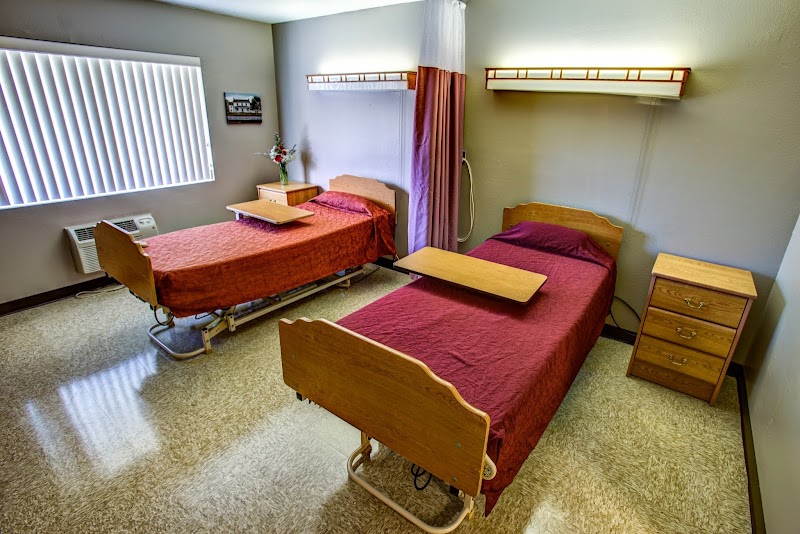
Who Owns and Operates The Mulberry At Waverly?

The Mulberry at Waverly is owned by a for-profit company. For-profit facilities operate as businesses with obligations to shareholders or private owners. The facility is operated by AVID HEALTHCARE GROUP, a chain that manages multiple nursing homes. With 54 certified beds and approximately 46 residents (about 85% occupancy), it is a smaller facility located in Waverly, Nebraska.

How Does The Mulberry At Waverly Compare to Other Nebraska Nursing Homes?

Compared to the 100 nursing homes in Nebraska, The Mulberry at Waverly's overall rating (1 stars) is below the state average of 2.9, staff turnover (86%) is significantly higher than the state average of 46%, and health inspection rating (1 stars) is much below the national benchmark.

What Should Families Ask When Visiting The Mulberry At Waverly?

Based on this facility's data, families visiting should ask: "What changes have been made since the serious inspection findings, and how are you preventing similar issues?" "How do you ensure continuity of care given staff turnover, and what is your staff retention strategy?" "Can I visit during a mealtime to observe dining assistance and food quality?" "How do you handle medical emergencies, and what is your hospital transfer rate?" These questions are particularly relevant given the facility's Immediate Jeopardy citations and the facility's high staff turnover rate.

Is The Mulberry At Waverly Safe?

Based on CMS inspection data, The Mulberry at Waverly has documented safety concerns. Inspectors have issued 2 Immediate Jeopardy citations (the most serious violation level indicating risk of serious injury or death). The facility has a 1-star overall rating and ranks #100 of 100 nursing homes in Nebraska. Families considering this facility should ask detailed questions about what corrective actions have been taken since these incidents.

Do Nurses at The Mulberry At Waverly Stick Around?

Staff turnover at The Mulberry at Waverly is high. At 86%, the facility is 39 percentage points above the Nebraska average of 46%. Registered Nurse turnover is particularly concerning at 82%. RNs handle complex medical decisions and coordinate care — frequent RN changes can directly impact care quality. High turnover means new staff may not know residents' individual needs, medications, or preferences. It can also be disorienting for residents, especially those with dementia who rely on familiar faces. Families should ask: What is causing the turnover? What retention programs are in place? How do you ensure care continuity during staff transitions?

Was The Mulberry At Waverly Ever Fined?

The Mulberry at Waverly has been fined $25,642 across 2 penalty actions. This is below the Nebraska average of $33,335. While any fine indicates a compliance issue, fines under $50,000 are relatively common and typically reflect isolated problems that were subsequently corrected. Families should ask what specific issues led to these fines and confirm they've been resolved.

Is The Mulberry At Waverly on Any Federal Watch List?

The Mulberry at Waverly is not on any federal watch list. The most significant is the Special Focus Facility (SFF) program, which identifies the bottom 1% of nursing homes nationally based on persistent, serious quality problems. Not being on this list means the facility has avoided the pattern of deficiencies that triggers enhanced federal oversight. This is a positive indicator, though families should still review the facility's inspection history directly.