St Joseph's Hillside Villa
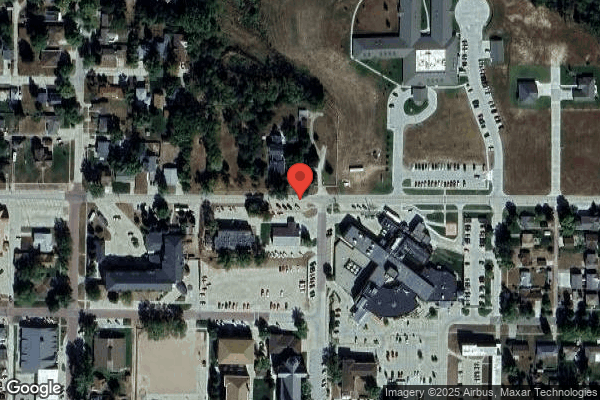
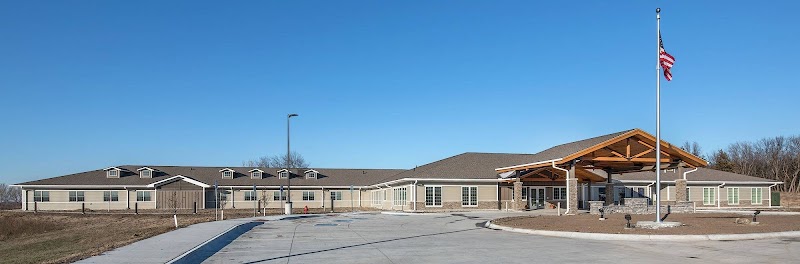
540 E Washington Street, West Point, NE 68788 (402) 372-1118
Non profit - Corporation 54 Beds Independent Data: November 2025
Trust Grade
85/100
#32 of 177 in NE
Last Inspection: March 2025

Within standard 12-15 month inspection cycle. Federal law requires annual inspections.

Overview

St. Joseph's Hillside Villa has a Trust Grade of B+, indicating it is above average in quality and is recommended for families considering care options. It ranks #32 out of 177 nursing homes in Nebraska, placing it in the top half, and #2 out of 3 in Cuming County, meaning only one local facility is rated higher. The facility is improving, with the number of reported issues decreasing from 4 in 2024 to just 1 in 2025. Staffing is a strong point, receiving a perfect 5/5 rating, with a turnover rate of 48% that is slightly below the state average, suggesting a stable team that knows the residents well. Notably, there have been no fines, which is a positive sign, and it has more RN coverage than 82% of Nebraska facilities, ensuring better oversight of resident care. However, there are some concerns to be aware of. The facility has 16 identified issues, though none are life-threatening. Specific incidents include failures to conduct required monthly medication reviews for residents with complex health needs, which could lead to potential complications. Additionally, the facility has not implemented a thorough antibiotic stewardship plan, which is important for managing antibiotic use and preventing resistance. While there are significant strengths at St. Joseph's Hillside Villa, families should consider these weaknesses when making their decision.

Trust Score
B+
85/100
In Nebraska
#32/177
Top 18%
Safety Record
Low Risk
No red flags
Inspections
Getting Better
4 → 1 violations
Staff Stability
⚠ Watch
48% turnover. Above average. Higher turnover means staff may not know residents' routines.
Penalties
✓ Good
No fines on record. Clean compliance history, better than most Nebraska facilities.
Skilled Nurses
✓ Good
Each resident gets 60 minutes of Registered Nurse (RN) attention daily — more than 97% of Nebraska nursing homes. RNs are the most trained staff who catch health problems before they become serious.
Violations
⚠ Watch
16 deficiencies on record. Higher than average. Multiple issues found across inspections.
★★★★★
5.0
Overall Rating
★★★★★
5.0
Staff Levels
★★☆☆☆
2.0
Care Quality
★★★★☆
4.0
Inspection Score
Stable
2024: 4 issues
2025: 1 issues

The Good

  • 5-Star Staffing Rating · Excellent nurse staffing levels
  • Full Sprinkler Coverage · Fire safety systems throughout facility
  • No fines on record

Facility shows strength in staffing levels, fire safety.

The Bad

Staff Turnover: 48%

Near Nebraska avg (46%)

Higher turnover may affect care consistency

The Ugly 16 deficiencies on record

Mar 2025 1 deficiency
CONCERN (D)

Potential for Harm - no one hurt, but risky conditions existed

Deficiency F0645 (Tag F0645)

Could have caused harm · This affected 1 resident

Licensure Reference Number NAC 175 12-006.09 Based on record review, and interview; the facility failed to ensure Resident 107's Preadmission Screening and Resident Review (PASARR- federally mandated ...

Read full inspector narrative →
Licensure Reference Number NAC 175 12-006.09 Based on record review, and interview; the facility failed to ensure Resident 107's Preadmission Screening and Resident Review (PASARR- federally mandated screening tool to be completed prior to admission to ensure appropriate placement and services for those residents identified as having MI, ID, or RD (mental illness/ intellectual disability or related disorders)), was completed accurately. The sample size was 13 and the facility census was 51. Findings are: Review of the facility PASARR policy with a revision date of 3/11/24 revealed the following: -All applicants were screened for serious mental disorders, intellectual disabilities, and related conditions in accordance with the States's Medicaid rule for screening. -The facility only admitted individuals with a mental disorder or intellectual disability who the State's mental health or intellectual disability authority determined as appropriate for admission. -The Social Services Director (SSD) was responsible for keeping track or each resident's PASARR screening status and referring to the appropriate authority. Review of Resident 107's PASARR dated 2/27/25 revealed the following: -There was no sign of serious mental illness, intellectual disability, or a related condition found during the screen and no further clinical review, or onsite evaluation was needed. -The screening question asking if the resident had Mental Illness was completed and indicated the resident had no mental health diagnosis known or suspected. Review of Resident 107's Medical Record Diagnosis List dated 2/28/25 revealed the resident had the following mental health diagnoses: -Delusional Disorder, and -Recurrent Depressive Disorder. Review of Resident 107's Hospital Discharge Orders dated 2/28/25 revealed the following psychotropic (medications that alter thinking and behavior) medications. -Seroquel (antipsychotic) 25mg 1 tablet daily, -Trazadone (antidepressant) 100mg 1 tablet daily, and -Duloxetine (antidepressant) 60mg 1 tablet daily. Review of Resident 107's Care Plan with a revision date of 3/11/25 revealed the following: -The resident had impaired cognition and thought processes, and had delusions at times, -had self-care performance deficits related to confusion, and -took medications that required monitoring for adverse reactions, including psychotropic medications for a delusional disorder and a recurrent depressive disorder. During an interview on 3/11/25 at 10:56 AM The Director of Nursing confirmed the facility failed to ensure Resident 107's PASARR completed on 2/27/25 accurately reflected the resident's diagnosis related to mental health (delusional disorder and recurrent depressive disorder), thus could have affected the results of the screening and decision, if additional screening needed to occur, and if the resident was appropriate for admission or needed any additional services. During an interview on 3/13/25 at 8:24 AM The Social Services Director confirmed the facility did not confirm the accuracy of Resident 107's PASARR dated 2/27/25 and confirmed the resident did have mental health diagnosis that were not including in the screening thus making the screen inaccurate.
Sept 2024 1 deficiency
CONCERN (D) 📢 Someone Reported This

A family member, employee, or ombudsman was alarmed enough to file a formal complaint

Potential for Harm - no one hurt, but risky conditions existed

Infection Control (Tag F0880)

Could have caused harm · This affected 1 resident

Licensure Reference Number NAC 175 12-006.18 Based on observation, interview and record review; the facility failed to implement Enhanced Barrier Precautions (EBP-an infection control intervention des...

Read full inspector narrative →
Licensure Reference Number NAC 175 12-006.18 Based on observation, interview and record review; the facility failed to implement Enhanced Barrier Precautions (EBP-an infection control intervention designed to reduce transmission of multi-drug resistant organisms [MDRO's]) during wound care for Resident 1. The total sample size was 3 and the facility census was 50. Findings are: Review of Resident 1's Minimum Data Set (MDS-a federally mandated assessment tool used in care planning) dated 7/25/24 revealed the resident had mild cognitive impairment; diagnoses of diabetes, anxiety, high blood pressure, and hardening of the arteries; was dependent with eating, toileting, dressing, and transfers; had pressure ulcers; and was on hospice. Review of Resident 1's Care Plan, last revised 8/27/24 revealed the resident required assistance with cares, and had pressure wounds to the left heel, right heel, right foot, and right great toe. There was no documentation on the care plan that the resident had EBP in place. Review of Resident 1's Physician Orders active as of 9/10/24 revealed no documentation that EBP had been implemented. Observation on 9/10/24 at 8:15 AM no evidence EBP had been implemented outside of the resident room, on the door, or inside of the resident room. Observation on 9/10/24 at 9:05 AM, Registered Nurse (RN)-H was in the resident room in the process of changing the resident's dressings on bilateral feet. RN-H was wearing gloves and no further personal protective equipment (PPE). RN-H did not apply any further PPE for the remainder of the treatment. RN-H removed their gloves and performed hand hygiene when finished with the treatment. Interview on 9/10/24 at 9:15 AM with RN-H revealed the Resident 1 did have chronic wounds. Further interview revealed EBP had not been implemented for the resident. Interview on 9/10/24 at 1:00 PM with the Director of Nursing (DON) confirmed Resident 1 had a chronic wound, the facility did not have an EBP Policy in place, and EBP had not been implemented for Resident 1.
Mar 2024 3 deficiencies
CONCERN (D)

Potential for Harm - no one hurt, but risky conditions existed

Report Alleged Abuse (Tag F0609)

Could have caused harm · This affected 1 resident

Licensure Reference Number 175 NAC 12-006.02(8) Based on record review and interview, the facility failed to report an allegation of potential staff to resident abuse involving Resident 23. The sample...

Read full inspector narrative →
Licensure Reference Number 175 NAC 12-006.02(8) Based on record review and interview, the facility failed to report an allegation of potential staff to resident abuse involving Resident 23. The sample size was 1 and the facility census was 51. Findings are: A. Review of the facility policy Abuse, Neglect, Exploitation, Mistreatment and Misappropriation of Resident Property with a revised date of 1/24 revealed the following: -all reports of resident abuse, neglect, exploitation, misappropriation and/or injuries of unknown origin were to be promptly reported to local, state, and federal agencies, and -all reports would be thoroughly investigated, and the findings would be reported. B. Review of Resident 23's Minimum Data Set (MDS-a federally mandated assessment tool used for care planning) dated 12/21/23 revealed diagnoses of high blood pressure, anxiety disorder, age related cognitive decline, depression, dementia, and psychotic disorder. The facility assessed the following regarding the resident: -cognition was severely impaired, -required substantial assistance with bed mobility, dressing, transfers, and toileting, and -no behaviors identified. An interview with Resident 23's family on 3/4/24 at 1:26 PM, revealed in October of 2023, the resident had voiced complaints of pain to the resident's genital area. The resident identified Nurse Aide (NA)-V had been rough with the resident when perineal hygiene was completed. The family reported the resident's allegation to the facility staff. Review of an unlabeled form dated 10/5/23 revealed NA-V received counseling and a written reminder related to the allegation from Resident 23. Resident 23 reported NA-V was rough when cleaning the resident after a bowel movement. The form further revealed similar situations had occurred with other residents in the past who had complained NA-V was too rough. The form identified this was a final warning and if there were further complaints about NA-V regarding peri-cares, NA-V's employment would be terminated. Review of Facility Investigations of potential abuse/neglect and misappropriation for 10/2023 revealed no evidence the allegation of potential staff to resident abuse was reported to the State Agency within the required time frame. During an interview on 3/5/24 at 3:27 PM, the Director of Nursing (DON) confirmed the facility had not reported Resident 23's allegation of potential staff to resident abuse to the State Agency. The DON further confirmed NA-V was no longer employed at the facility.
CONCERN (D)

Potential for Harm - no one hurt, but risky conditions existed

Quality of Care (Tag F0684)

Could have caused harm · This affected 1 resident

Licensure Reference Number: 175 NAC 12-006.09D Based on record review and interview; the facility failed to follow practitioner's orders regarding the administration of medication to address Resident...

Read full inspector narrative →
Licensure Reference Number: 175 NAC 12-006.09D Based on record review and interview; the facility failed to follow practitioner's orders regarding the administration of medication to address Resident 23's elevated blood pressures. The sample size was 1 and the facility census was 51. Findings are: A. Review of a Medication Administration policy dated 5/18 revealed residents were to receive medications as legally prescribed by a medical practitioner in accordance with the 5 rights (the right person, drug, time, dose, and the right route) and prevailing professional standards. The following procedure was identified for administration of medications: -perform necessary assessments prior to administering specific medications (for example, blood pressure, pulse, oxygen saturation, or blood glucose levels), -read the Medication Administration Record (MAR) for the ordered medication, dose, dosage, form, route, and time, and -administer the medication. The policy further identified staff were to document the administration of the medication as soon as the medication was given. When documenting as needed medications (medication usually prescribed to treat short term or intermittent medical conditions and not taken regularly), staff were to document the reason the medication was to be given as well as the effectiveness of the medication. B. Review of Resident 23's Minimum Data Set (MDS-a federally mandated assessment tool used for care planning) dated 12/21/23 revealed diagnoses of high blood pressure, anxiety disorder, age related cognitive decline, depression, dementia, and psychotic disorder. The facility assessed the following regarding the resident: -cognition was severely impaired, and -required substantial assistance with bed mobility, dressing, transfers, and toileting. Review of Resident 23's current Care Plan with a revision date of 1/17/24 revealed the resident had altered cardiovascular status related to diagnosis of high blood pressure and the presence of edema. Further review revealed the following interventions: -administered medications as ordered, and -monitor vital signs as ordered and notify the physician of significant abnormalities. Review of Resident 23's physician orders revealed an order dated 3/27/23 for Clonidine (medication used to treat high blood pressure) 0.1 milligram (mg) to give 1/2 tablet every 24 hours as needed for systolic blood pressure (measurement of the pressure in arteries when the heart beats) greater than 190. Review of the resident's 1/2024 MAR revealed the following regarding the resident's blood pressure: -1/11/24 at 8:00 AM 198/90, -1/21/24 at 8:00 AM 194/80, and -1/31/24 at 8:00 AM 197/84. Further review of the MAR revealed no evidence the resident received the as needed Clonidine for the resident's elevated blood pressures. Review of the resident's 2/2024 MAR revealed the resident's blood pressure on 2/25/24 at 8:00 AM was 204/92 and there was no documentation to indicate the as needed Clonidine was administered. Review of the resident's 3/2024 MAR revealed the resident did not receive the as needed Clonidine on 3/4/24 at 8:00 AM despite the resident's elevated blood pressure of 212/90. During an interview on 3/6/24 at 2:45 PM, the Director of Nursing (DON) confirmed the facility staff should have administered the as needed Clonidine for Resident 23's elevated blood pressures.
CONCERN (D)

Potential for Harm - no one hurt, but risky conditions existed

Deficiency F0757 (Tag F0757)

Could have caused harm · This affected 1 resident

Licensure Reference Number 175 NAC 12-006.09D Based on interview and record review; the facility failed to ensure residents were free from unnecessary medications related to long term use of an antibi...

Read full inspector narrative →
Licensure Reference Number 175 NAC 12-006.09D Based on interview and record review; the facility failed to ensure residents were free from unnecessary medications related to long term use of an antibiotic medication for Resident 11. The antibiotic did not specify a duration and had no supporting documentation for clinical use based on laboratory results. The sample size was 1 and the facility census was 51. Findings are: A. Review of the facility policy Antibiotic Stewardship Program with a revised date of 10/2023 revealed the following: -The goal of the Antibiotic Stewardship Program (ASP) was to promote the appropriate use of antibiotics to maximize treatment outcome and minimize unintended consequences of antibiotic therapy. The ASP aimed to improve antibiotic prescribing practices through the development and implementation of antibiotic use protocols and a system to monitor antibiotic use. -The Antibiotic Stewardship Committee was established to provide support and oversee the activities of the ASP and include; the medical director, chief nursing officer, infection control preventionist, consultant pharmacist and additional members as deemed appropriate by the committee. -The committee was responsible to ensure appropriate use of antibiotics through development of policies and procedures, treatment algorithms and other relevant initiatives. In addition, the facility would monitor antibiotic use, antibiotic resistance patterns, and compliance to ASP-related processes. B. Review of Resident 11's Medication Administration Record dated 3/1/24 through 3/31/24 revealed the resident was prescribed an antibiotic medication [Macrobid 100 milligrams by mouth at bedtime for recurrent Urinary Tract Infections (UTI's)] with a start date of 3/5/22. There was no end date or duration specified. Review of Resident 11's medical record revealed a Note To Attending Physician/Prescriber submitted by the consultant pharmacist and signed by the physician on 4/3/23. The pharmacist recommended to trial patient off of this medication (Macrobid 100 milligrams) related its ongoing use as prophylactic (preventative). There was no evidence of documentation the resident's antibiotic had been stopped temporarily and no supporting documentation for ongoing use based on clinical laboratory results. An interview with Registered Nurse (RN)-S on 3/6/24 at 2:10 PM, confirmed the prescribed antibiotic for Resident 11 did not have a specified duration, no evidence of a trial period off the medication and there was no evidence of diagnostic laboratory work to support the continued use of the antibiotic.
Apr 2023 2 deficiencies
CONCERN (D) 📢 Someone Reported This

A family member, employee, or ombudsman was alarmed enough to file a formal complaint

Potential for Harm - no one hurt, but risky conditions existed

Investigate Abuse (Tag F0610)

Could have caused harm · This affected 1 resident

Licensure Reference Number 175 NAC 12-006.02(8) Based on record review and interview; the facility failed to report an incident of potential abuse involving Resident 4 to the State Agency. The sample ...

Read full inspector narrative →
Licensure Reference Number 175 NAC 12-006.02(8) Based on record review and interview; the facility failed to report an incident of potential abuse involving Resident 4 to the State Agency. The sample size was 5 and the facility census was 51. Findings are: A. Review of the facility policy Abuse, Neglect, Exploitation, Mistreatment and Misappropriation of Resident Property with a revision dated 12/16/20 with a revision date of 2022 revealed the following; -Abuse and Neglect could exist in many forms and to varying degree including but not limited to, willful infliction of injury, unreasonable confinement, intimidation, or punishment with resulting physical harm, pain, or mental anguish. Abuse also included the deprivation by an individual, including a caretaker, of goods or services that are necessary to attain or maintain physical, mental, and psychosocial well-being. Instances of abuse of all residents, irrespective of any mental of physical condition, cause physical harm, pain, or mental anguish, -neglect was the failure of the facility, its employees or service providers to provide goods and services to a resident that are necessary to avoid physical harm, pain, mental anguish, or emotional distress, -reports or abuse were promptly and thoroughly investigated, to determined what happened and an analysis would be completed, and -investigation notes would be completed and submitted within 5 working days to the State Agency. B. Review of the Resident 4's Care Plan with a revision date of 1/30/23 revealed the resident had a self-care performance deficit related to disease progression, and a history of having had a stroke. The resident's functional status fluctuated due to weakness and doing things the resident was not safely able to do. The resident was at high risk for falling and had poor safety awareness. Review of Resident 4's Progress Notes revealed the following; -on 4/11/23 at 11:14 AM revealed that upon return from an appointment the facility van driver reported that the resident's seat belt came undone causing the resident to fall forward out of a wheelchair when the van driver had to slam on the van brakes to avoid an accident. An assessment revealed a gash on the inside of the resident's right cheek and bruising. A neurological assessment was performed and an appointment for the resident to see the doctor was made. -on 4/11/23 at 3:08 PM the resident returned from the doctor appointment with orders for Tylenol for pain and ice several times a day. No fractures were identified, and the resident was diagnosed with a buccal (inner lining of the cheek) contusion and laceration. During an interview on 4/24/23 at 12:50 PM, RN-D (Registered Nurse) revealed being made aware that Resident 4 had sustained an injury after falling from a wheelchair in the van; the resident was checked immediately upon return to the facility. The resident's mouth and cheek were significantly swollen, and the resident was taken to the doctor to rule out any major injury. The incident was reported to the facility Administrator. During an interview on 4/24/23 at 1:15 PM the facility Administrator confirmed being informed of the incident involving the facility van and Resident 4 on 4/11/23, in which the resident was thrown forward out of a wheelchair during a traffic incident. The incident occurred when the van driver had to stop abruptly to avoid an accident. The resident was assessed upon return to the facility and was taken to the doctor to rule out any major injury. The Administrator reported inspecting the van to determine the cause of the seat belt malfunction. A determination was made that the seat belt was in use but had not been fastened securely. Both facility van drivers received additional training to prevent a reoccurrence. Further interview confirmed the Administrator did not report the incident to the State Agency and submit an investigation within the required time frames.
CONCERN (D) 📢 Someone Reported This

A family member, employee, or ombudsman was alarmed enough to file a formal complaint

Potential for Harm - no one hurt, but risky conditions existed

Accident Prevention (Tag F0689)

Could have caused harm · This affected 1 resident

Based on observation, interview and record review, the facility staff failed to ensure fall prevention interventions were implemented to prevent potential falls with injury for Resident 3. The sample ...

Read full inspector narrative →
Based on observation, interview and record review, the facility staff failed to ensure fall prevention interventions were implemented to prevent potential falls with injury for Resident 3. The sample size was 5 and the facility census was 51. Findings are: A. Review of the facility policy Fall Management Program dated 9/30/20 revealed: -A resident's fall risk is determined based on previous evaluations and current data. Staff will identify interventions related to the resident's specific risk and causes to try to prevent the resident from falling and to minimize complications from falling. -A fall is defined as; unintentionally coming to rest on the ground, floor or other lower level, but not as a result of an overwhelming external force. An episode where a resident lost his/her balance and would have fallen, if not for another person or if he/she had not caught him/herself, is considered a fall. A fall without injury is still a fall. Unless there is evidence suggesting otherwise, when a resident is found on the floor, a fall is considered to have occurred. -If falling recurs despite initial interventions, staff will implement additional or different interventions, or indicate why the current approach remains relevant. -The staff will implement a resident-centered fall prevention plan to reduce the specific risk factors of falls for each resident at risk or with a history of falls. -If underlying causes cannot be readily identified or corrected, staff will try various interventions based on assessment of the nature of category of falling, until falling is reduced or stopped, or until the reason for the continuation of the falling is identified as unavoidable. -Staff will identify and implement relevant interventions to try to minimize serious consequences of falling. - Staff will re-evaluate whether it is appropriate to continue or change current interventions. B. Review of Resident 3's Minimum Data Set (MDS- a federally mandated comprehensive assessment tool used for care planning) dated 2/16/23 revealed the resident was cognitively impaired, required extensive assistance with bed mobility, transfers, dressing, eating, toileting and personal hygiene and had a fall with injury since the previous assessment. In addition, the resident had the following diagnoses; diabetes with neuropathy (a lack of sensation as a result of nerve damage), high blood pressure, anxiety, muscle weakness and vision loss. Review of Resident 3's undated care plan revealed the resident was at risk for falls related to a visual deficit with a goal to not sustain a serious injury. In addition, the following fall prevention interventions were in place; -apply clip to the recliner remote and secure to the arm rest so it does not fall by the resident's leg; -body pillow when in bed for comfort and bed alarm on bed; -anticipate and meet resident's needs; -ensure call light is within reach and encourage resident to use it for assistance; -respond to call light promptly; -encourage participation in activities related to strengthening and mobility; and -leave lights on in the room at all times. Review of Resident 3's nursing progress note dated 2/9/23, revealed the following related to a fall; -at 08:55 PM, the resident was found on the floor next to [gender] electric lift recliner (an electric chair that is used to raise a person to a full upright standing position and lowered to a fully reclined position, using a hand-held remote-control device) in the resident's room; -the recliner was observed in the highest position and the resident's head was resting on the base of the bedside table next to the recliner; -the resident had a cut to the left side of the scalp, was sent to the emergency room and received 10 staples to the head wound; -the cause of the fall was determined to be related to the remote-control device resting alongside the resident's right leg that was activated when the resident's leg moved while sleeping; and -the new intervention implemented was for staff to place a clip on the cord of the remote-control device and secure it to the outside of the chair, to prevent the resident's leg from touching the remote control unintentionally. An observation of Resident 3 on 4/24/23 at 12:00 PM revealed the following; -the resident was sitting in an electric lift recliner with feet elevated on the foot rest; -Registered Nurse (RN)-A, was talking with the resident about meal options; -the resident's call lights (2) were within reach, one was a necklace pendant and the other was a touch pad positioned in the seat near the resident's right leg; -the remote control for the recliner was not visible on either side of the chair or the armrest; -RN-A searched for the remote-control device and found it located on the seat of the recliner, just under the resident's right leg. RN-A removed the remote-control device from under the resident's leg and placed it back onto the recliner seat next to the resident's right leg, then exited the room. During an interview with the Director of Nurses (DON) on 4/24/23 at 2:00 PM, the DON verified Resident 3 did fall from the electric lift recliner on 2/9/23 and the fall prevention intervention was to clip the remote-control device to the armrest outside of the chair. The DON also confirmed nursing staff should have ensured the resident's remote-control device for the recliner was not on the seat next to the resident's leg.
Mar 2023 2 deficiencies
CONCERN (D) 📢 Someone Reported This

A family member, employee, or ombudsman was alarmed enough to file a formal complaint

Potential for Harm - no one hurt, but risky conditions existed

Notification of Changes (Tag F0580)

Could have caused harm · This affected 1 resident

**NOTE- TERMS IN BRACKETS HAVE BEEN EDITED TO PROTECT CONFIDENTIALITY** LICENSURE REFERENCE NUMBER 175 NAC 12-006.04C3a(6) Based on record reviews and interviews, the facility failed to ensure the Pri...

Read full inspector narrative →
**NOTE- TERMS IN BRACKETS HAVE BEEN EDITED TO PROTECT CONFIDENTIALITY** LICENSURE REFERENCE NUMBER 175 NAC 12-006.04C3a(6) Based on record reviews and interviews, the facility failed to ensure the Primary Care Practitioner (PCP) was notified of a change in condition for 2 (Residents 1 and 4) of 8 sampled residents. The facility census was 50. Findings are: A. Review of a facility policy titled Changes in Condition dated 2/22/23 revealed the purpose of the policy was to ensure the facility promptly notified the resident's physician when there was a change requiring notification. The following circumstances were identified which would require physician notification; -accidents resulting in injury or potential need for physician intervention; -significant change in physical, mental or psychosocial condition which could include life-threatening or clinical conditions; -circumstances requiring a change in treatment; and -a transfer or a discharge of a resident. B. Review of Resident 1's Minimal Data Set (MDS-a federally mandated comprehensive assessment tool used for care planning) dated 3/6/23 revealed the resident was admitted [DATE] with diagnoses of cancer, anemia, atrial fibrillation, high blood pressure, anxiety, depression and respiratory failure. The following was assessed regarding the resident: -cognition was severely impaired; -required extensive staff assistance with bed mobility, transfers, dressing, toilet use and personal hygiene; -occasionally incontinent of urine and frequently involuntary of bowels; -shortness of breath at rest, with exertion and when lying flat; -condition or chronic disease which may result in life expectancy of less than 6 months; -received opioid (prescription strength pain medication used to treat severe and persistent pain) on 7 out of 7 days of the assessment period; and -received Hospice services. Review of a physician Verbal Order dated 3/2/23 revealed an order for Morphine 0.5 milliliters (ml) sublingually (under the tongue) for shortness of breath. Review of the resident's current Care Plan dated 3/6/23 revealed the resident had shortness of breath related to lung cancer and Chronic Obstructive Pulmonary Disease (COPD-disease of the lungs which is characterized by difficult or painful breathing). Interventions included monitoring/documenting/reporting abnormalities in breathing patterns; orientation; restlessness; anxiety; and air hunger (deep, rapid and labored breathing caused by an increased respiratory drive due to low oxygen levels in the blood). In addition, staff were to administer medications as ordered and to notify Hospice as needed. Review of a Nursing Progress Note dated 3/12/23 at 9:35 PM revealed the following: -8:35 PM Medication Aide (MA)-E reported to Registered Nurse (RN)-D, the MA had given the resident the wrong dose of morphine at 7:00 PM. MA-E had given the resident 20 ml of morphine instead of the ordered 0.5 ml. RN-D assessed the resident and documented the resident was easily aroused and responded appropriately to verbal stimuli; -8:40 PM RN-D called the emergency room (ER) and explained what had occurred. RN-D reported the resident's vital signs were Temperature (T) of 97.3 degrees Fahrenheit (F), blood pressure (B/P) 124/102, pulse 86, respirations 20 and oxygen saturation was 84 percent (%) with the resident receiving 4 liters per minute of oxygen; -8:42 PM the Director of Nursing (DON) was notified; -8:50 PM the resident's family were notified; -8:55 PM the ER staff called the facility with a new order to monitor the resident's vital signs every hour until midnight, then every 4 hours until morning. If the resident had any deterioration in respiratory status, the facility was to notify the ER; and -9:00 PM the family was at bedside. The resident was visiting with family and vital signs were T-97.2, pulse of 81, respirations 22, B/P-107/45 and an oxygen saturation level of 90. Review of a notebook paper labeled with Resident 1's name and room number revealed vital signs were completed at 8:35 PM, 9:00 PM, 10:00 PM, 11:00 PM and at 12:00 AM. Further review revealed at 12:40 AM the resident's T was 97.8 degrees (F), pulse was 83 and B/P was 141/75. No respirations were documented. The resident's oxygen saturation level was low to mid 70's. Review of the resident's medical record revealed no evidence the facility notified the resident's PCP of the resident's decrease in oxygen saturation. Review of a Hospice Skilled Nursing Visit Note dated 3/13/23 at 10:02 AM revealed upon the Hospice Nurses arrival, the resident had coarse respirations, was wearing an oxygen mask and was receiving 4 liters of oxygen. The note indicated the Nursing Home staff had documented at 12:40 AM the resident's oxygen saturations were in the 70's. The DON had reported the resident had been sleeping throughout the morning. Hospice further indicated they had not been notified of the resident's change in condition. The resident was extremely lethargic with noisy respirations. The resident was unable to open or to focus eyes and eyes just rolled back. Interview with the facility nurse revealed the resident had not awakened throughout the morning and had been non-responsive. The Hospice nurse notified the resident's PCP. A new order was received for Narcan (medication used to counteract the effects of an overdose of an Opioid) 4 milligrams (mg)/0.1 ml nasal spray to repeat every 2-3 minutes until effective. At 11:35 AM the Narcan was administered, and the resident was repositioned onto left side. Within 90 seconds the resident was awake and reported a need to use the bathroom. At noon the resident's PCP arrived and assessed the resident who was still slightly lethargic and confused but was awake and responsive. No further Narcan was administered. Review of the resident's medical record revealed no evidence the facility staff had assessed the resident from 12:40 AM on 3/13/23 until Hospice arrived on 3/13/23 at 10:02 AM (9 hours and 22 minutes later) despite the resident's increased lethargy, low oxygen saturation levels and non-responsiveness. In addition, there was no evidence the resident's PCP had been updated regarding the resident's condition until the PCP was notified by Hospice Nurse. Interview with the Director of Nursing (DON) on 3/15/23 at 9:48 AM confirmed the following regarding Resident 1: -3/12/23 at 7:00 PM the resident was given 20 cc's of Morphine instead of the ordered 0.5 cc's. The PCP was notified, and an order was received for the staff to monitor the resident's vital signs every hour until midnight and then every 4 hours until the morning. If the resident had a deterioration in respiratory status the facility was to notify the PCP/ER; -staff documented at 12:40 AM the resident's oxygen saturation levels were in the low to mid 70's. Staff failed to notify the PCP despite the resident's decline in condition; -Hospice staff arrived at the facility on 3/13/23 at 10:02 AM and found the resident with coarse respirations, was extremely lethargic and non-responsive; -facility staff was aware the resident was more lethargic; the resident's respiratory status had declined, and the resident was not responsive but failed to notify the PCP; and -Hospice notified the PCP and a new order was received for Narcan. C. Review of Resident 4's MDS dated [DATE] revealed the resident was admitted [DATE] with diagnoses of previous stroke, aphasia, diabetes, traumatic brain injury, anxiety and depression. The following was assessed regarding the resident: -cognition was severely impaired; -supervision provided with bed mobility, transfers, dressing, toilet use and personal hygiene; -occasionally incontinent of urine; and -received insulin 7 out of a 7-day assessment period. Review of a Medication Administration Record (MAR) dated 3/2023 revealed the following orders: -8/31/22 Novolog (rapid acting insulin used to help lower mealtime blood glucose level spikes) to be administered per sliding scale (varied dose of insulin based on blood glucose levels). Blood glucose levels were to be obtained at 7:30 AM, 11:00 AM and at 4:00 PM. If the resident's blood sugar level was greater than 350, the resident's PCP was to be notified. -blood sugar levels were greater than 350 on 3/1/23 at 11:00- 419 and at 4:00 PM-365, and at 3/3/23 at 11:00-388 and at 4:00 PM- 377. Review of the resident's medical record revealed no evidence the resident's PCP was notified of the resident's elevated blood glucose levels. Interview with the DON on 3/15/23 at 9:48 AM confirmed the resident had an order for sliding scale insulin and blood glucose levels to be obtained at 7:30 AM, 11:00 AM and at 4:00 PM. If the resident's blood sugar level was greater than 350, the resident's PCP was to be notified. There was no evidence the PCP was notified of the resident's elevated blood glucose levels.
CONCERN (D) 📢 Someone Reported This

A family member, employee, or ombudsman was alarmed enough to file a formal complaint

Potential for Harm - no one hurt, but risky conditions existed

Deficiency F0760 (Tag F0760)

Could have caused harm · This affected 1 resident

**NOTE- TERMS IN BRACKETS HAVE BEEN EDITED TO PROTECT CONFIDENTIALITY** LICENSURE REFERENCE NUMBER 175 NAC 12-006.10D Based on record reviews and interviews, the facility failed to ensure 2 (Residents...

Read full inspector narrative →
**NOTE- TERMS IN BRACKETS HAVE BEEN EDITED TO PROTECT CONFIDENTIALITY** LICENSURE REFERENCE NUMBER 175 NAC 12-006.10D Based on record reviews and interviews, the facility failed to ensure 2 (Residents 1 and 4) of 8 sampled residents were free from significant medication errors. The facility census was 50. Findings are: A. Review of a facility policy titled Medication Errors with a revision date of 5/2018 revealed the facility revealed a significant and non-significant medication was defined using the following criteria: -resident condition; -drug category; -frequency of error; and -occurrence of unintended, undesirable and unexpected effects. This would include cognitive deterioration or impairment, are life threatening or require treatment with a prescription medication. Medication errors were to be reported immediately and an Incident Report completed. All errors were to be reported to the Primary Care Practitioner (PCP) and the resident was to be monitored per PCP recommendations. B. Review of Resident 1's Minimal Data Set (MDS-a federally mandated comprehensive assessment tool used for care planning) dated 3/6/23 revealed the resident was admitted [DATE] with diagnoses of cancer, anemia, atrial fibrillation, high blood pressure, anxiety, depression and respiratory failure. The following was assessed regarding the resident: -cognition was severely impaired; -required extensive staff assistance with bed mobility, transfers, dressing, toilet use and personal hygiene; -occasionally incontinent of urine and frequently involuntary of bowels; -shortness of breath at rest, with exertion and when lying flat; -condition or chronic disease which may result in life expectancy of less than 6 months; -received opioid (prescription strength pain medication used to treat severe and persistent pain) on 7 out of 7 days of the assessment period; and -received Hospice services. Review of a physician Verbal Order dated 3/2/23 revealed an order for Morphine administer 0.5 milliliters (ml) sublingually (under the tongue) for shortness of breath. Review of a Nursing Progress Note dated 3/12/23 at 9:35 PM revealed the following: -8:35 PM Medication Aide (MA)-E reported to Registered Nurse (RN)-D, the MA had given the resident the wrong dose of morphine at 7:00 PM. MA-E had given the resident 20 ml of morphine instead of the ordered 0.5 ml. RN-D assessed the resident and documented the resident was easily aroused and responded appropriately to verbal stimuli; -8:40 PM RN-D called the emergency room (ER) and explained what had occurred. RN-D reported the resident's vital signs were Temperature (T) of 97.3 degrees Fahrenheit (F), blood pressure (B/P) 124/102, pulse 86, respirations 20 and oxygen saturation was 84 percent (%) with the resident receiving 4 liters per minute of oxygen; -8:42 PM the Director of Nursing (DON) was notified; -8:50 PM the resident's family were notified; -8:55 PM the ER staff called the facility with a new order to monitor the resident's vital signs every hour until midnight, then every 4 hours until morning. If the resident had any deterioration in respiratory status, the facility was to notify the ER; and -9:00 PM the family was at bedside. The resident was visiting with family and vital signs were T-97.2, pulse of 81, respirations 22, B/P-107/45 and an oxygen saturation level of 90. Review of a Medication Error Report dated 3/12/23 revealed MA-E had misread the label on Resident 1's bottle of Morphine and instead of giving 0.5 cc gave 20 cubic centimeters (cc). MA-E was an Agency ME and was educated and then removed from passing medications. C. Review of Resident 4's MDS dated [DATE] revealed the resident was admitted [DATE] with diagnoses of previous stroke, aphasia, diabetes, traumatic brain injury, anxiety and depression. The following was assessed regarding the resident: -cognition was severely impaired; -supervision provided with bed mobility, transfers, dressing, toilet use and personal hygiene; -occasionally incontinent of urine; and -received insulin 7 out of a 7-day assessment period. Review of Resident 4's Medication Administration Record (MAR) dated 3/2023 revealed an order dated 12/23/22 for Tresiba FlexTouch (long-acting medication used to treat high blood glucose levels) insulin inject 12 units twice a day at 8:00 AM and at 8:00 PM. Review of a Facsimile Report dated 3/12/23 to the resident's PCP revealed at 7:18 PM an Agency MA administered Tresiba FlexTouch 12 units to Resident 4. An Agency Licensed Practical Nurse (LPN) also administered the Tresiba 12 units at 8:45 PM as the LPN was unaware MAs were allowed to administer insulin. The resident's blood glucose level was 308 at 8:45 PM and was 283 at 9:45 PM. Review of a Medication Error Report dated 3/12/23 revealed the resident was given 12 units of Tresiba FlexTouch insulin by MA-E at 7:18 PM and was then given another 12 units of Tresiba FlexTouch insulin at 8:45 PM by LPN-F. Review of a Nursing Progress Note dated 3/13/23 at 1:12 AM revealed the resident was given a snack before bed and the resident's blood glucose level was 300 at 12:00 AM. D. During an interview on 3/15/23 at 9:48 AM the Director of Nursing (DON) confirmed Resident 1 was administered the wrong dose of Morphine on 3/12/23 at 7:00 PM by MA-E. In addition, MA-E and LPN-F gave Resident 4 double the ordered amount of insulin on 3/12/23 between 7:18 PM and 8:45 PM.
Feb 2023 7 deficiencies
CONCERN (D)

Potential for Harm - no one hurt, but risky conditions existed

Quality of Care (Tag F0684)

Could have caused harm · This affected 1 resident

**NOTE- TERMS IN BRACKETS HAVE BEEN EDITED TO PROTECT CONFIDENTIALITY** Licensure Reference Number 175 NAC 12-006.09 Based on interview and record review; the facility failed to monitor and to assess ...

Read full inspector narrative →
**NOTE- TERMS IN BRACKETS HAVE BEEN EDITED TO PROTECT CONFIDENTIALITY** Licensure Reference Number 175 NAC 12-006.09 Based on interview and record review; the facility failed to monitor and to assess Resident 53 following a change of condition during an unresponsive episode. The sample size was 1 and the facility census was 51. Findings are: Review of Resident 53's Minimum Data Set (MDS-a federally mandated comprehensive assessment tool used for care planning) dated 11/10/22 revealed the resident was admitted on [DATE] with diagnoses of Alzheimer's disease, atrial fibrillation, heart failure, high blood pressure, repeated falls and prostate cancer. The assessment identified the following regarding the resident: -Cognition was moderately impaired; -Displayed verbal behaviors directed at others; -Required extensive staff assistance with bed mobility, transfers, dressing, personal hygiene and toilet use; and -Shortness of breath with exertion. Review of Resident 53's Baseline Care Plan (undated) revealed Resident 53 was admitted due to progression of Alzheimer's disease and inability to care for self at home due to having repeated falls at home and a wound to the resident's left foot. Review of Resident 53's Nursing Progress Note (PN) dated 11/7/22 at 1:40 AM revealed the resident was alert with periods of confusion. The resident was identified as having wheezes to the lungs and a productive cough which the resident stated was normal. Review of Resident 53's PN dated 11/10/22 at 5:46 PM revealed the resident continued to have a wet, moist cough. The resident was anxious and restless and had been exit seeking. Review of Resident 53's PN dated 11/11/22 at 2:29 AM revealed the resident's right lower extremity was weeping (leaking serous fluid). Review of Resident 53's medical record revealed no evidence the resident's physician was notified of the resident's exit seeking or the weeping to the resident's lower extremity. Review of Resident 53's PN dated 11/12/22 at 6:35 PM revealed Resident 53 was found on the floor of the resident's room with a quarter sized lump to the back of the resident's head. Review of Resident 53's PN dated 11/17/22 at 12:23 PM revealed the resident had an unresponsive episode. The resident's vital signs were stable and the resident denied any complaint of lightheadedness or pain. Review of Resident 53's PN dated 11/18/22 at 12:05 AM revealed the following late entries for 11/17/22: -7:25 PM the staff reported Resident 53 was having another unresponsive episode. The resident appeared to be having agonal breaths (not getting enough oxygen and gasping for air) which did not last very long. -7:36 PM the Charge Nurse was called back intoResident 53's room as the resident was not breathing and staff was unable to auscultate a heartbeat. Review of Resident 53's medical record revealed no evidence the resident's vital signs were documented with the resident's first unresponsive episode at 12:23 PM or that further vital signs and/or assessments of the resident were completed prior to the resident's death at 7:36 PM (7 hours and 13 minutes later) During an interview with the Director of Nursing (DON) on 2/17/23 at 7:31 AM, the DON confirmed there was no evidence Resident 53's physician was notified of increased confusion, anxiety and restlessness with exit seeking behaviors on 11/10/22 at 5:46 PM and increased weeping to lower extremities on 11/11/22 at 2:29 AM. In addition, the facility failed to document Resident 53's vital signs with the resident's unresponsive episode on 11/17/22 at 12:23 PM and to document further vital signs and/or assessment of the resident's condition prior to the resident's death at 7:36 PM.
CONCERN (D)

Potential for Harm - no one hurt, but risky conditions existed

Deficiency F0692 (Tag F0692)

Could have caused harm · This affected 1 resident

LICENSURE REFERENCE NUMBER 175 NAC 12-006.09D8 Based on observations, record review and interview; the facility failed to implement interventions and to monitor nutritional interventions to assure eff...

Read full inspector narrative →
LICENSURE REFERENCE NUMBER 175 NAC 12-006.09D8 Based on observations, record review and interview; the facility failed to implement interventions and to monitor nutritional interventions to assure effectiveness for the prevention of weight loss for 1 (Residents 42) of 3 sampled residents. The facility census was 51. Findings are: Review of Resident 42's Minimum Data Set (MDS-a federally mandated comprehensive assessment tool used for care planning) dated 12/22/22 revealed diagnoses of non-Alzheimer's dementia, pneumonia, sepsis, anemia, anxiety and respiratory failure. The resident's cognition was severely impaired, and the resident required set-up assistance and supervision with food and drink. The resident's weight was 215 pounds (lbs.), and the resident was not on a physician prescribed weight loss regimen. Review of Weights and Vitals Summary Sheet (document used to record the resident's weights) revealed the following regarding Resident 42's weights: -10/17/22 weight was 220 lbs. -12/19/22 weight was 215 lbs. (a loss of 5 lbs. in 2 months). Review of the resident's undated current Care Plan revealed Resident 42 had nutritional problems related to impaired skin integrity and a history of aspiration pneumonia with a recommendation for the resident to have a feeding tube and no oral intake. The resident and family refused placement of the feeding tube. The following interventions were identified: -1/19/23 the Registered Dietician (RD) recommended Arginaid (nutritional drink to help with wound healing) twice a day to support skin integrity. -Cueing and supervision to be provided at meals as needed. -Monitor for signs of difficulty swallowing (choking, coughing, drooling and holding food in mouth). -Staff to check mouth after meals for food and debris and provide oral cares as need. Review of a Medication Administration Record (MAR) dated 1/2023 revealed on 1/26/23 (7 days after the RD's recommendation) the Arginaid was initiated twice a day. Further review of the MAR revealed staff recorded the Arginaid was provided but failed to document how much of the nutritional drink the resident consumed. Review of a Weights and Vitals Summary Sheet revealed Resident 42's weight on 1/30/23 was 209 lbs. (down 11 lbs. or a 5 percent (%) loss in 3 months). During an observation on 2/2/23 the following was observed regarding Resident 42: -12:59 PM seated in the tilt-n-space wheelchair (chair which provides alternatives in positioning with tilting or reclining of chair and allows resident to be self-mobile when in an upright position) and positioned at the dining room table. The resident had been served a hot roast beef sandwich with mashed potatoes and gravy and cooked carrots. Further observation at 1:13 PM revealed Nursing Assistant (NA)-I assisted Resident 42 out of the dining room and back to the resident's room. Resident 42 had consumed a few bites of the noon meal. NA-I failed to check the resident's mouth for food debris or to provide the resident with oral cares. Review of a Nutrition-Amount Eaten Form (form used to document food/fluids revealed Resident consumed at each meal) revealed the Resident 42's intake at the noon meal on 2/2/23 was between 0 and 25%. Review of a Weights and Vitals Summary Sheet dated 2/6/23 revealed Resident 42's weight was 204 lbs. (down 5 lbs. in one week). Observations on 2/6/23 revealed the following regarding Resident 42: -8:21 AM served a dish with strawberries, a small plate with a slice of coffee cake cut into bite sized pieces, scrambled eggs and a slice of buttered toast. -8:39 AM the resident had consumed only bites of the scrambled eggs, all the strawberries and failed to consume any of the toast. The resident placed a paper napkin over the plate and pushed self away from the table. -8:45 AM NA-O provided the resident total assistance out of the dining room and back to the resident's room. Staff failed to check the resident's mouth for food debris or to assist with oral cares. -10:21 AM remained seated in the tilt-n-space wheelchair in the resident's room. A bedside table was positioned next to the resident with a container of chocolate Ensure Plus (nutritional supplement with added calories and protein). The container remained full and none of the supplement had been consumed. -2:50 PM the Ensure Plus nutritional supplement remained untouched on the resident's bedside table. Review of Resident 42's MAR dated 2/2023 revealed on 2/3/23 the Arginaid was discontinued and on 2/4/23 Ensure 8 ounces once a day was initiated. Further review of the MAR revealed staff documented the nutritional supplement was administered but failed to record the amount of the supplement the resident consumed. Interview with the Director of Nursing (DON) on 2/6/23 at 3:18 PM confirmed the following regarding Resident 42: -History of ongoing weight loss and non-compliance with any dietary restrictions. Refused thickened liquids or puree food items; -Arginaid was discontinued as the resident's spouse reported the supplement made the resident sick to the stomach; -Arginaid and Ensure supplements were to be provided by the Charge Nurse and staff were to document the amount of supplement the resident consumed to determine if intervention was effective for weight loss management; and -Staff were to check the resident's mouth for food after each meal and provide oral cares as needed to prevent potential aspiration.
CONCERN (D)

Potential for Harm - no one hurt, but risky conditions existed

Deficiency F0740 (Tag F0740)

Could have caused harm · This affected 1 resident

**NOTE- TERMS IN BRACKETS HAVE BEEN EDITED TO PROTECT CONFIDENTIALITY** Licensure Reference Number 175 NAC 12-006.09D5 Based on record review and interviews; the facility failed to identify and monito...

Read full inspector narrative →
**NOTE- TERMS IN BRACKETS HAVE BEEN EDITED TO PROTECT CONFIDENTIALITY** Licensure Reference Number 175 NAC 12-006.09D5 Based on record review and interviews; the facility failed to identify and monitor indicators of depression and to arrange services for treatment of depression for 1 (Resident 47) of 1 sampled resident. The facility census was 51. Findings are: A. Review of the facility policy Suicide Protocol with an effective date of 3/17/21 revealed it was the policy of facility to act quickly and appropriately if a resident expressed thoughts of suicide. The following guidelines were identified: -All staff were to immediately report any suicidal ideation (self-reported thoughts about engaging in suicidal-related behaviors)to the Charge Nurse and the Social Service Director (SSD); -Immediately notify the resident's physician even if the resident is not specific about a plan or intent; -If applicable, notify the resident's responsible party; -Place the resident on 15-minute checks for the first 2 hours, 30-minute checks for 2 hours, every hour checks for 2 hours and then every 8 hours to complete a 24-hour period. Do not leave the resident alone if the resident has actively attempted suicide. Provide the resident with 1 on 1 care until arrangements can be made for emergency psychiatric care; -Objectively and thoroughly document the resident's mood and behaviors as well as any actions taken in the medical record; and -All staff to be trained annually on risk factors and warning signs of suicide as well as how to respond to a resident with suicidal ideation. B. Review of Resident 47's Minimum Data Set (MDS-a federally mandated comprehensive assessment tool used for care planning) dated 10/22/22 revealed diagnoses of stroke, right upper arm fracture, anxiety, aphasia (brain disorder where a person has trouble speaking or understanding others) and diabetes. The resident's cognition was intact and the resident's mood interview was completed. The resident reported difficulty falling asleep and staying asleep, trouble concentrating, and the resident felt tired with little energy. The assessment indicated a total severity score (a summary of the scores and the frequency of how often they occur which indicates the extent of potential depression symptoms and can be useful for determining the need for additional assessment by the physician or mental health specialists) of 2 (a score of 1-4 indicated minimal depression). Review of an MDS dated [DATE] revealed the resident's cognition was moderately impaired and the following was identified with the resident's mood interview: -Little interest or pleasure in doing things; -Trouble falling asleep and staying asleep; -Feeling tired or having little energy; -Trouble concentrating; -Moving or speaking so slowly that others could notice; and -Thoughts that you would be better off dead, or of hurting yourself in some way. A total severity score of 8 (a score of 5-9 indicated mild depression) was identified. Review of the resident's undated current Care Plan revealed the resident's long term care placement was recent due to a stroke with a loss of independence and a need to rely on others. An intervention to monitor/document/report to the physician any signs of depression. Staff were to encourage the resident to talk about feelings and to obtain mental health consult if indicated. Review of the resident's medical record revealed no evidence the resident's physician and/or responsible party were contacted regarding the resident's statement or that any counseling was provided for the resident at the time the mood interview was conducted. During an interview on 2/6/23 at 9:10 AM, the SSD confirmed Resident 47's physician should have been immediately notified of the resident's statements with increased signs of depression; and the facility had not provided the resident with any additional interventions to manage the resident's depression and to ensure needs were met.
CONCERN (D)

Potential for Harm - no one hurt, but risky conditions existed

Deficiency F0757 (Tag F0757)

Could have caused harm · This affected 1 resident

Licensure Reference Number 175 NAC 12-006.09D Based on record review and interview; the facility failed to have an appropriate diagnosis and or indication for use of Resident 15's prophylactic (preven...

Read full inspector narrative →
Licensure Reference Number 175 NAC 12-006.09D Based on record review and interview; the facility failed to have an appropriate diagnosis and or indication for use of Resident 15's prophylactic (preventative) antibiotic. The sample size was 6 and the facility census was 51. Findings are: Review of the facility policy Antibiotic Stewardship dated 05/2018 revealed the following; -The goal of the Antibiotic Stewardship Program (ASP) was to promote the appropriate use of antibiotics, to maximize treatment outcomes and minimize unintended consequences of antibiotic therapy. The ASP aimed to improve antibiotic prescribing practices through the development and implementation of antibiotic use protocols and a system to monitor antibiotic use. -The antibiotic Stewardship Committee had been established to provide support and oversee activities of the Antibiotic Stewardship Plan. The committee and the ASP would be part of the Infection Prevention and Control Program, and outcomes would be reported to the Quality Assurance Performance Improvement (QAPI) committee, and in turn the QAPI committee would report ASP activities and outcomes to nursing staff, prescribing clinicians, and other relevant staff. -Members included, the Medical Director, Infection Preventionist, Chief Nursing Officer, Consultant Pharmacist, and additional members as deemed appropriate. -The antibiotic Stewardship Committee would meet quarterly to review ASP related activities and outcomes, including antibiotic use and resistance data to the QAPI committee at least annually. Review of Resident 15's Minimum Data Set (MDS- federally mandated assessment used in the development of resident care plans) dated 11/3/22 revealed the following; -a BIMS (brief interview for mental status) score of 15/15 indicative of being cognitively intact, -diagnoses of hypertension, Parkinson's, anxiety, and depression, -received extensive assistance provided with bed mobility, transfer, dressing and toileting, -was occasionally incontinent of bladder, and -took antipsychotic, antianxiety, antidepressant, anticoagulant and antibiotic medication daily. Review of Resident 15's Medication Administration Record from 1/1/23 - 2/6/23 revealed the resident received the following antibiotics; -Clindamycin HCL (antibiotic) one dose on 1/9/23 prior to a dental appointment, and -Doxycycline Hyclate (antibiotic) 2 times daily, Review of Resident 15's Care Plan with a revision date of 2/6/23 revealed no diagnosis of an active infection, chronic infection, or indication for use of the antibiotic Doxycycline Hyclate. During an interview on 2/7/23 at 8:26 AM the Infection Preventionist (IP) Registered Nurse (RN) B confirmed that Resident 15 was on a prophylactic (preventative) antibiotic. The IP was not aware why or for what condition the antibiotic was ordered. Additional interview confirmed the facility was not reviewing the use of prophylactic antibiotics or meeting to review antibiotic stewardship in accordance with the facility policy. In addition the IP was not aware of any involvement of the consultant pharmacist in identifying a needed rationale/diagnosis for the use of prophylactic antibiotics.
CONCERN (E)

Potential for Harm - no one hurt, but risky conditions existed

Drug Regimen Review (Tag F0756)

Could have caused harm · This affected multiple residents

**NOTE- TERMS IN BRACKETS HAVE BEEN EDITED TO PROTECT CONFIDENTIALITY** G. Review of Resident 41's MDS dated [DATE] revealed the resident was admitted on [DATE] with diagnoses of; cancer, heart failur...

Read full inspector narrative →
**NOTE- TERMS IN BRACKETS HAVE BEEN EDITED TO PROTECT CONFIDENTIALITY** G. Review of Resident 41's MDS dated [DATE] revealed the resident was admitted on [DATE] with diagnoses of; cancer, heart failure, high blood pressure, kidney disease, anxiety, depression and a psychotic disorder. The assessment indicated the resident received the following medications; anti-psychotic, anti-anxiety, anti-depressant, blood thinner, and a diuretic (used to increase the excretion of urine). Review of Resident 41's medical record revealed no evidence the monthly medication reviews were completed. H. Review of Resident 43's MDS dated [DATE] revealed the resident was admitted on [DATE] with diagnoses of; parkinson's disease, anxiety, depression, heart failure, kidney disease and high blood pressure. In addition, the resident received the following medications routinely; anti-anxiety, anti-depressant and an opioid (a narcotic pain medication). Review of Resident 43's medical record revealed no evidence the monthly medication reviews were completed. I. An interview on 02/06/23 at 9:55 AM with the DON confirmed the pharmacist should complete and document monthly medication reviews for each resident and there was no evidence the monthly reviews were completed for Resident's 41 and 43. Licensure Reference Number 175 NAC 12-006.12B5 Based on record review and interview; the facility failed to have documented evidence of the required monthly pharmacist reviews for Resident's 5,15,17, 28, 41, and 43. The sample size was 6 and the facility census was 51. Findings are: A. Review of the facility policy, Pharmacist Consultant Expectations dated 5/2018 revealed the following; -The facility promoted and supported systems for quality resident care. -Provided pharmaceutical services in an accurate and safe manner in collaboration with the pharmacy consultant, facility leadership, facility staff, practitioners, and the Medical Director to meet the individual needs of the residents. -The pharmacist provided expertise, consultation, and oversight in all aspects of pharmaceutical services. -Pharmacy met the needs of each resident accurately and safely, with a system consistent with clinical best practice, quality resident care, and regulatory compliance. -Pharmacy provided reports to the Chief Nursing Officer or designated Registered (RN). -Pharmacy reviewed antibiotic and psychotropic (relating to drugs affecting a person's mental state)medication utilization, and collaborated on the development of an action plan consistent with best practices and regulatory requirements. -Pharmacy conducted monthly medication regimen review for each resident in the facility and reported findings and irregularities and documented the results of the review. B. Review of Resident 5's Minimum Data Set (MDS- federally mandated assessment used in the development of resident care plans) dated 12/8/22 revealed the following; - A BIMS (brief interview for mental status) score of 02/15 indicative of severe cognitive impairment. -Inattention, disorganized thinking and altered levels of consciousness. -Diagnoses of hypertension, dementia, and anxiety. -Displayed physical and other behaviors 1-3 days per week. -Falls with minor and no injuries since the previous assessment. -Received extensive assistance with bed mobility, transfers, dressing, and toileting. -Was frequently incontinent of bladder. -Received antipsychotic (used to treat psychotic disorders), antianxiety, and antidepressant medications daily. -No gradual dose reduction or documented contraindication for reduction of the antipsychotic medication had been completed. Review of Resident 5's medical record revealed no evidence the pharmacist consultant was conducting the required monthly review of the resident's medications for potential irregularities. C. Review of Resident 15's MDS dated [DATE] revealed the following; - A BIMS score of 15/15 indicative of being cognitively intact. -Diagnoses of hypertension, Parkinson's, anxiety, and depression. -Mood score of 4/27 indicative of mild depression. -No inappropriate behaviors. -Extensive assistance provided with bed mobility, transfer, dressing and toileting. -Occasionally incontinent of bladder. -Received antipsychotic, antianxiety, antidepressant, anticoagulant (used to prevent blood clots) and antibiotic medication daily. Review of Resident 15's medical record revealed no evidence the pharmacist consultant conducted the required monthly review or the resident's medications for potential irregularities. D. During an interview on 2/7/23 at 10:04 AM the Director of Nursing (DON) confirmed the facility did not have documented evidence of monthly pharmacist reviews of the medication regimens for irregularities for Resident's 5 and 15. E. Review of Resident 28's MDS dated [DATE] revealed the resident was admitted [DATE] with diagnoses of atrial fibrillation, high blood pressure, anxiety, depression and fibromyalgia. Further review revealed during the assessment period, the resident had received an antianxiety medication, an antidepressant medication, an anticoagulant, a diuretic (medication used to rid the body of excess sodium and water by increasing urine output), and an opioid (medication used to treat severe pain). Review of Resident 28's medical record revealed no evidence the pharmacist consultant was conducting the required monthly review of the resident's medications for potential irregularities. F. Review of Resident 17's MDS dated [DATE] revealed the resident was admitted [DATE] with diagnoses of Alzheimer's, cancer, high blood pressure, anxiety, dementia, anxiety and psychosis (mental condition in which thoughts and emotions can be so affected, that contact with reality can be lost). Further review revealed during the assessment period, the resident had received insulin injections, an antianxiety medication and an antipsychotic medication. Review of Resident 17's medical record revealed no evidence the pharmacist consultant was conducting the required monthly review of the resident's medications for potential irregularities.
CONCERN (E)

Potential for Harm - no one hurt, but risky conditions existed

Medication Errors (Tag F0758)

Could have caused harm · This affected multiple residents

**NOTE- TERMS IN BRACKETS HAVE BEEN EDITED TO PROTECT CONFIDENTIALITY** E. Review of Resident 32's Physician Orders revealed the following: -An order for Seroquel (an antipsychotic medications -a type...

Read full inspector narrative →
**NOTE- TERMS IN BRACKETS HAVE BEEN EDITED TO PROTECT CONFIDENTIALITY** E. Review of Resident 32's Physician Orders revealed the following: -An order for Seroquel (an antipsychotic medications -a type of medication which alters chemicals in the brain to effect changes in behavior, mood, and emotions- used to treat mood disorders) 25 milligrams by mouth at bedtime. -A diagnosis of delusional disorders. -Resident 32 had received antipsychotic medication 5 out of 5 days. Review of the Resident's Care Plan, last revised 12/7/22 revealed the staff were to monitor, document, and report adverse reactions to psychotropic medications such as tardive dyskinesia (a condition that affects the nervous system, often caused by long-term use of some psychiatric medications). Review of the Resident's Medical Record revealed the following: -Abnormal Involuntary Movement Scale (AIMS) Assessment- a tool used to monitor residents taking antipsychotics for involuntary movements- was completed on 7/19/21 upon admit. -Seroquel was started on 10/26/22. -No other AIMS assessments had been completed since admission. Interview with the Director of Nursing (DON) on 2/6/23 at 3:37 PM confirmed an AIMS assessment should have been completed with the start of an antipsychotic medication. D. Review of Resident 41's MDS dated [DATE] revealed the resident was admitted on [DATE] with diagnoses of; cancer, heart failure, high blood pressure, kidney disease, anxiety, depression and a psychotic disorder. The assessment also indicated the resident received the following medications; antipsychotic, antianxiety, antidepressant, blood thinner, and a diuretic (used to remove excess fluid from a person). Review of Resident 41's electronic Medication Administration Record (MAR) dated 1/1/23 to 1/31/23 revealed the resident had the following as needed (PRN) medication orders; -Ativan (an anti-anxiety medication) Concentrate 2 milligrams (mg)/milliliter (ml) - give 0.25 ml every 2 hours as needed for increased anxiety with a start date of 12/13/22 and no end date indicated. -Ativan Concentrate 2 mg/ml - give 0.5 ml every 2 hours as needed for increased anxiety with a start date of 12/13/22 and no end date indicated. -Ativan Concentrate 2 mg/ml - give 1.0 ml every 2 hours as needed for increased anxiety with a start date of 12/13/22 and no end date indicated. An interview on 2/6/23 at 9:55 AM with the DON confirmed, Resident 41 was prescribed a psychotropic medication (Ativan) as a PRN and the medication order should not have exceeded 14 days without a review/renewal by the physician. The DON also confirmed there were no end dates for the resident's ordered PRN psychotropic medication and these should have been included. Licensure Reference Number 175 NAC 12-006.09D Based on record review and interview; the facility failed to have appropriate diagnoses for the use of antipsychotic medication for Resident's 5 and 15, failed to have required stop dates for as needed anti-anxiety medication for Resident's 5 and 41, and failed to monitor for potential adverse side effects of Resident 32's antipsychotic (used to treat psychotic disorders)medication. The sample size was 6 and the facility census was 51. Findings are: A. Review of the facility policy Antipsychotic Medication Review dated 5/2018 revealed the following; -Medical records of resident's receiving antipsychotic ((class of medications primarily used to manage psychosis including delusions, hallucination, or disordered thought), particularly in schizophrenia and bipolar disorder and are also used in the management of rare non-psychotic disorders such as Huntington's disease), medication contained documentation supporting the appropriateness and necessity for the use of the drug. -Physician's orders contained, medication name, dose, frequency, and appropriate diagnosis, -the Care Plan included the reason for the medication, potential side effects, behaviors, and suggested interventions. -The Progress Notes contained documentation of daily side effect monitoring and follow up to side effects, -Additional assessment to assess for adverse effects including either the AIMS (Abnormal Involuntary Movement Scale, or DISCUS (Dyskensia (abnormal involuntary movement) Identification System Condensed User Scale) assessments would be performed at least every 6 months, and -The Pharmacy Consultant reviewed all resident's medication programs monthly. B. Review of Resident 5's Minimum Data Set (MDS- federally mandated assessment used in the development of resident care plans) dated 12/8/22 revealed the following; -Diagnoses of hypertension, dementia, and anxiety. -Severe cognitive impairment with inattention, disorganized thinking and altered levels of consciousness. -Physical and other behaviors 1-3 days per week. -Falls with minor and no injuries. -Extensive assistance provided with bed mobility, transfers, dressing and toileting. -Frequent incontinence of bladder. -Received antipsychotic, antianxiety, and antidepressant medications daily. -No gradual dose reduction or documented contraindication for reduction of the antipsychotic medication had been completed. Review of Resident 5's Order Summary Report dated 2/6/23 revealed the resident had physician orders for the following psychotropic (medications that affect a person's mental state) medications. -Lorazepam (anti-anxiety medication) 2 times daily and as needed. -Remeron (anti-depressant medication) daily. -Seroquel (anti-psychotic medication) 3 times daily. -Sertraline (antidepressant medication) daily. -Had no stop date for the as needed Lorazepam as required after 14 days. Review of Resident 5's Care Plan with a revision date of 2/3/23 revealed the following; -The resident had hallucinations and would become combative at times with the staff and aggressive toward other residents, -The resident had dementia, anxiety and behavioral disturbances. -Target behaviors included, anxiety, agitation, insomnia, exit seeking, hitting, and kicking. -Was at risk for falls and had multiple falls. -Was at risk for complications related to the use of medications. -The consultant pharmacist would monitor medications. Review of Resident 5's Medication Administration Record dated 1/1/23 through 2/6/23 revealed the resident received the following psychotropic medications; -Seroquel 3 times daily. -Remeron daily. -Sertraline daily. -Lorazepam 2 times daily, and 3 additional as needed doses were given on 1/5/23, 1/8/23, and 1/28/23. -Sertraline daily. Review of Resident 5's Behavior Monthly Flow Sheets from 1/1/23 through 2/6/23 revealed the following; -Staff were monitoring agitation, anxiety, finger painting of feces, hallucination/paranoia/delusions, slapping, suspiciousness, and wandering/exit seeking and in addition the following behaviors were documented; -1). agitation on 4 days, 2). anxiety on 4 days, and 3). slapping on 6 days. During an Interview on 2/7/23 at 10:04 AM the Director of Nursing (DON) confirmed the facility failed to ensure an appropriate diagnosis was in place for Resident 5's antipsychotic medication Seroquel. Further interview confirmed the facility failed to ensure Resident 5's as needed order for Lorazepam did not exceed 14 days, or provide documented rationale from the provider in order to continue the medication past 14 days. C. Review of Resident 15's Minimum Data Set (MDS- federally mandated assessment used in the development of resident care plans) dated 11/3/22 revealed the following; -Diagnoses of hypertension, Parkinson's, anxiety, and depression. -Mood score of 4/27 indicative of mild depression. -No inappropriate behaviors. -Extensive assistance provided with bed mobility, transfer, dressing and toileting. -Occasionally incontinent of bladder. -Took antipsychotic, antianxiety, antidepressant, anticoagulant and antibiotic medication 7 days in the 7-day look back period. Review of Resident 15's Order Summary Report dated 2/6/23 revealed the following medication orders; -Alprazolam (anti-anxiety medication) 2 times daily. -Buspirone (anti-anxiety medication) 4 times daily. -Coumadin (anti-coagulant medication) daily. -Doxycycline Hyclate (antibiotic medication) 2 times daily. -Fluoxetine (anti-depressant medication) daily. -Seroquel (anti-psychotic medication) daily. Review of Resident 15's Care Plan with a revision date of 2/6/23 revealed the following; -Had the potential for altered mood state depression, anxiety, insomnia, and Parkinson's Disease, -Used psychotropic (mind altering) medication for treatment of anxiety, insomnia, and depression. -Was at risk for falls due to Parkinson's Disease and the use of psychotropic medications. -Used anticoagulant medication due having an artificial heart valve. -No evidence the resident was taking antipsychotic and antibiotic medication and/or indications for use. Review of Resident 15's Medication Administration Record from 1/1/23 - 2/6/23 revealed the resident received the following medications; -Alprazolam daily 2 times daily. -Buspirone 4 times daily. -Coumadin daily. -Doxycycline Hyclate 2 times daily. -Fluoxetine daily. -Seroquel daily. Review of Resident 15's Behavior Flow Sheet revealed the following; -Behaviors being monitored included anxiety and depression, and -No documented episodes of anxiety or depression were documented. During an Interview on 2/6/23 at 9:01 AM the Director of Nursing (DON) confirmed Resident 15 did not have an appropriate diagnosis for the use of the anti-psychotic medication Seroquel. In addition, the DON was not aware of any inappropriate or unmanaged behaviors displayed by the resident since admission. During an interview on 2/7/23 at 7:36 AM with Nurse Aide (NA)-H revealed Resident 15 required extensive assist with Activities of Daily Living (ADL)'s. Further interview confirmed the NA was not aware of the resident displaying inappropriate or aggressive behaviors and reported the resident was very thankful for staff assistance with cares, and was pleasant with the staff.
CONCERN (E)

Potential for Harm - no one hurt, but risky conditions existed

Antibiotic Stewardship (Tag F0881)

Could have caused harm · This affected multiple residents

Licensure Reference Number 175 NAC 12-006.17A Based on record review and interview the facility failed to implement an antibiotic stewardship plan. The sample size was 19 and the facility census was 5...

Read full inspector narrative →
Licensure Reference Number 175 NAC 12-006.17A Based on record review and interview the facility failed to implement an antibiotic stewardship plan. The sample size was 19 and the facility census was 51. Findings are: Review of the facility policy Antibiotic Stewardship dated 05/2018 revealed the following; -The goal of the Antibiotic Stewardship Program (ASP) was to promote the appropriate use of antibiotics to maximize treatment outcomes and minimize unintended consequences of antibiotic therapy. The ASP aimed to improve antibiotic prescribing practices through the development and implementation of antibiotic use protocols and a system to monitor antibiotic use. -The antibiotic Stewardship Committee had been established to provide support and oversee activities of the Antibiotic Stewardship Plan (ASP). The committee and the ASP would be part of the Infection Prevention and Control Program and outcomes would be reported to the Quality Assurance Performance Improvement (QAPI) committee, and in turn the QAPI committee would report ASP activities and outcomes to nursing staff, prescribing clinicians, and other relevant staff. -Members included, the Medical Director, Infection Preventionist, Chief Nursing Officer, Consultant Pharmacist, and additional members as deemed appropriate. -The antibiotic Stewardship Committee would meet quarterly to review ASP related activities and outcomes, including antibiotic use and resistance data to the QAPI committee at least annually. Review of the facility Infection Surveillance from 9/1/22 through 1/31/23 revealed no evidence the facility was tracking the use of antibiotics to ensure that appropriate antibiotics were being ordered to treat infections, and further review revealed no evidence that prophylactic (preventative) antibiotics were being included in the infection surveillance reports. During an interview on 2/7/23 at 8:26 AM the Infection Preventionist (IP)(RN-B) confirmed the facility was not reviewing the use of prophylactic antibiotics or meeting to review antibiotic stewardship in accordance with the facility policy. In addition, the IP was not aware of any involvement of the consultant pharmacist in identifying a needed rationale/diagnosis for the use of prophylactic antibiotics.
Understanding Severity Codes (click to expand)
Life-Threatening (Immediate Jeopardy)
J - Isolated K - Pattern L - Widespread
Actual Harm
G - Isolated H - Pattern I - Widespread
Potential for Harm
D - Isolated E - Pattern F - Widespread
No Harm (Minor)
A - Isolated B - Pattern C - Widespread

Questions to Ask on Your Visit

  • "Can I speak with families of current residents?"
  • "What's your RN coverage like on weekends and overnight?"

Our Honest Assessment

Strengths
  • • Grade B+ (85/100). Above average facility, better than most options in Nebraska.
  • • No major safety red flags. No abuse findings, life-threatening violations, or SFF status.
  • • No fines on record. Clean compliance history, better than most Nebraska facilities.
Concerns
  • • 16 deficiencies on record. Higher than average. Multiple issues found across inspections.
Bottom line: Generally positive indicators. Standard due diligence and a personal visit recommended.

About This Facility

What is St Joseph'S Hillside Villa's CMS Rating?

CMS assigns St Joseph's Hillside Villa an overall rating of 5 out of 5 stars, which is considered much above average nationally. Within Nebraska, this rating places the facility higher than 99% of the state's 100 nursing homes. This rating reflects solid performance across the metrics CMS uses to evaluate nursing home quality.

How is St Joseph'S Hillside Villa Staffed?

CMS rates St Joseph's Hillside Villa's staffing level at 5 out of 5 stars, which is much above average compared to other nursing homes. Staff turnover is 48%, compared to the Nebraska average of 46%.

What Have Inspectors Found at St Joseph'S Hillside Villa?

State health inspectors documented 16 deficiencies at St Joseph's Hillside Villa during 2023 to 2025. These included: 16 with potential for harm.

Who Owns and Operates St Joseph'S Hillside Villa?

St Joseph's Hillside Villa is owned by a non-profit organization. Non-profit facilities reinvest revenue into operations rather than distributing to shareholders. The facility operates independently rather than as part of a larger chain. With 54 certified beds and approximately 51 residents (about 94% occupancy), it is a smaller facility located in West Point, Nebraska.

How Does St Joseph'S Hillside Villa Compare to Other Nebraska Nursing Homes?

Compared to the 100 nursing homes in Nebraska, St Joseph's Hillside Villa's overall rating (5 stars) is above the state average of 2.9, staff turnover (48%) is near the state average of 46%, and health inspection rating (4 stars) is above the national benchmark.

What Should Families Ask When Visiting St Joseph'S Hillside Villa?

Based on this facility's data, families visiting should ask: "Can I visit during a mealtime to observe dining assistance and food quality?" "How do you handle medical emergencies, and what is your hospital transfer rate?" "Can I speak with family members of current residents about their experience?"

Is St Joseph'S Hillside Villa Safe?

Based on CMS inspection data, St Joseph's Hillside Villa has a clean safety record: no substantiated abuse findings (meaning no confirmed cases of resident harm), no Immediate Jeopardy citations (the most serious violation level indicating risk of serious injury or death), and is not on the Special Focus Facility watch list (a federal program monitoring the lowest-performing 1% of nursing homes). The facility has a 5-star overall rating and ranks #1 of 100 nursing homes in Nebraska. While no facility is perfect, families should still ask about staff-to-resident ratios and recent inspection results during their visit.

Do Nurses at St Joseph'S Hillside Villa Stick Around?

St Joseph's Hillside Villa has a staff turnover rate of 48%, which is about average for Nebraska nursing homes (state average: 46%). Moderate turnover is common in nursing homes, but families should still ask about staff tenure and how the facility maintains care continuity when employees leave.

Was St Joseph'S Hillside Villa Ever Fined?

St Joseph's Hillside Villa has no federal fines on record. CMS issues fines when nursing homes fail to meet care standards or don't correct problems found during inspections. The absence of fines suggests the facility has either maintained compliance or corrected any issues before penalties were assessed. This is a positive indicator, though families should still review recent inspection reports for the full picture.

Is St Joseph'S Hillside Villa on Any Federal Watch List?

St Joseph's Hillside Villa is not on any federal watch list. The most significant is the Special Focus Facility (SFF) program, which identifies the bottom 1% of nursing homes nationally based on persistent, serious quality problems. Not being on this list means the facility has avoided the pattern of deficiencies that triggers enhanced federal oversight. This is a positive indicator, though families should still review the facility's inspection history directly.