ORMSBY POST ACUTE REHABILITATION
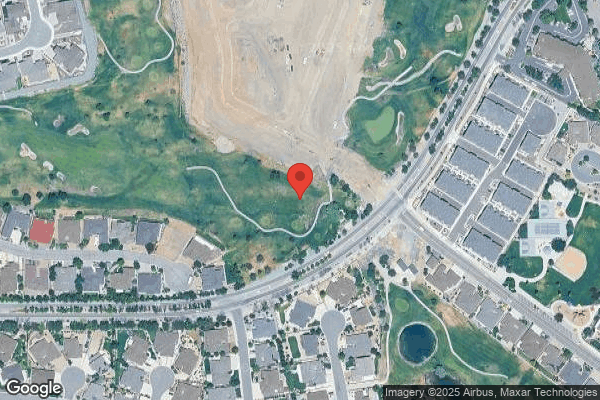
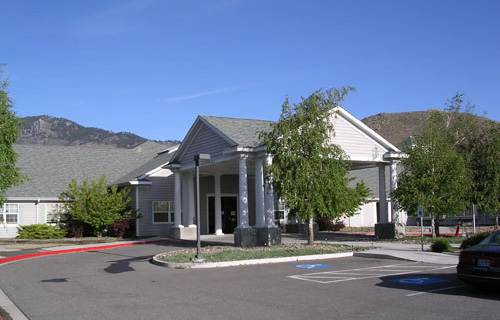
3050 N ORMSBY ROAD, CARSON CITY, NV 89703 (775) 841-4646
For profit - Limited Liability company 120 Beds EMPRES OPERATED BY EVERGREEN Data: November 2025 1 Immediate Jeopardy citation
Trust Grade
0/100
#59 of 65 in NV
Last Inspection: March 2025

Within standard 12-15 month inspection cycle. Federal law requires annual inspections.

Overview

Ormsby Post Acute Rehabilitation has received a Trust Grade of F, indicating significant concerns about the facility's overall care and management. It ranks #59 out of 65 in Nevada, placing it in the bottom half of state facilities, and is #4 out of 4 in Carson City County, meaning there are no better local options. While the facility has shown some improvement, reducing issues from 50 in 2024 to 10 in 2025, it still faces serious challenges, including $60,464 in fines, which is higher than 89% of Nevada facilities, indicating ongoing compliance problems. Staffing is average with a 3/5 rating, but the turnover rate is concerning at 71%, significantly above the state average, suggesting that staff may not be consistently familiar with resident needs. Specific incidents include a failure to investigate allegations of potential narcotic diversion and abuse, which could seriously jeopardize resident safety and well-being, as well as lapses in food safety protocols that may risk residents' health. Overall, while there are some strengths in staffing and a trend toward improvement, the facility has critical weaknesses that families should carefully consider.

Trust Score
F
0/100
In Nevada
#59/65
Bottom 10%
Safety Record
High Risk
Review needed
Inspections
Getting Better
50 → 10 violations
Staff Stability
⚠ Watch
71% turnover. Very high, 23 points above average. Constant new faces learning your loved one's needs.
Penalties
✓ Good
$60,464 in fines. Lower than most Nevada facilities. Relatively clean record.
Skilled Nurses
✓ Good
Each resident gets 47 minutes of Registered Nurse (RN) attention daily — more than average for Nevada. RNs are trained to catch health problems early.
Violations
⚠ Watch
100 deficiencies on record. Higher than average. Multiple issues found across inspections.
★☆☆☆☆
1.0
Overall Rating
★★★☆☆
3.0
Staff Levels
★★★☆☆
3.0
Care Quality
★☆☆☆☆
1.0
Inspection Score
Stable
2024: 50 issues
2025: 10 issues

The Good

  • Full Sprinkler Coverage · Fire safety systems throughout facility
  • No fines on record

Facility shows strength in fire safety.

The Bad

1-Star Overall Rating

Below Nevada average (3.0)

Significant quality concerns identified by CMS

Staff Turnover: 71%

25pts above Nevada avg (46%)

Frequent staff changes - ask about care continuity

Federal Fines: $60,464

Above median ($33,413)

Moderate penalties - review what triggered them

Chain: EMPRES OPERATED BY EVERGREEN

Part of a multi-facility chain

Ask about local staffing decisions and management

Staff turnover is very high (71%)

23 points above Nevada average of 48%

The Ugly 100 deficiencies on record

1 life-threatening
Mar 2025 10 deficiencies
CONCERN (D)

Potential for Harm - no one hurt, but risky conditions existed

Deficiency F0582 (Tag F0582)

Could have caused harm · This affected 1 resident

**NOTE- TERMS IN BRACKETS HAVE BEEN EDITED TO PROTECT CONFIDENTIALITY** Based on record review and interview, the facility failed to ensure the proper Medicare Notice of Medicare Non-Coverage letter w...

Read full inspector narrative →
**NOTE- TERMS IN BRACKETS HAVE BEEN EDITED TO PROTECT CONFIDENTIALITY** Based on record review and interview, the facility failed to ensure the proper Medicare Notice of Medicare Non-Coverage letter was completed and provided for 2 of 3 unsampled residents selected for beneficiary notification review. The deficient practice resulted in non-compliance with Medicare requirements, that could hinder the resident's ability to make informed decisions regarding their coverage and care. Findings include: Resident #231 Resident #231 was admitted to the facility on [DATE] and readmitted on [DATE], with diagnoses including primary generalized osteoarthritis, chronic respiratory failure with hypoxia, and chronic obstructive pulmonary disease, unspecified. Resident #231 was discharged home on [DATE]. Resident #231's clinical record lacked documented evidence the Centers for Medicare and Medicaid Services (CMS) Notice of Medicare Non-coverage Form (NOMNC) was provided to the resident or the resident's representative. On 03/26/2025 at 1:35 PM, the Business Office Manager (BOM) confirmed the BOM could not find the NOMNC for Resident #231. The BOM confirmed the facility follows the CMS instructions for the NOMNC, CMS-10123. Resident #231's last day of Part A service was 10/31/2024. Resident #232 Resident #232 was admitted to the facility on [DATE] and readmitted on [DATE], with diagnoses including type 2 diabetes mellitus with ketoacidosis without coma, chronic obstructive pulmonary disease, unspecified, and chronic kidney disease, stage 3. Review of Resident #232's CMS Skilled Nursing Facility (SNF) Beneficiary Protection Notification Review form provided by the BOM on 03/26/2025, revealed Resident #232's Medicare Part A skilled services episode started on 11/26/2024 and the last covered day for Part A services was on 12/19/2024. Resident #232's discharge was extended to address the resident's medical condition. Resident #232 was discharged home on [DATE]. The medical record lacked documented evidence the Notice of Medicare Non-Coverage letter was provided to Resident #232 for the admission extension. On 03/26/2025 at 1:35 PM, the BOM confirmed the BOM could not find the NOMNC for Resident #232 extended admission. The BOM verbalized the resident was going to discharge on [DATE], but extended to 12/26/2024, due to a medical condition the resident's physician treated prior to discharge. On 03/27/2025 at 7:24 AM, the facility's Executive Director stated it was the expectation the facility followed the CMS guidelines and provide the Notice of Medicare Non-Coverage letter to resident and/or resident representative two days prior to the end of the benefits. The facility's undated policy titled Notice Instructions for the Notice of Medicare Non-Coverage (NOMNC) documented the facility would provide a NOMNC letter to eligible beneficiaries, even if they agree to terminate services. The NOMNC would be delivered at least two days before Medicare covered services end, or the last day of service if care is not provided.
CONCERN (D)

Potential for Harm - no one hurt, but risky conditions existed

MDS Data Transmission (Tag F0640)

Could have caused harm · This affected 1 resident

**NOTE- TERMS IN BRACKETS HAVE BEEN EDITED TO PROTECT CONFIDENTIALITY** Based on interview and document review the facility failed to ensure Minimum Data Set (MDS) 3.0 assessments were transmitted tim...

Read full inspector narrative →
**NOTE- TERMS IN BRACKETS HAVE BEEN EDITED TO PROTECT CONFIDENTIALITY** Based on interview and document review the facility failed to ensure Minimum Data Set (MDS) 3.0 assessments were transmitted timely for 4 of 10 months, starting June 2024. The deficient practice had the potential to impact resident care by delaying the resident care plan. Findings include: Jun 2024: 10.3% of admission assessments were completed late (11 of 107) [DATE]: 12.5% of assessments were completed late (8 of 64) 14.5% of admission assessments were completed late (9 of 64) [DATE]: 13.5% of assessments were completed late (12 of 89) [DATE]: 11.9% of assessments were completed late (7 of 59) On 03/27/2025 at 7:19 AM, the Executive Director (ED) verbalized the MDS Coordinator was responsible to submit the MDS assessments for the facility and confirmed the facility had filed the aforementioned MDS assessments late. The ED verbalized the facility had a change in MDS Coordinators which attributed to the late filings.
CONCERN (D)

Potential for Harm - no one hurt, but risky conditions existed

Assessment Accuracy (Tag F0641)

Could have caused harm · This affected 1 resident

**NOTE- TERMS IN BRACKETS HAVE BEEN EDITED TO PROTECT CONFIDENTIALITY** Based on clinical record review, interview, and document review the facility failed to ensure the accuracy of a Minimum Data Set...

Read full inspector narrative →
**NOTE- TERMS IN BRACKETS HAVE BEEN EDITED TO PROTECT CONFIDENTIALITY** Based on clinical record review, interview, and document review the facility failed to ensure the accuracy of a Minimum Data Set 3.0 (MDS) assessment for 1 of 19 sampled residents (Resident #4) and 1 of 3 residents sampled for closed records (Resident #79). This deficient practice had the potential to deprive residents of necessary care and services relative to current health management needs in the facility and upon discharge home. Findings include: Resident #4 Resident #4 was admitted to the facility on [DATE], and readmitted on [DATE], with diagnoses including other specified spondylopathies, lumbar region and unspecified dementia, unspecified severity, without behavioral disturbance, psychotic disturbance, mood disturbance, and anxiety. A Hospice Plan of Care for certification period 01/08/2025 through 03/18/2025, documented Resident #4 was receiving hospice services. A quarterly MDS assessment dated [DATE], Section O - Special Treatments, Procedures, and Programs included instructions to check all treatments, procedures, and programs performed. Item O0110K1 - Hospice care lacked a checkmark, X, or any other documentation indicating Resident #4 was receiving hospice care. Resident #79 Resident #79 was admitted to the facility on [DATE], with a diagnosis of fracture of unspecified part of neck of left femur, subsequent encounter for closed fracture with routine healing. A Nursing Progress Note dated 03/02/2025, documented Resident #79 was discharged home. A discharge MDS assessment dated [DATE], Section A2105 - Discharge Status documented Resident #79 was discharged to a short-term general hospital. On 03/26/2025 at 1:45 PM, the Director of Nursing (DON) verbalized the facility did not have a policy related to completion of MDS assessments and the facility followed the Resident Assessment Instrument (RAI) manual. On 03/26/2025 at 2:53 PM, the MDS Consultant explained the MDS Consultant and the MDS Coordinator were responsible to complete MDS assessments for residents and the RAI manual was used as a reference. The MDS Consultant would review and sign off on all assessments completed by the MDS Coordinator. The MDS Consultant reviewed Resident #4's clinical record and confirmed Resident #4 was receiving hospice services, the services began in 2024. The MDS Consultant verbalized the most recent MDS assessment for Resident #4 was completed on 01/17/2025. The MDS Consultant confirmed the MDS assessment did not indicate Resident #4 was receiving hospice services and was inaccurate. The MDS Consultant reviewed Resident #79's clinical record and verbalized the resident was discharged home on [DATE]. The MDS Consultant confirmed Resident #79's discharge MDS indicated the resident was discharged to the hospital and was inaccurate. The Centers for Medicare and Medicaid Services, Long-Term Care Facility Resident Assessment Instrument 3.0 User's Manual, Version 1.1.9.1, dated 10/2024, documented residents in a hospice program were to be identified in item O0110K1. Item A2105 documented the location to which a resident was being discharged . Knowing the setting to which the resident was discharging helped to inform discharge planning.
CONCERN (D)

Potential for Harm - no one hurt, but risky conditions existed

Comprehensive Care Plan (Tag F0656)

Could have caused harm · This affected 1 resident

**NOTE- TERMS IN BRACKETS HAVE BEEN EDITED TO PROTECT CONFIDENTIALITY** Based on clinical record review, interview, and document review, the facility failed to develop a person-centered Comprehensive ...

Read full inspector narrative →
**NOTE- TERMS IN BRACKETS HAVE BEEN EDITED TO PROTECT CONFIDENTIALITY** Based on clinical record review, interview, and document review, the facility failed to develop a person-centered Comprehensive Care Plan for the use of insulin, for 1 of 19 sampled residents (Resident #32). This deficient practice had the potential to result in residents not receiving care and services to meet their needs related to the use of insulin. Findings include: Resident #32 Resident #32 was admitted to the facility on [DATE], with a diagnosis of type 2 diabetes mellitus. A physician's order dated 10/20/2024, documented HumaLOG Injection Solution 100 unit/milliliter (ml), inject 10 units subcutaneously with meals for type 2 diabetes mellitus. A physician's order dated 08/26/2024, documented Insulin Glargine Solution 100 unit/ml, inject 56 unit subcutaneously two times a day for type 2 diabetes mellitus with diabetic polyneuropathy. Resident #32's Medication Administration Record (MAR) dated March 2025, documented the administration of HumaLOG Injection Solution, and Insulin Glargine Solution as per the physician order. Resident #32's Care Plan lacked documented evidence of the use of insulin. On 03/27/2025 at 2:53 PM, the Director of Nursing (DON), confirmed Resident #32's Care Plan lacked documented evidence of the use of insulin. The DON verbalized, not expecting to see the care plan be insulin specific. The Resident Assessment Instrument (RAI) 3.0 manual, Chapter 2, The Care Area Assessment (CAA) Process and Care Plan Completion dated 10/2023, documented the residents' plan of care would be used to provide services to attain or maintain the resident's highest practicable physical, mental, and psychosocial wellbeing. The resident's care plan would be revised based on changing goals, preferences, and needs of the resident and in response to current interventions. The RAI 3.0 manual, Chapter 4, CAA Process and Care Planning, dated 10/2023, documented the care plan should be revised on an ongoing basis to reflect changes in the resident and the care the resident was receiving.
CONCERN (D)

Potential for Harm - no one hurt, but risky conditions existed

Deficiency F0757 (Tag F0757)

Could have caused harm · This affected 1 resident

**NOTE- TERMS IN BRACKETS HAVE BEEN EDITED TO PROTECT CONFIDENTIALITY** Based on interview, clinical record review, and document review, the facility failed to ensure behaviors monitored were associat...

Read full inspector narrative →
**NOTE- TERMS IN BRACKETS HAVE BEEN EDITED TO PROTECT CONFIDENTIALITY** Based on interview, clinical record review, and document review, the facility failed to ensure behaviors monitored were associated with the specific condition indicated by the physician for the use of psychotropic medications for 1 of 19 sampled residents (Resident #32). The deficient practices had the potential to cause residents to use an unnecessary medication with possible adverse effects. Findings include: Resident #32 Resident #32 was admitted to the facility on [DATE] and readmitted [DATE], with diagnoses including major depressive disorder, recurrent, unspecified, and generalized anxiety disorder. Resident #32's psychotropic physician's order documented the following; -Buspirone Hydrochloride (HCL) tablet 5 milligram (mg), give 5 mg by mouth three times a day for anxiety as evidence by hyper verbalization, ordered 12/17/2024. -Clonazepam tablet 1 mg, give 1 mg by mouth three times a day for anxiety, ordered 03/13/2025. -Duloxetine HCl capsule delayed release particles 60 mg, give 60 mg by mouth two times a day for depression, ordered 02/07/2025. -Trazodone HCl Oral Tablet 100 mg, give 125 mg by mouth one time a day for depression as evidence by insomnia, ordered 08/06/2024. -Wellbutrin Sustained Release tablet extended release 12 Hour, 150 mg, give 150 mg by mouth one time a day for depression, ordered 03/12/2025 Resident #32's care plans documented the following focus areas related to psychotropic medications: -Resident #32 had chronic anxiety and depression with behavior history of demanding behavior, mood changes such as anger or irritability/impatience with staff and other, initiated 05/07/2023 and revised 02/24/2025. -Resident #32 used psychotropic medications related to chronic anxiety and major depressive disorder with behaviors of depressed mood, sleep disturbances, and feelings loss of control initiated 05/07/2023 and revised 02/24/2025. An intervention included behaviors observed were repetitive statements, crying, rapid speech, preservation, hyper-verbalization, restlessness and agitation. Resident #32's behavior monitoring in the electronic medical record (EMR) instructed the Certified Nursing Assistants (CNA) to document behavior monitoring every day and night shift related to behaviors observed on shift. The behavior monitoring was not resident specific to the behaviors to monitor for. On 03/27/2025 at 2:40 PM, the Director of Nursing (DON) verbalized the behavior monitoring was documented by the CNAs during each shift. The CNAs would input a progress note for new and escalating behaviors. The DON explained the EMR had all types of behaviors to document for the residents, which would include the behaviors to monitor for Resident #32. The facility policy titled Psychotropic Drugs, updated 10/2022, documented residents with orders for psychotropic medication were evaluated and appropriate interventions implemented. Psychotropic drugs were any drug affecting the brain activities associated with mental processes and behavior. The interdisciplinary team validated there were appropriate diagnoses of behavioral symptoms, so the underlying cause of the symptom was recognized, and the condition was treated appropriately.
CONCERN (D)

Potential for Harm - no one hurt, but risky conditions existed

Deficiency F0761 (Tag F0761)

Could have caused harm · This affected 1 resident

**NOTE- TERMS IN BRACKETS HAVE BEEN EDITED TO PROTECT CONFIDENTIALITY** Based on observation, interview, clinical record review, and document review the facility failed to ensure 1) temperatures were ...

Read full inspector narrative →
**NOTE- TERMS IN BRACKETS HAVE BEEN EDITED TO PROTECT CONFIDENTIALITY** Based on observation, interview, clinical record review, and document review the facility failed to ensure 1) temperatures were monitored and recorded on each shift for 1 of 4 medication storage refrigerators, 2) medications were not stored with food items in 1 of 4 medication storage refrigerators, 3) a multi-dose vial was discarded within 28 days of opening, and 4) a medication cart was not left unsecured and unattended. The deficient practices had the potential to contaminate medication with food products, compromise medication integrity by not maintaining and recording the daily refrigerator temperatures between 36-46 degrees Fahrenheit (F), place the residents and staff at risk of receiving expired/outdated vaccines, and to allow unauthorized access to medications on the medication cart in the 200 Hallway. Findings include: Medication Storage On 03/24/2025, during a review of the Staff Development Coordinator (SDC) office medication storage refrigerator, the following items were found: -two mozzarella cheese sticks -two full soda cans -two small containers of yogurt -one wheel of queso [NAME] cheese -one 8-ounce bottle of sour cream -one 6-ounce jar of jalapeno stuffed olives -one vial of Tubersol Solution 5 units/0.1 milliliters (ml), with a written opened date of 02/04/2025, and -three Fluad influenza vaccines The SDC medication storage refrigerator did not contain a temperature log for refrigerator temperature monitoring and was found unsecured. On 03/24/2025 at 3:18 PM, the Director of Nursing (DON) confirmed the food items were stored in the same refrigerator as the biologicals/vaccines in the SDC office. The DON verbalized it would be considered an infection control issue and both the food items and the biologicals stored in the SDC medication storage refrigerator would need to be discarded for cross contamination. The DON explained the SDC was responsible for maintaining the medication storage refrigerator in the SDC office and confirmed the lack of a temperature log or temperature tracking for the refrigerator. On 03/24/2025 at 3:38 PM, the SDC, who was also a Licensed Practical Nurse (LPN), confirmed the SDC was responsible for the medication storage refrigerator contents and monitoring in the SDC office. The SDC explained the food had belonged to the SDC and the SDC had stored the food in the medication storage refrigerator with the vaccines intended for staff and residents. The SDC confirmed the SDC had not maintained or documented the SDC office medication storage refrigerator temperatures and had left the refrigerator unlocked. The SDC confirmed food was absolutely not allowed to be stored with vaccines/biologicals. The facility policy titled Medication Storage, dated 01/2025, documented medications and biologicals were stored properly, following provider pharmacy recommendations, to keep their integrity and to support safe and effective drug administration. Medication rooms and cabinets would remain locked when not in use or attended to by persons with authorized access. Medications which required refrigeration were kept between 36 F and 46 F by using a thermometer in the refrigerator. A temperature log or tracking mechanism was maintained to verify the temperature remained within acceptable limits. The temperature of any refrigerator that stored vaccines would be monitored and recorded twice daily. Refrigerated medications were to be kept in closed and labeled containers. Foods such as employee lunches and activity department refreshments should not be stored in the same refrigerator. Expired Medication On 03/24/2025 at 12:55 PM, a multi-dose vial of Tubersol Solution 5 units/0.1 ml, with a written opened date of 02/04/2025, was located in the SDC medication storage refrigerator. The Tubersol solution was open for 49 days and stored in the SDC medication storage refrigerator for use on staff and residents. On 03/24/2025 at 2:59 PM, during a medication storage room inspection, a Registered Nurse (RN) confirmed a multi-dose vial would be considered expired after 28 days of opening the vial. The date of opening would be the start of the 28 days and would be indicated in writing on the vial. On 03/24/2025 at 3:08 PM, an LPN explained a multi-dose vial should have the date of opening written on either the vial or on the box containing the vial and would be considered expired 28 days after opening. The LPN explained a medication would not work as prescribed if used past the expiration date. On 03/24/2025 at 3:21 PM, the DON confirmed the opened date of the Tubersol Solution was 02/04/2025. The DON verbalized a multi-dose vial should have a date of opening written on the vial, or on the box containing the vial, and should be discarded either 28 or 30 days after opening. The DON was not sure if the vial of Tubersol Solution was considered expired and would need to review the facility policy. On 03/26/2025 at 12:26 PM, the DON verbalized a multi-dose vial was considered expired after 30 days from the date of opening. The DON confirmed the Tubersol Solution vial found in the SDC medication storage refrigerator on 03/24/2025, was expired and should have been discarded as the efficacy would have been reduced after the expiration date. The facility policy titled Medication Administration-General Guidelines, dated 01/2025, documented multi-dose vials had specific shortened end-of-use dating, once opened, to ensure medication purity and potency. Multi-dose vials were to be discarded 28 days after the opened date. The facility policy titled Medication Storage, dated 01/2025, documented medications and biologicals were stored properly, following provider pharmacy recommendations, to keep their integrity and to support safe and effective drug administration. Outdated, expired, or discontinued medications were immediately removed from stock, disposed of, and re-ordered from the Pharmacy. Unsecured Medications On 03/24/2025 at 7:22 AM, a medication cart in the 200 hall was left unattended, with the top drawer unlocked with resident medications present and could be opened when the cart was locked. On 03/24/2025 at 7:23 AM, a RN returned to the medication cart and confirmed the top drawer remained unlocked when the rest of the cart was secured. The facility policy Medication Storage, dated 01/2025, documented during administration of medication, the medication cart was to be kept closed and locked when out of sight of the medication nurse.
CONCERN (D)

Potential for Harm - no one hurt, but risky conditions existed

Medical Records (Tag F0842)

Could have caused harm · This affected 1 resident

**NOTE- TERMS IN BRACKETS HAVE BEEN EDITED TO PROTECT CONFIDENTIALITY** Based on observation, interview, clinical record review and document review, the facility failed to ensure resident information ...

Read full inspector narrative →
**NOTE- TERMS IN BRACKETS HAVE BEEN EDITED TO PROTECT CONFIDENTIALITY** Based on observation, interview, clinical record review and document review, the facility failed to ensure resident information was not visible on an unattended computer screen facing a public area and a clinical record was complete for 1 of 19 sampled residents (Resident #8). This deficient practice had the potential for unauthorized access to residents' protected health information and for care provided to residents, resident response to care provided, and refusals of care to not be documented and available for review as necessary. Findings include: On 03/24/2025 at 7:22 AM, a computer screen on a medication cart in the 200 hallway displayed medication information for a resident. On 03/24/2025 at 7:23 AM, a Registered Nurse (RN) returned to the medication cart. The RN confirmed the computer displayed resident information and verbalized when walking away from a medication cart. The RN explained the process was to always ensure the cart was locked and the computer screen was locked to prevent access to resident protected health information. The facility policy Medication Storage, dated 01/2025, documented resident's health information needed to remain private. Medication Administration Records containing resident health information must not be visible when not in direct use. Resident #8 Resident #8 was admitted to the facility on [DATE], and readmitted on [DATE], with diagnoses including encounter for orthopedic aftercare following surgical amputation and basal cell carcinoma of skin, unspecified. On 03/24/2025 at 10:29 AM, Resident #8 had a clean, dry dressing in place on the resident's head. Resident #8 verbalized the resident had a wound present for approximately one year and facility staff were providing wound care. Resident #8's Treatment Administration Record (TAR) for March 2025, documented the following: -Clean scalp with wound cleanser, dab dry. Apply small amount of Bacitracin ointment and cover with dry dressing for two weeks, every night shift for surgical wound. The start date was 03/25/2025, and the scheduled administration time was 6:00 PM. The TAR had a blank space for the scheduled administration on 03/25/2025. -Nystatin powder 100,000 units/gram. Apply to groin, inner thighs, toes topically one time a day for chronic candida/fungal intertrigo. The start date was 12/02/2024, and the scheduled administration time was 8:00 PM. The TAR had a blank space for the scheduled administration on 03/25/2025. -Wound Care - Scalp: Clean with wound cleanser and pat dry. Leave open to air. Notify provider for any changes in condition. Every day shift for lesion. The start date was 01/06/2025 and the discontinue date was 03/25/2025 at 12:24 PM. The scheduled administration time was 6:00 AM. The TAR had a blank space for the scheduled administration on 03/25/2025. -Left below the knee amputation (BKA) compression sock on at all times for shaping of stump, remove on each shift for skin integrity check for left BKA aftercare. The start date was 02/02/2025, and the scheduled administration times were 6:00 AM and 6:00 PM. The TAR had a blank space for the 6:00 PM scheduled administration on 03/25/2025. On 03/27/2025 at 7:31 AM, an RN verbalized Resident #8 had a wound on the resident's scalp. The RN explained when wound care was provided to residents, the care was to be documented in the resident's TAR. On 03/27/2025 at 9:00 AM, the Director of Nursing (DON) explained the DON's expectation of nursing staff when providing wound care to residents included following the physician's order and documenting in the resident's TAR. A blank space on the TAR could indicate missing documentation and/or an omission of the ordered care. The DON reviewed Resident #8's TAR and confirmed the blank spaces on 03/25/2025. On 03/27/2025 at 2:30 PM, the DON verbalized the blank spaces on Resident #8's TAR related to care of the wound on the resident's scalp, application of Nystatin powder, and removal of a compression sock on 03/25/2025 resulted from an omission of documentation. The facility policy titled Skin Integrity, updated 01/2025, documented if skin impairment was noted, the nurse was to notify the physician, obtain a treatment order and document on the TAR after the order was implemented. The facility policy titled Medication Administration - General Guidelines, reviewed 01/2025, documented medications were to be administered in accordance with written orders of the prescriber. The administration of medication was to be documented in the electronic health record. The nurse was to document any dose of regularly scheduled medication which was withheld, refused, or given at any time other than the scheduled time.
CONCERN (D) 📢 Someone Reported This

A family member, employee, or ombudsman was alarmed enough to file a formal complaint

Potential for Harm - no one hurt, but risky conditions existed

Deficiency F0940 (Tag F0940)

Could have caused harm · This affected 1 resident

Based on observation, interview, and document review, the facility failed to document facility training and competencies required for a Registered Nurse (RN) to provide resident care (Employee #22). T...

Read full inspector narrative →
Based on observation, interview, and document review, the facility failed to document facility training and competencies required for a Registered Nurse (RN) to provide resident care (Employee #22). The deficient practice had the potential to negatively affect resident quality of life and/or jeopardize resident safety when training competencies and orientation were not met prior to providing resident care. Findings include: Employee #22 Employee #22 was employed as an agency Registered Nurse by the facility starting 03/08/2025. A facility document dated 03/08/2025, documented Employee #22 worked an overnight shift at the facility from 5:55 PM on 03/08/2025, until 6:15 AM on 03/09/2025. On 03/27/2025 at 7:39 AM, the Staff Development Coordinator (SDC) confirmed all new nurses were required to complete an orientation packet, which included training competencies, prior to working on the nursing unit. The SDC explained the SDC was the weekend manager when Employee #22 worked on 03/08/2025, and had taken report of Employee #22 being overwhelmed and had not administered medication to a resident. The SDC confirmed on 03/09/2025, the agency for Employee #22 was told the employee was not allowed to return to the facility. On 03/27/2025 at 7:57 AM, the Executive Director (ED) explained Employee #22 was scheduled to come into the facility at 4:00 PM to review and complete the orientation packet prior to starting the overnight shift on 03/08/2025. Employee #22 did not arrive at 4:00 PM and started the shift at 5:55 PM on 03/08/2025, working until 6:15 AM on 03/09/2025. The ED confirmed the lack of any documented orientation, competency/skills check, or training for Employee #22. On 03/27/2025 at 10:41 AM, a Licensed Practical Nurse (LPN) explained nurses new to the facility were given the orientation packet prior to the first shift worked and would review the packet with either the unit manager or a staff mentor. The LPN explained several residents had reported Employee #22 did not administer as needed medications on the evening of 03/08/2025. The LPN notified management and received permission to administer the medications to the residents. The LPN confirmed the assignment to train Employee #22 on 03/08/2025, however Employee #22 had refused to look at or fill out the orientation packet. On 03/27/2025 at 11:34 AM, the Director of Nursing (DON) confirmed Employee #22 had not completed documented orientation or training prior to providing direct resident care. The contract between the facility and the staffing agency, effective 01/02/2025, documented the facility would be responsible to provide all necessary and appropriate training and orientation materials, including facility policy and procedures regarding injury, illness prevention, fire safety, administering medications, charting, recordkeeping, and patient rights. The facility document titled Nursing Unit Orientation Checklist-Section: Medication Administration, dated 07/2017, documented licensed nurses must have direct supervision and validation of competence by a unit manager/supervisor with medication pass prior to independent assignment. The facility policy titled Employee Training on Infection Control, last revised 01/31/2023, documented contracted and agency personnel were required to participate in Center-specific infection control orientation and training before having direct contact with residents.
CONCERN (E)

Potential for Harm - no one hurt, but risky conditions existed

Deficiency F0849 (Tag F0849)

Could have caused harm · This affected multiple residents

**NOTE- TERMS IN BRACKETS HAVE BEEN EDITED TO PROTECT CONFIDENTIALITY** Based on clinical record review, document review, and interview, the facility failed to ensure the coordination of hospice care ...

Read full inspector narrative →
**NOTE- TERMS IN BRACKETS HAVE BEEN EDITED TO PROTECT CONFIDENTIALITY** Based on clinical record review, document review, and interview, the facility failed to ensure the coordination of hospice care between the facility and hospice agencies and ensure the activities and services detailed in the hospice agency's care plan were provided to residents, documented by the hospice agency and received by the facility for 3 of 6 residents on hospice services (Resident #230, #50, and #4). The deficient practice had the potential to compromise the overall quality of hospice care due to the lack of coordination between the facility and hospice agencies and had the potential to jeopardize the health and safety of residents under hospice care in the facility. Findings include: Resident #230 Resident #230 was admitted to the facility on [DATE], with diagnoses including multiple sclerosis, chronic diastolic (congestive) heart failure, severe protein calorie malnutrition, paroxysmal atrial fibrillation, and adult failure to thrive. Resident #230 was admitted by the hospice agency to hospice care in the facility on 03/07/2025. Resident #230's hospice care plan dated 03/07/2025, documented services would include skilled nursing two times a week, a certified nursing aide two times a week, a Social Worker every other week and as needed, and a Chaplain weekly and as needed. Resident #230's facility care plan dated 03/07/2025, documented under the Problem: Hospice - terminal prognosis related to multiple sclerosis, the following interventions: - Adjust provision of activities of daily living (ADL) to compensate for resident's changing abilities. Encourage participation to the extent the resident wishes to participate. - Work cooperatively with hospice team to ensure the resident's spiritual, emotional, intellectual, physical and social needs are met. - Work with nursing staff to provide maximum comfort for the resident. Resident #230's hospice binder at the nurse's station documented Resident #230's current hospice benefit period was 03/07/2025 through 05/05/2025. The Activities included bathing, oral care, hair care, toileting two times per week and as needed. Monitoring included: pain and symptoms as needed, vital signs weekly, symptom management as needed and bowel monitoring as needed. Resident #230's hospice binder lacked a sign-in sheet for hospice staff to document when hospice staff were in the facility and providing care to the resident. On 03/26/2025 at 2:10 PM, Resident #230's hospice communication binder and facility's electronic medical record (EMR) lacked hospice visit notes from hospice nurses and certified nursing aide (CNA) visits. On 03/27/2025 at 9:46 AM, the Licensed Practical Nurse (LPN) verbalized hospice visit notes from the CNA and Nursing visits would be in the resident's hospice binder. The LPN verbalized the hospice staff check in with the nurse in the facility before providing care and the documentation was sent after the visit. Hospice CNAs give a verbal report to the nurse and the facility Nurse documents the tasks completed in the resident's clinical record. The LPN confirmed the hospice CNA's task documentation was not in Resident #230's clinical record. On 03/27/2025 at 1:56 PM, the DON provided hospice visit notes report, dated 03/27/2025 at 9:36 AM, fax dated 03/27/2025 4:24 PM EST (1:24 PM PST) for the following hospice care visits for Resident #230: - Skilled Nursing on 03/24, 03/21, 03/19, 03/17, 03/13, 03/10, 03/08, and 03/07 - CNA on 03/11 and 03/14 - Chaplain on 03/24, 03/17, and 03/10 - Social Worker on 03/24 and 03/10 The DON confirmed the hospice visits were not previously documented prior to 03/27/2025 in Resident #230's chart and were not available to facility staff to coordinate hospice care for Resident #230. On 03/27/2025 at 2:33 PM, the DON verbalized hospice visit notes should be in the resident's hospice binder and scanned into the resident's record. The DON confirmed documentation for only one CNA hospice visit since the resident's admission to hospice care and confirmed the hospice plan of care documented a CNA two times per week. The contract between the facility and the hospice agency providing care to Resident #230 dated 11/05/2024, documented Section 2.6, Manner of Communication, all communication between the hospice and Skilled Nursing Facility (SNF) pertaining to the care and services provided to the Patient shall be documented in the Patient's clinical record. Resident #50 Resident #50 was admitted to the facility on [DATE], with diagnoses including peripheral vascular disease, Alzheimer's disease, and venous insufficiency, chronic. Resident #50 was admitted by the hospice agency to hospice care in the facility on 05/22/2024. Resident #50's hospice care plan dated 02/04/2025, documented services would include skilled nursing two times a week, a certified nursing aide two times a week, a Social Worker once a month and as needed, and Chaplain two times per month. Resident #50's facility care plan dated 02/27/2025, documented under the Problem: Hospice - terminal prognosis peripheral vascular disease/Alzheimer's disease, the following interventions: - Work cooperatively with the hospice team to ensure the resident's spiritual, emotional, intellectual, physical and social needs are met. - Work with nursing staff to provide maximum comfort for the resident. Resident #50's hospice binder at the nurse's station documented Resident #50's current hospice benefit period was 02/04/2025 through 04/04/2025. The Activities included bathing, oral care, hair care, toileting two times per week and as needed. Monitoring included: pain and symptoms as needed, vital signs weekly, symptom management as needed and bowel monitoring as needed. On 03/26/2025 at 2:00 PM, Resident #50's EMR and hospice communication binder lacked hospice visit notes from skilled nursing, CNAs, Social Worker and Chaplain visits. The binder included multiple documents titled Staff Visit Sign-in Sheet. The sign-in sheets documented the following: -During the week of 02/02/2025, one aide visits was completed. -During the week of 02/09/2025, one aide visits was completed. -During the week of 02/16/2025, no visits documented. -During the week of 02/23/2025, no visits documented. -During the week of 03/02/2025, two skilled nursing visit were completed. -During the week of 03/09/2025, one skilled nursing visit was completed. - During the week of 03/16/2025, no visits documented. - During the week of 03/23/2025, one skilled nursing visit was completed. On 03/26/2025 at 2:10 PM, Resident #50's hospice binder and electronic clinical record lacked visit notes from hospice nurses and CNA visits. On 03/27/2025 at 1:56 PM, the DON provided hospice visit notes report, fax dated 03/27/2025 10:35 AM for the following hospice care visits for Resident #50: - Skilled Nursing on 02/18, 02/25, 02/27, 03/06, 03/07, 03/11, 03/13, 03/21, and 03/24 - CNA on 02/05, 02/10, 02/12, 02/18, 03/05, 03/07, 03/12, 03/19, and 03/26 The contract between the facility and the hospice agency providing care to Resident #50 dated 10/18/2021, documented Section 3.7, Coordination of Care - General, each party was responsible for documenting such communication in its respective clinical records to ensure the needs of the hospice patients were met twenty-four hours per day. Resident #4 Resident #4 was admitted to the facility on [DATE], and readmitted on [DATE], with diagnoses including other specified spondylopathies, lumbar region and unspecified dementia, unspecified severity, without behavioral disturbance, psychotic disturbance, mood disturbance, and anxiety. Resident #4 was admitted by the hospice agency to hospice care in the facility on 05/23/2024. Resident #4's hospice communication binder, located at the nurses' station, included a hospice care plan effective from 01/08/2025 through 03/18/2025. The care plan documented ordered and accepted services included: -Skilled nursing one time a week starting 01/19/2025. -CNA two times a week for one week, then four times a week for seven weeks starting 01/19/2025. -Spiritual visit one time per month starting 01/18/2025, two times per month starting 02/01/2025, and one time per month starting 03/01/2025. Resident #4's facility care plan documented a problem of Hospice: Resident #4 had a terminal prognosis related to dementia. The date initiated was 06/29/2024, and the revision date was 08/14/2024. Interventions included to work cooperatively with the hospice team to ensure the resident's spiritual, emotional, intellectual, physical, and social needs were met. On 03/26/2025 at 1:52 PM, the DON confirmed the DON was the hospice coordinator for the facility. The DON explained some hospice residents' hospice communication binders had logs indicating when visits had been completed by hospice staff while others did not. The DON reviewed the binders weekly to confirm the frequency of hospice visits being completed. If hospice staff did not document the visit in the binder, the hospice agency would send the visit notes to the facility and the facility would scan the notes into the resident's EMR. On 03/26/2025 at 2:00 PM, Resident #4's EMR and hospice communication binder lacked hospice visit notes from skilled nursing, CNAs, and spiritual visits. The binder included multiple documents titled Staff Visit Sign-in Sheet and Communication Note (sign-in sheet). The sign-in sheets documented the following: -During the week of 01/19/2025, four aide visits were completed. -During the week of 01/26/2025, four aide visits and one skilled nursing visit were completed. -During the week of 02/02/2025, four aide visits and one skilled nursing visit were completed. -During the week of 02/09/2025, two aide visits and one skilled nursing visit were completed. -During the week of 02/16/2025, one aide visit and one skilled nursing visit were completed. -During the week of 02/23/2025, no visits documented. -During the week of 03/02/2025, no visits documented. -During the week of 03/09/2025, no visits documented. On 03/27/2025 at 8:33 AM, the DON explained facility staff were made aware of hospice staff providing care to residents by coordinating directly with the hospice staff and by reviewing hospice visit notes. The DON verbalized the hospice visit notes would document the nurses' assessment, any changes to the care plan, if hospice staff contacted the physician, and any personal hygiene provided to the resident. The facility ensured a current hospice care plan and current orders were onsite by doing quality assurance (QA) audits of residents on hospice however there was no formal process or frequency for the QA audits. The DON explained the process if the facility did not have a current care plan or documentation of completed visits onsite was to contact the hospice agency, request the documents be sent to the facility, and place the documents in the binder. On 03/27/2025 at 8:48 AM, the DON confirmed the care plan in Resident #4's hospice binder concluded on 03/18/2025. The DON verbalized the DON was unsure and would have to verify if the facility had a current hospice care plan or documentation of visits completed from 01/18/2025 through 03/18/2025. On 03/27/2025 at 1:56 PM, the DON provided copies of hospice visit notes completed by CNAs. The visits notes had a fax date stamp of 03/27/2025 from 11:31 AM through 11:50 AM and documented visits for the following dates: -Two visits were completed on 01/21/2025, 01/23/2025, 01/28/2025, 01/30/2025, 02/04/2025, 02/11/2025, 02/27/2025, 03/04/2025, 03/06/2025, 03/11/2025, 03/13/2025, and 03/18/2025. -One visit was completed on 02/06/2025, 02/18/2025, 02/20/2025, and 02/25/2025. Copies of visits notes completed by hospice skilled nursing, with a fax date stamp of 03/27/2025 at 11:17 AM, documented visits were completed on 02/11/2025 and 02/21/2025. On 03/27/2025 at 2:33 PM, the DON confirmed the facility did not have documented evidence of the completed hospice visits for Resident #4, Resident #50, and Resident #230 and a current hospice care plan for Resident #4 onsite in the facility and available for staff review prior to 03/27/2025. The facility was unable to provide documentation of coordination with the hospice agency regarding weeks when frequency of visits, as documented on the hospice care plan, were not met. The DON verbalized all visit notes should have been obtained, scanned into the resident's EMR, and placed in the resident's hospice binder. On 03/27/2025 at 2:39 PM, the DON confirmed the hospice agency providing care to Resident #230 did not use a sign-in log to track hospice staff in the facility and the sign-in log for Resident #50 was incomplete. The contract between the facility and the hospice agency providing care to Resident #4, effective 04/24/2024, documented the hospice and the facility were to develop a process to exchange information regarding development and updating of the plan of care (POC) and evaluation of care outcomes to ensure the hospice patient received necessary and appropriate care. Each party was to designate one or more liaisons to facilitate cooperation and communication between the parties to assure needs were met. The facility policy titled Hospice - Provision of Care by Outside Providers, updated 09/2017, documented the facility collaborated with outside providers to coordinate the provision of hospice care as directed by the physician. The hospice and the facility communicated, established, and agreed upon a coordinated plan of care. Upon arrival, hospice staff would notify the facility staff of care to be rendered.
CONCERN (F)

Potential for Harm - no one hurt, but risky conditions existed

Food Safety (Tag F0812)

Could have caused harm · This affected most or all residents

Based on observation, interview, and document review, the facility failed to obtain cooking temperatures and holding temperatures of chicken prior to plating the chicken to serve to residents for lunc...

Read full inspector narrative →
Based on observation, interview, and document review, the facility failed to obtain cooking temperatures and holding temperatures of chicken prior to plating the chicken to serve to residents for lunch service. This deficient practice posed a potential risk to safety and health standards which could lead to contamination and place residents at risk of foodborne illness. Findings include: On 03/26/2025 at 11:30 AM, dietary staff had removed three large trays of chicken breasts from the oven. The chicken was transferred to a holding tray and placed in the steam table. The chicken was then placed on a plate and ready to be placed in a steam cart to deliver to residents. The Dietary Aide failed to obtain cooking temperatures and holding temperatures prior to plating the chicken to serve to residents. On 03/26/2025 at 11:46 AM, the Dietary Manager confirmed temperatures were not taken nor documented for the chicken prior to placing the chicken on plates to serve to residents. The Dietary Manager verbalized the chicken temperatures were taken while the chicken was cooking, however the temperatures were not documented nor observed by the inspector. On 03/26/2025 at 11:48 AM, the Registered Dietician (RD) explained the facility did not record cooking temperatures and the facility was following the facility policy. The RD acknowledged residents could get sick and get a foodborne illness related to under temped chicken if consumed. A cooking temperature log for food could not be located. On 03/26/2025 at 1:52 PM, the Executive Director explained the facility did not have a policy related to foodborne illness. The facility policy titled Preparation and Service of Foods-Safety Precautions, last updated 11/2018, documented chicken was to have a minimum cooking temperature of 165 degrees Fahrenheit. Food holding temperatures were to be at 140 degrees Fahrenheit at a minimum. The facility policy titled Food Temperature, last updated 10/2017, documented food temperatures were to be taken and documented daily prior to meal service and monitored periodically throughout the meal service.
Sept 2024 4 deficiencies
CONCERN (D) 📢 Someone Reported This

A family member, employee, or ombudsman was alarmed enough to file a formal complaint

Potential for Harm - no one hurt, but risky conditions existed

Free from Abuse/Neglect (Tag F0600)

Could have caused harm · This affected 1 resident

**NOTE- TERMS IN BRACKETS HAVE BEEN EDITED TO PROTECT CONFIDENTIALITY** Verbal abuse A FRI submitted 06/23/2024, documented LPN1 was responding to a call light by Resident #3, and while providing care...

Read full inspector narrative →
**NOTE- TERMS IN BRACKETS HAVE BEEN EDITED TO PROTECT CONFIDENTIALITY** Verbal abuse A FRI submitted 06/23/2024, documented LPN1 was responding to a call light by Resident #3, and while providing care, LPN1 began yelling at the resident. Yelling was heard by other staff in the facility. Resident #3 Resident #3 was admitted to the facility on [DATE], and readmitted on [DATE], with a primary diagnosis of acute reversible ischemia of large intestine, extent unspecified. On 09/18/2024 at 12:19 PM, Resident #3 explained on the date of the incident, Resident #3 turned on the call light after having had a bowel movement. Resident #3 explained the LPN came to answer the call light, but the LPN had an ear plug in and was talking with someone on the phone. The LPN undid the resident's briefs and turned the resident on the left side. The LPN left the room and after 20 minutes, Resident #3 began calling out for help. Resident #3 explained when LPN1 returned, LPN1 told the resident LPN1 went to get a CNA because LPN1 was too busy to help the resident. Resident #3 told LPN1 if LPN1 wasn't on their phone, they might not be so busy. The LPN then yelled, do you see me on my phone now? and I said, do you see me on my phone now? poking the resident in the chest with every word. Resident #3 told LPN1 to leave the room. Resident #3 explained the resident was so upset, and the resident cried the whole next day. Resident #3 verbalized feeling unsafe in the facility. A working schedule dated 06/30/2024, documented LPN1 was working night shift on Resident #3's hallway. A witness statement from LPN1 received by phone, undated, documented on the date of the event, LPN1 observed Resident #3's call light and requested a CNA to answer the light. After 20 minutes, the call light was on again. In the course of assisting the resident, the resident verbalized feeling LPN1 yelled at the resident and LPN1 apologized for raising LPN1's voice. The resident was upset and LPN1 requested assistance from another nurse. A witness statement from a CNA dated 06/23/2024, documented the event occurred on night shift. Resident #3 was extremely upset and crying because LPN1 was rude to Resident #3, yelling at the resident and treating the resident like a five-year-old child. The CNA documented witnessing the LPN, who was on a cell phone, refusing to help Resident #3. A witness statement from LPN2 dated 06/23/2024, documented on the date of the event, LPN1 asked for help with a resident. When LPN2 entered Resident #3's room, Resident #3 began explaining the altercation. LPN2 observed LPN1 raising LPN1s voice and yelling back and forth with the resident. The Resident began crying and requested to file a verbal abuse report. On 09/18/2024 at 12:42 PM, LPN3 explained LPN3 was presently the only nurse on the hallway to include Resident #3. Abuse included financial, physical and verbal abuse, or anything making a resident feel uncomfortable or unsafe. Verbal abuse included calling names, yelling, and saying mean things. The nurse verbalized the nurse did not receive any trainings from the facility related to abuse prevention but was aware of abuse through other nursing positions. A Social Services Note dated 06/24/2024, documented the previous social worker and previous Executive Director spoke with the resident about the incident to have occurred over the weekend. Resident #1 expressed the resident was satisfied the LPN was no longer working at the facility. The Social Services Note was electronically signed with the name of the Licensed Social Worker (LSW). On 09/18/2024 at 2:00 PM, the LSW explained when instructed by the Director of Social Services, the LSW's involvement in incident reports included asking residents about their feelings, investigating the emotional impacts of an event, observing changes in resident behavior, documenting the follow up in a Progress Note, and even referring the resident to Behavioral Health Services as necessary. The LSW verbalized the Social Services note was completed by the previous LSW of the facility. On 09/18/2024 at 4:39 PM, the DON explained verbal abuse included yelling, swearing, and condescending words. The facility verified the allegation of verbal abuse, terminated the LPN in question, and submitted a complaint to the Nevada State Board of Nursing. Physical Abuse A FRI submitted 06/29/2024, documented the facility Physician was performing a breast exam on Resident #4. The resident felt the physician was getting off on it, which made the resident uncomfortable, and caused the resident to ask the physician to stop. The physician continued the examination to complete the measurement. Once the resident made it clear the resident was uncomfortable, the Physician stopped. Resident #4 Resident #4 was admitted to the facility on [DATE], and readmitted on [DATE], with a primary diagnosis of primary osteoarthritis of the left wrist. On 09/18/2024 at 2:49 PM, Resident #4 explained the physician was doing a breast exam on the resident's right breast. The resident explained the Physician was squeezing the breast, almost like fondling it. The resident felt uncomfortable and asked the Physician to stop, but the Physician continued the exam. Resident #4 asked the Physician to stop three times before pushing the Physician's hand away. The Physician then moved to the left breast and the resident asked the Physician to stop three more times before forcibly pushing the Physician's hand away again. Resident #4's most recent Brief Interview for Mental Status (BIMS) dated 08/24/2024, documented a score of 14 (intact cognitive abilities). A witness statement from a CNA, dated 07/02/2024, documented the CNA was present during the physical examination. The Physician informed Resident #4 the Physician would check the breast and the Physician did not wait for consent or to hear if the resident was comfortable. The resident looked uncomfortable and the Physician looked at the resident weird, and would not stop touching the resident. The resident asked the Physician three or four times to stop touching the resident's breast and doctor kept going, disregarding the resident's request. The Physician's hand went under Resident #4's gown after the resident told the Physician to stop. After Resident #4 told the Physician to quit it, the Physician stopped. The resident moved the Physician's hand once, pushing it away softly. On 09/18/2024 at 3:14 PM, the CNA explained on the day of the examination, the Physician seemed to be in a rush. The Physician told Resident #4 the physician would check the breast and would check the breast. Resident #4 told the Physician to stop multiple times. The physician would stop, tell the resident the Physician would check again, and check the breast. Resident #4 pushed the Physician's hand away and the Physician stopped. The Physician could have waited for consent from the resident. A Social Services Progress Note dated 06/29/2024, documented Social Services met with Resident #4 who explained on 06/27/2024, the Physician came into the resident's room to follow up with the resident on an ultrasound that was ordered to check on a lump on Resident #4's breast. The resident explained the resident informed the Physician the ultrasound found nothing, but the Physician insisted on doing a breast exam again. The resident reported the Physician grabbed the resident's breast and was squeezing it. The resident reported the resident told the Physician to stop and the Physician did not. The resident reported the Physician then checked Resident #4's other breast, and the resident again told the Physician to stop three times before the resident slapped the Physician's hand away and said, I said stop! On 09/18/2024 at 3:36 PM, the LSW explained being aware of the event between the Physician and Resident #4. The LSW verbalized Resident #4 did not want the Physician to continue to work with Resident #4. On 09/18/2024 at 4:42 PM, the DON, verbalized abuse could include unwanted touching and breasts were inherently sexual in nature. If a patient did not want to be touched, it could be considered abuse and would be worth an investigation. The DON verbalized if a resident did not want to be touched, it could be considered inappropriate touching. The DON described the situation occurrence between Resident #4 and the Physician as a gray area and the DON was unsure whether it was a concern of abuse or resident rights. The DON explained it was important to consider the perspective of the resident as that could determine abuse. A statement from the Physician dated 07/01/2024, documented the Physician found a lump in the resident's breast and was attempting to measure the size of the lump. The Physician examined the resident's legs, arms, lungs and breasts last. Resident #4 asked the Physician why the Physician was doing the exam. When the resident asked the Physician to stop, the Physician stopped. The Physician did not remember the Resident pushing the Physician's hand away. On 09/18/2024 at 5:09 PM, the Physician explained the Physician found a lump in Resident #4's right breast, ordered an ultrasound, and returned for a follow-up examination to ensure no malignancy was missed. The Physician explained the Physician only examined the breast of concern. During the exam, the resident asked why the physician was examining the resident's breast three times and three times the physician explained the reason for the breast examination. When the resident asked the Physician to stop, the Physician stopped. Sexual Abuse A FRI submitted 09/10/2024, documented Resident #6 was seen kissing Resident #5 on the lips. The two were immediately separated and Resident #6 was put under one-to-one supervision. Resident #6 continued to make comments the resident would pursue Resident #5 and there was nothing the facility could do to stop it. Resident #5 Resident #5 was admitted to the facility on [DATE], and readmitted on [DATE], with diagnoses including multiple sclerosis and cognitive communication deficit. Resident #5's care plan included a problem initiated 04/24/2024, documenting Resident #5 had impaired cognitive function, impaired thought processes and extended effects of multiple sclerosis white matter disease. An intervention initiated 04/24/2024, documented Resident #5 had difficulty understanding healthcare information in written format and to reinforce with verbal explanation with Resident #5's responsible party. A problem initiated 9/16/2024, documented on 09/11/2024, Resident #5 was kissed on the lips by another resident. Resident #5's Progress Notes documented the following: -On 05/27/2024, Resident #5 was seen kissing another resident in the dining room. -On 06/24/2024, a resident was seen kissing Resident #5's hand in the main dining area. -On 08/05/2024, staff noticed Resident #5's impulsivity and inappropriate touching and kissing with male residents. -On 09/06/2024, Resident #5 was not oriented. -On 09/09/2024, Resident #5's mother was recently given power of attorney (POA) and was Resident #5's legal guardian. Resident #5 was oriented to person and situation, not to time or place. -On 09/11/2024, Resident #5 was being wheeled by Hospitality Aide (HA 1). Another resident began talking with Resident #5 when the resident bent over and kissed Resident #5 on the lips. The other resident walked away laughing. -On 09/06/2024, Resident #5 was assessed on 09/06/2024 and was not oriented. Resident #5 did not remember current happenings, family and friends and was unable to converse, read, or write. Resident #6 Resident #6 was admitted to the facility on [DATE], and readmitted on [DATE], with diagnoses including schizoaffective disorder unspecified and major depressive disorder single episode unspecified. Resident #6's care plan included a problem initiated 06/11/2024, documenting Resident #6 demonstrated disinhibited sexual behavior with other residents related to an incident on 05/06/2024, and 06/11/2024. Resident #6 exhibited bold behaviors in the facility including touching residents' legs, following residents into rooms, fondling nonconsenting residents, and kissing residents on the hand. On 09/10/2024, Resident #6 kissed another resident on the lips who was sitting in their wheelchair in the hall. Interventions documented to praise Resident #6's positive actions when maintaining boundaries with residents and to redirect the resident when asked not to kiss or touch other residents. Resident #6's Progress Notes documented the following: -On 05/06/2024, Resident #6 continued to be noncompliant with distancing from other residents Resident #6 attempted to follow other residents into their room and shouted Resident #6 wanted the other resident and would have the other resident. -On 05/13/2024, Social Services met with Resident #6 about the resident having inappropriate contact with a resident approximately one week prior. -On 05/17/2024, Resident #6 developed a romantic attachment with a resident who was unable to show capacity to enter into a romantic relationship -On 06/10/2024, staff noted intermittent inappropriate behavior with other residents -On 09/10/2024, Resident #6 walked down the hall and stopped to talk with another resident on one-to one supervision. The resident was in their wheelchair next to HA1. HA1 told Resident #6 not to touch another resident. Resident #6 leaned over and kissed the resident on the lips A statement from HA1 undated, documented Resident #6 was talking to Resident #5 when Resident #6 leaned over and kissed Resident #5. A statement from a CNA undated, documented on 09/10/2024, the CNA observed Resident #6 lean down and kiss Resident #5 on the lips. HA1 put their hand out to move Resident #6 away. The CNA informed Resident #6 their actions were not okay and the resident walked away laughing. A statement from the Activities Director undated, documented HA1 reported Resident #6 kissed Resident #5. Resident #5 was brought to the Activities Director's office and Resident #5 was visibly upset. Resident #6 repeatedly stated Resident #6 would come after Resident #5 and there was nothing the facility could do about it. Resident #6 was put on one-to-one supervision and the police were called. On 09/15/2024 at 11:15 AM, HA2 was seated outside Resident #6's room. HA2 verbalized being told verbally about the event on 09/11/2024 and of Resident #6's sexually aggressive behaviors. HA2 described a time when a nurse walked past Resident #6 with a female resident. Resident #6 got distracted by the resident, but HA2 redirected the resident and encouraged the nurse to continue walking. On 09/18/2024 at 11:19 AM, Resident #6 verbalized approximately one week prior, Resident #6 gave Resident #5 a hug and a kiss on the top of the head. Resident #6 explained Resident #6 did not realize kissing Resident #5 was the wrong thing to do and would like to see Resident #5 again. Around the same time of the incident, HA2 began sitting outside Resident #6's room. On 09/18/2024 at 11:41 AM, a Registered Nurse (RN) verbalized Resident #6 had a history of sexual behaviors and was on one-to-one supervision before but was not on one-to-one supervision when the event occurred. The RN explained the RN did not see Resident #6 kiss Resident #5. The RN was in a resident's room when the RN heard HA1 tell Resident #6 no sir, no thank you. The RN went to see what happened and saw HA1 with their hand out to stop Resident #6. HA1 informed the RN Resident #6 kissed Resident #5 on the lips. Resident #6 was verbally aggressive, telling the RN the RN could not keep Resident #6 away from Resident #5, and the RN called the police. Since then, Resident #6 was on one-to-one supervision again. The RN verbalized it was inappropriate for Resident #6 to kiss Resident #5 because of Resident #5's impaired mental status and cognitive condition. On 09/18/2024 at 12:50 PM, an LPN verbalized a resident would need to be able to consent to sexual advances by another resident, and the ability to consent would be determined by their guardianship status and whether the resident was alert and oriented. The LPN explained Resident #5 had trouble communicating needs and was unsure whether Resident #5 was alert and oriented. On 09/18/2024 at 3:36 PM, the LSW verbalized Resident #5's mother recently became Resident #5's legal guardian in August of 2024. The LSW explained Resident #6 had a history of behaviors related to touching other residents prior to 09/11/2024, and Resident #5 had a history of impulsive behavior. On 09/18/2024 at 4:51 PM, the DON explained sexual abuse could include inappropriate unwanted touching and could apply to a resident without the ability to consent. The DON confirmed Resident #5 was not their own representative and was unable to consent to medical treatment. The facility policy titled, Notice of Resident Rights Under Federal Law, dated 04/2016, documented residents had the right to refuse or discontinue treatment, the right to be treated with respect and dignity, the right to a dignified existence and self-determination, and the right to be free from sexual, verbal, and physical abuse. Based on interview, clinical record review, and document review the facility failed to ensure 1) a resident was free from neglect when a Certified Nursing Assistant (CNA) refused to get the resident out of bed per the resident's request and closed the resident's door while the resident called out for help and when the resident's brief was not changed for a period of eight hours for 1 of 12 sampled residents (Resident #12), 2) a resident was not verbally abused by a Licensed Practical Nurse (LPN1) when the LPN yelled at the resident for 1 of 12 sampled residents (Resident #3), 3) a resident was not physically abused by the facility Physician when the resident asked the Physician to stop a breast examination and the Physician continued for 1 of 12 sampled residents (Resident #4), and 4) a resident was protected from resident-to-resident sexual abuse when the resident was kissed by another resident for 1 of 12 sampled residents (Resident #5). Findings include: Resident #12 Resident #12 was admitted to the facility on [DATE], and readmitted on [DATE], with diagnoses including vertebrogenic low back pain and anxiety disorder, unspecified. Failure to assist resident out of bed A Facility Reported Incident (FRI) submitted 07/23/2024, documented Resident #12 alleged the resident requested to get out of bed at approximately 2:30 AM on 07/18/2024. A CNA1 declined to get the resident up. The resident then began to yell for help and the CNA1 closed the resident's door. The resident reported the resident was anxious about having the door shut. The facility was able to verify the incident occurred as the CNA1 stated the CNA1 did refuse to help the resident and closed the resident's door to prevent the resident from calling out for help. The employee was terminated. Resident #12's Care Plan documented Resident #12 was dependent on staff for meeting emotional, intellectual, physical, and social needs related to the resident being unable to get out of bed. The resident had increased anxiety at night. The date initiated was 05/20/2024, and the revision date was 06/04/2024. Interventions included the following: -Resident has increased anxiety at night, get resident up in chair if resident wishes. The date initiated was 06/04/2024. On 09/18/2024 at 11:21 AM, a CNA2 verbalized the CNA2 was familiar with Resident #12. The CNA2 explained Resident #12 required either a Hoyer lift or assistance of two people to transfer between the bed and the resident's wheelchair. On 09/18/2024 at 12:14 PM, Resident #12 recalled utilizing the call light to request assistance to get out of bed. The resident recalled the staff member who answered the call light would not help the resident out of bed and the resident reported the incident to the Administrator. A Grievance Form dated 07/18/2024, documented Resident #12 reported the CNA1 of concern refused to get the resident up when the resident asked and the CNA1 closed the resident's door. Another CNA then checked on the resident and the resident was assisted out of bed by the day shift staff. The CNA1 of concern was immediately suspended. A Disciplinary Action Form dated 07/18/2024, documented the CNA1 of concern was suspended due to the CNA1 being connected with an allegation of abuse. A review of the facility's records related to the investigation of the allegation of neglect included an undated statement from the CNA1 of concern. The statement documented the CNA1 of concern answered Resident #12's call light at 3:30 AM, the resident informed the CNA1 the resident wanted to get up from bed. The CNA1 told the resident no and closed the door. On 09/18/2024 at 3:00 PM, the Director of Nursing (DON) explained types of abuse included physical, neglect, verbal, sexual, misappropriation of property, and involuntary seclusion. The DON verbalized the DON was familiar with the allegation reported by Resident #12 regarding CNA1 refusing to assist the resident out of bed and closing the resident's door when the resident yelled out for help. The DON explained the facility's previous Administrator conducted the interview with the CNA1 of concern, the CNA1 admitted to the incident and the CNA1's employment was terminated as a result. The DON reviewed the statement from the CNA1 of concern and confirmed the incident would be considered neglect. Failure to change resident's brief A FRI submitted 07/26/2024, documented Resident #12 alleged on 07/22/2024, the resident's brief had not been changed all day shift. The resident was going to bed at 8:00 PM, when staff discovered the resident was wet and had bowel movement all over the resident. Resident #12's Care Plan documented the following: Problem: Bowel incontinence related to chronic constipation, pelvic floor weakness, chronic debility, chronic bowel leakage, and laxative use. The date initiated was 05/20/2024, and the revision date was 08/15/2024. Interventions included the following: -Check resident every two hours and assist resident with toileting as needed, offer each occasion to attempt preservation of continence. The date initiated was 05/20/2024. -Offer resident to toilet at the same time each day. Resident usually had a bowel movement after breakfast and after lunch. Attempt toileting and offer alternative: bedpan/bedside commode. The date initiated was 05/20/2024. -Provide resident with pericare after each bowel incontinent episode. The date initiated was 05/20/2024. Problem: Urinary incontinence. Resident with mixed bladder incontinence related to chronic constipation, pelvic floor weakness, post-menopausal hormonal changes, overactive bladder, and polyneuropathy. The date initiated was 05/20/2024, and the revision date was 08/15/2024. Interventions included: -Brief use: Change every two hours, with soiling or when wetness was detected. The date initiated was 05/20/2024. -Incontinent: Check and change resident every two hours, frequently with shift care rounds, and as required for incontinence. Wash, rinse, and dry perineum. The date initiated was 05/20/2024. On 09/18/2024 at 11:21 AM, a CNA2 explained residents were rounded on at least every two hours. While rounding on residents, CNAs would check to make sure residents were clean and dry. The CNA2 explained Resident #12 was incontinent of bowel and bladder. Resident #12 required assistance from staff for brief changes and was transferred from the wheelchair to the resident's bed with a Hoyer lift or two-person assistance when the resident's brief needed to be changed. On 09/18/2024 at 12:14 PM, Resident #12 verbalized the amount of time it took staff to respond to the resident's call light varied. The resident recalled a time the resident waited more than two hours for staff to respond to the resident's call light after the resident had a bowel movement. The resident described the bowel movement as loose and leaking out of the resident's brief. The resident verbalized it made the resident feel very bad to wait so long while sitting in feces. A review of the facility's records related to the investigation of the allegation of neglect included an interview with the CNA3 assigned to provide care to Resident #12 on 07/22/2024. The interview statement was dated 07/23/2024. The statement documented the CNA3 of concern changed Resident #12's brief at 10:00 AM. The CNA3 stated the CNA3 did not check the resident every two hours as required. A Disciplinary Action Form dated 07/22/2024, documented the CNA3 of concern's employment was terminated due to not checking an incontinent resident for a period of eight hours, resulting in potential for harm to the resident. On 09/18/2024 at 3:00 PM, the DON explained it was the DON's expectation residents would be rounded on every two hours. Briefs were expected to be changed every two to three hours and as needed. CNAs were responsible for rounding and brief changes. The DON recalled Resident #12's allegation of not having the resident's brief changed all day shift. The DON explained the resident complained the resident was wet. When the resident was checked it was found the resident also had a bowel movement. The CNA3 of concern was interviewed and admitted to not checking the resident's brief. The DON confirmed failure to check an incontinent resident's brief for a period of eight hours was considered neglect. The facility policy titled Abuse, Neglect, or Exploitation, updated November 2016, defined neglect as conduct resulting in a deprivation of care necessary to maintain an individual's minimum physical and mental health. The facility document titled Pride Education Module, updated October 2022, documented residents had the right to be free from abuse and neglect. Abuse was defined as the deprivation of goods or services necessary to attain or maintain physical, mental, and psychosocial well-being. Neglect was defined as the failure to provide goods and services to a resident necessary to avoid physical harm, pain, mental anguish, or emotional distress. Neglect included cases when the staff's indifference or disregard for resident care, comfort, or safety, resulted in or could result in adverse outcomes. Examples of neglect included failure to answer call lights, failure to provide adequate care, failure to change soiled bed linens and clothes, and failure to provide adequate assistance with personal hygiene. The facility document titled Notice of Resident Rights Under Federal Law, updated November 2016, documented residents had the right to be free from abuse and neglect. The facility policy titled Perineal Care, updated November 2016, documented perineal care (peri care) prevented skin breakdown of the perineal area, iteching, burning, odor, and infections. Peri care was very important in maintaining the resident's comfort. More frequent care was required for residents who were incontinent. The facility's CNA job description, updated March 2012, documented essential functions of the CNA included answering call lights, providing assistance with bathing, dressing, toileting and oral hygiene. CNAs worked under general supervision and performed duties in caring for residents in compliance with state and federal regulations.
CONCERN (D) 📢 Someone Reported This

A family member, employee, or ombudsman was alarmed enough to file a formal complaint

Potential for Harm - no one hurt, but risky conditions existed

Deficiency F0602 (Tag F0602)

Could have caused harm · This affected 1 resident

**NOTE- TERMS IN BRACKETS HAVE BEEN EDITED TO PROTECT CONFIDENTIALITY** Based on interview, clinical record review, and document review, the facility failed to ensure a resident's insulin was not self...

Read full inspector narrative →
**NOTE- TERMS IN BRACKETS HAVE BEEN EDITED TO PROTECT CONFIDENTIALITY** Based on interview, clinical record review, and document review, the facility failed to ensure a resident's insulin was not self-administered by a staff member for 1 of 12 sampled residents (Resident #2). This deficient practice had the potential to result in a resident not having an adequate amount of insulin available to treat the diagnosed condition for which the medication was prescribed. Findings include: Resident #2 Resident #2 was admitted to the facility on [DATE], and readmitted on [DATE], with diagnoses including type I diabetes mellitus with diabetic polyneuropathy, type I diabetes mellitus with unspecified diabetic retinopathy without macular edema, and type I diabetes mellitus with hypoglycemia without coma. A Facility Reported Incident (FRI), documented on 08/05/2024 a Licensed Practical Nurse (LPN) had witnessed another nurse administering Resident #2's insulin for the nurse's personal use. An Order Review Report for Resident #2, documented the resident had an order for Humalog injection solution 100 units/milliliter, inject as per sliding scale. The order start date was 03/01/2024. A statement, signed by the nurse and dated 08/09/2024, documented the nurse had self-administered Resident #2's insulin. On 09/18/2024 at 1:00 PM, the Director of Nursing (DON) verbalized the DON would have expected for the nurse to have contacted management for support or for the nurse to seek emergency medical care. The DON verbalized the nurse should not have taken the resident's medications. On 09/18/2024 at 2:11 PM, Resident #2 verbalized the resident had been speaking with the nurse when the nurse checked the nurse's blood sugar while standing by the medication cart. The nurse had informed the resident the nurse's blood sugar was very high and the nurse had forgotten the nurse's own insulin pen at home. The resident verbalized the resident could hear the noise of the nurse drawing up insulin, but the resident was blind and had not realized the nurse had self-administered the resident's insulin until the resident had been told what happened by another resident and staff. The resident verbalized the resident had felt upset because the nurse did not ask the resident's permission and it was wrong for staff to take resident's medications. The facility document titled PRIDE Education Module, updated 10/2022, documented misappropriation of resident property meant the deliberate use of a resident's belongings without the resident's consent. Diversion of resident's medication for staff use was an example of misappropriation of resident property. FRI #NV00071907
CONCERN (D) 📢 Someone Reported This

A family member, employee, or ombudsman was alarmed enough to file a formal complaint

Potential for Harm - no one hurt, but risky conditions existed

Deficiency F0658 (Tag F0658)

Could have caused harm · This affected 1 resident

**NOTE- TERMS IN BRACKETS HAVE BEEN EDITED TO PROTECT CONFIDENTIALITY** Based on interview, clinical record review, and document review, the facility failed to ensure professional standards for prescr...

Read full inspector narrative →
**NOTE- TERMS IN BRACKETS HAVE BEEN EDITED TO PROTECT CONFIDENTIALITY** Based on interview, clinical record review, and document review, the facility failed to ensure professional standards for prescribing medications were followed by a practitioner for 1 of 12 sampled residents (Resident #1). This deficient practice had the potential to result in a resident suffering an adverse health outcome from receiving medications for diagnoses the resident did not have. Findings include: Resident #1 Resident #1 was admitted to the facility on [DATE], and was readmitted on [DATE], with diagnoses including metabolic encephalopathy, acquired absence of right leg above knee, and sequelae of protein-calorie malnutrition. A Facility Reported Incident (FRI), dated 06/10/2024, documented Resident #1 was readmitted from the hospital on [DATE]. The admitting nurse input medication orders for Resident #1 from another resident's hospital discharge summary. The resident received the incorrect medications for three days before the error was discovered and reported. The resident was sent to the Emergency Department (ED) on 06/10/2024 and was hospitalized for four days. An Order Review Report for Resident #1, documented the following medication orders dated 06/07/2024 and had been electronically signed by the Physician: - acetaminophen oral tablet 325 milligrams (mg), give 975 mg by mouth one time a day for pain. - amantadine hydrochloride (HCl) oral tablet 100 mg, give one tablet by mouth two times a day for hypertension. - asenapine maleate sublingual tablet, give one tablet sublingually one time a day for schizophrenia as evidenced by delusional statements. - benztropine mesylate oral tablet 1 mg, give one tablet by mouth one time a day for Parkinson's. - carbamazepine oral tablet 200 mg, give 200 mg by mouth two times a day for hypertension. - carbidopa-levodopa oral tablet 25-100 mg, give one tablet by mouth four times a day for Parkinson's. - clonazepam oral tablet 1 mg, give one tablet by mouth two times a day for feeling anxious. - cyclobenzaprine HCl oral tablet 5 mg, give one tablet by mouth three times a day for muscle spasms for 10 days. - finasteride oral tablet 5 mg, give one tablet by mouth one time a day for benign prostatic hyperplasia. - lisinopril oral tablet 5 mg, give one tablet by mouth one time a day for hypertension. - potassium chloride oral packet 20 milliequivalents (mEq), give 20 mEq by mouth one time a day for supplement. - Seroquel oral tablet 400 mg, give 200 mg by mouth one time a day for schizophrenia as evidenced by auditory hallucinations. - sertraline HCl oral tablet 25 mg, give 50 mg by mouth one time a day for depression as evidenced by self-isolation. - simvastatin oral tablet 20 mg, give one tablet by mouth one time a day for hyperlipidemia. - tamsulosin HCl oral capsule 0.4 mg, give one capsule by mouth one time a day for benign prostatic hyperplasia. - trazodone HCL oral tablet 50 mg, give one tablet by mouth one time a day for depression as evidenced by inability to sleep. The resident's diagnoses did not include hypertension, Parkinson's disease, or hyperlipidemia. The June 2024 Medication Administration Record for Resident #1 documented the following: - acetaminophen had been administered four times between 06/07/2024 and 06/10/2024. - asenapine, benztropine, finasteride, lisinopril, and trazodone were each administered three times between 06/07/2024 and 06/09/2024. - potassium, Seroquel, sertraline, simvastatin, and tamsulosin were each administered three times between 06/08/2024 and 06/10/2024. - amantadine, carbamazepine, and clonazepam were each administered five times between 06/08/2024 and 06/10/2024. A Nursing Progress Note, dated 06/10/2024, documented the resident's vital signs were assessed twice and the resident's systolic blood pressure was 89 each time. The resident was unable to stay awake or alert to eat or drink fluids. The provider was notified, and orders were received to send the resident to the ED. A Hospitalist History and Physical Note, dated 06/10/2024, documented Resident #1 presented to the ED on 06/10/2024, after accidental medications were given at the facility. The resident had been discharged from the hospital on [DATE], to the facility for further rehabilitation. The resident was inappropriately receiving Tylenol, asenapine, benztropine, finasteride, lisinopril, potassium, Seroquel, sertraline, simvastatin, tamsulosin, trazodone, amantadine, carbamazepine, clonazepam, cyclobenzaprine, and carbidopa-levodopa. The resident was noted to be hypotensive in the ED. On 09/19/2024 at 10:38 AM, the Physician verbalized the nurse had entered the medications for the wrong resident and Resident #1 had received the wrong medications from the time of admission on [DATE] until the mistake was discovered on 06/10/2024. The Physician verbalized the Physician did not adjust psychotropic medications and would have relied on the behavioral health team to review the psychotropic medication orders. The Physician confirmed the resident had received medications to treat diagnoses the resident did not have. The Physician explained the Physician had skimmed through the orders and signed them because the Physician's expectation was for the admitting nurse to contact the Physician with any questions when inputting medications for a new admission. On 09/19/2024 at 1:05 PM, the Director of Nursing (DON) verbalized the DON would expect the provider to question the order for a medication to treat a diagnosis the resident did not have prior to electronically signing the order. The facility document titled Medical Director Independent Contractor Agreement, with a commencement date of 05/01/2020, documented the Provider agreed to be responsible for the coordination of medical care at the facility and the Provider shared responsibility with the facility for assuring the facility was providing the care required. This responsibility included providing oversight and supervision of the medical care of residents and helping the facility identify, evaluate, and address/resolve medical and clinical issues affecting resident care, medical care, or quality of life, or are related to the provision of services by physicians and other health care practitioners. FRI #NV00071439
CONCERN (D) 📢 Someone Reported This

A family member, employee, or ombudsman was alarmed enough to file a formal complaint

Potential for Harm - no one hurt, but risky conditions existed

Deficiency F0757 (Tag F0757)

Could have caused harm · This affected 1 resident

**NOTE- TERMS IN BRACKETS HAVE BEEN EDITED TO PROTECT CONFIDENTIALITY** Based on interview, clinical record review, and document review, the facility failed to ensure a resident was not administered m...

Read full inspector narrative →
**NOTE- TERMS IN BRACKETS HAVE BEEN EDITED TO PROTECT CONFIDENTIALITY** Based on interview, clinical record review, and document review, the facility failed to ensure a resident was not administered medications without a diagnosis related to the indication for the use of the medications for 1 of 12 sampled residents (Resident #1). This deficient practice resulted in a resident requiring hospitalization to monitor for adverse side effects of the unnecessary medications. Findings include: Resident #1 Resident #1 was admitted to the facility on [DATE], and was readmitted on [DATE], with diagnoses including metabolic encephalopathy, acquired absence of right leg above knee, and sequelae of protein-calorie malnutrition. A Facility Reported Incident (FRI), dated 06/10/2024, documented Resident #1 was readmitted from the hospital on [DATE]. The admitting nurse input medication orders for Resident #1 from another resident's hospital discharge summary. The resident received the incorrect medications for three days before the error was discovered and reported. The resident was sent to the Emergency Department (ED) on 06/10/2024 and was hospitalized for four days. An Order Review Report for Resident #1, documented the following medication orders dated 06/07/2024 and had been electronically signed by the Physician: - acetaminophen oral tablet 325 milligrams (mg), give 975 mg by mouth one time a day for pain. - amantadine hydrochloride (HCl) oral tablet 100 mg, give one tablet by mouth two times a day for hypertension. - asenapine maleate sublingual tablet, give one tablet sublingually one time a day for schizophrenia as evidenced by delusional statements. - benztropine mesylate oral tablet 1 mg, give one tablet by mouth one time a day for Parkinson's. - carbamazepine oral tablet 200 mg, give 200 mg by mouth two times a day for hypertension. - carbidopa-levodopa oral tablet 25-100 mg, give one tablet by mouth four times a day for Parkinson's. - clonazepam oral tablet 1 mg, give one tablet by mouth two times a day for feeling anxious. - cyclobenzaprine HCl oral tablet 5 mg, give one tablet by mouth three times a day for muscle spasms for 10 days. - finasteride oral tablet 5 mg, give one tablet by mouth one time a day for benign prostatic hyperplasia. - lisinopril oral tablet 5 mg, give one tablet by mouth one time a day for hypertension. - potassium chloride oral packet 20 milliequivalents (mEq), give 20 mEq by mouth one time a day for supplement. - Seroquel oral tablet 400 mg, give 200 mg by mouth one time a day for schizophrenia as evidenced by auditory hallucinations. - sertraline HCl oral tablet 25 mg, give 50 mg by mouth one time a day for depression as evidenced by self-isolation. - simvastatin oral tablet 20 mg, give one tablet by mouth one time a day for hyperlipidemia. - tamsulosin HCl oral capsule 0.4 mg, give one capsule by mouth one time a day for benign prostatic hyperplasia. - trazodone HCL oral tablet 50 mg, give one tablet by mouth one time a day for depression as evidenced by inability to sleep. The resident's diagnoses did not include hypertension, Parkinson's disease, or hyperlipidemia. The June 2024 Medication Administration Record for Resident #1 documented the following: - acetaminophen had been administered four times between 06/07/2024 and 06/10/2024. - asenapine, benztropine, finasteride, lisinopril, and trazodone were each administered three times between 06/07/2024 and 06/09/2024. - potassium, Seroquel, sertraline, simvastatin, and tamsulosin were each administered three times between 06/08/2024 and 06/10/2024. - amantadine, carbamazepine, and clonazepam were each administered five times between 06/08/2024 and 06/10/2024. A Nursing Progress Note, dated 06/10/2024, documented the resident's vital signs were assessed twice and the resident's systolic blood pressure was 89 each time. The resident was unable to stay awake or alert to eat or drink fluids. The provider was notified, and orders were received to send the resident to the ED. A Hospitalist History and Physical Note, dated 06/10/2024, documented Resident #1 presented to the ED on 06/10/2024, after accidental medications were given at the facility. The resident had been discharged from the hospital on [DATE], to the facility for further rehabilitation. The resident was inappropriately receiving Tylenol, asenapine, benztropine, finasteride, lisinopril, potassium, Seroquel, sertraline, simvastatin, tamsulosin, trazodone, amantadine, carbamazepine, clonazepam, cyclobenzaprine, and carbidopa levodopa. The resident was noted to be hypotensive in the ED. On 09/19/2024 at 10:38 AM, the Physician verbalized the nurse had entered the medications for the wrong resident and Resident #1 had received the wrong medications from the time of admission on [DATE] until the mistake was discovered on 06/10/2024. The Physician confirmed the resident had received medications to treat diagnoses the resident did not have. On 09/19/2024 at 1:05 PM, the Director of Nursing (DON) confirmed the resident had received medications to treat conditions for which the resident did not have a diagnosis. The facility policy titled Medication Administration, dated 01/2023, documented medication would be administered in accordance with written orders of the prescriber. If a dose seemed excessive considering the resident's age and condition, or a medication order seemed to be unrelated to the resident's current diagnosis or condition the nurse would call the provider pharmacy for clarification prior to the administration of the medication. If necessary, the nurse would contact the prescriber for clarification. FRI #NV00071439
May 2024 41 deficiencies 1 IJ
CRITICAL (J) 📢 Someone Reported This

A family member, employee, or ombudsman was alarmed enough to file a formal complaint

Immediate Jeopardy (IJ) - the most serious Medicare violation

Investigate Abuse (Tag F0610)

Someone could have died · This affected 1 resident

**NOTE- TERMS IN BRACKETS HAVE BEEN EDITED TO PROTECT CONFIDENTIALITY** Based on observation, interview, clinical record review, and document review, the facility failed to ensure a potential incidenc...

Read full inspector narrative →
**NOTE- TERMS IN BRACKETS HAVE BEEN EDITED TO PROTECT CONFIDENTIALITY** Based on observation, interview, clinical record review, and document review, the facility failed to ensure a potential incidence of misappropriation of a resident's prescribed narcotic pain medication was investigated for misappropriation of property for 1 of 2 residents reviewed for potential narcotic diversion (Resident #44). This deficient practice could lead to undetected narcotic diversion from residents causing increased pain and diminished quality of life. Additionally, the facility failed to thoroughly investigate a resident's allegation of abuse and ensure a suspended employee did not continue to work in the facility until an investigation was completed for 1 of 19 sampled residents (Resident #19). Resident #19 alleged a male staff member touched the resident inappropriately while checking the resident's brief. One of the male staff members working at the time the allegation occurred was scheduled and continued to work in the facility from the time the facility was made aware of the allegation on 05/16/2024, until 05/23/2024. The lack of a thorough investigation and failure to prevent the staff member from working in the facility allowed an alleged perpetrator continued access, with the potential for further abuse, to the alleged victim and all other residents in the facility. On 05/23/2024 at 3:05 PM, the Administrator was notified of Immediate Jeopardy (IJ) related to the failure to thoroughly investigate an allegation of abuse and failure to protect Resident #19 and all other residents in the facility from an alleged perpetrator during the facility's investigation. The IJ began on 05/16/2024, when the facility was made aware of the allegations of abuse by Resident #19 of being touched inappropriately by a male staff member. The lack of a thorough investigation into the allegation and protection of residents by failing to ensure a suspended employee did not continue to work in the facility had the potential to result in sexual abuse and cause harm to all residents in the facility. On 05/23/2024 at 4:23 PM, the plan to remove the immediacy for F610 was accepted by the State Agency (SA) and included the following summarized actions: -The alleged perpetrator was suspended to ensure completion of the investigation regarding care provided to the resident of concern on the date of the incident. -All residents were interviewed related to sexual abuse, and non-interviewable residents were assessed for sexual trauma. -All facility staff would be educated on Abuse Prevention and Investigation. On 05/29/2024, while onsite and after confirming the facility's implementation of the immediate corrective action completed on 05/24/2024 at 5:00 PM, the IJ was removed in the presence of the Administrator. The deficient practice remained at a scope of D and the severity lowered to potential for minimal harm following the removal of the IJ. The facility's implementation of the plan to remove the immediacy of the IJ was verified as follows: Interviews were conducted with two Registered Nurses (RN), one Licensed Practical Nurse (LPN), three Certified Nursing Assistants (CNA), seven residents, the Director of Nursing Services (DNS), the Administrator, the Divisional Director of Clinical Operations (DDCO), and the Staff Development RN. Review of the Empress Caring Representative (ECR) Checklists completed with all residents on 05/23/2024, documented all residents were interviewed and screened for the following: -Ability to make choices about daily life which were important to the resident. -Did staff treat the resident with dignity and respect. -Did residents get the help and care needed without waiting a long time. -Confrontations with staff and/or other residents -Sexual abuse -Observation or personal experience of the following: being treated with humiliation, mean things said, hurt (treated roughly, slapped, hit, shoved), or a situation which made the resident feel uncomfortable. Review of the Inservice Education Summary, dated 05/23/2024, documented the Divisional Director of Clinical Operations (DDCO), the Administrator, the Director of Nursing Services (DNS), and the Resident Care Manager (RCM) received education via lecture and handouts on the following topics: -Abuse investigation policy -Abuse investigation pathway -Investigation of alleged sexual abuse -Abuse policy Review of training certificates documented all staff received training related to abuse identification and reporting and the facility's policy titled Abuse Investigation. The training was completed as of 05/24/2024. Findings include: Resident #19 Resident #19 was admitted to the facility on [DATE], with diagnoses including spondylosis without myelopathy or radiculopathy, lumbar region, anxiety disorder, unspecified and depression, unspecified. An initial Facility Reported Incident (FRI) dated 05/16/2024, documented Resident #19 alleged the resident was sexually abused by a male staff member. The resident alleged the male staff member inserted the staff member's finger into the resident's rectum and vagina. On 05/20/2024 at 10:54 AM, Resident #19 recalled a male staff member touched Resident #19 inappropriately. The incident was reported to staff. On 05/20/2024 at approximately 12:20 PM, a female staff member entered Resident #19's room. The female staff member verbalized the female staff member was looking for a Certified Nursing Assistant (CNA). The female staff member described the CNA as a tall man. Upon mention of a tall man, Resident #19 appeared frightened, pulled a blanket over the resident's body, and began to cry. A progress note dated 05/16/2024, documented Resident #19 reported the incident to a Licensed Practical Nurse (LPN). A skin assessment was completed and the Advanced Practice Registered Nurse (APRN) was notified. An Investigator's Interview Statement of Event dated 05/17/2024, documented Resident #19 reported to an LPN a male employee put the employee's fingers inside the resident's vagina and anus every time the employee had to change the resident's brief. The date of event was documented as 05/16/2024. A timeline of events provided by the facility, related to the incident on 05/16/2024, documented the following: -On 05/16/2024, a facility investigation was initiated. Possible alleged persons, a CNA and a Nurse-Aid in Training (NAT), were suspended pending an investigation. -On 05/17/2024 at 10:00 AM and 3:45 PM, phone calls were placed to the NAT to obtain an interview statement. -On 05/18/2024 at 2:00 PM, the facility had not received a return phone call from the NAT. An additional phone call was placed to the NAT and the facility was awaiting a return call. -On 05/20/2024 at 12:36 PM, a phone call was placed to the NAT to reiterate the removal of the NAT from the schedule until an interview statement could be obtained, the facility was awaiting a return call. A Disciplinary Action Form documented the DNS interviewed the NAT on 05/20/2024. The allegations were not substantiated, and the NAT returned to work on 05/20/2024. An Investigator's Interview Statement of Event dated 05/20/2024, documented the NAT was interviewed regarding the alleged incident on 05/16/2024. The interview was conducted by the DNS and the Administrator. The NAT confirmed the NAT worked the night (NOC) shift on 05/15/2024. The NAT denied going to the side of the building where Resident #19 resided. The NAT denied having worked with Resident #19 or entering Resident #19's room during the shift. On 05/20/2024 at 8:47 AM, a CNA explained the CNA knew what tasks or care were required for each resident by checking the electronic medical record. Tasks were documented as soon as care was provided. Resident #19's clinical record indicated the NAT completed the following tasks for Resident #19 on 05/15/2024 at 9:56 PM: bladder monitor, bowel monitor, hour of sleep snack, meal monitor, fluids, and turn and reposition frequently with shift care rounds as tolerated/as allowed by resident. On 05/23/2024 at 12:15 PM, the DNS confirmed the DNS was aware of the allegation of sexual abuse reported by Resident #19. The DNS recalled actions taken to protect Resident #19 during the facility's investigation included removing any male caregivers from the resident's care and a social worker met with the resident. The DNS verbalized interviews were conducted with the male staff who were potential suspects, a CNA and an NAT. The CNA and NAT denied going into Resident #19's room during the shift when the alleged sexual abuse occurred. The DNS verbalized the investigation was complete and the CNA and the NAT were cleared to return to work on 05/20/2024. The DNS denied the DNS completed a review of Resident #19's clinical record as part of the investigation into the allegation of sexual abuse. The DNS verbalized the DNS could have reviewed the clinical record to verify if either the CNA or the NAT provided care to Resident #19. During the interview, the DNS reviewed Resident #19's clinical record and confirmed the clinical record indicated the NAT provided care to Resident #19 during the NOC shift on 05/15/2024. The DNS denied it would be common for staff to document in a resident's clinical record if the staff member was not providing care to the resident. The DNS confirmed investigation into an allegation of abuse would typically include a review of the resident's clinical record. On 05/23/2024 at 12:44 PM, a copy of the NAT's timecard was provided by Human Resources (HR) Staff. The NAT's timecard documented the following: -The NAT worked from 5:59 PM on 05/15/2024, until 6:02 AM on 05/16/2024. -The NAT worked from 5:45 PM on 05/16/2024, until 6:01 AM on 05/17/2024. -The NAT worked from 6:11 PM on 05/17/2024, until 6:02 AM on 05/18/2024. -The NAT worked from 5:55 PM on 05/18/2024, until 6:02 AM on 05/19/2024. -The NAT worked from 5:53 PM on 05/20/2024, until 5:56 AM on 05/21/2024. -The NAT worked from 5:51 PM on 05/22/2024, until 6:03 AM on 05/23/2024. On 05/23/2024 at 1:01 PM, during an interview with the DNS and the Divisional Director of Clinical Operations (DDCO), the DNS explained when an allegation of abuse was made, the DNS would suspend the alleged perpetrator(s) until the investigation had been completed. If the investigation found the employee(s) was not responsible or involved, the employee(s) would be allowed to return to work. The DNS explained it would have been appropriate to suspend any male employee working at the time the alleged sexual abuse of Resident #19 occurred. The DNS verbalized the CNA was initially suspended when the facility began the investigation. During the investigation, the DNS learned the NAT was also working the NOC shift on 05/15/2024. The DNS verbalized the DNS made several calls to the NAT to inform the NAT of the suspension until the completion of the investigation however, the DNS was not able to contact the NAT until 05/20/2024. The DNS verbalized the NAT did not work between 05/16/2024 and 05/20/2024. On 05/23/2024 at 1:07 PM, the DNS and the DDCO reviewed the NAT's timecard and confirmed the timecard documented the NAT worked the NOC shifts beginning on 05/15/2024, 05/16/2024, 05/17/2024, 05/18/2024, 05/20/2024 and 05/22/2024. When asked, if due to the DNS's failure to reach the NAT by phone, anyone remained in the facility to notify the NAT the NAT was suspended and could not work until the completion of the investigation, the DNS verbalized the DNS could not confirm anyone stayed to notify the NAT. The DNS reviewed the facility's schedule for 05/23/2024, and confirmed the NAT was scheduled to work the NOC shift. The DNS verbalized there was a potential for further abuse to all residents when a suspended employee was allowed to continue to work unsupervised in the facility while an investigation was ongoing. The facility policy titled Notice of Resident Rights Under Federal Law, updated 11/2016, documented residents had the right to be free from verbal, sexual, physical, or mental abuse. The facility policy titled Freedom from Abuse, Neglect, Corporal Punishment, Involuntary Seclusion, Mistreatment, Misappropriation of Resident Property, and Exploitation, updated 10/2022, documented each resident had the right to be free from abuse including verbal, mental, sexual or physical abuse. The facility implemented policies and processes so residents were not subjected to abuse by staff. The policies addressed screening, training, prevention, identification, investigation, protection, and reporting/response. Abuse was defined as the willful infliction of injury, unreasonable confinement, intimidation, or punishment with resulting physical harm, pain, or mental anguish. Sexual abuse was defined as non-consensual sexual contact of any type. The facility was to conduct a thorough investigation of allegations of abuse in accordance with state and federal regulations and referred to the abuse investigation policy. The facility was to protect residents from harm during and after the investigation and referred to the abuse protection policy. The facility policy titled Abuse Protection, updated 10/2022, documented the facility was to protect residents from physical and psychosocial harm during and after an investigation. The facility was to suspends and/or removes the alleged perpetrator from patient care areas immediately. The facility policy titled Abuse Investigation, updated 10/2022, documented the facility was to conduct a thorough investigation of allegations of abuse. The facility was to protect the alleged victim during and after the course of the investigation according to the abuse protection policy. Cross reference with F835 FRI #NV00071208 Resident #44 Resident #44 was admitted to the facility on [DATE], and readmitted on [DATE], with diagnoses including hemiplegia and hemiparesis following cerebral infarction affecting right dominant side, cognitive communication deficit, and aphasia. On 05/22/2024 at 2:25 PM, a Registered Nurse (RN) from a contracted hospice agency verbalized the hospice had to replace a bottle of liquid Morphine for Resident #44 on 05/21/2024. The RN explained the bottle appeared to have been tampered with, the medication was discolored, and there was a paper like substance visible in the bottle. An Order Summary Report for Resident #44, documented Morphine Sulfate (concentrate) solution 20 milligrams (mg)/milliliter (ml), give 5 mg by mouth every four hours as needed for pain. The order start date was 01/31/2024. The narcotic count sheet for Resident #44's Morphine Sulfate documented a bottle containing 13.25 ml was discarded on 05/21/2024, due to discoloration. On 05/22/2024 at 3:23 PM, the Resident Care Manager (RCM) verbalized the RCM was not aware of any concerns regarding Morphine needing to be discarded for Resident #44. On 05/22/2024 at 3:30 PM, the Director of Nursing Services (DNS) verbalized the DNS was not aware of any issues with a resident's Morphine being discarded due to discoloration. The DNS verbalized if the DNS was made aware of any such issue, the DNS would immediately start an investigation, including interviewing all involved and reviewing narcotic counts. On 05/22/2024 at 3:37 PM, the RN for Resident #44 verbalized the RN had discarded the Morphine with the hospice RN on 05/21/2024. The RN explained the hospice RN wanted to discard because the Morphine appeared watered down, there was a substance floating in the liquid, and the self-sealing bottle adapter had been removed. The RN verbalized the RN, and the hospice RN notified the DNS the medication needed to be discarded. On 05/22/2024 at 4:02 PM, the DNS confirmed the incident had not been reported or investigated as potential misappropriation of resident property. The DNS verbalized the facility would begin investigating the concern. The facility policy titled Freedom from Abuse, Neglect, Corporal Punishment, Involuntary Seclusion, Mistreatment, Misappropriation of Resident Property, and Exploitation, updated 10/2022, documented the facility would conduct a thorough investigation of potential, suspected, and/or allegations of misappropriation of resident property in accordance with state and federal regulations. Cross reference with tag F609
CONCERN (D)

Potential for Harm - no one hurt, but risky conditions existed

Deficiency F0552 (Tag F0552)

Could have caused harm · This affected 1 resident

**NOTE- TERMS IN BRACKETS HAVE BEEN EDITED TO PROTECT CONFIDENTIALITY** Based on interview, clinical record review, and document review the facility failed to obtain informed consent for a psychoactiv...

Read full inspector narrative →
**NOTE- TERMS IN BRACKETS HAVE BEEN EDITED TO PROTECT CONFIDENTIALITY** Based on interview, clinical record review, and document review the facility failed to obtain informed consent for a psychoactive medication prior to the administration of the medication for 3 of 19 sampled residents (Resident #23, #28 and #66). Findings include: Resident #23 Resident #23 was admitted to the facility on [DATE], with diagnoses including chronic obstructive pulmonary disease with acute exacerbation, major depressive disorder, single episode, unspecified and anxiety disorder, unspecified. Resident #23's Order Summary Report, with active orders as of 05/21/2024, documented the following: -Hydroxyzine Hydrochloride (HCl) oral tablet 25 milligrams (mg), give 25 mg by mouth two times a day for anxiety. -Duloxetine HCl oral capsule delayed release particles 60 mg, give 60 mg by mouth one time a day for depression. -Melatonin oral tablet 3 mg, give 9 mg by mouth one time a day for circadian rhythm regulation. Resident #23's Medication Administration Record (MAR) for April 2024, documented the following: -Alprazolam oral tablet 0.25 mg, give 0.25 mg by mouth every eight hours as needed for anxiety. The start date was 04/26/2024, the discontinue date was 04/29/2024. The medication was administered to Resident #23 on 04/27/2024. -Duloxetine HCl oral capsule delayed release particles 60 mg, give 60 mg by mouth one time a day for depression. The start date was 04/26/2024. The medication was administered to Resident #23 from 04/26/2024 through 04/30/2024. -Melatonin oral tablet 3 mg, give three mg by mouth one time a day for circadian rhythm regulation. The start date was 04/25/2024, the discontinue date was 05/13/2024. The medication was administered to Resident #23 from 04/25/2024 through 04/30/2024. Resident #23's MAR for May 2024, documented the following: -Duloxetine HCl oral capsule delayed release particles 60 mg, give 60 mg by mouth one time a day for depression. The start date was 04/26/2024. The medication was administered to Resident #23 from 05/01/2024 through 05/20/2024. -Hydroxyzine HCl oral tablet 25 mg, give 25 mg by mouth two times a day for anxiety. The start date was 05/03/2024. The medication was administered to Resident #23 from 05/03/2024 through 05/20/2024. -Melatonin oral tablet 3 mg, give 3 mg by mouth one time a day for circadian rhythm regulation. The start date was 04/25/2024, the discontinue date was 05/13/2024. The medication was administered to Resident #23 from 05/01/2024 through 05/12/2024. -Melatonin oral tablet 3 mg, give 9 mg by mouth one time a day for circadian rhythm regulation. The start date was 05/13/2024. The medication was administered to Resident #23 on 05/13/2024, 05/14/2024, 05/16/2024, 05/17/2024, 05/18/2024, 05/19/2024 and 05/20/2024. Resident #23's clinical record contained a signed Psychotropic Drug Disclosure and Consent for Duloxetine and Xanax. The forms were signed and dated 04/30/2024. Resident #23's clinical record contained a signed Psychotropic Drug Disclosure and Consent for Hydroxyzine. The form was signed and dated 05/22/2024. Resident #23's clinical record lacked documented evidence of informed consent prior to the initial administration of Duloxetine, Hydroxyzine, Melatonin and Alprazolam (Xanax). On 05/28/2024 at 12:33 PM, during an interview with the Director of Nursing Services (DNS) and the Divisional Director of Clinical Operations (DDCO), the DNS confirmed psychotropic medications required informed consent prior to administration. The DNS explained a psychotropic was any medication having an effect on the brain. The DDCO and the DNS confirmed Melatonin was a psychotropic medication. The DNS reviewed Resident #23's clinical record and confirmed an informed consent was not obtained prior to the administration of Duloxetine, Hydroxyzine, Melatonin, and Alprazolam (Xanax). Resident #28 Resident #28 was admitted to the facility on [DATE], with diagnoses including bi-polar disorder and anxiety disorder. A physician's order dated 04/24/2024, documented Clonazepam oral tablet 1 mg, give by mouth three times a day for anxiety. Resident #28's MARs dated April 2024 and May 2024, documented Clonazepam oral tablet 1 mg, was administered three times a day per the physician order. Resident #28's clinical record lacked documented evidence of a signed Psychotropic Drug Disclosure and Consent prior to the administration of Clonazepam oral tablet. A physician's order dated 05/01/2024, documented Vraylar oral capsule 3 mg, give three mg by mouth one time a day for borderline personality disorder. Resident #28's MAR dated May 2024, documented Vraylar oral capsule 3 mg, was administered one time a day per the physician order. Resident #28's clinical record lacked documented evidence of a signed Psychotropic Drug Disclosure and Consent prior to the administration of Vraylar oral capsule. On 05/23/2024 at 11:28 AM, the DNS confirmed no informed consent had been obtained prior to the administration of Clonazepam oral tablet or Vraylar oral capsule to Resident #28. The DNS confirmed an informed consent was required prior to the administration of an antianxiety or antipsychotic medication. Resident #66 Resident #66 was admitted to the facility on [DATE], with a diagnosis of anxiety. A physician's order dated 03/02/2024, documented Hydroxyzine HCl tablet, 25 mg, give 25 mg by mouth every six hours as needed for anxiety. Resident #66's MAR dated March 2024, documented Hydroxyzine HCl tablet, 25 mg, was administered on the following dates: -03/03/2024 -03/20/2024 -03/27/2024 -03/29/2024 Resident #66's MAR dated April 2024, documented Hydroxyzine HCl tablet, 25 mg, was administered on the following dates: -04/04/2024 -04/10/2024 -04/11/2024 -04/13/2024 -04/15/2024 -04/18/2024 -04/20/2024 -04/21/2024 Resident #66's record documented a consent for Hydroxyzine HCl tablet, 25 mg, was signed on 04/23/2024. On 05/23/2024 at 11:54 AM, the DNS confirmed Resident #66 had been administered Hydroxyzine HCl tablet, 25 mg, in March 2024 and April 2024 prior to the informed consent having been completed and signed. The DNS verbalized a consent for the use of an antianxiety medication was required prior to administration of the medication. The facility policy titled Psychotropic Drugs, updated January 2019, documented psychotropic drugs were any drugs which affected brain activities associated with mental processes and behavior. Psychotropics included but were not limited to anti-psychotics, anti-depressants, anti-anxiety, hypnotics, and anticonvulsants (when used as a mood stabilizer). The facility policy titled Notice of Resident Rights Under Federal Law, updated November 2016, documented residents had the right to be informed, in advance, of the care furnished to the resident. Residents had the right to be informed, in advance, of the risks and benefits of proposed care, of treatment and treatment alternatives or treatment options and to choose the alternative or option the resident preferred. The facility policy titled, Informed Consent for Psychotropic Drugs, updated September 2017, documented an informed consent was to have been obtained prior to the administration of an anti-psychotic, anti-depressant, anti-anxiety, and/or hypnotic medication.
CONCERN (D)

Potential for Harm - no one hurt, but risky conditions existed

Deficiency F0558 (Tag F0558)

Could have caused harm · This affected 1 resident

Based on observation and interview, the facility failed to ensure the current menu was posted, allowing residents to review and request an alternative if preferred. Findings include: On 05/19/2024 a...

Read full inspector narrative →
Based on observation and interview, the facility failed to ensure the current menu was posted, allowing residents to review and request an alternative if preferred. Findings include: On 05/19/2024 at 10:27 AM, the menu for breakfast, lunch and dinner posted in the dining room near the Brookside Unit was dated for Friday 05/17/2024. On 05/19/2024 at 10:57 AM, the breakfast, lunch, and dinner menus posted on the menu board near the Classics Unit entry way was dated for Friday 05/17/2024. On 05/19/2024 at 10:02 AM, the menu for breakfast, lunch and dinner posted in the Advantage Unit was dated for 05/17/2024. On 05/20/2024 at 10:53 AM, the Nutritional Services Supervisor confirmed the menu posted on 05/19/2024 in the Advantage Unit was for 05/17/2024. The Nutritional Services Supervisor verbalized the current days menu should have been posted before breakfast was served. The Nutritional Services Supervisor verbalized having provided verbal instructions to have the menu changed but was not. The Nutritional Services Supervisor verbalized not having a policy on menu postings and had been proving instructions verbally.
CONCERN (D) 📢 Someone Reported This

A family member, employee, or ombudsman was alarmed enough to file a formal complaint

Potential for Harm - no one hurt, but risky conditions existed

Free from Abuse/Neglect (Tag F0600)

Could have caused harm · This affected 1 resident

**NOTE- TERMS IN BRACKETS HAVE BEEN EDITED TO PROTECT CONFIDENTIALITY** Based on observation, clinical record review, interview, and document review, the facility failed to ensure a resident was prote...

Read full inspector narrative →
**NOTE- TERMS IN BRACKETS HAVE BEEN EDITED TO PROTECT CONFIDENTIALITY** Based on observation, clinical record review, interview, and document review, the facility failed to ensure a resident was protected from employee-to-resident verbal abuse for 1 of 19 sampled residents (Resident #3). Findings include: Resident #3 Resident #3 was admitted to the facility on [DATE] and readmitted on [DATE], with diagnoses including rheumatoid arthritis, unspecified, other specified functional intestinal disorders, and chronic kidney disease, stage 3. FRI #NV00070798 documented on 03/26/2024, Resident #3 reported to a Certified Nursing Assistant (CNA), being very upset following the care the nurse provided to the resident's urostomy. Resident #3 alleged the nurse was verbally aggressive and made the resident feel like an inconvenience when trying to inform the nurse of the resident's preferences. The nurse responded to Resident #3 stating I know what I'm doing, was there anything else you needed to tell me I already know?. Resident #3 further alleged the nurse verbalized I will not change your wound; I am passing medications. I pass medication or I do wounds, but I will not do both. A Nursing Progress Note dated 03/26/2024, documented Resident #3 reported to staff feeling very upset with the interaction with the nurse who Resident #3 alleged was verbally aggressive with the resident and was noted to be crying and upset. The incident was reported to the Abuse coordinator, Divisional Director of Clinical Operations (DDCO) and Physician (MD). On 05/22/2024 at 9:50 AM, Resident #3 explained on the date of the incident, Resident #3's urostomy drainage bag was leaking and had notified the CNA. When the nurse came into the room the nurse stated I had to stop what I was doing to do this. Resident #3 explained the stoma was ackward shape and was just providing the nurse with personal preferences when changing the urostomy bag. The nurse told Resident #3 I don't need you to tell me how to do my job. Resident # verbalized the nurse was very snippy with the resident. Once nurse left the room the resident began crying and felt like an inconvenience. The CNA came in to get the resident up and the CNA immediately got another nurse to come in and discuss the incident with the resident. On 05/22/2024 at 10:45 AM, the CNA explained being the CNA assigned to Resident #3 on the date of the incident. The CNA verbalized the resident's urostomy bag was leaking the morning of the incident and notified the nurse. The nurse snapped at the CNA and informed the CNA, the nurse would check on Resident #3 when there was a free moment between the medication pass. The CNA explained after the nurse was done in Resident #3's room having gone into the room and found Resident #3 was crying. The resident told the CNA the nurse made Resident #3 feel as an inconvenience and the nurse told the resident I know what I'm doing and don't need you to tell me how to do my job. The CNA reported immediately to the Director of Nursing Services (DNS). On 05/22/2024 at 2:05 PM, the DNS explained after being notified of the incident the DNS attempted to interview the nurse of concern, and during the interview the nurse became angry and walked out of the facility. The DNS terminated the nurse on the spot. The facility policy titled Notice of Resident Rights Under Federal Law, updated November 2016, documented residents had the right to be free from verbal, sexual, physical, or mental abuse. The facility policy titled Freedom from Abuse, Neglect, Corporal Punishment, Involuntary Seclusion, Mistreatment, Misappropriation of Resident Property and Exploitation, updated 10/2022, documented each resident had the right to be free from abuse, including verbal abuse. The use of verbal or nonverbal conduct which causes or had the potential to cause the resident to experience humiliation, intimidation, fear, shame, agitation, or degradation. FRI #NV00070798
CONCERN (D) 📢 Someone Reported This

A family member, employee, or ombudsman was alarmed enough to file a formal complaint

Potential for Harm - no one hurt, but risky conditions existed

Deficiency F0602 (Tag F0602)

Could have caused harm · This affected 1 resident

**NOTE- TERMS IN BRACKETS HAVE BEEN EDITED TO PROTECT CONFIDENTIALITY** Based on record review, document review, and interview the facility failed to prevent the misappropriation of funds for 1 of 3 r...

Read full inspector narrative →
**NOTE- TERMS IN BRACKETS HAVE BEEN EDITED TO PROTECT CONFIDENTIALITY** Based on record review, document review, and interview the facility failed to prevent the misappropriation of funds for 1 of 3 residents reviewed for closed records (Resident #52). Findings Include: Resident #52 Resident #52 was admitted to the facility on [DATE], with diagnoses including cerebral infarction due to embolism of left middle cerebral artery, major depressive disorder, recurrent, unspecified, and hypertensive urgency. A Facility Reported Incident (FRI) report dated 05/10/2024, documented on 05/09/2024, Resident #52 was discharged to another facility on hospice. After arriving at the new facility it was discovered the resident's wallet, containing a credit card, was missing and someone was using the credit card. The resident's family notified the facility of the missing wallet and credit card and expressed they had been taken by a staff member at the facility prior to discharge. An incident timeline, dated 05/09/2024, provided by the facility, documented Resident #52's family reported the resident's missing wallet and credit card to the facility. The facility was not able to locate the resident's inventory sheet. Facility staff indicated the inventory sheet documented a wallet without any further description and explained the inventory sheet was sent with the resident at the time of discharge. A Social Service Assistant's (SSA) typed statement, undated, documented on the date of the resident's discharge 05/09/2024, a CNA had verbalized to the SSA Resident #52 had a wallet listed on the resident's inventory list and the wallet could not be found. On 05/21/2024 at 2:39 PM, CNA1 recalled Resident #52 had a tan and white wallet the resident kept in the resident's purse while at the facility. The CNA verbalized upon discharge the resident's wallet could not be found. On 05/22/2024 at 2:33 PM, CNA2 explained when a resident discharged from the facility, CNAs helped pack the resident's belongings and the resident's inventory sheet was checked prior to the resident leaving the facility. On 05/22/2024 at 2:46 PM, the Director of Nursing Services (DNS) verbalized Resident #52's family had made the facility aware approximately $3,000 had been charged on the resident's missing credit card at a local store and the police had been notified. Law enforcement reviewed security video from the store and determined Resident #52's credit card was being used by a housekeeper employed by the facility. Police showed a photograph of the individual using the credit card to the Administrator and the Administrator confirmed the individual in the photograph was a housekeeper employed by the facility. On 05/22/2024 at 2:50 PM, the DNS verbalized the facility offered to store valuables in the Business Office safe for residents, or residents could send valuables home with a family member. The DNS further explained residents could also lock items in the resident's nightstand drawer. The DNS confirmed residents did not have a key to the nightstands and would have to request a key from Maintenance. The facility policy titled Prevention of All Types of Abuse, Neglect, Mistreatment, Involuntary Seclusion, Exploitation, and Misappropriation of Resident Property, updated 10/2022, documented facility supervisors and staff identified situations in which misappropriation of property was more likely to occur by analyzing features of the physical environment which may make abuse more likely to occur, and by supervising staff to identify inappropriate behaviors. FRI #NV00071154
CONCERN (D)

Potential for Harm - no one hurt, but risky conditions existed

Report Alleged Abuse (Tag F0609)

Could have caused harm · This affected 1 resident

**NOTE- TERMS IN BRACKETS HAVE BEEN EDITED TO PROTECT CONFIDENTIALITY** Based on observation, interview, clinical record review, and document review, the facility failed to ensure a potential incidenc...

Read full inspector narrative →
**NOTE- TERMS IN BRACKETS HAVE BEEN EDITED TO PROTECT CONFIDENTIALITY** Based on observation, interview, clinical record review, and document review, the facility failed to ensure a potential incidence of misappropriation of a resident's prescribed narcotic pain medication was reported for misappropriation of property for 1 of 2 residents reviewed for potential narcotic diversion (Resident #44). This deficient practice could lead to undetected narcotic diversion from residents causing increased pain and diminished quality of life. Findings include: Resident #44 Resident #44 was admitted to the facility on [DATE], and readmitted on [DATE], with diagnoses including hemiplegia and hemiparesis following cerebral infarction affecting right dominant side, cognitive communication deficit, and aphasia. On 05/22/2024 at 2:25 PM, a Registered Nurse (RN) from a contracted hospice agency verbalized the hospice had to replace a bottle of liquid Morphine for Resident #44 on 05/21/2024. The RN explained the bottle appeared to have been tampered with, the medication was discolored, and there was a paper like substance visible in the bottle. An Order Summary Report for Resident #44, documented Morphine Sulfate (concentrate) solution 20 milligrams (mg)/milliliter (ml), give 5 mg by mouth every four hours as needed for pain. The order start date was 01/31/2024. The narcotic count sheet for Resident #44's Morphine Sulfate documented a bottle containing 13.25 ml was discarded on 05/21/2024, due to discoloration. On 05/22/2024 at 3:23 PM, the Resident Care Manager (RCM) verbalized the RCM was not aware of any concerns regarding Morphine needing to be discarded for Resident #44. On 05/22/2024 at 3:30 PM, the Director of Nursing Services (DNS) verbalized the DNS was not aware of any issues with a resident's Morphine being discarded due to discoloration. The DNS verbalized if the DNS was made aware of any such issue, the DNS would immediately start an investigation, including interviewing all involved and reviewing narcotic counts. On 05/22/2024 at 3:37 PM, the RN for Resident #44 verbalized the RN had discarded the Morphine with the hospice RN on 05/21/2024. The RN explained the hospice RN wanted to discard because the Morphine appeared watered down, there was a substance floating in the liquid, and the self-sealing bottle adapter had been removed. The RN verbalized the RN, and the hospice RN notified the DNS the medication needed to be discarded. On 05/22/2024 at 4:02 PM, the DNS confirmed the incident had not been reported or investigated as potential misappropriation of resident property. The DNS verbalized the facility would begin investigating the concern. The facility policy titled Freedom from Abuse, Neglect, Corporal Punishment, Involuntary Seclusion, Mistreatment, Misappropriation of Resident Property, and Exploitation, updated 10/2022, documented the facility would immediately report all suspected and/or allegations of misappropriation of resident property in accordance with state and federal law. Cross reference with tag F610
CONCERN (D) 📢 Someone Reported This

A family member, employee, or ombudsman was alarmed enough to file a formal complaint

Potential for Harm - no one hurt, but risky conditions existed

Transfer Requirements (Tag F0622)

Could have caused harm · This affected 1 resident

**NOTE- TERMS IN BRACKETS HAVE BEEN EDITED TO PROTECT CONFIDENTIALITY** Based on interview, record review, and document review the facility failed to provide the required documentation for discharge w...

Read full inspector narrative →
**NOTE- TERMS IN BRACKETS HAVE BEEN EDITED TO PROTECT CONFIDENTIALITY** Based on interview, record review, and document review the facility failed to provide the required documentation for discharge when a resident was transferred to an acute care hospital for 1 of 9 residents reviewed for Facility Reported Incidents and Complaint investigations (Resident #77). Findings include: Resident #77 Resident #77 was admitted to the facility on [DATE], with diagnoses including hemiplegia and hemiparesis following cerebral infarction affecting right dominant side and acute and chronic respiratory failure with hypoxia. A diagnosis of personal history of methicillin resistant staphylococcus aureus (MRSA) infection was added on 05/01/2024. A Discharge summary dated [DATE], from the sending facility documented Resident #77 had extended-spectrum beta-lactamase (ESBL) in the resident's urine and MRSA in the resident's sputum resulted on 02/23/2024, a course of antibiotics was completed. A Daily Skilled Nursing Note dated 04/27/2024, documented Resident #77 had a percutaneous endoscopic gastrostomy (PEG) tube in place. A Daily Skilled Nursing Note dated 05/05/2024, documented Resident #77 had a stoma from a previous tracheostomy which required cleansing and redressing. There was minimal brown drainage from stoma dried to the resident's skin. A Nursing Progress Note dated 05/18/2024, documented Resident #77 had a saturation of peripheral oxygen (SPO2) rate of 71 percent (%). The resident was not able to speak between breaths and had audible crackles with inhalation. The resident's oxygen was increased to 8 liters per minute (LPM) with no change in SPO2 and emergency medical services (EMS) was called. Resident #77 was transferred by EMS to the hospital. A facility form titled SNF/NF to Hospital Transfer Form, e-Interact Version 5.0, updated 06/2018, included the following sections for documentation by the sending facility: -Isolation Precautions, -Multiple Drug Resistant Organism (MDRO), -If yes to MDRO specify the organism, site of infection, and if the infection is active/inactive, and -Resident Representative contact information. On 05/28/2024 at 11:18 AM, a Registered Nurse (RN) explained when a resident was transferred to the hospital an e-Interact transfer form was to be completed, printed out and provided to Paramedics upon arrival. On 05/28/2024 at 11:22 AM, an RN explained Resident #77 was on Enhanced Barrier Precautions (EBP) due to having a tracheal stoma and a PEG tube. On 05/28/2024 at 11:44 AM, the Director of Nursing Services (DNS) confirmed the expectation was when a resident was transferred to the hospital a packet including a completed e-Interact form would be given to Paramedics. On 05/28/2024 at 11:47 AM, the Infection Preventionist (IP) confirmed Resident #77's clinical record lacked documented evidence an e-Interact form was completed and provided to Paramedics/EMS. On 05/28/2024 at 12:11 PM, the IP confirmed Resident #77 had a tracheal stoma and a PEG tube and confirmed residents with open sites, wounds, and indwelling lines, such as a PEG tube were to be in EBPs. A facility policy titled Transfer and Discharge, updated 10/2022, documented when the facility transferred or discharged a resident, the facility documented the transfer or discharge in the residents clinical record and appropriate information was communicated to the receiving care institution or provider. The information to be provided included special instructions or precautions for ongoing care, and comprehensive care plan goals. Compliant #NV00071275
CONCERN (D) 📢 Someone Reported This

A family member, employee, or ombudsman was alarmed enough to file a formal complaint

Potential for Harm - no one hurt, but risky conditions existed

Comprehensive Care Plan (Tag F0656)

Could have caused harm · This affected 1 resident

**NOTE- TERMS IN BRACKETS HAVE BEEN EDITED TO PROTECT CONFIDENTIALITY** Resident #77 Resident #77 was admitted to the facility on [DATE], with diagnoses including hemiplegia and hemiparesis following ...

Read full inspector narrative →
**NOTE- TERMS IN BRACKETS HAVE BEEN EDITED TO PROTECT CONFIDENTIALITY** Resident #77 Resident #77 was admitted to the facility on [DATE], with diagnoses including hemiplegia and hemiparesis following cerebral infarction affecting right dominant side and acute and chronic respiratory failure with hypoxia. A diagnosis of personal history of methicillin resistant staphylococcus aureus (MRSA) infection was added on 05/01/2024. A Discharge summary dated [DATE], from the sending facility documented Resident #77 had extended-spectrum beta-lactamase (ESBL) in the resident's urine and MRSA in the resident's sputum resulted on 02/23/2024, a course of antibiotics was completed. A physician's order dated 04/26/2024, documented trach stoma: cleanse with normal saline (NS) or wound cleanser, pat dry. Apply gauze over stoma; and secure with tape. Change twice daily until healed. A physician's order dated 04/26/2024, documented enteral feed: water flush 15-30 cubic centimeters (cc) water through tube before and after medication pass administration. A Daily Skilled Nursing Note dated 04/27/2024, documented Resident #77 had a percutaneous endoscopic gastrostomy (PEG) tube in place. A Daily Skilled Nursing Note dated 05/05/2024, documented Resident #77 had a stoma from a previous tracheostomy which required cleansing and redressing. There was minimal brown drainage from stoma dried to the resident's skin. Resident #77's Comprehensive Care Plan lacked documented evidence of a care plan related to infection control, including EBP related to the resident's PEG tube, tracheal stoma, and a personal history of MRSA. Resident #77's clinical record lacked documented evidence of an order for EBPs. On 05/22/2024 at 7:46 AM, the Assistant Director of Nursing (ADON) verbalized the facility did not have a Comprehensive Care Plan policy and confirmed the facility used the Resident Assessment Instrument (RAI) to direct the development of care plans. On 05/28/2024 at 11:58 AM, the DNS confirmed the expectation was a care plan would be developed and implemented for all types of transmission based precautions (TBP), including EBP. The DNS confirmed Resident #77's Comprehensive Care Plan lacked documented evidence of a care plan related to MRSA or EBP/TBP and did not include an order for EBP/TBP. The Resident Assessment Instrument (RAI) 3.0 manual, Chapter 2, The Care Area Assessment (CAA) Process and Care Plan Completion dated 10/2023, documented the residents plan of care would be used to provide services to attain or maintain the resident's highest practicable physical, mental, and psychosocial wellbeing. The resident's care plan would be revised based on changing goals, preferences, and needs of the resident and in response to current interventions. The RAI 3.0 manual, Chapter 4, CAA Process and Care Planning, dated 10/2023, documented the care plan should be revised on an ongoing basis to reflect changes in the resident and the care the resident was receiving. Based on clinical record review, interview, and document review, the facility failed to develop a person-centered Comprehensive Care Plan for 1) the use of insulin, and include the correct diagnosis for 1 of 19 sampled residents (Resident #50), and 2) for infection control related to indwelling devices and a history of Multi-drug Resistent Organisms (MDRO), including the use of Enhanced Barrier Precautions (EBP) for 1 of 9 residents reviewed for Facility Reported Incidents and Complaint investigations (Resident #77). Findings include: Resident #50 Resident #50 was admitted to the facility on [DATE], with a diagnosis of type I diabetes mellitus. A physician's order dated 04/30/2024, documented NovoLOG Injection Solution 100 UNIT/milliliters (ml), inject as per sliding scale. Resident #50's Medication Administration Record (MAR) dated May 2024, documented the administration of NovoLOG Injection Solution as per the physician order. Resident #50's Care Plan lacked documented evidence of the use of insulin and of the diagnosis of type I diabetes mellitus. On 05/23/2024 at 12:04 PM, the Director of Nursing Services (DNS), confirmed Resident #50's Care Plan lacked documented evidence of the use of insulin and the diagnosis of type I diabetes mellitus. The DNS verbalized the correct diagnosis and insulin use should have been documented in the resident's record to ensure the resident's treatment was appropriately provided.
CONCERN (D)

Potential for Harm - no one hurt, but risky conditions existed

Deficiency F0657 (Tag F0657)

Could have caused harm · This affected 1 resident

**NOTE- TERMS IN BRACKETS HAVE BEEN EDITED TO PROTECT CONFIDENTIALITY** Based on interview, clinical record review, and document review, the facility failed to ensure the care plan for a resident with...

Read full inspector narrative →
**NOTE- TERMS IN BRACKETS HAVE BEEN EDITED TO PROTECT CONFIDENTIALITY** Based on interview, clinical record review, and document review, the facility failed to ensure the care plan for a resident with a history of falls was updated following an unwitnessed fall for 1 of 19 sampled residents (Resident #5). This deficient practice could prevent the implementation of new interventions to prevent the resident from further falls with the potential for the resident to become injured from a preventable fall. Findings include: Resident #5 Resident #5 was admitted to the facility on [DATE], and readmitted on [DATE], with diagnoses including repeated falls, difficulty in walking, not elsewhere classified, and other abnormalities of gait and mobility. On 05/20/2024 at 8:57 AM, Resident #5 verbalized the resident had been experiencing more difficulty with walking and fell on [DATE]. The resident explained the resident was attempting to transfer themselves to the wheelchair and fell on the floor. The resident verbalized the resident's roommate had found the resident on the floor and then notified staff. The resident explained the nurse and an aide picked the resident up off the floor and put the resident back in bed. On 05/21/2024 at 9:25 AM, the Registered Nurse (RN) for Resident #5 confirmed the resident had an unwitnessed fall on 05/18/2024 at 7:00 PM. A Progress Note for Resident #5, dated 05/18/2024, documented the resident had a fall with no visual injuries. The clinical record for Resident #5 lacked an update to the resident's fall risk care plan. The fall risk care plan had last been updated on 02/18/2024. On 05/21/2024 at 2:59 PM, the Director of Nursing Services verbalized after a resident had an unwitnessed fall the resident's care plan would be updated to address any new concerns or new interventions to prevent further falls. The facility policy titled Fall Evaluation (Morse Scale) and Management, updated 03/2018, documented a licensed nurse would review and update the care plan with newly identified interventions after a resident fell.
CONCERN (D)

Potential for Harm - no one hurt, but risky conditions existed

ADL Care (Tag F0677)

Could have caused harm · This affected 1 resident

**NOTE- TERMS IN BRACKETS HAVE BEEN EDITED TO PROTECT CONFIDENTIALITY** Based on interview, clinical record review and document review the facility failed to provide showers to a dependent resident fo...

Read full inspector narrative →
**NOTE- TERMS IN BRACKETS HAVE BEEN EDITED TO PROTECT CONFIDENTIALITY** Based on interview, clinical record review and document review the facility failed to provide showers to a dependent resident for 1 of 19 sampled residents (Resident #3). Findings include: Resident #3 Resident #3 was admitted to the facility originally admitted [DATE], readmitted on [DATE]. Resident #3 discharged on 05/05/2024 and readmitted on [DATE], with diagnoses including rheumatoid arthritis, unspecified, other specified functional intestinal disorders and chronic kidney disease, stage 3. On 05/20/2024 at 1:06 PM, Resident #3 explained the resident had not been receiving a shower twice a week as scheduled over the last several months. Resident #3 verbalized the Resident felt bad not being able to take a shower when showers were scheduled twice a week. Resident #3 explained to take a shower the resident required assistance and the use of a Hoyer lift. Resident #3's care plan dated 05/12/24, documented the resident's bathing schedule was to be scheduled for Wednesday and Saturday, during the evening and the resident was a two person assist. On 05/22/2024 at 10:51 AM, a Certified Nursing Assistant (CNA) verbalized residents had showers scheduled twice a week during the day or night shift depending on the assignments. The CNA explained Resident #3 normally gets a bed bath and knew the resident's hair needed to be washed. The CNA verbalized the resident should be offered a shower at different times prior to documenting the shower as refused on the Resident Plan of Care (POC). The POC Response History related to bathing dated 02/21/2024 - 05/23/2024, documented the resident had no documentation if a shower or bed bath had been offered or refused for the resident on the resident's scheduled shower dates. -02/24/2024, six days between offered showers/bed bath. -03/23/2024, six days between offered showers/bed bath. -03/30/2024, five days between offered showers/bed bath. -04/06/2024, six days between offered showers/bed bath. -04/13/2024, six days between offered showers/bed bath. -04/24/2024, six days between offered showers/bed bath. -05/18/2024, six days between offered showers/bed bath. On 05/23/2024 at 10:05 AM, the Assistant Director of Nursing (ADON) confirmed Resident #3 was in the facility and should have been offered a shower/bed bath for the dates above. On 05/23/2024 at 10:08 AM, the Director of Nursing Services (DNS) confirmed the POC Response History related to bathing for Resident #3 lacked documentation Resident #3 had received a shower twice per week over the last 90 days. The DNS verbalized Resident #3's shower schedule was twice a week on Wednesday and Saturday, on the evening shift and the resident required staff assistance due to the resident's limited mobility. The DNS was not aware the resident had not been receiving scheduled showers twice per week. The DNS explained the resident could choose any day or time to receive a shower, and showers were an important part of the resident's care. The importance of regular showers was to ensure residents received proper hygiene and to decrease residents' susceptibility to infections. The DNS explained there was not a facility policy followed related to showering and/or bathing and there was nothing documented in the facility's standard of practice followed related to showering and/or bathing.
CONCERN (D)

Potential for Harm - no one hurt, but risky conditions existed

Deficiency F0678 (Tag F0678)

Could have caused harm · This affected 1 resident

**NOTE- TERMS IN BRACKETS HAVE BEEN EDITED TO PROTECT CONFIDENTIALITY** Based on personnel record review, document review, and interview, the facility failed to ensure nursing staff were trained and c...

Read full inspector narrative →
**NOTE- TERMS IN BRACKETS HAVE BEEN EDITED TO PROTECT CONFIDENTIALITY** Based on personnel record review, document review, and interview, the facility failed to ensure nursing staff were trained and certified to perform Cardio-Pulmonary Resuscitation (CPR) in the event of a resident cardiac arrest for 1 of 5 sampled licensed nurses (Employee #2). The deficient practice could result in a negative outcome for a resident in cardiac arrest while awaiting the arrival of emergency medical personnel. Findings include: Employee #2 Employee #2 was hired as the Director of Nursing (DNS) with a start date of [DATE]. The DNS's personnel record documented CPR training and certification expired on 03/2024. On [DATE] at 10:37 AM, the Human Resources staff verbalized CPR was required to be taken by all licensed nurses and confirmed Employee #2 did not have a current CPR certification. The facility policy titled Cardiopulmonary Resuscitation (CPR), updated 09/2017, documented licensed nurses employed by the facility were required to have current CPR certification.
CONCERN (D)

Potential for Harm - no one hurt, but risky conditions existed

Quality of Care (Tag F0684)

Could have caused harm · This affected 1 resident

**NOTE- TERMS IN BRACKETS HAVE BEEN EDITED TO PROTECT CONFIDENTIALITY** Administration of Medication Without an Order On 05/23/2024 at 7:47 AM, Resident #5 requested medication for the resident's righ...

Read full inspector narrative →
**NOTE- TERMS IN BRACKETS HAVE BEEN EDITED TO PROTECT CONFIDENTIALITY** Administration of Medication Without an Order On 05/23/2024 at 7:47 AM, Resident #5 requested medication for the resident's right knee pain. The RN retrieved a tube of Diclofenac Sodium 1 percent (%) gel, donned gloves, and applied the gel to Resident #5's right knee. The nurse did not review Resident #5's MAR prior to administering the medication. A physician order dated 04/24/2024, documented Voltaren external gel 1 % (Diclofenac sodium topical), apply to right knee topically two times a day for pain for ten days. The order status was completed. The order was no longer active on the resident's MAR. On 05/23/2024 at 10:03 AM, the RN confirmed Resident #5 did not have a current order for Diclofenac Sodium 1 % gel. The RN explained the process when a resident requested a medication for which the resident did not have a current order was for the nurse to contact the physician. The RN confirmed the RN did not contact the physician prior to applying the Diclofenac Sodium gel to Resident #5's right knee. On 05/23/2024 at 10:43 AM, during an interview with the DNS, the Resident Care Manager (RCM), and the Divisional Director of Clinical Operations (DDCO) the DNS explained it was the DNS's expectation of nursing staff to follow the medication administration policy during medication administration which included the five rights. The DNS confirmed all medications administered to residents required an active physician's order. The DNS explained medication orders were discontinued either by manually discontinuing the order in the electronic medical record or by the physician placing a stop date on the order. The stop date would automatically discontinue the order on the specified date. The DNS confirmed administering a medication after a stop date would be administering a medication without an order. The facility policy titled Medication Administration : General Guidelines, dated 01/2021, documented medications were administered as prescribed. Medications were administered in accordance with written orders of the prescriber. The nurse was to verify the medication was correct three times before administering the medication. The facility policy titled Medication Administration : Quick Reference Guide, updated 06/2017, documented the nurse was to review the resident's MAR for ordered medications. The nurse was to administer the medication/s per physician order. The nurse was to follow the five rights of medication administration: right person, right medication, right dose, right time, and right route. The nurse was to validate the medication via the MAR and to triple checked the medication ordered during the medication administration process. Physician Ordered Treatment Not Available in Facility Resident #23 Resident #23 was admitted to the facility on [DATE], with diagnoses including chronic obstructive pulmonary disease with acute exacerbation, type two diabetes mellitus with diabetic polyneuropathy, and chronic embolism and thrombosis of unspecified deep veins of unspecified lower extremity. On 05/20/2024 at 8:24 AM, during an interview with Resident #23, the resident had diffuse, dry and flaky skin with multiple yellow areas on the resident's lower legs. The resident explained the resident had been treated for cellulitis. The resident recalled the open areas on the resident's legs were treated with iodine and another treatment the resident could not remember. A physician order dated 05/17/2024, documented Ammonium Lactate Solution 70 percent (%), apply to bilateral legs topically two times per day for dry skin. Resident #23's Medication Administration Record (MAR) documented the physician ordered Ammonium Lactate 70% was not administered from 05/17/2024 through 05/20/2024. On 05/22/2024 at 10:59 AM, a LPN2 explained Resident #23 had old cellulitis spots the facility was treating with Betadine and Ammonium Lactate. The LPN2 verbalized the Ammonium Lactate was on order from the pharmacy, the LPN2 had called the pharmacy on 05/22/2024, and was awaiting a call back. The LPN2 confirmed the order for Resident #23's Ammonium Lactate Solution 70% had a start date of 05/17/2024, and the medication had not been administered. On 05/23/2024 at 10:27 AM, during an interview with the DNS, the Assistant Director of Nursing (ADON), the Divisional Director of Clinical Operations (DDCO), and a Resident Care Manager (RCM) the DNS explained the facility received deliveries from the pharmacy twice a day, every day except Sundays. If an ordered medication was not available in the facility, it was the DNS's expectation of staff to contact the pharmacy and notify the provider. The provider could give approval to administer the medication late or provide an order for a substitute medication. The DNS confirmed Resident #23's physician ordered ammonium lactate solution had not been administered as ordered since the order was placed on 05/17/2024, and was documented as on order from the pharmacy. The DNS verbalized a progress note in Resident #23's clinical record documented a nurse contacted the pharmacy and the physician on 05/22/2024, regarding the Ammonium Lactate solution. The DNS explained the DNS's expectation would have been for the nurse to contact the on-call manager for help to get the medication from the pharmacy or to get an order from the physician to change the medication. The DNS confirmed Resident #23's clinical record lacked documented evidence the pharmacy, the provider, or the on-call manager were contacted prior to 05/22/2024, regarding the missing Ammonium Lactate solution. The facility policy titled Medication Administration : Quick Reference Guide, updated 06/2017, documented if a medication/treatment was not available to be administered, the nurse documented the reason for the non-administration and notified the physician. The nurse was to check with the pharmacy to see how soon the medication was going to be available at the facility and was to document the conversation. Cross reference with F755 and 759 Based on observation, interview, clinical record review, and document review, the facility failed to ensure 1) wound care was provided as ordered and a resident's plan of care, including medications for pain and symptom management, was coordinated with a contracted hospice provider for 1 of 19 sampled residents (Resident #9), 2) a resident was evaluated after a fall per facility policy for 1 of 19 sampled residents (Resident #5), 3) an order was in place prior to administering medication to a resident for 1 of 6 residents observed during medication administration (Resident #5), 4) the pharmacy, the physician and an on-call manager were notified when ordered medications were not available in the facility for 1 of 19 sampled residents (Resident #23) and 5) the physician was notified when a resident's blood sugar was over a certain level for 1 of 19 sampled residents (Resident #50). This deficient practice could result in additional pain and discomfort and poor palliative wound care outcomes for a resident on hospice services, the potential for an adverse outcomes due to lack of assessments after a resident fell and the lack of physician notification for a resident with high blood sugar. Findings include: Resident #9 Resident #9 was admitted to the facility on [DATE], with diagnoses including local infection of the skin and subcutaneous tissue, unspecified, methicillin resistant staphylococcus aureus infection as the cause of diseases classified elsewhere, and cellulitis of right lower limb. Wound Care and Hospice Coordination On 05/20/2024 at 9:47 AM, Resident #9 was curled up in a fetal position at the end of the bed and had a bandage partially covering a wound to the top of the resident's right foot. The bandage appeared wet with a yellowish fluid. The resident's right lower extremity appeared red, swollen, and moist with skin sloughing. The resident had large black, scabbed areas on the front of the right lower extremity. On 05/22/2024 at 11:24 AM, the Licensed Practical Nurse1 (LPN) for Resident #9 verbalized the resident's wound care was completed by the contracted hospice agency. The LPN1 verbalized the LPN1 would rewrap the wound when needed by applying honey and then wrapping in gauze. The LPN1 explained hospice updates and communication were in a binder at the nurse's station. On 05/22/2024 at 2:25 PM, the Registered Nurse (RN) from the contracted hospice agency verbalized the hospice nurses provided palliative wound care three days a week for Resident #9. The hospice RN explained the hospice RN was not aware of any wound care being provided by the facility, but the hospice staff provided the facility with updated wound care orders with the hospice plan of care and a new medication list weekly to ensure the facility plan of care matched the hospice plan of care. A Hospice Plan of Care Update Report for Resident #9, dated 05/09/2024, documented the hospice RN would cleanse the wound with wound cleanser or normal saline, inspect for signs of infection, dry with gauze, pack wound with alginate, cover with abdominal dressing, and then wrap with kerlix. The Order Summary Report for Resident #9 documented surgical wound care: right lateral ankle and right medial knee every one hour as needed to cleanse and rewrap dressing. The order start date was 04/10/2024. A facility-initiated care plan for Resident #9, dated 04/14/2024, documented wound care would be completed by hospice or a staff RN on Monday, Wednesday, and Friday. The wound would be cleansed with wound cleansers, covered with xeroform and an abdominal pad, and then covered with rolled gauze. The facility policy titled Skin Integrity, updated 10/2022, documented the facility had a systematic approach and monitoring process for evaluating and documenting skin integrity. Care would be provided to treat, heal, and prevent, if possible, further development of skin ulcers/pressure ulcers/wounds. The following discrepancies were present between the Hospice Plan of Care Update Report (POC) medication orders and the facility's Order Summary Report (facility order): - the POC documented Calcium Carbonate 1000 milligrams (mg) chewable tablet, give orally every two hours as needed for acid reflux with a start date of 03/27/2024. - the facility order documented Calcium Carbonate oral tablet, give two tablets by mouth every four hours as needed per hospice orders with a start date of 04/02/2024. - the POC documented Lorazepam 0.5 mg tablet, take one tablet every four hours as needed for nausea, insomnia, anxiety, restlessness with a start date of 03/27/2024. - the facility order documented Lorazepam oral tablet 0.5 mg, give 0.5 mg by mouth every two hours as needed for insomnia, anxiety, nausea, and restlessness and Lorazepam oral tablet 0.5 mg, give 0.5 mg by mouth every six hours for anxiety. Both orders had a start date of 05/13/2024. - the POC documented Morphine concentrate 100 mg/5 milliliter (ml) oral solution, give 0.25 ml every four hours as needed for pain or shortness of breath with a start date of 03/27/2024. - the facility order documented Morphine Sulfate oral solution 100 mg/ 5 ml, give 0.5 ml by mouth every two hours as needed for pain with a start date of 05/13/2024, and Morphine Sulfate oral solution 20 mg/ml, give 0.25 ml by mouth every two hours as needed for pain with a start date of 04/03/2024. - the POC documented Morphine extended release (ER) 15 mg tablet, give one tablet two times daily for pain with a start date of 05/07/2024. - the facility order documented Morphine Sulfate ER tablet 30 mg, give 30 mg by mouth three times a day for pain with a start date of 05/13/2024. The facility order included the following additional orders not included on the hospice POC: -Ascorbic Acid tablet 500 mg, give 1000 mg by mouth one time a day for supplement. The start date was 03/29/2024. - Aspirin oral capsule 81 mg, give 81 mg by mouth one time a day. The start date was 03/29/2024. - Bisacodyl suppository 10 mg, insert one suppository rectally as needed for constipation if no results from Milk of Magnesia (MOM). The start date was 03/28/2024. - Docusate Sodium capsule 100 mg, give 200 mg by mouth one time a day. The start date was 03/29/2024. - Ferrous Sulfate oral tablet 325 mg, give 325 mg by mouth two times a day. The start date was 03/29/2024. - Fleet Enema 118 milliliters (ml), insert 118 ml rectally as needed for constipation if no results from suppository. The start date was 03/28/2024. - MOM suspension 400 mg/5 ml, give 30 ml by mouth as needed for constipation. The start date was 03/28/2024. The hospice binder contained two documents titled Medicine List containing all current hospice ordered medications. One was dated on 05/08/2024, and one was dated 05/20/2024. On 05/22/2024 at 2:25 PM, the Assistant Director of Nursing (ADON) verbalized the facility did not have a designated hospice coordinator, but the hospice coordinator responsibilities were shared by the interdisciplinary team. On 05/23/2024 at 9:03 AM, the Director of Nursing Services (DNS) verbalized hospice had taken over the wound care for Resident #9 and the hospice wound care orders should have matched the facility wound care orders. The DNS verbalized it would not be appropriate for an LPN to apply anything to the wound if it was not in the orders. The DNS verbalized hospice medication orders should have matched the facility medication orders to ensure both the facility and the hospice provider were providing consistent care. The facility policy titled Hospice - Provision of Care by Outside Providers, updated 09/2017, documented the facility would collaborate with outside providers to coordinate the provision of hospice care. The hospice and the facility would communicate, establish, and agree upon a coordinated Plan of Care (POC). The facility would maintain a POC consistent with the hospice POC. Resident #5 Resident #5 was admitted to the facility on [DATE], and readmitted on [DATE], with diagnoses including repeated falls, difficulty in walking, not elsewhere classified, and type two diabetes mellitus with diabetic neuropathy, unspecified. Post-Fall Assessment On 05/20/2024 at 8:57 AM, Resident #5 verbalized the resident had been experiencing more difficulty with walking and fell on [DATE]. The resident explained the resident was attempting to transfer themselves to the wheelchair and fell on the floor. The resident verbalized the resident's roommate had found the resident on the floor and then notified staff. The resident explained the nurse and an aide picked the resident up off the floor and put the resident back in bed. The resident verbalized staff had not assessed the resident after the fall. On 05/21/2024 at 9:25 AM, the Registered Nurse1 (RN) for Resident #5 confirmed the resident had an unwitnessed fall on 05/18/2024 at 7:00 PM. A Progress Note for Resident #5, dated 05/18/2024, documented the resident had a fall with no visual injuries. An RN had come and assessed the resident. The Progress Note was documented by a LPN. The clinical record for Resident #5 lacked a documented assessment from an RN post-fall, orthostatic vital signs, and a post-fall blood sugar check. On 05/21/2024 at 2:59 PM, the DNS verbalized the DNS had not been notified of the resident's fall until 05/21/2024. The DNS verbalized after a resident had an unwitnessed fall the resident would be assessed to rule out injury, blood sugar would be checked if the resident was a diabetic, and orthostatic vital signs would be obtained and documented under the vital signs in the electronic health record. The facility policy titled Fall Evaluation (Morse Scale) and Management, updated 03/2018, documented a licensed nurse would complete an interdisciplinary progress note, the nursing evaluation, orthostatic vital signs, and a blood glucose reading at the time of the fall. Cross reference with tag F657 Resident Blood Sugar Resident #50 Resident #50 was admitted to the facility on [DATE], with a diagnosis of type I diabetes mellitus. A physician's order dated 04/30/2024, documented NovoLOG Injection Solution 100 UNIT/ml, inject as per sliding scale: if 200 - 250 = 2 Units; 251 - 300 = 4 Units; 301 - 350 = 6 Units; 351 - 400 = 8 Units; 401 - 450 = 10 Units; 451+ = 13 Units call provider (physician), subcutaneously before meals and at bedtime for diabetes mellitus. Resident #50's MAR dated 05/10/2024 at 4:00 PM, documented the resident's blood sugar level was 505. Resident #50's record lacked documented evidence the physician was notified of the resident's blood sugar level of 505. On 05/23/2024 at 12:02 PM, the DNS confirmed the physician's order for Resident #50's insulin documented the physician was to be notified if the resident's blood sugar level was over 451. The DNS verbalized the importance of notifying the physician so the physician could make adjustments to the resident's treatment and care to ensure the resident's blood sugar stayed within normal levels. The facility policy titled, Medication Administration Subcutaneous Insulin, dated 01/2023, documented insulin was to be administered as order by the physician.
CONCERN (D)

Potential for Harm - no one hurt, but risky conditions existed

Pressure Ulcer Prevention (Tag F0686)

Could have caused harm · This affected 1 resident

**NOTE- TERMS IN BRACKETS HAVE BEEN EDITED TO PROTECT CONFIDENTIALITY** Based on observation, clinical record review, interview, and document review, the facility failed to ensure 1 of 19 sampled resi...

Read full inspector narrative →
**NOTE- TERMS IN BRACKETS HAVE BEEN EDITED TO PROTECT CONFIDENTIALITY** Based on observation, clinical record review, interview, and document review, the facility failed to ensure 1 of 19 sampled residents (Resident #62) did not develop a new wound and failed to ensure the new wound was reported timely to the wound care team, physician orders for treatment were obtained prior to providing wound care, and nutritional support for wound healing was assessed resulting in the wound developing into a stage II pressure injury (PI). Findings include: Resident #62 was admitted to the facility on [DATE], and readmitted on [DATE], with diagnoses including unspecified dementia, moderate, with psychotic disturbance, and cognitive communication deficit, muscle weakness (generalized), cognitive communication deficit, age related physical debility, and chronic combined systolic (congestive) and diastolic (congestive) heart failure. Resident #62's Minimum Data Set 3.0 (MDS) assessment dated [DATE], Section M, documented the resident was at risk of pressure injury but did not have any unhealed pressure injuries. Resident #62's MDS assessment dated [DATE], Section M, documented the resident was at risk of pressure injury but did not have any unhealed pressure injuries. A Nurse Progress note dated 05/11/2024, documented Resident #62 had a very reddened coccyx and a few opened areas were noted. The wound was cleansed, an ointment was applied, and a foam pad was used to dress the wound. Resident #62's peri area was very reddened and an ointment was applied. The resident was yelling out many times during the night. A Weekly Skilled Interdisciplinary Team (IDT) Meeting note dated 05/13/2024, documented Resident #62 frequently had pain rated at a 4 to 6/10 on a numeric pain scale of 1-10. The pain was related to worsening moisture-associated skin damage (MASD) on the resident's bilateral buttocks. The diagnoses listed for Resident #62 in the IDT note did not include MASD or PI. The IDT note lacked any additional documentation related to the resident's skin or wounds. A Daily Skilled Evaluation for Behavior/Dementia/Depression note, dated 05/14/2024, completed by a Registered Nurse (RN) Resident #62 was agitated, uncomfortable, and had been scratching at the resident's buttocks. Upon assessment Resident #62 had developed an open area on the upper buttock near the buttocks crease. The open area had started to tunnel and was about 0.5 centimeters (cm) deep. The wound was cleansed and redressed using a non-stick pad and op-site dressings. The resident's provider was notified by entering a note into a communication log. Resident #62 was administered tramadol for pain and trazadone for sleep. A Skin Wound note dated 05/16/2024, documented a Certified Nursing Assistant (CNA) asked the documenting RN to look at Resident #62's sacral wound and change the dressing. The RN documented Resident #62 had a wound which had to have started as a pinpoint wound to the sacrum. The drainage from the wound was described as pink/brown and looked like the end of a Q-tip could cover the wound. A one by one inch dressing was removed and replaced with a larger dressing, after cleansing the wound with wound cleanser. Resident #62 was medicated after the dressing change but was screaming even louder than before the dressing change, therefore tolerated fair. A Nutrition note dated 05/19/2024, written by a Registered Dietician (RD) did not include documented evidence of a plan for nutritional support related to skin or wounds. An Alert Charting: Skin Issue note, dated 05/20/2024, entered by the Director of Nursing Services (DNS) documented a nurse reported Resident #62 had a PI to the coccyx. A stage II PI measuring 2.5 cm by 1.6 cm by 0.5 cm, was noted and had red, granulation tissue (new connective tissue) present. The wound edges were macerated and moderated serosanguinous (clear or light yellow mixed with small amounts of blood) drainage was present. The resident's provider was notified, and treatment orders were requested. A Nutrition note dated 05/20/2024, written by an RD documented per the DNS, Resident #62 had a new skin issue to the coccyx. Health shakes were added, and additional protein was added at lunch and dinner to help promote wound healing. A Physician's order dated 05/20/2024 documented to cleanse the area to the coccyx with wound cleanser and pat dry, apply Medi-honey to wound bed and fluff with alginate, one time a day for PI and as needed for soiling or dislodgement. Cover with Opti-foam every three days and as needed for soiling or dislodgement. On 05/21/2024, an RN verbalized when a new wound was identified a progress note was entered into the resident's clinical record. The wound team included the DNS, the Assistant Director of Nursing (ADON), and the Resident Case Manager (RCM). The RN explained it was unclear when the wound team rounded, and the RN was not sure what the wound team's process was. On 05/21/2014, the DNS verbalized the expectation was when a new wound was found, the wound team would be notified by phone. The DNS explained each resident's progress and alert notes were read out loud daily during the Daily Clinical Meeting. A wound care certified nurse or other nurse, was assigned to assess any new observation of a resident's skin not being intact. The nurse was to document the assessment in a progress note or weekly skin assessment evaluation form in the resident's clinical record. On 05/21/2024, the DNS confirmed a member of the wound care team, including the DNS, was not informed Resident #62 had a new stage II PI until 05/20/2024. The DNS confirmed the wound was first noted and documented on 05/11/2024, and the DNS/wound care team was not notified as expected. The DNS confirmed when the wound was first identified and noted to be an open wound on 05/11/2024, wound care orders should have been obtained and wound care initiated. On 05/21/2024, the DNS verbalized ensuring nurses were provided education regarding the expectations related to reporting new wounds to the DON or ADON when they were discovered could have ensured timely treatment and prevented the wound from progressing to a stage II PI. The facility policy titled Skin Integrity, updated 10/2022, documented when skin impairment was noted after admission, the licensed nurse initiated an alert charting note. Notifications were made to the physician and documented. The Food and Nutrition Services Manager and/or the RD were notified of new PI and worsening wound conditions for nutritional needs evaluation. The DNS was notified of skin impairments which indicated a potential for significant change in condition, including stage II PI. A physician's order was obtained if treatment was needed.
CONCERN (D)

Potential for Harm - no one hurt, but risky conditions existed

Deficiency F0691 (Tag F0691)

Could have caused harm · This affected 1 resident

**NOTE- TERMS IN BRACKETS HAVE BEEN EDITED TO PROTECT CONFIDENTIALITY** Based on observation, interview, clinical record review, and document review the facility failed to ensure a resident's urostomy...

Read full inspector narrative →
**NOTE- TERMS IN BRACKETS HAVE BEEN EDITED TO PROTECT CONFIDENTIALITY** Based on observation, interview, clinical record review, and document review the facility failed to ensure a resident's urostomy drainage bag was kept off the floor while the resident was laying in bed for 1 of 19 sampled residents (Resident #3). Findings include: Resident #3 Resident #3 was admitted to the facility on [DATE] and readmitted on [DATE], with diagnoses including rheumatoid arthritis, unspecified, other specified functional intestinal disorders and chronic kidney disease, stage 3. A physician's order dated 05/10/2024, documented to maintain urostomy care every shift. Resident #3's care plan included an intervention to provide urostomy care at least once each shift, start date 05/10/2024. On 05/22/2024 at 9:58 AM, Resident #3 was laying in bed and the resident's urostomy drainage bag was on the floor. On 05/22/2024 at 10:01 AM, a Registered Nurse (RN) explained catheter drainage bags should never be on the floor due to the potential for drainage issues and the increased risk of infections. The RN confirmed the Resident #3's urostomy drainage bag was on the floor due to constant kinks developed when the drainage bag was hung on the side of the bed. On 05/22/2024 at 10:49 AM, a Certified Nursing Assistant (CNA) confirmed the Resident #3's urostomy drainage bag was on the floor due to the resident's urostomy backing up if the bag was not on the floor. The CNA verbalized the urostomy drainage bag should not be on the floor as it could increase the resident's risk of infection. On 05/22/2024 at 2:01 PM, the Director of Nursing Services confirmed a resident with a urostomy would be at higher risk of infection if the drainage bag was on the floor. The DON explained there was not a facility policy followed related to catheter or urostomy care and there was nothing documented in the facility's standard of practice followed related to catheter care/urostomy care. Cross reference with tag F880
CONCERN (D)

Potential for Harm - no one hurt, but risky conditions existed

Respiratory Care (Tag F0695)

Could have caused harm · This affected 1 resident

**NOTE- TERMS IN BRACKETS HAVE BEEN EDITED TO PROTECT CONFIDENTIALITY** Based on observation, interview, clinical record review, and document review the facility failed to ensure oxygen was administer...

Read full inspector narrative →
**NOTE- TERMS IN BRACKETS HAVE BEEN EDITED TO PROTECT CONFIDENTIALITY** Based on observation, interview, clinical record review, and document review the facility failed to ensure oxygen was administered as ordered for 1 of 19 sampled residents (Resident #339). Findings include: Resident #339 Resident #339 was admitted to the facility on [DATE], with diagnoses including chronic obstructive pulmonary disease, unspecified and chronic respiratory failure with hypoxia. On 05/20/2024 at 1:30 PM, Resident #339 verbalized Resident #339's nose and mouth got dry because the resident's oxygen did not have a humidifier on it. A physician's order dated 05/18/2024, documented oxygen three liters per minute (LPM), continuous delivery via nasal cannula (NC), humidified. Resident #339's Care Plan documented a problem of Establish Baseline Plan of Care. Interventions included oxygen, three LPM, continuous deliver via NC humidified. Date initiated was 05/18/2024. On 05/22/2024 at 12:55 PM, a Licensed Practical Nurse (LPN) confirmed Resident #339 had a current order for oxygen administration. The LPN verbalized the order was for three LPM via NC. The LPN confirmed the order included the oxygen to be humidified. On 05/22/2024 at 12:58 PM, the LPN entered Resident #339's room and confirmed oxygen was being administered without humidification. On 05/23/2024 at 10:16 AM, during an interview with the Director of Nursing Services (DNS), the Resident Care Manager (RCM) and the Divisional Director of Clinical Operations (DDCO), the DNS explained the process when oxygen was ordered was the nurse would verify the order and administer the appropriate LPM according to the order. The DNS verbalized a humidifier was not required if the LPM was less than four, unless the physician's order stated to include it. The DNS explained the purpose of humidification with oxygen administration was to add moisture and to prevent drying or sores in the resident's nose. The DNS confirmed Resident #339's physician order for oxygen documented to administer three LPM via NC, continuous delivery, humidified. The DNS confirmed administering oxygen to Resident #339 without humidification was not following the physician's order. The facility policy titled Respiratory Care; Oxygen Administration, dated 12/2017, documented oxygen was administered per physician order. The facility policy titled Medication Administration : Quick Reference Guide, updated 06/2017, documented nurses reviewed each resident's Medication Administration Record (MAR) or Treatment Administration Record (TAR) for ordered medications. The nurse followed the five rights of medication administration. Right medication included triple checking the medication ordered during the medication administration process.
CONCERN (D)

Potential for Harm - no one hurt, but risky conditions existed

Deficiency F0698 (Tag F0698)

Could have caused harm · This affected 1 resident

**NOTE- TERMS IN BRACKETS HAVE BEEN EDITED TO PROTECT CONFIDENTIALITY** Resident #57 Resident #57 was admitted to the facility on [DATE] and re-admitted on [DATE], with diagnoses including end stage r...

Read full inspector narrative →
**NOTE- TERMS IN BRACKETS HAVE BEEN EDITED TO PROTECT CONFIDENTIALITY** Resident #57 Resident #57 was admitted to the facility on [DATE] and re-admitted on [DATE], with diagnoses including end stage renal disease and dependence on renal dialysis. A physician's order dated 04/07/2024, documented Resident #57 was to receive dialysis treatment at a dialysis center, every Monday, Wednesday, and Friday. Ensure vitals and dialysis communication sheets were completed and sent in dialysis binder. Resident #57's clinical record lacked documented evidence of a completed dialysis communication transfer form for the following dates: -04/01/2024 -04/03/2024 -04/05/2024 -04/08/2024 -04/10/2024 -04/12/2024 -04/17/2024 -04/19/2024 -04/24/2024 -05/01/2024 -05/03/2024 -05/06/2024 -05/08/2024 -05/15/2024 -05/17/2024 -05/20/2024 On 05/23/2024 at 9:44 AM, the DNS confirmed Resident #57's clinical record lacked the completed dialysis communication transfer forms for the above dates. The DNS verbalized the nursing staff should have been checking for the form once the resident returned from dialysis. The facility policy titled, Dialysis, updated 03/2015, documented the facility required the dialysis center to provide the following information upon the resident's return from dialysis; post-dialysis weights, labs done at dialysis, medications given at dialysis center, and follow-up care or procedures needing to be done at the facility. If the dialysis center does not provide the information the facility was to notify the Director of Nursing. Based on observation, clinical record review, interview, and document review the facility failed to ensure Dialysis Transfer forms were completed and maintained for 2 of 19 sampled residents (Resident #80 and #57). Findings include: Resident #80 Resident #80 was admitted to the facility on [DATE], with diagnoses including type II diabetes mellitus with other diabetic kidney complications, end stage renal disease (ESRD), and dependence on renal dialysis. A physician's order dated 04/18/2024 documented dialysis on Monday, Wednesday, and Friday (M, W, F), pick up time at 10:00 AM. On 05/21/2024 at 12:15 PM, Resident #80's dialysis binder, located at the nurse's station, contained only blank copies of the Dialysis Transfer forms and did not include documentation related to dialysis or pre and post dialysis assessments. On 05/21/2024 at 2:16 PM, a Registered Nurse (RN) explained Resident #80 was transported by the facility to dialysis the morning of 05/21/2024. The dialysis binder, used to communicate with the dialysis center, was sent with the resident. The resident returned to the facility following dialysis and did not have the dialysis binder. The RN verbalized the expectation was the information in the resident's dialysis binder would be entered into the resident's clinical record. On 05/21/2024 at 4:13 PM, the Director of Nursing Services (DNS) verbalized the Dialysis Transfer forms were initiated by the facility prior to sending a resident to dialysis. Post dialysis, the Dialysis Transfer form was filled out by the Dialysis Nurse and returned with the patient to the facility. The Dialysis Transfer forms were scanned into the residents' electronic health record (EHR). The DNS confirmed Resident #80's clinical record did not include scanned copies of the Dialysis Transfer form and the information documented on the forms was not included in the resident's clinical record. Cross reference with F842
CONCERN (D)

Potential for Harm - no one hurt, but risky conditions existed

Deficiency F0712 (Tag F0712)

Could have caused harm · This affected 1 resident

**NOTE- TERMS IN BRACKETS HAVE BEEN EDITED TO PROTECT CONFIDENTIALITY** Based on interview, clinical record review, and document review, the facility failed to ensure physician visits were completed t...

Read full inspector narrative →
**NOTE- TERMS IN BRACKETS HAVE BEEN EDITED TO PROTECT CONFIDENTIALITY** Based on interview, clinical record review, and document review, the facility failed to ensure physician visits were completed timely for 1 of 19 sampled residents (Resident #9). This deficient practice could result in a resident not receiving assessments a physician can perform. Findings include: Resident #9 Resident #9 was admitted to the facility on [DATE], with diagnoses including local infection of the skin and subcutaneous tissue, unspecified, methicillin resistant staphylococcus aureus infection as the cause of diseases classified elsewhere, and cellulitis of right lower limb. The clinical record for Resident #9 included documentation of the resident's last physician visit on 04/07/2024. On 05/28/2024 at 2:52 PM, the Director of Nursing Services confirmed the resident had not been seen by a physician or nurse practitioner since 04/07/2024 and verbalized the resident should have had a visit from a provider since the last documented visit. The facility policy titled Physician Visits, updated 02/2008, documented residents would be seen by a physician at least once every 30 days for the first 90 days after admission.
CONCERN (D)

Potential for Harm - no one hurt, but risky conditions existed

Deficiency F0725 (Tag F0725)

Could have caused harm · This affected 1 resident

Based on observation, interview, and document review, the facility failed to ensure a sufficient number of licensed nurses were scheduled to perform resident care according to the Facility Assessment ...

Read full inspector narrative →
Based on observation, interview, and document review, the facility failed to ensure a sufficient number of licensed nurses were scheduled to perform resident care according to the Facility Assessment for 1 of 2 shifts during the weekends in December of 2023. Findings include: The Centers for Medicare and Medicaid Services, Payroll-Based Journal (PBJ) Staffing Data Report, dated 10/01/2023 through 12/31/2023, documented the facility had excessively low weekend staffing. The Facility Assessment Tool documented the facility capacity and staffing projections. The licensed nursing schedule was maintained over two separate shifts; 6:00 AM-6:00 PM (first shift) projected three to four licensed nurses and 6:00 PM-6:00 AM (second shift) projected three to four licensed nurses. On 05/28/2024 at 1:01 PM, the Director of Nursing Services (DNS) explained the Facility Assessment Tool staffing projections were based on an average daily census of 72. The Schedule Staffing sheet for 12/17/2023, documented the second shift had two licensed nurses working the shift. The facility census on 12/17/2023, was 89, 17 residents over the average daily census, based on the Facility Assessment Tool. On 05/28/2024 at 1:05 PM, the DNS verbalized the facility expectation for licensed nurses per shift was three to four nurses per weekend shift and confirmed the Facility Assessment staffing was not being followed creating a shortage of nurses for 12/17/2023 weekend shift.
CONCERN (D)

Potential for Harm - no one hurt, but risky conditions existed

Pharmacy Services (Tag F0755)

Could have caused harm · This affected 1 resident

**NOTE- TERMS IN BRACKETS HAVE BEEN EDITED TO PROTECT CONFIDENTIALITY** Based on observation, interview, clinical record review, and document review the facility failed to ensure ordered medications w...

Read full inspector narrative →
**NOTE- TERMS IN BRACKETS HAVE BEEN EDITED TO PROTECT CONFIDENTIALITY** Based on observation, interview, clinical record review, and document review the facility failed to ensure ordered medications were available and administered for 2 of 6 residents observed for medication administration (Resident #88 and #5) and 1 of 19 sampled residents (Resident #23). Findings include: Resident #88 Resident #88 was admitted to the facility on [DATE], with diagnoses including aftercare following joint replacement surgery and essential (primary) hypertension. On 05/22/2024 at 8:08 AM, a Licensed Practical Nurse (LPN) was preparing medications for Resident #88. The LPN verbalized the ordered medication, Amlodipine-Olmesartan 10-20 milligrams (mg), was not available in the facility. A physician's order dated 05/19/2024, with a start date of 05/20/2024, documented Amlodipine-Olmesartan oral tablet 10-20 mg, give one tablet by mouth one time a day for hypertension. Resident #88's Medication Administration Record (MAR) documented Amlodipine-Olmesartan 10-20 mg was not administered to Resident #88 during the 9:00 AM medication pass on 05/20/2024, 05/21/2024, and 05/22/2024, and was documented as OO. The legend on the MAR indicated a response of OO equated to On Order from Pharmacy. On 05/22/2024 at 10:53 AM, a Registered Nurse (RN) explained the facility received deliveries from the pharmacy every day. If the facility got a new admission, the nurse would immediately put the medication orders in the computer so the pharmacy was aware of the orders. Resident #5 Resident #5 was admitted to the facility on [DATE], and readmitted on [DATE], with a diagnosis of postlaminectomy syndrome, not elsewhere classified. On 05/23/2024 at 7:36 AM, an RN began preparing medications for Resident #5. The RN verbalized the physician ordered Cholecalciferol 1000 units was not available in the medication cart. A physician order dated 09/13/2023, with a start date of 09/14/2023, documented Cholecalciferol tablet 1000 units, give 1000 units by mouth one time a day for supplement. On 05/23/2024 at 10:06 AM, the RN verbalized the RN was not able to locate the physician ordered Cholecalciferol for Resident #5 and confirmed the medication had not been administered. The medication was ordered to be administered at 8:00 AM. Resident #5's MAR documented the physician ordered Cholecalciferol 1000 units as not given during the 8:00 AM medication pass on 05/23/2024 and was documented as On Order from Pharmacy. Resident #23 Resident #23 was admitted to the facility on [DATE], with diagnoses including chronic obstructive pulmonary disease with acute exacerbation, type two diabetes mellitus with diabetic polyneuropathy, and chronic embolism and thrombosis of unspecified deep veins of unspecified lower extremity. A physician order dated 05/17/2024, documented Ammonium Lactate solution 70 percent (%), apply to bilateral legs topically two times per day for dry skin. Resident #23's MAR documented the physician ordered Ammonium Lactate 70% was not administered from 05/17/2024 through 05/20/2024. On 05/22/2024 at 10:59 AM, an LPN explained the facility received deliveries from the pharmacy twice a day and the facility could have items delivered immediately (STAT). STAT would be used when a medication was needed urgently and did not arrive with the usual twice daily deliveries. On 05/23/2024 at 10:27 AM, during an interview with the Director of Nursing Services (DNS), a Resident Care Manager who was also the Assistant Director of Nursing (RCM1/ADON), the Divisional Director of Clinical Operations (DDCO), and a Resident Care Manager (RCM2), the DNS explained the facility received deliveries from the pharmacy twice a day, every day except Sundays. If an ordered medication was not available in the facility, it was the DNS's expectation of staff to contact the pharmacy and notify the provider. The provider could give approval to administer the medication late or provide an order for a substitute medication. The DNS confirmed Resident #23's physician ordered ammonium lactate solution 70% had not been administered as ordered since the order was placed on 05/17/2024 and was documented as on order from the pharmacy. On 05/23/2024 at 10:43 AM, during an interview with DNS, the RCM2, and the DDCO, the RCM2 confirmed the facility did not have Resident #88's physician ordered Amlodipine-Olmesartan since 05/19/2024. The DNS explained it was the DNS's expectation of nursing staff to follow the medication administration policy during medication administration. The facility policy titled Medication Administration: Quick Reference Guide, updated 06/2017, documented if a medication/treatment was not available to be administered, the nurse documented the reason for the non-administration and notified the physician. The nurse checks with the pharmacy to see how soon the medication was going to be available at the facility and documents the conversation. The nurse would then notify the physician. Cross reference with F759 and F684
CONCERN (D)

Potential for Harm - no one hurt, but risky conditions existed

Unnecessary Medications (Tag F0759)

Could have caused harm · This affected 1 resident

**NOTE- TERMS IN BRACKETS HAVE BEEN EDITED TO PROTECT CONFIDENTIALITY** Based on observation, interview, clinical record review, and document review the facility failed to ensure medications were admi...

Read full inspector narrative →
**NOTE- TERMS IN BRACKETS HAVE BEEN EDITED TO PROTECT CONFIDENTIALITY** Based on observation, interview, clinical record review, and document review the facility failed to ensure medications were administered with an error rate of less than 5 percent (%). There were 47 opportunities and four medication errors. The medication error rate was 8.51%. Findings include: Resident #88 Resident #88 was admitted to the facility on [DATE], with diagnoses including aftercare following joint replacement surgery and essential (primary) hypertension. On 05/22/2024 at 8:08 AM, a Licensed Practical Nurse (LPN) was preparing medications for Resident #88. The LPN verbalized the physician ordered Amlodipine-Olmesartan 10-20 milligrams (mg) was not available in the facility. The LPN explained the process when a physician ordered medication was not available in the facility was staff would contact the pharmacy and notify the physician. The LPN verbalized it was concerning due to the resident's elevated blood pressure and the resident had already missed two doses of the medication on previous days. A physician's order dated 05/19/2024, with a start date of 05/20/2024, documented Amlodipine-Olmesartan oral tablet 10-20 mg, give one tablet by mouth one time a day for hypertension. Resident #88's Medication Administration Record (MAR) documented the Amlodipine-Olmesartan 10-20 mg was not given on 05/20/2024, 05/21/2024, and 05/22/2024 and was documented as OO. The legend on the MAR indicated a response of OO equated to On Order from Pharmacy. Resident #55 Resident #55 was admitted to the facility on [DATE], and readmitted on [DATE], with diagnoses including cerebral infarction, unspecified and thrombosis of atrium, auricular appendage, and ventricle as current complications following acute myocardial infarction. On 05/23/2024 at 7:24 AM, a Registered Nurse (RN) began preparing medications for Resident #55. One of the prepared medications included Aspirin 81 mg, chewable tablets. On 05/23/2024 at 7:34 AM, the RN administered one tab of chewable Aspirin 81mg to Resident #55. A physician's order dated 03/08/2023, with a start date of 03/09/2023, documented Aspirin enteric coated (EC) tablet delayed release 81mg, give 81mg by mouth one time a day for prophylaxis. On 05/23/2024 at 9:53 AM, the RN confirmed the Aspirin administered to Resident #55 during the morning medication pass was not enteric coated and did not match the physician's order. Resident #5 Resident #5 was admitted to the facility on [DATE], and readmitted on [DATE], with a diagnosis of postlaminectomy syndrome, not elsewhere classified. On 05/23/2024 at 7:36 AM, the RN began preparing medications for Resident #5. The RN verbalized the physician ordered Cholecalciferol 1000 units was not available in the medication cart. On 05/23/2024 at 7:47 AM, Resident #5 requested medication for the resident's right knee pain. The RN retrieved a tube of Diclofenac Sodium 1% gel, donned gloves, and applied the gel to Resident #5's right knee. A physician order dated 09/13/2023, with a start date of 09/14/2023. Documented Cholecalciferol tablet 1000 units, give 1000 units by mouth one time a day for supplement. A physician order dated 04/24/2024, documented Voltaren external gel 1% (Diclofenac Sodium topical), apply to right knee topically two times a day for pain for ten days. The order status was completed. The order was no longer active on the resident's MAR. On 05/23/2024 at 10:03 AM, the RN confirmed Resident #5 did not have a current order for Diclofenac Sodium 1% gel. The RN explained the process when a resident requested a medication for which the resident did not have a current order, was the RN would contact the physician. The RN verbalized the RN should have contacted the physician prior to applying the medication to the resident's right knee. On 05/23/2024 at 10:06 AM, the RN verbalized the RN was not able to locate the physician ordered Cholecalciferol for Resident #5 and confirmed the medication had not been administered. The medication was ordered to be administered at 8:00 AM. Resident #5's MAR documented the Cholecalciferol 1000 units as not given during the 8:00 AM medication pass on 05/23/2024, and was documented as OO. The legend on the MAR indicated a response of OO equated to On Order from Pharmacy. On 05/23/2024 at 10:43 AM, during an interview with the Director of Nursing Services (DNS), the Resident Care Manager (RCM), and the Divisional Director of Clinical Operations (DDCO), the DNS explained it was the DNS's expectation of nursing staff to follow the medication administration policy during medication administration which included the five rights. The DNS confirmed all medications administered to residents required an active physician's order. The DNS explained medication orders were discontinued either by manually discontinuing the order in the electronic medical record or by the physician placing a stop date on the order. The stop date would automatically discontinue the order on the specified date. The DNS confirmed administering a medication after a stop date would be administering a medication without an order. The facility policy titled Medication Administration: General Guidelines, dated 01/2021, documented medications were to be administered as prescribed. Medications were to be administered in accordance with written orders of the prescriber. The nurse was to verify the medication was correct three times before administering the medication. Medications were to be administered within 60 minutes of the scheduled time. The facility policy titled Medication Administration: Quick Reference Guide, updated 06/2017, documented the nurse was to review the resident's MAR for ordered medications. The nurse would follow the five rights of medication administration: right person, right medication, right dose, right time, and right route. The nurse was to validate the medication via the MAR and would triple checked the medication ordered during the medication administration process. The nurse would validate the right timing of the medication via the MAR, one hour prior to and up to one hour after the listed administration time. The nurse would administer the medication/s per physician order and if an order was unclear or the medication did not match the MAR/Treatment Administration Record (TAR), the nurse was to call the physician for clarification. Cross reference with F658 and F755
CONCERN (D)

Potential for Harm - no one hurt, but risky conditions existed

Medical Records (Tag F0842)

Could have caused harm · This affected 1 resident

**NOTE- TERMS IN BRACKETS HAVE BEEN EDITED TO PROTECT CONFIDENTIALITY** Resident #68 Resident #68 was admitted to the facility on [DATE], and readmitted on [DATE], with diagnoses including hemiplegia ...

Read full inspector narrative →
**NOTE- TERMS IN BRACKETS HAVE BEEN EDITED TO PROTECT CONFIDENTIALITY** Resident #68 Resident #68 was admitted to the facility on [DATE], and readmitted on [DATE], with diagnoses including hemiplegia and hemiparesis following cerebral infarction affecting left non-dominant side, schizoaffective disorder, unspecified, and diffuse traumatic brain injury with loss of consciousness of unspecified duration, sequelae. A progress note dated 05/04/2024, documented Resident #68 was observed touching the leg of a female resident in the facility dining area. The residents were immediately separated. Resident #68 was reminded by nursing it was inappropriate to touch other residents' private parts. Resident #68's care plan documented a problem of bold behaviors in the facility, touching female residents' private parts. The date initiated was 05/06/2024. On 05/21/2024 at 2:37 PM, a Certified Nursing Assistant (CNA) recalled Resident #68 was in the facility dining area on 05/04/2024. The CNA verbalized the CNA observed Resident #68 reach out and touch a female resident on the knee. The CNA verbalized the residents were immediately separated and the incident was reported to the nurse. On 05/22/2024 at 10:40 AM, RN2 recalled approximately two weeks prior, Resident #68 was observed touching the leg of a female resident. The RN verbalized the RN did not observe Resident #68 touching a female resident, the touching was reported to the RN by a CNA. The RN demonstrated the touching by placing the RN's hands on the inner part of the surveyor's knee. The RN confirmed Resident #68 did not touch a female resident's private parts. On 05/22/2024 at 2:12 PM, the Assistant Director of Nursing (ADON) recalled an incident occurred on 05/04/2024, involving Resident #68 touching a female resident's legs, near the knees. The ADON confirmed Resident #68's care plan documented Resident #68 touched female residents' private parts. The ADON confirmed Resident #68 had not touched resident's private parts and the care plan did not accurately reflect the resident's behavior. The Principals for Nursing Documentation, Standards of Practice, dated 2010, documented an essential component of nursing practice included accurate, clear, concise, and complete documentation into a resident's record. Resident #80 Resident #80 was admitted to the facility on [DATE], with diagnoses including type II diabetes mellitus with other diabetic kidney complications, end stage renal disease (ESRD), and dependence on renal dialysis. A physician's order dated 04/18/2024, documented dialysis on Monday, Wednesday, and Friday (M, W, F), pick up time at 10:00 AM. A physician's order dated 04/18/2024, documented to check Resident #80's blood sugar after meals and at bedtime for diabetes, for five days. Notify the physician if blood sugars were less than 80 or greater than 300. The order was discontinued on 04/21/2024. A physician's order dated 04/20/2024, documented to check Resident #80's blood sugar twice daily and call the physician if over 250. The order was discontinued on 04/22/2024. A physician's order dated 04/18/2024, documented following dialysis, evaluate blood flow for fistula or grafts (dialysis access site) on either side of dressing to ensure the dressing was not too tight. Palpate (feel) the side of fistula or graft for thrill (vibration) presence or absence every shift (yes or no). If unable to palpate thrill auscultate (listen to with a stethoscope) fistula or graft for bruit (rushing sound), presence or absence every shift (yes or no), one time a day, every M, W, F. If unable to palpate thrill or auscultate bruit, remove dressing, reevaluate fistula or graft, notify MD and document in the progress notes. A physician's order dated 04/18/2024, documented to palpate the fistula or graft for thrill presence or absence every shift. Document any changes in the progress notes and notify physician. A physician's order dated 04/18/2024, documented to auscultate fistula or graft for bruit (rushing sound) presence or absence every shift (yes or no) document any changes in progress notes and notify physician. A physician's order dated 04/18/2024, documented to monitor extremity or area of fistula or graft for changes in circulation, movement, and sensation (yes or no) every shift. Document any changes in progress notes and notify physician. Resident #80's Treatment Administration Record (TAR) for April 2024 lacked documented evidence the resident's fistula or graft was assessed for circulation/blood flow to ensure the dressing was not too tight following dialysis on 04/26/2024. Resident #80's TAR for April 2024 lacked documented evidence Resident #80's fistula or graft was palpated for presence or absence of thrill and/or auscultated for presence or absence of bruit each shift on the following dates: -04/18/2024 -04/20/2024 -04/22/2024 -04/26/2024 -04/27/2024 -04/28/2024. Resident #80's TAR for April 2024 lacked documented evidence Resident #80's fistula or graft was monitored for changes in circulation, movement, and sensation each shift on the following dates: -04/18/2024 -04/20/2024 -04/22/2024 -04/26/2024 -04/27/2024 -04/28/2024. Resident #80's clinical record did not include an order for monitoring the resident's blood sugars, including before and after dialysis, and lacked documented evidence the residents blood sugar was checked each day before and after dialysis. On 05/21/2024 at 3:02 PM, a Registered Nurse (RN) explained orders to check Resident #80's blood sugars had been discontinued and new orders were not received. The RN confirmed Resident #80's clinical record lacked documented evidence the resident's pre and post dialysis blood sugars were assessed and documented. On 05/21/2024 at 4:13 PM, the DNS confirmed diabetic residents receiving dialysis were to have blood sugars checked pre and post dialysis per the facility's dialysis policy. On 05/21/2024 at 4:18 PM, the DNS explained the physician's orders to check Resident #80's blood sugars had been discontinued and new orders were not provided. The DNS confirmed Resident #80's clinical record lacked an order to check the residents blood sugars and blood sugars were not being assessed pre and post dialysis and should have been completed and documented in the clinical record and on the Dialysis Transfer form in the dialysis binder. On 05/21/2024 at 4:27 PM, the DNS verbalized a review of the facility's policy related to dialysis, and educating providers and nurses, could have ensured the critical elements of dialysis were completed, such as pre and post blood sugars, vital signs, and weights were assessed and documented in the resident's Electronic Health Record (EHR). The facility policy titled, Dialysis, updated 03/2015, documented the facility provided ongoing monitoring of the dialysis access site, completed dressing changes, and provided care of the access site per physician orders. The facility completed a blood glucose check before and after dialysis for resident's with diabetes. Cross reference with F698 Based on clinical record review, document review and interview, the facility failed to complete Medication Administration Records (MAR) for the administration of an anti-coagulant for 1 of 19 sampled residents (Resident #66), and to ensure documentation in resident records accurately represented the licensure of a Provider for 74 of 89 residents (Residents #2, #3, #4, #5, #8, #9, #10, 12, #14, #15, #16, #19, #20, #21, #23, #24, #25, #26, #27, #28, #29, #30, #31, #33, #34, #36, #37, #38, #39, #40, #41, #42, #44, #45, #46, #49, #50, #53, #54, #55, #56, #59, #60, #61, #62, #63, #64, #65, #66, #68, #69, #70, #71, #72, #73, #74, #75, #76, #78, #79, #80, #83, #85, #238, #239, #240, #241, #242, #243, #244, #245, #246, #338, and #339), and failed to ensure complete resident clinical records were maintained for 2 of 19 sampled residents (Resident #80 and #68). Findings include: Medication Administration Record Resident #66 Resident #66 was admitted to the facility on [DATE], with a diagnosis of pulmonary embolism. A physician's order dated 03/01/2024, documented Apixaban oral tablet 5 milligrams (mg), give 5 mg by mouth two times a day for pulmonary embolism. Resident #66's MAR dated 03/07/2024 and 04/03/2024, lacked documented evidence Apixaban oral tablet 5 mg had been administered at either of the scheduled times on those dates. On 05/23/2024 at 11:42 AM, the Director of Nursing Services (DNS), confirmed Resident #66 was in the facility on 03/07/2024 and 04/03/2024, and there had been no progress note documenting the reason for the lack of documentation of the administration of Apixaban oral tablet to the resident on those dates. The DNS confirmed the nurse should have documented the administration of the medication or the refusal of the medication by the resident into the resident's record. Health Provider Documentation A search of the Provider in the National Provider Identifier Registry resulted in the Provider having been licensed as an Advanced Practice Registered Nurse (APRN), not a Doctor of Medicine (MD). Resident #2 Resident #2 was admitted to the facility on [DATE], with a diagnosis of chronic obstructive pulmonary disease. A Provider Progress Note dated 05/17/2024 documented the Provider as an MD. Resident #3 Resident #3 was admitted to the facility on [DATE], with a diagnosis of chronic kidney disease, stage three. A Provider Progress Note dated 05/17/2024 documented the Provider as an MD. Resident #4 Resident #4 was admitted to the facility on [DATE], with a diagnosis of dementia. A Provider Progress Note dated 05/17/2024 documented the Provider as an MD. Resident #5 Resident #5 was admitted to the facility on [DATE], with a diagnosis of type II diabetes mellitus. A Provider Progress Note dated 05/20/2024 documented the Provider as an MD. Resident #8 Resident #8 was admitted to the facility on [DATE], with a diagnosis of dementia. A Provider Progress Note dated 03/11/2024 documented the Provider as an MD. Resident #9 Resident #9 was admitted to the facility on [DATE], with a diagnosis of chronic obstructive pulmonary disease. A Provider Progress Note dated 04/05/2024 documented the Provider as an MD. Resident #10 Resident #10 was admitted to the facility on [DATE], with a diagnosis of type I diabetes mellitus. A Provider Progress Note dated 05/01/2024 documented the Provider as an MD. Resident #12 Resident #12 was admitted to the facility on [DATE], with a diagnosis of bi-polar disorder. A Provider Progress Note dated 05/17/2024 documented the Provider as an MD. Resident #14 Resident #14 was admitted to the facility on [DATE], with a diagnosis of major depressive disorder. A Provider Progress Note dated 05/20/2024 documented the Provider as an MD. Resident #15 Resident #15 was admitted to the facility on [DATE], with a diagnosis of anxiety. A Provider Progress Note dated 02/09/2024 documented the Provider as an MD. Resident #16 Resident #16 was admitted to the facility on [DATE], with a diagnosis of epilepsy. A Provider Progress Note dated 04/03/2024 documented the Provider as an MD. Resident #19 Resident #19 was admitted to the facility on [DATE], with a diagnosis of chronic obstructive pulmonary disease. A Provider Progress Note dated 05/01/2024 documented the Provider as an MD. Resident #20 Resident #20 was admitted to the facility on [DATE], with a diagnosis of type II diabetes mellitus. A Provider Progress Note dated 05/13/2024 documented the Provider as an MD. Resident #21 Resident #21 was admitted to the facility on [DATE], with a diagnosis of chronic obstructive pulmonary disease. A Provider Progress Note dated 02/23/2024 documented the Provider as an MD. Resident #23 Resident #23 was admitted to the facility on [DATE], with a diagnosis of type II diabetes mellitus. A Provider Progress Note dated 05/17/2024 documented the Provider as an MD. Resident #24 Resident #24 was admitted to the facility on [DATE], with a diagnosis of chronic obstructive pulmonary disease. A Provider Progress Note dated 05/20/2024 documented the Provider as an MD. Resident #25 Resident #25 was admitted to the facility on [DATE], with a diagnosis of chronic obstructive pulmonary disease. A Provider Progress Note dated 04/19/2024 documented the Provider as an MD. Resident #26 Resident #26 was admitted to the facility on [DATE], with a diagnosis of type II diabetes mellitus. A Provider Progress Note dated 05/20/2024 documented the Provider as an MD. Resident #27 Resident #27 was admitted to the facility on [DATE], with a diagnosis of Parkinson's Disease. A Provider Progress Note dated 03/11/2024 documented the Provider as an MD. Resident #28 Resident #28 was admitted to the facility on [DATE], with a diagnosis of bi-polar disorder. A Provider Progress Note dated 05/17/2024 documented the Provider as an MD. Resident #29 Resident #29 was admitted to the facility on [DATE], with a diagnosis of cognitive communication deficit. A Provider Progress Note dated 05/01/2024 documented the Provider as an MD. Resident #30 Resident #30 was admitted to the facility on [DATE], with a diagnosis of multiple sclerosis. A Provider Progress Note dated 02/09/2024 documented the Provider as an MD. Resident #31 Resident #31 was admitted to the facility on [DATE], with a diagnosis of dementia. A Provider Progress Note dated 04/19/2024 documented the Provider as an MD. Resident #33 Resident #33 was admitted to the facility on [DATE], with a diagnosis of bi-polar disorder. A Provider Progress Note dated 04/19/2024 documented the Provider as an MD. Resident #34 Resident #34 was admitted to the facility on [DATE], with a diagnosis of dementia. A Provider Progress Note dated 05/17/2024 documented the Provider as an MD. Resident #36 Resident #36 was admitted to the facility on [DATE], with a diagnosis of chronic kidney disease, stage three. A Provider Progress Note dated 05/01/2024 documented the Provider as an MD. Resident #37 Resident #37 was admitted to the facility on [DATE], with a diagnosis of type II diabetes mellitus. A Provider Progress Note dated 05/01/2024 documented the Provider as an MD. Resident #38 Resident #38 was admitted to the facility on [DATE], with a diagnosis of Wernicke's encephalopathy. A Provider Progress Note dated 04/19/2024 documented the Provider as an MD. Resident #39 Resident #39 was admitted to the facility on [DATE], with a diagnosis of multiple sclerosis. A Provider Progress Note dated 05/17/2024 documented the Provider as an MD. Resident #40 Resident #40 was admitted to the facility on [DATE], with a diagnosis of chronic obstructive pulmonary disease. A Provider Progress Note dated 04/01/2024 documented the Provider as an MD. Resident #41 Resident #41 was admitted to the facility on [DATE], with a diagnosis of type II diabetes mellitus. A Provider Progress Note dated 05/20/2024 documented the Provider as an MD. Resident #42 Resident #42 was admitted to the facility on [DATE], with a diagnosis of cerebral palsy. A Provider Progress Note dated 05/01/2024 documented the Provider as an MD. Resident #44 Resident #44 was admitted to the facility on [DATE], with a diagnosis of muscle weakness. A Provider Progress Note dated 02/07/2024 documented the Provider as an MD. Resident #45 Resident #45 was admitted to the facility on [DATE], with a diagnosis of chronic atrial fibrillation. A Provider Progress Note dated 05/17/2024 documented the Provider as an MD. Resident #46 Resident #46 was admitted to the facility on [DATE], with a diagnosis of Parkinson's Disease. A Provider Progress Note dated 05/13/2024 documented the Provider as an MD. Resident #49 Resident #49 was admitted to the facility on [DATE], with a diagnosis of Wernicke's encephalopathy. A Provider Progress Note dated 05/20/2024 documented the Provider as an MD. Resident #50 Resident #50 was admitted to the facility on [DATE], with a diagnosis of type I diabetes mellitus. A Provider Progress Note dated 04/22/2024 documented the Provider as an MD. Resident #53 Resident #53 was admitted to the facility on [DATE], with a diagnosis of chronic kidney disease, stage three. A Provider Progress Note dated 04/01/2024 documented the Provider as an MD. Resident #54 Resident #54 was admitted to the facility on [DATE], with a diagnosis of dementia. A Provider Progress Note dated 05/17/2024 documented the Provider as an MD. Resident #55 Resident #55 was admitted to the facility on [DATE], with a diagnosis of chronic kidney disease, stage three. A Provider Progress Note dated 04/22/2024 documented the Provider as an MD. Resident #56 Resident #56 was admitted to the facility on [DATE], with a diagnosis of chronic obstructive pulmonary disease. A Provider Progress Note dated 04/22/2024 documented the Provider as an MD. Resident #59 Resident #59 was admitted to the facility on [DATE], with a diagnosis of dementia. A Provider Progress Note dated 03/22/2024 documented the Provider as an MD. Resident #60 Resident #60 was admitted to the facility on [DATE], with a diagnosis of Parkinson's Disease. A Provider Progress Note dated 05/20/2024 documented the Provider as an MD. Resident #61 Resident #61 was admitted to the facility on [DATE], with a diagnosis of Parkinson's Disease. A Provider Progress Note dated 05/20/2024 documented the Provider as an MD. Resident #62 Resident #62 was admitted to the facility on [DATE], with a diagnosis of dementia. A Provider Progress Note dated 05/20/2024 documented the Provider as an MD. Resident #63 Resident #63 was admitted to the facility on [DATE], with a diagnosis of congestive heart failure. A Provider Progress Note dated 05/20/2024 documented the Provider as an MD. Resident #64 Resident #64 was admitted to the facility on [DATE], with a diagnosis of intervertebral disc degeneration, lumbar region. A Provider Progress Note dated 03/06/2024 documented the Provider as an MD. Resident #65 Resident #65 was admitted to the facility on [DATE], with a diagnosis of dementia. A Provider Progress Note dated 05/17/2024 documented the Provider as an MD. Resident #66 Resident #66 was admitted to the facility on [DATE], with a diagnosis of pulmonary embolism. A Provider Progress Note dated 05/15/2024 documented the Provider as an MD. Resident #68 Resident #68 was admitted to the facility on [DATE], with a diagnosis of chronic obstructive pulmonary disease. A Provider Progress Note dated 05/15/2024 documented the Provider as an MD. Resident #69 Resident #69 was admitted to the facility on [DATE], with a diagnosis of chronic obstructive pulmonary disease. A Provider Progress Note dated 05/17/2024 documented the Provider as an MD. Resident #70 Resident #70 was admitted to the facility on [DATE], with a diagnosis of type II diabetes mellitus. A Provider Progress Note dated 04/01/2024 documented the Provider as an MD. Resident #71 Resident #71 was admitted to the facility on [DATE], with a diagnosis of intracranial hemorrhage affecting the right dominant side. A Provider Progress Note dated 04/03/2024 documented the Provider as an MD. Resident #72 Resident #72 was admitted to the facility on [DATE], with a diagnosis of methicillin-resistant staphylococcus aureus. A Provider Progress Note dated 05/17/2024 documented the Provider as an MD. Resident #73 Resident #73 was admitted to the facility on [DATE], with a diagnosis of type II diabetes mellitus. A Provider Progress Note dated 05/01/2024 documented the Provider as an MD. Resident #74 Resident #74 was admitted to the facility on [DATE], with a diagnosis of chronic obstructive pulmonary disease. A Provider Progress Note dated 05/20/2024 documented the Provider as an MD. Resident #75 Resident #75 was admitted to the facility on [DATE], with a diagnosis of chronic obstructive pulmonary disease. A Provider Progress Note dated 05/20/2024 documented the Provider as an MD. Resident #76 Resident #76 was admitted to the facility on [DATE], with a diagnosis of type I diabetes mellitus. A Provider Progress Note dated 05/20/2024 documented the Provider as an MD. Resident #78 Resident #78 was admitted to the facility on [DATE], with a diagnosis of muscle weakness. A Provider Progress Note dated 03/22/2024 documented the Provider as an MD. Resident #79 Resident #79 was admitted to the facility on [DATE], with a diagnosis of type II diabetes mellitus. A Provider Progress Note dated 05/13/2024 documented the Provider as an MD. Resident #80 Resident #80 was admitted to the facility on [DATE], with a diagnosis of end stage renal disease. A Provider Progress Note dated 05/15/2024 documented the Provider as an MD. Resident #83 Resident #83 was admitted to the facility on [DATE], with a diagnosis of epilepsy. A Provider Progress Note dated 05/20/2024 documented the Provider as an MD. Resident #85 Resident #85 was admitted to the facility on [DATE], with a diagnosis of congestive heart failure. A Provider Progress Note dated 05/17/2024 documented the Provider as an MD. Resident #238 Resident #238 was admitted to the facility on [DATE], with a diagnosis of fracture of unspecified parts of lumbosacral spine and pelvis. A Provider Progress Note dated 05/20/2024 documented the Provider as an MD. Resident #239 Resident #239 was admitted to the facility on [DATE], with a diagnosis of chronic kidney disease, stage three. A Provider Progress Note dated 05/20/2024 documented the Provider as an MD. Resident #240 Resident #240 was admitted to the facility on [DATE], with a diagnosis of anxiety. A Provider Progress Note dated 05/15/2024 documented the Provider as an MD. Resident #241 Resident #241 was admitted to the facility on [DATE], with a diagnosis of anxiety. A Provider Progress Note dated 05/20/2024 documented the Provider as an MD. Resident #242 Resident #242 was admitted to the facility on [DATE], with a diagnosis of chronic kidney disease, stage three. A Provider Progress Note dated 05/17/2024 documented the Provider as an MD. Resident #243 Resident #243 was admitted to the facility on [DATE], with a diagnosis of chronic obstructive pulmonary disease. A Provider Progress Note dated 05/20/2024 documented the Provider as an MD. Resident #244 Resident #244 was admitted to the facility on [DATE], with a diagnosis of type II diabetes mellitus. A Provider Progress Note dated 05/17/2024 documented the Provider as an MD. Resident #245 Resident #245 was admitted to the facility on [DATE], with a diagnosis of chronic kidney disease, stage three. A Provider Progress Note dated 05/20/2024 documented the Provider as an MD. Resident #246 Resident #246 was admitted to the facility on [DATE], with a diagnosis of chronic obstructive pulmonary disease. A Provider Progress Note dated 05/17/2024 documented the Provider as an MD. Resident #338 Resident #338 was admitted to the facility on [DATE], with a diagnosis of ataxic cerebral palsy. A Provider Progress Note dated 05/01/2024 documented the Provider as an MD. Resident #339 Resident #339 was admitted to the facility on [DATE], with a diagnosis of chronic kidney disease, stage three. A Provider Progress Note dated 05/20/2024 documented the Provider as an MD. On 05/28/2024 at 9:57 AM, the Provider confirmed the Provider was licensed as an APRN. The Provider verbalized the Provider had not been aware the documentation into resident records was documented as an MD. The Provider verbalized the Provider should have been reviewing the documentation for accuracy, and there had not been a separate review of the Provider's documentation by the Medical Director prior to the document being placed into a resident's record. On 05/28/2024 at 10:04 AM, the Director of Nursing Services (DNS), confirmed the Provider was an APRN and provided services to residents on a rotating basis. The DNS verbalized it was not the facility's practice to review the Providers documentation for accuracy prior to placement into resident records. On 05/28/2024 at 10:19 AM, the Medical Director confirmed the Provider was an APRN and the Medical Director was responsible for reviewing the Provider's documentation, and the oversight of the Provider and the residents in the facility. The Medical Director verbalized reviewing the Providers documentation at each scheduled visit the Medical Director had with each resident. The Medical Director had not been aware the Provider's documentation into resident records was documented as an MD. The Medical Director Independent Contractor Agreement with the facility, dated 04/16/20, documented the provider agreed to provide services in accordance with all applicable requirements of federal, state, and local laws, rules, and/or regulations, and prepare and maintain complete and detailed clinical records concerning residents in accordance with prudent record-keeping procedures. Cross reference F839 and F841 Incomplete Resident Records
CONCERN (D)

Potential for Harm - no one hurt, but risky conditions existed

Staffing Data (Tag F0851)

Could have caused harm · This affected 1 resident

Based on interview and document review, the facility failed to accurately report weekend staffing coverage documented on the payroll-based staffing (PBJ) requirements submitted to the Center for Medic...

Read full inspector narrative →
Based on interview and document review, the facility failed to accurately report weekend staffing coverage documented on the payroll-based staffing (PBJ) requirements submitted to the Center for Medicare and Medicaid Services (CMS). Findings include: The Centers for Medicare and Medicaid Services, Payroll-Based Journal (PBJ) Staffing Data Report, dated 10/01/2023 through 12/31/2023, documented the facility had excessively low weekend staffing. Facility nursing schedules and timesheets indicated sufficient staffing coverage for weekends for 10/01/2023 through 12/31/2023, excluding the weekend of 12/17/2024. The PBJ reports submitted to CMS lacked sufficient staffing coverage for weekend for 10/01/2023 through 12/31/2023. On 05/28/2024 at 1:05 PM, the Director of Nursing Services (DNS) indicated the facility had been submitting PBJ data. The DNS confirmed the PBJ reports submitted to CMS were inaccurate and the facility did have sufficient staffing coverage for weekends for 10/01/2023 through 12/31/2023, excluding the weekend of 12/17/2024.
CONCERN (D)

Potential for Harm - no one hurt, but risky conditions existed

Infection Control (Tag F0880)

Could have caused harm · This affected 1 resident

**NOTE- TERMS IN BRACKETS HAVE BEEN EDITED TO PROTECT CONFIDENTIALITY** Urostomy Care Resident #3 Resident #3 was admitted to the facility on [DATE] and readmitted on [DATE], with diagnoses including ...

Read full inspector narrative →
**NOTE- TERMS IN BRACKETS HAVE BEEN EDITED TO PROTECT CONFIDENTIALITY** Urostomy Care Resident #3 Resident #3 was admitted to the facility on [DATE] and readmitted on [DATE], with diagnoses including rheumatoid arthritis, unspecified, other specified functional intestinal disorders and chronic kidney disease, stage 3. A physician's order dated 05/10/2024, documented to maintain urostomy care every shift. Resident #3's care plan included an intervention to provide urostomy care at least once each shift, start date 05/10/2024. On 05/22/2024 at 9:58 AM, Resident #3 was laying in bed and the resident's urostomy drainage bag was on the floor. On 05/22/2024 at 10:01 AM, an RN explained catheter drainage bags should never be on the floor due to the potential for drainage issues and the increased risk of infections. The RN confirmed the resident's urostomy drainage bag was on the floor due to constant kinks developed when the drainage bag was hung on the side of the bed. On 05/22/2024 at 10:49 AM, a Certified Nursing Assistant (CNA) confirmed the resident's urostomy drainage bag was on the floor due to the resident's urostomy backing up if the bag was not on the floor. The CNA verbalized the urostomy drainage bag should not be on the floor as it could increase the resident's risk of infection. On 05/22/2024 at 2:01 PM, the DNS confirmed a resident with a urostomy would be at higher risk of infection if the drainage bag was on the floor. The DNS explained there was not a facility policy followed related to catheter or urostomy care and there was nothing documented in the facility's standard of practice followed related to catheter care/urostomy care. Cross reference with tag F691. PPE Disposal Bin On 05/23/2024 at 9:30 AM, the IP and the DNS were in Resident #9's room (room [ROOM NUMBER]). Two signs were posted on the door of room [ROOM NUMBER]. One sign was for EBP and the other sign was for Contact Precautions. The DNS opened the door to the room and was wearing a gown, but was not wearing gloves. On 05/23/2024 at 9:32 AM, the DNS explained the DNS had been wearing gloves but upon doffing the gloves discovered there was not a designated bin available in room [ROOM NUMBER] to properly dispose of the contaminated gloves. The DNS had opened the door to attempt to get someone to bring a bin to the room. The DNS confirmed TBP rooms, including EBP and contact precautions, required a bin to be placed inside the room to allow for the disposal of used Personal Protective Equipment (PPE) prior to exiting the room. On 05/23/2024 at 9:40 AM, the IP was standing in the doorway of room [ROOM NUMBER] holding a clear bag. The IP verbalized the bag contained contaminated dressings removed from the resident's wound during a dressing change. The IP was waiting for someone to bring a red bag so the IP could properly dispose of the contaminated materials. The IP confirmed a dedicated bin should have already been placed in the room. The IP explained Resident #9 had been placed on EBP earlier in the week and was now being placed on contact precautions. The IP confirmed a dedicated bin had not been placed in room [ROOM NUMBER] when EBP was initiated. The IP confirmed the expectation was when any form of TBP was implemented, a dedicated bin would be placed inside the room to allow for the appropriate disposal of waste materials and PPE after each use. The facility policy titled Enhanced Barrier Precautions, dated 03/26/2024, documented the facility ensured an appropriate linen barrel/hamper and waste container, with the appropriate liner, were placed in or near the resident's room. The facility policy titled Transmission -Based Precautions (Isolation), dated 05/2015, did not include instructions for the disposal of PPE prior to leaving a room under TBP. The facility policy titled Infection Control Policies and Practices, dated 05/30/2023, documented the facility followed the Centers for Disease Control and Prevention (CDC) guidelines. The CDC document titled Implementation of Personal Protective Equipment, updated 07/12/2022, documented when implementing contact precautions or EBP to position a trash can inside the resident room, near the exit, for discarding PPE after removal and prior to exiting the room. Based on observation, interview, clinical record review, and document review, the facility failed to ensure 1) a resident with a multi-drug resistant organism (MDRO) infection ( an infection with a germ resistant to an antibiotic, for which certain treatments would not work or would be less effective) was not provided care with the use of transmission based precautions (TBP) to prevent the spread of the MDRO to other residents in the facility for 1 of 19 sampled residents (Resident #9). This deficient practice could cause the spread of an MDRO to other residents in the facility with the potential to result in serious adverse effects to resident's health, 2) a bin for the disposal of used Personal Protective Equipment (PPE) was placed inside a room for a resident requiring TBP for 1 of 19 sampled residents (Resident #9) and 3) a resident's urostomy drainage bag was kept off the floor while the resident was lying in bed for 1 of 19 sampled residents (Resident #3). Findings include: Resident #9 Resident #9 was admitted to the facility on [DATE], with diagnoses including local infection of the skin and subcutaneous tissue, unspecified, methicillin resistant staphylococcus aureus infection as the cause of diseases classified elsewhere, and cellulitis of right lower limb. TBP On 05/20/2024 at 9:47 AM, the door to Resident #9's room did not have signage indicating the resident was on enhanced barrier precautions (EBP) or TBP and there was not a cart for personal protective equipment (PPE) near the outside of the resident's room. The resident was curled up in a fetal position at the end of the bed and had a bandage partially covering a wound to the top of the resident's right foot. The bandage appeared wet with a yellowish fluid. The resident's right lower extremity appeared red, swollen, and moist with skin sloughing. The resident had large black, scabbed areas on the front of the right lower extremity. On 05/20/2024 at 10:18 AM, the Licensed Practical Nurse (LPN) for Resident #9 verbalized the resident had wounds and should have had a sign on the outside of the door to indicate the resident was on EBP for the resident's wound. The LPN confirmed the resident did not have a sign on the resident's door and there was not a PPE cart outside of the resident's room. On 05/20/2024 at 12:22 PM, a sign was on the outside of Resident #9's door. The sign documented the resident was on EBP. A hospital Discharge Summary for Resident #9, dated 03/27/2024, documented the resident had a discharge diagnosis of unstageable right non healing ankle wound with cellulitis with cultures of methicillin resistant staphylococcus aureus (MRSA) and Alcaligenes Faecalis (A. Faecalis). The Wound Culture results documented the wound was cultured on 03/20/2024 and had moderate growth of MRSA and light growth of A. Faecalis. The admission Minimum Data Set 3.0 Assessment, dated 04/03/2024, documented the resident had an MDRO and wound infection. The Order Summary Report for Resident #9 documented an order for EBP with a start date of 04/04/2024. On 05/22/2024 at 8:51 AM, the LPN for Resident #9 verbalized the resident did not have an infection in the resident's wound. On 05/22/2024 at 9:11 AM, the Infection Preventionist (IP) verbalized a resident with a wound requiring dressing changes would be on EBP. The IP confirmed Resident #9's door had not had an EBP sign and there was not a PPE cart outside of the room on the morning of 05/20/2024. The IP verbalized Resident #9 would not require TBP as the resident was colonized with MRSA and did not have an active infection. The IP explained the IP did not know about the A. Faecalis culture. The IP verbalized the IP would provide documentation to show Resident #9 was colonized with MRSA and did not have an active infection. On 05/22/2024 at 10:00 AM, the IP explained the IP did not yet have an answer to explain how the determination was made regarding the status of the MRSA infection in Resident #9. The IP verbalized a resident had to be symptomatic and have signs of redness, swelling, fever, heat, and excessive drainage to be placed in TBP. The IP verbalized the IP could not use lab results to determine presence of infection or the need for isolation. On 05/22/2024 at 2:25 PM, the contracted hospice Registered Nurse (RN) for Resident #9 verbalized the hospice agency provided palliative wound care for Resident #9 three days a week and utilized TBP when providing care because the resident had an MRSA infection in the wound. On 05/23/2024 at 8:53 AM, the IP verbalized the IP had determined the resident was colonized based on the McGreer's criteria worksheet the IP completed on new admissions with potential infections and a note from the physician. The IP explained the IP did not use the cultures obtained by the hospital because the cultures were obtained prior to the resident's admission to the facility. The Provider Progress Note provided and referenced by the IP, dated 04/05/2024, documented the resident had a local infection of the skin and subcutaneous tissue, unspecified. On 05/23/2024 at 8:58 AM, the Director of Nursing Services (DNS) confirmed the facility did not have a McGreer's criteria worksheet for Resident #9. The DNS explained the facility would be able to reference wound cultures from a resident's hospital stay prior to admission to the facility. The facility policy titled Transmission-Based Precautions (Isolation), dated 05/2015, documented TBP was used whenever measures more stringent than Standard Precautions were needed to prevent or control the spread of infection. Examples of infections requiring Contact Precautions included infections with MDROs. Cross reference with F726
CONCERN (D)

Potential for Harm - no one hurt, but risky conditions existed

Deficiency F0887 (Tag F0887)

Could have caused harm · This affected 1 resident

**NOTE- TERMS IN BRACKETS HAVE BEEN EDITED TO PROTECT CONFIDENTIALITY** Based on clinical record review, interview, and document review the facility failed to ensure a Registered Nurse (RN) was screen...

Read full inspector narrative →
**NOTE- TERMS IN BRACKETS HAVE BEEN EDITED TO PROTECT CONFIDENTIALITY** Based on clinical record review, interview, and document review the facility failed to ensure a Registered Nurse (RN) was screened for eligibility to receive a COVID-19 (COVID) booster vaccine, education regarding the vaccine was provided, and the vaccine was offered and either administered or declined. Findings include: Employee #1 was hired as an RN on 07/10/2023. Employee #1's COVID-19 Vaccination Record Card documented Employee #1 was administered a COVID vaccine on 02/01/2021 and 02/22/2021. Employee #1's State Immunization Record documented the RN received one dose of [NAME] COVID vaccine on 09/17/2021. The facility was not able to provide documented evidence Employee #1 was screened for eligibility to receive a COVID booster vaccine, provided education regarding COVID booster vaccines, and if a booster vaccine was offered and administered or declined. On 05/23/2024 at 11:41 AM, the Infection Preventionist (IP) verbalized the facility held a COVID vaccination clinic twice per year with a third party administering COVID booster vaccines. The IP verbalized when an employee received a COVID booster vaccine, a copy of the immunization record was kept in the employee's Human Resources (HR) file. The IP explained when an employee declined a COVID booster vaccine, the facility did not collect or retain a signed declination from the employee. The IP confirmed Employee #1's HR file did not include a record of administration or a signed declination for a COVID booster vaccine. The facility policy titled COVID-19 Vaccine, revised 04/18/2022, documented the facility's primary source for information regarding the prevention and management of COVID was the Centers for Disease Control and Prevention (CDC). COVID vaccinations and recommended boosters were offered to all employees per CDC guidelines. Education regarding the COVID vaccine being offered was provided, including risk and benefits. The facility maintained documentation regarding COVID vaccination and recommend boosters for all employees. A copy of a vaccine declination form was maintained for employees who declined a vaccine. A CDC document titled Stay Up to Date with COVID-19 Vaccines, last updated on 05/14/2024, documented the CDC recommended the 2023-2024 updated COVID-19 vaccines to protect against serious illness from COVID-19. Everyone five years of age and older should get one dose of an updated COVID vaccine.
CONCERN (D)

Potential for Harm - no one hurt, but risky conditions existed

Deficiency F0941 (Tag F0941)

Could have caused harm · This affected 1 resident

Based on personnel record review, interview and document review, the facility failed to ensure communications training was completed by staff for 4 of 20 sampled employees (Employee #11, #14, #16, and...

Read full inspector narrative →
Based on personnel record review, interview and document review, the facility failed to ensure communications training was completed by staff for 4 of 20 sampled employees (Employee #11, #14, #16, and #20). Findings include: Employee #11 Employee #11 was hired as a Certified Occupational Therapist on 10/01/2023. Employee #11's personnel record lacked documented evidence of communication training. Employee #14 Employee #14 was hired as a Licensed Practical Nurse (LPN) on 09/01/2023. Employee #14's personnel record lacked documented evidence of communication training. Employee #16 Employee #16 was hired as a CNA on 09/07/2023. Employee #16's personnel record lacked documented evidence of communication training. Employee #20 Employee #20 was hired as a Housekeeper on 03/28/2024. Employee #20's personnel record lacked documented evidence of communication training. The Facility Assessment, last reviewed on 05/08/23, lacked documented evidence of staff completing communication training nor a plan for communication training. On 05/28/2024 at 2:17 PM, the Human Resources staff verbalized being unsure when or how often the training for communication was required to be taken. The Human Resources staff confirmed Employees #11, #14, #16, and #20, did not receive timely communications training. The facility policy titled Communication Training, published November 2017, documented communication training was important to be able to exchange an idea or ideas between individuals properly and easily understood. Communication training would cover areas such as how a message was received, body language perception, not making assumptions, how communicating appropriately could result in a non-hostile situation, importance of how to communicate with a resident with cognitive deficits, and how to approach a resident.
CONCERN (D)

Potential for Harm - no one hurt, but risky conditions existed

Deficiency F0943 (Tag F0943)

Could have caused harm · This affected 1 resident

Based on personnel record review, interview and document review, the facility failed to ensure elder abuse training was completed timely for 5 of 20 sampled employees (Employee #1, #4, #14, #19 and #2...

Read full inspector narrative →
Based on personnel record review, interview and document review, the facility failed to ensure elder abuse training was completed timely for 5 of 20 sampled employees (Employee #1, #4, #14, #19 and #20). Findings include: Employee #1 Employee #1 was hired as the Administrator on 03/30/2024. Employee #1's personnel record documented elder abuse training completed on 04/26/2024, 27 days after hire. Employee #4 Employee #4 was hired as the Registered Dietician on 11/07/2018. Employee #4's personnel record documented elder abuse training completed 04/16/2024, however lacked documented evidence elder abuse training was completed in 2023. Employee #14 Employee #14 was hired as a Licensed Practical Nurse (LPN) on 09/01/2023. Employee #14's personnel record lacked initial elder abuse training completed prior to starting work on the floor. Employee #19 Employee #19 was hired as a Hospitality Aide on 04/30/2024. Employee #19's personnel record lacked initial elder abuse training completed prior to starting work on the floor. Employee #20 Employee #20 was hired as a Housekeeper on 03/28/2024. Employee #20's personnel record lacked initial elder abuse training completed prior to starting work on the floor. On 05/23/2023 at 10:36 AM, the Human Resources staff verbalized all staff were required to complete elder abuse training prior to starting work on the floor with residents and every year thereafter. The Human Resources staff confirmed Employees #1, #4, #14, #19 and #20 lacked timely elder abuse training. The facility policy titled Abuse Training, updated 10/2022, documented all employees, contract staff and routine volunteers were trained on abuse prevention, reporting, and intervention upon hire and annually thereafter.
CONCERN (E)

Potential for Harm - no one hurt, but risky conditions existed

Deficiency F0658 (Tag F0658)

Could have caused harm · This affected multiple residents

**NOTE- TERMS IN BRACKETS HAVE BEEN EDITED TO PROTECT CONFIDENTIALITY** Resident #339 Resident #339 was admitted to the facility on [DATE], with diagnoses including chronic obstructive pulmonary disea...

Read full inspector narrative →
**NOTE- TERMS IN BRACKETS HAVE BEEN EDITED TO PROTECT CONFIDENTIALITY** Resident #339 Resident #339 was admitted to the facility on [DATE], with diagnoses including chronic obstructive pulmonary disease, unspecified and chronic respiratory failure with hypoxia. On 05/20/2024 at 1:56 PM, the following medications were in Resident #339's beside table: -Albuterol hfa 90 micrograms (mcg) per actuation (act) -Spiriva Respimat 2.5 mcg/act -Symbicort Budesonide 80 mcg/Fumarate Dihydrate 4.5 mcg Resident #339 verbalized the Spiriva Respimat and the Symbicort inhalers were brought in to the facility by the resident's family member due to the facility not having the medication available when the resident arrived. A CNA2 entered Resident #339's room to retrieve the resident's lunch tray. The albuterol inhaler was on the resident's lunch tray. The CNA2 verbalized the CNA2 would return the inhaler to the resident's nurse. Resident #339 expressed to the CNA2 the resident needed to keep the inhaler. The CNA2 handed the inhaler back to the resident and verbalized the CNA2 would inform the resident's nurse the inhaler was in the resident's room. The Order Summary Report for Resident #339 included the following physician orders: -Ventolin inhalation aerosol solution 108 (90 base) mcg/act (albuterol sulfate), two puffs inhale orally every four hours as needed for shortness of breath (SOB). -Spiriva Respimat inhalation aerosol solution 2.5 mcg/act, two inhalations orally every four hours as needed for SOB. -Budesonide-Formoterol Fumarate inhalation aerosol 80-4.5 mcg/act, two puffs inhale orally two times per day for chronic obstructive pulmonary disease. On 05/22/2024 at 12:52 PM, the LPN assigned to Resident #339 denied the CNA2 informed the LPN of an inhaler being in Resident #339's room. The LPN recalled the resident's family member brought the resident's inhalers from home and the LPN instructed the family member to take them back home as the facility had the inhalers available from the pharmacy. The LPN verbalized the LPN was unaware the inhalers remained in the resident's room. The LPN explained medications were not allowed in resident rooms, unsupervised by staff, as staff could not keep track of when the resident took the medications and other people could access the medications. On 05/22/2024 at 12:59 PM, the LPN entered Resident #339's room and located the Albuterol, Spiriva, and Symbicort inhalers. The resident allowed the LPN to remove the inhalers and the LPN placed the inhalers in the medication cart. On 05/23/2024 at 10:25 AM, during an interview with the DNS, the Assistant Director of Nursing (ADON), the Resident Care Manager (RCM), and the Divisional Director of Clinical Operations (DDCO) the DNS explained medications were not allowed to be left in resident rooms due to safety concerns. The DDCO recalled having a conversation with Resident #339 on 05/22/2024, related to safety and explained why the resident could not keep medications in the resident's room. The DDCO verbalized the resident was educated on the danger of the resident taking albuterol without being monitored by staff due to the resident's history of atrial fibrillation and Albuterol's potential to increase the resident's heart rate to an unsafe level. On 05/19/2024 at 10:07 AM, upon entry into the Brookside nursing station, the medication cart parked on the outside of the nursing station was seen with greater than 20 over the counter plastic bottles each containing pills in the bottles sitting on top of the medication cart. CNA3 was at the nursing station watching the medications. CNA3 left as soon as RN2 came out of the restroom. On 05/19/2024 at 10:21 AM, CNA3 verbalized watching the medications on top of the medication cart while the nurse used the restroom. CNA3 explained having been asked by the nurse to watch the medication cart and confirmed it was not in the CNA's scope of practice to watch the medications. On 05/19/2024 at 10:53 AM, RN2 explained the plastic bottles seen on top of the medication cart were vitamins, and RN2 confirmed vitamins were considered to be medications. RN2 verbalized having asked CNA3 to watch the medication cart in order to use the restroom. The facility policy titled Medication Storage, dated 01/2023, documented medications supply shall be accessible only to licensed nursing personnel or staff members lawfully authorized to administer medications. The Nevada Nurse Practice Act documents the following: Nevada Administrative Code (NAC) 632.222 Delegation and supervision of nursing care. 1. A registered nurse may delegate nursing care to other personnel and supervise other personnel in the provision of care if those person were qualified to provide the care. NAC 632.244 Assignment of unauthorized acts prohibited. A registered nurse or a licensed practical nurse shall not assign to a person the performance of an act the person was not otherwise authorized by law to perform. Based on observation, interview, clinical record review, and document review, the facility failed to ensure resident's medications were not left, unsecured, at a resident's bedside for 2 of 19 sampled residents (Residents #5 and #339), medicated powders were not applied by unlicensed staff for 1 of 19 sampled residents (Residents #5) and medications were not left unsecured on a medication cart while a Certified Nursing Assistant (CNA) was watching the cart. This deficient practice had the potential for a resident to administer medication at a dose not prescribed creating increased potential for adverse medication reactions and for a resident to not receive necessary monitoring and assessment for the application of medicated powders. Findings include: Resident #5 Resident #5 was admitted to the facility on [DATE], and readmitted on [DATE], with diagnoses including repeated falls, difficulty in walking, not elsewhere classified, and other abnormalities of gait and mobility. On 05/20/2024 at 9:05 AM, the following medications were located on the windowsill and table next to Resident #5's bed: - Nystop 100,000 units/gram (gm) powder. The label documented to apply the powder topically to areas every 24 hours as needed. - Phytoplex treatment antifungal powder containing 2 percent (%) Miconazole Nitrate. - Fluticasone Propionate nasal spray, 50 micrograms (mcg)/spray. The Order Summary Report for Resident #5 included an order for Fluticasone Propionate suspension 50 mcg/actuation, one spray in each nostril one time a day for nasal congestion and allergic rhinitis. The Order Summary Report did not include orders for the Nystop or Phytoplex powder. On 05/21/2024 at 9:16 AM, a Certified Nursing Assistant 1 (CNA) verbalized the CNA1 was familiar with the care of Resident #5. The CNA1 explained the powders at the bedside were applied by the CNA to the skin under the resident's breasts and pannus after bathing the resident. On 05/21/2024 at 9:25 AM, the Registered Nurse1 (RN) for Resident #5 confirmed the medicated powders and nasal spray were at the bedside in the resident's room. The RN1 verbalized the nasal spray should have been locked in the medication cart to ensure the medication was administered by the nurse and not by the resident. The RN1 verbalized the powders could be left in the resident's room and the powders were applied by the CNAs. On 05/21/2024 at 9:46 AM, the Director of Nursing Services (DNS) verbalized a CNA could not apply a medicated powder because a CNA had not received the education or training necessary to administer medications and medications, including powders, would not be left at the bedside. The DNS explained medications would be stored in the medication cart for safety and to prevent residents from taking a medication without a physician order. The Nevada Nurse Practice Act documents the following: Nevada Administrative Code (NAC) 632.220 Medication and treatment of patients; response to orders; adjustment of dosage or frequency of medication. 1. A registered nurse shall perform or supervise: (a) The verification of an order given for the care of a patient to ensure that it is appropriate and properly authorized and that there are no documented contraindications in carrying out the order; (b) Any act necessary to understand the purpose and effect of medications and treatments and to ensure the competence of the person to whom the administration of medications is delegated. Cross reference with F726
CONCERN (E)

Potential for Harm - no one hurt, but risky conditions existed

Deficiency F0761 (Tag F0761)

Could have caused harm · This affected multiple residents

**NOTE- TERMS IN BRACKETS HAVE BEEN EDITED TO PROTECT CONFIDENTIALITY** Medication storage per manufacturer guidelines and discontinued medications. On [DATE] at 12:23 PM, during a review of the medi...

Read full inspector narrative →
**NOTE- TERMS IN BRACKETS HAVE BEEN EDITED TO PROTECT CONFIDENTIALITY** Medication storage per manufacturer guidelines and discontinued medications. On [DATE] at 12:23 PM, during a review of the medication cart for the 400, 500, and 600 halls, in the presence of a Licensed Practical Nurse (LPN), a bottle of Lactulose solution 10 grams (GM)/15 milliliters (ml) was located in the cart. The bottle belonged to Resident #17. The LPN removed the bottle of Lactulose solution from the cart and verbalized the medication should not be in the cart as Resident #17 had expired the week prior. A physician's order for Resident #17, dated [DATE], documented Lactulose oral solution, 10 GM/15 ml, give 30 ml by mouth one time a day to treat constipation. The order status was discontinued with a discontinued date was [DATE]. A bottle of Lorazepam oral concentrate, 2 milligrams (mg)/ml, containing approximately 17 ml of medication was located inside the controlled medication drawer of the medication cart. The bottle belonged to Resident #19. The medication box indicated the medication should be kept between 36 and 46 degrees Fahrenheit. The manufacturer medication guide, attached to the bottle, documented Lorazepam should be stored at a cold temperature. Refrigerate at 2 to 8 degrees Celsius (36 to 46 degrees Fahrenheit) and protect from light. The LPN confirmed the box containing the Lorazepam oral concentrate and the manufacturer medication guide documented the medication should be stored between 2 to 8 degrees Celsius (36 to 46 degrees Fahrenheit). The LPN confirmed the medication should not be stored in the medication cart. On [DATE] at 10:28 AM, when asked what the facility process was for medications belonging to residents who had discharged or expired, the Assistant Director of Nursing (ADON) verbalized the ADON would have to review the facility policy. The ADON explained the medications would typically be removed from the medication cart and placed in the medication room to be set up for destruction. On [DATE] at 12:27 PM, the Director of Nursing Services (DNS) verbalized medications should be stored in locked medication carts or rooms and according to manufacturer guidelines. The DNS confirmed if a medication package indicated a medication should be stored in the refrigerator, it was expected the medication would be stored in the refrigerator. The facility policy titled Medication Storage, dated 01/2023, documented medications were stored following manufacturer's recommendations to maintain the medication's integrity and to support safe and effective drug administration. Medications requiring refrigeration or temperatures between two to eight degrees Celsius (36 to 46 degrees Fahrenheit) were kept in a refrigerator with a thermometer to allow temperature monitoring. Discontinued medications were immediately removed from stock and disposed of according to procedures for medication disposal. Medication Labeling On [DATE] at 3:18 PM, during a review of the medication cart for the 300 hall, in the presence of a RN2 and the RCM, an unopened bottle of Morphine Sulfate oral solution, 100 mg/5 ml was located in the cart. The medication box and bottle lacked a resident label. Additionally, a bottle of Lorazepam 2mg/ml containing approximately 24 ml was located in the cart. The label on the bottle was not legible. The RN2 confirmed the bottle of Morphine Sulfate oral solution lacked a resident label and the label on the bottle of Lorazepam was not legible. The RCM explained a label should include the resident's name, the prescription, directions, dosage, and strength. The RCM verbalized the facility could not use a medication if it lacked a complete label. The RN2 explained the process when a medication lacked a complete or legible label was to not use the medication and notify the DNS. The Pharmacy Services Agreement, effective from [DATE] through [DATE], documented the pharmacy would label all dispensed medications in accordance with applicable law and currently accepted professional standards. The facility policy titled Medication Administration: Quick Reference Guide, updated 06/2017, documented the nurse would triple check the medication ordered, compared the medication bottle to the Medication Administration Record (MAR) and verify the dose via the prescription label and strength on the medication container. Based on observation, interview, clinical record review, and document review the facility failed to ensure 1) medications were not left unsecured on a medication cart while a Certified Nursing Assistant (CNA) was to watch the medication cart, 2) medications were stored according to manufacturer guidelines, 3) discontinued medications were removed from a medication cart, and 4) medications were labeled. Unsecured Medication On [DATE] at 10:07 AM, upon entry into the Brookside nursing station, the medication cart parked on the outside of the nursing station was seen with greater than 20 over the counter plastic bottles with pills in the bottles sitting on top of medication cart. A CNA was at the nursing station watching the medications. The CNA left as soon as the nurse came out of the restroom. On [DATE] at 10:21 AM, the CNA verbalized watching the medications on top of the medication cart while the nurse used the restroom. The CNA explained having been asked by the nurse to watch the medication cart and confirmed it was not in the CNA's scope of practice to watch the medications. On [DATE] at 10:53 AM, the Registered Nurse (RN) explained the plastic bottles seen on top of the medication cart were vitamins, and the RN confirmed vitamins were considered to be medications. The RN verbalized having asked the CNA to watch the medication cart while using the restroom. The facility policy titled Medication Storage, dated 01/2023, documented medications supply shall be accessible only to licensed nursing personnel or staff members lawfully authorized to administer medications. The Nevada Nurse Practice Act documents the following: Nevada Administrative Code (NAC) 632.222 Delegation and supervision of nursing care. 1. A registered nurse may delegate nursing care to other personnel and supervise other personnel in the provision of care if those persons were qualified to provide the care. NAC 632.244 Assignment of unauthorized acts prohibited. A registered nurse or a licensed practical nurse shall not assign to a person the performance of an act the person was not otherwise authorized by law to perform.
CONCERN (E)

Potential for Harm - no one hurt, but risky conditions existed

Deficiency F0883 (Tag F0883)

Could have caused harm · This affected multiple residents

**NOTE- TERMS IN BRACKETS HAVE BEEN EDITED TO PROTECT CONFIDENTIALITY** Based on interview, clinical record review, and document review the facility failed to ensure 1) 2 of 5 residents sampled for in...

Read full inspector narrative →
**NOTE- TERMS IN BRACKETS HAVE BEEN EDITED TO PROTECT CONFIDENTIALITY** Based on interview, clinical record review, and document review the facility failed to ensure 1) 2 of 5 residents sampled for influenza vaccinations (Residents #62 and #9) were screened for eligibility to receive an influenza vaccine, education regarding the vaccine was provided to the resident and/or the resident representative, and the vaccine was offered and either administered or declined, and 2) 7 of 16 residents eligible to receive a pneumococcal vaccine (Residents #9, #80, #85, #77, #23, and #242) were screened for eligibility to receive a pneumococcal vaccine, education regarding the vaccine was provided to the resident and/or the resident representative, and the indicated pneumococcal vaccine was offered and either administered or declined. Findings include: Influenza Vaccines Resident #62 Resident #62 was admitted to the facility on [DATE], and readmitted on [DATE], with diagnoses including unspecified dementia, moderate, with psychotic disturbance, chronic combined systolic (congestive) and diastolic (congestive) heart failure, and age related physical debility. Resident #62's State Immunization Record documented the resident was last administered an influenza vaccine on 09/20/2022. Resident #62's clinical record lacked documented evidence the resident was screened for eligibility to receive an influenza vaccine, education regarding the vaccine was provided to the resident and/or the resident representative, and the vaccine was offered and either administered or declined. On 05/23/2024 at 11:02 AM, the Infection Preventionist (IP) verbalized Resident #64 was not offered an influenza vaccine due to being admitted to the facility after 04/01/2024, as this was the end of flu season. Upon review of the residents original admit date of 03/08/2024, the IP confirmed Resident #64's clinical record lacked documented evidence the resident was screened for eligibility to receive an influenza vaccine, education regarding current vaccines was provided to the resident and/or the resident's representative, and the vaccine was offered and either administered or declined. On 05/23/2024 at 11:04 AM, the IP verbalized the concern regarding missing vaccinations could have been prevented if identified by the admitting nurse. The IP explained the admissions form required the admitting nurse to document information related to immunizations. Audits were usually conducted weekly, but were not completed during the week in question. The IP verbalized the IP attempted to catch them, but could not always catch them all. Resident #9 Resident #9 was admitted to the facility on [DATE], with diagnoses including acute and chronic respiratory failure with hypoxia, methicillin resistant staphylococcus aureus infection as the cause of diseases classified elsewhere, and chronic diastolic (congestive) heart failure. Resident #9's State Immunization Record documented the resident was last administered an influenza vaccine on 11/23/2021. Resident #9's clinical record lacked documented evidence the resident was screened for eligibility to receive an influenza vaccine, education regarding the vaccine was provided to the resident and/or the resident representative, and the vaccine was offered and either administered or declined. On 05/23/2024 at 11:29 AM, the IP confirmed Resident #9's clinical record lacked documented evidence the resident was screened for eligibility to receive an influenza vaccine, education regarding the current vaccines was provided to the resident and/or the resident's representative, and the vaccine was offered and either administered or declined. The IP explained the admitting nurse may have been confused due to the resident was admitted on hospice. The IP confirmed hospice residents still received care including offering immunizations. Pneumococcal Vaccine Resident #9's State Immunization Record documented the resident received one dose of pneumococcal conjugate vaccine (PCV) 13, on 07/17/2019. Resident #9 was [AGE] years of age. On 05/23/2024 at 11:32 AM, the IP confirmed Resident #9 was eligible to receive immunization with either PCV-20 or pneumococcal polysaccharide vaccine (PPSV) 23. The IP confirmed Resident #9's clinical record lacked documented evidence the resident was screened for eligibility to receive a pneumococcal vaccine, education regarding the Centers for Disease Control and Prevention's (CDC) recommended vaccines, PCV-20 or PPSV-23, were provided to the resident and/or the resident's representative, and a vaccine was offered and either administered or declined. Resident #80 Resident #80 was admitted to the facility on [DATE], with diagnoses including type II diabetes mellitus with other diabetic kidney complications, end stage renal disease (ESRD), and dependence on renal dialysis. Resident #80 was [AGE] years of age. Resident #80's State Immunization Record documented the resident received one does of a pneumococcal vaccine on 09/07/2018, and one dose of PCV-13 on 08/14/2021. On 05/23/2024 at 11:17 AM, the IP confirmed Resident #80's clinical record lacked documented evidence the resident was screened for eligibility to receive a pneumococcal vaccine, education regarding the CDC's recommended vaccines, PCV-20, or PPSV-23, was provided to the resident and/or the resident's representative, and a vaccine was offered and either administered or declined. On 05/23/2024 at 11:28 AM, the IP confirmed Resident #80's comorbidities, including diabetes mellitus, ESRD, and dependence on dialysis increased the resident's need for the vaccination risk due to increased risk for developing pneumonia. On 05/23/2024 at 11:38 AM, the IP confirmed the facility followed CDC guidance. Resident #77 Resident #77 was admitted to the facility on [DATE], with diagnoses including acute and chronic respiratory failure with hypoxia, and other pulmonary embolism without acute cor pulmonale. Resident #77 was [AGE] years of age. Resident #77's State Immunization Record documented the resident received one dose of PPSV-23 on 08/27/2020. On 05/28/2024 at 12:59 PM, the IP confirmed Resident #77's clinical record lacked documented evidence the resident was screened for eligibility to receive a pneumococcal vaccine, education regarding the CDC's recommended vaccines, PCV-15, or PCV-20, was provided to the resident and/or the resident's representative, and a vaccine was offered and either administered or declined. Resident #85 Resident #85 was admitted to the facility on [DATE], with diagnoses including pneumonia, unspecified organism, chronic systolic (congestive) heart failure, acute kidney failure, unspecified, and typical atrial flutter. Resident #85 was [AGE] years of age. Resident #23 Resident #23 was admitted to the facility on [DATE], with diagnoses including acute and chronic respiratory failure with hypoxia, type II diabetes mellitus, pneumonia, unspecified organism, pulmonary hypertension, unspecified, and acute diastolic (congestive) heart failure. Resident #23 was [AGE] years of age. Resident #242 Resident #242 was admitted to the facility on [DATE], with diagnoses including chronic obstructive pulmonary disease, unspecified, acute pulmonary edema, acute and chronic respiratory failure with hypoxia, acute on chronic diastolic (congestive) heart failure, and hypertensive heart and chronic kidney disease with heart failure and stage I through stage IV chronic kidney disease, or unspecified chronic kidney disease. Resident #242 was [AGE] years of age. Resident #85, #23, and #242's clinical records lacked documented evidence the residents were screened for eligibility to receive a pneumococcal vaccine, education regarding the CDC's recommended vaccines was provided to the residents and/or the resident's representative, and a vaccine was offered and either administered or declined. On 05/28/2024 at 12:44 PM, the IP confirmed the facility followed CDC guidance. On 05/28/2024 at 3:36 PM, the Director of Nursing Services (DNS) confirmed Resident #85, #23, and #242's clinical records lacked documented evidence the residents were screened for eligibility to receive a pneumococcal vaccine, education regarding the CDC's recommended vaccines were provided to the residents and/or the residents' representatives, and a vaccine was offered and either administered or declined. On 05/28/2024 at 3:44 PM, the DNS confirmed the facility had not been using CDC guidance including the CDC pneumococcal decision flow sheet or other format/process to assist in determining the CDC's recommendation for pneumococcal vaccines for the facility's residents. A CDC document titled Pneumococcal Vaccination: Summary of Who and When to Vaccinate, dated 09/22/2023, included an instructional flow sheet to guide the determination of eligibility for a pneumococcal vaccine and the vaccine needed by an individual based on age, comorbidities, and previous administration of pneumococcal vaccines. Comorbidities for adults between the ages of 19 and 64 included diabetes mellitus and chronic renal failure. The recommendations for adults over [AGE] years of age varied depending on age at time of previous vaccination, the type of vaccine previously administered, and the presence of immunocompromising conditions, cochlear implant, or cerebrospinal fluid leak. An application (app) and a web-based version, were available to assist with determining which vaccines were recommended. A facility policy titled, Pneumococcal Vaccination of Residents, updated 03/2022, documented the facility followed the CDC recommendations for vaccination. The electronic health record (EHR) of each resident was updated to include when a resident received a vaccine, refused a vaccine, or did not get vaccinated. When a resident was administered a vaccine, it was documented in the resident's immunization record. Education was provided regarding the risk and benefits and the applicable Vaccination Information Sheet was provided. Cross reference with F726
CONCERN (E)

Potential for Harm - no one hurt, but risky conditions existed

Deficiency F0942 (Tag F0942)

Could have caused harm · This affected multiple residents

Based on personnel record review, interview and document review, the facility failed to ensure resident rights training was completed by staff for 9 of 20 sampled employees (Employee #1, #6, #9, #11, ...

Read full inspector narrative →
Based on personnel record review, interview and document review, the facility failed to ensure resident rights training was completed by staff for 9 of 20 sampled employees (Employee #1, #6, #9, #11, #14, #16, #18, #19 and #20). Findings include: Employee #1 Employee #1 was hired as the Administrator on 03/30/2024. Employee #1's personnel record documented resident rights training completed on 05/17/2024, 48 days after hire. Employee #6 Employee #6 was hired as the Food and Nutrition Services Manager on 06/15/2021. Employee #6's personnel record documented resident rights training completed 05/02/2024, however lacked documented evidence resident rights was completed in 2023. Employee #9 Employee #9 was hired as a Certified Nursing Assistant (CNA) on 04/04/2018. Employee #9's personnel record documented resident rights training completed 05/01/2024, however lacked documented evidence resident rights training was completed in 2023. Employee #11 Employee #11 was hired as a Certified Occupational Therapist on 10/01/2023. Employee #11's personnel record lacked documented evidence of resident rights training. Employee #14 Employee #14 was hired as a Licensed Practical Nurse (LPN) on 09/01/2023. Employee #14's personnel record documented resident rights training completed 05/03/2024, however lacked documented evidence resident rights training was completed in 2023. Employee #16 Employee #16 was hired as a CNA on 09/07/2023. Employee #16's personnel record lacked documented evidence of resident rights training. Employee #18 Employee #18 was hired as a [NAME] on 07/10/2023. Employee #18's personnel record documented resident rights training completed 05/03/2024, however lacked documented evidence resident rights training was completed in 2023. Employee #19 Employee #19 was hired as a Hospitality Aide on 04/30/2024. Employee #19's personnel record documented resident rights training completed on 05/24/2024, 24 days after hire. Employee #20 Employee #20 was hired as a Housekeeper on 03/28/2024. Employee #20's personnel record documented resident rights training completed on 05/13/2024, 46 days after hire. On 05/28/2024 at 2:17 PM, the Human Resources staff verbalized being unsure when or how often the training for resident rights was required to be taken. The Human Resources staff confirmed Employee #1, #6, #9, #11, #14, #16, #18, #19 and #20, did not receive timely resident rights training. The facility policy titled Staff Training on Resident Rights, last updated July 2015, documented all staff were required to train for resident rights upon hire and at least annually thereafter. Participants in the resident rights training would complete evaluations of each training to improve the QAPI process.
CONCERN (E)

Potential for Harm - no one hurt, but risky conditions existed

Deficiency F0944 (Tag F0944)

Could have caused harm · This affected multiple residents

Based on interview and document review, the facility failed to ensure Quality Assurance Performance Improvement (QAPI) training had been completed to include objectives of resident care needs for 15 o...

Read full inspector narrative →
Based on interview and document review, the facility failed to ensure Quality Assurance Performance Improvement (QAPI) training had been completed to include objectives of resident care needs for 15 of 20 sampled employees (Employee #1, #2, #4, #5, #6, #7, #9, #10, #11, #12, #14, #16, #18, #19 and #20). Findings include: Employee #1 Employee #1 was hired as the Administrator on 03/30/2024. Employee #1's personnel record documented QAPI training completed on 05/24/2024, 55 days after hire. Employee #2 Employee #2 was hired as the Director of Nursing Services on 11/01/2021. Employee #2's personnel record documented the last QAPI training was completed on 05/24/2024. The employee's record lacked documented evidence QAPI training had been completed for 2023. Employee #4 Employee #4 was hired as the Dietary Manager on 06/15/21. Employee #4's personnel record documented QAPI training last completed on 05/24/2024. The employee's personnel record lacked documented evidence QAPI training was completed for 2023. Employee #5 Employee #5 was hired as the Social Services Director on 05/01/2024. Employee #5's personnel record documented QAPI training completed on 05/27/2024, 26 days after hire. Employee #6 Employee #6 was hired as the Food and Nutrition Services Manager on 06/15/2021. Employee #6's personnel record documented QAPI training completed 05/25/2024, however lacked documented evidence QAPI training was completed in 2023. Employee #7 Employee #7 was hired as a Certified Nursing Assistant (CNA) on 01/10/2023. Employee #7's personnel record documented QAPI training completed 05/27/2024, however lacked documented evidence QAPI training was completed in 2023. Employee #9 Employee #9 was hired as a CNA on 04/04/2018. Employee #9's personnel record documented QAPI training completed 05/24/2024, however lacked documented evidence QAPI training was completed in 2023. Employee #10 Employee #10 was hired as a housekeeper on 10/13/2020. Employee #10's personnel record documented QAPI training completed 05/24/2024, however lacked documented evidence QAPI training was completed in 2023. Employee #11 Employee #11 was hired as a Certified Occupational Therapist on 10/01/2023. Employee #11's personnel record lacked documented evidence of QAPI training. Employee #12 Employee #12 was hired as the Infection Preventionist on 08/30/2021. Employee #12's personnel record documented QAPI training completed 05/24/2024, however lacked documented evidence QAPI training was completed in 2023. Employee #14 Employee #14 was hired as a Licensed Practical Nurse (LPN) on 09/01/2023. Employee #14's personnel record lacked documented evidence QAPI training had been completed. Employee #16 Employee #16 was hired as a CNA on 09/07/2023. Employee #16's personnel record lacked documented evidence QAPI training had been completed. Employee #18 Employee #18 was hired as a cook on 07/10/2023. Employee #18's personnel record documented QAPI training completed 05/24/2024, however lacked documented evidence QAPI training was completed in 2023. Employee #19 Employee #19 was hired as a Hospitality Aide on 04/30/2024. Employee #19's personnel record documented QAPI training completed on 05/28/2024, 28 days after hire. Employee #20 Employee #20 was hired as a Housekeeper on 03/28/2024. Employee #20's personnel record lacked documented evidence of QAPI training. On 05/28/2024 at 2:17 PM, the Human Resources staff verbalized being unsure when or how often the training for resident rights was required to be taken. The Human Resources staff confirmed Employee #1, #2, #4, #5, #6, #7, #9, #10, #11, #12, #14, #16, #18, #19 and #20 did not receive timely QAPI training. The facility policy titled QAPI Plan, last updated October 2018, documented QAPI identified areas for improvement to drive quality of care and services provided to residents. The Committee would collect data, develop and implement corrective action plans for the areas of concern and monitor the areas to determine if the changes made to care areas were effective. All staff input was valuable to maintain the highest level of care provided to residents. The facility policy titled Nursing Personnel Education and Training, published November 2016, documented all staff were required to complete QAPI training upon hire and at least annually thereafter.
CONCERN (E)

Potential for Harm - no one hurt, but risky conditions existed

Deficiency F0945 (Tag F0945)

Could have caused harm · This affected multiple residents

Based on interview and document review, the facility failed to provide timely infection control training to all staff to ensure proper procedures and standards of the program for 7 of 20 sampled emplo...

Read full inspector narrative →
Based on interview and document review, the facility failed to provide timely infection control training to all staff to ensure proper procedures and standards of the program for 7 of 20 sampled employees (#1, #9, #11, #14, #16, #18 and #19). Findings include: Employee #1 Employee #1 was hired as the Administrator on 03/30/2024. Employee #1's personnel record documented infection control training completed on 05/17/2024, 48 days after hire. Employee #9 Employee #9 was hired as a Certified Nursing Assistant (CNA) on 04/04/2018. Employee #9's personnel record documented infection control training completed 05/01/2024, however lacked documented evidence infection control training was completed in 2023. Employee #11 Employee #11 was hired as a Certified Occupational Therapist on 10/01/2023. Employee #11's personnel record documented infection control training completed 04/07/2024, however lacked documented evidence infection control training was completed in 2023. Employee #14 Employee #14 was hired as a Licensed Practical Nurse (LPN) on 09/01/2023. Employee #14's personnel record documented infection control training completed 05/24/2024, however lacked documented evidence infection control training was completed in 2023. Employee #16 Employee #16 was hired as a CNA on 09/07/2023. Employee #16's personnel record lacked documented evidence infection control training had been completed. Employee #18 Employee #18 was hired as a cook on 07/10/2023. Employee #18's personnel record documented infection control training completed 05/03/2024, however lacked documented evidence infection control training was completed in 2023. Employee #19 Employee #19 was hired as a Hospitality Aide on 04/30/2024. Employee #19's personnel record documented infection control training completed on 05/24/2024, 28 days after hire. On 05/28/2024 at 2:17 PM, the Human Resources staff verbalized being unsure when or how often the training for infection control was required to be taken. The Human Resources staff confirmed Employees #1, #9, #11, #14, #16, #18 and #19, did not receive timely infection control training. The facility policy titled Nursing Personnel Education and Training, published November 2016, documented all staff were required to complete infection control training upon hire and at least annually thereafter.
CONCERN (E)

Potential for Harm - no one hurt, but risky conditions existed

Deficiency F0949 (Tag F0949)

Could have caused harm · This affected multiple residents

Based on interview and document review, the facility failed to ensure behavioral health training was completed timely for 10 of 20 sampled employees (Employee #1, #4, #5, #9, #10, #11, #14, #16, #19 a...

Read full inspector narrative →
Based on interview and document review, the facility failed to ensure behavioral health training was completed timely for 10 of 20 sampled employees (Employee #1, #4, #5, #9, #10, #11, #14, #16, #19 and #20). Employee #1 Employee #1 was hired as the Administrator on 03/30/2024. Employee #1's personnel record documented behavioral health training completed on 05/24/2024, 55 days after hire. Employee #4 Employee #4 was hired as the Dietary Manager on 06/15/21. Employee #4's personnel record documented the last behavioral health training was completed on 05/24/2024. The employee's record lacked documented evidence behavioral health training had been completed for 2023. Employee #5 Employee #5 was hired as the Social Services Director on 05/01/2024. Employee #5's personnel record documented behavioral health training completed on 05/27/2024, 26 days after hire. Employee #6 Employee #6 was hired as the Food and Nutrition Services Manager on 06/15/2021. Employee #6's personnel record documented the last behavioral health training was completed on 05/25/2024. The employee's record lacked documented evidence behavioral health training had been completed for 2023. Employee #9 Employee #9 was hired as a CNA on 04/04/2018. Employee #9's personnel record documented the last behavioral health training was completed on 05/25/2024. The employee's record lacked documented evidence behavioral health training had been completed for 2023. Employee #10 Employee #10 was hired as a housekeeper on 10/13/2020. Employee #10's personnel record lacked documented evidence of behavioral health training. Employee #11 Employee #11 was hired as a Certified Occupational Therapist on 10/01/2023. Employee #11's personnel record lacked documented evidence of behavioral health training. Employee #14 Employee #14 was hired as a Licensed Practical Nurse (LPN) on 09/01/2023. Employee #14's personnel record lacked documented evidence of behavioral health training. Employee #16 Employee #16 was hired as a CNA on 09/07/2023. Employee #16's personnel record lacked documented evidence of behavioral health training. Employee #19 Employee #19 was hired as a Hospitality Aide on 04/30/2024. Employee #19's personnel record documented behavioral health training completed on 05/28/2024, 28 days after hire. Employee #20 Employee #20 was hired as a Housekeeper on 03/28/2024. Employee #20's personnel record lacked documented evidence of behavioral health training. On 05/28/2024 at 2:17 PM, the Human Resources staff verbalized being unsure when or how often the training for behavioral health was required to be taken. The Human Resources staff confirmed Employees #1, #4, #5, #9, #10, #11, #14, #16, #19 and #20, did not receive timely behavioral health training. The facility policy titled Nursing Personnel Education and Training, published November 2016, documented behavioral health was required to be completed by employees upon hire and annually thereafter.
CONCERN (F)

Potential for Harm - no one hurt, but risky conditions existed

Deficiency F0726 (Tag F0726)

Could have caused harm · This affected most or all residents

**NOTE- TERMS IN BRACKETS HAVE BEEN EDITED TO PROTECT CONFIDENTIALITY** Pneumococcal vaccines On [DATE] at 11:11 AM, the IP explained the process for determining if a resident needed a pneumococcal va...

Read full inspector narrative →
**NOTE- TERMS IN BRACKETS HAVE BEEN EDITED TO PROTECT CONFIDENTIALITY** Pneumococcal vaccines On [DATE] at 11:11 AM, the IP explained the process for determining if a resident needed a pneumococcal vaccine was to determine if the resident's last vaccination was out of date. The resident would be offered the pneumococcal polysaccharide vaccine (PPSV) 23. The IP explained out of date meant the vaccine was recommended to be given every five years and would be offered if it had been over five years since the resident's last pneumococcal vaccine. The IP confirmed pneumococcal vaccines expired after five years and needed to be repeated. On [DATE] at 11:14 AM, the IP verbalized the PPSV-23 vaccine was offered due to the facility did not carry the pneumococcal conjugate vaccine (PCV) 13 or 20. The IP explained the first step in the IP's process was to have the resident sign a consent for pneumococcal vaccine and then the provider would determine which vaccine was to be administered. After discussing the process for determination of need for additional pneumococcal vaccines the IP confirmed a resident would not be able to consent to a vaccine until the type of vaccine needed was determined. On [DATE] at 11:18 AM, the IP verbalized pneumococcal vaccines were supposed to be offered by the admitting nurse. The admitting nurse was then responsible for ensuring the vaccine was administered or a declination was obtained. On [DATE] at 11:20 AM, the IP verbalized, regarding the IP's understanding of pneumococcal vaccines, the IP did not know the vaccines by heart because the guidance changed all the time. The IP explained the floor nurses should be able to determine when a resident needed additional vaccines and which vaccine was needed. The IP confirmed floor nurses were not provided with a flow sheet such as an algorithm or decision tree to assist with determining which pneumococcal vaccine was needed. On [DATE] at 12:44 PM, the IP confirmed the facility did not offer PCV15 or PCV20 vaccines and confirmed vaccines were to be offered per the CDC guidance depending on the medications a resident was taking. The IP confirmed the facility did not have an official form for screening resident needs for pneumococcal vaccines. The IP confirmed, a resident's need for pneumococcal vaccine was determined by reviewing the resident's medical history, list of medications, and notifying the provider. The provider would determine the vaccine requirements and write an order for the vaccine. On [DATE] at 3:44 PM, the DNS verbalized on [DATE], the DNS and IP located and printed a copy of the CDC guidance related to choosing the correct pneumococcal vaccine needed for an individual. The DNS confirmed the facility had not been using CDC guidance including the CDC pneumococcal decision flow sheet or other format/process to assist in determining the CDC's recommendation for pneumococcal vaccines for the facility's residents. A facility policy titled, Pneumococcal Vaccination of Residents, updated 03/2022, documented the facility followed the CDC recommendations for vaccination. The CDC document titled Pneumococcal Vaccination: Summary of Who and When to Vaccinate, dated [DATE], documented an instructional flow sheet to guide the determination of eligibility for a pneumococcal vaccine and the vaccine needed by an individual based on age, comorbidities, and previous administration of pneumococcal vaccines. Comorbidities for adults between the ages of 19 and 64 included diabetes mellitus and chronic renal failure. The recommendations for adults over [AGE] years of age varied depending on age at time of previous vaccination, the type of vaccine previously administered, and the presence of immunocompromising conditions, cochlear implant, or cerebrospinal fluid leak. An application (app) and a web-based version, were available to assist with determining which vaccines were recommended. Cross reference with F883 and F835 Antibiotic Stewardship A facility document titled Line Listing for Infections by Resident Report, (Line Listing for Infections) for January through [DATE], completed by the IP, did not include all residents listed on the Orders Listing Report, which documented each resident in the facility with a physician's order for antibiotics. Line Listing for Infections Form: The facility form titled Line Listings for Infections by Resident, included the following areas for documentation: -Resident name and age, -Resident room number, unit, and date of admission, -Date of infection (onset) -Site of infection, -Symptoms present at admission -Pathogen/organism -Community or Healthcare associated (CAI/HAI) -Transmission Based Precautions (TBP) initiated (the word none was pre-populated into each line of this section every month) -Date resolved/comments The Line Listing Report did not include an area to document the prescribed antibiotic, ordered lab work, or results of lab work. On [DATE] at 11:45 AM, the IP verbalized the process for tracking infections and antibiotic use included daily review of a facility document titled Orders Listing Report, (Order Report). The Order Report was a list of physician orders including antibiotics and other antimicrobial medications. Upon review the IP entered data for each resident with new orders for antibiotics/antimicrobials on to the Line Listing Report, the IP explained the IP used the Line Listing Report to see what antibiotic each resident was receiving, how long they were to receive the prescribed antibiotic, and to see what the stop dates were for an antibiotic. The data was reviewed and compared with McGeer's Criteria. The IP explained the IP entered the stop date of an antibiotic into the Line Listing Report's column labeled date resolved/comments. The IP explained the date an infection was resolved was the same date an antibiotic was completed. The IP confirmed the end date of the antibiotic was entered into the forms resolved/comments column and the date an infection was clinically resolved was not entered onto the form. On [DATE] at 11:55 AM, the IP explained the Line Listing Report did not include a place to document the type of infection (such as urinary tract infection (UTI), or cellulitis). Therefore, the IP documented the type of infection in the column labeled Pathogen/Organism. On [DATE] at 12:18 PM, the IP confirmed the Line Listing Report did not include a place to document the following: - The antibiotic being used. - Antibiotic start and stop dates. - Ordered lab work, such as cultures. - Lab results including cultures. The IP explained the column labeled site of infection was used to document anatomically where an infection was located and did not have enough room for the IP to include the type of infection such as urinary tract infection or cellulitis. The IP verbalized the column labeled pathogen/organism was used to document the type of infection, such as fungal, chronic obstructive pulmonary disease, and pneumonia due to the lack of a column to document the infection type. The IP confirmed the IP did not document the pathogen/organism. The IP confirmed an antibiotic time out was not documented and explained an antibiotic time out form was not utilized due to no antibiotic had reached the time level to meet a time out and it had not been an issue. The IP confirmed the form did not include a space to document if and when a culture was collected, therefore the information was not included on the line listing and the pathogen was not documented. On [DATE] at 12:28 PM, the IP explained the Order Listing Report was reviewed daily and compared to laboratory reports to ensure the correct antibiotic was being used. On [DATE] at 12:39 PM, the IP verbalized the column for documenting TPB pre-populated the precautions as none and had to be manually changed to enter the type of TPB used. The IP confirmed down box did not include Enhanced Barrier Precautions (EBP). A document titled Infection Preventionist Job Description, signed by the IP on [DATE], documented the IP planned, developed, organized, implemented, evaluated, coordinated, and directed the infection control program. The IP was responsible for providing staff and residents with information regarding the facility's policies related to pneumococcal vaccines. The IP ensured the facility was in compliance with current CDC guidance related to infection control and interpreted infection control policies and procedures. The IP directed antibiotic stewardship activities within the facility to improve antibiotic use by tracking antibiotic starts, adherence to evidence-based published criteria, and reviewing antibiotic resistance patterns in the facility. A Centers for Disease Control and Prevention (CDC) document titled Core Elements of Antibiotic Stewardship for Nursing Homes, retrieved from CDC.gov on [DATE], standardized practices should be applied during the care of any resident suspected of an infection or started on an antibiotic. Practices included improving the evaluation and communication of clinical signs and symptoms when a resident is first suspected of having an infection, optimizing the use of diagnostic testing, and implementing and antibiotic review process known and an antibiotic time out for all antibiotics prescribed in the facility. The antibiotic time-out review provided clinicians with an opportunity to reassess the ongoing need for, and choice of an antibiotic when the clinical picture is clearer, and more information is available. The facility policy titled Antimicrobial Stewardship Program (ASP), dated 09/2017, documented the IP monitored and supported ASP activities through audits, review of physician/provider orders, documentation, and clinical reports. Evaluation and decision making processes for antibiotic use were the IP's primary role. The IP communicated with providers regarding residents' current clinical status in a timely manner. Cultures were obtained before treatment was started and monitored to determine if the results indicated a change in treatment was needed. Tracking and monitoring included monitoring outcomes of antibiotic use, MDROs, adverse drug events due to antibiotics, and rates of clostridium difficile (C-diff) via line listings. Cross reference with F881 and F835 Based on observation, interview, clinical record review, and document review, the facility failed to ensure 1) the Infection Preventionist (IP) had the skills necessary to review lab results to determine the appropriateness of implementing transmission-based precautions (TBP) 2) a nurse administering medications had completed a competency for medication administration. This deficient practice could lead to residents not being placed on transmission-based precautions when necessary, causing other residents to be exposed to communicable diseases and residents not receiving medications as prescribed, creating increased potential for adverse medication reactions 3) the Infection Preventionist (IP) had the knowledge necessary to ensure the appropriate selection and administration of pneumococcal vaccines resulting in residents not being offered the pneumococcal vaccines recommended for the resident by the Centers for Disease Control and prevention (CDC), and 4) the IP had the knowledge needed to correctly complete the Antibiotic Stewardship Program (ASP) tools and documentation including antibiotic time outs. This failure had the potential for residents to be treated with ineffective antibiotics resulting in prolonged infections and/or the development of infections with multi-drug resistant organisms (MDRO). This failure had the potential to affect the facility's entire resident population of 89. Findings include: Infection Preventionist On [DATE] at 10:00 AM, the IP verbalized a resident had to be symptomatic and have signs of redness, swelling, fever, heat, and excessive drainage to be placed in TBP. The IP verbalized the IP could not use lab results to determine presence of infection or the need for isolation. On [DATE] at 8:53 AM, the IP explained the IP would not review wound cultures obtained by a hospital because the cultures were obtained prior to the resident's admission to the facility. On [DATE] at 8:58 AM, the Director of Nursing Services (DNS) explained the facility would be able to reference wound cultures from a resident's hospital stay prior to admission to the facility. The facility job description titled Infection Preventionist, signed by the IP on [DATE], documented the IP would review and analyze infectious disease laboratory reports. Medication Competency On [DATE] at 9:25 AM, a Registered Nurse (RN) verbalized medicated powders could be left in a resident's room and the powders could be applied by the CNAs. On [DATE] at 2:33 PM, the DNS verbalized the facility did not complete a competency checklist with nurses but did utilize a pharmacy audit tool to validate the nurse's knowledge regarding medication administration. On [DATE] at 2:34 PM, the medication audit tool was requested from the DNS and the Divisional Director of Clinical Operations for an RN observed administering medications in the facility. The facility was unable to provide the requested medication audit tool. Cross reference with F880 and F658
CONCERN (F)

Potential for Harm - no one hurt, but risky conditions existed

Food Safety (Tag F0812)

Could have caused harm · This affected most or all residents

**NOTE- TERMS IN BRACKETS HAVE BEEN EDITED TO PROTECT CONFIDENTIALITY** Hand Hygiene On 05/19/2024 at 12:13 PM, a Certified Nursing Assistant (CNA1) entered resident room [ROOM NUMBER] with a lunch m...

Read full inspector narrative →
**NOTE- TERMS IN BRACKETS HAVE BEEN EDITED TO PROTECT CONFIDENTIALITY** Hand Hygiene On 05/19/2024 at 12:13 PM, a Certified Nursing Assistant (CNA1) entered resident room [ROOM NUMBER] with a lunch meal tray. The CNA1 exited the resident's room with another tray and placed the tray on top of the meal tray cart. The tray had remains of a previous meal left on it. The CNA1 then delivered a lunch meal tray to room [ROOM NUMBER]. The CNA1 did not perform hand hygiene after removing the tray from room [ROOM NUMBER], prior to delivering the tray to room [ROOM NUMBER]. On 05/19/2024 at 12:16 PM, the CNA1 explained hand hygiene was required to be performed after handling soiled trays. The CNA1 verbalized the meal tray removed from room [ROOM NUMBER] and placed on top of the meal tray cart was a soiled tray from breakfast. The CNA1 confirmed the CNA1 did not perform hand hygiene after handling the soiled tray. Based on observation, interview and document review, the facility failed to ensure food preparation counters were kept clear of personal items with the potential to cross contaminate food for the facility census; and failed to ensure staff performed hand hygiene while serving meal trays to residents. Findings include: Personal Items On 05/19/2024 at 10:09 AM, a personal beverage from a fast food restaurant and personal bag was located on a counter with plate holders stacked next to the items. The Dietary Aide verbalized it was not a food prep counter and it was okay to have personal items there. The Dietary Aide confirmed the stacked plate holders were clean. The Dietary Aide pointed at a second counter against the wall and verbalized it was the food prep counter. On 05/19/2024 at 10:10 AM, the second food prep counter had one charging cord on the counter and one charging cord hanging from the wall with the cord laying on the counter. The Dietary Aide confirmed the cords were present and were not supposed to be there. On 05/19/2024 at 10:36 AM, the Nutritional Services Supervisor confirmed the first counter was a food prep area and personal items were not okay to be present, such as a personal beverage and a personal bag. A Dietary Aide was prepping food on the first counter. The second counter had a Dietary Aide prepping sandwiches with charging cords still present. The Nutritional Services Supervisor verbalized the charging cords should not have been present on the counter during food preparation. On the morning 05/20/2024, the Nutritional Services Supervisor was unable to provide a facility policy related to personal items in the kitchen. On 05/19/2024 at 12:34 PM, a Nursing Aid in Training (NAT) in the Advantage Unit removed a lunch meal tray from the meal cart and entered resident room [ROOM NUMBER] with the meal tray. The NAT did not perform hand hygiene prior to delivering the tray to room [ROOM NUMBER]. On 05/19/2024 at 12:38 PM, CNA2 in the Advantage Unit removed a lunch meal tray from the meal cart and entered resident room [ROOM NUMBER] with the meal tray. CNA2 did not perform hand hygiene prior to delivering the tray to room [ROOM NUMBER]. On 05/19/2024 at 12:45 PM, both the NAT and CNA2 confirmed knowing to perform hand hygiene prior to delivering meal trays to residents in resident rooms but denied not having performed hand hygiene prior to doing so. On 05/20/2024 at 8:37 AM, the Nutritional Services Supervisor verbalized having not been aware of the lack of proper hand hygiene during the lunch meal tray service on the previous day. The Nutritional Services Supervisor confirmed the use of alcohol-based hand rub should have been used before and after serving a meal or assisting a resident with a meal. The facility policy titled Handwashing/Hand Hygiene, updated 03/2018, documented staff were to use an alcohol-based hand rub or soap and water after contact with objects in the immediate vicinity of the resident, and before and after handling food and/or assisting residents with meals.
CONCERN (F)

Potential for Harm - no one hurt, but risky conditions existed

Administration (Tag F0835)

Could have caused harm · This affected most or all residents

**NOTE- TERMS IN BRACKETS HAVE BEEN EDITED TO PROTECT CONFIDENTIALITY** Based on interview and document review the facility failed to demonstrate effective and knowledgeable administration by not ensu...

Read full inspector narrative →
**NOTE- TERMS IN BRACKETS HAVE BEEN EDITED TO PROTECT CONFIDENTIALITY** Based on interview and document review the facility failed to demonstrate effective and knowledgeable administration by not ensuring an allegation of sexual abuse was thoroughly investigated and an alleged perpetrator of sexual abuse was not allowed to continue to work in the facility until an investigation was completed (see tag F610), 2) the Infection Preventionist (IP) had the skills and knowledge necessary to accurately monitor and track infections and antibiotic use. The IP's failure to consistently track infections and antibiotic use from the onset of the infection through to the resolution of the infection had the potential to result in residents developing infections with Multi Drug Resistant Organisms (MDRO). Further potential to spread infections with MDROs througout the facility's entire resident census of 89; and 3) and the IP had the skills and knowledge necessary to correctly identifiy the pneumococcal vaccines residents were eligble to receive. The IP's lack of understanding related to screening residents for eligiblity to receive a pneumococcal vaccine and the selection of the correct pneumococcal vaccine for each eligible resident resulted in the facility's failure to identifiy residents in need of additional pneumoccal vaccines. Findings include: Investigation of allegation of abuse Resident #19 was admitted to the facility on [DATE], with diagnoses including spondylosis without myelopathy or radiculopathy, lumbar region, anxiety disorder, unspecified and depression, unspecified. On [DATE] at 12:15 PM, the Director of Nursing Services (DNS) confirmed the DNS was aware of the allegation of sexual abuse reported by Resident #19 on [DATE]. The DNS verbalized interviews were conducted with the male staff who were potential suspects, a Certified Nursing Assistant (CNA) and a Nurse-Aid in Training (NAT). The DNS verbalized the investigation was complete and the CNA and the NAT were cleared to return to work on [DATE]. The DNS denied the DNS completed a review of Resident #19's clinical record as part of the investigation into the allegation of sexual abuse. The DNS verbalized the DNS could have reviewed the clinical record to verify if either the CNA or the NAT had provided care to Resident #19. The DNS confirmed an investigation into an allegation of abuse would typically include a review of the resident's clinical record. On [DATE] at 1:01 PM, during a joint interview with the DNS and the Divisional Director of Clinical Operations (DDCO), the DNS verbalized the facility's abuse coordinator was the Administrator. The DNS confirmed the Administrator and the DNS were involved in the investigation of Resident #19's allegations of sexual abuse. The DNS explained when an allegation of abuse was made, the DNS would suspend the employee/s until the investigation was completed. If the investigation found the employee was not responsible or involved, the employee/s would be allowed to return to work. The DNS explained it would have been appropriate to suspend any male employee working at the time the alleged sexual abuse of Resident #19 occurred. The DNS verbalized the DNS made several calls to the NAT to inform the NAT of the suspension until the completion of the investigation however, the DNS was not able to contact the NAT until [DATE]. The DNS verbalized the NAT did not work between [DATE], and [DATE]. On [DATE] at 1:07 PM, the DNS and the DDCO reviewed the NAT's timecard and confirmed the timecard documented the NAT worked the night (NOC) shifts beginning on [DATE], [DATE], [DATE], [DATE], [DATE] and [DATE]. When asked, if due to the DNS's failure to reach the NAT by phone, anyone remained in the facility to notify the NAT the NAT was suspended and could not work until the completion of the investigation, the DNS verbalized the DNScould not confirm anyone stayed to notify the NAT. The DNS verbalized there was a potential for further abuse to all residents when a suspended employee was allowed to continue to work unsupervised in the facility while an investigation was ongoing. The facility policy titled Freedom from Abuse, Neglect, Corporal Punishment, Involuntary Seclusion, Mistreatment, Misappropriation of Resident Property, and Exploitation, updated 10/2022, documented the facility implemented policies and processes so residents were not subjected to abuse by staff. The policies addressed screening, training, prevention, identification, investigation, protection, and reporting/response. The facility conducted a thorough investigation of allegations of abuse in accordance with state and federal regulations and referred to the abuse investigation policy. The facility protected residents from harm during and after the investigation and referred to the abuse protection policy. The facility policy titled Abuse Investigation, updated 10/2022, documented the facility conducted a thorough investigation of allegations of abuse. The facility protected the alleged victim during and after the course of the investigation according to the abuse protection policy. The facility policy titled Abuse Protection, updated 10/2022, documented the facility protected residents from physical and psychosocial harm during and after an investigation. The facility suspends and/or removes the alleged perpetrator from resident care areas immediately. Cross reference with F610 Antibiotic Stewardship Program A facility document titled Line Listing for Infections by Resident Report, (Line Listing for Infections) for January through [DATE], completed by the IP, did not include all residents listed on the Orders Listing Report, which documented each resident in the facility with a physician's order for antibiotics. Line Listing for Infections Form: The facility form titled Line Listings for Infections by Resident, included the following areas for documentation: -Resident name and age, -Resident room number, unit, and date of admission, -Date of infection (onset) -Site of infection, -Symptoms present at admission -Pathogen/organism -Community or Healthcare associated (CAI/HAI) -Transmission Based Precautions (TBP) initiated (the word none was pre-populated into each line of this section every month) -Date resolved/comments The Line Listing Report did not include an area to document the prescribed antibiotic, ordered lab work, or results of lab work. On [DATE] at 11:45 AM, the IP verbalized the process for tracking infections and antibiotic use included daily review of a facility document titled Orders Listing Report, (Order Report). The Order Report was a list of physician orders including antibiotics and other antimicrobial medications. Upon review the IP entered data for each resident with new orders for antibiotics/antimicrobial's on to the Line Listing Report. The IP explained the IP used the Line Listing Report to see what antibiotic each resident was receiving, how long they were to receive the prescribed antibiotic, and to see what the stop dates were for an antibiotic. The data was reviewed and compared with McGeer's Criteria. The IP explained the IP entered the stop date of an antibiotic into the Line Listing Report's column labeled date resolved/comments. The IP explained the date an infection was resolved was the same date an antibiotic was completed. The IP confirmed the end date of the antibiotic was entered into the forms resolved/comments column and the date an infection was clinically resolved was not entered onto the form. On [DATE] at 11:55 AM, the IP explained the Line Listing Report did not include a place to document the type of infection (such as urinary tract infection (UTI), or cellulitis). Therefore, the IP documented the type of infection in the column labeled Pathogen/Organism. On [DATE] at 12:18 PM, the IP confirmed the Line Listing Report did not include a place to document the following: - The antibiotic being used. - Antibiotic start and stop dates. - Ordered lab work, such as cultures. - Lab results including cultures. The IP explained the column labeled site of infection was used to document anatomically where an infection was located and did not have enough room for the IP to include the type of infection such as urinary tract infection or cellulitis. The IP verbalized the column labeled pathogen/organism was used to document the type of infection, such as fungal, chronic obstructive pulmonary disease, and pneumonia due to the lack of a column to document the infection type. The IP confirmed the IP did not document the pathogen/organism. The IP confirmed an antibiotic time out was not documented and explained an antibiotic time out form was not utilized due to no antibiotic had reached the time level to meet a time out and it had not been an issue. The IP confirmed the form did not include a space to document if and when a culture was collected, therefore the information was not included on the line listing and the pathogen was not documented. On [DATE] at 12:28 PM, the IP explained the Order Listing Report was reviewed daily and compared to laboratory reports to ensure the correct antibiotic was being used. On [DATE] at 12:39 PM, the IP verbalized the column for documenting TPB pre-populated the precautions as none and had to be manually changed to enter the type of TPB used. The IP confirmed down box did not include Enhanced Barrier Precautions (EBP). A facility form titled Order Listing Report, documented physician's orders for each resident prescribed an antibiotic during each month. The Order Listing Reports from [DATE] through [DATE], documented a total of 31 residents were prescribed one or more antibiotics and/or antimicrobials between these dates. The Order Listing Reports and Line Listing for Infections form were compared and documented from [DATE] through [DATE], the IP failed to include 10 of the 31 residents documented as having been prescribed an antibiotic/antimicrobial on the Line Listing for Infections report intended to be used by the IP for tracking infections and antibiotic use throughout the facility. A document titled Infection Preventionist Job Description, signed by the IP on [DATE], documented the IP planned, developed, organized, implemented, evaluated, coordinated, and directed the infection control program. The IP was responsible for providing staff and residents with information regarding the facility's policies related to pneumococcal vaccines. The IP ensured the facility was in compliance with current CDC guidance related to infection control and interpreted infection control policies and procedures. The IP directed antibiotic stewardship activities within the facility to improve antibiotic use by tracking antibiotic starts, adherence to evidence-based published criteria, and reviewing antibiotic resistance patterns in the facility. A Centers for Disease Control and Prevention (CDC) document titled Core Elements of Antibiotic Stewardship for Nursing Homes, retrieved from CDC.gov on [DATE], standardized practices should be applied during the care of any resident suspected of an infection or started on an antibiotic. Practices included improving the evaluation and communication of clinical signs and symptoms when a resident is first suspected of having an infection, optimizing the use of diagnostic testing, and implementing and antibiotic review process known and an antibiotic time out for all antibiotics prescribed in the facility. The antibiotic time-out review provided clinicians with an opportunity to reassess the ongoing need for, and choice of an antibiotic when the clinical picture is clearer, and more information is available. The facility policy titled Antimicrobial Stewardship Program (ASP), dated 09/2017, documented the IP monitored and supported ASP activities through audits, review of physician/provider orders, documentation, and clinical reports. Evaluation and decision making processes for antibiotic use were the IP's primary role. The IP communicated with providers regarding residents' current clinical status in a timely manner. Cultures were obtained before treatment was started and monitored to determine if the results indicated a change in treatment was needed. Tracking and monitoring included monitoring outcomes of antibiotic use, MDROs, adverse drug events due to antibiotics, and rates of clostridium difficile (C-diff) via line listings. Pneumococcal Vaccines On [DATE] at 11:11 AM, the IP explained the process for determining if a resident needed a pneumococcal vaccine was to determine if the resident's last vaccination was out of date. The resident would be offered the pneumococcal polysaccharide vaccine (PPSV) 23. The IP explained out of date meant the vaccine was recommended to be given every five years and would be offered if it had been over five years since the resident's last pneumococcal vaccine. The IP confirmed pneumococcal vaccines expired after five years and needed to be repeated. On [DATE] at 11:20 AM, the IP verbalized, regarding the IP's understanding of pneumococcal vaccines, the IP did not know the vaccines by heart because the guidance changed all the time. The IP explained the floor nurses should be able to determine when a resident needed additional vaccines and which vaccine was needed. The IP confirmed floor nurses were not provided with a flow sheet such as an algorithm or decision tree to assist with determining which pneumococcal vaccine was needed. On [DATE] at 12:44 PM, the IP confirmed the facility did not have an official form for screening resident needs for pneumococcal vaccines. The IP confirmed, a resident's need for pneumococcal vaccine was determined by reviewing the resident's medical history, list of medications, and notifying the provider. The provider would determine the vaccine requirements and write an order for the vaccine. On [DATE] at 3:44 PM, the DNS verbalized on [DATE], the DNS and IP located and printed a copy of the CDC guidance related to choosing the correct pneumococcal vaccine needed for an individual. The DNS confirmed the facility had not been using CDC guidance including the CDC pneumococcal decision flow sheet or other format/process to assist in determining the CDC's recommendation for pneumococcal vaccines for the facility's residents. On [DATE] at 4:48 PM, the DNS confirmed the DNS had not been aware of a concern related to the IP's pneumococcal vaccine process. A facility policy titled, Pneumococcal Vaccination of Residents, updated 03/2022, documented the facility followed the CDC recommendations for vaccination. The CDC document titled Pneumococcal Vaccination: Summary of Who and When to Vaccinate, dated [DATE], documented an instructional flow sheet to guide the determination of eligibility for a pneumococcal vaccine and the vaccine needed by an individual based on age, comorbidities, and previous administration of pneumococcal vaccines. Comorbidities for adults between the ages of 19 and 64 included diabetes mellitus and chronic renal failure. The recommendations for adults over [AGE] years of age varied depending on age at time of previous vaccination, the type of vaccine previously administered, and the presence of immunocompromising conditions, cochlear implant, or cerebrospinal fluid leak. An application (app) and a web-based version, were available to assist with determining which vaccines were recommended. A facility policy titled, Pneumococcal Vaccination of Residents, updated 03/2022, documented the facility followed the CDC recommendations for vaccination. The electronic health record (EHR) of each resident was updated to include when a resident received a vaccine, refused a vaccine, or did not get vaccinated. When a resident was administered a vaccine, it was documented in the resident's immunization record. Education was provided regarding the risk and benefits and the applicable Vaccination Information Sheet was provided.
CONCERN (F)

Potential for Harm - no one hurt, but risky conditions existed

Deficiency F0865 (Tag F0865)

Could have caused harm · This affected most or all residents

Based on interview and document review the facility's Quality Assurance and Performance Improvement (QAPI) committee failed to identify 1) concerns related to the identification for the need of Enhanc...

Read full inspector narrative →
Based on interview and document review the facility's Quality Assurance and Performance Improvement (QAPI) committee failed to identify 1) concerns related to the identification for the need of Enhanced Barrier Precautions (EBP) and Transmission Based Precautions (TBP), 2) an Advanced Practice Registered Nurse (APRN) signed documentation with the credentials of Medical Doctor, 3) a lack of thorough investigation related to resident abuse, 4) the lack of an effective process for tracking and reconciling narcotic medications, including hospice medications, 5) the facility lacked a designated Hospice Coordinator, and 6) concerns related to screening and offering pneumococcal vaccines. Findings include: Transmission Based Precautions On 05/28/24 at 4:31 PM, the Director of Nursing Services (DNS) confirmed the QAPI committee had not identified concerns related to TBP, including EBP. The DNS explained the QAPI committee could have identified the concern by conducting an audit for EBP as a new requirement which would have led to the identification of the need for a Performance Improvement Project (PIP). Education could have been provided to staff to ensure precautions were implemented and maintained appropriately. Cross reference with F880 Credentials On 05/28/24 at 4:37 PM, the Administrator confirmed the QAPI committee had not identified an APRNs signature included the credentials of MD. The Administrator verbalized Medical Records could have identified the concern during daily audits and brought the concern to the attention of the QAPI committee. Cross reference with F839 Abuse Investigations On 05/28/2024 at 4:39 PM, the Administrator confirmed the QAPI committee had not identified a lack of thorough investigation in resident abuse allegations. The Administrator verbalized the concern with a recent investigation could have been identified by verifying employees contact information upon hire. The Administrator was not aware of additional concerns related to abuse investigations. Cross reference with F610 Narcotic Medications On 05/28/2024 at 4:44 PM, the DNS confirmed the QAPI committee had not identified a concern related to tracking and reconciling narcotic medications, including hospice medications. The DNS was not able to identify how the QAPI committee could have been aware and verbalized a plan would need to be developed. Cross reference with F609 and F610 Hospice Coordinator On 05/28/2024 at 4:46 PM, the DNS confirmed the QAPI committee had not identified a concern related to the lack of facility Hospice Coordinator. The DNS explained the facility was not aware a Hospice Coordinator was needed. The DNS verbalized having a designated Hospice Coordinator could have helped to ensure communication related to medications occurred between hospice, floor staff, and the DNS. Cross reference with F684 Pneumococcal Vaccines On 05/28/2024 at 4:48 PM, the DNS confirmed the QAPI committee had not identified a concern related to the selection of pneumococcal vaccines and resident screening and education related to the vaccines. The QAPI committee could have identified the concern by reviewing immunization information and performing audits. Identifying the concern could have ensured residents determined to be eligible to receive a pneumococcal vaccine were offered the vaccine and had an opportunity to receive or decline the vaccine. Cross Reference with F883 The facility policy titled QAPI, updated 10/2018, documented the Executive Director was responsible and accountable to ensure QAPI was effectively implemented and integrated throughout the facility. The facility developed a QAPI plan to identify and correct quality deficiencies when they occur throughout the facility as well as to identify opportunities for improvement. QAPI was integrated across all the care and service areas, systems, and management practices of the facility.
CONCERN (F)

Potential for Harm - no one hurt, but risky conditions existed

Antibiotic Stewardship (Tag F0881)

Could have caused harm · This affected most or all residents

**NOTE- TERMS IN BRACKETS HAVE BEEN EDITED TO PROTECT CONFIDENTIALITY** Based on document review and interview, the facility failed to ensure 1) the facility's form titled Line Listing for Infections ...

Read full inspector narrative →
**NOTE- TERMS IN BRACKETS HAVE BEEN EDITED TO PROTECT CONFIDENTIALITY** Based on document review and interview, the facility failed to ensure 1) the facility's form titled Line Listing for Infections by Resident, (Line Listing Report) completed by the Infection Preventionist (IP) included the necessary elements the IP needed for tracking infections and antibiotic use, 2) the IP accurately documented on the Line Listing for Infections form each month and included 10 of 31 residents prescribed antibiotics for infections from 01/01/2024 - 05/23/2024, on the form (Resident #5, #24, #71, #62, #54, #60, #9, #69, #72, and #66) with the potential to affect the facility's entire resident census of 89, and 3) staff and residents received education related to antibiotic use and the Antibiotic Stewardship Program (ASP). Findings include: Line Listing for Infections Form: The facility form titled Line Listings for Infections by Resident, included the following areas for documentation: -Resident name and age, -Resident room number, unit, and date of admission, -Date of infection (onset) -Site of infection, -Symptoms present at admission -Pathogen/organism -Community or Healthcare associated (CAI/HAI) -Transmission Based Precautions (TBP) initiated (the word none was pre-populated into each line of this section every month) -Date resolved/comments The Line Listing Report did not include an area to document the prescribed antibiotic, ordered lab work, or results of lab work. On 05/23/2024 at 11:45 AM, the IP verbalized the process for tracking infections and antibiotic use included daily review of a facility document titled Orders Listing Report, (Order Report). The Order Report was a list of physician orders including antibiotics and other antimicrobial medications. Upon review, the IP entered data for each resident with new orders for antibiotics/antimicrobials on the Line Listing Report. The IP explained the IP used the Line Listing Report to see what antibiotic each resident was receiving, how long they were to receive the prescribed antibiotic, and to see what the stop dates were for an antibiotic. The data was reviewed and compared with McGeer's Criteria. The IP explained the IP entered the stop date of an antibiotic into the Line Listing Report's column labeled date resolved/comments. The IP explained the date an infection was resolved was the same date an antibiotic was completed. The IP confirmed the end date of the antibiotic was entered into the forms resolved/comments column and the date an infection was clinically resolved was not entered onto the form. On 05/23/2024 at 11:55 AM, the IP explained the Line Listing Report did not include a place to document the type of infection, such as urinary tract infection (UTI), or cellulitis. Therefore, the IP documented the type of infection in the column labeled Pathogen/Organism. On 05/23/2024 at 12:18 PM, the IP confirmed the Line Listing Report did not include a place to document the following: - The antibiotic being used. - Antibiotic start and stop dates. - Ordered lab work, such as cultures. - Lab results including cultures. The IP explained the column labeled site of infection was used to document anatomically where an infection was located and did not have enough room for the IP to include the type of infection such as urinary tract infection or cellulitis. The IP verbalized the column labeled pathogen/organism was used to document the type of infection, such as fungal, chronic obstructive pulmonary disease, and pneumonia due to the lack of a column to document the infection type. The IP confirmed the IP did not document the pathogen/organism. The IP explained the IP used the column labeled date resolved/comments to document the stop date of prescribed antibiotics and confirmed the date entered did not document the date an infection was resolved. The IP confirmed an antibiotic time out was not documented and explained an antibiotic time out form was not utilized due to the time level to meet a time out had not been reach for any antibiotics being used in the facility, and had not been an issue. The IP confirmed the form did not include a space to document if and when a culture was collected, therefore the information was not included on the line listing and the pathogen was not documented. On 05/23/2024 at 12:39 PM, the IP verbalized the column for documenting TBP pre-populated the precautions as none and had to be manually changed to enter the type of TBP used. The IP confirmed the drop down box did not include Enhanced Barrier Precautions (EBP). Infection Preventionist Documentation (January 2024 - May 2024) Resident #5 Resident #5 was admitted to the facility on [DATE], and readmitted on [DATE], with diagnoses including type II diabetes mellitus with other circulatory complications, acute and chronic respiratory failure with hypoxia, and chronic obstructive pulmonary disease (COPD). Resident #24 Resident #24 was admitted to the facility on [DATE], and readmitted on [DATE], with diagnoses including COPD, chronic respiratory failure with hypoxia, and chronic kidney disease, stage II (mild). Resident #71 Resident #71 was admitted to the facility on [DATE], with diagnoses including intracranial hemorrhage affecting right dominant side, acute kidney failure with tubular necrosis, and elevated white blood cell count, unspecified. Resident #62 Resident #62 was admitted to the facility on [DATE], and readmitted on [DATE], with diagnoses including chronic combined systolic (congestive) and diastolic (congestive) heart failure, and age related physical debility. Resident #54 Resident #54 was admitted to the facility on [DATE], and readmitted on [DATE], with diagnoses including type II diabetes mellitus with other circulatory complications and chronic respiratory failure with hypoxia. Resident #60 Resident #60 was admitted to the facility on [DATE], with diagnoses including Parkinson's disease with dyskinesia with fluctuations, COPD, and urinary tract infection, site not specified. Resident #9 Resident #9 was admitted to the facility on [DATE], with diagnoses including acute and chronic respiratory failure with hypoxia, methicillin resistant staphylococcus aureus infection as the cause of diseases classified elsewhere, and chronic diastolic (congestive) heart failure. Resident #69 Resident #69 was admitted to the facility on [DATE], with diagnoses including type II diabetes mellitus with diabetic polyneuropathy, COPD, idiopathic gout, multiple sites, and gastroparesis. Resident #72 Resident #72 was admitted to the facility on [DATE], with a diagnosis of methicillin-resistant staphylococcus aureus. Resident #66 Resident #66 was admitted to the facility on [DATE], with a diagnosis of pulmonary embolism. January 2024 A facility document titled Order Listing Report, dated 01/01/2024 - 01/31/2024, documented the following: -Resident #5 had a physician's order dated, 01/31/2024 for Amoxicillin 875/125 milligrams (mg) for sinusitis. -Resident #24 had a physician's order dated 01/10/2024 for cephalexin 500 mg, for cellulitis. A facility document titled Line Listing for Infections by Resident, completed by the IP for the month of January 2024 documented Resident #5 had a UTI with an onset date of 01/31/2024, and did not document the resident had sinusitis. Resident #24 was not included on the report. February 2024 A facility document titled Order Listing Report, dated 02/01/2024 - 02/29/2024, documented Resident #71 had a physician's order for cephalexin 500 mg, for a UTI. A facility document titled Line Listing for Infections by Resident, completed by the IP for the month of February 2024, did not include Resident #71. March 2024 A facility document titled Order Listing Report, dated 03/01/2024 - 03/31/2024, documented Resident #62 had a physician's order for Cefdinir 300 mg, for a UTI. A facility document titled Line Listing for Infections by Resident, completed by the IP for the month of March 2024, did not include Resident #62. April 2024 A facility document titled Order Listing Report, dated 04/01/2024 - 04/30/2024, documented the following: -Resident #54 had a physician's order dated 04/21/2024, for penicillin 500 mg, for a tooth infection. -Resident #60 had a physician's order dated 04/13/2024, for Cefdinir 300 mg, for a UTI. -Resident #9 had a physician's order dated 04/20/2024, for Augmentin 600-42.9 mg/5 milliliters (ml). -Resident #69 had a physician's order dated 04/15/2024, for Macrobid 100 mg, for UTI. -Resident #72 had a physician's order dated 04/07/2024, for ciprofloxacin 500 mg, for cellulitis/wounds. -Resident #66 had a physician's order dated 04/28/2024, for doxycycline 100 mg, for bronchitis. -Resident #24 had a physician's order dated 04/27/2024, for nystatin powder 100,000 units/gram (gm) for candidiasis. A facility document titled Line Listing for Infections by Resident, completed by the IP for the month of April 2024, did not include Resident #54, #60, #9, #69, #72, #66 and #24. May 2024 A facility document titled Order Listing Report, dated 05/01/2024 - 05/31/2024, documented the following: -Resident #9 had a physician's order for amoxicillin potassium clavulanate, 875-125 mg, for infection and a physician's order for linezolid 600 mg, for wound infection. -Resident #68 had a physician's order for doxycycline 100 mg, for prevention related to device implantation. A facility document titled Line Listing for Infections by Resident, completed by the IP for the month of May 2024, did not include Resident #9, and #68. On 05/23/2024 at 12:28 PM, the IP explained the Order Listing Report was reviewed daily and compared to laboratory reports to ensure the correct antibiotic was being used. On 05/23/2024 at 12:50 PM, the IP explained when a resident was on the Order Listing Report with a prescribed antibiotic, they were added to the Line Listing for Infections by Resident. On 05/23/2024 at 1:07 PM, the IP confirmed the Order Listing Report was reviewed daily and residents with orders for antibiotics were added to the Line Listing for Infections by Resident Report daily. The IP confirmed when a resident with antibiotic orders was not added to the Line Listing for Infections by Resident Report, the documentation was not complete or current. A Centers for Disease Control and Prevention (CDC) document titled Core Elements of Antibiotic Stewardship for Nursing Homes, retrieved from CDC.gov on 05/28/2024, standardized practices should be applied during the care of any resident suspected of an infection or started on an antibiotic. Practices included improving the evaluation and communication of clinical signs and symptoms when a resident is first suspected of having an infection, optimizing the use of diagnostic testing, and implementing and antibiotic review process known and an antibiotic time out for all antibiotics prescribed in the facility. The antibiotic time-out review provided clinicians with an opportunity to reassess the ongoing need for, and choice of an antibiotic when the clinical picture is clearer, and more information is available. The facility policy titled Antimicrobial Stewardship Program (ASP), dated 09/2017, documented the IP monitored and supported ASP activities through audits, review of physician/provider orders, documentation, and clinical reports. Evaluation and decision making processes for antibiotic use were the IP's primary role. The IP communicated with providers regarding residents' current clinical status in a timely manner. Cultures were obtained before treatment was started and monitored to determine if the results indicated a change in treatment was needed. Tracking and monitoring included monitoring outcomes of antibiotic use, MDROs, adverse drug events due to antibiotics, and rates of clostridium difficile (C-diff) via line listings. The facility policy titled Infection Control and Antibiotic Stewardship Committee, updated 09/2017, documented the Infection Control Committee (Committee) oversaw the surveillance, investigation, reporting, control, and prevention of infection. The Committee monitored for proper implementation of and adherence to infection control policies and procedures, adherence to established ASP policies and standards of practice. A facility document titled The Five D's of Antimicrobial Stewardship, undated, documented De-escalation included an antibiotic time out. An antibiotic time out was done to re-evaluate antibiotic use once microbiology results were available. Staff Education On 05/28/24 at 10:26 AM, the facility was not able to provide documented evidence of the provision of education related to the ASP and/or antibiotic use to nursing staff and residents. On 05/28/24 at 10:48 AM, the DON confirmed the facility did not provide education to residents related to antibiotic use and did not provide education to staff related to the ASP. The facility policy titled Antimicrobial Stewardship Program (ASP), dated 09/2017, documented education was provided to both nursing staff and providers on the goals of the ASP. Educational materials were available to assist in educating residents, resident representatives, nursing staff and other interdisciplinary team members regarding antibiotic resistance, the opportunity for improving antibiotic use and the ASP.
CONCERN (F)

Potential for Harm - no one hurt, but risky conditions existed

Deficiency F0946 (Tag F0946)

Could have caused harm · This affected most or all residents

Based on interview and document review, the facility failed to ensure compliance and ethics training was completed timely for 15 of 20 sampled employees (#1, #2, #3, #4, #5, #6, #7, #9, #10, #11, #14,...

Read full inspector narrative →
Based on interview and document review, the facility failed to ensure compliance and ethics training was completed timely for 15 of 20 sampled employees (#1, #2, #3, #4, #5, #6, #7, #9, #10, #11, #14, #16, #18, #19 and #20). Employee #1 Employee #1 was hired as the Administrator on 03/30/2024. Employee #1's personnel record documented compliance and ethics training completed on 04/26/2024, 27 days after hire. Employee #2 Employee #2 was hired as the Director of Nursing (DON) on 11/01/2021. Employee #2's personnel record documented the last compliance and ethics training was completed on 04/24/2024. The employee's record lacked documented evidence compliance and ethics training had been completed for 2023. Employee #3 Employee #3 was hired as the Activities Director on 03/06/2023. Employee #3's personnel record documented the last compliance and ethics training was completed on 04/09/2024. The employee's record lacked documented evidence compliance and ethics training had been completed for 2023. Employee #4 Employee #4 was hired as the Dietary Manager on 06/15/21. Employee #4's personnel record documented the last compliance and ethics training was completed on 04/16/2024. The employee's record lacked documented evidence compliance and ethics training had been completed for 2023. Employee #5 Employee #5 was hired as the Social Services Director on 05/01/2024. Employee #5's personnel record documented compliance and ethics training completed on 05/27/2024, 26 days after hire. Employee #6 Employee #6 was hired as the Food and Nutrition Services Manager on 06/15/2021. Employee #6's personnel record documented the last compliance and ethics training was completed on 04/23/2024. The employee's record lacked documented evidence compliance and ethics training had been completed for 2023. Employee #7 Employee #7 was hired as a Certified Nursing Assistant (CNA) on 01/10/2023. Employee #7's personnel record documented the last compliance and ethics training was completed on 04/03/2024. The employee's record lacked documented evidence compliance and ethics training had been completed for 2023. Employee #9 Employee #9 was hired as a CNA on 04/04/2018. Employee #9's personnel record documented the last compliance and ethics training was completed on 04/16/2024. The employee's record lacked documented evidence compliance and ethics training had been completed for 2023. Employee #10 Employee #10 was hired as a housekeeper on 10/13/2020. Employee #10's personnel record documented the last compliance and ethics training was completed on 05/01/2024. The employee's record lacked documented evidence compliance and ethics training had been completed for 2023. Employee #11 Employee #11 was hired as a Certified Occupational Therapist on 10/01/2023. Employee #11's personnel record lacked documented evidence of compliance and ethics training. Employee #14 Employee #14 was hired as a Licensed Practical Nurse (LPN) on 09/01/2023. Employee #14's personnel record documented the last compliance and ethics training was completed on 05/24/2024. The employee's record lacked documented evidence compliance and ethics training had been completed for 2023. Employee #16 Employee #16 was hired as a CNA on 09/07/2023. Employee #16's personnel record lacked documented evidence compliance and ethics training had been completed. Employee #18 Employee #18 was hired as a cook on 07/10/2023. Employee #18's personnel record documented the last compliance and ethics training was completed on 05/03/2024. The employee's record lacked documented evidence compliance and ethics training had been completed for 2023. Employee #19 Employee #19 was hired as a Hospitality Aide on 04/30/2024. Employee #19's personnel record documented compliance and ethics training completed on 05/28/2024, 28 days after hire. Employee #20 Employee #20 was hired as a Housekeeper on 03/28/2024. Employee #20's personnel record lacked documented evidence of compliance and ethics training. On 05/28/2024 at 2:17 PM, the Human Resources staff verbalized being unsure when or how often the training for compliance and ethics was required to be taken. The Human Resources staff confirmed Employees #1, #2, #3, #4, #5, #6, #7, #9, #10, #11, #14, #16, #18, #19 and #20, did not receive timely compliance and ethics training. The facility policy titled Compliance and Ethics Program, published November 2019, documented all staff were required to complete compliance and ethics training upon hire and annually thereafter. The purpose of the training was to prevent and detect criminal, civil and administrative violations to promote quality of care.
MINOR (C)

Minor Issue - procedural, no safety impact

Deficiency F0839 (Tag F0839)

Minor procedural issue · This affected most or all residents

Based on clinical record review, document review and interview, the facility failed to ensure a health provider's clinical documentation was representative of the provider's accurate licensure. Findi...

Read full inspector narrative →
Based on clinical record review, document review and interview, the facility failed to ensure a health provider's clinical documentation was representative of the provider's accurate licensure. Findings include: Review of Provider visits of 74 of 89 resident records starting on 02/07/2024, documented the Provider as a Doctor of Medicine (MD). A search of the Provider in the National Provider Identifier Registry resulted in the Provider having been licensed as an Advanced Practice Registered Nurse (APRN), not an MD. On 05/28/2024 at 9:57 AM, the Provider confirmed the Provider was licensed as an APRN. The Provider verbalized the Provider had not been aware the documentation into resident records was documented as an MD. The Provider verbalized the Provider should have been reviewing the documentation for accuracy, and there had not been a separate review of the Provider's documentation by the Medical Director prior to the document being placed into a resident's record. On 05/28/2024 at 10:04 AM, the Director of Nursing Services (DNS), confirmed the Provider was an APRN and provided services to residents on a rotating basis. The DNS verbalized it was not the facility's practice to review the Providers documentation for accuracy prior to placement into resident records. On 05/28/2024 at 10:19 AM, the Medical Director confirmed the Provider was an APRN and the Medical Director was responsible for reviewing the Provider's documentation, and the oversight of the Provider and the residents in the facility. The Medical Director verbalized reviewing the Providers documentation at each scheduled visit the Medical Director had with each resident. The Medical Director had not been aware the Provider's documentation into resident records was documented as an MD. The Medical Director Independent Contractor Agreement with the facility, dated 04/16/2020, documented the provider agreed to provide services in accordance with all applicable requirements of federal, state and local laws, rules, and/or regulations, and prepare and maintain complete and detailed clinical records concerning residents in accordance with prudent record-keeping procedures. Cross reference F841 and F842
MINOR (C)

Minor Issue - procedural, no safety impact

Deficiency F0841 (Tag F0841)

Minor procedural issue · This affected most or all residents

Based on clinical record review, document review and interview, the Medical Director of the facility failed to ensure a health provider's clinical documentation was representative of the provider's ac...

Read full inspector narrative →
Based on clinical record review, document review and interview, the Medical Director of the facility failed to ensure a health provider's clinical documentation was representative of the provider's accurate licensure. Findings include: Review of Provider visits of 74 of 89 resident records starting on 02/07/24, documented the Provider as a Doctor of Medicine (MD). A search of the Provider in the National Provider Identifier Registry resulted in the Provider having been licensed as an Advanced Practice Registered Nurse (APRN), not an MD. On 05/28/2024 at 9:57 AM, the Provider confirmed the Provider was licensed as an APRN. The Provider verbalized the Provider had not been aware the documentation into resident records was documented as an MD. The Provider verbalized the Provider should have been reviewing the documentation for accuracy, and there had not been a separate review of the Provider's documentation by the Medical Director prior to the document being placed into a resident's record. On 05/28/2024 at 10:04 AM, the Director of Nursing Services (DNS), confirmed the Provider was an APRN and provided services to residents on a rotating basis. The DNS verbalized it was not the facility's practice to review the Providers documentation for accuracy prior to placement into resident records. On 05/28/2024 at 10:19 AM, the Medical Director confirmed the Provider was an APRN and the Medical Director was responsible for reviewing the Provider's documentation, and the oversight of the Provider and the residents in the facility. The Medical Director verbalized reviewing the Providers documentation at each scheduled visit the Medical Director had with each resident. The Medical Director had not been aware the Provider's documentation into resident records was documented as an MD. The Medical Director Independent Contractor Agreement with the facility, dated 04/16/2020, documented the provider agreed to provide services in accordance with all applicable requirements of federal, state and local laws, rules, and/or regulations, and prepare and maintain complete and detailed clinical records concerning residents in accordance with prudent record-keeping procedures. Cross reference F839 and F842
Feb 2024 5 deficiencies
CONCERN (D) 📢 Someone Reported This

A family member, employee, or ombudsman was alarmed enough to file a formal complaint

Potential for Harm - no one hurt, but risky conditions existed

Deficiency F0552 (Tag F0552)

Could have caused harm · This affected 1 resident

**NOTE- TERMS IN BRACKETS HAVE BEEN EDITED TO PROTECT CONFIDENTIALITY** Based on interview, medical records review, and policy review the facility failed to obtain a consent prior to the administratio...

Read full inspector narrative →
**NOTE- TERMS IN BRACKETS HAVE BEEN EDITED TO PROTECT CONFIDENTIALITY** Based on interview, medical records review, and policy review the facility failed to obtain a consent prior to the administration of a psychotropic medication for 1 of 21 sampled residents (Resident #14). Findings include: Resident #14 Resident #14 was admitted to the facility on [DATE], with diagnoses including Parkinson's Disease without dyskinesia, without mention of fluctuations, weakness, other abnormalities of gait and mobility, and cognitive communication deficit. Resident #14's physician order dated 12/06/23 documented Hydroxyzine 25 milligrams (mg) tablet by mouth one time a day for insomnia. Resident #14's physician order dated 12/24/23, documented Hydroxyzine 25 mg tablet, give one and one half tablet by mouth one time a day for anxiety as evidenced by inability to sleep. Resident #14's Medication Administration Record (MAR) dated 12/01/23-12/31/23, documented the following for the administration of Hydroxyzine: -12/07/23 through 12/23/23: 8:00 PM -12/25/23 through 12/31/23: 8:00 PM Resident #14's medical record lacked documentation of a signed informed consent for the psychotropic drug Hydroxyzine prescribed and administered from 12/07/23 through 12/25/23. Resident #14's medical record contained a signed informed consent for the psychotropic drug dated 12/26/23, eighteen days after the Hydroxyzine was ordered and administered. On 02/16/24 at 1:51 PM, the Resident Care Manager (RCM) confirmed Resident #14's medical record did not contain an informed consent for the use of Hydroxyzine from 12/07/23 through 12/25/23. The RCM explained a resident's medical record should absolutely document an informed consent for the use of a psychotropic medication prior to the administration of the medication. The facility policy titled, Psychotropic Drugs, updated 10/2022, documented any new admission with prescribed psychoactive medications or diagnosis were reviewed for appropriate consent and documentation. Antipsychotics were not used if insomnia was the only indication. The facility document titled Notice of Resident Rights Under Federal Law, updated November 2016, documented the resident had the right to be informed, in advance, by the practioner or professional, of the risks and benefits of proposed care, treatment, treatment alternatives/options, and to choose the alternative/option they prefer. The facility would protect and promote Resident Rights to the best of their ability.
CONCERN (D) 📢 Someone Reported This

A family member, employee, or ombudsman was alarmed enough to file a formal complaint

Potential for Harm - no one hurt, but risky conditions existed

Free from Abuse/Neglect (Tag F0600)

Could have caused harm · This affected 1 resident

**NOTE- TERMS IN BRACKETS HAVE BEEN EDITED TO PROTECT CONFIDENTIALITY** Based on clinical record review, interview, and document review, the facility failed to protect the residents' right to be free ...

Read full inspector narrative →
**NOTE- TERMS IN BRACKETS HAVE BEEN EDITED TO PROTECT CONFIDENTIALITY** Based on clinical record review, interview, and document review, the facility failed to protect the residents' right to be free from verbal abuse for 7 of 21 sampled residents (Resident #1, #2, #3, #7, #9, #10, #11) , physical abuse for 2 of 21 sampled residents (Resident #5, #6), and sexual abuse for 1 of 21 sampled residents (Resident #12). Findings include: On 02/16/23 at 3:40 PM, the Administrator verbalized being the Abuse Prevention Coordinator and the Resident Care Manager conducted the investigations and submitted the FRIs to the State Agency. An FRI documented on 12/15/23, Resident #2 entered Resident #1's room. Resident #1 stated get out, you are nothing but a thief. Resident #2 told Resident #1 shut up, you are such a <expletive>, and left the room. Resident #1 Resident #1 was admitted to the facility on [DATE], with diagnoses including generalized anxiety disorder and chronic obstructive pulmonary disease. Resident #2 Resident #2 was admitted to the facility on [DATE], with diagnoses including unspecified dementia, unspecified severity, with other behavioral disturbances and bipolar disorder. Resident #1's Nursing Progress Note dated 12/15/23, documented Resident #1 informed staff Resident #2 entered Resident #1's room to visit with Resident #1's roommate. Resident #1 yelled at Resident #2 to get out, you are nothing but a thief. Resident #2 responded shut up, you are such a <expletive>, and left the room. On 02/16/24 at 11:29 AM, a Certified Nursing Assistant (CNA) recalled Resident #1 and Resident #2 had an altercation. The CNA explained Resident #1 did not like Resident #2 coming into the room. Resident #2 was friends with Resident #1's roommate; however, Resident #2 would come into the room when Resident #1's roommate was not in the room and snoop through items in the room. On 02/16/24 at 11:36 AM, Resident #1 verbalized Resident #2 would come into the room and take items from the roommate's side of the room. Resident #1 explained the resident yelled at Resident #2 to get out of the room, and Resident #2 called Resident #1 a name when they left the room. On 02/16/24 at 12:18 PM, Resident #2 verbalized they went into Resident #1's room to visit with their friend and Resident #1 called Resident #2 a thief. Resident #2 recalled leaving the room and calling Resident #1 a name when they left. On 02/16/24 at 3:09 PM, the Resident Care Manager (RCM) verbalized Resident #1 yelled and called Resident #2 a thief, and Resident #2 yelled back at Resident #1 and called Resident #1 a name as they left. The RCM confirmed the incident happened and was substantiated by the facility. An FRI documented on 12/27/23, staff were alerted to loud arguing. Staff witnessed Resident #3 and Resident #11 yelling profanities at each other. Resident #3 Resident #3 was admitted to the facility on [DATE], with diagnoses including morbid severe obesity with alveolar hypoventilation and generalized anxiety. Resident #11 Resident #11 was admitted to the facility on [DATE], with diagnoses including borderline personality disorder and morbid severe obesity. Resident #3's Nursing Progress Note dated 12/27/23 documented Resident #3 and Resident #11 were engaged in a verbal altercation with each other. On 02/16/24 at 12:00 PM, a CNA verbalized Resident #11 did not like to wear pants or briefs and would often come into the common areas in a hospital gown that did not cover the resident's bottom. Resident #3 was offended by Resident #11 not wearing clothes. On 02/16/24 at 12:07 PM, Resident #3 verbalized Resident #11 would often come into the common areas without any pants, just a hospital gown. The hospital gown did not cover Resident #11's bottom, and the resident's bare bottom would hang out of wheelchair. Resident #3 recalled Resident #11 came into the dining room without pants and started making comments about Resident #3's weight. Resident #3 responded to Resident #11 by saying no one wanted to see their naked bottom. On 02/16/24 at 3:28 PM, the RCM verbalized Resident #11 was in a communal area in a hospital gown, without pants. Resident #3 told Resident #11 they were disgusting. Resident #11 started calling Resident #3 names. Resident #3 responded by calling Resident #11 names. The RCM confirmed the incident happened and was substantiated by the facility. An FRI dated 01/18/24, documented staff heard yelling coming from a resident room. Staff witnessed Resident #5 and Resident #6 grabbing each other by the forearms and yelling at each other. Resident #6 verbalized if Resident #5 grabs me again, I will kill them. Resident #5 Resident #5 was admitted to the facility on [DATE], with diagnosis of hemiplegia and hemiparesis following cerebral infarction affecting the right dominant side. Resident #6 was admitted to the facility on [DATE], with diagnoses including hemiplegia and hemiparesis following cerebral infarction affecting right dominant side and schizoaffective disorder, unspecified. Resident #5's Nursing Progress Note dated 01/18/24, documented Resident #5 engaged in a physical altercation with Resident #6. Resident #5 was attempting to yell while squeezing Resident #6's arms. On 02/16/24 at 11:12 AM, Resident #6 verbalized they wanted to introduce themselves to their new roommate, Resident #5. Resident #6 did not realize Resident #5 could not speak. Resident #6 put their hand on Resident #5's shoulder and Resident #5 grabbed Resident #6's arms. Resident #6 grabbed Resident #5's arms. Resident #6 admitted when staff came in, Resident #6 told staff the resident would kill Resident #5 if they put hands on Resident #6 again. On 02/16/24 at 11:20 AM, a CNA verbalized Resident #6 tried to talk to Resident #5. Resident #6 did not know Resident #5 could not speak. The residents were witnessed by staff with their hands on each other. When interviewed, Resident #6 admitted to stating they would kill Resident #6 if the resident touched Resident #5 again. On 02/16/24 at 3:39 PM, the RCM verbalized Resident #5 and Resident #6 were roommates. The RCM explained Resident #6 informed the RCM the resident realized they did not know their new roommate and wanted to introduce themselves. Resident #6 stated they put their hand on Resident #5's shoulder and Resident #5 grabbed Resident #6's forearms and started making noises at Resident #6. Resident #6 tried to break Resident #5's grip and yelled out he would kill Resident #5 if the resident touched Resident #6 again. The RCM confirmed the incident happened and was substantiated by the facility. An FRI dated 01/22/24, documented Resident #7 informed staff of a verbal altercation the prior day, where Resident #8 called Resident #7 a racial slur. Resident #7 Resident #7 was admitted to the facility on [DATE], with diagnoses including acute and chronic respiratory failure with hypoxia and chronic diastolic congestive heart failure. Resident #8 Resident #8 was admitted to the facility on [DATE], with diagnoses including chronic obstructive pulmonary disease and schizoaffective disorder. Resident #7's Nursing Progress Note dated 01/22/24, documented Resident #7 reported to staff Resident #7's roommate, Resident #8, called Resident #7 a racial slur. On 02/16/24 at 1:50 PM, a Registered Nurse verbalized Resident #7 and Resident #8 had a verbal altercation where Resident #8 called Resident #7 a racial slur. On 02/16/24 at 1:57 PM, Resident #7 verbalized Resident #8 was their roommate. Resident #7 was talking to Resident #8 about an interaction with another resident when Resident #8 called Resident #7 a racial slur. On 02/16/24 at 3:47 PM, the RCM verbalized Resident #7 reported to nursing staff the resident and Resident #8 got into a verbal disagreement and Resident #8 called Resident #7 a racial slur. Resident #8 admitted to calling Resident #7 the slur. The RCM confirmed the incident happened and was substantiated by the facility. An FRI dated 01/22/24, documented Resident #7 reported to staff, on 01/21/24, Resident #11 made a derogatory statement to Resident #7. Resident #7 Resident #7 was admitted to the facility on [DATE], with diagnoses including acute and chronic respiratory failure with hypoxia and chronic diastolic congestive heart failure. Resident #11 Resident #11 was admitted to the facility on [DATE], with diagnoses including borderline personality disorder and morbid severe obesity. Resident #7's Nursing Progress Note (late entry) dated 01/21/24, documented Resident #7 informed staff Resident #11 made a derogatory statement to the resident as the resident passed Resident #11's room. On 02/16/24 at 1:57 PM, Resident # 7 verbalized Resident #11 was always making mean comments to staff and residents. On 01/21/24, Resident #7 was walking by Resident #11's room and Resident #11 yelled out a derogatory statement to Resident #7. On 02/16/24 at 2:39 PM, the Social Worker verbalized Resident #11 was known to make mean and derogatory comments to staff and residents, or about staff and residents where the staff and residents could overhear. At the time of the incident, Resident #11 was already in the process of being discharged from the facility for their aggressive behaviors to other residents. On 02/16/24 at 3:42 PM, the RCM verbalized Resident #7 reported Resident #11 made a derogatory statement about Resident #7 as Resident #7 passed Resident #11's room. Resident #11 denied making a derogatory statement, however, statements were taken from residents and staff, confirming the statements were made. The RCM confirmed the incident happened and was substantiated by the facility. An FRI dated 01/28/24, documented Resident #9 reported Resident #10 was upset at Resident #9 due to an issue with the bathroom. Resident #10 became verbally aggressive, shook their finger, and scolded Resident #9. Resident #9 Resident #9 was admitted to the facility on [DATE], with diagnoses including Parkinson's disease with dyskinesia, with fluctuations, and bipolar disorder. Resident #10 Resident #10 was admitted to the facility on [DATE], with diagnoses including post-traumatic stress disorder, and traumatic subdural hemorrhage without loss of consciousness. Resident #9's Nursing Progress Note dated 01/28/24, documented Resident #9 reported an altercation with their roommate, Resident #10. Resident #10 became upset with Resident #9 related to an issue in the bathroom. Resident #10 became verbally aggressive, shook their finger at Resident #9 and made accusatory remarks. On 02/16/24 at 2:41 PM, the Social Worker verbalized each resident gave a statement regarding the incident. Resident #9 and Resident #10 were roommates. Resident #9 clogged the toilet in the shared bathroom. Resident #10 was upset about the mess the clogged toilet made and began swearing at Resident #9. On 02/16/24 at 3:53 PM, the RCM verbalized Resident #10 was upset with Resident #9 because Resident #9 clogged the toilet, and the clogged toilet made a mess. Resident #10 had a history of being confrontational with residents. The RCM confirmed the incident happened and was substantiated by the facility. An FRI dated 11/29/23, documented Resident #2 reported they were struck on the ankle by Resident #11. Resident #2 Resident #2 was admitted to the facility on [DATE], with diagnoses including unspecified dementia, unspecified severity, with other behavioral disturbances and bipolar disorder. Resident #11 Resident #11 was admitted to the facility on [DATE], with diagnoses including borderline personality disorder and morbid severe obesity. Resident #2's Nursing Progress Note dated 11/29/23, documented the resident reported a physical altercation with their roommate, Resident #11. On 02/16/24 at 2:56 PM, the Social Worker verbalized Resident #2 and Resident #11 were roommates. Both residents had verbal behaviors. On 02/16/24 at 4:10 PM, the RCM verbalized Resident #2 and Resident #11 were roommates and both residents had strong personalities. Resident #2 reported Resident #11 was verbally aggressive and struck Resident #2 with their hand while passing by Resident #2 in their wheelchair. Resident #11 denied hitting Resident #2, however both residents admitted to the verbal altercation. The RCM confirmed the verbal incident happened and was substantiated by the facility. An FRI dated 02/02/24, documented a CNA witnessed Resident #13 touching Resident #12's breast while sitting in a common area. Resident #12 Resident #12 was admitted to the facility on [DATE], with diagnoses including multiple sclerosis and cerebral ischemia. Resident #13 Resident #13 was admitted to the facility on [DATE], with diagnoses including other symptoms and signs involving cognitive functions and awareness and cognitive communication deficit. Resident #12's Nursing Progress Note dated 02/02/24, documented Resident #12 was sitting in the dining room with Resident #13. CNA staff witnessed Resident #12 being touched inappropriately. On 02/16/24 at 10:08 AM, a CNA verbalized the CNA was sitting at the nurse's station, when out of the corner of their eye, the CNA observed Resident #12 lifting their shirt and ask Resident #13 if they were fat. When Resident #12 lifted their shirt, they exposed their breasts to Resident #13. The CNA asked Resident #12 to put down their shirt. Shortly after, the CNA witnessed Resident #13 slowly moving their hand up Resident #12's arm and to their breast. The residents were separated immediately. On 02/16/24 at 2:45 PM, the Social Worker verbalized Resident #12 had a history of flashing their breasts at other residents. On 02/16/24 at 4:00 PM, the RCM verbalized staff witnessed Resident #13 fondle Resident #12's breast and attempted to touch the resident under their gown. The RCM confirmed the allegation was substantiated. The facility policy titled Freedom from Abuse, Neglect, Corporal Punishment, revised 12/2016, updated October 2022, documented each resident had the right to be free from abuse, including verbal, mental, sexual, or physical abuse. The facility document titled Notice of Resident Rights Under Federal Law, updated November 2016, documented the resident had the right to be free from verbal, mental, sexual, or physical abuse, or mental abuse. NV00070048 NV00070127 NV00070258 NV00070280 NV00070282 NV00070318 NV00069927 NV00070389
CONCERN (D) 📢 Someone Reported This

A family member, employee, or ombudsman was alarmed enough to file a formal complaint

Potential for Harm - no one hurt, but risky conditions existed

Comprehensive Care Plan (Tag F0656)

Could have caused harm · This affected 1 resident

**NOTE- TERMS IN BRACKETS HAVE BEEN EDITED TO PROTECT CONFIDENTIALITY** Based on interview, clinical record review, and document review, the facility failed to ensure a care plan was developed and imp...

Read full inspector narrative →
**NOTE- TERMS IN BRACKETS HAVE BEEN EDITED TO PROTECT CONFIDENTIALITY** Based on interview, clinical record review, and document review, the facility failed to ensure a care plan was developed and implemented related to the use of a psychotropic medication for 1 of 21 residents (Resident #14). Findings include: Resident #14 Resident #14 was admitted to the facility on [DATE], with diagnoses including Parkinson's Disease without dyskinesia, without mention of fluctuations, weakness, and other abnormalities of gait and mobility. Resident #14's physician order dated 12/06/23, documented Hydroxyzine 25 milligrams (mg) tablet by mouth one time a day for insomnia. Resident #14's physician order dated 12/24/23, documented Hydroxyzine 25 mg tablet, give one and one half tablet by mouth one time a day for anxiety as evidenced by inability to sleep. Resident #14's Comprehensive Care Plan lacked documented evidence of a care plan related to the use and monitoring of a psychotropic medication. On 02/16/24 at 1:50 PM, the Resident Care Manager (RCM) explained the purpose of a care plan was to provide a directive that included a clear definition of patient needs and care. The RCM confirmed Resident #14's comprehensive care plan should have included the use and monitoring of a psychotropic medication such as Hydroxyzine and did not. The RCM explain a consequence to the lack of a care plan for the use and monitoring of Hydroxyzine was the nurse would not know how to appropriately monitor for the medication side effects or medication appropriateness. On 02/16/24 at 3:00 PM, the Director of Nursing (DON) explained the use and monitoring of the psychotropic medication Hydroxyzine should have been included on the care plan. The DON confirmed Resident #14's comprehensive care plan did not include the use, monitoring, or interventions related to the use of the psychotropic medication Hydroxyzine. The facility policy titled Psychotropic Drugs, last revised 10/2022, documented residents with orders for psychotropic medications were evaluated and appropriate interventions implemented. The Resident Assessment Instrument (RAI) 3.0 manual, Chapter 2, The Care Area Assessment (CAA) Process and Care Plan Completion dated 10/2023, documented the resident's plan of care would be used to provide services to attain or maintain the resident's highest practicable physical, mental, and psychosocial wellbeing. The resident's care plan would be revised based on changing goals, preferences, and needs of the resident and in response to current interventions. The RAI 3.0 manual, Chapter 4, CAA Process and Care Planning, dated 10/2023, documented the care plan should be revised on an ongoing basis to reflect changes in the resident and the care the resident was receiving.
CONCERN (D) 📢 Someone Reported This

A family member, employee, or ombudsman was alarmed enough to file a formal complaint

Potential for Harm - no one hurt, but risky conditions existed

Deficiency F0657 (Tag F0657)

Could have caused harm · This affected 1 resident

**NOTE- TERMS IN BRACKETS HAVE BEEN EDITED TO PROTECT CONFIDENTIALITY** Based on observation, interview, clinical record review and document review the facility failed to update a fall care plan with ...

Read full inspector narrative →
**NOTE- TERMS IN BRACKETS HAVE BEEN EDITED TO PROTECT CONFIDENTIALITY** Based on observation, interview, clinical record review and document review the facility failed to update a fall care plan with the most recent fall and new interventions for 1 of 21 sampled residents (Resident #14). Findings include: Resident #14 Resident #14 was admitted to the facility on [DATE], with diagnoses including Parkinson's Disease without dyskinesia, without mention of fluctuations, weakness, and other abnormalities of gait and mobility. A nursing progress note dated 12/21/23, documented Resident #14 had used the call light and the Certified Nursing Assistant (CNA) found the resident sitting on the floor and leaning against the bed for support. The resident tried to transfer to the wheelchair from the bed but the wheels were not locked and the wheelchair moved. The resident lowered to the floor because the resident did not think the resident could get back into the bed. A physician progress note dated 12/22/23, documented Resident #14 had a fall on 12/21/23. The resident got out of bed and attempted to get into a wheelchair, which did not have locked brakes, and slid to the floor. A Comprehensive Care Plan initiated on 12/16/23, documented Resident #14 was at high risk for falls related to deconditioning, gait/balance problems, Parkinson, fall history, and degenerative disk disease. Interventions were documented as follows: -Anticipate and meet the resident's needs -Physical Therapy evaluate and treat as ordered or as needed -The resident needs a safe environment with: even floors free from spills and/or clutter, adequate, glare-free light, a working and reachable call light, handrails on walls, personal items within reach. Resident #14's fall care plan lacked documented evidence of revision to goals and interventions related to the fall on 12/21/23. On 02/15/24 at 3:24 PM, the Director of Nursing (DON) explained resident falls should be updated on the resident care plan. The DON confirmed Resident #14's fall on 12/21/23 was not updated on the resident's care plan. On 02/15/24 at 3:47 PM, the Resident Care Manager (RCM) explained the nursing staff were responsible for updating the resident care plans and a fall should be part of the update. The RCM confirmed Resident #14's care plan had not been updated to include new interventions after the actual fall on 12/21/23. The Resident Assessment Instrument (RAI) 3.0 manual, Chapter 2, The Care Area Assessment (CAA) Process and Care Plan Completion, dated 10/2023, documented the resident's plan of care would be used to provide services to attain or maintain the resident's highest practicable physical, mental, and psychosocial wellbeing. The resident's care plan would be revised based on changing goals, preferences, and needs of the resident and in response to current interventions. The RAI 3.0 manual, Chapter 4, CAA Process and Care Planning, dated 10/2023, documented the overall care plan should be oriented towards preventing avoidable declines in functioning. The care plan should be revised on an ongoing basis to reflect changes in the resident and the care the resident was receiving. The facility handbook titled Resident Handbook, last revised 11/2023, documented the Falls Prevention program was designed to understand the nature of a fall, by providing therapeutic intervention, education, and support to minimize the risk of falls. Appropriate interventions were determined by evaluating cognitive conditions, specialized risk factors, and physical limitations. Once the reason for a fall was determined, the comprehensive care plan would be developed to help prevent future falls. Cross-referenced with F689
CONCERN (D) 📢 Someone Reported This

A family member, employee, or ombudsman was alarmed enough to file a formal complaint

Potential for Harm - no one hurt, but risky conditions existed

Accident Prevention (Tag F0689)

Could have caused harm · This affected 1 resident

**NOTE- TERMS IN BRACKETS HAVE BEEN EDITED TO PROTECT CONFIDENTIALITY** Based on interview, clinical record review, and document review, the facility failed to ensure a fall risk assessment was accura...

Read full inspector narrative →
**NOTE- TERMS IN BRACKETS HAVE BEEN EDITED TO PROTECT CONFIDENTIALITY** Based on interview, clinical record review, and document review, the facility failed to ensure a fall risk assessment was accurately completed upon admission in an attempt to prevent future falls and completed an assessment after an actual fall for 1 of 21 sampled residents (Resident #14). Findings include: Resident #14 Resident #14 was admitted to the facility on [DATE], with diagnoses including Parkinson's Disease without dyskinesia, without mention of fluctuations, weakness, and other abnormalities of gait and mobility. A hospital discharge summary 12/01/23, documented Resident #14 was brought to the emergency department with complaints of weakness and had a fall at home. The resident was weak and deconditioned upon transfer to the facility for rehabilitation. A Baseline Care Plan initiated 12/01/23, documented a problem of safety due to history of falls/fall risk. A Nursing Progress Note dated 12/02/23, documented Resident #14 was a high fall risk due to Parkinson's disease, a very unsteady gait, and lack of ability to walk more than one to two feet. A Morse Fall Scale assessment dated [DATE], documented Resident #14 did not have a history of falling and scored the resident as 15-a low fall risk. The assessment did not accurately reflect the resident's fall history prior to facility admission. A Physician History and Physical dated 12/04/23, documented Resident #14 was hospitalized after a fall at home due to generalized weakness, debility, and a history of Parkinson's disease. A Nursing Progress Note dated 12/21/23, documented Resident #14 had used the call light and the Certified Nursing Assistant (CNA) found the resident sitting on the floor and leaning against the bed for support. The resident reported the resident tried to transfer to the wheelchair from the bed but the wheels were not locked and caused the wheelchair to move. The resident lowered themselves to the floor because the resident did not think the resident could get back into the bed. A Physician Progress Note dated 12/22/23, documented Resident #14 had a fall on 12/21/23. The resident got out of bed and attempted to get into a wheelchair, which did not have locked brakes, and then slid to the floor. Resident #14's clinical record lacked documentation a Morse Fall Scale assessment was completed after the resident fell on [DATE]. On 02/15/24 at 3:24 PM, the Director of Nursing (DON) explained a resident with a previous fall history would score as a high fall risk on the Morse Fall Scale assessment. The DON confirmed Resident #14 was scored as a low fall risk upon admission, was incorrectly assessed, and should have scored as a high fall risk based on the resident's fall history. On 02/15/24 at 3:26 PM, the DON explained the expectation of nursing to perform a Morse Fall Scale assessment after a resident experienced a fall. The DON confirmed Resident #14 did not receive a Morse Fall Scale assessment after the fall on 12/21/23. The facility policy titled Fall Evaluation (Morse Scale) and Management, last updated 03/2018, documented the facility would implement a fall management plan based on medical history review and resident evaluation. The nurse would complete the Morse Fall Scale at admission with a re-evaluation completed with each fall. The Morse Scale was reviewed quarterly for accuracy and updated as required. Post fall documentation would include a update to the Morse Scale. The facility document titled Notice of Resident Rights Under Federal Law, updated November 2016, documented the resident had the right to a safe, clean, comfortable, and homelike environment, including but not limited to receiving treatment and support for daily living safely. Cross-referenced with F657
Oct 2023 1 deficiency
CONCERN (D) 📢 Someone Reported This

A family member, employee, or ombudsman was alarmed enough to file a formal complaint

Potential for Harm - no one hurt, but risky conditions existed

Free from Abuse/Neglect (Tag F0600)

Could have caused harm · This affected 1 resident

**NOTE- TERMS IN BRACKETS HAVE BEEN EDITED TO PROTECT CONFIDENTIALITY** Based on interview, clinical record review, and document review, the facility failed to ensure a resident was protected from ver...

Read full inspector narrative →
**NOTE- TERMS IN BRACKETS HAVE BEEN EDITED TO PROTECT CONFIDENTIALITY** Based on interview, clinical record review, and document review, the facility failed to ensure a resident was protected from verbal abuse from another resident for 1 of 5 sampled residents (Resident #1). Findings include: Resident #1 Resident #1 was admitted to the facility on [DATE], and readmitted on [DATE], with diagnoses including other specified arthritis, multiple sites, chronic obstructive pulmonary disease, unspecified, and type two diabetes mellitus with diabetic polyneuropathy. Resident #4 Resident #4 was admitted to the facility on [DATE], and readmitted on [DATE], type two diabetes mellitus with ketoacidosis without coma, morbid (severe) obesity due to excess calories, and other secondary pulmonary hypertension. A Facility Reported Incident (FRI) documented Resident #1, and Resident #4 were roommates. On 09/21/23, Resident #4 yelled at Resident #1 and called the resident a derogatory name. A Nursing Progress Note for Resident #4, dated 09/21/23, documented a nurse heard screaming and yelling coming from the shared room of Resident #1 and Resident #4. The nurse opened the door to the room and Resident #4 turned to Resident #1 and called Resident #1 a derogatory name. Resident #1 was quite frightened. On 10/16/23 at 1:52 PM, the Staff Development Coordinator verbalized Resident #1 and Resident #4 were roommates and Resident #4 was upset Resident #1 had the television on and Resident #4 yelled at Resident #1 out of frustration. The facility policy titled Freedom from Abuse, Neglect, Corporal Punishment, Involuntary Seclusion, Mistreatment, Misappropriation of Resident Property, and Exploitation, updated 10/2022, documented each resident had the right to be free from verbal abuse. Verbal abuse included mocking, insulting, ridiculing, and yelling or hovering over a resident, with the intent to intimidate. FRI #NV000069480
Jul 2023 33 deficiencies
CONCERN (D)

Potential for Harm - no one hurt, but risky conditions existed

Resident Rights (Tag F0550)

Could have caused harm · This affected 1 resident

**NOTE- TERMS IN BRACKETS HAVE BEEN EDITED TO PROTECT CONFIDENTIALITY** Resident #56 Resident #56 was admitted to the facility on [DATE], with diagnoses including restlessness and agitation, cognitive...

Read full inspector narrative →
**NOTE- TERMS IN BRACKETS HAVE BEEN EDITED TO PROTECT CONFIDENTIALITY** Resident #56 Resident #56 was admitted to the facility on [DATE], with diagnoses including restlessness and agitation, cognitive communication deficit, other reduced mobility, age-related physical debility, mild cognitive impairment of uncertain or unknown etiology, and generalized muscle weakness. Resident #56's care plan documents Resident #56 is dependent on staff for meeting emotional, intellectual, physical, and social need related to cognitive deficits, debility, hearing and vision impairments, and immobility. Resident #56 needed assistance with all ADLs and required a two person assist for toileting, bathing, dressing, and grooming. On 06/26/23 at 10:45 AM, Resident #56 was observed in their room asleep with greasy looking hair, dirty glasses, food in their facial hair, and was wearing a white shirt with stains around the collar, a red and grey jacket and blue plaid pajama bottoms. Resident #56's bed sheets had urine stains on them and a urinal with urine in it was sitting in front of the television. On 06/27/23 at 8:59 AM, Resident #56 was observed asleep in bed and appeared to be in the same white shirt, red and gray jacket, blue plaid pajamas, and slippers as the previous day. Resident #56 had greasy hair with what appeared to be dandruff and dirty glasses. On 06/27/23 at 1:29 PM, a Certified Nursing Assistant (CNA #16) verbalized Resident #56 received showers as needed and there were no set shower days. CNA #16 verbalized Resident #56 was often verbally aggressive towards staff and refused showers. CNA #16 verbalized Resident #56 needed assistance with dressing but was independent for toileting. CNA #16 verbalized they could not recall the last time Resident #56 was showered. On 06/28/23 at 7:33 AM, Resident #56's chart reported a CNA changed Resident #56's socks which were soiled and a quarter sized area of maceration was noted. On 06/28/23 at 7:34 AM, Resident #56 was observed in their room asleep in bed. Resident #56 had on the same red and grey jacket, a white shirt, and grey sweatpants. Resident #56's hair and facial hair looked greasy with what appeared to be food in it. A urinal was observed full on the television stand. On 06/28/23 at 9:06 AM, CNA #21 verbalized Resident #56 did not hear well and refused showers most of the time as well as help with getting dressed. CNA #21 verbalized Resident #56 did not need assistance in the bathroom. CNA #21 verbalized Resident #56's shower days were Saturdays and Tuesdays in the daytime and as needed. CNA #21 verbalized the chart did not reflect Resident #56 received a shower within in the last week and could not find when Resident #56 last received a shower. On 06/28/23 at 9:16 AM, Registered Care Manager (RCM) verbalized Resident #56 last had a shower on June 26th. The RCM could not produce the document in the chart showing the date of the shower. On 06/28/23 at 10:19 AM, of Resident #56 shower record documented Resident #56 last had a bed bath on 6/13/23 at 3:59 PM. There was no other documentation to prove Resident #56 had been offered a shower since. On 06/28/23 at 3:32 PM, RCM verbalized CNAs were trained to offer showers to residents three times if after three tries the resident still refused, the CNA was to notify the nurse. The nurse was to offer the shower to the resident next. CNAs and nurses were supposed to document each time a resident refuses a shower or assistance with dressing. The RCM verbalized CNAs were responsible for getting residents up and dressed in clean clothes. Residents who often refused care had care plans for being resistive to care. The RCM verbalized there was no care plan for Resident #56 being resistive to care and no interventions for this behavior. A care plan dated 9/30/22 and revised on 2/28/23 documented Resident #56 had a care plan for being resistive to care and the intervention documented was for staff to reassure Resident #56 and return in five to ten minutes to try and assist Resident #56 again. On 06/28/23 at 3:36 PM, the RCM verbalized CNAs should be changing Resident #56 into clean clothes every day. The RCM verbalized Resident #56 should not have had soiled socks on and the daytime nurse was responsible for notifying the physician about the maceration on Resident #56's left foot. On 06/28/23 at 3:43 PM, LPN #15 verbalized they did not notify the physician about Resident #56's foot. LPN #15 verbalized Resident #56's socks were soaked in urine. LPN #15 verbalized Resident #56 was able to toilet themselves and often missed. LPN #15 could not recall how long the urine had been on Resident #56's socks. On 06/28/23 at 3:57 PM, Resident #56 verbalized they had not had clean socks on for two days. The DON looked at Resident #56's feet and verbalized they could not find any wounds on Resident #56's feet. The DON verbalized Resident #56 needed a shower and should have had clean socks on. The facility policy titled Resident Rights, updated November 2016, documented residents had the right to a environment that provided support for dignified daily living. Cross referenced with tags F656, F 657, and F677. Resident #36 Resident #36 was admitted to the facility on [DATE], with diagnoses including chronic obstructive pulmonary disease, constipation, and functional urinary incontinence. Resident #36's Comprehensive Care Plan, revised on 05/11/23, documented the following interventions for oxygen therapy: -For residents who should be ambulatory, provide extension tubing or portable oxygen apparatus -Encourage or assist with ambulation as indicated On 06/26/23 at 3:57 PM, Resident #36 expressed the Resident would like to use the restroom rather than the bedside commode but was not able to because the oxygen tubing did not reach the distance of the bathroom. The Resident explained facility staff had never offered the resident longer oxygen tubing to enable a walk to the bathroom and the Resident did not care to use the bedside commode. Resident #36 verbalized the Resident was told by facility staff to use the bedside commode for toileting because the Resident had a fall. On 06/27/23 at 4:29 PM, Resident #36 verbalized being upset with facility staff for not offering longer oxygen tubing to enable the Resident to walk to the restroom. Resident #36 explained frustration with staff for not offering to walk with the Resident to the restroom and instructing the Resident to use the bedside commode. On 06/28/23 at 9:34 AM, Resident #36 explained the Resident had requested longer oxygen tubing from staff but it was never delivered. The Resident verbalized a preference to use the restroom rather than the bedside commode. The Resident covered the bedside commode with a towel because the Resident did not like the look of the equipment next to the bed. On 06/28/23 at 9:57 AM, a Licensed Practical Nurse (LPN) explained Resident #36 was able to ambulate out into the hallway and back into the room with supervision. The LPN confirmed the Resident was able to use the bedside commode or the restroom to toilet. On 06/29/23 at 8:18 AM, the DON explained a Nurse or CNA should assist a Resident to the bathroom if a Resident preferred to use the restroom instead of the bedside commode. The DON confirmed the Nurse or CNA were expected to provide longer oxygen tubing to the Resident to enable the resident to maintain continence. The facility policy titled Resident Rights, updated 11/2016, documented the resident had the right to a safe, clean, comfortable and homelike environment including treatment and support for daily living safely. The resident had the right to a dignified existence and self-determination.Based on observation, interview, clinical record review, and document review, the facility failed to ensure a resident requiring assistance with activities of daily living (ADL) care was provided with the care, a resident's privacy was maintained while wound care was provided, and a resident's preferred choice for toileting was enabled and offered for 3 of 19 sampled residents (Resident #20, #22, and #36). Findings include: Resident #20 Resident #20 was admitted to the facility on [DATE], and readmitted on [DATE], with diagnoses including hemiplegia and hemiparesis following cerebral infarction affecting left non-dominant side, muscle weakness (generalized), and functional quadriplegia. On 06/26/23 at 9:46 AM, Resident #20 verbalized the resident received bed baths from a hospice agency twice a week but did not receive assistance to wash the resident's face and hands at least daily. The resident verbalized the resident wore dentures and staff would sometimes brush the dentures, but the resident did not receive oral care from staff. On 06/28/23 at 8:32 AM, Resident #20 verbalized the staff had not assisted the resident with washing the resident's face, getting the resident's dentures in prior to breakfast, or brushed the resident's hair. The resident verbalized the resident would like staff to help with care as assistance with basic grooming would have made the resident feel human, cared for, and like it was worth living. On 06/28/23 at 8:42 AM, the Certified Nursing Assistant (CNA) for Resident #20 verbalized the hospice agency gave the resident a bed bath twice a week. The CNA would give the resident a washcloth if the resident asked for one. The CNA verbalized the CNA did not assist the resident with oral care because the resident had dentures and the CNA had not yet assisted the resident with the resident's dentures. The CNA verbalized the CNA would refer to the resident's Individual Service Plan (ISP) to know what care the CNA was supposed to provide to the resident. The CNA confirmed the ISP for Resident #20 lacked instructions on providing oral care other than cleaning the resident's dentures and the ISP did not instruct the CNA to offer the resident a washcloth to clean the resident's face and hands. On 06/28/23 at 12:52 PM, the Assistant Director of Nursing (ADON) verbalized ADL care for dependent residents would include checking and changing briefs as needed, following a bath or shower schedule, brushing teeth, washing the resident's face, and combing hair. Oral care for residents without teeth would include using a toothette to clean the inside of the mouth with water and offering mouthwash. The ISP would provide instructions on the ADL care to provide. The ADON verbalized nursing managers and nurses were responsible for ensuring the ISP included the ADL care to be provided. The Care Plan for Resident #20 documented the resident was dependent on staff for meeting emotional and physical needs related to physical limitations/mobility and the resident had an ADL self-care performance deficit related to obesity, leg amputation, impaired balance, limited mobility, chronic pain, and left hand contracture. Cross referenced with tags F656 and F677 Resident #22 Resident #22 was admitted to the facility on [DATE], and readmitted on [DATE], with diagnoses including unspecified severe protein calorie malnutrition, cognitive communication deficit, age-related physical debility. On 06/27/23 at 4:12 PM, a Registered Nurse (RN) began to perform wound care to the resident's left heel. The RN did not pull the privacy curtain or close the door to the resident's room. The wound care was visible from the hallway. On 06/27/23 at 4:15 PM, a staff member walked by the open door and looked in as the wound care was being performed. On 06/27/23 at 4:19 PM, the RN confirmed the RN had not pulled the privacy curtain or closed the door and the resident's wound care was visible from the hallway. The RN verbalized the RN should have pulled the curtain or closed the door to protect the resident's privacy. On 06/29/23 at 9:52 AM, the Director of Nursing (DON) verbalized staff were to pull the privacy curtain or close the door if needed to provide a resident with privacy during care. The facility policy titled Notice of Resident Rights Under Federal Law, updated 11/2016, documented the resident had the right to a dignified existence and the right to personal privacy and confidentiality.
CONCERN (D)

Potential for Harm - no one hurt, but risky conditions existed

Deficiency F0552 (Tag F0552)

Could have caused harm · This affected 1 resident

**NOTE- TERMS IN BRACKETS HAVE BEEN EDITED TO PROTECT CONFIDENTIALITY** Resident #52 Resident #52 was admitted to the facility on [DATE] and re-admitted on [DATE], with diagnoses including unilateral ...

Read full inspector narrative →
**NOTE- TERMS IN BRACKETS HAVE BEEN EDITED TO PROTECT CONFIDENTIALITY** Resident #52 Resident #52 was admitted to the facility on [DATE] and re-admitted on [DATE], with diagnoses including unilateral primary osteoarthritis, major depressive disorder, and chronic obstructive pulmonary disease. Resident #52's physician's order documented: -05/28/23 trazodone hydrochloride (hcl) 50 milligram (mg) tablet, take one tablet by mouth one time a day -05/29/23 duloxetine hcl 30 mg capsule, take one capsule by mouth one time a day -06/23/23 melatonin 5 mg tablet, take one tablet by mouth as need for insomnia for 14 days as needed nightly. The May and June 2023 Medication Administration Record for Resident #52 documented the trazadone had been administered daily since 05/28/23, duloxetine hcl had been administered daily since 05/29/23, and melatonin was administered on 06/23/23. A Psychotropic Drugs Disclosure and Consent for trazadone 50 mg documented consent to receive the medication was obtained from Resident #52 on 06/02/23, four days after received the first dose. Resident #52's clinical record lacked a Psychotropic Drugs Disclosure and Consent completed by the resident or the facility prior to administration of duloxetine hcl 30 mg and melatonin 5 mg tablet. On 06/28/23 at 8:53 AM, the DON explained the purpose of a consent was to educate the resident for risks and benefits of the medication. The DON confirmed the consent for trazadone was not completed prior to the first administration and confirmed Resident #52's clinical record lacked a consent for duloxetine and melatonin. The facility policy titled Informed Consent for Psychotropic Drugs, last updated September 2017, documented an informed consent would be obtained from the resident and/or representative prior to the administration of the psychotropic drug prescribed. The consent would open discussion for the rationale and benefits for the medication, potential risk factors including side effects and symptoms, and obtain the resident signature if the resident agrees to the administration of the medication. If the consent was refused for any reason, the mediation would not be administered to the resident. Based on interview, clinical record review and document review, the facility failed to obtain consents prior to the administration of psychotropic medications for 2 of 19 sampled residents (Resident #4 and #52). Findings include: Resident #4 Resident #4 was admitted to the facility on [DATE], and readmitted on [DATE], with diagnoses including anxiety disorder, unspecified, major depressive disorder, recurrent, unspecified and insomnia. A physician order for Resident #4 dated 06/14/23, documented buspirone HCI Tablet 5 milligram (mg) by mouth one time a day for depression. Resident #4's clinical record documented a Psychotropic Drugs Disclosure and Consent initiated on 10/18/22. The consent was not dated by the resident or the facility representative prior to the administration of 5 mg dose of buspirone HCl. A physician order for Resident #4 dated 01/01/23, documented sertraline HCl tablet. Give 25 mg by mouth one time a day for depression as evidenced by isolation, flat affect. Resident #4's clinical record documented a Psychotropic Drugs Disclosure and Consent initiated on 10/18/22. The consent was not dated by the resident or the facility representative prior to the administration of 25 mg dose of sertraline HCl. On 06/28/23 at 8:10 AM, the Director of Nursing (DON) explained once a physician order was active for a psychotropic medication, the facility would initiate a care plan, monitor the resident for behaviors and side effects and obtain a consent for the risks and benefits of the psychotropic medication. The consent was important to be able to explain to a resident the risks and benefits of a specific medication. The residents were required to sign and date each consent for validity to be able to administer a psychotropic medication. The DON confirmed the Consents for Psychoactive Medications for buspirone HCI and sertraline HCI were invalid for Resident #4.
CONCERN (D)

Potential for Harm - no one hurt, but risky conditions existed

Deficiency F0561 (Tag F0561)

Could have caused harm · This affected 1 resident

**NOTE- TERMS IN BRACKETS HAVE BEEN EDITED TO PROTECT CONFIDENTIALITY** Based on interview, clinical record review and document review, the facility failed to ensure a resident's preference to attend ...

Read full inspector narrative →
**NOTE- TERMS IN BRACKETS HAVE BEEN EDITED TO PROTECT CONFIDENTIALITY** Based on interview, clinical record review and document review, the facility failed to ensure a resident's preference to attend church services was honored for 1 of 19 sampled residents (Resident #1). Findings include: Resident #1 Resident #1 was admitted to the facility on [DATE], and readmitted on [DATE], with diagnoses including spastic quadriplegic cerebral palsy, muscle weakness (generalized) and Down syndrome. On 06/26/23 at 11:46 AM, Resident #1 explained wanting to go to church services weekly. Resident #1 verbalized it had been about a year since the facility allowed the resident to attend church services and the services abruptly stopped. Resident #1 had verbalized concerns to facility staff and wanted to attend church services on multiple occasions and had not had a response from the facility. Resident #1's Initial Activity Evaluation dated 07/25/22, documented the resident had interests in bible study and worship, and playing gospel church music. A Care Plan last revised on 04/24/23, documented the resident's activity preferences were going to church. Activity Calendars documented every Sunday the facility had church services in January 2023, February 2023, March 2023, April 2023, May 2023, and May 7, 21 and 28, 2023. The Activity Calendar for July 2023 lacked documentation of any church services provided to residents. On 06/28/23 at 11:22 AM, the Activity Director explained if residents enjoy a particular activity, the activity would be offered and provided to the residents. Residents were offered church services until right before Memorial Day 2023, when the facility stopped offering church services to residents. The Activity Director explained Resident #1 was attending church services regularly and had a friend come to the facility to do a bible study with the resident. Resident #1's friend had since moved to another state. The Activity Director confirmed the resident had not attended church services for over a month nor been offered church services. The Activity Director explained the facility did not honor the resident's preferences and desires to go to church services. On 06/28/23 at 3:21 PM, the Administrator verbalized if a resident expressed an interest in an activity, the facility would accommodate the resident. The Administrator confirmed church was Resident #1's activity preference and confirmed the resident had not been offered church services. The facility policy titled Activity Program, last updated July 2015, documented the center provided activities designed to meet the interests of all residents to support physical, mental, and psychosocial well-being of each resident. The activities of resident preference were offered to encourage self-respect, self-expression, and resident choice.
CONCERN (D)

Potential for Harm - no one hurt, but risky conditions existed

Notification of Changes (Tag F0580)

Could have caused harm · This affected 1 resident

**NOTE- TERMS IN BRACKETS HAVE BEEN EDITED TO PROTECT CONFIDENTIALITY** Based on interview, clinical record review, and document review the facility failed to notify the resident representative of a r...

Read full inspector narrative →
**NOTE- TERMS IN BRACKETS HAVE BEEN EDITED TO PROTECT CONFIDENTIALITY** Based on interview, clinical record review, and document review the facility failed to notify the resident representative of a resident transfer for 1 of 19 sampled residents (Resident #16). Findings include: Resident #16 Resident #16 was admitted to the facility on [DATE] and re-admitted on [DATE], with diagnoses including muscle weakness, dementia, and lack of coordination. Resident #16's facility progress note dated 06/26/23, at 9:45 AM, documented Resident #16 had fallen and was at risk for intercranial hemorrhage and an order to transfer Resident #16 to the hospital was received. Resident #16's clinical record lacked documented evidence of notification of the transfer to the resident representative. On 07/05/23 at 2:07 PM, the Director of Nursing (DON) verbalized resident's representatives should be notified of a change in condition and the transfer of a resident to a higher level of care. The DON explained not being able to tell if resident's representative was notified of Resident #16's transfer. On 07/05/23 at 2:38 PM, the Licensed Social Worker (LSW) verbalized there was no policy for communication/notifications. The LSW explained it was best practice to notify residents representatives.
CONCERN (D) 📢 Someone Reported This

A family member, employee, or ombudsman was alarmed enough to file a formal complaint

Potential for Harm - no one hurt, but risky conditions existed

Free from Abuse/Neglect (Tag F0600)

Could have caused harm · This affected 1 resident

**NOTE- TERMS IN BRACKETS HAVE BEEN EDITED TO PROTECT CONFIDENTIALITY** Based on clinical record review, interview, and document review the facility failed to prevent resident to employee verbal abuse...

Read full inspector narrative →
**NOTE- TERMS IN BRACKETS HAVE BEEN EDITED TO PROTECT CONFIDENTIALITY** Based on clinical record review, interview, and document review the facility failed to prevent resident to employee verbal abuse for 1 of 19 sampled residents (Resident #43) and resident to resident physical and verbal abuse for 3 of 19 sampled residents (Resident #52, #24 and #16). Finding include: Facility Reported Incident (FRI) NV#00068611 documented on 05/18/23, a Certified Nursing Assistant (CNA) came into Resident #43's room and stated Resident #43 should get up and go to the bathroom themselves. Resident #43 Resident #43 was admitted to the facility on [DATE], with diagnoses including chronic obstructive pulmonary disease, major depressive disorder, and cognitive communication deficit. Resident #43's Progress note dated 5/18/23, documented the Social Worker (SW) met with resident regarding the incident that occurred last night. Resident stated being upset and gave the SW a statement and a grievance was completed. On 06/27/23 at 8:59 AM, Resident #43 verbalized requiring assistance to get up to use the restroom. The resident used the call light, and the CNA came into Resident #43's room, the CNA told the resident You need to get yourself up and use the restroom. The resident explained the resident reported the CNA of concern to the manager on duty. On 06/29/23 at 9:56 AM, the SW explained the process after an allegation of abuse was to interview resident of concern, notify the Administrator, ensure resident was in a safe and secure environment. The SW would conduct a psychosocial, depression, and suicide assessment. Alert charting was put into effect for social workers for three days to monitor the resident. On 06/29/23 at 10:43 AM, the Director of Nursing (DON) and the Administrator explained the incident was reported by the resident, who stated had used the call light for assistance, when the CNA came into the resident's room and the CNA told the resident, they should be going to the restroom themselves. The investigation into the allegation of resident to employee verbal abuse included suspension of the CNA for three days. The CNA of concern was transferred off the hall of the resident of concern for the resident's comfort and the alleged allegations. FRI NV#00068651 documented on 05/23/23, Resident #24 informed staff of often having to threaten Resident #16 to get the resident to listen. Resident #24 further stated having to frequently tell Resident #16 to shut up or would throat slam Resident #16 against the wall. Resident #16 Resident #16 was admitted to the facility on [DATE] and re-admitted on [DATE], with diagnoses including muscle weakness, dementia, and lack of coordination. Resident #16's Progress Note dated 05/23/23, documented Staff reported Resident #24 informed staff of often having to threaten Resident #16 to get the resident to listen. Resident #24 further stated having to frequently tell Resident #16 to shut up or would throat slam Resident #16 against the wall. Both residents were immediately separated for safety. Resident #16 stated feeling safe in the center at the time. The incident was reported to the Abuse Prevention coordinator, and the investigation was initiated. Resident #24 Resident #24 was admitted to the facility on [DATE], and readmitted on [DATE], with diagnoses including arthritis multiple sites, major depressive disorder, and anxiety disorder. Resident #24's Progress Note dated 5/23/23, documented Staff reported that Resident #24 informed staff of often having to threaten Resident #16 to get the resident to listen. Resident #24 further stated having to frequently tell Resident #16 to shut up or would throat slam Resident #16 against the wall. Both residents were immediately separated for safety. Resident #16 stated feeling safe in the center at the time. The incident was reported to the Abuse Prevention coordinator, and the investigation was initiated. On 06/26/23 at 1:30 PM, Resident #24 verbalized never having an issue with any residents in the facility. The resident does did not recall any issues with Resident #16 and explained being very close with Resident #16. On 06/27/23 at 10:15 AM, when Resident #16 was asked of any issues or altercations with other residents, the resident explained not knowing what was going on here. On 06/28/23 at 2:32 PM, the CNA verbalized when abuse/altercation occurred between residents would separate residents, write a statement, notify the abuse prevention coordinator. The CNA was unaware of any abuse between the two residents. 06/28/23 02:40 PM, a CNA explained Resident #24 would yell at Resident #16, as Resident #16 wanted the television volume turned down. Interventions put in place were to put Resident #16 into a different room, and when the residents were around each other to be supervised by staff. On 06/29/23 at 10:35 AM, the DON and the Administrator verbalized the expectation of staff for a resident-to-resident altercation was to report to the abuse prevention coordinator/ Administrator immediately. On 5/23/23 at 9:00 AM, the incident was reported to the abuse prevention coordinator and an investigation into what occurred between both residents ? The Resident-to-Resident altercation was substantiated and both residents were evaluated by Behavior Health Services and room change was conducted. FRI NV#00068680 dated 05/30/23, documented on 05/29/23 Resident #41 was noted to be standing at Resident #52's bedside hitting Resident #52 on the legs. Both residents were immediately separated for safety. Residents stated they feel safe in the center currently. No noted injuries to Resident #52. Investigation initiated. Resident # 52 Resident #52 was admitted to the facility on [DATE] and re-admitted on [DATE], with diagnoses including unilateral primary osteoarthritis, major depressive disorder, and chronic obstructive pulmonary disease. Resident #52's Progress Note dated 05/30/23, documented an incident was reported this morning, Resident #41 was noted to be at Resident #52's bedside hitting Resident #52 on the legs. Per staff, Resident #41 walked to roommate Resident #52's side of bed and stood there and began hitting roommate on legs. The incident was reported to the abuse prevention coordinator and investigation initiated. Resident #41 Resident #41 was admitted to the facility on [DATE], with diagnoses including rhabdomyolysis, chronic obstructive pulmonary disease, and dementia. Resident #41's Progress Note dated 05/30/23, documented an incident was reported this morning, Resident #41 was noted to be at Resident #52's bedside hitting Resident #52 on the legs. Per staff, Resident #41 walked to roommate Resident #52's side of bed and stood there and began hitting roommate on legs. The incident was reported to the abuse prevention coordinator and investigation initiated. On 06/28/23 at 2:09 PM, the CNA verbalized being unaware of the incident between both residents. On 06/29/23 at 10:22 AM, the DON and Administrator explained the incident was reported to nursing. When interviews were conducted Resident #52 verbalized Resident #41 was trying to get the attention of the resident. Resident #41's was moved to another room. On 06/29/23 at 2:16 PM, Resident #52 explained being asleep and woke up to Resident #41 hitting the tops of Resident #52's leg. Resident #52 was not sure why Resident #41 was hitting Resident #52's legs. FRI NV#00068613 documented on 06/16/23 the incident was reported by the nurse, had heard yelling coming from room [ROOM NUMBER]. Upon entry to the room, Resident #46 yelling at Resident #24; you stupid bitch leave it alone, I'm not going to take this. The residents were separated for safety, both residents stated they feel safe in the center at this time. Resident #24 Resident #24 was admitted to the facility on [DATE], and readmitted on [DATE], with diagnoses including arthritis multiple sites, major depressive disorder, and anxiety disorder. Resident #24's Progress Note dated 06/16/23, documented nursing staff heard yelling from Resident #24's room. Upon entry to room a nurse saw Resident #24 standing at air conditioner and the resident roommate yelling at resident stating, get away from there you stupid bitch, leave it alone. Both residents were immediately separated for safety. The incident was reported to the abuse prevention coordinator. Resident #24 stated feeling safe in the center at this time. Resident #46 Resident #46 was admitted to the facility on [DATE], with diagnoses including intervertebral disc disorder with radiculopathy, cognitive communication deficit, and major depressive disorder. Resident #46's Progress Note dated 06/16/23, documented nursing staff heard yelling from Resident #24's room. Upon entry to room a nurse saw Resident #24 standing at air conditioner and the resident roommate yelling at resident stating, get away from there you stupid bitch, leave it alone. Both residents were immediately separated for safety. The incident was reported to the abuse prevention coordinator. Resident #24 stated feeling safe in the center at this time. On 06/26/23 at 9:24 AM, Resident #24 verbalized not having any issues with any other residents regarding abuse. On 06/26/23 at 10:25 AM, Resident #46 verbalized not having any issues with resident-to-resident altercations. On 06/28/23 at 2:32 PM, a CNA verbalized when abuse/altercation occurred between residents, the CNA would separate residents, write a statement, and notify the abuse prevention coordinator. The CNA was unaware of any abuse between the two residents. On 06/29/23 at 9:59 AM, the SW verbalized having heard about the issue. Resident #46 wanted the air conditioner on, and Resident #24 wanted it off. This was when Resident #46 became very agitated and yelled at Resident #24. Staff heard the yelling coming from the room of Resident #46 and Resident #24, and after the altercation a resident room changed immediately was processed. On 06/29/23 at 10:03 AM, the DON was notified on 06/16/23 at 12:50 PM, explained behavior health services and the social worker were working with both residents. The incident was unwitnessed by staff and verbal abuse was heard from the hall by staff. On 06/29/23 at 10:04 AM, the Administrator explained Resident #46 was offered a room change, social services met with the residents and Resident #46 was very happy with the room change. The facility policy titled Prevention of All Types of Abuse, Neglect, Mistreatment, Involuntary Seclusion, Exploitation and Misappropriation of Resident Property, documented each resident had the right to be free from abuse, including physical abuse. Including instances, irrespective of any mental or physical condition, cause physical harm, or pain or mental anguish. FRI #NV00068611, #NV00068651, #NV00068680 #NV00068813
CONCERN (D)

Potential for Harm - no one hurt, but risky conditions existed

Deficiency F0655 (Tag F0655)

Could have caused harm · This affected 1 resident

**NOTE- TERMS IN BRACKETS HAVE BEEN EDITED TO PROTECT CONFIDENTIALITY** Based on observation, interview, clinical record review, and document review, the facility failed to ensure a baseline care plan...

Read full inspector narrative →
**NOTE- TERMS IN BRACKETS HAVE BEEN EDITED TO PROTECT CONFIDENTIALITY** Based on observation, interview, clinical record review, and document review, the facility failed to ensure a baseline care plan was created timely for the treatment, medication, and care needs for 3 of 19 sampled residents (Resident #320, #3, and #64). Findings include: Resident #320 Resident #320 was admitted to the facility on [DATE], with diagnoses including fusion of spine, cervical region, disease of spinal cord, unspecified, fusion of spine, thoracic region, encounter for surgical aftercare following surgery, and acquired deformity of neck. A physician's order dated 06/19/23, documented Cymbalta oral capsule, 30 milligrams (mg), give one capsule by mouth one time a day for pain. A physician's order dated 06/26/23, documented oxycodone HCI oral tablet, 10 mg, give 10 mg by mouth every 6 hours as needed for pain. On 06/27/23 at 4:00 PM, a Licensed Practical Nurse (LPN) explained Resident #320 was on several medications for pain and the medications were not included on the baseline care plan. The LPN confirmed pain and the use of pain medications were not included on the baseline care plan and should have been. On 06/29/23 at 8:01 AM, the Director of Nursing (DON) confirmed Resident #320's baseline care plan did not include pain or the medications used for the resident's pain. The DON explained problems such as pain and the use of pain medication should have been included on the baseline care plan. Resident #3 Resident #3 was admitted to the facility on [DATE] and re-admitted on [DATE], with diagnoses including rheumatoid arthritis, cellulitis of left lower extremity, chronic pain syndrome, chronic pulmonary embolism, and major depressive disorder. A physician's order dated 06/01/23, documented citalopram hydrobromide oral tablet 40 mg, give 40 mg by mouth one time a day for depression as evidenced by self-isolation. A physician's order dated 06/01/23, documented furosemide 40 mg, give 40 mg by mouth one time a day for edema. A physician's order dated 06/01/23, documented apixaban oral tablet 5 mg, give 5 mg by mouth two times a day for deep vein thrombosis. Resident #3's clinical record lacked a baseline care plan including the resident's care and treatment of depression, edema, and anticoagulation. On 06/27/23 at 4:02 PM, an LPN verbalized Resident #3's baseline care plan did not include depression, the use of an antidepressant, a diuretic, or anticoagulants and should have. On 06/29/23 at 8:03 AM, the DON confirmed Resident #3's baseline care plan did not include depression, use of an antidepressant, a diuretic, or the use of anticoagulants and should have. Resident #64 Resident #64 was admitted to the facility on [DATE] and re-admitted on [DATE], with diagnoses including type two diabetes mellitus with diabetic polyneuropathy, dilated cardiomyopathy, and peripheral vascular disease. A physician's order dated 06/15/23, documented wounds to bilateral heels paint with betadine every day shift for wound care. Resident #64's clinical record lacked a baseline care plan including the resident's care and treatment of bilateral heel wounds. On 06/27/23 at 11:44 AM, a Licensed Practical Nurse (LPN) explained a resident's daily care needs would be on the care plan. The LPN confirmed Resident #64 had bilateral heel wounds and received daily wound care per the physician order. The LPN verbalized the wound care for the bilateral heel wounds was not identified on the baseline care plan and should have been. On 06/29/23 at 8:06 AM, the Director of Nursing (DON) explained all wounds and /or pressure ulcers should be on the baseline and comprehensive care plan to monitor the wound healing, size, and quality. The DON confirmed the wound care for Resident #64's heels was not on the baseline care plan and should have been. The facility policy titled Baseline Plan of Care, dated 01/2019, documented the baseline plan of care was developed and provided to each resident and/or resident representative within 48 hours of admission. The baseline plan of care would include the following: Empres care directive or electronic health record interim service plan, copy of physician orders, dietary orders, therapy services, applicable social services intervention, applicable PASARR recommendations, and initial goals. The Resident Assessment Instrument (RAI) 3.0 manual, chapter 4, Care Area Assessment (CAA), dated 10/2011, documented facilities were responsible for assessing and addressing all care issues that were relevant to individual residents, including monitoring each resident's condition and responding with appropriate interventions. The care plan was driven not only by identified resident issues and/or conditions but also by a resident's unique characteristics, strengths, and needs. The overall care plan should be oriented towards preventing avoidable declines in functioning or functional levels.
CONCERN (D)

Potential for Harm - no one hurt, but risky conditions existed

Comprehensive Care Plan (Tag F0656)

Could have caused harm · This affected 1 resident

**NOTE- TERMS IN BRACKETS HAVE BEEN EDITED TO PROTECT CONFIDENTIALITY** Resident #56 Resident #56 was admitted to the facility on [DATE], with diagnoses including restlessness and agitation, cognitive...

Read full inspector narrative →
**NOTE- TERMS IN BRACKETS HAVE BEEN EDITED TO PROTECT CONFIDENTIALITY** Resident #56 Resident #56 was admitted to the facility on [DATE], with diagnoses including restlessness and agitation, cognitive communication deficit, other reduced mobility, age-related physical debility, mild cognitive impairment of uncertain or unknown etiology, and generalized muscle weakness. Resident #56's care plan documented Resident #56 was dependent on staff for meeting emotional, intellectual, physical, and social needs related to cognitive deficits, debility, hearing and vision impairments, and immobility. The care plan documented Resident #56 needed assistance with all ADLs, including a two person assist for toileting, bathing, dressing, and grooming. On 06/26/23 at 10:45 AM, Resident #56 was observed in their room asleep with greasy looking hair, dirty glasses, food in their facial hair, and was wearing a white shirt with stains around the collar and a red and grey jacket and blue plaid pajama bottoms. Resident #56's bed sheets had urine stains on them and a urinal with urine in it was sitting in front of the television. On 06/27/23 at 8:59 AM, Resident #56 was observed asleep in bed and appeared to be in the same white shirt, red and gray jacket, blue plaid pajamas, and slippers as the previous day. Resident #56 had greasy hair with what appeared to be dandruff and had dirty glasses. On 06/27/23 at 1:29 PM, a Certified Nursing Assistant (CNA #16) verbalized Resident #56 received showers as needed and there were no set shower days. The CNA verbalized Resident #56 was often verbally aggressive towards staff and refused showers. CNA #16 verbalized Resident #56 needed assistance with dressing and was independent for toileting. CNA #16 verbalized they could not recall the last time Resident #56 was showered. On 06/28/23 at 7:34 AM, Resident #56 was observed in their room asleep in bed. Resident #56 had on the same red and grey jacket, a white shirt, and grey sweatpants. Resident #56's hair and facial hair looked greasy with what appeared to be food in it. A urinal was observed full on the television stand. On 06/28/23 at 9:06 AM, CNA #21 verbalized Resident #56 did not hear well and refused showers most of the time and help with getting dressed. CNA #21 verbalized Resident #56 did not need assistance in the bathroom. CNA #21 verbalized Resident #21's shower days were Saturdays and Tuesdays in the daytime and as needed. CNA #21 verbalized the chart did not reflect Resident #56 received a shower within in the last week and could not find when Resident #56 last received a shower. On 06/28/23 at 9:16 AM, the Registered Care Manager (RCM) verbalized Resident #56 last had a shower on June 26th and Resident #56's shower days were Saturdays and Tuesdays. The RCM could not provide the document in the chart showing the date of this shower. Resident #56's care plan documented 'Bathing Schedule Specify Days' and was initiated on 09/30/22. There were no specified bathing days mentioned in the care plan. On 06/28/23 at 10:19 AM, Resident #56's clinical record documented Resident #56 last had a bed bath on 06/13/23 at 3:59 PM. There was no documentation to prove Resident #56 had been offered a shower or bed bath since 06/13/23. On 06/28/23 at 3:32 PM, the RCM verbalized CNAs were trained to offer showers to residents three times if after three tries the resident still refused, the CNA was to notify the nurse. The nurse was supposed to offer the shower to the resident next. CNAs and nurses were supposed to document each time a resident refused a shower or assistance with dressing. The RCM verbalized CNAs were responsible for getting residents up and dressed in clean clothes daily. Residents who often refused care had care plans geared towards being resistive to care. The RCM verbalized there was no care plan for Resident #56 being resistive to care and no interventions for this behavior. A care plan dated 09/30/22 and revised on 02/28/23 documented Resident #56 had a care plan for being resistive to care and the intervention documented was for staff to reassure Resident #56 and return in five to ten minutes to try and assist Resident #56 again. On 06/29/23 at 10:20 AM, Resident #56 was observed in bed asleep and wearing a red and grey jacket, blue jeans, and gray shirt. Resident #56 was wearing uncleaned glasses, had greasy hair with white specks in it, and there was food in Resident #56's facial hair. On 06/29/23 at 10:40 AM, CNA #23 verbalized Resident #56 had shower days on Tuesdays and Saturdays. CNA #23 verbalized when residents refused showers, they had to ask the resident three more times before notifying the nurse. CNA #23 verbalized a note was put in the resident's chart on why the resident refused and whether the nurse was made aware. On 06/29/23 at 11:26 AM, the DON verbalized Resident #56 refused showers and bed baths in May and received one bed bath at the time the cellulitis was active. The DON confirmed Resident #56's care plan was not resident centered and did not reflect Resident #56's shower days. Cross referenced with tags F550, F657, and F677 Resident #24 Resident #24 was admitted to the facility on [DATE], and readmitted on [DATE], with diagnoses including arthritis multiple sites, major depressive disorder, and anxiety disorder. Resident #24's physician's orders documented: -02/09/23 duloxetine hydrochloride (hcl) 40 milligram (mg), give one tablet by mouth daily for pain -04/03/23 melatonin 5 mg tablet, give one tablet by mouth daily for circadian rhythm regulation related to the inability to fall asleep Resident #24's Comprehensive Care Plan lacked a care plan regarding the use of duloxetine hcl and melatonin. On 06/28/23 at 9:25 AM, the DON confirmed the care plan was not medication specific, lacked non-pharmacological interventions, side effects, and effectiveness were not on the care plan. Resident #52 Resident #52 was admitted to the facility on [DATE] and re-admitted on [DATE], with diagnoses including unilateral primary osteoarthritis, major depressive disorder, and chronic obstructive pulmonary disease. Resident #52's physician's order documented: -05/28/23 trazodone hydrochloride (hcl) 50 milligram (mg) tablet, take one tablet by mouth one time a day -05/29/23 duloxetine hcl 30 mg capsule, take one capsule by mouth one time a day -06/23/23 melatonin 5 mg tablet, take one tablet by mouth as need for insomnia for 14 days as needed nightly. Resident #52's Comprehensive Care Plan lacked a care plan regarding the use of trazadone, duloxetine hcl and melatonin. On 06/28/23 at 9:25 AM, the DON confirmed there was no care plan created for trazodone, duloxetine, and melatonin. The DON explained the care plan would include non-pharmacological interventions, side effects, and effectiveness were not on the care plan. Resident #320 Resident #320 was admitted to the facility on [DATE], with diagnoses including fusion of spine, cervical region, disease of spinal cord, unspecified, fusion of spine, thoracic region, encounter for surgical aftercare following surgery, and acquired deformity of neck. A physician's order dated 06/19/23, documented Cymbalta oral capsule, 30 mg, give one capsule by mouth one time a day for pain. A physician's order dated 06/26/23, documented oxycodone HCI oral tablet, 10 mg, give 10 mg by mouth every 6 hours as needed for pain. On 06/27/23 at 4:02 PM, a Licensed Practical Nurse (LPN) explained Resident #320 was on oral and topical pain medications and the medications were not included on the comprehensive care plan. The LPN verbalized the resident's pain, and the use of pain medications should have been included in the comprehensive care plan. The LPN explained the resident also used non-pharmacological pain interventions of playing games on the resident's tablet, sitting at the Nurse's station, or watching television, all of which were not care planned. On 06/29/23 at 8:04 AM, the DON confirmed Resident #320's comprehensive care plan did not include pain, the medications, or the interventions used for the resident's pain. The DON explained the pain and interventions to alleviate the pain should have been included on the comprehensive care plan. Resident #3 Resident #3 was admitted to the facility on [DATE] and re-admitted on [DATE], with diagnoses including rheumatoid arthritis, cellulitis of left lower extremity, chronic pain syndrome, chronic pulmonary embolism, and major depressive disorder. A physician's order dated 06/01/23, documented citalopram hydrobromide oral tablet 40 mg, give 40 mg by mouth one time a day for depression as evidenced by self-isolation. A physician's order dated 06/01/23, documented furosemide 40 mg, give 40 mg by mouth one time a day for edema. A physician's order dated 06/01/23, documented apixaban oral tablet 5 mg, give 5 mg by mouth two times a day for deep vein thrombosis. Resident #3's clinical record lacked a comprehensive care plan including the resident's care and treatment of depression, diuresis, and anticoagulation. On 06/27/23 at 4:04 PM, an LPN verbalized Resident #3's comprehensive care plan did not include depression, the use of an antidepressant, a diuretic, or the use anticoagulants and should have been included on the care plan. The LPN explained the care plan was generic and not person-centered when the use of such medications and the planned interventions were not specific to the resident or included on the comprehensive care plan. On 06/29/23 at 8:09 AM, the DON confirmed Resident #3's comprehensive care plan did not include a diuretic, the use of anticoagulants, depression, or the use of an antidepressant. The DON explained the care plan should have included the medications and interventions used for Resident #3. The Resident Assessment Instrument (RAI) 3.0 manual, Chapter 4, Care Area Assessment (CAA), dated 10/2011, documented facilities were responsible for assessing and addressing all care issues that were relevant to individual residents, including monitoring each resident's condition and responding with appropriate interventions. The care plan was driven not only by identified resident issues and/or conditions but also by a resident's unique characteristics, strengths, and needs. The overall care plan should be oriented towards preventing avoidable declines in functioning or functional levels. The care plan should be revised on an ongoing basis to reflect changes in the resident and the care the resident was receiving. Resident #20 Resident #20 was admitted to the facility on [DATE], and readmitted on [DATE], with diagnoses including hemiplegia and hemiparesis following cerebral infarction affecting left non-dominant side, contracture, left hand, and functional quadriplegia. On 06/26/23 at 9:46 AM, Resident #20 verbalized the resident wore dentures and staff would sometimes brush the dentures, but the resident did not receive oral care from staff. On 06/28/23 at 8:32 AM, Resident #20 verbalized the staff had not assisted the resident with getting the resident's dentures in prior to breakfast or offered to provide oral care. The resident verbalized the resident would like staff to help with care as assistance with basic grooming would have made the resident feel human, cared for, and like it was worth living. The resident verbalized the resident did not ask for assistance with oral care every day because the resident had been instructed the care would be part of the resident's care plan and the resident would not need to ask for it. On 06/28/23 at 8:42 AM, the Certified Nursing Assistant (CNA) for Resident #20 verbalized the CNA did not assist the resident with oral care because the resident had dentures. The CNA verbalized the CNA would refer to the resident's Individual Service Plan (ISP) to know what care the CNA was supposed to provide to the resident. The CNA confirmed the ISP for Resident #20 lacked instructions on providing oral care other than cleaning the resident's dentures and the ISP did not instruct the CNA to offer the resident a washcloth to clean the resident's face and hands. On 06/28/23 at 12:52 PM, the Assistant Director of Nursing (ADON) verbalized ADL care for dependent residents would include checking and changing briefs as needed, following a bath or shower schedule, brushing teeth, washing the resident's face, and combing hair. Oral care for residents without teeth would include using a toothette to clean the inside of the mouth with water and offering mouthwash. The ISP and the care plan would provide instructions on the activities of daily living (ADL) care to provide. The ADON verbalized nursing managers and nurses were responsible for ensuring the ISP and care plan included the ADL care to be provided. The Care Plan for Resident #20 documented the resident was dependent on staff for meeting emotional and physical needs related to physical limitations/mobility and the resident had an ADL self-care performance deficit related to obesity, leg amputation, impaired balance, limited mobility, chronic pain, and left-hand contracture. The Care Plan lacked instructions on providing oral care for the resident. Cross referenced with tags F552 and F677 Resident #57 Resident #57 was admitted to the facility on [DATE], with diagnoses including anxiety disorder, unspecified and major depressive disorder, recurrent, moderate. The Order Summary Report for Resident #57 documented the resident was to receive trazodone hydrocholoride (trazodone) 50 milligram (mg) tablets by mouth one time a day for depression as evidenced by insomnia. The medication had a start date of 01/22/23. The Care Plan for Resident #57 lacked a care plan to address the resident's depression related insomnia or the use of trazodone as a treatment. On 06/28/23 at 10:18 AM, the DON verbalized psychotropic medications would be care planned. On 06/28/23 at 10:50 AM, the ADON verbalized the medication would be care planned to ensure staff were aware of the medication, side effects, and the behaviors to monitor. Based on clinical record review, interview, and document review the facility failed to ensure care plans were completed and up to date for 8 of 19 sampled residents (Resident #4, #20, #57, #24, #52, #56, #320, and #3). The failure had the potential to delay implementation of appropriate resident care interventions. Findings include: Resident #4 Resident #4 was admitted to the facility on [DATE], and readmitted on [DATE], with diagnoses including fusion of spine, lumbar region, difficulty in walking and paresthesia of skin. On 06/26/23 at 12:13 PM, Resident #4 was bleeding from what appeared to be a puncture mark with a deep scratch on the right forearm. The blood was dripping from the resident's arm onto the clothing the resident was wearing. Resident #4 explained the wound had been there for about a month and the resident did not know how the wound started. Resident #4 verbalized staff were aware of the wound, however, had never tended to the wound, cleaned the wound and the wound had gotten much worse. Weekly Skin Observations lacked documented evidence Resident #4 had a wound on the following dates: -May 1, 2023 -May 9, 2023 -May 15, 2023 -May 22, 2023 -May 30, 2023 -June 5, 2023 -June 12, 2019 -June 19, 2023, and -June 26, 2019. Resident #4's clinical record lacked progress notes identifying a wound and lacked a care plan for the interventions and goals used to treat the wound. On 06/28/23 at 7:39 AM, Resident #4 had a large band-aid covering the wound on the right forearm. Resident #4 verbalized a staff member had put a band-aid on the wound the previous night, however, staff did not clean the wound nor put any medication on the wound. Resident #4 expressed the wound was bothersome. On 06/28/23 at 8:54 AM, the Director of Nursing (DON) verbalized a wound could be a scratch, a bump, or any skin irregularity. Once a wound was identified by a nurse, the wound, to include interventions would be transcribed onto the care plan, assessments would be completed, and physician orders would be obtained to provide wound care. On 06/28/23 at 2:46 PM, a Registered Nurse (RN) explained Resident #4 had weekly skin assessments completed by a licensed nurse. The skin assessments would identify any type of wound or pressure ulcer the resident may have. The RN verbalized Resident #4 last had a skin observation completed on 06/26/23 by a RN, however the skin observation lacked documented evidence the resident had a wound. The RN explained Resident #4 had a wound on the right forearm for a few weeks. Licensed nurses tended to the wound by applying a saline solution to the wound and a band-aid. The RN explained no physician orders could be located to treat Resident 4's wound and confirmed no care plan was in place for the resident's wound. On 06/28/23 at 2:57 PM, the DON verbalized licensed nurses completed skin assessments for residents every week. The skin assessments documented significant bruising, rashes and/or wounds. The assessments were completed by observing the resident's body and documented the type of wound and location of the wound. Once a wound was identified, physician orders would be obtained to care for the wound and the wound would be care planned. The DON confirmed Resident #4 lacked a care plan for a wound on the right forearm. The DON observed the wound and verbalized not being aware of the wound. The DON verbalized the DON will complete a skin evaluation, create a care plan for the wound and obtain physician orders to treat the wound. The facility policy titled Care Area Assessment (CAA) Process and Care Planning, dated October 2011, documented significant care areas would be required to have a comprehensive care plan. The Care Plan would include measurable objectives and time frames and must describe the serves to be furnished to attain or maintain the resident's highest practicable, physical, mental, and psychosocial wellbeing.
CONCERN (D)

Potential for Harm - no one hurt, but risky conditions existed

Deficiency F0657 (Tag F0657)

Could have caused harm · This affected 1 resident

**NOTE- TERMS IN BRACKETS HAVE BEEN EDITED TO PROTECT CONFIDENTIALITY** Resident #56 Resident #56 was admitted to the facility on [DATE], with diagnoses including restlessness and agitation, cognitive...

Read full inspector narrative →
**NOTE- TERMS IN BRACKETS HAVE BEEN EDITED TO PROTECT CONFIDENTIALITY** Resident #56 Resident #56 was admitted to the facility on [DATE], with diagnoses including restlessness and agitation, cognitive communication deficit, other reduced mobility, age-related physical debility, mild cognitive impairment of uncertain or unknown etiology, and generalized muscle weakness. Resident #56's care plan documents Resident #56 is dependent on staff for meeting emotional, intellectual, physical, and social needs related to cognitive deficits, debility, hearing and vision impairments, and immobility. Resident #56 needed assistance with all Activities of Daily Living (ADLs) and required a two person assist for toileting, bathing, dressing, and grooming. On 06/27/23 at 1:29 PM, a Certified Nursing Assistant (CNA #16) verbalized Resident #56 received showers as needed and there were no set shower days. CNA #16 verbalized Resident #56 was often verbally aggressive towards staff and refused showers. CNA #16 verbalized Resident #56 needed assistance with dressing but was independent for toileting. CNA #16 verbalized they could not recall the last time Resident #56 was showered. On 06/28/23 at 9:06 AM, CNA #21 verbalized Resident #56 did not hear well and refused showers most of the time as well as help with getting dressed. CNA #21 verbalized Resident #56 did not need assistance in the bathroom. CNA #21 verbalized Resident #56's shower days were Saturdays and Tuesdays in the daytime and as needed. CNA #21 verbalized the chart did not reflect Resident #56 received a shower within in the last week and could not find when Resident #56 last received a shower. On 06/28/23 at 9:16 AM, the Registered Care Manager (RCM) verbalized Resident #56 last had a shower on June 26th and Resident #56's shower days were Saturdays and Tuesdays. The RCM could not produce the document in the chart showing the date of this shower. Resident #56's care plan documented 'Bathing Schedule Specify Days' and initiated on 09/30/22. There were no specified bathing days mentioned in the care plan. On 06/29/23 at 10:43 AM, LPN #22 verbalized Resident #56 had a history of cellulitis and the implications of not showering would increase the likelihood of an infection. LPN #22 verbalized Resident #56 had two bed baths during the time resident had cellulitis. On 06/29/23 at 11:19 AM, the DON verbalized the orders in Resident #56 were outdated and the care plan was not updated. The DON verbalized Resident #56 no longer had cellulitis and the care plan should have reflected it as of 05/15/2023. On 06/29/23 at 11:26 AM, the DON verbalized Resident #56 refused showers and bed baths in May 2023 and received one bed bath at the time the cellulitis was active. The DON confirmed Resident #56's care plan should have been updated to reflect Resident #56 was resistive to care and to reflect Resident #56's shower days. Cross referenced with tags F550, F656, and F677. Resident #24 Resident #24 was admitted to the facility on [DATE], and readmitted on [DATE], with diagnoses including arthritis multiple sites, major depressive disorder, and anxiety disorder. The Care Plan for Resident #24 lacked an update when the medications were no longer part of the resident's medication administration. On 06/28/23 at 9:25 AM, the DON confirmed it would be beneficial for the care plan to have been updated to reflect the resident's current medications and the resident was no longer on an antianxiety medication. The DON verbalized the care plan would be updated to ensure staff working with the resident would be aware of the resident medications, side effects and behaviors to monitor. The facility policy titled Care Area Assessment (CAA) Process and Care Planning, dated October 2011, documented a comprehensive assessment for a resident must be completed when the Interdisciplinary Team (IDT) determines a resident change. Based on observation, interview, clinical record review, and interview, the facility failed to update a resident's care plan to address: the healing and reoccurrence of a wound to the resident's heel for 1 of 19 sampled residents (Resident #22), resident's showers days and resistance to care for 1 of 19 sampled residents (Resident #56) and resident's current medications for 1 of 19 sampled residents (Resident #24). Resident #22 Resident #22 was admitted to the facility on [DATE], and readmitted on [DATE], with diagnoses including unspecified severe protein-calorie malnutrition, weakness, and age-related physical debility. On 06/26/23 at 12:41 PM, Resident #22 verbalized the resident had a pressure ulcer on the resident's left heel and the facility was supposed to change the dressing and have a nurse assess the wound and the resident was waiting to find out what the facility planned to do about the wound. The resident had foam dressing covering the heel. A Weekly Skin Observation Tool, dated 06/26/23, documented a new skin impairment was identified on the resident's right heel. A care plan for Resident #22, initiated on 04/15/23, documented the resident had a left heel pressure ulcer or potential for pressure ulcer development related to disease process, history of ulcers, and immobility. On 06/27/23 at 2:30 PM, the Director of Nursing (DON) verbalized the current care plan was outdated and should have been updated as the wound was on the resident's right heel. The DON verbalized a care plan would be updated when a new wound was discovered. Cross referenced with tags F686, F726, and F835
CONCERN (D)

Potential for Harm - no one hurt, but risky conditions existed

ADL Care (Tag F0677)

Could have caused harm · This affected 1 resident

**NOTE- TERMS IN BRACKETS HAVE BEEN EDITED TO PROTECT CONFIDENTIALITY** Resident #56 Resident #56 was admitted to the facility on [DATE], with diagnoses including restlessness and agitation, cognitive...

Read full inspector narrative →
**NOTE- TERMS IN BRACKETS HAVE BEEN EDITED TO PROTECT CONFIDENTIALITY** Resident #56 Resident #56 was admitted to the facility on [DATE], with diagnoses including restlessness and agitation, cognitive communication deficit, other reduced mobility, age-related physical debility, mild cognitive impairment of uncertain or unknown etiology, and generalized muscle weakness. Resident #56's Resident #56 was dependent on staff for meeting emotional, intellectual, physical, and social needs related to cognitive deficits, debility, hearing and vision impairments, and immobility. Resident #56 needed assistance with all ADLs and required a two person assist for toileting, bathing, dressing, and grooming. On 06/26/23 at 10:45 AM, Resident #56 was observed in their room asleep with greasy looking hair, dirty glasses, food in their facial hair, and was wearing a white shirt with stains around the collar, a red and grey jacket and blue plaid pajama bottoms. Resident #56's bed sheets had urine stains on them and a urinal with urine in it was sitting in front of the television. On 06/27/23 at 8:59 AM, Resident #56 was observed asleep in bed and appeared to be in the same white shirt, red and gray jacket, blue plaid pajamas, and slippers as the previous day. Resident #56 had greasy hair with what appeared to be dandruff and dirty glasses. On 06/27/23 at 1:29 PM, a Certified Nursing Assistant (CNA #16) verbalized Resident #56 received showers as needed and there were no set shower days. CNA #16 verbalized Resident #56 was often verbally aggressive towards staff and refused showers. CNA #16 verbalized Resident #56 needed assistance with dressing but was independent for toileting. CNA #16 verbalized they could not recall the last time Resident #56 was showered. On 06/28/23 at 7:33 AM, Resident #56's chart reported a CNA changed Resident #56's socks which were soiled, and a quarter sized area of maceration was noted. On 06/28/23 at 7:34 AM, Resident #56 was observed in their room asleep in bed. Resident #56 had on the same red and grey jacket, a white shirt, and grey sweatpants. Resident #56's hair and facial hair looked greasy with what appeared to be food in it. A urinal was observed full on the television stand. On 06/28/23 at 9:06 AM, CNA #21 verbalized Resident #56 did not hear well and refused showers most of the time and help getting dressed. CNA #21 verbalized Resident #56 did not need assistance in the bathroom. CNA #21 verbalized Resident #56's shower days were Saturdays and Tuesdays in the daytime and as needed. CNA #21 verbalized the chart did not reflect Resident #56 received a shower within in the last week and could not find when Resident #56 last received a shower. On 06/28/23 at 9:16 AM, Registered Care Manager (RCM) verbalized Resident #56 last had a shower on June 26, 2023. The RCM could not produce the document in the chart showing the date of this shower. On 06/28/23 at 10:19 AM, Resident #56 shower schedule was reviewed. Resident #56 last had a bed bath on 6/13/23 at 3:59 PM. There was no other documentation to prove Resident #56 had been offered a shower since. On 06/28/23 at 3:32 PM, the RCM verbalized CNAs were trained to offer showers to residents three times and if after three tries the resident still refused, the CNA was to notify the nurse. The RCM explained the nurse was supposed to offer the shower to the resident next. The RCM verbalized CNAs and nurses were supposed to document each time a resident refused a shower or assistance with dressing. The RCM verbalized CNAs were responsible for getting residents up in the morning and dressed in clean clothes. On 06/28/23 at 3:36 PM, the RCM verbalized CNAs should be changing Resident #56 into clean clothes every day. The RCM verbalized Resident #56 should not have had soiled socks on, and the daytime nurse was responsible for notifying the physician about the maceration on Resident #56's left foot. On 06/28/23 at 3:43 PM, Licensed Practical Nurse (LPN) #15 verbalized they did not notify the physician about Resident #56's foot. LPN #15 verbalized Resident #56's socks were soaked in urine. LPN #15 verbalized Resident #56 was able to toilet themselves and often missed. LPN #15 could not recall how long the urine had been on Resident #56's socks. On 06/28/23 at 3:57 PM, Resident #56 verbalized they had not had clean socks on for two days. On 06/29/23 at 11:26 AM, the DON verbalized Resident #56 needed a shower and should have had clean socks on. The DON confirmed it was the responsibility of CNAs and nurses to ensure dependent residents were dressed in clean clothing. Cross referenced with tags F550, F656, and F657. Based on observation, interview, clinical record review, and document review, the facility failed to ensure a resident requiring assistance with activities of daily living (ADL) care was provided with assistance with grooming and oral care for 2 of 19 sampled residents (Resident #20 and #56). Findings include: Resident #20 Resident #20 was admitted to the facility on [DATE], and readmitted on [DATE], with diagnoses including hemiplegia and hemiparesis following cerebral infarction affecting left non-dominant side, muscle weakness (generalized), and functional quadriplegia. On 06/26/23 at 9:46 AM, Resident #20 verbalized the resident received bed baths from a hospice agency twice a week but did not receive assistance to wash the resident's face and hands at least daily. The resident verbalized the resident wore dentures and staff would sometimes brush the dentures, but the resident did not receive oral care from staff. On 06/28/23 at 8:32 AM, Resident #20 verbalized the staff had not assisted the resident with washing the resident's face, getting the resident's dentures in prior to breakfast, or brushing the resident's hair. The resident verbalized the resident would like staff to help with care as assistance with basic grooming, would have made the resident feel human, cared for, and like it was worth living. On 06/28/23 at 8:42 AM, the Certified Nursing Assistant (CNA) for Resident #20 verbalized the hospice agency gave the resident a bed bath twice a week. The CNA would give the resident a washcloth if the resident asked for one. The CNA verbalized the CNA did not assist the resident with oral care because the resident had dentures. The CNA verbalized the CNA would refer to the residents Individual Service Plan (ISP) to know what care the CNA was supposed to provide to the resident. The CNA confirmed the ISP for Resident #20 lacked instructions on providing oral care other than cleaning the resident's dentures and the ISP did not instruct the CNA to offer the resident a washcloth to clean the resident's face and hands. On 06/28/23 at 12:52 PM, the Assistant Director of Nursing (ADON) verbalized ADL care for dependent residents would include checking and changing briefs as needed, following a bath or shower schedule, brushing teeth, washing the resident's face, and combing hair. Oral care for residents without teeth would include using a toothette to clean the inside of the mouth with water and offering mouthwash. The ISP and Care Plan would provide instructions on the ADL care to provide. The ADON verbalized nursing managers and nurses were responsible for ensuring the ISP included the ADL care to be provided. The Care Plan for Resident #20 documented the resident was dependent on staff for meeting emotional and physical needs related to physical limitations/mobility and the resident had an ADL self-care performance deficit related to obesity, leg amputation, impaired balance, limited mobility, chronic pain, and left-hand contracture. On 06/28/23 at 1:53 PM, the ADON verbalized the facility did not have an ADL care policy but the expectation to provide ADL care was in the CNA job description and competency checklist. The facility document titled CNA Core Competency Checklist, published 11/2016, documented the CNA would demonstrate competency in ADL assistance and documentation. The facility job description titled Certified Nursing Assistant, updated 03/2012, documented the essential functions of the CNA included providing assistance with bathing, dressing, toiletry, and oral hygiene activities of daily living. Cross referenced with tags F552 and F656
CONCERN (D)

Potential for Harm - no one hurt, but risky conditions existed

Deficiency F0679 (Tag F0679)

Could have caused harm · This affected 1 resident

**NOTE- TERMS IN BRACKETS HAVE BEEN EDITED TO PROTECT CONFIDENTIALITY** Based on interview, clinical record review, and document review, the facility failed to ensure activities were provided to a res...

Read full inspector narrative →
**NOTE- TERMS IN BRACKETS HAVE BEEN EDITED TO PROTECT CONFIDENTIALITY** Based on interview, clinical record review, and document review, the facility failed to ensure activities were provided to a resident to meet the resident's needs and preferences for 1 of 19 sampled residents (Resident #1). Findings include: Resident #1 Resident #1 was admitted to the facility on [DATE], and readmitted on [DATE], with diagnoses including spastic quadriplegic cerebral palsy, muscle weakness (generalized) and Down syndrome. On 06/26/23 at 11:46 AM, Resident #1 explained wanting to go to church services weekly. Resident #1 verbalized it had been about a year since the facility allowed the resident to attend church services and the services abruptly stopped. Resident #1 had verbalized concerns to facility staff and wanted to attend church services on multiple occasions and had not had a response from the facility. Resident #1's Initial Activity Evaluation dated 07/25/22, documented the resident had interests in bible study and worship, and playing gospel church music. A Care Plan last revised on 04/24/23, documented the resident activity preferences were going to church. Activity Calendars documented every Sunday the facility had church services in January 2023, February 2023, March 2023, April 2023, May 2023, and May 7, 21 and 28, 2023. The Activity Calendar for July 2023 lacked documentation of any church services provided to residents. On 06/28/23 at 11:22 AM, the Activity Director explained if residents enjoy a particular activity, the activity would be offered and provided to the residents. Residents were offered church services until right before Memorial Day 2023, when the facility stopped offering church services to residents. The Activity Director explained Resident #1 was attending church services regularly and had a friend come to the facility to do a bible study with the resident. Resident #1's friend had since moved to another state. The Activity Director confirmed the resident had not attended church services for over a month nor been offered church services. The Activity Director explained the facility did not honor the resident's preferences and desires to go to church services. On 06/28/23 at 3:21 PM, the Administrator verbalized if a resident expressed an interest in an activity, the facility would accommodate the resident. The Administrator confirmed church was Resident #1's activity preference and confirmed the resident had not been offered church services. The facility policy titled Activity Program, last updated July 2015, documented the center provided activities designed to meet the interests of all residents to support physical, mental, and psychosocial well-being of each resident. The activities of resident preference were offered to encourage self-respect, self-expression, and resident choice.
CONCERN (D)

Potential for Harm - no one hurt, but risky conditions existed

Quality of Care (Tag F0684)

Could have caused harm · This affected 1 resident

**NOTE- TERMS IN BRACKETS HAVE BEEN EDITED TO PROTECT CONFIDENTIALITY** Based on observation, interview, clinical record review, and document review, the facility failed to ensure a head-to-toe assess...

Read full inspector narrative →
**NOTE- TERMS IN BRACKETS HAVE BEEN EDITED TO PROTECT CONFIDENTIALITY** Based on observation, interview, clinical record review, and document review, the facility failed to ensure a head-to-toe assessment was completed by a licensed qualified professional when a wound was identified and reported to the appropriate staff, treated, and documented for 1 of 19 sampled residents (Resident #4). Finding include: On 06/29/23 at 5:36 PM, the Administrator verbalized the facility followed the State of Nevada Nursing Practice Standards. The Nevada Nursing Practice Standards documented a LPN may not independently carry out those duties which require the substantial judgment, knowledge and skill of a registered nurse. An LPN shall contribute to the plan of care established for a patient by recording and reporting to the appropriate person his or her observations by conducting a focused nursing assessment. Cross referenced with tags F726. Resident #4 Resident #4 was admitted to the facility on [DATE], and readmitted on [DATE], with diagnoses including fusion of spine, lumbar region, difficulty in walking and paresthesia of skin. On 06/26/23 at 12:13 PM, Resident #4 was bleeding from what appeared to be a puncture mark with a deep scratch from the right forearm. The blood was dripping from the resident's arm onto the clothing the resident was wearing. Resident #4 explained the wound had been there for about a month and the resident did not know how the wound started. Resident #4 verbalized staff were aware of the wound, however, had never tended to the wound, cleaned the wound and the wound had gotten much worse. Weekly Skin Observations lacked documented evidence Resident #4 had a wound on the following dates: -May 1, 2023 -May 9, 2023 -May 15, 2023 -May 22, 2023 -May 30, 2023 -June 5, 2023 -June 12, 2023 -June 19, 2023 -June 26, 2023 Resident #4's clinical record lacked progress notes identifying a wound and lacked a care plan for the interventions and goals used to treat the wound. On 06/28/23 at 7:39 AM, Resident #4 had a large band-aid covering the wound on the right forearm. Resident #4 verbalized a staff member had put a band-aid on the wound the previous night, however, staff did not clean nor put any medication on the wound. Resident #4 expressed the wound was bothersome. On 06/28/23 at 8:54 AM, the DON verbalized a wound could be a scratch, a bump or any skin irregularity. Once a wound was identified by a nurse, the wound, to include interventions would be transcribed onto the care plan, assessments would be completed, and physician orders would be obtained to provide wound care. On 06/28/23 at 2:46 PM, a Registered Nurse (RN) explained Resident #4 had weekly skin assessments completed by a licensed nurse. The skin assessments would identify any type of wound or pressure ulcer the resident may have. The RN verbalized Resident #4 last had a skin observation completed on 06/26/23 by a RN, however the skin observation lacked documented evidence the resident had a wound. The RN explained Resident #4 had a wound on the right forearm for a few weeks. Licensed nurses tended to the wound by applying a saline solution to the wound and a band-aid. The RN explained no physician orders could be located to treat Resident 4's wound and confirmed the resident's wound was not identified on the weekly skin assessments. On 06/28/23 at 2:57 PM, the DON verbalized licensed nurses completed skin assessments for residents every week. The skin assessments documented significant bruising, rashes and/or wounds. The assessments were completed by observing the residents body and documented the type of wound and location of the wound. Once a wound was identified, physician orders would be obtained to care for the wound and the wound would be care planned. The DON confirmed Resident #4 lacked an accurate weekly skin assessment identifying the resident's wound on the right forearm. The DON observed the wound and verbalized not being aware of the wound. The DON verbalized the DON would complete a skin evaluation, create a care plan for the wound and obtain physician orders to treat the wound. The facility policy titled Skin Integrity, last updated October 2022, documented residents skin were evaluated weekly with a licensed nurse completing a full body skin audit. If a wound was identified, the wound would be documented in the residents chart, the doctor would be notified and proper wound care would be applied to the resident to treat the wound.
CONCERN (D)

Potential for Harm - no one hurt, but risky conditions existed

Pressure Ulcer Prevention (Tag F0686)

Could have caused harm · This affected 1 resident

**NOTE- TERMS IN BRACKETS HAVE BEEN EDITED TO PROTECT CONFIDENTIALITY** Based on observation, interview, clinical record review, and document review, the facility failed to ensure a resident with a hi...

Read full inspector narrative →
**NOTE- TERMS IN BRACKETS HAVE BEEN EDITED TO PROTECT CONFIDENTIALITY** Based on observation, interview, clinical record review, and document review, the facility failed to ensure a resident with a history of a pressure ulcer and determined to be at risk for the development of a pressure ulcer received wound care consistent with standards of practice and the facility policy for 1 of 19 sampled residents (Resident #22). Findings include: Resident #22 Resident #22 was admitted to the facility on [DATE], and readmitted on [DATE], with diagnoses including unspecified severe protein-calorie malnutrition, muscle weakness (generalized), and age-related physical debility. On 06/26/23 at 12:41 PM, Resident #22 verbalized the resident had a pressure ulcer on the resident's left heel and the facility was supposed to change the dressing and have a nurse assess the wound and the resident was waiting to find out what the facility planned to do about the wound. The resident had foam dressing covering the heel. A Weekly Skin Observation Tool, dated 06/26/23, documented a new skin impairment was identified on the resident's right heel and a Registered Nurse (RN) must stage the pressure ulcer by 06/27/23. A care plan for Resident #22, initiated on 04/15/23, documented the resident had a left heel pressure ulcer or potential for pressure ulcer development related to disease process, history of ulcers, and immobility. The clinical record for Resident #22 lacked a wound care order. On 06/27/23 at 1:58 PM, the RN for Resident #22 verbalized the RN was not sure why the resident had a foam dressing on the resident's heel. The RN verbalized the RN did not know if the foam dressing was there for protection or to cover a wound. The RN verbalized the RN had not looked at the resident's dressing and was not planning on assessing it during the RN's current shift. The RN verbalized the RN did not have any orders to change a dressing. On 06/27/23 at 2:30 PM, the Director of Nursing (DON) verbalized the current care plan was outdated and should have been updated as the wound was on the resident's right heel and the care plan was for a healed wound on the left heel. The DON verbalized a care plan would be updated when a new wound was discovered. The DON verbalized the Resident Care Manager (RCM) had changed the dressing earlier in the day. The DON confirmed there was no documentation in the clinical record indicating the physician had been notified of the wound. On 06/27/23 at 2:45 PM, the RCM, a Licensed Practical Nurse (LPN), verbalized Resident #22 had a wound to the resident's heel. The RCM verbalized the RCM knew about the wound because the resident had orders for dressing changes. The RCM confirmed the RCM had performed a dressing change earlier in the day at 10:30 AM, and measured the wound to be 1.5 centimeters (CM) by 1 cm. The RCM verbalized the RCM had cleansed the wound with wound cleanser, added medical grade honey, and covered the wound with Optifoam. The RCM verbalized the resident's primary care nurse would be aware of the wound as it would pop up on the Medication Administration Record (MAR) and Treatment Administration Record (TAR). The RCM verbalized it was important for the primary care nurse to be aware of the wound and wound care needs of the resident to ensure the dressings were adequately completed and the primary care nurse was ultimately responsible for the dressing changes. On 06/27/23 at 3:47 PM, the DON confirmed the wound had not yet been assessed by an RN. The DON confirmed the clinical record for Resident #22 had lacked a wound care order when the dressing was changed by the RCM LPN. The DON verbalized the LPN had acted outside of the LPN's scope by applying medical grade honey and performing wound care without an order. The DON verbalized an RN was required to assess the wound to stage the pressure ulcer. The DON verbalized the DON would request an RN to assess the wound and perform wound care as ordered. On 06/27/23 at 4:12 PM, an RN performed wound care to the resident's left heel and found the wound to measure 1.5 cm by 0.8 cm. The RN confirmed the documentation indicating the wound was on the resident's right heel was incorrect. The facility policy titled Skin Integrity, updated 10/2022, documented the facility had a systematic approach and monitoring process for evaluating and documenting skin integrity. In the event a resident developed a pressure ulcer or wound, care would be provided to treat, heal, and prevent, if possible, further development of skin ulcers/pressure ulcers/wounds. If skin impairment is noted the nurse would initiate alert charting, complete and document notifications to the physician, evaluate current interventions for necessary revision, and document on the resident's care plan and implement new interventions as needed. Cross referenced with tags F657, F726, and F835
CONCERN (D)

Potential for Harm - no one hurt, but risky conditions existed

Medication Errors (Tag F0758)

Could have caused harm · This affected 1 resident

**NOTE- TERMS IN BRACKETS HAVE BEEN EDITED TO PROTECT CONFIDENTIALITY** Based on clinical record review, interview, and document review, the facility failed to obtain a consent for a psychopharmacolog...

Read full inspector narrative →
**NOTE- TERMS IN BRACKETS HAVE BEEN EDITED TO PROTECT CONFIDENTIALITY** Based on clinical record review, interview, and document review, the facility failed to obtain a consent for a psychopharmacologic medication for 1 of 19 sampled residents (Resident #52). Resident #52 Resident #52 was admitted to the facility on [DATE] and re-admitted on [DATE], with diagnoses including unilateral primary osteoarthritis, major depressive disorder, and chronic obstructive pulmonary disease. Resident #52's physician's order documented: -05/29/23 duloxetine hcl 30 mg capsule, take one capsule by mouth one time a day -06/23/23 melatonin 5 mg tablet, take one tablet by mouth as need for insomnia for 14 days as needed nightly. Resident #52's clinical record lacked a Psychotropic Drugs Disclosure and Consent completed by the resident or the facility prior to administration of duloxetine hcl 30 mg and melatonin 5 mg tablet. On 06/28/23 at 8:53 AM, the DON explained the purpose of a consent was to educate the resident for risks and benefits of the medication. The DON confirmed Resident #52's clinical record lacked a consent for duloxetine and melatonin. The facility policy titled Informed Consent for Psychotropic Drugs, last updated September 2017, documented an informed consent would be obtained from the resident and/or representative prior to the administration of the psychotropic drug prescribed. The consent would open discussion for the rationale and benefits for the medication, potential risk factors including side effects and symptoms, and obtain the resident signature if the resident agrees to the administration of the medication. If the consent was refused for any reason, the mediation would not be administered to the resident.
CONCERN (D)

Potential for Harm - no one hurt, but risky conditions existed

Unnecessary Medications (Tag F0759)

Could have caused harm · This affected 1 resident

**NOTE- TERMS IN BRACKETS HAVE BEEN EDITED TO PROTECT CONFIDENTIALITY** Based on observation, interview, clinical record review and document review the facility failed to ensure medication was adminis...

Read full inspector narrative →
**NOTE- TERMS IN BRACKETS HAVE BEEN EDITED TO PROTECT CONFIDENTIALITY** Based on observation, interview, clinical record review and document review the facility failed to ensure medication was administered with an error rate less than 5 percent (%). There were 28 opportunities and 2 medication errors. The medication error rate was 7.14%. Findings include: Resident #57 Resident #57 was admitted to the facility on [DATE], with a diagnosis of hemiplegia and hemiparesis following cerebral infarction affecting right dominant side. On 06/27/23 at 7:58 AM, a Registered Nurse (RN) was preparing medications to administer to Resident #57. On 06/27/23 at 8:07 AM, the RN verbalized the resident was supposed to receive a probiotic and have a lidocaine patch applied but the medications were unavailable and needed to be ordered from the pharmacy. The Order Summary Report and the June 2023 Medication Administration Record (MAR) for Resident #57 documented the following: - Lidoderm Patch 5 percent (%) (Lidocaine), apply topically one time a day for neck pain/spasms. The medication was due to be administered at 8:00 AM. - Saccharomyces boulardii (probiotic) capsule 250 milligrams (mg), give one capsule by mouth three times a day for diarrhea. The medication was due to be administered at 8:00 AM. On 06/27/23 at 1:42 PM, Resident #57 verbalized the resident had not received the Lidoderm patch and verbalized the patch was prescribe to help with pain in the resident's back and neck from lying in bed and having to be in a chair. The resident verbalized the resident liked to receive the patch because it made the resident feel better. The resident verbalized the resident had not received the probiotic. On 06/27/23 at 2:03 PM, the RN verbalized the Lidoderm patch had been delivered by the pharmacy but had not yet been administered to the resident. The RN verbalized the probiotic had not been delivered. On 06/27/23 at 2:20 PM, the Director of Nursing (DON) verbalized medications were considered to be administered timely when administered within an hour before or after the administration time documented on the MAR. The DON verbalized medications would be reordered when the supply was seven pills or less. The facility policy titled Medication Administration, updated 06/2017, documented the nurse would administer medications at the right time. The right time was one hour prior to the listed time and up to one hour after the listed time on the MAR. The nurse would order medications prior to running out of the medication supply.
CONCERN (D)

Potential for Harm - no one hurt, but risky conditions existed

Deficiency F0761 (Tag F0761)

Could have caused harm · This affected 1 resident

**NOTE- TERMS IN BRACKETS HAVE BEEN EDITED TO PROTECT CONFIDENTIALITY** Based on observation, interview, clinical record review and document review, the facility failed to ensure medications were secu...

Read full inspector narrative →
**NOTE- TERMS IN BRACKETS HAVE BEEN EDITED TO PROTECT CONFIDENTIALITY** Based on observation, interview, clinical record review and document review, the facility failed to ensure medications were secure in resident common areas as well as in resident's room for 1 of 20 sampled residents (Resident #62). Finings Include: Medication Carts On 06/28/23 at 3:53 PM, a medication cart by the Brookside unit nursing station was unsecured. One resident was present in front of the nursing station. On 06/28/23 at 3:55 PM, a Registered Nurse (RN #24) was observed walking out of a resident room and confirmed the medication cart was open and the medications were left unsecure. The RN explained the medication cart should have been locked to prevent residents from accessing the medications. The facility policy titled, Medication Administration, dated March 2014 and updated June 2017, documented the nurse was to lock the medication cart when not in use. Unsecured Medications Resident #62 Resident #62 was admitted to the facility on [DATE], with diagnoses including unspecified fracture of upper end of left radius, encephalopathy, acute and subacute hepatic failure without coma, difficulty in walking, other abnormalities of gait and mobility, weakness, cognitive communication deficit. On 06/26/23 at 11:42 AM, Resident #62 had CBD gummies on their bedside table. On 06/27/23 at 9:22 AM, Resident #62 verbalized they had Cannabidiol (CBD) gummies to help them sleep and their family member had brought them in a few weeks ago. On 06/28/23 at 2:47 PM, Resident #62 still had CBD gummies at bedside. On 06/28/23 at 2:54 PM, a Licensed Practical Nurse (LPN #15) verbalized medications and supplements could not be left in resident rooms. LPN #15 verbalized Resident #62 did not have an order for CBD gummies and should not have them. On 06/28/23 at 2:56 PM, LPN #15 confirmed CBD gummies were on Resident #62's bedside table. LPN #15 did not remove the CBD gummies. On 06/28/23 at 3:09 PM, the Registered Care Manager (RCM) verbalized all supplements and medications needed an order from a physician. The RCM verbalized CBD gummies would need to be located and locked in the business office. The RCM verbalized a Certified Nursing Assistant (CNA) may have thought the CBD gummies were candy but a nurse should have recognized them and removed them. On 06/28/23 at 4:04 PM, the Director of Nursing (DON) verbalized CBD needed a physician's order and should not be at a resident's bedside. The DON verbalized nursing staff should have removed the CBD gummies immediately and the facility policy did not allow CBD in the facility at all. On 06/28/23 at 4:05 PM, the Administrator and DON entered Resident #62's room. The CBD gummies were still on Resident #62's bedside table. The DON explained to Resident #62 CBD was not allowed in the facility as it could be dangerous to other residents. Resident #62 verbalized understanding and requested the CBD gummies be disposed of. The Administrator and DON removed the CBD gummies from Resident #62's bedside. The facility policy titled, Medication Storage in the Facility, dated August 2018, documented all supplements and medications were to be locked up.
CONCERN (D)

Potential for Harm - no one hurt, but risky conditions existed

QAPI Program (Tag F0867)

Could have caused harm · This affected 1 resident

Based on interview, record review and document review, the facility Quality Assessment and Assurance (QAA) committee failed to identify the scope in which Licensed Practical Nurses (LPNs) were able to...

Read full inspector narrative →
Based on interview, record review and document review, the facility Quality Assessment and Assurance (QAA) committee failed to identify the scope in which Licensed Practical Nurses (LPNs) were able to work as well and the ability to recognize required educational trainings, resulting in substandard quality of care. Findings Include: On 07/05/23 at 2:49 PM, the Director of Nursing (DON) verbalized Licensed Practical Nurses (LPNs) were able to do full body assessments of residents per the facility policy and the State Nursing Board. The DON verbalized they were not aware LPNs were not allowed to complete assessments on residents. The DON confirmed the scope of which LPNs can work had never been brought up in a QAPI meeting. On 07/05/23 at 2:52 PM, the DON verbalized Human Resources (HR) was a part of QAPI and attended meetings. The DON verbalized the facility company, Empres, had a training seminar on the Phase 3 Roll Out trainings. The DON verbalized HR presented power points and webinars on these trainings. The DON could not provide copies of these trainings or when the trainings were complete. The facility document titled, QAPI Plan, effective 04/14/23, documented staff education as well as long term skilled nursing staff were to be addressed at QAPI meetings.
CONCERN (D)

Potential for Harm - no one hurt, but risky conditions existed

Deficiency F0883 (Tag F0883)

Could have caused harm · This affected 1 resident

**NOTE- TERMS IN BRACKETS HAVE BEEN EDITED TO PROTECT CONFIDENTIALITY** Based on clinical record review, interview, and document review the facility failed to ensure 2 of 5 residents sampled for vacci...

Read full inspector narrative →
**NOTE- TERMS IN BRACKETS HAVE BEEN EDITED TO PROTECT CONFIDENTIALITY** Based on clinical record review, interview, and document review the facility failed to ensure 2 of 5 residents sampled for vaccinations were screened for eligibility to receive a pneumococcal vaccination, education regarding the vaccine was provided to the resident and/or the Resident Representative, and the vaccine was offered and either administered or declined (Resident #59 and #16). Findings include: Resident #59 Resident #59 was admitted to the facility on [DATE], with diagnoses including chronic obstructive pulmonary disease, chronic respiratory failure with hypoxia, and dependence on renal dialysis. Resident #59's clinical record lacked documented evidence the resident was screened for eligibility to receive a pneumococcal vaccine, education regarding the vaccine was provided to the resident, the vaccination was offered to the resident, and if the resident received or declined the vaccination. On 06/28/23 at 11:39 AM, the Infection Preventionist (IP) confirmed Resident #59's clinical record lacked documented evidence the resident received screening and education for the pneumococcal vaccination, the pneumococcal vaccination was offered, and the vaccination was either administered or declined by the resident. Resident #16 Resident #16 was admitted to the facility on [DATE] and re-admitted on [DATE], with diagnoses including multiple sclerosis, unspecified asthma, type two diabetes mellitus with hyperglycemia, and personal history of COVID-19. Resident #16's clinical record lacked documented evidence the resident was screened for eligibility to receive a pneumococcal vaccine, education regarding the vaccine was provided to the resident, the vaccination was offered to the resident, and if the resident received or declined the vaccination. On 06/28/23 at 11:41 AM, the IP confirmed Resident #16's clinical record lacked documented evidence the resident received screening and education for the pneumococcal vaccination, the pneumococcal vaccination was offered, and the vaccination was either administered or declined. The facility policy titled Influenza and Pneumococcal Vaccine Administration, updated January 2020, documented the Pneumococcal vaccination would occur upon admission and with repeated vaccination occurring per Centers for Disease Control and Prevention (CDC) guidelines. Licensed nursing staff would review/evaluate potential contraindications with residents via the Resident Pneumococcal Vaccine Informed Consent and a current version of the Centers for Disease Control Pneumococcal PPSV 23 Vaccine Information Statement. The documentation of the resident receiving or refusing the vaccine would be kept on the resident's immunization record and on the vaccination log via the Pneumococcal Vaccine PSV23 Record and the Pneumococcal Vaccine Refusal Record.
CONCERN (D)

Potential for Harm - no one hurt, but risky conditions existed

Deficiency F0887 (Tag F0887)

Could have caused harm · This affected 1 resident

**NOTE- TERMS IN BRACKETS HAVE BEEN EDITED TO PROTECT CONFIDENTIALITY** Based on clinical record review, interview, and document review the facility failed to ensure 1 of 5 residents sampled for immun...

Read full inspector narrative →
**NOTE- TERMS IN BRACKETS HAVE BEEN EDITED TO PROTECT CONFIDENTIALITY** Based on clinical record review, interview, and document review the facility failed to ensure 1 of 5 residents sampled for immunizations (Resident #119) were screened for eligibility to receive a COVID-19 (COVID) vaccine, provided education regarding the vaccine to the resident, and the vaccine was offered and either administered or declined. Findings include: Resident #119 Resident #119 was admitted to the facility on [DATE], with diagnoses including unspecified protein-calorie malnutrition, cachexia, malignant neoplasm of overlapping sites of esophagus, malignant neoplasm of esophagus, and anemia. The immunization tab of the clinical record for Resident #119 documented the resident refused a COVID vaccination. The clinical record for Resident #119 lacked documentation of eligibility screening, the education offered, and if the COVID vaccine was consented or refused via the consent form. On 06/28/23 at 11:40 AM, the Infection Preventionist (IP) confirmed Resident #119 had refused the COVID vaccine verbally and it was not documented in the clinical record. The IP verbalized the resident's clinical record lacked documentation of the resident's eligibility screening, the education offered, and a reason why the COVID vaccine was refused. The facility policy titled Prevention and Management of COVID-19 in Long Term Care, revised 06/05/23, documented COVID-19 vaccinations and recommended boosters would be offered to residents/resident representatives per the Centers for Disease Control and Prevention (CDC) guidelines. The center would maintain documentation for all residents on COVID-19 vaccination and recommended boosters in the resident's medical record via EmpRes consent or declination under the Immunization section of the medical record. The information documented would include education provided regarding potential risks and benefits associated with the COVID-19 vaccine, and whether the resident consented or refused the vaccine. If the resident refused the COVID-19 vaccine, the reason for the refusal would be documented as a Contraindication or Refusal.
CONCERN (D)

Potential for Harm - no one hurt, but risky conditions existed

Deficiency F0943 (Tag F0943)

Could have caused harm · This affected 1 resident

Based on personnel record review, interview and document review, the facility failed to ensure elder abuse training was completed timely for 4 of 20 sampled employees (Employee #8, #10, #12 and #20). ...

Read full inspector narrative →
Based on personnel record review, interview and document review, the facility failed to ensure elder abuse training was completed timely for 4 of 20 sampled employees (Employee #8, #10, #12 and #20). Findings include: Employee #8 Employee #8 was hired as a Certified Nursing Assistant (CNA) on 02/03/20 Employee #8's personnel record lacked initial and annual elder abuse training completed. Employee #10 Employee #10 was hired as a Registered Nurse (RN) on 12/01/20. Employee #10's personnel record lacked initial and annual elder abuse training completed. Employee #12 Employee #12 was hired as the Director of Rehab on 10/01/22. Employee #12's personnel record lacked initial elder abuse training completed prior to starting work on the floor. Employee #20 Employee #20 was hired as a Housekeeper on 11/07/22. Employee #20's personnel record lacked initial elder abuse training completed prior to starting work on the floor. On 07/05/23 at 11:01 AM, the Business Office Manager verbalized all staff were required to complete elder abuse training prior to starting work on the floor with residents and every year thereafter. The Business Office Manager confirmed Employees #8, #10, #12 and #20 lacked timely elder abuse training. The facility policy titled Nursing Personnel Education and Training, published November 2016, documented all employees were required to complete Abuse, Neglect and Exploitation training upon hire and every year thereafter.
CONCERN (D)

Potential for Harm - no one hurt, but risky conditions existed

Deficiency F0947 (Tag F0947)

Could have caused harm · This affected 1 resident

Based on interview and document review, the facility failed to provide twelve hours of in-service training as a result of performance evaluations for 2 of 4 sampled Certified Nursing Assistants (CNAs)...

Read full inspector narrative →
Based on interview and document review, the facility failed to provide twelve hours of in-service training as a result of performance evaluations for 2 of 4 sampled Certified Nursing Assistants (CNAs). Findings include: Employee #7 Employee #7 was hired on 02/24/20, as a Certified Nursing Assistant (CNA). The employee's personnel record lacked documented evidence an annual performance review had been conducted by the employee's anniversary date of 02/24/23. Employee #8 Employee #8 was hired on 02/03/20, as a CNA. The employee's personnel record lacked documented evidence an annual performance review had been conducted by the employee's anniversary date of 02/03/23. On 07/05/23 at 11:01 AM, the Business Office Manager confirmed Employee's #7 and #8 did not have an annual performance evaluation for 2023 and verbalized all CNA's were required to have an evaluation every year. On 07/05/23 at 11:26 AM, the Director of Nursing verbalized CNAs were required to have a performance evaluation annually after the date of hire and confirmed Employee's #7 and #8 did not have a performance evaluation completed for 2023. The facility policy titled Performance Appraisals, last revised March 2020, documented personnel performance appraisals were to be completed annually by the employees anniversary date with the facility. The performance appraisals would review work expectations, work performance indicators, job objectives related to conduct and personal behavior, trainings needed and goals.
CONCERN (D)

Potential for Harm - no one hurt, but risky conditions existed

Deficiency F0949 (Tag F0949)

Could have caused harm · This affected 1 resident

Based on interview and document review, the facility failed to ensure behavioral health training was completed timely for 4 of 20 sampled employees (Employee #1, #2, #6, #10). Findings include: Employ...

Read full inspector narrative →
Based on interview and document review, the facility failed to ensure behavioral health training was completed timely for 4 of 20 sampled employees (Employee #1, #2, #6, #10). Findings include: Employee #1 was hired as the Administrator on 03/22/22. Employee #1's personnel record documented behavioral health training last completed on 06/15/22, however, lacked training for 2023. Employee #2 Employee #2 was hired as the Director of Nursing on 11/01/21. Employee #2's personnel record documented behavioral health training last completed on 06/15/22, however, lacked training for 2023. Employee #6 Employee #6 was hired as the Assistant Director of Nursing/Infection Preventionist on 08/30/21. Employee #6's personnel record documented behavioral health training last completed on 06/15/22, however, lacked training for 2023. Employee #10 Employee #10 was hired as a Registered Nurse on 12/01/20. Employee #10's personnel record lacked documented evidence behavioral health training had been completed since date of hire. On 07/05/23 at 11:01 AM, the Business Office Manager verbalized behavioral health training was to be completed by all employees upon hire and annually thereafter. The Business Office Manager confirmed Employee's #1, #2, #6 and #10 did not complete behavioral health training timely. On 07/05/23 at 11:26 AM, the Director of Nursing verbalized the Business Office Manager was responsible for ensuring staff complete training timely. The Director of Nursing confirmed Employee's #1, #2, #6 and #10 did not complete behavioral health training timely and verbalized all staff were trained upon hire during orientation with the facility and annually. The facility policy titled Nursing Personnel Education and Training, published November 2016, documented behavioral health was required to be completed by employees upon hire and annually thereafter.
CONCERN (E)

Potential for Harm - no one hurt, but risky conditions existed

Safe Environment (Tag F0584)

Could have caused harm · This affected multiple residents

**NOTE- TERMS IN BRACKETS HAVE BEEN EDITED TO PROTECT CONFIDENTIALITY** Based on observation, interview, clinical record review, and document review, the facility failed to ensure audibly loud announc...

Read full inspector narrative →
**NOTE- TERMS IN BRACKETS HAVE BEEN EDITED TO PROTECT CONFIDENTIALITY** Based on observation, interview, clinical record review, and document review, the facility failed to ensure audibly loud announcements were not broadcast over an intercom system throughout the facility causing a resident to be unable to comfortably carry on a conversation for 1 of 19 sampled residents (Resident #57) and disruptions were not caused during a Resident Council meeting. Findings include: Resident #57 Resident #57 was admitted to the facility on [DATE], with diagnoses including anxiety disorder, unspecified, major depressive disorder, recurrent, moderate, and other speech and language deficits following cerebral infarction. On 06/27/23 at 1:42 PM, Resident #57 was in the hallway near the dining area attempting to speak and two separate announcements were made over the facility intercom system. The resident had to stop speaking as it was not possible to be heard while standing next to the resident over the announcements. The resident verbalized announcements and pages for staff were made throughout the day over the intercom system and the volume of the announcements was loud. The resident verbalized the announcements disrupted conversations throughout the day and expressed frustration with having to repeat parts of conversations due to the interruptions. On 06/27/23 at 10:04 AM, during a Resident Council meeting, there were six residents present. During the meeting, four announcements were made over the facility intercom system. Each time, the residents participating in the meeting had to cease conversation because the intercom system was loud and disruptive. The residents were shooting glances at one another with annoyance over the disruption of conversation. On 06/28/23 at 4:14 PM, the Executive Director verbalized the announcements were loud and confirmed an overhead intercom announcement was not conducive to a home like environment. The facility policy titled Notice of Resident Rights Under Nevada State Law, updated 07/2015, documented the resident had the right to a comfortable and homelike environment.
CONCERN (E)

Potential for Harm - no one hurt, but risky conditions existed

Deficiency F0941 (Tag F0941)

Could have caused harm · This affected multiple residents

Based on personnel record review, interview and document review, the facility failed to ensure communications training was completed by staff for 10 of 20 sampled employees (Employee #3, #5, #10, #12,...

Read full inspector narrative →
Based on personnel record review, interview and document review, the facility failed to ensure communications training was completed by staff for 10 of 20 sampled employees (Employee #3, #5, #10, #12, #14, #15, #17, #18, #19 and #20). Findings include: Employee #3 Employee #3 was hired as the Activity Director on 03/06/23. Employee #3's personnel record lacked documented evidence of communication training. Employee #5 Employee #5 was hired as the Social Services Director on 06/07/23. Employee #5's personnel record lacked documented evidence of communication training. Employee #10 Employee #10 was hired as a Registered Nurse (RN) on 12/01/20. Employee #10's personnel record lacked documented evidence of communication training. Employee #12 Employee #12 was hired as the Director of Rehab on 10/01/22. Employee #12's personnel record lacked documented evidence of communication training. Employee #14 Employee #14 was hired as a Licensed Practical Nurse (LPN) on 01/03/23. Employee #14's personnel record lacked documented evidence of communication training. Employee #15 Employee #15 was hired as a LPN on 04/19/23. Employee #15's personnel record lacked documented evidence of communication training. Employee #17 Employee #17 was hired as a CNA on 12/21/22. Employee #17's personnel record lacked documented evidence of communication training. Employee #18 Employee #18 was hired as a Hospitality Aide on 03/20/23. Employee #18's personnel record lacked documented evidence of communication training. Employee #19 Employee #19 was hired as a Dietary Aide on 05/11/23. Employee #19's personnel record lacked documented evidence of communication training. Employee #20 Employee #20 was hired as a Housekeeper on 11/07/22. Employee #20's personnel record lacked documented evidence of communication training. The Facility Assessment, last reviewed on 05/08/23, lacked documented evidence of staff completing communication training nor a plan for communication training. On 07/05/23 at 11:01 AM, the Business Office Manager verbalized all staff were required to take communication training upon hire and annually to effectively be able to ensure communication with residents and in the case of an emergency. The Business Office Manager confirmed Employees #3, #5, #10, #12, #14, #15, #17, #18, #19 and #20, did not receive timely communications training. The facility policy titled Communication Training, published November 2017, documented communication training was important to be able to exchange an idea or ideas between individuals properly and easily understood. Communication training would cover areas such as how a message was received, body language perception, not making assumptions, how communicating appropriately could result in a non-hostile situation, importance of how to communicate with a resident with cognitive deficits, and how to approach a resident.
CONCERN (E)

Potential for Harm - no one hurt, but risky conditions existed

Deficiency F0942 (Tag F0942)

Could have caused harm · This affected multiple residents

Based on personnel record review, interview and document review, the facility failed to ensure resident rights training was completed by staff for 12 of 20 sampled employees (Employee #1, #4, #6, #7, ...

Read full inspector narrative →
Based on personnel record review, interview and document review, the facility failed to ensure resident rights training was completed by staff for 12 of 20 sampled employees (Employee #1, #4, #6, #7, #8, #10, #11, #12, #13, #15, #19 and #20). Findings include: Employee #1 Employee #1 was hired as the Administrator on 03/23/22. Employee #1's personnel record lacked documented evidence of resident rights training for 2022 and 2023. Employee #4 Employee #4 was hired as the Dietary Manager on 06/15/21. Employee #4's personnel record documented resident rights training last completed on 06/16/21. The employee's personnel record lacked documented evidence resident rights training was completed for 2022 and 2023. Employee #6 Employee #6 was hired as the Assistant Director of Nursing/Infection Preventionist on 08/30/21. Employee #6's personnel record documented resident rights training last completed on 08/30/21. The employee's personnel record lacked documented evidence resident rights training was completed for 2022 and 2023. Employee #7 Employee #7 was hired as a Certified Nurses Assistant (CNA) on 02/24/20. Employee #7's personnel record lacked documented evidence resident rights training was completed for 2020, 2021, 2022, and 2023. Employee #8 Employee #8 was hired as a CNA on 02/03/20. Employee #8's personnel record lacked documented evidence resident rights training was completed for 2020, 2021, 2022, and 2023. Employee #10 Employee #10 was hired as a Registered Nurse (RN) on 12/01/20. Employee #10's personnel record lacked documented evidence resident rights training was completed for 2020, 2021, 2022, and 2023. Employee #11 Employee #11 was hired as the Resident Care Manager Coordinator on 05/12/22. Employee #11's personnel record documented resident rights training last completed on 05/12/22. The employee's personnel record lacked documented evidence of annual resident rights training completed for 2023. Employee #12 Employee #12 was hired as the Director of Rehab on 10/01/22. Employee #12's personnel record lacked documented evidence resident rights training had been completed. Employee #13 Employee #13 was hired as a RN on 01/10/23. Employee #13's personnel record lacked documented evidence resident rights training had been completed. Employee #15 Employee #15 was hired as a Licensed Practical Nurse (LPN) on 04/19/23. Employee #15's personnel record lacked documented evidence resident rights training had been completed. Employee #19 Employee #19 was hired as a Dietary Aide on 05/11/23. Employee #19's personnel record lacked documented evidence resident rights training had been completed. Employee #20 Employee #20 was hired as a Housekeeper on 11/07/22. Employee #20's personnel record lacked documented evidence resident rights training had been completed. On 07/05/23 at 11:01 AM, the Business Office Manager verbalized all staff were required to complete resident rights training upon hire and annually thereafter. The Business Office Manager confirmed Employees #1, #4, #6, #7, #8, #10, #11, #12, #13, #15, #19 and #20 had not completed timely resident rights training. The facility policy titled Staff Training on Resident Rights, last updated July 2015, documented all staff were required to train for resident rights upon hire and at least annually thereafter. Participants in the resident rights training would complete evalluations of each training to improve the QAPI process.
CONCERN (E)

Potential for Harm - no one hurt, but risky conditions existed

Deficiency F0944 (Tag F0944)

Could have caused harm · This affected multiple residents

Based on interview and document review, the facility failed to ensure Quality Assurance Performance Improvement (QAPI) training had been completed to include objectives of resident care needs for 13 o...

Read full inspector narrative →
Based on interview and document review, the facility failed to ensure Quality Assurance Performance Improvement (QAPI) training had been completed to include objectives of resident care needs for 13 of 20 sampled employees (Employee #2, #3, #5, #8, #10, #12, #13, #14, #15, #16, #17, #19 and #20). Findings include: Employee #2 Employee #2 was hired as the Director of Nursing (DON) on 11/01/21. Employee #2's personnel record documented the last QAPI training was completed on 12/14/21. The employee's record lacked documented evidence QAPI training had been completed for 2022. Employee #3 Employee #3 was hired as the Activity Director on 03/06/23. Employee #3's personnel record lacked documented evidence QAPI training had been completed. Employee #5 Employee #5 was hired as the Social Services Director on 06/07/23. Employee #5's personnel record lacked documented evidence QAPI training had been completed. Employee #8 Employee #8 was hired as a Certified Nursing Assistant (CNA) on 02/03/20. Employee #8's personnel record lacked documented evidence QAPI training had been completed. Employee #10 Employee #10 was hired as a Registered Nurse (RN) on 12/01/20. Employee #10's personnel record lacked documented evidence QAPI training had been completed. Employee #12 Employee #12 was hired as the Director of Rehab on 10/01/22. Employee #12's personnel record lacked documented evidence QAPI training had been completed. Employee #13 Employee #13 was hired as a RN on 01/10/23. Employee #13's personnel record lacked documented evidence QAPI training had been completed. Employee #14 Employee #14 was hired as a Licensed Practical Nurse (LPN) on 01/03/23. Employee #14's personnel record lacked documented evidence QAPI training had been completed. Employee #15 Employee #15 was hired as a LPN on 04/19/23. Employee #15's personnel record lacked documented evidence QAPI training had been completed. Employee #16 Employee #16 was hired as a CNA on 12/14/22. Employee #16's personnel record lacked documented evidence QAPI training had been completed. Employee #17 Employee #17 was hired as a CNA on 12/21/22. Employee #17's personnel record lacked documented evidence QAPI training had been completed. Employee #19 Employee #19 was hired as a Dietary Aide on 05/11/23. Employee #19's personnel record lacked documented evidence QAPI training had been completed. Employee #20 Employee #20 was hired as a Housekeeper on 11/07/22. Employee #20's personnel record lacked documented evidence QAPI training had been completed. On 07/05/23 at 11:01 AM, the Business Office Manager verbalized QAPI training was completed frequently as the Committee was meeting at least on a quarterly basis and training was important to focus on resident care areas identified. On 07/05/23 at 2:52 PM, the DON verbalized Human Resources (HR) was a part of QAPI and attended meetings. The DON verbalized the facility's corporation had a training seminar on the Phase 3 Roll Out trainings. The DON verbalized HR presented power points and webinars on these trainings. The DON could not provide copies of these trainings or when the trainings were completed. The facility policy titled QAPI Plan, last updated October 2018, documented QAPI identified areas for improvement to drive quality of care and services provided to residents. The Committee would collect data, develop and implement corrective action plans for the areas of concern and monitor the areas to determine if the changes made to care areas were effective. All staff input was valuable to maintain the highest level of care provided to residents. The facility policy titled Nursing Personnel Education and Training, published November 2016, documented all staff were required to complete QAPI training upon hire and at least annually thereafter.
CONCERN (E)

Potential for Harm - no one hurt, but risky conditions existed

Deficiency F0945 (Tag F0945)

Could have caused harm · This affected multiple residents

Facility Assessment (FA) The FA, updated May 2023, lacked documented staff qualifications, competencies, or identification of staff training needs. On 07/05/23 at 11:57 AM, the DON confirmed the nursi...

Read full inspector narrative →
Facility Assessment (FA) The FA, updated May 2023, lacked documented staff qualifications, competencies, or identification of staff training needs. On 07/05/23 at 11:57 AM, the DON confirmed the nursing, certified nursing assistants, and contracted staff required for resident care were not included on the FA review of staff training needs or facility resources. The DON explained the FA did not include staffing needs, staff training, or staff competencies. On 07/05/23 at 11:58 AM, the DON confirmed the FA had not been updated since May 2023. The DON explained the FA was not correct and did not include areas requiring improvement including issues related to training of staff in infection and prevention control. The facility policy titled Center Assessment Instructions, dated September 2017, documented the purpose of the assessment was to determine what resources were necessary to competently care for residents. The assessment was used to make decisions about direct care staff needs and the capabilities to provide resident services and would indicate the total number of positions needed in each area for basic staffing needs. The Center reviewed general care areas to determine/document staff competency review needs. The Center reviewed and updated the assessment quarterly or whenever there were plans for any change that would require a modification to any part of the assessment. Based on interview and document review, the facility failed to provide timely infection control training to all staff to ensure proper procedures and standards of the program for 13 of 20 sampled employees (#5, #6, #8, #10, #12, #13, #14, #15, #16, #17, #18, #19 and #20) and to ensure the Facility Assessment was updated to reflect accurate and current staff training needs related to infection prevention and control. Findings include: Employee #5 Employee #5 was hired as the Social Services Director on 06/07/23. Employee #5's personnel record lacked documented evidence infection control training had been completed. Employee #6 Employee #6 was hired as the Assistant Director of Nursing/Infection Preventionist on 08/30/21. Employee #6's personnel record documented infection control training last completed on 08/30/21. The employee's personnel record lacked documented evidence infection control training had been completed for 2022. Employee #8 Employee #8 was hired as a Certified Nurses Assistant (CNA) on 02/03/20. Employee #8's personnel record lacked documented evidence infection control training had been completed. Employee #10 Employee #10 was hired as a Registered Nurse (RN) on 12/01/20. Employee #10's personnel record lacked documented evidence infection control training had been completed. Employee #12 Employee #12 was hired as the Director of Rehab on 10/01/22. Employee #12's personnel record lacked documented evidence infection control training had been completed. Employee #13 Employee #13 was hired as an RN on 01/10/23. Employee #13's personnel record lacked documented evidence infection control training had been completed. Employee #14 Employee #14 was hired as a Licensed Practical Nurse (LPN) on 01/03/23. Employee #14's personnel record lacked documented evidence infection control training had been completed. Employee #15 Employee #15 was hired as a LPN on 04/19/23. Employee #15's personnel record lacked documented evidence infection control training had been completed. Employee #16 Employee #16 was hired as a CNA on 12/14/22. Employee #16's personnel record lacked documented evidence infection control training had been completed. Employee #17 Employee #17 was hired as a CNA on 12/21/22. Employee #17's personnel record lacked documented evidence infection control training had been completed. Employee #18 Employee #18 was hired as a Hospitality Aide on 03/20/23. Employee #18's personnel record lacked documented evidence infection control training had been completed. Employee #19 Employee #19 was hired as a Dietary Aide on 05/11/23. Employee #19's personnel record lacked documented evidence infection control training had been completed. Employee #20 Employee #20 was hired as a Housekeeper on 11/07/22. Employee #20's personnel record lacked documented evidence infection control training had been completed. On 07/05/23 at 11:01 AM, the Business Office Manager verbalized all staff were to be trained on infection control upon hire and annually. The Business Office Manager confirmed employees #5, #6, #8, #10, #12, #13, #14, #15, #16, #17, #18, #19 and #20 had not completed timely infection control training. On 07/05/23 at 11:26 AM, the Director of Nursing (DON) verbalized infection control training was vital with the roles care staff play with residents and the training needed to be completed upon hire and annually. The DON explained infection control training for the Infection Preventionist was a vital component to the Infection Preventionists job duties. The DON confirmed employee's #5, #6, #8, #10, #12, #13, #14, #15, #16, #17, #18, #19 and #20 had not completed timely infection control training. The facility policy titled ICM01.04 Employee Training on Infection Control, last updated 01/31/23, documented staff were to complete orientation and training on preventing the transmission of healthcare associated infections. The Administrator and the Infection Preventionist were responsible to identifying disciplines to be trained. The topics covered in the training included the following: -standard precautions -transmission-based precautions -enhanced barrier precautions -bloodborne pathogen standards, needlestick prevention and exposure management -use of personal protective measures -prevention, transmission and symptoms of communicable diseases -Use of vaccines -care areas for residents to include the use and care of indwelling catheters, wound care, incontinence care, point of care testing, -Medication administration, and -linens. The facility policy titled Nursing Personnel Education and Training, published November 2016, documented all staff were required to complete infection control training upon hire and at least annually thereafter.
CONCERN (E)

Potential for Harm - no one hurt, but risky conditions existed

Deficiency F0946 (Tag F0946)

Could have caused harm · This affected multiple residents

Based on interview and document review, the facility failed to ensure compliance and ethics training was completed timely for 13 of 20 sampled employees (#6, #7, #8, #9, #10, #12, #13, #14, #15, #17, ...

Read full inspector narrative →
Based on interview and document review, the facility failed to ensure compliance and ethics training was completed timely for 13 of 20 sampled employees (#6, #7, #8, #9, #10, #12, #13, #14, #15, #17, #18, #19 and #20). Findings include: Employee #6 Employee #6 was hired as the Assistant Director of Nursing/Infection Preventionist on 08/30/21. Employee #6's personnel record documented compliance and ethics training last completed on 11/20/19. The employee's record lacked documented evidence the training was completed for 2020, 2021 and 2022. Employee #7 Employee #7 was hired as a Certified Nurses Assistant (CNA) on 02/24/20. Employee #7's personnel record documented compliance and ethics training last completed on 05/06/22. The employee's record lacked documented evidence the training was completed for 2023. Employee #8 Employee #8 was hired as a Certified Nurses Assistant (CNA) on 02/03/20. Employee #8's personnel record documented compliance and ethics training last completed on 06/08/21. The employee's record lacked documented evidence the training was completed for 2022 and 2023. Employee #9 Employee #9 was hired as the Minimum Data Set Coordinator/Licensed Practical Nurse (LPN) on 11/05/21. The Employee's personnel record documented compliance and ethics training last completed on 12/09/21. The employee's record lacked documented evidence the training was completed for 2022. Employee #10 Employee #10 was hired as a Registered Nurse (RN) on 12/01/20. Employee #10's personnel record lacked documented evidence compliance and ethics training had been completed. Employee #12 Employee #12 was hired as the Director of Rehab on 10/01/22. Employee #12's personnel record lacked documented evidence compliance and ethics training had been completed. Employee #13 Employee #13 was hired as a RN on 01/10/23. Employee #13's personnel record lacked documented evidence compliance and ethics training had been completed. Employee #14 Employee #14 was hired as a Licensed Practical Nurse (LPN) on 01/03/23. Employee #14's personnel record lacked documented evidence compliance and ethics training had been completed. Employee #15 Employee #15 was hired as a LPN on 04/19/23. Employee #15's personnel record lacked documented evidence compliance and ethics training had been completed. Employee #17 Employee #17 was hired as a CNA on 12/21/22. Employee #17's personnel record lacked documented evidence compliance and ethics training had been completed. Employee #18 Employee #18 was hired as a Hospitality Aide on 03/20/23. Employee #18's personnel record documented compliance and ethics training last completed on 11/25/19. The employee's record lacked documented evidence the training had been completed for 2020, 2021 and 2022. Employee #19 Employee #19 was hired as a Dietary Aide on 05/11/23. Employee #19's personnel record lacked documented evidence compliance and ethics training had been completed. Employee #20 Employee #20 was hired as a Housekeeper on 11/07/22. Employee #20's personnel record lacked documented evidence compliance and ethics training had been completed. On 07/05/23 at 11:01 AM, the Business Office Manager verbalized the compliance and ethics training was to be completed upon hire and annually thereafter. The Business Office Manager confirmed employee's #6, #7, #8, #9, #10, #12, #13, #14, #15, #17, #18, #19 and #20 had not completed compliance and ethics training timely. The facility policy titled Compliance and Ethics Program, published November 2019, documented all staff were required to complete compliance and ethics training upon hire and annually thereafter. The purpose of the training was to prevent and detect criminal, civil and administrative violations to promote quality of care.
CONCERN (F)

Potential for Harm - no one hurt, but risky conditions existed

Deficiency F0726 (Tag F0726)

Could have caused harm · This affected most or all residents

**NOTE- TERMS IN BRACKETS HAVE BEEN EDITED TO PROTECT CONFIDENTIALITY** Resident #62 Resident #62 was admitted to the facility on [DATE], with diagnoses including unspecified fracture of upper end of ...

Read full inspector narrative →
**NOTE- TERMS IN BRACKETS HAVE BEEN EDITED TO PROTECT CONFIDENTIALITY** Resident #62 Resident #62 was admitted to the facility on [DATE], with diagnoses including unspecified fracture of upper end of left radius, encephalopathy, acute and subacute hepatic failure without coma, difficulty in walking, other abnormalities of gait and mobility, weakness, cognitive communication deficit. On 06/26/23 at 10:32 AM, Resident #62 verbalized they had pain in their arm from breaking the bone. Resident #62 verbalized they no longer wore a brace and had not worn it since May when they saw the Orthopedic Surgeon. On 06/26/23 at 2:14 PM, Resident #62's physician order revealed an active order dated 05/04/23 for Resident #62 to wear a left arm soft cast with an ace wrap for immobilization until orthopedic follow up. The order specified the cast was not to be removed from Resident #62's arm and CMS checks were to be done every shift to report changes in pain, discoloration, swelling of hand, and mobility of fingers. Resident #62's chart documented Resident #62 had seen an Orthopedic surgeon on 05/10/23 and the splint was discontinued. On 06/28/23 at 2:50 PM, a Licensed Practical Nurse (LPN #15) verbalized Resident #62 had an arm brace but was unsure whether Resident #62 was still wearing the brace. LPN #15 verbalized the order was active and they were responsible for signing off on the TAR confirming whether Resident #62 was wearing the brace or not. LPN #15 verbalized they had been signing off on Resident #62 wearing the brace. On 06/28/23 at 3:13 PM, the Registered Care Manager (RCM) verbalized the order for the brace was supposed to be discontinued after Resident #62 was seen by Orthopedics. The RCM verbalized Resident #62 had been seen by orthopedics on 05/10/23 and the brace with a splint was discontinued. The RCM verbalized the order was never taken off and night shift nurses were signing off on the TAR confirming Resident #62 was wearing the brace. The RCM verbalized the nursing staff should have discontinued the order instead of signing off on it. On 06/28/23 at 3:25 PM, the RCM verbalized they could not remember what CMS stood for. The RCM confirmed Resident #62's TAR was being signed off by nurses confirming they had conducted CMS on Resident #62. The RCM verbalized 'n' and 'y' on the TAR meant 'no' or 'yes.' The RCM verbalized the 'n' on Resident #62's TAR meant they did not have circulation or movement. The RCM verbalized nursing staff were not paying attention when charting and the order for Resident #62's brace should not have been signed off on. On 06/29/23 at 11:13 AM, the DON verbalized the order for Resident #62's brace had been discontinued. The DON verbalized the order was outdated and should have been taken out of Resident #62's chart in May after Resident #62 saw Orthopedics. The DON verbalized nursing staff were responsible for discontinued old orders. The DON verbalized a nurse should have seen Resident #62 was not wearing the brace and questioned the active order before signing it off on the TAR. The DON verbalized any nurse could discontinue an order if it was not active or correct. The DON verbalized CMS stood for circulation, movement, and sensation and all nursing staff should know what CMS meant. The DON confirmed 'y' and 'n' meant 'yes' or 'no' and any 'n' on the chart of a CMS should have been reviewed immediately. The DON confirmed nursing staff were signing off on Resident #62's TAR when CMS was not actually being performed and Resident #62 was not wearing an arm brace. Resident #16 Resident #16 was admitted to the facility on [DATE] and re-admitted on [DATE], with diagnoses including muscle weakness, dementia, and lack of coordination. Resident #16's clinical record lacked documented evidence of a head-to-toe assessment completed by a qualified individual after the unwitnessed fall on 06/26/23 until Resident #16 was seen by the APN. On 06/29/23 at 3:10 PM, the Assistant Director of Nursing (ADON)/Licensed Practical Nurse (LPN) explained having conducted a post fall head to toe assessment on Resident #16. The ADON/LPN verbalized the completion of the assessment to be within the job scope. On 06/29/23 at 3:34 PM, an LPN explained Resident #16 was confused, and attempted to self-transfer to the toilet. The LPN verbalized when a resident had an unwitnessed fall a head-to-toe assessment for body movements was conducted to ensure nothing was broken or the resident was not in pain. After the assessment would conduct vitals, check on resident through the day doing a body assessment. On 06/29/23 at 3:50 PM, DON explained when a resident had an unwitnessed fall, staff was to start neuro checks and assess the fall to make sure the resident was ok and then call the provider. If new orders were received, to follow out the new orders. Determine root cause, complete the risk management, and update the care plan. The head-to-toe assessment included identifying any injuries, pain, scrapes, and if it was safe to move the resident, which was everything required to complete as a nurse. The DON verbalized an LPN can conduct the head-to-toe evaluation after a fall. The DON explained the ADON/LPN completed a head-to-toe assessment after Resident #16 fell on [DATE] at 9:45 and the APN conducted a head-to-toe assessment upon arrival in the facility. On 06/29/23 at 5:36 PM, the Administrator verbalized the facility followed the State of Nevada Nursing Practice Standards. The Nevada Nursing Practice Standards documented an LPN may not independently carry out those duties which require the substantial judgment, knowledge, and skill of a registered nurse. An LPN shall contribute to the plan of care established for a patient by recording and reporting to the appropriate person his or her observations by conducting a focused nursing assessment. Cross referenced with tags F684. Based on observation, interview, clinical record review, and document review, the facility failed to ensure a Licensed Practical Nurse (LPN) had the competency and skill required to provide and document 1) wound care per facility policy, 2) Circulatory Motor sensory (CMS) checks, and 3) complete a head-to-toe assessment post fall within the LPN's scope of practice. Findings include: Resident #22 Resident #22 was admitted to the facility on [DATE], and readmitted on [DATE], with diagnoses including unspecified severe protein-calorie malnutrition, muscle weakness (generalized), and age-related physical debility. On 06/26/23 at 12:41 PM, Resident #22 had a foam dressing covering the resident's left heel. The resident verbalized the resident had a pressure ulcer on the resident's heel and the dressing was supposed to be changed daily. On 06/27/23 at 2:20 PM, the Director of Nursing (DON) verbalized Resident #22's heel had a pressure ulcer and the wound had been assessed by the Resident Care Manager (RCM) Licensed Practical Nurse (LPN) earlier in the day. On 06/27/23 at 2:45 PM, the RCM LPN verbalized Resident #22 had a wound to the resident's heel. The RCM LPN verbalized the RCM LPN knew about the wound because the resident had orders for wound care. The RCM LPN verbalized staff had been performing dressing changes and the wound was not a newly identified wound. The RCM LPN verbalized the RCM LPN had assessed and provided wound care for the wound at approximately 10:30 AM on 06/27/23. The RCM LPN had cleansed the wound with wound cleanser, added medical grade honey, and covered the wound with a foam dressing. On 06/27/23 at 3:47 PM, the DON verbalized Resident #22 had not had an order for wound care and had not documented the wound care provided. The DON confirmed the RCM LPN acted outside of the LPN's scope of practice. On 06/28/23 at 10:18 AM, the DON verbalized there was no specific training provided on wound care and was unable to provide documented clinical competency for wound care for the RCM LPN. On 06/29/23 at 12:10 PM, the Business Office Manager verbalized the facility did not have a signed job description for the RCM LPN. The facility job description titled, Resident Care Manager, updated 12/2016, and unsigned, documented the RCM would validate care delivery and validate resident needs were met timely and professionally. The State of Nevada General Standards for Practice of Nursing documented the following: - NAC 632.230 Limitations on performance of tasks; supervision of others. (NRS 632.120) A licensed practical nurse: 1. May not independently carry out those duties which require the substantial judgment, knowledge, and skill of a registered nurse. 2. Shall determine before the performance of any task that he or she has the knowledge, skill, and experience to perform the task competently. - NAC 632.236 Understanding and verifying orders. (NRS 632.120) Before carrying out an order, a licensed practical nurse must: 1. Understand the reason for the order; 2. Verify that the order is appropriate; and 3. Verify that there are no documented contraindications in carrying out the order. - NAC 632.242 Additional duties in area of specialization. (NRS 632.120) 1. A licensed practical nurse may collect data and perform a skill, intervention, or other duty in addition to those taught in an educational program for practical nurses if: (a) The collection of data or performance of the additional skill, intervention or other duty is within the authorized scope of practice of a licensed practical nurse in this State. (b) In collecting data and performing the additional skill, intervention or other duty, the licensed practical nurse follows the applicable written procedures and policies approved by the medical staff, the nursing administration, and the administration of the employing agency. (c) Before collecting data or performing the skill, intervention or other duty, the licensed practical nurse submits to his or her employer proof that he or she: (1) Has completed a comprehensive program of study and supervised clinical practice which was approved by the Board on or after January 1, 1986; (2) Has completed a comprehensive program of study and supervised clinical practice from another state; or (3) Has acquired the additional knowledge, skill, and ability. 2. The licensed practical nurse and his or her employer shall each maintain evidence of: (a) The original documentation and demonstration of the acquired knowledge, skill, and ability; and (b) Annual verification of the nurse's continued competency regarding that knowledge, skill and ability through recertification or records of evaluations documenting satisfactory repeated performances of the knowledge, skill, and ability in the nurse's area of practice. 3. For the purposes of paragraph (a) of subsection 1, collection of data and a skill, intervention or other duty is within the authorized scope of practice of a licensed practical nurse if it has been described as being performed by a licensed practical nurse in two or more national nursing publications, national nursing practice guidelines or national standards for nursing practice, or any combination thereof, which: (a) Are listed in the Cumulative Index to Nursing and Allied Health Literature, as adopted by reference in NAC 632.110; or (b) Have been individually approved by the Board. Cross referenced with tags F657, F686, and F835
CONCERN (F)

Potential for Harm - no one hurt, but risky conditions existed

Administration (Tag F0835)

Could have caused harm · This affected most or all residents

**NOTE- TERMS IN BRACKETS HAVE BEEN EDITED TO PROTECT CONFIDENTIALITY** Resident #16 Resident #16 was admitted to the facility on [DATE] and re-admitted on [DATE], with diagnoses including muscle weak...

Read full inspector narrative →
**NOTE- TERMS IN BRACKETS HAVE BEEN EDITED TO PROTECT CONFIDENTIALITY** Resident #16 Resident #16 was admitted to the facility on [DATE] and re-admitted on [DATE], with diagnoses including muscle weakness, dementia, and lack of coordination. On 06/29/23 at 3:10 PM, the Assistant Director of Nursing (ADON)/Licensed Practical Nurse (LPN) explained having conducted a post fall head to toe assessment on Resident #16. The ADON/LPN verbalized the completion of the assessment to be within the job scope. On 06/29/23 at 3:50 PM, the Director of Nursing (DON) explained when a resident has an unwitnessed fall, staff was to start neuro checks and assess the fall to make sure the resident was ok and then call the provider. If new orders were received, follow out the new orders. Determine root cause, complete the risk management, and update the care plan. The head-to-toe assessment included identifying any injuries, pain, scrapes, and if it was safe to move the resident, which was everything required to complete as a nurse. The DON verbalized an LPN can conduct the head-to-toe evaluation after a fall. The DON explained the ADON/LPN completed a head-to-toe assessment after Resident #16 fell on [DATE] at 9:45 and the Advanced Practice Registered Nurse (APRN) conducted a head to toe assessment upon arrival in the facility. On 06/29/23 at 5:36 PM, the Administrator verbalized the facility followed the State of Nevada Nursing Practice Standards. The facility job description titled Executive Director, updated 05/2012, documented the Executive Director (ED) was responsible for the overall well-being of the facility and supervision of staff. The ED would confirm employee training was conducted as required and would be familiar with State Nursing Center rules and regulations, and applicable Federal and State laws. Facility Assessment The FA, updated 05/08/23, did not include a competency-based approach to determine if additional staff training was required to ensure residents were able to maintain or attain the highest practicable physical, functional, mental and psychosocial well-being. The FA lacked the identification of necessary staff training and competencies based on the results of the completed FA. On 07/05/23 at 11:58 AM, the DON explained the FA did not include staffing needs, staff training or competencies, and did not identify resident care issues. The DON confirmed the FA was not completed accurately. On 07/05/23 at 11:59 AM, the DON verbalized the DON did not know the FA required an evaluation of the overall number of facility staff needed to ensure a sufficient number of qualified staff were available to meet the resident's needs. The DON explained the FA was not accurate or up to date with the facility's and resident's current needs. The facility policy titled Center Assessment Instructions, dated 09/2017, documented the purpose of the assessment was to determine what resources were necessary to competently care for residents. The assessment was used to make decisions about direct care staff needs and the capabilities to provide resident services. The Center reviewed general care areas to determine/document staff competency review needs. The Center reviewed staff competency based on the results of diagnosis grouping on the FA and determined whether competency based staff education needed to occur. Cross-referenced with tag F838. Resident #22 Resident #22 was admitted to the facility on [DATE], and readmitted on [DATE], with diagnoses including unspecified severe protein-calorie malnutrition, muscle weakness (generalized), and age-related physical debility. On 06/26/23 at 12:41 PM, Resident #22 had a foam dressing covering the resident's left heel. The resident verbalized the resident had a pressure ulcer on the resident's heel and the dressing was supposed to be changed daily. On 06/27/23 at 2:20 PM, the DON verbalized Resident #22's heel had a pressure ulcer and the wound had been assessed by the Resident Care Manager (RCM) Licensed Practical Nurse (LPN) earlier in the day. On 06/27/23 at 2:45 PM, the RCM LPN verbalized Resident #22 had a wound to the resident's heel. The RCM LPN verbalized the RCM LPN knew about the wound because the resident had orders for wound care. The RCM LPN verbalized staff had been performing dressing changes and the wound was not a newly identified wound. The RCM LPN verbalized the RCM LPN had assessed and provided wound care for the wound at approximately 10:30 AM on 06/27/23. The RCM LPN had cleansed the wound with wound cleanser, added medical grade honey, and covered the wound with a foam dressing. On 06/27/23 at 3:47 PM, the DON verbalized Resident #22 had not had an order for wound care and had not documented the wound care provided. The DON confirmed the RCM LPN acted outside of the LPN's scope of practice. On 06/28/23 at 10:18 AM, the DON verbalized there was no specific training provided on wound care and was unable to provide documented clinical competency for wound care for the RCM LPN. On 06/29/23 at 12:10 PM, the Business Office Manager verbalized the facility did not have a signed job description for the RCM LPN. Cross referenced with tags F657, F686, and F726 Based on observation, interview, clinical record review and document review, the facility failed to demonstrate effective administration by ensuring the Governing Body was actively providing oversight of management for the operation of the facility, allowing a Licensed Practical Nurse (LPN) to work outside of the scope of practice, lack of identifying care concerns, lacking an accurate Facility Assessment (FA), and ensuring all staff were trained adequately. Findings include: On 07/05/23 at 2:08 PM, the Director of Nursing could not verbalize individuals on the facility Governing Body nor how often the Governing Body had meetings and could not provide documentation of meetings. The Administrator was currently out of the building. The Facility Assessment last reviewed 05/08/23, listed the name of the Governing Body Representative. The representative was not the Administrator. The facility was unable to provide sign-in sheets for the Governing Body meetings within the past 12 months. The Governing Body 2023 members documented the current members on the Governing Body were: -The Divisional [NAME] President of Operations -Registered Nurse Divisional Director of Clinical Operations -The Medical Director The facility policy titled Governing Body, last updated October 2017, documented the Governing Body was comprised of the Divisional [NAME] President and the Divisional Director of Clinical Operations. The facility was to have a Governing Body that was legally responsible for establishing and implementing policies regarding the management and operation of the facility. The Governing Body appointed the Administrator who was to report to and was accountable to the Governing Body.
CONCERN (F)

Potential for Harm - no one hurt, but risky conditions existed

Deficiency F0838 (Tag F0838)

Could have caused harm · This affected most or all residents

Based on interview and document review, the facility failed to ensure the Facility Assessment (FA) was 1) updated to reflect accurate and current staffing needs of the facility and residents, 2) staff...

Read full inspector narrative →
Based on interview and document review, the facility failed to ensure the Facility Assessment (FA) was 1) updated to reflect accurate and current staffing needs of the facility and residents, 2) staff training and competencies were identified and documented, and 3) all required FA components were accurately documented. Findings include: The FA, updated 05/08/23, documented the following: -the Infection Preventionist (IP) was also the Staff Development Coordinator (SDC). The SDC position was filled by another employee on 12/16/22 and the IP was no longer the SDC. -the section titled Acuity-Diseases, Conditions, and Treatments, dialysis was marked as Not Applicable. There were several residents receiving dialysis treatment from an outside source. - the section titled Acuity-Diseases, Conditions, and Treatments, chemotherapy was marked as Not Applicable. There was one resident receiving oral chemotherapy medication administered by facility staff. -wound infections was marked as 0. There was at least one resident with a wound infection. The FA lacked the following items: - resources of projected and current staffing needs to include the total number of staffing positions needed for all personnel, managers, contracted staff, and non-contracted staff - documented staff qualifications, competencies, or identified staff training needs - wound care, dialysis, and chemotherapy identified as treatment areas On 07/05/23 at 11:45 AM, the Director of Nursing (DON) explained the purpose of the FA was to identify all care areas in the facility, care provided to residents, a plan for staffing, and a total assessment of all facility operations. The DON confirmed the DON and the Executive Director were responsible to complete the FA annually and as needed with any changes. On 07/05/23 at 11:49 AM, the DON explained the FA would be updated when there was a change in staffing or operations, when new information was added, or community risk was identified. The DON confirmed oral chemotherapy was administered by facility staff and should have been identified as a treatment the facility provided. The DON confirmed the facility had residents requiring dialysis and the facility provided post dialysis care when the residents returned from dialysis. The DON explained the DON thought the FA sections for dialysis and chemotherapy were only addressed if the treatments were provided by the facility. The DON verbalized the dialysis and chemotherapy treatments should have been included on the FA. On 07/05/23 at 11:52 AM the DON confirmed wound care was not listed on the FA and explained wound care was provided by facility nurses. The DON explained the DON considered wound care as a treatment and was not accurately reflected on the FA The DON verbalized the SDC was hired into the role on 12/16/22 and was responsible for providing education to staff. The DON verbalized the FA was incorrect and had not been updated accurately with staff changes On 07/05/23 at 11:57 AM, the DON confirmed the total numbers for nursing, certified nursing assistants, and contracted staff required for resident care were not included on the FA. The DON explained the FA did not include staffing needs, staff training or competencies, or identified resident care issues. On 07/05/23 at 11:59 AM, the DON verbalized the DON did not know the FA required an evaluation of the overall number of facility staff needed to ensure a sufficient number of qualified staff were available to meet the residents' needs. The DON explained the FA was not correct or up to date with the facility's and residents' current needs. The facility policy titled Center Assessment Instructions, dated 09/2017, documented the purpose of the assessment was to determine what resources were necessary to competently care for residents. The assessment was used to make decisions about direct care staff needs and the capabilities to provide resident services and would indicate the total number of positions needed in each area for basic staffing needs. The staffing plan description would include the wing or unit, including specialty units, and would include how individual assignments were determined. The Center reviewed general care areas to determine/document staff competency review needs. The Center reviewed and updated the assessment quarterly or whenever there were plans for any change that would require a modification to any part of the assessment. Cross-referenced with tag F835.
CONCERN (F)

Potential for Harm - no one hurt, but risky conditions existed

Medical Records (Tag F0842)

Could have caused harm · This affected most or all residents

Based on observation, interview, and document review, the facility failed to ensure resident information was not visible on an unattended computer screen facing a public area. Findings include: On 07/...

Read full inspector narrative →
Based on observation, interview, and document review, the facility failed to ensure resident information was not visible on an unattended computer screen facing a public area. Findings include: On 07/05/23 at 12:05 PM, a computer screen on a medication cart in the 300 hallway displayed medication information for 16 residents. On 07/05/23 at 12:07 PM, a Social Worker for a different health care agency approached the cart, looked at the computer and asked where the Nurse went. On 07/05/23 at 12:13 PM, a Registered Nurse (RN) returned to the medication cart. The computer screen had gone black during the time the RN was missing from the medication cart. The RN pressed the space bar key on the computer keyboard and all 16 residents' information was exposed, requiring no password to access the resident information. The RN confirmed the computer screen displayed 16 residents' medication information and verbalized when walking away from a medication cart, always ensure the cart was locked and the computer screen was locked to prevent access to resident protected health information. On 07/05/23 at 12:25 PM, the Director of Nursing (DON) verbalized the expectation when staff walk away from a medication cart was to lock the cart and secure resident information to prevent unauthorized access to resident protected health information. The facility policy titled Notice of Privacy Practices, last updated August 2014, documented the facility was required by law to maintain the privacy of resident protected health information.
CONCERN (F)

Potential for Harm - no one hurt, but risky conditions existed

Deficiency F0940 (Tag F0940)

Could have caused harm · This affected most or all residents

Based on document review and interview, the facility failed to identify and document training and competencies needed for all staff based on the results of the Facility Assessment (FA). Findings inclu...

Read full inspector narrative →
Based on document review and interview, the facility failed to identify and document training and competencies needed for all staff based on the results of the Facility Assessment (FA). Findings include: The FA, updated 05/08/23, did not include a competency-based approach to determine if additional staff training was required to ensure residents were able to maintain or attain the highest practicable physical, functional, mental and psychosocial well-being. The FA lacked the identification of necessary staff training and competencies based on the results of the completed FA. On 07/05/23 at 11:58 AM, the Director of Nursing (DON) explained the FA did not include staffing needs, staff training or competencies, and did not identify resident care issues. The DON confirmed the FA was not completed accurately. The facility policy titled Center Assessment Instructions, dated 09/2017, documented the purpose of the assessment was to determine what resources were necessary to competently care for residents. The assessment was used to make decisions about direct care staff needs and the capabilities to provide resident services. The Center reviewed general care areas to determine/document staff competency review needs. The Center reviewed staff competency based on the results of diagnosis grouping on the FA and determined whether competency based staff education needed to occur.
MINOR (C)

Minor Issue - procedural, no safety impact

Deficiency F0837 (Tag F0837)

Minor procedural issue · This affected most or all residents

Based on interview and document review, the facility failed to ensure a Governing Body was actively providing oversight of management for the operation of the facility. Findings include: On 07/05/23 a...

Read full inspector narrative →
Based on interview and document review, the facility failed to ensure a Governing Body was actively providing oversight of management for the operation of the facility. Findings include: On 07/05/23 at 2:08 PM, the Director of Nursing could not verbalize individuals on the facility Governing Body nor how often the Governing Body had meetings and could not provide documentation of meetings. The Administrator was currently out of the building. The Facility Assessment last reviewed 05/08/23, listed the name of the Governing Body Representative. The representative was not the Administrator. The facility was unable to provide sign-in sheets for the Governing Body meetings within the past 12 months. The Governing Body 2023 members documented the current members on the Governing Body were: -The Divisional [NAME] President of Operations -Registered Nurse Divisional Director of Clinical Operations -The Medical Director The facility policy titled Governing Body, last updated October 2017, documented the Governing Body was comprised of the Divisional [NAME] President and the Divisional Director of Clinical Operations. The facility was to have a Governing Body that was legally responsible for establishing and implementing policies regarding the management and operation of the facility. The Governing Body appointed the Administrator who was to report to and was accountable to the Governing Body.
Apr 2023 1 deficiency
CONCERN (D) 📢 Someone Reported This

A family member, employee, or ombudsman was alarmed enough to file a formal complaint

Potential for Harm - no one hurt, but risky conditions existed

Free from Abuse/Neglect (Tag F0600)

Could have caused harm · This affected 1 resident

**NOTE- TERMS IN BRACKETS HAVE BEEN EDITED TO PROTECT CONFIDENTIALITY** Based on interview, clinical record review, and document review, the facility failed to ensure a resident was not hit with a can...

Read full inspector narrative →
**NOTE- TERMS IN BRACKETS HAVE BEEN EDITED TO PROTECT CONFIDENTIALITY** Based on interview, clinical record review, and document review, the facility failed to ensure a resident was not hit with a cane by another resident causing a head laceration (Resident #1) and a resident was not yelled at by another resident (Resident #3) for 2 of 8 sampled residents. Findings include: Resident #1 Resident #1 was admitted to the facility on [DATE], and readmitted on [DATE], with diagnoses including bipolar II disorder, undifferentiated schizophrenia, major depressive disorder, moderate, recurrent, and age-related physical debility. Resident #2 was admitted to the facility on [DATE], with diagnoses including acute on chronic respiratory failure with hypoxia, end stage renal disease, and chronic diastolic (congestive) heart failure. A facility reported incident (FRI) final report documented on 03/15/23, Resident #1 was seen walking down the hallway and bleeding from the resident's head. Resident #1 told staff Resident #2 had struck Resident #1 with a cane after Resident #1 had said a negative comment to Resident #2. Resident #1 was sent to an emergency room for care of the injury. A Nursing Progress Note dated 03/16/23, documented Resident #2 admitted to striking resident #1 with a cane. An Alert Charting Behavior Note dated 03/15/23, documented Resident #1 was seen walking down the hallway and bleeding from the resident's head. Resident #1 reported Resident #2 hit Resident #1 in the head with Resident #2's cane. Resident #1 asked to be checked out at an acute care hospital. A hospital After Visit Summary dated 03/15/23, documented Resident #1 had a closed head injury, elevated blood pressure reading, and a laceration to the forehead requiring four sutures. On 04/27/23 at 12:37 PM, Resident #2 verbalized the resident had struck Resident #1 in the head with a cane because Resident #2 was angry with Resident #1. On 04/27/23 at 2:32 PM a Certified Nursing Assistant (CNA) explained Resident #2 had struck Resident #1 in the head with a cane. The CNA explained Resident #2 told the CNA Resident #1 had made Resident #2 angry during a conversation. On 04/27/23 at 5:01 PM, the Assistant Director of Nursing (ADON) confirmed Resident #2 had struck Resident #1 in the head with a cane and caused Resident #1 to have a head injury that required stitches. The ADON defined abuse as anything that caused the resident physical, emotional, or psychological harm. On 04/27/23 at 5:11 PM, the Executive Director confirmed the altercation between Resident #1 and Resident #2 occurred and was witnessed by staff. Resident #3 Resident #3 was admitted to the facility on [DATE] and readmitted on [DATE], with diagnoses including major depressive disorder, recurrent, unspecified, generalized anxiety, and chronic systolic (congestive) heart failure. An FRI final report dated 04/13/23, documented on 04/08/23, Resident #3 was seen sitting in the lobby when Resident #1 entered the lobby. Resident #3 was witnessed whispering something into Resident #1's ear. Resident #1 became angry and started shouting at Resident #3. The two residents were separated immediately. A Nursing Progress Note dated 04//08/23, documented Resident #1 was witnessed by staff to be in a verbal altercation with Resident #3 in the facility lobby. On 04/27/23 at 1:12 PM, Resident #3 confirmed Resident #1 had yelled at Resident #3 but did not know the cause. Resident #3 verbalized feeling like a child when Resident #1 yelled at Resident #3. On 04/27/23 at 5:13 PM, the ADON explained Resident #1 admitted to yelling at Resident #3 after Resident #3 said something negative to Resident #1. The ADON confirmed Resident #1 was then moved to the opposite side of the facility. The ADON confirmed the verbal altercation did occur and was witnessed by staff. On 04/27/23 at 5:22 PM, the Director of Nursing Services confirmed the verbal altercation between Resident #1 and Resident #3 did occur and was witnessed. The facility policy titled Abuse, Neglect, Corporal Punishment, Involuntary Seclusion, Mistreatment, Misappropriation of Resident Property, and Exploitation, updated September 2017, documented each resident had the right to be free from abuse, including verbal or physical abuse. Verbal abuse included the use of oral communication to residents within hearing distance, regardless of age, ability to comprehend or disability. Physical abuse included, but not limited to, hitting, slapping, punching, biting, and kicking. FRI #NV00068178 FRI #NV00068345
Mar 2023 5 deficiencies
CONCERN (D) 📢 Someone Reported This

A family member, employee, or ombudsman was alarmed enough to file a formal complaint

Potential for Harm - no one hurt, but risky conditions existed

Resident Rights (Tag F0550)

Could have caused harm · This affected 1 resident

**NOTE- TERMS IN BRACKETS HAVE BEEN EDITED TO PROTECT CONFIDENTIALITY** Based on clinical record review, interview and document review, the facility failed to ensure a resident's request for a brief c...

Read full inspector narrative →
**NOTE- TERMS IN BRACKETS HAVE BEEN EDITED TO PROTECT CONFIDENTIALITY** Based on clinical record review, interview and document review, the facility failed to ensure a resident's request for a brief change was honored and care was provided in a manner promoting the resident's quality of life for 1 of 24 sampled residents (Resident #14). Findings include: FRI #NV00067953 documented on 02/08/23, a resident reported a Certified Nurse Assistant (CNA) did not honor the resident's request for a brief change and peri care. Resident #14 Resident #14 was admitted to the facility on [DATE], with diagnoses including multiple sclerosis, cognitive communication deficit, dysphagia, oropharyngeal phase, cerebral ischemia, adult failure to thrive, and age-related debility. A Nursing Progress Note, dated 02/08/23, documented Resident #14 had reported requesting a brief change from the CNA around 2:00 AM and was told by the CNA the resident did not need a brief change and peri-care was not necessary. On 02/16/23 at 11:45 AM, the Licensed Practical Nurse (LPN), Unit Nurse, verbalized the CNA admitted telling Resident #14 the resident was not wet and would not change the resident. Resident #14 was often unaware if the resident was wet or not due to the resident's physical condition. The LPN, Unit Nurse verbalized the CNA should have changed the resident per the resident's request, even if the resident had not been wet. The CNA was coached on brief changes and peri-care and reassigned to a different hall. On 02/16/23 at 2:18 PM, the Staff Development Coordinator confirmed the CNA had received coaching related to brief changes and peri-care. Additionally, the CNA received coaching to better understand resident choices and the resident right to have a brief change. The facility's admission Packet Long Term Care Residents' Rights, undated, documented the rights of long term care residents were not to be infringed upon, and each could exercise their rights while a resident in the facility. FRI #NV00067953
CONCERN (D) 📢 Someone Reported This

A family member, employee, or ombudsman was alarmed enough to file a formal complaint

Potential for Harm - no one hurt, but risky conditions existed

Free from Abuse/Neglect (Tag F0600)

Could have caused harm · This affected 1 resident

**NOTE- TERMS IN BRACKETS HAVE BEEN EDITED TO PROTECT CONFIDENTIALITY** Based on interview, clinical record review, and document review, the facility failed to ensure a resident was not called a derog...

Read full inspector narrative →
**NOTE- TERMS IN BRACKETS HAVE BEEN EDITED TO PROTECT CONFIDENTIALITY** Based on interview, clinical record review, and document review, the facility failed to ensure a resident was not called a derogatory name by another resident and a resident was not threatened to be slapped by another resident for 1 of 20 sampled residents (Resident #5), and a resident was not touched inappropriately by an employee for 1 of 24 sampled residents (Resident #13). Findings include: Resident #5 Resident #5 was admitted to the facility on [DATE], and readmitted on [DATE], with diagnoses including vertebrogenic low back pain, acute respiratory failure with hypoxia, and other pancytopenia. Resident #3 was admitted to the facility on [DATE], and readmitted on [DATE], with diagnoses including fusion of spine, lumbar region, chronic obstructive pulmonary disease, unspecified, and anxiety disorder, unspecified. A facility reported incident (FRI) final report, documented on 09/29/22, Resident #3 and Resident #5 had a disagreement while setting up for an activity and Resident #3 called Resident #5 a derogatory name as Resident #5 was being assisted back to the resident's room. A Nursing Progress Note, dated 09/29/22, documented Resident #5 was witnessed in an activity in the dining room and was engaged in a verbal altercation with Resident #3. A Social Services Note, dated 09/29/22, documented the Social Worker (SW) met with Resident #3 and the resident stated the resident had called Resident #5 the derogatory name. On 02/16/23 at 1:28 PM, the Director of Nursing Services (DNS) verbalized on 09/29/22, Resident #3 had called Resident #5 a derogatory name when setting up for an activity. The event was witnessed by a Certified Nursing Assistant. The DNS verbalized both residents had a history of interactions with other residents. FRI #NV00067150 Resident #6 Resident #6 was admitted to the facility on [DATE], and readmitted on [DATE], with diagnoses including gout, unspecified, acute respiratory failure with hypoxia, and moderate protein-calorie malnutrition. A facility reported incident final report, documented on 11/04/22, Resident #6 was in the hallway and was agitated at staff. Resident #5 entered the hallway to investigate the disturbance and told Resident #6 not to speak to staff in the manner observed. Resident #6 became more upset and shouted at Resident #5 I'm going to slap you. Resident #5 shouted a curse word at Resident #6 in response before the residents were separated. A Social Services Note, dated 11/04/22, documented Resident #6 had been verbally abusive to housekeeping staff when staff attempted to clean the resident's room including yelling racial epithets. During the outburst Resident #5 verbally defended the staff. On 02/16/23 at 12:41 PM, the DNS verbalized Resident #6 had become agitated with staff and Resident #5 had entered the hallway and told Resident #6 not to speak to staff in the manner the resident observed. Resident #6 threated to slap Resident #5. The DNS verbalized Resident #6 had a history of verbally aggressive behavior. The DNS verbalized the incident was witnessed by multiple staff in the hallway at the time of the incident. FRI #NV00067355 The facility policy titled Freedom from Abuse, Neglect, Corporal Punishment, Involuntary Seclusion, Mistreatment, Misappropriation of Resident Property, and Exploitation, updated 10/2022, documented each resident had the right to be free from abuse, including verbal abuse. Verbal abuse included the use of oral communication to residents within hearing distance, regardless of age, ability to comprehend or disability. FRI #NV00067620 documented on 12/18/22, a resident reported having been touched inappropriately by an employee causing the resident to become afraid. Resident #13 Resident #13 was admitted to the facility on [DATE], with diagnoses including hemiplegia and hemiparesis following cerebral infarction affecting right dominant side, cerebral infarction due to embolism of left middle cerebral artery, aphasia following cerebral infarction, anxiety disorder, and obstructive and reflux uropathy. A Nursing Progress Note, dated 12/18/22 at 4:00 PM, documented Resident #13 had reported to a day shift employee, the night nurse had touched Resident #13 inappropriately. A Nursing Progress Note, dated 12/18/22 at 6:18 PM, documented Resident #13 was emotional and crying while describing the male employee who touched the resident inappropriately in the groin region. On 02/16/23 at 2:14 PM, the Staff Development Coordinator verbalized the employee of concern was identified as a male Registered Nurse (RN) working on Resident #13's hall the evening of the incident. The RN was suspended immediately and quit employment with the facility prior to the facility interviewing the RN about the incident. Resident #13 believed the RN was abusing the resident and the resident had become afraid. The facility had not been aware of Resident #13's past issues with having a fear of males until the investigation of the incident. The facility was currently ensuring male employees were no longer providing care to the resident. The facility policy titled, Freedom from Abuse, Neglect, Corporal Punishment, Involuntary Seclusion, Mistreatment, Misappropriation of Resident Property, and Exploitation, updated 10/2022, documented each resident had the right to be free from abuse, including physical abuse. Including instances, irrespective of any mental or physical condition, cause physical harm, or pain or mental anguish. FRI #NV00067620
CONCERN (D) 📢 Someone Reported This

A family member, employee, or ombudsman was alarmed enough to file a formal complaint

Potential for Harm - no one hurt, but risky conditions existed

Transfer Notice (Tag F0623)

Could have caused harm · This affected 1 resident

**NOTE- TERMS IN BRACKETS HAVE BEEN EDITED TO PROTECT CONFIDENTIALITY** Based on record review, and interview the facility failed to ensure a resident's guardian was notified when a resident was trans...

Read full inspector narrative →
**NOTE- TERMS IN BRACKETS HAVE BEEN EDITED TO PROTECT CONFIDENTIALITY** Based on record review, and interview the facility failed to ensure a resident's guardian was notified when a resident was transferred to an acute care hospital for 1 of 24 sampled residents (Resident #24). Findings include: Resident #24 Resident #24 was admitted to the facility on [DATE], and readmitted on [DATE], with diagnoses including alcoholic liver disease, unspecified, moderate protein calorie malnutrition, and Alzheimer's disease, late onset. A Nurse Progress note dated 02/14/23 at 9:47 PM, documented physician orders were received to transfer Resident #24 non-emergently to an emergency room for further evaluation. The Assistant Director of Nursing (ADON) was notified. A Nurse Progress note dated 02/14/23, at 10:20 PM, documented Resident #24 was transported by two non-emergent staff members to an acute care emergency room. The ADON was notified. Resident #24's clinical record lacked documented evidence the resident's guardian was notified when the resident was transferred non-emergently to an acute care hospital. On 03/01/23 at 5:09 PM, the ADON confirmed Resident #24's guardian was not notified at the time the resident was transferred to an acute care hospital. Communication with the family should have been documented in a progress note in the resident's electronic health record, including unsuccessful attempts to reach the family/guardian. The facility lacked a policy related to transferring residents to the emergency room and/or communication with resident representatives/guardians. CPT #NV00068016
CONCERN (D) 📢 Someone Reported This

A family member, employee, or ombudsman was alarmed enough to file a formal complaint

Potential for Harm - no one hurt, but risky conditions existed

Deficiency F0697 (Tag F0697)

Could have caused harm · This affected 1 resident

**NOTE- TERMS IN BRACKETS HAVE BEEN EDITED TO PROTECT CONFIDENTIALITY** Based on interview, clinical record review, and document review, the facility failed to ensure a resident's pain was well manage...

Read full inspector narrative →
**NOTE- TERMS IN BRACKETS HAVE BEEN EDITED TO PROTECT CONFIDENTIALITY** Based on interview, clinical record review, and document review, the facility failed to ensure a resident's pain was well managed and a resident received a scheduled narcotic pain medication for 1 of 24 residents sampled (Resident #1). Findings include: Resident #1 Resident #1 was admitted to the facility on [DATE], with diagnoses including complete traumatic amputation at level between knee and ankle, left lower leg, sequela, complete traumatic amputation at level between knee and ankle, right lower leg, sequela, and rheumatoid arthritis with rheumatoid factor of multiple sites without organ or systems involvement. The pain level for Resident #1 on 09/22/22, was documented as a 10 out of 10. The resident's clinical record lacked pain documentation on 09/23/22, and the next documented pain level was a nine out of 10 on 09/24/22. The physician orders for Resident #1 documented the following extended release (ER), scheduled pain medication was ordered: - oxycodone hydrochloride (HCl) ER tablet, 12-hour abuse-deterrent 20 milligrams (mg), give 20 mg by mouth every 12 hours for pain. The medication had a start date of 09/22/22 and a discontinue date of 09/23/22. - oxycodone HCl ER tablet, 12-hour abuse-deterrent 15 mg, give one tablet by mouth two times a day for pain. The medication had a start date of 09/23/22 and a discontinue date of 09/25/22. The medication was reordered on 09/25/22. A physician order, dated 09/22/22, documented monitor pain every shift. The September 2022 Medication Administration Record (MAR) for Resident #1 and the narcotic count log documented the resident did not receive the scheduled 8:00 AM dose of the oxycodone HCL ER tablet on 09/25/22. The resident received a dose of as needed pain medication, oxycodone 5 mg tablet, at 10:33 AM on 09/25/22 for a pain level of 10 out of 10. A Nursing Progress Note, dated 09/25/22, documented Resident #1 was out of the scheduled pain medication and the night nurse would follow up with the pharmacy. On 02/16/23 at 10:30 AM, the Director of Nursing Services (DNS) confirmed the resident had not received the scheduled morning dose of oxycodone HCL ER on [DATE]. The DNS verbalized a resident could end up with severe and uncontrolled pain when a scheduled, extended-release pain medication was not given. The DNS confirmed the resident's pain was not documented every shift and verbalized the facility policy was to assess and document pain every shift. The facility policy titled Pain Management, updated 06/2016, documented resident's pain levels would be evaluated every shift by the licensed nurse. Noted pain would be evaluated and treated accordingly by the licensed nurse. The facility would attempt to manage and minimize pain in residents. CPT #NV00067083
CONCERN (D) 📢 Someone Reported This

A family member, employee, or ombudsman was alarmed enough to file a formal complaint

Potential for Harm - no one hurt, but risky conditions existed

Deficiency F0839 (Tag F0839)

Could have caused harm · This affected 1 resident

Based on interview, record review, and document review the facility failed to ensure a Licensed Practical Nurse (LPN) providing care to residents held a current Nevada Nursing License. Findings includ...

Read full inspector narrative →
Based on interview, record review, and document review the facility failed to ensure a Licensed Practical Nurse (LPN) providing care to residents held a current Nevada Nursing License. Findings include: On 02/16/23 at 11:21 AM, the Assistant Director of Nursing (ADON), explained on 07/30/22, an LPN was observed appearing intoxicated and unkempt while propped up against a chair in the dining room, with IV fluids into the LPN's arm, and the IV bag hanging from a Hoyer lift. The ADON confirmed the LPN had been scheduled to provide care on the evening of 07/29/22 until the shift concluded at 7:00 AM on 07/30/22. The ADON confirmed the LPN was hired on 02/21/22 and was terminated on 07/30/22. On 02/16/23 at 11:45 AM, the ADON explained the LPN's employment file provided by the staffing agency included a background check and licensing verification, and the agency checked each candidate for a current discipline license. The ADON confirmed the LPN had a California Nursing license, however the LPN did not have a Nevada Nursing license and thought the LPN was covered by the staffing waiver during the COVID-19 pandemic. A review of the Nevada State Board of Nursing License Verification system revealed the LPN did not hold a license in the state. On 02/16/23 at 3:21 PM, the ADON confirmed the LPN did not have a staffing waiver application or approval and did not have a Nevada Nursing license. On 02/16/23 at 4:20 PM, the Staffing Coordinator confirmed the facility did not have documentation of a staffing waiver application or approval for the LPN. On 02/16/23 at 4:25 PM, the Executive Director confirmed the LPN did not have documentation of a staffing waiver application or approval and did not possess proof of a Nevada Nursing license. NV00066935
Understanding Severity Codes (click to expand)
Life-Threatening (Immediate Jeopardy)
J - Isolated K - Pattern L - Widespread
Actual Harm
G - Isolated H - Pattern I - Widespread
Potential for Harm
D - Isolated E - Pattern F - Widespread
No Harm (Minor)
A - Isolated B - Pattern C - Widespread

Questions to Ask on Your Visit

  • "What changes have you made since the serious inspection findings?"
  • "Why is there high staff turnover? How do you retain staff?"
  • "Can I speak with families of current residents?"
  • "What's your RN coverage like on weekends and overnight?"

Our Honest Assessment

Strengths
  • • Licensed and certified facility. Meets minimum state requirements.
Concerns
  • • Multiple safety concerns identified: 1 life-threatening violation(s), Special Focus Facility, $60,464 in fines, Payment denial on record. Review inspection reports carefully.
  • • 100 deficiencies on record, including 1 critical (life-threatening) violation. These warrant careful review before choosing this facility.
  • • $60,464 in fines. Extremely high, among the most fined facilities in Nevada. Major compliance failures.
  • • Grade F (0/100). Below average facility with significant concerns.
Bottom line: This facility is on CMS's Special Focus list for poor performance. Consider alternatives strongly.

About This Facility

What is Ormsby Post Acute Rehabilitation's CMS Rating?

CMS assigns ORMSBY POST ACUTE REHABILITATION an overall rating of 1 out of 5 stars, which is considered much below average nationally. Within Nevada, this rating places the facility higher than 0% of the state's 100 nursing homes. A rating at this level reflects concerns identified through health inspections, staffing assessments, or quality measures that families should carefully consider.

How is Ormsby Post Acute Rehabilitation Staffed?

CMS rates ORMSBY POST ACUTE REHABILITATION's staffing level at 3 out of 5 stars, which is average compared to other nursing homes. Staff turnover is 71%, which is 25 percentage points above the Nevada average of 46%. High turnover can affect care consistency as new staff learn residents' individual needs. RN turnover specifically is 62%, which is notably high. RNs provide skilled clinical oversight, so turnover in this role can affect medical care quality.

What Have Inspectors Found at Ormsby Post Acute Rehabilitation?

State health inspectors documented 100 deficiencies at ORMSBY POST ACUTE REHABILITATION during 2023 to 2025. These included: 1 Immediate Jeopardy (the most serious level, indicating potential for serious harm or death), 96 with potential for harm, and 3 minor or isolated issues. Immediate Jeopardy findings are rare and represent the most serious regulatory concerns. They require immediate corrective action.

Who Owns and Operates Ormsby Post Acute Rehabilitation?

ORMSBY POST ACUTE REHABILITATION is owned by a for-profit company. For-profit facilities operate as businesses with obligations to shareholders or private owners. The facility is operated by EMPRES OPERATED BY EVERGREEN, a chain that manages multiple nursing homes. With 120 certified beds and approximately 86 residents (about 72% occupancy), it is a mid-sized facility located in CARSON CITY, Nevada.

How Does Ormsby Post Acute Rehabilitation Compare to Other Nevada Nursing Homes?

Compared to the 100 nursing homes in Nevada, ORMSBY POST ACUTE REHABILITATION's overall rating (1 stars) is below the state average of 3.0, staff turnover (71%) is significantly higher than the state average of 46%, and health inspection rating (1 stars) is much below the national benchmark.

What Should Families Ask When Visiting Ormsby Post Acute Rehabilitation?

Based on this facility's data, families visiting should ask: "What changes have been made since the serious inspection findings, and how are you preventing similar issues?" "How do you ensure continuity of care given staff turnover, and what is your staff retention strategy?" "Can I visit during a mealtime to observe dining assistance and food quality?" "How do you handle medical emergencies, and what is your hospital transfer rate?" These questions are particularly relevant given the facility's Immediate Jeopardy citations and the facility's high staff turnover rate.

Is Ormsby Post Acute Rehabilitation Safe?

Based on CMS inspection data, ORMSBY POST ACUTE REHABILITATION has documented safety concerns. Inspectors have issued 1 Immediate Jeopardy citation (the most serious violation level indicating risk of serious injury or death). The facility is currently on the Special Focus Facility watch list (a federal program monitoring the lowest-performing 1% of nursing homes nationwide). The facility has a 1-star overall rating and ranks #100 of 100 nursing homes in Nevada. Families considering this facility should ask detailed questions about what corrective actions have been taken since these incidents.

Do Nurses at Ormsby Post Acute Rehabilitation Stick Around?

Staff turnover at ORMSBY POST ACUTE REHABILITATION is high. At 71%, the facility is 25 percentage points above the Nevada average of 46%. Registered Nurse turnover is particularly concerning at 62%. RNs handle complex medical decisions and coordinate care — frequent RN changes can directly impact care quality. High turnover means new staff may not know residents' individual needs, medications, or preferences. It can also be disorienting for residents, especially those with dementia who rely on familiar faces. Families should ask: What is causing the turnover? What retention programs are in place? How do you ensure care continuity during staff transitions?

Was Ormsby Post Acute Rehabilitation Ever Fined?

ORMSBY POST ACUTE REHABILITATION has been fined $60,464 across 1 penalty action. This is above the Nevada average of $33,684. Fines in this range indicate compliance issues significant enough for CMS to impose meaningful financial consequences. Common causes include delayed correction of deficiencies, repeat violations, or care failures affecting resident safety. Families should ask facility leadership what changes have been made since these penalties.

Is Ormsby Post Acute Rehabilitation on Any Federal Watch List?

ORMSBY POST ACUTE REHABILITATION is currently an SFF Candidate, meaning CMS has identified it as potentially qualifying for the Special Focus Facility watch list. SFF Candidates have a history of serious deficiencies but haven't yet reached the threshold for full SFF designation. The facility is being monitored more closely — if problems continue, it may be added to the official watch list. Families should ask what the facility is doing to address the issues that led to this status.