CAREMERIDIAN LLC, DBA NEURORESTORATIVE
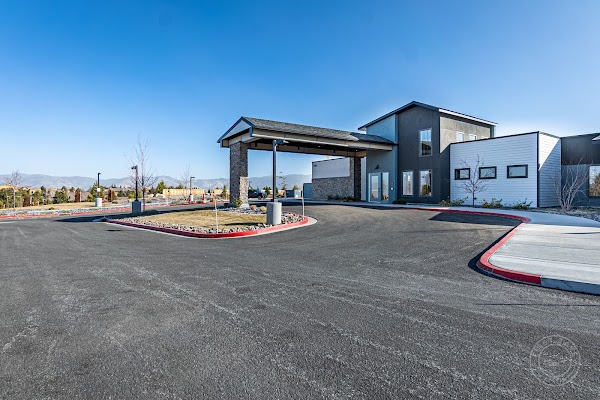
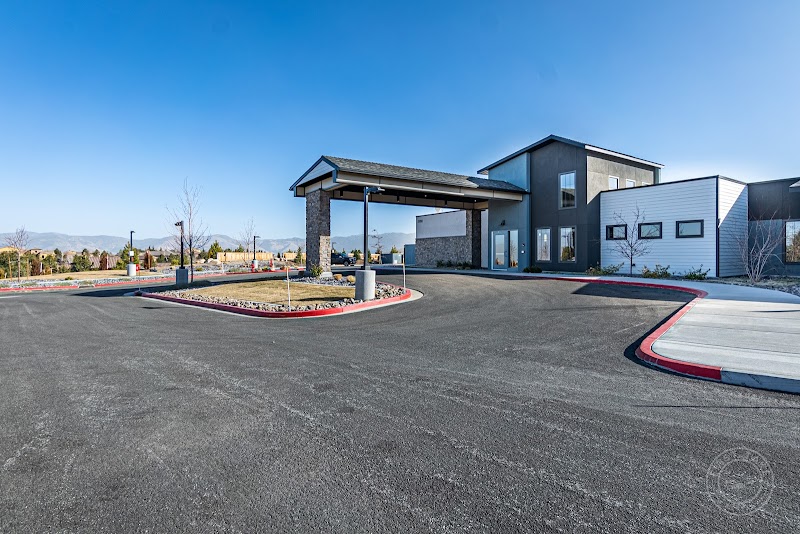
3980 LAKE PLACID DRIVE STE 2, RENO, NV 89511 (702) 499-9523
For profit - Corporation 36 Beds NEURORESTORATIVE Data: November 2025
Trust Grade
5/100
#40 of 65 in NV
Last Inspection: February 2025

Within standard 12-15 month inspection cycle. Federal law requires annual inspections.

Overview

CareMeridian LLC, doing business as NeuroRestorative in Reno, Nevada, has a Trust Grade of F, indicating significant concerns about the facility's overall quality and care. Ranking #40 out of 65 in Nevada places it in the bottom half, while being #3 out of 9 in Washoe County means only two local options are worse. The facility's situation is worsening, with the number of issues more than doubling from 11 in 2024 to 24 in 2025. Staffing is a strong point, earning a 5/5 star rating with turnover at 46%, which is on par with the state average. However, the facility has concerning fines of $68,738, surpassing all other Nevada facilities, indicating possible compliance problems. More positively, there is better RN coverage than 84% of state facilities, which helps catch potential issues. Specific incidents include a serious failure to ensure a resident returned safely from the hospital, and another serious incident where medication errors led to hospitalization for two residents. Overall, while there are some strengths in staffing and RN coverage, the facility's poor trust grade, rising issues, and critical incidents raise substantial concerns for families considering this nursing home.

Trust Score
F
5/100
In Nevada
#40/65
Bottom 39%
Safety Record
High Risk
Review needed
Inspections
Getting Worse
11 → 24 violations
Staff Stability
⚠ Watch
46% turnover. Above average. Higher turnover means staff may not know residents' routines.
Penalties
⚠ Watch
$68,738 in fines. Higher than 88% of Nevada facilities, suggesting repeated compliance issues.
Skilled Nurses
✓ Good
Each resident gets 162 minutes of Registered Nurse (RN) attention daily — more than 97% of Nevada nursing homes. RNs are the most trained staff who catch health problems before they become serious.
Violations
⚠ Watch
49 deficiencies on record. Higher than average. Multiple issues found across inspections.
★★☆☆☆
2.0
Overall Rating
★★★★★
5.0
Staff Levels
★★★☆☆
3.0
Care Quality
★☆☆☆☆
1.0
Inspection Score
Stable
2024: 11 issues
2025: 24 issues

The Good

  • 5-Star Staffing Rating · Excellent nurse staffing levels
  • Full Sprinkler Coverage · Fire safety systems throughout facility
  • No fines on record

Facility shows strength in staffing levels, fire safety.

The Bad

2-Star Overall Rating

Below Nevada average (3.0)

Below average - review inspection findings carefully

Staff Turnover: 46%

Near Nevada avg (46%)

Higher turnover may affect care consistency

Federal Fines: $68,738

Well above median ($33,413)

Moderate penalties - review what triggered them

Chain: NEURORESTORATIVE

Part of a multi-facility chain

Ask about local staffing decisions and management

The Ugly 49 deficiencies on record

3 actual harm
Feb 2025 24 deficiencies 1 Harm
SERIOUS (G) 📢 Someone Reported This

A family member, employee, or ombudsman was alarmed enough to file a formal complaint

Actual Harm - a resident was hurt due to facility failures

Safe Transfer (Tag F0626)

A resident was harmed · This affected 1 resident

**NOTE- TERMS IN BRACKETS HAVE BEEN EDITED TO PROTECT CONFIDENTIALITY** Based on interview, clinical record review, and document review, the facility failed to ensure a resident was permitted to retur...

Read full inspector narrative →
**NOTE- TERMS IN BRACKETS HAVE BEEN EDITED TO PROTECT CONFIDENTIALITY** Based on interview, clinical record review, and document review, the facility failed to ensure a resident was permitted to return to the facility following a visit to the hospital for 1 of 2 residents sampled for closed records (Resident #25). This deficient practice had the potential to result in an unsafe and unnecessary resident discharge, placing the resident at risk for physical and emotional harm Findings include: Resident #25 Resident #25 was admitted to the facility on [DATE], and discharged on 01/22/2025, with a primary diagnosis of atherosclerotic heart disease of native coronary artery without angina pectoris. Resident #25's care plan dated 02/20/2025, documented Resident #25 had an impairment to the skin integrity of the resident's right foot related to a surgical wound. A goal revised 12/07/2024 documented the resident's surgical wound of the right lower leg would be healed by 05/08/2025. Interventions included monitoring the injury's size, documenting treatment and reporting abnormalities to the physician. Resident #25's progress notes documented the following: -On 01/22/2025 at 9:57 AM, Resident #25 was emotionally upset and angry about information received regarding a recent medical diagnosis and requested to get a second opinion. -On 01/22/2025 at 11:17 AM, Resident #25 requested to go to the store, and the request was denied by the physician related to blood sugar instability. -On 01/22/2025 at 11:35 AM, Resident #25 was noted to be gone from the facility. Staff walked the building and immediate premises. The resident was not in the vicinity. Resident #25's progress notes lacked documentation a physician's order to get a second opinion was requested. A Release from Responsibility for Against Medical Advice (AMA) Discharge, dated 1/22/2025, documented the resident was informed of the risks and consequences of leaving the facility, and the benefits of continued confinement. The form lacked Resident #25's signature and a check box was marked indicating the resident refused to sign. A timeline document provided by the Administrator, undated, recorded the following events on 01/22/2025: -At 10:00 AM, the physician denied Resident #25's request for an outing. The resident was upset stating I just want a second opinion. The resident explained feeling unsupported by the facility. -At 11:00 AM, Resident #25 was observed getting into a taxi and leaving facility premises. -At 11:35 AM, an AMA form was completed and the facility checked refused to sign next to the resident's expected signature. -At 2:46 PM, the resident returned to the facility expecting to be readmitted and was denied re-entry. -At 3:07 PM, the resident was informed the resident was discharged and could not return to the facility. -At 3:15 PM, the resident verbalized the resident left the facility to get a second opinion and did not understand why the resident was permanently discharged . -At 3:22 PM, the previous Assistant Director of Nursing (ADON) explained the resident claimed Resident #25 did not intend to leave AMA. The Previous Social Worker (SW) replied the AMA paperwork was not presented to the resident before the resident left. An analysis of Facility's Role and Action Plan by the Administrator documented the following: -The AMA paperwork was not presented to Resident #25 before the resident left. -Resident #25 was not given medications, follow-ups, or discharge planning, -The facility expected the hospital to refer the resident back, but this was not communicated effectively to ensure follow-through. A timeline from the previous ADON, dated 01/27/2025, documented the following events on 01/22/2025: -At 11:35 PM, the Regional Support Director of Nursing (RSDON) instructed the ADON to complete an AMA form and document the resident refused to sign. -At 2:11 PM, the Director of Nursing (DON) informed the ADON if the resident was discharged the resident would be a no re-entry. -At 3:08 PM, the previous ADON asked the Administrator if Resident #25's medications were to be sent with the resident and the Administrator responded with no. -At 3:09 PM, the previous SW responded the resident claimed it was never AMA. -At 3:15 PM, the previous ADON responded Resident #25 stated the resident did not want to leave AMA but just wanted a second opinion -At 3:22 PM, the Administrator wrote in a group chat the resident left AMA and discharged the resident's self. The previous SW responded Resident #25 stated the resident did not want to leave AMA, AMA paperwork was not offered to the resident, and the resident should be provided with medications, discharge appointments and home health as applicable. A progress note, dated 01/28/2025 at 4:12 PM, documented Resident #25 was discharged from the facility due to the resident leaving AMA for a second opinion and later returning after a few hours. On 02/20/2025 at 2:05 PM, the Administrator explained on 01/22/2025, Resident #25 requested to get a second opinion on a recent medical diagnosis. The resident was informed the resident could not get a second opinion from the hospital and would need to schedule an appointment with a surgeon. Resident #25 continued to express wanting to go to the hospital. Later the same day, the Business Office Manager saw Resident #25 leave the facility. When the resident returned to the facility, the facility informed Resident #25 the resident would not be allowed back into the facility because the resident was discharged and needed a referral from the hospital to be re-admitted . On 02/21/2025 at 9:38 AM, the Administrator explained Resident #25 was informed the resident was discharged AMA when the resident returned to the facility three hours later expecting to be welcomed back. The Administrator confirmed the facility knew where the resident planned to go when the resident left the faciity on [DATE], did not communicate with the hospital, and did not receive or request a referral upon the resident's return. An Emergency Department Consult Request, dated 01/22/2025, documented Resident #25 presented to the Emergency Department after being kicked out of the skilled nursing facility. The resident expressed the resident was upset after a recent medical diagnosis. The resident went to the hospital for a second opinion and upon returning to the skilled nursing facility was informed the resident was discharged AMA without signing paperwork or intending to discharge. Resident #25 had an apartment to return to, however the apartment was on the second floor without an elevator. The resident used a wheelchair and planned to leave it at the bottom of the stairs. After being discharged from the skilled nursing facility, the resident stopped at the apartment and found the door kicked in. The resident did not perceive the apartment to be an adequate living arrangement. Resident #25 had been living at the skilled nursing facility since November 2024 to receive wound care and therapy. An Emergency Department Progress Note, dated 01/22/2025, documented concerns regarding Resident #25's wound status and dressing changes with not being admitted to a skilled nursing facility and being homeless. The resident would like to get into another facility due to wound needs. The resident denied having any medications and explained all belongings from the facility discharge were in a black trash bag. On 02/21/2025, the facility was unable to provide a requested policy related resident readmission. Complaint #NV00073300. Cross reference with F622, F623, and F660.
CONCERN (D)

Potential for Harm - no one hurt, but risky conditions existed

Deficiency F0582 (Tag F0582)

Could have caused harm · This affected 1 resident

**NOTE- TERMS IN BRACKETS HAVE BEEN EDITED TO PROTECT CONFIDENTIALITY** Based on clinical record review and interview, the facility failed to provide the Center for Medicare and Medicaid Services (CMS...

Read full inspector narrative →
**NOTE- TERMS IN BRACKETS HAVE BEEN EDITED TO PROTECT CONFIDENTIALITY** Based on clinical record review and interview, the facility failed to provide the Center for Medicare and Medicaid Services (CMS) Form 10055 Skilled Nursing Facility Advanced Beneficiary Notice of Non-Coverage (SNF-ABN), and Form 10123, Notice of Medicare Non-Coverage (NOMNC) for 1 of 2 residents discharged from a Medicare covered Part A stay with benefit days remaining within the previous six months (Resident #26). This deficent practice had the potential to negatively impact the resident(s) ability to make informed decisions about their care. Findings include: Resident #26 Resident #26 was admitted to the facility on [DATE], with diagnoses including essential primary hypertension and generalized muscle weakness. Resident #26's documented Medicare Part A Skilled Services Episode start date was 12/20/2024. The documented last covered day of Part A services was 02/02/2025. Resident #26's record lacked documented evidence of having received either form CMS-10055 or form CMS-10123. On 02/19/2025 at 12:36 PM, the Regional Support Director of Nursing (DON) confirmed Resident #26 was in the facility from 12/20/2024 to 02/02/2025, and should have received both forms CMS-10055 and CMS-10123, as the resident's stay in the facility was covered by Medicare Part A. The Regional Support DON verbalized the facility could not locate copies of the forms provided to the resident, and the forms may not have been completed due to the facility not having had a social worker or case worker. The Regional Support DON verbalized the facility should have provided the forms to the resident and maintained the forms in the resident's record. On 02/21/2025 at 9:55 AM, the Regional Support DON verbalized having been unable to locate a policy on beneficiary notifications.
CONCERN (D)

Potential for Harm - no one hurt, but risky conditions existed

Safe Environment (Tag F0584)

Could have caused harm · This affected 1 resident

**NOTE- TERMS IN BRACKETS HAVE BEEN EDITED TO PROTECT CONFIDENTIALITY** Based on observation, clinical record review, interview, and document review, the facility failed to ensure a comfortable, homel...

Read full inspector narrative →
**NOTE- TERMS IN BRACKETS HAVE BEEN EDITED TO PROTECT CONFIDENTIALITY** Based on observation, clinical record review, interview, and document review, the facility failed to ensure a comfortable, homelike environment when a resident had reported the exit door for employees in the 200 Hall had been closing loudly resulting in disruption in the resident's sleep for 1 of 11 residents in the 200 Hall (Resident #2). This deficient practice had the potential to affect the resident's sleep patterns by exposing the resident to unnecessary noise disturbances, potentially leading to a less comfortable living environment. Findings include: Resident #2 Resident #2 was admitted to the facility on [DATE], with diagnoses including circadian rhythm sleep disorder, free running type, and sleep disorder, unspecified. On 02/19/2025 at 10:49 AM, Resident #2 verbalized having submitted a grievance in December 2024, about the exit door in the 200 Hall closing loudly when staff would exit the facility waking up the resident several times a night. The resident verbalized the facility had yet to address the resident's grievance. On 02/20/2025 at 3:30 PM, Resident #2 verbalized the resident was awakened every night due to the staff exiting the facility through the door just left of the resident's room. The resident explained how difficult it had been to sleep through the night with the door slamming closed and the resident having sleep disorders. On 02/20/2025 at 3:38 PM, the Director of Nursing confirmed staff used the door next to Resident #2's room as an exit. On 02/20/2025 at 3:43 PM, the Administrator opened the exit door in the 200 Hall and allowed the door to close on its own. The Administrator confirmed the door closed hard and was loud enough to wake up residents in the hall. The Administrator verbalized it was the first time having been made aware the exit door in the 200 Hall was a noise concern with a resident. The facility policy titled, Resident Rooms, Capacity, Furnishings, Storage, Space, Conversion, Privacy, revised 09/12/2019, lacked documented language of environmental considerations for residents related to noise levels. On 02/20/2025 at 4:28 PM, the Administrator verbalized the policy on resident rooms was the only policy the facility had related to a homelike environment.
CONCERN (D) 📢 Someone Reported This

A family member, employee, or ombudsman was alarmed enough to file a formal complaint

Potential for Harm - no one hurt, but risky conditions existed

Free from Abuse/Neglect (Tag F0600)

Could have caused harm · This affected 1 resident

**NOTE- TERMS IN BRACKETS HAVE BEEN EDITED TO PROTECT CONFIDENTIALITY** Based on interview, clinical record review, and document review the facility failed to ensure 1 of 12 sampled residents (Residen...

Read full inspector narrative →
**NOTE- TERMS IN BRACKETS HAVE BEEN EDITED TO PROTECT CONFIDENTIALITY** Based on interview, clinical record review, and document review the facility failed to ensure 1 of 12 sampled residents (Resident #17) was kept safe from neglect by a Respiratory Therapist (RT). This deficient practice had the potential for the resident to experience emotional and physical harm. Findings include: Resident #17 Resident #17 was admitted to the facility on [DATE], and readmitted on [DATE], with diagnoses including chronic respiratory failure, unspecified whether with hypoxia or hypercapnia, disorders of diaphragm, dependence on respiratory (ventilator) status, and tracheostomy status. A Facility Reported Incident (FRI) initial and final report dated 11/05/2024, documented an allegation an RT did not provide physician ordered care to Resident #17. The concern was reported by the resident's family member on 10/30/2024. The allegation of neglect was substantiated by the facility. On 02/18/2025 at 4:10 PM, Resident #17's family member recalled a concern related to Resident #17 requiring transfer to and treatment in an intensive care unit (ICU) due to an RT's neglect. The family member recalled the incident happened not long after Resident #17 was admitted to the facility and the incident was reported to facility staff. A Physician's Order dated 10/23/2024, with a start date of 10/24/2024, documented Sprint order for two hours only at pressure support (P.S.) 12, peak expiratory pressure (Peep) 8. Spontaneous mode one time a day. On 02/20/2025 at 4:04 PM, the Respiratory Manager (RM) verbalized the facility's process if abuse or neglect was observed or an allegation was received, the staff member would report the allegation or incident immediately to the Director of Nursing (DON) or the Administrator. The RM verbalized the RM was familiar with an allegation the RT of concern was not providing physician ordered care to Resident #17 in October 2024 and the RM had been a part of the investigation into the allegation. The RM was unsure which facility staff member the allegation was initially reported to. The RM recalled Resident #17's family member reported the RT of concern was not providing care the family member knew was ordered by the physician. Resident #17 had a change in respiratory condition and had to be admitted to the hospital. The RM recalled the RM began a review of Resident #17's clinical record including the Respiratory Administration Record (RAR), physician orders, and the resident's ventilator Alarm and Event Log (log). The RM verbalized the RM discovered Resident #17 had an active ventilator weaning order. The RT documented the RT was completing the ventilator weaning however Resident #17's ventilator log lacked evidence the ventilator settings were changed. The RT of concern was immediately suspended. The RM explained a sprint (weaning) mode was used when taking a resident from a higher level of ventilator support down to allow the resident to perform more work of breathing on their own. The RM verbalized the ventilator machine documented every change made to it in the log, including but not limited to changes in settings and if the ventilator was disconnected. If a resident went from a regular mode to a sprint mode, the change would be documented on the log. The RM explained, if a change was made to the ventilator settings, the log would reflect the words prescription change followed by the settings entered by the RT. The RM reviewed Resident #17's physician order and explained the ventilator log would have read prescription change - pressure support 12, peep to 8. A photo taken by the RM of Resident #17's ventilator log (as displayed on the ventilator monitor) from 10/24/2024 at 7:09 PM, through 10/25/2024 at 8:23 PM, lacked documented evidence of a prescription change as outlined in the physician's order. A Corrective Action Plan dated 10/30/2024, documented the RT of concern was suspended pending further investigation and/or termination of employment. The infraction was described as fraudulent charting practices and professional negligence, documenting care which was not done. Per the facility, to chart the completion of an active physician's order without rendering the care/therapy was an act of negligence and medical fraud. During a monthly chart audit completed on 10/30/2024, the facility found the RT charted completion of active physician order for sprint settings/ventilator weaning parameters to be completed daily. Upon further review by facility staff, of the corresponding ventilator log records, it was found no such changes were made. A Termination Notice dated 11/12/2024, documented the RT was suspended on 10/30/2024, due to allegations of fraudulent charting practices. After completing an investigation, the facility substantiated the allegations and determined the RT violated company policy to treat individuals served with respect and dignity. On 02/20/2025 at 5:32 PM, the Administrator verbalized the Administrator was familiar with an allegation an RT did not provide physician ordered care to Resident #17 in October 2024 and recalled the RM and risk management had investigated the allegation. The Administrator confirmed failure to provide care ordered by the physician was considered neglect. The facility policy titled Participant Rights and Responsibilities, last amended June 2023, documented residents had the right to be free from abuse and neglect. The facility policy titled Abuse-Dependent Adult/Child, revised 10/02/2024, documented neglect was the negligent failure of a caregiver to exercise the degree of care a reasonable person in a like position would exercise. Neglect included failure to provide medical care for physical needs and to provide goods and services needed to avoid physical harm, mental anguish, or emotional distress. FRI #NV00072622 Cross reference tag F609.
CONCERN (D) 📢 Someone Reported This

A family member, employee, or ombudsman was alarmed enough to file a formal complaint

Potential for Harm - no one hurt, but risky conditions existed

Deficiency F0602 (Tag F0602)

Could have caused harm · This affected 1 resident

**NOTE- TERMS IN BRACKETS HAVE BEEN EDITED TO PROTECT CONFIDENTIALITY** Based on interview, record review, and document review, the facility failed to ensure a resident was protected from misappropria...

Read full inspector narrative →
**NOTE- TERMS IN BRACKETS HAVE BEEN EDITED TO PROTECT CONFIDENTIALITY** Based on interview, record review, and document review, the facility failed to ensure a resident was protected from misappropriation of personal property for 1 of 2 residents sampled for closed records (Resident #25). This deficient practice had the potential to result in resident's limited access to financial resources as well as mental and emotional harm. Findings include: Resident #25 Resident #25 was admitted to the facility on [DATE], and discharged on 01/22/2025, with a primary diagnosis of atherosclerotic heart disease of native coronary artery without angina pectoris. A Facility Reported Incident (FRI) was submitted to the State Agency on 01/07/2025, documenting an allegation of misappropriation of resident property involving the facility Administrator and the previous Recreational Therapist when resident property was commingled with facility petty cash. The FRI documented the alleged incident occurred around 12/20/2025, and the Interim Administrator was notified of the allegations on 01/07/2025. A grievance form filled by the previous Assistant Director of Nursing (ADON) dated 12/26/2024, documented Resident #25 signed out the resident's wallet and noticed 100 dollars in cash was missing from the resident's property. The previous ADON calculated the resident's cash and confirmed the missing money. A witness statement from a Registered Nurse (RN), dated 02/03/2025, documented on 12/04/2024, Resident #25's cash and valuables previously stored in the RN's medication cart were secured in the Administrator's office at the insistence of the Administrator. On 02/20/2025 at 11:27 AM, the Administrator verbalized the Administrator removed resident possessions from the medication carts and placed them in a lock box in the Administrator's office. The Administrator recalled on 12/18/2024, the Recreational Therapist spoke with the Administrator about needing cash to pay vendors at the facility. The Administrator had a petty cash check for 220 dollars and 90 dollars in cash. However, the vendors needed to be paid immediately and there was not time to cash the check. The Administrator verbalized 100 dollars in cash was removed from Resident #25's property kept in the lock box in the Administrator's office and was used to pay the vendors. The Administrator verbalized the Administrator did not intervene when the incident occurred because the Administrator was preparing to go on vacation. The Administrator explained the event would be considered misappropriation because the facility took money from the resident without the resident's consent. The facility policy titled, Funds, Resident Trust Funds, Surety Bonds and Valuables, revised 09/26/2018, documented a current record of all financial arrangements and transactions made to or on behalf of the resident would be maintained by the facility, and the facility would not charge a resident for a service not requested by the resident. Misuse of funds or property belonging to a resident may be considered misappropriation or financial exploitation and would be reported. Examples of misuse included theft of money, commingling of funds, and transfer of resident funds to a facility account. FRI #NV00073128. Complaint #NV00073200. Cross reference with F609.
CONCERN (D) 📢 Someone Reported This

A family member, employee, or ombudsman was alarmed enough to file a formal complaint

Potential for Harm - no one hurt, but risky conditions existed

Report Alleged Abuse (Tag F0609)

Could have caused harm · This affected 1 resident

**NOTE- TERMS IN BRACKETS HAVE BEEN EDITED TO PROTECT CONFIDENTIALITY** Resident #25 Resident #25 was admitted to the facility on [DATE], and discharged on 01/22/2025, with a primary diagnosis of athe...

Read full inspector narrative →
**NOTE- TERMS IN BRACKETS HAVE BEEN EDITED TO PROTECT CONFIDENTIALITY** Resident #25 Resident #25 was admitted to the facility on [DATE], and discharged on 01/22/2025, with a primary diagnosis of atherosclerotic heart disease of native coronary artery without angina pectoris. An FRI was submitted to the SA on 01/07/2025, documenting an allegation of misappropriation of resident property involving the facility Administrator and the Recreational Therapist when resident property was commingled with facility petty cash. The FRI documented the alleged incident occurred around 12/20/2024, and the interim Administrator was notified of the allegations on 01/07/2025. A grievance form filled by the previous Assistant Director of Nursing (ADON) dated 12/26/2024, documented Resident #25 signed out the resident's wallet from the lock box in the Administrator's office, and noticed 100 dollars in cash was missing from the resident's property. The previous ADON calculated the resident's cash and confirmed the missing money. A witness statement from a Registered Nurse (RN), dated 02/03/2025, documented on 12/04/2024, Resident #25's cash and valuables previously stored in the RN's medication cart were secured in the Administrator's office at the insistence of the Administrator. On 02/20/2025 at 11:27 AM, the Administrator verbalized the Administrator removed resident possessions from the medication carts and placed them in a lock box in the Administrator's office. The Administrator recalled on 12/18/2024, the Recreational Therapist spoke with the Administrator about needing cash to pay vendors at the facility. The Administrator had a petty cash check for 220 dollars and 90 dollars in cash. However, the vendors needed to be paid immediately and there was not time to cash the check. The Administrator verbalized 100 dollars in cash was removed from Resident #25's property kept in the lock box in the Administrator's office and was used to pay the vendors. The Administrator verbalized the Administrator did not intervene or report to the SA when the incident occurred because the Administrator was preparing to go on vacation. The Administrator explained the event would be considered misappropriation because the facility took money from the resident without the resident's consent. On 02/20/2025 at 2:05 PM, the Administrator verbalized the Administrator was the facility's Abuse Coordinator and was a mandated reporter. The Administrator explained misappropriation must be reported to the SA within two hours and the investigation completed immediately. The facility policy titled, Funds, Resident Trust Funds, Surety Bonds and Valuables, revised 09/26/2018, documented misuse of funds or property belonging to a resident may be considered misappropriation or financial exploitation and would be reported. Examples of misuse included theft of money, commingling of funds, and transfer of resident funds to a facility account FRI #NV00073128. Complaint #NV00073200. Cross reference with F600 and F602 Based on interview, clinical record review, and document review the facility failed to ensure an allegation of neglect for 1 of 12 sampled residents (Resident #17) and an allegation of misappropriation of personal property for 1 of 2 residents sampled for closed records (Resident #25) were reported to the State Agency (SA) within the required timeframe. This deficient practice could result in an untimely investigation of the allegations. Findings include: Resident #17 Resident #17 was admitted to the facility on [DATE], and readmitted on [DATE], with diagnoses including chronic respiratory failure, unspecified whether with hypoxia or hypercapnia, disorders of diaphragm, dependence on respiratory (ventilator) status, and tracheostomy status. A Facility Reported Incident (FRI) was submitted to the SA on 11/05/2024, documenting an allegation of neglect by a Respiratory Therapist (RT) when the RT did not provide physician ordered care to Resident #17. The FRI documented the alleged incident occurred around 10/27/2024. Documentation of the facility's investigation of the allegation included physician orders, respiratory administration records, a photo of a ventilator log, statements from staff, emails written by the Respiratory Manager (RM), a corrective action plan, and a termination notice. An email sent from the RM to the RM's supervisor (identified by the RM as the Respiratory Regional Director) on 10/30/2024 at 3:27 PM, documented the RM was aware of the following concerns reported by Resident #17's family member: -The RT of concern was not providing required care to Resident #17 as ordered by the physician. -The RT demonstrated a lack of concern for multiple residents to which the RT was assigned to care for. -The lack of care by the RT may have contributed to Resident #17's rehospitalization in October 2024. On 02/20/2025 at 5:32 PM, the Administrator, who was also the facility's Abuse Coordinator, verbalized all allegations of abuse and neglect were required to be reported to SA immediately or within 24 hours, depending on the severity. The Administrator confirmed failure of facility staff to provide physician ordered care was considered neglect. The Administrator verbalized the Administrator was familiar with an allegation the RT of concern did not provide physician ordered care to Resident #17. The Administrator explained the concern was initially reported to the facility's Marketer (a sales employee who saw residents in the hospital) on 10/30/2024, and the Administrator was notified of the allegation on 11/05/2024. The Administrator confirmed the Marketer was employed by the facility and the allegation should have been reported to the Administrator and the SA prior to 11/05/2024. The facility policy titled Abuse - Dependent Adult/Child, revised 10/02/2024, documented neglect included failure to provide medical care for physical and mental health needs and failure to provide goods and services needed to avoid physical harm, mental anguish, or emotional distress. Abuse of a resident included neglect and deprivation by a caregiver of goods or services necessary to avoid physical harm or mental suffering. The facility was to report all alleged violations and all substantiated incidents to the SA and to all other agencies as required, in a timely manner. Any person who worked for or had a contractual agreement with the facility was a mandated reporter. Mandatory reporters were not permitted to pass on the reporting obligation to another employee. Staff would immediately (including after hours) report all incidents or suspected incidents of resident abuse, mistreatment, and neglect to the Administrator/DON and the correct reporting agency. When an alleged or suspected case of mistreatment, neglect, or abuse was reported, the Administrator/DON would notify the SA immediately but not later than 24 hours of the alleged incident. Suspected child abuse was required to be reported immediately. FRI #NV00072622
CONCERN (D) 📢 Someone Reported This

A family member, employee, or ombudsman was alarmed enough to file a formal complaint

Potential for Harm - no one hurt, but risky conditions existed

Investigate Abuse (Tag F0610)

Could have caused harm · This affected 1 resident

**NOTE- TERMS IN BRACKETS HAVE BEEN EDITED TO PROTECT CONFIDENTIALITY** Based on clinical record review, interview and document review, the facility failed to ensure an investigation of a Facility Rep...

Read full inspector narrative →
**NOTE- TERMS IN BRACKETS HAVE BEEN EDITED TO PROTECT CONFIDENTIALITY** Based on clinical record review, interview and document review, the facility failed to ensure an investigation of a Facility Reported Incident (FRI) related to a resident fall was available for State Agency to review for 1 of 4 residents investigated for FRI (Resident #1). This deficient practice had the potential to affect all residents, resulting in incomplete investigations of potential incidents of abuse and neglect. Findings include: Resident #1 Resident #1 was admitted to the facility on [DATE], with diagnoses including spastic diplegic cerebral palsy, diabetes insipidus, and contractures of the right and left knees. Resident #1's Care Plan revised 07/03/2024, documented the resident had a fall with injury on 07/01/2024, and to follow the facility's fall protocol. A Final FRI report submitted by the facility; documented Resident #1 had a fall in the resident's room while receiving care on 07/01/2024. The resident was assessed, and an X-ray was ordered. The FRI report lacked documentation where the fracture was located on the resident or what additional treatment the resident had received. On 02/20/2025 at 10:32 AM, the Regional Support Director of Nursing verbalized having been unable to locate the facility's investigation report for Resident #1's fall in July 2024, and the only investigation information and documentation the facility had were the documents submitted with the FRI to the State Agency. The facility policy titled, Abuse-Dependent Adult/Child, revised 01/06/2016, documented the facility would provide a written report of the results of an investigation and the appropriate action taken to the State Agency or others, as required by law. FRI #NV00071611
CONCERN (D) 📢 Someone Reported This

A family member, employee, or ombudsman was alarmed enough to file a formal complaint

Potential for Harm - no one hurt, but risky conditions existed

Transfer Requirements (Tag F0622)

Could have caused harm · This affected 1 resident

**NOTE- TERMS IN BRACKETS HAVE BEEN EDITED TO PROTECT CONFIDENTIALITY** Based on interview, clinical record review, and document review, the facility failed to ensure a resident not meeting the circum...

Read full inspector narrative →
**NOTE- TERMS IN BRACKETS HAVE BEEN EDITED TO PROTECT CONFIDENTIALITY** Based on interview, clinical record review, and document review, the facility failed to ensure a resident not meeting the circumstances of discharge requirements was permitted to remain in the facility for 1 of 2 residents sampled for closed records (Resident #25). This deficient practice had the potential to result in an unnecessary and unsafe discharge. Findings include: Resident #25 Resident #25 was admitted to the facility on [DATE], and discharged on 01/22/2025, with a primary diagnosis of atherosclerotic heart disease of native coronary artery without angina pectoris. Resident #25's progress notes documented the following: -On 01/22/2025 at 9:57 AM, Resident #25 was emotionally upset and angry about information received regarding a recent medical diagnosis and requested to get a second opinion. -On 01/22/2025 at 11:17 AM, Resident #25 requested to go to the store, and the request was denied by the physician related to blood sugar instability. -On 01/22/2025 at 11:35 AM, Resident #25 was noted to be gone from the facility. Staff walked the building and immediate premises. The resident was not in the vicinity. Resident #25's progress notes lacked documentation a physician's order to get a second opinion was requested. A Release from Responsibility for Against Medical Advice (AMA) Discharge, dated 1/22/2025, documented the resident was informed of the risks and consequences of leaving the facility, and the benefits of continued confinement. The form lacked Resident #25's signature, and a check box was marked indicating the resident refused to sign. A timeline document provided by the Administrator, undated, recorded the following events on 01/22/2025: -At 10:00 AM, the physician denied Resident #25's request for an outing. The resident was upset stating I just want a second opinion. The resident explained feeling unsupported by the facility. -At 11:00 AM, Resident #25 was observed getting into a taxi and leaving facility premises. -At 11:35 AM, an AMA form was completed and the facility checked refused to sign next to the resident's expected signature. -At 2:46 PM, the resident returned to the facility expecting to be readmitted and was denied re-entry. -At 3:07 PM, the resident was informed the resident was discharged and could not return to the facility. -At 3:15 PM, the resident verbalized the resident left the facility to get a second opinion and did not understand why the resident was permanently discharged . -At 3:22 PM, the previous Assistant Director of Nursing (ADON) explained the resident claimed Resident #25 did not intend to leave AMA. The Previous Social Worker (SW) replied the AMA paperwork was not presented to the resident before the resident left. A timeline from the previous ADON, dated 01/27/2025, documented the following events on 01/22/2025: -At 11:35 PM, the Regional Support Director of Nursing (RSDON) instructed the ADON to complete an AMA form and document the resident refused to sign. -At 2:11 PM, the Director of Nursing (DON) informed the ADON if the resident was discharged the resident would be a no re-entry. -At 3:08 PM, the previous ADON asked the Administrator if Resident #25's medications were to be sent with the resident and the Administrator responded with no. -At 3:09 PM, the previous SW responded the resident claimed it was never AMA. -At 3:15 PM, the previous ADON responded Resident #25 stated the resident did not want to leave AMA but just wanted a second opinion -At 3:22 PM, the Administrator wrote in a group chat the resident left AMA and discharged the resident's self. The previous SW responded Resident #25 stated the resident did not want to leave AMA, AMA paperwork was not offered to the resident, and the resident should be provided with medications, discharge appointments and home health as applicable. A progress note dated 01/28/2025 at 4:12 PM, documented Resident #25 was discharged from the facility due to the resident leaving AMA for a second opinion and later returning after a few hours. On 02/20/2025 at 2:05 PM, the Administrator explained on 01/22/2025, Resident #25 requested to get a second opinion on a recent medical diagnosis. The resident was informed the resident could not get a second opinion from the hospital and would need to schedule an appointment with a surgeon. Resident #25 continued to express wanting to go to the hospital. Later the same day, the Business Office Manager saw Resident #25 leave the facility. The Administrator explained Resident #25 was not presented with written AMA education, the Release of Responsibility form, or a discharge plan. On 02/21/2025 at 9:38 AM, the Administrator explained Resident #25 was informed the resident was discharged AMA when the resident returned to the facility three hours later expecting to be welcomed back. The Administrator explained a safe discharge would have been to ensure Resident #25 received medications, was trained to take blood sugar readings, and to send out referrals to the community. The facility policy titled Discharge-Resident Against Medical Advice (AMA), revised 11/06/2024, documented the facility would discuss possible consequences of the decision with the resident and complete the AMA form. Complaint #NV00073300. Cross reference with F623, F626, and F660.
CONCERN (D) 📢 Someone Reported This

A family member, employee, or ombudsman was alarmed enough to file a formal complaint

Potential for Harm - no one hurt, but risky conditions existed

Transfer Notice (Tag F0623)

Could have caused harm · This affected 1 resident

**NOTE- TERMS IN BRACKETS HAVE BEEN EDITED TO PROTECT CONFIDENTIALITY** Based Based on interview, clinical record review, and document review, the facility failed to ensure a resident received written...

Read full inspector narrative →
**NOTE- TERMS IN BRACKETS HAVE BEEN EDITED TO PROTECT CONFIDENTIALITY** Based Based on interview, clinical record review, and document review, the facility failed to ensure a resident received written notification of discharge prior to discharge for 1 of 2 residents sampled for closed records (Resident #25). This deficient practice had the potential to prevent the resident from being informed of the date of, reason for, and right to appeal the discharge. Findings include: Resident #25 Resident #25 was admitted to the facility on [DATE], and discharged on 01/22/2025, with a primary diagnosis of atherosclerotic heart disease of native coronary artery without angina pectoris. Resident #25's progress notes documented the following: -On 01/22/2025 at 9:57 AM, Resident #25 was emotionally upset and angry about information received regarding a recent medical diagnosis and requested to get a second opinion. -On 01/22/2025 at 11:17 AM, Resident #25 requested to go to the store, and the request was denied by the physician related to blood sugar instability. -On 01/22/2025 at 11:35 AM, Resident #25 was noted to be gone from the facility. Staff walked the building and immediate premises. The resident was not in the vicinity. Resident #25's progress notes lacked documentation a physician's order to get a second opinion was requested. A Release from Responsibility for Against Medical Advice (AMA) Discharge, dated 1/22/2025, documented the resident was informed of the risks and consequences of leaving the facility, and the benefits of continued confinement. The form lacked Resident #25's signature, and a check box was marked indicating the resident refused to sign. A timeline document provided by the Administrator, undated, recorded the following events on 01/22/2025: -At 10:00 AM, the physician denied Resident #25's request for an outing. The resident was upset stating I just want a second opinion. The resident explained feeling unsupported by the facility. -At 11:00 AM, Resident #25 was observed getting into a taxi and leaving facility premises. -At 11:35 AM, an AMA form was completed and the facility checked refused to sign next to the resident's expected signature. -At 2:46 PM, the resident returned to the facility expecting to be readmitted and was denied re-entry. -At 3:07 PM, the resident was informed the resident was discharged and could not return to the facility. -At 3:15 PM, the resident verbalized the resident left the facility to get a second opinion and did not understand why the resident was permanently discharged . -At 3:22 PM, the previous Assistant Director of Nursing (ADON) explained the resident claimed Resident #25 did not intend to leave AMA. The Previous Social Worker (SW) replied the AMA paperwork was not presented to the resident before the resident left. A timeline from the previous ADON, dated 01/27/2025, documented the following events on 01/22/2025: -At 11:35 PM, the Regional Support Director of Nursing (RSDON) instructed the ADON to complete an AMA form and document the resident refused to sign. -At 2:11 PM, the Director of Nursing (DON) informed the ADON if the resident was discharged the resident would be a no re-entry. -At 3:08 PM, the previous ADON asked the Administrator if Resident #25's medications were to be sent with the resident and the Administrator responded with no. -At 3:09 PM, the previous SW responded the resident claimed it was never AMA. -At 3:15 PM, the previous ADON responded Resident #25 stated the resident did not want to leave AMA but just wanted a second opinion -At 3:22 PM, the Administrator wrote in a group chat the resident left AMA and discharged the resident's self. The previous SW responded Resident #25 stated the resident did not want to leave AMA, AMA paperwork was not offered to the resident, and the resident should be provided with medications, discharge appointments and home health as applicable. A progress note dated 01/28/2025 at 4:12 PM, documented Resident #25 was discharged from the facility due to the resident leaving AMA for a second opinion and later returning after a few hours. On 02/20/2025 at 2:05 PM, the Administrator explained on 01/22/2025, Resident #25 requested to get a second opinion on a recent medical diagnosis. The resident was informed the resident could not get a second opinion from the hospital and would need to schedule an appointment with a surgeon. Resident #25 continued to express wanting to go to the hospital. Later the same day, the Business Office Manager saw Resident #25 leave the facility. The Administrator explained Resident #25 was not presented with written AMA education, the Release of Responsibility form, or a discharge plan before the resident left the facility premises. On 02/21/2025 at 9:38 AM, the Administrator verbalized the facility did not expect Resident #25 to leave the facility. The Administrator explained the facility did not inform Resident #25 of discharge until the resident returned three hours later expecting to be welcomed back. An Emergency Department Consult Request, dated 01/22/2025, documented Resident #25 presented to the Emergency Department after being kicked out of the skilled nursing facility. The resident expressed the resident was upset after a recent medical diagnosis. The resident went to the hospital for a second opinion and upon returning to the skilled nursing facility was informed the resident was discharged AMA without signing paperwork or intending to discharge. The facility policy titled Discharge or Transfer of a Resident, revised 11/06/2024, documented the facility would notify the resident of discharge. The facility policy titled Discharge-Resident Against Medical Advice (AMA), revised 11/06/2024, documented the facility would discuss possible consequences of the decision with the resident and complete the AMA form. Complaint #NV00073300. Cross reference with F622, F626, and F660.
CONCERN (D)

Potential for Harm - no one hurt, but risky conditions existed

Assessment Accuracy (Tag F0641)

Could have caused harm · This affected 1 resident

**NOTE- TERMS IN BRACKETS HAVE BEEN EDITED TO PROTECT CONFIDENTIALITY** Based on interview and clinical record review, the facility failed to ensure the accuracy of a Minimum Data Set 3.0 (MDS) assess...

Read full inspector narrative →
**NOTE- TERMS IN BRACKETS HAVE BEEN EDITED TO PROTECT CONFIDENTIALITY** Based on interview and clinical record review, the facility failed to ensure the accuracy of a Minimum Data Set 3.0 (MDS) assessment for 1 of 12 sampled residents (Resident #19). This deficient practice had the potential to deprive the resident of a person-centered care plan and the associated interventions and services relative to their current health management needs. Findings include: Resident #19 Resident #19 was admitted to the facility on [DATE], with a primary diagnosis of hemiplegia, unspecified affecting left nondominant side. An admission MDS assessment dated [DATE], Section K - Swallowing/Nutritional Status, documented Resident #19 had a weight loss of 5 percent (%) or more in the last month or a loss of 10% or more in the last six months without being on a physician prescribed weight-loss regimen. A weights and vitals summary dated 02/20/2025, documented the following weights taken prior to or on the 01/02/2025 date of the MDS assessment: -152.7 pounds on 12/26/2024. On 02/19/2025 at 5:33 PM, the MDS RN verbalized different sections of the MDS were completed by different people including the MDS RN and the Dietician and explained the Dietician completed Section K of the MDS assessment. The MDS RN confirmed Resident #19's MDS assessment documented Resident #19 had a weight loss of 5% or more in the last month or a loss of 10% or more in the last six months without being on a physician prescribed weight-loss regimen. The MDS RN reviewed Resident #19's weights and vitals summary and confirmed the resident did not have any weight loss by the time the MDS assessment was completed.
CONCERN (D) 📢 Someone Reported This

A family member, employee, or ombudsman was alarmed enough to file a formal complaint

Potential for Harm - no one hurt, but risky conditions existed

Deficiency F0660 (Tag F0660)

Could have caused harm · This affected 1 resident

**NOTE- TERMS IN BRACKETS HAVE BEEN EDITED TO PROTECT CONFIDENTIALITY** Based on interview, clinical record review, and document review, the facility failed to ensure a discharge assessment and plan w...

Read full inspector narrative →
**NOTE- TERMS IN BRACKETS HAVE BEEN EDITED TO PROTECT CONFIDENTIALITY** Based on interview, clinical record review, and document review, the facility failed to ensure a discharge assessment and plan was completed prior to discharge, and medications were provided to a discharged resident for 1 of 2 residents sampled for closed records (Resident #25). This deficient practice had the potential to prevent the resident from having a safe discharge and could result in inadequate post-discharge care coordination. Findings include: Resident #25 Resident #25 was admitted to the facility on [DATE], and discharged on 01/22/2025, with a primary diagnosis of atherosclerotic heart disease of native coronary artery without angina pectoris. Resident #25's progress notes documented the following: -On 01/22/2025 at 9:57 AM, Resident #25 was emotionally upset and angry about information received regarding a recent medical diagnosis and requested to get a second opinion. -On 01/22/2025 at 11:17 AM, Resident #25 requested to go to the store, and the request was denied by the physician related to blood sugar instability. -On 01/22/2025 at 11:35 AM, Resident #25 was noted to be gone from the facility. Staff walked the building and immediate premises. The resident was not in the vicinity. Resident #25's progress notes lacked documentation a physician's order to get a second opinion was requested. A Release from Responsibility for Against Medical Advice (AMA) Discharge, dated 1/22/2025, documented the resident was informed of the risks and consequences of leaving the facility, and the benefits of continued confinement. The form lacked Resident #25's signature and a check box was marked indicating the resident refused to sign. A timeline document provided by the Administrator, undated, recorded the following events on 01/22/2025: -At 10:00 AM, the physician denied Resident #25's request for an outing. The resident was upset stating I just want a second opinion. The resident explained feeling unsupported by the facility. -At 11:00 AM, Resident #25 was observed getting into a taxi and leaving facility premises. -At 11:35 AM, an AMA form was completed and the facility checked refused to sign next to the resident's expected signature. -At 2:46 PM, the resident returned to the facility expecting to be readmitted and was denied re-entry. -At 3:07 PM, the resident was informed the resident was discharged and could not return to the facility. -At 3:15 PM, the resident verbalized the resident left the facility to get a second opinion and did not understand why the resident was permanently discharged . -At 3:22 PM, the previous Assistant Director of Nursing (ADON) explained the resident claimed Resident #25 did not intend to leave AMA. The Previous Social Worker (SW) replied the AMA paperwork was not presented to the resident before the resident left. An analysis of Facility's Role and Action Plan by the Administrator documented the following: -The AMA paperwork was not presented to Resident #25 before the resident left. -Resident #25 was not given medications, follow-ups, or discharge planning, -The facility expected the hospital to refer the resident back, but this was not communicated effectively to ensure follow-through. A timeline from the previous ADON, dated 01/27/2025, documented the following events on 01/22/2025: -At 11:35 PM, the Regional Support Director of Nursing (RSDON) instructed the ADON to complete an AMA form and document the resident refused to sign. -At 2:11 PM, the Director of Nursing (DON) informed the ADON if the resident was discharged the resident would be a no re-entry. -At 3:08 PM, the previous ADON asked the Administrator if Resident #25's medications were to be sent with the resident and the Administrator responded with no. -At 3:09 PM, the previous SW responded the resident claimed it was never AMA. -At 3:15 PM, the previous ADON responded Resident #25 stated the resident did not want to leave AMA but just wanted a second opinion -At 3:22 PM, the Administrator wrote in a group chat the resident left AMA and discharged the resident's self. The previous SW responded Resident #25 stated the resident did not want to leave AMA, AMA paperwork was not offered to the resident, and the resident should be provided with medications, discharge appointments and home health as applicable. A progress note, dated 01/28/2025 at 4:12 PM, documented Resident #25 was discharged from the facility due to the resident leaving AMA for a second opinion and later returning after a few hours. On 02/20/2025 at 2:05 PM, the Administrator explained on 01/22/2025, Resident #25 requested to get a second opinion on a recent medical diagnosis. The resident was informed the resident could not get a second opinion from the hospital and would need to schedule an appointment with a surgeon. Resident #25 continued to express wanting to go to the hospital. Later the same day, the Business Office Manager saw Resident #25 leave the facility. The Administrator explained Resident #25 was not presented with written AMA education, the Release of Responsibility form, or a discharge plan before the resident left the facility premises. On 02/21/2025 at 9:38 AM, the Administrator explained the facility also did not inform Resident #25 of discharge until the resident returned three hours later expecting to be welcomed back. The Administrator verbalized the facility did not complete a discharge safety assessment because the facility did not expect Resident #25 to leave the facility. Instead, the facility informed the resident, the resident needed to stay in the facility to stay safe. The facility planned to get a referral from the hospital, but did not and confirmed the facility knew where the resident planned to go and did not communicate with the hospital. The Administrator explained a safe discharge would have been to ensure Resident #25 received medications, was trained to take blood sugar vitals, and to send out referrals to the community. The facility policy titled Discharge-Resident Against Medical Advice (AMA). Revised 11/06/2024, documented the facility would provide the resident with current medication orders or prescriptions. The facility policy titled Discharge or Transfer of a Resident, revised 11/06/2024, documented for residents discharged home, the facility would provide the resident with the remaining supply of medications, and the resident would be educated and instructed on all services to include medications. Complaint #NV00073300. Cross reference with F622, F623, and F626.
CONCERN (D)

Potential for Harm - no one hurt, but risky conditions existed

Deficiency F0678 (Tag F0678)

Could have caused harm · This affected 1 resident

**NOTE- TERMS IN BRACKETS HAVE BEEN EDITED TO PROTECT CONFIDENTIALITY** Based on personnel record review, document review, and interview, the facility failed to ensure direct care staff maintained cur...

Read full inspector narrative →
**NOTE- TERMS IN BRACKETS HAVE BEEN EDITED TO PROTECT CONFIDENTIALITY** Based on personnel record review, document review, and interview, the facility failed to ensure direct care staff maintained current Cardio-Pulmonary Resuscitation (CPR) certification for 2 of 12 sampled direct care employees (Employee #14 and #16). This deficient practice could result in a negative outcome for a resident requiring CPR while awaiting the arrival of emergency medical personnel. Findings include: Employee #14 Employee #14 was hired as a Licensed Practical Nurse (LPN) with a start date of [DATE]. The LPN's personnel record documented CPR training and certification expired on 09/2024. Employee #16 Employee #16 was hired as a Certified Nursing Assistant (CNA) with a start date of [DATE]. The CNA's personnel record documented CPR training and certification expired on 08/2024. On [DATE] at 12:58 PM, the Office Manager verbalized CPR certification was required to be taken by all direct care staff and confirmed Employees #14 and #16 did not have a current CPR certification. The Facility Assessment, completed on [DATE], documented all staff would be Basic Life Support certified.
CONCERN (D) 📢 Someone Reported This

A family member, employee, or ombudsman was alarmed enough to file a formal complaint

Potential for Harm - no one hurt, but risky conditions existed

Deficiency F0730 (Tag F0730)

Could have caused harm · This affected 1 resident

Based on interview and personnel record review, the facility failed to ensure a Certified Nursing Assistant (CNA) had an annual performance evaluation completed timely for 1 of 2 CNAs employed greater...

Read full inspector narrative →
Based on interview and personnel record review, the facility failed to ensure a Certified Nursing Assistant (CNA) had an annual performance evaluation completed timely for 1 of 2 CNAs employed greater than one year, sampled for personnel record review (Employee #6). This deficient practice had the potential to affect all residents when the facility did not identify areas of CNA performance in need of insevice education/training. Findings include: Employee #6 Employee #6 was hired on 09/20/2023, as a CNA. Employee #6's personnel record lacked documented evidence an annual performance review had been conducted by the employee's anniversary date of 09/20/2024. On 02/20/2025 at 1:30 PM, the Office Manager confirmed Employee #6 did not have an annual performance evaluation for 2024 and Employee #6's annual performance evaluation for 2024 was completed late and the annual performance evaluation had not been completed for 2025. The Office Manager verbalized all CNAs were required to have an evaluation every year by the hire date and they were to be completed by the Director of Nursing.
CONCERN (D)

Potential for Harm - no one hurt, but risky conditions existed

Medication Errors (Tag F0758)

Could have caused harm · This affected 1 resident

**NOTE- TERMS IN BRACKETS HAVE BEEN EDITED TO PROTECT CONFIDENTIALITY** Based on interview, clinical record review, and document review, the facility failed to ensure an as needed (PRN) psychotherapeu...

Read full inspector narrative →
**NOTE- TERMS IN BRACKETS HAVE BEEN EDITED TO PROTECT CONFIDENTIALITY** Based on interview, clinical record review, and document review, the facility failed to ensure an as needed (PRN) psychotherapeutic medication was prescribed to a resident with a diagnosed indication for use, was limited to 14 days, was monitored for side effects, and had behavior monitoring for 1 of 12 sampled residents (Resident #19). This deficient practice had the potential to result in an unmanaged medication regimen, missed signs of worsening condition, and compromised resident safety. Findings include: Resident #19 Resident #19 was admitted to the facility on [DATE], with a primary diagnosis of hemiplegia, unspecified affecting left nondominant side. An active physician's order dated 01/08/2025, documented Hydroxyzine Hydrochloride (HCl) oral tablet, give 25 milligrams (mg) via gastrostomy (g) tube every 24 hours PRN for episodes of feeling anxious or stressed over recent life changes. Resident #19's electronic health record (EHR) lacked documentation of an anxiety diagnosis. Resident #19's physician orders lacked evidence of side effect monitoring or behavior monitoring for Hydroxyzine HCl. Resident #19's January and February 2025 Medication Administration Records (MARs) dated 02/19/2025, documented Hydroxyzine HCl was administered to the resident from 01/09/2025 through 02/15/2025. Resident #19's Minimum Data Set 3.0 (MDS) assessment dated [DATE], Section I - Active Diagnoses, lacked documentation of an anxiety diagnosis. On 02/19/2025 at 4:03 PM, a Registered Nurse (RN) verbalized Resident #19's EHR included an active physician's order dated 01/08/2025, for Hydroxyzine HCl PRN for anxiety; however, the EHR lacked evidence of an anxiety diagnosis. The RN confirmed the Hydroxyzine HCl was administered from 01/09/2025 through 02/15/2025. Additionally, the RN confirmed Resident #19's record lacked behavior monitoring and side effect monitoring related to the Hydroxyzine HCl order. On 02/19/2025 at 4:59 PM, the Regional Support Director of Nursing (RSDON) verbalized as-needed psychotherapeutic medications could be administered for 14 days, required behavior and side effect monitoring and should relate to a diagnosis from the resident's record. The RSDON confirmed Resident #19's EHR included an active physician's order dated 01/08/2025, for Hydroxyzine HCl administered PRN for anxiety, but did not document a diagnosis of anxiety. The RSDON confirmed the Hydroxyzine HCl was administered through 02/15/2025, exceeding the 14-day limit for as-needed psychotherapeutic medications. Additionally, Resident #19's record lacked behavior monitoring and side effect monitoring related to the Hydroxyzine HCl order. The facility policy titled Restraints-Psychotherapeutic Medications, revised 07/13/2021, documented psychotherapeutic medications included antianxiety medications. A PRN psychotherapeutic medication would be entered for only 14 days and behavior monitoring for psychotherapeutic medications would be documented every shift.
CONCERN (D)

Potential for Harm - no one hurt, but risky conditions existed

Deficiency F0825 (Tag F0825)

Could have caused harm · This affected 1 resident

**NOTE- TERMS IN BRACKETS HAVE BEEN EDITED TO PROTECT CONFIDENTIALITY** Based on clinical record review, interview, and document review the facility failed to ensure physical therapy (PT) frequency of...

Read full inspector narrative →
**NOTE- TERMS IN BRACKETS HAVE BEEN EDITED TO PROTECT CONFIDENTIALITY** Based on clinical record review, interview, and document review the facility failed to ensure physical therapy (PT) frequency of treatment was provided per the physician's order for 1 of 12 sampled residents (Resident #3). This deficient practice had the potential to prevent residents from attaining or maintaining the residents' highest practicable level of strength, balance, and endurance. Findings include: Resident #3 Resident #3 was admitted to the facility on [DATE], and readmitted on [DATE], with diagnoses including spastic quadriplegic cerebral palsy, muscle weakness (generalized), and abnormal posture. A Physician's Order dated 01/08/2025, documented PT quarterly reassessment completed. Recommend skilled PT one hour per week for 12 weeks to improve strength, endurance, balance, and overall functional activity tolerance. Resident #3's Care Plan documented Resident #3 had limited physical mobility and was a high fall risk related to diagnoses of spastic quadriplegic cerebral palsy and muscle weakness. The date initiated was 10/08/2019 and the revision date was 01/29/2024. Interventions included: -Weight bearing as tolerated. PT and Occupational Therapy (OT) will work on standing in standing frame. Required to wear bilateral ankle foot orthoses (AFOs) when standing to protect against skin breakdown and protect joints. The date initiated was 10/08/2019, and the revision date was 01/29/2024. -Encourage Resident #3 to participate in activities promoting exercise and physical activity for strengthening and improved mobility. The date initiated was 10/08/2019, and the revision date was 01/29/2024. On 02/21/2025 at 8:19 AM, the Regional Support Director of Nursing (RSDON) provided documentation of all PT provided to Resident #3 from 01/01/2025 through 02/21/2025. A PT Progress Note dated 01/08/2025, documented PT quarterly assessment completed, recommending continued PT one hour per week for 12 weeks. Will grow out resident's wheelchair next week. Progress Notes from Resident #3's clinical record documented Resident #3 received PT on the following dates: 01/16/2025, 01/21/2025, 01/30/2025, and 02/19/2025. The Progress Notes provided by the RSDON and Resident #3's clinical record lacked documented evidence Resident #3 received PT from 02/02/2025 through 02/15/2025, a two-week period. On 02/21/2025 at 8:30 AM, the RSDON verbalized there was no other documentation of PT provided to Resident #3 during the month of February 2025. The RSDON explained the RSDON had spoken to the facility's Director of Rehabilitation and confirmed Resident #3 did not receive PT from 02/02/2025 through 02/15/2025. The RSDON verbalized the facility's rehabilitation department had been short staffed. The RSDON reviewed the Physician's Order dated 01/08/2025, and acknowledged the order indicated Resident #3 was to receive one hour of PT per week. The facility policy titled, Standard MD Orders, last amended January 2013, documented nursing or designee would provide health care when needed as regulated by the physician. Physical Therapy would evaluate and institute appropriate treatment for each resident.
CONCERN (D)

Potential for Harm - no one hurt, but risky conditions existed

Medical Records (Tag F0842)

Could have caused harm · This affected 1 resident

**NOTE- TERMS IN BRACKETS HAVE BEEN EDITED TO PROTECT CONFIDENTIALITY** Consent Resident #9 Resident #9 was admitted to the facility on [DATE], with diagnoses including spastic hemiplegic cerebral pal...

Read full inspector narrative →
**NOTE- TERMS IN BRACKETS HAVE BEEN EDITED TO PROTECT CONFIDENTIALITY** Consent Resident #9 Resident #9 was admitted to the facility on [DATE], with diagnoses including spastic hemiplegic cerebral palsy, unspecified, emotional and behavioral disorder, unspecified, and generalized anxiety, unspecified. A physician's order dated 11/07/2024, documented Sertraline HCl oral tablet, give 150 mg, via gastrostomy tube, one time a day for anxiety. Resident #9's Medication Administration Records for Sertraline HCl oral tablet, 150 mg, one time a day for anxiety, was documented as administered per the physician's order from 11/07/2024 through the start date of the survey. The facility policy titled, Restraints-Psychotherapeutic Medications, revised 07/13/2021, documented a psychotherapeutic medication would not be ordered or administered if a consent had not been obtained prior to administration and the consent had not been reviewed by the physician. Resident #9's clinical record lacked documented evidence a consent had been obtained prior to the administration of sertraline. On 02/19/2025 at 4:22 PM, the Regional Support Director of Nursing confirmed the facility had not obtained a consent for Resident #9 prior to the resident having been administered Sertraline and should have obtained a consent per the facility's policy. The facility policy titled, Medical Records Maintenance-Facility and Off-Site, revised 09/26/2018, documented the facility would maintain each resident's medical record in a complete, accurate, organized fashion, and readily accessible to those persons authorized to review the record. Information in the record was not to be lost, destroyed, or used in an unauthorized manner. Based on interview, clinical record review, and document review, the facility failed to ensure 1) residents with psychotherapeutic medications had a documented pre-restraining assessment per facility policy for 5 of 5 residents sampled for unnecessary medications (Residents #9, #17, #2, #13, and #19) and 2) a consent had been obtained for a psychotherapeutic medication per the facility's policy for 1 of 5 residents sampled for unnecessary medications (Resident #9). This deficient practice had the potential to result in the accidental use of psychotherapeutic medications as chemical restraints and residents receiving psychotherapeutic medications prior to being informed of the risks and benefits of the medication. Findings include: Pre-restraining assessment Resident #9 Resident #9 was admitted to the facility on [DATE], with diagnoses including spastic hemiplegic cerebral palsy, unspecified, emotional and behavioral disorder, unspecified, and generalized anxiety, unspecified. A physician's order dated 11/07/2024, documented Sertraline Hydrochloride (HCl) oral tablet, give 150 milligrams (mg), via gastrostomy tube, one time a day for anxiety. Resident #17 Resident #17 was admitted to the facility on [DATE], and readmitted on [DATE], with diagnoses including tracheostomy status and encounter for attention to tracheostomy. A physician's order dated 12/21/2024, documented Fluoxetine HCl solution 20 mg/ 5 milliliters (ml). Give 3.75 ml by mouth one time a day for depression. A physician's order dated 12/10/2024, documented Lorazepam oral tablet 1 mg. Give 1 mg by mouth as needed for anxiety with trach changes. Give 30-60 minutes prior to trach changes. Resident #2 Resident #2 was admitted to the facility on [DATE], with a diagnosis of major depressive disorder, single episode, mild. A physician's order dated 11/26/2024, documented Cymbalta oral capsule delayed release particles 60 mg. Give 60 mg by mouth one time a day for depression and chronic pain starting on 12/23/2024. Resident #13 Resident #13 was admitted to the facility on [DATE], with diagnoses of anxiety disorder, unspecified and depression, unspecified. A physician's order dated 05/20/2024, documented Hydroxyzine HCl oral tablet 25 mg. Give one tablet by mouth three times a day for anxiety. A physician's order dated 06/13/2024, documented Escitalopram Oxalate tablet 20 mg. Give one tablet by mouth one time a day for depression. Resident #19 Resident #19 was admitted to the facility on [DATE], with a primary diagnosis of hemiplegia, unspecified affecting the left nondominant side. A physician's order dated 05/20/2024, documented Hydroxyzine HCl oral tablet, give 25 mg via gastrostomy tube every 24 hours as needed for episodes of feeling anxious or stressed over recent life changes. On 02/19/2025 at 4:03 PM, a Registered Nurse (RN) confirmed Resident #2 had an order for Cymbalta, Resident #13 had orders for Hydroxyzine HCl and Escitalopram Oxalate, and Resident #19 had an order for Hydroxyzine HCl. The electronic health records (EHRs) of Residents #9, #17, #2, #13, and #19 lacked documentation of a pre-restraining assessment related to their ordered psychotherapeutic medications. On 02/19/2025 at 4:59 PM, the Regional Support Director of Nursing (RSDON) verbalized psychotherapeutic medications included anti-anxiety medications, antidepressants, and antipsychotics. The RSDON confirmed the facility policy required all residents with a psychotherapeutic medication to have a pre-restraining assessment. The RSDON explained the facility had not done pre-restraining assessments for any residents in the facility related to psychotherapeutic medications. The facility policy titled Restraints-Psychotherapeutic Medications, revised 07/13/2021, documented psychotherapeutic medications included antipsychotic, antidepressant, hypnotic, and antianxiety/sedative medications. The policy also documented a pre-restraining assessment would be performed prior to obtaining a physician's order for psychotherapeutic medications.
CONCERN (D)

Potential for Harm - no one hurt, but risky conditions existed

Antibiotic Stewardship (Tag F0881)

Could have caused harm · This affected 1 resident

Based on interview, and document review the facility failed to ensure education regarding the facility's Antimicrobial Stewardship Program (ASP)/antibiotic use was provided to staff and facility staff...

Read full inspector narrative →
Based on interview, and document review the facility failed to ensure education regarding the facility's Antimicrobial Stewardship Program (ASP)/antibiotic use was provided to staff and facility staff documented an evaluation to determine if residents met or did not meet McGeer criteria, according to the facility's program/policy, prior to initiation of antibiotic therapy. This deficient practice had the potential to affect all residents in the facility and placed residents at risk of developing antibiotic-resistant infections. Staff training On 02/19/2025 at 2:45 PM, a Registered Nurse (RN) verbalized the RN had worked for the facility for approximately one year. The RN denied the RN had received any training related to the facility's antimicrobial/antibiotic stewardship program. The RN verbalized the facility did not have an antibiotic stewardship program, did not perform antibiotic timeouts, and all decisions related to prescribing of antibiotics were made by the physician. On 02/20/2025 at 12:01 PM, the Regional Support Director of Nursing (RSDON)/Infection Preventionist (IP) verbalized the RSDON/IP could not confirm staff had received any formal training on the facility's Antimicrobial Stewardship Program or the reasons for the program. The facility's Antimicrobial Stewardship Program, dated 04/10/2007 and reviewed 01/13/2025, documented the facility was to provide continuing education to all facility staff in all departments regarding antimicrobial stewardship such as antimicrobial resistance, facility efforts to minimize resistance to antimicrobials and appropriate assessment of residents suspected of having an infection. Documentation of suspected infections On 02/19/2025 at 2:45 PM, an RN explained if the RN suspected a resident had an infection, the RN would check vital signs, assess the resident for any changes from the resident's baseline condition and report to the physician. The RN denied the facility had a specific form for staff to complete or criteria required to be documented for suspected infections, prior to initiation of antibiotic therapy. The Monthly Line Listing of Resident Infections for November 2024 documented an antibiotic was prescribed for 9 of 11 total infections in the facility. The line listing did not include an assessment protocol and did not indicate if the resident met or did not meet criteria for antibiotic therapy. The Monthly Line Listing of Resident Infections for December 2024 documented an antibiotic was prescribed for 9 of 9 total infections in the facility. The line listing did not include an assessment protocol and did not indicate if the resident met or did not meet criteria for antibiotic therapy. On 02/20/2025 at 12:01 PM, the RSDON/IP explained the facility tracked communicable diseases and antibiotic use in the facility with a monthly line listing and a daily review of new antibiotic prescriptions started the previous day. The RSDON/IP verbalized the facility used McGeer criteria to identify infections. The RSDON/IP explained the RSDON/IP had an electronic version of McGeer's criteria which could be reviewed with the physician over the phone however, the assessment tool/criteria was not documented in residents' records. The RSDON/IP verbalized the RSDON/IP was unsure if a system was in place to assure all required assessments and parts of an antibiotic order were documented, according to the facility's policy, prior to the initiation of antibiotic therapy. The RSDON/IP reviewed the Monthly Line Listing of Resident Infections for November and December 2024 and confirmed the line listing did not indicate if the residents' status met minimum criteria for initiating antibiotics. The facility's Antimicrobial Stewardship Program, dated 04/10/2007 and reviewed 01/13/2025, documented it was the policy of the facility to implement an antimicrobial stewardship program to promote appropriate use of antibiotics while optimizing the treatment of infections and reducing possible adverse events associated with antibiotic use. The core elements of stewardship included leadership, accountability, action to implement recommended policies or practices, tracking measures, and education for staff about antibiotic resistance. If staff suspected a resident had an infection, the nurse was to perform and document a complete assessment of the resident using established and accepted assessment protocols to determine if the resident's status met minimum criteria for initiating antibiotics. The facility used McGeer criteria to determine if minimum criteria for initiating antibiotics had been met. Assessment of the facility's antimicrobial stewardship program could include reviewing for completeness of assessment and documentation of the assessment at the time the antimicrobial was ordered, laboratory findings, rationale for use of the antimicrobial, completeness of antimicrobial orders, and assuring antimicrobial selection was consistent with recommended agents for specific indications.
CONCERN (D)

Potential for Harm - no one hurt, but risky conditions existed

Deficiency F0947 (Tag F0947)

Could have caused harm · This affected 1 resident

Based on interview and document review, the facility failed to provide twelve hours of in-service training as a result of performance evaluations for 2 of 2 sampled Certified Nursing Assistants (CNA) ...

Read full inspector narrative →
Based on interview and document review, the facility failed to provide twelve hours of in-service training as a result of performance evaluations for 2 of 2 sampled Certified Nursing Assistants (CNA) who have been with the facility for more than one year. This deficient practice had the potential to place all residents at risk of receiving care from staff without the required knowledge and competency to perform their duties. Findings include: Employee #6 Employee #6 was hired on 09/20/2023, as a CNA. The employee's personnel record lacked documented evidence an annual performance review had been conducted by the employee's anniversary date of 09/20/2024. Employee #7 Employee #7 was hired on 02/17/2023, as a CNA. The employee's personnel record documented an annual performance review had been conducted on 07/11/2024, 145 days after the employee's anniversary date of 02/17/2024. Employee #7's personnel record lacked documented evidence an annual performance review had been conducted by the employees anniversary date of 02/17/2025. On 02/20/2025 at 1:30 PM, the Office Manager confirmed Employee #6 did not have an annual performance evaluation for 2024 and the employee lacked the required 12-hour in-service training. Employee #7's annual performance evaluation for 2024 was completed late. Employee #7's annual performance evaluation had not been completed for 2025 and the employee lacked the required 12-hour in-service training. The Office Manager verbalized all CNAs were required to have an evaluation every year by the hire date and they were to be completed by the Director of Nursing.
CONCERN (E)

Potential for Harm - no one hurt, but risky conditions existed

Grievances (Tag F0585)

Could have caused harm · This affected multiple residents

Based on interview and document review, the facility failed to ensure resident grievances were documented, investigated and a determination and/or resolution was provided to the resident(s). This defi...

Read full inspector narrative →
Based on interview and document review, the facility failed to ensure resident grievances were documented, investigated and a determination and/or resolution was provided to the resident(s). This deficient practice had the potential to result in a resident having an unresolved grievance. Findings include: The Resident Council Meeting Minutes dated 01/06/2025, documented the residents' concern of the facility not having responded to written submitted grievances. During the Resident Council Meeting with the surveyors on the morning of 02/19/2025, one resident verbalized the facility had yet to respond to a written grievance the resident submitted in December 2024. On 02/20/2025 at 4:47 PM, the Administrator verbalized the facility did not have documented complaints or grievances from residents as the binder where the grievance forms were kept could not be located. The Administrator verbalized the binder had been missing since the Licensed Social Worker left employment with the facility several weeks previous, and the facility had not made attempts to re-create or gather the missing information. The facility policy titled, Grievance Policy, revised 06/22/2015, documented the facility shall conduct an investigation of the complaint and a decision will be issued in written form to the resident no later than thirty (30) days after submission. Grievance forms shall be retained for a period of one (1) year.
CONCERN (E)

Potential for Harm - no one hurt, but risky conditions existed

Deficiency F0761 (Tag F0761)

Could have caused harm · This affected multiple residents

Based on observation, interview, and document review the facility failed to remove expired medications from the active supply in 2 of 2 medication storage rooms and 2 of 3 medication carts reviewed fo...

Read full inspector narrative →
Based on observation, interview, and document review the facility failed to remove expired medications from the active supply in 2 of 2 medication storage rooms and 2 of 3 medication carts reviewed for medication storage. This deficient practice had the potential for expired medications to be administered to residents. Findings include: On 02/19/2025 at 3:10 PM, in the presence of a Licensed Practical Nurse (LPN), the medication cart in the 400 unit was inspected. A bottle of Diphenhydramine Hydrochloride (HCl), oral solution 12.5 milligrams (mg)/ 5 milliliters (ml) was found in the cart, stored with active medications. The expiration date printed on the bottle was January 2025. The LPN confirmed the bottle of Diphenhydramine HCl had expired at the end of January 2025. On 02/19/2025 at 3:22 PM, in the presence of the LPN, the medication storage room on the 400 unit was inspected. The following items were found in the cabinets in the medication storage room: -Three bottles of Iron supplement liquid 220 mg/ 5 ml. The expiration date printed on the bottles was December 2024. -One bottle of Geri-Tussin 100 mg/ 5 ml. The expiration date printed on the bottle was October 2024. The LPN confirmed the three bottles of Iron supplement liquid and bottle of Geri-Tussin had expired. The LPN verbalized expired medication should have been removed from storage with active medications and placed in the bin in the medication storage room designated for drug destruction/disposal. On 02/19/2025 at 3:35 PM, in the presence of a Registered Nurse (RN) 1, a medication cart on the 300 unit was inspected. A bubble pack containing 12 tablets of Ondansetron 4 mg tablets was found in the cart, stored with active medications. The expiration date on the bubble pack was January 2025. The RN1 confirmed the Ondansetron tablets had expired at the end of January 2025. The RN1 explained the process for handling of expired medications included removing the medication from the medication cart and placing it in a bin in the medication storage room designated for drug destruction/disposal. On 02/20/2025 at 9:04 AM, in the presence of RN2, the medication storage room on the 200 unit was inspected. The following items were found in the cabinets in the medication storage room: -One box of Bisacodyl 10 mg suppositories with 36 suppositories remaining in the box. The expiration date printed on the box was January 2025. -One box of Bisacodyl 10 mg suppositories with 100 suppositories remaining in the box. The expiration date printed on the box was January 2025. The RN2 confirmed the boxes of Bisacodyl suppositories had expired. The RN2 verbalized the expired medication should have been removed from storage with active medications and placed in the bin in the medication storage room designated for drug destruction/disposal. On 02/20/2025 at 10:04 AM, the Director of Nursing (DON) verbalized expired medications were to be destroyed. The DON verbalized expired medications should be removed from medication carts and cabinets in the medication storage room. If expired medications were not removed from storage with active medications, the expired medications could be administered to residents by mistake. The facility policy titled, Storage and Expiration Dating of Medications and Biologicals, revised 08/01/2024, documented the facility was to ensure medications and biologicals with an expired date on the label were stored separate from other medications until destroyed or returned to the pharmacy/supplier. Medications with a manufacturer's expiration date expressed in month and year would expire on the last day of the month.
CONCERN (E)

Potential for Harm - no one hurt, but risky conditions existed

Deficiency F0943 (Tag F0943)

Could have caused harm · This affected multiple residents

Based on personnel record review, interview and document review, the facility failed to ensure initial and annual elder abuse prevention training was completed timely for 6 of 18 sampled employees (Em...

Read full inspector narrative →
Based on personnel record review, interview and document review, the facility failed to ensure initial and annual elder abuse prevention training was completed timely for 6 of 18 sampled employees (Employees #2, #3, #6, #7, #10, and #11). This deficient practice had the potential to place all residents at risk for abuse and neglect. Findings include: Employee #2 Employee #2 was hired as the Director of Nursing (DON) on 12/20/2024. Employee #2's personnel record lacked documented evidence elder abuse prevention training was completed upon hire. Employee #3 Employee #3 was hired as the Registered Dietician on 10/18/2018. Employee #3's personnel record documented elder abuse prevention training completed 10/06/2022, however lacked documented evidence elder abuse training was completed in 2024. Employee #6 Employee #6 was hired as a Certified Nursing Assistant (CNA) on 09/20/2023. Employee #6's personnel record documented elder abuse prevention training completed 09/26/2023, however lacked documented evidence elder abuse training was completed in 2024. Employee #7 Employee #7 was hired as a Certified Nursing Assistant (CNA) on 02/17/2023. Employee #7's personnel record documented elder abuse prevention training completed 09/29/2023, however lacked documented evidence elder abuse training was completed in 2024. Employee #10 Employee #10 was hired as a Registered Nurse on 01/30/2022. Employee #10's personnel record lacked annual elder abuse prevention training completed. Employee #11 Employee #11 was hired as a Licensed Practical Nurse on 01/05/2022. Employee #11's personnel record lacked initial and annual elder abuse prevention training completed. On 02/20/2025 at 1:02 PM, the Office Manager verbalized abuse training was to be completed within the first orientation, and annually thereafter. Staff were not permitted to work on the floor prior to the completion of abuse training. All staff were required to complete abuse training. The Office Manger confirmed Employees #2, #3, #6, #7, #10, and #11 lacked timely elder abuse training. The facility policy titled, Abuse - Dependent Adult/Child, revised 10/02/2024, documented initial abuse training must be completed prior to the employee starting floor training. All healthcare workers during orientation, annually and as needed receive education and training on abuse.
CONCERN (F)

Potential for Harm - no one hurt, but risky conditions existed

Deficiency F0838 (Tag F0838)

Could have caused harm · This affected most or all residents

Based on interview and document review, the Administrator failed to ensure the Facility Assessment (FA) included all portions of the facility's resident population and any ethnic, cultural or religiou...

Read full inspector narrative →
Based on interview and document review, the Administrator failed to ensure the Facility Assessment (FA) included all portions of the facility's resident population and any ethnic, cultural or religious factors with the potential to affect the care provided by the facility. This deficient practice had the potential to deprive residents of necessary care and services to meet each resident's individual needs and preferences. Findings include: The FA, approved by the Administrator on 01/16/2025, documented the facility provided a continuum of post-acute care and rehabilitation to children. The facility accepted infants to young adults. The section of the FA titled resident population, type of unit, and census documented the facility was designed to provide children with a safe, home-like environment, while receiving specialized, skilled care. The facility had created an atmosphere favorable to young patients' recovery including distinctly decorated rooms and rehabilitation equipment specifically designed for children. The FA lacked documentation related to the facility's adult resident population, the unit where adult residents were cared for and any ethnic, cultural, or religious factors which could affect the care provided by the facility. On 02/19/2025 at 12:42 PM, the Administrator verbalized the Administrator was responsible to complete the FA once per year. Completing the FA included reviewing the needs and complexity of the residents in the facility, staffing and training needs. The Administrator confirmed all resident types and all care required by the residents in the facility should have been included in the FA. The Administrator confirmed the FA should have addressed any ethnic, cultural, or religious factors with potential to affect the care provided by the facility. The Administrator reviewed the FA and confirmed the FA did not include the facility's adult resident population and did not address any ethnic, cultural, or religious factors with the potential to affect care provided by the facility. On 02/19/2025 at 5:08 PM, the Administrator verbalized the facility did not have a policy related to the completion or required components of the FA. The Administrator verbalized the facility followed state and federal regulations.
CONCERN (F)

Potential for Harm - no one hurt, but risky conditions existed

Deficiency F0865 (Tag F0865)

Could have caused harm · This affected most or all residents

Based on interview and document review, the facility's Quality Assurance and Performance Improvement (QAPI) committee failed to ensure corrective action was implemented to address identified problems ...

Read full inspector narrative →
Based on interview and document review, the facility's Quality Assurance and Performance Improvement (QAPI) committee failed to ensure corrective action was implemented to address identified problems related to the lack of Enhanced Barrier Precautions (EBP) for residents with a chronic wound or indwelling medical device. This deficient practice had the potential to result in the exposure of all residents, staff and visitors to harmful infectious agents. Findings include: On 02/21/2025 at 10:28 AM, during the QAPI review with the Administrator, the Administrator verbalized the facility had not identified a concern related to the lack of EBP for residents with a chronic wound or indwelling medical device until the middle of January 2025. The Administrator confirmed when the facility was made aware, no EBP was implemented and no current residents of the facility had EBP. The job description for facility Administrator dated 11/29/2011, documented the Administrator was responsible for the Performance Improvement Program. Cross reference with F880.
CONCERN (F)

Potential for Harm - no one hurt, but risky conditions existed

Infection Control (Tag F0880)

Could have caused harm · This affected most or all residents

**NOTE- TERMS IN BRACKETS HAVE BEEN EDITED TO PROTECT CONFIDENTIALITY** Based on observation, interview, clinical record review, and document review the facility failed to ensure 1) Enhanced Barrier P...

Read full inspector narrative →
**NOTE- TERMS IN BRACKETS HAVE BEEN EDITED TO PROTECT CONFIDENTIALITY** Based on observation, interview, clinical record review, and document review the facility failed to ensure 1) Enhanced Barrier Precautions (EBP) were implemented for 20 of 20 residents with an indwelling medical device (Resident #2, #14, #8, #23, #17, #10, #15, #6, #9, #228, #5, #7, #1, #20, #4, #176, #19, #3, #227, and #12) according to the facility's policy, training provided at a staff meeting, and Centers for Disease Control (CDC) guidance, 2) an increase in respiratory infections in the pediatric unit was investigated and control measures were implemented for 4 of 9 residents with infections in December 2024 (Resident #7, #17, #15, and #3) and 3) quarterly legionella testing was completed according to the facility's water management program. These deficient practices had to the potential for transmission of infectious diseases among all residents and staff in the facility without adequate identification, surveillance, and implementation of control measures. Findings include: Enhanced Barrier Precautions Resident #2 Resident #2 was admitted to the facility on [DATE], with diagnoses including neuromuscular dysfunction of bladder, unspecified and personal history of urinary tract infections. Resident #2's Order Summary Report documented the following active physician orders: -Change Foley (indwelling urinary catheter) every 30 days. Catheter size 20 French (FR), balloon size 30 milliliters (ml). The order date was 04/21/2024. -Indwelling catheter care every shift and as needed (PRN) for neurogenic bladder. The order date was 10/11/2023. Resident #14 Resident #14 was admitted to the facility on [DATE], with diagnoses including dysphagia, oropharyngeal phase, encounter for attention to tracheostomy, and encounter for attention to gastrostomy. Resident #14's Medication Review Report documented the following active physician orders: -Enteral feed order, every shift Jevity 1.5 continuous at 60 ml/ hour (hr). The order date was 12/22/2024. -Change Foley every 30 days. Catheter size 14 FR, balloon size five ml. The order date was 11/02/2024. -Change tracheostomy (trach) every 30 days and PRN. The order date was 10/03/2024. Resident #8 Resident #8 was admitted to the facility on [DATE], and readmitted on [DATE], with diagnoses including autonomic dysreflexia, encounter for attention to gastrostomy, and neuromuscular dysfunction of bladder, unspecified. Resident #8's Medication Review Report documented the following active physician orders: -Enteral feed order, PediaSure with fiber 1,188 ml run at 66 ml/ hr for 18 hours. Off at 8:00 AM. Flush with 200 ml water before and after feed. The order date was 10/20/2023. -Cleanse Mic-key button (a low-profile feeding tube) site with normal saline solution, pat dry, leave open to air, every night shift. The order date was 09/19/2023. -Change Supra-Pubic catheter 16 FR with five ml balloon every month and PRN. The order date was 09/18/2023. Resident #23 Resident #23 was admitted to the facility on [DATE], with a diagnosis of osteomyelitis, unspecified and gastrostomy status. Resident #23's Medication Review Report documented the following active physician orders: -Enteral feed order, at bedtime mix one pouch of Compleat Pediatric puree (300 ml) with 260 ml water and run at 70 ml/ hr for eight hours. The order date was 02/06/2025. -Enteral feed order, three times a day mix one pouch of Compleat Pediatric puree (300 ml) with 100 ml of water, run at 400 ml/ hr. The order date was 02/06/2025. -Gastrostomy tube (G-tube) stoma care: cleanse with normal saline (NS) every shift and ensure Hydrofera blue dressing is in place. Change Hydrofera blue dressing every day and as needed for soiling. The order date was 02/19/2025. Resident #17 Resident #17 was admitted to the facility on [DATE], and readmitted on [DATE], with diagnoses including tracheostomy status and encounter for attention to tracheostomy. Resident #17's Order Summary Report documented the following active physician orders: -Change trach every seven days on Tuesday. Two-person trach change always. Clean trach every shift. The order date was 10/07/2024. -Respiratory Therapist (RT), Registered Nurse (RN), or Licensed Practical Nurse (LPN) to do trach care every shift and PRN. The order date was 10/02/2024. Resident #10 Resident #10 was admitted to the facility on [DATE], and readmitted on [DATE], with diagnoses including chronic respiratory failure with hypercapnia, encounter for attention to tracheostomy and encounter for attention to gastrostomy. Resident #10's Medication Review Report documented the following active physician orders: -Enteral feed order, please give total of four cartons of Peptamen [NAME] 1.0 (250 ml each) mixed with 850 ml water and run at 85 ml/ hr continuous starting at 1:00 AM. The order date was 11/22/2024. -Cleanse G-tube site with normal saline solution, pat dry, leave open to air every night shift. The order date was 05/11/2023. -Change trach every seven days, in the morning. Shiley 4.5. The order date was 01/01/2025. -RT/RN/LPN to do trach care every shift and PRN. The order date was 05/11/2023. Resident #15 Resident #15 was admitted to the facility on [DATE], and readmitted on [DATE], with diagnoses including spastic quadriplegic cerebral palsy and encounter for attention to gastrostomy. Resident #15's Medication Review Report documented the following active physician orders: -Enteral feed order, five times a day, PediaSure 1.0 with fiber 237 ml by gravity with a 150 ml water flush each feed. The order date was 01/30/2025. -Change gastrostomy button (G-button) every three months on the last day of the month. 18 FR, 2.5 centimeters (cm). The order date was 07/16/2024. -Cleanse G-tube site with normal saline solution, pat dry, leave open to air every shift. The order date was 07/16/2024. Resident #6 Resident #6 was admitted to the facility on [DATE], and readmitted on [DATE], with diagnoses including spastic quadriplegic cerebral palsy and encounter for attention to gastrostomy. Resident #6's Medication Review Report documented the following active physician orders: -Enteral feed order, four times a day, bolus two cartons of Compleat Pediatric 1.0, flush with 100 ml of water before and after feed. Ok to hold if mother administers home blend. The order date was 01/15/2025. -Change G-button every three months on the 19th and PRN clogging or dislodgement. 14 FR, 2.3 cm. The order date was 08/28/2024. -G-tube site care every shift with warm soap and water. May apply gauze dressing PRN for drainage. The order date was 09/13/2023. Resident #9 Resident #9 was admitted to the facility on [DATE], and readmitted on [DATE], with diagnoses including spastic hemiplegic cerebral palsy and gastrostomy status. Resident #9's Medication Review Report documented the following active physician orders: -Enteral feed order, one time a day for hydration maintenance flush via gravity with 650 ml of Pedialyte. May bolus or run on pump. The order date was 12/31/2024. -Enteral feed order, one time a day for hydration maintenance flush via gravity with 650 ml of water. The order date was 12/31/2024. -G-tube site care every shift with warm soap and water. May apply gauze dressing PRN for drainage. The order date was 08/03/2022. Resident #228 Resident #228 was admitted to the facility on [DATE], with diagnoses including traumatic hemorrhage of cerebrum, unspecified, without loss of consciousness, subsequent encounter and tracheostomy status. Resident #228's Order Summary Report documented the following active physician orders: -Change trach every 30 days and PRN. The order date was 02/10/2025. -RT, RN, or LPN to do trach care every shift and PRN. The order date was 02/03/2025. Resident #5 Resident #5 was admitted to the facility on [DATE], and readmitted on [DATE], with diagnoses including spastic quadriplegic cerebral palsy and encounter for attention to gastrostomy. Resident #5's Medication Review Report documented the following active physician orders: -Enteral feed order, bolus one can PediaSure with fiber PRN if resident eats less than 75 percent of meal for two consecutive meals. The order date was 11/02/2020. -Change G-tube every three months on the fifth day of the month. 18 FR, 2.7 cm. The order date was 10/14/2024. -G-tube care every shift and PRN. Clean with normal saline. The order date was 12/09/2020. Resident #7 Resident #7 was admitted to the facility on [DATE], and readmitted on [DATE], with diagnoses including spastic hemiplegic cerebral palsy, tracheostomy status, and gastrostomy status. Resident #7's Medication Review Report documented the following active physician orders: -Enteral feed order, four times a day, 237 ml of PediaSure 1.0 with fiber with 85 ml flush before and after. Add one scoop of Beneprotein at 6:00 AM and 6:00 PM. Run at 287 ml/ hr at 6:00 AM, 12:00 PM, 6:00 PM and 10:00 PM. The order date was 06/19/2024. -G-tube site care every shift with warm soap and water. May apply gauze dressing PRN for drainage. The order date was 01/09/2023. -Trach care every shift. The order date was 08/19/2024. Resident #1 Resident #1 was admitted to the facility on [DATE], and readmitted on [DATE], with diagnoses including spastic diplegic cerebral palsy and gastrostomy status. Resident #1's Medication Review Report documented the following active physician orders: -Enteral feed order, one time a day. Jevity 1.2, 500 ml mixed with 250 ml of water at 100 ml/ hr at 9:00 PM. The order date was 10/31/2023. -Enteral feed order, three times a day. Jevity 1.2, 250 ml mixed with 250 ml of water at 400 ml/ hr. The order date was 10/31/2023. -Percutaneous Endoscopic Gastrostomy (PEG) tube site care, every shift, with warm soap and water. May apply gauze dressing PRN for drainage. The order date was 02/27/2024. Resident #20 Resident #20 was admitted to the facility on [DATE], with diagnoses including unspecified intracranial injury with loss of consciousness status unknown, subsequent encounter and encounter for attention to gastrostomy. Resident #20's Order Summary Report documented the following active physician orders: -Enteral feed order, two times a day, Jevity 1.2 at 65 ml/ hr continuously via PEG tube. 150 ml water flush every four hours. The order date was 12/02/2024. -G-tube site care every shift with warm soap and water. May apply gauze dressing PRN for drainage. The order date was 10/29/2024. Resident #4 Resident #4 was admitted to the facility on [DATE], and readmitted on [DATE], with diagnoses including thyrotoxicosis, unspecified without thyrotoxic crisis or storm and encounter for attention to gastrostomy. Resident #4's Medication Review Report documented the following active physician orders: -Enteral feed order, with meals by mouth (PO) and G-tube, daily goal of 1500 ml. Target of 240 ml per meal, bolus remainder of what not taken following meal. The order date was 12/20/2022. -G-tube site care every shift with warm soap and water. May apply gauze dressing PRN for drainage. The order date was 12/20/222. Resident #176 Resident #176 was admitted to the facility on [DATE], and readmitted on [DATE], with a diagnosis of respiratory failure, unspecified, unspecified whether with hypoxia or hypercapnia. Resident #176's Medication Review Report documented the following active physician orders: -Enteral feed order, five times a day, Jevity 1.5 via gravity bag. Flush with 75 cubic centimeters (cc) of water before and after feeds. The order date was 02/19/2025. -G-tube site care every shift with warm soap and water. May apply gauze dressing PRN for drainage. The order date was 09/17/2024. -Change trach base every 30 days and PRN. The order date was 02/12/2025. -Trach care every shift. The order date was 02/11/2025. Resident #19 Resident #19 was admitted to the facility on [DATE], with diagnoses including hemiplegia, unspecified affecting left nondominant side and dysphagia, oropharyngeal phase. Resident #19's Order Summary Report documented the following active physician orders: -Enteral feed order, every shift, Osmolite 1.2 to run continuously at 80 ml/ hr. Ok to use Osmolite 1.5 at 70 ml/ hr if Osmolite 1.2 not available. The order date was 01/12/2025. -Feeding tube care (size 20 FR) every shift and PRN. The order date was 12/27/2024. Resident #3 Resident #3 was admitted to the facility on [DATE], and readmitted on [DATE], with diagnoses including dependence on respirator (ventilator) status, encounter for attention to tracheostomy, and encounter for attention to gastrostomy. Resident #3's Medication Review Report documented the following active physician orders: -Enteral feed order four times a day for nutrition. Mix Neocate [NAME] to 24 kilocalories (kcal): seven scoops of Neocate [NAME] with nine ounces of water, then add one scoop of Beneprotein mixed with two ounces of water and run at 100 ml/ hour (hr). The order date was 08/11/2024. -Cleanse Mic-Key button site with normal saline solution, pat dry, leave open to air every shift. The order date was 09/19/2023. -Change trach, Portex 7.0 every month, every day shift every four weeks on Tuesday for routine trach care. Change trach after resident's shower. The order date was 06/17/2024. -Trach care every shift and PRN. The order date was 10/21/2019. Resident #227 Resident #227 was admitted to the facility on [DATE], with diagnoses including nontraumatic subarachnoid hemorrhage from unspecified carotid siphon and bifurcation, tracheostomy status, and gastrostomy status. Resident #227's Order Summary Report documented the following active physician orders: -Enteral tube feeding diet, Glucerna 1.2 (or Jevity 1.2) at 70 ml/ hr via G-tube continuously. The order date was 02/06/2025. -Change trach every 30 days and PRN. The order date was 02/10/2025. -Trach care every shift. The order date was 02/09/2025. Resident #12 Resident #12 was admitted to the facility on [DATE], and readmitted on [DATE], with diagnoses including other specified congenital deformities of hip and encounter for attention to gastrostomy. Resident #12's Medication Review Report documented the following active physician orders: -Enteral feed order, at bedtime, PediaSure 1.5 to run for eight hours at 100 ml/ hr, on at 9:00 PM, off at 5:00 AM. The order date was 12/08/2024. -Enteral feed order, G-tube care every shift. The order date was 11/08/2024. On 02/18/2025 at 8:24 AM, during a tour of the facility, no signage for EBP and no personal protective equipment (PPE) carts were noted on residents' doors or near residents' rooms in the 200, 300, and 400 units. On 02/19/2025 at 9:20 AM, a Registered Nurse (RN) 1 administered medications to Resident #20 through the resident's gastrostomy tube. The RN was not wearing a gown. On 02/19/2025 at 2:29 PM, two staff members transferred Resident #10 from a wheelchair to the resident's bed. Neither staff member was wearing a gown. On 02/20/2025 at 3:03 PM, an RN2 administered medication to Resident #1 through the resident's gastrostomy tube. The RN2 was not wearing a gown. On 02/18/2025 at 10:58 AM, the Director of Nursing (DON) verbalized EBP would be implemented for residents with droplet or respiratory precautions. If EBP was implemented for a resident, the precautions would be indicated by a sign on the resident's door. The DON denied the facility had any residents on transmission-based precautions or EBP. On 02/19/2025 at 2:45 PM, the RN1 verbalized the RN1 had received training upon hire related to infection control. The training included different types of isolation precautions, how to dispose of hazardous waste, and hand hygiene. The RN1 denied the training included EBP. The RN1 verbalized the RN1 was not aware of what EBP was and denied EBP was currently in use in the facility. On 02/20/2025 at 12:01 PM, during an interview with the DON and the Regional Support DON (RSDON) who was also the facility's Infection Preventionist (IP), the RSDON/IP verbalized the intent of EBP was to prevent organisms from transferring onto staff members' clothing and being spread to residents. Residents eligible for EBP included those with tracheostomies, G-tubes, Foley catheters or any other invasive medical device and those colonized with a Multidrug-resistant Organism (MDRO). The RSDON/IP confirmed Resident #2, #14, #8, #23, #17, #10, #15, #6, #9, #228, #5, #7, #1, #20, #4, #176, #19, #3, #227, and #12 had indwelling medical devices. The RSDON/IP verbalized the facility was still working on how to implement EBP in the facility to ensure the facility was following state and CDC recommendations however, the facility had not yet implemented EBP for any residents. The August 2024 Monthly Cornerstone (staff meeting) included education related to EBP. A Centers for Medicare and Medicaid Services Quality, Safety, and Oversight Group memorandum titled Enhanced Barrier Precautions in Nursing Homes, dated 03/20/2024, was attached to the meeting and documented the CDC had introduced EBP as a strategy to decrease transmission of MDROs. EBP recommendations included use of EBP (gown and glove use) for residents with chronic wounds or indwelling medical devices during high-contact resident care activities regardless of MDRO status. MDRO transmission was common in long-term care facilities and contributed to substantial resident morbidity and mortality. A Job Description for the position of Infection Preventionist, dated 12/01/2024, documented the IP was responsible for the effective direction, management, and operation of the infection prevention program. The IP utilized evidence-based practices such as those published by the CDC. The IP ensured sources of infection were isolated to limit the spread of infectious organisms. The IP was to plan, implement, evaluate and disseminate appropriate public health practices. The facility policy titled Infection Control Program Overview, dated 04/10/2007 and reviewed 01/13/2025, documented the goals of the infection control program included decreasing the risk of infection to residents and personnel. The program addressed detection, prevention, and control of infections. Prevention of spread of infections was accomplished by use of standard precautions and other barriers. The facility policy titled Enhanced Barrier Precautions for Skilled Nursing Facilities (SNFs), effective January 2023, documented EBP was an infection control intervention designed to reduce transmission of resistant organisms and employed targeted gown and glove use during high contact care activities. EBP applied to residents with wounds and indwelling medical devices or who had been infected/colonized with an MDRO. Examples of indwelling medical devices included urinary catheters, feeding tubes, and tracheostomies/ventilators. Examples of high contact resident care activities included dressing, bathing, transferring, device care or use, and wound care. EBP was intended to be in place for the duration of a resident's stay or until discontinuation of the indwelling medical device placing them at a higher risk. Respiratory infections in the pediatric unit Resident #7 Resident #7 was admitted to the facility on [DATE], and readmitted on [DATE], with diagnoses including spastic hemiplegic cerebral palsy and tracheostomy status. Resident #17 Resident #17 was admitted to the facility on [DATE], and readmitted on [DATE], with diagnoses including tracheostomy status, and encounter for attention to tracheostomy. Resident #15 Resident #15 was admitted to the facility on [DATE], and readmitted on [DATE], with diagnoses including spastic quadriplegic cerebral palsy and encounter for attention to gastrostomy. Resident #3 Resident #3 was admitted to the facility on [DATE], and readmitted on [DATE], with diagnoses including dependence on respirator (ventilator) status and encounter for attention to tracheostomy. The facility's Monthly Line Listing of Resident Infections for November 2024, documented Resident #7 had a respiratory infection. The onset date was documented as 11/10/2024. The column titled Isolated (isolation precautions) was blank. The facility's Monthly Line Listing of Resident Infections for December 2024, documented Residents #7, #17, #15, and #3 had respiratory infections. The column titled Isolated was blank for Resident #7 and was marked No for Residents #17, #15, and #3. Residents #7, #17, #15, and #3 were in the facility's pediatric unit. On 02/20/2025 at 12:01 PM, during an interview with the DON and the RSDON/IP, the RSDON/IP explained the facility identified, tracked and monitored infections in the facility with a monthly line listing. If an increase in infections was noted, the facility would investigate to assure residents were receiving appropriate care. For example, if the facility noted an increase in ventilator-associated pneumonia the facility would investigate to assure residents were getting up to a chair everyday and were getting oral hygiene as ordered. The RSDON/IP reviewed the Monthly Line Listing of Resident Infections for November and December 2024 and acknowledge an increase from one respiratory infection in November to four respiratory infections in December in the pediatric unit. The RSDON/IP verbalized the RSDON/IP did not have a reason or explanation for the increase in respiratory infections and denied any investigation was completed related to the increase as it was cold and flu season at the time. The RSDON/IP verbalized Resident #7 would have been placed on contact precautions due to the resident's sputum culture testing positive for methicillin-resistant staphylococcus aureus (MRSA) and denied any enhanced or transmission-based precautions would have been implemented for Residents #17, #15, and #3 due to the lack of a positive sputum culture. Staff knew when residents were sick staff could wear a mask, and masks were available to staff, but staff were not required to wear any PPE outside of standard precautions. The RSDON/IP verbalized the RSDON/IP had no idea if any training or in-service had been provided to staff at the time of the increase in respiratory infections. The facility policy titled Infection Control Program Overview, dated 04/10/2007 and reviewed 01/13/2025, documented the goals of the infection control program included decreasing the risk of infection to residents and personnel, monitoring for occurrence of infection, implementing appropriate control measures, and identifying and correcting problems relating to infection control practices. Water testing On 02/20/2025 at 10:25 AM, during a review of the facility's Water Management Program, monitoring of control measures implemented in the facility to prevent growth and spread of legionella and other waterborne pathogens included visual inspections for debris and biofilm, checking residual chlorine/disinfectant levels, checking water temperatures at various locations in the facility, and quarterly legionella testing. Included with the Water Management Program was a results report dated 12/30/2024. The results report documented the facility's water was tested at six locations within the building. All locations had ideal amounts of free and total chlorine. No bacteria strains were identified. No other test results were kept with the program. On 02/20/2025 at 10:46 AM, the Maintenance Manager explained the facility ensured all sources of water in the facility were ran/used at least once a week and service was completed on bathtubs weekly to help prevent legionella and other waterborne pathogens in the facility's water system. The Maintenance Manager verbalized the facility utilized an outside agency to conduct quarterly testing for legionella and was unsure why the results for the remaining three quarters of 2024 were not kept with the Water Management Program. On 02/20/2025 at 2:05 PM, the Maintenance Manager provided a copy of a results report for water testing completed in the facility on 03/13/2024. The Maintenance Manager explained the facility was only performing water testing two times per year and not quarterly as outlined in the Water Management Program. The facility's Water Management Program, initiated 09/02/2020, documented the water management program team included the Administrator, the Director of Nursing, and the Maintenance Manager. Monitoring of the facility's control measures included quarterly legionella testing. Test results would be kept with the water management program. Cross reference to F865.
Feb 2024 11 deficiencies
CONCERN (D)

Potential for Harm - no one hurt, but risky conditions existed

Deficiency F0552 (Tag F0552)

Could have caused harm · This affected 1 resident

**NOTE- TERMS IN BRACKETS HAVE BEEN EDITED TO PROTECT CONFIDENTIALITY** Based on interview and record review, the facility failed to ensure a resident or resident representative gave informed consent ...

Read full inspector narrative →
**NOTE- TERMS IN BRACKETS HAVE BEEN EDITED TO PROTECT CONFIDENTIALITY** Based on interview and record review, the facility failed to ensure a resident or resident representative gave informed consent prior to the administration of a psychotropic medication for 2 of 12 sampled residents (Resident #17 and #77). Findings include: Resident #17 Resident #17 was admitted to the facility on [DATE], with a diagnosis of major depressive disorder. Resident #17's physician's orders for Lexapro were as follows: -Start date of 08/09/23, Lexapro oral tablet 20 milligrams (mg), give one tablet via nasojejunal (NJ)-Tube at bedtime for antidepressant. Discontinued 09/20/23. -Start date of 09/20/23, Lexapro oral tablet 20 mg, give one tablet via NJ-Tube at bedtime for depression. Discontinued 09/26/23. -Start date of 09/26/23, Lexapro oral tablet 20 mg, give one tablet orally at bedtime for depression. Discontinued 11/15/23. -Start date of 11/15/23, Lexapro oral tablet 10 mg, give 10 mg by mouth one time a day for depression. Dose is 15 mg daily, give one 10 mg tab with one 5 mg tab. Discontinued 11/15/23. -Start date of 11/16/23, Lexapro oral tablet 5 mg, give 15 mg by mouth one time a day for depression three tablets = 15 mg. Resident 17's Medication Administration Records (MAR) documented the following: -August 2023 MAR indicated Lexapro was administered 08/09/23-08/31/23, per the physician's order. -September 2023 MAR indicated Lexapro was administered 09/01/23-09/19/23, 09/20/23-09/25/23, and 09/26/23-09/30/23, per the three physician's orders. -October 2023 MAR indicated Lexapro was administered 10/01/23-10/31/23, per the physician's order. -November 2023 MAR indicated Lexapro was administered 11/01/23-11/08/23, 11/13/23, 11/14/23, 11/15/23, and 11/17/23-11/30/23, per the three physician's orders. -December 2023 MAR indicated Lexapro was administered 12/01/23-12/31/23 (except 12/04/23), per the physician's order. Resident #17's representative signed an informed consent form on 12/12/23 for Lexapro 15 mg, by mouth, at bedtime and another one for 20 mg (same date). On 01/31/24 at 4:18 PM, the Director of Nursing (DON) confirmed Resident #17 received Lexapro prior to the facility obtaining an informed signed consent. The admitting nurse was responsible for obtaining the consent however, the DON was unsure why it was missed upon the resident's admission. The DON confirmed the only signed consents for Lexapro were dated 12/12/23 for 20 mg and a separate one for 15 mg. The DON verbalized the informed consent listed adverse side effects for the type of medication (antidepressant) but not for the specific medication (Lexapro). Resident #77 Resident #77 was admitted to the facility on [DATE], with diagnoses acute respiratory distress syndrome, obstructive sleep apnea, and anxiety disorder, unspecified. Resident #77's physician's order dated 01/08/24, documented buspirone hydrochloride (HCI) 10 mg, give two tablets by mouth two times a day for anxiety. Resident #77 signed an informed consent form on 01/31/24, for buspirone HCI 10 mg, two tablets by mouth for anxiety. Resident 77's January 2024 MAR documented buspirone HCI was administered from 01/08/24-01/31/24. On 02/01/24 at 12:32 PM, the Assistant Director of Nursing (ADON) verbalized an informed consent for buspirone was signed by Resident #77 on 01/31/24. The ADON confirmed Resident #77 was administered the medication prior to the informed consent being signed. The facility Resident [NAME] of Rights, dated 10/08/19, documented the resident had the right to receive all information material to an individual resident's decision concerning whether or not to accept or refuse any proposed treatment or procedure.
CONCERN (D)

Potential for Harm - no one hurt, but risky conditions existed

Deficiency F0565 (Tag F0565)

Could have caused harm · This affected 1 resident

Based on interview and document review, the facility failed to ensure the Resident Council was able to meet as a group. Findings include: On 01/29/24 at 3:36 PM, the Activities Director verbalized res...

Read full inspector narrative →
Based on interview and document review, the facility failed to ensure the Resident Council was able to meet as a group. Findings include: On 01/29/24 at 3:36 PM, the Activities Director verbalized residents in the facility did not meet as a group for resident council meetings. The Activities Director explained residents had verbally declined to participate as a group in resident council, however the declination was not documented. The Activities Director conducted one-on-one meetings with each resident to review rights with residents in lieu of group resident council meetings. The Activities Director explained if residents wanted to participate in group resident council meetings, the resident council meeting would be held in the adult dining room. The Activities Director confirmed the adult dining room did not have doors to enable residents to meet in private. Resident Council Notes dated 11/29/23, indicated all residents visited one-to-one for rights review. The document indicated the meeting started at 9:00 AM and adjourned at 9:50 AM. Eight residents were visited. Resident Council Notes dated 12/28/23, indicated all residents visited one-to-one for rights review. The document indicated the meeting started at 9:00 AM and adjourned at 9:30 AM. Six residents were visited. Resident Council Notes dated 01/25/24, indicated all residents visited one-to-one for rights review. The document indicated the meeting started at 10:20 AM and adjourned at 11:00 AM. Eleven residents were visited. On 01/30/24 at 10:01 AM, during the Resident Council Group Interview, a member of the council verbalized the Resident Council did not meet on a regular basis as a group. Two of three resident council members verbalized the Activities Director met with the residents in their rooms on a one-on-one basis towards the end of each week, however the resident council members were not aware a resident council was taking place during those meetings. Three of three resident council members verbalized they had not been asked if they wanted to meet as a group for resident council. One resident council member verbalized they were bedbound and rarely got out of bed and the resident's room had become their world. The resident council member would be interested in attending a group meeting and would look forward to the group meeting to be one of the few times the resident left their room.
CONCERN (D)

Potential for Harm - no one hurt, but risky conditions existed

Comprehensive Care Plan (Tag F0656)

Could have caused harm · This affected 1 resident

**NOTE- TERMS IN BRACKETS HAVE BEEN EDITED TO PROTECT CONFIDENTIALITY** Based on interview, clinical record review, and document review, the facility failed to ensure a care plan for resident discharg...

Read full inspector narrative →
**NOTE- TERMS IN BRACKETS HAVE BEEN EDITED TO PROTECT CONFIDENTIALITY** Based on interview, clinical record review, and document review, the facility failed to ensure a care plan for resident discharge and a careplan for medication with side effect monitoring was developed for 4 of 12 sampled residents (Resident #24, #76, #77, and #78). Findings include: Resident #24 Resident #24 was admitted to the facility on [DATE], with diagnoses including perforation of intestine (nontraumatic), acute respiratory failure with hypoxia, dysphagia, and Parkinson's disease with dyskinesia, with fluctuations. On 01/31/24 at 9:17 AM, Resident #24 verbalized the resident was informed they were close to discharge; however, the resident did not know when discharge would take place. Resident #24's Comprehensive Care Plan lacked a care plan for discharge. An Interdisciplinary Team (IDT) Conference dated 01/02/24, documented Resident #24 was at nursing home short term for rehabilitation services, would discharge when safe. On 01/31/24 at 9:28 AM, the Licensed Social Worker (LSW) verbalized discharge planning began as soon as a referral for admission was received. Residents would have an initial care conference where discharge was discussed and a care plan for discharge would be created. The LSW confirmed an IDT/Care Conference meeting was held for Resident #24 on 01/02/24, and discharge was discussed during the meeting. On 01/31/24 at 10:18 AM, the LSW confirmed Resident #24 did not have a care plan for discharge and verbalized a discharge care plan should have been created for the resident. Resident #76 Resident #76 was admitted to the facility on [DATE], with diagnoses including atrial fibrillation and abnormal coagulation profile. On 01/31/24 at 5:08 PM, a Licensed Practical Nurse (LPN) verbalized Resident #76 was prescribed an anticoagulant. The LPN explained the nursing staff monitored for side effects of the anticoagulant and would refer to the care plan for the side effects to be monitored. A physician's order dated 01/18/24, documented Apixaban oral tablet 5 milligram (mg), give one tablet via Percutaneous Endoscopic Gastrostomy (PEG) tube two times a day for atrial fibrillation. Resident #76's Comprehensive Care Plan lacked a careplan for use of an anticoagulant, to include side effect monitoring. On 02/01/24 at 10:15 AM, the Assistant Director of Nursing (ADON) verbalized the expectation was when a resident had a anticoagulant, the anticoagulant would be care planned. The ADON explained the careplan should include side effect monitoring such as blood in urine, bleeding of the gums, and bruising. The ADON confirmed Resident #76 did not have a care plan for an anticoagulant which included monitoring of side effects associated with the medication. Resident #77 Resident #77 was admitted to the facility 01/08/24, with diagnoses including pain (unspecified), obstructive sleep apnea. On 01/29/24 at 10:10 AM, Resident #77 was sitting on the side of the bed with arms, hands, legs, and feet visibly swollen, red, and weeping. The resident verbalized the resident had edema and was receiving medication for the edema. A physician's order dated 01/19/24, documented ace wraps or ted hose to bilateral extremities for edema, on 12 hours, off 12 hours. One time a day, apply wraps prior to getting out of bed in the morning to improve edema. A physician's order dated 01/28/24, documented furosemide tablet 20 mg, give one tablet by mouth one time a day. Resident #77's Comprehensive Care Plan lacked a care plan for edema. On 01/31/24 at 4:52 PM, an LPN verbalized Resident #77 received furosemide for edema. On 02/01/24 at 10:22 AM, the ADON verbalized Resident #77 had edema and was receiving furosemide to treat. The ADON explained a care plan for edema could include compression, monitoring for fluid overload, swelling, redness, weeping, pitting, and signs of infection. The ADON confirmed Resident #77 did not have a care plan for edema, which included symptom monitoring. Resident #78 Resident #78 was admitted to the facility on [DATE], with diagnosis of fusion of spine, cervical region. A physician's order dated 01/15/24, documented Melatonin oral tablet 3 mg, give 3 mg via gastromy tube at bedtime for circadian rhythm. Resident #78's Comprehensive Care Plan lacked a care plan for circadian rhythm or the medication Melatonin. On 02/01/24 at 10:45 AM, the ADON confirmed Resident #78 did not have a care plan for insomnia, circadian rhythm, or the medication Melatonin and should have. The facility policy titled Care Plans, revised 09/27/18, documented the facility shall develop a comprehensive plan of care for each resident. A baseline care plan would be initiated within 24 hours of admission. A comprehensive care plan would be completed for all residents seven days after the completion of the initial comprehensive assessment.
CONCERN (D)

Potential for Harm - no one hurt, but risky conditions existed

Deficiency F0657 (Tag F0657)

Could have caused harm · This affected 1 resident

**NOTE- TERMS IN BRACKETS HAVE BEEN EDITED TO PROTECT CONFIDENTIALITY** Based on observation, interview, clinical record review, and document review, the facility failed to ensure the Comprehensive Ca...

Read full inspector narrative →
**NOTE- TERMS IN BRACKETS HAVE BEEN EDITED TO PROTECT CONFIDENTIALITY** Based on observation, interview, clinical record review, and document review, the facility failed to ensure the Comprehensive Care Plan was updated to include the care and interventions for wounds, infections, and falls for 3 of 12 sampled residents (Resident #4, #18, and #77). Findings include: Resident #4 Resident #4 was admitted to the facility on [DATE], with diagnoses including presence of prosthetic heart valve, pulmonary hypertension, unspecified, and long-term use of anticoagulants. Resident #4's Order Summary Report dated 12/01/23, documented the following: -Right Lower Extremity (RLE) wound care: Cleanse with normal saline. Apply hydrocolloid dressing. Monitor for signs and symptoms of infection every 72 hours, replace dressing every three days until healed. Active 10/31/23. Resident #4's Weekly Skin Check dated 01/18/24, documented there was a skin condition, injury, or skin change noted to the right front lower leg and had an open area being treated with hydrocolloid. A Licensed Nurse Shift Document dated 01/29/24, documented Resident #4 had an abrasion to the right front lower leg and described it as a non-healing, open area, as resident scratched and re-opened the wound. Covered with hydrocolloid dressing. A Licensed Nurse Shift Document dated 01/30/24, documented Resident #4 had an abrasion to the right front lower leg and described it as a non-healing, open area, as resident scratched and re-opened the wound. Covered with hydrocolloid dressing. A Nursing Progress Note dated 01/30/24, documented RLE, previous picking wound, dressing removed and not re-applied. Orders would be updated. Resident #4's Comprehensive Care Plan, last revised 01/31/24, lacked documented evidence of a care plan related to the RLE wound. On 01/30/24 at 1:10 PM, a Registered Nurse (RN1) explained Resident #4 received wound care every shift to the RLE. RN1 explained RN1 took information from the Treatment Administration Record (TAR) for wound care and did not understand how to access a care plan. On 01/30/24 at 1:38 PM, an RN (RN2) explained Resident #4's RLE wound should have been care planned and was not. RN2 verbalized the purpose of the care plan was to guide resident care in order to provide the best care for the resident. On 01/30/24 at 2:06 PM, the Director of Nursing (DON) confirmed Resident #4's RLE wound should have been updated on the care plan. The DON explained the Minimum Data Set 3.0 (MDS) Coordinator was responsible for creating the care plan, however nursing staff was expected to update the care plan. On 01/31/24 at 2:31 PM, the MDS Coordinator confirmed the responsibility of creating initial resident care plans. The MDS Coordinator explained the care plans were updated by the MDS Coordinator, the DON, the Assistant DON, and the floor nurse. The MDS Coordinator confirmed wound care was not included on Resident #4's care plan. The MDS Coordinator explained the importance of a care plan was to provide instructions for the care of a resident. Resident #18 Resident #18 was admitted to the facility on [DATE], with diagnoses including trisomy 21, nonmosaicism (meiotic nondisjunction) and encounter for attention to gastrostomy. Resident #18's Order Summary Report dated 01/30/24, documented the following: -Cephalexin (Keflex) oral suspension reconstituted 125 milligrams (mg)/ five milliliters (ml), give six ml via gastrostomy tube two times a day for cellulitis for seven days, 150 mg = six ml. Active 01/23/24. A progress note dated 01/23/24, documented Resident #18 showed signs of discomfort and redness at the stoma site. Physician assessed site and ordered Keflex 150 mg twice daily for seven days for cellulitis. Resident #18's Comprehensive Care Plan, last revised 01/31/24, lacked documented evidence of a care plan related to the stoma site cellulitis and the medication ordered and administered for the infection. On 01/31/24 at 2:35 PM, the MDS Coordinator confirmed Resident #18's stoma site infection should have been included on the care plan. On 02/01/24 at 8:55 AM, the Assistant Director of Nursing (ADON) confirmed Resident #18's care plan did not include the stoma site cellulitis infection. The ADON explained the purpose of the care plan was to guide the care of each resident and expected nursing staff to update the care plan.Resident #77 Resident #77 was admitted to the facility on [DATE], with diagnoses including muscle weakness, generalized, chronic obstructive pulmonary disease, and pain, unspecified. A Nursing Progress Note dated 01/10/24, documented Resident #77 was found on the floor by a Certified Nursing Assistant (CNA). Upon the nurse's initial assessment, the resident had one skin tear above the left eyebrow and discoloration to the forehead. The resident stated they rolled out of the bed. A Fall Risk assessment dated [DATE], documented Resident #77 was a high fall risk. On 01/31/24 at 11:43 AM, a Licensed Practical Nurse (LPN) verbalized Resident #77 had a fall a couple of weeks ago. The LPN explained the process when a resident fell was to assess for pain and injury, find out what happened to cause the fall, take vitals, conduct neuro-checks, notify the family, physician, and manager of the day. A Post Fall Assessment would be completed and the care plan would be updated to include the resident fall and interventions to prevent future falls. On 02/01/24 at 9:02 AM, a Registered Nurse (RN) verbalized Resident #77 had a fall at night when the resident rolled out of bed. The resident was provided a bigger bed and the staff increased rounding to ensure the resident was centered on the bed. The RN explained nurses had the ability to update care plans, however the MDS and the DON were responsible to ensure care plans were updated. Resident #77's Comprehensive Care Plan lacked a care plan for falls. On 02/01/24 at 9:30 AM, the ADON verbalized the expectation was when a resident fell, staff would make sure the resident was ok, perform vital checks, neuro-checks, inform the physician, family, and facility management, and complete a post fall evaluation. The care plan would be updated to include interventions for the fall. The ADON confirmed the care plan for Resident #77 had not been updated to include the resident's fall and interventions. A facility policy titled Care Plans, last revised 09/27/18, documented the care plan would include the following: assessment, goals, planning, implementation, and evaluation. The comprehensive care plan would include measurable objectives and timetables to meet the resident's physical, mental, and psychosocial needs, a description of the services to be provided to the resident to attain or maintain their highest practicable physical, mental, and psychosocial well-being, and a description of services to be provided. New care plans would be added as issues arose or upon change of condition and a full care plan review would occur at a minimum of quarterly and annually.
CONCERN (D)

Potential for Harm - no one hurt, but risky conditions existed

Deficiency F0700 (Tag F0700)

Could have caused harm · This affected 1 resident

**NOTE- TERMS IN BRACKETS HAVE BEEN EDITED TO PROTECT CONFIDENTIALITY** Based on observation, interview, clinical record review, and document review, the facility failed to ensure assessment for entra...

Read full inspector narrative →
**NOTE- TERMS IN BRACKETS HAVE BEEN EDITED TO PROTECT CONFIDENTIALITY** Based on observation, interview, clinical record review, and document review, the facility failed to ensure assessment for entraptment were completed, alternatives were attempted, and informed consent was obtained prior to installation of side rails for 1 of 12 sampled residents (Resident #76). Findings include: Resident #76 Resident #76 was admitted to the facility on [DATE], with diagnoses including metabolic encephalopathy, osteomyelitis of vertebra, thoracic region, and muscle weakness. On 01/29/24 at 10:15 AM, Resident #76's was in bed with the upper and lower side rails in the up position on both sides of the bed. On 01/30/24 at 8:15 AM, Resident #76's was in bed with the upper and lower side rails in the up position on both sides of the bed. On 01/31/24 at 4:35 PM, Resident #76's was in bed with the upper and lower side rails in the up position on both sides of the bed. On 01/31/24 at 4:37 PM, a Licensed Practical Nurse (LPN) confirmed Resident #76 had upper and lower side rails in the up position on both sides of the bed. A Side Rail assessment dated [DATE], documented side rails would not be considered for the Resident #76. The assessment was considered completed and the rest of the questions were left blank, to include the assessment for entraptment. The resident's clinical record lacked documented evidence informed consent was obtained and if alternatives were attempted prior to installation. On 02/01/24 at 9:51 AM, the Assistant Director of Nursing (ADON) verbalized prior to installation of side rails, a mobility assessment would be completed, alternative interventions were attempted, and informed consent was obtained. On 02/01/24 at 10:04 AM, the ADON confirmed Resident #76 had a Side Rail Assessment, however the Side Rail Assessment documented side rails would not be used. The ADON confirmed no further assessments were completed. No alternative interventions were attempted, and informed consent was not obtained. The ADON verbalized the resident should not have had side rails in the up position without the named components in place. The ADON verbalized the facility did not have a policy for the use of side rails, only a policy for the use of physical restraints.
CONCERN (D)

Potential for Harm - no one hurt, but risky conditions existed

Deficiency F0761 (Tag F0761)

Could have caused harm · This affected 1 resident

**NOTE- TERMS IN BRACKETS HAVE BEEN EDITED TO PROTECT CONFIDENTIALITY** Based on observation, interview, and document review, the facility failed to ensure expired medical supplies were removed from 1...

Read full inspector narrative →
**NOTE- TERMS IN BRACKETS HAVE BEEN EDITED TO PROTECT CONFIDENTIALITY** Based on observation, interview, and document review, the facility failed to ensure expired medical supplies were removed from 1 of 3 medication carts. Findings include: On [DATE] at 9:02 AM, the facility's medication cart on the Pediatric unit was inspected with the Director of Nursing (DON). The cart contained the following expired medical supplies: -Five Medex Hi-flo three-way stopcocks, expired on [DATE]. On [DATE] at 9:06 AM, the DON confirmed the medical supplies were expired per the manufacturer's expiration date. The DON explained the concern of using the expired medical supplies was the device could fail and not work as intended due to poor integrity of the expired device. The devices were used for fluid transfusions and tube feedings. The DON confirmed expired medical supplies in the medication cart was not allowed and should have been removed from the cart. A facility policy titled Storage and Expiration of Medications, Biologicals, Syringes, and Needles, last revised [DATE], documented the facility would ensure infusion therapy products and supplies were stored under appropriate sterility conditions and according to the manufacturer's or supplier's recommendations. The facility would follow manufacturer/supplier guidelines with respect to expiration dates.
CONCERN (D)

Potential for Harm - no one hurt, but risky conditions existed

Deficiency F0802 (Tag F0802)

Could have caused harm · This affected 1 resident

Based on observation, interview and document review, the facility failed to ensure dietary staff were trained to understand the type of sanitization performed by the dishwashing machine (dishwasher) a...

Read full inspector narrative →
Based on observation, interview and document review, the facility failed to ensure dietary staff were trained to understand the type of sanitization performed by the dishwashing machine (dishwasher) and to accurately and effectively monitor the temperature of the rinse cycle on the high temperature dishwasher. Findings include: The Dietary and Food Kitchen Supervisor had a start date of 06/29/23. A [NAME] had a start date of 01/04/24. On 01/29/24 at 8:29 AM, the [NAME] verbalized working Monday - Thursday and together with the Dietary and Food Kitchen Supervisor only on Thursdays. The dietary staff consisted of two employees. On 01/30/24 at 12:11 PM, the [NAME] verbalized the dishwasher used sanitizer to sanitize the dishes but did not know how to check the sanitizer levels because the Dietary and Food Kitchen Supervisor usually did it. The [NAME] confirmed the highest temperature the dishwasher had reached was 175 degrees Fahrenheit (F). On 01/31/24 at 9:12 AM, the [NAME] verbalized the dishwasher was a high temperature dishwasher for sanitizing. The [NAME] ran the dishwasher and confirmed the rinse ran at 170 degrees F, then 175 degrees F and lastly at 178 degrees F. The [NAME] was requested to notify the Surveyor if the dishwasher rinse reached 180 degrees F by the end of day. The [NAME] did not notify the Surveyor. On 01/31/24 at 9:20 AM, the [NAME] verbalized having not received training on how the dishwasher sanitized and did not have previous experience with dishwashing. The [NAME] verbalized not having a dishwashing temperature log to complete for the monitoring of the temperatures. On 02/01/24 at 10:13 AM, the Dietary and Food Kitchen Supervisor (Supervisor) verbalized the facility did not have a formalized training program for dietary staff. The Supervisor explained having attended training out of town for the position of Supervisor but the cooks did not attend the same training. The Supervisor confirmed it was the Supervisor's responsibility to train the Cook. The Supervisor provided the [NAME] training on diet texture, then proper cleaning procedures, and the Cook's experience determined the rest of the training provided. The Supervisor confirmed there was a checklist for competencies and the [NAME] had one completed a few days after hire. The Supervisor verbalized specific training on the dishwasher was not provided. The Supervisor verbalized there was a sanitize solution for the dishwasher and it was checked with the Quat (QT)-10 test strip everyday. The Supervisor tested the water remnants at the bottom of the dishwasher with QT-10 test strips, and it reached 200 parts per million (PPM). The container of the strips were labeled with an expiration date of 07/01/22. The Supervisor verbalized being confused because the Supervisor did not know which bottles of sanitize solution were connected to the dishwasher to sanitize. The Supervisor verbalized the dishwasher had not been reaching 180 degrees F for the rinse cycle. The Supervisor recalled being informed the dishwasher was not reaching 180 degrees F the previous day (01/31/24). The Supervisor verbalized the facility did complete logs for the dishwasher monitoring. The Supervisor explained the [NAME] may not have known what the log was when asked the previous day if the [NAME] had to complete the logs (see abovie interview on 01/31/24 at 9:20 AM.) The Supervisor confirmed it was the Cook's initials on the log for 01/29/24 and 01/30/24. The Supervisor explained the temperature log was left blank on 01/31/23, because the dishwasher was not reaching the proper rinse temperature. The Supervisor explained the [NAME] had been using the three compartment sink to wash the dishes and then running them through the dishwasher. The [NAME] had been doing this for two to three days because the dishwasher had not been reaching the 180 degrees F temperature for rinse. The Supervisor confirmed the temperature log indicated the dishwasher had been reaching 180 degrees F for rinse on 01/29/24 and 01/30/24, however, the Supervisor found out on the previous day (01/31/24), it was not reaching 180 degrees F. The Supervisor then contradicted the previous statement and explained having been informed by the Maintenance staff and the Administrator on 01/29/24 (Monday) or 01/30/24 (Tuesday) of the dishwasher not reaching 180 degrees F for rinse, the same dates the log indicated the rinse temperature was 180 degrees F. The Temperature Log-Kitchen, dated January 2024, documented by the [NAME] as evidence by the Cook's initials, the dishwasher rinse temperature was 180 degrees F on 01/29/24 and 01/30/24. The log documented the temperature had read exactly 180 degrees F from 01/01/24-01/30/24. The temperature for 01/31/24 was left blank. On 02/01/24 at 10:35 AM, the [NAME] recalled becoming aware the dishwasher was not reaching a temperature of 180 degrees F on Monday (01/29/24), and confirmed having been using the three compartment sink for washing dishes and then putting them in the dishwasher. The [NAME] confirmed documenting on the temperature log, indicating the dishwasher was rinsing at 180 degrees F, because it was between 170 degrees F and 180 degrees F. On 02/01/24 at 11:45 AM, the Supervisor verbalized not being aware 180 degrees F was the lowest temperature for rinse cycle to achieve sanitizing. The Dietary staff remained unaware the dishwasher was rinsing the sanitizer off of the dishes from the three-compartment sink. The rinsed dishes had left remnants of the sanitizer from the three-compartment sink at the bottom of the dishwasher, therefore, the the reason the test strip indicated 200 PPM. On 02/01/24 at 12:03 PM, the Administrator recalled becoming aware the dishwasher was not reaching 180 degrees F temperature for rinse yesterday (01/31/24), through the survey process. The Administrator was not aware the rinse temperatures were low on 01/29/24, the day the [NAME] became aware, or 01/30/24 when the Supervisor might have become aware. The Administrator confirmed calling the Supervisor on 01/31/24 to discuss the temperature. The facility policy titled Household Dishmachine Ware Washing, dated 06/2008, documented the dishwashing machine would be kept in good repair. All dishes were to be washed in the dishwasher with a high temperature sanitation rinse. /
CONCERN (D)

Potential for Harm - no one hurt, but risky conditions existed

Garbage Disposal (Tag F0814)

Could have caused harm · This affected 1 resident

Based on observation, interview, and document review, the facility failed to ensure the outside receptacles were sealed (lid closed) and free of debris on the surrounding pavement. Findings include: O...

Read full inspector narrative →
Based on observation, interview, and document review, the facility failed to ensure the outside receptacles were sealed (lid closed) and free of debris on the surrounding pavement. Findings include: On 01/29/24 at 9:25 AM, the two garbage receptacles outside were filled over the top with garbage. The lids of both receptacle were not closed. To the right of the two garbage receptacles, on the ground, was a used enteral nutrition bag (bag for tube feeding) with tubes attached. On 01/29/24 at 9:28 AM, the [NAME] explained the outside trash receptacles needed to be closed at all times to avoid animals to getting inside. On 01/29/24 at 9:32 AM, the Administrator confirmed the receptacles did not have the lids closed, concealing the garbage inside. The Administrator confirmed the bag for tube feeding was on the ground, to the right of the receptacles and verbalized it was a bag of Glucerna for tube feeding. The Administrator confirmed the receptacles should have the lids closed and the area should be free of debris.
CONCERN (D)

Potential for Harm - no one hurt, but risky conditions existed

Staffing Data (Tag F0851)

Could have caused harm · This affected 1 resident

Based on interview and document review the facility failed to ensure quarterly payroll-based staffing (PBJ) requirements were submitted to Center for Medicare and Medicaid Services (CMS). The failure ...

Read full inspector narrative →
Based on interview and document review the facility failed to ensure quarterly payroll-based staffing (PBJ) requirements were submitted to Center for Medicare and Medicaid Services (CMS). The failure to submit PBJ data prevented CMS to analyze staffing patterns and populate the staffing component of the Nursing Home Compare website. Findings include Review of the facility Certification and Survey Provider Enhanced Reporting System (CASPER) Report revealed the facility had no submission of staffing data for the fourth quarter of 2023. On 01/31/24 at 2:23 PM, the Administrative Assistant indicated the facility had not submitted PBJ data for a couple of months due to a vacancy in the position. On 01/31/24 at 2:25 PM, the Administrator confirmed PBJ data was not submitted for a short period of time.
CONCERN (E)

Potential for Harm - no one hurt, but risky conditions existed

Menu Adequacy (Tag F0803)

Could have caused harm · This affected multiple residents

Based on observation, interview and document review, the facility failed to ensure the dietary staff followed the menu or requested approval from the Registered Dietician to change the menu, prior to ...

Read full inspector narrative →
Based on observation, interview and document review, the facility failed to ensure the dietary staff followed the menu or requested approval from the Registered Dietician to change the menu, prior to preparing and plating the meal, and posted the substitution for residents. Findings include: On 02/01/24, the Weekly Menu posted on the wall, outside of the kitchen for residents to view, indicated lunch was hamburger steak and onions, steamed red potatoes and maple roasted carrots. On 02/01/24 at 12:00 PM, the Dietary and Food Kitchen Supervisor (Supervisor) and [NAME] were plating the resident lunch trays. They were serving beef tacos, chips and guacamole. The Supervisor explained having made the decision to change the menu to tacos, chips and guacamole because the [NAME] and Supervisor like to have tacos on Thursdays when the two work together. The Supervisor confirmed the facility did not notify the residents of the menu change or request approval for the menu change from the Registered Dietician (RD). The Supervisor explained the RD had instructed the Supervisor to write down menu changes and the RD would sign-off (approve) later. The Meal Substitution Record documented on 02/01/24, hamburgers were omitted and substituted for tacos. The RD had not initialed the entry. On 02/01/24 at 12:03 PM, the Administrator confirmed hearing the Supervisor explain the menu had been replaced with tacos. The Administrator verbalized the entire meal should not have been substituted and the RD should have given prior approval. The Administrator was not aware the Supervisor had made the decision to serve tacos on Thursdays because the [NAME] and Supervisor work together for the one day a week. The facility policy titled Menu Substitution, dated 06/2008, documented all menus were followed as planned and appropriate substitutions were provided when needed. The menu substitutions needed to be noted in writing on the posted weekly and daily menus.
CONCERN (F)

Potential for Harm - no one hurt, but risky conditions existed

Food Safety (Tag F0812)

Could have caused harm · This affected most or all residents

Based on observation, interview, and document review, the facility failed to ensure food was discarded per facility policy, properly labeled, food was properly stored, hand hygiene was performed durin...

Read full inspector narrative →
Based on observation, interview, and document review, the facility failed to ensure food was discarded per facility policy, properly labeled, food was properly stored, hand hygiene was performed during a trayline observation, and a high temperature dishwasher reached 180 degrees Fahrenheit (F) on the rinse cycle. Findings include: Labeling, Discarding and Storage of Food On 01/29/24 at 8:48 AM, in the reach-in refrigerator, the following items were located: -salad kit Caesar salad 11.55 ounces (oz) and dressing 3 fluid (fl) oz with a receive date of 01/11 and best use by date 01/19. -shredded mild cheddar cheese 5 pound (lb) bag opened and dated 01/11. -California pasta salad 5 lb bag opened and dated 01/11. -sliced deli meat wrapped in saran wrap and dated 01/18. On 01/29/24 at 8:57 AM, the [NAME] verbalized opened food must be labeled with what it is, the date it was made or the date it was opened. Most opened food had a use by date of three days then discard. On 01/29/24 at 8:59 AM, the [NAME] verbalized and confirmed the following: -Caesar salad kit and dressing was in good condition, not opened, but past the best use by date and should be discarded. -The shredded cheddar cheese labeled 01/11 indicated the date it was opened. The [NAME] was not sure how long the facility had before it needed to be discarded. -The pasta salad labeled 01/11 indicated the date it was opened and should have been discarded. -The sliced meat labeled 01/18 indicated the date it was opened. The [NAME] was not sure how long the facility had before it needed to be discarded. On 01/29/24 at 9:06 AM, in the dry storage room, the following items were located: -Cream of wheat box 28 oz, opened and not resealed for storage. -Corn starch 16 oz, opened, not labeled and not resealed for storage. -Cinnamon churro Belgian waffle mix 21 oz, opened, not labeled and not resealed for storage. -Old fashion oats 42 oz, not labeled. On 01/29/24 at 9:17 AM, the [NAME] explained the food in the dry storage room should be labeled with date received and opened. Once the food was opened, it should be stored with plastic wrap or resealed in a container. The [NAME] confirmed the following: -The Belgian waffles, corn starch, and cream of wheat were opened and not sealed properly for storage. The [NAME] verbalized bugs could get in the boxes not sealed properly. -The cream of wheat labeled 12/30 was the received date but it was not labeled with the opened date. -The corn starch, waffle mix and oatmeal were not labeled with the received date and opened date. The facility policy titled Refrigerated Storage, revised 01/03/19, documented opened and labeled food items should be discarded within seven days. Prepared foods should be discarded within three days. The opened, unused portions of packaged foods should be dated to assure they will be used first. The facility policy titled Dry Goods Storage, dated 06/2008, documented plastic containers with tight-fitting lids or resealable plastic bags should be used to store dry items previously opened. All products previously opened should be labeled and dated. Hand Hygiene On 01/30/24 at 12:03 PM, during lunch trayline observation, the [NAME] donned gloves without handwashing. The [NAME] proceeded to chop meatballs using gloved hands, holding the meatball with left hand and cutting into quarters with knife in right hand. On 01/30/24 at 12:06 PM, the [NAME] verbalized the [NAME] needed to wash hands everytime the [NAME] donned new gloves. The [NAME] explained handwashing was required because hands sweat and gloves break. Dishwasher Rinse Temperature On 01/29/24 at 8:29 AM, the [NAME] verbalized working Monday - Thursday and together with the Dietary and Food Kitchen Supervisor only on Thursdays. The dietary staff consisted of two employees. On 01/30/24 at 12:11 PM, the [NAME] confirmed the highest temperature the dishwasher had reached was 175 degrees Fahrenheit (F). On 01/31/24 at 9:12 AM, the [NAME] verbalized the dishwasher was a high temp dishwasher for sanitizing. The [NAME] ran the dishwasher and confirmed the rinse ran at 170 degrees F, then 175 degrees F and lastly at 178 degrees F. The [NAME] was requested to notify the Surveyor if the dishwasher rinse reached 180 degrees F by the end of day. The [NAME] did not notify the Surveyor. On 01/31/24 at 9:20 AM, the [NAME] verbalized not having a dishwashing temperature log to complete for the monitoring of the temps. On 02/01/24 at 10:13 AM, the Dietary and Food Kitchen Supervisor (Supervisor) verbalized the dishwasher had not been reaching 180 degrees F for the rinse cycle. The Supervisor recalled being informed the dishwasher was not reaching 180 degrees F the previous day (01/31/24). The Supervisor verbalized the facility did complete temp logs for the dishwasher monitoring. The Supervisor explained the [NAME] may not have known what the log was when asked the previous day if the [NAME] had to complete the logs. The Supervisor confirmed it was the Cook's initials on the log for 01/30/24 and 01/29/24. The Supervisor explained the temp log was left blank on 01/31/23 because the dishwasher was not reaching the proper rinse temp. The Supervisor verbalized there was a sanitize solution for the dishwasher and it was checked with the Quat (QT)-10 test strip everyday. The strip should turn green. The Supervisor tested the water remnants at the bottom of the dishwasher with QT-10 test strips, and reaching 200 parts per million (PPM). The container of the strips were labeled with an expiration date of 07/01/22. The Supervisor explained the [NAME] had been using the three compartment sink to wash the dishes and then running them through the dishwasher. The [NAME] had been doing this for two to three days because the dishwasher had not been reaching the 180 degrees F temp for rinse. The Supervisor confirmed the temp log indicated the dishwasher had been reaching 180 degrees F for rinse on 01/29/24 and 01/30/24, however, the Supervisor found out on the previous day (01/31/24), it was not reaching 180 degrees F. The Supervisor then verbalized having been informed by the Maintenance staff and the Administrator on 01/29/24 (Monday) or 01/30/24 (Tuesday) of the dishwasher not reaching 180 degrees F for rinse. The Temperature Log-Kitchen, dated January 2024, documented by the Cook, the dishwasher rinse temp was 180 degrees F on 01/29/24 and 01/30/24. The log indicated the temp had exactly 180 degrees F from 01/01/24-01/30/24. The temp for 01/31/24 was left blank. On 02/01/24 at 10:35 AM, the [NAME] recalled becoming aware the dishwasher was not reaching a temperature of 180 degrees F on Monday and confirmed having been using the three compartment sink for washing dishes and then putting them in the dishwasher. The [NAME] explained documenting on the temp log, indicating the dishwasher was rinsing at 180 degrees F, because it was between 170 degrees F and 180 degrees F. The Dietary staff remained unaware the dishwasher was rinsing the sanitizer off of the dishes from the three-compartment sink. The rinsed dishes had left remnants of the sanitizer from the three-compartment sink at the bottom of the dishwasher, therefore, the the reason the test strip indicated 200 PPM. On 02/01/24 at 12:03 PM, the Administrator became aware the dishwasher was not reaching 180 degrees F temp for rinse yesterday, through the survey process. The facility policy titled Household Dishmachine Ware Washing, dated 06/2008, documented the dishwashing machine would be kept in good repair. All dishes were to be washed in the dishwasher with a high temperature sanitation rinse.
Jun 2023 1 deficiency
CONCERN (D) 📢 Someone Reported This

A family member, employee, or ombudsman was alarmed enough to file a formal complaint

Potential for Harm - no one hurt, but risky conditions existed

Deficiency F0657 (Tag F0657)

Could have caused harm · This affected 1 resident

**NOTE- TERMS IN BRACKETS HAVE BEEN EDITED TO PROTECT CONFIDENTIALITY** Based on interview, clinical record review, and document review, the facility failed to ensure a Comprehensive Care Plan was upd...

Read full inspector narrative →
**NOTE- TERMS IN BRACKETS HAVE BEEN EDITED TO PROTECT CONFIDENTIALITY** Based on interview, clinical record review, and document review, the facility failed to ensure a Comprehensive Care Plan was updated to include interventions for a resident's gastrostomy tube (gtube) and included the medication for urinary retention for 1 of 3 sampled residents (Resident #1) Findings include: Resident #1 Resident #1 was admitted to the facility on [DATE] and readmitted on [DATE], with diagnoses including spastic diplegic cerebral palsy, septo-optic dysplasia of brain, and diabetes insipidus. On 06/30/23 at 1:34 PM, a Registered Nurse (RN) verbalized Resident #1 wore a binder to prevent the resident from touching and pulling at the gtube. The RN explained the resident had a tube extension for feeding and the tube extension needed to be removed prior to the resident attending school. The resident had excessive urination as a result of the resident's diagnosis of diabetes insipidus. The resident had an order for medication to control the resident's urine output. The facility monitored the output to determine if the medication was to be given. The RN confirmed the RN would expect to find the medication to control urine output and the interventions for the gtube on the resident's care plan. A physician's order for Resident #1 dated 01/20/21, documented resident was to wear abdominal binder at all times to prevent tugging/pulling at G button site. A physician's order for Resident #1 dated 05/25/23, documented please disconnect extension tubing before sending to school. A physician's order for Resident #1 dated 05/27/22, documented desmopressin acetate tablet. 0.1 milligram (mg) as needed (PRN). Give 0.3 mg via gtube as needed for urine output related to diabetes insipidus once daily as needed for urine output greater than 4.0 cc/kg/hr (cubic centimeter/kilogram/hour) from 0600 (6:00 AM) to 1200 (12:00 PM) or 1800 (6:00 PM) to 0000 (12:00 AM). Assess urine output at 1200 and 0000 and decide if PRN dose needed. A physician's order for Resident #1 dated 02/06/23, documented hold desmopressin if urine output less than 0.4 ml/kg/hr between the doses at 0600 and 1800. A physician's order for Resident #1 dated 06/28/23, documented desmopressin acetate tablet. 0.2 mg two times a day. Give 0.6 mg via gtube as needed for urine output related to diabetes insipidus twice daily. If urine output greater than 0.35 ml/kg/hr (milliliter/kilogram/hour) from 0600 to 1800, give 1800 dose. If urine output greater than 0.35 ml/kg/hr from 1800 to 0600, give 0600 dose. Resident #1's Comprehensive Care Plan included a care plan for a tube feeding related to dysphagia and severe feeding aversions, initiated on 10/09/2019. However, the care plan lacked documented evidence interventions had been updated, to include the use of the binder at all times and the removal of the gtube extension prior to sending the resident to school. Resident #1's Comprehensive Care Plan included a care plan for diabetes insipidus, initiated on 10/09/19. However, the care plan lacked documented evidence interventions had been updated, to include the use of the medication desmopressin and the instructions on when to hold the medication. On 06/30/23 at 3:54 PM, the Director of Nursing (DON) verbalized the resident's care plans for the gtube and diabetes insipidus lacked the interventions to wear a binder at all times, remove the tubing extension before sending to school, and instructions on when to hold the resident's medication for urine output. The facility policy titled Care Plans and Weekly Summaries, revised 09/27/18, documented the resident comprehensive care plan must include a description of the services that would be provided to the resident to attain or maintain his or her highest practicable physical, mental, and psychosocial well-being.
Mar 2023 5 deficiencies 2 Harm
SERIOUS (G) 📢 Someone Reported This

A family member, employee, or ombudsman was alarmed enough to file a formal complaint

Actual Harm - a resident was hurt due to facility failures

Quality of Care (Tag F0684)

A resident was harmed · This affected 1 resident

**NOTE- TERMS IN BRACKETS HAVE BEEN EDITED TO PROTECT CONFIDENTIALITY** Based on interview, clinical record review, and document review, the facility failed to ensure a Registered Nurse (RN) adhered t...

Read full inspector narrative →
**NOTE- TERMS IN BRACKETS HAVE BEEN EDITED TO PROTECT CONFIDENTIALITY** Based on interview, clinical record review, and document review, the facility failed to ensure a Registered Nurse (RN) adhered to standards of nursing practice when preparing and administering medications to pediatric residents resulting in the hospitalization of a resident (Resident #2) and a resident not receiving timely administration of medications necessary to manage a chronic condition for 1 of 6 sampled residents (Resident #2). Findings include: Resident #1 Resident #1 was admitted to the facility on [DATE], and was readmitted on [DATE], with diagnoses including other chronic respiratory diseases originating in the perinatal period, chronic respiratory failure with hypoxia, and unspecified convulsions. Resident #2 Resident #2 was admitted to the facility on [DATE], and readmitted on [DATE], with diagnoses including myotonic muscular dystrophy, other chronic respiratory diseases originating in the perinatal period, other chronic respiratory diseases originating in the perinatal period, and chronic respiratory failure with hypoxia. A facility reported incident final report, dated 02/27/23, documented on 02/21/23, an RN administered Resident #1's evening medications to Resident #2. Resident #2 required transfer to the hospital for treatment following the medication administration error. The RN received a physician order to administer phenobarbital, an antiseizure medication, to Resident #1 on the morning of 02/22/23, due to the resident not receiving the medication the evening prior. A syringe full of the medication was found later on the morning of 02/22/23, lying next to the resident. The RN was contacted and verbalized the RN had not given the full dose. The February 2023 Medication Administration Record (MAR) for Resident #1 documented the following medications were administered at 9:00 PM on 02/21/23: - amlodipine besylate solution 1 milligram (mg)/milliliter (ml), give 3.5 ml via gastrostomy tube (G-tube) for blood pressure. - clonidine hydrochloride (HCl) tablet 0.1 mg, give one tablet via G-tube for blood pressure. - levocarnitine solution 1 gram (gm)/10 ml, give 2 ml via G-tube for endocrine and metabolism. - Pepcid suspension reconstituted, give 12.5 mg via G-tube related to gastro-esophageal reflux disease without esophagitis. - phenobarbital elixir 20 mg/5 ml, give 22 ml via G-tube for seizures. - topiramate tablet, give 75 mg via G-tube for seizures. - baclofen tablet 20 mg, give one tablet via G-tube for muscle spasms. - erythromycin ethyl succinate suspension reconstituted 200 mg/5 ml, give 1.5 ml via G-tube for infection. The February 2023 MAR for Resident #2 documented the resident did not have any nighttime medication scheduled to be administered on 02/21/23. A vital signs flowsheet for Resident #2 documented the resident's blood pressure was 69/37 on 02/22/23 at 2:25 AM. A Nursing Progress Note, dated 02/22/23, documented a Certified Nursing Assistant (CNA) reported Resident #2 was hypotensive. The on-call provider and Director of Nursing (DON) were notified and the resident was sent to the emergency department. A hospital Pediatrics Progress Note and Discharge summary, dated [DATE], documented the resident had been admitted to the hospital on [DATE], with a diagnosis of overdose of cardiovascular agent and accidental drug ingestion. Resident #2 had been administered eight medications prescribed for a different resident on 02/21/23 at 9:30 PM. The medications given were baclofen 20 mg, clonidine 0.1 mg, erythromycin 60 mg, amlodipine 3.5 mg, Pepcid 12.5 mg, phenobarbital 88 mg, topiramate 75 mg, and levocarnitine 200 mg. Poison control was consulted and advised the baclofen, clonidine, amlodipine, topiramate, and phenobarbital would compound and cause respiratory and central nervous system depression. Amlodipine could have caused hypoglycemia. Baclofen could have caused a concern with respiratory depression and if the resident started to decline the symptoms could mimic brain death. On 03/01/23 at 10:41 AM, an RN working in the pediatric unit verbalized the correct procedure for administering medications was to access the resident's MAR on the computer attached to the medication cart. The nurse would then compare the medication, dosage, and resident name to the MAR. The nurse would ensure the correct resident was receiving the correct medication by comparing the picture of the resident on the MAR to the face of the resident in the room. The RN verbalized Resident #1 was prescribed phenobarbital for a seizure disorder and a potential outcome of not receiving the medication would be increased seizure activity. The RN verbalized a potential outcome of receiving phenobarbital when the medication was not necessary or prescribed was increased sedation and respiratory distress. On 03/01/23 at 11:49 AM, a representative for Resident #2 verbalized the after-effects of the resident receiving a different resident's medications were the resident was very uncomfortable, tired, lethargic, and fussy and not comfortable in his own skin. The representative verbalized the resident received medications not prescribed to the resident including two seizure medications and a blood pressure medication. On 03/01/23 at 1:00 PM, the Director of Nursing (DON) verbalized the incident occurred on the evening of 02/21/23 when the RN administered Resident #1's medications to Resident #2. The RN had confused the residents and Resident #2 received Resident #1's medications scheduled for 9:00 PM and Resident #1 did not receive any of the resident's ordered medications. The DON verbalized the RN had documented the medications as administered on the MAR for Resident #1 even though the medications had been administered to Resident #2. The DON verbalized the correct process for medication administration would have been for the nurse to compare the picture on the MAR to the face of the resident prior to administering the medications. The DON confirmed the process was not followed by the nurse. The DON verbalized the error was discovered on 02/22/23 at 2:51 AM when a CNA reported the resident was lethargic and the RN suspected the RN had administered the medications to the wrong resident. The DON verbalized the resident had a drop in blood pressure, was lethargic, flaccid, and was not arousable and the resident was sent to the hospital. The DON verbalized the RN reported the RN did not recall giving medications to either Resident #1 or Resident #2. The RN had received an order to give the prescribed phenobarbital to Resident #1 on the morning of 03/22/23, due to the missed dose on the evening of 03/21/23. The RN did not document the medication as administered and a syringe with 10 ml of the medication was found in the bed of Resident #1 after the nurse had left the facility. The DON verbalized the DON contacted the RN and the RN verbalized the RN may not have administered the full dose of the phenobarbital to Resident #1 and had not documented the medications because the RN could not figure out how to document the medication. On 03/01/23 at 1:15 PM, the Administrator verbalized the facility verified the RN had administered the medications to Resident #2 by reviewing camera footage from the common area outside of the resident's rooms. The RN could be seen entering Resident #2's room with the medications and did not have the medications when the RN exited the room. The syringes from the administered medications were found in the trash can inside of Resident #2's room. The Administrator verbalized both Resident #1 and Resident #2 received medications via a G-tube. The facility standard of practice Fundamentals of Nursing online edition, by Wolters Kluwer, documented nurses would observe the three checks and the rights of medication administration when administering medications to ensure medications were being administered safely. The medication label would be read when the nurse reached for the container or unit dose package, after retrieval from the drawer and compared with the MAR, and when replacing the container to the drawer or shelf or before giving the unit dose medication to the resident. The rights of medication administration would help to ensure accuracy when administering medications by ensuring the right medication was given to the right resident in the right dosage through the right route at the right time. Additional rights included ensuring the right reason and the right documentation. The rights of medication administration were principles taught as part of a nurse's education and a safe nurse would not allow automatic habits of preparing medications or technology to replace constant thinking, purposeful action, and repeated checking for accuracy. The facility policy titled Medication Administered Through and Enteral Tube, dated 10/31/16, documented medications would be administered as prescribed in accordance with standard nursing principles and practices. The RN's job description, signed by the RN on 02/09/23, documented the RN would administer and document medications and treatments as ordered. FRI #NV00068040
SERIOUS (G) 📢 Someone Reported This

A family member, employee, or ombudsman was alarmed enough to file a formal complaint

Actual Harm - a resident was hurt due to facility failures

Deficiency F0760 (Tag F0760)

A resident was harmed · This affected 1 resident

**NOTE- TERMS IN BRACKETS HAVE BEEN EDITED TO PROTECT CONFIDENTIALITY** Based on interview, clinical record review, and document review, the facility failed to ensure a significant medication error di...

Read full inspector narrative →
**NOTE- TERMS IN BRACKETS HAVE BEEN EDITED TO PROTECT CONFIDENTIALITY** Based on interview, clinical record review, and document review, the facility failed to ensure a significant medication error did not occur when a Registered Nurse (RN) prepared and administered medications to pediatric residents resulting in the hospitalization of a resident and a resident not receiving timely administration of medications necessary to manage a chronic seizure condition for 2 of 6 sampled residents (Residents #2 and #1). Findings include: Resident #1 Resident #1 was admitted to the facility on [DATE], and was readmitted on [DATE], with diagnoses including other chronic respiratory diseases originating in the perinatal period, chronic respiratory failure with hypoxia, and unspecified convulsions. Resident #2 Resident #2 was admitted to the facility on [DATE], and readmitted on [DATE], with diagnoses including myotonic muscular dystrophy, other chronic respiratory diseases originating in the perinatal period, and chronic respiratory failure with hypoxia. A facility reported incident final report, dated 02/27/23, documented on 02/21/23, an RN administered Resident #1's evening medications to Resident #2. Resident #2 required transfer to the hospital for treatment following the medication administration error. The RN received a physician order to administer phenobarbital, an antiseizure medication, to Resident #1 on the morning of 02/22/23, due to the resident not receiving the medication the evening prior. A syringe full of the medication was found later the morning of 02/22/23, lying next to the resident. The RN was contacted and verbalized the RN had not given the full dose. The February 2023 Medication Administration Record (MAR) for Resident #1 documented the following medications were administered at 9:00 PM on 02/21/23: - amlodipine besylate solution 1 milligram (mg)/milliliter (ml), give 3.5 ml via gastrostomy tube (G-tube) for blood pressure. - clonidine hydrochloride (HCl) tablet 0.1 mg, give one table via G-tube for blood pressure. - levocarnitine solution 1 gram (gm)/10 ml, give 2 ml via G-tube for endocrine and metabolism. - Pepcid suspension reconstituted, give 12.5 mg via G-tube related to gastro-esophageal reflux disease without esophagitis. - phenobarbital elixir 20 mg/5 ml, give 22 ml via G-tube for seizures. - topiramate tablet, give 75 mg via G-tube for seizures. - baclofen tablet 20 mg, give one tablet via G-tube for muscle spasms. - erythromycin ethyl succinate suspension reconstituted 200 mg/5 ml, give 1.5 ml via G-tube for infection. The February 2023 MAR for Resident #2 documented the resident did not have any nighttime medication scheduled to be administered on 02/21/23. A vital signs flowsheet for Resident #2 documented the resident's blood pressure was 69/37 on 02/22/23 at 2:25 AM. A Nursing Progress Note, dated 02/22/23, documented a Certified Nursing Assistant (CNA) reported Resident #2 was hypotensive. The on-call provider and Director of Nursing (DON) were notified, and the resident was sent to the emergency department. A hospital Pediatrics Progress Note and Discharge summary, dated [DATE], documented the resident had been admitted to the hospital on [DATE], with a diagnosis of overdose of cardiovascular agent and accidental drug ingestion. Resident #2 had been administered eight medications prescribed for a different resident on 02/21/23 at 9:30 PM. The medications given were baclofen 20 milligrams (mg), clonidine 0.1 mg, erythromycin 60 mg, amlodipine 3.5 mg, amlodipine 3.5 mg, Pepcid 12.5 mg, phenobarbital 88 mg, topiramate 75 mg, and levocarnitine 200 mg. Poison control was consulted and advised the baclofen, clonidine, amlodipine, topiramate, and phenobarbital would compound and cause respiratory and central nervous system depression. Amlodipine could have caused hypoglycemia. Baclofen could have caused a concern with respiratory depression and if the resident started to decline the symptoms could mimic brain death. On 03/01/23 at 10:41 AM, an RN working in the pediatric unit verbalized the correct procedure for administering medications was to access the resident's MAR on the computer attached to the medication cart. The nurse would then compare the medication, dosage, and resident name to the MAR. The nurse would ensure the correct resident was receiving the correct medication by comparing the picture of the resident on the MAR to the face of the resident in the room. The RN verbalized Resident #1 was prescribed phenobarbital for a seizure disorder and a potential outcome of not receiving the medication would be increased seizure activity. The RN verbalized a potential outcome of receiving phenobarbital when the medication was not necessary or prescribed was increased sedation and respiratory distress. On 03/01/23 at 11:49 AM, a representative for Resident #2 verbalized the after-effects of the resident receiving a different resident's medications were the resident was very uncomfortable, tired, lethargic, and fussy and not comfortable in his own skin. The representative verbalized the resident received medications not prescribed to the resident including two seizure medications and a blood pressure medication. On 03/01/23 at 1:00 PM, the Director of Nursing (DON) verbalized the incident occurred on the evening of 02/21/23 when the RN administered Resident #1's medications to Resident #2. The RN had confused the residents and Resident #2 received Resident #1's medications scheduled for 9:00 PM and Resident #1 did not receive any of the resident's ordered medications. The RN documented the medications as administered on the MAR for Resident #1 even though the medications had been administered to Resident #2. The DON verbalized the correct process for medication administration would have been for the nurse to compare the picture on the MAR to the face of the resident prior to administering the medications. The DON confirmed the process was not followed by the nurse. The DON verbalized the error was discovered on 02/22/23 at 2:51 AM when a Certified Nursing Assistant (CNA) reported the resident was lethargic and the RN suspected the RN had administered the medications to the wrong resident. The DON verbalized the resident had a drop in blood pressure, was lethargic, flaccid, and was not arousable and the resident was sent to the hospital. The DON verbalized the RN reported the RN did not recall giving medications to either Resident #1 or Resident #2. The RN had received an order to give the prescribed phenobarbital to Resident #1 on the morning of 03/22/23, due to the missed dose on the evening of 03/21/23. The RN did not document the medication as administered and a syringe with 10 ml of the medication was found in the bed of Resident #1 after the nurse had left the facility. The DON verbalized the DON contacted the RN and the RN verbalized the RN may not have administered the full dose of the phenobarbital to Resident #1 and had not documented the medications because the RN could not figure out how to document the medication. On 03/01/23 at 1:15 PM, the Administrator verbalized the facility verified the RN had administered the medications to Resident #2 by reviewing camera footage from the common area outside of the resident's rooms. The RN could be seen entering Resident #2's room with the medications and did not have the medications when the RN exited the room. The syringes from the administered medications were found in the trash can inside of Resident #2's room. The Administrator verbalized both Resident #1 and Resident #2 received medications via a G-tube. On 03/01/23 at 2:15 PM, the facility's Consultant Pharmacist verbalized the potential adverse effects of receiving the medications administered to Resident #2 without a prescribed need were as follows: - amlodipine could cause a drop in blood pressure and heart rate. - clonidine could cause a drop in blood pressure and heart rate. - phenobarbital could cause dizziness, itching, skin rash, vomiting, diarrhea, and nausea. - baclofen could cause drowsiness and dizziness. - erythromycin could cause gastrointestinal upset. The Pharmacist verbalized the administration of multiple medications with similar potential side effects and adverse reactions would increase the likelihood of the adverse effects occurring in the resident. The facility's medication reference for nursing titled Nursing 2023 Drug Handbook, by Wolters Kluwer, documented the following: - amlodipine had the potential adverse reactions of headache, somnolence, fatigue, dizziness, edema, flushing, palpitations, nausea, abdominal pain, pulmonary edema, dyspnea, pruritis, and rash. - baclofen had the potential adverse reactions of agitation, drowsiness, dizziness, headache, weakness, fatigue, hypotonia, confusion, paresthesia, asthenia, pain, hypotension, peripheral edema, nausea, constipation, dry mouth, vomiting, muscle rigidity or spasticity, and dyspnea. - clonidine had the potential adverse reactions of drowsiness, dizziness, sedation, weakness, fatigue, malaise, agitation, bradycardia, severe rebound hypertension, orthostatic hypotension, constipation, dry mouth, nausea, vomiting, and pruritis. - erythromycin had the potential adverse reactions of fever, ventricular arrhythmias, prolonged QT interval, abdominal pain and cramping, diarrhea, nausea, vomiting, eczema, and rash. - famotidine had the potential adverse reactions of headache, dizziness, irritability, constipation, and diarrhea. - topiramate had the potential adverse reactions of anxiety, asthenia, ataxia, confusion, dizziness, fatigue, nervousness, paresthesia, psychomotor slowing, somnolence, agitation, fever, hyperkinesia, hypertonia, vertigo, chest pain, edema, palpitations, vasodilation, abnormal vision, nausea, abdominal pain, constipation, diarrhea, dry mouth, dyspepsia, vomiting, arthralgia, back or leg pain, muscle weakness, myalgia, coughing, and dyspnea. On 03/01/23 at 3:34 PM, the DON verbalized the medication reference drug handbook for the nursing staff did not include a reference for phenobarbital. The facility standard of practice Fundamentals of Nursing online edition, by Wolters Kluwer, documented nurses would observe the three checks and the rights of medication administration when administering medications to ensure medications were being administered safely. The medication label would be read when the nurse reached for the container or unit dose package, after retrieval from the drawer and compared with the Medication Administration Record (MAR), and when replacing the container to the drawer or shelf or before giving the unit dose medication to the resident. The rights of medication administration would help to ensure accuracy when administering medications by ensuring the right medication was given to the right resident in the right dosage through the right route at the right time. Additional rights included ensuring the right reason and the right documentation. The rights of medication administration were principles taught as part of a nurse's education and a safe nurse would not allow automatic habits of preparing medications or technology to replace constant thinking, purposeful action, and repeated checking for accuracy. The facility policy titled Medication Administered Through and Enteral Tube, dated 10/31/16, documented medications would be administered as prescribed in accordance with standard nursing principles and practices. FRI #NV00068040
CONCERN (D) 📢 Someone Reported This

A family member, employee, or ombudsman was alarmed enough to file a formal complaint

Potential for Harm - no one hurt, but risky conditions existed

Resident Rights (Tag F0550)

Could have caused harm · This affected 1 resident

**NOTE- TERMS IN BRACKETS HAVE BEEN EDITED TO PROTECT CONFIDENTIALITY** Based on interview and document review, the facility failed to ensure a resident was treated with dignity and respect when a Cer...

Read full inspector narrative →
**NOTE- TERMS IN BRACKETS HAVE BEEN EDITED TO PROTECT CONFIDENTIALITY** Based on interview and document review, the facility failed to ensure a resident was treated with dignity and respect when a Certified Nursing Assistant laughed at an upset resident while providing care for 1 of 6 sampled residents (Resident #3). Findings include: Resident #3 Resident #3 was admitted to the facility on [DATE], with diagnoses including unspecified dementia, unspecified severity, with other behavioral disturbance, unspecified hearing loss, unspecified ear, unspecified diastolic (congestive) heart failure, spinal stenosis cervical region, cervicalgia, and cerebral infarction. An MDS report Section C: Cognitive Patterns dated 01/04/23, documented Resident #3 had a Brief Interview for Mental Status of 99 which indicated severe cognitive impairment. A care plan dated 12/22/22, documented Resident #3 was dependent on staff for meeting emotional, intellectual, physical, and social needs due to cognitive deficits. An intervention dated 01/05/23, documented all staff were to converse with the resident while providing care. Facility Reported Incident (FRI) #NV00068019, dated 02/20/23, documented Resident #3 was awoken by a Certified Nursing Assistant 1 (CNA1) to provide a brief change. Staff reported CNA1 turned the resident by pulling on the resident's forearm and knee and before the resident was fully awake. CNA1 laughed at Resident #3 as the resident yelled and cursed at CNA1. On 03/01/23 at 12:46 PM, a Licensed Practical Nurse (LPN) explained Resident #3 was fine with any task as long as staff explained what was going to happen. The LPN communicated Resident #3 had shared with the LPN that CNA1 was not very nice to the resident. On 03/01/23 at 12:59 PM, CNA2 explained Resident #3 was not able to communicate very well due to a stroke. CNA2 explained the resident required a few moments to fully awaken and understand conversation. On 03/01/23 at 1:51 PM, the DON explained laughing at an upset resident was considered emotional and verbal abuse. The DON communicated CNA1 was very rough with Resident #3 and should not have laughed at the resident's distress. The DON confirmed CNA1 admitted to pulling the resident by the arm/wrist to turn the resident and laughing at the resident while the resident was yelling and kicking. On 03/01/23 at 1:59 PM, the Administrator explained CNA1 turned Resident #3 by either grabbing or holding the resident by the left arm to turn the resident and laughed at the resident as the resident yelled. The Administrator confirmed CNA1 admitted to laughing at Resident #3 while the resident was very upset and admitted to turning the resident by pulling on the resident's arm. The Administrator confirmed CNA1 was suspended for two days and then terminated. A facility policy titled Resident [NAME] of Rights, dated 10/08/19, documented residents shall have the right to be treated with consideration, respect, and full recognition of dignity and individuality, including privacy in treatment and in care of personal need. #NV00068019
CONCERN (D) 📢 Someone Reported This

A family member, employee, or ombudsman was alarmed enough to file a formal complaint

Potential for Harm - no one hurt, but risky conditions existed

Free from Abuse/Neglect (Tag F0600)

Could have caused harm · This affected 1 resident

**NOTE- TERMS IN BRACKETS HAVE BEEN EDITED TO PROTECT CONFIDENTIALITY** Based on interview and document review, the facility failed to ensure a resident was not physically or verbally abused by a staf...

Read full inspector narrative →
**NOTE- TERMS IN BRACKETS HAVE BEEN EDITED TO PROTECT CONFIDENTIALITY** Based on interview and document review, the facility failed to ensure a resident was not physically or verbally abused by a staff member for 1 of 6 sampled residents (Resident #3). Findings include: Resident #3 Resident #3 was admitted to the facility on [DATE], with diagnoses including unspecified dementia, unspecified severity, with other behavioral disturbance, unspecified hearing loss, unspecified ear, unspecified diastolic (congestive) heart failure, spinal stenosis cervical region, cervicalgia, and cerebral infarction. A facility reported incident final report dated 02/20/23, documented on 02/18/23, Resident #3 was pulled by the resident's forearm by a Certified Nursing Assistant (CNA) when attempting to turn the resident over for a brief change. The resident had just awoke and the resident became angry and began to curse and yell at the CNA. The CNA laughed at the resident while the resident was yelling and using profanity. The CNA was suspended during the investigation, terminated, and reported to the State Board of Nursing. A Minimum Data Set 3.0 (MDS) report Section G: Functional Status dated 01/04/23, documented Resident #3 required extensive assistance for bed mobility, transfers, dressing, and toileting. An MDS report Section C: Cognitive Patterns dated 01/04/23, documented Resident #3 had a Brief Interview for Mental Status of 99 which indicated severe cognitive impairment. A progress note dated 02/17/23, documented Resident #3 had decreased movement in the right and left upper and lower extremities. On 03/01/23 at 12:38 PM, a Licensed Practical Nurse (LPN) confirmed Resident #3 required a two person assist for brief changes and had a communication deficit from a recent stroke. The LPN explained the resident was known to curse out loud when upset and had cervical spinal pain frequently. On 03/01/23 at 12:46 PM, an LPN explained Resident #3 had to be spoken to in a calm manner and needed an explanation of what was going to happen prior to performing the task due to cognitive deficits. The LPN communicated pulling a resident by the wrist or arm during repositioning could cause the resident harm. The LPN explained Resident #3 had told the LPN the CNA was rough with the resident during personal care. On 03/01/23 at 12:59 PM, a CNA communicated Resident #3 required assistance for brief changes. The resident preferred to be told what was happening before it took place, such as with a brief change or a position change. The CNA explained the resident always required a few moments to fully awaken and understand conversation. On 03/01/23 at 1:51 PM, the Director of Nursing (DON) explained staff reported a witnessed incident that occurred at approximately 7:00 AM on 02/18/23. Resident #3 had just awoken when the CNA pulled the resident over by the left arm and wrist to turn the resident for a brief change and repositioning. The resident was yelling, kicking, and hitting the CNA while the CNA laughed at the resident. The CNA was suspended during the investigation and was terminated on 02/21/23. On 03/01/23 at 1:59 PM, the Administrator communicated pulling on a resident's arm or wrist to turn them could put stress on the resident's joints and possibly cause the joint to pop out of the socket. A facility policy titled Abuse-Dependent Adult/Child, revised 01/06/2016, documented all employees were responsible for ensuring all residents were free from all types of abuse. Abuse was defined as physical abuse, neglect, financial abuse, abandonment, isolation, abduction, or other treatment with resulting physical harm, pain, or mental suffering. A facility policy titled Resident [NAME] of Rights, dated 10/08/19, documented residents shall have the right to be free from mental and physical abuse. The CNA job description signed and dated on 01/25/23, documented to perform the job successfully, the CNA would perform resident care according to the facility policies and procedures and regulatory guidelines. The CNA would be able to work with and relate to behaviorally challenged residents. NV #00068019
CONCERN (D) 📢 Someone Reported This

A family member, employee, or ombudsman was alarmed enough to file a formal complaint

Potential for Harm - no one hurt, but risky conditions existed

Deficiency F0726 (Tag F0726)

Could have caused harm · This affected 1 resident

Based on interview, clinical record review, and document review, the facility failed to ensure a Registered Nurse (RN) had completed a clinical competency assessment for medication administration prio...

Read full inspector narrative →
Based on interview, clinical record review, and document review, the facility failed to ensure a Registered Nurse (RN) had completed a clinical competency assessment for medication administration prior to administering medications independently to pediatric residents in the facility. Findings include: A facility reported incident final report, dated 02/27/23, documented on 02/21/23, an RN administered a resident's evening medications to the wrong resident. The resident was mistakenly given the medications and required transfer to the hospital for treatment following the medication administration error. On 03/01/23 at 1:18 PM, the Director of Nursing (DON) verbalized the RN who made the medication error resulting in the hospitalization of a pediatric resident had not completed a clinical competency assessment. The DON had asked the preceptors for the RN if they had completed an assessment with the RN and the preceptors told the DON they had not signed the RN off on any competencies. The DON verbalized the DON had assumed the competency had been completed prior to the RN administering medications independently. A signed Registered Nurse job description for the RN documented the RN had a start date of 02/09/23. The facility document titled Licensed Nurse Clinical Competency Assessment - Pediatrics, revised 08/03/18, documented a nurse would complete the competency assessment upon hire and annually thereafter. The section titled Medication Administration, documented the nurse would be assessed for the ability to follow the six medication rights and reduce the potential for medication errors. FRI #NV00068040
Nov 2022 8 deficiencies
CONCERN (D)

Potential for Harm - no one hurt, but risky conditions existed

Resident Rights (Tag F0550)

Could have caused harm · This affected 1 resident

**NOTE- TERMS IN BRACKETS HAVE BEEN EDITED TO PROTECT CONFIDENTIALITY** Based on observation, interview, and document review, the facility failed to ensure a resident was treated with dignity by posti...

Read full inspector narrative →
**NOTE- TERMS IN BRACKETS HAVE BEEN EDITED TO PROTECT CONFIDENTIALITY** Based on observation, interview, and document review, the facility failed to ensure a resident was treated with dignity by posting a sign with personal and clinical information on the outside of a resident's door where the information would be visible to any person entering the unit where the resident resided for 1 of 12 sampled residents (Resident #1). Findings include: Resident #1 Resident #1 was admitted to the facility on [DATE], and readmitted on [DATE], with diagnoses including cognitive communication deficit, other developmental disorders of speech and language, and other disorders of psychological development. On 11/07/22 at 8:28 AM, a sign was on the outside of the resident's door and was visible upon entering the unit. The sign documented attention nurses and certified nursing assistants (CNA): We need to keep strict records of Resident #1's intake and output. CNAs please be sure in the clinical record you are inputting both input and output. Let the nurse know if Resident #1's brief weighs more than 600 grams. On 11/09/22 at 1:42 PM, the Assistant Director of Nursing (ADON) verbalized the facility had not posted the sign on the outside of Resident #1's door at the request of the resident's guardian and had not received consent from the resident's guardian prior to posting the sign. The ADON verbalized the sign should not have been posted in a location visible to visitors on the unit to prevent visitors from being made aware of the resident's personal clinical information. The facility policy titled Resident [NAME] of Rights, dated 10/08/19, documented the resident had the right to be treated with consideration, respect, and full recognition of dignity and individuality, including privacy in treatment and in care of personal need.
CONCERN (D)

Potential for Harm - no one hurt, but risky conditions existed

Deficiency F0552 (Tag F0552)

Could have caused harm · This affected 1 resident

**NOTE- TERMS IN BRACKETS HAVE BEEN EDITED TO PROTECT CONFIDENTIALITY** Based on interview, clinical record review, and document review, the facility failed to ensure a resident had been informed of t...

Read full inspector narrative →
**NOTE- TERMS IN BRACKETS HAVE BEEN EDITED TO PROTECT CONFIDENTIALITY** Based on interview, clinical record review, and document review, the facility failed to ensure a resident had been informed of the possible side effects and risks of psychotropic medication and had been given the opportunity to consent or refuse the medication prior to administration for 1 of 12 sampled residents (Resident #19). Findings include: Resident #19 Resident #19 was admitted to the facility on [DATE] and re-admitted on [DATE], with diagnoses including acute respiratory failure with hypoxia, dysphagia, oropharyngeal phase, and unspecified systolic (congestive) heart failure. The Physician's Orders for Resident #19, dated 10/26/22, documented: -melatonin tablet three milligrams (mg), give two tablets by mouth as needed for anxiety at bedtime. -hydroxyzine hydrochloride (hcl) tablet 25 mg, give 25 mg by mouth every eight hours as needed for anxiety. Resident #19's clinical record lacked a Psychotherapeutic Medication Informed Consent for the melatonin tablet and the hydroxyzine hcl tablet. On 11/09/22 at 4:01 PM, the Assistant Director of Nursing (ADON) verbalized the consents were to be completed and stored in the resident's hard chart behind the nurse's station. On 11/09/22 at 4:18 PM, the Licensed Practical Nurse (LPN) verbalized Resident #19's clinical record lacked a completed consent for melatonin and hydroxyzine hcl, the medication had been started on 10/26/22 and had been administered daily since 10/26/22. The LPN verbalized the consent should have been completed prior to administering the medication. The facility policy titled Resident [NAME] of Rights, dated 10/08/19, documented the resident was to receive the disclosure of material information for administration of psychotherapeutic drugs.
CONCERN (D)

Potential for Harm - no one hurt, but risky conditions existed

Deficiency F0655 (Tag F0655)

Could have caused harm · This affected 1 resident

**NOTE- TERMS IN BRACKETS HAVE BEEN EDITED TO PROTECT CONFIDENTIALITY** Based on observation, interview, clinical record review, and document review, the facility failed to ensure a baseline care plan...

Read full inspector narrative →
**NOTE- TERMS IN BRACKETS HAVE BEEN EDITED TO PROTECT CONFIDENTIALITY** Based on observation, interview, clinical record review, and document review, the facility failed to ensure a baseline care plan was created timely for the treatment and care needs for 1 of 12 sampled residents (Resident #4). Findings include: Resident #4 Resident #4 was admitted to the facility on [DATE] and re-admitted on [DATE], with diagnoses including encephalopathy, unspecified, difficulty in walking, not elsewhere classified, and muscle weakness. Resident #4's clinical record lacked documented evidence a baseline care plan was completed. On 11/09/22 at 9:49 AM, the Assistant Director of Nursing (ADON) explained baseline care plans were required to be completed within 48 hours of a resident's admission to the facility and explained baseline care plans were important to explain resident care needs to staff. The ADON confirmed Resident #4 lacked a baseline care plan. The facility policy titled, Care Plans, last revised on 09/27/18, documented baseline care plans would be initiated within 24 hours of admissions.
CONCERN (D)

Potential for Harm - no one hurt, but risky conditions existed

Comprehensive Care Plan (Tag F0656)

Could have caused harm · This affected 1 resident

**NOTE- TERMS IN BRACKETS HAVE BEEN EDITED TO PROTECT CONFIDENTIALITY** Based on observation, interview and record review the facility failed to ensure person-centered comprehensive care plans were de...

Read full inspector narrative →
**NOTE- TERMS IN BRACKETS HAVE BEEN EDITED TO PROTECT CONFIDENTIALITY** Based on observation, interview and record review the facility failed to ensure person-centered comprehensive care plans were developed and implemented for the use of psychotropic medications for 2 of 12 sampled residents (Resident #19, and #21) Findings include: Resident #19 Resident #19 was admitted to the facility on [DATE] and readmitted on [DATE] with diagnoses including hypoxia, dysphagia, oropharyngeal phase, and unspecified systolic (congestive) heart failure. Resident #19's physician's orders revealed the following: -melatonin tablet three milligrams (mg), give two tablets by mouth as needed for anxiety at bedtime. -hydroxyzine hydrochloride (hcl) tablet 25 mg, give 25 mg by mouth every eight hours as needed for anxiety. Resident #19's clinical record lacked documented evidence a care plan had been initiated for psychotropic drug use. On 11/09/22 at 3:52 PM, the Assistant Director of Nursing (ADON) confirmed the comprehensive care plan lacked documented problems, goals, and interventions for the prescribed psychotropic medications. Resident #21 Resident #21 was admitted to the facility on [DATE], with diagnoses including quadriplegia, c1-c4 incomplete, deuralgia and neuritis, unspecified, and cervical disc disorder at c4-c5 level with radiculopathy. Resident #21's physician's orders revealed the following: - citalopram hydrobromide tablet 40 mg, give one tablet by mouth one time a day for depression. - buspirone hydrochloride tablet 5 mg, give one tablet by mouth two times a day for anxiety. Resident #21's clinical record lacked documented evidence a care plan had been initiated for psychotropic drug use. On 11/09/22 at 3:52 PM, the ADON confirmed the comprehensive care plan lacked documented problems, goals, and interventions for the prescribed psychotropic medication. On 11/09/22 at 4:02 PM, the ADON explained residents using sleep aid medications or psychotropic medications needed to be care planned, addressing potential reactions, side effects, and intervention for all staff providing care to the residents. The facility policy titled Care Plans, revised 09/27/18, documented a comprehensive care plan would be completed for all residents seven days after the completion of the initial comprehensive assessment. The resident comprehensive care plan must include measurable objective and timetables to meet the physical, mental and psychosocial needs of the resident as identified in the comprehensive assessment. The care plan would be developed with input from all interdisciplinary team members.
CONCERN (D)

Potential for Harm - no one hurt, but risky conditions existed

Deficiency F0657 (Tag F0657)

Could have caused harm · This affected 1 resident

**NOTE- TERMS IN BRACKETS HAVE BEEN EDITED TO PROTECT CONFIDENTIALITY** Resident #179 Resident #179 was admitted to the facility on [DATE], and re-admitted on [DATE], with diagnoses including muscle w...

Read full inspector narrative →
**NOTE- TERMS IN BRACKETS HAVE BEEN EDITED TO PROTECT CONFIDENTIALITY** Resident #179 Resident #179 was admitted to the facility on [DATE], and re-admitted on [DATE], with diagnoses including muscle weakness (generalized), unsteadiness on feet, and other abnormalities of gait and mobility. The Care Plan for Resident #179 lacked documented evidence the Care Plan was updated with new interventions after an unwitnessed fall on 07/02/22. On 11/09/22 at 9:58 AM, the ADON verbalized unwitnessed falls were investigated for potential neglect and the care plan should have been updated to include interventions or education to prevent further injuries. The ADON confirmed Resident #179's care plan was not updated with interventions or education after the unwitnessed fall on 07/02/22. The facility policy titled Care Plans, revised 09/27/18, documented care plans would be updated as issues arise or upon change in resident condition. FRI #NV00066649 Based on interview, clinical record review, and document review, the facility failed to ensure a care plan was updated and included interventions to prevent recurrence of an injury of unknown origin for 2 of 12 sampled residents (Residents #5 and #11) and failed to ensure a care plan was updated and included interventions to prevent the recurrence of an unwitnessed resident fall for 1 of 12 sampled residents (Resident #179). Findings include: Resident #5 Resident #5 was admitted to the facility on [DATE], and readmitted on [DATE], with diagnoses including spastic quadriplegic cerebral palsy, generalized idiopathic epilepsy and epileptic syndromes, not intractable, with status epilepticus, and neurologic neglect syndrome. A Nursing Progress Note for Resident #5, dated 08/15/22, documented a Certified Nursing Assistant (CNA) notified the Licensed Practical Nurse (LPN) Resident #5 had a new marking to the resident's inner, left tricep. The marking was pink with some bruising. The marking was approximately six centimeters (cm) by seven cm. The CNA informed the LPN the mark had not been on the resident's arm prior to the resident leaving for school and was present when the resident returned from school. The Care Plan for Resident #5 lacked an update after the injury of unknown origin was discovered. On 11/08/22 at 11:14 AM, the LPN for Resident #5 verbalized the process for reporting an injury of unknown origin was the nurse would notify the Assistant Director of Nursing (ADON) and the ADON would then investigate and update the Care Plan. On 11/09/22 at 1:35 PM, the ADON verbalized Resident #5 had a history of self-injurious behavior. The ADON verbalized the injury of unknown origin was investigated for potential abuse and the Care Plan should have been updated to include interventions or education for the school to prevent further injuries. Resident #11 Resident #11 was admitted to the facility on [DATE], and readmitted on [DATE], with diagnoses including autonomic dysreflexia, fusion of spine, thoracic region, and cognitive communication deficit. On 11/07/22 at 11:35 AM, the representative for Resident #11 verbalized the resident had recently acquired a scratch to an area near the resident's right hip. The representative was unsure how the scratch had occurred as the resident was unable to reach the area to cause the scratch. A Skin/Wound Note for Resident #11, dated 11/01/22, documented the resident had a scratch on the resident's right hip approximately five to six inches long. The scratch was of unknown origin and would be reported to the State. The Care Plan for Resident #11 lacked an update after the injury of unknown origin. On 11/08/22 at 11:14 AM, the LPN for Resident #11 verbalized the injury had been reported to the ADON after the staff had become aware of the scratch to the resident's hip. On 11/08/22 at 11:20 AM, the Administrator verbalized the scratch on Resident #11's skin was an injury of unknown origin and had been investigated to rule out abuse. The Administrator confirmed the Care Plan for Resident #11 had not been updated with interventions to prevent further injuries. The Administrator verbalized the facility should have followed the facility policy. The facility policy titled Abuse-Dependent Adult/Child, revised 01/06/16, documented an investigation for an injury of unknown origin included documentation in the Care Plan to include measures to be taken to prevent recurrence.
CONCERN (D)

Potential for Harm - no one hurt, but risky conditions existed

Deficiency F0692 (Tag F0692)

Could have caused harm · This affected 1 resident

**NOTE- TERMS IN BRACKETS HAVE BEEN EDITED TO PROTECT CONFIDENTIALITY** Based on interview, clinical record review, and document review, the facility failed to ensure a resident with complex nutrition...

Read full inspector narrative →
**NOTE- TERMS IN BRACKETS HAVE BEEN EDITED TO PROTECT CONFIDENTIALITY** Based on interview, clinical record review, and document review, the facility failed to ensure a resident with complex nutritional needs received a timely nutritional assessment for 1 of 12 sampled residents (Resident #23). Findings include: Resident #23 Resident #23 was admitted to the facility on [DATE], with diagnoses including dysphagia, oropharyngeal phase, polydipsia, and gastrostomy status. On 11/07/22 at 3:38 PM, the representative for Resident #23 verbalized the representative had not met with or spoken to a dietician to discuss the resident's tube feeding and nutritional needs. The resident's representative verbalized the resident had very specific dietary preferences and received supplements through a gastrostomy tube when the resident did not eat well. A Physician's Order for Resident #23, dated 10/21/22, documented dietary consult on admission and then quarterly. The clinical record for Resident #23 lacked a dietary assessment. On 11/09/22 at 1:43 PM, the Assistant Director of Nursing (ADON) verbalized the dietary assessment would be completed within 24 hours of a resident's admission. On 11/09/22 at 2:35 PM, the ADON confirmed the dietary assessment for Resident #23 had not been completed. The ADON verbalized Resident #23 was a high risk for nutritional deficiency due to having a gatrostomy tube, needing to ensure the resident was receiving the correct enteral formula, having severe digestive issues, and having frequent constipation. On 11/09/22 at 3:29 PM, the Dietician for the pediatric residents verbalized the Dietician had not completed the assessment for Resident #23. The Dietician verbalized the assessment was usually completed within five to seven days of admission. the Dietician verbalized the assessment included reviewing the resident's growth chart and assessing the resident's needs. The Dietician preferred to plan for the resident to eat most of the resident's calories instead of recieving the calories through supplements. The facility policy titled Assessment - Resident Initial and Reassessment, revised 11/02/22, documented for the Dietary Assessment the screening would begin at the time of admission. A written/faxed consultation would be completed within 72 hours for residents considered to be at nutritional risk and no later than seven days for all others.
CONCERN (D)

Potential for Harm - no one hurt, but risky conditions existed

Deficiency F0883 (Tag F0883)

Could have caused harm · This affected 1 resident

**NOTE- TERMS IN BRACKETS HAVE BEEN EDITED TO PROTECT CONFIDENTIALITY** Based on interview, clinical record review, and document review, the facility failed to ensure residents requesting to receive p...

Read full inspector narrative →
**NOTE- TERMS IN BRACKETS HAVE BEEN EDITED TO PROTECT CONFIDENTIALITY** Based on interview, clinical record review, and document review, the facility failed to ensure residents requesting to receive pneumococcal and influenza vaccinations were provided the vaccine for 2 of 5 residents sampled for vaccination review (Resident #22 and #23). Findings include: Resident #22 Resident #22 was admitted to the facility on [DATE], with diagnoses including presence of cardiac and vascular implant and graft, unspecified, other obesity due to excess calories, and acute kidney failure, unspecified. A Pneumococcal Polysaccharide Vaccine (PPSV23) Informed Consent was signed by Resident #22 on 10/20/22, and documented the resident gave permission and requested the vaccine to be administered to the resident. The clinical record for Resident #22 lacked documentation the resident had received the vaccine. Resident #23 Resident #23 was admitted to the facility on [DATE], with diagnoses including chronic obstructive pulmonary disease, unspecified, cerebral palsy, unspecified, and nonrheumatic aortic (valve) insufficiency. An Influenza Immunization Informed Consent was signed by the representative for Resident #23 on 10/21/22, and documented the representative gave permission and requested for the vaccine to be administered to the resident. The clinical record for Resident #23 lacked documentation the resident had received the vaccine. On 11/09/22 at 2:49 PM, the Assistant Director of Nursing (ADON) verbalized Resident #22 had not yet received the pneumococcal vaccine and Resident #23 had not yet received the influenza vaccine. The ADON verbalized the vaccines should have been administered once the informed consent was obtained. The facility policy titled Immunizations: Pneumococcal Vaccination (PPV) of Residents, revised 08/06/09, documented the administration procedure was to determine a resident's pneumococcal immunization status upon admission or soon afterwards, obtain informed consent, administer the vaccine, and document administration in the clinical record. The facility policy titled Immunizations: Influenza (Flu) Vaccination of Residents and Healthcare Workers, revised 09/16/15, documented the administration procedure was to determine a resident's immunization status, obtain informed consent, administer the vaccine, and document administration in the clinical record.
CONCERN (D)

Potential for Harm - no one hurt, but risky conditions existed

Deficiency F0943 (Tag F0943)

Could have caused harm · This affected 1 resident

Based on interview and document review, the facility failed to ensure timely initial elder abuse training for 1 of 21 employees (Employee #9). Findings include: Employee #9 Employee #9 was hired on 10...

Read full inspector narrative →
Based on interview and document review, the facility failed to ensure timely initial elder abuse training for 1 of 21 employees (Employee #9). Findings include: Employee #9 Employee #9 was hired on 10/31/22, as the Director of Nursing. Employee #9's personnel record lacked documented evidence initial elder abuse training was completed. On 11/09/22 at 9:57 AM, the Administrator explained initial elder abuse was to be completed upon hire and all employees had 90 days to complete the training. The Administrator confirmed Employee #9 lacked timely elder abuse training. The facility policy titled, Abuse Prevention Training, dated 01/06/16, documented all employees were required to complete initial elder abuse training during orientation to the facility and annually thereafter. The facility policy titled, Employee Orientation Process, last revised in July 2022, documented all employees were required to complete an orientation with the facility to include Abuse and Neglect training.
Understanding Severity Codes (click to expand)
Life-Threatening (Immediate Jeopardy)
J - Isolated K - Pattern L - Widespread
Actual Harm
G - Isolated H - Pattern I - Widespread
Potential for Harm
D - Isolated E - Pattern F - Widespread
No Harm (Minor)
A - Isolated B - Pattern C - Widespread

Questions to Ask on Your Visit

  • "Can I speak with families of current residents?"
  • "What's your RN coverage like on weekends and overnight?"

Our Honest Assessment

Strengths
  • • Licensed and certified facility. Meets minimum state requirements.
Concerns
  • • Multiple safety concerns identified: Special Focus Facility, 3 harm violation(s), $68,738 in fines. Review inspection reports carefully.
  • • 49 deficiencies on record, including 3 serious (caused harm) violations. Ask about corrective actions taken.
  • • $68,738 in fines. Extremely high, among the most fined facilities in Nevada. Major compliance failures.
  • • Grade F (5/100). Below average facility with significant concerns.
Bottom line: This facility is on CMS's Special Focus list for poor performance. Consider alternatives strongly.

About This Facility

What is Caremeridian Llc, Dba Neurorestorative's CMS Rating?

CMS assigns CAREMERIDIAN LLC, DBA NEURORESTORATIVE an overall rating of 2 out of 5 stars, which is considered below average nationally. Within Nevada, this rating places the facility higher than 0% of the state's 100 nursing homes. A rating at this level reflects concerns identified through health inspections, staffing assessments, or quality measures that families should carefully consider.

How is Caremeridian Llc, Dba Neurorestorative Staffed?

CMS rates CAREMERIDIAN LLC, DBA NEURORESTORATIVE's staffing level at 5 out of 5 stars, which is much above average compared to other nursing homes. Staff turnover is 46%, compared to the Nevada average of 46%. This relatively stable workforce can support continuity of care.

What Have Inspectors Found at Caremeridian Llc, Dba Neurorestorative?

State health inspectors documented 49 deficiencies at CAREMERIDIAN LLC, DBA NEURORESTORATIVE during 2022 to 2025. These included: 3 that caused actual resident harm and 46 with potential for harm. Deficiencies causing actual harm indicate documented cases where residents experienced negative health consequences.

Who Owns and Operates Caremeridian Llc, Dba Neurorestorative?

CAREMERIDIAN LLC, DBA NEURORESTORATIVE is owned by a for-profit company. For-profit facilities operate as businesses with obligations to shareholders or private owners. The facility is operated by NEURORESTORATIVE, a chain that manages multiple nursing homes. With 36 certified beds and approximately 24 residents (about 67% occupancy), it is a smaller facility located in RENO, Nevada.
How Does Caremeridian Llc, Dba Neurorestorative Compare to Other Nevada Nursing Homes?

Compared to the 100 nursing homes in Nevada, CAREMERIDIAN LLC, DBA NEURORESTORATIVE's overall rating (2 stars) is below the state average of 3.0, staff turnover (46%) is near the state average of 46%, and health inspection rating (1 stars) is much below the national benchmark.

What Should Families Ask When Visiting Caremeridian Llc, Dba Neurorestorative?

Based on this facility's data, families visiting should ask: "Can I visit during a mealtime to observe dining assistance and food quality?" "How do you handle medical emergencies, and what is your hospital transfer rate?" "Can I speak with family members of current residents about their experience?"

Is Caremeridian Llc, Dba Neurorestorative Safe?

Based on CMS inspection data, CAREMERIDIAN LLC, DBA NEURORESTORATIVE has documented safety concerns. The facility is currently on the Special Focus Facility watch list (a federal program monitoring the lowest-performing 1% of nursing homes nationwide). The facility has a 2-star overall rating and ranks #100 of 100 nursing homes in Nevada. Families considering this facility should ask detailed questions about what corrective actions have been taken since these incidents.

Do Nurses at Caremeridian Llc, Dba Neurorestorative Stick Around?

CAREMERIDIAN LLC, DBA NEURORESTORATIVE has a staff turnover rate of 46%, which is about average for Nevada nursing homes (state average: 46%). Moderate turnover is common in nursing homes, but families should still ask about staff tenure and how the facility maintains care continuity when employees leave.

Was Caremeridian Llc, Dba Neurorestorative Ever Fined?

CAREMERIDIAN LLC, DBA NEURORESTORATIVE has been fined $68,738 across 1 penalty action. This is above the Nevada average of $33,766. Fines in this range indicate compliance issues significant enough for CMS to impose meaningful financial consequences. Common causes include delayed correction of deficiencies, repeat violations, or care failures affecting resident safety. Families should ask facility leadership what changes have been made since these penalties.

Is Caremeridian Llc, Dba Neurorestorative on Any Federal Watch List?

CAREMERIDIAN LLC, DBA NEURORESTORATIVE is currently an SFF Candidate, meaning CMS has identified it as potentially qualifying for the Special Focus Facility watch list. SFF Candidates have a history of serious deficiencies but haven't yet reached the threshold for full SFF designation. The facility is being monitored more closely — if problems continue, it may be added to the official watch list. Families should ask what the facility is doing to address the issues that led to this status.