ROSEWOOD REHABILITATION CENTER
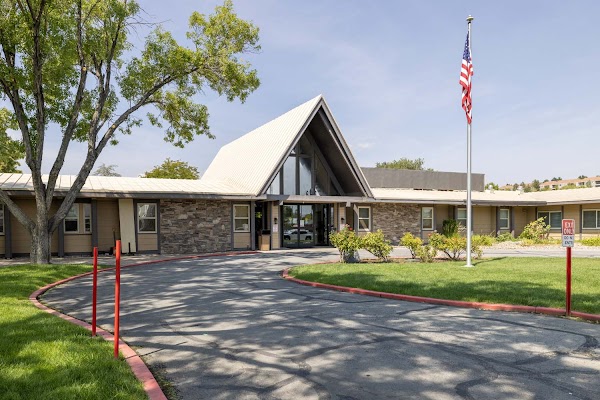
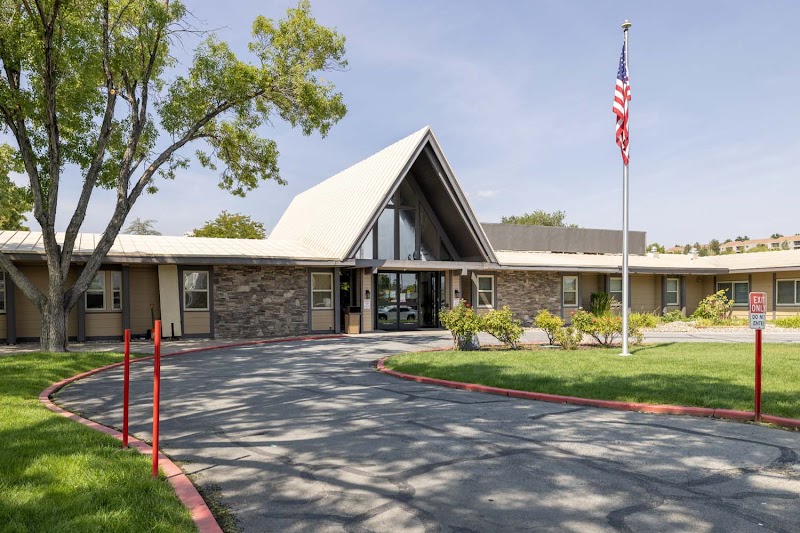
2045 SILVERADA BLVD, RENO, NV 89512 (775) 359-3161
For profit - Corporation 99 Beds THE ENSIGN GROUP Data: November 2025 2 Immediate Jeopardy citations
Trust Grade
24/100
#49 of 65 in NV
Last Inspection: October 2024

Within standard 12-15 month inspection cycle. Federal law requires annual inspections.

Overview

Rosewood Rehabilitation Center has received a Trust Grade of F, indicating significant concerns about its operations and care quality. It ranks #49 out of 65 facilities in Nevada, placing it in the bottom half of the state, and #5 out of 9 in Washoe County, meaning only four local options are worse. While the facility is improving, reducing issues from 14 in 2024 to 3 in 2025, it still has a concerning overall rating of 2 out of 5 stars for health inspections, staffing, and quality measures. Staffing turnover is relatively good at 39%, below the state average, but troublingly, the center has less RN coverage than 95% of Nevada facilities, which could impact resident care. Recent inspections revealed critical deficiencies, including issues with cleanliness in the ice machine that could lead to foodborne illnesses and uncovered food in the refrigerator, which raises health concerns for residents. Overall, while there are some positive aspects, significant weaknesses remain that families should consider carefully.

Trust Score
F
24/100
In Nevada
#49/65
Bottom 25%
Safety Record
High Risk
Review needed
Inspections
Getting Better
14 → 3 violations
Staff Stability
○ Average
39% turnover. Near Nevada's 48% average. Typical for the industry.
Penalties
✓ Good
$14,570 in fines. Lower than most Nevada facilities. Relatively clean record.
Skilled Nurses
⚠ Watch
Each resident gets only 19 minutes of Registered Nurse (RN) attention daily — below average for Nevada. Fewer RN minutes means fewer trained eyes watching for problems.
Violations
⚠ Watch
64 deficiencies on record. Higher than average. Multiple issues found across inspections.
★★☆☆☆
2.0
Overall Rating
★★☆☆☆
2.0
Staff Levels
★★☆☆☆
2.0
Care Quality
★★☆☆☆
2.0
Inspection Score
Stable
2024: 14 issues
2025: 3 issues

The Good

  • Full Sprinkler Coverage · Fire safety systems throughout facility
  • No fines on record
  • Staff turnover below average (39%)

    9 points below Nevada average of 48%

Facility shows strength in fire safety.

The Bad

2-Star Overall Rating

Below Nevada average (3.0)

Below average - review inspection findings carefully

Staff Turnover: 39%

Near Nevada avg (46%)

Typical for the industry

Federal Fines: $14,570

Below median ($33,413)

Minor penalties assessed

Chain: THE ENSIGN GROUP

Part of a multi-facility chain

Ask about local staffing decisions and management

The Ugly 64 deficiencies on record

2 life-threatening
Apr 2025 3 deficiencies
CONCERN (D) 📢 Someone Reported This

A family member, employee, or ombudsman was alarmed enough to file a formal complaint

Potential for Harm - no one hurt, but risky conditions existed

Investigate Abuse (Tag F0610)

Could have caused harm · This affected 1 resident

**NOTE- TERMS IN BRACKETS HAVE BEEN EDITED TO PROTECT CONFIDENTIALITY** Based on interview, clinical record review, and document review the facility failed to ensure an allegation of neglect was thoro...

Read full inspector narrative →
**NOTE- TERMS IN BRACKETS HAVE BEEN EDITED TO PROTECT CONFIDENTIALITY** Based on interview, clinical record review, and document review the facility failed to ensure an allegation of neglect was thoroughly investigated for 1 of 10 sampled residents (Resident #2). This deficient practice had the potential for physical and/or emotional harm to residents due to allegations of neglect not being thoroughly investigated and protections not put in place to prevent future neglect. Findings include: Resident #2 Resident #2 was admitted to the facility on [DATE], with diagnoses including wedge compression fracture of T7-T8 vertebra, subsequent encounter for fracture with routine healing and encounter for other orthopedic aftercare. An initial Facility Reported Incident (FRI) Report submitted by the facility on [DATE], documented the type of incident as neglect. The FRI Report documented a Certified Nursing Assistant (CNA) reported a Blood Pressure (BP) reading for Resident #2 of 118/65 around 6:00 AM. The resident was found in the resident's room with no pulse, cold to touch, and with signs of rigor mortis around 7:10 AM. Emergency Medical Services (EMS) was called and arrived around 7:30 AM. The Vital Signs (VS) reported and the timeline of the patient passing away were not in agreement. A Nursing Progress Note dated [DATE], documented a CNA reported when delivering Resident #2's breakfast tray the resident was not responding to verbal stimuli and was cold to touch. The nurse entered the room, turned on the lights, and noted the resident was pale. The resident was not responsive to verbal stimuli or sternal rub, was cold to touch and stiff. Code blue initiated at 7:05 AM, Cardiopulmonary Resuscitation (CPR) was administered, and 911 was called. EMS arrived and the resident was pronounced deceased . The assigned CNA stated the CNA last saw and took the resident's VS at 6:00 AM. On [DATE] at 3:41 PM the Assistant Director of Nursing (ADON) confirmed the ADON was familiar with the incident reported on [DATE] involving Resident #2. The ADON recalled the ADON was involved in the investigation of the incident and collected statements from staff members. The ADON verbalized the ADON called the night (NOC) shift staff to ask when the last time the NOC shift staff had seen Resident #2 and asked if the resident was breathing at the time. The NOC shift staff did not report and were not asked about any care provided, if the resident was awake the last time the resident was seen by staff, or if the resident had experienced any changes in condition during the shift. Documentation of the facility's investigation of the incident, provided for review during the survey, included the following: the initial and final FRI reports submitted to the State Agency, a VS flowsheet, a Nursing Progress Note dated [DATE] written by the ADON, a Nursing Progress Note dated [DATE] written by the day shift LPN assigned to care for Resident #2, a typed statement written by the ADON, a typed statement written by the alleged perpetrator, and a handwritten statement from a second CNA working the day shift on [DATE]. The investigation lacked documentation of interviews with Resident #2's roommate at the time of the incident, interviews with other residents whom the accused CNA provided care or services to, and interviews with staff from other shifts who had provided care to Resident #2 or who had contact with the accused CNA. On [DATE] at 3:56 PM, the Administrator confirmed the Administrator oversaw the investigation into the allegation of neglect involving Resident #2. The Administrator recalled being notified at approximately 8:30 AM on [DATE] of the incident. The investigation was initiated and the ADON was to collect statements from staff members. During the investigation, record review consisted of VS to determine when VS had last been documented for Resident #2. The Administrator denied the Administrator saw any documentation of contact with Resident #2 after the NOC shift VS were documented at approximately 7:30 PM on [DATE]. After receiving the statements obtained by the ADON, the Administrator reviewed the statements in an attempt to determine if the actions of the alleged perpetrator were considered negligent. The Administrator denied the Administrator spoke to the alleged perpetrator during the investigation. The Administrator denied the Administrator spoke to or had knowledge of anyone speaking to staff members working the NOC shift on [DATE], and verbalized the Administrator should have asked the NOC shift CNA when the CNA had last seen Resident #2. The Administrator denied interviews were conducted with any residents as part of the investigation. The facility policy titled Abuse: Prevention of and Prohibition Against, reviewed 05/2023, documented each resident had the right to be free from abuse and neglect. All allegations of abuse and neglect were to be promptly and thoroughly investigated by the Administrator or his/her designee. The investigation would include the following: an interview with the person reporting the incident, an interview with the resident, interviews with any witnesses to the incident including the alleged perpetrator, a review of the resident's medical record, an interview with staff members on all shifts who may have information regarding the alleged incident, interviews with other residents to whom the accused employee provides care or services to or who may have information regarding the alleged incident, interviews with staff members on all shifts having contact with the accused employee, and a review of all circumstances surrounding the incident. The investigation, and the results of the investigation, would be documented. FRI #NV00073992
CONCERN (D) 📢 Someone Reported This

A family member, employee, or ombudsman was alarmed enough to file a formal complaint

Potential for Harm - no one hurt, but risky conditions existed

Tube Feeding (Tag F0693)

Could have caused harm · This affected 1 resident

**NOTE- TERMS IN BRACKETS HAVE BEEN EDITED TO PROTECT CONFIDENTIALITY** Based on observation, interview, clinical record review, and document review the facility failed to ensure tube feeding was admi...

Read full inspector narrative →
**NOTE- TERMS IN BRACKETS HAVE BEEN EDITED TO PROTECT CONFIDENTIALITY** Based on observation, interview, clinical record review, and document review the facility failed to ensure tube feeding was administered to a resident per physician order and a physician's order for tube feeding was complete prior to administration for 1 of 10 sampled residents (Resident #8). This deficient practice had the potential to result in malnutrition, dehydration, inadequate and inappropriate caloric intake. Findings include: Resident #8 Resident #8 was admitted to the facility on [DATE], with a diagnosis of dysphagia following cerebral infarction. A Physician Order dated 03/09/2025, documented Enteral Feed Order at bedtime, 40 milliliters (ml)/ hour (hr). Hang at 8:00 PM and take down at 6:00 AM. The discontinue date was 04/22/2025 at 1:41 PM. A Physician Order dated 04/22/2025, with a start date of 04/23/2025, documented Enteral Feed Order one time a day, Jevity 1.2. On at 8:00 PM at 50 cubic centimeters (cc)/ hr for ten hours, off at 6:00 AM. On 04/23/2025 at 12:37 PM, a Licensed Practical Nurse 1 (LPN) explained staff knew a resident required tube feeding by reviewing orders in the Electronic Medical Record (EMR). The LPN1 verbalized Resident #8 received tube feeding. The LPN1 reviewed Resident #8's EMR and verbalized the resident's current tube feeding order documented Jevity 1.2 at 50 cc/ hr, starting at 8:00 PM and off at 6:00 AM. The order had a start date of 04/23/2025. The LPN1 explained the resident had been receiving tube feeding since admission to the facility and the LPN1 was unsure why the order had been updated. On 04/23/2025 at 12:51 PM, the interim Director of Nursing (DON) confirmed Resident #8's tube feeding order was updated 04/22/2025. The interim DON confirmed the tube feeding order in place prior to 04/22/2025 did not include the type of formula to be administered. On 04/23/2025 at 1:35 PM, Resident #8 was sitting on the resident's bed. The resident had a gastrostomy tube and explained the resident received tube feeding at night because the resident did not get enough liquid and protein during the day. Resident #8 verbalized a staff member reported Resident #8 had refused the tube feeding the evening of 04/21/2025. Resident #8 denied Resident #8 refused tube feeding as refusing the feeding could hurt the resident. Resident #8's Treatment Administration Record (TAR) for April 2025, documented Enteral Feed Order at bedtime, 40 ml/ hr. Hang at 8:00 PM and take down at 6:00 AM. The order date was 03/09/2025, and the discontinue date was 04/22/2025. The TAR documented a checkmark for the enteral feed from 04/01/2025 through 04/21/2025. On 04/23/2025 at 2:23 PM, the interim DON explained a checkmark on a TAR indicated the treatment was administered and denied it would be appropriate for staff to mark a treatment as administered prior to completion of the administration. The interim DON explained the facility's process when administering tube feeding to residents included assuring proper placement of the tube, positioning of the resident, assessing the insertion site, and assuring the order included the formula and rate of administration. If tube feeding was administered without a complete order, the resident could receive the wrong formula type, amount or for the wrong length of time. On 04/24/2025 at 2:06 PM, an LPN2 explained if a resident refused a medication or treatment the LPN2 would document the refusal in the resident's EMR. The LPN2 confirmed the LPN2 worked the night (NOC) shift on 04/21/2025 and Resident #8 was in the LPN2's assigned section. The LPN2 confirmed Resident #8 received nutrition via tube feeding. The feedings were ordered to be administered during the NOC shift. The LPN2 explained after completing the PM medication pass during the NOC shift beginning on 04/21/2025, the LPN2 prepared Resident #8's tube feeding, documented the administration as complete in the resident's EMR, and entered the resident's room. Resident #8 declined to have the tube feeding started at the time and asked the LPN2 to return in a few minutes. The LPN2 explained the LPN2 forgot to return to the room and administer Resident #8's tube feeding and had not documented a refusal. The LPN2 confirmed the tube feeding was not administered to Resident #8 as ordered and the completed administration was documented in error. The facility policy titled Tube Feeding - Nasogastric or Gastrostomy, revised 02/2024, documented it was the policy of the facility to assure safe practice in providing tube feedings. The procedure included preparing the feeding according to the physician's order, adding feeding sufficient for the resident's order, and documenting the feeding on the tube feeding record. A License Vocational Nurse / Licensed Practical Nurse Job Description, signed by the LPN2 on 03/04/2024, documented the primary purpose of the job position was to provide primary care to residents under the medical direction and supervision of the attending physician. Essential duties and responsibilities included administration of services within applicable scope of nursing practice such as tube feedings, preparing and administering medications as ordered by the physician, and charting nurses' notes to accurately and thoroughly reflect care provided to the resident. FRI #NV00074062
CONCERN (D) 📢 Someone Reported This

A family member, employee, or ombudsman was alarmed enough to file a formal complaint

Potential for Harm - no one hurt, but risky conditions existed

Medical Records (Tag F0842)

Could have caused harm · This affected 1 resident

**NOTE- TERMS IN BRACKETS HAVE BEEN EDITED TO PROTECT CONFIDENTIALITY** Based on clinical record review, interview, and document review the facility failed to ensure a clinical record was complete for...

Read full inspector narrative →
**NOTE- TERMS IN BRACKETS HAVE BEEN EDITED TO PROTECT CONFIDENTIALITY** Based on clinical record review, interview, and document review the facility failed to ensure a clinical record was complete for 1 of 10 sampled residents (Resident #1). This deficient practice had the potential for care provided to residents, resident response to care provided, and refusals of care to not be documented and available for review as necessary. Findings include: Resident #1 Resident #1 was admitted to the facility on [DATE], with diagnoses including multiple fractures of ribs, bilateral, subsequent encounter for fracture with delayed healing and mild protein-calorie malnutrition. Resident #1's Documentation Survey Report for September 2024, documented an intervention/task of bathing. The report documented Resident #1 received a shower on 09/02/2024 and 09/16/2024, and a full-body bath on 09/14/2024. The intervention/task had a blank space for the PM shifts on 09/06/2024, 09/11/2024 and 09/15/2024. An intervention/task titled shower/bathe self documented the resident received partial/moderate assistance from an Occupational Therapist (OT) with completion of the task on 09/03/2024. On 04/09/2025 at 1:24 PM, a Certified Nursing Assistant (CNA) verbalized residents were usually offered a shower two times per week. Showers were documented in the Point of Care (POC) system and a paper form was filled out if the CNA noted any concerns with the resident's skin during the shower. If a resident refused a shower, the CNA would attempt to reschedule the shower and/or offer an alternative such as a bed bath or partial bath. If the resident continued to refuse, the CNA would document the reason for the refusal, attempts to reschedule or alternative offered, and notify the resident's nurse. On 04/09/2025 at 3:56 PM, the Assistant Director of Nursing (ADON) explained residents were given showers two times per week and more frequently as needed. Showers were documented under the tasks section of the electronic medical record. On 04/09/2025 at 4:57 PM, the Administrator explained the usual days for showers for the room Resident #1 was in was Wednesdays and Saturdays. The Administrator reviewed the Documentation Survey Report for September 2024 and verbalized Resident #1 received a shower on 09/02/2024 and 09/03/2024 (Monday and Tuesday), by Saturday 09/07/2024, Resident #1 had tested positive for Covid-19. The Administrator explained when a resident was positive for Covid-19, the facility tried to limit the resident from using the communal shower room to help prevent the spread of infection. Facility staff would always offer a bed bath to residents positive for Covid-19 and verbalized if a resident refused, it was the Administrator's expectation the refusal would be documented. On 04/09/2025 at 5:25 PM, the Administrator confirmed Resident #1's clinical record lacked documentation of a shower or bed bath being provided to the resident and any resident refusals from 09/04/2024 through 09/13/2024. The facility policy titled Resident Care - Activities of Daily Living (ADLs), revised 10/2023, documented interventions would be provided by staff in accordance with professional standards of quality and clinical practices. ADL support and resident performance would be documented electronically using Point of Care (POC).
Dec 2024 1 deficiency
CONCERN (D) 📢 Someone Reported This

A family member, employee, or ombudsman was alarmed enough to file a formal complaint

Potential for Harm - no one hurt, but risky conditions existed

Deficiency F0572 (Tag F0572)

Could have caused harm · This affected 1 resident

**NOTE- TERMS IN BRACKETS HAVE BEEN EDITED TO PROTECT CONFIDENTIALITY** Based on interview, clinical record review, and document review, the facility failed to ensure residents were informed both oral...

Read full inspector narrative →
**NOTE- TERMS IN BRACKETS HAVE BEEN EDITED TO PROTECT CONFIDENTIALITY** Based on interview, clinical record review, and document review, the facility failed to ensure residents were informed both orally and in writing prior to or upon admission of the rules related to leaving on pass. This deficient practice had the potential to affect the entire facility population of 87 residents. Findings include: Resident #3 Resident #3 was admitted to the facility on [DATE], and readmitted on [DATE], with a primary diagnosis of type two diabetes mellitus without complications. On 12/17/2024 at 10:24 AM, Resident #3 verbalized the resident was informed the resident was unable to leave the facility premises because he was unable to walk. Resident #3 verbalized being in the facility felt like being in a prison. On 12/18/2024 at 10:48 AM, a Certified Nursing Assistant (CNA) verbalized residents who wanted to leave the facility property on pass would need to get approval with a physician's order. On 12/18/2024 at 11:16 AM, a Licensed Practical Nurse (LPN) verbalized residents who wanted to go out on pass would need to get a physician's order, a responsible party would check the resident out, and the resident would need to sign in the out on pass logbook. On 12/18/2024 at 12:56 PM, the Director of Nursing (DON) verbalized residents were not informed on or prior to admission of the rules and processes for going out on pass. Residents were informed when the resident requested to go out on pass what the process included. The DON verbalized going out on pass is a resident right and should be included in the list of rights provided on admission. The facility's admission packet lacked documented evidence residents were informed in writing of the facility rules and processes regarding going out on pass. The facility policy titled Resident Rights and Responsibilities, Notice of, revised 01/2022, documented prior to or upon admission, the facility would provide the resident with a written copy of resident rights and a copy of all rules and regulations governing the resident's conduct and responsibilities during their stay. The facility policy titled Out on Pass or Leave of Absence, revised 12/2023, documented nursing would obtain a physician's order for the resident to go out on pass. The decision of appropriateness of a leave was made by the Physician in conjunction with the interdisciplinary team.
Oct 2024 12 deficiencies
CONCERN (D)

Potential for Harm - no one hurt, but risky conditions existed

Deficiency F0561 (Tag F0561)

Could have caused harm · This affected 1 resident

**NOTE- TERMS IN BRACKETS HAVE BEEN EDITED TO PROTECT CONFIDENTIALITY** Based on observation, interview, clinical record review, and document review, the facility failed to ensure a resident was infor...

Read full inspector narrative →
**NOTE- TERMS IN BRACKETS HAVE BEEN EDITED TO PROTECT CONFIDENTIALITY** Based on observation, interview, clinical record review, and document review, the facility failed to ensure a resident was informed in advance of the menu options and alternative meal choices for 1 of 18 sampled residents (Resident #44). This deficient practice had the potential to result in a resident experiencing frustration due to a lack of choice and the resident having to wait longer to eat due to not wanting the offered meal and needing to request an alternative after the meal had been delivered. Findings include: Resident #44 Resident #44 was admitted to the facility on [DATE], with diagnoses including multiple sclerosis, hypothyroidism, unspecified, and neuromuscular dysfunction of bladder, unspecified. On 10/07/2024 at 10:17 AM, Resident #44 verbalized the resident frequently had to send the resident's meal trays back to the kitchen and request a bowl of soup. The resident verbalized the resident was not aware of an alternative menu, but the facility was usually able to bring the resident a bowl of soup. The resident verbalized the resident was not notified of the menu in advance, so the resident did not know to request an alternative before the meal arrived. The resident verbalized the menu was posted on the wall on the other side of the resident's room and the resident was bedbound and unable to see the menu. The resident confirmed staff did not notify the resident of the items on the menu each day. The menu posted on the wall of Resident #44's room was dated for the previous week of 09/29/2024 through 10/05/2024. On 10/08/2024 at 1:52 PM, Resident #44 verbalized the resident had not been informed of the dinner menu for the day or a list of alternatives. The resident verbalized the resident was frustrated with the process of having to wait and see if the meal provided was something the resident would eat or if the resident would need to send the food back and request soup. The menu posted on the wall of Resident #44's room was still the menu dated for the previous week. On 10/09/2024 at 11:26 AM, the Dietary Manager (DM) verbalized the DM would deliver new menus to residents on Mondays. The DM verbalized the DM would tape the menu to the wall in the resident's room. The DM confirmed the DM did not have a process to ensure a resident with limited mobility was able to see the menu. The DM verbalized a staff member would need to read the menu to the resident and then read the alternative menu to the resident if they wanted an alternate meal. On 10/09/2024 at 11:56 AM, the Director of Nursing (DON) verbalized the menus in the resident's rooms should be the most up to date menu. The DON verbalized a bed bound resident with limited mobility would need to have the menu closer to the resident in an area where the resident could easily see the menu. On 10/10/2024 at 11:37 AM, a Certified Nursing Assistant (CNA) confirmed the menu posted on the wall in Resident #44's room was the menu from the previous week and the resident did not have a menu the resident would be able to see from the resident's bed. The CNA verbalized the CNAs did not notify residents of the menu items each day. The facility policy titled Resident Rights, dated 10/04/2016, documented the resident had the right to make choices about aspects of the resident's life in the facility which were important to the resident.
CONCERN (D)

Potential for Harm - no one hurt, but risky conditions existed

Report Alleged Abuse (Tag F0609)

Could have caused harm · This affected 1 resident

**NOTE- TERMS IN BRACKETS HAVE BEEN EDITED TO PROTECT CONFIDENTIALITY** Based on clinical record review, interview, and document review, the facility failed to report resident to resident abuse to the...

Read full inspector narrative →
**NOTE- TERMS IN BRACKETS HAVE BEEN EDITED TO PROTECT CONFIDENTIALITY** Based on clinical record review, interview, and document review, the facility failed to report resident to resident abuse to the State Agency (SA) within the required timeframes for 1 of 18 sampled residents (Resident #23). Findings include: Resident #23 Resident #23 was admitted to the facility on [DATE], with diagnoses including vascular dementia, severe, with psychotic disturbance, and unspecified mood (affective) disorder. Resident #57 Resident #57 was admitted to the facility on [DATE], with diagnoses including unspecified dementia, unspecified severity, with agitation, and unspecified mood (affective) disorder. A Behavior Note dated 10/05/2024, for Resident #57 documented upon walking into the resident's room, Resident #57 was seen slamming their wheelchair into their roommate, Resident #23's legs. A Facility Reported Incident (FRI) was submitted to the SA on 10/07/2024, documenting the resident to resident abuse between Resident #23 and Resident #57. On 10/10/2024 at 10:05 AM, the Abuse Coordinator verbalized abuse without serious bodily harm should be reported to the SA within 24 hours of the incident. The Abuse Coordinator confirmed the FRI was not reported to the SA within the required timeframes. The facility policy titled Abuse: Prevention of and Prohibition Against, revised 10/2022, documented allegations of abuse would be reported to the appropriate State or Federal agencies in the applicable timeframes, as per policy and applicable regulations. FRI #NV00072396
CONCERN (D)

Potential for Harm - no one hurt, but risky conditions existed

Comprehensive Care Plan (Tag F0656)

Could have caused harm · This affected 1 resident

**NOTE- TERMS IN BRACKETS HAVE BEEN EDITED TO PROTECT CONFIDENTIALITY** Based on observation, interview, clinical record review, and document review, the facility failed to ensure a care plan was deve...

Read full inspector narrative →
**NOTE- TERMS IN BRACKETS HAVE BEEN EDITED TO PROTECT CONFIDENTIALITY** Based on observation, interview, clinical record review, and document review, the facility failed to ensure a care plan was developed to address side effects and necessary monitoring for a resident receiving an anticoagulant and experiencing symptoms of a gastrointestinal bleed and low hemoglobin (a protein carrying oxygen in red blood cells) and hematocrit (a measurement of the proportion of red blood cells in the blood) levels for 1 of 18 sampled residents (Resident #71); and failed to develop a care plan for a resident's diagnosis of hypoxemia and the administration of oxygen for 1 of 18 sampled residents (Resident #134). This deficient practice had the potential for the resident to suffer adverse health outcomes because of staff caring for the resident being unaware of the need to monitor for further signs of active bleeding. Findings include: Resident #71 Resident #71 was admitted to the facility on [DATE], with diagnoses including cerebral infarction due to unspecified occlusion or stenosis of left cerebellar artery, chronic kidney disease, stage 3B, and acute cystitis without hematuria. On 10/07/2024 at 2:01 PM, the resident verbalized the resident had been on blood thinner medication and the resident had low blood. An order dated 09/04/2024, documented apixaban oral tablet 2.5 milligrams (mg), give one tablet by mouth two times a day for atrial fibrillation. A Change in Condition Progress Note, dated 09/30/2024, documented the resident had blood streaks in the stool. A Certified Nursing Assistant (CNA) had reported the resident had a blood-streaked stool. The licensed nurse visualized the stool and observed a red pigmentation in the stool. A sample was collected. An order dated 09/30/2024, documented labs: guaiac stool (a fecal occult blood test) - already collected and placed in the fridge. An Alert Charting Progress Note, dated 10/03/2024, documented the resident had low hemoglobin and hematocrit and to monitor for signs of gastrointestinal bleeding. The clinical record for Resident #71, lacked care plan documentation of the apixaban or the symptoms of gastrointestinal bleeding and did not include results of the fecal occult blood test. On 10/08/2024 at 1:52 PM, a Licensed Practical Nurse (LPN) providing care to Resident #71 verbalized the LPN was not familiar with Resident #71 having blood in the resident's stool or any concerns with the resident's lab values. On 10/09/2024 at 12:00 PM, the Director of Nursing (DON) verbalized a resident's use of a blood thinner medication would be care planned and the symptom of blood in a resident's stool would be care planned so staff caring for the resident would be aware of the issue and know to continue monitoring for further signs and symptoms of active bleeding. The DON confirmed the resident did not have a care plan for the apixaban or the concern related to blood in the resident's stool. On 10/09/2024 at 3:40 PM, the DON verbalized the stool sample had been sent to the lab in the wrong storage container on 09/30/2024, and a new sample had not been sent. The DON verbalized staff should have been aware of the need to track the results of the stool sample. The facility policy titled Best Practice in Change of Condition and Endorsement, revised 05/2016, documented after a change in medical condition, treatments/interventions would be updated on the care plan and the resident would be discussed during the next scheduled Comprehensive Care Plan meeting. Resident #134 Resident #134 was admitted to the facility on [DATE], with a diagnosis of hypoxemia. On 10/07/2024 at 12:49 PM, Resident #134 was sitting in a wheelchair next to the bed. An oxygen concentrator, reading two liters-per-minute, next to the resident was on and the resident was receiving oxygen via a nasal cannula. Resident #134's clinical record lacked documented evidence a care plan had been developed for the resident's diagnosis of hypoxemia and the administration of oxygen. On 10/08/2024 at 2:42 PM, the DON confirmed Resident #134's diagnosis of hypoxemia and the resident had been receiving oxygen since admission. The DON confirmed Resident #134's clinical record lacked a care plan for the resident's diagnosis of hypoxemia and the administration of oxygen. The facility policy titled, Care and Treatment, Comprehensive Person-Centered Care Planning, revised 08/2017, documented the facility would develop a person-centered care plan with measurable objectives to meet the resident's medical needs.
CONCERN (D)

Potential for Harm - no one hurt, but risky conditions existed

Quality of Care (Tag F0684)

Could have caused harm · This affected 1 resident

**NOTE- TERMS IN BRACKETS HAVE BEEN EDITED TO PROTECT CONFIDENTIALITY** Based on interview, clinical record review, and document review, the facility failed to ensure laboratory (lab) results were mon...

Read full inspector narrative →
**NOTE- TERMS IN BRACKETS HAVE BEEN EDITED TO PROTECT CONFIDENTIALITY** Based on interview, clinical record review, and document review, the facility failed to ensure laboratory (lab) results were monitored for timely completion and staff caring for a resident were informed of the resident's signs and symptoms of active bleeding while on anticoagulant therapy for 1 of 18 sampled residents (Resident #71). This deficient practice had the potential to result in a resident suffering a severe adverse health outcome because of blood loss. Findings include: Resident #71 Resident #71 was admitted to the facility on [DATE], with diagnoses including cerebral infarction due to unspecified occlusion or stenosis of left cerebellar artery, chronic kidney disease, stage 3B, and acute cystitis without hematuria. On 10/07/2024 at 2:01 PM, the resident verbalized the resident had been on blood thinner medication and the resident had low blood. An order dated 09/04/2024, documented apixaban oral tablet 2.5 milligrams (mg), give one tablet by mouth two times a day for atrial fibrillation. A Change in Condition Progress Note, dated 09/30/2024, documented the resident had blood streaks in the stool. A Certified Nursing Assistant (CNA) had reported the resident had a blood-streaked stool. The licensed nurse visualized the stool and observed a red pigmentation in the stool. A sample was collected. An order dated 09/30/2024, documented labs: guaiac stool (a fecal occult blood test) - already collected and placed in the fridge. An Alert Charting Progress Note, dated 10/03/2024, documented the resident had low hemoglobin and hematocrit and to monitor for signs of gastrointestinal bleeding. The clinical record for Resident #71, lacked care plan documentation of the apixaban or the symptoms of gastrointestinal bleeding and did not include results of the fecal occult blood test. On 10/08/2024 at 1:52 PM, a Licensed Practical Nurse (LPN) providing care to Resident #71 verbalized the LPN was not familiar with Resident #71 having blood in the resident's stool or any concerns with the resident's lab values. On 10/09/2024 at 12:00 PM, the Director of Nursing (DON) verbalized a resident's use of a blood thinner medication would be care planned and the symptom of blood in a resident's stool would be care planned so staff caring for the resident would be aware of the issue and know to continue monitoring for further signs and symptoms of active bleeding. The DON confirmed the resident did not have a care plan for the apixaban or the concern related to blood in the resident's stool. On 10/09/2024 at 3:40 PM, the DON verbalized the stool sample had been sent to the lab in the wrong storage container on 09/30/2024, and a new sample had not been sent. The DON verbalized staff should have been aware of the need to track the results of the stool sample. The DON verbalized the results of the fecal occult blood test would be expected to be reported within two to three days and staff should have followed up with the lab and notified the physician so a new sample could have been collected. The facility policy titled Best Practice in Change of Condition and Endorsement, revised 05/2016, documented after a change in medical condition, treatments/interventions would be updated on the care plan and the resident would be discussed during the next scheduled Comprehensive Care Plan meeting. The facility standard of practice titled Fundamentals of Nursing, eighth edition, by [NAME] and [NAME], copyright 2013, documented the nurse would ensure fecal specimens were obtained accurately, labeled properly in appropriate containers, and transported to the laboratory on time. Special containers would be provided for fecal specimens (page 1097).
CONCERN (D) 📢 Someone Reported This

A family member, employee, or ombudsman was alarmed enough to file a formal complaint

Potential for Harm - no one hurt, but risky conditions existed

Pressure Ulcer Prevention (Tag F0686)

Could have caused harm · This affected 1 resident

**NOTE- TERMS IN BRACKETS HAVE BEEN EDITED TO PROTECT CONFIDENTIALITY** Based on clinical record review, interview, and document review, the facility failed to provide care to prevent Moisture Associa...

Read full inspector narrative →
**NOTE- TERMS IN BRACKETS HAVE BEEN EDITED TO PROTECT CONFIDENTIALITY** Based on clinical record review, interview, and document review, the facility failed to provide care to prevent Moisture Associated Skin Damage and a pressure injury for 1 of 4 closed records reviewed (Resident #184). This deficient practice led to a skin injury. Findings include: Resident #184 Resident #184 was admitted to the facility on [DATE], with diagnoses including displaced intertrochanteric fracture of left femur, subsequent encounter for closed fracture with routine healing, and type two diabetes mellitus with foot ulcer. The resident was discharged on 07/15/2024. Resident #184's Daily Skilled Note dated 07/05/2024, documented no active skin conditions. Resident #184's Nursing Note dated 07/09/2024, documented a Certified Nursing Assistant (CNA) was doing rounds and noticed redness and an open area on the resident's coccyx . The nurse told the CNA to put cream on the resident and ensure the resident was being changed every two hours. Resident #184's Licensed Nurse Skin Evaluation dated 07/09/2024, documented redness and an open area to the coccyx, wound nurse aware. Resident #184's Daily Skilled Note dated 07/10/2024, documented Moisture Associated Skin Damage (MASD) located on buttocks. Resident response to treatment was continued weekly skin checks, barrier cream treatment to coccyx, pressure reducing device for chair and bed to maintain skin integrity, and turning/repositioning program to maintain skin integrity. A physician's order dated 07/03/2024, documented apply barrier cream on buttocks/perianal area every brief change, every shift, with indication for skin breakdown prevention protocol. A physician's order dated 07/03/2024, documented encourage and assist in turning and repositioning every shift. A physician's order dated 07/09/2024, documented equagel cushion for wheelchair, ensure placement every shift. A physician's order dated 07/09/2024, documented low air loss mattress for skin maintenance. A physician's order dated 07/13/2024, documented Wound: unstageable pressure injury to coccyx. Cleanse with wound cleanser, apply leptospermum honey gel, and cover. Monitor for signs and symptoms of infection every day shift, Monday, Wednesday, and Friday. Resident #184's Minimum Data Set 3.0 Assessment (MDS) Section M - Skin Conditions, dated 07/15/2024, documented one unhealed, unstageable pressure ulcer. On 10/09/2024 at 3:23 PM, the Wound Nurse verbalized Resident #184 did not admit to the facility with a pressure injury. The Wound Nurse explained MASD could be caused by incontinence or excess moisture in the area. The Wound Nurse confirmed Resident #184 developed MASD and a pressure injury in the facility. On 10/10/2024 at 9:13 AM, the Director of Nursing (DON) verbalized Resident #184 did not admit to the facility with a wound on the coccyx. The DON explained MASD could be caused by incontinence, excess moisture, and warmth. Repositioning, peri care, and barrier cream would help prevent a wound from developing. The DON confirmed the pressure injury was acquired at the facility. The facility policy titled Skin and Wound Monitoring and Management, revised 12/2023, documented it was the policy of the facility, a resident who entered the facility without a pressure injury not develop a pressure injury unless the resident's clinical condition or other factors demonstrated the pressure injury was unavoidable. Complaint #NV00071992
CONCERN (D) 📢 Someone Reported This

A family member, employee, or ombudsman was alarmed enough to file a formal complaint

Potential for Harm - no one hurt, but risky conditions existed

Accident Prevention (Tag F0689)

Could have caused harm · This affected 1 resident

Based on clinical record review, observation, interview, and document review, the facility failed to ensure a known tripping hazard was corrected to prevent potential falls by residents and visitors u...

Read full inspector narrative →
Based on clinical record review, observation, interview, and document review, the facility failed to ensure a known tripping hazard was corrected to prevent potential falls by residents and visitors using the outside courtyard. Findings include: The Facility Reported Incident (FRI) #NV00071929, dated 08/13/2024, documented a resident was witnessed tripping over an irrigation sprinkler head in the courtyard, resulting in a fracture to the right elbow and patella. FRI #NV00071929 Final Report, dated 08/16/2024, documented the action taken to prevent future occurrences included education to the resident on mobility and safety outdoors. The Final Report lacked language to include the corrective measure(s) taken to prevent future occurrences of tripping caused by the sprinkler heads in the courtyard. On 10/09/2024 at 1:55 PM, the sprinkler heads located in the courtyard, between the grass and a concrete walkway, were in the off position. Five of the sprinkler heads were raised above the level of the ground approximately 1-2 inches. On 10/09/2024 at 1:55 PM, the Director of Environmental Services confirmed residents and visitors used the outside courtyard. The Director of Environmental Services confirmed five of the sprinkler heads were above ground level and were a potential tripping hazard. The Director of Environmental Services verbalized not having been aware a resident had tripped and fallen in the courtyard due to the sprinkler heads. On 10/09/2024 at 3:15 PM, the Director of Nursing (DON) confirmed a resident had a witnessed fall in the courtyard due to tripping over a sprinkler head. The DON could not confirm if the information from the resident fall had been conveyed to Maintenance. On 10/09/2024 at 3:26 PM, the Operations Manager verbalized having been unaware if Maintenance had been notified of a tripping hazard in the courtyard. The Operations Manager confirmed the FRI Final Report did not include corrective action to prevent future tripping occurrences. On 10/10/2024 at 1:11 PM, a Maintenance Staff member was in the courtyard digging up a sprinkler head. The Maintenance Staff member verbalized the sprinkler heads were being placed below ground level as they were a tripping hazard. The Maintenance Staff member confirmed the sprinkler heads were approximately 1-2 inches above ground level. The facility policy titled, Fall Management System, revised 12/2023, documented resident environments would be free from hazards with the potential to result in a fall, and interventions to prevent falls would be implemented. FRI #NV00071929
CONCERN (D)

Potential for Harm - no one hurt, but risky conditions existed

Respiratory Care (Tag F0695)

Could have caused harm · This affected 1 resident

**NOTE- TERMS IN BRACKETS HAVE BEEN EDITED TO PROTECT CONFIDENTIALITY** Based on clinical record review, observation, interview, and document review, the facility failed to obtain a physician's order ...

Read full inspector narrative →
**NOTE- TERMS IN BRACKETS HAVE BEEN EDITED TO PROTECT CONFIDENTIALITY** Based on clinical record review, observation, interview, and document review, the facility failed to obtain a physician's order for the administration of oxygen for 1 of 18 sampled residents (Resident #134). Findings include: Resident #134 Resident #134 was admitted to the facility on [DATE], with a diagnosis of hypoxemia. On 10/07/2024 at 12:49 PM, Resident #134 was sitting in a wheelchair next to the bed. An oxygen concentrator, reading two liters-per-minute, next to the resident was on and the resident was receiving oxygen via a nasal cannula. Resident #134's clinical record lacked documented evidence of a physician order for the administration of oxygen. On 10/08/2024 at 2:16 PM, Resident #134 verbalized not having used oxygen prior to being admitted to the facility and was unsure if the resident needed it. On 10/08/2024 at 2:42 PM, the Director of Nursing confirmed Resident #134 had been receiving oxygen since admission and confirmed Resident #134's clinical record lacked a physician order for oxygen. The facility policy titled, Licensed Nurse Procedures, Oxygen Administration, revised 04/2016, documented oxygen therapy was to be administered as ordered by a physician or as an emergency measure until an order could be obtained.
CONCERN (D)

Potential for Harm - no one hurt, but risky conditions existed

Deficiency F0761 (Tag F0761)

Could have caused harm · This affected 1 resident

Based on observation, interview, and document review the facility failed to ensure medications were not left unsecured in a medication cart. The deficient practice could have facilitated unauthorized ...

Read full inspector narrative →
Based on observation, interview, and document review the facility failed to ensure medications were not left unsecured in a medication cart. The deficient practice could have facilitated unauthorized access to medications in the cart. Findings include: On 10/09/2024 at 11:44 AM, a medication cart located outside of the nurse's station was unlocked and unattended while a resident and visitors were in the hallway. On 10/09/2024 at 11:46 AM, the Director of Nursing (DON) approached the medication cart and verbalized the expectation was medication carts remain locked when unattended. The DON confirmed the medication cart was unlocked and a resident and visitors were present. The facility policy titled Storage of Medication, dated 2007, documented only licensed nurses and those lawfully authorized to administer medications were allowed access to medication carts. Medication rooms, cabinets, and medication supplies should remain locked when not in use or attended by persons with authorized access.
CONCERN (D)

Potential for Harm - no one hurt, but risky conditions existed

Deficiency F0800 (Tag F0800)

Could have caused harm · This affected 1 resident

**NOTE- TERMS IN BRACKETS HAVE BEEN EDITED TO PROTECT CONFIDENTIALITY** Based on clinical record review, observation and interview, the facility failed to ensure a resident's diet order was followed f...

Read full inspector narrative →
**NOTE- TERMS IN BRACKETS HAVE BEEN EDITED TO PROTECT CONFIDENTIALITY** Based on clinical record review, observation and interview, the facility failed to ensure a resident's diet order was followed for 1 of 18 sampled residents (Resident #134). Findings include: Resident #134 Resident #134 was admitted to the facility on [DATE], with diagnoses including acute kidney failure and chronic kidney disease, stage four. On 10/07/2024 at 12:18 PM, Resident #134 was sitting in a wheelchair next to the bed. A tray table was in front of the resident with the resident's lunch meal of pureed cheese enchiladas, pureed Spanish rice and refried beans. A meal ticket, dated 10/07/2024 for lunch, documented Resident #134's name and room number, with a diet order of mechanical soft, low fiber. The resident appeared to have their own teeth. On 10/07/2024 at 12:20 PM, Resident #134 verbalized not knowing why the resident had been receiving meals with pureed or mechanically altered foods. The resident verbalized the food tasted good but did not like the texture of the soft food. A physician's order dated 10/01/2024, documented regular diet, regular texture, thin liquid consistency, low fiber. On 10/08/2024 at 12:14 PM, Resident #134 was eating lunch in the resident's room. The resident verbalized wanting to know why the resident had still been receiving mechanically altered meals as the resident had all their own teeth, had no swallowing issues, and had no food allergies. On 10/08/2024 at 12:40 PM, the Dietary Supervisor provided a Diet Communication Form, undated, for Resident #134. The form documented low fiber, (gastrointestinal (GI) soft) diet, thin liquids, and no known allergies. On 10/08/2024 at 12:41 PM, the Dietary Supervisor verbalized not having known what a GI soft diet was, and after having Googled what a GI soft diet was, concluded it to be a mechanically altered diet. The Dietary Supervisor verbalized not having communicated with nursing staff to clarify the resident's diet order. On 10/08/2024 at 2:02 PM, the Director of Nursing (DON) verbalized a GI diet was not considered a mechanically altered diet and the diet order should have been clarified with nursing if there had been any questions. On 10/08/2024 at 2:48 PM, the DON verbalized the facility did not have a policy related to following diet orders.
CONCERN (D)

Potential for Harm - no one hurt, but risky conditions existed

Infection Control (Tag F0880)

Could have caused harm · This affected 1 resident

Based on interview and document review, the facility failed to ensure water samples were collected and submitted for Legionella testing on a five-year basis as per the facilities water management poli...

Read full inspector narrative →
Based on interview and document review, the facility failed to ensure water samples were collected and submitted for Legionella testing on a five-year basis as per the facilities water management policy. This deficient practice had the potential to result in resident illnesses from undetected bacteria in the facility water lines. Findings include: On 10/09/2024 at 4:19 PM, the Director of Environmental Services (Director) verbalized the maintenance department was responsible for the water management program within the facility. The Director verbalized the facility did not have results of Legionella testing and the Director did not know when testing was last conducted. The Director verbalized the facility did not have a plan to conduct testing at a future date. The Director confirmed the current practice was not following the facility policy for Legionella testing frequency. The facility policy titled Rosewood Rehabilitation Center Control Measures, undated, documented control areas would have random water samples collected and submitted for Legionella testing on a five-year basis, to a certified testing facility. Additional testing and frequency would be completed depending on testing results as needed.
CONCERN (D)

Potential for Harm - no one hurt, but risky conditions existed

Deficiency F0943 (Tag F0943)

Could have caused harm · This affected 1 resident

Based on personnel record review, interview and document review, the facility failed to ensure annual elder abuse training was completed for 1 of 25 sampled employees (Employee #9). Findings include: ...

Read full inspector narrative →
Based on personnel record review, interview and document review, the facility failed to ensure annual elder abuse training was completed for 1 of 25 sampled employees (Employee #9). Findings include: Employee #9 Employee #9 was hired as a Registered Nurse on 12/10/2015. Employee #9's personnel record documented elder abuse training completed on 08/27/2023 but lacked documented evidence elder abuse training was completed in 2024 On 10/09/2024 at 11:18 AM, during an interview for review of personnel records, the Human Resources Representative (HRR) verbalized all staff were required to complete elder abuse training upon hire prior to starting on the floor, and annually thereafter. The HRR confirmed Employee #9's personnel record lacked annual elder abuse training in 2024. A facility policy titled Abuse: Prevention of and Prohibition Against, revised 05/2023, documented the facility would engage in training and orienting its new and existing nursing staff on topics to include prohibiting and preventing all forms of abuse, identifying what constitutes abuse, recognizing signs of abuse, and reporting abuse.
CONCERN (F)

Potential for Harm - no one hurt, but risky conditions existed

Food Safety (Tag F0812)

Could have caused harm · This affected most or all residents

Based on observation and interview, the facility failed to ensure the ice machine was free of buildup and refrigerated foods were covered, labeled and dated. The deficient practice could potentially e...

Read full inspector narrative →
Based on observation and interview, the facility failed to ensure the ice machine was free of buildup and refrigerated foods were covered, labeled and dated. The deficient practice could potentially expose residents to foodborne illnesses. Findings include: Ice Machine On 10/07/2024 at 8:18 AM, the ice machine in the kitchen had black buildup on the plastic visor above the ice. On 10/07/2024 at 8:35 AM, the Dietary Manager (DM) verbalized the ice machine was cleaned every three months. The expectation was the staff would clean any visible buildup in the machine. The DM confirmed the buildup in the ice machine and should have been cleaned. Uncovered Food On 10/09/2024 at 11:22 AM, three cups of fruit cocktail were uncovered in the trayline refrigerator. On 10/09/2024 at 11:27 AM, the [NAME] verbalized food stored in the refrigerator would be covered and labeled with the date. The [NAME] confirmed three cups of fruit cocktail were uncovered in the refrigerator. On 10/09/2024 at 11:30 AM, the DM verbalized the expectation was food in refrigerator was covered and labeled with the date.
Aug 2024 1 deficiency
CONCERN (D) 📢 Someone Reported This

A family member, employee, or ombudsman was alarmed enough to file a formal complaint

Potential for Harm - no one hurt, but risky conditions existed

Comprehensive Care Plan (Tag F0656)

Could have caused harm · This affected 1 resident

**NOTE- TERMS IN BRACKETS HAVE BEEN EDITED TO PROTECT CONFIDENTIALITY** Based on observation, interview, record review and document review the facility failed to ensure a Care Plan related to an indwe...

Read full inspector narrative →
**NOTE- TERMS IN BRACKETS HAVE BEEN EDITED TO PROTECT CONFIDENTIALITY** Based on observation, interview, record review and document review the facility failed to ensure a Care Plan related to an indwelling catheter and catheter care was developed and implemented for 1 of 19 sampled residents (Resident #1). Findings include: Resident #1 Resident #1 was admitted to the facility on [DATE], with diagnoses including chronic kidney disease and benign prostatic hyperplasia, without lower urinary tract symptoms. A Physician's Order dated 02/12/2024, documented to provide indwelling catheter care every shift. A Physician's Order dated 02/12/2024, documented indwelling catheter: 18 French 5 cubic centimeters balloon, change every night shift every 30 days. A care plan focus dated 02/09/2024, documented Resident #1 had bowel/bladder incontinence related to impaired mobility and prostate enlargement. Resident #1's comprehensive care plan lacked documented evidence a care plan related to an indwelling catheter and catheter care. On 08/01/2024 at 4:52 PM, the Director of Nursing (DON) confirmed the DON and the Social Worker were responsible to create and update the resident care plan. Care plans included what the problem was, what pharmacological and non-pharmacological interventions were used for relief, what monitoring should occur, and what care was to be provided to the resident. On 08/01/2024 at 4:55 PM, the DON confirmed Resident #1's care plan lacked an update to identify the catheter placed on 02/12/2024, goals, interventions, and catheter care. The DON explained the DON was responsible to provide an updated care plan to include the resident's newly placed catheter and care. The facility policy titled Comprehensive Person-Centered Care Planning revised 12/2023, documented the interdisciplinary team (IDT) would develop a comprehensive person-centered care plan for each resident which included measurable objectives and timeframe to meet a resident's medical, nursing, mental, and psychosocial needs that were identified in the comprehensive assessment. The resident's comprehensive plan of care would be reviewed and/or revised by the IDT after each assessment, including both the comprehensive and quarterly review assessments.
Nov 2023 18 deficiencies
CONCERN (D)

Potential for Harm - no one hurt, but risky conditions existed

Deficiency F0583 (Tag F0583)

Could have caused harm · This affected 1 resident

**NOTE- TERMS IN BRACKETS HAVE BEEN EDITED TO PROTECT CONFIDENTIALITY** Based on observation, interview, clinical record review, and document review, the facility failed to ensure the privacy of resid...

Read full inspector narrative →
**NOTE- TERMS IN BRACKETS HAVE BEEN EDITED TO PROTECT CONFIDENTIALITY** Based on observation, interview, clinical record review, and document review, the facility failed to ensure the privacy of resident health information was maintained for 3 of 3 residents whose names were visible under the wounds tab of the electronic health record (EHR) on an unstaffed and open computer screen (Residents #300, #309, and #311). Findings include: Resident #300 Resident #300 was admitted to the facility on [DATE], and readmitted on [DATE], with diagnoses including acute kidney failure, unspecified, type two diabetes mellitus with hyperglycemia, and unspecified asthma, uncomplicated. Resident #309 Resident #309 was admitted to the facility on [DATE], with diagnoses including displaced intertrochanteric fracture of left femur, subsequent encounter for closed fracture with routine healing, encounter for other orthopedic, aftercare, and emphysema, unspecified. Resident #311 Resident #311 was admitted to the facility on [DATE], with diagnoses including metabolic encephalopathy, acute and chronic respiratory failure with hypoxia, and type two diabetes mellitus with diabetic chronic kidney disease. On 10/30/23 at 1:53 PM, a computer on top of a treatment cart was located outside of room five. The computer was facing the hallway and there were no staff members in the hallway. The computer was logged in to the EHR and three resident names were visible. Residents #300, #309, and #311 were listed under the wounds tab. Two visitors walked by the open computer screen with the residents' names visible while the cart was unattended. On 10/30/23 at 1:55 PM, a Licensed Practical Nurse (LPN) returned to the cart and verbalized the LPN forgot to lock the screen when the LPN had walked away from the cart. The LPN verbalized the screen was supposed to be locked when unattended to maintain resident privacy. On 11/01/23 at 10:46 AM, the Director of Nursing (DON) verbalized the DON expected staff to log out or lock a screen when walking away from a computer to ensure resident information was not visible. The facility policy titled Use and Disclosure of Protected Health Information, revised 03/2016, documented protected health information would be used and disclosed in a secure, confidential manner.
CONCERN (D) 📢 Someone Reported This

A family member, employee, or ombudsman was alarmed enough to file a formal complaint

Potential for Harm - no one hurt, but risky conditions existed

Free from Abuse/Neglect (Tag F0600)

Could have caused harm · This affected 1 resident

**NOTE- TERMS IN BRACKETS HAVE BEEN EDITED TO PROTECT CONFIDENTIALITY** Resident #47 Resident #47 was admitted to the facility on [DATE], with diagnoses including traumatic subdural hemorrhage without...

Read full inspector narrative →
**NOTE- TERMS IN BRACKETS HAVE BEEN EDITED TO PROTECT CONFIDENTIALITY** Resident #47 Resident #47 was admitted to the facility on [DATE], with diagnoses including traumatic subdural hemorrhage without loss of consciousness, memory deficit following nontraumatic subarachnoid hemorrhage and muscle weakness. An FRI dated 10/13/23, documented Resident #47 was found the morning of 10/13/23 soaked in urine and the call light was unplugged. On 10/30/23 at 1:42 PM, Resident #47 explained Resident #47 had used the call light the evening of 10/12/23, and the call light was being answered in the beginning of the evening and eventually staff stopped coming into the room even after pressing the call light. Resident #47 verbalized staff never came into the room to provide peri-care. On 11/02/23 at 8:44 AM, a Certified Nursing Assistant (CNA1) verbalized neglect was denying care to a person's needs or not responding to a call light. CNA1 explained on the date of the incident being the CNA coming on shift the morning of 10/13/23 and found Resident #47 soaked in urine. CNA1 verbalized Resident #47 was still in the same position CNA1 had left the resident in from the afternoon before. CNA1 explained having removed and replaced all bedding from the resident's bed and cleaned Resident #47. CNA1 immediately notified the floor nurse and reported the allegation of neglect. On 11/02/23 at 9:35 AM, the DON explained having received a report of Resident #47 being soaked in urine at the change of shift on 10/13/23. The DON confirmed CNA2 had neglected Resident #47 by not providing care for the resident. On 11/02/23 at 10:59 AM, the Administrator explained when the facility was aware of the allegation of neglect the staff was to report to the charge nurse. The Administrator verbalized an investigation was conducted into the allegation of neglect by interviewing staff and other residents. The facility substantiated the allegation of neglect, and CNA2 was terminated. The facility policy titled Abuse: Prevention of and Prohibition Against, reviewed 10/2022, documented each resident had the right to be free from abuse and neglect. The facility would monitor and ensure staff deliver care and services in a way which promotes and respects the rights of the residents to be free from abuse and neglect. Cross reference Tag F656 FRI #NV00069641 Based on clinical record review, interview and document review, the facility failed to prevent resident to resident abuse for 2 of 6 Facility Report Incident (FRI) residents (Resident #45 and #79) and failed to prevent resident neglect for 1 of 6 FRI residents (Resident #47). Findings include: FRI #NV00069544 documented on 09/28/23 a resident grabbed the arm of and tried to hit another resident. Resident #45 Resident #45 was admitted to the facility on [DATE], with diagnoses including schizoaffective disorder, anxiety disorder and unspecified convulsions. Resident #79 Resident #79 was admitted to the facility on [DATE], with diagnoses including cognitive communication deficit, unspecified dementia, and anxiety disorder. A Nursing Progress Note dated 09/27/23, documented Resident #45 was slamming a door and cussing at Resident #79. Resident #45 tried to grab the arm and hit Resident #79. Both residents were separated. Resident #79 would be moved to a different room. On 11/02/23 at 8:18 AM, the Director of Nursing (DON) confirmed Resident #45 grabbed Resident #79's arm and tried to hit Resident #79. The DON verbalized staff had witnessed the altercation, and it was decided to separate the residents into different rooms. The facility policy titled, Abuse: Prevention of and Prohibition Against, reviewed 10/2022, documented each resident had the right to be free from abuse including abuse from other residents. FRI #NV00069544 Cross referenced with tag F656.
CONCERN (D)

Potential for Harm - no one hurt, but risky conditions existed

Report Alleged Abuse (Tag F0609)

Could have caused harm · This affected 1 resident

Based on document review and interview, the facility failed to submit a Facility Reported Incident (FRI) final report to the State Survey Agency (State) within the five-day requirement for 1 of 7 FRIs...

Read full inspector narrative →
Based on document review and interview, the facility failed to submit a Facility Reported Incident (FRI) final report to the State Survey Agency (State) within the five-day requirement for 1 of 7 FRIs investigated. Findings include: FRI# NV00069177 with the allegation a Certified Nursing Assistant had force fed a resident was submitted to the State on 08/09/23. A final investigation report was submitted to the State on 08/17/23, three days past the five-day requirement. On 11/02/23 at 8:33 AM, the Director of Nursing (DON) confirmed having been responsible for submitting the initial and final FRI reports to the State. The DON confirmed the final report for FRI# NV00069177 had been submitted late due to a miscalculation of the dates. The facility policy titled, Abuse: Prevention of and Prohibition Against, reviewed 10/2022, documented the facility would follow the applicable reporting timeframes and regulations of the State or Federal agency for all reports of resident abuse. FRI# NV00069177
CONCERN (D)

Potential for Harm - no one hurt, but risky conditions existed

MDS Data Transmission (Tag F0640)

Could have caused harm · This affected 1 resident

**NOTE- TERMS IN BRACKETS HAVE BEEN EDITED TO PROTECT CONFIDENTIALITY** Based on clinical record review, interview and document review, the facility failed to ensure Minimum Data Set (MDS) 3.0 assessm...

Read full inspector narrative →
**NOTE- TERMS IN BRACKETS HAVE BEEN EDITED TO PROTECT CONFIDENTIALITY** Based on clinical record review, interview and document review, the facility failed to ensure Minimum Data Set (MDS) 3.0 assessments were transmitted timely for 5 of 5 sampled residents reviewed for Resident Assessment (Resident #8, #9, #11, #41, and #46). Findings include: Resident #8 Resident #8 was admitted to the facility on [DATE], with a diagnosis of cerebral palsy. Resident #8's quarterly MDS assessment documented a start date of 09/26/23 and a completion date of 10/16/23. On 11/02/23 at 9:17 AM, the MDS Coordinator confirmed Resident #8's quarterly MDS assessment dated [DATE] should have been transmitted on 10/23/23 but had not yet been transmitted. Resident #9 Resident #9 was admitted to the facility on [DATE], with a diagnosis of dementia. Resident #9's quarterly MDS assessment documented a start date of 09/20/23 and a completion date of 10/10/23. On 11/02/23 at 9:19 AM, the MDS Coordinator confirmed Resident #9's quarterly MDS assessment dated [DATE] should have been transmitted on 10/17/23 but was transmitted on 11/01/23, 15 days late. Resident #11 Resident #11 was admitted to the facility on [DATE], with a diagnosis of type II diabetes mellitus with hyperglycemia. Resident #11's quarterly MDS assessment documented a start date of 09/24/23 and a completion date of 10/21/23. On 11/02/23 at 9:21 AM, the MDS Coordinator confirmed Resident #11's quarterly MDS assessment dated [DATE] should have been transmitted on 10/28/23 but had not yet been transmitted. Resident #41 Resident #41 was admitted to the facility on [DATE], with a diagnosis of type II diabetes mellitus with diabetic neuropathy. Resident #41's quarterly MDS assessment documented a start date of 09/21/23 and a completion date of 10/11/23. On 11/02/23 at 9:23 AM, the MDS Coordinator confirmed Resident #41's quarterly MDS assessment dated [DATE] should have been transmitted on 10/18/23 but had not yet been transmitted. Resident #46 Resident #46 was admitted to the facility on [DATE], with a diagnosis of type II diabetes mellitus with hyperglycemia. Resident #46's quarterly MDS assessment documented a start date of 09/21/23 and a completion date of 10/11/23. On 11/02/23 at 9:25 AM, the MDS Coordinator confirmed Resident #46's quarterly MDS assessment dated [DATE] should have been transmitted on 10/18/23 but was transmitted on 11/01/23, 14 days late. On 11/02/23 at 9:26 AM, the MDS Coordinator verbalized having followed the Resident Assessment Instrument (RAI) Manual timelines for transmission of assessments and quarterly assessments should be transmitted within seven days after the completion of the assessment. The facility policy titled, MDS Completion, Resident Assessment, reviewed 02/2020, documented the facility would follow the RAI Manual for assessment transmission timelines. The MDS 3.0 RAI Manual version 1.17.1, dated October 2019, Section 5.2: Timeliness Criteria, documented for quarterly assessments, transmission encoding must occur within seven days after the MDS assessment completion date.
CONCERN (D) 📢 Someone Reported This

A family member, employee, or ombudsman was alarmed enough to file a formal complaint

Potential for Harm - no one hurt, but risky conditions existed

Comprehensive Care Plan (Tag F0656)

Could have caused harm · This affected 1 resident

**NOTE- TERMS IN BRACKETS HAVE BEEN EDITED TO PROTECT CONFIDENTIALITY** Resident #40 Resident #40 was admitted to the facility on [DATE], with diagnoses including major depressive disorder, type 2 dia...

Read full inspector narrative →
**NOTE- TERMS IN BRACKETS HAVE BEEN EDITED TO PROTECT CONFIDENTIALITY** Resident #40 Resident #40 was admitted to the facility on [DATE], with diagnoses including major depressive disorder, type 2 diabetes mellitus without complications and restless legs syndrome. Resident #40's Resident Information sheet, from the facility, documented on 03/29/23 the onset diagnosis of schizoaffective disorder. A Physician's Order for Resident #40 originally dated 02/02/23, and order renewed 10/25/23, documented Seroquel tablet, 50 milligrams (mg), give by mouth two times a day related to schizoaffective disorder, unspecified. Resident #40's Comprehensive Care Plan lacked documentation of Seroquel, behaviors to monitor, completed assessments, and the diagnosis associated with Seroquel. Resident #40's clinical record lacked documented evidence of an assessment to determine the resident's change of condition and new diagnosis of schizoaffective disorder requiring the use of psychotropic medications. On 11/01/23 at 9:29 AM, the DON confirmed the care plan was not medication specific and was missing specifics to make the care plan person centered. The facility policy titled, Psychotropic Drug Use, reviewed 08/2017, documented new physician's orders for psychotropic medication would be communicated to the Social Services department for appropriate care planning to ensure updated information in the resident's psychosocial care plan. Cross reference with tag F658 and F758 Resident #31 Resident #31 was admitted to the facility on [DATE] and readmitted on [DATE], with diagnoses including unspecified cirrhosis of liver, difficulty in walking and unsteadiness of feet. On 10/30/23 at 2:42 PM, Resident #31's bed had half bedrails up on both sides and was in the lowest position. On 11/01/23 at 3:51 PM, Resident #31 verbalized using the bed rails to get out of bed. Resident #31's physician's order dated 10/02/23, documented bilateral quarter size bed side rails for improved safety/stability during mobility and to decrease risk of falls. Resident #31's Bed Rail Safety Evaluation, dated 10/03/23, documented full bed precautions with low bed and fall mats for injury prevention given the resident's risk of falling. Resident #31's Comprehensive Care Plan lacked documented evidence of a care plan for bedrails, to include the risks, benefits, and evidence of alternatives tried and failed. Resident #31's clinical record lacked documented evidence of an evaluation of the ability to raise and lower the bed rails. On 11/02/23 at 2:04 PM, the DON confirmed a care plan for bed rails was not developed for Resident #31 and should include the risks, benefits, and evidence of alternatives tried and failed. Cross reference with tag F700 Resident #47 Resident #47 was admitted to the facility on [DATE], with diagnoses including traumatic subdural hemorrhage without loss of consciousness, memory deficit following nontraumatic subarachnoid hemorrhage and muscle weakness. A Facility Reported Incident (FRI) dated 10/13/23, documented Resident #47 was found the morning of 10/13/23 soaked in urine and the call light was unplugged. Resident #47's Comprehensive Care Plan lacked documentation of a care plan related to employee to resident neglect. On 11/02/23 at 9:35 AM, the DON confirmed Resident #47's care plan lacked documentation of employee to resident neglect. Cross reference with tag F600 FRI #NV00069641 Based on clinical record review, interview and document review, the facility failed to ensure 1) care planned interventions related to cognitive functioning were completed and person centered, and care planned interventions related to communication were implemented for 1 of 18 sampled residents (Resident #26), 2) care planned interventions regarding psychotropic medications were medication specific and included the behaviors to be monitored for 1 of 18 sampled residents (Resident #40), 3) a care plan related to the use of bedrails was developed for 1 of 18 sampled residents (Resident #31), and 4) care plans were developed following resident abuse and neglect for 2 of 18 sampled residents (Resident #47 and #45). Findings include: Resident #26 Resident #26 was admitted to the facility on [DATE], and readmitted on [DATE], with a diagnosis of type II diabetes mellitus. Resident #26's Comprehensive Care Plan included a care plan related to impaired cognitive function/dementia initiated on 05/25/23. Care planned interventions included Needs supervision/assistance with all decision making (Specify) and Resident centered behavioral interventions (Please Specify). The care plan did not document any additional information following the ques to specify and please specify. Resident #26's Comprehensive Care Plan included a care plan related to the resident's risk for a communication problem due to a language barrier. The care plan documented Resident #26 had limited English proficiency (LEP) and interventions included use of a language (phone) line. On 11/02/23 at 8:22 AM, a Hospitality Aide (HA) verbalized the HA tried to speak as much of the resident's language as possible and used short sentences. The HA explained a member of the resident's family visited almost daily and helped some with communication but was rarely at the facility for very long. The HA did not use a language line. On 11/02/23 at 8:23 AM, a Licensed Practical Nurse (LPN) verbalized when the nurse needed to communicate with Resident #26, the LPN asked a CNA or anyone else who spoke Spanish to help. The LPN confirmed the LPN never used the language line to communicate with the resident, including during assessments. On 11/02/23 at 8:25 AM, a Certified Nursing Assistant (CNA), verbalized the CNA communicated with Resident #26 by using hand gestures and explained the resident pointed at things the resident wanted, such as a blanket. On 11/02/23 at 9:39 AM, the Director of Nursing (DON) verbalized a translation service was to be used when communicating with Resident #26. The DON verbalized when family came to visit and reported the resident had pain, the family could help translate the pain assessments. The DON confirmed translation services were to be used when communicating with the resident, especially when assessments were completed. The DON acknowledged using family, CNAs, and other non-clinical staff for translation during assessments could lead to an inaccurate assessment. The DON confirmed when care planned interventions included specify and please specify information specific to the resident was to be entered into the care plan and when not completed the care plan was incomplete and not person centered. Cross reference with tag F676 Resident #45 Resident #45 was admitted to the facility on [DATE], with diagnoses including unspecified convulsions and anxiety disorder. FRI #NV00069544 documented an allegation of a resident-to-resident altercation on 09/28/23 with Resident #45. Resident #45's Care Plan lacked documented evidence of the resident-to-resident altercation and any changes in services or care and outcomes related to the altercation. On 11/02/23 at 8:18 AM, the DON confirmed Resident #45 had been involved in a resident-to-resident altercation with the resident's roommate resulting in the roommate having been relocated to another room. The DON confirmed Resident #45's Care Plan had not been updated but should have included the altercation outcome and any interventions to prevent further resident to resident altercations. The facility policy titled, Abuse: Prevention of and Prohibition Against, reviewed 10/2022, documented upon the conclusion of a resident-to-resident altercation investigation, the facility would determine what changes would be needed to prevent further occurrences. The facility policy titled, Comprehensive Person-Centered Care Planning, reviewed 01/2022, documented a person centered care plan would be developed to include resident care, objectives, instructions, and outcomes to ensure the quality and proper care of each resident. FRI #NV00069544 Cross referenced with tag F600
CONCERN (D)

Potential for Harm - no one hurt, but risky conditions existed

Deficiency F0658 (Tag F0658)

Could have caused harm · This affected 1 resident

**NOTE- TERMS IN BRACKETS HAVE BEEN EDITED TO PROTECT CONFIDENTIALITY** Resident #40 Resident #40 was admitted to the facility on [DATE], with diagnoses including major depressive disorder, type 2 dia...

Read full inspector narrative →
**NOTE- TERMS IN BRACKETS HAVE BEEN EDITED TO PROTECT CONFIDENTIALITY** Resident #40 Resident #40 was admitted to the facility on [DATE], with diagnoses including major depressive disorder, type 2 diabetes mellitus without complications and restless legs syndrome. Resident #40's Resident Information sheet, from the facility, documented on 06/04/22 the onset diagnosis of unspecified mood disorder and on 03/29/23 the onset diagnosis of schizoaffective disorder. A Physician's Order for Resident #40 originally dated 02/02/23, and order renewed 10/25/23, documented Seroquel tablet, 50 milligrams (mg), give by mouth two times a day related to schizoaffective disorder, unspecified. The Care Plan for Resident #40 lacked documentation of the Seroquel, behaviors to monitor, completed assessments, and the diagnosis associated with Seroquel. Resident #40's clinical record lacked documented evidence of an assessment to determine the resident's change of condition and new diagnosis of schizoaffective disorder requiring the use of psychotropic medications. On 11/02/23 at 9:29 AM, the DON verbalized the diagnosis of schizoaffective disorder required an assessment completed prior to the administration of psychotropic medications. The DON confirmed Resident #40's clinical record lacked documentation of an assessment completed documenting the resident's need for the use of a psychotropic medications. On 11/02/23 at 11:32 AM, the Physician verbalized knowing the resident prior to the resident's admission to the facility and had no documentation of an assessment completed prior to the use of Seroquel. The facility policy titled Psychotropic Drug Use, revised 08/2017, documented the definition of indication for use was the identified documented clinical rationale for administering a medication based upon an assessment of the resident's condition. Cross reference with tags F656 and F758 Based on observation, interview, clinical record review, and document review, the facility failed to ensure professional standards of practice were followed during medication preparation and administration for 2 of 3 residents observed during medication administration (Residents #56 and #7) and the practitioner adhered to professional standards of quality for assessing and diagnosing a resident with schizoaffective disorder for 1 of 18 sampled residents (Resident #40). Findings include: Resident #56 Resident #56 was admitted to the facility on [DATE], and readmitted on [DATE], with diagnoses including unspecified osteoarthritis, unspecified site and opioid dependence, uncomplicated. On 11/01/23 at 7:30 AM, Resident #56 asked a Licensed Practical Nurse (LPN) for oxycodone. The LPN administered 10 milligrams (mg) of oxycodone to Resident #56. The LPN then asked the resident to rate the pain and where the pain was located. An Order Review History Report for Resident #56 documented oxycodone oral tablet 10 mg, give one tablet by mouth every three hours as needed (prn) for chronic pain for 30 days with a start date of 10/12/23. The Care Plan for Resident #56, initiated 08/10/23, documented the resident was on pain medication therapy and pain medication would be administered as ordered. On 11/01/23 at 8:19 AM, the LPN confirmed the LPN had administered the prn pain medication prior to assessing the location and severity of the resident's pain. The LPN verbalized the LPN was supposed to ask before administering the medication to assess the resident's pain level and location prior to receiving pain medication. On 11/01/23 at 10:42 AM, the Director of Nursing (DON) verbalized the pain level was supposed to be assessed prior to administration. The facility policy titled Pain Recognition and Management, revised 01/2022, documented it was the policy of the facility to ensure pain management was provided to residents who required such services consistent with professional standards of practice. Pain status would be monitored, and the Interdisciplinary Care Plan would reflect the location and type of pain. Resident #7 Resident #7 was admitted to the facility on [DATE], and readmitted on [DATE], with diagnoses including type two diabetes mellitus with diabetic neuropathy, unspecified and type two diabetes mellitus with hyperglycemia. On 11/01/23 at 7:36 AM, the LPN began preparing insulin for Resident #7. The LPN applied the needle to the insulin pen and did not scrub the rubber stopper with alcohol prior to applying the needle. On 11/01/23 at 7:38 AM, the LPN confirmed the LPN did not scrub the rubber stopper prior to applying the needle. The LPN verbalized the LPN believed the stopper to already be sterile. On 11/01/23 at 7:46 AM, the LPN administered the insulin to Resident #7. The resident's empty breakfast tray was in front of the resident and the resident asked for a Certified Nursing Assistant to remove the tray. An Order Review History Report for Resident #7 documented insulin Lispro injection solution, inject as per sliding scale, subcutaneously before meals and at bedtime for diabetes mellitus for 30 days. The November 2023 Medication Administration Record for Resident #7 documented insulin Lispro injection solution, inject as per sliding scale subcutaneously before meals and at bedtime. The morning insulin dose was due at 6:30 AM. On 11/01/23 at 10:38 AM, the LPN verbalized the LPN had administered the insulin late and after the resident had eaten breakfast. On 11/01/23 at 10:43 AM, the DON verbalized the rubber stopper on an insulin pen should have been wiped with alcohol to sterilize it prior to inserting the needle. The DON verbalized insulin ordered to be administered prior to meals should have been given before the resident ate breakfast to ensure the insulin was active before eating to effectively lower the blood sugar. The facility policy titled Insulin, Administering, revised 03/2023, documented it was the facility policy to administer all insulin injections in an organized and safe manner. The procedure included checking the physician's order and swabbing the rubber cap with an alcohol sponge. Cross reference with tags F697, F759, and F880
CONCERN (D)

Potential for Harm - no one hurt, but risky conditions existed

Deficiency F0676 (Tag F0676)

Could have caused harm · This affected 1 resident

**NOTE- TERMS IN BRACKETS HAVE BEEN EDITED TO PROTECT CONFIDENTIALITY** Based on observation, interview, clinical record review and document review, the facility failed to offer a non-English speaking...

Read full inspector narrative →
**NOTE- TERMS IN BRACKETS HAVE BEEN EDITED TO PROTECT CONFIDENTIALITY** Based on observation, interview, clinical record review and document review, the facility failed to offer a non-English speaking resident a communication device and/or provide translation services for 1 of 18 sampled residents (Resident #26). Findings include: Resident #26 Resident #26 was admitted to the facility on [DATE], and readmitted on [DATE], with a diagnosis of type II diabetes mellitus. Resident #26's Comprehensive Care Plan documented Resident #26 had limited English proficiency (LEP) and interventions included use of a language (phone) line. On 11/02/23 at 8:22 AM, a Hospitality Aide (HA) verbalized the HA tried to speak as much of the resident's language as possible and used short sentences. The HA explained a member of the resident's family visited almost daily and helped some with communication but was rarely at the facility for very long. The HA did not use a language line. On 11/02/23 at 8:25 AM, a Certified Nursing Assistant (CNA), verbalized the CNA communicated with Resident #26 by using hand gestures and explained the resident pointed at things the resident wanted such as a blanket. On 11/02/23 at 8:23 AM, a Licensed Practical Nurse (LPN) verbalized when the nurse needed to communicate with Resident #26, the LPN asked a CNA or anyone else who spoke Spanish to help. The LPN confirmed the LPN never used the language line to communicate with the resident, including during assessments. On 11/02/23 at 9:39 AM, the Director of Nursing (DON) verbalized a translation service was to be used when communicating with Resident #26. The DON verbalized when family came to visit and reported the resident had pain, the family could help translate the pain assessments. The DON confirmed translation services were to be used when communicating with the resident, especially when assessments were completed. The DON acknowledged using family, CNAs, and other non-clinical staff for translation during assessments could lead to an inaccurate assessment. A facility document titled Language Access Plan (LAP), undated, documented the purpose of the LAP was to describe how the facility provided equitable and meaningful access to the facility's services to individuals with Limited English Proficiency (LEP) in accordance with all applicable laws, including section 1557 of the affordable Care Act (ACA) of 2010. The facility effectively assessed and identified the needs and capacity of residents and informed the resident of the language accessible programs, services and activities offered. Staff were trained in how to access written translations and/or oral language assistance services effectively, accurately, and impartially communicate with individuals with LEP. Individuals were not required to provide interpreters. The facility did not rely on minors to serve as interpreters, and adult friends or family were not required to serve as interpreters. Cross reference with tag F656.
CONCERN (D)

Potential for Harm - no one hurt, but risky conditions existed

Quality of Care (Tag F0684)

Could have caused harm · This affected 1 resident

**NOTE- TERMS IN BRACKETS HAVE BEEN EDITED TO PROTECT CONFIDENTIALITY** Based on observation, interview, clinical record review, and document review, the facility failed to ensure resident care was co...

Read full inspector narrative →
**NOTE- TERMS IN BRACKETS HAVE BEEN EDITED TO PROTECT CONFIDENTIALITY** Based on observation, interview, clinical record review, and document review, the facility failed to ensure resident care was coordinated with a hospice agency for a resident receiving hospice services for 1 of 18 sampled residents (Resident #34). Findings include: Resident #34 Resident #34 was admitted to the facility on [DATE], with diagnoses including tubulo-interstitial nephritis, not specified as acute or chronic, quadriplegia, unspecified, and personal history of transient ischemic attack (TIA), and cerebral infarction without residual deficits. On 10/30/23 at 10:50 AM, Resident #34 expressed concern the facility did not do what hospice told them. A Physician's order for Resident #34, dated 07/10/23, documented to admit to hospice. The Task: Bathing documented Not Applicable for the dates of 10/20/23 through 10/29/23, in response to the question What type of bathing activity was completed?. A hospice Plan of Care Update Report, dated 10/05/23, documented the resident was receiving home health aide services. The facility Care Plan for Resident #34, initiated 07/10/23, documented the resident was admitted under the care of hospice. The Hospice Nurse would visit two times a week, the hospice aide would visit two times a week, and the hospice social worker would visit one time per month. Nursing and Social Services were responsible for working cooperatively with the hospice team to ensure the resident's spiritual, emotional, intellectual, physical, and social needs were met. On 11/01/23 at 1:08 PM, Resident #34 verbalized the hospice aide came at least twice a week and gave the resident a bed bath. On 11/01/23 at 1:27 PM, the Certified Nursing Assistant (CNA) for Resident #34 verbalized the hospice aides gave the resident bed baths but did not report to the facility CNA after the visit. The CNA verbalized the hospice aide would report to the facility nurse and document care provided in the resident's binder. On 11/01/23 at 1:29 PM, the Licensed Practical Nurse (LPN) for Resident #34 verbalized the LPN did not know how often hospice visited the resident. The LPN verbalized the Licensed Social Worker (LSW) was the hospice coordinator and would know where hospice staff documented care. On 11/01/23 at 1:33 PM, the LSW verbalized the hospice binder was located at the nurse's station and the communication from hospice should have been in the binder. On 11/01/23 at 1:45 PM, the LSW verbalized the hospice agency had visited Resident #34 earlier in the day and confirmed there was no documentation in the binder indicating what care was provided to the resident. The LSW verbalized the hospice agency was supposed to check in with the facility staff and provide a note in the binder so the facility staff would know what care was provided by hospice staff. The LSW confirmed the binder lacked documentation of any care provided by hospice aides. On 11/01/23 at 3:14 PM, the Director of Nursing (DON) verbalized documentation of care provided by the hospice agency would be in the hospice binder or scanned under the miscellaneous tab in the electronic health record (EHR). The DON confirmed the binder lacked documentation of care provided and the most recent documentation from hospice in the EHR was a nursing visit note dated 10/16/23. The Hospice Services Agreement, effective 06/20/23, documented each party would designate one or more liaisons to facilitate cooperation and communication between the parties to ensure the resident's needs were met. The facility would provide orientation on the policies and procedures of the facility, including appropriate forms and record keeping requirements to hospice staff furnishing care to facility residents under the Agreement. The facility policy titled End of Life Care; Hospice and/or Palliative Care, revised 05/2023, documented hospice services would be integrated into the overall individualized, interdisciplinary plan of care. Collaboration with hospice would include processes for orienting staff to facility policies and procedures including documentation and record keeping requirements.
CONCERN (D)

Potential for Harm - no one hurt, but risky conditions existed

Deficiency F0697 (Tag F0697)

Could have caused harm · This affected 1 resident

**NOTE- TERMS IN BRACKETS HAVE BEEN EDITED TO PROTECT CONFIDENTIALITY** Based on observation, interview, clinical record review, and document review, the facility failed to ensure a resident's pain le...

Read full inspector narrative →
**NOTE- TERMS IN BRACKETS HAVE BEEN EDITED TO PROTECT CONFIDENTIALITY** Based on observation, interview, clinical record review, and document review, the facility failed to ensure a resident's pain level and location was assessed prior to the administration of an as needed (prn) narcotic pain medication for 1 of 3 residents observed for medication administration (Resident #56). Findings include: Resident #56 Resident #56 was admitted to the facility on [DATE], and readmitted on [DATE], with diagnoses including polyneuropathy, unspecified, unspecified osteoarthritis, unspecified site, and opioid dependence, uncomplicated. On 11/01/23 at 7:30 AM, a Licensed Practical Nurse (LPN) administered 10 milligrams (mg) of oxycodone to Resident #56. After the resident had taken the medication, the LPN asked the resident for the pain level and location of the pain. An Order Review History Report and the November 2023 Medication Administration Record for Resident #56 documented the following: - oxycodone hydrochloride oral tablet 10 mg, give one tablet by mouth every three hours as needed for chronic pain. On 11/01/23 at 8:19 AM, the LPN confirmed the LPN had asked the resident to rate the resident's pain and for the location of the resident's pain after the LPN had already administered the medication. The LPN verbalized the LPN was supposed to ask prior to administering the medication to determine the resident's pain level. On 11/01/23 at 10:42 AM, the Director of Nursing (DON) verbalized a resident's pain level was supposed to be assessed prior to administration of prn pain medications to ensure the medication was appropriate to address the resident's pain. The facility policy titled Pain Recognition and Management, revised 01/2022, documented the facility would assist residents with pain management by interviewing the resident to determine if pain was present and evaluating pain. Cross reference with tags F658 and F759
CONCERN (D)

Potential for Harm - no one hurt, but risky conditions existed

Deficiency F0700 (Tag F0700)

Could have caused harm · This affected 1 resident

**NOTE- TERMS IN BRACKETS HAVE BEEN EDITED TO PROTECT CONFIDENTIALITY** Based on observation, interview, clinical record review, and document review, the facility failed to ensure residents with bedra...

Read full inspector narrative →
**NOTE- TERMS IN BRACKETS HAVE BEEN EDITED TO PROTECT CONFIDENTIALITY** Based on observation, interview, clinical record review, and document review, the facility failed to ensure residents with bedrails had appropriate alternatives attempted and implemented prior to usage for 1 of 18 sampled residents (Resident #31). Findings include: Resident #31 Resident #31 was admitted to the facility on [DATE] and readmitted on [DATE], with diagnoses including unspecified cirrhosis of liver, difficulty in walking and unsteadiness of feet. On 10/30/23 at 2:42 PM, Resident #31's bed had half bedrails up on both sides and was in the lowest position. On 11/01/23 at 3:51 PM, Resident #31 verbalized using the bed rails to get out of bed. Resident #31's physician's order dated 10/02/23, documented bilateral quarter size bed side rails for improved safety/stability during mobility and to decrease risk of falls. Resident #31's Bed Rail Safety Evaluation, dated 10/03/23, documented full bed precautions with low bed and fall mats for injury prevention given the resident's risk of falling. On 11/01/23 at 3:19 PM, the Director of Nursing (DON) explained therapy would complete an evaluation and consent prior to a resident using bed rails. The DON confirmed Resident #31's clinical record lacked documented evidence of alternatives tried and failed. The facility policy titled Bedrail Assessment, revised 08/2017, documented the facility would use appropriate alternatives prior to installing a side or bed rail. Cross reference with tag F656
CONCERN (D)

Potential for Harm - no one hurt, but risky conditions existed

Medication Errors (Tag F0758)

Could have caused harm · This affected 1 resident

**NOTE- TERMS IN BRACKETS HAVE BEEN EDITED TO PROTECT CONFIDENTIALITY** Based on interview, clinical record review, and document review, the facility failed to ensure a resident on a psychotropic medi...

Read full inspector narrative →
**NOTE- TERMS IN BRACKETS HAVE BEEN EDITED TO PROTECT CONFIDENTIALITY** Based on interview, clinical record review, and document review, the facility failed to ensure a resident on a psychotropic medication had an assessment addressing why the medication was prescribed for 1 of 18 sampled residents (Resident #40). Findings include: Resident #40 Resident #40 was admitted to the facility on [DATE], with diagnoses including major depressive disorder, type 2 diabetes mellitus without complications and restless legs syndrome. Resident #40's Resident Information sheet, from the facility, documented on 03/29/23 the onset diagnosis of schizoaffective disorder. A Physician's Order for Resident #40 originally dated 02/02/23, and order renewed 10/25/23, documented Seroquel tablet, 50 milligrams (mg), give by mouth two times a day related to schizoaffective disorder, unspecified. The Care Plan for Resident #40 lacked documentation of the Seroquel, behaviors to monitor, completed assessments, and the diagnosis associated with Seroquel. Resident #40's clinical record lacked documented evidence of an assessment to determine the resident's change of condition and new diagnosis of schizoaffective disorder requiring the use of psychotropic medications. On 11/02/23 at 9:29 AM, the Director of Nursing (DON) verbalized the diagnosis of schizoaffective disorder required an assessment completed prior to the administration of psychotropic medications. The DON confirmed Resident #40's clinical record lacked documentation of an assessment completed documenting the resident's need for the use of a psychotropic medication. The facility policy titled Psychotropic Drug Use, revised 08/2017, documented residents who have not used psychotropic drugs were not given these drugs unless the medication was necessary. The definition of indication for use was the identified documented clinical rationale for administering a medication based upon an assessment of the resident's condition. Psychotropic medications would not be considered only after non-pharmacological interventions had been attempted and failed. Cross reference with tag F656 and F658
CONCERN (D)

Potential for Harm - no one hurt, but risky conditions existed

Unnecessary Medications (Tag F0759)

Could have caused harm · This affected 1 resident

**NOTE- TERMS IN BRACKETS HAVE BEEN EDITED TO PROTECT CONFIDENTIALITY** Based on observation, interview, clinical record review and document review the facility failed to ensure medication was adminis...

Read full inspector narrative →
**NOTE- TERMS IN BRACKETS HAVE BEEN EDITED TO PROTECT CONFIDENTIALITY** Based on observation, interview, clinical record review and document review the facility failed to ensure medication was administered with an error rate of less than 5 percent (%). There were 33 opportunities and 11 medication errors. The medication error rate was 33.33%. Findings include: Resident #56 Resident #56 was admitted to the facility on [DATE], and readmitted on [DATE], with diagnoses including polyneuropathy, unspecified, unspecified osteoarthritis, unspecified site, and opioid dependence, uncomplicated. On 11/01/23 at 7:30 AM, a Licensed Practical Nurse (LPN) administered 10 milligrams (mg) of oxycodone to Resident #56. After the resident had taken the medication, the LPN asked the resident for the pain level and location of the pain. An Order Review History Report and the November 2023 Medication Administration Record (MAR) for Resident #56 documented the following: - oxycodone hydrochloride oral tablet 10 mg, give one tablet by mouth every three hours as needed (prn) for chronic pain. On 11/01/23 at 8:19 AM, the LPN confirmed the LPN had asked the resident to rate the resident's pain and for the location of the resident's pain after the LPN had already administered the medication. The LPN verbalized the LPN was supposed to ask prior to administering the medication to determine the resident's pain level. On 11/01/23 at 10:42 AM, the Director of Nursing (DON) verbalized a resident's pain level was supposed to be assessed prior to administration of prn pain medication to ensure the medication was appropriate to address the resident's pain. On 11/01/23 at 8:08 AM, the LPN administered two tablets of Geri-Kot to Resident #56. The LPN verbalized the resident had an order for senna and Geri-Kot was the same thing. The Order Review History Report and November 2023 MAR documented the following: - Senna Plus oral tablet 8.6-50 mg, give two tablets by mouth one time a day for bowel management. The Geri-Kot label documented the following: - Each tablet contained Sennosides 8.6 mg. On 11/01/23 at 10:36 AM, the LPN reviewed the MAR and medication label and confirmed the Geri-Kot was not the same medication as senna plus and should not have been administered to the resident. Resident #7 Resident #7 was admitted to the facility on [DATE], and readmitted on [DATE], with diagnoses including type two diabetes mellitus with diabetic neuropathy, unspecified and type two diabetes mellitus with hyperglycemia. On 11/01/23 at 7:36 AM, the LPN began preparing insulin for Resident #7. The LPN applied the needle to the insulin pen and did not scrub the rubber stopper with alcohol prior to applying the needle. On 11/01/23 at 7:38 AM, the LPN confirmed the LPN did not scrub the rubber stopper prior to applying the needle. On 11/01/23 at 7:46 AM, the LPN administered the insulin to Resident #7. The resident's empty breakfast tray was in front of the resident and the resident asked for a Certified Nursing Assistant to remove the tray. An Order Review History Report for Resident #7 documented insulin Lispro injection solution, inject as per sliding scale, subcutaneously before meals and at bedtime for diabetes mellitus for 30 days. The November 2023 MAR for Resident #7 documented insulin Lispro injection solution, inject as per sliding scale subcutaneously before meals and at bedtime. The morning insulin dose was due at 6:30 AM. On 11/01/23 at 10:38 AM, the LPN verbalized the LPN had administered the insulin late and after the resident had eaten breakfast. On 11/01/23 at 10:43 AM, the DON verbalized the rubber stopper on an insulin pen should have been wiped with alcohol to sterilize it prior to inserting the needle. The DON verbalized insulin ordered to be administered prior to meals should have been given before the resident ate breakfast to ensure the insulin was active before eating to effectively lower the blood sugar. The Order Review History Report and November 2023 MAR for Resident #7 documented the following medications were ordered to be administered at 7:00 AM and had not been administered on time: - calcium 600 plus D oral tablet, 600-5 mg - micrograms (mcg), give one tablet by mouth one time a day for supplement. - loratadine tablet 10 mg, give one tablet by mouth one time a day for allergy. - probiotic oral capsule, give one capsule by mouth one time a day for supplement. - docusate sodium oral capsule 100 mg, give 100 mg by mouth two times a day for constipation. - famotidine oral tablet 20 mg, give 20 mg by mouth two times a day for dyspepsia. - potassium chloride extended-release tablet, 20 milliequivalents (mEq), give one tablet by mouth two times a day for hypokalemia. - gabapentin capsule 300 mg, give one capsule by mouth three times a day for neuropathy. - nystatin powder, apply to groin topically four times a day for yeast rash. On 11/01/23 at 10:38 AM, the LPN confirmed the LPN had not yet administered the 7:00 AM medications and the medications were late. The facility policy titled Administration of Medications, revised 01/2022, documented medication would be administered as prescribed by the resident's physician and as indicated on the MAR. Routine medications would be administered per the facility time ranges within one hour before and one hour after the ordered time frame. Prior to administering the resident's medication, the nurse would compare the drug and dosage schedule on the resident's MAR with the drug label. Cross reference with tags F658, F697, F880
CONCERN (D)

Potential for Harm - no one hurt, but risky conditions existed

QAPI Program (Tag F0867)

Could have caused harm · This affected 1 resident

Based on observation, document review, and interview, the facility's Quality Assessment and Performance Improvement (QAPI) committee failed to identify influenza vaccines were not administered in a ti...

Read full inspector narrative →
Based on observation, document review, and interview, the facility's Quality Assessment and Performance Improvement (QAPI) committee failed to identify influenza vaccines were not administered in a timely manner after receiving the influenza vaccine supplies. The facility's failure to identify areas in need of performance improvement related to resident vaccinations resulted in 45.11 percent (%) of the facility's residents not being vaccinated for influenza with the potential to affect the health and safety of the residents during the influenza season. Findings include: On 11/02/23 at 1:50 PM, the Administrator confirmed the QAPI committee failed to identify 45.11% of the facility's residents had not been screened for influenza vaccination or had been screened and desired to receive the influenza vaccine and the vaccine was not administered. The facility policy titled, QAPI Plan, dated 2022-2023, documented the QAPI plan was ongoing and comprehensive. The purpose was to correct identified deficiencies in quality series and put mechanisms in place to ensure performance was consistently improved. The plan involved all segments of service and type of care provided by all departments of the facility, including services that impacted clinical care, quality of life, and resident choices. Cross reference with tag F883
CONCERN (D)

Potential for Harm - no one hurt, but risky conditions existed

Infection Control (Tag F0880)

Could have caused harm · This affected 1 resident

**NOTE- TERMS IN BRACKETS HAVE BEEN EDITED TO PROTECT CONFIDENTIALITY** Based on observation, interview, clinical record review, and document review the facility failed to ensure appropriate infection...

Read full inspector narrative →
**NOTE- TERMS IN BRACKETS HAVE BEEN EDITED TO PROTECT CONFIDENTIALITY** Based on observation, interview, clinical record review, and document review the facility failed to ensure appropriate infection control practices were adhered to when preparing an insulin pen for insulin administration for 1 of 3 residents observed for medication administration (Resident #7). Findings include: Resident #7 Resident #7 was admitted to the facility on [DATE], and readmitted on [DATE], with diagnoses including type two diabetes mellitus with diabetic neuropathy, unspecified and type two diabetes mellitus with hyperglycemia. On 11/01/23 at 7:36 AM, a Licensed Practical Nurse (LPN) began preparing insulin for Resident #7. The LPN applied the needle to the insulin pen and did not scrub the rubber stopper with alcohol prior to applying the needle. On 11/01/23 at 7:38 AM, the LPN confirmed the LPN did not scrub the rubber stopper prior to applying the needle. The LPN verbalized the LPN believed the stopper to already be sterile. On 11/01/23 at 10:43 AM, the DON verbalized the rubber stopper on an insulin pen should have been wiped with alcohol to sterilize it prior to inserting the needle. The facility policy titled Insulin, Administering, revised 03/2023, documented preparing the injection involved swabbing the rubber cap with an alcohol sponge. Cross reference with tags F658 and F759
CONCERN (D)

Potential for Harm - no one hurt, but risky conditions existed

Deficiency F0887 (Tag F0887)

Could have caused harm · This affected 1 resident

**NOTE- TERMS IN BRACKETS HAVE BEEN EDITED TO PROTECT CONFIDENTIALITY** Based on clinical record review, interview, and document review the facility failed to ensure a COVID-19 (COVID) vaccine was adm...

Read full inspector narrative →
**NOTE- TERMS IN BRACKETS HAVE BEEN EDITED TO PROTECT CONFIDENTIALITY** Based on clinical record review, interview, and document review the facility failed to ensure a COVID-19 (COVID) vaccine was administered as requested for 1 of 5 residents sampled for vaccination administration (Resident #308). Finding include: Resident #308 Resident #308 was admitted to the facility on [DATE], and readmitted on [DATE], with diagnoses including encounter for orthopedic after care following surgical amputation, pulmonary hypertension, unspecified, and heart failure unspecified. A document titled Resident Consent for Influenza, Pneumococcal, and COVID-19 Vaccination, signed by Resident #308's representative on 10/27/23, documented the resident wished to receive a COVID vaccine. Resident #308's facility Immunization Report, dated 10/31/23, documented consent for vaccination with a COVID vaccine was obtained. The Immunization Report lacked documented evidence the vaccine was administered. On 11/01/23 at 9:58 AM, the Infection Preventionist (IP) confirmed Resident #308's Resident Representative signed consent requesting the facility to administer a COVID vaccine to the resident and confirmed the COVID vaccine had not been administered to Resident #308. The facility policy titled Immunizations - Residents, last reviewed on 07/2023, documented the facility offered and administered COVID immunizations to eligible residents after providing education and obtaining consents. Vaccination administration details were documented in the residents' medical record when the vaccine was administered.
CONCERN (D)

Potential for Harm - no one hurt, but risky conditions existed

Deficiency F0943 (Tag F0943)

Could have caused harm · This affected 1 resident

Based on personnel record review, interview, and document review, the facility failed to ensure elder abuse training was completed timely for 7 of 20 sampled employees (Employee #4, #12, #20, #21, #22...

Read full inspector narrative →
Based on personnel record review, interview, and document review, the facility failed to ensure elder abuse training was completed timely for 7 of 20 sampled employees (Employee #4, #12, #20, #21, #22, #23, and #24). Findings include: Employee #4 Employee #4 was hired as the Infection Preventionist on 01/31/23. Employee #4's personnel record documented elder abuse training was completed on 02/02/23. Employee #12 Employee #12 was hired as a Certified Nursing Assistant (CNA) on 04/06/23. Employee #12's personnel record documented elder abuse training was completed on 04/13/23. Employee #20 Employee #20 was hired as the Registered Dietician on 01/01/23. Employee #20's personnel record lacked documented evidence elder abuse training completed. Employee #21 Employee #21 was hired as a Registered Nurse on 01/20/23. Employee #21's personnel record documented elder abuse training was completed on 02/09/23. Employee #22 Employee #22 was hired as a Licensed Practical Nurse (LPN) on 03/24/23. Employee #22's personnel record documented elder abuse training was completed on 04/14/23. Employee #23 Employee #23 was hired as an LPN on 05/26/23. Employee #23's personnel record documented elder abuse training was completed on 06/29/23. Employee #24 Employee #24 was hired as a CNA on 05/04/23. Employee #24's personnel record documented elder abuse training was completed on 05/22/23. On 11/01/23 at 3:38 PM, the Human Resources Representative verbalized elder abuse training was to be completed in employee orientation and annually thereafter. The HR Representative confirmed Employees #4, #12, #20, #21, #22, #23, and #24 lacked timely elder abuse training. The facility policy titled Abuse: Prevention of and Prohibition Against, reviewed 10/2022, documented the facility would engage in training and orienting new and existing nursing staff on topics such as prohibiting and preventing all forms of abuse, neglect, misappropriation of resident property, and exploitation.
CONCERN (E)

Potential for Harm - no one hurt, but risky conditions existed

Deficiency F0883 (Tag F0883)

Could have caused harm · This affected multiple residents

**NOTE- TERMS IN BRACKETS HAVE BEEN EDITED TO PROTECT CONFIDENTIALITY** Based on clinical record review, interview, and document review the facility failed to ensure 1) 2 of 5 sampled residents (Resid...

Read full inspector narrative →
**NOTE- TERMS IN BRACKETS HAVE BEEN EDITED TO PROTECT CONFIDENTIALITY** Based on clinical record review, interview, and document review the facility failed to ensure 1) 2 of 5 sampled residents (Resident #308 and #55) were administered a pneumonia vaccine after the vaccine was requested by the residents, 2) 25 of 82 residents residing in the facility were screened for eligibility to receive a pneumococcal vaccination, education regarding the vaccine was provided to the resident and/or the Resident Representative, and the vaccine was offered and either administered or declined, and 3) 12 of 82 residents requesting to receive an influenza vaccine were administered the vaccine. The failure resulted in 45.11 percent (%) of the facility's residents either not being screened and offered the vaccine or not receiving the vaccine after eligibility was determined and the vaccine was requested. This failure had the potential to result in a facility wide outbreak of influenza. Findings include: Pneumonia Resident #308 Resident #308 was admitted to the facility on [DATE], and readmitted on [DATE], with diagnoses including encounter for orthopedic after care following surgical amputation, pulmonary hypertension, unspecified, and heart failure unspecified. A document titled Resident Consent for Influenza, Pneumococcal, and COVID-19 Vaccination, signed by Resident #308's representative on 10/27/23, documented the resident wished to receive a pneumococcal vaccine. Resident #308's facility Immunization Report, dated 10/31/23, documented consent for vaccination with a pneumococcal vaccine was obtained. The Immunization Report lacked documented evidence the vaccine was administered. On 11/01/23 at 9:58 AM, the Infection Preventionist (IP) confirmed Resident #308's Resident Representative signed consent requesting the facility to administer a pneumococcal vaccine to the resident and confirmed a pneumococcal vaccine had not been administered to Resident #308. Resident #55 Resident #55 was admitted to the facility on [DATE], and readmitted on [DATE], with diagnosis of nontraumatic ischemic infarction of muscle, right lower leg. A document titled Resident Consent for Influenza, Pneumococcal, and COVID-19 Vaccination, signed by Resident #55 on 09/21/23, documented the resident wished to receive a pneumococcal vaccine. Resident #55's facility Immunization Report, dated 10/31/23, documented consent for vaccination with a pneumococcal vaccine was obtained. The Immunization Report lacked documented evidence the vaccine was administered. On 11/01/23 at 10:04 AM, the IP confirmed Resident #55 signed consent and requested to receive a pneumococcal vaccine and a pneumococcal vaccine was not administered. The facility policy titled Immunizations - Residents, last reviewed on 07/2023, documented the facility offered and administered pneumococcal immunizations to eligible residents after providing education and obtaining consents. Vaccination administration details were documented in the residents' medical record when the vaccine was administered. Influenza A facility vaccination status list for influenza, printed on 11/02/23, documented residents' vaccinations status as either received, refused, consented, or screen. Residents marked as consented had been screened and had signed consents requesting the vaccine, but the vaccine had not been administered. Residents marked as screen had not yet been screened for eligibility and the vaccine had not been offered. The form documented 12 of 82 residents (14.63%) had been screened and consented to receive an influenza vaccine and the influenza vaccine was not administered. The form documented 25 of 82 residents (30.48 %) had not been screened or offered vaccination with an influenza vaccine. On 11/01/23 at 10:06 AM, the IP confirmed the facility received the influenza vaccine from the pharmacy on 09/22/23 and confirmed all residents should have been screened and offered the vaccine and/or received the vaccine as requested. The IP confirmed 25 of 82 residents had not been screened for eligibility to receive the vaccine and had not been offered or administered the vaccine. The IP confirmed 12 of 82 residents were screened for eligibility and requested to receive the vaccine and the vaccine was not administered. On 11/02/23 at 1:50 PM, the Administrator confirmed all residents should have been screened and offered the influenza vaccine, and the vaccine should have been administered to residents requesting the vaccine. The Administrator verbalized the Administrator was not aware of the number of residents who had not been screened and was not aware of the number of residents who requested but had not received the influenza vaccine. The facility policy titled Immunizations - Residents, last reviewed on 07/2023, documented the facility offered and administered influenza immunizations to eligible residents after providing education and obtaining consents. Residents were screened at the time of admission and annually during flu season. Each eligible resident was offered a seasonal influenza immunization. Vaccination administration details were documented in the residents' medical record when the vaccine was administered.
CONCERN (F)

Potential for Harm - no one hurt, but risky conditions existed

Food Safety (Tag F0812)

Could have caused harm · This affected most or all residents

Based on observation, interview and document review, the facility failed to ensure a high temp dishwasher was operating appropriately, and expired food items were discarded. This had the potential to ...

Read full inspector narrative →
Based on observation, interview and document review, the facility failed to ensure a high temp dishwasher was operating appropriately, and expired food items were discarded. This had the potential to affect the entire facility census. Findings include: Sanitizing Dishwasher On 10/30/23 at 8:10 AM, during the initial kitchen tour, the dishwasher was making a noise and the dishwasher final rinse cycle rinsed at 178 degrees Fahrenheit. On 10/30/23 at 8:12 AM, a [NAME] verbalized all dietary staff was responsible for dishwashing. The [NAME] verbalized the lower dishwasher sprayers were not working correctly and would get stuck together due to being loose. The [NAME] was unsure if a work order had been submitted. On 10/30/23 at 8:43 AM, the Dietary Supervisor verbalized there was no work order for the dishwasher and explained the need to ensure the dishwasher was working properly to sanitize all dishes to avoid illness in the facility. The Dietary Supervisor confirmed the dishwasher final rinse was not getting to 180 degrees Fahrenheit and confirmed the dishes were not being sanitized appropriately if the sprayers were stuck together. Expired Foods On 10/30/23 at 8:10 AM, in the reach-in refrigerator, there was one container of homemade macaroni salad and was labeled with a prepared date of 10/20/23. On 10/30/23 at 8:25 AM, in the dry storage room, there were 12 containers of grits with a use by date of 10/23/22. On 10/30/23 at 8:43 AM, the Dietary Supervisor verbalized kitchen staff was responsible for discarding expired foods within three days for leftovers and dry goods to be discarded within three months. The Dietary Supervisor confirmed the macaroni salad should have been discarded by 10/23/23 and the containers of grits should have been discarded. The facility policy titled, Storage of Food Leftovers, revised 08/2007, documented refrigerated leftover would be used within 48 hours of the original date. The facility policy titled, Dry Storage of Food, revised 08/2007, documented dry goods shall be stored for a period not to exceed three months.
Aug 2023 4 deficiencies
CONCERN (D) 📢 Someone Reported This

A family member, employee, or ombudsman was alarmed enough to file a formal complaint

Potential for Harm - no one hurt, but risky conditions existed

Free from Abuse/Neglect (Tag F0600)

Could have caused harm · This affected 1 resident

**NOTE- TERMS IN BRACKETS HAVE BEEN EDITED TO PROTECT CONFIDENTIALITY** Based on interview, clinical record review, and document review, the facility failed to ensure a resident was not kicked by anot...

Read full inspector narrative →
**NOTE- TERMS IN BRACKETS HAVE BEEN EDITED TO PROTECT CONFIDENTIALITY** Based on interview, clinical record review, and document review, the facility failed to ensure a resident was not kicked by another resident and a resident was not threatened with harm by another resident for 2 of 11 sampled residents (Resident #8 and Resident #11). Findings include: Resident #7 Resident #7 was admitted to the facility on [DATE], with diagnoses including metabolic encephalopathy and cognitive communication deficit. Resident #8 Resident #8 was admitted to the facility on [DATE], and readmitted on [DATE], with diagnoses including disorganized schizophrenia and personal history of traumatic brain injury. A Facility Reported Incident (FRI) documented Resident #7 kicked Resident #8 in the knee on 08/08/23. The clinical records for Resident #7 and Resident #8 lacked documentation of the incident. The Care Plan for Resident #7, initiated 06/20/23, documented the staff would monitor for signs of agitation to provide redirection and would remove from situations causing high agitation. On 08/31/23 at 1:17 PM, the Director of Nursing (DON) confirmed Resident #7 had kicked Resident #8 in the knee while both residents were in the dining room on 08/08/23. The DON confirmed the incident had been witnessed by a Certified Nursing Assistant (CNA). FRI #NV00069169 Resident #11 Resident #11 was admitted to the facility on [DATE], with diagnoses including metabolic encephalopathy, cognitive communication deficit, and unspecified dementia, unspecified severity, with agitation. A Behavior Progress Note for Resident #8, dated 08/10/23, documented Resident #8 threatened to kill Resident #11 for passing in front of the resident. Resident #8 had been tense with Resident #11 all day and then verbally threatened the resident. On 08/31/23 at 11:46 AM, the DON verbalized the DON's definition of verbal abuse included threatening, derogatory, or demeaning statements to another person. The facility policy titled Reporting Alleged Violation of Abuse, Neglect, Exploitation, or Mistreatment, revised 10/2022, documented residents had the right to be free from abuse. The definition of physical abuse included, but was not limited to, kicking. The definition of verbal abuse included the use of oral language including disparaging and derogatory terms to residents, or within hearing distance, regardless of the resident's age, ability to comprehend, or disability.
CONCERN (D) 📢 Someone Reported This

A family member, employee, or ombudsman was alarmed enough to file a formal complaint

Potential for Harm - no one hurt, but risky conditions existed

Report Alleged Abuse (Tag F0609)

Could have caused harm · This affected 1 resident

**NOTE- TERMS IN BRACKETS HAVE BEEN EDITED TO PROTECT CONFIDENTIALITY** Based on interview, clinical record review, and document review, the facility failed to submit a final facility incident report ...

Read full inspector narrative →
**NOTE- TERMS IN BRACKETS HAVE BEEN EDITED TO PROTECT CONFIDENTIALITY** Based on interview, clinical record review, and document review, the facility failed to submit a final facility incident report to the State Agency within five days of the incident for 3 of 7 facility reported incidents (FRI) and failed to ensure an FRI was submitted for an incident of verbal abuse for 1 of 11 sampled residents (Resident #11). Findings include: An initial FRI #NV00069291 was submitted to the State Survey Agency on 08/24/23, with the following allegations: 1. A resident was asked to sign a document confirming pain medication administration and was in retaliation of a complaint. 2. A resident did not receive pain medication in a timely manner or as prescribed. A final investigation report had not been received by the State Survey Agency. On 08/31/23 at 11:20 AM, the Administrator confirmed the facility did not have documentation the final report was submitted to the State Survey Agency. The Administrator verbalized the Administrator had always assumed the submission for the final investigation report was due in five business days. The Administrator confirmed the facility operated seven days per week for 24 hours per day and understood the final investigation report should have been submitted in five working days. The facility policy titled Reporting Alleged Violations of Abuse, Neglect, Exploitation, or Mistreatment, revised 10/2022, documented the facility would conduct a prompt, thorough, and complete investigation in response to allegations of abuse, neglect, mistreatment, exploitation, or misappropriation of resident property. The facility would ensure the results of all investigations were reported within five working days of the incident to the Administrator and the State Survey Agency. FRI #NV00069291 An initial FRI #NV00069169 was submitted to the State Survey Agency on 08/08/23, with the allegation a resident kicked another resident. A final investigation report was submitted on 08/14/23, six days after the initial report. An initial FRI #NV00069178 was submitted to the State Survey Agency on 08/09/23, with the allegations a Certified Nursing Assistant had refused to provide a resident with a replacement meal tray and had disabled the resident's call light. A final investigation report was submitted on 08/16/23, seven days after the initial report. On 08/31/23 at 11:20 AM, the Administrator verbalized the Administrator had thought the final investigation report was due in five business days. The Administrator confirmed the facility operated seven days per week. Resident #8 Resident #8 was admitted to the facility on [DATE], and readmitted on [DATE], with diagnoses including disorganized schizophrenia and personal history of traumatic brain injury. Resident #11 Resident #11 was admitted to the facility on [DATE], with diagnoses including metabolic encephalopathy, cognitive communication deficit, and unspecified dementia, unspecified severity, with agitation. A Behavior Progress Note for Resident #8, dated 08/10/23, documented Resident #8 threatened to kill Resident #11 for passing in front of the resident. Resident #8 had been tense with Resident #11 all day and then verbally threatened the resident. There was no evidence an FRI had been submitted to the State Survey Agency regarding the incident between Residents #8 and #11. On 08/31/23 at 11:12 AM, the Administrator verbalized the Administrator was the facility abuse prevention coordinator. The Administrator verbalized the incident was not reported because there was no harm to Resident #11 as the resident's condition meant the resident was unable to comprehend the incident. On 08/31/23 at 11:46 AM, the DON verbalized the DON's definition of verbal abuse included threatening, derogatory, or demeaning statements to another person. The facility policy titled Reporting Alleged Violations of Abuse, Neglect, Exploitation or Mistreatment, revised 10/2022, documented verbal abuse included the use of oral language including disparaging or derogatory terms to residents, or within a resident's hearing distance, regardless of the resident's age, ability to comprehend, or disability. The facility would ensure all alleged violations involving abuse were reported immediately but not later than two hours after the allegation was made if the events involved abuse and not later than 24 hours if the events did not involve abuse. The facility would ensure all alleged violations involving abuse were reported to the State Survey Agency. Results of all investigations would be reported within five working days of the incident to the State Survey Agency.
CONCERN (D) 📢 Someone Reported This

A family member, employee, or ombudsman was alarmed enough to file a formal complaint

Potential for Harm - no one hurt, but risky conditions existed

Comprehensive Care Plan (Tag F0656)

Could have caused harm · This affected 1 resident

**NOTE- TERMS IN BRACKETS HAVE BEEN EDITED TO PROTECT CONFIDENTIALITY** Based on interview and document review, the facility failed to initiate a care plan related to wound care for 1 of 11 sampled re...

Read full inspector narrative →
**NOTE- TERMS IN BRACKETS HAVE BEEN EDITED TO PROTECT CONFIDENTIALITY** Based on interview and document review, the facility failed to initiate a care plan related to wound care for 1 of 11 sampled residents (Resident #5) and ensure a care plan related to pain was person-centered for 1 of 11 sampled residents (Resident #1). Findings include: Resident #5 Resident #5 was admitted to the facility on [DATE], and readmitted on [DATE], with diagnoses including type II diabetes mellitus with diabetic neuropathy, limitation of activities due to disability, spinal stenosis, and muscle weakness (generalized). Resident #5's physician order dated 07/28/23, documented sacral wound, cleanse with normal saline or wound cleanser, pat dry, apply medihoney, cover with foam dressing. Monitor for signs and symptoms of infection or worsening, notify provider of any changes. Every day shift every Monday, Thursday, Saturday and as needed. A care plan initiated for pressure ulcers on 07/13/23, documented Resident #5 had a pressure ulcer or potential for pressure ulcer development related to weakness. The care planned interventions related to pressure ulcers were: -Encourage fluid intake and assist to keep skin hydrated. -Out of bed unless contraindicated. -Weekly head to toes skin at risk assessment. The care plan lacked wound care instructions specific to Resident #5. On 08/31/23 at 10:38 AM, a Licensed Practical Nurse (LPN) explained the purpose of the care plan was to ensure staff knew how to care for the resident. The LPN verbalized Resident #5's wound care should be on the resident's care plan to provide care instruction and monitoring of the wound. The LPN confirmed Resident #5's care plan did not include wound care or specific instructions for the treatment of a pressure ulcer and should have. On 08/31/23 at 2:43 PM, the Director of Nursing (DON) explained wound care instructions should be included on the resident's care plan and expected nursing staff to follow the care plan. The DON confirmed Resident #5 did not have a care plan related to wound care or wound care instructions. Resident #1 Resident #1 was admitted to the facility on [DATE], with diagnoses including encounter for orthopedic aftercare, other forms of scoliosis, lumbar region, and spinal stenosis, lumbar region with neurogenic claudication. A physician order dated 08/18/23, documented: -oxycodone oral tablet 10 milligrams (mg), give one tablet by mouth two times a day for moderate to severe pain for seven days. Discontinued on 08/22/23. -gabapentin oral capsule 300 mg, give 300 mg by mouth three times a day for intractable pain. A physician order dated 08/19/23, documented lidocaine external patch 4% (Lidocaine). Apply to spine topically one time a day for lumbar stenosis, apply 3 patches directly down the spine and remove per schedule. A physician order dated 08/22/23, documented: - oxycodone oral tablet 20 mg, give 20 mg by mouth every 4 hours for pain. -Dilaudid oral tablet 2 mg, give 1 tablet by mouth every 4 hours as needed for pain. A care plan initiated for pain dated 08/18/23, documented Resident #1 had acute/chronic pain related to recent surgery of L1-S1. The interventions were documented as follows: -Administer analgesia medication as per orders, give ½ hour before treatments or care. -Anticipate need for pain relief and response immediately to any complaint of pain related to status post L1-S1 decompression and fusion. -Evaluate the effectiveness of pain interventions. Review for compliance, alleviating of symptoms, dosing schedules, resident satisfaction with results, impact of functional ability and impact on cognition. The care plan lacked the specific medications Resident #1 was administered for pain, the monitoring for side effects related to each medication, and non-pharmacological interventions for pain. On 08/31/23 at 2:15 PM, the DON explained the purpose of a care plan was to establish a plan of care specific to resident needs and should be person-centered. The DON confirmed Resident #1's care plan for pain did not include the specific medications, side effect monitoring, or non-pharmacological interventions and should have. The DON verbalized Resident #1's care plan was not person-centered. A facility policy titled Skin and Wound Monitoring and Management, revised on 01/2022, documented the nursing staff would identify and document the condition and pressure injury risk factors related to the development of the pressure injury. The identification and implementation of a plan of care was completed throughout the assessment process for developing a plan of care. The nurse was responsible and was expected to develop an individualized person-centered care plan based on the assessment of a pressure injury. Nursing staff would prevent the development of skin breakdown or prevent existing pressure injuries from worsening by implementing approaches as appropriate and consistent with the resident's care plan. The facility policy titled Comprehensive Person-Centered Care Planning, revised 01/2022, documented the interdisciplinary team (IDT) would develop a comprehensive person-centered care plan for each resident that included measurable objectives and timeframes to meet a resident's medical, nursing, mental, and psychosocial needs identified in the comprehensive assessment. The comprehensive care plan would include the healthcare information necessary to properly care for each resident and instructions needed to provide effective and person-centered care that met professional standards of quality care. The resident's comprehensive plan of care would be reviewed and/or revised by the IDT after each assessment and following any change to resident care needs. CPT #NV00069315 FRI #NV00069291
CONCERN (D) 📢 Someone Reported This

A family member, employee, or ombudsman was alarmed enough to file a formal complaint

Potential for Harm - no one hurt, but risky conditions existed

Quality of Care (Tag F0684)

Could have caused harm · This affected 1 resident

**NOTE- TERMS IN BRACKETS HAVE BEEN EDITED TO PROTECT CONFIDENTIALITY** Resident #5 Resident #5 was admitted to the facility on [DATE], and readmitted on [DATE], with diagnoses including type II diabe...

Read full inspector narrative →
**NOTE- TERMS IN BRACKETS HAVE BEEN EDITED TO PROTECT CONFIDENTIALITY** Resident #5 Resident #5 was admitted to the facility on [DATE], and readmitted on [DATE], with diagnoses including type II diabetes mellitus with diabetic neuropathy, limitation of activities due to disability, spinal stenosis, and muscle weakness (generalized). A physician order for Resident #5 dated 07/14/23, documented lisinopril oral tablet 20 mg, give one tablet by mouth one time a day for hypertension, hold for Systolic Blood Pressure (SBP) less than (<) 110. Resident #5's Medication Administration Record (MAR) dated 07/01/23-07/31/23, documented Resident #5's SBP was 102 on 07/22/23. The medication was not held for a SBP of <110 and was administered to the resident on 07/22/23. A daily skilled note documented Resident #5 had a blood pressure of 102/60 and was taken on 07/22/23 at 6:25 AM. Vital Signs did not show any fluctuations from baseline that required intervention(s). On 08/31/23 at 2:46 PM the DON explained Resident #5 should not have received lisinopril with a SBP of 102. The DON confirmed the lisinopril should have been held on 7/22/23 for a SBP below prescribed parameters and had expected the nurse to hold the medication. The DON verbalized a possible outcome for an anti-hypertensive administered when the SBP was below 110 could cause the SBP to drop even lower. The facility policy titled Administration of Medication, revised 01/2022, documented medication would be administered as prescribed by the resident's physician, nurse practitioner, or physician's assistant. CPT #NV00069315 Based on observation, interview, clinical record review, and document review, the facility failed to ensure a resident's medications were administered as prescribed and were not left at the bedside after documenting the medications as administered on the Medication Administration Record (MAR) for 1 of 11 sampled residents (Resident #6), and ensure a resident's medication was administered or held as prescribed for 1 of 11 sampled residents (Resident #5). Findings include: Resident #6 Resident #6 was admitted to the facility on [DATE], with diagnoses including heart failure, unspecified, essential (primary) hypertension, and localized edema. A Facility Reported Incident (FRI) documented Resident #6 had alleged a nurse stole the resident's morphine and oxycodone from the bedside on 07/13/23. A Nursing Note, dated 07/13/23, documented Resident #6 had accused a nurse of stealing the resident's medications. The note documented the nurse had taken the potassium and furosemide tablets found by the resident's bedside. The resident had been observed taking the resident's morning medications including morphine and oxycodone. The July 2023 MAR for Resident #6 and the Order Summary Report documented the following: - furosemide oral tablet 80 milligrams (mg), give one tablet by mouth one time a day for edema with a start date of 06/09/23. The furosemide was to be administered daily at 7:00 AM. - potassium chloride extended-release tablet 20 milliequivalents (mEq), give two tablets by mouth one time a day for hypokalemia with a start date of 06/09/23. The potassium was to be administered daily at 7:00 AM. The July 2023 MAR documented potassium and furosemide had been administered as prescribed every shift for the month. On 08/31/23 at 8:26 AM, Resident #6 verbalized the resident did not usually have medications left at the bedside but on the morning of 07/13/23, the resident had a cup with medications at the bedside and the nurse took the medications away and the resident did not have a chance to take the medications. On 08/31/23 at 8:29 AM, a Registered Nurse (RN) was administering medications and verbalized the correct process for medication administration was to not leave medications at the bedside and to ensure all medications were taken by the resident prior to leaving the room. On 08/13/23 at 9:00 AM, the Licensed Practical Nurse (LPN) responsible for removing the medications from the resident's bedside on 07/13/23, verbalized the LPN had discovered the medications at the bedside. The LPN removed the medications and took the medications to the Director of Nursing (DON) to identify and destroy. The LPN did not know who had left the medications at the bedside or why the medications were at the bedside. On 08/13/23 at 9:29 AM, the DON verbalized the nurse who had been working with the resident the day before the medications were discovered had left the medications at the bedside. The DON verbalized medications should not be left at the bedside because there was no guarantee the resident would take the medication within the prescribed time frame. The DON verbalized some residents had cognitive impairments and the facility would not want a resident to be double dosed or forget to take the medication and miss a dose. The medication had been destroyed and the resident had missed a dose of potassium and furosemide. FRI #NV00068992
Jun 2023 3 deficiencies
CONCERN (D) 📢 Someone Reported This

A family member, employee, or ombudsman was alarmed enough to file a formal complaint

Potential for Harm - no one hurt, but risky conditions existed

Free from Abuse/Neglect (Tag F0600)

Could have caused harm · This affected 1 resident

**NOTE- TERMS IN BRACKETS HAVE BEEN EDITED TO PROTECT CONFIDENTIALITY** Based on clinical record review, interview, and document review, the facility failed to protect a vulnerable resident from negle...

Read full inspector narrative →
**NOTE- TERMS IN BRACKETS HAVE BEEN EDITED TO PROTECT CONFIDENTIALITY** Based on clinical record review, interview, and document review, the facility failed to protect a vulnerable resident from neglect and mental abuse when a Certified Nursing Assistant (CNA) refused to provide care for the resident and allowed the resident to overhear the CNA's refusal to another staff member for 1 of 14 sampled residents (Resident #13). Findings include: Resident #13 Resident# 13 was admitted to the facility on [DATE], with diagnoses including displaced oblique fracture of shaft of right fibula, subsequent encounter for closed fracture with routine healing, and unspecified fracture of right tibia, subsequent encounter for closed fracture with routine healing, muscular dystrophy, unspecified, and muscle weakness. The resident was discharged from the facility on 05/31/23. On 05/30/23, an initial Facility Reported Incident (FRI) was submitted to the State Agency for employee to resident physical abuse. The FRI documented on 05/22/23, Resident #13 indicated they were afraid to go to sleep; the CNA may hurt the resident due to not being happy about having to provide care to the resident. A handwritten statement from Resident #13 dated 05/21/23, documented a CNA was rude and argumentative. Around 11:30 PM the CNA told the resident the resident just urinated. The CNA checked the pad and told the resident the resident did not urinate. The CNA told the LPN on duty they would not go back to the resident's room. The resident was very upset, could not sleep because the CNA might hurt Resident #13. The resident told the CNA the pad under the resident was wet and the CNA said roll over!! I'm going to check. The resident told the CNA the resident could feel the pad was wet. The CNA put their hand under the resident and said it was not wet. The note documented it was sent to the resident's spouse and daughter via cell phone picture on 05/22/23 at 1:35 AM. The handwritten statement from Resident #13 documented the resident had been sitting from 2:00 AM and 2:35 AM and rang bell. The resident's stomach was not feeling good. Was going to ask for crackers and to change the pad on the bed to see if it was wet. Heard the CNA say it's Resident #13 and walked away. No one told the resident they would be right there or what was going on for 45 minutes. In an interview of the Licensed Social Worker (LSW) with the resident documented on 05/22/23, Resident #13 stated the night of 05/21/23, the CNA was argumentative when the resident asked for assistance to go to the bathroom. The resident overhead the CNA told another staff member the CNA would not continue to assist the resident. The resident had told the CNA to check under the resident because the resident felt wet. The CNA told the resident to roll over in an abrupt voice and felt under the resident and told the resident the resident was not wet. The resident used their call light again and the CNA would not answer for 35 minutes. A Grievance Form for Resident #13 dated 05/22/23, completed by the LSW, documented the CNA was argumentative on 05/21/23 when the resident asked for assistance to go to the bathroom. The Grievance Form for Resident #13 dated 05/22/23, completed by the Director or Nursing (DON) on 05/26/23, documented the resident had to get up frequently to go to the restroom/use the bedpan. The resident heard the CNA say the CNA was not coming back in and refused to help the resident with the resident's concern the resident was wet on the bed. The CNA was rough and abrasive with cares and the way the CNA was speaking to the resident. The summary of the interview documented the resident reiterated their complaint. The Director of Nursing apologized and ensured the resident education would be completed and the CNA would not be assigned to the resident's hall. A facility document titled Abuse by Staff Allegation, undated, documented the investigation into the allegation. The investigation documented via a grievance, the resident indicated the resident was upset, now can't sleep cause she might hurt me - who knows. In the grievance form the resident indicated the CNA was argumentative when the resident asked for assistance to go to the bathroom. The investigation was as follows: The LPN's statement documented on 05/21/23, on night shift the resident kept calling and putting the call light on. The resident was asking to go to the bathroom every 15 minutes from the start of the shift. When the CNA went in, the resident asked for several things at once. There was a language barrier between the CNA and the resident. The resident began to argue with the CNA. The LPN intervened and told the resident the resident would have another CNA for the rest of the shift. Resident #13's statement documented the CNA was rude and argumentative when asked to provide care. The resident asked to be changed. The CNA felt the pad and told the resident the resident was dry, even though the resident could feel urine towards their backside. The resident placed the call light on, and the CNA stated the resident just urinated. It was around 11:30 PM-1:30 AM. The resident heard the CNA outside the resident's room stating they were not going back to the resident's room. The resident was so upset the resident could not sleep, feeling the CNA might hurt the resident. Also, around 2:00 AM- 2:30 AM, the resident pushed the call light because the resident stomach was not feeling good. The resident was going to ask for crackers, see if the staff could change the pad and see if it was wet. The resident heard the CNA say it was Resident #13 and then the CNA walked away. No one told the resident they would be right there or what was going on for 45 minutes. Another CNA came in and assisted the resident. The investigation documented the LSW interviewed three residents that stated the residents felt safe. Those interviews did not include Resident #13. Resident #13's interview did not indicate or state the resident felt safe. The conclusion of the investigation documented the CNA remained suspended post allegations. The DON was unable to reach the CNA for an interview. After completing the investigation with staff and residents it had been determined there was not physical abuse to the resident solely based on the resident's written statement about the resident feeling the resident would be hurt if the resident continued to ask for help. Actions taken: - The resident was interviewed by the LSW and the DON. - The CNA was suspended indefinitely until they could be interviewed fully. - Family notified. - One staff member interviewed. - Five residents interviewed. - Record review completed by DON. A Grievance Form Follow-Up signed by the Administrator/Abuse Prevention Coordinator on 06/05/23, documented the allegation was reportable as abuse. The resolution date was 05/26/23. The resolution and or corrective actions taken were: - Employee had been talked to with education and would not be assigned to the resident's room any longer. - Abuse claim called in and investigated. - Abuse unsubstantiated - CNA suspended indefinitely. The box was checked yes for Reporter expressed satisfaction with resolution. Handwritten below, in the resident signature line, the Administrator documented the resident discharged before the investigation was completed. Resident #13's Minimum Data Set 3.0 Assessment (MDS) - Functional Abilities and Goals dated 05/13/23, documented the resident was dependent for toileting hygiene. Dependent was defined as the helper who does all the effort. The resident was a substantial/maximum assist for toilet transfers. Substantial/maximum assist was defined as helper does more than half the effort. Resident #13's Comprehensive Care Plan documented the resident was at risk for re-traumatization related history of trauma (mother was abused by father) The care plan was initiated on 05/12/23. Resident #13's Comprehensive Care Plan documented the resident had a bowel/bladder incontinence care plan related to impaired mobility initiated on 05/19/23. The intervention was to check as required for incontinence. Wash, rinse, and dry perineum. Change clothing as needed after incontinence episodes. Resident #13's Late Loss Activities of Daily Living (ADLs) Section G dated 05/22/23, documented the resident was an extensive assist for bed mobility, transfers, toileting, and toileting use required a one-person physical assist. On 06/22/23 at 4:30 PM, the Administrator verbalized the Administrator was the Abuse Prevention Coordinator. The Administrator explained the Administrator was not able to substantiate the allegation of physical abuse. The Administrator verbalized the Administrator was not able to determine what happened because the Administrator was not there for the incident and the CNA was not there to defend their actions. The Administrator verbalized the CNA was removed from providing care to the resident the night of the incident and the Administrator did not consider the CNA refusing to provide care to the resident neglect, because another staff member provided care to the resident. The Administrator confirmed the resident would be considered a vulnerable resident due to the resident's limitations and need for substantial assistance. When the Administrator contacted the CNA to notify the CNA of their suspension based on the allegation of abuse and obtain a statement, the CNA informed the Administrator the CNA would not be coming back to the facility. The CNA did not provide a statement regarding the incident to the Administrator. The Administrator confirmed the employee roster provided to surveyors upon entry to the facility had the CNA listed as employed by the facility. The Administrator explained the CNA was not suspended indefinitely and was still listed on the active employee roster as an As Needed employee, however the CNA would be terminated at the end of the month because they had not been back to the facility since the incident. The Administrator confirmed the resident feared the CNA may harm them if they went to sleep and that fear was a psychosocial outcome. The Administrator explained the facility did not refer the resident to behavioral health services (BHS) for psychosocial harm because the resident's interview with the LSW indicated the resident felt safe. On 06/22/23 at 5:11 PM, the DON verbalized the FRI investigation was conducted for physical abuse because Resident #13 was afraid the CNA may harm the resident, however the resident was not physically abused, and the FRI was not substantiated for physical abuse. The DON confirmed the investigation was not reported or conducted for neglect based on the allegation the CNA was refusing to provide care to the resident, causing the resident to be concerned the CNA would hurt the resident. The DON verbalized, per the DON's interviews and investigation, Resident #13 was on the call light too much and the CNA was refusing to help the resident, telling the resident to stay off their call light and talking loudly in the hallway. The DON explained it was not appropriate for the CNA to refuse care for the resident and the expectation was if a resident requested to be changed, the resident should be changed. The DON confirmed the CNA refusing to assist the resident was a dignity concern, but the resident was not physically abused by the CNA. The DON confirmed the resident stated to the DON the resident was uncomfortable with the CNA providing care. The DON confirmed the facility investigated for physical abuse and did not investigate the reason the resident was afraid to go to sleep. The DON confirmed the resident was not referred to BHS for psychosocial harm. On 06/22/23 at 5:40 PM, the Administrator verbalized education and additional training had not been provided to the CNA because the CNA did not come back to work in the facility and the allegations of abuse were not substantiated. The Administrator explained the facility did not need to provide education and training to staff unless the allegations were substantiated. The facility policy titled Abuse: Prevention of and Prohibition Against, revised 10/2022, documented the facility would assist staff in identifying the different types of abuse and neglect. This included identifying the different types of abuse - mental/verbal abuse, sexual abuse, physical abuse, and the deprivation by an individual of goods and services. Mental abuse included, but was not limited to humiliation, harassment, and threats of punishment or deprivation. Verbal abuse included the use of oral language that willfully included disparaging terms to residents, or within their hearing distance. Because some cases of abuse are not directly observed, understanding resident outcomes of abuse could assist in identifying whether abuse is occurring or has occurred. Possible indicators of abuse included but were not limited to sudden or unexplained changes in behaviors or activities (e.g., fear of a person or place, feelings of guilt or shame, etc.). After receiving the allegation, and during and after the investigation, the Administrator would ensure all residents were protected from physical and psychosocial harm. The investigation would include interviews with any witnesses to the incident, including the perpetrator, and a review of all circumstances surrounding the incident. If an allegation of abuse or neglect was reported or suspected, the facility would take the flowing steps to protect all residents from physical and psychosocial harm during and after the investigation: provide emotional support and counseling to the resident during and after the investigation, as needed. At the conclusion of the investigation, the Facility would take action, as necessary, in light of the information gathered, which may include training staff on changes made and demonstration of staff competency after training was implemented. Cross reference Tag F609 and F610. FRI #NV00068687
CONCERN (D) 📢 Someone Reported This

A family member, employee, or ombudsman was alarmed enough to file a formal complaint

Potential for Harm - no one hurt, but risky conditions existed

Report Alleged Abuse (Tag F0609)

Could have caused harm · This affected 1 resident

**NOTE- TERMS IN BRACKETS HAVE BEEN EDITED TO PROTECT CONFIDENTIALITY** Based on interview, clinical record review, and document review, the facility failed to submit an initial Facility Reported Inci...

Read full inspector narrative →
**NOTE- TERMS IN BRACKETS HAVE BEEN EDITED TO PROTECT CONFIDENTIALITY** Based on interview, clinical record review, and document review, the facility failed to submit an initial Facility Reported Incident (FRI) within 24 hours of the incident, a final report within five days of the incident, and ensure the correct allegations of mental abuse were reported to the State Agency within the required timeframes for 1 of 14 sampled residents (Resident #13). Findings include: Resident #13 Resident# 13 was admitted to the facility on [DATE], with diagnoses including displaced oblique fracture of shaft of right fibula, subsequent encounter for closed fracture with routine healing, and unspecified fracture of right tibia, subsequent encounter for closed fracture with routine healing, muscular dystrophy, unspecified, and muscle weakness. The resident was discharged from the facility on 05/31/23. On 05/30/23, an initial FRI was submitted to the State agency for employee to resident physical abuse. The FRI documented on 05/22/23, Resident #13 indicated they were afraid to go to sleep; the Certified Nursing Assistant (CNA) may hurt the resident due to not being happy about having to provide care to the resident. The initial FRI was submitted eight days after the incident, outside of the regulatory time frame required. On 06/03/23, a final FRI was submitted to the State agency documenting there was no physical harm to Resident #13. The resident made note the resident was afraid the CNA may hurt the resident. The facility was not able to verify (substantiate) the allegation of physical harm. The final FRI was submitted 11 days after the incident, outside of the regulatory time frame required. A facility document titled Abuse by Staff Allegation, undated, documented the investigation into the allegation. The investigation documented via a grievance, the resident indicated the resident was upset, now can't sleep cause she might hurt me - who knows. In the grievance form the resident indicated the CNA was argumentative when the resident asked for assistance to go to the bathroom. The investigation was as follows: The LPN's statement documented on 05/21/23, on night shift, the resident kept calling and putting the call light on. The resident was asking to go to the bathroom every 15 minutes from the start of the shift. When the CNA went in, the resident asked for several things at once. There was a language barrier between the CNA and the resident. The resident began to argue with the CNA. The LPN intervened and told the resident the resident would have another CNA for the rest of the shift. Resident #13's statement documented the CNA was rude and argumentative when asked to provide care. The resident asked to be changed. The CNA felt the pad and told the resident the resident was dry, even though the resident could feel urine towards their backside. The resident placed their call light on and the CNA stated the resident just urinated. It was around 11:30 PM-1:30 AM. The resident heard the CNA outside the resident's room stating they were not going back to the resident's room. The resident was so upset the resident could not sleep, feeling the CNA might hurt the resident. Also, around 2:00 AM- 2:30 AM, the resident pushed the call light because the resident stomach was not feeling good. The resident was going to ask for crackers and see of the staff could change the pad and see if it was wet. The resident heard the CNA say it was Resident #13 and then the CNA walked away. No one told the resident they would be right there or what was going on for 45 minutes. Another CNA came in and assisted the resident. The investigation documented the LSW interviewed three residents that stated the residents felt safe. Those interviews did not include Resident #13. Resident #13's interview did not indicate or state the resident felt safe. The conclusion of the investigation documented the CNA remained suspended post allegations. The DON was unable to reach the CNA for an interview. After completing the investigation with staff and residents it had been determined there was not physical abuse to the resident solely based on the resident's written statement about the resident feeling the resident would be hurt if the resident continued to ask for help. On 06/22/23 at 5:11 PM, the DON verbalized the DON conducted the investigation and the investigation was started on 05/22/23. The FRI investigation was conducted for physical abuse because Resident #13 was afraid the CNA may harm the resident, however the resident was not physically abused, and the FRI was not substantiated for physical abuse. The DON confirmed the investigation was not reported or conducted for neglect or mental abuse based on the allegation the CNA was refusing to provide care to the resident, causing the resident to be concerned the CNA would hurt the resident. The facility policy titled Abuse: Prevention of and Prohibition Against, revised 10/2022, documented the facility would assist staff in identifying the different types of abuse and neglect. This included identifying the different types of abuse - mental/verbal abuse, sexual abuse, physical abuse, and the deprivation by an individual of goods and services. Allegations of abuse or neglect would be reported outside the facility and to the appropriate State and Federal agencies in the applicable timeframes, as per this policy and regulations. Cross reference Tag F600 and F610 FRI #NV00068687
CONCERN (D) 📢 Someone Reported This

A family member, employee, or ombudsman was alarmed enough to file a formal complaint

Potential for Harm - no one hurt, but risky conditions existed

Investigate Abuse (Tag F0610)

Could have caused harm · This affected 1 resident

**NOTE- TERMS IN BRACKETS HAVE BEEN EDITED TO PROTECT CONFIDENTIALITY** Based on clinical record review, interview, and document review, the facility failed to prevent mental abuse when the facility d...

Read full inspector narrative →
**NOTE- TERMS IN BRACKETS HAVE BEEN EDITED TO PROTECT CONFIDENTIALITY** Based on clinical record review, interview, and document review, the facility failed to prevent mental abuse when the facility did not complete an investigation and obtain a statement from a Certified Nursing Assistant (CNA) involved in the Facility Reported Incident (FRI) for 1 of 14 sampled residents (Resident #13). Findings include: Resident #13 Resident# 13 was admitted to the facility on [DATE], with diagnoses including displaced oblique fracture of shaft of right fibula, subsequent encounter for closed fracture with routine healing, and unspecified fracture of right tibia, subsequent encounter for closed fracture with routine healing, muscular dystrophy, unspecified, and muscle weakness. The resident was discharged from the facility on 05/31/23. On 05/30/23, an initial FRI was submitted to the State agency for employee to resident physical abuse. The FRI documented on 05/22/23, Resident #13 indicated they were afraid to go to sleep; the CNA may hurt the resident due to not being happy about having to provide care to the resident. A handwritten statement from Resident #13 dated 05/21/23, documented a CNA was rude and argumentative. Around 11:30 PM the CNA told the resident the resident just urinated. The CNA checked the pad and told the resident the resident did not urinate. The CNA told the LPN on duty they would not go back to the resident's room. The resident was very upset, could not sleep because the CNA might hurt Resident #13. The resident told the CNA the pad under the resident was wet and the CNA said roll over!! I'm going to check. The resident told the CNA the resident could feel the pad was wet. The CNA put their hand under the resident and said it was not wet. The note documented it was sent to the resident's spouse and daughter via cell phone picture on 05/22/23 at 1:35 AM. A handwritten statement from Resident #13 documented the resident had been sitting from 2:00 AM and 2:35 AM and rang bell. The resident's stomach was not feeling good. Was going to ask for crackers and to change the pad on the bed to see if it was wet. Heard the CNA say it's Resident #13 and walked away. No one told the resident they would be right there or what was going on for 45 minutes. In an interview of the Licensed Social Worker (LSW) with the resident documented on 05/22/23, Resident #13 stated the night of 05/21/23, the CNA was argumentative when the resident asked for assistance to go to the bathroom. The resident overhead the CNA told another staff member the CNA would not continue to assist the resident. The resident had told the CNA to check under the resident because the resident felt wet. The CNA told the resident to roll over in an abrupt voice and felt under the resident and told the resident the resident was not wet. The resident used their call light again and the CNA would not answer for 35 minutes. A Grievance Form for Resident #13 dated 05/22/23, completed by the LSW, documented the CNA was argumentative on 05/21/23 when the resident asked for assistance to go to the bathroom. The Grievance Form for Resident #13 dated 05/22/23, completed by the Director or Nursing (DON) on 05/26/23, documented the resident had to get up frequently to go to the restroom/use the bedpan. The resident heard the CNA say the CNA was not coming back in and refused to help the resident with the resident's concern the resident was wet on the bed. The/ CNA was rough and abrasive with cares and the way the CNA was speaking to the resident. The summary of the interview documented the resident reiterated their complaint. The Director of Nursing apologized and ensured the resident education would be completed and the CNA would not be assigned to the resident's hall. A facility document titled Abuse by Staff Allegation, undated, documented the investigation into the allegation. The investigation documented via a grievance, the resident indicated the resident was upset, now can't sleep cause she might hurt me - who knows. In the grievance form the resident indicated the CNA was argumentative when the resident asked for assistance to go to the bathroom. The investigation was as follows: The LPN's statement documented on 05/21/23, on night shift the resident kept calling and putting the call light on. The resident was asking to go to the bathroom every 15 minutes from the start of the shift. When the CNA went in, the resident asked for several things at once. There was a language barrier between the CNA and the resident. The resident began to argue with the CNA. The LPN intervened and told the resident the resident would have another CNA for the rest of the shift. Resident #13's statement documented the CNA was rude and argumentative when asked to provide care. The resident asked to be changed. The CNA felt the pad and told the resident the resident was dry, even though the resident could feel urine towards their backside. The resident placed their call light on and the CNA stated the resident just urinated. It was around 11:30 PM-1:30 AM. The resident heard the CNA outside the resident's room stating they were not going back to the resident's room. The resident was so upset the resident could not sleep, feeling the CNA might hurt the resident. Also, around 2:00 AM- 2:30 AM, the resident pushed the call light because the resident stomach was not feeling good. The resident was going to ask for crackers and see of the staff could change the pad and see if it was wet. The resident heard the CNA say it was Resident #13 and then the CNA walked away. No one told the resident they would be right there or what was going on for 45 minutes. Another CNA came in and assisted the resident. The investigation documented the LSW interviewed three residents that stated the residents felt safe. Those interviews did not include Resident #13. Resident #13's interview did not indicate or state the resident felt safe. The conclusion of the investigation documented the CNA remained suspended post allegations. The DON was unable to reach the CNA for an interview. After completing the investigation with staff and residents it had been determined there was not physical abuse to the resident solely based on the resident's written statement about the resident feeling the resident would be hurt if the resident continued to ask for help. Actions taken: - The resident was interviewed by the LSW and the DON. - The CNA was suspended indefinitely until they could be interviewed fully. - Family notified. - One staff member interviewed. - Five residents interviewed. - Record review completed by the DON. A Grievance Form Follow-Up signed by the Administrator/Abuse Coordinator on 06/05/23, documented the allegation was reportable to the as abuse. The resolution date was 05/26/23. The resolution and or corrective actions taken were: - Employee has been talked to with education and will not be assigned to the resident's room any longer. - Abuse claim called in and investigated. - Abuse unsubstantiated - CNA suspended indefinitely The box was checked yes for Reporter expressed satisfaction with resolution. Handwritten below, in the resident signature line, the Administrator documented the resident discharged before the investigation was completed. On 06/22/23 at 4:30 PM, the Administrator verbalized the Administrator was the Abuse Coordinator. The Administrator explained the Administrator was not able to substantiate the allegation of physical abuse. The Administrator verbalized the Administrator was not able to determine what happened because the Administrator was not there for the incident and the CNA was not there to defend their actions. The Administrator verbalized the CNA was removed from providing care to the resident the night of the incident and the Administrator did not consider the CNA refusing to provide care to the resident neglect, because another staff member provided care to the resident. The Administrator confirmed the resident would be considered a vulnerable resident due to the resident's limitations and need for substantial assistance. When the Administrator contacted the CNA to notify the CNA of their suspension based on the allegation of abuse and obtain a statement, the CNA informed the Administrator the CNA would not be coming back to the facility. The CNA did not provide a statement regarding the incident to the Administrator. The Administrator confirmed the employee roster provided to surveyors upon entry to the facility had the CNA listed as employed by the facility. The Administrator explained the CNA was not suspended indefinitely and was still listed on the active employee roster as an As Needed employee, however the CNA would be terminated at the end of the month because they had not been back to the facility since the incident. On 06/22/23, the Employee Roster indicated the CNA was available as an on call CNA, approximately one month after the incident. The facility policy titled Abuse: Prevention of and Prohibition Against, revised 10/2022, documented the facility would assist staff in identifying the different types of abuse and neglect. This included identifying the different types of abuse - mental/verbal abuse, sexual abuse, physical abuse, and the deprivation by an individual of goods and services. Mental abuse included, but was not limited to humiliation, harassment, and threats of punishment or deprivation. Verbal abuse included the use of oral language that willfully included disparaging terms to residents, or within their hearing distance. Because some cases of abuse are not directly observed, understanding resident outcomes of abuse could assist in identifying whether abuse is occurring or has occurred. Possible indicators of abuse included but were not limited to sudden or unexplained changes in behaviors or activities (e.g., fear of a person or place, feelings of guilt or shame, etc.). After receiving the allegation, and during and after the investigation, the Administrator would ensure all residents were protected from physical and psychosocial harm. The investigation would include interviews with any witnesses to the incident, including the perpetrator, and a review of all circumstances surrounding the incident. If an allegation of abuse or neglect was reported or suspected, the facility would take the flowing steps to protect all residents from physical and psychosocial harm during and after the investigation: provide emotional support and counseling to the resident during and after the investigation, as needed. At the conclusion of the investigation, the Facility would take action, as necessary, in light of the information gathered, which may include training staff on changes made and demonstration of staff competency after training was implemented. Cross reference Tag F600 and F609 FRI #NV00068687
Dec 2022 22 deficiencies 2 IJ
CRITICAL (J)

Immediate Jeopardy (IJ) - the most serious Medicare violation

Deficiency F0561 (Tag F0561)

Someone could have died · This affected 1 resident

Deficiency Text Not Available

Read full inspector narrative →
Deficiency Text Not Available
CRITICAL (J)

Immediate Jeopardy (IJ) - the most serious Medicare violation

Deficiency F0711 (Tag F0711)

Someone could have died · This affected 1 resident

Deficiency Text Not Available

Read full inspector narrative →
Deficiency Text Not Available
CONCERN (D)

Potential for Harm - no one hurt, but risky conditions existed

Deficiency F0552 (Tag F0552)

Could have caused harm · This affected 1 resident

**NOTE- TERMS IN BRACKETS HAVE BEEN EDITED TO PROTECT CONFIDENTIALITY** Based on interview, clinical record review, and document review, the facility failed to ensure 4 of 18 sampled residents had giv...

Read full inspector narrative →
**NOTE- TERMS IN BRACKETS HAVE BEEN EDITED TO PROTECT CONFIDENTIALITY** Based on interview, clinical record review, and document review, the facility failed to ensure 4 of 18 sampled residents had given informed consent for the possible side effects and risks of a psychotropic medication prior to administration of the medication (Residents #271, #278, #4, and #220). Findings include: Resident #271 Resident #271 was admitted to the facility on [DATE], with diagnoses including schizoaffective disorder, unspecified and major depressive disorder, single episode, unspecified. A Physician's Order for Resident #271, dated 12/06/22, documented Seroquel tablet, give 50 milligrams (mg) by mouth two times a day for schizoaffective disorder. The December 2022 Medication Administration Record (MAR) for Resident #271 documented the Seroquel had been administered twice a day to the resident since 12/07/22 at 8:00 AM. The clinical record for Resident #271 lacked a consent for the Seroquel. Resident #278 Resident #278 was admitted to the facility on [DATE], with diagnoses including schizoaffective disorder, unspecified and major depressive disorder, single episode, unspecified. A Physician's Order for Resident #278, dated 12/02/22, documented imipramine hydrochloride (HCl) 25 mg tablet, give one tablet by mouth at bedtime for depression. A Physician's Order for Resident #278, dated 12/03/22, documented Zyprexa five mg tablet, give one tablet by mouth two times a day for schizoaffective. The December 2022 MAR for Resident #278 documented the imipramine HCl had been administered daily to the resident since 12/03/22 at 8:00 PM, and the Zyprexa had been administered twice a day to the resident since 12/03/22 at 8:00 AM. A Consent to Use Psychotropic Medication, signed by the representative for Resident #278 on 12/02/22, for the imipramine did not include documentation of the potential side effects of the medication. A Consent to Use Psychotropic Medication for the Zyprexa, was received from the representative for Resident #278 on 12/02/22 but did not include documentation of the potential side effects of the medication. On 12/15/22 at 9:44 AM, the Licensed Practical Nurses (LPN) for Resident's #271 and #278 verbalized the LPNs would ensure a consent was completed and signed by the resident or representative prior to administration of a psychotropic medication. On 12/15/22 at 11:50 AM, the Director of Nursing (DON) confirmed Resident #271 lacked a consent for the Seroquel and a consent should have been completed prior to administration of the medication. The DON verbalized the consents for the imipramine HCl and Zyprexa for Resident #278 were incomplete and should have included the potential side effects of the medication to ensure the resident and representative were fully informed prior to administration. Resident #4 Resident #4 was admitted to the facility on [DATE] and readmitted on [DATE], with diagnoses including unspecified dementia, unspecified severity, without behavioral disturbance, psychotic disturbance, mood disturbance, major depressive disorder, unspecified mood disorder, and anxiety. A Physician's Order for Resident #4, dated 11/20/22, documented Depakote tablet, delayed release, 125 mg. Give one tablet by mouth three times a day for mood disorder and unyielding anxiety/racing thoughts. A Consent to Use Psychotropic Medication, dated 04/08/21, documented Resident #4 agreed to Depakote medication to be administered as ordered by the physician for the diagnosis of mood disorder. The consent form lacked documentation the potential side effects were explained to the resident. Resident #4's clinical record lacked documented evidence a new consent form for Depakote was signed after the resident was readmitted on [DATE]. An admission Nursing Note dated 11/20/22, documented Resident #4 was readmitted to the facility from an acute care hospital. Antipsychotic consent received verbally or signature from resident. An Electronic MAR (E-MAR) administration note for Resident #4, dated 11/20/22, documented Depakote tablet, delayed release. Give on tablet by mouth three times a day for mood disorder and unyielding anxiety/racing thoughts. A Physician's Oder for Resident #4, dated 11/20/22, documented Remeron tablet, 15 mg, give one tablet by mouth at bedtime for depression and inability to sleep/poor appetite. A Consent to Use Psychotropic Medication, dated 08/19/18, documented Resident #4 agreed to Remeron medication to be administered as ordered by the physician or the diagnosis of depression. Resident #4's clinical record lacked documented evidence a new consent form for Remeron was signed after the resident was readmitted on [DATE]. An E-MAR administration note for Resident #4, dated 11/24/22, documented Remeron Tablet 15 mg. Give one tablet by mouth at bedtime for depression and inability to sleep/poor appetite. On 12/15/22 at 9:54 AM, the DON confirmed Resident #4 signed the consent for Depakote on 04/08/21. The DON verbalized the consent was incomplete and should have included the potential side effects of the medication to ensure the resident was fully informed prior to administration. The DON confirmed the consent for Remeron was signed on 08/19/18. The DON confirmed the facility did not have signed consents for Depakote and Remeron after Resident #4 readmitted to the facility on [DATE]. Resident #220 Resident #220 was admitted to the facility on [DATE] and readmitted on [DATE], with diagnoses including schizoaffective disorder, unspecified, and major depressive disorder, single episode, unspecified. A Physician's Order for Resident #220 dated 12/02/22, documented Remeron tablet 15 mg. Give one tablet by mouth at bedtime for depression and changes in appetite, trouble sleeping. A Consent to Use Psychotropic Medication, dated 03/29/22, documented Resident #220 gave verbal consent for Remeron to be administered as ordered by the physician for the diagnosis of depression. The consent form lacked documentation the potential side effects were explained to the resident. Resident #220's clinical record lacked documented evidence a new consent form for Remeron was signed after the resident readmitted on [DATE]. The December 2022 MAR for Resident #220 documented the Remeron had been administered daily to the resident since 12/02/22 at 8:00 PM. On 12/13/22 at 3:38 PM, the DON verbalized Resident #220 signed a consent form for Remeron 03/29/22. The consent form lacked documentation the potential side effects were explained to the resident. The DON confirmed the facility did not have a signed consent for Remeron after the resident readmitted on [DATE]. The facility policy titled Psychotropic Drug Use, revised 08/2017, documented informed consent would be obtained prior to medication use. On admission, the admitting nurses would review the transfer orders for any psychotropic mediations. The facility policy titled Resident Rights, dated 10/04/16, documented the resident had the right to be informed in advance of the risks and benefits of proposed care.
CONCERN (D)

Potential for Harm - no one hurt, but risky conditions existed

Report Alleged Abuse (Tag F0609)

Could have caused harm · This affected 1 resident

**NOTE- TERMS IN BRACKETS HAVE BEEN EDITED TO PROTECT CONFIDENTIALITY** Based on interview, record review and document review, the facility failed to report a fall with injury to the state survey agen...

Read full inspector narrative →
**NOTE- TERMS IN BRACKETS HAVE BEEN EDITED TO PROTECT CONFIDENTIALITY** Based on interview, record review and document review, the facility failed to report a fall with injury to the state survey agency for 1 of 18 sampled residents (Resident #53). Findings include: Resident #53 Resident #53 was admitted to the facility on [DATE] and readmitted on [DATE], with diagnoses including traumatic subdural hemorrhage without loss of consciousness, subsequent encounter, laceration without foreign body of scalp, subsequent encounter and unspecified fall, subsequent encounter. On 12/12/22 at 10:40 AM, Resident #53's representative explained a few months back, the resident was walking outside and had fallen. As a result of the fall, the resident had a laceration on the head and had to be transferred to the hospital. The Fall Risk Evaluation dated 10/17/22, documented the resident had a change of condition with three or more falls within the past three months and had a change in gait pattern when walking. A Care Plan for falls, last initiated on 10/18/22 documented the resident had an actual unwitnessed fall in the courtyard. The resident was sent to the Emergency Department for evaluation. An incident report dated 10/09/22, documented the resident was found outside lying on the ground, bleeding from the head. A large amount of blood noted on the resident, the resident's clothes, and the ground. The resident was bleeding profusely from the front/top of the head. Hospital Records dated 10/17/22, documented the resident was admitted to the trauma and acute care surgery center on 10/09/22 for a ground level fall. The resident was assessed and found to have suffered from a traumatic subdural hematoma and a complex facial laceration. The resident's facial lacerations were treated with sutures and steri strips. The hospital educated facility staff on care of the wounds to which the staff agreed to comprehension of the information provided by the hospital. On 12/14/22 at 2:19 PM, the Administrator verbalized the Administrator was the Abuse Coordinator and was responsible for identifying and reporting any suspected abuse including unwitnessed falls with injury. The Administrator explained Resident #53 had an unwitnessed fall in early October 2022. Resident #53 was transferred to the hospital for injury sustained from the fall. The Administrator explained unwitnessed falls needed to be reported to the state survey agency within 72 hours, an investigation needed to be completed to rule out any abuse or neglect by the facility and a final report submitted to the state survey agency within 5 days after the initial report was submitted. The Administrator verbalized a Facility Reported Incident (FRI) needed to be submitted to the state for the unwitnessed fall and confirmed no report was submitted nor was an investigation completed for Resident #53's unwitnessed fall with injury. The facility policy titled, Abuse, Prevention of and Prohibition Against, last revised October 2022, documented all staff were to be trained on all forms of abuse to include an adverse event and neglect. An adverse event was an event not anticipated causing death or serious injury. Staff would be trained to identify abuse and report injuries of unknown sources. As a result of the report, the facility would launch an investigation. The initial report and the final report to include the facility investigation would be reported to the state survey agency in accordance with applicable regulations. The facility policy titled, Reporting Alleged Violations of Abuse, Neglect, Exploitation or Mistreatment, last revised October 2022, documented injuries of an unknown source were to be reported no later than 24 hours after the incident, and investigation would be completed by the facility, and the final results of the report would be submitted to the state survey agency within five days of the incident.
CONCERN (D)

Potential for Harm - no one hurt, but risky conditions existed

Assessment Accuracy (Tag F0641)

Could have caused harm · This affected 1 resident

**NOTE- TERMS IN BRACKETS HAVE BEEN EDITED TO PROTECT CONFIDENTIALITY** Based on observation, interview, clinical record review, and document review, the facility failed to ensure a Minimum Data Set 3...

Read full inspector narrative →
**NOTE- TERMS IN BRACKETS HAVE BEEN EDITED TO PROTECT CONFIDENTIALITY** Based on observation, interview, clinical record review, and document review, the facility failed to ensure a Minimum Data Set 3.0 (MDS) assessment was documented to accurately reflect a resident's nutritional status for 1 of 18 sampled residents (Resident #280). Findings include: Resident #280 Resident #280 was admitted to the facility on [DATE], and was readmitted on [DATE], with diagnoses including acute bronchiolitis due to respiratory syncytial virus and type two diabetes mellitus without complications. On 12/12/22 at 11:41 AM, Resident #280 was in the resident's room with no parenteral/intravenous (IV) feeding visible. The MDS assessment Section K: Swallowing/Nutritional Status. dated 12/06/22, documented the resident had received parenteral/IV feeding while a resident. The clinical record for Resident #280 lacked documentation of the resident having received parenteral/IV feeding. On 12/15/22 at 8:31 AM, the Administrator verbalized the facility followed the Resident Assessment Instrument (RAI) manual to complete the MDS assessment. On 12/15/22 at 12:00 PM, the Director of Nursing (DON) confirmed the resident had not received parenteral/IV feeding. The DON verbalized the MDS assessment was completed offsite, and the documentation of the resident having received parenteral/IV feeding in the seven days prior to the assessment on 12/06/22, was an inaccurate entry. The MDS 3.0 RAI Manual, dated 10/2019, documented the assessment would accurately reflect the resident's status.
CONCERN (D)

Potential for Harm - no one hurt, but risky conditions existed

Deficiency F0655 (Tag F0655)

Could have caused harm · This affected 1 resident

**NOTE- TERMS IN BRACKETS HAVE BEEN EDITED TO PROTECT CONFIDENTIALITY** Based on interview, clinical record review, and document review, the facility failed to ensure a baseline care plan included int...

Read full inspector narrative →
**NOTE- TERMS IN BRACKETS HAVE BEEN EDITED TO PROTECT CONFIDENTIALITY** Based on interview, clinical record review, and document review, the facility failed to ensure a baseline care plan included interventions to address the resident's diagnosis of dementia and associated symptoms for 1 of 18 sampled residents (Resident #271). Findings include: Resident #271 Resident #271 was admitted to the facility on [DATE], with diagnoses including Alzheimer's disease with late onset and dementia in other diseases classified elsewhere, unspecified severity, with agitation. A care plan, dated 12/06/22, documented the resident was at risk for impaired cognitive function/dementia or impaired thought processes related to Alzheimer's disease. The goal was for the resident to maintain the current level of cognitive function. The care plan lacked interventions. On 12/15/22 at 9:44 AM, the Licensed Practical Nurse for Resident #271 verbalized the baseline care plan for a resident with dementia would include interventions to address the resident's cognitive status. On 12/15/22 at 11:46 AM, the Director of Nursing (DON) confirmed the care plan lacked interventions for the cognitive function/dementia care plan and the DON would expect to see interventions in a care plan. The DON verbalized interventions were important for staff to understand how to support the resident's baseline cognitive function even if the resident's cognitive function could not be improved. The facility policy titled Comprehensive Person-Centered Care Planning, revised 01/2022, documented within 48 hours of a resident's admission, the facility would develop and implement a baseline care plan. The baseline care plan would include the instructions needed to provide effective and person-centered care.
CONCERN (D)

Potential for Harm - no one hurt, but risky conditions existed

Comprehensive Care Plan (Tag F0656)

Could have caused harm · This affected 1 resident

**NOTE- TERMS IN BRACKETS HAVE BEEN EDITED TO PROTECT CONFIDENTIALITY** Based on interview, clinical record review, and document review, the facility failed to develop and initiate a comprehensive car...

Read full inspector narrative →
**NOTE- TERMS IN BRACKETS HAVE BEEN EDITED TO PROTECT CONFIDENTIALITY** Based on interview, clinical record review, and document review, the facility failed to develop and initiate a comprehensive care plan for a resident with a suprapubic catheter to include goals, preferences, needs, and interventions for 1 of 18 sampled residents (Resident #18). Findings include: Resident #18 Resident #18 was admitted to the facility on [DATE] and readmitted on [DATE], with diagnoses including urinary tract infection, site not specified, sepsis, unspecified organism, acute kidney failure, unspecified, and hydronephrosis with renal and ureteral calculus obstruction. A Physician's Order dated 11/16/22, documented suprapubic indwelling catheter 24 French (Fr), 10 cubic centimeters (cc) balloon, as needed and every night shift, every 30 days. A Physician's Order dated 11/16/22, documented acetic acid solution 0.25%. Use 60 milliliters (ml) via irrigation at bedtime for supra catheter flushing for patency. A Physician's Order dated 11/16/22, documented secure indwelling catheter with stat lock, ensure catheter is not caught. Check placement every shift. A Physician's Order dated 11/16/22, documented urine collection bag as needed and every night shift for 30 days. A Physician's Order dated 11/16/22, documented stat lock for catheter to change weekly every night shift and every Sunday. A Physician's Order dated 11/16/22, documented stat lock may change as needed for dislodgement. A Physician's Order dated 11/16/212, documented provide indwelling catheter care every shift. Resident #18's clinical record lacked documented evidence the care plan included care for a suprapubic catheter. On 12/15/22 at 9:12 AM, a Licensed Practical Nurse verbalized Resident #18 had a suprapubic catheter that required a flush with acetic acid every evening for patency and to prevent infections. On 12/15/22 at 9:45 AM, the Director of Nursing (DON) verbalized a resident with a suprapubic catheter should be care planned for the provision of care and instructions for use. The DON confirmed Resident #18 did not have a care plan for the care of their suprapubic catheter. The facility policy titled Comprehensive Person-Centered Resident Centered Care Plan, revised 01/2022, documented the Interdisciplinary Team (IDT) shall develop a comprehensive person-centered care plan for each resident that includes measurable objectives and timeframes to meet a resident's medical needs that are identified in a comprehensive assessment.
CONCERN (D)

Potential for Harm - no one hurt, but risky conditions existed

Incontinence Care (Tag F0690)

Could have caused harm · This affected 1 resident

**NOTE- TERMS IN BRACKETS HAVE BEEN EDITED TO PROTECT CONFIDENTIALITY** Based on interview, clinical record review, and document review, the facility failed to ensure a physician's order for suprapubi...

Read full inspector narrative →
**NOTE- TERMS IN BRACKETS HAVE BEEN EDITED TO PROTECT CONFIDENTIALITY** Based on interview, clinical record review, and document review, the facility failed to ensure a physician's order for suprapubic catheter care was provided for 1 of 18 sampled residents (Resident #18). Findings include: Resident #18 Resident #18 was admitted to the facility on [DATE] and readmitted on [DATE], with diagnoses urinary tract infection, site not specified, sepsis, unspecified organism, acute kidney failure, unspecified, and hydronephrosis with renal and ureteral calculus obstruction. A Physician's Order dated 11/16/22, documented suprapubic indwelling catheter 24 French (Fr), 10 cubic centimeters (cc) balloon, as needed and every night shift, every 30 days. A Physician's Order dated 11/16/22, documented acetic acid solution 0.25%. Use 60 milliliters (ml) via irrigation at bedtime for supra catheter flushing for patency. A Physician's Order dated 11/16/212, documented provide indwelling catheter care every shift. An electronic Medication Administration Record (eMAR) Note dated 11/25/22, documented Acetic acid solution 0.25%, use 60 ml via irrigation at bedtime for supra catheter flushing for patency. Medication not available. An eMAR Note dated 12/02/22, documented Acetic acid solution 0.25%, use ml via irrigation at bedtime for supra catheter flushing for patency. Out of supply. An eMAR Note dated 12/04/22, documented Acetic acid solution 0.25%, use 60 ml via irrigation at bedtime for supra catheter flushing for patency. Out of supply. An eMAR Note dated 12/07/22, documented Acetic acid solution 0.25%, use 60 ml via irrigation at bedtime for supra catheter flushing for patency. Out of supply. An eMAR Note dated 12/08/22, documented Acetic acid solution 0.25%, use 60 ml via irrigation at bedtime for supra catheter flushing for patency. Acetic acid solution not available. An eMAR Note dated 12/11/22, documented Acetic acid solution 0.25%, use 60 ml via irrigation at bedtime for supra catheter flushing for patency. Out of supply. An eMAR Note dated 12/14/22, documented Acetic acid solution 0.25%, use 60 ml via irrigation at bedtime for supra catheter flushing for patency. Pending pharmacy delivery. Resident #18's November MAR lacked documented evidence the resident's catheter was flushed with acetic acid on 11/25/22. Resident #18's December MAR lacked documented evidence the resident's catheter was flushed with acetic acid on 12/02/22, 12/04/22, 12/07/22, 12/08/22, 12/11/22, and 12/14/22. On 12/14/22 at 1:45 pm, a Licensed Practical Nurse (LPN1) verbalized Resident #18 was sent to an acute care hospital for a change of condition with hematuria, lethargy and was found to be septic. LPN1 explained the resident's catheter was flushed every evening. On 12/15/22 at 9:12 AM, LPN2 verbalized Resident #18 had a suprapubic catheter that required a flush with acetic acid every evening for patency and to prevent infections. LPN2 explained the resident had chronic bladder infections and was sent to an acute care hospital in November for a bladder infection. LPN2 confirmed the acetic acid was documented as not available or out of supply on 11/25/22, 12/02/22, 12/04/22, 12/07/22, 12/08/22, 12/11/22, and 12/14/22. LPN2 explained it was necessary to flush a resident's catheter to prevent the catheter from becoming clogged by the sediment in the urine. On 12/15/22 at 9:45 AM, the Director of Nursing (DON) verbalized Resident #18 had a history of chronic urinary tract infections and was recently hospitalized for a urinary tract infection and sepsis. The DON explained the resident had a physician's order for the resident's catheter to be flushed with acetic acid for patency and the lack of flushing could contribute to a reoccurrence of infection in the resident. The expectation was for irrigation and flushing orders to be followed. When the acetic acid solution ran out, the expectation was nursing would contact the pharmacy and notify the physician the resident's catheter had not been flushed. The DON verbalized Resident #18's clinical record lacked documented evidence the pharmacy was contacted prior to 12/14/22, and the resident's physician was notified. The DON confirmed the resident's catheter was not flushed on 11/25/22, 12/02/22, 12/04/22, 12/07/22, 12/08/22, 12/11/22, and 12/14/22. The facility policy titled Indwelling Urinary Catheter Care, revised 01/2022, documented it was the policy of the facility each resident with an indwelling catheter would receive catheter care daily and as needed. The facility policy titled Catheter, Indwelling Irrigation of, revised 05/2007, documented it was the policy of the facility irrigation of a catheter would be done according to the physician order. Patency of the catheter would be maintained throughout the irrigation procedure.
CONCERN (D)

Potential for Harm - no one hurt, but risky conditions existed

Deficiency F0712 (Tag F0712)

Could have caused harm · This affected 1 resident

**NOTE- TERMS IN BRACKETS HAVE BEEN EDITED TO PROTECT CONFIDENTIALITY** Based on clinical record review and interview, the facility failed to complete physician visits within the required timeframes f...

Read full inspector narrative →
**NOTE- TERMS IN BRACKETS HAVE BEEN EDITED TO PROTECT CONFIDENTIALITY** Based on clinical record review and interview, the facility failed to complete physician visits within the required timeframes for 2 of 18 sampled residents (Resident #41 and #58). Findings include: Resident #41 Resident #41 was admitted to the facility on [DATE] and readmitted on [DATE], with diagnoses including Parkinson's disease, type two diabetes mellitus with hyperglycemia, and major depressive disorder. Resident #41's clinical record documented an initial physician visit on 10/31/22. The clinical file lacked documented evidence of a physician visit after 10/31/22. On 12/19/22 at 2:10 PM, the Director of Nursing (DON) confirmed Resident #41 had not had the required physician visits per regulation. Resident #58 Resident #58 was admitted to the facility on [DATE], with diagnoses including heart failure, cerebral infarction due to unspecified occlusion or stenosis of right middle cerebral artery, and major depressive disorder, single episode, unspecified. Resident #58's clinical record documented an initial physician visit on 03/29/22. On 12/19/22 at 2:10 PM, the DON confirmed Resident #58's initial physician visit was against facility policy and should have been completed within 48 hours after admission. The DON explained all residents had a physician visit completed within the first 48 hours after admitting to the facility. A physician visit would then be conducted every 30 days for the first 90 days after admission and every 60 days after that. The DON verbalized the physician came to the facility every Tuesday and Thursday to provide physician visits to the residents. The facility policy titled, Physician Services, dated October 2017, documented all residents would receive a physical examination within five days prior to admission to the facility or within seventy-two hours following admission.
CONCERN (D)

Potential for Harm - no one hurt, but risky conditions existed

Deficiency F0745 (Tag F0745)

Could have caused harm · This affected 1 resident

**NOTE- TERMS IN BRACKETS HAVE BEEN EDITED TO PROTECT CONFIDENTIALITY** Based on interview, clinical record review, and document review, the facility failed to ensure the Social Services Department in...

Read full inspector narrative →
**NOTE- TERMS IN BRACKETS HAVE BEEN EDITED TO PROTECT CONFIDENTIALITY** Based on interview, clinical record review, and document review, the facility failed to ensure the Social Services Department initiate the process for guardianship for a resident that had severe cognitive impairment and did not have a Power of Attorney (POA), resident representative, or deemed surrogate. Findings include: Resident #4 Resident #4 was admitted to the facility on [DATE] and readmitted on [DATE], with diagnoses including unspecified dementia, unspecified severity, without behavioral disturbance, psychotic disturbance, mood disturbance, chronic obstructive pulmonary disease, cognitive communication deficit, acute embolism, and thrombosis of unspecified deep veins of unspecified lower extremity, and peripheral vascular disease, unspecified. On 12/12/22 at 10:41 AM, during the initial tour of the facility, Resident #4 was lying in a low bed with fall mats on both sides. The resident was lying in bed and stared blankly in response to verbal questions. The resident was non-verbal. A review of Resident #4's clinical record lacked a resident representative or guardian. MDS Section C- Cognitive Patterns dated 11/27/22, documented Resident #4 had a Brief Interview for Mental Status (BIMS) of 04 out of 15, indicating the resident was severely cognitively impaired. On 12/13/22 at 2:23 PM, the Director of Social Work (DSW) verbalized Resident #4 was the resident's own responsible party. The DSW confirmed the resident had a BIMS of 04 and was considered cognitively impaired. The DSW verbalized Resident #4 did not have a Power of Attorney or a Public Guardian and the DSW had not started the process for public guardianship. The DSW confirmed Resident #4 should be under public guardianship. On 12/13/22 at 3:10 PM, the Director of Nursing (DON) verbalized Resident #4 had a BIMS of 14 when first admitted to the facility on [DATE]. The resident's BIMS declined from a 13 to a 04 in 2019. The DON explained the facility should have identified a surrogate to make healthcare decisions on the resident's behalf when the resident had a cognitive decline. The DON verbalized the DSW, along with the Medical Director, was responsible to determine when a resident would need guardianship. The DSW would bring the need for guardianship to the Interdisciplinary Team (IDT) and the IDT team would review and discuss with the Medical Director. The DON confirmed the IDT team did not discuss the need for guardianship for Resident #4 and the process for guardianship had not been started. On 12/15/22 at 8:25 AM, the Administrator confirmed the DSW was responsible for initiating the process for guardianship for a resident without capacity who did not have a POA or other responsible party. The facility policy titled Social Services Policies and Procedures - Advance Directives, revised 04/2012, documented in the event a person (interested party) had reason to believe an individual was unable to make their own healthcare/financial decisions, the interested party could seek relief from Courts by requesting a Guardian/Conservator be appointed to oversee the resident's wellbeing. The interested party could petition the Court to be named as the Guardian themselves or they could request another individual, such as an uninterested third party, be appointed. In the event a resident has not executed an advance directive and does not have a legal representative for health care decisions, the facility shall identify a surrogate decision maker as permitted by law. The policy defined a Guardian as a court-appointed representative overseeing an individual's person and finances. The policy defined a Surrogate Decision Maker (Healthcare Proxy) as a term used in cases where State regulations allowed a person to act on behalf of a resident in the event there is no Guardian or POA and the resident was unable to participate in health care decisions on their own. The Social Worker Job Description signed 07/13/21, documented the social worker would interpret social, psychosocial, and emotional needs of the resident to the medical staff, attending physician, and other resident care team members and assist in obtaining resources from the community social, health, and welfare agencies to meet the needs of the resident.
CONCERN (D)

Potential for Harm - no one hurt, but risky conditions existed

Infection Control (Tag F0880)

Could have caused harm · This affected 1 resident

**NOTE- TERMS IN BRACKETS HAVE BEEN EDITED TO PROTECT CONFIDENTIALITY** Based on observation, interview, clinical record review, and document review, the facility failed to ensure a resident with a mu...

Read full inspector narrative →
**NOTE- TERMS IN BRACKETS HAVE BEEN EDITED TO PROTECT CONFIDENTIALITY** Based on observation, interview, clinical record review, and document review, the facility failed to ensure a resident with a multi drug resistant organism (MDRO) infection, with risk factors for potential spread of the infection to other residents, was placed in contact isolation at the time the MDRO infection was confirmed for 1 of 18 sampled residents (Resident #280). Findings include: Resident #280 Resident #280 was admitted to the facility on [DATE], and readmitted on [DATE], with diagnoses including acute bronchiolitis due to respiratory syncytial virus and urinary tract infection, site not specified. On 12/12/22 at 11:41 AM, the resident was being set up in a new room with contact precaution signs on the door and an isolation cart placed in the hallway in front of the room. The Licensed Practical Nurse (LPN) for Resident #280 verbalized the resident had been moved to a private room and placed on contact isolation because the resident had UTI requiring an antibiotic and the resident was incontinent of urine and had the potential to spread infection to others. A Physician Order, dated 12/12/22, documented contact isolation related to extended spectrum beta-lactamase (ESBL) in urine, every shift for 10 days. Urine culture results, dated 12/10/22, documented Escherichia coli (E. coli), MDRO, susceptibility profile was consistent with a probable ESBL. A handwritten notation on the laboratory results documented an LPN had emailed the results to the Medical Director (MD) on 12/10/22 at 10:16 PM. A Nursing Progress Note, dated 12/10/22, documented the laboratory portal was checked for results and results were sent to the MD. Resident was severely symptomatic, yelling, and throwing things. The culture was positive for E. coli consistent with a probable ESBL. A Daily Skilled Note, dated 12/11/22, documented the resident was alert and oriented times one per baseline and was incontinent of bladder. A urinary tract infection care plan documented Resident #280 had ESBL and was on contact isolation. The care plan was initiated on 12/12/22. On 12/15/22 at 11:24 AM, the Infection Preventionist (IP) verbalized the resident had a confirmed result of ESBL in the urine on 12/10/22. The IP verbalized the resident should have been placed in contact isolation on 12/10/22 when the result was received because the resident was incontinent and unable to contain the source of the infection. The IP verbalized the IP requested the order for contact isolation on 12/12/22, due to a concern of danger to other residents being exposed to the MDRO because of Resident #280's history of urinary incontinence. The facility policy titled Control of Transmission of Infection: Implementation of Control Measures and Isolation Precautions, revised 09/29/17, documented it was the policy of the facility to implement infection control measures to prevent the spread of communicable diseases and conditions. MDROs included ESBL.
CONCERN (D)

Potential for Harm - no one hurt, but risky conditions existed

Deficiency F0886 (Tag F0886)

Could have caused harm · This affected 1 resident

Based on interview, record review, and document review, the facility failed to ensure the policy for COVID-19 (COVID) testing of facility staff who had not completed a primary vaccination series was i...

Read full inspector narrative →
Based on interview, record review, and document review, the facility failed to ensure the policy for COVID-19 (COVID) testing of facility staff who had not completed a primary vaccination series was implemented. Findings include: The facility staff vaccination matrix documented a receptionist was partially vaccinated. The vaccination record for the Receptionist documented the Receptionist had received the first dose of the Moderna COVID vaccine on 04/23/21 and had not yet received a second dose. The November and December of 2022, COVID-19 testing logs for facility staff did not include test results for the Receptionist. The facility staff vaccination matrix documented a Registered Nurse (RN) was partially vaccinated. The vaccination record for the RN documented the RN had received the first dose of the Moderna COVID vaccine on 10/05/21 and had not yet received a second dose. The November and December of 2022, COVID-19 testing logs for facility staff did not include test results for the RN. The facility staff vaccination matrix documented the Business Office Manager was unvaccinated and had been granted an exemption. The November and December of 2022, COVID-19 testing logs for facility staff did not include test results for the Business Office Manager. On 12/15/22 at 11:32 AM, the Infection Preventionist verbalized the three staff members should have been tested weekly and confirmed the staff members were not on the weekly testing list and had not been tested per facility policy. The facility policy titled Vaccine, Staff Covid-19, revised 10/2022, documented the facility would require at least weekly testing for exempted staff and staff who had not completed the primary vaccination series, regardless of whether the facility or service site was located in a county with low to moderate community transmission.
CONCERN (D)

Potential for Harm - no one hurt, but risky conditions existed

Deficiency F0887 (Tag F0887)

Could have caused harm · This affected 1 resident

**NOTE- TERMS IN BRACKETS HAVE BEEN EDITED TO PROTECT CONFIDENTIALITY** Based on interview, clinical record review, and document review, the facility failed to ensure a resident's clinical record incl...

Read full inspector narrative →
**NOTE- TERMS IN BRACKETS HAVE BEEN EDITED TO PROTECT CONFIDENTIALITY** Based on interview, clinical record review, and document review, the facility failed to ensure a resident's clinical record included education provided to the resident on benefits and potential risks associated with COVID-19 (COVID) vaccination and date and reason of refusal of the vaccine for 1 of 5 residents sampled for immunization compliance (Resident #20). Findings include: Resident #20 Resident #20 was admitted to the facility on [DATE], with diagnoses including chronic obstructive pulmonary disease, unspecified and chronic respiratory failure, unspecified whether with hypoxia or hypercapnia. The immunizations clinical record for Resident #20, documented the resident had refused the COVID vaccine. The clinical record lacked a date the vaccine had been offered and refused, education provided to the resident regarding the vaccine, and the reason for the refusal. On 12/15/22 at 11:38 AM, the Infection Preventionist (IP) confirmed the clinical record for Resident #20 lacked the dates the vaccine had been offered and refused, education provided to the resident, and the reason of the refusal. The IP verbalized the clinical record should have included a consent with the documented refusal and education provided. The facility policy titled Immunizations, COVID-19, revised 12/2021, documented prior to vaccination, the resident and/or resident representative would be provided information and education regarding the benefits and potential side effects of the COVID-19 immunizations. Resident vaccine or refusal information would be documented in the electronic medical record.
CONCERN (D)

Potential for Harm - no one hurt, but risky conditions existed

Deficiency F0888 (Tag F0888)

Could have caused harm · This affected 1 resident

Based on interview, record review, and document review, the facility failed to ensure the facility staff were fully vaccinated for COVID-19 (COVID) or had been granted an exemption to the vaccination ...

Read full inspector narrative →
Based on interview, record review, and document review, the facility failed to ensure the facility staff were fully vaccinated for COVID-19 (COVID) or had been granted an exemption to the vaccination requirements. The percentage of current staff vaccinated was 98.6%. Findings include: The facility staff vaccination matrix documented the facility had two staff members who had been partially vaccinated. A vaccination record for staff member #1 documented the staff member had received the first dose of the Moderna COVID vaccine on 04/23/21 and would be eligible for the second dose on 05/21/21. The vaccine record did not include a second dose of the COVID vaccine. A vaccination record for staff member #2 documented the staff member had receive the first dose of the Moderna COVID vaccine on 10/05/21 and had not received a second dose. On 12/15/22 at 11:32 AM, the Infection Preventionist (IP) confirmed the staff members had not received the second dose of the vaccine and did not have an exemption. The IP verbalized the staff members should have an exemption if they had decided not to complete the primary vaccination series. The IP confirmed the percentage of staff vaccinated was less than 100%. The facility policy titled Vaccine, Staff COVID-19, revised 10/2022, documented the facility had established a process to comply with the Federal mandate for all staff to be vaccinated against COVID-19 unless they had a medical or religious exemption. All facility staff would be required to be fully vaccinated with COVID-19 vaccines. Proof of vaccination would be provided to the facility and a copy maintained.
CONCERN (D)

Potential for Harm - no one hurt, but risky conditions existed

Deficiency F0943 (Tag F0943)

Could have caused harm · This affected 1 resident

Based on personnel record review, interview and document review, the facility failed to ensure initial elder abuse training was completed timely for 2 of 19 sampled employees (Employee #10 and #11). F...

Read full inspector narrative →
Based on personnel record review, interview and document review, the facility failed to ensure initial elder abuse training was completed timely for 2 of 19 sampled employees (Employee #10 and #11). Findings include: Employee #10 Employee #10 was hired on 09/02/22, as a Licensed Practical Nurse (LPN). Employee #10's personnel record documented initial elder abuse training completed on 09/23/22, 21 days after the date of hire. Employee #11 Employee #11 was hired on 08/01/22, as an LPN. Employee #11's personnel record lacked documented evidence initial elder abuse was completed. On 12/14/22 at 11:26 AM, the Human Resources/Payroll Representative confirmed having been responsible to ensure initial elder abuse training was completed. The Human Resources/Payroll Representative confirmed Employee #10 had completed the training 21 days late and Employee #11 had not completed elder abuse training. The Human Resources/Payroll Representative verbalized elder abuse training should have been completed upon hire. The facility policy titled, Freedom from Abuse, Neglect, Exploitation, revised October 2022, documented staff members would be trained to identify and report on elder abuse upon hire.
CONCERN (F)

Potential for Harm - no one hurt, but risky conditions existed

Administration (Tag F0835)

Could have caused harm · This affected most or all residents

Based on observation, interview, clinical record review, and document review the facility failed to demonstrate effective administration by not ensuring the Facility Assessment was updated at least an...

Read full inspector narrative →
Based on observation, interview, clinical record review, and document review the facility failed to demonstrate effective administration by not ensuring the Facility Assessment was updated at least annually to reflect the current resident census, staffing needs, and staff education needs. Findings include: Facility Assessment (FA): The FA documented the assessment was last updated on 11/13/18 and was last reviewed with the Quality Assurance Performance Improvement (QAPI) committee on 11/13/18. The section of the FA titled Diseases/Conditions, Physical and Cognitive Disabilities, documented the facility would be able to care for residents with infectious diseases except those with active airborne infections requiring isolation. The section of the FA titled Assistance with Activities of Daily Living, documented the facility had on average, zero independent and zero dependent residents for the activities of bathing, dressing, transfer, eating, and toileting. The FA documented all residents would require the assist of one to two staff. The section of the FA titled Staff Type, documented the staffing for nursing services included a Registered Nurse (RN) Director of Nursing (DON), an Assistant Director of Nursing (ADON), and an RN Staff Developer/Infection Preventionist. Medical services included facility contracts with a dental provider and a podiatrist. The yearly education calendar included in the FA was dated for 2018. The section of the FA titled Working with Medical Practitioners, documented the facility had two Medical Director/PCP's, a contract with an outside facility for a Nephrologist, a contract with an outside facility for a Wound Specialist, a contract with an outside facility for pain management/Anesthesiologist, a contract with an outside facility for a Cardiologist, and a contract with an outside facility for an Orthopedist. On 12/19/22 at 10:33 AM, the Administrator verbalized the FA should have been reviewed annually and confirmed the date of the last update and review on the FA was 11/13/18 and the education calendar portion of the FA was dated for the year 2018. The Administrator verbalized the FA was not a true reflection of the current resident census and facility staffing needs. The Administrator confirmed the facility cared for resident's with COVID-19 and was prepared to care for residents with active airborne infections requiring isolation precautions. The Administrator confirmed the facility did not currently have an ADON and the staff developer was no longer an RN and instead was a position held by a Certified Nursing Assistant (CNA). The Administrator confirmed the current Infection Preventionist was the DON. The Administrator verbalized the facility did not have a current contract with a nephrologist, a Wound Specialist, an Anesthesiologist, a Cardiologist, or an Orthopedist. The Administrator verbalized the Administrator had been employed by the facility for six weeks and had not yet reviewed the FA. The Administrator verbalized the facility had planned to review and update the FA in January of 2023.
CONCERN (F)

Potential for Harm - no one hurt, but risky conditions existed

Deficiency F0837 (Tag F0837)

Could have caused harm · This affected most or all residents

Based on observation, interview, and document review the facility failed to ensure the governing body provided oversight resulting in a facility assessment not reflecting the accurate resources availa...

Read full inspector narrative →
Based on observation, interview, and document review the facility failed to ensure the governing body provided oversight resulting in a facility assessment not reflecting the accurate resources available to meet the needs of the residents. Findings include: Accuracy of Facility Assessment The Facility Assessment Tool (FA), last updated 11/13/18, documented the following: - the section of the FA titled Diseases/Conditions, Physical and Cognitive Disabilities, documented the facility would be able to care for residents with infectious diseases except those with active airborne infections requiring isolation. - the section of the FA titled Assistance with Activities of Daily Living, documented the facility had on average, zero independent and zero dependent residents for the activities of bathing, dressing, transfer, eating, and toileting. The FA documented all residents would require the assist of one to two staff. - the section of the FA titled Staff Type, documented the staffing for nursing services included a Registered Nurse (RN) Director of Nursing (DON), an Assistant Director of Nursing (ADON), and an RN Staff Developer/Infection Preventionist. Medical services included facility contracts with a dental provider and a podiatrist. - the yearly education calendar included in the FA was dated for 2018. - the section of the FA titled Working with Medical Practitioners, documented the facility had two Medical Director/PCP's, a contract with an outside facility for a Nephrologist, a contract with an outside facility for a Wound Specialist, a contract with an outside facility for pain management/Anesthesiologist, a contract with an outside facility for a Cardiologist, and a contract with an outside facility for an Orthopedist. On 12/19/22 at 10:33 AM, the Administrator confirmed the date of the last update and review on the FA was 11/13/18 and the education calendar portion of the FA was dated for the year 2018. The Administrator verbalized the FA was not a true reflection of the current resident census and facility staffing needs. The Administrator confirmed the facility cared for resident's with COVID-19 and was prepared to care for residents with active airborne infections requiring isolation precautions. The Administrator confirmed the facility did not currently have an ADON and the staff developer was no longer an RN and instead was a position held by a Certified Nursing Assistant (CNA). The Administrator confirmed the current Infection Preventionist was the DON. The Administrator verbalized the facility had planned to review and update the FA in January of 2023. On 12/19/22 at 10:54 AM, the Administrator verbalized the Governing Body did not have a separate meeting to review the FA, but the Market Leader would sign off on the FA after review during a QAPI meeting and the Market Leader was a member of the Governing Body. On 12/19/22 at 11:56 AM, the Administrator verbalized the facility did not have a separate Governing Body Meeting and the Governing Body meeting was the same as the QAPI meeting. A Quality Assessment and Assurance Meeting Sign in Sheets for meetings conducted since February of 2022, documented the following: - a meeting was held on 04/19/22 and was signed by two Governing Body members on 04/21/22. - a meeting was held on 09/20/22 and was signed by two Governing Body members on 09/23/22. - a meeting was held on 11/22/22 and was signed by two Governing Body members on 11/24/22. The facility policy titled Governing Body, revised 01/2022, documented the Governing Body was responsible for establishing and implementing policies regarding the management and operation of the facility. The Governing Body of the facility was comprised of the Administrator, the Market Leader, and the Clinical Market Leader. The Governing Body would appoint the Administrator. The Administrator would be responsible for the management of the facility and would be accountable to the Governing Body.
CONCERN (F)

Potential for Harm - no one hurt, but risky conditions existed

Deficiency F0838 (Tag F0838)

Could have caused harm · This affected most or all residents

Based on interview and document review, the facility failed to ensure the Facility Assessment (FA) was updated and reviewed annually to accurately reflect the staffing needs and resources necessary to...

Read full inspector narrative →
Based on interview and document review, the facility failed to ensure the Facility Assessment (FA) was updated and reviewed annually to accurately reflect the staffing needs and resources necessary to care for the residents of the facility. Findings include: The FA documented the assessment was last updated on 11/13/18 and was last reviewed with the Quality Assurance Performance Improvement (QAPI) committee on 11/13/18. The section of the FA titled Diseases/Conditions, Physical and Cognitive Disabilities, documented the facility would be able to care for residents with infectious diseases except those with active airborne infections requiring isolation. The section of the FA titled Assistance with Activities of Daily Living, documented the facility had on average, zero independent and zero dependent residents for the activities of bathing, dressing, transfer, eating, and toileting. The FA documented all residents would require the assist of one to two staff. The section of the FA titled Staff Type, documented the staffing for nursing services included a Registered Nurse (RN) Director of Nursing (DON), an Assistant Director of Nursing (ADON), and an RN Staff Developer/Infection Preventionist. Medical services included facility contracts with a dental provider and a podiatrist. The yearly education calendar included in the FA was dated for 2018. The section of the FA titled Working with Medical Practitioners, documented the facility had two Medical Director/PCP's, a contract with an outside facility for a Nephrologist, a contract with an outside facility for a Wound Specialist, a contract with an outside facility for pain management/Anesthesiologist, a contract with an outside facility for a Cardiologist, and a contract with an outside facility for an Orthopedist. On 12/19/22 at 10:33 AM, the Administrator verbalized the FA should have been reviewed annually and confirmed the date of the last update and review on the FA was 11/13/18 and the education calendar portion of the FA was dated for the year 2018. The Administrator verbalized the FA was not a true reflection of the current resident census and facility staffing needs. The Administrator confirmed the facility cared for resident's with COVID-19 and was prepared to care for residents with active airborne infections requiring isolation precautions. The Administrator confirmed the facility did not currently have an ADON and the staff developer was no longer an RN and instead was a position held by a Certified Nursing Assistant (CNA). The Administrator confirmed the current Infection Preventionist was the DON. The Administrator verbalized the facility had planned to review and update the FA in January of 2023. The Administrator verbalized the facility did not have a current contract with a nephrologist, a Wound Specialist, an Anesthesiologist, a Cardiologist, or an Orthopedist. On 12/19/22 at 10:54 AM, the Administrator verbalized the Governing Body did not have a separate meeting to review the FA, but the Market Leader would sign off on the FA after review during a QAPI meeting and the Market Leader was a member of the Governing Body. The facility policy titled Facility Assessment, revised 01/2022, documented the facility would conduct, document, and annually review a facility-wide assessment, to include both the resident population and the resources the facility needed to care for its residents. The facility would use the assessment to make decisions about direct care staff needs, as well as the facility's capabilities to provide the necessary person-centered care and services the residents require. The facility would review and update the assessment whenever the facility planned for any change requiring a modification to any part of the assessment.
CONCERN (F)

Potential for Harm - no one hurt, but risky conditions existed

Deficiency F0843 (Tag F0843)

Could have caused harm · This affected most or all residents

Based on interview and document review, the facility failed to provide a written Transfer Agreement with a hospital. Findings include: On 12/19/22 at 2:05 PM, the Administrator verbalized the facility...

Read full inspector narrative →
Based on interview and document review, the facility failed to provide a written Transfer Agreement with a hospital. Findings include: On 12/19/22 at 2:05 PM, the Administrator verbalized the facility lacked documented evidence of a Transfer Agreement with a hospital. The Administrator confirmed the document was not in the Emergency Preparedness Binder. The facility policy titled Voluntary Facility Closure, dated April 2017, documented the Administrator shall oversee the implementation of a plan for the safe, orderly, and appropriate transfer and adequate relocation of the residents.
CONCERN (F)

Potential for Harm - no one hurt, but risky conditions existed

Deficiency F0940 (Tag F0940)

Could have caused harm · This affected most or all residents

Based on interview and document review, the facility failed to ensure staff training was based on an accurate and up to date facility assessment (FA). Findings include: The FA documented the assessmen...

Read full inspector narrative →
Based on interview and document review, the facility failed to ensure staff training was based on an accurate and up to date facility assessment (FA). Findings include: The FA documented the assessment was last updated on 11/13/18 and was last reviewed with the Quality Assurance Performance Improvement (QAPI) committee on 11/13/18. The section of the FA titled Diseases/Conditions, Physical and Cognitive Disabilities, documented the facility would be able to care for residents with infectious diseases except those with active airborne infections requiring isolation. The yearly education calendar included in the FA was dated for 2018. On 12/19/22 at 10:33 AM, the Administrator verbalized the FA should have been reviewed annually and confirmed the date of the last update and review on the FA was 11/13/18 and the education calendar portion of the FA was dated for the year 2018. The Administrator verbalized the FA was not a true reflection of the current resident census and facility staffing needs. The Administrator confirmed the facility cared for resident's with COVID-19 and was prepared to care for residents with active airborne infections requiring isolation precautions. The facility policy titled Facility Assessment, revised 01/2022, documented the facility would conduct, document, and annually review a facility-wide assessment. The facility assessment would include facility resources needed to provide competent care for residents, including staff training/education and competencies.
CONCERN (F)

Potential for Harm - no one hurt, but risky conditions existed

Deficiency F0944 (Tag F0944)

Could have caused harm · This affected most or all residents

Based on interview and document review, the facility failed to ensure facility staff received training on the facility's quality assurance and performance improvement (QAPI) program. Findings include:...

Read full inspector narrative →
Based on interview and document review, the facility failed to ensure facility staff received training on the facility's quality assurance and performance improvement (QAPI) program. Findings include: On 12/19/22 at 12:50 PM, the Administrator verbalized the facility was unable to provide evidence of QAPI training for all staff because only members of the QAPI committee were trained on QAPI and the facility did not have a training program for all facility staff. The facility policy titled Quality Assurance and Performance Improvement, revised 01/2022, documented staff would be educated on QAPI (committee, plan, and performance improvement projects) at the time of hire, as needed, and annually thereafter.
CONCERN (F)

Potential for Harm - no one hurt, but risky conditions existed

Deficiency F0949 (Tag F0949)

Could have caused harm · This affected most or all residents

Based on interview and document review, the facility failed to ensure behavioral health training was determined by an accurate and up to date facility assessment (FA). Findings include: The FA documen...

Read full inspector narrative →
Based on interview and document review, the facility failed to ensure behavioral health training was determined by an accurate and up to date facility assessment (FA). Findings include: The FA documented the assessment was last updated on 11/13/18 and was last reviewed with the Quality Assurance Performance Improvement (QAPI) committee on 11/13/18. The yearly education calendar included in the FA was dated for 2018. On 12/19/22 at 10:33 AM, the Administrator verbalized the FA should have been reviewed annually and confirmed the date of the last update and review on the FA was 11/13/18 and the education calendar portion of the FA was dated for the year 2018. The Administrator verbalized the FA was not a true reflection of the current resident census and facility staffing needs. On 12/19/22 at 2:56 PM, the Administrator verbalized the behavioral health training provided to facility staff was a generalized training and was not based on any specific needs of the residents in the facility. The facility policy titled Behavioral Health Services, revised 01/2022, documented it was the policy of the facility to provide residents with necessary behavioral health care and services to attain or maintain the highest practicable physical, mental, and psychosocial well-being. The facility would provide appropriate training to staff, to ensure skills and competencies included but were not limited to caring for residents with mental and psychosocial disorders, implementing non-pharmacological interventions, and trauma-informed care.
Understanding Severity Codes (click to expand)
Life-Threatening (Immediate Jeopardy)
J - Isolated K - Pattern L - Widespread
Actual Harm
G - Isolated H - Pattern I - Widespread
Potential for Harm
D - Isolated E - Pattern F - Widespread
No Harm (Minor)
A - Isolated B - Pattern C - Widespread

Questions to Ask on Your Visit

  • "What changes have you made since the serious inspection findings?"
  • "Can I speak with families of current residents?"
  • "What's your RN coverage like on weekends and overnight?"

Our Honest Assessment

Strengths
  • • 39% turnover. Below Nevada's 48% average. Good staff retention means consistent care.
Concerns
  • • Multiple safety concerns identified: 2 life-threatening violation(s). Review inspection reports carefully.
  • • 64 deficiencies on record, including 2 critical (life-threatening) violations. These warrant careful review before choosing this facility.
  • • $14,570 in fines. Above average for Nevada. Some compliance problems on record.
  • • Grade F (24/100). Below average facility with significant concerns.
Bottom line: Trust Score of 24/100 indicates significant concerns. Thoroughly evaluate alternatives.

About This Facility

What is Rosewood Rehabilitation Center's CMS Rating?

CMS assigns ROSEWOOD REHABILITATION CENTER an overall rating of 2 out of 5 stars, which is considered below average nationally. Within Nevada, this rating places the facility higher than 0% of the state's 100 nursing homes. A rating at this level reflects concerns identified through health inspections, staffing assessments, or quality measures that families should carefully consider.

How is Rosewood Rehabilitation Center Staffed?

CMS rates ROSEWOOD REHABILITATION CENTER's staffing level at 2 out of 5 stars, which is below average compared to other nursing homes. Staff turnover is 39%, compared to the Nevada average of 46%. This relatively stable workforce can support continuity of care. RN turnover specifically is 73%, which is notably high. RNs provide skilled clinical oversight, so turnover in this role can affect medical care quality.

What Have Inspectors Found at Rosewood Rehabilitation Center?

State health inspectors documented 64 deficiencies at ROSEWOOD REHABILITATION CENTER during 2022 to 2025. These included: 2 Immediate Jeopardy (the most serious level, indicating potential for serious harm or death) and 62 with potential for harm. Immediate Jeopardy findings are rare and represent the most serious regulatory concerns. They require immediate corrective action.
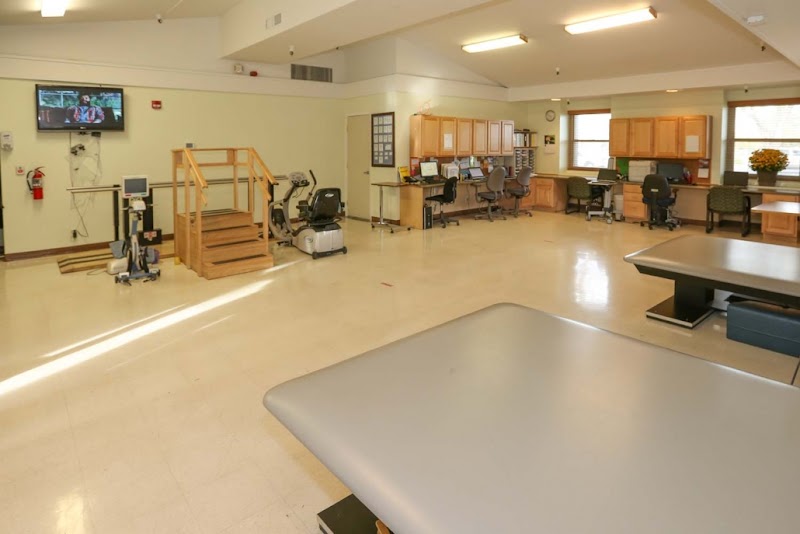
Who Owns and Operates Rosewood Rehabilitation Center?

ROSEWOOD REHABILITATION CENTER is owned by a for-profit company. For-profit facilities operate as businesses with obligations to shareholders or private owners. The facility is operated by THE ENSIGN GROUP, a chain that manages multiple nursing homes. With 99 certified beds and approximately 76 residents (about 77% occupancy), it is a smaller facility located in RENO, Nevada.
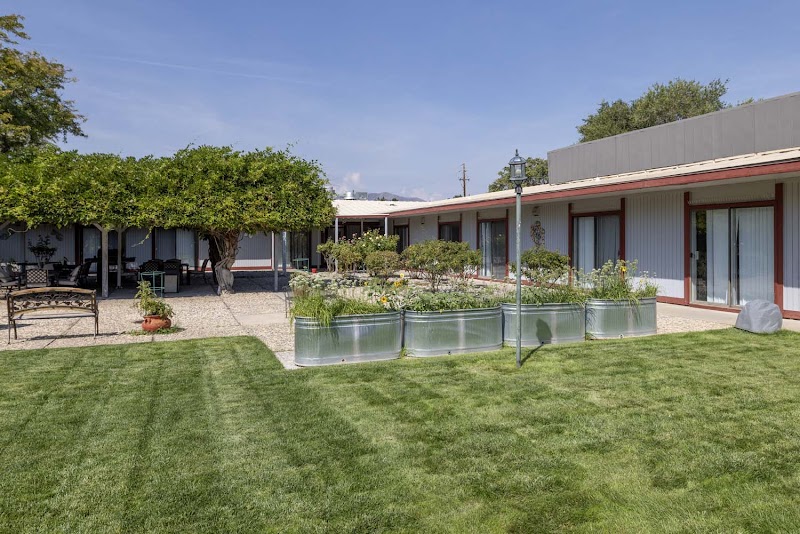
How Does Rosewood Rehabilitation Center Compare to Other Nevada Nursing Homes?

Compared to the 100 nursing homes in Nevada, ROSEWOOD REHABILITATION CENTER's overall rating (2 stars) is below the state average of 3.0, staff turnover (39%) is near the state average of 46%, and health inspection rating (2 stars) is below the national benchmark.

What Should Families Ask When Visiting Rosewood Rehabilitation Center?

Based on this facility's data, families visiting should ask: "What changes have been made since the serious inspection findings, and how are you preventing similar issues?" "Can you walk me through typical staffing levels on day, evening, and night shifts?" "Can I visit during a mealtime to observe dining assistance and food quality?" "How do you handle medical emergencies, and what is your hospital transfer rate?" These questions are particularly relevant given the facility's Immediate Jeopardy citations and the below-average staffing rating.

Is Rosewood Rehabilitation Center Safe?

Based on CMS inspection data, ROSEWOOD REHABILITATION CENTER has documented safety concerns. Inspectors have issued 2 Immediate Jeopardy citations (the most serious violation level indicating risk of serious injury or death). The facility has a 2-star overall rating and ranks #100 of 100 nursing homes in Nevada. Families considering this facility should ask detailed questions about what corrective actions have been taken since these incidents.

Do Nurses at Rosewood Rehabilitation Center Stick Around?

ROSEWOOD REHABILITATION CENTER has a staff turnover rate of 39%, which is about average for Nevada nursing homes (state average: 46%). Moderate turnover is common in nursing homes, but families should still ask about staff tenure and how the facility maintains care continuity when employees leave.

Was Rosewood Rehabilitation Center Ever Fined?

ROSEWOOD REHABILITATION CENTER has been fined $14,570 across 1 penalty action. This is below the Nevada average of $33,225. While any fine indicates a compliance issue, fines under $50,000 are relatively common and typically reflect isolated problems that were subsequently corrected. Families should ask what specific issues led to these fines and confirm they've been resolved.

Is Rosewood Rehabilitation Center on Any Federal Watch List?

ROSEWOOD REHABILITATION CENTER is not on any federal watch list. The most significant is the Special Focus Facility (SFF) program, which identifies the bottom 1% of nursing homes nationally based on persistent, serious quality problems. Not being on this list means the facility has avoided the pattern of deficiencies that triggers enhanced federal oversight. This is a positive indicator, though families should still review the facility's inspection history directly.