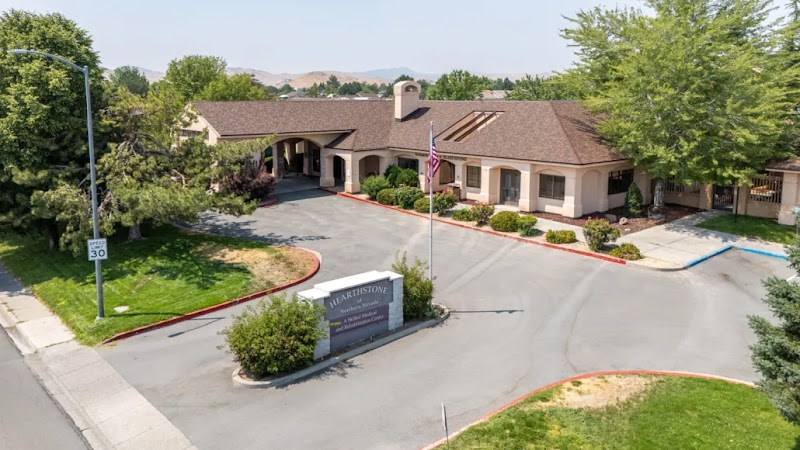
HEARTHSTONE

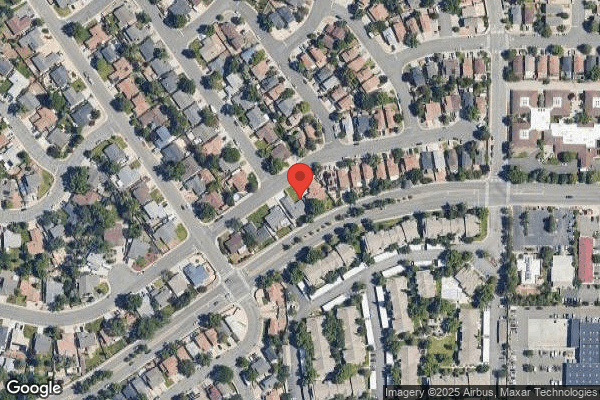
1950 BARING BLVD, SPARKS, NV 89434 (775) 626-2224
For profit - Corporation 125 Beds THE ENSIGN GROUP Data: November 2025 1 Immediate Jeopardy citation
Trust Grade
8/100
#55 of 65 in NV
Last Inspection: March 2025

Within standard 12-15 month inspection cycle. Federal law requires annual inspections.

Overview

Hearthstone nursing home in Sparks, Nevada, has received a Trust Grade of F, indicating significant concerns regarding the quality of care provided. Ranked #55 out of 65 facilities in Nevada and #7 out of 9 in Washoe County, it is in the bottom half of local options. While the facility is showing an improving trend, reducing issues from 25 to 15 over the last year, it still faces serious challenges, including a concerning $78,254 in fines, which is higher than 92% of Nevada facilities. Staffing is average with a turnover rate of 39%, better than the state average, but there are troubling incidents, such as a resident receiving CPR despite a Do Not Resuscitate order and another choking on food due to lack of supervision. Overall, while there are some strengths, such as an improving trend and acceptable staffing levels, families should be cautious given the serious violations and poor trust rating.

Trust Score
F
8/100
In Nevada
#55/65
Bottom 16%
Safety Record
High Risk
Review needed
Inspections
Getting Better
25 → 15 violations
Staff Stability
○ Average
39% turnover. Near Nevada's 48% average. Typical for the industry.
Penalties
✓ Good
$78,254 in fines. Lower than most Nevada facilities. Relatively clean record.
Skilled Nurses
○ Average
Each resident gets 36 minutes of Registered Nurse (RN) attention daily — about average for Nevada. RNs are the most trained staff who monitor for health changes.
Violations
⚠ Watch
72 deficiencies on record. Higher than average. Multiple issues found across inspections.
★☆☆☆☆
1.0
Overall Rating
★★★☆☆
3.0
Staff Levels
★★★★☆
4.0
Care Quality
★☆☆☆☆
1.0
Inspection Score
Stable
2024: 25 issues
2025: 15 issues

The Good

  • 4-Star Quality Measures · Strong clinical quality outcomes
  • Full Sprinkler Coverage · Fire safety systems throughout facility
  • No fines on record
  • Staff turnover below average (39%)

    9 points below Nevada average of 48%

Facility shows strength in quality measures, fire safety.

The Bad

1-Star Overall Rating

Below Nevada average (3.0)

Significant quality concerns identified by CMS

Staff Turnover: 39%

Near Nevada avg (46%)

Typical for the industry

Federal Fines: $78,254

Well above median ($33,413)

Moderate penalties - review what triggered them

Chain: THE ENSIGN GROUP

Part of a multi-facility chain

Ask about local staffing decisions and management

The Ugly 72 deficiencies on record

1 life-threatening 2 actual harm
Mar 2025 15 deficiencies
CONCERN (D) 📢 Someone Reported This

A family member, employee, or ombudsman was alarmed enough to file a formal complaint

Potential for Harm - no one hurt, but risky conditions existed

Resident Rights (Tag F0550)

Could have caused harm · This affected 1 resident

**NOTE- TERMS IN BRACKETS HAVE BEEN EDITED TO PROTECT CONFIDENTIALITY** Based on interview, clinical record review, and document review, the facility failed to ensure a Licensed Practical Nurse (LPN) ...

Read full inspector narrative →
**NOTE- TERMS IN BRACKETS HAVE BEEN EDITED TO PROTECT CONFIDENTIALITY** Based on interview, clinical record review, and document review, the facility failed to ensure a Licensed Practical Nurse (LPN) spoke about a resident in a respectful manner and treated a resident with dignity for 1 of 3 residents sampled related to facility reported incidents (FRI) (Resident #251). This deficient practice had the potential to cause a resident to experience psychosocial harm or mental anguish because of not being treated with respect. Findings include: Resident #251 Resident #251 was admitted to the facility on [DATE], with diagnoses including cognitive communication deficit, anxiety disorder, unspecified, and sepsis due to methicillin susceptible staphylococcus aureus. A FRI, dated 01/28/2025, documented an LPN1 had entered the room of Resident #251 to hang the resident's intravenous (IV) antibiotic. The LPN1 had dropped the IV spike (the sharp end of an IV tube used to puncture an IV bag) into the garbage can and was going to continue to use the IV tubing. Resident #251 had noted to the LPN1 the tubing was contaminated and the LPN1 had responded to the resident the LPN1 would use an alcohol pad on the IV spike. The LPN1 then dropped the IV tubing on the floor, picked up the IV tubing, and was planning to use the IV tubing to administer the antibiotic to Resident #251 and the resident again requested the tubing not be used to administer the resident's antibiotic. LPN1 verbalized the resident was refusing the medication. The LPN1 left the resident's room and then came back with new IV tubing but the resident did not feel safe having the LPN1 hang medication based on the earlier conduct of the LPN1 and feared the LPN1 might have put something in the resident's IV bag. The final report from the facility, dated 01/31/2025, documented the facility had substantiated the allegations. An interview, dated 01/28/2025, conducted by the Assistant Director of Nursing (ADON) with an LPN2 who had worked with LPN1 on 01/28/2025 when the incident with Resident #251 had occurred documented the following: The LPN2 verbalized the LPN1 had not acted professionally. The LPN2 had asked the LPN1 to hang the IV medication for Resident #251. The LPN2 had observed the LPN1 coming out of the resident's room to get new IV tubing and the LPN1 referred to the resident as a derogatory name. The LPN1 continued referring to the resident by a derogatory name. The LPN2 followed the LPN1 into the resident's room and witnessed the LPN1 get angry and respond unprofessionally to Resident #251. Resident #251 had told the LPN1 to get out of the resident's room and the LPN1 left the room while talking about Resident #251. The LPN2 had stayed in the resident's room to speak with the resident and the resident was very upset by the way the resident had been treated by the LPN1. When the LPN2 approached the LPN1 at the nurse's desk, the LPN1 again started referring to Resident #251 by a derogatory name. An interview, dated 01/30/2025, conducted by the ADON with the LPN1documented the following. The LPN1 confirmed the LPN1 had dropped the IV tubing on the floor and the LPN1 informed the resident the LPN1 had an alcohol swab and would use the alcohol swab to clean the IV tubing. The LPN1 retrieved new IV tubing and returned to the resident's room. The resident asked the LPN1 for the LPN1's name and the LPN1 gave the resident the LPN1's name and then walked out of the room. The LPN1 explained the LPN1 was mad. The LPN1 verbalized the LPN1 may have called the resident a derogatory name because the LPN1 was upset. A Progress Note, dated 01/28/2025, documented a nurse had come to hang the resident's scheduled IV. The nurse had come out to the nursing station to request new IV tubing. The nurse had stated the patient refused to let the nurse reuse the IV tubing after the tubing was on the floor because it had been contaminated. The nurse documenting the progress note went into the resident's room to speak with the resident and apologize for the incident between the resident and the nurse. The resident was upset about the nurse being unprofessional. A Social Services note, dated 01/30/2025, documented the resident claimed the resident had never been treated the way the nurse had treated the resident on 01/28/2025 and felt the nurse was extremely hostile. On 02/26/2025 at 11:50 AM, the Director of Nursing Services (DNS) verbalized the LPN1 had dropped the IV tubing for Resident #251 on the floor when preparing to administer an IV antibiotic on 01/28/2025. The resident had brought the issue to the nurse's attention and the nurse had told the resident the nurse would wipe the tubing with an alcohol swab and the tubing would be safe to use. The DNS confirmed it would not have been okay to use the tubing after the IV spike had touched the floor. On 02/26/2025 at 12:02 PM, the Executive Director verbalized the facility had substantiated the events from the allegations in the FRI. The facility document titled Resident Rights, undated, documented a resident in the facility would have the right to be treated with respect and dignity. FRI #NV00073280
CONCERN (D)

Potential for Harm - no one hurt, but risky conditions existed

Assessment Accuracy (Tag F0641)

Could have caused harm · This affected 1 resident

**NOTE- TERMS IN BRACKETS HAVE BEEN EDITED TO PROTECT CONFIDENTIALITY** Based on interview, clinical record review, and interview, the facility failed to ensure the accuracy of a Minimum Data Set 3.0 ...

Read full inspector narrative →
**NOTE- TERMS IN BRACKETS HAVE BEEN EDITED TO PROTECT CONFIDENTIALITY** Based on interview, clinical record review, and interview, the facility failed to ensure the accuracy of a Minimum Data Set 3.0 (MDS) assessment for 1 of 3 closed records sampled residents (Resident #99). This deficient practice had the potential to deprive the resident of necessary needs and services relative to their current health management needs upon discharge home. Findings include: Resident #99 Resident #99 was admitted to the facility on [DATE], and discharged on 12/18/2024, with diagnoses including encounter for surgical aftercare following surgery on the digestive system, cognitive communication deficit, prediabetes, and other abnormalities of gait and mobility. A Nursing Progress Note dated 12/18/2024, documented the resident was discharged home with all medications and belongings. A discharge MDS assessment dated [DATE], Section A - Discharge Status, documented the resident was discharged short-term to the hospital. On 02/25/2025 at 12:46 PM, the MDS Coordinator explained the MDS assessments were used to gather information for plan of care accuracy. Once information was gathered, the information was used for reimbursement and quality measures. The accuracy of MDS assessments were important to ensure proper care of residents at the level of care needed. The MDS Coordinator confirmed Resident #99's discharge MDS assessment documented the resident was discharged to the hospital and was incorrect. The MDS assessment should have accurately documented the resident was discharged home. The facility policy titled Resident Assessment and Associated Processes, last revised 12/2023, documented the facility would electronically transmit encoded, accurate, and complete MDS data to the Centers for Medicare & Medicaid Services (CMS) system. Transmission of the MDS data would include the discharge documents. The MDS data was electronically signed in the clinical health record.
CONCERN (D)

Potential for Harm - no one hurt, but risky conditions existed

Comprehensive Care Plan (Tag F0656)

Could have caused harm · This affected 1 resident

**NOTE- TERMS IN BRACKETS HAVE BEEN EDITED TO PROTECT CONFIDENTIALITY** Based on observation, interview, clinical record review, and document review, the facility failed to ensure: 1) a resident's beh...

Read full inspector narrative →
**NOTE- TERMS IN BRACKETS HAVE BEEN EDITED TO PROTECT CONFIDENTIALITY** Based on observation, interview, clinical record review, and document review, the facility failed to ensure: 1) a resident's behaviors of threatening staff members with physical and sexual violence were care planned for 1 of 22 sampled residents (Resident #78). This deficient practice had the potential to result in staff working with the resident being unaware of the resident's behaviors and the resident's behaviors worsening or escalating with no interventions in place, 2) edema and the use of diuretic medications were care planned for 1 of 22 sampled residents (Resident #83). This deficient practice had the potential to result in staff working with the resident to be unaware of the need to monitor the resident for edema, provide medications (diuretic) as indicated, and monitor for adverse side effects of the medication. Findings include: Resident #78 Resident # 78 was admitted to the facility on [DATE], and readmitted on [DATE], with diagnoses including alcohol dependence with alcohol-induced persisting dementia, schizoaffective disorder, unspecified, and hallucinations, unspecified. A Nursing Progress Note, dated 01/06/2025, documented the resident used profane language toward a License Practical Nurse (LPN) and called the LPN derogatory names. The resident told the LPN to get on the LPN's knees and perform a sexual act for the resident and apologize to the resident until the resident was tired of the LPN. The resident yelled and blocked the LPN from leaving the area. The resident threatened to break the LPN's face and was using numerous expletives. The resident then threatened to catch the LPN off-guard and rape the LPN. A Nursing Progress Note, dated 01/09/2025, documented the resident approached the LPN and started laughing while calling the LPN a derogatory name. A Nursing Progress Note, dated 01/15/2025, documented the LPN walked by Resident #78 and the resident called the LPN a derogatory name. The LPN walked away from the resident to avoid any further comments from the resident as the resident's use of derogatory language towards the LPN and other staff was an ongoing concern. The resident then threatened to rape the LPN and told the LPN the resident would wait for the LPN outside and would torture the LPN. The resident then referred to the LPN as a derogatory name in Spanish. A Nursing Progress Note, dated 01/30/2025, documented the resident walked by an LPN at a nurse's station and called the nurse a derogatory name. The Director of Nursing Services (DNS) and other staff were witnesses. The Care Plan for Resident #78 did not include the behaviors of threatening staff. On 02/26/2025 at 12:42 PM, the LPN verbalized the resident had snapped and the resident began making violent threats toward the LPN when the LPN had taken the resident's alcohol away. On 02/26/2025 at 4:08 PM, the Director of Nursing Services (DNS) verbalized the resident's behavior of making threats of sexual violence against staff should have been care planned for the safety of residents, visitors, and staff. The DNS confirmed the Care Plan did not include the behaviors and the behaviors should have been included on the Care Plan. The facility policy titled Comprehensive Person-Centered Care Planning, revised 12/2023, documented a comprehensive person-centered care plan would be developed for each resident and would include measurable objectives and timeframes to meet a resident's medical, nursing, mental and psychosocial needs. Cross reference with tag F740 Resident #83 Resident #83 was admitted to the facility on [DATE] with diagnoses including chronic obstructive pulmonary disease, acute on chronic diastolic (congestive ) heart failure, and chronic kidney disease, stage 2, mild. The resident's list of diagnoses did not include edema. A Provider Visit note dated 02/21/2025, documented Resident #83 complained of significant edema. Edema was noted by the provider and a new order for furosemide 20 milligrams (mg) daily for edema was documented. On 02/24/2025 at 2:37 PM, Resident #83 complained of edema to bilateral lower extremities (BLE). Resident #83 verbalized the resident was not being provided medication for edema. Resident #83 had notable edema to the resident's BLE. Resident #83's clinical record did not include any additional documentation related to edema. Resident #83's physician's orders did not include an order for furosemide 20 mg daily for edema. On 02/262025 at 9:35 AM, LPN2 verbalized nurse entered care plans as needed and the care plans were reviewed by the Assistant Director of Nursing and/or the DNS. The LPN was not able to locate a care plan related to edema and/or the use of diuretic medications. One 02/27/2025 at 9:31 AM, the DNS confirmed Resident #83's Comprehensive Care Plan did not include a care plan related to edema or the use of diuretic medications. The facility policy titled Comprehensive Person-Centered Care Planning, revised 12/2023, documented a comprehensive person-centered care plan would be developed for each resident and would include measurable objectives and timeframes to meet a resident's medical, nursing, mental and psychosocial needs. Cross reference with tag F684
CONCERN (D)

Potential for Harm - no one hurt, but risky conditions existed

Quality of Care (Tag F0684)

Could have caused harm · This affected 1 resident

**NOTE- TERMS IN BRACKETS HAVE BEEN EDITED TO PROTECT CONFIDENTIALITY** Based on interview, clinical record review, and document review the facility failed to ensure a medication ordered for edema was...

Read full inspector narrative →
**NOTE- TERMS IN BRACKETS HAVE BEEN EDITED TO PROTECT CONFIDENTIALITY** Based on interview, clinical record review, and document review the facility failed to ensure a medication ordered for edema was entered into a resident's order set and Medication Administration Record (MAR) for 1 of 22 sampled residents (Resident #83). This deficient practice resulted in the resident not receiving the medication and continuing to have edema and discomfort and the potential to result in an exacerbation of chronic illnesses. Findings include: Resident #83 Resident #83 was admitted to the facility on [DATE], with diagnoses including chronic obstructive pulmonary disease (COPD) and acute on chronic diastolic (congestive) heart failure (CHF), and pain, unspecified. The resident's diagnoses list did not include a diagnosis for edema. On 02/24/2025 at 2:37 PM, Resident #83 complained of edema to bilateral lower extremities (BLE). Resident #83 verbalized the resident was not being provided medication for edema. Resident #83 had notable edema to the resident's BLE. A Provider Visit note dated 02/21/2025, documented Resident #83 complained of significant edema. Edema was noted by the provider and a new order for furosemide 20 milligrams (mg) daily for edema was documented. Resident #83's clinical record did not include any additional documentation related to edema. Resident #83's physician's orders did not include an order for furosemide 20 mg daily for edema. On 2/26/2025 at 3:30 PM, a Licensed Practical Nurse (LPN) explained when providers ordered a new medication, the order was given to the resident's nurse, and the nurse entered the order into the resident's electronic health record (EHR) and faxed it to the pharmacy. The LPN confirmed Resident #83's orders did not include an order for furosemide. 02/27/25 at 8:24 AM, Resident #83 complained of edema and discomfort to the resident's BLE and was observed to have swelling consistent with edema to the resident's BLE. On 02/27/25 at 8:32 AM, the Director of Nursing Services (DNS) assessed Resident #83's BLE for edema and confirmed the resident had BLE edema. The DNS verbalized the edema was 1 to 2 plus (+) pitting edema and described the resident's feet and legs as feeling tight. On 02/27/25 at 9:06 AM, the DNS confirmed Resident #83's EHR included a providers note dated 02/21/2025, and the provider's note documented the resident was to have an order for furosemide 20 mg. The DNS was not sure why the order was not entered into the resident's order set and MAR. On 02/27/25 at 9:08 AM, the provider, an Advanced Practice Registered Nurse (APRN) verbalized when the APRN ordered new medications, the order was given to the resident's nurse verbally and in writing. The APRN confirmed the order for furosemide 20 mg for edema, should have been entered into Resident #83's EHR by the nurse on 02/21/2025 and administered to the resident. On 02/27/25 at 9:21 AM, the DNS confirmed the order for furosemide should have been entered into Resident #83's EHR and implemented on 02/21/2025 as ordered by the resident's provider. The DNS explained not implementing the order could have led to increased edema, an exacerbation of congestive heart failure and/or chronic obstructive pulmonary disease, increased pain and discomfort. The facility policy titled Nursing Policies and Procedures, dated 07/01/2016, documented nurses recorded the actual order received from the provider into the resident's medical record immediately.
CONCERN (D)

Potential for Harm - no one hurt, but risky conditions existed

Deficiency F0697 (Tag F0697)

Could have caused harm · This affected 1 resident

**NOTE- TERMS IN BRACKETS HAVE BEEN EDITED TO PROTECT CONFIDENTIALITY** Based on observation, interview, clinical record review, and document review the facility failed to ensure a resident's pain was...

Read full inspector narrative →
**NOTE- TERMS IN BRACKETS HAVE BEEN EDITED TO PROTECT CONFIDENTIALITY** Based on observation, interview, clinical record review, and document review the facility failed to ensure a resident's pain was managed, a physician was notified when pain medication was not effective and/or the resident's pain exceeded the parameters of the medication ordered for 1 of 22 sampled residents (Resident #83). This deficient practice could have the potential for unrelieved pain, discomfort, and inadequate pain management. Resident #83 Resident #83 was admitted to the facility on [DATE], with diagnoses including pain, unspecified, pain in left hip, cellulitis of left upper limb, restless leg syndrome, pain in left hip, and pain in right hip. A physician's order dated 04/19/2024, documented acetaminophen tablet 325 milligrams (mg). Give one tablet by mouth every four hours as needed for mild pain/headache not to exceed three grams per day. Resident #83's Medication Administration Record (MAR) for February 2025, documented the resident was administered one tablet of acetaminophen 325 mg for pain levels greater than 0-3 out 10 on a numeric pain scale of 10 as follows: -On 02/14/2025 at 3:57 PM, one 325 mg tablet of acetaminophen was administered for a pain level of 4 out 10. -On 02/15/2025 at 5:57 PM, one 325 mg tablet of acetaminophen was administered for a pain level of 5 out 10. -On 02/18/2025 at 12:15 AM, one 325 mg tablet of acetaminophen was administered for a pain level of 5 out 10. -On 02/20/2025 at 6:35 PM, one 325 mg tablet of acetaminophen was administered for a pain level of 7 out of 10. -On 02/23/2025 at 2:57 PM, one 325 mg tablet of acetaminophen was administered for a pain level of 10 out of 10. -On 02/24/2025 at 12:45 AM, one 325 mg tablet of acetaminophen was administered for a pain level of 5 out of 10. -On 02/24/2025 at 6:34 PM, one 325 mg tablet of acetaminophen was administered for a pain level of 5 out of 10. -On 02/25/2025 at 5:34 AM, one 325 mg tablet of acetaminophen was administered for a pain level of 4 out of 10. -On 02/26/2025 at 6:06 AM, one 325 mg tablet of acetaminophen was administered for a pain level of 6 out of 10. -On 02/26/2025 at 1:03 AM, one 325 mg tablet of acetaminophen was administered for a pain level of 6 out of 10. The MAR lacked documented evidence the resident's pain was reassessed to ensure efficacy of the medication. On 02/24/2025 at 2:30 PM, Resident #83 verbalized the resident had a history of knee replacement and had frequent knee pain. Resident #83 explained the resident's only ordered pain medication was acetaminophen and the medication did not effectively manage the resident's pain. On 02/26/2025 at 3:20 PM, a Licensed Practical Nurse (LPN) verbalized orders for pain medication instructed to give pain medication for either mild, moderate, and/or severe pain. The LPN explained a numeric scale of 0 - 10 was used to assess the severity of a resident's pain. Mild pain was 1-3/10, moderate pain was 4-6/10, and severe pain was 7-10/10. The LPN verbalized if a resident reported a pain level the resident's pain medication was not prescribed for, the expectation was the nurse would contact the resident's provider for instructions and/or new orders to treat the reported level of pain. On 02/26/2025 at 3:23 PM, the LPN reviewed Resident #83's MAR for February and confirmed pain levels documented above three, were moderate to severe pain and the resident's pain medication (acetaminophen) was prescribed for mild pain (1-3/10). On 02/26/2025 at 3:49 PM, the Director of Nursing Services (DNS) verbalized a pain rated as 0-3 on a numeric scale of 10 was mild pain and confirmed pain rated as 4 -10/10 was moderate to severe pain and was not to be considered mild pain. The expectation was when a resident reported a pain level outside of the parameters of the resident's prescribed pain medication, the nurse would contact the provider for instructions and/or new orders. On 02/27/2025 at 8:24 AM, Resident #83 complained of 10/10 knee pain and 8/10 neck and shoulder pain at rest, increasing to 10/10 with movement. The resident verbalized the pain was keeping the resident awake at night, limiting the resident's range of motion, and limiting the resident's ability to do things the resident enjoyed. The resident verbalized the facility was aware of the resident's pain but had not done anything to help alleviate the pain. The facility policy titled Pain Management, dated 05/05/2023, documented pain was whatever the experiencing person said it was and existed whenever the experiencing person said it did. Ongoing evaluations of a resident's pain was competed each shift and documented on the resident's MAR. Based on the evaluation, interventions were developed, implemented, monitored, and revised as necessary to prevent or manage the resident's pain.
CONCERN (D)

Potential for Harm - no one hurt, but risky conditions existed

Deficiency F0730 (Tag F0730)

Could have caused harm · This affected 1 resident

Based on interview and personnel record review, the facility failed to ensure a Certified Nursing Assistant (CNA) had an annual performance evaluation completed timely for 2 of 2 CNAs employed greater...

Read full inspector narrative →
Based on interview and personnel record review, the facility failed to ensure a Certified Nursing Assistant (CNA) had an annual performance evaluation completed timely for 2 of 2 CNAs employed greater than one year, sampled for personnel record review (Employee #7, and #8). Findings include: Employee #7 Employee #7 was hired on 01/01/2024, as a CNA. Employee #7's personnel record lacked documented evidence an annual performance review had been conducted by the employee's anniversary date of 01/01/2025. Employee #8 Employee #8 was hired on 01/01/2024, as a CNA. Employee #8's personnel record documented an annual performance review had been conducted on 02/25/2025, 55 days after the employee's anniversary date of 01/01/2025. On 02/25/2025 at 12:56 PM, the Human Resources Manager confirmed Employee's #7 did not have an annual performance evaluation for 2025 and Employee #8's annual performance evaluation for 2025 was completed late. The Human Resources Manager verbalized all CNAs were required to have an evaluation every year by the hire anniversary date and they were to be completed by the Director of Nursing. The Facility policy titled Performance Evaluations, revised 07/2010, documented performance evaluations would occur on but not limited to the employee's annual date of hire anniversary.
CONCERN (D)

Potential for Harm - no one hurt, but risky conditions existed

Deficiency F0740 (Tag F0740)

Could have caused harm · This affected 1 resident

**NOTE- TERMS IN BRACKETS HAVE BEEN EDITED TO PROTECT CONFIDENTIALITY** Based on observation, interview, clinical record review, and document review, the facility failed to ensure a resident's behavio...

Read full inspector narrative →
**NOTE- TERMS IN BRACKETS HAVE BEEN EDITED TO PROTECT CONFIDENTIALITY** Based on observation, interview, clinical record review, and document review, the facility failed to ensure a resident's behaviors of threatening staff members with physical and sexual violence were monitored per facility policy for 1 of 22 sampled residents (Resident #78). This deficient practice had the potential to result in a resident's behaviors worsening or escalating with no monitoring in place. Findings include: Resident #78 Resident # 78 was admitted to the facility on [DATE], and readmitted on [DATE], with diagnoses including alcohol dependence with alcohol-induced persisting dementia, schizoaffective disorder, unspecified, and hallucinations, unspecified. A Nursing Progress Note, dated 01/06/2025, documented the resident used profane language toward the Licensed Practical Nurse (LPN) and called the LPN derogatory names. The resident told the LPN to get on the LPN's knees and perform a sexual act for the resident and apologize to the resident until the resident was tired of the LPN. The resident yelled and blocked the LPN from leaving the area. The resident threatened to break the LPN's face and was using numerous expletives. The resident then threatened to catch the LPN off-guard and rape the LPN. The task for Behavior Monitoring, documented the resident had no behaviors observed on 01/06/2025. A Nursing Progress Note, dated 01/09/2025, documented the resident approached the LPN and started laughing while calling the LPN a derogatory name. The task for Behavior Monitoring, documented the resident had no behaviors observed on 01/09/2025. A Nursing Progress Note, dated 01/15/2025, documented the LPN walked by Resident #78 and the resident called the LPN a derogatory name. The LPN walked away from the resident to avoid any further comments from the resident as the resident's use of derogatory language towards the LPN and other staff was an ongoing concern. The resident then threatened to rape the LPN and told the LPN the resident would wait for the LPN outside and would torture the LPN. The resident then referred to the LPN as a derogatory name in Spanish. The task for Behavior Monitoring, documented the resident had no behaviors observed on 01/15/2025. The Care Plan for Resident #78 did not include the behaviors of threatening staff. On 02/26/2025 at 12:42 PM, the LPN verbalized the resident had snapped and the resident began making violent threats toward the LPN when the LPN had taken the resident's alcohol away. On 02/26/2025 at 4:08 PM, the Director of Nursing Services (DNS) verbalized the resident's behavior of making threats of sexual violence against staff should have been care planned with interventions for the safety of residents, visitors, and staff. The DNS confirmed the Care Plan did not include the behaviors and the behaviors should have been included on the Care Plan. The DNS verbalized behavior monitoring should have included documentation of the behaviors for each day a behavior occurred. The facility policy titled Documentation - Licensed Nursing, revised 01/01/2016, documented behaviors would be documented and tracked as they occurred using the appropriate behavior tracking forms. Cross reference with tag F656
CONCERN (D)

Potential for Harm - no one hurt, but risky conditions existed

Administration (Tag F0835)

Could have caused harm · This affected 1 resident

Based on observation, document review, and interview the facility failed to demonstrate effective administration by not ensuring pre and post dialysis assessments, documentation of the assessments, an...

Read full inspector narrative →
Based on observation, document review, and interview the facility failed to demonstrate effective administration by not ensuring pre and post dialysis assessments, documentation of the assessments, and communication with the dialysis center were completed and correctly documented. This deficient practice resulted in a substandard quality of care. On 03/03/2025 at 1:13 PM, the Executive Director confirmed the facility lacked a process to ensure pre and post dialysis assessments, documentation of the assessments, and communication with the dialysis center was completed and correctly documented on the facility's Dialysis Communication Record. The Executive Director explained it was important the process was followed to ensure continuity of care between the facility and the dialysis center. On 02/27/2025 at 3:02 PM, the Executive Director verbalized not understanding why the deficient practice was a substandard quality of care. It was explained to the Executive Director the scope and severity of the deficient practice included all of the facility's dialysis patients and was a systemic failure of the facility's dialysis process. The facility policy titled Dialysis-Hemodialysis, revised 07/01/2016, documented the facility staff participated in ongoing communication with the dialysis center by using the Dialysis Communication Form which was filed in the resident's medical record. Cross reference with F698
CONCERN (D)

Potential for Harm - no one hurt, but risky conditions existed

Medical Records (Tag F0842)

Could have caused harm · This affected 1 resident

**NOTE- TERMS IN BRACKETS HAVE BEEN EDITED TO PROTECT CONFIDENTIALITY** Resident #1 Resident #1 was admitted to the facility on [DATE], and readmitted on [DATE], with diagnoses including type two diab...

Read full inspector narrative →
**NOTE- TERMS IN BRACKETS HAVE BEEN EDITED TO PROTECT CONFIDENTIALITY** Resident #1 Resident #1 was admitted to the facility on [DATE], and readmitted on [DATE], with diagnoses including type two diabetes mellitus with diabetic neuropathy, unspecified, unspecified protein-calorie malnutrition, and type two diabetes mellitus with unspecified complications. A Nutrition Interdisciplinary Team note dated 09/10/2024, documented the resident had a 24 pound weight gain in one month and the Registered Dietician was requesting the physician to order labs to check for chronic conditions. A physician's order dated 12/24/2024, documented Ozempic (2 mg/dose) Subcutaneous Solution Pen-Injector 8 mg/3 ml (Semaglutide). Inject 2mg subcutaneously one time a day every Tuesday related to Type two diabetes mellitus with diabetic neuropathy, unspecified. A Nutrition Interdisciplinary Team Update note dated 01/14/2025, documented the resident was on a prescribed weight loss program, the resident was on Ozempic, and the resident was now refusing meals at least once weekly. Resident #1's weight log documented the resident was weighed on 12/07/2024, using a hoyer scale at 247 pounds. On 01/08/2025, using a hoyer scale, the resident weighed 222.4 pounds. This was a 10.12 percent weight loss for one month. The resident was weighed again on 01/28/2025, using a hoyer scale at 211.2 pounds. This was a 5.05 percent weight loss in 20 days. The meal consumption logs for the last 30 days documented the following percentages of food consumed by the resident: -1/28/2025 Breakfast (B)-76-100 percent consumed Lunch (L)-76-100 percent consumed Dinner (D)-resident refused meal -01/29/2025 B-0-25 percent consumed L-resident refused meal D-0-25 percent consumed -01/30/2025 B-no documentation found L-no documentation found D-51-75 percent consumed -01/31/2025 B-resident refused meal L-resident not available D-in the hospital -02/01/2025 B-in the hospital L-in the hospital D-in the hospital -02/02/2025 B-in the hospital L-in the hospital D-in the hospital -02/03/2025 B-in the hospital L-in the hospital D-in the hospital -02/04/2025 B-in the hospital L-in the hospital D-51-75 percent consumed -02/05/2025 B-0-25 percent consumed L-no documentation found D-76-100 percent consumed -02/06/2025 B-51-75 percent consumed L-0-25 percent consumed D-26-50 percent consumed -02/07/2025 B-51-75 percent consumed L-51-75 percent consumed D-no documentation found -02/08/2025 B-51-75 percent consumed L-76-100 percent consumed D-no documentation found -02/09/2025 B-76-100 percent consumed L-76-100 percent consumed D-26-50 percent consumed -02/10/2025 B-76-100 percent consumed L-76-100 percent consumed D-76-100 percent consumed -02/11/2025 B-26-50 percent consumed L-no documentation found D-51-75 percent consumed -02/12/2025 B-no documentation found L-no documentation found D-76-100 percent consumed -02/13/2025 B-no documentation found L-no documentation found D-no documentation found -02/14/2025 B-76-100 percent consumed L-76-100 percent consumed D-no documentation found -02/15/2025 B-76-100 percent consumed L-51-75 percent consumed D-76-100 percent consumed -02/16/2025 B-76-100 percent consumed L-no documentation D-76-100 percent consumed -02/17/2025 B-0-25 percent consumed L-26-50 percent consumed D-76-100 percent consumed -02/18/2025 B-no documentation found L-no documentation found D-76-100 percent consumed -02/19/2025 B-76-100 percent consumed L-76-100 percent consumed D-76-100 percent consumed -02/20/2025 B-no documentation found L-no documentation found D-51-75 percent consumed -02/21/2025 B-26-50 percent consumed L-26-50 percent consumed D-no documentation found -02/22/2025 B-76-100 percent consumed L-no documentation found D-no documentation found -02/23/2025 B-51-75 percent consumed L-76-100 percent consumed D-26-50 percent consumed -02/24/2025 B-76-100 percent consumed L-76-100 percent consumed D-76-100 percent consumed -02/25/2025 B-26-50 percent consumed L-26-50 percent consumed D-76-100 percent consumed On 02/27/2025 at 8:22 AM, the Registered Dietician explained when a resident experienced significant weight loss, the RD will have the percentages consumed documented, contact the resident's physician, add food preferences to the resident's diet, and add supplements if needed. The Registered Dietician verbalized Resident #1 was experiencing significant weight loss related to a medication the resident was taking. As a result, the Registered Dietician asked the percentage of meals be documented for the resident. The Registered Dietician confirmed the meal consumption logs were not completed for each day and meal time and verbalized the documentation was important so the Registered Dietician could figure out what the reasoning was for the weight loss and address the concern so the resident would not experience any health problems related to the weight loss. On 02/27/2025 at 10:02 AM, the Director of Nursing Services (DNS) explained when a resident was identified as experiencing significant weight loss, the Certified Nursing Assistants (CNA) were to document the percentage amount of every meal the resident consumed. It was important for the CNAs to document to be able to determine what issues the resident could be experiencing with the resident's health. The DNS confirmed the meal consumption logs for Resident #1 were not complete and were missing important documentation related to the resident's health. The facility policy titled Nutrition Status Management, last revised 12/2023, documented a resident experiencing weight loss would require a dietary evaluation. The evaluation would include ideal body weight range, usual body weight, current diet order, percentage of food eaten, possible dental problems, current illness, resident likes and dislikes, psychosocial needs, and any other changes in medical conditions that may have an impact on weight loss. Resident #60 Resident #60 was admitted to the facility on [DATE], with diagnoses including end stage renal disease, type 2 diabetes mellitus without complication, renovascular hypertension, and dependence on renal dialysis. A physician's order dated 01/28/2025, documented Hemodialysis: Monday, Wednesday and Friday at 6;15 AM, Special Instructions: vital signs before each session. Send/receive communication form with patient. Medical Records to scan document upon return every day shift every Monday, Wednesday, and Friday. A physician's order dated 01/28/2025, documented Hemodialysis: Monday, Wednesday and Friday at 6:15 AM, Special Instructions: vital signs after each session. Send/receive communication form with patient. Medical Records to scan document upon return every day shift every Monday, Wednesday, and Friday. A physician's order dated 01/28/2025, documented check the access site dressing right chest every shift. The facility Transportation Log documented Resident #60 was transported to dialysis on the following dates: - 01/29/2025 at 5:45 AM - 01/31/2025 at 5:45 AM - 02/03/2025 at 5:45 AM - 02/05/2025 at 5:45 AM - 02/07/2025 at 5:45 AM - 02/10/2025 at 5:45 AM - 02/12/2025 at 5;45 AM - 02/14/2025 at 5:45 AM - 02/17/2025 at 5:45 AM - 02/19/2025 at 5:45 AM - 02/21/2025 at 5:45 AM Resident #60's clinical record documented the following Hemodialysis Communication Records lacked completion: -On 01/29/2025, lacked assessment of the access site prior to dialysis, time of transfer to dialysis, and assessment of the access after dialysis and time of return. -On 02/03/2025, lacked medications given/held before dialysis, assessment of the access site before dialysis, time of transfer to dialysis, all of the dialysis center's clinical information, assessment of the access site after dialysis, nurses signature, title, and time of return. -On 02/05/2025, lacked reason medication held before dialysis, resident's vital signs after dialysis, assessment of access site, nurse's signature, title and time of return. -On 02/07/2025, lacked resident's vital signs prior to leaving, title of person signing form and time of transfer to dialysis, assessment of access on return from dialysis, nurse's signature, title and time of return. -On 02/10/2025, lacked medications given/held, assessment of access site, title of person signing form and time of transfer to dialysis, and all of the dialysis center's clinical information. -On 02/12/2025, lacked medications given/held before dialysis, the resident's vital signs upon return, and assessment of the access site. -On 02/17/2025, lacked reason medication held before dialysis, and title of person signing form after dialysis. -On 02/19/2025, lacked assessment of access site before dialysis, assessment of the access site after dialysis, the nurse's signature, title and time of return. -On 02/21/2025, lacked the resident's post dialysis weight, and the nurse's signature, title and time of return. -On 02/24/2025, lacked medications given/held, assessment of the access site before dialysis, the nurse's signature and time of transfer to dialysis, the resident's weight post dialysis, and the completion of the return section after dialysis, including resident vitals, access assessment, nurse's signature, title and time of return. On 02/26/2025 at 9:32 AM, the DNS verified the Hemodialysis Communication Records were missing the aforementioned vitals signs and/or resident assessments and/or hemodialysis center's clinical assessment information associated with the aforementioned dates. On 02/26/25 at 9:36 AM, the DNS verbalized all residents receiving dialysis were sent with a Dialysis Communication Record. The facility nurse should complete the section prior to sending the resident to dialysis including any medications given or held, resident's vital signs (blood pressure, pulse, respirations, temperature), assessment of the access site, date and time of transfer and the nurse's signature and title. The dialysis center would complete the second section including resident's vital signs, the resident's weight pre and post dialysis, any new orders, dialysis start and ending time, assessment of the access site, any lab work, any recommendations, the dialysis center's address and phone number and the nurse's signature, title and time. Upon return to the facility, the facility nurse would complete the last section including resident's vital signs, access assessment, the nurse's signature, title and time of return. Resident #60's clinical record lacked documented evidence of a Hemodialysis Communication Record for the following dates Resident #60 was transported to dialysis: - 01/29/2025 - 02/14/2025 On 02/27/25 at 10:28 AM, the Assistant Director of Nursing verbalized the ADON expected staff to complete the Hemodialysis Communication Record before and after the resident's dialysis and to ensure the dialysis center completed their portion and if not, to call and have the information sent via facsimile or take a verbal report and document the information in a progress note. The ADON confirmed the facility did not have the Hemodialysis Communication Records for the aforementioned dates and no other documentation was available in the facility to record the required information. The American Heart Association (AHA) journal titled Risk Assessment for Sudden Cardiac Death in Dialysis Patients, Volume 3; Number 5, viewed 2/26/2025, documented patients with end-stage renal disease (ESRD) on long-term dialysis therapy had a very high mortality due to predominantly cardiovascular causes. The single most common form of death in dialysis patients was sudden cardiac death. Dialysis could cause significant sudden shifts in electrolytes and fluid volume and could act as a trigger to initiating life-threatening arrhythmias. Precipitating factors included hyper-hypokalemia, anemia, hypertension, diabetic autonomic neuropathy, rapid fluctuations in volume status and blood pressure around dialysis treatments, atrial dilation from fluid overload, fluctuations in electrolytes including potassium, around or during dialysis treatments, and acute changes in autonomic regulations during dialysis. A Dialysis Transfer Agreement, effective 03/14/2024, documented the Dialysis Center would provide to Facility information on aspects of the management of a Designated Resident's care related to the provision of dialysis services. The Facility would ensure that all appropriate medical, social, administrative, and other information accompany all Designated Residents to include the following: treatment provided to the Designated Resident, appropriate medical records, medications and any changes in a patient's condition (physical or mental), change of medication, and diet or fluid intake. A facility policy titled Hemodialysis Policy, undated, documented the facility would participate in ongoing communication with the dialysis center by using the Dialysis Communication Form filed in the resident's medical record. Based on interview, clinical record review, and document review, the facility failed to ensure a resident's medical record was complete for 6 of 6 sampled residents (Resident #9, #20, #151, #61, #51, and #60), and to accurately document monitoring of a resident with significant weight loss for 1 of 22 sampled residents (Resident #1). The deficient practice had the potential for the resident to experience health risks associated with additional unknown weight loss. Findings include: Resident #9 Resident #9 was admitted to the facility on [DATE] and readmitted on [DATE], with diagnoses including end stage renal disease, type two diabetes mellitus without complications, and heart failure. A physician's order dated 05/31/2024, documented Hemodialysis: Monday-Wednesday-Friday. Special instructions; Vital signs (VS) after each session. Send/receive communication form with patient. Medical Records scan upon return, every day shift, every Monday, Wednesday, and Friday. A physician's order dated 06/04/2024, documented Hemodialysis: Monday-Wednesday-Friday. Special instructions; VS before each session. Send/receive communication form with patient. Medical Records scan upon return, every day shift, every Monday, Wednesday, and Friday The facility Transportation Log documented Resident #9 was transported to dialysis on the following dates: -12/02/2024 -12/27/2024 -12/31/2024 -01/17/2025 -01/27/2025 Resident #9's clinical record lacked a Hemodialysis Communication Form and evidence of the resident's clinical assessments before, during, and after dialysis for the documented dialysis transportation dates. Resident #9's clinical record contained the following incomplete Hemodialysis Communication Forms: -11/04/2024: Lacked the facility nurse pre dialysis access site assessment, pain assessment, medications held/given, signature, title, and time of transfer, the Dialysis Center's temperature measurement, the post dialysis vitals, access site assessment, pain assessment, signature, title, and time of return. -11/22/2024: Lacked the reason medications were not administered, signature, and time of transfer. -12/04/2024: Lacked the facility nurse pre dialysis medications held/given and pain assessment, the Dialysis Center's pain assessment, and the post dialysis pain assessment. -12/13/2024: Lacked the facility nurse pre dialysis medications held/given, access site assessment, and pain assessment, and the post dialysis pain assessment. -12/18/2024: Lacked the facility nurse pre dialysis medications held/given, access site assessment, and pain assessment. -01/06/2025: Lacked the facility nurse pre assessment time of transfer, and the reason why medications were not administered, and the Dialysis Center's pain assessment. -01/10/2025: Lacked the facility nurse pre dialysis assessment time of transfer, and the Dialysis Center's pain assessment, access site assessment, vital signs, pre and post dialysis weights, and dialysis start and end times. -01/24/2025: Lacked the facility nurse post dialysis vitals, pain assessment, access site assessment, signature, title, and date. On 02/26/25 at 1:47 PM, a Licensed Practical Nurse (LPN)/Charge Nurse explained the Hemodialysis Communication Form indicated the nursing facility was responsible for completion of the top portion of the form prior to the resident's treatment and should send the form with the resident to the Dialysis Center. Upon the resident's return from the Dialysis Center, the bottom portion was to be completed by the nursing facility. The Dialysis Center should have completed the middle section and returned the form to the nursing facility after the treatment was completed to advise of the resident's post dialysis status. On 02/26/2025 at 1:51 PM, the LPN/Charge Nurse explained a consequence to an incomplete or missing Hemodialysis Communication Form was the resident could be in trouble metabolically and the form was one way to track what was happening at the time and informing the nurse of what occurred during dialysis. Resident #20 Resident #20 was admitted to the facility on [DATE] and readmitted on [DATE], with diagnoses including type two diabetes mellitus with diabetic chronic kidney disease, dependence on renal dialysis, and acute posthemorrhagic anemia. A physician's order dated 10/07/2024, documented Dialysis every Tuesday, Thursday, and Saturday in the AM, every 48 hours for dialysis. A physician's order dated 10/08/2024, documented Check AV fistula every shift for positive bruit and thrill, access site left upper arm every shift. The facility Transportation Log documented Resident #20 was transported to dialysis on the following dates: -11/09/2024 -11/30/2024 -12/07/2024 -12/21/2024 -12/23/2024 -12/26/2024 -12/28/2024 Resident #20's clinical record lacked a Hemodialysis Communication Form and evidence of the resident's clinical assessments before, during, and after dialysis for the documented dialysis transportation dates. Resident #20's clinical record contained the following incomplete Hemodialysis Communication Forms: -11/12/2024: Lacked the Dialysis Center's access site assessment and pain assessment. -11/14/2024: Lacked the Dialysis Center's access site assessment and pain assessment. -11/23/2024: Lacked the facility nurse post dialysis access site assessment, pain assessment, date and signature. -11/28/2024: Lacked the Dialysis Center's access site assessment, pain assessment, dialysis start and end times, and post dialysis weight and the facility nurse post dialysis pain assessment. -12/14/2024: Lacked the Dialysis Center's access site assessment and the facility nurse post dialysis assessment, vital signs, signature, title and date. -12/31/2024: Lacked the Dialysis Center's access site assessment, post dialysis weight, dialysis start and end times, and the facility nurse's pre dialysis transfer time, the post dialysis access site assessment and vitals. -01/04/2025: Lacked the facility nurse post dialysis assessment, signature, title, and date. -01/07/2025: Lacked the facility nurse pre dialysis access site assessment, medication held/given, pain assessment, and the Dialysis Center's post dialysis weight. -01/16/2025: Lacked the facility nurse pre and post dialysis signatures, titles, time of departure, and post dialysis assessment. -01/23/2025: Lacked the facility nurse pre dialysis medications held/given and time of transfer, the Dialysis Center's access site assessment and pain assessment, and the facility nurse post dialysis access site assessment, vital signs, signature, title, date, and time of return. -01/28/2025: Lacked the Dialysis Center's access site assessment, dialysis start and end times, and pain assessment. -01/30/2025: Lacked the facility nurse pre dialysis time of transfer, the Dialysis Center's access site assessment, pain assessment, and time of assessment, and the facility nurse post dialysis access site assessment, vitals, pain assessment, signature, title and time of return. -02/06/2025: Lacked the facility nurse pre dialysis access site assessment, pain assessment, medications held/given, signature, title, and time of transfer, the Dialysis Center's post dialysis weight, and facility nurse post dialysis access site assessment, pain assessment, signature, title, and time of return. -02/08/2025: Lacked the facility nurse pre dialysis pain assessment and medications held/given, the Dialysis Center's access site assessment, pain assessment, and start and end times for dialysis. -02/13/2025: Lacked the time of transfer to dialysis and the facility nurse post dialysis access site assessment, pain assessment, vitals, signature, title, and date. Resident #151 Resident #151 was admitted to the facility on [DATE] and readmitted on [DATE], with diagnoses including acute and chronic respiratory failure with hypercapnia, anemia in chronic kidney disease, dependence on renal dialysis, and chronic atrial fibrillation, unspecified. A physician's order dated 01/09/2025, documented Hemodialysis: Monday-Wednesday-Friday. Special instructions: VS before each session. Send/receive communication form with patient. Medical Records scanned upon return, every day shift, every Monday, Wednesday, and Friday. A physician's order dated 01/09/2025, documented Hemodialysis: Monday-Wednesday-Friday. Special instructions: VS after each session. Send/receive communication form with patient. Medical Records scanned upon return, every day shift, every Monday, Wednesday, and Friday. Resident #151's clinical record contained the following incomplete Hemodialysis Communication Forms: -01/15/2025: Lacked the facility nurse pre dialysis access site assessment, the Dialysis Center's access site assessment pain assessment, and time of assessment, and the facility nurse access site assessment post dialysis access site assessment, pain assessment, and time of return. -02/12/2025: Lacked the facility nurse pre dialysis access site assessment and time of transfer, the Dialysis Center's complete vital signs, dialysis start and end times, access site assessment and pain assessment, and the facility nurse post dialysis access site assessment. -02/14/2025: Lacked the facility nurse pre dialysis assessment of medications given/held and time of transfer, and the facility nurse post dialysis access site assessment, pain assessment, signature, title, and return time. -02/21/2025: Lacked the Dialysis Center's post dialysis weight and the facility nurse post dialysis access site assessment, pain assessment, vitals, signature, title and return time. -02/24/2025: Lacked the Dialysis Center's access site assessment, pain assessment, resident's temperature, and time of assessment, and the facility nurse access site assessment and pain assessment. -02/26/2025: Lacked the facility nurse pre dialysis assessment of medications given/held, pain assessment, and time of transfer, the Dialysis Center's access site assessment, and the facility nurse post dialysis access site assessment, pain assessment, signature, title and return time. Resident #61 Resident #61 was admitted to the facility on [DATE], with diagnoses including dependence on renal dialysis, type two diabetes mellitus without complications, and atherosclerotic heart disease of native coronary artery, and anemia in other chronic diseases classified elsewhere. A physician's order dated 12/14/2024, documented Hemodialysis: Tuesday, Thursday, Saturday. Special instructions: VS before session. Send/receive communication form with patient. Medical Records to scan upon return, every shift, every Tuesday, Thursday, and Saturday. A physician's order dated 12/14/2024, documented Hemodialysis: Tuesday, Thursday, Saturday. Special instructions: VS after session. Send/receive communication form with patient. Medical Records to scan upon return, every shift, every Tuesday, Thursday, and Saturday. Resident #61's clinical record contained the following incomplete Dialysis Communication Forms: -12/18/2024: Lacked the facility nurse pre dialysis access site assessment and time of transfer, the Dialysis Center's access site assessment, and the facility nurse post dialysis access site assessment. -01/04/2025: Lacked the facility nurse pre dialysis access site assessment, pain assessment, medications given/held, signature, title, and time of transfer, the Dialysis Center's access site assessment and post dialysis weight. -01/08/2025: Lacked the facility nurse pre dialysis access site assessment, the Dialysis Center's vital sign and access site assessments, visit documentation, and the facility nurse post dialysis access site assessment. -01/11/2025: Lacked the facility nurse pre dialysis access site assessment, pain assessment, signature, title and time of transfer, and the Dialysis Center's access site assessment. Resident #51 Resident #51 was admitted to the facility on [DATE] and readmitted on [DATE], with diagnoses including end stage renal disease, type two diabetes mellitus without complications, chronic obstructive pulmonary disease, and anemia in chronic kidney disease. A physician's order dated 02/17/2025, documented Hemodialysis: Monday-Wednesday-Friday. Special instructions: VS before each session. Send/receive communication form with patient. Medical Records to scan upon return, every day shift, every Monday, Wednesday, and Friday. A physician's order dated 02/17/2025, documented Hemodialysis: Monday-Wednesday-Friday. Special instructions: VS after each session. Send/receive communication form with patient. Medical Records to scan upon return, every day shift, every Monday, Wednesday, and Friday. A physician's order dated 02/24/2025, documented Check AV fistula every shift for positive thrill and bruit, access site right upper arm, every shift. The facility Transportation Log documented Resident #51 was transported to dialysis on the following dates: -02/03/2025 -02/05/2025 -02/07/2025 Resident #51's clinical record lacked a Hemodialysis Communication Form and evidence of the resident's clinical assessments before, during, and after dialysis for the documented dialysis transportation dates. Resident #51's clinical record contained the following incomplete Hemodialysis Communication Forms: -02/10/2025: Lacked the pre dialysis medications given/held, the Dialysis Center's access site assessment, pain assessment, pre and post dialysis weight, dialysis start and end times, signature and title. -02/19/2025: Lacked the Dialysis Center's access site assessment, pain assessment, pre and post dialysis weight, dialysis start and end times, signature, title, and time of assessment. A notation on the Dialysis Center portion of the form wrote Dialysis Center did not fill out. -02/21/2025: Lacked the Dialysis Center's post dialysis weight and dialysis start and end times. -02/24/2025: Lacked the facility nurse pre dialysis vital signs, medications held/given, and time of transfer, and the Dialysis Center's access site assessment, pain assessment, vital signs, pre and post dialysis weight, dialysis start and end times, signature, and title. On 02/27/25 at 10:24 AM, the Director of Nursing Services (DNS) explained if a Hemodialysis Communication Record was not present in the clinical chart, it would mean the form was not implemented for the Dialysis visit. The DNS confirmed the missing forms were not present and confirmed the incomplete dialysis visit records for the reviewed residents. The expectation was the form would be filled out for every resident dialysis visit as a tool of communication between the facility and the Dialysis Center. The DNS confirmed if the visit was refused or canceled it should have been documented in a nursing progress note. The DNS explained if the Hemodialysis Communication Record had missing information from the Dialysis Center staff, the charge nurse on duty would call the Dialysis Center and get the information or have the information faxed to the facility. The DNS confirmed it was the responsibility of the charge nurse on duty to verify the Hemodialysis Communication Record was complete and accurately documented the resident's post dialysis status. On 03/03/25 at 12:30 PM, the DNS verbalized the DNS was the Dialysis Coordinator and had the overall responsibility for coordination of dialysis for facility residents.
CONCERN (D)

Potential for Harm - no one hurt, but risky conditions existed

Deficiency F0865 (Tag F0865)

Could have caused harm · This affected 1 resident

Based on interview and document review, the facility's Quality Assurance and Performance Improvement (QAPI) committee failed to identify the facility lacked a process to ensure 1) pre and post dialysi...

Read full inspector narrative →
Based on interview and document review, the facility's Quality Assurance and Performance Improvement (QAPI) committee failed to identify the facility lacked a process to ensure 1) pre and post dialysis assessments, documentation of the assessments, and communication with the dialysis center were completed and correctly documented, and 2) medical records were completed and filed in a manner allowing the facility to easily locate the records and ensure the records were not misfiled and/or lost. This deficient practice resulted in a substandard quality of care related to the facility's dialysis process and keeping of medical records. Findings include: Dialysis On 03/03/2025 at 1:13 PM, the Executive Director confirmed the QAPI committee had not identified the lack of a process to ensure pre and post dialysis assessments, documentation of the assessments, and communication with the dialysis center was completed and correctly documented on the facility's Dialysis Communication Record. The Executive Director explained it was important the process was followed to ensure continuity of care between the facility and the dialysis center. Medical Records On 03/03/2025 at 1:19 PM, the Executive Director confirmed the QAPI committee had not identified a concern related to the keeping of medical records resulting in the facility filing incomplete records, having difficulty locating records and/or not being able to locate records. The Executive Director verbalized it was important to keep accurate records in order to be able to provide appropriate care to residents. The facility policy titles Quality Assurance and Performance Improvement, revised 12/2023, documented the QAPI committee continually assessed the facility's performance using a systematic, interdisciplinary, comprehensive, and stat driven approach to maintain and improve safety and quality in the facility. Quality assurance was both anticipatory and retrospective in it's efforts to identify how the facility was performing, including where and why the facility performance was at risk or had failed to meet standards. Cross Reference with F698 and F842
CONCERN (D)

Potential for Harm - no one hurt, but risky conditions existed

Deficiency F0942 (Tag F0942)

Could have caused harm · This affected 1 resident

Based on personnel record review, interview and document review, the facility failed to ensure resident rights training was completed by staff upon hire for 2 of 16 sampled employees (Employee #13 and...

Read full inspector narrative →
Based on personnel record review, interview and document review, the facility failed to ensure resident rights training was completed by staff upon hire for 2 of 16 sampled employees (Employee #13 and #15). Findings include: Employee #13 Employee #13 was hired as a Licensed Practical Nurse with a start date on 05/07/2024. Employee #13's personnel record lacked documented evidence of resident rights training. Employee #15 Employee #15 was hired as a Certified Nursing Assistant with a start date on 01/08/2025. Employee #15's personnel record lacked documented evidence of resident rights training. On 03/03/2025 at 12:22 PM, the Executive Director verbalized all staff were required to take resident rights training upon hire and confirmed Employee #13 and #15 did not receive resident rights training upon hire. The facility policy titled In Service Training Program, last revised April 2024, documented all personnel must participate in regularly scheduled in-service training classes including patient rights and civil rights.
CONCERN (D)

Potential for Harm - no one hurt, but risky conditions existed

Deficiency F0944 (Tag F0944)

Could have caused harm · This affected 1 resident

Based on interview and document review, the facility failed to ensure facility staff received training on the facility's quality assurance and performance improvement (QAPI) program for 8 of 16 sample...

Read full inspector narrative →
Based on interview and document review, the facility failed to ensure facility staff received training on the facility's quality assurance and performance improvement (QAPI) program for 8 of 16 sampled employees (Employee #1, #3, #4, #7, #8, #9, #13, and #16). Findings include: Employee #1 Employee #1 was hired as the Executive Director with a start date on 01/01/2024. Employee #1's personnel record documented QAPI training dated 01/14/2024 and lacked documented evidence of annual QAPI training for 2025. Employee #3 Employee #3 was hired as the Activity Director with a start date on 01/01/2024. Employee #3's personnel record documented QAPI training dated 01/14/2024 and lacked documented evidence of annual QAPI training for 2025. Employee #4 Employee #4 was hired as the Registered Dietitian with a start date on 01/01/2024. Employee #4's personnel record documented QAPI training dated 01/15/2024 and lacked documented evidence of annual QAPI training for 2025. Employee #7 Employee #7 was hired as a Certified Nursing Assistant (CNA) with a start date on 01/01/2024. Employee #7's personnel record documented QAPI training dated 01/29/2024 and lacked documented evidence of annual QAPI training for 2025. Employee #8 Employee #8 was hired as a CNA with a start date on 01/01/2024. Employee #8's personnel record documented QAPI training dated 01/14/2024 and lacked documented evidence of annual QAPI training for 2025. Employee #9 Employee #9 was hired as a Licensed Practical Nurse (LPN) with a start date on 01/01/2024. Employee #9's personnel record documented QAPI training dated 01/21/2024 and lacked documented evidence of annual QAPI training for 2025. Employee #13 Employee #13 was hired as an LPN with a start date on 05/07/2024. Employee #13's personnel record lacked documented evidence of annual QAPI training for 2024. Employee #16 Employee #16 was hired as a [NAME] with a start date on 01/01/2024. Employee #16's personnel record documented QAPI training dated 01/31/2024 and lacked documented evidence of annual QAPI training for 2025. On 03/03/2025 at 12:22 PM, the Executive Director (ED) verbalized all staff were required to take QAPI training upon hire and annually. The ED confirmed Employee #1, #3, #4, #7, #8, #9, and #16 did not receive annual QAPI training and Employee #13 did not receive QAPI training upon hire. The facility policy titled Quality Assurance and Performance Improvement, last revised 12/2023, documented staff will be educated on QAPI (committee, plan, and performance improvement projects) at the time of hire, as needed, and annually thereafter.
CONCERN (D)

Potential for Harm - no one hurt, but risky conditions existed

Deficiency F0946 (Tag F0946)

Could have caused harm · This affected 1 resident

Based on personnel record review, interview and document review, the facility failed to ensure facility staff received compliance and ethics training for 6 of 16 sampled employees (Employee #1, #3, #4...

Read full inspector narrative →
Based on personnel record review, interview and document review, the facility failed to ensure facility staff received compliance and ethics training for 6 of 16 sampled employees (Employee #1, #3, #4, #6, #7, and #8). Findings include: Employee #1 Employee #1 was hired as the Executive Director with a start date on 01/01/2024. Employee #1's personnel record documented compliance and ethics training dated 01/10/2024 and lacked documented evidence of annual training for 2025. Employee #3 Employee #3 was hired as the Activity Director with a start date on 01/01/2024. Employee #3's personnel record documented compliance and ethics training dated 01/10/2024 and lacked documented evidence of annual training for 2025. Employee #4 Employee #4 was hired as the Registered Dietitian with a start date on 01/01/2024. Employee #4's personnel record documented compliance and ethics training dated 01/14/2024 and lacked documented evidence of annual training for 2025. Employee #6 Employee #6 was hired as the Dietary Supervisor with a start date on 01/01/2024. Employee #6's personnel record documented compliance and ethics training dated 01/17/2024 and lacked documented evidence of annual training for 2025. Employee #7 Employee #7 was hired as a Certified Nursing Assistant (CNA) with a start date on 01/01/2024. Employee #7's personnel record documented compliance and ethics training dated 01/28/2024 and lacked documented evidence of annual training for 2025. Employee #8 Employee #8 was hired as a CNA with a start date on 01/01/2024. Employee #1's personnel record documented compliance and ethics training dated 01/12/2024 and lacked documented evidence of annual training for 2025. On 03/03/2025 at 12:22 PM, the Executive Director (ED) verbalized all staff were required to take compliance and ethics training upon hire and annually. The ED confirmed Employee #1, #3, #4, #6, #7, and #8 did not receive annual compliance and ethics training in 2025. The facility policy titled Compliance Training, last revised May 2019, documented the policy outlines the process and scope of new hire and annual compliance related training for all employees. All employees, new hire and annual refresher training includes the requirements of the Code of Conduct, the Compliance Program, the concepts of fraud, waste and abuse, and reporting of compliance and ethical concerns.
CONCERN (F)

Potential for Harm - no one hurt, but risky conditions existed

Deficiency F0698 (Tag F0698)

Could have caused harm · This affected most or all residents

**NOTE- TERMS IN BRACKETS HAVE BEEN EDITED TO PROTECT CONFIDENTIALITY** Resident #60 Resident #60 was admitted to the facility on [DATE], with diagnoses including end stage renal disease, type 2 diabe...

Read full inspector narrative →
**NOTE- TERMS IN BRACKETS HAVE BEEN EDITED TO PROTECT CONFIDENTIALITY** Resident #60 Resident #60 was admitted to the facility on [DATE], with diagnoses including end stage renal disease, type 2 diabetes mellitus without complication, renovascular hypertension, and dependence on renal dialysis. A physician's order dated 01/28/2025, documented Hemodialysis: Monday, Wednesday and Friday at 6:15 AM, Special Instructions: VS before each session. Send/receive communication form with patient. Medical Records to scan document upon return every day shift every Monday, Wednesday, and Friday. A physician's order dated 01/28/2025, documented Hemodialysis: Monday, Wednesday and Friday at 6:15 AM, Special Instructions: VS after each session. Send/receive communication form with patient. Medical Records to scan document upon return every day shift every Monday, Wednesday, and Friday. A physician's order dated 01/28/2025, documented check the access site dressing right chest every shift. Resident #60's Comprehensive Care Plan dated 02/04/2025, documented Resident #60 required hemodialysis resulting from renal failure with interventions including: - monitor and document for peripheral edema. - monitor/document and report to physician as needed any signs and symptoms of infection to access site: redness, swelling, warmth or drainage. - obtain VS and weight. Report significant changes in pulse, respirations and BP immediately. The facility Transportation Log documented Resident #60 was transported to dialysis on the following dates: - 01/29/2025 at 5:45 AM - 01/31/2025 at 5:45 AM - 02/03/2025 at 5:45 AM - 02/05/2025 at 5:45 AM - 02/07/2025 at 5:45 AM - 02/10/2025 at 5:45 AM - 02/12/2025 at 5;45 AM - 02/14/2025 at 5:45 AM - 02/17/2025 at 5:45 AM - 02/19/2025 at 5:45 AM - 02/21/2025 at 5:45 AM Resident #60's clinical record documented the following Hemodialysis Communication Records lacked completion: -On 01/29/2025, lacked assessment of the access site prior to dialysis, time of transfer to dialysis, and assessment of the access after dialysis and time of return. -On 02/03/2025, lacked medications given/held before dialysis, assessment of the access site before dialysis, time of transfer to dialysis, all of the dialysis center's clinical information, assessment of the access site after dialysis, nurses signature, title, and time of return. -On 02/05/2025, lacked reason medication held before dialysis, resident's VS after dialysis, assessment of access site, nurse's signature, title and time of return. -On 02/07/2025, lacked resident's VS prior to leaving, title of person signing form and time of transfer to dialysis, assessment of access on return from dialysis, nurse's signature, title and time of return. -On 02/10/2025, lacked medications given/held, assessment of access site, title of person signing form and time of transfer to dialysis, and all of the dialysis center's clinical information. -On 02/12/2025, lacked medications given/held before dialysis, the resident's VS upon return, and assessment of the access site. -On 02/17/2025, lacked reason medication held before dialysis, and title of person signing form after dialysis. -On 02/19/2025, lacked assessment of access site before dialysis, assessment of the access site after dialysis, the nurse's signature, title and time of return. -On 02/21/2025, lacked the resident's post dialysis weight, and the nurse's signature, title and time of return. -On 02/24/2025, lacked medications given/held, assessment of the access site before dialysis, the nurse's signature and time of transfer to dialysis, the resident's weight post dialysis, and the completion of the return section after dialysis, including resident vitals, access assessment, nurse's signature, title and time of return. On 02/26/2025 at 9:32 AM, the DNS verified the Hemodialysis Communication Records were missing the aforementioned VS and/or resident assessments and/or hemodialysis center's clinical assessment information associated with the aforementioned dates. On 02/26/25 at 9:36 AM, the DNS verbalized all residents receiving dialysis were sent with a Dialysis Communication Record. The facility nurse should complete the section prior to sending the resident to dialysis including any medications given or held, resident's VS (blood pressure, pulse, respirations, temperature), assessment of the access site, date and time of transfer and the nurse's signature and title. The dialysis center would complete the second section including resident's VS, the resident's weight pre and post dialysis, any new orders, dialysis start and ending time, assessment of the access site, any lab work, any recommendations, the dialysis center's address and phone number and the nurse's signature, title and time. Upon return to the facility, the facility nurse would complete the last section including resident's VS, access assessment, the nurse's signature, title and time of return. Resident #60's clinical record lacked documented evidence of a Hemodialysis Communication Record for the following dates Resident #60 was transported to dialysis: - 01/29/2025 - 02/14/2025 On 02/27/25 at 10:28 AM, the Assistant Director of Nursing verbalized the ADON expected staff to complete the Hemodialysis Communication Record before and after the resident's dialysis and to ensure the dialysis center completed their portion and if not, to call and have the information sent via facsimile or take a verbal report and document the information in a progress note. The ADON confirmed the facility did not have the Hemodialysis Communication Records for the aforementioned dates and no other documentation was available in the facility to record the required information. The American Heart Association (AHA) journal titled Risk Assessment for Sudden Cardiac Death in Dialysis Patients, Volume 3; Number 5, viewed 02/26/2025, documented patients with end-stage renal disease (ESRD) on long-term dialysis therapy had a very high mortality due to predominantly cardiovascular causes. The single most common form of death in dialysis patients was sudden cardiac death. Dialysis could cause significant sudden shifts in electrolytes and fluid volume and could act as a trigger to initiating life-threatening arrhythmias. Precipitating factors included hyper-hypokalemia, anemia, hypertension, diabetic autonomic neuropathy, rapid fluctuations in volume status and blood pressure around dialysis treatments, atrial dilation from fluid overload, fluctuations in electrolytes including potassium, around or during dialysis treatments, and acute changes in autonomic regulations during dialysis. A Dialysis Transfer Agreement, effective 03/14/2024, documented the Dialysis Center would provide to Facility information on aspects of the management of a Designated Resident's care related to the provision of dialysis services. The Facility would ensure that all appropriate medical, social, administrative, and other information accompany all Designated Residents to include the following: treatment provided to the Designated Resident, appropriate medical records, medications and any changes in a patient's condition (physical or mental), change of medication, and diet or fluid intake. A facility policy titled Hemodialysis Policy, undated, documented the facility would participate in ongoing communication with the dialysis center by using the Dialysis Communication Form filed in the resident's medical record. Based on clinical record review, interview and document review, the facility failed to: 1) perform nursing pre and post dialysis assessments and 2) access and maintain completed dialysis communication transfer forms in collaboration with the dialysis provider for 6 of 6 sampled residents on dialysis (Resident # 9, #20, #151, #51, #61, and #60). The deficient practice potentially placed the residents at risk for improper coordination of care between the facility and the dialysis provider. Findings include: Resident #9 Resident #9 was admitted to the facility on [DATE] and readmitted on [DATE], with diagnoses including end stage renal disease, type two diabetes mellitus without complications, and heart failure. Physician orders for Resident #9 documented the following: -05/31/2024: Hemodialysis: Monday-Wednesday-Friday. Special instructions; Vital signs (VS) after each session. Send/receive communication form with patient. Medical Records scan upon return, every day shift, every Monday, Wednesday, and Friday. -06/03/2024: Hemodialysis: Monday-Wednesday-Friday. Special instructions; VS before each session. Send/receive communication form with patient. Medical Records scan upon return, every day shift, every Monday, Wednesday, and Friday. -05/12/2024: check arteriovenous (AV) fistula every shift for positive thrill and bruit, access site right upper arm. Resident #9's Comprehensive Care Plan documented the following dialysis nursing interventions/tasks: -check arteriovenous fistula every day for bruit and thrill, -monitor/document peripheral edema, and -monitor/document/report to physician as needed any signs or symptoms of infection to access site: redness, swelling, warmth, or drainage. The facility Transportation Log documented Resident #9 was transported to dialysis on the following dates: -12/02/2024 -12/27/2024 -12/31/2024 -01/17/2025 -01/27/2025 Resident #9's clinical record lacked a Hemodialysis Communication Form and evidence of the resident's clinical assessments before, during, and after dialysis for the documented dialysis transportation dates. Resident #9's clinical record contained the following incomplete Hemodialysis Communication Forms: -11/04/2024: Lacked the pre dialysis access site assessment, pain assessment, medications held/given, signature, title, and time of transfer, the Dialysis Center's temperature measurement, the post dialysis vitals, access site assessment, pain assessment, signature, title, and time of return. -11/22/2024: Lacked the reason medications were not administered, signature, and time of transfer. -12/04/2024: Lacked the pre dialysis medications held/given and pain assessment, the Dialysis Center's pain assessment, and the post dialysis pain assessment. -12/13/2024: Lacked the pre dialysis medications held/given, access site assessment, and pain assessment, and the post dialysis pain assessment. -12/18/2024: Lacked the pre dialysis medications held/given, access site assessment, and pain assessment. -01/06/2025: Lacked the pre assessment time of transfer, and the reason why medications were not administered, and the Dialysis Center's pain assessment. -01/10/2025: Lacked the pre dialysis assessment time of transfer, and the Dialysis Center's pain assessment, access site assessment, VS, pre and post dialysis weights, and dialysis start and end times. -01/24/2025: Lacked the post dialysis vitals, pain assessment, access site assessment, signature, title, and date. On 02/26/25 at 1:47 PM, a Licensed Practical Nurse (LPN) explained the Hemodialysis Communication Form indicated the nursing facility was responsible for completion of the top portion of the form prior to the resident's treatment and should send the form with the resident to the Dialysis Center. Upon the resident's return from the Dialysis Center, the bottom portion was to be completed by the nursing facility. The Dialysis Center should have completed the middle section and returned the form to the nursing facility after the treatment was completed to advise of the resident's post dialysis status. On 02/26/2025 at 1:51 PM, the LPN explained a consequence to an incomplete or missing Hemodialysis Communication Form was the resident could be in trouble metabolically and the form was one way to track what was happening at the time and informing the nurse of what occurred during dialysis. Resident #20 Resident #20 was admitted to the facility on [DATE] and readmitted on [DATE], with diagnoses including type two diabetes mellitus with diabetic chronic kidney disease, dependence on renal dialysis, and acute posthemorrhagic anemia. Physician orders for Resident #20 documented the following: -10/07/2024: Dialysis every Tuesday, Thursday, and Saturday in the AM, every 48 hours for dialysis. -10/08/2024: Check AV fistula every shift for positive bruit and thrill, access site left upper arm every shift. -10/08/2024: Check the access site dressing to left upper arm every shift. -01/02/2025: Hemodialysis: Tuesday, Thursday, and Saturday. Special instructions; VS before and after each session. Send/receive communication form with patient. Medical Records to scan upon return, every day shift, every Tuesday, Thursday, and Saturday. Resident #20's Comprehensive Care Plan documented the following dialysis nursing interventions/tasks: -check and change dressing daily at access site, document, -check AV fistula every day for bruit and thrill, -monitor/document for peripheral edema, and -monitor/document/report to physician as needed any signs or symptoms of infection to access site: redness, swelling, warmth, or drainage. The facility Transportation Log documented Resident #20 was transported to dialysis on the following dates: -11/09/2024 -11/30/2024 -12/07/2024 -12/21/2024 -12/23/2024 -12/26/2024 -12/28/2024 Resident #20's clinical record lacked a Hemodialysis Communication Form and evidence of the resident's clinical assessments before, during, and after dialysis for the documented dialysis transportation dates. Resident #20's clinical record contained the following incomplete Hemodialysis Communication Forms: -11/12/2024: Lacked the Dialysis Center's access site assessment, pain assessment, and observations. -11/14/2024: Lacked the Dialysis Center's access site assessment, pain assessment, and observations. -11/23/2024: Lacked the facility nurse post dialysis access site assessment, pain assessment, date and signature. -11/28/2024: Lacked the Dialysis Center's access site assessment, pain assessment, dialysis start and end times, and post dialysis weight and the facility nurse post dialysis pain assessment. -12/14/2024: Lacked the Dialysis Center's access site assessment and the facility nurse post dialysis assessment, VS, signature, title and date. -12/31/2024: Lacked the Dialysis Center's access site assessment, post dialysis weight, dialysis start and end times, and the facility nurse's pre dialysis transfer time, the post dialysis access site assessment and vitals. -01/04/2025: Lacked the facility nurse post dialysis assessment, signature, title, and date. -01/07/2025: Lacked the facility nurse pre dialysis access site assessment, medication held/given, pain assessment, and the Dialysis Center's post dialysis weight. -01/16/2025: Lacked the facility nurse pre and post dialysis signatures, titles, time of departure, and post dialysis assessment. -01/23/2025: Lacked the facility nurse pre dialysis medications held/given and time of transfer, the Dialysis Center's access site assessment and pain assessment, and the facility nurse post dialysis access site assessment, VS, signature, title, date, and time of return. -01/28/2025: Lacked the Dialysis Center's access site assessment, dialysis start and end times, and pain assessment. -01/30/2025: Lacked the pre dialysis time of transfer, the Dialysis Center's access site assessment, pain assessment, and time of assessment, and the facility nurse post dialysis access site assessment, vitals, pain assessment, signature, title and time of return. -02/06/2025: Lacked the facility nurse pre dialysis access site assessment, pain assessment, medications held/given, signature, title, and time of transfer, the Dialysis Center's post dialysis weight, and facility nurse post dialysis access site assessment, pain assessment, signature, title, and time of return. -02/08/2025: Lacked the pre dialysis pain assessment and medications held/given, the Dialysis Center's access site assessment, pain assessment, and start and end times for dialysis. -02/13/2025: Lacked the time of transfer to dialysis and the facility nurse post dialysis access site assessment, pain assessment, vitals, signature, title, and date. Resident #151 Resident #151 was admitted to the facility on [DATE] and readmitted on [DATE], with diagnoses including acute and chronic respiratory failure with hypercapnia, anemia in chronic kidney disease, dependence on renal dialysis, and chronic atrial fibrillation, unspecified. Physician orders for Resident #151 documented the following: -01/09/2025: Hemodialysis: Monday-Wednesday-Friday. Special instructions; VS before each session. Send/receive communication form with patient. Medical Records scan upon return, every day shift, every Monday, Wednesday, and Friday. -01/09/2025: Hemodialysis: Monday-Wednesday-Friday. Special instructions; VS after each session. Send/receive communication form with patient. Medical Records scan upon return, every day shift, every Monday, Wednesday, and Friday. -02/19/2025: Receives hemodialysis three times per week on Monday, Wednesday, and Friday. -02/19/2025: Check AV fistula every shift for positive thrill and bruit, access site left AV. -02/19/2025: check the access site dressing to left intrajugular perma-cath, report signs and symptoms of infection to physician, every shift. Resident #151's Comprehensive Care Plan documented the following dialysis nursing interventions/tasks: -pain assessment every shift related to dialysis -monitor and report to physician as needed for any sign or symptom of decreased appetite, nausea/vomiting, complaints of stomach pain. Resident #151's clinical record contained the following incomplete Hemodialysis Communication Forms: -01/15/2025: Lacked the pre dialysis access site assessment, the Dialysis Center's access site assessment pain assessment, and time of assessment, and the facility nurse access site assessment post dialysis access site assessment, pain assessment, and time of return. -02/12/2025: Lacked the facility nurse pre dialysis access site assessment and time of transfer, the Dialysis Center's complete VS, dialysis start and end times, access site assessment and pain assessment, and the facility nurse post dialysis access site assessment. -02/14/2025: Lacked the pre dialysis medications given/held and time of transfer, and the facility nurse post dialysis access site assessment, pain assessment, signature, title, and return time. -02/21/2025: Lacked the Dialysis Center's post dialysis weight and the facility nurse post dialysis access site assessment, pain assessment, vitals, signature, title and return time. -02/24/2025: Lacked the Dialysis Center's access site assessment, pain assessment, resident's temperature, and time of assessment, and the facility nurse access site assessment and pain assessment. -02/26/2025: Lacked the pre dialysis medications given/held, pain assessment, and time of transfer, the Dialysis Center's access site assessment, and the facility nurse post dialysis access site assessment, pain assessment, signature, title and return time. Resident #61 Resident #61 was admitted to the facility on [DATE], with diagnoses including dependence on renal dialysis, type two diabetes mellitus without complications, and atherosclerotic heart disease of native coronary artery, and anemia in other chronic diseases classified elsewhere. Physician orders for Resident #61 documented the following: -12/12/2024: Receives Hemodialysis Tuesday, Thursday, and Saturday. -12/14/2024: Hemodialysis: Tuesday, Thursday, Saturday. Special instructions; VS before session. Send/receive communication form with patient. Medical Records to scan upon return, every shift, every Tuesday, Thursday, and Saturday. -12/14/2024: Hemodialysis: Tuesday, Thursday, Saturday. Special instructions; VS after session. Send/receive communication form with patient. Medical Records to scan upon return, every shift, every Tuesday, Thursday, and Saturday. Resident #61's Comprehensive Care Plan documented the following dialysis nursing interventions/tasks: -Monitor/document for peripheral edema, -Monitor/document/report to physician as needed any signs or symptoms of infection to access site: redness, swelling, warmth, or drainage, -Monitor/document/report to physician as needed for signs and symptoms of renal insufficiency: changes in level of consciousness, changes in skin turgor, oral mucosa, changes in heart and lung sounds, -Report significant changes in pulse, respirations, and blood pressure immediately. Resident #61's clinical record contained the following incomplete Dialysis Communication Forms: -12/18/2024: Lacked the pre dialysis access site assessment and time of transfer, the Dialysis Center's access site assessment, and the facility nurse post dialysis access site assessment. -01/04/2025: Lacked the pre dialysis access site assessment, pain assessment, medications given/held, signature, title, and time of transfer, the Dialysis Center's access site assessment and post dialysis weight. -01/08/2025: Lacked the pre dialysis access site assessment, the Dialysis Center's VS and access site assessments, visit documentation, and the facility nurse post dialysis access site assessment. -01/11/2025: Lacked the pre dialysis access site assessment, pain assessment, signature, title and time of transfer, and the Dialysis Center's access site assessment. Resident #51 Resident #51 was admitted to the facility on [DATE] and readmitted on [DATE], with diagnoses including end stage renal disease, type two diabetes mellitus without complications, chronic obstructive pulmonary disease, and anemia in chronic kidney disease. Physician orders for Resident #51 documented the following: -02/17/2025: Hemodialysis: Monday-Wednesday-Friday. Special instructions; VS before each session. Send/receive communication form with patient. Medical Records to scan upon return, every day shift, every Monday, Wednesday, and Friday. -02/17/2025: Hemodialysis: Monday-Wednesday-Friday. Special instructions; VS after each session. Send/receive communication form with patient. Medical Records to scan upon return, every day shift, every Monday, Wednesday, and Friday. -02/17/2025: Check the access site dressing right upper arm every shift. -02/24/2025: Check AV fistula every shift for positive thrill and bruit, access site right upper arm, every shift. Resident #51's Comprehensive Care Plan documented the following nursing interventions/tasks: -Administer medications as ordered, monitor/document for side effects and effectiveness, -Monitor VS as ordered and record, notify physician of significant abnormalities. The facility Transportation Log documented Resident #51 was transported to dialysis on the following dates: -02/03/2025 -02/05/2025 -02/07/2025 Resident #51's clinical record lacked a Hemodialysis Communication Form and evidence of the resident's clinical assessments before, during, and after dialysis for the documented dialysis transportation dates. Resident #51's clinical record contained the following incomplete Hemodialysis Communication Forms: -02/10/2025: Lacked the pre dialysis medications given/held, the Dialysis Center's access site assessment, pain assessment, pre and post dialysis weight, dialysis start and end times, signature and title. -02/19/2025: Lacked the Dialysis Center's access site assessment, pain assessment, pre and post dialysis weight, dialysis start and end times, signature, title, and time of assessment. A notation on the Dialysis Center portion of the form wrote Dialysis Center did not fill out. -02/21/2025: Lacked the Dialysis Center's post dialysis weight and dialysis start and end times. -02/24/2025: Lacked the pre dialysis VS, medications held/given, and time of transfer, and the Dialysis Center's access site assessment, pain assessment, VS, pre and post dialysis weight, dialysis start and end times, signature, and title. On 02/27/25 at 10:24 AM, the Director of Nursing Services (DNS) explained if a Hemodialysis Communication Record was not present in the clinical chart, it would mean the form was not implemented for the Dialysis visit. The DNS confirmed the missing forms were not present and confirmed the incomplete dialysis visit records for the reviewed residents. The expectation was the form would be filled out for every resident dialysis visit as a tool of communication between the facility and the Dialysis Center. The DNS confirmed if the visit was refused or canceled it should have been documented in a nursing progress note. The DNS explained if the Hemodialysis Communication Record had missing information from the Dialysis Center staff, the charge nurse on duty would call the Dialysis Center and get the information or have the information faxed to the facility. The DNS confirmed it was the responsibility of the charge nurse on duty to verify the Hemodialysis Communication Record was complete and accurately documented the resident's post dialysis status. On 03/03/25 at 12:30 PM, the DNS verbalized the DNS was the Dialysis Coordinator and had the overall responsibility for coordination of dialysis for facility residents.
MINOR (C)

Minor Issue - procedural, no safety impact

Staffing Information (Tag F0732)

Minor procedural issue · This affected most or all residents

Based on observation and interview, the facility failed to ensure current nursing hours was posted for the facility. This deficient practice had the potential to result in a lack of awareness for resi...

Read full inspector narrative →
Based on observation and interview, the facility failed to ensure current nursing hours was posted for the facility. This deficient practice had the potential to result in a lack of awareness for residents and visitors regarding the number of nursing and direct care staff on duty. Findings include: On 02/26/2025 at 11:11 AM, the nursing staff posting for the facility was dated 02/25/2025. The posting of licensed & unlicensed direct care staff for the facility on 02/26/2025 was not posted. On 02/26/25 at 11:14 AM, the Assistant Director of Nursing (ADON) verbalized the Staffing Coordinator was responsible to post the direct care staff posting daily at shift change. On 02/26/2025 at 11:16 AM, the ADON confirmed the nursing staff information was not posted for 02/26/2025.
Mar 2024 24 deficiencies
CONCERN (D)

Potential for Harm - no one hurt, but risky conditions existed

Deficiency F0583 (Tag F0583)

Could have caused harm · This affected 1 resident

**NOTE- TERMS IN BRACKETS HAVE BEEN EDITED TO PROTECT CONFIDENTIALITY** Based on observation, record review, interview, and document review the facility failed to protect privacy for 11 of 54 resident...

Read full inspector narrative →
**NOTE- TERMS IN BRACKETS HAVE BEEN EDITED TO PROTECT CONFIDENTIALITY** Based on observation, record review, interview, and document review the facility failed to protect privacy for 11 of 54 residents residing in the facility's A-Wing (Resident #110, #461, #76, #35, #260, #26, #57, #7, #45, #111 and #89), and failed to ensure resident rights to personal privacy was maintained by not covering a resident's urinary catheter collection bag containing urine for 1 of 21 sampled residents (Resident #76) Findings include: On 03/21/24 at 12:03 PM, the A-wing treatment cart was in the main hub of the facility's A-wing. The treatment cart was unlocked and unattended and contained prescription medications. The pharmacy labels attached to medications included the residents name, the name of the medication, and what the medication was being used for. Additionally, the labels were attached to manufacturer labeled products which further identified the type of medication and what the medication was used for. Resident #110 Resident #110 was admitted to the facility on [DATE] and readmitted on [DATE], with a diagnosis of cutaneous abscess of abdominal wall. A physician's order dated 03/10/24, documented ciclopirox olamine external cream 0.77% (Ciclopirox Olamine). Apply to right shin topically one time a day, every other day for fungal infection. Resident #461 Resident #461 was admitted to the facility on [DATE], with diagnoses of hemarthrosis of the right knee and urinary tract infection, site not specified. A physician's order dated 12/20/23, documented Estrace vaginal (estradiol vaginal) cream 0.1 milligrams (mg) per gram (gm), insert one gram vaginally at bedtime for urinary tract infection per urology. Resident #76 Resident # 76 was admitted to the facility on [DATE] and readmitted on [DATE], with diagnoses including quadriplegia, C5-C7 complete, seborrheic dermatitis, unspecified, pruritis, unspecified, and neuromuscular dysfunction of bladder, unspecified. A physician's order dated 01/26/24, documented ketoconazole external cream 2%, apply to face and scalp topically one time per day for seborrheic dermatitis. A physician's order dated 03/08/24, documented triamcinolone acetonide external cream 0.025% (topical). Apply to facial rash two times per day. A physician's order dated 03/19/24, documented Renacidin irrigation solution (citric acid-gluconolactone-magnesium carbonate), use 60 cubic centimeters (cc) via irrigation two times daily for suprapubic catheter. Resident #35 Resident #35 was admitted to the facility on [DATE], with a diagnosis of unspecified intracranial injury with loss of consciousness of unspecified duration, subsequent encounter. A physician's order dated 02/20/24, documented Lotrisone cream (clotrimazole-betamethasone) 1-0.05%, apply to rash on face topically two times per day. Resident #260 Resident #260 was admitted to the facility on [DATE] and readmitted on [DATE], with diagnoses including quadriplegia, C5-C7 complete and neuromuscular dysfunction of bladder, unspecified. A physician's order dated 03/03/24, acetic acid irrigation solution 0.25%, use 60 ml via irrigation three a day related to neuromuscular dysfunction of bladder, unspecified. Resident #26 Resident #26 was admitted to the facility on [DATE], with a diagnosis of aftercare following explanation of hip joint prosthesis. Resident #26's clinical record lacked documented evidence of a physician's order for the use of Biofreeze. On 03/21/24 at 1:28 PM, the Director of Nursing (DON) explained Biofreeze was found by staff in Resident #26's room and was removed from the resident's room, labeled with the resident's name and room number, and stored in the A-wing treatment cart. The DON confirmed there was not a physician's order for the medication. Resident #57 Resident #57 was admitted to the facility on [DATE], with diagnoses including unspecified complications of amputation stump, age related physical disability, and erythema intertrigo. A physician's order dated 01/04/24, documented antifungal powder, apply to left breast one time daily. A physician's order dated 01/4/24, documented antifungal powder, apply with antifungal ointment to upper back daily. A physician's order dated 01/16/24, documented antifungal powder, apply to neck fold every shift for rash. Resident #7 Resident #7 was admitted to the facility on [DATE], with a diagnosis of cellulitis of left lower limb. A physician's order dated 12/28/23, documented Silvadene 1% cream, apply to left posterior knee daily for posterior knee wound treatment. Resident #45 Resident #45 was admitted to the facility on [DATE], with diagnoses including unspecified obstructive and reflux uropathy and disorder of the skin and subcutaneous tissue, unspecified. A physician's order dated 12/29/23, documented imiquimod external cream 5%, apply topically to sun damaged areas of the skin of the skin one time per day on Monday, Wednesday, and Friday for disorder of the skin and subcutaneous tissue, unspecified. Resident #111 Resident #111 was admitted to the facility on [DATE], and readmitted on [DATE], with diagnoses including acute respiratory failure with hypoxia and rash and other nonspecific skin eruption. A physician's order dated 03/06/24, documented nystatin external powder, apply to groin topically three times a day for rash. Resident #89 Resident #89 was admitted to the facility on [DATE] and readmitted on [DATE], with diagnoses including epilepsy, unspecified, not intractable, without status epilepticus, tinea unguium, and other specified congenital malformations of skin. A physician's order dated 03/11/24, documented ciclodan external solution 8% (Ciclopirox). Apply to fingernails topically at bedtime related to bacteremia/fungal fingernails. A physician's order dated 03/11/24, documented fluorouracil external cream 5% (Fluorouracil). Apply to back topically two times per day related to other specified congenital malformations of skin. On 03/21/24 at 12:24 PM, the Director of Nursing (DON) confirmed the treatment cart was left unsecured and unattended making the contents of the cart accessible to unauthorized staff, residents, and visitors. The DON confirmed the medications were to be stored in a locked area accessible only by authorized staff. The DON confirmed the information contained on some of the medications in the cart was protected healthcare information (PHI) and should have been kept secured and confidential. A facility policy titled HIPAA Privacy and Security Operational Guide, undated, documented PHI was defined as individually identifiable health information maintained by the facility in any form or medium. Cross reference with F761 Urinary Catheter Collection Bag Resident #76 Resident #76 was admitted to the facility on [DATE], with a diagnosis of neuromuscular dysfunction of bladder, unspecified. A physician's order dated 03/08/24, documented suprapubic indwelling catheter, 18 French, 10 cubic centimeter (cc) balloon, every shift, related to neuromuscular dysfunction of bladder, unspecified, and as needed. On 03/18/24 at 9:18 AM, the resident had a urinary catheter collection bag hanging from under the resident's bed. The collection bag contained urine and was uncovered. On 03/18/24 9:37 AM, the Registered Nurse, confirmed the resident's urinary catheter collection bag was uncovered and should have been covered for resident privacy. The facility policy titled, Catheter Drainage Bag, revised 12/2023, documented the procedure for indwelling catheter care included to provide privacy for the resident. The policy lacked specific language related to the covering of the urine collection bag.
CONCERN (D) 📢 Someone Reported This

A family member, employee, or ombudsman was alarmed enough to file a formal complaint

Potential for Harm - no one hurt, but risky conditions existed

Free from Abuse/Neglect (Tag F0600)

Could have caused harm · This affected 1 resident

**NOTE- TERMS IN BRACKETS HAVE BEEN EDITED TO PROTECT CONFIDENTIALITY** Based on clinical record review, interview, and document review the facility failed to ensure 1) a resident was kept safe from v...

Read full inspector narrative →
**NOTE- TERMS IN BRACKETS HAVE BEEN EDITED TO PROTECT CONFIDENTIALITY** Based on clinical record review, interview, and document review the facility failed to ensure 1) a resident was kept safe from verbal abuse by a staff member for 1 of 21 sampled residents (Resident #412) and 2) a resident was kept safe from physical and verbal abuse by another resident for 1 of 21 sampled residents (Resident #62). Findings include: Resident #412 Resident #412 was admitted to the facility on [DATE], with diagnoses including malignant neoplasm of colon, unspecified, secondary malignant neoplasm of unspecified lung, neoplasm related pain acute/chronic, type II diabetes mellitus, and other ascites. FRI#NV00070749 documented on 03/20/24, the allegation a staff member cursed at Resident #412. A physician's order dated 03/20/24 documented a hospice consult for remaining in the facility related to metastatic colon cancer. A Social Services Progress note dated 03/11/24, documented Resident #412's physician informed the resident of a terminal diagnosis related to cancer. A Social Services Progress note dated 03/20/24, documented Resident #412 requested to see the resident's physician to discuss hospice. On 03/25/24 at 11:13 AM, Resident #412 was resting in bed and was pale and lethargic and not able to engage in a conversation. On 03/25/24 at 11:38 PM, the Director of Nursing (DON) recalled on 03/20/24, the Administrator and the Certified Occupational Therapy Assistant (COTA)/Therapy Program Manager (TPM) verbalized to the DON a verbal disagreement had taken place between Resident #412 and a Physical Therapy Assistant (PTA) and the resident and the PTA were yelling at each other. The DON verbalized Resident #412 did not want to participate in therapy to the extent the PTA felt the resident should be participating and explained the PTA was trying to get the resident comply due to getting stronger was part of the reason the resident was at the facility. On 03/25/24 12:35 PM, the COTA/TPM recalled on 03/20/24, the PTA verbalized to the COTA/TPM Resident #412 yelled and cursed at the PTA. The PTA requested to have Resident #412 removed from the PTA's list of residents to provide care to. Following the conversation with the PTA, a Physician expressed to the COTA/TPM Resident #412 had verbalized the PTA cussed and yelled at the resident but did not specify what was said. On 03/25/24 at 12:48, the COTA/TPM interviewed Resident #412 regarding the incident and explained Resident #412 verbalized telling the PTA to F-off and the PTA responded back by saying no F-you and added the PTA would do whatever the PTA could to get Resident #412 kicked out of the facility. The COTA/TPM interviewed Resident #412's roommate, Resident #37, and Resident #37 confirmed the PTA yelled at Resident #412, but Resident #37 did not recall hearing foul language used. On 03/25/24 at 12:53 PM, Resident #37 recalled hearing the PTA yelling at Resident #412 and described the PTA as being very rude. Resident #37 explained the PTA had an accent and was talking so fast Resident #37 could not understand exactly what was being said. Resident #37 verbalized the confrontation made Resident #37 feel very uncomfortable and afraid. On 03/25/24 at 1:28 PM, the Administrator explained the PTA approached Resident #412 for therapy and Resident #412 refused to participate. The PTA attempted to encourage Resident #412 to participate. The PTA explained to the Administrator Resident #412 was yelling at the PTA when the PTA tried to encourage the resident to participate, and the resident would not comply with the PTA's request. During the Administrators investigation other residents were interviewed and shared the PTA's customer service was not very good, the PTA's approach curt and pushy. On 03/25/24 at 1:12 PM, the Administrator verbalized verbal abuse was the willful intent to cause harm, including name calling, yelling, cursing, and pointing a finger at a resident. The Administrator confirmed the incident between Resident #412 and the PTA occurred. On 03/25/24 at 1:37 PM, the Administrator confirmed residents had the right to refuse care. The expectation when a resident refused care was the refusal would be accepted. When a resident expressed not feeling good staff should honor the residents right to refuse and ask if there was anything else the staff member could do for the resident, such as call a physician if the resident complained of an issue such as nausea. FRI# NV00070343 documented on 01/30/24, Resident #62 had a physical altercation with their roommate, Resident #105. Resident #62 Resident #62 was admitted to the facility on [DATE], with a diagnosis of unspecified dementia, unspecified severity, with anxiety. Resident #105 was admitted to the facility on [DATE], with a diagnosis of functional quadriplegia. On 03/20/24 at 8:44 AM, a CNA verbalized Resident #62 had an incident with their roommate, Resident #105. The CNA recalled the day of the incident, the CNA and another CNA were providing care to Resident #105 in the resident's room. While providing care to Resident #105, Resident #62 was confused and began yelling at the CNAs and Resident #105 to get out of Resident #62's apartment. The CNAs explained to Resident #62 they were there to provide care for their roommate, Resident #105. Resident #62 calmed down and allowed the CNAs to finish providing care. The CNAs left the room and heard screaming a few minutes later. The CNAs ran back into the room just as Resident #62 threw a wheelchair footrest on Resident #105's legs and put their hands around Resident #105's neck. Resident #105 had a wheelchair footrest on their stomach. The CNAs separated the residents and a nurse assessed Resident #105. Resident #105 had complaints of pain in the stomach, legs, and neck. A Nursing Note dated 01/30/24, for Resident #62, documented at approximately 12:00 PM, Resident #62 was seen by CNAs yelling at their roommate, Resident #105 and holding wheelchair footrests. When told to step away from Resident #105, Resident #62 threw one wheelchair footrest on Resident #105's legs, and then another on their stomach. After caring for Resident #105, the CNAs left and approximately five minutes later heard screaming coming from Resident #105's room. The CNAs found Resident #62 holding on to Resident #105's neck and pulling the resident from the bed. On 03/25/24 at 2:07 PM, the Administrator verbalized Resident #62 and Resident #105 were roommates. Resident #62 felt strangers were in their apartment when CNAs were providing care to Resident #105 in their shared room. CNAs were able to calm Resident #62 and left the room after providing care to Resident #105. A few minutes later, CNAs heard screaming and found Resident #62 with their hands around Resident #105's neck. The Administrator clarified the incident happened all at once, Resident #62 threw the wheelchair footrest as the CNAs were entering the room and the CNAs did not leave the residents after the wheelchair feet were thrown. The Administrator confirmed the facility was able to determine a physical altercation occurred between Resident #62 and Resident #105, resulting in Resident #105 having a bruise on their leg and a scratch on their neck. The facility policy titled Abuse: Prevention of and Prohibition Against, revised 12/2023, documented each resident had the right to be free from abuse. Abuse was defined as the willful infliction of injury. Instances of abuse, irrespective of mental or physical condition, cause physical harm or pain. FRI# NV00070749 FRI# NV00070343
CONCERN (D)

Potential for Harm - no one hurt, but risky conditions existed

Transfer Notice (Tag F0623)

Could have caused harm · This affected 1 resident

**NOTE- TERMS IN BRACKETS HAVE BEEN EDITED TO PROTECT CONFIDENTIALITY** Based on observation, clinical record review, interview, and document review the facility failed to ensure 1 of 21 sampled resid...

Read full inspector narrative →
**NOTE- TERMS IN BRACKETS HAVE BEEN EDITED TO PROTECT CONFIDENTIALITY** Based on observation, clinical record review, interview, and document review the facility failed to ensure 1 of 21 sampled residents (Resident #72) and 1 of 3 closed record sampled residents (Resident #79) and the Residents' Representatives received written notification of transfer or discharge. Findings include: Resident #72 Resident #72 was admitted to the facility on [DATE], and readmitted on [DATE], with diagnoses including osteomyelitis of vertebra, thoracic region, acute and chronic respiratory failure with hypoxia, and age-related cognitive decline. Resident #72's Minimum Data Set 3.0 (MDS) assessments, Section A, documented Resident #72 was admitted to and discharged from the facility as follows: -admitted to the facility on [DATE], and discharged on 01/07/24 to a short term general hospital. -readmitted to the facility on [DATE], and discharged on 01/26/24 to a short term general hospital. -readmitted to the facility on [DATE], and discharged on 02/09/24 to a short term general hospital. -readmitted to the facility on [DATE], and discharged on 02/17/24 to a short term general hospital. -readmitted to the facility on [DATE]. Resident #72's clinical record lacked documented evidence written notification of the reason for transfer/discharge was provided to Resident #72, the Resident's Representative, and the Ombudsman when Resident #72 was discharged to a short term general hospital on 01/07, 01/26, 02/09, and 02/14/24. Resident #79 Resident #79 was admitted to the facility on [DATE], and readmitted on [DATE], with diagnoses including fracture of unspecified part of neck of left femur, initial encounter for closed fracture, and chronic pain syndrome. Resident #79's MDS assessments, Section A, documented Resident #7 was admitted to and discharged from the facility as follows: -admitted to the facility on [DATE], and discharged on 02/19/24 to a short term general hospital. -readmitted to the facility on [DATE]. A nurse progress note dated 03/12/24, documented Resident #79 was not able to move the resident's extremities and called out in pain when touched or moved. Resident #79 was sent to the emergency room for further evaluation. On 03/18/24 Resident #79 remained at the short term general hospital. Resident #79's clinical record lacked documented evidence written notification of the reason for transfer/discharge was provided to Resident #79, the Resident's Representative, and the Ombudsman when Resident #79 was discharged to a short term general hospital on [DATE], and 03/12/24. 03/20/24 12:19 PM, the Administrator confirmed a written notification of hospitalization to the resident, Resident Representative, and Ombudsman was not provided for Resident #72 and #79 and confirmed the facility did not have a form or process in place to address the notifications. The Administrator confirmed the notifications should have been made and were not, due to the facility did not have a process in place for the notifications. A facility policy titled Admission, Transfer and Discharge, revised 11/2016, lacked documented evidence of a process or procedure to ensure written notification of transfer, including the reason for transfer, was provided to residents, resident representatives, and the Ombudsman.
CONCERN (D)

Potential for Harm - no one hurt, but risky conditions existed

Deficiency F0625 (Tag F0625)

Could have caused harm · This affected 1 resident

**NOTE- TERMS IN BRACKETS HAVE BEEN EDITED TO PROTECT CONFIDENTIALITY** Based on observation, interview, clinical record review, and document review, the facility failed to provide a bed hold policy n...

Read full inspector narrative →
**NOTE- TERMS IN BRACKETS HAVE BEEN EDITED TO PROTECT CONFIDENTIALITY** Based on observation, interview, clinical record review, and document review, the facility failed to provide a bed hold policy notification upon transfer to a hospital for 1 of 21 sampled residents (Resident #72) and 1 of 3 closed record sampled residents (Resident #79) and to the Residents' Representatives. Findings include: Resident #72 Resident #72 was admitted to the facility on [DATE], and readmitted on [DATE], with diagnoses including osteomyelitis of vertebra, thoracic region, acute and chronic respiratory failure with hypoxia, and age-related cognitive decline. Resident #72's Minimum Data Set 3.0 (MDS) assessments, Section A, documented Resident #72 was admitted to and discharged from the facility as follows: -admitted to the facility on [DATE], and discharged on 01/07/24 to a short term general hospital. -readmitted to the facility on [DATE], and discharged on 01/26/24 to a short term general hospital. -readmitted to the facility on [DATE], and discharged on 02/09/24 to a short term general hospital. -readmitted to the facility on [DATE], and discharged on 02/17/24 to a short term general hospital. -readmitted to the facility on [DATE]. Resident #72's clinical record lacked documented evidence written notification of the right to exercise a bed hold provision was provided to Resident #72, or the resident's representative, when Resident #72 was discharged to a short term general hospital on 01/07, 01/26, 02/09, and 02/14/24. Resident #79 Resident #79 was admitted to the facility on [DATE], and readmitted on [DATE], with diagnoses including fracture of unspecified part of neck of left femur, initial encounter for closed fracture, and chronic pain syndrome. Resident #79's MDS assessments, Section A, documented Resident #79 was admitted to and discharged from the facility as follows: -admitted to the facility on [DATE], and discharged on 02/19/24 to a short term general hospital. -readmitted to the facility on [DATE]. A nurse progress note dated 03/12/24, documented Resident #79 was not able to move the resident's extremities and called out in pain when touched or moved. Resident #79 was sent to the emergency room for further evaluation. On 03/18/24 Resident #79 remained at the short term general hospital. Resident #79's clinical record lacked documented evidence written notification of the right to exercise a bed hold provision was provided to Resident #79, or the resident's representative, when Resident #79 was discharged to a short term general hospital on [DATE], and 03/12/24. On 03/20/24 at 12:17 PM, the Administrator confirmed the facility lacked documented evidence a notification of the facility's bed hold policy/provision was provided to Resident #72 and #79, or the residents' representatives, upon transfer to a short term general hospital. A facility policy titled Bed Hold, revised on 12/2023, documented the facility informed residents or residents' representatives in writing of the right to exercise a bed hold provision of three days upon admission. A second notice was provided before transfer to a general acute care (short term general) hospital. In the event of an emergency transfer, the second notice was provided within 24 hours.
CONCERN (D)

Potential for Harm - no one hurt, but risky conditions existed

Deficiency F0655 (Tag F0655)

Could have caused harm · This affected 1 resident

**NOTE- TERMS IN BRACKETS HAVE BEEN EDITED TO PROTECT CONFIDENTIALITY** Based on interview, clinical record review, and document review the facility failed to ensure a baseline care plan was developed...

Read full inspector narrative →
**NOTE- TERMS IN BRACKETS HAVE BEEN EDITED TO PROTECT CONFIDENTIALITY** Based on interview, clinical record review, and document review the facility failed to ensure a baseline care plan was developed to address pain management for 1 of 21 sampled residents (Resident #462). Findings include: Resident #462 Resident #462 was admitted to the facility on [DATE], with diagnoses including fracture of condylar process of right mandible, subsequent encounter for fracture with routine healing, fracture of condylar process of left mandible, subsequent encounter for fracture with routine healing, and unspecified fracture of upper end of right humerus, subsequent encounter for fracture with routine healing. Resident #462's physician's orders documented: -Monitor level of pain using 0-10 scale every shift, start date 03/05/24. -Non-pharmacological interventions for pain every shift: 1-repositioning, 2-dim light/quiet environment, 3-relaxation, 4-distraction, 5-music, 6-massage, start date 03/05/24. -oxycodone hydrochloride (hcl) oral solution 5 milligrams (mg) per 5 milliliters (ml), give 10ml by mouth every four hours as needed for pain, start date 03/05/24. On 03/20/24 at 10:10 AM, a Licensed Practical Nurse (LPN) verbalized Resident #462's care plan should include pain management. The LPN reviewed Resident #462's care plan and verbalized the care plan included a focus for acute fractured shoulder and jaw and a goal of resident would not have an interruption in normal activities due to pain however the care plan did not include interventions for pain management. On 03/25/24 at 1:08 PM, the Director of Nursing (DON) reviewed Resident #462's care plan and explained the care plan included a focus for acute fractured shoulder and jaw and a goal the resident would not have an interruption in normal activities due to pain however the baseline care plan was never completed. The DON verbalized the care plan should have included interventions for pain management and the intervention section for pain management was left blank. The facility policy titled Pain Recognition and Management, revised 12/2023, documented the care plan would include the location and type of pain, pharmacological and non-pharmacological interventions to manage and/or prevent pain and consider the resident's needs, preferences, and goals. The facility policy titled Comprehensive Person-Centered Care Planning, revised 12/2023, documented the interdisciplinary team (IDT) would develop and implement a baseline care plan for each resident, within 48 hours of admission which included minimum healthcare necessary to properly care for each resident and instructions needed to provide effective and person-centered care. The baseline care plan would include but was not limited to physician orders. Cross reference with tag F697
CONCERN (D)

Potential for Harm - no one hurt, but risky conditions existed

Deficiency F0657 (Tag F0657)

Could have caused harm · This affected 1 resident

**NOTE- TERMS IN BRACKETS HAVE BEEN EDITED TO PROTECT CONFIDENTIALITY** Based on observation, interview, clinical record review, and document review the facility failed to ensure the Comprehensive Car...

Read full inspector narrative →
**NOTE- TERMS IN BRACKETS HAVE BEEN EDITED TO PROTECT CONFIDENTIALITY** Based on observation, interview, clinical record review, and document review the facility failed to ensure the Comprehensive Care Plan for 1 of 21 sampled residents (Resident #75) included care plans related to communication and Restorative Nursing Aide (RNA) services. Finding include: Resident #75 Resident #75 was admitted to the facility on [DATE], with diagnoses including hemiplegia and hemiparesis following cerebral infarction affecting right dominant side, cognitive communication deficit, mixed receptive-expressive language disorder, aphasia, and cognitive social or emotional deficit following cerebral infarction, and other abnormalities of gait and mobility. 03/18/24 at 1:31 PM, during an interview with Resident #75, it was noted the resident had difficulties speaking. The resident's words were jumbled and incomprehensible. At times the resident attempted to talk slower and was able to say a few words, mostly numbers. A communication device including a picture board was not noted to be present in Resident #75's room. On 03/18/24 at 1:36 PM, Resident #75 right upper extremity (RUE) was weak and flaccid in appearance. A sign indicating the resident was to wear an arm brace 4-5 hours a day was located on the wall by the resident's bed. Resident #75 was not able to effectively verbalize how often and/or how long the resident wore the brace, but shook head no when asked if the brace was worn each day. The resident's attempts at speech came out garbled and the resident was not able to form words. An Occupational Therapy Treatment ([NAME]) Discharge Summary note dated 11/10/23, documented Resident #75 was being discharged from [NAME] and would continue to reside in the facility. Resident #75's prognosis to maintain the resident's current level of functioning was excellent with consistent staff support. Resident #75 had made consistent progress with skilled intervention and had reached the resident's maximum potential with skilled services. The Occupational Therapist (OT) recommendation included assistance with instrumental activities of daily living (IADL), and a splint/brace. Resident #75's Comprehensive Care Plan lacked documented evidence of a care plan related to communication, RNA services, and the use of a brace/splint for the resident's RUE. The Comprehensive Care Plan documented a care plan titled Right Hemiplegia/Hemiparesis, at Risk for Contracture, initiated on 12/28/23. The care planned interventions included provide splints/braces/modalities as ordered and encourage compliance with contracture treatments. However, the care plan lacked instructions for a splint/brace including a wear schedule and did not include goals or related time frames. Resident #75's physician order summary report lacked documented evidence of an order related to a splint/brace and RNA services. A Psychiatric Follow Up Note dated 02/16/24, documented Resident #75 was non-verbal and aphasic secondary to a stroke. The resident was not able to make all of the resident's needs known or understood. Staff had to monitor the resident closely in order to anticipate needs and provide care. On 03/21/24 at 10:40 AM, the Speech Language Pathologist (SLP) confirmed Resident #75 had aphasia, meaning the resident was not able to effectively communicate through speech. The SLP verbalized Resident #75 was provided with an Alternative Augmentative Communication (AAC) board and had an iPad with a communications application (app). On 03/25/24 at 11:48 AM, the DON confirmed Resident #75's clinical record lacked documented evidence of a care plan related to communication and explained a communications care plan would include information such as the resident had difficulty speaking but was able to understand conversations and would include ways to communicate with the resident. On 03/21/24 at 3:24 PM, the Director of Nursing (DON) confirmed Resident #75's clinical record did not include a care plan related to the care and application of a splint/brace for the resident's RUE. The DON verbalized not knowing how long Resident #75 was supposed to wear the splint/brace each day. The DON explained the expectation was a care plan related to the use of a brace/splint for Resident #75 would include a time frame for when the splint/brace was to be applied and removed each day. The facility policy titled Restorative Nursing Policies and Procedures, revised on 06/29/17, documented restorative care referred to nursing interventions which promoted a resident's ability to adapt and adjust to living as independently as possible. The concept actively focused on achieving and maintaining optimal physical, mental, and psychosocial functioning. Measurable objectives and interventions were documented in the care plan and in the clinical record. Cross reference with F688.
CONCERN (D)

Potential for Harm - no one hurt, but risky conditions existed

Quality of Care (Tag F0684)

Could have caused harm · This affected 1 resident

**NOTE- TERMS IN BRACKETS HAVE BEEN EDITED TO PROTECT CONFIDENTIALITY** Based on observation, interview and document review the facility failed to ensure staff performed hand hygiene and followed enha...

Read full inspector narrative →
**NOTE- TERMS IN BRACKETS HAVE BEEN EDITED TO PROTECT CONFIDENTIALITY** Based on observation, interview and document review the facility failed to ensure staff performed hand hygiene and followed enhanced barrier precautions while providing wound care to 1 of 21 sampled residents (Resident #26). Findings include: Resident #26 Resident #26 was admitted to the facility on [DATE], with diagnoses including aftercare following explanation of hip joint prosthesis and unspecified open wound, left hip, subsequent encounter. On 03/20/24 at 9:08 AM, during a wound care observation, a Licensed Practical Nurse (LPN) removed a soiled dressing from Resident #26's left hip. The LPN removed the gloves worn during soiled dressing removal and donned a new pair of gloves. The LPN did not perform hand hygiene between changing gloves. On 03/20/24 at 9:10 AM, the LPN packed Resident #26's wound with iodoform packing strip, applied zinc paste to the surrounding area, and removed the gloves worn during packing and application of the zinc paste. The LPN donned a new pair of gloves and did not perform hand hygiene between changing gloves. The LPN was not wearing a gown during wound care. On 03/20/24 at 9:17 AM, the LPN confirmed the LPN did not perform hand hygiene between glove changes while performing wound care for Resident #26. The LPN confirmed the LPN had received training on enhanced barrier precautions (EBP). The LPN verbalized the LPN did not regularly wear a gown during wound care unless there was a sign on the door indicating a gown was required. On 03/21/24 at 3:57 PM, the Director of Nursing (DON)/Infection Preventionist (IP) verbalized hand hygiene was required when staff came to work, after using the restroom, before and after eating, before putting gloves on, and after taking gloves off. The DON/IP confirmed the expectation of nursing staff during wound care was to wash hands before entering the room and in between glove changes and to follow infection control guidelines. The DON/IP verbalized residents had the potential to contract or spread viruses and bacteria if enhanced barrier precautions were not in place for residents with wounds and indwelling medical devices. On 03/25/24 at 5:09 PM, the DON/IP confirmed the facility did not have a standard of practice staff followed when performing wound care. The facility policy titled Hand Hygiene/Handwashing, revised 05/15/23, documented hand washing was the most important component to preventing the spread of infection. Hand hygiene/handwashing was done after contact with soiled or contaminated articles such as articles that are contaminated with body fluids and after removal of medical, surgical, or utility gloves. The facility policy titled Infection Prevention and Control Program (IPCP) Standard and Transmission-Based Precautions, reviewed 01/01/24, documented Enhanced Barrier Precautions (EBP), the use of gown and gloves, was indicated during high-contact care activities such as wound care for residents with wounds and indwelling medical devices. Cross reference with tag F880
CONCERN (D)

Potential for Harm - no one hurt, but risky conditions existed

Deficiency F0688 (Tag F0688)

Could have caused harm · This affected 1 resident

**NOTE- TERMS IN BRACKETS HAVE BEEN EDITED TO PROTECT CONFIDENTIALITY** Based on observation, interview, clinical record review, and document review the facility failed to ensure restorative nursing a...

Read full inspector narrative →
**NOTE- TERMS IN BRACKETS HAVE BEEN EDITED TO PROTECT CONFIDENTIALITY** Based on observation, interview, clinical record review, and document review the facility failed to ensure restorative nursing assistance (RNA) was provided to a resident in accordance with therapy recommendations for 1 of 21 sampled residents (Resident #75). The failure to provide RNA services had the potential for the resident to have a decline in muscle tone and development of contractures. Finding include: Resident #75 Resident #75 was admitted to the facility on [DATE], with diagnoses including hemiplegia and hemiparesis following cerebral infarction affecting right dominant side, cognitive communication deficit, mixed receptive-expressive language disorder, and other abnormalities of gait and mobility. On 03/18/24 at 1:36 PM, Resident #75 was resting in bed, the resident's right upper extremity (RUE) was weak and flaccid in appearance. A sign indicating the resident was to wear an arm brace 4-5 hours a day was located on the wall by the resident's bed. Resident #75 was not able to effectively verbalize how often and/or how long the resident wore the brace, but shook head no when asked if the brace was worn each day. An Occupational Therapy Treatment ([NAME]) Encounter Note dated 11/10/23, documented strategies utilized to normalize tone of Resident #75's RUE, skin prep was completed, a wrist hand finger orthosis (WHFO) splint was donned, and the resident had been tolerating the wear schedule well. Staff were educated and a photograph/sign was hung on the resident's wall with donning instructions. The note documented an RNA plan had already been entered and pertinent information was gathered for the discharge from [NAME] summary. An [NAME] Discharge Summary note dated 11/10/23, documented Resident #75 was being discharged from [NAME] and would continue to reside in the facility. Resident #75's prognosis to maintain the resident's current level of functioning was excellent with consistent staff support. Resident #75 had made consistent progress with skilled intervention and had reached the resident's maximum potential with skilled services. The Occupational Therapist (OT) recommendation included assistance with instrumental activities of daily living (IADL), and a splint/brace. Resident #75's Comprehensive Care Plan documented a care plan titled Right Hemiplegia/Hemiparesis, at Risk for Contracture, initiated on 12/28/23. The care planned interventions included provide splints/braces/modalities as ordered and encourage compliance with contracture treatments. Resident #75's physician order summary report lacked documented evidence of an order related to a splint/brace and RNA services. On 03/21/24 at 10:48 AM, the Occupational Therapy Assistant (OTA)/Rehab Director, verbalized when Resident #75 was discharged from [NAME], the expectation was Restorative Nursing Aide (RNA) would assist Resident #75 with the brace/splint. The OTA/Rehab Director verbalized Resident #75 should have had an order for the use of the brace and confirmed an order was not in place. On 03/21/24 at 3:24 PM, the Director of Nursing (DON) confirmed Resident #75's clinical record should have included an order for RNA services and the application of a splint/brace for the RUE. The DON confirmed Resident #75 did not have an order for a brace/splint and an order including when to don and doff the brace should have been entered. On 03/21/24 at 3:33 PM, the Director of Nursing (DON) confirmed Resident #75's clinical record lacked documented evidence of an order related to the use of a brace/splint in both the facility's former and current electronic medical records for the resident. The DON confirmed Resident #75's clinical record included an OT recommendation for the application of a splint/brace to the resident's RUE. The note included instructions to place a sign on the resident's wall including donning instructions. The DON verbalized the note mentioned a wear schedule but did not document what the schedule was. The DON confirmed the documentation supported a plan for the use of a brace and the OT's recommendations should have been followed and were not. The facility policy titled Restorative Nursing Policies and Procedures, revised on 06/29/17, documented residents could be referred to restorative services when Occupational Therapy had been discontinued and the resident needed additional practice to achieve the highest practicable level of independence and if the resident had splints or braces. Cross Reference with F658 and F657.
CONCERN (D)

Potential for Harm - no one hurt, but risky conditions existed

Deficiency F0697 (Tag F0697)

Could have caused harm · This affected 1 resident

**NOTE- TERMS IN BRACKETS HAVE BEEN EDITED TO PROTECT CONFIDENTIALITY** Based on observation, interview, clinical record review, and document review the facility failed to ensure a resident's pain was...

Read full inspector narrative →
**NOTE- TERMS IN BRACKETS HAVE BEEN EDITED TO PROTECT CONFIDENTIALITY** Based on observation, interview, clinical record review, and document review the facility failed to ensure a resident's pain was managed and a physician was notified when pain medication was not effective for 1 of 21 sampled residents (Resident #462). Findings include: Resident #462 Resident #462 was admitted to the facility on [DATE], with diagnoses including fracture of condylar process of right mandible, subsequent encounter for fracture with routine healing, fracture of condylar process of left mandible, subsequent encounter for fracture with routine healing, and unspecified fracture of upper end of right humerus, subsequent encounter for fracture with routine healing. On 03/19/24 at 8:15 AM, Resident #462 was in bed and complained of pain in the right shoulder. Resident #462 verbalized the resident asked facility staff for pain medication at 7:00 AM and staff had not returned. Resident was tearful and stated I'm in so much pain. On 03/20/24 at 10:07 AM, a Certified Nursing Assistant (CNA) verbalized signs and symptoms of pain included a resident being more aggravated, a change in condition, or change in facial expressions. On 03/20/24 at 10:10 AM, a Licensed Practical Nurse (LPN) explained a numerical scale was used to assess pain for most residents and pain was assessed every two hours. The LPN verbalized severe pain was seven to ten on a numerical scale and could include signs such as yelling, groaning, or moaning. Pain was reassessed one hour after an intervention was implemented to determine if the intervention was effective at managing the resident's pain. If a pain management intervention was not effective, staff would try an alternate intervention and contact the physician. On 03/21/24 at 9:38 AM, Resident #462 verbalized the resident's pain was so bad. On 03/21/24 at 9:40 AM, a Registered Nurse (RN) entered Resident #462's room and administered oxycodone hydrochloride (hcl) 10 milligrams (mg) to Resident #462. On 03/21/24 at 9:57 AM, Resident #462 was tearful while moving in bed. Resident #462 verbalized the resident's pain was a ten out of ten prior to receiving pain medication and the resident would like to be at a zero out of ten. A Medication Administration Note, dated 03/21/24 at 3:47 AM, documented oxycodone hcl oral solution 5mg/5 milliliters (ml) was administered to Resident #462. As Needed (PRN) administration was documented to be effective. The follow-up pain scale was eight (out of ten). A Pain Management Review dated 03/05/24, documented Resident #462 would be satisfied with a pain level of three out of ten. On 03/25/24 at 1:08 PM, the Director of Nursing (DON) verbalized pain was assessed every shift and as needed. Staff utilized a numerical, 0-10 scale for most residents. The DON verbalized severe pain was seven to ten on the 0-10 scale. The DON explained a resident's acceptable level of pain was established during the pain management review completed upon admission to the facility. The DON verbalized the expectation of nursing staff if a resident was complaining of pain was to give pain medication according to orders or try non-pharmacological interventions and reassess pain to determine if the intervention was effective. The DON confirmed Resident #462's pain management review documented the resident's acceptable level of pain was three out of ten. The DON confirmed Resident #462's clinical record documented the resident's pain was eight out of ten on 03/21/24 following the administration of oxycodone hcl. The DON confirmed a pain level of eight out of ten was not considered effective management of Resident #462's pain based on the pain management review. The DON verbalized the DON would have expected non-pharmacological interventions to be attempted or contact made to the physician. The DON confirmed non-pharmacological interventions and contact with the physician were not completed following documentation of the follow up pain assessment on 03/21/24. The facility policy titled Pain Recognition and Management, revised 12/2023, documented pain management was provided according to residents' goals and preferences. Residents were interviewed and evaluated for pain upon admission. If the pain management program was not effective, the nurse would contact the physician. Monitoring included consulting the physician for additional interventions if pain was not relieved by existing orders. Cross reference with tag F655
CONCERN (D)

Potential for Harm - no one hurt, but risky conditions existed

Deficiency F0698 (Tag F0698)

Could have caused harm · This affected 1 resident

**NOTE- TERMS IN BRACKETS HAVE BEEN EDITED TO PROTECT CONFIDENTIALITY** Based on clinical record review, interview and document review the facility failed to maintain completed dialysis communication ...

Read full inspector narrative →
**NOTE- TERMS IN BRACKETS HAVE BEEN EDITED TO PROTECT CONFIDENTIALITY** Based on clinical record review, interview and document review the facility failed to maintain completed dialysis communication transfer forms for 1 of 21 sampled residents (Resident #23). Findings include: Resident #23 Resident #23 was admitted to the facility on [DATE], with diagnoses including end stage renal disease and dependence on renal dialysis. A physician's order dated 12/27/23, documented Resident #23 was to receive dialysis treatment at a dialysis center, every Tuesday, Thursday, and Saturday. To send and receive the communication form with patient. Medical Records to scan upon return. Resident #23's clinical record lacked documented evidence of a completed dialysis communication transfer form for the following dates: -01/04/24, Thursday -01/23/24, Tuesday -02/17/24, Saturday On 03/21/24 at 2:10 PM, the Director of Nursing (DON), confirmed Resident #23's clinical record lacked the completed dialysis communication transfer forms for the above dates. The DON verbalized the nursing staff should have been checking for the form once the resident returned from dialysis. The Nursing Home Dialysis Transfer Agreement between the dialysis center and the facility, signed on 03/01/24, documented the facility shall ensure all appropriate medical, social, administrative, and other information accompany all designated residents at the time of transfer to the dialysis center. The facility policy titled, Dialysis (Renal, Pre- and Post-Care), reviewed 12/2023, documented the facility was to have ongoing communication with the dialysis center regarding care and services, and pre-and post-dialysis care would be documented in the clinical record.
CONCERN (D)

Potential for Harm - no one hurt, but risky conditions existed

Pharmacy Services (Tag F0755)

Could have caused harm · This affected 1 resident

**NOTE- TERMS IN BRACKETS HAVE BEEN EDITED TO PROTECT CONFIDENTIALITY** Based on observation, clinical record review, interview, and document review the facility failed to ensure controlled substance ...

Read full inspector narrative →
**NOTE- TERMS IN BRACKETS HAVE BEEN EDITED TO PROTECT CONFIDENTIALITY** Based on observation, clinical record review, interview, and document review the facility failed to ensure controlled substance logs were correctly completed to provide accurate reconciliation of controlled medications for 3 of 21 sampled residents (Resident #161, #60, and #73). Findings include: Resident #161 Resident #161 was admitted to the facility on [DATE], with diagnoses including fracture of unspecified part of neck of left femur, subsequent encounter for closed fracture with routine healing, multiple fractures of ribs, unspecified side, subsequent encounter for fracture with routine healing, and chest pain, unspecified. A physician's order dated 03/11/24, documented oxycodone hydrochloride (HCL) 10 mg milligram tablets, give one tablet by mouth every four hours as needed for moderate to severe pain. A physician's order dated 03/12/24, documented oxycodone HCL 10 mg tablets, give two tablets by mouth every four hours as needed for moderate to seer pain. On 03/20/24 at 9:53 AM, the B100 hall Narcotics Log on the B100 medication cart included a Controlled Drug Record (CDR) for Resident #161. The last entry on the CDR, dated 03/19/24 at 9:00 PM, documented 18 oxycodone 10 mg tablets were available. Resident #161 had 17 oxycodone, 10 mg tablets remaining in the B100 hall medication cart. On 03/20/24 at 9:53 AM, a Licensed Practical Nurse (LPN) verbalized the LPN administered one tablet of oxycodone 10 mg to Resident #161 at approximately 8:00 AM and did not record the medication and reconcile the medication count in the Narcotics Log. The LPN confirmed the LPN failed to document the administration of oxycodone to Resident #60 and confirmed the documentation should have been completed at the time the medication was administered. Resident #60 Resident #60 was admitted to the facility on [DATE], with diagnoses including alcoholic cirrhosis of liver with ascites, hepatic encephalopathy, and generalized abdominal pain. A physician's order dated 12/22/23 documented tramadol HCL, 50 mg tablets, give 50 mg by mouth every six hours as needed for pain in lower back. On 03/20/24 at 10:31 AM, the A100/200 hall Narcotics Log on the A100/200 hall medication cart included a CDR for Resident #60. The last entry on the CDR, dated 03/20/24 at 6:00 AM, documented 27 tramadol HCL tablets were available. Resident #60 had 28 tablets of tramadol remaining in the A100/200 hall medication cart. On 03/20/24 at 10:32 AM, LPN2 recalled administering tramadol to Resident #60 earlier in the morning but could not explain why the CDR documented 27 tablets were available when 28 tablets were present in the medication cart. LPN2 confirmed the amount of tramadol remaining and the amount documented on Resident #60's CDR should have matched and did not. On 03/20/24 at 10:34 AM, the Assistant Director of Nursing (ADON) confirmed the amount of Resident #60's remaining tramadol and the amount documented in the resident's CDR did not match. The ADON verbalized the concern was the documentation in the CDR and actual amount of medication remaining indicated Resident #60 did not receive one dose of tramadol. The concern was pain would not be adequately treated when doses of narcotic/pain medication were not given as indicated. Resident #73 Resident #73 was admitted to the facility on [DATE], with a diagnosis of alcoholic cirrhosis of the liver. A physician's order dated 12/29/23, documented lorazepam oral concentrate 2 mg per milliliter (ml), give 0.5 ml by mouth every 30 minutes as need for alcoholic cirrhosis of the liver. On 03/20/24 at 10:42 AM, the A100/200 hall Narcotics log on the A100/200 hall medication cart included a CDR for Resident #73. The last entry in the CDR, dated 03/16/24, documented 24 ml's of tramadol were available. Resident #73 had 22 ml of lorazepam oral concentrate remaining. On 03/20/23 at 10:43 AM, the ADON confirmed Resident #73 should have had 24 ml of lorazepam remaining and confirmed only 22 ml of lorazepam remained in the bottle. The ADON verbalized when the remaining amount of a controlled substance did not match the documentation in the CDR, and the remaining amount was less than documented, the concern was the medication was being diverted. The ADON confirmed Resident #73 was on hospice and being inadequately treated with lorazepam could result in unnecessary anxiety and agitation. The facility policy titled Medication Administration, dated 11/01/17, documented the facility provided medication administration in accordance with accepted professional standards and principles. Immediately after administering a medication to a resident, the licensed nurse returned to the medication cart and documented the medication administration. The policy did not include a process for documentation and reconciliation of controlled substances.
CONCERN (D)

Potential for Harm - no one hurt, but risky conditions existed

Deficiency F0757 (Tag F0757)

Could have caused harm · This affected 1 resident

**NOTE- TERMS IN BRACKETS HAVE BEEN EDITED TO PROTECT CONFIDENTIALITY** Based on interview, clinical record review, and document review, the facility failed to ensure a resident was not administered a...

Read full inspector narrative →
**NOTE- TERMS IN BRACKETS HAVE BEEN EDITED TO PROTECT CONFIDENTIALITY** Based on interview, clinical record review, and document review, the facility failed to ensure a resident was not administered a pain medication without the physician specified pain level reached per physician's order resulting in a resident receiving oxycodone hydrochloride (HCL) unnecessarily for 1 of 5 sample residents reviewed for unnecessary medications (Resident #49). Findings include: Resident #49 Resident #49 was admitted to the facility on [DATE], with a diagnosis of acute pain due to trauma. A care plan initiated on 02/15/24, documented a focus on acute/chronic pain with interventions and tasks including administering analgesia medication as per orders. Give half an hour before treatments or care. A physician's order dated 12/30/23, documented oxycodone HCL capsule five milligrams (mg) give one capsule by mouth every eight hours as needed for severe pain (seven through ten) do not give for pain less than seven. The January 2024 Medication Administration Record (MAR) for Resident #49 dated 03/20/24, documented the oxycodone HCL was administered on the following occasions when pain levels were lower than ordered parameters: -On 01/06/24, pain was 4 -On 01/13/24, pain was 6 -On 01/24/24, pain was 5 -On 01/24/24, pain was 5 -On 01/26/24, pain was 6 -On 01/28/24, pain was 4 -On 01/30/24, pain was 5 -On 01/31/24, pain was 5 -On 01/31/24, pain was 5 The February 2024 MAR for Resident #49 dated 03/20/24, documented the oxycodone HCL was administered on the following occasions when pain levels were lower than ordered parameters: -On 02/01/24, pain was 5 -On 02/07/24, pain was 5 -On 02/07/24, pain was 5 -On 02/08/24, pain was 5 -On 02/21/24, pain was 5 -On 02/23/24, pain was 4 -On 02/26/24, pain was 3 The March 2024 MAR for Resident #49 dated 03/20/24, documented the oxycodone HCL was administered on the following occasions when pain levels were lower than ordered parameters: -On 03/04/24, pain was 5 -On 03/08/24, pain was 5 -On 03/15/24, pain was 5 -On 03/15/24, pain was 5 -On 03/17/24, pain was 4 -On 03/18/24, pain was 5 On 03/21/24 at 3:40 PM, the Assistant Director of Nursing (ADON) verbalized the January, February and March MARs for Resident #49 documented oxycodone was administered when pain was under seven on the days mentioned above. The ADON verbalized the administration of oxycodone for those days did not follow the physician's order and there was nothing documented in the resident's progress notes to explain why oxycodone was administered. A facility policy titled Medication Administration undated, documented the licensed nurse was expected to verify information documented on the MAR including the correct physician's order, and must understand the right reason for each medication administered.
CONCERN (D)

Potential for Harm - no one hurt, but risky conditions existed

Deficiency F0761 (Tag F0761)

Could have caused harm · This affected 1 resident

**NOTE- TERMS IN BRACKETS HAVE BEEN EDITED TO PROTECT CONFIDENTIALITY** Based on observation, interview, clinical record review, and document review the facility failed to ensure 1) temperatures were ...

Read full inspector narrative →
**NOTE- TERMS IN BRACKETS HAVE BEEN EDITED TO PROTECT CONFIDENTIALITY** Based on observation, interview, clinical record review, and document review the facility failed to ensure 1) temperatures were monitored and documented for 1 of 2 medication storage rooms including the medication refrigerator and freezer, 2) a cup of medication was not pre-poured and stored in a medication cart for 1 of 21 sampled residents (Resident #410), 3) a medication cart was not left unsecured and unattended and 4) a treatment cart containing medications was not left unsecured and unattended. Findings include: Temperatures The temperature log for the B Wing medication room and the B Wing medication refrigerator and freezer for the month of October 2023, lacked documented evidence the temperature of the medication room, the medication refrigerator, and the medication freezer were monitored as follows: -A temperature was not recorded for the medication room during the AM shift on 10/26 - 10/29, and 10/31/23. -A temperature was not recorded for the medication room during the PM shift on 10/25 - 10/29, and 10/31/23. -A temperature was not recorded for the B Wing Medication Refrigerator during the AM shift from 10/01 - 10/15 and from 10/26 - 10/31/23. - A temperature was not recorded for the B Wing Medication Refrigerator during the PM shift from 10/01 - 10/15 and from 10/25 - 10/31/23. -A temperature was not recorded for the B Wing medication freezer during the month of October 2023. The temperature log for the B Wing medication room and the B Wing medication refrigerator and freezer for the month of November 2023, lacked documented evidence the temperature of the medication freezer was monitored as follows: -A temperature was not recorded for the medication freezer on AM or PM shift from 11/01-11/15/23. -A temperature was not recorded on each shift for the B Wing medication freezer from 11/16-11/30/23. Temperatures were recorded by writing on the line separating each shift or each day and were entered as a percentage (%). The shift and/or date the temperature was recorded could not be determined and was only entered once for each day. -The instructions on the temperature log documented the acceptable temperature range was less than five degrees Fahrenheit (F). All 15 entries documented from 11/16-11/30/23 documented a temperature greater than five degrees F. The temperature log for the B Wing medication room and the B Wing medication refrigerator and freezer for the month of December 2023, lacked documented evidence the temperature of the medication refrigerator, and the medication freezer were monitored as follows: -A temperature was not recorded for the B Wing Medication Refrigerator during the AM shift on 12/11/23 and 12/17/23. - A temperature was not recorded for the B Wing Medication Refrigerator during the PM shift on 12/09/23. -A temperature was not recorded for the B Wing medication freezer during the month of October 2023. -A temperature was not recorded on each shift for the B Wing medication freezer during the month of December 2023. Temperatures were recorded by writing on the line separating each shift or each day and were entered as a percentage. The shift and/or date the temperature was recorded could not be determined but was only entered once for each day. -The instructions on the temperature log documented the acceptable temperature range was less than five degrees F. All 31 entries documented during December 2023, documented a temperature greater than five degrees F. The temperature log for the B Wing medication room and the B Wing medication refrigerator and freezer for the month of January 2024, lacked documented evidence the temperature of the medication room, the medication refrigerator, and the medication freezer were monitored as follows: -A temperature was not recorded for the medication room during the AM shift on 01/03 - 01/06, 01/09-01/17, 01/19-01/26, and 01/27-01/31/24. -A temperature was not recorded for the medication room during the PM shift on 01/05 - 01/25, and 01/27 - 01/31/24. -A temperature was not recorded on each shift for the medication room on 01/01, 01/02, and 01/18/24. A temperature was documented on the line separating AM and PM shift and the shift the temperature was observed on could not be determined. An initial was entered in each box designated to document the room temperature on 01/04 and 01/05/24, and a temperature was not recorded. -A temperature was not recorded for the B Wing Medication Refrigerator during the AM shift on 01/06, 01/09 - 01/17, and 01/19 - 01/31/24. - A temperature was not recorded for the B Wing Medication Refrigerator during the PM shift on 01/06, 01/08 - 01/25, and 01/27 - 01/31/24. -A temperature was not recorded for the B Wing medication freezer during the month of January 2024. The temperature log for the B Wing medication room and the B Wing medication refrigerator and freezer for the month of February 2024, lacked documented evidence the temperature of the medication room, the medication refrigerator, and the medication freezer were monitored as follows: -A temperature was not recorded for the medication room during the AM shift on 02/29/24. -A temperature was not recorded for the medication room during the PM shift on 02/28 and 02/29/24. -A temperature was not recorded for the B Wing Medication Refrigerator during the AM shift 02/25 and 02/29/24. - A temperature was not recorded for the B Wing Medication Refrigerator during the PM shift on 02/12, 02/28, and 02/29/24. -A temperature was not recorded for the B Wing medication freezer during the AM shift on 02/09 and 02/29/24. -A temperature was not recorded for the B Wing medication freezer during the PM shift on 0216, 02/20, and 02/24 - 02/29/24. -A temperature was not recorded on each shift for the B Wing medication freezer on 02/01 - 02/08, 02/10 - 02/15, 02/17 - 02/19, and 02/21 - 02/29/24. A temperature was documented on the line separating AM and PM shifts. The shift the temperature was observed on could not be determined. The instructions on the temperature log documented the acceptable temperature range was less than five degrees F. All 28 entries documented during February 2024 were greater than 5 degrees F. On 03/20/24 at 9:38 AM, the Director of Nursing (DON) explained documenting medication room, refrigerator and freezer temperatures in the temperature logs helped to ensure medications and biologicals were stored at the correct temperature. Medications and biologicals not stored at the correct temperature could lose effectiveness or become too concentrated. Products such as total parenteral nutrition (TPN) could spoil and become contaminated with bacteria. The DON confirmed the temperature logs for the B Wing medication room, medication refrigerator, and freezer had not been completed as indicated on the forms and should have been completed on each shift. A facility policy titled Medication Storage, dated 11/01/17 documented the facility ensured medications and biologicals were stored at appropriate temperatures. Facility staff monitored the temperature of medication storage areas twice per day. Pre-poured Medications Resident #410 Resident #410 was admitted to the facility on [DATE], with diagnoses including radiculopathy, lumbar region, cognitive communication deficit, essential (primary) hypertension, and pain unspecified. Resident #410's Medication Administration Record (MAR) dated March 2024, documented the following morning medications: -Lasix oral tablet, 20 milligrams (mg), give one tablet by mouth one time a day, -Lisinopril oral tablet, 10 mg, give one tablet by mouth one time per day, -Multiple vitamin tablet, give one tablet by mouth one time per day, -Omeprazole oral capsule, delayed release 20 mg, give one capsule by mouth in the morning, -Vitamin D oral tablet, give 2,000 units by mouth one time per day, -Memantine HCL oral tablet, 5 mg, give one tablet by mouth two times per day, -Spironolactone oral tablet, 25 mg, give one tablet by mouth two times a day, -Valtrex oral tablet, give 500 mg by mouth two times per day, -Zonisamide oral capsule, 100 mg, give one capsule by mouth two times per day, -Acetaminophen oral tablet, 325 mg, give 650 mg by mouth three times per day, and -Methocarbamol oral tablet, 750 mg, give one tablet by mouth three times per day. On 03/21/24 at 9:27 AM, a medicine cup containing Resident #410's morning medications was located in the top drawer of the B-300 medication cart. A Registered Nurse (RN) explained the nurse was not able to locate the resident after pouring (preparing) the medications and had placed the medications in the top drawer of the cart to be administered once the resident was found. The RN verbalized the RN should have ensured the resident was available for medication administration prior to pouring the medications. The RN confirmed the medications were being stored in the medication cart and should have been destroyed if the resident could not be located for administration. On 03/21/24 at 9:37 AM, the DON verbalized the expectation was medications would be destroyed if a resident was not available for administration after the medications had been poured. Storing medications after the medications were removed from their packaging or containers was considered pre-pouring medications and pre-pouring medications was not allowed. The DON confirmed the cup of pre-poured medications should not have been stored in the medication cart, and explained storing the medications had the potential for medications to be accidentally administered to the wrong resident. Unsecured Medication Cart On 03/21/24 at 11:56 AM, the A wing 200/300 Medication Cart was found unlocked and unattended in the 200 hall common area. A nurse was not at or near the cart. There were two residents in the common area of the hall where the cart was located. On 03/21/24 at 11:57 AM, an RN returned to cart and confirmed the medication cart was left unlocked and out of the nurse's line of sight. The RN confirmed medication carts were to be locked at all times when not in the nurse's direct line of sight. 03/25/24 at 10:53 AM, the DON confirmed medication carts were to be locked anytime a nurse was not present at the cart or in line of sight of the cart. The facility policy titled Medication Storage, dated 11/01/17, documented medications were kept secured. Medications and biologicals were stored safely and securely. The facility stored all drugs and biologicals in locked compartments. The medication and biological supplies were accessible only to licensed nursing personnel, pharmacy personnel, and authorized staff members. Unsecured Treatment Cart On 03/21/24 at 12:03 PM, the A-wing Treatment cart was found unlocked and unattended in the main A-Wing hub. A nurse was not at or near the cart, after waiting approximately 18 minutes for a nurse to return to the cart, a staff member was asked to notify the DON to come to the cart. The following medications were found in the unsecured treatment cart: -Two 2.0 oz tubes of hydrocortisone cream 1%, -Two 2.7-ounce (oz) bottles of Asper crème lidocaine cream, -One tube of antifungal ointment, -Three 1.5 oz tubes of Thera honey gel, -One 3 oz bottles of antimicrobial skin and wound gel for hospital/professional use, -One 1.5 oz tube of SilvaSorb antimicrobial wound gel, -Five 16 oz bottles of lubricant laxative, -One 16 oz bottle of after sun gel, -Three 16 oz bottles of Dakin's solution, -One 85 gram tube of silver sulfadiazine cream 1%, -One 40 gram tube of Silvadene cream 1%, -One 100 gram tube of diclofenac sodium topical gel, -Three tubes of 0.77% ciclopirox olamine cream, -One 6.6 ml bottle of Ciclopirox topical solution 8%, -Two 40 gram tubes of 5% fluorouracil cream, -12 single use packets of Imiquimod cream 5%, -One 6 oz tube of Biofreeze gel, -One 15 gram tube of clotrimazole-betamethasone dipropionate cream,1%/0.05% base, -One 30 gram bottle of Nystop powder,1000 USP units per gram, -One 42.5 gram tube of estradiol 0.1 % cream, -One 15 gram tube of ketoconazole 2% cream, -One 15 gram tube of triamcinolone acetonide 0.025% topical cream, -Four 500 ml boxes of Renacidin prescription flush solution for Foley catheters, and -11 disposable razors. On 03/21/24 at 12:24 PM, the DON confirmed the treatment cart contained medications and potentially dangerous items such as razors and the expectation was the treatment cart would be locked when out of the line of sight of a nurse. The DON confirmed the A-wing treatment cart was left unlocked and unattended and residents, visitors, and unauthorized staff had access to the contents of the cart. The facility policy titled Medication Storage, dated 11/01/17, documented medications were kept secured. Medications and biologicals were stored safely and securely. The facility stored all drugs and biologicals in locked compartments. The medication and biological supplies were accessible only to licensed nursing personnel, pharmacy personnel, and authorized staff members. Cross reference with F583
CONCERN (D)

Potential for Harm - no one hurt, but risky conditions existed

Deficiency F0806 (Tag F0806)

Could have caused harm · This affected 1 resident

**NOTE- TERMS IN BRACKETS HAVE BEEN EDITED TO PROTECT CONFIDENTIALITY** Based on interview, observation, clinical record review, and document review, the facility failed to ensure a resident was inter...

Read full inspector narrative →
**NOTE- TERMS IN BRACKETS HAVE BEEN EDITED TO PROTECT CONFIDENTIALITY** Based on interview, observation, clinical record review, and document review, the facility failed to ensure a resident was interviewed for food preferences within 71-hours of admission per facility policy for 1 of 21 sampled residents (Resident #514). Findings include: Resident #514 Resident #514 was admitted to the facility on [DATE], with a diagnosis of cellulitis of the left lower limb. A physician's order dated 03/13/24, documented a regular diet, regular texture, thin liquid consistency. On 03/18/24 at 11:49 AM, Resident #514 verbalized the resident had not met with anyone regarding food preferences since being admitted to the facility. The resident verbalized not being aware of an option for alternate menus, but you get what you get. On 03/19/24 at 1:47 PM, the resident verbalized being served lunch for the day, but not knowing what lunch was. The resident explained lunch looked like a mix between lasagna and a burrito and the meal was too spicy. On 03/20/24 at 4:08 PM, the Dietary Manager (DM) verbalized the DM was expected to meet with newly admitted residents within 72 hours of admission to discuss preferences, likes, dislikes, snacks, portion sizes, upcoming menus, and the process for requesting alternate meals. The DM confirmed the facility's electronic system for the dietary department lacked any identified allergies, preferences, or substitutions for Resident #514. The DM explained the DM had not had the opportunity to screen the resident for allergies, preferences, or substitutions. The document titled Dietary Manager Daily Task List undated, documented the DM was expected to round on new residents within 72 hours to discuss food preferences.
CONCERN (D)

Potential for Harm - no one hurt, but risky conditions existed

Medical Records (Tag F0842)

Could have caused harm · This affected 1 resident

**NOTE- TERMS IN BRACKETS HAVE BEEN EDITED TO PROTECT CONFIDENTIALITY** Based on clinical record review, interview and document review, the facility failed to complete the Treatment Administration Rec...

Read full inspector narrative →
**NOTE- TERMS IN BRACKETS HAVE BEEN EDITED TO PROTECT CONFIDENTIALITY** Based on clinical record review, interview and document review, the facility failed to complete the Treatment Administration Record (TAR) for the treatment of a wound for 1 of 21 sampled residents (Resident #7), and the Medication Administration Records (MAR) for the administration of insulin for 1 of 21 sampled residents (Resident #84). Findings include: Resident #7 Resident #7 was admitted to the facility on [DATE], with a diagnosis of unspecified open wound, left thigh, subsequent encounter. A physician's order dated 02/22/24, documented wound treatment, cleanse left posterior thigh gently with no rinse soap, pat dry, cleanse with saline, pat dry. Apply Silver alginate to wound bed and cover with dressing. Change daily and PRN, every day shift for wound treatment. Resident #7's TAR for March 2024, lacked documented evidence the wound treatment had been administered per the physician's order on 03/04/24, 03/07/24, 03/08/24 and 03/12/24. On 03/21/24 at 2:07 PM, the Director of Nursing (DON), confirmed Resident #7's TAR for March 2024, lacked documented evidence the wound treatment had been administered per the physician's order on 03/04/24, 03/07/24, 03/08/24 and 03/12/24. Resident #84 Resident #84 was admitted to the facility on [DATE], with a diagnosis of type II diabetes mellitus with hyperglycemia and diabetic neuropathy, unspecified. A physician's order dated 01/03/24, documented insulin aspart injection solution, 100 unit/milliliters (mL). Inject subcutaneously per sliding scale before meals and at bedtime for diabetes mellitus. Resident #84's MAR for February 2024 and March 2024 lacked documented evidence the insulin aspart injection solution had been administered per the physician's order on 02/11/24 at 17:00 hours and on 03/03/24 at 17:00 hours. On 03/21/24 at 1:55 PM, the DON confirmed Resident #84's MAR for February 2024, and March 2024, lacked documented evidence the insulin aspart injection solution had been administered per the physician's order for the evening shift on 02/11/24 and 03/03/24 at 17:00 hours. The facility policy titled, Documentation-Licensed Nursing, revised 05/05/23, documented all nursing staff were responsible for recording the care and treatment of residents in the resident's clinical record.
CONCERN (D)

Potential for Harm - no one hurt, but risky conditions existed

Deficiency F0883 (Tag F0883)

Could have caused harm · This affected 1 resident

**NOTE- TERMS IN BRACKETS HAVE BEEN EDITED TO PROTECT CONFIDENTIALITY** Based on clinical record review, interview, and document review the facility failed to ensure 1 of 5 residents sampled for vacci...

Read full inspector narrative →
**NOTE- TERMS IN BRACKETS HAVE BEEN EDITED TO PROTECT CONFIDENTIALITY** Based on clinical record review, interview, and document review the facility failed to ensure 1 of 5 residents sampled for vaccinations (Resident #75) was screened for eligibility to receive a pneumococcal vaccine, education regarding the vaccine was provided to the resident and/or the resident representative, and the vaccine was offered and either administered or declined. Findings include: Resident #75 Resident #75 was admitted to the facility on [DATE], with diagnoses including hemiplegia and hemiparesis following cerebral infarction affecting right dominant side, heart failure, unspecified and atherosclerotic heart disease of native coronary artery without angina pectoris. Resident #75's clinical record lacked documented evidence the resident was screened for eligibility to receive the pneumococcal vaccine, education regarding the vaccine was provided to Resident #75 and/or the resident's representative, and the vaccine was offered and either administered or declined. On 03/21/24 at 3:57 PM, the Director of Nursing (DON)/Infection Preventionist (IP) verbalized residents eligible for the pneumococcal vaccine included those [AGE] years of age and older, those who were immunocompromised, and those who were deemed eligible per physician discretion. The DON/IP explained Resident #75 was not eligible for the pneumococcal vaccine based on age. The DON/IP confirmed Resident #75 was not screened for eligibility for the vaccine based on any other factors, was not provided education regarding the vaccine, and was not offered the vaccine. The facility policy titled Immunizations - Residents, revised/reviewed 07/2023, documented it was the policy of the facility to offer and administer pneumococcal immunizations to eligible residents after providing education on the risks and potential side effects of the immunization. Residents would be screened at the time of admission to determine immunization status and eligibility, using current Centers for Disease Control and Prevention (CDC) guidelines. Each resident was offered a pneumococcal immunization unless the immunization was medically contraindicated, or the resident had already been immunized.
CONCERN (D)

Potential for Harm - no one hurt, but risky conditions existed

Deficiency F0940 (Tag F0940)

Could have caused harm · This affected 1 resident

**NOTE- TERMS IN BRACKETS HAVE BEEN EDITED TO PROTECT CONFIDENTIALITY** Based on observation, interview, and document review, the facility failed to document training needed for all staff. Findings in...

Read full inspector narrative →
**NOTE- TERMS IN BRACKETS HAVE BEEN EDITED TO PROTECT CONFIDENTIALITY** Based on observation, interview, and document review, the facility failed to document training needed for all staff. Findings include: Resident #49 Resident #49 was admitted to the facility on [DATE] with a diagnosis of anxiety disorder, unspecified and major depressive disorder, recurrent severe without psychotic features. On 03/19/24 at 12:39 PM, Resident #49 was in bed yelling state you're f , you guys are useless. A Licensed Practical Nurse entered Resident #49's room and asked if the resident needed to yell. The resident replied the resident did not need to yell, and the LPN informed the resident the state agents left the building. On 03/19/24 at 12:47 PM, Resident #49 yelled for a Certified Nursing Assistant (CNA) to bring ice water. Ice water, ice water. The resident's call light was not on. A care plan initiated 02/15/24, documented a focus on anti-anxiety medication use with interventions and tasks to monitor and document side effects including hostility, rage and aggressive or impulsive behavior. A care plan initiated 02/25/24, documented a focus on antidepressant medication use with interventions and tasks to monitor and document side effects including anger and to observe side effects including changes in normal behavior. A task initiated 03/04/24, documented behavior monitoring and interventions. No events were documented. On 03/19/24 at 1:58 PM, the LPN verbalized the LPN knew Resident #49 for a long time and the resident had a pattern of behavior with yelling. The LPN verbalized the resident was very loud, yelled, and was verbally abusive towards CNAs. The LPN verbalized the resident received Atarax, but no other big psychotropic medications were being administered. The LPN verbalized the LPN did not know if the resident had a care plan for behaviors or where to find the care plan. The LPN verbalized the LPN did not know if the resident's behaviors were being managed because PCC was a new system to the LPN. On 03/25/24 at 9:37 AM, the Director of Nursing (DON) verbalized the facility converted electronic health records from Matrix to Point Click Care (PCC) on 01/01/24, but the full transition occurred about one week after the initial conversion. The DON explained the nursing staff received initial admissions training within the first week of conversion and have since been provided with small training as needed while on the job. The DON verbalized the LPN was given the training for PCC, but there was no documentation of the training for any of the nursing staff, including the LPN. The DON verbalized resident care plans would only be found on PCC and the facility had no physical copies. A facility policy titled Comprehensive Person-Centered Care Planning dated 11/2016 and revised 12/2023, documented the facility IDT will develop and implement a comprehensive person-centered care plan for each resident and will include resident's needs, specialized services, and resident goals. The Facility IDT includes the registered nurse with responsibility for the resident and other appropriate staff or professionals in disciplines as determined by the resident's needs. Cross reference Tag F726.
CONCERN (E)

Potential for Harm - no one hurt, but risky conditions existed

Deficiency F0658 (Tag F0658)

Could have caused harm · This affected multiple residents

**NOTE- TERMS IN BRACKETS HAVE BEEN EDITED TO PROTECT CONFIDENTIALITY** Based on observation, clinical record review, interview, and document review the facility failed to ensure services provided met...

Read full inspector narrative →
**NOTE- TERMS IN BRACKETS HAVE BEEN EDITED TO PROTECT CONFIDENTIALITY** Based on observation, clinical record review, interview, and document review the facility failed to ensure services provided met professional standards of quality of care by not ensuring 1) 25 of 38 residents identified by the facility as needing restorative aide assistance were included in the facility's Restorative Nursing Program (RNP) (Resident #61, #36, #49, #82, #1, #80, #63, #32, #67, #77, #42, #66, #90, #6, #53, #20, #60, #14, #43, #30, #54, #52, #58, #74, and #35) and 2) Residents with orders for Restorative Nursing Assistant (RNA) services were included in the RNP for 7 of 97 residents residing in the facility (Resident #50, #13, #44, #86, #23, #511, and #10). The failure to ensure the residents were included in the RNP placed the residents at risk of increased weakness, a decrease in independence, and/or not meeting the residents' maximum potential of physical, mental, and psychosocial wellbeing. Findings include: Residents identified as not receiving RNA services On 03/21/24, during the afternoon, the facility provided a list of 41 residents identified by the facility as requiring assistance from the RNP, 38 of 41 residents listed remained in the facility and 3 of 41 residents listed had been discharged from the facility. The following 38 residents remained in the facility and were identified by the facility as needing RNP services. Resident #61 Resident #61 was admitted to the facility on [DATE], with a diagnosis of paroxysmal atrial fibrillation. Resident #36 Resident #36 was admitted to the facility on [DATE], with a diagnosis of epilepsy, unspecified, not intractable, without status epilepticus. Resident #49 Resident #49 was admitted to the facility on [DATE], with a diagnosis of unspecified chronic obstructive pulmonary disease. Resident #75 Resident #75 was admitted to the facility on [DATE], with a diagnosis of hemiplegia and hemiparesis following cerebral infarction affecting right dominant side. Resident #82 Resident #82 was admitted to the facility on [DATE], with a diagnosis of osteomyelitis of vertebra, lumbar region. Resident #1 Resident #1 was admitted to the facility on [DATE], with a diagnosis of chronic systolic congestive heart failure. Resident #80 Resident #80 was admitted to the facility on [DATE], with a diagnosis of chronic obstructive pulmonary disease, unspecified. Resident #4 Resident #4 was admitted to the facility on [DATE], with a diagnosis of urinary tract infection, site not specified. Resident #65 Resident #65 was admitted to the facility on [DATE], with a diagnosis of unspecified displaced fracture of fourth cervical vertebra, subsequent encounter for fracture with routine healing. Resident #63 Resident #63 was admitted to the facility on [DATE] and readmitted on [DATE], with a diagnosis of nontraumatic chronic subdural hemorrhage. Resident #32 Resident #32 was admitted to the facility on [DATE] with a diagnosis of anemia. Resident #67 Resident #67 was admitted to the facility on [DATE] with a diagnosis of traumatic subarachnoid hemorrhage with loss of consciousness of unspecified duration, subsequent encounter. Resident #77 Resident #77 was admitted to the facility on [DATE] with a diagnosis of type II diabetes mellitus with foot ulcer. Resident #42 Resident #42 was admitted to the facility on [DATE] with a diagnosis of unspecified fracture of right femur, subsequent encounter for closed fracture with routine healing. Resident #66 Resident #66 was admitted to the facility on [DATE] with a diagnosis of non-ST elevation (NSTEMI) myocardial infarction. Resident #90 Resident #90 was admitted to the facility on [DATE] with a diagnosis of unspecified atrial fibrillation. Resident #6 Resident #6 was admitted to the facility on [DATE] with a diagnosis of chronic respiratory failure with hypoxia. Resident #110 Resident #110 was admitted to the facility on [DATE] and readmitted on [DATE], with a diagnosis of cutaneous abscess of abdominal wall. Resident #68 Resident #68 was admitted to the facility on [DATE], with a diagnosis of type II diabetes mellitus with hyperglycemia. Resident #53 Resident #53 was admitted to the facility on [DATE], with a diagnosis of unspecified sequelae of unspecified cerebrovascular disease. Resident #78 Resident #78 was admitted to the facility on [DATE], with a diagnosis of acute respiratory failure with hypoxia. Resident #20 Resident #20 was admitted to the facility on [DATE], with a diagnosis of unspecified sequelae of cerebral infarction. Resident #60 Resident #60 was admitted to the facility on [DATE], with a diagnosis of alcoholic cirrhosis of liver with ascites. Resident #14 Resident #14 was admitted to the facility on [DATE], with a diagnosis of other idiopathic peripheral autonomic neuropathy. Resident #3 Resident #3 was admitted to the facility on [DATE], with a diagnosis of unspecified heart failure. Resident #43 Resident #43 was admitted to the facility on [DATE], with a diagnosis of Wernicke's encephalopathy. Resident #45 Resident #45 was admitted to the facility on [DATE], with a diagnosis of unspecified obstructive and reflux uropathy. Resident #81 Resident #81 was admitted to the facility on [DATE], with a diagnosis of arthritis due to other bacteria of the right knee. Resident #30 Resident #30 was admitted to the facility on [DATE], with a diagnosis of other seizures. Resident #46 Resident #46 was admitted to the facility on [DATE], with a diagnosis of unspecified cardiovascular syphilis. Resident #54 Resident #54 was admitted to the facility on [DATE], with a diagnosis of unspecified paraplegia. Resident #56 Resident #56 was admitted to the facility on [DATE] and readmitted on [DATE], with a diagnosis of unspecified sequelae of unspecified cerebrovascular disease. Resident #24 Resident #24 was admitted to the facility on [DATE], with a diagnosis of hemiplegia and hemiparesis following cerebral infarction affecting right dominant side. Resident #7 Resident #7 was admitted to the facility on [DATE], with a diagnosis of cellulitis of left lower limb. Resident #52 Resident #52 was admitted to the facility on [DATE], with a diagnosis of chronic obstructive pulmonary disease, unspecified. Resident #58 Resident #58 was admitted to the facility on [DATE], with a diagnosis of hypoxemia. Resident #74 Resident #74 was admitted to the facility on [DATE], with a diagnosis of Alzheimer's disease with late onset. Resident #35 Resident #35 was admitted to the facility on [DATE], with a diagnosis of unspecified intracranial injury with loss of consciousness of unspecified duration, subsequent encounter. On 03/25/24 at 2:22 PM, the facility's Restorative Nursing Aide (RNA) provided a spread sheet listing the residents on the RNP and receiving services from the RNA. The RNA's spread sheet documented 29 residents were on the RNP and receiving restorative aide services, including 13 of the 38 residents identified by the facility as needing services from the RNP (Resident #4, #45, 24, #56, #46, #3, #68, #81, #7, #78, #65, #75, and #110). The RNP spread sheet lacked documented evidence 25 of the 38 residents identified by the facility as needing restorative aide services were included in the RNP (Resident #61, #36, #49, #82, #1, #80, #63, #32, #67, #77, #42, #66, #90, #6, #53, #20, #60, #14, #43, #30, #54, #52, #58, #74, and #35). On 03/25/24 at 4:01 PM, the Director of Nursing (DON) explained the Clinical Resource Nurse (CRN)created the list of residents identified as needing restorative care by searching for residents with orders for RNA services. On 03/25/24 at 4:05 PM, the DON confirmed the following: -The RNAs list of residents included in the RNP did not include all the residents identified by the CRN as needing RNA services via the RNP. -The list of residents in need of RNA services did not include all residents with orders for RNA services. Residents not identified by the facility and not receiving RNA care. The following residents had orders for RNA but were not on the list of residents the RNA was providing restorative care to. Resident #50 Resident #50 was admitted to the facility on [DATE], with a diagnosis of chronic obstructive pulmonary disease, unspecified. A physician's order dated 01/07/24, documented RNA program, no directions specified. Resident #13 Resident #13 was admitted to the facility on [DATE], with a diagnosis of acute on chronic systolic (congestive) heart failure. A physician's order dated 01/10/24, documented RNA program, bed mobility three to seven days per week, and dressing/grooming three to seven days per week. Resident #44 Resident #44 was admitted to the facility on [DATE], with a diagnosis of unspecified dementia, unspecified severity, without behavioral disturbance, psychotic disturbance, mood disturbance, and anxiety. A physician's order dated 01/10/24, documented RNA program for bed mobility three to seven days per week and dressing/grooming three to seven days per week. Resident #86 Resident #86 was admitted to the facility on [DATE], with a diagnosis of cerebral palsy, unspecified. A physician's order dated 01/08/24, documented RNA program, no directions specified. Resident #23 Resident #23 was admitted to the facility on [DATE], with a diagnosis of end stage renal disease. A physician's order dated 01/08/24, documented RNA program, no directions specified. Resident #511 Resident #511 was admitted to the facility on [DATE], with a diagnosis of acute kidney failure, unspecified. A physician's order dated 01/10/24, documented RNA program for bed mobility three to seven days per week and dressing/grooming three to seven days per week. Resident #10 Resident #10 was admitted to the facility on [DATE], with a diagnosis of chronic obstructive pulmonary disease, unspecified. A physician's order dated 01/08/24, documented RNA program, no directions specified. On 03/25/24 at 4:10 PM, the DON verbalized the DON could not explain why residents with orders for RNA services were not on the RNP list and were not receiving restorative care. The DON explained the MDS Coordinator was in charge of the RNP and was responsible for entering orders and ensuring residents with orders for the RNP received RNA services. The DON confirmed all residents with orders for RNA services should have been included in the RNP and should have been provided RNA services including Resident #50, #13, #44, #86, #23, #511, and #10. The facility policy titled Restorative Nursing Policies and Procedures, revised 06/29/17, documented the restorative program promoted an enhanced quality of life for residents by assisting residents to obtain or maintain as much independence and functional skills as possible and promoted dignity and self-esteem. Upon admission residents received an assessment of the resident's current status and the interventions needed to correct, improve, or maintain the resident's status. The Restorative Program's approaches and interventions were included in the resident's plan of care. The interventions and results were documented. Cross reference with F726, F835, and F688.
CONCERN (F)

Potential for Harm - no one hurt, but risky conditions existed

Deficiency F0552 (Tag F0552)

Could have caused harm · This affected most or all residents

**NOTE- TERMS IN BRACKETS HAVE BEEN EDITED TO PROTECT CONFIDENTIALITY** Based on observation, interview, clinical record review, and document review the facility failed to obtain to obtain an informed...

Read full inspector narrative →
**NOTE- TERMS IN BRACKETS HAVE BEEN EDITED TO PROTECT CONFIDENTIALITY** Based on observation, interview, clinical record review, and document review the facility failed to obtain to obtain an informed consent for a psychoactive medication prior to the administration of the medication for 2 of 5 residents reviewed for unnecessary medications (Resident #49 and #62). Findings include: Resident #49 Resident #49 was admitted to the facility on [DATE], with a diagnosis of anxiety disorder, unspecified and urticaria, unspecified. Resident #49's physician's orders documented the following: -Start date 07/27/23, Hydroxyzine hydrochloride (HCL) tablet 25 milligrams (mg), oral, as needed for itching, diagnosis anxiety disorder unspecified, three times a day as needed. Discontinued 08/08/23. -Start date 08/08/23, Hydroxyzine HCL tablet 25 mg, oral, as needed for itching, diagnosis anxiety disorder unspecified, three times a day as needed. Discontinued 08/25/23. Resident #49's clinical record lacked informed consent for Hydroxyzine HCl. On 03/21/24 at 11:27 AM, the Administrator confirmed a consent had not been documented for Resident #49's Hydroxyzine orders related to a diagnosis of anxiety. Resident #62 Resident #62 was admitted to the facility on [DATE], with a diagnosis of unspecified dementia, unspecified severity, with anxiety. Resident #62's physician order dated 12/25/23, documented memantine hydrochloride oral tablet, 10 milligrams (mg). Give 10 mg by mouth two times a day for unspecified dementia, unspecified severity, with anxiety. On 03/25/24 at 12:14 PM, a Registered Nurse (RN) verbalized Resident #62 had dementia and anxiety with behaviors. The RN explained Resident #62 took the medication memantine for dementia and anxiety. The medication helped to relax the resident. Resident #62's clinical record lacked documented evidence of an informed consent which explained the risks and benefits of a medication with mood altering affects. On 03/25/24 at 3:32 PM, the Director of Nursing (DON) verbalized a psychotropic medication was a medication that altered the mood and was used for anxiety, depression, and mood stabilization. The DON explained informed consents were required so residents and/or resident representatives would know they were being put on a medication that could alter brain chemistry and to notify them of the side effects of the medication and why it was being prescribed. A medication that altered the mood would require a signed informed consent prior to administration. The DON confirmed Resident #62 was prescribed memantine for the diagnosis of dementia with anxiety. A facility policy titled Resident Rights undated, documented the resident had the right to be informed in advance, by the physician or other practitioner or professional, of the risks and benefits of proposed care and treatments. A facility policy titled Psychotropic Medications dated 05/2007 and revised 12/2023, documented upon initiation of a new order for psychoactive medications, the facility must have obtained consent prior to the initiation of the new medication.
CONCERN (F)

Potential for Harm - no one hurt, but risky conditions existed

Deficiency F0561 (Tag F0561)

Could have caused harm · This affected most or all residents

**NOTE- TERMS IN BRACKETS HAVE BEEN EDITED TO PROTECT CONFIDENTIALITY** Resident #15 Resident #15 was admitted to the facility on [DATE], and readmitted on [DATE], with a diagnosis of unspecified inju...

Read full inspector narrative →
**NOTE- TERMS IN BRACKETS HAVE BEEN EDITED TO PROTECT CONFIDENTIALITY** Resident #15 Resident #15 was admitted to the facility on [DATE], and readmitted on [DATE], with a diagnosis of unspecified injury at unspecified level of cervical spinal cord, subsequent encounter. A physician's order for Resident #15 dated 02/19/24, documented the resident may not go out on pass. Resident #510 Resident #510 was admitted to the facility on [DATE], with diagnoses including spinal stenosis site unspecified and generalized muscle weakness. A physician's order for Resident #510 dated 03/12/24, documented the resident may not go out on pass. Resident #514 Resident #514 was admitted to the facility on [DATE], with a diagnosis of cellulitis of the left lower limb. A physician's order for Resident #514 dated 03/13/24, documented the resident may not go out on pass. Resident #516 Resident #516 was admitted to the facility on [DATE], with a diagnosis of unilateral primary osteoarthritis of the right knee. A physician's order for Resident #516 dated 03/08/24, documented the resident may not go out on pass. Resident #517 Resident #517 was admitted to the facility on [DATE], with a diagnosis of misplaced intertrochanteric fracture of left femur, subsequent encounter for closed fracture with routine healing. A physician's order for Resident #517 dated 03/08/24, documented the resident may not go out on pass. On 03/21/24 at 9:08 AM, a Registered Nurse (RN) verbalized if a resident wanted to leave the facility, the resident would need to have an order from the physician and the RN would contact social services to determine whether the resident was going to go to a safe place. The RN explained the resident needed an order from a physician and the order would depend on the cognition level of the resident and if the resident was safe. The RN verbalized if a resident left without a doctor's order, it would be considered against medical advice (AMA). The RN confirmed Resident #514 had an active order the resident could not go out on pass. On 03/20/24 at 10:53AM, during the Resident Council interview, one of ten residents confirmed knowing how to leave the facility, and eight of ten residents confirmed feeling locked in. Two of ten residents verbalized the following: -This place is like a prison. -It's like you're in jail. A facility policy titled Resident Rights undated, documented the resident had the right to self-determination, including the right to participate in community activities both inside and outside the facility. Resident #106 Resident #106 was admitted to the facility on [DATE], with diagnoses including unspecified fracture of shaft of left fibula, subsequent encounter for closed fracture with routine healing and type two diabetes mellitus with hyperglycemia. A physician's order dated 02/22/24, documented Resident #106 may not go out on pass. Resident #47 Resident #47 was admitted to the facility on [DATE], with a diagnosis of acute cholecysititis. A physician's order dated 09/20/22, documented Resident #47 may not go out on pass. Resident #9 Resident #9 was admitted to the facility on [DATE], with diagnoses including Alzheimer's disease, unspecified and chronic obstructive pulmonary disease, unspecified. A physician's order dated 12/28/23, documented Resident #9 may not go out on pass. Resident #160 Resident #160 was admitted to the facility on [DATE], and readmitted on [DATE], with diagnoses including hemarthrosis, right knee and other sequelae following unspecified cerebrovascular disease. A physician's order dated 02/16/24, documented Resident #160 may not go out on pass. Resident #69 Resident #69 was admitted to the facility on [DATE], and readmitted on [DATE], with diagnoses including non-st evelation (NSTEMI) myocardial infarction and other malaise. A physician's order dated 12/23/23, documented Resident #69 may not go out on therapeutic pass with medications. Resident #65 Resident #65 was admitted to the facility on [DATE], with diagnoses including unspecified displaced fracture of fourth cervical vertebra, subsequent encounter for fracture with routine healing and type two diabetes mellitus without complications. A physician's order dated 12/30/23, documented Resident #65 may not go out on therapeutic pass with medications. Resident #18 Resident #18 was admitted to the facility on [DATE], with diagnoses including pneumonia, unspecified organism and diabetes mellitus due to underlying condition with diabetic neuropathy. A physician's order dated 01/04/24, documented Resident #18 may not go out on pass. Resident #80 Resident #80 was admitted to the facility on [DATE], with diagnoses including chronic obstructive pulmonary disease, unspecified and hyperlipidemia, unspecified. A physician's order dated 12/30/23, documented Resident #80 may not go out on pass. Resident #31 Resident #31 was admitted to the facility on [DATE], and readmitted on [DATE], with diagnoses including chronic obstructive pulmonary disease with acute exacerbation and aphasia following cerebral infarction. A physician's order dated 03/13/24, documented Resident #31 may not go out on pass. Resident #17 Resident #17 was admitted to the facility on [DATE], with diagnoses including hemiplegia and hemiparesis following cerebral infarction affecting right dominant side and acute respiratory failure with hypoxia. A physician's order dated 12/26/23, documented Resident #17 may not go out on pass. Resident #83 Resident #83 was admitted to the facility on [DATE], with diagnoses including essential (primary) hypertension and hyperlipidemia, unspecified. A physician's order dated 12/26/23, documented Resident #83 may not go out on pass. Resident #48 Resident #48 was admitted to the facility on [DATE], with a diagnosis of type two diabetes mellitus with unspecified complications. A physician's order dated 12/26/23, documented Resident #48 may not go out on pass. Resident #89 Resident #89 was admitted to the facility on [DATE], and readmitted on [DATE], with a diagnosis of epilepsy, unspecified, not intractable, without status epilepticus. A physician's order dated 03/11/24, documented Resident #89 may not go out on pass. Resident #73 Resident #73 was admitted to the facility on [DATE], with a diagnoses including urinary tract infection, site not specified and hepatic failure, unspecified without coma. A physician's order dated 02/27/24, documented Resident #73 may not go out on pass. Resident #462 Resident #462 was admitted to the facility on [DATE], with diagnoses including fracture of condylar process of right mandible, subsequent encounter for fracture with routine healing and unspecified protein-calorie malnutrition. A physician's order dated 03/05/24, documented Resident #462 may not go out on pass. Resident #50 Resident #50 was admitted to the facility on [DATE], with diagnoses including chronic obstructive pulmonary disease, unspecified and vascular dementia, unspecified severity, without behavioral disturbance, psychotic disturbance, mood disturbance, and anxiety. A physician's order dated 12/29/23, documented Resident #50 may not go out on pass. Resident #8 Resident #8 was admitted to the facility on [DATE], and readmitted on [DATE], with diagnoses including unspecified atrial fibrillation and chronic obstructive pulmonary disease, unspecified. A physician's order dated 01/16/24, documented Resident #8 may not go out on pass. Resident #36 Resident #36 was admitted to the facility on [DATE], with a diagnosis of schizoaffective disorder. A physician's order dated 12/23/23, documented Resident #36 may not go out on therapeutic pass with medications. Resident #52 Resident #52 was admitted to the facility on [DATE], with a diagnosis of chronic obstructive pulmonary disease. A physician's order dated 01/01/24, documented Resident #52 may not go out on pass. Resident #99 Resident #99 was admitted to the facility on [DATE], with a diagnosis of other acute osteomyelitis, left ankle and foot. A physician's order dated 01/02/24, documented Resident #99 may not go out on pass. Resident #72 Resident #72 was admitted to the facility on [DATE], with a diagnosis of osteomyelitis of vertebra, thoracic region. A physician's order dated 02/21/24, documented Resident #72 may not go out on pass. Resident #412 Resident #412 was admitted to the facility on [DATE], with a diagnosis of malignant neoplasm of colon, unspecified. A physician's order dated 03/08/24, documented Resident #412 may not go out on pass. Resident #37 Resident #37 was admitted to the facility on [DATE], with a diagnosis of chronic diastolic (congestive) heart failure. A physician's order dated 11/07/23, documented resident may not go out on therapeutic pass with medications. Resident #49 Resident #49 was admitted to the facility on [DATE], with a diagnosis of chronic obstructive pulmonary disease, unspecified. A physician's order dated 12/30/23, documented Resident #49 may not go out on pass. Resident #96 Resident #96 was admitted to the facility on [DATE], with a diagnosis of necrotizing fasciitis. A physician's order dated 02/25/24, documented Resident #96 may not go out on pass. Resident #82 Resident #82 was admitted to the facility on [DATE], with a diagnosis of osteomyelitis of vertebra, lumbar region. A physician's order dated 12/28/23, documented Resident #82 may not go out on pass. Resident #74 Resident #74 was admitted to the facility on [DATE], Alzheimer's disease with late onset. A physician's order dated 12/29/23, documented Resident #74 may not go out on pass. Resident #410 Resident #410 was admitted to the facility on [DATE], with a diagnosis of radiculopathy, lumbar region. A physician's order dated 03/15/24, documented Resident #410 may not go out on pass. Resident #55 Resident #55 was admitted to the facility on [DATE], with a diagnosis of peripheral vascular disease, unspecified. A physician's order dated 01/20/24, documented Resident #55 may not go out on pass. Based on clinical record review, interview, and document review, the facility failed to ensure residents had the right to self-determination when the facility obtained physician orders upon admission for all residents, indicating a resident could not leave the facility, not notifying the residents upon admission of the physician order and the process to potentially obtain a new physician order to leave only if the physician deemed the resident able to leave on criteria unclear and undocumented through facility policy and residents' medical records, and providing residents with the door code to leave the facility, ensuring the facility was not operating as a secured unit for 68 of 97 residents (Resident #2, #10, #38, #41, #45, #46, #53, #56, #58, #81, #87,, #94, #260, #67, #77, #42, #6, #102, #22, #93, #5, #66 ,#90, #36, #52, #99, #72, #412, #37, #49, #96, #82, #74, #410, #55, #106, #47, #9, #160, #69, #65, #18, #80, #31, #17, #83, #48, #89, #73, #462, #50, #8, #13, #19, #29, #39, #51, #68, #76, #84, #110, #111, #460, #15, #510, #514, #516, #517). The deficient practice affected a widespread scope of the facility census resulting in substandard quality of care. Findings include: On 03/20/24 at 1:56 PM, the Director of Nursing (DON) verbalized when a resident admitted to the facility, they admitted with a physician order they may not go out on pass. The DON explained there was a process for a resident to leave the facility and residents may not leave the facility without a physician order. The physician determined through an assessment or evaluation if the resident was physically and mentally able to leave the facility. Each time a resident wanted to leave the facility, the physician would have to make the determination and write an order for the resident to leave. The DON verbalized a resident had to have an order to sit in the parking lot of the facility or go across the street to the store. The DON further explained a resident would have to wait for the physician order to leave the facility, which could take days. If a resident wanted to immediately leave the facility, the resident would not be able to leave without waiting for the physician order allowing a pass from the facility. Residents were required to have a chaperone for safety. A family member was allowed to sign a resident out of the facility once the physician order had been obtained allowing the resident to leave. A resident may leave the facility alone as long as the physician had allowed it and wrote an order for them to do so, regardless if they were their own responsible party. Criteria to exclude a resident from leaving the facility would be up to the physician. An example of criteria resulting in denial to leave the facility was if a resident had been known to be non-complaint with going out and using drugs or had prior drug usage. The resident's physician approved passes for four-hours or 24-hours. The DON verbalized residents were not informed upon admission they were not able to leave the facility without a physician ordered pass. The DON confirmed residents were not informed on the process to obtain a pass to leave the facility and would only become aware of the process when a request to leave was made. The DON explained resident requests to leave the facility on pass were made verbally and should be documented in the resident's medical record. The DON confirmed the facility did not have a form for formal requests for passes. The physician assessment or evaluation was documented in the resident's medical record. The DON verbalized residents requesting to leave the facility often were at risk of having insurance not cover their stay at the facility due to their independence. The DON explained the facility would report to the insurance and the insurance may determine the resident needed a lower level of care and not skilled nursing care. The DON further clarified the Interdisciplinary Team (IDT) evaluated residents requesting passes often to determine if those residents needed a lower level of care due to their independence and requests to leave the facility. The DON verbalized the doors to leave the facility were always locked and residents and visitors had to be manually let out of the building. The DON confirmed the facility was not a secured facility, however residents could not come and go freely in the facility. The DON confirmed the requirement to obtain a physician order to leave on pass was not documented in the admission packet and the residents were not verbally made aware of the process to leave the facility until they requested to do so. On 03/20/24 at 4:18 PM, the Administrator verbalized when a resident wanted to leave the facility, the facility would call the physician and the physician would determine if the resident was able to leave on pass by speaking with the nurse about the resident's status, to include the resident's level of care needed, medications, mobility, and cognition. A resident may go out front of the facility freely if the physician cleared the resident to do so. The Administrator verbalized residents have been approved to sit outside in front of the facility with the physician approval. The Administrator confirmed residents were not verbally told upon admission of the requirement to obtain the physician order for permission to leave on pass and residents would not become aware of the pass requirements until the resident requested to go out of the facility. On 03/21/24 at 8:21 AM, the Administrator verbalized when a resident admitted to the facility, an automatic order set was assigned to the resident and the physician would sign those orders. Residents were automatically given a no pass order. The Administrator explained, to air on the side of safety, residents were automatically put on a no pass status until the physician made the decision to change the resident status. The Administrator explained if a resident wanted to leave on pass, they were their own responsible party, and the physician did not agree, the resident would have the risks and benefits explained to them. Staff would explain to the resident why the physician did not feel it was safe for the resident to leave the facility. The risks and benefits explanation would be documented in a progress notes. The Administrator verbalized the facility had not implemented the process of informing residents on a no pass physician order of the risks and benefits. The Administrator confirmed no residents in the facility with an active May Not Go Out On Pass order had a documented assessment or evaluation associated with the determination. The Administrator confirmed the facility had not implemented a process for when a resident was denied a pass and wanted to leave. On 03/21/24 at 8:52 AM, the Unit Manager verbalized when a resident wanted to leave the facility on pass, the nursing staff would look for an order to go out on pass or would contact the physician. On 03/21/24 at 12:36 PM, the Advanced Practical Nurse (APRN) verbalized the process when a resident wanted to leave the facility was for staff to contact the APRN to obtain an order for the resident to leave on pass. The APRN assessed the resident to determine if the resident was mentally capable of leaving by themselves safely, and if they were not, if the resident's responsible party was capable of taking care of the resident. A resident could not leave the building on pass if a resident could not transfer themselves without assistance, or if they were bedbound or wheelchair bound. The APRN explained the APRN did not document the pass request and would give a verbal order over the phone for the resident to leave. On 03/21/24 at 12:43 PM, the Medical Director (MD) verbalized a newly admitted resident was not cleared to leave the facility until the attending physician had evaluated the resident. A resident may leave the facility prior to an assessment if the resident was accompanied by another person. The MD explained the MD was made aware by the Administration on 03/20/24, there were 67 residents admitted to the facility with physician orders indicating the residents could not leave the facility on pass. Resident #2 Resident #2 was admitted to the facility on [DATE], and readmitted on [DATE], with a diagnosis of urinary tract infection. Resident #2's physician order dated 02/22/24, documented may not go out on pass. Resident #10 Resident #10 was admitted to the facility on [DATE], with a diagnosis of unspecified chronic obstructive pulmonary disease. Resident #10's physician order dated 12/30/23, documented may not go out on pass. Resident #38 Resident #38 was admitted to the facility on [DATE], and readmitted on [DATE], with a diagnosis of displaced intertrochanteric fracture of the right femur, subsequent encounter for closed fracture with routine healing. Resident #38's physician order dated 03/07/24, documented may not go out on pass. On 03/21/24 at 10:51 AM, Resident #38 verbalized the resident did not know the process to leave the facility for an outing. The resident explained the resident did not ask to leave because they did not know they could leave and was never given the option to leave. The resident further explained the room gets old and the resident would love to go outside to the front of the facility to watch the cars pass, just to break up the monotony. The resident verbalized they felt locked in the facility. The resident was able to get around in their wheelchair and would like to be able to go out of the facility by themselves. Resident #41 Resident #41 was admitted to the facility on [DATE] and readmitted on [DATE], with a diagnosis of pneumonia, unspecified organism. Resident #41's physician order dated 02/21/24, documented may not go out on pass. On 03/21/24 at 10:40 AM, Resident #41 verbalized the resident could not leave the facility by themselves. Resident #45 Resident #45 was admitted to the facility on [DATE], with a diagnosis of unspecified obstructive and reflux uropathy. Resident #45's physician order dated 12/29/23, documented may not go out on pass. Resident #46 Resident #46 was admitted to the facility on [DATE], with a diagnosis of unspecified cardiovascular syphilis. Resident #46's physician order dated 12/30/23, documented may not go out on pass. Resident #54 Resident #54 was admitted to the facility on [DATE], with a diagnosis of unspecified paraplegia. Resident #54's physician order dated 12/31/23, documented may not go out on pass. Resident #56 Resident #56 was admitted to the facility on [DATE] and readmitted on [DATE], with a diagnosis of unspecified sequelae of unspecified cerebrovascular disease. Resident #56's physician order dated 02/01/24, documented may not go out on pass. Resident #58 Resident #58 was admitted to the facility on [DATE], with a diagnosis of hyperlipidemia. Resident #58's physician order dated 12/29/23, documented spouse had permission to take resident out to eat occasionally. Was aware they must arrange for wheelchair taxis. Special Instructions: Had permission for occasional outing with spouse, using wheelchair taxis. Resident #81 Resident #81 was admitted to the facility on [DATE], with a diagnosis of arthritis due to other bacteria of the right knee. Resident #81's physician order dated 12/27/23, documented may not go out on therapeutic pass with medications. Resident #87 Resident #87 was admitted to the facility on [DATE] and readmitted on [DATE], with a diagnosis of pneumonia, unspecified organism. Resident #87's physician order dated 03/11/24, documented may not go out on pass. On 03/21/24 at 10:47 AM, Resident #87 verbalized the resident was never informed of the process of how to leave the facility. Resident #94 Resident #94 was admitted to the facility on [DATE], with a diagnosis of chronic obstructive pulmonary disease, unspecified. Resident #94's physician order dated 12/29/23, documented may not go out on pass. On 03/21/24 at 10:57 AM, Resident #94 verbalized they were not informed on the process in which to leave the facility. The resident explained the resident could not go outside of the facility because the gates and doors were locked and if there was not a family member to sign the resident out and take them, the residents could not go. Resident #260 Resident #260 was admitted to the facility on [DATE]. and readmitted on [DATE], with a diagnosis of quadriplegia, C5-C7 complete. Resident #260's physician order dated 03/03/24, documented may not go out on pass. Resident #13 Resident #13 was admitted to the facility on [DATE], with a diagnosis of cognitive communication deficit. A physician's order dated 12/28/23, documented Resident #13 may not go out on pass. Resident #19 Resident #19 was admitted to the facility on [DATE], with a diagnosis of major depressive disorder, recurrent severe without psychotic features. A physician's order dated 12/28/23, documented Resident #19 may not go out on pass. Resident #29 Resident #29 was admitted to the facility on [DATE], with a diagnosis of vascular dementia, moderate with mood disturbance. A physician's order dated 03/07/24, documented Resident #29 may not go out on pass. Resident #39 Resident #39 was admitted to the facility on [DATE], with a diagnosis of unspecified dementia, mild with other behavioral disturbance. A physician's order dated 03/12/24, documented Resident #39 may not go out on pass. Resident #51 Resident #51 was admitted to the facility on [DATE], with a diagnosis of bipolar disorder unspecified. A physician's order dated 12/28/23, documented Resident #51 may not go out on pass. Resident #68 Resident #68 was admitted to the facility on [DATE], with a diagnosis of acute kidney failure unspecified. A physician's order dated 12/31/23, documented Resident #68 may not go out on pass. Resident #76 Resident #76 was admitted to the facility on [DATE], with a diagnosis of quadriplegia. A physician's order dated 03/08/24, documented Resident #76 may not go out on pass. Resident #84 Resident #84 was admitted to the facility on [DATE], with a diagnosis of major depressive disorder, recurrent severe without psychotic features. A physician's order dated 03/12/24, documented Resident #84 may not go out on pass. Resident #110 Resident #110 was admitted to the facility on [DATE], with a diagnosis of morbid severe obesity due to excess calories. A physician's order dated 03/04/24, documented Resident #110 may not go out on pass. Resident #111 Resident #111 was admitted to the facility on [DATE], with a diagnosis of major depressive disorder, recurrent moderate. A physician's order dated 03/06/24, documented Resident #111 may not go out on pass. Resident #460 Resident #460 was admitted to the facility on [DATE], with a diagnosis of vascular dementia, unspecified severity with other behavioral disturbance. A physician's order dated 12/28/23, documented Resident #460 may not go out on pass. Resident #67 Resident #67 was admitted to the facility on [DATE], with a diagnoses including traumatic subarachnoid hemorrhage with loss of consciousness of unspecified duration, subsequent encounter, anxiety, and depression. A physician's order dated 12/27/23, documented Resident #67 may not go out on pass. Resident #77 Resident #77 was admitted to the facility on [DATE], with diagnoses including type two diabetes mellitus with foot ulcer, localized edema and other acute osteomyelitis, right ankle and foot. A physician's order dated 12/29/23, documented Resident #77 may not go out on pass. Resident #42 Resident #42 was admitted to the facility on [DATE], with a diagnosis of unspecified fracture of right femur, subsequent encounter for closed fracture with routine healing. A physician's order dated 12/30/23, documented Resident #42 may not go out on pass. Resident #6 Resident #6 was admitted to the facility on [DATE], with a diagnosis of chronic respiratory failure with hypoxia. A physician's order dated 12/26/23, documented Resident #6 may not go out on pass. Resident #102 Resident #102 was admitted to the facility on [DATE], and discharged on 03/22/24, with a diagnosis of displaced fracture of greater trochanter of left femur, subsequent encounter for closed fracture with routine healing. A physician's order dated 01/17/24, documented Resident #102 may not go out on pass. Resident #22 Resident #22 was admitted to the facility on [DATE], with a diagnosis of encephalopathy, unspecified. A physician's order dated 12/30/23, documented Resident #22 may not go out on pass. Resident #93 Resident #93 was admitted to the facility on [DATE], with a diagnosis of osteomyelitis, unspecified. A physician's order dated 02/05/24, documented Resident #93 may not go out on pass. Resident #5 Resident #5 was admitted to the facility on [DATE], and discharged on 03/21/24, with a diagnosis of pulmonary fibrosis, unspecified. A physician's order dated 12/27/23, documented Resident #5 may not go out on pass. Resident #66 Resident #66 was admitted to the facility on [DATE], with a diagnosis of non-st elevation (nstemi) myocardial infarction. A physician's order dated 12/30/23, documented Resident #66 may not go out on pass. Resident #90 Resident #90 was admitted to the facility on [DATE] with a diagnosis of unspecified atrial fibrillation. A physician's order dated 12/26/23, documented Resident #90 may not go out on therapeutic pass with medications.
CONCERN (F)

Potential for Harm - no one hurt, but risky conditions existed

Deficiency F0726 (Tag F0726)

Could have caused harm · This affected most or all residents

**NOTE- TERMS IN BRACKETS HAVE BEEN EDITED TO PROTECT CONFIDENTIALITY** Resident #49 Resident #49 was admitted to the facility on [DATE], with diagnoses of anxiety disorder, unspecified and major depr...

Read full inspector narrative →
**NOTE- TERMS IN BRACKETS HAVE BEEN EDITED TO PROTECT CONFIDENTIALITY** Resident #49 Resident #49 was admitted to the facility on [DATE], with diagnoses of anxiety disorder, unspecified and major depressive disorder, recurrent severe without psychotic features. On 03/19/24 at 12:39 PM, Resident #49 was in bed yelling out for the State (surveyors), The resident continued to yell profanity and in reference to the facility staff, they were useless. A Licensed Practical Nurse (LPN) entered Resident #49's room and asked if the resident needed to yell. The resident responded the resident did not need to yell, and the LPN informed the resident the surveyors left the building. On 03/19/24 at 12:47 PM, Resident #49 yelled for a Certified Nursing Assistant (CNA) to bring ice water. Ice water, ice water. The resident's call light was not on. A care plan initiated 02/15/24, documented a focus on anti-anxiety medication use with interventions and tasks to monitor and document side effects including hostility, rage and aggressive or impulsive behavior. A care plan initiated 02/25/24, documented a focus on antidepressant medication use with interventions and tasks to monitor and document side effects including anger and to observe side effects including changes in normal behavior. On 03/19/24 at 1:58 PM, the LPN verbalized the LPN did not know if the resident had a care plan for behaviors but should. The LPN was not able to locate Resident 49's care plan and explained not knowing if the resident's behaviors were being managed because the EMR system was new, and the LPN had not learned how to retrieve care plans for residents. On 03/25/24 at 9:37 AM, the Director of Nursing (DON) verbalized the facility began conversion from their old EMR system to the new EMR system on 01/01/24, and the conversion was completed approximately one week later. The DON explained the nursing staff received initial admissions training within the first week of conversion and have since been provided with small training as needed while on the job. The DON verbalized the LPN was given the training for the new EMR system, but there was no documentation of the training for any of the nursing staff, including the LPN. The DON verbalized resident care plans would only be found on the new EMR system and the facility had no physical copies. A facility policy titled Comprehensive Person-Centered Care Planning dated 11/2016 and revised 12/2023, documented the facility IDT will develop and implement a comprehensive person-centered care plan for each resident and will include resident's needs, specialized services, and resident goals. The Facility IDT includes the registered nurse with responsibility for the resident and other appropriate staff or professionals in disciplines as determined by the resident's needs. Cross reference Tag F940.Based on observation, clinical record review, interview, and document review the facility failed to ensure 1) the Minimum Data Set (MDS) Coordinator, in charge of the facility's Restorative Nursing Program (RNP), had the knowledge and skills needed to manage the program and ensure all residents in need of RNP services were included in the program and 2) a nurse was trained to access resident care plans in the Electronic Medical Record (EMR) after the facility underwent a change of ownership with a new EMR program. Findings include: Restorative Nursing Program On 03/21/24, during the afternoon, the facility provided a list of 41 residents identified by the facility as requiring assistance from the RNP, 38 of 41 residents listed remained in the facility and 3 of 41 residents listed had been discharged from the facility. Review of the facility's list of residents receiving Restorative Nursing Assistant (RNA) services via the RNP lacked documented evidence 25 of the 38 residents identified received RNA services. Clinical record review identified an additional seven residents had orders to receive RNA services via the RNP and lacked documented evidence the services were provided. The total number of residents not included in the RNP after being identified as needing RNA services was 32 of 45 identified residents (71 percent). On 03/21/24 at 11:02 AM, the Assistant Director of Nursing (ADON) verbalized the MDS Coordinator was responsible for the RNP including the coordination of care with the RNA. On 03/21/24 at 11:04 AM, the MDS Coordinator responsible for the RNP verbalized the facility had a change in ownership earlier in the year. The change in ownership included changing to a new documentation program for residents' electronic health records (EHR). The MDS Coordinator explained someone was supposed to provide training on entering orders and documentation for the RNP into the facility's new system, but training had not been provided. The MDS Coordinator confirmed the lack of knowledge and training prevented the MDS Coordinator from entering orders for RNA services, resident assessments, and RNA service tasks. The MDS Coordinator confirmed the MDS Coordinator had not entered any of the documentation for the RNP since 01/01/24. On 03/25/24 at 2:22 PM, the RNA explained the RNA became aware a resident needed RNA services when an order was received from the RNA's manager and confirmed the RNA's manager was the MDS Coordinator. On 03/25/24 at 2:51 PM, the Director of Nursing (DON) confirmed the MDS Coordinator was responsible for the RNP. The MDS Coordinator was responsible for entering RNA orders, creating a restorative services care plan, and populating the residents' plan of care into the [NAME]. The RNA was able to see residents' restorative care needs in the [NAME]. Entering a task into the [NAME] created a flow sheet the RNA used to document care and services provided. On 03/21/24 at 3:24 PM, the DON confirmed the MDS Coordinator and the RNA were both expected to enter documentation in the EHR of all residents in the RNP. The DON confrimed the DON was not aware the MDS Coordinator did not know how to enter documentation into residents' EHRs and was in need of training. The facility policy titled Restorative Nursing Policies and Procedures, revised 06/29/17, documented restorative programming was a function of nursing and should be supervised by a designated member of nursing services. The designated member of nursing services was responsible for the knowledge and practice of the restorative program. Cross reference with F658 and F835
CONCERN (F)

Potential for Harm - no one hurt, but risky conditions existed

Garbage Disposal (Tag F0814)

Could have caused harm · This affected most or all residents

Based on observation and interview, the facility failed to ensure the outside receptacles were sealed (lid closed) and free of debris on the surrounding pavement. Findings include: On 03/18/24 at 9:10...

Read full inspector narrative →
Based on observation and interview, the facility failed to ensure the outside receptacles were sealed (lid closed) and free of debris on the surrounding pavement. Findings include: On 03/18/24 at 9:10 AM, a garbage receptacle (GR1) outside was surrounded on left side and back with debris including disposable gloves, a used rag, and pieces of plastic. There was an unknown residual substance on the ground underneath the front side of GR1. The Dietary Manager (DM) verbalized GR1 was leaking. The DM explained maintenance was responsible for keeping trash areas clean. On 03/19/24 at 2:45 PM, an empty can was used to prop open an outside garbage receptacle (GR2). On 03/19/24 at 3:17 PM, the DM verbalized there were signs on the outside garbage receptacles reminding staff to close the lids because too many people used the garbage receptacles. The DM explained garbage receptacles must remain closed to prevent the smells from attracting vermin. On 03/19/24 at 3:17 PM, GR1 was open. On 03/19/24 at 3:17 PM, the DM confirmed GR1 was open and verbalized GR1 should not have been open. The DM verbalized someone might temporarily prop a garbage receptacle open when putting things inside. DM explained the DM saw a can propping one of the outside garbage receptacles open on 03/19/24, but the DM removed the can and closed the lid immediately upon noticing. On 03/25/24 at 10:53 AM, the Administrator verbalized the facility did not have a policy related to garbage or refuse maintenance.
CONCERN (F)

Potential for Harm - no one hurt, but risky conditions existed

Administration (Tag F0835)

Could have caused harm · This affected most or all residents

**NOTE- TERMS IN BRACKETS HAVE BEEN EDITED TO PROTECT CONFIDENTIALITY** Based on document review and interview, the facility failed to demonstrate effective and knowledgeable administration by not ens...

Read full inspector narrative →
**NOTE- TERMS IN BRACKETS HAVE BEEN EDITED TO PROTECT CONFIDENTIALITY** Based on document review and interview, the facility failed to demonstrate effective and knowledgeable administration by not ensuring the facility's Minimum Data Set (MDS) Coordinator, in charge of the facility's Restorative Nursing Program (RNP) had the skills and knowledge necessary to manage RNP services and ensure residents identified to be in need of restorative services were included the facility's RNP. Findings Include: On 03/21/24, during the afternoon, the facility provided a list of 41 residents identified by the facility as requiring assistance from the RNP, 38 of 41 residents listed remained in the facility and 3 of 41 residents listed had been discharged from the facility. Review of the facility's list of residents receiving Restorative Nursing Assistant (RNA) services via the RNP lacked documented evidence 25 of the 38 residents identified received RNA services. Clinical record review identified an additional seven residents had orders to receive RNA services via the RNP and lacked documented evidence the services were provided. The total number of residents not included in the RNP after being identified as needing RNA services was 32 of 45 identified residents (71 percent). On 03/21/24 at 11:04 AM, the MDS Coordinator responsible for the RNP verbalized the facility had a change in ownership earlier in the year. The change in ownership included changing to a new documentation program for resident's electronic health records (EHR). The MDS Coordinator explained someone was supposed to provide training on entering orders and documentation for the RNP into the facility's new system, but training had not been provided. The MDS Coordinator confirmed the lack of knowledge and training prevented the MDS Coordinator from entering orders for RNA services, resident assessments, and RNA service task. The MDS Coordinator confirmed the MDS Coordinator had not entered any of the documentation for the RNP since 01/01/24. On 03/25/24 at 2:51 PM, the DON confirmed the MDS Coordinator was responsible for the RNP. The MDS Coordinator was responsible for entering RNA orders, creating a restorative services care plan, and populating the residents' plan of care into the [NAME]. The RNA was able to see residents' restorative care needs in the [NAME]. Entering a task into the [NAME] created a flow sheet the RNA used to document care and services provided. On 03/25/24 at 2:55 PM, the DON confirmed the facility did not hold meetings regarding RNP care needs and explained a meeting regarding residents in the RNP was to be conducted monthly between the RNA and the MDS Coordinator. On 03/25/24 at 2:57 PM, the RNA confirmed monthly meetings with the MDS Coordinator regarding RNP services were not held. On 03/21/24 at 3:24 PM, the DON confirmed the MDS Coordinator, and the RNA were both expected to enter documentation in the EHR of all residents in the RNP. The DON confirmed the DON was not aware the MDS Coordinator did not know how to enter documentation into residents' EHRs and was in need of training. On 03/25/24 at 4:10 PM, the DON confirmed the MDS coordinator was responsible for ensuring residents with orders for the RNP received RNA services. The DON verbalized the DON could not explain why residents with orders for RNA services had not been included in the RNP. On 03/25/24 at 4:13 PM, the DON confirmed the DON was responsible for providing oversight to the MDS coordinator. The DON explained the lack of RNA services being provided to residents assessed to have need of the services could have been identified by conducting an audit to determine who had orders for the RNP after the facility's change of ownership took place. The facility policy titled Restorative Nursing Policies and Procedures, revised 06/29/17, documented the Administrator and the DON were accountable for providing adequate staff to accomplish the goals of the RNP. The Administrator and DON were responsible for providing the necessary resources, supplies, and equipment to support the endeavors of the RNP. Administration decided who was responsible for the oversight of the RNP. The person overseeing the program was responsible for conducting weekly meetings to discuss all residents currently on the RNP, review discharge plans, and review referrals to the RNP. Cross reference with F658 and F726
CONCERN (F)

Potential for Harm - no one hurt, but risky conditions existed

Infection Control (Tag F0880)

Could have caused harm · This affected most or all residents

**NOTE- TERMS IN BRACKETS HAVE BEEN EDITED TO PROTECT CONFIDENTIALITY** Based on observation, clinical record review, interview and document review the facility failed to ensure 1) enhanced barrier pr...

Read full inspector narrative →
**NOTE- TERMS IN BRACKETS HAVE BEEN EDITED TO PROTECT CONFIDENTIALITY** Based on observation, clinical record review, interview and document review the facility failed to ensure 1) enhanced barrier precautions (EBP) were implemented for 24 of 24 residents reviewed with wounds and indwelling medical devices (Resident #110, #7, #55, #93, #516, #413, #161, #26, #19, #25, #18, #42, #76, #462, #74, #111, #22, #3, #84, #514, #260, #96, #45, and #39), 2) appropriate personal protective equipment (PPE) was worn by staff entering resident rooms with transmission-based precautions (TBP) signs in place, and 3) hand hygiene was performed between glove changes for 1 of 21 sampled residents (Resident #26) with the potential to effect the entire census. Findings include: Enhanced Barrier Precautions Resident #110 Resident #110 was admitted to the facility on [DATE], and readmitted on [DATE], with a diagnosis of cutaneous abscess of abdominal wall. A physician's order dated 03/07/24, with a start date of 03/08/24, documented wound treatment: pack right abdominal drain site with iodoform, cover with border gauze one time a day every other day. Resident #7 Resident #7 was admitted to the facility on [DATE], with a diagnosis of cellulitis of left lower limb. Resident #7's admission Record documented on 01/14/24, the onset of the diagnosis unspecified open wound, left thigh, subsequent encounter. A physician's order dated 12/26/23, with a start date of 01/03/24, documented EBP for history of Extended-Spectrum Beta-Lactamase (ESBL) infection. A physician's order dated 12/28/23, with a start date of 01/03/24, documented wound treatment: apply Silvadene one percent (%) cream and foam dressing to left posterior knee every day (QD). A physician's order dated 12/28/23, with a start date of 01/03/24, documented wound treatment: cleanse sacral area Moisture Associated Skin Damage (MASD) with aloe wipe, apply Zinc paste and Silvadene one percent cream twice per day (BID). A physician's order dated 02/22/24, with a start date of 02/23/24, documented wound treatment: cleanse left posterior thigh gently with no rinse soap, pat dry, cleanse with saline, pat dry. Apply silver alginate to wound bed and cover with dressing. Change daily and as needed (PRN). Resident #55 Resident #55 was admitted to the facility on [DATE], with diagnoses including peripheral vascular disease, unspecified and encounter for surgical aftercare following surgery on the circulatory system. Resident #55's admission Record documented on 02/12/24, the onset of the diagnosis infection following a procedure, other surgical site, initial encounter. A physician's order dated 03/10/24, with a start date of 03/11/24, documented wound treatment: cleanse left lower leg (medial calf) incision with normal saline (NS), pat dry, apply medi honey, cover with border gauze every other day (QOD). Resident #93 Resident #93 was admitted to the facility on [DATE], with diagnoses including acquired absence of right foot and acquired absence of left leg below knee. A physician's order dated 03/19/24, with a start date of 03/20/24, documented wound treatment left stump: monitor for any signs and symptoms (s/s) of infection one time a day. Inform the physician of any changes. A physician's order dated 03/19/24, with a start date of 03/20/24, documented wound treatment right foot: monitor for any s/s of infection one time a day. Inform the physician of any changes. Resident #516 Resident #516 was admitted to the facility on [DATE], with a diagnosis of unilateral primary osteoarthritis, right knee. A physician's order dated 03/19/24, with a start date of 03/20/24, documented wound treatment: cleanse third toe left foot with NS, pat dry, apply hydrofera blue, cover with fabric med fix tape or small border gauze QOD. Resident #413 Resident #413 was admitted to the facility on [DATE], with a diagnosis of chronic kidney disease, stage 3 unspecified. A physician's order dated 03/19/24, with a start date of 03/20/24, documented wound: left shin, cleanse with aloe wipe, apply hydrocortisone with A&D, cover with border gauze, QOD. Resident #161 Resident #161 was admitted to the facility on [DATE], with a diagnosis of fracture of unspecified part of neck of left femur, subsequent encounter for closed fracture with routine healing. A physician's order dated 03/13/24, with a start date of 03/14/24, documented wound treatment: monitor surgical site daily for s/s of infection. Resident #26 Resident #26 was admitted to the facility on [DATE], with a diagnosis of unspecified open wound, left hip, subsequent encounter. A physician's order dated 03/19/24, with a start date of 03/20/24, documented wound treatment: irrigate left hip with Dakins, pack wound with iodoform, cleanse and dry surrounding skin with aloe wipe, apply alginate, cover with foam dressing, apply zinc to surrounding skin. Change PRN daily. Resident #19 Resident #19 was admitted to the facility on [DATE], with a diagnosis of type two diabetes mellitus without complications. A physician's order dated 01/01/24, with a start date of 01/03/24, documented PRN wound treatment back of right thigh open area: cleanse with NS, pat dry, cover with mepilex dressing PRN soiled/dislodged until healed. Resident #25 Resident #25 was admitted to the facility on [DATE], with diagnoses including type two diabetes mellitus without complications and venous insufficiency, chronic, peripheral. A physician's order dated 03/20/24, with a start date of 03/21/24, documented wound treatment of the left fourth toe: apply iodine to wound, leave open to air every other day. A physician's order dated 03/20/24, with a start date of 03/21/24, documented wound: skin tear right shin: cleanse with NS, pat dry, cover with dry bandage every other day. Resident #18 Resident #18 was admitted to the facility on [DATE], with a diagnosis of pneumonia, unspecified organism. Resident #18's admission Record documented on 02/14/24, the onset of the diagnosis pressure ulcer of left heel, stage 2. A physician's order dated 03/19/24, with a start date of 03/20/24, documented wound treatment: iodine to left heel, cover with kerlix, one time per day. Resident #42 Resident #42 was admitted to the facility on [DATE], with a diagnosis of unspecified abnormalities of gait and mobility. Resident #42's admission Record documented on 08/24/23, the onset of the diagnoses pressure ulcer of sacral region, unstageable and disorder of the skin and subcutaneous tissue, unspecified. Resident #42's admission Record documented on 09/24/23, the onset of the diagnosis unspecified open wound of lower back and pelvis without penetration into retroperitoneum, subsequent encounter. Resident #42's admission Record documented on 10/26/23, the onset of the diagnosis unspecified open wound, right hip, subsequent encounter. A physician's order dated 12/30/23, with a start date of 01/03/24, documented wound care: cleanse sacral fold with NS, apply calcium alginate to wound bed and cover with duoderm, change PRN and every other day. A physician's order dated 12/30/23, with a start date of 01/03/24, documented wound care: cleanse wounds to mid back with NS, pat dry, cover with dry dressing PRN and QOD. A physician's order dated 03/20/24, with a start date of 03/22/24, documented cleanse left scapula wound with NS, pat dry, apply versatile mesh to wound base, apply alginate, cover with gel dressing. Change Monday, Wednesday, Friday. A physician's order dated 03/20/24, with a start date of 03/22/24, documented cleanse right dorsal shin wound with NS, pat dry, apply versatile mesh, alginate, cover with gel dressing. Change three times weekly, Monday, Wednesday, Friday. Resident #76 Resident #76 was admitted to the facility on [DATE], and readmitted on [DATE], with diagnoses including quadriplegia, C5-C7 complete, neuromuscular dysfunction of bladder, unspecified and pressure ulcer of unspecified site, unspecified stage. A physician's order dated 03/08/24, documented suprapubic indwelling catheter: 18 French, 10 cubic centimeters (cc) balloon for neuromuscular dysfunction of bladder, unspecified. A physician's order dated 03/12/24, with a start date of 03/13/24, documented wound vac, cleanse coccyx with NS, gently dry, cut black foam and pack wound, place protective tarp to create seal. Connect vac at 125 millimeters of mercury (mmHg). Reinforce if comfortable for leak or place wet to dry. One time per day every Monday, Wednesday, Friday. Resident #462 Resident #462 was admitted to the facility on [DATE], with diagnoses including fracture of condylar process of right mandible, subsequent encounter for fracture with routine healing, fracture of condylar process of left mandible, subsequent encounter for fracture with routine healing, and unspecified fracture of upper end of right humerus, subsequent encounter for fracture with routine healing. A physician's order dated 03/07/24 documented wound care: cleanse sutures to lips with NS, pat dry daily and PRN. Resident #74 Resident #74 was admitted to the facility on [DATE] with a diagnosis of encounter for other orthopedic aftercare. A physician's order dated 03/19/24, with a start date of 03/20/24, documented cleanse left palm with NS, pat dry, apply Silvadene to incision, apply dry dressing QOD. Resident #111 Resident #111 was admitted to the facility on [DATE], and readmitted on [DATE], with a diagnosis of acute and chronic respiratory failure with hypoxia. A physician's order dated 03/07/24, with a start date of 03/08/24, documented wound treatment: cleanse right buttock wound with NS, pat dry, apply medihoney, cover with foam dressing QOD. Resident #22 Resident #22 was admitted to the facility on [DATE], with encephalopathy, unspecified. A physician's order dated 03/19/24, documented using aseptic technique, skilled nurse to cleanse both heels deep tissue injury/wound pressure sore with wound cleanser or NS, pat dry and apply barrier cream, cover with mepilex or bordered gauze and secure with non-adhesive paper tape one time per day. Resident #3 Resident #3 was admitted to the facility on [DATE], with a diagnosis of obstructive and reflux uropathy, unspecified. A physician's order dated 12/26/23, with a start date of 01/03/24, documented EBP due to suprapubic catheter. A physician's order dated 12/26/23, with a start date of 01/03/24, documented suprapubic catheter 18 French, 10 cc balloon for obstructive uropathy. Resident #84 Resident #84 was admitted to the facility on [DATE], and readmitted on [DATE], with diagnoses including retention of urine, unspecified, other cystostomy status, and presence of urogenital implants. A physician's order dated 03/13/24, documented suprapubic catheter for 30 days. Resident #514 Resident #514 was admitted to the facility on [DATE], with a diagnosis of retention of urine, unspecified. A physician's order dated 03/14/24, documented size of foley catheter: 16 French, ten milliliter (ml), obstructive uropathy with retention. Resident #260 Resident #260 was admitted to the facility on [DATE], and readmitted on [DATE], with a diagnosis of quadriplegia, C5-C7 complete. A physician's order dated 03/04/24, documented suprapubic indwelling catheter: 14 French 10 ml balloon for 30 days. Resident #96 Resident #96 was admitted to the facility on [DATE], and readmitted on [DATE], with diagnoses including obstructive and reflux uropathy, unspecified and other retention of urine. A physician's order dated 02/26/24, documented indwelling catheter: 16 French, 10 cc balloon. Resident #45 Resident #45 was admitted to the facility on [DATE], with a diagnosis of obstructive and reflux uropathy, unspecified. A physician's order dated 12/30/23, with a start date of 01/03/24, documented EBP due to suprapubic catheter. A physician's order dated 12/29/23, with a start date of 01/03/24, documented suprapubic catheter: 18 French, 10 cc balloon. Resident #39 Resident #39 was admitted to the facility on [DATE], and readmitted on [DATE], with a diagnosis of neuromuscular dysfunction of bladder, unspecified. A physician's order dated 03/13/24, documented suprapubic catheter: 14 French, 10 cc balloon every 30 days related to neuromuscular dysfunction of bladder, unspecified. On 03/19/24 at 4:12 PM, during a tour of the facility, all resident rooms in the facility lacked signage for EBP. On 03/20/24, the facility provided a list of residents in the facility receiving wound care. The list included the following residents: Resident #110, #7, #55, #93, #516, #49, #161, #26, #19, #25, #18, #42, #76, #462, #74, #111, and #22. On 03/20/24, the facility provided a list of residents in the facility with urinary catheters. The list included the following residents: Resident #3, #84, #514, #260, #96, #76, #45, and #39. On 03/21/24 at 3:57 PM, the Director of Nursing (DON)/Infection Preventionist (IP) verbalized EBP was expected to be used during high-contact care for residents with Multidrug-Resistant Organisms (MDROs) which were contained, had a history of an MDRO, if the resident had a medical device such as a urinary catheter, peripherally inserted central catheter, tracheostomy, or had a wound. The intent of EBP was to reduce the risk of spreading MDROs. The DON/IP explained the facility was not currently using EBP due to staff confusion regarding when EBP was to be followed. The DON/IP explained staff was alerted when EBP or Transmission-Based Precautions (TBP) was in place by signage placed near a resident's door. The signage indicated the type of precautions the resident was on and what PPE was required prior to entering the room. The DON/IP confirmed the signage used prior to pausing the use of EBP included a list of examples of high-contact care and what PPE staff was required to don prior to entering the room. The DON/IP verbalized residents had the potential to contract or spread viruses and bacteria if enhanced barrier precautions were not in place for residents with wounds and indwelling medical devices. The DON/IP confirmed the facility policy for use of EBP was not being followed. The facility policy titled IPCP Standard and Transmission-Based Precautions, reviewed 01/01/24, documented the use of gown and gloves for high-contact resident care activities was indicated for nursing home residents with wounds and/or indwelling medical devices regardless of MDRO colonization as well as residents with MDRO infection or colonization. Examples of high-contact resident care activities requiring a gown and gloves included: dressing, bathing, changing linens, wound care and device care or use including central vascular lines, indwelling urinary catheters, and feeding tubes. EBP was intended to be in place for the duration of a resident's stay in the facility or until resolution of the wound or discontinuation of the indwelling medical device. Transmission-Based Precautions On 03/20/24 at 12:12 PM, the Staffing Coordinator (SC) entered room B323. The SC was not wearing a gown or gloves. Signage indicating contact isolation precautions were in place for room B323 was posted outside the room and a cart containing PPE was near the door. After exiting the room, the SC explained the resident in room B323 was in contact isolation for Methicillin-Resistant Staphylococcus Aureus (MRSA) in a wound. The SC verbalized if the SC was playing in the wound the SC would need to wear a gown and gloves but since the SC entered the room to retrieve a meal tray the SC did not need to wear PPE. On 03/21/24 at 3:57 PM, the DON/IP verbalized staff was alerted when TBP was in place by signage placed near a resident's door. The signage indicated the type of precautions the resident was on and what personal PPE was required prior to entering the room. On 03/21/24 at 4:25 PM, the DON/IP confirmed staff were required to don a gown and gloves prior to entering a room with contact precaution signs posted near the door. The facility policy titled IPCP Standard and Transmission-Based Precautions, reviewed 01/01/24, documented contact precautions were used when a resident had an infection which was spread by direct or indirect contact with the resident or the resident's environment. A gown and gloves were required for all interactions involving contact with the patient or the patient's environment. [NAME] PPE upon room entry, then doff and properly discard PPE and perform hand hygiene before exiting the patient room to contain pathogens. Hand Hygiene On 03/20/24 at 9:08 AM, during a wound care observation, a Licensed Practical Nurse (LPN) removed a soiled dressing from Resident #26's left hip. The LPN removed the gloves worn during dressing removal and donned a new pair of gloves. The LPN did not perform hand hygiene between changing gloves. On 03/20/24 at 9:10 AM, the LPN packed Resident #26's wound with iodoform packing strip, applied zinc paste to the surrounding area, and removed the gloves worn during packing and application of the zinc paste. Next, the LPN donned a new pair of gloves and did not perform hand hygiene between changing gloves. On 03/20/24 at 9:17 AM, the LPN confirmed the LPN did not perform hand hygiene between glove changes while performing wound care for Resident #26. On 03/21/24 at 3:57 PM, the DON/IP confirmed hand hygiene was required before putting gloves on and after taking gloves off. The DON/IP explained the expectation of nursing staff during wound care was to wash their hands before entering the room and in between glove changes and to follow infection control guidelines. The facility policy titled Hand Hygiene/Handwashing, revised 05/15/23, documented hand washing was the most important component to preventing the spread of infection. Hand hygiene/handwashing was done after contact with soiled or contaminated articles such as articles contaminated with body fluids and after removal of medical, surgical, or utility gloves. Cross reference with tag F684
Jan 2024 1 deficiency
CONCERN (D) 📢 Someone Reported This

A family member, employee, or ombudsman was alarmed enough to file a formal complaint

Potential for Harm - no one hurt, but risky conditions existed

Resident Rights (Tag F0550)

Could have caused harm · This affected 1 resident

**NOTE- TERMS IN BRACKETS HAVE BEEN EDITED TO PROTECT CONFIDENTIALITY** Based on interview, clinical record review, and document review, the facility failed to ensure a resident was treated with respe...

Read full inspector narrative →
**NOTE- TERMS IN BRACKETS HAVE BEEN EDITED TO PROTECT CONFIDENTIALITY** Based on interview, clinical record review, and document review, the facility failed to ensure a resident was treated with respect and dignity by facility staff during discharge planning conversations for 1 of 9 sampled residents (Resident #4). Findings include: Resident #4 Resident #4 was admitted to the facility on [DATE], with diagnoses including pain, unspecified, diabetes mellitus due to underlying condition with diabetic neuropathy, unspecified, and other stimulant use, unspecified with stimulant induced anxiety disorder. A Facility Reported Incident (FRI) documented on 12/15/23, Resident #4 had reported a Case Manager (CM) had called the resident stupid. On 01/24/24 at 11:44 AM, the CM verbalized the CM had been in the room with a Discharge Planner and was trying to assist the resident with a discharge plan. The CM verbalized the CM had made a remark regarding the resident's barriers to discharging home with family. The CM verbalized the CM had been frustrated from the lack of cooperation between the resident and the resident's family and the CM had referred to the situation as stupid and then left the resident's room immediately. The CM verbalized the resident had notified the Executive Director (ED) the CM had called the resident stupid. On 01/24/24 at 12:25 PM, the ED verbalized the ED had interviewed the resident, the CM, and the Discharge Planner after the resident reported the incident. The ED verbalized the CM had not called the resident stupid but had instead referred to the situation as stupid and then left the resident's room. The ED verbalized a CM should not refer to a difficult discharge situation as stupid. The facility document titled Resident Rights, undated, documented residents had the right to be treated with respect and dignity. FRI #NV00070042
Nov 2023 8 deficiencies 1 IJ
CRITICAL (J) 📢 Someone Reported This

A family member, employee, or ombudsman was alarmed enough to file a formal complaint

Immediate Jeopardy (IJ) - the most serious Medicare violation

Quality of Care (Tag F0684)

Someone could have died · This affected 1 resident

**NOTE- TERMS IN BRACKETS HAVE BEEN EDITED TO PROTECT CONFIDENTIALITY** Based on clinical record review, document review and interview, the facility failed to ensure staff followed a resident's chosen...

Read full inspector narrative →
**NOTE- TERMS IN BRACKETS HAVE BEEN EDITED TO PROTECT CONFIDENTIALITY** Based on clinical record review, document review and interview, the facility failed to ensure staff followed a resident's chosen code status prior to initiating emergency lifesaving measures (Resident #2) and residents' code status was accurate and complete for staff to access for 7 of 33 residents reviewed (Resident #25, #35, #40, #49, #56, #9 an #57). The failure to honor a resident's choice to not have life sustaining measures provided put the resident at imminent risk for psychosocial harm when a resident's life was extended by two days. During the survey, Immediate Jeopardy (IJ) was identified as a result of a resident receiving Cardiopulmonary Resuscitation (CPR) following a documented choice to be Do Not Resuscitate (DNR) on a Provider Order for Life-Sustaining Treatment (POLST). The IJ was called on [DATE] at 4:38 PM, in the presence of the Director of Nursing (DON). A Plan of Removal for the immediacy was requested to be provided to the State Agency (SA) within 20 minutes. On [DATE] between 5:43 PM and 5:53 PM, the SA rejected the Plan of Removal two times for lacking the necessary components for removing the immediacy. On [DATE] between 8:48 AM and 4:50 PM, the SA rejected the Plan of Removal six times for lacking the necessary components for removing the immediacy. On [DATE] at 8:40 AM, the SA rejected the Plan of Removal for lacking the necessary components for removing the immediacy. On [DATE] at 10:10 AM, the plan to remove the immediacy was accepted by the SA. The approved Plan of Removal/Abatement of the Immediate Jeopardy dated [DATE], provided by the facility, included a process to update and communicate changes in residents' code status to facility staff, educating staff, monitoring, and auditing the resident code status documentation. Attachments included a Code Status Checklist, Record of clinical staff code status, Code Blue in-service record, Advance Directives and Code Status Report, and Code Status Audit by facility. The immediacy was removed on [DATE] at 1:09 PM, after the plan was verified to have been implemented, and the DON was notified. The facility's implementation of the plan to remove the immediacy of the Immediate Jeopardy was verified as follows: Interviews were conducted with the DON, Assistant Director of Nursing, three Registered Nurses (RN), one Licensed Practical Nurse (LPN), and two Certified Nursing Assistants (CNA). Audits were conducted of the residents' code status, POLST and physician's orders in the electronic medical record, and physician's orders in the code status binder at the nurse's station in the A and B hallways. Findings include: Resident #2 Resident #2 was admitted to the facility on [DATE], re-admitted on [DATE] and discharged on [DATE] with diagnoses including sepsis, unspecified organism, heart failure, unspecified, and sepsis due to Methicillin susceptible Staphylococcus aureus. A physician's order dated [DATE], and discontinued on [DATE], documented Resident #2's code status was a full code. A physician's order dated [DATE], documented Resident #2's code status was Do Not Resuscitate (DNR), Provider Order for Life-Sustaining Treatment (POLST) completed on [DATE]. Resident #2's care plan revised on [DATE], documented the resident was discharged from the facility to the hospital on [DATE]. The resident was readmitted to facility on [DATE], for ongoing short-term skilled nursing and rehab services. Resident was still expected to be discharged back home when stronger and after completion of intravenous (IV) antibiotic. The Durable Power of Attorney for Healthcare (person appointed for the resident) (DPOA) was at the bedside and agreed with discharge planning. Resident #2's care plan revised on [DATE], documented Problem: advanced care planning: code status was full code. The approach documented the resident had completed an advanced directive including a DNR. A Provider's Progress Note dated [DATE], documented the resident was in the standing frame (therapeutic device to help residents stand and maintain an upright posture) with therapy and collapsed. Resident was placed back in bed and noted to have no pulse and agonal (gasping respiration) breathing. Chest compressions were started, and an Automated External Defibrillator (AED) was placed on the resident advising no shock. The resident was determined to be DNR, and no further resuscitation attempts were made, however, the resident maintained a pulse and breathing improved. The Emergency Medical Services (EMS) arrived and assessed the resident and used an electrocardiogram (EKG) to check for the resident's heart condition. The DPOA declined transport to the hospital. On [DATE] at 3:51 PM, the DON confirmed Resident #2 chose a code status of DNR on [DATE]. The facility used the POLST to document a resident's choice. The DON verbalized staff should check the physician's order for code status choice, of full code or DNR. The DON confirmed Resident #2's code status choice was marked in the Advanced Directive Section in the electronic medical record (EMR) and was available in the code status binder at the nurse's station during the Code Blue event on [DATE]. On [DATE] at 3:54 PM, the DON confirmed Resident #2's care plan, started [DATE], documented the resident completed a POLST and was DNR. The DON confirmed Resident #2's Care Plan titled problems still documented code status was full code. The DON verbalized the DON expected the resident's problem in the care plan to be updated when resident's code status changed from full code to DNR. The DON verbalized when in doubt of the resident's code status, staff should start cardiopulmonary resuscitation (CPR) and call Code Blue. On [DATE] at 10:09 AM, the Registered Nurse (RN), Nurse Manager verbalized a Code Blue would be called when a resident stopped breathing, was having problems breathing and required assistance, or had no pulse. The Nurse Manager verbalized the Advance Directive binder or residents' Code Status binder was at the nurse's station and included the resident's facesheet with code status next to the resident's name. The facesheets were alphabetized by last name in the binder. The facility's Social Services department was responsible for keeping the residents' facesheets updated. The Nurse Manager verbalized Unit Managers communicated any resident changes, including code status changes, in the clinical daily meeting. The meeting was attended by Nurse Managers, the Licensed Social Worker, the Therapy Director, the DON, the Administrator, the Minimum Data Set (MDS) staff and the Dietitian. On [DATE] at 10:22 AM, an RN verbalized a Code Blue was when a resident was having cardiac arrest or a problem breathing. A call would be made by paging overhead Code Blue and the location of the resident. All available staff would respond to the incident and start emergency lifesaving measures. The RN verbalized before calling 911, staff should check the resident's chart and before CPR was started, staff should look for the resident's code status. On [DATE] at 10:47 AM, the DON verbalized there was no incident report found for Resident #2's Code Blue event on [DATE] and confirmed there was no progress note written for the incident by nursing. On [DATE] at 11:38 AM, the Physical Therapist (PT) verbalized the resident had septic infection from low back surgery and was unable to walk. The resident was maximum assist in transfer and standing. The PT used a standing frame to help Resident #2 stand up out of the resident's wheelchair. On [DATE], the PT verbalized the resident was standing for approximately one minute in the frame and the resident started to [NAME] the resident's head. The PT shook the resident to wake up and the resident was unresponsive. Another Therapist helped the PT sit the resident back down in the wheelchair and then moved the resident back to bed and notified the nurse. On [DATE] at 12:43 PM, the Licensed Social Worker (LSW) verbalized the LSW participated in the Interdisciplinary Team (IDT) meetings each morning, Monday through Friday only. The Unit Nurse Manager advised all attendees about any resident code status changes. Social Services was responsible for updating the resident's facesheet and orders in the Code Status binder at the nurse's station in the A and B Wings. The LSW verbalized the LSW met with the resident and resident's DPOA on [DATE], to discuss discharge planning. The LSW verbalized the resident and resident's DPOA thought the resident would get better with therapy and would be able to go home. On [DATE] at 10:37 AM, an LPN verbalized the LPN was doing wound care for Resident #2's roommate when the Physical Therapist brought Resident #2 to the room and informed the LPN the resident was not responsive and put him in bed. The LPN conducted a sternum rub. The resident had gasping (agonal) breaths and the LPN called for the charge nurse. The Charge Nurse called a code blue and chest compressions were started as a life saving measure. The resident's code status was not verified until after the compressions had begun. The LPN verbalized the event was documented on a sheet of paper from the crash cart, recording the times and events during the Code Blue. On [DATE] at 1:41 PM, Resident #2's DPOA verbalized the facility was doing physical therapy and the resident became unresponsive. The DPOA received a phone call from the paramedics who wanted to know if the resident had a DNR. The DPOA informed EMS Resident #2 had a DNR, and the paramedics stated the facility had revived the resident and the facility had not informed EMS of the resident's DNR. Prior to the incident, the DPOA verbalized the resident was making progress. The resident was admitted to the facility due to staph infection and need for IV antibiotics. The resident was planning to go home by the first of June. The DPOA and family did not expect the resident to die. The DPOA verbalized the DPOA had previously provided the DNR information to the Social Worker at the facility. The DPOA recalled the resident was semi-conscious after resuscitation and never regained full consciousness. The DPOA verbalized the resident lived for approximately two days after the event and in those two days, Resident #2 was living a life the resident did not consent to as a result of the resuscitation. Code Status Audit On [DATE], in the morning, an audit of the code status binder on the A and B Wing of the facility was completed. Resident #25 was admitted to the facility on [DATE], with a diagnosis of chronic systolic (congestive) heart failure. Resident #35 was admitted to the facility on [DATE], and readmitted on [DATE], with a diagnosis of pneumonia. Resident #40 was admitted to the facility on [DATE], with a diagnosis of hypertensive emergency. Resident #49 was admitted to the facility on [DATE] and readmitted on [DATE], with a diagnosis of chronic viral hepatitis. Resident #56 was admitted to the facility on [DATE] and readmitted on [DATE], with a diagnosis of chronic diastolic (congestive) heart failure. Resident #9 was admitted to the facility on [DATE], with a diagnosis of unspecified fracture of right femur, subsequent encounter for closed fracture with routine healing. Resident #57 was admitted to the facility on [DATE], with diagnoses including cellulitis of the left lower limb, hypertension, fluid overload, and chronic pain. The Code Status binder on the A and B Wing of the facility documented the following discrepancies: -Resident #25's physician's order dated [DATE], documented DNR and the facesheet documented DNR/DNI. -Resident #35's physician's order dated [DATE], documented full code and the facesheet documented DNR. -Resident #40's physician's order dated [DATE], documented DNR and the facesheet documented DNR/DNI. -Resident #49's POLST and physician's order dated [DATE], documented DNR and an Advanced Directive facility document in the EMR documented full code. -Resident #56's physician order dated [DATE], documented full code and the POLST dated [DATE], documented DNR. On [DATE] at 2:58 PM, the DON was informed an audit of the accuracy of facility residents' code status was completed and based on clinical record review and Code Status binder review the facility had not cleared the immediacy of the deficiency related to Resident #2, when the resident received CPR against the resident's wishes, thereby extending the resident's life by two days. On [DATE] in the morning, an audit of the Code Status binder on the A and B Wings of the facility lacked complete documentation to indicate an accurate code status for: -Resident #9's POLST had no mark for CPR or DNR and was not signed by the resident or a representative. -Resident #57's POLST was not signed by the physician. On [DATE] at 9:38 AM, the Advanced Practical Nurse (APRN) verbalized a Code Blue would be called when a resident was found without respirations or a heartbeat. When a Code Blue was called, facility staff would respond to the resident with the crash cart. The APRN's expectation was facility staff would know a resident's code status. The APRN recalled Resident #2 was working with PT in the therapy room when the Code Blue was called. The APRN responded to the resident in the therapy room. The resident was transported to the resident's room. Facility staff responded to the resident's room and started chest compressions. EMS arrived and chest compressions ceased. The resident had begun breathing again. The APRN was unaware of the resident's code status and assumed the nurses responding to the resident were aware of the resident's code status. The APRN verbalized the event was complicated due to the resident being in the therapy room, without a computer or the code status binder to refer to for the resident's code status. The APRN verbalized chest compressions should not be initiated on a resident with a DNR order. Chest compressions could result in broken ribs, the possibility of punctured lungs, and pain. The resident did not regain full consciousness after the Code Blue event. The APRN confirmed the resident had a DNR order on file. On [DATE] at 10:41 AM, the DON verbalized for a POLST to be valid it must contain the person's full name, date of birth , last four digits of their social security number, and gender. Section A designated CPR or DNR, Section B specified chosen medical interventions, and Section C selected artificial nutrition wanted. In Section D, the provider confirmed the person's decisional capacity. Section E required the form to be dated and signed by the resident or responsible party and the physician. If items in D or E were missing, the POLST was invalid, and the physician could not issue orders on it. The physician was responsible for filling the POLST, and the charge nurse had to verify its completeness. The EMS record, dated [DATE] at 9:41 AM, documented the resident was unresponsive and surrounded by staff upon arrival. The facility staff performed five chest compressions and then stopped as the resident gasped for air. Staff obtained vitals and waited for EMS. The resident was noted to be hypotensive and hypoxic. EMS placed the resident on oxygen at 10 liters per minute (LPM) and a 12-lead was obtained with vitals showing anterior infarct. Then the staff informed EMS the resident was DNR. EMS recommended transport and the spouse refused transport to the hospital. The EMS records lacked the facility's documented Code Blue event record. The facility policy titled Accident/Incident Reporting, revised [DATE], documented all incidents and accidents involving residents were immediately reported to the departmental or unit supervisor or in his/her absence, the house supervisor. Information related to the incident and accident was documented on the appropriate worksheet: Incident/Accident and Medication Error. The facility policy titled Cardiopulmonary Resuscitation, Emergency Code Blue, revised [DATE], documented Code Blue will be announced to notify appropriate team members to participate in a systematic, organized procedure during a potential life-threatening situation. The policy only applied to residents who were full code and did not apply to residents who have elected DNR (do not resuscitate) status. Send appropriate documentation with EMS and document in the EMR. The facility policy titled Advance Directives, complete revision [DATE], documented the facility recognizes the resident's right to formulate an advance directive. Upon admission to the facility, the Social Services Director will assist the resident to execute an advance directive in obtaining and completing the necessary forms and obtaining the needed orders. The SSD will add a copy of the advance directive and resident facesheet to the centrally maintained binder. The facility document titled admission Handbook, revised [DATE], documented each resident had the right to a dignified existence, self-determination, and communication with and access to persons and services inside and outside the facility. Complaint #NV00068619
CONCERN (D) 📢 Someone Reported This

A family member, employee, or ombudsman was alarmed enough to file a formal complaint

Potential for Harm - no one hurt, but risky conditions existed

Deficiency F0602 (Tag F0602)

Could have caused harm · This affected 1 resident

**NOTE- TERMS IN BRACKETS HAVE BEEN EDITED TO PROTECT CONFIDENTIALITY** Based on interview, clinical record review and document review, the facility failed to ensure a resident was free from misapprop...

Read full inspector narrative →
**NOTE- TERMS IN BRACKETS HAVE BEEN EDITED TO PROTECT CONFIDENTIALITY** Based on interview, clinical record review and document review, the facility failed to ensure a resident was free from misappropriation of property when a Certified Nursing Assistant (CNA) asked for money from a resident and failed to pay the money back to the resident for 1 of 20 sampled residents (Resident #4). Findings include: Resident #4 Resident #4 was admitted to the facility on [DATE], with diagnoses including other acute osteomyelitis, right ankle and foot, other specified disorders of teeth and supporting structures and non-pressure chronic ulcer of other part of right foot tissue, unspecified. A Facility Reported Incident (FRI) dated 09/28/23, documented Resident #4 had reported to the facility a CNA had asked the resident for money. The resident provided money to buy tacos and the change was not returned and a couple of days later the CNA asked the resident for money and the resident gave the CNA ten dollars. An investigation by the facility on 09/29/23, documented another resident had also been asked for money by the same CNA. A disciplinary action Form dated 09/29/23, documented the CNA was terminated by the facility for a substantiated allegation of misappropriation of resident funds. On 11/15/23 at 1:48 PM, the Director of Nursing (DON) confirmed the resident had been asked for money by a CNA and the CNA was given money to buy food for the resident and did not return the change and on another occasion the resident gave the CNA money when asked. The DON confirmed the CNA had been discharged from employment for violating facility policy. The facility policy titled Abuse, Neglect and Misappropriation of Property, undated, documented the facility will implement appropriate and necessary guidelines which prohibits the deliberate misplacement, exploitation, or wrongful, temporary, or permanent use of a resident's belongings or money without the resident's consent. FRI #NV00069550
CONCERN (D) 📢 Someone Reported This

A family member, employee, or ombudsman was alarmed enough to file a formal complaint

Potential for Harm - no one hurt, but risky conditions existed

Deficiency F0657 (Tag F0657)

Could have caused harm · This affected 1 resident

**NOTE- TERMS IN BRACKETS HAVE BEEN EDITED TO PROTECT CONFIDENTIALITY** Based on observation, clinical record review, document review, and interview, the facility failed to update a resident's care pl...

Read full inspector narrative →
**NOTE- TERMS IN BRACKETS HAVE BEEN EDITED TO PROTECT CONFIDENTIALITY** Based on observation, clinical record review, document review, and interview, the facility failed to update a resident's care plan to address hearing loss and use of a hearing device for 1 of 20 sampled residents (Resident #3), resident exhibiting resistance to care for 1 of 20 sampled residents (Resident #8) and resident's pathological left femur fracture following surgery for 1 of 20 sampled residents (Resident #9). Resident #3 Resident #3 was admitted to the facility on [DATE], with diagnosis including presence of other specified devices. A Nursing Progress Note dated 08/30/23, documented the resident was able to make needs known and was hard of hearing. Resident #3's care plan initiated on 08/09/23, lacked documented evidence the resident had a hearing deficit and used a hearing device. On 11/13/23 at 2:52 PM, a Registered Nurse (RN) verbalized the resident wore hearing aids and believed the condition should be care planned. The RN confirmed the resident did not have a care plan for hearing loss and the use of a hearing device. On 11/14/23 at 1:50 PM, the resident verbalized the resident wore hearing devices. On 10/12/23, when the resident was requesting medication from the nurse, the resident verbalized the resident was not wearing the hearing devices which caused the resident to not understand the nurse's response to the resident's medication request. The resident verbalized the resident was not wearing the resident's hearing devices when speaking to the surveyor. The resident verbalized the hearing devices were not always helpful and the resident needed to have them looked at. On 11/15/23 at 9:00 AM, the Director of Nursing (DON) verbalized hearing loss should be care planned and confirmed the resident's care plan lacked evidence of care planning for hearing loss and/or use of a hearing device. FRI #NV0006926 Resident #8 Resident #8 was admitted to the facility on [DATE], and discharged on 01/05/23, with diagnoses including alcohol abuse, uncomplicated, altered mental status, unspecified, and cognitive communication deficit. On 01/05/23 at 3:02 AM, a Nursing Progress Note documented the resident was continent of urine and bowel using a bedside commode. The resident needed to be reminded and encouraged the resident was able to use bedside commode with one-person standby assist. Resident #8's care plan, with a problem start date of 12/06/22, documented the resident had a functional decline in activities of daily living (ADL) performance and required assistance for ADLs. On 08/17/23, following the resident's discharge, the resident reported to the Administrator by mail, an allegation of verbal and physical abuse from staff and the facility filed an initial and final Facility Reported Incident (FRI) dated 08/17/23. On 11/15/23/at 2:25 PM, the Licensed Practical Nurse (LPN) verbalized the LPN was trying to assist the resident use the bedside commode and the resident told the LPN the resident could not move. The LPN encouraged the resident to move and use the commode, but the resident refused. The LPN left the room to get a bedpan and the resident urinated on floor. The LPN verbalized the resident told the LPN to get out of room and the resident was reporting the LPN for rude comments. The LPN verbalized the LPN cleaned the urine off the floor then left room. On 11/15/23 at 2:45 PM, the Assistant Director of Nursing (ADON) verbalized the therapy department had cleared the resident to use a bedside commode and the resident had been given several days passes to leave the facility to keep the resident's small business running. The ADON confirmed there was not a progress note regarding the specific incident in the FRI dated 08/17/23. The ADON verbalized the incident and behavior should have been documented and a care plan developed around the resident's behavior and behavior monitoring ordered and monitored. FRI #NV00069234 Resident #9 Resident #9 was admitted to the facility on [DATE] and re-admitted on [DATE] with diagnoses including unspecified fracture of the right femur, subsequent encounter for closed fracture with routine healing and age-related osteoporosis without current pathological fracture. On 08/17/23, a Therapy Note documented Resident #9 was receiving manual therapy treatment for stretching of shortened connective tissue. Resident #9 crossed the resident's right leg over his left knee to stretch the knee and heard a pop. The Therapist notified the Nurse, ADON and the physician immediately. A Hospital Note dated 08/19/23, documented Resident #9 had a pathological fracture of the right leg, requiring the surgical insertion of an intramedullary rod in the right femur. A facility History and Physical dated 08/24/23, documented Resident #9 was re-admitted with a closed fracture of the right femur post-surgery on 08/18/23. Resident #9's clinical record lacked evidence of a care plan for the resident's fracture. On 11/15/23 at 2:54 PM, the ADON confirmed Resident #9 had a pathological fracture upon re-admission and Resident #9's care plan lacked goals and care planning for the resident's femur fracture. FRI #NV00069243
CONCERN (D) 📢 Someone Reported This

A family member, employee, or ombudsman was alarmed enough to file a formal complaint

Potential for Harm - no one hurt, but risky conditions existed

Accident Prevention (Tag F0689)

Could have caused harm · This affected 1 resident

**NOTE- TERMS IN BRACKETS HAVE BEEN EDITED TO PROTECT CONFIDENTIALITY** Based on clinical record review, document review and interview, the facility failed to ensure the facility staff properly operat...

Read full inspector narrative →
**NOTE- TERMS IN BRACKETS HAVE BEEN EDITED TO PROTECT CONFIDENTIALITY** Based on clinical record review, document review and interview, the facility failed to ensure the facility staff properly operated a resident lift with two persons to prevent an injury to a resident for 1 of 20 sampled residents (Resident #5). Findings include: Resident #5 Resident #5 was admitted to the facility on [DATE], and readmitted on [DATE], with diagnoses including hemiplegia and hemiparesis following other cerebrovascular disease affecting left dominate side and vascular dementia, moderate, with mood disturbance. A Minimum Data Set 3.0 (MDS) Section G dated 07/04/23, documented Resident #5's functional status for bed mobility and transfer support was extensive assist, two persons assist. A Minimum Data Set 3.0 (MDS) Section GG dated 10/04/23, documented Resident #5's functional abilities and goals for sitting to lying and bed to chair transfer as substantial and maximum assist. A Nursing Progress Note dated 09/16/23 at 9:02 PM, documented Resident #5 had a purple bruise below the resident's left eyebrow. The Certified Nursing Assistant (CNA) and resident stated the resident lift hit the resident in that area last night when transferred to bed. On 11/15/23 at 2:18 PM, a CNA verbalized a resident lift required two persons to operate and lift a resident safely. The lift was used for residents who required maximum assistance to get out of bed, return to bed, place in chair, shower or sometimes to change a resident's brief. On 11/15/23 at 2:30 PM, a Registered Nurse (RN) verbalized a resident lift must always be done with two people when transferring a resident. On 11/15/23 at 2:45 PM, the Director of Nursing verbalized the investigation into the accident confirmed the CNA operated the resident lift by themselves and explained a resident lift should always be used with two persons to safely transfer a resident.
CONCERN (D) 📢 Someone Reported This

A family member, employee, or ombudsman was alarmed enough to file a formal complaint

Potential for Harm - no one hurt, but risky conditions existed

Food Safety (Tag F0812)

Could have caused harm · This affected 1 resident

Based on observation, and interview, the facility failed to ensure food delivered to residents in a dining area were properly covered and not exposed prior to the residents' consumption, potentially a...

Read full inspector narrative →
Based on observation, and interview, the facility failed to ensure food delivered to residents in a dining area were properly covered and not exposed prior to the residents' consumption, potentially affecting 111 of 111 residents. Findings include: On 11/06/23 at 11:37 AM, a resident's food tray was sitting unsupervised in the B200 Wing dining area. The plate of food was covered and a fruit cup was uncovered sitting on the food tray. The Food Services Director (FSD) presented to the dining area and lifted the food cover off the plate to take the temperature of the entrée. The FSD verbalized the resident had been sleeping during lunch service and was going to eat the meal in the resident's room. The FSD verbalized the meal was covered when delivered to the dining areas in the closed cart but the additional items on the tray were not. On 11/06/23 at 11:42 AM, the FSD confirmed the resident's fruit cup was uncovered and unsupervised sitting in the dining room. The FSD confirmed the food should be covered at all times until ready to be eaten by the resident.
CONCERN (D) 📢 Someone Reported This

A family member, employee, or ombudsman was alarmed enough to file a formal complaint

Potential for Harm - no one hurt, but risky conditions existed

Medical Records (Tag F0842)

Could have caused harm · This affected 1 resident

Based on observation, interview, and document review, the facility failed to ensure resident information was not visible on an unattended computer screen facing a public area for 17 of 17 residents re...

Read full inspector narrative →
Based on observation, interview, and document review, the facility failed to ensure resident information was not visible on an unattended computer screen facing a public area for 17 of 17 residents residing in a unit. Findings include: On 11/12/23 at 10:30 AM, a computer screen on a medication cart, facing the common area, was open to a screen with a resident list of the A300 Medication Administration Record (MAR). The screen was unattended. On 11/12/23 at 10:32 AM, a resident passed by the unattended screen in a wheelchair. On 11/12/23 at 10:35 AM, a resident sat in a wheelchair near the unattended screen. On 11/12/23 at 10:37 AM, a Registered Nurse (RN) returned to the medication cart. The RN confirmed the computer screen contained resident information that was visible to anyone entering the A300 unit. The RN verbalized the RN should have locked the computer screen before leaving the medication cart. On 11/15/23 at 4:02 PM, the Director of Nursing verbalized the computer screens should not have resident information visible when they were unattended by staff. The facility policy titled Safeguarding Protected Health Information, dated 01/2013, documented protected health information would be safeguarded to reduce the potential for unauthorized use or disclosure.
CONCERN (E) 📢 Someone Reported This

A family member, employee, or ombudsman was alarmed enough to file a formal complaint

Potential for Harm - no one hurt, but risky conditions existed

Deficiency F0675 (Tag F0675)

Could have caused harm · This affected multiple residents

**NOTE- TERMS IN BRACKETS HAVE BEEN EDITED TO PROTECT CONFIDENTIALITY** Based on clinical record review, interview, and document review, the facility failed to protect a resident's quality of life whe...

Read full inspector narrative →
**NOTE- TERMS IN BRACKETS HAVE BEEN EDITED TO PROTECT CONFIDENTIALITY** Based on clinical record review, interview, and document review, the facility failed to protect a resident's quality of life when the facility-initiated life saving measures during a Code Blue (medical emergency), to include chest compressions, for a resident with a Do Not Resuscitate (DNR) order for 1 of 20 sampled residents (Resident #2). This was a result of not honoring a resident's choice regarding the resident's plan of care resulting in psychosocial harm when the resident's life was prolonged by two days. Cross reference with Immediate Jeopardy tag F 684. The facility's pervasive disregard for resident's choice in code status was identified during an audit to remove the Immediate Jeopardy resulted in 7 of 22 residents' records not accurately reflect or complete the documentation staff were trained to refer to for the resident's code status (Resident #25, #35, #40, #49, #56, #9 and #57). Findings include: Resident #2 was admitted to the facility on [DATE] and re-admitted on [DATE], with diagnoses including sepsis, unspecified organism, heart failure, unspecified, and sepsis due to Methicillin susceptible Staphylococcus aureus. The resident expired on [DATE]. A physician's order dated [DATE], documented Resident #2's code status was Do Not Resuscitate (DNR), Provider Order for Life-Sustaining Treatment (POLST) completed [DATE]. A Provider's Progress Note dated [DATE], documented Resident #2 was in the standing frame (therapeutic device to help residents stand and maintain an upright posture) with therapy and collapsed. Resident was placed back in bed and noted to have no pulse and agonal (gasping respiration) breathing. Chest compressions were started, and an Automated External Defibrillator (AED) was placed on the resident advising no shock. The resident was determined to be DNR, and no further resuscitation attempts were made, however, the resident maintained a pulse and breathing improved. Emergency Medical Services (EMS) arrived and assessed the resident to include an electrocardiogram (EKG) strip. The Durable Power of Attorney (DPOA) for healthcare declined transport to the hospital. On [DATE] at 3:51 PM, the Director of Nursing (DON) confirmed Resident #2 chose a code status of DNR dated [DATE]. The facility used the POLST to document a resident's choice. The DON verbalized staff should check the physician's order for code status choice to determine if the resident is coded as full code (life saving measures implemented) or DNR. The DON confirmed Resident #2's code status choice was marked in the Advanced Directive Section in the electronic medical record (EMR) and was available in the code status binder at the nurse's station during the Code Blue on [DATE]. On [DATE] at 10:09 AM, a Unit Manager Licensed Practical Nurse (LPN1) verbalized a Code Blue would be called when a resident was found unresponsive. When a Code Blue was called (over the intercom), all licensed nurses would report to the room of the resident of concern with a crash cart and immediately start life saving measures. A resident's code status could be found in the electronic medical record and in a binder at the nurse's station labeled Code Status. LPN1 explained a resident's code status should be checked prior to the facility calling the Code Blue. On [DATE] at 4:40 PM, the Social Worker (SW) verbalized the SW completed a Social Services Review on Resident #2 on [DATE] (the day prior to the Code Blue status). The resident was documented as a DNR, and that review and the resident's care plan was updated. Resident #2's care plan revised [DATE], documented the resident had completed an advanced directive including a code status choice of DNR. On [DATE] at 10:36 AM, a Wound Care LPN (LPN2) verbalized LPN2 was present in Resident #2's room, performing wound care on another resident. While performing wound care, the Physical Therapist (PT) informed LPN2, Resident #2 was not responding. The LPN conducted a sternum rub and recalled the resident had agonal breathing. LPN2 called for the Charge Nurse. The Charge Nurse called a Code Blue over the intercom. Licensed staff responded with a crash cart and started life saving measures on Resident #2. LPN2 verbalized the Charge Nurse should check the resident's code status prior to chest compressions being started. LPN2 could not recall confirmation of Resident #2's code status prior to the initiation of chest compressions. LPN2 confirmed the facility process was to check code status during the Code Blue and not prior to the Code Blue being called. On [DATE] at 1:41 PM, Resident #2's DPOA verbalized Resident #2 was a DNR. The DPOA recalled they were notified the resident became unresponsive during physical therapy, CPR was performed, and the resident was revived. The DPOA declined to have Resident #2 transported to the hospital. The resident's DPOA verbalized the facility was provided the resident's DNR information upon admission. The DPOA explained the resident had decided to be a DNR years ago; if something were to happen to the point of prolonged unconsciousness resulting in a lack of quality-of-life, the resident had decided the resident did not want to live. Prior to the incident, the resident was speaking with the DPOA about plans after discharge from the facility. The DPOA recalled the resident was semi-conscious after resuscitation and never regained full consciousness. The DPOA verbalized the resident lived for approximately two days after the event and in those two days, Resident #2 was living a life the resident did not consent to as a result of the resuscitation. On [DATE] at 10:54 AM, LPN3 verbalized the process when a Code Blue was called. A nurse, usually the Charge Nurse, would call the Code Blue on the intercom, call the ambulance, and print out pertinent paperwork for the resident while the other nurses responded to assess and evaluate the resident. The code status should be checked by the nurse calling the Code Blue. LPN3 verbalized LPN3 called the Code Blue on the intercom for Resident #2 on [DATE]. Facility staff responded to the resident's room and started life saving measures. LPN3 checked the resident's code status and discovered the resident was a DNR. LPN3 ran into the resident's room to inform the staff the resident had a DNR order, however chest compressions had already been started and staff could not cease CPR until a provider ordered them to stop or the resident was revived. LPN3 confirmed the resident had a DNR order on record with the facility. On [DATE] at 9:38 AM, the Advanced Practical Nurse (APRN) verbalized a Code Blue would be called when a resident was found without respirations or a heartbeat. When a Code Blue was called, facility staff would respond to the resident with the crash cart. The APRN's expectation was facility staff would know a resident's code status. The APRN recalled Resident #2 was working with PT in the therapy room when the Code Blue was called. The APRN responded to the resident in the therapy room. The resident was transported to the resident's room. Facility staff responded to the resident's room and started chest compressions. EMS arrived and chest compressions ceased. The resident had begun breathing again. The APRN was unaware of the resident's code status and assumed the nurses responding to the resident were aware of the resident's code status. The APRN verbalized the event was complicated due to the resident being in the therapy room, without a computer or the code status binder to refer to for the resident's code status. The APRN verbalized chest compressions should not be initiated on a resident with a DNR order. Chest compressions could result in broken ribs, the possibility of punctured lungs, and pain. The resident did not regain full consciousness after the Code Blue event. The APRN confirmed the resident had a DNR order on file. On [DATE] at 1:44 PM, Resident #2's Physician verbalized a Code Blue would be called for an unresponsive and pulseless resident. The expectation when a Code Blue was called would be for staff to work as a team, assess the resident, call EMS, and verify the resident's code status. The Physician would expect facility staff to check a resident's code status when a Code Blue was called before chest compressions were started. The Physician verbalized the code status could be in the EMR and in a binder in the facility. The Physician verbalized it was not acceptable for a resident with a DNR order to have chest compressions. CPR could have physical outcomes such as broken ribs and pain. Psychosocial outcomes of CPR for a resident with a DNR status would be emotional pain of the resident for surviving against their wishes and family members being angry the resident's last wishes were not honored. Physical and emotional pain could result in a resident being resuscitated against their wishes. The Physician confirmed Resident #2 had a DNR order on record when chest compressions were performed by the facility staff. Code Status Audit On [DATE] in the morning, an audit of the code status binder on the A and B Wing of the facility was completed. Resident #25 was admitted to the facility on [DATE], with a diagnosis of chronic systolic (congestive) heart failure (primary). Resident #35 was admitted to the facility on [DATE], and readmitted on [DATE], with a diagnosis of pneumonia (primary). Resident #40 was admitted to the facility on [DATE], with a diagnosis of hypertensive emergency (primary). Resident #49 was admitted to the facility on [DATE], with a diagnosis of chronic viral hepatitis (primary). Resident #56 was admitted to the facility on [DATE] and readmitted on [DATE], with a diagnosis of chronic diastolic (congestive) heart failure (primary). Resident #9 was admitted to the facility on [DATE] with a diagnosis of unspecified fracture of right femur, subsequent encounter for closed fracture with routine healing. Resident #57 was admitted to the facility on [DATE] with diagnoses including cellulitis of the left lower limb, hypertension, fluid overload, and chronic pain. The Code Status binder on the A and B Wing of the facility documented the following discrepancies: -Resident #25's physician's order dated [DATE], documented DNR and the facesheet documented DNR/Do Not Intubate (DNI). -Resident #35's physician's order dated [DATE], documented full code and the facesheet documented DNR. -Resident #40's physician's order dated [DATE], documented DNR and the facesheet documented DNR/DNI. -Resident #49's POLST and physician's order dated [DATE], documented DNR and an Advanced Directive facility document in the EMR documented full code. -Resident #56's physician order dated [DATE], documented full code and the POLST dated [DATE], documented DNR. On [DATE] at 2:58 PM, the DON was informed an audit of the accuracy of facility residents' code status was completed and based on clinical record review and code status binder review the facility had not cleared the immediacy of the deficiency related to Resident #2, when the resident received CPR against the resident's wishes, thereby extending the resident's life by two days. On [DATE] in the morning, an audit of the code status binder on the A and B Wings of the facility lacked complete documentation to indicate an accurate code status: -Resident #9's POLST had no mark for CPR or DNR and was not signed by the resident or a representative. -Resident #57's POLST was not signed by the physician. On [DATE] at 10:41 AM, the DON verbalized for a POLST to be valid it must contain the first and last name of the person, their date of birth , last four numbers of their social security number and their gender. Section A must designate CPR or DNR, Section B must indicate the chosen medical interventions, and Section C would select any artificial nutrition wanted. In Section D the provider designates if the person had decisional capacity. In Section E the form must be dated and signed by the resident or responsible party and the physician. If items in D or E were lacking, the POLST was not valid, and the physician could not write an order on an invalid POLST. The physician was responsible for filling the POLST out completely and the charge nurse receiving the POLST should validate the POLST was complete. The facility document titled admission Handbook, revised [DATE], documented each resident had the right to a dignified existence, self-determination, and communication with and access to persons and services inside and outside the facility.
MINOR (C) 📢 Someone Reported This

A family member, employee, or ombudsman was alarmed enough to file a formal complaint

Minor Issue - procedural, no safety impact

Deficiency F0712 (Tag F0712)

Minor procedural issue · This affected most or all residents

**NOTE- TERMS IN BRACKETS HAVE BEEN EDITED TO PROTECT CONFIDENTIALITY** Based on clinical record review and interview, the facility failed to complete physician visits within the required timeframe fo...

Read full inspector narrative →
**NOTE- TERMS IN BRACKETS HAVE BEEN EDITED TO PROTECT CONFIDENTIALITY** Based on clinical record review and interview, the facility failed to complete physician visits within the required timeframe for 12 of 22 sampled residents (Resident #3, #13, #16, #18, #19, #23, #25, #30, #34, #40, #49, and #56). Findings include: Resident #3 Resident #3 was admitted to the facility on [DATE], with a diagnosis of other specified disorders of kidney and ureter. Resident #3's clinical record documented a physician's visit dated 08/09/23. The following physician visit was dated 10/04/23. The clinical record lacked documentation of a physician visit from 08/09/23 to 10/04/23. Resident #13 Resident #13 was admitted to the facility on [DATE], with a diagnosis of arthritis due to other bacteria, right knee. Resident #'13's clinical record documented a physician visit dated 05/09/23, and an Advanced Practical Nurse (APRN) visits dated 06/08/23 and 07/15/23. The clinical record lacked documented evidence of a physician visit every 60 days. Resident #16 Resident #16 was admitted to the facility on [DATE], with a diagnosis of acute cholecystitis. Resident #16's clinical record documented a physician visit dated 06/07/23 and APRN visits dated 07/11/23, 08/18/23, and 09/20/23. The clinical record lacked documented evidence of a physician visit every 60 days. Resident #18 Resident #18 was admitted to the facility on [DATE], with a diagnosis of alcohol dependence with alcohol induced persisting dementia. Resident #18's clinical record documented APRN visits dated 04/12/23, 05/09/23, 08/18/23, and 09/25/23. The clinical record lacked documented evidence of a physician visit every 60 days. Resident #19 Resident #19 was admitted to the facility on [DATE], with a diagnosis of displaced intertrochanteric fracture of right femur. Resident #19's clinical record documented a physician visit dated 06/29/23, and APRN visits dated 07/25/23, and 08/22/23. The clinical record lacked documented evidence of a physician visit every 60 days. Resident #23 Resident #23 was admitted to the facility on [DATE], with a diagnosis of unspecified displaced fracture of fourth cervical vertebra. Resident #23's clinical record documented a physician visit dated 07/19/23, and APRN visits dated 08/19/23, 09/20/23, and 11/14/23. The clinical record lacked documented evidence of a physician visit every 60 days. Resident #25 Resident #25 was admitted to the facility on [DATE], with a diagnosis of chronic systolic (congestive) heart failure. Resident #25's clinical record documented a physician visit dated 05/26/23, and APRN visits dated 06/14/23, 07/17/23, 09/21/23, and 10/19/23. The clinical record lacked documented evidence of a physician visit every 60 days. Resident #30 Resident #30 was admitted to the facility on [DATE], with a diagnosis of central cord syndrome of unspecified level of cervical spinal cord. Resident #30's clinical record documented APRN visits dated 04/28/23, 05/25/23, 07/25/23, and 08/10/23. The clinical record lacked documented evidence of a physician visit every 60 days. Resident #34 Resident #34 was admitted to the facility on [DATE] and readmitted on [DATE], with a diagnosis of chronic obstructive pulmonary disease, unspecified. Resident #34's clinical record documented a physician visit dated 04/26/23 and APRN visits dated 05/19/23, and 06/14/23. The clinical record lacked documented evidence of a physician visit every 60 days. Resident #40 Resident #40 was admitted to the facility on [DATE], with a diagnosis of hypertensive emergency. Resident #40's clinical record documented an APRN visit dated 11/06/23, and a physician visit dated 11/07/23. The clinical record lacked documented evidence of a physician's visit within 72 hours. Resident #49 Resident #49 was admitted to the facility on [DATE] and readmitted on [DATE], with a diagnosis of chronic viral hepatitis. Resident #49's clinical record documented a physician visit dated 05/26/23, and APRN visits dated 06/14/23, 07/17/23, and 08/19/23. The clinical record lacked documented evidence of a physician visit every 60 days. Resident #56 Resident #56 was admitted to the facility on [DATE] and readmitted on [DATE], with a diagnosis of chronic diastolic (congestive) heart failure, Resident #56's clinical record documented an APRN visit dated 05/09/23, physician visit dated 06/28/23, an APRN visit dated 07/06/23, and a physician visit dated 08/25/23. The clinical record documented the physician visits dated 06/28/23 and 08/25/23, were completed late. On 11/16/23 at 2:00 PM, the Director of Nursing confirmed physician visits were not completed or were not completed timely for Resident #3, #13, #16, #18, #19, #23, #25, #30, #34, #40, #49, and #56.
May 2023 21 deficiencies 2 Harm
SERIOUS (G) 📢 Someone Reported This

A family member, employee, or ombudsman was alarmed enough to file a formal complaint

Actual Harm - a resident was hurt due to facility failures

Free from Abuse/Neglect (Tag F0600)

A resident was harmed · This affected 1 resident

**NOTE- TERMS IN BRACKETS HAVE BEEN EDITED TO PROTECT CONFIDENTIALITY** Based on clinical record review, interview, and document review the facility failed to protect 1 of 24 sampled residents (Reside...

Read full inspector narrative →
**NOTE- TERMS IN BRACKETS HAVE BEEN EDITED TO PROTECT CONFIDENTIALITY** Based on clinical record review, interview, and document review the facility failed to protect 1 of 24 sampled residents (Resident #26) from physical abuse and ensure a resident was free from neglect when a resident with aspiration precautions and dysphagia was left in a room with no staff present, causing actual harm when the resident choked on a hot dog, had to be resuscitated, admitted to a hospital Intensive Care Unit and expired for 1 of 3 closed records (Resident #370). Findings include: Resident #26 Resident #26 was admitted to the facility on [DATE], and readmitted on [DATE], with diagnoses including hemiplegia and hemiparesis following cerebral infarction affecting right dominant side, diabetes mellitus type two, and bipolar disorder, unspecified. Resident #93 Resident #93 was admitted to the facility on [DATE], and readmitted on [DATE], with diagnoses including vascular dementia, unspecified severity, without behavioral disturbance, age-related cognitive decline, and cognitive communication deficit. A Progress Note dated 02/20/23, documented a Licensed Practical Nurse (LPN), witnessed Resident #93 strike Resident #26 on the left arm because Resident #26 wanted another resident's soda. On 05/04/23 at 7:14 AM, the Assistant Director of Nursing (ADON) confirmed the ADON had witnessed Resident #93 hit Resident #26 on the left arm. The ADON defined abuse as anything done to a resident that they did not want to happen or caused the resident stress. On 05/04/23 at 11:03 AM, the Executive Director (ED) explained Resident #26 and Resident #93 had been seated next to each other when the ADON witnessed Resident #93 hit Resident #26 on the arm. The facility policy titled Abuse, Neglect, Exploitation, or Mistreatment, revised 10/23/19, documented the facility prohibited neglect, mental, physical and/or verbal abuse. Instances of abuse of all residents, irrespective of any mental or physical condition, could cause physical harm, pain, or mental anguish. Types of physical abuse included hitting, slapping, pinching, or kicking. Resident #370 Resident #370 was admitted to the facility on [DATE], and readmitted on [DATE], with diagnoses including cerebral infarction due to unspecified occlusion or stenosis of unspecified carotid artery, cough, unspecified, need for assistance with personal care, hemiplegia and hemiparesis following cerebral infarction affecting left non-dominant side, dysphagia, oropharyngeal phase, and muscle weakness, generalized. FRI #NV00067331 dated 11/04/22, documented on 11/01/22, Resident #370 choked on a hot dog and required Cardiopulmonary resuscitation (CPR) to be performed as a result of the choking incident. On 11/01/22, Resident #370's roommate called for help when Resident #370 started choking. The nurses came in and noted the resident was choking and attempted the Heimlich maneuver without success and then initiated CPR. Emergency Medical Services (EMS) was called and continued CPR upon arrival. EMS was able to get the resident breathing and transported the resident to the hospital. A Progress Note dated 11/01/22, documented Resident #370 was transferred to an acute hospital after the resident's roommate yelled for help. The nurse came in and found the resident choking on a hot dog. The nurse attempted to retrieve a piece of food from the resident's mouth without success. CPR was initiated by a nurse as Emergency Medical Service (EMS) was called by another nurse. EMS arrived, continued CPR, and transferred the resident to the hospital. Resident #370's physician's order dated 11/07/21, documented risk of choking, swallowing, aspiration, weight loss/gain, and dehydration. A physician's order dated 05/04/22, documented modified barium swallow study for dysphagia, unspecified. A document titled Modified Barium Swallow Study, dated 07/19/22, documented Resident #370 was referred for the study due to a history of dysphagia related to a stroke in 2017. The Speech Language Pathologist's (SLP1) clinical impression documented the resident presented with severe oral dysphagia and a mild pharyngeal dysphagia. Resident #370 had swallowed whole pieces of soft solid food during the evaluation and was documented as a very high risk for aspiration and occlusion of the airway. SLP1s recommendations included close supervision and the patient may be left alone for less than five minutes at a time when eating. The visit diagnosis was documented as problems with swallowing and mastication and oropharyngeal dysphagia. A care plan with a problem start date of 03/05/18, revised on 06/23/22, documented impaired swallowing related to cerebrovascular accident (CVA) with dysphagia. Interventions included to observe resident closely for signs of choking and/or aspiration and to use aspiration precautions. On 05/03/23 at 1:22 PM, a Registered Nurse (RN1) explained Resident #370 frequently choked on foods and liquids and was able to self-feed. The RN communicated the CNAs would round on the resident within the hour while the resident was eating for a safety check, but it would not be documented. The CNA would verbally report any issues to the Nurse. On 05/04/23 at 2:56 PM, a Licensed Practical Nurse (LPN) explained aspiration precautions meant a resident was at risk for choking and should be monitored during meals. The LPN communicated care planned interventions of observe carefully during meals meant someone had to stay with the resident while eating. The LPN confirmed Resident #370 was on aspiration precautions for choking and was not monitored in the resident's room at mealtimes. On 05/04/23 at 2:59 PM, a CNA explained supervision for a resident choking during a meal meant a CNA would sit with the resident to observe for choking. On 05/04/23 at 3:02 PM, RN2 communicated a resident on aspiration precautions should be assisted with feeding, the head of the bed elevated during meals, and an appropriate diet ordered. RN2 explained Resident #370 was on aspiration precautions and would need to be monitored closely while eating to prevent choking. On 05/04/23 at 3:10 PM, the Assistant Director of Nursing (ADON) explained to observe a resident carefully for choking meant a staff member stayed with the resident to observe while eating. The ADON confirmed Resident #370 was not supervised during mealtimes because the resident was not identified as requiring meal assist. On 05/04/23 at 3:19 PM, SLP2 communicated a resident care planned to be observed carefully during meals and had risk of aspiration would mean someone would supervise the resident during meals. SLP2 explained a resident on aspiration precautions should eat in the common area or dining room for observation. The SLP had made the recommendation for Resident #370 to eat in a dining program for observation, however the ED would not reinstate the dining program due to low staffing during the COVID-19 pandemic. SLP2 communicated a resident with swallowing safety concerns meant the resident should be visible to staff during the meal. SLP2 had proposed removing hot dogs from the facility menu completely due to choking risk and the ED was not receptive to the recommendation. On 05/04/23 at 4:24 PM, an RN2 communicated Resident #370 was always coughing and could choke easily due to dysphagia and aspiration risk. On 05/03/23 at 4:30 PM, the Executive Director (ED) communicated Resident #370 would not have had someone in the room to observe as the resident fed themselves. The ED communicated aspiration precautions meant the resident was sat into an upright position with the meal tray within reach and someone would pop in and check on the resident periodically. The ED confirmed the dining program had not been reinstated since the COVID-19 pandemic. On 05/04/23 at 5:37 PM, the Director of Nursing (DON) explained Resident #370 was on aspiration precautions due to dysphagia and would require supervision at mealtimes. The DON confirmed the facility Standard of Practice was [NAME] and [NAME] and had not been followed for aspiration precautions. The facility's Standard of Practice titled [NAME] and [NAME], Clinical Nursing Skills and Techniques: 10th edition, Copyright 2021, page 1114 and 1130-1132, documented dysphagia led to disability or decreased functional status, increased likelihood of discharge to institutionalized care, and increased mortality. Staff should be aware of warning signs for dysphagia, which included cough during eating, change in voice tone or quality after swallowing, abnormal gag, delayed swallowing, and incomplete oral clearing. The facility policy titled Abuse, Neglect, Exploitation, or Mistreatment, revised 10/23/19, documented neglect was the failure to provide goods and services or treatment and care necessary to avoid physical harm, mental anguish, or mental illness. NV00067331 NV00068011
SERIOUS (G) 📢 Someone Reported This

A family member, employee, or ombudsman was alarmed enough to file a formal complaint

Actual Harm - a resident was hurt due to facility failures

Accident Prevention (Tag F0689)

A resident was harmed · This affected 1 resident

**NOTE- TERMS IN BRACKETS HAVE BEEN EDITED TO PROTECT CONFIDENTIALITY** Based on observation, clinical record review, interview, and document review the facility failed to ensure supervision was provi...

Read full inspector narrative →
**NOTE- TERMS IN BRACKETS HAVE BEEN EDITED TO PROTECT CONFIDENTIALITY** Based on observation, clinical record review, interview, and document review the facility failed to ensure supervision was provided during meals for a resident with aspiration precautions resulting in the resident choking on a hot dog, requiring cardiopulmonary resuscitation (CPR), and hospitalization for 1 of 3 closed records reviewed (Resident #370). Findings include: Resident #370 Resident #370 was admitted to the facility on [DATE], and readmitted on [DATE], with diagnoses including cerebral infarction due to unspecified occlusion or stenosis of unspecified carotid artery, cough, unspecified, need for assistance with personal care, hemiplegia and hemiparesis following cerebral infarction affecting left non-dominant side, and dysphagia, oropharyngeal phase. FRI #NV00067331 dated 11/04/22, documented on 11/01/22, Resident #370 choked on a hot dog and required CPR to be performed as a result of the choking incident. On 11/01/22, Resident #370's roommate called for help when Resident #370 started choking on a hot dog in the resident's room. The nurses came in and noted the resident was choking and attempted the Heimlich maneuver without success and then initiated CPR. Emergency Medical Services (EMS) was called and continued CPR upon arrival. EMS was able to get the resident breathing and transported the resident to the hospital. A Progress Note dated 11/01/22, documented Resident #370 was transferred to an acute hospital after the resident's roommate yelled for help. The nurse came in and found the resident choking on a hot dog. The nurse attempted to retrieve a piece of food from the resident's mouth without success. CPR was initiated by a nurse as Emergency Medical Service (EMS) was called by another nurse. EMS arrived, continued CPR, and transferred the resident to the hospital. A physician's order dated 11/07/21, documented risk of choking, swallowing, aspiration, weight loss/gain, and dehydration. A physician's order dated 05/04/22, documented modified barium swallow study for dysphagia, unspecified. A document titled Modified Barium Swallow Study, dated 07/19/22, documented Resident #370 was referred for the study due to a history of dysphagia related to a stroke in 2017. The Speech Language Pathologist's (SLP1) clinical impression documented the resident presented with severe oral dysphagia and a mild pharyngeal dysphagia. Resident #370 had swallowed whole pieces of soft solid food during the evaluation and was documented as a very high risk for aspiration and occlusion of the airway. SLP1s recommendations included close supervision and the patient may be left alone for less than five minutes at a time when eating. The visit diagnosis was documented as problems with swallowing and mastication and oropharyngeal dysphagia. A care plan with a problem start date of 03/05/18, revised on 06/23/22, documented impaired swallowing related to cerebrovascular accident (CVA) with dysphagia. Interventions included observe resident closely for signs of choking and/or aspiration and use aspiration precautions. On 05/03/23 at 1:22 PM, a Registered Nurse (RN1) explained Resident #370 frequently choked on foods and liquids and was able to self-feed. The RN communicated the CNAs would round on the resident within the hour while the resident was eating for a safety check, but it would not be documented. The CNA would verbally report any issues to the Nurse. On 05/04/23 at 2:56 PM, a Licensed Practical Nurse (LPN) explained aspiration precautions meant a resident was at risk for choking and should be monitored during meals. The LPN communicated care planned interventions of observe carefully during meals meant someone had to stay with the resident while eating. The LPN confirmed Resident #370 was on aspiration precautions for choking and was not monitored in the resident's room at mealtimes. On 05/04/23 at 2:59 PM, a CNA explained staff would sit with a resident on aspiration precautions to observe for choking during the meal. On 05/04/23 at 3:02 PM, RN2 communicated a resident on aspiration precautions should be assisted with feeding, the head of the bed elevated during meals, and an appropriate diet ordered. RN2 explained Resident #370 was on aspiration precautions would need to be monitored closely while eating to prevent choking. On 05/04/23 at 3:10 PM, the Assistant Director of Nursing (ADON) explained to observe a resident carefully for choking meant a staff member stayed with the resident to observe while eating. The ADON confirmed Resident #370 was not supervised during mealtime because the resident was not identified as requiring a one-on-one meal assist. On 05/04/23 at 3:19 PM, SLP2 communicated a resident care planned to be observed carefully during meals and had risk of aspiration would mean someone would supervise the resident during meals. SLP2 explained a resident on aspiration precautions should eat in the common area or dining room for observation. The SLP did not recommend the resident to eat in their room due to frequent choking. The SLP had made the recommendation Resident #370 would benefit from a dining program for meal observation, however the ED would not reinstate the dining program due to low staffing during the COVID-19 pandemic. SLP2 communicated a resident with swallowing safety concerns meant the resident should be visible to staff during the meal. SLP2 had proposed removing hot dogs from the facility menu completely due to choking risk and the ED was not receptive to the recommendation. On 05/04/23 at 4:24 PM, an RN2 communicated Resident #370 could choke easily due to dysphagia and aspiration risk and coughed frequently. On 05/03/23 at 4:30 PM, the Executive Director (ED) communicated Resident #370 would not have had someone in the room to observe as the resident fed themselves. The ED communicated aspiration precautions meant the resident was sat into an upright position with the meal tray within reach and someone would pop in and check on the resident periodically. The ED confirmed the dining program had not been reinstated since the COVID-19 pandemic. On 05/04/23 at 5:37 PM, the Director of Nursing (DON) explained Resident #370 was on aspiration precautions due to dysphagia and should have been monitored during meals. The DON confirmed the facility Standard of Practice was [NAME] and [NAME] and had not been followed for aspiration precautions. The facility's Standard of Practice titled [NAME] and [NAME], Clinical Nursing Skills and Techniques: 10th edition, Copyright 2021, page 1114 and 1130-1132, documented dysphagia led to disability or decreased functional status, increased likelihood of discharge to institutionalized care, and increased mortality. Staff should be aware of warning signs for dysphagia, which included cough during eating, change in voice tone or quality after swallowing, abnormal gag, delayed swallowing, and incomplete oral clearing. NV00067331
CONCERN (D)

Potential for Harm - no one hurt, but risky conditions existed

Deficiency F0552 (Tag F0552)

Could have caused harm · This affected 1 resident

**NOTE- TERMS IN BRACKETS HAVE BEEN EDITED TO PROTECT CONFIDENTIALITY** Based on interview, clinical record review, and document review, the facility failed to ensure 2 of 24 sampled residents had giv...

Read full inspector narrative →
**NOTE- TERMS IN BRACKETS HAVE BEEN EDITED TO PROTECT CONFIDENTIALITY** Based on interview, clinical record review, and document review, the facility failed to ensure 2 of 24 sampled residents had given informed consent for the possible side effects and risks of a psychotropic medication prior to administration of the medication (Resident #424 and #39). Findings include: Resident #424 Resident #424 was admitted to the facility on [DATE], with diagnoses including depression, insomnia, and anxiety disorder due to known physiological condition. A physician's order for Resident #424 dated 04/22/23, documented hydroxyzine hydrochloride tablet 25 milligram (mg), one tablet every six hours as needed (prn) for anxiety, for 14 days. Resident #424's clinical record contained a Consent for Psychoactive Medication initiated on 04/22/23 and was not completed by the resident or the facility prior to administration of 25 mg dose of hydroxyzine. On 05/04/23 at 10:43 AM, the Director of Nursing (DON) confirmed the consent was incomplete and the consent needed to be completed prior to administering the medication. Resident #39 Resident #39 was admitted to the facility on [DATE], and readmitted on [DATE], with diagnoses including major depressive disorder, recurrent, moderate, major depressive disorder, recurrent severe without psychotic features, and depression, unspecified. A Physician Order Report for Resident #39, documented bupropion hydrochloride tablet extended release 150 mg, one tablet daily for major depressive disorder, recurrent severe without psychotic features. The medication had a start date of 01/13/23. The January 2023 Medication Administration Record for Resident #39 documented the bupropion had been administered daily since 01/14/23. A Consent for Psychoactive Medication for the 150 mg dose of bupropion documented verbal consent to receive the medication was obtained from Resident #39 on 01/17/23. On 05/03/23 at 2:35 PM, the DON confirmed the consent documented verbal consent was received from Resident #39 after the medication had already been administered to the resident. The DON verbalized the consent should have been received prior to administration of a psychotropic medication so the resident would be aware of the side effects and purpose of the medication. The facility policy titled Psychotropic Drugs - Use of, revised 01/20/17, documented consent was mandatory for each psychotropic drug prescribed. Psychotropic medications could not be administered without the consent of the resident or the resident's legal representative. The facility document titled admission Handbook: Resident Rights, revised 04/18/23, documented the resident had the right to be informed of the risks and benefits of proposed care, treatment alternatives or treatment options and to choose the alternative or option the resident preferred.
CONCERN (D)

Potential for Harm - no one hurt, but risky conditions existed

Deficiency F0558 (Tag F0558)

Could have caused harm · This affected 1 resident

**NOTE- TERMS IN BRACKETS HAVE BEEN EDITED TO PROTECT CONFIDENTIALITY** Based on observation, interview, clinical record review, and document review, the facility failed to ensure a resident was offer...

Read full inspector narrative →
**NOTE- TERMS IN BRACKETS HAVE BEEN EDITED TO PROTECT CONFIDENTIALITY** Based on observation, interview, clinical record review, and document review, the facility failed to ensure a resident was offered choice of food and beverage provided with meals and the meal tray included all the resident's preferred foods documented as included on the meal tray ticket for 1 of 24 sampled residents (Resident #39) and a resident was provided a resident's requested beverage for 1 of 24 sampled residents (Resident #48). Findings include: Resident #39 Resident #39 was admitted to the facility on [DATE], and readmitted on [DATE], with diagnoses including acute diastolic (congestive) heart failure, chronic pain syndrome, and chronic obstructive pulmonary disease, unspecified. On 05/01/23 at 3:01 PM, the resident verbalized the food delivered to the resident would often not include the food requested by the resident and the meal trays often would not include all the food listed on the tray card. The resident verbalized the resident did not regularly ask for substitutions as the resident did not know what was being served for meals each day because the resident had not seen a menu and staff did not know what was being served when the resident would ask about the menu. On 05/03/23 at 7:25 AM, the breakfast menu for the day was not posted outside of the main dining room and the menus were dated for the previous day. On 05/03/23 at 7:26 AM, the Executive Director (ED) confirmed the breakfast menu was not yet posted for the day. The ED verbalized the menus were also supposed to be posted to each wing of the building and confirmed the menus were not posted in each wing. The ED verbalized staff were responsible for informing residents of the menu for the day when residents asked. The ED verbalized menus were not handed out to the residents. On 05/03/23 at 7:36 AM, a Hospitality Aide (HA) verbalized if a resident asked about the menu for the day the HA would refer the resident to a menu posted in the resident's room. The HA was unable to find a posted menu in resident rooms. On 05/03/23 at 7:44 AM, a staff member delivered a breakfast tray to Resident #39. The tray card documented the following: - six ounces of oatmeal. - four ounces of scrambled egg. - two servings of turkey sausage. - two slices of toast. - one banana. - one packet of salt substitute. - one packet of pepper. - one packet of sugar. - four ounces of fruit yogurt. - four ounces of juice of choice. - eight ounces of two percent milk. On 05/03/23 at 7:46 AM, a Licensed Practical Nurse confirmed the resident's breakfast tray did not include a banana, a packet of sugar, or yogurt. On 05/03/23 at 7:49 AM, Resident #39 verbalized the resident had not been asked to choose the type of juice served to the resident. On 05/03/23 at 7:56 AM, the ED verbalized staff delivering the trays were responsible for ensuring the tray contents matched the tray card. On 05/03/23 at 8:18 AM, a Registered Nurse verbalized the Registered Dietitian (RD) was responsible for determining the residents' choice of juice with the breakfast tray and the RD rounded daily on each resident to inquire about choices. On 05/03/23 at 1:30 PM, the RD verbalized the kitchen staff decided the choice of juice given to the resident. The RD verbalized the RD met with residents at least quarterly to determine preferences but did not round daily on all residents. The RD confirmed the residents were supposed to receive all food listed on the residents' tray card to ensure the residents' preferred foods were provided. The facility policy titled Food Preferences Diet History, revised 08/01/20, documented the Nutrition Services Director referred to the preferences list when making the tray ticket. Resident #48 Resident #48 was admitted to the facility on [DATE], with diagnoses including displaced intertrochanteric fracture of right femur, nausea, and muscle weakness. On 05/01/23 at 1:07 PM, Resident #48 verbalized the resident only liked to drink ice cold filtered water. There were times the resident did not get ice water and the resident could not drink water without ice. A sign on Resident #48's wall next to the resident's bed documented: Ice Water Only Please. On 05/03/23 at 2:14 PM, a Certified Nursing Assistant (CNA) verbalized Resident #48 preferred to have ice water and there had been times when the resident did not receive ice water. The kitchen staff was supposed to fill the ice containers for the units, however, sometimes the units ran out of ice and the ice containers did not get refilled. The CNA confirmed the resident's preference was for ice water and there was a sign on the resident's wall stating Ice Water Only. There had been times when the resident did not receive ice water because the unit was out of ice and there were not enough staff to go to the kitchen to refill the ice. The CNA recalled the CNA checked on the resident the morning of 05/03/23, the resident asked for ice water. The resident told the CNA the resident pressed their call light the night before and requested ice water from the responding night shift CNA. The night shift CNA told the resident they would be back with the ice water, but the night shift CNA did not return. The CNA verbalized the CNA brought ice water to the resident at the beginning of the CNA's shift and confirmed the resident confided the resident had not received ice water until the morning or 05/03/23. On 05/03/23 at 2:47 PM, the Dietary Manager (DM) verbalized CNAs and nursing staff brought ice containers to the kitchen to be filled by kitchen staff. Nursing staff could call the kitchen to bring ice to the unit, but the DM had not received any requests for ice to be brought to the units in the last eight weeks. On 05/03/23 at 3:18 PM, the Registered Dietician (RD) verbalized resident food preferences should be honored. The RD confirmed ice water was a resident preference and should have been honored by the facility. The facility document titled admission Handbook: Resident Rights, revised 04/18/23, documented the resident had the right to reasonable accommodation of preferences. The resident had the right to, and the facility would promote and facilitate resident self-determination through support of resident choice.
CONCERN (D)

Potential for Harm - no one hurt, but risky conditions existed

Comprehensive Care Plan (Tag F0656)

Could have caused harm · This affected 1 resident

**NOTE- TERMS IN BRACKETS HAVE BEEN EDITED TO PROTECT CONFIDENTIALITY** Resident #74 Resident #74 was admitted to the facility on [DATE], with diagnoses including difficulty walking, morbid obesity, a...

Read full inspector narrative →
**NOTE- TERMS IN BRACKETS HAVE BEEN EDITED TO PROTECT CONFIDENTIALITY** Resident #74 Resident #74 was admitted to the facility on [DATE], with diagnoses including difficulty walking, morbid obesity, and heart failure. On 05/01/23 at 12:28 PM, Resident #74's bed had two half-sized bed rails installed at the head of the bed. Both bed rails were in the up position. Resident #74's Comprehensive Care Plan lacked documented evidence of a care plan for bedrails, to include the risks, benefits and evidence of alternatives tried and failed. On 05/04/23 at 8:30 AM, the Executive Director confirmed there was no care plan completed prior to the use of the bed rails for Resident #74. The facility policy titled Enablers (in lieu of Restraints), revised 07/01/16, documented interventions would be recorded on the care plan. Based on observation, interview, clinical record review, and document review, the facility failed to ensure care planned interventions were implemented for a resident with a pressure ulcer, a resident's side rails were care planned, and interventions were care planned for a resident with dental and vision orders for 4 of 24 sampled residents (Resident #1, #97, #74 and #36). Findings include: Resident #1 Resident #1 was admitted to the facility on [DATE], and readmitted on [DATE], with diagnoses including pressure ulcer of unspecified site, unspecified stage and unspecified multiple injuries, initial encounter. On 05/01/23 at 10:48 AM, Resident #1 verbalized the resident had a pressure ulcer from being in bed without getting turned and did not think the dressing was changed as often as necessary. A Pressure Ulcer/Injury care plan for Resident #1, started 01/12/23, documented Nursing was responsible for assessing the pressure ulcer for stage, size (length, width, and depth), presence/absence of granulation tissue and epithelization, and condition of surrounding skin weekly. The clinical record for Resident #1 lacked the care planned documentation for the following weeks: - Week of 01/16/23. - Week of 01/23/23. - Week of 02/06/23. - Week of 02/27/23. - Week of 03/27/23. - Week of 04/03/23. - Week of 04/17/23. On 05/03/23 at 1:24 PM, the Licensed Practical Nurse (LPN) for Resident #1 verbalized the wound care documentation and measurements would be completed by the wound treatment nurse. The LPN verbalized the measurements and appearance were documented so all staff would be able to monitor the wound and know if the wound was improving or worsening. On 05/03/23 at 2:20 PM, the Director of Nursing (DON) verbalized the wound care nurse would see the resident once a week and document the wound measurements and appearance on the Wound Management Detail Report. On 05/04/23 at 10:07 AM, the DON confirmed the clinical record for Resident #1 did not contain the care planned documentation of the wound for every week since the initiation of the care plan on 01/12/23. Resident #97 Resident #97 was admitted to the facility on [DATE], and readmitted on [DATE], with diagnoses including major depressive disorder, recurrent severe without psychotic features, alcoholic hepatitis with ascites, and other abnormalities of gait and mobility. On 05/01/23 at 1:41 PM, Resident #97 had half side rails on the upper portion of the resident's bed. On 05/03/23 at 1:21 PM, an LPN verbalized a resident would need a care plan for interventions to attempt removal of side rails over time. The clinical record for Resident #97 lacked a care plan for the side rails. On 05/03/23 at 2:29 PM, the DON verbalized side rails would be care planned for reduction in use of the side rails. The DON confirmed Resident #97 had side rails on the resident's bed and the clinical record for the resident lacked a side rail care plan. Resident #36 Resident #36 was admitted to the facility on [DATE], with diagnoses including dental caries, unspecified, unspecified pterygium of left eye, and other mucopurulent conjunctivitis, left eye. A physician's Progress Note dated 02/01/23 documented a diagnosis of dental caries and Resident #22 was medically cleared for dental extractions. A physician's order dated 10/03/22, documented dental care as needed. A physician's Progress Note dated 03/15/23, documented a present illness of enlarging pterygium left eye and the resident was referred to optometry. A physician's order dated 03/19/23 documented optometry referral for pterygium left eye. Resident #36's clinical record lacked a care plan for the monitoring and care of dental caries and pterygium of the left eye. On 05/04/23 at 10:49 AM, the Registered Nurse confirmed Resident #36 did not have a care plan for care of dental caries and pterygium of the left eye. On 05/04/23 at 11:33 AM, the DON confirmed Resident #36 did not have a care plan for care of dental caries and pterygium of the left eye. The DON verbalized the staff would not know what care to provide to the resident for the diagnosed conditions. The facility policy titled Comprehensive Care Plans, last revised 10/01/20, documented care plans were person centered and created to guide facility staff in providing the treatment, care, and services necessary for the patient/resident to obtain and maintain the highest physical, mental, and psychosocial well-being possible.
CONCERN (D)

Potential for Harm - no one hurt, but risky conditions existed

Deficiency F0657 (Tag F0657)

Could have caused harm · This affected 1 resident

**NOTE- TERMS IN BRACKETS HAVE BEEN EDITED TO PROTECT CONFIDENTIALITY** Based on interview, clinical record review, and document review, the facility failed to ensure a resident with the desire to att...

Read full inspector narrative →
**NOTE- TERMS IN BRACKETS HAVE BEEN EDITED TO PROTECT CONFIDENTIALITY** Based on interview, clinical record review, and document review, the facility failed to ensure a resident with the desire to attend a care conference was given the necessary assistance to attend and participate in a care conference regarding the resident's treatment and development of a person-centered care plan for 1 of 24 sampled residents (Resident #33). Findings include: Resident #33 Resident #33 was admitted to the facility on [DATE], with diagnoses including atherosclerotic heart disease of native coronary artery with angina pectoris, acute pulmonary edema, insulin dependent diabetes, and difficulty in walking, On 05/02/23 at 8:42 AM, Resident #33 verbalized the resident had been invited to a care conference meeting but was not able to attend because no one had assisted the resident to get up and out of bed to attend the meeting. The resident required a two person assist with a Hoyer lift to get out of bed. Resident #33's Minimum Data Set Assessment 3.0 (MDS) Section G Functional Status dated 03/16/23, documented the resident was dependent for bed to chair transfers: The Helper did all the effort. The resident did none of the effort to complete the activity. Resident #33's Care Conference Scheduling form undated, documented the resident was scheduled for, and confirmed to attend a care conference meeting on 04/19/23, at 1:30 PM. On 05/02/23 at 2:29 PM, a Licensed Social Worker (LSW1) verbalized residents were invited to attend care conferences and notices were hand delivered to resident rooms by Activity Aides. Resident #33 was invited to a care conference meeting on 04/10/23. The meeting was scheduled for 04/19/23. The Care Conference Scheduling form was sent to the nurse's station, so the nursing staff would be aware of the need for the resident to get out of bed and attend the meeting, On 05/02/23 at 2:41 PM, the LSW2 verbalized Resident #33 had confirmed they were going to attend the meeting on 04/19/23 in person. When the resident did not arrive for the care conference at their scheduled time, the LSW2 called the nurses station and was informed the nurse only had so many Certified Nursing Assistants (CNAs) and were not able to get the resident out of bed, dressed, and transported to the meeting. On 05/02/23 at 2:57 PM, a Licensed Practical Nurse (LPN) verbalized nursing staff were made aware of care plan meetings by Social Services. The nursing staff received notices of resident appointments so staff could prepare the residents by getting them out of bed and dressed for the meeting, On 05/02/23 at 3:29 PM, a Registered Nurse (RN) verbalized care conference notices were posted at the nurse's station. Nursing staff were responsible to check with the resident to see if the resident was going to attend and would make sure the resident was out of bed, dressed, and in a wheelchair ready to attend the meeting at the meeting time. On 05/03/23 at 1:10 PM the Director of Nursing (DON) verbalized the expectation was nursing staff would help facilitate resident care conferences by getting the resident out of bed, dressed, and transported to the care conference. Nursing was provided a list of residents scheduled for care conferences from Social Services. CNAs would get the resident ready and to the conference if they wanted to attend. On 05/03/23 at 1:27 PM, LSW2 verbalized the expectation was nursing would notify social services if a resident was not able to attend a care conference meeting so alternate arrangements could be made. Care conferences were not held in resident rooms when the resident was not in a private room due to privacy concerns. LSW2 confirmed Resident #33 did not reside in a private room and had a roommate. The LSW2 recalled by the time the LSW2 contacted nursing staff to find out if Resident #33 was attending, it was too late to conduct a conference over the phone due to other pending resident appointments. On 05/03/23 at 1:49 PM a CNA verbalized care plan meeting schedules were posted at the nurse's station and those schedules documented resident appointments dates and times. The nurses would also inform CNAs when a resident had a care conference meeting. The CNAs would get a resident out of bed, with a Hoyer lift, if necessary, get them dressed, and transported to the care plan meeting. The facility was short-staffed and sometimes the CNAs were not able to get the resident up and to the meeting when there were not enough staff to assist on the floor. The CNA confirmed Resident #33 used a Hoyer lift with a two person assist to transfer from the bed to the wheelchair. The facility policy titled Person-Centered Care Plan, revised 10/01/20, documented the resident was encouraged to participate in the care planning process to identify needs, establish goals, develop interventions and evaluation of effectiveness.
CONCERN (D)

Potential for Harm - no one hurt, but risky conditions existed

Deficiency F0685 (Tag F0685)

Could have caused harm · This affected 1 resident

**NOTE- TERMS IN BRACKETS HAVE BEEN EDITED TO PROTECT CONFIDENTIALITY** Based on observation, interview, document review, and clinical record review, the facility failed to ensure a vision consult was...

Read full inspector narrative →
**NOTE- TERMS IN BRACKETS HAVE BEEN EDITED TO PROTECT CONFIDENTIALITY** Based on observation, interview, document review, and clinical record review, the facility failed to ensure a vision consult was scheduled according to a physician's order for 1 of 24 sampled residents (Resident #36). Findings include: Resident #36 Resident #36 was admitted to the facility on [DATE], with diagnoses including unspecified pterygium of left eye, and other mucopurulent conjunctivitis, left eye. A physician's Progress Note dated 03/15/23 documented a present illness of enlarging pterygium left eye and the resident was referred to optometry. A physician's order dated 03/19/23 documented optometry referral for pterygium left eye. On 05/04/23 at 10:52 AM, the Social Worker confirmed Resident #36 had an order for an optometry referral and the appointment had not been scheduled. On 05/04/23 at 11:01 AM, the Unit Clerk confirmed Resident #36 had an order for an optometry referral and verbalized there was no appointment scheduled nor documentation of a visit in the resident's clinical record. The Unit Clerk verbalized it was the Unit Clerk's responsibility to schedule resident appointments. On 05/04/23 at 11:33 AM, the Director of Nursing (DON) confirmed Resident #36 had an order for an optometry referral for the past 45 days, from 03/19/23. The DON verbalized resident service appointments were made by the nurse manager and the Unit Clerk, and the resident had not received an appointment since the physician's order. A facility policy titled Resident Right for Medical, Vision, Hearing, and Dental Care Providers, revised 10/01/2020, documented facility staff would assist with or schedule appointments and transportation arrangements for vision care.
CONCERN (D)

Potential for Harm - no one hurt, but risky conditions existed

Respiratory Care (Tag F0695)

Could have caused harm · This affected 1 resident

**NOTE- TERMS IN BRACKETS HAVE BEEN EDITED TO PROTECT CONFIDENTIALITY** Resident #46 Resident #46 was admitted to the facility on [DATE], and readmitted on [DATE], with diagnoses including chronic dia...

Read full inspector narrative →
**NOTE- TERMS IN BRACKETS HAVE BEEN EDITED TO PROTECT CONFIDENTIALITY** Resident #46 Resident #46 was admitted to the facility on [DATE], and readmitted on [DATE], with diagnoses including chronic diastolic heart failure, hypertension, and unspecified atrial fibrillation. On 05/01/23 at 11:13 AM, Resident #46 was in bed on oxygen administered via a nasal cannula. The resident's oxygen administration was set at three lpm. The resident verbalized the resident had been receiving oxygen at three lpm for the past two weeks. A Progress Note dated 04/16/23 documented Resident #46 oxygen saturation levels were 86%, Resident #46 was put on oxygen and the physician was notified. On 05/01/23 at 2:00 PM, the Certified Nursing Assistant (CNA) confirmed Resident #46 was receiving oxygen at three lpm. Resident #46's MAR and TAR lacked documented evidence of oxygen administration for April 2023. Resident #46's clinical record lacked a physician's order for oxygen. On 05/03/23 at 8:25 AM, a RN verbalized Resident #46 was receiving oxygen at three lpm. The RN verbalized Resident #46 had a physician's order for oxygen dated 05/01/23. The RN confirmed the resident had been receiving oxygen prior to 05/01/23. On 05/03/23 at 9:52 AM, the DON verbalized residents who were receiving oxygen should have a physician order. Resident #46's physician's order was created on 05/01/23 at 4:51 PM, and the resident had been receiving oxygen since 04/16/23. The DON explained the nurses had received a verbal order and failed to transcribe to the Electronic Medical Records (EMR), however all the nurses knew the verbal order had been given by the physician. The facility policy titled Oxygen Therapy General Policy, last revised 04/01/22, documented to review physician's order on the chart for completeness. The facility's Standard of Practice titled Potter and [NAME], Clinical Nursing Skills and Techniques: 10th edition, Copyright 2021, page 971, documented to review health care provider's order for oxygen equipment. Based on observation, interview, and clinical record review, the facility failed to obtain a physician's order for oxygen therapy for 2 of 24 sampled residents (Resident #14 and #46). Findings include: Resident #14 Resident #14 was admitted to the facility on [DATE], with diagnoses including shortness of breath and chronic respiratory failure with hypoxia. On 05/01/23 at 1:58 PM, Resident #14 was in bed on oxygen administered via a nasal cannula. The resident's oxygen level was set at two liters per minute (lpm). On 05/01/23 at 2:00 PM, the Unit Manager confirmed Resident #14 was receiving oxygen at two lpm. Resident #14's Medication Administration Record (MAR) and Treatment Administration Record (TAR) lacked documented evidence of oxygen administration for April 2023 and May 2023. Resident #14's clinical record lacked a physician's order for oxygen. On 05/02/23 at 11:15 AM, Resident #14 was in bed being administered oxygen via a nasal cannula at two lpm. On 05/02/23 at 11:17 AM, a Registered Nurse (RN) verbalized Resident #14 was receiving oxygen at three lpm. The RN verbalized Resident #14 did not have a physician's order for oxygen and oxygen administration was not listed in the MAR or TAR. The RN confirmed the resident was administered oxygen without an order. On 05/02/23 at 11:30 AM, the Director of Nursing (DON) verbalized residents receiving oxygen should have a physician's order.
CONCERN (D)

Potential for Harm - no one hurt, but risky conditions existed

Deficiency F0700 (Tag F0700)

Could have caused harm · This affected 1 resident

**NOTE- TERMS IN BRACKETS HAVE BEEN EDITED TO PROTECT CONFIDENTIALITY** Based on observation, clinical record review, interview, and document review, the facility failed to obtain a physician's order ...

Read full inspector narrative →
**NOTE- TERMS IN BRACKETS HAVE BEEN EDITED TO PROTECT CONFIDENTIALITY** Based on observation, clinical record review, interview, and document review, the facility failed to obtain a physician's order or an informed consent prior to the use of side rails for 3 of 24 sampled residents (Resident #74, #97, and #22). Findings include: Resident #74 Resident #74 was admitted to the facility on [DATE], with diagnoses including difficulty walking, morbid obesity, and heart failure. On 05/01/23 at 12:28 PM, Resident #74's bed had two half-sized side rails installed at the head of the bed. Both side rails were in the up position. On 05/03/23 at 8:50 AM, Resident #74 explained having never tried other alternatives to side rails, and the side rails had been on the bed since admission. Resident #74's clinical record lacked documented evidence of a physician's order for side rails, a completed consent with risk assessment for entrapment and other alternatives prior to installation of side rails. On 05/03/23 at 4:07 PM, the Director of Nursing (DON) confirmed Resident #74 had two half-sized bed rails installed at the head of the bed. Resident #74's clinical record lacked a physician's order for side rails, a completed consent with risk assessment for entrapment and the DON was unable to confirm if any alternative had been attempted. On 05/04/23 at 8:30 AM, the Executive Director confirmed there was not a physician's order for side rails, a completed consent with risk assessment for entrapment prior to the use of the side rails for Resident #74. Resident #97 Resident #97 was admitted to the facility on [DATE], and readmitted on [DATE], with diagnoses including difficulty in walking, not elsewhere classified, other abnormalities of gait and mobility, and muscle weakness (generalized). On 05/01/23 at 1:41 PM, the resident had half side rails on the upper portion of the resident's bed. The resident was unable to recall consenting to the side rails or explain the purpose of the side rails on the bed. The clinical record for Resident #97 lacked an order or care plan for the side rails. The Siderail Review and Consent, with a completed date of 02/03/23, documented the risks and benefits were explained to Resident #97 on 02/02/23. The consent signature portion of the consent had the resident's name typed in and lacked a date the signature was obtained. On 05/03/23 at 1:21 PM, a Licensed Practical Nurse (LPN) verbalized a resident with side rails would need an order, a consent, and a care plan prior to installation of the side rails. The LPN explained the side rails would be considered a restraint without an order or consent completed. On 05/03/23 at 2:29 PM, the DON verbalized a resident with side rails would need a consent for the side rails and an order prior to installation of the side rails. The DON confirmed Resident #97 had side rails on the resident's bed and the clinical record lacked an active order for the side rails. The DON confirmed the side rails were not care planned. Resident #22 Resident #22 was admitted to the facility on [DATE], with diagnoses including paraplegia, complete, age-related physical debility, and other lack of coordination. On 05/01/23 at 12:28 PM, Resident #22's side had two quarter-sized side rails installed at the head of the bed. Both side rails were in the up position. A Side Rail Review and Consent dated 08/17/22, documented a recommendation of side rails to provide mobility and the resident was at no risk of entrapment. Resident #22's clinical record lacked documented evidence of a physician's order for side rails. On 05/03/23 at 2:04 PM, the Registered Nurse confirmed Resident #22 had two quarter-sized side rails installed at the head of the bed in the up position and verbalized Resident #22's clinical record lacked a physician's order for the side rails. On 05/03/23 at 2:22 PM, the Assistant Director of Nursing (ADON) verbalized nursing would obtain a physician's order for side rails when recommended by a physical therapy assessment. The ADON confirmed Resident #22 had two quarter-sized side rails installed at the head of the bed and the facility had not obtained a physician's order prior to use per the facility's policy. The facility policy titled, Enablers (in lieu of Restraints), revised 07/01/16, documented the facility was to obtain a physician's order when a mechanical device was needed, and include the medical diagnosis, and/or behavior, time frame for use of enabler, and release times, if device was used. Interventions would be recorded on a care plan to inform all staff and monitor the resident for appropriateness of intervention. The facility policy titled, Bed Rails and Side Rails, Installation and Use, revised 06/22/18, documented acceptable alternatives would be considered prior to the installation of bed rails and the resident would be evaluated for the risk of entrapment prior to installation. The risks and benefits of bed rails/side rails would be reviewed with the resident and or responsible party and consent would be obtained prior to the installation of bed rails/side rails.
CONCERN (D)

Potential for Harm - no one hurt, but risky conditions existed

Deficiency F0761 (Tag F0761)

Could have caused harm · This affected 1 resident

**NOTE- TERMS IN BRACKETS HAVE BEEN EDITED TO PROTECT CONFIDENTIALITY** Based on observation, interview, clinical record review, and document review the facility failed to ensure 2 of 6 medication car...

Read full inspector narrative →
**NOTE- TERMS IN BRACKETS HAVE BEEN EDITED TO PROTECT CONFIDENTIALITY** Based on observation, interview, clinical record review, and document review the facility failed to ensure 2 of 6 medication carts were locked and resident medications were not left unsecured in a resident's room for 6 of 17 residents residing in the A300 hall (Resident #57, #48, #63, #47, #6, and #84). Unsecured Medications Resident #57 Resident #57 was admitted to the facility on [DATE] and readmitted on [DATE], with diagnoses including paranoid schizophrenia, bipolar disorder, and rash and other non-specific skin eruptions. On 05/01/23 at 10:37 AM, during the initial tour of the facility, a Licensed Practical Nurse (LPN) entered room A327 and verbalized to Resident #57 the LPN was there to labeling items at the bedside. The LPN picked up a bottle of antifungal powder and wrote Resident #57's first initial and last name on the bottle. On 05/01/23 at 10:38 AM, the LPN verbalized the LPN was labeling powders, ointments, and lotions at the resident's bedside. The LPN confirmed Resident #57 had three antifungal powders on the resident's bedside table. The antifungal powders were considered medications. The LPN confirmed the medication was unsecured and accessible to residents. On 05/02/23 at 11:30 AM, the Director of Nursing (DON) verbalized medications could be stored in a resident's room in a locked container and with a physician's order for the medication to be stored in the resident's room. Over the counter medications were considered medications. Resident #48 Resident #48 was admitted to the facility on [DATE], with diagnoses including displaced intertrochanteric fracture of right femur, nausea, and muscle weakness. On 05/02/23 at 11:55 AM, Resident #48 had a bottle of antifungal powder unsecured on the bedside table. The Unit Manager confirmed antifungal powder was unsecured. Resident #63 Resident #63 was admitted to the facility on [DATE] and readmitted on [DATE], with diagnoses including rash and other non-specific skin eruptions, pruritis, unspecified, and type two diabetes mellitus with diabetic neuropathy, unspecified. On 05/02/23 at 11:57 AM, Resident #63 had a bottle of antifungal powder unsecured on the bedside table. The Unit Manager confirmed antifungal powder was unsecured. Resident #47 Resident #47 was admitted to the facility on [DATE] and readmitted on [DATE], with diagnoses Alzheimer's disease, unspecified dementia, severe, with other behavioral disturbances, and altered mental status, unspecified. On 05/02/23 at 11:58 AM, Resident #47 had a bottle of antifungal powder unsecured on the bedside table. The Unit Manager confirmed antifungal powder was unsecured. Resident #6 Resident #6 was admitted to the facility on [DATE] and readmitted on [DATE], with a diagnosis of hemiplegia and hemiparesis following cerebral infarction affecting right dominant side, On 05/02/23 at 12:01 PM, Resident #6 had a bottle of antifungal powder unsecured on the bedside table. The Unit Manager confirmed antifungal powder was unsecured. Resident #84 Resident #84 was admitted to the facility on [DATE] and readmitted on [DATE], with diagnoses including peripheral vascular disease, unspecified, and cellulitis of left toe. On 05/02/23 at 12:02 PM, Resident #84 had two bottles of antifungal powder unsecured on the bedside table. Unit Manager confirmed antifungal powder was unsecured. On 05/03/23 at 2:06 PM, a Certified Nursing Assistant (CNA) verbalized many residents had antifungal powder on their bedside tables. The antifungal powders were used by the CNA when providing peri-care to residents to prevent rashes under their stomachs. Medication Carts On 05/03/23 at 8:24 AM, the A300 medication cart was left unlocked and unattended in the common area of the A300 station with one resident present. On 05/03/23 at 8:26 AM, the Unit Manager confirmed the medication cart was unlocked and unattended in the common area with one resident present and should have been locked. On 05/04/23 at 10:59 AM, a medication cart in the A wing common area was unlocked and unattended. On 05/04/23 at 11:01 AM, a Registered Nurse confirmed the medication cart was unlocked and unattended and should have been locked to keep residents safe. The facility policy titled Medication Management Program, revised 07/13/21, documented the medication cart was locked when not in use and in direct line of sight and never leave a medication in a resident's room without an order.
CONCERN (D)

Potential for Harm - no one hurt, but risky conditions existed

Deficiency F0790 (Tag F0790)

Could have caused harm · This affected 1 resident

**NOTE- TERMS IN BRACKETS HAVE BEEN EDITED TO PROTECT CONFIDENTIALITY** Based on observation, interview, document review, and clinical record review, the facility failed to ensure a dental consult was...

Read full inspector narrative →
**NOTE- TERMS IN BRACKETS HAVE BEEN EDITED TO PROTECT CONFIDENTIALITY** Based on observation, interview, document review, and clinical record review, the facility failed to ensure a dental consult was scheduled according to a physician's order for 1 of 24 sampled residents (Resident #36). Findings include: Resident #36 Resident #36 was admitted to the facility on [DATE], with a diagnosis of dental caries, unspecified. A physician's Progress Noted dated 02/01/23, documented a diagnosis of dental caries and Resident #22 was assessed and medically cleared for dental extractions. A physician's order dated 10/03/22, documented dental care as needed. On 05/04/23 at 10:52 AM, the Social Worker confirmed Resident #36 had a medical clearance for a dental extraction and an appointment was not scheduled. On 05/04/23 at 11:01 AM, the Unit Clerk confirmed Resident #36 had an order for a dental referral and verbalized there was no appointment scheduled nor documentation of a visit in the resident's clinical record. On 05/04/23 at 11:26 AM, the Director of Nursing (DON) confirmed Resident #36 had an order for a dental referral for the past 90 days, from 02/01/23. The DON verbalized resident service appointments were made by the Nurse Manager and Unit Clerk, and the resident had not received an appointment since the physician's order. A facility policy titled Resident Right for Medical, Vision, Hearing, and Dental Care Providers, revised 10/01/20, documented facility staff would assist with or schedule appointments and transportation arrangements for dental care.
CONCERN (D)

Potential for Harm - no one hurt, but risky conditions existed

Deficiency F0806 (Tag F0806)

Could have caused harm · This affected 1 resident

Based on observation, interview, and document review, the facility failed to ensure menus were posted throughout the facility, residents had an opportunity to request alternative meal options prior to...

Read full inspector narrative →
Based on observation, interview, and document review, the facility failed to ensure menus were posted throughout the facility, residents had an opportunity to request alternative meal options prior to tray service, and preferences were honored with the potential to affect the facility census of 119 out of 119 residents. Findings include: On 05/02/23 at 2:54 PM, during a Resident Council Meeting Interview, four out of five of the residents in attendance complained they did not know the available alternative food choices. One resident verbalized the facility was supposed to post the menu daily in the dining hall. Another resident verbalized the menu was not always posted and there was no way to know what the meal was until they received it. Five out of five residents agreed they were asked what their food preferences were upon admission to the facility. One resident verbalized the Registered Dietician (RD) wrote down their meal plan preferences when they moved in; however, the facility kept putting eggs on their plate even though there was a documented egg allergy. The resident also verbalized chicken was served a lot and residents had no way of knowing what the meal would be because the menu was either not updated or the meal was changed without telling the residents. On 05/02/23 at 2:59 PM, one resident verbalized there were supposed to be alternative meal option slips located in an envelope in A Wing at the nurse's station but the envelope with the slips in it had been empty for a while. Two residents verbalized the Certified Nursing Assistants (CNAs) were supposed to assist the residents with the slips when an alternative meal was wanted. Both residents confirmed this did not happen. On 05/02/23 at 3:00 PM, one resident verbalized desserts were often replaced with mixed fruit cups instead of the documented menu dessert item. On 05/02/23 at 3:03 PM, two residents verbalized concerns the sandwiches were randomly made and not made to order. One resident disclosed they had a turkey sandwich as an alternative for lunch and when they picked up the other half of the sandwich, it was egg salad. The resident verbalized they were allergic to eggs, and it was on their meal ticket not to serve them eggs. Three residents agreed the tuna fish sandwiches were served the most often. Two residents verbalized the tuna fish sandwiches tasted like cat food. On 05/03/23 at 7:25 AM, the breakfast menu for the day was not posted outside of the main dining room and the menus were dated for the previous day. On 05/03/23 at 7:26 AM, the Executive Director (ED) confirmed the breakfast menu was not yet posted for the day. The ED verbalized the menus were also supposed to be posted to each wing of the building and confirmed the menus were not posted in each wing. The ED verbalized staff were responsible for informing residents of the menu for the day when residents asked. The ED verbalized menus were not handed out to the residents. On 05/03/23 at 7:33 AM, during tray line for breakfast the following was plated: cold cereal, sausage, bacon, scrambled eggs, and toast. The alternative to scrambled eggs were two hard boiled eggs. The Dietary Aide was placing small bowls with cold cereals on the trays. The Dietary Aide verbalized when the tray cards documented 'Choice' of cold cereal, it meant staff choice, not the resident's choice. The Dietary Aide confirmed random bowls of cold cereal were being placed on trays for the morning's breakfast. The Dietary Manager (DM) explained 'Choice' on tray cards meant the dietary staff chose the cereal. The DM verbalized they did not meet with residents on what their preferences were. The DM was not aware the menus were not posted for the day. The DM verbalized residents who stayed in bed and in their room were not given menus to review prior to meal delivery and the menus were only posted in the dining hall. On 05/03/23 at 7:36 AM, a Hospitality Aide (HA) verbalized if a resident asked about the menu for the day the HA would refer the resident to a menu posted in the resident's room. The HA was unable to find a posted menu in resident rooms. On 05/03/23 at 7:52 AM, the RD verbalized resident preferences were honored because upon admission, the RD was responsible for interviewing the resident and obtained the residents' likes and dislikes before submitting them into an electronic system. The RD explained those preferences were on tray cards for dietary staff to reference and should be honored as well. The facility policy titled Nutrition Policies and Procedures, revised 08/01/2020, documented under the subject Menus, indicated menus will be posted throughout the facility. The policy documented the facility will utilize a menu which best fits the preferences of the residents, and all menus will be planned with substitutions recorded when an item was not available.
CONCERN (D)

Potential for Harm - no one hurt, but risky conditions existed

Medical Records (Tag F0842)

Could have caused harm · This affected 1 resident

**NOTE- TERMS IN BRACKETS HAVE BEEN EDITED TO PROTECT CONFIDENTIALITY** Based on observation, interview, and document review, the facility failed to ensure resident information was not visible on an u...

Read full inspector narrative →
**NOTE- TERMS IN BRACKETS HAVE BEEN EDITED TO PROTECT CONFIDENTIALITY** Based on observation, interview, and document review, the facility failed to ensure resident information was not visible on an unattended computer screen facing a public area for 1 of 21 residents residing in a unit (Resident #34). Findings include: Resident #34 Resident #34 was admitted to the facility on [DATE], with diagnoses including hemiplegia and hemiparesis following cerebral infarction affecting right dominant side, cognitive communication deficit, and adult failure to thrive. On 05/03/23 at 7:35 AM, a computer screen on the wall, facing the common area, was open to a screen with Resident #34's information visible. The screen was unattended and there was a resident sitting at the table in the common area. On 05/03/23 at 7:37 AM, a Certified Nursing Assistant (CNA) exited room [ROOM NUMBER] and confirmed the screen had been left logged in to resident information. On 05/03/23 at 7:38 AM, the Executive Director verbalized the computer screens should not have resident information visible when they were unattended by staff. The facility policy titled Safeguarding Protected Health Information, dated 01/2013, documented protected health information would be safeguarded to reduce the potential for unauthorized use or disclosure.
CONCERN (D)

Potential for Harm - no one hurt, but risky conditions existed

Deficiency F0849 (Tag F0849)

Could have caused harm · This affected 1 resident

**NOTE- TERMS IN BRACKETS HAVE BEEN EDITED TO PROTECT CONFIDENTIALITY** Based on observation, interview, clinical record review, and document review, the facility failed to ensure a process was in pla...

Read full inspector narrative →
**NOTE- TERMS IN BRACKETS HAVE BEEN EDITED TO PROTECT CONFIDENTIALITY** Based on observation, interview, clinical record review, and document review, the facility failed to ensure a process was in place for communication and coordination of care between a hospice provider and facility staff for 1 of 24 sampled residents (Resident #97). Findings include: Resident #97 Resident #97 was admitted to the facility on [DATE], and readmitted on [DATE], with diagnoses including alcoholic hepatitis with ascites, hepatic encephalopathy, and sepsis, unspecified organism. The hospice communication binder for Resident #97, documented the resident had elected routine home care hospice services effective 02/03/23. The Communication Log in the hospice communication binder lacked documentation after 02/27/23. The hospice medication orders in the communication binder, dated 02/03/23, documented the following medications not included in the facility's medication orders for Resident #97: - albuterol sulfate 0.63 milligrams (mg)/3 milliliters (ml) solution for nebulization. Inhale one vial using nebulizer every four hours as needed for shortness of breath. - benzonatate 200 mg capsule, take one capsule by mouth three times a day as needed for cough. - bisacodyl 10 mg rectal suppository, insert one suppository rectally once a day as needed for no bowel movement in three days. - cetirizine 10 mg tablet, take one tablet by mouth at bedtime. - Compazine 10 mg tablet, take one tablet by mouth every six hours as needed for nausea/vomiting. - lorazepam 2 mg/ml oral concentrate, take 0.5 ml by mouth or under tongue every 15 minutes as needed for anxiety/agitation as evidenced by verbal/physical aggression/restlessness. - Xifaxan 550 mg tablet, take one tablet by mouth twice a day for symptom management. The hospice orders documented a Certified Nursing Assistant (CNA) from the hospice agency would visit the resident twice a week. The CNA Assignment documented the resident was bedbound and was a minimum of two person assist. The most recent hospice plan of care in the communication binder was dated 02/03/23. The facility's hospice care plan, initiated on 04/24/23 (80 days after the resident's admission to hospice), documented staff would communicate with hospice when any changes were indicated to the plan of care, coordinate plan of care with hospice agency reflecting the hospice philosophy, and ensure the facility and the hospice agency were aware of the other's responsibilities in implementing the plan of care. The Treatment Administration Record for 02/06/23 through 05/04/23, documented showers were provided by hospice on Mondays and Thursdays. On 05/04/23 at 9:01 AM, a facility CNA for Resident #97 verbalized a CNA from the hospice agency would see the resident on Tuesdays and Thursdays. The facility CNA did not assist the hospice CNA with resident care. The hospice CNA did not give a report to the facility CNA on the care provided but the facility CNA would document a shower was provided by hospice staff because the hospice CNA was supposed to provide showers or bed baths on the days they visited. On 05/04/23 at 9:02 AM, the Licensed Practical Nurse (LPN) for Resident #97 verbalized hospice CNAs were supposed to complete a Shower Ticket indicating if the resident received a shower or refused and make note of any skin abnormalities. The LPN was unable to locate any Shower Tickets for Resident #97. On 05/04/23 at 10:16 AM, the Director of Nursing (DON) verbalized hospice staff were expected to communicate verbally with facility staff and the hospice and facility plan of care were supposed to be collaborative. The DON verbalized the facility nursing staff were responsible for reconciling medication orders with the hospice agency. The DON verbalized social services was responsible for care meetings and coordination with the hospice provider. On 05/04/23 at 11:18 AM, a Licensed Social Worker (LSW) verbalized the care conferences took place every three months and Resident #97 had not had a care conference since the resident was admitted to hospice. The LSW verbalized the hospice staff did not report to the LSW after visiting the resident. On 05/04/23 at 3:07 PM, the DON verbalized the DON did not know if the facility medication orders and the hospice medication orders matched. The DON verbalized the orders were supposed to be reconciled when the resident was admitted to hospice and the DON would find out how often the medications were supposed to be reconciled. The facility contract with the hospice provider for Resident #97, dated 10/28/14, documented the hospice would provide the most recent Hospice Plan of Care, the names and contact information for Hospice Personnel involved in the hospice care, and hospice medication information. The facility policy titled Hospice Care, dated 08/29/17, documented the facility's services were consistent with the care plan developed in coordination with the hospice. The facility would schedule an interdisciplinary care plan meeting for the facility team, hospice provider, and the resident or resident's family to discuss the collaborative plan of care between the hospice provider and the facility. The resident's preferences would be outlined within the collaborative care plan. The facility would update the care plan to reflect the medications and services provided by the hospice service.
CONCERN (D)

Potential for Harm - no one hurt, but risky conditions existed

Deficiency F0865 (Tag F0865)

Could have caused harm · This affected 1 resident

Based on interview and document review the facility's Quality Assurance and Performance Improvement (QAPI) committee failed to identify and ensure the facility had an effective Antibiotic Stewardship ...

Read full inspector narrative →
Based on interview and document review the facility's Quality Assurance and Performance Improvement (QAPI) committee failed to identify and ensure the facility had an effective Antibiotic Stewardship Program. Findings include: On 05/04/23 at 1:01 PM, the Executive Director confirmed the QAPI committee did not identify or address the following infection control concerns: - Complete data had not been entered into the Infection Control Log, and an Antibiotic Time Out with the potential for residents to experience prolonged infections and/or develop antibiotic resistance had not been implemented correctly. On 05/04/23 at 1:01 PM, the Executive Director verbalized the QAPI committee had not identified a concern with infection control reports not completed for residents on antibiotics from 01/2023 to 04/2023. The Infection Preventionist was responsible for compiling the data to bring to QAPI. The Executive Director confirmed the information was not brought to and addressed by the QAPI committee. The facility document titled QAPI Plan for Hearthstone of Northern Nevada, undated, documented the QAPI program would gather data, analyze said data in various methods, track, and trend patterns, implement process improvement and plans to improve care for resident/patient services. The facility policy titled Infection Prevention and Control Policies and Procedures: Antibiotic Stewardship Program, dated 11/27/17, documented an Antibiotic Time Out was completed for all orally prescribed broad-spectrum antibiotics, including oral quinolones and other antibiotics. The IP was responsible for tracking antibiotic starts and monitored adherence to evidence-based published criteria during the evaluation and management of treated infections, notified the ordering provider of the three-day expiration and requirement for the Antibiotic Time Out, reviewed antibiotic resistance patterns in the facility, and provided data and ASP feedback to the QAPI Committee.
CONCERN (D)

Potential for Harm - no one hurt, but risky conditions existed

Deficiency F0886 (Tag F0886)

Could have caused harm · This affected 1 resident

Based on interview and document review the facility failed to ensure staff who were not vaccinated for COVID-19 were tested weekly for COVID-19 for 2 of 4 unvaccinated staff. Findings include: The fa...

Read full inspector narrative →
Based on interview and document review the facility failed to ensure staff who were not vaccinated for COVID-19 were tested weekly for COVID-19 for 2 of 4 unvaccinated staff. Findings include: The facility staff COVID-19 testing documentation lacked evidence of COVID-19 testing for two Hospitality Aides (HA). HA1 with a hire date of 04/19/23, requested a non-medical exemption for COVID-19 vaccination upon hire and was pending exemption approval when the employee started working in the facility. HA1 worked without an approved non-medical prior exemption, a COVID-19 vaccination, or a COVID-19 test on the following dates: -04/21/23, -04/22/23, -04/23/23, -04/25/23, -04/27/23, -04/28/23, -04/29/23, -04/30/23, -05/02/23. HA2 with a hire date of 04/19/23, requested a non-medical exemption for COVID-19 upon hire and was pending exemption approval when the employee started working in the facility. HA2 worked without an approved non-medical exemption, a COVID-19 vaccination, or a COVID-19 test on the following dates: -04/21/23, -04/22/23, -04/23/23, -04/24/23, -04/27/23, -05/02/23. On 05/03/23 at 10:49 AM, the Director of Nursing (DON) confirmed HA1 and HA2 did not receive a COVID-19 test prior to starting employment at the facility on 04/20/23 and both employees were awaiting approval for a non-medical exemption. The DON explained the DON thought the employees had ten days after starting employment to either get the vaccine or were granted a non-medical exemption. The DON confirmed there had not been any COVID-19 testing since 04/19/23 when the facility had ended a COVID-19 outbreak. On 05/03/23 at 10:52 AM, the Infection Preventionist (IP) confirmed HA1 and HA2 were pending non-medical exemptions and were not tested for COVID-19 prior to or since starting employment at the facility. On 05/03/23 at 11:28 AM, IP explained the COVID-19 county transmission rate determined the frequency the facility tested staff for COVID-19. The IP explained when county transmission rates were low the vaccinated staff did not need to be tested weekly, and staff with medical and non-medical exemptions would not be tested for COVID-19. When the county transmission rates were high or the facility was in outbreak status, unvaccinated staff were tested weekly. The IP confirmed the IP did not know the current county transmission rate, which was high at the time of survey. The facility policy titled Infection Prevention and Control Policies and Procedures: COVID-19 Vaccination, Employee/Staff, dated 09/29/22, documented any new staff must receive the first dose of the COVID-19 vaccination or have an approved exemption before beginning work/assignment. The facility policy titled Covid SARS Antigen Testing, Point of Care, revised 04/06/22, documented when the level of COVID-19 community transmission rate was high, the minimum testing frequency of staff who were not up to date with COVID-19 vaccines was twice weekly. Staff who were up to date with vaccines did not need to be routinely tested. Up To Date meant a person had received all recommended COVID-19 vaccines, including any booster dose(s) when eligible.
CONCERN (D)

Potential for Harm - no one hurt, but risky conditions existed

Deficiency F0888 (Tag F0888)

Could have caused harm · This affected 1 resident

Based on interview and document review, the facility failed to accurately track and report COVID-19 vaccination status for all direct hire staff and ensure 100 percent (%) of COVID-19 status and vacci...

Read full inspector narrative →
Based on interview and document review, the facility failed to accurately track and report COVID-19 vaccination status for all direct hire staff and ensure 100 percent (%) of COVID-19 status and vaccination requirements were met. Findings include: The Recent Facility Resident and Staff Vaccination Rates and Other Data, as reported for the week ending 04/16/23, from the National Health and Safety Network (NHSN) documented 85.6% of the facility's staff were fully vaccinated. The facility's COVID-19 vaccination compliance rate was 98.15%. A review of the facility COVID-19 Staff Vaccination Status for Providers (Matrix), undated, documented a total of 163 employees as follows: 1 employee was partially vaccinated, 144 employees were completely vaccinated, 16 employees were granted an exemption status, and 2 employees had pending non-medical exemption requests. The Receptionist did not have an indication of vaccination or exemption status listed. On 05/03/23 at 10:42 AM, the Infection Preventionist (IP) confirmed the Receptionist did not have an indication of COVID-19 vaccination or an exemption listed on the provided Matrix. On 05/03/23 at 10:47 AM, the IP explained a declination form was provided upon hire and staff wishing to request an exemption for COVID-19 vaccination status were instructed to complete and return the form. The completed form was sent to the Corporate Office via email for review and approval was sent back via email. New employees were allowed to begin working while awaiting the exemptions to be approved or denied as long as they wore N95 masks. On 05/03/23 at 11:27 AM, the IP communicated the following: - A Hospitality Aide (HA1) with a hire date of 04/19/23, verbally requested a non-medical exemption for COVID-19 upon hire, was provided a request form, and was still pending exemption approval. HA1 worked without an approved non-medical exemption or a COVID-19 vaccination on the following dates: -04/21/23, -04/22/23, -04/23/23, -04/25/23, -04/27/23, -04/28/23, -04/29/23, -04/30/23, -05/02/23. -An HA (HA2) with a hire date of 04/19/23, verbally requested a non-medical exemption for COVID-19 upon hire, was provided a request form, and was still pending exemption approval. HA2 worked without an approved non-medical exemption or a COVID-19 vaccination on the following dates: -04/21/23, -04/22/23, -04/23/23, -04/24/23, -04/27/23, -05/02/23. -A Receptionist with a hire date of 03/01/23, verbally requested a non-medical COVID-19 vaccination exemption upon hire, was provided a request form, submitted the form on 03/01/23, and was approved for exemption on 03/02/23. The IP confirmed the Receptionist's exemption status was not marked on the Matrix provided on 05/01/23. On 05/03/23 at 11:30 AM, the IP confirmed HA1 and HA2 began working at the facility prior to being granted an exemption for COVID-19 vaccination and should not have begun working at the facility until after an exemption was granted. On 05/03/23 at 11:34 AM, the Director of Nursing confirmed the facility's policy related to granting exemptions should have been followed and unvaccinated staff who had not been granted exemption should not have been working in the facility. The facility policy titled COVID-19 Vaccination, Employee/Staff, dated 09/29/22, documented any new staff members must receive the first dose of the COVID-19 vaccine or have an approved exemption before beginning work/assignment. As a condition of employment all staff must receive a COVID-19 vaccination or possess an approved exemption. Failure to comply with the requirements of the health care safety rule would result in the staff being prohibited from entering the facility. Facilities were required to maintain documentation of weekly testing results.
CONCERN (D)

Potential for Harm - no one hurt, but risky conditions existed

Deficiency F0943 (Tag F0943)

Could have caused harm · This affected 1 resident

Based on personnel record review, interview and document review, the facility failed to ensure elder abuse training was completed timely for 1 of 20 sampled employees (Employee #26). Findings include:...

Read full inspector narrative →
Based on personnel record review, interview and document review, the facility failed to ensure elder abuse training was completed timely for 1 of 20 sampled employees (Employee #26). Findings include: Employee #26 Employee #26 was hired on 03/13/23, as a Housekeeper. Employee #26's personnel record lacked documented evidence initial elder abuse training had been completed prior to starting work on the floor. On 05/03/23 at 1:16 PM, the Human Resources Payroll Coordinator confirmed having been responsible to ensure initial elder abuse training was completed. The Human Resources Payroll Coordinator confirmed Employee #26 lacked documented evidence initial elder abuse training had been completed and Employee #26 had been working on the floor since the date of hire. The Human Resources Payroll Coordinator verbalized elder abuse training needed to be completed upon hire and annually thereafter. The facility policy titled Abuse, Neglect, Exploitation, or Mistreatment undated, documented staff members would be continuously trained to identify all aspects of abuse upon hire and annually.
CONCERN (E)

Potential for Harm - no one hurt, but risky conditions existed

Deficiency F0725 (Tag F0725)

Could have caused harm · This affected multiple residents

**NOTE- TERMS IN BRACKETS HAVE BEEN EDITED TO PROTECT CONFIDENTIALITY** Sufficient Staffing On 05/03/23 at 1:39 PM, a CNA verbalized CNAs may not be able to provide care to residents due to low staffi...

Read full inspector narrative →
**NOTE- TERMS IN BRACKETS HAVE BEEN EDITED TO PROTECT CONFIDENTIALITY** Sufficient Staffing On 05/03/23 at 1:39 PM, a CNA verbalized CNAs may not be able to provide care to residents due to low staffing. The CNAs were to prioritize resident care to include providing showers to residents. The CNA explained prioritization started with changing and feeding residents. Showers were not always a priority task to complete. There was usually one CNA per hall for 25 residents during the day. On 05/04/23 at 9:29 AM, the Clerical Staffing Manager verbalized the facility had a staffing shortage, including the weekend shifts. The Facility Assessment Tool documented the facility capacity and staffing projections. The CNA schedule was maintained over three separate shifts; 6:00 AM-2:00 PM (first shift) projected 11 CNAs, 2:00 PM-10:00 PM (second shift) projected 11 CNAs, and 10:00 PM-6:00 AM (third shift) projected 6 CNAs. On 05/04/23 at 11:36 AM, the Executive Director explained the Facility Assessment Tool staffing projections were based on an average daily census of 112. The Schedule Staffing sheet for 04/01/23, documented: -First shift had seven CNAs scheduled to work. -Second shift had eight CNAs scheduled to work. The facility census on 04/01/23 was 120, eight residents over the average daily census, based on the Facility Assessment Tool. The Schedule Staffing sheet for 04/02/23, documented: -First shift had seven CNAs scheduled to work. The facility census on 04/02/23 was 118, six residents over the average daily census, based on the Facility Assessment Tool. The Schedule Staffing sheet for 04/08/23, documented: -First shift had seven CNAs scheduled to work. -Second shift had eight CNAs scheduled to work. The facility census on 04/08/23 was 120, eight residents over the average daily census, based on the Facility Assessment Tool. The Scheduled Staffing sheet for 04/09/23, documented: -First shift had seven CNAs scheduled to work. -Second shift had seven CNAs scheduled to work. The facility census on 04/09/23 was 119, seven residents over the average daily census, based on the Facility Assessment Tool. The Schedule Staffing sheet for 04/15/23, documented: -First shift had seven CNAs scheduled to work. -Second shift had eight CNAs scheduled to work. The facility census on 04/15/23 was 120, eight residents over the average daily census, based on the Facility Assessment Tool. The Schedule Staffing sheet for 04/16/23, documented: -First shift had eight CNAs scheduled to work. The facility census on 04/16/23 was 120, eight residents over the average daily census, based on the Facility Assessment Tool. The Schedule Staffing sheet for 04/22/23, documented: -First shift had eight CNAs scheduled to work. -Second shift had seven CNAs scheduled to work. The facility census on 04/22/23 was 119, seven residents over the average daily census, based on the Facility Assessment Tool. The Schedule Staffing sheet for 04/23/23, documented: -First shift had seven CNAs scheduled to work. -Second shift had nine CNAs scheduled to work. -Third shift had four CNAs scheduled to work. The facility census on 04/23/23 was 119, seven residents over the average daily census, based on the Facility Assessment Tool. On 05/04/23 at 11:38 AM, the Executive Director confirmed the facility was experiencing a staffing shortage. Resident #370 Resident #370 was admitted to the facility on [DATE], and readmitted on [DATE], with diagnoses including cerebral infarction due to unspecified occlusion or stenosis of unspecified carotid artery, cough, unspecified, need for assistance with personal care, hemiplegia and hemiparesis following cerebral infarction affecting left non-dominant side, and dysphagia, oropharyngeal phase. FRI #NV00067331 dated 11/04/22, documented on 11/01/22, Resident #370's roommate called for help when Resident #370 started choking on a hot dog in the resident's room. The nurses came in, noted the resident was choking, attempted the Heimlich maneuver without success, and initiated CPR. Emergency Medical Services (EMS) was called and continued CPR upon arrival. EMS was able to restore the resident's breathing and transported the resident to the hospital. A Progress Note dated 11/01/22, documented Resident #370 was transferred to an acute hospital after the resident's roommate yelled for help. The nurse came in and found the resident choking on a hot dog. The nurse attempted to retrieve a piece of food from the resident's mouth without success. CPR was initiated by a nurse as Emergency Medical Service (EMS) was called by another nurse. EMS arrived, continued CPR, and transferred the resident to the hospital. A physician's order dated 11/07/21, documented risk of choking, swallowing, aspiration, weight loss/gain, and dehydration. A physician's order dated 05/04/22, documented modified barium swallow study for dysphagia, unspecified. A document titled Modified Barium Swallow Study, dated 07/19/22, documented Resident #370 was referred for the study due to a history of dysphagia related to a stroke in 2017. The Speech Language Pathologist's (SLP1) clinical impression documented the resident presented with severe oral dysphagia and a mild pharyngeal dysphagia. Resident #370 had swallowed whole pieces of soft solid food during the evaluation and was documented as a very high risk for aspiration and occlusion of the airway. SLP1s recommendations included close supervision and the patient may be left alone for less than five minutes at a time when eating. The visit diagnosis was documented as problems with swallowing and mastication and oropharyngeal dysphagia. A care plan with a problem start date of 03/05/18, revised on 06/23/22, documented impaired swallowing related to cerebrovascular accident (CVA) with dysphagia. The interventions included observe resident closely for signs of choking and/or aspiration and use aspiration precautions. On 05/03/23 at 1:22 PM, a Registered Nurse (RN1) explained Resident #370 frequently choked on foods and liquids and was able to self-feed. The RN communicated the CNAs would round hourly while the resident was eating for a safety check, but it would not be documented. On 05/04/23 at 2:56 PM, a Licensed Practical Nurse (LPN) explained aspiration precautions meant a resident was at risk for choking and should be monitored during meals. The LPN communicated care planned interventions to observe carefully during meals meant someone had to stay with the resident while eating. The LPN confirmed Resident #370 was on aspiration precautions for choking and was not monitored in the resident's room at mealtimes. On 05/04/23 at 2:59 PM, a CNA explained staff would sit in the room with a resident on aspiration precautions to observe for choking during the meal. On 05/04/23 at 3:02 PM, RN2 explained Resident #370 was on aspiration precautions would need to be monitored closely while eating to prevent choking. RN2 communicated a resident on aspiration precautions should be assisted with feeding, the head of the bed elevated during meals, and an appropriate diet ordered. On 05/04/23 at 3:10 PM, the Assistant Director of Nursing (ADON) explained to observe a resident carefully for choking meant a staff member stayed with the resident to observe while eating. The ADON confirmed Resident #370 was not supervised during mealtime because the resident was not identified as requiring a one-on-one meal assist. On 05/04/23 at 3:19 PM, SLP2 communicated a resident care planned to be observed carefully during meals and had risk of aspiration would mean someone would supervise the resident during meals. SLP2 explained a resident on aspiration precautions should eat in the common area or dining room for observation. The SLP did not recommend the resident to eat in their room due to frequent choking. The SLP had made the recommendation Resident #370 would benefit from a dining program for meal observation, however the ED would not reinstate the dining program due to low staffing during the COVID-19 pandemic. SLP2 communicated a resident with swallowing safety concerns meant the resident should be visible to staff during the meal. SLP2 had proposed removing hot dogs from the facility menu completely due to choking risk and the ED was not receptive to the recommendation. On 05/04/23 at 4:24 PM, an RN2 communicated Resident #370 could choke easily due to dysphagia and aspiration risk and coughed frequently. On 05/03/23 at 4:30 PM, the Executive Director (ED) communicated Resident #370 would not have had someone in the room to observe as the resident fed themselves. The ED communicated aspiration precautions meant the resident was sat into an upright position with the meal tray within reach and someone would pop in and check on the resident periodically. The ED confirmed the dining program had not been reinstated since the COVID-19 pandemic. On 05/04/23 at 5:37 PM, the Director of Nursing (DON) explained Resident #370 was on aspiration precautions due to dysphagia and should have been monitored during meals. The DON confirmed the facility Standard of Practice was [NAME] and [NAME] and had not been followed for aspiration precautions. The facility's Standard of Practice titled [NAME] and [NAME], Clinical Nursing Skills and Techniques: 10th edition, Copyright 2021, page 1114 and 1130-1132, documented dysphagia led to disability or decreased functional status, increased likelihood of discharge to institutionalized care, and increased mortality. Staff should be aware of warning signs for dysphagia, which included cough during eating, change in voice tone or quality after swallowing, abnormal gag, delayed swallowing, and incomplete oral clearing. Based on observation, interview, clinical record review, and document review, the facility failed to ensure there were sufficient staff to meet the needs of the residents: 1) a resident was able to attend and participate in a care conference regarding the resident's treatment and development of a person-centered care plan for 1 of 24 sampled residents (Resident #33), 2) supervision was provided during meals for a resident with aspiration precautions and dysphagia resulting in the resident choking on a hot dog, requiring cardiopulmonary resuscitation (CPR), and hospitalization for 1 of 3 closed records reviewed (Resident #370), and 3) a sufficient number of Certified Nursing Assistants (CNAs) were scheduled to perform resident care according to the Facility Assessment for 3 of 3 shifts during the weekends in April 2023. Findings include: Resident #33 Resident #33 was admitted to the facility on [DATE], with diagnoses including atherosclerotic heart disease of native coronary artery with angina pectoris, acute pulmonary edema, insulin dependent diabetes, and difficulty in walking, On 05/02/23 at 8:42 AM, Resident #33 verbalized the resident had been invited to a care conference meeting but was not able to attend because no one assisted the resident to get up and out of bed to attend the meeting. The resident required a two person assist with a Hoyer lift to get out of bed. Resident #33's Minimum Data Set Assessment 3.0 (MDS) Section G Functional Status dated 03/16/23, documented the resident was dependent for bed to chair transfers: The helper did all the effort. The resident did none of the effort to complete the activity. Resident #33's Care Conference Scheduling form undated, documented the resident was scheduled for, and confirmed to attend a care conference meeting on 04/19/23 at 1:30 PM. On 05/02/23 at 2:29 PM, a Licensed Social Worker (LSW1) verbalized residents were invited to attend care conferences and notices were hand delivered to resident rooms by Activity Aides. Resident #33 was notified for a care conference meeting scheduled on 04/10/23. The meeting was scheduled for 04/19/23. The Care Conference Scheduling form was sent to the nurses' station so the nursing staff would be aware of the need for the resident to be dressed and prepared to be transported to the meeting, On 05/02/23 at 2:41 PM, the LSW2 verbalized Resident #33 had confirmed they were going to attend the meeting on 04/19/23, in person. When the resident did not arrive for the care conference at their scheduled time, the LSW2 called the nurses station and was informed the nurse did not have any Certified Nursing Assistants (CNAs) and they were not able to get the resident out of bed, dressed, and transported to the meeting due to lack of staff. On 05/03/23 at 1:10 PM, the Director of Nursing (DON) verbalized the expectation was nursing staff would help facilitate resident care conferences by getting the resident out of bed, dressed, and transported to the conference. Nursing staff were provided with a list of residents scheduled for care conferences from Social Services. CNAs would get the resident ready and to the conference if they wanted to attend. On 05/03/23 at 1:49 PM, a CNA verbalized care plan meeting schedules were posted at the nurse's station and those schedules documented resident appointment dates and times. The nurses would also inform CNAs when a resident had a care conference meeting. The CNAs would get a resident out of bed, with a Hoyer lift, if necessary, get them dressed, and transported to the care plan meeting. The facility was short-staffed and sometimes the CNAs were not able to get residents that desired to attend the meeting when there were not enough staff to assist on the floor. The CNA confirmed Resident #33 used a Hoyer lift with a two person assist to transfer from the bed to the wheelchair and would have required two staff members to get the resident to the care conference.
CONCERN (E)

Potential for Harm - no one hurt, but risky conditions existed

Food Safety (Tag F0812)

Could have caused harm · This affected multiple residents

Based on observation, interview, and document review, the facility failed to ensure facility staff had access to perform proper hand hygiene in the kitchen and foods were properly thawed to prevent fo...

Read full inspector narrative →
Based on observation, interview, and document review, the facility failed to ensure facility staff had access to perform proper hand hygiene in the kitchen and foods were properly thawed to prevent food borne illnesses. Findings include: Hand Hygiene On 05/01/23 at 8:15 AM, a dish towel in the kitchen was left in one of two hand washing sinks located by the dishwasher. On 05/01/23 at 8:18 AM, the second, hand washing sink located by the ice machine was out of soap and the dispenser mounted on the wall was not working as indicated by a red blinking light. The soap being used for hand washing was in a bottle labeled 'Shampoo and Body Wash' and was sitting on the sink. On 05/01/23 at 8:42 AM, the Dietary Manager (DM) explained the hand washing sinks should be free from debris around the rims, there should be nothing in the sinks, and the soap dispensers needed to be touchless. On 05/01/23 at 8:45 AM, the DM verbalized the DM was responsible for the maintenance and cleanliness of the hand washing sinks. The DM verbalized housekeeping cleans the hand washing sink when the kitchen staff were too busy. Housekeeping was also responsible for refilling the soap dispensers. The DM verbalized not being made aware of the shampoo and body wash being used at the hand washing station. The DM admitted the shampoo and body wash were not the proper type of soap to use for hand washing in the kitchen. The DM was not aware of the soap dispenser not working. Inappropriate Thawing of Food On 05/01/23 at 8:20 AM, four cases of frozen hot dogs were observed thawing in a pool of water in the food preparation sink. On 05/01/23 at 8:47 AM, the DM was aware of the defrosting hot dogs. The DM confirmed the hot dogs had been sitting in water and not thawing appropriately. The DM explained the proper process of defrosting foods was the microwave method, cold running water, or the fridge. The facility policy titled Nutrition Policies and Procedures, revised 08/01/2020, documented under the subject Safe Food Preparation, the food would be handled in a way which would minimize contamination and bacterial growth to prevent food borne illnesses.
CONCERN (E)

Potential for Harm - no one hurt, but risky conditions existed

Antibiotic Stewardship (Tag F0881)

Could have caused harm · This affected multiple residents

Based on interview and document review, the facility failed to implement an effective Antibiotic Stewardship Program by not entering complete data into the Infection Control Log, and not correctly imp...

Read full inspector narrative →
Based on interview and document review, the facility failed to implement an effective Antibiotic Stewardship Program by not entering complete data into the Infection Control Log, and not correctly implementing an Antibiotic Time Out with the potential for residents to experience prolonged infections and/or develop antibiotic resistance. Findings include: Infection Control Log On 05/03/23 at 10:16 AM, the Infection Preventionist (IP) explained infections were tracked in the facility's Infection Control Log (ICL). The purpose of the ICL was to track and trend infections, guide communication with providers, ensure the correct use of antibiotics, and utilized Infection Control Forms to verify each infection met infection surveillance criteria specific to the type of infection. The ICL required documenting the following items: -Resident name and room number, -The residents admit date , -Infection onset date, -Site of the infection, -An infection related diagnosis, -Culture completed (yes or no) and date of culture if completed, -X-ray date, -Organism, -Antibiotic prescribed, -Isolated (yes or no) and date isolation began if applicable, -Healthcare Associated Infection (HAI), -Re-culture date, -Date resolved, -Total number of infections per system (skin, eye, urinary tract infection with catheter (CAUTI), urinary tract infection (UTI), upper respiratory, lower respiratory, gastrointestinal, and other, -the date the information was reported to the Infection Control/Performance Improvement Committee. The facility's ICL dated 01/01/23-01/31/23, lacked the following documentation: -resident admit date s for 3 of 54 entries, -the site of infection for 6 of 54 entries, -an infection related diagnosis for 5 of 54 entries, -if a culture was or was not completed, including date of culture for 12 of 54 entries, -the organism for 23 of 54 entries, -isolation status for 3 of 54 entries, -if the infection was or was not an HAI for 2 of 54 entries, -if re-cultured for 54 of 54 entries. The ICL lacked documentation of the total number of infections per system, the date the information was reported to the Infection Control Committee, and individual Infection Control Forms for each infection logged on the ICL. The facility's ICL dated 02/01/23 through 02/28/23, lacked the following documentation: -the onset date for 5 of 51 entries, -the site of infection for 14 of 51 entries, -an infection related diagnosis for 7 of 51 entries, -if a culture was or was not completed, including date of culture, for 44 of 51 entries, -the organism for 42 of 51 entries, -if re-cultured for 44 of 51 entries, -if the infection was or was not an HAI for 21 of 51 entries, -a date resolved for 50 of 51 entries. The ICL lacked documentation of the total number of infections per system, the date the information was reported to the Infection Control Committee, and individual Infection Control Forms for each infection logged on the ICL. The facility's ICL dated 03/01/23 through 03/31/23, lacked the following documentation: -the site of infection for 15 of 60 entries, -if a culture was or was not completed, including the date of culture, for 60 of 60 entries, -the organism for 60 of 60 entries, -if the infection was or was not an HAI for 1 of 60 entries, -if re-cultured for 60 of 60 entries, -a date resolved for 60 of 60 entries. The ICL lacked documentation of the total number of infections per system, the date the information was reported to the Infection Control Committee, and individual Infection Control Forms for each infection logged on the ICL. The facility's ICL dated 04/01/23 through 04/30/23, lacked the following documentation: -the site of infection for 8 of 56 entries, -an infection related diagnosis for 3 of 56 entries, -if a culture was or was not completed, including the date of culture, for 50 of 56 entries, -the re-cultured date for the organism for 53 of 56 entries, -the isolation status for 8 of 56 entries, -if the infection was or was not an HAI for 23 of 56 entries, -a date resolved for 11 of 56 entries The ICL lacked documentation of the total number of infections per system, the date the information was reported to the Infection Control Committee, and individual Infection Control Forms for each infection logged on the ICL. The facility lacked an ICL for the month of December 2022. On 05/03/23 at 10:09 AM, the IP explained the facility used McGeer infection criteria for every infection and had been visually checking the criteria instead of using the Infection Control Form to document the results, the interventions provided, or any follow up provided such as x-rays, cultures, or re-cultures. The IP confirmed the Antibiotic Stewardship Program (ASP) lacked Infection Control documentation and evidence the criteria was met for each individual infection listed on the ICL from January 2023 through April 2023. On 05/03/23 at 10:28 AM, the IP confirmed the IP did not complete an ICL for December 2022. The IP confirmed the ICL for January 2023 through April 2023 were not complete. The facility policy titled Infection Prevention and Control Policies and Procedures: Antibiotic Stewardship Program dated 11/27/17, documented the facility had a formal ASP to optimize the treatment of infections, reduce the risk of adverse events, including the development of antibiotic-resistant organisms and included a facility wide system to monitor the appropriate use of antibiotics. The facility infection prevention and control program committee provided regular feedback on antibiotic use and resistance to prescribing clinicians, nursing and other pertinent staff utilizing trends identified through data monitoring and tracking. The Antibiotic Stewardship Team consisted of the Administrator, the Medical Director, the IP, the DON, and the Pharmacy Consultant. Antibiotic Time Out On 05/03/23 at 10:31 AM, the IP explained the purpose of the Antibiotic Time Out Sheet was to check for side effects and efficacy, to assess if the antibiotic was still needed, and were completed only when Cipro and fluoroquinolones were used. The IP confirmed the ASP did not have any completed Antibiotic Time Out Sheets for the months of January 2023 through May 2023 and did not provide complete antibiotic tracking to the Infection Prevention and Control Committee. The facility policy titled Infection Prevention and Control Policies and Procedures: Antibiotic Stewardship Program, dated 11/27/17, documented an Antibiotic Time Out was completed for all orally prescribed broad-spectrum antibiotics, including oral quinolones and other antibiotics. The IP was responsible for tracking antibiotic starts and monitored adherence to evidence-based published criteria during the evaluation and management of treated infections, notified the ordering provider of the three day expiration and requirement for the Antibiotic Time Out, reviewed antibiotic resistance patterns in the facility, and provided data and ASP feedback to the QAPI Committee. The facility policy titled Infection Prevention Control Program and Plan, dated 02/17/21, documented the IP served as the coordinator of the Infection Prevention and Control Program, including Antibiotic Stewardship.
Feb 2023 3 deficiencies
CONCERN (D) 📢 Someone Reported This

A family member, employee, or ombudsman was alarmed enough to file a formal complaint

Potential for Harm - no one hurt, but risky conditions existed

Report Alleged Abuse (Tag F0609)

Could have caused harm · This affected 1 resident

**NOTE- TERMS IN BRACKETS HAVE BEEN EDITED TO PROTECT CONFIDENTIALITY** Based on interview, clinical record review and document review, the facility failed to submit an initial report within 24 hours ...

Read full inspector narrative →
**NOTE- TERMS IN BRACKETS HAVE BEEN EDITED TO PROTECT CONFIDENTIALITY** Based on interview, clinical record review and document review, the facility failed to submit an initial report within 24 hours for a Facility Reported Incident (FRI) for 1 of 7 sampled residents for FRI (Resident #5). Findings include: Resident #5 Resident #5 was admitted to the facility on [DATE], and re-admitted on [DATE], with diagnoses including pain, other lack of coordination, unspecified, muscle weakness, need for personal care, type II diabetes mellitus with foot ulcer, other symptoms and signs involving cognitive functions and awareness, and morbid obesity. On 12/12/22, the facility submitted an initial report of neglect regarding a resident injury on 12/10/22, two days after the date of the incident, to the State Survey Agency. The self-report form documented Resident #5 had spilled hot water on Resident #5 and had caused some redness. The self-report was submitted by the Administrator on 12/12/22. A progress note dated 12/11/22, recorded as a late entry on 12/12/22, documented Resident #5 reported the resident scalded themself by spilling hot water from the bedside table. Resident burned the right neck, shoulder, and chest. There was a total of three blisters that had already popped. A progress note dated 12/14/22, as a late entry for 12/10/22, documented Resident #5 had spilled hot/warm water on self from small cup. On 02/14/23 at 4:40 PM, the Administrator confirmed receiving report from staff of the burn injury on 12/10/22 and did not report to the State Agency until 12/12/22. The Administrator confirmed a self-report of a resident injury should have been reported within two to twenty-four hours of the occurrence. #NV00067592
CONCERN (D) 📢 Someone Reported This

A family member, employee, or ombudsman was alarmed enough to file a formal complaint

Potential for Harm - no one hurt, but risky conditions existed

Deficiency F0657 (Tag F0657)

Could have caused harm · This affected 1 resident

**NOTE- TERMS IN BRACKETS HAVE BEEN EDITED TO PROTECT CONFIDENTIALITY** Based on clinical record review, interview, and document review the facility failed to ensure the Comprehensive Care Plan includ...

Read full inspector narrative →
**NOTE- TERMS IN BRACKETS HAVE BEEN EDITED TO PROTECT CONFIDENTIALITY** Based on clinical record review, interview, and document review the facility failed to ensure the Comprehensive Care Plan included a care plan related to hepatic encephalopathy and alcoholic liver cirrhosis for 1 of 9 sampled residents (Resident #1). Resident #1 Resident #1 was admitted to the facility on [DATE], and re-admitted on [DATE], with diagnoses including alcoholic liver cirrhosis without ascites and hepatic encephalopathy. Resident #1's Comprehensive Care Plan, last revised 02/06/23, lacked a care plan related to hepatic encephalopathy or alcoholic liver cirrhosis including monitoring for confusion, delirium, mood swings, altered mental status, increased ammonia levels, adverse effects of lactulose (an ammonia inhibitor), and signs and symptoms of exacerbation of hepatic encephalopathy. A progress note dated 01/20/23, documented Resident #1 had a history of hepatic encephalopathy. A progress note dated 01/22/23, documented Resident #1 would say something unrelated to the current conversation and at other times the resident was oriented. A progress note dated 01/23/23, documented Resident #1 had an episode of confusion. A progress note dated 01/26/23, documented Resident #1 was alert and oriented to self with periods of confusion. The resident was unable to make needs known. A progress note dated 01/28/23, documented Resident #1 had become verbally aggressive, shouted at staff, and threatened staff. Resident #1 called the police and reported the resident was held hostage at a motel and would kill everyone in the building. Nurse attempted to re-orient Resident #1 without success. Resident #1 displayed an altered mental status and was transferred to an acute hospital. A progress note dated 01/29/23, documented the Resident #1 would be admitted to the medical surgical unit for high ammonia levels. A physician order dated 11/08/22, documented Resident #1 was prescribed Lactulose solution 10 grams/15 milliliters (ml), give 30 ml oral, three times a day for alcoholic cirrhosis of liver without ascites. On 02/14/23 at 1:31 PM a Registered Nurse explained the purpose of a care plan was to direct patient centered care for the resident and would identify each problem and the interventions used for each problem. On 02/14/23 at 2:57 PM, a Licensed Practical Nurse (LPN) communicated complications to hepatic encephalopathy and liver cirrhosis were confusion and abdominal distention. The LPN explained the care plan should have included hepatic encephalopathy and liver cirrhosis, the use of lactulose, and signs and symptoms of exacerbation of either diagnosis. The LPN verbalized the purpose of the care plan was to guide to provide patient care according to specific needs and confirmed the Resident #1's care plan did not include hepatic encephalopathy or liver cirrhosis. On 02/14/23 at 4:56 PM, the Administrator confirmed hepatic encephalopathy and liver cirrhosis should have been added to Resident #1's care plan to monitor for an elevated ammonia level, confusion, and should indicate the resident was at risk for an altered mental status. The Administrator communicated the expectation was of all staff with access to the care plan to update the care plan. A facility policy titled Person Centered Care Plan Process, revised 7/1/2016, documented the facility would develop and implement a comprehensive care plan for each resident that included instructions needed to provide effective and person-centered care of the resident that meet professional standards of quality care. The person-centered care plan would include the date, the problem, resident goals for admission and desired outcomes, interventions, discipline specific services and frequency, refusal of services and/or treatments, discharge plans, and resolution/goal analysis. NV00067873
CONCERN (D) 📢 Someone Reported This

A family member, employee, or ombudsman was alarmed enough to file a formal complaint

Potential for Harm - no one hurt, but risky conditions existed

Accident Prevention (Tag F0689)

Could have caused harm · This affected 1 resident

**NOTE- TERMS IN BRACKETS HAVE BEEN EDITED TO PROTECT CONFIDENTIALITY** Based on document review, clinical record review, and interview the facility failed to provide protective supervision to prevent...

Read full inspector narrative →
**NOTE- TERMS IN BRACKETS HAVE BEEN EDITED TO PROTECT CONFIDENTIALITY** Based on document review, clinical record review, and interview the facility failed to provide protective supervision to prevent residents from spilling the hot liquids resulting in burns to 2 of 7 sampled residents for Facility Reported Incident (FRI) (Resident #5 and #6). Findings include: Resident #5 Resident #5 was admitted to the facility on [DATE], and re-admitted on [DATE], with diagnoses including pain, other lack of coordination, unspecified, muscle weakness, need for personal care, type II diabetes mellitus with foot ulcer, other symptoms and signs involving cognitive functions and awareness, and morbid obesity Resident #5's Nursing Progress Note dated 12/14/22, recorded as a late entry for 12/10/22, patient spilled hot/warm water on self from small cup. Patient was cleaned up and cold towels applied to affected areas. Provider was notified after the weekend as burns became more apparent. Resident #5's Nursing Progress Note dated 12/11/22, recorded as a late entry on 12/12/22, documented the resident reported the resident scalded themselves by spilling hot water from the bedside table. Resident burned the right neck, shoulder, and chest. There was a total of three blisters that had already popped. Resident #5's Wound Care Nursing Progress Note dated 12/12/22, documented the Wound Care Nurse was called to assess the resident's hot water burn to right chest, flank, right breast, right upper arm, neck, and right shoulder. A blister developed to right breast with one open blister, right flank blister, neck, right check and right upper arm redness, and right shoulder with two open blisters. Provider aware and ordered treatment with Silvadene cream twice daily. A Point of Care History for Resident #5 dated 12/10/22-02/14/23, documented the resident's mobility as follows: -Bed mobility: 12/10/22, needed extensive assistance. -Support provided for bed mobility: 12/10/22, needed 2+ person physical assistance. -Dressing ability: 12/10/22, needed extensive assistance. Resident #5's Wound Management Detail Report documented the following: -12/12/22, the wound measured 45 centimeters (cm) in length and 22 cm in width. Serous (clear, amber, thin and watery) exudate present with large-wound tissues filled with fluid-involves greater than 75% of dressing. Burn type was partial thickness: redness, blistered, moist, painful. Comments: 5.5% body burn. -12/21/22, the wound measured 1 cm length and 1 cm width. No exudate present. Burn type was partial thickness: redness, blistered, moist, painful. Comments: Has one open area to the top breast. -01/07/23, the wound resolved. Resident #5's Focused Observation Report dated 12/11/22, documented the following burn information: Right side of neck measured: length 5 cm, width 5 cm Right chest measured: length 20 cm, width 25 cm Right upper quadrant abdomen: length 10 cm, width 5 cm Right shoulder: length 10 cm, width 8 cm Right clavicle: length 2 cm, width 10 cm Right upper arm: length 15 cm, width 6 cm On 02/14/23 at 1:34 PM, the Wound Care Nurse communicated a wound care assessment was provided to Resident #5 on 12/11/22. The Wound Care Nurse explained Resident #5 was very large and required assistance because the resident could not reach the tray or tray table like the other residents. On 02/14/22 at 2:42 PM, a Certified Nursing Assistant (CNA) explained Resident #5 had asked for hot water for tea to be heated in the microwave. The CNA heated the water in the microwave, covered the cup with a lid, and left the cup on the overbed table. The CNA confirmed the CNA did not know how hot the water was but knew the water was hot from the steam on the lid. The CNA confirmed the CNA did not assist the resident to remove the cup lid or to place the tea bag into the hot water because the resident said the resident could do it. On 02/14/23 at 2:55 PM, a Licensed Practical Nurse (LPN) explained Resident #5 told the LPN the resident had asked the CNA to super heat the water for tea. The LPN communicated water should not be heated in the microwave and given to a resident as there was no way to tell how hot the water was without a temperature probe. The LPN explained the resident was not very mobile and the bed was at a 30-degree angle because the resident had a wound vacuum device on the sacrum. The LPN communicated the resident required maximum assistance to reposition in bed because of the resident's girth and general weakness and should not have had anything hot in the resident's cup while at an angle. On 02/14/22 at 4:40 PM, the Administrator explained Resident #5 had requested hot water for tea, the CNA heated the water in the microwave, covered the cup with a lid, and gave it to the resident when the resident declined assistance. The Administrator confirmed the resident spilled the hot water on the resident's chest and was burned. The Administrator confirmed the facility was responsible to keep the resident safe. On 02/14/22 at 4:46 PM, the Administrator communicated the CNA should not have heated the water to Resident #5's preference as the temperature may not be safe for the resident. The Administrator explained staff were educated about resident safety but sometimes staff didn't use the best judgement. The CNA job description, signed and dated on 01/09/20, documented the position provided routine daily care and services that support the care delivered to residents residing in the facility. Safety concerns would be identified and appropriate actions were taken to ensure resident safety. Resident #6 Resident #6 was admitted to the facility on [DATE], and re-admitted on [DATE], with diagnoses including hemiplegia and hemiparesis following other cerebrovascular disease affecting left dominant side, muscle weakness (generalized), dysphagia, oropharyngeal phase, other seizures, unspecified lack of coordination, vascular dementia, unspecified severity, and other vascular syndromes of brain in cerebrovascular diseases. The Minimum Data Set (MDS) 3.0 dated 11/14/22, Section C0500, documented the Brief Interview for Mental Status (BIMS) score as 11. The BIMS score indicated Resident #6 had a moderate mental impairment. A Nursing Progress Note dated 12/12/22, documented a large intact blister of the left upper thigh was assessed. Blister remained intact, firm to touch, bubble like appearance. Resident #6 explained the resident spilled hot chocolate on the left leg. Wound Care Nurse Assessment was completed, and orders received. A Wound Care Progress Note dated 12/22/22, documented wound care of the left thigh was provided to Resident #6. The wound bed had 60 percent (%) yellow slough and 40 % red tissue with serous drainage. A Physician Progress Note dated 12/12/22, documented Resident #6 spilled hot water on the upper thigh creating a burn and a blister. The physical exam noted the following: -Musculoskeletal: positive for arthralgia, functional deficit, decreased mobility, painful movement and diffuse muscular atrophy. -Neurological review: positive for hemiparesis, difficulty in speaking, and poor coordination. -Psychologic review: positive for confusion and oriented only to self. -Cognitive Status: confused -Functional status: confined to bed Resident #6's Wound Management Detail Report documented the following: -12/12/22, wound measured 4 cm in length and 10 cm in width. Large amount of exudate present with wound tissues filled with fluid and involved greater than 75 % of dressing. Burn type was assessed as partial thickness, redness, blistered, moist, and painful. -12/20/22, wound measured 5 cm length and 10 cm width. No exudate present. Small blister with moderate serous drainage. Burn type was partial thickness, redness, blistered, moist and painful. -01/10/23, wound measured 4 cm length and 9 cm width. Small amount of serous exudate present with wound tissues very moist, drainage less than 25 % of dressing. Burn type was partial thickness, redness, blistered, moist and painful. Wound bed 50 % yellow slough and 50% eschar. -02/01/23, wound measured 3.5 cm length and 6cm width. No exudate present. Burn type was full thickness, dry, discolored, no pain. -02/09/23, wound measured 3 cm length and 2 cm width. No exudate present. Burn type superficial, painful, no edema, redness, blanches with pressure. Pink wound base, no signs, or symptoms of infection. On 02/14/23 at 1:31 PM, the Wound Care Nurse communicated the wound care assessment and treatment was provided by the Wound Care Nurse. The Wound Care Nurse confirmed Resident #6 had a burn on the thigh from a hot cocoa spill and the resident had been drinking the cocoa without supervision. The Wound Care Nurse explained the Nurse or the CNA would know if the resident had the ability to drink something hot without assistance and should have been consulted by the Hospitality Aide (HA) if the resident was offered a hot beverage. On 02/14/23 at 2:35 PM, a CNA explained when a resident requested a hot beverage, it would be placed in a cup with a lid. The resident would be asked if the resident needed assistance and if the resident declined, the hot beverage would be left with the resident with a reminder the liquid was hot. The CNA communicated a resident with confusion would require someone to check on the resident. On 02/14/23 at 4:37 PM, the Administrator confirmed Resident #6 had spilled hot cocoa on the resident's legs and sustained a burn. The Administrator explained the HA had brought the resident cocoa upon request, watched the resident take a drink of the hot cocoa, and left the resident's room. A CNA found the resident in bed with hot cocoa spilled on the resident's shirt and pants. The Administrator communicated the HA should have asked the Nurse or the CNA if the resident was able to safely drink the hot cocoa. The Hospitality Aide job description, signed and dated 11/30/22, documented the standard hospitality aide responsibilities were to promote an atmosphere which allowed for the privacy, dignity, and well-being of all residents in a safe and secure environment. Cooperates and works with all co-workers to plan and complete job duties with minimal supervisory direction, including appropriate judgement. A facility policy titled Patient/Resident Rights, revised 10/1/2020, documented the facility provided care for each resident in a manner that promotes, maintains, or enhances quality of life and would employ measures to ensure personal dignity and well-being. NV00067592 NV00067591
Understanding Severity Codes (click to expand)
Life-Threatening (Immediate Jeopardy)
J - Isolated K - Pattern L - Widespread
Actual Harm
G - Isolated H - Pattern I - Widespread
Potential for Harm
D - Isolated E - Pattern F - Widespread
No Harm (Minor)
A - Isolated B - Pattern C - Widespread

Questions to Ask on Your Visit

  • "What changes have you made since the serious inspection findings?"
  • "Can I speak with families of current residents?"
  • "What's your RN coverage like on weekends and overnight?"

Our Honest Assessment

Strengths
  • • 39% turnover. Below Nevada's 48% average. Good staff retention means consistent care.
Concerns
  • • Multiple safety concerns identified: 1 life-threatening violation(s), 2 harm violation(s), $78,254 in fines. Review inspection reports carefully.
  • • 72 deficiencies on record, including 1 critical (life-threatening) violation. These warrant careful review before choosing this facility.
  • • $78,254 in fines. Extremely high, among the most fined facilities in Nevada. Major compliance failures.
  • • Grade F (8/100). Below average facility with significant concerns.
Bottom line: Trust Score of 8/100 indicates significant concerns. Thoroughly evaluate alternatives.

About This Facility

What is Hearthstone's CMS Rating?

CMS assigns HEARTHSTONE an overall rating of 1 out of 5 stars, which is considered much below average nationally. Within Nevada, this rating places the facility higher than 0% of the state's 100 nursing homes. A rating at this level reflects concerns identified through health inspections, staffing assessments, or quality measures that families should carefully consider.

How is Hearthstone Staffed?

CMS rates HEARTHSTONE's staffing level at 3 out of 5 stars, which is average compared to other nursing homes. Staff turnover is 39%, compared to the Nevada average of 46%. This relatively stable workforce can support continuity of care.

What Have Inspectors Found at Hearthstone?

State health inspectors documented 72 deficiencies at HEARTHSTONE during 2023 to 2025. These included: 1 Immediate Jeopardy (the most serious level, indicating potential for serious harm or death), 2 that caused actual resident harm, 67 with potential for harm, and 2 minor or isolated issues. Immediate Jeopardy findings are rare and represent the most serious regulatory concerns. They require immediate corrective action.

Who Owns and Operates Hearthstone?

HEARTHSTONE is owned by a for-profit company. For-profit facilities operate as businesses with obligations to shareholders or private owners. The facility is operated by THE ENSIGN GROUP, a chain that manages multiple nursing homes. With 125 certified beds and approximately 100 residents (about 80% occupancy), it is a mid-sized facility located in SPARKS, Nevada.

How Does Hearthstone Compare to Other Nevada Nursing Homes?

Compared to the 100 nursing homes in Nevada, HEARTHSTONE's overall rating (1 stars) is below the state average of 3.0, staff turnover (39%) is near the state average of 46%, and health inspection rating (1 stars) is much below the national benchmark.

What Should Families Ask When Visiting Hearthstone?

Based on this facility's data, families visiting should ask: "What changes have been made since the serious inspection findings, and how are you preventing similar issues?" "Can I visit during a mealtime to observe dining assistance and food quality?" "How do you handle medical emergencies, and what is your hospital transfer rate?" "Can I speak with family members of current residents about their experience?" These questions are particularly relevant given the facility's Immediate Jeopardy citations.

Is Hearthstone Safe?

Based on CMS inspection data, HEARTHSTONE has documented safety concerns. Inspectors have issued 1 Immediate Jeopardy citation (the most serious violation level indicating risk of serious injury or death). The facility has a 1-star overall rating and ranks #100 of 100 nursing homes in Nevada. Families considering this facility should ask detailed questions about what corrective actions have been taken since these incidents.

Do Nurses at Hearthstone Stick Around?

HEARTHSTONE has a staff turnover rate of 39%, which is about average for Nevada nursing homes (state average: 46%). Moderate turnover is common in nursing homes, but families should still ask about staff tenure and how the facility maintains care continuity when employees leave.

Was Hearthstone Ever Fined?

HEARTHSTONE has been fined $78,254 across 2 penalty actions. This is above the Nevada average of $33,861. Fines in this range indicate compliance issues significant enough for CMS to impose meaningful financial consequences. Common causes include delayed correction of deficiencies, repeat violations, or care failures affecting resident safety. Families should ask facility leadership what changes have been made since these penalties.

Is Hearthstone on Any Federal Watch List?

HEARTHSTONE is not on any federal watch list. The most significant is the Special Focus Facility (SFF) program, which identifies the bottom 1% of nursing homes nationally based on persistent, serious quality problems. Not being on this list means the facility has avoided the pattern of deficiencies that triggers enhanced federal oversight. This is a positive indicator, though families should still review the facility's inspection history directly.