WINGFIELD SKILLED NURSING AND REHABILITATION CENTE
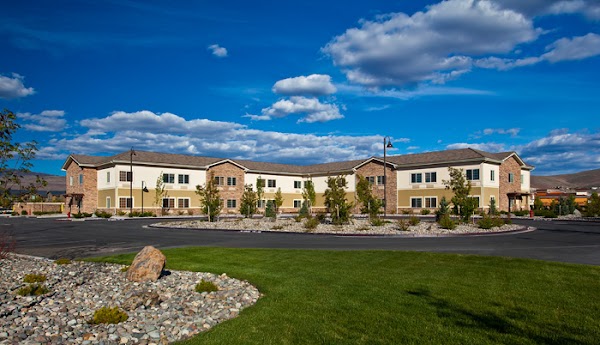
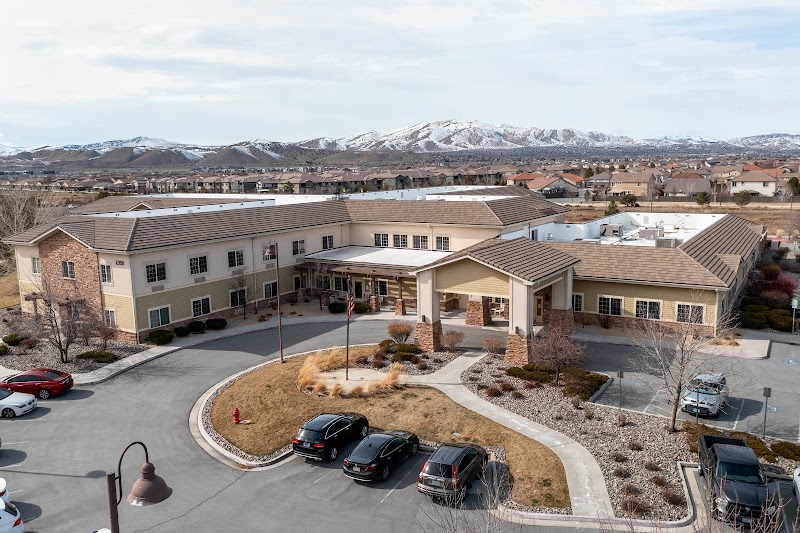
2350 WINGFIELD HILLS RD, SPARKS, NV 89436 (775) 335-8275
For profit - Limited Liability company 120 Beds Independent Data: November 2025
Trust Grade
15/100
#65 of 65 in NV
Last Inspection: December 2024

Within standard 12-15 month inspection cycle. Federal law requires annual inspections.

Overview

Wingfield Skilled Nursing and Rehabilitation Center has received a Trust Grade of F, indicating significant concerns about their care quality. They rank #65 out of 65 facilities in Nevada, placing them at the very bottom of state rankings, and #9 of 9 in Washoe County, meaning there are no better local options available. While the facility is trending toward improvement, with a decrease in reported issues from 27 in 2023 to 17 in 2024, they still have a concerning total of 71 issues, including serious incidents such as failing to administer necessary medications, which contributed to a resident's death, and neglect in repositioning a bed-bound resident, leading to additional pressure ulcers. Staffing is rated average, with a turnover rate of 41%, which is slightly better than the state average, and while RN coverage is also average, families may want to note the facility's substantial fines of $75,670, indicating repeated compliance problems.

Trust Score
F
15/100
In Nevada
#65/65
Bottom 1%
Safety Record
High Risk
Review needed
Inspections
Getting Better
27 → 17 violations
Staff Stability
○ Average
41% turnover. Near Nevada's 48% average. Typical for the industry.
Penalties
○ Average
$75,670 in fines. Higher than 68% of Nevada facilities. Some compliance issues.
Skilled Nurses
○ Average
Each resident gets 32 minutes of Registered Nurse (RN) attention daily — about average for Nevada. RNs are the most trained staff who monitor for health changes.
Violations
⚠ Watch
71 deficiencies on record. Higher than average. Multiple issues found across inspections.
★☆☆☆☆
1.0
Overall Rating
★★★☆☆
3.0
Staff Levels
★☆☆☆☆
1.0
Care Quality
★☆☆☆☆
1.0
Inspection Score
Stable
2023: 27 issues
2024: 17 issues

The Good

  • Full Sprinkler Coverage · Fire safety systems throughout facility
  • No fines on record
  • Staff turnover below average (41%)

    7 points below Nevada average of 48%

Facility shows strength in fire safety.

The Bad

1-Star Overall Rating

Below Nevada average (3.0)

Significant quality concerns identified by CMS

Staff Turnover: 41%

Near Nevada avg (46%)

Typical for the industry

Federal Fines: $75,670

Well above median ($33,413)

Moderate penalties - review what triggered them

The Ugly 71 deficiencies on record

3 actual harm
Dec 2024 13 deficiencies
CONCERN (D)

Potential for Harm - no one hurt, but risky conditions existed

Resident Rights (Tag F0550)

Could have caused harm · This affected 1 resident

Deficiency Text Not Available

Read full inspector narrative →
Deficiency Text Not Available
CONCERN (D)

Potential for Harm - no one hurt, but risky conditions existed

Deficiency F0552 (Tag F0552)

Could have caused harm · This affected 1 resident

**NOTE- TERMS IN BRACKETS HAVE BEEN EDITED TO PROTECT CONFIDENTIALITY** Based on interview, clinical record review and document review, the facility failed to ensure a resident gave informed consent p...

Read full inspector narrative →
**NOTE- TERMS IN BRACKETS HAVE BEEN EDITED TO PROTECT CONFIDENTIALITY** Based on interview, clinical record review and document review, the facility failed to ensure a resident gave informed consent prior to the administration of a psychotropic medication for 1 of 23 sampled residents (Resident #80). This deficient practice had the potential for a resident to experience adverse side effects of a medication without deciding if the benefit to the resident was greater than the risk. Findings include: Resident #80 Resident #80 was admitted to the facility on [DATE], with a diagnosis of depression, unspecified. The physician's order dated 10/17/2024, documented Escitalopram Oxalate oral tablet 5 milligrams, give one tablet by mouth in the morning for depression as evidence by lack of energy and feeling of sadness. The Psychoactive Medications Disclosure and Consent form signed 12/05/2023, did not indicate if the resident accepted or declined the Escitalopram. On 12/05/2024 at 8:45 AM, the Director of Nursing (DON) verbalized the consent form should have indicated if the resident accepted the medication prior to administration. The DON confirmed the resident was scheduled for administration and received it in the morning. The facility policy titled, Psychoactive Medication Use, adopted 02/01/2019, documented psychoactive substances will not be initiated until the resident or guardian's consent was received. The facility policy titled, Resident Rights, adopted 02/01/2019, documented the resident had the right to be informed in advance of the risks and benefits of proposed care.
CONCERN (D)

Potential for Harm - no one hurt, but risky conditions existed

Grievances (Tag F0585)

Could have caused harm · This affected 1 resident

Deficiency Text Not Available

Read full inspector narrative →
Deficiency Text Not Available
CONCERN (D)

Potential for Harm - no one hurt, but risky conditions existed

PASARR Coordination (Tag F0644)

Could have caused harm · This affected 1 resident

Deficiency Text Not Available

Read full inspector narrative →
Deficiency Text Not Available
CONCERN (D)

Potential for Harm - no one hurt, but risky conditions existed

Comprehensive Care Plan (Tag F0656)

Could have caused harm · This affected 1 resident

**NOTE- TERMS IN BRACKETS HAVE BEEN EDITED TO PROTECT CONFIDENTIALITY** Based on observation, interview, clinical record review, and document review, the facility failed to ensure 1) the activities ca...

Read full inspector narrative →
**NOTE- TERMS IN BRACKETS HAVE BEEN EDITED TO PROTECT CONFIDENTIALITY** Based on observation, interview, clinical record review, and document review, the facility failed to ensure 1) the activities care plan addressed a resident's visual impairment and the need for staff to support and assist the resident with personalized activities for 1 of 23 sampled residents (Resident #9). This deficient practice had the potential to prevent staff caring for the resident to be aware of the resident's personalized interests and how the staff could assist the resident to meet the resident's activity related goals. 2) A care plan was developed to address monitoring for a resident with bilateral lower extremity edema for 1 of 23 sampled residents (Resident #86). This deficient practice had the potential for the resident to suffer adverse health outcomes because of staff caring for the resident being unaware of the need to monitor for signs of leg swelling. 3) A care plan was developed for the use of bed rails for 1 of 23 sampled residents (Resident #208). This deficient practice had the potential for the resident to not receive accurate and appropriate care related to Activities of Daily Living (ADLs). Findings include: Resident #9 Resident #9 was admitted to the facility on [DATE], and readmitted on [DATE], with diagnoses including unqualified vision loss, both eyes and depression, unspecified. On 12/02/2024 at 9:08 AM, Resident #9 verbalized the resident would participate in group activities when the activities were accessible for the resident, but the resident did not have any activities the resident could do while the resident was by themselves. An Activity Interview for Daily and Activity Preferences, dated 11/04/2024, documented it was very important to the resident to have mystery and history audiobooks and to be able to listen to oldies music. It was very important for the resident to do the resident's favorite activities including listening to music of interest and listening to books on tape. The activities care plan for Resident #9, revised on 11/20/2024, documented the resident would maintain involvement in cognitive stimulation, social activities as desired through review date. The interventions listed were to invite the resident to scheduled activities and provide a program of activities of interest to the resident by encouraging choice, self-expression, and responsibility. The position responsible for the interventions was Activities. On 12/03/2024 at 8:58 AM, Resident #9 verbalized the resident had been given a device to listen to audiobooks but no one had assisted the resident in using the device and the resident had difficulty using the device due to the resident's inability to see, so the resident had stopped attempting to listen to audiobooks. The resident verbalized the resident did not have any music or a radio in the resident's room and the facility had not offered the resident any options to listen to music in the resident's room. The resident explained the resident sometimes felt bored when in the resident's room due to not having any activities of interest available and accessible to the resident. On 12/03/2024 at 2:52 PM, the Licensed Practical Nurse (LPN) for Resident #9 verbalized the LPN would offer to bring the resident to a group activity if the resident requested or was already up, but the LPN was not aware of any individual activities the resident wished to do in the resident's room. The LPN verbalized the LPN would refer to the resident's care plan if there were individual activities to provide. On 12/04/2024 at 8:57 AM, the Activities Director (AD) verbalized the AD conducted the Activity Interview for Daily and Activity Preferences to gather the necessary information to formulate a care plan for the resident. The AD verbalized individualized activities would be offered based on a resident's preferences. The AD verbalized the facility had an audiobook player, but the AD had not provided instruction to the nurses or CNAs on how to operate the player. The AD verbalized the AD had not provided a music player for the resident. The AD confirmed the activities care plan for Resident #9 did not include the individualized activities the resident had communicated as being very important for the resident and did not include the need for staff caring for the resident to offer the resident assistance with the activities. On 12/04/2024 at 10:42 AM, the Director of Nursing (DON) verbalized the AD was responsible for personalizing the resident's activities care plan. The DON verbalized the care plan should include the amount and type of assistance a resident needed and all positions responsible for assisting the resident. The facility policy titled Care Plans, Comprehensive Person-Centered, adopted 02/01/2019, documented the care plan would reflect the resident's expressed wishes and identify the professional services responsible for each element of care. Cross reference with tag F679 Resident #86 Resident #86 was admitted to the facility on [DATE], and readmitted on [DATE], with diagnoses including chronic kidney disease, stage 3 and acute kidney failure. On 12/03/2024 at 8:24 AM, Resident #86 verbalized the resident had swelling in both legs, especially the right leg. The resident informed the nurse and was told to put their legs up. A physician order dated 11/07/2024, documented Furosemide oral tablet 40 milligram (mg), give 40 mg by mouth in the afternoon for bilateral lower leg edema for three days. A Physician Progress Note dated 11/08/2024, documented Resident #86 had worsening bilateral lower leg edema. Resident #86's clinical record lacked documented evidence a care plan for the management and monitoring of edema had been developed. On 12/05/2024 at 12:45 PM, the DON confirmed Resident #86's clinical record did not include a care plan for the management of the resident's edema. The DON verbalized the resident was at risk of retaining fluid and lack of monitoring could result in more symptoms of fluid retention. Resident #208 Resident #208 was admitted to the facility on [DATE], and readmitted on [DATE], with diagnoses including unspecified sequalae of cerebral infarction, hemiplegia and hemiparesis following cerebral infarction affecting left non-dominant side, and muscle weakness (generalized). A physician's order dated 11/17/2024, documented upper quarter side rails on each side of the bed to promote independent bed mobility. On 12/04/2024 at 8:50 AM, Resident #208 had two quarter size bed rails, on each side of the bed. On 12/04/2024 at 10:13 AM, the resident verbalized the resident used the bed rails on a daily basis and preferred the bed rails for mobility. Resident #208's comprehensive care plan lacked documented evidence of the use of bed rails. On 12/04/2024 at 2:06 PM, the DON confirmed the resident lacked a care plan for the use of bed rails for Resident #208 and verbalized bed rails were required to be care planned so staff could coordinate proper care needs for the resident. On 12/04/2024 at 2:15 PM, the Regional MDS Registered Nurse confirmed Resident #208 did not have a care plan relating to the use of bed rails and verbalized staff referred to the care plans to determine appropriate care for the resident. The lack of the comprehensive care plan for the use of bed rails was not beneficial to the care needs of the resident. The facility policy titled Care Plans, Comprehensive Person-Centered, adopted 02/01/2019, documented comprehensive care planning included an assessment of residents strengths and needs and would include goals for care required for the resident. The purpose of the person-centered care plan was to describe services furnished to attain or maintain the residents highest practicable physical, mental and psychosocial well-being. Cross Reference with F700
CONCERN (D)

Potential for Harm - no one hurt, but risky conditions existed

Deficiency F0658 (Tag F0658)

Could have caused harm · This affected 1 resident

**NOTE- TERMS IN BRACKETS HAVE BEEN EDITED TO PROTECT CONFIDENTIALITY** Based on interview, clinical record review and document review, the facility failed to ensure a Licensed Practical Nurse (LPN) p...

Read full inspector narrative →
**NOTE- TERMS IN BRACKETS HAVE BEEN EDITED TO PROTECT CONFIDENTIALITY** Based on interview, clinical record review and document review, the facility failed to ensure a Licensed Practical Nurse (LPN) performed the duties as outlined in the State Board of Nursing Nurse Practice Act with safe medication administration when the LPN failed to check blood sugar levels prior to the administration of insulin for 1 of 23 sampled residents (Resident #212). The deficient practice had the potential to expose the resident to medication errors resulting in additional health complications. Findings include: Resident #212 Resident #212 was admitted to the facility on [DATE], with a diagnosis including type two diabetes mellitus without complications. On 12/02/2024 at 2:17 PM Resident #212 explained while waiting for lunch on 12/02/2024, the resident was sitting with the resident's daughter and a nurse approached the table to check the resident's blood sugar levels. The nurse told the resident the nurse would be back to administer the resident's insulin and the nurse walked away. The nurse came back over one hour later to administer the insulin to the resident, however, did not recheck the resident's blood sugar levels prior to administration of the insulin. On 12/02/2024 at 2:17 PM, Resident #212's daughter explained being seated in the dining room at a table waiting for lunch on 12/02/2024, and a nurse approached the table at 12:45 PM to take Resident #212's blood sugar levels. The nurse told the resident the nurse would return with the resident's insulin and walked away. Resident #212 was served lunch, ate lunch and the nurse did not return prior to the resident eating lunch to administer the insulin. The resident's daughter verbalized the nurse approached the resident at 2:00 PM, did not recheck the resident's blood sugar levels, and administered four units of insulin to the resident. A physician's order dated 11/26/2024, documented Humalog Injection Solution 100 unit/milliliter (ml) (Insulin Lispro). Inject as per sliding scale: if 131-180=2; 181-240=4; 241-300=6; 301-350=8; 351-400=10; 401+, if greater than 400, administer 12 units and notify doctor, subcutaneously before meals for diabetes mellitus. Resident #212 Blood Sugar Summary documented on 12/02/2024, the resident's blood sugar levels were checked at 8:19 AM and 12:51 PM. The December 2024 Medication Administration Records (MAR) documented Humalog Injection Solution 100 unit/ml (Insulin Lispro. Inject as per sliding scale: -If 131-180=2; 181-240=4; 241-300=6; 301-350=8; 351-400=10; 401 + if greater than 400, administer 12 units and notify doctor, subcutaneously before meals for diabetes Mellitus. On 12/02/2024, the MAR documented the resident received insulin at 7:00 AM, for a blood sugar level of 164, and at 12:00 PM, for a blood sugar level of 225, a code 4 was marked. The legend on the MAR defined a code 4 indicated vitals were outside of parameters for administration. On 12/05/2024 at 10:13 AM, the LPN explained when a resident was to be administered insulin, per a sliding scale, the nurse was to take blood sugar levels and based on what the blood sugar levels were and per the physician's order, insulin would be administered. The LPN verbalized it was not appropriate to take blood sugar levels and walk away from a resident without administering insulin to the resident based on the sliding scale. If a resident were to miss an administration of insulin, per the physician's order, the resident could experience an incident of shaking and confusion. The LPN recalled on 12/02/2024, it was a hectic day and remembered checking the resident's blood sugar levels during lunch, walking away from the resident, and having to tend to a different resident to take their vitals. The LPN could not recall when the LPN returned to the resident to administer insulin, however thought it may have been in the afternoon sometime and at no point in time on 12/02/2024, did the resident refuse insulin. The LPN reviewed the Blood Sugar Summary for Resident #212 and explained the blood sugar levels were documented at 225, which would require insulin to be administered to the resident. The LPN reviewed the December 2024 MAR for Resident #212 and verbalized the resident was administered insulin at 12:00 PM and believed code 4 on the MAR was defined as administering 4 units of insulin to the resident. The LPN recalled checking Resident #212's blood sugar levels around 12:00 PM on 12/02/2024, walking away from the resident for an indeterminate amount of time, returning to the resident in the afternoon, not rechecking the resident's blood sugar levels and administering insulin to the resident based off of the blood sugar levels earlier in the day. On 12/05/2024 at 10:32 AM, the Director of Nursing (DON) explained the process for administering insulin, if it was based on a sliding scale, would be to check the resident's blood sugar levels, compare the blood sugar levels with the sliding scale numbers on the physician's order and administer the amount of insulin per the physician's order. The DON verbalized blood sugar levels were to be checked every time prior to the administration of insulin because the resident could experience symptoms such as swelling, shaking or confusion if the blood sugar levels were not checked immediately preceding the administration of insulin. The DON explained it was not within the nursing scope of practice to check a resident's blood sugar levels, walk away without administering the proper units of insulin, come back a few hours later and administer the resident's insulin without rechecking the blood sugar levels. The DON verbalized the LPN was trained in proper administration of insulin. The Registered Nurse (RN)/LPN Medication Pass Checklist dated 01/18/2023, documented the LPN was trained on the proper protocols and procedures for checking blood sugar levels and administering insulin. The training was checked off by the DON indicating the LPN successfully completed the training. The LPN's Job Description, signed by the LPN on 03/28/2022, documented the LPN was responsible to carry out assignments, such as administering medications per regulation and was to provide professional nursing care to assigned residents in a nursing home environment. A Competency Fair dated 04/23/2024 through 04/26/2024, attended by the LPN, documented the LPN was trained on medication administration. The facility policy titled Insulin Administration, adopted on 02/01/2019, documented the type of insulin, dosage requirements, strength, and method of administration must be verified before administration to assure the dosage corresponds with the physician's order. The proper steps for administering insulin was to check blood glucose levels per the physician's order, check the physician's order for the amount of insulin to be administered, pick a site for injection of the insulin, and administer the insulin. The facility policy titled Adverse Consequences and Medication Errors, adopted on 02/01/2019, documented a medication error was defined as the preparation or administration of drugs or biologicals which was not in accordance with physician's orders, manufacturer specifications or accepted profession standards and principles of professional (s) providing care. An example of a medication error included the wrong time and failure to follow accepted professional standards. The Nurse Practice Act Nevada Administrative Code (NAC) 632.236 Understanding and verifying orders, documented before an LPN carries out a physician order, the LPN must understand the reason for the order, verify the order was appropriate, and verify there were no documented contraindications in carrying out the order. Cross Reference F760
CONCERN (D)

Potential for Harm - no one hurt, but risky conditions existed

ADL Care (Tag F0677)

Could have caused harm · This affected 1 resident

**NOTE- TERMS IN BRACKETS HAVE BEEN EDITED TO PROTECT CONFIDENTIALITY** Based on interview, clinical record review, and document review, the facility failed to ensure a resident dependent upon staff f...

Read full inspector narrative →
**NOTE- TERMS IN BRACKETS HAVE BEEN EDITED TO PROTECT CONFIDENTIALITY** Based on interview, clinical record review, and document review, the facility failed to ensure a resident dependent upon staff for Activities of Daily Living (ADLs) had brief changes overnight for 1 of 23 sampled residents (Resident #36). This deficient practice had the potential to compromise resident hygiene, comfort, and dignity, and increase the risk of skin breakdown and infections. Findings include: Resident #36 Resident #36 was admitted to the facility on [DATE], with diagnoses including rhabdomyolysis, a disease which causes muscle pain and weakness and trouble moving arms and legs, repeated falls, muscle weakness, unsteadiness on feet, other reduced mobility, and pressure ulcer of sacral region, unspecified stage. On 12/02/2024 at 9:28 AM, Resident #36 verbalized the resident was ignored by the night shift staff and was only receiving a brief change once overnight. The resident explained the night shift staff should change the resident every two to three hours, however the staff only came in and changed the resident once shortly before the morning shift came on duty. The resident would spend the night wet; the resident's linens and disposable absorbent under pad would be wet as well. The resident verbalized the staff would change the brief, but not the wet bedding, so the resident would be uncomfortable even though the brief was changed. The resident explained they were extremely stiff and weak, as well as incontinent, and was unable to get up and use the bathroom. The resident relied on the staff for incontinent care. The resident verbalized the resident had informed trusted staff the following morning, as well as the Social Worker, who responded they would look into the resident's concerns. On 12/03/2024 at 2:49 PM, a Certified Nursing Assistant (CNA) verbalized they worked with Resident #36 and the resident was incontinent, needed maximum assistance for all activities of daily living (ADLs), and required a Hoyer lift for transfers. The resident was very stiff, and staff needed to be careful and take their time when providing care. The resident was able to make their needs known and used the call light to request assistance. The CNA recalled Resident #36 had told the CNA the resident was not changed overnight several times. The CNA explained Resident #36 was truthful and easy going about cares and if the resident stated they had not been changed frequently enough, the CNA believed the resident. The CNA felt the resident was only changed once overnight and the disposable pad under the resident was damp at times. The CNA informed the Unit Manager nurses of the resident's concerns each time the resident had complaints of care. On 12/04/2024 at 11:48 AM, Resident #36 verbalized the resident was being ignored by staff at night and was still having trouble being changed overnight. The resident explained they laid in urine all night long the previous night. Staff would change the resident once; however the resident was so soaked with urine, the disposable pads and bedding under the resident was wet. The night staff did not change the resident's bedding when they changed the resident's brief, resulting in the resident laying in an uncomfortably damp bed. The resident was frustrated because they could not get up and walk to the bathroom due to paralysis and their legs not working. The night shift staff would enter the resident's room and turn off the call light, stating they would return, but did not come back. The resident felt ignored, lying in bed helpless all night. The resident verbalized the resident had told morning staff and the Social Worker of their concerns of lack of care overnight. On 12/04/2024 at 11:59 AM, CNA2 verbalized incontinent residents should be checked and changed every two hours and as needed, during the day and overnight. Brief changes should be documented by the CNAs in the medical record. CNA2 explained they worked with Resident #36 and the resident was incontinent. The resident's level of care was dependent, total assist, and used Hoyer lift to get out of bed. CNA2 recalled they had been told by Resident #36 the resident was only changed once overnight. The CNA informed the day shift nurses whenever the resident had concerns about care. On 12/04/2024 at 3:23 PM, theLicensed Social Worker verbalized Resident #36 informed the social worker at least once a week they were not being changed overnight. On 12/04/2024 at 4:02 PM, the Unit Manager/Licensed Practical Nurse (LPN) verbalized they were made aware of the resident's concerns regarding lack of brief changes overnight just today and once in October. Resident #36's Comprehensive Care Plan dated 07/27/2024, documented the resident had a self-care Activity of Daily Living (ADL) performance deficit related to rhabdomyolysis and weakness. The resident needed assistance in ADLs. The resident was dependent on staff for toileting hygiene. Resident #36's Minimum Data Set 3.0 (MDS) Assessment, Section GG0130 - Self Care, dated 09/27/2024, documented toileting hygiene: substantial/maximum assistance - helper does more than half the effort. On 12/04/2024 at 4:09 PM, the Director of Nursing (DON) verbalized incontinent residents should be checked and changed every two hours and as needed during the day and overnight. The facility policy titled Activities of Daily Living, Supporting, dated 02/01/2019, documented residents who were unable to carry out ADLs independently would receive the services necessary to maintain good personal hygiene. Appropriate care and services would be provided for residents who were unable to carry out ADLs independently, including appropriate support with hygiene and elimination (toileting). The policy defined substantial/maximum assistance as the helper does more than half the effort. The helper lifts or holds the trunk or limbs and provides more than half the support. The policy defined dependent assistance as the helper does all the effort. The resident performed none of the effort to complete the activity or the assistance of two or more helpers was required for the resident to complete the activity. The facility policy titled Urinary Continence and Incontinence - Assessment and Management, dated 02/01/2019, documented a check and change strategy involved checking the resident's continence status at regular intervals and using incontinence devices or garments. The primary goals were to maintain dignity and comfort and to protect the skin. Cross reference with Tag 550, 585, and 745
CONCERN (D)

Potential for Harm - no one hurt, but risky conditions existed

Deficiency F0679 (Tag F0679)

Could have caused harm · This affected 1 resident

**NOTE- TERMS IN BRACKETS HAVE BEEN EDITED TO PROTECT CONFIDENTIALITY** Based on observation, interview, clinical record review, and document review, the facility failed to ensure a visually impaired ...

Read full inspector narrative →
**NOTE- TERMS IN BRACKETS HAVE BEEN EDITED TO PROTECT CONFIDENTIALITY** Based on observation, interview, clinical record review, and document review, the facility failed to ensure a visually impaired resident received individualized activities based on the resident's preferences and goals for 1 of 23 sampled residents (Resident #9). This deficient practice had the potential to result in a resident feeling a loss of independence and negatively impact the resident's psychosocial well-being. Findings include: Resident #9 Resident #9 was admitted to the facility on [DATE], and readmitted on [DATE], with diagnoses including unqualified vision loss, both eyes and depression, unspecified. On 12/02/2024 at 9:08 AM, Resident #9 verbalized the resident would participate in group activities when the activities were accessible for the resident, but the resident did not have any activities the resident could do while the resident was by themself. An Activity Interview for Daily and Activity Preferences, dated 11/04/2024, documented it was very important to the resident to have mystery and history audiobooks and to be able to listen to oldies music. It was very important for the resident to do the resident's favorite activities including listening to music of interest and listening to books on tape. The activities care plan for Resident #9, revised on 11/20/2024, documented the resident would maintain involvement in cognitive stimulation, social activities as desired through review date. The interventions listed were to invite the resident to scheduled activities and provide a program of activities of interest to the resident by encouraging choice, self-expression, and responsibility. The position responsible for the interventions was Activities. The Task: Activities for Resident #9, reviewed from 11/04/2024 through 12/04/2024, documented the resident participated in individual activities for one day in the 30-day period. On 11/18/2024, the Task documented the resident had participated in the individual activity of reading and puzzles. On 12/03/2024 at 8:58 AM, Resident #9 verbalized the resident had been given a device to listen to audiobooks but no one had assisted the resident in using the device and the resident had difficulty using the device due to the resident's inability to see, so the resident had stopped attempting to listen to audiobooks. The resident verbalized the resident did not have any music or a radio in the resident's room and the facility had not offered the resident any options to listen to music in the resident's room. The resident explained the resident sometimes felt bored when in the resident's room due to not having any activities of interest available and accessible to the resident. On 12/03/2024 at 2:52 PM, the Licensed Practical Nurse (LPN) for Resident #9 verbalized the LPN would offer to bring the resident to a group activity if the resident requested or was already up, but the LPN was not aware of any individual activities the resident wished to do in the resident's room. The LPN verbalized the LPN would refer to the resident's care plan if there were individual activities to provide. On 12/04/2024 at 8:57 AM, the Activities Director (AD) verbalized the AD conducted the Activity Interview for Daily and Activity Preferences to gather the necessary information to formulate a care plan for the resident. The AD verbalized individualized activities would be offered based on a resident's preferences. The AD verbalized the facility had an audiobook player, but the AD had not provided instruction to the nurses or CNAs on how to operate the player. The AD verbalized the AD had not provided a music player for the resident. The AD confirmed the activities care plan for Resident #9 did not include the individualized activities the resident had communicated as being very important for the resident and did not include the need for staff caring for the resident to offer the resident assistance with the activities. The AD verbalized the activities staff would document under the activities task when the staff assisted the resident with an individual activity. The AD confirmed the Task: Activities for Resident #9 only had documentation for one day in the 30 days look back period. On 12/04/2024 at 10:42 AM, the Director of Nursing (DON) verbalized the AD was responsible for personalizing the resident's activities care plan. The DON verbalized the care plan should include the amount and type of assistance a resident needed and all positions responsible for assisting the resident. The facility policy titled Activity Programs, adopted 02/01/2019, documented individualized activities would be provided and would reflect the interests and personal preferences of the resident. Activities would not be limited to formal activities being provided only by activities staff. Other facility staff would also provide the activities. All activities would be documented in the resident's medical record. Cross reference with tag F656
CONCERN (D)

Potential for Harm - no one hurt, but risky conditions existed

Deficiency F0697 (Tag F0697)

Could have caused harm · This affected 1 resident

**NOTE- TERMS IN BRACKETS HAVE BEEN EDITED TO PROTECT CONFIDENTIALITY** Based on observation, interview, clinical record review, and document review, the facility failed to ensure a resident's medicat...

Read full inspector narrative →
**NOTE- TERMS IN BRACKETS HAVE BEEN EDITED TO PROTECT CONFIDENTIALITY** Based on observation, interview, clinical record review, and document review, the facility failed to ensure a resident's medication for neuropathy (a nerve condition causing pain, numbness, tingling, swelling, or muscle weakness in different parts of the body) was refilled timely to prevent the resident from missing eight doses of the medication for 1 of 23 sampled residents (Resident #9). This deficient practice had the potential to result in a resident experiencing unrelieved nerve pain the medication was prescribed to treat. Findings include: Resident #9 Resident #9 was admitted to the facility on [DATE], and readmitted on [DATE], with diagnoses including other chronic pain, pain, unspecified, pain in left ankle and joints of left foot, and pain in right knee. On [DATE] at 9:18 AM, Resident #9 verbalized the resident had not received a scheduled pain medication over the weekend. The resident explained the medication was usually given three times a day to prevent the resident from having pain in the resident's feet. The resident verbalized the resident had asked the nurse about the medication because the resident was feeling a burning sensation in the resident's feet. The resident verbalized the resident had been told someone had forgotten to renew the medication and the facility had been unable to get an on-call provider to write a new order. Medication orders for Resident #9 documented the following: - pregabalin oral capsule 200 milligrams (mg), give one capsule by mouth three times a day for neuropathy for 30 days. The start date for the medication was [DATE]. - pregabalin oral capsule 200 mg, give one capsule by mouth three times a day for neuropathy for 30 days. The start date for the medication was [DATE]. The November and [DATE] Medication Administration Records for Resident #9 documented the resident did not receive the medication on [DATE] or [DATE], and only received the evening dose on [DATE]. A care plan for Resident #9, revised on [DATE], documented the resident had an alteration in comfort related to complaints of chronic pain, pain in the left ankle, pain in the right knee, and neuropathy. The interventions included to administer medications including pregabalin. On [DATE] at 2:50 PM, the Licensed Practical Nurse (LPN) for Resident #9 verbalized the facility practice was to reassess the need for narcotic medications every 30 days to ensure the medication was still effective. The LPN explained the nurse caring for the resident would be responsible for requesting a new order from the provider three days prior to the end of the order. The LPN verbalized if an order was received the nurse would be able to retrieve the medication from the facility's medication system while waiting for the pharmacy to deliver the medication. On [DATE] at 9:29 AM, the Director of Nursing (DON) explained the facility procedure was for a narcotic to be ordered for 30 days at a time. The DON verbalized the renewal order should have been requested two to three days prior to the order expiring. The DON confirmed the order expired on [DATE] and was not renewed until [DATE]. The DON confirmed the resident had not received the medication on [DATE], [DATE], and only received the evening dose when the medication was reordered on [DATE]. The DON verbalized the medication was not renewed because the need for a renewal order was overlooked due to a lack of communication between the staff. The DON verbalized the staff could have requested a different medication to be given until the ordering provider was able to renew the medication. The DON confirmed no medications were added to replace the pregabalin. The facility policy titled Pain Management, updated 05/2023, documented the facility took a proactive approach to pain management and pain management was best achieved with scheduled medications.
CONCERN (D)

Potential for Harm - no one hurt, but risky conditions existed

Deficiency F0700 (Tag F0700)

Could have caused harm · This affected 1 resident

Deficiency Text Not Available

Read full inspector narrative →
Deficiency Text Not Available
CONCERN (D)

Potential for Harm - no one hurt, but risky conditions existed

Deficiency F0745 (Tag F0745)

Could have caused harm · This affected 1 resident

Deficiency Text Not Available

Read full inspector narrative →
Deficiency Text Not Available
CONCERN (D)

Potential for Harm - no one hurt, but risky conditions existed

Deficiency F0760 (Tag F0760)

Could have caused harm · This affected 1 resident

**NOTE- TERMS IN BRACKETS HAVE BEEN EDITED TO PROTECT CONFIDENTIALITY** Based on interview, clinical record review, and document review the facility failed to ensure a resident's blood sugar levels we...

Read full inspector narrative →
**NOTE- TERMS IN BRACKETS HAVE BEEN EDITED TO PROTECT CONFIDENTIALITY** Based on interview, clinical record review, and document review the facility failed to ensure a resident's blood sugar levels were tested timely prior to the administration of insulin for a resident with type two diabetes mellitus for 1 of 23 sampled residents (Resident #212). This deficient practice had the potential to cause the resident to experience hypoglycemia or hyperglycemia symptoms related to blood sugar levels not being regulated. Findings include: Resident #212 Resident #212 was admitted to the facility on [DATE], with a diagnosis including type two diabetes mellitus without complications. On 12/02/2024 at 2:17 PM Resident #212 explained while waiting for lunch on 12/02/2024, the resident was sitting with the resident's daughter and a nurse approached the table to check the resident's blood sugar levels. The nurse told the resident the nurse would be back to administer the resident's insulin and the nurse walked away. The nurse came back over one hour later to administer the insulin to the resident, however, did not recheck the resident's blood sugar levels prior to administration of the insulin. On 12/02/2024 at 2:17 PM, Resident #212's daughter explained being seated in the dining room at a table waiting for lunch on 12/02/2024, and a nurse approached the table at 12:45 PM to take Resident #212's blood sugar levels. The nurse told the resident the nurse would return with the resident's insulin and walked away. Resident #212 was served lunch, ate lunch and the nurse did not return prior to the resident eating lunch to administer the insulin. The resident's daughter verbalized the nurse approached the resident at 2:00 PM, did not recheck the resident's blood sugar levels, and administered four units of insulin to the resident. A physician's order dated 11/26/2024, documented Humalog Injection Solution 100 unit/milliliter (ml) (Insulin Lispro). Inject as per sliding scale: if 131-180=2; 181-240=4; 241-300=6; 301-350=8; 351-400=10; 401+, if greater than 400, administer 12 units and notify doctor, subcutaneously before meals for diabetes mellitus. Resident #212 Blood Sugar Summary documented on 12/02/2024, the resident's blood sugar levels were checked at 8:19 AM and 12:51 PM. The December 2024 Medication Administration Records (MAR) documented Humalog Injection Solution 100 unit/ml (Insulin Lispro. Inject as per sliding scale: -If 131-180=2; 181-240=4; 241-300=6; 301-350=8; 351-400=10; 401 + if greater than 400, administer 12 units and notify doctor, subcutaneously before meals for diabetes Mellitus. On 12/02/2024, the MAR documented the resident received insulin at 7:00 AM, for a blood sugar level of 164, and at 12:00 PM, for a blood sugar level of 225, a code 4 was marked. The legend on the MAR defined a code 4 indicated vitals were outside of parameters for administration. On 12/05/2024 at 10:13 PM, the Licensed Practical Nurse (LPN) explained when a resident was to be administered insulin, per a sliding scale, the nurse was to take blood sugar levels and based on what the blood sugar levels were and per the physician's order, insulin would be administered. The LPN verbalized it was not appropriate to take blood sugar levels and walk away from a resident without administering insulin to the resident based on the sliding scale. If a resident were to miss an administration of insulin, per the physician's order, the resident could experience an incident of shaking, confusion, and shakiness. The LPN recalled on 12/02/2024, it was a hectic day and remembered checking the resident's blood sugar levels during lunch, walking away from the resident, and having to tend to a different resident to take their vitals. The LPN could not recall when the LPN returned to the resident to administer insulin, however thought it may have been in the afternoon sometime and at no point in time on 12/02/2024, did the resident refuse insulin. The LPN reviewed the Blood Sugar Summary for Resident #212 and explained the blood sugar levels were documented at 225, which would require insulin to be administered to the resident. The LPN reviewed the December 2024 MAR for Resident #212 and verbalized the resident was administered insulin at 12:00PM and believed code 4 on the MAR was defined as administering 4 units of insulin to the resident. The LPN recalled checking Resident #212's blood sugar levels around 12:00 PM on 12/02/2024, walking away from the resident for an indeterminate amount of time, returning to the resident in the afternoon, not rechecking the resident's blood sugar levels and administering insulin to the resident based off of the blood sugar levels earlier in the day. On 12/05/2024 at 10:32 AM, the Director of Nursing (DON) explained the process for administering insulin, if it was based on a sliding scale, would be to check the resident's blood sugar levels, compare the blood sugar levels with the sliding scale numbers on the physician's order and administer the amount of insulin per the physician's order. The DON verbalized blood sugar levels were to be checked every time prior to the administration of insulin because the resident could experience symptoms such as swelling, shaking or confusion if the blood sugar levels were not checked immediately preceding the administration of insulin. The DON explained it was not within the nursing scope of practice to check a resident's blood sugar levels, walk away without administering the proper units of insulin, come back a few hours later and administer the resident's insulin without rechecking the blood sugar levels. The DON verbalized the LPN was trained in proper administration of insulin. The Registered Nurse (RN)/LPN Medication Pass Checklist dated 01/18/2023, documented the LPN was trained on the proper protocols and procedures for checking blood sugar levels and administering insulin. The training was checked off by the DON indicating the LPN successfully completed the training. The LPN's Job Description, signed by the LPN on 03/28/2022, documented the LPN was responsible to carry out assignments, such as administering medications per regulation and was to provide professional nursing care to assigned residents in a nursing home environment. A Competency Fair dated 04/23/2024 through 04/26/2024, attended by the LPN, documented the LPN was trained on medication administration. The facility policy titled Insulin Administration, adopted on 02/01/2019, documented the type of insulin, dosage requirements, strength, and method of administration must be verified before administration to assure the dosage corresponds with the physician's order. The proper steps for administering insulin was to check blood glucose levels per the physician's order, check the physician's order for the amount of insulin to be administered, pick a site for injection of the insulin, and administer the insulin. The facility policy titled Adverse Consequences and Medication Errors, adopted on 02/01/2019, documented a medication error was defined as the preparation or administration of drugs or biologicals which was not in accordance with physician's orders, manufacturer specifications or accepted profession standards and principles of professional (s) providing care. An example of a medication error included the wrong time and failure to follow accepted professional standards. The American Diabetes Association, issued 01/01/2021, documented hyperglycemia, hypoglycemia, and glucose variability were associated with adverse outcomes, including death. Glucose testing would align with meals, prior to eating the meal. Deviations from a physician's order for glucose testing and administration would be a medication error. Cross Reference with F658
CONCERN (D)

Potential for Harm - no one hurt, but risky conditions existed

Deficiency F0761 (Tag F0761)

Could have caused harm · This affected 1 resident

**NOTE- TERMS IN BRACKETS HAVE BEEN EDITED TO PROTECT CONFIDENTIALITY** Based on observation, interview, clinical record review, and document review, the facility failed to ensure a resident did not h...

Read full inspector narrative →
**NOTE- TERMS IN BRACKETS HAVE BEEN EDITED TO PROTECT CONFIDENTIALITY** Based on observation, interview, clinical record review, and document review, the facility failed to ensure a resident did not have a bottle of over-the-counter medication unsecured on the resident's bedside table when the resident did not have an order for the medication or to keep medications at the bedside for 1 of 23 sampled residents (Resident #9). This deficient practice had the potential to result in the resident self-medicating and suffering adverse reactions or medication interactions. Findings include: Resident #9 Resident #9 was admitted to the facility on [DATE], and readmitted on [DATE], with diagnoses including type II diabetes mellitus with diabetic neuropathy, unspecified, type II diabetes mellitus with unspecified complications, and long term (current) use of insulin. On 12/03/2024 at 2:40 PM, a medication bottle was on the top of the bedside table to the left of the resident, in between the resident's bed and the curtain separating the resident from the resident's roommate. The label on the bottle documented glucose tablets, chewable 4-gram tablets, 50 tablets. The Order Summary for Resident #9 did not contain an order for glucose tablets and did not contain an order for the resident to keep medications at the bedside. On 12/03/2024 at 2:50 PM, the Licensed Practical Nurse for Resident #9 verbalized the medication should not have been at the bedside in case the resident decided to self-medicate and the resident could have self-administered the medication without the facilities knowledge. On 12/03/2024 at 4:14 PM, the Director of Nursing confirmed the medication had been on the resident's bedside table and verbalized medications were not supposed to be stored in a resident's room without an order for the medication and assessment of the resident to determine if the resident could safely self-administer. The facility policy titled Storage of Medications, adopted 02/01/2019, documented the facility would store all drugs and biologicals in a safe, secure, and orderly manner. Drugs would be stored in an orderly manner in cabinets, drawers, carts, or automatic dispensing systems. The compartments containing the drug would be locked when not in use. Items would not be left unattended or otherwise potentially available to others.
Feb 2024 4 deficiencies
CONCERN (D) 📢 Someone Reported This

A family member, employee, or ombudsman was alarmed enough to file a formal complaint

Potential for Harm - no one hurt, but risky conditions existed

Free from Abuse/Neglect (Tag F0600)

Could have caused harm · This affected 1 resident

**NOTE- TERMS IN BRACKETS HAVE BEEN EDITED TO PROTECT CONFIDENTIALITY** Based on interview, clinical record review, and document review the facility failed to protect a resident from being kicked by a...

Read full inspector narrative →
**NOTE- TERMS IN BRACKETS HAVE BEEN EDITED TO PROTECT CONFIDENTIALITY** Based on interview, clinical record review, and document review the facility failed to protect a resident from being kicked by another resident for 1 of 8 sampled complaint and Facility Reported Incident (FRI) residents (Resident #5). Findings include: Resident #5 Resident #5 was admitted to the facility on [DATE], and readmitted on [DATE], with diagnoses including cognitive communication deficit and major depressive disorder, recurrent, in partial remission. Resident #6 Resident #6 was admitted to the facility on [DATE], with diagnoses including unspecified dementia, unspecified severity, without behavioral disturbance, psychotic disturbance, mood disturbance and anxiety, vascular dementia, moderate, with agitation, and schizoaffective disorder, bipolar type. FRI #NV00070234, dated 01/16/24, documented Resident #5 reported to the Licensed Social Worker (LSW) the resident was kicked in the leg by Resident #6, resulting in a bruise on Resident #5's left knee. A social services progress note dated 01/16/24, in Resident #5's clinical record, documented Resident #5 reported to the LSW the resident was kicked in the leg by another resident. An incident note dated 01/16/24, in Resident #5's clinical record, documented a circular, raised, purple, discolored site below the resident's left knee. On 02/28/24 at 1:59 PM, the Director of Nursing (DON) verbalized the DON was aware of the incident on 01/16/24 when Resident #5 reported to the LSW the resident was kicked in the leg by Resident #6. The DON verbalized Resident #6 was not exhibiting verbally or physically aggressive behaviors for a while prior to kicking Resident #5 on 01/16/24. The DON explained behavior monitoring was supposed to be included in the care plan and was documented on the task screen in a resident's electronic medical record. A Follow Up Question Report (behavior monitoring) for Resident #6 documented Resident #6 exhibited the following behaviors: -yelling out and/or at others on 12/06/23, 12/07/23, 12/08/23, 12/23/23, 12/28/23, and 01/14/24. -yelling/screaming on 12/23/23. A behavior note dated 09/19/23, documented Resident #6 screamed at another resident when the other resident accidentally bumped into Resident #6's walker. A nursing progress note dated 11/19/23, documented Resident #6 was yelling and verbally abusive toward staff. A behavior note dated 12/15/23 at 6:55 AM, documented Resident #6 was in Resident #5's room. Resident #6 was described as confused, argumentative, yelling and would not allow a Certified Nursing Assistant (CNA) to check Resident #5's vital signs. Resident #5 exited the room. Resident #5's blood pressure was noted to be elevated at 210/126. Resident #5 verbalized to nursing staff Resident #5 had a problem with Resident #6. Resident #6 was escorted back to Resident #6's room. Resident #5 was documented to have been able to calm down in the absence of Resident #6. A behavior note dated 12/31/23 at 5:26 AM, documented Resident #6 was found in room [ROOM NUMBER]. room [ROOM NUMBER] belonged to Resident #5. Resident #6 was shouting and asking staff to make Resident #5 leave the room. Resident #6 was assisted back to Resident #6's room. Resident #6 verbalized to nursing staff the two residents were arguing and it made Resident #6 angry. Resident #6's care plan documented a focus of the resident demonstrating verbally aggressive behaviors as evidenced by yelling out and at others related to dementia and anxiety, date initiated was 06/21/23. Interventions included: -Analyze key time, places, circumstances, triggers, and what de-escalates behavior and document, date initiated was 06/21/23. -Assess and anticipate resident's needs: food, thirst, toileting needs, comfort level, body positioning, etc., date initiated was 06/21/23. -Assess resident's coping skills and support system, date initiated was 06/21/23. -Assess resident's understanding of the situation. Allow time for the resident to express self and feelings towards the situation, date initiated was 06/21/23. -Give the resident as many choices as possible about care and activities, date initiated was 06/21/23. Resident #6's clinical record lacked documented evidence of revision of care planned interventions for verbally aggressive behavior following documented episodes of verbally aggressive behavior. On 02/27/24 at 2:22 PM, the LSW and the Regional Director of Social Services (RDSS) verbalized abuse was the willful intent to cause harm such as unwanted touching or physical acts, or anything causing a mark on a resident's body. The LSW explained the process if a resident reported an allegation of abuse from another resident was to separate the residents immediately and notify the Administrator. On 02/27/24 at 2:28 PM, when asked if the LSW was aware of the incident reported to have occurred between Resident #5 and Resident #6, the LSW responded which one? The LSW explained Resident #5 and Resident #6 were in a romantic relationship and Resident #6 slept in Resident #5's bed on more than one occasion. On 02/27/24 at 2:30 PM, the LSW recalled on 01/16/24, Resident #5 reported Resident #6 had kicked Resident #5 in the leg, resulting in a bruise on Resident #5's left knee. The LSW recalled during the week prior to 01/16/24, Resident #5 had asked social services for assistance in ending the relationship with Resident #6. On 02/27/24 at 3:00 PM, the Administrator verbalized abuse was the willful infliction of harm. The Administrator confirmed the Administrator was aware of the allegation of abuse reported to the LSW by Resident #5 on 01/16/24. The Administrator confirmed Resident #6 had been verbally aggressive toward staff prior to 01/16/24 however, denied any knowledge of previous altercations between Resident #5 and Resident #6. On 02/27/24 at 3:50 PM, during an interview with the DON and the Administrator, the DON and Administrator reviewed Resident #6's nursing progress note dated 12/31/23 at 5:26 AM, and confirmed Resident #6 entering another resident's room and shouting for them to be removed from the room was considered verbally aggressive behavior. On 02/27/24 at 4:04 PM, the DON verablized interventions in place for Resident #6 to prevent abuse of other residents included redirection from staff, activities, offering snacks or drinks, or something to keep the resident occupied. When asked if these interventions would have aided in preventing Resident #6 from kicking Resident #5 while the residents were in bed together, the Administrator admitted it was tough to say as it was difficult to predict Resident #6's behavior. The facility policy titled, Abuse Prevention Program, written 04/2016 and adopted by the facility on 02/01/19, documented residents had the right to be free from abuse including physical abuse. The facility policy titled, Resident-to-Resident Altercations, written 12/2016 and adopted by facility on 02/01/19, documented staff would monitor residents for aggressive/inappropriate behavior towards other residents or staff. If two residents were involved in an altercation, staff would review possibly measures to try to prevent additional incidents, make any necessary changes to the care plan approaches and document all interventions and their effectiveness. FRI #NV00070234 Cross reference with F609
CONCERN (D) 📢 Someone Reported This

A family member, employee, or ombudsman was alarmed enough to file a formal complaint

Potential for Harm - no one hurt, but risky conditions existed

Report Alleged Abuse (Tag F0609)

Could have caused harm · This affected 1 resident

**NOTE- TERMS IN BRACKETS HAVE BEEN EDITED TO PROTECT CONFIDENTIALITY** Based on interview, clinical record review, and document review the facility failed to report an allegation of abuse to the Stat...

Read full inspector narrative →
**NOTE- TERMS IN BRACKETS HAVE BEEN EDITED TO PROTECT CONFIDENTIALITY** Based on interview, clinical record review, and document review the facility failed to report an allegation of abuse to the State Agency (SA) within the required timeframe. Findings include: Resident #5 Resident #5 was admitted to the facility on [DATE], and readmitted on [DATE], with diagnoses including cognitive communication deficit and major depressive disorder, recurrent, in partial remission. A social services progress note dated 01/16/24 at 9:25 AM, documented Resident #5 reported to the Licensed Social Worker (LSW) the resident was kicked in the leg by another resident. The initial Facility Reported Incident (FRI) #NV00070234 was submitted to the SA on 01/16/24 at 6:51 PM. The incident was documented as physical abuse. On 02/27/24 at approximately 3:00 PM, the Administrator verbalized all types of abuse were to be reported to the SA. The Administrator confirmed allegations of physical abuse were required to be reported to the SA within two hours of becoming aware of the allegation. The Administrator confirmed the Administrator was notified of the allegation Resident #5 was kicked by another resident in the afternoon on 01/16/24. On 02/27/24 at approximately 3:30 PM, the Administrator confirmed the initial report for FRI #NV00070234 documented the Administrator was made aware of the allegation of abuse at 4:30 PM and the initial report was submitted at 6:51 PM, later than the two hour reporting requirement. The facility policy titled, Abuse Prevention Program, written 04/2016 and adopted by the facility on 02/01/19, documented the Administrator would investigate and report any allegations of abuse within timeframes as required by federal requirements. The facility policy titled, Resident-to-Resident Altercations, written 12/2016 and adopted by facility on 02/01/19, documented resident altercations would be reported to appropriate agencies as outlined in the facility's abuse reporting policy. The facility policy titled, Abuse Investigation and Reporting, written 07/2017 and adopted by the facility on 02/01/19, documented all allegations of abuse would be reported by the facility administrator or the administrator's designee to the state licensing/certification agency responsible for surveying/licensing the facility. Allegations of abuse would be reported immediately but no later than two hours if the alleged violation involved reasonable suspicion of a crime or resulted in serious bodily injury. FRI #NV00070234 Cross reference with F600
CONCERN (D) 📢 Someone Reported This

A family member, employee, or ombudsman was alarmed enough to file a formal complaint

Potential for Harm - no one hurt, but risky conditions existed

Food Safety (Tag F0812)

Could have caused harm · This affected 1 resident

Based on observation, interview and document review, the facility failed to ensure kitchen equipment temperature logs were completed daily and hand hygiene supplies were available for dietary staff to...

Read full inspector narrative →
Based on observation, interview and document review, the facility failed to ensure kitchen equipment temperature logs were completed daily and hand hygiene supplies were available for dietary staff to wash their hands at hand washing stations with the ability to affect 119 of 119 residents. Findings include: Temperature Logs On 02/27/24 at 8:50 AM, a tour of the kitchen was conducted, and for temperature logs were hanging on the side of a reach-in refrigerator. The following logs documented the most recent temperatures of kitchen equipment: -Fridge and Freezer temperature log last completed 02/21/24 -Front fridge temperature log last completed 02/24/24 -Front fridge temperature log last completed 02/20/24 -Dishwashing and rinsing temperature log last completed 02/21/24 On 02/27/24 at 9:34 AM, the Food Services Manager (FSM) verbalized the expectation was all the logs were to be completed daily to ensure proper functioning of the kitchen equipment and ensure the residents would not become ill from faulty equipment. The FSM confirmed the logs were not up to date and was unsure if all kitchen equipment was functioning properly. The facility policy titled, Dishwashing Machine Use, adopted 02/01/19, documented the operator would check temperatures using the machine gauge with each dishwashing machine cycle and record the result in a facility approved log. Inadequate temperatures would be reported to the supervisor. The facility policy titled, Refrigerators and Freezers, adopted 02/01/19, documented Food Services Supervisors or designated employees would check and record refrigerator and freezer temperature daily and nightly. Hand Washing On 02/27/24 at 8:50 AM, a tour of the kitchen was conducted, and there were no paper towels at any of the three hand washing sinks. On 02/27/24 at 8:51 AM, the Assistant Food Services Manager explained normally being the person who ensured paper towels were stocked. The Assistant Food Services Manager confirmed all three hand washing sinks paper towel dispensers were empty and explained it was important to have paper towels to wash and dry hands appropriately. The facility policy titled, Handwashing/Hand Hygiene, adopted 02/01/19, documented the importance of hand hygiene was to prevent the transmission of healthcare-associated infections. Hand hygiene product and supplies, such as towel, sinks and soap shall be readily accessible and convenient for staff to use to encourage compliance with hand hygiene policies. CPT# NV00070213
MINOR (B) 📢 Someone Reported This

A family member, employee, or ombudsman was alarmed enough to file a formal complaint

Minor Issue - procedural, no safety impact

Transfer Notice (Tag F0623)

Minor procedural issue · This affected multiple residents

**NOTE- TERMS IN BRACKETS HAVE BEEN EDITED TO PROTECT CONFIDENTIALITY** Based on clinical record review, document review and interview, the facility failed to include in the written Notice of Transfer...

Read full inspector narrative →
**NOTE- TERMS IN BRACKETS HAVE BEEN EDITED TO PROTECT CONFIDENTIALITY** Based on clinical record review, document review and interview, the facility failed to include in the written Notice of Transfer or Discharge provided to residents for January 2024, the reason for transfer or discharge, the effective date and/or the location of the transfer or discharge for 8 of 36 discharged residents in January 2024 (Resident #3, #9, #10, #11, #12, #13, #14, and #15). Finding include: Resident #3 Resident #3 was admitted to the facility on [DATE], with diagnoses including chronic obstructive pulmonary disease, unspecified, type II diabetes mellitus without complications, acute and chronic respiratory failure with hypoxia, chronic systolic (congestive) heart failure, unspecified asthma, uncomplicated, and paroxysmal atrial fibrillation. Resident #3's Notice of Transfer or Discharge with a notification date of 01/28/24, lacked an effective date and a reason for the transfer or discharge. Resident #9 Resident #9 was admitted to the facility on [DATE], with diagnoses including arthropathic psoriasis, unspecified, dyspnea, unspecified, cognitive communication deficit, dysphagia, oropharyngeal phase, essential (primary) hypertension, and unspecified atrial fibrillation. Resident #9's Notice of Transfer or Discharge with a notification date of 01/12/24, lacked a reason, an effective date, and the location of the transfer or discharge. Resident #10 Resident #10 was admitted to the facility on [DATE], with diagnoses including acute respiratory failure with hypoxia, atherosclerotic heart disease of native coronary artery without angina pectoris, aneurysm of heart, unspecified diastolic (congestive) heart failure, cognitive communication deficit, and essential (primary) hypertension. Resident #10's Notice of Transfer or Discharge with a notification date of 01/13/24, lacked an effective date and a reason for the transfer or discharge. Resident #11 Resident #11 was admitted to the facility on [DATE], with diagnoses including encounter for orthopedic aftercare following surgical amputation, acquired absence of left leg above knee, acute posthemorrhagic anemia, peripheral vascular disease, unspecified, and gangrene, not elsewhere classified. Resident #11's Notice of Transfer or Discharge with a notification date of 01/13/24, lacked an effective date and a reason for the transfer or discharge. Resident #12 Resident #12 was admitted to the facility on [DATE], with diagnoses including unspecified sequelae of cerebral infarction, dysphagia, oropharyngeal phase, other vascular syndromes of brain in cerebrovascular diseases, anxiety disorder, and major depressive disorder, recurrent, unspecified. Resident #12's Notice of Transfer or Discharge with a notification date of 01/10/24, lacked a reason and the location of the transfer or discharge. Resident #13 Resident #13 was admitted to the facility on [DATE], with diagnoses including pressure ulcer of left hip, stage four, sepsis, unspecified organism, and functional quadriplegia. Resident #13's Notice of Transfer or Discharge with a notification date of 01/12/24, lacked a reason, an effective date, and the location of the transfer or discharge. Resident #14 Resident #14 was admitted to the facility on [DATE], with diagnoses including acute and chronic respiratory failure, unspecified whether with hypoxia or hypercapnia, chronic obstructive pulmonary disease, unspecified, cognitive communication deficit, unspecified atrial fibrillation, generalized anxiety disorder, and depression, unspecified. Resident #14's Notice of Transfer or Discharge with a notification date of 01/23/24, lacked a reason and the location of the transfer or discharge. Resident #15 Resident #15 was admitted to the facility on [DATE], with diagnoses including encounter for surgical aftercare following surgery on the circulatory system, type II diabetes mellitus with unspecified complications, acute kidney failure, acute respiratory failure with hypoxia, and anemia, unspecified. Resident #15's Notice of Transfer or Discharge with a notification date of 01/30/24, lacked a reason, an effective date, and the location of the transfer or discharge. On 02/27/24 at 2:00 PM, the Discharge Planner, confirmed the Notice of Transfer or Discharge provided to Residents #3, #9, #10, #11, #12, #13, #14, and #15 in January 2024, had not been completed with the reason, the effective date and/or the location of the transfer or discharge. The Discharge Planner confirmed the reason, the effective date and/or the location of the transfer or discharge must be documented on the Notice of Transfer or Discharge when provided to the resident. The Discharge Planner verbalized nursing staff had completed the Notice of Transfer or Discharge provided to Residents #3, #9, #10, #11, #12, #13, #14, and #15 in January 2024. On 02/27/24 at 2:38 PM, the Director of Nursing (DON), confirmed nursing staff had prepared and provided the Notice of Transfer or Discharge to Residents #3, #9, #10, #11, #12, #13, #14, and #15 in January 2024, and the forms lacked the reason, the effective date and/or the location of the transfer or discharge. The DON confirmed the reason, the effective date and/or the location of the transfer or discharge should have been documented on the Notice of Transfer or Discharge when the notice was provided to the resident. The facility policy titled, Bed-Holds and Returns, with an adoption date of 02/01/19, documented prior to a transfer, written information would have been given to residents and resident representatives explaining the details of the transfer, per the Notice of Transfer. CPT #NV00070406
Dec 2023 23 deficiencies 1 Harm
SERIOUS (G)

Actual Harm - a resident was hurt due to facility failures

Pressure Ulcer Prevention (Tag F0686)

A resident was harmed · This affected 1 resident

**NOTE- TERMS IN BRACKETS HAVE BEEN EDITED TO PROTECT CONFIDENTIALITY** Based on observation, interview, clinical record review, and document review, the facility failed to ensure a bed bound resident...

Read full inspector narrative →
**NOTE- TERMS IN BRACKETS HAVE BEEN EDITED TO PROTECT CONFIDENTIALITY** Based on observation, interview, clinical record review, and document review, the facility failed to ensure a bed bound resident with a pressure ulcer was repositioned every two hours and assistive heal protectors were applied correctly, resulting in additional pressure ulcers for 1 of 22 sampled residents (Resident #81). Findings include: Resident #81 Resident #81 was admitted to the facility on [DATE], and readmitted on [DATE], with diagnoses including encephalopathy, unspecified, cognitive communication deficit, muscle weakness, generalized, contracture of muscle, left lower leg, osteomyelitis of vertebra, sacral and sacrococcygeal region, pressure ulcer of sacral region, stage IV, unspecified protein calorie malnutrition, personal history of traumatic brain injury. Resident #81's Minimum Data Set 3.0 (MDS) assessment, dated 07/04/23, was initiated at admission and an observation end date of 07/10/23. Section M (skin conditions) documented a Braden skin assessment was completed and the resident was at risk of developing pressure ulcers. -Section M0300, documented Resident #81 had one stage IV pressure ulcer present upon admission. The MDS assessment lacked documented evidence Resident #81 had any additional pressure ulcers present upon admission. -Section M1200 (skin and ulcer treatment) documented a pressure reducing device for bed, pressure ulcer care, and the application of ointments/medications and non-surgical dressings. -Section M1200(C) turning and repositioning program was not selected. Resident #81's MDS assessment dated [DATE], documented a re-entry date of 10/25/23, following an acute care hospital stay. The observation end date was 11/01/23. Section M (skin conditions) documented a Braden skin assessment was completed and the resident was at risk of developing pressure ulcers. -Section M0300, documented Resident #81 had one stage IV pressure ulcer present upon re-admission. The MDS assessment lacked documented evidence Resident #81 had any additional pressure ulcers present upon admission. -Section M1200 (skin and ulcer treatment) documented a pressure reducing device for bed, nutrition, or hydration intervention to manage skin problems, pressure ulcer care, and the application of ointments/medications. -Section M1200(C) turning and repositioning program was not selected. A Weekly Wound Evaluation form, dated 12/12/23, completed by the Wound Care Nurse/Licensed Practical Nurse (LPN) documented Resident #81 had a stage IV pressure ulcer to the sacrum. The pressure ulcer was first identified on 07/04/23, the date of admission. A Weekly Wound Evaluation form, dated 12/12/23, completed by the Wound Care Nurse/LPN, documented Resident #81 had an unstageable pressure ulcer to the left trochanter (hip). The pressure ulcer was facility acquired and first identified on 11/13/23. A Weekly Wound Evaluation form, dated 12/12/23, completed by the Wound Care Nurse/LPN, documented Resident #81 had a stage III pressure ulcer to the right hip. The pressure ulcer was facility acquired and first identified on 11/21/23. A Weekly Wound Evaluation form dated 12/13/23, completed by the Wound Care Nurse/LPN, documented Resident #81 had an unstageable pressure ulcer to the right heel. The pressure ulcer was facility acquired and first identified on 12/13/23. A Weekly Wound Evaluation form dated 12/13/23, completed by the Wound Care Nurse/LPN, documented Resident #81 had an unstageable pressure ulcer to the right outer ankle. The pressure ulcer was facility acquired and first identified on 12/13/23. Resident #81's [NAME] for care provided by Certified Nursing Assistants (CNA), printed on 12/14/23, documented to turn/reposition Resident #81 from side to side for skin breakdown prevention/wound healing. The [NAME] documented the resident was dependent upon staff for bed mobility but did not include how often Resident #81 was to be repositioned and did not include instruction to ensure Resident #81's heel protectors were applied and aligned correctly. On 12/11/23 at 9:28 AM, Resident #81 was resting in bed. The resident was wearing a pair of heel protectors with an opening in the heel. The resident's right foot was uncovered, and the right heel could not be visualized in the opening of the heel protector. On 12/13/23 at 2:43 PM, CNA1 demonstrated how to apply Resident #81's heel protectors. Resident #81's heels were placed in the heel protector with the resident's heels resting directly on the interior wall of the heel protector, including the portion of the heel with a newly identified unstageable pressure injury. The CNA confirmed the facility had not provided CNA1 with training related to the application of the heel protectors. On 12/13/23 at 2:44 PM, the Wound Care Nurse/LPN confirmed Resident #81's heels were resting on the interior of the heel protector and had not been correctly applied. The Wound Care Nurse confirmed incorrectly applying the heel protectors could cause skin breakdown including pressure injury. The Wound Care Nurse/LPN confirmed Resident #81 was bed bound and required assistance for repositioning. On 12/14/23 at 9:32 AM, CNA2 verbalized heel protectors were applied by aligning a resident's toes with the top of the heel protector and ensuring the resident's heels were touching the cushioning inside of the heel protector. CNA2 verbalized bed bound residents should be turned/repositioned every two hours. Repositioning was documented in the residents' Electronic Health Record (EHR). CNA2 reviewed Resident #81's EHR documentation entered by CNAs and confirmed Resident #81's EHR included an area to chart resident repositioning once each shift, and did not include an option for CNAs to chart the resident was repositioned every two hours. On 12/14/23 at 9:51 AM, CNA3 verbalized the CNA ensured heel protectors were applied by matching colored straps to each other unless a resident wanted the heel protectors applied differently. CNA3 verbalized CNA3 would document turning residents every two hours if the option to document every two hours was available. On 12/14/23 at 10:38 AM, the Director of Nursing (DON) confirmed heel protectors were to be applied by ensuring the resident's foot was properly aligned and alignment should be checked at a minimum every two hours. The DON verbalized proper alignment meant ensuring the resident's heel was placed in the opening of the heel protector to ensure skin break down, such as a deep tissue injury, did not occur on the heel. The DON confirmed application of heel protectors was on the CNA skills check list, but a return demonstration of application was not required. The DON verbalized the expectation was a physician's order for the use of heel protectors would be obtained prior to use and confirmed Resident #81 did not have a physician's order for the use of heel protectors. On 12/14/23 at 10:48 AM, the DON confirmed Resident #81 was bed bound and verbalized Resident #81's EHR should have had documentation in place for CNAs to document when the resident was repositioned. The DON confirmed Resident #81's clinical record lacked documented evidence the resident was repositioned every two hours and the DON could not confirm Resident #81 was repositioned every two hours. On 12/14/23 at 12:38 PM, the Wound Care Nurse/LPN confirmed Resident #81 was admitted on [DATE], with a pressure ulcer to the sacrum/coccyx and Resident #81 had new facility acquired pressure ulcers identified as follows: -left hip, first identified on 11/13/23 -right hip, first identified on 11/21/23, -right lateral ankle, first identified on 12/13/23, and -right heel, first identified on 12/13/23. The facility policy titled Skin and Wound Management, last revised 10/2022, documented residents with skin breakdown/pressure ulcers received the services and treatment to prevent infection, promote wound healing, and prevent new pressure sores from developing. The facility policy titled Prevention of Pressure Ulcers/Injuries, last revised 07/2017, documented skin was inspected on a daily basis when providing personal care or assisting with activities of daily living and included the sacrum, heels, buttocks, coccyx, ischium, and trochanter. Residents were repositioned as indicated in the care plan. The frequency for repositioning was based on the resident's mobility, the support surface in use, skin condition, and tolerance. Bed bound residents were repositioned frequently with the head of the bed elevated. Interventions and strategies for effectiveness were reviewed on an ongoing basis. The facility policy titled Support Surface Guidelines, last revised 09/2013, documented support surfaces alone were not effective in the prevention of pressure ulcers. Interventions such as turning, repositioning, and moisture management assisted in the reduction of pressure ulcer development. Residents dependent on staff were repositioned frequently per the resident's care plan. The facility policy titled Pressure Ulcers/Injuries Overview, last revised 07/2017, documented avoidable meant a resident developed a pressure ulcer/injury and task/processes including defining and implementing interventions consistent with resident needs, resident goals, and professional standards of practice were not completed. Cross reference with F656
CONCERN (D)

Potential for Harm - no one hurt, but risky conditions existed

Deficiency F0558 (Tag F0558)

Could have caused harm · This affected 1 resident

Deficiency Text Not Available

Read full inspector narrative →
Deficiency Text Not Available
CONCERN (D)

Potential for Harm - no one hurt, but risky conditions existed

Grievances (Tag F0585)

Could have caused harm · This affected 1 resident

**NOTE- TERMS IN BRACKETS HAVE BEEN EDITED TO PROTECT CONFIDENTIALITY** Based on interview and document review, the facility failed to resolve the reported grievances from a resident regarding physcia...

Read full inspector narrative →
**NOTE- TERMS IN BRACKETS HAVE BEEN EDITED TO PROTECT CONFIDENTIALITY** Based on interview and document review, the facility failed to resolve the reported grievances from a resident regarding physcian order not being followed and preferred for double portions of food to be served at each meal for 1 of 22 sampled residents (Resident #169). Findings include: Resident #169 Resident #169 was admitted to the facility on [DATE], with diagnoses including depression, unspecified, rhabdomyolysis and muscle weakness, generalized. Resident #169's diet order dated 11/28/23, documented regular diet, regular texture and double portions. On 12/11/23 at 12:23 PM, Resident #169 explained double portion sizes were supposed to be served at each meal. The resident often felt hungry after each meal because the double portion sizes were only served occasionally. The resident filed a grievance with the facility about not receiving double portion sizes on 12/05/23, however the resident had not received any follow up from staff relating to the grievance filed. The lunch meal ticket for Resident #169 dated 12/11/23, documented the resident would be receiving a cheeseburger and would be getting double portions. The resident verbalized there was one cheeseburger on the plate. A Grievance/Complaint Report dated 12/05/23, documented Resident #169 was supposed to be receiving double portions of food at each meal, however the resident had not been receiving double portions of food. The facility follow up documented the Kitchen Manager followed up with the resident and will honor double portion sizes. The grievance was marked as resolved on 12/08/23. On 12/13/23 at 8:26 AM, the Kitchen Manager explained if a grievance was filed by a resident involving food, the Kitchen Manager would go talk with the resident to come up with a solution. The Kitchen Manager explained there was a grievance filed recently with a resident wanting more food. The Kitchen Manager spoke to the resident and would provide double portions of food to the resident for each meal. The double portion of food would be two scoops of food instead of one to curb the resident feeling hungry after each meal. On 12/13/23 at 11:21 AM, the Assistant Kitchen Manager explained there was a difference between large portions of food and double portions of food. Large portion diet orders meant the resident would receive one and a half of whatever the main entrée was and the facility did not honor double portion diet orders because the facility policy only addressed large portion deit requirements. The Assistant Kitchen Manager was aware there were residents in the facility with double portion diet orders, however the facility would only serve large portions to the residents. On 12/13/23 at 11:21 AM, the Assistant Kitchen Manager provided a spreadsheet with portion sizes, explaining how to serve various portion sizes to residents. The grid lacked documented evidence on double portion sizes to be served to residents, and only addressed large portion diet orders. The large portion diet orders documented residents with large portion diet orders were to be served one and a half of the main entree with all meals. The facility diet portion grid titled Diet Order Equivalents to Match Healthcare Menus Direct, LLC. Diets, undated, lacked documented evidence of large portion sizes and double portion sizes. A Dietary Progress Note dated 12/12/23, documented the Registered Dietician spoke to the resident about portion sizes and food service policies. The Registered Dietician informed the resident the resident would be receiving large portions of food and if the resident was still hungry, the resident could ask for snacks. The resident had declined to eat the snacks. On 12/13/23 at 2:54 PM, the Registered Dietician verbalized all diet orders were completed by the physician or prescribing provider. All dietary physician orders were required to be followed for each resident. The Registered Dietician explained being aware Resident #169 had filed a grievance recently wanting double portions of food with each meal, however, the facility policy would not allow the kitchen to serve double portions of food to residents. The Registered Dietician recalled speaking with Resident #169 on 12/12/23, and explained the facility did not recognize double portions as a diet, only large portions, according to facility policy. The resident was offered other snacks but had declined. In addition, the lunch received by the resident on 12/13/23, was only a regular portion. The Registered Dietician acknowledged Resident #169 had a dietary order for double portions since admission to the facility and the facility did not provide double portions to the resident, as a result the resident had filed a grievance asking for double portions because the resident was still hungry after each meal. The grievance was reviewed and approved the resident to receive double portions of food at each meal, however the facility did not provide the resident double portions of food, per the resident's request. The Registered Dietician verbalized the resident was at risk for malnutrition and there was a concern with the resident not receiving portions as ordered by the physician. The Registered Dietician confirmed the resident's preference to receive double portions of food was not honored by the facility since the resident admitted to the facility. The facility policy titled Resident Food Preferences, last revised 07/2017, documented all resident's would be assessed upon admission to the facility to determine current food preferences and the food preferences would be accurately documented in the resident's care plan. If a resident was not satisfied with diet orders, the staff would create a care plan the resident was satisfied with. The facility policy titled Resident [NAME] of Rights, last revised 12/2019, documented residents had the right to receive services in the facility with reasonable accommodations of resident needs and preferences. The facility policy titled Grievances/Complaints, Filing, last revised April 2017, documented all residents filing a grievance with the facility, would receive a response in writing, to include a rationale for the response and promt efforts would be made to resolve a grievance to a satisfactory level for the resident filing the grievance. Cross Reference with F806 .
CONCERN (D) 📢 Someone Reported This

A family member, employee, or ombudsman was alarmed enough to file a formal complaint

Potential for Harm - no one hurt, but risky conditions existed

Investigate Abuse (Tag F0610)

Could have caused harm · This affected 1 resident

**NOTE- TERMS IN BRACKETS HAVE BEEN EDITED TO PROTECT CONFIDENTIALITY** Based on interview, record review, and document review the facility failed to interview all persons involved in an investigation...

Read full inspector narrative →
**NOTE- TERMS IN BRACKETS HAVE BEEN EDITED TO PROTECT CONFIDENTIALITY** Based on interview, record review, and document review the facility failed to interview all persons involved in an investigation of misappropriation for 1 of 22 sampled residents (Resident #55). Findings include: Interview and Documentation Resident #55 Resident #55 was admitted to the facility on [DATE], and readmitted on [DATE], with diagnoses including spinal stenosis, lumbar region with neurogenic claudication, dependence on wheelchair, and cognitive communication deficit. Facility Reported Incident (FRI) #NV00069936, documented the following: On 11/28/23, Resident #55 notified the Administrator and Social Worker there was $1600.00 missing from the resident's room. The resident kept the money hidden in the resident's bedroom and had the money since March 2023 from the sale of a vehicle. The resident had counted the money weekly and found the money was missing when the resident went to count the money on 11/28/23. On 12/11/23 at 3:48 PM, Resident #55 explained someone had stolen the resident's money from the resident's room. On 12/13/23 at 1:29 PM, Resident #55 explained the resident would count out the $1600.00 cash on a weekly basis and would put it back into a hidden pouch in the dresser. Resident #55 explained the resident thought a Certified Nursing Assistant (CNA) may have taken the money, although the resident had not told any staff or residents about the money. On 12/13/23 at 3:20 PM, the Administrator explained the Administrator and the Licensed Social Worker (LSW) had been informed Resident #55 was missing $1600.00 that was hidden in the resident's room. The Administrator verbalized interviews were conducted with all staff who had worked with the resident during the one-week timeframe and no one could provide further information. The facility Administrator provided a typed statement from the Administrator summarizing staff interviews as investigation documentation. The facility investigation notes lacked documented evidence housekeeping staff, facility residents, and the resident's representative were interviewed during the investigation. On 12/14/23 at 4:56 PM, the Business Office Manager (BOM) explained on 11/28/23, Resident #55 had reported the resident was missing $1600.00 cash and had thought a CNA, Nurse, or housekeeper took the money from the resident's room. The BOM confirmed the BOM provided the information to the Administrator and an investigation was performed. On 12/14/23 at 5:19 PM, the Administrator confirmed the BOM had told the Administrator Resident #55 had suspected a CNA, Nurse, or housekeeper had taken the money. The Administrator confirmed facility housekeepers were not interviewed as part of the investigation and had only interviewed Nurses and CNAs, dispite the BOM's report of the resident including housekeeping staff as well. The Administrator communicated the Administrator considered the investigation complete. Result Reporting On 12/13/23 at 1:29 PM, the Administrator confirmed Resident #55's report of stolen money was unsubstantiated through the facility investigation completed on 12/04/23. On 12/14/23 at 4:08 PM, Resident #55's Power of Attorney (POA) explained the POA was aware the resident had sold a vehicle while a facility resident but did not know where the resident had kept the money. The POA verbalized the facility had contacted the POA when the money was reported missing from the resident's room. The facility policy titled Abuse Investigation and Reporting, last revised July 2017, documented all reports of resident abuse, neglect, exploitation, misappropriation of resident property, mistreatment and/or injuries of unknown source would be promptly and thoroughly investigated by facility management and findings would be reported. The investigator would interview staff members on all shifts who had contact with the resident during the period of the alleged incident and review all events leading up to the alleged incident. The Administrator would keep the resident and his/her representative informed of the progress of the investigation. The resident and/or representative would be notified of the outcome immediately upon the conclusion of the investigation. NV00069936
CONCERN (D)

Potential for Harm - no one hurt, but risky conditions existed

Assessment Accuracy (Tag F0641)

Could have caused harm · This affected 1 resident

**NOTE- TERMS IN BRACKETS HAVE BEEN EDITED TO PROTECT CONFIDENTIALITY** Based on interview and clinical record review the facility failed to ensure the accuracy of a Minimum Data Set 3.0 (MDS) assessm...

Read full inspector narrative →
**NOTE- TERMS IN BRACKETS HAVE BEEN EDITED TO PROTECT CONFIDENTIALITY** Based on interview and clinical record review the facility failed to ensure the accuracy of a Minimum Data Set 3.0 (MDS) assessment for 1 of 22 sampled residents (Resident #23). Findings include: Resident #23 Resident #23 was admitted to the facility on [DATE], with diagnoses including metabolic encephalopathy and cognitive communication deficit. Resident #23's last quarterly MDS assessment dated [DATE], section E0200 (Behavioral Symptoms - Presence and Frequency) completed on 11/23/23, documented behavior not exhibited for item B (verbal behavioral symptoms directed towards others. Such as threatening, screaming, and/or cursing at others). Section E0800 (Rejection of Care - Presence and Frequency) documented the behavior, rejection of care, was not exhibited. A Psychiatric Evaluation note dated 11/16/23, documented Resident #23 became agitated and angry during the Brief Interview of Mental Status (BIMS) assessment and accused the clinician of checking to see if I am stupid. Resident #23 used foul language to direct the clinician to leave the resident's room and never come back. Resident #23 verbalized take your things with you or I am going to stomp them into the ground!! A Nurse progress note dated 11/16/23 at 5:36 PM, documented Resident #23 was yelling and cursing at staff. Resident #23 was seen by a Psychiatrist but yelled and was verbally abusive to the Psychiatrist. A Nurse progress note dated 11/17/23 at 4:53 AM, documented Resident #23 had a few episodes of yelling during the shift, especially during brief change and medication pass. Resident #23 refused bedtime medications and told the nurse to go away. The resident was difficult to redirect. A Social Worker's progress note dated 11/17/23 at 11:16 AM, documented Resident #23 yelled at the Social Worker using profanity. A Behavior Progress note dated 11/17/23 at 2:45 PM, documented Resident #23 had an episode of yelling and was verbally abusive towards staff. A Nurse Progress note dated 11/19/23 at 4:46 PM, documented Resident #23 had an episode of yelling out. On 12/13/23 at 3:52 PM, the MDS Coordinator verbalized information to complete MDS assessments was gathered from progress notes, psychiatric notes, physician assessments, Social Service's assessments and verbally from the Social Worker. The MDS assessment was completed based on a seven day look back period from the previous seven days. The MDS Coordinator reviewed Resident #23's quarterly MDS assessment dated [DATE] and verbalized Section E was not completed correctly based on Resident #23's progress notes and confirmed the assessment was inaccurate. On 12/14/23 at 8:44 AM, the Regional MDS Coordinator, verbalized the facility did not require the MDS Coordinator to ensure the MDS data was entered accurately. Ensuring the accuracy of each section of an MDS assessment was the responsibility of the person completing the section, such as the behavioral section was completed by the Social Worker and it was the Social Worker's responsibility to ensure the accuracy of the behavioral section. The Regional MDS Coordinator confirmed Section E of the quarterly MDS dated [DATE], regarding Resident #23's behaviors, was completed incorrectly.
CONCERN (D)

Potential for Harm - no one hurt, but risky conditions existed

Comprehensive Care Plan (Tag F0656)

Could have caused harm · This affected 1 resident

**NOTE- TERMS IN BRACKETS HAVE BEEN EDITED TO PROTECT CONFIDENTIALITY** Resident #40 Resident #40 was admitted to the facility on [DATE], and readmitted on [DATE], with diagnoses including anemia, uns...

Read full inspector narrative →
**NOTE- TERMS IN BRACKETS HAVE BEEN EDITED TO PROTECT CONFIDENTIALITY** Resident #40 Resident #40 was admitted to the facility on [DATE], and readmitted on [DATE], with diagnoses including anemia, unspecified, acute kidney failure, unspecified, and chronic metabolic acidosis. A hospital Discharge summary dated [DATE], documented Resident #40 had a history of iron deficient anemia. The resident was admitted on [DATE], after the resident reported dark red stool and worsening shortness of breath. The resident discharged on 01/06/23 with diagnoses including anemia. The facility admission summary dated [DATE], documented Resident #40 was sent to the acute hospital for hypoxia and was found to be anemic secondary to a gastrointestinal bleed. A hospital history and physical dated 02/15/23, documented Resident #40 had significant anemia requiring the transfusion of one unit of blood. The assessment and plan recommended a transfusion of two more units of blood. The resident had also suffered an acute kidney injury and metabolic acidosis due to significant anemia. The facility admission summary dated [DATE], documented Resident #40 was admitted to the acute hospital for respiratory failure and was found to have a low hemoglobin level requiring blood transfusions. Resident #40's Comprehensive Care Plan initiated on 02/16/23, lacked a care plan related to the care and treatment of anemia. On 12/13/23 at 3:33 PM, the Regional Minimum Data Set 3.0 (MDS) Coordinator confirmed Resident #40's Comprehensive Care Plan lacked a care plan related to the care and treatment of anemia and should have. On 12/14/23 at 8:21 AM, an LPN explained the purpose of a care plan was to indicate how to provide the type of care, personal needs, and what type of assistance the resident required. The LPN verbalized an expectation of a care plan for anemia to inform the staff of the resident's risk of anemia and what signs and symptoms to observe. The LPN confirmed Resident #40's Comprehensive Care Plan lacked a care plan related to the care of anemia. On 12/14/23 at 8:39 AM, the DON explained the care plan was the bible of how to take care of residents by providing individualized care for the resident and instructions on how to provide that care. The DON verbalized Resident #40's Comprehensive Care Plan should have included how to care for a resident with anemia, the complications of bleeding, and signs and symptoms such as rectal bleeding, bruising, and blood in the stool. On 12/14/23 at 8:41 AM, the DON explained a consequence to the lack of care planning for anemia could result in a transfer back to the acute hospital if the resident had suffered another gastrointestinal bleed. The DON communicated Resident #40 was at high risk of re-hospitalization related to anemia. The facility policy titled Care Plans, Comprehensive Person-Centered, last revised December 2016, documented the comprehensive, person-centered care plan would include measurable objectives and timetable to meet the resident's physical, psychosocial, and functional needs and was developed and implemented for each resident. Assessments of residents were ongoing and care plans were revised as information about the residents and the residents' conditions change. The Interdisciplinary Team must review and update the care plan when there has been a significant change in the resident's condition and when the resident had been readmitted to the facility from a hospital stay. Resident #81 Resident #81 was admitted to the facility on [DATE], and readmitted on [DATE], with diagnoses including encephalopathy, unspecified, cognitive communication deficit, muscle weakness, generalized, contracture of muscle, left lower leg, osteomyelitis of vertebra, sacral and sacrococcygeal region, pressure ulcer of sacral region, stage IV, unspecified protein calorie malnutrition, and personal history of traumatic brain injury. A Weekly Wound Evaluation form, dated 12/12/23, completed by a Licensed Practical Nurse (LPN) (wound care nurse), documented Resident #81 had a stage IV pressure ulcer to the sacrum. The pressure ulcer was first identified on 07/04/23, the date of admission. A Weekly Wound Evaluation form, dated 12/12/23, completed by the wound care nurse, documented Resident #81 had an unstageable pressure ulcer to the left trochanter (hip). The pressure ulcer was facility acquired and first identified on 11/13/23. A Weekly Wound Evaluation form, dated 12/12/23, completed by the wound care nurse, documented Resident #81 had a stage III pressure ulcer to the right hip. The pressure ulcer was facility acquired and first identified on 11/21/23. A Weekly Wound Evaluation form dated 12/13/23, completed by the wound care nurse, documented Resident #81 had an unstageable pressure ulcer to the right heel. The pressure ulcer was facility acquired and first identified on 12/13/23. A Weekly Wound Evaluation form dated 12/13/23, completed by the wound care nurse, documented Resident #81 had an unstageable pressure ulcer to the right outer ankle. The pressure ulcer was facility acquired and first identified on 12/13/23. Resident #81's Comprehensive Care Plan lacked a care plan related to the care of the residents pressure ulcers, including repositioning the resident, frequency of repositioning, and the use of heel protectors. A care plan initiated on 09/02/23, documented Resident #81 had osteomyelitis sacral region. The care plan interventions included following the facility policy and procedures for line listing, summarizing, and reporting infections, and monitor/document/ report signs and symptoms of delirium, changes in behavior, altered mental status, decline in communication, and agitation. The care plan did not include the prevention or care of pressure ulcers. A care plan initiated on 11/23/23, documented Resident #81 had an actual and/or potential for wound infection. The care plan did not include the prevention or care of pressure ulcers. The care plan documented the following goals without the completion of the requested specifications: -the resident would be free of (specify infection/microbe) by the review date. -the resident would not have further episodes of (specify infection) through the review date. On 12/14/23 at 10:55 AM, the DON confirmed the specifications requested within the brackets should have been completed. The DON confirmed the care plan was initiated using a template and when the template was not completed, the care plan lacked specification and was not person centered. On 12/14/23 at 12:21 PM, the DON confirmed Resident #81's Comprehensive Care Plan should have included repositioning the resident every two hours. The facility policy titled Prevention of Pressure Ulcers/Injuries, last revised 07/2017, documented residents were repositioned as indicated in the care plan. The facility policy titled Support Surface Guidelines, last revised 09/2013, documented support surfaces alone were not effective in the prevention of pressure ulcers. Interventions such as turning, repositioning, and moisture management assisted in the reduction of pressure ulcer development. Residents dependent on staff were repositioned frequently per the resident's care plan. The facility policy titled Care Plans, Comprehensive Person-Centered, last revised 12/2016, documented a comprehensive, person-centered care plan included measurable objectives and timetables to meet the residents' physical, psychosocial, and functional needs. Cross reference with F686 Based on observation, interview, clinical record review, and document review, the facility failed to ensure 1) care planned interventions for administering a resident's as needed (prn) pain medication were followed for 1 of 22 sampled residents (Resident #53), 2) a care plan related to wounds was complete and person centered for 1 of 22 sampled residents (Resident #81), and 3) a care plan related to anemia was complete and person centered for 1 of 22 sampled residents (Resident #40). Findings include: Resident #53 Resident #53 was admitted to the facility on [DATE], and readmitted on [DATE], with diagnoses including pain, unspecified, muscle weakness (generalized), and difficulty in walking, not elsewhere classified. On 12/11/23 at 9:35 AM, Resident #53 verbalized the resident had been experiencing pain in the resident's left leg and the pain was constant. Order Audit Reports for Resident #53 documented the following medications were ordered for pain: - Acetaminophen tablet 325 milligrams (mg) tablets. Give two tablets (650 mg) every four hours as needed for severe pain. The medication's start date was 09/18/23. - Tramadol 50 mg tablet. Give one tablet by mouth every six hours as needed for moderate and severe pain for 14 days. The medication had a start date of 11/16/23, and was re-ordered on 11/29/23, and 12/07/23. The December 2023 Medication Administration Record for Resident #53 documented the following: - Acetaminophen 650 mg was administered on 12/04/23 for a pain level of four, on 12/07/23 for a pain level of three, on 12/08/23 for a pain level of five, on 12/13/23 for a pain level of five, and on 12/14/23 for a pain level of five. - Tramadol 50 mg was administered on 12/02/23 for a pain level of two, twice on 12/04/23 for a pain level of zero and then again for a pain level of three, and on 12/10/23 for a pain level of three. A care plan for Resident #53, initiated 09/30/23, documented the resident had alteration in comfort related to complaints of pain. Interventions included to administer medication as ordered by the Physician. On 12/13/23 at 3:07 PM, the Licensed Practical Nurse (LPN) for Resident #53 verbalized the correct process for determining how to address a resident's report of pain was to ask the resident to rate the pain on a scale of one to ten. If a resident reported a pain level of five or below, then the resident would be medicated with 650 mg of Tylenol. If the resident reported a pain level of six or above then the LPN would give the resident whatever other medication was ordered, such as Tramadol. The LPN verbalized a pain level of one to three was mild pain, four to five was moderate pain, and six to ten was severe pain. On 12/14/23 at 8:08 AM, the Director of Nursing (DON) verbalized nursing staff would check the physician's order to determine the appropriate medication to administer for a resident's report of pain. The DON verbalized nursing utilized a one to ten pain scale to assess pain levels. A pain level of one to three was considered mild pain, five to seven was moderate, and eight to ten was severe pain. The DON verbalized it was not appropriate to medicate a resident for a complaint of mild pain with a medication prescribed for moderate to severe pain. The DON confirmed the prn pain medication should only be administered for the pain levels the medication was prescribed to treat. The facility policy titled Pain Management, updated 05/2023, documented pain levels were defined as one to three was mild pain, four to six was moderate pain, and seven to ten was severe pain. The facility policy titled Care Plans, Comprehensive Person-Centered, revised 12/2016, documented each resident's comprehensive person-centered care plan would be consistent with the resident's rights, including the right to receive the services and/or items included in the plan of care. Cross reference with F697
CONCERN (D)

Potential for Harm - no one hurt, but risky conditions existed

Deficiency F0657 (Tag F0657)

Could have caused harm · This affected 1 resident

Deficiency Text Not Available

Read full inspector narrative →
Deficiency Text Not Available
CONCERN (D)

Potential for Harm - no one hurt, but risky conditions existed

Deficiency F0658 (Tag F0658)

Could have caused harm · This affected 1 resident

**NOTE- TERMS IN BRACKETS HAVE BEEN EDITED TO PROTECT CONFIDENTIALITY** Based on observation, interview, clinical record review, and document review the facility failed to ensure medications were admi...

Read full inspector narrative →
**NOTE- TERMS IN BRACKETS HAVE BEEN EDITED TO PROTECT CONFIDENTIALITY** Based on observation, interview, clinical record review, and document review the facility failed to ensure medications were administered prior to the expiration date for 1 of 10 residents observed during medication administration (Resident #29) and nystatin (a medicated powder) was applied by an individual with the required skills and training to administer medications for 1 of 22 sampled residents (Resident #23). Findings include: Resident #29 Resident #29 was admitted to the facility on [DATE], with diagnoses including unspecified asthma, uncomplicated and chronic respiratory failure with hypoxia. On [DATE] at 10:30 AM, Resident #29 asked a Licensed Practical Nurse (LPN) for an inhaler. The LPN administered two puffs of albuterol sulfate 90 micrograms (mcg) per actuation (act) to Resident #29. After the resident had taken the medication, the albuterol sulfate inhaler was noted to have an expiration date of 07/2018. On [DATE] at 10:36 AM, the LPN confirmed the albuterol sulfate inhaler was expired and had been administered to Resident #29. An Order Review History Report for Resident #29 documented the following: -albuterol sulfate hydrofluoroalkane inhalation aerosol solution 108 (90 base) mcg/act, two puffs, inhale orally every six hours as needed for shortness of breath/wheezing with a start date of [DATE]. On [DATE] at 2:31 PM, the LPN verbalized the expired medication should not be administered to the resident because it may not have the same effect as prescribed. On [DATE] at 2:17 PM, the Director of Nursing (DON) confirmed administration of an expired medication was considered a medication error. The DON explained an expired medication should not be administered to a resident due to possible side effects and the medication could be less effective. The facility policy titled Storage of Medications, revised 04/2022, documented the facility should not use outdated drugs or biologicals. The facility policy titled Adverse Consequences and Medication Errors, revised 04/2020, documented staff monitored the resident for possible medication-related adverse consequences when the following condition occurred: medication error, for example, wrong or expired medication. Cross reference with tag F759 Resident #23 Resident #23 was admitted to the facility on [DATE], with diagnoses including metabolic encephalopathy, unsteadiness on feet, generalized weakness, difficulty walking, not elsewhere classified, and acute respiratory failure with hypoxia. A physician's order dated [DATE], documented nystatin external powder 100000 units/gram (gm), apply to bilateral breast fold topically in the morning for dermatitis for seven days and apply to bilateral breast fold topically at bedtime for dermatitis for seven days. An alert note dated [DATE], written by a Licensed Practical Nurse (LPN) documented Resident #23 had a shower on [DATE], and after the shower a Certified Nursing Assistant (CNA) patted the area dry and applied nystatin powder. On [DATE] at 11:28 AM, LPN1 verbalized nystatin powder was to be applied by a licensed nurse and confirmed CNAs could not apply nystatin powder. On [DATE] at 11:33 AM, CNA1 verbalized CNAs were not allowed to apply any powders. On [DATE] at 11:34 AM, LPN2 confirmed CNAs were not allowed to apply powders, including nystatin powder. On [DATE] at 11:36 AM, LPN1 confirmed the progress note dated [DATE] documented a CNA applied nystatin powder to Resident #23. On [DATE] at 11:08 AM, the Director of Nursing (DON) confirmed it was not within a CNA's scope of practice to apply nystatin powder because nystatin powder was a prescribed medication. The DON confirmed the documentation in the nurse's alert note dated [DATE] indicated a CNA had applied Resident #23's nystatin powder. The facility policy titled Adverse Consequences and Medication Errors, dated 04/2020 documented a medication error was defined as the preparation or administration of drugs or biologicals not in accordance with accepted professional standards and principles of the professional providing services. Cross reference with tag F684
CONCERN (D)

Potential for Harm - no one hurt, but risky conditions existed

Quality of Care (Tag F0684)

Could have caused harm · This affected 1 resident

**NOTE- TERMS IN BRACKETS HAVE BEEN EDITED TO PROTECT CONFIDENTIALITY** Based on clinical record review, interview, and document review the facility failed to ensure nystatin (a medicated powder) was ...

Read full inspector narrative →
**NOTE- TERMS IN BRACKETS HAVE BEEN EDITED TO PROTECT CONFIDENTIALITY** Based on clinical record review, interview, and document review the facility failed to ensure nystatin (a medicated powder) was applied by an individual with the required skills and training to administer medications for 1 of 22 sampled residents (Resident #23). Findings include: Resident #23 Resident #23 was admitted to the facility on [DATE], with diagnoses including metabolic encephalopathy, unsteadiness on feet, generalized weakness, difficulty walking, not elsewhere classified, and acute respiratory failure with hypoxia. A physician's order dated 12/05/23, documented nystatin external powder 100000 units/gram (gm), apply to bilateral breast fold topically in the morning for dermatitis for seven days and apply to bilateral breast fold topically at bedtime for dermatitis for seven days. An alert note dated 12/08/23, written by a Licensed Practical Nurse (LPN) documented Resident #23 had a shower on 12/08/23, and after the shower a Certified Nursing Assistant (CNA) patted the area dry and applied nystatin powder. On 12/13/23 at 11:28 AM, LPN1 verbalized nystatin powder was to be applied by a licensed nurse and confirmed CNAs could not apply nystatin powder. On 12/13/23 at 11:33 AM, CNA1 verbalized CNAs were not allowed to apply any powders. On 12/13/23 at 11:34 AM, LPN2 confirmed CNAs were not allowed to apply powders, including nystatin powder. On 12/13/23 at 11:36 AM, LPN1 confirmed the progress note dated 12/08/23 documented a CNA applied nystatin powder to Resident #23. On 12/14/23 at 11:08 AM, the Director of Nursing (DON) confirmed it was not within a CNA's scope of practice to apply nystatin powder because nystatin powder was a prescribed medication. The DON confirmed the documentation in the nurse's alert note dated 12/08/23 indicated a CNA had applied Resident #23's nystatin powder. The facility policy titled Adverse Consequences and Medication Errors, dated 04/2020 documented a medication error was defined as the preparation or administration of drugs or biologicals not in accordance with accepted professional standards and principles of the professional providing services. Cross reference with tag F658
CONCERN (D)

Potential for Harm - no one hurt, but risky conditions existed

Accident Prevention (Tag F0689)

Could have caused harm · This affected 1 resident

**NOTE- TERMS IN BRACKETS HAVE BEEN EDITED TO PROTECT CONFIDENTIALITY** Based on observation, interview, clinical record review, and document review the facility failed to ensure medications were not ...

Read full inspector narrative →
**NOTE- TERMS IN BRACKETS HAVE BEEN EDITED TO PROTECT CONFIDENTIALITY** Based on observation, interview, clinical record review, and document review the facility failed to ensure medications were not left unsecured in a resident's room by allowing a resident access to self-administer a medication and creating a potential accident by leaving a medication unsecured for 1 of 22 sampled residents (Resident #74). Findings include: Resident #74 Resident #74 was admitted to the facility on [DATE], and readmitted on [DATE], with diagnoses including cognitive communication deficit, need for assistance with personal care, and chronic obstructive pulmonary disease, unspecified. On 12/11/23 at approximately 11:00 AM, during a tour of the facility, an inhaler of Breztri Aerosphere was unsecured on Resident #74's bedside table. The door to the resident's door was open. A physician's order dated 11/16/23, documented Breztri Aerosphere Inhalation Aerosol 160-9-4.8 microgram (MCG) (Budesonide-Glycopyrrolate-Formoterol Fumarate). Inhale two puffs orally in the morning and two puffs at bedtime for Chronic Obstructive Pulmonary Disease. On 12/11/23 at 11:26 AM, a Registered Nurse (RN) confirmed the inhaler was unsecured in Resident #74's room and leaving a medication unsecured in a resident's room was against the nursing standards of practice. Once a medication was administered, the medication was to be locked in the medication cart to avoid residents administering medications in the wrong dose or medications not belonging to the residents themselves. The RN explained needing to tend to another resident in the facility and accidentally left the inhaler in Resident #74's room. The RN had intentions of coming back to secure the inhaler but did not return to the resident's room. On 12/12/23 at 1:30 PM, the Minimum Data Set (MDS) Coordinator, RN verbalized once a resident was administered a medication, the medication was to be secured. The purpose of securing medications was to prevent residents from administering their own medications incorrectly and also prevent other residents from gaining access to medications not belonging to them, which could harm a resident. On 12/12/23 at 1:37 PM, the Director of Nursing (DON) verbalized all medications were required to be locked and secured at all times to prevent injury to residents. The DON explained Resident #74 was not able to self-administer any medications. The facility policy titled Storage of Medications, last revised 04/2022, documented all medications were to be secured and not left unattended, available to others. Cross Reference with Tag 761
CONCERN (D)

Potential for Harm - no one hurt, but risky conditions existed

Respiratory Care (Tag F0695)

Could have caused harm · This affected 1 resident

**NOTE- TERMS IN BRACKETS HAVE BEEN EDITED TO PROTECT CONFIDENTIALITY** Based on observation, clinical record review, interview, and document review the facility failed to ensure a resident's portable...

Read full inspector narrative →
**NOTE- TERMS IN BRACKETS HAVE BEEN EDITED TO PROTECT CONFIDENTIALITY** Based on observation, clinical record review, interview, and document review the facility failed to ensure a resident's portable oxygen tank was not empty and oxygen tubing on the portable oxygen tank was changed per a physician's order for 1 of 22 sampled residents (resident #23). Findings Include: Resident #23 Resident #23 was admitted to the facility on [DATE], with diagnoses including metabolic encephalopathy and acute respiratory failure with hypoxia. Empty Oxygen Tank A physician's order dated 09/20/23, documented to administer oxygen at 2 liters per minute (LPM) continuously via nasal cannula for shortness of breath and hypoxia. On 12/11/23 at 2:53 PM, Resident #23 was wearing a nasal cannula conected to an empty portable oxygen tank on the back of the resident's wheelchair. On 12/11/23 at 3:00 PM, a Licensed Practical Nurse (LPN)1 confirmed Resident #23's oxygen tank was empty and should have been replaced or the resident should have had oxygen connected to the resident's oxygen concentrator. On 12/14/23 at 10:59 AM, the Director of Nursing (DON) verbalized the expectation was staff would ensure residents oxygen tanks did not run empty. Portable oxygen tanks should be checked every two hours at minimum depending on the amount of oxygen being delivered. Oxygen Tubing A physician's order dated 08/31/2, documented to change Resident #23's nasal cannula/mask and oxygen tubing on night shift every Tuesday and as needed for hypoxia. On 12/13/23 at 11:06 AM, Resident #23 was located in activity room and oxygen was being delivered from a portable oxygen tank via nasal cannula. A label dated 12/05/23 was attached to the tubing indicating the tubing was last changed on 12/05/23. On 12/13/23 at 11:08 AM a Certified Nursing Assistant (CNA) verbalized CNAs were responsible for changing oxygen tubing for all residents with oxygen on Tuesday evenings. On 12/13/23 at 11:13 AM, the CNA verified Resident #23's oxygen tubing label was dated 12/05/23 and confirmed the oxygen tubing should have been changed on 12/12/23 and was not. On 12/13/23 at 11:14 AM, LPN2 confirmed the label on Resident #23's oxygen tubing was dated 12/05/23 and indicated the date the tubing was last changed. LPN2 confirmed Resident #23's oxygen tubing should have been changed on 12/12/23 and had not been changed. On 12/14/23 at 11:03 AM, the DON confirmed oxygen tubing was to be changed every Tuesday night and as needed, including tubing used on portable oxygen tanks. The DON confirmed Resident #23's oxygen tubing should have been changed on 12/12/23. The facility policy titled Oxygen Administration, dated 10/2020, documented to check the tank to ensure it was in good working order. Observe the resident periodically to ensure oxygen was being tolerated.
CONCERN (D)

Potential for Harm - no one hurt, but risky conditions existed

Deficiency F0697 (Tag F0697)

Could have caused harm · This affected 1 resident

**NOTE- TERMS IN BRACKETS HAVE BEEN EDITED TO PROTECT CONFIDENTIALITY** Based on observation, interview, clinical record review, and document review, the facility failed to ensure as needed (prn) pain...

Read full inspector narrative →
**NOTE- TERMS IN BRACKETS HAVE BEEN EDITED TO PROTECT CONFIDENTIALITY** Based on observation, interview, clinical record review, and document review, the facility failed to ensure as needed (prn) pain medications were administered as ordered and non-pharmacological interventions were attempted prior to medicating a resident with a prn pain medication for 1 of 22 sampled residents (Resident #53). Findings include: Resident #53 Resident #53 was admitted to the facility on [DATE], and readmitted on [DATE], with diagnoses including pain, unspecified, muscle weakness (generalized), and difficulty in walking, not elsewhere classified. On 12/11/23 at 9:35 AM, Resident #53 verbalized the resident had been experiencing pain in the resident's left leg and the pain was constant. Order Audit Reports for Resident #53 documented the following medications were ordered for pain: - Acetaminophen tablet 325 milligrams (mg) tablets. Give two tablets (650 mg) every four hours as needed for severe pain. The medication's start date was 09/18/23. - Tramadol 50 mg tablet. Give one tablet by mouth every six hours as needed for moderate and severe pain for 14 days. The medication had a start date of 11/16/23, and was re-ordered on 11/29/23, and 12/07/23. The December 2023 Medication Administration Record for Resident #53 documented the following: - Acetaminophen 650 mg was administered on 12/04/23 for a pain level of four, on 12/07/23 for a pain level of three, on 12/08/23 for a pain level of five, on 12/13/23 for a pain level of five, and on 12/14/23 for a pain level of five. - Tramadol 50 mg was administered on 12/02/23 for a pain level of two, twice on 12/04/23 for a pain level of zero and then again for a pain level of three, and on 12/10/23 for a pain level of three. A care plan for Resident #53, initiated 09/30/23, documented the resident had alteration in comfort related to complaints of pain. Interventions included to administer medication as ordered by the Physician. On 12/13/23 at 3:07 PM, the Licensed Practical Nurse (LPN) for Resident #53 verbalized the correct process for determining how to address a resident's report of pain was to ask the resident to rate the pain on a scale of one to ten. If a resident reported a pain level of five or below, then the resident would be medicated with 650 mg of Tylenol. If the resident reported a pain level of six or above then the LPN would give the resident whatever other medication was ordered, such as Tramadol. The LPN verbalized pain levels of one to three were mild pain, four to five was moderate pain, and six to ten was severe pain. On 12/14/23 at 8:08 AM, the Director of Nursing (DON) verbalized nursing staff would check the physician's order to determine the appropriate medication to administer for a resident's report of pain. The DON verbalized nursing utilized a one to ten pain scale to assess pain levels. Pain levels of one to three were considered mild pain, five to seven was moderate, and eight to ten was severe pain. The DON verbalized it was not appropriate to medicate a resident for a complaint of mild pain with a medication prescribed for moderate to severe pain. The DON confirmed the prn pain medication should only be administered for the pain levels the medication was prescribed to treat. On 12/14/23 at 8:21 AM, the DON verbalized non-pharmacological interventions for pain management should be included in the care plan. The DON verbalized the goal of non-pharmacological interventions was to help decrease a resident's pain prior to medicating the resident. The DON confirmed the care plan for Resident #53 lacked non-pharmacological interventions for pain. The facility policy titled Pain Management, updated 05/2023, documented the care plan would include any preventative or care interventions (pharmacological and non-pharmacological) for any resident admitted with pain. Pain levels were defined as one to three was mild pain, four to six was moderate pain, and seven to ten was severe pain. Non pharmacological interventions would be tried and documented prior to pharmacological interventions. Cross reference with F656
CONCERN (D)

Potential for Harm - no one hurt, but risky conditions existed

Unnecessary Medications (Tag F0759)

Could have caused harm · This affected 1 resident

**NOTE- TERMS IN BRACKETS HAVE BEEN EDITED TO PROTECT CONFIDENTIALITY** Based on observation, interview, clinical record review, and document review the facility failed to ensure medication was admini...

Read full inspector narrative →
**NOTE- TERMS IN BRACKETS HAVE BEEN EDITED TO PROTECT CONFIDENTIALITY** Based on observation, interview, clinical record review, and document review the facility failed to ensure medication was administered with an error rate of less than five percent (%). There were 37 opportunities and five medication errors. The medication error rate was 13.51%. Findings include: Resident #29 Resident #29 was admitted to the facility on [DATE], with diagnoses including unspecified asthma, uncomplicated and chronic respiratory failure with hypoxia. On [DATE] at 10:30 AM, a Licensed Practical Nurse (LPN)1 administered two puffs of albuterol sulfate 90 micrograms (mcg) per actuation (act) to Resident #29. After the resident had taken the medication, the albuterol sulfate inhaler was noted to have an expiration date of 07/2018. On [DATE] at 10:36 AM, LPN1 confirmed the albuterol sulfate inhaler was expired and had been administered to Resident #29. An Order Review History Report for Resident #29 documented the following: -albuterol sulfate hydrofluoroalkane inhalation aerosol solution 108 (90 base) mcg/act, two puffs, inhale orally every six hours as needed for shortness of breath/wheezing with a start date of [DATE]. On [DATE] at 2:31 PM, LPN1 verbalized the expired medication should not be administered to a resident because the medication may not have the same effect as prescribed. On [DATE] at 2:17 PM, the Director of Nursing (DON) confirmed administration of an expired medication was considered a medication error. The DON explained an expired medication should not be administered to a resident due to possible side effects and the medication could be less effective. Resident #75 Resident #75 was admitted to the facility on [DATE], with a diagnosis of rheumatoid arthritis, unspecified. On [DATE] at 9:52 AM, LPN2 administered one tablet of tramadol 50 milligrams (mg) to Resident #75. A Medication Admin Audit Report for Resident #75 documented an order for Tramadol hydrochloride oral tablet 50 mg, give 50 mg by mouth four times a day for pain management related to rheumatoid arthritis. A section of the Medication Admin Audit Report titled Schedule Date indicated Tramadol was to be administered on [DATE], at the following times: 8:00 AM, 12:00 PM, 4:00 PM, and 8:00 PM. On [DATE] at 2:22 PM, the DON explained if a medication was ordered four times per day, the order would be entered with specific times for administration. The DON verbalized if a medication was ordered to be administered four times per day, nursing staff had one hour before and one hour after the scheduled time to administer the medication timely. The DON confirmed Resident #75 had a dose of tramadol ordered to be administered at 8:00 AM on [DATE]. The DON confirmed the 8:00 AM dose on [DATE] was administered at 9:54 AM and was late. Resident #62 Resident #62 was admitted to the facility on [DATE], and readmitted on [DATE], with diagnoses including adult failure to thrive and depression, unspecified. On [DATE] at 8:52 AM, during medication administration observation, a Registered Nurse (RN) began preparing medications for Resident #62. On [DATE] at 8:58 AM, the RN entered Resident #62's room and left two bottles and one box of medication belonging to Resident #62 on top of the medication cart. The medication cart was located in the hallway and was not within sight of the RN. On [DATE] at 9:01 AM, the RN returned to the cart and confirmed the medications were left on the medication cart while the RN entered the resident's room. The RN confirmed the two bottles and one box had medication remaining inside. On [DATE] at 12:03 PM, the DON explained medications were expected to be stored in a locked cart or med room. The DON verbalized it would not be appropriate to leave medication unattended and medications were the responsibility of the nursing staff administering the medications. The facility policy titled Adverse Consequences and Medication Errors, revised 04/2020, documented staff monitored the resident for possible medication-related adverse consequences when the following conditions occurred: medication error, for example, wrong or expired medication. Medication errors included wrong time. The facility policy titled Storage of Medications, revised 04/2022, documented drugs should be stored in an orderly manner in cabinets, drawers, carts, or automatic dispensing systems. Compartments (including but not limited to drawers, cabinets, and carts) containing drugs and biologicals should be locked when not in use and trays or carts used to transport such items should not be left unattended if open or otherwise potentially available to others. Cross reference with tag F658
CONCERN (D)

Potential for Harm - no one hurt, but risky conditions existed

Deficiency F0761 (Tag F0761)

Could have caused harm · This affected 1 resident

**NOTE- TERMS IN BRACKETS HAVE BEEN EDITED TO PROTECT CONFIDENTIALITY** Labeling of a multi-dose vial On 12/12/23 at 1:46 PM, the medication room on the first floor was inspected with a Licensed Pract...

Read full inspector narrative →
**NOTE- TERMS IN BRACKETS HAVE BEEN EDITED TO PROTECT CONFIDENTIALITY** Labeling of a multi-dose vial On 12/12/23 at 1:46 PM, the medication room on the first floor was inspected with a Licensed Practical Nurse (LPN)1. A vial of tuberculin purified protein derivative was found in the refrigerator. The vial did not have a cap on it. LPN1 confirmed the vial was open and did not have an open date written on it. LPN1 explained LPN1 had used the vial on 12/12/23, and had forgotten to write the date on it. Labeling and expired medications On 12/12/23 at 2:11 PM, a medication cart on the second floor, near rooms 216-240, was inspected with LPN2. The following items were found: -Albuterol Sulfate 90 micrograms per actuation inhaler with an expiration date of 12/06/23. -Calcium/Magnesium/Zinc tablets, one tablet was in the bottle. The bottle lacked an expiration date. On 12/12/23 at 2:31 PM, LPN2 confirmed the albuterol sulfate inhaler was expired and the calcium/magnesium/zinc lacked an expiration date on the bottle. LPN2 explained expired medications should not be administered to residents because the medications may not have the same effect as prescribed. On 12/12/23 at 3:40 PM, a medication cart on the second floor, near rooms 201-215, was inspected with LPN3. The following item was found: -Iron Supplement Liquid 220mg/five milliliters, medication remained in the bottle. The bottle lacked an expiration date. LPN3 confirmed the bottle lacked an expiration date. LPN3 explained the medication should not be administered to residents and should have been discarded due to the lack of expiration date. On 12/13/23 at 2:17 PM, the DON verbalized it was an expectation of nursing staff to write the date a multi-dose vial was opened on the vial because it must be disposed of 28 days after opening. The DON explained if a multi-dose vial was not dated upon opening, staff would not know how long the vial had been open and the solution could have decreased efficacy. The facility policy titled Labeling of Medication Containers, revised 04/2021, documented labels for individual drug containers, floor stock, and over-the-counter medications should include the expiration date when applicable. The facility policy titled Storage of Medications, revised 04/2022, documented drug containers with missing, incomplete, or incorrect labels should be returned to the pharmacy for proper labeling before storing. The facility should not use discontinued or outdated drugs or biologicals. Based on observation, interview, clinical record review, and document review the facility failed to ensure 1)unsecured medications were not left in a resident's room for 1 of 22 sampled residents (Resident #74), 2) an open date was written on a multi-dose vial in 1 of 1 sampled medication storage rooms, 3) expired medications were removed from 1 of 3 sampled medication carts, and 4) medication labels included an expiration date for 2 of 3 sampled medication carts. Findings include: Resident #74 Resident #74 was admitted to the facility on [DATE], and readmitted on [DATE], with diagnoses including cognitive communication deficit, need for assistance with personal care, and chronic obstructive pulmonary disease, unspecified. On 12/11/23 at approximately 11:00 AM, during a tour of the facility, an inhaler of Breztri Aerosphere was unsecured on Resident #74's bedside table. A physician's order dated 11/16/23, documented Breztri Aerosphere Inhalation Aerosol 160-9-4.8 microgram (MCG) (Budesonide-Glycopyrrolate-Formoterol Fumarate). Inhale two puffs orally in the morning and two puffs at bedtime for Chronic Obstructive Pulmonary Disorder. On 12/11/23 at 11:26 AM, a Registered Nurse (RN) confirmed the inhaler was unsecured in Resident #74's room and leaving a medication unsecured in a resident's room was against the nursing standards of practice. Once a medication was administered, the medication was to be locked in the medication cart to avoid residents administering medications in the wrong dose or medications not belonging to the residents themselves. The RN explained needing to tend to another resident in the facility and accidentally left the inhaler in Resident #74's room. The RN had intentions of coming back to secure the inhaler but did not return to the resident's room. On 12/12/23 at 1:30 PM, the Minimum Data Set (MDS) Coordinator, RN verbalized once a resident was administered a medication, the medication was to be secured. The purpose of securing medications was to prevent residents from administering their own medications incorrectly and also prevent other residents from gaining access to medications not belonging to them, which could harm a resident. On 12/12/23 at 1:37 PM, the Director of Nursing (DON) verbalized medications were required to be locked and secured at all times. The DON explained Resident #74 was not able to self-administer any medications. The facility policy titled Storage of Medications, last revised 04/2022, documented all medications were to be secured and not left unattended, available to others. Cross Reference with F689
CONCERN (D)

Potential for Harm - no one hurt, but risky conditions existed

Deficiency F0806 (Tag F0806)

Could have caused harm · This affected 1 resident

**NOTE- TERMS IN BRACKETS HAVE BEEN EDITED TO PROTECT CONFIDENTIALITY** Based on interview, observation, clinical record review, and document review, the facility failed to provide meals based on resi...

Read full inspector narrative →
**NOTE- TERMS IN BRACKETS HAVE BEEN EDITED TO PROTECT CONFIDENTIALITY** Based on interview, observation, clinical record review, and document review, the facility failed to provide meals based on resident's preferences for 1 of 22 sampled residents (Resident #169). Findings include: Resident #169 Resident #169 was admitted to the facility on [DATE], with diagnoses including depression, unspecified, rhabdomyolysis and muscle weakness, generalized. On 12/11/23 at 12:23 PM, Resident #169 explained double portion sizes were supposed to be served at each meal. The resident often felt hungry after each meal because the double portion sizes were only served occasionally. The resident filed a grievance with the facility about not receiving double portion sizes on 12/05/23. The lunch meal ticket for Resident #169 dated 12/11/23, documented the resident would be receiving a cheeseburger and would be getting double portions. The resident verbalized there was one cheeseburger on the plate. A Grievance/Complaint Report dated 12/05/23, documented Resident #169 was supposed to be receiving double portions of food at each meal, however had not been receiving double portions of food. The facility follow up documented the Kitchen Manager followed up with the resident and will honor double portion sizes. The grievance was marked as resolved on 12/08/23. On 12/13/23 at 8:26 AM, the Kitchen Manager explained if a grievance was filed by a resident involving food, the Kitchen Manager would go talk with the resident to come up with a solution. The Kitchen Manager explained there was a grievance filed recently with a resident wanting more food. The Kitchen Manager spoke to the resident and would provide double portions of food to the resident for each meal. The double portion of food would be two scoops of food instead of one, to curb the resident feeling hungry after each meal. On 12/13/23 at 11:21 AM, the Assistant Kitchen Manager explained there was a difference between large portions of food and double portions of food. Large portion diet orders meant the resident would receive one and a half of whatever the main entrée was and the facility did not honor double portion diet orders because the facility policy only addressed large portion diet requirements. The Assistant Kitchen Manager was aware there were residents in the facility with double portion diet orders, however the facility would only serve large portions to the residents. On 12/13/23 at 11:21 AM, the Assistant Kitchen Manager provided a grid with portion sizes, explaining how to serve various portion sizes to residents. The grid lacked documented evidence on double portion sizes to be served to residents, and only addressed large portion diet orders. The large portion diet orders documented residents with large portion diet orders were to be served one and a half of the main entree with all meals. A Dietary Progress Note dated 12/12/23, documented the Registered Dietician spoke to the resident about portion sizes and food service policies. The Registered Dietician informed the resident the resident would be receiving large portions of food and if the resident was still hungry the resident could ask for snacks. The resident had declined to eat the snacks. On 12/13/23 at 2:54 PM, the Registered Dietician verbalized all diet orders were completed by the physician or prescribing provider. All dietary physician orders were required to be followed for each resident. The Registered Dietician explained speaking with Resident #169 on 12/12/23, and explained the facility did not recognize double portions as a diet, only large portions, according to facility policy. The resident was offered other snacks but had declined. In addition, the lunch received by the resident on 12/13/23, was only a regular portion. The Registered Dietician acknowledged Resident #169 had a dietary order for double portions since admission to the facility and the facility did not provide double portions to the resident, as a result the resident had filed a grievance asking for double portions because the resident was still hungry after each meal. The grievance was reviewed and approved the resident to receive double portions of food at each meal, however the facility did not provide the resident double portions of food, per the resident's request. The Registered Dietician verbalized the resident was at risk for malnutrition and there was a concern with the resident not receiving portions as ordered by the physician. The Registered Dietician confirmed the resident's preference to receive double portions of food was not honored by the facility since the resident admitted to the facility. The facility policy titled Resident Food Preferences, last revised 07/2017, documented all residents would be assessed upon admission to the facility to determine current food preferences and the food preferences would be accurately documented in the resident's care plan. If a resident was not satisfied with diet orders, the staff would create a care plan the resident was satisfied with. The facility policy titled Resident [NAME] of Rights, last revised 12/2019, documented residents had the right to receive services in the facility with reasonable accommodations of resident needs and preferences. On 12/14/23 at 5:30 PM, the time of survey exit, the facility had not provided the requested policies regarding large portions sizes and a policy supporting the facility not being able to provide double portion diet orders to residents in the facility. Cross Reference with F585
CONCERN (D)

Potential for Harm - no one hurt, but risky conditions existed

Deficiency F0883 (Tag F0883)

Could have caused harm · This affected 1 resident

Deficiency Text Not Available

Read full inspector narrative →
Deficiency Text Not Available
CONCERN (D)

Potential for Harm - no one hurt, but risky conditions existed

Deficiency F0887 (Tag F0887)

Could have caused harm · This affected 1 resident

**NOTE- TERMS IN BRACKETS HAVE BEEN EDITED TO PROTECT CONFIDENTIALITY** Based on clinical record review, interview, and document review the facility failed to ensure 2 of 5 residents sampled for vacci...

Read full inspector narrative →
**NOTE- TERMS IN BRACKETS HAVE BEEN EDITED TO PROTECT CONFIDENTIALITY** Based on clinical record review, interview, and document review the facility failed to ensure 2 of 5 residents sampled for vaccinations (Resident #63 and #74) were screened for eligibility to receive a COVID-19 vaccine, education regarding the vaccine was provided to the resident and/or the resident representative, and the vaccine was offered and either administered or declined. Findings include: Resident #63 Resident #63 was admitted to the facility on [DATE], and readmitted on [DATE], with diagnoses including unspecified sequelae of cerebral infarction, type 2 diabetes mellitus without complications, and hemiplegia and hemiparesis following cerebral infarction affecting right dominant side. Resident #63's state immunization record downloaded and printed on 12/13/23 at 11:16 AM, by the [NAME] President (VP) of Clinical Services lacked documented evidence the resident was administered a COVID -19 vaccine in 2023. The vaccine record documented the second dose of a COVID-19 vaccine was administered on 01/14/22. Resident #63's clinical record lacked documented evidence the resident was screened for eligibility to receive a COVID vaccine, education regarding the vaccine was provided to Resident #63 and/or the resident's representative, and the vaccine was either administered or declined. Resident #74 Resident #74 was admitted to the facility on [DATE] and readmitted on [DATE], with diagnoses including osteomyelitis of vertebra, lumbosacral region, cognitive communication deficit and bacteremia, methicillin susceptible staphylococcus aureus infection as the cause of diseases classified elsewhere. Resident #74's state immunization record downloaded and printed on 12/12/23 at 10:12 AM, by the VP of Clinical Services lacked documented evidence the resident was administered a COVID-19 vaccine in 2023. The vaccine record documented a COVID-19 vaccine was administered on 05/14/21. On 12/13/23 at 11:30 AM, the VP of Clinical Services confirmed the facility did not have documented evidence Residents #63 and #74 were screened in 2023 for eligibility to receive a COVID-19 vaccine, education regarding the vaccine was provided to the residents and/or the residents' representative, and the vaccine was offered and either administered or declined. The facility policy titled COVID-19 Vaccination for staff and residents, dated 01/24/23, documented per the Centers for Medicare and Medicaid Services (CMS) COVID-19 vaccinations Up to date referred to people who had received all recommended COVID-19 vaccines, including any booster dose when eligible per Centers for Disease Control and Prevention (CDC). All staff, residents and/or resident representatives were provided with education regarding the COVID-19 vaccines. Education included benefits, risks and potential side effects including common reactions such as aches or fevers and rare reactions such as anaphylaxis. Documentation of education of residents and resident representatives were provided in the immunization tab or progress notes section of the charts.
CONCERN (F)

Potential for Harm - no one hurt, but risky conditions existed

Deficiency F0727 (Tag F0727)

Could have caused harm · This affected most or all residents

Based on interview and document review, the facility failed to ensure there were eight hours of consecutive Registered Nurse (RN) coverage for two of 30 days reviewed for staffing. This deficient prac...

Read full inspector narrative →
Based on interview and document review, the facility failed to ensure there were eight hours of consecutive Registered Nurse (RN) coverage for two of 30 days reviewed for staffing. This deficient practice could have allowed all 116 residents residing in the facility on the affected dates to go without proper assessments or certain cares RNs can perform. Findings include: Review of the facility nursing schedules and Registered Nurse Employee Timesheet for the affected dated revealed the following days where an RN was scheduled for less than eight consecutive hours: - on 12/02/23 an RN worked from Midnight until 6:31 AM for a consecutive total of six hours and 31 minutes, and an RN worked from 5:55 PM until Midnight on 12/03/23 for a consecutive total of six hours and five minutes worked. - on 12/03/23 an RN worked from Midnight until 6:31 AM for a consecutive total of six hours and 31 minutes, and an RN worked from 5:55 PM until Midnight on 12/04/23 for a consecutive total of six hours and five minutes worked. On 12/14/23 at 11:55 AM, the Director of Nursing (DON) verbalized the DON had thought the requirement was for there to be a total of eight hours of RN coverage within a 24-hour period and confirmed the dates of 12/02/23 and 12/03/23 did not have eight hours of continuous RN coverage. The DON confirmed the RNs documented on the schedule for the dates of 12/02/23 and 12/03/23, were the only RNs in the facility on those dates. The facility policy titled Staffing, revised 10/2022, documented the facility would ensure an RN works eight hours a day and the eight hours worked by an RN were consecutive within each 24-hour period.
CONCERN (F)

Potential for Harm - no one hurt, but risky conditions existed

Administration (Tag F0835)

Could have caused harm · This affected most or all residents

Deficiency Text Not Available

Read full inspector narrative →
Deficiency Text Not Available
CONCERN (F)

Potential for Harm - no one hurt, but risky conditions existed

Deficiency F0865 (Tag F0865)

Could have caused harm · This affected most or all residents

Deficiency Text Not Available

Read full inspector narrative →
Deficiency Text Not Available
CONCERN (F)

Potential for Harm - no one hurt, but risky conditions existed

Infection Control (Tag F0880)

Could have caused harm · This affected most or all residents

Deficiency Text Not Available

Read full inspector narrative →
Deficiency Text Not Available
CONCERN (F)

Potential for Harm - no one hurt, but risky conditions existed

Deficiency F0882 (Tag F0882)

Could have caused harm · This affected most or all residents

Deficiency Text Not Available

Read full inspector narrative →
Deficiency Text Not Available
MINOR (C)

Minor Issue - procedural, no safety impact

Deficiency F0638 (Tag F0638)

Minor procedural issue · This affected most or all residents

Based on clinical record review, interview and document review, the facility failed to ensure Minimum Data Set (MDS) 3.0 assessments were completed or submitted timely for the months of February, Marc...

Read full inspector narrative →
Based on clinical record review, interview and document review, the facility failed to ensure Minimum Data Set (MDS) 3.0 assessments were completed or submitted timely for the months of February, March, April, May, June, July, September, and October 2023. Findings include: On 12/13/23 at 9:29 AM, the Regional Minimum Data Set (MDS) Registered Nurse (RN) confirmed the late completion of 14 of 112 assessments for February 2023 with a total error percentage of 12.50, and 17 of 150 assessments for March 2023 with a total error percentage of 11.33. The Regional MDS RN verbalized due to staff turnover the completion error rate had increased for the months of February and March 2023 and the Regional MDS RN was now overseeing the completion of the resident assessment process. The MDS 3.0 Error Detail Reports documented the following late completions or submissions: -April 2023 documented 98 total completions and submissions. 17 admission assessments were submitted more than seven days after the entry date, and 42 comprehensive assessments were completed more than 14 days after the entry date, with a total error percentage of 60.20. -May 2023 documented 127 total completions and submissions. 12 admission assessments were completed more than 13 days after the entry date, and 10 comprehensive assessments were completed more than 14 days after the entry date, with a total error percentage of 17.32. -June 2023 documented 153 total completions and submissions. Seven admission assessments were completed more than 13 days after the entry date, and 35 comprehensive assessments were completed more than 14 days after the entry date, with a total error percentage of 27.45. -July 2023 documented 99 total completions and submissions. 12 admission assessments were completed more than 13 days after the entry date, with a total error percentage of 12.12. -September 2023 documented 135 total completions and submissions. 26 admission assessments were completed more than 13 days after the entry date, and 19 comprehensive assessments were completed more than 14 days after the entry date, with a total error percentage of 33.33. -October 2023 documented 135 total completions and submissions. 26 admission assessments were completed more than 13 days after the entry date, and 19 comprehensive assessments were completed more than 14 days after the entry date, with a total error percentage of 33.33. On 12/14/23 at 10:58 AM, the Regional MDS RN confirmed the late submission or completion of assessments from April 2023 to November 2023. On 12/14/23 at 11:30 AM, the Regional MDS RN verbalized the facility followed the Long-Term Care Facility Resident Assessment Instrument 3.0 User's Manual requirements for the completion and submission of assessments. The Centers for Medicare & Medicaid Services Long-Term Care Facility Resident Assessment Instrument 3.0 User's Manual, version 1.18.11, dated 10/2023, Chapter Five: Submission and Correction of the MDS Assessment, section 5.2 Timeliness Criteria, documented completion of Admissions assessments must be no later than 13 days after the entry date, completion of the annual, comprehensive, significant change in status, and significant correction assessments must be no later than 14 days after the entry date or significant change in status, and completion of entry and death assessments must be no later than 14 days after the event date. The submission of completed assessments must occur within seven days after the care plan completion, the MDS completion, or the date of entry or date of death .
Nov 2023 4 deficiencies 2 Harm
SERIOUS (G) 📢 Someone Reported This

A family member, employee, or ombudsman was alarmed enough to file a formal complaint

Actual Harm - a resident was hurt due to facility failures

Free from Abuse/Neglect (Tag F0600)

A resident was harmed · This affected 1 resident

**NOTE- TERMS IN BRACKETS HAVE BEEN EDITED TO PROTECT CONFIDENTIALITY** Based on interview, clinical record review and document review, the facility failed to prevent neglect of a resident when medica...

Read full inspector narrative →
**NOTE- TERMS IN BRACKETS HAVE BEEN EDITED TO PROTECT CONFIDENTIALITY** Based on interview, clinical record review and document review, the facility failed to prevent neglect of a resident when medication was not administered per a physician's order resulting in death for 1 of 31 residents sampled for medication review (Resident #1) and prevent resident to resident abuse for 8 of 8 residents sampled with documented resident to resident altercations (Resident #9, #10, #11, #12, #13, and #14). Findings include: Resident #1 Resident #1 was admitted to the facility on [DATE], with diagnoses including cardiac arrest, cause unspecified, and non-ST elevation myocardial infarction (NSTEMI). A hospital Discharge summary dated [DATE], documented Resident #1 was admitted to the hospital on [DATE] for cardiac arrest. The resident received a cardiac catheterization and suffered another brief arrest during the procedure. Resident #1's discharge medications included Brillinta (ticagrelor) 90 milligrams (mg), take one tablet by mouth two times a day for 30 days. A Nursing Progress Note dated [DATE], documented Resident #1 was admitted to the facility and did not have shortness of breath, breathing difficulties, or chest pain. The resident's heart rate and rhythm were regular. Resident #1 reported the hospital medication list was accurate and medication orders were verified with the provider. A physician's order dated [DATE], documented the following: Brillinta (ticagrelor) oral tablet, give 90 mg by mouth two times a day for NSTEMI. The Medication Administration Record (MAR) dated [DATE]-[DATE], documented Resident #1 did not receive Brillinta on the following dates and administration times: -[DATE]: 8:00 PM -[DATE]: 8:00 AM -[DATE]: 8:00 PM -[DATE]: 8:00 AM -[DATE]: 8:00 PM -[DATE]: 8:00 AM -[DATE]: 8:00 PM -[DATE]: 8:00 AM -[DATE]: 8:00 PM Nursing Progress Notes documented the following for the Brillinta medication: -[DATE] 9:05 PM: Brillinta oral tablet, awaiting delivery -[DATE] 8:54 AM: Brillinta oral tablet, newly admitted , awaiting delivery from pharmacy -[DATE] 10:27 PM: Brillinta oral tablet, awaiting delivery -[DATE] 7:32 AM: Brillinta oral tablet, awaiting delivery from pharmacy -[DATE] 7:15 PM: Brillinta oral tablet, awaiting delivery -[DATE] 10:57 AM: Brillinta oral tablet, waiting for delivery -[DATE] 10:38 PM: Brillinta oral tablet, awaiting delivery -[DATE] 8:08 AM: Brillinta oral tablet, awaiting for pharmacy delivery -[DATE] 7:08 PM: Brillinta oral tablet, awaiting delivery Resident #1 had not received the Brillinta medication for nine medication administrations. A Situation, Background, Assessment, and Recommendation (SBAR) Communication Form dated [DATE] at 2:35 AM, documented the following for Resident #1: -Change in condition, symptoms, or signs observed and evaluated were cardiac arrest, respiratory arrest, and unresponsiveness. -Mental status evaluation: unresponsiveness -Functional status evaluation: without pulse and respirations -Respiratory evaluation: respirations ceased -Cardiovascular evaluation: without pulse -Observation and evaluation summary: 2:30 AM Resident #1 was diaphoretic, pursed lipped breathing and unresponsive upon entering room. Eyes fixated. The resident's respirations and pulse ceased when the blood pressure cuff was applied. 2:35 AM, cardiopulmonary resuscitation (CPR) initiated per full code status, call placed to 911. Six rounds of compressions with oxygen at 15 liters per minute given until paramedics/fire took over code, intubated resident, administered epinephrine twice along with intravenous fluids, and transported resident to the hospital at 3:00 AM with continued chest compressions. A Hospital Nursing Progress Note dated [DATE], documented Resident #1 arrived with pulseless electrical activity, had received CPR in the field for over 30 minutes, and did not have a pulse. An Emergency Department Physician Record dated [DATE], documented Resident #1 arrived in the Emergency Department at 3:15 AM. Resident #1 presented with cardiac arrest and CPR was in progress upon arrival. The resident was intubated to establish an airway. A total of 45 minutes of CPR was administered and Resident #1 never achieved a return of spontaneous circulation. The resident expired on [DATE] at 3:33 AM, with a high suspicion for an in-stent thrombosis leading to a fatal cardiac arrest. A Nursing Progress Note dated [DATE], at 4:14 AM, documented a call was placed to the hospital for a status update on Resident #1 and was informed by the hospital nurse the resident had expired. On [DATE] at 3:42 PM, a Licensed Practical Nurse (LPN) explained if a medication was missing, and not stocked in the automated medication dispensary (Passport), the nurse should call the pharmacy and find out why the medication was not sent. The LPN verbalized the facility pharmacy could send a prescription to a local pharmacy and have it delivered to the facility. The LPN explained missing medication, the follow up, and physician notification should be documented in the clinical record as a progress note. The LPN confirmed Brillinta was not stocked in Passport and would have to be ordered through the pharmacy. On [DATE] at 3:57 PM, the Director of Nursing (DON) explained the expectation of nursing staff to follow up on missing medications was to call the pharmacy, find out where the medication was, what caused the delay, and notify both the physician and the Nurse Supervisor or DON. The DON verbalized it was the nurse's responsibility to follow up on any medication issues and would expect a missing medication to be available by the next scheduled administration. The DON confirmed the facility pharmacy was available seven days per week and for 24 hours per day. On [DATE] at 4:00 PM, the DON confirmed Resident #1 did not receive the prescribed medication Brillinta from [DATE]-[DATE]. The DON verbalized the DON did not know the resident had not received the medication until the resident was transferred out to the hospital on [DATE], and should have been notified of any issues with obtaining the medication. The DON explained a resident with a cardiac diagnosis could experience cardiac arrest or a blood clot without the prescribed medication. The DON confirmed it was neglect when the facility did not administer the Brillinta to Resident #1. On [DATE] at 4:09 PM, the Administrator explained the expectation of nursing to follow up on a missing medication by calling the pharmacy, the physician, and the Nurse Manager or DON. The Administrator verbalized the missing medication was expected to be present by the next administration time. The Administrator confirmed it was not acceptable for a resident to miss a critical medication for five days and explained the medication order transcribed by the nurse had indicated the medication was on hand and part of house stock, therefore it was not filled through the pharmacy. The Administrator confirmed it was neglect when the facility did not administer the Brillinta to Resident #1. On [DATE] at 10:09 AM, the Pharmacy Manager explained each new admission required an electronic notification to add the resident to the system. The nurse would enter all medication orders into the electronic system, the orders would go to the pharmacy, and the pharmacy would fill the orders. The nurse would have to indicate the status of each medication as on hand, house stock, or pharmacy fill. A medication indicated as on hand or house stock would not be filled by the pharmacy because it was not identified as a pharmacy fill. The Pharmacy Manager confirmed the Brillinta was not filled for Resident #1 until [DATE], as the fill request was not made until the evening of [DATE]. An Order Audit Report, dated [DATE], documented Brillinta oral tablet 90 mg, give one tablet by mouth two times a day for NSTEMI and had an original status of On Hand with a source of House Stock. On [DATE], the medication was auto-linked with a prescription number, had a source of Pharmacy-Partners, and was dispensed on [DATE]. The medication was not filled until [DATE], after the resident had transferred to the hospital and expired. The facility policy titled, Recognizing Signs and Symptoms of Abuse/Neglect, revised [DATE], documented signs of actual physical neglect included improper use/administration of medication, inadequate provisions of care, and caregiver indifference to resident's personal care and needs. The facility policy titled, Abuse Prevention Program, revised [DATE], documented residents had the right to be free from neglect and the facility would protect residents from abuse including abuse from facility staff. A facility policy titled Liberalized Medication Administration Policy and Procedure, dated February 2023, documented it was the policy of the facility to administer medication to residents in a safe manner. Medications prescribed by the physician would be given as such. The medical director and pharmacist would provide direction for any concerns that arose in order to optimize the care and safety for medication administration effects for each individual resident based on their needs. A facility policy titled Resident Rights, revised [DATE], documented the Resident had a right to receive treatment and support for daily living safely. Cross Reference to tag F760 Complaint #NV00069059 Facility Reported Incident (FRI) #NV00069006 documented on [DATE] a resident hit another resident. Resident #9 Resident #9 was admitted to the facility on [DATE], with diagnoses including hemiplegia and hemiparesis following cerebral infarction affecting right dominant side, aphasia, vascular dementia, and anxiety disorder. Resident #9's Care Plan dated [DATE], documented the resident had the potential to be verbally aggressive with inappropriate language and yelling. Resident #10 Resident #10 was admitted to the facility on [DATE], with diagnoses including discitis, unspecified, thoracic region, hyperlipidemia, essential primary hypertension, and chronic pain. An Incident Progress Note dated [DATE], documented Resident #10 reported to staff Resident #9 had hit Resident #10 after asking to change the television channel. On [DATE] at 10:40 AM, Resident #10 was in bed watching television. The resident verbalized remembering the incident happening and reported it to staff. On [DATE] at 1:16 PM, the Director of Nursing (DON) confirmed Resident #10 had reported having been hit by Resident #9 after asking to change to television channel. The DON verbalized Resident #9 had documented behaviors and did not want to give up the television remote control and hit Resident #10. FRI #NV00069113 documented on [DATE], a resident was observed yelling and cursing at another resident who had thrown water at the first resident. Resident #11 Resident #11 was admitted to the facility on [DATE], with diagnoses including unspecified sequelae of cerebral infarction, dysphagia and depression. Resident #12 Resident #12 was admitted to the facility on [DATE], with diagnoses including discitis, unspecified, lumbar region, anxiety disorder, depression, and bi-polar disorder. A Behavior Progress Note dated [DATE], documented Resident #11 had come out of the resident's room yelling the resident's roommate had thrown water at the resident. A Social Services Progress Note dated [DATE], documented Resident #12 had reported Resident #11 would not stop singing and after asking Resident #11 to stop multiple times, Resident #12 threw water from a cup at Resident #11. On [DATE] at 1:13 PM, the DON confirmed Resident #12 had thrown water at Resident #11 after asking multiple times for Resident #11 to stop singing. FRI #NV00069356 documented on [DATE], a resident reported striking another resident causing the resident to hit the floor resulting in a forehead laceration and a left rib abrasion. Resident #13 Resident #13 was admitted to the facility on [DATE], with diagnoses including malignant neoplasm of tongue, unspecified dementia, mood disturbance, and anxiety. Resident #14 Resident #14 was admitted to the facility on [DATE] with diagnoses including acute cystitis without hematuria, cognitive communication deficit, dementia, psychotic disturbance, mood disturbance, and anxiety. An Incident Progress Note dated [DATE], documented Resident #13 had reported striking Resident #14 after Resident #14 would not stop going through Resident #13's personal property. Resident #14 was found in the resident's bathroom washing blood from the resident's face. Resident #14 reported arguing with Resident #13 and Resident #14 hit Resident #13 resulting in the resident falling to the floor causing a laceration to the forehead and redness and superficial abrasion to the left ribs. Resident #14 was transferred to the hospital for evaluation and treatment. Resident #14's Care Plan dated [DATE], documented the resident had an unwitnessed fall with minor injuries from a resident to resident altercation, neurological checks were initiated and the resident was sent out to the emergency department for further evaluation and treatment. On [DATE] at 1:08 PM, the DON confirmed Resident #13 had reported striking Resident #14 resulting in Resident #14 hitting the floor causing a laceration to the forehead and abrasion to the left ribs. The incident was unwitnessed and Resident #14 was transferred to the hospital for treatment and received several stitches. The facility policy titled, Resident Rights, revised [DATE], documented the resident's had the right to a safe environment. The facility policy titled, Abuse Prevention Program, revised [DATE], documented residents had the right to be free from abuse, and the facility would protect residents from abuse including abuse from other residents. FRI #NV00069006, FRI #NV00069113, FRI #NV00069356
SERIOUS (G) 📢 Someone Reported This

A family member, employee, or ombudsman was alarmed enough to file a formal complaint

Actual Harm - a resident was hurt due to facility failures

Deficiency F0760 (Tag F0760)

A resident was harmed · This affected 1 resident

**NOTE- TERMS IN BRACKETS HAVE BEEN EDITED TO PROTECT CONFIDENTIALITY** Based on interview, clinical record review and document review, the facility failed to administer significant medications per ph...

Read full inspector narrative →
**NOTE- TERMS IN BRACKETS HAVE BEEN EDITED TO PROTECT CONFIDENTIALITY** Based on interview, clinical record review and document review, the facility failed to administer significant medications per physician order resulting in death for 1 of 31 sampled residents (Resident #1). Findings include: Resident #1 Resident #1 was admitted to the facility on [DATE], with diagnoses including cardiac arrest, cause unspecified, and non-ST elevation myocardial infarction (NSTEMI). A hospital Discharge summary dated [DATE], documented Resident #1 was admitted to the hospital on [DATE] for cardiac arrest. The resident received a cardiac catheterization and suffered another brief arrest during the procedure. Resident #1's discharge medications included Brillinta (ticagrelor) 90 milligrams (mg), take one tablet by mouth two times a day for 30 days. A Nursing Progress Note dated [DATE], documented Resident #1 was admitted to the facility and did not have shortness of breath, breathing difficulties, or chest pain. The resident's heart rate and rhythm were regular. Resident #1 reported the hospital medication list was accurate and medication orders were verified with the provider. A physician's order dated [DATE], documented the following: Brillinta (ticagrelor) oral tablet, give 90 mg by mouth two times a day for NSTEMI. The Medication Administration Record (MAR) dated [DATE]-[DATE], documented Resident #1 did not receive Brillinta on the following dates and administration times: -[DATE]: 8:00 PM -[DATE]: 8:00 AM -[DATE]: 8:00 PM -[DATE]: 8:00 AM -[DATE]: 8:00 PM -[DATE]: 8:00 AM -[DATE]: 8:00 PM -[DATE]: 8:00 AM -[DATE]: 8:00 PM Nursing Progress Notes documented the following for the Brillinta medication: -[DATE] 9:05 PM: Brillinta oral tablet, awaiting delivery -[DATE] 8:54 AM: Brillinta oral tablet, newly admitted , awaiting delivery from pharmacy -[DATE] 10:27 PM: Brillinta oral tablet, awaiting delivery -[DATE] 7:32 AM: Brillinta oral tablet, awaiting delivery from pharmacy -[DATE] 7:15 PM: Brillinta oral tablet, awaiting delivery -[DATE] 10:57 AM: Brillinta oral tablet, waiting for delivery -[DATE] 10:38 PM: Brillinta oral tablet, awaiting delivery -[DATE] 8:08 AM: Brillinta oral tablet, awaiting for pharmacy delivery -[DATE] 7:08 PM: Brillinta oral tablet, awaiting delivery Resident #1 had not received the Brillinta medication for nine medication administrations. A Situation, Background, Assessment, and Recommendation (SBAR) Communication Form dated [DATE] at 2:35 AM, documented the following for Resident #1: -Change in condition, symptoms, or signs observed and evaluated were cardiac arrest, respiratory arrest, and unresponsiveness. -Mental status evaluation: unresponsiveness -Functional status evaluation: without pulse and respirations -Respiratory evaluation: respirations ceased -Cardiovascular evaluation: without pulse -Observation and evaluation summary: 2:30 AM Resident #1 was diaphoretic, pursed lipped breathing and unresponsive upon entering room. Eyes fixated. The resident's respirations and pulse ceased when the blood pressure cuff was applied. 2:35 AM, cardiopulmonary resuscitation (CPR) initiated per full code status, call placed to 911. Six rounds of compressions with oxygen at 15 liters per minute given until paramedics/fire took over code, intubated resident, administered epinephrine twice along with intravenous fluids, and transported resident to the hospital at 3:00 AM with continued chest compressions. A Hospital Nursing Progress Note dated [DATE], documented Resident #1 arrived with pulseless electrical activity, had received CPR in the field for over 30 minutes, and did not have a pulse. An Emergency Department Physician Record dated [DATE], documented Resident #1 arrived in the Emergency Department at 3:15 AM. Resident #1 presented with cardiac arrest and CPR was in progress upon arrival. The resident was intubated to establish an airway. A total of 45 minutes of CPR was administered and Resident #1 never achieved a return of spontaneous circulation. The resident expired on [DATE] at 3:33 AM, with a high suspicion for an in-stent thrombosis leading to a fatal cardiac arrest. A Nursing Progress Note dated [DATE], at 4:14 AM, documented a call was placed to the hospital for a status update on Resident #1 and was informed by the hospital nurse the resident had expired. On [DATE] at 3:42 PM, a Licensed Practical Nurse (LPN) explained if a medication was missing, and not stocked in the automated medication dispensary (Passport), the nurse should call the pharmacy and find out why the medication was not sent. The LPN verbalized the facility pharmacy could send a prescription to a local pharmacy and have it delivered to the facility. The LPN explained missing medication, the follow up, and physician notification should be documented in the clinical record as a progress note. The LPN confirmed Brillinta was not stocked in Passport and would have to be ordered through the pharmacy. On [DATE] at 3:57 PM, the Director of Nursing (DON) explained the expectation of nursing staff to follow up on missing medications was to call the pharmacy, find out where the medication was, what caused the delay, and notify both the physician and the Nurse Supervisor or DON. The DON verbalized it was the nurse's responsibility to follow up on any medication issues and would expect a missing medication to be available by the next scheduled administration. The DON confirmed the facility pharmacy was available seven days per week and for 24 hours per day. On [DATE] at 4:00 PM, the DON confirmed Resident #1 did not receive the prescribed medication Brillinta from [DATE]-[DATE]. The DON verbalized the DON did not know the resident had not received the medication until the resident was transferred out to the hospital on [DATE], and should have been notified of any issues with obtaining the medication. The DON explained a resident with a cardiac diagnosis could experience cardiac arrest or a blood clot without the prescribed medication. On [DATE] at 4:09 PM, the Administrator explained the expectation of nursing to follow up on a missing medication by calling the pharmacy, the physician, and the Nurse Manager or DON. The Administrator verbalized the missing medication was expected to be present by the next administration time. The Administrator confirmed it was not acceptable for a resident to miss a critical medication for five days and explained the medication order transcribed by the nurse had indicated the medication was on hand and part of house stock, therefore it was not filled through the pharmacy. On [DATE] at 10:09 AM, the Pharmacy Manager explained each new admission required an electronic notification to add the resident to the system. The nurse would enter all medication orders into the electronic system, the orders would go to the pharmacy, and the pharmacy would fill the orders. The nurse would have to indicate the status of each medication as on hand, house stock, or pharmacy fill. A medication indicated as on hand or house stock would not be filled by the pharmacy because it was not identified as a pharmacy fill. The Pharmacy Manager confirmed the Brillinta was not filled for Resident #1 until [DATE], as the fill request was not made until the evening of [DATE]. An Order Audit Report, dated [DATE], documented Brillinta oral tablet 90 mg, give one tablet by mouth two times a day for NSTEMI and had an original status of On Hand with a source of House Stock. On [DATE], the medication was auto-linked with a prescription number, had a source of Pharmacy-Partners, and was dispensed on [DATE]. The medication was not filled until [DATE], after the resident had transferred to the hospital and expired. A facility policy titled Liberalized Medication Administration Policy and Procedure, dated February 2023, documented it was the policy of the facility to administer medication to residents in a safe manner. Medications prescribed by the physician would be given as such. The medical director and pharmacist would provide direction for any concerns that arose in order to optimize the care and safety for medication administration effects for each individual resident based on their needs. The general nursing standard of practice for medication administration would include the Five Rights of Medication Administration, maintaining infection control standards for medication administration, and maintaining resident dignity. A facility policy titled Resident Rights, revised [DATE], documented the Resident had a right to receive treatment and support for daily living safely. Complaint #NV00069059
CONCERN (D) 📢 Someone Reported This

A family member, employee, or ombudsman was alarmed enough to file a formal complaint

Potential for Harm - no one hurt, but risky conditions existed

Deficiency F0602 (Tag F0602)

Could have caused harm · This affected 1 resident

**NOTE- TERMS IN BRACKETS HAVE BEEN EDITED TO PROTECT CONFIDENTIALITY** Based on interview, clinical record review and document review, the facility failed to ensure a resident was free from misapprop...

Read full inspector narrative →
**NOTE- TERMS IN BRACKETS HAVE BEEN EDITED TO PROTECT CONFIDENTIALITY** Based on interview, clinical record review and document review, the facility failed to ensure a resident was free from misappropriation of property when a Certified Nursing Assistant (CNA) borrowed money from a resident and failed to pay the money back to the resident for 1 of 17 sampled residents (Resident #7). Findings include: Resident #7 Resident #7 was admitted to the facility on [DATE], and discharged on 09/22/23, with diagnoses including unspecified acquired deformity of right lower leg, dorsalgia, unspecified and other chronic pain. A Facility Reported Incident (FRI) dated 08/11/23, documented Resident #7 had reported to the facility, the resident had let a CNA borrow $100.00 to go toward the CNA's nursing degree; however, the CNA failed to return the money to Resident #7. A Complaint Form dated 08/14/23, documented Resident #7 filed a grievance explaining the resident had let a CNA borrow $100.00, however the CNA made no attempt to pay the money back to the resident. The employee was put on leave pending the investigation. In addition to the $100.00 the CNA borrowed, there was an additional $15.90 charged to the resident's bank card. The resident denied any knowledge of the additional $15.90 withdrawn from the resident's bank account. A Police Department Summary Incident Report dated 08/14/23, documented Resident #7 filed a report with the police regarding petit larceny against the CNA. The resident had told police officers the CNA was talking about going to nursing school and the resident had offered to let the CNA borrow $100.00. The resident's bank statements documented $100.00 withdrawn from a nearby grocery store and a separate charge in the amount of $15.90 on 07/18/23. A Disciplinary Action Form dated 08/14/23, documented the CNA was terminated by the facility for a substantiated allegation of misappropriation of resident funds. On 10/10/23 at 11:58 AM, the Administrator explained a CNA had borrowed $100.00 from Resident #7 to help with the CNA's schooling. The resident had asked for the money back several times, however, the CNA made no attempt to pay the money back to the resident. During the investigation, it was discovered the employee did not clock out when leaving the facility to withdraw money from the resident's bank account. The CNA left the facility, went to a nearby grocery store, withdrew money from the resident's bank account and made an additional purchase that was not authorized by the resident. As a result, a police report was filed and the CNA was suspended pending an internal investigation. After investigating the grievance filed by Resident #7, the facility determined the CNA abused the resident's funds. The Administrator confirmed the CNA took advantage of a resident's funds and was considered abuse. The facility policy titled Abuse Prevention Program, last revised 12/2016, documented all residents had the right to be free from abuse, neglect, misappropriation of resident property and exploitation. FRI #NV00069197
CONCERN (D) 📢 Someone Reported This

A family member, employee, or ombudsman was alarmed enough to file a formal complaint

Potential for Harm - no one hurt, but risky conditions existed

Accident Prevention (Tag F0689)

Could have caused harm · This affected 1 resident

**NOTE- TERMS IN BRACKETS HAVE BEEN EDITED TO PROTECT CONFIDENTIALITY** Based on clinical record review, interview and document review, the facility failed to provide supervision to prevent two reside...

Read full inspector narrative →
**NOTE- TERMS IN BRACKETS HAVE BEEN EDITED TO PROTECT CONFIDENTIALITY** Based on clinical record review, interview and document review, the facility failed to provide supervision to prevent two residents (Resident #8 and #9) from elopement from the facility. Findings include: FRI #NV00068634 documented on 05/21/23, a resident was found at a hardware store across the street from the facility. Resident #8 Resident #8 was admitted to the facility on [DATE], with diagnoses including traumatic subdural hemorrhage with loss of consciousness of unspecified duration, cognitive communication deficit, and impulsiveness. An Elopement Risk Evaluation dated 05/12/23, document the resident was at low risk for wandering. A Brief Interview for Mental Status dated 05/15/23, documented the resident was severely impaired, with a score of two. A Daily Skilled Charting Progress Note dated 05/16/23, documented the resident had multiple episodes of confusion and was attempting to open exit doors in hallways. An Incident Progress Note dated 05/21/23, documented the resident's family member had called the facility at approximately 12:15 PM and reported the resident was found at a hardware store across the street from the facility. The resident was last seen in the facility before 12:00 PM. The resident was returned to the facility at 12:30 PM. On 10/10/23 at 1:29 PM, the Director of Nursing (DON) confirmed Resident #8 had eloped from the facility and verbalized the receptionist on duty on 05/21/23, believed Resident #8 was a visitor and let the resident exit the facility through the front door. The DON verbalized after this incident the facility updated their process to include a phone call from the receptionist to the nursing stations to check with nursing staff to ensure a resident may leave the facility and had been signed out to exit. FRI #NV00069007 documented on 07/16/23 a resident was found in the parking lot of the facility next door. Resident #9 Resident #9 was admitted to the facility on [DATE], with diagnoses including hemiplegia and hemiparesis following cerebral infarction affecting right dominant side, aphasia, vascular dementia, and anxiety disorder. An Elopement Risk Evaluation dated 06/09/23, document the resident was at moderate risk for wandering due to forgetfulness, short attention span and dementia. An Alert Progress Note dated 07/16/23, documented the resident was found in the parking lot of the facility next door at approximately 11:00 PM and the resident was transported to the hospital for evaluation. On 10/10/23 at 1:18 PM, the DON confirmed Resident #9 had eloped from the facility and was found in the parking lot of the facility next door. The resident was last seen at approximately 9:00 PM in the facility. The facility only became aware of the resident missing when hospital staff called the facility and was informed the resident had been found in the parking lot and had been admitted for evaluation. The DON verbalized the resident was aware to push and hold the front door for it to open. The DON verbalized having been unsure if a staff member had checked the front door alarm after the resident had exited the facility. FRI #NV00069548 documented on 09/29/23 a resident had eloped from the facility. A Nursing Progress Note dated 09/29/23, documented the resident was not in the resident's room and was unable to be found at approximately 10:00 PM. The resident was last seen during the 7:00 PM hour for medication pass. The facility had received a call from the resident's family member informing the facility the resident was at the hospital. A Nursing Progress Note dated 09/30/23, documented the hospital had called and informed the facility the resident was found at the grocery store across the street and had been admitted for evaluation at approximately 8:30 PM. On 10/10/23 at 1:24 PM, the DON confirmed Resident #9 had eloped from the facility and was found at the grocery store across the street. The resident was last seen at approximately 7:00 PM during medication pass. The facility staff was unable to locate the resident at 10:00 PM and was later notified by the hospital the resident had been admitted for evaluation. The DON verbalized the resident was aware to push and hold the front door for it to open. The DON verbalized having been unsure if a staff member had checked the front door alarm after the resident had exited the facility. The facility policy titled, Resident Rights, revised December 2019, documented the resident's had the right to a safe environment. FRI #NV00068634, FRI #NV00069007, FRI #NV00069548
Nov 2022 27 deficiencies
CONCERN (D)

Potential for Harm - no one hurt, but risky conditions existed

Deficiency F0552 (Tag F0552)

Could have caused harm · This affected 1 resident

**NOTE- TERMS IN BRACKETS HAVE BEEN EDITED TO PROTECT CONFIDENTIALITY** Based on observation, clinical record review, interview and document review, the facility failed to obtain an informed consent p...

Read full inspector narrative →
**NOTE- TERMS IN BRACKETS HAVE BEEN EDITED TO PROTECT CONFIDENTIALITY** Based on observation, clinical record review, interview and document review, the facility failed to obtain an informed consent prior to the use of a WanderGuard alert bracelet for 1 of 18 sampled residents (Resident #30). Findings include: Resident #30 Resident #30 was admitted to the facility on [DATE], with diagnoses including dementia without behavioral disturbance and cognitive communication deficit. On 11/14/22 at 10:23 AM, Resident #30 was sitting in a chair in the resident's room. The resident had a WanderGuard alert bracelet on the resident's left wrist. Resident #30 verbalized wearing the device so the resident, didn't wander off. A physician order dated 09/15/22, documented WanderGuard monitoring, place on left wrist, check placement and function every shift and document. Resident #30's clinical record lacked documented evidence an informed consent for the use of a WanderGuard alert bracelet had been completed. On 11/18/22 at 12:23 PM, the Director of Nursing (DON) confirmed an informed consent had not been obtained prior to the placement of the WanderGuard alert bracelet on Resident #30. The facility policy titled, Use of Restraints, revised April 2017, documented a mechanical device attached or adjacent to the resident's body that restricts the freedom of movement shall only be placed once a written informed consent from the resident or resident's representative was obtained.
CONCERN (D)

Potential for Harm - no one hurt, but risky conditions existed

Deficiency F0558 (Tag F0558)

Could have caused harm · This affected 1 resident

**NOTE- TERMS IN BRACKETS HAVE BEEN EDITED TO PROTECT CONFIDENTIALITY** Based on observation, clinical record review, interview, and document review, the facility failed to provide a functional call l...

Read full inspector narrative →
**NOTE- TERMS IN BRACKETS HAVE BEEN EDITED TO PROTECT CONFIDENTIALITY** Based on observation, clinical record review, interview, and document review, the facility failed to provide a functional call light device for a resident with a diagnosis of quadriplegia for 1 of 18 sampled residents (Resident #42). Findings include: Resident #42 Resident #42 was admitted to the facility on [DATE], with diagnoses including amyotrophic lateral sclerosis and functional quadriplegia. On 11/14/22 at 10:58 AM, Resident #42 verbalized having been unable to press the call light button as the resident did not have use of either hand. The resident verbalized having to yell to get the attention of a staff member when the resident needed assistance. The room call light device was a standard call light with a red button at the end of a cord; The button needed to be pressed to be activated. The call light device was placed on the bed next to the resident's right upper arm. Resident #42's care plan dated 11/11/22, documented the resident needed assistance with Activities of Daily Living (ADL) related to the resident's diagnoses of amyotrophic lateral sclerosis and functional quadriplegia, and to ensure the call light was in the resident's reach. Resident #42's admission Minimum Data Set 3.0 (MDS) assessment dated [DATE], Section GG, Functional Abilities and Goals, documented the resident was dependent or substantially dependent and required maximum assistance with ADLs. On 11/18/22 at 9:21 AM, the Director of Nursing (DON) confirmed Resident #42 could not use the existing call light and acknowledged the resident's need of a specialized call light device based on the resident's diagnoses. The DON confirmed the resident was considered special needs and had instructed nursing staff to complete more frequent rounding of every one to two hours. The DON verbalized the facility lacked documentation of the frequent rounding. The DON verbalized being unable to explain how the resident communicated the resident's needs to staff. On 11/18/22 at 11:24 AM, the Certified Nursing Assistant (CNA) verbalized having asked Resident #42 to yell if the resident needed anything as the resident could not press the call light button. The CNA verbalized the resident should have been moved to a room closer to the nurse's station so the resident could be heard. The facility policy titled, Assistive Devices and Equipment, revised January 2020, documented assistive devices and equipment would be provided to residents based on assessment and the resident's care plan.
CONCERN (D)

Potential for Harm - no one hurt, but risky conditions existed

Deficiency F0578 (Tag F0578)

Could have caused harm · This affected 1 resident

**NOTE- TERMS IN BRACKETS HAVE BEEN EDITED TO PROTECT CONFIDENTIALITY** Based on clinical record review, interview, and document review the facility failed to ensure an Advanced Directive (AD) Acknowl...

Read full inspector narrative →
**NOTE- TERMS IN BRACKETS HAVE BEEN EDITED TO PROTECT CONFIDENTIALITY** Based on clinical record review, interview, and document review the facility failed to ensure an Advanced Directive (AD) Acknowledgement form was completed for 1 of 18 sampled residents (Resident #336). Findings include: Resident #336 Resident #336 was admitted to the facility on [DATE], with a diagnosis of nondisplaced intertrochanteric fracture of left femur, subsequent encounter for closed fracture with routine healing. An AD Acknowledgement form, electronically signed by Resident #336 on 11/14/22, lacked documented evidence the resident had executed an AD, had not executed an AD, and/or would like assistance with an AD. On 11/16/22 at 7:51 AM, the Director of Nursing (DON) confirmed the Advance Directive Acknowledgement form signed by Resident #336 on 11/14/22, lacked documented evidence the resident had executed an AD, had not executed an AD, and/or would like assistance with an AD and the information should have been documented. On 11/16/22 at 7:54 AM, the DON explained the AD acknowledgement form was completed upon admission and was part of the clinical packet. The Admission's Coordinator was responsible for ensuring the form was completed. On 11/18/22 at 11:19 AM, the Admission's Coordinator confirmed Resident #336's AD Acknowledgement form lacked documented evidence the resident had executed an AD, had not executed an AD, and/or would like assistance with an AD and the information should have been documented. The facility policy titled Advanced Directives, dated December 2016, documented before or upon admission the Social Worker or designee, asked the resident and/or resident representative about the existence of a written Advanced Directive. Information whether or not the resident had executed an Advanced Directive was documented in the medical record.
CONCERN (D) 📢 Someone Reported This

A family member, employee, or ombudsman was alarmed enough to file a formal complaint

Potential for Harm - no one hurt, but risky conditions existed

Grievances (Tag F0585)

Could have caused harm · This affected 1 resident

**NOTE- TERMS IN BRACKETS HAVE BEEN EDITED TO PROTECT CONFIDENTIALITY** On 11/18/22 at 8:47 AM, the Activities Director explained being responsible for taking the Minutes from the Resident Council Mee...

Read full inspector narrative →
**NOTE- TERMS IN BRACKETS HAVE BEEN EDITED TO PROTECT CONFIDENTIALITY** On 11/18/22 at 8:47 AM, the Activities Director explained being responsible for taking the Minutes from the Resident Council Meetings. Resident Council was on Wednesday, once a month. The Activities Director documented the individual grievance on the Grievance Report. The Activities Director brought the Grievance Report to the Administrator at the Thursday morning meeting and to the Grievance Coordinator, Licensed Social Worker. The Grievance Coordinator, Licensed Social Worker assigned the grievance to be solved. The Activities Director would then read out the solution from the Grievance Report at the next Resident Council meeting. On 11/18/22 at 8:57 AM, the Grievance Coordinator, Licensed Social Worker explained after monthly Resident Council Meetings, the Activities Director would assist in writing down the grievances. The Grievance Coordinator, Licensed Social Worker would log the grievance into an electronic log and assigned them to be solved by the Team Member belonging to the department the grievance was related to. The Team Member would then pass it back to the Grievance Coordinator, Licensed Social Worker to input results into the electronic system and into a binder. A Grievance Form dated 08/04/22, documented a resident had complained about staff eating at the nurse's station, foot cream was not given, and a complaint about a Certified Nursing Assistant (CNA). The actions documented as taken to resolve the complaint was staff were educated about the designated area for eating and breaks. This was not allowed at the nurse's stations. The facility would follow up with the pharmacy on the missing medications. The resolve regarding the concern related to the CNA only documented CNA. The report indicated this was effective. A Disciplinary Action Form dated 09/27/22, documented the CNA had received a final written warning for multiple concerns and complaints from residents and staff of being unprofessional and having unacceptable behavior (argumentative and refusing to assist with patient request is not on her assignment). The CNA had refused to sign the form. The form was signed by the Assistant Director of Nursing (ADON) and Administrator. A Grievance Form dated 10/26/22, documented two residents complained the CNA was short and rude. The actions documented as taken to resolve the complaint was staff were reeducated about customer service and work ethic. The report indicated this was effective. On 11/18/22 at 11:14 AM, the Administrator verbalized the Grievance Coordinator, Licensed Social Worker was responsible for ensuring grievances were resolved. The Administrator confirmed the ADON completed the two Grievance Reports on 08/04/22, and 10/26/22, regarding resident concerns with a CNA. The Administrator reviewed the Grievance Form dated 08/04/22, submitted on behalf of one resident. The Administrator verbalized not knowing what the specific complaint was or how it was resolved although, the form indicated it was resolved. The Administrator reviewed the Grievance Form dated 10/26/22, and submitted on behalf of two residents. The form indicated the CNA was short and rude. The Administrator confirmed being the Abuse Coordinator but was unaware if an investigation was conducted to confirm this grievance was not abuse. The Administrator verbalized it was a gray area because the residents did not verbalize abuse in the grievance. The Administrator was not aware if disciplinary action had occurred with the CNA. The Administrator confirmed the CNA was still employed at the facility. On 11/18/22 at 11:26 AM, the ADON confirmed completing the grievances on the CNA from August and October 2022. August was regarding the CNA eating at the nurse's station. The ADON confirmed the Grievance Form did not clarify this was the resident's complaint regarding the CNA. The ADON explained not completing the documentation for the resolve to the complaint regarding the CNA. The ADON recalled in October the CNA was short and rude. The ADON determined it was because of the CNA's tone and having English as a second language. The ADON explained the ADON had talked with the CNA about the way the CNA sounded to residents. On 11/18/22 at 12:20 PM, the Administrator provided the Disciplinary Action Form dated 09/27/22. The document indicated it was the final written warning to the CNA. The facility policy titled, Grievances/Complaints, Filing, last revised April 2017, documented when a resident filed for a grievance, an investigation would have been initiated. Once the investigation was completed, a report would be created to detail the investigation, the findings of the investigation and any corrective actions that may have been taken. Once the investigation report was completed, the report would be provided to the resident as a part of the residents rights. The investigation would be kept by the facility for a minimum of three years from the issuance of the grievance decision. The facility policy titled, Resident Rights, last revised December 2016, documented all residents had the right to voice grievances to the facility, without discrimination or reprisal and the facility would respond to all resident grievances. Based on interview and document review, the facility failed to respond to reported grievances from a resident regarding money missing from a resident's wallet (Resident #62) for 1 of 4 residents reviewed for Facility Reported Incidents (FRI) and ensure grievances were resolved from grievances filed on 08/04/22 and 10/26/22. Findings include: Resident #62 Resident #62 was admitted to the facility on [DATE], with diagnoses including chronic obstructive pulmonary disease, unspecified, chronic systolic (congestive) heart failure and muscle weakness (generalized). A FRI, final report, dated 09/28/22, documented Resident #62 had notified staff the resident was missing $110.00 from their wallet. The FRI lacked documented evidence of an investigation into the allegation, as well as a determination of the investigation. The Resident Grievance/Complaint Log documented on 09/19/22, Resident #62 had initiated a grievance against the facility and the disposition was marked as resolved on 09/20/22. On 11/17/22 at 3:08 PM, Resident #62 explained they had a wallet with $110.00 present in the wallet. There were several staff members who had gone in and out of the resident's room at all times of the day and night. The resident discovered the money missing from the wallet on 09/19/22 and reported the missing money to staff. Three staff members had come into the resident's room to gather information about the missing money and told the resident the incident would be investigated. The staff members did not return to provide updates to the resident and when the resident had asked about the investigation, the resident was told it was none of the resident's business. As a result of no follow through by the facility nor a resolution to the incident, the resident filed a police report regarding the missing money on 09/21/22. On 11/18/22 at 10:04 AM, the Regional Minimum Data Set (MDS) Nurse explained when investigating a grievance, regarding missing money, the facility must speak to staff, residents, and search the building to come to a conclusion on grievances filed by residents. Once a conclusion was made regarding the grievance, the resident would be notified of the determination made by the facility's investigation. In addition, a resident who filed a grievance should be informed throughout the investigation process. The Regional MDS Nurse verbalized it would not be appropriate to tell a resident the information was none of their business if they were the resident that filed the grievance. On 11/18/22 at 10:34 AM, the Administrator explained being the one responsible for initiating and investigating grievances, regarding missing money filed by residents. The expectation would be to conduct a thorough investigation to include resident inventory, looking at financial records of the resident, and speaking with staff and residents to determine a final conclusion. The Administrator confirmed the resident was not updated during the investigation and was not informed on the final determination related to the grievance filed by Resident #62. On 11/18/22 at 11:57 AM, the Grievance Coordinator, Licensed Social Worker provided documentation regarding the grievance. The paperwork lacked an investigation process. The Social Worker verbalized the information provided was all the information regarding the investigation into the grievance from Resident #62 and confirmed no investigation was completed regarding the grievance. The Grievance/Complaint Report dated 09/21/22, lacked documented evidence of the investigation, who was interviewed, and what information was gathered during the investigation.
CONCERN (D)

Potential for Harm - no one hurt, but risky conditions existed

Deficiency F0604 (Tag F0604)

Could have caused harm · This affected 1 resident

Deficiency Text Not Available

Read full inspector narrative →
Deficiency Text Not Available
CONCERN (D) 📢 Someone Reported This

A family member, employee, or ombudsman was alarmed enough to file a formal complaint

Potential for Harm - no one hurt, but risky conditions existed

Report Alleged Abuse (Tag F0609)

Could have caused harm · This affected 1 resident

Based on interview, and document review the facility failed to submit a final facility incident report to the State Agency within five days of the incident, to include results with an investigation fo...

Read full inspector narrative →
Based on interview, and document review the facility failed to submit a final facility incident report to the State Agency within five days of the incident, to include results with an investigation for 1 of 3 facility reported incidents (FRI). Findings include: An initial FRI #NV00067059 with an allegation of a resident missing $100.00 from their wallet was submitted to the State Survey Agency on 09/22/22. The final FRI report dated 09/28/22, was submitted to the State Agency, however, it lacked investigation information and the conclusion of the investigation. On 11/18/22 at 10:04 AM, the Regional Minimum Data Set (MDS) Nurse explained when investigating a FRI, the facility must speak to staff, the resident, and search the building to come to a conclusion and document the findings on the final FRI report. If the final FRI report lacked the information, the FRI investigation was not completed by the facility. On 11/18/22 at 10:34 AM, the Administrator explained being the one responsible for initiating and investigating the FRI regarding missing money filed by the resident. The expectation would be to see a thorough investigation to include resident inventory, looking at financial records of the residents, and speaking with staff and residents to determine a final conclusion. The Administrator confirmed there was no proof of an investigation with a conclusion of the investigation. The Administrator verbalized the final FRI report submitted to the State Agency was not a final report because the report lacked critical information to include the investigation and the outcome of the investigation. On 11/18/22 at 11:57 AM, the Social Worker provided documentation regarding the FRI. The paperwork lacked an investigation with a conclusion of the investigation. The Social Worker confirmed no investigation was completed regarding the FRI with a conclusion and the resident did not receive notification of a resolution. The facility policy titled, Abuse Investigation and Reporting, last revised July 2017, documented witness reports would be obtained in writing, statements would be in writing, and upon conclusion of the investigation, the results of the investigation would be documented and provided to the State Survey Agency. FRI #NV00067059
CONCERN (D) 📢 Someone Reported This

A family member, employee, or ombudsman was alarmed enough to file a formal complaint

Potential for Harm - no one hurt, but risky conditions existed

Investigate Abuse (Tag F0610)

Could have caused harm · This affected 1 resident

Based on interview, clinical record review, and document review, the facility failed to ensure misappropriation of property was investigated for potential abuse for 1 of 3 Facility Reported Incidents ...

Read full inspector narrative →
Based on interview, clinical record review, and document review, the facility failed to ensure misappropriation of property was investigated for potential abuse for 1 of 3 Facility Reported Incidents (FRI). Findings include: An initial FRI #NV00067059 with an allegation of a resident missing $100.00 from their wallet was submitted to the State Survey Agency on 09/22/22. A final FRI report dated 09/28/22, was submitted to the State Agency, however lacked investigation information and the conclusion of the investigation. On 11/18/22 at 10:04 AM, the Regional Minimum Data Set (MDS) Nurse explained when investigating a FRI, related to missing property, the facility must speak to staff, residents, and search the building to come to a conclusion and document the findings on the final FRI report. If the final FRI report lacked the information, the FRI investigation was not completed by the facility. On 11/18/22 at 10:34 AM, the Administrator explained being the one responsible for initiating and investigating the FRI filed by the resident. The expectation would be to conduct a thorough investigation to include resident inventory, looking at financial records of the resident, speaking with staff and residents to determine a final conclusion. The Administrator confirmed the final report lacked required criteria to include what investigation took place regarding the allegation and the conclusion of the investigation. The Administrator verbalized the final FRI report submitted to the State Agency was not a final report because the report lacked critical information to include the investigation and the outcome of the investigation. On 11/18/22 at 11:57 AM, the Social Worker provided documentation regarding the FRI. The paperwork lacked an investigation process. The Social Worker verbalized the information provided was all the information regarding the investigation into the FRI and confirmed no investigation was completed regarding the FRI allegation. The facility policy titled, Abuse Investigation and Reporting, last revised July 2017, documented witness reports would be obtained in writing, statements would be in writing, and upon conclusion of the investigation, the results of the investigation would be documented and provided to the State Survey Agency. FRI #NV00067059
CONCERN (D)

Potential for Harm - no one hurt, but risky conditions existed

Comprehensive Assessments (Tag F0636)

Could have caused harm · This affected 1 resident

Deficiency Text Not Available

Read full inspector narrative →
Deficiency Text Not Available
CONCERN (D)

Potential for Harm - no one hurt, but risky conditions existed

PASARR Coordination (Tag F0644)

Could have caused harm · This affected 1 resident

**NOTE- TERMS IN BRACKETS HAVE BEEN EDITED TO PROTECT CONFIDENTIALITY** Based on clinical record review, interview and document review, the facility failed to ensure a Pre-admission Screening and Resi...

Read full inspector narrative →
**NOTE- TERMS IN BRACKETS HAVE BEEN EDITED TO PROTECT CONFIDENTIALITY** Based on clinical record review, interview and document review, the facility failed to ensure a Pre-admission Screening and Resident Review (PASARR) Level II was submitted for determination for 1 of 18 sampled residents with a serious mental disorder or a related condition (Resident #40). Findings include: Resident #40 was admitted to the facility on [DATE], with a diagnosis of schizophrenia. A hospital discharge report dated 10/18/22, documented Resident #40 had a history of schizophrenia. A physician order dated 10/19/22, documented olanzapine tablet, 20 milligrams, give one tablet by mouth at bedtime for schizophrenia. Resident #40's admission Minimum Data Set 3.0 assessment dated [DATE], Section I, active diagnoses, documented the resident had a diagnosis of schizophrenia. A physician order dated 11/13/22, documented a consultation with in-house behavioral health management. A PASARR Level I Determination dated 08/26/19, documented no mental illness, mental retardation, related condition, or dementia. Appropriate for skilled nursing placement. Resident #40's clinical record lacked documented evidence a PASARR Level II review had been submitted for determination. On 11/17/22 at 2:38 PM, the Licensed Social Worker (LSW) verbalized having been responsible for PASARR review submission. The LSW confirmed a review for Resident #40 had not been submitted but should have based on the resident's diagnosis of schizophrenia and to determine what services were needed to provide the resident. The LSW verbalized the review submission should have been completed within the first one to two weeks upon Resident #40's admission. The LSW verbalized Resident #40 had begun receiving behavioral health services as of 11/17/22. On 11/17/22 at 2:38 PM, the Director of Nursing (DON) confirmed the Social Services office was responsible for PASARR review submission. The DON verbalized a review for Resident #40 should have been submitted upon admission to ensure the determination was included in the comprehensive assessment and care plan process, and inclusion of the determination would have ensured the resident was receiving the necessary behavioral heath services. The DON verbalized Resident #40 had begun receiving behavioral health services as of 11/17/22 and had been administered an antipsychotic medication for the resident's diagnosis of schizophrenia. The facility policy titled, Behavioral Assessment, Intervention and Monitoring, revised March 2019, documented residents identified with a mental disorder, intellectual disability or related condition, would be referred for a PASARR Level II screening, and the Level II determination would be used when conducting the resident's comprehensive assessment and the development of the care plan.
CONCERN (D)

Potential for Harm - no one hurt, but risky conditions existed

Deficiency F0655 (Tag F0655)

Could have caused harm · This affected 1 resident

**NOTE- TERMS IN BRACKETS HAVE BEEN EDITED TO PROTECT CONFIDENTIALITY** Based on clinical record review, interview, and document review the facility failed to ensure a baseline care plan was developed...

Read full inspector narrative →
**NOTE- TERMS IN BRACKETS HAVE BEEN EDITED TO PROTECT CONFIDENTIALITY** Based on clinical record review, interview, and document review the facility failed to ensure a baseline care plan was developed to meet the immediate needs of a resident admitted to the facility for comfort/palliative care (Resident #335). Findings include: Resident #335 Resident #335 was admitted to the facility on [DATE], with diagnoses including malignant neoplasm of unspecified part of unspecified bronchus or lung, secondary malignant neoplasm of brain, and chronic obstructive pulmonary disease, unspecified. Resident #335's baseline care plan lacked a care plan related to palliative care. An admission Summary note dated 11/09/22, documented Resident #335 was on comfort care related to lung and brain cancer. A physician's order dated 11/09/22, documented Resident #335 was on comfort care. On 11/18/22 at 10:19 AM, the Regional Minimum Data Set (MDS) Coordinator explained a resident's baseline care plan was initiated by the resident's nurse and the facility's MDS Coordinator was responsible for ensuring the baseline care plan was completed and locked in no later than 48 hours after the resident was admitted to the facility. The expectation was the baseline care plan would include a care plan for palliative care when there was a diagnosis of lung cancer with metastases to the brain and/or a comfort care order. The palliative care plan was developed at the onset of need, including at admit. The Regional MDS coordinator confirmed Resident #335 was placed on comfort care at the time of admission due to lung cancer and brain cancer and a care plan related to palliative care should have been developed and was not. The facility policy titled Care Plans - Baseline, dated December 2016, documented a baseline plan of care to meet the resident's immediate needs was developed for each resident within 48 hours of admission to ensure the resident's care needs were met. The baseline care plan included any service and treatment to be administered by the facility and personnel acting on behalf of the facility in order to meet the resident's immediate needs. The healthcare practitioner's orders were reviewed to develop the baseline care plan.
CONCERN (D)

Potential for Harm - no one hurt, but risky conditions existed

Comprehensive Care Plan (Tag F0656)

Could have caused harm · This affected 1 resident

**NOTE- TERMS IN BRACKETS HAVE BEEN EDITED TO PROTECT CONFIDENTIALITY** Based on observation, clinical record review, document review, and interview, the facility failed to ensure comprehensive care p...

Read full inspector narrative →
**NOTE- TERMS IN BRACKETS HAVE BEEN EDITED TO PROTECT CONFIDENTIALITY** Based on observation, clinical record review, document review, and interview, the facility failed to ensure comprehensive care plans were developed to include interventions for activities of daily living (ADL) assistance for 1 of 3 closed records (Resident #88), and interventions for tube feeding, and care plan development for pain management for 2 of 18 sampled residents (Resident #50 and #64). Findings include: Resident #88 Resident #88 was admitted on [DATE], and discharged on 10/04/22, with diagnoses including age-related physical debility, peripheral vascular disease, chronic respiratory failure with hypoxia, cerebral infarction, difficulty walking, muscle weakness and cognitive communication deficit. A Skilled Nursing Note on 08/25/22, documented Resident #88 required extensive assistance with activities of daily living (ADL). Resident #88's Comprehensive Care Plan (care plan) lacked documented evidence a care plan included person centered interventions for the level of assistance needed to care for the resident. On 11/17/22 at 10:48 AM, the Licensed Practical Nurse (LPN) confirmed Resident #88 required extensive assistance with ADLs. The LPN verbalized Resident #88's care plan lacked interventions to assist the resident with the resident's self-care performance deficit for ADLs and confirmed the Certified Nursing Assistants would not have complete information to provide care to the resident. On 11/17/22 at 3:45 PM, the Assistant Director of Nursing (ADON) verbalized staff used a resident's care plan to guide the care provided to residents. The ADON verbalized gaps in the care plan would be serious and would not address the individualized needs of the resident. The ADON conformed Resident #88's care plan lacked interventions for ADL assistance. On 11/17/22 at 4:13 PM, the Director of Nursing (DON) verbalized care plans were developed using templates and should be individualized for the resident. The DON verbalized the DON was ultimately responsible for resident care plans. Resident #64 Resident #64 was admitted to the facility on [DATE], and readmitted on [DATE], with diagnoses including dysphagia following cerebral infarction, type II diabetes mellitus without complications and cognitive communication deficit. A physician order dated 08/10/22, documented enteral feed. Every day shift nutritional needs. Jevity 1.5 continuous feeding at 65 cubic centimeter (cc) per hour, for 20 hours. Start tube feeding at 2:00 PM and run until 10:00 AM (off 10:00 AM to 2:00 PM) to provide 1300 milliliter (ml) formula and 1800 kilocalorie (kcal). A physician order dated 08/10/22, documented gastrostomy tube (G-tube), residual check before meals, medications and formula if greater than 100 ml, stop feeding and call the doctor. Every shift initialing indicated there was less than 100 ml residual and if greater than 100 ml, return stomach contents. A physician order dated 08/10/22, documented G-tube, placement check via auscultation before formula and medications every shift. Resident #64's care plan documented the resident required tube feeding related to dysphagia following cerebral infarction. The interventions included check for tube placement, patency and gastric contents/residual volume per facility protocol before each feeding or medication administration. Hold feed if greater than (SPECIFY) cc aspirate. The care plan lacked documented evidence of completed interventions. On 11/18/22 at 8:35 AM, LPN1 verbalized nursing staff refer to care plans often for medical needs of the residents and confirmed Resident #64's interventions were not completed. On 11/18/22 at 8:42 AM, LPN2 verbalized Resident #64 was tube fed and explained the resident was on a nutritional supplement for 20 hours per day. The nursing staff were required to flush the tubing and check for residual each time the resident was fed. The LPN explained staff refer to care plans for care needs related to Resident #64's G-tube. The LPN confirmed the interventions were not completed for the resident and when staff refer to the resident's care plan, the staff would not know when to hold the feeding. On 11/18/22 at 9:52 AM, the Regional Minimum Data Set (MDS) Nurse explained Resident #64 was tube fed. The resident would be fed and administered medications through the tube. Care plans were referred to often by staff to understand Resident #64's needs related to the G-tube. The Regional MDS Nurse confirmed the intervention was incomplete and because the interventions were not accurately completed, the resident could experience aspirations, infections at the site itself because of overflow, medication absorption, as well as other concerns. Resident #50 Resident #50 was admitted to the facility on [DATE], and readmitted on [DATE], with diagnoses including chronic pain syndrome, complete traumatic amputation at knee level, left lower leg, subsequent encounter and muscle weakness (generalized). On 11/14/22 at 9:24 AM, Resident #50 explained the left leg had been amputated above the knee and the area would get painful. The pain was severe at times and described the pain level was a 9 out of 10 on a numerical scale. A physician order dated 02/15/22, documented acetaminophen tablet 325 mg. Give 650 mg by mouth every four hours as needed for pain. For severe pain, give two tablets by mouth ever four hours as needed for severe pain. Not to exceed 3,000 mg in 24 hours. A physician order dated 02/15/22, documented oxycodone HCL tablet, 5 mg. Give one tablet by mouth every six hours as needed for severe pain. A physician order dated 09/15/22, documented tramadol HCL 50 mg tablet. Give one tablet by mouth two times a day for moderate to severe pain. A physician order dated 09/16/22, documented gabapentin capsule, 300 milligram (mg). Give one capsule by mouth two times a day for pain management. The Treatment Administration Record (TAR) documented monitor pain every shift and document pain index. Use numerical or pain tool. Resident #50's clinical record lacked documented evidence a person-centered comprehensive care plan was developed for chronic pain. On 11/18/22 at 8:27 AM, a LPN explained nursing staff referred to care plans often for medical needs and a care plan for chronic pain would be essential for Resident #50. The LPN verbalized Resident #50 had chronic pain related to the resident's left leg being amputated. The resident was to be assessed for pain each shift as a result. The LPN confirmed Resident #50 did not have a care plan for chronic pain. On 11/18/22 at 9:40 AM, the Regional MDS Nurse explained Resident #50 had chronic pain resulting from a surgical amputation and required pain assessments to be completed for the resident. The Regional MDS Nurse verbalized the Regional MDS Nurse was responsible for educating staff on care plans, reviewing care plans, conducting audits on care plans to ensure accuracy, and create templates for staff to use to create care plans. The Regional MDS Nurse confirmed Resident #50 did not have a care plan for chronic pain and verbalized a care plan for chronic pain would be essential for staff to refer to the care needs for Resident #50. The facility policy titled, Care Plans, Comprehensive Person-Centered, last revised December 2016, documented care plans were developed and implemented for each resident to meet the resident's physical, psychosocial and functional needs. Comprehensive person-centered care plans would include areas of concern identified during resident assessments to create specific interventions related to residents care needs'. The interventions would be relevant when making clinical decisions.
CONCERN (D)

Potential for Harm - no one hurt, but risky conditions existed

ADL Care (Tag F0677)

Could have caused harm · This affected 1 resident

**NOTE- TERMS IN BRACKETS HAVE BEEN EDITED TO PROTECT CONFIDENTIALITY** Based on interview, record review, and document review, the facility failed to ensure a shower or bed bath was provided as sched...

Read full inspector narrative →
**NOTE- TERMS IN BRACKETS HAVE BEEN EDITED TO PROTECT CONFIDENTIALITY** Based on interview, record review, and document review, the facility failed to ensure a shower or bed bath was provided as scheduled to a dependent resident for 2 of 18 sampled residents (Resident #80 and #33) Findings include: Resident #80 Resident #80 was admitted to the facility on [DATE], with diagnoses including nondisplaced intertrochanteric fracture of left femur, subsequent encounter for closed fracture with routine healing, chronic diastolic (congestive) heart failure, muscle weakness (generalized), and difficulty walking, not elsewhere classified. Resident #80's Minimum Data Set 3.0 (MDS) assessment dated [DATE], Section G0120 (bathing), lacked documented evidence the resident's self-performance related to bathing and the amount of support required for bathing was assessed, and documented the activity did not occur. Resident #80's Activities of Daily Living (ADL) log documented from 10/29/22 through 11/16/22, the resident received bathing/showering assistance one time on 11/08/22, and lacked documented evidence bathing/showering assistance was received at any other time. On 11/14/22 at 10:31 AM, Resident #80 communicated the resident was not able to stand or transfer from one surface to another without assistance and required help with all ADLs. Resident #80 explained no one had discussed a bathing/showering schedule with the resident and the resident recalled recieving two sponge baths while at the facility. On 11/16/22 at 4:24 PM, the Director of Nursing (DON) confirmed Resident #80 received a bath/shower on 11/08/22, and the resident's clinical record lacked evidence a bath/shower was provided at any other time during the resident's stay at the facility. The DON confirmed Resident #80 should have received a bath/shower two times per week. Resident #33 Resident #33 was admitted to the facility on [DATE], with diagnoses including chronic obstructive pulmonary disease, acute and chronic respiratory failure with hypoxia, difficultly walking, and muscle weakness. On 11/14/22 at 3:07 PM, Resident #33 verbalized not having received a shower or bath regularly since admission. Resident #33's admission Minimum Data Set (MDS) 3.0 assessment dated [DATE], Section GG, Functional Abilities and Goals, documented the resident required extensive one person assistance with bathing. Resident #33's ADL bathing log documented the resident received a shower with assistance on 10/31/22, 11/12/22 and 11/13/22. On 11/18/22 at 9:26 AM, the DON confirmed Resident #33 had only received three showers since the resident's admission on [DATE]. The DON verbalized the default showering schedule for newly admitted residents was two times a week, and Resident #33 should have received a shower at least twice a week. The DON verbalized the facility did not have a policy related to following showering schedules and only had a policy for the process to administer a shower.
CONCERN (D)

Potential for Harm - no one hurt, but risky conditions existed

Quality of Care (Tag F0684)

Could have caused harm · This affected 1 resident

**NOTE- TERMS IN BRACKETS HAVE BEEN EDITED TO PROTECT CONFIDENTIALITY** Based on observation, clinical record review, interview and document review, the facility failed to coordinate a resident's care...

Read full inspector narrative →
**NOTE- TERMS IN BRACKETS HAVE BEEN EDITED TO PROTECT CONFIDENTIALITY** Based on observation, clinical record review, interview and document review, the facility failed to coordinate a resident's care with the hospice provider for 1 of 18 sampled residents (Resident #42). Findings include: Resident #42 Resident #42 was admitted to the facility on [DATE], with diagnoses including amyotrophic lateral sclerosis and functional quadriplegia. On 11/14/22 at 10:58 AM, Resident #42 verbalized the resident had been receiving hospice services in the facility three times a week since the resident's admission on [DATE]. On 11/18/22 at 9:17 AM, the Director of Nursing (DON) confirmed Resident #42 had been receiving hospice services due to the resident's diagnoses. The DON verbalized when a resident was receiving hospice services, a binder with the hospice communication forms was to be located at the nurse's station. On 11/18/22 at 9:45 AM, Resident #42's hospice communication forms could not be located at the nurse's station. On 11/18/22 at 11:29 AM, the Medical Records Coordinator confirmed the facility did not have any hospice communication forms for Resident #42 and would have to call the hospice provider to obtain the forms. On 11/18/22 at 11:43 AM, the DON confirmed the facility did not have any hospice communication forms for Resident #42. The DON verbalized the facility should have requested the communication form after each visit and the importance of the communication between the facility and the hospice was to know what care the resident was provided. The facility policy titled, Hospice Program, revised July 2017, documented it was the responsibility of the facility to coordinate with the hospice provider including documented communication to ensure the needs of the resident were addressed.
CONCERN (D)

Potential for Harm - no one hurt, but risky conditions existed

Respiratory Care (Tag F0695)

Could have caused harm · This affected 1 resident

**NOTE- TERMS IN BRACKETS HAVE BEEN EDITED TO PROTECT CONFIDENTIALITY** Based on observation, clinical record review, interview, and document review, the facility failed to ensure a physician's order ...

Read full inspector narrative →
**NOTE- TERMS IN BRACKETS HAVE BEEN EDITED TO PROTECT CONFIDENTIALITY** Based on observation, clinical record review, interview, and document review, the facility failed to ensure a physician's order for oxygen was followed for 1 of 18 sampled residents (Resident #33). Findings include: Resident #33 Resident #33 was admitted to the facility on [DATE], with diagnoses including chronic obstructive pulmonary disease and acute and chronic respiratory failure with hypoxia. A physician's order dated 10/19/22, documented oxygen at 2 liters per minute (LPM) via nasal cannula, continuous, for chronic obstructive pulmonary disease. On 11/14/22 at 11:30 AM, Resident #33 was in bed. An oxygen concentrator was sitting on the floor next to the bed. The resident was wearing a nasal cannula which was connected to the concentrator. The concentrator was on and displayed a level of 3 LPM. Resident #33's care plan dated 11/01/22, documented to administer oxygen as ordered. On 11/14/22 at 11:37 AM, a Licensed Practical Nurse (LPN) confirmed Resident #33's oxygen concentrator displayed a level of 3 LPM. The LPN confirmed Resident #33's physician's order for oxygen was 2 LPM, and the concentrator should have been set for 2 LPM and not 3 LPM. The facility policy titled, Oxygen Administration, revised October 2020, documented the physician's order for oxygen was to be verified and reviewed for proper administration.
CONCERN (D)

Potential for Harm - no one hurt, but risky conditions existed

Staffing Information (Tag F0732)

Could have caused harm · This affected 1 resident

Based on observation and interview, the facility failed to ensure nursing hours were posted daily in the main hallway on the first floor of the facility. Findings include: On 11/17/22 the facility lac...

Read full inspector narrative →
Based on observation and interview, the facility failed to ensure nursing hours were posted daily in the main hallway on the first floor of the facility. Findings include: On 11/17/22 the facility lacked nursing hours posted for a census of 85 residents. On 11/17/22 at 12:28 PM, the Assistant Director of Nursing (ADON) verbalized the nursing hours for 11/17/22 were not posted inside the glass cabinet bulletin board in the main hallway to be available to residents and visitors and confirmed the bulletin board was used by the facility for the required posting. The ADON confirmed the nursing hours posted on the bulletin board was for 11/16/22. The ADON verbalized the Human Resources Manager (HRM) was responsible for the posting. On 11/17/22 at 12:43 PM, the HRM confirmed the nursing hours were not posted and were required to be posted daily. The HRM verbalized the hours were to be posted within two hours of the beginning of each shift. The facility policy titled, Posting Direct Care Staffing Number, revised August 2019, documented within two hours of the beginning of each shift, the number of Licensed Nurses and the number of Certified Nursing Aides directly responsible for resident care will be posted in a prominent location and in a clear readable format.
CONCERN (D)

Potential for Harm - no one hurt, but risky conditions existed

Medication Errors (Tag F0758)

Could have caused harm · This affected 1 resident

**NOTE- TERMS IN BRACKETS HAVE BEEN EDITED TO PROTECT CONFIDENTIALITY** Based on clinical record review, interview and document review, the facility failed to monitor for side effects for an antipsych...

Read full inspector narrative →
**NOTE- TERMS IN BRACKETS HAVE BEEN EDITED TO PROTECT CONFIDENTIALITY** Based on clinical record review, interview and document review, the facility failed to monitor for side effects for an antipsychotic medication for 1 of 5 residents reviewed for unnecessary medications (Resident #40). Findings include: Resident #40 Resident #40 was admitted to the facility on [DATE], with a diagnosis of schizophrenia. A physician order dated 10/19/22, documented olanzapine tablet, 20 milligrams, give one tablet by mouth at bedtime for schizophrenia. Resident #40's care plan dated 10/19/22, documented to monitor for side effects of psychotropic medications every shift: unsteady gait, tardive dyskinesia, shuffling gait, rigid muscles, shaking, frequent falls, refusal to eat, difficulty swallowing, dry mouth, depression, suicidal ideations, social isolation, blurred vision, diarrhea, fatigue, insomnia, loss of appetite, weight loss, muscle cramps nausea, vomiting, behavior symptoms not usual to the resident. Resident #40's record lacked documented evidence side effects monitoring had been completed for olanzapine. On 11/18/22 at 8:51 AM, the Director of Nursing (DON) confirmed side effects monitoring had not been completed for Resident #40's administration of olanzapine. The DON verbalized an order to monitor for psychotropic medication side effects should have been placed by nursing at the time of the medication order. The DON verbalized the resident could have had an adverse reaction to the medication if not monitored. The facility policy titled, Antipsychotic Medication Use, revised December 2016, documented nursing staff shall monitor for side effects and adverse consequences of antipsychotic medications.
CONCERN (D)

Potential for Harm - no one hurt, but risky conditions existed

Unnecessary Medications (Tag F0759)

Could have caused harm · This affected 1 resident

**NOTE- TERMS IN BRACKETS HAVE BEEN EDITED TO PROTECT CONFIDENTIALITY** Based on observation, interview, clinical record review, and document review the facility failed to ensure medication was admini...

Read full inspector narrative →
**NOTE- TERMS IN BRACKETS HAVE BEEN EDITED TO PROTECT CONFIDENTIALITY** Based on observation, interview, clinical record review, and document review the facility failed to ensure medication was administered with an error rate less than 5 percent (%). There were 29 opportunities and 16 medication errors. The medication error rate was 55.17%. Findings include: Resident #41 Resident #41 was admitted to the facility on [DATE], with diagnoses including aftercare following joint replacement surgery and essential (primary) hypertension. Resident #41's Order Summary Report documented the following physician's order: -amlodipine besylate (amlodipine) tablet 5 milligrams (mg), give 0.5 tablets by mouth one time per day for hypertension. Resident #41's Medication Administration Record (MAR) for November 2022, documented the following: -amlodipine tablet 5 mg, give 0.5 tablets by mouth one time per day for hypertension. On 11/16/22 at 8:59 AM, a Licensed Practical Nurse 1 (LPN) administered Resident #41's morning medications. Resident #41's morning medications included the following: -amlodipine tablet 2.5 mg, one tablet. On 11/16/22 at 9:04 AM, LPN1 confirmed the physician's order for amlodipine did not match the available medication. The order instructed to give a half of a 5 mg tablet of amlodipine. The available medication was a 2.5 mg tablet of amlodipine. On 11/16/22 at 9:05 AM, LPN1 confirmed the LPN should have notified the physician and obtained a new order. On 11/16/22 at 4:20 PM, the Director of Nursing (DON) confirmed when medications were administered to a resident, the medication should match the physician's order. The DON confirmed when medications were not administered in the dose and/or quantity ordered by the provider, a resident could receive the wrong dosage. The DON confirmed when a medication was not available in the dose and/or form ordered, the provider should be notified, and the order corrected prior to administering the medication. Resident #28 Resident #28 was admitted to the facility on [DATE], and readmitted on [DATE], with diagnoses including Parkinson's disease, muscle weakness (generalized), major depressive disorder, recurrent, unspecified, type II diabetes mellitus without complications, unspecified, vitamin D deficiency, urticaria, unspecified, other seizures, constipation, unspecified, other seasonal allergic rhinitis, and chronic pain syndrome. Resident #28's Order Summary Report documented the following physician's orders: -acetaminophen tablet, give 1000 mg by mouth three times per day related to chronic pain syndrome, -allergy relief tablet 10 mg (loratadine), give one tablet one time per day for itching related to urticaria, unspecified. -amlodipine 10 mg tablet, give one tablet by mouth, one time per day for hypertension, -baclofen 10 mg tablet, give one tablet by mouth three times a day related to chronic pain syndrome, - cholecalciferol 1,000-unit tablet, give one tablet by mouth, one time per day for vitamin D deficiency, -duloxetine HCl, delayed release particles, 30 mg capsules, give one capsule by mouth, two times per day related to major depressive disorder, single episode, unspecified, -eye drops advanced relief solution, 0.05-0.1-1-1% (tetrahydroz-dextran-PEG-Povid), instill one drop in both eyes two times a day related to dry eye syndrome of bilateral lacrimal glands, -gabapentin 300 mg capsule, give one capsule by mouth in the morning related to chronic pain syndrome, -glimepiride tablet, give 8 mg by mouth one time per day for diabetes -levetiracetam 500 mg tablets, give one tablet by mouth two times per day related to other seizures, -metoprolol succinate extended release 24-hour, 100 mg tablets, give one tablet by mouth, one time per day, for hypertension, essential tremor. -sennosides tablet, 8.6 mg, give one tablet by mouth two times per day related to constipation, unspecified, -Sinemet (carbidopa-levodopa) 10-100 mg tablets, give one tablet by mouth four times per day related to Parkinson's disease. -oxycontin extended-release tablet,12-hour abuse deterrent, 10 mg, give one tablet by mouth two times per day related to chronic pain syndrome, and -Lantus solution 100 units per milliliter (ml) (insulin glargine), inject 48 units subcutaneously two times a day for diabetes. Resident #28's MAR for November 2022, documented the following medication was due each morning at 8:00 AM: -gabapentin 300 mg capsule. Resident #28's MAR for November 2022, documented the following medications were due each morning at 9:00 AM: -acetaminophen 500 mg tablets, give 1,000 mg, -allergy relief tablet 10 mg (loratadine), -amlodipine 10 mg tablet, -baclofen 10 mg tablet, -cholecalciferol 1,000-unit tablet, -duloxetine HCl, delayed release particles, 30 mg capsules, -eye drops advanced relief solution, -glimepiride 8 mg tablet, -levetiracetam 500 mg tablets, -metoprolol succinate extended release 24-hour, 100 mg tablets, -sennosides 8.6 mg tablet, -Sinemet (carbidopa-levodopa)10-100 mg tablets, give one tablet by mouth four times per day related to Parkinson's disease. -oxycontin extended release 10 mg tablet, and -Lantus solution 100 units per ml (insulin glargine). On 11/17/22 at 10:17 AM, LPN2 entered Resident #28's room with a medication administration cup containing the resident's morning medications. The cup of medications included two tablets of Sinemet (carbidopa-levodopa) 10-100, and should have included only one tablet of Sinemet (carbidopa-levodopa) 10-100 tab. The LPN explained to the resident the cup contained the resident's morning medications and handed the cup to the resident. The medication administration was stopped prior to the resident taking the medication. On 11/17/22 at 10:18 AM, LPN2 reconciled Resident #28's medications in the medication administration cup and confirmed the cup contained two tablets of Sinemet and should only have contained one tablet of Sinemet. On 11/17/22 at 10:19 AM, LPN2 administered the following medications to Resident #28: -gabapentin 300 mg capsule, -acetaminophen 500 mg tablets, give 1,000 mg, -allergy relief tablet 10 mg (loratadine), -amlodipine 10 mg tablet, -baclofen 10 mg tablet, -cholecalciferol 1,000-unit tablet, -duloxetine HCl, delayed release particles, 30 mg capsules, -eye drops advanced relief solution, -glimepiride 8 mg tablet, -levetiracetam 500 mg tablets, -metoprolol succinate extended release 24-hour, 100 mg tablets, -sennosides 8.6 mg tablet, -Sinemet (carbidopa-levodopa) 10-100 mg tablets, give one tablet by mouth four times per day related to Parkinson's disease. -oxycontin extended release 10 mg tablet, and -Lantus solution 100 units per milliliter (ml) (insulin glargine). On 11/17/22 at 10:26 AM, LPN2 confirmed the LPN had pulled both the morning and afternoon doses of Sinemet and was going to administer an extra dose of Sinemet to Resident #28. The LPN communicated administering an extra dose of a medication could cause adverse reactions and could enhance a medications side effects. On 11/17/22 at 10:29 AM, LPN2 communicated medications were to be administered no later than one hour after the scheduled medication administration time. The LPN communicated the LPN was responsible for administering medications to 28 residents and still had to administer morning medications to five more residents. LPN2 confirmed the morning medications administered to Resident #28 at 10:19 AM, were administered late and should not have been. On 11/18/22 at 10:52 AM, the DON confirmed medications were due one hour before or one hour after the scheduled administration time and confirmed medication due at 8:00 AM were late if administered after 9:00 AM and medications due at 9:00 AM were late if administered after 10:00 AM. The facility policy titled Administering Medications, dated December 2021, documented medications would be administered in accordance with the orders. The individual administering medications was required to check the medication labels three times to verify the right medication and right dose. Medications were administered within one hour of their prescribed time.
CONCERN (D)

Potential for Harm - no one hurt, but risky conditions existed

Deficiency F0761 (Tag F0761)

Could have caused harm · This affected 1 resident

**NOTE- TERMS IN BRACKETS HAVE BEEN EDITED TO PROTECT CONFIDENTIALITY** Based on observation, interview, and document review, the facility failed to ensure an expired medication was removed from a med...

Read full inspector narrative →
**NOTE- TERMS IN BRACKETS HAVE BEEN EDITED TO PROTECT CONFIDENTIALITY** Based on observation, interview, and document review, the facility failed to ensure an expired medication was removed from a medication cart with the potential to affect residents with future orders of acetaminophen. Findings include: On 11/18/22 at 9:02 AM, an open box containing six chewable acetaminophen 160 milligram (mg) tablets with an expiration date of May 2022, was found in the facility's [NAME] Hills Unit, Medication Cart B, during a routine medication storage inspection. On 11/18/22 at 9:04 AM, the Assistant Director of Nursing (ADON) confirmed the box of acetaminophen 160 mg chewable tablets was expired. The ADON explained once the medication was expired, the medication could be too strong or too week and would not provide the correct dose and/or would not have the desired effect. On 11/18/22 at 9:40 AM, the ADON confirmed the medication could have been given to any resident and confirmed the facility was responsible for ensuring expired medications were removed from medication carts and disposed of. The facility policy titled Storage of Medications, dated April 2007, documented the facility did not use outdated drugs and all such drugs were returned to the dispensing pharmacy or destroyed.
CONCERN (D)

Potential for Harm - no one hurt, but risky conditions existed

Medical Records (Tag F0842)

Could have caused harm · This affected 1 resident

**NOTE- TERMS IN BRACKETS HAVE BEEN EDITED TO PROTECT CONFIDENTIALITY** Based on clinical record review, interview, and document review, the facility failed to ensure the physician orders for the care...

Read full inspector narrative →
**NOTE- TERMS IN BRACKETS HAVE BEEN EDITED TO PROTECT CONFIDENTIALITY** Based on clinical record review, interview, and document review, the facility failed to ensure the physician orders for the care of an indwelling catheter was documented as completed on the resident's Treatment Administration Record (TAR) for 1 of 18 sampled residents (Resident #30). Findings include: Resident #30 Resident #30 was admitted to the facility on [DATE], with diagnoses including benign prostatic hyperplasia with lower urinary tract symptoms, retention of urine, and indwelling urethral catheter. A physician's order dated 09/14/22, documented indwelling Foley catheter, french #18 with 10 cubic centimeter balloon, attached to down drainage for benign prostatic hyperplasia. A physician's order dated 09/14/22, documented indwelling Foley catheter care routine, every day shift, wipe off four inches of catheter length with disposable wipes, secure catheter with strap around upper thigh every shift. A physician's order dated 09/14/22, documented indwelling Foley catheter monitor position of tubing and urine collection bag every shift, monitor tubing for kinks, urine collection bag positioned below the bladder and off floor every shift. A physician's order dated 09/14/22, documented indwelling Foley catheter leg strap placement, check every shift. A physician's order dated 09/14/22, documented indwelling Foley catheter assess skin around catheter site and check for urinary leakage every shift. Report to physician urethral tears, maceration, erythema, and erosion every shift. A physician's order dated 09/14/22, documented indwelling Foley catheter assess for catheter related pain and bladder spasms every shift. Resident #30's TAR dated 09/01/22 to 11/16/22, lacked documented evidence of the completion of catheter care per the above physician's orders on 09/20/22, 09/21/22, 09/26/22, 10/03/22, and 11/01/22. On 11/18/22 at 9:12 AM, the Director of Nursing (DON) confirmed Resident #30's TAR dated 09/01/22 to 11/16/22, lacked documented evidence the physician's orders for catheter care had not been documented as completed on 09/20/22, 09/21/22, 09/26/22, 10/03/22, and 11/01/22. The DON could not confirm if the care was provided. The DON verbalized, if it's not documented, it didn't happen. The facility policy titled, Charting and Documentation, revised July 2017, documented the date and time the procedure or treatment was provided was to be documented in the resident's clinical record.
CONCERN (D)

Potential for Harm - no one hurt, but risky conditions existed

Deficiency F0882 (Tag F0882)

Could have caused harm · This affected 1 resident

Based on interview and document review, the facility failed to ensure 1) the designated Infection Preventionist (IP) completed an approved IP training course prior to assuming the role of IP and 2) th...

Read full inspector narrative →
Based on interview and document review, the facility failed to ensure 1) the designated Infection Preventionist (IP) completed an approved IP training course prior to assuming the role of IP and 2) the facility had a qualified IP working in the facility from 04/23/22 - 10/25/22. Findings include: The facility's Human Resource Director communicated in writing, the prior IP took a Family Medical Leave of Absence and the last date worked was 04/23/22. The IP did not return to work at the facility and voluntarily terminated on 08/15/22. An interim Administrator worked at the facility from 03/25/22 through 08/01/22, and monitored the facility's Infection Prevention and Control Program (IPCP) from the Interim Administrator's home office. A facility Human Resource document, undated, documented the facility's prior IP had an effective termination date of 08/15/22. On 11/14/22 at 8:25 AM, during the entrance conference, the Administrator identified the Assistant Director of Nursing (ADON) as the facility's lead IP (ADON/IP) and an employee identified as a nurse in training was the backup IP. On 11/14/22 at 9:15 AM, the Director of Nursing (DON) communicated the ADON was the facility's lead IP and was responsible for the IPCP, the Antibiotic Stewardship Program (ASP), and COVID-19 (COVID) vaccination and testing efforts. On 11/15/22 at 7:45 AM, the ADON/IP confirmed the ADON was the facility's lead IP, and the NIT was the backup IP. On 11/15/22 at 1:26 PM, the ADON/IP explained the ADON/IP was responsible for completing the clinical portions of the IPCP and the NIT performed administrative tasks such as data entry. The ADON explained the NIT was a Registered Nurse (RN) in another state and was waiting for an endorsement to work in the State of Nevada. On 11/16/22 at 8:00 AM, the NIT confirmed the NIT was responsible for completing the IPCP's administrative tasks. Administrative tasks included infection log data entry, obtaining vaccination consents and screenings, auditing data entry in the residents' charts and producing spread sheets. A facility job description titled Assistant Director of Nursing and Infection Preventionist (ADON/IP), dated January 2020, documented the ADON/IP was responsible for assessing, developing, implementing, monitoring, and managing the infection control program. The required qualifications included certifications/specialized training in infection control. The job description was signed by the ADON/IP on 04/08/22. The facility lacked documented evidence the ADON/IP completed specialized Infection Preventionist training. A facility job description titled Nurse in Training (NIT), dated September 2022, documented the facility's back up IP was hired as a nurse in training and lacked documented evidence the nurse was hired as an IP. The job description was signed by the NIT on 09/12/22. A Centers for Disease Control and Prevention (CDC) document titled Nursing Home Infection Preventionist Training Course (Web-based), dated 10/25/22, documented the NIT completed the specialized IP training course on 10/25/22. On 11/16/22 at 8:04 AM, the ADON/IP communicated the ADON/IP was responsible for ensuring residents' lab work was ordered timely and based on signs and symptoms of infection, reporting communicable diseases to the State, overseeing and following up on provider orders, and overseeing the NIT. The ADON/IP confirmed the ADON/IP was the facility's lead IP and the NIT worked as an IP only as a back up to the ADON/IP. On 11/14/22 at 8:25 AM, during the entrance conference, the Administrator identified the Assistant Director of Nursing (ADON) as the facility's lead IP (ADON/IP) and an employee identified as a nurse in training was the backup IP. On 11/14/22 at 9:15 AM, the Director of Nursing (DON) communicated the ADON was the facility's lead IP and was responsible for the IPCP, the Antibiotic Stewardship Program (ASP), and COVID-19 (COVID) vaccination and testing efforts. On 11/15/22 at 7:45 AM, the ADON/IP confirmed the ADON was the facility's lead IP, and the NIT was the backup IP. On 11/15/22 at 1:26 PM, the ADON/IP explained the ADON/IP was responsible for completing the clinical portions of the IPCP and the NIT performed administrative tasks such as data entry. The ADON explained the NIT was a Registered Nurse (RN) in another state and was waiting for an endorsement to work in the State of Nevada. The ADON/IP confirmed the ADON/IP had not completed a required specialized training course. On 11/16/22 at 8:00 AM, the NIT confirmed the NIT was responsible for completing the IPCP's administrative tasks. Administrative tasks included infection log data entry, obtaining vaccination consents and screenings, auditing data entry in the residents' charts and producing spread sheets. On 11/16/22 at 8:07 AM, the ADON explained the facility's prior IP took a leave of absence in April or May 2022, and quit working for the facility later in the year. The ADON explained the Clinical Operations Officer (COO) was an RN and an IP and came to the facility approximately two times per week. The ADON was not sure if the COO worked every week but explained the COO was present during weekly risk management meetings. On 11/16/22 at 8:11 AM, the DON confirmed the ADON/IP had been working as the facility's lead IP and the NIT worked as a back up to the ADON/IP and confirmed the ADON/IP had not completed specialized IP training required to become an IP. The DON explained the Interim Administrator worked at the facility during April and May 2022. The DON confirmed the COO was not working at the facility as an IP and confirmed the facility did not have a trained IP working at the facility from 04/23/22, until 10/25/22, when the NIT completed the CDC's specialized IP training course. The facility lacked documented evidence the Interim Administrator and the COO worked in the role of an IP while at the facility. The facility policy titled Infection Prevention and Control Program (IPCP), dated 2022, documented the ADON/IP was the facility's Infection Control Nurse, an infection control expert, and the facility's IPCP's coordinator. The facility's IPCP was based on guidelines from the CDC, the Centers for Medicare and Medicaid Services (CMS), and State Regulations.
CONCERN (D)

Potential for Harm - no one hurt, but risky conditions existed

Deficiency F0883 (Tag F0883)

Could have caused harm · This affected 1 resident

**NOTE- TERMS IN BRACKETS HAVE BEEN EDITED TO PROTECT CONFIDENTIALITY** Based on interview, clinical record review, and document review the facility failed to ensure residents eligible for influenza a...

Read full inspector narrative →
**NOTE- TERMS IN BRACKETS HAVE BEEN EDITED TO PROTECT CONFIDENTIALITY** Based on interview, clinical record review, and document review the facility failed to ensure residents eligible for influenza and/or pneumococcal vaccines were offered the vaccines to 2 of 5 residents reviewed for immunizations (Resident #334 and #61). Findings include: Resident #334 Resident #334 was admitted to the facility on [DATE], with diagnoses including Parkinson's disease and adult failure to thrive. Resident #334's immunization record documented the resident last received an influenza vaccine on 11/03/21. A facility form titled Influenza Vaccine Permission Statement, dated 09/15/22, electronically signed by Resident #334 on 09/16/22, documented NA- out of flu season, and did not document the resident either wanted to receive or decline the vaccine. On 11/17/22 at 10:38 AM, the Assistant Director of Nursing (ADON) communicated when the facility received the influenza vaccine in October, Resident #334 had COVID-19 (COVID) and was not offered the influenza vaccine due to COVID precautions. Resident #334 was cleared from COVID precautions on 10/26/22. The ADON confirmed Resident #334 was not offered the influenza vaccine after being cleared from COVID precautions and should have been offered the vaccine. Resident #61 Resident #61 was admitted to the facility on [DATE], and readmitted on [DATE], with diagnoses including acute respiratory failure with hypoxia and chronic obstructive pulmonary disease, unspecified. Resident# 61's immunization record documented the resident last received an influenza vaccine on 12/01/17. A facility form titled Influenza Vaccine Permission Statement, dated and electronically signed by Resident #61 on 10/28/22, lacked documented evidence the resident either wanted to receive or decline the vaccine. On 11/17/22 at 10:58 AM, an Infection Preventionist (IP) confirmed Resident #61's clinical record lacked documented evidence Resident #61was offered an influenza vaccine and confirmed Resident #61's clinical record lacked documented evidence Resident #61 either wanted to receive or decline an influenza vaccine. A facility policy titled Influenza Vaccine, dated August 2016, documented during the influenza season (approximately September through May), the influenza vaccine was offered to residents unless the vaccine was medically contraindicated, or the resident was already immunized. A resident's refusal of the vaccine was documented on the influenza consent form and placed in the resident's medical record. Documentation including the date an influenza vaccine was given, was entered into the resident's medical record when the vaccine was administered.
CONCERN (D)

Potential for Harm - no one hurt, but risky conditions existed

Deficiency F0888 (Tag F0888)

Could have caused harm · This affected 1 resident

Based on interview and document review, the facility failed to ensure a medical exemption and a non-medical exemption were accurately completed and approved for 2 of 5 employees reviewed for COVID-19 ...

Read full inspector narrative →
Based on interview and document review, the facility failed to ensure a medical exemption and a non-medical exemption were accurately completed and approved for 2 of 5 employees reviewed for COVID-19 (COVID) vaccines (A Certified Nursing Assistant (CNA) and an Activities Aid). Findings include: Certified Nursing Assistant The facility's COVID Vaccination Matrix for staff, documented a CNA was not vaccinated for COVID and had a medical exemption from COVID vaccines. The CNA's Medical Exemption Request for COVID Vaccine Declination (Medical Exemption Request) form, dated 12/02/21, lacked documented evidence of the clinical reason the COVID vaccine was contraindicated and did not document the contraindicated COVID vaccines. On 11/17/22 at 11:31 AM, an Infection Preventionist (IP) confirmed the CNA's Medical Exemption Request did not document the contraindicated vaccines and the medical reason the vaccines were contraindicated and should have. Activities Aid The facility's COVID Vaccination Matrix for staff, documented an Activities Aid was not vaccinated for COVID and had a non-medical exemption from COVID vaccines. A Religious Exemption Form for COVID-19 Vaccination Mandate (Religious Exemption Form), dated 07/20/22, was completed by the Activities Aid requesting exemption from COVID vaccines. The form lacked documented evidence the request was reviewed and approved. On 11/17/22 at 11:40 AM, the Assistant Director of Nursing (ADON) and an IP confirmed the Activities Aid's Religious Exemption Form was a request form and lacked documented evidence the form was reviewed or approved by a member of the facility's Administration. The facility policy titled COVID-19 Vaccination Policy for Staff and Residents, dated 05/19/22, documented medical exemptions must include the authorized COVID vaccines contraindicated and the clinical reason for the exemption. All exemptions were reviewed and approved by the Administrator, the Infection Control Preventionist, and the Medical Director.
CONCERN (E) 📢 Someone Reported This

A family member, employee, or ombudsman was alarmed enough to file a formal complaint

Potential for Harm - no one hurt, but risky conditions existed

Resident Rights (Tag F0550)

Could have caused harm · This affected multiple residents

**NOTE- TERMS IN BRACKETS HAVE BEEN EDITED TO PROTECT CONFIDENTIALITY** Resident #80 Resident #80 was admitted to the facility on [DATE], with a diagnosis of aftercare following joint replacement surg...

Read full inspector narrative →
**NOTE- TERMS IN BRACKETS HAVE BEEN EDITED TO PROTECT CONFIDENTIALITY** Resident #80 Resident #80 was admitted to the facility on [DATE], with a diagnosis of aftercare following joint replacement surgery. On 11/16/22 at 10:29 AM, Resident #80 communicated the resident did not know there was a courtyard but if the resident wanted to go outside to the courtyard, the resident would ask a CNA for assistance. Resident #80 confirmed the resident did not have a code to exit or re-enter the building. Resident #336 Resident #336 was admitted to the facility on [DATE], with a diagnosis of nondisplaced intertrochanteric fracture of left femur, subsequent encounter for closed fracture with routine healing. On 11/16/22 at 10:36 AM, Resident #336 communicated the resident was not aware there was a courtyard the resident could go outside to and confirmed the resident was not given a code to exit or re-enter the building. On 11/16/22 at 9:46 AM, CNA3 communicated a code was needed to exit and re-enter the building and confirmed residents were not allowed to have the code. On 11/16/22 at 9:55 AM, CNA4 communicated when a resident wanted to go outside to the courtyard, the resident had to ask someone to open the door. CNA4 confirmed the door required a code to be opened and residents were not allowed to have the code per facility policy. On 11/16/22 at 2:38 PM, the Chief Transformation Officer (CT) explained the facility did not eliminate residents' ability to go outside, just added another barrier. The CTO communicated the sign in the first floor dining room was placed by the previous owners and had not been taken down. The sign posted in the first floor dining room from 11/14/22 through 11/17/22, included the following instructions: -Monitor courtyard every 30 minutes, make sure residents have what they need, such as water, and have assistance to get back in. -Write resident names on the log next to the time the resident went out and circle out. -Each time the courtyard was checked, staff were to write the resident's name next to the time and circle the word out. -Ensure residents' nurse and CNA know the resident is outside. On 11/17/22 at 3:00 PM, a Registered Nurse (RN) communicated residents were provided an orientation to the resident's room but were not provided an orientation to the facility. The facility policy titled, Quality of Life-Resident Self Determination and Participation, revised December 2016, documented each resident had the right to exercise autonomy regarding what the resident considered to be important to life in the facility. The facility policy titled, Resident Rights, revised December 2016, documented each resident had the right to self-determination and to exercise their rights without interference. Resident #24 Resident #24 was admitted on [DATE] and re-admitted [DATE], with diagnoses including cerebral infarction, low back pain, anxiety disorder, major depressive disorder, repeated falls, osteoarthritis and other abnormalities of gait and mobility. Resident #283 Resident #283 was admitted to the facility on [DATE], with diagnoses including metabolic encephalopathy traumatic subarachnoid hemorrhage without loss of consciousness, sequela, muscle weakness, difficulty in walking and altered mental status. Resident #17 Resident #17 was admitted to the facility on [DATE], and re-admitted [DATE],2 with diagnoses including Parkinson's disease, bipolar disorder, chronic pain syndrome, major depressive disorder, muscle weakness and need for assistance with personal care. On 11/16/22 at 9:40 AM, a Certified Nursing Assistant (CNA) verbalized residents wanting to use the courtyard had to ask a CNA1 for access and permission to exit. The resident would need to be let outside since the door had a keypad lock and the residents did not know the code. On 11/16/22 at 9:50 AM, a CNA2 verbalized residents wanting to access the courtyard had to ask the CNA and the CNA would ask the nurse. The CNA verbalized the nurse had to approve the resident going out to the courtyard. The CNA would open the door with the code and take the resident out. The nurse would decide if the resident could be outside alone or needed to be supervised. On 11/16/22 at 10:03 AM, the Plant Operations Manager confirmed the courtyard door access required a keypad code to open the door and the residents did not know the code. On 11/16/22 at 10:21 AM, Resident #24 verbalized the resident had previously asked to go outside and staff would put the resident in a wheelchair and take the resident outside. Resident #24 verbalized not having the code to open the door. On 11/16/22 at 10:25 AM, Resident #283 verbalized not knowing how to exit the facility, and confirmed not knowing the process to go outside and did not know the code to open the door. On 11/16/22 at 10:39 AM, Resident #17 verbalized the resident liked being outside and would ask the CNAs to take the resident outside. Resident #17 verbalized not having the code for the door. Based on observation, clinical record review, interview, and document review, the facility failed to ensure residents were provided notification of how to exit the facility and how to access the courtyard autonomously for 7 residents (Resident #30, #50, #24, #283, #17, #80, #336) with the potential to affect the facility census of 85 as explained in the Resident Council Interview by 9 of 9 anonymous residents. Findings include: Resident #30 Resident #30 was admitted to the facility on [DATE], with diagnoses including dementia without behavioral disturbance and cognitive communication deficit. On 11/16/22 at 10:01 AM, Resident #30 verbalized having to ask a staff member to open the door each time the resident wanted to use the courtyard. The resident verbalized never having been provided a door code to exit to the courtyard or instructions on how to exit the facility. On 11/17/22 at 10:43 AM, the Owner verbalized the facility did not deny access to the courtyard to any resident. The Owner confirmed not all residents had been aware there was a courtyard to use, and the facility did not provide any information or instruction to residents on how a resident may access the courtyard. The Owner verbalized some of the long-term residents had been aware of the courtyard as the facility had held a barbeque for residents in the courtyard during the summer months, but newer residents were not made aware of the courtyard. The Owner stated residents did not know what they were allowed to do unless they specifically asked. On 11/15/22 at 10:04 AM, during a Resident Council Interview, 9 of 9 residents verbalized the facility would not provide residents with a code to exit the facility. The residents explained the staff would question the residents and they felt like they were in jail. During the Resident Council Interview, 1 of 9 residents communicated wanting to leave the facility to go outside and a staff member grabbed the resident's arm to prevent the resident from leaving the facility. The resident felt like they were in jail. Resident #50 Resident #50 was admitted to the facility on [DATE] and readmitted on [DATE], with diagnoses including chronic pain syndrome, complete traumatic amputation at knee level, left lower leg, subsequent encounter and muscle weakness (generalized). On 11/16/22 at 10:18 AM, Resident #50 explained residents were denied a code to enter and exit the facility. The resident verbalized feeling trapped at times, like jail.
CONCERN (E)

Potential for Harm - no one hurt, but risky conditions existed

Safe Environment (Tag F0584)

Could have caused harm · This affected multiple residents

**NOTE- TERMS IN BRACKETS HAVE BEEN EDITED TO PROTECT CONFIDENTIALITY** Resident #80 Resident #80 was admitted to the facility on [DATE], with a diagnosis of aftercare following joint replacement surg...

Read full inspector narrative →
**NOTE- TERMS IN BRACKETS HAVE BEEN EDITED TO PROTECT CONFIDENTIALITY** Resident #80 Resident #80 was admitted to the facility on [DATE], with a diagnosis of aftercare following joint replacement surgery. On 11/16/22 at 10:29 AM, Resident #80 communicated if the resident wanted to go outside to the courtyard, the resident would ask a Certified Nursing Assistant (CNA) for assistance. Resident #80 confirmed the resident was not informed by facility how to re-enter the building from the courtyard and confirmed the resident did not have a code to exit or re-enter the building. Resident #336 Resident #336 was admitted to the facility on [DATE], with a diagnosis of nondisplaced intertrochanteric fracture of left femur, subsequent encounter for closed fracture with routine healing. On 11/16/22 at 10:36 AM, Resident #336 communicated the resident did not like the idea of being locked outside in the courtyard without the ability to re-enter. Resident #33 explained the resident was concerned about being locked outside in the event of an emergency and described an emergency as having a heart attack, or needing to use the restroom and having an accident waiting to get back in. Resident #336 confirmed the resident was not informed by the facility how to re-enter the building from the courtyard and confirmed the resident did not have a code to exit or re-enter the building. On 11/16/22 at 9:46 AM, CNA1 communicated a code was needed to exit and re-enter the building from the courtyard and confirmed residents were not allowed to have the code. Residents had to knock on the door and wait for someone to come and let them back in the facility. The CNA confirmed a log or other form of documentation was not kept keeping track of residents who were outside or when the residents were checked on. CNA1 was not aware of process to ensure residents were checked on and/or allowed back into the building when the CNA was called away for an urgent resident need. On 11/16/22 at 9:52 AM, CNA1 confirmed if the CNA became busy with another resident, it may take longer than 15 minutes to return and check on residents in the Courtyard and could cause a resident to wait an extended period of time to be allowed back into the facility. On 11/16/22 at 9:59 AM, CNA2 confirmed when a resident went outside it was not documented who was outside and how often the resident was checked on. On 11/16/22 at 12:49 PM, the DON communicated the facility doors, including the courtyard door, were locked for safety due to two residents who required WanderGuards. On 11/16/22 at 12:56 PM, the DON explained residents with poor cognition wore WanderGuards and the WanderGuards would sound an alarm when residents wearing them approached the doors and the alarm would notify staff the residents wanted to go outside. The DON was not able to explain why an alarmed door was needed for the courtyard when the WanderGuard system was in place. On 11/16/22 at 12:58 PM, the DON confirmed the facility did not have a process for documenting, monitoring and/or communicating which residents were outside in the courtyard, when they went outside, and when the resident was last checked on. The facility policy titled, Quality of Life-Resident Self Determination and Participation, revised December 2016, documented each resident had the right to exercise autonomy regarding what the resident considered to be important to life in the facility. The facility policy titled, Resident Rights, revised December 2016, documented each resident had the right to self-determination and to exercise their rights without interference. Based on observation, clinical record review, interview, and document review, the facility failed to provide a safe environment to residents by not providing a means to immediately re-enter to the facility from the courtyard and a process in place to monitor residents outside in the courtyard for 3 residents (Resident #30, #80 and #336) with the potential to affect the 85 resident census due to facility policy to withhold the code from residents to allow re-entry to the facility from the courtyard. Findings include: Resident #30 Resident #30 was admitted to the facility on [DATE], with diagnoses including dementia without behavioral disturbance and cognitive communication deficit. Resident #30 donned a WanderGuard on the resident's left wrist as the resident was considered to have wandering behaviors. On 11/16/22 at 10:01 AM, Resident #30 verbalized often entering the courtyard unsupervised. Resident #30 verbalized having to hold down the exterior door handle to the courtyard in order to get back into the facility as the door did not automatically open. The resident verbalized hearing an audible alarm after holding down the door handle and having to wait for a staff member to open the door. The resident verbalized never having been provided a door code to the courtyard door. On 11/15/22 at 10:04 AM, during Resident Council Interview, 1 of 9 residents explained the doors to enter the facility from the courtyard were locked and residents would have to bang on the door to be let back into the facility. The resident verbalized being stuck outside, in the courtyard, a few months ago and had to bang on the door for 20 minutes until staff let the resident into the facility. On 11/16/22 at 2:25 PM, the Chief Transformation Officer explained all doors leading from the outside to the inside were locked at all times. Each door had the capability of being assigned an individual code. The residents who wished to go outside to the courtyard, were assessed by exception. Once the assessment was completed and the resident was not considered a wanderer, the residents could go to the courtyard unsupervised. In addition, residents were required to have a staff member let them in and out of the facility. The Chief Transformation Officer confirmed the facility was not a locked unit, however, was securing all residents in the building.
CONCERN (E)

Potential for Harm - no one hurt, but risky conditions existed

Infection Control (Tag F0880)

Could have caused harm · This affected multiple residents

Based on observation, document review, and interview the facility failed to ensure 1) staff properly wore Personal Protective Equipment (PPE) in areas accessible by residents, 2) the required PPE was ...

Read full inspector narrative →
Based on observation, document review, and interview the facility failed to ensure 1) staff properly wore Personal Protective Equipment (PPE) in areas accessible by residents, 2) the required PPE was worn in the Laundry Room, and 3) required cleaning was completed in the laundry room with the potential to affect the facility's entire census of 85 residents. Findings Include: PPE On 11/14/22 at 1:41 PM, a Licensed Practical Nurse (LPN) exited a resident hallway and entered the nurse's station. The LPN was wearing an N95 respirator (N95) secured by surgical mask worn over the top of the N95. The straps of the N95 were not worn and the surgical mask and N95 were below the LPN's nose. The LPN lowered the N95 and the surgical mask below he LPN's chin and began speaking on the telephone at the nurse's station. The LPN completed the call and returned both the N95 and the surgical mask to below the LPN's nose. On 11/14/22 at 1:47 PM, the LPN confirmed the LPN wore a surgical mask over the top of an N95, the straps on the N95 were not worn, and the N95 was secured by the surgical mask. The LPN confirmed the surgical mask had been below the LPN's nose when approaching the nurse's station and confirmed the LPN lowered the surgical mask and N95 below the LPN's chin when talking on the phone. The LPN communicated the LPN believed it was acceptable to lower the N95 and the surgical mask below the nose and mouth at the nurse's station as long as there were not any residents present. On 11/16/22 at 9:34 AM, during an interview conducted in the first-floor resident lounge, a Certified Nursing Assistant 1 (CNA) wore a surgical mask below the CNA's nose. The CNA confirmed the surgical mask was being worn below the nose and should not have been. On 11/16/22 at 10:04 AM, CNA2 was in a resident hallway with two residents present. CNA2 wore a surgical mask below the CNA's nose and the inner layers of the mask were missing, making the CNA's nose and mouth visible through the mask. The CNA confirmed the mask was being worn below the CNA's nose and confirmed the inner layers of the mask were missing and only the outer layer of the mask remained intact. The CNA confirmed the mask was not effective and should have been replaced. On 11/16/22 at 10:40 AM, CNA1 was at the first-floor nurse's station and was wearing a surgical mask below the CNA's nose. The CNA confirmed the surgical mask was worn below the nose. On 11/18/22 at 10:54 AM, the Director of Nursing (DON) confirmed N95s and surgical masks should be worn over the nose and mouth within all areas accessible to residents, including the nurse's station. The DON confirmed the nurse's station was accessible to residents and confirmed the Centers for Disease Control and Prevention (CDC)guidelines were followed. The DON communicated the DON believed CDC guidance allowed for masks to be lowered in resident accessible areas as long as residents were not standing nearby. On 11/18/22 at 12:00 PM, an Infection Preventionist (IP) communicated masks must be worn in all areas accessible by residents when residents were present. The IP communicated the IP believed it was ok for staff to lower masks if residents were not present at the time. The IP reviewed the CDC's latest guidance and confirmed based on current guidance it was not acceptable for staff to lower or remove a mask while at the nurse's station or any other areas accessible by residents. From 11/14/22 through 11/18/22, the week of the survey, the County's COVID transmission level was high. The CDC guidance titled Interim Infection Prevention and Control Recommendations for Healthcare Personnel During the Coronavirus Disease 2019 (COVID-19) Pandemic, dated 09/23/22, documented when community transmission levels were high, source control was recommended for everyone in the healthcare setting when they were in areas of the facility where residents could be encountered. Health Care Personnel could choose not to wear source control when they were in a well-defined area that was restricted from resident access. The facility policy titled Source Control, dated 10/07/22, documented source control was the use of a respirator or well-fitting mask to cover a person's mouth and nose to prevent the spread of respiratory secretions when they were breathing, talking, sneezing, or coughing. When community transmission levels for COVID-19 was high, source control was recommended for everyone in the healthcare setting when they were in areas of the facility where residents could be encountered. Health Care Personnel could choose not to wear source control when they were in a well-defined area that was restricted from resident access. Laundry Room PPE On 11/17/22 at 7:23 AM, during a tour of the facility's Laundry Room, a Laundry Room Attendant (Attendant) was loading soiled laundry into a washing machine and was wearing a mask and medical grade gloves and was not wearing a gown. The Housekeeping Supervisor confirmed the Attendant was loading soiled laundry into the machine and was not wearing a gown. The Housekeeping Supervisor communicated the Housekeeping Supervisor was not aware a gown should be worn when handling soiled laundry. The Facility Policy titled Departmental (Environmental Services) - Laundry and Linen, dated January 2014, documented employees sorting or washing linen must wear a gown and heavy-duty rubber gloves. Laundry Room Cleaning On 11/17/22 at 7:25 AM, during a tour of the Laundry Room, the facility document titled Daily Checklist for Laundry -Initial When Completed (checklist), undated, was reviewed for the months of July - November 2022. The checklist was to be initialed by a staff member each shift to document washer filters were cleaned, drain catchers and pipes were cleaned, outside of washers were wiped down, lint was removed from the front of dryers, lint was vacuumed, outside of dryers were wiped down, floors were mopped, and surfaces were wiped down. There was a checklist for each month and each month was to be signed by the Director. The checklists lacked documented evidence cleaning was completed as follows: -The July 2022 checklist lacked documented evidence cleaning was completed 07/01/22 - 07/20/22, and on 07/31/22. The checklist lacked documented evidence the floors were mopped on 07/23/22. The checklist was not signed by the Director. -The August 2022 checklist lacked documented evidence cleaning was completed on 08/01, 08/03, 08/05, 08/06, 08/10, 08/11, and 08/27 - 08/31/22. 08/13 - 08/21/22 were marked with dash marks and were not initialed as completed. The checklist was not signed by the Director. -The September 2022 checklist lacked documented evidence cleaning was completed on 09/02-09/04, 09/08, 09/09, 09/11, 09/14, 09/17, 09/18, 09/20, 09/21, 09/27, 09/29-09/31. On 09/01 and 09/06/22, lint was not vacuumed, and the floors were not mopped. On 09/07/22, drain catchers and pipes were not cleaned, the outside of washers and dryers were not wiped down, lint was not vacuumed, and floors were not mopped. The sections not initialed were marked with a dash or blacked out. The checklist was not signed by the Director. -The October 2022 checklist lacked documented evidence cleaning was completed on 10/06, 10/7, and 10/08/22. -The November 2022 checklist lacked documented evidence cleaning was completed on 11/06, 11/07, and 11/13/22. On 11/17/22 at 7:26 AM, the Housekeeping Supervisor communicated Housekeeper1 had been working in the Laundry Room and was not aware the checklist should be completed with initials and was writing dashes in when the work was completed. On 11/17/22 at 7:28 AM, Housekeeper1 communicated the Housekeeper did not complete the form by entering dashes and did not work in the Laundry Room on the days in question. Housekeeper1 confirmed the dashes entered on the checklist were not entered by the housekeeper and did not indicate the housekeeper completed the task. On 11/17/22 at 7:29 AM, the Housekeeping Supervisor confirmed the Housekeeping Supervisor was not sure if the items marked with dashes had been completed and confirmed the Housekeeping Supervisor could not be sure the areas marked with dashes had been completed. The Housekeeping Supervisor confirmed the facility lacked documented evidence the Laundry Room was cleaned on the following dates based on the checklists: - 07/01/22 - 07/20/22, and 07/31/22. - 08/01/22, 08/03, 08/05, 08/06, 08/10, 08/11, and 08/27 - 08/31/22. 08/13 - 08/21/22 were marked with dash marks and were not initialed as completed. - 09/02/22-09-04, 09/08, 09/09, 09/11, 09/14, 09/17, 09/18, 09/20, 09/21, 09/27, 09/29-09/31. - 10/06/22, 10/7, and 10/08/22. - 11/06/22, 11/07, and 11/13/22. The facility document titled Housekeeping and Laundry, Job Expectations and Responsibilities, dated 04/11/22, documented under the title Laundry, binder checklist were checked and completed every shift.
CONCERN (E)

Potential for Harm - no one hurt, but risky conditions existed

Deficiency F0887 (Tag F0887)

Could have caused harm · This affected multiple residents

**NOTE- TERMS IN BRACKETS HAVE BEEN EDITED TO PROTECT CONFIDENTIALITY** Based on clinical record review, interview, and document review the facility failed to ensure 1) 2 of 20 residents reviewed for ...

Read full inspector narrative →
**NOTE- TERMS IN BRACKETS HAVE BEEN EDITED TO PROTECT CONFIDENTIALITY** Based on clinical record review, interview, and document review the facility failed to ensure 1) 2 of 20 residents reviewed for immunizations were screened for eligibility to receive a COVID-19 (COVID) vaccine and/or the resident received the vaccine or a declination was completed (Resident #10 and #38), and 2) 16 of 20 residents requesting a COVID vaccine were vaccinated with a COVID vaccine (Resident #334, #27 , #20, #61, #39, #34, #70, #46, #13, #4, #65, #8, #48, #24, #3, and #60). Findings include: Screening Resident #10 Resident #10 was admitted to the facility on [DATE], with a diagnosis of unspecified fracture of unspecified thoracic vertebra, subsequent encounter for fracture with routine healing. A pharmacy COVID vaccine consent form, unsigned and undated by the resident or the resident's representative, lacked documented evidence the resident wanted to receive or decline a COVID vaccine. Resident #10's immunization record lacked documented evidence the resident had received a COVID vaccine. On 11/17/22 at 10:56 AM, an Infection Preventionist (IP) confirmed Resident #10's clinical record lacked documented evidence of a signed COVID consent and lacked documented evidence a COVID vaccine was offered to Resident #10 and either received or declined by the resident or the resident's representative. Resident #38 Resident #38 was admitted to the facility on [DATE], with diagnoses including type II diabetes mellitus with unspecified complications, and adult failure to thrive. Resident #38's clinical record lacked documented evidence the resident was screened for eligibility to receive a COVID vaccine, education related to the COVID vaccine was provided, a COVID vaccine was administered, or a COVID vaccine was declined by the resident or the resident's representative. On 11/17/22 at 10:43 AM, during an interview with the Assistant Director of Nursing (ADON) and the IP, the ADON and the IP confirmed Resident #38's clinical record lacked documented evidence the resident was screened for eligibility to receive a COVID vaccine, education related to the COVID vaccine was provided, a COVID vaccine was administered, or a COVID vaccine was declined by the resident or the resident's representative. Administration of Requested Vaccinations Resident #334 Resident #334 was admitted to the facility on [DATE], with diagnoses including Parkinson's disease and adult failure to thrive. Resident #27 Resident #27 was admitted to the facility on [DATE], with a diagnosis of primary adrenocortical insufficiency. Resident #20 Resident #20 was admitted to the facility on [DATE], with a diagnosis of Parkinson's disease. Resident #39 Resident #39 was admitted to the facility on [DATE], with a diagnosis of hypothyroidism, unspecified. Resident #34 Resident #34 was admitted to the facility on [DATE], with a diagnosis of chronic obstructive pulmonary disease with (acute) exacerbation. Resident #70 Resident #70 was admitted to the facility on [DATE], with a diagnosis of metabolic encephalopathy. Resident #46 Resident #46 was admitted to the facility on [DATE], with a diagnosis of multiple sclerosis. Resident #13 Resident #13 was admitted to the facility on [DATE], and readmitted on [DATE], with a diagnosis of corticobasal degeneration. Resident #4 Resident #4 was admitted to the facility on [DATE], with a diagnosis of immune thrombocytopenia purpura. Resident #65 Resident #65 was admitted to the facility on [DATE], and readmitted on [DATE], with a diagnosis of cellulitis of left lower limb. Resident #8 Resident #8 was admitted to the facility on [DATE], and readmitted on [DATE], with a diagnosis of hypothyroidism, unspecified. Resident #48 Resident #48 was admitted to the facility on [DATE], with a diagnosis of unspecified protein calorie malnutrition. Resident #24 Resident #24 was admitted to the facility on [DATE], and readmitted on [DATE], with a diagnosis of cerebral infarction, unspecified. Resident #3 Resident #3 was admitted to the facility on [DATE], with a diagnosis of cardiomyopathy, unspecified. Resident #60 Resident #60 was admitted to the facility on [DATE], with a diagnosis of cerebral infarction due to unspecified occlusion or stenosis of left posterior cerebral artery. An Informed Consent for Immunization, dated 11/02/22, documented a COVID vaccine was requested, and lacked documented evidence of screening for eligibility, and did not document the vaccine was provided for Resident #334, #61, and #4. An Informed Consent for Immunization, dated 11/07/22, documented a COVID vaccine was requested, and lacked documented evidence of screening for eligibility, and did not document the vaccine was provided for Resident #34, #65, #3, and #60. An Informed Consent for Immunization, dated 11/09/22, documented a COVID vaccine was requested, and lacked documented evidence of screening for eligibility, and did not document the vaccine was provided for Resident #27, #20, #46, and #8. An Informed Consent for Immunization, dated 11/10/22, documented a COVID vaccine was requested, and lacked documented evidence of screening for eligibility, and did not document the vaccine was provided for Resident #70, #48, and #24. An Informed Consent for Immunization, dated 11/11/22, documented a COVID vaccine was requested, and lacked documented evidence of screening for eligibility, and did not document the vaccine was provided for Resident #39 and #13. Resident #334, #27, #20, #61, #39, #34, #70, #46, #13, #4, #65, #8, #48, #24, #3, and #60's clinical record lacked documented evidence the residents were screened for eligibility to receive a COVID vaccine and lacked documented evidence a COVID vaccine was administered upon or after signing the COVID vaccination consent forms. On 11/15/22 at 3:33 PM, the ADON communicated the facility had scheduled a vaccination clinic to administer COVID vaccines to Resident #334, #27, #20, #61, #39, #34, #70, #46, #13, #4, #65, #8, #48, #24, #3, and #60. The vaccination clinic was scheduled on 11/14/22, the first day of the survey. The ADON confirmed the clinic was canceled by the facility on 11/14/22. On 11/17/22 at 11:08 AM, an IP confirmed Resident #334, #27 , #20, #61, #39, #34, #70, #46, #13, #4, #65, #8, #48, #24, #3, and #60, did not receive the COVID vaccine the resident signed consents for and should have received the vaccines on 11/14/22, as scheduled. On 11/17/22 at 11:19 AM, the ADON confirmed the facility did not have difficulties obtaining COVID vaccines. The facility policy titled COVID-19 Vaccination Policy for Staff and Residents, dated 10/07/22, documented the IP, or designee, received consent from and provided education to residents who were eligible to receive a COVID-19 vaccine, including booster doses. The IP set up the appointment for the resident to receive the vaccine. The administration of the vaccine was documented in the resident's electronic health record. All residents and resident representatives were provided with education regarding the COVID-19 vaccine including benefits, risk, and potential side effects. Documentation of education provided to residents and/or their representatives was entered into the resident's clinical record.
CONCERN (F)

Potential for Harm - no one hurt, but risky conditions existed

Food Safety (Tag F0812)

Could have caused harm · This affected most or all residents

**NOTE- TERMS IN BRACKETS HAVE BEEN EDITED TO PROTECT CONFIDENTIALITY** Food and Beverage Delivery On 11/14/22 at 1:24 PM, during the afternoon meal service, a Certified Nursing Assistant 1 (CNA) deli...

Read full inspector narrative →
**NOTE- TERMS IN BRACKETS HAVE BEEN EDITED TO PROTECT CONFIDENTIALITY** Food and Beverage Delivery On 11/14/22 at 1:24 PM, during the afternoon meal service, a Certified Nursing Assistant 1 (CNA) delivered an open cart with approximately 18 uncovered cups containing a light-yellow liquid to the resident hall with rooms 101-115. A CNA communicated the cups contained lemonade and confirmed the cups were not covered. The cups of lemonade were placed on trays and delivered uncovered to resident rooms. The resident trays included uncovered cups of pudding. CNA1 confirmed the cups were uncovered and should not have been. On 11/14/22 at 1:33 PM, during the afternoon meal service, a lunch cart was delivered to the resident hall containing rooms 116-129. Pudding and drink cups on the trays were uncovered and were delivered uncovered to resident rooms. CNA2 confirmed the drink cups, and the pudding were uncovered and should not have been. On 11/14/22 at 11:55 AM, lunch trays were served to resident rooms by staff out of the enclosed delivery cart with the pudding cup and beverages uncovered. The trays were being delivered to rooms 201 through 215. On 11/14/22 at 12:10 PM, the CNA3 verbalized the meal side items and beverages were always delivered uncovered. The CNA confirmed the delivery cart was adjacent to room [ROOM NUMBER] and the food trays were being delivered down the hallway with uncovered food items for a distance of approximately 65 feet away from the cart. On 11/14/22 at 2:55 PM, a Support Aide with an open cart was delivering 15 uncovered 32 ounce plastic containers of water and ice to residents in rooms 201 through 215 with the cart sitting in the hallway adjacent to room [ROOM NUMBER]. On 11/14/22 at 2:58 PM, the Support Aide verbalized the Support Aide was refilling the residents' water. The Support Aide verbalized the containers had been filled in the nutrition room by the nurse's station, placed on the cart and were delivered to resident rooms. The Support Aide verbalized the Support Aide was trained on this procedure. The Support Aide acknowledged the water containers were unprotected from contamination without covers during the transport through the resident hallways. On 11/16/22 at 8:30 AM, the Administrator verbalized all food and beverage items for resident consumption should be covered when delivered to residents. On 11/16/22 at 12:17 PM, the Registered Dietitian (RD) verbalized the facility followed the Centers for Medicare and Medicaid Services (CMS) regulations for covering food items delivered to residents. The RD verbalized CMS regulations do not have a distance of travel for items to be covered. On 11/16/22 at 4:07 PM, the Assistant Director of Nursing (ADON) and Infection Preventionist (IP) confirmed uncovered food items delivered to residents would present a concern related to exposure or contamination from staff, other residents in the hallway, and/or visitors. The ADON and IP confirmed all food items and water pitchers delivered to residents should be covered. The IP verbalized staff have been educated on the process for resident water and ice replacement and the water container should be covered. On 11/16/22 at 4:30 PM, the IP provided a training flyer, undated, documented replace the resident water pitcher liner daily or every time water is replenished and do not carry uncovered in the halls. The facility policy titled, Food Preparation and Services, revised 2017, documented food trays were to be distributed to residents from the kitchen to the resident rooms and/or dining locations via enclosed food carts. For any food items distributed via open air carts, food must be covered appropriately. Based on observation, interview, and document review, the facility failed to ensure personal items were not stored near dishes, food was labeled in the refrigerator, discard of food according to use-by date, hand hygiene was performed, appropriate hair net usage, ice machine tubing was not dirty, and food and beverages were covered during delivery to promote sanitary conditions from the dietary department. Findings include: Initial Kitchen Tour (labeling and storage of food, storage of utensils and cookware) On 11/14/22 at 8:24 AM, a personal beverage container with coffee was next to disposable plates and cups. On 11/14/22 at 8:25 AM, the Kitchen Manager verbalized the personal cup of coffee was allowed to be located next to the disposable plates and cups because the cups and plates were used for staff and the cup had a lid. The lid remained on the cup while sipping. The facility policy titled, Preventing Foodborne Illness-Employee Hygiene and Sanitary Practices, revised October 2017, documented personnel were not to drink in food preparation area. On 11/14/22 at 8:29 AM, in the walk-in refrigerator, the following opened foods were labeled as follows: -grape jelly use by 11/02/22 -ham use by 11/08 -shredded cheese use by 11/08 -shredded cheese container not labeled On 11/14/22 at 8:33 AM, the Kitchen Manager confirmed one shredded cheese container was not labeled. The Kitchen Manager explained the other container of shredded cheese, jelly and ham were mislabeled but could not confirm accurate dates. The Kitchen Manager looked in the shredded cheese container labeled use by 11/08 and confirmed the cheese had turned colors indicative of mold. On 11/14/22 at 8:35 AM, in the walk-in dry food storage area, a bag of spaghetti was not sealed. On 11/14/22 at 8:40 AM, the Kitchen Manager confirmed all opened foods should be sealed and verified the package of spaghetti was not sealed. On 11/14/22 at 8:43 AM, stored in the reach-in refrigerator, was 64 ounces of almond milk. The carton was opened and not labeled. The container documented to use within seven to ten days of opening. The Kitchen Manager verbalized the Kitchen Manager had opened the Almond Milk and placed it in the refrigerator without labeling. The facility policy titled, Food Receiving and Storage, revised April 2020, documented all foods stored in the refrigerator not prepared by kitchen staff was to be covered, labeled and dated with either the use by or opened date. All foods stored in the refrigerator made by kitchen staff was to be covered, labeled and dated with receiving date. Food was to be discarded based on ServSafe guidelines. Opened containers of food were to be dated and sealed or covered during storage. On 11/14/22 at 8:45 AM, the following utensils were stored upwards: one built-up spoon, two built-up knives and two plastic forks. On 11/14/22 at 8:46 AM, the Dietary Aide/Cook1 (DA/C) confirmed some of the utensils were stored upright. The DA/C1 grabbed the utensils with bare hands by the part placed in a resident's mouth to remove them from storage. The DA/C1 confirmed it caused the utensils to become dirty (contaminated) when grabbing them after being stored upright. On 11/14/22 at 8:50 AM, the DA/C1 confirmed four metal containers used on the steam table to hold food, were stacked and stored wet over the weekend. The DA/C1 verbalized the metal containers cannot be stored and stacked wet, without a way to dry, because of the growth of germs and bacteria. The facility policy titled, Preventing Foodborne Illness-Food Handling, revised July 2014, documented the facility recognized the critical factors implicated in foodborne illness was contaminated equipment. Tray Line (hand hygiene and hairnet usage) On 11/16/22 at 11:43 AM, the DA/C2 left the lunch tray line with donned gloves, opened the walk-in refrigerator with gloved hands, entered, exited, and returned with individual ice creams. The DA/C2 doffed gloves and donned new gloves without washing hands between glove changes. The DA/C2 had loose bangs falling down each side of the face and outside of the hairnet. On 11/16/22 at 11:44 AM, the DA/C1 donned gloves without washing hands. On 11/16/22 at 11:55 AM, the Kitchen Manager opened the walk-in refrigerator with gloved hands, entered, exited, and returned with individual ice creams, held against the Kitchen Manager's body. The Kitchen Manager returned to trayline and touched resident lunch trays and plated the utensils. On 11/16/22 at 12:12 PM, the DA/C2 confirmed having loose bangs falling down each side of the face and outside of the hairnet. The DA/C2 verbalized it was a hygiene issue. On 11/16/22 at 12:23 PM, the Kitchen Manager confirmed it was required to wash hands between glove changes and prior to donning new gloves. The Kitchen Manager confirmed the DA/C2 had bangs loose, outside of hairnet and it was not acceptable. The Kitchen Manager explained when Dietary Staff started employment, the Kitchen Manager trained them to first don a hairnet and then wash their hands upon entering the kitchen. The Kitchen Manager recalled not doffing gloves upon exit of the walk-in refrigerator, holding the ice cream products against the Kitchen Manager's body, returning to tray line without doffing gloves, and touching resident lunch trays and plated utensils. The Kitchen Manager verbalized these actions were not okay. The facility policy titled, Preventing Foodborne Illness-Employee Hygiene and Sanitary Practices, revised October 2017, documented employees were to wash hands before coming in contact with any food surface, during food preparation, as often as necessary to remove soil and contamination and to prevent cross contamination when changing tasks and after engaging in other activities causing contamination to hands. Gloves were considered single-use items and were to be discarded after completing the task for which they were used. Hairnets were to be worn to keep hair from contacting exposed food, clean equipment, and utensils. Nourishment Rooms (ice machines) On 11/18/22 at 8:36 AM, the downstairs nourishment room ice vending machine drainage tubes were dirty with a dark substance indicative of mold. On 11/18/22 at 9:14 AM, the Kitchen Manager observed the drainage tubing in the downstairs ice machine and verbalized the dark substance on the tubes cause the Kitchen Manager concern. On 11/18/22 at 10:10 AM, the Consultant for Dietary provided invoices. The invoices confirmed the last deep clean occurred in May 2022. The Consultant for Dietary explained a deep clean was sanitizing of the ice machine however, the Kitchen Manager was responsible for the cleaning. The Consultant for Dietary verbalized the ice machine manufacturer recommendations were to have it deep cleaned once a year, however the facility had the ice machines deep cleaned twice a year. The Consultant for Dietary verbalized the facility needed logs to ensure staff were checking the ice machine and tubes for cleanliness and monitoring when they needed to call out for servicing. On 11/18/22 at 10:25 AM, the Kitchen Manager and the Consultant for Dietary confirmed the upstairs nourishment room ice vending machine drainage tubes were dirty with a dark substance indicative of mold. The facility policy titled, Ice Machines and Ice Storage Chests, revised January 2022, documented the facility had established procedures and frequency for cleaning and disinfecting ice machines which adhere to the manufacturer's instructions. The manufacturer Instruction Manual, issued 02/07/06, documented a recommendation to clean the unit at least once a year. More frequent cleaning, however, may be required in some existing water conditions. The facility invoices from an outside vendor, documented a deep clean occurred on 04/19/22 , 04/26/22, and 05/06/22.
Understanding Severity Codes (click to expand)
Life-Threatening (Immediate Jeopardy)
J - Isolated K - Pattern L - Widespread
Actual Harm
G - Isolated H - Pattern I - Widespread
Potential for Harm
D - Isolated E - Pattern F - Widespread
No Harm (Minor)
A - Isolated B - Pattern C - Widespread

Questions to Ask on Your Visit

  • "Can I speak with families of current residents?"
  • "What's your RN coverage like on weekends and overnight?"

Our Honest Assessment

Strengths
  • • 41% turnover. Below Nevada's 48% average. Good staff retention means consistent care.
Concerns
  • • Multiple safety concerns identified: 3 harm violation(s), $75,670 in fines. Review inspection reports carefully.
  • • 71 deficiencies on record, including 3 serious (caused harm) violations. Ask about corrective actions taken.
  • • $75,670 in fines. Extremely high, among the most fined facilities in Nevada. Major compliance failures.
  • • Grade F (15/100). Below average facility with significant concerns.
Bottom line: Trust Score of 15/100 indicates significant concerns. Thoroughly evaluate alternatives.

About This Facility

What is Wingfield Skilled Nursing And Rehabilitation Cente's CMS Rating?

CMS assigns WINGFIELD SKILLED NURSING AND REHABILITATION CENTE an overall rating of 1 out of 5 stars, which is considered much below average nationally. Within Nevada, this rating places the facility higher than 0% of the state's 100 nursing homes. A rating at this level reflects concerns identified through health inspections, staffing assessments, or quality measures that families should carefully consider.
How is Wingfield Skilled Nursing And Rehabilitation Cente Staffed?

CMS rates WINGFIELD SKILLED NURSING AND REHABILITATION CENTE's staffing level at 3 out of 5 stars, which is average compared to other nursing homes. Staff turnover is 41%, compared to the Nevada average of 46%. This relatively stable workforce can support continuity of care.

What Have Inspectors Found at Wingfield Skilled Nursing And Rehabilitation Cente?

State health inspectors documented 71 deficiencies at WINGFIELD SKILLED NURSING AND REHABILITATION CENTE during 2022 to 2024. These included: 3 that caused actual resident harm, 66 with potential for harm, and 2 minor or isolated issues. Deficiencies causing actual harm indicate documented cases where residents experienced negative health consequences.
Who Owns and Operates Wingfield Skilled Nursing And Rehabilitation Cente?

WINGFIELD SKILLED NURSING AND REHABILITATION CENTE is owned by a for-profit company. For-profit facilities operate as businesses with obligations to shareholders or private owners. The facility operates independently rather than as part of a larger chain. With 120 certified beds and approximately 112 residents (about 93% occupancy), it is a mid-sized facility located in SPARKS, Nevada.
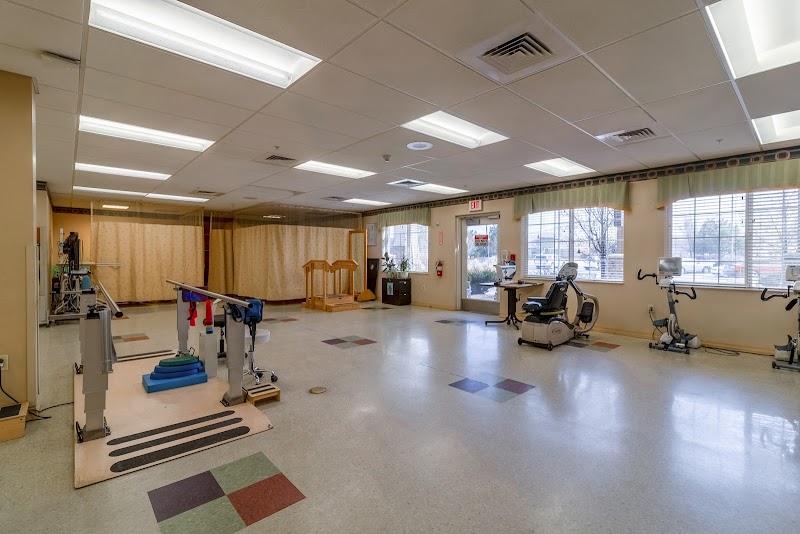
How Does Wingfield Skilled Nursing And Rehabilitation Cente Compare to Other Nevada Nursing Homes?

Compared to the 100 nursing homes in Nevada, WINGFIELD SKILLED NURSING AND REHABILITATION CENTE's overall rating (1 stars) is below the state average of 3.0, staff turnover (41%) is near the state average of 46%, and health inspection rating (1 stars) is much below the national benchmark.

What Should Families Ask When Visiting Wingfield Skilled Nursing And Rehabilitation Cente?

Based on this facility's data, families visiting should ask: "Can I visit during a mealtime to observe dining assistance and food quality?" "How do you handle medical emergencies, and what is your hospital transfer rate?" "Can I speak with family members of current residents about their experience?"

Is Wingfield Skilled Nursing And Rehabilitation Cente Safe?

Based on CMS inspection data, WINGFIELD SKILLED NURSING AND REHABILITATION CENTE has a clean safety record: no substantiated abuse findings (meaning no confirmed cases of resident harm), no Immediate Jeopardy citations (the most serious violation level indicating risk of serious injury or death), and is not on the Special Focus Facility watch list (a federal program monitoring the lowest-performing 1% of nursing homes). The facility has a 1-star overall rating and ranks #100 of 100 nursing homes in Nevada. While no facility is perfect, families should still ask about staff-to-resident ratios and recent inspection results during their visit.

Do Nurses at Wingfield Skilled Nursing And Rehabilitation Cente Stick Around?

WINGFIELD SKILLED NURSING AND REHABILITATION CENTE has a staff turnover rate of 41%, which is about average for Nevada nursing homes (state average: 46%). Moderate turnover is common in nursing homes, but families should still ask about staff tenure and how the facility maintains care continuity when employees leave.

Was Wingfield Skilled Nursing And Rehabilitation Cente Ever Fined?

WINGFIELD SKILLED NURSING AND REHABILITATION CENTE has been fined $75,670 across 1 penalty action. This is above the Nevada average of $33,836. Fines in this range indicate compliance issues significant enough for CMS to impose meaningful financial consequences. Common causes include delayed correction of deficiencies, repeat violations, or care failures affecting resident safety. Families should ask facility leadership what changes have been made since these penalties.

Is Wingfield Skilled Nursing And Rehabilitation Cente on Any Federal Watch List?

WINGFIELD SKILLED NURSING AND REHABILITATION CENTE is not on any federal watch list. The most significant is the Special Focus Facility (SFF) program, which identifies the bottom 1% of nursing homes nationally based on persistent, serious quality problems. Not being on this list means the facility has avoided the pattern of deficiencies that triggers enhanced federal oversight. This is a positive indicator, though families should still review the facility's inspection history directly.