HARRIS HILL CENTER, GENESIS HEALTHCARE

20 MAITLAND STREET, CONCORD, NH 03301 (603) 224-1319
For profit - Corporation 85 Beds GENESIS HEALTHCARE Data: November 2025 1 Immediate Jeopardy citation
Trust Grade
36/100
#52 of 73 in NH
Last Inspection: March 2025

Within standard 12-15 month inspection cycle. Federal law requires annual inspections.

Overview

Harris Hill Center, part of Genesis Healthcare in Concord, New Hampshire, has received a Trust Grade of F, indicating significant concerns about its operations. Ranked #52 out of 73 facilities in New Hampshire and #5 out of 7 in Merrimack County, it falls in the bottom half of local options. The facility's overall performance is worsening, with issues increasing from 4 in 2024 to 5 in 2025. Staffing is a relative strength, rated 3 out of 5 stars with a turnover rate of 46%, which is slightly better than the state average, although RN coverage is average. However, concerning incidents include staff administering insulin from a used pen meant for another resident, and failures to meet adequate staffing levels in the dementia unit, raising serious questions about resident safety and care.

Trust Score
F
36/100
In New Hampshire
#52/73
Bottom 29%
Safety Record
High Risk
Review needed
Inspections
Getting Worse
4 → 5 violations
Staff Stability
⚠ Watch
46% turnover. Above average. Higher turnover means staff may not know residents' routines.
Penalties
○ Average
$15,646 in fines. Higher than 65% of New Hampshire facilities. Some compliance issues.
Skilled Nurses
○ Average
Each resident gets 40 minutes of Registered Nurse (RN) attention daily — about average for New Hampshire. RNs are the most trained staff who monitor for health changes.
Violations
⚠ Watch
22 deficiencies on record. Higher than average. Multiple issues found across inspections.
★★☆☆☆
2.0
Overall Rating
★★★☆☆
3.0
Staff Levels
★★☆☆☆
2.0
Care Quality
★★☆☆☆
2.0
Inspection Score
Stable
2024: 4 issues
2025: 5 issues

The Good

  • Full Sprinkler Coverage · Fire safety systems throughout facility
  • No fines on record

Facility shows strength in fire safety.

The Bad

2-Star Overall Rating

Below New Hampshire average (3.0)

Below average - review inspection findings carefully

Staff Turnover: 46%

Near New Hampshire avg (46%)

Higher turnover may affect care consistency

Federal Fines: $15,646

Below median ($33,413)

Minor penalties assessed

Chain: GENESIS HEALTHCARE

Part of a multi-facility chain

Ask about local staffing decisions and management

The Ugly 22 deficiencies on record

1 life-threatening
Mar 2025 5 deficiencies
CONCERN (D)

Potential for Harm - no one hurt, but risky conditions existed

Deficiency F0554 (Tag F0554)

Could have caused harm · This affected 1 resident

Based on observation, interview, and record review, it was determined that the facility failed to determine if self-administration of medications were appropriate for 1 of 2 residents reviewed for cho...

Read full inspector narrative →
Based on observation, interview, and record review, it was determined that the facility failed to determine if self-administration of medications were appropriate for 1 of 2 residents reviewed for choices in a final sample of 18 residents (Resident identifier is #25). Findings include: Observation on 3/19/25 at approximately 10:02 a.m. of Resident #25's room revealed a small container of a whitish cream on Resident #25's night stand. Interview on 3/19/25 at approximately 10:05 a.m. with Resident #25 revealed that the container of whitish cream was Voltaren and they self apply the cream as needed for pain. Resident #25 stated that the nurse will refill the container as needed. Review on 3/19/25 of Resident #25's medical record revealed a physician's order for Diclofenac Sodium External Gel (Voltaren) 1 % (percent) Apply to back and legs topically two times a day for osteoarthritis pain, with a start date of 11/11/2024. Further review of Resident 25's medical record revealed that there was no assessment for self-administration of Voltaren. Observation on 3/21/25 at approximately 8:23 a.m. revealed that the container with the whitish cream (Voltaren) remained at Resident #25's beside. Interview on 3/21/25 at approximately 8:23 a.m. with Staff F (Medication Nursing Assistant) confirmed that there was a container of whitish cream (Voltaren) at Resident #25's bedside. Staff F stated that Resident #25 does not have an order to self-administer the Voltaren Cream. Review on 3/21/25 of Resident #25's Quarterly MDS (Minimum Data Set) with an ARD (Assessment Reference Date) of 2/22/25 revealed a BIMS (Brief Interview of Mental Status) score of 15/15, indicating little to no impairment. Interview on 3/21/25 at approximately 10:42 a.m. with Staff C (Clinical Corporate Nurse) confirmed that Resident #25 did not have an assessment to self-administer medications. Review on 3/21/25 of the facility's policy titled NSG: Medications: Self-Administration, reviewed on 10/15/24, revealed . Patients who request to self-administer medications will be evaluated for safe and clinically appropriate capability based on the patient's functionality and health condition. If it is determined that the patient is able to self administer: A physician/advanced practice provider (APP) order is required .Patient must be instructed in self-administration Evaluation of capability must be performed initially, quarterly, and with any significant change in condition .
CONCERN (D)

Potential for Harm - no one hurt, but risky conditions existed

PASARR Coordination (Tag F0644)

Could have caused harm · This affected 1 resident

Based on record review and interview, it was determined that the facility failed to refer residents with an evident or possible serious mental disorder for a Level II Pre-admission Screening and Resid...

Read full inspector narrative →
Based on record review and interview, it was determined that the facility failed to refer residents with an evident or possible serious mental disorder for a Level II Pre-admission Screening and Resident Review (PASARR) for 1 of 1 resident reviewed for PASARR in a final sample of 18 residents (Resident identifier is #16). Findings include: Review on 3/21/25 of Resident #16's medical record revealed that Resident #16 admitted to the facility in August 2024 with a known diagnosis of schizoaffective disorder, bipolar type, anxiety disorder, and panic disorder. Further review revealed a PASARR Level 1 completed 8/18/2024 and signed by a medical professional indicating a temporary admission for a convalescent stay with a maximum length of stay for 90 days, determined no Level II PASARR was needed at the time. Review on 3/21/25 of Resident #16's Level I PASARR form (completed on 10/1/24 and signed by a medical professional) revealed: Section 2A: Suspected Diagnosis: Bipolar, Schizophrenia/schizoaffective, and Severe Anxiety/panic and Psychiatric Inpatient, Associated with a mental health agency, Medication management, and At-home supportive services were checked yes. Section 2B: Interpersonal Function: Easily upset/anxious and Fearful of strangers were checked yes. Section 2D: Adaptation to Changes: Mental health intervention due to increased symptoms were checked yes. Section 8: Level I Screening Summary: Required PASARR involvement - Level II face to face and Length of stay requesting for Level II: Long Term Care were checked. Interview on 3/21/25 at 1:20 p.m. with Staff G (Social Service Director) revealed that Resident #16 never had a Level II PASARR as required from their PASARR Level I screening. Review on 3/21/25 of facility policy titled, Pre-admission Screening for Mental Disorder and/or Intellectual Disability Patients, dated 2/16/24, revealed: . 1.1 It is learned after admission that the Pre-admission Screening and Resident Review was not completed or is incorrect, or .2.1 Refer to the appropriate state designated authority when a patient is identified as having an evident or possible MD, ID or related condition .
CONCERN (D)

Potential for Harm - no one hurt, but risky conditions existed

Comprehensive Care Plan (Tag F0656)

Could have caused harm · This affected 1 resident

Based on interview and record review, it was determined that the facility failed to implement the plan of care for 1 of 1 resident reviewed for change of condition (Resident identifier is #32) and 1 o...

Read full inspector narrative →
Based on interview and record review, it was determined that the facility failed to implement the plan of care for 1 of 1 resident reviewed for change of condition (Resident identifier is #32) and 1 of 1 resident reviewed for insulin (Resident identifier is #58) in a final sample of 18 residents. Findings include: Resident #32 Review on 3/20/25 of Resident #32's current care plan revealed the care plan intervention, initiated 2/14/25, for Congested Heart Failure: weigh daily, notify physician of weight gain greater than 2 pounds per day. Review on 3/20/25 of Resident #32's weights and vitals summary, dated 3/16/24, revealed a weight of 329.8 pounds on 3/16/25 and a weight of 333 pounds on 3/17/25 (an increase of 3.2 pounds). Review on 3/20/25 of Resident #32's medical record revealed that there was no documentation of notification to a provider on 3/17/25 when Resident #32 had an increase of greater than 2 pounds in one day. Interview on 3/20/25 at 9:30 am with Staff D (Medical Director) confirmed that he/she was not notified of the above mentioned increase in weight on 3/17/25 and there was no documentation of a provider notification in the medical record. Resident #58 Review on 3/19/25 of Resident #58's medical record revealed a progress note, dated 3/16/25, that stated [Resident #58 name omitted] was in the dayroom for super [sic], ate all [pronoun omitted] supper; but when [pronoun omitted] CBG [capillary blood glucose] was checked by 1930 [7:30 p.m.], it was 106. About 2100 [9:00 p.m.] it read 60. Glucose adm. [administered] and went up to 70 in about 20 minutes. Night nurse updated and will continue to check resident and appropriate interventions until res. [resident] CBG is stable. Further review of Resident #58's medical record revealed no documented physician notification regarding receiving Glucose for low blood sugar. Review on 3/21/25 of Resident #58's physician orders revealed an order for Insta-Glucose Gel 77.4% (percent), start date 2/21/24, Give 1 dose by mouth as needed for BG (Blood Glucose) less than 70, pt (patient) arousable, conscious and able to swallow. Hold all diabetic medications until provider authorizes resumption. Remain with pt., keep pt in bed/chair for safety. Repeat blood glucose in 15 min. (minutes). Review on 3/21/25 of Resident #58's current care plan revealed the following care plan intervention, initiated 2/23/24, for insulin dependant diabetes: Access and record blood glucose levels as ordered. Call MD [Medical Doctor] if CBG is < [less than] 70 or >[greater than] 250. Interview on 3/21/25 at approximately 9:55 a.m. with Staff D (Medical Director) confirmed that there was no documentation of physician notification for Resident #58's low blood sugar episode requiring glucose administration. Staff D stated that a provider needed to be notified in accordance with the physician order.
CONCERN (D)

Potential for Harm - no one hurt, but risky conditions existed

Deficiency F0658 (Tag F0658)

Could have caused harm · This affected 1 resident

Based on observation, interview and record review, it was determined that the facility failed to ensure that insulin was administered per manufacturer's instructions and per facility policy and proced...

Read full inspector narrative →
Based on observation, interview and record review, it was determined that the facility failed to ensure that insulin was administered per manufacturer's instructions and per facility policy and procedure for 1 of 4 residents observed for medication administration. (Resident identifier is #77.) Findings include: Review on 3/19/25 of Resident # 77's physician orders revealed an order for Novolog Flex Pen subcutaneous solution pen-injector 100 unit/ml (milliliter) Inject 4 units subcutaneously before meals for DM II (Diabetes Mellitus). Observation on 3/19/25 at approximately 12:00 p.m. of Resident #77's insulin administration with Staff A (Registered Nurse) revealed that Staff A primed the Insulin Pen with only 1 unit of insulin prior to administration of scheduled 4 unit dose and when injecting the insulin into Resident #77 he/she held the Insulin Pen in place for 3 seconds. Interview on 3/19/25 at approximately 12:00 p.m. with Staff A confirmed that he/she had primed the insulin pen with only 1 unit of insulin and had held the pen in place for 3 seconds after injecting the scheduled dose of Insulin. Review on 3/20/25 of manufacturers instructions for Novolog Flex Pen revealed: Giving the airshot before each injection E. Turn the dose selector to select 2 units . G. Keep the needle pointing upwards, press the push-button all the way in. The dose selector returns to 0. Giving the Injection . Keep the needle in the skin for at least 6 seconds, and keep the push-button pressed all the way in . Review on 3/20/25 of facility policy titled Medication Administration Subcutaneous Insulin, dated 01/23 revealed: Always perform the safety test before each injection . A. Select the dose of units by turning the dosage selector (diagram indicates 2 units) . D. Hold the pen with the needle pointing upwards . F. Press the injection button all the way in . A. Insert the needle into the skin at a 90 degree angle. B. Deliver the dose by pressing the injection button in all the way . C. Keep the injection button pressed all the way in. Slowly count to 10 before you withdraw the needle from the skin. This ensures the full dose will be delivered.
CONCERN (D)

Potential for Harm - no one hurt, but risky conditions existed

Deficiency F0761 (Tag F0761)

Could have caused harm · This affected 1 resident

Based on observation and interview, it was determined that the facility failed to ensure that medications were appropriately labeled and expired medications removed from use for 1 of 2 medication cart...

Read full inspector narrative →
Based on observation and interview, it was determined that the facility failed to ensure that medications were appropriately labeled and expired medications removed from use for 1 of 2 medication carts observed. Finding include: Observation on 3/19/25 at approximately 9:10 a.m. of the second floor low medication cart with Staff B (Licensed Practical Nurse) revealed an Albuterol Sulfate inhaler that contained no resident identifier and the medication was not in the pharmacy dispensed container. Further observation revealed a manufacturer's expiration date of 2/23. Interview on 3/19/25 at approximately 9:12 a.m. with Staff B confirmed the above findings. Review on 3/21/25 of the Facilities Policy Titled Medication Storage: Storage of Medications, Reviewed on 1/25, revealed .7. Medications for oral inhalation are stores in the dispensed containers following manufacturer guidelines . 14. Outdated, contaminated, discontinued or deteriorated medications .are immediately removed from stock .
Jun 2024 1 deficiency 1 IJ
CRITICAL (J) 📢 Someone Reported This

A family member, employee, or ombudsman was alarmed enough to file a formal complaint

Immediate Jeopardy (IJ) - the most serious Medicare violation

Infection Control (Tag F0880)

Someone could have died · This affected 1 resident

Based on interview and record review, it was determined that the facility failed to ensure that 1 of 4 residents reviewed for insulin was free from exposure to bloodborne and bacterial pathogen transm...

Read full inspector narrative →
Based on interview and record review, it was determined that the facility failed to ensure that 1 of 4 residents reviewed for insulin was free from exposure to bloodborne and bacterial pathogen transmission when staff administered the resident insulin from another resident's used insulin pen (Resident Identifier #1). Findings include: Interview on 6/4/24 at 9:30 a.m. with Staff C (Registered Nurse) revealed that he/she was Resident #1's evening nurse on 5/28/24 and that he/she was not able to locate Resident #1's Humalog 75/25 insulin or any back-up/emergency stock in the medication room for the 6:00 p.m. ordered dose. Staff C confirmed that he/she went to another medication cart to use another resident's (Resident #2) Humalog 75/25 insulin pen. Staff C revealed that he/she drew up 10 units of the insulin with a syringe and administered it to Resident #1. Staff C confirmed that the insulin pen was opened and had already been used for Resident #2. Interview on 6/03/24 at 9:30 a.m. with Staff A (Licensed Practical Nurse (LPN)) confirmed that Staff C used Resident #2's Humalog 75/25 insulin pen to draw up the 10 units of insulin for Resident #1 on 5/28/24. Staff A revealed that the insulin pen had already been used for Resident #2. Interview on 6/4/24 at 10:25 a.m. with Staff B (Director of Nursing) confirmed that it was not the facility's policy to borrow medication from another resident. Review on 6/4/24 of Resident #1's May Medication Administration Record (MAR) revealed a physician's order for Humalog Mix 75/25 for 10 units subcutaneously before dinner for diabetes mellitus. Review on 6/4/24 of the Humalog Mix 75/25 KwikPen insert, provided by the facility, revealed, .Do Not share your Humalog Mix75/25 KwikPen or needles with anyone else. You may give an infection to them or get an infection from them . Review on 6/4/24 of the facility's pharmacy policy titled Appropriate Use of Prefilled Insulin Pen Devices, provided by the facility revealed, .Insulin pens include a number of manufacturer-unique administrative devices designed for accurate and simple insulin administration. These benefits are only realized if prefilled pen devices are used appropriately .Never access the rubber seal of the cartridge containing insulin with a syringe and needle. Never use the same pen for more than one resident . Review on 6/4/24 of the facility's policy Medication Shortages/Unavailable Medications revealed, .If a medication is unavailable during normal Pharmacy hours . A Facility nurse should call Pharmacy to determine the status of the order . If the medication is not available in the Emergency Medication Supply, Facility staff should notify Pharmacy and arrange for an emergency delivery, if medically necessary . If a medication is unavailable is discovered after normal Pharmacy hours . If the ordered medication is not available in the Emergency Medication Supply, the licensed Facility nurse should call Pharmacy's emergency answering service and request to speak with the registered pharmacist on duty to mange the plan of action. Action may include . Emergency delivery; or . Use of an emergency (back-up) Third Party Pharmacy . If an emergency delivery is unavailable, Facility nurse should contact the attending physician to obtain orders or directions . Review on 6/4/24 of the Centers for Disease Control and Prevention (CDC) handout retrieved 6/4/24 from https://www.cdc.gov/injection-safety/media/pdfs/Insulin-Pen-Safety-Handout-P.pdf revealed, .Injection equipment (e.g., insulin pens, needles and syringes) should never be used for more than one person . It is critical to remember that insulin pens are meant for only one person . Although invisible to the eye, back flow of blood into the insulin pen can happen during an injection. This creates a risk of bloodborne and bacterial pathogen transmission to patients if the pen is used for more than one person, even when the needle is changed . Interview on 6/4/24 at 2:00 p.m. with Staff B revealed that on 5/29/24 she had worked late to audit and in-service staff working the 3:00 p.m. to 11:00 p.m. and the 11:00 p.m. to 7:00 a.m. shift regarding administration of insulin pens and not using another residents' insulin. Staff B stated that on 5/30/24 audits had been conducted for all residents to be sure that there was no additional missing insulin with no additional concerns found. Review on 6/4/24 of the facility's in-service training record for insulin pen administration, medications not available, abuse/misappropriation revealed it was started on 5/29/24. Review on 6/4/24 of the facility's competencies for medication not being available, abuse, insulin pens, following physician's orders and insulin replacement revealed it was started on 5/29/24 and all staff had been trained prior to working their first shift. Review on 6/4/24 of the facility's Ad Hoc Quality Assurance and Performance Improvement meeting held on 5/30/24 at 10:00 a.m. revealed the facility had reviewed the above incident which included a root cause analysis, review of audits and plan for auditing. Review on 6/4/24 of the facility's Public Health Communication Timeline revealed that the facility had notified New Hampshire Public Health on 5/30/24 regarding the above incident and had followed up on 5/31/24.
Feb 2024 3 deficiencies
CONCERN (D)

Potential for Harm - no one hurt, but risky conditions existed

Deficiency F0658 (Tag F0658)

Could have caused harm · This affected 1 resident

**NOTE- TERMS IN BRACKETS HAVE BEEN EDITED TO PROTECT CONFIDENTIALITY** 2) Based on observation, interview, and record review, it was determined that the facility failed to ensure that professional st...

Read full inspector narrative →
**NOTE- TERMS IN BRACKETS HAVE BEEN EDITED TO PROTECT CONFIDENTIALITY** 2) Based on observation, interview, and record review, it was determined that the facility failed to ensure that professional standards were followed for administering medication in a Peripherally Inserted Central Catheter (PICC) line for 1 of 1 PICC line medication administration observed (Resident Identifier #182). Findings include: Standards: Wolters Kluwer. Lippincott Nursing Procedures. 8th edition. Philadelphia, PA: Wolters Kluwer, 2019. Page 599-600- Administering drugs using a PICC .Perform a vigorous mechanical scrub of the needless connector for at least an antiseptic pad. Allow it to dry completely. While maintaining the sterility of the syringe tip . Observation on 2/28/24 at approximately 1:37 p.m. with Staff G (Licensed Practical Nurse) revealed that Staff G scrubbed Resident #182's PICC line the purple needleless connector and then the red needleless connector with an alcohol swab. Staff G released the purple needleless connector and it touched Resident #182's clothing and his/her wheelchair. Staff G proceeded to flush the red needleless connector with 10 milliliter (ml) of normal saline flush with resistance then flushed the purple needleless connector without disinfecting the purple needleless connector with an alcohol swab. Interview on 2/28/24 at approximately 1:40 p.m. with Staff G confirmed the above findings. Review on 2/28/24 of the facility's policy titled Administration of an intermitted infusion revision date of 6/1/21, revealed .Licensed nurses caring for patients receiving infusion therapies must adhere to Aseptic Non Touch Technique (ANTT) for all infusion-related procedures as a critical aspect of infection prevention .Adhere to Standard-ANTT when connecting, changing, and accessing administration set injection ports .Equipment: .alcohol pads .Procedure: .Perform a vigorous mechanical scrub to manually disinfect the needless connector. Allow to aid dry. 1) Based on observation, record review, and interview it was determined that the facility failed to follow physicians' orders to provide compression stockings for 1 of 1 resident reviewed for edema in a final sample of 27 (Resident Identifier #14). Findings include: Standards: [NAME], [NAME] A., and [NAME]. Fundamentals of Nursing. 7th ed. St. Louis, Missouri: Mosby Elsevier, 2009. Page 336-Physicians Orders The physician is responsible for directing medical treatment. Nurses follow physicians's orders unless they believe the orders are in error or harm clients. Therefore you need to assess all orders, and if you find one to be erroneous or harmful, further clarification from the physician is necessary . Observation on 2/27/24 at approximately 10:00 a.m. of Resident #14 revealed edema to bilateral feet and ankles. Resident #14 was dressed and in bed with no compression stockings on. Observation on 2/28/24 at approximately 10:00 a.m. revealed Resident #14 up, dressed, and walking to the Resident Council meeting. Resident #14 was wearing black socks but no compression stockings. Interview on 2/27/24 at approximately 10:10 a.m. with Staff B (Licensed Practical Nurse) confirmed the above findings. Review on 2/29/24 of Resident #14's active physician orders revealed an order for [name omitted] compression stockings to bilateral lower extremities. Apply in the morning and remove at bedtime with a start date of 8/25/23. Review on 2/29/24 of Resident #14's Medication Administration Record (MAR) and Treatment Administration Record (TAR) revealed no order for compression stockings to bilateral lower extremities. Interview on 2/29/24 at approximately 12:13 p.m. with Staff B confirmed the above findings. Interview on 2/29/24 at approximately 12:20 p.m. with Resident #14 revealed he/she has not had compression stockings In a long time.
CONCERN (D)

Potential for Harm - no one hurt, but risky conditions existed

Accident Prevention (Tag F0689)

Could have caused harm · This affected 1 resident

Based on observation, record review, and interview, it was determined that the facility failed to maintain an environment free of accident hazards for 1 of 2 residents reviewed for smoking in a final ...

Read full inspector narrative →
Based on observation, record review, and interview, it was determined that the facility failed to maintain an environment free of accident hazards for 1 of 2 residents reviewed for smoking in a final sample of 27 residents (Resident Identifier #20). Findings include: Observation on 2/27/24 at approximately 8:00 a.m. revealed Resident #20 outside smoking in the designated smoking area alone. Review on 2/28/24 of Resident #20's Smoking Evaluation dated 12/9/23, revealed Section E. Evaluation 1. Smoking Decision 1) Independent smoking is allowed .3. Smoking supplies (including, but not limited to, tobacco, matches, lighters, lighter fluid, batteries, refill cartridges, etc.) will be labeled with the patient's name, room number, and bed number, maintained by staff, and stored in a suitable cabinet kept at the nursing station. Review on 2/28/24 of facility policy titled OPS137 Smoking review and revision date 8/7/23, revealed on page 3 of 3 section 2.6 Smoking supplies .maintained by staff .kept at the nursing station. Interview on 2/29/24 at approximately 9:30 a.m. with Staff E (License Nursing Assistant) revealed Resident #20 keeps his/her smoking supplies on his/her person. Interview on 2/29/24 at approximately 10:30 a.m. with Staff D (Licensed Practical Nurse) revealed Resident #20 is supposed to turn in [pronoun omitted] smoking supplies, but [pronoun omitted] does not.
CONCERN (D)

Potential for Harm - no one hurt, but risky conditions existed

Food Safety (Tag F0812)

Could have caused harm · This affected 1 resident

Based on observation and interview, it was determined that the facility failed to serve food in accordance with professional standards in 1 of 2 dining rooms observed. Findings Include: Observation o...

Read full inspector narrative →
Based on observation and interview, it was determined that the facility failed to serve food in accordance with professional standards in 1 of 2 dining rooms observed. Findings Include: Observation on 2/27/2024 at 12:40 pm of the third floor lunch meal service revealed that Staff F (Licensed Nursing Assistant) served a hamburger to a resident by placing the top bun onto the burger with bare hands and handing the hamburger to the resident. Interview on 2/27/2024 at 12:45 with Staff F confirmed the above findings. Review on 3/4/24 of the Food Code, U.S. Public Health Service, U.S. Food and Drug Administration, 2017 retrieved from https://www.fda.gov/food/fda-food-code/food-code-2017 revealed the following: Preventing Contamination by Employees 3-301.11 Preventing Contamination from Hands . (B) FOOD EMPLOYEES may not contact exposed, READY-TO-EAT FOOD with their bare hands and shall use suitable UTENSILS such as deli tissue, spatulas, tongs, single-use gloves, or dispensing EQUIPMENT.
Jan 2023 13 deficiencies
CONCERN (D)

Potential for Harm - no one hurt, but risky conditions existed

Deficiency F0578 (Tag F0578)

Could have caused harm · This affected 1 resident

**NOTE- TERMS IN BRACKETS HAVE BEEN EDITED TO PROTECT CONFIDENTIALITY** Based on record review and interview, it was determined that the facility failed to document advanced directives for 1 out of 33...

Read full inspector narrative →
**NOTE- TERMS IN BRACKETS HAVE BEEN EDITED TO PROTECT CONFIDENTIALITY** Based on record review and interview, it was determined that the facility failed to document advanced directives for 1 out of 33 residents reviewed for advanced directives in a final sample of 33 residents (Resident identifier is #69). Findings include: Review on [DATE] at approximately 8:18 a.m. of Resident #69's electronic medical record revealed Resident #69 re-admitted to the facility on [DATE]. Review on [DATE] at approximately 8:18 a.m. of Resident #69's medical record revealed no current physician orders for code status. Further review of Resident #69's medical record revealed no indication of what Resident #69's code status wishes were. Interview on [DATE] at approximately 8:30 a.m. with Staff H (Licensed Practical Nurse) confirmed the above findings. Staff H stated that if they were to find Resident #69 unresponsive and could not verify code status they would initiate CPR [Cardio Pulmonary Resuscitation] and call 911. Review on [DATE] at approximately 8:10 a.m. of Resident #69's medical record revealed an order dated [DATE] for Do Not Resuscitate. Interview on [DATE] at approximately 8:30 a.m. with Staff I (Interim Director of Nursing) confirmed that Resident #69 was a Do Not Resuscitate. Staff I stated that when Resident #69 re-entered facility on [DATE] the code status was not entered in to the system. Review on [DATE] of facility policy titled Code Status Orders, effective date [DATE], revealed .1. Upon admission / re-admission, a code status order is required as soon as possible as part of the patient's admission order set. 1.4 Orders for code status include Fill Code or DNR [Do Not Resuscitate] .2. Staff should verify the patient's wishes with regard to code status (Full Code vs. DNR) upon admission .3. If a patient experienced cardiopulmonary arrest prior to receiving a code status order or verbal declination by the [NAME] or, if applicable, the resident representative, the Center will perform CPR .
CONCERN (D)

Potential for Harm - no one hurt, but risky conditions existed

Safe Environment (Tag F0584)

Could have caused harm · This affected 1 resident

**NOTE- TERMS IN BRACKETS HAVE BEEN EDITED TO PROTECT CONFIDENTIALITY** Observation on 1/18/23 between 9:30 a.m. and 10:30 a.m. on third floor revealed the following: room [ROOM NUMBER] - Floor tiles...

Read full inspector narrative →
**NOTE- TERMS IN BRACKETS HAVE BEEN EDITED TO PROTECT CONFIDENTIALITY** Observation on 1/18/23 between 9:30 a.m. and 10:30 a.m. on third floor revealed the following: room [ROOM NUMBER] - Floor tiles lifting in front of bed; room [ROOM NUMBER] - Exterior door paint chipped; room [ROOM NUMBER] - Closet door missing and replaced with a shower curtain; room [ROOM NUMBER] - Closet door missing; room [ROOM NUMBER]A - Large screw holes in wall and wall paper peeling. Interview on 1/20/23 at approximately 9:30 a.m. with Staff D and Staff E confirmed the above findings. Third floor Dementia Unit Observation on 1/8/23 of the third floor dementia unit revealed the following: room [ROOM NUMBER] - over bed table with lifting top laminate with sharp edges exposed; room [ROOM NUMBER] - holes in wall, drawer cover missing from vanity with 4 sharp ends of screws exposed; room [ROOM NUMBER] - drawer cover missing from vanity with 4 sharp ends of nails exposed, wall paper lifting, ceiling tile above doorway cracked with noted black brown substance present; room [ROOM NUMBER] - crack in wall under window, large section missing paint, window sill noted to have white paint drips and scrapes; room [ROOM NUMBER] - holes in walls; Hallway by nurse's station - corner protector at hip level is cracked and broken with jagged and sharp edges. Interview on 1/20/23 at approximately 9:25 a.m. with Staff D confirmed the above findings. Staff D stated they were not previously aware of items listed above.Second floor room [ROOM NUMBER] Observation on 1/18/23 at approximately 9:30 a.m. in room [ROOM NUMBER] revealed a wire outlet with end cap and no cover at the wall next to the bathroom. Further observation revealed that the sink in room [ROOM NUMBER] had a linear crack on the sink from the left side faucet handle to the middle of the sink. Interview on 1/20/23 at approximately 8:48 a.m. with Staff D confirmed that the sink in room [ROOM NUMBER] was cracked. Based on interview, observation, and record review, it was determined that the facility failed to ensure a clean and safe environment on 2 of 2 nursing units. Findings include: Observations on 1/18/23 at 10:20 a.m. on the second floor revealed the following: Three large holes in the wall by the elevator where it appears there is a missing hand rail; Two 3/4 inch holes and plaster chipping in the alcove next to the elevator. In addition, missing outlet cover on receptacle; No cap at the end of the hand rails outside of 11 rooms 202, 204, 205, 211, 215, 216, 217, 222, 224, 225 and rehab office; Loose hand rail in sitting area across from elevator; Trim on television in room [ROOM NUMBER]A was off; Large crack the length of the hand rail in the service elevator. This was observed on both sides of the elevator. Interview on 1/19/23 at approximately 12:24 p.m. with Staff E (Regional Director of Maintenance) confirmed that the end caps were missing and had been replaced on 1/18/23. Observation and interview on 1/20/23 at 9:07 a.m. with Staff D (Director of Maintenance) and Staff E confirmed the above findings.
CONCERN (D)

Potential for Harm - no one hurt, but risky conditions existed

Deficiency F0657 (Tag F0657)

Could have caused harm · This affected 1 resident

Based on interview and record review, it was determined that the facility failed to update the residents care plan with revised interventions after the resident sustained a fall for 1 of 3 residents r...

Read full inspector narrative →
Based on interview and record review, it was determined that the facility failed to update the residents care plan with revised interventions after the resident sustained a fall for 1 of 3 residents reviewed for accidents in a final sample of 33 residents (Resident identifier is #69). Findings include: Interview on 1/18/23 at approximately 9:02 a.m. with Resident #69 revealed that I fall all the time. Review on 1/19/23 at approximately 1:43 p.m. of Resident #69's interact change in condition assessment revealed that they had a fall on 12/24/22 out of their wheelchair and again on 12/26/22 they had fall out of their wheelchair. Review on 1/19/23 at approximately 1:43 p.m. of Resident #69's falls care plan revealed no new interventions or revisions had been made to care plan for either the fall on 12/24/22 or 12/26/22. Review on 1/20/23 at approximately 11:00 a.m. of Resident #69's fall investigation for fall on 12/24/22 revealed, under incident description, that at 3:30 p.m. Resident #69 was repositioned in their wheelchair as they were sliding down, and at 3:45 p.m. Resident #69 found on the floor in the day room as they slid down. Further review of 12/24/22 falls investigation, under immediate action taken, revealed no new intervention to prevent Resident #69 from sliding out of wheelchair in the future. Review on 1/20/23 at approximately 11:00 a.m. of Resident #69's falls investigation for fall on 12/26/22 revealed, under incident description, found in the dining room on the floor in front of wheelchair. Resident #69 stated my pants are slippery I slid off my chair. Further review of 12/26/22 falls investigation, under immediate action taken, referring to therapy for positioning. Review on 1/20/23 at approximately 11:00 a.m. Resident #69's of Interdisciplinary therapy screen form dated 12/30/22 revealed that Resident # 69 was observed up in wheelchair for breakfast and lunch meal with no sliding or positional concerns. Custom wheelchair being ordered which will allow patient improved and safer mobility. Interview on 1/20/23 at approximately 1:45 p.m. with Staff I (Interim Director of Nursing) confirmed that there were no revisions made to Resident #69's falls care plan after falls on 12/24/22 and 12/26/22 to decrease the risk of falling out of wheelchair until a therapy screen and a new wheelchair could be obtained. Review on 1/23/32 of facility policy titled Falls Management, revised on 6/15/22, revealed .1. All patients will be assessed for risk of falls upon admission, with reassessments routinely (e.g., quarterly, post-fall) performed to determine ongoing need for fall prevention precautions .2. Implement and document patient-centered interventions according to individual risk factors in the patients' plan of care .
CONCERN (D)

Potential for Harm - no one hurt, but risky conditions existed

Deficiency F0658 (Tag F0658)

Could have caused harm · This affected 1 resident

**NOTE- TERMS IN BRACKETS HAVE BEEN EDITED TO PROTECT CONFIDENTIALITY** Findings include: Resident #181 Observation on 1/18/23 at 11:19 a.m. revealed a dark brown area from the tip to middle of Reside...

Read full inspector narrative →
**NOTE- TERMS IN BRACKETS HAVE BEEN EDITED TO PROTECT CONFIDENTIALITY** Findings include: Resident #181 Observation on 1/18/23 at 11:19 a.m. revealed a dark brown area from the tip to middle of Resident #181's right big toe. During interview with Resident #181 who was alert and oriented times 3 (person, place and time) who stated that he/she banged his/her foot on the door at his/her house before admission. He/She stated that he/she keeps the blankets off of that foot because it can be painful and stated that it began to hurt a few days ago. Interview on 1/20/23 at 8:57 a.m. Resident #181 stated that he/she has asked the Licensed Nursing Assistants (LNAs) to put the Bag Balm medication on and they've been putting it on every 2-3 hours. He/She stated that the area is improving. Interview on 1/20/23 at 9:54 a.m. with Staff A (Licensed Practical Nurse (LPN)) stated that he/she did not know about Resident #181's right toe. Staff A observed Resident #181's toe and confirmed the above observation on Resident #181's big toe. Staff A stated that he/she was going to notify the Nurse Practitioner (NP) about it. He/She also stated there were no orders for any treatment for his/her right big toe. Review of the Skin and Wound Evaluation dated 1/16/23 revealed that the area was not noted. Review of Resident #181's Medication Administration Record (MAR) on 1/20/23 revealed that there was not an order for Bag Balm. Interview on 1/20/23 at 10:30 a.m. with Staff B (Advance Practical Registered Nurse (APRN)) revealed that he/she was unaware of the area on Resident #181's toe. Staff B stated he/she was not notified by the nursing staff and did not write an order for the Bag Balm to be applied. He/She also stated that they have seen Resident #181 since his/her admission but didn't notice the area on his/her right toe. Interview with Staff C (Licensed Nursing Assistant) on 1/20/23 at 10:37 a.m. revealed that he/she was caring for Resident #181 today and has in the past. He/She stated that she/he never noticed Resident #181's toe and was never asked to put the medication on his/her foot. Based on observation, interview, and record review, it was determined that the facility failed to follow physician's order for wound dressing change for 1 resident out of 1 residents reviewed for pressure injury. (Resident identifier #1) and 1 out of 3 residents reviewed for medical treatments without a physician's order (Resident identifier #181). Findings include: Standard: [NAME], [NAME] A., and [NAME]. Fundamentals of Nursing. 7th ed. St. Louis, Missouri: Mosby Elsevier, 2009. Page 336- Physicians' Orders The physician is responsible for directing medical treatment. Nurses follow physician's orders unless they believe the orders are in error or harm clients. Therefore you need to assess all orders, and if you find one to be erroneous or harmful, further clarification from the physician is necessary . Interview on 1/18/23 at approximately 9:30 a.m. with Resident #1 revealed that he/she had a concern of inconsistent wound dressing changes. Review on 1/18/23 of Resident #1's active physician's order revealed a wound dressing change for Resident #1's Left ischial wound to cleanse wound with normal saline or wound wash then pack with Kerlix gauze moistened with quarter strength Dakins solution and cover with Optifoam dressing daily and as needed with a order date of 12/7/22. Observation on 1/19/23 at approximately 11:00 a.m. with Staff A (Licensed Practical Nurse) of Resident #1's left ischial wound dressing change revealed an old dressing on Resident #1 was a gauze dressing. Interview on 1/19/23 at approximately 11:15 a.m. with Staff A confirmed above observation. Staff A stated that Resident #1 should have had a Optifoam dressing [foam dressing] and not a gauze dressing.
CONCERN (D)

Potential for Harm - no one hurt, but risky conditions existed

Deficiency F0688 (Tag F0688)

Could have caused harm · This affected 1 resident

Based on observation, record review, and interview the facility failed to ensure that residents with limited range of motion received appropriate care for 2 of 2 residents with limited range of motion...

Read full inspector narrative →
Based on observation, record review, and interview the facility failed to ensure that residents with limited range of motion received appropriate care for 2 of 2 residents with limited range of motion in a final sample of 33 residents (Resident identifiers are #4 and #50). Findings include: Resident #50 Observation of Resident #50 on 1/18/23 at approximately 8:30 a.m. revealed Resident #50 sitting in a chair, left hand contracted and nothing on hand for skin protection. Further observation revealed Resident #50's C-grip splint [orthotic device] on his/her side table. Interview on 1/18/23 at approximately 8:30 a.m. with Resident #50 revealed Resident #50 is working with Occupational Therapy for his/her left hand and he/she has pain in the left hand. Observation on 1/18/23 at approximately 8:30 a.m. revealed Resident #50 not in his/her room and Resident #50's C-grip splint on his/her side table. Observation on 1/19/23 at approximately 12:15 a.m. revealed Resident #50 eating lunch in his/her room and Resident #50's C-grip splint on his/her side table. Observation of Resident #50 on 1/23/23 at approximately 8:50 a.m. revealed Resident #50 not wearing a C-grip splint on his/her left hand. Review on 1/23/23 at approximately 8:00 a.m. of Resident #50's active diagnosis list revealed a diagnosis of Contracture, left hand. Review on 1/23/23 at approximately 8:05 a.m. of Resident #50's active physician's orders revealed resident is to wear a C-grip splint on his/her L [left] hand daily applied by LNA [Licensed Nursing Assistant] staff at morning care and removed at end of 1st shift with skin checks performed pre and post application and gentle stretching performed to L wrist, digits and thumbs prior to application. Inform nsg [nursing] and/or OT [occupational therapy] if any skin issues do not dissipate within 10 minutes after splint removal. Review on 1/23/23 at approximately 8:45 a.m. of Resident #50's current care plan revealed the following focus and interventions: .Focus: Restorative Range of Motion . [name omitted] demonstrates loss of range of motion in left hand created 10/5/22 .Interventions .Please do ROM [range of motion] .Please document and report compliance with this . .Focus: Restorative Splint C Grip . [name omitted] cannot apply or remove created 3/23/22 .Interventions . C-grip to left hand . Put splint on once up . Splint application . See RNP [Restorative Nursing Program] book for instruction . Interview on 1/23/23 at approximately 8:55 a.m. with Staff O (License Nursing Assistant (LNA)) revealed Staff O attempted to place Resident #50's C-grip on this morning and Resident #50 refused. Interview further revealed that on the task record, the not applicable column is at times checked instead of the refused column. Interview on 1/23/23 at approximately 9:15 a.m. with Staff M (Unit 3 Nurse Manager) revealed that Resident #50 typically refuses for nursing but will let the Occupational Therapist put the C-grip splint on. Interview further revealed LNAs are responsible for working with residents on restorative range of motion and any documentation would be in the medical record. Interview on 1/23/23 at approximately 9:25 a.m. with Staff P (Occupational Therapist) revealed that Resident #50 does not refuse the application of the C-grip. Interview further revealed that Staff P is working on changing the type of splint and the restorative range of motion plan. Review on 1/23/23 at approximately 9:35 a.m. of RNP book for room #'s. 313-326 revealed no documentation of RNP found for room no 313. Interview on 1/23/23 at approximately 9:40 a.m. with Staff M confirmed the above.Resident #4 Observation on 1/18/23 at approximately 8:49 a.m. of Resident #4 revealed a left hand orthotic on side table. Further observation of Resident #4 revealed left had to be contracted. Observation on 1/19/23 at approximately 1:30 p.m. of Resident #4 revealed a left hand orthotic on side table. Review on 1/19/23 at approximately 3:42 p.m. of Resident # 4's medical record revealed the following Occupational Therapy entries: 11/26/22 that stated: Pt [patient] with moderate to severe flexion contracture of all digits of L [left] hand; middle fingers most involved; resistive to care. At risk for further contracture and altered palmar skin integrity and hygiene . 1/16/23 that stated .PROM [Passive Range of Motion] to left hand/fingers to increase ROM [Range of Motion] and ability to wear an orthotic and to protect skin integrity . Further review of Resident #4's medical record revealed no care plan for contracture or increased risk for further contracture of left hand and no care plan for Occupational Therapy services. Review on 1/19/23 at approximately 3:45 p.m. of Resident #4's nurses note dated 1/18/23 revealed a note that stated Occupational Therapy is scheduled to discontinue 1/25/23 new splint Restorative Nursing Program has been implemented. Observation on 1/20/23 at approximately 9:14 a.m. of Resident #4 revealed the left hand orthotic on the side table. Observation on 1/23/23 at approximately 9:23 a.m. of Resident #4 revealed the left had orthotic on the side table. Review on 1/23/23 at approximately 9:41 a.m. of the third floor restorative nursing program book revealed no Restorative Nursing Program for Resident #4's left hand orthotic or PROM to the left hand. Interview on 1/23/23 at approximately 10:11 a.m. with Staff P revealed that Resident #4 is currently being treated by OT (Occupational Therapy) for left hand contractures and for lower extremity positioning. Staff P confirmed that Resident #4 has an orthotic that OT has been applying in an effort it increase the wear time and is now in the process of transitioning this to a restorative nursing program. Staff P stated that the last time they placed the split on Resident #4 was on 1/16/23 and have since been focused on positioning of lower extremities.
CONCERN (D)

Potential for Harm - no one hurt, but risky conditions existed

Accident Prevention (Tag F0689)

Could have caused harm · This affected 1 resident

Based on interview and record review, it was determined that the facility failed to ensure the residents environment remains as free of accidents and hazards as possible for 1 of 3 residents reviewed ...

Read full inspector narrative →
Based on interview and record review, it was determined that the facility failed to ensure the residents environment remains as free of accidents and hazards as possible for 1 of 3 residents reviewed for accidents in a final sample of 33 residents (Resident identifier is #69) and the facility failed to provide supervision at meals for 1 of 1 residents reviewed for Activities of Daily Living (ADL) in a final sample of 33 residents (Resident identifier is #46). Findings include: Interview on 1/18/23 at approximately 9:02 a.m. with Resident #69 revealed that I fall all the time. Review on 1/19/23 at approximately 1:43 p.m. of Resident #69's interact change in condition assessment revealed that they had a fall on 12/24/22 out of their wheelchair and on 12/26/22 they had fall out of their wheelchair. Review on 1/20/23 at approximately 11:00 a.m. of Resident #69's fall investigation for 12/24/22 fall revealed, under incident description, that at 3:30 p.m. Resident #50 was repositioned in their wheelchair as they were sliding down, and at 3:45 p.m. Resident #69 found on the floor in the day room as they slid down. Further review of 12/24/22 fall investigation, under immediate action taken, revealed no new intervention to prevent Resident #69 from sliding out of wheelchair in the future. Review on 1/20/23 at approximately 11:00 a.m. of Resident #69's falls investigation for 12/26/22 fall revealed, under incident description, found in the dining room on the floor in front of wheelchair. Resident #69 stated my pants are slippery I slid off my chair. Further review of 12/26/22 fall investigation, under immediate action taken, referring to therapy for positioning. Review on 1/20/23 at approximately 11:00 a.m. Resident #69's of Interdisciplinary Therapy Screen form dated 12/30/22 revealed that Resident # 69 was observed up in his/her wheelchair for breakfast and lunch meal with no sliding or positional concerns. Custom wheelchair being ordered which will allow patient improved and safer mobility. Interview on 1/20/23 at approximately 1:45 p.m. with Staff I (Interim Director of Nursing) confirmed that there were no changes or updates made to Resident #69's fall care plan after falls on 12/24/22 and 12/26/22 to decrease risk of falling out of wheelchair until a new wheelchair could be obtained. Interview on 1/20/23 at approximately 1:45 p.m. with Staff I confirmed that there were interventions put into place to decrease Resident #69's risk of sliding out of wheelchair while they waited for a new wheelchair to be delivered. Resident #46: Observation on 1/18/23 at approximately 12:20 p.m. of the dining room on the third floor, revealed Resident #46 was sitting in his/her wheelchair eating lunch at a table with no supervision. Further observation revealed, Resident #46 was coughing when a large amount of food fell from Resident #46's mouth on to the floor. Review on 1/20/23 at approximately 9:15 a.m. of Resident #46's active diagnosis list revealed a diagnosis of Dysphagia (difficulty in swallowing). Review on 1/20/23 at approximately 9:32 a.m. of Resident #64's active physician's order revealed a regular/ liberalized diet Dysphagia advanced, thick liquids-nectar, with a start date of 12/14/22. Further review of physician's order revealed an order for speech therapy, 5x [times] per week for 30 days with a start date of 9/14/22 and a revision date of 1/9/23. Review on 1/20/23 at approximately 9:45 a.m. of Resident #64's current care plan revealed the following focus and interventions: .Focus: [name omitted] is at risk for impaired swallowing related to Dysphagia created 8/3/21 .Interventions .Obtain SLP [Speech and Language Pathology] evaluation as ordered . Provide consistency diet as ordered . Provide consistency liquids as ordered .Encourage small sips/bites and cue as needed . Monitor for signs/symptoms of aspiration i.e. coughing, watery eyes, choking, moist sounding voice . If coughing occurs, no food/liquid until coughing resolves . date created 8/3/21 . .Focus: [name omitted] required set up assistance for meals due to functional decline date created 9/16/21 . Interventions . Resident needs to be up wheelchair in dining room for all meals and supervised r/t dysphagia . Provide set-up assistance for all meals . Monitor resident for swallowing difficulty/coughing when eating food . date created 9/16/21 . Interview on 1/20/23 at approximately 9:50 a.m. with Staff W (License Nursing Assistant) confirmed that Resident #46 should be supervised at a minimum because he/she is on thickened liquids. Staff W revealed Resident #46 is a hand over hand assist when he/she is having a lot of shaking. Interview on 1/20/23 at 2:20 p.m. at approximately with Staff Q (Speech Therapist) confirmed the third floor dining room is the supervised dining room. Staff Q revealed Resident #46 would need assistance with eating if he/she was shaking.
CONCERN (D)

Potential for Harm - no one hurt, but risky conditions existed

Drug Regimen Review (Tag F0756)

Could have caused harm · This affected 1 resident

Based on interview and record review, it was determined that he facility failed to ensure that any pharmacy irregularities identified on the monthly drug regimen review is documented in the residents'...

Read full inspector narrative →
Based on interview and record review, it was determined that he facility failed to ensure that any pharmacy irregularities identified on the monthly drug regimen review is documented in the residents' medical record and what, if any, action has been taken to correct the irregularity for 2 of 5 residents reviewed for unnecessary medications in a final sample of 33 residents (Resident identifiers are #23 and #50). Findings include: Resident #23 Review on 1/19/23 at approximately 2:35 p.m. of Resident #23's medical record revealed the following monthly drug regimen reviews from the pharmacy had irregularities noted: 7/5/22, 10/11/22 and 10/20/22. Review on 1/20/23 at approximately 3:00 p.m. of Consultation Report dated 10/20/2022 from Pharmacy revealed the following: .Comments (issued on 10/20/22) [Residents name omitted] receives Risperidone and Fluoxetine Hydrochloride. Recommendation: Please be aware of this potential drug-drug interaction and monitor. Also, address GDR [Gradual Dose Reduction] of Risperdal . Further review of the Consultation Report revealed no response or indication that the provider reviewed the report. Interview on 1/20/22 at approximately 3:30 p.m. with Staff I (Interim Director of Nursing) confirmed that the only report they could locate for Resident #23 was from 10/20/22 and that they could not provide documentation that the provider reviewed or responded to the Consultation report. Resident #50 Review on 1/19/23 at approximately 1:13 p.m. of Resident #50's medical records revealed the only monthly drug regimen review from the pharmacy that had irregularities noted was on 10/07/22. Review on 1/20/23 at approximately 3:00 p.m. of Consultation Report dated 10/7/2022 from Pharmacy revealed the following: . [Residents name omitted] received Doxepin 10 mg [milligrams] q [at] HS [hour of sleep] and Lexapro 40 mg by mouth one time a day. Rationale for Recommendation: Tricyclic antidepressant use should be avoided in older adults due to their propensity to cause cardiac arrhythmias, orthostatic hypotension, and strong, sedating anticholinergic properties. There is a potential for adverse effects form the combination of the two. Recommendation: Please consider a reduction of Doxepin perhaps a trial of QOD [every other day] dosing at HS. Physician's Response: I accept the recommendation(s) above, please implement as written . Further review of the consultation report revealed the providers signature and the date 12/30/22. Under the provider signature was a hand written note that read: Order to Doxepin changed to QOD at HS with a date of 1/11/23. Interview on 1/20/23 at approximately 3:30 p.m. with Staff I confirmed that the provider did not review the 10/7/22 Pharmacy consultation report until 12/30/22 and that the order was not carried through until 1/11/23. Review on 1/23/23 of facility policy titled Medication Regimen Review, revised on 3/3/20, revealed .For those issues that require Physician/Prescriber to either accept and act upon the recommendations contained within the MRR [Medication Regimen Review] or reject all or some of the recommendations contained within the MRR and provide an explanation as to why the recommendation was rejected .8. The facility should alert the Medical Director where MRR's are not addressed by the attending physician in a timely manner .11. The attending physician should address the consultant pharmacist's recommendation no later than their next scheduled visit to the facility to assess the resident, either 30 or 60 days per applicable regulation .12. Facility should maintain readily available copies of MRRs on file in facility as part of the resident's permanent health record .
CONCERN (D)

Potential for Harm - no one hurt, but risky conditions existed

Deficiency F0757 (Tag F0757)

Could have caused harm · This affected 1 resident

Based on interview and record review, it was determined that the facility failed to ensure that a resident receiving antipsychotic medication had an adequate indication for use for 1 of 5 residents re...

Read full inspector narrative →
Based on interview and record review, it was determined that the facility failed to ensure that a resident receiving antipsychotic medication had an adequate indication for use for 1 of 5 residents reviewed for unnecessary medications, in a final sample of 33 residents (Resident identifier is #50). Findings include: Review on 1/19/23 at approximately 8:44 a.m. of Resident #50's medical record revealed an active physician's orders: Risperdal (antipsychotic) 1 milligram (mg) once a day for behavior changes, with a start date of 8/11/22. Review on 1/19/23 at approximately 1:41 p.m. of Resident #50's most recent MediTelecare (psychiatric service) note dated 9/7/22 revealed the following: Alzheimer's dementia, Stable chronic illness; ADHD [Attention Deficit Hyperactivity Disorder], Stable chronic illness; Chronic major depressive disorder, recurrent episode, Stable chronic illness; History of PTSD [Post-Traumatic Stress Disorder], Stable chronic illness. Further review of MediTelecare note dated 9/7/22 revealed no target behaviors or diagnosis for the use of Risperdal. Review on 1/23/23 at approximately 8:40 a.m. of Resident #50's behavior monitoring on the January 2023 Medication Administration Record for Risperdal use revealed no identification of target behaviors being monitored. The daily documentation buy nursing indicated N [no] for observed behaviors. Interview on 1/23/23 at approximately 8:45 a.m. with Staff M (Unit 3 Nurse Manager) revealed they were unaware of the target behaviors that they are monitoring for the use of Risperdal for Resident #50. Interview on 1/23/23 at approximately 9:13 a.m. with Staff F (Special Services Specialist) Confirmed that Resident #50 is taking scheduled Risperdal for behavior changes but there is no identifying information in the medical record of the target behaviors or the reason for the use of Risperdal. Review on 1/23/23 of manufacturer's instructions for Risperdal indications for use revealed .treatment of schizophrenia, as monotherapy or adjunctive therapy with lithium or valproate, for the treatment of acute manic or mixed episodes associated with Bipolar I Disorder, treatment of irritability associated with autistic disorder .
CONCERN (D)

Potential for Harm - no one hurt, but risky conditions existed

Deficiency F0883 (Tag F0883)

Could have caused harm · This affected 1 resident

**NOTE- TERMS IN BRACKETS HAVE BEEN EDITED TO PROTECT CONFIDENTIALITY** Based on interview and record review, it was determined that the facility failed to ensure that a resident was offered the Pneum...

Read full inspector narrative →
**NOTE- TERMS IN BRACKETS HAVE BEEN EDITED TO PROTECT CONFIDENTIALITY** Based on interview and record review, it was determined that the facility failed to ensure that a resident was offered the Pneumococcal vaccine for 1 out of 5 residents reviewed for immunizations (Resident identifier is #59). Findings include: Review on 1/19/23 of Resident #59's medical record revealed that Resident #59 was admitted to the facility on [DATE]. Further review of Resident #59's paper and electronic medical record revealed no documentation of Resident #59's Pneumococcal vaccine history or documentation that Pneumococcal vaccine was offered to Resident #59 during his/her stay at the facility. Review on 1/20/23 of Resident #59's Pneumococcal vaccine informed consent dated 1/20/23 revealed that Resident #59 had no history of Pneumococcal vaccination and that Resident #59's Durable Power of Attorney consented for Resident #59's to receive the Pneumococcal vaccine. Interview on 1/20/23 at approximately 2:30 p.m. with Staff L (Infection Preventionist) confirmed the above findings. Review on 1/20/23 of the facility's policy titled, Pneumococcal Vaccine, dated 11/15/22, revealed .Upon admission, obtain the Pneumococcal Vaccine history of all patient .Document Pneumococcal Vaccination history .Based on the patient's Pneumococcal Vaccination history, offer (unless the vaccination is medically contraindicated of the patient has already been vaccinated) the appropriate vaccination following the recommended schedule .
CONCERN (E)

Potential for Harm - no one hurt, but risky conditions existed

Comprehensive Care Plan (Tag F0656)

Could have caused harm · This affected multiple residents

Based on interview, observation, and record review, it was determined that the facility failed to develop and implement a comprehensive care plan for 2 of 2 residents reviewed for position and mobilit...

Read full inspector narrative →
Based on interview, observation, and record review, it was determined that the facility failed to develop and implement a comprehensive care plan for 2 of 2 residents reviewed for position and mobility (Resident identifiers are #4 and #50), and for 2 of 5 residents reviewed for unnecessary mediations in a final sample of 33 residents (Resident identifiers are #23 and #50). Findings include: Resident #4 Observation on 1/18/23 at approximately 8:49 a.m. of Resident #4 revealed a left hand orthotic on side table. Further observation of Resident #4 revealed left had to be contracted. Review on 1/19/23 at approximately 3:42 p.m. of Resident # 4's medical record revealed the following Occupational Therapy entries: 11/26/22 that stated: Pt [patient] with moderate to severe flexion contracture of all digits of L [left] hand; middle fingers most involved; resistive to care. At risk for further contracture and altered palmar skin integrity and hygiene . 1/16/23 that stated .PROM [Passive Range of Motion] to left hand/fingers to increase ROM [Range of Motion] and ability to wear an orthotic and to protect skin integrity . Further review of Resident #4's medical record revealed no care plan for contracture or increased risk for further contracture of left hand and no care plan for Occupational Therapy services. Interview on 1/23/23 at approximately 11:37 a.m. with Staff I (Interim Director of Nursing) confirmed the above findings. Resident #23 Review on 1/19/23 at approximately 2:30 p.m. of Resident #23's medical record revealed the following active physician's orders: Buspirone (anxiolytic) 10 milligrams (mg) four times a day for anxiety, with a start date of 12/9/22; Fluoxetine (antidepressant) 30 mg once a day for mood, with a start date of 12/10/22; Risperidone (antipsychotic) 3 mg twice a day for mood, with a start date of 12/10/22. Further review of Resident #23's medical record revealed the following active diagnosis: Bipolar disorder, paranoid schizophrenia, schizoaffective disorder, and dementia with other behavioral disturbances. Review on 1/19/23 at approximately 2:30 p.m. of Resident #23's care plan revealed no care plan for anxiety, mood and behaviors, schizophrenia, or bipolar disorder. Interview on 1/23/23 at approximately 11:37 a.m. with Staff I confirmed the above information. Resident #50 Review on 1/19/23 at approximately 8:44 a.m. of Resident #50's medical record revealed an active diagnosis of Post-Traumatic Stress Disorder (PTSD); Further review of Resident #50's medical record revealed an active physician orders: Risperdal (antipsychotic) 1 mg once a day for behavior changes, with a start date of 8/11/22. Review on 1/19/23 at approximately 1:41 p.m. of Resident #50's active care plan revealed no care plan for PTSD, or any target behaviors related care plan for Risperdal use. Review on 1/19/23 at approximately 1:41 p.m. of Resident #50's most recent MediTelecare [psychiatric service[]note dated 9/7/22 revealed identification of PTSD as a diagnosis and identifies Resident #50 is stable. Further review of MediTelecare note reveals no identification of PTSD triggers or behaviors associated with PTSD. Review on 1/23/23 at approximately 8:40 a.m. of Resident #50's behavior monitoring on the January 2023 Medication Administration Record for Risperdal use revealed no identification of target behaviors being monitored. The daily documentation buy nursing indicated N [no] for observed behaviors. Interview on 1/23/23 at approximately 8:45 a.m. with Staff M (Third floor Nurse Manager) revealed they were unaware of the target behaviors for Risperdal and what if any triggers for PTSD for Resident #50. Interview on 1/23/23 at approximately 9:13 a.m. with Staff F (Special Services Specialist) confirmed that Resident #50 has an active diagnosis of PTSD and no care plan identifying PTSD and triggers and behavior management of PTSD. Staff F confirmed that Resident #50 is taking scheduled Risperdal for behavior changes but there is no care plan identifying the target behaviors.Resident #50 Review on 1/23/23 at approximately 8:45 a.m. of Resident #50's current care plan revealed the following focus, goal and interventions: .Focus: Restorative Range of Motion . [name omitted] demonstrates loss of range of motion in left hand created 10/5/22 .Goal . [name omitted] will tolerate ROM [Range of Motion] daily and allow adaptive carrot to be put on daily .Interventions .Please do ROM . Wash hand . Put splint on . [name omitted] will likely remove if [pronoun omitted] does - put back on . Please document and report compliance with this . .Focus: Restorative Splint C Grip [orthotics device] . [name omitted] cannot apply or remove created 3/23/22 .Goal .Prevent contractures and maintain skin integrity .Interventions . C-grip to left hand . Put splint on once up . Leave on for 6-7 hours . Splint application . See RNP [Restorative Nurse Program] book for instruction . Observation of Resident #50 on 1/18/23 at approximately 8:30 a.m. revealed Resident #50 sitting in a chair, left hand contracted and nothing in hand for skin protection. Further observation revealed Resident #50's C-grip splint on his/her side table. Interview on 1/18/23 at approximately 8:30 a.m. with Resident #50 revealed Resident #50 is working with Occupational Therapy for his/her left hand. Observation on 1/18/23 at approximately 8:30 a.m. revealed Resident #50 was not in his/her room and Resident #50's C-grip splint was on his/her side table. Observation on 1/19/23 at approximately 12:15 a.m. revealed Resident #50 eating lunch in his/her room and Resident #50's C-grip splint was on his/her side table. Observation on 1/23/23 at approximately 8:50 a.m. of Resident #50 revealed Resident #50 was not wearing a C-grip splint on his/her left hand. Review on 1/23/23 of Resident #50's active diagnosis list revealed a diagnosis of Contracture, left hand. Review on 1/23/23 of Resident #50's active physician orders revealed Resident #50 is to wear a C-grip splint on his/her left hand daily. Interview on 1/23/23 at approximately 9:40 a.m. with Staff M confirmed the care plan was not being followed.
CONCERN (E)

Potential for Harm - no one hurt, but risky conditions existed

Deficiency F0725 (Tag F0725)

Could have caused harm · This affected multiple residents

Based on observation, interview, and record review, it was determined that the facility failed to provide sufficient staff to meet the needs of the residents on the third floor Dementia Unit on days a...

Read full inspector narrative →
Based on observation, interview, and record review, it was determined that the facility failed to provide sufficient staff to meet the needs of the residents on the third floor Dementia Unit on days and evenings for 16 out of 30 days of nursing schedule reviewed (Resident identifiers are #23, #33, #41, and #69). Findings include: Review on 1/18/23 at approximately 11:00 a.m. of the facility assessment Section II. Staffing, Training, Service & Personnel revealed the following: .A.1. Function- Sufficiency Analysis Summary 1. Staffing and scheduling systems - Daily discussions regarding staffing on each of the units. The Unit Managers provide updates on resident needs. The scheduler will make staffing adjustments based on census and acuity. Scheduler and Clinical Team meet weekly for labor meeting to evaluate staffing needs, hires, terminations and all activities/report that link directly to the adequate staffing in the center .Caregivers collaborate via their Unit Manager/Supervisor, huddles, staff meetings and 1:1 [one to one] to determine changes to work loads, and assignments. All senior leaders with lic [license] support Direct Care Staff and partner to ensure adequate numbers for safety and quality . Interview on 1/18/23 at approximately 12:00 p.m. with Staff U (Administrative assistant) revealed that the Licensed Nursing Assistant (LNA) staffing minimum for the center on the third floor Dementia Unit is three LNAs on days and three LNAs on evenings. Resident #23 Interview on 1/18/23 at approximately 10:22 a.m. with Resident #23 revealed that they routinely are not able to take their weekly shower as they are told they do not have enough staff. Resident #23 stated they only get about one shower a month. Review on 1/20/23 at approximately 11:15 a.m. of Resident #23's LNA task documentation for bathing revealed they are scheduled to receive a shower every Friday on day shift. Further review of Resident #23's LNA task documentation from 12/22/22 through 1/20/23 for bathing revealed the only shower marked as completed was done on 1/6/23. Interview on 1/20/23 at approximately 11:45 a.m. with Staff I (Interim Director of Nursing) confirmed that Resident #23 is scheduled to receive weekly showers. Review on 1/23/23 at approximately 8:30 a.m. of Resident # 23's Activities of Daily Living (ADL) care plan, revised on 12/12/22, revealed that Resident #23 requires total assist of two for transfers and requires total assist of one for bathing. Resident #69 Interview on 1/18/23 at approximately 9:02 a.m. with Resident #69 revealed that they routinely are not given their weekly shower. Resident #69 stated that when he/she ask about it, he/she were told they do not have enough staff. Review on 1/20/23 at approximately 11:15 a.m. of Resident #69's LNA task documentation for bathing revealed they are scheduled to receive a shower every Saturday on the evening shift. Further review of the LNA task documentation 12/22/22 through 1/20/23 for bathing revealed the only shower marked as completed was done on 1/4/23. Interview on 1/20/23 at approximately 11:45 a.m. with Staff I confirmed that Resident #69 was to receive weekly showers. Review on 1/23/23 at approximately 8:30 a.m. of Resident #69's ADL care plan, revised on 1/20/23, revealed that Resident #69 requires extensive assist of one for transfers and total assist of one for bathing. Resident #33 Interview on 1/19/23 at approximately 10:15 a.m. at Resident Council Resident #33 stated that they have not had a shower in a month. Review on 1/19/23 at approximately 11:30 a.m. of Resident #33's LNA task documentation revealed that from 12/22/22 to 1/20/23 Resident #33 had not received a shower. Interview on 1/20/23 at approximately 9:30 a.m. with Staff M (Unit 3 Nurse Manager) confirmed that Resident #33 is supposed to have weekly showers Interview on 1/20/23 at approximately 9:05 a.m. with Staff S (Licensed Practical Nurse (LPN)) revealed that staffing with three LNAs on the third floor Dementia Unit happens most days and it is difficult for the staff to complete tasks due to the heaviness of the residents and the number of two assists on the unit. Interview on 1/20/23 at approximately 9:20 a.m. with Staff V (LNA) revealed that it was very hard to get tasks done on the third floor Dementia Unit with only three LNAs. Staff V stated that there were days that scheduled showers were not able to be completed due to this. Interview on 1/20/23 at approximately 9:30 a.m. with Staff M revealed that there were times when scheduled showers cannot be completed. Resident #41 Observation on 1/18/23 of the lunch meal service for third floor Dementia Unit revealed Resident #41's meal tray was delivered at 12:25 p.m., which remained covered at bedside. At approximately 12:50 p.m. a staff member returned and began to assist Resident #41 with their meal (Total weight time of 25 minutes). Interview on 1/18/23 at approximately 1:00 p.m. with Staff S revealed that Resident #41 requires total assist from staff to consume meals. Observation on 1/19/23 of the lunch meal service for the third floor Dementia Unit revealed Resident #41 was given their meal at 12:15 p.m., which remained covered at bed side. At 12:50 p.m. a staff member returned and began to assist Resident #41 with eating their meal (Total wait time of 35 minutes). Interview on 1/20/23 at approximately 9:20 a.m. with Staff V revealed that due to the number of people that require assistance with eating it sometimes takes up to 45 minutes from when the meals come to the floor and when you can sit down to assist them. Interview on 1/20/23 at approximately 12:35 p.m. with Staff Y (Scheduler) revealed that staffing levels are pre-established and they staff to a minimum of three LNAs on each unit across days and evenings shifts. Staff Y denies having heard anyone communicate concerns with staffing being too low or that staff are unable to get their work done with only three LNAs particularly on the third floor Dementia Unit. Interview on 1/20/23 at approximately 12:40 p.m. with Staff X (Human Resources) revealed that there has been no increase in overtime and Staff X also denied having heard anyone communicate concerns with staffing being too low or that staff are unable to get their work done with only three LNAs particularly on the third floor Dementia Unit. Interview on 1/20/23 at approximately 1:00 p.m. with Staff I revealed they were unaware of any concerns with staff not having enough help on the third floor Dementia Unit to complete tasks. Staff I stated they were unaware of any residents' concerns related to staffing. Review on 1/20/23 at approximately 2:30 p.m. of the resident listing, provided on 1/18/23, revealed a total of 44 residents on the third floor Dementia Unit. Review on 1/20/23 at approximately 2:30 p.m. of the facility nursing schedule revealed the following staffing on the third floor Dementia Unit from 12/20/22 through 1/20/23: Day Shift: 12/24/22 1 LPN, 1 MNA (Medication Nursing Assistant), 2.5 LNAs (1 LNA scheduled 8:30 a.m. to 12:00p.m.); 12/31/22 1 LPN, 1 MNA, 3 LNA's; 1/2/23 2 LPN's, 3 LNA's; 1/8/23 1 LPN, 1 MNA, 3 LNA's; 1/9/23 2 LPN's, 3 LNA's; 1/20/23 2 LPN's, 3 LNA's. Evening Shift 12/22/22 1 LPN, 1 MNA, 3 LNA's; 12/23/22 1 RN, 1 LPN, 3 LNA's; 12/28/22 1 LPN, 1 MNA, 3 LNA's; 12/29/22 1 RN, 1 MNA, 3 LNA's; 1/2/23 2 LPN's, 3 LNA's; 1/7/23 2 LPN's, 3 LNA's; 1/8/23 1 RN, 1 LPN, 3 LNA's; 1/17/23 1 LPN, 1 MNA, 3 LNA's Review on 1/20/23 at approximately 2:00 p.m. of the Centers for Medicare & Medicaid Services (CMS) form 672 for the third floor Dementia Unit revealed the following information regarding ADL assistance for the residents on the third floor unit: Bathing: 5 are independent, 16 require 1-2 staff assistance, and 23 are dependent on staff; Eating: 31 are in independent, 4 require 1-2 staff assistance, and 9 are dependent on staff.
CONCERN (E)

Potential for Harm - no one hurt, but risky conditions existed

Deficiency F0761 (Tag F0761)

Could have caused harm · This affected multiple residents

Based on observation, interview, and record review, it was determined that the facility failed to ensure medication are stored in accordance with professional standards for vaccines, inhalers, and exp...

Read full inspector narrative →
Based on observation, interview, and record review, it was determined that the facility failed to ensure medication are stored in accordance with professional standards for vaccines, inhalers, and expired medications for 1 of 2 medication rooms and 2 out of 2 medication carts observed. Findings include: Standard: Review on 1/19/23 of the Centers for Disease Control and Prevention (CDC) website titled, Vaccine Storage and Handling Toolkit, dated January 2023, retrieved from:https://www.cdc.gov/vaccines/hcp/admin/storage/toolkit/storage-handling-toolkit.pdf, revealed .Handle With Care: Protect Your Vaccines Protect Your Patients .Keep your storage units and vaccines within the appropriate temperature ranges. Check and record storage unit min/max temperatures at start of each workday. If your device does not display min/max temperatures, then check and record current temperature a minimum of 2 times (at start and end of workday) . Second floor medication room Observation 1/19/23 at 10:08 a.m. with Staff A (License Practical Nurse (LPN)) revealed the following medications in the second floor medication room refrigerator: • 1 used Tuberculin Aplisol 0.1 milliliter (ml) that had a discard after 30 days when opened pharmacy sticker with no open date. Manufacturer's instruction with the Tuberculin vial stated vials in use more than 30 days should be discarded due to possible oxidation and degradation which may affect potency • Resident #24's used C-NH-Diphenhydramine/Lidocaine/Nystatin 1:1:1 with expiration date of 12/17/22 • 9 Acetaminophen 650 milligram (mg) suppository with expiration date of December 2022 • Further observation revealed that Influenza vaccines and Pneumococcal vaccines were stored in the second floor medication room refrigerator. Observation also revealed that the thermometer recorded a temperature which was 5.5 degrees Celsius, with no minimum or maximum temperature. Review on 1/19/23 of the second floor medication room refrigerator log for January 2023 revealed that temperatures were recorded once a day on 1/3/23 to 1/11/23 and 1/13/23 to 1/18/23. Further review of the second floor medication room refrigerator log revealed that there were no temperatures recorded for 1/12/23. Interview on 1/19/23 at approximately 10:10 a.m. with Staff A confirmed the above findings in the second floor medication room. Third floor low side medication cart Observation on 1/19/23 at approximately 10:30 a.m. with Staff H (LPN) revealed the following medication in the third floor low side medication cart: • Resident #16's used Incruse Ellipta 62.5 microgram (mcg) inhaler with no open date on inhaler or the inhaler container. Manufacturer's instruction with inhaler stated to discard in 6 weeks after opening the foil tray. • Resident #16's used Incruse Ellipta 62.5 mcg inhaler with open date of 11/21/22, which is more than 6 weeks of the manufacturer's instruction of 6 weeks when opened. • Resident #43's used Incruse Ellipta 62.5 mcg inhaler with no open date. Interview on 1/19/23 at approximately 10:40 a.m. with Staff H confirmed the above findings in the third floor low side medication cart. Review on 1/20/23 of Resident #16's active physician's order revealed that Resident #16 had an order for Incruse Ellipta 62.5 mcg inhaler once a day with a start date of 5/18/22. Review on 1/20/23 of Resident #43's active physician's order revealed that Resident #43 had an order for Incruse Ellipta 62.5 mcg inhaler once a day with a start date of 8/14/19. Second floor medication cart Observation on 1/19/23 at 11:05 a.m. with Staff K (Registered Nurse) revealed that Resident #8 Wixela (Fluticasone-Salmeterol) 100-50 mcg inhaler had a dispense date of 11/7/22 and no open date on the inhaler or the inhaler container. Manufacturer's instruction with the inhaler stated to discard after 30 days when open. Interview on 1/19/23 at 11:05 a.m. with Staff K confirmed the above findings in the second floor medication cart. Review on 1/20/23 of Resident #8's active physician's order revealed that Resident #8 had an order for Advair Diskus (Fluticasone-Salmeterol)100-50 mcg inhaler (the same medication as Wixela) with a start date of 10/15/22. Review on 1/20/23 of the facility's policy titled, Storage and Expiration Dating of Medications, Biological, dated 7/21/22, revealed .Facility should ensure that medications and biologicals that: (1) have an expired date on the label; (2) have been retained longer than recommended by manufacturer or supplier guidelines; or (3) have been contaminated or deteriorated, are stored separate from other medications until destroyed or returned to the pharmacy or supplier .Once any medication or biological package is opened, Facility should follow manufacturer/supplier guidelines with respect to expiration dates for opened medications. Facility staff should record the date opened on the primary medication container (vial, bottle, inhaler) when the medication has a shortened expiration date once opened or opened .Facility Staff should monitor the temperature of vaccines twice a day .Facility should monitor cold storage containing vaccines twice a day per CDC guidelines .
MINOR (B)

Minor Issue - procedural, no safety impact

Transfer Notice (Tag F0623)

Minor procedural issue · This affected multiple residents

**NOTE- TERMS IN BRACKETS HAVE BEEN EDITED TO PROTECT CONFIDENTIALITY** Based on interview and record review, the facility failed to notify the resident of a transfer to the hospital as soon as practi...

Read full inspector narrative →
**NOTE- TERMS IN BRACKETS HAVE BEEN EDITED TO PROTECT CONFIDENTIALITY** Based on interview and record review, the facility failed to notify the resident of a transfer to the hospital as soon as practicable for 1of 1 residents reviewed for hospitalization in a final sample of 33 residents (Resident identifier is #39) and failed to notify Office of the Long Term Care Ombudsman when a resident is transferred to the hospital as soon as practicable for the previous 3 months. Findings include: Review on 1/19/23 at approximately 1:00 p.m. of Resident #39's annual Minimum Data Set (MDS) dated [DATE] revealed in Section C Cognitive Patterns, that Resident #39 has a Brief Interview for Mental Status (BIMS) score of 15 indicating that Resident #39 is alert and oriented and able to make their own decisions. Review on 1/19/23 at approximately 1:34 p.m. of Resident #39's nursing notes revealed that Resident #39 went to the hospital on 1/14/23 and returned to the facility on 1/17/23. Further review of Resident #39's medical record revealed no documentation that a notice of transfer/discharge had been provided to Resident #39. Interview on 1/20/23 at approximately 9:14 a.m. with Staff F (Social Service Specialist) confirmed that Resident #39 and Office of the Long Term Care Ombudsman had not been provided with a notice of transfer/discharge. Further interview with Staff F revealed that the facility submits notices of transfer/discharge to Office of the Long Term Care Ombudsman on a quarterly basis.
Understanding Severity Codes (click to expand)
Life-Threatening (Immediate Jeopardy)
J - Isolated K - Pattern L - Widespread
Actual Harm
G - Isolated H - Pattern I - Widespread
Potential for Harm
D - Isolated E - Pattern F - Widespread
No Harm (Minor)
A - Isolated B - Pattern C - Widespread

Questions to Ask on Your Visit

  • "What changes have you made since the serious inspection findings?"
  • "Can I speak with families of current residents?"
  • "What's your RN coverage like on weekends and overnight?"

Our Honest Assessment

Strengths
  • • Licensed and certified facility. Meets minimum state requirements.
Concerns
  • • Multiple safety concerns identified: 1 life-threatening violation(s). Review inspection reports carefully.
  • • 22 deficiencies on record, including 1 critical (life-threatening) violation. These warrant careful review before choosing this facility.
  • • $15,646 in fines. Above average for New Hampshire. Some compliance problems on record.
  • • Grade F (36/100). Below average facility with significant concerns.
Bottom line: Trust Score of 36/100 indicates significant concerns. Thoroughly evaluate alternatives.

About This Facility

What is Harris Hill Center, Genesis Healthcare's CMS Rating?

CMS assigns HARRIS HILL CENTER, GENESIS HEALTHCARE an overall rating of 2 out of 5 stars, which is considered below average nationally. Within New Hampshire, this rating places the facility higher than 0% of the state's 100 nursing homes. A rating at this level reflects concerns identified through health inspections, staffing assessments, or quality measures that families should carefully consider.
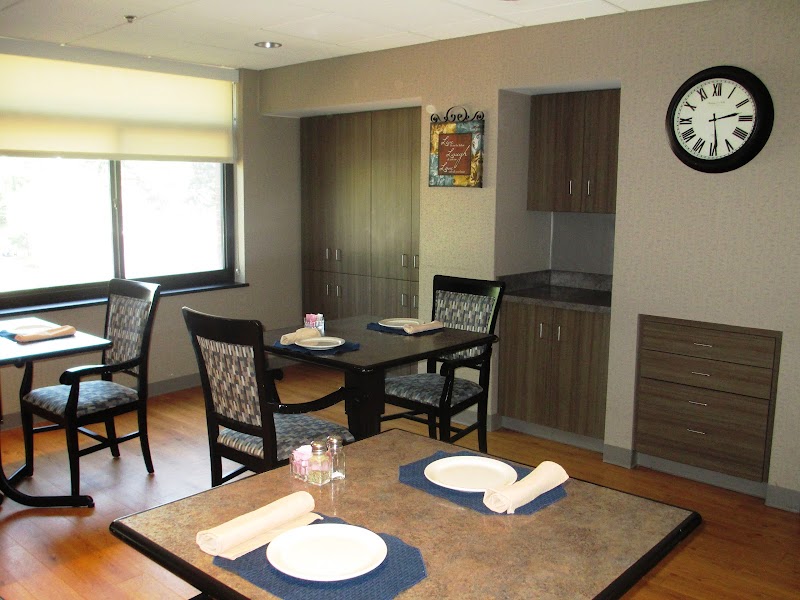
How is Harris Hill Center, Genesis Healthcare Staffed?

CMS rates HARRIS HILL CENTER, GENESIS HEALTHCARE's staffing level at 3 out of 5 stars, which is average compared to other nursing homes. Staff turnover is 46%, compared to the New Hampshire average of 46%. This relatively stable workforce can support continuity of care. RN turnover specifically is 67%, which is notably high. RNs provide skilled clinical oversight, so turnover in this role can affect medical care quality.

What Have Inspectors Found at Harris Hill Center, Genesis Healthcare?

State health inspectors documented 22 deficiencies at HARRIS HILL CENTER, GENESIS HEALTHCARE during 2023 to 2025. These included: 1 Immediate Jeopardy (the most serious level, indicating potential for serious harm or death), 20 with potential for harm, and 1 minor or isolated issues. Immediate Jeopardy findings are rare and represent the most serious regulatory concerns. They require immediate corrective action.

Who Owns and Operates Harris Hill Center, Genesis Healthcare?

HARRIS HILL CENTER, GENESIS HEALTHCARE is owned by a for-profit company. For-profit facilities operate as businesses with obligations to shareholders or private owners. The facility is operated by GENESIS HEALTHCARE, a chain that manages multiple nursing homes. With 85 certified beds and approximately 77 residents (about 91% occupancy), it is a smaller facility located in CONCORD, New Hampshire.
How Does Harris Hill Center, Genesis Healthcare Compare to Other New Hampshire Nursing Homes?

Compared to the 100 nursing homes in New Hampshire, HARRIS HILL CENTER, GENESIS HEALTHCARE's overall rating (2 stars) is below the state average of 3.0, staff turnover (46%) is near the state average of 46%, and health inspection rating (2 stars) is below the national benchmark.

What Should Families Ask When Visiting Harris Hill Center, Genesis Healthcare?

Based on this facility's data, families visiting should ask: "What changes have been made since the serious inspection findings, and how are you preventing similar issues?" "Can I visit during a mealtime to observe dining assistance and food quality?" "How do you handle medical emergencies, and what is your hospital transfer rate?" "Can I speak with family members of current residents about their experience?" These questions are particularly relevant given the facility's Immediate Jeopardy citations.

Is Harris Hill Center, Genesis Healthcare Safe?

Based on CMS inspection data, HARRIS HILL CENTER, GENESIS HEALTHCARE has documented safety concerns. Inspectors have issued 1 Immediate Jeopardy citation (the most serious violation level indicating risk of serious injury or death). The facility has a 2-star overall rating and ranks #100 of 100 nursing homes in New Hampshire. Families considering this facility should ask detailed questions about what corrective actions have been taken since these incidents.

Do Nurses at Harris Hill Center, Genesis Healthcare Stick Around?

HARRIS HILL CENTER, GENESIS HEALTHCARE has a staff turnover rate of 46%, which is about average for New Hampshire nursing homes (state average: 46%). Moderate turnover is common in nursing homes, but families should still ask about staff tenure and how the facility maintains care continuity when employees leave.

Was Harris Hill Center, Genesis Healthcare Ever Fined?

HARRIS HILL CENTER, GENESIS HEALTHCARE has been fined $15,646 across 1 penalty action. This is below the New Hampshire average of $33,235. While any fine indicates a compliance issue, fines under $50,000 are relatively common and typically reflect isolated problems that were subsequently corrected. Families should ask what specific issues led to these fines and confirm they've been resolved.

Is Harris Hill Center, Genesis Healthcare on Any Federal Watch List?

HARRIS HILL CENTER, GENESIS HEALTHCARE is not on any federal watch list. The most significant is the Special Focus Facility (SFF) program, which identifies the bottom 1% of nursing homes nationally based on persistent, serious quality problems. Not being on this list means the facility has avoided the pattern of deficiencies that triggers enhanced federal oversight. This is a positive indicator, though families should still review the facility's inspection history directly.