PLEASANT VIEW CENTER
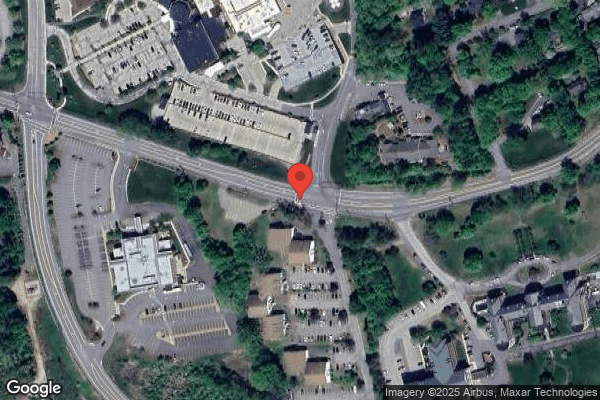
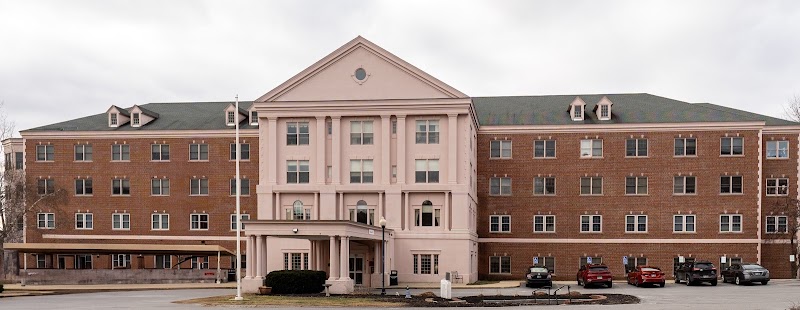
239 PLEASANT STREET, CONCORD, NH 03301 (603) 224-6561
For profit - Individual 176 Beds Independent Data: November 2025
Trust Grade
8/100
#69 of 73 in NH
Last Inspection: July 2025

Inspected within the last 6 months. Data reflects current conditions.

Overview

Pleasant View Center in Concord, New Hampshire has received a Trust Grade of F, indicating a poor rating with significant concerns about care quality. It ranks #69 out of 73 facilities in the state, placing it firmly in the bottom half, and #7 of 7 in Merrimack County, meaning there are no better local options. The facility is worsening, with the number of issues increasing from 16 to 18 over the past year. Staffing is a weakness, rated at 2 out of 5 stars with a high turnover rate of 69%, which is concerning as it exceeds the state average. The center has faced $12,982 in fines, higher than 75% of other facilities in New Hampshire, suggesting ongoing compliance issues. Notably, there have been serious incidents, including a medication error where a resident required hospitalization after receiving incorrect medications. Additionally, a nurse failed to wear proper protective gear while administering medication through a central line, which is a safety concern. While there is average RN coverage at the facility, the overall situation highlights significant weaknesses alongside a lack of consistent quality care.

Trust Score
F
8/100
In New Hampshire
#69/73
Bottom 6%
Safety Record
Moderate
Needs review
Inspections
Getting Worse
16 → 18 violations
Staff Stability
⚠ Watch
69% turnover. Above average. Higher turnover means staff may not know residents' routines.
Penalties
✓ Good
$12,982 in fines. Lower than most New Hampshire facilities. Relatively clean record.
Skilled Nurses
○ Average
Each resident gets 38 minutes of Registered Nurse (RN) attention daily — about average for New Hampshire. RNs are the most trained staff who monitor for health changes.
Violations
⚠ Watch
46 deficiencies on record. Higher than average. Multiple issues found across inspections.
★☆☆☆☆
1.0
Overall Rating
★★☆☆☆
2.0
Staff Levels
★★☆☆☆
2.0
Care Quality
★☆☆☆☆
1.0
Inspection Score
Stable
2024: 16 issues
2025: 18 issues

The Good

  • Full Sprinkler Coverage · Fire safety systems throughout facility
  • No fines on record

Facility shows strength in fire safety.

The Bad

1-Star Overall Rating

Below New Hampshire average (3.0)

Significant quality concerns identified by CMS

Staff Turnover: 69%

23pts above New Hampshire avg (46%)

Frequent staff changes - ask about care continuity

Federal Fines: $12,982

Below median ($33,413)

Minor penalties assessed

Staff turnover is elevated (69%)

21 points above New Hampshire average of 48%

The Ugly 46 deficiencies on record

1 actual harm
Jul 2025 12 deficiencies
CONCERN (D)

Potential for Harm - no one hurt, but risky conditions existed

Deficiency F0578 (Tag F0578)

Could have caused harm · This affected 1 resident

Based on interview, record review, and policy review, it was determined that the facility failed to ensure residents could formulate for 2 of 2 residents reviewed for advance directive in a final samp...

Read full inspector narrative →
Based on interview, record review, and policy review, it was determined that the facility failed to ensure residents could formulate for 2 of 2 residents reviewed for advance directive in a final sample of 29 residents. (Resident identifiers are #118 and #125.)Findings include:Review on 7/1/25 of the facility policy titled, Communication of Code Status, review date of 6/2025, revealed the following: .Policy: It is the policy of the facility to adhere to resident's rights to formulate advance directives. In accordance to these rights, this facility will implement procedures to communicate a resident's code status to those individual who need to know this information. Policy Explanation and Compliance Guidelines: . 2. When an order is written pertaining to a resident's presence or absence of an Advance Directive, the direction will be clearly documented in designated sections of the medical record .3. The nurse who notates the physician order is responsible for documenting the directions in all relevant sections of the medical record. 4. The designated sections of the medical record are: physician's order, resident header, eMAR [electronic Medication Administration Record] .6. The Social Service Director shall maintain a list of residents who have an Advance Directive on file .Resident #125Review on 6/30/25 of Resident #125's medical record revealed the resident header indicated a code status of Do Not Resuscitate (DNR), Do Not Intubate (DNI), and Do Not Hospitalize (DNH). Further review of the resident header revealed that under special instructions the resident had Full Code status (a medical term that indicates a resident's consent to receive all possible life-saving measures in the event of a cardiac or respiratory arrest).Review on 6/30/25 of Resident #125's active physician's order revealed a code status order dated 5/27/25 for DNR, DNI, and DNH. Review on 6/30/25 of Resident #125's active advanced directive care plan with a revision date of 12/23/24 revealed that Resident #125 had a Full Code status. Review on 7/1/25 of the 2nd floor code status binder, which has the 2nd floor resident's code status records (i.e. portable DNR form), revealed that the binder had Resident #125 face sheet with a Full Code status dated 6/13/24 and a pink portable DNR dated 5/27/25, respectively.Interview on 7/1/25 at 11:27 a.m. with Staff D (Licensed Practical Nurse) revealed that Staff D stated Resident #125 had a Full Code status. Staff D confirmed that Resident #125's the medical record had both Full Code status and DNR code status. Staff D also confirmed that Resident #125's current code status is DNR and not Full Code. Resident #118Review on 7/1/25 of Resident #118's physician orders revealed an order for DNR, dated 5/23/25.Review on 7/1/25 of Resident #118's care plan for advanced directives revealed Resident #118's code status to be Full Code, dated 3/4/25.Review on 7/1/25 of a letter from Resident #118's Guardian to the facility dated 5/23/25 revealed that Resident #118's Guardian approved a DNR/DNI order to be entered into Resident #118's medical record. Interview on 7/1/25 at 2:00 p.m. with Staff T (Licensed Practical Nurse) confirmed that Resident #118's code status was a DNR. Interview on 7/2/25 at 8:27 a.m. with Staff K (Director of Social Services) confirmed that Resident #118's care plan did not match the physician order.
CONCERN (D)

Potential for Harm - no one hurt, but risky conditions existed

Deficiency F0604 (Tag F0604)

Could have caused harm · This affected 1 resident

Based on observation, record review, and interview, it was determined that the facility failed to keep residents free from physical restraints for 1 of 1 residents reviewed for physical restraints in ...

Read full inspector narrative →
Based on observation, record review, and interview, it was determined that the facility failed to keep residents free from physical restraints for 1 of 1 residents reviewed for physical restraints in a final sample of 29 residents (Resident identifier is #146).Findings include:Observation on 7/2/25 between 9:12 a.m. to 9:25 a.m. on the third floor common room revealed Resident #146 was sitting in his/her pedal broda chair with his/her leg rest elevated parallel to the floor and 2 of the 4 wheels were in a lock position. Resident #146 had one leg off on each side of the leg rest and feet on the ground and struggling to propel forward and backwards. Further observation revealed Resident #146 was able to turn himself/herself in a quarter circle and appeared agitated. Interview on 7/2/25 at 9:25 a.m. with Staff L (Licensed Nursing Assistant (LNA)) confirmed that Resident #146 appeared agitated and was struggling to move their broda chair due to the 2 of the 4 wheels being locked. Interview on 7/2/25 at 10:11 a.m. with Staff M (LNA) revealed that he/she had brought Resident #146 into the common area and locked the wheels of Resident #146's pedal broda chair because Resident #146 would become antsy and try to move around. Review on 7/2/25 of Resident #146's physician's orders, assessments, and care plan revealed no orders, assessment, or care plan interventions in place for locking Resident #146's broda chair. Interview on 7/2/25 at 10:30 a.m. with Staff N (Director of Rehab) revealed that Resident #146 provided a pedal broda chair to use for mobility on the unit.
CONCERN (D)

Potential for Harm - no one hurt, but risky conditions existed

Deficiency F0635 (Tag F0635)

Could have caused harm · This affected 1 resident

**NOTE- TERMS IN BRACKETS HAVE BEEN EDITED TO PROTECT CONFIDENTIALITY** Based on interview and record review, it was determined that the facility failed to ensure medications were available for 2 of 2...

Read full inspector narrative →
**NOTE- TERMS IN BRACKETS HAVE BEEN EDITED TO PROTECT CONFIDENTIALITY** Based on interview and record review, it was determined that the facility failed to ensure medications were available for 2 of 2 newly admitted residents reviewed in a final sample of 29 residents. (Resident identifiers are #254 and #258).Findings include:Resident #254Interview on 6/30/25 at approximately 9:45 a.m. with Resident #254 revealed they had not received all of their medications since admitting to the facility. Review on 6/30/25 of Resident #254's medical record revealed they had been admitted to the facility on [DATE]. Review on 7/1/25 of Resident #254's June 2025 Medication Administration Record (MAR) revealed the following medications were not given on 6/29/25:Arformoterol Inhaler give by nebulizer twice a day for COPD (Chronic Obstructive Pulmonary Disease);Atrovastatin Calcium 10 mg once a day;Budesonide Inhaler twice a day;Duloxetine 20 mg once a day for depression;Furosemide (Diuretic) 40 mg (milligrams) twice a day for heart failure;Ipratopium- Albuterol inhaler twice a day for COPD;Losartan Potassium 25 mg once a day for hypertension;Potassium Chloride 10 meq (millliequivilant) once a day for hypokalemia;Warfarin (anticoagulant) 3 mg once a day on Sunday for atrial fibrillation.Further review of June 2025 MAR revealed the following medications were not given on 6/30/25:Arformoterol Inhaler give by nebulizer twice a day for COPD (Chronic Obstructive Pulmonary Disease) missed the morning dose;Budesonide Inhaler twice a day, missed the morning dose;Buprenorphine Buccal Film 75 mcg (micrograms) 2 films in the evening;Duloxetine 20 mg once a day for depression.Review on 6/30/25 of Resident #254's medication progress notes, dated 6/29/25, revealed that the above medications had been ordered but not received from the pharmacy. Review on 7/2/25 of the facility's active medication inventory list (emergency medication supply) revealed the following medications were available in the facility on 6/29/25: Furosemide 20 mg, Potassium Cholride 10 meq, and Warfarin 1 mg. Interview on 7/1/25 at approximately 1:30 p.m. with Staff I (Registered Nurse) confirmed that the above listed medication was not given and there was no documented communication with a provider about Resident #254 not receiving their medications.Resident #258 Review on 6/30/25 of Resident #258's medical record revealed they had been admitted to the facility on [DATE]. Review on 7/1/25 of Resident #258's June 2025 Medication Administration Record (MAR) revealed the following medications were not given on 6/28/25:Amidarone (antiarrythmic) 200 mg once a day;Insulin Lispro 3 units before lunch hold if NPO (nothing by mouth);Insulin NPH 6 units with breakfast and dinner give 4 units if NPO; Losartan Potassium (anti-hypertensive)100 mg once a day;Metoprolol Succinate (beta blocker)50 mg twice a day;Potassium Chloride 20 meq once a day for 10 days; andVancomycin (Antibiotic) 1.25 grams IV (Intravenous) once a day until 7/14/25.Review on 7/1/25 of Resident #258's progress notes revealed that on 6/28/25 the above medications were unavailable. Further review of progress notes revealed no provider notification of missed medications.Interview on 7/1/25 at approximately 1:30 p.m. with Staff I (Registered Nurse) confirmed that the above listed medication was not given, and that there was no communication with a provider about the unavailable medications.Review on 7/2/25 of the facility's active medication inventory list revealed the following medications were available in the facility on 6/28/25: Potassium Chloride 10 meq. Review on 7/2/25 of facility policy titled, Unavailable Medications, revised 6/25, revealed the following: .A STAT supply of commonly used medications is maintained in- house for timely initiation of medications . Medications may be unavailable for a number of reasons. Staff should take immediate action when it is known that the medication is unavailable: a. Determine reason for unavailability, length of time medication is unavailable, and what efforts have been attempted by the facility or pharmacy to obtain the medication. b. Notify physician of inability to obtain medication upon notification or awareness that medication is not available. Obtain alternative treatment orders and/or specific orders for monitoring resident while medication is on hold .
CONCERN (D)

Potential for Harm - no one hurt, but risky conditions existed

Comprehensive Care Plan (Tag F0656)

Could have caused harm · This affected 1 resident

**NOTE- TERMS IN BRACKETS HAVE BEEN EDITED TO PROTECT CONFIDENTIALITY** Based on record review and interview, it was determined that the facility failed to develop and implement a comprehensive care p...

Read full inspector narrative →
**NOTE- TERMS IN BRACKETS HAVE BEEN EDITED TO PROTECT CONFIDENTIALITY** Based on record review and interview, it was determined that the facility failed to develop and implement a comprehensive care plan for 7 residents in a final sample of 29 residents (Resident identifiers are #33, #47, #70, #97, #118, #146, and #11).Findings include:Resident #33Review on 7/2/25 of Resident #33's admission Minimum Data Set (MDS) with an Assessment Reference Date (ARD) of 5/14/25 under section F0500 - Interview for Activity Preferences revealed that while Resident #33 was in the facility, that very important was coded for the following: to have books, newspapers, and magazines to read; listen to music; be around animals; keep up with the news; do your favorite activities, and participate in religious services or practices. Review on 7/2/25 of Resident #33's care plan revealed there was no care plan for Resident #33's group or individual activity preferences or what Resident #33's likes to do.Interview on 7/2/25 with Staff V (Licensed Nursing Assistant (LNA)) revealed that he/she would look in a resident's care plan to see what a resident likes to do for an activity. Interview on 7/3/25 with Staff P (Activities Director) confirmed that there was no care plan in place for Resident #33's group or individual activity preferences.Resident #118Observation on 7/1/25 at 9:40 a.m. of the designated smoking area outside of the facility revealed that Resident #118 was smoking and being supervised by a staff member. Review on 7/2/25 of Resident #118's smoking/vaping screening assessment dated [DATE] revealed that Resident #118 required supervised smoking.Review on 7/2/25 of Resident #118's care plans revealed that there was no care plan for supervised smoking. Interview on 7/2/25 at 8:18 a.m. with Staff B (Unit Manager) confirmed that there was no care plan in place for supervised smoking for Resident #118.Review on 7/2/25 of the facility's policy, Resident Smoking revised 10/2022, revealed .10. All safe smoking measure will be documented on each resident's care plan and communicated to all staff, visitors, and volunteers who will be responsible for supervisign residents while smoking. Supervision will be provided as indicarwed on each resident's care plan .Resident #146Review on 7/2/25 of Resident #146's admission MDS with an ARD of 4/30/25 under section GG - Functional Abilities revealed that Resident #146 utilized a wheelchair for mobility and was dependent for eating, hygiene, and transfers.Review on 7/2/25 of Resident #146's care plan revealed no care plan for Resident #146's level of care for mobility, transfers, and assistance for care.Interview on 7/2/25 at 1:40 p.m. with Staff B confirmed that there was no care plan for Resident #146's mobility, transfers, and assistance for care. Resident #70Observation on 06/30/25 at 10:18 a.m. of Resident #70 in his/her bed revealed Resident #70's toes were pointed downward and there was no pillow under his/her calves and his/her heels were directly on the air mattress. Further observation revealed bilateral heel boots were on broda chair in his/her room. Review on 6/30/25 of Resident #70's orders revealed a physician's order, dated 3/21/25, to apply skin prep to bilateral heels and ensure that heels are offloaded. Monitor skin for changes to skin integrity. Review on 7/1/25 of Resident #70's skin integrity care plan, revision date 6/8/23, revealed an intervention to offload/float heels while in bed.Observation on 7/1/25 at 8:25 a.m and 1:54 p.m. in Resident #70's room revealed that Resident #70 was in his/her in bed and his/her heels were directly on the air mattress. Interview on 7/1/25 at approximately 1:54 p.m. with Resident #70 revealed that he/she does not often have a pillow under his/her calves to lift the heels off the bed. Resident #70 stated that he/she doesn't mind the pillow under [pronoun omitted] legs.Observation on 7/2/25 at approximately 2:40 p.m. in Resident #70's room revealed that Resident #70 was in his/her in bed and his/her heels were directly on the air mattress. Interview on 7/2/25 at approximately 02:45 p.m. with Staff G (LNA) and Staff H (LNA) revealed that Staff G and Staff H were unaware that Resident #70's heels needed to be offloaded per his/her care plan.Observation on 7/3/25 at approximately 8:26 a.m. Resident #70's room revealed that Resident #70 was in his/her in bed and his/her heels were directly on the air mattress. Interview on 7/3/25 at approximately 08:27 a.m. with Staff D (Licensed Practical Nurse) revealed that he/she was unaware of the physician's order to offload Resident #70's heels. Staff D confirmed the physician's order to offload Resident #70's heels. Resident #97Interview on 6/30/25 at approximately 11:25 a.m. with Staff D revealed that Resident #97 recently had his/her smoking privileges revoked.Review on 6/30/25 of Resident #97's medical record revealed that he/she was admitted to the facility on [DATE]. Further review revealed that Resident #97 had a smoking assessment dated [DATE] that identified Resident #97 as a supervised smoker. Review also revealed a smoking assessment dated [DATE] that stated Resident #97 may not smoke. Review on 6/30/25 of Resident #97's care plan revealed no care plan for smoking and the removal of smoking privileges.Interview on 7/2/25 at approximately 12:20 p.m. with Staff C (Director of Nursing) confirmed that Resident #97 did not have a care plan to address smoking or the removal of smoking privileges. Resident #47Review on 6/30/25 of Resident #47's medical record revealed they had started on Hemodialysis on 3/26/25. Further review of Resident #47's medical record revealed the following physician's orders:C-PAP (Continuous Positive Airway Pressure) apply at night, start date 4/17/25;Apixaban (anticoagulant) 5 mg (Milligrams)once a day, start date 6/3/25; Bupropion (antidepressant) 100 mg once a day, start date 6/14/25;Duloxetine (antidepressant) 60 mg once a day, start date 4/17/25;Hydromorphone (opiate) 2 mg every 4 hours as needed for pain, start date 4/17/25;Insulin Glargine 15 units a day for diabetes, start date 4/17/25; andInsulin Lispro sliding scale before meals and at bedtime, start date 4/17/25.Review on 7/1/25 of Resident #47's quarterly Minimum Data Set with Assessment Reference Date 5/20/25 revealed the following assistance is needed for activities of daily living:Toileting-supervision or touching assistance;Showers/bathing- partial/moderate assistance;lower body dressing- partial/moderate assistance;Personal Hygiene- partial/moderate assistance;Sit to stand-supervision or touching assistance; andToileting transfer-supervision or touching assistance.Review on 7/1/25 of Resident #47's care plan revealed care plan interventions for a code status (initiated on 5/27/25) and nutritional risk (initiated on 4/7/25). There were no other care plan interventions. Interview on 7/2/25 at approximately 10:00 a.m. with Staff C (Director of Nursing) confirmed that Resident #47's care plan did not address the resident's needs and services identified in the comprehensive assessment. Resident #11 Interview on 6/30/25 at approximately 10:30 a.m. with Staff R (Licensed Nursing Assistant) revealed that Resident #11 understood simple commands in English and staff used cueing to assist him/her. Staff R stated they were unaware of what primary language Resident #11 spoke.Review on 7/1/25 of Resident #11's Minimum Data Set with a Assessment Reference Date of 5/23/25 under section A revealed that Resident #11's primary language was Cambodian.Review on 7/1/25 of Resident #11's care plan revealed no communication care plan identifying English as a second language and no care plan identifying that Resident #11 only understood simple commands in English.Interview on 7/2/25 at approximately 10:00 a.m. with Staff I (Registered Nurse) confirmed that Resident #11 did not have a care plan identifying communication barriers.
CONCERN (D)

Potential for Harm - no one hurt, but risky conditions existed

Accident Prevention (Tag F0689)

Could have caused harm · This affected 1 resident

**NOTE- TERMS IN BRACKETS HAVE BEEN EDITED TO PROTECT CONFIDENTIALITY** Based on interview and record review, the facility failed to determine what may have caused or contributed to falls, and when ne...

Read full inspector narrative →
**NOTE- TERMS IN BRACKETS HAVE BEEN EDITED TO PROTECT CONFIDENTIALITY** Based on interview and record review, the facility failed to determine what may have caused or contributed to falls, and when necessary revise the resident's plan of care and/or facility practices, to reduce the likelihood of another fall for 1 of 2 residents reviewed for falls in a final sample of 29 residents (Resident identifier is #42).Findings include:Interview on 6/30/25 at approximately 12:00 p.m. with Resident #42's DPOA-HC (Durable Power of Attorney for Health Care) revealed that he/she have had repeated falls from their bed and from their wheelchair. Resident #42's DPOA-HC stated that Resident #42 sustained a fractured clavicle as a result of one of the falls.Review on 6/30/25 of Resident #42's progress notes from March 2025 to April 2025 revealed the following falls:3/23/25 slide out of bed on to sacrum;4/1/25 found on floor next to their bed;4/10/25 found on floor in the dinning room and was sent to the emergency room for shoulder pain;4/29/25- und sitting on floor in the hallway.Review on 7/1/25 of Resident #42's emergency room discharge instructions, dated [DATE], revealed a final diagnosis of a closed right clavicle fracture.Review on 7/2/25 of Resident #42's post fall reviews revealed the following:No post fall review for 3/23/25 fall;4/1/25 no description of what occurred and no root cause identified;4/10/25 no description of what occurred and no root cause identified;4/29/25 no description of what occurred and no root cause identified.Interview on 7/2/25 at approximately 1:30 p.m. with Staff C (Director of Nursing) confirmed that there were no post fall reviews for Resident #42's falls to identify root cause or potential interventions to prevent further falls or injury for the above listed falls. Review on 7/2/25 of facility policy titled, Fall Prevention Program, revised 6/25, revealed the following: .9. When a resident experiences a fall, the facility will: . b. Complete a post-fall assessment. c. Complete an incident report .e. Review the resident's care plan and update as indicated. f. Document all assessments and actions .
CONCERN (D)

Potential for Harm - no one hurt, but risky conditions existed

Deficiency F0699 (Tag F0699)

Could have caused harm · This affected 1 resident

Based on interview and record review, it was determined that the facility failed to ensure that trauma survivors have identified triggers and interventions to eliminate or mitigate triggers that may c...

Read full inspector narrative →
Based on interview and record review, it was determined that the facility failed to ensure that trauma survivors have identified triggers and interventions to eliminate or mitigate triggers that may cause re-traumatization for 1 of 2 residents reviewed for behavioral and emotional status in a final sample of 29 residents. (Resident identifier is #97).Findings include:Review on 6/30/25 of Resident #97's medical record revealed that Resident #97 had a diagnosis of Post Traumatic Stress Disorder (PTSD). Further review revealed that Resident #97 had an incomplete Social History and Trauma Assessment that was initiated on 5/16/25. Resident #97's care plan did not have a care plan for PTSD with identified triggers and interventions to eliminate or mitigate triggers that may cause re-traumatization. Interview on 7/2/25 at approximately 9:00 a.m. with Staff J (Licensed Nursing Assistant) revealed that he/she was unaware of any residents with diagnosis of PTSD and observed him/her defer to nursing for sources of this information. Interview on 7/2/25 at approximately 9:10 a.m. with Staff D (Licensed Practical Nurse) revealed that he/she was unaware that Resident #97 had a diagnoses of PTSD.Interview on 7/2/25 at approximately 9:50 a.m. with Staff K (Social Worker) confirmed that Staff K did not complete the Social History and Trauma Assessment that was initiated on 5/16/25. Staff K stated that he/she did not interview Resident #97's guardian about his/her past trauma and triggers. Interview on 7/25/25 at approximately 12:21 p.m. with Staff C (Director of Nursing) confirmed that Resident #97's care plan did not include any identified triggers or interventions for PTSD.Review on 7/2/25 of the facility's policy Trauma Informed Care, Date reviewed/revised 6/25 revealed .2. The facility will use a multi-pronged approach to identifying a resident's history of trauma, . This will include asking the resident about triggers that may be stressors or may prompt recall of previous traumatic events, .6. The facility will identify triggers which may re-traumatize residents with history of trauma 10. In situations where a trauma survivor is reluctant to share their history, the facility will still try to identify triggers which may re-traumatize the resident, and develop care plan interventions which minimize or eliminate the effect of the trigger on the resident.Review on 7/2/25 of the facility's policy Comprehensive Care Plans, Date reviewed/revised 6/25 revealed .A trauma informed approach to care .incorporates knowledge about trauma into care plans, policies, procedures and practice to avoid re-traumatization 3.g. Individualized interventions for trauma survivors that recognizes the interrelation between trauma and symptoms of trauma Triggers- specific interventions will be used to identify ways to decrease the resident's exposure to triggered which re-traumatize the resident .
CONCERN (D) 📢 Someone Reported This

A family member, employee, or ombudsman was alarmed enough to file a formal complaint

Potential for Harm - no one hurt, but risky conditions existed

Deficiency F0777 (Tag F0777)

Could have caused harm · This affected 1 resident

**NOTE- TERMS IN BRACKETS HAVE BEEN EDITED TO PROTECT CONFIDENTIALITY** Based on interview and record review, the facility failed to obtain radiology services for 1 of 1 residents reviewed for radiolo...

Read full inspector narrative →
**NOTE- TERMS IN BRACKETS HAVE BEEN EDITED TO PROTECT CONFIDENTIALITY** Based on interview and record review, the facility failed to obtain radiology services for 1 of 1 residents reviewed for radiological services in a final sample of 29 residents. (Resident identifier is #46.)Findings include:Interview on 7/3/25 at 10:00 a.m. with Resident #46 revealed they went to have a CT (Computed Tomography) scan done in March 2025 but left the appointment before it could be completed. Resident #46 did not recall the reason the CT scan was not done.Review on 7/3/25 of Resident #46's medical record revealed an Infectious Disease note, dated 1/3/25, .We decided to re-image the pubic area for any new collections, Pt [patient] is at a high risk for recurrence of infection and thus we opted to continue antibiotic therapy with [NAME] [Outpatient Parenteral Antimicrobial Therapy] until imaging is addressed .Orders Placed CT Abdomen & Pelvis w [with] Contrast . Further review of medical record revealed no results of follow up for the CT scan or radiology imaging.Interview on 7/3/25 at approximately 9:00 a.m. with Staff I (Registered Nurse) stated that Resident #46 went for a CT scan at a local hospital on 3/3/25 but it was rescheduled at another location for 3/7/25.Interview on 7/3/25 at approximately 11:00 a.m. with Staff C (Director of Nursing) stated that Resident #46 refused to go to the CT scan on 3/7/25 and that another appointment had not been made. Staff C stated that they had spoke to Infectious Disease on 7/3/25 and they were instructed to obtain CT scan as originally ordered.
CONCERN (D)

Potential for Harm - no one hurt, but risky conditions existed

Deficiency F0883 (Tag F0883)

Could have caused harm · This affected 1 resident

**NOTE- TERMS IN BRACKETS HAVE BEEN EDITED TO PROTECT CONFIDENTIALITY** Based on interview, record review, and policy review, it was determined that the facility failed to implement their pneumococcal...

Read full inspector narrative →
**NOTE- TERMS IN BRACKETS HAVE BEEN EDITED TO PROTECT CONFIDENTIALITY** Based on interview, record review, and policy review, it was determined that the facility failed to implement their pneumococcal vaccine policy for 2 of 5 residents reviewed for immunizations. (Resident identifiers are #97 and #120.)Findings include:Review on 7/1/25 of the facility policy titled, Pneumococcal Vaccine, review date of 6/2025, revealed the following: .1. Each resident will be assessed for pneumococcal immunizations upon admission. Self-reported immunizations shall be accepted. Any additional efforts to obtain information shall be documented, including efforts to determine date of immunizations or type of vaccine received. 2. Each resident will be offered a pneumococcal immunizations unless it is medically contraindicated or resident has already been immunized. Following assessment for any medical contraindications, the immunizations may be administered in accordance with physician-approved standing orders. 3. Prior to offering the pneumococcal immunizations, each resident or the resident's representative will receive education regarding the benefits and potential side effects of the immunizations with the education documented in the clinical record .6. The type of pneumococcal vaccine (PCV15 [Pneumococcal Conjugate Vaccine], PCV20, PCV21, or PPSV23 [Pneumococcal Polysaccharide Vaccine] offered will depend upon the recipient's age, having certain risk conditions, and previously received pneumococcal vaccines, in accordance with current CDC guidelines and recommendations .Resident #97Review on 7/1/25 of Resident #97's immunization record revealed no documentation of pneumococcal vaccine history and no assessment of eligibility for the pneumococcal vaccine. Review on 7/1/25 of Resident #97's medical record revealed that Resident #97 was admitted to the facility on [DATE]. Further review of Resident #97's medical record revealed an immunization consent letter signed by Resident #97's guardian on 6/3/25 indicating consent for the administration of the pneumococcal vaccine. Review also revealed that there was no documentation that pneumococcal vaccine was administered to Resident #97. Interview on 7/1/25 at 10:48 a.m. with Staff S (Infection Preventionist) confirmed the above findings and that Resident #97 had not received a pneumococcal vaccine at the facility. Staff S was unable to provide documentation of an assessment for Resident #97's eligibility for the pneumococcal vaccine. Resident #120Review on 7/1/25 of Resident #120's immunization record revealed that Resident #120 had no history of receiving a pneumococcal vaccine. Further review also revealed that Prevnar 20 (pneumococcal vaccine) was refused on 11/30/23 and that there was no education provided to Resident #120 or Resident #120's representative about the pneumococcal vaccine. Review on 7/1/25 of Resident #120's medical record revealed that Resident #120 was initially admitted to the facility on [DATE]. Further review revealed no other documentation that Resident #120 or Resident #120's representative was provided education about the pneumococcal vaccine prior or after the refusal on 11/30/23. Interview on 7/1/25 at 10:48 a.m. with Staff S confirmed the above findings for Resident #120.
CONCERN (D)

Potential for Harm - no one hurt, but risky conditions existed

Deficiency F0887 (Tag F0887)

Could have caused harm · This affected 1 resident

**NOTE- TERMS IN BRACKETS HAVE BEEN EDITED TO PROTECT CONFIDENTIALITY** Based on interview, record review, and policy review, it was determined that the facility failed to implement their COVID-19 vac...

Read full inspector narrative →
**NOTE- TERMS IN BRACKETS HAVE BEEN EDITED TO PROTECT CONFIDENTIALITY** Based on interview, record review, and policy review, it was determined that the facility failed to implement their COVID-19 vaccine policy for 3 of 5 residents reviewed for immunizations. (Resident identifiers are #4, #97 and #120.)Findings include:Review on 7/1/25 of the facility policy titled, COVID-19 Vaccine, review date of 6/2025, revealed .Policy: It is the policy of this facility to minimize the risk of acquiring, transmitting, or experiencing complications from COVID-19 (SARS-CoV-2) by educating and offering our residents and staff the COVID-19 vaccine .Up-to-date is defines as receiving a 2024-2025 updated COVID-19 vaccine (as per CDC) .COVID-19 vaccinations currently in use include the updated 2024-2025 mRNA [messenger Ribonucleic Acid] COVID-19 vaccines .The number of updated 2024-2025 COVID-19 vaccines doses and individual needs is based on age and vaccination history. For people who are not moderately or severely immunocompromised (See Table 1) .Table 1. Routine COVID-19 vaccine schedule, October 31, 2024 .Age 12-64 years .Unvaccinated: Initiate vaccination with 2024-2025 vaccine .Number of 2024-2025 doses indicated 1 [dose] .Recommended 2024-2025 vaccine and interval between doses 2024-2025 Dose 1 (Moderna or Pzifer-BioNTech): Day 0 .Age 65 years and older .Previously vaccinated before 2024-2025 vaccine: Receive 2 doses of 2024-2025 vaccine 1 or more doses mRNA vaccine (Moderna or Pfizer BioNTech) .Number of 2024-2025 doses indicated .2 [doses] .Recommended 2024-2025 vaccine and interval between doses .2024-2025 Dose 1 (Moderna, Novavax, or Pfizer BioNTech): At least 8 weeks after last dose2024-2025 Dose 2 (Moderna, Novavax, or Pfizer BioNTech): 6 months )minimum interval 12 months) after 2024-2025 Dose 1 .Resident #4Review on 7/1/25 of Resident #4's immunization record revealed that Resident #4 received 2023-2024 COVID-19 vaccine on 11/28/23 and 2024-2025 COVID-19 vaccine on 10/12/24. Review also revealed no documentation of a second dose of 2024-2025 COVID-19 vaccine being administered to Resident #4. Review on 7/1/25 of Resident #4's medical record revealed that Resident #4 was in his/her 70's (age). Review also revealed an immunization consent letter signed by Resident #4 on 5/9/25 consenting to the administration of the COVID-19 vaccine. Resident #97Review on 7/1/25 of Resident #97's medical record revealed that Resident #97 was admitted to the facility on [DATE] and that Resident #97 was in his/her 60's and under 65 (age). Further review of Resident #97's medical record revealed an immunization consent letter signed by Resident #97's guardian on 6/3/25 indicating consent for the administration of the COVID-19 vaccine. Review on 7/1/25 of Resident #97's immunization record revealed no documentation of COVID-19 vaccine administration, history, and no assessment of eligibility for the COVID-19 vaccine. Resident #120Review on 7/1/25 of Resident #120's immunization record revealed that Resident #120 received 2023-2024 COVID-19 vaccine on 11/1/23 and 2024-2025 COVID-19 vaccine on 10/7/24. Review also revealed no documentation of a second dose of 2024-2025 COVID-19 vaccine being administered to Resident #120. Review on 7/1/25 of Resident #120's medical record revealed that Resident #120 was in his/her 80's (age). Review also revealed no documentation of a second dose of 2024-2025 COVID-19 vaccine being offered and no education provided to Resident #120 or Resident #120's representative. Interview on 7/1/25 at 10:48 a.m. with Staff S (Infection Preventionist) confirmed the above findings for Resident #4, Resident #97, and Resident #120. Further interview with Staff S revealed that there was no shortage of 2024-2025 COVID-19 vaccines and that they can order individual 2024-2025 COVID-19 vaccine doses from the pharmacy.
CONCERN (E)

Potential for Harm - no one hurt, but risky conditions existed

Antibiotic Stewardship (Tag F0881)

Could have caused harm · This affected multiple residents

Based on interview, record review, and policy review, it was determined that the facility failed to implement the facility's antibiotic stewardship program and antibiotic use protocols for 1 of 1 mont...

Read full inspector narrative →
Based on interview, record review, and policy review, it was determined that the facility failed to implement the facility's antibiotic stewardship program and antibiotic use protocols for 1 of 1 month of antibiotic line list reviewed. (Resident identifier is #41.)Findings include:Review on 7/1/25 of the facility policy title, Antibiotic Stewardship Program, review date of 6/2025, revealed the following: .Antibiotic Stewardship Program leaders utilize existing resources to support antibiotic stewards' effort by working with the following partners: a. Infection Preventionist - utilizes expertise and data to inform strategies to improve antibiotic use to include tracking of antibiotic starts, monitoring adherence to evidence-based published criteria during the evaluation and management of treated infections, and reviewing antibiotic resistance patterns in the facility to understand which infections are caused by resistant organisms .3. Licensed nurses participate in the program through assessment of residents and following protocols as established by the program. 4. The program included antibiotic use protocols and a system to monitor antibiotic use. a. Antibiotic use protocols:I. Nursing staff shall assess residents who are suspected to have an infection and notify the physician.ii. Laboratory testing shall be in accordance with current standards of practice .iv. The Loeb Minimum Criteria may be used to determine whether to treat an infection with antibiotics .vi. Whenever possible, narrow-spectrum antibiotics that are appropriate for the condition being treated shall be utilized.b. Monitoring antibiotic use:I. Monitor response to antibiotics, and laboratory results when available, to determine if the antibiotic is still indicated or adjustments should be made (e.g. antibiotic time-out) .12. Data obtained from antibiotic stewardship monitoring activities is discussed in the facility's QAPI [Quality Assurance Performance Improvement] .Review on 7/1/25 of the facility's June 2025 antibiotic line list revealed that there were 25 residents on antibiotics. Further review of the June 2025 antibiotic line list revealed that the list included the resident's name, infection, antibiotic, antibiotic start date, and antibiotic end date. The June 2025 antibiotic line list did not indicate if the antibiotics were appropriate for use nor the antibiotic use protocol (i.e. Loeb Minimum Criteria) was utilized. Review of the June 2025 antibiotic line list also revealed that Resident #41 was on Bactrim DS (antibiotic) on 6/1/25 to 6/8/25 and Nitrofurantoin (antibiotic) 50 milligrams (mg) for Urinary Tract Infection (UTI) prophylaxis (prevention). Review on 7/2/25 of Resident #41's medical record revealed no documentation of the Loeb's minimum criteria evaluation for the initiation of antibiotic on 6/1/25. Interview on 7/1/25 at approximately 1:00 p.m. with Staff S (Infection Preventionist) revealed that the facility uses the Loeb's minimum criteria for the initiation of antibiotics. Staff S was unable to explain or to provide documentation if the Loeb's criteria was used for the antibiotic use for the month of June 2025.Interview on 7/2/25 at approximately 2:30 p.m. with Staff S confirmed the above findings for the June 2025 antibiotic line list. Staff S also confirmed that the Loeb's minimum criteria was not initiated during the initiation of antibiotics for Resident #41. Staff S revealed that QAPI was held twice a month and that he/she has not discussed any data regarding resident infections and antibiotic use in QAPI since he/she started on February 2025. Interview on 7/3/25 at approximately 8:37 a.m. with Staff W (Administrator) confirmed that there was no discussion about resident infections and antibiotic use by Staff S in their recent QAPI meetings.
MINOR (B)

Minor Issue - procedural, no safety impact

Deficiency F0628 (Tag F0628)

Minor procedural issue · This affected multiple residents

**NOTE- TERMS IN BRACKETS HAVE BEEN EDITED TO PROTECT CONFIDENTIALITY** Based on record review and interview, it was determined that the facility failed to provide notice to the resident or the reside...

Read full inspector narrative →
**NOTE- TERMS IN BRACKETS HAVE BEEN EDITED TO PROTECT CONFIDENTIALITY** Based on record review and interview, it was determined that the facility failed to provide notice to the resident or the resident representative(s) of transfer and bed hold for 2 of 2 residents reviewed for hospitalizations in a final sample of 29 residents (Resident identifiers are #4 and #114).Findings include:Resident #4Review on 6/30/25 of Resident #4's medical record revealed Resident #4 was transferred to the hospital on 6/8/25 and 6/14/25. Further review revealed no documentation that a bed hold notice was provided to Resident #4 for either transfers to the hospital.Interview on 7/2/25 at approximately 11:00 a.m. with Staff Q (Business Manager) confirmed there was no evidence that a bed hold notice was provided to Resident #4 for either transfers to the hospital.Resident #114Review on 6/30/25 of Resident #114's medical record revealed Resident #114 was transferred to the hospital on [DATE]. Further review revealed no documentation that a transfer/discharge notice and bed hold notice was provided to Resident #114 for this transfer to the hospital.Interview on 7/2/25 at approximately 10:45 a.m. with Staff K (Social Worker) confirmed there was no evidence that a transfer/discharge notice was provided to Resident #114. Interview on 7/2/25 at approximately 11:00 a.m. with Staff Q (Business Manager) confirmed there was no evidence that a bed hold notice was provided to Resident #114.Review on 7/2/25 of facility policy titled, Bed Hold Notice ,revised 6/2025, revealed .3. The facility will keep a signed and dated copy of the bed-hold notice information given to the resident and/or resident representative in the resident's file and/or medical record .Review on 7/2/25 of facility policy titled, Transfer and Discharge (including AMA), revised 6/2025, revealed .3. The facility's transfer/discharge notice will be provided to the resident and resident's representative in a language and manner in which they can understand .5. The facility will maintain evidence that the notice was sent to the Ombudsman .
MINOR (B)

Minor Issue - procedural, no safety impact

Deficiency F0637 (Tag F0637)

Minor procedural issue · This affected multiple residents

Based on interview and record review, it was determined that the facility failed to ensure that a Significant Change in Status Minimum Data Set (MDS) was completed timely for 3 residents in a final sa...

Read full inspector narrative →
Based on interview and record review, it was determined that the facility failed to ensure that a Significant Change in Status Minimum Data Set (MDS) was completed timely for 3 residents in a final sample of 29 residents. (Resident identifiers are #19, #42, and #85).Findings include:Resident #85Review on 7/2/25 of Resident #85's Hospice Certification of Terminal Illness form revealed that Resident #85 was admitted to hospice care on 5/31/25. Review on 7/2/25 of Resident #85's Significant Change in Status MDS, with an Assessment Reference Date of 6/5/25, revealed it was signed as completed on 6/22/25 by Staff A (MDS Coordinator).Interview on 7/2/25 at 12:49 p.m. with Staff A confirmed that the above MDS assessment for Resident #85 was completed late. Resident #19Interview on 6/30/25 at approximately 9:00 a.m. with Staff D (Licensed Practical Nurse) revealed that Resident #19 no longer was receiving hospice services. Review on 7/1/25 of Resident #19's Notice of Medicare Non-Coverage for hospice services revealed hospice service end date of 4/14/25. Review on 7/1/25 of Resident #19's MDS assessments revealed no Significant Change in Status MDS was completed for Resident #19's end of hospice services. Interview on 7/1/25 at approximately 2:26 p.m. with Staff C (Director of Nursing) confirmed that Resident #19 was discharge from hospice services on 4/14/25 and no Significant Change in Status MDS was completed. Resident #42Review on 6/30/25 of Resident #42's Hospice Certification and Plan of Care form revealed that Resident #42 was admitted to hospice care on 4/25/25. Review on 6/30/25 of Resident #42's MDS assessments revealed that there was no Significant Change in Status MDS completed within 14 days of Resident #42's admission to hospice services on 4/25/25. Interview on 7/2/25 at approximately 10:00 a.m. with Staff A confirmed that Resident #42 had admitted to hospice services on 4/25/25 and that a Significant Change in Status MDS was not completed.
Feb 2025 6 deficiencies 1 Harm
SERIOUS (G) 📢 Someone Reported This

A family member, employee, or ombudsman was alarmed enough to file a formal complaint

Actual Harm - a resident was hurt due to facility failures

Deficiency F0760 (Tag F0760)

A resident was harmed · This affected 1 resident

**NOTE- TERMS IN BRACKETS HAVE BEEN EDITED TO PROTECT CONFIDENTIALITY** Based on interview and record review, it was determined that the facility failed to ensure residents remained free from signific...

Read full inspector narrative →
**NOTE- TERMS IN BRACKETS HAVE BEEN EDITED TO PROTECT CONFIDENTIALITY** Based on interview and record review, it was determined that the facility failed to ensure residents remained free from significant medication errors which resulted in a resident requiring interventions and hospitalization for multiple nights for 1 of 1 residents reviewed for medication errors. (Resident identifiers is #5.) Findings include: Review on 2/26/25 of Resident #5's medical record revealed the following nursing note written by Staff E (Registered Nurse), dated 2/23/25 at 4:17 p.m.: During morning medication round I inadvertently administered the incorrect medication to the patient. While verifying the medication administration record (MAR) I recognized that the following medications were given. Ativan oral tab [tablet] 0.5 mg [milligrams] Zyprexa oral tab 7.5 mg Tramadol HCL [hydrochloric acid] 50 mg half tab Amantadine 100 mg tab Amlodipine 10 mg tab Cymbalta oral cap [capsule] delayed release particles 20 mg Gabapentin 300 mg capsule Protonix oral tab delayed release 40 mg tab Instead of the following prescribed medication Atenolol oral tab 25 mg Lactobacillus capsule Omeprazole oral capsule delayed release 20 mg RN [Registered Nurse] assessed Patient immediately and notified attending physician. RN continued to assess the patient. Family notified. No allergic reaction noted. MD [Physician] states to call back if any changes and ordered PRN [as needed] Naloxone spray. Interview on 2/26/25 at approximately 10:00 a.m. with Staff E confirmed that they administered another resident's medications to Resident #5 a little before noon on 2/23/25. Review on 2/26/25 of Resident #5's medical record revealed the following physician's note dated 2/23/25 3:01 p.m.: Primary Chief Complaint: Clinical Concern: Medication Given in Error, . Vital Signs . BP [Blood Pressure] 98/57 .Orders: q [every] 15 min [minutes] vitals for 2 hrs [hours] after the 2 hrs q 1 hr vitals update me if any changes, but update me again in 2 hrs regardless . Review on 2/26/25 of Resident #5's medical record revealed the following nursing note, dated 2/23/25 10:46 p.m.: Resident lethargic at beginning of shift. Previous staff reported a med [medication] error. [Telehealth name omitted] provider contacted. Provider asked this nurse to monitor vitals and report back. This nurse contacted provider with vitals, which were trending down. Provider ordered Narcan. Narcan administered. Resident still lethargic. Resident sent out 911 [Emergency Medical Services] per facility police [sic]. Family contact 1 notified. DON [Director of Nursing] also notified Interview on 2/26/25 at approximately 11:30 a.m. with Staff A (Director of Nursing) confirmed that Resident #5 had been admitted to the hospital on [DATE]. Staff A revealed that Resident #5 was currently an inpatient at the hospital. Review on 2/28/25 of Resident #5's Hospital's History and Physical, dated 2/23/25 at 7:01 p.m. revealed: Chief Complaint .given incorrect medication intended for other patient. now responsive to painful stimuli . History of Present Illness Patient is a [AGE] year-old female with past medical history including hypertension, hyperlipidemia, bladder cancer, chronic hypoxemic respiratory failure in the setting of intersititial lung disease requiring 3 L [liters] nasal canula at baseline and chronic kidney disease stage IV. [Pronoun omitted] presented via EMS [Emergency Medical Services] from nursing home after she accidentally received several medications in error . Patient's mental status was altered. [Pronoun Omitted] responded to stimulation but has required brief bag mask ventilation .Hospitalist team was asked to admit the patient for observation and medical management . Additional Information . blood pressure was 70s over 30s . Review on 2/28/25 of Patient's #5's hospital's progress note dated 2/24/25 at 1:50 p.m. revealed , Chief complaint accidental ingestion of medications. Patient still requires Levophed [used to treat threatening low blood pressure] .Vital Signs Blood Pressure 101/45 [decreased] .Assessment/Plan .11. Hypotension due to medication Patient still hypotensive. May take another few hours for medication to get out of [pronoun omitted] system completely .
CONCERN (D) 📢 Someone Reported This

A family member, employee, or ombudsman was alarmed enough to file a formal complaint

Potential for Harm - no one hurt, but risky conditions existed

Report Alleged Abuse (Tag F0609)

Could have caused harm · This affected 1 resident

**NOTE- TERMS IN BRACKETS HAVE BEEN EDITED TO PROTECT CONFIDENTIALITY** Based on interview and record review, it was determined that the facility failed to ensure that an alleged violation of abuse wa...

Read full inspector narrative →
**NOTE- TERMS IN BRACKETS HAVE BEEN EDITED TO PROTECT CONFIDENTIALITY** Based on interview and record review, it was determined that the facility failed to ensure that an alleged violation of abuse was reported immediately to the State Survey Agency (SSA) for 1 of 1 resident reviewed for an alleged violation of Abuse or Neglect. (Resident Identifier is #5.) Findings include: Review on 2/26/25 of Resident #5's medical record revealed the following nursing note written by Staff E (Registered Nurse), dated 2/23/25 at 4:17 p.m.: During morning medication round I inadvertently administered the incorrect medication to the patient. While verifying the medication administration record (MAR) I recognized that the following medications were given. Ativan oral tab [tablet] 0.5 mg [milligrams] Zyprexa oral tab 7.5 mg Tramadol HCL [hydrochloric acid] 50 mg half tab Amantadine 100 mg tab Amlodipine 10 mg tab Cymbalta oral cap [capsule] delayed release particles 20 mg Gabapentin 300 mg capsule Protonix oral tab delayed release 40 mg tab Instead of the following prescribed medication Atenolol oral tab 25 mg Lactobacillus capsule Omeprazole oral capsule delayed release 20 mg RN [Registered Nurse] assessed patient immediately and notified attending physician. RN continued to assess the patient. Family notified. No allergic reaction noted. MD [Physician] states to call back if any changes and ordered PRN [as needed] Naloxone spray. Interview on 2/26/25 at approximately 10:00 a.m. with Staff E confirmed that they administered another resident's medications to Resident #5 a little before noon on 2/23/25. Review on 2/26/25 of Resident #5's medical record revealed the following nursing note, dated 2/23/25 10:46 p.m.: Resident lethargic at beginning of shift. Previous staff reported a med [medication] error. [Telehealth name omitted] provider contacted. Provider asked this nurse to monitor vitals and report back. This nurse contacted provider with vitals, which were trending down. Provider ordered Narcan. Narcan administered. Resident still lethargic. Resident sent out 911 [Emergency Medical Services] per facility police [sic]. Family contact 1 notified. DON [Director of Nursing] also notified Interview on 2/26/25 at approximately 11:30 a.m. with Staff A (Director of Nursing) confirmed that Resident #5 had been admitted to the hospital on [DATE]. Interview on 2/26/25 at approximately 11:00 a.m. with Staff B (Administrator) confirmed the above findings and that he/she had began the investigation into the incident on 2/24/25. Staff B reported the incident to the SSA on 2/26/25. Review on 2/26/25 of the facility policy titled, Abuse, Neglect and Exploitation, Revision Date 1/24, revealed . VII. Reporting/Response, . 1. Reporting of all alleged violations to the Administrator, state agency, . within specified timeframe's: a. Immediately, but no later than 2 hours after the allegation is made, if the events that cause the allegation involve abuse or result in serious bodily injury, or b. Not later than 24 hours if the events that cause the allegation do not involve abuse and do not result in serious bodily injury .
CONCERN (D) 📢 Someone Reported This

A family member, employee, or ombudsman was alarmed enough to file a formal complaint

Potential for Harm - no one hurt, but risky conditions existed

Deficiency F0658 (Tag F0658)

Could have caused harm · This affected 1 resident

**NOTE- TERMS IN BRACKETS HAVE BEEN EDITED TO PROTECT CONFIDENTIALITY** Based on interview, observation, and record review, it was determined that the facility failed to provide medications timely for...

Read full inspector narrative →
**NOTE- TERMS IN BRACKETS HAVE BEEN EDITED TO PROTECT CONFIDENTIALITY** Based on interview, observation, and record review, it was determined that the facility failed to provide medications timely for 2 of 4 residents reviewed. (Resident identifiers are #1 and #4.) Findings include: Review on 2/26/25 of [NAME], [NAME] Griffin; [NAME], [NAME] A.; [NAME], Wendy; and [NAME], [NAME]. Clinical Nursing Skills & Techniques. 10th ed. [NAME], Pennsylvania: Elsevier, 2022, Page 597 , Safe Medication Preparation: Right Time revealed the following: With time-critical medications (e.g., antibiotics, anticoagulants, insulin, immunosuppressives), early or delayed administration of the maintenance doses of more than 30 minutes before or after the scheduled dose will most likely cause harm or result in subtherapeutic responses in a patient. Resident #4 Observation on 2/26/25 at approximately 8:35 a.m. of Staff H (Registered Nurse) during medication administration revealed on his/her computer screen that Resident #4's name was in red. Interview on 2/26/25 at approximately 8:35 a.m. with Staff H revealed that Resident #4's name was in red because Staff H was late in administering their medications. Interview further revealed that Resident #4 had not received their schedule insulin, that their blood sugar had been 177 when checked that morning and that Resident #4 had finished breakfast. Review on 2/26/25 of Resident #4's February 2025 Medication Administration Report revealed the following physician's order: Insulin Aspart Subcutaneous Solution Pen-injector 100 unit/ml (milliliters) (Insulin Aspart), Inject as per sliding scale: if 151-200 = 2; . subcutaneously before meals. Review revealed that the insulin scheduled at 7:00 a.m. and was not administered until 8:51 a.m. on 2/26/25. Resident #1 Review on 2/26/25 of Resident #1's medical record revealed the following physician's note, dated 2/22/25 at 7:34 p.m.: .Summary: Pt [patient] is on IV [Intravenous] Cefazolin Q8H [every 8 hours], a.m. dose was given late-at 2:30 p.m. Nurse is requesting orders going forward with how to schedule the antibiotics vs. (versus) skip a dose . Review on 2/26/25 of Resident #1's February 2025's Medication Administration Audit Report revealed a physician order : Cefazolin Sodium Solution Reconstituted 1 GM (gram), Use 2 gram intravenously every 8 hours for Staph aureus septicemia for 6 weeks Review further revealed the following late antibiotic administrations: Scheduled Date and Time Administration Time 2/23/25 12:00 a.m. 2/23/25 1:23 a.m. 2/23/25 8:00 a.m. 2/23/25 4:26 p.m. 2/23/25 4:00 p.m. 2/23/25 5:37 p.m. 2/24/25 8:00 a.m. 2/24/25 9:37 a.m. 2/25/25 8:00 a.m. 2/25/25 10:14 a.m. 2/26/25 8:00 a.m. 2/26/25 9:21 a.m. Interview on 2/26/25 at approximately 12:30 p.m. with Staff A (Director of Nursing) confirmed the above medications were administered late.
CONCERN (D) 📢 Someone Reported This

A family member, employee, or ombudsman was alarmed enough to file a formal complaint

Potential for Harm - no one hurt, but risky conditions existed

Deficiency F0726 (Tag F0726)

Could have caused harm · This affected 1 resident

Based on interview, the facility failed to ensure that licensed nurses have the specific competencies and skill sets necessary to care for residents needs for 1 of 2 staff reviewed for competencies. (...

Read full inspector narrative →
Based on interview, the facility failed to ensure that licensed nurses have the specific competencies and skill sets necessary to care for residents needs for 1 of 2 staff reviewed for competencies. (Staff identifier is E.) Findings include: Interview on 2/26/25 at approximately 10:00 a.m. with Staff E (Registered Nurse) revealed that on 2/23/25, he/she entered the facility for a shift that he/she had picked up through an agency. Staff E did not receive an orientation prior to the assignment or upon arrival. Staff E was assigned to do medication administration. Staff E had never used the electronic medical record that the facility used. Staff E stated that one resident required antibiotics and Staff E did not know where the medication room was located and did not know how to use the intravenous pump that was needed for administration. Interview on 2/26/25 at approximately 10:30 a.m. with Staff G (Night Supervisor) revealed that on the morning of 2/23/25, Staff E (Registered Nurse) arrived for their shift. Staff G revealed that Staff E voiced some concerns to Staff G that they did not know the electronic medical record that the facility used for medication administration. Staff G stated that they stayed after their shift to show Staff E the basics in the medical record before going home. Interview on 2/26/25 at approximately 11:45 a.m. with Staff B (Administrator) revealed that there is no orientation or skills assessment for agency staff that are only there for a shift. Staff B confirmed that Staff E did not have an orientation prior to starting their shift.
CONCERN (D) 📢 Someone Reported This

A family member, employee, or ombudsman was alarmed enough to file a formal complaint

Potential for Harm - no one hurt, but risky conditions existed

Pharmacy Services (Tag F0755)

Could have caused harm · This affected 1 resident

Based on record review, interview, and policy review, it was determined that the facility failed to establish and maintain a system of records of receipt and disposition of controlled drugs in suffici...

Read full inspector narrative →
Based on record review, interview, and policy review, it was determined that the facility failed to establish and maintain a system of records of receipt and disposition of controlled drugs in sufficient detail to enable an accurate reconciliation for 1 of 1 residents reviewed for controlled drugs. (Resident Identifier is #2.) Findings include: Interview on 2/26/25 at approximately 10:00 a.m. with Staff E (Registered Nurse) revealed that on 2/23/25 they reconciled the narcotic count with the night shift nurse and discovered that the amount of narcotics for one resident did not match the documented count in the narcotic book. Staff E told Staff G (Night Supervisor) who changed the count in the narcotic book to match the physical count. Interview on 2/26/25 at approximately 10:30 a.m. with Staff G confirmed that there was a discrepancy with the narcotic count and revealed that Staff G counted the number of the actual pills and changed the narcotic book to match that number with no investigation. Interview on 2/26/25 at approximately 11:00 a.m. with Staff A revealed Staff A denied knowledge of the narcotic count discrepancy on 2/23/25 and confirmed there was no investigation into the missing narcotics. Review on 2/26/25 of the Narcotic Book for Resident #2's Dilaudid 2 mg (milligrams) tablets and Resident #2's February 2025 Medication Administration Record revealed the following discrepancies in the number of tablets documented as administered: Date MAR Narcotic Book (tablets) (tablets) 2/1 21 24 2/3 13 22 2/4 15 25 2/5 18 25 2/8 16 22 2/9 16 24 2/10 22 19 2/12 10 20 2/13 19 23 2/14 11 48 2/15 17 21 2/16 21 30 2/18 20 23 2/19 18 24 2/20 19 23 2/21 17 27 2/22 17 13 2/23 20 19 2/24 21 27 Further review of the narcotic book for Resident #2's Dilaudid (2mg) revealed four entries of medication administration on 2/21/25 that were illegible. Resident #2's Dilaudid was received from the pharmacy on 2/21/25 and the amount received was illegible. Review on 2/26/25 of the facility policy titled, Preparation and General Guidelines, IIA7: Controlled Substances, Dated May 2018, revealed . E. Accurate accountability of the inventory of all controlled medicines is maintained at all times . Review on 2/26/25 of the facility policy titled, Medication Storage In The Facility, ID2: Controlled Substance Storage, Dated May 2018, revealed . Any discrepancy in controlled substance counts is reported to the director of nursing immediately. The director or designee investigates and makes every reasonable effort to reconcile all reported discrepancies. The director of nursing documents irreconcilable discrepancies in a report to the administrator. 1.) If a major discrepancy or a pattern of discrepancies occurs, or if there is apparent criminal activity, the director of nursing notifies the administrator and consultant pharmacist immediately. 2.) The administrator, consultant pharmacist, and/or director of nursing determine whether other action(s) are needed .3.) The medication regimen of residents using medications that have such discrepancies are reviewed to assure the resident has received all medications ordered and the goal of therapy is met .
CONCERN (D) 📢 Someone Reported This

A family member, employee, or ombudsman was alarmed enough to file a formal complaint

Potential for Harm - no one hurt, but risky conditions existed

QAPI Program (Tag F0867)

Could have caused harm · This affected 1 resident

Based on interview and record review, it was determined that the facility failed to take actions aimed at performance improvement and, after implementing those actions, measure its success, and track ...

Read full inspector narrative →
Based on interview and record review, it was determined that the facility failed to take actions aimed at performance improvement and, after implementing those actions, measure its success, and track performance to ensure that improvements are realized and sustained for reporting alleged violations of abuse and neglect. Findings include: Review on 2/26/25 of Resident #5's medical record revealed the following nursing note written by Staff E (Registered Nurse), dated 2/23/25 at 4:17 p.m.: During morning medication round I inadvertently administered the incorrect medication to the patient. While verifying the medication administration record (MAR) I recognized that the following medications were given. Ativan oral tab [tablet] 0.5 mg [milligrams] Zyprexa oral tab 7.5 mg Tramadol HCL [hydrochloric acid] 50 mg half tab Amantadine 100 mg tab Amlodipine 10 mg tab Cymbalta oral cap [capsule] delayed release particles 20 mg Gabapentin 300 mg capsule Protonix oral tab delayed release 40 mg tab Instead of the following prescribed medication Atenolol oral tab 25 mg Lactobacillus capsule Omeprazole oral capsule delayed release 20 mg RN [Registered Nurse] assessed Patient immediately and notified attending physician. RN continued to assess the patient. Family notified. No allergic reaction noted. MD [Physician] states to call back if any changes and ordered PRN [as needed] Naloxone spray. Review on 2/26/25 of the facility's QAPI agenda, dated 1/15/25 and 2/19/25, revealed no documentation for performance improvement projects for reporting alleged violations. Interview on 2/26/25 at approximately 11:00 a.m. with Staff B (Administrator) confirmed the above findings and that he/she had began the investigation into the above mentioned incident on 2/24/25. Staff B reported the incident to the SSA on 2/26/25. Review on 2/26/25 of the provider's survey history from 3/1/24 to present revealed that F609: Reporting of Alleged Violations was cited on the last four consecutive surveys (11/5/24 (investigative survey), 9/24/24 (investigative survey), 7/25/24 (recertification survey), and 3/28/24 (investigative survey)). Refer to F609: Reporting of Alleged Violations
Nov 2024 2 deficiencies
CONCERN (D) 📢 Someone Reported This

A family member, employee, or ombudsman was alarmed enough to file a formal complaint

Potential for Harm - no one hurt, but risky conditions existed

Deficiency F0658 (Tag F0658)

Could have caused harm · This affected 1 resident

**NOTE- TERMS IN BRACKETS HAVE BEEN EDITED TO PROTECT CONFIDENTIALITY** Based on interview and record review, it was determined that the facility failed to ensure that medications were administered ti...

Read full inspector narrative →
**NOTE- TERMS IN BRACKETS HAVE BEEN EDITED TO PROTECT CONFIDENTIALITY** Based on interview and record review, it was determined that the facility failed to ensure that medications were administered timely for 2 of 4 residents reviewed for timely medication administration (Resident Identifiers are #5 and #6). Findings include: Standard: [NAME], [NAME] A., and [NAME]. Fundamentals of Nursing. 10th ed. St. Louis, Missouri: Mosby Elsevier, 2021. Chapter 31 Medication Administration Page 595, .Medications that are time critical most likely cause harm or have subtherapeutic effects if they are not administered in time (usually 30 minutes before and after the scheduled dose). Non-time-critical medications most likely do not cause harm if they are given within 1 hour to 2 hours before or after the schedule time. Thus, you need to administer time-critical medications at a precise time, within 30 minutes before and after a scheduled time. You administer non-time-critical medications within 1 to 2 hours of their scheduled times . Resident #5 Review on 11/5/24 of Resident #5's active physician's orders revealed an order for Sevelamer (phosphate binder) 800 milligrams (mg), Give 2 tablets by mouth with meals and an order for Fluticasone-Salmetrol Inhalation 250-50 microgram/actuation (mcg/act), 1 inhalation orally two times a day. Review on 11/5/24 of Resident #5's medication administration times, dated 11/4/24, revealed that Sevelamer 800 mg was scheduled for 7:30 a.m. and was administered at 11:59 a.m., more than 2 hours late from the scheduled time. Further review of Resident #5's medication administration times revealed that Fluticasone-Salmetrol (for wheezing/shortness of breath) was scheduled for 4:00 p.m. and was administered at 9:16 p.m., more than 2 hours from the scheduled time. Resident #6 Review on 11/5/24 of Resident #6's active physician's orders revealed an order for Humalog (insulin) sliding scale, to give with meals, Depakote Delayed Release (anticonvulsant) 250 mg, Give 1 tablet by mouth two times a day, and Midodrine (for hypotension) 5 mg, two times a day. Review on 11/5/24 of Resident #6's medication administration times dated 11/4/24 revealed Humalog sliding scale was scheduled for 8:00 a.m. and was administered at 11:08 a.m., Depakote 250 mg was scheduled for 9:00 a.m. and was administered at 11:09 a.m., and Midodrine 5 mg was scheduled for 9:00 a.m. and was administered at 11:09 a.m. Interview on 11/5/24 at approximately 4:00 p.m. with Staff E (Director of Nursing) confirmed the above findings. Staff E stated the expectation was to administer medications 1 hour before or after the scheduled time. Staff E was unable to provide a facility policy on medication administration timing.
MINOR (B) 📢 Someone Reported This

A family member, employee, or ombudsman was alarmed enough to file a formal complaint

Minor Issue - procedural, no safety impact

Report Alleged Abuse (Tag F0609)

Minor procedural issue · This affected multiple residents

Based on interview and record review, it was determined that the facility failed to report an alleged violation of abuse no later than 24 hours and the results of the investigation to the State Survey...

Read full inspector narrative →
Based on interview and record review, it was determined that the facility failed to report an alleged violation of abuse no later than 24 hours and the results of the investigation to the State Survey Agency (SSA) for 1 of 4 residents reviewed for allegation of abuse (Resident Identifier #1). Findings include: Interview on 11/5/24 at approximately 11:30 a.m. with Staff A (Social Service Director) revealed that a nurse reported to him/her that Resident #1 had a bruise of unknown origin on 9/20/24. Staff A stated that he/she interviewed Resident #1 about the bruise and that Resident #1 mentioned a tall black man. Staff A also stated that during their investigation, the facility identified that the alleged perpetrator was Staff D (Licensed Nursing Assistant (LNA)). Review on 11/5/24 of Resident #1's provider note dated 9/20/24 revealed that Resident #1 was seen per nursing request and a report of a new bruise to his/her right medial forearm was first noted on 9/19/24. Further review revealed that the bruise was approximately 10 centimeters (cm) by 5 cm on the right medial to posterior aspect of the forearm. Review on 11/5/24 of Resident #1's Facility Reported Incident (FRI) reported to the SSA for Resident #1 revealed that the initial report about a bruise of unknown origin was sent to the SSA on 10/4/24. Further review of Resident #1's FRI revealed that Staff A's interview with Resident #1 about Staff D being the alleged perpetrator was not reported to the SSA. Review on 11/5/24 of the facility's policy titled, Abuse, Neglect, and Exploitation, review date of 1/2024, revealed: .Reporting/Response .reporting of all alleged violations to the Administrator, state agency, adult protective services and to all other required agencies (e.g. law enforcement when applicable) within specified timeframes: .Not later than 24 hours .and to report the results of the investigation . Interview on 11/5/24 at approximately 2:00 p.m. with Staff C (Assistant Director of Nursing) confirmed the above findings and that he/she investigated the allegations of abuse for Resident #1. Staff C stated that Staff D's contract was terminated.
Sept 2024 2 deficiencies
CONCERN (D) 📢 Someone Reported This

A family member, employee, or ombudsman was alarmed enough to file a formal complaint

Potential for Harm - no one hurt, but risky conditions existed

Notification of Changes (Tag F0580)

Could have caused harm · This affected 1 resident

Based on record review and interview, it was determined that the facility failed to notify the resident's activated Durable Power of Attorney for Healthcare (DPOA-H) of a change in condition or needs ...

Read full inspector narrative →
Based on record review and interview, it was determined that the facility failed to notify the resident's activated Durable Power of Attorney for Healthcare (DPOA-H) of a change in condition or needs to alter treatment for 1 of 3 residents reviewed for death (Resident Identifier #8). Findings include: Review on 9/24/24 of Resident #'8's medical record revealed the following: Provider note on 7/8 at 9:42 a.m.- Resident was seen due to reports of hypoxia and nasal congestion. Chest x-ray and Flonase was ordered. Nursing note on 7/9/24 at 1:30 a.m.- Resident complained of difficulty breathing and increased congestion. Resident refused chest x-ray. Provider note on 7/9/24 at 9:45 a.m.- Resident was seen for follow up and consider gradual dose reduction of morphine. Resident reports chest congestion, cough and shortness of breath. Resident refused chest x-ray. Resident was started on 250 mg [milligram] Azithromycin once daily for 5 days, discontinued 0.75ml [milliliter] of Morphine 10 mg/ 5 ml 4x [times] daily and started on 5 mg Oxycodone 3x daily. Nursing note on 7/9/24 at 1:07 p.m.- Resident refused all medications. Nursing note on 7/10/23 at 7:55 a.m.- Resident consumed 25% of meal. Provider note on 7/11/24 at 10:53 a.m.- Resident was seen for follow up and progressive symptoms. Resident was to start on Ceftriaxone 1 gram IM [Intramuscularly] daily for 5 days in addition to the Azithromycin started on 7/9/24. Nursing note on 7/11/24 at 12:52 p.m.- Resident declined Ceftriaxone 2 times. Resident was not feeling well. Nursing note on 7/12/24 at 6:40 p.m.- DPOA-H called and requested Oxycodone be held due to Residents reaction to the medications in the past. He/she states that he/she was not made aware of the oxycodone being started. Review on 9/24/24 of Resident #8's current physician's orders revealed an order dated 5/24/24 to activate Resident #8's DPOA-H. Interview on 9/24/24 at approximately 10:00 a.m. with Staff C (Assistant Director of Nursing) confirmed the above findings and that there was no documentation found that Resident #8's DPOA-H was notified of Resident #8's change in condition or of the medication changes. Review on 9/24/24 of the facility's policy, Notification of Changes, revised 1/24, revealed: .The facility must inform the resident, consult with the resident's physician and/ or notify the resident's family member or legal representative when there is a change requiring such notifications .Circumstances requiring notification include: .2. Significant change in the resident physical, mental or psychosocial condition such as deterioration in health .3. Circumstances that require a need to alter treatment. This may include: a. New treatment. b. Discontinuation of current treatment due to: i. Adverse consequences. ii. Acute condition. iii. Exacerbation of a chronic condition .
CONCERN (D) 📢 Someone Reported This

A family member, employee, or ombudsman was alarmed enough to file a formal complaint

Potential for Harm - no one hurt, but risky conditions existed

Report Alleged Abuse (Tag F0609)

Could have caused harm · This affected 1 resident

Based on observation, interview and record review, it was determined the facility failed to ensure that allegations involving neglect were reported to the State Survey Agency for 1 of 3 residents revi...

Read full inspector narrative →
Based on observation, interview and record review, it was determined the facility failed to ensure that allegations involving neglect were reported to the State Survey Agency for 1 of 3 residents reviewed for elopement (Resident Identifier #3). Findings include: Review on 9/23/24 of Resident #3's progress note, dated 7/28/24, revealed that around 5:40 p.m. the nurse could not locate the resident inside or outside the facility. The resident had not signed out of the check out book on the unit floor or at the reception desk. Administration was notified and a statement was given to the police. The resident was found and reported back on the floor around 9:00 p.m. Interview on 9/23/24 at approximately 2:35 p.m. with Staff C (Assistant Director of Nursing) revealed Resident #3 had left the faciity on 7/28/24, without the facilities knowledge, and walked down the road. Resident #3 got a ride to the Holiday Inn where they went inside and proceeded to drink alcohol at the bar. The police located Resident #3 and notified the facility of their location. Review on 9/23/24 of Resident #3's medical record revealed the following diagnosis: unspecified dementia, unspecified severity, with psychotic disturbance. Further review of Resident #3's medical record revealed they had been taking the following medications at the time of the above incident: Clorazepate Dipotassium (benzodiazapine) 30 milligrams (mg) once a day; Gabapentin (anticonvulsant) 300 mg twice a day; Depakote sprinkles (anticonvulsant) 125 mg twice a day; Venlafaxine (antidepressant) 37.5 mg once a day. Interview on 9/24/24 at approximately 1:00 p.m. with Staff A (Administrator) confirmed that Resident #3 had left the facility with out staff knowledge and the police were notified. Staff A revealed that no report was made to the State Survey Agency regarding the elopement of Resident #3. Review on 9/24/24 of the facility policy titled, Abuse, Neglect and Exploitation, dated 1/24, revealed: .Reporting/Response .A. The facility will have a written procedure that include: 1. Reporting of all alleged violations to the Administrator, state agency, adult protective services and to all other required agency (e.g. law enforcement if applicable) within specified timeframes: a. Immediately, but no later than 2 hours after allegation is made, if the events that cause the allegation involve abuse or result in serious bodily injury, or b. Not later than 24 hours if the event that cause the allegation do not involve abuse and do not result in serious bodily injury .
Jul 2024 10 deficiencies
CONCERN (D)

Potential for Harm - no one hurt, but risky conditions existed

Deficiency F0554 (Tag F0554)

Could have caused harm · This affected 1 resident

Based on observation, interview, and record review, it was determined that the facility failed to determine clinical appropriateness of self-administration of medication for 1 of 1 resident reviewed f...

Read full inspector narrative →
Based on observation, interview, and record review, it was determined that the facility failed to determine clinical appropriateness of self-administration of medication for 1 of 1 resident reviewed for choices (Resident Identifier #48). Findings include: Observation on 7/23/24 at approximately 11:00 a.m. with Resident #48 revealed that Resident #48 had two inhalers at his/her bedside table, which were an Albuterol Sulfate Aerosol Solution 108 (90 Base) microgram/actuation (MCG/ACT) inhaler and a Combivent Respimat (Ipratropium-Albuterol) Inhalation Aerosol Solution 20-100 MCG/ACT inhaler. Interview on 7/23/24 at approximately 11:00 a.m. with Resident #48 confirmed the above observation. Further interview with Resident #48 revealed that he/she self-administers the inhalers unsupervised by staff. Review on 7/24/24 of Resident #48's active physician orders revealed an order for unsupervised self-administration of the Combivent inhaler, dated 2/9/24, and an order for administration by clinician for the Albuterol Sulfate inhaler, dated 1/13/24. Interview on 7/24/24 at approximately 1:23 p.m. with Staff K (Registered Nurse) confirmed the above observation. Staff K revealed that they were unaware that Resident #48 self-administered his/her inhalers. Review on 7/24/24 of Resident #48's medical record revealed that there was no assessment to self-administer the inhalers. Review on 7/24/24 of Resident #48's care plans revealed that there was no care plan for the self-administration of inhalers. Interview on 7/25/24 at approximately 9:30 a.m. with Staff F (Director of Nursing) confirmed above findings. Review on 7/25/24 of the facility's policy titled, Self-Administration of Medications, revision date of January 2018, revealed .If the resident desires to self-administer medication, an assessment is conducted by the interdisciplinary team of the resident's cognitive (including orientation of time), physical, and visual ability to carry out this responsibility during the care planning process .For those residents who self-administer, the interdisciplinary team verifies the resident's ability to self- administer medication by means of a skill assessment conducted on a [quarterly] basis or when there is a significant change in condition .The result of the interdisciplinary team assessment of resident skills and of the determination regarding bedside storage are recorded in the resident's medical record, on the care plan .
CONCERN (D)

Potential for Harm - no one hurt, but risky conditions existed

Report Alleged Abuse (Tag F0609)

Could have caused harm · This affected 1 resident

Resident #22 Review on 7/24/24 of facility grievances revealed a grievance dated 7/5/24 and 7/8/24 from Resident #22 regarding Staff O (Licensed Nursing Assistant (LNA)) refusing to put Resident #22 o...

Read full inspector narrative →
Resident #22 Review on 7/24/24 of facility grievances revealed a grievance dated 7/5/24 and 7/8/24 from Resident #22 regarding Staff O (Licensed Nursing Assistant (LNA)) refusing to put Resident #22 on the bed pan, not cleaning his/her urine collection device after emptying it, and just walking away when asked to get something for meals. Interview on 7/25/24 9:30 a.m. with Staff P (Administrator) confirmed the above allegation of neglect was not reported to the SSA and revealed that Staff O was no longer an employee at the facility. Based on interview and record review, it was determined that the facility failed to ensure that alleged violations of abuse or neglect were reported immediately or no later than 2 hours after the allegation was made to the State Survey Agency (SSA) for 2 of 2 residents reviewed for abuse in a final sample of 31 residents (Resident Identifiers are #22 and #49). Findings include: Resident #49 Interview on 7/23/2024 at approximately 11:14 a.m. with Resident #49 revealed that Resident #49 felt scared, bullied and harassed by Staff N (Registered Nurse). Resident #49 stated that he/she told Staff D (Assistant Director of Nursing) about the issue and that Staff D told him/her that Staff N would no longer provide care for Resident #49. Resident #49 said that they talked to Staff D last week sometime. Interview on 7/23/2024 at approximately 12:20 p.m.with Staff D revealed that they had spoken to Resident #49 regarding feeling scared around Staff N. Staff D informed Resident #49 that Staff N would not provide care to him/her. Staff D could not remember the specific date Resident #49 spoke with him/her but it was sometime in the last week. Interview with Staff P (Administrator) on 7/25/2024 at approximately 9:05 a.m. revealed that Staff P was not aware of the above incident until 7/23/2024 and had not reported it to the state. Review on 7/25/2024 of facility policy titled Abuse, Neglect, and Exploitation dated 7/2021, revealed: .A. An immediate investigation is warranted when suspicion of abuse, neglect or exploitation, or reports of abuse, neglect or exploitation occur . 1. Reporting of all alleged violations to the Administrator, state agency, adult protective services and to all other required agencies .
CONCERN (D) 📢 Someone Reported This

A family member, employee, or ombudsman was alarmed enough to file a formal complaint

Potential for Harm - no one hurt, but risky conditions existed

Deficiency F0658 (Tag F0658)

Could have caused harm · This affected 1 resident

**NOTE- TERMS IN BRACKETS HAVE BEEN EDITED TO PROTECT CONFIDENTIALITY** Based on interview and record review, it was determined that the facility failed to follow physician orders for 1 out of 2 resid...

Read full inspector narrative →
**NOTE- TERMS IN BRACKETS HAVE BEEN EDITED TO PROTECT CONFIDENTIALITY** Based on interview and record review, it was determined that the facility failed to follow physician orders for 1 out of 2 residents reviewed for skin conditions (Resident Identifier #80). Findings include: Resident #80 Standards: [NAME], [NAME] A., and [NAME]. Fundamentals of Nursing. 7th ed. St. Louis, Missouri: Mosby Elsevier, 2009. Page 336- Physicians' Orders, .The physician is responsible for directing medical treatment. Nurses follow physician's orders unless they believe the orders are in error or harm clients. Therefore you need to assess all orders, and if you find one to be erroneous or harmful, further clarification from the physician is necessary . Interview on 7/23/24 at 1:15 p.m. with Resident #80 revealed that he/she had wounds on his/her abdomen and groin. Resident #80 stated that they were supposed to be cleaned daily but no one had cleaned them since last week. Review on 7/25/24 of Resident #80's current physician's orders revealed that Resident #80 had an order for Abdomen/groin wounds: Cleanse with wound cleaner, apply skin prep to peri wound, apply Medi honey to wound bed and cover with silicone bordered foam dressing. Use sacral foam dressing for groin wounds, everyday shift and as needed for replacement dressing, with a start date of 5/31/24. Review on 7/25/24 of Resident #80's Treatment Administration Record (TAR) revealed that from 6/1/24 to 6/30/24, Resident #80's wounds were not cleaned 13 out of 30 days and from 7/1/24 to 7/23/24, Resident #80's wounds were not cleaned 17 out of 23 days. Interview on 7/25/24 at 2:41 p.m. with Staff W (Nurse Practitioner) confirmed the above findings. Staff W stated that his/her expectation would be that they were cleaned daily, and nursing staff should be following Resident #80's treatment orders for wound care. Interview on 7/25/24 at 3:05 p.m. with Staff T (Wound Care Nurse) revealed that Resident #80's wounds should be cleaned daily according to the physician's orders. Review on 7/24/24 of the facility's policy, Wound Treatment Management, revised on 1/2024 revealed: .1. Wound treatments will be provided in accordance with physician orders, including the cleansing method, type of dressing, and frequency of dressing changes .
CONCERN (D)

Potential for Harm - no one hurt, but risky conditions existed

Deficiency F0697 (Tag F0697)

Could have caused harm · This affected 1 resident

Based on interview and record review, it was determined that the facility failed to ensure that a resident received effective pain management for 1 out of 2 residents reviewed for pain in a final samp...

Read full inspector narrative →
Based on interview and record review, it was determined that the facility failed to ensure that a resident received effective pain management for 1 out of 2 residents reviewed for pain in a final sample of 31 residents (Resident Identifier#19). Findings include: Interview on 7/23/24 at approximately 2:30 p.m. with Resident #19 revealed that in the beginning of July 2024, he/she had been awake and in pain all night after the facility ran out of their pain medications. Review on 7/23/24 of Resident #19's progress notes revealed a note, dated 7/7/24 at 8:43 p.m., by Staff L (Registered Nurse (RN)) that stated Resident #19 ran out of Hydrocodone-Acetaminophen 7.5-300 milligrams (MG) on 7/7/24 of the morning dose and no one on the floor was able to assist in getting an emergency dose of the medication out of the E-Kit [Emergency Kit]. Review on 7/24/24 of Resident #19's July Medication Administration Record (MAR) revealed: Hydrocodone-Acetaminophen 7.5-300 mg was scheduled for 8 a.m., 2 p.m., and 8 p.m. daily. Further review revealed the following missed doses of the medication: 7/7/24 at 2 p.m.; 7/7/24 at 8 p.m.; 7/8/24 at 8 a.m.; and 7/8/24 at 2 p.m. Review on 7/24/24 of Resident #19's progress notes revealed a note dated 7/8/24 at 1:23 p.m. by Staff W (Nurse Practitioner) that stated Resident #19 informed him/her of the previous night's pain being significant due to the missed doses of pain medication.
CONCERN (E) 📢 Someone Reported This

A family member, employee, or ombudsman was alarmed enough to file a formal complaint

Potential for Harm - no one hurt, but risky conditions existed

Pharmacy Services (Tag F0755)

Could have caused harm · This affected multiple residents

Resident #101 Review on 7/25/24 of the facility's policy titled, Controlled Substance Administration and Accountability, revision date of 1/2024, revealed ; .All controlled substances (Schedule II, II...

Read full inspector narrative →
Resident #101 Review on 7/25/24 of the facility's policy titled, Controlled Substance Administration and Accountability, revision date of 1/2024, revealed ; .All controlled substances (Schedule II, III, IV, V) are accounted for in one of the following ways .All controlled substance obtained from a non-automated medication cart or cabinet are recorded on the designated usage form. Written documentation must be clearly legible with all applicable information provided .Transferring of Medications: .the count is verified by a co-signature on the Controlled Drug Record [Narcotic book] of both the transferring and receiving nurse .Discrepancy resolution a. any discrepancy in the count of controlled substances or disposition of the narcotic keys is resolved by the end of the shift during which it is discovered .Resolution can be achieved by review of the dispensing and administration records and consulting with all staff with access . Review on 7/25/24 of Resident #101's active physician orders revealed an order for methadone 10 milligram/milliliter (mg/ml), Give 22 mls by mouth daily for chronic pain with a start date of 6/28/24. Review on 7/25/24 of Resident #101 Methadone Concentrate 10 mg/ml narcotic count in the narcotic book, page 71, revealed the following narcotic counts: 7/24/24 at 6:21 a.m. the total amount of Methadone available was 58 mls; 7/24/24 at 10:13 p.m. the facility received a new 30 ml bottle of Methadone 10mg/ml from pharmacy with a total amount of 88 mls available; 7/25/24 at 5:38 a.m. 22 mls of Methadone was taken for medication administration with total amount remaining as 66 mls; 7/25/24 (no time documented and signed by one licensed nurse), stated corrected with no documentation of reason for the correction of narcotic count and a total amount left available of 40 mls. Interview on 7/25/24 at approximately 11:18 a.m. with Staff X (Licensed Practical Nurse) confirmed the above findings and that the 40 mls was a discrepancy in the narcotic count. Interview on 7/25/24 at approximately 2:05 p.m. with Staff U (Registered Nurse) confirmed that the nurses failed to document the transfer of medication appropriately and miscalculated the remaining amount of methadone available which resulted in the discrepancy. Based on record review, interview, and policy review, it was determined that the facility failed to establish a system of records of receipt and disposition of controlled drugs in sufficient detail to enable an accurate reconciliation; and failed to determine that drug records were in order and that an account of all controlled drugs were maintained for 2 of 3 narcotic books reviewed and for 1 of 5 residents reviewed for unnecessary medications (Resident Identifier #101). Findings include: Review on 7/25/24 of the facility policy titled, Controlled Substance Administration & Accountability, revised 1/2024, revealed: .Policy: It is the policy of this facility to promote safe, high quality patient care, compliant with state and federal regulations regarding monitoring the use of controlled substances. The facility will have safeguards in place in order to prevent loss, diversion or accidental exposure .Inventory Verification .b. For areas without automated dispensing systems, two licensed nurses account for all controlled substances and access keys at the end of each shift. 4th Floor South Side Medication Cart Review on 7/23/24 at approximately 8:30 a.m. of the Controlled Substances Book - Shift Count revealed missing staff signatures for the following dates: 4/9/24 (day nurse coming on duty), 4/27/24 (day nurse going off duty), 5/29/24 (night nurse coming on duty), 6/14/24 (night nurse coming on duty), 6/15/24 (night nurse going off duty), 6/17/24 (night nurse going off duty), 7/23/24 (night nurse going off duty). Interview on 7/23/24 at approximately 8:30 a.m. with Staff H (Licensed Practical Nurse (LPN)) confirmed the above findings. 3rd Floor South Side Medication Cart Review on 7/25/24 at approximately 12:00 p.m. of the Controlled Substances Book - Shift Count revealed missing staff signatures for the following dates: 4/18/24 (day nurse coming on duty), 4/18/24 (day nurse going off duty), 6/4/24 (night nurse coming on duty), and 7/10/24 (night nurse coming on duty). Interview on 7/25/24 at approximately 12:15 p.m. with Staff D (Registered Nurse) confirmed the above findings.
CONCERN (E) 📢 Someone Reported This

A family member, employee, or ombudsman was alarmed enough to file a formal complaint

Potential for Harm - no one hurt, but risky conditions existed

Deficiency F0761 (Tag F0761)

Could have caused harm · This affected multiple residents

Resident #48 Review on 7/25/24 of the facility's policy titled, ID3: Bedside Storage Medication, revision date of January 2018, revealed: .A written order for the bedside storage of medication is pres...

Read full inspector narrative →
Resident #48 Review on 7/25/24 of the facility's policy titled, ID3: Bedside Storage Medication, revision date of January 2018, revealed: .A written order for the bedside storage of medication is present in the resident's medical record .Bedside Storage of medications is indicated on the residents medication administration record (MAR) and the care plan for appropriate medications .For residents who self-administer medication .the following conditions are met for bedside storage to occur: 1) The manner of storage prevents access by other residents. Lockable drawers or cabinets are required only if unlock storage is deemed inappropriate. Facility management should have a copy of the key in addition to the resident .The resident is instructed in the proper use of bedside medications, including, what the medication is for, how it is to be used, how often it may be used, proper cleaning of inhalers where applicable, proper storage of the medication .The resident should be able to repeat the instruction or demonstrate appropriate use of the medications. The completion of this instruction is documented in the resident's medical record. Periodic review of these instructions with the resident is undertaken by the nursing staff as deemed necessary . Observation on 7/23/24 at approximately 11:00 a.m. with Resident #48 revealed that Resident #48 had two inhalers at his/her bedside table, which was an Albuterol Sulfate Aerosol Solution 108 (90 Base) microgram/actuation (MCG/ACT) inhaler and a Combivent Respimat (Ipratropium-Albuterol) Inhalation Aerosol Solution 20-100 MCG/ACT inhaler. Further observation revealed that the two above mentioned inhalers were not in a lock box or locked storage compartment. Interview on 7/23/24 at approximately 11:00 a.m. with Resident #48 confirmed the above observation. Interview with Resident #48 revealed that Resident #48 kept his/her inhalers at their bedside and had no lock box or lock storage compartment in his/her room. Review on 7/24/24 of Resident #48's active physician orders revealed an order for unsupervised self-administration of the Combivent inhaler, as mentioned above, dated 2/9/24, and an order for administration by clinician of the Albuterol Sulfate inhaler, as mentioned above, dated 1/13/24. Further review of the Resident #48's active physician orders revealed no orders for the inhalers, as mentioned above, to be kept at bedside. Interview on 7/24/24 at approximately 1:23 p.m. with Staff K (Registered Nurse) confirmed the above observation and that the inhalers were not secured in a locked compartment. Review on 7/24/24 of Resident #48's medical record revealed that there was no instructions provided to Resident #48 of proper bedside storage of Resident #48's prescribed Albuterol Sulfate and Combivent inhalers. Interview on 7/25/24 at approximately 9:30 a.m. with Staff F (Director of Nursing) confirmed above findings. Based on observation, interview, and record review, it was determined that the facility failed to ensure that medications were labeled and stored in accordance with currently accepted professional principles for 2 of 3 medication carts observed and for 1 of 1 residents reviewed for self administration of mediations (Resident Identifiers are #18, #73, and #48). Findings include: Observation on 7/23/24 at approximately 8:40 a.m. of the [NAME] medication cart, on the third floor, revealed Resident #73's two Insulin Aspart Flex pens that had an expiration date of 7/20 and 7/21. Further observation revealed that Resident #18's Humulin Regular U-500 insulin pen was open and used, with no open expiration date on the label. Interview on 7/23/24 at approximately 8:50 a.m. with Staff S (Registered Nurse) confirmed the above findings. Review on 7/25/24 of Insulin Aspart manufacturer's instructions revealed: .Dispose after 28 days, even if there is insulin left in the pen. Review on 7/25/24 of Humulin R U-500 manufacturer's instruction revealed: .When stored at room temperature, Humulin R U-500 KwikPen can only be used for a total of 28 days .Observation on 7/23/24 from 12:30 p.m. to 12:45 p.m. of the North Medication Cart on 4th floor revealed it was unlocked in the hallway with no staff within sight. There were 2 residents wheeling themselves in the hallway. Interview on 7/23/24 at 12:45 p.m. with Staff I (Registered Nurse) confirmed the cart was unlocked and unattended for approximately 15 minutes. Review of facility policy titled, Storage of Medication, dated May 2018, revealed: .Medication rooms, carts, and medication supplies are locked when not attended by persons with authorized access .
CONCERN (F)

Potential for Harm - no one hurt, but risky conditions existed

Infection Control (Tag F0880)

Could have caused harm · This affected most or all residents

Resident #101 Observation on 7/24/24 at approximately 8:40 a.m of Staff K (Registered Nurse) during medication administration on the second floor revealed Staff K administered Ceftriaxone intravenousl...

Read full inspector narrative →
Resident #101 Observation on 7/24/24 at approximately 8:40 a.m of Staff K (Registered Nurse) during medication administration on the second floor revealed Staff K administered Ceftriaxone intravenously (IV) to Resident #101 through his/her peripherally inserted central catheter (PICC). Further observation of Staff K revealed that he/she wore gloves during the medication administration but Staff K was not wearing a gown. Interview on 7/24/24 at approximately 9:45 a.m with Staff K confirmed that Resident #101 had a PICC line and they did not wear a gown when administering medications through the PICC line. Review on 7/25/24 of facility policy titled, Enhanced Barrier Precautions, revised 4/24, revealed: .Policy Explanation and Compliance Guidelines: .2.b. An order of enhanced barrier precautions will be obtained for resident with any of the following: i. Wounds ( .) and/or indwelling medical devices (e.g., central lines, .) even if the resident is not known to be infected or colonized with a Multidrug- Resistant Organism (MDRO) . Review on 7/25/24 of the CDC policy titled, Implementation of Personal Protective Equipment Use in Nursing Homes to Prevent Spread of Multidrug Resistant Organisms (MDRO's), Updated July 2022 revealed: .Enhanced Barrier Precautions expand the use of PPE and refer to the use of gown and gloves during high-contact resident care activities that provide opportunities for transfer of MDRO's to staff hands and clothing. MDRO's may be indirectly transferred from resident-to-resident during these high-contact activities. Nursing home resident with wounds and indwelling medical devices are at especially high risk of both acquisition of and colonization with MDRO's. The use of gown and gloves for high-contact resident care activities is indicated, .Enhanced Barrier Precautions, Expand the use of PPE and refer to the use of gown and gloves during high-contact resident care activities that provide opportunities for transfer of MDROs to staff hands and clothing. MDROs may be indirectly transferred from resident-to-resident during these high-contact care activities. Nursing home residents with wounds and indwelling medical devices are at especially high risk of both acquisition of and colonization with MDROs. The use of gown and gloves for high-contact resident care activities is indicated, when Contact Precautions do not otherwise apply, for nursing home residents with wounds and/or indwelling medical devices regardless of MDRO colonization as well as for residents with MDRO infection or colonization Examples of high-contact resident care activities requiring gown and glove use for Enhanced Barrier Precautions include: .Device care or use: central line, urinary catheter, feeding tube, tracheostomy/ventilator . Based on interview, observation, and record review, it was determined that the facility failed to follow established infection control guidelines for facility water management that has the potential to effect the facility census of 148 residents who resided at the facility; and the facility failed to follow the Center for Disease Control and Prevention (CDC) guidelines for Enhanced Barrier Precautions (EBP) to prevent spread of infections for 1 of 2 residents reviewed for EBP (Resident Identifier #101). Findings include: Review on 7/25/24 of the facility policy titled, Water Management Program with a revision date of 1/2024 revealed: .Policy Explanation and Compliance Guidelines: .1. A water management team .including facility leadership, the Infection Preventionist, maintenance employees .2. The Maintenance Director maintains documentation that describes the facility's water system .4. Data to be used for completing risk assessment may include .a. Water system schematic/description .f. Water temperature logs .5. Based on risk, control points will be identified. Review on 7/25/24 of the facility policy titled, Legionella Surveillance with a revision date of 1/24 revealed: .Policy Explanation and Compliance Guidelines: .2. In the absence of Legionella infections for a period of at least one year, the facility shall implement primary prevention strategies .5. Primary prevention strategies .d. Temperature controls: i. Cold water shall be stored and distributed below 68 degrees Fahrenheit (F). ii. Hot water shall be stored above 140 degrees F and circulated at a minimum return temperature of 124 degrees F . Interview on 7/25/24 at approximately 10:30 a.m. with Staff U (Infection Preventionist) confirmed that the facility had no plumbing map, schematic, or description available. Staff U did not know if the facility had a system to monitor control measures in place to prevent the introduction and spread of Legionella. Interview on 7/25/24 at approximately 12:00 p.m. with Staff V (Maintenance Director) confirmed the facility did not have control measures in place to prevent the introduction and spread of Legionella or a system to monitor any control measures.
MINOR (B)

Minor Issue - procedural, no safety impact

Deficiency F0582 (Tag F0582)

Minor procedural issue · This affected multiple residents

Based on interview and record review, it was determined that the facility failed to ensure that the resident and/or resident representative was informed of the Skilled Nursing Facility (SNF) Advance B...

Read full inspector narrative →
Based on interview and record review, it was determined that the facility failed to ensure that the resident and/or resident representative was informed of the Skilled Nursing Facility (SNF) Advance Beneficiary Notice (ABN) for 2 out of 3 residents reviewed for beneficiary notices (Resident Identifiers are #49 and #139). Findings include: Resident #49 Review on 7/25/24 of the Beneficiary Notice - Residents discharged Within the Last Six Months form, completed by the facility, revealed that Resident #49 was discharged from Medicare Services on 7/5/24 and remained in the facility. The facility was unable to provide a SNF ABN form for Resident #49. Resident #139 Review on 7/25/24 of the Beneficiary Notice - Residents discharged Within the Last Six Months form, completed by the facility, revealed that Resident #139 was discharged from Medicare Services on 5/25/24 and remained in the facility. The facility was unable to provide a SNF ABN form for Resident #139. Interview on 7/25/24 at 8:10 a.m. with Staff C (Business Officer) confirmed the above findings. Staff C stated that they had not completed the SNF ABN for Resident #49 and Resident #139.
MINOR (B)

Minor Issue - procedural, no safety impact

Deficiency F0625 (Tag F0625)

Minor procedural issue · This affected multiple residents

Resident #5 Review on 7/25/24 of Resident #5's medical record revealed Resident #5 had been discharged to the hospital on 4/14/24. Further review of Resident #5's medical record revealed no evidence t...

Read full inspector narrative →
Resident #5 Review on 7/25/24 of Resident #5's medical record revealed Resident #5 had been discharged to the hospital on 4/14/24. Further review of Resident #5's medical record revealed no evidence that the bed hold policy was provided to Resident #5 upon transfer to the hospital. Interview on 7/24/24 at 12:08 p.m. with Staff C (Business Office) confirmed that there was no bed hold policy provided to Resident #5 at the time of transfer on 4/14/24. Staff C stated that they did not provide the bed hold policy to residents who are transferred to the hospital. Review on 7/25/2024 of the facility's policy titled, Bed Hold Notice Upon Transfer, dated 7/2021, revealed: .1. Before a resident is transferred to the hospital or goes on therapeutic leave, the facility will provide to the resident and /or the resident representative written information that specifies: a. The duration of the state bed-hold policy, if any, during which the resident is permitted to return and resume residence in the nursing facility; b. The reserve bed payment policy in the state plan policy, if any. c. The facility policies regarding bed-hold periods to include allowing a residents to return to the next available bed . Based on record review and interview, it was determined that the facility failed to notify residents of the bed hold policy before transfers for 3 of 3 residents reviewed for hospitalizations in a final sample of 31 residents (Resident Identifiers are #5, #77 and #146). Findings include: Resident #77 Review on 7/25/2024 of Resident #77's medical record revealed they had been discharged to the hospital on 7/17/2024. Further review of Resident #77's medical record revealed no evidence that the bed hold policy was provided to Resident #77 at time of transfer to the hospital. Resident #146 Review on 7/25/2024 of Resident #149's medical record revealed they had been discharged to the hospital on 6/18/2024. Further review of Resident #149's medical record revealed no evidence that the bed hold policy was provided to Resident #149 at time of transfer. Interview on 7/25/2024 with Staff B (Director of Social Services) at approximately 1:00 p.m. confirmed that bed hold policy was not being provided at time of transfer to the hospital.
MINOR (B) 📢 Someone Reported This

A family member, employee, or ombudsman was alarmed enough to file a formal complaint

Minor Issue - procedural, no safety impact

Comprehensive Care Plan (Tag F0656)

Minor procedural issue · This affected multiple residents

**NOTE- TERMS IN BRACKETS HAVE BEEN EDITED TO PROTECT CONFIDENTIALITY** Based on observation, interview, and record review, it was determined that the facility failed to develop a comprehensive person...

Read full inspector narrative →
**NOTE- TERMS IN BRACKETS HAVE BEEN EDITED TO PROTECT CONFIDENTIALITY** Based on observation, interview, and record review, it was determined that the facility failed to develop a comprehensive person-centered care plan for 1 of 2 residents reviewed for smoking, and 1 of 5 residents reviewed for unnecessary medications in a final sample size of 31 residents (Resident Identifiers are #5 and #48). Findings include: Resident #48 Interview on 7/23/24 at approximately 12:00 p.m. with Resident #48 revealed that he/she smoked supervised by staff. Review on 7/24/24 of Resident #48's smoking/vaping screening assessment dated [DATE] revealed that Resident #48 required supervised smoking. Review on 7/24/25 of Resident #48's care plans revealed that there was no care plan for supervised smoking. Interview on 7/25/24 at approximately 9:30 a.m. with Staff F (Director of Nursing) confirmed the above findings. Review on 7/25/24 of the facility's policy titled, Resident Smoking, revision date of 1/2024, revealed: .Residents who smoke will be further assessed, using the Smoking Evaluation, to determine whether or not supervision is required for smoking, or if resident is safe to smoke at all .All safe smoking measures will be documented on each resident's care plan and communicated to all staff, visitors and volunteers who will be responsible for supervising residents while smoking. Supervision will be provided as indicated on each resident's care plan . Resident #5 Review on 7/25/24 of Resident #5's current physician's orders revealed that Resident #5 had an order for Eliquis (Anticoagulant) Oral Tablet 2.5 milligram (mg), Give 1 tablet by mouth two times a day related to nonrheumatic aortic (valve) stenosis, with a start date of 4/18/24. Review on 7/25/24 of Resident #5's care plan revealed that there was no care plan for monitoring anticoagulant side effects. Interview on 7/25/24 at 11:30 a.m. with Staff D (Assistant Director of Nursing (ADON)) confirmed the above findings.Review on 7/25/24 of the facility's policy, Comprehensive Care Plans, revised on 1/2024, revealed: .3. The care planning will describe at a minimum, the following: a. The services that are to be furnished to attain or maintain the resident's highest practicable, physical, mental, and psychosocial well-being .
Mar 2024 2 deficiencies
CONCERN (E) 📢 Someone Reported This

A family member, employee, or ombudsman was alarmed enough to file a formal complaint

Potential for Harm - no one hurt, but risky conditions existed

Report Alleged Abuse (Tag F0609)

Could have caused harm · This affected multiple residents

Based on record review, policy review, and interview, it was determined that the facility failed to report alleged misappropriation/diversion of medications. Findings include: Interview on 3/22/24 wit...

Read full inspector narrative →
Based on record review, policy review, and interview, it was determined that the facility failed to report alleged misappropriation/diversion of medications. Findings include: Interview on 3/22/24 with Anonymous revealed that they noticed a pattern of narcotics that were signed out of the narcotic book (a book that tracks controlled substances) and were not signed out of the resident's electronic Medication Administration Record (eMAR) for several residents. Anonymous alleged that this practice could indicate drug diversion. Interview further revealed that Anonymous was told by a staff member that it was being dealt with by the unit manager and administration. Anonymous did not report the allegation to the Administrator. Interview on 3/28/24 with Staff E (Administrator) and Staff F (Director of Nursing) confirmed the above findings and they were not aware of any allegations of misappropriation/diversion of residents' medications.
CONCERN (E) 📢 Someone Reported This

A family member, employee, or ombudsman was alarmed enough to file a formal complaint

Potential for Harm - no one hurt, but risky conditions existed

Pharmacy Services (Tag F0755)

Could have caused harm · This affected multiple residents

**NOTE- TERMS IN BRACKETS HAVE BEEN EDITED TO PROTECT CONFIDENTIALITY** Based on medical record review, policy review, and interview, it was determined that the facility failed to ensure accurate acco...

Read full inspector narrative →
**NOTE- TERMS IN BRACKETS HAVE BEEN EDITED TO PROTECT CONFIDENTIALITY** Based on medical record review, policy review, and interview, it was determined that the facility failed to ensure accurate accounting for all controlled medications for 4 out of 8 residents reviewed for Pharmacy Services (Resident Identifiers are #1, #2, #3, and #7). Findings include: Review on 3/28/24 of the facility's policy titled Administration Procedures for All Medications effective date May 2018, revealed the following: J. After administration, return to cart, replace medication container (if multi-dose and doses remain), and document administration in the MAR [Medication Administration Record], TAR [Treatment Administration Record], and controlled substance sign out record, if indicated .M. When administering an as needed (PRN) medication, document the reason for giving, observe for medication actions/reactions and record pertinent details [on the PRN effectiveness sheet/nurse's notes]. [NAME] A. [NAME] and [NAME], Fundamentals of Nursing. 7th ed. St. Louis, Missouri: Mosby Elsevier, 2009. Page 709: After administering the medication, indicate which medications were given on the client's MAR per agency policy to verify that the medication was given as ordered. Record medication administration as soon as medications are given to client. Page 688: Guidelines for Safe Narcotic Administration and Control. Store all narcotics in a locked, secure cabinet or container. Narcotics are frequently counted. Usually counts are made on a continuous basis with the opening of narcotic drawers and/or at shift change. Report discrepancies in narcotic counts immediately. Use a special inventory record each time a narcotic is dispensed. Records are often kept electronically and provide an accurate ongoing count of narcotics dispensed. Records are often kept electronically and provide an accurate ongoing count of narcotics used and remaining as well as information about narcotics that are wasted. Use the record to document the client's name, date, time of medication administration, name of medication, dose, and signature of nurse dispensing the medication. If a nurse gives only part of a premeasured dose of a controlled substance, a second nurse witnesses disposal of the unused portion. If paper records are kept, both nurses sign their names on the form. Computerized systems record the nurses' names electronically. Resident #1 Review on 3/28/24 of Resident #1's electronic Medication Administration Record (eMAR) for March 2024 revealed a physician's order for Oxycodone HCL [hydrochloride] tablet 5 milligram (mg), 0.5 tablet by mouth every 24 hours as needed for pain. Review of Resident #1's eMAR revealed no documentation the medication was given for the month of March 2024. Review on 3/28/24 of the facility's narcotic book for March 2024 page number 92 for revealed that Oxycodone HCL 2.5 mg was signed out of the narcotic book 6 times by Staff A (License Practical Nurse) from 3/1/24 to 3/28/24. Interview on 3/28/24 at approximately 1:15 p.m. with Resident #1 revealed that he/she does not have to use any extra pain medication and if he/she does, then he/she asks for Tylenol Tylenol works good me. Review on 3/28/24 of Resident #1's Minimum Data Sheet (MDS) C0500, Brief Interview Mental Score (BIMS) summary score, revealed a score of 9 which means he/she is moderately impaired. Resident #2 Review on 3/28/24 at approximately 10:15 a.m. of Resident #2's eMAR for March 2024 revealed a physician's order for Oxycodone HCL tablet 5 mg, 1 tablet orally every 4 hours as needed for pain. Review of Resident #2's eMAR revealed documentation the medication was administered on 3/23/24. Review of the facility's narcotic book for March 2024 page number 11 revealed that Oxycodone HCL 5 mg was signed out of the narcotic book 23 times by Staff A from 3/1/24 to 3/28/24. Interview on 3/28/24 at approximately 1:20 p.m. with Resident #2 revealed that he/she does not like to use his/her PRN Oxycodone. Resident #2 further revealed that he/she maybe uses it once a week, but does not recall having any Oxycodone lately. Review on 3/28/24 of Resident #2's MDS C0500, BIMS summary score, revealed a score of 15 which means he/she is cognitively intact. Resident #3 Review on 3/28/24 at approximately 10:30 a.m. of Resident #3's eMAR for March 2024 revealed a physician's order for Oxycodone HCL tablet 5 mg, 1 tablet by mouth every 4 hours as needed for pain. Review of Resident #3's eMAR revealed documentation the medication was administered on 3/19 (twice), 3/20, 3/21, 3/22 (three times), 3/23, 3/24, 3/25, 3/26 (twice) and 3/28. Review of the facility's narcotic book for March 2024 page number 97 revealed that Oxycodone HCL 5 mg was signed out of the narcotic book an extra 19 times by Staff A from 3/1/24 to 3/28/24. Interview on 3/28/24 at approximately 12:20 p.m. with Resident #3 revealed that he/she does receive their Oxycodone HCL 5 mg as needed when they ring their call light. He/She mostly rings during the night time hours. Review of Resident #3's MDS C0500, BIMS summary score, revealed a score of 15 which means he/she is cognitively intact. Resident #7 Review on 3/28/24 at approximately 10:30 a.m. of Resident #7's eMAR for February 2024 revealed a physician's order for Oxycodone HCL tablet 5 mg, 0.5 mg tablet orally every 8 hours as needed for pain. Review of Resident #7's eMAR revealed documentation that the medication was administered on 2/6/24 and 2/29/24. Review of the facility's narcotic book for February 2024 page number 54 revealed Oxycodone HCL 5 mg was signed out of the narcotic book 12 times by Staff A in February 2024. Further review of Resident #7's March eMAR revealed documentation that the medication was administered on 3/17/24. Review of the facility's narcotic book for March 2024 page number 54, 87 and page 4 revealed that Oxycodone HCL 5 mg was signed out of the narcotic book 37 times by Staff A from 3/1/24 to 3/28/24. Interview on 3/28/24 with Staff E (Administrator) and Staff F (Director of Nursing) confirmed the above findings.
Jun 2023 7 deficiencies
CONCERN (D)

Potential for Harm - no one hurt, but risky conditions existed

Deficiency F0554 (Tag F0554)

Could have caused harm · This affected 1 resident

Based on observation, interview, and record review, it was determined that the facility failed to assess a residents' ability to self-administer medications for 1 of 1 resident reviewed for self-admin...

Read full inspector narrative →
Based on observation, interview, and record review, it was determined that the facility failed to assess a residents' ability to self-administer medications for 1 of 1 resident reviewed for self-administration of medications in a final sample of 35 residents (Resident Identifier is #130). Findings include: Observation on 6/21/23 at 8:45 a.m. of Resident #130 bedside table revealed an Albuterol hand held inhaler with doses remaining. Interview on 6/21/23 at 8:45 a.m. with Resident #130 revealed that he/she left the Albuterol inhaler at their bedside table for a few days. Resident #130 stated that he/she self-administers the Albuterol inhaler while in the facility. Observation on 6/22/23 at 12:30 p.m. of Resident #130 bedside table revealed an Albuterol hand held inhaler. Interview on 6/22/23 at 12:45 p.m. with Staff M (Licensed Practical Nurse) confirmed the above findings. Review on 6/22/23 of Resident #130's medical records revealed no self-administration assessment for the Albuterol inhaler. Interview on 6/22/23 at 2:00 p.m. with Staff E (Director of Nursing) confirmed that Resident #130 had no self-administration assessment. Staff E stated that there should have been a self-administration assessment completed for Resident #130's Albuterol inhaler.
CONCERN (D)

Potential for Harm - no one hurt, but risky conditions existed

Report Alleged Abuse (Tag F0609)

Could have caused harm · This affected 1 resident

Review on 6/22/23 of the Resident #138's Grievance/Concern Form, with a received date of 5/5/23, revealed a grievance filed by Resident #138's family member alleging that the facility did not follow R...

Read full inspector narrative →
Review on 6/22/23 of the Resident #138's Grievance/Concern Form, with a received date of 5/5/23, revealed a grievance filed by Resident #138's family member alleging that the facility did not follow Resident #138's Urologist orders after catheter removal on 5/3/23. This resulted in Resident #138 being covered in urine on his/her first night on 5/3/23, pain, and a hospital transfer for indwelling catheter placement on 5/4/23. Interview on 6/22/23 at approximately 1:09 p.m. with Staff A (Administrator) confirmed that the above grievance was an allegation of neglect and should have been reported to the SSA. Interview on 6/22/23 at approximately 1:47 p.m. with Staff E (Director of Nursing) revealed that Staff E was aware of the allegation of neglect by Resident #138's family member on 5/5/23. Based on interview and record review, it was determined that the facility failed to ensure that alleged violations involving neglect were reported immediately, or no later than 24 hours if the events that cause the allegation did not involve abuse and did not result in serious bodily injury, to the State Survey Agency (SSA) for 1 out of 2 residents reviewed for neglect in a final sample of 35 residents (Resident Identifier is #138). Findings include: Review on 6/20/23 at 8:15 a.m. of the facility's policy titled Abuse, Neglect, and Exploitation revision date 5/18/2023 . section VII. Reporting/Response. A. The Facility will have written procedures that include: 1. Reporting of all alleged violations to the Administrator, state agency, adult protective services and to all other required agencies (e.g., law enforcement when applicable) within specified timeframes: a. Immediately, but later than 2 hours after the allegation is made, if the events that cause the allegation involve abuse or result in serious bodily injury, or b. Not later than 24 hours if the events that cause the allegation do not result in serious bodily injury
CONCERN (D)

Potential for Harm - no one hurt, but risky conditions existed

Investigate Abuse (Tag F0610)

Could have caused harm · This affected 1 resident

Based on interview and record review it was determined that the facility failed to ensure that alleged violations of neglect were thoroughly investigated for 1 out of 2 residents reviewed for neglect ...

Read full inspector narrative →
Based on interview and record review it was determined that the facility failed to ensure that alleged violations of neglect were thoroughly investigated for 1 out of 2 residents reviewed for neglect in a final sample of 35 residents (Resident Identifier is #138). Findings include: Review on 6/22/23 of the Resident #138's Grievance/Concern Form, with a received date of 5/5/23, revealed a grievance filed by Resident #138's family member alleging that facility did not follow Resident #138's urologist orders after catheter removal on 5/3/23. This resulted in Resident #138 being covered in urine on his/her first night on 5/3/23, pain, and a hospital transfer for indwelling catheter placement on 5/4/23. Further review of Resident #138's Grievance/Concern Form revealed that there was a corrective action of re-education completed with nursing on 5/8/23 and no documentation of an investigation. Interview on 6/22/23 at approximately 12:58 p.m. with Staff H (Social Worker) confirmed the above findings. Interview on 6/22/23 at 1:22 p.m. and 1:47 p.m. with Staff E (Director of Nursing) revealed Staff E was unable to provide evidence of staff re-education on 5/8/23 related to this grievance. Staff E was unable to provide documentation of a thorough investigation, including staff interviews. Staff E stated that he/she did not interview staff regarding the above allegation. Review on 6/23/23 of the facility's policy titled Abuse, Neglect, and Exploitation, with revision date 5/18/23, revealed the following: .'Neglect' means failure of the facility, its employees, or service providers to provide goods and services to a resident that are necessary to avoid physical harm, pain, mental anguish, or emotional distress . Investigation of Alleged Abuse, Neglect and Exploitation A. An immediate investigation is warranted when suspicion of abuse, neglect or exploitation, or reports of abuse, neglect or exploitation occur . B. Written procedures for investigations include: .4. Identifying and interviewing all involved persons .5. Focusing the investigation on determining if abuse, neglect, exploitation, and/or mistreatment has occurred, the extent, and cause .6. Providing complete and thorough documentation of the investigation .
CONCERN (D)

Potential for Harm - no one hurt, but risky conditions existed

Pressure Ulcer Prevention (Tag F0686)

Could have caused harm · This affected 1 resident

Based on record review, policy review, and interview it was determined that the facility failed to provide necessary treatment for pressure ulcers for 1 out of 4 residents reviewed for pressure ulcers...

Read full inspector narrative →
Based on record review, policy review, and interview it was determined that the facility failed to provide necessary treatment for pressure ulcers for 1 out of 4 residents reviewed for pressure ulcers in a final sample of 35 residents. (Resident Identifier is #10). Findings Include: Interview on 6/19/23 at approximately 9:00 a.m. with Resident #10 revealed that he/she has wounds on their buttocks. Resident #10 stated that the facility staff does not provide wound treatments to their buttocks. Review on 6/20/23 of Resident #10's wound consult note, dated 6/16/23 revealed that Resident #10 was evaluated for a Stage 2 pressure injury to their left and right buttocks. Further review of Resident #10's wound consult note revealed new physician's orders for the pressure injuries to the left and right buttocks were for Vaseline and silicone border dressings. Review on 6/20/23 of Resident #10's active physician's orders revealed an order for the left buttock to be flushed with saline, gently wick with corner of 2 by 2 gauze and cover with Mepilex with a start date of 6/6/23. On the updated physician's order, dated 6/16/23, there were no orders for the right buttock pressure injury or for the left buttock pressure injury. Review on 6/20/23 of Resident #10's Medication Administration Record and Treatment Administration Record revealed no wound treatment orders for the right and left buttock pressure injuries. Interview on 6/20/23 at 2:30 p.m. with Staff C (Wound Care Registered Nurse) revealed that they were not aware of Resident #10's pressure injuries to their left and right buttocks. Interview on 6/20/23 at 2:45 p.m. with Staff P (License Nursing Assistant) revealed that he/she had done care on Resident #10 that morning. Staff P stated that there were no silicone border dressings on Resident #10's right and left buttocks. Review on 6/20/23 at 3:30 p.m. of the facility's policy titled: Pressure Injury and Management revision date of 10/2022 states .Policy Explanation and Compliance Guidelines: .3. Licensed nurse will conduct a pressure injury risk assessment on all residents upon admission/re-admission, weekly x 4 weeks, the quarterly or whenever the resident's condition changes significantly. Review on 6/20/23 at 3:45 p.m. of the facility's policy titled: Wound Treatment Management . Policy Explanation and Compliance Guidelines: #1. Wound treatments will be provided in accordance with physician orders .
CONCERN (E)

Potential for Harm - no one hurt, but risky conditions existed

Deficiency F0761 (Tag F0761)

Could have caused harm · This affected multiple residents

2nd Floor Medication Room Review on 6/19/23 of the 2nd Floor medication room's refrigerator Temperature Log for Medication/Vaccine Refrigerators log for June 2023 revealed on 6/18/23 at 1:44 a.m. the ...

Read full inspector narrative →
2nd Floor Medication Room Review on 6/19/23 of the 2nd Floor medication room's refrigerator Temperature Log for Medication/Vaccine Refrigerators log for June 2023 revealed on 6/18/23 at 1:44 a.m. the temperature was logged as 49 degrees Fahrenheit. The acceptable temperatures on the log ranged from 36 degrees to 46 degrees Fahrenheit. Further review revealed the log read, .If any out-of-range temp [temperature], see instructions to the right . Take action if temp is out of range - too warm (above 46 [degrees]) . 1. Label exposed medications/vaccine do not use and store it under proper conditions as quickly as possible . Observation on 6/19/23 at 8:40 a.m. of the 2nd Floor medication room refrigerator revealed that the medication refrigerator had medications and vaccinations in it. Further review revealed the temperature was 50 degrees Fahrenheit. Random observation of medications in the refrigerator included: COVID-19 vaccination which the packaging read keep refrigerated; Lispro KwikPen which read keep refrigerated; Glargine insulin which read keep refrigerated; Arformoterol tartrate inhalant which read keep refrigerated and 36-46 degrees F [Fahrenheit]; Lorazepam oral which read keep refrigerated and store at cold temperature, refrigerate 36-46 degrees F. Interview on 6/19/23 at 8:40 a.m. with Staff K (RN) confirmed the medication room refrigerator was 50 degrees and out-of-range. Staff K confirmed that temperature log was also documented as out-of-range above on 6/18/23. Interview on 6/19/23 at 8:46 a.m. with Staff J (RN) confirmed that the medications and vaccinations in the above refrigerator needed to be refrigerated. Staff J stated that the above temperature of 49 degrees on 6/18/23 should have been reported to maintenance. Review on 6/22/23 of the facility's policy titled Medication Storage revised on 10/2022 revealed, .It is the policy of this facility to ensure all medications housed on our premises will be stored in the . medication rooms according to the manufacturer's recommendations and . temperature . 6. Refrigerated Products . b. Temperatures are maintained within 36-46 degrees F. Charts are kept on each refrigerator and temperature levels are recorded daily by the charge nurse or other designee. c. In the event that a refrigerator is malfunctioning, the person discovering the malfunction must promptly report such finding to Maintenance Department for emergency repair. d. In the even that emergency repairs cannot be made timely, temporary or emergency space is available in the pharmacy refrigerator or the refrigerators located at each medication room . Third Floor Northwest Medication Cart Observation on 6/19/23 at approximately 8:40 a.m. of the third (3rd) Floor Northwest Medication Cart revealed the following: 1. One opened bottle of house stock Aspirin 325 milligram (mg) with an opened date of 2/6/23 and an expiration date of 3/23. 2. One opened bottle of house stock Bisacodyl 5 mg with an opened date of 5/30/23 and an expiration date of 2/23. 3. One opened bottle of Zinc 50 microgram (mcg) with an opened date of 6/1/23 and an expiration date of 4/23. 4. One opened bottle of Docusate Sodium 100 mg with an opened date of 5/30/23 and an expiration date of 4/23/23. 5. Resident #1's opened Humulin 70/30 KwikPen with no opened date and no open expiration date. 6. Resident #112's opened and used Glargine KwikPen with opened date of 5/17/23 and an open expiration date of 6/15/23. Interview on 6/19/23 at approximately 9:00 a.m. with Staff I (Licensed Practical Nurse) confirmed the above findings. Review on 6/22/23 of Resident #1's physician's orders revealed that Resident #1's Humulin 70/30 KwikPen was discontinued on 11/21/22. Review on 6/22/23 of Humulin 70/30 manufacturer's instructions revealed .In-us Pen. Throw away the HUMULIN 70/30 Pen you are using after 10 days, even if it still has insulin left in it. Review on 6/22/23 of Basaglar KwikPen manufacturer's instructions revealed .16.2 Storage .Storage conditions are summarized in the following table In-use (opened) .28 days Room temperature only (Do not refrigerate). Review on 6/22/23 of the facility policy titled Medication Storage, dated 7/2021, revised 10/2022 revealed .1. General Guidelines: a. All drugs and biologics will be stored in locked compartments (i.e., medication carts, cabinets, drawers, refrigerators, medication rooms) under proper temperature controls 8. Unused medications: the pharmacy and all medication rooms are routinely inspected by the consultant pharmacist for discontinued, outdated, defective, or deteriorated medications with worn, illegible, or missing labels. These medications are destroyed in accordance with our Destruction of Unused Drugs Policy 9. When the original seal of a manufacturer's container or vial is initially broken, the container or vial will be dated.Based on observation, interview, and record review, it was determined that the facility failed to ensure that medications were labeled with an opened date or open expiration date, and expired medications were removed from use for 3 of 3 medication carts observed, failed to ensure that medications remained in a locked medication cart for 1 of 3 medication carts observed, and failed to ensure that medication room refrigerator temperatures were maintained for proper storage of vaccines and refrigerated medications for 1 of 3 medication rooms observed (Resident identifiers are #1, #25, #101, #112, and #117). Findings include: Fourth Floor [NAME] Medication Cart Observation on 6/19/23 at 3:25 p.m. of the fourth (4th) Floor [NAME] side medication cart revealed a Novolog Insulin Flex Pen in use without a resident identifier, no open date, and no open expiration date. Interview on 6/19/23 at 3:25 p.m. with Staff D (Licensed Practical Nurse) confirmed the above findings. Interview on 6/21/23 at 7:30 a.m. with Staff Q (Licensed Practical Nurse) revealed the Novolog Insulin Flex Pen belonged to Resident #25. Review of Novolog Insulin manufacturer specifications, last revised 2/2023, revealed: .Table 9. Storage Conditions .Novolog Flex Pen .In use (opened) 28 days . Second floor North Medication Cart Observation on 6/21/23 at 8:30 a.m. of the second (2nd) floor North Medication Cart with Staff O (Registered Nurse (RN)) revealed the following: 1. One open multi-dose 10 milliliter (ml) vial of Lidocaine 1 percent (%) 100 milligrams per milliliter (mg/ml) with no open date. 2. One open vial of Resident #117's Insulin Glargine with no open date or open expiration date 3. One open Insulin Glargine pen for Resident #117 with no open date or open expiration date. 4. One open Insulin Glargine pen for Resident #101 with no open date and open expiration date. Interview on 6/21/23 at 8:40 a.m. with Staff O confirmed the above findings. Observation on 6/20/23 at 10:36 a.m. of the 2nd floor North Medication Cart revealed that the medication cart was unlocked and unattended. Interview on 6/20/23 at 10:40 a.m. with Staff M (Licensed Practical Nurse) confirmed that the 2nd floor North medication cart was unlocked and should not have been unlocked and unattended.
MINOR (B)

Minor Issue - procedural, no safety impact

MDS Data Transmission (Tag F0640)

Minor procedural issue · This affected multiple residents

Based on interview and record review it was determined that the facility failed to ensure that the facility electronically transmit the Minimum Data Set (MDS) within 14 days after the facility complet...

Read full inspector narrative →
Based on interview and record review it was determined that the facility failed to ensure that the facility electronically transmit the Minimum Data Set (MDS) within 14 days after the facility completed a resident's assessment for 6 out of 6 residents reviewed for transmission of MDS records (Resident Identifiers are #20, #28, #46, #60, #86 and #129). Findings include: Resident #20 Review on 6/20/23 of Resident #20's MDS tab in the electronic record revealed that a quarterly MDS with an Assessment Reference Date (ARD) of 4/9/23 was signed as completed in Section Z0500B on 4/20/23. Further review revealed that the status of this MDS was completed but not transmitted to Centers for Medicare and Medicaid (CMS). Resident #28 Review on 6/20/23 of Resident #28's MDS tab in the electronic record revealed that a quarterly MDS with an ARD of 3/30/23 was signed as completed in Section Z0500B on 4/6/23. Further review revealed that the status of this MDS was completed but not transmitted to CMS. Resident #46 Review on 6/20/23 of Resident #46's MDS tab in the electronic record revealed that a quarterly MDS with an ARD of 4/2/23 was signed as completed in Section Z0500B on 4/6/23. Further review revealed that the status of this MDS was completed but not transmitted to CMS. Resident #60 Review on 6/20/23 of Resident #60's MDS tab in the electronic record revealed that a quarterly MDS with an ARD of 4/3/23 was signed as completed in Section Z0500B on 4/7/23. Further review revealed that the status of this MDS was completed but not transmitted to CMS. Resident #86 Review on 6/20/23 of Resident #86's MDS tab in the electronic record revealed that a quarterly MDS with an ARD of 4/10/23 was signed as completed in Section Z0500B on 4/20/23. Further review revealed that the status of this MDS was completed but not transmitted to CMS. Resident #129 Review on 6/20/23 of Resident #129's MDS tab in the electronic record revealed that an annual MDS with an ARD of 3/30/23 was signed as completed in Section Z0500B and V0200C2 on 4/6/23. Further review revealed that the status of this MDS was completed but not transmitted to CMS. Interview on 6/20/23 at 2:57 p.m. with Staff F (MDS Consultant) revealed that the above six MDS assessments were not transmitted timely (within 14 days of completion). Interview on 6/20/23 at 3:23 p.m. with Staff G (MDS Coordinator) revealed that the above MDS assessments were not transmitted to CMS. Staff G stated the above six MDS assessments should have been transmitted.
MINOR (B)

Minor Issue - procedural, no safety impact

Deficiency F0657 (Tag F0657)

Minor procedural issue · This affected multiple residents

Based on record review and interview, it was determined that the facility failed to revise the comprehensive care plans for 1 resident reviewed for falls in a final sample of 35 residents (Resident Id...

Read full inspector narrative →
Based on record review and interview, it was determined that the facility failed to revise the comprehensive care plans for 1 resident reviewed for falls in a final sample of 35 residents (Resident Identifier is #40). Findings include: Resident #40 Interview on 6/19/23 at approximately 9:00 a.m. with Resident #40 revealed that he/she fell and fractured his/her left hip. Resident #40 stated that he/she was transferring to the toilet without assistance and lost their balance. Resident #40 also stated that he/she should have called for assistance. Review on 6/20/23 at 10:00 a.m. of Resident #40's medical record revealed that Resident #40 had a fall with fracture to left hip and laceration to left temporal area of head on 3/29/23 and went to the hospital. Resident #40 returned from hospital on 3/30/23. Review on 6/20/23 at 10:00 a.m. of Resident #40's current Fall Care Plan revealed interventions were bed in low position and place call light within reach while in bed or close proximity to the bed. Further review of Resident #40's Fall Care Plan revealed no new interventions following the fall on 3/29/23. Interview on 6/20/23 at 10:30 a.m. with Staff C (Registered Nurse) confirmed the above findings. Staff C stated that Resident #40's fall care plan should have been revised with new interventions such as to remind resident to use call light when attempting to ambulate or transfer and monitor for and assist toileting needs.
Feb 2023 1 deficiency
CONCERN (D) 📢 Someone Reported This

A family member, employee, or ombudsman was alarmed enough to file a formal complaint

Potential for Harm - no one hurt, but risky conditions existed

Free from Abuse/Neglect (Tag F0600)

Could have caused harm · This affected 1 resident

**NOTE- TERMS IN BRACKETS HAVE BEEN EDITED TO PROTECT CONFIDENTIALITY** Based on interview and record review, the facility failed to provide the necessary oversight to ensure a resident avoids potenti...

Read full inspector narrative →
**NOTE- TERMS IN BRACKETS HAVE BEEN EDITED TO PROTECT CONFIDENTIALITY** Based on interview and record review, the facility failed to provide the necessary oversight to ensure a resident avoids potential harm for 1 of 4 residents reviewed for abuse and neglect (Resident identifier is #1). Findings include: Review on 2/14/23 of Resident #1's medical record revealed that Resident #1 was admitted on [DATE] with the following diagnoses: chronic Atrial Fibrillation (A Fib), Cerebral Vascular Accident (CVA), Vascular Dementia, Diabetes Mellitus (controlled by diet), and Anticoagulation use. Record review of Resident #1's Minimum Data Set (MDS) dated [DATE], indicated that Resident #1's Brief Interview for Mental Status (BIMS) was a 15. A BIMS score of 15 indicates that Resident #1 is cognitively intact. Review on 2/15/23 of Resident #1's progress notes revealed that on 8/15/22 at 10:34 p.m. Resident #1 signed out of the center at 1:50 p.m. and had not returned to facility. The nurse spoke with the DPOA who stated the Resident#1 was not with them. Review on 2/15/23 of Resident #1's progress notes revealed that on 8/15/22 at 11:55 p.m. Telehealth was notified by Staff B (License Practical Nurse (LPN)), of a fall without injury. No evidence of trauma, currently stable and without pain. Will monitor closely with neuro [neurological] checks and per fall protocol. Patient is an 83 yo [year old] [[NAME] omitted] with hx [history] of CVA, A Fib and on anticoagulation. [[NAME] omitted] went out earlier in the day around 1 am, however was not seen again until around 10 pm. Was found in the grass in a sitting position. [[NAME] omitted] says that [[NAME] omitted] fell backwards while chasing birds and that this happened around 6:30 p.m .Negative for injury. Patient admits to pain in lower back and numbness in thigh (which had improved) recommend to send to emergency room. Review on 2/15/23 of Resident #1's progress notes revealed that on 8/16/22 at 2:36 a.m. Resident back from the hospital at approximately 2:10 a.m., ER [Emergency Department] nurse reported CT [computerized tomography] scan and other tests were negative. Review on 2/14/23 of the facility's investigation report from Resident #1's incident on 8/15/22 revealed that Resident #1 had signed the log book around 1:50 p.m. and at about 10:00 p.m. the resident was not back in their room. A nurse searched some of the facility and called the resident's Durable Power of Attorney (DPOA) when they could not locate the resident. When they searched outside the building they found the resident on the ground. The resident was assessed and had active level of consciousness. The resident was assisted back up to the fourth floor, vital signs were taken, which were within normal limits. The resident was sent to the Emergency Department for evaluation. The resident had stated [[NAME] omitted] chased two birds and fell backwards and was on the ground for few hours. Review on 2/15/23 of Resident #1's progress notes revealed that on 1/9/23 (approximately 5 months after the above incident), Staff C (Administrator) spoke with Resident #1 about leaving the building and staying on the premises. Staff C would like Resident #1 to check in every 2 hours with the front desk and Resident #1 was in agreement with this. Care plan will be updated. Review on 2/14/23 of Resident #1's care plan, dated 7/12/22, revealed that there was a risk for elopement in place for Resident #1 since 12/01/20 when the care plan was initiated. The interventions in place as of 5/5/21 were as follows: Resident #1 is to be observed frequently due to Resident #1 has no WanderGuard in place as the resident refuses to wear one. No other updates to the care plan had been made since that time frame. Review on 2/14/23 of Resident #1's care plan, dated 7/12/22, revealed that there is a risk for falls in place due to CVA, Impaired Mobility, and a Fall on 2/3/22: in place for Resident #1 since the 10/5/20 when initiated. Review of the care plan revealed no interventions that state Resident #1 cannot go outside. Further review revealed a care plan for risk for injury or complications related to the use of anticoagulation therapy, rectal bleeding: in place for Resident #1 since the 1/4/21 when initiated. Review of the facility's floor sign out book revealed that Resident#1 used the sign out book frequently. Resident #1 entered the following information on 8/17/22, 8/18/22, 8/19/22, and 8/20/22: date, time out, time in and whom out with and the destination. Resident #1 was rarely out for more than 3 hours at a time. Review of the sign out book revealed that the page for 8/15/22 was missing. Review on 2/14/23 of Resident #1's physician's orders for 8/15/22 revealed the following orders: Coumadin (Warfarin Sodium) tablet 5 milligram (mg) - Give 5 mg by mouth in the evening every Monday, Tuesday, Thursday. Friday, Saturday, Sunday until 8/16/22, start date 8/4/22. Metoprolol Succinate 24 hour Extended Release tablet 25 mg - Give 1 tablet by mouth every morning and at bedtime for HTN [hypertension] Give with 50 mg tab [tablet] (Total 75 mg) start date 2/19/21. Metoprolol Succinate 24 hour Extended Release tablet 50 mg - Give 1 tablet by mouth every morning and at bedtime for HTN. Give with 25 mg TAB [tablet] (Total 75 mg) start date 2/19/21. Review on 2/14/23 of Resident #1's Medication Administration Record (MAR) revealed that all night medications were held (including Coumadin and hypertensive medications) on 8/15/22 and it was documented that the resident was away from facility. Interview on 2/14/23 at 10:45 a.m. with Resident #1 revealed that Resident #1 always signed out in the sign out book. Resident #1 confirmed they had signed out on 8/15/22. Resident #1 recalled it was a beautiful day and he/she was walking where he/she always walked. He/she walks and looks at the birds out towards the woods. He/she did not recall how he/she ended up falling, but stated they did not hit their head. Resident #1 recalled that while on the ground that he/she was incontinent because he/she had waited so long for help. Interview by phone on 2/15/23 at approximately 3:15 p.m. with Staff B revealed when Staff B was training and did not see Resident #1 around 10 p.m. he/she became worried because it unusual for the resident to not be in his/her room. Staff B called one of the resident's DPOA to see if Resident #1 was with them. The DPOA indicated they were not. Staff B initiated a search. Staff B found Resident #1 over by the field and wooded area, near a set of chairs. Interview on 2/15/23 at 12:30 p.m. with Staff D (Physical Therapy Director) revealed no baseline assessments have been completed for Resident #1 for walking outside alone or distances prior to, or after, the fall.
Dec 2022 4 deficiencies
CONCERN (D) 📢 Someone Reported This

A family member, employee, or ombudsman was alarmed enough to file a formal complaint

Potential for Harm - no one hurt, but risky conditions existed

Accident Prevention (Tag F0689)

Could have caused harm · This affected 1 resident

Based on observations, interview, and record review it was determined that the facility failed to ensure adequate supervision and interventions to prevent falls for 1 of 5 residents reviewed for accid...

Read full inspector narrative →
Based on observations, interview, and record review it was determined that the facility failed to ensure adequate supervision and interventions to prevent falls for 1 of 5 residents reviewed for accident hazards (Resident identifier #3). Findings include: Resident #3 Review of Resident #3's record on 12/22/22 revealed falls on 8/16/22, 9/9/22, 10/21/22, and 11/20/22. According to a fall note dated 11/20/22, regarding Resident #3's most recent fall, he/she was found on the floor leaning against the bed. Resident #3's current care plan indicated Resident is at risk for falls: cognitive loss, lack of safety awareness, Cerebral Vascular Accident (CVA), impaired mobility, Traumatic Brain Injury (TBI), history (hx) frequent falls, impulsive .Fall mat(s). Observations on 12/22/22 at 10:30 a.m. and at 12:00 p.m. of Resident #3 lying in bed with a single floor mat on one side of his/her bed and no floor mat on the other side of his/her bed. Interview on 12/22/22 at 12:30 p.m. with Staff B (Assistant Director of Nursing) who confirmed Resident #3 has been found on the floor on both sides of the bed, the facility had only been using one floor mat on one side of the bed, and acknowledged 2 floor mats on both sides of the bed could potentially reduce accident hazards as is possible.
CONCERN (D) 📢 Someone Reported This

A family member, employee, or ombudsman was alarmed enough to file a formal complaint

Potential for Harm - no one hurt, but risky conditions existed

Medical Records (Tag F0842)

Could have caused harm · This affected 1 resident

**NOTE- TERMS IN BRACKETS HAVE BEEN EDITED TO PROTECT CONFIDENTIALITY** Based on interview and record review, it was determined that the facility failed to ensure that resident's records were complete...

Read full inspector narrative →
**NOTE- TERMS IN BRACKETS HAVE BEEN EDITED TO PROTECT CONFIDENTIALITY** Based on interview and record review, it was determined that the facility failed to ensure that resident's records were complete and accurate for 1 out of 4 residents reviewed for a change in condition evaluation (Resident identifier is #18). Findings include: Review on [DATE] of Resident #18's eINTERACT Change in Condition Evaluation dated [DATE] at 4:51 a.m under Section 3A.4. Summarize your observations, evaluation and recommendations revealed, Nurse aid informed the writer that resident was on the floor. Resident found face down on the floor in [pronoun omitted] room. Resident was in cardiac arrest. Oxygen administered via cannula, Cardiopulmonary Resuscitation and AED [automated external defibrillator] activation started at 0321 [3:21 a.m.], 911 emergency was called, and [local] hospital ER [Emergency Room] notified EMT [Emergency Medical Technician] took over the CPR [Cardiopulmonary Resuscitation]. Resident transferred to the hospital at 0305 [3:05 a.m.]. POLST [Physician Orders for Life Sustaining Treatment] form faxed to [local] hospital on request for intervention. This eINTERACT form was not signed by the facility staff member and the status showed in progress. Review on [DATE] of Resident #18's medical record, including progress notes and assessments, revealed no additional documentation and/or clarification regarding the timeline and events of the above, including any clarification in the above note that AED was documented as being started after Resident #18 had been transported to the hospital. Interview on [DATE] 3:15 p.m. with Staff A (Director of Nursing) confirmed that Resident #18's change in status was not clearly documented and that there was no run sheet (a form used to document the time and steps taken during a code) documented for the above event. Telephone interview on [DATE] at 2:10 p.m. with Staff H (Registered Nurse) confirmed that he/she wrote the above Change in Condition Evaluation. Staff H was not aware that he/she had not completed/signed the form. Staff H confirmed that the time of 0321 was a mistake and was not aware he/she wrote that. Staff H confirmed that AED was started before Resident #18 was transported to the hospital at 3:05 a.m. A policy and procedure was requested from the facility on [DATE] and [DATE] for documentation of code events/changes in condition, but was not provided.
CONCERN (E) 📢 Someone Reported This

A family member, employee, or ombudsman was alarmed enough to file a formal complaint

Potential for Harm - no one hurt, but risky conditions existed

Deficiency F0578 (Tag F0578)

Could have caused harm · This affected multiple residents

Based on interview and record review, it was determined that the facility failed to ensure that residents' formulated advance directives would be followed for 7 out 10 residents reviewed for advance d...

Read full inspector narrative →
Based on interview and record review, it was determined that the facility failed to ensure that residents' formulated advance directives would be followed for 7 out 10 residents reviewed for advance directives (Resident identifiers are #6, #7, #8, #10, #12, #14 and #15). Findings include: Resident #8 Review on 12/22/22 of 400 Unit's Nursing Report document (a working document used by nursing staff during their shift) revealed that Resident #8's code status was Do Not Resuscitation (DNR). Review on 12/22/22 of Resident #8's physician's orders revealed an order for DNR dated 10/31/22. Review on 12/22/22 of the 400 unit's Advance Directive book (a binder kept on each unit with resident's admission record, clinical resident profile, and advanced directives) revealed the following for Resident #8: -The admission Record, dated 10/12/21, revealed under Advance Directive read Full Code; -The Clinical Resident Profile, with a date of 10/12/21 on the top left corner, read under Code Status, Full Code; -There was a Portable Do Not Attempt Resuscitation (P-DNR) Order form that was marked Do Not Attempt Resuscitation and dated 10/31/22. Review on 12/22/22 of Resident #8's care plan revealed that Resident #8 was a full code with a revision date of 11/11/22 and a target date of 1/17/23. Resident #10 Review on 12/22/22 of 400 Unit's Nursing Report document revealed that Resident #10's code status was Full [code]. Review on 12/22/22 of the 400 Unit's Advance Directive book revealed the following for Resident #10; -The admission Record, dated 10/15/21, revealed under Advance Directive read Full Code; -The Clinical Resident Profile, with a date of 10/15/21 on the top left corner, read under Code Status, Full Code; -There was a Portable Do Not Attempt Resuscitation (P-DNR) Order form that was marked Do Not Attempt Resuscitation and dated 10/4/21. Resident #12 Review on 12/22/22 of 400 Unit's Nursing Report document revealed that Resident #12's code status was Full [code]. Review on 12/22/22 of Resident #12's physician's order revealed an order for DNR dated 2/22/21. Review on 12/22/22 of the 400 Unit's Advance Directive book revealed the following for Resident #12; -The admission Record, dated 12/22/22, revealed under Advance Directive DNR; -There was a Portable Do Not Attempt Resuscitation (P-DNR) Order form that was marked Do Not Attempt Resuscitation and dated 10/4/21. Interview on 12/22/22 at 10:00 a.m. with Staff E (Licensed Practical Nurse) stated he/she would check the 400 Unit Nursing Report document first and then the resident's electronic medical record for a resident's code status. Staff E confirmed that the above residents' code status were unclear (based on the above documentation) and would need clarification in the event of a code. Resident #14 Review on 12/22/22 of 400 Unit's Nursing Report document revealed that Resident #14's code status was Full [code]. Review on 12/22/22 of the 400 Unit's Advance Directive book revealed the following for Resident #14; -The admission Record, dated 6/28/22, revealed no indication of code status under Advance Directive; -There was a Portable Do Not Attempt Resuscitation (P-DNR) Order form that was marked Do Not Attempt Resuscitation and dated 10/24/21. Resident #15 Review on 12/22/22 of 400 Unit's Nursing Report document revealed that Resident #15's code status was Full [code]. Review on 12/22/22 of the 400 Unit's Advance Directive book revealed the following for Resident #15; -The admission Record, dated 8/31/22, revealed no indication of code status under Advance Directive; -There was a Portable Do Not Attempt Resuscitation (P-DNR) Order form that was marked Do Not Attempt Resuscitation and dated 7/28/22. Interview on 12/22/22 at 10:05 a.m. with Staff F (Registered Nurse) confirmed that the 400 Unit's Nursing Report document did not match what was in the electronic medical chart and then the unit's advanced directive book for Resident's #14 and #15. Staff F stated he/she would check the electronic record and the Advance Directive binder in the event of a code. Interview on 12/22/22 at 2:30 p.m. with Staff B (Assistant Director of Nursing) confirmed that the above 5 resident code status needed some clarification (Residents #8, #10, #12, #14 and #15). Staff B stated he/she would need to update the 400 Unit's Nursing Report document and Advance Directive book, and had not done it yet. Staff B stated that above residents should be DNR. Resident #6 Review on 12/22/22 of 300 Unit's Nursing Report document revealed that Resident #6's code status was Full [code]. Review on 12/22/22 of the 300 Unit's Advanced Directive book revealed the following for Resident #6; -The admission Record, dated 11/30/22, revealed under Advance Directive DNR; -There was a Portable Do Not Attempt Resuscitation (P-DNR) Order form that was marked Do Not Attempt Resuscitation and dated 10/24/21. Review on 12/22/22 of Resident #6's physician's order revealed DNR dated 7/28/22. Resident #7 Review on 12/22/22 of 300 Unit's Nursing Report document revealed that Resident #7's code status was DNR. Review on 12/22/22 of the 300 Unit's Advanced Directive book revealed the following for Resident #7; -The admission Record, dated 9/10/22, revealed under Advance Directive Full Code. Review on 12/22/22 of Resident #7's physician's order dated 2/10/22 revealed Full Code. Interview on 12/22/22 at 2:06 p.m. with Staff G (Registered Nurse) revealed that if he/she was sending a resident out to the hospital, that he/she would copy the paperwork in the Advanced Directive Book with the resident, including the face sheet. Staff G confirmed that Residents #6's and #7's code status needed clarification and updating on the 300 Unit's Nursing report document. Staff G stated that the 300 Unit's Nursing report document had last been updated on 12/18/22. Review on 12/22/22 of the facility's policy titled Advance Directive and Resident Refusal of Care dated 7/2021, revealed, .3. Upon admission, should the resident have an advance directive, copies will be made and placed on the chart as well as communicated to the staff . 7. During the care planning process, the facility will identify, clarify, and review with the resident or legal representative whether they desire to make any changes related to any advance directives. 8. Decisions regarding advance directive and treatment will be periodically reviewed as part of the comprehensive care planning process, the existing care instructions and whether the resident wishes to change or continue these instructions. 9. Any decision making regarding the resident's choices will be documented in the resident's medical record and communicated to the interdisciplinary team and staff responsible for the resident's care . Review on 12/29/22 of the facility's policy titled Communication of Code Status dated 7/2021, revealed, .this facility will implement procedures to communicate a resident's code status to those individuals who need to know this information . 2. When an order is written pertaining to a resident's presence or absence of an Advance Directive, the directions will be clearly documented in designated sections of the medical record . 3. The nurse who notates the physician order is responsible for documenting the directions in all relevant sections of the medical record . This is a repeat deficiency from the 7/29/22 recertification survey.
CONCERN (F) 📢 Someone Reported This

A family member, employee, or ombudsman was alarmed enough to file a formal complaint

Potential for Harm - no one hurt, but risky conditions existed

Deficiency F0865 (Tag F0865)

Could have caused harm · This affected most or all residents

Based on interview and record review, it was determined that the facility failed to implement corrective actions for an identified system failure for advance directives. Findings include: Review on 12...

Read full inspector narrative →
Based on interview and record review, it was determined that the facility failed to implement corrective actions for an identified system failure for advance directives. Findings include: Review on 12/22/22 resident's Advance Directives revealed that 7 of 10 residents had discrepancies. Cross reference F:578 Request/Refuse/Discontinue Treatment; Formulate Advanced Directives. Review on 12/22/22 at 12:30 p.m. of the Quality Assurance and Performance Improvement (QAPI) agenda for the months of July to December revealed no reference to Advance Directives. The quarterly agendas listed old business (ongoing projects), departments reports, and new business. No audits could be produced at the time of survey for advance directives; which was cited previously at the last recertification survey in July 2022. Review on 12/29/22 of facility audits (provided by the facility on 12/29/22) titled PCC (Point Click Care) Code Status Order Audit and dated 11/29/22 revealed the following; -The audits documented code status audits were completed on 9/29/22, 10/19/22, and 11/29/22. -On 11/29/22, Resident #8 was documented on the above audits as being a Full Code with the date of the physician's order in the electronic record as being 5/18/22. Review of Resident #8's Portable Do Not Attempt Resuscitation (P-DNR) order revealed that it was marked Do Not Attempt Resuscitation and was dated 10/31/22 (signed and dated by both Resident #8 and the provider). This did not match the above 11/29/22 audit which was conducted 29 days later. Interview on 12/22/22 at 1:00 p.m. with Staff C (Administrator) and Staff A (Director of Nursing) confirmed the QAPI is not capturing all the details for the advance directives.
Understanding Severity Codes (click to expand)
Life-Threatening (Immediate Jeopardy)
J - Isolated K - Pattern L - Widespread
Actual Harm
G - Isolated H - Pattern I - Widespread
Potential for Harm
D - Isolated E - Pattern F - Widespread
No Harm (Minor)
A - Isolated B - Pattern C - Widespread

Questions to Ask on Your Visit

  • "Why is there high staff turnover? How do you retain staff?"
  • "Can I speak with families of current residents?"
  • "What's your RN coverage like on weekends and overnight?"

Our Honest Assessment

Strengths
  • • Licensed and certified facility. Meets minimum state requirements.
Concerns
  • • Multiple safety concerns identified: Special Focus Facility, 1 harm violation(s). Review inspection reports carefully.
  • • 46 deficiencies on record, including 1 serious (caused harm) violation. Ask about corrective actions taken.
  • • $12,982 in fines. Above average for New Hampshire. Some compliance problems on record.
  • • Grade F (8/100). Below average facility with significant concerns.
Bottom line: This facility is on CMS's Special Focus list for poor performance. Consider alternatives strongly.

About This Facility

What is Pleasant View Center's CMS Rating?

CMS assigns PLEASANT VIEW CENTER an overall rating of 1 out of 5 stars, which is considered much below average nationally. Within New Hampshire, this rating places the facility higher than 0% of the state's 100 nursing homes. A rating at this level reflects concerns identified through health inspections, staffing assessments, or quality measures that families should carefully consider.
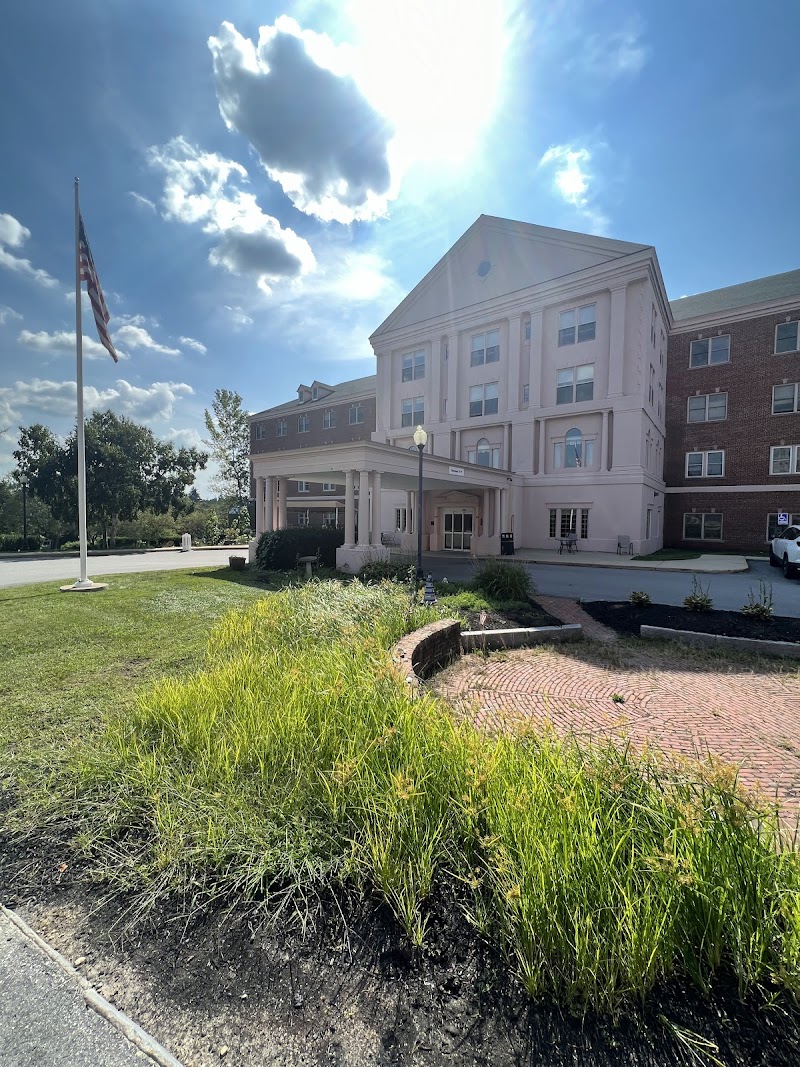
How is Pleasant View Center Staffed?

CMS rates PLEASANT VIEW CENTER's staffing level at 2 out of 5 stars, which is below average compared to other nursing homes. Staff turnover is 69%, which is 23 percentage points above the New Hampshire average of 46%. High turnover can affect care consistency as new staff learn residents' individual needs. RN turnover specifically is 56%, which is notably high. RNs provide skilled clinical oversight, so turnover in this role can affect medical care quality.

What Have Inspectors Found at Pleasant View Center?

State health inspectors documented 46 deficiencies at PLEASANT VIEW CENTER during 2022 to 2025. These included: 1 that caused actual resident harm, 37 with potential for harm, and 8 minor or isolated issues. Deficiencies causing actual harm indicate documented cases where residents experienced negative health consequences.
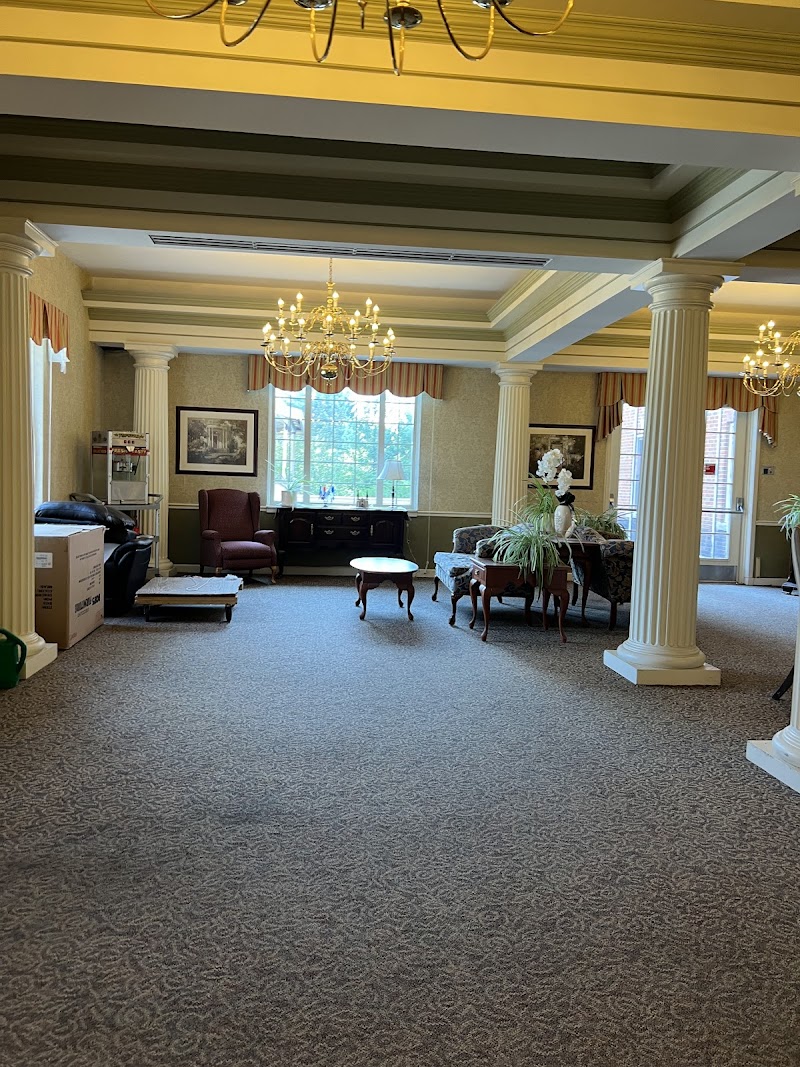
Who Owns and Operates Pleasant View Center?

PLEASANT VIEW CENTER is owned by a for-profit company. For-profit facilities operate as businesses with obligations to shareholders or private owners. The facility operates independently rather than as part of a larger chain. With 176 certified beds and approximately 147 residents (about 84% occupancy), it is a mid-sized facility located in CONCORD, New Hampshire.
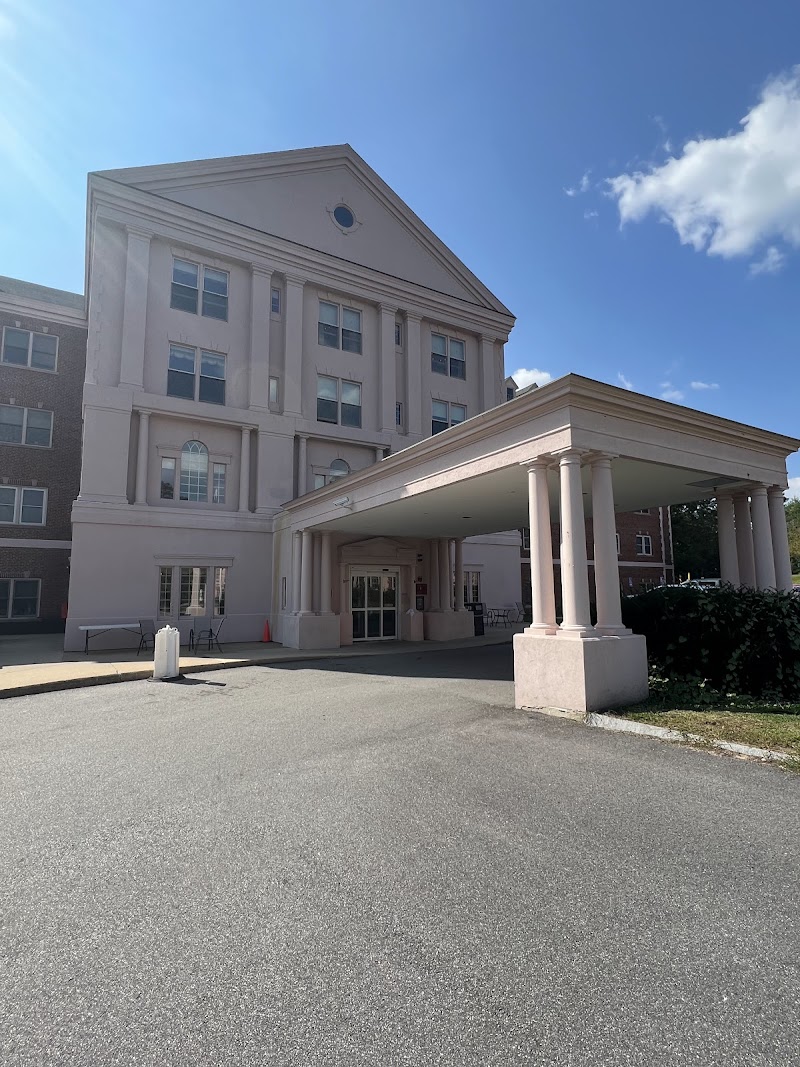
How Does Pleasant View Center Compare to Other New Hampshire Nursing Homes?

Compared to the 100 nursing homes in New Hampshire, PLEASANT VIEW CENTER's overall rating (1 stars) is below the state average of 3.0, staff turnover (69%) is significantly higher than the state average of 46%, and health inspection rating (1 stars) is much below the national benchmark.

What Should Families Ask When Visiting Pleasant View Center?

Based on this facility's data, families visiting should ask: "How do you ensure continuity of care given staff turnover, and what is your staff retention strategy?" "Can you walk me through typical staffing levels on day, evening, and night shifts?" "Can I visit during a mealtime to observe dining assistance and food quality?" "How do you handle medical emergencies, and what is your hospital transfer rate?" These questions are particularly relevant given the facility's high staff turnover rate and the below-average staffing rating.

Is Pleasant View Center Safe?

Based on CMS inspection data, PLEASANT VIEW CENTER has documented safety concerns. The facility is currently on the Special Focus Facility watch list (a federal program monitoring the lowest-performing 1% of nursing homes nationwide). The facility has a 1-star overall rating and ranks #100 of 100 nursing homes in New Hampshire. Families considering this facility should ask detailed questions about what corrective actions have been taken since these incidents.

Do Nurses at Pleasant View Center Stick Around?

Staff turnover at PLEASANT VIEW CENTER is high. At 69%, the facility is 23 percentage points above the New Hampshire average of 46%. Registered Nurse turnover is particularly concerning at 56%. RNs handle complex medical decisions and coordinate care — frequent RN changes can directly impact care quality. High turnover means new staff may not know residents' individual needs, medications, or preferences. It can also be disorienting for residents, especially those with dementia who rely on familiar faces. Families should ask: What is causing the turnover? What retention programs are in place? How do you ensure care continuity during staff transitions?

Was Pleasant View Center Ever Fined?

PLEASANT VIEW CENTER has been fined $12,982 across 2 penalty actions. This is below the New Hampshire average of $33,209. While any fine indicates a compliance issue, fines under $50,000 are relatively common and typically reflect isolated problems that were subsequently corrected. Families should ask what specific issues led to these fines and confirm they've been resolved.

Is Pleasant View Center on Any Federal Watch List?

PLEASANT VIEW CENTER is currently an SFF Candidate, meaning CMS has identified it as potentially qualifying for the Special Focus Facility watch list. SFF Candidates have a history of serious deficiencies but haven't yet reached the threshold for full SFF designation. The facility is being monitored more closely — if problems continue, it may be added to the official watch list. Families should ask what the facility is doing to address the issues that led to this status.