PLEASANT VALLEY SNF LLC

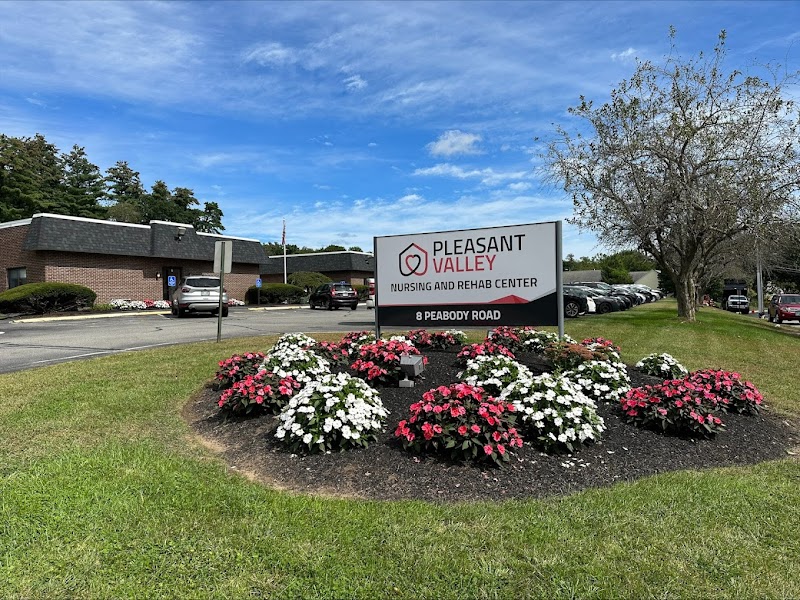
8 PEABODY ROAD, DERRY, NH 03038 (603) 434-1566
For profit - Limited Liability company 112 Beds Independent Data: November 2025
Trust Grade
65/100
#43 of 73 in NH
Last Inspection: November 2024

Within standard 12-15 month inspection cycle. Federal law requires annual inspections.

Overview

Pleasant Valley SNF LLC has a Trust Grade of C+, indicating it is slightly above average among nursing homes. It ranks #43 out of 73 facilities in New Hampshire, placing it in the bottom half, and #8 out of 12 in Rockingham County, meaning only a few local options are better. The facility is improving, having reduced its issues from 12 in 2023 to just 1 in 2024. Staffing is a strength with a 4 out of 5-star rating and 52% turnover, which is around the state average, while it also has more RN coverage than 94% of facilities in New Hampshire. However, there have been concerning incidents, such as a nurse failing to properly care for a resident's G-tube and a lack of performance reviews and training for staff, which indicates potential gaps in staff competencies and care quality. Overall, while there are some strengths, families should consider these weaknesses when researching Pleasant Valley SNF LLC.

Trust Score
C+
65/100
In New Hampshire
#43/73
Bottom 42%
Safety Record
Low Risk
No red flags
Inspections
Getting Better
12 → 1 violations
Staff Stability
⚠ Watch
52% turnover. Above average. Higher turnover means staff may not know residents' routines.
Penalties
✓ Good
No fines on record. Clean compliance history, better than most New Hampshire facilities.
Skilled Nurses
✓ Good
Each resident gets 62 minutes of Registered Nurse (RN) attention daily — more than 97% of New Hampshire nursing homes. RNs are the most trained staff who catch health problems before they become serious.
Violations
⚠ Watch
19 deficiencies on record. Higher than average. Multiple issues found across inspections.
★★★☆☆
3.0
Overall Rating
★★★★☆
4.0
Staff Levels
★★☆☆☆
2.0
Care Quality
★★★☆☆
3.0
Inspection Score
Stable
2023: 12 issues
2024: 1 issues

The Good

  • 4-Star Staffing Rating · Above-average nurse staffing levels
  • Full Sprinkler Coverage · Fire safety systems throughout facility
  • No fines on record

Facility shows strength in staffing levels, fire safety.

The Bad

3-Star Overall Rating

Near New Hampshire average (3.0)

Meets federal standards, typical of most facilities

Staff Turnover: 52%

Near New Hampshire avg (46%)

Higher turnover may affect care consistency

The Ugly 19 deficiencies on record

Nov 2024 1 deficiency
CONCERN (D)

Potential for Harm - no one hurt, but risky conditions existed

Infection Control (Tag F0880)

Could have caused harm · This affected 1 resident

Resident #49 Observation on 11/19/24 at approximately 9:20 a.m. of Resident #49 revealed he/she had a urinary catheter. Further observation revealed no personal protective equipment available in or ne...

Read full inspector narrative →
Resident #49 Observation on 11/19/24 at approximately 9:20 a.m. of Resident #49 revealed he/she had a urinary catheter. Further observation revealed no personal protective equipment available in or near the resident room and no indications he/she was on Enhanced Barrier Precautions (EBP). Review on 11/19/24 of Resident #49's physician orders revealed a current order for indwelling urinary catheter, dated 9/25/24. Interview on 11/19/24 at approximately 9:20 a.m. with Staff C (Licensed Practical Nurse) confirmed that Resident #49 had an indwelling urinary catheter. Review on 11/21/24 of facility policy titled, Enhanced Barrier Precautions, dated March 2024, revealed: .5. EBPs are indicated .b urinary catheters . Interview on 11/21/24 at approximately 8:30 a.m. with Staff D (Infection Preventionist) confirmed residents with indwelling urinary catheters should be on EBP. Further interview revealed that the facility follows the Centers for Disease Control (CDC) guidelines for EBP. Review on 11/21/24 of the CDC guideline titled, Implementation of Personal Protective Equipment Use in Nursing Homes to Prevent Spread of Multidrug Resistant Organisms (MDRO's), updated July 2022, revealed: .Enhanced Barrier Precautions expand the use of PPE and refer to the use of gown and gloves during high-contact resident care activities that provide opportunities for transfer of MDRO's to staff hands and clothing. MDRO's may be indirectly transferred from resident-to-resident during these high-contact activities. Nursing home resident with wounds and indwelling medical devices are at especially high risk of both acquisition of and colonization with MDRO's. The use of gown and gloves for high-contact resident care activities is indicated, .Enhanced Barrier Precautions, Expand the use of PPE and refer to the use of gown and gloves during high-contact resident care activities that provide opportunities for transfer of MDROs to staff hands and clothing. MDROs may be indirectly transferred from resident-to-resident during these high-contact care activities. Nursing home residents with wounds and indwelling medical devices are at especially high risk of both acquisition of and colonization with MDROs. The use of gown and gloves for high-contact resident care activities is indicated, when Contact Precautions do not otherwise apply, for nursing home residents with wounds and/or indwelling medical devices regardless of MDRO colonization as well as for residents with MDRO infection or colonization Examples of high-contact resident care activities requiring gown and glove use for Enhanced Barrier Precautions include: .Device care or use: central line, urinary catheter . Based on observation, interview, and policy review, it was determined that the facility failed to follow the facility's infection control policies and procedure for hand hygiene, linen handling, and enhanced barrier precautions. Findings Include: Observation on 11/19/24 at 10:33 a.m. of the Skilled Medical Unit (SMU) revealed a pile of soiled bed linens on the floor beside the bed where two Licensed Nursing Assistants (LNAs) were providing care. Interview on 11/19/24 at 10:35 a.m. with Staff F (Director of Nursing) confirmed that the linens were soiled and revealed they should have been put in a plastic bag for transport and not put on the floor. Observation on 11/20/24 at 11:48 a.m. of the SMU meal service revealed Staff G (LNA) exited a resident's room carrying a full clear trash bag. Staff G was not wearing gloves. Staff G disposed of the trash bag in the soiled utility room. After leaving the utility room, Staff G went directly to the drink cart without washing his/her hands and proceeded to grab a cup to pour drinks. Interview on 11/20/24 at 11:50 a.m. with Staff G confirmed the above findings that they did not wash their hands after handling a resident's trash. Review on 11/20/24 of the facility policy titled, Standard Precautions, (not dated), revealed: .Standard Precautions Include the Following Practices: 1 .b. Hand hygiene is performed with ABHR (Alcohol Based Hand Rub) or soap and water .4. after contact with items in the resident's room .7. Linen: a. Linen soiled with blood, body fluids, secretions, excretions are handled and processed in a manner that prevents skin and mucous membrane exposures, contamination of clothing and avoids transfer of microorganisms to other residents and environments . Review on 11/21/24 of the Center for Disease Control and Prevention guideline titled, Core Infection Prevention and Control Practices for Safe Healthcare Delivery in All Settings, dated 4/12/24, retrieved from: https://www.cdc.gov/infection-control/hcp/core-practices/index.html, revealed: .Hand Hygiene .Require healthcare personnel to perform hand hygiene in accordance with Centers for Disease Control and Prevention (CDC) recommendations. Use an alcohol-based hand rub or wash with soap and water for the following clinical indications: Immediately before touching a patient .After touching a patient or the patient's immediate environment .Immediately after glove removal .
Dec 2023 12 deficiencies
CONCERN (D)

Potential for Harm - no one hurt, but risky conditions existed

Deficiency F0552 (Tag F0552)

Could have caused harm · This affected 1 resident

Based on record review, and interview it was determined that the facility failed to inform the resident's activated durable power of attorney for healthcare (DPOA-H) of a change in medication for 1 of...

Read full inspector narrative →
Based on record review, and interview it was determined that the facility failed to inform the resident's activated durable power of attorney for healthcare (DPOA-H) of a change in medication for 1 of 1 resident reviewed for notification of change in a final sample of 25 residents (Resident identifier is #16). Findings include: Review on 11/30/23 at approximately 9:30 a.m. of Resident #16's current physician's orders revealed an order dated 10/28/22 to activate Resident #16's DPOA-H. Review on 11/30/23 of Resident #16's physician's orders revealed an order on 8/2/22 for Methenamine Hippurate Tabled 1 GM [gram] Give 1 tablet by mouth one time a day for UTI [urinary tract infection] prophylactic. Review on 12/01/23 of Resident #16's care plan meeting nursing notes dated 11/7/23 revealed that Resident #16's activated DPOA-H questioned if Resident #16 was still taking HIPREX [Methenamine Hippurate]. Staff B (Unit Manager) replied that Resident #16 had not been taking HIPREX since 6/23/23. Resident #16's activated DPOA-H wanted to know why the medication was stopped and they were not informed. Interview on 12/01/23 at approximately 1:34 p.m. with Staff N (Licensed Practical Nurse) confirmed that there was a physician's order dated 6/9/23 to discontinue Resident #16's HIPREX and the activated DPOA-H was not informed.
CONCERN (D)

Potential for Harm - no one hurt, but risky conditions existed

Deficiency F0658 (Tag F0658)

Could have caused harm · This affected 1 resident

**NOTE- TERMS IN BRACKETS HAVE BEEN EDITED TO PROTECT CONFIDENTIALITY** Resident #71 Observation on 11/29/23 at 7:10 a.m. of Resident #71's Gastrostomy-tube (G-Tube) medication administration with Sta...

Read full inspector narrative →
**NOTE- TERMS IN BRACKETS HAVE BEEN EDITED TO PROTECT CONFIDENTIALITY** Resident #71 Observation on 11/29/23 at 7:10 a.m. of Resident #71's Gastrostomy-tube (G-Tube) medication administration with Staff E (Licensed Practical Nurse) revealed that Staff E did not flush the G-tube prior to administering the first medication and did not flush between the following medications; Levetracintin 15 milliliters (mL); Amantadine 5 mL; Docosate 10 mL; Valproic acid 20 mL. Interview on 11/29/23 at 10:00 a.m. with Staff E confirmed the above. Review on 11/29/23 of Resident #71's active physician's order list revealed an order dated 7/21/23 to flush with 5 to 10 mL of water between each medication. Review on 11/29/23 of Resident #71's November 2023 Enteral Orders MAR revealed the above physician's order was noted for 7:00 a.m., 3:00 p.m., and 11:00 p.m., but had not been signed as completed for the month (28 days). Interview on 11/29/23 at 10:30 a.m. with Staff B (Unit Manager) confirmed that a G-tube should be flushed with water prior to administering medications and between each medication. Staff B confirmed that Resident #71's November 2023 MAR for the above flushes were not documented as being completed. Review on 11/29/23 of the facilities policy revised November 2018, titled Administering Medications through an Enternal Tube, revealed, .The purpose of this procedure is to provide guidelines for the safe administration of medications through an enteral tube . General Guidelines . 3. Administer each medication separately and flush between medications . Steps in the Procedure . 7. Stop feeding and flush tubing with at least 15 mL warm purified water (or prescribed amount) . 13. If administering more than one medication, flush with 15 mL warm purified water (or prescribed amount) between medications . Based on interview, observation, and record review it was determined that the facility failed to follow physician's orders for 2 residents in a final sample of 25 residents (Resident Identifiers are #71 and #91). Finds include: Professional reference: [NAME], [NAME] A., and [NAME]. Fundamentals of Nursing. 7th Edition, St. Louis, Missouri: Mosby Elsevier, 2009. Chapter 23 Legal Implications Page 336-Physicians' Orders The physician is responsible for directing medical treatment. Nurses follow physicians' orders unless they believe the orders are in error or harm clients. Therefore you need to assess all orders, and if you find one to be erroneous or harmful, further clarification from the physician is necessary . Chapter 35 Medication Administration Page 699-Prescriber's Role Prescriber must document the diagnosis, condition, or need for use for each medication ordered Page 706-709-Standards The prescriber often gives specific instructions about when to administer a medication Resident #91 Review on 12/01/23 of Resident #91's November 2023 Medication Administration Record (MAR) revealed the following: Acetaminophen oral Tablet 325 mg [milligram] 2 tablets by mouth every 4 hours as ordered for pain 1-5/10 NTE [not to exceed] 3 g [grams] APAP [Acetaminophen] in [a] 24 [hour] period, with an order date of 11/12/2023. This was administered on the following dates: 11/18/23, for a pain level of 8, effective; 11/19/23, for a pain level of 8, effective; 11/25/23 for a pain level of 7, effective; 11/27/23, for a pain level of 9, effective. Further review of Resident #91's November MAR revealed an order for oxycodone HCL [Hydrochloride] 5 mg 1 tablet by mouth every 6 hours as needed for severe pain 8-10, with an order date of 11/12/23. This was administered on 11/26/23 for a pain level of 5, effective, 11/28/23, twice, no assessment of pain was noted or NA [not assessed]. Interview on 11/29/23 at 10:00 a.m. with Staff P (Registered Nurse) confirmed the above findings.
CONCERN (D)

Potential for Harm - no one hurt, but risky conditions existed

Respiratory Care (Tag F0695)

Could have caused harm · This affected 1 resident

Based on observations, interviews, and record review, it failed to establish policies for Oxygen (O2) services to include cleaning of O2 equipment for 2 of 2 residents reviewed for respiratory care in...

Read full inspector narrative →
Based on observations, interviews, and record review, it failed to establish policies for Oxygen (O2) services to include cleaning of O2 equipment for 2 of 2 residents reviewed for respiratory care in a final survey sample of 25 residents (Resident Identifiers are # 41 and #87). Finds include: Resident #41 Observation on 11/28/23 at 9:30 a.m. revealed that there was an O2 concentrator next to Resident #41's bed with a nasal cannula attached to it. The O2 tubing had no marking indicating the date the tubing was put into use. O2 was in use at this time by Resident #41 and the tubing was clear and appeared clean and not soiled. Observation on 11/29/23 at 12:16 p.m. revealed Resident #41's O2 tubing with no date for initiation of tubing. O2 was in use at this time by Resident #41. Review on 11/29/23 at approximately 12:45 p.m. of Resident #41's current Medication Administration Record (MAR) and Treatment Administration Record (TAR) revealed no orders for O2 tubing changes. Interview on 11/29/23 with Resident #41 at approximately 10:30 a.m. revealed that he/she does not remember when the O2 tubing was changed. Review on 11/30/23 of Resident 41's current care plan reveled that there were no interventions for Resident #41's use of O2. Interview on 11/30/23 at approximately 1:00 p.m. with Staff P (Registered Nurse) confirmed there was no date on Resident #41's O2 tubing and that there were no current orders for Resident #41's O2 tubing to be changed. Interview on 11/30/23 at approximately 1:10 p.m. with Staff P confirmed that the facility's policy Oxygen Administration with a revised date of October 2010 did not have any policies or procedures for when or how often to change the O2 tubing. Resident #87 Observation on 11/28/23 at 10:30 a.m. revealed that there was an O2 concentrator next to Resident #87's bed with a nasal cannula attached to it. The O2 tubing had no marking indicating the date the tubing was put into use. O2 was in use at this time by Resident #87. The O2 tubing appeared clear and not soiled. Interview on 11/29/23 with Resident #41 at approximately 10:45 a.m. revealed that he/she does not remember when the O2 tubing was changed. Observation on 11/29/23 at 12:16 p.m. revealed Resident #87's O2 tubing with no date for initiation of tubing. O2 was in use at this time by Resident #87. Review on 11/30/23 of Resident # 87's current care plan revealed that there were no interventions for Resident #87 use of O2. Review on 11/30/20 at approximately 12:45 p.m. of Resident #87's current MAR and TAR revealed no orders for O2 tubing changes. Interview on 11/30/23 at approximately 1:00 p.m. with Staff P confirmed there was no date on Resident #87's O2 tubing. Interview on 11/30/23 at approximately 1:10 p.m. with Staff P confirmed that the facility's policy Oxygen Administration with a revised date of October 2010 did not have any policies or procedures for when or how often to change the O2 tubing.
CONCERN (D)

Potential for Harm - no one hurt, but risky conditions existed

Medication Errors (Tag F0758)

Could have caused harm · This affected 1 resident

Based on record review, interview, and observation, it was determined that the facility failed to limit psychotropic medication to 14 days for 1 of 5 residents reviewed for unnecessary medications in ...

Read full inspector narrative →
Based on record review, interview, and observation, it was determined that the facility failed to limit psychotropic medication to 14 days for 1 of 5 residents reviewed for unnecessary medications in a final sample of 25 residents (Resident Identifier is #77). Findings include: Resident #77 Review on 11/30/23 at approximately 10:36 a.m. of Resident #77's pharmacy recommendations revealed a recommendation on 8/28/23 to consider discontinuing Resident #77's active order for Haloperidol PRN [as needed] without a specified stop date. Review on 11/30/23 of Resident #77's physician's orders revealed the following: Haloperidol Lactate Oral Concentrate dated 8/7/23 Give 0.25 ml [milliliter] by mouth every 12 hours as needed for agitation and increased behaviors with a discontinue date of 9/6/23. Resident #77 received this medication on 8/9, 8/14, 8/16, 8/17, 8/21, 8/22, 8/25, 8/26, 8/29, 9/1, 9/2, 9/3, and 9/4, Interview on 12/1/23 at approximately 2:28 p.m. with Staff B (Unit Manager) confirmed the above findings.
CONCERN (D)

Potential for Harm - no one hurt, but risky conditions existed

Deficiency F0761 (Tag F0761)

Could have caused harm · This affected 1 resident

Based on observation, interview, and record review, it was determined that the facility failed to label medication with open expiration dates when applicable in 1 of 3 medication carts reviewed (Resid...

Read full inspector narrative →
Based on observation, interview, and record review, it was determined that the facility failed to label medication with open expiration dates when applicable in 1 of 3 medication carts reviewed (Resident Identifiers are #20 and #56). Findings include: Observation on 11/28/23 at approximately 11:00 a.m. of the South Side Medication Cart revealed the following: One Humalog Lispro Insulin vial for Resident #20 with no open or open expiration date; One Levemir Flex Pen for Resident #56 with no open or open expiration date; and One Lantus Solostar Insulin Pen for Resident #56 with no open or open expiration date. Interview on 11/28/23 at 11:03 a.m. with Staff D (Licensed Practical Nurse) confirmed the above findings. Review on 11/28/23 of facility policy titled Vials and Ampules of Injectable Medications, dated 08-2020, revealed. the following: 2. The date opened and this triggered expiration date are both important to record on multi-dose vials. At a minimum, the date opened must be recorded .Triggered expiration dates may be found in the manufacturer's package insert, or on the package provided, or on a referenced chart by the pharmacy, or by contacting the pharmacist. Review on 11/28/2023 of manufacturer's instructions for Humalog Lispro Insulin, dated 11/2019, revealed the following: 16.2 Storage and Handling .In-use Insulin Lispro Injection vials . must be used within 28 days or be discarded, even if they still contain Insulin Lispro Injection . Review on 11/28/2023 of manufacturer's instructions for Levemir solution for subcutaneous injection dated 3/2012 revealed the following: Unrefrigerated Levemir should be discarded 42 days after it is first kept out of the refrigerator. LevemirFlex Pen: .Unrefrigerated Levemir FlexPens should be discarded 42 days after they are kept out of the refrigerator . Review on 11/28/2023 of manufacturer's instructions for Lantus dated 7/2021 revealed the following: Once you take your Lantus out of cool storage, for use or as a spare, you can use it for up to 28 days . Do not use it after this time .
CONCERN (D)

Potential for Harm - no one hurt, but risky conditions existed

Food Safety (Tag F0812)

Could have caused harm · This affected 1 resident

Based on observation and interview, it was determined that the facility failed to store food in accordance with professional standards for food service safety in 1 of 3 kitchenettes reviewed. Findings...

Read full inspector narrative →
Based on observation and interview, it was determined that the facility failed to store food in accordance with professional standards for food service safety in 1 of 3 kitchenettes reviewed. Findings include: Observation on 11/28/23 at 9:30 a.m. with Staff G (Food Service Manager) of the [NAME] Kitchenette refrigerator revealed a refrigerator temperature of 50 degrees (°) Fahrenheit (F). Interview on 11/28/23 at 9:30 a.m. with Staff G confirmed the above and revealed that the refrigerator should be below 45° F. Observation on 11/28/23 at 12:45 p.m. of the [NAME] Kitchenette refrigerator revealed a temperature of 46° F. Interview on 11/28/23 at 12:46 p.m. with Staff G confirmed the above. Observation on 11/28/23 at approximately 2:26 p.m. of the [NAME] Kitchenette refrigerator revealed a temperature of 50° F. Review on 11/28/23 of [NAME] Kitchenette's October 2023 Refrigerator logs revealed the following: -October 7, 2023 temperature was 42° F (note stating uncommon will watch) -October 15, 2023 temperature was 42° F (note stating alerted maintenance temp is fluctuating) -October 20, 2023 temperature was 43° F -October 21, 2023 temperature was 42° F -October 22, 2023 temperature was 46° F -October 28, 2023 temperature was 43° F The top of the form read Thermometer must read 41° F or below and Corrective Action: Immediately notify dietary manager if refrigerator or food temperature above 40° F for fridge. Review on 11/28/23 of November 2023 [NAME] Kitchenette Refrigerator logs revealed the following: -November 4, 2023 temperature was 43° F -November 20, 2023 temperature was 42° F -November 23, 2023 temperature was 44° F -November 24, 2023 temperature was 42° F -November 25, 2023 temperature was 43° F -November 26, 2023 temperature was 42° F -November 28, 2023 temperature was 42° F The top of the form read Thermometer must read 41° F or below and Corrective Action: Immediately notify dietary manager if refrigerator or food temperature above 40° F for fridge. Interview on 11/28/23 at 1:00 p.m. with Staff L (Director of Maintenance) revealed that he/she was not notified of temperatures being out of range since 10/7/2023. Interview on 11/28/23 at 1:28 p.m. with Staff M (Maintenance Assistant) revealed that on 11/18/2023 he/she received a text message at 6:10 p.m. that the [NAME] Wing refrigerator was up to 50° F. Staff M was not aware of any other temperatures being out of range. Staff M also stated this was the only issue he/she was aware of regarding the [NAME] Kitchenette refrigerator. Staff M reviewed refrigerator temperature logs for October 2023 and November 2023 and confirmed that the temperatures were inconsistent. Review on 11/28/23 of facility policy titled Food Storage: Cold Foods dated 9/2017 revealed . 2. All perishable foods will be maintained at a temperature of 41 degrees F or below, except during necessary periods of preparation and service . Review on 11/28/23 of facility policy titled Refrigerators and Freezers dated 11/2022 revealed . 1. Refrigerators and/or freezers are maintained in good working condition. Refrigerators keep foods at or below 41 degrees F . Review on 12/04/2023 of FDA Are You Storing Food Safely? Current as of 1/18/2023 revealed . -Keep your appliances at the proper temperatures. Keep the refrigerator temperature at or below 40 degrees F .
CONCERN (E)

Potential for Harm - no one hurt, but risky conditions existed

Deficiency F0726 (Tag F0726)

Could have caused harm · This affected multiple residents

Based on observation, interview, and record review it was determined that the facility failed to ensure that licensed nursing staff had the competencies and skills necessary to care for residents with...

Read full inspector narrative →
Based on observation, interview, and record review it was determined that the facility failed to ensure that licensed nursing staff had the competencies and skills necessary to care for residents with a Gastrostomy Tube (G-tube) for 4 of 4 contracted licensed staff reviewed for staffing (Staff Identifiers are E, I, J, and K). Finding include: Observation on 11/29/23 at 7:10 a.m. of Resident #71's G-tube medication administration with Staff E (Licensed Practical Nurse (LPN)) revealed that Staff E did not flush the G-tube prior to administering the first medication and did not flush between the medications. Interview on 11/29/23 at 10:00 a.m. with Staff E confirmed that he/she did not flush before administering medications or between the medications. Staff E revealed that he/she was a contracted nurse who had worked at the facility for approximately 1 month and had not had any orientation or training since starting at the facility. Review on 11/30/23 of the following contracted nurse employee files revealed that there was no on-site training or competencies documented as being completed; -Staff E (LPN) whose hire date was 10/30/23; -Staff I (Registered Nurse (RN)) hire date 3/7/23; -Staff J (LPN) hire date 2/8/23; -Staff K (RN) hire date 10/30/23. Interview on 11/30/23 at 1:08 p.m. with Staff F (Infection Preventionist/Staff Development) and Staff H (Human Resources) revealed that Staff H confirmed that no on-site training had occurred with the above 4 contracted staff. Staff F confirmed that contracted/agency staff did not have any onsite training or competencies related to the facility's policies and procedures. Review on 11/29/23 of the facility's Facility Assessment Tool updated 11/3/23 revealed, . 3.2 Staffing plan . nursing staffing plan will have sufficient staff with competencies and skill sets to provide nursing and related services to assure resident safety and obtain or maintain the higher practicable physical, mental and psychosocial well-being of each resident . Competencies completed for the facility staff members include are is not limited to Person-centered care . Activities of daily living . Disaster planning and procedures . Infection control . Medication administration . Measurements . Resident assessment and examinations . Caring for persons with Alzheimer's or other dementia . Specialized care - catheterization insertions/care, colostomy care, diabetic blood glucose testing, oxygen administration, suctioning, pre-op and post-op care, trach care/suctioning, ventilator care, tube feedings, wound care/dressings, dialysis care . Review on 11/30/23 of the facility's policy titled Orientation Program for Newly Hired Employees, Transfers, Volunteers revised May 2019, revealed, . An orientation program shall be conducted for all newly hired employees, transfers from other departments, those providing services under contractual arrangements, and volunteers . 1. All newly hired personnel/volunteers/transfers/contractors must attend a 10-hour orientation program within their first five (5) days of hire . Review on 11/30/23 of the facility's policy titled Staffing, Sufficient and Competent Nursing revised August 2022, revealed, .Our facility provides . competency necessary to provide nursing and related care and services for all residents in accordance with resident care plans and the facility assessment .Competency requirements and training for nursing staff are established and monitored by nursing leadership with input from the medical director to ensure that: a. programming for staff training results in nursing competency; b. gaps in education are identified and addressed; c. education topics and skills needed are determined based on the resident population; d. tracking or other mechanisms are in place to evaluate effectiveness of training .
CONCERN (E)

Potential for Harm - no one hurt, but risky conditions existed

Deficiency F0730 (Tag F0730)

Could have caused harm · This affected multiple residents

Based on interview and record review, it was determined that the facility failed to provide documentation of performance reviews and regular in-service education for 2 of 2 Licensed Nursing Assistants...

Read full inspector narrative →
Based on interview and record review, it was determined that the facility failed to provide documentation of performance reviews and regular in-service education for 2 of 2 Licensed Nursing Assistants (LNAs) reviewed for staffing (Staff Identifiers are Q and R). Findings include: Interview on 11/30/23 at 2:51 p.m. with Staff O (Administrator) revealed that the facility was aware that staff performance reviews and in-service education had not been done. Review on 12/1/23 of the facility's Active Employee list revealed that Staff Q and Staff R had been employees since 2019. Review on 12/1/23 of Staff Q's employee file revealed that there was no annual performance review completed in the past 12 months and no in-service training. Review on 12/1/23 of Staff R's employee file revealed that there was no annual performance review completed in the past 12 months and no in-service training for abuse or dementia care since 2021. Interview on 12/1/23 with Staff H (Human Resources) confirmed the above findings. Review on 12/1/23 of the facility's policy titled Staffing, Sufficient and Competent Nursing revised August 2022 revealed, . Our facility provides . nursing staff with the appropriate skills and competency necessary to provide nursing and related care and services for all residents in accordance with resident care plans and the facility assessment . Review on 12/1/23 of the facility's policy titled In-Service Training, All Staff revised August 2022, revealed, . Completed training is documented by the staff development coordinator, or his or her designee and includes: a. the date and time of the training; b. the topic of the training; c. the method used for training; d. a summary of the competency assessment; and e. the hours of training completed.
CONCERN (E)

Potential for Harm - no one hurt, but risky conditions existed

Deficiency F0865 (Tag F0865)

Could have caused harm · This affected multiple residents

Based on interview and record review, it was determined that the facility failed to implement and monitor corrective actions for identified gaps in systems. Findings include: Review on 11/30/23 of 5 ...

Read full inspector narrative →
Based on interview and record review, it was determined that the facility failed to implement and monitor corrective actions for identified gaps in systems. Findings include: Review on 11/30/23 of 5 residents for influenza and pneumococcal vaccination revealed that 3 of 5 medical records did not contain documentation that residents were offered and received education for influenza and pneumococcal vaccination. Cross reference F883 Influenza and Pneumococcal Immunizations. Interview on 11/30/23 at 2:51 p.m. with Staff O (Administrator) revealed that the facility had identified issues offering and educating residents for influenza and pneumococcal vaccinations and the issue was in Quality Assurance. Staff O was not able to provide documentation of any audits or monitoring to ensure that corrective actions were effective. Review on 11/30/23 of 4 of 4 contracted nursing staff revealed that all 4 had not had training or competencies. Cross reference F726 Competent Nursing Staff. Review on 11/30/23 of 2 of 3 Licensed Nursing Assistants revealed that there was no documentation of annual performance reviews and regular in-service education for the staff. Cross reference F730 Nurse Aide Perm Review - 12 Hr/yr In-Service. Interview on 11/30/23 at 2:51 p.m. with Staff O revealed that the facility was aware that staff training and competencies for contracted nursing staff, annual performance reviews, and regular in-service education were not being done. Staff O was not able to provide documentation of any audits or monitoring to ensure that corrective actions were effective. Review on 12/1/23 of the facility's Performace Improvement Project titled New Hire Orientation and Annual Education for all Staff dated 9/5/23 revealed that there was no education system in place.
CONCERN (E)

Potential for Harm - no one hurt, but risky conditions existed

Infection Control (Tag F0880)

Could have caused harm · This affected multiple residents

Based on record review, observation, interview, and policy review it was determined that the facility failed to follow Center For Disease Control (CDC) guidance for Transmission Based Precautions (TBP...

Read full inspector narrative →
Based on record review, observation, interview, and policy review it was determined that the facility failed to follow Center For Disease Control (CDC) guidance for Transmission Based Precautions (TBP) for 1 of 8 residents reviewed for infection control (Resident Identifier is#9). Findings Include: Resident #9 Review on 11/30/23 of Resident #9's medical record revealed they were positive for COVID-19 since 11/23/23 and on TBPs. Observation on 11/30/23 at approximately 10:20 a.m. of Resident #9's room revealed Staff E (LPN) entered Resident #9's room without donning gloves, gown, and eye protection. Interview on 11/30/23 at approximately 10:25 a.m. with Resident #9 revealed that staff sometimes don gloves, gowns, and eye protection when entering the room, but not always while on precaution. Interview on 11/30/23 at approximately 10:30 a.m. with Staff E revealed they were running behind on medication pass, did not don PPE prior to entry into Resident #9's room, and confirmed the above findings. Review on 12/1/23 of the facility policy titled, Isolation - Categories of Transmission-Based Precautions, last revised September 2022, revealed: 5. When a resident is placed on transmission-based precautions, appropriate notification is placed on the room entrance door and on the front of the chart so that personnel and visitors are aware of the need for and the type of precaution. a. The signage informs the staff of the type of CDC precaution(s), instructions for use of PPE, and/or instructions to see a nurse before entering the room. Review on 12/1/23 of the CDC website titled, Interim Infection Prevention and Control Recommendations for Healthcare Personnel During the Coronavirus Disease 2019 (COVID-19) Pandemic, update date of May 8, 2023, retrieved from: https://www.cdc.gov/coronavirus/2019-ncov/hcp/infection-control-recommendations.html, revealed .2. Recommended infection prevention and control (IPC) practices when caring for a patient with suspected or confirmed SARS-CoV-2 infection .Personal Protective Equipment HCP who enter the room of a patient with suspected or confirmed SARS-CoV-2 infection should adhere to Standard Precautions and use a NIOSH-approved particulate respirator with N95 filters or higher, gown, gloves, and eye protection (i.e., goggles or a face shield that covers the front and sides of the face) .
CONCERN (E)

Potential for Harm - no one hurt, but risky conditions existed

Deficiency F0883 (Tag F0883)

Could have caused harm · This affected multiple residents

**NOTE- TERMS IN BRACKETS HAVE BEEN EDITED TO PROTECT CONFIDENTIALITY** Based on interview and record review it was determined that the facility failed to ensure a resident was offered and/or provided...

Read full inspector narrative →
**NOTE- TERMS IN BRACKETS HAVE BEEN EDITED TO PROTECT CONFIDENTIALITY** Based on interview and record review it was determined that the facility failed to ensure a resident was offered and/or provided education on the risks and benefits of the Pneumococcal or Influenza vaccination for 3 of 5 residents reviewed for vaccinations (Resident Identifiers are #49, #85, and #91). Findings include: Resident #91 Review on 11/30/23 of Resident #91 medical record revealed that Resident #91 was admitted to the facility in October 2023, discharged to the hospital on [DATE], and returned on 11/10/23. Review on 11/30/23 of Resident #91's medical record revealed the following; -Under the immunization tab there was no record that the pneumococcal or influenza vaccination had been given or refused; -The consent form titled Pneumococcal/Influenza Immunization Consent was not filled out except for Resident #91's name at the bottom; -The hospital Discharge summary dated [DATE] revealed There is no immunization history on file for this patient. Further review of Resident #91's medical record revealed that in the front of Resident #91's paper chart was an admission Checklist dated 11/10/23 under All consents including Flu and pneumonia vaccines to be completed was initialed as completed, but the 2nd check initials had no initials that it had been done. The form read To be completed by nursing within 72 hours. Complete then given to UM [Unit Manager] or 11-7 supervisor for the second check. Interview on 11/30/23 at 9:35 a.m. with Staff P (Unit Manager (UM)) confirmed the above. Review on 12/1/23 of Resident #91's admission Minimum Data Set (MDS) with an Assessment Reference Date (ARD) revealed under Section O the following; -Did the resident receive the influenza vaccine in this facility for this year's influenza season was answered No and Not offered; -Is the resident's Pneumococcal vaccination up to date was coded No' and Not offered. Resident #85 Review on 11/30/23 of Resident #85's medical record revealed that Resident #85 was admitted to the facility in August 2023. Further review on 11/30/23 of Resident #85's medical record revealed the following; -The Pneumococcal/Influenza Immunization Consent form revealed under the pneumococcal immunization was written Had already date?'; -The immunization tab did not have anything documented for a pneumonia vaccine. Interview on 11/30/23 at 11:00 a.m. with Staff B (UM) confirmed the above. Interview on 11/30/23 at 11:18 a.m. with Staff F (Infection Preventionist) confirmed the above. Review on 12/1/23 of Resident #85 Significant Change in Status MDS with an ARD of 9/29/23 revealed under Section O Is the resident's Pneumococcal vaccination up to date was coded No' and Not offered. Resident #49 Review on 11/30/23 of Resident #49's medical record revealed that Resident #49 was admitted to the facility in February 2021. Further review on 11/30/23 of Resident #49's medical record revealed that a pneumococcal Prevnar 13 (PCV (pneumococcal conjugate vaccine)) vaccine had been administered on 2/24/22. No additional documentation of offering or refusing any additional pneumonia vaccines was noted in the record. Interview on 12/1/23 at 8:50 a.m. and 10:40 a.m. with Staff A (UM) confirmed the above. Review on 12/1/23 of Resident #49's Quarterly MDS with an ARD of 9/14/23 revealed under Section O Is the resident's Pneumococcal vaccination up to date was coded No' and Not offered. Interview on 12/1/23 at 11:05 a.m. with Staff F confirmed the facility uses the Centers for Disease Control and Prevention guidance for vaccination administration guidance. Review on 12/1/23 of the facility's policy titled Pneumococcal Vaccine revised March 2022, revealed, .All residents are offered pneumococcal vaccines to aid in preventing pneumonia/pneumococcal infections . 1. Prior to or upon admission, residents are assessed for eligibility to receive the pneumococcal vaccine series, and when indicated, are offered the vaccine series within thirty (30) days of admission to the facility unless medically contraindicated or the resident has already been vaccinated . 2. Assessments of pneumococcal vaccination status are conducted within five (5) working days of the resident's admission if not conducted prior to admission .5. Residents/representative have the right to refuse vaccination. If refused, appropriate information is documented in the resident's medical record indicating the date of the refusal of the pneumococcal vaccination .7. Administration of the pneumococcal vaccines are made in accordance with Current Centers for Disease Control and Prevention (CDC) recommendations at the time of the vaccination . Review on 12/1/23 of the facility's policy titled Influenza Vaccine revised October 2023, revealed, .All residents . who have no medical contraindication to the vaccine will be offered the influenza vaccine annually to encourage and promote the benefits associated with vaccinations against influenza .2 residents admitted between October 1st and March 31st shall be offered the vaccine within five (5) working days of . the resident's admission to the facility . Review on 12/1/23 of the CDC's Pneumococcal Vaccine Timing for Adults, provided by the facility, revealed that if an adult 65 years or older had had a PCV13 pneumonia vaccine, then after 1 year they had the option of a PCV20 or PPSV23 (Pneumococcal polysaccharide vaccine) vaccine to be up to date.
MINOR (B)

Minor Issue - procedural, no safety impact

Comprehensive Care Plan (Tag F0656)

Minor procedural issue · This affected multiple residents

Based on record review and interview, it was determined the facility failed to develop a comprehensive care plan which included a resident's need for Oxygen (O2) for 2 of 2 residents reviewed for O2 u...

Read full inspector narrative →
Based on record review and interview, it was determined the facility failed to develop a comprehensive care plan which included a resident's need for Oxygen (O2) for 2 of 2 residents reviewed for O2 use in a final sample of 25 residents (Residents Identifiers are #41 and #87). Findings include: Resident #41 Observation on 11/28/23 at approximately 9:30 a.m. of Resident #41 revealed that Resident #41 was receiving oxygen through a nasal cannula (NC). Review of 11/28/23 of Resident 41's current physician orders revealed an order for Oxygen at 0-4 L /min [Liters/per minute] O2 via NC to maintain O2 saturation of 91% [percent] and greater with O2 concentrator while in room and portable O2 tank while out of the room. Review on 11/30/23 of Resident 41's current care plan revealed that there were no interventions for Resident #41's use of O2. Interview on 11/30/23 at approximately 10:00 a.m. with Staff P (Registered Nurse) confirmed that there were no interventions for Resident #41's O2 use in their current care plan. Resident #87 Observation on 11/28/23 at approximately 10:30 a.m. of Resident #87 revealed that Resident #87 was receiving O2 through a nasal cannula. Review of 11/28/23 of Resident 87's current physician orders revealed an order for O2 at 0-4 L /min via O2 concentrator while in room and O2 when out of the room. Review on 11/30/23 of Resident # 87's current care plan revealed that there were no interventions for Resident #87 use of O2. Interview on 11/30/23 at approximately 10:00 a.m. with Staff P confirmed that there were no interventions for O2 use on Resident #87's current care plan. Review on 12/1/23 of the facility's policy titled Oxygen Administration policy, revisioned October 2010, revealed the following: Preparation .2. Review the resident's care plan to assess for any special needs of the resident.
Dec 2022 6 deficiencies
CONCERN (D)

Potential for Harm - no one hurt, but risky conditions existed

Deficiency F0645 (Tag F0645)

Could have caused harm · This affected 1 resident

**NOTE- TERMS IN BRACKETS HAVE BEEN EDITED TO PROTECT CONFIDENTIALITY** Based on interview and record review, it was determined that the facility failed to ensure that a resident with a mental disorde...

Read full inspector narrative →
**NOTE- TERMS IN BRACKETS HAVE BEEN EDITED TO PROTECT CONFIDENTIALITY** Based on interview and record review, it was determined that the facility failed to ensure that a resident with a mental disorder received a PASRR (Pre admission Screening and Resident Review) for 2 of 4 residents reviewed for PASRR in a final survey sample of 25 residents (Resident identifiers are #25 and #66). Findings include: Resident #25 Review on 11/30/22 of Resident #25's medical record revealed that Resident #25 was admitted to the facility on [DATE]. Review on 11/30/22 of Resident #25's diagnosis list in the electronic medical record revealed that Resident #25 had a diagnosis of Schizophrenia. Review on 12/2/22 of Resident #25's PASRR dated 11/8/18 revealed . The PASRR [sic] (Pre-admission Screening and Resident Review) office for New Hampshire has completed a review of need for services and agrees that has a need for short-term nursing facility services. Therefore we find that a 180 day stay from 11/5/2018 through 5/3/2019 is appropriate pursuant to He-M 1302. A month or so before the end of 's[sic] stay at the nursing facility, if continues to need nursing facility services, please have the nursing facility contact the PASRR [sic] Office . Interview on 12/2/22 at 9:11 a.m. with Staff A (Social Worker) confirmed that Resident #25's PASRR was only good for a 180 day stay and should have been re-done. Resident #66 Review on 12/1/22 of Resident #66's PASRR (Pre admission Screening and Resident Review) dated, 4/13/21 revealed: . 2. A. Suspected Diagnosis: Has the individual been diagnosed with or is suspected of having MI (Mental Illness), (box checked for yes) Please check all that apply: Major depression, Anxiety (box checked) . Section 7. Categorical Determinations Hospital Discharge Exemption Convalescent stay (box checked) Direct admit from hospital for same acute condition treated for at hospital based on physician's order, the maximum length of stay is 90 days. Interview on 12/2/22 at approximately 9:15 a.m. with Staff A revealed I don't know why that would have been checked for a 90 day stay. Further interview revealed that Staff A didn't request another PASSR be completed. Review on 12/5/22 of the facility's policy titled Pre-admission Screening and Resident Review (PASRR) dated November 2017, revealed, .Pre-admission screening is coordinated for residents identified to have a mental disorder and/or an intellectual disability in accordance with Federal and State law. Recommendations from the PASRR level II determination and the PASRR evaluation report are incorporated in the resident's assessment, care planning and transitions of care. Residents currently diagnosed or with newly evident or possible mental disorders, intellectual disability, or a related condition are referred for level II PASRR review upon significant change in status assessment . 7. Upon a significant change in status assessment, Nursing will refer residents currently diagnosed with or residents with newly evident or possible mental disorder, intellectual disability, or a related condition for a PASRR level II review .
CONCERN (D)

Potential for Harm - no one hurt, but risky conditions existed

Deficiency F0740 (Tag F0740)

Could have caused harm · This affected 1 resident

Based on interview, record review, facility assessment, and policy review, it was determined that the facility failed to provide behavioral health/psychiatry consults for 1 of 5 residents reviewed for...

Read full inspector narrative →
Based on interview, record review, facility assessment, and policy review, it was determined that the facility failed to provide behavioral health/psychiatry consults for 1 of 5 residents reviewed for unnecessary medications in a final survey sample of 25 residents (Resident identifier is #29). Findings include: Resident #29 Review on 12/2/22 of Resident #29's active diagnosis revealed the following diagnoses: 1. Schizoaffective Disorder, Unspecified, Date 6/27/22 2. Major Depressive Disorder, Recurrent Unspecified, Date 10/6/20 3. Anxiety Disorder, Unspecified, Date 10/6/20 4. Cognitive Communication Deficit, Date 10/8/21 5. Expressive Language Disorder, Date 7/14/21 Review on 12/2/22 of Resident #29's current orders revealed the following orders: 1. Haloperidol Lactate Concentrate 2 mg (milligrams)/ml (milliliters), Give 0.5 ml by mouth at bedtime related to Schizoaffective Disorder, Unspecified, Start Date 10/21/22. 2. Consult: may be seen and treated by a Mental Health Worker, Order Status: Active, Order Date 10/28/21. Interview on 12/5/22 at approximately 11:19 a.m. with Staff C (Interim Director of Nurses) confirmed that there was an active order for a psychiatric referral. Further interview revealed that there was no documented evidence of Resident #29 being offered treatment by a Mental Health Worker. Review on 12/5/22 of the facility policy titled, Behavioral Health Management, Revision Date January 2022 revealed: Policy Residents receive behavioral health care and services, including those residents diagnosed with mental disorder or psychosocial adjustment difficulty, to attain or maintain their highest practicable physical, mental, and psychosocial well-being in accordance with the resident's comprehensive assessment and care plan. Review on 12/5/22 of the facility assessment dated , 2021-2022 revealed: .3.B. Staffing Plan . [pronoun omitted] has behavioral health practitioner that have competencies and skill sets to care for many behavioral diagnoses. These clinicians have appropriate training and supervision in caring for residents with mental and psychosocial disorders
CONCERN (D)

Potential for Harm - no one hurt, but risky conditions existed

Deficiency F0761 (Tag F0761)

Could have caused harm · This affected 1 resident

Based on observation, interview, and policy review it was determined that the facility failed to ensure a medication cart was locked and failed to store medication in its original container on 1 of 5 ...

Read full inspector narrative →
Based on observation, interview, and policy review it was determined that the facility failed to ensure a medication cart was locked and failed to store medication in its original container on 1 of 5 medication carts (West Unit Low Medication Cart). Findings include:West Unit Low Medication Cart Observation on 11/30/22 at approximately 11:40 a.m. revealed that the medication cart was unlocked. The nurse was not near the medication cart. Further observation inside the medication cart revealed the following: 1 white pill in a medication cup in the top drawer with no identifying markings. 2 pills in a medication cup in the top drawer with no identifying markings. Interview on 11/30/22 at approximately 11:45 a.m. with Staff E (Licensed Practical Nurse) revealed that the medications that were in the 2 medication cups in the top drawer were poured for 2 different residents to be given prior to lunch. Staff E confirmed that he/she left the medication cart unlocked and unattended. Review on 11/30/22 of the facility policy titled, 5.3 Storage and Expiration Dating of Medications, Biologicals, Syringes and Needles, Revision Date 10/28/19 revealed: Procedure . Policy Title: 5.3 Storage and Expiration Dating of Medications, Biologicals, Syringes and Needles .4. Facility should ensure that medications and biologicals that: (1) have an expiration date on the label; (2) have been retained longer than recommended by the manufacturer or supplier guidelines; (3) have been contaminated or deteriorated, are stored separate from other medications until destroyed or returned to the pharmacy or supplier 3.3 Facility should ensure that all medications and biologicals, including treatment items, are securely locked in a locked cabinet/cart or locked in the medication room that is inaccessible by residents and visitors 10. Facility should ensure that the medications and biologicals for each resident are stored in the containers in which they were originally received.
CONCERN (D)

Potential for Harm - no one hurt, but risky conditions existed

Medical Records (Tag F0842)

Could have caused harm · This affected 1 resident

**NOTE- TERMS IN BRACKETS HAVE BEEN EDITED TO PROTECT CONFIDENTIALITY** Based on interview and record review, it was determined that the facility failed to ensure that residents' records were complete...

Read full inspector narrative →
**NOTE- TERMS IN BRACKETS HAVE BEEN EDITED TO PROTECT CONFIDENTIALITY** Based on interview and record review, it was determined that the facility failed to ensure that residents' records were complete and accurate for 4 of 4 residents medical records reviewed for complete medical records in a final sample of 25 residents (Resident identifiers are #2, #25, #29, and #66). Findings include: Review on 12/5/22 of the facility's policy titled Medical Record Management dated April 2005, revealed, . The Facility must maintain medical records on each resident, in accordance with accepted professional standards and practice and state and federal law. Medical records must be complete, accurately documented, readily accessible, systematically organized, and maintained in a safe and secure environment . Resident #25 Review on 12/2/22 of Resident #25's medical record revealed that Resident #25 admitted to the facility on [DATE]. Review on 12/2/22 of Resident #25's medical record revealed that there was scanned PASRR (Pre-admission Screening and Resident Review) in the electronic record under the miscellaneous tab. Further review revealed in the paper chart a copy of this scanned document. Both of these PASRRs were for Resident #5, not for Resident #25. Interview on 12/2/22 at 9:25 a.m. with Staff A (Social Worker) confirmed that both PASRRs were filed in the wrong resident's medical record. Resident #29 Review on 12/2/22 of Resident #29's electronic medical record revealed two scanned documents labeled PASRR. Further review of these two documents revealed that one was a copy of Resident #9's PASRR I. Interview on 12/2/22 at approximately 10:32 a.m. with Staff A (Social Services Director) revealed that Resident #9's PASRR I was incorrectly scanned into Resident #29's electronic medical record. Review on 12/2/22 at 12:15 p.m. of Resident #29's paper medical record revealed a copy of Resident #3's PASRR I. Interview on 12/2/22 at approximately 12:33 p.m. with Staff C (Interim Director of Nurses) confirmed that Resident #3's PASRR I was incorrectly filed into Resident #29's medical records. Resident #66 Review on 12/1/22 of Resident #66's medical record revealed the following diagnosis: Schizoaffective Disorder, Depressive Type, Onset 6/26/22. Interview on 12/2/22 at approximately 9:30 a.m. with Staff A (Social Worker) revealed that Resident #66 did not have a diagnosis of Schizoaffective Disorder, Depressive Type. Further interview with Staff A revealed that the diagnosis was entered into Resident #66's medical record in error. Resident #2 Review on 12/1/22 of Resident #2's November 2022's Medication Administration Record (MAR) revealed the following medications not documented as administered: Atorvastin Calcium Tablet 10 mg (milligrams), administration time 2200: 19th, 28th and 29th. Trazadone HCL (Hydrochloride) 100 mg, administration time 2200: 19th, 28th and 29th. Metoprolol Tartrate Tablet 25 mg (give 12.5 mg), administration time 2200: 19th, 28th and 29th. Gabapentin Capsule 300 mg, administration time 2200: 19th, 28th and 29th. Interview on 12/2/22 at approximately 11:45 a.m. with Staff B (Director of Nurses) revealed that there was no documentation why the above medications were not administered. Further interview with Staff B revealed that he/she called the nurse that was working on the above dates and the nurse stated that the medications were administered but they forgot to document it.
CONCERN (D)

Potential for Harm - no one hurt, but risky conditions existed

Deficiency F0883 (Tag F0883)

Could have caused harm · This affected 1 resident

**NOTE- TERMS IN BRACKETS HAVE BEEN EDITED TO PROTECT CONFIDENTIALITY** Based on interview and record review, it was determined that the facility failed to offer pneumococcal vaccine for 3 out of 5 re...

Read full inspector narrative →
**NOTE- TERMS IN BRACKETS HAVE BEEN EDITED TO PROTECT CONFIDENTIALITY** Based on interview and record review, it was determined that the facility failed to offer pneumococcal vaccine for 3 out of 5 residents reviewed for immunizations in a final sample of 25 residents (Resident identifiers are #23, #75 and #78). Findings include: Resident #23 Review on 12/1/22 of Resident #23's electronic medical record census tab revealed that Resident #23 admitted to the facility on [DATE]. Review on 12/1/22 of Resident #23's immunization tab in the electronic record revealed no documentation of Resident #23's pneumococcal vaccination history or refusal. Interview on 12/1/22 at 11:40 a.m. with Staff G (Unit Manager) confirmed the above. Review on 12/2/22 of Resident #23's discharge instructions from a local hospital, with a run date of 8/2/22, revealed Estimated Pneumococcal Vaccine, type unknown was dated 1/10/20. Interview on 12/2/22 at 8:11 a.m. with Staff B (Director of Nursing) confirmed the above and that the facility should have followed up to see if Resident #23 required any additional pneumococcal vaccinations. Resident #75 Review on 12/1/22 of Resident #75's electronic medical record census tab revealed that Resident #75 admitted to the facility on [DATE]. Review on 12/1/22 of Resident #75's immunization tab in the electronic record revealed no documentation of Resident #23's pneumococcal vaccination history or refusal. Interview on 12/1/22 at 12:01 p.m. with Staff G (Unit Manager) confirmed the above. Interview on 12/2/22 at 8:11 a.m. with Staff B confirmed the above and that the facility should have followed up to see if Resident #75 wanted the pneumococcal vaccination and/or vaccination history. Resident #78 Review on 12/1/22 of Resident #78's electronic medical record census tab revealed that Resident #75 admitted to the facility on [DATE]. Review on 12/1/22 of Resident #78's medical record, including the paper chart and electronic record, revealed a pneumococcal immunization consent form that revealed Resident #78's responsible party consented to have Resident #78 receive pneumococcal vaccination dated 11/22/22. Review on 12/1/22 of Resident #78's immunization tab in the electronic record revealed no documentation of Resident #78's pneumococcal vaccination history or refusal. Interview on 12/1/22 at 12:01 p.m. with Staff G (Unit Manager) confirmed the above. Interview on 12/2/22 at 8:24 a.m. with Staff B confirmed that Resident #78 had not received a pneumococcal vaccination. Review on 12/5/22 of the facility's policy titled Pneumococcal Vaccine, revised October 2019, revealed, Policy . All residents will be offered pneumococcal vaccines to aid in preventing pneumonia/pneumococcal infections . 1. Prior to or upon admission, residents will be assessed for eligibility to receive the pneumococcal vaccine series, and when indicated, will be offered the vaccine series within thirty (30) days of admission to the facility unless medically contraindicated or the resident has already been vaccinated. 2. Assessment of pneumococcal vaccination status will be conducted within five (5) working days of the resident's admission if not conducted prior to admission . 7. Administration of the pneumococcal vaccines or revaccinations will be made in accordance with the current Centers for Disease Control and Prevention (CDC) recommendations at the time of the vaccinations .
CONCERN (E)

Potential for Harm - no one hurt, but risky conditions existed

Deficiency F0552 (Tag F0552)

Could have caused harm · This affected multiple residents

Based on record review and interview, it was determined that the facility failed to ensure that the resident or resident's Durable Power of Attorney (DPOA) was fully informed of the risk of treatment ...

Read full inspector narrative →
Based on record review and interview, it was determined that the facility failed to ensure that the resident or resident's Durable Power of Attorney (DPOA) was fully informed of the risk of treatment from antipsychotic medications for 4 of 5 residents reviewed for antipsychotic use (Resident identifiers are #29, #55, #67 and #72). Findings include: Resident #55 Review on 12/2/22 of Resident #55's physician's orders revealed an order for Seroquel (an antipsychotic medication) tablet 25 milligrams (mg) to be given 1 tablet by mouth two times a day for agitation/behavioral outbursts with a start date of 10/6/22. Resident #55 was initially admitted to the facility 2/11/20. Review on 12/2/22 of Resident #55's paper and electronic medical record revealed no documentation that the facility informed Resident #55 or Resident #55's representative of Seroquel's use and side effects. Resident #67 Review on 12/2/22 of Resident #67's physician's orders revealed an order for Risperdal tablet 1 mg give 2 mg by mouth two times a day for agitation, which the Resident was admitted on , with a start date of 11/1/22. Review on 12/2/22 of Resident #67's paper and electronic medical record revealed no documentation that the facility informed Resident #67 or Resident #67's representative of Risperdal's use and side effects. Interview on 12/2/22 at 1:30 p.m. with Staff B (Director of Nursing) and Staff C (Interim Director of Nursing) confirmed that residents #55 and #67 were on antipsychotic medication and did not have signed or verbal consents. Resident #29 Review on 12/1/22 of Resident #29's active physician's orders revealed an order for Haloperidol lactate concentrate 2 milligrams (mg) / millilitres (ml) give 0.5ml by mouth at bedtime related to Schizoaffective Disorder with an order date of 10/20/22. Review on 12/2/22 of Resident #29's paper and electronic medical records including scanned documents revealed no documentation that the facility informed Resident #29 or Resident #29's representative of Haloperidol's uses and side effects. Interview on 12/2/22 at approximately 12:48 p.m. with Staff B confirmed that Resident #29 was on Haloperidol and did not have a verbal or signed antipsychotic consent. Review on 12/5/22 of the facility's policy titled Psychotropic Management, revised January 2022, revealed, .1. Upon receipt of new orders for psychotropic medication, the licensed nurse will implement the following . b. Complete the appropriate psychotropic medication consent form; c. Education of the resident and/or the resident representative is conducted to communicate the risk and benefits of the medication . 5. The licensed nurse will complete the Abnormal Involuntary Movement Scale (AIMS) . upon initiation and/or change of medication and every six (6) months thereafter for residents receiving antipsychotic medications . Resident #72 Review on 12/2/22 of Resident #72's physician's orders revealed on 9/11/22 a new order for Seroquel 12.5 mg twice daily. Further review revealed on 9/28/22 a new order to change the Seroquel to 12.5 mg in the morning and 25 mg at bedtime. Review on 12/2/22 of Resident #72's Medication Administration Record for September, October, November, and through December 2, 2022 revealed that Resident #72 had received Seroquel as per the physician's orders. Review on 12/2/22 of Resident #72's medical record (both paper and electronic) revealed no documentation that Resident #72 or his/her representative consented the use of this medication and potential side effects. Interview on 12/2/22 at 12:38 p.m. with Staff C confirmed that there was no verbal or signed consent for Resident #72's Seroquel.
Understanding Severity Codes (click to expand)
Life-Threatening (Immediate Jeopardy)
J - Isolated K - Pattern L - Widespread
Actual Harm
G - Isolated H - Pattern I - Widespread
Potential for Harm
D - Isolated E - Pattern F - Widespread
No Harm (Minor)
A - Isolated B - Pattern C - Widespread

Questions to Ask on Your Visit

  • "Can I speak with families of current residents?"
  • "What's your RN coverage like on weekends and overnight?"

Our Honest Assessment

Strengths
  • • No major safety red flags. No abuse findings, life-threatening violations, or SFF status.
  • • No fines on record. Clean compliance history, better than most New Hampshire facilities.
Concerns
  • • 19 deficiencies on record. Higher than average. Multiple issues found across inspections.
Bottom line: Mixed indicators with Trust Score of 65/100. Visit in person and ask pointed questions.

About This Facility

What is Pleasant Valley Snf Llc's CMS Rating?

CMS assigns PLEASANT VALLEY SNF LLC an overall rating of 3 out of 5 stars, which is considered average nationally. Within New Hampshire, this rating places the facility higher than 0% of the state's 100 nursing homes. This mid-range rating indicates the facility meets federal standards but may have areas for improvement.
How is Pleasant Valley Snf Llc Staffed?

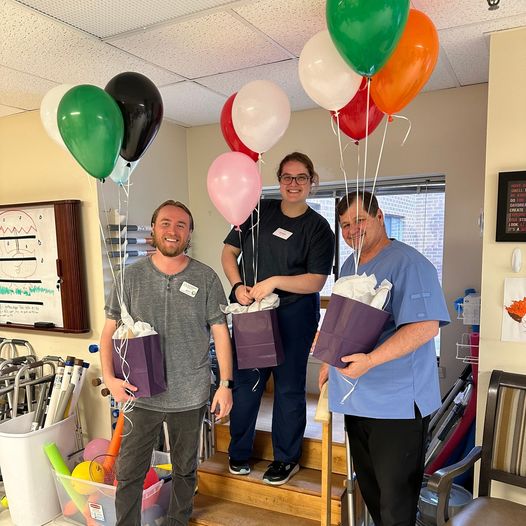
CMS rates PLEASANT VALLEY SNF LLC's staffing level at 4 out of 5 stars, which is above average compared to other nursing homes. Staff turnover is 52%, compared to the New Hampshire average of 46%.

What Have Inspectors Found at Pleasant Valley Snf Llc?

State health inspectors documented 19 deficiencies at PLEASANT VALLEY SNF LLC during 2022 to 2024. These included: 18 with potential for harm and 1 minor or isolated issues.
Who Owns and Operates Pleasant Valley Snf Llc?

PLEASANT VALLEY SNF LLC is owned by a for-profit company. For-profit facilities operate as businesses with obligations to shareholders or private owners. The facility operates independently rather than as part of a larger chain. With 112 certified beds and approximately 93 residents (about 83% occupancy), it is a mid-sized facility located in DERRY, New Hampshire.
How Does Pleasant Valley Snf Llc Compare to Other New Hampshire Nursing Homes?

Compared to the 100 nursing homes in New Hampshire, PLEASANT VALLEY SNF LLC's overall rating (3 stars) is below the state average of 3.0, staff turnover (52%) is near the state average of 46%, and health inspection rating (3 stars) is at the national benchmark.

What Should Families Ask When Visiting Pleasant Valley Snf Llc?

Based on this facility's data, families visiting should ask: "Can I visit during a mealtime to observe dining assistance and food quality?" "How do you handle medical emergencies, and what is your hospital transfer rate?" "Can I speak with family members of current residents about their experience?"

Is Pleasant Valley Snf Llc Safe?

Based on CMS inspection data, PLEASANT VALLEY SNF LLC has a clean safety record: no substantiated abuse findings (meaning no confirmed cases of resident harm), no Immediate Jeopardy citations (the most serious violation level indicating risk of serious injury or death), and is not on the Special Focus Facility watch list (a federal program monitoring the lowest-performing 1% of nursing homes). The facility has a 3-star overall rating and ranks #100 of 100 nursing homes in New Hampshire. While no facility is perfect, families should still ask about staff-to-resident ratios and recent inspection results during their visit.

Do Nurses at Pleasant Valley Snf Llc Stick Around?

PLEASANT VALLEY SNF LLC has a staff turnover rate of 52%, which is 6 percentage points above the New Hampshire average of 46%. Moderate turnover is common in nursing homes, but families should still ask about staff tenure and how the facility maintains care continuity when employees leave.

Was Pleasant Valley Snf Llc Ever Fined?

PLEASANT VALLEY SNF LLC has no federal fines on record. CMS issues fines when nursing homes fail to meet care standards or don't correct problems found during inspections. The absence of fines suggests the facility has either maintained compliance or corrected any issues before penalties were assessed. This is a positive indicator, though families should still review recent inspection reports for the full picture.

Is Pleasant Valley Snf Llc on Any Federal Watch List?

PLEASANT VALLEY SNF LLC is not on any federal watch list. The most significant is the Special Focus Facility (SFF) program, which identifies the bottom 1% of nursing homes nationally based on persistent, serious quality problems. Not being on this list means the facility has avoided the pattern of deficiencies that triggers enhanced federal oversight. This is a positive indicator, though families should still review the facility's inspection history directly.