GLENCLIFF HOME FOR THE ELDERLY
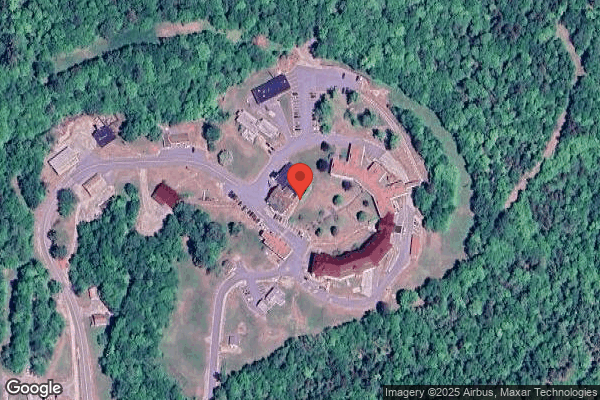
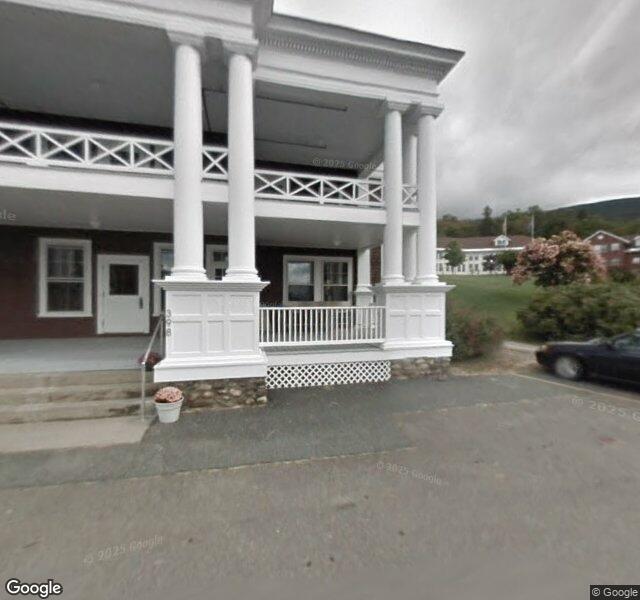
393 HIGH STREET, GLENCLIFF, NH 03238 (603) 989-3111
Government - State 130 Beds Independent Data: November 2025
Trust Grade
65/100
#35 of 73 in NH
Last Inspection: November 2024

Within standard 12-15 month inspection cycle. Federal law requires annual inspections.

Overview

Glencliff Home for the Elderly has a Trust Grade of C+, which means it is considered decent and slightly above average among nursing homes. It ranks #35 out of 73 facilities in New Hampshire, placing it in the top half, and is the best option in Grafton County among five facilities. However, the facility's trend is worsening, as the number of issues identified increased from 4 in 2023 to 6 in 2024. On a positive note, staffing is a major strength, with a 5-star rating and a low turnover rate of 20%, which is significantly better than the state average of 50%. Notably, there were no fines recorded, which is reassuring, and there is more RN coverage than 82% of similar facilities, ensuring better oversight of resident care. However, there are concerns regarding a lack of a water management program, which could potentially expose residents to health risks, and staff were found unaware of this critical program.

Trust Score
C+
65/100
In New Hampshire
#35/73
Top 47%
Safety Record
Low Risk
No red flags
Inspections
Getting Worse
4 → 6 violations
Staff Stability
✓ Good
20% annual turnover. Excellent stability, 28 points below New Hampshire's 48% average. Staff who stay learn residents' needs.
Penalties
✓ Good
No fines on record. Clean compliance history, better than most New Hampshire facilities.
Skilled Nurses
✓ Good
Each resident gets 66 minutes of Registered Nurse (RN) attention daily — more than 97% of New Hampshire nursing homes. RNs are the most trained staff who catch health problems before they become serious.
Violations
⚠ Watch
32 deficiencies on record. Higher than average. Multiple issues found across inspections.
★★★☆☆
3.0
Overall Rating
★★★★★
5.0
Staff Levels
★★★☆☆
3.0
Care Quality
★★☆☆☆
2.0
Inspection Score
Stable
2023: 4 issues
2024: 6 issues

The Good

  • 5-Star Staffing Rating · Excellent nurse staffing levels
  • Low Staff Turnover (20%) · Staff stability means consistent care
  • Full Sprinkler Coverage · Fire safety systems throughout facility
  • No fines on record
  • Staff turnover is low (20%)

    28 points below New Hampshire average of 48%

Facility shows strength in staffing levels, staff retention, fire safety.

The Bad

3-Star Overall Rating

Near New Hampshire average (3.0)

Meets federal standards, typical of most facilities

The Ugly 32 deficiencies on record

Nov 2024 6 deficiencies
CONCERN (D)

Potential for Harm - no one hurt, but risky conditions existed

Deficiency F0658 (Tag F0658)

Could have caused harm · This affected 1 resident

No description available.

Read full inspector narrative →
CONCERN (D)

Potential for Harm - no one hurt, but risky conditions existed

Deficiency F0678 (Tag F0678)

Could have caused harm · This affected 1 resident

No description available.

Read full inspector narrative →
CONCERN (D)

Potential for Harm - no one hurt, but risky conditions existed

Deficiency F0658 (Tag F0658)

Could have caused harm · This affected 1 resident

Based on observation, interview, and record review, it was determined that the facility failed to follow the manufacturer's specifications regarding the administration of eye drops for 2 of 2 eye drop...

Read full inspector narrative →
Based on observation, interview, and record review, it was determined that the facility failed to follow the manufacturer's specifications regarding the administration of eye drops for 2 of 2 eye drops observed in 42 medication administration observations (Resident Identifier #20). Findings include: Observation on 11/6/24 at approximately 8:00 a.m. during medication administration for Resident #20 with Staff A (Medication Nursing Assistant (MNA)) revealed that Staff A administered one drop of Brimonidine eye drops to each eye and then proceeded to administer one drop of Lubricant eye drops (brand name omitted) to each eye without spacing out the administration of the two above mentioned eye drops. Review on 11/6/24 of Resident #20's active physician order revealed an order for Brimonidine 0.2 percent (%), one drop in both eyes twice a day for a diagnoses of unspecified glaucoma and an order for a Lubricant eye drop 0.5-0.95 (brand name omitted), one drop ophthalmic [eye] three times a day. Interview on 11/6/24 at approximately 8:05 a.m. with Staff A confirmed that they did not wait and space out the administration of the two eye drops. Review on 11/7/24 of the manufacturer's instructions titled, ALPHAGAN (Brimonidine Tartrate Ophthalmic Solution) 0.2%, revised date of 3/2016, revealed: .If more than one topical ophthalmic product is to be used, the different products should be instilled at least 5 minutes apart .
CONCERN (D)

Potential for Harm - no one hurt, but risky conditions existed

Deficiency F0678 (Tag F0678)

Could have caused harm · This affected 1 resident

**NOTE- TERMS IN BRACKETS HAVE BEEN EDITED TO PROTECT CONFIDENTIALITY** Based on interview and record review, it was determined that the facility failed to ensure Cardiopulmonary Resuscitation (CPR) p...

Read full inspector narrative →
**NOTE- TERMS IN BRACKETS HAVE BEEN EDITED TO PROTECT CONFIDENTIALITY** Based on interview and record review, it was determined that the facility failed to ensure Cardiopulmonary Resuscitation (CPR) policies followed professional standards and failed to document irreversible signs of death for 1 of 2 closed record reviewed (Resident Identifier #67). Findings include: American Heart Association Journals: Circulation, [DATE], Volume 122. Number 18 supply 3, found at https://doi.org/10.1161/CIRCULATIONAHA.110.970905 Part 3: Ethics: 2010 American Heart Association Guidelines for Cardiopulmonary Resuscitation and Emergency Cardiovascular Care Withholding and Withdrawing CPR (Termination of Resuscitative Efforts) Related to Out-of Hospital Cardiac Arrest (OHCA) Criteria for Not Starting CPR in All OHCA .Basic life support (BLS) training urges all potential rescuers to immediately begin CPR without seeking consent, because any delay in care dramatically decreases the chances of survival. While the general rule is to provide emergency treatment to a victim of cardiac arrest, there are a few exceptions where withholding CPR might be appropriate, as follows: Situations where attempts to perform CPR would place the rescuer at risk of serious injury or mortal peril, Obvious clinical signs of irreversible death (eg, rigor mortis, dependent lividity, decapitation, transection, or decomposition), A valid, signed, and dated advance directive indicating that resuscitation is not desired, or a valid, signed, and dated DNR order . Review on [DATE] of Resident #67's medical record revealed that Resident #67 expired on [DATE]. Further review of Resident #67's medical record revealed Resident #67's advanced directives were to be a Full Code. Review on [DATE] of Resident #67's nurses notes revealed a note dated [DATE], written by Staff F (Licensed Practical Nurse), that stated: .Nurse went to room and noted resident face down on floor with mottling on face, ears, stomach and legs. This nurse checked for a radial pulse and posterior lung sounds and none noted. RN [Registered Nurse] in building notified . Interview on [DATE] at approximately 12:00 p.m. with Staff F revealed that when staff found Resident #67, he/she was laying on his/her right side, but his/her face was facing downward on the floor. Staff F stated that the irreversible signs of death observed were no pulse, no respirations and mottling on his/her left side of the neck going down to the left shoulder and from the left hip down to the left knee and cold to touch. Staff F confirmed that no CPR was initiated. Review on [DATE] of the facility policy titled, Cardiopulmonary Resuscitation (CPR), reviewed/revised 11/22, revealed: .Purpose: To establish criteria based on the American Heart Association guidelines for not starting CPR on a resident who has a full code status . Any resident in cardiac arrest is to receive cardiopulmonary resuscitation (CPR) unless one of the following criteria have been met and subsequently documented: 1. the resident has a valid DNR order. 2. Physical Assessment of Resident based on American Heart Association Guidelines for irreversible signs of death to include: a. Unresponsiveness b. Apnea c. Absence of pulse d. Absence of heart sounds 3. Presence of Lividity/Rigor mortis or presence of Injuries that are incompatible with life. The nurse will document assessment findings stating any and all signs of irreversible death that are present .
CONCERN (F)

Potential for Harm - no one hurt, but risky conditions existed

Infection Control (Tag F0880)

Could have caused harm · This affected most or all residents

No description available.

Read full inspector narrative →
CONCERN (F)

Potential for Harm - no one hurt, but risky conditions existed

Infection Control (Tag F0880)

Could have caused harm · This affected most or all residents

Based on interviews, it was determined that the facility failed to develop a water management program to minimize the risk of Legionella that had the potential to effect the facility census of 67 resi...

Read full inspector narrative →
Based on interviews, it was determined that the facility failed to develop a water management program to minimize the risk of Legionella that had the potential to effect the facility census of 67 residents who resided at the facility. Findings include: Interview on 11/7/24 at approximately 9:00 a.m. with Staff B (Maintenance Assistant) revealed that the Staff B was unable to provide the facility water management program. Interview on 11/7/24 at approximately 11:30 a.m. with Staff C (Infectionist Preventionist) revealed that they were not aware of the facility's water management program.
Oct 2023 4 deficiencies
CONCERN (D)

Potential for Harm - no one hurt, but risky conditions existed

Deficiency F0757 (Tag F0757)

Could have caused harm · This affected 1 resident

No description available.

Read full inspector narrative →
CONCERN (D)

Potential for Harm - no one hurt, but risky conditions existed

Deficiency F0757 (Tag F0757)

Could have caused harm · This affected 1 resident

Based on interview and record review, it was determined that the facility failed to establish a monitoring protocol for adverse consequences for residents who use antipsychotic medications for 1 of 4 ...

Read full inspector narrative →
Based on interview and record review, it was determined that the facility failed to establish a monitoring protocol for adverse consequences for residents who use antipsychotic medications for 1 of 4 residents reviewed for unnecessary medications (Resident Identifier is #30). Findings include: Review on 10/18/23 of Resident #30's of the current physician orders in the electronic medical record revealed an order for Abilify 10 milligrams (mg) once a day for Schizophrenia, start date 12/14/22 (antipsychotic medication). Review on 10/18/23 of Resident #30's medical record revealed a Dyskinesia Identification System (DISCUS): Condensed User Scale) assessment, used to identify adverse reactions to antipsychotic medications, was last completed on 1/11/23. Interview on 10/18/23 at 12:40 with Staff C (Assistant Director of Nursing) confirmed the above findings and revealed that a DISCUS should be completed every 6 months for residents on antipsychotic medications. Review on 10/19/23 of the facility's policy on DISCUS Testing Titled: DISCUS Testing .Procedure: 1. Residents with prescribed antipsychotics shall receive a DISCUS rating at least every 6 months .
CONCERN (E)

Potential for Harm - no one hurt, but risky conditions existed

Food Safety (Tag F0812)

Could have caused harm · This affected multiple residents

No description available.

Read full inspector narrative →
CONCERN (E)

Potential for Harm - no one hurt, but risky conditions existed

Food Safety (Tag F0812)

Could have caused harm · This affected multiple residents

Based on observation, interview, and policy review, it was determined that the facility failed to store and prepare food in accordance with professional standards for food service safety in 1 of 1 kit...

Read full inspector narrative →
Based on observation, interview, and policy review, it was determined that the facility failed to store and prepare food in accordance with professional standards for food service safety in 1 of 1 kitchen and 1 of 3 kitchenettes observed. Findings include: Kitchen: Observation on 10/16/2023 at approximately 10:00 a.m. with Staff A (Dietary Manager) revealed the following: Staff F (Dietary Aid) was not wearing a hair restraint while preparing dessert in the bakery room of the kitchen; Dust build up over the hood vent above cooking area. Review on 10/16/23 of the hood vent inspection tag revealed that it was last inspected in February 2023 and was due every 180 days. Interview on 10/16/23 at approximately 10:10 a.m. with Staff A confirmed that inspection was overdue. Review on 10/16/2023 at approximately 10:20 a.m. of dishwasher temperature logs for September 2023 and October 2023 with Staff A revealed no temperatures documented on the following dates: 9/1/23, 9/2/23, 9/3/23, 9/4/23, 9/5/23, 9/6/23, 9/7/23, 9/8/23, 9/10/23, 9/12/23, 9/13/23, 9/14/23, 9/16/23, 9/17/23, 9/18/23, 9/19/23, 9/20/23, 9/22/23, 9/23/23, 9/25/23, 9/27/23, 9/28/23, 9/29/23, 9/30/23, 10/1/23, 10/2/23, 10/3/23, 10/5/23, 10/5/23, 10/7/23, 10/8/23, 10/9/23, 10/10/23, 10/11/23, 10/12/23, 10/13/23, 10/15/23, 10/16/23 Interview on 10/16/2023 at approximately 10:20 a.m. with Staff A confirmed the above findings. Observation on 10/18/2023 at approximately 11:00 a.m. in the kitchen revealed: Staff G (Dietary Aid) had a long beard with no beard restraint in place while scooping dessert into individual plastic cups; Interview on 10/18/23 at approximately 11:05 a.m. with Staff G confirmed above findings. Policy Review: Review on 10/18/2023 at approximately 1:00 p.m. of policy titled Dress Code revealed: Dietary:While in the kitchen or handling any food employees are to wear hair restraints, such as a hairnet, hat, and/or beard restraint. Rose Unit Kitchenette Observation on 10/16/2023 at approximately 11:00 a.m. with Staff A revealed 3 shakes in the refrigerator with thaw dates of 9/21/23, 9/22/23, and 9/28/23. Interview on 10/16/23 at approximately 11:00 a.m. with Staff A revealed that the date placed on the shakes is the date they are pulled from the freezer. Review on 10/18/2023 of the manufacturer's instructions for Ready Care shakes revealed: After thawing keep refrigerated. Use within 14 days after thawing .
Dec 2022 6 deficiencies
CONCERN (E) 📢 Someone Reported This

A family member, employee, or ombudsman was alarmed enough to file a formal complaint

Potential for Harm - no one hurt, but risky conditions existed

Report Alleged Abuse (Tag F0609)

Could have caused harm · This affected multiple residents

No description available.

Read full inspector narrative →
CONCERN (E) 📢 Someone Reported This

A family member, employee, or ombudsman was alarmed enough to file a formal complaint

Potential for Harm - no one hurt, but risky conditions existed

Investigate Abuse (Tag F0610)

Could have caused harm · This affected multiple residents

No description available.

Read full inspector narrative →
CONCERN (E) 📢 Someone Reported This

A family member, employee, or ombudsman was alarmed enough to file a formal complaint

Potential for Harm - no one hurt, but risky conditions existed

Report Alleged Abuse (Tag F0609)

Could have caused harm · This affected multiple residents

**NOTE- TERMS IN BRACKETS HAVE BEEN EDITED TO PROTECT CONFIDENTIALITY** Based on interview and record review, it was determined that the facility failed to ensure that alleged violation involving abus...

Read full inspector narrative →
**NOTE- TERMS IN BRACKETS HAVE BEEN EDITED TO PROTECT CONFIDENTIALITY** Based on interview and record review, it was determined that the facility failed to ensure that alleged violation involving abuse were reported to the State Survey Agency (SSA) immediately, but not later than 2 hours after the allegation was made for 3 out of 4 allegations of abuse reviewed (Resident identifiers are #1 and #2). Findings include: Resident #2 Review on 12/27/22 of Resident #2's progress note dated 11/20/22 at 10:13 a.m. revealed the following: [Name omitted] was sleeping in her room when LNA (Licensed Nursing Assistant) staff went in to get her up for the day. They found a male peer lying in her bed spooning her with his pants and her briefs pulled down. The peer's hands were noted to up her shirt. The male peer was asked to leave the room which he complied. She did not give consent for his actions. She cannot recall the incident when interviewed. Call placed to Dr. Wedling, [NAME] and on call guardian [pronoun omitted] informed. Unusual event report completed. Interview on 12/27/22 at approximately 11:00 a.m. with Staff A (Deputy Administrator) revealed that Staff A was notified of the above incident on the morning of 11/20/22. Staff A revealed that the SSA was notified on 11/21/22 which was reported more than 24 hours after the incident occurred involving Resident #2. Resident #1 Review on 12/27/22 of Resident #1's medical record revealed a nurse's note dated 11/25/22, with a time stamp of 1:30 p.m., revealed the following: [Name omitted] came down to dining room and walked up to a female peer sitting at the table. He walked right up to her started rubbing her back and was in her face speaking to her. He was telling her that it was nice she has such a good relationship with another male peer. The female peers face showed she was uncomfortable with it. She did later say to me she was nervous. The male peer who was in a relationship with the female peer became upset and went right up to [Name omitted] and pushed him in the chest and gave him the what for. Staff intervened and everybody went their separate ways. MD [medical doctor], APRN [Advanced Practice Registered Nurse], DON [Director of Nursing], and Administrator notified. Interview on 12/27/22 at approximately 2:25 p.m. with Staff A revealed that they were aware of the incident on 11/25/22 with Resident #2 and did not report this incident to the state agency.
CONCERN (E) 📢 Someone Reported This

A family member, employee, or ombudsman was alarmed enough to file a formal complaint

Potential for Harm - no one hurt, but risky conditions existed

Investigate Abuse (Tag F0610)

Could have caused harm · This affected multiple residents

Based on interview and record review, it was determined that the facility failed to ensure that all alleged violations of abuse, neglect, exploitation or mistreatment were thoroughly investigation for...

Read full inspector narrative →
Based on interview and record review, it was determined that the facility failed to ensure that all alleged violations of abuse, neglect, exploitation or mistreatment were thoroughly investigation for 3 of 4 abuse allegations reviewed (Resident Identifiers are #1, #2, #3, and #4). Findings include: Review on 12/27/22 of Resident # 2's medical record revealed a nurse's note dated 11/20/22, with a time stamp of 10:13 a.m. that stated the following: [Name omitted] was sleeping in her room when LNA [Licensed Nursing Assistant] staff went to get her up for the day. They found a male peer lying in her bed spooning' her with his pants and her briefs pulled down. The peer's hands were noted to up [name omitted] shirt. The male peer was asked to leave the room which he complied. [Name omitted] did not give consent for his actions . Further review of Resident #2's medical record revealed a note from the APRN (Advance Practice Registered Nurse) dated 11/21/22, with a time stamp of 2:19 p.m. (greater than 24 hours from above incident) that stated: I am asked to evaluate [name omitted] today after an episode where a male resident was found in her bed yesterday with his pants pulled down and her brief pulled down, in the back, spooning her. In addition his hands were noted to be on her right breast. Examination of the breast show no bruising. Evaluation of the perianal area and posterior vulvar reveals no trauma, including bruising or bleeding, or evidence of penetration of any kind. Assessment: No evidence of trauma s/p [status post] sexual assault . Review on 12/27/22 of Resident #1's medical record revealed the following nurse note dated 11/20/22, with a time stamp of 10:36 a.m.: [Name omitted] was found in a female peer's room spooning her. He pulled down the peer's brief, had her lying on her left side. His pants were pulled down as well. His hands were up her johnny groping her. He was asked to leave the room which he did . Interview on 12/27/22 at approximately 9:50 a.m. with Staff D (Licensed Practical Nurse) revealed that Resident #1 was the peer that entered Resident #2's bed on 11/20/22. Staff D stated that Resident #2 is dependent on staff for all mobility, transfers and care. Review on 12/27/22 of facility investigation for incident dated 11/20/22 involving Resident #1 and Resident #2 revealed that the facility conducted interviews with the nurse who wrote the initial note and notified Deputy Administrator on 11/20/22 and 11/21/22, the APRN on 11/21/22, Resident #1 on 11/21/22 and Resident #2 on 11/21/22. Interview on 12/27/22 at approximately 1:57 p.m. with Staff C (Licensed Nursing Assistant) revealed that on 11/20/22 he/she went into Resident #2's room to provide care and found Resident #1 laying on her left side and appeared to be soundly sleeping. Further observation revealed that Resident #1 was laying behind Resident #2 with his pants down and his hands up Resident #2's shirt fondling Resident #2's breast. The back of Resident #2's briefs were pulled down. Resident #1 was directed to get out of Resident #2's bed. Resident #2 roused from sleep when staff were trying to get Resident #1 out of the bed. Staff C stated that at that time Resident #2 was unaware of the incident that had taken place. Staff C stated that Resident #2 has childlike behaviors and at times will communicate in baby talk. Interview on 12/27/22 at approximately 2:30 p.m. with Staff A (Deputy Administrator) confirmed they were notified on 11/20/22 of the incident and that they initiated their investigation on 11/21/22. Staff A stated they did not speak to the 2 LNA's that found the residents as part of their investigation. Interview on 12/28/22 at approximately 1:30 p.m. with Staff E (Licensed Practical Nurse) revealed that they were the nurse on duty the day of the incident. They stated they immediately called the psychiatric provider, Staff A, and the on call guardian for Resident #2. They stated that Resident #2 was not able to respond to questions when asked at that time. Staff E stated that Resident #2 will have days were she does not communicate at all. Staff E stated that Resident #2 is a childlike resident and is vulnerable. Review on 12/27/22 of Resident #1's medical record revealed a nurse's note dated 11/25/22, with a time stamp of 1:30 p.m., revealed the following: [Name omitted] came down to dining room and walked up to a female peer sitting at the table. He walked right up to her started rubbing her back and was in her face speaking to her. He was telling her that it was nice she has such a good relationship with another male peer. The female peers face showed she was uncomfortable with it. She did later say to me she was nervous. The male peer who was in a relationship with the female peer became upset and went right up to [Name omitted] and pushed him in the chest and gave him the what for. Staff intervened and everybody went their separate ways. MD [medical doctor], APRN [Advanced Practice Registered Nurse], DON [Director of Nursing], and Administrator notified Interview on 12/27/22 at approximately 2:25 p.m. with Staff A revealed that they were aware of the incident on 11/25/22 with Resident #2. Staff A stated that Resident #3 had pushed Resident #1 as they were touching Resident #4 as Resident #4 was uncomfortable with Resident #1's touch. Staff A stated the facility did not have an investigation for this incident and did not report this incident to the state agency. Interview on 12/27/22 at approximately 2:45 p.m. with Resident #3 revealed they did not recall the events of 11/25/22 and that they felt safe and had no issues with other residents. Interview on 12/27/22 at approximately 2:45 p.m. with Resident #4 revealed he/she did not recall the events of 11/25/22 and that they had no issues with any male peer and felt safe in the facility. Review on 12/27/22 at approximately 3:00 p.m. of Resident #3's medical record revealed no indications that an incident had occurred with Resident #1 on 11/25/22. Review on 12/27/22 at approximately 3:00 p.m. of Resident #4's medical record revealed no indications of interactions with Resident #1 on 11/25/22 or witness to interaction with Resident #1 and Resident #3. Interview on 12/27/22 at approximately 3:15 p.m. with Staff confirmed that no notes regarding the incident between Resident #1 and Resident #3 were in Resident #3's medical record. Review on 12/27/22 of the facility policy titled Freedom from Abuse, Neglect, and Exploitation, updated September 2017, revealed .4. Once notified of the incident, the administrator on call or the designated department head shall initiate the investigation in conjunction with the shift supervisor .5. The investigation shall include, but is not limited to: a. obtaining and reviewing an unusual event form. B. obtaining and reviewing reports from supervisors and/or witnesses, when applicable. C. obtaining and reviewing medial reports from the physician, when applicable. D. begin interviewing witnesses to the incident. 6. Upon completion of the above steps, the Administrator on call shall determine whether: a. the evidence does not warrant further investigation and /or disciplinary action. B. There is sufficient evidence to suspect the allegations are founded thus necessitating further investigation and /or disciplinary action .
MINOR (C) 📢 Someone Reported This

A family member, employee, or ombudsman was alarmed enough to file a formal complaint

Minor Issue - procedural, no safety impact

Abuse Prevention Policies (Tag F0607)

Minor procedural issue · This affected most or all residents

No description available.

Read full inspector narrative →
MINOR (C) 📢 Someone Reported This

A family member, employee, or ombudsman was alarmed enough to file a formal complaint

Minor Issue - procedural, no safety impact

Abuse Prevention Policies (Tag F0607)

Minor procedural issue · This affected most or all residents

Based on interview and record review, it was determined that the facility failed to develop and implement policies consistent with regulations for 3 of 4 allegation of abuse reviewed (Resident identif...

Read full inspector narrative →
Based on interview and record review, it was determined that the facility failed to develop and implement policies consistent with regulations for 3 of 4 allegation of abuse reviewed (Resident identifiers are #1 and #2). Findings include: Review on 12/28/22 of Resident #1's medical record revealed a nurse's note dated 11/25/22, with a time stamp of 1:30 p.m., which revealed the following: [Name omitted] came down to dining room and walked up to a female peer sitting at the table. He walked right up to her started rubbing her back and was in her face speaking to her. He was telling her that it was nice she has such a good relationship with another male peer. The female peers face showed she was uncomfortable with it. She did later say to me she was nervous. The male peer who was in a relationship with the female peer became upset and went right up to [Name omitted] and pushed him in the chest and gave him the what for. Staff intervened and everybody went their separate ways. MD [medical doctor], APRN [Advanced Practice Registered Nurse], DON [Director of Nursing], and Administrator notified Interview on 12/28/22 at approximately 2:25 p.m. with Staff A (Deputy Administrator) revealed that they were aware of the above incident. Staff A stated the facility did an investigation for this incident and did not report this incident to the state survey agency. Review on 12/28/22 of Resident # 2's medical record revealed a nurse's note dated 11/20/22, with a time stamp of 10:13 a.m. that stated the following: [Name omitted] was sleeping in her room when LNA [Licensed Nursing Assistant] staff went to get her up for the day. They found a male peer lying in her bed spooning' her with his pants and her briefs pulled down. The peer's hands were noted to up [name omitted] shirt. The male peer was asked to leave the room which he complied. [Name omitted] did not give consent for his actions . Further review of Resident #2's medical record revealed a note from the APRN dated 11/21/22, with a time stamp of 2:19 p.m., which was more than 24 hours after the incident noted above. Interview on 12/27/22 at approximately 2:30 p.m. with Staff A confirmed they were notified on 11/20/22 of the incident and that they reported to the state survey agency on 11/21/22. Staff A confirmed that the APRN did not see the resident until 11/21/22. Staff A confirmed they did not interview the two LNA's who had discovered the 2 residents. Interview on 11/28/22 at approximately 2:30 p.m. with Staff A confirmed that the facility only reports to the state survey agency in the 2 hour time frame if there is abuse with bodily injury. Review on 12/28/22 of the facility policy titled Freedom from Abuse, Neglect, and Exploitation, updated September 2017, revealed .All incidents of suspected abuse or neglect must be immediately reported. (Within 2 hrs [hours] if an event resulted in physical harm, Within 24 hours if no physical harm has been caused) .2. As requested by the Federal Elder Justice Act: Section 1150B establishes two limits for reporting of reasonable suspicion of a crime, depending on the seriousness of the event that leads to the reasonable suspicion of a crime. A. Serious Bodily Injury- 2 Hour Limit-: if the event causes the reasonable suspicion results in serious bodily injury to a resident, the covered individual shall report the suspicion immediately, but not later than 2 hours after forming the suspicion. B. All Others- Within 24 Hours: If the event that cause the reasonable suspicion so not result in serious bodily injury to a resident, the covered individual shall report the suspicion not later than 24 hours after forming the suspicion 4. Once notified of the incident, the administrator on call or the designated department head shall initiate the investigation in conjunction with the shift supervisor .5. The investigation shall include, but is not limited to: a. obtaining and reviewing an unusual event form. B. obtaining and reviewing reports from supervisors and/or witnesses, when applicable. C. obtaining and reviewing medial reports from the physician, when applicable. D. begin interviewing witnesses to the incident. 6. Upon completion of the above steps, the Administrator on call shall determine whether: a. the evidence does not warrant further investigation and /or disciplinary action. B. There is sufficient evidence to suspect the allegations are founded thus necessitating further investigation and /or disciplinary action .
Oct 2022 16 deficiencies
CONCERN (D)

Potential for Harm - no one hurt, but risky conditions existed

Notification of Changes (Tag F0580)

Could have caused harm · This affected 1 resident

No description available.

Read full inspector narrative →
CONCERN (D)

Potential for Harm - no one hurt, but risky conditions existed

Deficiency F0679 (Tag F0679)

Could have caused harm · This affected 1 resident

No description available.

Read full inspector narrative →
CONCERN (D)

Potential for Harm - no one hurt, but risky conditions existed

Pressure Ulcer Prevention (Tag F0686)

Could have caused harm · This affected 1 resident

No description available.

Read full inspector narrative →
CONCERN (D)

Potential for Harm - no one hurt, but risky conditions existed

Accident Prevention (Tag F0689)

Could have caused harm · This affected 1 resident

No description available.

Read full inspector narrative →
CONCERN (D)

Potential for Harm - no one hurt, but risky conditions existed

Deficiency F0761 (Tag F0761)

Could have caused harm · This affected 1 resident

No description available.

Read full inspector narrative →
CONCERN (D)

Potential for Harm - no one hurt, but risky conditions existed

Food Safety (Tag F0812)

Could have caused harm · This affected 1 resident

No description available.

Read full inspector narrative →
CONCERN (D)

Potential for Harm - no one hurt, but risky conditions existed

Infection Control (Tag F0880)

Could have caused harm · This affected 1 resident

No description available.

Read full inspector narrative →
CONCERN (D)

Potential for Harm - no one hurt, but risky conditions existed

Notification of Changes (Tag F0580)

Could have caused harm · This affected 1 resident

Based on interview and record review, it was determined that the facility failed to ensure that the physician was consulted immediately for the need to alter treatment for 1 of 3 residents reviewed fo...

Read full inspector narrative →
Based on interview and record review, it was determined that the facility failed to ensure that the physician was consulted immediately for the need to alter treatment for 1 of 3 residents reviewed for pressure ulcers in a final sample of 20 residents. (Resident identifier is #63.) Findings include: Review on 10/12/22 of Resident #63's nurse's notes dated 10/1/22 revealed that there were 2 newly identified superficial open areas on Resident #63's right superior aspect of the intergluteal cleft measuring 1 cm (centimeter) in length. Further review of the note dated 10/1/22 revealed .Noted in APRN [Advance Practice Registered Nurse] for provider review and skin sheet completed. Review of Resident #63's medical record revealed no new treatments for the open areas identified on 10/1/22. Interview on 10/13/22 at approximately 12:25 p.m. with Staff F (Registered Nurse) confirmed above findings. Staff F stated that the nurse's note dated 10/1/22 that reference the APRN above meant that the 2 newly identified wounds on 10/1/22 were written in the APRN communication book for the APRN to evaluate on his/her next visit. Review on 10/13/22 at approximately 12:25 p.m. of the APRN communication book noted that the entry for Resident #63's open wounds on 10/1/22 had not been checked off as being evaluated by the APRN. Interview on 10/13/22 at approximately 12:25 p.m. with Staff F revealed Resident #63 had not been evaluated by the provider after identification of open areas on 10/1/22 and no other notification to provider was done besides the written communication by nurse on 10/1/22 in the APRN communication book.
CONCERN (D)

Potential for Harm - no one hurt, but risky conditions existed

Deficiency F0679 (Tag F0679)

Could have caused harm · This affected 1 resident

Based on observation, interview, and record review, it was determined that the facility failed to ensure that facility-sponsored group and individualized activities were provided to support the reside...

Read full inspector narrative →
Based on observation, interview, and record review, it was determined that the facility failed to ensure that facility-sponsored group and individualized activities were provided to support the resident's physical, mental and psychosocial well-being for 1 of 2 residents reviewed for activities out of a sample of 21 residents and 1 of 3 units observed for activities. (Resident identifier is #11.) Findings include: Gold Unit Observation on 10/11/22 at approximately 10:30 a.m. on the Gold Unit revealed that there were 5 residents in the common area near the nurse's station sitting with the television (TV) on, 1 resident watching the TV, 2 residents were sleeping in broda chairs, 1 resident was not engaging with the TV and talking to themselves, and 1 resident was not facing the TV and staring at the table. Observation on 10/11/22 at approximately 11:00 a.m. on the Gold Unit dining area revealed that there were 4 residents at a table with the TV on, 2 residents were watching TV, 1 resident was staring at the ceiling, and 1 resident trying to get up from a broda chair with repetitive movements and not watching the TV. Observation on 10/11/22 at approximately 2:00 p.m. on the Gold Unit dining area revealed that the TV was on with a news network on. There were residents sitting around the table, 2 residents were not engaging with the TV, and Resident #11 was sleeping in a chair. Review on 10/11/22 of the October 2022 activity calendar revealed that the activity scheduled for Gold Unit 10/11/22 at 1:30 p.m. was a movie. There were no other activities scheduled after 3:00 p.m. Review on 10/12/22 of the October 2022 activity calendar revealed that the activity scheduled for Gold Unit 10/12/22 in the morning was an outside walk. At 1:30 p.m. was canteen. There were no other activities scheduled after 3:00 p.m. Observation on 10/12/22 at approximately 1:30 p.m. in the Gold Unit dining area revealed that the news was on the TV. There were residents sitting around the table. 2 residents were watching the TV and Resident #11 was sleeping in the chair. Interview on 10/13/22 at approximately 10:00 a.m. with Staff A (Registered Nurse) revealed residents in the Gold Unit were residents who had progressed in their mental or cognitive disease and that they were not interviewable. Interview on 10/13/22 at approximately 9:30 a.m. with Staff E (Activity Aide) revealed that due to the facility COVID-19 outbreak they were providing 1:1 visits. Staff E also stated that the activity department was short staffed and limited on what they could do for 3 units. Interview on 10/13/22 at approximately 10:30 a.m. with Staff D (Interim Activity Director) revealed that activity assessments for residents were done initially when they were admitted but Staff D was unaware of any other ongoing activity assessments after admission. Resident #11 Review on 10/12/22 at approximately 2:00 p.m. of Resident #11's activity care plan revealed the following: interventions dated 4/16/20 to allow Resident #11 to express feelings and desires; Inform Resident #11 of upcoming activities by providing a monthly activity calendar; Verbal reminders; Escort and encouragement; and involve Resident #11 with those who have shared interests. Review on 10/13/22 of Resident #11's activity assessments revealed the last activity assessment was on 1/12/22 which stated that Resident #11's daily and activity preferences were snacks between meals, listening to music, spending time outdoors, and doing things with groups of people. Observation on 10/13/22 at approximately 9:00 a.m. revealed Resident #11 to be sleeping in their chair in the dining room with other residents with the news on the television. Review on 10/13/22 at approximately 10:00 a.m. of Resident #11's monthly activities log for the following months revealed: July 2022 Actively participated in beauty parlor 1 day; Sleeping during sensory and visual activity 1 day; Actively participated in outside/walks 1 day. August 2022 Actively participated in sensory and visual activity 1 day; Sleeping during sensory and visual 1 day. September 2022 Actively participated in 4 days of one on one visits; Sleeping during 2 days of one on one visits; Actively participated in 25 days of movie or TV (television). October 2022 Actively participated in 3 days of one on one visits; Actively participated in 1 day of beauty parlor; Actively participated in 12 days of movies or TV. Review on 10/13/22 at approximately 10:15 a.m. of the daily activities calendar for the Gold Unit identified that at 10:00 a.m. there would be Halloween crafts. Observation on 10/13/22 at approximately 10:30 a.m. of Resident #11 revealed Resident #11 to be sitting in their room with the TV on. Review on 10/13/22 of facility policy tilted Activities, revised 4/17, revealed .to provide a complete recreational program for all residents. This program will be ongoing and will be inclusive of evenings and weekends, It will address each individual's preferences to encompass all areas of ones abilities including, but not limited to: Spiritual, Sensory, Social, Physical, and Mental stimulation .daily activities will be scheduled and posed in the facility calendar, as well as posted in each of the resident buildings .
CONCERN (D)

Potential for Harm - no one hurt, but risky conditions existed

Pressure Ulcer Prevention (Tag F0686)

Could have caused harm · This affected 1 resident

Based on interview and record review, it was determined that the facility failed to ensure that a resident with pressure ulcers had documentation of weekly assessments that contained measurements and ...

Read full inspector narrative →
Based on interview and record review, it was determined that the facility failed to ensure that a resident with pressure ulcers had documentation of weekly assessments that contained measurements and description of the pressure ulcer for 2 of 3 residents reviewed for pressure ulcers out of a final sample of 20 residents. (Resident identifiers are #11, and #217.) Findings include: Resident #11 Interview on 10/11/22 at approximately 8:30 a.m. with Staff F (Registered Nurse) revealed that Resident #11 has a pressure ulcer on their left heel. Review on 10/12/22 at approximately 1:23 p.m. of Resident #11's weekly skin assessment form revealed the following for left heel pressure ulcer discovered on 8/25/22 at readmission: 8/25/22 no measurements noted, no pressure stage identified, no odor, pain present and no drainage; 9/15/22 1.5 cm (centimeter) x 1 cm Stage 1, no depth, no drainage, no tunneling, no undermining, no odor, no pain; 9/27/22 4.5 cm x 3.0 cm unstageable, no depth, moderate sanguineous purulent drainage, no tunneling, no undermining, yes odor, questionable pain; 10/5/22 5 cm x 4 cm unstageable, small sanguineous drainage, unable to determine tunneling, odor present, no indication of pain. Interview on 10/12/22 at approximately 1:30 p.m. with Staff K (Wound Nurse) confirmed that Resident #11's pressure ulcer was not assessed and measured the week of 8/29/22, 9/5/22, and 9/19/22. Resident #217 Interview on 10/11/22 at approximately 8:30 a.m. with Staff F revealed that Resident #217 has a pressure ulcer on their left gluteal fold. Review on 10/12/22 at approximately 1:23 p.m. of Resident #217's weekly skin assessment form for left gluteal fold pressure ulcer identified on 7/11/22, revealed the following: 7/11/22 0.5 cm x 0.1 cm pressure ulcer, no depth, no odor, yes pain, no exudates, no tunneling, no undermining; 7/26/22 0.5 cm x 1 cm stage 2, less than 0.1 cm depth, no drainage, no tunneling, no undermining, no odor, pain with touch; 8/2/22 0.5 cm x 1 cm stage 2, less than 0.1 cm depth, scant serousanguineous drainage, no tunneling, no undermining, no odor, pain present; 8/9/22 0.5 cm x 1 cm stage 2, less than 0.1 cm depth, moderate amount of green drainage, no tunneling, no undermining, no odor, pain present; 8/11/22 0.5 cm x 1 cm stage 2, less than 0.1 cm depth, no drainage, no tunneling, no undermining, no odor, no pain; 8/16/22 1.0 cm x 1.5 cm stage 2, less than 0.1 cm depth, scant serous drainage, no tunneling, no undermining, no odor, pain present; 9/6/22 1.0 cm x 1.5 cm stage 2, less than 0.1 cm depth, no drainage, no tunneling, no undermining, no odor, pain present, wound bed dry and light yellow. Interview on 10/12/22 at approximately 1:30 p.m. with Staff K (Wound Nurse) confirmed that Resident #217's pressure ulcer was not assessed and measured the weeks of 7/18/22 and 8/22/22.
CONCERN (D)

Potential for Harm - no one hurt, but risky conditions existed

Accident Prevention (Tag F0689)

Could have caused harm · This affected 1 resident

Based on interview and record review, it was determined that the facility failed to ensure that a resident had adequate supervision and interventions to prevent falls for 1 of 4 residents reviewed for...

Read full inspector narrative →
Based on interview and record review, it was determined that the facility failed to ensure that a resident had adequate supervision and interventions to prevent falls for 1 of 4 residents reviewed for accident hazards. (Resident identifier is #37.) Findings include: Review on 10/12/22 of Resident #37's electronic event log revealed that Resident #37 had falls outside the facility within the facility grounds on 6/25/22 and 9/15/22. Review on 10/12/22 of Resident #37's fall report dated 6/27/22 revealed that Resident #37 was observed to have bruising to left thumb, wrist and forearm which Resident #37 stated that he/she fell outside the facility within facility grounds at night on 6/25/22. Further review of Resident #37's fall report dated 6/27/22 revealed no interventions were used besides monitoring for the bruises. Review also revealed that there was no comprehensive evaluation to identify fall hazards or root cause analysis to implement interventions and ensure that Resident #37 was provided a safe environment and adequate supervision to prevent further falls. Review on 10/12/22 of Resident #37's fall report dated 9/15/22 revealed that Resident #37 self-reported a fall outside the facility. Resident #37 sustained three abrasions to right knee and a bruise to the right upper leg. Further review of the fall, reported dated 9/15/22, revealed that immediate interventions placed were neurological assessments, vital signs, and pain assessment. Review also revealed that there was no comprehensive evaluation to identify fall hazards or root cause analysis to implement interventions and ensure that Resident #37 was provided a safe environment and adequate supervision to prevent further falls. Review on 10/13/22 of Resident #37's fall care plan dated 8/23/22 revealed that Resident #37 was at risk for falls due to psychotropic drugs, decreased cognition, and/or deformity of foot. Further review of Resident #37's care plan revealed no interventions to ensure Resident #37 was safe outside the facility building and within facility grounds to prevent further falls. Interview on 10/13/22 at approximately 1:00 p.m. with Staff A (Registered Nurse) confirmed the above findings. Staff A was unable to provide any other documentation of comprehensive evaluations to ensure Resident #37 was safe outside the facility to prevent further falls.
CONCERN (D)

Potential for Harm - no one hurt, but risky conditions existed

Deficiency F0761 (Tag F0761)

Could have caused harm · This affected 1 resident

Based on observation, interview, and policy review, it was determined that the facility failed to disposed of expired medications after the expiration date for 1 of 2 medication rooms observed and the...

Read full inspector narrative →
Based on observation, interview, and policy review, it was determined that the facility failed to disposed of expired medications after the expiration date for 1 of 2 medication rooms observed and the facility also failed to secure insulin medications in a locked medication cart for 2 of 3 medication carts observed. Findings include: Observation on 10/11/22 at 8:35 a.m. of the Gold Unit medication room revealed a 2.5 milliliter (ml) vial of fluphenazine injectable solution with an expiration date of 09/22 stored with unexpired medications. Interview on 10/11/22 at 8:45 a.m. with Staff F (Registered Nurse) confirmed the above findings. Staff F stated that it should have been removed. Review on 10/13/22 of the facility policy titled, titled Nurse Guidelines Medication with a revised date of 6/22 page 12 Titled Discontinued Medication Disposal or Return And Expired Medications revealed .whenever a medication or treatment (except narcotics and other controlled medications) is discontinued or expired, it is to be returned to the pharmacy where it will be destroyed using their protocol. The 11-7 shift will check for expired medications on a weekly basis and all nurses will follow procedure if they find an expired medication . Observation on 10/12/22 at 3:15 p.m. on the Gold Unit with Staff L (Infection Preventionist) revealed that the Gold Unit insulin medication cart in the common area of the unit had a set of keys attached to the lock of the medication cart. Further observation revealed that the Gold Unit insulin medication cart was left unattended by staff with residents close by and the insulin medication cart was easily opened with the attached set of keys. Interview on 10/12/22 at 3:15 p.m. with Staff L confirmed the above findings. Staff L stated that it is not the practice of the facility. Interview on 10/12/22 at 3:20 p.m. with Staff M (Charge Registered Nurse) confirmed that the keys were present in the lock of the insulin cart and acknowledged that he/she was aware that they were left in the lock. Interview on 10/12/22 at 3:30 p.m. with Staff N (Registered Nurse) confirmed that the keys should never be left in the lock of the medication carts unattended. Review on 10/14/22 of the facility policy and procedure for medication storage Titled: Medication Storage In The Facility revealed .ID1 (Revised date January 2018) Storage of Medications .B .Medication rooms, carts, and medication supplies are locked when not attended by persons with authorized access .
CONCERN (D)

Potential for Harm - no one hurt, but risky conditions existed

Food Safety (Tag F0812)

Could have caused harm · This affected 1 resident

Based on observation, interview, and record review, it was determined that the facility failed to prepare thickened liquids according to manufacturer's instructions for 1 of 3 residents reviewed for t...

Read full inspector narrative →
Based on observation, interview, and record review, it was determined that the facility failed to prepare thickened liquids according to manufacturer's instructions for 1 of 3 residents reviewed for therapeutic diets in a sample of 20 residents. (Resident identifier is #46) Findings include: Observation on 10/11/22 at approximately 12:00 p.m. of the Gold Unit dining room revealed an uncovered clear plastic container with a white powdery substance. Interview on 10/11/22 at approximately 12:05 p.m. with Staff C (Licensed Nursing Assistant) revealed the white powdery substance was instant food thickener. Observation on 10/11/22 at approximately 12:15 p.m. of Staff G (Licensed Nursing Assistant) preparing Resident #46's meal tray revealed Staff G took a disposable cup with no measuring guide and scooped out an undetermined amount of instant food thickener then poured the undetermined amount of instant food thickener into Resident #46's drink. Interview on 10/11/22 at approximately 12:15 p.m. with Staff G revealed that Resident #46 was to have nectar thickened liquids. Staff G stated that they do not measure the instant food thickener as they know from experience how much to use. Interview on 10/12/22 at approximately 8:30 a.m. with Staff H (Licensed Nursing Assistant) revealed that there were no manufacturer's instructions in the Gold Unit dining room for staff to use as a guide to measure the amount of instant food thickener for the resident's specified thickened liquid diet. Staff H stated that for a nectar thick liquid they would use about 2 teaspoons for a cup of juice. Review on 10/13/22 at approximately 1:00 p.m. of the instant food thickener manufacturer's instructions revealed that for nectar consistency for a cup of apple or cranberry juice to use 1 Tablespoon and 1 teaspoon of instant thickener and then to stir for 10-20 seconds. After stirring allow 1-4 minutes for liquid to reach desired consistency.
CONCERN (D)

Potential for Harm - no one hurt, but risky conditions existed

Infection Control (Tag F0880)

Could have caused harm · This affected 1 resident

Observation on 10/11/22 at approximately 9:35 a.m. during a medication administration on the Gold Unit with Staff B (Registered Nurse) revealed Staff B dispensed Resident #33's medications in their un...

Read full inspector narrative →
Observation on 10/11/22 at approximately 9:35 a.m. during a medication administration on the Gold Unit with Staff B (Registered Nurse) revealed Staff B dispensed Resident #33's medications in their ungloved hand after touching multiple medication cards and drawers on the gold unit medication cart. Observation on 10/11/22 at approximately 12:00 p.m. of the Gold Unit dining room revealed Staff C (Licensed Nursing Assistant) was wearing their face mask below their nose while passing trays to residents. Interview on 10/11/22 at approximately 12:00 p.m. with Staff C confirmed that their mask was below nose. Review on 10/14/22 of the Centers for Disease Control (CDC) website titled, Interim Infection Prevention and Control Recommendations for Healthcare Personnel During the Coronavirus Disease 2019 (COVID-19) Pandemic, dated 9/23/22, revealed .Implement Source Control Measures Source control refers to use of respirators or well-fitting facemasks or cloth masks to cover a person ' s mouth and nose to prevent spread of respiratory secretions when they are breathing, talking, sneezing, or coughing .2. Recommended infection prevention and control (IPC) practices when caring for a patient with suspected or confirmed SARS-CoV-2 infection .Personal Protective Equipment HCP who enter the room of a patient with suspected or confirmed SARS-CoV-2 infection should adhere to Standard Precautions and use a NIOSH-approved particulate respirator with N95 filters or higher, gown, gloves, and eye protection (i.e., goggles or a face shield that covers the front and sides of the face) . Based on observation, interview, and policy review, it was determined that the facility failed to maintain infection control practices according to accepted national standards during a facility COVID-19 outbreak on 2 of 3 units observed for staff infection control practices. (Resident identifiers are #54, #47, and #33) Findings Include: Observation on 10/11/22 at 12:30 p.m. of the precaution rooms for COVID-19 on the blue unit revealed that Staff O (Licensed Nursing Assistant) donned 2 surgical masks, gown, gloves, and face shield then entered the COVID-19 unit. Staff O proceeded to enter Resident #54's room that was in the COVID-19 unit to provide coffee to Resident #54. Staff O doffed all of the protective equipment including the 2 surgical masks while on the isolation side of the COVID-19 unit and in close proximity, approximately 3 feet, from a COVID-19 positive resident (Resident #47). Interview on 10/11/22 at 12:40 p.m. with Staff O revealed that Staff O was aware of the need for the N-95 masks and the signage that gives instructions on the need for the use of N-95 masks posted at the entrance to the COVID-19 unit. Staff O confirmed that he/she was aware of the protective equipment provided to staff. Staff O stated that he/she should have had an N-95 mask in the COVID-19 unit. Review on 10/11/22 at 12:30 p.m. of the signage posted outside of the COVID-19 unit instructs staff to wear gown, gloves, N-95 mask, and face shield or eye protection. Interview on 10/11/22 at 12:35 with Staff O confirmed the above findings. Interview on 10/12/22 at 2:30 p.m. with Staff L (Infection Control Preventionist) confirmed that Staff O should have had an N-95 mask on and not have doffed her Personal Protective Equipment (PPE) in the COVID-19 isolation unit. Review on 10/14/22 of the facility's Communicable Disease Manual revised dated 7/2022 Page 22, titled: Novel Coronavirus (COVID-19) Precautions: Health Care Personal who enter the room of a patient with known or suspected COVID-19 should adhere to Standard and Transmission-Based Precautions (TBP) use a respirator or facemask, gown, gloves and eye protection.
CONCERN (E)

Potential for Harm - no one hurt, but risky conditions existed

Drug Regimen Review (Tag F0756)

Could have caused harm · This affected multiple residents

No description available.

Read full inspector narrative →
CONCERN (E)

Potential for Harm - no one hurt, but risky conditions existed

Drug Regimen Review (Tag F0756)

Could have caused harm · This affected multiple residents

Resident #55 Review on 10/13/22 of Resident #55's medical record revealed no documentation of a drug regimen review completed by a licensed pharmacist for June 2022 and July 2022. Resident # 217 Revie...

Read full inspector narrative →
Resident #55 Review on 10/13/22 of Resident #55's medical record revealed no documentation of a drug regimen review completed by a licensed pharmacist for June 2022 and July 2022. Resident # 217 Review on 10/13/22 of Resident #217's medical record revealed no documentation of drug regimen review completed by a licensed pharmacist for May 2022, June 2022, and July 2022. Interview on 10/13/22 at approximately 1:00 p.m. with Staff A (Registered Nurse) confirmed the above missing information for Resident #55 and Resident #217. Based on interview and record review, it was determined that the facility failed to ensure that the resident's drug regimen were reviewed by a licensed pharmacist at least once a month and any irregularities noted by the pharmacist during this review is documented in the residents medical record, reviewed by the attending physician, and documented in the resident record what, if any, action has been taken to address the irregularity for 7 of 8 residents reviewed for unnecessary medications out of a final sample of 20. (Resident Identifiers are #8, #18, #21, #37, #43, #55 and #217) Findings include: Resident #43 Review on 10/13/22 of the Consultant Pharmacist's Medication Record Review revealed that Resident #43 no documentation of a licensed pharmacist review of their drug regimen review for the following months in 2022: January, February, May, June, and July. Interview on 10/13/22 at 2:32 p.m. with Staff A (Registered Nurse), confirmed that the Medication Record Reviews for Resident #43 were missing for January, February, May, June and July. Review also revealed that Resident #43 had been at the facility during the months above. Resident #8 Review on 10/13/22 of Resident #8's medical record revealed no documentation of a licensed pharmacist drug regimen review for the month of June 2022. Review also revealed that Resident #8 had been at the facility for the month of June 2022. Resident #18 Review on 10/13/22 of Resident #18's medical record revealed no documentation of a licensed pharmacist drug regimen review for the month of June 2022. Review also revealed that Resident #18 had been at the facility for the month of June 2022. Resident #21 Review on 10/13/22 of Resident #21's medical record revealed no documentation of pharmacist's drug regimen review for June 2022. Review also revealed that Resident #22 had been at the facility for the month of June 2022. Resident #37 Review on 10/13/22 of Resident #37's medical record revealed no documentation of pharmacist's drug regimen review for June 2022. Review also revealed that Resident #37 had been at the facility for the month of June 2022. Interview on 10/13/22 at approximately 2:30 p.m. with Staff A confirmed the above findings for Resident #8, #18, #21, and #37.
Understanding Severity Codes (click to expand)
Life-Threatening (Immediate Jeopardy)
J - Isolated K - Pattern L - Widespread
Actual Harm
G - Isolated H - Pattern I - Widespread
Potential for Harm
D - Isolated E - Pattern F - Widespread
No Harm (Minor)
A - Isolated B - Pattern C - Widespread

Questions to Ask on Your Visit

  • "Can I speak with families of current residents?"
  • "What's your RN coverage like on weekends and overnight?"

Our Honest Assessment

Strengths
  • • No major safety red flags. No abuse findings, life-threatening violations, or SFF status.
  • • No fines on record. Clean compliance history, better than most New Hampshire facilities.
  • • 20% annual turnover. Excellent stability, 28 points below New Hampshire's 48% average. Staff who stay learn residents' needs.
Concerns
  • • 32 deficiencies on record. Higher than average. Multiple issues found across inspections.
Bottom line: Mixed indicators with Trust Score of 65/100. Visit in person and ask pointed questions.

About This Facility

What is Glencliff Home For The Elderly's CMS Rating?

CMS assigns GLENCLIFF HOME FOR THE ELDERLY an overall rating of 3 out of 5 stars, which is considered average nationally. Within New Hampshire, this rating places the facility higher than 0% of the state's 100 nursing homes. This mid-range rating indicates the facility meets federal standards but may have areas for improvement.

How is Glencliff Home For The Elderly Staffed?

CMS rates GLENCLIFF HOME FOR THE ELDERLY's staffing level at 5 out of 5 stars, which is much above average compared to other nursing homes. Staff turnover is 20%, compared to the New Hampshire average of 46%. This relatively stable workforce can support continuity of care.

What Have Inspectors Found at Glencliff Home For The Elderly?

State health inspectors documented 32 deficiencies at GLENCLIFF HOME FOR THE ELDERLY during 2022 to 2024. These included: 30 with potential for harm and 2 minor or isolated issues.

Who Owns and Operates Glencliff Home For The Elderly?

GLENCLIFF HOME FOR THE ELDERLY is owned by a government entity. Government-operated facilities are typically run by state, county, or municipal agencies. The facility operates independently rather than as part of a larger chain. With 130 certified beds and approximately 66 residents (about 51% occupancy), it is a mid-sized facility located in GLENCLIFF, New Hampshire.

How Does Glencliff Home For The Elderly Compare to Other New Hampshire Nursing Homes?

Compared to the 100 nursing homes in New Hampshire, GLENCLIFF HOME FOR THE ELDERLY's overall rating (3 stars) is below the state average of 3.0, staff turnover (20%) is significantly lower than the state average of 46%, and health inspection rating (2 stars) is below the national benchmark.

What Should Families Ask When Visiting Glencliff Home For The Elderly?

Based on this facility's data, families visiting should ask: "Can I visit during a mealtime to observe dining assistance and food quality?" "How do you handle medical emergencies, and what is your hospital transfer rate?" "Can I speak with family members of current residents about their experience?"

Is Glencliff Home For The Elderly Safe?

Based on CMS inspection data, GLENCLIFF HOME FOR THE ELDERLY has a clean safety record: no substantiated abuse findings (meaning no confirmed cases of resident harm), no Immediate Jeopardy citations (the most serious violation level indicating risk of serious injury or death), and is not on the Special Focus Facility watch list (a federal program monitoring the lowest-performing 1% of nursing homes). The facility has a 3-star overall rating and ranks #100 of 100 nursing homes in New Hampshire. While no facility is perfect, families should still ask about staff-to-resident ratios and recent inspection results during their visit.

Do Nurses at Glencliff Home For The Elderly Stick Around?

Staff at GLENCLIFF HOME FOR THE ELDERLY tend to stick around. With a turnover rate of 20%, the facility is 25 percentage points below the New Hampshire average of 46%. Low turnover is a positive sign. It means caregivers have time to learn each resident's needs, medications, and personal preferences. Consistent staff also notice subtle changes in a resident's condition more quickly. Registered Nurse turnover is also low at 21%, meaning experienced RNs are available to handle complex medical needs.

Was Glencliff Home For The Elderly Ever Fined?

GLENCLIFF HOME FOR THE ELDERLY has no federal fines on record. CMS issues fines when nursing homes fail to meet care standards or don't correct problems found during inspections. The absence of fines suggests the facility has either maintained compliance or corrected any issues before penalties were assessed. This is a positive indicator, though families should still review recent inspection reports for the full picture.

Is Glencliff Home For The Elderly on Any Federal Watch List?

GLENCLIFF HOME FOR THE ELDERLY is not on any federal watch list. The most significant is the Special Focus Facility (SFF) program, which identifies the bottom 1% of nursing homes nationally based on persistent, serious quality problems. Not being on this list means the facility has avoided the pattern of deficiencies that triggers enhanced federal oversight. This is a positive indicator, though families should still review the facility's inspection history directly.