OCEANSIDE SKILLED NURSING AND REHABILITATION


22 TUCK ROAD, HAMPTON, NH 03842 (603) 926-4551
For profit - Corporation 117 Beds GENESIS HEALTHCARE Data: November 2025 1 Immediate Jeopardy citation
Trust Grade
41/100
#54 of 73 in NH
Last Inspection: December 2024

Within standard 12-15 month inspection cycle. Federal law requires annual inspections.

Overview

Oceanside Skilled Nursing and Rehabilitation has a Trust Grade of D, indicating below-average performance with some concerns that families should consider. It ranks #54 out of 73 facilities in New Hampshire, placing it in the bottom half, and #10 out of 12 in Rockingham County, meaning only two local facilities rank lower. The facility is showing an improving trend, with issues decreasing from 8 in 2023 to 7 in 2024. Staffing is a relative strength, rated 4 out of 5 stars with a turnover rate of 35%, which is well below the state average, suggesting that staff are familiar with the residents. However, the facility has $14,521 in fines, which is concerning as it is higher than 81% of New Hampshire facilities, indicating potential compliance issues. Specific incidents noted by inspectors include a critical failure to provide CPR in accordance with guidelines for a resident who had a full code order, which raises serious safety concerns. Additionally, there were issues with the facility not addressing resident grievances regarding snack availability, and residents with pressure ulcers did not receive the necessary treatment and documentation, indicating lapses in care. While there are some strengths, these significant weaknesses warrant careful consideration when evaluating this facility for a loved one.

Trust Score
D
41/100
In New Hampshire
#54/73
Bottom 27%
Safety Record
High Risk
Review needed
Inspections
Getting Better
8 → 7 violations
Staff Stability
○ Average
35% turnover. Near New Hampshire's 48% average. Typical for the industry.
Penalties
✓ Good
$14,521 in fines. Lower than most New Hampshire facilities. Relatively clean record.
Skilled Nurses
✓ Good
Each resident gets 51 minutes of Registered Nurse (RN) attention daily — more than average for New Hampshire. RNs are trained to catch health problems early.
Violations
⚠ Watch
18 deficiencies on record. Higher than average. Multiple issues found across inspections.
★★☆☆☆
2.0
Overall Rating
★★★★☆
4.0
Staff Levels
★★☆☆☆
2.0
Care Quality
★★☆☆☆
2.0
Inspection Score
Stable
2023: 8 issues
2024: 7 issues

The Good

  • 4-Star Staffing Rating · Above-average nurse staffing levels
  • Full Sprinkler Coverage · Fire safety systems throughout facility
  • No fines on record
  • Staff turnover below average (35%)

    13 points below New Hampshire average of 48%

Facility shows strength in staffing levels, fire safety.

The Bad

2-Star Overall Rating

Below New Hampshire average (3.0)

Below average - review inspection findings carefully

Staff Turnover: 35%

11pts below New Hampshire avg (46%)

Typical for the industry

Federal Fines: $14,521

Below median ($33,413)

Minor penalties assessed

Chain: GENESIS HEALTHCARE

Part of a multi-facility chain

Ask about local staffing decisions and management

The Ugly 18 deficiencies on record

1 life-threatening
Dec 2024 3 deficiencies
CONCERN (D)

Potential for Harm - no one hurt, but risky conditions existed

Drug Regimen Review (Tag F0756)

Could have caused harm · This affected 1 resident

Based on interview and record review, it was determined that the facility failed to ensure that the provider reviewed irregularities identified by the pharmacist during the monthly Pharmacy Medication...

Read full inspector narrative →
Based on interview and record review, it was determined that the facility failed to ensure that the provider reviewed irregularities identified by the pharmacist during the monthly Pharmacy Medication Regimen Review (MRR) timely for 1 of 8 residents reviewed for unnecessary medications (Resident Identifier #62). Findings include: Review on 12/18/24 of the facility's policy titled, Medication Regimen Review and Reporting, dated 1/24, revealed: .The nurse care center follows up on the recommendations should be acted upon within 30 calendar days or per facility specific protocols. a. For those issues that required physician intervention, the attending physician either accepts and acts upon the report and recommendations or rejects all or some of the report and should document his or her rationale of why the recommendations is rejected in the resident's record . Review on 12/18/24 at approximately 10:00 a.m. of Resident # 62's Pharmacy MRR, dated 8/22/24, revealed a recommendation to adjust the total daily dose of Gabapentin to stay within recommended dosing guidelines. Further review of the MRR revealed that the physician did not address the recommendation until 10/2/24 (more than 30 days from the MRR recommendation of 8/22/24).
CONCERN (D)

Potential for Harm - no one hurt, but risky conditions existed

Smoking Policies (Tag F0926)

Could have caused harm · This affected 1 resident

Based on record review, interview, and policy review, it was determined that the facility failed to follow the established smoking policy for 1 out of 1 resident reviewed for smoking in a final sample...

Read full inspector narrative →
Based on record review, interview, and policy review, it was determined that the facility failed to follow the established smoking policy for 1 out of 1 resident reviewed for smoking in a final sample of 23 residents (Resident Identifier #92). Findings include: Review on 12/18/24 of the facility's policy titled, OPS137 Smoking, revision date 5/01/24, revealed: Policy .Patients/Residents will be assessed on admission, quarterly, and with change in condition for the ability to smoke safely . Review on 12/18/24 of Resident #92's medical record revealed that Resident #92 was a smoker. Further review of the medical record revealed that the most recent smoking assessment was a smoking evaluation on 6/17/24. Interview on 12/18/24 at 11:00 am with Staff A (Director of Nursing) confirmed the above findings. Interview with Staff A confirmed that smoking evaluations were completed upon admission, quarterly, and with a change in condition. Staff A stated that Resident #92 was due for a quarterly smoking evaluation to be completed in September of 2024.
CONCERN (E)

Potential for Harm - no one hurt, but risky conditions existed

Deficiency F0565 (Tag F0565)

Could have caused harm · This affected multiple residents

Based on interview and record review, it was determined that the facility failed to ensure that grievances from Resident Council were acted upon (Resident identifiers are #16, #21, and #99). Findings ...

Read full inspector narrative →
Based on interview and record review, it was determined that the facility failed to ensure that grievances from Resident Council were acted upon (Resident identifiers are #16, #21, and #99). Findings include: Review on 12/16/24 of the Resident Council Meeting Minutes dated 8/19/24, facilitated by Staff E (Regional Activities Director), in the section titled Dietary, revealed: Residents are concerned snacks aren't consistently available when they ask for them. Interview on 12/16/24 at approximately 11:00 a.m. with Resident Council (13 residents attended the group meeting) revealed that they had a food committee and no changes ever happen after they voice their concerns about snacks. Interview on 12/18/24 at 8:00 a.m. with Resident #99 revealed that he/she was not provided snacks when they would like at bedtime. Interview on 12/18/24 at approximately 9:07 a.m. with Resident #16 revealed snacks were not always available. Resident #16 also stated that on the evening of 12/15/24, he/she requested a cookie, which was unavailable, and that the staff left without offering an alternative snack. Interview on 12/18/24 at approximately 1:00 p.m. with Resident #21 revealed that he/she was not provided snacks when they would like at bedtime.
Aug 2024 1 deficiency
CONCERN (D) 📢 Someone Reported This

A family member, employee, or ombudsman was alarmed enough to file a formal complaint

Potential for Harm - no one hurt, but risky conditions existed

Accident Prevention (Tag F0689)

Could have caused harm · This affected 1 resident

Based on interview and record review, it was determined that the facility failed to ensure residents received adequate supervision when a door alarm sounded resulting in a resident elopement for 1 of ...

Read full inspector narrative →
Based on interview and record review, it was determined that the facility failed to ensure residents received adequate supervision when a door alarm sounded resulting in a resident elopement for 1 of 2 residents reviewed for elopement (Resident Identifier #1). Findings include: Interview on 8/23/24 at approximately 8:30 a.m. with Staff C (Administrator) revealed that on 7/28/24, Resident #1 left the premises through the front door with a wanderguard on. The door alarm sounded and was deactivated by Staff B (Recreational Assistant) at approximately 5:15 p.m. Staff were looking for Resident #1 to go out on a smoking break around 6:30 and Staff D (Licensed Nursing Assistant) reported that he/she had seen the resident at a nearby gas station. Interview on 8/23/24 at approximately 10:30 a.m. with Staff A (Nurse Practice Educator) revealed he/she was on-call the evening of 7/28/24 and learned of the elopement at approximately 6:30 p.m. The facility discovered that Resident #1 took a taxi from the gas station to a homeless shelter approximately an hour away. The police department and hospitals near the shelter were notified. Resident #1 went to a fire station instead of the shelter with a complaint of abdominal pain and was taken to a nearby hospital. The resident has returned to the facility. Interview on 8/23/24 at approximately 11:05 a.m. with Staff B revealed he/she heard the front door alarm going off when he/she entered the lobby from a unit. Staff B did not know how long the alarm had been sounding. Staff B checked the parking lot for residents and did not see any residents in the vicinity. Staff B re-entered the facility lobby, turned the door alarm off, did not notify a nurse the alarm had sounded and Staff B left for the day. Review on 8/23/24 of the facility's in-service staff education sheet revealed all staff had been educated on the facility's elopement policy and what to do when a door alarm is going off was reviewed and completed between 7/29/24 through 7/30/24. Review on 8/23/24 of the facility's mock elopement drills revealed the drills had been completed weekly since 8/2/24. Review on 8/23/24 of the facility's Root Cause Analysis (RCA) completed on 7/29/24 revealed the system failures and assigned various managers to oversee different areas for improvement in keeping the staff aware of the elopement process. This RCA was submitted to the Quality Assurance Committee for review on 7/29/24. This RCA included the following areas: immediate actions, (elopement risks, book) what changes were made to the system, (increase sensitivity, what happens when alarm goes off, re-education) and what needed to be maintained (assess function of secure care system monthly, and audits). Review on 8/23/24 of the facility's policy titled: Elopement of Patient, last revised 10/24/22, revealed: Elopement is defined as any situation in which a patient leaves the premises or a safe area without the facility's knowledge and supervision, if necessary . 2. Witnessed Attempted or Actual Elopement: 2.1 Staff witnessing a confused patient or an identified elopement risk patient attempting to leave the Unit and/or Center accompanied (sic) will intervene as appropriate to redirect the patient to a safe area and prevent elopement. 3. Unwitnessed Elopement 3.1 Notify the supervisor that the patient is missing. 3.2 Supervisor will alert all staff of missing patient with an announcement to activate missing patient protocol .
Jul 2024 2 deficiencies
CONCERN (D) 📢 Someone Reported This

A family member, employee, or ombudsman was alarmed enough to file a formal complaint

Potential for Harm - no one hurt, but risky conditions existed

Infection Control (Tag F0880)

Could have caused harm · This affected 1 resident

Based on observation, interview and record review, it was determined that the facility failed to maintain infection control practices in regards to hand hygiene, changing gloves and cleaning equipment...

Read full inspector narrative →
Based on observation, interview and record review, it was determined that the facility failed to maintain infection control practices in regards to hand hygiene, changing gloves and cleaning equipment during pressure ulcer care in 1 out of 1 observations of pressure ulcer care observed (Resident Identifier #2). Findings include: Review on 7/2/24 of Resident #2's Skin and Wound Evaluation, dated 6/26/24, revealed that Resident #2 had a Stage 3 Pressure Injury to the left heel, measuring 5.1 by 2.8 centimeters. Review on 7/2/24 of Resident #2's July 2024 Treatment Administration Record revealed the following treatment orders: Wound care: left heel: cleanse with wound cleanser, pat dry, apply Betadine to eschar area, allow to dry, cover with ABD [Abdominal] Pad and secure with Kerlix [gauze wrap] every day, with a start date of 6/14/24. Observation on 7/2/24 at approximately 9:45 a.m. of Staff C (Registered Nurse) providing wound care to Resident #2's left heel area revealed the following: Staff C donned a protective gown but did not tie it at the waist, which allowed for the ties to drag on the floor. Resident #2 was sitting at the bedside in his/her wheelchair. Staff C removed a pair of surgical scissors from his/her pocket and began to cut the intact bandaged roll on the left foot without disinfecting the scissors. Staff C placed the dirty scissors directly on to Resident #2's bed. Staff C placed the multi-use wound cleanser bottle directly on to Resident #2's bed after cleaning the wound. Without changing his/her gloves and without performing hand hygiene Staff C applied the new dressing to Resident #2's left foot wound. After completing the dressing change, Staff C removed their gloves, but did not perform hand hygiene. With ungloved hands Staff C retrieved the dirty scissors and bottle of wound cleanser off the bed and without disinfecting them, placed the two items on top of the treatment cart outside of Resident #2's room. Staff C then used hand sanitizer to clean their hands and placed the dirty wound cleanser bottle in a drawer labeled with Resident #2's name without disinfecting and proceeded to take the scissors down the hall. Interview on 7/2/24 at approximately 10:15 a.m. with Staff C confirmed that they did not remove their gloves or wash their hands during the dressing change at any time, that they did not disinfect the multi-use items before returning them to clean areas and they did not disinfect the top of the treatment cart after placing dirty items on top of it. Interview on 7/2/24 at approximately 12:00 p.m. with Staff A (Director of Nursing) confirmed that he/she would expect that gloves would be changed and hand hygiene would be performed between the dirty and clean dressing change, that multi-use items would be disinfected after use and before placing in or on a clean area. Staff A was unable to provide a policy regarding infection control and dressing changes. Review on 7/2/24 of the Centers for Disease Control and Prevention's Core Infection Prevention and Control Practices for Safe Healthcare Delivery in All Settings, dated 4/12/24, retrieved on 7/2/24 from https://www.cdc.gov/infection-control/hcp/core-practices/index.html, revealed: .Adherence to infection prevention and control practices is essential to providing safe and high quality patient care across all settings where healthcare is delivered .The practices outlined in this document are intended to serve as a standard reference and reduce the need to repeatedly evaluate practices that are considered basic and accepted as standards of medical care .The core practices in this document should be implemented in all settings where healthcare is delivered. These venues include both inpatient settings (e.g., acute, long-term care) .5a. Hand Hygiene References and resources .Use an alcohol-based hand rub or wash with soap and water for the following clinical indications: a. Immediately before touching a patient b. Before performing an aseptic task (e.g., placing an indwelling device) or handling invasive medical devices c. Before moving from work on a soiled body site to a clean body site on the same patient d. After touching a patient or the patient's immediate environment e. After contact with blood, body fluids or contaminated surfaces f. Immediately after glove removal .5f. Reprocessing of Reusable Medical Equipment References and resources .Clean and reprocess (disinfect or sterilize) reusable medical equipment . Maintain separation between clean and soiled equipment to prevent cross contamination .
CONCERN (E) 📢 Someone Reported This

A family member, employee, or ombudsman was alarmed enough to file a formal complaint

Potential for Harm - no one hurt, but risky conditions existed

Pressure Ulcer Prevention (Tag F0686)

Could have caused harm · This affected multiple residents

Based on interview, observation, and record review, it was determined that the facility failed to ensure that residents with pressure ulcers had necessary treatment and services, which includes docume...

Read full inspector narrative →
Based on interview, observation, and record review, it was determined that the facility failed to ensure that residents with pressure ulcers had necessary treatment and services, which includes documentation of weekly assessments that contained measurements and descriptions of the pressure ulcer and treatment orders, for pressure ulcers for 2 out of 2 residents reviewed for pressure ulcers (Resident Identifiers are #1 and #2). Findings include: Resident #1 Interview on 7/2/24 at approximately 8:45 a.m. with Resident #1 revealed Resident #1 had wounds to their bottom and their heels. Review on 7/2/24 Resident #1's medical record revealed a clinical admission note dated 6/25/24 that stated: .Skin note: Skin issues noted. Coccyx open area and bilateral back heels black . Further review of the medical record revealed that there were no treatment orders for the above identified pressure injuries until 6/29/24. Review on 7/2/24 of Resident #1's Skin and Wound section of Resident #1's medical record revealed that there were no descriptions or assessments of wounds. Interview on 7/2/24 at approximately 1:00 p.m. with Staff A (Director of Nursing) confirmed the above findings. Resident #2 Interview on 7/2/24 at approximately 8:10 a.m. with Resident #2 revealed Resident #2 had a pressure injury on their left heel with a dressing in place. Review on 7/2/24 of Resident #2's medical record revealed the following weekly skin and wound evaluations completed for Resident #2's left heel pressure injury: 5/13/24 6/12/24 6/20/24 6/26/24 Interview on 7/2/24 at approximately 12:00 p.m. with Staff A confirmed the above findings and revealed there were no assessments between 5/13/24 and 6/12/24 (approximately 30 days). Review on 7/2/24 of facility policy titled, Skin Integrity and Wound Management, revised on 5/1/24, revealed: .6.5 Complete wound evaluation upon admission/readmission, new in-house acquired, weekly, and with unanticipated decline in wounds .
Feb 2024 1 deficiency 1 IJ
CRITICAL (J) 📢 Someone Reported This

A family member, employee, or ombudsman was alarmed enough to file a formal complaint

Immediate Jeopardy (IJ) - the most serious Medicare violation

Deficiency F0678 (Tag F0678)

Someone could have died · This affected 1 resident

**NOTE- TERMS IN BRACKETS HAVE BEEN EDITED TO PROTECT CONFIDENTIALITY** Based on record, policy, and interview, the facility failed to provide Cardiopulmonary Resuscitation (CPR) in accordance with th...

Read full inspector narrative →
**NOTE- TERMS IN BRACKETS HAVE BEEN EDITED TO PROTECT CONFIDENTIALITY** Based on record, policy, and interview, the facility failed to provide Cardiopulmonary Resuscitation (CPR) in accordance with the American Heart Association guidelines and/or the facility's policy for 1 resident in a survey sample of 11 residents who expired at the facility. (Resident identifier is #1.) Findings include: Review on [DATE] of Resident #1's physician orders revealed an order written on [DATE] for full code, meaning CPR is to be initiated in the event their heart or breathing stops. Registered Nurse (RN) #1 Interview on [DATE] at approximately 11:09 a.m. with RN #1 revealed on [DATE] that he/she was assisting with the care of Resident #1 with Licensed Nurse Assistant (LNA) #1. RN #1 further revealed that after assisting with care, LNA #1 said that Resident #1 didn't look right. RN #1 left the room to check the code status and call emergency medical services. RN #1 saw Licensed Practical Nurse (LPN) #1 in the hallway he/she asked LPN #1 if they knew how to do CPR because RN #1 felt like Resident #1 was declining. RN #1 further revealed that he/she continued to get paperwork and call emergency services before returning to Resident #1's room. LNA #1 Telephone interview on [DATE] at approximately 11: 35 a.m. with LNA #1 revealed that Resident #1 had loose bowels during their shift and that he/she informed RN #1. RN #1 asked for LNA #1's assistance in administering an enema to Resident #1. LNA #1 further revealed while administering the enema, Resident #1's breathing was off. When RN #1 completed administering the enema, he/she went to Resident#1's bathroom to wash his/her hands. LNA #1 informed RN #1, that Resident #1 was no longer breathing and had no pulse. RN #1 then left the resident's room. LNA #1 went to get a non-rebreather [mask used to administer high concentrations of oxygen] and when he/she returned to the room, there was no other staff present. LNA #1 took Resident #1's pulse again manually and there was no pulse felt. LNA #1 revealed that LPN #1 arrived approximately 3-5 minutes later and started CPR. Then LPN #2 arrived to assist. LPN #1 Telephone interview on [DATE] at approximately 1:10 p.m. with LPN #1 revealed that he/she was walking to the East Unit when they saw RN #1 approaching. LPN #1 went to ask RN #1 a question about one of their residents when RN #1 stated that he/she could not answer him/her because I'm in the middle of a code, do you know CPR? LPN #1 responded yes. RN #1 told him/her to get the crash cart and respond to Resident#1's room. LPN #1 further revealed upon entering Resident #1's room, LNA #1 told LPN #1 that Resident #1 had passed. LPN #1 stated they attempted to get the air mattress to deflate and to put down the head of the bed. LPN #1 stated they could not deflate the mattress or get the head of the bed down flat, so he/she initiated CPR without the mattress deflated or bed flat. LPN #1 stated they brought the code cart to Resident #1's room but did not bring the automated external defibrillator (AED) that was located next to the code cart. LPN #2 Telephone interview with LPN #2 revealed that RN #1 went to get LPN #2 to assist with a resident who needed CPR at approximately 9:30 p.m. LPN #2 went to Resident #1's room with RN #1 and started suctioning because Resident #1 had a brown fluid coming out his/her mouth. LPN #2 stated they suctioned about 400 cc [cubic centimeters] of fluid. Review on [DATE] of RN #1's Basic Life Support (BLS) Certificate, issue date [DATE], revealed that he/she was a BLS Instructor. Review on [DATE] of the In-Service sign in sheet with the topic of Mock Code Sign In was completed between [DATE] thru 23, 2023 with the licensed nursing staff. Review on [DATE] of the facility Quality Assurance Plan Improvement (QAPI) agenda identified that CPR has been added to the agenda between October thru January. The first QAPI meeting in which CPR was identified was on [DATE] as an ongoing project in which the facility will implement mock CPR drills. Review on [DATE] the facility had completed a full house audit of the resident's code status on [DATE]. Interview on [DATE] at approximately 9:30 a.m. with the Director of Nursing (DON) revealed that he/she was unable to piece together a timeline during their investigation and could not say how long it took to start CPR. It was estimated that Resident #1 was found deceased and unresponsive at 9:05 p.m. and CRP was started between 9:15 p.m. and 9:20 p.m. Interview confirmed that in response to the incident, the facility completed a house audit of resident code status, conducted mock codes, and started a QAPI project. Review on [DATE] of the facility's procedure titled Cardiac and/or Respiratory Arrest, with a revision date of [DATE], revealed the following: 1. Upon discovery of a patient in cardiopulmonary arrest (e.g., no apparent pulse, blood pressure, or respiration), staff will immediately: 1.1 Call for assistance; 1.2 Alert the licensed nurse and CPR/automated external defibrillator (AED) certified staff. 1.3 Prepare the patient for CPR/AED while determining the presence of a Do Not Resuscitate order (DNR) . 2. Witnessed Arrest: 2.1 If there is no visual identification of DNR status or no DNR order on the patient's medical record: 2.1.1 CPR/AED certified staff will initiate CPR/AED application. 2.1.1.1 If an AED is immediately available, begin defibrillation using the AED rather than starting compressions. 2.1.1.2 If an AED is not immediately available, initiate CPR while the AED is being retrieved and applied, and begin defibrillation as soon as the device is ready for use . 7. For all cardiac/respiratory arrests, documents: 7.1 Time patient was found without pulse or spontaneous respirations in the patient's medical record; 7.2 Any significant clinical events preceding the events; 7.3 Patient's DNR status; 7.4 Presence of any end-stage, terminal, or advanced medical condition(s); 7.5 Description of patient's condition upon discovery (e.g., absence of blood pressure, pulse, respiration, skin color, skin temperature, body stiffness, etc.); 7.6 reason for the decision to withhold CPR; 7.7 Notification of physician and time notified; 7.8 Notification of family and time notified; 7.9 Transfer order/information on the transfer sheet, if transferred; 7.10 Death pronounced by licensed nurse or physician called, if applicable; 7.11 Name of funeral home and date and time of the release of the body, if applicable. 8. If CPR/AED was performed, document the event on the CPR/AED flow sheet. Review on [DATE] of the facility's policy titled, Cardiopulmonary Resuscitation (CPR), effective date of [DATE] with a revision date of [DATE] revealed, An automated external defibrillator (AED) will be used, if available, to treat persons who experience sudden cardiac arrest. Use of the AED is authorized only for personnel certified in CPR and use of the AED . If a patient does not have a DNR (Do Not Resuscitate) order, CPR certified staff will initiate CPR, and emergency medical services (EMS) will be activated. CPR is to be provided in the location where the patient is discovered as long as the location is safe for the responder and the patient. If the location is not safe, the patient will be moved to the nearest safe location for resuscitation.
Dec 2023 6 deficiencies
CONCERN (D)

Potential for Harm - no one hurt, but risky conditions existed

Safe Environment (Tag F0584)

Could have caused harm · This affected 1 resident

**NOTE- TERMS IN BRACKETS HAVE BEEN EDITED TO PROTECT CONFIDENTIALITY** Based on observation and interview, it was determined that the facility failed to ensure a clean homelike environment for 2 of 4...

Read full inspector narrative →
**NOTE- TERMS IN BRACKETS HAVE BEEN EDITED TO PROTECT CONFIDENTIALITY** Based on observation and interview, it was determined that the facility failed to ensure a clean homelike environment for 2 of 4 units observed (West Unit and Tuck Unit). Findings include: Observation on 12/28/23 at approximately 12:45 p.m. with Staff J (Maintenance Director) and Staff H (Administrator), revealed the following on [NAME] Unit: Resident room [ROOM NUMBER] had chipped sheet rock exposing a corner metal edge outside the bathroom approximately 5 inches in length on the wall. Resident room [ROOM NUMBER] bathroom contained a brown urine stain around a leaking toilet base and cracked urine stained floor tiles around the toilet. Resident room [ROOM NUMBER] bathroom had a wet urine soaked towel wrapped around a leaking toilet base and cracked urine stained floor tiles around the toilet. Resident room [ROOM NUMBER] bathroom had a brown wet and sticky urine puddle around the base of a leaking toilet base and cracked urine stained floor tiles around the toilet, causing a urine mal-odor. Interview on 12/28/23 at approximately 12:55 p.m. with Staff J and Staff H confirmed the above findings. Observation on 12/28/23 at approximately 1:00 p.m. with Staff J and Staff H revealed the following on Tuck Unit: Resident room [ROOM NUMBER] had worn and cracked floor tiles throughout the room. Interview on 12/28/23 at approximately 1:00 p.m. with Staff J and Staff H confirmed the above finding. Review on 12/29/23 of the facility's policy titled, Sanitization, last revised 3/1/12, revealed: All bathrooms and areas which have hand washing facilities must be maintained in a clean and sanitary condition.
CONCERN (D)

Potential for Harm - no one hurt, but risky conditions existed

Deficiency F0658 (Tag F0658)

Could have caused harm · This affected 1 resident

**NOTE- TERMS IN BRACKETS HAVE BEEN EDITED TO PROTECT CONFIDENTIALITY** Resident #51 Review on 12/27/23 of Resident #51's December 2023 Medication Administration Record revealed the following physicia...

Read full inspector narrative →
**NOTE- TERMS IN BRACKETS HAVE BEEN EDITED TO PROTECT CONFIDENTIALITY** Resident #51 Review on 12/27/23 of Resident #51's December 2023 Medication Administration Record revealed the following physician's order: Weigh one time a day for CHF [Congestive Heart Failure] Notify provider if there's a 4 pound weight gain in one day or 8 pounds in a week, Start Date 5/27/23. Review on 12/27/23 of Resident #51's weights revealed the following weight gain: 12/22/23 weight 150.0 12/23/23 weight 156.0 (6 pound gain) Interview on 12/29/23 at approximately 10:45 a.m. with Staff G confirmed the above findings and confirmed that the physician was not notified of the weight gain. Resident #94 Observation on 12/27/23 at approximately 10:00 a.m. of Resident #94's bilateral feet and ankles revealed that both were edematous. Interview on 12/27/23 at approximately 10:00 a.m. with Resident #94 revealed that he/she was unaware of any compression stockings being ordered for him/her. I wouldn't be able to put them on and no one has put them on me since I have been here. Observation on 12/28/23 at approximately 12:00 p.m. of Resident #94's bilateral feet and ankles revealed that both were edematous. Review on 12/28/23 of Resident #94's December 2023 Treatment Administration Record revealed the following: Apply TEDS [Thrombo Embolism Deterrent] to BLE [Bilateral Lower Extremities] as tolerated in the morning, in the morning for Edema, Start Date 1/23/23. Interview on 12/28/23 at approximately 12:00 p.m. with Staff F (Licensed Nursing Assistant (LNA)) revealed that he/she was unaware of Resident #94 ever wearing TEDS. Night shift gets [pronoun omitted] out of bed in the morning. Resident #95 Interview on 12/28/29 at approximately 11:45 a.m. with Resident #95 revealed that he/she had been telling staff since being admitted to the facility that his/her Lymphedema requires his/her legs to be wrapped daily. They get so swollen and no one listens to me that I need them wrapped. Review on 12/28/23 of Resident #95's diagnosis list revealed a diagnosis of Lymphedema in 8/2023. Review on 12/28/29 of Resident #95's Medication and Treatment Administration Records revealed there were instructions for the application of TEDS stockings. Interview on 12/28/23 at approximately 1:00 p.m. with Staff G revealed that Resident #95 did have a physician's order for wraps that never made it into the Treatment Administration Record. Review on 12/28/23 of the physician's order revealed: Circaid Compression Stockings BLE OD [Daily], Order Date 8/30/23. Based on observation, interview, and record review, it was determined that the facility failed to follow physician orders for 4 residents in a final sample of 26 residents (Resident Identifiers are #51, #55, #94, and #95). Findings include: Standards: [NAME], [NAME] A., and [NAME]. Fundamentals of Nursing. 7th ed. St. Louis, Missouri: Mosby Elsevier, 2009. Page 336 - Physicians' Orders The physician is responsible for directing medical treatment. Nurses follow physician's orders unless they believe the orders are in error or harm clients. Therefore you need to assess all orders, and if you find one to be erroneous or harmful, further clarification from the physician is necessary . Resident #55 Review on 12/29/23 of Resident #55's December 2023 Electronic Medication Administration Record (EMAR) revealed that Resident #55 had an order for Morphine 20 milligram/milliliter (mg/ml) . give 0.25 ml by mouth every 1 hour as needed for mild pain 1-3 or shortness of breath. Review also revealed that Resident #55 had an order for morphine 20 mg/ml . give 0.5 ml for moderate pain 4-6 and an order for morphine 20 mg/ml . give 1 ml for severe pain 7-10. Further review of Resident #55's December 2023 EMAR revealed that Resident #55 received Morphine 20 mg/ml 0.25 ml dose on 12/2/23 for 4 out of 10 pain and on 12/17/23 for 7 out of 10 pain. Review on 12/29/23 of Resident #55's Brief Interview for Mental Status (BIMS), dated 11/6/23, revealed a score of 2 which indicated severe cognitive impairment. Interview on 12/29/23 at approximately 10:45 a.m. with Staff G (Director of Nursing) confirmed the above findings.
CONCERN (D)

Potential for Harm - no one hurt, but risky conditions existed

Deficiency F0688 (Tag F0688)

Could have caused harm · This affected 1 resident

Based on observation, interview, and record review, it was determined that the facility failed to provide equipment to a resident with limited range of motion for 1 of 1 resident reviewed for position...

Read full inspector narrative →
Based on observation, interview, and record review, it was determined that the facility failed to provide equipment to a resident with limited range of motion for 1 of 1 resident reviewed for position/mobility in a final sample of 26 residents (Resident Identifier is #87). Findings include: Interview on 12/27/23 at approximately 10:30 a.m. with Resident #87 revealed that he/she had no movement to his/her left hand since having a stroke about a year ago. Further interview revealed that Resident #87 had been waiting for a splint/brace device from therapy for months. Interview on 12/28/23 at approximately 1:15 p.m. with Staff E (Occupational Therapist) revealed that therapy had placed an order for a splint from their supplier for Resident #87 prior to the resident being discharged from therapy and never followed up to see if the resident received the splint. Review on 12/28/23 of Resident #87's last therapy visit dated 7/5/23 thru 8/3/23 revealed: .Objective Progress/Short Term Goals Patient will maintain functional hand position with use of resting hand splint for LUE [Left Upper Extremity] to prevent hypermobility, promote skin integrity, and quality of life. (Target 8/3/23) .Objective Progress/Long Term Goals Patient will maintain functional hand position with use of resting hand splint for LUE to prevent hypermobility, promote skin integrity, and quality of life. (Target 7/25/23)
CONCERN (D)

Potential for Harm - no one hurt, but risky conditions existed

Deficiency F0761 (Tag F0761)

Could have caused harm · This affected 1 resident

**NOTE- TERMS IN BRACKETS HAVE BEEN EDITED TO PROTECT CONFIDENTIALITY** Based on observation, interview, and record review, it was determined that the facility failed to ensure that medications were s...

Read full inspector narrative →
**NOTE- TERMS IN BRACKETS HAVE BEEN EDITED TO PROTECT CONFIDENTIALITY** Based on observation, interview, and record review, it was determined that the facility failed to ensure that medications were secured on 1 of 3 units observed, and the facility also failed to ensure that medications were labeled after preparation and labeled with an opened or expiration date on 2 of 3 medication carts observed. ([NAME] unit, [NAME] Unit, and Tuck Unit) (Resident Identifiers are #1, #8, #16, #48, #99, and #104). Findings include: West Unit Observation on [DATE] at approximately 8:45 a.m. of the [NAME] Unit Medication Cart revealed the following medications left on top of the medication cart unattended: Resident #8 Lamictal 25 milligrams (mg) - 1 pill Pantoprazole 20 mg - 4 pills Resident #16 Pantoprazole 40 mg - 4 pills Lamotrigine 100 mg - 2 pills Furosemide 20 mg - 4 pills Interview on [DATE] at approximately 8:45 a.m. with Staff A (Medication Nursing Assistant (MNA)) confirmed the above findings. Tuck Unit Observation on [DATE] at approximately 8:55 a.m. of the Tuck Unit Medication Cart revealed the following: Resident #1 Humulin 70/30 insulin pen, opened without an opened date or expiration date. Resident #48 Lispro insulin pen, opened without an opened date or expiration date. Interview on [DATE] at approximately 8:55 a.m. with Staff B (Registered Nurse (RN)) confirmed the above findings. Review on [DATE] of the facility policy titled, 5.3 Storage and Expiration Dating of Medications, Biologicals, revision date [DATE] revealed: .4. Facility should ensure that medications and biologicals that: (1) have an expired date on the label; (2) have been retained longer than recommended by manufacturer or supplier guidelines .5. Once any medication or biological package is opened, Facility should follow manufacturer/supplier guidelines with respect to expiration dates for opened medications. Facility staff should record the date opened on the primary medication container (vial, bottle, inhaler) when the medication has a shortened expiration date once opened or opened Review on [DATE] of the manufacturer's instructions for Lispro Insulin, dated 2023 revealed: .Throw away all insulin Lispro in use after 28 days, even if there is insulin left. Review on [DATE] of the manufacturer's instructions for Humulin 70/30 Qwikpen, dated 2023 revealed: .Throw away all opened vials after 31 days in use, even if there is still insulin left in the vial . Francouer Unit Observation on [DATE] at approximately 8:35 a.m. of the Francouer Medication Cart with Staff C (Registered Nurse (RN)) revealed that Resident #104's medications were in a medication cup in the medication cart crushed in applesauce. There was no resident identifying information on the medication cup. Resident #99's medications were in a medication cup in the medication cart. Interview on [DATE] at approximately 8:35 a.m. with Staff C confirmed the above findings. Review on [DATE] of the facility policy titled, 6.0 General Dose Preparation and Medication Administration, Revision Date [DATE] revealed: .3.2 Facility staff should only prepare medications for one resident at a time.
CONCERN (D)

Potential for Harm - no one hurt, but risky conditions existed

Food Safety (Tag F0812)

Could have caused harm · This affected 1 resident

Based on observation, interview, and policy review it was determined that the facility failed to store food in accordance to professional standards in the main kitchen. Findings include: Observation ...

Read full inspector narrative →
Based on observation, interview, and policy review it was determined that the facility failed to store food in accordance to professional standards in the main kitchen. Findings include: Observation on 12/27/23 at approximately 8:45 a.m. with Staff K (Dietary Director) of the walk-in refrigerator revealed the following: One box contained 30 lemons that were wilted, soft, and each with multiple brown spots. One container of celery stocks that were wilted with yellow/brown discolored wilted leaves. One container containing half an onion, half a cucumber, and 2 wilted tomato wedges with an expiration/use-by date of 12/25/23. Interview on 12/27/23 at approximately 8:45 a.m. with Staff K confirmed the above findings. Review on 12/29/23 of the Food and Drug Administration [FDA] Food Code, dated 2017, retrieved from: https://www.fda.gov/media/110822/download, revealed . Products which are damaged, spoiled, or otherwise unfit for sale or use in a food establishment may become mistaken for safe and wholesome products and/or cause contamination of other foods . Review on 12/29/23 of the facility's policy titled, Receiving, dated 2/2023, revealed: .Safe food handling procedures for time and temperature control will be practiced in the transportation, delivery, and subsequent storage of all items .All food items will be appropriately labeled and dated either through manufacturer packaging or staff notation .
CONCERN (D)

Potential for Harm - no one hurt, but risky conditions existed

Medical Records (Tag F0842)

Could have caused harm · This affected 1 resident

Based on interview and record reviews revealed that a fall that occurred at the facility and was not recorded in the medical record for 1 of 4 residents reviewed for accidents in a final sample of 26 ...

Read full inspector narrative →
Based on interview and record reviews revealed that a fall that occurred at the facility and was not recorded in the medical record for 1 of 4 residents reviewed for accidents in a final sample of 26 (Resident Identifier is #19). Findings include: Review on 12/27/23 of the facility matrix revealed that Resident #19 had a fall in the last 120 days. Review on 12/28/23 of Resident #19's medical record revealed no documentation of the fall. Interview on 12/28/23 at approximately 1:45 p.m. with Staff G (Director of Nursing) confirmed that Resident #19 had an unwitnessed fall at the facility on 10/26/23. Further interview confirmed that there was no documentation of the fall in Resident #19's medical record. Review on 12/28/23 of the facility policy titled, 4.25 Health Information Record and Chart Order, Revision Date 5/1/22 revealed: . The health information record will include: Sufficient information to identify the patient; A record of the patient's assessments; The comprehensive plan of care and services provided; . Purpose To ensure complete health information records are maintained in the service location . Review on 12/29/23 of the facility policy titled, NSG 215 Falls Management, Revision Date 8/7/23 revealed: . 5.3 Any patient who sustains an injury to the head from a fall and/or has an unwitnessed fall will be observed for neurological abnormalities by performing neurological check, per policy.
May 2023 2 deficiencies
CONCERN (D) 📢 Someone Reported This

A family member, employee, or ombudsman was alarmed enough to file a formal complaint

Potential for Harm - no one hurt, but risky conditions existed

Quality of Care (Tag F0684)

Could have caused harm · This affected 1 resident

Based on interview and record review, it was determined that the facility failed to ensure that a resident recieved treatment and care in accordance with physcian orders for 1 out of 2 residents revie...

Read full inspector narrative →
Based on interview and record review, it was determined that the facility failed to ensure that a resident recieved treatment and care in accordance with physcian orders for 1 out of 2 residents reviewed for intravenous (IV) fluid management (Resident identifier is #1). Findings include: Review on 5/25/23 of Resident #1's current physician's orders revealed the following order dated, 4/24/23: 2 gm (grams) Sodium 2g diet, Regular texture with 1500 ml (milliliters) fluid restriction and consistent carbohydrates. Review on 5/25/23 of Resident #1's medical record revealed that there was no documentation or monitoring of Resident #1's fluid intake. Interview on 5/25/23 at approximately 10:45 a.m. with Staff A (Director of Nursing) confirmed the above finding. Review on 5/25/23 of the facility policy titled, NSG Nutrition/Hydration Care and Services, revision date 2/1/23 revealed: 9.4 When a physician/APP (Advanced Practice Provider) orders a fluid restriction due to specific clinical condition: .9.4.3 Dietary will calculate the amount of fluids to be provided on the meal trays; 9.4.4 Nursing will calculate the remaining amounts of fluids allotted for each shift; .9.5 Monitor intake and output: . Review on 5/25/23 of Resident #1's May 2023's MAR (Medication Administration Record) revealed the following physician's order: Weight q (every) Monday, Wednesday, Friday for CHF (Congestive Heart Failure) one time a day every Monday, Wednesday, Friday, Start Date 4/28/23. Further review of Resident #1's MAR revealed that from 5/1/23 through 5/10/23, 1 weight was documented as obtained on 5/3/23. Interview on 5/25/23 at approximately 10:45 a.m. with Staff A confirmed that there should have been 5 weights obtained between 5/1/23 through 5/10/23. Review on 5/25/23 of Resident #1's physician's progress note dated 5/15/23 (Monday) revealed the following: I was asked to the patient today urgently at the request of nursing for abnormal labs and patient complaining of just not feeling right. [pronoun omitted] potassium was 5.8 on Friday. No indication that on-call provider was notified therefore [pronoun omitted] was not treated for [pronoun omitted] hyperkalemia. Interview on 5/25/23 at approximately 10:45 a.m. with Staff A confirmed that there was no documentation of the provider being informed of Resident #1's abnormal labs. Review on 5/25/23 of the facility policy titled, NSG115 Physician/Advanced Practice Provider (APP) Notification, revision date 12/1/21 revealed: .Upon identification of a patient who has a change in condition, abnormal laboratory values, . Report to physician/advanced practice provider (APP). If unable to to contact attending physician/APP, the medical director will be contacted. Review on 5/25/23 of Resident #1's Brief Interview for Mental Status (BIMS) revealed that resident scored a 14 on 4/26/23 which indicated that Resident #1 was cognitively intact. Interview on 5/25/23 at approximately 12:44 p.m. with Staff A confirmed that Resident #1 was his/her own person to make medical decisions. Review on 5/25/23 of Resident #1's nursing notes, revealed the following note dated, 5/16/23 8:39 a.m. revealed: Resident complaining of SOB [Shortness of Breath], RR [respirations] 28. ABD [abdominal] muscles being used.Staff reported [pronoun omitted] was yelling out throughout the night. Drowsiness and weakness noted. Complaining of pain all over .[The resident stated] There is something wrong with me. I want to go to the hospital. Interview on 5/25/23 at approximately 9:30 a.m. with Staff E (Licensed Practical Nurse (LPN)) revealed that he/she received report on the morning of 5/16/23 that Resident #1 was yelling out all night and wanted to be sent to the hospital. Staff E revealed that upon his/her assessment of Resident #1 the on call provider was notified that Resident #1 needed to be sent to the hospital for evaluation. Staff E did not know why Resident #1 was not sent to the hospital when he/she initially began asking during the night to be sent. Interview on 5/25/23 at approximately 1:15 p.m. with Staff A revealed that Resident #1 should have been sent to the hospital when he/she initially requested to be sent.
CONCERN (D) 📢 Someone Reported This

A family member, employee, or ombudsman was alarmed enough to file a formal complaint

Potential for Harm - no one hurt, but risky conditions existed

Deficiency F0726 (Tag F0726)

Could have caused harm · This affected 1 resident

Based on record review and interview, it was determined that the facility failed to ensure that licensed nurses have specific intravenous (IV) certificate/competencies necessary to care for residents'...

Read full inspector narrative →
Based on record review and interview, it was determined that the facility failed to ensure that licensed nurses have specific intravenous (IV) certificate/competencies necessary to care for residents' needs for 2 out of 6 Licensed Practical Nurses (LPNs) reviewed and 1 of 1 Medication Nursing Assistant (MNA) reviewed. Findings include: Review on 5/25/23 of Resident #1's May 2023's Medication Administration Record (MAR) revealed the following orders: Sodium Chloride Solution 0.9% (percent) Inject 70 ml/hr (milliliters per hour) subcutaneously every shift for dehydration for 1 day x (times) 1 liter, start date 5/15/23. Further review of the MAR revealed the following staff were assigned to Resident #1 and documented in the MAR as administering the Sodium Chloride Solution: 5/15/23 Evening Shift - Staff B (LPN) 5/15/23 Night Shift - Staff C (MNA) Review on 5/25/23 of the daily staffing sheet for the [NAME] Unit (where Resident #1 resides), dated 5/15/23 revealed: West Unit, Night Shift was staffed with Staff C. Further review revealed Staff D (LPN) was assigned to the East Unit. Interview on 5/25/23 at approximately 12:30 p.m. with Staff A revealed that Staff C was being supervised by Staff D and that Staff D would be responsible for monitoring the infusion. Staff A (Director of Nursing) confirmed that Staff D was assigned to the East Unit and that there was no nurse physically assigned to the [NAME] Unit. Further interview with Staff A revealed that neither Staff D nor Staff B had competencies in subcutaneous administration of fluid and did not have any documented infusion therapy certification. Review on 5/25/23 of the facility policy titled, 6.3 Hypodermoclysis, Revision Date 6/1/21 revealed: To Be Performed By: Licensed nurses according to state law and facility policy. The nurse shall be competent in the safe delivery of infusion therapy within her or his scope of practice. The nurse shall be accountable for attaining and maintaining competence with infusion therapy within her or his scope of practice.
Dec 2022 3 deficiencies
CONCERN (D)

Potential for Harm - no one hurt, but risky conditions existed

Pressure Ulcer Prevention (Tag F0686)

Could have caused harm · This affected 1 resident

**NOTE- TERMS IN BRACKETS HAVE BEEN EDITED TO PROTECT CONFIDENTIALITY** Based on interview and record review, it was determined that the facility failed to ensure that a resident with pressure ulcers ...

Read full inspector narrative →
**NOTE- TERMS IN BRACKETS HAVE BEEN EDITED TO PROTECT CONFIDENTIALITY** Based on interview and record review, it was determined that the facility failed to ensure that a resident with pressure ulcers had documentation of weekly assessments that contained measurements and description of the pressure ulcer for 1 of 1 residents reviewed for pressure ulcers out of a final sample of 24 residents. (Resident identifier #100.) Findings include: Interview on 11/29/22 at approximately 2:14 p.m. with Resident #100 revealed that they have pressure ulcers to left foot and to sacrum. Review on 11/30/22 at approximately 1:33 p.m. of Resident #100's admission Minimum Data Set (MDS) assessment, reference date 11/7/22, revealed the following coded information for Section M: • M0210 Does this resident have one or more unhealed pressure ulcers/injuries? Coded YES; • M0300B1 Number of stage 2 pressure ulcers. Coded 2; • M300B2 Number of these stage 2 pressure ulcers that were present upon admission/entry or reentry. Coded 1; • M300F1 Number of unstageable pressure ulcers due to coverage of wound bed by slough and/or eschar. Coded 1; • M300F2 Number of these unstageable pressure ulcers that were present upon admission/entry or reentry. Coded 1. Review on 11/30/22 at approximately 1:33 p.m. of Resident #100's weekly skin checks revealed the following pressure areas identified: • 11/7/22- Left outer ankle and sacrum; • 11/14/22- sacrum, left ankle and left lateral foot. • 11/29/22-sacrum, left ankle and left lateral foot. Review on 11/30/22 at approximately 1:35 p.m. of admission nursing documentation dated 11/5/22 under 3. Additional details about note revealed .Also has red area on sacrum, patch applied for protection. area on L [left] outer ankle pressure . Review on 11/30/22 at approximately 1:40 p.m. of Resident #100's medical record revealed no weekly wound documentation with description of wound or measurements for either of the stage 2 pressure ulcers on Resident 100's left foot/ankle. Further review of Resident #100's medial record revealed the following physican's orders: Pressure ulcer wound to left ankle: NSC [normal saline cleanser], pat dry. Apply hydrogel, cover with DSD [dry sterile dressing]. Change daily and PRN [as needed], with a start date of 11/9/22; Pressure wound to left lateral foot: NCS normal saline cleanser], pat dry. Apply hydrogel, cover with DSD [dry sterile dressing]. Change daily and PRN [as needed], with a start date of 11/12/22. Interview on 11/30/22 at approximately 1:50 p.m. with Staff A (Wound Consultant Nurse) stated they are only tracking the sacrum wound for Resident #100 and were unaware of any other pressure ulcers for Resident #100. Interview on 11/30/22 at approximately 1:50 p.m. with Staff B (Director of Nursing) confirmed that there was no documented description or measurements for either of Resident #100's pressure ulcers to their left foot/ankle since admission on [DATE]. Review on 12/1/22 of facility policy titled Skin Integrity and Wound Management, revised on 9/1/22, revealed .6.5 Complete wound evaluations upon admission/readmission, new in-house acquired, weekly and with unanticipated decline in wounds .
CONCERN (D)

Potential for Harm - no one hurt, but risky conditions existed

Deficiency F0761 (Tag F0761)

Could have caused harm · This affected 1 resident

**NOTE- TERMS IN BRACKETS HAVE BEEN EDITED TO PROTECT CONFIDENTIALITY** Based on observation, interview, record review, and policy review, it was determined that the facility failed to remove expired ...

Read full inspector narrative →
**NOTE- TERMS IN BRACKETS HAVE BEEN EDITED TO PROTECT CONFIDENTIALITY** Based on observation, interview, record review, and policy review, it was determined that the facility failed to remove expired medication from the medication cart for 1 out of 2 medication carts observed. (Resident identifier is #70) Findings include: Observation on [DATE] at 10:08 with Staff C (Licensed Practical Nurse) of the Tuck Wing medication cart revealed 1 opened Lispro insulin pen belonging to Resident # 70 with and open date of [DATE] and an open expiration date of [DATE]. Interview on [DATE] at 10:10 a.m. with Staff C confirmed the above findings. Review on [DATE] at 11:22 a.m. of Resident #70's Medication Administration Record revealed that Resident #70 has an order for sliding scale insulin three times a day and did not require insulin on [DATE]. Review on [DATE] of the facility policy titled 5.3 Storage and Expiration Dating of Medications, Biological's, Syringes and Needles Revision date [DATE] Procedure 4. Facility should ensure that medications and biological that : 1. have an expired date on the label; 2. have been retained longer than recommended by manufacturer or supplier guidelines; or 3. have been contaminated or deteriorated, are stored separate from other medications until destroyed or returned by pharmacy or supplier. Review on [DATE] of the manufacturer's information for Lispro insulin 100/units per milliliter pen, last revision date of [DATE]. Storage .Throw away all Lispro insulin in use after 28 days, even if there is insulin left
CONCERN (D)

Potential for Harm - no one hurt, but risky conditions existed

Food Safety (Tag F0812)

Could have caused harm · This affected 1 resident

**NOTE- TERMS IN BRACKETS HAVE BEEN EDITED TO PROTECT CONFIDENTIALITY** Based on observation, interview, and policy review it was determined that the facility failed to ensure that food was stored in ...

Read full inspector narrative →
**NOTE- TERMS IN BRACKETS HAVE BEEN EDITED TO PROTECT CONFIDENTIALITY** Based on observation, interview, and policy review it was determined that the facility failed to ensure that food was stored in accordance to professional standards for food safety related to expired food in the kitchen of 1 out of 2 unit kitchenettes observed. Findings include Review on 11/30/22 of the Food Code U.S. Public Health Service 2017 U.S. Department of Health and Human Services retrieved from https://www.fda.gov/food/fda-food-code/food-code-2017 revealed the following: .Annex 3, Public Health Reasons/Administrative Guidelines . Chapter 3 Food . Page 458 Manufacturer's use-by dates It is not the intent of this provision to give a product an extended shelf life beyond that intended by the manufacturer. Manufacturers assign a date to products for various reasons, and spoilage may or may not occur before pathogen growth renders the product unsafe. Most, but not all, sell-by or use-by dates are voluntarily placed on food packages the manufacturer's use-by date is its recommendation for using the product while its quality is at its best. Although it is a guide for quality, it could be based on food safety reasons. It is recommended that food establishments consider the manufacturer's information as good guidance to follow to maintain the quality (taste, smell, and appearance) and salability of the product. If the product becomes inferior quality-wise due to time in storage, it is possible that safety concerns are not far behind. Observation on 11/29/22 at approximately 9:30 a.m. with Staff D (Dietary Manager) revealed a 5 pound container of cottage cheese with manufacturer's expiration date stamped on the container dated 11/07/22. Further observation revealed a single bread stick wrapped in paper towel in the refrigerator in the main kitchen. In the unit refrigerator on the [NAME] Wing revealed 2 egg salad sandwiches with a prepared date of 11/24/22 and a use by date of 11/27/22. Interview on 11/29/22 at 09:30 a.m. with Staff D confirmed that the cottage cheese container, bread stick and the egg salad sandwiches were past expiration. Observation on 11/29/22 at 10:15 a.m. with Staff D revealed a microwave oven in the main dining area and on the Tuck Unit with brown substance dried to the bottom and sides inside the microwave ovens. Further observation revealed that the floor in the main kitchen had thick dark debris adhered to the floor around and under the wire racks used for storing utensils.
Understanding Severity Codes (click to expand)
Life-Threatening (Immediate Jeopardy)
J - Isolated K - Pattern L - Widespread
Actual Harm
G - Isolated H - Pattern I - Widespread
Potential for Harm
D - Isolated E - Pattern F - Widespread
No Harm (Minor)
A - Isolated B - Pattern C - Widespread

Questions to Ask on Your Visit

  • "What changes have you made since the serious inspection findings?"
  • "Can I speak with families of current residents?"
  • "What's your RN coverage like on weekends and overnight?"

Our Honest Assessment

Strengths
  • • 35% turnover. Below New Hampshire's 48% average. Good staff retention means consistent care.
Concerns
  • • Multiple safety concerns identified: 1 life-threatening violation(s). Review inspection reports carefully.
  • • 18 deficiencies on record, including 1 critical (life-threatening) violation. These warrant careful review before choosing this facility.
  • • $14,521 in fines. Above average for New Hampshire. Some compliance problems on record.
  • • Grade D (41/100). Below average facility with significant concerns.
Bottom line: Trust Score of 41/100 indicates significant concerns. Thoroughly evaluate alternatives.

About This Facility

What is Oceanside Skilled Nursing And Rehabilitation's CMS Rating?

CMS assigns OCEANSIDE SKILLED NURSING AND REHABILITATION an overall rating of 2 out of 5 stars, which is considered below average nationally. Within New Hampshire, this rating places the facility higher than 0% of the state's 100 nursing homes. A rating at this level reflects concerns identified through health inspections, staffing assessments, or quality measures that families should carefully consider.

How is Oceanside Skilled Nursing And Rehabilitation Staffed?

CMS rates OCEANSIDE SKILLED NURSING AND REHABILITATION's staffing level at 4 out of 5 stars, which is above average compared to other nursing homes. Staff turnover is 35%, compared to the New Hampshire average of 46%. This relatively stable workforce can support continuity of care.

What Have Inspectors Found at Oceanside Skilled Nursing And Rehabilitation?

State health inspectors documented 18 deficiencies at OCEANSIDE SKILLED NURSING AND REHABILITATION during 2022 to 2024. These included: 1 Immediate Jeopardy (the most serious level, indicating potential for serious harm or death) and 17 with potential for harm. Immediate Jeopardy findings are rare and represent the most serious regulatory concerns. They require immediate corrective action.
Who Owns and Operates Oceanside Skilled Nursing And Rehabilitation?

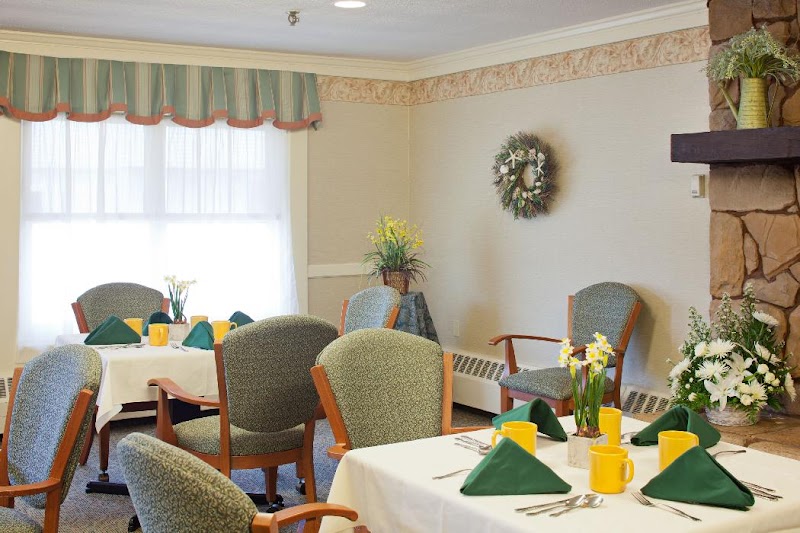
OCEANSIDE SKILLED NURSING AND REHABILITATION is owned by a for-profit company. For-profit facilities operate as businesses with obligations to shareholders or private owners. The facility is operated by GENESIS HEALTHCARE, a chain that manages multiple nursing homes. With 117 certified beds and approximately 100 residents (about 85% occupancy), it is a mid-sized facility located in HAMPTON, New Hampshire.
How Does Oceanside Skilled Nursing And Rehabilitation Compare to Other New Hampshire Nursing Homes?

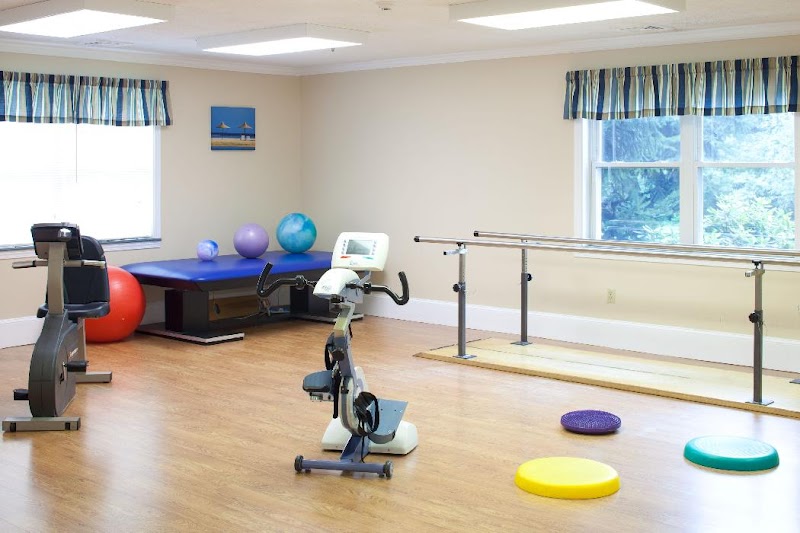
Compared to the 100 nursing homes in New Hampshire, OCEANSIDE SKILLED NURSING AND REHABILITATION's overall rating (2 stars) is below the state average of 3.0, staff turnover (35%) is significantly lower than the state average of 46%, and health inspection rating (2 stars) is below the national benchmark.

What Should Families Ask When Visiting Oceanside Skilled Nursing And Rehabilitation?

Based on this facility's data, families visiting should ask: "What changes have been made since the serious inspection findings, and how are you preventing similar issues?" "Can I visit during a mealtime to observe dining assistance and food quality?" "How do you handle medical emergencies, and what is your hospital transfer rate?" "Can I speak with family members of current residents about their experience?" These questions are particularly relevant given the facility's Immediate Jeopardy citations.

Is Oceanside Skilled Nursing And Rehabilitation Safe?

Based on CMS inspection data, OCEANSIDE SKILLED NURSING AND REHABILITATION has documented safety concerns. Inspectors have issued 1 Immediate Jeopardy citation (the most serious violation level indicating risk of serious injury or death). The facility has a 2-star overall rating and ranks #100 of 100 nursing homes in New Hampshire. Families considering this facility should ask detailed questions about what corrective actions have been taken since these incidents.

Do Nurses at Oceanside Skilled Nursing And Rehabilitation Stick Around?

OCEANSIDE SKILLED NURSING AND REHABILITATION has a staff turnover rate of 35%, which is about average for New Hampshire nursing homes (state average: 46%). Moderate turnover is common in nursing homes, but families should still ask about staff tenure and how the facility maintains care continuity when employees leave.

Was Oceanside Skilled Nursing And Rehabilitation Ever Fined?

OCEANSIDE SKILLED NURSING AND REHABILITATION has been fined $14,521 across 1 penalty action. This is below the New Hampshire average of $33,224. While any fine indicates a compliance issue, fines under $50,000 are relatively common and typically reflect isolated problems that were subsequently corrected. Families should ask what specific issues led to these fines and confirm they've been resolved.

Is Oceanside Skilled Nursing And Rehabilitation on Any Federal Watch List?

OCEANSIDE SKILLED NURSING AND REHABILITATION is not on any federal watch list. The most significant is the Special Focus Facility (SFF) program, which identifies the bottom 1% of nursing homes nationally based on persistent, serious quality problems. Not being on this list means the facility has avoided the pattern of deficiencies that triggers enhanced federal oversight. This is a positive indicator, though families should still review the facility's inspection history directly.