LANGDON PLACE OF KEENE
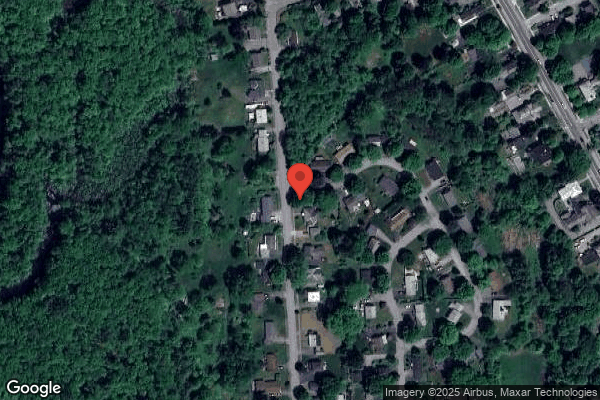
136 A ARCH STREET, KEENE, NH 03431 (603) 357-3902
For profit - Corporation 25 Beds GENESIS HEALTHCARE Data: November 2025
Trust Grade
80/100
#20 of 73 in NH
Last Inspection: January 2025

Within standard 12-15 month inspection cycle. Federal law requires annual inspections.

Overview

Langdon Place of Keene has a Trust Grade of B+, indicating it is above average and recommended for families considering care options. The facility ranks #20 out of 73 nursing homes in New Hampshire, placing it in the top half, and #3 out of 7 in Cheshire County, suggesting only two local options are better. The facility is currently improving, with issues decreasing from four in 2024 to just one in 2025. Staffing is a strength, rated 4 out of 5 stars, with a turnover rate of 40%, which is below the New Hampshire average of 50%. The facility has not received any fines, demonstrating good compliance with regulations. However, there are some concerns: recent inspections found that a resident was not properly assisted with Enhanced Barrier Precautions, which could increase infection risk, and another resident did not receive medications as prescribed due to missed doses, which is critical for their health. Additionally, the pharmacist failed to report medication irregularities for two residents, indicating potential gaps in oversight. While the facility has strong RN coverage and generally good practices, these specific incidents highlight areas that need attention.

Trust Score
B+
80/100
In New Hampshire
#20/73
Top 27%
Safety Record
Low Risk
No red flags
Inspections
Getting Better
4 → 1 violations
Staff Stability
○ Average
40% turnover. Near New Hampshire's 48% average. Typical for the industry.
Penalties
✓ Good
No fines on record. Clean compliance history, better than most New Hampshire facilities.
Skilled Nurses
✓ Good
Each resident gets 117 minutes of Registered Nurse (RN) attention daily — more than 97% of New Hampshire nursing homes. RNs are the most trained staff who catch health problems before they become serious.
Violations
⚠ Watch
12 deficiencies on record. Higher than average. Multiple issues found across inspections.
★★★★☆
4.0
Overall Rating
★★★★☆
4.0
Staff Levels
★★★☆☆
3.0
Care Quality
★★★★☆
4.0
Inspection Score
Stable
2024: 4 issues
2025: 1 issues

The Good

  • 4-Star Staffing Rating · Above-average nurse staffing levels
  • Full Sprinkler Coverage · Fire safety systems throughout facility
  • No fines on record
  • Staff turnover below average (40%)

    8 points below New Hampshire average of 48%

Facility shows strength in staffing levels, fire safety.

The Bad

Staff Turnover: 40%

Near New Hampshire avg (46%)

Typical for the industry

Chain: GENESIS HEALTHCARE

Part of a multi-facility chain

Ask about local staffing decisions and management

The Ugly 12 deficiencies on record

Jan 2025 1 deficiency
CONCERN (D)

Potential for Harm - no one hurt, but risky conditions existed

Infection Control (Tag F0880)

Could have caused harm · This affected 1 resident

Based on observation, interview, and record review, it was determined that the facility failed to implement policies and procedures for Enhanced Barrier Precautions (EBP) for 1 of 2 residents reviewed...

Read full inspector narrative →
Based on observation, interview, and record review, it was determined that the facility failed to implement policies and procedures for Enhanced Barrier Precautions (EBP) for 1 of 2 residents reviewed for EBP in a final sample of 13 residents. (Resident identifier is #176.) Findings include: Observation on 1/2/25 at approximately 10:00 a.m. on the unit revealed an EBP sign and Personnel Protective Equipment (PPE) cart outside of Resident #176's room next to the entrance door. Review on 1/2/25 of Resident #176's active physician's order revealed an order for a Peripherally Inserted Central Catheter (PICC) line with a start date of 1/2/25. Observation on 1/3/25 at approximately 6:00 a.m. in Resident #176's room revealed that Staff A (Licensed Nursing Assistant (LNA)) was wearing a mask, gloves, and no gown while in Resident #176's room and assisting Resident #176 out of the bathroom. Observation also revealed that Staff A was taking off dirty linens and then putting on clean linens wearing the same mask, gloves, and no gown. Interview on 1/3/25 at approximately 6:05 a.m. with Staff A confirmed the above finding. Staff A stated that he/she assisted Resident #176 with toileting and changing Resident #176's linens. Interview on 1/3/25 at approximately 6:40 a.m. with Staff B (Infection Preventionist) confirmed that Resident #176 was on EBP for the PICC line (central line). Staff B stated that gown and gloves should be worn by staff when assisting a resident on EBP with toileting and changing linens. Review on 1/3/25 of the facility's policy titled, Enhanced Barrier Precautions, copyright year 2024, revealed .Initiation of Enhanced Barrier Precautions: .Wounds (e.g. chronic wounds such as pressure ulcers, diabetic foot ulcers, unhealed surgical wounds, and chronic venous stasis ulcers) and/or indwelling medical devices (e.g. central lines, urinary catheters, feeding tubes, tracheostomy/ventilator tubes, hemodialysis catheters, PICC lines, midline catheters) even if the resident is not known to be infected or colorized with a MDRO [Multidrug-Resistant Organisms] .Implementation of Enhanced Barrier Precautions: .PPE for enhanced barrier precautions is only necessary when performing high-contact care activities .High-contact resident care activities include: .e. changing linens f. changing briefs or assisting with toileting .References: Centers for Disease Control and Prevention [CDC]. Frequently Asked Questions (FAQs) about Enhanced Barrier Precautions in Nursing Homes .Centers for Disease Control and Prevention . Implementation of Personal Protective Equipment in Nursing Homes to Prevent Spread of Novel or Targeted Multidrug-Resistant Organisms . Review on 1/3/25 of the CDC's Implementation of Personal Protective Equipment Use in Nursing Homes to Prevent Spread of Multidrug Resistant Organisms (MDRO's), updated July 2022 revealed: .Enhanced Barrier Precautions expand the use of PPE and refer to the use of gown and gloves during high-contact resident care activities that provide opportunities for transfer of MDRO's to staff hands and clothing. MDRO's may be indirectly transferred from resident-to-resident during these high-contact activities. Nursing home resident with wounds and indwelling medical devices are at especially high risk of both acquisition of and colonization with MDRO's. The use of gown and gloves for high-contact resident care activities is indicated, .Enhanced Barrier Precautions, Expand the use of PPE and refer to the use of gown and gloves during high-contact resident care activities that provide opportunities for transfer of MDROs to staff hands and clothing. MDROs may be indirectly transferred from resident-to-resident during these high-contact care activities. Nursing home residents with wounds and indwelling medical devices are at especially high risk of both acquisition of and colonization with MDROs. The use of gown and gloves for high-contact resident care activities is indicated, when Contact Precautions do not otherwise apply, for nursing home residents with wounds and/or indwelling medical devices regardless of MDRO colonization as well as for residents with MDRO infection or colonization Examples of high-contact resident care activities requiring gown and glove use for Enhanced Barrier Precautions include: .Device care or use: central line, urinary catheter, feeding tube, tracheostomy/ventilator .
Jan 2024 4 deficiencies
CONCERN (D)

Potential for Harm - no one hurt, but risky conditions existed

Deficiency F0698 (Tag F0698)

Could have caused harm · This affected 1 resident

Based on interview and record review, it was determined that the facility failed to ensure that a resident receiving dialysis services received medications according to physician orders and failed to ...

Read full inspector narrative →
Based on interview and record review, it was determined that the facility failed to ensure that a resident receiving dialysis services received medications according to physician orders and failed to ensure monitoring of a dialysis fistula site for 1 of 1 resident reviewed for dialysis in a final sample of 12 residents (Resident Identifier is #11). Findings include: Review on 1/17/24 of Resident #11's January 2024 Medication Administration Record (MAR) revealed the following physician's order: Hydralazine HCL [Hydrochloric Acid] oral tablet 100 mg [milligrams] give 1 tablet by mouth three times a day for Hypertension, start date 12/28/23. Review revealed that the times for administration were 8:00 a.m., 2:00 p.m., and 8:00 p.m. Further review of the MAR revealed that the following 2:00 p.m. doses were all marked as AW (Away From Facility): 1/2 (Tuesday), 1/4 (Thursday), 1/6 (Saturday), 1/9 (Tuesday), 1/11 (Thursday), 1/13 (Saturday), 1/16 (Tuesday). Interview on 1/17/24 at approximately 3:00 p.m. with Staff A (Unit Manager) and Staff B (Director of Nursing) confirmed the above finding and revealed that Resident #11 attended dialysis at the above times. Review on 1/18/24 of the facility policy titled NSG261 Dialysis: Hemodialysis (HD) Provided by a Certified End-Stage Renal Disease (ESRD) Facility revision date 8/7/23 revealed: . Practice Standards 1.5 After receiving dialysis, Center staff must provide monitoring and documentation of: 1.5.1 The patient's vascular access site(s) to observe for bleeding or other complications; . Shared Communication Between the Center and the Certified ESRD Facility: . 2.2.4.1 Timely medication administration (initiated, administered, held or discontinued); . Review on 1/18/24 of Resident #11's medical record revealed that there was no documentation of staff assessing Resident #11's dialysis fistula site. Interview on 1/18/24 at approximately 10:30 a.m. with Staff A confirmed that the site is not assessed by nursing every shift, it is done prior to Resident #11 going to dialysis and when Resident #11 returns to the facility from dialysis. Interview on 1/18/24 at approximately 12:30 p.m. with Staff H (Nurse Practitioner) revealed that he/she was not aware of Resident #11 missing doses of a medication while Resident #11 was at dialysis.
CONCERN (D)

Potential for Harm - no one hurt, but risky conditions existed

Drug Regimen Review (Tag F0756)

Could have caused harm · This affected 1 resident

Based on interview and record review, it was determined that the pharmacist failed to report irregularities to the facility for 2 out of 7 residents reviewed for drug regimen review in a final sample ...

Read full inspector narrative →
Based on interview and record review, it was determined that the pharmacist failed to report irregularities to the facility for 2 out of 7 residents reviewed for drug regimen review in a final sample of 12 residents (Resident Identifiers are #7 and #14). Findings include: Resident #7 Review on 1/17/24 of Resident #7's January 2024 Medication Administration Record (MAR) revealed the following order: Lorazepam oral tablet 0.5 mg [milligrams] give 0.5 mg by mouth every 6 hours as PRN [as needed] for Anxiety, start date 11/27/23. Review on 1/17/24 of Resident #7's medical record revealed that the pharmacist completed Drug Regimen Reviews on 1/17/24, 12/11/23, and 11/27/23 and failed to identify the above PRN psychotropic medication did not have a stop date indicated. Resident #14 Review on 1/17/24 of Resident #14's January 2024 MAR revealed the following order: Ativan tablet 0.5 mg [Lorazepam] give 1 tablet sublingually every 4 hours as needed for anxiety, start date 9/19/23. Review on 1/17/24 of Resident #14's medical record revealed that the pharmacist completed Drug Regimen Reviews on 1/17/24, 12/11/23, and 11/24/23 and failed to identify the above PRN psychotropic medication did not have a stop date indicated. Interview on 1/17/24 at approximately 2:45 p.m. with Staff B (Director of Nursing) confirmed the above findings. Interview on 1/18/24 at approximately 11:00 a.m. with Staff C (Pharmacist) confirmed the above findings.
CONCERN (D)

Potential for Harm - no one hurt, but risky conditions existed

Medication Errors (Tag F0758)

Could have caused harm · This affected 1 resident

Based on interview and record review, it was determined that the facility failed to ensure that orders for psychotropic drugs were limited to 14 days and that consents were obtained for the use of psy...

Read full inspector narrative →
Based on interview and record review, it was determined that the facility failed to ensure that orders for psychotropic drugs were limited to 14 days and that consents were obtained for the use of psychotropic medications for 2 of 2 residents reviewed for psychotropic/opioid side effects in a final sample of 12 residents reviewed (Resident Identifiers are #7 and #14). Findings include: Resident #7 Review on 1/17/24 of Resident #7's January 2024 Medication Administration Record (MAR) revealed the following order: Lorazepam oral tablet 0.5 mg [milligrams] give 0.5 mg by mouth every 6 hours PRN [as needed] for Anxiety, start date 11/27/23. Further review of Resident #7's medical record revealed that there was no stop date indicated for the PRN psychotropic medication and consent was not obtained from the resident for the use of Lorazepam. Resident #14 Review on 1/17/24 of Resident #14's January 2024 MAR revealed the following order: Ativan tablet 0.5mg [Lorazepam] give 1 tablet sublingually every 4 hours as needed for Anxiety, start date 9/19/23. Further review of Resident #14's medical record revealed that there was no stop date indicated for the PRN psychotropic medication and consent was not obtained by Resident #14's Durable Power of Attorney for the use of Ativan. Interview on 1/17/24 at approximately 2:45 p.m. with Staff B (Director of Nursing) confirmed the above findings. Review on 1/18/24 of the facility policy titled 3.8 Psychotropic Medication Use revealed: . 8. PRN (as needed) psychotropic medications should be ordered for no more than 14 days. Each resident who is taking a PRN psychotropic drug will have his or her prescription reviewed by the physician or prescribing practitioner every 14 days and also by a pharmacist every month .
CONCERN (D)

Potential for Harm - no one hurt, but risky conditions existed

Infection Control (Tag F0880)

Could have caused harm · This affected 1 resident

Based on record review, observation, interview, and policy review, it was determined that the facility failed to follow its policies for managing healthcare personnel with symptoms of SARS-CoV-2 (COVI...

Read full inspector narrative →
Based on record review, observation, interview, and policy review, it was determined that the facility failed to follow its policies for managing healthcare personnel with symptoms of SARS-CoV-2 (COVID-19) working in the facility (Staff identifier I). Findings include: Interview on 1/17/24 at approximately 10:50 a.m. with Staff F (Food Services Director) revealed they had been notified that Staff I (Dietary Aide) came to work on 12/20/23 with nasal congestion symptoms and continued to work their full shift, including meal preparation in the kitchen. Review on 1/17/24 of the facility's payroll log revealed Staff I had worked on the evening of 12/20/23 for 3.75 hours. Review on 1/17/24 at approximately 10:30 a.m. of the facility's contact tracing list revealed Staff I tested positive for COVID-19 on 12/21/23. Further review of the contract tracing list revealed that Staff I had no COVID-19 testing done on 12/20/23 Review on 1/19/24 of the facility's policy titled Active Screening Process for Visitors, Employees and Visiting HCP [Healthcare Personnel], dated 3/15/2002, revealed: Screening Employees, Visiting Healthcare Providers and Visitors - 2. Centers may evaluate and, where indicated, test all staff, including HCSG presenting with mild symptoms to determine whether to deny or permit entrance. Employee Precautions and Screening - 1. During the work shift: Any employee who develops signs and symptoms of a respiratory infection while on the job, should: a. immediately stop work, and self-isolate at home. Review on 1/19/24 of the CDC Interim Guidance for Managing Healthcare Personnel with SARS-CoV-2 Infection or Exposure to SARS-CoV-2, https://www.cdc.gov/coronavirus/2019-ncov/hcp/guidance-risk-assesment-hcp.html, updated September 23, 2022, revealed, .Evaluating Healthcare Personnel with Symptoms of SARS-CoV-2 Infection HCP with even mild symptoms of COVID-19 should be prioritized for viral testing with nucleic acid or antigen detection assays .If using NAAT (molecular), a single negative test is sufficient in most circumstances. If a higher level of clinical suspicion for SARS-CoV-2 infection exists, consider maintaining work restrictions and confirming with a second negative NAAT. If using an antigen test, a negative result should be confirmed by either a negative NAAT (molecular) or a second negative antigen test taken 48 hours after the first negative test. For HCPs who were initially suspected of having COVID-19 but, following evaluation, another diagnosis is suspected or confirmed, return-to-work decisions should be based on their other suspected or confirmed diagnoses.
Jan 2023 7 deficiencies
CONCERN (D)

Potential for Harm - no one hurt, but risky conditions existed

Deficiency F0578 (Tag F0578)

Could have caused harm · This affected 1 resident

Based on interview and record review, it was determined that the facility failed to ensure that a resident's formulated advance directives would be followed for 1 out of 13 residents reviewed for adva...

Read full inspector narrative →
Based on interview and record review, it was determined that the facility failed to ensure that a resident's formulated advance directives would be followed for 1 out of 13 residents reviewed for advance directives (Resident identifier is #16) . Findings include: Review on 1/10/23 of Resident #16's Electronic Health Record (EHR) revealed the following physician's order: FULL CODE, DPOA [Durable Power of Attorney] Activated - [pronoun omitted], dated 7/20/22. Review on 1/10/23 of Resident #16's chart revealed the following: A pink portable Do Not Resuscitate (DNR) form signed by a physician, dated 10/2/20. Interview on 1/10/23 at approximately 1:00 p.m. with Staff A (Registered Nurse) revealed that in an emergent situation, Staff A would use the closest source of information to determine code status. If I was at the nurses' station, I would refer to the chart. If I was by my medication cart I would refer to the EMR [Electronic Medical Record]. Review on 1/11/23 of the facility policy titled, Health Care Decision Making, with an effective date of 6/1/96 and revision date of 3/1/22, revealed .It is the right of all patients/residents .to participate in their own health care decision-making, including the right to decide whether they wish to request, accept, refuse, or discontinue treatment .Upon admission, determine whether the patient has an advanced directive and/or portable medical orders such as POLST [Physicians Orders for Life- Sustaining Treatment], MOLST [Medical Orders for Life-Sustaining Treatment], etc.If the patient/patient representative has a copy with them, make copies, place in medical record, and notify the inter professional team .
CONCERN (D)

Potential for Harm - no one hurt, but risky conditions existed

Safe Environment (Tag F0584)

Could have caused harm · This affected 1 resident

Based on observations and interviews it was determined the facility failed to ensure a clean and comfortable environment free of holes and scrapes to bedroom walls. These environmental concerns were o...

Read full inspector narrative →
Based on observations and interviews it was determined the facility failed to ensure a clean and comfortable environment free of holes and scrapes to bedroom walls. These environmental concerns were observed in 10 out of 14 resident rooms. Findings include: Observations on 1/10/23 from approximately 9:30 a.m. to 10:30 a.m. of 10 out of 14 resident rooms revealed large black scrapes, markings, and gashes/holes on the residents' bedroom walls. The markings varied from 3-inches to 12-inches in length on the walls behind the residents' beds. There were several gashes/dents in various locations on the walls in residents' rooms that ranged from 1-inch to 3-inches. Interview on 1/12/23 at approximately 1:20 p.m. with Staff E (Administrator) confirmed the above findings. Interview on 1/11/23 at approximately 8:00 a.m. with Staff G (Licensed Nursing Assistant) revealed that the markings observed in the residents' rooms have been like this for a while. Interview on 1/11/23 at approximately 10:00 a.m. with Resident #3 revealed they wished the scrape marks on their room's wall could be repaired to look nicer.
CONCERN (D)

Potential for Harm - no one hurt, but risky conditions existed

Report Alleged Abuse (Tag F0609)

Could have caused harm · This affected 1 resident

Based on interview and record review, it was determined that the facility failed to ensure that all identified areas of injury from unknown origin were reported to Administrator, State Survey Agency (...

Read full inspector narrative →
Based on interview and record review, it was determined that the facility failed to ensure that all identified areas of injury from unknown origin were reported to Administrator, State Survey Agency (SSA), and other state officials for 1 of 1 residents reviewed for injuries of unknown origin in a final sample of 13 residents (Resident Identifier is #14). Findings include: Observation on 1/10/23 at approximately 10:39 a.m. of Resident #14 revealed bilateral outer ankle abrasions, multiple abrasions to bilateral shins, purple discoloration to the top of left foot bend and yellowing bruise to left upper shin. Interview on 1/10/23 at approximately 10:39 a.m. with Resident #14 revealed they did not know how they obtained the areas of injury to both lower extremities. Review on 1/11/23 at approximately 8:15 a.m. of Resident #14's progress notes revealed no mention of areas of injury to both lower extremities. Interview on 1/11/23 at approximately 2:16 p.m. with Staff C (Unit Manager) confirmed the above injuries of unknown origin to Resident#14's bilateral lower extremities. Staff C confirmed that no one had reported the injuries to Resident #14's bilateral lower extremities. Review on 1/12/23 of facility policy titled Abuse Prohibition, revised on 10/24/22, revealed .6.1 Anyone who witnesses an incident of suspected abuse, neglect, involuntary seclusion, injuries of unknown origin, or misappropriation of patient property is to tell the abuser to stop immediately and report the incident to his/her supervisor immediately, regardless of shift worked. 6.1.1 The notified supervisor will report the suspected abuse immediately to the Administrator or designee and other officials in accordance with state law .
CONCERN (D)

Potential for Harm - no one hurt, but risky conditions existed

Investigate Abuse (Tag F0610)

Could have caused harm · This affected 1 resident

Based on interview and record review, it was determined that the facility failed to ensure that all identified areas of injury from unknown origin were thoroughly investigated for 1 of 1 residents rev...

Read full inspector narrative →
Based on interview and record review, it was determined that the facility failed to ensure that all identified areas of injury from unknown origin were thoroughly investigated for 1 of 1 residents reviewed for injuries of unknown origin out of a final sample of 13 residents (Resident Identifier is #14). Findings include: Observation on 1/10/23 at approximately 10:39 a.m. of Resident #14 revealed bilateral outer ankle abrasions, multiple abrasions to bilateral shins, purple discoloration to the top of left foot bend and yellowing bruise to left upper shin. Interview on 1/10/23 at approximately 10:39 a.m. with Resident #14 revealed they did not know how they obtained the areas of injury to both lower extremities. Interview on 1/12/23 at approximately 8:50 a.m. with Staff C (Unit Manager) revealed that an investigation had not been initiated for the above injuries. Review on 1/12/23 of facility policy titled Abuse Prohibition, revised on 10/24/22, revealed .6.4 Injuries of unknown origin will be investigated to determine if abuse or neglect is suspected .
CONCERN (D)

Potential for Harm - no one hurt, but risky conditions existed

Deficiency F0658 (Tag F0658)

Could have caused harm · This affected 1 resident

**NOTE- TERMS IN BRACKETS HAVE BEEN EDITED TO PROTECT CONFIDENTIALITY** Based on observation, interview, and record review it was determined that the facility failed to follow physicians' orders for 2...

Read full inspector narrative →
**NOTE- TERMS IN BRACKETS HAVE BEEN EDITED TO PROTECT CONFIDENTIALITY** Based on observation, interview, and record review it was determined that the facility failed to follow physicians' orders for 2 out of 13 residents reviewed (Resident identifiers are #15 and #16). Findings include: Standards: [NAME], [NAME] A., and [NAME]. Fundamentals of Nursing. 7th ed. St. Louis, Missouri: Mosby Elsevier, 2009. Page 336 - Physicians' Orders The physician is responsible for directing medical treatment. Nurses follow physician's orders unless they believe the orders are in error or harm clients. Therefore you need to assess all orders, and if you find one to be erroneous or harmful, further clarification from the physician is necessary . Resident #16 Observation on 1/10/23 at approximately 10:15 a.m. with Resident #16 in his/her room revealed Resident #16 was sitting in a wheelchair with socks on his/her feet. Resident #16's feet were resting on the foot pedals. Further observation revealed a pair of offloading heel boots on a chair across the room. Review on 1/10/23 of Resident #16's medical record revealed the following physician's order: Monitor right heel every shift for deterioration. Offloading heel boots at all times, except during care or therapy. Every shift for Deep Tissue Injury [DTI], start date 4/14/22. Observation on 1/12/23 at approximately 12:00 p.m. of Resident #16 was in the dining room in a wheelchair with socks on his/her feet. Resident #16's feet were resting on the foot pedals. Interview on 1/12/23 at approximately 12:00 p.m. with Staff I (Wound Nurse) confirmed the above findings. Resident #15 Review on 1/11/23 of Resident #15's medical record revealed Resident #15 was admitted to the facility on [DATE]. Further review of Resident #15's medical record on 1/11/23 revealed the following note: Telephone, 3/18/22 provider [pronoun omitted] Ophthalmology Note: [Name omitted] called from [NAME] about switching pt [patient] from Lumigan to Latanoprost due to cost. Per Dr. [Doctor] this is ok [okay] but pt needs to come in and be seen, 1 bottle order with no refills. I spoke with [name omitted], nurse at [NAME] and [pronoun omitted] understood pt needs to be seen and will let [name omitted] know to make an appointment. Interview on 1/12/23 at approximately 11:00 a.m. with Staff F (Director of Nursing) revealed there was no evidence that Resident #15 was seen by an Ophthalmologist.
CONCERN (D)

Potential for Harm - no one hurt, but risky conditions existed

Deficiency F0740 (Tag F0740)

Could have caused harm · This affected 1 resident

Based on interview, record review, and facility assessment review, it was determined that the facility failed to provide behavioral health/psychiatry consults for 1 out of 1 residents reviewed for beh...

Read full inspector narrative →
Based on interview, record review, and facility assessment review, it was determined that the facility failed to provide behavioral health/psychiatry consults for 1 out of 1 residents reviewed for behavioral/emotional health in a final survey sample of 13 residents (Resident identifier is #11). Findings include: Interview on 1/10/23 at approximately 10:00 a.m. with Resident #11 revealed Resident #11 to be weepy. Resident #11 stated, I would rather live in a dump, than in here. Resident was pointing at his/her roommate while making the statement. Review on 1/11/23 of Resident #11's care plans revealed the following care plans, dated 8/3/22: Resident/Patient exhibits or has the potential to demonstrate verbal behaviors related to: History of verbal outbursts directed toward others: Disruptive behavior to roommate, Ineffective coping skills, i.e.[example], poor anger management, date initiated 8/3/22. Interview on 1/12/23 at approximately 9:30 a.m. with Staff J (Unit Manager) revealed that Resident #11 does not like having roommates since Staff J began working at the facility in 2021 and has a care plan for ineffective coping skills. Review on 1/12/23 of Resident #11's medical record revealed that psychiatric services were never offered to Resident #11. Interview on 1/12/23 at approximately 10:30 a.m. with Staff J confirmed that psychiatric services were never offered to Resident #11, since he/she has been working at the facility. Review on 1/12/23 of the facility policy titled, NSG Behaviors: Management of Symptoms, Revision Date 10/24/22 revealed: . Based on the comprehensive assessment, staff must ensure that a patient: Who displays or is diagnosed with behavioral health disorder or psychosocial adjustment difficulty receives appropriate treatment and services to correct the assessed problem or to attain the highest practicable mental and psychosocial well-being; .
MINOR (B)

Minor Issue - procedural, no safety impact

Deficiency F0582 (Tag F0582)

Minor procedural issue · This affected multiple residents

Based on interview and record review, it was determined that the facility failed to ensure that the resident and/or the resident representative was informed of the Advanced Beneficiary Notice (ABN) fo...

Read full inspector narrative →
Based on interview and record review, it was determined that the facility failed to ensure that the resident and/or the resident representative was informed of the Advanced Beneficiary Notice (ABN) for 2 of 3 residents reviewed for Beneficiary Notices (Resident identifiers are #4 and #17). Findings include: Resident #4 Review on 1/11/23 of the Beneficiary Notice - Residents discharged With in the Last Six Months form, completed by the facility, revealed that Resident #4 was discharged from Medicare services on 11/10/22 and remained in the facility. Review on 1/11/23 of the Skilled Nursing Facility (SNF) Beneficiary Protection Notification Review form, completed by the facility, revealed that Resident #4's last covered day of Medicare Part A skilled services was 11/10/22 and that the facility/provider initiated the discharge from Medicare Part A services when benefit days were not exhausted. Further review of the form under Question 2 Was a SNF [Skilled Nursing Facility] ABN, Form CMS [Centers for Medicare & Medicaid Services] -10055 provided to the resident? was left blank. Resident#17 Review on 1/11/23 of the Beneficiary Notice - Residents discharged With in the Last Six Months form, completed by the facility, revealed that Resident #17 was discharged from Medicare services on 12/21/22 and remained in the facility. Review on 1/11/23 of the SNF Beneficiary Protection Notification Review form, completed by the facility, revealed that Resident #17's last covered day of Medicare Part A skilled services was 12/21/22 and that the facility/provider initiated the discharge from Medicare Part A services when benefit days were not exhausted. Further review of the form under Question 2 Was a SNF ABN, Form CMS-10055 provided to the resident? was left blank. Interview on 1/12/23 at approximately 11:30 p.m. with Staff B (Business Office Manager) revealed that they had not completed the SNF ABN, Form CMS-10055 with Resident #4 and #17.
Understanding Severity Codes (click to expand)
Life-Threatening (Immediate Jeopardy)
J - Isolated K - Pattern L - Widespread
Actual Harm
G - Isolated H - Pattern I - Widespread
Potential for Harm
D - Isolated E - Pattern F - Widespread
No Harm (Minor)
A - Isolated B - Pattern C - Widespread

Questions to Ask on Your Visit

  • "Can I speak with families of current residents?"
  • "What's your RN coverage like on weekends and overnight?"

Our Honest Assessment

Strengths
  • • Grade B+ (80/100). Above average facility, better than most options in New Hampshire.
  • • No major safety red flags. No abuse findings, life-threatening violations, or SFF status.
  • • No fines on record. Clean compliance history, better than most New Hampshire facilities.
  • • 40% turnover. Below New Hampshire's 48% average. Good staff retention means consistent care.
Concerns
  • • 12 deficiencies on record. Higher than average. Multiple issues found across inspections.
Bottom line: Generally positive indicators. Standard due diligence and a personal visit recommended.

About This Facility

What is Langdon Place Of Keene's CMS Rating?

CMS assigns LANGDON PLACE OF KEENE an overall rating of 4 out of 5 stars, which is considered above average nationally. Within New Hampshire, this rating places the facility higher than 99% of the state's 100 nursing homes. This rating reflects solid performance across the metrics CMS uses to evaluate nursing home quality.

How is Langdon Place Of Keene Staffed?

CMS rates LANGDON PLACE OF KEENE's staffing level at 4 out of 5 stars, which is above average compared to other nursing homes. Staff turnover is 40%, compared to the New Hampshire average of 46%. This relatively stable workforce can support continuity of care.

What Have Inspectors Found at Langdon Place Of Keene?

State health inspectors documented 12 deficiencies at LANGDON PLACE OF KEENE during 2023 to 2025. These included: 11 with potential for harm and 1 minor or isolated issues.

Who Owns and Operates Langdon Place Of Keene?

LANGDON PLACE OF KEENE is owned by a for-profit company. For-profit facilities operate as businesses with obligations to shareholders or private owners. The facility is operated by GENESIS HEALTHCARE, a chain that manages multiple nursing homes. With 25 certified beds and approximately 21 residents (about 84% occupancy), it is a smaller facility located in KEENE, New Hampshire.

How Does Langdon Place Of Keene Compare to Other New Hampshire Nursing Homes?

Compared to the 100 nursing homes in New Hampshire, LANGDON PLACE OF KEENE's overall rating (4 stars) is above the state average of 3.0, staff turnover (40%) is near the state average of 46%, and health inspection rating (4 stars) is above the national benchmark.

What Should Families Ask When Visiting Langdon Place Of Keene?

Based on this facility's data, families visiting should ask: "Can I visit during a mealtime to observe dining assistance and food quality?" "How do you handle medical emergencies, and what is your hospital transfer rate?" "Can I speak with family members of current residents about their experience?"

Is Langdon Place Of Keene Safe?

Based on CMS inspection data, LANGDON PLACE OF KEENE has a clean safety record: no substantiated abuse findings (meaning no confirmed cases of resident harm), no Immediate Jeopardy citations (the most serious violation level indicating risk of serious injury or death), and is not on the Special Focus Facility watch list (a federal program monitoring the lowest-performing 1% of nursing homes). The facility has a 4-star overall rating and ranks #1 of 100 nursing homes in New Hampshire. While no facility is perfect, families should still ask about staff-to-resident ratios and recent inspection results during their visit.

Do Nurses at Langdon Place Of Keene Stick Around?

LANGDON PLACE OF KEENE has a staff turnover rate of 40%, which is about average for New Hampshire nursing homes (state average: 46%). Moderate turnover is common in nursing homes, but families should still ask about staff tenure and how the facility maintains care continuity when employees leave.

Was Langdon Place Of Keene Ever Fined?

LANGDON PLACE OF KEENE has no federal fines on record. CMS issues fines when nursing homes fail to meet care standards or don't correct problems found during inspections. The absence of fines suggests the facility has either maintained compliance or corrected any issues before penalties were assessed. This is a positive indicator, though families should still review recent inspection reports for the full picture.

Is Langdon Place Of Keene on Any Federal Watch List?

LANGDON PLACE OF KEENE is not on any federal watch list. The most significant is the Special Focus Facility (SFF) program, which identifies the bottom 1% of nursing homes nationally based on persistent, serious quality problems. Not being on this list means the facility has avoided the pattern of deficiencies that triggers enhanced federal oversight. This is a positive indicator, though families should still review the facility's inspection history directly.