LACONIA REHABILITATION CENTER
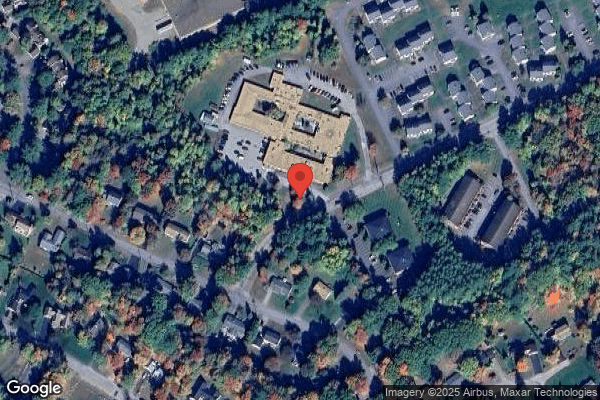
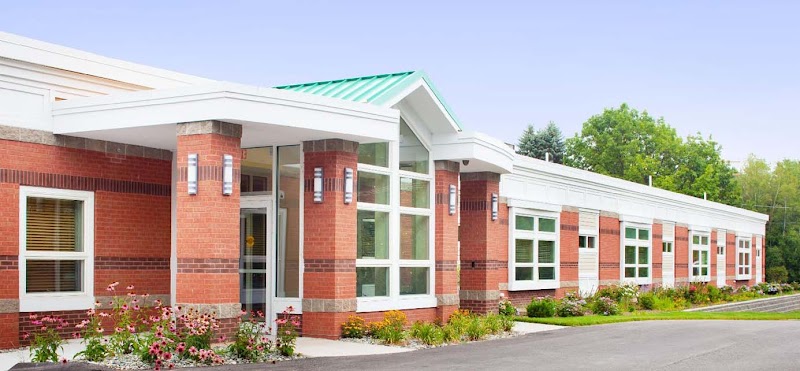
175 BLUEBERRY LANE, LACONIA, NH 03246 (603) 524-3340
For profit - Corporation 120 Beds GENESIS HEALTHCARE Data: November 2025
Trust Grade
58/100
#40 of 73 in NH
Last Inspection: May 2025

Inspected within the last 6 months. Data reflects current conditions.

Overview

Laconia Rehabilitation Center has a Trust Grade of C, which means it is average and sits in the middle of the pack among nursing homes. It ranks #40 out of 73 facilities in New Hampshire, placing it in the bottom half, and #4 out of 4 in Belknap County, indicating there are no better local options. The facility is improving, as issues have decreased from six in 2024 to just two in 2025. Staffing is a strength here, with a turnover rate of 24%, which is significantly lower than the state average of 50%, suggesting that staff are experienced and familiar with the residents. However, there have been fines totaling $7,901, which is concerning but average compared to other facilities. Specific incidents noted in recent inspections include a serious issue where the facility failed to properly assess a resident after a fall, which could have serious implications. Additionally, there were concerns about not following physician's orders for several residents, leading to inadequate pain management. On the positive side, the facility has excellent quality measures, suggesting good health outcomes for residents, but families should weigh these strengths against the reported deficiencies.

Trust Score
C
58/100
In New Hampshire
#40/73
Bottom 46%
Safety Record
Moderate
Needs review
Inspections
Getting Better
6 → 2 violations
Staff Stability
✓ Good
24% annual turnover. Excellent stability, 24 points below New Hampshire's 48% average. Staff who stay learn residents' needs.
Penalties
✓ Good
$7,901 in fines. Lower than most New Hampshire facilities. Relatively clean record.
Skilled Nurses
✓ Good
Each resident gets 46 minutes of Registered Nurse (RN) attention daily — more than average for New Hampshire. RNs are trained to catch health problems early.
Violations
⚠ Watch
23 deficiencies on record. Higher than average. Multiple issues found across inspections.
★★★☆☆
3.0
Overall Rating
★★★☆☆
3.0
Staff Levels
★★★★★
5.0
Care Quality
★★☆☆☆
2.0
Inspection Score
Stable
2024: 6 issues
2025: 2 issues

The Good

  • 5-Star Quality Measures · Strong clinical quality outcomes
  • Low Staff Turnover (24%) · Staff stability means consistent care
  • Full Sprinkler Coverage · Fire safety systems throughout facility
  • No fines on record
  • Staff turnover is low (24%)

    24 points below New Hampshire average of 48%

Facility shows strength in quality measures, staff retention, fire safety.

The Bad

3-Star Overall Rating

Near New Hampshire average (3.0)

Meets federal standards, typical of most facilities

Federal Fines: $7,901

Below median ($33,413)

Minor penalties assessed

Chain: GENESIS HEALTHCARE

Part of a multi-facility chain

Ask about local staffing decisions and management

The Ugly 23 deficiencies on record

1 actual harm
May 2025 2 deficiencies
CONCERN (D)

Potential for Harm - no one hurt, but risky conditions existed

Report Alleged Abuse (Tag F0609)

Could have caused harm · This affected 1 resident

Based on interview and record review, it was determined that the facility failed to report an injury of unknown source timely to the State Survey Agency (SSA) for 1 of 2 residents reviewed for acciden...

Read full inspector narrative →
Based on interview and record review, it was determined that the facility failed to report an injury of unknown source timely to the State Survey Agency (SSA) for 1 of 2 residents reviewed for accidents in a final sample of 24 residents (Resident identifier is #7). Findings include: Review on 5/30/25 of Resident #7's medical records revealed a nurses note, dated 5/25/25, that stated Resident #7 had been sent to the emergency room for evaluation due to complaints of right wrist pain. Further review of Resident #7's medical record revealed a nurses note, dated 5/26/25, .brace for right wrist fx (fracture) .can be worn as long as needed for comfort and support. No other acute findings . Interview on 5/30/25 at approximately 9:00 a.m. with Staff A (Administrator) revealed that they were told about Resident #7's injury on 5/26/25. Staff A revealed that the source of the injury is unknown. Staff A confirmed that it was not reported to the SSA. Review on 5/3/25 of facility policy titled Abuse Prohibition, dated 1/24/22, revealed: 6.4 Injuries of unknown origin will be investigated to determine if abuse or neglect is suspected . 7. Immediately upon receiving information concerning a report of suspected or alleged abuse, mistreatment or neglect, the Administrator or designee will perform the following. 7.3 Report allegations the the appropriate stated and local authority(s) involving .exploitation or mistreatment (including injuries of unknown source) .
CONCERN (E)

Potential for Harm - no one hurt, but risky conditions existed

Deficiency F0657 (Tag F0657)

Could have caused harm · This affected multiple residents

**NOTE- TERMS IN BRACKETS HAVE BEEN EDITED TO PROTECT CONFIDENTIALITY** Resident #6 Review on 5/30/25 of Resident #6's care plan meeting notes revealed that Resident #6 had care plan meetings on 11/2...

Read full inspector narrative →
**NOTE- TERMS IN BRACKETS HAVE BEEN EDITED TO PROTECT CONFIDENTIALITY** Resident #6 Review on 5/30/25 of Resident #6's care plan meeting notes revealed that Resident #6 had care plan meetings on 11/29/24 and 1/10/25. There was no evidence of a quarterly care plan meeting documented after 1/10/25. Resident #22 Interview on 5/28/25 with Resident #22 at approximately 11:30 a.m. revealed that Resident #22 reported that he/she had was not invited or participated in a care plan meeting for about 6 months. Review on 5/30/25 of Resident #22's care plan meeting notes revealed that Resident #22 had a care plan meeting on 11/27/24. Interview on 5/30/25 at approximately 10:50 a.m. with Staff D (Regional Nurse) confirmed that there is no evidence of quarterly care plan meetings being completed after 11/27/24. Resident #23 Review on 5/30/25 of Resident 23's care plan meeting notes revealed that Resident #23 had a care plan meeting on 9/7/24 and 5/1/25. Further review revealed that there was no evidence of a quarterly care plan meeting documented in December of 2024 or March of 2024. Resident #29 Review on 5/30/25 of Resident #29's medical record revealed that Resident #29 was admitted to the facility on 9/22. Further review revealed that the last documented care plan meeting was on 3/15/24. Resident #57 Review on 5/30/25 of Resident #57's medical record revealed revealed that Resident #57 was admitted in date December of 2024. There was no evidence of care plan meetings being held. Resident #73 Review on 5/30/25 of Resident #73's medical record revealed that Resident #73 was admitted to the facility on [DATE]. Further review of Resident #73's medical record revealed that the last documented care plan meeting was 12/16/24. Resident #80 Review on 5/30/25 of Resident #80's care plan meeting notes revealed that Resident #80 had a care plan meeting on 11/8/24 and 5/8/25. Further review revealed that there is no evidence of a quarterly care plan meeting documented after 11/24 and before 5/25. Resident #86 Review on 5/30/25 of Resident #86's medical record revealed that Resident #86 was admitted to the facility on [DATE]. Further review of Resident #86's medical record revealed no documentation of a care plan meeting. Resident #94 Review on 5/30/25 of Resident #94's medical record revealed Resident #94 was admitted to the facility in January 2024. There was a care plan meeting note dated 4/23/25. Further review revealed that there was no documentation of a care plan meeting for Resident #94 between January 2024 and 4/23/25. Interview on 5/30/25 at approximately 1:00 p.m. with Staff H (Unit Manager) confirmed the above findings and that there was no documentation of a care plan meeting for Resident #94 prior to 4/23/25. Resident #105 Review on 5/30/25 of Resident #105's was admitted on [DATE] and has not had a care plan meeting. Interview on 5/30/25 at approximately 1:30 p.m. with Staff A (Administrator) confirmed that there was no evidence documented of care plan meetings being held after a comprehensive assessment for Resident #6, #22, #23, #29, #57, #73, #80, #85, #86, #94, and #105. Review on 5/30/25 of the facility's Policy OPS416: Person- Centered Care Plan revealed the following . The care plan will be reviewed and revised by the interdisciplinary team after each assessment 10. Care plan meetings will be documented by use of the Care Plan Meeting note. Based on record review and interview, it was determined that the facility failed to hold routine interdisciplinary care plan meetings and revised care plans for 11 of 24 residents reviewed for care planning in a final sample of 24 residents. (Resident identifiers are #6, #22, #23, #29, #57, #73, #80, #85, #86, #94, and #105.) Findings include: Resident #85 Interview on 5/30/25 at approximately 11:30 a.m. with Staff G (Registered Nurse) revealed Resident #85 eats everything given to him/her, will eat clothing and they are unable to give him/her anything or Resident #85 will put it in his/her mouth. In the past they tried foam blocks and Resident #85 tore at them and tried to eat those. Interview further revealed Resident #85 had past surgery to remove a bottle cap he/she had eaten prior to admission. He/she gets one on one throughout the day by all staff and has a private room due to his pica (Pica is a mental health condition where a person compulsively swallows non-food items.) Review on 5/30/25 of Resident #85's care plans revealed no interventions to address Resident #85's pica. Review on 5/30/25 of Resident #85's care plan meetings revealed evidence of only one care plan meeting held on 12/23/24, since admission.
Oct 2024 2 deficiencies
CONCERN (D) 📢 Someone Reported This

A family member, employee, or ombudsman was alarmed enough to file a formal complaint

Potential for Harm - no one hurt, but risky conditions existed

Pharmacy Services (Tag F0755)

Could have caused harm · This affected 1 resident

Based on record review, interview, and policy review, it was determined that the facility failed to establish and maintain a system of records of receipt and disposition of controlled drugs in suffici...

Read full inspector narrative →
Based on record review, interview, and policy review, it was determined that the facility failed to establish and maintain a system of records of receipt and disposition of controlled drugs in sufficient detail to enable an accurate reconciliation for 3 out of 7 residents reviewed for controlled drugs (Resident Identifiers are #2, #6, and #7). Findings Include: Resident #7 Review on 10/1/24 of the controlled drug record for the Opechee Cart #1 for Resident #7's Diazepam 10 milligram (mg) tablets revealed that there were 22 tablets remaining on 9/30/24 at 8:20 a.m. Observation on 10/1/24 at approximately 9:20 a.m. with Staff A (Registered Nurse (RN)) of Resident #7's Diazepam 10 mg medication card revealed that there were 21 tablets remaining in the medication card. Interview on 10/1/24 at approximately 9:21 a.m. with Staff A confirmed the above findings. Resident #6 Review on 10/1/24 of the controlled drug record for Winnisquam D Cart for Resident #6's Clonazepam 0.5 mg tablets revealed that there were 58 tablets remaining on 10/30/24 at 10 p.m. Observation on 10/1/24 at approximately 9:30 a.m. with Staff C (Licensed Practice Nurse (LPN)) of Resident #6's Clonazepam 0.5 mg medication card revealed that there were 57 tablets remaining in the medication card. Interview on 10/1/24 approximately 9:31 a.m. with Staff C confirmed the above findings. Staff C stated that he/she gave Resident #6 his/her Clonazepan 0.5 mg around 8:00 a.m. and he/she didn't document the information on the controlled drug record sheet when he/she administered the medication. Resident #2 Review on 10/1/24 of Resident #2's controlled drug record for Oxycodone 5 mg revealed that there were 50 tablets remaining on 9/25/24. An entry revealed on on 9/26/24, one tablet was administered with 59 tablets left, not 49. The administration entries continued to decrease with each dose from the count of 59 and not 49 and there were 10 entries with the incorrect count and staff did not identify that the count was incorrect. Interview on 10/1/24 at 12:40 p.m. with Staff B (Director of Nursing) confirmed the above finding. Review on 10/01/24 of the facility policy titled, Controlled Drugs: Management of, revision date of 7/17/24, revealed: .Ongoing inventory: A complete count of all scheduled II-IV controlled substances is required at change of shift .The count must be performed by two licensed nurses and/or authorized nursing personnel .Destruction: Two licensed professionals are required to destroy and document destruction of controlled substances .
CONCERN (D) 📢 Someone Reported This

A family member, employee, or ombudsman was alarmed enough to file a formal complaint

Potential for Harm - no one hurt, but risky conditions existed

Deficiency F0761 (Tag F0761)

Could have caused harm · This affected 1 resident

Based on observation, policy review, and interview, it was determined that the facility failed to maintain locked storage of medications and biologicals in 1 of 3 medication carts. Findings include: ...

Read full inspector narrative →
Based on observation, policy review, and interview, it was determined that the facility failed to maintain locked storage of medications and biologicals in 1 of 3 medication carts. Findings include: Observation on 10/1/24 at 12:30 p.m. of Staff A (Registered Nurse) revealed they were at the Opechee Unit medication cart and walked into the medication room, leaving the medication cart unlocked in the hallway and out of sight until 12:33 p.m. with no other staff in the area of the medication cart. One resident was in the hallway in the area of the medication cart. Interview on 10/1/24 at 12:35 p.m. with Staff A confirmed the above findings. Review on 10/2/24 of the facility's policy, Storage and Expiration Dating of Medication, Biologicals, revised 8/7/23, revealed: .3.3 Facility should ensure that all medications and biologicals, including treatment items, are securely stored in a locked cabinet/cart or locked medication room that is inaccessible by residents and visitors .
May 2024 3 deficiencies
CONCERN (D)

Potential for Harm - no one hurt, but risky conditions existed

Deficiency F0679 (Tag F0679)

Could have caused harm · This affected 1 resident

Based on observation, interview, and record review, it was determined that the facility failed to ensure that activities were provided to support residents based on the resident's choices and care pla...

Read full inspector narrative →
Based on observation, interview, and record review, it was determined that the facility failed to ensure that activities were provided to support residents based on the resident's choices and care plan for 1 out of 1 residents reviewed for activities in a final sample of 23 residents (Resident Identifier is #106). Findings include: Resident #106 Observation on 5/29/24 at 9:48 a.m. in Resident #106's room revealed that Resident #106 was awake in her wheelchair with the television off. Resident #106 was staring into the hallway. Interview on 5/29/24 at 11:49 a.m. with Resident #106's family member revealed that he/she was concerned of the lack of music or television when he/she comes to visit Resident #106. Resident #106's family stated that Resident #106 may not be able to participate in activities, however Resident #5 can still listen, especially to activities like live music. He/She stated that Resident #106 was a singer and loved music, especially classical. Observation on 5/29/24 at 1:53 p.m. of the dining room revealed that there was a musician playing music for residents. Observation on 5/29/24 at 1:55 p.m. in Resident #106's room revealed that Resident #106 was awake in her wheelchair watching television. Observation on 5/30/24 at 9:00 a.m. in Resident #106's room revealed that Resident #106 was awake in bed with the television off and no music playing. Interview on 5/30/24 at 12:09 p.m. with Resident #106's family revealed that when he/she arrived, Resident #106 was resting in bed. He/she stated that they noticed there was a music activity going on in the dining room yesterday and they said no one came into the room and asked if Resident #106 wanted to go. He/She stated that he/she would like Resident #106 to be asked, and the resident would decide if they felt up to going or not. Review on 5/30/24 of Resident #106's medical diagnoses revealed that Resident #106 had a diagnosis of advanced Parkinson's disease with Dementia. Review on 5/30/24 of Resident #106's Recreation Comprehensive Assessment, dated 1/19/24, and completed by Resident #106's family revealed the following: -Very important to listen to music; -Interested in pet visits; -Very important to do things with groups of people, likes to socialize or just be present during group activities; -Very important to watch or listen to television. Review on 5/30/24 of Resident #106's current activity care plan revealed that Resident #106 enjoyed listening to classical music, watching television, to participate in music performances, and to go outside when the weather was nice. Review on 5/30/24 of Resident #106's March, April, and May's activity participation record revealed no documented activity participation. Interview on 5/30/24 at 12:30 p.m. with Staff F (Director of Activities) confirmed the above findings. Staff F stated he/she was not sure what Resident #106 preferences because he/she did not do his/her recreation assessment. Interview further revealed that if a resident declined an activity when asked to go, it would be documented on the resident's activity participation record. Interview on 5/30/24 at 12:30 p.m. with Staff G (Activity Aid) revealed that Resident #106 was not asked to go to the live music activity the day prior by Staff G. Staff G stated that he/she started working at the facility in the beginning of May and was unaware of what Resident #106 liked to do for activities. Interview on 5/30/24 at 1:00 p.m. with Staff H (Licensed Nursing Assistant) revealed that Resident #106 liked to watch television. Interview further revealed that Resident #106 was not asked to go to group activities. Review on 5/30/24 of the facility's policy titled, Program Design, revision dated 4/1/18, revealed: .2. The Recreation Department will create a program environment that supports a person's wellbeing and wellness. 3. Group, individual, and independent programs are reflective of the resident's/patient's comprehensive assessments and care plans and the preferences of each resident/patient and will be adapted to ensure participation Review on 5/30/24 of the facility's policy titled, Resident's/Patient's Choice, revision dated 4/1/18, revealed: .2. Residents/Patients will be invited to attend activities and will be provided the opportunity to participate in structured and individual programs. 3.1 Preferences for individuals who have dementia will be determined through communication with the resident/patient, family, friends, and caregivers. 3.2 Assistance will be provided for residents/patients who wish to participate but are not able to get to activities on their own. 4. Resident/Patients who prefer not to participate in structured activities will be offered alternatives and necessary support/resources for meaningful individual pursuit of leisure interests .
CONCERN (D)

Potential for Harm - no one hurt, but risky conditions existed

Infection Control (Tag F0880)

Could have caused harm · This affected 1 resident

**NOTE- TERMS IN BRACKETS HAVE BEEN EDITED TO PROTECT CONFIDENTIALITY** Based on observation, interview, and record review it was determined that the facility failed to maintain infection control prac...

Read full inspector narrative →
**NOTE- TERMS IN BRACKETS HAVE BEEN EDITED TO PROTECT CONFIDENTIALITY** Based on observation, interview, and record review it was determined that the facility failed to maintain infection control practices in regards to cleaning equipment during wound care in 1 out of 1 observations of pressure ulcer care observed in a final sample of 23 residents (Resident Identifier is #27). Findings include: Review on 5/31/24 of Resident #27's Skin and Wound Evaluation, dated 5/28/24, revealed that Resident #27 had a Deep Tissue Pressure Injury to the right dorsum hallux of the foot, measuring 0.1 by 0.4 by 0.5 centimeters. Review on 5/31/24 of Resident #27's May 2024 Treatment Administration Record revealed the following treatment orders: Cleanse pressure injury to right foot base of great toe with [wound cleanser], pat dry. Cover with oil emulsion to wound bed only, cover with non adherent foam and .wrap with a gauze bandaged roll every 3 days with a start date of 4/26/24. Cleanse [NAME] injuries to right calf with wound cleanser, pat dry, skin repair cream to dry periwound, apply oil emulsion if open area exist, cover with [foam dressing] . wrap with a gauze bandaged roll every 3 days with a start date of 4/19/24. Observation on 5/31/24 at 1:30 p.m. of Staff B (Licensed Practical Nurse) provided wound care to Resident #27's right lower leg/foot area and revealed that there was a bandaged roll, dated 5/28/24, that wrapped the resident's right calf and foot. Staff B cut the bandaged roll with clean scissors and removed the dirty dressings, revealing three different wounds; one to the right hallux (big toe joint) area, and two areas on the lower leg/calf. It was observed that there was serosanguineous drainage to the right hallux dripping down the foot. Staff B placed the dirty scissors on the clean field, removed his/her gloves and washed their hands. Further observation of the wound care revealed that Staff B used the dirty scissors to cut an oil emulsion dressing to the wound bed size, and placed it directly to the right hallux area wound bed. Staff B then used the same scissors to cut a non border foam dressing and bandage roll to cover the oil emulsion dressing. Further observation revealed Staff B also used the same dirty scissors to cut the oil emulsion dressing to the wound bed size to the 2 wounds on the calf. Interview on 5/31/24 at 2:00 p.m. with Staff B confirmed that he/she did not disinfect the scissors between the dirty and the clean dressing change. Staff B stated that he/she would have cleaned the scissors if they had touched the wound bed. Interview on 5/31/24 at 2:30 p.m. with Staff D (Director of Nursing) confirmed that he/she would expect that the scissors would be cleaned between the dirty and clean dressing change. Review on 6/3/24 of the Centers for Disease Control and Prevention's Core Infection Prevention and Control Practices for Safe Healthcare Delivery in All Settings, dated 4/12/24, retrieved on 6/3/24 from https://www.cdc.gov/infection-control/hcp/core-practices/index.html, revealed: .Adherence to infection prevention and control practices is essential to providing safe and high quality patient care across all settings where healthcare is delivered . The practices outlined in this document are intended to serve as a standard reference and reduce the need to repeatedly evaluate practices that are considered basic and accepted as standards of medical care . The core practices in this document should be implemented in all settings where healthcare is delivered. These venues include both inpatient settings (e.g., acute, long-term care) . 5f. Reprocessing of Reusable Medical Equipment References and resources . Maintain separation between clean and soiled equipment to prevent cross contamination .
MINOR (B)

Minor Issue - procedural, no safety impact

Assessment Accuracy (Tag F0641)

Minor procedural issue · This affected multiple residents

**NOTE- TERMS IN BRACKETS HAVE BEEN EDITED TO PROTECT CONFIDENTIALITY** Resident #112 Review on 5/31/24 of Resident #112's progress note dated 3/18/24 revealed that Resident #42 was being discharged t...

Read full inspector narrative →
**NOTE- TERMS IN BRACKETS HAVE BEEN EDITED TO PROTECT CONFIDENTIALITY** Resident #112 Review on 5/31/24 of Resident #112's progress note dated 3/18/24 revealed that Resident #42 was being discharged to home. Review on 3/27/24 of Resident #112's Discharge - return not anticipated MDS, with an ARD date of 3/19/24, revealed under section A210507, Identification Information: Discharge Status: 07: Inpatient Psychiatric Facility was coded indicating that Resident #42 was discharged to the psychiatric hospital. Interview on 5/31/24 at 9:38 a.m. with Staff C revealed that Resident #112 was discharged to home and not the psychiatric hospital. Staff C confirmed that the MDS dated [DATE], was coded incorrectly. Resident #40 Review on 5/30/24 of Resident #40's MDS with an ARD of 4/30/24, section P0100- Restraints and Alarms revealed that the section Used in Bed; A. Bed rail was coded with a #2, indicating it was used daily. Observation on 5/30/24 at approximately 10:30 a.m. of Resident #40's bed revealed a bed rail on the side of the bed that was against the wall. Review on 5/30/24 of Resident #40's Bed Rail Evaluation, dated 3/2/24, revealed that Resident #40 utilizes two 1/4 upper rails on the bed for mobility and transfers. Interview on 5/31/24 at 8:30 a.m. with Staff C confirmed the above findings. Staff C further confirmed that Resident #40 does not have a restraint. Based on observation, record review, and interview, it was determined that the facility failed to ensure that the Minimum Data Set (MDS) assessment accurately reflected the residents' status for 3 of 23 residents reviewed for MDS in a final sample of 23 residents (Resident Identifiers are #40, #45, and #112). Findings include: Resident #45 Observation on 5/29/24 at approximately 10:00 a.m. revealed Resident #45 in bed with a tracheotomy and ventilator in place. Review on 5/31/24 of Resident #45 Significant Change MDS, with an Assessment Reference Date (ARD) of 3/18/24, revealed O0110F1B not selected for an invasive ventilator during the 14 day look back period (3/4/24 through 3/18/24). Review on 5/31/24 of Resident #45's provider orders revealed an order for ventilator settings during the 14 day look back period. Interview on 5/31/24 at approximately 10:20 a.m. with Staff C (Reimbursement Coordinator) confirmed the above findings.
Jan 2024 1 deficiency 1 Harm
SERIOUS (G) 📢 Someone Reported This

A family member, employee, or ombudsman was alarmed enough to file a formal complaint

Actual Harm - a resident was hurt due to facility failures

Accident Prevention (Tag F0689)

A resident was harmed · This affected 1 resident

Based on interview, record review, and policy review it was determined that the facility failed to properly assess the resident after a fall for 1 of 1 residents reviewed for accidents (Resident Ident...

Read full inspector narrative →
Based on interview, record review, and policy review it was determined that the facility failed to properly assess the resident after a fall for 1 of 1 residents reviewed for accidents (Resident Identifier is #1). Findings include: Review on 1/4/24 of Resident #1 Brief Interview for Mental Status (BIMS) dated 9/8/23 revealed a score of 15 which indicated that Resident #1 was cognitively intact. Further review of Resident #1's physician's orders revealed the following order for an anticoagulant for Resident #1: Apixaban 5 mg [milligrams], 1 tablet by mouth every 12 hours for anticoagulant, start date 10/13/22. Interview on 1/4/24 at approximately 9:15 a.m. with Resident #1 revealed that he/she was being transported to an appointment on 11/28/23 by Staff D (Wheelchair Van Driver) via the facility wheelchair van. Interview further revealed that Resident #1 had on a waist seat belt but not a shoulder seat belt when the incident occurred. Resident #1 stated that a car pulled out in front of them and Staff D slammed on the brakes causing him/her to land on the floor of the van with Resident #1's feet tangled under the seat. Resident #1 also stated that Staff D did call the facility. Resident #1 revealed that Staff D asked a pedestrian outside of the van for help getting Resident #1 off of the van floor and back into his/her wheelchair. Interview on 1/4/24 at approximately 10:15 a.m. with Staff D revealed that Resident #1 only used a waist and not a shoulder belt at the time of the incident. Staff D further stated that Resident #1 preferred the waist restraint loose. On the way to Resident #1's appointment, Staff D had to slam on the brakes to avoid hitting another car. Staff D entered an adjacent parking lot and received assistance from a pedestrian to return Resident #1 to his/her wheelchair. Resident #1 was on the floor of the van with a contusion and bruising around the left eye, abrasions to the left knuckle, and a small skin tear on the scalp. Staff D called the facility and spoke with Staff A (Unit Clerk/Scheduler), who directed Staff D to return to the facility with Resident #1. Staff D stated he/she returned to the facility with Resident #1. Further interview revealed that Staff D was never informed prior to the incident about using a shoulder belt for transportation of residents. Review on 1/4/24 of the discharge summary from the local hospital, dated 11/28/23, revealed that Resident #1 .presented via EMS [Emergency Medical Services] for concern of head injuries after abrupt stop in a bus traveling to an appointment . was discharged back to the facility with the following issues: 4 separate areas of swelling, contusion to the left brow, periorbital area, right periorbital area, and left frontal area. Interview on 1/4/23 at approximately 9:45 a.m. with Staff A (Unit Clerk) revealed that he/she received a phone call from Staff D stating that Resident #1 was going to be late for his/her appointment due to the above incident. Staff A stated that he/she directed Staff D to come back to the facility. Interview on 1/4/23 at approximately 10:00 a.m. with Staff B (Nurse Practitioner) revealed that he/she was not in the facility when Resident #1 returned from the incident on the van. Staff B stated that he/she was notified upon Resident #1's return to the facility and sent Resident #1 to the hospital for evaluation. Staff B also revealed that with the injuries that Resident #1 had he/she would have expected emergency services to be called at the scene of the incident and for Resident #1 to be evaluated by emergency personnel. Interview on 1/4/23 at approximately 11:00 a.m. with Staff C (Licensed Practical Nurse) he/she revealed that Resident #1 returned to the facility and he/she immediately notified the on call provider and obtained an order to send the resident to the hospital for an evaluation. Review on 1/4/23 of the facility policy titled, OPS100 Accidents/Incidents, Revision Date 10/24/22 revealed: . Process 1. Response: 1.1 If an employee witnesses a patient accident/incident, the employee will: .1.1.2 Stay with individual and summon help; 1.1.3 Do Not move the individual until a physician/advanced practice provider (APP), nurse, or EMS (Emergency Medical Services) has evaluated them for possible injuries Review on 1/4/23 of the facility policy titled, NSG215 Falls Management, Revision Date 8/7/23 revealed: . Purpose . To evaluate the patient for injury post-fall and provide appropriate and timely care. . 5. Post-Fall Management 5.1 Evaluate the patient for injury. . Review on 1/4/23 of the facility policy titled, SH413 Vehicle Safety, Revision Date 4/15/23 revealed: . Seat belt use is mandatory in all company vehicles. . Authorized drivers and staff who accompany residents to outings, appointments, etc. will be provided education on vehicle safety, ., and use of wheelchair tie downs upon orientation, annually, with a change of vehicle, and as needed. . Review on 1/4/23 of the facility policy titled, Procedures to follow after a vehicle accident, undated revealed: . Contact emergency authorities immediately. . Review on 1/4/23 of Resident #1's diagnosis list revealed the following new diagnosis that occurred due to the van incident on 11/28/23: 1. Laceration without foreign body of other part of head, subsequent encounter, Onset Date 11/28/23 2. Contusion of eyeball and orbital tissues, left eye, subsequent encounter, Onset Date 11/28/23 3. Contusion of eyeball and orbital tissues, right eye, subsequent encounter, Onset Date 11/28/23 4. Unspecified injury of face, subsequent encounter, Onset Date 11/28/23 5. Other Fracture of upper and lower end of unspecified fibula, initial encounter for closed fracture, Onset Date 12/4/23 6. Other Fracture of upper and lower end of unspecified fibula, subsequent encounter for closed fracture with routine healing, Onset Date 12/4/23 7. Nondisplaced Fracture of fifth metatarsal bone, right foot, subsequent encounter for fracture with routine healing, Onset Date 12/4/23 Review on 1/4/24 of the facility provided education with staff for falls, safety management and the use of the shoulder belt for residents in wheelchairs on 11/30/23.
Aug 2023 2 deficiencies
CONCERN (D) 📢 Someone Reported This

A family member, employee, or ombudsman was alarmed enough to file a formal complaint

Potential for Harm - no one hurt, but risky conditions existed

Pressure Ulcer Prevention (Tag F0686)

Could have caused harm · This affected 1 resident

Based on interview and record review, it was determined that the facility failed to ensure residents with pressure ulcers had documentation of weekly assessments that contained measurements and descri...

Read full inspector narrative →
Based on interview and record review, it was determined that the facility failed to ensure residents with pressure ulcers had documentation of weekly assessments that contained measurements and descriptions of the pressure ulcers for 2 out of 5 residents reviewed for pressure ulcers (Resident Identifiers are #2 and #3). Resident #2 Review on 8/23/23 of Resident #2's weekly wound evaluations of their facility acquired Stage 3 pressure ulcer on their coccyx revealed the following: 8/23/23 Coccyx Stage 3 measurements 1.06 cm (centimeters) x (by) 1.52 cm; 8/10/23 Coccyx Stage 3 measurements 4.44 cm x 0.81 cm, progress stalled; 7/17/23 Coccyx Stage 3 measurements 2.9 cm x 0.5 cm, progress stalled; 6/28/23 Coccyx Stage 3 measurements 3.41 cm x 0.74 cm, progress stable; 6/9/23 Coccyx Stage 3 measurements 2.31 cm x 1.05 cm, progress stable; 5/24/23 Coccyx Stage 3 measurements 0.61 cm x 0.58 cm, progress improving. Interview on 8/23/23 at approximately 1:45 p.m. with Staff B (Director of Nursing) confirmed that Resident #2 was missing a total of 8 of the last 13 weeks. Resident #3 Review on 8/23/23 of Resident #3's weekly wound evaluations of their facility acquired Stage 3 pressure ulcer to their right heel revealed the following: 8/22/23 Right heel Stage 3 measurements 0.73 cm x 1.11 c.m.; 8/15/23 Right heel Stage 3 measurements 0.48 cm x 0.24 cm, progress improving; 8/8/23 Right heel Stage 3 measurements 0.86 cm x 0.8 cm, progress improving; 8/1/23 Right heel Stage 3 measurements 0.6 cm x 0.37 cm, progress improving; 7/21/23 Right heel Stage 3 measurements 1.04 cm x 0.59 cm, progress stable; 7/12/23 Right heel Stage 3 measurements 0.66 cm x 1.01 cm, progress improving; 7/7/23 Right heel Stage 3 measurements 1.03 cm x 1.06 cm, progress improving; 6/23/23 Right heel Stage 3 measurements 1.2 cm x 1.13 cm, progress stalled; 6/17/23 Right heel Stage 3 measurements 0.44 cm x 0.41 cm, progress stable; 6/9/23 Right heel Stage 3 measurements 0.66 cm x 0.57 cm, progress improving; 6/1/23 Right heel Stage 3 measurements 0.62 cm x 0.73 cm, progress improving. Interview on 8/23/23 at approximately 2:15 p.m. with Staff B confirmed that Resident #3's weekly wound documentation was missing a total of 2 of the last 13-weeks. Review on 8/23/23 of facility policy titled Skin Integrity and Wound Management, revised on 2/1/23, revealed .6.5 Complete wound evaluation upon admission/readmission, new in-house acquired, weekly, and with unanticipated decline in wounds .
CONCERN (D) 📢 Someone Reported This

A family member, employee, or ombudsman was alarmed enough to file a formal complaint

Potential for Harm - no one hurt, but risky conditions existed

Deficiency F0760 (Tag F0760)

Could have caused harm · This affected 1 resident

Based on record review, interview, and policy review it was determined that the facility failed to prevent a significant medication error for 1 of 5 residents reviewed for medication errors (Resident ...

Read full inspector narrative →
Based on record review, interview, and policy review it was determined that the facility failed to prevent a significant medication error for 1 of 5 residents reviewed for medication errors (Resident Identifier #1). Findings Include: Review on 8/23/23 at 8:30 a.m. of Resident #1's progress note dated 7/3/23 by Staff C (Nurse Practitioner) revealed that Resident #1 had an order for Torsmemide (diuretic) 20 milligram (mg) two times a day that had been discontinued by Staff A (Registered Nurse) on 5/24/23 as he/she thought it was a duplicate order. Review on 8/23/23 of Resident #1's Medication Administration Record (MAR) from 5/23/23 to 7/31/23 revealed that there was no order for Tormedmide from 5/24/23 to 7/3/23 and restarted 7/4/23. Resident #1 had not received the medication during that time period. Further review of the MAR revealed that the resident was taking Tormedmide for edema/congestive heart failure. Interview on 8/23/23 at 2:00 with Staff A (Registered Nurse) confirmed that they had discontinued the order without a physician's order as he/she thought it was a duplicate order.
May 2023 11 deficiencies
CONCERN (D)

Potential for Harm - no one hurt, but risky conditions existed

Deficiency F0554 (Tag F0554)

Could have caused harm · This affected 1 resident

Based on observation, interview, and record review, it was determined that the facility failed to assess a residents' ability to self-administer medications for 1 of 9 residents reviewed for choices i...

Read full inspector narrative →
Based on observation, interview, and record review, it was determined that the facility failed to assess a residents' ability to self-administer medications for 1 of 9 residents reviewed for choices in a final sample of 35 residents.(Resident identifier is #21). Findings include: Observation on 5/9/23 at 10:58 a.m. of Resident #21's over-bed table revealed an inhaler laying on top of the table. Interview on 5/9/23 at 10:58 a.m. with Resident #21 revealed that he/she used the inhaler when needed and had last used it on 5/8/23. Review on 5/10/23 of Resident #21's medical record revealed that there was no physician's order for an inhaler and that there was a physician's order dated 2/4/23 that Resident #21 may not administer own medications. Further review of the medical record revealed that Resident #21 had not been assessed to self administer any medications. Observation on 5/10/23 at 2:10 p.m. of Resident #21's over-bed table revealed the inhaler on top of the table. Interview on 5/10/23 at 2:10 p.m. with Staff L (Licensed Practical Nurse) confirmed that Resident #21 did not have a physician's order for the inhaler and had a physician's order to not self-administer medications. Staff L confirmed that the medication was on the resident's over-bed table. Review on 5/10/23 of the facility's policy Medications: Self-Administration revised 3/1/22, revealed, .Patients who request to self-administer medications will be evaluated for safe and clinically appropriate capability based on the patient's functionality and health condition. If it is determined that the patient is able to self-administer . A physician . order is required . Self-administration and medication self-storage must be careplanned .
CONCERN (D)

Potential for Harm - no one hurt, but risky conditions existed

Accident Prevention (Tag F0689)

Could have caused harm · This affected 1 resident

Based on observation, interview, and record review, it was determined that the facility failed to identify the cause of a fall in an effort to prevent avoidable accidents in the future for 1 of 3 resi...

Read full inspector narrative →
Based on observation, interview, and record review, it was determined that the facility failed to identify the cause of a fall in an effort to prevent avoidable accidents in the future for 1 of 3 residents reviewed for accidents (Resident identifier is #55). Findings include: Review on 5/11/23 of Resident #55's falls from 3/1/23 through present revealed the following: 5/8/23- ambulating in room without walker and fell; 4/22/23- ambulating in day room without walker and fell; 4/19/23- fall with skin tear, no identified cause; 4/3/23- fell off chair trying to reach a spoon that fell to floor; 3/31/23- found on floor, said they tried to fall onto bed, no identified cause; 3/30/23- walking without walker and fell; 3/26/23- while being assisted lost footing and fell; 3/25/23- fall, continues to be unsteady with ambulation and walker; 3/24/23- tried to clean up a spill on floor independently and fell forward; 3/23/23- fell out of chair with no identified cause; 3/17/23- ambulating independently on another unit with walker and fell backwards; 3/7/23- found on floor with no identified cause. Interview on 5/11/23 at approximately 1:00 p.m. with Staff D (Director of Nursing) confirmed that an identified cause was not obtained for all the above falls for Resident #55. Staff D stated that Resident #55 is not compliant with asking for help. Review on 5/11/23 of facility policy titled Falls care delivery process, revised 7/25/16, revealed .Response to a patient fall .1. Evaluate and monitor patient for 72 hours after the fall .complete change of condition note and enter the fall as a new event into the Risk Management System (RMS). Review patient's medical record and assessments to identify any causes that may have contributed to the fall .3. Implement immediate interventions after the fall . Review on 5/11/23 of faciltiy policy titled Accidents/Incidents, revised on 10/24/22, revealed .Followup/Investigation: .4.4.5 Document the root cause and initiate actions to prevent or reduce recurrence of further accident/incident.
CONCERN (D)

Potential for Harm - no one hurt, but risky conditions existed

Deficiency F0697 (Tag F0697)

Could have caused harm · This affected 1 resident

**NOTE- TERMS IN BRACKETS HAVE BEEN EDITED TO PROTECT CONFIDENTIALITY** Based on interview and record review, it was determined that the facility failed to ensure effective pain management for 1 out 1...

Read full inspector narrative →
**NOTE- TERMS IN BRACKETS HAVE BEEN EDITED TO PROTECT CONFIDENTIALITY** Based on interview and record review, it was determined that the facility failed to ensure effective pain management for 1 out 1 resident reviewed for pain in a final sample of 35 residents (Resident Identifier is #112). Findings include: Interview on 5/9/23 at approximately 9:00 a.m. with Resident #112 revealed that he/she did not feel that their pain was being controlled since his/her admission on [DATE]. Review on 5/9/23 of Resident #112's April and May 2023's Medication Administration Record (MAR) revealed the following orders: April 2023 (April 12 thru April 30) -Acetaminophen Tablet 325 milligrams (mg), Give 2 tablets by mouth every 4 hours as needed for mild pain, . Administered 22 doses -Oxycodone Hydrochloric Acid (HCL) 5 mg, Give 1 tablet by mouth every 6 hours as need for severe pain, . Administered 30 doses May 2023 (May 1 thru May 10) -Acetaminophen Tablet 325 mg, Give 2 tablets by mouth every 4 hours as needed for mild pain, . Administered 18 doses -Oxycodone HCL 5 mg, Give 1 tablet by mouth every 6 hours as need for severe pain, . Administered 23 doses Interview on 5/11/23 at approximately 1:15 p.m. with Staff C (Nurse Practitioner) revealed that he/she was unaware of the amount of as needed medications that Resident #112 was being administered, I would expect to be notified of this and I would then scheduled a pain medication. Review on 5/11/23 of Resident #112's care plan for pain revealed that there had been no new interventions added since his/her admission date of 4/12/23. Review on 5/11/23 of the facility pain policy titled, NSG227 Pain Management, Revision Date 10/24/22 revealed: .2. The nurse will notify the physician/advanced practice provider (APP) as appropriate and obtain treatment orders as indicated. .9.3 Ineffectiveness of routine or PRN (as needed) medications including interventions, follow up, and physician/APP notification; .
CONCERN (D)

Potential for Harm - no one hurt, but risky conditions existed

Food Safety (Tag F0812)

Could have caused harm · This affected 1 resident

Based on observation, interview, and record review, it was determined that the facility failed to maintain ice machines in a sanitary condition for 2 of 2 ice machines in accordance with maintenace gu...

Read full inspector narrative →
Based on observation, interview, and record review, it was determined that the facility failed to maintain ice machines in a sanitary condition for 2 of 2 ice machines in accordance with maintenace guidelines for food service safety. Findings include: Main Kitchen Observation on 5/9/23 at 8:40 a.m. of the Main Kitchen ice machine revealed a plastic wall mounted holder for the ice scoop. Further observation of the holder revealed visible dust and dirt inside the holder where the scoop was resting. Interview on 5/9/23 at 8:40 a.m. with Staff I (Cook) confirmed that the above finding. Staff I stated that the scoop was cleaned by the dietary department; however, did not clean the holder. Staff I was not sure who was responsible for cleaning the holder. Interview on 5/9/23 at 8:40 a.m. with Staff J (Maintenance) revealed he/she does not clean the wall mounted holder. Transitional Care Unit (TCU) Observation on 5/9/23 at 9:10 a.m. of the TCU ice machine revealed a stringy mucus like substance that formed in a drip-like manner on the ice shoot. Further observation revealed that when ice comes through the shoot, water drips down this substance and into the cup. Interview on 5/9/23 at 9:10 a.m. with Staff I, Staff A (Unit Manager) and Staff J all confirmed the above findings. They did not know who was responsible for cleaning of the ice machine or when it had last been cleaned. Review on 5/10/23 of the facility's Work History Report for the ice machines revealed that the ice machine had last been serviced and cleaned on 3/15/23. Review on 5/11/23 of the facility's policy titled Pantry/Nourishment Room Sanitation revised 6/15/18 revealed, .1. Food and Nutrition Services staff monitors the cleanliness of the pantry/nourishment rooms including refrigerator/freezers, cabinets, equipment, and surfaces. 2. Food storage and service equipment and surfaces are routinely cleaned by designated staff . Review on 5/11/23 of the facility's policy titled Cleaning Schedule revised on 6/15/18 revealed, .To maintain a clean and sanitary Food and Nutrition Services Department and prevent the growth of bacteria . 1. The Director of Dining Services/Director of Culinary Services uses the Master Cleaning Schedule to establish a Department Cleaning Schedule . 2. The Department Cleaning Schedule includes all of the equipment and areas in the department, frequency of cleaning, and position assigned . 4. Employees clean the assigned equipment/area as scheduled following the established cleaning procedures . 6. Completed schedules are maintained for 30 days . Master Cleaning Schedule . Ice Machine . monthly . Review on 5/11/23 of the maintenance guidelines of the TCU ice machine, provided by the facility, revealed .The maintenance schedule below is a guidelines. More frequent maintenance may be required depending on water quality, the appliance's environment . Maintenance Schedule . Monthly Appliance Exterior . Wipe down with a clean, soft cloth. Use a damp cloth containing a neutral cleaner to wipe off oil or dirt build up .
CONCERN (D)

Potential for Harm - no one hurt, but risky conditions existed

Room Equipment (Tag F0908)

Could have caused harm · This affected 1 resident

**NOTE- TERMS IN BRACKETS HAVE BEEN EDITED TO PROTECT CONFIDENTIALITY** Based on observation, interview, and record review it was determined that the facility failed to maintain patient equipment (oxy...

Read full inspector narrative →
**NOTE- TERMS IN BRACKETS HAVE BEEN EDITED TO PROTECT CONFIDENTIALITY** Based on observation, interview, and record review it was determined that the facility failed to maintain patient equipment (oxygen filter and tubing) in a clean and sanitary condition for the use of oxygen for 2 out of 2 residents reviewed for respiratory care in a final survey sample of 35 (Resident identifiers are #71 and #98) Findings include: Resident #71 Observation on 5/9/23 of Resident #71 at 11:10 a.m. revealed Resident #71 was sleeping soundly in bed with a nasal cannula in place. Further observation revealed Resident #71's oxygen filter on the back of the concentrator was covered in lint and dust. Observation on 5/10/23 of Resident #71 at 8:10 a.m. revealed Resident #71 was sitting up in bed, eating breakfast with a nasal cannula in place. Further observation revealed Resident #71's oxygen filter on the back of the concentrator was covered in lint and dust. Interview on 5/10/23 with Resident #71 at 8:10 a.m. revealed that Resident #71 used oxygen continuously. Interview on 5/10/23 with Staff M (Licensed Nursing Assistant) at 8:15 a.m. confirmed Resident #71's oxygen filter was covered in lint and dust. Review on 5/11/23 of Resident #71's medical record revealed a diagnosis of Chronic Obstructive Pulmonary Disease, unspecified. Further review revealed a physician's order for oxygen at 0-2 liters/min via nasal cannula to keep saturation above 92 percent (%). Review on 5/11/23 of the manufacturer's instructions for the Invacare [NAME] V Oxygen Concentrator copy right date 2016 revealed .7.3 Cleaning the Cabinet Filter . 1. Remove the filter and clean as needed . Environmental conditions that may require more frequent inspection and cleaning of the back of the filter include, but are not limited to: high dust . Resident #98 Observation on 5/9/23 of Resident #98 at 11:10 a.m. revealed Resident #98 was lying in bed wearing his/her nasal cannula. Observation of Resident #98's tubing revealed the tubing was resting on the floor, there was a visible film on the inside of the tubing and the tubing was dated 4/20. Observation on 5/9/23 of Resident #98 at 12:15 p.m. revealed Resident #98 was sitting in a wheelchair wearing his/her nasal cannula. Observation of Resident #98's oxygen tubing revealed the tubing was resting on the floor, there was a visible film attached to the inside of the tubing and the tubing was dated 4/20. Interview on 5/9/23 with Staff M at 12:20 p.m. revealed that the date on the tubing was the date it was changed. Staff M confirmed the condition of the tubing and that the date documented on Residents #98's oxygen tubing was 4/20. Review on 5/11/23 of Resident #98's medical record revealed a diagnosis of Chronic Diastolic (Congestive) Heart Failure and Acute Respiratory Failure with Hypoxia. Further review revealed a physician's order for oxygen at 0-4 liters/min via nasal cannula continuously to maintain minimum saturation above 92%. Further review revealed a physician's order for oxygen tubing change weekly with 14 foot nasal cannula. Label each component with date and initials. Review on 5/11/23 of facility policy titled Respiratory Equipment/Supply Cleaning/Disinfecting revised on 7/15/21, revealed .5. Schedule for supply changes . Item: Suction connecting tubing .Frequency: Every 7 day .
CONCERN (E)

Potential for Harm - no one hurt, but risky conditions existed

Deficiency F0658 (Tag F0658)

Could have caused harm · This affected multiple residents

**NOTE- TERMS IN BRACKETS HAVE BEEN EDITED TO PROTECT CONFIDENTIALITY** Based on interview and record review, it was determined that the facility failed to follow physician's orders for 4 out of a fin...

Read full inspector narrative →
**NOTE- TERMS IN BRACKETS HAVE BEEN EDITED TO PROTECT CONFIDENTIALITY** Based on interview and record review, it was determined that the facility failed to follow physician's orders for 4 out of a final sample of 35 residents. (Resident identifiers are #112, #56, #94 and #10). Findings include: Standards: [NAME], [NAME] A., and [NAME]. Fundamentals of Nursing. 7th ed. St. Louis, Missouri: Mosby Elsevier, 2009. Page 336- Physicians' Orders The physician is responsible for directing medical treatment. Nurses follow physician's orders unless they believe the orders are in error or harm clients. Therefore you need to assess all orders, and if you find one to be erroneous or harmful, further clarification from the physician is necessary . Resident #112 Interview on 5/9/23 at approximately 9:00 a.m. with Resident #112 revealed that he/she did not feel that their pain was being controlled. Review on 5/9/23 of Resident #112's medical record revealed that Resident #112 was admitted to the facility on [DATE]. Review on 5/9/23 of Resident #112's April and May 2023's Medication Administration Record (MAR) revealed an order for Acetaminophen Tablet 325 milligrams (mg), give 2 tablets by mouth every 4 hours as needed for mild pain. Further review revealed that Resident #112 was administered the following as needed doses with the following pain levels: pain level of 6: 4/16, 4/19, 4/24, 4/27 (2 doses), 5/2, 5/4, 5/8 (2 doses) pain level of 7: 4/13, 4/14, 4/20 (2 doses), 4/21, 4/28, 5/6, 5/10 pain level of 8: 5/2 and 5/4 Interview on 5/11/23 at approximately 1:15 p.m. with Staff C (Nurse Practitioner) revealed that he/she would expect for mild pain the numeric value would be 1-3. Resident #94 Review on 5/9/23 of Resident #94's May 2023 MAR revealed the following physician's order: IV [intravenous]: Implanted Port Non-Valved Flush when NOT accessed 20 ml [milliliters] Normal Saline followed by 5 ml Heparin 10 U [Unit]/ml every day shift every 30 day(s) for implanted port. Further review of the mentioned IV flush order revealed that it was scheduled to be done on 5/3/23. Interview on 5/9/23 at approximately 10:15 a.m. with Staff D (Director of Nurses) confirmed that Resident #94's port was not being utilized, and it was not flushed on 5/3/23. Resident #56 Review of [NAME] A. [NAME] and [NAME], Fundamentals of Nursing, 7th Edition, (St. Louis, Missouri, Mosby, Inc., 2009), pg. 708, reveals Give all routinely ordered medications within 60 minutes of the times ordered (30 minutes before or 30 minutes after the prescribed time). Interview on 5/9/23 at approximately 9:30 a.m. with Resident #56 revealed that he/she goes to Dialysis 3 times a week (Monday, Wednesday and Friday). Resident #56 leaves the facility at approximately 6:00 a.m. and returns to the facility between 10:30 a.m. to 11:00 a.m. Review on 5/9/23 of Resident #56's April and May 2023 MARs revealed a physician's order for Hydralazine Hydrochloric Acid (HCL) 25 mg tablet, give 2 tablets 3 times a day, that was scheduled to be administered at 10:00 a.m., 2:00 p.m. and 8:00 p.m. Further review of the Resident #56's April and May 2023 MAR revealed that Hydralazine 25 mg was administered on the following times: 4/28/23 10:00 a.m. dose was administered at 11:43 a.m. 4/29/23 10:00 a.m. dose was administered at 11:31 a.m. 4/30/23 10:00 a.m. dose was administered at 12:07 p.m. 5/1/23 10:00 a.m. dose was administered at 12:07 a.m. 5/2/23 10:00 a.m. dose was administered at 11:35 a.m. 5/7/23 10:00 a.m. dose was administered at 11:24 a.m. Interview on 5/11/23 at approximately 11:15 a.m. with Staff D revealed that the physician should have been notified to change the times on dialysis days. Interview on 5/11/23 at approximately 11:45 a.m. with Staff C revealed that he/she would have expected to be notified of the above findings. Review on 5/11/23 of the facility policy titled, 6.2 Medication Administration Times, Revision Date 1/1/22 revealed: .2. Facility should commence medication administration within sixty (60) minutes before the designated times of administration and should be completed by sixty (60) minutes after the designated times of administration . Resident #10 Review on 5/11/23 of Resident #10's medical record revealed they were admitted on [DATE]. Further review of Resident #10's medical record revealed an active physician's order, initiated on 4/18/23, to obtain a weight every Thursday on night shift for 4 weeks, then once a month. Review on 5/11/23 of Resident #10's weights revealed a weight on 4/21/23 recorded. Further review of Resident #10's medical record revealed no other weights had been documented since admission on [DATE]. Interview on 5/11/23 at approximately 2:00 p.m. with Staff A (Unit Manager) confirmed that the weekly weights for Resident #10 had not been obtained as ordered. Review on 5/11/23 of facility policy titled Weights and Heights, revised on 6/15/22, revealed .Patients are weighed upon admission and/or readmission, then weekly for four weeks and monthly thereafter .
CONCERN (E)

Potential for Harm - no one hurt, but risky conditions existed

Deficiency F0712 (Tag F0712)

Could have caused harm · This affected multiple residents

Resident #44 Review on 5/10/23 of Resident #44's medical record revealed an admission date of 11/29/22. Further review of Resident #44's medical record revealed the following provider visits: 11/29/22...

Read full inspector narrative →
Resident #44 Review on 5/10/23 of Resident #44's medical record revealed an admission date of 11/29/22. Further review of Resident #44's medical record revealed the following provider visits: 11/29/22 MD; 12/5/22 NP; 12/7/23 NP; 12/14/22 NP; 12/19/22 NP; 1/10/23 NP; 1/28/23 MD; 2/22/23 NP; 2/27/23 NP; 4/9/23 NP. Resident #110 Review on 5/10/23 of Resident #110's medical record revealed an admission date of 12/13/22. Further review of Resident #110's medical record revealed the following provider visits: 12/14/22 NP; 12/15/22 MD; 12/19/22 NP; 12/27/22 NP; 1/2/23 NP; 1/8/23 NP; 1/10/23 NP; 1/14/23 NP; 1/31/23 NP; 2/8/23 NP; 2/13/23 NP; 3/1/23 NP; 3/3/23 NP; 3/6/23 NP; 3/20/23 NP; 4/3/23 NP; 4/5/23 NP; 4/7/23 NP; 4/15/23 NP; 5/9/23 MD. Interview on 5/11/23 at approximately 9:15 a.m. with Staff D confirmed the above information. Interview on 5/11/23 at approximately 11:30 a.m. with Staff K (Administrator) revealed that the facility was not tracking physician visits for compliance. Review on 3/11/23 of the facility's policy titled Physician Services revised 8/31/20 revealed, . Centers will ensure that the medical care of each patient is supervised by a physician . 1. The Administrator will establish a process for tracking licensed practitioner visits . 2. The CED (Center Executive Director) will identify designee(s) to track and manage practitioner visits utilizing the PointClickCare Managing Physician visits Reference Guide. 2.1 Designee(s) will enter practitioner visits into PCC at a minimum of weekly. 3. The Administrator will review the Physician Visits Report from PCC weekly to identify any passed due visits. 3.1 If passed due visits are identified, the Administrator will establish a plan to address the overdue visits . Standards and Procedures for all Licensed Independent Practitioners . Visits . a. The attending physician will make required, routine visit to the patient 30, 60, and 90 days after admission. Following the 90-day visit . [Company Name] expects visits to be made at least every thirty (30) days, and the attending physician may alternate every other visit . The attending physician must see the patient at least once every 60 days . Based on interview and record review, it was determined that the facility failed to ensure that the resident was seen by a physician at least once every 30 days for the first 90 days after admission, and at least once every 60 days thereafter, alternating with the nurse practitioner for 5 of 6 residents reviewed for physician visits in a final sample of 35 residents (Resident identifiers are #38, #44, #85, #95, and #110). Findings include: Resident #95 Interview on 5/9/23 at 2:14 p.m. with Resident #95 revealed that Resident #95 stated that he/she sees the nurse practitioner, but does not see the physician. Review on 5/11/23 of Resident #95's medical record revealed an admission date of 2/24/22. Further review of the medical record revealed the following provider visits: -On 2/25/22 was the initial visit by the Medical Doctor (MD). -Nurse Practitioner (NP) saw the resident on 5/4/22, 6/15/22, 6/16/22, 6/21/22, 7/14/22, 7/19/22, 7/25/22, 8/8/22, 8/17/22, 8/31/22, 9/26/22, 10/20/22, 11/14/22, 12/21/22, 1/24/23. -MD saw the resident on 2/14/23 (this is 354 days from the initial visit on 2/25/22). -NP saw the resident on 2/27/23, 3/15/23, 3/24/23, 3/28/23, 4/11/23, 4/19/23, 4/24/23. Interview on 5/11/23 at 11:11 a.m. with Staff D (Director of Nursing) confirmed the above visits. Interview on 5/11/23 at 12:23 p.m. with Staff C (Nurse Practitioner) confirmed that Staff E (Medical Doctor) did not alternate visits for Resident #95 and resident had not been seen by the physician in almost 1 year. Resident #85 Interview on 5/9/23 at 11:05 a.m. with Resident #85 revealed that he/she stated that he/she had not seen the physician since he/she has been at the facility. Review on 5/10/23 of Resident #85's medical record revealed an admission date of 9/7/22. Further review of the medical record revealed the following provider visits: -MD saw the resident on 9/12/22, 10/14/22 and 12/13/22 (this is 60 days from the last visit). -NP saw the resident 1/31/23 and 2/8/23. There were no additional MD or NP visits after 2/8/23 as of 5/11/23 (this is 92 days from the last visit). Interview on 5/11/23 at 9:09 a.m. with Staff D confirmed that Resident #85's visits did not alternate between the NP and MD and it had been more that 60 days since the last visit of 2/8/23. Staff D confirmed that Resident #85 should have had a MD or NP visit in November 2022 based on the admission date. Resident #38 Interview on 5/9/23 at 1:47 p.m. with Resident #38 revealed he/she had concerns about not seeing the physician. Review on 5/10/23 of Resident #38's medical record revealed an admission dated of 9/12/22. Further review of the medical record revealed the following provider visits: -MD initial History and Physical was done on 9/16/22. -NP saw the resident on 9/23/22, 9/26/22 and 11/30/22. -MD saw the resident on 2/14/23 (this is 76 days from last visit). -NP saw the resident on 2/28/23 and 4/14/23. Interview on 5/11/23 at 11:07 a.m. with Staff D confirmed the above and that the NP and MD visits did not alternate. Staff D confirmed that Resident #38 was not seen every 30 days for 90 days from admission by the NP or MD.
CONCERN (E)

Potential for Harm - no one hurt, but risky conditions existed

Deficiency F0761 (Tag F0761)

Could have caused harm · This affected multiple residents

Based on observation, interview, and record review, it was determined that the facility failed to ensure that medications were labeled with an open date or use by date and expired medications were rem...

Read full inspector narrative →
Based on observation, interview, and record review, it was determined that the facility failed to ensure that medications were labeled with an open date or use by date and expired medications were removed from use for 3 of 3 medication carts observed (Resident identifiers are #14, #16, #26, #43, #52, #60, #70, #89, #98, #106, #108 and #109.) Findings include: Lakeport Unit Medication Cart Observation on 5/9/23 at approximately 8:35 a.m. of the medication cart with Staff F (Licensed Practical Nurse) revealed the following: A clear medication cup containing 13 capsules unlabeled in the right hand second drawer; Resident #89's Ondansetron (antiemetic) 4 milligram (mg) tablets with an expiration date of 7/31/22; Resident #89's Fludrocortisone Acetate (glucocorticoid) 0.1 mg with an expiration date of 12/31/22; Resident #43's two medication cards for Gabapentin (anticonvulsants or nerve pain medication) 100 mg with expiration dates of 12/31/22 and 2/28/23; Resident #43's open Glargine (insulin) pen with no open or use by date, a do not use 28 days after opening sticker and a pharmacy delivery date of 4/6/23; Resident #109's open Basaglar (insulin) pen with no open or use by date and a pharmacy sticker that stated do not use 28 days after opening; Resident #108's open Aspart (insulin) pen with an open date of 3/23/23 and a do not use after date of 4/20/23 written on the sticker; Resident #108's open Glargine (insulin) pen with a sticker that read do not use after 4/18/23; Resident #108's open Lispro (insulin) vial that was labeled with a use by date of 5/3/23; Resident #14's opened Humalog (insulin) with an open date of 4/4/23 and a do not use 28 days (5/2/23) after opening sticker; Resident #16's open Lantus (insulin) vial with no open or use by date, a do not use 28 days after opening sticker and a pharmacy delivery date of 1/22/23; Resident #106's open Aspart (insulin) with no open or use by dates, a do not use after 28 days after opening sticker and a pharmacy delivery date of 4/10/23. Review on 5/9/23 of Resident #89's medical record revealed the following: Ondansetron 4 mg had been discontinued on 5/7/22; Fludrocortisone Acetate 0.1 mg had been discontinued on 9/23/22. Interview on 5/9/23 at approximately 8:30 a.m. with Staff F confirmed the above findings. Staff F confirmed that all resident medications identified, other than Resident #89's, were currently ordered and in use. Opechee Unit Medication Cart Observation on 5/9/23 at approximately 8:55 a.m. of medication cart 1 with Staff G (Registered Nurse) revealed Resident #60's Hyoscyamine Sulfate (antispasmodic) 0.125 mg tablets with an expiration date of 6/29/22. Review on 5/9/23 of Resident #60's medical record revealed that Hyoscyamine Sulfate 0.125 mg was discontinued on 11/25/22. Interview on 5/9/23 at approximately 9:00 a.m. with Staff G confirmed the above information. Winnisquam Unit Medication Cart Observation on 5/9/23 at approximately 9:20 a.m. of medication cart C side with Staff H (Registered Nurse) revealed the following: Resident #26's open Novolog (insulin) pen with an open date of 3/31/23 and a do not use after 4/28/23 label; Resident #70's Amlodipine Besylate (Antihypertensive) 5 mg tablets with an expiration date of 3/31/23; Resident #52's Amlodipine Besylate (Antihypertensive) 5 mg tablets with an expiration date of 3/31/23; Resident #98's Diltiazem (Antihypertensive) 120 mg tablets with an expiration date of 12/31/22. Review on 5/9/23 of Resident #98's medical record revealed that Diltiazem 120 mg was discontinued on 11/14/22. Interview on 5/9/23 at approximately 9:30 a.m. with Staff H confirmed the above information. confirmed that all resident medications identified, other than Resident #98's, were currently ordered and in use. Review on 5/10/23 of facility policy titled insulin pens, revised on 2/28/21, revealed .follow manufacturer's instruction for product expiration . Review on 5/10/23 of Humalog/Lispro insulin pen and vials manufacturer's instructions revealed .unopened Humalog should be stored in a refrigerator and can be used until the expiration date on the label, if kept in the refrigerator .Opened Humalog vials, prefilled pens, and cartridges must be thrown away 28 days after first use, even if they still contain insulin . Review on 5/10/23 of Novolog/Aspart insulin Pen and Vials manufacturer's instructions revealed .Store unused Novolog pens, Prefill cartridges and vials at room temperature up to 86 degrees Fahrenheit for up to 28 days .dispose after 28 days even if there is insulin left in the pen or vial . Review on 5/10/23 of Lantus/Glargine insulin Pen and Vials manufacturer's instructions revealed .Store unused Lantus vials in the refrigerator between 36-46 degrees Fahrenheit .The Lantus vials you are using should be thrown away after 28 days, even if it still has insulin left in it . Review on 5/10/23 of Basaglar insulin pen manufacturer's instructions revealed .Unused pens may be used until expiration date printed on the Label, if the Pen has been kept in the refrigerator . Store the pen you are currently using at room temperature [up to 86 degrees Fahrenheit] and away from heat and light. Throw away the pen you are using after 28 days, even if it still has insulin left in it .
MINOR (B)

Minor Issue - procedural, no safety impact

Grievances (Tag F0585)

Minor procedural issue · This affected multiple residents

**NOTE- TERMS IN BRACKETS HAVE BEEN EDITED TO PROTECT CONFIDENTIALITY** Based on interview and record review it was determined that the facility failed to follow their policy for a prompt resolution f...

Read full inspector narrative →
**NOTE- TERMS IN BRACKETS HAVE BEEN EDITED TO PROTECT CONFIDENTIALITY** Based on interview and record review it was determined that the facility failed to follow their policy for a prompt resolution for 1 out of 1 residents reviewed for missing items in a final sample of 35 residents. (Resident identifier is #58.) Findings include: Interview on 5/9/23 at approximately 9:30 a.m. with Resident #58 revealed that they had lost an outfit that was sent to the laundry for labeling on 4/26/23. I have told so many people here about this and all they ever say is that they are going to look for it. Interview on 5/11/23 at approximately 10:00 a.m. with Staff A (Unit Manager) revealed that Staff A was aware that Resident #58's outfit was missing. We are looking for it. Staff A also revealed that the Social Worker and Administrator were aware of the missing outfit. Staff A also revealed the item was indicated on Resident #58's inventory list upon admission on [DATE]. Review on 5/11/23 of the facility grievance log revealed that there was no grievance filed for Resident #58's missing outfit. Review on 5/11/23 of the facility policy titled, OPS208 Personal Property: Patient's, Revision Date 9/1/22 revealed: . 6. The patient and/or patient representative will be notified of the loss or breakage of personal items, and advised if the loss or breakage will or will not be replaced or repaired at the Center's expense. Review on 5/11/23 of the facility policy titled, OPS204 Grievance/Concern, Revision Date 6/1/22 revealed: . To assure prompt receipt and resolution of patient or representative grievance/concern. .
MINOR (B)

Minor Issue - procedural, no safety impact

Comprehensive Care Plan (Tag F0656)

Minor procedural issue · This affected multiple residents

**NOTE- TERMS IN BRACKETS HAVE BEEN EDITED TO PROTECT CONFIDENTIALITY** Resident #29 Review on 5/9/23 of Resident #29's medical diagnosis list revealed that Resident #29 had an onset diagnosis of PTSD...

Read full inspector narrative →
**NOTE- TERMS IN BRACKETS HAVE BEEN EDITED TO PROTECT CONFIDENTIALITY** Resident #29 Review on 5/9/23 of Resident #29's medical diagnosis list revealed that Resident #29 had an onset diagnosis of PTSD dated 11/12/21. Review on 5/9/23 of Resident #29s Quarterly Minimum Data Set (MDS) with Assessment Reference Date (ARD) of 2/14/23, revealed that it was documented in Section I6100, Diagnosis, that Resident #29 had PTSD. Review on 5/9/23 of Resident #29's comprehensive care plan revealed that there were no triggers or interventions that addressed Resident #29's PTSD. Interview on 5/11/23 with Staff N (Unit Manager) at 10:40 a.m. revealed that PTSD triggers would be documented in the resident's care plan. Staff N confirmed that there were no triggers or interventions documented in Resident #29's care plan for PTSD. Resident #90 Review on 5/9/23 of Resident #90's medical diagnosis list revealed that Resident #90 had an onset diagnosis of PTSD dated 7/21/22. Review on 5/9/23 of Resident #90's Quarterly MDS with ARD of 4/3/23, revealed that it was documented in Section I6100, Diagnosis, that Resident #90 had PTSD. Review on 5/9/23 of Resident #90's comprehensive care plan revealed that there were no triggers or interventions that addressed Resident #90's PTSD. Interview on 5/11/23 with Staff B (Director of Social Work) at 11:00 a.m. confirmed that PTSD triggers would be identified upon diagnosis and then documented in the resident's care plan. Interview on 5/11/23 with Staff D (Director of Nursing) at 12:00 p.m. confirmed that there were no triggers or interventions for PTSD in Resident #90's comprehensive care plan. Review on 5/11/23 of facility policy titled Person-Centered Care Plan revised on 10/24/23, revealed .Purpose: To eliminate or mitigate triggers that may cause re-traumatization of the patient .4.4.2 Preference and potential for future discharge .6.1 The care plan must be customized to each individuals patient's preferences and needs . Based on record review and interview, it was determined that the facility failed to develop a comprehensive care plan in order to provide the appropriate person centered care and planning for residents diagnosed with Post Traumatic Stress Disorder (PTSD) for 2 of 3 residents reviewed for mood and behavior and 1 of 1 resident reviewed for discharge planning in a final sample of 35 residents (Resident Identifiers are #29, #90 and #103). Findings include: Resident #103 Review on 5/11/23 of Resident #103's medical record revealed that Resident #103 was admitted to the facility on [DATE]. Review on 5/11/23 of Resident #103's care plans revealed that Resident #103 did not have a care plan for discharge planning. Interview on 5/11/23 at approximately 11:00 a.m. with Staff B (Director of Social Services) revealed that when Resident #103 was first admitted his/her care plan was to be a long term resident until last month. Staff B revealed that on 4/20/23 he/she had received an email for a tour of the Veterans Administration for a potential discharge for Resident #103. Staff B confirmed that there should be a discharge care plan in place.
MINOR (B)

Minor Issue - procedural, no safety impact

Deficiency F0657 (Tag F0657)

Minor procedural issue · This affected multiple residents

Resident #3 Review on 5/11/23 of Resident #3's Quarterly Minimum Data Set (MDS) and Assessment Reference Date (ARD) of 3/20/23, revealed that it was documented in Section N0410, Medications, that Resi...

Read full inspector narrative →
Resident #3 Review on 5/11/23 of Resident #3's Quarterly Minimum Data Set (MDS) and Assessment Reference Date (ARD) of 3/20/23, revealed that it was documented in Section N0410, Medications, that Resident #3 had taken antipsychotic medications for 7 days. Review on 5/11/23 of Resident #3's current physician's orders revealed that Resident #3 had an order for Olanzapine (antipsychotic) Oral Tablet 5 milligram (mg), give 5 mg by mouth two times a day for agitation, with a start date of 3/13/23. Review on 5/11/23 of Resident #3's comprehensive care plan created on 12/30/22 and revised on 1/25/23 revealed that resident is at risk for complications related to the use of psychotropic drug(s): Gabapentin. Interview on 5/11/23 with Staff D (Director of Nursing) confirmed that Resident #3's was currently taking the antipsychotic, Olanzapine, since 3/13/23 and the care plan should have been updated to reflect the change. Review on 5/11/23 of facility policy titled Person-Centered Care Plan revised on 10/24/23, revealed .7. Care plans will be: 7.2. Reviewed and revised by the interdisciplinary team after each assessment, including both the comprehensive and quarterly review assessments, and as needed to reflect the response to care and changing needs and goals; and . Based on interview and record review, it was determined that the facility failed to update the comprehensive care plan for 1 of 1 resident reviewed for falls and 1 of 1 resident reviewed for psychotropic medication side effects in a final sample of 35 residents. (Resident Identifiers are #3 and #55). Findings include: Resident #55 Review on 5/11/23 of Resident #55's falls from 3/1/23 through 5/11/23 revealed the following: 4/3/23- fell off chair trying to reach a spoon that fell to floor; 3/26/23- while being assisted lost footing and fell; 3/24/23- tried to clean up a spill on floor independently and fell forward; 3/23/23- fell out of chair in day room while eating lunch with no identified cause; Review on 5/11/23 of Resident #55's Falls Care Plan revealed that only 2 updates and revisions had been made to interventions for falls risk since 3/1/23. 3/7/23- Discuss plan and offer to assist resident with toileting needs: remind [Resident name omitted] to ask for assistance when toileting at night. 5/9/23- Engage patient in simple structured activities of their preference; avoid overly demanding tasks. Further review of Resident #55's care plan revealed no revision to prevent further falls for the above mentioned falls. Interview on 5/11/23 at approximately 1:00 p.m. with Staff D (Director of Nursing) confirmed the above information. Review on 5/11/23 of facility policy titled Falls care delivery process, revised 7/25/16, revealed .Response to a patient fall .5. Update care plan with new interventions as appropriate . Review on 5/11/23 of facility policy titled Accidents/Incidents, revised on 10/24/22, revealed .Followup/Investigation: .4.4.5 Document the root cause and initiate actions to prevent or reduce recurrence of further accident/incident.
Mar 2023 2 deficiencies
CONCERN (E)

Potential for Harm - no one hurt, but risky conditions existed

Infection Control (Tag F0880)

Could have caused harm · This affected multiple residents

**NOTE- TERMS IN BRACKETS HAVE BEEN EDITED TO PROTECT CONFIDENTIALITY** Based on observation, interview, and record review, it was determined that the facility failed to ensure that staff wore appropr...

Read full inspector narrative →
**NOTE- TERMS IN BRACKETS HAVE BEEN EDITED TO PROTECT CONFIDENTIALITY** Based on observation, interview, and record review, it was determined that the facility failed to ensure that staff wore appropriate Personal Protective Equipment (PPE) during a facility COVID-19 outbreak and used proper hand hygiene practices according to professional standards and the facility's written policies to prevent spread of infections on 4 out of 6 units observed (Winnisquam Unit, Lakeport Unit, TCU (Transitional Care Unit room [ROOM NUMBER]-124), and Opeechee Unit). Findings include: Standard: Review on 3/17/23 of the CDC website titled, Interim Infection Prevention and Control Recommendations for Healthcare Personnel During the Coronavirus Disease 2019 (COVID-19) Pandemic, update date of 9/27/22, retrieved from: https://www.cdc.gov/coronavirus/2019-ncov/hcp/infection-control-recommendations.html, revealed .2. Recommended infection prevention and control (IPC) practices when caring for a patient with suspected or confirmed SARS-CoV-2 infection .Personal Protective Equipment HCP who enter the room of a patient with suspected or confirmed SARS-CoV-2 infection should adhere to Standard Precautions and use a NIOSH-approved particulate respirator with N95 filters or higher, gown, gloves, and eye protection (i.e., goggles or a face shield that covers the front and sides of the face) . Review on 3/17/23 of the CDC's website titled, Hand Hygiene Guidance, review date of 1/30/20, retrieved from: https://www.cdc.gov/handhygiene/providers/guideline.html, revealed .Healthcare personnel should use an alcohol-based hand rub or wash with soap and water for the following clinical indications: .After touching a patient or the patient's immediate environment After contact with blood, body fluids, or contaminated surfaces Immediately after glove removal . Interview on 3/17/23 at approximately 9:45 a.m. with Staff B (Director of Nurses) revealed that it was the facility's policy for staff to wear N95 mask and eye protection in resident care units/areas. Winnisquam Unit Interview on 3/17/23 at approximately 10:25 a.m. with Staff C (Infection Preventionist) revealed that the facility was currently in COVID-19 status outbreak with positive COVID-19 residents on each unit. Staff C stated that they had their first cases of COVID-19 (residents and staff) the week of February 20, 2023. Staff C also stated that all staff should be wearing an N95 mask and eye protection on resident care units/areas and full droplet precaution PPE (additional gown and gloves) when entering resident room with COVID-19 positive residents. Observation on 3/17/23 at approximately 10:30 a.m. with Staff C at the Winnisquam Unit resident room [ROOM NUMBER] had a droplet precaution sign posted at resident room [ROOM NUMBER]'s door. Interview with Staff C during observation revealed that the resident in the window bed was positive for COVID-19. Further observation in resident room [ROOM NUMBER] with Staff C revealed that Staff D (Housekeeper) was in resident room [ROOM NUMBER] with gown, gloves, N95 mask, and no eye protection, sweeping the floor. Staff D was observed going out of the resident room without doffing gown and gloves. Staff D was then observed doffing gown and glove outside the hallway. Staff D did not perform hand hygiene (hand washing and/or Alcohol-Based Hand Rub (ABHR)) after doffing PPE. Interview on 3/17/23 at approximately 10:30 a.m. with Staff C confirmed the above findings on Staff D. Staff C stated that Staff D should have eye protection while in resident room [ROOM NUMBER] and doffed PPE inside resident room [ROOM NUMBER] before exiting the room. Review on 3/20/23 of the facility's policy titled, Droplet Precaution, review date of 11/15/22, revealed .Before exiting room, remove and bag PPE and wash hands . Review on 3/20/23 of the facility's policy titled, Hand Hygiene, review date of 11/15/22, revealed .Perform hand hygiene: .After contact with patient's environment . Review on 3/20/23 of the facility's policy titled, Personal Protective Equipment (PPE) Guide for Healthcare Personnel, date of 12/19/22, revealed .Implement Universal Use of Personal Protective Equipment for HCP [Healthcare Personnel] .When a center is experiencing an outbreak, a well-fitting- mask must be used by everyone in the facility .Eye protection .are highly recommended for all patient care encounters . Lakeport Unit Observation on 3/17/23 at approximately 10:45 a.m. with Staff C at the Lakeport Unit revealed that Staff F (Medication Nursing Assistant) was walking out of a resident room with no eye protection and only an N95 mask. The Lakeport Unit had 2 residents who were positive for COVID-19. Interview on 3/17/23 at approximately 10:45 a.m. with Staff C and Staff F confirmed the above observation on Staff F. Staff F stated that he/she should have had eye protection while in resident room and resident care units/areas. Transitional Care Unit (TCU) Rooms 120-124 Observation on 3/17/23 at approximately 11:00 a.m. at the TCU near Lakeport Unit revealed that resident room [ROOM NUMBER] had a droplet precaution sign posted at the door. Interview with Staff C during observation revealed that the resident in the first bed near the door was positive for COVID-19. Further observation in resident room [ROOM NUMBER] revealed that Staff G (Licensed Nursing Assistant) had no gloves while handling and double bagging a trash filled with used PPE. Staff G did not perform hand hygiene before exiting resident room [ROOM NUMBER]'s room. Staff G proceeded to the soiled utility room with the double bagged trash that was filled with used PPE then Staff G exited the soiled utility room after dropping of the double bagged trash without performing hand hygiene. Staff G then went to the supply room then headed to a resident room in Opeechee Unit with a pack of wipes. Interview on 3/17/23 at approximately 11:00 a.m. with Staff C confirmed the above findings of Staff G. Opeechee Unit Observation on 3/17/23 at approximately 11:05 a.m. with Staff C revealed that Staff I (Housekeeper) was at the hallway with no eye protection. Further observation revealed that resident room [ROOM NUMBER] had a droplet precaution sign posted at the door. Interview on 3/17/23 at approximately 11:05 a.m. with Staff I with the electronic translator revealed that Staff I was at resident room [ROOM NUMBER]'s bathroom as he/she was told to clean the bathroom. Staff I stated that he/she did not have eye protection on when he/she was in resident room [ROOM NUMBER]. Interview on 3/17/23 at approximately 11:05 a.m. with Staff C revealed that there was a resident that was COVID-19 positive in resident room [ROOM NUMBER]. Staff C stated that Staff I should have worn eye protection in resident care areas and resident rooms with COVID-19 positive residents.
MINOR (B)

Minor Issue - procedural, no safety impact

Deficiency F0885 (Tag F0885)

Minor procedural issue · This affected multiple residents

Based on interview and record review, it was determined that the facility failed to inform residents' representatives and families of those residing in facilities by 5:00 p.m. the next calendar day fo...

Read full inspector narrative →
Based on interview and record review, it was determined that the facility failed to inform residents' representatives and families of those residing in facilities by 5:00 p.m. the next calendar day following the occurrence of a single confirmed infection of COVID-19. Findings include: Interview on 3/17/23 at approximately 9:45 a.m. with Staff A (Administrator) and Staff B (Director of Nurses) revealed that residents' representatives and families were notified of confirmed infection of COVID-19 in the facility via (by way of) electronic system that send texts and emails. Review on 3/17/23 of the facility's COVID-19 line list for staff and residents revealed the following confirmed positive COVID-19: 3/5/23 3 residents and 1 staff 3/8/23 2 residents and 1 staff 3/11/23 1 resident and 2 staff 3/12/23 4 residents 3/13/23 4 residents and 2 staff 3/14/23 8 residents and 1 staff 3/15/23 4 residents Review on 3/17/23 of the facility's notification to residents' representative and family revealed that there was no documented notification via text and/or email by 5:00 p.m. the next calendar day on 3/6/23, 3/9/23, 3/12/23, 3/13/23/, 3/14/23, 3/15/23, and 3/16/23 for the above mentioned days of staff and residents with confirmed positive COVID-19. Interview on 3/17/23 at approximately 1:00 p.m. with Staff A confirmed the above findings.
Understanding Severity Codes (click to expand)
Life-Threatening (Immediate Jeopardy)
J - Isolated K - Pattern L - Widespread
Actual Harm
G - Isolated H - Pattern I - Widespread
Potential for Harm
D - Isolated E - Pattern F - Widespread
No Harm (Minor)
A - Isolated B - Pattern C - Widespread

Questions to Ask on Your Visit

  • "Can I speak with families of current residents?"
  • "What's your RN coverage like on weekends and overnight?"

Our Honest Assessment

Strengths
  • • 24% annual turnover. Excellent stability, 24 points below New Hampshire's 48% average. Staff who stay learn residents' needs.
Concerns
  • • 23 deficiencies on record, including 1 serious (caused harm) violation. Ask about corrective actions taken.
  • • Grade C (58/100). Below average facility with significant concerns.
Bottom line: Mixed indicators with Trust Score of 58/100. Visit in person and ask pointed questions.

About This Facility

What is Laconia Rehabilitation Center's CMS Rating?

CMS assigns LACONIA REHABILITATION CENTER an overall rating of 3 out of 5 stars, which is considered average nationally. Within New Hampshire, this rating places the facility higher than 0% of the state's 100 nursing homes. This mid-range rating indicates the facility meets federal standards but may have areas for improvement.

How is Laconia Rehabilitation Center Staffed?

CMS rates LACONIA REHABILITATION CENTER's staffing level at 3 out of 5 stars, which is average compared to other nursing homes. Staff turnover is 24%, compared to the New Hampshire average of 46%. This relatively stable workforce can support continuity of care.

What Have Inspectors Found at Laconia Rehabilitation Center?

State health inspectors documented 23 deficiencies at LACONIA REHABILITATION CENTER during 2023 to 2025. These included: 1 that caused actual resident harm, 17 with potential for harm, and 5 minor or isolated issues. Deficiencies causing actual harm indicate documented cases where residents experienced negative health consequences.
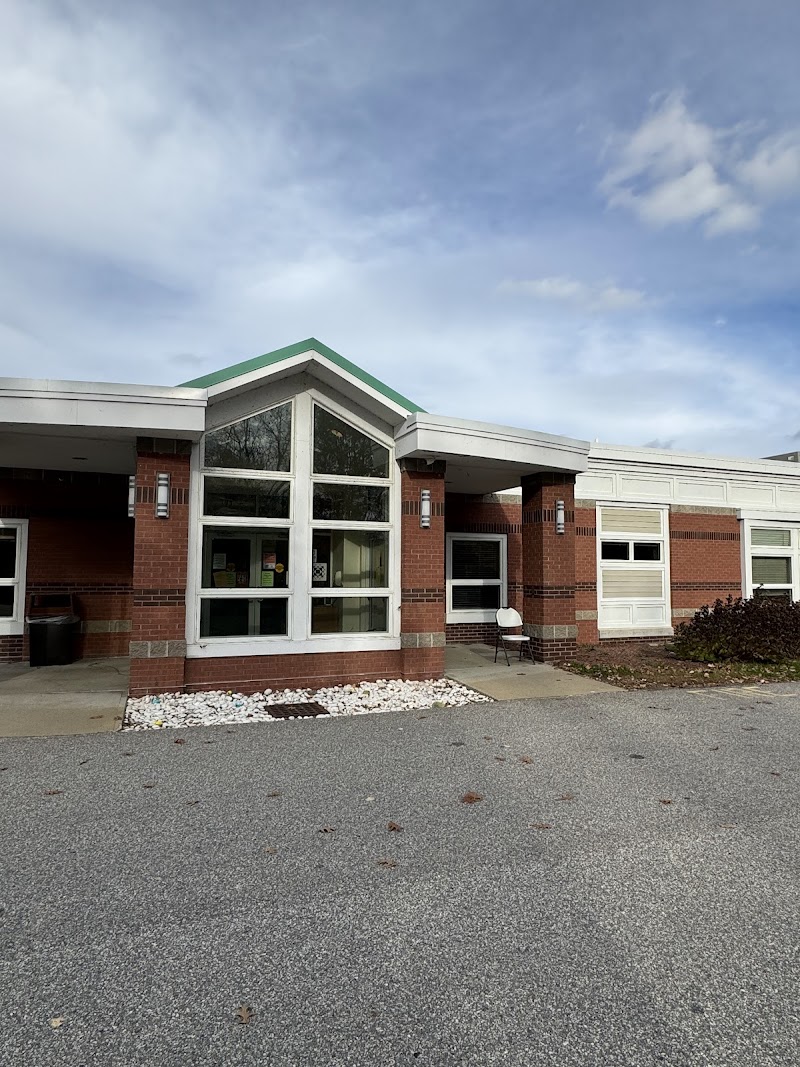
Who Owns and Operates Laconia Rehabilitation Center?

LACONIA REHABILITATION CENTER is owned by a for-profit company. For-profit facilities operate as businesses with obligations to shareholders or private owners. The facility is operated by GENESIS HEALTHCARE, a chain that manages multiple nursing homes. With 120 certified beds and approximately 108 residents (about 90% occupancy), it is a mid-sized facility located in LACONIA, New Hampshire.
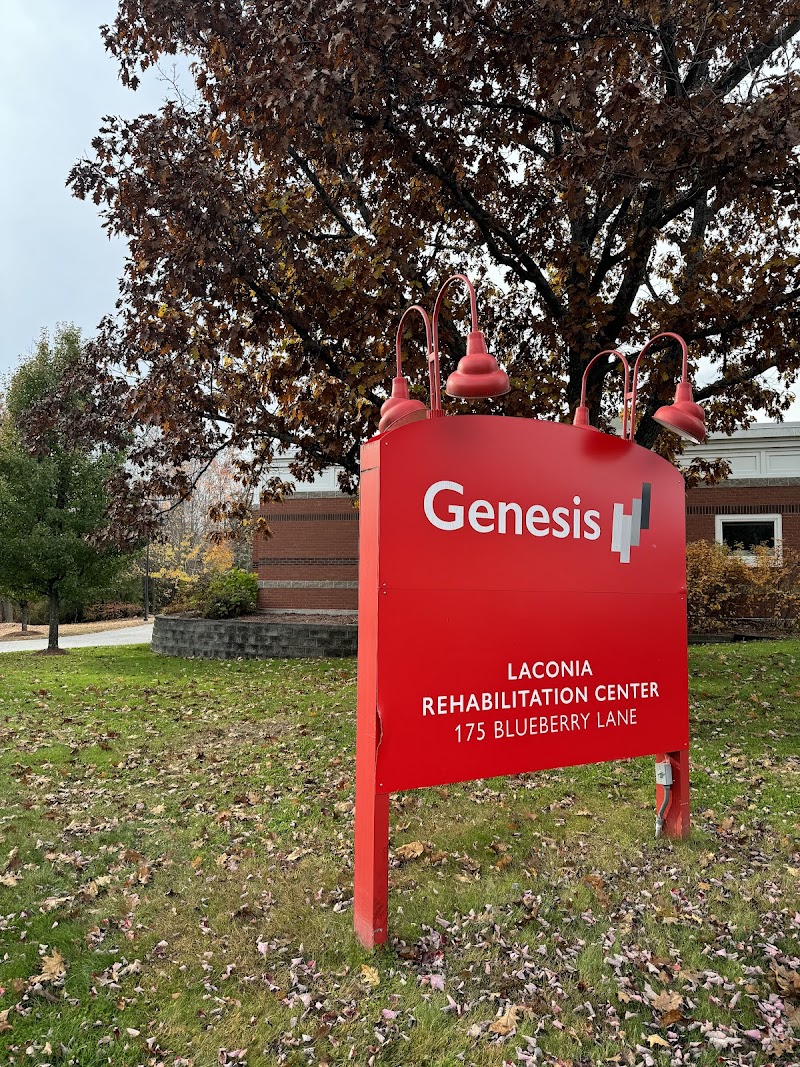
How Does Laconia Rehabilitation Center Compare to Other New Hampshire Nursing Homes?

Compared to the 100 nursing homes in New Hampshire, LACONIA REHABILITATION CENTER's overall rating (3 stars) is below the state average of 3.0, staff turnover (24%) is significantly lower than the state average of 46%, and health inspection rating (2 stars) is below the national benchmark.

What Should Families Ask When Visiting Laconia Rehabilitation Center?

Based on this facility's data, families visiting should ask: "Can I visit during a mealtime to observe dining assistance and food quality?" "How do you handle medical emergencies, and what is your hospital transfer rate?" "Can I speak with family members of current residents about their experience?"

Is Laconia Rehabilitation Center Safe?

Based on CMS inspection data, LACONIA REHABILITATION CENTER has a clean safety record: no substantiated abuse findings (meaning no confirmed cases of resident harm), no Immediate Jeopardy citations (the most serious violation level indicating risk of serious injury or death), and is not on the Special Focus Facility watch list (a federal program monitoring the lowest-performing 1% of nursing homes). The facility has a 3-star overall rating and ranks #100 of 100 nursing homes in New Hampshire. While no facility is perfect, families should still ask about staff-to-resident ratios and recent inspection results during their visit.

Do Nurses at Laconia Rehabilitation Center Stick Around?

Staff at LACONIA REHABILITATION CENTER tend to stick around. With a turnover rate of 24%, the facility is 22 percentage points below the New Hampshire average of 46%. Low turnover is a positive sign. It means caregivers have time to learn each resident's needs, medications, and personal preferences. Consistent staff also notice subtle changes in a resident's condition more quickly.

Was Laconia Rehabilitation Center Ever Fined?

LACONIA REHABILITATION CENTER has been fined $7,901 across 1 penalty action. This is below the New Hampshire average of $33,158. While any fine indicates a compliance issue, fines under $50,000 are relatively common and typically reflect isolated problems that were subsequently corrected. Families should ask what specific issues led to these fines and confirm they've been resolved.

Is Laconia Rehabilitation Center on Any Federal Watch List?

LACONIA REHABILITATION CENTER is not on any federal watch list. The most significant is the Special Focus Facility (SFF) program, which identifies the bottom 1% of nursing homes nationally based on persistent, serious quality problems. Not being on this list means the facility has avoided the pattern of deficiencies that triggers enhanced federal oversight. This is a positive indicator, though families should still review the facility's inspection history directly.