MOUNTAIN VIEW COMMUNITY
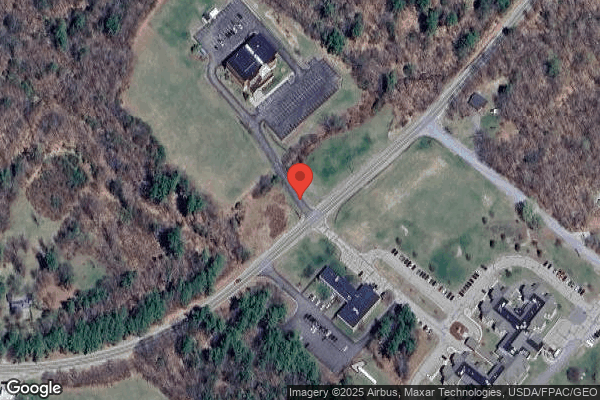
93 WATER VILLAGE ROAD, OSSIPEE, NH 03864 (603) 539-7511
Government - County 103 Beds Independent Data: November 2025 1 Immediate Jeopardy citation
Trust Grade
43/100
#42 of 73 in NH
Last Inspection: September 2024

Within standard 12-15 month inspection cycle. Federal law requires annual inspections.

Overview

Mountain View Community in Ossipee, New Hampshire, has a Trust Grade of D, indicating below-average care with some concerns. They rank #42 out of 73 facilities in the state, placing them in the bottom half, and #2 out of 3 in Carroll County, meaning only one local option is better. The facility is improving, going from 4 issues in 2023 to just 1 in 2024. Staffing is a relative strength with a rating of 4 out of 5 stars, but the turnover rate of 54% is average for the area. However, the $101,192 in fines is concerning, as it is higher than 94% of facilities in New Hampshire, suggesting potential compliance issues. Additionally, the facility has less RN coverage than 97% of state facilities, which may impact the quality of care. Recent incidents include a staff member returning to work after testing positive for COVID-19, which increased infection risk, and failures in medication administration protocols that could compromise resident safety. Overall, while there are strengths in staffing and some improvements, there are significant concerns regarding compliance and health risks.

Trust Score
D
43/100
In New Hampshire
#42/73
Bottom 43%
Safety Record
High Risk
Review needed
Inspections
Getting Better
4 → 1 violations
Staff Stability
⚠ Watch
54% turnover. Above average. Higher turnover means staff may not know residents' routines.
Penalties
⚠ Watch
$101,192 in fines. Higher than 77% of New Hampshire facilities, suggesting repeated compliance issues.
Skilled Nurses
○ Average
Each resident gets 31 minutes of Registered Nurse (RN) attention daily — about average for New Hampshire. RNs are the most trained staff who monitor for health changes.
Violations
○ Average
9 deficiencies on record. Average for a facility this size. Mostly minor or procedural issues.
★★★☆☆
3.0
Overall Rating
★★★★☆
4.0
Staff Levels
★★★★☆
4.0
Care Quality
★★★☆☆
3.0
Inspection Score
Stable
2023: 4 issues
2024: 1 issues

The Good

  • 4-Star Staffing Rating · Above-average nurse staffing levels
  • 4-Star Quality Measures · Strong clinical quality outcomes
  • Full Sprinkler Coverage · Fire safety systems throughout facility
  • No fines on record

Facility shows strength in staffing levels, quality measures, fire safety.

The Bad

3-Star Overall Rating

Near New Hampshire average (3.0)

Meets federal standards, typical of most facilities

Staff Turnover: 54%

Near New Hampshire avg (46%)

Higher turnover may affect care consistency

Federal Fines: $101,192

Well above median ($33,413)

Significant penalties indicating serious issues

The Ugly 9 deficiencies on record

1 life-threatening
Sept 2024 1 deficiency
CONCERN (D)

Potential for Harm - no one hurt, but risky conditions existed

Medication Errors (Tag F0758)

Could have caused harm · This affected 1 resident

Based on interview and record review, it was determined that the facility failed to ensure residents receiving antipsychotic medications had appropriately identified behaviors for the continued use of...

Read full inspector narrative →
Based on interview and record review, it was determined that the facility failed to ensure residents receiving antipsychotic medications had appropriately identified behaviors for the continued use of antipsychotic medications for 2 of 5 residents reviewed for unnecessary medications in a final survey sample of 20 residents. (Resident identifiers are #61 and #86). Findings include: Review on 9/12/24 of the facility's policy titled, Medication - Psychoactive, last revised 1/31/20, revealed: .1. The attending physician or consulting psychiatrist will do a comprehensive assessment of a resident according to OBRA requirements for dose reduction. Residents who use psychotropic drugs receive gradual dose reductions and behavioral interventions, unless contraindicated, in an effort to discontinue these drugs. A progress note documenting the decision with supporting rationale shall be written by the physician. 2. Residents who have not used psychotropic drugs are not given these drugs unless the medication is necessary to treat a specific condition as diagnosed and documented in the clinical record .6. The medication administration nurse/ LN [Licensed Nurse] will be responsible for documenting frequency of targeted behaviors and side effects of antipsychotic, hypnotic and anxiolytics medications, on the psychoactive flow record . Review on 9/12/24 of the facility's policy titled, Behavior Monitoring, initiated 8/8/18, revealed: .It is the policy to provide the necessary behavioral health care and services to attain or maintain the highest practicable physical, mental and psycho-social well being. Behaviors monitoring and documentation will be appropriate to allow the healthcare provider the ability to target acceptable behaviors and provide the necessary behavioral health care and services. Procedure: 1. Behavior Monitoring Flowsheets/notes are completed for all residents presenting behaviors. Documentation is to be completed by a Licensed Nurse. All other staff should report behaviors immediately to the Licensed Nurse . Resident #86 Review on 9/12/24 of Resident #86's physician orders revealed the following order: Seroquel Oral Tablet (Quetiapine Fumarate) Give 12.5 mg [milligram] by mouth at bedtime for psychosis, with a start date of 2/8/24. Further review on 9/12/24 of Resident #86's medical record revealed there were no identified target behaviors or psychotic symptoms monitored to support the use of an antipsychotic medication. Resident #86 was not receiving psychiatric services. Resident #86 did not have a care plan for behavior monitoring or any non pharmological interventions. Interview on 9/12/24 at approximately 11:30 a.m. with Staff A (Nurse Practitioner) and Staff B (Director of Nursing) confirmed the above findings. Resident #61 Observation on 9/10/24 at approximately 9:30 a.m. of Resident #61 revealed them to be in bed with eyes closed, not responding to verbal stimuli and with bilateral hand contractures. Review on 9/10/24 of Resident #61's physician orders revealed an order for Abilify 2mg once a day for unspecified psychosis that was started on 12/6/21. Review on 9/11/24 of Resident #61's medical record revealed the last documented behavior was on 8/22/22. Further review of Resident #61's medical record revealed that there was no care plans for behavior monitoring or any non pharmological interventions. Review on 9/11/24 of Resident #61's Psychiatry notes for January and April 2024 revealed no active behaviors. Further review of Resident #61's psychiatry notes revealed a note dated 4/15/24 that stated Gradual Dose Reduction (GDR) clinically contraindicated for one year as decrease in these medications can worsen patient's clinical condition. Interview on 9/12/24 at approximately 9:00 a.m. with Staff C (Licensed Practical Nurse) revealed Resident #61 was on end of life care, was unable to stand and was dependant on staff for all activities of daily living. Staff C stated they were unaware of any current or recent behaviors for Resident #61. Interview on 9/12/24 at approximately 9:21 a.m. with Staff B confirmed the last known or documented behavior for Resident #61 was 8/22/22.
Aug 2023 2 deficiencies
CONCERN (D)

Potential for Harm - no one hurt, but risky conditions existed

Deficiency F0658 (Tag F0658)

Could have caused harm · This affected 1 resident

**NOTE- TERMS IN BRACKETS HAVE BEEN EDITED TO PROTECT CONFIDENTIALITY** Based on observation, interview, and record review, it was determined that the facility failed to follow professional standards ...

Read full inspector narrative →
**NOTE- TERMS IN BRACKETS HAVE BEEN EDITED TO PROTECT CONFIDENTIALITY** Based on observation, interview, and record review, it was determined that the facility failed to follow professional standards and manufacturer's instructions for administering medications for 1 out of 28 medication administrations observed (Resident Identifier is #5). Findings include: Standard: [NAME], [NAME] A., and [NAME]. Fundamentals of Nursing. 10th edition St. Louis, Missouri: Elsevier, 2021. Page 614 .It is essential to verify the accuracy of every medication you give to your patients with the patient's order. If the medication order is incomplete, incorrect, or inappropriate, or if there is a discrepancy between the original order and the information on the MAR [Medication Administration Record]. consult with the health care provider. Do not give a medication until you are certain that you can follow the seven rights of medication administration . Page 672 .seven rights of medication administration include right medication, right dose, right patient, right route, right time, right documentation and right indication . Observation on 8/23/23 at 9:05 a.m. with Staff A (Medication Nursing Assistant) during medication administration for Resident #5 revealed that Staff A mixed 1 tablespoon of Metamucil 28.3 percent (%) with water in a 7-ounce plastic cup then administered to Resident #5. Review on 8/23/23 of Resident #5's August 2023 Electronic Medication Administration Record revealed a current order for Metamucil powder 28.3% give 1 tablespoon by mouth two times a day for constipation with a start date of 3/3/23. Further review of the order revealed that there were no instructions of how many ounces to use when mixing the Metamucil powder. Review on 8/23/23 of the Metamucil manufacturer's instruction revealed to mix one rounded teaspoon of product with 8 ounces of fluid. Interview on 8/23/23 at 9:14 a.m. with Staff A confirmed the above findings. Staff A stated that he/she would mix the Metamucil powder with water. Staff A does not know how much water to mix with the Metamucil powder.
CONCERN (D)

Potential for Harm - no one hurt, but risky conditions existed

Medication Errors (Tag F0758)

Could have caused harm · This affected 1 resident

Based on interview and record review, it was determined that the facility failed to ensure that residents' as needed (PRN) orders for an anti-psychotic drug were limited to 14 days and were not renewe...

Read full inspector narrative →
Based on interview and record review, it was determined that the facility failed to ensure that residents' as needed (PRN) orders for an anti-psychotic drug were limited to 14 days and were not renewed unless the attending physician or prescribing practitioner evaluated the resident for appropriateness of that medication for 1 of 6 residents reviewed for unnecessary medications (Resident identifier is #10). Findings include: Review on 8/24/23 of Resident #10's written physician's order, dated 8/2/23, revealed an order to resume Risperdal (anti-psychotic) 0.5 milligram (mg) by mouth two times a day as needed for hallucinations with an order date of 8/2/23 and start date of 8/3/23. Further review of the PRN Risperdal 0.5 mg order revealed no duration date of 14 days. Review on 8/24/23 of Resident #10's medical record revealed no documentation that the attending physician or prescribing practitioner evaluated Resident #10 for appropriateness of the Risperdal medication 14 days after the start date (8/3/23), which was 8/17/23. Review on 8/24/23 of Resident #10's August 2023 Electronic Medication Administration Record (EMAR) revealed a physician order for Risperdal 0.5 mg by mouth two times a day PRN with a start date of 8/3/23 and no duration date of 14 days. Further review revealed that Resident #10 received one dose of the PRN Risperdal 0.5 mg on 8/24/23. Interview on 8/24/23 at 1:00 p.m. with Staff D (Director of Nursing) confirmed the above findings. Review on 8/24/23 of the facility's policy titled, Medication- Psychoactive, revision date of 1/31/20, revealed .PRN orders for anti-psychotic drugs are limited to 14 days and cannot be renewed unless the attending physician or prescribing practitioner evaluates the resident for appropriateness of that medication .
Apr 2023 2 deficiencies 1 IJ
CRITICAL (J) 📢 Someone Reported This

A family member, employee, or ombudsman was alarmed enough to file a formal complaint

Immediate Jeopardy (IJ) - the most serious Medicare violation

Infection Control (Tag F0880)

Someone could have died · This affected 1 resident

Based on interview and record review, it was determined that the facility failed to follow the return to work guidelines for health care personnel who were positive for COVID-19 illness from working i...

Read full inspector narrative →
Based on interview and record review, it was determined that the facility failed to follow the return to work guidelines for health care personnel who were positive for COVID-19 illness from working in the facility. 1 of 13 staff reviewed for COVID-19 infection returned to work the day after they tested positive for COVID-19. 12 of 13 staff reviewed for COVID-19 infection returned to work on day 4 or later. This failure increased the likelihood of exposure to pathogens for the facility's census of 87 residents, staff, and visitors (Staff identifiers are A, M, N, O, P, W, Q, R, S, G, T, U, and V). Findings include: Review on 4/10/23 of the facility COVID-19 line list of positive staff and the March 2023 and April 2023 nursing schedules revealed the following: Staff A (Registered Nurse (RN)) tested positive for COVID-19 on 3/14/23 and returned to work on 3/20/23 (Day 6); Staff M (RN) tested positive for COVID-19 on 3/17/23 and returned to work on 3/24/23 (Day 7); Staff N (Licensed Nursing Assistant (LNA)) tested positive for COVID-19 on 3/28/23 and returned to work on 4/2/23 (Day 5); Staff O (LNA) tested positive for COVID-19 on 3/28/23 and returned to work on 4/4/23 (Day 7); Staff P (LNA) tested positive for COVID-19 on 3/28/23 and returned to work on 4/5/23 (Day 8); Staff W (Activities Aide) tested positive for COVID-19 on 3/28/23 and returned to work on 4/3/23 (Day 6); Staff Q (Licensed Practical Nurse (LPN)) tested positive for COVID-19 on 3/29/23 and returned to work on 4/5/23 (Day 7); Staff R (Medication Nursing Assistant (MNA)) tested positive for COVID-19 on 3/29/23 and returned to work on 4/4/23 (Day 6); Staff S (LPN) tested positive for COVID-19 on 3/29/23 and returned to work on 4/4/23 (Day 6); Staff G (LNA) tested positive for COVID-19 on 3/30/23 and returned to work on 4/5/23 (Day 6); Staff T (LNA) tested positive for COVID-19 on 3/30/23 and returned to work on 3/31/23 (Day 1); Staff U (LNA) tested positive for COVID-19 on 4/1/23 and returned to work on 4/5/23 (Day 4); Staff V (LNA/Activities Aide) tested positive for COVID-19 on 4/1/23 and returned to work on 4/6/23 (Day 5). Interview on 4/7/23 at approximately 10:00 a.m. with Staff A (RN) revealed that he/she had COVID-19 on 3/12/23 and had returned to work on 3/20/23. Staff A also revealed that he/she tested negative either on 4/3/23 or 4/5/23. Interview on 4/7/23 at approximately 12:30 p.m. with Staff B (Infection Preventionist) confirmed that Staff A returned to work on Day 6 after they tested positive for COVID-19. Staff B stated the facility was using contingency staffing guidance at that time. Staff B stated they were following the return to work criteria for contingency staffing during the recent COVID-19 outbreak due to staff being out sick. Interview on 4/10/23 at approximately 11:30 a.m. with Staff B confirmed that Staff T tested positive for COVID-19 on 3/30/23 and was working on the 11 p.m. to 7 a.m. shift performing direct resident care on 3/31/23, 4/1/23, 4/2/23, 4/3/23, 4/5/23, 4/6/23 and 4/7/23. Staff B stated that at the time the facility was following the crisis staffing guidelines. Interview on 4/10/23 at approximately 1:30 p.m. with Staff X (Administrator) revealed that the process for changing to contingency or crisis staffing is done between the Infection Preventionist, Director of Nursing and the Administrator. Staff X stated that they were aware that Staff T was positive for COVID-19 and working while positive as they were informed that they had no other options due to low staffing and no one to replace Staff T. Staff X stated that if the facility cannot cover an open shift and staffing is needed they would utilize the MDS [Minimum Data Set] Nurse, Infection Preventionist and then the Director of Nursing to cover the shift as a last resort. Further interview with Staff X confirmed that no nurse managers were scheduled for the 6 days above that Staff T worked while COVID-19 positive and confirmed that 5 of those days they had more than minimal staffing to allow for Staff T to have the time off. Interview on 4/10/23 via phone call at approximately 2:30 p.m. with Staff Y (Director of Nursing) revealed that he/she did not realize that Staff T worked all 5 days after testing positive for COVID-19. Staff Y also revealed that the process for changing to contingency or crisis staffing is done by the Infection Preventionist, but should be completed by all of the management team. Review on 4/10/23 of the Centers for Disease Control (CDC) Interim Guidance for Managing Healthcare Personnel with SARS-CoV-2 [Severe acute respiratory syndrome coronavirus 2] Infection or Exposed to SARS-CoV-2, updated September 23, 2022, revealed, . Return to Work Criteria for HCP [Health Care Personnel] with SARS-CoV-2 Infection. The following are criteria to determine when HCP with SARS-CoV-2 infection could return to work and are influenced by severity of symptoms and presence of immunocompromising conditions. After returning to work, HCP should self-monitor for symptoms and seek re-evaluation from occupational health if symptoms recur or worsen. If symptoms recur (e.g. [for example], rebound) these HCP should be restricted from work and follow recommended practices to prevent transmission to others (e.g., use of well-fitting source control) until they again meet the healthcare criteria below to return to work unless an alternative diagnosis is identified. HCP with mild to moderate illness who are not moderately to severely immunocompromised could return to work after the following criteria have been met: At least 7 days have passed since symptoms first appeared if a negative viral test* is obtained within 48 hours prior to returning to work (or 10 days if testing is not performed or if a positive test at day 5-7), and at least 24 hours have passed since last fever without the use of fever-reducing medications, and symptoms (e.g., cough, shortness of breath) have improved. *Either a NAAT [Nucleic Acid Amplification Test] (molecular) or antigen test may be used. If using an antigen test, HCP should have a negative test obtained on day 5 and again 48 hours later . Review on 4/10/23 of the CDC Strategies to Mitigate Healthcare Personnel Staffing Shortages, updated September 23, 2022, . Key Points . CDC's mitigation strategies offer a continuum of options for addressing staffing shortages. Contingency strategies followed by crisis strategies are provide to augment conventional strategies and are meant to be considered and implemented sequentially (i.e.[that is], implementing conventional strategies followed by contingency strategies followed by crisis strategies. Introduction . CDC's mitigation strategies offer a continuum of options for addressing staffing shortages. Contingency, followed by crisis capacity strategies, augment conventional strategies and are meant to be considered and implemented sequentially (i.e., implementing contingency strategies before crisis strategies) . Allowing HCP with SARS-CoV-2 infection to return to work before meeting the conventional criteria could result in healthcare-associated SARS-CoV-2 transmission. Healthcare facilities (in collaboration with risk management) should inform patients and HCP when the facility is utilizing these strategies, specify the changes in practice that should be expected, and describe the actions that will be taken to protect patients and HCP from exposure to SARS-CoV-2 if HCP with suspected or confirmed SARS-CoV-2 infection are requested to work to fulfill staffing needs. As part of conventional strategies, it is recommended that healthcare facilities: Ensure any COVID-19 vaccine requirements for HCP are followed, and where none are applicable, encourage HCP to remain up to date with all recommended COVID-19 vaccine doses. Understand their normal staffing needs and the minimum number of staff needed to provide a safe work environment and safe patient care under normal circumstances. Understand the local epistemology of COVID-19-related indicators (e.g., community transmission levels). Communicate with local healthcare coalitions and federal, state, and local public health partners (e.g., public health emergency preparedness and response staff) to identify additional HCP (e.g., hiring additional HCP, recruiting retired HCP, using students or volunteers), when needed . When staffing shortages are anticipated, healthcare facilities and employers, in collaboration with human resources and occupational health services, should use contingency capacity strategies to plan and prepare for mitigating this problem. These include: Adjusting staff schedules, hiring additional HCP, and rotating HCP to positions that support patient care activities. Cancel all non-essential procedures and visits. Shift HCP who work in these areas to support other patient care activities in the facility. Facilities will need to ensure these HCP have received appropriate orientation and training to work in these areas that are new to them. Attempt to address social factors that might prevent HCP from reporting to work, such as need for transportation or housing that allows for physical distancing, particularly if HCP live with individuals with underlying medical conditions or older adults. Consider that these social factors disproportionately affect persons from some racial and ethnic groups, who are also disproportionally affected by COVID-19 (e.g., African Americans, Hispanics and Latinos, and American Indians and Alaska Natives). Identify additional HCP to work in the facility. Be aware of state-specific emergency waivers or changes to licensure requirements or renewals for select categories of HCP. As appropriate, request that HCP postpone elective time off from work. However, there should be consideration for the mental health benefits of time off and that care-taking responsibilities may differ substantially among staff. Developing regional plans to identify designated healthcare facilities or alternate care sites with adequate staffing to care for patients with SARS-CoV-2 infection. Allowing HCP with SARS-CoV-2 infection who are well enough and willing to work to return to work as follows: HCP with mild to moderate illness who are not moderately to severely immunocompromised: At least 5 days have passed since symptoms first appeared (day 0), and at least 24 hours have passed since last fever without the use of fever-reducing medications, and symptoms (e.g., cough, shortness of breath) have improved. Healthcare facilities may choose to confirm resolution of infection with a negative nucleic acid amplification test (NAAT) or a series of 2 negative antigen tests taken 48 hours apart*. HCP who were asymptomatic throughout their infection and are not moderately to severely immunocompromised: At least 5 days have passed since the date of their first positive viral test (day 0) . Review on 4/10/23 of the facility's policy titled A Staffing in Emergencies updated 4/15/22, revealed . Most of our staff work 8 hr [hour] shifts. If we got in to an emergency situation, we could switch to 12 hour shifts 3 days on and 3 days off .With administrators approval incentive can be offered for staff to work extra .There may be times when we need to use discretion and weigh the benefits and risks of a staff member entering the building and performing their department tasks. Departments with staff shortages: If a department has 50% [percent] of their staff out because of illness related to the pandemic we will use the contingency category for work restrictions from the CDC .
MINOR (B) 📢 Someone Reported This

A family member, employee, or ombudsman was alarmed enough to file a formal complaint

Minor Issue - procedural, no safety impact

Deficiency F0885 (Tag F0885)

Minor procedural issue · This affected multiple residents

**NOTE- TERMS IN BRACKETS HAVE BEEN EDITED TO PROTECT CONFIDENTIALITY** Based on interview and record review, it was determined that the facility failed to notify resident representatives and families...

Read full inspector narrative →
**NOTE- TERMS IN BRACKETS HAVE BEEN EDITED TO PROTECT CONFIDENTIALITY** Based on interview and record review, it was determined that the facility failed to notify resident representatives and families of those residing in the facility by 5:00 p.m. the next calendar day following the occurrence of a single confirmed COVID-19 infection for 8 out of 14 days reviewed from 3/14/23 to 4/5/23 when there were newly identified positive COVID-19 cases. Findings include: Review on 3/7/23 of the facility's COVID-19 line list revealed that the facility had positive COVID-19 rapid test results on the following dates: 3/14/23 (1 staff); 3/17/23 (1 staff); 3/20/23 (1 staff); 3/25/23 (1 resident residing on Mount [NAME]); 3/27/23 (1 resident residing on Mount [NAME]); 3/28/23 (6 staff); 3/29/23 (4 staff, 4 residents residing on Mount [NAME] North); 3/30/23 (1 staff); 3/31/23 (3 staff, 1 resident Mount [NAME]); 4/1/23 (2 staff); 4/2/23 (1 staff, 1 resident residing on Mount [NAME]); 4/3/23 (1 staff); 4/4/23 (2 staff); 4/5/23 (1 resident residing on Mount [NAME]). Interview on 4/7/23 at approximately 10:00 a.m. with Staff B (Infection Preventionist) revealed that the facility uses social media updates, emails, and phone calls to notify individuals that do not have access to the social media or email and that if a call is made it is noted in the resident chart. Review on 4/7/23 of all social media posts and emails provided by the facility that were utilized to notify residents representatives and families revealed the following: Social media updates were done on 3/27/23, 3/28/23, 3/29/23, 3/31/23, 4/3/23, and 4/5/23 and only discussed residents that were identified as positive; Email notifications were done on 3/27/23, 3/28/23, 3/29/23, 3/31/23, 4/3/23 and 4/6/23. Review on 4/7/23 of March 2023 and April 1-7, 2023 progress notes revealed: -Resident #1 residing on Mount [NAME], Durable Power of Attorney for Healthcare (DPOA-HC) (not activated), no documentation of notifications; -Resident #2 residing on Mount [NAME], DPOA-HC activated, documented notification on 3/27/23; -Resident #3 residing on [NAME] Mountain, DPOA-HC not activated, no documentation of notifications; -Resident #4 residing on [NAME] Mountain, DPOA-HC activated, no documentation of notifications; -Resident #5 residing on Mount [NAME], with a Guardian, documentation of notification on 4/3/23 and 4/6/23; -Resident #6 residing on Mount [NAME], DPOA-HC not activated, no documentation of notifications; -Resident #7 residing on Mount Chocurua, DPOA-HC not activated, no documentation of notifications; -Resident #8 residing on Mount Chocurua, DPOA-HC not activated, no documentation of notifications. Interview on 4/7/23 at approximately 2:30 p.m. with Staff B confirmed the above information and that the facility did not notify residents, representatives and families throughout the facility of all resident and staff COVID-19 positives identified. Staff B stated that the facility was only notifying the resident and/or representatives for only the residents that resided on the unit where a positive COVID-19 resident was identified.
Sept 2022 4 deficiencies
CONCERN (D)

Potential for Harm - no one hurt, but risky conditions existed

Report Alleged Abuse (Tag F0609)

Could have caused harm · This affected 1 resident

Resident #49 Interview on 9/07/22 at 10:37 a.m. with Resident #49 (BIMS 15/15) revealed that Resident #49 was reporting that there was a staff member that was not being nice to he/she. Resident #49 de...

Read full inspector narrative →
Resident #49 Interview on 9/07/22 at 10:37 a.m. with Resident #49 (BIMS 15/15) revealed that Resident #49 was reporting that there was a staff member that was not being nice to he/she. Resident #49 described the staff member as witchy-poo and that they do swear but not at him/her. Resident #49 has not reported this to any staff member and would not elaborate on details regarding them not being nice. Interview on 9/7/22 at 11:30 a.m. with Staff A (Administrator) Staff A was not aware of any complaints or issues with Resident #49 but would look into it. Record review on 9/07/22 at 12:30 p.m. of Resident #49's medical record revealed a documented note from Staff F (Social Services) on 09/07/22 with Resident #49 regarding the above concerns. Resident #49's note indicated that he/she does not need anyone's help with it and can handle this on her own and that the staff member was rude to her on more than one occasion. Interview on 9/9/22 at 11:00 a.m. with Staff A revealed that the above investigation was not completed and a copy was not available. Review on 9/9/22 of facility policy titled Freedom from Abuse, Neglect, and Exploitation, revised on 10/20/20, revealed .All staff will immediately report any suspected abuse to their supervisor of charge nurse. This includes, but is not limited to, resident injuries or other symptoms of abuse/neglect, report from resident or witness of verbal, sexual, physical abuse, involuntary seclusion, mental/emotional abuse, neglect and misappropriation of property . Review on 9/9/22 of the facility policy titled Freedom from Abuse, Neglect and Exploitation revised on 10/20/20 revealed .At the Administrators's direction, a three member investigative team shall interview the resident (if able), witnesses and alleged perpetrator. All findings will be accurately documented and given to the ADM (administrator) , DON (director of nurses), or designee. This report will be filed with the Administrator and confidentially stored. Reporting: 1. The Administrator, DON, or designee must report allegations of abuse to the resident's representative and Ombudsman immediately with in 2 hours if there is and injury and 24 hours without injury. The facility's complete investigation must be forwarded to the NH Long Term Ombudsman's with in 72 hours of the alleged incident Based on interview and record review, it was determined that the facility failed to ensure that suspected violations of allegations of abuse were reported to the State Survey Agency within 24 hours for 2 of 7 residents reviewed for abuse in a final sample of 24 residents. (Resident identifiers are #38 and #49.) Findings include: Resident #38 Review on 9/8/22 at approximately 9:30 a.m. of Resident #38's medical record revealed a nursing note dated 7/10/22 which documented that Resident #38 reached out to remove a peer's arm from the armrest of a chair; when peer stated Don't you touch me, you can get in trouble for touching another resident at which time Resident #38 put up both fists in a threatening manner. Review on 9/8/22 at approximately 10:00 a.m. of Resident #38's medical record revealed a nursing note dated 7/21/22 which documented that Resident #38 yelled at a peer in the dining room after breakfast You better stop yelling or they will come over and slap you in the face. Staff intervened and Resident #38 yelled out at another peer get out of here, get out of here while waving fist. Interview on 9/8/22 with Staff E (Director of Nursing) revealed that Staff E did not consider Resident #38's altercations on 7/10/22 and 7/21/22 reportable, and did not require investigation. Interview on 9/8/22 with Staff A (Administrator/Abuse Coordinator) confirmed that Resident #38's altercations on 7/10/22 and 7/21/22 had not been reported or investigated.
CONCERN (D)

Potential for Harm - no one hurt, but risky conditions existed

Investigate Abuse (Tag F0610)

Could have caused harm · This affected 1 resident

Based on interview and record review it was determined that the facility failed to ensure that suspected violations of allegations involving abuse were thoroughly investigated to ensure that the resid...

Read full inspector narrative →
Based on interview and record review it was determined that the facility failed to ensure that suspected violations of allegations involving abuse were thoroughly investigated to ensure that the residents were free from abuse and neglect for 2 of 7 residents reviewed for alleged abuse and neglect in a final sample of 24 residents. (Resident identifiers are # 38 and #49.) Findings include: Resident #38 Review on 9/8/22 at approximately 9:30 a.m. of Resident #38's medical record revealed a nursing note dated 7/10/22 which documents that Resident #38 reached out to remove a peer's arm from the armrest of a chair; when peer stated Don't you touch me, you can get in trouble for touching another resident at which time Resident #38 put up both fists in a threatening manner. Review on 9/8/22 at approximately 10:00 a.m. of Resident #38's medical record revealed a nursing note dated 7/21/22 which documents that Resident #38 yelled at a peer in the dining room after breakfast You better stop yelling or they will come over and slap you in the face. Staff intervened and Resident #38 yelled out at another peer get out of here, get out of here while waving fist. Interview on 9/8/22 with Staff G (Unit Manager) on [NAME] Mountain Unit revealed that resident to resident altercations are only reportable to the Ombudsman and the State if it is physical abuse. Interview on 9/8/22 with Staff E (Director of Nursing) revealed that Staff E did not consider Resident #38's altercations on 7/10/22 and 7/21/22 reportable, and did not require investigation. Interview on 9/8/22 with Staff A (Administrator/Abuse Coordinator) confirmed that Resident #38's altercations on 7/10/22 and 7/21/22 had not been reported or investigated. Review on 9/9/22 of facility policy titled Freedom from Abuse, Neglect, and Exploitation, revised on 10/20/20, revealed the following .3. An immediate inquiry must be made by the staff member in charge. All staff assigned to the unit, or location in the area where the alleged incident occurred, must complete a written statement as to their knowledge of the incident .4. Findings of the initial inquiry are to be reported to the Administrator, DON, or designees immediacy .6. At the Administrator's direction, a three member investigative team shall interview the resident (if able), witnesses and alleged perpetrator. All finds will be accurately documented and given to the ADM [Administrator], DON, or designee . Resident #49 Findings include: Interview on 9/07/22 at 10:37 a.m. with Resident #49 (BIMS 15/15) revealed that the resident was reporting that there was a staff member that was not very nice. Resident #49 described the staff member as witchy-poo and that they do swear but not at him/her. Resident #49 declined to give anymore information and had not reported this information to anyone else. Resident #49 would not elaborate on the details around the word nice. Interview on 9/7/22 at 11:30 a.m. with Staff A (Administrator) was informed of Resident #49s comments Staff A was not aware of any complaints or issues with Resident #49 but would look into it. Record review on 9/07/22 at 12:30 p.m. of Resident #49's medical record revealed a documented note from Staff F (Social Services) on 09/07/22 with Resident #49 regarding the above concerns. Resident #49's note indicated that he/she does not need anyone's help with it and can handle this on his/her own and that the staff member was rude to her on more than one occasion. No further notes or elaboration on the word rude were documented. Interview on 9/9/22 at 11:00 a.m. with Staff A regarding the above investigation, Staff A was unable to provide evidence of an investigation.
CONCERN (D)

Potential for Harm - no one hurt, but risky conditions existed

Deficiency F0658 (Tag F0658)

Could have caused harm · This affected 1 resident

**NOTE- TERMS IN BRACKETS HAVE BEEN EDITED TO PROTECT CONFIDENTIALITY** Based on interview and record review, it was determined that the facility failed to adhere to physician ordered medication param...

Read full inspector narrative →
**NOTE- TERMS IN BRACKETS HAVE BEEN EDITED TO PROTECT CONFIDENTIALITY** Based on interview and record review, it was determined that the facility failed to adhere to physician ordered medication parameters for 1of 1 resident reviewed for parameters in a final sample of 24 Residents. (Resident identifier is #5.) Findings include: Standards: [NAME], [NAME] A., and [NAME]. Fundamentals of Nursing. 7th ed. St. Louis, Missouri: Mosby Elsevier, 2009. Page 336- Physicians' Orders The physician is responsible for directing medical treatment. Nurses follow physician's orders unless they believe the orders are in error or harm clients. Therefore you need to assess all orders, and if you find one to be erroneous or harmful, further clarification from the physician is necessary . Review on 9/8/22 at approximately 11:50 a.m. of Resident #5's physician orders revealed an order for Metoprolol Tartrate Tablet 25 MG Give 0.5 tablet by mouth one time a day. Hold for systolic blood pressure < [less than] 90 heart rate < 55 related to Essential (Primary) Hypertension. Start date 6/12/22. Review on 9/8/22 of Resident #5's MAR (Medication Administration Record) for June, July, August, and September revealed that Resident #5's blood pressure was documented on the MAR prior to administrating medication, however there was no documentation of Resident #5's heart rate being taken at the time the medication was administered at 8:00 p.m. for all dates in June, July, August, and September. Interview on 9/8/22 with Staff E (Director of Nursing) revealed that Resident #5's heart rate is taken on day shift and documented in the EMR (electronic medical record) in the section labeled Weights and Vitals Summary and not documented on the MAR with the blood pressure prior to administering medication. Staff E also confirmed that Resident #5's heart rate is taken on the day shift, several hours prior to the medication being administered at 8:00 p.m.
MINOR (B)

Minor Issue - procedural, no safety impact

Grievances (Tag F0585)

Minor procedural issue · This affected multiple residents

Based on interview and record review, it was determined that the facility failed to maintain a grievance log for a period of no less than 3 years. Findings include: Interview on 9/8/22 at approximatel...

Read full inspector narrative →
Based on interview and record review, it was determined that the facility failed to maintain a grievance log for a period of no less than 3 years. Findings include: Interview on 9/8/22 at approximately 9:11 a.m. with Staff A (Administrator) revealed that grievances are addressed at the time the grievance is reported to the facility. Staff A confirmed that there was no documented grievance log to track and/or trend complaints/grievances investigated by the facility for a period of no less than 3 years.
Understanding Severity Codes (click to expand)
Life-Threatening (Immediate Jeopardy)
J - Isolated K - Pattern L - Widespread
Actual Harm
G - Isolated H - Pattern I - Widespread
Potential for Harm
D - Isolated E - Pattern F - Widespread
No Harm (Minor)
A - Isolated B - Pattern C - Widespread

Questions to Ask on Your Visit

  • "What changes have you made since the serious inspection findings?"
  • "Can I speak with families of current residents?"
  • "What's your RN coverage like on weekends and overnight?"

Our Honest Assessment

Strengths
  • • Licensed and certified facility. Meets minimum state requirements.
Concerns
  • • Multiple safety concerns identified: 1 life-threatening violation(s), $101,192 in fines. Review inspection reports carefully.
  • • 9 deficiencies on record, including 1 critical (life-threatening) violation. These warrant careful review before choosing this facility.
  • • $101,192 in fines. Extremely high, among the most fined facilities in New Hampshire. Major compliance failures.
  • • Grade D (43/100). Below average facility with significant concerns.
Bottom line: Trust Score of 43/100 indicates significant concerns. Thoroughly evaluate alternatives.

About This Facility

What is Mountain View Community's CMS Rating?

CMS assigns MOUNTAIN VIEW COMMUNITY an overall rating of 3 out of 5 stars, which is considered average nationally. Within New Hampshire, this rating places the facility higher than 0% of the state's 100 nursing homes. This mid-range rating indicates the facility meets federal standards but may have areas for improvement.
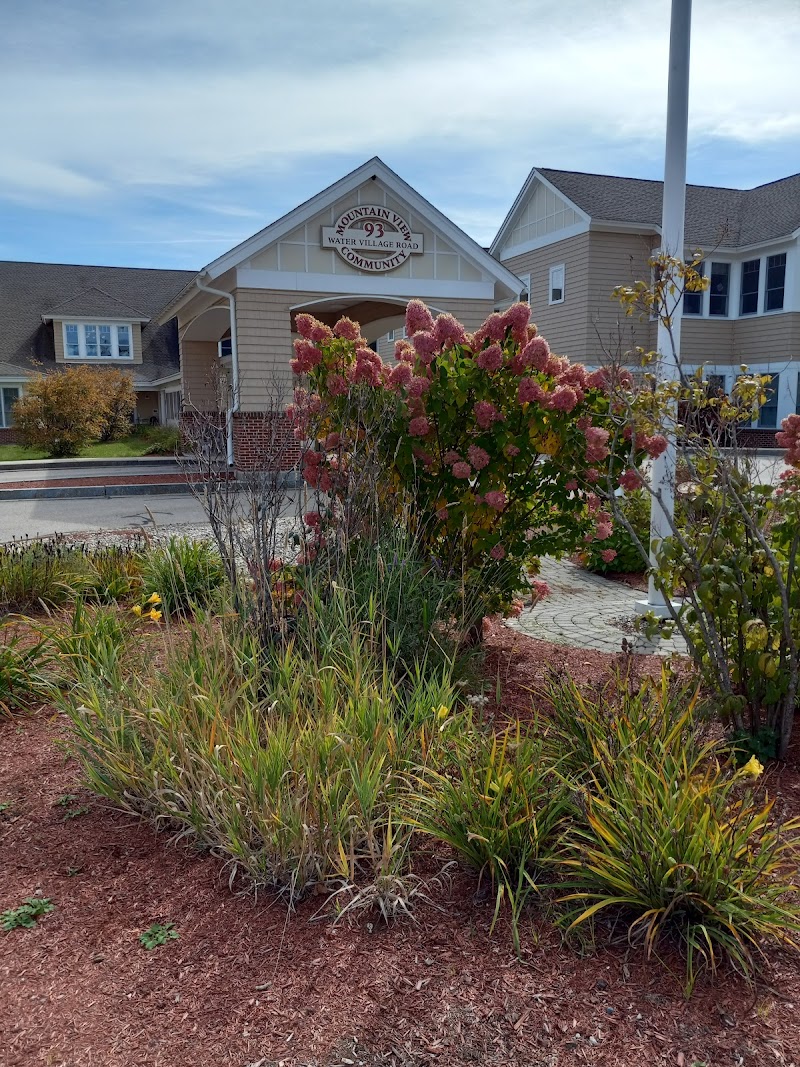
How is Mountain View Community Staffed?

CMS rates MOUNTAIN VIEW COMMUNITY's staffing level at 4 out of 5 stars, which is above average compared to other nursing homes. Staff turnover is 54%, compared to the New Hampshire average of 46%.

What Have Inspectors Found at Mountain View Community?

State health inspectors documented 9 deficiencies at MOUNTAIN VIEW COMMUNITY during 2022 to 2024. These included: 1 Immediate Jeopardy (the most serious level, indicating potential for serious harm or death), 6 with potential for harm, and 2 minor or isolated issues. Immediate Jeopardy findings are rare and represent the most serious regulatory concerns. They require immediate corrective action.
Who Owns and Operates Mountain View Community?

MOUNTAIN VIEW COMMUNITY is owned by a government entity. Government-operated facilities are typically run by state, county, or municipal agencies. The facility operates independently rather than as part of a larger chain. With 103 certified beds and approximately 97 residents (about 94% occupancy), it is a mid-sized facility located in OSSIPEE, New Hampshire.

How Does Mountain View Community Compare to Other New Hampshire Nursing Homes?

Compared to the 100 nursing homes in New Hampshire, MOUNTAIN VIEW COMMUNITY's overall rating (3 stars) is below the state average of 3.0, staff turnover (54%) is near the state average of 46%, and health inspection rating (3 stars) is at the national benchmark.

What Should Families Ask When Visiting Mountain View Community?

Based on this facility's data, families visiting should ask: "What changes have been made since the serious inspection findings, and how are you preventing similar issues?" "Can I visit during a mealtime to observe dining assistance and food quality?" "How do you handle medical emergencies, and what is your hospital transfer rate?" "Can I speak with family members of current residents about their experience?" These questions are particularly relevant given the facility's Immediate Jeopardy citations.

Is Mountain View Community Safe?

Based on CMS inspection data, MOUNTAIN VIEW COMMUNITY has documented safety concerns. Inspectors have issued 1 Immediate Jeopardy citation (the most serious violation level indicating risk of serious injury or death). The facility has a 3-star overall rating and ranks #100 of 100 nursing homes in New Hampshire. Families considering this facility should ask detailed questions about what corrective actions have been taken since these incidents.

Do Nurses at Mountain View Community Stick Around?

MOUNTAIN VIEW COMMUNITY has a staff turnover rate of 54%, which is 8 percentage points above the New Hampshire average of 46%. Moderate turnover is common in nursing homes, but families should still ask about staff tenure and how the facility maintains care continuity when employees leave.

Was Mountain View Community Ever Fined?

MOUNTAIN VIEW COMMUNITY has been fined $101,192 across 1 penalty action. This is 3.0x the New Hampshire average of $34,091. Fines at this level are uncommon and typically indicate a pattern of serious deficiencies, repeated violations, or failure to correct problems promptly. CMS reserves penalties of this magnitude for facilities that pose significant, documented risk to resident health or safety. Families should request specific documentation of what issues led to these fines and what systemic changes have been implemented.

Is Mountain View Community on Any Federal Watch List?

MOUNTAIN VIEW COMMUNITY is not on any federal watch list. The most significant is the Special Focus Facility (SFF) program, which identifies the bottom 1% of nursing homes nationally based on persistent, serious quality problems. Not being on this list means the facility has avoided the pattern of deficiencies that triggers enhanced federal oversight. This is a positive indicator, though families should still review the facility's inspection history directly.