EDGEWOOD CENTRE (THE)
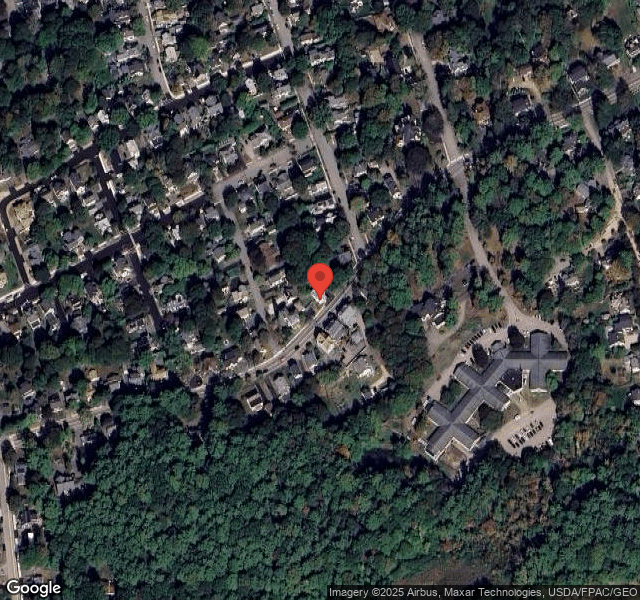
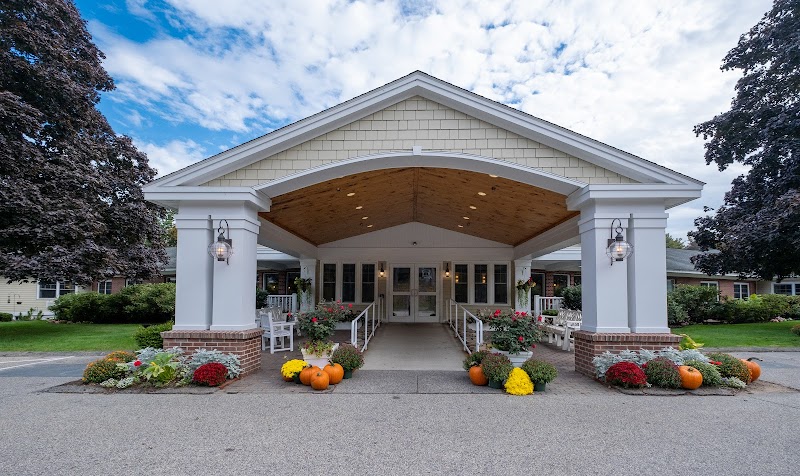
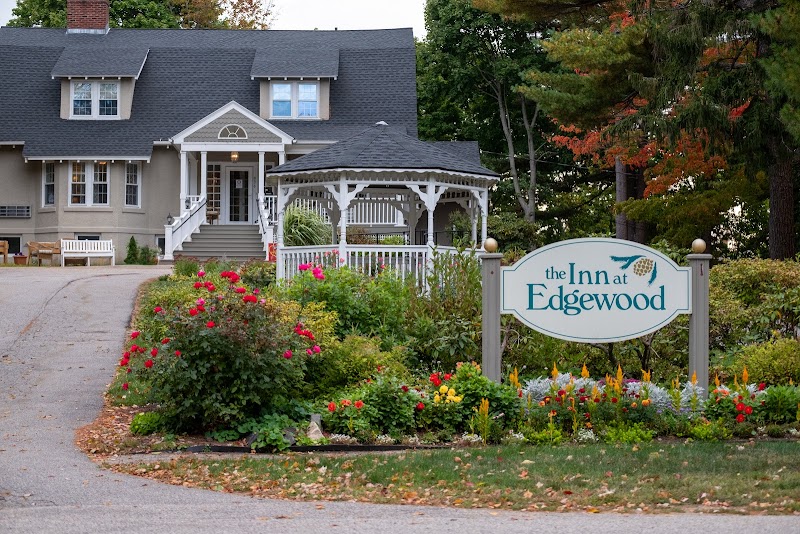
928 SOUTH STREET, PORTSMOUTH, NH 03801 (603) 436-0099
For profit - Corporation 156 Beds Independent Data: November 2025
Trust Grade
65/100
#32 of 73 in NH
Last Inspection: June 2025

Inspected within the last 6 months. Data reflects current conditions.

Overview

Edgewood Centre in Portsmouth, New Hampshire has a Trust Grade of C+, which means it is considered decent and slightly above average among nursing homes. It ranks #32 out of 73 facilities in the state, placing it in the top half, and #6 out of 12 in Rockingham County, indicating only one local option is better. The facility's performance is improving, with issues decreasing from 9 in 2024 to 3 in 2025. Staffing is average, with a turnover rate of 47%, which is slightly below the New Hampshire average, suggesting that staff generally stay long enough to build relationships with residents. While there have been no fines, which is a positive sign, some concerns were identified during inspections, including improper medication storage and disposal practices, which could lead to safety risks. For example, medications were not properly secured or labeled, and there were issues ensuring residents received necessary rehabilitation services. Overall, while there are strengths like a lack of fines and an improving trend, families should be aware of these specific weaknesses when considering Edgewood Centre.

Trust Score
C+
65/100
In New Hampshire
#32/73
Top 43%
Safety Record
Low Risk
No red flags
Inspections
Getting Better
9 → 3 violations
Staff Stability
⚠ Watch
47% turnover. Above average. Higher turnover means staff may not know residents' routines.
Penalties
✓ Good
No fines on record. Clean compliance history, better than most New Hampshire facilities.
Skilled Nurses
✓ Good
Each resident gets 43 minutes of Registered Nurse (RN) attention daily — more than average for New Hampshire. RNs are trained to catch health problems early.
Violations
⚠ Watch
14 deficiencies on record. Higher than average. Multiple issues found across inspections.
★★★☆☆
3.0
Overall Rating
★★★☆☆
3.0
Staff Levels
★★★★☆
4.0
Care Quality
★★★☆☆
3.0
Inspection Score
Stable
2024: 9 issues
2025: 3 issues

The Good

  • 4-Star Quality Measures · Strong clinical quality outcomes
  • Full Sprinkler Coverage · Fire safety systems throughout facility
  • No fines on record

Facility shows strength in quality measures, fire safety.

The Bad

3-Star Overall Rating

Near New Hampshire average (3.0)

Meets federal standards, typical of most facilities

Staff Turnover: 47%

Near New Hampshire avg (46%)

Higher turnover may affect care consistency

The Ugly 14 deficiencies on record

Jun 2025 3 deficiencies
CONCERN (D)

Potential for Harm - no one hurt, but risky conditions existed

Deficiency F0578 (Tag F0578)

Could have caused harm · This affected 1 resident

Based on interview and record review, it was determined that the facility failed to determine if a resident's request for rehabilitation services was necessary or appropriate for 1 of 1 resident revie...

Read full inspector narrative →
Based on interview and record review, it was determined that the facility failed to determine if a resident's request for rehabilitation services was necessary or appropriate for 1 of 1 resident reviewed for Specialized Rehabilitative or Restorative Services in a final sample of 28 residents (Resident identifier is #57). Findings include: Interview on 6/3/25 at approximately 9:30 a.m. with Resident #57's Durable Power of Attorney revealed that he/she had requested Physical Therapy (PT) services because of right shoulder pain. Review on 6/3/25 of Resident #57's Social/Psychosocial note, dated 4/9/25, revealed a meeting was held with the resident, a family member of the resident, the facility administrator, a nurse manager and social services. The note contained the following: [names of family and resident omitted] would like to have a PT eval [evaluation] for [name omitted]'s shoulder, which is causing [pronoun admitted ] a great deal of pain. Interview on 6/5/25 at approximately 8:45 a.m. with Staff C (Rehabilitation Manager) revealed that he/she was not aware of the DPOA's request for a PT evaluation for Resident #57's shoulder pain. Interview on 6/5/25 at approximately 8:50 a.m. with Staff B (Unit Manager), who attended the family meeting on 4/9/25, revealed that he/she did not put in a referral for a PT evaluation for Resident #57. Specialized Rehabilitative or Restorative Services
CONCERN (D)

Potential for Harm - no one hurt, but risky conditions existed

Medical Records (Tag F0842)

Could have caused harm · This affected 1 resident

Based on interview and record review, it was determined that the facility failed to ensure that the resident's medical records were complete and accurate for 3 of 28 residents in a final sample of 28 ...

Read full inspector narrative →
Based on interview and record review, it was determined that the facility failed to ensure that the resident's medical records were complete and accurate for 3 of 28 residents in a final sample of 28 residents. (Resident identifier are #44, #46, and #68.) Findings include: Resident #46 Review on 6/3/25 of Resident #46's May and June 2025 Medication Administration Record (MAR) revealed the following physician's orders: Enteral Feed Order two times a day for nutrition, . Nocturnal feeding of Glucerna 1.5 at 60 ml (milliliters)/hr (hour) x 12 hours (up at 6:30 p.m., down at 6:30 a.m., start date 2/26/25 and D/C date 5/22/25 Enteral Feed: Glucerna 1.5 at 50 ml/hr continuous. Up at 6:00 a.m., down at 6:00 p.m. Total volume to be administered daily: 873 mls., . start date 5/30/25. Further review of Resident #46's MAR revealed there was no ml recorded on the following dates: May 2, 6, 7, 8, 12, 14, 15, 18, 20, and 21 June 1, 2, and 3 Interview on 6/4/25 at approximately 11:30 a.m. with Staff A (Assistant Director of Nursing/Infection Preventionist) confirmed the above findings. Resident #44 Review on 6/3/25 of Resident #44's medical record revealed a nursing note dated 4/12/25, . resident returned to the unit via stretcher .report from [name omitted] hospital Imaging noted T12 &L5 compression fracture . Further review revealed that there was no note in the medical record to indicate the reason or time Resident #44's transfer to the hospital. Interview on 6/4/25 at approximately 12:30 p.m. with Staff B (Unit Manager) confirmed the above. Staff B further revealed that Resident #44 had an unwitnessed fall on 4/11/25 and that there was no status post fall nursing assessment documented in Resident #44's medical record. Resident #68 Review on 6/3/25 of Resident #68's medial record revealed a nursing note dated 3/17/25, . Previous shift reports Res. [resident] fell onto floor mat with no injury noted . Further review revealed that there was no status post fall nursing assessment documented in Resident #68's medical record. Review on 6/3/25 of Resident #68's medical record revealed a Physician Telehealth note dated 3/27/25 at 3:51 a.m. Chief complaint : fall without injury. History Present illness: Patient sustained a fall, [pronoun omitted] did hit [pronoun omitted] head but no injury. Further review of Resident #68's medical record revealed that there was no status post fall nursing assessment documented in Resident #68's medical record. Interview on 6/5/25 at approximately 10:30 a.m. with Staff D (Director of Nursing) confirmed the lack of a status post fall nursing assessment in Resident #68's medical record.
CONCERN (D)

Potential for Harm - no one hurt, but risky conditions existed

Deficiency F0887 (Tag F0887)

Could have caused harm · This affected 1 resident

Based on interview and record review, it was determined that the facility failed to ensure that residents are offered the COVID-19 and are educated regarding the benefits and risks and potential side ...

Read full inspector narrative →
Based on interview and record review, it was determined that the facility failed to ensure that residents are offered the COVID-19 and are educated regarding the benefits and risks and potential side effects associated with the COVID-19 vaccine for 2 of 5 residents reviewed for immunizations (Resident Identifiers are #46 and #124). Findings include: Review on 6/4/25 of the current CDC immunization guidelines retrieved from https://www.cdc.gov/covid/vaccines/stay-up-to-date.html revealed People ages 65 years and older .are up to date when you have received: 2 doses of any 2024-2025 COVID-19 vaccine 6 months apart. Resident #46 Review on 6/4/25 of Resident #46's vaccination records revealed Resident #46 received the 2024-2025 Moderna COVID-19 on 11/18/24. There was no documentation of Resident #46 being offered or educated about the next dose recommendations. Resident #124 Review on 6/4/25 of Resident #124's vaccination records revealed the 2024-2025 Moderna COVID-19 vaccine was administered on 10/5/2024. There was no documentation of Resident #46 being offered or educated about the next dose recommendations. Interview on 6/4/25 at approximately 1:10 p.m. with Staff A (Assistant Director of Nursing/Infection Preventionist)confirmed that Residents #46 had been eligible for the next dose in May 2025 and Resident #124 had been eligible for the next dose in April 2025. Review on 6/4/25 of facility policy titled TOPIC: Immunization of Resident policy with a revision date of 3/2025 revealed .PROCEDURE .B .administer .COVID-19 as per CDC [Centers for Disease Control and Prevention] recommendations.
Mar 2024 9 deficiencies
CONCERN (D)

Potential for Harm - no one hurt, but risky conditions existed

PASARR Coordination (Tag F0644)

Could have caused harm · This affected 1 resident

Based on interview and record review it was determined that the facility failed to make a Level II Pre-admission Screening and Resident Review (PASARR) referral for a resident with a newly evident men...

Read full inspector narrative →
Based on interview and record review it was determined that the facility failed to make a Level II Pre-admission Screening and Resident Review (PASARR) referral for a resident with a newly evident mental disorder for 1 of 3 residents reviewed for PASARR in a final survey sample of 27 residents (Resident Identifier is #26). Findings include: Review on 3/13/24 of Resident #26's medical record revealed that resident was admitted to the facility on 11/2023 without having a diagnosis of a serious mental illness. Review on 3/13/24 of Resident #26's Level I PASARR form (completed on 11/22/23) revealed: Section 2: Screening for Mental Illness (MI), No was checked. Section 3: Screening for Intellectual Disability/Developmental Disability (ID/DD), No was checked. Section 4: Screening for Related Condition (RC), No was checked. Section 5: Undiagnosed Condition, No was checked. Review on 3/13/24 of Resident #26's Psychiatric Evaluation and Consultation dated 12/6/23 revealed a new diagnosis of Post-Traumatic Stress Disorder (PTSD) and that Resident #26 was started on a new medication for tremors/anxiety/PTSD. Interview on 3/13/24 at 1:35 p.m. with Staff R (Director of Social Services) confirmed the above findings. Interview further revealed that the facility should have submitted a new Level 1 PASARR indicating a diagnosis of PTSD and anxiety. Review on 3/13/24 of facility policy titled PASRR, dated 8/22, revealed .7. If a resident currently at Edgewood received a newly acquired diagnosis of MI/MD per MDS nurse, a new Level 1 PASRR form will be submitted to OMS for determination .
CONCERN (D)

Potential for Harm - no one hurt, but risky conditions existed

Deficiency F0645 (Tag F0645)

Could have caused harm · This affected 1 resident

Based on record review and interview, it was determined that the facility failed to ensure that a Preadmission Screening and Resident Review (PASARR) screening was done for 1 of 3 residents reviewed f...

Read full inspector narrative →
Based on record review and interview, it was determined that the facility failed to ensure that a Preadmission Screening and Resident Review (PASARR) screening was done for 1 of 3 residents reviewed for PASARR in a final sample of 27 residents (Resident Identifier is #111). Findings include: Review on 3/13/24 of Resident #111's medical record revealed that Resident #111 was admitted to the facility on 2/2024 with a known diagnosis of bipolar disorder. Review of Resident #111s initial PASARR dated 2/15/24 revealed that in Section II titled PASRR Level I Screening for Mental Illness (MI) was answered NO to indicate that Resident #111 did not have a diagnosis of severe mental illness. Therefore, the facility failed to refer the resident to the appropriate state-designated authority for evaluation and determination. Interview on 3/13/24 at 1:35 p.m. with Staff R (Director of Social Services) confirmed that Resident #111 had a diagnosis of bipolar disorder upon admission and the facility did not refer the resident to the appropriate state-designated authority for evaluation and determination. Review on 3/13/24 of facility policy titled PASRR, dated 8/22, revealed .1. The Edgewood Admissions Laison [sic] reviews potential admission for a diagnosis or for probability of MI/ID. For confirmed or probable MI/ID, The Admissions Laison [sic] or representative will provide Level 1 for to the Office of Medical Services (OMS) .
CONCERN (D)

Potential for Harm - no one hurt, but risky conditions existed

Deficiency F0725 (Tag F0725)

Could have caused harm · This affected 1 resident

Based on observation, interview, and policy review, it was determined that the facility failed to ensure adequate staffing to provide assistance with breakfast on 1 of 3 units observed (South Unit). F...

Read full inspector narrative →
Based on observation, interview, and policy review, it was determined that the facility failed to ensure adequate staffing to provide assistance with breakfast on 1 of 3 units observed (South Unit). Findings include: Interview on 3/12/24 at approximately 9:20 a.m. with Staff K (Licensed Nursing Assistant (LNA)) revealed that the breakfast meal arrives to the unit at approximately 8:15 a.m. Staff K revealed that there are 14 residents on the unit that require total assistance with meals and other residents require cues at meals. Further interview revealed that there are usually 4 LNA's on the unit to assist residents with breakfast. Observation on 3/12/24 at approximately 9:20 a.m. during breakfast dining on the unit revealed 7 resident meal trays remained on the meal truck and had not been given to the residents. Interview on 3/12/24 at approximately 9:35 a.m. with Staff M (LNA) revealed that there are not enough staff on the South Unit to assist all the residents that require assistance with breakfast timely and it was not uncommon for residents to be receiving breakfast after 10:00 a.m. Staff M confirmed that lunch starts around 12:00 p.m. on the South Unit. Observation on 3/12/24 at approximately 10:00 a.m. to 10:30 a.m. revealed 3 residents on the Sunroom Porch being assisted with breakfast. Interview on 3/12/24 at approximately 12:00 p.m. with Staff D (Medication Nursing Assistant) revealed that staff on the South Unit are unable to assist residents with breakfast timely and perform Activities of Daily Living (ADLs) at the same time. Observation on 3/13/24 at approximately 8:15 a.m. revealed that the 1st meal truck arrived on the South Unit. At approximately 8:38 a.m. the 2nd meal truck arrived on South Unit. Further observation of the South Unit revealed that there were approximately 24 residents that remained in bed at this time. At approximately 8:50 a.m. 3 resident meal trays remained on the 1st meal truck and 8 trays remained untouched from the 2nd meal truck. At approximately 8:50 a.m. a utility cart arrived to the South Unit with 5 additional trays. At 9:15 a.m., 7 trays remained untouched in the meal truck. Interview on 3/13/24 at approximately 9:30 a.m. with Staff N (LNA) revealed that it is not uncommon for residents to be served breakfast after 10:00 a.m. Review on 3/14/24 of the facility policy titled, Timely Meal Service Policy, undated revealed: .Meals will be delivered promptly with supervision as needed by nursing staff Review on 3/14/24 of the facility policy titled, Dining Experience Policy, undated revealed: .14.a. Individuals will be assisted promptly and in a timely manner after the meal arrives .
CONCERN (D)

Potential for Harm - no one hurt, but risky conditions existed

Pharmacy Services (Tag F0755)

Could have caused harm · This affected 1 resident

**NOTE- TERMS IN BRACKETS HAVE BEEN EDITED TO PROTECT CONFIDENTIALITY** Based on record review, interview, and policy review, it was determined that the facility failed to establish a system of record...

Read full inspector narrative →
**NOTE- TERMS IN BRACKETS HAVE BEEN EDITED TO PROTECT CONFIDENTIALITY** Based on record review, interview, and policy review, it was determined that the facility failed to establish a system of records of receipt and disposition of controlled drugs in sufficient detail to enable an accurate reconciliation; and determine that drug records were in order and that an account of all controlled drugs was maintained for 2 of 2 narcotic books reviewed. Findings Include: East Unit Medication Cart Observation on 3/12/24 at approximately 9:30 a.m. of the East Unit Narcotic/Controlled Substance Log - Shift Count revealed missing staff signatures for the following dates: 1/8/24 (day nurse coming on duty), 1/24/24 (night nurse coming on duty), 1/28/24 (day nurse coming on duty & night nurse coming off duty), 2/14/24 (night nurse going off duty), 2/27/24 (night nurse coming on duty), 2/28/24 (night nurse going off duty), 3/3/24 (night nurse going off duty), 3/7/24 (night nurse going off duty), and 3/12/24 (night nurse coming on duty). Interview on 3/12/24 at approximately 9:30 a.m. with Staff P (Licensed Practical Nurse) confirmed the above findings. West Unit Medication Cart Observation on 3/12/24 at approximately 12:30 p.m. of the [NAME] Unit Narcotic/Controlled Substance Log - Shift Count revealed missing staff signatures for the following dates: 1/13/24 (day nurse coming on duty), 1/14/24 (day nurse coming on duty), 2/11/24 (night nurse going off duty), 3/1/24 (day nurse coming on duty & night nurse going off duty), and 3/9/24 (night nurse coming on duty). Interview on 3/12/24 at approximately 9:30 a.m. with Staff Q (LPN) confirmed the finding. Review on 3/14/24 of the facility policy titled, Change of Shift Counts Policy, dated 07/23, revealed: Purpose - To maintain compliance with regulations, prevent the diversion of drugs, prevent medication errors and maintain accountability .2. Licensed staff are responsible for completing the following information .d. Nurse Coming On Duty .e. Nurse Going Off Duty. Review on 3/14/24 of Standard in [NAME] A. [NAME] and [NAME] Fundamentals of Nursing 7th edition page 688 revealed: .Medication Regulation and Nursing Practice .The nurse is responsible for following legal provisions when administering controlled substances or narcotics which are carefully controlled through federal and state guidelines
CONCERN (D)

Potential for Harm - no one hurt, but risky conditions existed

Deficiency F0757 (Tag F0757)

Could have caused harm · This affected 1 resident

Based on interview and record review, it was determined that the facility failed to ensure that residents on antipsychotic medications were monitored for side effects for 2 of 5 residents reviewed for...

Read full inspector narrative →
Based on interview and record review, it was determined that the facility failed to ensure that residents on antipsychotic medications were monitored for side effects for 2 of 5 residents reviewed for unnecessary medications in a final sample of 27 residents (Resident Identifiers are #12 and #42). Findings include: Resident #12 Review on 3/13/24 of Resident #12's March 2024's Medication Administration Record (MAR) revealed the following physician's order: Seroquel Oral Tablet 25 mg [milligrams] [Quetiapine Fumarate] Give 12.5 mg by mouth two times a day for Major Depressive Disorder delusional/agitation, Start Date 9/21/23. Review on 3/14/24 of Resident #12's Abnormal Involuntary Movement Scale (AIMS) revealed that the last one completed with Resident #12 was dated 8/21/23. Interview on 3/14/24 at approximately 10:45 a.m. with Staff C (Assistant Director of Nursing) revealed that the AIMS test should be completed every 6 months when residents are on antipsychotic medications. Further interview revealed that the facility does not have a policy for when AIMS testing should be done. Resident #42 Review on 3/13/24 at approximately 7:00 a.m. of Resident #42's medical record revealed an order for Abilify (Antipsychotic) 5 mg with an order date of 9/13/23. Further review of Resident #42's medical record revealed an AIMS test on 3/26/23. Interview on 3/14/24 at approximately 12:50 p.m. with Staff E (Director of Nursing) confirmed the finding. Review on 3/14/24 of the National Institute of Health AIMS Screening for Tardive Dyskinesthia (https://www.ncbi.nlm.nih.gov/pmc/articles/PMC10292174/), dated 5/2023 revealed: The Abnormal Involuntary Movement Scale (AIMS) is used not only to detect tardive dyskinesia but also to follow the severity of a patient's TD over time. It is a valuable tool for clinicians who are monitoring the effects of long-term treatment with neuroleptic medications and for researchers studying the effects of these drugs. The AIMS is administered every three to six months to monitor the patient for the development of TD.
CONCERN (D)

Potential for Harm - no one hurt, but risky conditions existed

Infection Control (Tag F0880)

Could have caused harm · This affected 1 resident

Based on observation, interview, and record review, the facility failed to adhere to facility established infection prevention procedures for 1 of 4 residents reviewed with catheters and for transmiss...

Read full inspector narrative →
Based on observation, interview, and record review, the facility failed to adhere to facility established infection prevention procedures for 1 of 4 residents reviewed with catheters and for transmission based precautions for 2 of 6 residents reviewed for infection control in a final sample of 27 residents (Resident Identifiers are #75, #172, and #174). Findings include:Resident #174 Record review on 3/12/24 of Resident #174's medical record revealed the resident had a Foley catheter. Observation on 3/12/24 at 12:38 p.m. of Resident #174 revealed them in their room seated in a chair with an uncovered catheter bag and tubing resting on the floor. Observation on 3/13/24 at approximately 12:30 p.m. revealed Resident #174 in their room seated in a chair with an uncovered catheter bag hanging from the heating unit. Interview on 3/13/24 at approximately 12:35 p.m. with Staff S (Licensed Practical Nurse) confirmed the finding. Review on 3/18/24 of the facility policy titled, Emptying Foley Catheter Drainage Bag, revealed: Never allow the drainage tube to touch the floor .Bacteria can very easily travel back up the tubing into the bladder. Resident #172 Record review on 3/12/24 of Resident #172's medical record revealed a diagnosis of clostridioides difficile. Observation on 3/13/24 at approximately 9:30 a.m. revealed Staff T (Licensed Nurse Assistant (LNA)) exited Resident #172's room with a hoyer lift and proceed to the clean the lifts handles with EcoLab 6000261 disinfectant wipes. Interview 3/13/24 at approximately 9:30 a.m. with Staff T revealed the hoyer lift was used for multiple residents and that EcoLab 6000261 disinfectant wipes were the product used to clean the hoyer lift. Review on 3/13/24 of the EcoLab 6000261 bottle and EcoLab Disinfectant Wipe Product Specification Document revealed the product does not kill clostridioides difficile, thus posing a cross-contamination risk to other residents. Interview on 3/13/24 at 11:50 a.m. with Staff E (Director of Nursing) confirmed the finding. Review on 3/18/24 of the facility policy titled, Clostridium Difficile, revealed: Equipment must be thoroughly disinfected prior to use elsewhere.Resident #75 Review on 3/12/24 of Resident #75's March 2024's Medication Administration Record (MAR) revealed the following physician's order: Linezolid Oral Tablet 600 mg [milligrams], Give 600 mg by mouth two times a day for UTI [Urinary Tract Infection] VRE [Vancomycin-resistant enterococci] for 7 days, Start Date 3/11/24. Observation on 3/12/24 at approximately 1:15 p.m. of Resident #75's room revealed that Resident #75 was not on Transmission Based Precautions (TBP) for VRE. Interview on 3/12/24 at approximately 1:25 p.m. with Staff A (LNA) confirmed that Resident #75 was not on TBP and he/she did not know why Resident #75 would be on precautions. Interview on 3/12/24 at approximately 1:30 p.m. with Staff B (Nurse Practitioner) revealed that Resident #75 should be on TBP while being treated for VRE. Interview on 3/12/24 at approximately 1:35 p.m. with Staff C (Infection Preventionist) revealed that Resident #75 should be on TBP while being treated for VRE. Review on 3/13/24 of the facility policy titled, VRE Infection/Colonization, undated revealed: Procedure: .C. Extended Precautions: refers to the transmission-based precautions (i.e., contact, droplet, airborne) that are used in addition to Standard Precautions to prevent the transmission of VRE when the rout of transmission cannot be totally controlled by the use of Standard Precautions 1.b Use of gowns and gloves by healthcare workers and visitors for interactions that involve contact with affected areas
CONCERN (D)

Potential for Harm - no one hurt, but risky conditions existed

Deficiency F0883 (Tag F0883)

Could have caused harm · This affected 1 resident

**NOTE- TERMS IN BRACKETS HAVE BEEN EDITED TO PROTECT CONFIDENTIALITY** Based on interview and record review it was determined that the facility failed to ensure a resident was offered and/or provided...

Read full inspector narrative →
**NOTE- TERMS IN BRACKETS HAVE BEEN EDITED TO PROTECT CONFIDENTIALITY** Based on interview and record review it was determined that the facility failed to ensure a resident was offered and/or provided education on the risks and benefits of the Pneumococcal or Influenza vaccination for 2 of 5 residents reviewed for vaccinations (Resident identifiers are #29 and #107). Findings include: Resident #29 Review on 3/13/24 of Resident #29's medical record revealed that Resident #29 was admitted to the facility on [DATE]. Further review revealed that Resident #29 had not received an influenza vaccination and had received Pneumovax 23 prior to admission. Interview on 3/14/24 at approximately 11 a.m. with Staff C (Infection Preventionist) revealed that Resident #29 had not been offered or educated on the risks/benefits of the Influenza vaccine or any other additional pneumonia vaccines. Resident #107 Review on 3/13/24 of Resident #107's medical record revealed that Resident #107 was admitted to the facility on [DATE]. Further review revealed that Resident #107 had not received a pneumonia vaccine. Interview on 3/14/24 at approximately 11 a.m. with Staff C revealed that Resident #107 had not been offered or educated on the risks/benefits of additional pneumonia vaccines. Review on 3/14/24 of facility policy titled Immunization Of The Residents, revealed .all new residents must be assessed for pneumococcal, influenza, and COVID-19 vaccine status .B. Permission must be obtained from the resident (or representative) to administer pnuemococcal vaccine (one time), influenza vaccine annually in the fall .F .Because long term care residents are prone to developing serious complications when they contract the flu and COVID-19, all residents must receive a flu and COVID-19 vaccines unless otherwise ordered by the physician or the resident refuses. Review on 3/14/24 of the CDC's Pneumococcal Vaccine Timing for Adults revealed PPSV23 only at any age; Option A > 1 year PCV 20 or option B >1 year PCV 15.
CONCERN (E)

Potential for Harm - no one hurt, but risky conditions existed

Deficiency F0761 (Tag F0761)

Could have caused harm · This affected multiple residents

Based on observation, interview, and record review, it was determined that the facility failed to ensure controlled medications were stored in a separately locked, permanently affixed storage compartm...

Read full inspector narrative →
Based on observation, interview, and record review, it was determined that the facility failed to ensure controlled medications were stored in a separately locked, permanently affixed storage compartment in 2 of 2 medication rooms observed, and that the facility failed to ensure that medications were appropriately disposed of in 2 of 3 medication administrations observed. Findings include: Observation on 3/12/24 of [NAME] 1 cart at approximately 8:15 a.m. revealed Staff I (Registered Nurse) dropped one capsule of Colace (Bowel Medication) on the medication cart, then picked it up and threw it in the trash barrel attached to the medication cart. Interview on 3/12/24 at approximately 8:15 a.m. with Staff I confirmed above findings. Observation on 3/12/24 of [NAME] 2 cart at approximately 8:20 a.m. revealed Staff J (Registered Nurse) dropped one tablet (Multivitamin) on the medication cart and then disposed of it in the open trash barrel on the side of the medication cart. Interview on 3/125/24 at approximately 8:20 a.m. with Staff J confirmed the above findings. Interview on 3/14/24 at approximately 1:35 p.m. with Staff C (Assistant Director of Nursing) revealed that the expectation would be to dispose of medications in the Drug Buster (drug disposal system). Review on 3/14/24 of facility policy titled Disposal of Medications and Medication-Related Supplies, dated 7/1/23 revealed .D. Authorized personnel who have access to medications should deposit pharmaceutical waste in the appropriately labeled container .M The facility must train all employees who handle pharmaceuticals on the appropriate management and disposal of pharmaceutical waste and emergency procedures upon hire and then at least once yearly . West Unit Medication Room Observation on 3/12/24 at approximately 9:00 a.m. of the [NAME] Unit Medication Room revealed an unlocked medication refrigerator with 1 bottle of a controlled substance, Lorazepam Intensol Oral Concentrate 2 milligrams/milliliter (mg/ml), stored on the refrigerator door shelf. Interview on 3/12/24 at approximately 9:00 a.m. at the time of observation with Staff J confirmed the findings. East Unit Medication Room Observation on 3/12/24 at approximately 9:15 a.m. of the East Unit Medication Room revealed an unlocked medication refrigerator with 2 bottles of controlled substances, Lorazepam Intensol Oral Concentrate 2mg/ml, stored on the refrigerator door shelf. Interview on 3/12/24 at approximately 9:15 a.m. at the time of observation with Staff P (Licensed Practical Nurse) confirmed the finding. West Unit Medication Cart Observation on 3/14/24 from 7:45 a.m. to 7:55 a.m. revealed the [NAME] Unit Medication Cart was left unlocked and unattended for 10 minutes in the resident hallway with residents present. Interview on on 3/14/24 at 7:55 a.m. with Staff I (Registered Nurse) confirmed the finding. Review on 3/14/24 of the facility policy titled, Medication Storage Policy, dated 08/22, revealed: Purpose - To ensure proper storage of medication and biologicals for safety and security .6. Controlled medications are stored separately from other medications in a locked drawer or compartment designated for that purpose.
MINOR (C)

Minor Issue - procedural, no safety impact

Staffing Information (Tag F0732)

Minor procedural issue · This affected most or all residents

Based on observation and record review, it was determined that the facility failed to post the daily nurse staffing data for 1 of 2 days observed (3/13/24). Interview on 3/14/24 at 7:37 a.m. with Staf...

Read full inspector narrative →
Based on observation and record review, it was determined that the facility failed to post the daily nurse staffing data for 1 of 2 days observed (3/13/24). Interview on 3/14/24 at 7:37 a.m. with Staff G (Staff Development Coordinator) revealed that the daily nurse staffing data was posted in 2 places in the facility, on the bulletin board in the hallway leading into the [NAME] Unit and in the window in the entrance way of the facility. Observation on 3/14/24 at 7:40 a.m. of the bulletin board in the hallway leading into the [NAME] Unit revealed the facility nurse staffing data dated 3/12/24. Interview on 3/14/24 at 7:41 a.m. with Staff G confirmed the above. Observation on 3/14/24 at 7:42 a.m. of the entrance way to the facility revealed the daily nurse staffing data was taped to the window. Observation further revealed that the daily nurse staffing data was dated 3/11/24. Interview on 3/14/24 at 7:43 a.m. with Staff G confirmed the above.
Feb 2023 2 deficiencies
CONCERN (D)

Potential for Harm - no one hurt, but risky conditions existed

Deficiency F0658 (Tag F0658)

Could have caused harm · This affected 1 resident

**NOTE- TERMS IN BRACKETS HAVE BEEN EDITED TO PROTECT CONFIDENTIALITY** Based on observation, interview and record review it was determined that the facility failed to follow manufacturer's instructio...

Read full inspector narrative →
**NOTE- TERMS IN BRACKETS HAVE BEEN EDITED TO PROTECT CONFIDENTIALITY** Based on observation, interview and record review it was determined that the facility failed to follow manufacturer's instructions for medication administration for 1 out of 1 inhaled medications observed and failed to follow physician's orders for 1 out of 1 Gastrostomy tube (G tube) medication administration observed (Resident identifiers are #15 and #21). Standards: [NAME], [NAME] A., and [NAME]. Fundamentals of Nursing. 7th ed. St. Louis, Missouri: Mosby Elsevier, 2009. Page 336- Physicians' Orders The physician is responsible for directing medical treatment. Nurses follow physician's orders unless they believe the orders are in error or harm clients. Therefore you need to assess all orders, and if you find one to be erroneous or harmful, further clarification from the physician is necessary . Resident #15 Observation on 2/15/23 at approximately 11:45 a.m. with Staff C (Registered Nurse) revealed Staff C administered the following medications through Resident #15's G tube without flushing before and after medications were administered: 1. Beneprotein Powder [protein] Give 1 scoop via [by way of] G tube four times a day for supplement related to Amytrophic Lateral Sclerosis, mix 1 scoop with 6 oz [ounces] of water via PEG [percutaneous endoscopic gastrostomy] tube, start date 11/17/22. 2. Maalox Max [Maximum] Suspension 400-400-40 mg [milligram]/5 ml [milliliters], Give 10 ml via G tube five times a day for GI [gastrointestinal] ., start date 1/4/23. Review on 2/15/23 of Resident #15's February 2023 Medication Administration Record (MAR) revealed the following physician's order: Flush PEG tube with 300 ml of H20 [water] flush when giving Beneprotein. Use 180 ml of flush, then flush with remaining H20, start date 1/4/23. Interview on 2/15/23 at approximately 11:45 a.m. with Staff C confirmed the above findings. I mix the flush with the medications. Review on 2/17/23 of the facility policy titled, Medication Administration, Enteral Tubes, dated 01/23 revealed: .Guidelines . 4. Interactions between medications and feeding formulas, and interactions of multiple medications, are considered before administering medications through the enteral tube. 11. Enteral tubes are flushed with at least 15 ml (milliliters) of water before administering any medications and after all medications have been administered. 12. Each medication is administered separately to avoid interaction and clumping. The enteral tube is flushed with water between each medication to avoid physical interaction of the medications. Resident #21 Observation on 2/16/23 at approximately 7:45 a.m. with Staff A (Registered Nurse) revealed Staff A assisted with the administration of the inhaled medication Symbicort to Resident #21. Staff A did not offer Resident #21 to rinse his/her mouth after administration of the inhaled medication. Interview on 2/16/23 at approximately 7:45 a.m. with Staff A confirmed the above findings. Review on 2/17/23 of the manufacturer's instructions for Symbicort, dated December 2017 revealed: .12. After you finish taking Symbicort (2 puffs) rinse your mouth with water. Spit it out. Do not swallow it with the medications. Further observation on 2/16/23 at approximately 7:45 a.m. with Staff A during medication administration observation with Resident #21 revealed that Staff A did not have any Miralax to administer to Resident #21. Staff A then poured 17 grams (gm) of Miralax from Resident #74's Miralax bottle and administered it to Resident # 21. Review on 2/16/23 of Resident #21's February 2023 MAR revealed the following physician's order: Miralax Powder 17 gm/scoop (Polyethylene Glycol 3350) Give 17 gm by mouth one time a day every other day for bowel management, start date 6/22/21. Interview on 2/16/23 at approximately 7:45 a.m. with Staff A revealed that Staff A borrowed the Miralax from Resident #74 and administered it to Resident #21 until he/she could contact the pharmacy.
CONCERN (E)

Potential for Harm - no one hurt, but risky conditions existed

Deficiency F0761 (Tag F0761)

Could have caused harm · This affected multiple residents

**NOTE- TERMS IN BRACKETS HAVE BEEN EDITED TO PROTECT CONFIDENTIALITY** Based on observation, interview and record review, it was determined that the facility failed to ensure that medications were la...

Read full inspector narrative →
**NOTE- TERMS IN BRACKETS HAVE BEEN EDITED TO PROTECT CONFIDENTIALITY** Based on observation, interview and record review, it was determined that the facility failed to ensure that medications were labeled with an open date or use by date for medications found in 2 out of 3 medication carts and 1 out of 2 medication rooms observed; and failed to ensure medications were secured on 1 out of 3 nursing units observed (Resident identifiers are #15, #19, #26, #31, #82 and #87). Findings include: Observation on [DATE] at approximately 11:45 a.m. on Resident #15's night stand revealed 2 opened bottles of eye drops. Interview on [DATE] at approximately 11:45 a.m. with Staff C (Registered Nurse (RN)) revealed that the eye drops are routinely left on the resident's nightstand. [Pronoun omitted] gets eye drops every hour, so we leave them there. Observation on [DATE] at approximately 7:37 a.m. during medication administration on the East Unit Medication Cart (1 and 3) revealed the following: Resident #26's opened vial of insulin, labeled with an opened expiration date of [DATE]. Interview on [DATE] at approximately 7:37 a.m. with Staff B (RN) confirmed that Resident #26's insulin was expired and should have been removed from the medication cart. Review on [DATE] of the manufacturer's instructions for the insulin Lispro, dated 2020 revealed: .After vials have been opened: .Throw away all opened vials after 28 days of use, even if there is insulin left in the vial. Observation on [DATE] at approximately 7:50 a.m. during medication administration on the South Unit Medication Cart (2 and 4) revealed: Aspirin EC [enteric coated] with an expiration date 1/23. Interview on [DATE] at approximately 7:50 a.m. with Staff A (RN) confirmed that the Aspirin EC was expired and should have been removed from the medication cart. Observation on [DATE] at approximately 8:40 a.m. of the East Unit Medication Cart (halls 1 and 3) with Staff D (Licensed Practical Nurse) revealed the following: Resident #31's opened bottle of Refresh ophthalmic eye drops with no open date/open expiration date indicated. Pharmacy instruction on the bottle stated to discard medication 60 days after opening. Resident #87's opened bottle of Brimonidine eye drops with open date of [DATE]. Pharmacy instruction on the bottle stated to discard medication 60 days after opening ([DATE]). Review on [DATE] of Resident #87's Medication Administration Record revealed that Resident #87 has a current order for Bromonide eye drops with a start date of [DATE]. Interview on [DATE] at approximately 8:45 a.m. with Staff D confirmed the above findings. Observation on [DATE] at approximately 8:50 a.m. of the East Unit Medication Room with Staff D revealed the following: Resident #82's opened bottle of Lorazepam Intensol 2 milligrams per milliliter (mg/ml) with opened date of [DATE] stored in the medication room refrigerator. Pharmacy instruction on the bottle stated to discard medication 90 days after opening ([DATE]). Further observation revealed that Resident #82 had a unopened bottle of Ativan Intensol 2mg/ml stored in the medication room refrigerator. Interview on [DATE] at approximately 9:00 a.m. with Staff D confirmed the above findings. Observation on [DATE] at approximately 9:15 a.m. of the South Unit Medication Cart (halls 1 and 3) with Staff D revealed: Resident #19's opened Wixela 100-50 inhub inhaler with open date of [DATE]. The manufacturer's instructions (that came with the inhaler) stated to discard inhaler 1 month after opening. Review on [DATE] of Resident #19's Medication Administration Record revealed that Resident #19's order for Wixela inhaler was discontinued on [DATE]. Interview on [DATE] at approximately 9:25 a.m. with Staff D confirmed the above findings and stated the Wixela should have been removed from the medication cart. Review on [DATE] of the facility policy titled, 4.1 Storage of Medication, dated 01/23 revealed the following: Policy. Medication and biologicals are stored properly, following manufacturer's or provider pharmacy recommendations, to maintain their integrity and to support safe effective drug administration. The medication supply shall be accessible only to licensed nursing personnel, pharmacy personnel, or staff members lawfully authorized to administer medications. Procedures .7. Medications for oral inhalation are stored in the dispensed containers following manufacturer guidelines .14. Outdated, contaminated, discontinued or deteriorated medications and those in containers that are cracked, soiled or without secure closures are immediately removed from stock, disposed of according to procedures for medication disposal, .
Understanding Severity Codes (click to expand)
Life-Threatening (Immediate Jeopardy)
J - Isolated K - Pattern L - Widespread
Actual Harm
G - Isolated H - Pattern I - Widespread
Potential for Harm
D - Isolated E - Pattern F - Widespread
No Harm (Minor)
A - Isolated B - Pattern C - Widespread

Questions to Ask on Your Visit

  • "Can I speak with families of current residents?"
  • "What's your RN coverage like on weekends and overnight?"

Our Honest Assessment

Strengths
  • • No major safety red flags. No abuse findings, life-threatening violations, or SFF status.
  • • No fines on record. Clean compliance history, better than most New Hampshire facilities.
Concerns
  • • 14 deficiencies on record. Higher than average. Multiple issues found across inspections.
Bottom line: Mixed indicators with Trust Score of 65/100. Visit in person and ask pointed questions.

About This Facility

What is Edgewood Centre (The)'s CMS Rating?

CMS assigns EDGEWOOD CENTRE (THE) an overall rating of 3 out of 5 stars, which is considered average nationally. Within New Hampshire, this rating places the facility higher than 0% of the state's 100 nursing homes. This mid-range rating indicates the facility meets federal standards but may have areas for improvement.
How is Edgewood Centre (The) Staffed?

CMS rates EDGEWOOD CENTRE (THE)'s staffing level at 3 out of 5 stars, which is average compared to other nursing homes. Staff turnover is 47%, compared to the New Hampshire average of 46%.

What Have Inspectors Found at Edgewood Centre (The)?

State health inspectors documented 14 deficiencies at EDGEWOOD CENTRE (THE) during 2023 to 2025. These included: 13 with potential for harm and 1 minor or isolated issues.

Who Owns and Operates Edgewood Centre (The)?

EDGEWOOD CENTRE (THE) is owned by a for-profit company. For-profit facilities operate as businesses with obligations to shareholders or private owners. The facility operates independently rather than as part of a larger chain. With 156 certified beds and approximately 133 residents (about 85% occupancy), it is a mid-sized facility located in PORTSMOUTH, New Hampshire.

How Does Edgewood Centre (The) Compare to Other New Hampshire Nursing Homes?

Compared to the 100 nursing homes in New Hampshire, EDGEWOOD CENTRE (THE)'s overall rating (3 stars) is below the state average of 3.0, staff turnover (47%) is near the state average of 46%, and health inspection rating (3 stars) is at the national benchmark.

What Should Families Ask When Visiting Edgewood Centre (The)?

Based on this facility's data, families visiting should ask: "Can I visit during a mealtime to observe dining assistance and food quality?" "How do you handle medical emergencies, and what is your hospital transfer rate?" "Can I speak with family members of current residents about their experience?"

Is Edgewood Centre (The) Safe?

Based on CMS inspection data, EDGEWOOD CENTRE (THE) has a clean safety record: no substantiated abuse findings (meaning no confirmed cases of resident harm), no Immediate Jeopardy citations (the most serious violation level indicating risk of serious injury or death), and is not on the Special Focus Facility watch list (a federal program monitoring the lowest-performing 1% of nursing homes). The facility has a 3-star overall rating and ranks #100 of 100 nursing homes in New Hampshire. While no facility is perfect, families should still ask about staff-to-resident ratios and recent inspection results during their visit.

Do Nurses at Edgewood Centre (The) Stick Around?

EDGEWOOD CENTRE (THE) has a staff turnover rate of 47%, which is about average for New Hampshire nursing homes (state average: 46%). Moderate turnover is common in nursing homes, but families should still ask about staff tenure and how the facility maintains care continuity when employees leave.

Was Edgewood Centre (The) Ever Fined?

EDGEWOOD CENTRE (THE) has no federal fines on record. CMS issues fines when nursing homes fail to meet care standards or don't correct problems found during inspections. The absence of fines suggests the facility has either maintained compliance or corrected any issues before penalties were assessed. This is a positive indicator, though families should still review recent inspection reports for the full picture.

Is Edgewood Centre (The) on Any Federal Watch List?

EDGEWOOD CENTRE (THE) is not on any federal watch list. The most significant is the Special Focus Facility (SFF) program, which identifies the bottom 1% of nursing homes nationally based on persistent, serious quality problems. Not being on this list means the facility has avoided the pattern of deficiencies that triggers enhanced federal oversight. This is a positive indicator, though families should still review the facility's inspection history directly.