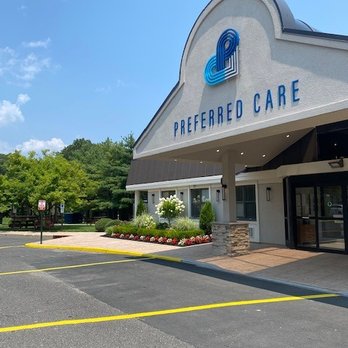
PREFERRED CARE AT WALL
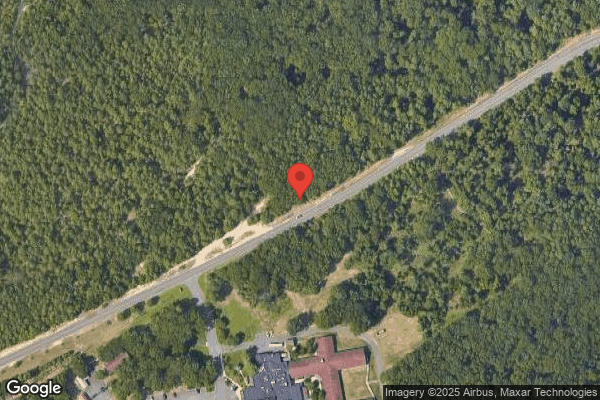
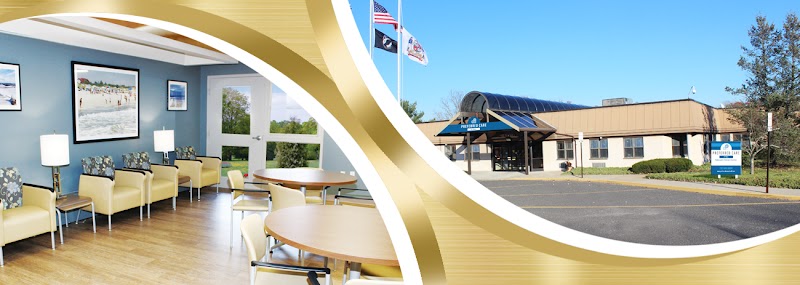
2350 HOSPITAL ROAD, ALLENWOOD, NJ 08720 (732) 683-8600
For profit - Corporation 135 Beds PREFERRED CARE Data: November 2025
Trust Grade
85/100
#64 of 344 in NJ
Last Inspection: February 2025

Within standard 12-15 month inspection cycle. Federal law requires annual inspections.

Overview

Preferred Care at Wall in Allenwood, New Jersey, has a Trust Grade of B+, indicating it is above average and recommended for families considering care options. It ranks #64 out of 344 facilities in New Jersey, placing it in the top half, and #8 out of 33 in Monmouth County, meaning only seven local facilities rank higher. However, the facility's trend is worsening, with issues increasing from 1 in 2023 to 7 in 2025. Staffing is a concern, with a low rating of 2 out of 5 and a high turnover rate of 65%, significantly above the state average of 41%. On a positive note, Preferred Care at Wall has not incurred any fines, which is a good sign regarding compliance. However, there are concerns about RN coverage, which is lower than 80% of other facilities in the state. Recent inspections revealed specific issues, such as kitchen equipment not being properly cleaned, which poses health risks, and a resident's movement being restricted by improper placement of furniture, potentially leading to injury. Overall, while the facility has strong quality measures, families should weigh these strengths against the concerning staffing and compliance issues.

Trust Score
B+
85/100
In New Jersey
#64/344
Top 18%
Safety Record
Low Risk
No red flags
Inspections
Getting Worse
1 → 7 violations
Staff Stability
⚠ Watch
65% turnover. Above average. Higher turnover means staff may not know residents' routines.
Penalties
✓ Good
No fines on record. Clean compliance history, better than most New Jersey facilities.
Skilled Nurses
⚠ Watch
Each resident gets only 25 minutes of Registered Nurse (RN) attention daily — below average for New Jersey. Fewer RN minutes means fewer trained eyes watching for problems.
Violations
⚠ Watch
11 deficiencies on record. Higher than average. Multiple issues found across inspections.
★★★★★
5.0
Overall Rating
★★☆☆☆
2.0
Staff Levels
★★★★★
5.0
Care Quality
★★★★☆
4.0
Inspection Score
Stable
2023: 1 issues
2025: 7 issues

The Good

  • 5-Star Quality Measures · Strong clinical quality outcomes
  • Full Sprinkler Coverage · Fire safety systems throughout facility
  • No fines on record

Facility shows strength in quality measures, fire safety.

The Bad

Staff Turnover: 65%

19pts above New Jersey avg (46%)

Frequent staff changes - ask about care continuity

Chain: PREFERRED CARE

Part of a multi-facility chain

Ask about local staffing decisions and management

Staff turnover is elevated (65%)

17 points above New Jersey average of 48%

The Ugly 11 deficiencies on record

Jun 2025 1 deficiency
CONCERN (D) 📢 Someone Reported This

A family member, employee, or ombudsman was alarmed enough to file a formal complaint

Potential for Harm - no one hurt, but risky conditions existed

Deficiency F0604 (Tag F0604)

Could have caused harm · This affected 1 resident

Complaint: NJ186923, NJ186877 Based on observation, interviews, medical record review, and review of other pertinent facility documentation on 6/04/2025 and 6/09/2025, it was determined that the facil...

Read full inspector narrative →
Complaint: NJ186923, NJ186877 Based on observation, interviews, medical record review, and review of other pertinent facility documentation on 6/04/2025 and 6/09/2025, it was determined that the facility failed to ensure a resident's movement in and out of bed was not restricted. The Certified Nursing Assistant (CNA) placed a floor mat against the right quarter side rail that extended to the foot of the bed. The CNA then placed a bedside tray table and wheelchair against the floor mat to hold it in place along the right side of the bed. This restricted the resident's ability to move legs on the right side of the bed. This deficient practice was identified for 1 of 3 sampled residents ( Resident #2) and was evidenced by the following: According to the Facility Reportable Event (FRE), a New Jersey Department of Health (NJDOH) document used by the healthcare facilities to report incidents dated 5/30/2025, with an event date of 5/30/2025 and a time of event of 02:10 A.M., revealed that the family alleged that a mattress was against the resident's bed during the night. According to the video from the monitor placed in the room by the family, which was captured on 5/30/2025 during the 11 P.M. - 7 A.M. shift, the assigned CNA for Resident #2 is seen placing the floor mat on the right side of the bed, which extended to the foot of the bed. The CNA then secured the floor mat against the right side of the bed with a bedside tray table and wheelchair. The CNA was suspended pending the investigation. The Licensed Practical Nurse, LPN#5, failed to return phone calls to the facility. According to the admission Record, Resident #2 was admitted to the facility with diagnoses which included but were not limited to Insomnia and Anxiety. A review of the Minimum Data Set (MDS), an assessment tool dated 05/30/2025, Resident # 2 had a Brief Interview of Mental Status (BIMS) score of 3 out of 15, which indicated the resident was severely cognitively impaired. The MDS also showed Resident #2 depended on staff for toileting. A review of the Resident's Care Plan (CP) initiated on 5/28/2025 revealed under Focus: that Resident #2 is at risk for falls due to a history of falls, and on 5/29/2025, the family requested the left side of the bed against the wall. The CP initiated 5/29/2025, showed under Interventions, included but were not limited B/L (bilateral) ¼ siderails for sense of security as requested by family and left side of bed against the wall per family request; out of bed in gerichair when in the room; Provide safety mat on the right and left side of the bed. 5/28/2025: maintain bed in low position. On 5/27/2025, the resident was moved to a room closer to the nurses' station for increased visual monitoring. On 6/4/2025, the DON provided the surveyor with the assignment sheet from 5/29/2025 for Unit D. A review of the facility's Assignment Sheet for 5/29/2025, on the 11:00 P.M. to 7:00 A.M. shift revealed that CNA #1 and LPN #5 were assigned to the D unit and Resident #2. During an interview on 6/4/2025 at 10:35 A.M., LPN #1 stated I was made aware (of the incident) by resident #2's [family], who said the CNA had put a mattress against the bed, and there is no reason to put a mattress like that, its not part of the policy. During a telephone interview on 6/4/2025 at 12:13 P.M., the Licensed Practical Nurse Supervisor ( LPNS) stated, I believe (LPN#5) took care of the resident that night; she did not convey [that] the resident was anxious or needed any help. Yes, it would be a restraint if it was placed on the side of the bed and the resident couldn't move. I seen a clip that showed the mattress was on the side of the bed. 6/4/2025 at 12:04 P.M., a call was placed to LPN #5, and a voicemail message was left on the phone. Currently, at this time, no return response was received. During a telephone interview on 6/4/2025 at 12:28 P.M., CNA# 1 stated between 11:00 and 11:30 P.M. I seen the resident in room . and seen his/her legs out of the bed. I went into the room and put feet up and put the mattress up, the full size gel mattress, against the bed and moved the nightstand all the way up, parallel to the resident's (Resident #2) head to keep it in place and for the bottom, I put the wheelchair there so he/she can't fall. I checked on [resident] every 2 hours. At 6:00 A.M., I removed the mattress. Yes, that is a restraint if [resident] cannot get out. During a telephone interview on 6/4/2025 at 1:23 P.M., Resident #2's family member stated they had set up the camera on the nightstand, which looks like an alarm clock. During an interview on 6/4/2025 at 2:18 P.M., with the Director of Nursing (DON) in the presence of the Licensed Nursing Home Administrator (LNHA), the DON stated, I seen a video of the mattress against the bed throughout the night. The mattress was placed for the safety of the resident. It's a restraint if the resident could not get out willingly or freely. The DON also stated that the mattress should be on the floor, but it was used as a bumper. During the same interview, the LNHA stated, no, the mattress should not be like that against [ his/her] bed, it should be on the floor. A review of the facility policy titled Restraint Free Environment dated 8/2024 revealed the following: Under Policy: included Physical restraints are defined as any manual method or physical or mechanical device, material, or equipment attached or adjacent to the resident's body that the individual cannot remove easily . Under Compliance Guidelines: revealed a. The right to be free from any physical or chemical restraint imposed for the purpose of discipline or convenience, and not required to treat the residents medical symptoms. N.J.A.C.: 8.39- 4.1 (6)
Feb 2025 6 deficiencies
CONCERN (D)

Potential for Harm - no one hurt, but risky conditions existed

Deficiency F0645 (Tag F0645)

Could have caused harm · This affected 1 resident

Based on observation, interview, and record review it was determined the facility failed ensure a Preadmission Screening and Resident Review (PASARR) was completed accurately for a newly admitted resi...

Read full inspector narrative →
Based on observation, interview, and record review it was determined the facility failed ensure a Preadmission Screening and Resident Review (PASARR) was completed accurately for a newly admitted resident. This deficient practice was identified for 1 of 2 residents reviewed for PASARR (Resident #9), and was evidenced by the following: On 2/19/25 at 11:10 AM, during the initial tour of the facility, Resident #9 was observed in the day room. A review of the admission Record face sheet (an admission summary) indicated Resident #9 had medical diagnoses which included but were not limited to; diabetes (high blood sugar), respiratory conditions due to smoke inhalation, bipolar disorder, schizophrenia, and heart failure. A review of the comprehensive Minimum Data Set (MDS), an assessment tool dated 12/19/24, revealed the resident had a Brief Interview of Mental Status score of 11 out of 15, meaning the resident had moderate cognitive impairment. A review of Section J Active Diagnoses revealed that the resident had diagnoses including bipolar disorder and schizophrenia. A review of the resident's individualized comprehensive care plan included a focus area dated 12/14/24, for multiple medications related to diagnoses of major depressive disorder, schizophrenia, and bipolar disorder. The ICCP included an additional focus area dated 12/14/24, that the resident utilized psychotropic medications related to schizophrenia and bipolar disorder. On 2/21/25 at 9:15 AM, the facility provided the surveyor with the resident's PASARR Level I. A review of the PASARR screening, section two titled Mental Illness Screen was marked No for the resident having a diagnosis or evidence of a major mental illness or evidence of a major mental illness. On 2/25/25 at 10:30 AM, during an interview with the Director of Nursing (DON), the DON told the surveyor that the Social Worker who was responsible for the PASARR was Very good, I don't know what happened, she missed it. I think she was out of work at the time. A review of a facility's Resident Assessment-Coordination with PASARR policy dated revised 7/2024, included the Social Services Director shall be responsible for keeping track of each resident's PASARR evaluation report . NJAC 8:39-27.1 (a)
CONCERN (D)

Potential for Harm - no one hurt, but risky conditions existed

Deficiency F0657 (Tag F0657)

Could have caused harm · This affected 1 resident

**NOTE- TERMS IN BRACKETS HAVE BEEN EDITED TO PROTECT CONFIDENTIALITY** Based on observation, interview, and review of pertinent facility documents, it was determined the facility failed to revise an ...

Read full inspector narrative →
**NOTE- TERMS IN BRACKETS HAVE BEEN EDITED TO PROTECT CONFIDENTIALITY** Based on observation, interview, and review of pertinent facility documents, it was determined the facility failed to revise an individual comprehensive care plan (ICCP) with the resident's personal preference for incontinence care and the need for incontinence briefs. This deficient practice was identified in 1 of 9 residents observed for incontinence care (Resident #35), and was evidenced by the following: On 2/19/25 at 9:55 AM, during initial tour of the facility, the surveyor accompanied by the Certified Nursing Aide (CNA), observed incontinence care for Resident #35. The surveyor observed that the resident had an adult incontinence brief on with a pull-up incontinence brief on top. At that time, the CNA informed the surveyor that it was the resident's preference to wear two incontinence briefs. The surveyor asked the resident if they had a preference to be double briefed, and the resident stated yes, due to the feeling of better support. On 2/21/25 at 11:22 AM, the surveyor reviewed Resident #35's electronic medical record (EMR) and the following was indicated: A review of the admission Record face sheet (an admission summary) indicated that the resident was admitted to the facility with diagnosis which included but was not limited to; major depressive disorder, type two diabetes, and chronic kidney disease. A review of the resident's most recent comprehensive Minimum Data Set (MDS), an assessment tool assessment dated [DATE], reflected that the resident had a Brief Interview for Mental Status (BIMS) score of 13 out of 15, which indicated fully intact cognition. The MDS further revealed that the resident was dependent on staff for toileting hygiene and was always incontinent of bowel and bladder. A review of the ICCP included a focus area dated 1/24/25, and revised 2/7/25, for a risk for skin breakdown and/or have actual skin impairment related to bladder incontinence, bowel incontinence, and impaired mobility. The ICCP included an update dated 2/19/25, the same day as surveyor inquiry, that the resident preferred and requested to wear an adult brief with a pull-up over it. On 2/21/25 at 11:57 AM, the surveyor interviewed the Licensed Practical Nurse/Unit Manager (LPN/UM) in the presence of the Nursing Educator (NE). The LPN/UM stated that the CNA's responsibilities when it came to incontinence care was to ensure the residents were checked every two hours and to treat the residents with respect. The LPN/UM stated that residents should not, under normal circumstances, be double briefed as it could cause skin irritation, which could lead to skin breakdown and infection, as well as take away from the resident's dignity. The LPN/UM further stated that residents had the right to prefer to wear double briefs, but nursing staff were responsible to educate and update the care plan to include the resident's preference, and the CNAs were expected to communicate with the nurses to ensure it was completed. The LPN/UM acknowledged that Resident #35's care plan was not updated to indicate the resident's preference for double incontinence briefs until after the surveyor's observation and inquiry. On 2/21/25 at 12:23 PM, the surveyor interviewed the Director of Nursing (DON), who stated that residents had the right to their preference in care, including to be double briefed, but nursing was responsible to educate the resident and family, and to update the resident's care plan timely the moment the resident's preference was known or within 24 hours. On 2/21/25 at 12:55 PM, the surveyor observed Resident #35 in their room watching television. The resident informed the surveyor that they had been at the facility for approximately a month and that they informed the nurse that passes the medication that they preferred to be double briefed when they were first admitted to the facility. On 2/24/25 at 12:29 PM, the surveyor interviewed the DON, who confirmed that Resident #35 was cognitively intact and able to make their needs and preferences known. On 2/25/25 at 9:30 AM, the Licensed Nursing Home Administrator (LNHA), in the presence of the survey team, acknowledged that Resident #35's care plan should have been updated prior to surveyor inquiry and observation, and that the resident's preference should have been communicated by the nursing staff. A review of the facility's Comprehensive Care Plans policy with a last revised date of 7/2024, included the care planning process will include an assessment of the resident's strengths and needs and will incorporate the resident's personal and cultural preferences in developing goals of care. Services provided or arranged by the facility, as outlined by the comprehensive care plan, shall be culturally competent and trauma informed . NJAC 8:39-27.1(a)
CONCERN (D)

Potential for Harm - no one hurt, but risky conditions existed

ADL Care (Tag F0677)

Could have caused harm · This affected 1 resident

Based on observation, interview, record review, and review of pertinent documentation, it was determined that the facility failed to ensure that proper incontinence care was provided to dependent resi...

Read full inspector narrative →
Based on observation, interview, record review, and review of pertinent documentation, it was determined that the facility failed to ensure that proper incontinence care was provided to dependent residents. This deficient practice was identified for 1 of 9 residents observed for incontinence care (Resident #43), and was evidenced by the following: On 2/19/25 at 9:55 AM, during initial tour of the facility, the surveyor accompanied by the Certified Nursing Aide (CNA), observed incontinence care for Resident #43. The surveyor observed that the resident had an adult incontinence brief on with a pull-up incontinence brief on top. The surveyor asked the resident if they had a preference to be double briefed, and the resident shrugged their shoulders indicating they did not know. On 2/19/25 at 10:09 AM, the surveyor interviewed the CNA, who stated that residents should not be double briefed and that residents who required incontinence care should have been checked every two hours at a minimum to ensure they were dry. On 2/21/25 at 11:27 AM, the surveyor reviewed Resident #43's electronic medical record (EMR) and the following was indicated: A review of the admission Record face sheet (an admission summary) indicated that the resident was admitted to the facility with diagnosis which included but was not limited to; dementia, chronic kidney disease, and need for assistance with personal care. A review of the most recent quarterly Minimum Data Set (MDS), an assessment tool dated 1/29/25, reflected the resident had a Brief Interview for Mental Status (BIMS) score of 7 out of 15, which indicated the resident had severe cognitive impairment. The MDS further revealed that the resident was dependent on staff for toileting hygiene and was frequently incontinent of bowel and bladder. A review of the individualized comprehensive care plan (ICCP) included a focus area with an initiation date of 1/28/25, and a revision date of 1/29/25, that the resident was at risk for activities of daily living (ADL) self-care deficit related to physical limitations. On 2/21/25 at 11:57 AM, the surveyor interviewed the Licensed Practical Nurse/Unit Manager (LPN/UM) in the presence of the Nursing Educator (NE). The LPN/UM stated that CNA's responsibilities when it came to incontinence care was to ensure the residents were checked every two hours and to treat the residents with respect. The LPN/UM stated that residents should not, under normal circumstances, be double briefed because it could cause skin irritation, which could lead to skin breakdown and infection, as well as take away from the resident's dignity. On 2/21/25 at 12:23 PM, the surveyor interviewed the Director of Nursing (DON), who confirmed that residents should not be double briefed as it could take away from their dignity and could cause skin breakdown. The DON confirmed that Resident #43 was unable to verbalize preferences and should not have been double briefed. On 2/25/25 at 9:30 AM, the Licensed Nursing Home Administrator (LNHA), in the presence of the survey team, acknowledged that residents should not have been double briefed. After multiple requests from the surveyor, the facility was unable to provide a policy that included the proper general incontinence care procedure. NJAC 8:39-27.1(a); 27.2(h)
CONCERN (D)

Potential for Harm - no one hurt, but risky conditions existed

Medication Errors (Tag F0758)

Could have caused harm · This affected 1 resident

Based on observation, interview, and the review of pertinent facility documentation, it was determined that the facility failed to a.) provide supportive rational for starting a new antianxiety medica...

Read full inspector narrative →
Based on observation, interview, and the review of pertinent facility documentation, it was determined that the facility failed to a.) provide supportive rational for starting a new antianxiety medication and b.) document targeted behaviors for a resident on psychoactive medication. This deficient practice was identified for 1 of 3 residents reviewed for psychoactive medication use (Resident #88), and was evidenced by the following: A review of the admission Record face sheet (admission summary) indicated that Resident #88 was admitted to the facility with the diagnoses which included but was not limited to; dementia and unspecified psychosis not due to a substance or known psychological condition. A review of the comprehensive Minimum Data Set (MDS), an assessment tool dated 12/26/24, reflected that Resident #88 had severe cognitive impairment and did not exhibit any behaviors. The MDS also indicated that the resident required partial assistance from another person to complete activities of daily living (ADLs). On 2/19/25 at 11:06 AM, during initial tour, the surveyor observed Resident #88 sitting up in the wheelchair in the dining room, pleasantly confused and coloring. The resident was unable to be interviewed due to impaired cognitive. The surveyor reviewed the resident's electronic medical record (EMR) which revealed the following: A review of the Physician Order Summary Report (POSR) dated 2/7/25, reflected that Resident #88 was ordered the antianxiety medication lorazepam (Ativan) 0.5 milligram (mg) tablet; administer 1 tablet by mouth every 12 hours as needed for anxiety for 14 days. A review of the nursing Progress Note (PN) dated 2/7/25, indicated that the nurse discussed with the Advanced Nurse Practitioner (ANP) the resident's behaviors of frequent and repeatedly yelling out at night and that staff were having difficulty redirecting the resident's behavior. The note reflected that the APN discussed with the resident's Responsible Party (RP) and ordered the antianxiety medication Ativan 0.5 mg as needed (prn) for 14 days. A review of the the Progress Notes from 2/1/25 until 2/7/25, prior to the order for the Ativan, there was no supporting documentation on the evening or night shifts that the resident was exhibiting behaviors such as yelling, and that staff were having difficulty redirecting the resident's behavior. A review of the February 2025 Medication Administration Record (MAR) revealed that the resident received Ativan on 2/10/25, 2/19/25, and 2/20/25. A review of the corresponding PN dated 2/10/25, 2/19/25, and 2/20/25, included no clinical behavior documentation to support the administration of the antianxiety medication on those dates. A review of Resident #88's individualized comprehensive care plan (ICCP) indicated that the staff focused on the use of psychotropic medication for the targeted behaviors such as yelling to the point of exhaustion. Interventions included: medications were to be administered as ordered and to monitor and document for side effects and effectiveness of medications; monitor/record occurrences for target behavior symptoms such as screaming, violence, aggression toward staff and others and document as per the facility policy. A review of the Psychotropic Monthly Review dated January 2025, reflected that the resident had zero episodes of targeted behaviors such as yelling to the point of exhaustion and hallucinations. A review of the Psychiatric Consult (PC) dated 2/7/25, reflected that the resident was seen for a psychiatric follow-up and medication management. The Psychiatrist documented that the resident was re-examined and that staff had reported that the resident had periods of behavior dyscontrol and was more redirectable during the daytime hours. The documentation indicated that the resident had no hallucinations, delusions, or other symptoms of psychotic process that were reported. The Psychiatrist also documented that the resident had no manic symptoms that were reported and no side effects to medications. The surveyor reviewed Resident #88's progress notes which did not reflect that the resident's targeted behaviors of yelling were being documented or that the staff had attempted non-pharmacological approaches to manage the behaviors prior to obtaining a physician's order for the use of an antianxiety medication. On 2/20/25 at 12:15 PM, the surveyor interviewed the Licensed Practical Nurse (LPN), who stated that when any resident in the facility who was started on new psychotropic medication, the nurse assigned to the resident was required to document what behaviors the resident was exhibiting. The LPN stated that behaviors were documented by exception; that before a psychotropic medication was ordered, there should be documentation in the resident's medical records that the resident was exhibiting behaviors, what the behaviors were, and non-pharmacological interventions that were attempted prior to administration of psychotropic medications. The LPN stated that after the resident was started on a psychotropic medication, the nurses were to document for 14 days after initiating the new psychotropic drug. On 2/20/25 at 12:19 PM, the surveyor interviewed the Licensed Practical Nurse/Unit Manager (LPN/UM), who stated that when a resident was on a psychotropic medication, that documentation included monthly psychotropic notes. The LPN/UM stated that the Psychiatrist was updated every Friday when they came in to see the residents. The LPN/UM explained that she had documented on 2/7/25 at 4:09 PM, that Resident #88 was having increased yelling and staff had difficulty redirecting the resident during the night hours. The surveyor asked the LPN/UM who reported those behaviors because a review of the clinical documentation did not reflect that the resident was exhibiting any behaviors at night prior to the Ativan being ordered. The LPN/UM stated that it was reported to her by the resident's roommate and not by the clinical staff. The surveyor asked the LPN/UM if the resident was assessed for pain or any other reasons that they may have been yelling, and the LPN/UM stated that she did not document that and could not recall. The LPN/UM confirmed it would have been important to document if any non-pharmacological interventions were attempted prior to starting the resident on Ativan. The LPN/UM reviewed the resident's nursing progress notes and the 24-hour report and could not find any documentation from the clinical staff that the resident was exhibiting yelling at night repeatedly and was difficult to redirect. The LPN/UM stated that behavior monitoring was done by exception, and that documentation would only occur if the resident was exhibiting behaviors. The LPN/UM stated that after starting any new medication, the resident was monitored for 14 days. The LPN/UM reviewed the resident's medical record and could not find any documentation indicating that the use of the antianxiety medication Ativan was being monitored for effectiveness after use. The surveyor reviewed the facility 24-hour report from 2/1/25 until 2/7/25, and there was no documentation that Resident #88 was exhibiting the behaviors such as yelling or screaming or that the resident was difficult to redirect. On 2/21/25 at 8:49 AM, the surveyor interviewed the primary care Certified Nursing Aide (CNA), who stated that the resident was confused but was able to recognize him. The CNA stated that the resident would resist care at times, but was easy to redirect. The CNA stated that the resident exhibited more behaviors at night such as resisting care or screaming, but he did not know how often it had occurred. The CNA continued to explain that when Resident #88 resisted care, he just talked the resident through it, and then the resident would then allow care to be performed. The CNA also added that the resident had behaviors such as screaming, but did not exhibit it all the time. On 2/25/25 at 9:32 AM, the surveyor interviewed the Director of Nursing (DON), who stated that she had reviewed the resident's medical record and agreed that there was no documentation that the resident was exhibiting behaviors such as screaming at night prior to obtaining an order for the antianxiety medication Ativan. The DON also confirmed that there was no documentation of any non-pharmacological interventions initiated prior to administration of the medication. A review of the facility's Use of Psychotropic Drugs policy dated 1/2025, included that a resident who had not used psychotropic drugs were not to be given these drugs or prn psychotropic medications unless the medication was necessary to treat a specific condition diagnosed and documented in the clinical record . NJAC 8:39-29.3(a); 33.2 (a)
CONCERN (D)

Potential for Harm - no one hurt, but risky conditions existed

Infection Control (Tag F0880)

Could have caused harm · This affected 1 resident

Based on observation, interview, and review of pertinent facility documents, it was determined that the facility failed to ensure Enhanced Barrier Precautions (EBP) were maintained while providing dir...

Read full inspector narrative →
Based on observation, interview, and review of pertinent facility documents, it was determined that the facility failed to ensure Enhanced Barrier Precautions (EBP) were maintained while providing direct resident care in accordance with infection control standards of practice and facility policy. The deficient practice was identified for 1 of 9 residents observed for incontinence care (Resident #105), and was evidenced by the following: A review of Resident #105's admission Record face sheet (admission summary) indicated that the resident was admitted to the facility with dementia and rheumatoid arthritis (RA). A review of the most recent quarterly Minimum Data Set (MDS), an assessment tool dated 12/12/24, indicated that the resident had severe cognitive impairment and required maximum assistance with all aspects of activities of daily living (ADLs). On 2/19/24 at 9:55 AM, the Licensed Practical Nurse/Unit Manager (LPN/UM) accompanied the surveyor to conduct incontinent rounds for Resident #105. Prior to entering the resident's room, the surveyor observed signage posted on the door that indicated that a resident in that room was on Enhanced Barrier Precautions (EBP). There was also a personal protective equipment (PPE) caddy hanging on the door which contained gloves, isolation gowns, and masks. The resident was observed lying in bed and was unable to be interviewed due to cognitive impairment. The surveyor observed that Resident #105 was lying on an air mattress and was wearing green foam booties to bilateral lower extremities. The LPN put on gloves and proceeded to turn the resident to check the resident's incontinence briefs and stated that the resident was clean and dry. The LPN/UM was only wearing gloves at that time. The LPN/UM performed hand hygiene after resident care. The surveyor asked the LPN/UM if the resident was on EBP precautions, and LPN/UM responded that Resident #105 was on EBP due to a wound. The LPN/UM acknowledged that she did not apply an isolation/protective gown prior to performing direct care for the resident. The LPN/UM stated that the gown was important to apply to protect the resident from any microorganisms that she may have had on her clothing that could be transferred to the resident and cause an infection. On 2/21/25 at 8:54 AM, the surveyor interviewed the primary care Certified Nursing Aide (CNA), who stated that Resident #105 was cognitively impaired and required total care with all aspect of ADLs. The CNA stated that the staff were required to apply (don) PPE prior to providing direct resident care. The CNA stated that Resident #105 was on EBP precautions because the resident had a wound on their right buttocks. On 2/21/25 at 11:16 AM, the surveyor interviewed the Infection Preventionist (IP), who stated that the LPN/UM should have worn an isolation gown when performing direct care with Resident # 105. The IP stated that the importance of wearing PPE while caring for a resident with open access to the body was to protect the resident from any bacteria that could be transferred from the caregivers' clothes to the resident. A review of Resident #105's individualized comprehensive care plan (ICCP) dated 7/15/24, reflected that the resident was on EBP related to having a wound. The interventions included that staff wore a gown and gloves when providing high contact activity such as dressing, bathing, transferring when high contact is anticipated, providing hygiene, changing linens, changing briefs, assisting with toileting, device care or wound care. A review of the Physician's Order Summary Report dated 12/13/24, included a physician's order (PO) to maintain EBP due to the residents wound every shift. A review of the Medication Administration Record (MAR) dated 12/13/24, reflected an PO to maintain EBP due to wound every shift. On 2/25/25 at 9:40 AM, the Director of Nursing (DON) confirmed that all nurses should don the proper PPE that was specified by the signage on the resident's door prior to providing direct resident care for a resident that was on EBP. A review of the facility's Enhanced Barrier Precautions dated 3/21/24, included EPB was utilized for the prevention of transmission of targeted multi-resistant organism to keep residents safe. The policy indicated that EBP is initiated for residents meeting the criteria such as wounds and indwelling medical devices. Implementation of EBP specified that gowns and gloves be available for use during high contact activities . NJAC 8:39-19.4 (a); 27.1(a)
CONCERN (F)

Potential for Harm - no one hurt, but risky conditions existed

Food Safety (Tag F0812)

Could have caused harm · This affected most or all residents

Based on observation, interview, and record review, it was determined that the facility failed to a.) maintain kitchen equipment in a clean and sanitary manner and b.) maintain pantry equipment in a c...

Read full inspector narrative →
Based on observation, interview, and record review, it was determined that the facility failed to a.) maintain kitchen equipment in a clean and sanitary manner and b.) maintain pantry equipment in a clean and sanitary manner on 3 of 3 units. The evidence was as follows: On 2/19/25 at 9:31 AM, the surveyor toured the kitchen in the presence of the Food Service Director (FSD) and observed the following: 1. The stand mixer was covered with a clear plastic bag which indicated that it was clean. The FSD removed the bag and the connecting bearing that holds the mixer attachment had hard dried white sediment on it. The FSD was able to wipe it off with a gloved hand. The FSD acknowledge it was not properly cleaned. 2. The can opener blade was worn, discolored, and had a rolled pointed edge. The FSD acknowledged it look like it had not been changed in a while and that it needed to be to prevent injury, metal splintering and cross contamination of food particles. 3. The microwave interior ceiling was covered with dried stuck on debris in a range of different colors. The FSD acknowledged and stated, it was not cleaned according to policy. On 2/19/2025 at 9:45 AM, the surveyor interviewed the FSD, who stated the mixer, microwave, and can opener blade did not meet her's or the facility policy's expectations. The FSD acknowledged that the equipment should have been cleaned and maintained in a sanitized way to prevent food borne illness and contamination. On 2/21/25 at 9:28 AM, in the presence of the Director of Housekeeping (DH), the surveyor observed the following: 1. The B-unit pantry had debris on the counter, in one cabinet drawer, and on two lower cabinets. The gaskets on the refrigerator door had particle buildup of white and brown debris in the gasket folds. 2. The C-unit pantry had a water dispenser that required maintenance that was indicated by the flashing wrench on the electronic screen. Two cabinet drawers had white and black sediment and debris on the interior portion. The refrigerator gaskets had debris inside of the folds. 3. The D-unit pantry had stains and debris in several cabinet drawers and on the counter. The gasket on the refrigerator door had debris in the folds, a tare in the gasket on the top of the door corner and the gasket at the base of the refrigerator door was covered with black discoloring, torn, and falling off the refrigerator. On 2/19/25 at 9:50 AM, the surveyor interviewed the HD, who acknowledged that the pantry equipment should have been cleaned and maintained in a sanitized way to prevent food borne illness and contamination. On 2/25/25 at 09:30 AM, the survey team met with the Licensed Nursing Home Administrator (LNHA) and the Director of Nursing (DON), who both acknowledged the surveyor's concerns. No additional information was provided. A review of the facility's General Kitchen Sanitation Policy, dated 8/2024, included clean and sanitize all food preparation areas after use .keep food contact surfaces of all cooking equipment free of encrusted grease deposits and other accumulated debris . A review of the facility's Nursing and housekeeping and dietary Policy, dated 1/2025, revealed ensure all pantry areas in the facility are maintained in a clean and sanitary condition, in compliance with NJDOH and CMS infection control regulations, to prevent contamination and ensure resident safety .countertops, sinks and high touch surfaces to wiped and disinfected daily .refrigerators must be fully cleaned and sanitized .cabinets and storage shelves must be emptied, wiped and reorganized .any maintenance issues must be reported immediately to the maintenance department . NJAC 8:39-17.2(g)
Jan 2023 1 deficiency
CONCERN (D)

Potential for Harm - no one hurt, but risky conditions existed

Food Safety (Tag F0812)

Could have caused harm · This affected 1 resident

Based on observation, interview, and review of pertinent facility documents, it was determined that the facility failed to a.) maintain multiuse food-contact surface cutting board in a manner to preve...

Read full inspector narrative →
Based on observation, interview, and review of pertinent facility documents, it was determined that the facility failed to a.) maintain multiuse food-contact surface cutting board in a manner to prevent microbial growth; b.) store, label, and date potentially hazardous foods to prevent food-borne illness; and c.) perform hand hygiene in accordance with infection control standards. This deficient practice was evidenced by the following: On 1/13/23 at 9:14 AM, the surveyor toured the kitchen with the Food Service Director (FSD) and observed the following: 1. In the walk-in refrigerator, one opened container of ricotta cheese. The container was not labeled when opened or when to use by. The packaging indicated best quality is three days. The FSD acknowledged the container was not labeled when opened or when to discard. 2. In the reach-in refrigerator, seven health shakes not dated; one health shake dated 1/2/23; and two health shakes dated 1/9/23. The FSD stated that the health shakes came in frozen and when pulled from the freezer, they needed to be used or discarded within fourteen days. The FSD stated the 1/2/23 and 1/9/23 were the dates the health shakes should have been discarded. 3. On a storage rack, the surveyor observed one large red, one large brown, one large beige, three large white, one medium red, two light blue, and one large yellow cutting boards. The cutting boards were all deeply pitted and discolored. The FSD confirmed the kitchen should not be using these cutting boards because the pitting and discoloration could lead to bacterial growth. On 1/19/23 at 12:00 PM, the surveyor conducted a follow-up kitchen inspection and observed a Dietary Aide (DA) mop the kitchen floor, remove her gloves, and performed hand hygiene using soap and water. The surveyor observed the observed the DA turn the water on, wet her hands, lathered her hands with soap outside the flow of running water for six seconds and then began rubbing her hands under the flow of running water. At this time, the surveyor asked the DA the process of washing your hands using soap and water. The DA responded that you lathered your hands with soap for twenty seconds in the flow of running water. The surveyor asked the DA to show them the hand washing process and she again lathered her hands with soap outside the flow of running water for six seconds. At this time, the Regional FSD was present, and the surveyor asked him what the process for washing your hand using soap and water? The Regional FSD responded my understanding the whole process twenty seconds. When asked how long outside do you lather your hands with soap outside the flow of water? The Regional FSD responded there was no set time, the whole process was twenty seconds. Then the Regional FSD located hand washing instructions on the wall by the dish station and stated you lather your hands with soap for twenty seconds outside the flow of running water. On 1/19/23 at 12:22 PM, the surveyor interviewed the Director of Nursing (DON) regarding the hand washing process using soap and water. The DON stated that you lathered your hands outside the flow of running water for twenty seconds per the Centers for Disease Control (CDC) guidelines. On 1/24/23 at 11:12 AM, the Licensed Nursing Home Administrator (LNHA) in the presence of the DON and survey team, acknowledged these findings. A review of the undated facility provided Label and Dating policy included . all foods stored in the refrigerator or freezer will be covered, labeled and dated using the use by date to ensure proper rotation . A review of the undated facility provided Food Storage and Retention Guide included . thawed health shakes fourteen days after thawing or removing from freezer. A review of the facility provided Hand Washing policy dated 11/4/22, included . hand washing procedures: wash hands with clean running water; apply adequate amount of soap to hands; lather your hands by rubbing them together with soap. Be sure to lather the back of your hands between your fingers and your nails; scrub your hands for at least twenty seconds; rinse your hands well under running water . NJAC 8:39-17.2(g)
Mar 2021 3 deficiencies
CONCERN (D)

Potential for Harm - no one hurt, but risky conditions existed

Resident Rights (Tag F0550)

Could have caused harm · This affected 1 resident

Based on observation, interview and record review, it was determined that the facility failed to ensure residents were served their meals in a dignified manner during meal services. This deficient pra...

Read full inspector narrative →
Based on observation, interview and record review, it was determined that the facility failed to ensure residents were served their meals in a dignified manner during meal services. This deficient practice was identified on 1 of 3 nursing units (B Wing) and was evidence by the following: 1. On 3/3/21 from 8:15 AM to 9:05 AM, the surveyor made the following meal observations in the dayroom on B Wing: There were ten residents observed, who were all socially distanced and wore surgical masks at dining tables. The Licensed Practical Nurse/Unit Manager (LPN/UM) stated that these residents were high fall risks and could not remain in their rooms for safety reasons. The LPN/UM stated that breakfast usually arrived around 7:45/8:00 AM. At 8:16 AM, the surveyor observed Resident #16 in the dayroom, communicate to the LPN/UM that they were hungry. The LPN/UM informed the resident that she was aware that they were hungry and breakfast would arrive soon. At 8:30 AM, the resident, watching other residents eat breakfast, communicated to the LPN/UM that they were hungry. At this time, the LPN/UM gave the resident some juice. At 8:44 AM, the resident received their breakfast tray. At 8:20 AM, the surveyor observed the dining truck arrive to B Wing and the food was immediately served by the nursing staff. There were ten residents sitting in the dayroom for breakfast. Six out of the ten residents received their meal trays and were eating breakfast. The LPN/UM stated that the other four residents' meal trays were on a separate truck. At 8:30 AM, Resident #77 was in the dayroom and stated that they were hungry. At this time, six other residents around him/her were all eating breakfast. At 9:05 AM, the resident received their breakfast tray. 2. On 3/3/21 between 1:00 PM and 1:48 PM, the surveyor made the following meal observations in the dayroom on B Wing: At 1:04 PM, the lunch trays arrived to B Wing's dayroom. Seven of the eleven residents were eating lunch. The four residents not eating lunch were waiting for their meals on a separate dining truck. At 1:14 PM, Resident #101, who was eating lunch, asked Resident #77 if they were not eating lunch today. Resident #77 responded that they were hungry, and waiting for lunch. At 1:26 PM, Resident #77 informed staff that they were hungry, and staff stated that the lunch trays were on the way. At this time, an Activity Aide began clearing the residents' meal trays that were already served lunch, who were finished eating. At 1:32 PM, one of the four residents (Resident #16) who was in the dayroom still waiting on lunch, received their meal tray. At 1:42 PM, an additional resident (Resident #40) arrived to the dayroom stating they were hungry. That resident self-propelled to a table with a resident currently eating lunch, and took the sherbet off of that resident's tray and began eating it. At 1:48 PM, the last resident in the dayroom who had not received a meal tray, Resident #85, received their lunch. 3. On 3/5/21 from 8:00 AM to 8:46 AM, the surveyor made the following meal observations in the B Wing dayroom: At 8:14 AM, the first meal truck arrived to B Wing. At 8:19 AM, the surveyor observed six of the ten residents in the dayroom receive their breakfast trays. At 8:22 AM, the surveyor observed three residents (Resident #13, #77, and #85), socially distanced and masked, sitting at one table. Resident #77 complained that they were hungry and asked staff for breakfast. The resident then stated to the other two residents that they were starving. At 8:27 AM, Resident #77 and #85 began banging their hands on the table shouting, We want food. Staff observed this, and no actions were taken. At 8:29 AM, Resident #85 told the Certified Nursing Aide (CNA) to go to the kitchen and tell them that we are hungry; The CNA did not respond. At 8:38 AM, the second meal truck arrived to B Wing. Residents #77 and #85 received their breakfast trays at 8:42 AM and Resident #13 received their breakfast tray at 8:46 AM. A review of the Meal Service list provided by the Licensed Nursing Home Administrator (LNHA) from entrance conference reflected that breakfast on the B Wing was served at 7:45 AM and lunch was served at 12:30 PM. The paper indicated to please allow fifteen minutes plus or minus on delivery times. On 3/9/21 at 9:16 AM, the LNHA in the presence of the Director of Nursing (DON), Assistant Director of Nursing (ADON), and survey team, stated that residents on B Wing should have been fed at the same time. At this time, the DON acknowledged that staff should have offered the residents who were expressing hunger something to eat at that time. A review of the facility's Nutritional Services policy dated 3/14/14 and revised date 3/9/15 included that the Dietary Department will develop an order of service for all meals which best suits the needs of the residents. The scheduled order will be followed. N.J.A.C. 8:39-27.1(a)
CONCERN (D)

Potential for Harm - no one hurt, but risky conditions existed

Pharmacy Services (Tag F0755)

Could have caused harm · This affected 1 resident

**NOTE- TERMS IN BRACKETS HAVE BEEN EDITED TO PROTECT CONFIDENTIALITY** Based on observation, interview, and record review, it was determined that the facility failed to: a) properly store medication;...

Read full inspector narrative →
**NOTE- TERMS IN BRACKETS HAVE BEEN EDITED TO PROTECT CONFIDENTIALITY** Based on observation, interview, and record review, it was determined that the facility failed to: a) properly store medication; and b) accurately administer medication for 2 of 2 residents during medication administration (Resident #37 and Resident # 44). This deficient practice was evidence by the following: 1. On 03/02/21 at 11:46 AM, on the B-Unit during medication administration, the surveyor observed LPN #1 walk into Resident #37's room to administer medication. LPN #1 placed the following items on the resident's bedside table: One Novolog Flex Pen (insulin pen-a medication used to control blood sugar), which was stored in a clear bag, a glucometer, a container of glucose test strips, and an insulin lancet (a device used to puncture the skin to get a blood sample that is used to test glucose in the blood). LPN #1 stated that she had to get an alcohol pad before testing Resident #37's blood sugar. LPN #1 walked out of the room, then later returned, holding the alcohol pad in her hand. Resident #37 was alone in the room, and the items mentioned above remained on the bedside table out of sight of the nurse. According to the facility admission record, Resident #37 was admitted in 6/2020 with diagnoses that included but were not limited to, Diabetes Mellitus (elevated levels of glucose in the blood) and Chronic Kidney Disease. A review of the Quarterly Minimum Data Set (MDS), an assessment tool used to facilitate the management of care, dated 12/21/20, revealed that Resident #37's cognition was intact. A review of the Physician Order Summary Report (POS) dated 12/06/20 revealed an order for Novolog Solution 100 Unit/Milliliter (ML) inject as per sliding scale. The POS had a start date of 12/06/20 and no end date. On the same day at 11:53 AM, the surveyor interviewed LPN #1, who stated, I should have brought everything with me. LPN #1 also mentioned that the facility's policy was not to leave medications at the bedside. On 03/05/21 at 12:22 PM, the surveyor interviewed the Infection Prevention Officer (IPO). The IPO stated that she was responsible for educating staff and for the completion of medication administration competencies. The IPO added that medication administration competencies consisted of handwashing, medication administration time, reading of medication, types of medication and how they were given, signing off of medications, storing medications, side effects, and what to monitor. IPO stated that medications should not be left at the bedside unattended, Because somebody may come in and take them. On the same day, at 1:51 PM, the surveyor interviewed the Administrator and Director of Nursing (DON) in the presence of the survey team. The DON stated that LPN #1 should have taken the Novolog insulin pen with her. The DON added that competency was an observation of skill and done with staff by the IPO. A review of the LPN #1 Orientation Checklist revealed a performance skill that consisted of Medication Administration: Medication Pass dated 12/9/20. A review of the facility's policy and procedure titled Medication Storage, created 11-17, read: Medications housed on our premises are stored in the medication carts and or medication rooms according to State, Federal, and the manufacturer's recommendations. All medications are stored in designated areas sufficient to ensure proper sanitation, temperature, light, ventilation, moisture control, segregation, and security. A review of the facility's undated policy and procedure titled Medication Administration Procedures, read under Procedures A: Security: All medication storage areas (carts, medication rooms, central supply) are locked at all times unless in use and under the direct observation of the medication nurse/aide. On 03/8/21 at 1:35 PM, the surveyor interviewed the Consultant Pharmacist (CP), who confirmed that medications should not be left at the resident's bedside. 2. On 03/04/21 at 11:32 AM, the surveyor, observed LPN #2's medication cart located on B-Unit. Upon inspection, it revealed no Pantoprazole 40 mg available for Resident #44, yet the Medication Administration Record (MAR) reflected that the medication was administered that morning by LPN #2. According to the facility admission record, Resident #44 was admitted in 9/2019 with diagnoses that included but were not limited to Gastro-Esophageal Reflux Disease Without Esophagitis (a digestive disorder) and Chronic Kidney Disease. A review of the Quarterly Minimum Data Set (MDS) dated [DATE] revealed that Resident #44's cognition was severely impaired. A review of the Physician Order Summary Report (POS) dated 8/22/20 revealed an order for Pantoprazole Sodium (Protonix)Tablet Delayed-Release 40 MG, Give one tablet by mouth one time a day related to Gastro-Esophageal Reflux Disease Without Esophagitis. The POS had a start date of 08/23/20 and no end date. At that time, the surveyor interviewed LPN #2, who stated that she had administered Pantoprazole Sodium 40 milligrams (mg) to Resident #44. LPN #2 also mentioned that the medication was borrowed from Resident #70. LPN #2 stated that the process for acquiring medication when out of stock was to inform the pharmacy by fax and obtain the medication from the backup house stock locked on D-Unit and notify the physician. A review of the POS for Resident #70 revealed an order for Pantoprazole Sodium Tablet Delayed-Release 40 MG, give one tablet by mouth one time a day for GERD. The POS had a start date of 2/03/21 and no end date. At 12:00 PM, the surveyor interviewed the Unit Manager (UM), who stated that when a medication was not available, the process was to call the physician informing them that the medication was not available at the facility, receive orders whether to hold or give another medication and obtain the medication from the backup box located on D-Unit. The UM stated medications were not to be borrowed from other residents, and it was not good practice. The UM continued to mention that it was the ownership of the resident whose medication was borrowed from and that the resident can run out, resulting in the medication not being given as scheduled. The UM mentioned that documentation in the MAR should reflect awaiting delivery and not available. At 1:21 PM, the surveyor interviewed LPN #2 in the presence of the survey team. LPN #2 stated she would need to clarify the facility's borrowing protocol. LPN #2 mentioned that the nursing practice was not to borrow from other residents and that she did not check the medication backup box. At 1:41 PM, the surveyor interviewed the DON in the presence of the survey team. The DON confirmed that the facility does not have a borrowing protocol. The DON stated that the process was for obtaining the resident's medications was to remove the sticker and place it on paper to fax to the pharmacy, call the physician and follow through with the orders obtained. The DON mentioned that Pantoprazole was not one of the medications stored in the backup box. The DON also confirmed that medications were not borrowed from other residents because, That's somebody else's medication, they paid for it. On 03/05/21 at 09:23 AM, the surveyor interviewed the Licensed Nursing Home Administrator (LNHA) and DON in the survey team's presence. The LNHA stated that nurses should not be borrowing medications from any resident. The LNHA and DON confirmed that the facility did not have a borrowing protocol, and the DON then added that she looked on the backup box medication list and noticed that Pantoprazole was included. A review of the LPN #2 Orientation Checklist provided by the DON revealed a performance skill that consisted of Medication Administration: Medication Pass dated 1/5/21. A review of the facility's form titled, Patient Medication Usage Form read under procedures: 1. Remove medication from Back-up Box 2. Complete replacement request form indicate quantity used 3. Fax completed form to the pharmacy The form revealed under the section labeled Non-Antibiotics, Pantoprazole 40 MG Tab (Protonix) was listed as a medication in the backup box. A review of the Consultant Pharmacists guidance provided by the facility, indicated under Administration of Medication - State Regulation (Pour, Pass, and Sign); under number 3, it read, medication not in the medication cart must be obtained from the backup pharmacy/alternate source. Not available is not acceptable. Never borrow. On 3/8/21 at 1:35 PM, the surveyor interviewed the CP, who confirmed that medications should not be borrowed from another Residents medications. NJAC 8:39 - 29.2
CONCERN (D)

Potential for Harm - no one hurt, but risky conditions existed

Deficiency F0804 (Tag F0804)

Could have caused harm · This affected 1 resident

Based on observation, interview, and record review, it was determined that the facility failed to ensure appetizing and palatable temperature of food for a resident who required assistance for eating....

Read full inspector narrative →
Based on observation, interview, and record review, it was determined that the facility failed to ensure appetizing and palatable temperature of food for a resident who required assistance for eating. This deficient practice was observed for 1 of 2 residents reviewed for feeding assistance (Resident #70), and was evidenced by the following: On 3/1/21 at 12:40 PM, the surveyor observed Resident #70 lying in bed. The resident refused to speak with the surveyor. The surveyor reviewed the medical record for Resident #70. A review of the admission Record reflected that the resident was admitted to the facility in December of 2016 with diagnoses which included chronic kidney disease stage 3, generalized muscle weakness, anxiety, hypertension (high blood pressure), and hemiplegia and hemiparesis following a cerebral infarction (paralysis on one side of the body following a stroke). A review of the most recent quarterly Minimum Data Set (MDS), a tool used to facilitate the management of care dated 1/18/21, indicated that the resident had a Brief Interview for Mental Status (BIMS) score of 9 out of 15 which indicated that the resident had a moderately impaired cognition. A further review of the MDS Section G. Functional Status reflected that the resident required extensive assistance of one person physical assistance for eating. A review of the resident's individualized person centered Care Plan had a focus area initiated on 1/8/19 and revised date of 2/4/21 that read: I require assistance/potential to restore function for eating related to difficulty chewing/swallowing and disease process. Interventions included; to check for food remaining in mouth after swallowing; cue to clear throat if voice is wet or gurgling; position upright for meals; and refer to the Therapy Plan of Treatment in the medical record for more detail. On 3/3/21 at 8:20 AM, the surveyor observed the meal truck arrive to B Wing. Resident #70's breakfast tray was observed on that truck. At 8:33 AM, the surveyor observed the Assistant Director of Nursing (ADON) deliver Resident #70 roommate's breakfast tray. At 8:48 AM, the surveyor observed Resident #70 in bed with no breakfast tray. At this time, the surveyor interviewed the resident who confirmed he/she was hungry. At 8:50 AM, the surveyor interviewed the resident's Licensed Practical Nurse (LPN) who stated that the resident required assistance with feeding so he/she received their meal tray when someone was available to assist and feed them. The LPN then proceeded to retrieve the resident's breakfast tray from the truck and fed the resident. On 3/3/21 at 12:59 PM, the surveyor observed the meal truck arrive to B Wing. Resident #70's lunch tray was observed on that truck. At 1:11 PM, the surveyor observed Resident #70's roommate in their room eating lunch. The surveyor observed that Resident #70 had no lunch tray. At 1:37 PM, the surveyor observed Resident #70's lunch tray still on the meal truck. At this time, the surveyor observed that the resident was still not eating lunch. At 1:46 PM, the Staff Coordinator/Certified Nursing Aide (CNA) removed the resident's lunch tray from the meal truck and placed it on the resident's dresser. The Staff Coordinator/CNA then proceeded out of the room to obtain an over-bed table to feed the resident. At 1:56 PM, the surveyor observed the resident served soup by the Staff Coordinator/CNA. The resident stated that he/she disliked the soup. Upon questioning, the resident confirmed that the soup was cold and requested a peanut butter and jelly sandwich. On 3/8/21 at 1:25 PM, the surveyor interviewed the Director of Nursing (DON) in the presence of the Licensed Nursing Home Administrator (LNHA) and ADON, who stated that when meal trays arrived to the unit, both the nurses and aides delivered the trays to the residents. Residents who were able to feed with minimal to no assistance were served first, followed by residents who required assistance to feed were then fed. The DON stated that a resident's meal tray should not be sitting on the meal cart for almost an hour and that the longer the food sat, the temperature decreased. The DON stated that cold food was not appetizing or appealing. A review of the facility's Nutritional Services policy dated 3/14/14 and revised date 3/9/15, included that the Dietary Department will develop an order of service for all meals which best suits the needs of the residents. The schedule will be followed. N.J.A.C. 8:39-17.4(a)2
Understanding Severity Codes (click to expand)
Life-Threatening (Immediate Jeopardy)
J - Isolated K - Pattern L - Widespread
Actual Harm
G - Isolated H - Pattern I - Widespread
Potential for Harm
D - Isolated E - Pattern F - Widespread
No Harm (Minor)
A - Isolated B - Pattern C - Widespread

Questions to Ask on Your Visit

  • "Why is there high staff turnover? How do you retain staff?"
  • "Can I speak with families of current residents?"
  • "What's your RN coverage like on weekends and overnight?"

Our Honest Assessment

Strengths
  • • Grade B+ (85/100). Above average facility, better than most options in New Jersey.
  • • No major safety red flags. No abuse findings, life-threatening violations, or SFF status.
  • • No fines on record. Clean compliance history, better than most New Jersey facilities.
Concerns
  • • 11 deficiencies on record. Higher than average. Multiple issues found across inspections.
  • • 65% turnover. Above average. Higher turnover means staff may not know residents' routines.
Bottom line: Generally positive indicators. Standard due diligence and a personal visit recommended.

About This Facility

What is Preferred Care At Wall's CMS Rating?

CMS assigns PREFERRED CARE AT WALL an overall rating of 5 out of 5 stars, which is considered much above average nationally. Within New Jersey, this rating places the facility higher than 99% of the state's 100 nursing homes. This rating reflects solid performance across the metrics CMS uses to evaluate nursing home quality.
How is Preferred Care At Wall Staffed?

CMS rates PREFERRED CARE AT WALL's staffing level at 2 out of 5 stars, which is below average compared to other nursing homes. Staff turnover is 65%, which is 19 percentage points above the New Jersey average of 46%. High turnover can affect care consistency as new staff learn residents' individual needs. RN turnover specifically is 67%, which is notably high. RNs provide skilled clinical oversight, so turnover in this role can affect medical care quality.

What Have Inspectors Found at Preferred Care At Wall?

State health inspectors documented 11 deficiencies at PREFERRED CARE AT WALL during 2021 to 2025. These included: 11 with potential for harm.
Who Owns and Operates Preferred Care At Wall?

PREFERRED CARE AT WALL is owned by a for-profit company. For-profit facilities operate as businesses with obligations to shareholders or private owners. The facility is operated by PREFERRED CARE, a chain that manages multiple nursing homes. With 135 certified beds and approximately 118 residents (about 87% occupancy), it is a mid-sized facility located in ALLENWOOD, New Jersey.
How Does Preferred Care At Wall Compare to Other New Jersey Nursing Homes?

Compared to the 100 nursing homes in New Jersey, PREFERRED CARE AT WALL's overall rating (5 stars) is above the state average of 3.3, staff turnover (65%) is significantly higher than the state average of 46%, and health inspection rating (4 stars) is above the national benchmark.

What Should Families Ask When Visiting Preferred Care At Wall?

Based on this facility's data, families visiting should ask: "How do you ensure continuity of care given staff turnover, and what is your staff retention strategy?" "Can you walk me through typical staffing levels on day, evening, and night shifts?" "Can I visit during a mealtime to observe dining assistance and food quality?" "How do you handle medical emergencies, and what is your hospital transfer rate?" These questions are particularly relevant given the facility's high staff turnover rate and the below-average staffing rating.

Is Preferred Care At Wall Safe?

Based on CMS inspection data, PREFERRED CARE AT WALL has a clean safety record: no substantiated abuse findings (meaning no confirmed cases of resident harm), no Immediate Jeopardy citations (the most serious violation level indicating risk of serious injury or death), and is not on the Special Focus Facility watch list (a federal program monitoring the lowest-performing 1% of nursing homes). The facility has a 5-star overall rating and ranks #1 of 100 nursing homes in New Jersey. While no facility is perfect, families should still ask about staff-to-resident ratios and recent inspection results during their visit.

Do Nurses at Preferred Care At Wall Stick Around?

Staff turnover at PREFERRED CARE AT WALL is high. At 65%, the facility is 19 percentage points above the New Jersey average of 46%. Registered Nurse turnover is particularly concerning at 67%. RNs handle complex medical decisions and coordinate care — frequent RN changes can directly impact care quality. High turnover means new staff may not know residents' individual needs, medications, or preferences. It can also be disorienting for residents, especially those with dementia who rely on familiar faces. Families should ask: What is causing the turnover? What retention programs are in place? How do you ensure care continuity during staff transitions?

Was Preferred Care At Wall Ever Fined?

PREFERRED CARE AT WALL has no federal fines on record. CMS issues fines when nursing homes fail to meet care standards or don't correct problems found during inspections. The absence of fines suggests the facility has either maintained compliance or corrected any issues before penalties were assessed. This is a positive indicator, though families should still review recent inspection reports for the full picture.

Is Preferred Care At Wall on Any Federal Watch List?

PREFERRED CARE AT WALL is not on any federal watch list. The most significant is the Special Focus Facility (SFF) program, which identifies the bottom 1% of nursing homes nationally based on persistent, serious quality problems. Not being on this list means the facility has avoided the pattern of deficiencies that triggers enhanced federal oversight. This is a positive indicator, though families should still review the facility's inspection history directly.