CAREONE AT MIDDLETOWN
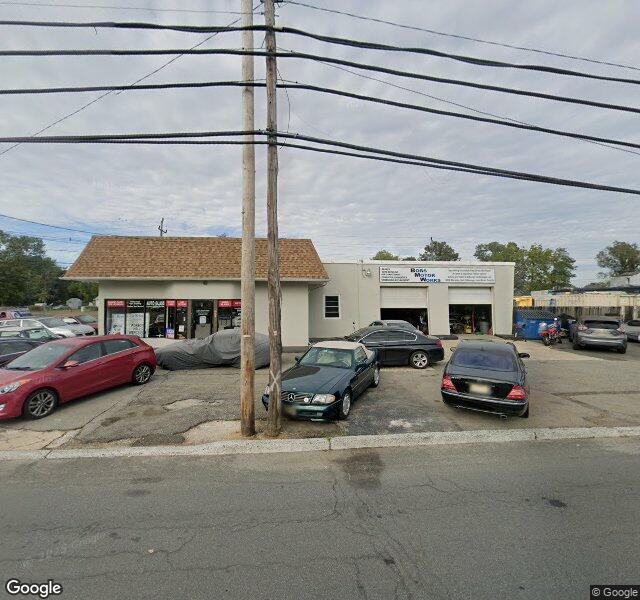
1040 STATE ROUTE 36, ATLANTIC HIGHLANDS, NJ 07716 (732) 291-3400
For profit - Limited Liability company 127 Beds CAREONE Data: November 2025
Trust Grade
28/100
#313 of 344 in NJ
Last Inspection: January 2025

Within standard 12-15 month inspection cycle. Federal law requires annual inspections.

Overview

CareOne at Middletown has received an F grade for its trust score, indicating poor performance and significant concerns about the quality of care provided. It ranks #313 out of 344 facilities in New Jersey, placing it in the bottom half, and #32 out of 33 in Monmouth County, meaning only one local option is better. The facility is worsening, with the number of health and safety issues increasing from five in 2024 to eight in 2025. Staffing is average with a turnover rate of 34%, which is better than the state average, but the overall quality measures received a low rating of 1 out of 5 stars. Specific incidents noted include failures to develop timely care plans for new residents and a lack of proper monitoring for safety, including one case involving ligature marks around a resident's neck, suggesting significant risks to resident well-being. Overall, while there are some strengths in staffing stability, the facility faces serious weaknesses in health and safety practices.

Trust Score
F
28/100
In New Jersey
#313/344
Bottom 10%
Safety Record
High Risk
Review needed
Inspections
Getting Worse
5 → 8 violations
Staff Stability
○ Average
34% turnover. Near New Jersey's 48% average. Typical for the industry.
Penalties
✓ Good
$8,788 in fines. Lower than most New Jersey facilities. Relatively clean record.
Skilled Nurses
○ Average
Each resident gets 36 minutes of Registered Nurse (RN) attention daily — about average for New Jersey. RNs are the most trained staff who monitor for health changes.
Violations
⚠ Watch
20 deficiencies on record. Higher than average. Multiple issues found across inspections.
★☆☆☆☆
1.0
Overall Rating
★★★☆☆
3.0
Staff Levels
★★★★☆
4.0
Care Quality
★☆☆☆☆
1.0
Inspection Score
Stable
2024: 5 issues
2025: 8 issues

The Good

  • 4-Star Quality Measures · Strong clinical quality outcomes
  • Full Sprinkler Coverage · Fire safety systems throughout facility
  • No fines on record
  • Staff turnover below average (34%)

    14 points below New Jersey average of 48%

Facility shows strength in quality measures, fire safety.

The Bad

1-Star Overall Rating

Below New Jersey average (3.2)

Significant quality concerns identified by CMS

Staff Turnover: 34%

12pts below New Jersey avg (46%)

Typical for the industry

Federal Fines: $8,788

Below median ($33,413)

Minor penalties assessed

Chain: CAREONE

Part of a multi-facility chain

Ask about local staffing decisions and management

The Ugly 20 deficiencies on record

3 actual harm
Jan 2025 8 deficiencies
CONCERN (D)

Potential for Harm - no one hurt, but risky conditions existed

Deficiency F0658 (Tag F0658)

Could have caused harm · This affected 1 resident

Based on observation, interview, record review, and review of other pertinent facility provided documentation, it was determined that the facility failed to follow the physician orders for medications...

Read full inspector narrative →
Based on observation, interview, record review, and review of other pertinent facility provided documentation, it was determined that the facility failed to follow the physician orders for medications (meds) that required parameters. This deficient practice occurred for 1 of 18 residents (Residents #62) reviewed for medications and was evidenced by the following: This deficient practice was evidenced by the following: Reference: New Jersey Statutes Annotated, Title 45. Chapter 11. Nursing Board. The Nurse Practice Act for the State of New Jersey states: The practice of nursing as a registered professional nurse is defined as diagnosing and treating human responses to actual and potential physical and emotional health problems, through such services as case-finding, health teaching, health counseling, and provision of care supportive to or restorative of life and wellbeing, and executing medical regimens as prescribed by a licensed or otherwise legally authorized physician or dentist. Reference: New Jersey Statutes Annotated, Title 45, Chapter 11. Nursing Board. The Nurse Practice Act for the State of New Jersey states: The practice of nursing as a licensed practical nurse is defined as performing tasks and responsibilities within the framework of case finding; reinforcing the patient and family teaching program through health teaching, health counseling, and provision of supportive and restorative care, under the direction of a registered nurse or licensed or otherwise legally authorized physician or dentist. On 1/5/25 at 8:49 AM, the surveyor observed Resident #62 eating breakfast in their wheelchair and the resident informed the surveyor that they had received all their medications. The surveyor reviewed Resident # 62's electric medical records (EMR) that revealed the following: The admission Record (AR; admission summary) revealed that Resident #62 had diagnoses that included but were not limited to, acute kidney failure (a condition when an abrupt reduction in kidneys' ability to filter waste products occurs within a few hours or a few days), repeated falls, and muscle weakness. A quarterly Minimum Data Set (qMDS) an assessment tool used to facilitate management of care, with an Assessment Reference Date (ARD) of 12/3/24, indicated the facility assessed the resident's cognition using a Brief Interview Mental Status (BIMS) test. Resident #62 scored a 11 out of 15, which indicated the resident was moderately cognitively impaired. A review of the Order Summary Report (OSR) reflected that Resident #62 had an active Physician Order (PO) dated 6/27/24 for a med: Midodrine HCL (hydrocholoride) Oral Tab 10 mg- Give 1 tablet by mouth every 8 hours for Hypotension (low blood pressure [BP]); HOLD if SBP [systolic BP] > 120, with a start date of 6/27/24. The corresponding PO was transcribed into the September 2024 through January 2025 electronic Medication Administration Record (eMAR). Further review of the September 2024 - January 2025 eMARs for Resident #62 revealed that nurses signed and reflected a checkmark which means that the med was administered when the med should have been held for a SBP that was greater than 120 according to the PO, for the following dates and times: Date Time SBP 9/4/24 2:00 PM 125/89 9/7/24 2:00 PM 128/73 9/19/24 10:00 PM 129/69 9/20/24 10:00 PM 129/76 10/30/24 6:00 AM 122/67 10/30/24 10:00 PM 127/72 10/31/24 10:00 PM 124/65 11/11/24 6:00 AM 122/60 12/7/24 2:00 PM 121/68 12/16/24 2:00 PM 121/69 12/16/24 10:00 PM 140/71 1/1/25 10:00 PM 121/67 During an interview with the surveyor on 1/7/25 at 10:32 AM, the Licensed Practical Nurse (LPN#1) stated, Midodrine was for hypotension (for low BP) and if the BP was higher than 120, then we would hold the medication because it would bring the BP higher. The LPN further stated, we would check BP before administering the medication. During an interview with the surveyor on 1/7/25 at 10:48 AM, Licensed Practical Nurse/Unit Manager (LPN/UM #1) stated, Midodrine is used to raise the BP. The LPN/UM #1 stated the process was to check Vital signs (clinical measurements, specifically pulse rate, temperature, respiration rate, and blood pressure) first and if the BP >120, then the medication would be held. The surveyor informed the LPN/UM #1 of the above concerns for Resident #62. The LPN acknowledged that the medication should have held when the BP> 120. On 1/8/25 1:44 PM, the survey team met with the Director of Nursing (DON) and the Licensed Nursing Home Administrator (LNHA). The surveyor notified of the above-mentioned concerns for Resident #62. A review of the facility provided Job Responsibilities for Licensed Practical (Vocational) Nurse (LPN)/ (LVN) under Duties and Responsibilities included: Administer medications within the scope of practice and according to practitioner orders. Report adverse consequences, side effects or any medication errors. A review of the facility policy titled Administering Medications revised 4/19 included under Policy Statement: Medications are administered in a safe and timely manner, and as prescribed. Under section Policy Interpretation and Implementations- 4.) Medications are administered in accordance with prescriber orders, including any required time frame. On 1/9/25 at 10:41 AM, the survey team met with the LNHA, and DON for the Exit Conference, and facility management did not provide any additional information and did not refute the findings. NJAC 8:39-11.2(b), 27.1 (a), 29.2(d)
CONCERN (D)

Potential for Harm - no one hurt, but risky conditions existed

ADL Care (Tag F0677)

Could have caused harm · This affected 1 resident

**NOTE- TERMS IN BRACKETS HAVE BEEN EDITED TO PROTECT CONFIDENTIALITY** Based on observation, interview, and record review, it was determined that the facility failed to provide the necessary services...

Read full inspector narrative →
**NOTE- TERMS IN BRACKETS HAVE BEEN EDITED TO PROTECT CONFIDENTIALITY** Based on observation, interview, and record review, it was determined that the facility failed to provide the necessary services to maintain adequate grooming for a resident who was dependent on the staff for activities of daily living. This deficient practice was observed for 1 of 19 residents reviewed for care (Resident #125) and was evidenced by the following: On 01/05/25 at 9:07 AM, the surveyor observed Resident #125 lying in bed. Resident #125's facial area was covered with long thick facial hair. Resident #125 was positioned on the left side and the head of the bed was slightly elevated. On 01/05/25 at 11:30 AM, the surveyor observed the resident still laying on the left side as observed at 9:07 AM. The surveyor left the room and reviewed the assignment sheet. The surveyor located the Certified Nursing Assistant (CNA #1) assigned to Resident #125. CNA #1 entered the room with the surveyor and stated that she was caring for another resident and had not provided care yet to Resident #125. On 01/05/25 at 11:45 AM, in the presence of the surveyor, CNA #1 provided incontinence care to the resident, adjusted the bed linen and exited the room. The surveyor returned to the room at 12:45 PM, Resident #125 was still in bed. On 01/05/25 at 1:00 PM, the surveyor interviewed CNA #1 who stated that Resident #125 was dependent on staff for all activities of daily living. CNA #1 stated that Resident #125 had been at the facility for a few days, refused to eat and had not been out of the bed. On 01/06/25 at 8:15 AM, the surveyor observed Resident #125 in bed, positioned on the backside with the head of the bed slightly elevated. The surveyor observed the resident still with long thick facial hair. On 01/06/25 from 10:15 AM to 11:30 AM, the surveyor sat in the room, the resident was still in bed as observed at 8:15 AM, no staff entered the room during the observation. On 01/06/25 at 11:30 AM, the surveyor reviewed the admission Record which indicated that Resident #125 was admitted to the facility with diagnoses which included but were not limited to: frontal lobe and executive function deficit following non traumatic intracerebral hemorrhage, hypertension, unspecified dementia without behavioral disturbances, and muscle weakness. The admission Minimum Data Set (MDS) dated [DATE], an assessment tool use by the facility to prioritize care, reflected that Resident #125 had a Brief Interview for Mental Status (BIMS) of 03 indicative of severe cognitive impairment. The MDS further assessed that Resident #125 required total staff assistance for personal hygiene, including combing hair, brushing teeth and eating. On 01/07/25 at 8:20 AM, the surveyor observed that Resident #125 was in bed, and still observed with thick facial hair. The resident could not answer any questions when approached. On 01/07/25 at 8:48 AM, the surveyor observed Resident #125 in bed and the face was still covered with thick facial hair. On 01/07/25 at 9:44 AM, the surveyor inquired through the Unit Manager (UM) regarding who supervised the care. The UM stated, that the nurses and the UM were to make rounds and ensure that the the CNAs cared for the residents. The UM stated that she did not notice the facial hair on Resident #125. On 01/07/25 at 11:45 AM, the surveyor interviewed again CNA#1 who cared for Resident #125 on 1/5/25 and 1/6/25. The CNA confirmed that Resident #125 was totally dependent on staff for care. When inquired regarding the facial hair observed for the last 3 days even after she had provided care to Resident #125, CNA #1 stated that she observed the facial hair and was not aware that she could shave the resident. The CNA added that she had been working at the facility and had never shaved or assisted a resident with shaving. On 01/07/25 at 12:30 PM, the surveyor observed another CNA transferring Resident #125 to the Dayroom. Resident #125 was neatly dressed, and their grooming was tending to. There was no facial hair. Resident #125 had their eyes open and was smiling. On 01/08/25 at 8:46 AM, during a second interview with the UM, she stated that the CNAs were responsible for shaving the residents. The UM further added, that any staff can supervise the care. She was not aware that Resident #125 had facial hair. On 01/08/25 at 9:49 AM, the surveyor interviewed CNA #2 who cared for Resident #125 on 01/07/25. The CNA stated, When she entered the room on 01/07/25 at 8:40 AM, she observed the resident with thick facial hair, she thought that the resident was a [a different gender], and she went to the nurse's station and informed the Unit Manager. CNA #2 stated that she had to use four razors and asked another CNA to assist with the shaving. The CNA stated, I could not believe that the resident had been here and had not been shaved. I had to do it. On 01/08/25 at 11:06 AM, the above concerns were discussed with the the Licensed Nursing Home Administrator (LNHA), who provided the policy for shaving and stated that the CNA should know that she can shave the residents. On 01/08/25 at 12:05 PM, the surveyor reviewed the CNA assignment/computer tablet which reflected the resident had a self-care performance deficit and required staff assistance for personal hygiene. On 01/08/25 at 2:15 PM, the surveyor discussed the above observations and concerns with the Administrator and the Interim DON and required the policy for ADL and shaving. On 01/09/25 at 9:45 AM, the LNHA provided the policy titled, Shaving the Resident last revised 2/2018. The following were noted: Purpose: The purpose of this procedure is to promote cleanliness and to provide skin care. The Activities of Daily Living (ADL) Supporting contained the following: Residents who are unable to carry out activities of daily living independently will receive the services necessary to maintain good nutrition, grooming and personal and oral hygiene. On 01/09/24 at 11:10 AM the surveyor reviewed the yearly competency evaluation for the CNA and verified that all CNAs received competency evaluation on Shaving. NJAC 8:39-27.1 (a)
CONCERN (E)

Potential for Harm - no one hurt, but risky conditions existed

Deficiency F0657 (Tag F0657)

Could have caused harm · This affected multiple residents

**NOTE- TERMS IN BRACKETS HAVE BEEN EDITED TO PROTECT CONFIDENTIALITY** Based on observation, interview and record review it was determined that the facility failed to update resident Care Plans for A...

Read full inspector narrative →
**NOTE- TERMS IN BRACKETS HAVE BEEN EDITED TO PROTECT CONFIDENTIALITY** Based on observation, interview and record review it was determined that the facility failed to update resident Care Plans for Activities for 2 of 2 residents reviewed for activities (Resident #26 and Resident #2). The deficient practice was evidenced by the following: a) On 01/06/25 10:46 AM, Resident #26 was observed in bed and was alert. The surveyor tried to engage the resident in conversation and the resident spoke Spanish. There were no activities observed in progress in the room, or any Spanish language materials for the resident. On 01/06/25 at 12:24 PM, the surveyor interviewed the Certified Nurse Aide (CNA) assigned to resident #26. There was a sheet observed with boxes in Spanish and Pictures to help communicate with the resident and was located on the bedside table. The surveyor asked if that was how she communicated with the Resident and the CNA stated, not everything was on there and stated no CNAs speak Spanish. The surveyor asked what the resident liked to do and the CNA stated she didn't know what the resident like to do. On 01/06/25 at 2:00 PM, the surveyor reviewed the electronic medical record (EMR) for Resident #26 which revealed: the Adminssion Record documented diagnoses which included, but were not limit to Sepsis, Metabolic Encephalopathy and Acute Kidney Failure. The admission Minimum Data Set, dated [DATE], revealed that the Resident's preferred language was Spanish, and Yes was checked for needing or wanting an interpreter to communicate with the doctor of health care staff. Section F0800 revealed that the Staff Assessment of Daily and Activity Preferences were left blank. The Brief Interview for Mental Status section revealed the resident scored 3/15 which indicated the resident was severely cognitively impaired. A Care Plan Focus for Activities initiated 12/30/24 revealed, Enjoys activities such as music, crafts and television. The Goal is Will actively participate in independent activities of choice daily, Date Initiated: 12/30/2024, Target Date: 01/12/2025. The Interventions included, Assist to transport to and from activities of choice, Date Initiated: 12/30/2024, Provide supplies/materials for leisure activities as needed/requested, Date Initiated: 12/30/2024. The Activity Evaluation, singed by the AD on 12/30/24 documented that the the Language Spoken was English, and speech was Clear. The Activity Evaluation revealed the following; Current Interests: Crafts/Arts/Hobbies, Music, TV Program Viewing Radio, Talking and Conversing, Spending Time Outdoors, Watching Movies and Favorie Movie section was left blank, and Parties and Social Events. On 01/08/25 at 11:45 AM, the surveyor interviewed the AD regarding if there was any documentation regarding attendance in activities. The AD stated that only for the Long Term Care Residents, and it was not for the activity program attendance. The AD stated Resident #26 was considered sub-acute and she did not include the sub-acute residents. The surveyor asked were there any programs developed for cognitively impaired residents including sensory programs. The AD could not provide the survey team with any sensory programs or activities that were scheduled for the residents. The surveyor asked the AD about Resident #26 activities since the resident only spoke Spanish and the Care Plan did not speak to any Spanish activities and the Activity Evaluation indicated the resident spoke English. The AD stated that she must have gotten the information from somewhere else. The AD was unable to provide any information on Resident #26 being provided activities in their native language and related to their cognitive status. b) On 01/05/25 at 7:26 AM, Surveyor #2 toured the Station 3 nursing unit and observed a large Activity calendar by the unit day room. The activity calendar failed to include all times and locations of activities. Also during tour, Surveyor #2 observed Resident #24 sleeping in their room. On 01/06/25 at 11:49 AM, Resident #24 was observed in their room watching television (TV), and there were also residents in the day room observed watching TV. On 01/07/25 at 9:27 AM, the resident's direct care CNA stated that the resident was independent but needed prompting. He stated Resident #24 would come out of their room and liked to watch TV and sports. A review of the admission Record revealed Resident #24 had been admitted in 2017 and readmitted in 2021. Resident #24 had diagnoses which included but were not limited to; Bipolar (a mental illness with extreme mood swings); dementia, and muscle weakness. A review of the annual MDS dated [DATE], included a BIMS of 04 out of 15 indicating severe cognitive impairment; Section D Mood revealed 0 never for social isolation; Section F Preferences for Customary Routine and Activities documented it was 1 Very Important to go outside, participate in religious services and 2 Somewhat Important to listen to music, be around animals, keep up with the news. A review of the resident-centered care plan included but was not limited to; Focus area initiated 12/22/2020 and revised 12/22/2020, Prefers not to attend group activities prefers independent activities. A Goal initiated 12/22/2020 and revised 11/20/24, Will sometimes be a passive observer. Goal: will participate in activities of choice such as watching television, wheeling around facility, and engaging in conversation with staff and residents. Intervention dated 8/7/21, encourage participation in activities of interest, and dated 12/22/20, provide information on activity programs on a regular basis and to respect choice in regard to limited/no activity participation. No interventions were revised after 12/22/2020. A review of the facility provided most recent. Activity Evaluation was dated 01/28/2024 and not filled out. The Activity Evaluation included but was not limited to; background, Spiritual involvement, Preferences, 22 categories of activity preferences, adaptions required (i.e.: reminders, assistance, leisure cart visits, sensory, one to one, dementia programs), and mode of transportation. A review of the facility provided Care Conference Notes effective 12/17/24, revealed recreation department did not attend and there was no summary or update of Resident #24's activity preferences. A review of the facility provided Care Conference Notes effective date 10/30/23, included but was not limited to; enjoys time outdoors, family call often, enjoys watching TV, passive observer and sometimes participates in activities, and has been attending more programs in the main dining room. A review of the January 2025 Individual Participation Record revealed codes to be used to record resident activity. The form included A=active, P=passive, R=refused, W=leaves and returns, I=individual, and O=off unit. The form included 21 categories of activities and noted that Resident #24 was marked A in four categories inconsistently and no other codes were entered to indicate if the resident was a passive observer or was invited and refused. On 01/08/25 at 11:49 AM, the Activities Director stated that Resident #24 enjoyed music events and live music. The Activities Director further indicated there was no documentation regarding Resident #24's activity attendance or preferences. A review of the facility provided policy, Care Plans, Comprehensive Person-Centered edited 04/25/22, included but was not limited to; Statement . includes measurable objective and timetables . 2. interventions are derived from a thorough analysis of the information gathered as part of a comprehensive assessment. 7. The process will: . b. includes an assessment of strengths and needs and c. personal and cultural preferences . 8. The . care plan will: b. describes services to be furnished to attain or maintain the highest practicable physical, mental, and psychosocial well-being . 13. Assessments are ongoing and care plans are revised as information about the resident and residents' conditions change. 14. The Interdisciplinary Team must review and update the care plan: . b. when the desired outcome has not been met, c. when the resident has been readmitted to the facility from a hospital stay; and d. at least quarterly in conjunction with the required quarterly MDS assessment. A review of the facility provided Activity Director job description signed and dated 06/12/2020, included but was not limited to; Purpose . to assure an ongoing program of activities is designed to meeting in accordance with the comprehensive assessment, the interests . mental and psychosocial well-being of each resident. Ensure all activity notes are informative and descriptive of the services provided and the resident's response to the service. On 01/08/25 at 1:43 PM, the above concerns were addressed with the facility administration and the Director of Nursing acknowledged Resident #24's care plan should have been reviewed and revised since 2020. The facility had no additional information to provide. NJAC 8:39-11.2; 27.1
CONCERN (E)

Potential for Harm - no one hurt, but risky conditions existed

Deficiency F0679 (Tag F0679)

Could have caused harm · This affected multiple residents

**NOTE- TERMS IN BRACKETS HAVE BEEN EDITED TO PROTECT CONFIDENTIALITY** Based on observation, interview, and review of pertinent documentation, it was determined that the facility failed to a.) ensure...

Read full inspector narrative →
**NOTE- TERMS IN BRACKETS HAVE BEEN EDITED TO PROTECT CONFIDENTIALITY** Based on observation, interview, and review of pertinent documentation, it was determined that the facility failed to a.) ensure activity assessments accurately reflected the needs of all residents and appropriate activities were provided for a non-English speaking resident (Resident #26), and b.) complete a yearly activity assessment and activity monitoring to determine the meaninful interests of a resident (Resident #24), hobbies, and cultural preferences. This deficient practice occurred for 2 of 2 residents reviewed for resident activities and was evidenced by the following: a) On 01/05/24 at 12:47 PM, the surveyor observed Resident #26 sitting in the wheelchair in the Day Room of Station 1. Resident #26 was at a table by themselves, next to a wall, awake and alert with no activities observed in front of the resident, and no activity staff were present. Three other residents were observed in front of a television at another table. At that time, three staff were observed at the nursing desk and there was no resident activity in progress. On 01/06/24 at 11:30 AM, the Liscensed Nursing Home Administrator (LNHA) provided six months of activity calendars and included a weekly January nativity sheet. The scheduled activities for 01/06/24 were Morning Trivia at 10:15 AM on Statio 2 and 3, Bingo and Lunch 11:30 AM in the Dining Room and the Gab [NAME] at 2:15 PM There was nothing scheduled for the entire day for Station #1. On 01/06/25 10:46 AM, Resident #26 was observed in bed and was alert. The surveyor tried to engage the resident in conversation and the resident spoke Spanish. There were no activities observed in the room, or any Spanish language materials for the resident. On 01/06/25 at 10:52 AM, the surveyor observed the three residents in front of the television on Station #1 Day Room. The Activity Director asked if any residents wanted to play Bingo and one resident agreed to go to Bingo. The other two Residents remained in the Station 1 Day Room in front of the television with no other activities planned for Station 1. On 01/06/25 at 12:24 PM, the surveyor interviewed the Certified Nurse Aide (CNA) assigned to resident #26. There was a sheet observed with boxes in Spanish and Pictures to help communicate with the resident and was located on the bedside table. The surveyor asked if that is how she communicated with the Resident and the CNA stated, not everything was on there, and stated no CNAs speak Spanish. The surveyor asked what the resident liked to do and the CNA stated she didn't know what the resident like to do. On 01/06/25 at 1:41 PM, Resident #26 observed in the Station 1 day room, at the end of the table by the television, sitting at a table with other residents and Resident #26 was sleeping while the television was on and no activities were in progress. On 01/06/25 at 2:00 PM, the surveyor reviewed the electronic medical record (EMR) for Resident #26 which revealed: the Adminssion Record documented diagnoses which included, but were not limit to Sepsis, Metabolic Encephalopathy and Acute Kidney Failure. The admission Minimum Data Set, dated [DATE] revealed that the Resident's preferred language was Spanish, and Yes was checked for needing or wanting an interpreter to communicate with the doctor of health care staff. Section F0800 revealed that the Staff Assessment of Daily and Activity Preferences was left blank. The Brief Interview for Mental Status section revealed the resident scored 03 out of 15 which indicated the resident was severely cognitively impaired. A Care Plan Focus for Activities initiated 12/30/24 revealed, Enjoys activities such as music, crafts and television. The Goal is Will actively participate in independent activities of choice daily, Date Initiated: 12/30/2024, Target Date: 01/12/2025. The Interventions included, Assist to transport to and from activities of choice, Date Initiated: 12/30/2024, Provide supplies/materials for leisure activities as needed/requested, Date Initiated: 12/30/2024. The Activity Evaluation, singed by the AD on 12/30/24 documented that the the Language Spoken was English, and speech was Clear. The Activity Evaluation revealed;ed the following Current Interests: Crafts/Arts/Hobbies, Music, TV Program Viewing Radio, Talking and Conversing, Spending Time Outdoors, Watching Movies and Favorie Movie section was left blank, and Parties and Social Events. On 01/08/25 at 11:45 AM, the surveyor interviewed the AD regarding if there was any documentation regarding resident attendance in activities. The AD stated that only for the Long Term Care Residents, and not for the activity program attendance for the sub-acute residents and Resident #26 was considered sub-acute. The surveyor asked were there any sensory type programs developed for cognitively impaired residents. The AD could not provide the survey team with any sensory type activity programs or activities that were scheduled for the residents who were cognitively impaired. The surveyor asked the AD about Resident #26 activities since the resident only spoke Spanish and the Care Plan did not document any Spanish activities and the Activity Evaluation indicated the resident spoke English. The AD stated that she must have gotten the information from somewhere else. The AD was unable to provide any information on Resident #26 being provided activities in their native language or related to their cognitive status. b) On 01/05/25 at 7:26 AM, Surveyor #2 was touring Section 3 unit and observed Resident #24 sleeping on their right side in bed. Surveyor #2 observed a very large activities calendar by the unit day room and a large television in the unit day room. The large activities calendar failed to include the times or locations of the activities. On 01/06/25 at 11:49 AM, Surveyor #2 observed Resident #24 in their room watching television. On 01/07/25 at 9:26 AM, Resident #24 was observed in bed sleeping on their right side. On 01/07/25 at 9:27 AM, the direct care Certified Nursing Assistant (CNA) stated that often Resident #24 was independent but needed prompting. He stated Resident #24 did come of the room and liked to watch television and sports. On 01/08/25 at 9:45 AM, Resident #24 was observed in the unit day room watching television with other residents. There were no activities going on at that time. Resident #24 next self-propelled off the unit. A review of admission Record revealed that Resident #24 was admitted to the facility with diagnoses which included but were not limited to; bipolar (a mental illness characterized by extreme mood swings), dementia, and muscle weakness. A review of the annual Minimum Data Set (MDS) an assessment tool used to facilitate care dated 10/26/24, included but was not limited to; a Brief Interview for Mental Status (BIMS) of 04 out of 15 indicating severe cognitive impairment; Section D Mood revealed 0 never for social isolation; Section F Preferences for Customary Routine and Activities documented it was 1 Very Important to go outside, participate in religious services and 2 Somewhat Important to listen to music, be around animals, keep up with the news; a review of the resident-centered care plan included but was not limited to; wandering through facility - attempts to minimize excess stimulation and provide supervision during recreation programs, indicators of depression/sadness - attempt to involve in activities respecting choice and preferences dated 12/22/20, and Prefers not to attend group activities prefers independent activities such as watching television, wheeling around facility and engaging in conversation with staff and residents - encourage participation in activities of interest dated 08/07/21. A review of the facility provided most recent Activity Evaluation was dated 01/28/2024 and not filled out. A review of the January 2025 Individual Participation Record revealed codes to be used to record resident activity. The form included A=active, P=passive, R=refused, W=leaves and returns, I=individual, and O=off unit. The form included 21 categories of activities and noted that Resident #24 was marked A in four categories inconsistently. There were no other codes entered to indicate if the resident was a passive observer or was invited and refused activities. On 01/08/25 at 11:49 AM, the Activities Director (AD) was in the conference room with two surveyors and stated that if a resident participated in an activity, there would not be documentation. She further stated there was no documentation if a resident was offered or refused to participate. When asked if the resident was offered should their form include an R for refused, the AD stated you are right, it is not done. I don't have an answer for that. The AD stated Resident #24 liked to go to music events and live music, but it was not documented anywhere that the resident was invited to any of those types of activities. A review of the facility provided policy, Activity Programs revised 2018, included but was not limited to; a. to support the well-being of residents and to encourage independence and community interaction; 5. designed to encourage maximum individual participation and . individual resident's needs; 9. All activities are documented in the resident's medical record. 13. residents are encouraged . to participate in scheduled activities. A review of the facility provided policy, Group Programs and Activities Calendar revised June 2018, included but was not limited to; 3. Residents are encouraged to participate in all group activities, especially those best suited for their interests and physical, mental, and emotional needs. The Activity Director Job Descrtiption revealed: The primary purpose of your job description is to plan, organize, develop and direct the overall operation of the Activity Department in accordance with current federal, state, and local standards, guidelines and regulations, our established polices and procedures, and as may be directed by the Aedministrator an d/or Activit Consultant, to assure that on on-going program of activities is designed to meet in accordance with the comprehensive assessment, the interests and the physical, mental, and psychosocial well-being of each resident. The above concerns were discussed with the facility administration on 01/08/2025, and the facility had no additional information to provide. NJAC 8:39-7.2; 7.3
CONCERN (E)

Potential for Harm - no one hurt, but risky conditions existed

Deficiency F0761 (Tag F0761)

Could have caused harm · This affected multiple residents

**NOTE- TERMS IN BRACKETS HAVE BEEN EDITED TO PROTECT CONFIDENTIALITY** Based on observation, interview, and review of pertinent documents it was determined that the facility failed to ensure a system...

Read full inspector narrative →
**NOTE- TERMS IN BRACKETS HAVE BEEN EDITED TO PROTECT CONFIDENTIALITY** Based on observation, interview, and review of pertinent documents it was determined that the facility failed to ensure a system was in place to inspect the emergency crash carts (ECC) for expiration dates and placement. This deficient practice was identified on 3 of 3 Resident Sections (1,2,3) and was evidenced by the following: On [DATE] at 12:17 PM, Surveyor #1 and Surveyor #2 were on Section 1 unit. The Automatic External Defibrillator (AED) was located in a cabinet on the wall. Across from the AED, the ECC was located. At that time, the Licensed Practical Nurse Infection Preventionist (LPN IP) was on the unit. Surveyor #2 inspected the ECC and found it was locked. There were items on top of the ECC which included the checklist. A review of the ECC checklist revealed the following items were not documented as having been checked: AED, suction machine, suction canister, Intravenous (IV) kit, back board, flashlight with batteries, extension cord, oxygen tank, gloves, [name redacted] suction tube, oral airway, and isolation gowns. Surveyor #2 observed a resuscitation bag hanging on the ECC which was not included in the checklist and there were no instructions on the checklist. The LPN IP stated that the checklist should be checked and signed daily and that there was no reason why it was not. He further stated the facility did not have a policy or procedure for inspecting the ECC. On [DATE] at 7:48 AM, Surveyor #2 observed the ECC and checklist on Section 3. The LPN stated the process was for the staff to make sure everything is there. She stated the pharmacy replaces supplies but did not know who was responsible to check expiration dates. A review of the ECC checklist revealed a lock number for the lock on the cart and lines through the rest of the items. There were no instructions on the checklist. On [DATE] at 9:02 AM, the Licensed Nursing Home Administrator (LNHA) stated there was no policy and procedure for staff to use to check the ECC. The LNHA acknowledged that the staff were signing the bottom of the checklist but there was no procedure for them to follow regarding what to check for. On [DATE] at 9:18 AM, Surveyor #2 was on Section 1 and observed the Registered Nurse (RN) Supervisor by the ECC. The RN Supervisor stated that there was no policy, and she could not inform the surveyor what the staff would be checking for. The RN Supervisor further stated without a policy there was no way for sure to know who was responsible. She lastly stated that the ECC should be checked. On [DATE] at 10:30 AM, Surveyor #3 was on Section 1 and observed the RN opening the ECC. Surveyor #3 inspected the ECC along with the RN. It was noted that the resuscitation bag hanging on the top of the cart was dated [DATE] and had expired [DATE]. Inside the ECC, it was noted that two IV insertion kits had expired [DATE]. The RN revealed that the facility had to check and ensure the emergency cart was locked only and that once a month the 11 PM - 7 PM shift staff would open and check the items inside the emergency cart. On [DATE] at 11:00 AM, Surveyor #2 inspected the ECC on Section 2. The ECC was locked, and the checklist was on top. There were no instructions on what to inspect for on the checklist. The checklist had a lock number and line through all items and did not include inspection of the resuscitation bag. On [DATE] at 1:43 PM, the facility administration was made aware of the concerns. On [DATE] at 10:00 AM, the facility administration informed the survey team that they were still waiting on a policy and procedure for the ECC. The facility informed the survey team that they did create a new ECC checklist. When reviewed, it was noted that the new list did not include inspection of the resuscitation bag. NJAC 8:39-27.1; 29.4
CONCERN (E)

Potential for Harm - no one hurt, but risky conditions existed

Infection Control (Tag F0880)

Could have caused harm · This affected multiple residents

3. On 01/06/25 at 11:49 AM, the surveyor reported to the subacute Unit to observe the lunch meal. The surveyor observed a Certified Nursing Assistant (CNA) approaching the dietary cart, picked up a tr...

Read full inspector narrative →
3. On 01/06/25 at 11:49 AM, the surveyor reported to the subacute Unit to observe the lunch meal. The surveyor observed a Certified Nursing Assistant (CNA) approaching the dietary cart, picked up a tray, delivered the tray to Resident #58, assisted with setting up the resident. Posted signage was observed on the door to caution staff to wash hands prior to enter and exiting the room, and to wear Personal Protective Equipment during care. The CNA then exited the room without performing hand hygiene. The CNA then went to the dietary cart picked up another meal tray, delivered the tray to another resident on Enhanced Barrier Precaution without washing their hands first. On 01/06/25 at 1:30 PM, the surveyor interviewed the CNA who stated that she entered the room, delivered the tray and did not perform any care to the resident. The surveyor then showed to the CNA the signage posted at the door, and the CNA did not have any comment. At that time the surveyor reviewed the Electronic Medical Record (EMR) for Resident # 58 was admitted to the facility with diagnoses which included but were not limited to, muscle weakness, immunodeficiency, aftercare following joint replacement surgery. Resident #58 had a wound to the left leg and was placed on Enhanced Barrier precautions. On 01/07/25 at 1:45 PM, the surveyor interviewed the Infection Control Nurse who stated that all staff had been educated on Infection Control Prevention. On 1/9/25 at 10:41 AM, the survey team met with the LNHA, and DON for the Exit Conference, and facility management did not provide any additional information and did not refute the findings. NJAC 8:39-19.4(1,2), 27.1(a) Based on observation, interview, and review of pertinent facility documents, it was determined that the facility failed to maintain infection control standards and procedures to address the risk of infection transmission by failing to: a) follow Contact isolation precautions for a resident who was on Transmission Based Precautions (TBP) (Resident #42), b) ensure that resident's indwelling urinary catheter drainage bag was stored properly for 1 of 1 resident reviewed for urinary catheter (Resident #47), and c) perform hand hygiene during meals according to the facility policy. This deficient practice occurred on 2 of 3 resident units (Section 1 & 2) and was evidenced by the following: 1. On 1/5/24 at 7:19 AM, during the initial tour, the surveyor observed a Contact Precaution signage and personal protective equipment (PPE; equipment (gowns, gloves, masks, etc. worn to minimize exposure to hazards that cause serious workplace injuries and illnesses) bin hanging on Resident #42's door. The surveyor observed that the signage indicated Everyone must: Put on gloves before room entry. Put on gown before room entry. On 1/6/25 at 12:36 PM, the surveyor observed a Certified Nursing Assistant (CNA) in Resident #42's room. The CNA was not observed wearing a gown and gloves while in the resident's room as the sign on the door indicated. At that time, the surveyor conducted an interview with the CNA upon exiting Resident #42's room. The CNA confirmed that she was not wearing a gown and gloves upon entering Resident #42's room. The CNA stated it was important to put on PPE before entering a Contact precaution room to protect oneself from what the resident had. The CNA stated, I just went to drop off the lunch tray and I did not have to put on PPE. After reading the posted signage, the CNA further stated they (the unit manager [UM]) told us we have to put on a gown and gloves when we are feeding a resident. I wasn't feeding the resident. I just went to drop off the tray and came out. Later, the CNA stated, I should have put it on as per the signage. At 1/6/25 at 12:43 PM, during an interview with the surveyor, the Licensed Practical Nurse/ Unit Manager (LPN/UM) stated the Contact precaution signage meant that gown and gloves were to be worn at all times and anytime you walked into the Contact isolation room. The LPN/UM stated it was important to put on gown and gloves to protect self and the residents. The surveyor notified the LPN/UM of the above-mentioned observations and the LPN/UM stated that the CNA should have had the gown and gloves on before she entered Resident #42's room. The surveyor reviewed the medical records for Resident #42 which revealed the following: The admission Record (AR, admission summary) reflected that the resident was admitted to the facility, had diagnoses which included but were not limited to Crohn's disease (a chronic [long duration and generally slow progression] inflammation of the digestive tract that leads to abdominal pain, severe diarrhea, fatigue, weight loss and malnutrition), irritable bowel syndrome (a common condition that affects the stomach and intestines), ulcerative colitis (an inflammatory bowel disease, that causes irritation, inflammation, and ulcers in the lining of your large intestine (also called your colon), and major depressive disorder. The Order Summary Report (OSR) indicated a physician order Contact isolation every shift for HSV-1 (a viral infection that causes genital and oral herpes) with a start date of 12/23/24. On 1/9/25 at 9:37 AM, during an interview with the surveyor, the Infection Preventionist (IP) stated it was important to utilize PPE before entering the Contact precaution room for infection control. The IP acknowledged that the CNA should have worn PPE upon entry and when she delivered the lunch tray. A review of the facility provided Employee In-Service Education dated 5/1/24, Topic: Infection Control: Hand Washing, PPE, EBP, Donning & doffing revealed that above mentioned CNA attended. A review of the facility provided Job Responsibilities for Certified Nursing Assistant (CNA) under Duties and Responsibilities included: Follow established infection prevention and control procedures. A review of the facility policy titled Isolation - Categories of Transmission-Based Precautions (TBP) revised 9/22 included under Policy Statement: TBP are initiated when a resident develops signs and symptoms of a transmissible infection and is at risk of transmitting the infection to other residents. Under Policy Interpretation and Implementation 5a.) The signage informs the staff of the type of CDC (centers for disease control and prevention) precautions, instructions for use of PPE, and/or instructions to see a nurse before entering the room. 2. On 1/5/25 at 8:13 AM, during initial tour, the surveyor observed Resident #47 watching TV in their bed. Resident had a urinary drainage bag placed on bedframe to their left side of the bed. On 1/6/25 from 11:58 AM through 1:25 PM, the surveyor observed Resident #47 in bed. At that time, the surveyor observed resident's urinary drainage bag resting on the floor. The drainage bag was not secured to the bedframe. At 1:29 PM, during an interview with the surveyor, the CNA stated if a resident has a urinary catheter. The CNA stated the drainage bag would be below the bladder and secured on the frame of the bed (bedframe). The CNA stated if she observed a urinary drainage bag on the floor, she would notify resident's nurse. The surveyor then accompanied the CNA to resident #47's room and both observed resident's urinary drainage bag on the floor. The CNA donned PPE and picked up resident's urinary drainage bag and secured on the bed frame. The CNA stated she would notify resident's nurse and change the privacy bag. On 1/6/25 at 1:57 PM, during an interview with the surveyor, the LPN stated the urinary bag would be placed on a hook on the bedframe, so it doesn't touch the floor for infection control. The LPN further stated if the urinary bag touched the floor or was on the floor, she would notify resident's physician and get an order to change the bag. On 1/6/25 at 2:07 PM, during an interview with the surveyor, the LPN/UM stated the urinary drainage bag would be placed on the bed frame and it should not touch the floor due to risk of infection. The surveyor notified of the above-mentioned observations and concern regarding resident's urinary bag between the time of 11:58 AM - 1:50 PM. The surveyor then reviewed the medical records for Resident #47 which revealed the following: The AR reflected that the resident was admitted to the facility, had diagnoses which included but were not limited to type 2 diabetes mellitus with other circulatory complications, history of falling, obstructive and reflux uropathy (when urine can't flow (either partially or completely) through your ureter, bladder, or urethra due to some type of obstruction [blockage]). A review of the resident's most recent comprehensive Minimum Data Set (MDS), an assessment tool used to facilitate the management of care, dated 11/7/2024 included the resident had a Brief Interview for Mental Status (BIMS) score of 12 out of 15, which indicated the resident's cognition was moderately impaired. Further review of MDS, Section H for bladder and bowel reflected Resident #47 had an indwelling catheter. A review of the OSR indicated a physician order, dated 11/08/24 for Insert #16fr (size of catheter) 10 cc (milliliters) [Name redacted] catheter. A review of Resident #47's care plan included the following focus area with an initiated date of 11/26/2024: Use of indwelling urinary catheter related to disease process secondary to obstructive uropathy. On 1/8/25 1:44 PM, the survey team met with the Director of Nursing (DON) and the Licensed Nursing Home Administrator (LNHA). The surveyor notified of the above-mentioned concerns. On 1/9/25 at 9:37 AM, during an interview with the surveyor, the IP stated urinary bags should be secured on the bedframe. The surveyor mentioned Resident #47's urinary bag concerns to the IP. The IP further stated, There is no excuse. It (urinary drainage bag) shouldn't be on the floor. A review of the facility provided Employee Competency Assessment for Catheter Care, Urinary, dated 7/15/24, did not reflect any comments or concerns for the CNA. A review of the facility policy titled Catheter Care, Urinary revised 8/22 included under Infection Control: 2. Be sure the catheter tubing and drainage bag are kept off the floor.
CONCERN (F)

Potential for Harm - no one hurt, but risky conditions existed

Food Safety (Tag F0812)

Could have caused harm · This affected most or all residents

Based on observation, interview and document review it was determined that the facility failed to failed to maintain the kitchen environment and equipment in a sanitary and properly functioning manner...

Read full inspector narrative →
Based on observation, interview and document review it was determined that the facility failed to failed to maintain the kitchen environment and equipment in a sanitary and properly functioning manner to prevent potential contamination and or the spread of potential food borne illness. This deficient practice was evidenced by the following: On 01/07/25 at 9:51 AM, the surveyor conducted a tour of the kitchen with the Food Service Director (FSD) and observed the following: 1. The metal baffles that were inside of the exhaust hood, and above the cooking battery, were visibly soiled with black debris in the slats of the baffles. There was visible grease and grime located on the bottom of the baffles and there was grease type droplets affixed to the opposite inside of the hood. At that time the surveyor interviewed the FSD who confirmed the findings and the surveyor asked the FSD if there was a cleaning schedule to remove and clean the baffles. The FSD state I am working on a cleaning schedule. The nozzles of the fire suppression system in the hood was also observed covered in a grease like substance. 2. The surveyor proceeded to wash hands in the only hand washing sink in the kitchen. The sink water out of the hot faucet felt cold. The surveyor asked the FSD to take the temperature with the facility's calibrated thermometer. The FSD held a thermometer under the running hot water and the thermometer was 74 degrees Fahrenheit. There was a sign affixed above the hand washing sink that revealed: All Employees Must Wash Hands Before Returning to Work, and Wet hands with hot water with a temperature between 90 and 110 degrees Fahrenheit. The surveyor asked the FSD if it was okay if the water was below the required temperature to wash the hands. The FSD stated the cold water won't take off bacteria. 3. Under a stainless steel table opposite of the cooking area the insulated tray lids were stacked with food covering side open and unprotected under a visibly soiled stainless steal table. The Cleaning Policy, undated, provided by the Liscensed Nursing Home Administrator revealed: 2. Surfaces must be cleaned with a sanitizing agent /solution . 4. Grid panels in the fire suppression hood over the stove will be removed and run through the dish machine once a month. NJAC 8:39-17.2(g)
CONCERN (F)

Potential for Harm - no one hurt, but risky conditions existed

Deficiency F0919 (Tag F0919)

Could have caused harm · This affected most or all residents

**NOTE- TERMS IN BRACKETS HAVE BEEN EDITED TO PROTECT CONFIDENTIALITY** Based on observations and interviews between 01/08/2025 and 01/10/2025 in the presence of the Maintenance Assistant (MA), Region...

Read full inspector narrative →
**NOTE- TERMS IN BRACKETS HAVE BEEN EDITED TO PROTECT CONFIDENTIALITY** Based on observations and interviews between 01/08/2025 and 01/10/2025 in the presence of the Maintenance Assistant (MA), Regional Director of Maintenance (RDOM) and Senior Regional Director of Maintenance (SRDOM), it was determined that the facility failed to ensure that the resident call bell system properly functioned .This deficient practice had the potential to affect all residents and was evidenced by the following: An observation on 01/09/2025 at 10:14 AM revealed, when the call bell was tested for room [ROOM NUMBER], it did not send a signal of activation to the nurse's station on unit 3. The call bell annunciator was showing an ERROR CONNECTIVITY signal at the desk. An observation at 10:22 AM revealed, when the call bell was tested for room [ROOM NUMBER], it did not send signal of activation to the nurse's station on unit 3. Upon further investigation, The SRDOM push the cord on the annunciator in and stated that the cord was not all the way in. An observation at 11:01 AM revealed, when the call bell was tested for room [ROOM NUMBER], it did not send signal of activation to the nurse's station on unit 2. Upon further investigation, the RDOM noticed that the annunciator at the nurse's station was unplugged and not powered on. The RDOM proceeded to plug the annunciator in and power it on. The facility's Administrator was informed of the deficient practices at the Life Safety Code exit conference on 01/10/25 at 12:30 PM. N.J.A.C 8:39-31.2 (e)
Dec 2024 5 deficiencies 3 Harm
SERIOUS (G) 📢 Someone Reported This

A family member, employee, or ombudsman was alarmed enough to file a formal complaint

Actual Harm - a resident was hurt due to facility failures

Deficiency F0655 (Tag F0655)

A resident was harmed · This affected 1 resident

Complaint#: NJ00181485 Based on observation, interview, and record review and review of other facility documentation on 12/23/24 and 12/24/24, it was determined that the facility failed to develop and...

Read full inspector narrative →
Complaint#: NJ00181485 Based on observation, interview, and record review and review of other facility documentation on 12/23/24 and 12/24/24, it was determined that the facility failed to develop and implement baseline care plan (BCP) within 48 hours of admission that included the minimum healthcare information necessary to properly care for the immediate needs of the resident. This practice was identified for 1 out of 6 residents (Resident #1) reviewed. This deficient practice was evidenced by the following: Resident #1 was not in the facility at the time of the survey. A closed medical record review was conducted. The surveyor reviewed the admission Record which revealed that Resident #1 was admitted with the diagnoses which included but were not limited to spinal stenosis (spaces inside the bones of the spine that get too small), atherosclerotic heart disease, type 2 diabetes. Review of the admission Minimum Data Set (MDS) an assessment tool used to facilitate the management of care, dated 11/21/24, indicated that Resident #1 had a Brief Interview for Mental Status (BIMS) score of 15 out of 15 indicating an intact cognition. Further review of the MDS dated revealed that the resident scored a 10 on the Resident Mood Interview which indicated moderate depression. A closed record review on 12/23/24 indicated no BCP was initiated for mood. On 12/23/24, at 12:50 P.M., during an interview with the Director of Social Services (DSS), the DSS stated that it was her responsibility to assess section D, also known as PHQ2, of the MDS which reflected the mood score of the resident. The DSS stated that she referred the resident for psychological services. The DSS was unable to provide documentation of the referral or that services were provided. The DSS did not provide a BCP that reflected an intervention for mood. On 12/24/24, at 10:14 A.M., during a follow-up interview with the DSS, she stated that a mood score of 10 was high. She stated, A score of 10 notes signs and symptoms of depression. The DSS stated that she became aware that no documentation existed that the psychologist made any attempts to see the resident after surveyor interview. The DSS further stated a mood care plan should have been initiated to address the mood score of 10. On 12/24/24, at 2:52 P.M., during an interview with the Administrator and Nurse Educator, the Administrator stated, If a screening is completed and a concern is identified then the resident is followed up with a referral and a care plan. He also stated that There should be a formal record of all referrals made to the Psychologist and that all attempts by the Psychologist be documented. Review of the facility's Director of Social Services job description, revised in November 2010, revealed that the DSS, .Develop a written plan of care for each resident that identifies the social problems/needs of the resident and the goals to be accomplished for each problem/need identified . Review of the facility's Care Plans-Baseline policy, revised in March 2022, reflected that a Baseline plan of care to meet the resident's immediate health and safety needs is developed for each resident within 48 hours of admission. The policy further revealed under the Policy Interpretation and Implementation section that a baseline care plan, .must include the minimum healthcare information necessary to properly care for the resident, including but not limited to the following .d. therapy services; e. Social Services . NJAC 8:39-11.2(d)
SERIOUS (G) 📢 Someone Reported This

A family member, employee, or ombudsman was alarmed enough to file a formal complaint

Actual Harm - a resident was hurt due to facility failures

Accident Prevention (Tag F0689)

A resident was harmed · This affected 1 resident

Complaint#: NJ00181485 Based on observation, interview, and review of medical records and other pertinent facility documentation on 12/23/24 and 12/24/24, it was determined that the facility failed to...

Read full inspector narrative →
Complaint#: NJ00181485 Based on observation, interview, and review of medical records and other pertinent facility documentation on 12/23/24 and 12/24/24, it was determined that the facility failed to maintain a safe enviornment, keep a resident free from hazards, and provide the necessary monitoring and supervision for a resident who was found to have ligature marks around the neck. This deficient practice was identified for 1 of 6 residents (Resident #1) reviewed and was evidenced by the following: Resident #1 was no longer at the facility at the time of the survey. A closed record review was conducted. A review of the admission Record revealed that Resident #1 was admitted to the facility with diagnoses that included but were not limited to: spinal stenosis (spaces inside the bones of the spine that get too small), atherosclerotic heart disease, and Type 2 diabetes. Review of the admission Minimum Data Set (MDS) an assessment tool used to facilitate the management of care dated 11/21/24 indicated that Resident #1 had a Brief Interview for Mental Status (BIMS) score of 15 out of 15 indicating an intact cognition. Further review of the MDS revealed that Resident #1 scored a 10 on the Resident Mood Interview (RMI), indicating that the resident was moderately depressed. Further review of the medical record did not indicate that a psychological assessment was completed. The surveyor reviewed the Incident Report, dated 12/7/24, which revealed that the call bell cord had been disconnected from the wall and was wrapped around the resident's neck. The report further revealed that the resident stated that, .[his/her] efforts of self-harm were intentional . A note under the Mental Status section revealed, Ligature marks noted to patients' neck. On 12/30/24, at 11:06 A.M., the surveyor interviewed the Certified Nurse Assistant (CNA) who responded to the incident via telephone. The CNA stated that she was regularly assigned to the resident and that on the morning of the incident she reported to the floor and noted that the resident's call bell was ringing. She stated that she could not recall how long it had been ringing. The CNA stated that she responded to the room and called out the resident's name. She further stated that the resident did not respond, and she saw that the resident was lying in bed underneath the blanket. The CNA stated she pulled the blanket back and began screaming when she saw that the call bell cord was unplugged from the wall, The cord was wrapped twice around [his/her] neck and was tied in the back of [his/her] head. The CNA stated that she screamed for help as she began to untie the cord. She further stated that the resident was unresponsive but that once the nurse arrived, they shook the resident who then, came out of it. The CNA stated that once the cord was fully removed from the resident's neck a ring was visible, [He/She] had a whole ring around his neck. On 12/30/24, at 11:25 A.M., the surveyor reached the Administrator via telephone. The Administrator stated that he was contacted on the morning of the incident by the Director of Nursing (DON). He stated that he and the DON collaborated to ensure that all aspects of the investigation were initiated and completed. The Administrator stated that the call bell had been unplugged from the wall and that this can sometimes happen inadvertently by the raising or lowering of the bed. The Administrator further stated that the call bell cord involved in the incident did not require repair, it was plugged back into the wall. The Administrator stated he could not recall if the resident suffered any injuries as a result of the incident, however, if there were any, It would be noted on the incident report. N.J.A.C. 8:39-27.1(a)
SERIOUS (G) 📢 Someone Reported This

A family member, employee, or ombudsman was alarmed enough to file a formal complaint

Actual Harm - a resident was hurt due to facility failures

Deficiency F0745 (Tag F0745)

A resident was harmed · This affected 1 resident

Complaint#: NJ00181485 Based on interviews, review of the medical records, as well as review of other pertinent facility documentation on 12/23/24 and 12/24/24, it was determined that the Director of ...

Read full inspector narrative →
Complaint#: NJ00181485 Based on interviews, review of the medical records, as well as review of other pertinent facility documentation on 12/23/24 and 12/24/24, it was determined that the Director of Social Services (DSS) failed to develop and implement policies and procedures for the identification of medically related social and emotional needs for a resident and assist a resident in obtaining needed services from outside entities, as required by the facility's job description for the Director of Social Services. This deficient practice was identified for 1 of 6 residents (Resident #1) reviewed and was evidenced by the following: Resident #1 was no longer at the facility at the time of the survey. A closed record review was conducted. A review of the admission Record revealed that Resident #1 was admitted to the facility with diagnoses that included but were not limited to: spinal stenosis (spaces inside the bones of the spine that get too small), atherosclerotic heart disease, and Type 2 diabetes. Review of the admission Minimum Data Set (MDS) an assessment tool used to facilitate the management of care dated 11/21/24 indicated that Resident #1 had a Brief Interview for Mental Status (BIMS) score of 15 out of 15 indicating an intact cognition. Further review of the MDS revealed that Resident #1 scored a 10 on the Resident Mood Interview (RMI), indicating that the resident was moderately depressed. Further review of the resident's record did not indicate if Resident #1 was referred for a psychological assessment nor if an assessment was completed. The surveyor reviewed the facility's Service Agreement with the psychologist, dated 06/14/2019, which revealed under the II. Functions and Responsibilities of the Facility section that The facility shall provide a designated staff person to act as a primary contact and coordinator for [name of contracted provider]. On 12/23/24, at 10:14 A.M., during an interview with the surveyor, the Director of Social Services (DSS) stated that it was her responsibility to assess section D of the MDS which reflected the mood score of the resident. She further stated that Resident #1 scored a 10 on the RMI and that she referred the resident for psychological services. The facility did not provide documentation of the referral or that services were provided. On 12/23/24, at 1:17 P.M., during an interview with the surveyor, the Psychologist stated that she recalled attempting to see the resident several times but was not successful. On 12/23/24, at 2:26 P.M., during an interview with the resident's Medical Doctor (MD), the surveyor asked the MD if a resident that scored a 10 on the RMI should have had a psychological assessment, the MD stated, If there was a flag on his assessment, he definitely should have been monitored. On 12/24/24, at 10:05 A.M., during an interview with the surveyor, the Administrator stated that the DSS was the primary contact with the contracted psychologist. On 12/24/24 at 10:14 A.M., during a follow-up interview with the surveyor, the DSS stated that a mood score of 10 was high. She stated, A score of 10 notes signs and symptoms of depression. The DSS stated that she referred Resident #1 to the Psychologist verbally. She further added that if she had not seen the resident, she would have sent an email. The DSS also stated that she was the facility's primary contact for the Psychologist. She stated that all meetings between her and the Psychologist were verbal and that they would discuss who the Psychologist saw and who she had not seen. She further added that occasional emails were sent, but that nothing was in writing as they would discuss multiple residents at a time. On 12/24/24, at 2:34 P.M., during a follow-up interview with the surveyor, the DSS stated, At this time, there is no formal tracking of resident's identified as needing a [psychological] assessment/evaluation, and whether or not those are being completed, and/or if they are effective. On 12/24/24, at 2:52 P.M., during an interview with the Administrator and the Nurse Educator, the Administrator stated that it is the expectation that if a screening identified a concern, the resident would be followed up by a referral. They further stated that all referrals made to the contracted psychologist should be documented. The surveyor asked the Administrator about the DSS' above statement regarding the lack of formal tracking of resident's psychological referrals, completion of those referrals, and their efficacy, to which the Administrator stated that he was just made aware of this and that, There should be a formal record of all referrals made to the contracted psychologist that includes follow-up as to whether or not the psychologist evaluated the resident and if the provided services were effective. The surveyor reviewed the Job Description for Director of Social Services, revised November 2010, under Administrative Functions: .Develop and implement policies and procedures for the identification of medically related social and emotional needs of the resident . Provide consultation to members of our staff, community agencies, etc., in efforts to solve the needs and problems of the resident through the development of social service programs . Work with the facility's consultant as necessary and implement recommended changes as required . Make written and oral reports to the Administrator concerning the operation of the social service department . NJAC 8:39-27.1(a), 39.4(e)(h)(i)
CONCERN (D) 📢 Someone Reported This

A family member, employee, or ombudsman was alarmed enough to file a formal complaint

Potential for Harm - no one hurt, but risky conditions existed

Investigate Abuse (Tag F0610)

Could have caused harm · This affected 1 resident

Complaint #: 168416 Based on interview and review of facility documents it was determined that the facility failed to conduct a thorough investigation to address an allegation of abuse according to th...

Read full inspector narrative →
Complaint #: 168416 Based on interview and review of facility documents it was determined that the facility failed to conduct a thorough investigation to address an allegation of abuse according to their Reporting and Investigating Policy. This deficient practice was identified for 1 of 6 residents (Resident #2), and was evidenced by the following: Resident #2 no longer resides at facility, on 12/23/24, a closed record review of Resident #2's medical record was completed. The surveyor reviewed Resident #2's clinical record. The admission Record indicated that Resident #2 was admitted to the facility with diagnoses which included but not limited to: Anxiety Disorder (a mental health condition that causes excessive and uncontrollable feelings of fear or worry that can interfere with daily life), Major Depressive Disorder (a mood disorder that causes a persistent feeling of sadness and loss of interest), Muscle Weakness, Difficulty in Walking, and Presence of Artificial Eye. The Minimum Data Set (MDS) an assessment tool dated 10/09/2023, revealed that Resident #2 required substantial maximal assist with ADLs and transfers. Resident #2 scored 6 on the Brief Interview for Mental Status (BIMS) which indicated that Resident #2 had some cognitive impairment. On 12/23/24, the Administrator provided a copy of the Reportable Event Record dated 10/13/23, and a copy of the incident report for a fall that occurred on 10/10/23. A review of the progress note dated 10/10/23 at 12:37 revealed Resident #2 was found lying on the floor beside their bed with their head under their wheelchair. The progress note stated that, Resident #2 told staff that they were trying get up from their wheelchair and get into bed. According to a progress note dated 10/12/23 at 10:45, the resident had a change in condition related to complaints of nausea after a fall 2 days ago. The nurse notified the doctor, and the resident was sent out to the hospital using non-emergent transfer. A review of the progress note dated 10/12/23 at 21:19 revealed that when Resident #2's nurse called hospital for an update on the resident's status, the hospital staff stated that resident informed them that they were pushed, an investigation was completed by Acute Hospital Social Workers, and the allegation was denied by Resident #2's family member. The resident was then discharged from the hospital and sent back to the facility. No further documentation for the investigation was provided. During an interview with Surveyors on 12/24/24 at 10:14 a.m., the Director of Social Services (DSS), stated that allegations of abuse were handled in collaboration with the Administrator and Director of Nursing (DON). She stated that she would talk with the resident that made that allegation of abuse and collect their statement. She stated that she does not speak with other residents. She stated she was not hired during the time of Resident #2's abuse allegation. During an interview with Surveyors on 12/24/24 at 2:52 p.m., the Administrator stated that after an allegation of abuse, it is their policy to separate the victim and the staff member. The staff member would be suspended pending investigation, police would be called, skin assessments would be completed, witness statements would be collected from other alert and oriented residents. Administrator stated he became aware of the allegation of abuse, after he gathered the documentation for Resident #2. The administrator stated he was aware that the provided investigation was not complete. A review of the facility's policy presented by the Administrator, titled, Abuse, Neglect, Exploitation or Misappropriation-Reporting and Investigating, with a revision date of September 2022, included but was not limited to the following: under the heading for Policy Statement, it states, All reports of resident abuse (including injuries of unknown origin), neglect, exploitation, or theft/misappropriation of resident property are reported to local, state and federal agencies (as required by current regulations) and thoroughly investigated by facility management. Findings of all investigations are documented and reported. Under the heading for Investigating Allegations, the policy states, 7. The individual conducting the investigation as a minimum: .d. interviews the person(s) reporting the incident; e. interview any witnesses to the incident; f. interviews the resident (as medically appropriate) or the resident's representative .h. interviews staff members (on all shifts) who have contact with the resident during the period of the alleged incident .l. documents the investigation completely and thoroughly. N.J.A.C: 8:39-4.1 (a) 5
CONCERN (D) 📢 Someone Reported This

A family member, employee, or ombudsman was alarmed enough to file a formal complaint

Potential for Harm - no one hurt, but risky conditions existed

Medical Records (Tag F0842)

Could have caused harm · This affected 1 resident

Complaint#: NJ00181485 Based on observation, interview and review of medical records and other pertinent facility documents it was determined that the facility failed to maintain accurately documented...

Read full inspector narrative →
Complaint#: NJ00181485 Based on observation, interview and review of medical records and other pertinent facility documents it was determined that the facility failed to maintain accurately documented and complete medical records in accordance with acceptable standards and practice by a.) not documenting attempts to complete psychological assessment and b.) not documenting weights for a new admission. This deficient practice was identified for 1 of 6 residents (Resident #1) as evidenced by the following: Resident #1 was not at the facility at the time of the survey. A closed medical record review was conducted. The surveyor reviewed the admission Record which revealed that Resident #1 was admitted with the diagnoses which included but were not limited to spinal stenosis (spaces inside the bones of the spine that get too small), atherosclerotic heart disease, and type 2 diabetes. Review of the admission Minimum Data Set (MDS) an assessment tool used to facilitate the management of care dated 11/21/24 indicated that Resident# 1 had a Brief Interview for Mental Status (BIMS) score of 15 out of 15 indicating an intact cognition. Further review of the MDS revealed that the resident scored a 10 on the Resident Mood interview which indicated moderate depression. The surveyor reviewed the resident record progress notes which revealed the following: -There were no admission weekly weights for the weeks of 11/22/24 and 11/29/24, and there was no documentation indicating why they were not obtained. -There was no documentation that the Psychologist attempted to assess the resident. On 12/23/24, at 1:17 P.M., an interview was conducted with the Psychologist who stated she attempted to see the resident several times but was not successful. She stated that every time she went to his room he was sleeping. No documentation was provided to the surveyor indicating that the Psychologist attempted to see the resident. On 12/24/24, at 10:51 A.M., an interview was conducted with the Registered Dietician (RD) who stated, that New admissions are to be weighed weekly for four weeks. The RD stated that she typically followed up with weekly weights. If the weights were not obtained, the RD stated she would have followed up to see the reason why they were not obtained. In the presence of the surveyor, she reviewed the weight record for Resident# 1 and stated that two weights were missing. On 12/24/24, at 2:52 P.M., during an interview with the Administrator and the Nurse Educator, the Administrator stated, Weights should be done at admission and then weekly. When the surveyor asked what the expectation of the facility is regarding documenting referrals for the Psychologist he stated, The expectation is that all recommendations to Psychologist should be documented, and all the attempts made by the Psychologist should be documented. Both the Administrator and the Nurse Educator stated that, All documentation should be in the system. When the surveyor asked why this is important the Administrator stated, It is important to make sure it was documented, if it wasn't documented it wasn't done. The surveyor reviewed the facility's Weight Assessment and Intervention policy, revised March 2022, which revealed under the weight assessment section that, Residents are weighed upon admission and at intervals established by the interdisciplinary team such as weekly for four weeks and then monthly unless otherwise indicated. The surveyor reviewed the facility's Service Agreement with the psychologist, dated 06/14/2019, under the Functions and Responsibilities section revealed that .all respective medical record documentation including assessment and progress notes . would be maintained according to facility policy. The surveyor reviewed the facility's Charting and Documentation policy, revised July 2017, revealed under the Policy Statement section that, All services provided to the resident, progress toward the care plan goals, or any changes in the resident's medical record, physical, functional or psychosocial shall be documented in the resident's medical record. The medical record should facilitate communication between the interdisciplinary team regarding the resident's condition and response to care. NJAC 8:39-35.2(d)(f)
Mar 2023 5 deficiencies
CONCERN (D)

Potential for Harm - no one hurt, but risky conditions existed

Quality of Care (Tag F0684)

Could have caused harm · This affected 1 resident

**NOTE- TERMS IN BRACKETS HAVE BEEN EDITED TO PROTECT CONFIDENTIALITY** Based on record review, interviews, and facility policy review, it was determined the facility failed to ensure a resident recei...

Read full inspector narrative →
**NOTE- TERMS IN BRACKETS HAVE BEEN EDITED TO PROTECT CONFIDENTIALITY** Based on record review, interviews, and facility policy review, it was determined the facility failed to ensure a resident received treatment and care in accordance with professional standards of practice for one (Resident #12) of one resident reviewed for urinary catheter care and services. Specifically, the facility failed to ensure staff arranged a timely urology appointment for Resident #12 to facilitate potential removal of an indwelling urinary catheter. Findings included: Review of a Physician Orders for Consultation policy, last revised 01/05/2022, revealed, in pertinent part, The center will assist residents with obtaining services as needed including making appointments and arranging transportation. Review of an admission Record revealed the facility admitted Resident #12 on 11/02/2022. According to the record, the resident's diagnoses included Alzheimer's disease, urinary retention, and benign prostatic hyperplasia. The record also identified a COVID-19 diagnosis for the resident with an onset date of 02/20/2023. Review of a quarterly Minimum Data Set (MDS), dated [DATE], revealed Resident #12 had severe cognitive impairment as evidenced by a Brief Interview for Mental Status (BIMS) score of 3 out of 15. According to the MDS, the resident required limited to extensive one to two-person assistance with bed mobility, dressing, transfers, and toilet use. The MDS identified the resident was always incontinent of bowel, that urinary continence was not rated, and the resident had an indwelling urinary catheter. Review of a Progress Note titled Resident Evaluation, dated 01/31/2023 at 6:45 PM, revealed the resident was admitted from the hospital with an indwelling urinary catheter. Review of Clinical Physician Orders revealed an order dated 02/06/2023 that directed staff to schedule an appointment with a urologist for Resident #12 related to urinary retention. Review of a care plan, dated 02/13/2023, revealed Resident #12 had an indwelling urinary catheter in place related to urinary retention. The plan directed staff to maintain the resident's catheter drainage bag below the bladder, report changes in the amount and color/odor of urine, and report signs and symptoms of urinary tract infection such as blood, cloudy urine, fever, increased restlessness, lethargy, and complaints of pain/burning. During an interview on 03/06/2023 at 11:50 AM, Family member #1 stated Resident #12 had a urinary catheter in place for over three weeks and staff were supposed to have it removed. During an interview on 03/08/2023 at 10:45 AM, the Unit Secretary stated when he received a hospital referral to make an outside appointment for a resident, he set up the appointment. He stated typically the nurses told him when there were new referral orders. He noted he was having trouble setting up a urology appointment for Resident #12 as messages he was reportedly leaving were not addressed by urology office staff. He stated when he had trouble setting up an appointment, he notified the unit managers, social worker, and Director of Nursing (DON) verbally or via email and a nurse notified the physician. He indicated he contacted the urology office three times, but noted he had no documentation showing such attempts. The Unit Secretary also provided no evidence he notified any other staff member that he was having difficulty getting the resident's appointment made until the week during survey from 03/06/2023 to 03/09/2023. During an interview on 03/08/2023 at 11:20 AM, Unit Manager (UM) #1 stated she notified the ordering physician's office that morning that staff was having difficulty setting up Resident #12's urology appointment (as ordered on 02/06/2023). During an interview on 03/08/2023 at 11:22 AM, Licensed Practical Nurse (LPN) #4 stated she entered orders for outside appointments, noting the Unit Secretary typically scheduled the associated appointments, though the nurses could schedule them as well. LPN #4 noted she did not remember if she told the Unit Secretary to make an appointment for Resident #12 as directed in the 02/06/2023 order after she entered the order in the system. She acknowledged she did not set up a urology appointment for Resident #12. During a follow-up interview on 03/08/2023 at 1:25 PM, the Unit Secretary clarified he became aware of the need to schedule Resident #12's urology appointment the Friday of the prior week (on 03/03/2023) when, on 03/02/2023, he overheard the ordering physician explain that the resident's indwelling urinary catheter could not be discontinued until a follow up appointment occurred with urology. The Unit Secretary noted that he, therefore, attempted to set up Resident #12's urology appointment on Friday, 03/03/2023 (over three weeks from the original order date). During an interview on 03/09/2023 at 9:22 AM, Resident #12's Physician stated the facility normally scheduled an appointment to have a resident seen within two weeks in response to an order for an outside appointment. Regarding the Physician's 02/06/2023 order directing staff to arrange a urology appointment for Resident #12, the Physician noted Resident #12 tested positive for COVID-19 on 02/20/2023 (two weeks after the order date), explaining that, by that time, the outside agency would not have seen a COVID-19 positive resident. During an interview on 03/09/2023 at 12:30 PM, the DON stated once staff received a physician's order for an outside appointment, the unit secretary or a nurse usually made the appointment. She stated social services staff sometimes helped make outside appointments as well. The DON noted appointments were scheduled based on an outside provider's availability. She stated staff were to notify the physician and DON if they were unable to schedule an appointment. She stated she expected staff to attempt to make Resident #12's urology appointment prior to 03/03/2023. During an interview on 03/09/2023 at 1:45 PM, the Nursing Home Administrator (NHA) stated the unit secretary set up most outside appointments for residents. He stated staff followed hospital orders regarding when to have an ordered appointment made, which he noted was typically within 14 days (about two weeks). The NHA noted staff first attempted to make a urology appointment for Resident #12 on 03/03/2023. The NHA identified that the facility needed a backup process to ensure appointments were made timely. New Jersey Administrative Code § 8:39-27.1(a)
CONCERN (D)

Potential for Harm - no one hurt, but risky conditions existed

Accident Prevention (Tag F0689)

Could have caused harm · This affected 1 resident

**NOTE- TERMS IN BRACKETS HAVE BEEN EDITED TO PROTECT CONFIDENTIALITY** Based on record review, interviews, and facility policy review, the facility failed to ensure each resident received adequate su...

Read full inspector narrative →
**NOTE- TERMS IN BRACKETS HAVE BEEN EDITED TO PROTECT CONFIDENTIALITY** Based on record review, interviews, and facility policy review, the facility failed to ensure each resident received adequate supervision and assistive devices to prevent accidents for 1 (Resident #12) of 3 residents reviewed for falls. Specifically, the facility failed to ensure a thorough investigation was done to include a root cause analysis after Resident #12 had multiple falls on 01/20/2023, 01/21/2023, 01/24/2023, 01/25/2023, and 02/07/2023. Findings included: The Falls Clinical Protocol policy and procedure, revised March 2018, was provided by the Director of Nursing (DON) on 03/09/2023 at 1:49 PM. The policy specified, in pertinent part, For an individual who has fallen, the staff and practitioner will begin to try to identify possible causes within 24 hours of the fall. Often multiple factors contribute to a falling problem. If the cause of a fall is unclear, or if a fall may have a significant medical cause such as stroke or an adverse drug reaction (ADR), or if the individual continues to fall despite attempted interventions, a physician will review the situation and help further identify causes and contributing factors. After a fall, the physician should review the resident's gait, balance, and current medications that may be associated with dizziness or falling. Many categories of medications, and especially combinations of medications in several of those categories, increase the risk of falling. The staff and physician will continue to collect and evaluate information until either the cause of the falling is identified, or it is determined that the cause cannot be found or is not correctable. A review of the admission Record for Resident #12 revealed the facility admitted the resident with diagnoses that included Alzheimer's disease, COVID-19, urinary retention, presence of cardiac pacemaker, benign prostatic hyperplasia, and major depressive disorder. The quarterly Minimum Data Set (MDS) dated [DATE], revealed Resident #12 had a Brief Interview for Mental Status (BIMS) score of 3, which indicated the resident had severe cognitive impairment. The MDS indicated the resident required limited assistance of two persons for bed mobility, limited assistance of one person for transfers, and the extensive assistance of two persons for dressing and toilet use. The MDS further indicated the resident was always incontinent of bowel and had an indwelling urinary catheter. A review of Resident #12's care plan, initiated on 11/02/2022 and last revised on 02/13/2023 revealed the resident was at risk for falls due to impaired balance and poor coordination. The interventions directed staff to administer medication per physician's order (added 11/02/2022); maintain the resident's bed in the low position (added 01/05/2023); anti-roll backs (a device used to prevent a wheelchair from rolling backwards) added to the wheelchair (added 01/20/2023); obtain a urinalysis with culture and sensitivity (added 01/20/2023); send the resident to the emergency room (ER) for evaluation and treatment due to a change in mental status (added 01/23/2023); offer the resident assistance out of bed and a snack in the common area if staff noticed the resident was attempting to get out of bed (added 01/24/2023); and bilateral fall mats (added 01/31/2023). Review of the resident's Behavior Care Plan, initiated 01/23/2023, revealed the resident placed themself on the floor related to cognitive impairment. The care plan interventions indicated staff would attempt to redirect the resident back to their resting place. If unsuccessful, staff would ensure the area the resident was in did not pose a hazard to the resident or others. Review of facility incident documentation dated 01/20/2023 at 12:20 PM, revealed Resident #12 had a witnessed fall on 01/20/2023. The report indicated staff witnessed Resident #12 slide out of their wheelchair onto the floor; the resident knees hit the floor then the resident rolled onto their side.'' The report indicated there were no injuries witnessed, but orders were received for an x-ray. The documentation indicated the interdisciplinary team (IDT) met on 01/23/2023 to discuss the incident and noted the x-rays were negative for fractures and the care plan was revised to include to obtain a urinalysis with a culture and sensitivity to rule out medical conditions, a non-slip material to the wheelchair, and anti-roll backs (a device used to prevent a wheelchair from rolling backwards) to the wheelchair. There was no further information provided on why the resident slid out of their wheelchair or evidence that a root cause analysis was completed to determine the cause of the fall. A review of facility incident documentation dated 01/21/2023 at 11:02 PM, revealed Resident #12 got out of bed and ambulated in the hallway without assistance. The report indicated the certified nursing assistant (CNA) attempted to assist the resident to sit in their wheelchair, but the resident became aggravated and refused to sit in the wheelchair and sat on the floor. The report indicated there were no apparent injuries. The report further indicated the IDT met to review and discuss the incident on 01/23/2023 and the care plan was updated to reflect the resident's behavior of pacing until the point of exhaustion and placed themselves of the floor. There was no further information as to why the resident started to pace, what care was provided prior to the resident's sudden behavior of pacing without their wheelchair, and what actions were taken other than to assist the resident to sit in their wheelchair. Further, there was no evidence that a root cause analysis was completed to determine the cause of the fall. A review of facility incident documentation dated 01/24/2023 at 11:05 PM, revealed the nurse was called to the resident's room by CNA #9. The resident was observed sitting on the floor with their legs extended. The report indicated the bed was in the lowest position and the resident's description of the incident was that he/she tried to walk and fell. The report indicated the resident was assessed, no injuries were identified, and the resident was assisted from the floor into their wheelchair. The resident was then assisted to the common area and provided a snack. The report indicated witness statements were obtained from CNA #8 and CNA #9. CNA #8 stated she rendered care to the resident at 9:45 PM and the resident was in bed, in the lowest position, and the resident had their call light within reach. CNA #9 stated she completed rounds, found the resident on the floor, and called the nurse. The report further indicated the IDT met on 01/25/2023 to discuss and review the incident and the care plan was revised to indicate the staff would offer the resident assistance out of bed and a snack in the common area if the staff noticed the resident attempted to get out of bed. There was no further information provided to include why the resident fell out of bed or evidence that a root cause analysis was completed to determine the cause of Resident #12's fall. A review of facility incident documentation dated 01/25/2023 at 4:00 AM, revealed nursing staff heard a noise in the hallway in front of Resident #12's room and responded. The staff observed the resident lying supine with their bilateral lower extremities extended and their bilateral upper extremities at their side. The resident had a 0.5 centimeter (cm) by (x) 0.4 cm contusion (bruise) to their right occiput (back of head). The report indicated witness statements were obtained and CNA #6 was interviewed and stated she was in another resident's room when Resident #12 fell and the last time she had observed Resident #12, the resident was in bed asleep. The document indicated the IDT met on 01/25/2023 to discuss and review the incident. The resident was found on the floor in their room. The resident was evaluated and found to have a right occiput contusion. There was an order obtained to send the resident to the emergency room (ER) for an evaluation. The care plan was reviewed, and the plan was to update the care plan upon the resident's return to include bilateral floor mats. There was no further information provided as to why the resident fell out of bed or evidence that a root cause analysis was completed to determine the cause of Resident #12's fall. A review of facility incident documentation dated 02/27/2023 at 10:20 PM, revealed Resident #12 was found on the floor mid-way to their roommate's bed. The report indicated the resident was assessed by Registered Nurse (RN) #3 and no injuries were identified, and neurological checks were initiated. The report indicated witness statements were obtained and CNA #10 was interviewed and stated she last observed Resident #12 in bed. CNA #10 stated she answered another resident's call light and when she exited that resident's room, she saw Resident #12 on the floor between the two beds. The report further indicated the IDT met to discuss and review the incident on 02/28/2023. The environment was assessed and was free from clutter. Staff immediately responded and performed a full body assessment; no injuries were identified. The resident's care plan was reviewed with the IDT and found to be relevant. The plan was to continue to monitor the resident and update the care plan as needed. There was no further information provided on why the resident was found on the floor or evidence that a root cause analysis was completed to determine the cause of the fall. CNA #7 was interviewed on 03/08/2023 at 10:06 AM. She stated she monitored Resident #12 closely because the resident often attempted to ambulate independently and was not steady. CNA #7 stated if the resident was having a good day, she would walk with the resident hand over hand to the bathroom, and the resident would be able to independently transfer. CNA #7 stated if the resident had a difficult day, the resident would need more help with transfers and utilized a wheelchair for mobility. Unit Manager (UM) #1 was interviewed on 03/09/2023 at 11:50 AM She stated that when a resident had a fall, an RN assessed the resident for injuries. If it was safe to move the resident, staff helped the resident up. The family/physician were notified, and the resident would be sent out to the hospital if there were injuries. UM #1 stated nursing staff completed incident reports and documented the status of the resident in the record. UM #1 stated staff asked the patient immediately what happened. If the resident was unable to tell the staff, then the staff would monitor the resident. UM #1 stated the incident report then went to the DON for review. Per UM #1, nursing staff would initiate interventions if the resident were able to tell the staff what happened, and the nursing staff would update the resident's care plans. UM #1 stated that on 01/20/2023, the resident was on the floor. She stated the fall was witnessed by the Activity Director (AD). She stated she made the resident comfortable by putting a pillow behind the resident's head and started vital signs and waited for an RN to assess the resident. UM #1 stated the resident could not tell her what happened. The resident complained of discomfort in their knee/hip. UM #1 stated she notified the physician/family and obtained orders for x-rays. UM #1 stated staff concluded the resident got up to walk on their own and was unsteady on their feet. UM #1 stated she felt the reason the resident kept falling was due to their confusion. The AD was interviewed on 03/09/2023 at 11:37 AM. She stated that on 01/20/2023, she observed the resident slide out of their wheelchair onto the floor. The AD stated the resident had impulsive behavior and staff would have to redirect the resident. The AD stated on 01/20/2023, the resident was in the activity room on Station Two, and she provided redirection to the resident. CNA #6 was interviewed on 03/09/2023 at 12:15 PM. She stated she did not remember the exact day Resident #12 had falls in January 2023, but the resident fell two separate times during night shift and staff kept a close eye on the resident because the resident was at high risk for falls. CNA #6 stated she helped the resident to bed, and when she went back to check on the resident, the resident was on the floor. Per CNA #6, the resident was confused, and the first thing she did was make sure the resident was comfortable and she went to get the nurse, completed vital signs, and completed a witness statement. CNA #6 stated the resident liked to wander so she would get the resident a magazine or other things/tasks to do in the day room. The DON was interviewed on 03/09/2023 at 12:30 PM. She stated the process after a resident fell was the aide or whoever found the resident would get the nurse, and the nurse would complete a head-to-toe assessment. Based on the assessment, interventions would be added, and the resident would be sent back to bed or to the hospital. The DON stated the nurse would start the incident report and completed most of the incident form to include what happened, what actions were taken, physician/family notification, and witness information. The DON stated the nurse completed everything except the IDT notes. The DON stated the information was also documented in the facility's electronic system, and managers had the capability to print it out and IDT review it in the morning meeting. The DON stated there was a notification in the electronic system when incident reports were generated, and this was how she was notified of incidents/falls. She stated the IDT review was typically conducted in morning meetings, and the IDT consisted of the UM, the DON, the Administrator, activities staff, therapy staff, and other managerial staff. The IDT reviewed the incident report and discussed what happened, reviewed the care plan, and implemented interventions related to falls. The DON stated she completed the IDT notes about the review after the meeting. The DON stated the team's approach for interventions were discussed and the IDT team had a collaborative discussion. She stated if the resident was alert and oriented, the staff would interview the resident about the incident. She stated that specifically for Resident #12's fall on 01/20/2023, the staff felt medically there was something going on with the resident but was not sure because the resident was not alert and oriented. The DON stated the team decided to implement a non-slip material to the resident's wheelchair to help the resident from sliding out. Per the DON, for the resident's fall on 01/21/2023, the team felt the resident was having behaviors, and the staff updated the care plan to reflect that behavior. The DON stated she worked night shift when the resident fell on [DATE]. According to the DON, the resident was not able to tell staff what the resident was trying to do when they fell. Per the DON, staff were not able to figure out why the resident fell, so the intervention of getting the resident up out of bed, into the common area, and offering a snack was implemented because the resident did not know what they wanted or what they wanted to do. The DON stated that for the resident's fall on 01/25/2023, the resident was found on the floor in front of their room in the supine position. The IDT decided to implement fall mats as an intervention. The DON stated that for the fall on 02/27/2023, the resident was in isolation due to COVID 19. The staff documented the resident could not tell staff what the resident was trying to do. The IDT reviewed the resident's care plan and would monitor. The DON stated her expectation after a fall was that staff figure out why a resident fell to ensure staff prevented further falls from occurring. The DON acknowledged staff did not review root cause analysis of falls. The Administrator was interviewed on 03/09/2023 at 1:38 PM. He said his expectation during the morning (IDT) meeting was to review and discuss how to minimize falls. He said the IDT reviewed the resident and the resident's record and implemented appropriate interventions. Per the Administrator, the staff implemented many interventions such as fall mats, toileting, non-pharmacological interventions, and reviewed medication management. The Administrator said based on chart review and interviews was how staff determined what interventions needed to be put in place. The Administrator acknowledged the staff did not review Resident #12 for root cause analysis of falls. New Jersey Administrative Code § 8:39-27.1(a)
CONCERN (D)

Potential for Harm - no one hurt, but risky conditions existed

Deficiency F0692 (Tag F0692)

Could have caused harm · This affected 1 resident

**NOTE- TERMS IN BRACKETS HAVE BEEN EDITED TO PROTECT CONFIDENTIALITY** Based on observation, record review, facility policy review, and interviews, it was determined the facility failed to address th...

Read full inspector narrative →
**NOTE- TERMS IN BRACKETS HAVE BEEN EDITED TO PROTECT CONFIDENTIALITY** Based on observation, record review, facility policy review, and interviews, it was determined the facility failed to address the Registered Dietician (RD)'s recommendation for 1 (Resident #46) of 2 residents reviewed for nutrition. Findings included: Review of a facility policy titled, Weight Assessment and Intervention, dated 06/15/2022, did not specify how the RD recommendations are communicated between the RD and the physician. A review of an admission Record indicated the facility admitted Resident #46 with diagnoses that included acute posthemorrhagic anemia, gastrointestinal hemorrhage, dementia, and dysphagia. The quarterly Minimum Data Set (MDS), dated [DATE], revealed Resident #46 had a Brief Interview for Mental Status (BIMS) score of 3, which indicated the resident had severe cognitive impairment. Per the MDS, Resident#46 required supervision with eating, received a mechanically altered diet, and had no weight loss s of five percent (%) or more in the past month and 10% or more in the last six months. Review of Resident #46's care plan, dated 11/09/2022, revealed the resident was at risk for potential weight loss related to chewing difficulty, advanced age, and dementia. The resident was also at risk for malnutrition related to multiple chronic diseases, altered diet, and inadequate nutrition intake. The care plan interventions indicated staff would encourage and assist the resident as needed with consuming food, fluids, and/or supplements during and between meals and staff would notify the physician and responsible party of significant weight changes. A review of Resident #46's nutrition Progress Notes electronically signed by RD #14 and dated 02/04/2023 at 3:31 PM, revealed the resident had been hospitalized from [DATE] to 01/27/2023 with a diagnosis of bradycardia [slow heart rate]. The resident's weight had been stable between 106.9 to 108.6 pounds over the past three months. The RD noted the resident's prealbumin (a protein made mainly by the liver; a prealbumin screen was used to determine if one got enough nutrition in their diet) was 10 (normal value for prealbumin was 15 to 35 milligrams per deciliter) (milligrams per deciliter) on 02/01/2023, which was low. The RD suggested a liquid protein supplement 30 milliliters twice daily to help better meet the resident's protein needs. Further review of Resident #46's care plan, revealed the facility revised the care plan 02/04/2023 due to the resident's low prealbumin. The care plan intervention added, revealed the staff would provide the resident a liquid protein supplement as ordered. A review of Resident #46's physician Order Summary Report dated 03/08/2023, revealed there was not an active order for the staff to administer the liquid protein supplement to the resident. On 03/06/2023 at 12:18 PM, the surveyor observed staff feed Resident #46 as the resident sat in their bed. In an interview on 03/08/2023 at 10:55 AM, Licensed Practical Nurse (LPN) #16 stated the RD's recommendations, were flagged (fold over a corner on the paper or offset the recommendation from the other papers) for the nurse to see. Per LPN #16, the nurse would notify the physician of the RD's recommendations to determine whether the physician wanted to implement the recommendation. LPN #16 reviewed Resident #46's medical record and reported the last RD recommendation for Resident #46 was on 11/10/2022. During an interview on 03/08/2023 at 11:05 AM, RD #14 acknowledged the liquid protein she suggested for Resident #46 on 02/04/2023 had not been implemented. During an interview on 03/09/2023 at 8:37 AM, the Administrator reported he expected the RD to place their recommendations in the resident's paper chart and flag the order for the nurse to address or place the order into the resident's electronic medical record. In an interview on 03/09/2023 at 9:02 AM, the Director of Nursing (DON) stated she expected the RD's recommendation for Resident #46 to be entered into the resident's electronic medical record and for the nurse to contact the physician to verify the order. New Jersey Administrative Code § 8:39-27.1(a)
CONCERN (D)

Potential for Harm - no one hurt, but risky conditions existed

Deficiency F0761 (Tag F0761)

Could have caused harm · This affected 1 resident

**NOTE- TERMS IN BRACKETS HAVE BEEN EDITED TO PROTECT CONFIDENTIALITY** Based on observations, interviews, and facility policy review, the facility failed to ensure 1 (medication cart for Rooms 1-18) ...

Read full inspector narrative →
**NOTE- TERMS IN BRACKETS HAVE BEEN EDITED TO PROTECT CONFIDENTIALITY** Based on observations, interviews, and facility policy review, the facility failed to ensure 1 (medication cart for Rooms 1-18) of 4 medication carts were locked on two occasions to prevent unauthorized access. Findings included: Review of a facility policy titled, Security of Medication Cart, revised April 2007, revealed, The medication cart shall be secured during medication passes. 1. The nurse must secure the medication cart during the medication pass to prevent unauthorized entry. The policy further revealed, 4. Medication carts must be securely locked at all times when out of the nurse's view. On 03/06/2023 at 10:33 AM, the surveyor observed the medication cart for room [ROOM NUMBER]-18 was unlocked, unattended, and not within sight of any staff member. During an interview on 03/06/2023 at 10:40 AM, Unit Manager (UM) #2, stated he was unaware he left the medication cart unlocked, but if he did, it was a mistake. UM #2 stated the risk of leaving the medication cart unlocked was that anyone could have access to the medications in the cart. On 03/07/2023 at 3:22 PM, the surveyor observed the medication cart for room [ROOM NUMBER]-18 was unlocked, unattended, and not within sight of any staff member. During an interview on 03/07/2023 at 3:26 PM, Registered Nurse (RN) #12, stated she had unlocked the cart and walked away to call the laundry department. RN #12 said the risk of leaving an unlocked/unattended medication cart was that residents, visitors, and other staff members had access to the cart and the medications. During an interview on 03/09/2023 at 9:29 AM, the Assistant Director of Nursing (ADON), stated she expected the nursing staff to keep medication carts locked. The ADON said the risk of an unlocked or unattended medication cart was that residents or other staff would have access to the medication and needles. During an interview on 03/09/2023 at 9:14 AM, the Director of Nursing (DON), stated she expected the nursing staff to keep the medication carts locked when they left the medication cart unattended. The DON said the risk of leaving a cart unlocked and unattended was that anyone would have access to the medication cart. During an interview on 03/09/2023 at 9:01 AM, the Administrator stated he expected nursing staff to keep medication carts locked if the medication carts were not within staffs' line of sight. The Administrator said the risk of the medication carts being unlocked and unattended was that others could have access to the medication carts. New Jersey Administrative Code § 8:39-29.7(a)
CONCERN (E)

Potential for Harm - no one hurt, but risky conditions existed

Deficiency F0809 (Tag F0809)

Could have caused harm · This affected multiple residents

**NOTE- TERMS IN BRACKETS HAVE BEEN EDITED TO PROTECT CONFIDENTIALITY** Based on observations, interviews, document review, and facility policy review, the facility failed to provide a nourishing snac...

Read full inspector narrative →
**NOTE- TERMS IN BRACKETS HAVE BEEN EDITED TO PROTECT CONFIDENTIALITY** Based on observations, interviews, document review, and facility policy review, the facility failed to provide a nourishing snack at bedtime when there was more than 14 hours between a substantial evening meal and breakfast the following day for 53 of 88 residents. Findings included: Review of facility policy titled, Frequency of Meals dated July 2017, revealed, 1. The facility will serve at least three (3) meals or their equivalent daily at scheduled times. There will not be more than a fourteen (14) hour span between the evening meal and breakfast. The policy further revealed, 5. Nourishing snacks will be available for residents who need or desire additional food between meals. 6. Evening snacks will be offered routinely to all residents. Timing of the snack will consider relevant factors (e.g., individuals with gastroesophageal reflux disease may be advised not to eat too close to bedtime). 7. Residents will also be offered nourishing snacks if the time span between the evening meal and the next day's breakfast exceeds fourteen (14) hours. Nourishing snacks are items from the basic food groups, offered either separately or with each other. Review of the facility's Meal Delivery Schedule, updated 02/17/2023, revealed dinner mealtime started at 4:30 PM and the breakfast meal started at 7:30 AM, which was 15 hours between meals. A review of a list of residents provided by the facility revealed 12 residents received a snack at 2:00 PM, and 35 residents received a snack at 7:00 PM. During an interview on 03/07/2023 at 12:30 PM, Resident #236 stated it was a long time between dinner and breakfast and the facility did not offer the resident a snack between the meals. During an interview on 03/07/2023 at 1:46 PM, Resident #71 stated snacks were not offered. The resident thought the doctor had to order snacks before the facility provided or offered snacks. During an interview on 03/07/2023 at 2:01 PM, Resident #233 stated staff did not provide nor offer snacks to the residents. Resident #233 stated to get snacks, the resident must ask for them. During an interview on 03/07/2023 at 2:03 PM, Resident #20, stated the staff did not offer snacks at any time. On 03/07/2023 at 2:33 PM, the surveyor observed the dietary department provided snacks to the residents with dietary orders for snacks. No other residents were offered snacks. On 03/07/2023 at 12:35 PM, the surveyor observed the nutrition room for Hall 1-18 had four 8 ounce (oz) shakes and medication pass liquid supplements in the refrigerator; the freezer was empty. In the dry pantry area, there were a few cookies and a few bags of potato chips. On 03/08/2023 at 1:17 PM, the nutrition room for Rooms 1-30 contained four 8 oz milks and nine 8 oz. juices in the refrigerator. There was nothing in the freezer. The dry pantry had saltine crackers, potato chips, and cookies. Observation of the nutrition room for Rooms 31-47 revealed nine 8 oz. waters, nine 8 oz [NAME] (3 diet, 4 diet ginger ale, 1 ginger, 1 cola), and nothing in the freezer or pantry. Additionally, the nutrition room for Rooms 48-67 revealed one 8 oz. milk, two 8 oz. yogurts, and twelve 8 oz [NAME] (6 diet, 4 ginger, 2 cola). The pantry had saltine crackers, graham crackers, and oatmeal cookies. During an observation on 03/08/2023 at 2:30 PM, dietary provided snacks labeled with residents' names. No additional snacks were observed. Staff were not observed to offer snacks to other residents. During an interview on 03/07/2023 at 1:48 PM, Licensed Practical Nurse (LPN) #13 stated the dietary department brought snacks only for the residents with a diet order to receive snacks. During an interview on 03/07/2023 at 1:50 PM, Unit Manager (UM) #2, stated if a resident asked for a snack, staff could get them a snack, but normally snacks were not routinely given to the residents. UM #2 stated staff could get the residents a snack but only if the resident asked. During an interview on 03/07/2023 at 2:55 PM, the Food Service Director (FSD) stated nursing staff completed a diet slip for snack requests then he visited with the resident to find out what types of snacks the resident wanted to receive. The FSD stated currently 12 residents received snacks at 2:00 PM and 35 residents received a snack at 7:00 PM. A follow-up interview on 03/07/2023 at 3:43 PM with the FSD, confirmed the dietary department only provided snacks to residents who had a diet order for snacks. He stated he thought there were other snacks available, but he was unsure if nursing staff were offering or providing snacks to the other residents. He stated it was the dietary staff's responsibility to restock the refrigerator and pantry but did not leave extra sandwiches, puddings, or ice cream in the nutrition room refrigerator or freezer. The FSD stated they only stocked snacks such as a bag of chips, saltine crackers, or cookies in the nutrition room pantry for after hours. According to the FSD, all residents could have a snack, they just had to ask for one. During an interview on 03/09/2023 at 8:35 AM, Registered Dietician (RD) #14 stated she expected the dietary staff to make sure the refrigerator and pantries were stocked with food that provided the nutrition needed and expected nursing staff to provide snacks to residents. RD #14 stated she was unaware that all residents were not offered or provided snacks. During an interview on 03/09/2023 at 9:29 AM, the Assistant Director of Nursing (ADON), stated she expected the dietary department to provide snacks based on the dietician's recommendation. The ADON stated dietary staff were responsible for stocking the refrigerators and pantries in the nutrition rooms, and the nursing staff were responsible for providing the snacks to the residents. The ADON stated the risk of not providing snacks for a resident who had diabetes was a low blood sugar and other residents could have weight loss or be hungry. During an interview on 03/09/2023 at 9:14 AM, the Director of Nursing (DON) stated she expected dietary staff to keep snacks on the resident units. The DON stated she had not completed any audits to verify snacks were provided to residents. She stated the risk of the residents not being provided snacks could be weight loss, hunger, or if a resident with diabetes did not get a snack, the resident could experience low blood sugar. During an interview on 03/09/2023 at 9:01 AM, the Administrator stated he expected dietary staff to provide residents' snacks at 10:00 AM, 2:00 PM, and 7:00 PM. He stated dietary staff brought snacks to the resident units and nursing staff were expected to pass those snacks out to the residents. The Administrator stated the risk of a resident not getting a snack could be weight loss. New Jersey Administrative Code § 8:39-17.4(b)
Jan 2021 2 deficiencies
CONCERN (D)

Potential for Harm - no one hurt, but risky conditions existed

Infection Control (Tag F0880)

Could have caused harm · This affected 1 resident

2. On 01/05/21 at 10:15 AM, the surveyor interviewed a Licensed Practical Nurse (LPN) and the Unit Secretary (US) about the required PPE for entering the resident rooms on the yellow zone. The LPN and...

Read full inspector narrative →
2. On 01/05/21 at 10:15 AM, the surveyor interviewed a Licensed Practical Nurse (LPN) and the Unit Secretary (US) about the required PPE for entering the resident rooms on the yellow zone. The LPN and the US said gowns and gloves were only required for direct resident care. They added that if the surveyor wanted to wear a gown that would have been fine. On 1/06/21 at 10:39 AM, the surveyor entered the yellow zone. The surveyor approached the room of Resident #394. The call light was on. There was a sign on the wall outside of the room that had a picture of a stop sign and it read the following: Special Droplet/Contact Precautions In addition to Standard Precautions Only essential personnel should enter this room If you have questions ask nursing staff Everyone must: including visitors, doctors, and staff Clean hands when entering and leaving the room Wear mask (Fit tested N-95 or higher required when performing aerosol-generating procedures) Wear eye protection (face shield or goggles) Gown and glove at the door Additionally, there was a sign posted on the wall outside of the room which had a picture of a mask, gloves, gown, and goggles. At 10:41 AM, the surveyor observed the Unit Manager (UM) enter the resident's room with goggles and a KN95 mask, no gown or gloves. The UM closed the door behind her. Just then the Social Worker (SW) arrived, she donned a gown, had mask and goggles, no gloves. She was about to enter the room. The surveyor asked her what the reason was for visiting the resident. The SW said the resident did not want to go to dialysis so she was going to speak with the resident. The UM then came out of room only wearing the KN95 mask and goggles, no gown or gloves. The resident was sitting in the wheelchair next to the bed wearing a mask. The resident did not want to go to dialysis unless it was on a stretcher. The UM said she would call for a stretcher. The surveyor then asked the UM what PPE was required when entering the rooms of residents on the unit. The UM said a mask and goggles or face shield. She further stated they only had to put on a gown and gloves if providing direct patient care, and stated she did not touch the resident or the resident's environment. She said if she were to touch the resident or the resident's environment she would don gloves and a gown. She said the gowns were hanging in the hall and the gloves were in each resident's room. The UM went back into the room of Resident #394. After a few minutes the UM came out of the room of resident #394 and went into the room of Resident #94 wearing the KN95 mask and goggles and no gown or gloves, to answer the call light. The UM closed the door behind her. After a few minutes the UM came out of the room. The surveyor had observed bins with lids in the hallway after every other room. The surveyor asked the UM what the bins were for. The UM said they were to place used gowns. She stated One and done she explained that they wear a gown once for direct contact with a resident and then they put it in one of those bins. The UM then donned a gown, that she retrieved from a rack in the hallway which held cloth gowns on hangers, and once again, entered the room of Resident #94, closing the door behind her. The UM came out of the room about five minutes later took off the gown in the doorway, balled it up, carried it to the bin with the lid and dropped it in. The UM then used hand sanitizer. The UM said she donned the gown because the resident needed something that required close contact. On 01/06/21 at 1:11 PM, the surveyor interviewed the Infection Preventionist (IP) and asked about the yellow zone. The IP stated The yellow zone is for new admissions that come in from the hospital, they are in a room alone, and on quarantine for 14 days. The residents on that unit are swabbed [for Covid-19] on the day of admission, then day 6, 12, and 14. On the 14th day if the resident tests negative they are transferred onto the green zone [Covid-19 negative]. We require the most recent Covid-19 test from the hospital when they are admitted . The surveyor asked the IP if residents on quarantine were permitted out of their room. The IP said they were not. The surveyor asked where the residents did therapy. The IP said in their room. The surveyor asked what kind of isolation was instituted for residents on the yellow zone. The IP said Contact/Droplet precautions. The surveyor asked the IP what PPE the staff were supposed to wear when they entered the rooms of residents on the yellow zone. The IP stated Goggles or face shield, and an N95 mask, they use the gown if providing direct care, and they wear gloves as well, if they are providing direct care or coming into contact with the resident's environment. If staff enters the room the resident puts on the mask. On 01/07/21 at 9:40 AM, the surveyor reviewed the facility's policy and procedure for Isolation-Categories of Transmission-Based Precautions. Under Contact Precautions, number 4 read: Staff and visitors will wear gloves (clean, non-sterile) when entering the room. Number 5 read Staff and visitors will wear a disposable gown upon entering the room and remove before leaving the room and avoid touching potentially contaminated surfaces with clothing after gown is removed. Under Droplet Precautions, number 4 read: Gloves, gown, and goggles should be worn if there is risk of spraying respiratory secretions. The IP had provided an additional policy and procedure which the surveyor also reviewed, it was titled Yellow Zone PPE Use. Under Gown Use-Disposable or washable it read: A gown is worn upon entering the patient's room for the purpose of high contact care activities (defined by CDC)* and for environmental cleaning. To optimize gown supply, a brief encounter with no contact such as delivering a tray or delivering oral medications does not require a gown. Gown use in the Yellow zone is one and done Gowns ARE NOT worn for the care of more than one resident One staff member does not wear a gown previously worn by another. If there are 2 patients cohorted together in one room; a separate, single use gown is worn for the care of each patient. No gowns are to be worn in the hallway; no double gowning. Under Gloves, it read: Always use clean gloves for each patient, procedure, and encounter performing hand hygiene after removing gloves. *The CDC describes high contact patient care activities as those that provide opportunities for transfer of pathogens to other patients and staff via the soiled clothing of healthcare providers such as: Dressing, bathing/showering, transferring, providing hygiene, changing linens, changing briefs or assisting with toileting, device care or use, wound care. On 01/07/21 at 1:00 PM, the survey team spoke with the DON and the Administrator about the concern with the staff on the yellow zone not wearing full PPE when entering the rooms of the residents. The surveyor reminded the DON what he said on 01/04/21 when asked what PPE was required on the units. The DON stated Well for you guys for interviewing you are going to be in the room more than 10 minutes so you have to wear full PPE but for the staff if they are going in briefly to give medication or to talk to the resident then just the mask and goggles or face shield is fine. The surveyor asked for the literature from the CDC that they used to create their policy for the yellow zone. On 01/08/21 at 9:30 AM, the surveyor reviewed the literature from the CDC that the facility used to create their policy for the yellow zone. The title of the guidance document was Strategies for Optimizing the Supply of Isolation Gowns. It was dated 10/09/20. The top line read Once PPE supplies and availability return to normal, healthcare facilities should promptly resume conventional practices. The IP highlighted a section under Crisis Capacity Strategies. The document defined Crisis Capacity as: strategies that are not commensurate with standard U.S. standards of care but may need to be considered during periods of known gown shortages. Crisis capacity strategies should only be implemented after considering and implementing conventional and contingency capacity strategies. Facilities can consider crisis capacity strategies when the supply is not able to meet the facilities current or anticipated utilization rate. The context that was highlighted by the IP read: Prioritize gowns. Gowns should be prioritized for the following activities: During care activities where splashes and sprays are anticipated, which typically includes aerosol generating procedures. During the following high-contact patient care activities that provide opportunities for transfer of pathogens to other patients and staff via the soiled clothing of healthcare providers, such as: Dressing, bathing/showering, transferring, providing hygiene, changing linens, changing briefs or assisting with toileting, device care or use, wound care. On 01/08/21 at 9:12 AM, the Team Coordinator (TC) of the survey team interviewed the IP and asked about the Covid-19 status of residents at the facility. The IP explained that the facility did not have any Covid-19 positive residents. She further stated that if a resident was to test positive they would send the resident to their sister facility if they were asymptomatic (without symptoms) or to the hospital if they were symptomatic because the facility did not have a red zone (Covid-19 positive unit). 01/08/21 at 9:59 AM, the surveyor reviewed the amount of isolation gowns on hand. The facility used cloth isolation gowns. There were 18 residents on that unit. The laundry room had 175 clean gowns. The yellow zone had 50 gowns hanging on racks on the unit. That did not include any soiled gowns in the bins in the hallway that hadn't been picked up for laundering. The facility also had disposable gowns in storage. There were 1100 disposable gowns plus several additional boxes of disposable and washable. The surveyor asked the Administrator for the current PPE burn rate calculation (a formula that is used to calculate the number of items the facility uses per day). The box for gowns was blank. The surveyor asked the Administrator why it was blank. She said because they have reusable gowns that they wash after use so they don't include the gowns in the burn rate calculation. On 01/08/21 at 10:27 AM, the surveyor interviewed the housekeeper on the yellow zone and asked what PPE she used when entering the rooms and about the cleaning procedure. The housekeeper stated When I go into a room to clean I wear a mask, KN95, goggles, gown, gloves. I put on the gown and gloves right before I enter the room, I wear all of it whether or not there is a resident in the room, I take it off in the doorway and put the gown in the designated bin outside the room. I do hand washing or sanitizer after every room, I clean high touch surfaces, twice a day in each room. On 01/08/21 at 11:10 AM, the surveyor spoke with the IP and asked about the differing policies for Transmission Based Precautions. She said they had a separate policy for the yellow zone (The unit for new/re-admissions where the residents are quarantined for 14 days). She said the facility's corporate Infectious Disease Doctor (IDMD) went to the facility and provided training for the staff in December 2020 and agreed that the staff only had to wear a gown and gloves for the residents on the yellow zone if providing direct care. On 01/08/21 at 11:30 AM, the surveyor spoke with the IDMD on the phone and asked about him instructing the facility's IP that the staff could enter the rooms of resident's on 14 day quarantine without gowns or gloves. The IDMD stated It was related to PPE optimization, I did tell them that, it was anticipatory based on their burn rate and prior use. They should be using the gown and gloves for direct care. If they are going in to speak with them briefly and have no direct contact then face shield or goggles and mask is fine. It is a very low risk there because they have no covid positive residents and if they do they are sent out. We are expecting the peak to be around 01/15 so I will visit them again around that time and discuss what has been going on and how the vaccine distribution is going. NJAC 8:39-19.4 (a) Based on observation, interview, and review of facility policies and procedures it was determined that the facility failed to don all of the required Personal Protective Equipment (PPE) when entering the room of persons under investigation (PUI) for Covid-19 infection. This was found on 1 of 1 units designated by the facility as a 14 day quarantine for new/re- admissions. The deficient practice was evidenced by the following: On 01/04/21 at 11:00 AM, the surveyor asked the Director of Nursing (DON) what PPE was required on the units. The DON stated the green units required a mask and goggles or face shield, the yellow zone, which he stated was the 14 day quarantine unit for residents who were admitted /re-admitted , required goggles or face shield and a mask but in the rooms we were required to wear full PPE which consisted of an N95 mask, gown, gloves, goggles or face shield. 1. The surveyor observed the noon meal distribution on the yellow unit on 01/04/2021 at 1:01 PM. Staff distributed all trays to residents in their rooms. Staff entered rooms, after knocking, wearing respirator masks and face shield or goggles, placed the trays on the overbed tables, and left the rooms. Staff did not don gowns when entering the resident rooms. Staff did use handsanitizer between deliveries. The surveyor observed residents who required staff assistance with meals. The staff donned gowns before entering the rooms for those residents who required assistance with eating. The surveyor interviewed the Registered Nurse Unit Manager (RNUM) on 01/04/2021 at 1:10 PM. She stated when staff is not having direct contact with a resident, a gown is not required.
CONCERN (E)

Potential for Harm - no one hurt, but risky conditions existed

Deficiency F0761 (Tag F0761)

Could have caused harm · This affected multiple residents

**NOTE- TERMS IN BRACKETS HAVE BEEN EDITED TO PROTECT CONFIDENTIALITY** Based on observation, interview and record review, it was determined that the facility failed to properly store and label medica...

Read full inspector narrative →
**NOTE- TERMS IN BRACKETS HAVE BEEN EDITED TO PROTECT CONFIDENTIALITY** Based on observation, interview and record review, it was determined that the facility failed to properly store and label medications in 2 of 3 medication storage rooms and 4 of 6 medication carts inspected. The deficient practice was evidenced by the following. On [DATE] at 10:00 AM, in the presence of the Licensed Practice Nurse #1 (LPN #1), surveyor #1 observed and reviewed the inventory of Medication Cart 2B on Bayside Unit/Station 3. At this time, surveyor #1 observed an open bottle of Benadryl 5mg (a medication used to treat allergies) which revealed an open date of [DATE]. The expiration date was rubbed off. When asked by surveyor #1, LPN #1 was unable to read what the expiration date was. Surveyor #1 asked the Assistant Director of Nursing (ADON) who was also present, to read and state the expiration date. The ADON could not read and state the date. The ADON then disposed of the Benadryl in a secure container used to neutralize and inactivate medications. The observation and review of Medication Cart 2B continued and Surveyor #1 observed a box containing a vial of Novolin R Insulin (a medication used to treat high blood sugar). The vial revealed an expiration date of [DATE]. The box containing the vial reflected an open date of [DATE] and an expiration date of [DATE], which was 42 days after opening. Surveyor #1 asked the LPN to clarify the expiration date, and the LPN #1 confirmed it expired yesterday and said Resident #5 received the medication. The observation and review of Medication Cart 2B continued and surveyor #1 observed an unopened container of Medi-Honey (a topical gel used to treat wounds, burns, and damaged skin). When asked by the surveyor if the Medi-Honey was supposed to be in the medication cart, LPN #1 replied that she did not keep external medications on the medication cart. She further stated that, it must have slipped in there somehow. On [DATE] at 10:17 AM, in the presence of the Unit Manager (UM), the surveyor observed and reviewed the medication room and refrigerator on [NAME] Edge Unit/Station 2. Within the refrigerator, the surveyor observed a multi-dose vial of the Influenza Vaccine with an opened date of [DATE]. The surveyor asked the UM how long the vial was to be used once opened. The UM replied, 30 days. The surveyor observed the manufacturer specifications stated to discard the vial 28 days after opening. Surveyor #1 observed in the medication room, on this same unit, an unsecured cabinet above the counter which contained two boxes of Heparin Lock Pre-Filled syringes (used to prevent blood from clotting within intravenous tubes). Box #1 held 23 syringes and reflected an expiration date of [DATE]. Box #2 held 12 Heparin Lock Pre-Filled Syringes and reflected an expiration date of [DATE]. At this time, the surveyor asked the UM if any residents had intravenous (IV) catheters on Unit 2. UM replied that no one on the unit had an IV. The surveyor then asked how often the medication room stock is checked. The UM replied it is checked monthly, if not two times a month. The UM concluded the response by stating, But that cabinet is obviously frequently missed. At this time, the Unit Secretary (US) entered the medication room doorway and gave a single key to the UM. The US stated that LPN #1 told him to give the key to the UM. The UM said that it was the key to the medication room. Surveyor #1 asked LPN #1 and the UM if the US should have the key to the medication room. They both responded, No. On [DATE] 10:41 AM, surveyor #2 inspected Medication Cart 2A on the [NAME] Edge Unit/Station 2 in the presence of LPN #2. Surveyor #2 observed in the top drawer of the medication cart, a bottle of Nystatin Powder (a topical skin treatment for irritations). Surveyor #2 asked LPN #2 if the Nystatin bottle was to be kept in the top drawer with internal medications. She replied that it should not have been there. Surveyor #2 further observed a bottle of Naproxen Sodium tablets (a medication used as a pain reliever) with an open date of [DATE]. Surveyor #2 observed that the manufacturer expiration on the bottle was 12/20. LPN #2 confirmed that it was expired. Surveyor #2 observed the metal lock box used to secure controlled substance medications in a drawer of the medication cart. Surveyor #2 in the presence of LPN #2 noted that the metal lockbox was unsecure. LPN #2 stated that the box should be locked. At this time, Surveyor #2 observed a used tube of Lidocaine 4% cream (a topical pain reliever) prescribed to Resident #68 located in the bottom drawer of the medication cart. Surveyor #2 asked LPN #2 if the cream should have been in the medication cart. She replied that the topical creams should have been in the treatment cart. The surveyor then observed various insulin pens (medications used to treat high blood sugar) in a drawer of the medication cart. Surveyor #2 observed a Tresiba Flex-Pen stored in a plastic bag prescribed to Resident #88 that was unopened and unlabeled. The pharmacy sticker on the plastic bag reflected that the Tresiba Flex Pen must be refrigerated until opened. LPN #2 confirmed that the Flex Pen was unopened and should have been refrigerated. Surveyor #2 observed two Novolog Flex Pens (a medication used to treat high blood sugar) contained in a plastic bag prescribed to Resident #83. Surveyor #2 observed one pen dated opened on [DATE] and the second pen dated opened on [DATE]. Surveyor #2 observed both pens reflected an expiration date of [DATE]. On [DATE] at 11:54, surveyor #2 inspected Medication Cart 1 on Bayside Unit/Station 3 in the presence of LPN #3. Surveyor #2 observed a Breo Ellipta inhaler (a medication used to treat respiratory symptoms) prescribed to Resident #73. Surveyor #2 observed that the Breo Ellipta package that contained the device was opened but did not have an open date on it. LPN #3 confirmed there was no date. Surveyor #2 further observed a Lantus Flex-Pen (a medication used to treat high blood sugar) prescribed to Resident #85. The expiration date written on the pen was [DATE]. Surveyor #2 observed a box containing a vial of Humalog Insulin (a medication used to treat high blood sugar) that contained a pharmacy label which indicated the medication was prescribed to Resident #85. Surveyor #2 observed the vial in the box had a pharmacy label prescribing the vial to Resident #53 with an expiration date of [DATE]. On [DATE] at 11:58 AM, Surveyor #1 observed the second medication cart on [NAME] Edge Unit/Station 2 in the presence of LPN #2. Surveyor #1 observed an opened, 90 tablet container of Cetirizine 10mg (a medication used to treat allergy symptoms) that expired on 08/20. LPN #2 disposed of the medication in a secure container used to neutralize and inactivate medications. Surveyor #1 further observed an opened, 130 tablet container of Vitamin B-12 100mcg reflecting an expiration date of 11/20. LPN #2 disposed of the medication in a secure container used to neutralize and inactivate medications. Surveyor #1 then observed a 100 capsule container of Poly Iron that expired on 08/20. LPN #2 disposed of the medication in a secure container used to neutralize and inactivate medications. On [DATE] at 12:10 PM, surveyor #1 observed the medication room on the Bayside Unit/Station 3 in the presence of the ADON. Surveyor #1 observed a box of Heparin Lock Pre-Filled syringes (a medication used to prevent blood from clotting within intravenous tubes) reflecting an expiration date of [DATE]. On [DATE] at 12:10 PM, in the presence of the Registered Nurse (RN), surveyor #2 conducted a follow-up observation and review medication cart 2A on [NAME] Edge Unit/Station 2. Surveyor #2 observed the metal lock box used to secure controlled substance medications. Surveyor #2 in the presence of the RN noted that the metal lockbox was unsecure. During an interview with surveyor #2 on [DATE] at 12:30 PM, the UM stated the Pharmacy worked on the metal lock box but he was informed it was not locking again. During an interview with surveyor #2 on [DATE] at 01:30 PM, the Director of Nursing (DON) stated that the Pharmacy arrived at the facility to repair the box on [DATE]. The DON informed surveyor #2 that the Pharmacy sent an individual to repair the lock box. Surveyor #1 asked when the last time the consultant Pharmacist was in the facility for inspection. The DON stated that the last time was in March of 2020 because of COVID-19. He further stated that the Unit Managers were supposed to be performing unit inspections in the absence of the consultant pharmacist. The facility's Medication Storage in the Facility policy with an effective date of February, 2019 revealed under Procedures part B: Only licensed nurses, pharmacy personnel and those lawfully authorized to administer medications (such as medication aides) are permitted to access medications Medication rooms, carts, and medication supplies are locked when not attended by person with authorized access. The policy further revealed under Procedures part D: Orally administered medications are stored separately from externally used medications and treatments. Ophthalmics should be stored separately. Injectable medications should be stored separately. The policy further revealed under Procedures part H: Outdated, contaminated, or deteriorated medications and those in containers that are cracked, soiled, or without secure closures are immediately removed from inventory, disposed of according to procedures for medication disposal (See IE: DISPOSAL OF MEDICATIONS AND MEDICATION-RELATED SUPPLIES), and reordered from the pharmacy (See IC3: ORDERING AND RECEIVING NON-CONTROLLED MEDICATIONS FROM THE DISPENSING PHARMACY), if a current order exists. The policy further revealed under Temperature part D: Medications requiring refrigeration are kept in a refrigerator at temperatures between 35°F (2°C) and 46°F (8°C) with a thermometer to allow temperature monitoring. All other medications should be stored in accordance with the manufacturer label and instructions . The facility's undated Drug Storage Requirements reflected under Insulin Vials: Lantus (Insulin Glargine) Refrigerate (until 1st Use). The facility's policy Labeling of Medication Containers revised [DATE], reflected in part 3: Labels for individual resident medications include all necessary information, such as: .(h) The expiration date when applicable. Part 4 reveals Labels for stock medications include all necessary information, such as: .(c.) The expiration date when applicable. Upon review of the facility's email from the Pharmacy provider revealed that on Wednesday ([DATE]) the Narc Box Lock on a Medcart from Station 2 now functions appropriately. Upon review of a document titled, Unit Inspection dated [DATE] revealed that the consultant pharmacy performed an inspection of the building. NJAC 8:39-29.4
Understanding Severity Codes (click to expand)
Life-Threatening (Immediate Jeopardy)
J - Isolated K - Pattern L - Widespread
Actual Harm
G - Isolated H - Pattern I - Widespread
Potential for Harm
D - Isolated E - Pattern F - Widespread
No Harm (Minor)
A - Isolated B - Pattern C - Widespread

Questions to Ask on Your Visit

  • "Can I speak with families of current residents?"
  • "What's your RN coverage like on weekends and overnight?"

Our Honest Assessment

Strengths
  • • 34% turnover. Below New Jersey's 48% average. Good staff retention means consistent care.
Concerns
  • • Multiple safety concerns identified: 3 harm violation(s). Review inspection reports carefully.
  • • 20 deficiencies on record, including 3 serious (caused harm) violations. Ask about corrective actions taken.
  • • Grade F (28/100). Below average facility with significant concerns.
Bottom line: Trust Score of 28/100 indicates significant concerns. Thoroughly evaluate alternatives.

About This Facility

What is Careone At Middletown's CMS Rating?

CMS assigns CAREONE AT MIDDLETOWN an overall rating of 1 out of 5 stars, which is considered much below average nationally. Within New Jersey, this rating places the facility higher than 0% of the state's 100 nursing homes. A rating at this level reflects concerns identified through health inspections, staffing assessments, or quality measures that families should carefully consider.

How is Careone At Middletown Staffed?

CMS rates CAREONE AT MIDDLETOWN's staffing level at 3 out of 5 stars, which is average compared to other nursing homes. Staff turnover is 34%, compared to the New Jersey average of 46%. This relatively stable workforce can support continuity of care.

What Have Inspectors Found at Careone At Middletown?

State health inspectors documented 20 deficiencies at CAREONE AT MIDDLETOWN during 2021 to 2025. These included: 3 that caused actual resident harm and 17 with potential for harm. Deficiencies causing actual harm indicate documented cases where residents experienced negative health consequences.

Who Owns and Operates Careone At Middletown?

CAREONE AT MIDDLETOWN is owned by a for-profit company. For-profit facilities operate as businesses with obligations to shareholders or private owners. The facility is operated by CAREONE, a chain that manages multiple nursing homes. With 127 certified beds and approximately 89 residents (about 70% occupancy), it is a mid-sized facility located in ATLANTIC HIGHLANDS, New Jersey.

How Does Careone At Middletown Compare to Other New Jersey Nursing Homes?

Compared to the 100 nursing homes in New Jersey, CAREONE AT MIDDLETOWN's overall rating (1 stars) is below the state average of 3.2, staff turnover (34%) is significantly lower than the state average of 46%, and health inspection rating (1 stars) is much below the national benchmark.

What Should Families Ask When Visiting Careone At Middletown?

Based on this facility's data, families visiting should ask: "Can I visit during a mealtime to observe dining assistance and food quality?" "How do you handle medical emergencies, and what is your hospital transfer rate?" "Can I speak with family members of current residents about their experience?"

Is Careone At Middletown Safe?

Based on CMS inspection data, CAREONE AT MIDDLETOWN has a clean safety record: no substantiated abuse findings (meaning no confirmed cases of resident harm), no Immediate Jeopardy citations (the most serious violation level indicating risk of serious injury or death), and is not on the Special Focus Facility watch list (a federal program monitoring the lowest-performing 1% of nursing homes). The facility has a 1-star overall rating and ranks #100 of 100 nursing homes in New Jersey. While no facility is perfect, families should still ask about staff-to-resident ratios and recent inspection results during their visit.

Do Nurses at Careone At Middletown Stick Around?

CAREONE AT MIDDLETOWN has a staff turnover rate of 34%, which is about average for New Jersey nursing homes (state average: 46%). Moderate turnover is common in nursing homes, but families should still ask about staff tenure and how the facility maintains care continuity when employees leave.

Was Careone At Middletown Ever Fined?

CAREONE AT MIDDLETOWN has been fined $8,788 across 1 penalty action. This is below the New Jersey average of $33,167. While any fine indicates a compliance issue, fines under $50,000 are relatively common and typically reflect isolated problems that were subsequently corrected. Families should ask what specific issues led to these fines and confirm they've been resolved.

Is Careone At Middletown on Any Federal Watch List?

CAREONE AT MIDDLETOWN is not on any federal watch list. The most significant is the Special Focus Facility (SFF) program, which identifies the bottom 1% of nursing homes nationally based on persistent, serious quality problems. Not being on this list means the facility has avoided the pattern of deficiencies that triggers enhanced federal oversight. This is a positive indicator, though families should still review the facility's inspection history directly.