BARNEGAT REHABILITATION AND NURSING CENTER
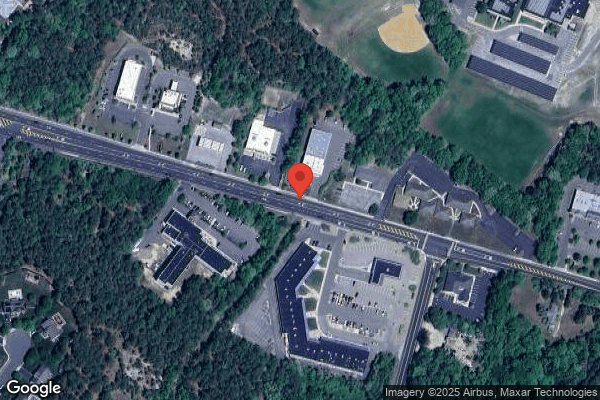
859 WEST BAY AVE, BARNEGAT, NJ 08005 (609) 698-1400
For profit - Limited Liability company 115 Beds CONTINUUM HEALTHCARE Data: November 2025 1 Immediate Jeopardy citation
Trust Grade
48/100
#95 of 344 in NJ
Last Inspection: November 2024

Within standard 12-15 month inspection cycle. Federal law requires annual inspections.

Overview

Barnegat Rehabilitation and Nursing Center has a Trust Grade of D, indicating below average performance with some concerning issues. They rank #95 out of 344 facilities in New Jersey, placing them in the top half, and #7 out of 31 in Ocean County, which indicates only six local options are better. The facility is showing an improving trend, with reported issues decreasing from three in 2024 to just one in 2025. However, staffing is a weakness here, earning only 2 out of 5 stars, with a turnover rate of 46%, which is average but still concerning. Additionally, the facility has incurred $46,170 in fines, higher than 81% of New Jersey facilities, suggesting repeated compliance problems. There are serious concerns regarding resident safety, as a CNA witnessed another CNA physically abusing a resident but failed to report it immediately. Another incident involved a resident's catheter drainage bag being left on the floor, which poses health risks. While the nursing home has good overall and health inspection ratings of 4 out of 5 stars, these specific incidents highlight significant areas that need improvement.

Trust Score
D
48/100
In New Jersey
#95/344
Top 27%
Safety Record
High Risk
Review needed
Inspections
Getting Better
3 → 1 violations
Staff Stability
⚠ Watch
46% turnover. Above average. Higher turnover means staff may not know residents' routines.
Penalties
✓ Good
$46,170 in fines. Lower than most New Jersey facilities. Relatively clean record.
Skilled Nurses
⚠ Watch
Each resident gets only 20 minutes of Registered Nurse (RN) attention daily — below average for New Jersey. Fewer RN minutes means fewer trained eyes watching for problems.
Violations
⚠ Watch
22 deficiencies on record. Higher than average. Multiple issues found across inspections.
★★★★☆
4.0
Overall Rating
★★☆☆☆
2.0
Staff Levels
★★★★☆
4.0
Care Quality
★★★★☆
4.0
Inspection Score
Stable
2024: 3 issues
2025: 1 issues

The Good

  • 4-Star Quality Measures · Strong clinical quality outcomes
  • Full Sprinkler Coverage · Fire safety systems throughout facility
  • No fines on record

Facility shows strength in quality measures, fire safety.

The Bad

Staff Turnover: 46%

Near New Jersey avg (46%)

Higher turnover may affect care consistency

Federal Fines: $46,170

Above median ($33,413)

Moderate penalties - review what triggered them

Chain: CONTINUUM HEALTHCARE

Part of a multi-facility chain

Ask about local staffing decisions and management

The Ugly 22 deficiencies on record

1 life-threatening 1 actual harm
Jul 2025 1 deficiency 1 IJ
CRITICAL (J) 📢 Someone Reported This

A family member, employee, or ombudsman was alarmed enough to file a formal complaint

Immediate Jeopardy (IJ) - the most serious Medicare violation

Free from Abuse/Neglect (Tag F0600)

Someone could have died · This affected 1 resident

**NOTE- TERMS IN BRACKETS HAVE BEEN EDITED TO PROTECT CONFIDENTIALITY** Complaint #: NJ182922Based on interviews, medical record review, and review of other pertinent facility documents on 7/21/25, it...

Read full inspector narrative →
**NOTE- TERMS IN BRACKETS HAVE BEEN EDITED TO PROTECT CONFIDENTIALITY** Complaint #: NJ182922Based on interviews, medical record review, and review of other pertinent facility documents on 7/21/25, it was determined that the facility failed to implement their abuse policy by protecting Resident #4, as well as all residents from abuse, when on 1/25/25 at 8:40 PM, the Certified Nursing Aide (CNA #3) observed CNA #1 and CNA #2 physically abuse Resident #4 and CNA #3 did not report the incident until the next day, 1/26/25 at approximately 12:37 PM. This deficient practice was identified for 1 of 4 residents reviewed (Resident #4).On 1/25/25 at 8:40 PM, during the 3:00 PM to 11:00 PM shift (3-11), CNA #3 reported hearing screaming coming from Resident #4's room, and when she walked into the room, CNA #3 stated that she observed the resident sitting on their bed with CNA #1 trying to remove the resident's shirt and CNA #2 trying to put on a [NAME] coat (hospital gown). CNA #3 reported observing the resident yelling and being combative and spit at CNA #1, who appeared agitated from it and CNA #1 straddled the resident on the bed. CNA #3 reported that while resident laid on their back, CNA #2, took the resident's face and smooshed it into the mattress. At that time, CNA #3 stated she told them she would take it from here, and both CNA #1 and CNA #2 stopped and walked out of the resident's room like nothing happened. CNA #3 did not report the incident immediately and CNA #1 and CNA #2 continued to work the 3-11 shift having access to Resident #4 as well as other residents. CNA #3 reported the incident the following day almost sixteen hours later on 1/26/25 at approximately 12:37 PM, during the 7:00 AM to 3:00 PM (7-3) shift. The facility's failure to ensure Resident #4, as well as all residents were protected from abuse by immediately reporting and investigating an allegation of physical abuse to Resident #4 posed the likelihood of serious physical and psychosocial harm and impairment to all residents. This resulted in an Immediate Jeopardy (IJ) situation which ran from 1/25/25 at 8:40 PM, when CNA #1 observed Resident #4 being abused, until 1/26/25 at 12:27 PM, when CNA #1 reported the incident to the Nursing Supervisor (Supervisor #1). The IJ was Past Non-Compliance (PNC).The facility's Administration was notified of the IJ on 7/21/25 at 4:58 PM. The facility submitted an acceptable Removal Plan on 7/24/25 at 1:36 PM.The facility was back in compliance when the facility addressed the situation by immediately investigating the incident; suspending CNA #1 and CNA #2 pending an investigation and later terminating; educating CNA #3 as well as all staff on the facility's abuse policy and immediately reporting allegations to the administration; Resident #4 was assessed and x-rays were taken; and contacted outsourced provider regarding training for staff on how to deal with residents with dementia and behaviors. The surveyor verified the completion of the Removal Plan was 1/30/25, during an on-site survey on 7/25/25, and determined the IJ was PNC.The evidence was as follows:A review of the undated facility policy titled Protecting Our Residents Abuse Prevention & Reporting, Dignity, Resident's Rights included each resident has the right to be free from verbal, sexual, physical and mental abuse, corporal punishment and involuntary seclusion.Definitions: Abuse is defined as the willful infliction of injury, unreasonable confinement, intimidation, or punishment with resulting physical harm, pain or mental anguish.Employee Reporting Requirements: The center is required to ensure that all alleged violations involving mistreatment, neglect or abuse, including injuries of unknown source (e.g. bruise) [.] are reported immediately to the Administrator of the facility and to other officials in accordance with state law. Any employee who suspects or has had a resident or family member report abuse, must report immediately. Failure to report timely may result in disciplinary action. Suspending Pending an Investigation: Any employee whose conduct gives rise to a reasonable suspicion of resident abuse may be immediately removed from the floor, and where appropriate suspended without pay pending an investigation. In addition, if an allegation has been made against an employee, for the integrity of the investigation, the employee will be suspended pending an investigation. See something, say something. Even if you think that someone may have already reported it, still say something.A review of the facility's Abuse, Neglect, Exploitation or Misappropriation - Reporting and Investigating policy dated revised September 2022, included if abuse, neglect, exploitation [.] is suspected, the suspicion must be immediately reported to the administrator and to other officials according to state law.Investigating Allegation.6. Any employee who has been accused of resident abuse is placed on leave with no resident contact until the investigation is complete.According to the Facility Reportable Event (FRE) dated 1/27/25, reported to the New Jersey Department of Health (NJDOH), included the following:A review of the Summary revealed that on 1/26/25 at approximately 12:37 PM, a CNA (CNA #3) made the Nursing Supervisor (Supervisor #1) aware of care concern regarding a resident (Resident #4) pertaining to CNAs (CNA #1 and CNA #2) from previous evening shift. [CNA #1] reported upon entering the room to care for [Resident #4], [CNA #3] witnessed [Resident #4] spit on [CNA #1]. Immediately after being spit on, [CNA #1] contacted [Resident #4] striking [their] neck with hand. [Resident #4] attempted to spit at [CNA #2], [CNA #2] attempted to shield the resident's mouth and grabbed [the resident's] arm to assist with redirection. [CNA #3] instructed both employees to leave the room and she would complete care as needed for [Resident #4]. A review of the submitted timeline revealed that:-On 1/25/25 at approximately 8:30 PM, [CNA #3] noticed [Resident #4] needed to be changed.-On 1/25/25 at 8:35 PM, [Resident #4 was] ambulating in hallway with CNAs [CNA #1 and CNA #2].-On 1/25/25 at 8:40 PM, [CNA #3] heard noises coming from the bathroom, [CNA #3 went] to check on both the staff and [CNA #3] witnessed incident occur. CNA [CNA #3] instructed [CNA #1 and CNA #2] to leave the room.-On 1/26/25 at 12:37 PM, [CNA #3] reported incident to Nurse Supervisor [Supervisor #1].-On 1/26/25 at approximately 12:40 PM, [Supervisor #1] contacted the Director of Nursing (DON). A statement was obtained from [CNA #3] over the phone.-On 1/26/25 at 12:45 PM, [CNA #1 and CNA #2] suspended immediately pending an investigation. [Supervisor #1] conducted a skin assessment and interviewed [Resident #4], physician ordered an x-ray of neck and arm related to pain.-On 1/27/25 at 11:00 AM, interview with [CNA #1 and CNA #2] conducted over the phone and requested a written statement to be sent. (Suspension pending investigation continues.)A review of the conclusion included that after conducting a comprehensive investigation regarding the incident, we have ruled out any form of abuse and neglect based off the following: [Resident #4] can become combative with care, has dementia, and can be difficult to redirect at times during care. [CNA #1] did not have any intent to harm [Resident #4] by striking [the resident], this was an impulse reaction to being spit on. [CNA #2] placed hand in front of face to protect any further spitting from [Resident #4], this caused [Resident #4] to scare and lean backwards in bed, where [CNA #2] grabbed [Resident #4's] arm to redirect and reposition [Resident #4] safely in bed. Skin assessment and radiology reports show no signs of injury or fracture. Care plan updated to include paired care with activities of daily living (ADLs) and incontinence care. The surveyor reviewed the medical record for Resident #4.According to the admission Record face sheet (an admission summary), Resident #4 was admitted to the facility with diagnoses which included but were not limited to: generalized anxiety disorder, hallucinations, unspecified psychosis, mood disorder, and unspecified dementia.A review of the quarterly Minimum Data Set (MDS), an assessment tool dated 6/23/25, reflected that Resident #4 had a Brief Interview of Mental Status (BIMS) score of 3 out of 15, which indicated a severely impaired cognition.A review of Resident #4's Care Plans (CP) included a focus area initiated 7/10/23, that the resident was resistive to care with regards to adjustment to nursing home, anxiety, dementia, and resists all care. The resident is aggressive when approached.Interventions include to allow resident to make decisions about treatment regime, to provide sense or control; provide consistency in care to promote comfort with ADLs, maintain consistency in timing of ADLs, caregivers and routine as much as possible; and provide resident with opportunities for choice during care provision.On 7/21/25 at 11:30 AM, the surveyor interviewed CNA #3, who stated at approximately 8:00 PM, she went to check on Resident #4 when she heard yelling coming their room. When she entered the room, CNA #3 observed the resident sitting on the edge of the bed yelling and being combative with assistance being rendered by two CNAs (CNA #1 and CNA #2), who were standing on either side of the resident. CNA #3 continued that CNA #1 was attempting to remove the resident's shirt over their head, while CNA #2 was attempting to apply a [NAME] coat (hospital gown) to the resident. CNA #3 stated that she observed the resident spit at CNA #1, which caused both CNA #1 and CNA #2 to become aggressive towards the resident. CNA #3 stated she observed CNA #1 jump on the resident while CNA #2 took the resident's face and smooshed it into the mattress. CNA #3 stated she repeatedly said to both CNAs, I'll take it from here until they both stopped what they were doing and walked out of the room like nothing happened. CNA #3 stated she was the only witness and was afraid of retaliation by these two CNA's if she reported them that night. CNA #3 stated I knew it was abuse, I was just so shook up. I never seen that before and have been an aide since I was [AGE] years old. CNA #3 stated she continued to work that night. The following day she reported for her 7:00 AM to 3:00 PM (7-1) shift and immediately reported what she witnessed to the Nurse Supervisor (Supervisor #1). On 7/25/25 at 3:05 PM, the surveyor interviewed the Licensed Practical Nurse (LPN) Nurse Supervisor (Supervisor #1), who stated that CNA #3 approached her around 7:10 AM on 1/26/25, and said she had to speak to me about something important. Supervisor #1 stated that CNA #3 said last night (1/25/25), she went into Resident #4's room because she heard screaming. When she entered the room, she saw CNA #1 and CNA #2 attempting to change the resident's clothes. Supervisor #1 stated that CNA #3 said the resident was observed giving them a hard time, and the CNAs were Agency staff, and did not know the resident did not like to wear a [NAME] coat. Supervisor #1 stated CNA #3 stated she went to get the resident's clothes and when she turned back around, she saw the resident spit at one of the CNAs. That CNA then pulled their hand back to make contact with the resident. Supervisor #1 stated since this was a while back, it was hard to remember all the details, but as soon as CNA #3 finished her report, the Administration was notified. Supervisor #1 stated she went to assess the resident, and the resident stated, they harassed me and the resident complained of neck discomfort. Supervisor #1 stated she did not believe CNA #3 followed the abuse policy because of fear of retaliation from the two CNAs.A review of the CNA assignment sheets from the day of the incident (1/25/25) through present, revealed that CNA #1 and CNA #2 were not in the facility since the 3-11 shift on 11/25/25.On 7/21/25 at 3:40 PM, the surveyor interviewed the DON, who stated if any staff member witnessed an allegation of abuse, they should have reported it immediately to the supervisor. The DON stated that CNA #3 said she did not feel safe reporting the incident out of fear the two CNAs would be waiting. The DON stated that because of that delay, CNA #3 put the facility in a bad situation because those two staff members were still in the building after the incident. The DON stated that CNA #3 received disciplinary action for not reporting. The DON also stated that the facility believed it not to abuse and would have considered abuse if the resident was physically restrained or pushing the resident's face.The facility submitted an acceptable Removal Plan on 7/24/25 at 1:36 PM, indicating the action the facility will take to prevent serious harm from occurring or recurring. The facility implemented a corrective action plan to remediate the deficient practice to include: on 1/26/25, CNA #3 as well as facility wide staff education on the facility's policy on abuse and immediately report to administrative staff allegations of abuse was initiated; alleged employees suspended immediately and terminated following conclusion of investigation; Resident #4 was evaluated including review of medication, laboratory, and radiology reports, Resident #4's Responsible Party and Physician were notified; care plans reviewed and updated where appropriate; review of residents with a diagnosis of dementia with agitation; and contacted outsourced provider regarding training for staff on how to deal with residents with dementia and behaviors. The facility self-corrected the deficient practice, and it was determined that the IJ was Past Non-Compliance (PNC), and the facility corrected their non-compliance on 1/30/25.The surveyor verified the implementation of the Removal Plan on site on 7/25/25. NJAC 8:39-4.1 (a)(5)
Nov 2024 3 deficiencies
CONCERN (D)

Potential for Harm - no one hurt, but risky conditions existed

Accident Prevention (Tag F0689)

Could have caused harm · This affected 1 resident

**NOTE- TERMS IN BRACKETS HAVE BEEN EDITED TO PROTECT CONFIDENTIALITY** Based on observation, interview, record review, and review of pertinent documentation it was determined that the facility failed...

Read full inspector narrative →
**NOTE- TERMS IN BRACKETS HAVE BEEN EDITED TO PROTECT CONFIDENTIALITY** Based on observation, interview, record review, and review of pertinent documentation it was determined that the facility failed to ensure the resident's environment is free of accident hazards by failing to use bilateral floor mats as ordered. The deficient practice was identified for 1 of 5 residents (Resident # 31) reviewed under Accidents. The deficient practice was evidenced by the following: A review of Resident # 31's comprehensive Minimum Data Set, dated [DATE] revealed that Resident # 31 had a fall prior to admission. A review of Resident # 31's Order Summary located in the Electronic Medical Record (EMR) revealed an order for, Mats at the bedside while in bed every shift for safety. The order became active on 09/21/2024. A review of Resident # 31's Treatment Administration Record for October of 2024 revealed the order for, Mats at the bedside while in bed every shift for Safety was indicated as administered for each shift up until the time of surveyor review. A review of Resident # 31's Care Plan located in the EMR revealed a focus, I am high risk for falls [related to] gait/balance problems, toe fractures, and multiple falls prior to admission. Actual fall 9/20/2024. The Care Plan also revealed an intervention for, Bilateral Mats next to bed while in bed for safety. The intervention was initiated on 09/21/2024. A review of the EMR under, Diagnoses revealed a diagnosis of but not limited to repeated falls. On 10/24/2024 at 10:48 AM, during an interview with the surveyor, Resident # 31 said he/she had three falls at home. At that time, the surveyor observed a mat on the floor located on the right side of the bed and the other folded against the wall. On 10/25/2024 at 8:32 AM while in Resident # 31's room, the surveyor observed Resident # 31 in bed. At that time, the surveyor also observed one mat on the floor to the resident's left side. On the right side, a mat was folded in half and placed against the wall. It was placed on the floor adjacent to the bed. On the same date at 9:35 AM, the surveyor observed Resident # 31 in bed with one of his/her legs off the bed near the floor. At that time, the surveyor observed one mat on the floor adjacent to the bed and the other folded up against the wall. At that time, Resident # 31 told the surveyor he/she had a bad fall at home prior to admission. On 10/30/2024 at 9:33 AM, the surveyor observed Resident # 31 in bed. At that time, one floor mat was folded on its side in the room. On the same date at 1:10 PM during an interview with the Director of Nursing (DON), the surveyor asked if floor mats for the bedside be folded up and against the wall. The DON replied that depending on the situation, the concern is that when you have someone with a bed side table access can be difficult. On 10/31/2024 at 10:12 AM during an interview with the surveyor, the DON explained that since Resident # 31 was becoming more independent, going forward only one fall mat on one side will be used and the bedside table will be on the other side of the bed. A review of the facility provided policy titled, Falls and Fall Risk, Managing revised October 2023, revealed under, Resident-Centered Approaches to Managing Falls and Fall Risk that, 1. The staff, with the input of the attending physician, will implement a resident-centered fall prevention plan to reduce the specific risk factors(s) of falls for each resident at risk or with a history of falls. § 8:39-27.1 (a)
CONCERN (D) 📢 Someone Reported This

A family member, employee, or ombudsman was alarmed enough to file a formal complaint

Potential for Harm - no one hurt, but risky conditions existed

Pharmacy Services (Tag F0755)

Could have caused harm · This affected 1 resident

Deficiency Text Not Available

Read full inspector narrative →
Deficiency Text Not Available
CONCERN (D)

Potential for Harm - no one hurt, but risky conditions existed

Infection Control (Tag F0880)

Could have caused harm · This affected 1 resident

Based on observation, interview, record review, and review of pertinent facility documents it was determined that the facility staff failed to use appropriate infection control practices specifically ...

Read full inspector narrative →
Based on observation, interview, record review, and review of pertinent facility documents it was determined that the facility staff failed to use appropriate infection control practices specifically by failing to wear a gown when providing wound care. The deficient practice was identified for 1 of 2 (Resident # 27) residents reviewed for Pressure Ulcer/Injury. The deficient practice was evidenced by the following: A review of Resident # 27's physician's orders located in the Electronic Medical Record (EMR) revealed that he/she was receiving Santyl External Ointment (topical ointment enzyme that breaks down collagen) applied to the left trochanter wound topically every day shift for healing. The order further revealed to cleanse with acetic acid 0.25%, pat dry, apply santyl, calcium alginate, and cover with a [clean dry dressing]. A review of Resident # 27's diagnoses located in the EMR, revealed a diagnosis of but not limited to a pressure ulcer on the left hip. On 10/25/2024 at 12:36 PM, with permission from Resident # 27, the surveyor observed his/her wound care provided by Registered Nurse (RN) # 1. At that time, the surveyor observed an orange sign on the room door that read, Enhanced Barrier Precautions. The sign revealed that, Everyone Must: clean their hands including before entering and when leaving the room. Providers and Staff must also: Wear gloves and a gown for following high-contact resident care activities: Dressing Bathing/showering, transferring, changing linens, providing hygiene, changing briefs, or assisting with toileting device care or use: central line, urinary catheter, feeding tube, tracheostomy, Wound care: any skin opening requiring a dressing. RN # 1 entered the room without wearing a gown. During the observation of the wound care, RN # 1 did not wear a gown throughout the entire process. At the time the wound care concluded, the surveyor asked RN # 1 whether they should have worn a gown. RN # 1 replied saying they walked right past the sign. He further stated that Resident # 27 was not on isolation but they walked past the sign on the door. The surveyor did not observe a bin outside of the room containing an personal protective equipment such as gowns. On the same date at 1:18 PM during an interview with the surveyor, the Infection Preventionist (IP) replied, He should've. when asked if RN # 1 was supposed to wear a gown when performing wound care on Resident # 27. The IP confirmed that Resident # 27 has been on Enhanced Barrier Precautions since August of 2024. The IP clarified that Resident # 27 also has a central line (catheter placed in a large vein, often in the neck, chest, or groin, to administer medication, fluids, or collect blood). The surveyor asked when does a staff member have to wear a gown in that room. The IP replied, If they are accessing any of those items, wounds . A review of the facility provided policy titled, Enhanced Barrier Precautions dated April 2024 revealed, 1. Enhanced barrier precautions (EBPs) are used as an infection prevention and control intervention to reduce the spread of multi-drug resistant organisms (MDROs) to residents. and, 3. EBPs are indicated (when contact precautions do not otherwise apply) for residents with wounds and/or indwelling medical devices regardless of MDRO colonization. § 8:39-19.4 (a)
Aug 2023 7 deficiencies 1 Harm
SERIOUS (G) 📢 Someone Reported This

A family member, employee, or ombudsman was alarmed enough to file a formal complaint

Actual Harm - a resident was hurt due to facility failures

Accident Prevention (Tag F0689)

A resident was harmed · This affected 1 resident

Deficiency Text Not Available

Read full inspector narrative →
Deficiency Text Not Available
CONCERN (D)

Potential for Harm - no one hurt, but risky conditions existed

Deficiency F0657 (Tag F0657)

Could have caused harm · This affected 1 resident

Based on interview, review of the medical record, and review of other facility documentation, it was determined that the facility failed to revise a care plan for a resident who transitioned from intr...

Read full inspector narrative →
Based on interview, review of the medical record, and review of other facility documentation, it was determined that the facility failed to revise a care plan for a resident who transitioned from intravenous antibiotics to oral antibiotics. This deficient practice was identified for 1 of 25 sampled residents, (Resident # 69) and was evidenced by the following: A review of the admission Record revealed Resident #69 was admitted to the facility with diagnoses including but not limited to: Right Hip Replacement and Methicillin Susceptible Staphylococcus Aureus Infection (MSSA) (is an infection caused by a type of bacteria commonly found on the skin). A review of the admission Minimum Data Set, an assessment tool used to facilitate resident care dated 04/12/2023, revealed a Brief Interview for Mental Status of 15/15 indicating Resident #69 was cognitively intact. A review of section N revealed the resident received 7 days of antibiotic therapy. A review of the Order Summary Report (OSR) dated 05/01/2023 revealed a physician order for start date of Daptomycin Intravenous Solution Reconstituted with a start date of 04/22/2023 use 541 MG (milligrams) intravenously one time a day for MSSA until 05/07/2023. A review of the OSR dated 06/01/2023 revealed a physician order with a start date of 05/10/2023, Doxycycline Hyclate Oral Tablet 100 MG (Doxycycline Hyclate) (antibiotic used to treatment infections) Give 1 tablet by mouth every 12 hours for wound healing until 08/01/2023. A review Resident #69's care plan did not include a Focus are for the use of an oral antibiotic. During an interview with the surveyor on 07/31/2023 at 9:08 AM, Resident #69 said yes, I am on an antibiotic for a staph infection in my hip. Resident #61 went on to say the last day for the antibiotic is 8/1. During an interview with the surveyor on 07/31/2023 at 11:58 AM, the Infection Preventionist/Licensed Practical Nurse (IP/LPN) was asked who is responsible to initiate care plan for residents on antibiotics. IP/LPN replied Usually the Unit Manager, or 3-11 nursing supervisor are responsible to initiate the care plan. Sometimes I am involved but usually the Unit Manager. During an interview with the surveyor on 08/02/2023 at 10:01 AM, Licensed Practical Nurse (LPN #1) said the baseline care plan is initiated upon admission. Then the care plan is developed within 7 days, and we have up to 21 days to complete the care plan. LPN #1 went on to say the care plans are reviewed quarterly, monthly, and annually and as need with changes. The surveyor asked LPN #1 what is expected to be on the care plan to direct care of residents, their strength, and weaknesses, like and dislikes and what we need to do for them. During an interview with the surveyor on 08/02/2023 at 10:31 AM, Licensed Practical Nurse/Unit Manager (LPN/UM #1) said that upon admission whatever nurse is here would initiate the baseline care plan when they are doing the assessments. When asked what would you expect to see on a baseline care plan LPN/UM #1 replied assist that is needed with adl's (activities of daily living) any special equipment such as oxygen, bipap cpap, if they are on isolation, use of DME (durable medical equipment) such as wheelchair, condition of skin, continent or not and if they wear briefs or pull ups, safety if have history of fall or fall related injuries, any special treatments such as dialysis, pacemaker, dentures, medications or treatments if receiving therapy. LPN/UM #1 went on to say that if resident is on anticoagulant would like to have that in care plan, psychotropic medications, allergies, oxygen, diabetes, isolation for infection it would go on there. If on antibiotic therapy should have a care plan for antibiotic. Also, anyone with Foley catheter suprapubic should have a care plan. When asked when are care plans reviewed, LPN/UM #1 replied I generally start care plan within first couple days, quarterly with meetings, annually and when change in status care plan is updated. The nursing supervisor do update or initiate the care plan. During an interview with the surveyor on 08/04/2023 at 01:19 PM, the Director of Nursing (DON) said anyone can initiate the care plan, the nurse Social Worker, dietary and this is done on the day of admission. The surveyor asked when are care plans reviewed and the DON replied care plans are reviewed quarterly, annually, and as needed and for a significant change or change in medical status. When asked what is expected to be on a care plan, the DON said adl's, special diet, IV, infection control preferences. The DON confirmed yes, antibiotics should be on a care plan but will be resolved once it is done. A review of a facility policy titled Care Plans, Comprehensive Person-Centered with a revised date of March 2022, revealed under the Policy Interpretation and Implementation section 7. The comprehensive, person-centered care plan: .b. describes the services that are to be furnished to attain or maintain the residents highest practicable physical, mental, and psychosocial well being, including: services that would otherwise be provided for the above. The policy also included 7. e. reflects currently recognized standards of practice for problem areas and conditions. NJAC 8:39-27.1(a)
CONCERN (D)

Potential for Harm - no one hurt, but risky conditions existed

Deficiency F0658 (Tag F0658)

Could have caused harm · This affected 1 resident

3.) On 7/26/2023 at 8:20 AM during the observation of medication administration, Surveyor #3 observed Licensed Practical Nurse (LPN) #1 begin adding medication tablets to a medicine cup to give to a r...

Read full inspector narrative →
3.) On 7/26/2023 at 8:20 AM during the observation of medication administration, Surveyor #3 observed Licensed Practical Nurse (LPN) #1 begin adding medication tablets to a medicine cup to give to a resident. At this time, the surveyor observed LPN #1 drop a Losartan Potassium oral tablet (medication used to treat high blood pressure) onto the surface of the medication cart. LPN #1 then picked up the tablet with her bare hands and place it back into the medication cup and proceeded to administer the medication to a resident. On the same date at 8:33 AM during the observation of medication administration, Surveyor #3 observed LPN #1 begin adding medication tablets to a medicine cup to give to a resident. At this time, Surveyor #3 observed LPN #1 drop an Apixaban oral tablet (medication used to prevent blood clots) onto the surface of the medication cart. LPN #1 then picked up the tablet with her bare hands and placed it back into the medication cup and proceeded to administer the medication to a resident. On the same date at 8:39 AM during an interview with Surveyor #3, LPN #1 said that in each medication cart there is a, Drug-Buster (solution mixture used to disintegrate medications) in the bottom of the cart. She stated that medications should be disposed of in the Drug-Buster and the nurse should get a new medication. Surveyor #3 asked if she did that when she dropped the tablets onto the medication cart. She replied, No. On the same date at 9:14 AM during the observation of medication administration, Surveyor #3 observed LPN #2 begin adding medication tablets to a medicine cup to give to a resident. At this time, Surveyor #3 observed LPN #2 drop a Comtan oral tablet (medication used to treat Parkinson's disease) onto the surface of the medication cart. LPN #2 then picked up the tablet with her bare hands and placed it back into the medication cup followed by administering the medication to a resident. On the same date at 9:25 AM during the observation of medication administration, Surveyor #3 observed LPN #2 begin adding medication tablets to a medicine cup to give to a resident. At this time, Surveyor #3 observed LPN #2 drop a Furosemide oral tablet (medication used to treat fluid retention) onto the surface of the medication cart. LPN #2 tossed the medication into the garbage receptacle attached to the medication cart. On the same date at 9:30 AM during an interview with Surveyor #3, LPN #2 replied, If it (medication tablet) drops, I throw it away. when Surveyor #3 asked what the facility policy on disposing medications is. LPN #2 replied, They (staff nurses) do it if it's narcotics. I use the trash or sharps box. when asked if staff use the Drug-Buster. On 8/07/2023 at 12:47 PM during an interview with Surveyor #3, the Director of Nursing (DON) replied, No when asked by Surveyor #3 if medication tablets be placed back into a medicine cup if they are dropped onto the medication cart surface. The DON further stated, It could be contaiminated on top of the cart when Surveyor #3 asked why the medication tablets should not be placed back into the medication cup. Lastly, the DON stated, No. Never. when Surveyor #3 asked if medications should be disposed of in the medication cart garbage receptacle. A review of the facility provided policy titled, Discarding and Destroying Medications revised April 2019 revealed under Policy Interpretation and Implementation that, 2. Non-controlled and Schedule V (non-hazardous) controlled substances will be disposed of in accordance with state regulations and federal guidelines regarding disposition of non-hazardous medications. § 8:39-27.1 (a) § 8:39-29.4 (i) Based on observation, interview, and review of pertinent facility documentation it was determined that the facility failed to ensure care and services were provided according to accepted standards of clinical practice specifically by A.) administering medication outside of blood-pressure parameters ordered by a physician, B.) failing to ensure the communication of abnormal laboratory results to the physician, and C.) administering medication tablets that dropped onto the top of a medication cart, and disposing medication tablets into a garbage receptacle. The deficient practices were observed for 2 of 5 residents (Resident #7, Resident #28) reviewed for Unnecessary Medications and for 2 of 2 nurses observed during the Medication Administration Task. The deficient practice was evidenced by the following: Reference: New Jersey Statutes, Annotated Title 45, Chapter 11. Nursing Board The Nurse Practice Act for the State of New Jersey stated, The practice of nursing as a registered professional nurse is defined as diagnosing and treating human responses to actual or potential physical and emotional health problems, through such services as case finding, health teaching, health counseling, and provision of care supportive to or restorative of life and wellbeing, and executing medical regimens as prescribed by a licensed or otherwise legally authorized physician or dentist. Reference: New Jersey Administrative Code, Title 13, Law and Public Safety, Chapter 37, New Jersey Board of Nursing, under 13:37-6.5 Non-Delegable Nursing Tasks, includes: A registered professional nurse shall no delegate the physical, psychological, and social assessment of the patient, which requires professional nursing judgement, intervention, referral, or modification of care. Reference: New Jersey Statutes, Annotated Title 45, Chapter 11. Nursing Board The Nurse Practice Act for the State of New Jersey stated, The practice of nursing as a licensed practical nurse is defined as performing tasks and responsibilities within the framework of casefinding; reinforcing the patient and family teaching program through health teaching, health counseling and provision of supportive and restorative care, under the direction of a registered nurse or licensed or otherwise legally authorized physician or dentist. Resident #7 On 07/26/2023 at 08:35 AM the surveyor observed Resident #7 in their room seated in a wheelchair doing a word search puzzle. Resident #7 was pleasant and cooperative and did not display any aberrant behaviors. According to the admission Record Resident #7 was admitted to the facility with the following but not limited to diagnoses: Congestive heart failure (a chronic condition in which the heart doesn't pump blood as well as it should), end stage renal disease, essential hypertension, and myocardial infarction (heart attack). Review of the comprehensive Minimum Data Set (MDS), an assessment tool, dated May 12, 2023, revealed that Resident #7 had a Brief Interview for Mental Status score of 14/15, indicating intact cognitive status. Section G revealed that Resident #7 required extensive assist with most activities of daily living and Section I revealed active diagnoses of coronary artery disease, heart failure and hypertension. Review of the Order Summary Report, with active orders as of 08/01/2023 revealed the following physician orders for Resident #7: Midodrine HCl (hydrochloric acid) Oral Tablet 5 MG (Midodrine HCl) Give 1 tablet by mouth three times a day every Mon, Wed, Fri, Sun for orthostatic hypotension Hold for SBP (systolic blood pressure) greater than 120 mmhg (millimeters of mercury) Midodrine HCl Oral Tablet 5 MG (Midodrine HCl) Give 1 tablet by mouth two times a day every Tue, Thu, Sat, for Orthostatic Hypotension HOLD FOR SBP>120MMHG On 08/02/23 at10:43 AM the surveyor reviewed the consultant pharmacist (CP) monthly medication regimen review (MRR) for the period of February 2023 through July 2023. On 05/11/2023 the CP reported a medication error to the facility administration. The medication error was as follows: Midodrine has hold parameters that have not been followed correctly. BP (blood pressure) was above threshold for medication to be held but was given 5/6 and 5/10. Please review. Please review, correct and report as per facility policy. A Medication Error Report was provided to the surveyor, dated 5/6/2023 by the facility Director of Nursing (DON) on 8/7/2023 On 08/04/2023 at 01:02 PM the surveyor reviewed the Medication Administration Record (MAR) for 5/1/2023-5/31/2023 for Resident #7. The MAR revealed that Midodrine was administered outside of physician ordered parameters on the following dates and times: 5/6/2023 1400 for SBP of 124 5/10/2023 0600 for SBP of 134 5/12/2023 0600 for SBP of 128 5/13/2023 2200 for SBP of 128 5/14/2023 0600 for SBP of 130 and 2200 for SBP of 126 5/15/2023 0600 for SBP of 132 5/17/2023 0600 for SBP of 132 5/19/2023 2200 for SBP of 139 5/20/2023 0600 for SBP of 134 and 2200 for SBP of 122 5/22/2023 1400 for SBP of 124 5/26/2023 0600 for SBP of 124 5/28/2023 0600 for SBP of 129 5/31/2023 0600 for SBP of 128 On 08/07/2023 at 09:14 AM the surveyor conducted an interview with Licensed Practical Nurse (LPN #3) assigned to the 2nd Floor of the facility where Resident #7 resided. The surveyor asked LPN#3 how Midodrine was to be administered to a resident who had a physician order for the antihypotensive (used to improve blood pressure and end-organ perfusion in patients who aren't able to adequately maintain these functions normally) medication. LPN #3 told the surveyor, Midodrine has parameters. Generally, the drug should not be administered if the systolic blood pressure is greater than 120. The surveyor asked LPN #3 if she would administer Midodrine for a resident with a systolic blood pressure of 125 and LPN #3 stated, No. It is outside of the parameter for this medication. On 08/07/2023 at 12:53 PM the surveyor conducted an interview with the facility DON. The surveyor asked the facility DON what the potential medical consequence could be by administering Midodrine medication outside of physician ordered parameters. The DON responded, The potential consequence is that the resident could have elevated blood pressure and heart rate providing the medication outside of the prescribed parameters. The surveyor reviewed the facility policy titled Administering Medications, revised April 2019. Under Policy Statement it was revealed that Medications are administered in a safe and timely manner, and as prescribed. The following was revealed under the heading of Policy Interpretation and Implementation: 4. Medications are administered in accordance with prescriber orders, including any required time frame. 6. Medication errors are documented, reported, and reviewed by the QAPI (Quality Assurance Performance Improvement) committee to inform process changes and/or the need for additional staff training. 2. According to the admission Record, Resident # 28 was admitted to the facility with diagnoses including but not limited to: Hypothyroidism (means that the thyroid gland can't make enough thyroid hormone to keep the body running normally). A review of the Consultant Pharmacist (CP) report dated 05/10/2023 revealed a note to the physician to Consider ordering TSH- last noted 7/22 in medical record. A handwritten note indicated TSH ordered 5-15-22. A review of the lab results for the TSH dated 05/15/2023 revealed Results 0.04 with a Ref (reference range) 0.3-4.2 A review of the progress notes dated 05/15/2023 through 05/31/2023 did not include documentation that the physician was notified of the abnormal lab results. A review of the Order Summary Report (OSR) with active orders as of 07/01/2023, revealed a physician order for TSH (Thyroid Stimulating Hormone) (blood test to check your thyroid hormone level) one time only ordered on 06/06/2023 and scheduled for 07/10/2023. A review of the lab results for the TSH dated 07/10/2023 revealed results of 0.12 with a Ref (reference range) 0.3-4.2. A review of the progress notes date 07/10/2023 through 08/03/2023 did not include documentation that the physician was notified of the abnormal lab results. During an interview with the surveyor on 08/03/2023 at 10:20 AM, Licensed Practical Nurse/Unit Manager (LPN/UM #1) said the process for lab work to be ordered is that when the Nurse Practitioner (NP) comes in they put their own lab orders in the computer and then we (nursing) go into pending orders for confirmation. The nurse then goes into the lab system to print the slip and the slip goes into the lab book. When asked what the process is for when you receive the lab results, LPN/UM #1 replied, If there is particular lab value we are looking at we go back in the lab system and look. The 3-11 nursing supervisor goes through the labs and will contact the physician for follow up. If all normal labs, then the physician and NP sign they reviewed the labs when they come in. Surveyor #2 asked where this would be documented when the physician or NP were notified of abnormal lab results. LPN/UM #1 replied, We would document in the progress notes that we received abnormal labs and that we notified the physician or NP right away for orders and update the patient and responsible party. On 08/03/2023 at 10:26 AM, Surveyor #2 reviewed the labs of 05/15/2023 and 07/10/2023 with LPN/UM #1 and asked where the documentation is that the physician or NP were notified of the low results. LPN/UM #1 confirmed she did not see anything in the progress notes that the physician or NP were notified of the abnormal labs results. On 08/03/2023 at 11:35 AM, LPN/UM #1 provided Surveyor #2 a progress note dated 06/06/2023 that the NP indicated reviewed TSH 5/15/23 0.4 repeat in 1 month. LPN/UM #1 said I don't see a note for the 7/10/23 TSH. On 08/03/2023 at 12:45 PM, LPN/UM #1 came to Surveyor #2 and said she had spoken to the NP and the NP wasn't aware of the lab results. LPN/UM #1 went on to say the NP gave new orders for medication. LPN/UM #1 confirmed that the NP was not made aware of the lab results of 07/10/2023 until 08/03/2023. During an interview with Surveyor #2 on 08/04/2023 at 1:24 PM, the Director of Nursing said it is the nurse who is responsible to notify the physician or NP of abnormal labs.
CONCERN (D)

Potential for Harm - no one hurt, but risky conditions existed

Medication Errors (Tag F0758)

Could have caused harm · This affected 1 resident

**NOTE- TERMS IN BRACKETS HAVE BEEN EDITED TO PROTECT CONFIDENTIALITY** Based on interview, record review, and review of pertinent facility documentation it was determined that the facility failed to ...

Read full inspector narrative →
**NOTE- TERMS IN BRACKETS HAVE BEEN EDITED TO PROTECT CONFIDENTIALITY** Based on interview, record review, and review of pertinent facility documentation it was determined that the facility failed to A.) limit the timeframe for a PRN (as needed) psychotropic medication, which was not an antipsychotic medication, to 14 days, unless a longer timeframe was deemed appropriate by the attending physician or the prescribing practitioner and B.) provide a clinical reason or a clinically pertinent rationale for administering a PRN (as needed) psychotropic medication and failed to monitor and accurately document the resident's response to the medication. The deficient practice was identified for 2 of 5 residents (residents #47, #66) reviewed for Unnecessary Medications. The deficient practice was evidenced by the following: 1.) A review of Resident #47's quarterly Minimum Data Set (MDS) an assessment tool dated 06/23/2023, revealed that Resident #47 had a brief interview for mental status score of 1 indicating that he/she had severe cognition impairment. The MDS further revealed that Resident #47 had a diagnosis of Anxiety Disorder (persistent and excessive worry that interferes with daily activities). A review of Resident #47's Physician's orders located in the Electronic Medical Record (EMR) revealed an order for alprazolam (medication used for anxiety) 0.25 milligram tablet to by given by mouth every twelve hours as needed for major anxiety disorder with a start date of 07/08/2023. The order did not include a duration for use. A review of Resident #47's Care Plan located in the EMR revealed a care plan focus of, Dx (Diagnosis) Dementia, Anxiety, Depression and Insomnia. Potential for adverse reactions related to psychoactive drug use . The Care Plan revealed a goal for Resident #47 that read, I will have the smallest most effective dose without side effects through next review period. The Care Plan was initiated 04/04/2023. A review of the Pharmacy Consultant Report dated 07/20/2023, revealed the following documentation, Recommend review order for PRN Xanax (alprazolam) and add 14 day stop date. After completion of this order, may renew PRN Xanax with a stop date exceeding 14 days if clinical rationale and anticipated during of therapy are documented in the resident's medical record. As per new CMS (Centers for Medicare & Medicaid Services) requirement for initial antipsychotic and psychoactive PRN medication, orders are to be limited to 14 days. Requirements for renewal of PRN psychoactive drugs after physician review and reason for continuation must be documented by the medical practitioner ordering PRN use of psychoactive medication in the resident's chart. On 8/03/2023 at 8:46 AM, during an interview with Surveyor #1, the Licensed Practical Nurse/Unit Manager (LPN/UM) #1 confirmed Resident #47 had an active order for alprazolam. She further confirmed that the medication is to be given as needed. LPN/UM #1 stated, It should when the surveyor asked if the order should have a fourteen day stop date. On the same date at 10:17 AM, during a follow-up interview with Surveyor #1, LPN/UM #1 said that Resident #47's Nurse Practitioner was aware of the recommendation from the Pharmacist's 07/20/2023 report, however the alprazolam order was never updated. She concluded by saying as of today, the fourteen day stop date will be included in the order. A review of the facility policy titled, Psychotropic Medication Use with a revised date of July 2022, under Policy Interpretation and Implementation number 12. revealed, Psychotropic medications are not prescribed or given on a PRN basis unless that medication is necessary to treat a diagnosed specific condition that is documented in the clinical record. a. PRN orders for psychotropic medications are limited to 14 days. (1.) For psychotropic medications that are NOT antipsychotics: if the prescriber or attending physician believes it is appropriate to extend the PRN order beyond 14 days, he or she will document the rationale for extending the use and include the duration for the PRN order. Surveyor: [NAME], [NAME] 2.) A review of the admission Record for Resident #66 reflected a medical diagnosis that included, but was not limited to: Parkinson's Disease, Dementia, Tremor, and Psychotic Disorder with Hallucinations. A review of the the MDS dated [DATE], indicated that Resident #66 had a severe cognitive impairment. The MDS also reflected that Resident #66 was prescribed antipsychotics and antidepressants. A review of the Physician Order dated 07/16/2023, reflected a telephone order obtained by the nurse, for a one-time order of Ativan (medication used for anxiety, including panic attacks, unjustified fears, sleeplessness, agitation, and restlessness) 0.5 milligrams for anxiety. A further review of the EMR and the daily 24 Hour Report Log, did not reveal any clinically significant negative or exacerbating behaviors or documented clinical rationale for administering a psychotropic drug. On 08/02/23 at 10:23 AM, during an interview with Surveyor #2, the Director of Nursing (DON) and Licensed Practical Nurse/Unit Manager #2 confirmed that there were no nursing notes or clinical documentation regarding an indication for the psychoactive medication. The DON stated that there should be documentation in the medical record of the specific targeted behavior and any attempted interventions. In addition, any side effects and effectiveness should also be documented. A review of the facility policy titled, Psychotropic Medication Use with a revised date of July 2022, under Policy Interpretation and Implementation number 12. revealed, Psychotropic medications are not prescribed or given on a PRN basis unless that medication is necessary to treat a diagnosed specific condition that is documented in the clinical record. a. PRN orders for psychotropic medications are limited to 14 days. (1.) For psychotropic medications that are NOT antipsychotics: if the prescriber or attending physician believes it is appropriate to extend the PRN order beyond 14 days, he or she will document the rationale for extending the use and include the duration for the PRN order. A further review of the policy indicated under #3 Resident, families and/or the representative are involved in the medication management includes: indications for use, dose, duration, adequate monitoring for efficacy and adverse consequences; and preventing, identifying and responding to adverse consequences. A review of the facility policy titled, Administering Medications, with a revised date of April 2019, under #23 states; As required or indicated for a medication, the individual administering the medication records in the resident's medical record: e: Any complaints or symptoms for which the drug was administered; f: Any results achieved and when those results were observed. N.J.A.C. 8:39-29.2 (d) Surveyor: [NAME], [NAME]
CONCERN (D)

Potential for Harm - no one hurt, but risky conditions existed

Infection Control (Tag F0880)

Could have caused harm · This affected 1 resident

Based on observations, interview, record review, and review of pertinent facility documentation, it was determined that the facility failed to implement appropriate infection prevention and control pr...

Read full inspector narrative →
Based on observations, interview, record review, and review of pertinent facility documentation, it was determined that the facility failed to implement appropriate infection prevention and control practices during medication administration specifically by a staff member lathering with soap and water for less than twenty seconds and by a staff member administering eye drops to a resident without wearing gloves. The deficient practices were identified for 2 of 2 nurses during the Medication Administration task. On 07/26/2023 at 8:20 AM, during medication administration, the surveyor observed Licensed Practical Nurse (LPN #1) finish administering medications to a resident. At 8:27 AM, the surveyor observed LPN #1 enter the bathroom in the residents room with the door open. The surveyor observed LPN #1 turn on the faucet, use the soap dispenser to apply soap to her hand, wet both hands with running water, and began lathering her hands outside of the water. The surveyor used the Department of Health issued computer clock to determine that LPN #1 lathered her hands for 7 seconds. On the same date at 8:28 AM, during medication administration, the surveyor observed LPN #1 finish administering medications to another resident. At 8:31 AM, the surveyor observed LPN #1 enter the bathroom of the room with the door open. The surveyor observed LPN #1 turn on the faucet, use the soap dispenser to apply soap to her hand, wet both hands with running water, and began lathering her hands outside of the water. The surveyor used the Department of Health issued computer clock to determine that LPN #1 lathered her hands for 10 seconds. On the same date at 8:39 AM, during an interview with the surveyor, LPN #1 replied, twenty five seconds when asked by the surveyor how long she should lather with soap and water during hand hygiene. LPN #1 replied, No. when asked by the surveyor if she met the minimum time when she washed her hands. On the same date at 9:15 AM, during the medication administration on the second floor, the surveyor observed LPN #2 administer eye drops to a resident. LPN #2 handed the resident one tissue before the administration. Without donning gloves, LPN #2 administered one drop to the resident's right eye and then administered one drop to the left eye. The resident wiped his/her right eye with the tissue and then his/her left eye with the same tissue. On the same date at 9:30 AM, during an interview with the surveyor, LPN #2 replied, They are best practice but I usually put them on. when asked by the surveyor if she needed gloves for eye drop administration. On 8/07/2023 at 12:47 PM, during an interview with the surveyor, the Director of Nursing (DON) replied, At least fifteen to twenty seconds. when the surveyor asked how long should a nurse lather with soap before rinsing their hands. The DON replied, Yes when the surveyor asked if the nurse should wear gloves during the administration of eye drops. The DON concluded by stating, It's double protection against infection. There could be something on the bottle from somebody else. A review of the facility provided policy titled, Handwashing/Hand Hygiene revised date of May 2019, revealed under Policy Statement that, This facility considers hand hygiene the primary means to prevent the spread of infections. Further, under the subsection titled, Washing Hands number 2 revealed, Rub hands together vigorously for at least 20 seconds, covering all surfaces of the hands and fingers. A review of the facility provided policy titled, Instillation of Eye Drops with revised date of January 2014, revealed under, Steps in the Procedure number 3 to, Put on gloves. N.J.A.C. 8:39-19.4(n)
CONCERN (E)

Potential for Harm - no one hurt, but risky conditions existed

Incontinence Care (Tag F0690)

Could have caused harm · This affected multiple residents

**NOTE- TERMS IN BRACKETS HAVE BEEN EDITED TO PROTECT CONFIDENTIALITY** 2.) On 7/25/2023 at 9:42 AM during the initial tour of the facility, Surveyor #2 observed Resident #79 in bed. At this time, Sur...

Read full inspector narrative →
**NOTE- TERMS IN BRACKETS HAVE BEEN EDITED TO PROTECT CONFIDENTIALITY** 2.) On 7/25/2023 at 9:42 AM during the initial tour of the facility, Surveyor #2 observed Resident #79 in bed. At this time, Surveyor #2 observed that the indwelling catheter drainage bag was in contact with the floor as it hung from the bed frame. The drainage bag did not have a privacy bag. A review of Resident #79's diagnoses located in the Electronic Medical Record (EMR) revealed diagnoses of but not limited to obstructive and reflux uropathy (occurs when urine cannot drain through the urinary tract) and urinary retention (inability to fully drain the bladder). A review of Resident #79's Quarterly Minimum Data Set, dated [DATE], revealed that he/she had a Brief Interview for Mental Status score of 3 indicating severe cognitive impairment. The MDS further revealed that Resident #79 had an indwelling catheter (tube inserted into the bladder allowing urinary drainage into a drainage bag). A review of Resident #79's Care Plan initiated on 4/10/2023 and located in the EMR revealed that he/she required a catheter related to urinary retention during a recent hospitalization. On 8/07/2023 at 12:47 PM, during an interview with Surveyor #2, DON stated, The catheter bag is in the privacy bag and on the bed. When Surveyor #2 asked where the catheter drainage bag should be secured when the resident is in bed, the DON replied, Never when asked by Surveyor #2 if the catheter drainage bag should be in contact with the floor. Based on observation, interview, medical record review, and review of other facility documentation, it was determined that the facility failed to maintain an indwelling urinary catheter in a manner that would limit the potential to cause a Urinary Tract Infection (UTI) for 3 of 3 residents reviewed for indwelling urinary catheters (Resident #199, #79, and #20). This deficient practice was evidenced by the following: On 07/25/2023 at 10:23 AM, during the initial tour of the facility, the Surveyor #1 observed Resident #199 lying in bed. Surveyor #1 observed Resident #199's catheter bag suspended from bed frame and no privacy bag/cover was in place. Urine was visible, however Resident #199's catheter drainage bag was obscured from view on this observation due to their privacy curtain preventing observation from the common hallway outside the room. On 07/27/2023 at 8:38 AM, Surveyor #1 observed Resident #199 lying in bed eating breakfast. Surveyor #1 observed Resident #199's catheter bag lying on floor. The catheter bag was in direct contact with the floor and there was no privacy bag in place. 1.) According to the admission Record, Resident #199 was admitted to the facility with the diagnoses including but not limited to: Sepsis (a serious condition in which the body responds improperly to an infection), calculus of ureter (presence of stones in the ureters), obstructive and reflux uropathy (structural or functional hindrance of normal urine flow), and indwelling urostomy (a surgery that allows urine to leave your body without going through your bladder). A review of the quarterly Minimum Data Set (MDS), an assessment tool, dated June 4, 2023, revealed that Resident #199 had a Brief Interview for Mental Status score of 14/15, indicating he/she was cognitively intact. Section H revealed that Resident #199 was not rated for urinary continence secondary to the presence of a catheter. Section I revealed that Resident #199 had active diagnoses of renal insufficiency, neurogenic bladder (when a person lacks bladder control due to brain, spinal cord, or nerve problems). The MDS also indicated that Resident #199 had received an antibiotic daily during the 7 day look back period. A review of the Order Summary Sheet on 7/26/2023 at 10:57 AM revealed the following physician orders for Resident #199: R-L (right/left) Nephrostomy tubes monitor site clean and dry every shift. Monitor related to other mechanical complication of nephrostomy catheter, subsequent encounter. every shift, order date: 06/16/2023. Urinary output Q shift, monitor and document every shift for urine amount and odor, R-L nephrostomy. every shift. Order Date: 06/16/2023. According to Resident #199's comprehensive care plan, revised on: 07/25/2023, Resident #199 had the following care plan Focus: I have indwelling urostomy: R/T (related to) Neurogenic bladder, pressure ulcer, Spina bifida (a birth defect in which there is incomplete closing of the spine and the membranes around the spinal cord during early development in pregnancy) and actual kidney stones R-L ureter (18 mm) and (8 mm) (millimeter). Resident #199 had a care plan goal as follows: I will show no s/sx (signs/symptoms) of urinary infection through review date, revision on: 6/22/2023. Care planned Interventions included the following: Position urostomy catheter bag and tubing below the level of the bladder and away from entrance room door. Barrier precautions with urine. According to the 07/1/2023-07/31/2023 Medication Administration Record (MAR for Resident #199, he/she was prescribed the following antibiotic order on 7/30/2023: Ciprofloxacin HCl Oral Tablet 250 MG (milligrams) (Ciprofloxacin HCl) ***DAW*** Give 1 tablet by mouth two times a day for uti (urinary tract infection) for 7 days. Start Date: 07/30/2023 1700. On 08/04/2023 at 11:20 AM, during an interview with Surveyor #1, the Certified Nursing Aide (CNA #2) Surveyor #1 asked what responsibility she had for residents with urinary catheters. CNA #2 told Surveyor #1, Yes, I have worked with residents with urinary catheters. We are responsible to empty the catheter bag. If the resident is in bed the catheter bag should be suspended below the bladder and in a privacy bag. Surveyor #1 then asked CNA #2 if it was facility practice to allow catheter bags to be on the floor. CNA #2 stated, The catheter bag should not be on the floor. If the resident puts it on the floor, I make sure nothing is wrong with it and report any problems to the nurse. I would get the bag off the floor. On 08/04/2023 at 11:28 AM, during an interview with Surveyor #1, Licensed Practical Nurse (LPN #2 was asked what the standard of practice was for the care of catheter bags in the facility. LPN #2 responded, Residents with catheters should have the drainage bag in a privacy bag. The bag should be below the bladder level, suspended from the bed at the lowest point without touching or in contact with the ground or floor. Surveyor #1 then asked LPN #2 what they should do if a catheter bag was observed in contact with the floor. LPN #2 stated, If I see the catheter bag on the floor, I will remove it from the ground and sanitize the bag because the port might be contaminated from contact with the floor. On 08/07/2023 at 01:01 PM during an interview with the facility administration the facility Director of Nursing (DON) told the survey team, A catheter bag should never be on the floor. It's a source of contamination. 3.) 07/31/23 09:05 AM resident in bed receiving medications. observed Foley bag lying directly in contact with the floor. According to the admission Record Resident #20 was admitted to the facility with diagnoses including but not limited to: Acute cystitis (inflammation of the bladder, usually caused by a bladder infection) with Hematuria (blood in the urine) and retention of urine. A review of the most recent comprehensive MDS date 02/23/2023, revealed a brief interview for mental status of 15/15 indicating Resident #20 was cognitively intact. A further review revealed Resident #20 used an indwelling catheter. A review of the Care Plan revealed a focus area of I require a Supra-pubic catheter due to: neurogenic bladder (Size 20Fr/10cc) with an Date Initiated: 03/14/2022. During an interview with Surveyor #3 on 08/04/2023 at 11:17 AM, when asked if a catherter bag should come into contact with the floor, CNA #3 replied no it shouldn't come in contact with the floor and the nozzle should be tucked into the holder. During an interview with Surveyor #3 on 08/04/2023 at 11:25 AM, when asked how a catheter bag is to be cared for and LPN #1 replied not on the floor, hanging on the side of bed in a privacy bag, lower than bladder. LPN #3 further said no, the catheter bag should not be in contact with floor. During an interview with Surveyor #3 on 08/04/2023 at 1:22 PM, the DON said No catheter bag should not be on the floor at any time. A review of a facility policy titled Catheter Care, Urinary, revised date of August 2022, revealed under Infection Control: 2. Be sure the catheter tubing and drainage bag are kept off the floor. N.J.A.C. 8;39-19.4(a)
CONCERN (E)

Potential for Harm - no one hurt, but risky conditions existed

Food Safety (Tag F0812)

Could have caused harm · This affected multiple residents

Based on observation, interview, and review of other facility documentation, it was determined that the facility failed to handle potentially hazardous foods and maintain sanitation in a safe and cons...

Read full inspector narrative →
Based on observation, interview, and review of other facility documentation, it was determined that the facility failed to handle potentially hazardous foods and maintain sanitation in a safe and consistent manner to prevent food borne illness. This deficient practice was evidenced by the following: On 07/25/2023 from 9:15 to 9:41 AM, the surveyor, accompanied by the Account Manager (AM), observed the following in the kitchen: 1. In the walk-in refrigerator a plastic pan on top of a wheeled cart contained sliced pears. The pan was covered with plastic wrap and dated 7/21. The AM removed the pears to the trash. 2. During the observation of the walk-in freezer it was noted that the walk-in floor was covered with unidentified debris and ice chunks. When interviewed the AM stated that the freezer is on the cleaning schedule and is generally cleaned on delivery day. 3. A stack of four (4) 1/4 pans on the middle shelf of the pan rack were stacked on top of each other. The surveyor removed the top 1/4 pan on the stack and observed a wet, watery substance on the base of the 1/4 pan below. The DD stated, that's wet. The DD removed the stack of wet nested 1/4 pans to the dirty dish area to be cleaned and sanitized. On 08/03/2023 from 9:05 to 9:13 AM, the surveyor, accompanied by the Licensed Practical Nurse/Unit Manager (LPN/UM#1) observed the following on the 2nd floor pantry: 1. In the right lower bottom drawer of the pantry refrigerator the surveyor observed a sandwich inside a clear plastic bag. The label on the bag read Tuna and was dated 7/18. According to facility policy the sandwich should have been discarded on 7/21. The 2nd floor LPN/UM #1 stated, That should have been thrown away. I missed that. LPN/UM #1 removed the sandwich to the trash. On 08/07/2023 from 9:37 to 9:51 AM the surveyor, accompanied by the AM, observed the following in the kitchen: 1.In the walk-in refrigerator on an upper shelf, a previously opened deli style roast turkey was placed on top of a box and was wrapped in plastic wrap. The turkey was dated 8/2-8/6. The AM removed the deli turkey to the trash. The surveyor reviewed the facility policy titled Foods Brought by Family/Visitors, revised March 2022. The following was revealed under the heading Policy Interpretation and Implementation: 6. The nursing staff will discard perishable foods on or before the use by date. The surveyor reviewed the facility policy titled Food Storage: Cold Foods, HCSG Policy 019, revised 4/2018. The following was revealed under the heading Procedures: 5. All foods will be stored wrapped or in covered containers, labeled and dated, and arranged in a manner to prevent cross contamination. The surveyor reviewed the facility policy titled Daily Cleaning Assignments, undated. Review of the daily cleaning assignment form revealed that the on Thursday an unassigned or N/A was assigned to Detail Freezer Floor. In addition, the 11-8 Aide #2 was assigned to Detail Walk in Floor on Thursday. N.J.A.C. 8:39-17.2(g)
May 2023 2 deficiencies
CONCERN (D) 📢 Someone Reported This

A family member, employee, or ombudsman was alarmed enough to file a formal complaint

Potential for Harm - no one hurt, but risky conditions existed

Deficiency F0657 (Tag F0657)

Could have caused harm · This affected 1 resident

**NOTE- TERMS IN BRACKETS HAVE BEEN EDITED TO PROTECT CONFIDENTIALITY** Complaint #NJ00164050 Based on interviews and review of the medical records (MRs) and other facility documentation on 5/17/23 an...

Read full inspector narrative →
**NOTE- TERMS IN BRACKETS HAVE BEEN EDITED TO PROTECT CONFIDENTIALITY** Complaint #NJ00164050 Based on interviews and review of the medical records (MRs) and other facility documentation on 5/17/23 and 5/23/23, it was determined that the facility failed to update and/or initiate care plan interventions timely for a resident who was at risk for alcohol abuse and was found intoxicated. The facility also failed to follow their policy for care plans. This deficient practice was identified for 1 of 3 sampled resident (Resident #2) reviewed for care plans. This deficiency is evidenced by the following: 1. According to the admission Record, Resident #2 was admitted to the facility on [DATE] with diagnoses that included but were not limited to: Alcoholic Cirrhosis of Liver, Hepatitis C, and Hepatic Encephalopathy. A Minimum Data Set (MDS), an assessment tool, dated 2/27/23, revealed the resident had a Brief Interview for Mental Status (BIMS) score of 15, which indicated intact cognition and the resident did not require assistance with activities of daily living (ADLs). The Order Summary Report (OSR) revealed a physician order (PO) initiated on 10/1/22 included that Resident #2 may go out with a responsible person. A Care Plan (CP), revised on 12/20/22, included that Resident #2 had abdominal distention, alcohol cirrhosis, hepatic failure, and hepatitis C. Interventions included but were not limited to: Notify the physician of vomiting, fever, and decrease in bowel sounds or bowel movement, monitor and report to physician malaise, fatigue, nausea, headache, and insomnia, and monitor for signs/symptoms of alcohol activities. Review of the CP did not reveal CP interventions for Resident #2's alcohol use incident on 5/7/23. Review of the nursing progress notes (NPN) revealed a late entry on 5/7/23 at 5:31 PM which indicated Resident #2 was noted with slurred speech and acknowledged he/she was drinking alcohol. Resident #2 was transferred to the hospital as ordered for evaluation during that time. Furthermore, the NPN revealed that Resident #2 was readmitted to the facility on [DATE] and the hospital discharge diagnoses were alcohol intoxication and bladder infection. The facility's investigation report (IR), dated 5/8/23 included that Resident #2's family/representative (RP) called the facility on 5/7/23 at 3:30 PM to inform them Resident #2 could be intoxicated. The nurse (Licensed Practical Nurse [LPN] #1) found Resident #2 in Resident #1's room with an open bottle of liquor. Resident #2 was noted with a slurred speech and the resident admitted he/she was drinking. The physician, attending for both residents, was notified. During that time, Resident #2 was transferred to the hospital for evaluation and returned to the facility on 5/8/23. Both residents were referred to the Psychiatrist. The conclusion of the investigation indicated the facility was able to validate both residents consumed alcohol. However, the conclusion on how the alcohol entered the facility remained pending because the facility was waiting on the statements from the transportation driver who transported Resident #1 to a medical appointment on 5/4/23, prior to the incident. The facility's IR revealed no indication that CP interventions were initiated immediately/timely to address Resident #2's alcohol use and prevent reoccurrence of the incident. During an interview with the surveyor on 5/17/23 at 11:04 AM and 5/23/23 at 12:45 PM, the UM confirmed she was at the facility and was called to assist on 5/7/23. She stated that depending on who was on duty, the UMs or nursing supervisors (NS) are responsible for completing an incident report, initiating an investigation and initiating/updating residents CP immediately when an incident/accident occur. The UM was unable to explain why Resident #2's CP was not updated after the incident. During an interview with the surveyor on 5/17/23 at 11:30 AM, the evening shift (3PM-11PM) NS ([NAME]) on 5/7/23 stated that she was unsure if the aforementioned incident required an incident report or investigation. She was unsure if Resident #2's CP was updated and stated that the UM was at the facility and assisted Resident #2. During an interview with the surveyor on 5/23/23 at 10:09 AM and 11:45 AM, the Director of Nursing (DON) stated that resident's CP initiation/revision required an interdisciplinary team decision. UMs and NSs are responsible for initiating an investigation, completing an incident report, and updating the resident's CP immediately after an incident/accident. The DON confirmed that interventions should have been initiated immediately/timely after Resident #2 was found intoxicated. She added she immediately initiated Resident #2's CP upon realizing it was not done when it was discussed during the survey. During an interview with the surveyor on 5/23/23 at 9:15 AM, the Administrator stated that nurses are expected to ensure resident's safety. As per facility policy, they should notify the Physician and administration staff and initiate an investigation and interventions immediately after an incidents or accidents occur. Review of the facility's policy titled Goals and Objectives Care Plans revised 4/2009 revealed Care plans shall incorporate goals and objectives that lead to the resident's highest obtainable level of independence. Policy Interpretation and Implementation: 1. Care plan goals and objectives are defined as the desired for a specific resident problem. 2. When goals and objectives are not achieved, the resident's clinical record will be documented as to why the results were not achieved and what the new goals and objectives have been established. Care plans will be modified accordingly 5 Goals and objectives are reviewed and/or revised: a. when there has been a significant change in the resident's condition, b. when the desire outcome has not been achieved .c. when the resident has been readmitted to the facility from a hospital .d.at least quarterly . NJAC 8:39-11.1 NJAC 8:39-11.2 (i) (g)
CONCERN (E) 📢 Someone Reported This

A family member, employee, or ombudsman was alarmed enough to file a formal complaint

Potential for Harm - no one hurt, but risky conditions existed

Accident Prevention (Tag F0689)

Could have caused harm · This affected multiple residents

**NOTE- TERMS IN BRACKETS HAVE BEEN EDITED TO PROTECT CONFIDENTIALITY** Complaint# NJ00164050 Based on interviews and review of medical records (MRs) and other pertinent facility documents on 5/17/23 ...

Read full inspector narrative →
**NOTE- TERMS IN BRACKETS HAVE BEEN EDITED TO PROTECT CONFIDENTIALITY** Complaint# NJ00164050 Based on interviews and review of medical records (MRs) and other pertinent facility documents on 5/17/23 and 5/23/23, it was determined the facility failed to consistently implement interventions and consistently follow their policy for accidents and incidents and changes in a resident's condition to ensure the safety of a resident who was at risk for substance use and was repeatedly observed with signs of possible alcohol intoxication. This deficient practice was identified for 1 of 3 sampled residents (Resident #1) reviewed for incidents and accidents. The deficient practice is evidenced by the following. 1. According to the admission Record, Resident #1 was admitted to the facility on [DATE]. The Physician progress notes (PNs) dated 5/9/23 revealed diagnoses which included but were not limited to: Alcohol Abuse, Opioid Abuse with History of Overdose, and Hepatitis C. A Minimum Data Set (MDS), an assessment tool, dated 3/29/23, revealed that Resident #1 had a Brief Interview for Mental Status (BIMS) score of 15, which indicated intact cognition, and the resident required supervision with activities of daily living (ADLs). A review of an inactive care plan (CP) revised on 2/5/2019, closed on 11/11/2020, included that Resident #1 had a history of alcohol abuse related to past lifestyle. Interventions included but were not limited to: Check belongings after each outing for alcohol, remove and report findings to the unit supervisor, if drunken behavior is identified, monitor closely for safety. A review of an active care plan (CP) dated 11/17/21 included that Resident #1 had Hepatitis C. Interventions included but were not limited to: reviewed with the resident to avoid alcohol use. The Order Summary Report (OSR) revealed a physician order (PO) initiated on 11/10/2020 included that Resident #1 may go out with a responsible person. A. A review of nursing PNs (NPN) revealed that on 5/7/23, Resident #1 appeared intoxicated with slurred speech, and a strong smell of alcohol. A bottle of liquor was found in the resident's room. The Physician was notified, medications were held as ordered and the resident was monitored. The facility's investigation dated 5/8/23 revealed Resident #1 had consumed alcohol and was found with an open bottle of liquor in the room on 5/7/23. The nurse secured the bottle of liquor, and the physician was notified. The facility's conclusion on how the alcohol entered the facility remained pending because the facility was waiting on the statements from the transportation driver who transported Resident #1 to a medical appointment on 5/4/23, prior to the incident. A CP initiated on 5/9/23 included that Resident #1 had a history of alcohol abuse and still likes to drink. Interventions included but were not limited to: the resident had been educated that alcohol consumption is against facility policy and could cause negative consequences, the resident was educated about the negative effects of alcohol and narcotics anonymous, staff would monitor possible engaging in drinking and changes in behavior and would observe the resident's room for alcohol when appeared to be under the influence. B. A review of a reportable event record (RER) sent to the New Jersey Department of Health (NJ DOH) on 5/9/22 (one year prior to the aforementioned incident) revealed that on 5/6/22 at 9:30 PM, Resident #1 slapped the roommate (Resident #3) on the face after a verbal argument. During that time, Resident #1 was transferred to the hospital due to behavior. The CP was updated which included that Resident #1 did not like to share the room. Interventions included but were not limited to: the resident would learn to be considerate of having a roommate, and social service would discuss appropriate roommate with the resident. Review of the NPN dated 5/6/22 revealed Resident #1 slapped the roommate, Resident #3, on the face after a verbal altercation. The residents room smelled of alcohol and tobacco. Resident #1 was observed with slurred and uncleared speech, verbally aggressive, pointed pupils, drowsy, appeared to be under the influence, and later became physically aggressive so the police was called. The physician was notified, and the resident was transported to the hospital. On 5/8/22, Resident #1 returned to the facility on every 15 minutes check until 5/12/22. Review of the physician PNs dated 5/17/22 revealed that the Physician examined Resident #1 following readmission from the hospital secondary to an altercation on 5/6/22. The physician documented that Resident #1 was found intoxicated with multiple bottles of liquor in the room. The RER sent to the NJDOH on 5/9/22 did not indicate that Resident #1 was found intoxicated, and review of the updated CP did not include interventions to prevent reoccurrence of the incident. C. Further review of NPN revealed on 9/8/22 at 5:47 PM, Resident #1 was observed verbally aggressive, slurred speech, eyes were bloodshot red, and aggressive towards staff. On 9/9/22 at 1:07 PM, Resident #1 was again noted with slurred speech, pinpoint pupils and unable to focus. The administration staff was notified. The nurse practitioner ordered to transfer Resident #1 to the hospital. However, the resident refused and was placed on every 30 minutes monitoring. D. The NPN dated 1/20/23 at 10:58 PM indicated that Resident #1 was observed with slurred speech and breath smelled alcohol, agitated cursing, loud and disruptive. E. The NPN dated 2/2/23 at 10:56 PM indicated that Resident #1 was noted with uncoordinated movements, slurred speech, red and dilated pupils, and a strong smell of alcohol. F. The NPN dated 3/8/23 at 9:56 PM indicated that Resident #1 was observed loud with slurred speech. There was no indication in the NPN that the nurses notified the nursing supervisor or the Physician on 3/8/23, 2/22/23, 1/20/23, and 9/8/22 of Resident #1's changes in condition. Additionally, there was no indication that a Registered Nurse (RN) assessed Resident #1 or incident reports were initiated. During an interview with the surveyor on 5/17/23 at 10:05 AM, Resident #1 stated he did not drink alcohol or provide Resident #2 with alcohol. Resident #1 refused further interview with the surveyor. During a telephone interview with the surveyor on 5/23/23 at 1:47 PM, LPN #3 stated she observed something was off with Resident #1 on 1/20/23 and 2/2/23. She confirmed she did not notify the Physician or the night shift (11PM-7AM) nursing supervisor (NNS) of the resident's changes in condition. Additionally, she confirmed she did not initiate an incident report and a Registered Nurse (RN) did not assess the resident. During an interview with the surveyor on 5/23/23 at 6:57 PM, LPN #2 stated on 9/8/22, a Certified Nursing Assistant (CNA) (unable to recall), reported that Resident #1 was aggressive and could be intoxicated. LPN #2 explained she could not assess the resident due to aggressive behavior and slurred speech. Furthermore, LPN #2 confirmed the resident was acting loud and had another episode of slurred speech on 3/8/23. She stated that the abovementioned behaviors were unusual for the resident. However, LPN #2 was unable to explain why the evening shift (3PM-11PM) NS ([NAME]) or the physician was not notified of the aforementioned incidents. Additionally, LPN #2 confirmed a RN did not assess the resident and the resident's room was not inspected for alcohol. During a telephone interview with the surveyor on 5/23/23 at 2:05 PM, the NNS was unable to recall if LPN #2 or LPN #3 notified her of the incidents on the aforementioned dates and stated she would have documented in the NPN if she was made aware. During a telephone interview with the surveyor on 5/23/23 at 2:14 PM, the [NAME] stated that an incident report or investigation would have been completed if LPN #2 or LPN #3 had reported the incidents to her. During an interview with the surveyor on 5/23/23 at 12:45 PM, the LPN/unit manager (LPN/UM) for Resident #1 stated that Resident #1 was not escorted by facility staff to any scheduled medical appointments prior to the incident on 5/7/23 because a driver accompanied the resident. However, the resident must be accompanied by a family member or responsible person when going out other than scheduled appointments. Furthermore, the LPN/UM confirmed that nurses must notify her or the nursing supervisor and the physician of incidents or changes in the resident's condition. She added there would have been documentation in the MRs if the aforementioned incidents had been reported to her. During an interview with the surveyor on 5/23/23 at 2:30 PM, Resident #1's Physician stated that Resident #1 had a long a history of substance abuse and had several episodes of drinking, but it remained unclear how the alcohol entered the facility. The Physician explained that Resident #1 must not be left unattended and must be escorted by facility staff for any outside appointments to limit the opportunity of him/her obtaining alcohol. However, he was unaware the resident was not escorted by a facility staff to any of his/her outside appointments. Furthermore, the Physician stated he expects nurses to notify him if Resident #1 is observed with symptoms of intoxication or for changes in status. During an interview with the surveyor on 5/23/23 at 10:09 AM and 11:45 AM, the Director of Nursing (DON) stated that nurses are expected to notify the supervisor and the physician for incidents and changes in residents' condition. She agreed that the aforementioned incidents should have been investigated and reported to the nursing supervisor and the physician. Furthermore, the DON explained she completed the RER on 5/9/22 and Resident #1's alcohol use/intoxication was not included because she was not initially informed about it. There was no indication the DON sent a follow-up addendum to include how the alcohol was obtained. Additionally, she could not explain why the resident's CP which was updated on 5/6/22 did not include interventions to ensure the incident would not reoccur but stated she thought the interdisciplinary team had done it. The DON confirmed that Resident #1 was not provided a facility staff escort to any of his/her scheduled appointments prior to the recent incident on 5/7/23 due to the pandemic staffing needs. During an interview with the surveyor on 5/23/23 at 9:15 AM, the Administrator stated that nurses are expected to ensure resident's safety. As per facility policy, they should notify the Physician and administration staff and initiate an investigation and interventions immediately after an incidents or accidents occur. Review of the facility's policy titled Accidents and Incidents-Investigating and Reporting revised on 7/2017 revealed that All accidents or incidents involving residents, employees, visitors .occurring on premises shall be investigated and reported to the Administrator. Policy Interpretation and Implementation: 1. The nurse supervisor/charge nurse and/or the department director or supervisor shall promptly initiate and document the investigation .2. The following data shall be included on the report of incident/accident form: a. date and time .c. the circumstances .g. the time the injured person's attending physician was notified .k. any corrective action .n. signature and title of the person completing the report .5. The nurse supervisor/charge nurse and/or the department director or supervisor shall complete a report .submit the original to the Director of Nursing Services within 24 hours .7. Incident/Accident report will be reviewed by the safety committee for trends related to accident or safety hazards in the facility and to analyze any individual vulnerabilities . Review of the facility's policy titled Change in a Resident's Condition or Status revised 2/2021 revealed Our facility promptly notifies the resident, his or her attending physician, and the resident representative of changes in the resident's medical/mental condition and/or status .Policy Interpretation and Implementation: 1. The nurse will notify the resident's attending physician or physician on call when there has been a(an): a. incident or accident involving the resident .d. significant change in the resident's physical/emotional/mental condition . Review of the facility's policy titled Goals and Objectives Care Plans revised 4/2009 revealed Care plans shall incorporate goals and objectives that lead to the resident's highest obtainable level of independence. Policy Interpretation and Implementation: 1. Care plan goals and objectives are defined as the desired for a specific resident problem. 2. When goals and objectives are not achieved, the resident's clinical record will be documented as to why the results were not achieved and what the new goals and objectives have been established. Care plans will be modified accordingly 5 Goals and objectives are reviewed and/or revised: a. when there has been a significant change in the resident's condition, b. when the desire outcome has not been achieved .c. when the resident has been readmitted to the facility from a hospital .d.at least quarterly . NJAC 8:39-27.1(a)
Jun 2021 9 deficiencies
CONCERN (D)

Potential for Harm - no one hurt, but risky conditions existed

Safe Environment (Tag F0584)

Could have caused harm · This affected 1 resident

**NOTE- TERMS IN BRACKETS HAVE BEEN EDITED TO PROTECT CONFIDENTIALITY** Based on observation, interview and review of other facility documentation, it was determined that the facility failed to mainta...

Read full inspector narrative →
**NOTE- TERMS IN BRACKETS HAVE BEEN EDITED TO PROTECT CONFIDENTIALITY** Based on observation, interview and review of other facility documentation, it was determined that the facility failed to maintain a clean and sanitary environment. This deficient practice was identified for the second floor, 1 of 2 floors in the facility, and was evidenced by the following: On 6/10/21 at 11:18 AM, the surveyor observed an oxygen concentrator in room [ROOM NUMBER] to have a brown colored dried stain, crumbs and paper debris in the center space where the oxygen tubing connects to the adaptor. On 6/10/21 at 12:52 PM, the privacy curtain in room [ROOM NUMBER] was observed with brown dried debris/stains as well as yellow marks. There were scattered dark marks on the privacy curtain as well. The wall behind the curtain had brown dried splatters. On 06/11/21 at 8:27 AM, the oxygen concentrator in room [ROOM NUMBER] was observed to have same brown colored dried stain, crumbs and paper debris in the center space where the oxygen tubing connects to the adaptor. On 6/11/21 at 10:15 AM, the surveyor observed the following on the second floor; 1. the wall between rooms [ROOM NUMBERS] with streaks of dried debris, tan in color. 2. the wall on the high hall side by the entrance to the nurse's station has splatters of red and brown debris. 3. the medication cart on low hall 2nd floor with hair/fuzz on wrapped on 2 of the 4 wheels. 4. in room [ROOM NUMBER] (private room) there were two overbed tables, one with rusted areas, peeling paint and dried red debris on the base of the table. The other table had dried yellow debris on the base of the table. There was dried brown debris on the wall behind the table. On 6/11/2021 at 8:55 AM the surveyor observed an enteral feeding pump in room [ROOM NUMBER]. The top of the pump and the tube feed chamber were covered with an unidentifiable brown/tan substance. On 6/15/2021 at 8:48 AM the surveyor observed the same enteral pump in room [ROOM NUMBER]. The top of the pump was observed to be covered with an unidentifiable brown/tan substance. During an interview on 6/14/21 at 12:31 PM, Certified Nursing Assistant (CNA #1), said the resident rooms get cleaned every day. CNA #1 went on to say they (housekeeping) do carbolize the rooms mostly when a resident moves. We tell the nurse if something needs to be cleaned. During an interview on 6/16/21 at 10:55 AM, the housekeeper on 2nd floor said all rooms are cleaned daily and the halls are mopped daily. He went on to say that the only time he knows rooms are carbolized are when a resident changes rooms or discharges. He also said the porter is responsible to clean hallway handrails and walls every day. The housekeeper said they only clean the top of over bed table surface, not the legs. He said the curtains are done with carbolizations or if they look like they need cleaning or if the housekeeper sees they are dirty. During an interview on 6/16/21 at 11:22 AM, the Director of Housekeeping (DH) said resident rooms are cleaned everyday along with the bathroom (BR). The housekeeper dry mop then wet mop floors. DH went on to say we start high and go low dust light shades, windowsills, tops of doors, around windows, inside windows are cleaned at least twice a week. We don't clean the actual beds on regular basis. We clean bedside tables and over bed tables and rails if needed. Full room carbolization is done if a resident is discharged or moved to another room or if we are asked by the nurse or Administration or resident request. The DH said the carbolization process consists of everything stripped off beds by aides, resident belongings out of drawers and closets if resident allow, clean beds mattress's, rails, windows, window sills, air conditioner wiped off by housekeeper and maintenance cleans the filters, night stands, take down the privacy curtains. He went on to say we do two rooms every day 1 each on 1st and 2nd floor and are just getting back into this in past few week, We have an actual schedule that hasn't been able to be used and goes based on need. The schedule is posted downstairs for the housekeepers in 2 places. The DH said housekeeping is supposed to wipe down medical equipment if they see it and yes this is part of our daily cleaning routine. We wipe down oxygen concentrators as well, filters cleaned by maintenance and housekeeping does actual outside of concentrator. A review of the carbolization schedule for June 2021 indicated room [ROOM NUMBER] was to have been carbolized on Monday 6/14/21. On 6/16/21 12:07 PM, the privacy curtain and wall in room [ROOM NUMBER] were observed with the same stains and marks were present. During an interview on 6/16/2021 at 11:32 AM, the DH stated, We are responsible for cleaning IV poles and tube feed machines. It should be done daily as part of our cleaning routine, or if requested by nursing. A review of a facility Deep Clean Checkoff List with a revised date of 6/2016, revealed under 10. Wipe down all walls .under 25. Inspect curtains for spills or damage and alert management so they can get replaced. NJAC 8:39-31.4(a)
CONCERN (D)

Potential for Harm - no one hurt, but risky conditions existed

Comprehensive Care Plan (Tag F0656)

Could have caused harm · This affected 1 resident

**NOTE- TERMS IN BRACKETS HAVE BEEN EDITED TO PROTECT CONFIDENTIALITY** 2. A On 06/10/21 10:32 AM, the surveyor observed Resident #20 sitting in a wheelchair, applying makeup. The resident had a nasal...

Read full inspector narrative →
**NOTE- TERMS IN BRACKETS HAVE BEEN EDITED TO PROTECT CONFIDENTIALITY** 2. A On 06/10/21 10:32 AM, the surveyor observed Resident #20 sitting in a wheelchair, applying makeup. The resident had a nasal canula in place with 2 liters of oxygen (02) being administered. The 02 tubing was clean and dated 6/8/21. The resident stated that he/she has been using 02 for many years. According to the admission Record, Resident #20 was admitted to the facility with diagnoses that included but not limited to; Chronic Obstructive Pulmonary Disease (COPD, a lung disease that may require oxygen therapy). The most recent MDS dated [DATE], indicated oxygen therapy was provide while the resident was in the facility. A review of the June 2021 Order Summary Report for Resident #20 revealed a Physician Order (PO) dated 2/2/21, to Maintain oxygen at 2 LPM (liters per minute) via nasal canula as needed for SOB (Shortness of Breath). A review of Resident #20's care plan did not include documentation for Resident #20's use of oxygen therapy. During an interview on 6/16/21 at 11:44 AM, LPNUM #1 said that the unit manager was ultimately responsible for the initiation and review of the CP. During an interview on 6/16/21 at 1:08 PM, the Director of Nursing (DON) stated that the CP is the responsibility of the unit manager but that the MDS Coordinator, DON, and all supervisors participate and check the CP for accuracy. A review of the facility policy titled Care Plans-Comprehensive, with a revised date of 3/32/21 revealed under the procedure section An individualized, patient centered Comprehensive Care Plan that includes measurable objectives and timetables to meet the residents medical, nursing, mental and psychological needs is developed for each resident consistent with the Resident Rights. The policy further indicated under the Policy and Interpretation Guidelines section 4. The resident's Comprehensive Care Plan is developed within seven (7) days of the completion of the resident's comprehensive assessment (MDS). NJAC 8:39-27.1(a) Based on observation, interview, record review and review of other facility documentation, it was determined that the facility failed to develop a person-centered comprehensive care plan (CP) addressing oxygen use for 2 of 3 resident's reviewed for oxygen therapy (Resident #3 and Resident #20). This deficient practice was evidenced by the following: 1. During the initial tour of the second floor on 6/10/21 at 11:18 AM, Resident #3 was observed lying in bed with nasal oxygen in use. The oxygen tubing was dated 5/30. Resident #3 said he/she uses oxygen all the time. According to the admission Record, Resident #3 was admitted to the facility with diagnosis including but not limited to; Chronic Combined Systolic and Diastolic Congestive Heart Failure. A review of the most recent Minimum Data Set (MDS), an assessment tool dated 5/24/21, indicated Resident #3 was on oxygen while a resident. A review of the Order Summary Report (OSR) dated 6/1/21, revealed a physician order with an initiated date of 2/23/21, to maintain oxygen at 2 liters/minute via nasal canula every shift maintain above 90%. The OSR also showed a physician order dated 2/23/21, to change oxygen tubing weekly every night shift every Sunday. A review of Resident #3's CP did not include documentation for Resident #3's use of oxygen therapy. During an interview on 6/14/21 at 12:18 PM, the Licensed Practical Nurse Unit Manager (LPNUM#2) for Resident #3, said I do the care plans. She went on to say she would have a care plan for a resident with oxygen and/or nebulizers. During a follow-up interview with on 6/16/21 at 11:52 AM, LPNUM #2, who said she checked to see if oxygen was there (on the CP for Resident #3) and it was under the compromised PVD (Peripheral Vascular Disease which is a lower extremity circulation problem). LPNUM #2 said this was dated 6/11/21 and may have just updated it. The surveyor then asked what date was this originally put on the care plan and she said 6/11/21 and confirmed it was not there before 6/11/21.
CONCERN (D)

Potential for Harm - no one hurt, but risky conditions existed

Incontinence Care (Tag F0690)

Could have caused harm · This affected 1 resident

Based on observation, interview, record review, and review of other facility documentation, it was determined that the facility failed to ensure that an indwelling Foley catheter (tube inserted in the...

Read full inspector narrative →
Based on observation, interview, record review, and review of other facility documentation, it was determined that the facility failed to ensure that an indwelling Foley catheter (tube inserted in the bladder to drain urine) drainage bag was secured in a manner to prevent contamination for 1 of 1 resident reviewed for a urinary catheter, (Resident #8). The deficient practice was evidenced by the following: During the initial tour of the unit on 06/10/21 at 10:16 AM, Resident #8 was in bed with a Foley catheter drainage bag in contact with the floor. It was not secured to the bed frame. During an interview with Resident #8 on 06/15/21 at 09:00 AM, the surveyor observed the drainage bag in contact with the floor. It was not secured to the bed frame. A review of the most recent annual Minimum Data Set (MDS), an assessment tool used to manage care dated 05/31/21, revealed Resident #8 had an indwelling, suprapubic catheter. The MDS also revealed that Resident #8 was diagnosed with but not limited to, neurogenic bladder (bladder dysfunction caused by neurologic damage). During Resident #8 wound care observation on 06/15/21 at 11:03 AM, the surveyor observed the Foley catheter drainage bag in contact with the floor. It was not secured to the bed frame. Licensed Practical Nurse (LPN #2) attempted to secure the drainage bag to the bed frame using a Velcro strap attached to the bag. When interviewed by the surveyor, LPN #2 stated that the Foley drainage bag should not be on the floor. During an interview on 06/16/21 at 11:48 AM, the Infection Prevention nurse stated, Foleys should be hung on the bed. A review of a facility policy title Urinary Catheters revealed under General Guidelines number 9: Be sure the catheter tubing and drainage bag are kept off the floor. N.J.A.C. 8:39-19.4(a)
CONCERN (D)

Potential for Harm - no one hurt, but risky conditions existed

Respiratory Care (Tag F0695)

Could have caused harm · This affected 1 resident

**NOTE- TERMS IN BRACKETS HAVE BEEN EDITED TO PROTECT CONFIDENTIALITY** Based on observation, interview, review of the medical record and other facility documentation, it was determined the facility f...

Read full inspector narrative →
**NOTE- TERMS IN BRACKETS HAVE BEEN EDITED TO PROTECT CONFIDENTIALITY** Based on observation, interview, review of the medical record and other facility documentation, it was determined the facility failed to follow Physician Orders (PO) for oxygen tubing changes for 1 of 2 residents reviewed for Respiratory care, (Resident #3) This deficient practice was evidenced by the following: During the initial tour on 6/10/21 at 11:18 AM, Resident #3 was observed lying in bed with nasal oxygen in use. The oxygen tubing was dated 5/30. Resident #3 said he/she uses oxygen all the time. According to the admission Record, Resident #3 was admitted to the facility with diagnoses including but not limited to; Chronic Combined Systolic and Diastolic Congestive Heart Failure. A review of the most recent Minimum Data Set (MDS) dated [DATE], indicated Resident #3 was on oxygen while a resident. A review of the Order Summary Report dated 6/1/21, revealed a physician order to maintain oxygen at 2 liters/minute via nasal canula every shift maintain above 90%. The POS showed an order to change oxygen tubing weekly every night shift every Sunday. A review of the June 2021 Treatment Administration Record (TAR) showed the physician order to change the oxygen tubing. The TAR also contained documentation on 6/6/21 that indicated the oxygen tubing had been changed. During an interview on 6/11/21 at 8:53 AM, the assigned Licensed Practical Nurse (LPN) said she changes oxygen tubing every 3 days and PRN (as needed). She went on to say the 11 PM-7 AM supervisors change them frequently, label and bag them. During an interview on 6/11/21 at 9:03 AM, the LPN Unit Manager (LPNUM #2) revealed that oxygen tubing is to be changed every Sunday night and as needed for soiling. She further said if the tubing drops on the floor we replace it. The surveyor, accompanied by the LPNUM #2, went to Resident #3's room and LPNUM #2 was shown the tubing and concentrator. LPNUM #2 said it is not supposed to be dated like that, I will change it. A review of a facility policy titled Oxygen Therapy with a revised date of 3/1/21, revealed under the Procedure section 11. All tubing is to be changed weekly/PRN as needed. NJAC 8:39-27.1(a)
CONCERN (D)

Potential for Harm - no one hurt, but risky conditions existed

Infection Control (Tag F0880)

Could have caused harm · This affected 1 resident

Based on observation, interview, record review, and review of other facility documentation, it was determined that the facility (1.) failed to perform hand hygiene in a manner to prevent the spread of...

Read full inspector narrative →
Based on observation, interview, record review, and review of other facility documentation, it was determined that the facility (1.) failed to perform hand hygiene in a manner to prevent the spread of infection for 1 of 1 resident reviewed for wound care (Resident #8) and (2.) failed to properly store a bed pan in a manner to prevent contamination for 1 of 1 resident reviewed for transmission-based precautions, (Resident #38). This deficient practice was evidenced by the following: 1. According to Resident #8's medical record, he/she was admitted to the facility with a diagnosis of but not limited to other sequalae following unspecified cerebrovascular disease (conditions resulting from damage to the brain due to interruption of blood supply), a pressure ulcer to the sacrum, a pressure ulcer to the right hip, and Guillain-Barre`(a condition in which the immune system attacks the nerves.) On 06/15/21 at 11:03 AM, the surveyor observed Licensed Practical Nurse (LPN #2) perform wound care on Resident #8's right hip and sacral ulcers. LPN #2 donned disposable gloves and removed the old dressings from the resident's ulcers and dispose of them in the plastic bag-lined garbage can. The right hip wound was deep and pink in color with a small amount of drainage in the base. The sacral wound was also deep and pink in color with no visible drainage. During the cleaning, treatment, and dressing of both ulcers LPN #2 had four opportunities to perform hand hygiene between changing from dirty to clean gloves. LPN #2 did not perform hand hygiene during those opportunities. During an interview with the surveyor on 06/15/21 at 11:26 AM, LPN #2 stated, I should have. when asked if she should have performed hand hygiene when changing from dirty to clean gloves. A review of the facility's Handwashing/Hand Hygiene policy with a review date of 02/2019, revealed under Policy Interpretation and Implementation number 7.: Use an alcohol-based hand rub containing at least 62% alcohol; or alternatively, soap (antimicrobial or non-antimicrobial) and water for the following situations: b. Before and after direct contact with residents; g. Before handling clean or soiled dressings, gauze pads, etc.; k. After handling used dressings .; m. After removing gloves. 2. During the initial tour of the facility on 06/10/21 at 10:50 AM, the surveyor observed a bed pan for Resident #38 on the bathroom floor of his/her room. During an interview with the surveyor on 06/11/21 at 09:45, Resident #38 stated he/she is dependent on using the bed pan. According to Resident #38's medical record, he/she was admitted to the facility with a diagnosis of but not limited to COVID-19 (a potentially deadly respiratory virus), and Clostridium Difficile (inflammation of the colon caused by a contagious bacteria), and was currently on transmission-based precautions. During an interview on 06/11/21 at 10:02 AM, Certified Nurse Assistant (CNA #3) stated that Resident #38 used a bed pan. CNA #3 further stated that the bed pan should be stored in a plastic bag off the ground. During an interview on 06/11/21 at 10:20 AM, Licensed Practical Nurse (LPN #3), when asked if bed pans can be on the floor responded, absolutely not, they are supposed to be tied to the rail in the bathroom. During an interview on 06/11/21 at 12:09 PM, the Director of Nursing (DON) stated, Never. when asked if a bed pan should ever be on the floor. During an interview on 06/16/21 at 11:46 AM, the Infection Prevention nurse stated, Typically, if someone uses it (bed pans), you clean it, and store it in a bag either in a night stand or bathroom. The facility was unable to provide a policy that described how to store a bed pan. N.J.A.C. 8:39 - 19.4(a)
CONCERN (E)

Potential for Harm - no one hurt, but risky conditions existed

Tube Feeding (Tag F0693)

Could have caused harm · This affected multiple residents

**NOTE- TERMS IN BRACKETS HAVE BEEN EDITED TO PROTECT CONFIDENTIALITY** Based on observation, interview, record review and review of other documentation, it was determined that the facility failed to ...

Read full inspector narrative →
**NOTE- TERMS IN BRACKETS HAVE BEEN EDITED TO PROTECT CONFIDENTIALITY** Based on observation, interview, record review and review of other documentation, it was determined that the facility failed to provide water flushes, according to the physician's order for 1 of 1 residents (Resident #45) reviewed for tube feeding and this deficient practice was evidenced by the following: On 6/10/2021 at 10:44 AM, during the initial tour of the facility, the surveyor observed Resident #45 in their room receiving an enteral feeding of Jevity 1.5 Cal at 45 ml per hour via enteral pump. Certified Nursing Assistant (CNA#2) stated, He/she receives pleasure feeds, sometimes he/she will accept and sometimes not. I will feed him/her, or the speech therapist will. According to the admission Record, Resident #45 was admitted to the facility with the following diagnoses: Parkinson's disease, history of traumatic brain injury, severe intellectual disability, dementia with behavioral disturbance and gastrostomy status (GT). A review of the quarterly Minimum Data Sets (MDS), an assessment tool, dated 5/2/2021, revealed Resident #45 had short and long term memory problem, required total dependence with all activities of daily living, including one person physical assist with eating According to section K (0510/0710) of the MDS, Resident #45 had a feeding tube and received 51% or more of calories via tube feed and 501cc or more of fluid via tube feeding. A review of the Order Summary Report, dated Jun 17, 2021 Resident #45 had a physician's order for Offer additional 240/ml H2O fluids via GT q (every) 4 hours for hydration and via GT Record amount consumed. A review of the Other Medication Administration Record ([NAME]) for the periods of 3/1/2021 up to and including 6/15/2021, revealed that Resident #45 did not consistently receive the physician ordered additional 240 ml H2O fluids via GT (gastrostomy tube) every 4 hours for hydration, as ordered on 3/3/2021 and again on 3/30/2021. The following dates/times did not include documentation to indicate the 240 ml H2O flushes via GT were administered: 3/10/2021 at 1800 and 2200 3/11/2021 at 0200 and 0600 3/14/2021 at 1400 3/15/2021 at 1000 and 1400 3/17/2021 at 2200 3/18/2021 at 0200 and 0600 3/20/2021 at 1800 and 2200 3/21/2021 at 0200 and 0600 3/23/2021 at 0600 3/25/2021 at 0200 and 0600 4/1/2021 at 0600 4/6/2021 at 0600 4/8/2021 at 0200 and 0600 4/15/2021 at 0200 and 0600 4/18/2021 at 2200 4/26/2021 at 0200 and 0600 4/30/2021 at 1800 and 2200 5/6/2021 at 0600 5/10/2021 at 0200 and 0600 5/15/2021 at 1800 and 2200 6/15/2021 at 0600. A review of the 4/30/2021 Quarterly Nutrition Review Note revealed that Resident #45 had a hx (history) of abnormal labs requiring increased water flushes. During an interview on 6/16/2021 at 8:48 AM, the Licensed Practical Nurse (LPN #4) who was assigned to Resident #45 on that shift stated, The resident's water flushes are done manually. I will check the order; I think it's every 3 hours. [Resident name] is very dry and we work hard to keep his/her fluid balance. He/she gets 240 ml every 4 hours is what he/she has for an order. During an interview on 6/16/21 at 8:51 AM, with the Certified Nursing Assistant (CNA#2) CNA#2 stated When I feed him/her it's usually just pudding or yogurt. I do not give him/her fluids. During an interview on 6/16/2021 at 9:27 AM, the LPN/Unit Manager (LPNUM #2) of the second-floor nursing unit, which Resident #45 resided on, stated, Water flushes are delivered by bolus at this facility. My expectation is that they would be delivered or performed as ordered by the physician. During an interview on 6/17/2021 at 10:35 AM, with the facility Registered Dietitian (RD), regarding Resident #45's water flush of 240/ml q 4 hours the RD stated, The water flush is to meet hydration needs supplemental to the tube feeding. If the tube feed flushes are not provided as ordered, they should be provided as ordered. The potential if not delivered as ordered would be that the resident would not be meeting 100% of their hydration needs. During an interview with the Director of Nursing (Don) on 06/22/21 at 10:17 AM revealed My expectation is that they should be following the physician's orders. The flushes are to ensure hydration. They need to follow the order to maintain resident hydration. On 6/22/2021 at 11:00 AM an interview was requested by the facility Regional Director of Clinical Services (RDOCS). On interview the RDOCS stated, We have reviewed the total amount of flushes that the resident missed. The labs were not abnormally affected by the missed flushes. The surveyor questioned the RDOCS whether the facility followed a physician's order. The RDOCS responded, No, but I'm just trying to show you that there was no effect on the resident's labs. A review of the facility policy titled: Enteral Feedings, with a revised date of 3/21/2021, under the Policy section revealed: To ensure that Gastrostomy or Jejunostomy tube feedings are administered safely and in accordance with physician's orders. Under the PROCEDURE For Continuous Tube Feeding by PUMP section the 1. Obtain physician orders for enteral feeding and orders. The order must include: a. Diagnosis b. Name of Nutrient c. Tube feeding method/frequency d. Volume and frequency of flushes (as recommended by dietary after assessment of needs). e. Tube size and replacement order (if appropriate). The policy further revealed at 14. Water flushes may need to be given to resident as ordered by physician to meet fluid requirements and to help keep the feeding tube patent. NJAC 8:39-17.4 (a) (1.)
CONCERN (E)

Potential for Harm - no one hurt, but risky conditions existed

Food Safety (Tag F0812)

Could have caused harm · This affected multiple residents

Based on observation, interview, and review of other facility documentation, it was determined that the facility failed to handle potentially hazardous foods and maintain sanitation in a safe and cons...

Read full inspector narrative →
Based on observation, interview, and review of other facility documentation, it was determined that the facility failed to handle potentially hazardous foods and maintain sanitation in a safe and consistent manner. This deficient practice was evidenced by the following: On 6/10/2021 from 9:20 AM to 10:06 AM the surveyor, accompanied by the Account Manager (AM), observed the following in the kitchen: 1. In the dietary fridge a black, unidentifiable substance was observed on the bottom of the fridge. On interview the AM stated, We clean it once per week or as needed. 2. On a middle shelf of the storage rack, a plastic container contained plastic lids. The lids were removed from their original container and were exposed. The AM directed the Dietary Aide (DA) to remove those lids. The DA was observed to remove the lids from the plastic container. 3. On a middle shelf in the walk-in freezer a box contained frozen broccoli. The box was opened, and the broccoli was exposed. The AM stated, That should be closed. The floor of the freezer was covered with unidentified debris. On interview the AM stated, It was cleaned on Monday, but we should clean it when there are obvious signs of needing to be cleaned. 4. A window unit air conditioner was observed above the three-compartment sink. The surveyor wiped their finger across the air vents and observed a brown dust/debris on their finger. The air conditioner was on and the air was directed onto the cleaned and sanitized dishware that was in a plastic rack stored on the three-compartment shelf next to the sanitizing sink. The air was blowing on the cleaned and sanitized dishware. On interview the AM stated, I'm not sure if that is on our cleaning schedule or if maintenance cleans it. We just put it in recently. On 6/10/2021 at 11:50 AM, during the lunch meal on the second-floor dining room, 4 stacks of cleaned and sanitized plates used to serve resident meals were stacked on a mobile cart. The plates were not in the inverted position and the eating surface was exposed. When interviewed the cook stated, The plates should be covered with plastic, so they are not exposed. On further interview with the District manager stated, We are going to get new plates from the kitchen. On 6/10/2021 at 11:56 AM, the cook assigned to the second-floor dining room was observed to doff (removed) a pair of disposable gloves after placing pans of food onto the steam table for the lunch meal service. The cook then donned (put on) a new pair of gloves. The cook did not perform hand hygiene between glove changes. When interviewed the cook stated, I should perform hand hygiene when I take my gloves off before I put a new pair of gloves on. I didn't wash my hands. On 6/16/2021 from 11:57 AM to 12:20 PM, the surveyor, accompanied the Licensed Practical Nurse Unit Manager (LPNUM #1) observed the following on the first-floor pantry: 1. On a shelf in the refrigerator the surveyor observed 2 clear plastic containers with lids. One container appeared to contain black raspberries and one contained an orange liquid that appeared to be a broth-based soup. The containers were dated 6/13/21. An additional plastic container contained ACME carrot cake. The ACME label on the cake stated, Packed On: Jun.06.21 Sell Thru: Jun.12.21 The cake had a facility label that identified the date placed in the refrigerator as 6/13/21 and 112B. The LPN/UM threw the foods in the trash. 2. A middle cabinet above the pantry counter contained 2 stacks of Styrofoam cups. One stack of cups was observed in the inverted position while the second stack of cups were not inverted. The cups were removed from their original packaging and were exposed. In addition, 3 stacks of plastic beverage lids used to put on Styrofoam cups were removed from their original packaging and were exposed. In the cabinet to the right of the middle cabinet, the surveyor observed a bag of Tostitos Scoops. The bag was opened and had no dates. In addition, a bag of Lays Original Party Size potato chips on the same shelf was opened and had no dates. On interview the LPNUM #1 stated, I'm gonna throw them in the trash. The nursing staff on 11-7 is responsible for checking temperatures and anybody can remove expired foods. LPNUM #1 further stated, I'm going to throw the plastic lids and cups away also. They should be covered or not removed from the plastic sleeve and sealed up. The surveyor reviewed the facility policy titled Food Storage: Dry Goods, revised 9/2017. Under the heading Policy Statement, the following was revealed: All dry goods will be appropriately stored will be appropriately stored (sic) in accordance with the FDA Food Code. The surveyor reviewed the facility policy titled Food Storage: Cold Foods, HCSG Policy 019, revised 4/2018. The following was revealed under the heading Policy Statement: All Time/Temperature Control for Safety (TCS) foods, frozen and refrigerated, will be appropriately stored in accordance with guidelines of the FDA Food Code. In addition, the policy revealed under the heading Procedures at 5. All foods will be stored wrapped or in covered containers, labeled and dated, and arranged in a manner to prevent cross contamination. The surveyor reviewed the facility policy titled Equipment, HCSG policy 027, revised 9/2017. The following was revealed under the heading Policy Statement: All foodservice equipment will be clean, sanitary, and in proper working order. In addition, the following was revealed under the the Procedures section at 4. All non-food contact equipment will be clean and free of debris. The surveyor reviewed the facility policy titled Environment, HCSG Policy 028, revised on 9/2017. The following was revealed under the heading Policy Statement: All food preparation areas, food service areas, and dining areas will be maintained in a clean and sanitary condition. In addition, under the Procedures section the following was revealed: 1. The Dining Services Director will ensure that the kitchen is maintained in a clean and sanitary manner, including floors, walls, ceilings, lighting, and ventilation. 2. The Dining Services Director will ensure that all employees are knowledgeable in the proper procedures for cleaning and sanitizing of all food service equipment and surfaces. 4. The Dining Services Director will ensure that a routine cleaning schedule is in place for all cooking equipment, food storage areas, and surfaces. The surveyor reviewed the facility policy titled Food: Safe Handling for Foods from Visitors, revised 10/08/2020. The following was revealed under the Procedure heading: 4. When foods are intended for later consumption, the responsible staff will: Ensure that the foods are in sealed container to prevent cross-contamination. Label foods with the resident's name and current date. In addition, the following was revealed at 5. Refrigerator/freezers for storage of foods brought by visitors will be properly maintained and: Daily monitoring for refrigerated storage duration and discard any food items that have been stored for 48 hours. (Storage of frozen foods and certain shelf stable items may be retained longer. This would include dated yogurt.) The surveyor reviewed the facility policy titled Healthcare Services Group Handwashing Procedure for Dining Services, undated. The following was revealed under the Purpose heading: Gloves are not meant to be used as a replacement for handwashing. They are only effectively (sic) if proper handwashing is completed. Employees must wash their hands immediately after they remove gloves or other Personal Protective Equipment. In addition, the following was revealed under the heading the following is a list of some situations that require hand hygiene: After removing gloves or aprons In between glove changes (for example, when changing tasks) After removing gloves (for example, when exiting the kitchen or at the end of your shift) Before putting on a fresh pair of gloves (for example, when beginning your shift) NJAC 8:39-17.2(g)
CONCERN (E)

Potential for Harm - no one hurt, but risky conditions existed

Deficiency F0836 (Tag F0836)

Could have caused harm · This affected multiple residents

Based on observation, interview and review of facility provided documentation, the facility failed to maintain the required minimum direct care staff-to-resident ratios as mandated by the state of New...

Read full inspector narrative →
Based on observation, interview and review of facility provided documentation, the facility failed to maintain the required minimum direct care staff-to-resident ratios as mandated by the state of New Jersey. This deficient practice was evidenced by the following: Reference: NJ State requirement, CHAPTER 112. An Act concerning staffing requirements for nursing homes and supplementing Title 30 of the Revised Statutes. Be It Enacted by the Senate and General Assembly of the State of New Jersey: C.30:13-18 Minimum staffing requirements for nursing homes effective 2/1/21. 1. a. Notwithstanding any other staffing requirements as may be established by law, every nursing home as defined in section 2 of P.L.1976, c.120 (C.30:13-2) or licensed pursuant to P.L.1971, c.136 (C.26:2H-1 et seq.) shall maintain the following minimum direct care staff -to-resident ratios: (1) one certified nurse aide to every eight residents for the day shift; (2) one direct care staff member to every 10 residents for the evening shift, provided that no fewer than half of all staff members shall be certified nurse aides, and each staff member shall be signed in to work as a certified nurse aide and shall perform certified nurse aide duties; and (3) one direct care staff member to every 14 residents for the night shift, provided that each direct care staff member shall sign in to work as a certified nurse aide and perform certified nurse aide duties b. Upon any expansion of resident census by the nursing home, the nursing home shall be exempt from any increase in direct care staffing ratios for a period of nine consecutive shifts from the date of the expansion of the resident census. c. (1) The computation of minimum direct care staffing ratios shall be carried to the hundredth place. (2) If the application of the ratios listed in subsection a. of this section results in other than a whole number of direct care staff, including certified nurse aides, for a shift, the number of required direct care staff members shall be rounded to the next higher whole number when the resulting ratio, carried to the hundredth place, is fifty-one hundredths or higher. (3) All computations shall be based on the midnight census for the day in which the shift begins. d. Nothing in this section shall be construed to affect any minimum staffing requirements for nursing homes as may be required by the Commissioner of Health for staff other than direct care staff, including certified nurse aides, or to restrict the ability of a nursing home to increase staffing levels, at any time, beyond the established minimum . A review of the facility provided Nursing Home Resident Care Staffing Reports from 6/2/21 to 6/21/21 which included the following staff to resident ratio for each shift: 6/2/21-(Census-78) Day Shift 1 Certified Nursing Assistant (CNA):9.8 residents 6/3/21-(Census-74) Day Shift 1 CNA: 9.3 residents 6/4/21-(Census-77) Day Shift 1 CNA: 9.6 residents 6/5/21-(Census-77) Day Shift 1 CNA: 12.8 residents 6/6/21-(Census-77) Day Shift 1 CNA: 11 residents 6/7/21- (Census-78) Day Shift 1 CNA: 13 residents 6/8/21-(Census-76) Day Shift 1 CNA: 9.5 residents 6/9/21-(Census-78) Day Shift 1 CNA 9.8 residents 6/10/21-(Census-78) Day Shift 1 CNA: 8.7 residents 6/11/21-(Census-78) Day Shift 1 CNA: 8.7 residents 6/12/21-(Census-78) Day Shift 1 CNA: 11.1 residents 6/13/21-(Census-78) Day Shift 1 CNA: 9.8 residents 6/15/21-(Census-77) Day Shift 1 CNA:8.6 residents 6/16/21-(Census-77) Day Shift 1 CNA: 8.6 residents 6/17/21-(Census-80) Day Shift 1 CNA: 10 residents 6/18/21-(Census-80) Day Shift 1 CNA: 11.4 residents 6/19/21-(Census-81) Day Shift 1 CNA: 13.5 residents 6/20/21-(Census-80) Day Shift 1 CNA: 11.4 residents 6/21/21-(Census-81) Day Shift 1 CNA: 11.6 residents 19 of 20 day shifts did not meet the minimum required ratio of 1 CNA to 8 residents. 6/4/21-Evening Shift 1 CNA: 11 residents 6/5/21-Evening Shift 1 CNA: 11 residents 6/7/21-Evening Shift 1 CNA: 11.1 residents 6/8/21-Evening Shift 1 CNA: 12.7 residents 6/9/21- Evening Shift 1 CNA: 11.1 residents 6/10/21-Evening Shift 1 CNA: 13 residents 6/11/21-Evening Shift 1 CNA: 11.3 residents 6/12/21-Evening Shift 1 CNA: 11.1 residents 6/13/21-Evening Shift 1 CNA: 13 residents 6/14/21-Evening Shift 1 CNA: 12.7 residents 6/15/21-Evening Shift 1 CNA: 12.6 residents 6/16/21-Evening shift 1 CNA:11 residents 6/18/21-Evening Shift 1 CNA:11.4 residents 6/19/21-Evening Shift 1 CNA :13.5 residents 6/21/21-Evening Shift 1 CNA:13.3 residents 15 of 20 evening shifts did not meet the minimum required ratio of 1 CNA to 10 residents. 6/2/21-Night Shift 1 CNA: 19.5 residents 6/3/21-Night Shift 1 CNA: 14.8 residents 6/4/21-Night Shift 1 CNA: 19.3 residents 6/5/21-Night Shift 1 CNA: 19.3 residents 6/6/21-Night Shift 1 CNA: 25.7 residents 6/7/21-Night Shift 1 CNA: 15.6 residents 6/8/21-Night Shift 1 CNA: 19 residents 6/9/21-Night Shift 1 CNA: 19.5 residents 6/10/21-Night Shift 1 CNA: 19.5 residents 6/12/21-Night Shift 1 CNA:15.6 residents 6/13/21-Night Shift 1 CNA: 19.5 residents 6/14/21-Night Shift 1 CNA: 25 residents 6/15/21-Night Shift 1 CNA: 15.4 residents 6/16/21-Night Shift 1 CNA: 20 residents 6/17/21-Night Shift 1 CNA:20 residents 6/18/21-Night Shift 1 CNA:20 residents 6/19/21-Night Shift 1 CNA:20.3 residents 6/20/21-Night Shift 1 CNA:20 residents 6/21/21-Night Shift 1 CNA:20 residents 19 of 20 night shifts did not meet the minimum requires ratio of 1 to 14 residents. During an interview on 06/10/21 at 10:56 AM, CNA #2 said we had three (CNA) this morning but when you guys (surveyors) got here they gave us two more so now we have five. We are always short. It's really hard, these people need a lot of care. During an interview on 06/11/21 at 1:05 PM, the facility staffing coordinator (SC) stated yes I am aware that CNA to resident staff ratio has recently changed in past few months, but I don't have it memorized. She went on to say it changed around November. The SC said we are doing our best to meet the ratios and on an ideal day we are. We are not meeting them every day on every shift. I am responsible to make sure the ratios are met. She also said the facility does utilize agency CNA's. During an interview on 06/11/21 at 1:18 PM, with the Director of Nursing (DON) and the Administrator, the Administrator said they were aware of the staffing ratios and we try our best to get to the ratios. The Administrator said I know there are staffing challenges and we make sure residents get their care. The DON said no we are not meeting the CNA staffing ratios. During a follow up interview on 06/15/21 at 8:33 AM, with the SC revealed that she is in charge of hiring CNA's. She also said we hired only 1 nurses aide (NA) who is now a CNA. She also said she was unsure if the facility advertised for NA's. She went on to say that the facility used NA's thru the agency during Covid 19 outbreaks but are not currently using agency NA's. A review of a facility policy titled Staffing, with a revised date of March 2021, did not include information regarding the state mandated minimum direct care staff (CNA) to resident ratio. A review of a facility policy titled Staff Availability During Emergency/Disaster/Outbreak, undated, did not include information regarding the state mandated minimum direct care staff (CNA) to resident ratio. N.J.A.C. 8:39-5.1(a)
MINOR (B)

Minor Issue - procedural, no safety impact

Assessment Accuracy (Tag F0641)

Minor procedural issue · This affected multiple residents

**NOTE- TERMS IN BRACKETS HAVE BEEN EDITED TO PROTECT CONFIDENTIALITY** 3. On 06/10/21 at 10:28 AM, during the initial tour of the facility, the surveyor interviewed Resident #71 in his/her room. Duri...

Read full inspector narrative →
**NOTE- TERMS IN BRACKETS HAVE BEEN EDITED TO PROTECT CONFIDENTIALITY** 3. On 06/10/21 at 10:28 AM, during the initial tour of the facility, the surveyor interviewed Resident #71 in his/her room. During this time, Resident #71 showed the surveyor a wander guard/elopement bracelet on his/her right ankle. According to the admission Record, Resident #71 has a diagnosis of, but not limited to; Alzheimer's Disease, Generalized Anxiety Disorder, and Major Depressive Disorder. A review of the Order Summary Report, revealed Resident #71 had the following PO, dated 05/17/21: Wander guard to right ankle. Check for function daily on the 3-11 shift. Every evening shift for safety precaution. The report further revealed Resident #71 had another PO dated, 05/17/21: Wander guard to right ankle. Staff to check q shift for placement. Every shift for safety precaution. A review of the admission MDS dated [DATE], revealed under Section P0200 that alarms was coded as 0 indicating there was no wander/elopement alarm. During an interview on 06/15/21 at 12:53 PM, the MDS Coordinator stated, I will look into it and get back to you. On the same date at 1:44 PM, the MDS Coordinator stated to the surveyor, You are correct, and I corrected it. NJAC 8.39-11.1 2. On 6/11/2021 at 8:53 AM, the surveyor entered Resident #44's room. Resident #44 was not in the room, however the surveyor observed the bed in medium height position. A fall mat was on the floor to the right side of the bed and a bed alarm unit on floor to the left side of the bed. On 6/11/2021 at 9:05 AM, the surveyor observed Resident #44 in their wheelchair in front of the second floor nurses station eating breakfast. A chair alarm control unit was observed on the back of Resident #44's wheelchair. According to the admission Record Resident #44 was admitted to the facility with diagnosis including but not limited; Parkinson's disease, dementia, history of falling. A review of the June 17, 2021 Order Summary Report revealed that Resident #44 had the following PO's, dated 4/27/2021: Pad alarm to the bed, check placement and function q (every) shift and Tab alarm to the wheelchair, monitor placement and function q shift. A review of the Quarterly MDS dated [DATE], indicated under section P0200 that A. Bed Alarm and section B. Chair Alarm were coded 0, which indicated Not used. During an interview on 6/15/2021 at 12:59 PM, the MDS coordinator stated, I will pull his/her worksheet to see if it was an oversight. On 6/15/2021 at 1:43 PM the MDS coordinator acknowledged that she had made an oversight and that the alarm should have been coded as used daily. Based on observation, interview, record review and review of other facility documentation, it was determined that the facility failed to accurately assess the status of a resident in the Minimum Data Set (MDS). This deficient practice was identified for 3 of 22 sampled residents, (Resident #11, Resident #44, Resident #71) and was evidenced by the following: 1. On 6/11/2021 at 9:34 AM, the surveyor observed Resident #11 in the hallway with a wander guard/elopement bracelet on his/her left ankle. According to the admission Record, Resident #25 was admitted to the facility on [DATE] with diagnoses including, cerebral palsy and moderate intellectual disability. A review of the June/16/ 2021 Medication Review Report for Resident #11, had a Physician Order (PO) dated 12/3/2020 to apply a Wander guard to left ankle and check placement every shift. A review of the admission MDS dated [DATE] and Quarterly MDA dated 3/10/2021 for Resident # 11, indicated under Section P0200 for alarms was coded as 0 indicating there was no wander/elopement alarm. During an interview on 6/15/2021 at 12:53 PM, the MDS Coordinator acknowledged that Resident #11's admission and Quarterly MDS should have been coded as having a wander/elopement alarm.
Understanding Severity Codes (click to expand)
Life-Threatening (Immediate Jeopardy)
J - Isolated K - Pattern L - Widespread
Actual Harm
G - Isolated H - Pattern I - Widespread
Potential for Harm
D - Isolated E - Pattern F - Widespread
No Harm (Minor)
A - Isolated B - Pattern C - Widespread

Questions to Ask on Your Visit

  • "What changes have you made since the serious inspection findings?"
  • "Can I speak with families of current residents?"
  • "What's your RN coverage like on weekends and overnight?"

Our Honest Assessment

Strengths
  • • Licensed and certified facility. Meets minimum state requirements.
Concerns
  • • Multiple safety concerns identified: 1 life-threatening violation(s), 1 harm violation(s), $46,170 in fines. Review inspection reports carefully.
  • • 22 deficiencies on record, including 1 critical (life-threatening) violation. These warrant careful review before choosing this facility.
  • • $46,170 in fines. Higher than 94% of New Jersey facilities, suggesting repeated compliance issues.
  • • Grade D (48/100). Below average facility with significant concerns.
Bottom line: Trust Score of 48/100 indicates significant concerns. Thoroughly evaluate alternatives.

About This Facility

What is Barnegat Rehabilitation And Nursing Center's CMS Rating?

CMS assigns BARNEGAT REHABILITATION AND NURSING CENTER an overall rating of 4 out of 5 stars, which is considered above average nationally. Within New Jersey, this rating places the facility higher than 99% of the state's 100 nursing homes. This rating reflects solid performance across the metrics CMS uses to evaluate nursing home quality.
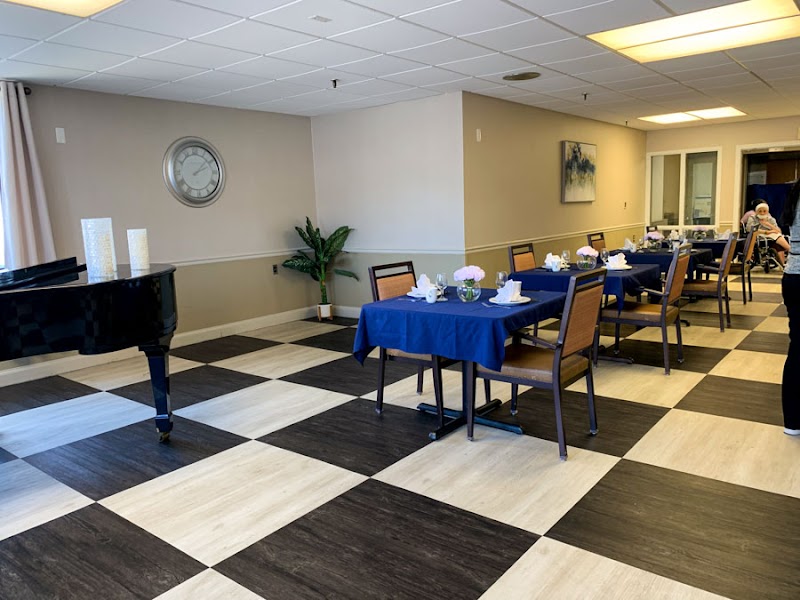
How is Barnegat Rehabilitation And Nursing Center Staffed?

CMS rates BARNEGAT REHABILITATION AND NURSING CENTER's staffing level at 2 out of 5 stars, which is below average compared to other nursing homes. Staff turnover is 46%, compared to the New Jersey average of 46%. This relatively stable workforce can support continuity of care.

What Have Inspectors Found at Barnegat Rehabilitation And Nursing Center?

State health inspectors documented 22 deficiencies at BARNEGAT REHABILITATION AND NURSING CENTER during 2021 to 2025. These included: 1 Immediate Jeopardy (the most serious level, indicating potential for serious harm or death), 1 that caused actual resident harm, 19 with potential for harm, and 1 minor or isolated issues. Immediate Jeopardy findings are rare and represent the most serious regulatory concerns. They require immediate corrective action.
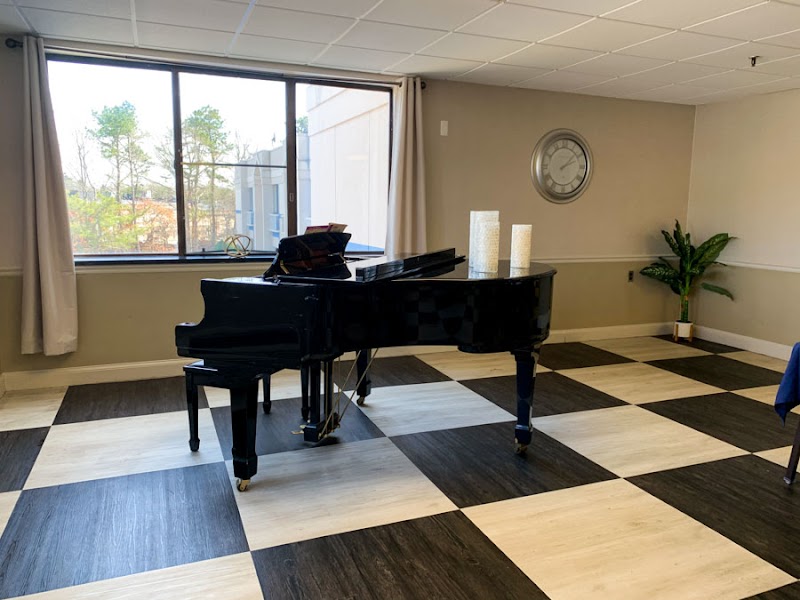
Who Owns and Operates Barnegat Rehabilitation And Nursing Center?

BARNEGAT REHABILITATION AND NURSING CENTER is owned by a for-profit company. For-profit facilities operate as businesses with obligations to shareholders or private owners. The facility is operated by CONTINUUM HEALTHCARE, a chain that manages multiple nursing homes. With 115 certified beds and approximately 101 residents (about 88% occupancy), it is a mid-sized facility located in BARNEGAT, New Jersey.
How Does Barnegat Rehabilitation And Nursing Center Compare to Other New Jersey Nursing Homes?

Compared to the 100 nursing homes in New Jersey, BARNEGAT REHABILITATION AND NURSING CENTER's overall rating (4 stars) is above the state average of 3.3, staff turnover (46%) is near the state average of 46%, and health inspection rating (4 stars) is above the national benchmark.

What Should Families Ask When Visiting Barnegat Rehabilitation And Nursing Center?

Based on this facility's data, families visiting should ask: "What changes have been made since the serious inspection findings, and how are you preventing similar issues?" "Can you walk me through typical staffing levels on day, evening, and night shifts?" "Can I visit during a mealtime to observe dining assistance and food quality?" "How do you handle medical emergencies, and what is your hospital transfer rate?" These questions are particularly relevant given the facility's Immediate Jeopardy citations and the below-average staffing rating.

Is Barnegat Rehabilitation And Nursing Center Safe?

Based on CMS inspection data, BARNEGAT REHABILITATION AND NURSING CENTER has documented safety concerns. Inspectors have issued 1 Immediate Jeopardy citation (the most serious violation level indicating risk of serious injury or death). The facility has a 4-star overall rating and ranks #1 of 100 nursing homes in New Jersey. Families considering this facility should ask detailed questions about what corrective actions have been taken since these incidents.

Do Nurses at Barnegat Rehabilitation And Nursing Center Stick Around?

BARNEGAT REHABILITATION AND NURSING CENTER has a staff turnover rate of 46%, which is about average for New Jersey nursing homes (state average: 46%). Moderate turnover is common in nursing homes, but families should still ask about staff tenure and how the facility maintains care continuity when employees leave.

Was Barnegat Rehabilitation And Nursing Center Ever Fined?

BARNEGAT REHABILITATION AND NURSING CENTER has been fined $46,170 across 3 penalty actions. The New Jersey average is $33,541. While any fine indicates a compliance issue, fines under $50,000 are relatively common and typically reflect isolated problems that were subsequently corrected. Families should ask what specific issues led to these fines and confirm they've been resolved.

Is Barnegat Rehabilitation And Nursing Center on Any Federal Watch List?

BARNEGAT REHABILITATION AND NURSING CENTER is not on any federal watch list. The most significant is the Special Focus Facility (SFF) program, which identifies the bottom 1% of nursing homes nationally based on persistent, serious quality problems. Not being on this list means the facility has avoided the pattern of deficiencies that triggers enhanced federal oversight. This is a positive indicator, though families should still review the facility's inspection history directly.