BARTLEY NURSING & REHAB
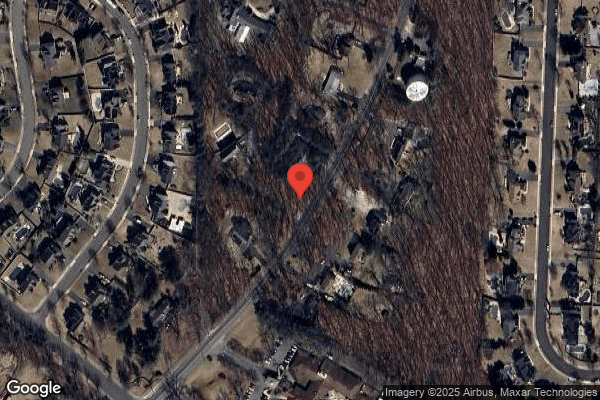
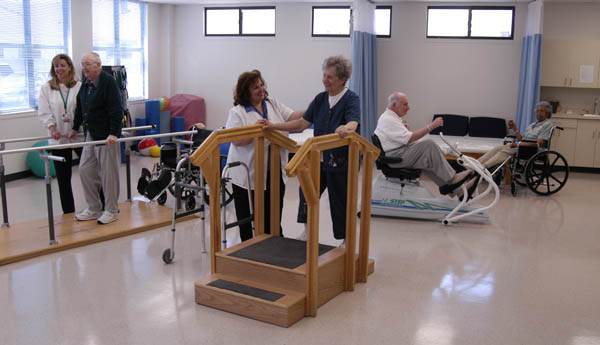
175 BARTLEY RD, JACKSON, NJ 08527 (732) 370-4700
For profit - Limited Liability company 234 Beds Independent Data: November 2025
Trust Grade
85/100
#8 of 344 in NJ
Last Inspection: April 2024

Within standard 12-15 month inspection cycle. Federal law requires annual inspections.

Overview

Bartley Nursing & Rehab in Jackson, New Jersey, has a Trust Grade of B+, which means it is above average and generally recommended for potential residents. It ranks #8 out of 344 facilities in New Jersey, placing it in the top half of the state, and it is the best option out of 31 facilities in Ocean County. Unfortunately, the facility is experiencing a worsening trend, with issues increasing from 2 in 2023 to 6 in 2024. Staffing is a concern, with a rating of 2 out of 5 stars and a turnover rate of 58%, significantly higher than the state average, indicating potential instability among staff. On a positive note, Bartley has no fines on record, which is a good sign, and it also boasts excellent quality measures with a 5 out of 5 star rating. However, recent inspections revealed that medications were not administered on time for two residents, and one resident did not receive their scheduled showers. Additionally, there were issues in the kitchen regarding food safety, including improperly stored food that could lead to health risks. Families should weigh these strengths and weaknesses carefully when considering this facility.

Trust Score
B+
85/100
In New Jersey
#8/344
Top 2%
Safety Record
Low Risk
No red flags
Inspections
Getting Worse
2 → 6 violations
Staff Stability
⚠ Watch
58% turnover. Above average. Higher turnover means staff may not know residents' routines.
Penalties
✓ Good
No fines on record. Clean compliance history, better than most New Jersey facilities.
Skilled Nurses
⚠ Watch
Each resident gets only 26 minutes of Registered Nurse (RN) attention daily — below average for New Jersey. Fewer RN minutes means fewer trained eyes watching for problems.
Violations
○ Average
10 deficiencies on record. Average for a facility this size. Mostly minor or procedural issues.
★★★★★
5.0
Overall Rating
★★☆☆☆
2.0
Staff Levels
★★★★★
5.0
Care Quality
★★★★☆
4.0
Inspection Score
Stable
2023: 2 issues
2024: 6 issues

The Good

  • 5-Star Quality Measures · Strong clinical quality outcomes
  • Full Sprinkler Coverage · Fire safety systems throughout facility
  • No fines on record

Facility shows strength in quality measures, fire safety.

The Bad

Staff Turnover: 58%

12pts above New Jersey avg (46%)

Frequent staff changes - ask about care continuity

Staff turnover is elevated (58%)

10 points above New Jersey average of 48%

The Ugly 10 deficiencies on record

Apr 2024 6 deficiencies
CONCERN (D) 📢 Someone Reported This

A family member, employee, or ombudsman was alarmed enough to file a formal complaint

Potential for Harm - no one hurt, but risky conditions existed

Deficiency F0658 (Tag F0658)

Could have caused harm · This affected 1 resident

Complaint NJ # 157609; 157901; 160396 Based on observation, interview, and review of pertinent facility documents, it was determined that the facility failed to administer medications within scheduled...

Read full inspector narrative →
Complaint NJ # 157609; 157901; 160396 Based on observation, interview, and review of pertinent facility documents, it was determined that the facility failed to administer medications within scheduled time parameters on various shifts for two residents in accordance with professional standards of practice. This deficient practice was identified for 2 of 35 residents reviewed for professional standards of practice (Resident #20 & Resident #213). Reference: New Jersey Statutes, Annotated Title 45, Chapter 11. Nursing Board. The Nurse Practice Act for the state of New Jersey states: The practice of nursing as a registered professional nurse is defined as diagnosing and treating human responses to actual or potential physical and emotional health problems, through such services as case finding, health teaching, health counseling and provision of care supportive to or restorative of life and wellbeing, and executing medical regimes as prescribed by a licensed or otherwise legally authorized physician or dentist. Reference: New Jersey Statutes, Annotated Title 45, Chapter 11 Nursing Board, The Nurse Practice Act for the State of New Jersey state: The practice of nursing as a licensed practical nurse is defined as performing tasks and responsibilities within the framework of case finding; reinforcing the patient and family teaching program through health teaching, health counseling and provision of supportive and restorative care, under the direction of a registered nurse or licensed or otherwise legally authorized physician or dentist. The evidence was as follows: 1. On 4/12/24 at 8:35 AM, during medication pass observation, the surveyor observed the Licensed Practical Nurse (LPN) on Birch Unit prepare morning medications for Resident #20. The resident had medications which included an order for glipizide (medication used for diabetes) with directions which included give 30 minutes prior to meal. On 4/12/24 at 8:56 AM, as the surveyor and the LPN entered the Resident #20's room for medication administration, the surveyor observed the Dietary Staff removing the resident's breakfast tray from the overbed table. The surveyor asked the Dietary Staff to raise the lid of the meal plate, and the surveyor observed the resident had consumed 100% of their morning meal. The LPN then proceeded to administer the resident their morning medications. The surveyor reviewed the medical record for Resident #20. A review of the admission Record face sheet (an admission summary) reflected that the resident was admitted to the facility with diagnoses that included chronic kidney disease, heart failure and diabetes. A review of the April 2024 Medication Administration Record (MAR) included the physician's order (PO) dated 12/6/23, to administer at 7:30 AM glipizide tablet 5 milligram (mg); give one tablet by mouth one time a day related to Type 2 diabetes. Give 30 minutes prior to meal. A review of the corresponding April 2023 Medication Admin Audit Report revealed that on 4/12/24 the 7:30 AM dose was administered at 8:52 AM. On 4/12/24 at 11:40 AM, the surveyor interviewed the LPN who stated the Birch Unit was served breakfast usually around 7:30 AM. At that time, the LPN and surveyor reviewed the April 2024 MAR, and the LPN acknowledged the order stated give 30 minutes before meal. The LPN further acknowledged she should have given the glipizide before the resident had their breakfast. On 4/12/24 at 11:50 AM the surveyor interviewed the Director of Nursing (DON) who stated breakfast on the Birch Unit was served at 8:00 AM. The DON then stated the nurses should prioritize the order in which residents were administered their medications based on residents whose medications were due earliest such as diabetic medications. At that time, the DON and the surveyor reviewed the MAR for Resident #20. The DON acknowledged the glipizide should be given 30 minutes prior to a meal. The DON further acknowledged the nurse should have given the glipizide before the resident had eaten breakfast to ensure the blood sugar levels were regulated properly and to help prevent any potential adverse reactions. On 4/23/24 at 12:59 PM, the surveyor re-interviewed the DON who stated the allowance for medication administration time was one hour before and one hour after the scheduled medication administration time. 2. On 4/23/24 the surveyor reviewed the closed medical record for Resident #213. A review of the admission Record face sheet reflected that the resident was admitted to the facility with diagnoses that included diabetes, chronic pulmonary embolism (blood clot in the lung), and a history of venous thrombosis and embolism (blockage of a vein due to a blood clot). A review of the December 2022 Order Recap Report revealed the resident had the following physician's order (PO) to be administered at 9:00 AM: PO dated 12/21/22, for Xarelto tablet 15 milligrams (mg); give one tablet by mouth one time a day related to personal history of venous thrombosis and embolism. A review of the December 2022 Medication Admin Audit Report reflected on 12/22/22, the 9:00 AM dose was administered at 10:39 AM. On 4/23/24 at 1:04 PM, the surveyor reviewed the Medication Admin Audit Report for December 2022 with the DON who acknowledged the Xarelto scheduled for 12/22/22 at 9:00 AM was not administered until 10:39 AM. The DON stated a medication can be given up to one hour before or one hour after a medication administration time and confirmed the Xarelto had been given outside the one-hour parameter. A review of the facility's Medication Administration policy dated last reviewed January 2024 included .Medications are administered by licensed nurses . as ordered by the physician and in accordance with professional standards of practice .administer within acceptable time frame . NJAC 8:39-27.1(a)
CONCERN (D) 📢 Someone Reported This

A family member, employee, or ombudsman was alarmed enough to file a formal complaint

Potential for Harm - no one hurt, but risky conditions existed

Deficiency F0676 (Tag F0676)

Could have caused harm · This affected 1 resident

Complaint NJ# 160883 Based on observations, interview, and review of pertinent facility documents, it was determined that the facility failed to ensure a resident received showers as scheduled. This d...

Read full inspector narrative →
Complaint NJ# 160883 Based on observations, interview, and review of pertinent facility documents, it was determined that the facility failed to ensure a resident received showers as scheduled. This deficient practice was identified for 1 of 2 residents reviewed for activities of daily living (Resident #61), and was evidenced by the following: On 4/15/24 at 11:01 AM, the surveyor interviewed Resident #61 who stated he/she did not receive their scheduled shower on Friday 4/12/24 during the 3:00 PM to 11:00 PM (3-11) shift. The resident stated their showers were scheduled weekly for Mondays and Fridays. The surveyor reviewed the medical record for Resident #61. A review of the admission Record face sheet (an admission summary) revealed the resident was admitted to the facility with diagnoses that included chronic obstructive pulmonary disease (a group of lung disease that block airflow and make it difficult to breathe), pleural effusion (a buildup of fluid between the tissue that line the lungs and the chest), diabetes mellitus, edema (swelling caused by too much fluid trapped in the body tissues), and end stage renal disease (the kidneys lose the ability to remove waste and balance fluids). A review of the most recent quarterly Minimum Data Set (MDS), an assessment tool dated 2/8/24, included that the resident had a Brief interview for Mental Status (BIMS) score of 14 out of 15, which indicated a fully intact cognition. A further review in Section GG. Functional Abilities and Goals, indicated the resident required set-up assistance for showering. A review of the 3-11 Birch Six Person Assignment:E sheet dated 4/12, indicated Resident #61 received a shower on Mondays and Fridays during the 3-11 shift. A review of the Progress Notes for 4/12/24, did not include the resident refused a shower. On 4/17/24 at 1:15 PM, the surveyor interviewed the Director of Nursing (DON) who stated the Certified Nursing Aides (CNA) provided resident showers on their assigned days and shifts. On 4/17/24 at 3:00 PM, the surveyor attempted to interview CNA #1 who was assigned to Resident #61 on 4/12/24 via telephone. There was no answer. On 4/18/24 at 9:00 AM, the surveyor attempted to interview CNA #1 via telephone with no answer. On 4/18/24 at 9:10 AM, the surveyor informed the DON they attempted to speak to CNA #1 on multiple occasions, and the DON stated CNA #1 had called out for their assigned shift today. On 4/18/24 at 9:15 AM, the DON informed the surveyor that CNA #1 who stated she had four residents to give showers to on that day, and the aide should have informed the Nurse Supervisor if she was unable to provide care. On 4/23/24 at 10:46 AM, the surveyor interviewed CNA #2 who stated they received their daily assignments which included which residents needed to be showered. CNA #2 stated if a resident refused a shower, they were to notify the Unit Manager. On 4/23/24 at 11:00 AM, the surveyor interviewed the Unit Manager/Licensed Practical Nurse (UM/LPN) who stated resident shower days were indicated on the CNA's assignment sheets, and if the resident refused to be showered, the CNA would notify her. On 4/24/24 at 10:02 AM, the DON in the presence of the Assistant Director of Nursing, Regional Nurse, and survey team stated she spoke to CNA #1 on the telephone and confirmed Resident #61 did not receive a shower on 4/12/24. The DON continued that CNA #1 informed her that she ran out of time to shower the resident, and the DON acknowledged the aide did not inform anyone. The DON acknowledged residents should receive showers as scheduled. A review of a facility's Activities of Daily Living (ADL), Supporting policy dated January 2024, included Supporting This policy indicate Residents will be provided with care, treatment, and services as appropriate to maintain or improve their ability to carry out activities of daily living (ADLs) .Appropriate care and services will be provided for residents who are unable to carry out ADLs independently with consent of the resident and in accordance with the plan of care . NJAC 8:39- 27.1 (a)
CONCERN (D)

Potential for Harm - no one hurt, but risky conditions existed

Food Safety (Tag F0812)

Could have caused harm · This affected 1 resident

Based on observation, interview, and review of pertinent facility documents, it was determined that the facility failed to a.) store potentially hazardous foods in a manner to prevent food borne illne...

Read full inspector narrative →
Based on observation, interview, and review of pertinent facility documents, it was determined that the facility failed to a.) store potentially hazardous foods in a manner to prevent food borne illness; b.) maintain kitchen equipment in a clean and sanitary manner; and c.) maintain cold food in acceptable temperatures during meal service. The deficient practice was evidenced by the following: 1. On 4/10/24 at 9:10 AM, the surveyor in the presence of the Food Service Director (FSD) and the Dietary Manager (DM) conducted a kitchen tour and observed the following: 1. In the walk-in freezer, an opened box of sliced cheese pizza. The box contained a bag with two slices of pizza outside of the bag, and the box was unsealed exposing the contents to air. The surveyor observed ice crystals on all the pizza slices. There was no observed date when the box was opened. The FSD was unsure when the box was opened. 2. In the walk-in freezer, an opened box of Salisbury steaks. The box contained a bag that was opened exposing the contents to air. The surveyor observed ice crystals on the food product. There was no observed date of when the box was opened. The FSD was unsure when the box was opened. 3. The cooktop catch tray had hard, thick, flaky black sediment on the pan and soiled aluminum foil on top of the sediment. The FSD and DM acknowledged that it needed to be thoroughly cleaned. The FSD also stated, it did not meet expectations on his staff. 4. The fryer had sediment around the cook top area and the oil was dark brown in color with sediment floating on the surface. The FSD and DM acknowledged that it needed to be thoroughly cleaned. The FSD also stated, it did not meet expectations on his staff. 5. The double door steamer box had sediment in the catch tray and built-up debris in the filter on the right side of the tray. The FSD and DM acknowledged that it needed to be thoroughly cleaned. The FSD also stated, it did not meet expectations on his staff. On 4/11/24 at 8:52 AM, the surveyor interviewed the DM who stated the freezer items should have been labeled with an opened date. The DM also acknowledged that once a product was opened, if all the content in the bag was not used, it should be resealed and dated. The DM further stated that the cooking equipment should have been cleaned and maintained in a sanitary manner to prevent food borne illness and contamination. On 4/11/24 at 9:11 AM, the surveyor interviewed the FSD who stated the facility's process and policy was to seal any opened packaging that was partially used and label the packaging with an opened date to ensure the product was used in a timely fashion to prevent waste and sealing to prevent exposure to air which caused contamination, ice crystal formation, and food born illnesses. The FSD also acknowledged the cooking equipment should have been cleaned and maintained in a sanitary manner to prevent food borne illness and contamination according to regulations. On 4/22/24 at 11:44 AM, the Licensed Nursing Home Administrator (LNHA) in the presence of the Director of Nursing (DON) acknowledged the above concerns. A review of the facility's undated Food Storage: Cold Foods policy included .all foods will be stored wrapped or in covered containers, labeled and dated, and arranged in a manner to prevent cross contamination . A review of the facility's Environment policy dated revised July 2023, included it is the center policy that all food preparation areas, food service areas, and dining areas will be maintained in a clean and sanitary condition. Action Steps: 1. The FSD will ensure that the physical plant is maintained in a clean and sanitary manner, including floors, walls, ceilings, lighting, and ventilation; 2. The FSD will ensure that all employees are knowledgeable in the proper procedures for cleaning all food services equipment and services; 3. The FSD will ensure that all food contact surfaces are cleaned and sanitized after each use; 4. The FSD will ensure that a routine cleaning schedule is in place for all cooking equipment, food storage areas, and surfaces . 2. On 4/17/24 at 11:07 AM, the surveyor informed the Food Service Director (FSD) that they wanted to observe food temperatures for the lunch trayline. At this time, the FSD calibrated a thin probe thermometer in an ice bath to 32 degrees Fahrenheit (F). The FSD informed the surveyor that cold food should be maintained at 41 F or below. The surveyor observed the following food items held above 41 F: Cantaloupe 43 F. The cantaloupe was in a portion control (PC) cup with a label that indicated prepared 4/17/24 at 6:08 AM. The containers were directly on a tray with no measures to maintain coldness. Pudding 44 F. The pudding was in a PC cup with a label that indicated prepared 4/17/24 at 6:57 AM. The containers were being held directly on a tray with no measure to maintain coldness. Ham and cheese sandwich 51 F. The sandwich had a label that indicated prepared 4/17/24 at 7:03 AM. The sandwich was being held directly on the trayline with no measure for maintaining coldness. Turkey sandwich 49 F. The sandwich was being held directly on the trayline with no measure for maintaining coldness. On 4/17/24 at 11:15 AM, the surveyor interviewed Dietary Aide (DA#1) who stated another DA prepared the cold items, and she printed the label at the time the other DA prepared the items and placed them in the refrigerator. On 4/17/24 at 11:20 AM, the surveyor interviewed DA #2 who stated he removed the sandwiches from the refrigerator at approximately 11:05 AM, and placed them on the trayline. On 4/17/24 at 11:21 AM, the FSD acknowledged that the cantaloupe, pudding, and sandwiches were not being held at 41 F or below. On 4/24/24 at 10:02 AM, the Director of Nursing (DON) in the presence of the Assistant Director of Nursing, Regional Nurse, and survey team acknowledged the cold food items were not being held at the appropriate temperature. A review of the facility's Food Temperatures policy dated reviewed August 2023, included the temperature of hot foods at the point of service (steamtable) during tray assembly will be 135 degrees Fahrenheit or above for hot foods and 40 or below for cold foods .the cook is responsible to see all food is at proper temperature .chilled food and beverages recommended temperature range 40 F or below . NJAC 8:39-17.2(g)
CONCERN (D)

Potential for Harm - no one hurt, but risky conditions existed

Medical Records (Tag F0842)

Could have caused harm · This affected 1 resident

Based on observation, interview, and review pertinent facility documents, it was determined that the facility failed to maintain complete and accurate skin assessments. This deficient practice was ide...

Read full inspector narrative →
Based on observation, interview, and review pertinent facility documents, it was determined that the facility failed to maintain complete and accurate skin assessments. This deficient practice was identified for 1 of 35 resident medical records reviewed (Resident #61), and was evidenced by the following: On 4/15/24 at 11:01 AM, the surveyor interviewed Resident #61 who stated he/she did not receive their scheduled shower on Friday 4/12/24. The surveyor reviewed the medical record for Resident #61. A review of the admission Record face sheet (an admission summary) revealed the resident was admitted to the facility with diagnoses that included chronic obstructive pulmonary disease (a group of lung disease that block airflow and make it difficult to breathe), pleural effusion (a buildup of fluid between the tissue that line the lungs and the chest), diabetes mellitus, edema (swelling caused by too much fluid trapped in the body tissues), and end stage renal disease (the kidneys lose the ability to remove waste and balance fluids). A review of the most recent quarterly Minimum Data Set (MDS), an assessment tool dated 2/8/24, included that the resident had a Brief interview for Mental Status (BIMS) score of 14 out of 15, which indicated a fully intact cognition. On 4/15/24 at 11:01 AM, the surveyor received from the Unit Secretary Resident #61's Weekly Skin Assessments which were dated 3/4; 4/8; 4/12; 4/15; and 4/22. A review of the assessment sheet indicated on 3/4 the nurse documented no abnormalities/skin clear and intact and signed their initials. There initials for the Certified Nursing Aide (CNA) and Supervisor initials were blank. For the dates of 4/8, 4/12, and 4/15, there was no documentation for the resident's skin, and/or initials for the nurse, supervisor, or CNA. A review of the 3-11 Birch Six Person Assignment: E indicated, sign the weekly skin assessment form Monday through Friday. On 4/17/24 at 9:37 AM, the Director of Nursing (DON) provided the surveyor with copies of the resident's Weekly Skin Assessment dated 3/4, 3/11, 3/18, 3/25, 4/1, 4/8, 4/15, and 4/22. The assessments were now completed for all the dates, as well as 3/11, 3/18, and 3/25 were added. The surveyor showed the DON the skin assessment copies they received on 4/15/24, and asked why they were different from the copies the DON just provided. The DON stated after the surveyor spoke to the Unit Secretary on 4/15/24, the Unit Secretary informed the DON about the missing documentation, so she had staff go back and change the forms to add the incomplete documentation. On 4/22/24 at 12:00 PM, the DON provided the surveyor with a statement from the Registered Nurse (RN) that indicated on 4/8/24 during the 3:00 PM to 11:00 PM (3-11) shift, a skin assessment was completed on Resident #61 with no concerns. On 4/23/24 at 10:46 AM, the surveyor interviewed the CNA who stated after a resident received a shower, the aide notified the nurse to complete a body assessment. On 4/24/24 at 10:02 AM, the DON in the presence of the Assistant Director of Nursing, Regional Nurse, and survey team acknowledged that the skin assessments were not complete at the time of survey, and she had staff change the documentation. The DON confirmed she did not had staff date the assessment at the time the documentation was updated, and acknowledged staff should not back date assessments that were not completed. The DON acknowledged records were to be maintained accurately and complete. A review of a facility's Activities of Daily Living (ADL), Supporting policy dated January 2024, included residents will be provided with care, treatment, and services as appropriate to maintain or improve their ability to carry out activities of daily living (ADLs) .Appropriate care and services will be provided for residents who are unable to carry out ADLs . A review of a facility's Weekly Skin Checks policy dated 12/10/23, included the nurse will inspect the resident skin once weekly during bath days for sign of skin breakdown or injury Will complete the Weekly Skin Check form after performing skin inspections NJAC 8:39-35.2(d)
CONCERN (D)

Potential for Harm - no one hurt, but risky conditions existed

Infection Control (Tag F0880)

Could have caused harm · This affected 1 resident

Based on observations, interviews, and review of pertinent facility documents, it was determined that the facility failed to ensure appropriate storage for respiratory equipment for infection preventi...

Read full inspector narrative →
Based on observations, interviews, and review of pertinent facility documents, it was determined that the facility failed to ensure appropriate storage for respiratory equipment for infection prevention. This deficient practice was identified for 1 of 4 residents reviewed for respiratory care (Resident #61), and was evidenced by the following: On 4/15/24 at 11:01 AM, the surveyor observed Resident #61 in bed and their nebulizer mask and tubing placed directly on the nebulizer machine (a device used for producing a fine spray of liquids). Resident #61 informed the surveyor that after their nebulizer treatment (breathing treatment), they removed their nebulizer mask and placed it on the machine. On 4/15/24 at 11:15 AM, the surveyor interviewed the resident's License Practical Nurse (LPN) who stated she had administered the resident's nebulizer treatment earlier, but she never went back to the resident's room to verify if the treatment was completed. At that time, the LPN accompanied by the surveyor went into Resident #61's room, and the LPN took the resident's nebulizer mask off of the machine and placed it directly into a plastic bag that she placed inside the resident's nightstand. The surveyor observed no disinfecting of the nebulizer equipment. The surveyor asked the LPN what the facility's policy was for nebulizer equipment cleaning and storage, and the LPN stated the mask and tubing was placed into a bag for storage after use. On 4/15/24 at 11:20 AM, the surveyor interviewed the Unit Manager/Licensed Practical Nurse (UM/LPN) regarding the facility's policy for usage and storage of nebulizer equipment. The UM/LPN stated when the resident's treatment was complete, the nurse placed the mask and tubing into a storage bag. On 4/15/24 at 11:35 AM, the surveyor interviewed the Director of Nursing (DON) who stated the nurse was expected to administer the nebulizer treatment per physician's order; staying with the resident until the treatment was completed. The nurse then cleaned the nebulizer with water and dried it with a paper towel prior to placing it in a bag for storage The surveyor reviewed the medical record for Resident #61. A review of the admission Record face sheet (an admission summary) revealed the resident was admitted to the facility with diagnoses that included chronic obstructive pulmonary disease (a group of lung disease that block airflow and make it difficult to breathe), pleural effusion (a buildup of fluid between the tissue that line the lungs and the chest), and diabetes mellitus. A review of the most recent quarterly Minimum Data Set (MDS), an assessment tool dated 2/8/24, included that the resident had a Brief interview for Mental Status (BIMS) score of 14 out of 15, which indicated a fully intact cognition. A review of the current Physician's Orders included a physician's order (PO) dated 8/21/23, for albuterol sulfate inhalation nebulization solution 2.5 milligram (mg)/3 milliliters (mL) 0.0083% (albuterol sulfate) to administer every twelve hours. An additional PO dated 4/16/24, indicated to change nebulizer mask/hand-held and nebulizer tubing weekly every night shift. On 4/22/24 at 9:45 AM, the surveyor interviewed the Infection Preventionist/LPN (IP/LPN) who stated stated the nurse administered the nebulizer treatment to order, and stayed with the resident until the treatment was complete. The nurse then removed the medication dispenser and rinsed the chamber, as well as rinsed the mask with water and placed the equipment on a clean paper towel to dry. When the equipment was dry, the nurse placed it in a bag for storage. On 4/24/24 at 10:02 AM, the DON in the presence of the Assistant Director of Nursing, Regional Nurse, and survey team who stated the nurse should have rinsed the nebulizer mask, tubing, and medication dispenser under running water after the resident's treatment was complete, and placed it on a clean paper to dry prior to placing in the bag for storage. A review of the facility's Cleaning Respiratory Equipment policy dated last revised 2/1/24, included supplies .when not in use, store masks and cannulae in plastic bags labeled with the resident's name and date .small volume nebulizers: cleaning a. begin with a sterile (disposable) nebulizer for each resident; b. rinse with water and air dry small volume medication nebulizers between treatments on same residents . A review of the undated facility provided Medication Nebulization (AARC # 2720) policy included this policy is to instruct the proper use of aerosolized medication to the lower airways via small volume nebulizer .Disassemble parts after ever treatment. Remove tubing from the compressor and set it aside. The tubing should not be washed or rinsed. Rinse the nebulizer cup and mouthpiece with either sterile or distilled water after each use and shake dry. Store in zippered or drawstring bag . NJAC 8:39-19.1(a)
CONCERN (D)

Potential for Harm - no one hurt, but risky conditions existed

Safe Environment (Tag F0921)

Could have caused harm · This affected 1 resident

Based on observation, interview, and review of other facility documentation it was determined that the facility failed to maintain the resident's environment, equipment, and living areas in a safe, sa...

Read full inspector narrative →
Based on observation, interview, and review of other facility documentation it was determined that the facility failed to maintain the resident's environment, equipment, and living areas in a safe, sanitary, and homelike manner. This deficient practice was identified for 1 of 4 nursing units (Birch Unit) and was evidenced by the following: On 4/10/24 at 10:35 AM, the surveyor entered resident room Birch #17 and observed the doorknob backplate was not secured properly to the resident's entrance door or bathroom door, which resulted in the backplate hanging loosely with a gap between the doorknob and the door. On 4/10/24 at 10:37 AM, the surveyor entered resident room Birch #15 and observed the doorknob backplate was not secured properly to the resident's entrance door which resulted in the backplate hanging loosely with a gap between the doorknob and the door. On 4/10/24 at 11:02 AM, the surveyor observed in resident room Birch #11, the packaged terminal air unit (PTAC) (a self-contained through-the-wall air conditioning and heating unit) with the cover detached and was placed next to the unit, which left the internal components of the unit exposed. The resident stated that the PTAC unit had been in this condition for a couple days. On that same date and time, the surveyor observed two holes in the wall, one to the left of the PTAC unit and one on the far wall between the residents' beds. On 4/12/24 at 11:33 AM, the surveyor entered resident room Birch #1 and observed the doorknob backplate was not secured properly to the resident's entrance door which resulted in the backplate hanging loosely with a gap between the doorknob and the door. On 4/12/24 at 11:36 AM, the surveyor interviewed the Certified Nursing Assistant (CNA #1) who stated that broken items or building issues were to be reported to the Unit Manager (UM) or Unit Clerk who entered the concerns into the computer system. When asked who was responsible for the overall appearance of the building, CNA #1 responded, everyone. On 4/18/24 at 10:10 AM, the surveyor interviewed Licensed Practical Nurse (LPN #1) who stated that broken items and building issues were reported to Maintenance through the computer system. LPN #1 explained that everyone on the floor was responsible to identify and report any building issues that may be a safety concern. On 4/18/24 at 10:36 AM, the surveyor interviewed the Unit Manager/Licensed Practical Nurse (UM/LPN) who stated that any concerns with the building were to be reported right away to Maintenance through the computer system. The UM/LPN confirmed that regularly scheduled floor staff, supervisors, clerks, and/or unit managers had access to the system and could directly enter their concerns. At this time, the surveyor and UM/LPN toured the unit and the UM/LPN confirmed that the doorknobs should not be loosely attached to the door. When the surveyor showed the UM/LPN pictures of the PTAC unit with the cover removed and interior components exposed, the UM/LPN confirmed that it should have been addressed immediately. The UM/LPN also confirmed that resident rooms should not have holes in the wall. On 4/18/24 at 10:50 AM, the surveyor interviewed the Director of Maintenance (DOM) who stated that the Maintenance Department had a maintenance care application on their computer that identified building concerns and their location. The DOM explained that the issues were addressed as soon as possible dependent on the situation, and confirmed that everyone in the building had the responsibility to ensure that the building was maintained in a safe and homelike environment. The DOM further confirmed that the doorknobs, the PTAC unit, and holes in the resident room should not have been in that condition. On 4/24/24 at 10:02 AM, the Director of Nursing (DON), in the presence of the Regional Nurse and Assistant Director of Nursing (ADON), confirmed that the doorknobs, PTAC unit, and holes should have been previously identified and addressed and that they should not have been found in that condition. A review of the facility provided Resident Rights policy, with dated January 2023 included .the resident has a right to a safe, clean, comfortable and Homelike environment NJAC 8:39-4.1 (a), 11
Sept 2023 1 deficiency
CONCERN (D) 📢 Someone Reported This

A family member, employee, or ombudsman was alarmed enough to file a formal complaint

Potential for Harm - no one hurt, but risky conditions existed

Safe Transfer (Tag F0626)

Could have caused harm · This affected 1 resident

**NOTE- TERMS IN BRACKETS HAVE BEEN EDITED TO PROTECT CONFIDENTIALITY** COMPLAINT # NJ162053 Based on interviews, medical records review, and review of other pertinent facility documentation on 9/12/2...

Read full inspector narrative →
**NOTE- TERMS IN BRACKETS HAVE BEEN EDITED TO PROTECT CONFIDENTIALITY** COMPLAINT # NJ162053 Based on interviews, medical records review, and review of other pertinent facility documentation on 9/12/23, it was determined that the facility failed to follow their policies and procedures for a facility-initiated discharge. A resident (Resident #1) was involved in an altercation with another resident and sent to the hospital for a behavioral evaluation. When the resident was discharge from the hospital, the facility would not permit a return back to the facility. The deficient practice was identified for Resident #1, 1 of 3 residents reviewed for transfer/discharge and was evidenced by the following: According to the admission Record, Resident #1 was admitted to the facility on [DATE] with diagnoses which included but were not limited to lack of coordination, dementia with behavioral disturbances, schizophrenia, anxiety disorder, and Parkinson's Disease. Review of the admission Minimum Data Set (MDS), an assessment tool used to facilitate the management of care, dated 12/13/22, revealed that Resident #1 had a Brief Interview for Mental Status (BIMS) score of 08, which indicated the resident had moderate cognitive impairment. The MDS also showed that the resident had no behaviors. Review of Resident #1's 12/1/22 PASRR Level II Determination Notification, (Pre-admission Screening and Resident Review) (a comprehensive evaluation required as a result of a positive Level I Screening and is necessary to determine whether placement or continued stay in a nursing facility is appropriate) reflected that the resident had mental health treatment needs that could be met at a nursing facility. The following recommendations were made for Resident #1: psychiatric consult upon admission, routine follow-up visits with primary care provider and psychiatrist, medication monitoring, supportive counseling, routine laboratory testing, formulate and implement a behavioral modification plan to address any behavioral disturbances, provide education to client and family on mental illness and medication, and develop a crisis intervention/safety plan with the client. Review of Resident #13's Care Plan (CP) revealed a Focus, initiated on 12/6/22, that Resident #1 used psychotropic medications (Clozaril, Abilify (an antipsychotic medication used to treat schizophrenia) and Depakote (medication used to treat bipolar disorder) related to behavior management and schizophrenia. Under Interventions/Task, indicated to monitor occurrences of target behavior symptoms and to document per facility protocol. Target behaviors included pacing, wandering, disrobing, inappropriate response to verbal communication, violence/aggression towards staff and others. The CP revealed a Focus, initiated on 12/19/22, that Resident #1 was admitted to long-term placement secondary to decline in previous level of function. Under Interventions/Tasks, reflected to administer medications per physician's order. The CP revealed a Focus, initiated on 12/19/22, that the resident was at risk for adjustment due to new admission to long term care placement. Under Interventions/Tasks, reflected to encourage resident to discuss feelings, monitor for triggers that may indicate need to adjust plan of care to assist the resident in compliance, and to monitor reaction to placement. Review of Resident #1's Incident Report, dated 2/9/23 at 11:36 PM, completed by the Registered Nurse Supervisor (RNS), revealed that she was called to the unit and informed that Resident #2 was on the floor in Resident #1's room. The RNS spoke with Resident #1, who stated that Resident #2 came into their room and that he/she asked the resident to leave. Resident #1 further stated that Resident #2 put their hands up and that he/she had to defend themselves. Resident #1 hit Resident #2 in the face and the resident fell to the floor. Under the Immediate Action Taken section revealed that Resident #1 was determined to be the aggressor and was transferred to the Psychiatric Emergency Screening Services (PESS) at the local hospital for evaluation. During an interview with the Licensed Practical Nurse/Unit Manager (LPN/UM) on 9/12/23 at 12:42 PM, the LPN/UM stated that Resident #1 required limited assistance with activities of daily living. The surveyor asked about Resident #1's behaviors. The LPN/UM responded that Resident #1 would at times display sexually inappropriate behaviors and be verbally abusive towards staff and daughter. The LPN/UM continued that Resident #1 also would shadow box (sparing with an imaginary opponent as a form of training) in the day room. The LPN/UM stated that she was informed of the 2/9/23 incident by the nurse and that Resident #1 was transferred to PESS for evaluation. The LPN/UM added that Resident #1 did not return to the facility. During an interview with the Director of Social Services (DSS) on 9/12/23 at 2:14 PM, the DSS stated that Resident #1 was admitted to the facility from the community with behavioral issues. The resident was transferred out for an evaluation at PESS due to the 2/9/23 incident. The DDS stated that Resident #1 was on Clozaril, and the facility psychiatrist felt that it was not an appropriate medication to be manage at the facility. The DDS further stated that the facility psychiatrist was uncomfortable with managing Resident #1 while on that particular medication [Clozaril]. An administrative meeting was conducted to discuss the facility's ability to manage Resident #1 behaviors at the facility and discussions were also conducted with PESS in reference to the medication. The DDS added that they were willing to allow Resident #1 to return to the facility, but the concern was the medication. The resident was eventually admitted to another facility. During an interview with the RNS on 9/12/23 at 2:48 PM, the RNS stated that she was the nursing supervisor during the 2/9/23 incident and that she interviewed Resident #1 about what happened. The RNS stated Resident #1 informed her that Resident #2 entered his/her room and that he/she asked Resident #2 to leave the room. Resident #1 stated that the other resident hit him/her and in return had hit Resident #2 back. A body assessment was completed for both residents. Resident #1 did not have injuries, but the other resident had injuries. The physician was called, and Resident #1 was sent out for a PESS evaluation at the hospital. The RNS stated she initiated 1:1 monitoring of Resident #1 until transferred out. During an interview with the DON and Administrator on 9/12/23 at 3:02 PM, the DON stated that Resident #1 had an altercation and hit another resident. The DON added that with Resident #1 hitting Resident #2, along with his/her diagnosis of schizophrenia, and use of Clozaril, they felt Resident #1's readmission would be unsafe for the other residents. The Administrator stated the facility psychiatrist was not comfortable with Clozaril being administered within the long-term care (LTC) setting and felt there was a danger to the other residents. The Administrator reiterated that the facility psychiatrist was worried for the safety of the other residents on the unit. The surveyor asked when the last time Resident #1 was evaluated by the facility psychiatrist. The Administrator stated the resident was admitted to the facility on Clozaril in December of 2022 and that he could not remember if the current facility psychiatrist evaluated the resident prior to the incident. The surveyor inquired about Resident #1's readmission to the facility after the PESS evaluation was completed. The Administrator responded that he was in communication with the hospital the entire time and that the facility physician wanted Resident #1 to be admitted as in-patient, so the resident would be weaned off of Clozaril. The Administrator stated he was in constant communication with PESS and never stated that they were not going to take Resident #1 back. At that point in time, they were uncomfortable taking the resident back. They would be more comfortable readmitting the resident after the resident stabilized during an in-patient stay. The Administrator further stated PESS gave them a hard time about admitting the resident and wanted the resident to return to the facility the same day. The Administrator further stated that he spoke with the PESS supervisor and inform her that they could not accommodate Resident #1. They were worried about the other residents and the facility psychiatrist did not want to prescribe the medication [Clozaril]. Once Resident #1 had the altercation and was sent out for the PESS evaluation, the physicians did not feel comfortable continuing the medication. The Administrator added that both the facility psychiatrist and the primary physician did not want to prescribe the medication [Clozaril]. The Administrated stated that he was back and forth with PESS and at a certain point the resident was admitted . The surveyor asked if Resident #1 was issued a 30-day discharge notice. The Administrator stated that Resident #1 was not issued a discharge notice because the discharge was immediate. The resident just needed to be stabilized and weaned off the medication so that the facility psychiatrist would them take him/her back on. The surveyor asked what were Resident #1's behaviors and if the resident had any other altercations while at the facility. The DON stated that Resident #1's behavior included shadow boxing and at times would come up close to people's faces. The DON added that Resident #1 did not have any other physical altercations while at facility. During an interview with the facility psychiatrist on 9/12/23 at 4:10 PM, the facility psychiatrist stated that he was not sure why the resident's medication was being referenced and that this had nothing to do with Clozaril. He was informed that Resident #1 hit another resident on the unit, and it was more about the safety of the other residents. The resident could end up hitting another resident and that there were other facilities that could handle the resident. Review of Resident #1 Progress Notes (PN) from 12/6/22 to 2/10/23 revealed a Behavior Note, (BN) dated 1/17/23 at 10:30 PM, that Resident #1's psych med [medication] changed, Clozaril increased from 100 mg to 200 mg. No adverse reactions noted. No behavior issues noted throughout the shift. The PN revealed a second BN, dated 1/20/23 at 6:52 PM, that Resident #1 was alert and confused. The resident was exit seeking and cursing at staff. Redirected when necessary. The PN did not include any physician documentation of the specific needs that could not be met at the facility for Resident #1. The PN also did not include any documentation of the facility's attempts to meet the Resident #1's needs. Review of the facility's 2/9/23 Reportable Event Record/Report, (Reportable) provided by the Director of Nursing (DON), included an Investigational Summary (IS) of the 2/9/23 incident. The IS reflected under the Conclusion section that based on the facility's thorough investigation, interviews of the resident and staff involved, it was concluded that the physical altercations were triggered by [Resident #2] entering [Resident #1's] room. Resident #1 indicated that Resident #2 hit him/her but there were no witnesses to corroborate the allegation. The IS indicated that The incident was an isolated event and there were no prior altercations that were reported. The IS included a CP with a Focus, initiated on 2/10/23, that Resident #1 was physically aggressive (hitting) related to dementia, schizophrenia, poor impulse control. Easily gets angry when someone enters into [his/her] room weather a staff member or another resident. Under the Goals section reflected that Resident #1 would demonstrate effective coping skills, seek out staff/caregiver when agitation occurs, not harm self or others, verbalize understanding of need to control physically aggressive behavior through the review date. Under Interventions/Tasks, included the following interventions, initiated on 2/10/23: administer medications as ordered, analyze time of day, places, circumstances, triggers, and what de-escalates behavior and document. Provide physical and verbal cues to alleviate anxiety; give positive feedback, assist verbalization of source of agitation assist to set goals for more pleasant behaviors, encourage seeking out of staff member when agitated. When the resident becomes agitated: Intervene before agitation escalates; guide away from source of distress; Engage calmly in conversation; If response is aggressive, staff walk calmly away and approach later. The IS also included a Psych Service Notes (PSN), dated 2/10/23 at 9:23 AM, completed by the facility psychiatrist for Resident #1. Under the Plan/Recommendation section indicated to continue with current treatment, Depakote level, neurology consult to review need for Amantadine (medication used to treat Parkinson's disease), and to follow up in one month. The risks and benefits of treatment were considered, and the recommendations were reviewed with staff. The PSN did not reveal any documentation that Resident #1's needs could not be met at the facility. Review of Resident #1's Transfer/Bed Hold Notice Prior to Hospitalizations or Therapeutic Leave form, dated 2/10/23, reflected that the resident's belongings would be safeguarded until resident's return. The resident currently occupies a Medicaid covered bed. Per State regulation, your bed must be held for 10 days at no charge for hospitalizations and 24 days per calendar year for therapeutic leave. Review of the facility's Transfer/Discharges, last revised on 11/2002, reflected that the Purpose was to protect the rights of each resident in accordance with state and federal guidelines and applicable laws in regard to transfers and discharges from and to the facility. The policy revealed under the Facility elected transfer/discharges section that a resident and/or legal representative will be given a 30-day advance notice of an impending transfer or discharge from the facility, except as specified below: a. The transfer is necessary for the resident's welfare and the resident's needs cannot be met in the facility, c. The safety of other residents and employees is endangered, d. The health of residents and employees in the facility would otherwise be endangered. The resident, and/or legal representative will be provided with the reason for the transfer or discharge, and the effective date of the transfer or discharge. The resident and/or legal representative has the right to appeal transfer or discharge notices through the State agency and appeals must be filed within five days of receiving the notice. NJAC 8:39 4.1(a)32 NJAC 8:39 5.1(d)
May 2023 1 deficiency
CONCERN (D)

Potential for Harm - no one hurt, but risky conditions existed

Deficiency F0883 (Tag F0883)

Could have caused harm · This affected 1 resident

**NOTE- TERMS IN BRACKETS HAVE BEEN EDITED TO PROTECT CONFIDENTIALITY** Based on interview, record review, and policy review, the facility failed to ensure that two (Resident (R) 3 and R4) of six resi...

Read full inspector narrative →
**NOTE- TERMS IN BRACKETS HAVE BEEN EDITED TO PROTECT CONFIDENTIALITY** Based on interview, record review, and policy review, the facility failed to ensure that two (Resident (R) 3 and R4) of six residents reviewed for immunizations were educated and offered a pneumonia vaccine due to either their age and/or having chronic medical conditions. This failure has the potential for the residents to be unprotected from developing a life-threatening illness (pneumonia), which can require hospitalization for treatment. Findings include: 1. Review of R3's admission Record, from the facility's electronic medical record (EMR) Profile tab showed an admission date of 03/01/23 at the age of 66, with medical diagnoses that included emphysema and heart failure. Review of an admission Minimum Data Set (MDS), with an Assessment Reference Date (ARD) of 03/07/23, revealed the resident had a Brief Interview for Mental Status (BIMS) score of 15/15, indicating the resident was cognitively intact. Review of R3's EMR Immunization tab showed that it was marked as Consent Refused for the pneumococcal vaccine. Review of the EMR Miscellaneous tab did not show documentation that indicated, at a minimum, that the resident or their representative was provided education regarding the benefits and potential side effects of pneumococcal immunization. Further review of all other sections of the EMR, as well as the resident's hard (paper) chart also revealed no documentation that the resident and/or their representative was provided education about the vaccination and made an informed decision to decline it. In response to a request for the documentation R3 had received education and declined the vaccine, the Director of Nursing (DON) provided a form which was dated at the resident's admission admit and had not been in the hard (paper) chart or EMR chart. During an interview on 05/16/23 at 4:55 PM regarding education regarding the vaccine, R3 stated he was not educated at admission. R3 added that the supervisor came today (05/16/23) and had him sign something. R3 continued that he had not received any education in writing and did not provide further information on this topic. 2. Review of R4's admission Record, from the EMR Profile tab showed an admission date of 09/28/22 at age [AGE] and a readmission to the facility on [DATE], with medical diagnoses that included diabetes and COPD. Review of an MDS, with an ARD of 05/01/23, revealed the resident had a BIMS score of 15/15, indicating the resident was cognitively intact. Review of R4's EMR Immunization tab showed Not Eligible for the pneumonia vaccine. Further review of R4's hard chart and EMR did not reveal documentation of education regarding the vaccine or documentation as to why the resident was not eligible for the pneumonia vaccine. In response to a request for documentation of R4's vaccine education and reason that the resident was not eligible for the vaccine, the DON provided an Immunization Informed Consent Record dated on the readmission date and signed by R4. The only vaccine indicated on this form was the influenza vaccine, and there was no information as to why the resident was not eligible to receive the pneumococcal vaccine. During an interview on 05/16/23 at 4:40 PM, when asked if she had received education regarding the pneumonia vaccine, R4 responded Just now, indicating that this education was not provided until after the initiation of the Focused Infection Control survey. , In an interview on 05/16/23 at 4:46 PM, the DON stated the form (Immunization Informed Consent Record) is filled out when the resident comes in and should be given to the resident at the time they decline. The DON continued that she found those forms in a stack at the nurse's station and confirmed R3 and R4 had just signed them, saying that she knew both residents had declined when they came in. Review of the facility policy titled Pneumococcal Vaccine (Series), revised 02/17/22, revealed: It is our policy to offer our residents, staff, and volunteer workers immunization against pneumococcal disease in accordance with current CDC [Centers for Disease Control] guidelines and recommendations. Policy Explanation and Compliance Guidelines . 3. Prior to offering the pneumococcal immunization, each resident or the resident's representative will receive education regarding the benefits and potential side effects of the immunization. a. The individual receiving the immunization, or the resident representative, will be provided with a copy of CDC's current vaccine information statement relative to that vaccine . 7. A pneumococcal vaccine is recommended for all adults 65 years' and older. 8. A pneumococcal vaccination is recommended for adults 19 to 64 years' old who have certain chronic medical conditions or other risk factors which may include: c. Chronic heart disease, including CHF [congestive heart failure] and cardiomyopathies .e. Chronic lung disease, including COPD [chronic obstructive pulmonary disease] emphysema and asthma .k. Diabetes mellitus. NJAC 8:39-19.4 (i)
Dec 2021 1 deficiency
CONCERN (D)

Potential for Harm - no one hurt, but risky conditions existed

Respiratory Care (Tag F0695)

Could have caused harm · This affected 1 resident

Based on observations, interviews, and review of facility documentation, it was determined that the facility failed to ensure respiratory equipment was kept in a clean and sanitary condition, and stor...

Read full inspector narrative →
Based on observations, interviews, and review of facility documentation, it was determined that the facility failed to ensure respiratory equipment was kept in a clean and sanitary condition, and stored properly to reduce the risk of infection for 1 of 1 residents reviewed for respiratory equipment, Resident #18. The deficient practice was evidenced as follows: According to the facility's admission Record, Resident #18 was admitted to the facility in 11/2019 with diagnoses which included but were not limited to: Chronic Obstructive Pulmonary Disease, Unspecified (a group of diseases that causes airflow blockage and breathing related problems). Review of a Quarterly Minimum Data Set (MDS), an assessment tool dated 11/30/21, revealed the resident had a Brief Interview for Mental Status (BIMS) score of 13 which indicated that the resident's cognition was intact. Review of the resident's Order Summary Report revealed an order dated 11/25/21 for Ipratropium-Albuterol Solution 0.5-2.5 (3) milligrams per 3 milliliters orally via nebulizer (a machine that delivers aerosol medication) every 6 hours related to Chronic Obstructive Pulmonary Disease, Unspecified. Review of Resident #18's December 2021 Medication Administration Record (MAR) reflected the above physician's order and was documented as administered. On 12/07/21 at 12:04 PM, during the initial tour of the Birch Unit, the surveyor observed a nebulizer machine on a side table in Resident #18's room. The dry nebulizer mask was exposed, connected to the dry medication cup, and the tubing was connected to the nebulizer machine. The mask was resting on top of a book and a tissue box with a headband resting on the mask. On 12/08/21 at 11:48 AM, the surveyor observed a nebulizer machine on the resident's side table. The dry nebulizer mask was exposed, connected to the dry medication cup, and the tubing was connected to the nebulizer machine. The mask was resting in the opened top drawer of the side table with a hairbrush resting on the mask. On 12/09/21 at 10:18 AM, the surveyor observed a nebulizer machine on the resident's side table. The dry nebulizer mask was exposed, connected to the wet medication cup, and the tubing was connected to the nebulizer machine. The mask was resting on a black charger with a book resting on the mask. During an interview at that time, the resident stated she had worn the mask to receive her nebulizer treatment that morning and that the nurse removed the mask and placed it on the side table when the treatment was completed. On 12/09/21 at 11:12 AM, the surveyor brought the assigned Licensed Practical Nurse (LPN) to Resident #18 's room. The nebulizer mask, medication cup, and tubing were connected to the nebulizer machine. The exposed mask was resting on the side table. The LPN lifted the mask off the table and placed it on a hook on the nebulizer machine and stated that the mask was usually stored on the machine. During an interview with the surveyor on 12/09/21 at 11:20 AM, the LPN Unit Manager (UM) stated that the nebulizer mask should be washed with soap and water after each use and placed on a paper towel to air dry. The UM acknowledged the exposed mask should not be stored on the table and that proper cleansing of the nebulizer mask was important for infection control. During an interview with the surveyor on 12/09/21 at 11:42 AM, the Director of Nursing (DON) stated that the nebulizer mask should be cleansed with soap and water after each use and stored in a plastic bag at the resident's bedside. The DON further stated it was important to keep the nebulizer mask clean so that the resident doesn't get a respiratory infection. The facility was unable to provide a policy regarding cleaning and storage of the nebulizer machine. NJAC 8:39-15.1(a)
Feb 2020 1 deficiency
CONCERN (D)

Potential for Harm - no one hurt, but risky conditions existed

Deficiency F0760 (Tag F0760)

Could have caused harm · This affected 1 resident

Based on observation, interview, and record review, it was determined that the facility failed to ensure that medication was administered without significant medication error. This deficient practice ...

Read full inspector narrative →
Based on observation, interview, and record review, it was determined that the facility failed to ensure that medication was administered without significant medication error. This deficient practice was identified for 1 of 35 residents (Resident #24) reviewed for medications and was evidenced by the following: On 2/5/20 at 10:51 AM, during the initial pool process, the surveyor observed Resident #24 sitting in a wheelchair in their room. The resident had an intravenous (IV) medication infusing into a peripherally inserted central catheter (PICC) line in their right upper arm. The surveyor observed that the medication infusing was the antibiotic Vancomycin 1 gram (gm) in 250 milliliters of Dextrose 5% in water (D5W). The name on the IV bag was not the name of Resident #24. On the same day at 10:54 AM, the surveyor interviewed the Licensed Practical Nurse (LPN #1) about the medication that was currently infusing via a pump for Resident #24. LPN #1 confirmed that she had hung the medication for infusion, a little before 10:00 AM, and then she went into the room of Resident #24 and stated that the medication bag hanging was prescribed to Resident #270. The surveyor then interviewed LPN #2, who reviewed Resident #24's current medication orders with the surveyor, which revealed that Resident #24 was also prescribed 1 gm Vancomycin in 250 ml of NaCl (sodium chloride), not the D5W. At 10:59 AM, LPN #1 stated that she had stopped the infusion on Resident #24 and that she made her supervisor aware. At 11:05 AM, LPN #1 stated that she had spoken with the resident's physician and made him aware of the medication error, as mentioned above. According to LPN #1, the physician stated that because the resident had a diagnosis of Diabetes Mellitus and the Vancomycin was mixed in the D5W, that their blood sugars should be monitored. At that same time, the surveyor observed Resident #24 sitting in a WC in their room, working on their computer. At 11:15 AM, LPN #1 identified the bag that had been hanging on Resident #24 was the IV bag prescribed for Resident #270. The nurse added that both residents had 1 gm of Vancomycin ordered and that Resident #24's was mixed in NaCl, and Resident #270's was mixed in D5W. The nurse then added that approximately 100 ml's of the Vancomycin in D5W had infused into Resident #24 before the surveyor brought it to the attention of the nurse. At 11:18 AM, the surveyor reviewed that facility form titled, Order Summary Report, that revealed an order dated 1/16/20 for Vancomycin HCL Solution Reconstituted 1 gm intravenously every 12 hours related to Osteomyelitis (an infection of the bone) until 2/25/20 running at 100 ml/hr. The surveyor then reviewed the facility form titled admission Record, that revealed Resident #24 had been admitted to the facility in January of 2020 with a diagnosis of Acute Osteomyelitis, left ankle and foot, and Type 2 Diabetes Mellitus with a foot ulcer. At 11:52 AM, the surveyor interviewed the Consultant Pharmacist (CP), who stated that Resident #24 had a diagnosis of Diabetes Mellitus and that their blood sugars should be monitored after receiving the D5W. At 2:00 PM, the surveyor reviewed the Medication Administration Record (MAR) that identified that the 2/5/20, 9:00 AM dose of Vancomycin had been stopped and held. At 2:08 PM, the surveyor observed Resident #24 sitting in a WC in the unit hallway. The resident stated that they were waiting to get weighed and that they then planned to go back to their room to draw and color because I find it very relaxing. The resident offered no complaints. On 2/6/20 at 8:38 AM, the surveyor reviewed a narrative nursing note dated 2/5/20 at 22:17 (10:17 PM) that read: On 2/5/20 at 10:30 the physician was made aware that patient received 87 ml of IV Vancomycin HCL 1 gm via PICC to the right upper extremity. The patient denies any complaints of discomfort. Per [Residents Physician] discontinue 0900 dose for today of IV Vancomycin. Monitor blood sugars as ordered, call MD for blood sugars above 400. Blood sugar obtained, reading, was 158. Also noted was that the resident and their daughter had been made aware. At that same time, the Director of Nursing (DON) provided the surveyor with facility forms titled, Inservice Form, and dated 2/5/20 that included an inservice that was presented by the DON/UM (Unit Manager)/Supervisor to the nursing staff that included LPN #1. The Topic was the Five Rights-Medication Pass, and the Five Rights per handout were: Right Drug, Right Patient, Right Dose, Right Route, and Right Time. On 2/13/20 at 2:00 PM, the surveyor reviewed the facility policy titled, General Guidelines for the Administration of Medications, with a reviewed date of 8/20/19 and under, Medication Administration it read: 2. Nurse reviews each patient's/resident's MAR to determine which medications need to be administered at the given time. The nurse observes the five rights in administering each medication: a. The right resident; The nurse identifies the resident by name, if appropriate, identification bracelet, and resident photo on MAR. b. The right time; c. The right medications; All medications are to be available for administration as ordered by the physician. If not, notify the pharmacy. All medications are to be checked against the eMAR. Know the medications being administered. All medications are to be given by a physician's order only. d. The right dose; e. The right method of administration-route/form, and; 6. The nurse compares the MAR with the medication label three times. Nurse compares the name of the medications, the route of administration, and the strength of the dose when he/she selects the medication: a. From the cart b. when he/she pours the medication and, c. when he/she returns the medication to the cart. The surveyor then reviewed the form titled with the name of the facility pharmacy of the Medication Pass Observation for LPN #1 dated 5/14/2019 that identified a zero percent medication error rate and under Medication Administration Errors: 1. Resident identified before medication is poured and, 7. The correct drug, correct amount, correct dosage form administered. The surveyor then reviewed Resident #24's Care Plan, which revealed a care plan with the focus: I was placed on IV Vanco (Vancomycin) and Unasyn for my diagnosis of Osteomyelitis that included the intervention to monitor for adverse reaction to ABT medications (i.e., lethargy, anxiousness, elevated temperature, loose stool, rash, and flush face) and provide ABT (antibiotic) per MD order. N.J.A.C. 8:39-11.2(b)
Understanding Severity Codes (click to expand)
Life-Threatening (Immediate Jeopardy)
J - Isolated K - Pattern L - Widespread
Actual Harm
G - Isolated H - Pattern I - Widespread
Potential for Harm
D - Isolated E - Pattern F - Widespread
No Harm (Minor)
A - Isolated B - Pattern C - Widespread

Questions to Ask on Your Visit

  • "Why is there high staff turnover? How do you retain staff?"
  • "Can I speak with families of current residents?"
  • "What's your RN coverage like on weekends and overnight?"

Our Honest Assessment

Strengths
  • • Grade B+ (85/100). Above average facility, better than most options in New Jersey.
  • • No major safety red flags. No abuse findings, life-threatening violations, or SFF status.
  • • No fines on record. Clean compliance history, better than most New Jersey facilities.
Concerns
  • • 58% turnover. Above average. Higher turnover means staff may not know residents' routines.
Bottom line: Generally positive indicators. Standard due diligence and a personal visit recommended.

About This Facility

What is Bartley Nursing & Rehab's CMS Rating?

CMS assigns BARTLEY NURSING & REHAB an overall rating of 5 out of 5 stars, which is considered much above average nationally. Within New Jersey, this rating places the facility higher than 99% of the state's 100 nursing homes. This rating reflects solid performance across the metrics CMS uses to evaluate nursing home quality.
How is Bartley Nursing & Rehab Staffed?

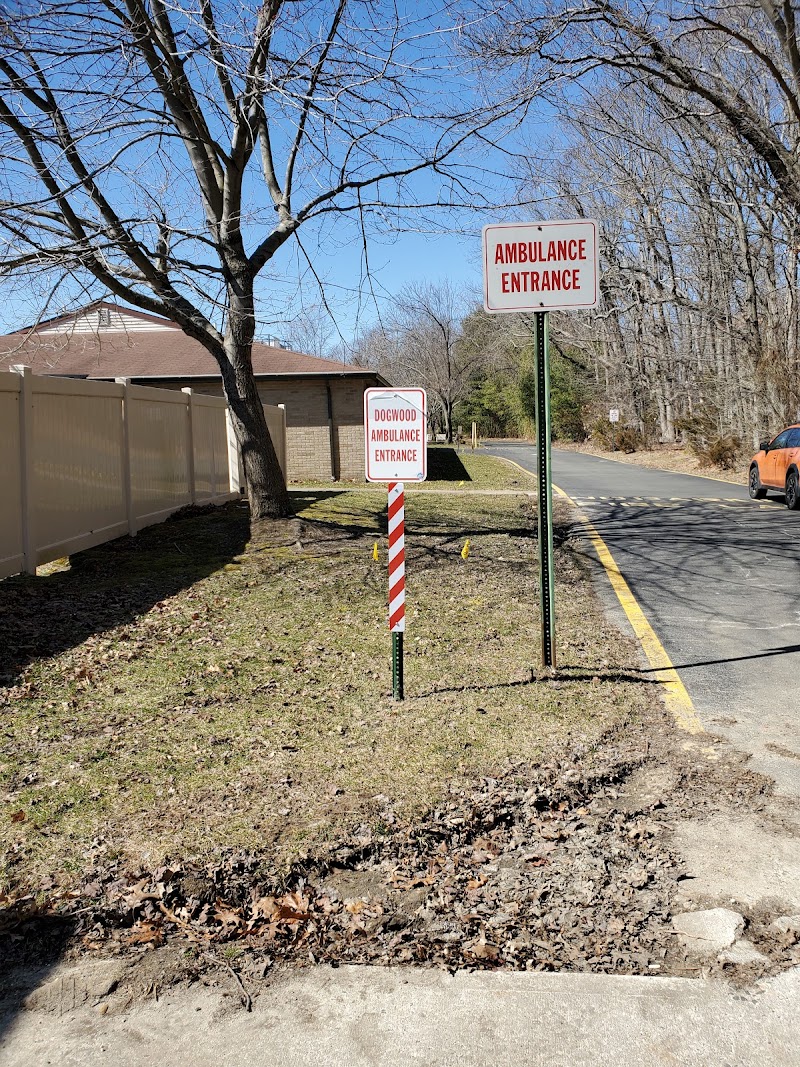
CMS rates BARTLEY NURSING & REHAB's staffing level at 2 out of 5 stars, which is below average compared to other nursing homes. Staff turnover is 58%, which is 12 percentage points above the New Jersey average of 46%. High turnover can affect care consistency as new staff learn residents' individual needs.

What Have Inspectors Found at Bartley Nursing & Rehab?

State health inspectors documented 10 deficiencies at BARTLEY NURSING & REHAB during 2020 to 2024. These included: 10 with potential for harm.

Who Owns and Operates Bartley Nursing & Rehab?

BARTLEY NURSING & REHAB is owned by a for-profit company. For-profit facilities operate as businesses with obligations to shareholders or private owners. The facility operates independently rather than as part of a larger chain. With 234 certified beds and approximately 203 residents (about 87% occupancy), it is a large facility located in JACKSON, New Jersey.
How Does Bartley Nursing & Rehab Compare to Other New Jersey Nursing Homes?

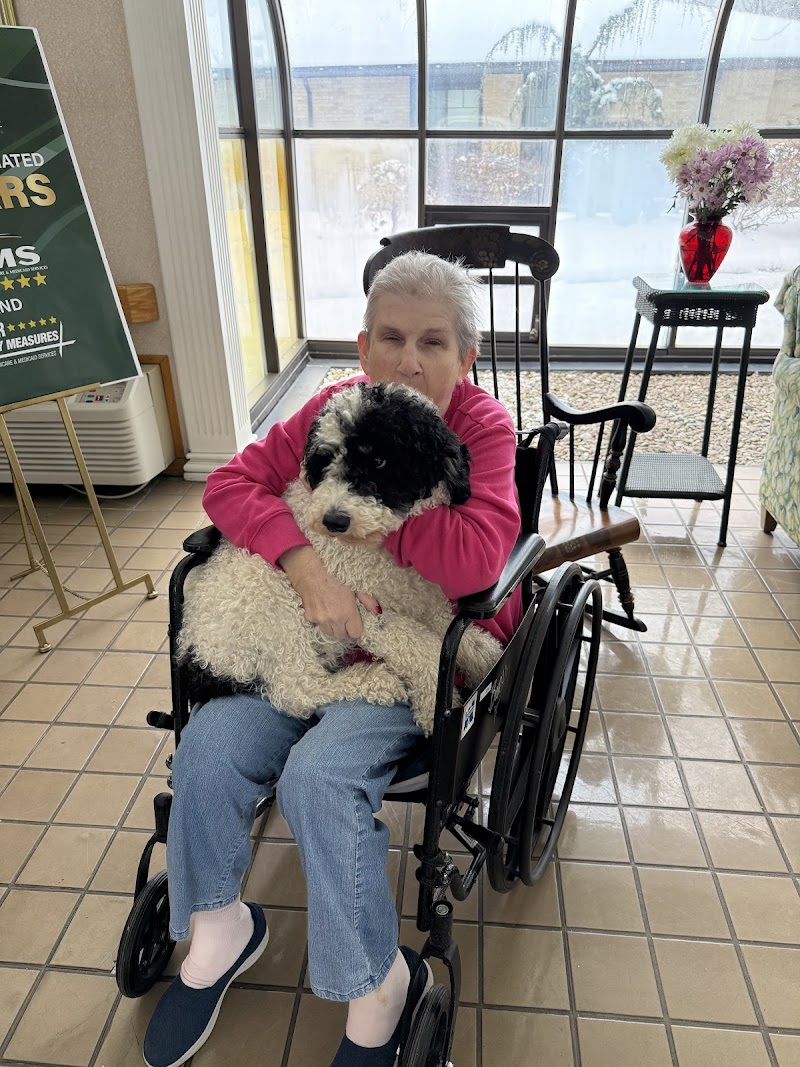
Compared to the 100 nursing homes in New Jersey, BARTLEY NURSING & REHAB's overall rating (5 stars) is above the state average of 3.3, staff turnover (58%) is significantly higher than the state average of 46%, and health inspection rating (4 stars) is above the national benchmark.

What Should Families Ask When Visiting Bartley Nursing & Rehab?

Based on this facility's data, families visiting should ask: "How do you ensure continuity of care given staff turnover, and what is your staff retention strategy?" "Can you walk me through typical staffing levels on day, evening, and night shifts?" "Can I visit during a mealtime to observe dining assistance and food quality?" "How do you handle medical emergencies, and what is your hospital transfer rate?" These questions are particularly relevant given the facility's high staff turnover rate and the below-average staffing rating.

Is Bartley Nursing & Rehab Safe?

Based on CMS inspection data, BARTLEY NURSING & REHAB has a clean safety record: no substantiated abuse findings (meaning no confirmed cases of resident harm), no Immediate Jeopardy citations (the most serious violation level indicating risk of serious injury or death), and is not on the Special Focus Facility watch list (a federal program monitoring the lowest-performing 1% of nursing homes). The facility has a 5-star overall rating and ranks #1 of 100 nursing homes in New Jersey. While no facility is perfect, families should still ask about staff-to-resident ratios and recent inspection results during their visit.

Do Nurses at Bartley Nursing & Rehab Stick Around?

Staff turnover at BARTLEY NURSING & REHAB is high. At 58%, the facility is 12 percentage points above the New Jersey average of 46%. High turnover means new staff may not know residents' individual needs, medications, or preferences. It can also be disorienting for residents, especially those with dementia who rely on familiar faces. Families should ask: What is causing the turnover? What retention programs are in place? How do you ensure care continuity during staff transitions?

Was Bartley Nursing & Rehab Ever Fined?

BARTLEY NURSING & REHAB has no federal fines on record. CMS issues fines when nursing homes fail to meet care standards or don't correct problems found during inspections. The absence of fines suggests the facility has either maintained compliance or corrected any issues before penalties were assessed. This is a positive indicator, though families should still review recent inspection reports for the full picture.

Is Bartley Nursing & Rehab on Any Federal Watch List?

BARTLEY NURSING & REHAB is not on any federal watch list. The most significant is the Special Focus Facility (SFF) program, which identifies the bottom 1% of nursing homes nationally based on persistent, serious quality problems. Not being on this list means the facility has avoided the pattern of deficiencies that triggers enhanced federal oversight. This is a positive indicator, though families should still review the facility's inspection history directly.