WILLOW SPRINGS REHABILITATION AND HEALTHCARE CTR
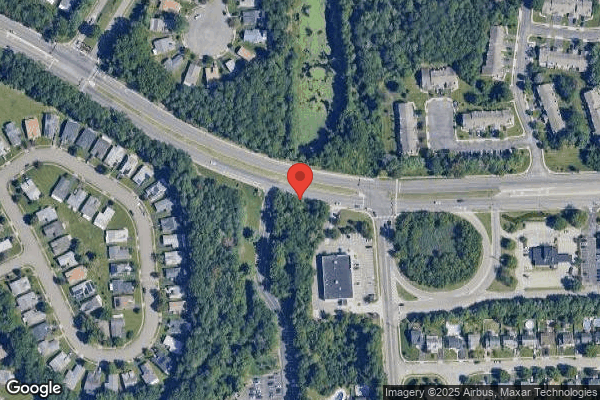

1049 BURNT TAVERN ROAD, BRICK, NJ 08724 (732) 840-3700
For profit - Individual 164 Beds MARQUIS HEALTH SERVICES Data: November 2025
Trust Grade
68/100
#158 of 344 in NJ
Last Inspection: July 2024

Within standard 12-15 month inspection cycle. Federal law requires annual inspections.

Overview

Willow Springs Rehabilitation and Healthcare Center has a Trust Grade of C+, indicating it is slightly above average but not exceptional. It ranks #158 out of 344 nursing homes in New Jersey, placing it in the top half of facilities in the state, and #15 out of 31 in Ocean County, meaning there are only a few local options that are rated higher. Unfortunately, the trend is worsening, with the number of issues identified increasing from 1 in 2023 to 9 in 2024. Staffing is decent with a turnover rate of 33%, which is below the state average, but the facility has faced some concerning incidents, including a serious case where a resident fell and was not assessed for over 12 hours, leading to pain and a hip fracture. Additionally, there were issues with medication storage and safety device monitoring, highlighting areas that need improvement despite the facility's strengths in resident care quality measures.

Trust Score
C+
68/100
In New Jersey
#158/344
Top 45%
Safety Record
Moderate
Needs review
Inspections
Getting Worse
1 → 9 violations
Staff Stability
○ Average
33% turnover. Near New Jersey's 48% average. Typical for the industry.
Penalties
✓ Good
$18,262 in fines. Lower than most New Jersey facilities. Relatively clean record.
Skilled Nurses
⚠ Watch
Each resident gets only 26 minutes of Registered Nurse (RN) attention daily — below average for New Jersey. Fewer RN minutes means fewer trained eyes watching for problems.
Violations
⚠ Watch
19 deficiencies on record. Higher than average. Multiple issues found across inspections.
★★★★☆
4.0
Overall Rating
★★★☆☆
3.0
Staff Levels
★★★★★
5.0
Care Quality
★★★☆☆
3.0
Inspection Score
Stable
2023: 1 issues
2024: 9 issues

The Good

  • 5-Star Quality Measures · Strong clinical quality outcomes
  • Full Sprinkler Coverage · Fire safety systems throughout facility
  • No fines on record
  • Staff turnover below average (33%)

    15 points below New Jersey average of 48%

Facility shows strength in quality measures, fire safety.

The Bad

Staff Turnover: 33%

13pts below New Jersey avg (46%)

Typical for the industry

Federal Fines: $18,262

Below median ($33,413)

Minor penalties assessed

Chain: MARQUIS HEALTH SERVICES

Part of a multi-facility chain

Ask about local staffing decisions and management

The Ugly 19 deficiencies on record

1 actual harm
Dec 2024 1 deficiency
CONCERN (D) 📢 Someone Reported This

A family member, employee, or ombudsman was alarmed enough to file a formal complaint

Potential for Harm - no one hurt, but risky conditions existed

Deficiency F0658 (Tag F0658)

Could have caused harm · This affected 1 resident

**NOTE- TERMS IN BRACKETS HAVE BEEN EDITED TO PROTECT CONFIDENTIALITY** Complaint # 180991 Based on observations, interviews, medical record review, and review of other pertinent facility documentatio...

Read full inspector narrative →
**NOTE- TERMS IN BRACKETS HAVE BEEN EDITED TO PROTECT CONFIDENTIALITY** Complaint # 180991 Based on observations, interviews, medical record review, and review of other pertinent facility documentation on 12/09/2024, it was determined that the facility failed to administer medications according to the acceptable standards of nursing practice for 1 of 4 residents (Resident #1). The facility also failed to follow its policy titled Administering Medications. This deficient practice was evidenced by the following: Reference: New Jersey Statutes Annotated, Title 45, Chapter 11. Nursing Board. The Nurse Practice Act for the State of New Jersey states: The practice of nursing as a licensed practical nurse is defined as performing tasks and responsibilities within the framework of case finding; reinforcing the patient and family teaching program through health teaching, health counseling and provision of supportive and restorative care, under the direction of a registered nurse or licensed or otherwise legally authorized physician or dentist. According to the admission Record (AR), Resident #1 was admitted to the facility with diagnoses which included but were not limited to, Cellulitis (a bacterial infection that affects the skin and underlying tissues), Essential Hypertension (high blood pressure), Heart Failure (condition that occurs when the heart can't pump enough blood to meet the body's needs, Depression (a mood disorder that causes a persistent feeling of sadness and loss of interest), and Acute Kidney Failure (when your kidneys suddenly stop working properly). According to the Facility Reportable Event (FRE), a New Jersey Department of Health (NJDOH) document used by healthcare facilities to report incidents with a date of event of 11/23/2024 revealed that the Licensed Practical Nurse (LPN#1) allegedly left medications at Resident #1's bedside. A review of the Quarterly Minimum Data Set (MDS), an assessment tool dated 11/08/2024, reflected that the Resident #1 had a Brief Interview for Mental Status (BIMS) score of 14 out of 15, which indicated the resident's cognition was cognitively intact. A review of the Order Summary Report (OSR) Active Orders for Resident #1 dated 11/21/2024 included the following Physician's Orders (Pos): Tramadol HCL Oral Tablet 50 MG give 1 tablet by mouth every 6 hours as needed for pain. A review of the 11/1/2024-11/30/2024 Medication Administration Record (MAR) revealed documentation by LPN #1 that Resident #1 received one dose of Tramadol 50 mg on 11/23/2024 at 9:08 A.M. A review of the facility's investigation report for the 11/23/2024 incident revealed that after thorough investigation, it was found that after Resident #1's shower, the Certified Nursing Assistant (CNA #1) informed the resident that their medication was on the bedside table. The resident asked CNA #1 to hand him/her the medication and CNA #1 handed them to him/her. After thorough investigation, the primary nurse does not recall leaving the medications at the resident's bedside. The Interdisciplinary Care Team (IDCP) believed the nurse left the as needed (PRN) Tramadol at Resident #1's bedside while the resident was in the shower after the resident requested it. No harm came to the resident. During an interview with the Surveyor on 12/09/2024 at 12:35 P.M., the Assistant Director of Nursing (ADON) stated she was told by the Director of Nursing (DON) on 11/25/2024 that on 11/23/2024 CNA #1 brought Resident #1 back from taking a shower and Resident #1 could not reach the medication that was on the resident's bedside table. Resident #1 asked CNA #1 to push the bedside table closer so he/she can take the medication. The ADON stated that she began an investigation and went to every resident's room and searched each room to see if any medications were left at other resident's room. She did not find any other medications left at the bedside in other resident's room. The ADON stated the expectation was not to leave medications unattended in a resident's room. The ADON further stated the expectation was for the nurse to ensure residents took their medications before leaving the resident's room. The ADON stated that leaving medications at the resident's bedside unattended could put residents in danger because another resident could take the medication instead. During an interview with the Surveyor on 12/09/2024 at 12:52 P.M., LPN #1 stated that she was aware that it was reported that she left Resident #1's medications on Resident #1's bedside table. She stated that she does not remember leaving medications at Resident #1's bedside table. LPN #1 also stated that if a resident was not in their room, then she would come back with the resident's medication. LPN #1 stated she would not leave a resident's room without ensuring medications were taken by a resident. LPN #1 further stated that it was important to observe a resident take their medication to ensure that the resident took them. The Surveyor attempted to contact CNA #1 on 12/09/2024 at 1:04 PM but CNA#1 was not available for an interview. During an interview with the Director of Nursing (DON) in the presence of the Licensed Nursing Home Administrator (LNHA) on 12/09/2024 at 2:05 P.M., the DON stated that on 11/25/2024 she was informed by CNA #1 that she had returned to Resident #1's room after giving the resident a shower and noticed a cup with medication on the resident's bedside table on 11/23/2024. The DON stated that she was told by CNA #1 that Resident #1 asked her to move the bedside table closer so they can take the medication and CNA #1 moved the table closer as Resident #1 requested. The DON stated that she did not recall if CNA #1 stated if Resident #1 took the medication that was on the bedside table. The DON stated that an investigation was initiated, and the investigation concluded that LPN #1 did leave Tramadol at Resident #1's bedside although LPN #1 does not recall leaving the medication at Resident #1's bedside. The DON stated that she was not able to interview Resident #1 because the resident was transferred to the hospital on [DATE]. The DON further stated that she was not able to confirm what medication was in the medicine cup found at Resident #1's bedside. The DON stated that it was the facility's policy that medications were not left at the resident's bedside table. The DON stated, if medications are left unattended at the bedside, another resident could come and take the medications. The DON further stated that the expectation was that when a nurse gave a resident their medication, the nurse should stay in the room and ensure the resident takes the medication. A review of the facility's policy titled Medication Administration with a revision date of April 2019 revealed under Policy Statement: I. Medications are administered in accordance with prescriber's orders, including required time frame. II. For residents not in their rooms or otherwise unavailable to receive medication on the pass, the MAR may be flagged. After completing the medication pass, the nurse will return to the missed resident to administer the medication. NJAC 8:39-29.2(d)
Jul 2024 5 deficiencies 1 Harm
SERIOUS (G) 📢 Someone Reported This

A family member, employee, or ombudsman was alarmed enough to file a formal complaint

Actual Harm - a resident was hurt due to facility failures

Accident Prevention (Tag F0689)

A resident was harmed · This affected 1 resident

**NOTE- TERMS IN BRACKETS HAVE BEEN EDITED TO PROTECT CONFIDENTIALITY** C/O # NJ163363 Based on interview, review of the medical record and review of other facility documentation, it was determined th...

Read full inspector narrative →
**NOTE- TERMS IN BRACKETS HAVE BEEN EDITED TO PROTECT CONFIDENTIALITY** C/O # NJ163363 Based on interview, review of the medical record and review of other facility documentation, it was determined that the facility failed to: a) assess a resident (Resident #534) in a timely manner by a Registered Nurse (RN) who had an unwitnessed fall which resulted in the resident experiencing pain and a right hip fracture. Resident #534 fell on 4/16/23 at approximately 6:00 PM, and was not assessed until the next day at approximately 10:15 AM (over 12 hours) by the Medical Doctor. This deficient practice was identified for 1 of 4 residents reviewed for falls; and b) failed to ensure that there was a physician order for the use and monitoring of a safety device (Wander Bracelet) used to prevent residents from elopement (leaving a specified area without permission or supervision) in place. This deficient practice was identified for 1 of 6 residents reviewed for accidents (Resident #107). This deficient practice was evidenced by the following: A review of an undated facility provided policy titled, Assessing Falls and Their Causes revealed under Steps in the Procedure, After a Fall: 1. If a resident has just fallen or is found without a witness to the event evaluate for possible injuries to the head, neck, spine, and extremities. 3. If there is evidence of injury, provide appropriate first aid and/or obtain medical treatment immediately. 5. Notify the resident's attending physician and family in an appropriate time frame. a. When a fall results in a significant injury or condition change, notify the practitioner immediately by phone. The policy also revealed, under Documentation, that When a resident falls, the following should be recorded: 1. The condition in which the resident was found (e.g., resident found lying on the floor between bed and chair). 2. Assessment data, including vital signs and any obvious injuries. 3. Interventions, first aid, or treatment administered. 4. Notification of the physician and family, as indicated. 5. Completion of a falls risk assessment. 6. Appropriate interventions taken to prevent future falls. 7. The signature and title of the person recording the data. 1) According to the admission Record, Resident #534 was admitted to the facility with diagnoses including but not limited to: Dementia (impaired ability to remember, think, or make decisions that interferes with doing everyday activities) and osteoarthritis (a degenerative joint disease, in which the tissues in the joint break down over time). According to the Minimum Data Set (MDS), an assessment tool used to facilitate care dated 02/12/2023, Resident #534 had a Brief Interview for Mental Status (BIMS) score of 02/15, indicating severely impaired cognition. Section GG indicated that Resident #534 was independent with walking in the corridor. A review of the Progress Notes revealed the following: a) On 04/17/2023 at 8:10 AM, the Licensed Practical Nurse/Unit Manager (LPN/UM#2) was alerted by staff that Resident #534 had fallen on 04/16/2023 at about 6:00 PM. LPN/UM #2 went to check on the resident who was still in bed. Resident #534 stated he was in pain while pointing to his right hip which was externally rotated. Resident #534 was unable to move their right lower extremity without pain. LPN/UM #2 called the Nurse Practitioner and received orders for x-rays of right hip, pelvis, and lower extremity and pain medication. The Medical Doctor (MD) was asked to consult. b) On 04/17/2023 at 10:15 AM, the MD assessed Resident #534. The resident stated his right hip pain was 10/10 (10 being the highest level on the pain scale). c) On 04/17/2023 at 10:16 AM, the MD ordered the resident to be sent to ER (emergency room) for a possible right hip fracture. d) On 04/17/2023 at 11:19 AM, the resident was transported to the ER. e) On 04/17/2023 at 18:08 PM (6:08 PM), Resident #534 was admitted to the hospital with a closed fracture of the right hip (a fracture that does not break the skin). A review of the facility investigation titled Full QA (Quality Assurance) Report dated 4/17/2023, revealed the following under the Summary: Resident # 534 had an unwitnessed fall resulting in an injury. The resident fell in front of the nursing station. Certified Nursing Assistant (CNA #2) heard the resident fall and went to check on the resident. CNA #2 then notified the assigned Licensed Practical Nurse (LPN #2). The resident was brought back to their room and further assessed for injury. LPN #2 said the resident had no visible redness or bruising injuries noted and was observed without any complaints of pain. LPN #2 failed to follow the facility policy and standard of practice for unwitnessed falls and failed to notify the Registered Nursing (RN) supervisor to conduct a full body assessment. In addition, LPN #2 also failed to complete a risk report, document in the medical record, endorse the incident to the following shift, and notify primary medical doctor and the resident's family. On 04/17/2023, at approximately 8:00 AM, CNA #2, who was present the night before when the fall happened, approached LPN/UM #2 inquiring about how Resident #534 was doing. LPN/UM #2 immediately assessed the resident who complained of pain to their right hip area, was unable to move their right lower extremity when asked and the right leg was noted to be externally rotated. Vitals were obtained, neurological checks initiated, ice was applied to right hip area and Tylenol was administered. The Director of Nursing (DON), Administrator, Advanced Practical Nurse (APN), and the resident's family were notified of incident. New orders were given for x-rays of right hip, pelvis, and lower extremity; and for Tramadol 50 milligrams twice day for pain. The Physiatrist (Rehabilitation physician) was in the facility at the time and staff requested a consult. An assessment was completed and new orders were received to send the resident to the ER for further evaluation. Resident #534 was admitted with a diagnosis of a closed right hip fracture. The resident did not return to the facility. During an interview with the surveyor on 07/10/2024 at 10:01 AM, CNA #2 who originally reported the fall stated, I don't really remember that night, it was a long time ago. When asked what would you do if you found a resident on the floor, CNA #2 replied, I would call for the nurse and stay with the resident until the nurse got there. During an interview with the surveyor on 07/10/2024 at 12:05 PM, LPN/UM #2 stated, I don't remember that incident. The surveyor asked LPN/UM #2 when should a resident be assessed after a fall. LPN/UM #2 told the surveyor that Residents should be assessed immediately after a fall by the RN supervisor. During an interview with the surveyor on 07/10/2024 at 01:12 PM, the DON replied Yes, when asked if LPN #2 should have notified an RN to assess Resident #534 after the fall. The DON also replied Yes, when asked if LPN #2 should have reported the fall at that time. The DON also stated, The resident should have been assessed right away. A review of the facility policy titled, Wander Management and Elopement Prevention, updated March 2022 revealed: 2. The staff will implement a wander management system device, if recommended, as a part of the plan of care. 3. Resident care plans will include resident specific interventions to ensure safe wandering and prevent elopement. 4. The wander management system device will be used in conjunction with other resident-specific interventions for the management of unsafe wandering. 2) According to the admission Record, Resident #107 was admitted with diagnoses that included but were not limited to; Senile Degeneration of the Brain, Alzheimer's Disease, and Dementia. During the initial tour on 07/09/2024 at 09:22 AM, Resident #107 was observed in their room eating breakfast. At that time, a Wander Bracelet (a device that would alarm and lock doors to prevent a resident from leaving an area attended) was fastened to their right ankle. A review of Resident #107's Physician Orders did not include a physician order for a Wander Bracelet monitoring device. A review Resident #107's Care Plan did not include a focus area for the Risk for Elopement and no indication that a Wander Bracelet was placed to the right ankle. A review the most recent MDS dated [DATE], revealed Resident #107 had severe cognitive impairment. Under Section P-Restraints and Alarms, there was no documentation that a Wander/Elopement alarm was used. A review of a Quarterly Evaluation dated 04/12/2024, under the Elopement/Wandering Risk Evaluation section, indicated that Resident #107 was assessed and found to have at risk behaviors including wandering aimlessly and had actual/potential risk for elopement. Included in the interventions was a Wander Bracelet. During an interview with the surveyor on 07/10/2024 at 12:45 PM, LPN/UM #2 verified that Resident #107 did not have a Physician Order or Care Plan for a Wander Bracelet. At that time, LPN/UM #2 indicated that she would get working on it. During an interview with the surveyor on 7/11/2024 at 01:11 PM, the DON stated that the process for assessing for risk of elopement is done on admission and as needed. The DON stated that if a resident was indicated to be at risk and a Wander Bracelet was recommended, the Physician would be notified and an order for a Wander Bracelet would be obtained. In addition, the family is notified and the Care Plan is updated. NJAC 8:39 - 27.1 (a)
CONCERN (D) 📢 Someone Reported This

A family member, employee, or ombudsman was alarmed enough to file a formal complaint

Potential for Harm - no one hurt, but risky conditions existed

Deficiency F0658 (Tag F0658)

Could have caused harm · This affected 1 resident

Deficiency Text Not Available

Read full inspector narrative →
Deficiency Text Not Available
CONCERN (D)

Potential for Harm - no one hurt, but risky conditions existed

Respiratory Care (Tag F0695)

Could have caused harm · This affected 1 resident

Based on observation, interview, record review, and review of other facility documentation, it was determined that the facility failed to provide the necessary care and maintenance of respiratory equi...

Read full inspector narrative →
Based on observation, interview, record review, and review of other facility documentation, it was determined that the facility failed to provide the necessary care and maintenance of respiratory equipment for 1 of 2 residents reviewed for respiratory care (Resident #6). This deficient practice was evidenced by the following: During initial tour on 07/08/2024 at 8:08AM, the surveyor observed Resident # 6 oxygen tubing not labeled, and the bag that held the tubing when not in use was also not dated. On 07/09/2024 at 09:11 AM during an observation of Resident #6, the Oxygen tubing was not labeled or dated. On 07/10/24 at 10:12 AM during an observation of Resident #6, the oxygen tubing and bag were not labeled or dated. According to the admission Record, Resident #6 was admitted to the facility with diagnoses including but not limited to, Respiratory Failure with Hypoxia and Asthma. A review of the Order Summary Report revealed a physician order initiated date of 01/24/24 for oxygen at 2 liters/minute via nasal canula (a device that delivers extra oxygen through a tube into the nose) every shift continuous. In addition, for the care of the respiratory equipment; Change Oxygen Tubing, Humidifier, and clean filter weekly on Fridays 11-1 shift, and as needed, date and label tubing and humidifier bottle. During an interview with the surveyor,on 07/09/2024 at 12:00 PM, LPN/UM #2 stated that the respiratory equipment is maintained by nursing. She added that respiratory equipment is changed weekly on Fridays night shift. When equipment is changed, it should be documented in the Electronic Record and that the equipment should be dated and initialed. During an interview with the surveyor on 07/11/2024 at 12:10 PM, the Infection Preventionist stated that during infection control rounds on the units, he checks that respiratory equipment is properly dated and changed weekly and Oxygen tubing should be dated. During an interview on 07/11/2024 at 01:28 PM, the Director of Nursing (DON) stated that all oxygen equipment is to be changed weekly on Friday night shift. She added that the tubing and storage bag should be dated with the last change date. A review of a facility policy titled, Oxygen Administration, with a revised date of 10/2010, revealed, Verify that there is a physician's order for this procedure. Review the physician's orders or facility protocol for oxygen administration. N.J.A.C.8:39-27.1(a)
CONCERN (D)

Potential for Harm - no one hurt, but risky conditions existed

Medication Errors (Tag F0758)

Could have caused harm · This affected 1 resident

Resident #122 Unnecessary Meds, Psychotropic Meds, and Med Regimen Review Based on observation, interview, record review, and review of pertinent facility documents, it was determined that the facili...

Read full inspector narrative →
Resident #122 Unnecessary Meds, Psychotropic Meds, and Med Regimen Review Based on observation, interview, record review, and review of pertinent facility documents, it was determined that the facility failed to ensure specific target behaviors were monitored prior to the administration of an anti-psychotic medication for a resident who received an anti-psychotic medication (Seroquel) since May of 2024. This deficient practice was identified for 1 of 5 residents reviewed for unnecessary medications (Resident #122), and was evidenced by the following: On 7/8/2024 at 9:45 AM, the surveyor observed Resident #122 in the dayroom seated in a wheelchair. The resident stated they had woken up early and had just come from therapy and stated his/her mood was fine. The surveyor reviewed the medical record for Resident #122. A review of the admission Record (an admission summary) reflected the resident was admitted to the facility with diagnoses which included heart failure, chronic kidney disease, restless and agitation, and dementia. A review of the admission Minimum Data Set (MDS), an assessment tool, dated 6/3/2024, reflected that Resident #122 had a brief interview for mental status (BIMS) score of 3 out of 15, which indicated severely impaired cognition. A further review of the MDS indicated Resident #122 had behaviors of rejection of care occurred one to three days and had received anti-psychotic medications on a routine basis during the seven day look-back period. A review of the individualized comprehensive care plan included a focus area initiated 5/29/2024, and a target date of 8/28/2024 that the resident used anti-psychotic medication related to behavior management, and behavior disturbances related to dementia with a goal to show effectiveness of medication use as evidenced by a reduction in behavior/mood symptoms by the review date. Interventions included to administer anti-psychotic medication as ordered. Observe for effectiveness and side effects including sedation, drowsiness, dry mouth, constipation, blurred vision, extrapyramidal reaction (involuntary movements related to side effects that can be caused by certain drugs), tardive dyskinesia (condition caused by long term antipsychotic medication use that may cause uncontrollable jerky movements of the face and body, weight gain, edema, sweating, loss of appetite and urinary retention; consult with physician to consider dosage reduction when clinically appropriate; monitor/record occurrence of target behavior; provide redirection from inappropriate behaviors; educate me/family/caregivers about the risks, benefits, and side effects of medication being given. A review of the July 2024 Order Summary Report (OSR) included the following physician's orders (PO): A PO dated 5/28/2024, for Seroquel 12.5 milligram (mg) oral tablet; give 12.5 mg by mouth at bedtime for behavioral disturbances related to dementia. A review of the corresponding July 2024 Medication Administration Record (MAR) reflected that the resident received 12.5 mg of Seroquel on 7/1/2024; 7/2/2024; 7/3/2024; 7/4/2024; 7/5/2024; 7/6/2024; 7/7/2024; 7/8/2024; and 7/9/2024. A review of both the July 2024 OSR and the corresponding July 2024 MAR did not reveal an order to monitor the behaviors associated with the use of Seroquel or the monitoring of the potential side effects that may be caused using Seroquel. A review of Resident #122's Nursing Progress Notes since admission did not reflect nurses were documenting the presence of or lack of behaviors or side effects associated with the use of Seroquel for behavior disturbances related to dementia. On 7/10/2024 at 11:51 AM, the surveyor interviewed the resident's Licensed Practical Nurse (LPN #1) who stated the resident had dementia but was alert with some confusion and was taking Seroquel for dementia with behavioral disturbances. LPN #1 further stated she had not witnessed any adverse behaviors on her shift nor on any other shifts that she knew of. LPN #1 stated residents on medications like Seroquel should be monitored for side effects and behavior disturbances every shift. When asked by the surveyor, LPN #2 could not recall if Resident #122 had an order to monitor for behaviors or side effects associated with the use of Seroquel. On 7/10/2024 at 11:55 AM, the surveyor interviewed the Licensed Practical Nurse/ Unit Manager (LPN/UM #3) who stated the resident had been taking Seroquel since they were admitted to the facility and had not exhibited any behaviors associated with dementia. LPN/UM #3 stated all residents on psychotropics (drug or substance that affects how the brain works and causes changes in mood, thoughts, feelings, or behavior) were monitored every shift for behaviors and side effects. On 7/10/2024 at 12:10 PM, the surveyor, LPN/UM #3 and LPN #1 reviewed the resident's July 2024 MAR and POS. Both LPN/UM #3 and LPN #1 acknowledged there were no physician's orders to monitor for side effects related to the use of Seroquel or to document/monitor behaviors associated with the resident's dementia with behavioral disturbances diagnosis. LPN/UM #3 and LPN #1 confirmed there should be orders for both. On 7/10/2024 at 12:20 PM, the surveyor and LPN/UM #3 and LPN #1 again reviewed the resident's POS and there was a new order entered for the resident to be monitored for behaviors and side effects associated with the use of Seroquel. When the surveyor asked LPN/UM #3 if she had contacted someone to enter a new order, she acknowledged she had. LPN/UM #3 stated she had contacted the Assistant Director of Nursing (ADON) to obtain an order for monitoring and further acknowledged there had not been prior to surveyor inquiry. On 7/10/2024 at 1:03 PM, the surveyor interviewed the ADON who stated resident's prescribed antipsychotic, antidepressant, and anti-anxiety medications should be monitored for the target behaviors and side effects of those medications every shift for the entire duration the resident was prescribed the medication. The ADON confirmed there should have been physician's orders for monitoring when the Seroquel order was initiated, and that monitoring was important to ensure the resident was not taking medications unnecessarily or experiencing unnecessary side effects. A review of the revised July 2024 OSR included the following new physician's orders: A PO dated 7/10/2024, for Behaviors/Intervention, monitor for agitation, Intervention codes: 1. redirection; 2. (1:1); 3. activity; 4. toilet; 5. food/fluid offered; 6. position change; other interventions (specify in progress notes); 8. medication; every shift for monitoring. A PO dated 7/10/2024, Side Effects, monitor for side effects of Anti-psychotic medications every shift which may include but is not limited to sedation, drowsiness, dry mouth, constipation, blurred vision, extrapyramidal reaction, weight gain, edema, postural hypotension, sweating, loss of appetite, urinary retention (specify in progress notes) every shift for monitoring Side Effects codes: Y = Yes, N = No, document side effects in progress notes. On 7/12/2024 at 10:47 AM, the survey team met with Facility Administration including the facility Director of Nursing (DON) who stated the nurse was responsible to ensure physician's orders for all psychotropic medications included orders for behavior monitoring, side effect monitoring, there was a care plan in place and consent for use was obtained from the resident or their Power of Attorney. The DON acknowledged there should have been orders for Resident #122's behavior monitoring associated with the use of Seroquel as well as monitoring for side effects. The DON further acknowledged that until surveyor inquiry there were no orders for monitoring. A review of the facility's Behavioral Assessment, Intervention and Monitoring policy, dated revised March 2019, included the facility will provide and residents will receive behavioral health services as needed to attain or maintain the highest practical physical, mental and psychosocial well-being in accordance with the comprehensive assessment and plan of care .the facility will comply with regulatory requirements related to the use of medication to manage behavioral changes .the nursing staff will identify, document, and inform the physician about specific details regarding changes in the individual's mental status, behavior, cognition, including: a. onset, duration, intensity and frequency of behavioral symptoms .interventions will be individualized and part of overall care environment .non-pharmacological approaches will be utilized to the extent possible to avoid or reduce the use of antipsychotic medications to manage behavioral symptoms. When medications are prescribed for behavioral symptoms, documentation will include: rationale for use; potential underlying causes of behavior; other approaches and interventions tried prior to use of antipsychotic medications; potential risk versus benefits of medications; specific target behaviors and expected outcomes; dosage; duration; monitoring for efficacy and adverse consequences . NJAC 8:39-27.1(a)
CONCERN (F) 📢 Someone Reported This

A family member, employee, or ombudsman was alarmed enough to file a formal complaint

Potential for Harm - no one hurt, but risky conditions existed

Deficiency F0725 (Tag F0725)

Could have caused harm · This affected most or all residents

Deficiency Text Not Available

Read full inspector narrative →
Deficiency Text Not Available
Jul 2024 3 deficiencies
CONCERN (D) 📢 Someone Reported This

A family member, employee, or ombudsman was alarmed enough to file a formal complaint

Potential for Harm - no one hurt, but risky conditions existed

Deficiency F0583 (Tag F0583)

Could have caused harm · This affected 1 resident

Complaint #: NJ156378, NJ157304, NJ157715, NJ158101, NJ159337, NJ159347, NJ159775, NJ160752 Based on observation, interview, and review of facility documentation, it was determined that the facility f...

Read full inspector narrative →
Complaint #: NJ156378, NJ157304, NJ157715, NJ158101, NJ159337, NJ159347, NJ159775, NJ160752 Based on observation, interview, and review of facility documentation, it was determined that the facility failed to ensure the personal privacy of a resident's body during an incontinence care check. This deficient practice was identified for 1 of 1 residents reviewed for privacy (Resident #14) and was evidenced by the following. According to the admission Record (AR), Resident #14 was admitted to the facility with diagnoses which included but were not limited to, Diabetes (high blood sugar levels), Depression (a mood disorder that causes persistent sadness and loss of interest), and Unspecified Epilepsy (a neurological disorder that causes seizures). 1.) On 07/03/2024 at 9:59 A.M., the Surveyor observed Resident #14 in bed with head of bed elevated at 45 degrees. The Surveyor observed that the Licensed Practical Nurse/Unit Manager (LPN/UM) did not pull the privacy curtain during the incontinence care check. During an interview with the Surveyor on 07/03/2024 at 10:24 A.M., the LPN/UM stated that she does not know why she did not pull the privacy curtain. N.J.A.C. 8:39 - 4.1(a) (16)
CONCERN (D) 📢 Someone Reported This

A family member, employee, or ombudsman was alarmed enough to file a formal complaint

Potential for Harm - no one hurt, but risky conditions existed

Safe Environment (Tag F0584)

Could have caused harm · This affected 1 resident

Complaint#: NJ159347 Based on observations and interviews, it was determined the facility failed to maintain a clean and homelike environment for 1 of 3 nursing units (Applewood Unit). The deficient ...

Read full inspector narrative →
Complaint#: NJ159347 Based on observations and interviews, it was determined the facility failed to maintain a clean and homelike environment for 1 of 3 nursing units (Applewood Unit). The deficient practice was evidenced by the following: The surveyor toured the Applewood Unit on 07/03/2024 and observed the following: 1.) On 07/03/2024 at 9:05 A.M., upon entering the unit, the Surveyor noted a strong urine odor on the unit. The Surveyor observed the Housekeeper on the unit during the tour. 2.) On 07/03/2024 at 1:55 P.M., the Surveyor returned to the unit and as soon as the doors to the unit were opened, the Surveyor noted a strong pungent odor. The Surveyor noted a strong odor of feces while on unit. The Surveyor did not observe any dirty linens on the cart during the tour. Incontinence care was not being provided during that time. The surveyor toured the Applewood Unit on 07/05/2024 and observed the following: 1.) On 07/05/2024 at 9:40 A.M., upon entering the unit, the Surveyor noted a strong urine odor on the unit. The Surveyor observed 2 Housekeepers cleaning the unit. 2.) On 07/05/2024 at 10:42 A.M., the Surveyor returned to the unit and noted a urine odor. During an interview with the Surveyor on 07/05/2024 at 10:43 A.M., the Licensed Practical Nurse/Unit Manager (LPN/UM) of the Applewood Unit stated the dirty linens were causing the urine odor. The LPN/UM further stated, Laundry picks up the dirty linen every 2 to 3 hours. The LPN/UM confirmed the presence of urine odor on unit. The LPN/UM stated the unit was cleaned in the morning. The LPN/UM further stated, the [NAME] does the floors, and the Housekeeper cleans the rooms twice a shift. The LPN/UM stated,all staff are responsible for controlling odors on the unit. During an interview with the Surveyor on 07/05/2024 at 12:38 P.M., the Housekeeping Director (HD) stated that rooms were cleaned twice a day. The HD further stated, I check the rooms to see if they are cleaned. The HD stated the Certified Nursing Assistants (CNAs) were responsible for changing the linens. The HD stated the odor was brought to his attention by one of the nurses. Review of the undated facility policy titled Work Schedules, Environmental Services revealed under Policy Interpretation and Implementation 3. Cleaning schedules are developed and implemented to assure that each area of our facility is maintained in a safe, clean, and comfortable manner. NJAC 8:39-4.1(a) (11)
CONCERN (D) 📢 Someone Reported This

A family member, employee, or ombudsman was alarmed enough to file a formal complaint

Potential for Harm - no one hurt, but risky conditions existed

Deficiency F0760 (Tag F0760)

Could have caused harm · This affected 1 resident

Complaint #: NJ159337 Based on interviews and records review on 07/02/2024, 07/03/2024 and 07/05/2024, it was determined that the facility failed to ensure a resident (Resident #19) was free from a me...

Read full inspector narrative →
Complaint #: NJ159337 Based on interviews and records review on 07/02/2024, 07/03/2024 and 07/05/2024, it was determined that the facility failed to ensure a resident (Resident #19) was free from a medication error for 1 resident of 3 residents (Resident #19) reviewed for medication administration and follow their policy titled Medication Administration. Resident #19 received medication in error that was not prescribed to be administered to the resident. This deficient practice was evidenced by the following. According to the admission Record (AR), Resident #19 was admitted to the facility with diagnoses which included but were not limited to Major Depressive Disorder (Mood disorder that causes a persistent feeling of sadness), Constipation (problem passing stool), Unspecified Dementia (impaired ability to remember, think or make decisions), Abnormal Gait and Dysphagia (difficulty swallowing). According to the Quarterly Minimum Data Set (MDS), an assessment tool dated 10/21/2023, Resident #19 had a Brief Interview of Mental Status (BIMS) score of 0/15, which indicated the Resident was severely cognitively impaired. According to the facility's form titled Incident report, dated 11/1/2022 at 2:30 p.m., under type revealed: Medication Incident, location: Applewood Unit. Review of Resident #19's Electronic Medical Record under allergies revealed: No Known Allergies. According to the facility's form titled Individual Statement Form dated 11/1/2022 at 2:30 p.m., location: Applewood Unit revealed the following information. I administered an antibiotic to the wrong patient (Resident #19) during medication pass. I was educated afterwards on the 7 rights of medication administration: right patient, right drug, right dose, right time, right route, right reason, and right documentation. During an interview on 07/05/2024 at 1:55 p.m., the Regional Director of Specialty Program (RDSP) revealed that the process of medication administration included following the 5 rights of medication administration, give the medication and document. She continued to state, it is the right of the resident not to receive the wrong medication and I would expect the nurse to follow the physician's order and regulations about medication pass. During this survey, the Surveyor was unable to reach the nurse who administered the wrong medication to Resident #19. A review of the facility's policy with revision date April 2019 titled Administering Medications under Policy Statement revealed: Medications are administered in a safe and timely manner, and as prescribed. Under Policy Interpretation and Implementation #9. The individual administering medications verifies the resident's identity before giving the resident his/her medications. Methods of identifying the resident include: a. checking identification band; b. checking photograph attached to medical record; and c. if necessary, verifying resident identification with other facility personnel.10. The individual administering the medication checks the label THREE (3) times to verify the right resident, right medication, right dosage, right time, and right method (route) of administration before giving the medication. 26. Medications ordered for a particular resident may not be administered to another resident, unless permitted by state law and facility policy, and approved by the director of nursing services. NJAC 8:39-29.2 (d)
Nov 2023 1 deficiency
MINOR (B) 📢 Someone Reported This

A family member, employee, or ombudsman was alarmed enough to file a formal complaint

Minor Issue - procedural, no safety impact

Medical Records (Tag F0842)

Minor procedural issue · This affected multiple residents

**NOTE- TERMS IN BRACKETS HAVE BEEN EDITED TO PROTECT CONFIDENTIALITY** Complaint #: NJ00166428 Based on interviews, medical record review, and review of other pertinent facility documents on 11/02/23...

Read full inspector narrative →
**NOTE- TERMS IN BRACKETS HAVE BEEN EDITED TO PROTECT CONFIDENTIALITY** Complaint #: NJ00166428 Based on interviews, medical record review, and review of other pertinent facility documents on 11/02/23 and 11/03/23, it was determined that the facility staff failed to consistently document on the Documentation Survey Report the Activities of Daily Living (ADL) status and care provided to the resident. The deficient practice was identified for Resident #1, 1 of 4 residents reviewed for documentation and was evidenced by the following: The surveyor reviewed the closed record for Resident #1: According to the admission Record, Resident #1 was admitted on [DATE], with medical diagnoses that included but were not limited to fracture of unspecified part of neck of right femur (thigh bone), dementia, moderate with other behavioral disturbance, aphasia (language disorder of expression and comprehension), and muscle wasting and atrophy (decrease in size). The admission Minimum Data Set (MDS), an assessment tool used to facilitate the management of care, dated 05/21/23, revealed a Brief Interview of Mental Status score of 15 which indicated the resident's cognition was intact. The MDS also indicated the resident required setup to maximal assistance for ADLs. Review of Resident #1's care plan revealed a Focus of ADL Self Care Performance Deficit related to cognitive impairment, deconditioning related to hospitalization, and disease process. The care plan was initiated on 05/19/23 and indicated that the resident required between one and two staff members to assist them with ADLs. Review of Resident #1's Documentation Survey Report v2 form (DSR) (a form that documents the ADL care provided by the Certified Nursing Assistants (CNAs)) for July 2023 revealed blank spaces indicating the tasks were not completed as follows: Bathing, Boosting up in Bed/ Wheelchair, Dressing, and Personal Hygiene on 07/02/23 on the day shift, on 07/05/23 on the evening shift, on 07/02/23, 07/03/23, 07/05/23, and 07/06/23 on the night shift. Bed Mobility, Bladder Continence, and Preventative Skin Care with Moisture Barrier after each incontinence episode on 07/02/23 on the day shift, on 07/03/23 and 07/05/23 on the evening shift, on 07/02/23, 07/03/23, 07/05/23, and 07/06/23 on the night shift. Bowel Continence, Bowel Movements, and CNA Skin Check on 07/05/23 on the evening shift, on 07/02/23, 07/03/23, 07/05/23, and 07/06/23 on the night shift. Mobility/ Locomotion on 07/02/23 and 07/04/23 on the day shift, on 07/05/23 on the evening shift, on 07/02/23, 07/03/23, 07/05/23, and 07/06/23 on the night shift. Mobility: Lying to Sitting/Sitting to Lying, and Toilet Use on 07/02/23 and 07/04/23 on the day shift, on 07/05/23 on the evening shift, on 07/02/23, 07/03/23, and 07/06/23 on the night shift. Mobility/Locomotion off Unit, Mobility/ Locomotion on Unit/ in Hallway, Mobility: Boosting in Wheelchair, Mobility: Lifting Legs into Bed, Transferring, and Turning and Positioning on 07/02/23, 07/04/23 on the day shift, on 07/03/23 and 07/05/23 on the evening shift, on 07/02/23, 07/03/23, and 07/06/23 on the night shift. Amount Eaten at 5 PM, Eating at 5 PM, and Bedtime Snack at 9 PM on 07/05/23. During an interview with the surveyor on 11/03/23 at 11:44 AM, CNA #1 stated she remembered and took care of Resident #1 when they were in the facility. CNA #1 continued that Resident #1 was dependent on staff for ADL care and that on day shift they would help the resident get dress around 9:30 AM- 10:00 AM. CNA #1 added that Resident #1's ADL care should have been documented on the DSR three times a day, on all three shifts. CNA #1 stated the importance of ADL documentation was so everyone knew what care was provided for the resident. During an interview with the surveyor on 11/03/23 at 12:26 PM, the Licensed Practical Nurse/Unit Manager (LPN/UM) stated she remembered Resident #1 and that he/she was dependent on staff for ADL care. The LPN/UM further stated that the CNAs should have documented the ADL care for Resident #1, daily, on every shift. The LPN/UM added that the nurses, unit manager, and the administrator all checked to ensure ADL documentation was completed. During an interview with the surveyor on 11/03/23 at 12:45 PM, the Director of Nursing (DON) stated Resident #1's ADL care including dressing should have been filled out every day and every shift by the CNAs. Review of the facility policy, Activities of Daily Living (ADLs), Supporting with a revised date of 03/18 revealed under the Policy Interpretation and Implementation section, The resident's ability to participate in ADLs and the support provided during ADL care and resident-specific tasks will be documented each shift by Certified Nursing Assistants in the medical record. NJAC 8:39-35.2 (d)(6).
Dec 2022 5 deficiencies
CONCERN (D)

Potential for Harm - no one hurt, but risky conditions existed

Assessment Accuracy (Tag F0641)

Could have caused harm · This affected 1 resident

**NOTE- TERMS IN BRACKETS HAVE BEEN EDITED TO PROTECT CONFIDENTIALITY** Based on observation, interview, and review of medical records and other facility documentation, it was determined that the faci...

Read full inspector narrative →
**NOTE- TERMS IN BRACKETS HAVE BEEN EDITED TO PROTECT CONFIDENTIALITY** Based on observation, interview, and review of medical records and other facility documentation, it was determined that the facility failed to accurately complete the Minimum Data Set (MDS) for two (2) of 29 residents reviewed Residents #114 and #112. This deficient practice was evidenced by the following: The surveyor reviewed the admission Record for Resident #114 which reflected that the resident was admitted with diagnoses that included schizoaffective disorder and essential hypertension. The surveyor reviewed the smoking safety evaluation dated 10/13/2022, which indicated that Resident #114 currently smokes. The surveyor reviewed Resident #114's admission MDS dated [DATE]. The section for current tobacco use was coded as zero (0) indicating that Resident #114 does not currently use tobacco. When interviewed on 12/19/2022 at 10:45 AM, the MDS Coordinator stated that she was unaware that Resident #114 was a smoker. She stated that Resident #114's admission MDS dated [DATE], should have been coded as Resident #114 currently using tobacco. When interviewed on 12/20/2022 at 10:41 AM, the Licensed Nursing Home Administrator (LNHA) acknowledged that the MDS for Resident #114 was coded incorrectly. The surveyor reviewed the admission Record of Resident #112 which indicated that the resident was admitted with diagnoses which included depression and anxiety. The surveyor reviewed the Order Summary Report for Resident #112. Resident #112 had an order dated 09/01/2022 for bupropion 100 milligrams by mouth one (1) time a day related to depression. The surveyor reviewed Resident #112's two Quarterly MDS (s) dated for 09/07/2022 and 12/07/2022. On the MDS dated [DATE], the section for antianxiety medication was coded as six (6) indicating that Resident #112 received an antianxiety medication during the last seven (7) days. The section for antidepressant medication received was coded as a zero (0) indicating that Resident #112 did not receive an antidepressant medication. On the MDS dated [DATE], the section for antidepressant medication received was coded as a zero (0) indicating that Resident #112 did not receive an antidepressant medication. When interviewed on 12/19/2022 at 10:46 AM, the MDS Coordinator stated that both the 09/07/2022 and 12/07/2022 MDS (s) were coded incorrectly. She stated the 09/07/2022 and 12/07/2022 Quarterly MDS (s) should have reflected that Resident #112 received an antidepressant. When interviewed on 12/20/22 at 10:41 AM, the Licensed Nursing Home Administrator (LNHA) acknowledged that Resident #112's MDS (s) were coded incorrectly. NJAC 8:39-2(e)1
CONCERN (D)

Potential for Harm - no one hurt, but risky conditions existed

Food Safety (Tag F0812)

Could have caused harm · This affected 1 resident

**NOTE- TERMS IN BRACKETS HAVE BEEN EDITED TO PROTECT CONFIDENTIALITY** Based on observation, interviews, and review of facility documentation it was determined that the facility failed to a.) properl...

Read full inspector narrative →
**NOTE- TERMS IN BRACKETS HAVE BEEN EDITED TO PROTECT CONFIDENTIALITY** Based on observation, interviews, and review of facility documentation it was determined that the facility failed to a.) properly handle and store potentially hazardous foods in a manner that is intended to prevent the spread of food borne illnesses, b.) maintain equipment and kitchen areas in a manner to prevent microbial growth and cross contamination and c.) failed to maintain adequate infection control practices during food service in the kitchen. This deficient practice was observed and evidenced by the following: On 12/6/22 from 10:15 AM -11:13 AM, the surveyor toured the kitchen in the presence of the Food Service Director (FSD) and observed the following: 1. The FSD wore a hair net on the top of his head with the sides and back of his hair exposed. The FSD acknowledged his hairnet and stated hairnets were required to be worn in the kitchen. The FSD further stated that it was important that hairnets covered all of the hair to prevent food contamination. 2. In the walk-in refrigerator, there was an open box containing four frozen turkeys with no received or use by dates. The FSD acknowledged there was no sticker and stated that the box should have had a received or use by date. 3. In the coffee station, there was one opened box containing two clear plastic wrapped stacks of disposable coffee lids that were opened and exposed to air. There was one open box containing clear plastic wrapped large coffee filters that were opened and exposed to air. The FSD acknowledged the exposed products and stated that they should have been covered to prevent contamination and maintain cleanliness. 4. On the bottom shelf of the metal spice rack, there was one open box containing clear plastic wrap that was uncovered and exposed to air. There was one roll of clear plastic wrap resting on the metal shelf that was uncovered and exposed to air. The FSD acknowledged that the rolls of clear plastic wrap should not have been stored uncovered and stated that it was not a good thing if crumbs and food were to contaminate the plastic wrap. The FSD removed the rolls of plastic wrap from the area. 5. On the upper convection oven, there was brown greasy residue on the inside of the doors and there was black debris on the oven floor. The FSD acknowledged the debris and stated it was baked on splatter and that the oven needed to be cleaned to prevent contamination. 6. On a metal shelf in the cook's prep area, there were three large white cutting boards each with black smudges, brown stains, and gouges. The FSD acknowledged the cutting boards should not be stained and stated that they should be clean to prevent contamination and then he removed the boards. The surveyor reviewed the facility policy, Preventing Foodborne Illness-Employee Hygiene and Sanitary Practices, undated, which revealed, Policy Interpretation and Implementation: 12. Hair nets or caps and/or beard restraints must be worn to keep hair from contacting exposed food, clean equipment, utensils, and linens. The surveyor reviewed the facility policy, Food Storage, adopted September 2021, which revealed, Procedure: 6. The Director of Culinary Services or designee will ensure that food is properly labeled and dated. The surveyor reviewed the facility policy, Food Receiving and Storage, undated, which revealed, Policy Interpretation and Implementation: 8. All foods stored in the refrigerator or freezer will be covered, labeled and dated (use by date). The surveyor reviewed the facility policy, Disposable Dishes and Utensils, undated, which revealed, Policy Interpretation and Implementation: 2. Single-service articles related to food services used by this facility will be stored in the original protective package or stored by using other means that provide protection from contamination until used . The surveyor reviewed the facility policy, Sanitization, undated, which revealed, Policy Interpretation and Implementation: 1. All kitchens, kitchen areas and dining areas shall be kept clean .2. All utensils, counters, shelves and equipment shall be kept clean, maintained in good repair and shall be free from breaks, corrosions, open seams, cracks and chipped areas that may affect their use or proper cleaning .3. All equipment, food contact surfaces and utensils shall be washed to remove or completely loosen soils .7. Cutting boards (acrylic or hardwood) will be washed and sanitized between uses. The surveyor reviewed the facility's Week at a Glance, PARSLEY-Fall/Winter 2022/2023 [NAME] Week 1 (Heart Healthy), Week 1 (Renal), Week 1 (CCHO), Week 1 (Puree), and Week 1 (Mech Soft) menus which all revealed sliced turkey on the Saturday lunch menu. NJAC 8:39-17.2(g)
CONCERN (D)

Potential for Harm - no one hurt, but risky conditions existed

Infection Control (Tag F0880)

Could have caused harm · This affected 1 resident

b.) On 12/06/22 at 11:32 AM, the surveyor observed Resident #23 in their room resting with their eyes closed in bed on a pressure reducing, fully inflated air mattress (a mattress used to reduce the r...

Read full inspector narrative →
b.) On 12/06/22 at 11:32 AM, the surveyor observed Resident #23 in their room resting with their eyes closed in bed on a pressure reducing, fully inflated air mattress (a mattress used to reduce the risk of pressure ulcers also known as bed sores). The resident had a sign on their room door indicating Enhanced Barrier Precautions and instructing the requirement to perform hand hygiene prior to entering and exiting the room and the use of PPE including gloves and gown when performing personal care for the resident or in contact with the resident. The surveyor reviewed the medical record for Resident #23. A review of the admission Record face sheet (an admission summary) reflected that the resident was admitted to the facility in October 2022, with diagnosis which included Alzheimer's disease, diabetes, muscle wasting and atrophy (loss of body tissue or mass from wasting or lack of use), local infection of the skin and subcutaneous tissue (the innermost layer of skin in your body), and sepsis (a serious condition resulting from the presence of harmful microorganisms in the blood or other tissues). A review of the active Order Summary Report (OSR) reflected physician's orders (PO) dated 11/23/22 for local wound care, PO (s) dated 11/21/22 1.) to apply calcium alginate-silver (a medication topical which promotes wound healing) to left inner ankle topically every day shift for wound care, 2.) apply calcium alginate-silver to left outer ankle topically every day shift for wound care, and a PO dated 10/26/22 to apply calmoseptine ointment 0.44-20.6% (menthol-zinc oxide) (ointment used to prevent and heal skin irritation) to bilateral (both sides) of the buttocks topically every shift for prevention. Another PO dated 12/1/22 for enhanced barrier precautions - to clean hands with sanitizer before entering and when leaving the room, and wear gloves and gown for dressing, bathing/showering, transferring, changing linens, providing hygiene, changing briefs, or assisting with toileting, device care, or use - central line, catheter, feeding tube, trach, wound care every shift for open wound. On 12/19/22 from 11:14 AM to 11:34 AM, the surveyor observed LPN #2 perform the wound and skin treatment to Resident 23's buttock/sacral region: LPN #2, without performing hand hygiene and with bare hands began to gather wound care supplies from the wound care treatment cart in the clean supply closet located across from the nurse's station. The supplies gathered consisted of a box of gloves, a full package of clean 4x4 gauze, two (2) clean plastic drinking cups, a bottle of sterile saline solution, a newly opened full tube of menthol-zinc oxide, and a single packaged sterile towel drape. LPN #2 then brought all these supplies down the hallway to Resident 23's room and without cleaning or sanitizing the surface, placed them directly onto the resident's tray table which had unidentified particles dispersed on the surface along with other belongings of the resident. LPN #2 then washed her hands, exited the resident's room to obtain a washable isolation gown from the isolation gown bin outside the resident's room door, donned (put on) the gown, entered the room, and donned clean gloves. At that point, a second staff member entered the resident's room to assist LPN #2 with turning the resident during the procedure. The second staff member entered the room with a clean isolation gown on and washed her hands and donned clean gloves while LPN #2 opened and laid the sterile towel drape on the uncleaned tray table and arranged the procedure supplies on top of the drape. She then brought over a bedside tray table to the resident's bedside and without changing gloves or performing hand hygiene, proceeded with the skin care. After cleaning the resident's buttock with clean 4x4 gauze and sterile saline directly from the bottle of saline solution, LPN #2, using the same gloves reached back to the package of 4x4 gauze for more gauze and patted the area dry. LPN #2 then disposed of the dirtied gauze and doffed (took off) her gloves, and without performing hand hygiene, donned clean gloves, picked up the tube of menthol-zinc oxide, dispensed an amount of the medication directly onto her left hand and applied the medication to the resident's buttock. LPN #2 then doffed her gloves, and without performing hand hygiene or donning new gloves, wrapped up the soiled gauze and unused plastic cups into the towel drape and disposed of them in the trash bin. She then washed her hands, doffed her isolation gown and placed it in the dirty gown bin in the room, and without performing hand hygiene or donning clean gloves, collected the unused package of 4x4 gauze, saline solution bottle, and medication tube and walked it back to the clean supply closet. LPN #2 then dated the medication and saline containers and without disinfecting any outside surfaces of supplies, placed all the unused supplies from the procedure back into the clean treatment supply cart. At that time, the surveyor interviewed LPN #2 who acknowledged that normally she would only bring in a hand full of gauze in a plastic cup to the resident's room, and she should have wiped down the tray table prior to setting up the clean supplies, but she stated I had a lot in my hands as the reason to which she did not. LPN #2 also stated, I didn't forget, I didn't know I should wash hands between glove changes. Regarding bringing the supplies back to the clean supply room, LPN #2 stated, I shouldn't have brought the rest of the gauze back because it can contaminate the rest, I'm going to have to throw that out. On 12/19/22 at 11:45 AM, the surveyor interviewed the LPN/IP who stated that nurses should only bring in the amount of packaged gauze needed to perform the treatment and not the entire package into resident rooms. Any unused supplies that remained after the treatment were to be discarded. The LPN/IP stated that supplies should always be placed on a clean/sanitized surface, and staff should change gloves and perform hand hygiene in between glove changes, dispensing of treatment medication should be a small amount to be used for the treatment into a container prior to the procedure, and gloves should be worn when used treatment supplies are handled and disposed. Review of the facility provided policy dated 07/18/22, titled Dressing, Dry/Clean included the following steps: .Steps in the Procedure 1. Disinfect overbed table. 2. Perform hand hygiene . 4. Prepare supplies on the lean field using clean technique 9. Remove soiled dressing and discard into designated container. 10. Remove gloves and perform hand hygiene. 11. Put on clean gloves . 18. Discard disposable items into designated container. Remove gloves and discard. 19. Perform hand hygiene. 20. Disinfect reusable supplies as indicated (i.e., outside of containers that were touched by unclean hands, scissor blades, etc.). Return reusable supplies to treatment cart. Review of further facility provided policy dated 07/18/22 and titled Hand Washing/Hand Hygiene included: .7. Use an alcohol-based hand rub (ABHR) containing at least 62% alcohol; or, alternatively, soap (antimicrobial or non-antimicrobial) and water for the following situations: . g. Before handling clean or soiled dressings, gauze pads, etc.; h. Before moving from a contaminated body site to a clean body site during resident care; . n. Before and after entering isolation precaution settings. 10. The use of gloves does not replace hand washing/hand hygiene. Integration of glove use along with routine hand hygiene is recognized as the best practice for preventing healthcare-associated infections. 11. Single-use disposable gloves should be used: a. before aseptic procedures; b. when anticipating contact with blood or body fluids; and c. when in contact with a resident, or the equipment or environment of a resident, who is on contact precautions. NJAC 8:39-19.4(a)(b)(c)(d); 27.1(a) Based on observation, interview, and review of pertinent facility documents, it was determined that the facility failed to ensure a.) staff wore appropriate personal protection equipment (PPE) and performed appropriate hand hygiene in accordance with nationally accepted guidelines for infection prevention and control upon entering the rooms of residents (Resident #44, #59, #64, #76, #77, #80, #106, #108 #380) that were identified as COVID-19 positive and b.) ensure infection control practices were adhered during wound care for one (1) of three (3) residents reviewed for pressure ulcers (Resident #23). According to the U.S Centers for Disease Control and Prevention (CDC) guidelines, Interim Infection Prevention and Control Recommendations for Healthcare Personnel During the Coronavirus Disease 2019 (COVID-19) Pandemic updated 09/23/22, included resources for Recommended Infection Prevention and Control (IPC) practices, specifically the Personal Protection Equipment (PPE). The guidelines included, HCP [healthcare personnel] who enter the room of a patient with suspected or confirmed SARS-CoV-2 [COVID-19] infection should adhere to standard precautions and use a NIOSH-approved particulate respirator with N95 filters or higher, gown, gloves, and eye protection (i.e., goggles or a face shield that covers the front and sides of the face.) This deficient practice was evidenced by the following: a.) On 12/12/22 at approximately 12:38 PM, the surveyor entered the COVID-19 wing of the Applewood Unit to observe the distribution of the lunch meal trays. On 12/12/22 from 12:40 PM to 12:47 PM, the surveyor observed Certified Nursing Assistant (CNA #1) wearing an N-95 respirator mask and eye protection. CNA #1 performed hand hygiene with alcohol-based hand rub (ABHR) then removed a disposable meal tray off the meal truck and proceeded to the room of Resident #44 without donning (putting on) a gown and a pair of gloves. CNA #1 exited the room and performed hand hygiene with ABHR. CNA #1 then returned to the meal tray cart and repeated the same process of not donning a gown and pair of gloves while she distributed the lunch meal trays to Resident #59, #64, and #77. On 12/12/22 from 12:41 PM to 12:48 PM, the surveyor observed CNA #2 wearing an N-95 respirator mask and eye protection. CNA #2 donned a yellow laundered gown from an isolation bin located in the hallway. She then removed a disposable meal tray from the meal truck and entered the room shared by Resident #108 and Resident #380 without donning a pair of gloves. CNA #2 set up the meal tray for Resident #380 and exited the room without performing hand hygiene. CNA #2 still wearing the same laundered gown removed the disposable meal tray for Resident #108. She did not perform hand hygiene or donned a pair of gloves and proceeded to set up the meal tray for Resident #108. CNA #2 again exited the room without performing hand hygiene and was still wearing the same yellow laundered gown. She went back to the meal truck and removed a disposable meal tray and entered the room of Resident #106 without performing hand hygiene or donning a pair of gloves. CNA #2 exited the room of Resident #106 and performed hand hygiene using ABHR. While still wearing the same yellow laundered gown, CNA #2 removed another disposable meal tray from the meal truck and without donning a pair of gloves, entered the room of Resident #80. CNA #2 then went into the resident's bathroom and performed hand hygiene at the sink. CNA #2 then exited the room still wearing the same yellow laundered gown, proceeded to redirect Resident #76 who was walking in the hallway. CNA #2 informed Resident #76 it was time for lunch and that she would be assisting them during their meal. CNA #2 then grabbed a pair of gloves that was located on the medication cart in the hallway and walked Resident #76 to his/her room. On 12/12/22 at 01:03 PM, the surveyor interviewed CNA #2 who stated she was a designated CNA for the COVID-19 wing. CNA #2 stated that when she distributed the meal trays, she was required to wear a gown, N-95 mask, and eye protection. CNA #2 further stated that the gloves were not required because she was just going inside the room to drop off the meal trays. CNA #2 then explained that hand hygiene should be performed before and after meal tray set up and resident care. The surveyor informed CNA #2 of the observations. CNA #2 stated she thought she performed hand hygiene in between each resident but acknowledged she should have performed hand hygiene before and after each resident. On 12/12/22 at 01:06 PM, the surveyor interviewed Licensed Practical Nurse (LPN #1) who stated she was a designated nurse for the COVID-19 wing. LPN #1 stated that staff were required to wear eye protection, a gown, gloves, and an N-95 mask. She stated that staff should perform hand hygiene between each resident. LPN #1 stated the facility's policy was for staff to change their gowns and gloves after each resident. She further stated that the staff should not be walking in the hallway with their gowns on. LPN #1 concluded the same rules apply for when staff are passing the meal trays. On 12/12/12 at 01:09 PM, the surveyor interviewed CNA #1 who stated she assumed if she was just going inside the rooms to drop off the meal trays then she did not need a gown but should perform hand hygiene with ABHR or hand washing before and after each resident. She further stated that she donned a gown when she assisted a resident during meals or had direct resident care. On 12/12/22 at 01:16 PM, the surveyor interviewed Licensed Practical Nurse/Unit Manager (LPN/UM #2) who stated that staff were required to wear the full PPE which included a gown, gloves, N-95 mask and eye protection when entering the rooms of covid positive residents. LPN/UM #2 stated that the staff should have been wearing the full PPE even when they were distributing and setting up the meal trays. She further stated that the staff should have been performing hand hygiene before and after donning and doffing between each resident. LPN #2 emphasized that the staff should have worn the full PPE during the passing of the meal trays and that staff should have changed their gowns in between each resident. LPN/UM #2 explained that all staff were educated on donning and doffing and that the appropriate steps were also on their badges, which LPN/UM #2 showed the surveyor on her name badge. On 12/13/22 at 11:18 AM, the surveyor interviewed the Licensed Practical Nurse/Infection Preventionist (LPN/IP) who stated that he was responsible for conducting the infection control in-services which included hand washing and donning and doffing PPE. The LPN/IP stated that the staff on the COVID-19 wing were required to wear the full PPE that was also specified on the signage on all the doors. He explained for the droplet precautions the PPE included a gown, gloves, N-95 mask and eye protection. He further explained that the full PPE should have been worn anytime the staff went into a covid positive room. The LPN/IP stated that according to their policy staff should have worn a gown, gloves, N-95 mask and eye protection during passing of the meal trays. In addition, the staff should have changed their gown in between the residents. The LPN/IP stated that the staff should have removed their gown upon exiting the resident's room. He further stated that the gowns should not have been worn in the hallway. The LPN/IP concluded that the staff should have applied hand sanitizer in between each resident and after the third resident then the staff should have performed hand washing with soap and water. On 12/13/22 at 12:43 PM, the Licensed Nursing Home Administrator (LNHA) in the presence of survey team stated that based on their current policy staff should have donned and doffed PPE after each resident. He further stated that staff should have performed hand hygiene before and after each resident. The LNHA emphasized that all staff had been educated on infection control. A review of Resident #44's medical record reflected the resident tested positive for COVID-19 on 12/08/22. A review of Resident #59's medical record reflected the resident tested positive for COVID-19 on 12/06/22. A review of Resident #64's medical record reflected the resident tested positive for COVID-19 on 12/06/22. A review of Resident #76's medical record reflected the resident tested positive for COVID-19 on 12/10/22. A review of Resident #77's medical record reflected the resident tested positive for COVID-19 on 12/08/22. A review of Resident #80's medical record reflected the resident tested positive for COVID-19 on 12/08/22. A review of Resident #106's medical record reflected the resident tested positive for COVID-19 on 12/07/22. A review of Resident #108's medical record reflected the resident tested positive for COVID-19 on 12/06/22. A review of Resident #380's medical record reflected the resident tested positive for COVID-19 on 12/07/22. On 12/20/22 at 10:38 AM, the LNHA in the presence of the Director of Nursing (DON), the Regional LNHA, the Regional Director of Clinical Services and the survey team, acknowledged that the staff should have worn the appropriate PPE and performed appropriate hand hygiene while they were passing out the meal trays on the COVID-19 wing. A review of the handwashing and PPE education dated 12/09/22, reflected the proper steps for handwashing, the proper steps for donning and doffing PPE for droplet precautions and that staff must change PPE between each room. The in-service further reflected LPN #1, CNA #1, and CNA #2 were in attendance. A review of the facility's policy CDC [Centers for Disease Control and Prevention] Guidance - Personal Protective Equipment revised September 2022, reflected The facility will review and implement recommendations by the CDC. Regulatory guidance and/or directives provided by the State and/or CMS may supersede the CDC recommendations .HCP who enter the room of a resident with suspected or confirmed SARS-CoV-2 [COVID-19] infection should use a NIOSH-approved N95 or equivalent or higher-level respirator, gown, gloves, and eye protection (i.e., goggles or a face shield that covers the front and sides of the face. A review of the facility's Handwashing/Hand Hygiene policy revised 07/18/22, reflected .7. Use an alcohol-based hand rub (ABHR) containing at least 62% alcohol; or alternatively, soap (antimicrobial or non-antimicrobial) and water for the following situations: .n. Before and after entering isolation precaution settings; o. Before and after eating or handling food; p. Before and after assisting a resident with meals
CONCERN (D)

Potential for Harm - no one hurt, but risky conditions existed

Deficiency F0888 (Tag F0888)

Could have caused harm · This affected 1 resident

Based on observation, interviews, and review of pertinent facility documentation, it was determined that the facility failed to ensure that mitigation measures were followed to prevent the potential s...

Read full inspector narrative →
Based on observation, interviews, and review of pertinent facility documentation, it was determined that the facility failed to ensure that mitigation measures were followed to prevent the potential spread of COVID-19, a contagious respiratory infection. This deficient practice was identified for 1 of 2 unvaccinated staff on Cedar Unit and was evidenced by the following: On 12/6/22, during entrance conference, the facility was asked to provide a list of the COVID-19 staff vaccination status for all of their staff, which was provided by the Licensed Nursing Home Administrator (LNHA) on 12/7/22. On 12/12/22, the surveyor reviewed the list which revealed five staff members that were granted exemption from the COVID-19 vaccination. On 12/12/22 at 12:56 PM, on the Cedar Unit, the surveyor observed a COVID-19 exempted staff member exiting a resident's room wearing a surgical mask and a face shield. During an interview at that time, the temporary nurse aide (TNA) stated that he provided personal care (bathed, dressed, toileted) to the residents, assisted with meal tray pass, and fed the residents if needed. The TNA stated that the required personal protective equipment (PPE, equipment designed to protect the wearer's body from injury or infection) in the facility was a face shield, an N95 respirator mask (a filtering facepiece respirator that filters at least 95% of airborne particles), and a surgical mask. The TNA acknowledged that he was only wearing a surgical mask and stated that he thought he did not have to wear an N95 respirator mask because there were no COVID-19 residents on the Cedar Unit. On 12/13/22 at 12:20 PM, the surveyor interviewed the Licensed Practical Nurse/Unit Manager (LPN/UM) on Cedar Unit who stated that all staff members are required to have the COVID-19 first dose, second dose, and booster vaccination. The LPN/UM was unable to speak of the vaccination process for exempted staff and stated that she was not made aware of staff vaccination exemptions due to the Health Insurance Portability and Accountability Act (HIPAA) laws. The LPN/UM further stated that the required PPE on Cedar Unit was a face shield or goggles and a surgical mask. On 12/13/22 at 12:57 PM, in the presence of the Director of Nursing (DON) and LNHA, the surveyor interviewed the LPN/Infection Preventionist (LPN/IP), who stated that staff members had received the COVID-19 first dose, second dose, and booster vaccinations and that the exempted staff members had religious or medical exemptions that were approved by the corporate office. The surveyor presented the COVID-19 Vaccine Declination and Exemption Request Form that the TNA had signed on 5/26/22, which the LPN/IP acknowledged. The LPN/IP stated that he was responsible for the vaccination exemption education and that exempted staff wore an N95 respirator mask at all times while in the building. The LPN/IP was made aware that the surveyor observed the TNA who wore a surgical mask and face shield with no N95 mask. The LPN/IP acknowledged that the TNA did not wear the appropriate PPE and that he should have worn an N95 mask and face shield to prevent the transmission and spread of COVID-19 or any respiratory illness. On 12/20/22 at 10:05 AM, during a follow up interview with the surveyors, the LPN/IP stated that the LPN/IP, Assistant Director of Nursing (ADON) and the DON were responsible for ensuring the exempted staff wore the required N95 respirator mask while in the building and that it was important to have worn the appropriate PPE to reduce the risk of exposure and spread of infection. The LPN/IP further stated that it was important to keep track of the PPE that each staff member wore to prevent the transmission of COVID-19. The surveyor reviewed the facility policy, COVID-19 Health Care Staff Vaccination Policy, updated June 2022, which revealed, Staff refers to individuals who provide any care, treatment, or other services for the facility and/or its residents, including employees; licensed practitioners; adult students, trainees, and volunteers .Additional Precautions and Contingency Plans for Unvaccinated Staff .While in the facility, unvaccinated or not fully vaccinated staff will wear source control in accordance with CDC guidance . The surveyor reviewed the Centers for Disease Control and Prevention (CDC) guidance for Types of Masks and Respirators, updated September 8, 2022, which revealed, Summary of Recent changes: Clarified that surgical N95s are a specific type of respirator that should be prioritized for healthcare settings .Masks and respirators (i.e., specialized filtering masks such as N95s) can provide different levels of protection .well-fitting NIOSH-approved respirators (including N95s) offer the highest level of protection .What to know about NIOSH-approved respirators: When worn consistently and properly, they provide the highest level of protection from particles, including the virus that causes COVID-19. Additionally, they contain your respiratory droplets and particles so you do not expose others. NJAC 8:39-5.1(a)
CONCERN (E)

Potential for Harm - no one hurt, but risky conditions existed

Deficiency F0761 (Tag F0761)

Could have caused harm · This affected multiple residents

Based on observation, interview, and review of pertinent facility documentation, it was determined that the facility failed to a.) properly store medications, b.) maintain clean and sanitary medicatio...

Read full inspector narrative →
Based on observation, interview, and review of pertinent facility documentation, it was determined that the facility failed to a.) properly store medications, b.) maintain clean and sanitary medication storage areas, and c.) properly label opened multidose medications. This deficient practice was observed in 4 of 4 medication carts on 2 of 2 (Cedar and Birch) nursing units reviewed for medication storage and was evidenced by the following: On 12/9/22 at 10:17 AM, while observing medication administration, the surveyor observed Licensed Practical Nurse (LPN #1) place a pre-filled insulin pen (injectable medication used to treat diabetes and lower blood sugar) with the needle still attached on Resident #70's tray table after administering the injection. LPN #1 then stated she needed to go to the medication storage room to obtain another medication to administer and left the resident's room, leaving the insulin pen with needle unsecured with the resident and their ambulatory roommate in the room. At 10:19 AM, LPN #1 returned with the newly obtained medication, administered it, and collected the insulin pen with needle, brought the insulin to the medication cart (Birch high side) situated outside the resident's room, discarded the needle into the sharps container (a container used to dispose of sharp medical waste and supplies), placed the insulin on top of the medication cart, then was called back into the resident's room by the resident. At this point, LPN #1 left the insulin pen unsecured once more, this time on the medication cart in the hallway and entered the resident's room to answer the call and washed her hands in the restroom. During this time, another resident of the nursing unit walked by the medication cart with the insulin pen sitting on top, unsecured. At 10:26 AM, LPN #1 returned to the medication cart at which point the surveyor interviewed LPN #1 regarding securing medication and the insulin, to which LPN #1 replied she should not have left the insulin in the room because someone can come by and use it. LPN #1 stated she got flustered and realized I left it when I went away, I should not have left it in the room or on the cart, I'm sorry. On 10/12/22 at 9:15 AM, the surveyor in the presence of LPN #2 observed Cedar nursing unit high side medication cart which contained: one (1) open bottle of carbamide peroxide 6.5% (ear drops) which was not labeled or dated; one (1) open and used bottle of polyvinyl alcohol 1.4% (lubricating eye drops) which was labeled with a pharmacy label for Resident #234 but placed in a plastic bag with a pharmacy labeled for Unsampled Resident #1's name, and two (2) loose medication pills of various colors and sizes in the bottom of the drawers. LPN #2 collected these pills as they were discovered, counted them, and disposed of these medications using the medication cart drug buster bottle. LPN #2 informed the surveyor that Resident #234 and Unsampled Resident #1 were both discharged , and she will dispose of the lubricating eye drops. On 12/13/22 at 9:55 AM, the surveyor in the presence of LPN #3 observed Cedar nursing unit low side medication cart which contained: one (1) Combivent 20-100 milligram (mg) (respiratory medication used to treat lung disease) which was confirmed by LPN #3 to have been opened and inhaler device not dated, two (2) Trelegy 100/62.5/25 microgram (mcg) and one (1) Trelegy 200/62.5.25 mcg (respiratory medication used to treat lung disease) inhalers opened with no name and not dated on the inhaler devices, and a total of three (3) loose medication pills of various colors and sizes in the bottom of the drawers. LPN #3 collected these medication pills as they were discovered, counted, and disposed of using the medication cart drug buster bottle. On 12/13/22 at 10:43 AM, the surveyor in the presence of LPN #4 observed Birch nursing unit low side medication cart which contained: one (1) Glargine 100 units per ml (units/ml) insulin prefilled 3 ml pen which LPN #4 confirmed had been opened and used contained in a plastic bag with an unsampled resident's last name written with black marker and had no label on the pen and not dated; one (1) fluticasone/salmeterol 232 mcg/14 mcg (respiratory medication used to treat lung disease) inhaler not labeled, and a total of eighteen (18) loose medication pills of various colors and sizes in the bottom of the drawers. At this point, the surveyor informed LPN #4 that observation of the medication cart was complete, indicating LPN #4 can proceed with proper facility procedure to secure the medication cart and any medications needing to be disposed of (loose pills). LPN #4 then proceeded to lock the medication cart drawers, left the plastic cup containing the loose pills found in the cart, one unlabeled inhaler, and the unlabeled insulin pen on top of the medication cart and proceeded to sit at a computer behind the nurses' station. LPN #4 did not return to dispose of or secure these medications until the surveyor asked if she was going to do so. At which point, LPN #4 returned to the medication cart, disposed of the loose pills using the medication drug buster bottle, disposed of the insulin pen into the sharps container, and returned the fluticasone/salmeterol 232 mcg/14 mcg inhaler back into the medication cart and resecured the cart. On 12/13/22 at 11:24 AM, the surveyor interviewed the facility's Consultant Pharmacist (CP) regarding dating of respiratory inhalers and other multi-use medication. The CP stated if inhalers were not labeled properly and fell out of their labeled bag, it can cause confusion and cross contamination with germs from different residents. The CP also stated that there should not be any loose pills in medication storage areas as it could cause confusion or medication diversion. On 12/13/22 at 11:48 AM, the surveyor in the presence of LPN #5 observed Birch nursing unit high side medication cart which contained: two (2) opened artificial tears (eye drop) bottles with no label or date, to which LPN #5 confirmed should be labeled and dated; and a total of eight (8) loose medication pills of various colors and sizes in the bottom of the drawers. At this time, LPN #5 stated that the nurses checked the medication carts for loose medications every shift and during medication pass and they were expected to dispose of loose medication pills in the drug buster. LPN #5 informed the surveyor that all inhaler and multi-use devices should be labeled and dated on the device and not just on the packaging stating this is how they should be labeled. On 12/15/22 at 12:38 PM, the surveyor interviewed the Director of Nursing (DON), who informed the surveyor that medications in carts should be labeled and dated with residents' name and date opened, the DON further stated that there should not be any loose pills in storage or in medication carts, all medication should be secured and no medication should be unattended by nurses and unsecure as this is a safety concern for a patient taking it wrongly. Furthermore, the DON stated that medication labeled for one resident should not be kept in a bag labeled for a different resident. On 12/15/22 at 2:25 PM, the DON followed up with further information for the surveyor stating, inhalers should have been labeled and dated with resident's name and date opened .for not mixing medications and devices between residents. A review of the facility's undated Storage of Medications policy included: 2. drugs and biologicals are stored in the packaging, containers or other dispensing systems in which they are received . 3. nursing staff is responsible for maintaining medication storage and preparation areas in a clean, safe, and sanitary manner. 4. drug containers that have missing, incomplete, improper, or incorrect labels are returned to the pharmacy for proper labeling before storing. Discontinued, outdated, or deteriorated drugs or biologicals are returned to the dispensing pharmacy or destroyed. A review of the facility's undated Administering Medications policy included: .17. Insulin pens are clearly labeled with the resident's name or other identifying information. Prior to administering insulin with an insulin pen, the nurse verifies that the correct pen is used for that resident . 19. During administration of medications, the medication cart is kept closed and locked when out of sight of the medication nurse or aide . No medications are kept on top of the cart. N.J.A.C. 8:39-29.4
Oct 2020 4 deficiencies
CONCERN (E)

Potential for Harm - no one hurt, but risky conditions existed

Drug Regimen Review (Tag F0756)

Could have caused harm · This affected multiple residents

Based on interview and record review, it was determined that the facility failed to ensure that the Consultant Pharmacist reviewed initial medication orders upon admission. This deficient practice was...

Read full inspector narrative →
Based on interview and record review, it was determined that the facility failed to ensure that the Consultant Pharmacist reviewed initial medication orders upon admission. This deficient practice was identified for 6 of 7 residents (Residents #114, #113, #71, #115, #89, and #109) reviewed on the Sub Acute Rehabilitation unit, and was evidenced by the following: 1. Resident #114 was admitted to the first-floor nursing unit of the facility for Sub Acute Rehabilitation (SAR) on 9/16/20 with diagnoses that included Diabetes Mellitus, low back pain, wedge compression fracture of unspecified lumbar vertebra and unspecified thoracic vertebra, and encounter for orthopedic aftercare. The resident's care plan included a Focus of I wish to return home in the community following completion of SAR with Date initiated: 09/18/2020. A review of the resident's medical records revealed a 9/21/20 at 14:33 (2:33 PM) Progress Note that noted, patient was recently hospitalized , now presents for SAR. The 10/1/20 Progress Note included Rehab Goals: Safe Discharge and d/c (discharge) plan for home. The resident's admission Order Summary Report included physician orders for the resident to receive medications that included Alprazolam (an anti-anxiety medication), Heparin (an anticoagulant medication), Insulin, Mirtazapine (an anti-depressant medication), and Tramadol (a narcotic pain medication). During a further review of the resident's medical record, the surveyor was unable to find documentation that the Consultant Pharmacist (CP) had reviewed the resident's admission physician's orders. When interviewed on 10/5/20 at 11:00 AM, the Director of Nursing (DON) said the initial CP medication review was not done. The DON said a form was completed by the facility that indicated the list of medications had been sent to the CP, but there was no confirmation that it had been received. The DON said that when questioned, the CP said it had not been received. When interviewed on 10/5/20 at 12:20 PM, the DON said, when someone is admitted , the list of medications are faxed over to the CP, then an email is sent from the CP which goes to the Unit Manager and the DON. When a chart review is done, we make sure it's been sent and received and check the next day to see if it got there. This one was missed. When interviewed on 10/7/20 at 11:40 AM, the Director of Nursing said that the first-floor nursing unit was their sub-acute unit, and anyone coming in from the hospital for sub-acute rehab would go to the first floor. The DON said it was their procedure that upon admission, the list of medications would be faxed to the CP by either the admitting nurse or the nursing supervisor, depending on the time the resident was admitted . 2. Resident #113 was admitted to the first-floor nursing unit of the facility for SAR on 9/13/20 with diagnoses that included Metabolic Encephalopathy, Schizophrenia, Major Depressive Disorder, Dementia, Anxiety disorder, and anemia. The resident's care plan included a Focus of I wish to return home in the community following completion of SAR with Date Initiated: 09/14/2020. A review of the resident's medical records revealed a Progress Note dated 9/17/20 at 14:06 (2:06 PM) that included, Rehab Goals: Safe Discharge. Additionally, the 9/21/20 at 13:18 (1 :18 PM) Progress Note noted, Patient was recently hospitalized , now presents for SAR. The resident's admission Order Summary Report included physician orders for the resident to receive Citalopram Hydrobromide (an antidepressant medication), Finasteride (a urinary retention medication), Quetiapine Fumarate (a psychotropic medication used to treat Schizophrenia), and Tamsulosin (a urinary retention medication). During further review of the resident's medical record, the surveyor was unable to find documentation that the CP had reviewed the resident's admission physician's orders. On 10/7/20 at 10:40 AM, the DON confirmed that the initial CP medication review had not been done. The DON said, it was done when the CP came in, which was late. 3. Resident #71 was admitted to the first-floor nursing unit of the facility for SAR on 8/13/20 with diagnoses that included cellulitis, anxiety disorder, Chronic Obstructive Pulmonary Disease (COPD), Urinary Tract Infection, Major Depressive Disorder, Methicillin-Resistant Staphylococcus Aureus (an infection), anemia, and Hypertension (high blood pressure). The resident's care plan included a Focus of I wish to return home in the community following completion of SAR with Date initiated: 08/14/2020. A review of the 8/14/20 at 11:36 AM Progress Note included transferred to WS (Willow Springs) for SAR 8/13/20 and Rehab Goals: Safe Discharge. The resident's admission Order Summary Report included physician orders for the resident to receive medications that included Doxycycline Hyclate (an antibiotic), Escitalopram Oxalate (an antidepressant medication), Ferrous Sulfate (used to treat anemia), Prednisone (a medication used to treat COPD), Diltiazem (a medication used to treat hypertension), and Furosemide (a diuretic medication). During further review of the resident's medical record, the surveyor was unable to find documentation that the CP had reviewed the resident's admission physician's orders. On 10/7/20 at 10:40 AM, the DON confirmed that the initial CP medication review had not been done. The DON said, it was done when the CP came in, which was late. 4. Resident #115 was admitted to the first-floor nursing unit of the facility for SAR on 8/27/20 with diagnoses that included Multiple Sclerosis and Hypertension. The resident's care plan included a Focus of I wish to discharge to (name of an Assisted Living Facility) following completion of SAR with Date initiated: 08/28/2020. An 8/28/20 at 11:11 AM Progress Note included transferred to WS for SAR 8/27/20. And a 9/3/20 at 12:43 PM Progress Note documented, d/c plan for (facility name) ALF. The resident's admission Order Summary Report included physician orders for the resident to receive Dalfampridine (a Multiple Sclerosis medication), Heparin (an anticoagulant medication), Prednisone (a medication being used for the diagnosis of Multiple Sclerosis), Amlodipine Besylate (medication used to treat Hypertension), and Enteric Coated Aspirin. During a review of the resident's medical record, the surveyor was unable to find documentation that the CP had reviewed the resident's admission physician's orders. On 10/7/2020 at 10:40 AM, the DON confirmed that the initial CP medication review had not been done. The DON said, it was done when the CP came in, which was late. 5. Resident #89 was admitted to the first-floor nursing unit of the facility for SAR on 9/8/20 with diagnoses that included Hemiplegia and Hemiparesis (weakness/paralysis) Following Cerebral Infarction (stroke) affecting the right side, Hypertension, and Diabetes Mellitus (DM). The resident's care plan included a Focus of I wish to return home in the community following completion of SAR with Date initiated: 09/09/2020. A 9/10/20 at 11:51 AM Progress Note included transferred to WS for SAR 9/8/20 and Rehab Goals: Safe Discharge. The resident's admission Order Summary Report included physician orders for the resident to receive Aspirin (for diagnosis of occlusion of the cerebral artery), Chlorthalidone (a medication used to treat Hypertension), Enoxaparin (an anticoagulant medication), Gabapentin (used to treat pain r/t DM), Hydralazine (a medication used to treat Hypertension), and Hydrocodone-Acetominophen (a pain reliever). During a review of the resident's medical record, the surveyor was unable to find documentation that the CP had reviewed the resident's admission physician's orders. On 10/7/20 at 10:40 AM, the DON confirmed that the initial CP medication review had not been done. The DON said, it was done when the CP came in, which was late. 6. Resident #109 was admitted to the first-floor nursing unit of the facility for SAR on 9/10/20 with diagnoses that included Atrial Fibrillation (A Fib), Chronic Kidney Disease (CKD), Diabetes Mellitus (DM), Hypertension, Retention of Urine, and Hyperlipidemia (increased cholesterol in the blood). The resident's care plan included a Focus of I wish to return home alone in the community with Date initiated: 09/11/2020. A review of the 9/11/20 at 11:50 AM Progress Note included transferred to WS for SAR 9/10/20. And a 9/17/2020 at 10:49 AM Progress Note included d/c plan for home alone. The resident's admission Order Summary Report included physician orders for the resident to receive Aspirin and Rivaroxaban (both medications for A Fib), Epogen (a medication for CKD), Glipizide (a medication for DM), Insulin, Metoprolol Succinate (a medication for Hypertension), Flomax (a medication for urine retention), and Atorvastatin (a medication for Hyperlipidemia). During a review of the resident's medical record, the surveyor was unable to find documentation that the CP had reviewed the resident's admission physician's orders. On 10/7/20 at 10:40 AM, the DON confirmed that the initial CP medication review had not been done. The DON said, it was done when the CP came in, which was late. The surveyor reviewed the facility's policy titled Medication Regimen Reviews dated Revised April 2007, Adopted-March 2016, which included, Reviews for short-stay individuals will be done as needed to identify individuals with high-risk medications and those who may be experiencing adverse consequences from their medications. The surveyor reviewed the facility's policy, Pharmacy Services-Role of the Consultant Pharmacist dated Revised April 2007, Adopted-March 2016, which included the facility will inform the Consultant Pharmacist of all new admissions and readmissions to the facility. NJAC 8:39-27.1(a)
CONCERN (E)

Potential for Harm - no one hurt, but risky conditions existed

Food Safety (Tag F0812)

Could have caused harm · This affected multiple residents

Based on observation, interview, and record review, it was determined that the facility failed to handle potentially hazardous foods and maintain sanitation in a safe and consistent manner. This defi...

Read full inspector narrative →
Based on observation, interview, and record review, it was determined that the facility failed to handle potentially hazardous foods and maintain sanitation in a safe and consistent manner. This deficient practice was evidenced by the following: On 10/1/20 from 8:36 to 9:26 AM, the surveyor, accompanied by the Food Service Director (FSD), observed the following in the kitchen: 1. There were two bags of frozen hash brown potatoes, individually placed in separate plastic bags, suspended from the post of a multi-level rack in the walk-in freezer. The bags were labeled with a date of 3-17. When interviewed at that time, the FSD stated, They were put in here on 3-17. They are good for six months. The FSD removed the two bags of hash brown potatoes and threw them in the trash. 2. There were four stacks of salad/dessert plates stored in a plastic bin on the portable steam table. Of the four stacks of plates, three were exposed on the eating surface and not inverted. When interviewed, the FSD stated, They should be covered when not in use. I will have them cleaned and sanitized again. 3. The surveyor opened the ice machine door and observed a blue, plastic scoop in the ice bin. When interviewed, the FSD stated, That shouldn't be in there, one of our ice machines on the unit broke, and staff is getting ice for the unit from us. They must have left the scoop in there. On 10/7/2020 from 9:29 to 9:49 AM, the surveyor, accompanied by the FSD, observed the following in the kitchen: 1. The surveyor observed the operation of the high-temperature dish machine after the breakfast meal. At 9:33 AM, the surveyor observed the Dietary Aide (DA) unloading cleaned and sanitized dishware from the high-temperature dish machine while wearing disposable gloves. The DA then walked over to the unwashed/dirty area of the dish room and proceeded to scrape and rinse dirty dishware. The DA loaded the dirty dishes into a dish rack while wearing the same disposable gloves. At 9:37 AM, the DA then walked back over to the cleaned and sanitized side of the dish machine, still wearing the same disposable gloves, and removed cleaned and sanitized pellet lid/covers (a plastic lid used to cover a plate of food in foodservice operations) from the cleaned and sanitized dish rack after the pellets had exited the high-temperature dish machine. The DA then proceeded to the designated handwashing sink. The DA removed his soiled gloves, threw them in the trash, turned on the faucet, and proceeded to place both hands under running water for approximately 5 seconds. The DA then grabbed a paper towel, dried his hands, and turned off the faucet with the paper towel. The DA threw the paper towel in the trash can and proceeded to don a new pair of disposable gloves. When interviewed on proper handwashing, the DA stated, You turn on the water, soap your hands, wash for as long as it takes to sing happy birthday, grab three towels and dry the hands. Then turn the faucet off with the towel and throw it away. When asked if he had washed his hands for a full 20 seconds as instructed by the sign posted on the wall above the designated handwashing sink, the DA stated, No. On 10/6/2020 at 12:20 PM, the Administrator provided the surveyor with a Hand Washing Competency evaluation dated 7/13/2020. When reviewed, the surveyor observed that the DA had met all handwashing requirements at that time. The surveyor reviewed the facility policy titled Ice Machines and Ice Storage Chests, revised January 2012. The policy included the following under Policy Interpretation and Implementation: 2. To help prevent contamination of ice machines, ice storage chests/containers or ice, staff shall follow these precautions: e. Keep the ice scoop/bin in a covered container when not in use. The surveyor reviewed the facility policy titled Refrigerators and Freezers, revised December 2014. The policy included the following under the Policy Interpretation and Implementation heading: 7. All food shall be appropriately dated to ensure proper rotation by expiration dates. Received dates (dates of delivery) will be marked on cases and on individual items removed from cases for storage. Use by dates will be completed with expiration dates on all prepared food in refrigerators. Expiration dates on unopened food will be observed and use by dates indicated once food is opened. 8. Supervisors will be responsible for ensuring food items in pantry, refrigerators, and freezers are not expired, or past perish dates. The surveyor reviewed the facility policy titled Handwashing/Hand Hygiene, revised August 2014. The policy included the following under Policy Interpretation and Implementation: 1. All personnel shall be trained and regularly in-serviced on the importance of hand hygiene in preventing the transmission of healthcare-associated infections. 2. All personnel shall follow the handwashing/hand hygiene procedures to help prevent the spread of infections to other personnel, residents, and visitors. 9. The use of gloves does not replace hand washing/hand hygiene. Integration of glove use, along with routine hand hygiene, is recognized as the best practice for preventing healthcare-associated infections. The policy also included the following under the heading Washing Hands: 1. Vigorously lather hands with soap and rub them together, creating a friction to all surfaces, for a minimum of 20 seconds (or longer) under a moderate stream of running water at a comfortable temperature. Hot water is unnecessarily rough on hands. 2. Rinse hands thoroughly under running water. Hold hands lower than wrists. Do not touch fingertips to the inside of the sink. 3. Dry hands thoroughly with paper towels and then turn off faucets with a clean, dry paper towel. 4. Discard towels into trash. 5. Use lotions throughout the day to protect the integrity of the skin. The surveyor reviewed the facility policy titled Dishwashing and Machine Use, revised March 2010. The policy included the following under Policy Interpretation and Implementation: 1. The following guidelines will be followed when dishwashing: a. Wash hands before and after running dishwashing machine, and frequently during the process. NJAC 8:39-17.2 (g)
MINOR (B)

Minor Issue - procedural, no safety impact

Deficiency F0761 (Tag F0761)

Minor procedural issue · This affected multiple residents

Based on observation, interview, and record review, it was determined that the facility failed to maintain emergency carts that were clean and contained up to date supplies. This deficient practice wa...

Read full inspector narrative →
Based on observation, interview, and record review, it was determined that the facility failed to maintain emergency carts that were clean and contained up to date supplies. This deficient practice was identified for 2 of 2 emergency carts located in 2 of 2 main dining rooms and was evidenced by the following: On 10/2/2020 at 9:11 AM, the surveyor observed an emergency cart in the first floor's main dining room. The emergency cart included an oxygen tank and a suction machine, and supplies for use with residents or staff in the event of a medical emergency. The cart was a white PVC style frame with shelves and had a gray mesh cover. The surveyor lifted the cover to observe the items on the emergency. The surveyor observed that the top of the suction machine, on the top shelf, was dusty. The surveyor was able to remove dust when wiped with a finger. The top shelf, which contained packaged supplies for use with the suction machine, was also dusty. In addition, on the top shelf, the surveyor observed (4) 100 ml bottles of Sterile Water for Irrigation and (4) 100 ml bottles of Sterile Sodium Chloride 0.9% for Irrigation. The surveyor observed that all four bottles of the sterile water had an expiration date of 5/11/20. The surveyor observed that all four bottles of Sodium Chloride had an expiration date of 6/27/20. There was a thin binder on the second shelf of the cart, and when reviewed, the surveyor observed that it contained an Emergency Code Cart Inventory List dated October 2020. The surveyor observed that for 10/1 and 10/2, initials had been written indicating that the cart had been checked as noted at the bottom of the form, CHECKING EMERGENCY CODE CART, PLEASE INITIAL NEXT TO EACH ITEM. On 10/2/2020 at 9:21 AM, the surveyor observed the emergency cart in the second floor's main dining room. The cart was the same PVC style frame with shelves and had a gray mesh cover as the other emergency cart noted above. The suction machine on the top shelf was dusty, with the surveyor being able to wipe the dust off with a finger. The white PVC style frame's top rim had areas that were not clean with a brown substance that came off with the surveyor's fingernail. The top shelf contained (4) 100 ml bottles of Sterile Water for Irrigation and (4) 100 ml bottles of Sterile Sodium Chloride 0.9% for Irrigation. The surveyor observed that all four bottles of the sterile water had an expiration date of 5/11/20. The surveyor observed that all four Sodium Chloride bottles had an expiration date of 6/27/20 (same as the other emergency cart as noted above). The cart also had the binder with an October sheet that had initials for being checked on 10/1 and 10/2. When interviewed on 10/3/2020 at 9:45 AM, the Director of Nursing (DON) said the 11 (PM) to 7 (AM) supervisory was responsible for checking the emergency carts in the main dining rooms daily. The DON said the procedure would be to check the inventory list to ensure everything listed was there, replace any missing items, and check the dates of all products. The DON provided the surveyor with the inventory check sheet for September 2020, which also had been initialed daily. NJAC 8:39-27.1 (a) NJAC 8:39-31.4 (a)
MINOR (B)

Minor Issue - procedural, no safety impact

Deficiency F0868 (Tag F0868)

Minor procedural issue · This affected multiple residents

Based on observation, interview, and record review, it was determined that the facility failed to provide documented evidence on sign-in sheets that the facility's Medical Director was in attendance a...

Read full inspector narrative →
Based on observation, interview, and record review, it was determined that the facility failed to provide documented evidence on sign-in sheets that the facility's Medical Director was in attendance at the Quality Assessment and Assurance (QAA) and Quality Assurance and Performance Improvement (QAPI) meetings. This deficient practice was identified for 11 of 14 (QAA/QAPI) meetings reviewed and was evidenced by the following: On 10/5/2020 at 10:30 AM, the surveyor reviewed the notes and sign-in sheets for the facility's monthly QAA/QAPI meetings. The surveyor reviewed the sign-in sheets for the following months of the year 2019: 5/29/19, 6/25/19, 7/17/19, 9/4/19 (for the 8/2019 meeting), 9/25/19, 10/29/19, 11/26/19, and 12/31/19. Of those meetings, the sign-in sheets included a signature for the Medical Director for the 7/17/2019 meeting only. The surveyor also reviewed the sign-in sheets for the following months of 2020: 1/7/20, 2/25/20 (no sign-in sheets for 3/2020, 4/2020, or 5/2020), 6/30/20, 8/7/20 (for the 7/2020 meeting), 8/28/20, and 10/1/20. Of those 14 QAA/QAPI meetings, there was only documented evidence on the sign-in sheets that the facility's Medical Director (MD) was in attendance for 7/17/2019, 1/7/2020, and 10/1/2020. On 10/5/20 at 10:44 AM, the surveyor interviewed the facility's Administrator about the missing signatures of the Medical Director for the 11 of 14 meetings held during this year and the previous year (2020-2019). The Administrator stated, The Medical Director hasn't been here because of COVID-19. When the surveyor asked if the Medical Director was at the meeting via Zoom or telephone call, the Administrator stated, No, but he reviews all the notes from the meeting. The surveyor reviewed the facility's policy Quality Assurance Performance Improvement Plan, undated. The policy noted, All department managers, the administrator, the director of nursing, infection control and prevention officer, a nursing assistant, medical director, consulting pharmacist, resident and/or family representatives (if appropriate) and additional general staff will provide QAPI leadership by being on the QAA committee and The QAA committee will meet monthly. NJAC 8:39 33.1(b)
Understanding Severity Codes (click to expand)
Life-Threatening (Immediate Jeopardy)
J - Isolated K - Pattern L - Widespread
Actual Harm
G - Isolated H - Pattern I - Widespread
Potential for Harm
D - Isolated E - Pattern F - Widespread
No Harm (Minor)
A - Isolated B - Pattern C - Widespread

Questions to Ask on Your Visit

  • "Can I speak with families of current residents?"
  • "What's your RN coverage like on weekends and overnight?"

Our Honest Assessment

Strengths
  • • 33% turnover. Below New Jersey's 48% average. Good staff retention means consistent care.
Concerns
  • • 19 deficiencies on record, including 1 serious (caused harm) violation. Ask about corrective actions taken.
  • • $18,262 in fines. Above average for New Jersey. Some compliance problems on record.
Bottom line: Mixed indicators with Trust Score of 68/100. Visit in person and ask pointed questions.

About This Facility

What is Willow Springs Rehabilitation And Healthcare Ctr's CMS Rating?

CMS assigns WILLOW SPRINGS REHABILITATION AND HEALTHCARE CTR an overall rating of 4 out of 5 stars, which is considered above average nationally. Within New Jersey, this rating places the facility higher than 99% of the state's 100 nursing homes. This rating reflects solid performance across the metrics CMS uses to evaluate nursing home quality.

How is Willow Springs Rehabilitation And Healthcare Ctr Staffed?

CMS rates WILLOW SPRINGS REHABILITATION AND HEALTHCARE CTR's staffing level at 3 out of 5 stars, which is average compared to other nursing homes. Staff turnover is 33%, compared to the New Jersey average of 46%. This relatively stable workforce can support continuity of care. RN turnover specifically is 56%, which is notably high. RNs provide skilled clinical oversight, so turnover in this role can affect medical care quality.

What Have Inspectors Found at Willow Springs Rehabilitation And Healthcare Ctr?

State health inspectors documented 19 deficiencies at WILLOW SPRINGS REHABILITATION AND HEALTHCARE CTR during 2020 to 2024. These included: 1 that caused actual resident harm, 15 with potential for harm, and 3 minor or isolated issues. Deficiencies causing actual harm indicate documented cases where residents experienced negative health consequences.
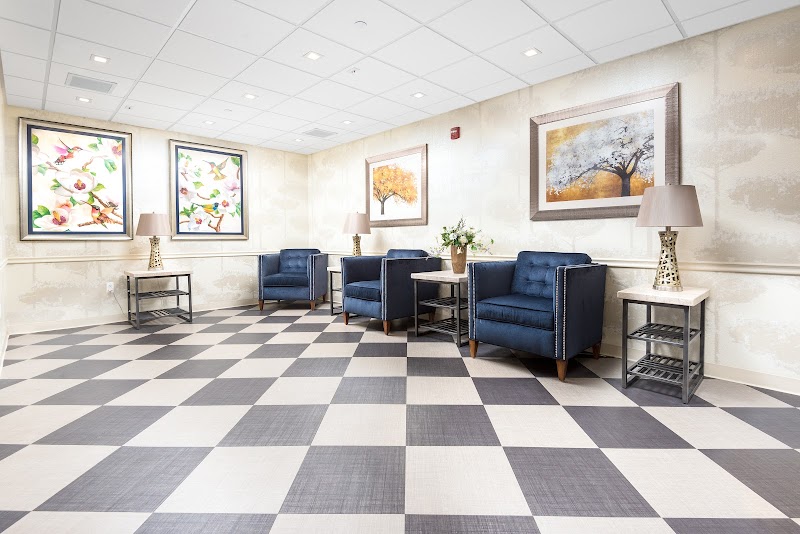
Who Owns and Operates Willow Springs Rehabilitation And Healthcare Ctr?

WILLOW SPRINGS REHABILITATION AND HEALTHCARE CTR is owned by a for-profit company. For-profit facilities operate as businesses with obligations to shareholders or private owners. The facility is operated by MARQUIS HEALTH SERVICES, a chain that manages multiple nursing homes. With 164 certified beds and approximately 133 residents (about 81% occupancy), it is a mid-sized facility located in BRICK, New Jersey.
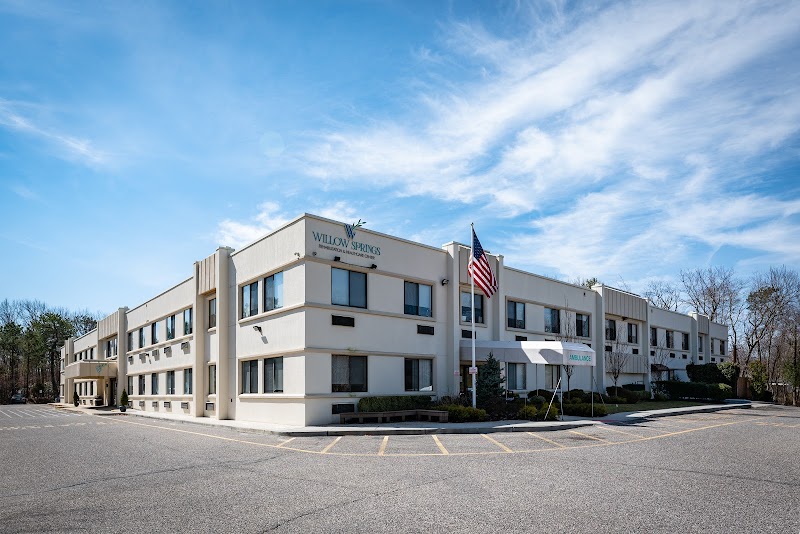
How Does Willow Springs Rehabilitation And Healthcare Ctr Compare to Other New Jersey Nursing Homes?

Compared to the 100 nursing homes in New Jersey, WILLOW SPRINGS REHABILITATION AND HEALTHCARE CTR's overall rating (4 stars) is above the state average of 3.3, staff turnover (33%) is significantly lower than the state average of 46%, and health inspection rating (3 stars) is at the national benchmark.

What Should Families Ask When Visiting Willow Springs Rehabilitation And Healthcare Ctr?

Based on this facility's data, families visiting should ask: "Can I visit during a mealtime to observe dining assistance and food quality?" "How do you handle medical emergencies, and what is your hospital transfer rate?" "Can I speak with family members of current residents about their experience?"

Is Willow Springs Rehabilitation And Healthcare Ctr Safe?

Based on CMS inspection data, WILLOW SPRINGS REHABILITATION AND HEALTHCARE CTR has a clean safety record: no substantiated abuse findings (meaning no confirmed cases of resident harm), no Immediate Jeopardy citations (the most serious violation level indicating risk of serious injury or death), and is not on the Special Focus Facility watch list (a federal program monitoring the lowest-performing 1% of nursing homes). The facility has a 4-star overall rating and ranks #1 of 100 nursing homes in New Jersey. While no facility is perfect, families should still ask about staff-to-resident ratios and recent inspection results during their visit.

Do Nurses at Willow Springs Rehabilitation And Healthcare Ctr Stick Around?

WILLOW SPRINGS REHABILITATION AND HEALTHCARE CTR has a staff turnover rate of 33%, which is about average for New Jersey nursing homes (state average: 46%). Moderate turnover is common in nursing homes, but families should still ask about staff tenure and how the facility maintains care continuity when employees leave.

Was Willow Springs Rehabilitation And Healthcare Ctr Ever Fined?

WILLOW SPRINGS REHABILITATION AND HEALTHCARE CTR has been fined $18,262 across 2 penalty actions. This is below the New Jersey average of $33,261. While any fine indicates a compliance issue, fines under $50,000 are relatively common and typically reflect isolated problems that were subsequently corrected. Families should ask what specific issues led to these fines and confirm they've been resolved.

Is Willow Springs Rehabilitation And Healthcare Ctr on Any Federal Watch List?

WILLOW SPRINGS REHABILITATION AND HEALTHCARE CTR is not on any federal watch list. The most significant is the Special Focus Facility (SFF) program, which identifies the bottom 1% of nursing homes nationally based on persistent, serious quality problems. Not being on this list means the facility has avoided the pattern of deficiencies that triggers enhanced federal oversight. This is a positive indicator, though families should still review the facility's inspection history directly.