PREFERRED CARE AT CUMBERLAND


154 SUNNY SLOPE DRIVE, BRIDGETON, NJ 08302 (856) 455-8000
For profit - Limited Liability company 196 Beds PREFERRED CARE Data: November 2025
Trust Grade
75/100
#149 of 344 in NJ
Last Inspection: February 2024

Within standard 12-15 month inspection cycle. Federal law requires annual inspections.

Overview

Preferred Care at Cumberland in Bridgeton, New Jersey, holds a Trust Grade of B, indicating it is a good choice among nursing homes. With a state ranking of #149 out of 344, they are in the top half of facilities, and #3 of 6 in Cumberland County means only two local options are better. The facility is improving, with issues decreasing from 9 in 2024 to just 1 in 2025, which is a positive trend. However, staffing is a concern, rated at 2 out of 5 stars, with a turnover rate of 53%, higher than the state average. Additionally, while there have been no fines reported, RN coverage is below average, being less than 86% of other facilities, which could impact the quality of care. Specific incidents noted in inspections include issues with food safety practices, where a dented can was improperly stored, and a frozen pie was not dated, potentially risking foodborne illness. Another concern involved inadequate documentation of care for a resident, which could lead to unmet care needs. Overall, while the facility has strengths in improving its compliance and maintaining no fines, families should weigh these alongside the staffing challenges and specific care-related issues.

Trust Score
B
75/100
In New Jersey
#149/344
Top 43%
Safety Record
Low Risk
No red flags
Inspections
Getting Better
9 → 1 violations
Staff Stability
⚠ Watch
53% turnover. Above average. Higher turnover means staff may not know residents' routines.
Penalties
✓ Good
No fines on record. Clean compliance history, better than most New Jersey facilities.
Skilled Nurses
⚠ Watch
Each resident gets only 22 minutes of Registered Nurse (RN) attention daily — below average for New Jersey. Fewer RN minutes means fewer trained eyes watching for problems.
Violations
⚠ Watch
14 deficiencies on record. Higher than average. Multiple issues found across inspections.
★★★★☆
4.0
Overall Rating
★★☆☆☆
2.0
Staff Levels
★★★★☆
4.0
Care Quality
★★★★☆
4.0
Inspection Score
Stable
2024: 9 issues
2025: 1 issues

The Good

  • 4-Star Quality Measures · Strong clinical quality outcomes
  • Full Sprinkler Coverage · Fire safety systems throughout facility
  • No fines on record

Facility shows strength in quality measures, fire safety.

The Bad

Staff Turnover: 53%

Near New Jersey avg (46%)

Higher turnover may affect care consistency

Chain: PREFERRED CARE

Part of a multi-facility chain

Ask about local staffing decisions and management

The Ugly 14 deficiencies on record

Aug 2025 1 deficiency
CONCERN (D) 📢 Someone Reported This

A family member, employee, or ombudsman was alarmed enough to file a formal complaint

Potential for Harm - no one hurt, but risky conditions existed

Deficiency F0655 (Tag F0655)

Could have caused harm · This affected 1 resident

**NOTE- TERMS IN BRACKETS HAVE BEEN EDITED TO PROTECT CONFIDENTIALITY** Based on record review, interview, and policy review, the facility failed to ensure the baseline care plan included sufficient i...

Read full inspector narrative →
**NOTE- TERMS IN BRACKETS HAVE BEEN EDITED TO PROTECT CONFIDENTIALITY** Based on record review, interview, and policy review, the facility failed to ensure the baseline care plan included sufficient information to provide person-centered care for one of three sampled residents (Resident (R) 161) reviewed for new admission in a total sample of 32 residents. This failure had the potential for the resident to have unmet care needs.Findings include: Review of the facility policy titled, Baseline Care Plan created 01/2025 revealed, .The facility will develop and implement a baseline care plan for each resident that includes the instructions needed to provide effective and person-centered care of the resident that meet professional standards. The baseline care plan will .include the minimum healthcare information to properly care for the resident .but not limited to .Physician Orders. Review of R161's Face Sheet located in the electronic medical record (EMR) under the Profile tab revealed that R161 was admitted to the facility on [DATE] with diagnoses that included pneumonia, obstructive sleep apnea (OSA), chronic obstructive pulmonary disease (COPD), dependence on oxygen, and chronic bronchitis. Review of the Physician Orders dated 03/12/25 located in the EMR under the Orders tab revealed, apply BiPAP (Bilevel Positive Airway Pressure machine to improve breathing during sleep) machine at the following settings at bedtime for sleep apnea and remove in the morning per schedule. Review of the Baseline Care Plan dated 03/12/25 located in the EMR under the Care Plan tab failed to reveal that R161's conditions of pneumonia, obstructive sleep apnea, chronic obstructive pulmonary disease, dependence on oxygen, chronic bronchitis, and use of BiPAP were included in the baseline plan of care. Review of the five day Minimum Data Set (MDS) with an Assessment Reference Date (ARD) of 03/16/25 identified a Brief Interview for Mental Status (BIMs) score of 15 out of 15 that indicated R161 was cognitively intact, had shortness of breath when lying flat, required continuous oxygen, and utilized a non-invasive mechanical ventilator- BiPAP. During an interview on 08/07/25 at 1:09 PM, the Regional Nursing Director (RND) reviewed R161's Baseline Care Plan and confirmed the resident's respiratory conditions of COPD, OSA, pneumonia, dependence on oxygen, and order for BiPAP were not included in R161's Baseline Care Plan. NJAC 8:39-11.2
Aug 2024 1 deficiency
CONCERN (D) 📢 Someone Reported This

A family member, employee, or ombudsman was alarmed enough to file a formal complaint

Potential for Harm - no one hurt, but risky conditions existed

Medical Records (Tag F0842)

Could have caused harm · This affected 1 resident

Complaint #: NJ175824 Based on interviews, medical record review, and review of other pertinent facility documents on 08/19/2024, it was determined that the facility staff failed to consistently docum...

Read full inspector narrative →
Complaint #: NJ175824 Based on interviews, medical record review, and review of other pertinent facility documents on 08/19/2024, it was determined that the facility staff failed to consistently document in the Documentation Survey Report (DSR) the Activities of Daily Living (ADL) status and follow the Certified Nursing Aide (CNA) job description and follow its policy titled Documentation in Medical Record for 1 of 3 residents (Resident #2) reviewed for documentation. This deficient practice was evidenced by the following: According to the admission Record (AR), Resident #2 was admitted to the facility with diagnoses that included but were not limited to Other Forms of Acute Ischemic Heart Disease, and Pressure Ulcer of Sacral Region Stage 2. The Minimum Data Set (MDS) an assessment tool used to facilitate the management of care dated 08/31/2023 revealed that Resident #2 had diagnoses that included but were not limited to Non-Alzheimer's Dementia. The MDS revealed that Resident #2 had a Brief Interview for Mental Status (BIMS) score of 0 out of 15, which indicated severe cognitive impairment. Resident #2's Cognitive Skills for Daily Decision Making were found to be severely impaired. The MDS also indicated that Resident #2 required extensive assistance and weight bearing support with bed mobility. Review of Resident #2's Care Plan (CP) revealed a Focus, initiated on 08/25/2023, that Resident #2 had actual skin impairment related to physical immobility. Review of Resident #2's Documentation Survey Report v2 (DSR) for August, September, and October 2023 showed the following: On the 7:00 A.M. to 3:00 P.M. shift, there was no documentation for Turning & Repositioning for a total of 11 days: On 08/26/2023 through 8/28/2023, 09/01/2023, 09/15/2023, 09/19/2023, 09/24/2023, 09/28/2023, 10/04/2023, 10/10/2023, and 10/11/2023. On the 3:00 P.M. to 11:00 P.M. shift, there was no documentation for Turning & Repositioning for a total of 17 days: On 08/26/2023 through 08/29/2023, 09/01/2023, 09/04/2023 through 09/06/2023, 09/17/2023, 09/23/2023, 09/24/2023, 09/27/2023, 10/01/2023, 10/04/2023, 10/05/2023, 10/09/2023, and 10/10/2023. On the 11:00 P.M. to 7:00 A.M. shift, there was no documentation for Turning & Repositioning for a total of 23 days: On 08/24/2023 through 08/30/2023, 09/02/2023 through 09/04/2023, 09/08/2023, 09/11/2023 through 09/13/2023, 09/17/2023, 09/18/2023, 09/21/2023, 09/22/2023, 09/26/2023, 10/02/2023, 10/03/2023, 10/06/2023, and 10/10/2023. Review of Resident #2's Progress Notes revealed no documentation that Resident #2 was turned and repositioned during the aforementioned shifts. Review of Resident #2's Progress notes revealed no documentation that Resident #2 refused turning and positioning during the aforementioned shifts. During an interview at 2:25 P.M. on 08/19/2024, a CNA stated that CNAs were responsible for turning and repositioning and for documenting what care was done in the electronic system. The CNA further stated that changes of position were provided every two hours unless a resident refused position change. The CNA stated that if residents refused turning, she would check back with them in 30 minutes. The CNA confirmed the presence of blanks on the DSR and stated that blank spaces may be due to staff forgetting to document, or not having time to document the care that was provided. The CNA confirmed that the expectation was that there should have been no blank spaces in DSR documentation. In an interview at 2:30 P.M. on 8/19/2024, the Assistant Director of Nursing (ADON) reported that turning and positioning was done by CNAs according to the turning and positioning schedule located on the units. The ADON reported that Nurses and Unit Managers were responsible for ensuring that turning and positioning was done and documented. The ADON stated that it was her expectation that there were no blanks in documentation. ADON confirmed the presence of blanks in Resident #2's DSR for August, September, and October 2023. The ADON stated that blank spaces in the DSR can indicate that the care was not performed, or that care may have been provided but not documented. Review of the facility's job description document for the position Certified Nurse Aide revealed that the following Duties/Responsibilities were described as essential functions of the job: turn bedridden residents every two (2) hours or sooner as indicated, and records all entries on flow sheets or Point of Care/Care Tracker in an informative and descriptive manner. Review of the facility policy titled, Documentation in Medical Record with a last revised date of September 2023 indicated that Documentation shall be completed in a timely manner. This policy further stated that documentation shall be accurate, relevant and complete, containing sufficient details about the resident's care and/or responses to care. NJAC 8:39-35.2(f)
Feb 2024 8 deficiencies
CONCERN (D) 📢 Someone Reported This

A family member, employee, or ombudsman was alarmed enough to file a formal complaint

Potential for Harm - no one hurt, but risky conditions existed

Safe Environment (Tag F0584)

Could have caused harm · This affected 1 resident

NJ # 156264 Based on observation, interview, and review of pertinent facility documents, it was determined that the facility failed to maintain a clean environment in the second and third floor shower...

Read full inspector narrative →
NJ # 156264 Based on observation, interview, and review of pertinent facility documents, it was determined that the facility failed to maintain a clean environment in the second and third floor shower room. The deficient practice was identified on 2 of 3 shower rooms (Second & third floor) under the Environmental Task. The deficient practice was evidenced by the following: On 02/16/2024 at 11:14 AM, the surveyor entered and observed the shower room located on the second floor. At that time, the surveyor observed uncapped, opened bottles of shampoo and aftershave, discoloration on the shower floor, and white shower tiles with stains orange in appearance. The shower room also contained personal clothing draped on a shower chair, and a pair of black shoes left on the ground. Further, the surveyor observed a black, vegetative substance on the shower walls. Lastly, the surveyor observed clothing hangars, tags, and papers left on top of a plastic shower gurney. On the same date at 11:30 AM, the surveyor entered and observed the shower room on the third floor. At that time, the surveyor observed linen draped over a shower chair. Secondly, the surveyor observed a whirlpool tub. Within the tub, there was a clear, plastic bag containing soiled linen, brown-stained towels and a stained hospital gown. On 02/21/2024 at 11:04 AM during an interview with the surveyor, the Director of Housekeeping (DHK) replied that shower rooms are cleaned every day when the surveyor asked how often the rooms are cleaned. The DHK also confirmed that there should not be anything in the whirlpool tubs. On 02/22/2024 at 1:07 PM during an interview with the surveyor, the Director of Nursing said that the nursing staff place linen in the shower room and the housekeeping staff removes it. During the same interview, the Licensed Nursing Home Administrator (LNHA) replied, No when the surveyor asked if soiled linens should be stored in the whirlpool tub. On 02/23/2024 at 10:31 AM during an interview with the surveyor, the LNHA stated that the facility initiated an in-service for the staff on handling and placing soiled linens. A review of the facility policy titled, Routine Cleaning and Disinfection implemented on 8/2023, revealed under subsection, Policy Explanation and Compliance Guidelines that, 1. Routine cleaning and disinfection of frequently touched or visibly soiled surfaces will be performed in common areas . NJAC § 8:39-31.4 (a)
CONCERN (D) 📢 Someone Reported This

A family member, employee, or ombudsman was alarmed enough to file a formal complaint

Potential for Harm - no one hurt, but risky conditions existed

Pressure Ulcer Prevention (Tag F0686)

Could have caused harm · This affected 1 resident

Deficiency Text Not Available

Read full inspector narrative →
Deficiency Text Not Available
CONCERN (D)

Potential for Harm - no one hurt, but risky conditions existed

Respiratory Care (Tag F0695)

Could have caused harm · This affected 1 resident

Based on observation, interview, record review and other facility documentation, it was determined the facility failed to ensure there was a Physician's Orders (PO) for 1 of 1 residents (Resident # 47...

Read full inspector narrative →
Based on observation, interview, record review and other facility documentation, it was determined the facility failed to ensure there was a Physician's Orders (PO) for 1 of 1 residents (Resident # 471) reviewed for Respiratory Care. This deficient practice was evidenced by the following: On 2/14/24 at 11:48 AM during initial tour the surveyor observed Resident # 471 in bed with a nasal cannula (tubing that delivers oxygen to a person) applied to his/her nose with oxygen being administered at two liters per minutes. At that time, Resident # 471 said that he/she always wears oxygen. A review of Resident # 471's admission Record revealed he/she was admitted to the facility with diagnoses including but not limited to, Chronic Obstructive Pulmonary Disease (COPD) with Acute Exacerbation, and Chronic Pulmonary Edema. A review of Resident # 471 Order summary report dated 2/08/2024 did not show any orders for oxygen. A review of Resident # 471 Care Plan initiated on 01/11/2024 and revised on 02/20/2024 revealed a focus for oxygen therapy r/t [related to] Ineffective gas exchange, h/o [history of] Covid, chronic respiratory failure, COPD [Chronic Obstructive Pulmonary Disease]. During an interview on 2/21/23 at 11:25 AM with Licensed Practical Nurse (LPN) # 1, when asked what the policy is for putting orders on admission, LPN # 1 replied, We get the discharge packet from the hospital; we assess the resident then call the doctor with the assessment and orders to see what they want to continue. When asked if any medication should be given before orders are entered, LPN # 1 replied, No. The surveyor then asked, What about oxygen? LPN # 1 replied If they are in distress we have standard orders, and if they come in from the hospital, we don't take it off until we get the orders entered. When asked, why is it important to have orders entered? LPN # 1replied, So the nurses know what to give and when last given, and to ensure their care is continued. During an interview on 2/21/24 at 12:08 PM, the Director of Nursing (DON) said that they have order sets that are entered for all residents and that they take the orders that the hospital gives them and review the orders with the doctor to clarify what orders to keep. When asked if medication should be given without orders, the DON stated No. The surveyor then asked, What about oxygen? The DON replied, If they are coming in the facility with oxygen on we wouldn't take it off of them, but we would still get orders, the orders would be entered that same day. When asked why is that important the DON replied, Because we would never administer a medication without a doctor's orders. A review of a facility policy titled Oxygen with a revised date of 9/12/23, revealed under the Procedure section, 1. Check MD Order. And 9. Document initiation of oxygen in the resident medical record, including time, flow, indication and method: cannula or mask, in TAR (Treatment Administration Record and or in progress notes). Document use and resident reaction to Oxygen. N.J.A.C. § 8:39-27.1(a)
CONCERN (D) 📢 Someone Reported This

A family member, employee, or ombudsman was alarmed enough to file a formal complaint

Potential for Harm - no one hurt, but risky conditions existed

Deficiency F0727 (Tag F0727)

Could have caused harm · This affected 1 resident

NJ #154489 Based on interview, review of Nursing Staffing Report sheets and facility provided documents, it was determined that the facility failed to ensure a Registered Nurse (RN) worked 7 days a we...

Read full inspector narrative →
NJ #154489 Based on interview, review of Nursing Staffing Report sheets and facility provided documents, it was determined that the facility failed to ensure a Registered Nurse (RN) worked 7 days a week for at least 8 consecutive hours a day for 2 of 14 days reviewed through 04/24/2022 through 05/07/2022. The deficient practice was evidenced by the following: A review of the Nurse Staffing Reports completed by the facility for the weeks of 04/24/2022 through 04/30/2022 and 05/01/2022 through 05/07/2022 revealed the facility had no RN coverage for all shifts on 04/30/2022 and 05/01/2022. A review of the facility provided document titled, Time Card Report with a date range of 04/30/2022 through 05/03/2022 did not reveal any hours covered by an RN for 04/30/2022 and 05/01/2022. On 02/23/2024 at 10:30 AM, during an interview with the surveyor, the Licensed Nursing Home Administrator replied, So far, I haven't found anything for those two days' when the surveyor asked if the facility had an RN on duty for 04/30/2022 and 05/01/2022. A review of the facility policy titled, Registered Nurse Staffing reviewed 8/2023 revealed under section, Policy Explanation and Compliance Guidelines: that, 1. Except when waived, the facility must use the services of a registered nurse for at least 8 consecutive hours a day, 7 days a week. NJAC 8:39-25.2(h)
CONCERN (D)

Potential for Harm - no one hurt, but risky conditions existed

Pharmacy Services (Tag F0755)

Could have caused harm · This affected 1 resident

Based on observation, interview, record review, and review of other facility documentation, it was determined that the facility failed to follow appropriate standards of practice for, a. the storage o...

Read full inspector narrative →
Based on observation, interview, record review, and review of other facility documentation, it was determined that the facility failed to follow appropriate standards of practice for, a. the storage of medications at proper temperatures and b. accountability of a narcotic count sheet. This deficient practice was observed in 1 of 2 medication rooms and 1 of 3 medication carts inspected for storage and labeling and was evidenced by the following: a. On 2/16/24 at 12:16 PM, the surveyor observed the first-floor medication room for storage and labeling in the presence of Licensed Practical Nurse #2(LPN#2). Upon opening the refrigerator, the surveyor observed that the thermometer reflected a temperature of 60 degrees Fahrenheit (60F.) The surveyor also observed a clear liquid which appeared to be melted ice on the lowest shelf in the refrigerator. LPN#2 verified the temperature of the refrigerator was 60F and that she believes that the clear liquid is most likely melted ice. LPN#2 stated that she believes the 11 to 7 shift is responsible for checking the temperature of the refrigerator. The surveyor observed the following medications in the first-floor medication refrigerator: 1.A box with one injection of Copaxone Medication (used to treat Multiple Sclerosis). The label reflected to store at 36F to 46F. LPN#2 stated, The fridge temperature is too high. 2.One bottle of unopened insulin glargine (used to treat diabetes). The label reflected to refrigerate until opened. 3. Two bottles of unopened Humalog (used to treat diabetes). The label reflected refrigerate until opened. 4. One bottle of unopened lispro (used to treat diabetes). The label reflected to refrigerate until opened. 5. One Injection of Prevnar (a vaccine). The label reflected to refrigerate. LPN #2 stated that the medications that were stored in the refrigerator will not be administered to the residents. The UM#1 verified that the 11 to 7 shift is responsible for checking the refrigerator temperature. She furthered that she would remove the medications from the refrigerator right now. The Maintenance Director verified that the refrigerator feels warm. He stated, The ground fault tripped. It has never happened before. On 02/16/24 12:57 PM the Director of Nursing stated the refrigerator temperature should be between 37 -41 degrees 60 degrees was not proper. On 2/16/23 at 2:19 PM, the surveyor reviewed the facility provided policy titled Medication Refrigerator Temperature Checks which was created on 9/18/23. The policy reflected that the temperature range must be from 36-46 degrees. b. On 2/16/23 at 12:16 PM, the surveyor, in the presence of Licensed Practical Nurse #2 (LPN #2), reviewed the narcotic count sheets for the first-floor AB side medication cart. The surveyor observed the following: Resident #54's narcotic count sheet for Tramadol 50mg (a pain medication) reflected that there were 112 pills. The blister packs of the Tramadol reflected that there were 111 pills. LPN#2 stated she gave a Tramadol at 12:00 PM however she forgot to sign the narcotic count sheet for Resident #54. LPN #2 was able to show that the medication was given and signed in the residents' electronic medication administration record (MAR). On 2/16/24 at 12:57 PM, the Director of Nursing stated the nurse should have signed in book when she took the Tramadol out of the drawer. On 2/21/24 at 11:30 AM, the surveyor reviewed the facility policy titled Controlled Substances which was reviewed on 3/8/23. The policy reflected that controlled substances are reconciled upon . administration . NJAC: 8:39-29.4
CONCERN (D) 📢 Someone Reported This

A family member, employee, or ombudsman was alarmed enough to file a formal complaint

Potential for Harm - no one hurt, but risky conditions existed

Deficiency F0804 (Tag F0804)

Could have caused harm · This affected 1 resident

Complaint # NJ00158190 Based on observation, interview, and review of pertinent facility documentation, it was determined that the facility failed to ensure palatable temperature of food and beverage...

Read full inspector narrative →
Complaint # NJ00158190 Based on observation, interview, and review of pertinent facility documentation, it was determined that the facility failed to ensure palatable temperature of food and beverage for 1 of 1 lunch meal served on 1 of 3 units (First Floor). This deficient practice was evidenced by the following: On 02/20/24 at 10:34 AM, the surveyor conducted a meeting with Resident Council which included five residents (Residents #23, #32, #54, #59, and #69). All five residents informed the surveyor that the breakfast meal was always served cold and warm food was cold and cold food was hot on all three nursing units. On 02/21/24 at 11:30 AM, the surveyor observed the Supervising [NAME] (SC) as she obtained food temperatures from the steam table. The surveyor observed that the SC did not document the food temperatures that she obtained. The SC stated, I should have recorded the temperatures. On 02/21/24 at 11:45 AM, The Food Service Director (FSD) calibrated (to check the setting) his thermometer in the presence of the surveyor to 31.8 degrees Fahrenheit (F) and stated that 32 F was the desired calibration. The food truck left the kitchen at that time, and went to the first floor nursing station. On 02/21/24 at 11:47 AM, the food truck arrived on the first floor nursing unit where the nursing staff awaited meal delivery. On 02/21/24 at 11:54 AM, the last resident meal tray was passed. On 02/21/23 at 11:55 AM, the FSD obtained food temperatures from a regular tray using a calibrated thermometer which included: cranberry juice 54 F, milk 49 F, and mixed fruit 56 F. The FSD stated that the cold food and beverages should be served below 41 F. On 02/21/24 at 11:59 AM, the FSD obtained food temperatures from a pureed (a way to change the texture of solid food so that it was smooth with no lumps) tray using a calibrated thermometer which included: milk 42 F, apple juice 55 F, and pureed mixed fruit 56 F. The FSD stated the temperatures of the cold items were a little off from 41 F. On 2/22/24 at 12:40 PM, the surveyor returned to the kitchen and obtained a copy of the Service Line Checklist dated 02/21/24. The lunch meal temperatures were recorded on the form and indicated that milk was 34 F, and cold beverage/juice was 33 F, and fruit was 34 F. The SC was not available for interview at that time. On 02/23/24 at 10:32 AM, the Licensed Nursing Home Administrator (LNHA) presented the surveyor with a copy of the Service Line Checklist dated 02/21/24 and stated that food temperatures were obtained and milk was recorded at 33 F. LNHA further stated that temperature preference was subjective. The surveyor informed the LNHA that during the tray line observation on 02/21/24 at 11:30 AM, the surveyor did not observe the SC obtain cold food or beverage temperatures or document the hot food temperatures that were obtained prior to the lunch meal delivery to the first floor nursing unit. Review of a facility policy titled, Food Temperatures (Reviewed 08/2023) revealed the following: .The cook is responsible to see all food is at the proper temperature. Temperatures of all food items will be recorded prior to meal service. .The following range of temperatures is recommended for food at point of tray assembly: .Chilled Foods and Beverages (45 F or Below). According to USDA (United States Department of Agriculture) Food Safety and Inspection Service, .Cold foods should be held at 40 F or colder . Reference: https://www.fsis.usda.gov/food-safety/safe-food-handling-and-preparation/food-safety-basics/steps-keep-food-safe NJAC 8:39-17.4(a)(2)
CONCERN (D)

Potential for Harm - no one hurt, but risky conditions existed

Infection Control (Tag F0880)

Could have caused harm · This affected 1 resident

Based on observation, interview, record review and review of pertinent facility documents, it was determined that the facility failed to implement appropriate use of personal protective equipment, spe...

Read full inspector narrative →
Based on observation, interview, record review and review of pertinent facility documents, it was determined that the facility failed to implement appropriate use of personal protective equipment, specifically by staff not wearing a gown while inside a resident room under transmission-based precautions. The deficient practice was identified for 1 of 6 residents (Resident # 470) reviewed under the Infection Control facility task. The deficient practice was evidenced by the following: On 02/15/2024 at 12:00 PM on the second floor, the surveyor observed a Certified Nurses Aide (CNA) # 1 enter a resident (Resident # 470) room with a sign on the door that revealed, USE STANDARD PRECAUTIONS PLUS + ENTERIC CONTACT ISOLATION Prior to Entering the Room. The sign revealed a illustration of a gown along with gloves. CNA # 1 entered the room with a tray of food. Outside of the resident's room was a plastic bin containing disposable, blue gowns, gloves, and a container of bleach surface wipes. CNA # 1 did not wear a gown or gloves while inside the room. At that time from the hallway, the surveyor observed CNA # 1 and Resident # 470 inside the room. While inside the room, CNA # 1 was observed placing the tray of food on the bed side table, assisting with setting up the meal, adjusting the bed side table, and retrieving a pair of eyeglasses from the floor. CNA # 1 did not wear a gown or gloves during this time. Approximately five minutes later, CNA # 1 left the room and used alcohol-based hand rub during hand hygiene. On the same date at approximately 12:05 PM, during an interview with the surveyor, CNA # 1 replied, I should have worn a gown in there. when the surveyor asked if she should have worn anything specific. On 02/16/2024 at 12:07 PM, during an interview with the surveyor, the Infection Preventionist confirmed Resident # 470 was on transmission-based precautions due to a diagnosis of Clostridium Difficile (highly contagious bacterial infection of the colon). The Infection Preventionist said that staff is expected to wear a gown, gloves, and a mask upon entering Resident # 470's room. Lastly, the Infection Preventionist clarified that alcohol-based hand rub can be used upon entrance of a room but not when exiting a room. She said, They [staff] have to use soap and water. A review of Resident # 470's admission Record revealed a primary diagnosis of but not limited to, Enterocolitis Due to Clostridium Difficile, Not Specified As Recurrent. A review of Resident # 470's Electronic Medical Record (EMR) revealed a Care Plan focus, [Resident # 470] is being treated with ABT [antibiotic] for community acquired c-difficile. The Focus was initiated on 02/13/2024. The Care Plan also revealed an Intervention, Contact isolation precautions initiated 02/13/2024. A review of Resident # 470's Order Summary Report revealed a physician's order initiated on 02/13/2024 to, Maintain contact isolation precautions due to c-difficile; check isolation cart every shift to ensure supplies and signage are in place . On 02/20/2024 at 11:22 AM during an interview with the surveyor, the Director of Nursing (DON) stated, Any rooms that are under precautions, the staff should be using the proper PPE [personal protective equipment; including by not limited to gowns, gloves, masks] . The DON replied, Yes when the surveyor asked if the staff member should be wearing a gown in the room if the sign on the door dictates that. A review of the facility policy titled, Transmission Precautions - Contact last revised on 1/2024 revealed under section Procedure, part 3. Gowns: to, Wear a clean, non-sterile gown upon entering the resident's room if you anticipate substantial contact between your clothing and the resident, environmental surfaces, or items in the room. Wear a gown if the resident is incontinent, has diarrhea . Further, the policy revealed under section, General Information, that, Contact precautions for enteric infectious diseases, such as clostridium difficile or norovirus includes washing hands with soap and water and performing daily cleaning of the resident's room and high touch surfaces using a C. difficile sporicidal agent (EPA List K agent), such as bleach. A review of the facility policy titled, Management of Clostridioides Difficile (C-Difficile) Infection last revised 1/2024 revealed under section, Policy Explanation and Compliance Guidelines: number 4, a. All staff are to wear gloves and a gown upon entry into the resident's room when providing care for the resident when anticipating substantial contact between your clothing and the resident, environmental surfaces, or items in the room. § 8:39-19.4 (a)
CONCERN (D)

Potential for Harm - no one hurt, but risky conditions existed

Deficiency F0924 (Tag F0924)

Could have caused harm · This affected 1 resident

Based on observation and interview it was determined that the facility failed to ensure that corridors were equipped with firmly secured handrails on each side. The deficient practice was identified o...

Read full inspector narrative →
Based on observation and interview it was determined that the facility failed to ensure that corridors were equipped with firmly secured handrails on each side. The deficient practice was identified on 1 corridor (Second Floor) and evidenced by the following: On 02/14/2024 at approximately 09:28 AM, a request was made to the Director of Maintenance (DOM) to provide a copy of the facility lay-out which identifies the various rooms, common areas and smoke compartments in the facility. A review of the facility lay-out identified the facility is a three-story (3) building with 91 Resident sleeping rooms and common areas where Residents and Visitors could go. Starting at approximately 10:10 AM on 02/14/2024 and continued on 02/15/2024 in the presence of the facility Director of Maintenance (DOM) an inspection of the building was conducted. Along the two (2) day tour the surveyor observed the following location that the facility failed to provide handrails in the corridor. On 2/14/24 at approximately 10:30 AM the surveyor observed a resident in the salon getting their hair done. On 02/15/2024 at approximately 12:22 PM, the surveyor observed on the second floor, an approximately 79-foot-long section of corridor leading from the Residents Main Dining room to the Residents Salon that had no handrails on both sides of the corridor. At this time the surveyor asked the DOM, Do Residents come down this corridor. The DOM replied, Yes. On 02/23/2024 at 10:31 AM during an interview with the surveyor, the Licensed Nursing Home Administrator stated, It's not a corridor that is commonly frequented by residents. Our understanding that handrails are not required in this specific corridor. We initiated staff in-servicing asking that staff always accompany residents to the beauty salon and we are installing handrails. N.J.A.C § 8:39-31.2(e)
Nov 2021 2 deficiencies
CONCERN (D)

Potential for Harm - no one hurt, but risky conditions existed

Garbage Disposal (Tag F0814)

Could have caused harm · This affected 1 resident

Based on observation, interview, and review of other facility documentation, it was determined that the facility failed to provide a sanitary environment for residents, staff, and the public by failin...

Read full inspector narrative →
Based on observation, interview, and review of other facility documentation, it was determined that the facility failed to provide a sanitary environment for residents, staff, and the public by failing to keep the dumpster container area free of garbage and debris. This deficient practice was evidenced by the following: On 11/04/2021 at 10:26 AM, the surveyor, accompanied by the Food Service Director (FSD), observed the facility's designated trash disposal area. The surveyor observed two trash compactor units (closed units) on a cement slab. On the ground surrounding the trash compactor unit, the surveyor observed the area littered with used gloves, crates, clear plastic bags, Styrofoam and plastic cups, cooked food, leaves, sticks, plastic utensils and other unidentifiable debris. When interviewed, the FSD stated that housekeeping was responsible for cleaning the trash area. The FSD also added that if food was dropped around the dumpster area, then dietary would be responsible for cleaning the area. During an interview with the surveyor on 11/09/2021 at 11:22 AM, the Director of Environmental Services (DES) stated that environmental services was responsible for cleaning outside around the trash compactor, and that dietary was supposed to assist environmental services with the cleaning. The DES stated that environmental services and dietary would clean any debris or food debris daily around the dumpster area. The DES added that there was no specific time of day or schedule of when the cleaning was supposed to be completed. A review of the facility's Dining Services: Disposal of Garbage and Refuse undated policy, indicated that all garbage and refuse will be collected and disposed in a safe and efficient manner. The policy further reflected that the dining services director coordinates with the director of housekeeping to ensure the area surrounding the exterior dumpster area is maintained in a manner free of rubbish or other debris. NJAC 8:39-19.3(c)
MINOR (B)

Minor Issue - procedural, no safety impact

Assessment Accuracy (Tag F0641)

Minor procedural issue · This affected multiple residents

**NOTE- TERMS IN BRACKETS HAVE BEEN EDITED TO PROTECT CONFIDENTIALITY** Based on observation, interview and record review, it was determined that the facility failed to accurately complete the Minimum...

Read full inspector narrative →
**NOTE- TERMS IN BRACKETS HAVE BEEN EDITED TO PROTECT CONFIDENTIALITY** Based on observation, interview and record review, it was determined that the facility failed to accurately complete the Minimum Data Set (MDS), an assessment tool used to facilitate the management of care. This deficient practice was identified for 1 of 1 residents (Resident #104) reviewed for hospice and was evidenced by the following: During the initial tour of the 3rd floor on 11/04/21 at 10:11 AM, Resident #104 was observed lying in bed, awake, alert and wearing oxygen via nasal cannula. According to the admission Record, Resident #104 was admitted with diagnoses, that included but were not limited to, Pneumonia due to SARS- Associated Coronavirus, COVID-19, and Mild-Protein Malnutrition. Review of the Order Summary Report (OSR), for Active Orders as of 06/21/21, revealed an order for a Hospice Consult dated 06/21/21. Review of the 06/20/21 through 06/30/21 progress notes reflected that Resident #104 received hospice services on 06/21/21, 06/26/21 and 06/28/21. Review of the Resident 104's Significant Change MDS, dated [DATE], revealed under Section O: Special Treatment, Procedures, Programs that the resident was not receiving hospice care while a resident. Review of the OSR, for Active Orders as of 10/01/21, revealed an order for hospice dated 06/24/21. Review of the 10/02/21 through 10/27/21 progress notes reflected that Resident #104 received hospice services on 10/06/21 and 10/11/21. Review of the Resident #104's Quarterly MDS, dated [DATE], revealed under Section O: Special Treatment, Procedures, Programs that the resident was not receiving hospice care while a resident. Review of the resident's Care Plan (CP), initiated 07/08/21 and last reviewed 10/8/21, included that the resident was under hospice care. During an interview with the surveyor on 11/08/21 at 11:23 AM, the MDS Coordinator stated that a Significant Change MDS would be completed within 14 days when a resident was placed on hospice care or removed from hospice care. The MDS Coordinator stated that the 07/07/21 Significant Change MDS and the 10/07/21 Quarterly MDS for Resident #104 should have been coded in Section O that the resident was receiving hospice care. The MDS Coordinator stated It was my mistake, and I will need to submit a correction. I would call this a data entry error. During an interview with the surveyor on 11/09/21 at 1:04 PM , the Director of Nursing stated that if a resident was receiving hospice care, then the resident's MDS should be coded for hospice. Review of the facility's Minimum Data Set Policy and Procedure policy, issued 01/17, revealed that the MDS Coordinator will be responsible . to keep assessment data current at all times. The policy further suggested that referenced areas to support MDS completion included the current plan of care, MD notes/orders and nursing notes . NJAC 8:39-11.1
Nov 2019 2 deficiencies
CONCERN (D)

Potential for Harm - no one hurt, but risky conditions existed

Safe Environment (Tag F0921)

Could have caused harm · This affected 1 resident

Based on observation and interview on 11/20/19, in the presence of facility management, it was determined that the facility failed to maintain a sanitary environment for residents, staff, and the publ...

Read full inspector narrative →
Based on observation and interview on 11/20/19, in the presence of facility management, it was determined that the facility failed to maintain a sanitary environment for residents, staff, and the public. This deficient practice was evidenced by the following: During a tour of the facility, at 10:45 AM, the surveyor along with the facility's Director of Maintenance (DM), Director of Housekeeping (DHK), and Administrator (LNHA) observed that there were 25-30 black rubber caps littering the floor of the 2nd floor Oxygen Storage room and 15-20 black rubber caps littering the floor of the 1st floor Oxygen Storage room. In an interview, at the time, the DM stated that the rubber caps were from the full Oxygen tanks that are removed prior to use by the nursing staff. The LNHA acknowledged the deficient practice. NJAC 8:39-31.2(e)
CONCERN (E)

Potential for Harm - no one hurt, but risky conditions existed

Food Safety (Tag F0812)

Could have caused harm · This affected multiple residents

Based on observation, interview, and record review, it was determined that the facility failed to handle potentially hazardous food and maintain kitchen sanitation safely and consistently to prevent t...

Read full inspector narrative →
Based on observation, interview, and record review, it was determined that the facility failed to handle potentially hazardous food and maintain kitchen sanitation safely and consistently to prevent the potential for foodborne illness. This deficient practice was evidenced by the following: On 11/19/19 from 8:32 AM to 9:10 AM, the surveyor accompanied by the Food Service Director (FSD), observed the following in the kitchen: 1. In the dry storage room on an upper rack of a multi-tiered rack, a can of pickled white cabbage was observed dented on the upper/top seam. The surveyor interviewed the FSD, who stated, that should have been placed in the dented can area. The FSD removed the can to the designated dented can area. 2. In the walk-in freezer on the dessert shelf, a frozen pie was removed from its original container and had no date. The surveyor interviewed the FSD, who stated, that should have been dated with the received date when it was removed from its original box. The FSD removed the pie and threw it into the trash. 3. On a middle shelf in the walk-in freezer, a hotel pan contained two individual plastic bags of frozen sausage with no dates. The FSD stated, This came in last week. I in-serviced my cook last week. They are not dated. The FSD removed the two bags of sausage and threw them into the trash. 4. In the cook's area, a can of marinara sauce was observed on top of the cook's table/food production area with other food ingredients. The can was noted to have two dents on the top seam of the can on opposite sides. The FSD stated, we're not gonna use that, it's dented on the seam. My cook knows better. The FSD removed the can to the dented can rack in the dry storage room. 5. On a top shelf in the reach-in refrigerator, two plated salads for resident meals were covered with plastic wrap and dated 11/15/19 and use by 11/18/19. The FSD stated, Is today the nineteenth? That's my bad. I should have thrown them away this morning. The FSD threw the salads into the trash. The surveyor reviewed the facility policy titled, Food Storage-Dented Cans, updated and reviewed-May 2018. The policy noted the following under the Policy interpretation and Implementation section: All stock must be rotated with each new order received. Rotating stock is essential to ensure the freshness and highest quality of all foods. No indented, rusty, damaged cans will be used. Any dented cans found after delivery will be stored in a designated area, labeled for dented cans. The cans will be returned to the vendor at the next delivery. The surveyor reviewed the facility policy titled, Dating And Labeling Policy, no review date. The policy noted the following under the Procedure: Inspect all deliveries carefully, check for damage, and label with the received date. Use a black marker or date gun with legible writing to date and label products. Refer to storage times for the refrigerator and freezer as well as storage for dry goods. Discard all foods that expire immediately. Note: All products should be stored in their original container. NJAC 8:39-17.2(g)
Understanding Severity Codes (click to expand)
Life-Threatening (Immediate Jeopardy)
J - Isolated K - Pattern L - Widespread
Actual Harm
G - Isolated H - Pattern I - Widespread
Potential for Harm
D - Isolated E - Pattern F - Widespread
No Harm (Minor)
A - Isolated B - Pattern C - Widespread

Questions to Ask on Your Visit

  • "Can I speak with families of current residents?"
  • "What's your RN coverage like on weekends and overnight?"

Our Honest Assessment

Strengths
  • • No major safety red flags. No abuse findings, life-threatening violations, or SFF status.
  • • No fines on record. Clean compliance history, better than most New Jersey facilities.
Concerns
  • • 14 deficiencies on record. Higher than average. Multiple issues found across inspections.
Bottom line: Generally positive indicators. Standard due diligence and a personal visit recommended.

About This Facility

What is Preferred Care At Cumberland's CMS Rating?

CMS assigns PREFERRED CARE AT CUMBERLAND an overall rating of 4 out of 5 stars, which is considered above average nationally. Within New Jersey, this rating places the facility higher than 99% of the state's 100 nursing homes. This rating reflects solid performance across the metrics CMS uses to evaluate nursing home quality.
How is Preferred Care At Cumberland Staffed?

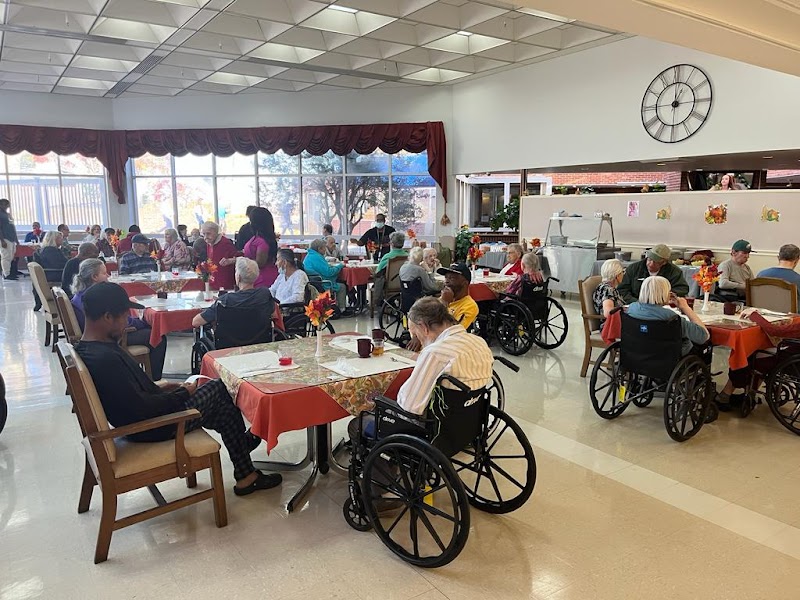
CMS rates PREFERRED CARE AT CUMBERLAND's staffing level at 2 out of 5 stars, which is below average compared to other nursing homes. Staff turnover is 53%, compared to the New Jersey average of 46%.

What Have Inspectors Found at Preferred Care At Cumberland?

State health inspectors documented 14 deficiencies at PREFERRED CARE AT CUMBERLAND during 2019 to 2025. These included: 13 with potential for harm and 1 minor or isolated issues.
Who Owns and Operates Preferred Care At Cumberland?

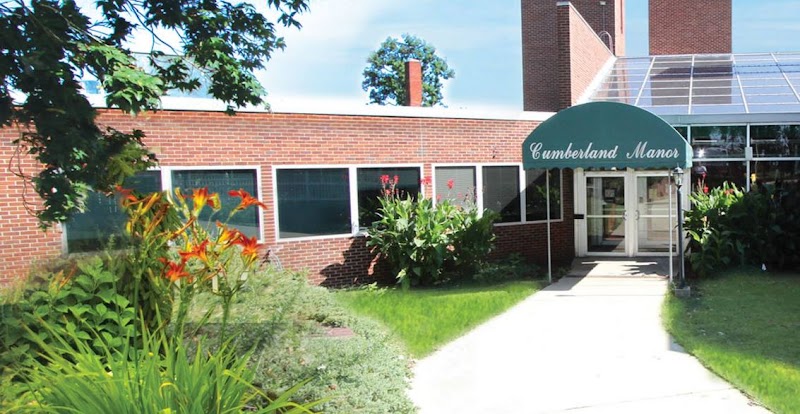
PREFERRED CARE AT CUMBERLAND is owned by a for-profit company. For-profit facilities operate as businesses with obligations to shareholders or private owners. The facility is operated by PREFERRED CARE, a chain that manages multiple nursing homes. With 196 certified beds and approximately 136 residents (about 69% occupancy), it is a mid-sized facility located in BRIDGETON, New Jersey.
How Does Preferred Care At Cumberland Compare to Other New Jersey Nursing Homes?

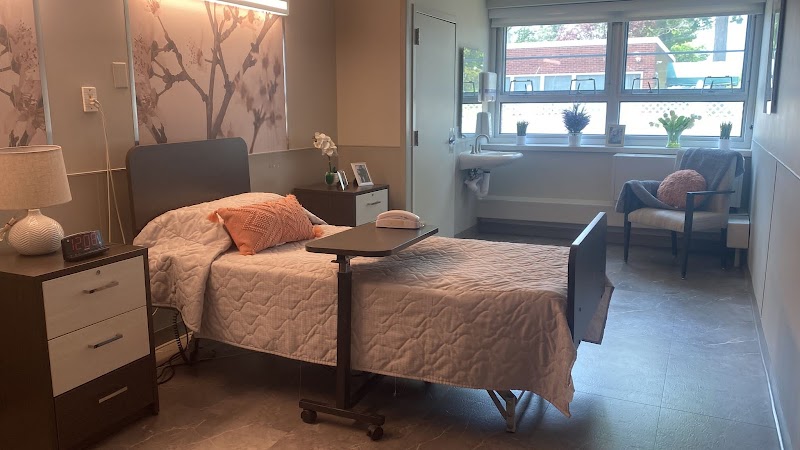
Compared to the 100 nursing homes in New Jersey, PREFERRED CARE AT CUMBERLAND's overall rating (4 stars) is above the state average of 3.3, staff turnover (53%) is near the state average of 46%, and health inspection rating (4 stars) is above the national benchmark.

What Should Families Ask When Visiting Preferred Care At Cumberland?

Based on this facility's data, families visiting should ask: "Can you walk me through typical staffing levels on day, evening, and night shifts?" "Can I visit during a mealtime to observe dining assistance and food quality?" "How do you handle medical emergencies, and what is your hospital transfer rate?" "Can I speak with family members of current residents about their experience?" These questions are particularly relevant given the below-average staffing rating.

Is Preferred Care At Cumberland Safe?

Based on CMS inspection data, PREFERRED CARE AT CUMBERLAND has a clean safety record: no substantiated abuse findings (meaning no confirmed cases of resident harm), no Immediate Jeopardy citations (the most serious violation level indicating risk of serious injury or death), and is not on the Special Focus Facility watch list (a federal program monitoring the lowest-performing 1% of nursing homes). The facility has a 4-star overall rating and ranks #1 of 100 nursing homes in New Jersey. While no facility is perfect, families should still ask about staff-to-resident ratios and recent inspection results during their visit.

Do Nurses at Preferred Care At Cumberland Stick Around?

PREFERRED CARE AT CUMBERLAND has a staff turnover rate of 53%, which is 7 percentage points above the New Jersey average of 46%. Moderate turnover is common in nursing homes, but families should still ask about staff tenure and how the facility maintains care continuity when employees leave.

Was Preferred Care At Cumberland Ever Fined?

PREFERRED CARE AT CUMBERLAND has no federal fines on record. CMS issues fines when nursing homes fail to meet care standards or don't correct problems found during inspections. The absence of fines suggests the facility has either maintained compliance or corrected any issues before penalties were assessed. This is a positive indicator, though families should still review recent inspection reports for the full picture.

Is Preferred Care At Cumberland on Any Federal Watch List?

PREFERRED CARE AT CUMBERLAND is not on any federal watch list. The most significant is the Special Focus Facility (SFF) program, which identifies the bottom 1% of nursing homes nationally based on persistent, serious quality problems. Not being on this list means the facility has avoided the pattern of deficiencies that triggers enhanced federal oversight. This is a positive indicator, though families should still review the facility's inspection history directly.