NEW JERSEY VETERANS MEMORIAL VINELAND
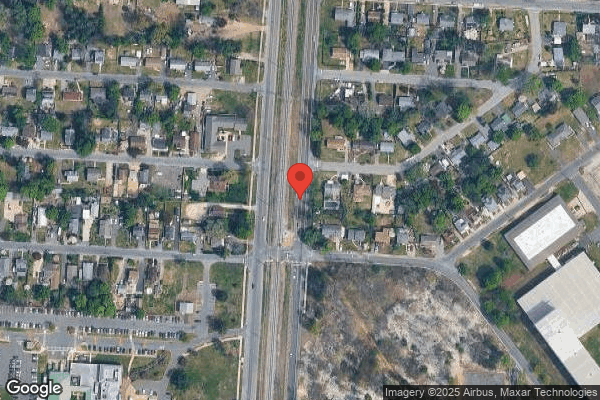
524 NORTH WEST BLVD, VINELAND, NJ 08360 (856) 405-4207
Government - State 300 Beds Independent Data: November 2025
Trust Grade
91/100
#57 of 344 in NJ
Last Inspection: August 2024

Within standard 12-15 month inspection cycle. Federal law requires annual inspections.

Overview

The New Jersey Veterans Memorial Vineland has received a Trust Grade of A, indicating it is highly recommended and excels compared to other facilities. It ranks #57 out of 344 nursing homes in New Jersey, placing it in the top half, and is the top facility out of six in Cumberland County. The facility is improving, with the number of reported issues decreasing from five in 2023 to two in 2024. Staffing is a strong point, boasting a 5/5 star rating and a turnover rate of 28%, significantly lower than the state average of 41%. However, the facility faced $3,250 in fines, which is average, and has room for improvement in RN coverage. Specific incidents raised concerns about food safety practices, such as dented cans being stored improperly and not consistently handling potentially hazardous foods. Additionally, the facility did not invite a resident to their quarterly care plan meeting and failed to accommodate residents who wished to choose their meals while eating in their rooms. While there are notable strengths, such as excellent staffing and a good overall rating, these weaknesses highlight areas that need attention to ensure resident safety and satisfaction.

Trust Score
A
91/100
In New Jersey
#57/344
Top 16%
Safety Record
Low Risk
No red flags
Inspections
Getting Better
5 → 2 violations
Staff Stability
✓ Good
28% annual turnover. Excellent stability, 20 points below New Jersey's 48% average. Staff who stay learn residents' needs.
Penalties
⚠ Watch
$3,250 in fines. Higher than 90% of New Jersey facilities. Major compliance failures.
Skilled Nurses
✓ Good
Each resident gets 51 minutes of Registered Nurse (RN) attention daily — more than average for New Jersey. RNs are trained to catch health problems early.
Violations
○ Average
9 deficiencies on record. Average for a facility this size. Mostly minor or procedural issues.
★★★★★
5.0
Overall Rating
★★★★★
5.0
Staff Levels
★★★★☆
4.0
Care Quality
★★★★☆
4.0
Inspection Score
Stable
2023: 5 issues
2024: 2 issues

The Good

  • 5-Star Staffing Rating · Excellent nurse staffing levels
  • 4-Star Quality Measures · Strong clinical quality outcomes
  • Low Staff Turnover (28%) · Staff stability means consistent care
  • Full Sprinkler Coverage · Fire safety systems throughout facility
  • No fines on record
  • Staff turnover is low (28%)

    20 points below New Jersey average of 48%

Facility shows strength in staffing levels, quality measures, staff retention, fire safety.

The Bad

Federal Fines: $3,250

Below median ($33,413)

Minor penalties assessed

The Ugly 9 deficiencies on record

Aug 2024 2 deficiencies
CONCERN (D)

Potential for Harm - no one hurt, but risky conditions existed

Comprehensive Care Plan (Tag F0656)

Could have caused harm · This affected 1 resident

Complaint #: NJ174817 Based on observation, interview, record review and review of other facility documentation, it was determined that the facility failed to develop a comprehensive, person-centered ...

Read full inspector narrative →
Complaint #: NJ174817 Based on observation, interview, record review and review of other facility documentation, it was determined that the facility failed to develop a comprehensive, person-centered care plan to include physician prescribed interventions for a wound treatment and oral antibiotic administration that were implemented after a resident-to-resident altercation. This deficient practice was identified for 1 of 12 residents (Resident #186) reviewed for abuse. This deficient practice was evidenced by the following: During the initial tour of the facility on 08/19/2024 at 11:52 AM, the surveyor observed Resident #186 in their room, who was being fed by a Certified Nursing Assistant (CNA) at the bedside. The resident closed their eyes and did not respond to the surveyor when spoken to A review of Resident #186's Face Sheet revealed that the resident had diagnosis which included but were not limited to: unspecified dementia, unspecified severity, with agitation, and Post-Traumatic Stress Disorder (PTSD). A review of Resident #186's Quarterly Minimum Data Set (MDS), an assessment tool dated 06/20/24, indicated that the resident's Brief Interview for Mental Status (BIMS) score of 03 out of 15, revealed that the resident was severely cognitively impaired. A review of the Interdisciplinary Progress Notes (IPN) revealed an entry dated 04/05/24 at 4:45 AM, indicated that .At approximately 03:26 AM heard commotion on couch in day room. This nurse and LPN (licensed practical nurse) went to resident and separated him/her from another resident. Upon skin assessment in his/her room noted skin tear to rt. (right) arm measuring 2.5 cm (centimeters) x 3.0 cm x 0.1 cm, 100% red tissue with scant serosanguineous drainage . A further review of Resident # 186's IPN revealed an entry dated 04/05/24 at 5:17 AM, Resident and another resident were sleeping against each other on couch appeared both residents startled each other upon waking up. Upon reviewing footage with supervisor and security both residents hit each other and other resident bit this pt.'s rt. (right) arm acquiring skin tear. On 04/05/24 at 2:42 PM, .Resident with a 6 cm round discoloration on right forearm with two skin tears with flaps in middle .No swelling and no pain noted. Skin tears associated with incident with another resident. Skin tears cleaned, ABT (antibiotic) applied and four steri strips applied and DSG (dressing) applied. New order for [sic.] days of oral ABT ordered . A review of Resident # 186's Physician's Orders revealed an order dated 04/05/24 at 4:58 AM, for Tx (treatment) to: right arm cleanse with NSS (normal saline solution) apply Triple Antibiotic Ointment cover up with foam dressing times 7 (seven) days Treatment once daily. A second order was reviewed dated 04/05/24 at 5:15 PM, for Augmentin (Amoxicillin/Clavulanate Potassium 875 mg (an oral antibiotic) (milligrams)-125 mg tablet 1 (one) tab oral for 7 (seven) days twice daily for prophylaxis (action taken to prevent disease) for skin tear. The medication was scheduled for administration at 9:00 AM and 9:00 PM. A review of Resident # 186's Medication Record revealed that Augmentin (Amoxicillin/Clavulanate Potassium 875 mg-125 mg tablet 1 (one) tablet oral for 7 (seven) days twice daily for prophylaxis for skin tear was documented that the medication was administered to the resident as ordered from 04/05/24 through the completion date of 04/12/24.A review of the resident's Treatment Record revealed that the entry for Tx to right arm cleanse with NSS apply Triple Antibiotic Ointment cover up with foam dressing times 7 (seven) days treatment once daily was administered to the resident as ordered from 04/05/24 through the completion date of 04/11/24. A review of Resident #186's Care Plan revealed that there was no documented evidence that the facility initiated a resident centered care plan that identified that the resident sustained a skin tear to their right arm because of a resident-to-resident altercation which resulted in the need for the resident to receive a physician prescribed oral antibiotic and wound treatment. A review of the Supervisory Nursing Services Twenty-Four Hour Report dated 04/05/24, revealed that Resident #186 was involved in a resident-to-resident altercation on 04/05/24 during the 11-7 shift. It detailed that the resident was asleep on the couch in the day room, startled and swung R (right) arm and resident grabbed and bit his/her R arm. The resident sustained ST (skin tear) on R arm 2.5 x 3 x 0.1 cm. Skin protocol in place . A review of the Nursing Services Twenty-Four Hour Report dated 04/06/24 revealed that Resident #186 was involved in a resident-to-resident altercation on 04/05/24 (11-7) ABT (antibiotic) for skin tear . On 08/22/2024 at 9:13 AM, the surveyor interviewed the Assistant Director of Nursing (ADON) who stated that if any interventions were placed, or a new treatment was ordered as a result of a resident-to-resident altercation, it should be reflected on the Care Plan by the Registered Nurse Assessment Coordinator (RNAC). The ADON further stated that a nurse or a supervisor could type into the care plan and notify the RNAC that they made some adjustments to the Care Plan. On 08/22/2024 at 9:43 AM, the surveyor interviewed the Director of Nursing (DON) who stated that when a resident-to-resident incident occurred, if a wound treatment was required due to an injury, it should get carried over into the interdisciplinary progress notes and the RNAC then transcribed the occurrence into the Care Plan and included an antibiotic or treatment if they were ordered. On 08/22/2024 at 11:43 AM, the surveyor interviewed the RNAC who stated that if she were present in the facility, the nursing staff called her to alert her of a need to update the Care Plan. The RNAC stated she also reviewed the resident's Interdisciplinary Progress Notes to determine if there were changes. The RNAC reviewed Resident #186's Care Plan in the presence of the surveyor and stated that the only update that she saw in response to the resident's involvement in a resident-to-resident altercation was on 04/07/24, when the Pain Care Plan was updated to include, If resident becomes drowsy return him/her to his/her room. The RNAC stated that was a mistake and should have instead been included in the resident's behavioral care plan. The RNAC stated that she was aware that the resident did receive a bite and was getting an antibiotic. The RNAC stated that she would have thought that they would have added the antibiotic and treatment for the bite to the resident's Care Plan, but she just could not find it on there. The RNAC further stated, Honestly, we were never told that we had to put skin tears or wound treatments on the Care Plan. On 08/22/2024 at 1:03 PM, the surveyor interviewed the Chief Executive Officer (CEO) who stated that her expectation was for the Care Plan to be updated with new interventions or revisions soon after an occurrence. The CEO stated that in morning meeting we look at all new antibiotic starts, and make sure that it was care planned for. The CEO clarified that the process to include wound treatments and antibiotics on the Care Plan had only been in place for approximately three months or so and should have been reflected on the resident's Care Plan. On 08/27/2024 at 10:53 AM, the surveyor interviewed Licensed Practical Nurse (LPN #3) who stated that the Care Plan was updated by the Charge Nurse. LPN #3 stated that when she served as Charge Nurse, she reported any changes in resident status to the Nursing Supervisor, and then passed on the information on the 24-Hour Report, and at shift change. LPN #3 further stated that the Nursing Supervisor reported a change in resident status to the RNAC, who was responsible to update the Care Plan. On 08/27/2024 at 1:06 PM, the surveyor interviewed the CEO regarding Resident #186's Care Plan that was not updated to include both a physician prescribed antibiotic and wound treatment. The CEO stated that there was a lack of communication that did not occur. The CEO stated that any Registered Nurse could update the Care Plan. The CEO further stated that the portion of the Incident Case Report that prompted a conversation to be had between the Nursing Supervisor and the RNAC to update the care plan was missed. A review of the facility policy, Resident Care Planning-RAI (Resident Assessment Instrument) 27-37.3 (Revised September 2023) revealed the following: The care plan must describe the services that are furnished to attain or maintain the resident's highest practicable physical, mental and psychosocial well-being. The effectiveness of the care plan must be evaluated from its initiation and modified quarterly and as necessary; communication regarding care plan changes is ongoing among interdisciplinary team members. A review of the facility policy, Resident Accidents and Incidents Reporting (Revised: June 2024) revealed that Responsibilities of the Nursing Supervisor: .Review current care plan and indicate if any changes are needed to reduce the risk of the incident occurring in the future. Endorse Care Plan initiatives or changes to RNAC. NJAC 8:39-11.2
CONCERN (F)

Potential for Harm - no one hurt, but risky conditions existed

Food Safety (Tag F0812)

Could have caused harm · This affected most or all residents

Based on observation, interview, and document review, it was determined that the facility failed to consistently handle potentially hazardous foods and maintain sanitation in a safe and consistent man...

Read full inspector narrative →
Based on observation, interview, and document review, it was determined that the facility failed to consistently handle potentially hazardous foods and maintain sanitation in a safe and consistent manner to prevent food borne illness. This deficient practice was evidenced by the following: On 08/19/2024 from 9:21 to 10:21 AM, the surveyors, accompanied by the Food Service Director (FSD), observed the following during the initial kitchen tour: 1. In the dry storage area, on the canned food rack, there was a dented 6-pound 10 oz can of tomato puree and a dented 46 fluid oz can of pineapple juice. There was a bin labeled dented cans in front of the canned food racks. The FSD stated that the expectation was that staff should have observed that cans were dented before putting it on the shelf. The FSD further stated that the expectation was that the cook should check the cans for dents prior to opening the cans. 2. In the dry storage area, on the top shelf of a five-tiered wire rack, there was an opened box of Styrofoam bowls that were not covered by clear plastic wrap and were exposed to the air. The FSD stated that Styrofoam products should have been covered. The FSD further stated that if the staff observed the Styrofoam to be opened, they would dispose of them. 3. In the bread storage area, there was a can opener laid on its side with unidentified debris on the tip of the blade. The FSD confirmed there was debris on the can opener blade used to open cans. The FSD stated he was unsure of when the can opener was last used. The FSD further stated after the can opener was used, it should have been cleaned. 4. In the bread storage area, on the third shelf from the top of a multi-tiered metal cart, there was an 18 oz opened bag of 16 count dinner rolls. The dinner rolls were exposed to the air. The FSD stated that all bread products should be sealed and not opened to air. The FSD stated that storeroom personnel and kitchen staff were responsible for discarding bread items. 5. In Walk-In Refrigerator #3/Produce Box, on the third shelf, there was a one-gallon jar of lite salad dressing that was previously opened and was undated. The FSD stated that the expectation was that salad dressing should have been dated when opened. 6. Observation of the reach-in/overflow ice cream freezer revealed there was no internal thermometer and no temperature log sheet. The Food Service Supervisor (FSS) confirmed that the reach in freezer did not have a thermometer in it. The FSD stated that there was no thermometer in the reach in freezer because ice cream mainly was stored in the walk-in freezer. 7. In the Walk-in Refrigerator #1, on the top shelf of a rolling rack, there was a black bag with a hole in it with meat exposed from the bag. The FSD stated there were approximately five pounds of ribs in the bag. The FSD stated that food should have been properly covered. 8. In the small storage room, on the second rack of a four-tiered wire rack, a one gallon previously opened jar of white vinegar had no dates. The FSD confirmed that the white vinegar jar was not dated. The FSD stated the expectation was that items should be dated when opened. 9. In the Food Prep Area, there was unidentified debris under the sink. The FSD stated debris should have been cleaned by staff. 10. In the Food Prep Area, there was an uncovered stand mixer that was in use. There were mixer parts stored inside the mixing bowl. The FSD stated the mixer had not been used yet for the day. 11. In the Food Prep Area, there was an uncovered deli slicer not being used with unidentified debris on the base of it. The FSD stated the deli slicer should be cleaned after each use. The FSD further stated that the deli slicer normally does not get covered since it is constantly being used. During a follow-up interview with the surveyors on 08/26/2024 at 9:44 AM, the FSD stated it was important to monitor canned goods for dents to prevent contamination. The FSD stated that it was important that meats and breads are covered so they do not become contaminated. The FSD further stated that it was important that all freezers have internal thermometers to ensure food was held at a proper temperature. The FSD stated that it was important for paper and Styrofoam products to be covered to prevent contamination. The FSD confirmed that the deli slicer was to be cleaned daily to prevent contamination. On 08/26/2024 at 11:16 AM, the surveyors, accompanied by the FSD, observed the following during the lunch tray meal line: 1. The Senior Food Service Handler (SFSH #1) was at the start of the lunch tray line with hair protruding out of the front and sides of their hairnet and was exposed. The FSD stated all hair should have been inside the hairnet, so that hair does not get into food. The FSD further stated that the supervisor was responsible for checking to ensure hair nets were being worn properly by staff. On 08/26/2024, the surveyors identified the following deficient practice for 2 out of 5 unit nourishment rooms where resident food was stored: At 10:38 AM, on the Liberty Unit in the presence of the Registered Nurse/Charge Nurse (RN/CN#1). There was an opened 48 fl. oz bottle of cranberry juice undated in the refrigerator. There were four unopened 48 fl. oz orange juice bottles with printed date of 8/7/2024 on top of lids in the nourishment room cabinets. The CN#1 stated she assumed date printed on lids were expiration dates. At 11:36 AM, on the Justice Court unit in the presence of CN #3, there was a 48 fl. oz orange juice bottle with a printed date of 8/7/2024 on the lid in the refrigerator. CN#3 stated the date printed on the lid indicated the expiration date. CN #3 further stated night shift was responsible for cleaning the nourishment room and the charge nurse was responsible for checking the dates on items. Review of facility food service policy titled, Handling of Damaged Food Products with a reviewed date of May 2019 revealed under Procedure, Generally, dented, bulging, or otherwise damaged canned products are included in the definition of damaged products. 1. whenever an item is discovered that is damaged, spoiled, or of question-able quality in the department, notify the Supervisor and manager in charge of the area, when applicable. Review of the undated facility food service policy titled, Infection Control revealed under Personnel, 6. Hair is effectively restrained. Revealed under Equipment Environment, Generally equipment and contact surfaces are cleaned and sanitized between uses. Review of the facility food service policy titled, Storage with a reviewed date of August 2005 revealed under Purpose, The objective is to maintain high quality food at approved temperature and conditions to ensure retention of quality, safe condition and nutritive value. Revealed under Philosophy, 3. Food is covered when stored on shelves and off floors. 4. Temperature records are maintained daily on refrigerators and freezers. Review of the facility food service policy titled, Storage of Meats with a reviewed date of August 2005 revealed under Purpose, The purpose of this procedure is to help provide safe, high-quality meats for use in hospital meals by ensuring proper storage of the raw meat products. Revealed under Procedure, Once issued, the production area wraps, labels, and dates any meat item for return to the storage area. Review of the facility checklist titled Cooks Main Kitchen Sanitation Inspection Checklist revealed under Description, 1. Kettles, Mixers, Braiser and Drain Trough are clean, sanitized. 3. Blenders, Food Processors, Slicers, and Chopper are clean and sanitized. 13. Can Openers, Base, and Blades are clean and good order. 15. Floor area and walls are clean and free of hazards. Review of the facility food service policy titled, Cleaning and Sanitizing the Slicer with a revised date of August 2005 revealed under Procedure, Note: Slicer should be cleansed after each use. Bacteria from raw meat could be transferred to cooked meat if slicer is not cleansed properly. Review of the undated facility nursing services policy titled Nourishment Room Maintenance Policy revealed under 6. Food Safety, Stock Rotation: Implement a first in, first-out (FIFO) system for all food items stored and ensure all food items are within use by dates. Labeling: Ensure all food items are clearly labeled with the use by dates and removed if out of date. NJAC 8:39-17.2(g)
Jan 2023 5 deficiencies
CONCERN (D)

Potential for Harm - no one hurt, but risky conditions existed

Deficiency F0685 (Tag F0685)

Could have caused harm · This affected 1 resident

Based on observations, record review, interview with facility and audiology clinic staff and resident, and review of facility policies, the facility failed to ensure that one of two residents (Residen...

Read full inspector narrative →
Based on observations, record review, interview with facility and audiology clinic staff and resident, and review of facility policies, the facility failed to ensure that one of two residents (Resident (R) 17) reviewed for hearing out of a total sample of 34 residents received proper treatment to maintain the use of hearing aids. This failure increased the risk of other residents' hearing aids not being maintained and functional. Findings include: Review of the medical record revealed a diagnosis on the Face Sheet tab for (R 17 of impacted cerumen (ear wax) bilaterally. Review of undated audiology notes titled Progress Notes found in medical records storage indicated a hearing aid evaluation/assessment was performed. R17 completed Hearing Handicap Inventory for Adults with a score of 32 indicating candidacy for hearing aids. Review of the section of Care Plan revealed a quarterly Minimum Data Set (MDS) with an Assessment Reference Date (ARD) of 03/01/22 and an MDS with an ARD of 11/28/22 revealed an admission date of 03/01/22 and that R17 had moderate hearing difficulty that required the speaker to speak at a higher level and the use of a hearing aid. Further review of this MDS revealed a Brief Interview for Mental Status (BIMS) score of 15 of 15 indicating R17 was cognitively intact. Review of the medical record under the Care Plan tab revealed there was no care plan for the use of the hearing aids. Review of the medical record under the Orders tab revealed physician orders initiated on 06/30/22 for insert bilateral hearing aids in the morning and remove at HS [bedtime] or 6:00 AM to 9:00 PM. Change hearing aid filters one time per month on the 30th. Review of the medical record under the Treatment Administration Record (TAR) revealed the hearing aid filters had not been changed for the time periods of 12/08/22 to 01/07/23, 11/18/22 to 12/07/22, 10/08/22 to 11/07/22, 09/08/22 to 10/07/22, 08/08/22 to 09/07/22 and 06/08/22 to 07/07/22. On 07/30/22 there is a notation of the filter change. Review of medical record under the Progress Notes tab revealed on 12/31/22 at 7:06 AM resident refused hearing aids. Not applied. Resident stated they haven't been working and that he has told his daughter and doctor already. Interview with R17 on 01/03/23 at 9:14 AM indicated when questioned why his left fist was clinched he stated he was holding the hearing aid in his left hand so he can hear the surveyor speak. R17 stated if both hearing aids are in his ears, he cannot hear, so he takes one out. R17 went on to indicate he received the hearing aids for free about six months ago. R17 stated its frustrating because the hearing aids don't work. Interview with Licensed Practical Nurse (LPN) 1 on 01/04/23 at 9:40 AM revealed we change the filters if we can, if not, we send them out. LPN 1 went on to state that she often worked with R17 and was not familiar with changing filters on the hearing aids each month on the 30th. Interview with the Medical Services Associate/Scheduler at the Audiologists office on 01/05/23 at 10:30 AM who had fitted and assessed R17 for hearing aids, indicated that not replacing the screens on the hearing aid would affect the function of the hearing aid. Interview with the Director of Nursing (DON) and Administrator on 01/05/23 at 11:40 AM revealed there is no policy or procedure for the care and maintenance of hearing aids at the facility. NJAC 8:39-27.5(a)(b)
CONCERN (D)

Potential for Harm - no one hurt, but risky conditions existed

Infection Control (Tag F0880)

Could have caused harm · This affected 1 resident

**NOTE- TERMS IN BRACKETS HAVE BEEN EDITED TO PROTECT CONFIDENTIALITY** Based on record review, observations, staff and resident interviews, review of Centers for Disease Control and Prevention (CDC) ...

Read full inspector narrative →
**NOTE- TERMS IN BRACKETS HAVE BEEN EDITED TO PROTECT CONFIDENTIALITY** Based on record review, observations, staff and resident interviews, review of Centers for Disease Control and Prevention (CDC) guidance, and facility policy review, the facility failed to ensure infection control measures were appropriately implemented and maintained for: 1. one resident (Resident (R62), who had a diagnosis of influenza A, out of four residents reviewed for Transmission Based Precautions (TBP) and 2. one resident (R55) out of two residents reviewed for respiratory care out of a total sample of 34 residents. Findings include: 1. Review of a document provided by the facility titled Resident Face Sheet, indicated R62 was admitted to the facility on [DATE]. Review of a document provided by the facility titled Interdisciplinary Progress Notes (IDT) for R62, dated 12/30/22, indicated the resident was sent to the hospital. The IDT notes dated 01/01/23 revealed R62 was readmitted back to the facility. Review of hospital documents provided by the facility titled Flowsheet Print Request, dated 01/01/23, indicated R62 had a diagnosis of influenza A. Review of a document provided by the facility titled Progress Notes Medical Provider Progress Note, dated 01/03/23, indicated R62 was positive for Influenza A on 12/30/22. Review of a document provided by the facility titled Physician Telephone Order, dated 01/03/23, directed the facility staff to place R62 under droplet precautions. During an observation conducted on 01/03/23 at 1:50 PM, a CDC poster was on the outside of R62's door which indicated R62 was on droplet precautions and directed staff to don (put on) eye protection and a face mask prior to entering into the resident's room. During an observation on 01/03/23 at 12:50 PM, the Speech/Language Pathologist (SLP) was observed in R62's room. The SLP was not wearing eye protection. She was observed wearing a gown, gloves, and a surgical mask. The SLP came to R62's door and confirmed she was to don eye protection but had not and had overlooked it. During an interview on 01/05/23 at 10:21 AM, the Director of Nursing (DON) stated she met with the SLP and notified the Rehabilitation Director the need for an inservice concerning TBP with the rehabilitation staff. 2. Review of a document provided by the facility titled Resident Face Sheet, indicated R55 was admitted to the facility on [DATE] with a diagnosis of anoxic brain injury (lack of oxygen to the brain) and use of a tracheostomy (trach-surgical opening in the windpipe to facilitate breathing). During an observation on 01/02/23 at 11:33 AM, R55's suctioning machine was sitting on his right side of his bed. Observed was an open package titled Suction Catheter 16 Fr (French) Mini Tray, which then had tubing inserted in the open package and the other end was connected to the suctioning machine. Suctioning removes thick mucus and secretions from the trachea and lower airway that cannot be cleared by coughing. During an observation on 01/03/23 at 9:59 AM, R55's suctioning machine was sitting on his right side of his bed. Observed was an open package titled Suction Catheter 16 Fr (French) Mini Tray, which then had tubing inserted in the open package and the other end was connected to the suctioning machine. An interview with R55's Family Member (FM)1 confirmed the tubing had been used to suction secretions from the trach During an observation on 01/03/23 at 10:45 AM, R55's used suctioning tubing was still connected to the suction machine and the other end was sitting in the same open package. During an interview on 01/03/23 at 1:48 PM, Licensed Practical Nurse (LPN) 2 stated he disposed of the tubing located in R55's room after FM1 asked him to throw it away. LPN 2 stated the tubing to the suction machine was considered one time use. During an interview on 01/03/23 at 2:09 PM, the Infection Control Preventionist (ICP) stated the used tubing connected to the suctioning machine was considered a potential infection control issue since the tubing was to be used one time and then thrown away. During an interview on 01/05/23 at 10:21 AM, the DON stated all nurses were aware to dispose of the suction machine tubing after one use. Review of the Centers for Disease Control (CDC) dated 05/22 indicated . Droplet transmission is, technically, a form of contact transmission, and some infectious agents transmitted by the droplet route also may be transmitted by the direct and indirect contact routes. However, in contrast to contact transmission, respiratory droplets carrying infectious pathogens transmit infection when they travel directly from the respiratory tract of the infectious individual to susceptible mucosal surfaces of the recipient, generally over short distances, necessitating facial protection. Respiratory droplets are generated when an infected person coughs, sneezes, or talks. Review of a document provided by the facility titled ISOLATION - CATEGORIES OF TRANSMISSION BASED PRECAUTIONS, dated 02/21, indicated .Transmission-Based Precautions will be used whenever measures more stringent than Standard Precautions are needed to prevent or control the spread of infection.ln addition to Standard Precautions, implement Droplet Precautions for an individual documented or suspected to be infected with microorganisms transmitted by droplets (large-particle droplets larger than 5 microns in size that can be generated by the individual coughing, sneezing, talking.Examples of infections requiring Droplet Precautions include.influenza. NJAC 8:39-19.4(a)(k)
CONCERN (E)

Potential for Harm - no one hurt, but risky conditions existed

Deficiency F0657 (Tag F0657)

Could have caused harm · This affected multiple residents

**NOTE- TERMS IN BRACKETS HAVE BEEN EDITED TO PROTECT CONFIDENTIALITY** Based on record review, interviews, and facility policy review, the facility failed to ensure: 1. one resident (Residents (R) R8...

Read full inspector narrative →
**NOTE- TERMS IN BRACKETS HAVE BEEN EDITED TO PROTECT CONFIDENTIALITY** Based on record review, interviews, and facility policy review, the facility failed to ensure: 1. one resident (Residents (R) R82) and/or their representative out of a survey sample of 34 was invited to participate in their quarterly care plan meetings; and 2. the care plan policy included inviting residents/representatives to quarterly care plan meetings. This failure would affect all residents and/or representatives who are scheduled for quarterly care plan meetings. Findings include: Review of a document provided by the facility titled Resident Face Sheet, indicated R82 was admitted to the facility on [DATE] with a diagnosis of dementia. Review of R82's quarterly Minimum Data Set (MDS) with an Assessment Reference Date (ARD) of 10/24/22 indicated a Brief Interview for Mental Status (BIMS) score of 13 out of 15 which indicated R82 was cognitively intact. During an interview on 01/02/23 at 10:45 AM, R82 stated he did not get invited to quarterly care conferences. Review of a document provided by the facility titled Department of Military and Veterans Affairs.New Jersey Veterans Memorial Home at Vineland, dated 03/28/22, indicated R82's representative was invited to his annual care conference which was scheduled on 04/28/22. Review of a document provided by the facility titled Interoffice Memorandum, dated 03/28/22, indicated R82 was invited to his annual care conference scheduled on 04/28/22. During an interview on 01/04/23 at 8:47 AM, Social Services stated families and residents were only invited to the care conferences on an annual basis and not quarterly. During an interview on 01/04/23 at 9:11 AM, the Administrator stated residents and representatives were invited during the annual or significant change care plan meetings and was not sure about being invited on a quarterly basis. During an interview on 01/04/23 at 9:41 AM, Medical Records confirmed she only sends out the invitations to residents and/or their representatives on an annual basis and has never sent out on a quarterly basis. During a subsequent interview on 01/04/23 at 10:31 AM, Medical Records brought in information regarding R82. Medical Records confirmed R82 was only invited to his annual care conference scheduled for 04/28/22. She confirmed there were a total of four care conferences held for the resident in 2022 and the resident and/or his representative were not invited to three of the four care conferences. Review of a document provided by the facility titled Resident Care Planning, dated 04/19, indicated .To assure [sic] each resident/family member/guardian an opportunity to participate in the development of the resident's individualized care plan. There was no information in the facility's policy which indicated the resident and/or the representative would be invited to the quarterly care plan conference. NJAC 8:39-13.2(a)
CONCERN (E)

Potential for Harm - no one hurt, but risky conditions existed

Menu Adequacy (Tag F0803)

Could have caused harm · This affected multiple residents

Based on resident council interview, staff interview, and record review, the facility failed to obtain food preferences and provide menus for meal selection for five residents (Resident (R)185, R113, ...

Read full inspector narrative →
Based on resident council interview, staff interview, and record review, the facility failed to obtain food preferences and provide menus for meal selection for five residents (Resident (R)185, R113, R68, R8, and R101) out of nine residents reviewed for food preferences in a total sample of 34 residents. These deficient practices resulted in the residents who prefer to eat in their rooms instead of the dining room not having the opportunity to choose foods from the menu but instead received the main course. Findings include: On 01/03/23 at 10:43 AM, R185 stated he has mentioned to the dietary department during food committee meetings that residents who prefer to eat in their rooms instead of the dining room do not choose other menu options. R185 stated no changes have been made to provide a way for the residents eating in their rooms to choose from the menu. Review of the Menu Planning Committee Meeting, dated 08/16/22, revealed [R185] stated the residents didn't have much a choice and it seemed to him that portions were smaller. During the Resident Council interview on 01/04/23 at 11:23 AM, R113, R68, R8, R101, and R185 stated how residents who prefer to eat in their rooms don't have many menu choices as they would if they ate in the dining room. The residents in the Resident Council interview agreed that during COVID it was nice when the staff would come by and provide menu options but since COVID restrictions have been lifted more menu options are given in the dining room. During an interview on 01/05/23 at 9:55 AM, the Food Service Supervisor (FSS) stated the menus are posted on the units and the nursing staff has menus available for the residents. The residents can ask for the alternate entrée if they don't like what they are served. The residents can tell the nurses and then the nurses can call the kitchen. Some residents have the direct number to the dietary department. He also stated during COVID life enrichment staff would go to the resident rooms and review the menu with the residents but once the residents were able to return to the dining room they proceeded to continue like they had before COVID. NJAC 8:39-17.1(c) NJAC 8:39-17.2(b) NJAC 8:39-17.4(a)
CONCERN (E)

Potential for Harm - no one hurt, but risky conditions existed

Deficiency F0883 (Tag F0883)

Could have caused harm · This affected multiple residents

**NOTE- TERMS IN BRACKETS HAVE BEEN EDITED TO PROTECT CONFIDENTIALITY** Based on interview, record review, review of the Centers for Disease Control and Prevention (CDC) guidelines, and facility polic...

Read full inspector narrative →
**NOTE- TERMS IN BRACKETS HAVE BEEN EDITED TO PROTECT CONFIDENTIALITY** Based on interview, record review, review of the Centers for Disease Control and Prevention (CDC) guidelines, and facility policy review, the facility failed to offer one (Resident (R) 82) of five residents (and/or their representatives) reviewed for flu/pneumonia vaccinations in a total sample of 34 residents, the opportunity to be vaccinated with the Prevnar (PVC20) in accordance with nationally recognized standards. The facility failed to update their most current policies to reflect current standards on pneumococcal vaccinations. This practice had the potential to increase the risk for residents over [AGE] years of age and/or with immunocompromising conditions who had not been vaccinated per CDC guidelines to contract pneumonia. Findings include: Review of a document provided by the facility titled Resident Face Sheet indicated R82 was admitted to the facility on [DATE]. R82 was 65 years or older at the time of admission. Review of an untitled document provided by the facility (lists vaccinations received), indicated R82 received PCV13 on 04/01/14. There was no other information that the resident had received PPSV23 or more recently PCV20. During an interview on 01/02/23 at 3:08 PM, the Infection Control Preventionist (ICP) stated she was unable to locate additional pneumococcal information for R82. During an interview on 01/02/23 at 3:42 PM, the ICP stated she was unaware of CDC's newest recommendations for the pneumococcal vaccines. Review of Center of Disease Control (CDC) website titled Pneumococcal Vaccination: Summary of Who and When to Vaccinate, last reviewed 01/24/22, indicated . CDC recommends pneumococcal vaccination for all adults 65 years or older. The tables below provide detailed information . For adults 65 years or older who have not previously received any pneumococcal vaccine, CDC recommends you . Give 1 dose of PCV15 or PCV20 . If PCV15 is used, this should be followed by a dose of PPSV23 at least one year later. The minimum interval is 8 weeks and can be considered in adults with an immunocompromising condition, cochlear implant, or cerebrospinal fluid leak . If PCV20 is used, a dose of PPSV23 is NOT indicated . For adults 65 years or older who have only received a PPSV23, CDC recommends you . May give 1 dose of PCV15 or PCV20 . The PCV15 or PCV20 dose should be administered at least one year after the most recent PPSV23 vaccination. Regardless of if PCV15 or PCV20 is given, an additional dose of PPSV23 is not recommended since they already received it. For adults 65 years or older who have only received PCV13, CDC recommends you . Give PPSV23 as previously recommended. For adults who have received PCV13 but have not completed their recommended pneumococcal vaccine series with PPSV23, one dose of PCV20 may be used if PPSV23 is not available. If PCV20 is used, their pneumococcal vaccinations are complete . The CDC guidelines went into effect on 10/21/21 per recommendations from the Advisory Committee on Immunization Practices (ACIP). Review of a document provided by the facility titled Immunization dated 02/21 indicated .Consent for preventable vaccine administration which encompasses both consent and refusal of influenza, pneumococcal vaccines will be obtained at the time of admission from the resident, guardian or power of attorney for healthcare.The seasonal influenza vaccine will be offered to all residents to all residents of the facility between October 1 through March 31 of the current year.The pneumococcal vaccination shall be offered to all residents [AGE] years of age or older and residents with high risk factors. The written consent from the resident. guardian or power of attorney for healthcare competed [sic] at the time of admission that reflects both consent and refusal of annual vaccination will be reviewed. There was no information on the facility's policy which would reflect current CDC recommendations on the pneumococcal vaccines. NJAC 8:39-19.4(i)
Apr 2021 2 deficiencies
CONCERN (D)

Potential for Harm - no one hurt, but risky conditions existed

Unnecessary Medications (Tag F0759)

Could have caused harm · This affected 1 resident

Based on observation, interview, review of medical records, and other facility documentation, it was determined that the facility failed to maintain a medication error rate of less than 5%. This defic...

Read full inspector narrative →
Based on observation, interview, review of medical records, and other facility documentation, it was determined that the facility failed to maintain a medication error rate of less than 5%. This deficient practice was identified for 1 of 2 nurses observed administering medications to 2 of 6 residents (Resident #112 and #225) on 1 of 2 units, totaling 2 errors out of 33 medication opportunities that resulted in a medication error rate of 6% and was evidenced by the following: On 04/06/21 at 9:10 AM, the surveyor observed a Registered Nurse (RN #1) administering medications to Resident #112. Resident #112 had finished eating breakfast before the surveyor and the RN entered the room. The RN proceeded to administer Resident #112 all of their medications, including Prandin (a diabetes medication); Resident #112 took all of the medications. The RN left the room and signed the Medication Administration Record (MAR) that the medication was given. The surveyor obtained and reviewed the April 2021 Physician's Order Summary (POS) for Resident #112, which included an order for Prandin 0.5 milligram tablet, give 1 tablet one-half hour prior to breakfast, lunch and dinner orally before meals for non-insulin dependent diabetes mellitus. The surveyor also obtained and reviewed the MAR, which additionally noted, Caution: take 15 minutes before meals. The medication was scheduled for administration on the MAR at 7:30 AM. On 04/06/21 at 9:20 AM, the surveyor observed the RN administer medications to Resident #225. When the surveyor and RN entered the resident's room, the resident was eating breakfast and had completed 85% of his/her meal. The RN administered all medications to the resident, including one tablet of Sucralfate (an antacid); Resident #225 took all the medications together. The RN left the room and signed the MAR that the medications were given. The surveyor obtained and reviewed the April 2021 POS for Resident #225, which included an order for Sucralfate one gram tablet administered orally one-half hour before meals and at the hour of sleep for gastric ulcer. The surveyor obtained and reviewed the MAR, which additionally noted, Caution: Take on an empty stomach. Avoid antacids for 30 minutes. Take 2 hours after other medications. The medication was scheduled for 7:30 AM. During an interview with the RN on 04/06/21 at 9:34 AM, the surveyor inquired if the medication Prandin was appropriately given to Resident #112. The RN replied, It was given after breakfast, and it should be given before breakfast. It was not given properly. During the same interview, the surveyor also inquired about when the medication Sucralfate for Resident #225 should be given. The RN stated, It should be given before breakfast, but the meal was already here. It should be given at 7:30 AM. During an interview with the surveyor on 04/07/21 at 12:41 PM, the Director of Nursing Services stated if the RN gave the medications late or not as ordered, the RN should've notified the physician and obtained an order to either hold (the medication) or give it at another time. If the medication should be given on an empty stomach, it should be given on an empty stomach. The RN should've notified the physician for orders. A review of the facility's Medication/Treatment Administration policy with a revised date of January 2020 indicated 5. Medications must be given within one-hour before/after the time ordered. You MUST adhere to AC [before meals] and PC [after meals] times. If the time you are administering this medication is beyond the hour before or after, call the physician before administering for further orders. NJAC 8:39 - 29.2(d)
CONCERN (D)

Potential for Harm - no one hurt, but risky conditions existed

Infection Control (Tag F0880)

Could have caused harm · This affected 1 resident

Based on observation, interview, record review, and review of other facility documentation, it was determined that the facility failed to: a.) ensure that the urinary catheter drainage bag (drainage b...

Read full inspector narrative →
Based on observation, interview, record review, and review of other facility documentation, it was determined that the facility failed to: a.) ensure that the urinary catheter drainage bag (drainage bag) was correctly stored to prevent the spread of infection for Resident #75, 1 of 4 resident's reviewed for the use of an indwelling urinary catheter; and, b.) follow proper hand hygiene practices during a tube feeding administration for Resident #187, 1 of 1 resident reviewed for tube feeding. This deficient practice was evidenced by the following: Reference: According to the U.S. CDC guidelines Hand Hygiene Recommendations, Guidance for Healthcare Providers for Hand Hygiene and COVID-19, updated 5/17/2020 included, Hands should be washed with soap and water for at least 20 seconds when visibly soiled, before eating, and after using the restroom. It further specified the procedure for hand hygiene which included, When cleaning your hands with soap and water, wet your hands first with water, apply the amount of product recommended by the manufacturer to your hands, and rub your hands together vigorously for at least 15 seconds, covering all surfaces of the hands and fingers. Rinse your hands with water and use disposable towels to dry. Use a towel to turn off the faucet. Other entities have recommended that cleaning your hands with soap and water should take around 20 seconds. Either time is acceptable. The focus should be on cleaning your hands at the right times. 1. On 04/05/21 at 9:34 AM, the surveyor, observed Resident #75 lying in bed. The resident's drainage bag, which was not contained in a privacy bag, and tubing were lying on the floor next to the side of the bed that faced the door. When interviewed at that time, Resident #75 did not respond to any of the surveyor's questions. On 04/06/21 at 9:01 AM, the surveyor observed Resident #75 lying in bed. The resident's drainage bag, which was not contained in a privacy bag, and tubing were lying on the floor next to the side of the bed that faced the door. The surveyor made the same observations later on at 10:09 AM. According to the Resident Face Sheet, Resident #75 was admitted to the facility with medical diagnoses that included dementia, obstructive and reflux uropathy (condition when urine cannot drain through the urinary tract), reduced mobility, and artificial openings of the urinary tract (suprapubic catheter) (SPT) (a device inserted in the bladder to drain urine). A review of the Quarterly Minimum Data Set (MDS), an assessment tool, dated 1/28/21, revealed Resident #75 was identified as severely cognitively impaired, required use of an indwelling catheter, and was dependent on staff for activities of daily living. The MDS further revealed that Resident #75 had impaired use of the upper extremity on one side and impaired use of the bilateral lower extremities. During an interview with the surveyor on 04/07/21 at 9:28 AM, the Certified Nursing Assistant (CNA #1), responsible for caring for Resident #75, stated that she provided incontinent care to the resident and changed the drainage bag as needed. CNA #1 further stated that the resident's drainage bag was attached to the bed and should not touch the floor for infection control. During an interview with the surveyor on 04/07/21 at 11:44 AM, the Licensed Practical Nurse (LPN #1) stated the CNA was responsible for emptying the drainage bag and recording the amount in the medical record. LPN #1 further stated that the resident's drainage bag should be kept below the bladder and off the floor at all times. During an interview with the surveyor on 04/07/21 at 12:39 PM, the Director of Nursing (DON) stated the resident's Foley drainage bag should be covered and kept off the floor. A review of the facility's Indwelling Catheter Care policy, dated February 2020, indicated positioning the drainage bag below the level of the bladder and off of the floor. The surveyor reviewed the facility's undated Infection Control Guidelines for the Prevention of Indwelling Catheter-Associated Urinary Tract Infections provided by the Chief Executive Officer (CEO). The policy reflected under the Closed Sterile Drainage section that the collection bag or tubing should not be allowed to touch the floor or other contaminated objects. 2. On 04/07/21 at 11:03 AM, the surveyor, observed LPN #2 administer a tube feeding (liquid form of nourishment delivered directly into the stomach through a flexible tube) to Resident #187. The surveyor observed that the LPN gathered the tube feeding supplies and then washed her hands at the resident's sink for 12 seconds before putting on gloves. The surveyor further observed that after the LPN administered the tube feeding, she disposed of her gloves and washed her hands for seven seconds. During an interview with the surveyor on 04/07/21 at 11:16 AM, LPN #2 stated the process for handwashing included applying friction with soapy hands for 30 seconds. LPN #2 further stated that the importance of proper handwashing was to prevent infections. During an interview with the surveyor on 04/08/21 at 9:28 AM, the Registered Nurse (RN) Charge Nurse stated the handwashing process included lathering soapy hands together for 30 seconds. The RN Charge Nurse further noted that the importance of proper handwashing was to prevent the spread of germs between staff and residents. During an interview with the surveyor on 04/08/21 at 9:49 AM, the DON stated the handwashing process included scrubbing hands together with soap for no less than 15 seconds. The DON further noted the importance of proper handwashing was to prevent the spread of infection. During an interview with the surveyor on 04/08/2021 at 12:50 PM, the CEO stated that the LPN should have either washed her hands for 15 seconds or used alcohol-based hand sanitizer. A review of the LPN's Infection Prevention Hand Washing Competency, dated 03/11/2020, included Scrubs hands vigorously for at least 30 seconds, with an evaluation result of YES. A review of the facility's Hand Hygiene Guidelines policy, with a reviewed date of February 2021, included under the Hand Washing Procedure section, Moisten the hands and wrists, apply a heavy lather of soap and Use friction, rubbing one hand upon the other for 15 seconds. NJAC 8:39-19.4(a)(1)(5)
Understanding Severity Codes (click to expand)
Life-Threatening (Immediate Jeopardy)
J - Isolated K - Pattern L - Widespread
Actual Harm
G - Isolated H - Pattern I - Widespread
Potential for Harm
D - Isolated E - Pattern F - Widespread
No Harm (Minor)
A - Isolated B - Pattern C - Widespread

Questions to Ask on Your Visit

  • "Can I speak with families of current residents?"
  • "What's your RN coverage like on weekends and overnight?"

Our Honest Assessment

Strengths
  • • Grade A (91/100). Above average facility, better than most options in New Jersey.
  • • No major safety red flags. No abuse findings, life-threatening violations, or SFF status.
  • • $3,250 in fines. Lower than most New Jersey facilities. Relatively clean record.
  • • 28% annual turnover. Excellent stability, 20 points below New Jersey's 48% average. Staff who stay learn residents' needs.
Concerns
  • • No significant concerns identified. This facility shows no red flags across CMS ratings, staff turnover, or federal penalties.
Bottom line: Generally positive indicators. Standard due diligence and a personal visit recommended.

About This Facility

What is New Jersey Veterans Memorial Vineland's CMS Rating?

CMS assigns NEW JERSEY VETERANS MEMORIAL VINELAND an overall rating of 5 out of 5 stars, which is considered much above average nationally. Within New Jersey, this rating places the facility higher than 99% of the state's 100 nursing homes. This rating reflects solid performance across the metrics CMS uses to evaluate nursing home quality.

How is New Jersey Veterans Memorial Vineland Staffed?

CMS rates NEW JERSEY VETERANS MEMORIAL VINELAND's staffing level at 5 out of 5 stars, which is much above average compared to other nursing homes. Staff turnover is 28%, compared to the New Jersey average of 46%. This relatively stable workforce can support continuity of care.

What Have Inspectors Found at New Jersey Veterans Memorial Vineland?

State health inspectors documented 9 deficiencies at NEW JERSEY VETERANS MEMORIAL VINELAND during 2021 to 2024. These included: 9 with potential for harm.

Who Owns and Operates New Jersey Veterans Memorial Vineland?

NEW JERSEY VETERANS MEMORIAL VINELAND is owned by a government entity. Government-operated facilities are typically run by state, county, or municipal agencies. The facility operates independently rather than as part of a larger chain. With 300 certified beds and approximately 229 residents (about 76% occupancy), it is a large facility located in VINELAND, New Jersey.

How Does New Jersey Veterans Memorial Vineland Compare to Other New Jersey Nursing Homes?

Compared to the 100 nursing homes in New Jersey, NEW JERSEY VETERANS MEMORIAL VINELAND's overall rating (5 stars) is above the state average of 3.3, staff turnover (28%) is significantly lower than the state average of 46%, and health inspection rating (4 stars) is above the national benchmark.

What Should Families Ask When Visiting New Jersey Veterans Memorial Vineland?

Based on this facility's data, families visiting should ask: "Can I visit during a mealtime to observe dining assistance and food quality?" "How do you handle medical emergencies, and what is your hospital transfer rate?" "Can I speak with family members of current residents about their experience?"

Is New Jersey Veterans Memorial Vineland Safe?

Based on CMS inspection data, NEW JERSEY VETERANS MEMORIAL VINELAND has a clean safety record: no substantiated abuse findings (meaning no confirmed cases of resident harm), no Immediate Jeopardy citations (the most serious violation level indicating risk of serious injury or death), and is not on the Special Focus Facility watch list (a federal program monitoring the lowest-performing 1% of nursing homes). The facility has a 5-star overall rating and ranks #1 of 100 nursing homes in New Jersey. While no facility is perfect, families should still ask about staff-to-resident ratios and recent inspection results during their visit.

Do Nurses at New Jersey Veterans Memorial Vineland Stick Around?

Staff at NEW JERSEY VETERANS MEMORIAL VINELAND tend to stick around. With a turnover rate of 28%, the facility is 18 percentage points below the New Jersey average of 46%. Low turnover is a positive sign. It means caregivers have time to learn each resident's needs, medications, and personal preferences. Consistent staff also notice subtle changes in a resident's condition more quickly.

Was New Jersey Veterans Memorial Vineland Ever Fined?

NEW JERSEY VETERANS MEMORIAL VINELAND has been fined $3,250 across 1 penalty action. This is below the New Jersey average of $33,111. While any fine indicates a compliance issue, fines under $50,000 are relatively common and typically reflect isolated problems that were subsequently corrected. Families should ask what specific issues led to these fines and confirm they've been resolved.

Is New Jersey Veterans Memorial Vineland on Any Federal Watch List?

NEW JERSEY VETERANS MEMORIAL VINELAND is not on any federal watch list. The most significant is the Special Focus Facility (SFF) program, which identifies the bottom 1% of nursing homes nationally based on persistent, serious quality problems. Not being on this list means the facility has avoided the pattern of deficiencies that triggers enhanced federal oversight. This is a positive indicator, though families should still review the facility's inspection history directly.