COMPLETE CARE AT GREEN KNOLL
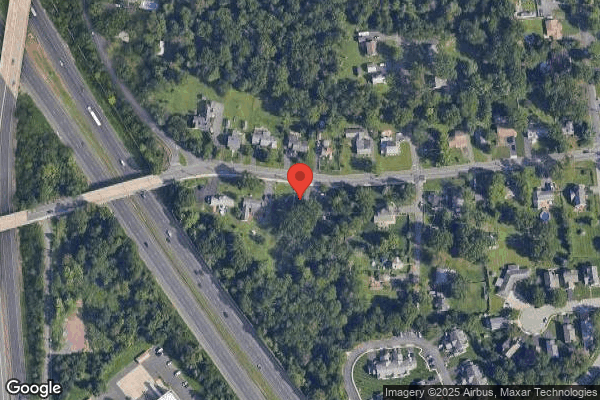
875 ROUTE 202-206 NORTH, BRIDGEWATER, NJ 08807 (908) 526-8600
For profit - Corporation 176 Beds COMPLETE CARE Data: November 2025 1 Immediate Jeopardy citation
Trust Grade
56/100
#115 of 344 in NJ
Last Inspection: September 2024

Within standard 12-15 month inspection cycle. Federal law requires annual inspections.

Overview

Complete Care at Green Knoll has a Trust Grade of C, which means it is average and falls in the middle of the pack compared to other facilities. It ranks #115 out of 344 nursing homes in New Jersey, placing it in the top half of state facilities, and #8 out of 15 in Somerset County, indicating that only a few local options are better. Unfortunately, the facility is worsening, with reported issues increasing from 3 in 2023 to 6 in 2024. Staffing is a concern, rated at 2 out of 5 stars with a turnover rate of 44%, which is about average but may indicate some instability. The facility has a significant fine of $23,430, which is concerning and suggests ongoing compliance issues. Although RN coverage is average, the facility has had serious incidents, including a critical medication error where insulin was administered instead of heparin to two residents who had no orders for insulin, leading to one resident becoming unresponsive. Additionally, residents reported not knowing how to file anonymous grievances, which could prevent them from voicing concerns safely. While the quality measures are rated excellent, the facility's overall performance shows both strengths and weaknesses that families should carefully consider.

Trust Score
C
56/100
In New Jersey
#115/344
Top 33%
Safety Record
High Risk
Review needed
Inspections
Getting Worse
3 → 6 violations
Staff Stability
○ Average
44% turnover. Near New Jersey's 48% average. Typical for the industry.
Penalties
✓ Good
$23,430 in fines. Lower than most New Jersey facilities. Relatively clean record.
Skilled Nurses
⚠ Watch
Each resident gets only 26 minutes of Registered Nurse (RN) attention daily — below average for New Jersey. Fewer RN minutes means fewer trained eyes watching for problems.
Violations
⚠ Watch
21 deficiencies on record. Higher than average. Multiple issues found across inspections.
★★★★☆
4.0
Overall Rating
★★☆☆☆
2.0
Staff Levels
★★★★★
5.0
Care Quality
★★★☆☆
3.0
Inspection Score
Stable
2023: 3 issues
2024: 6 issues

The Good

  • 5-Star Quality Measures · Strong clinical quality outcomes
  • Full Sprinkler Coverage · Fire safety systems throughout facility
  • No fines on record
  • Staff turnover below average (44%)

    4 points below New Jersey average of 48%

Facility shows strength in quality measures, fire safety.

The Bad

Staff Turnover: 44%

Near New Jersey avg (46%)

Typical for the industry

Federal Fines: $23,430

Below median ($33,413)

Minor penalties assessed

Chain: COMPLETE CARE

Part of a multi-facility chain

Ask about local staffing decisions and management

The Ugly 21 deficiencies on record

1 life-threatening
Sept 2024 6 deficiencies
CONCERN (D) 📢 Someone Reported This

A family member, employee, or ombudsman was alarmed enough to file a formal complaint

Potential for Harm - no one hurt, but risky conditions existed

Accident Prevention (Tag F0689)

Could have caused harm · This affected 1 resident

**NOTE- TERMS IN BRACKETS HAVE BEEN EDITED TO PROTECT CONFIDENTIALITY** Based on observation, record review, interview, and facility policy review, the facility failed to ensure a resident's safety du...

Read full inspector narrative →
**NOTE- TERMS IN BRACKETS HAVE BEEN EDITED TO PROTECT CONFIDENTIALITY** Based on observation, record review, interview, and facility policy review, the facility failed to ensure a resident's safety during transport to an outside appointment when the resident was dropped off at his personal residence instead of a safe facility return for one of three residents (Resident (R) 298) and the facility failed to ensure safe resident transfers with use of a gait belt for two of three residents (R119 and R121) reviewed for accident hazards of 40 sample residents. This had the potential to place all residents who are dependent on the facility at risk. Findings include: 1. Review of R298's Face Sheet, located in the Profile tab of the electronic medical record (EMR), revealed R38 was admitted to the facility on [DATE] with diagnosis of chronic obstructive pulmonary disease (COPD), muscle weakness, dysphagia, and difficulty in walking. Review of R298's admission Minimum Data Set (MDS) with an Assessment Reference Date (ARD) of 07/23/23 located under the MDS tab of the EMR revealed a Brief Interview for Mental Status (BIMS) of three out of 15 which indicated the resident was severely cognitively impaired. Further review revealed the resident used a wheelchair for mobility and was an extensive assist of one staff with transfers. Review of R298's Care Plan located under the Care Plan tab of the EMR and dated 07/26/23, revealed the resident had impaired cognitive function. Review of R298's Patient Appointment, (hardcopy) dated 07/25/23 and provided by the facility, revealed appointment time was 1:30 PM. The pickup time was at 12:10 PM and the return time was 6:00 PM. It was noted under transport . R298 was dropped off at his home and the address of the resident's home was listed. During an interview on 09/25/24 at 4:32 PM, RN2 said R298 had a cardiologist appointment on 07/25/23 but the transportation company took the resident to his personal residence. She was unsure who notified the facility but thought someone called the transportation company and they said the personal address was the one on file as the drop-off location. She thought the facility requested that the transportation company to go back and pick up the resident and bring him to the facility, but she could not remember anything specifically. During an interview on 09/26/24 at 10:24 AM, Medical Records (MR) stated she spoke with the transport company, and they stated back on 07/25/23 the facility contacted the transportation company at 6:50 PM after the R298 did not return from his appointment. She stated the facility was informed the resident was dropped off at his personal residence. MR stated the previous staff who was the unit clerk/medical records at that time accidentally provided the transportation company with R298's personal address listed on the face sheet instead of the facility address as the drop off location. She said it was the previous unit clerk's error. During an interview on 09/26/24 at 2:25 PM, the Director of Nursing (DON) stated it was a previous Administrator and DON at the time the incident occurred, and she was unaware of what happened. 2. Review of R119's admission Record located in the Profile tab of the EMR revealed she was admitted to the facility on [DATE] with a diagnosis of hemiplegia and hemiparesis following cerebral infarction (stroke) affecting the right, dominant, side. Review of R119's quarterly MDS with an ARD of 06/28/24 and located in the MDS tab of the EMR, revealed the resident was unable to complete a BIMS and the staff assessment for cognition indicated moderately impaired cognition. R119 required substantial/maximal assistance (helper provided more than half the effort) when moving from seated position to standing and during chair/bed-to-chair transfers. Review of R119's Care Plan, last reviewed 08/05/24 and located in the Care Plan tab of the EMR, revealed no information on how R119 transferred. It directed staff to: use caution during transfers and bed mobility to prevent striking arms, legs, and hands against any sharp or hard surface, date initiated 05/09/23. During an observation on 09/25/24 from 10:45 AM to 10:57 AM, Certified Nurse Aide (CNA) 3 and CNA8 transferred R119 from her wheelchair to bed. CNA3 stood on R119's left and CNA8 on the right. Each CNA put an arm under R119's arms and grabbed the back of R119's pants at the waist with the other hand. Pulling on R119's pants and using their arms to steady R119, the CNAs stood R119 and pivoted her to sit on the edge of the bed before they assisted her to lay down for incontinence cares. Following cares, CNA3 and CNA8 then transferred R119 back to the wheelchair using the same technique and no gait belt. During an interview on 09/26/24 at 9:36 AM, CNA2 stated R119 required two staff to assist with transfers. During an interview on 09/26/24 at 9:51 AM, CNA7 reported R119 needed two staff to transfer. CNA7 stated the floor had no gait belts, but she thought one floor still used them. CNA7 stated if any changes occurred in how residents transferred, the therapy department showed the staff how to do the transfer. 3. Review of R121's admission Record located in the Profile tab of the EMR revealed she was admitted to the facility on [DATE]. Review of R121's quarterly MDS with an ARD of 06/20/24 and located in the MDS tab of the EMR, revealed a BIMS score of zero out of 15 which indicated the resident had severely impaired cognition. R121 required partial/moderate assistance (helper lifts, holds, or supports trunk or limbs, but provided less than half the effort) for transfers. Review of R121's Care Plan, last reviewed 08/05/24 and located in the Care Plan tab of the EMR, revealed an intervention, dated 12/20/2023, that R121 required the assistance of one staff for transfers. During an observation on 09/26/24 at 9:29 AM, CNA2 transferred R121 from wheelchair to bed. Without locking the wheelchair's brakes, CNA2 faced R121, placed both arms under the resident's arms, counted to three, and moved R121 from the wheelchair to the bed. CNA2 did not use a gait belt. During an interview on 09/26/24 at 9:36 AM, CNA2 stated R121 required one person to transfer. She reported she had no gait belt and was unsure if there were any gait belts on the floor she worked. During an interview on 09/26/24 at 10:12 AM, Licensed Practical Nurse (LPN) 3 stated they did not use gait belts. LPN3 stated they let the residents know what they were doing and asked them to help. During an interview on 09/26/24 at 10:31 AM, LPN5 stated the facility did not use gait belts. She stated therapy used them for training. LPN5 was unsure why the facility did not use gait belts. It's not common practice at any facility I've been at. During an interview on 09/26/24 at 11:15 AM, the Director of Nursing (DON) reported the facility did not typically use gait belts for transfers, unless therapy approved them. She thought therapy had not approved one person for gait belt use. During an interview on 09/26/24 at 11:56 AM, the Rehabilitation Director stated that when therapy had recommendations for transferring a resident, they verbally told the charge nurse to update the care plan and [NAME]. The Rehabilitation Director stated when a resident had a change in how they transferred, therapy provided an in-service to the CNAs. The rehabilitation director stated unless a resident transferred with contact guard assist and responded well to verbal cues (or used a mechanical lift), she expected staff to use a gait belt for transfers. Review of the facility's undated policy titled, Safe Resident Handling revealed: The interdisciplinary team or designee will evaluate and assess each resident's individual mobility needs, taking into account other factors as well, such as weight and cognitive status .Resident lifting and transferring will be performed according to the resident's individual plan of care. NJAC 8:39-33.1(d)
CONCERN (D)

Potential for Harm - no one hurt, but risky conditions existed

Deficiency F0700 (Tag F0700)

Could have caused harm · This affected 1 resident

**NOTE- TERMS IN BRACKETS HAVE BEEN EDITED TO PROTECT CONFIDENTIALITY** Based on record review and interviews, the facility failed to ensure residents received alternative measures and informed consen...

Read full inspector narrative →
**NOTE- TERMS IN BRACKETS HAVE BEEN EDITED TO PROTECT CONFIDENTIALITY** Based on record review and interviews, the facility failed to ensure residents received alternative measures and informed consent with explained risks and benefits was obtained prior to installation for one of one resident (Resident (R) 30) reviewed for side rails of 40 sampled residents. The lack of alternate side rail measures and proper assessment/consent could lead to potential restraint or side rail entrapment. Findings include: Review of R30's undated Face Sheet located under the Profile tab of the electronic medical record (EMR) revealed the resident was admitted on [DATE]. Diagnoses included vascular dementia, depression, bipolar disease, muscle weakness, and anxiety. Review of R30's significant change Minimum Data Set (MDS) with an Assessment Reference Date (ARD) of 07/14/24 revealed the facility assessed the resident to have a Brief Interview for Mental Status (BIMS) score of 13 out of 15 which indicated the resident had intact cognition. Review of R30's Care Plan, initiated 08/11/24, located under the Care Plan tab of the EMR, revealed R30 had 1/4 rails to bed for turning and repositioning. Review of R30's Order Summary Report located under the Orders tab of the EMR, revealed an order, dated 02/07/24, 1/4 side rails as an enabler for turning and repositioning in bed. Review of R30's Side Rail Assessment Screening located under the Assessments tab of the EMR, dated 07/15/24, revealed no documented evidence of any alternative measures prior to installation, and no documented evidence of obtained consent for side rail usage. During an interview on 09/26/24 at 10:59 AM, Licensed Practical Nurse (LPN) 4 stated they did not try alternatives prior to side rail use for R30. She stated staff did obtain informed consent and reviewed risks vs benefits and that it would be documented in the resident's hard chart. She reviewed the hard chart and found two forms titled informed consent for use of side rails but neither were filled out or signed. During an interview on 09/26/24 at 1:42 PM, LPN2 stated when staff were assessing residents for side rail use, they asked basic questions and asked about gaps between the side rail and mattress. LPN2 stated he was unsure what alternates would have been used and stated they did not look at alternates. He stated it's either a yes, they use side rails or a no, they did not use them. During an interview on 09/26/24 at 2:16 PM, the Director of Nursing (DON) stated prior to a resident using side rails staff should obtain a consent form that was completed on admission. She stated staff explained the risks versus the benefits of using side rails and had them or their responsible party sign it. She stated they had a Quality Assurance and Performance Improvement (QAPI) that was implemented on 08/08/24 for side rail use. The DON stated they had identified they were not getting informed consents, and they were not being care planned. She stated they only obtained signed consents for the residents on the 100 halls but have not obtained signed consents from residents on the 200 and 300 halls. When she was asked why that was not completed in the last month and a half since the QAPI on side rails was implemented, she was unsure. She confirmed the QAPI did not address the facilities lack of exploring alternates prior to bed/side rail use. NJAC 8:39-27.1(a)
CONCERN (D)

Potential for Harm - no one hurt, but risky conditions existed

Deficiency F0761 (Tag F0761)

Could have caused harm · This affected 1 resident

**NOTE- TERMS IN BRACKETS HAVE BEEN EDITED TO PROTECT CONFIDENTIALITY** Based on observation, interview, record review, and facility policy review, the facility failed to ensure medication containers ...

Read full inspector narrative →
**NOTE- TERMS IN BRACKETS HAVE BEEN EDITED TO PROTECT CONFIDENTIALITY** Based on observation, interview, record review, and facility policy review, the facility failed to ensure medication containers were labeled specific to the resident for two of six medication carts reviewed for correct labeling of medications. As a result of this deficient practice the residents had the potential for residents to receive the wrong medication. Findings include: During an observation on 09/26/24 at 5:13 PM, medication cart one on second floor revealed a box of slow-release iron pills, 45 milligrams (mg) were stored in-between medication punch cards for the resident in 223 with only the room number (223) on the box and a box of slow-release iron 45 mg pills were stored in-between medication punch cards for the resident in 224 with only the room number (224) on the box. Both rooms [ROOM NUMBERS] had residents in bed A and B. The box only had the room number without the A or B designation. During an interview on 09/26/24 at 5:13 PM, Registered Nurse (RN) 4 explained the iron pills were slow-release and the iron pills in the regular floor stock were not slow release so a separate box was placed in with the medication punch cards for the residents in 223 and 224 so the residents would get the correct dose of iron during medication pass. RN4 confirmed the resident name was not on the box, only the room number and should have had the resident name on the box, not just the room number. During an observation on 09/26/24 at 5:13 PM, medication cart two on second floor revealed a bottle of Alaway eye drops (for allergies), located in the drawer with the topical medications, with room [ROOM NUMBER]B written on the box with no resident name. During an interview on 09/26/24 at 5:13 PM, Licensed Practical Nurse (LPN) 6 confirmed the eye drops had only the resident room number and no name. LPN6 was not sure if the eye drops needed a name because they were an over the counter (OTC) medication. During an interview on 09/26/24 at 5:58 PM, the LPN4 confirmed medications with only a room number were not in compliance, including house stock OTC medications. She stated when an OTC was specific for a resident, a resident sticker (located in the front of the paper chart), should be put on the medication/or box to clearly identify the medication was for a specific resident to avoid giving a medication to the wrong resident. During an interview on 09/26/24 at 6:04 PM, the Director of Nursing (DON) confirmed all medications, including OTC, for a specific resident, should have been labeled with the specific resident name, not just the room number. Review of the facility policy titled Labeling of Medication Containers, updated 01/2024, revealed, Labels for over-the-counter drugs shall include all necessary information, such as: a. The original label, b. The resident's name, and the expiration date when applicable . NJAC 8:39-29.2 NJAC 8:39-29.4 NJAC 8:39-44.2
CONCERN (E)

Potential for Harm - no one hurt, but risky conditions existed

Grievances (Tag F0585)

Could have caused harm · This affected multiple residents

Based on interview, record review, and facility policy review, the facility failed to provide information on how to file an anonymous grievance for six of six residents (Residents (R) 18, R88, R94, R9...

Read full inspector narrative →
Based on interview, record review, and facility policy review, the facility failed to provide information on how to file an anonymous grievance for six of six residents (Residents (R) 18, R88, R94, R97, R95, and R128) reviewed for the grievance process of 40 sample residents. The failure had the potential to affect residents' ability to safely report concerns without fear of retaliation. Findings include: A resident group interview was conducted on 09/25/24 at 3:00 PM with six residents whom the facility identified as reliable historians. During the meeting, six of the six residents (R18, R88, R94, R97, R95, and R128) expressed that they did not know how to file an anonymous grievance. They stated that Nobody told us how to file one and We can go to the social worker to file a grievance, but not anonymous. Review of the Resident Council meeting minutes, dated 01/26/24 through 09/12/24, revealed no mention of making an anonymous grievance. During an interview on 09/25/2024 at 4:00 PM, Social Services (SS) stated that the residents could come to her to make a grievance. SS stated that she went around to most residents in the morning to see how things were going or if they had any grievances. However, she stated she never explained to the residents about filing a grievance anonymously. During an interview on 09/25/2024 at 4:10 PM, the Administrator stated that the residents could file a grievance. However, she stated she never explained to the residents about filing a grievance anonymously. She also stated there was no way to file an anonymous grievance in the facility. Review of the facility's undated policy titled, Grievance Policy and Procedure, revealed All residents, responsible parties, interested family members, and staff of [Facility Name] have the right to voice grievances that are free from interference, coercion, discrimination, or reprisal concerning: The care, treatment, and services that are or fail to be, furnished; the policies, procedures, physical condition of the facility; the behavior of other residents, responsible parties, interested family members, and staff. NJAC 8:39- 4.1(a)35 NJAC 8:39-13.2(c)
CONCERN (E)

Potential for Harm - no one hurt, but risky conditions existed

Deficiency F0625 (Tag F0625)

Could have caused harm · This affected multiple residents

**NOTE- TERMS IN BRACKETS HAVE BEEN EDITED TO PROTECT CONFIDENTIALITY** Based on record review, interviews, and policy review, the facility failed to provide written notice of their bed hold policy an...

Read full inspector narrative →
**NOTE- TERMS IN BRACKETS HAVE BEEN EDITED TO PROTECT CONFIDENTIALITY** Based on record review, interviews, and policy review, the facility failed to provide written notice of their bed hold policy and the cost of a bed hold when residents were transferred to the hospital for five of five residents (Resident (R) 119, R87, R83, R29, and R67) reviewed for hospitalization of 40 sample residents. This failure had the potential to cause confusion or distress regarding the cost to hold a room and whether or not a resident would be able to return to the facility after hospitalization. Findings include: 1. Review of R119's quarterly Minimum Data Set (MDS) with an Assessment Reference Date (ARD) of 06/28/24 and located in the MDS tab of the electronic medical record (EMR), revealed the resident was unable to complete a Brief Interview for Mental Status (BIMS) and the staff assessment for cognition indicated moderately impaired cognition. Review of R119's Prog Note tab of the EMR revealed a note, dated 01/20/24 at 2:26 PM, which documented R119 was sent to the hospital for a sudden change in her level of consciousness. An entry dated 01/29/24, revealed R119 had returned from the hospital. Review of R119's Prog Note tab of the EMR further revealed a note, dated 04/12/24 at 10:28 PM, which documented R119 was admitted to the hospital for aspiration pneumonia. Review of R119's Census tab of the EMR revealed that R119's payor source at the facility was private pay when she was discharged to the hospital on [DATE] and Medicare when she was discharged to the hospital on [DATE]. Review of R119's EMR and hard chart revealed no evidence that a bed hold policy or bed hold letter was provided to the resident representative for the hospitalizations. Review of a facility provided binder of bed hold letters revealed an undated letter to R119's representative, which revealed R119 had discharged to the hospital on [DATE] for altered mental status. It stated the facility would hold her bed for ten days but did not state the cost after the ten days or whether R119 would be able to return to the facility. The binder did not include a letter for when R119 was admitted to the hospital on [DATE]. Review of the facility provided copy of the undated bed hold letter for 04/12/24 revealed R119 was discharged to the hospital for lethargy. It revealed the facility would hold her bed for ten days but did not state the cost after the ten days or whether R119 would be able to return to the facility. During an interview on 09/26/24 at 4:53 PM, the Business Office Manager (BOM) stated that R119's two discharges had no cost associated with them because she was Medicaid pending. 2. Review of R87's undated Face Sheet located under the Profile tab of the EMR, revealed R87 was admitted to the facility on [DATE] and readmitted on [DATE]. Review of Incident Reporting Application (initial reporting), dated 04/09/24 and located under the Progress Notes tab of the EMR, revealed Received report [R87] noted with physical aggression towards resident .[R87] was later sent to the hospital for further evaluation and treatment. Review of R87's EMR revealed no documented evidence that the facility provided written information regarding the facility's bed hold policy to the resident and the resident's responsible party at the time of transfer. Review of a facility provided binder of bed hold letters revealed an undated letter that did not contain the cost associated with the bed hold. 3. Review of R83's undated Face Sheet located under the Profile tab of the EMR, revealed R83 was admitted to the facility on [DATE]. Review of R83s Progress Notes, dated 05/20/24 and located in the Progress Notes tab of the EMR, revealed R83 was discharged to the hospital on [DATE]. Review of R83's EMR revealed no documented evidence that the facility provided written information regarding the facility's bed hold policy to the resident and the resident's responsible party at the time of transfer. Review of a facility provided binder of bed hold letters revealed an undated letter that did not contain the cost associated with the bed hold. 4. Review of R29's undated Face Sheet located under the Profile tab of the EMR, revealed R29 was admitted to the facility on [DATE]. Review of R29s Progress Notes, dated 05/17/23 and located in the Progress Notes tab of the EMR, revealed R29 was sent to the hospital on [DATE]. Review of R29's EMR revealed no documented evidence that the facility provided written information regarding the facility's bed hold policy to the resident and the resident's responsible party at the time of transfer. Review of a facility provided binder of bed hold letters revealed an undated letter that did not contain the cost associated with the bed hold. During an interview on 09/25/24 at 8:48 AM Social Services Director (SSD) stated, I have nothing to do with the bed hold notice transfer. The receptionist sends out the notice the next day. SSD reviewed the facility bed hold notice upon transfer and stated was familiar with the policy, but did not realize the written notice did not include the bed hold payment portion. During an interview on 09/25/24 at 8:55 AM the Administrative Receptionist (AdmRec) stated, When I come in the morning, I will run the resident census to see what residents have been transferred to the hospital and then I will send out the facility bed hold policy to the family or responsible party. The AdmRec further stated that she was not familiar with the official policy; she just sent it out. 5. Review of R67's admission Record located in the EMR under the Profile tab, revealed an admission date of 11/21/20 and readmission on [DATE] with medical diagnoses that included diabetes mellitus and end stage renal failure (ESRD). Review of R67's EMR documented R67 was emergently hospitalized on [DATE], 03/02/24, 04/08/24, and 05/29/24. Review of the EMR and paper chart lacked documentation the resident representative was notified in writing the cost-if any to hold the bed. During an interview on 09/26/24 3:57 PM, the AdmRec explained the process of notification to the family about a resident discharge. She stated each morning the Receptionist checked the census for discharges and clarified each with the Director of Nursing (DON). She stated they checked the census tab in the EMR to confirm payment status and informed the Business Office Manager (BOM) to clarify if payment for bed hold was required. She stated a copy of the facility bed hold policy was not included in the mailing to the resident representative address. The Receptionist stated she was unaware if the documentation about the bed hold notice being placed into the resident's medical record. During an interview on 09/26/24 at 4:12 PM, the BOM explained the Receptionist checked with the BOM to verify amount of payment for Medicare and private pay residents. The BOM stated they provided the amount and followed up with a call to the resident representative to confirm the bed hold. The BOM was unsure if the documentation about the bed hold and cost to hold the bed was placed in the resident's medical record. Review of the facility's policy titled, Bed Hold Notice Upon Discharge, updated 01/15/24, revealed Before a resident is transferred to the hospital or goes on therapeutic leave, the facility will provide to the resident and/or the resident representative written information that specifies: The duration of the state bed-hold policy, if any, during which the resident is permitted io return and resume residence in the nursing facility. The reserve bed payment policy in the slate plan policy, if any .The facility policies regarding bed-hold periods to include following a resident to return to the next available bed .Conditions upon which the resident would return to the facility: ln the event of an emergency transfer of a resident, the facility will provide within 24 hours written notice of the facility's bed-hold policies. NJAC 8:39-4.1(a)32
CONCERN (E)

Potential for Harm - no one hurt, but risky conditions existed

Deficiency F0804 (Tag F0804)

Could have caused harm · This affected multiple residents

Based on observation, interview, and facility policy review, the facility failed to ensure food prepared by the facility was served at a palatable temperature for five of six residents (Resident (R) 9...

Read full inspector narrative →
Based on observation, interview, and facility policy review, the facility failed to ensure food prepared by the facility was served at a palatable temperature for five of six residents (Resident (R) 97, R18, R88, R94, and R128) reviewed for palatability of 40 sample residents. As a result of this deficient practice the residents had the potential for poor nutrition and weight loss. Findings include: 1. Review of R97's annual Minimum Data Set (MDS) with an Assessment Reference Date (ARD) of 07/11/24, revealed a Brief Interview for Mental Status (BIMS) score of 13 out of 15 which indicated the resident was cognitively intact. During an interview on 09/23/24 at 2:12 PM, R97 stated the food was always cold. 2. Review of R18's quarterly MDS assessment with an ARD of 06/16/24, revealed a BIMS score of 13 out of 15 which indicated the resident was cognitively intact. 3. Review of R88's quarterly MDS assessment with an ARD of 09/02/24, revealed a BIMS score of 15 out of 15 which indicated the resident was cognitively intact. 4. Review of R94's quarterly MDS assessment with an ARD of 08/26/24, revealed a BIMS score of 15 out of 15 which indicated the resident was cognitively intact. 5. Review of R128's quarterly MDS assessment with an ARD of 06/26/24, revealed a BIMS score of six out of 15 which indicated the resident was severely cognitively impaired. During a resident group meeting on 09/25/24 at 3:20 PM, five residents (R18, R88, R94, R97, and R128) of the six residents expressed concerns that the food was cold and tasteless for most meals. They stated they had complained at the monthly council meetings as the issues had been going on for quite a while, but they saw no changes. During an observation on 09/25/24 at 11:22 AM, Dietary Staff (Dietary) 1 checked the temperatures of the food on the steam table. The readings of the main meal included: chicken 153.2 degrees Fahrenheit (F), boiled potatoes 183 degrees F, and broccoli 184 degrees F. Dietary1 then began to plate the food. Dietary staff did not check food temperatures throughout the meal service. During an observation on 09/25/24 at 1:06 PM, Dietary1 finished plating the last resident tray and then plated a test tray of the main meal and provided a facility thermometer to check the temperatures of the food on the test tray. During an observation on 09/25/24 at 1:12 PM, dietary staff brought the wheeled, enclosed cart to the second floor, which included the test tray, and left the cart to return to the kitchen in the basement. During an observation on 09/25/24 at 1:22 PM, as staff passed the last two trays to residents, the temperatures of the food on the test tray were: chicken 130.3 degrees F, potatoes 113.3 degrees F, and broccoli 112.8 degrees F. Human Resources (HR) verified the temperature readings and tasted the food for palatability, spitting out the chicken. During an interview on 09/25/24 at 1:23 PM, HR described the food on the test tray as room temperature and stated it could definitely be warmer. During an interview on 09/25/24 at 1:36 PM, the Regional Dietary Director (RDD) stated the facility needed to do audits to determine why the food temperatures dropped. During an interview on 09/25/24 at 1:41 PM, the Dietary Manager (DM) reported the temperature drops were significant. The DM expected the temperatures to be equivalent to the temperatures displayed on an undated, untitled paper which listed desired temperatures of food by category, hot entrees, starches, and vegetables had a desired temperature range of 140-165 degrees F. The DM stated the facility used heated pellets, which held temperatures for up to 20 minutes. Review of the facility's policy titled, Food Temperature Policy, revised 08/23, revealed All hot food items must be . held and served at a temperature of at least 135 [degrees] F. Take temperatures often to monitor for safe food holding temperature ranges . at or above 135 [degrees] F for hot foods .Temperatures should be taken periodically to assure hot foods stay above 135 [degrees] F . during the portioning, transporting and delivery process until received by the individual recipient .Foods sent to the units for distribution (such as meals, .) will be transported and delivered to maintain temperatures . at or above 135 [degrees] F for hot foods. NJAC 8:39-17.4(a)
Apr 2023 3 deficiencies 1 IJ
CRITICAL (J) 📢 Someone Reported This

A family member, employee, or ombudsman was alarmed enough to file a formal complaint

Immediate Jeopardy (IJ) - the most serious Medicare violation

Deficiency F0760 (Tag F0760)

Someone could have died · This affected 1 resident

**NOTE- TERMS IN BRACKETS HAVE BEEN EDITED TO PROTECT CONFIDENTIALITY** Complaint#: NJ163545, NJ163595, NJ163682 Based on interviews, medical records reviews, and review of other pertinent facility do...

Read full inspector narrative →
**NOTE- TERMS IN BRACKETS HAVE BEEN EDITED TO PROTECT CONFIDENTIALITY** Complaint#: NJ163545, NJ163595, NJ163682 Based on interviews, medical records reviews, and review of other pertinent facility documentation on 4/20/2023 & 4/24/2023, it was determined that the facility failed to protect residents from significant medication errors on 4/18/2023 at approximately 9:00 p.m. when the Licensed Practical Nurse (LPN) administered subcutaneous insulin injections instead of heparin, to two residents (Resident #1 and Resident #3) who are not Diabetics or had a Physician's Order for Insulin. During the 9:00 p.m. medication pass, the LPN assigned to Residents #1 & #3 did not verify the medication and administered the wrong medication (insulin-Admelog) instead of Heparin 5000 IU [International Unit] as ordered to both residents. At approximately 11:15 p.m., the Registered Nurse Supervisor (RNS #1) for the 11:00 p.m. to 7:00 a.m. shift found Resident #1 Unresponsive to voice or touch and was cold and clammy. Resident #1 Blood Glucose (BG) / Blood Sugar (BS) was checked, and he/she had a reading of 22 mg/dl [milligrams per deciliter]. Glucagon was given two times IM [intramuscular], but the Resident's BG still did not rise; 911 was called, and D5 [Dextrose 5% (percent)] was administered via [through] a PIV [Peripheral Intravenous line] was started by RNS #2. Resident #1 was admitted to the hospital with a diagnosis of Hypoglycemia. At approximately 11:30 p.m., RNS #1 found Resident #3 cold and clammy, moving his/her upper extremities up in the air with eyes wide open. Resident #3 BG was checked. However, the Resident's blood sugar was too low for the device to register, so the reading result was LO (LOW). 911 was called; they were already present in the building, started PIV at the antecubital space, and the 911 team infused D10 [Dextrose 10%]. Resident #3 was suctioned for excess secretions in the mouth, and the Resident's BG increased to more than 200 mg/dl after starting the IV. Resident #3 left the building at 12:15 a.m. to go to the hospital for further evaluation and was admitted with a diagnosis of Hypoglycemia. The facility also failed to follow its policies titled Administering Medications, Identifying and Managing Medication Errors and Adverse Consequences, and Physician Orders. The facility's failure to prevent Resident #1 & Resident #3 from significant medication errors placed Resident # 1, Resident #3, and all other non-diabetic residents at risk for an Immediate Jeopardy (IJ) situation. This IJ was identified and reported to the facility's Licensed Nursing Home Administrator (LNHA), the Director of Nursing (DON), and the Assistant, Director of Nursing (ADON) on 4/20/2023 at 6:40 p.m. The Administrator was presented with the IJ template that included information about the issue. The IJ began on 4/18/2023 and continued through 4/19/2023, when the facility removed the LPN from duty that next morning at approximately 7:00 a.m., started in-servicing licensed nursing staff on medication administration, the standards of practice for safe medication administration, Insulin, and Heparin vials being stored in different drawers, and Abuse and Neglect. On 4/24/2023, the Surveyors verified the Removal Plan was implemented. The facility implemented the Removal Plan, which included educating licensed nursing staff on medication administration, the standards of practice for safe medication administration, Insulin, and Heparin vials being stored in different drawers, and Abuse and Neglect. So, the noncompliance remained on 04/20/2023 as a level D for no actual harm with the potential for more than minimal harm that is not immediate jeopardy. This deficient practice was identified for 2 of 9 residents (Resident #1 & #3) and was evidenced by the following: According to the Facility Reportable Event (FRE), a New Jersey Department of Health (NJDOH) document used by the healthcare facilities to report incidents on 4/20/2023, with an event date of 4/18/2023 and a time of event of 11:30 p.m., revealed the following: On 4/18/2023, at approximately 11:15 p.m., Residents #1 and Resident #3 were sent to the hospital related to hypoglycemia episodes. Both were admitted with Hypothermia and Hypoglycemia. Both residents do not have diabetes; therefore, further investigation was warranted. [The] Nurse assigned to both residents on 4/18/2023 was suspended pending investigation. 1. According to the admission Record (AR), Resident #1 was admitted to the facility on [DATE] with diagnoses which included but were not limited to Unspecified Chest Pain, Unspecified Thrombocytopenia, and Unspecified Depression. According to the Minimum Data Set (MDS), an assessment tool dated 04/04/2023, Resident #1 had a Brief Interview of Mental Status (BIMS) score of 15/15, which indicated the Resident was cognitively intact. Resident #1 only needed supervision and one-person physical assist with most Activities of Daily Living (ADLs). Further review of the MDS showed under Section N Medications revealed Under N0350. Insulin included: that Resident#1 was not on Insulin and had no order for Insulin. The MDS also showed Under N0410. that the Resident was on Anticoagulant ( .heparin, or low molecular weight heparin) therapy. A review of Resident #1's Medication Error Report (MER) dated 4/19/2023 and signed by the Attending MD (Medical Doctor)/[Physician], LNHA [Licensed Nursing Home Administrator], the Assistant Director of Nursing, and the Director of Nursing included the following: Date of error: 4/18/23 [2023], Time of Error: 9 [:00] PM [p.m.], Physician Notified [,] Yes date/time: 4/19/23, DON/Supervisor/Manager notified? Yes, Name: DON date/time: 4/19/23, Resident representative/Family notified? Yes[,] date/time: 4/19/23 5:30 p [p.m.] [,] Medication ordered: Heparin 5000 IU [,] Description of the error-record name of the medication, dose, route and time(s) administered: insulin-Admelog [,] Outcome to the resident (provide details including care provided after error): BS [Blood Sugar] dropped sent to ER [Emergency Room] via 911. Under Assessment and Summary of Medication Error, included: Under Type of Error, wrong medication. Under Reason For Error, revealed Other: did not verify medication [.] Under Corrective action taken: revealed staff education -LPN suspended pending outcome of the investigation Under Measures taken to prevent the recurrence of similar errors: included: insulin vials changed to pens-insulins + [and] heparin in separate areas of med [medication] cart [.] Under Signatures [,] Title [,] Date included: Person making error LPN [,] 4/19/23[;] Person reporting error LPN/ADON[,] 4/19/23, DON [,] RN DON [.] A review of Resident #1's New Jersey Universal Transfer Form (NJUTF) revealed Date of Transfer: 4/19/2023 and Time of Transfer 12:00 a.m. Reason for Transfer: included: Pt [patient/resident] found unresponsive [,] skin cold, clammy [,] Blood Sugar -22-glucagon x 2 given [.] A review of Resident #1's Order Summary Report (OSR) Active Orders as of 04/18/2023 revealed the following Physician Orders (POs): Heparin Sodium (Porcine) Injection Solution 5000 UNIT/ML (milliliters) (Heparin Sodium (Porcine) inject 1 ML (milliliters) every 12 hours for DVT (Deep Vein Thrombosis) prophylaxis. It may increase the risk of bleeding. Please observe for any bruising, dark urine, and black, tarry stools dated 3/29/2023. A review of Resident #1's Medication Administration Record (MAR) dated 04/1/2023-04/30/2023 reflected that the LPN administered the above POs as ordered on 4/18/2023 at 9:00 p.m. A review of Resident #1's Progress Notes (PNs) revealed the following: On 04/19/2023 at 6:42 a.m., the PNs written by RNS #1 revealed at 11:15 p.m., this nurse noted [the] Resident [Resident #1] cold and clammy. Unresponsive to voice or touch. BS [Blood Sugar] 22 Glucagon given x2 and noted BS no [not] rising. 911 was called, and D5 [Dextrose 5%] was started via PIV (Peripheral Intravenous line). When 911 arrived, his/her BS increased to 125. he/she left the building at 11:30 p.m. On 4/19/2023 at 7:10 a.m., the PNs written by RNS #1 revealed: .the NP (Nurse Practitioner) at the hospital called and confirmed [the] resident admitted to [the] hospital for further evaluations. 2. According to the AR, Resident #3 was admitted to the facility on [DATE] with diagnoses that included but were not limited to Unspecified Organism Sepsis, (Generalized) Muscle Weakness, and Malignant Neoplasm of Unspecified Ovary. According to the MDS dated [DATE], Resident # 3 had a BIMS score of 15/15, which indicated the Resident was cognitively intact. The MDS showed Resident #3 needed extensive assistance and one-person physical assist with most ADLs and needed extensive assistance with two-person assistance with bed mobility, transfer, and personal hygiene. Further review of the MDS showed under Section N Medications revealed Under N0350. Insulin included: that Resident#1 was not on Insulin and had no order for Insulin. The MDS also showed Under N0410. that the Resident was on Anticoagulant ( .heparin, or low molecular weight heparin) therapy. A review of Resident #3's Medication Error Report (MER) dated 4/19/2023 and signed by the Attending MD (Medical Doctor)/[Physician], LNHA [Licensed Nursing Home Administrator], the Assistant Director of Nursing, and the Director of Nursing included the following: Date of error: 4/18/23 [2023], Time of Error: 9 [:00] PM [p.m.], Physician Notified [,] Yes date/time: 4/19/23, DON/Supervisor/Manager notified? Yes, Name: DON date/time: 4/19/23, Resident representative/Family notified? Yes[,] date/time: 4/19/23 5:30 p [p.m.] [,] Medication ordered: Heparin 5000 IU [,] Description of the error-record name of the medication, dose, route and time(s) administered: insulin-Admelog . [,] Outcome to the resident (provide details including care provided after error): BS [Blood Sugar] dropped sent to ER [Emergency Room] via 911. Under Assessment and Summary of Medication Error, included: Under Type of Error, wrong medication. Under Reason For Error, revealed Other: did not verify medication [.] Under Corrective action taken: revealed staff education -LPN suspended pending outcome of the investigation Under Measures taken to prevent the recurrence of similar errors: included: insulin vials changed to pens-insulins + [and] heparin in separate areas of med [medication] cart [.] Under Signatures [,] Title [,] Date included: Person making error LPN [,] 4/19/23[;] Person reporting error LPN/ADON[,] 4/19/23, DON [,] RN DON [.] A review of Resident #3's NJUTF revealed Date of Transfer: 4/19/2023 and Time of Transfer 12:15 a.m. [a.m.] [,] Reason for Transfer: included Pt found cold + [and] clammy [,] Hypoglycemic episode [,] BS reads Lo [low]. A review of Resident #3's OSR, Active Orders as of 04/18/2023, revealed the following POs: Heparin Sodium (Porcine) Solution 5000 UNIT/ML[.] Inject 5000 units subcutaneously every 8 hours for clotting prevention[.] It may increase the risk of bleeding. Please observe for any bruising, dark urine, and black, tarry stools. A review of Resident #3's MAR dated 04/1/2023-04/30/2023 reflected that the LPN administered the above POs as ordered on 4/18/2023 at 10:00 p.m. A review of Resident #3's PNs revealed the following: On 4/19/2023 at 8:24 a.m., the PNs written by RNS #1 revealed, This nurse found resident cold and clammy, moving his/her upper extremities up in [the] air with eyes wide open. BG checked and read LO [LOW] PIV antecubital, D10 [Dextrose 10%] started by the 911 team present in the building. Suctioned Resident for excess secretions in his/her mouth. Resident BG up to more than 200 after IV started. Resident [#3] left [the] building at 12:15 a.m. to go to the hospital for further evaluation. NP called and notified us that [the] Resident will be admitted . This nurse notified the Family of [the] change in condition. A review of the LPN's Agency Account included: the date of Tue [Tuesday] 4/18 [4/18/2023] revealed In 2:50 p.m. [p.m.] and Out 7:08 a.m. [a.m.], indicating the LPN worked on the evening and overnight shift from 4/18/2023 through 4/19/2023. A review of the Individual One-On-One Inservice for the LPN dated 4/19/2023, and signed by the LPN and the ADON revealed Under Issue in-serviced on: Med [Medication] Pass [.] Under Education given: included: Being prepared, right resident, right drug [,] observe precautionary warnings, right time [,] correct technique, right route A review of the LPN's Statement dated 4/19/2023 revealed on 4/18/2023 on the 3:00 p.m.-11:00 p.m. shift, at the beginning of the overnight shift, 3 residents on his post developed hypoglycemia conditions that required EMT interventions. The three patients [residents] were on heparin; only one was diabetic. He recalled checking the brown bottle containing the vials of heparin to confirm the medication, but its [it is] possible that actually, it was [were] insulin vials mistakenly placed in the bottle. He didn't recall confirming or checking what was on the label of the bottle. During a telephone interview on 4/20/2023 at 2:15 p.m., RNS #1 stated, she was the Supervisor on duty. RNS #1 explained around 11:00 p.m.-11:15 p.m., she heard moaning, saw Resident #1, and observed him/her; he/she was cold, clammy, and sweaty. She thought the Resident had a blood sugar [BG] / Hypoglycemia issue and checked his/ her blood sugar and vitals. The blood sugar was low, and the first dose of Glucagon was given. However, the BS was not going up, so another nurse started an IV on the patient [Resident] on D5 [dextrose]. She continued to say the blood sugar was improving, when 911 came, blood sugar went to 75 mg/dl, we [nurses] just hung IV, at that time the Resident was responsive, talking [but] very tired, then 911 came and took him/her to the emergency room (ER) .the Nurse Supervisor (RNS #2) [was] talking that Resident #1 was responsive, talking and alert, had eaten and he/she had no issues prior to this incident. When the Surveyor asked RNS #1 about Resident #3, she stated I saw the Resident eyes wide open, hands moving in the air, unresponsive, cold, and clammy. The Resident's BG was checked, was low, and showed no number; it just read low, I wanted to start a line, another [nurse] checked blood pressure, another [nurse] called 911, he/she was moving his/her arms, 911 team came and started antecubital IV at D10 (Dextrose 10%). She continued to say his/her blood sugar went to 200 mg/dl. The RNS further stated that the LPN who cared for Resident #3 was the same nurse who cared for Resident #1. The Resident was not a diabetic . then 911 took him/her [to the hospital] for further evaluation. During an interview on 4/20/2023 at 4:35 p.m., the DON stated the status of the LPN is he is suspended pending investigation. [The] Nurse worked a double shift on 4/18/2023, the 2:30 p.m.-10:30 p.m. shift and the 10:30 p.m.-6:30 a.m. shift, the last time he worked. The med [medication] error was on 4/18/2023 at 9:00 p.m., and it was addressed the next morning. She further stated that when the incidents occurred, corporate came in, and we immediately investigated that there was a possibility of what happened with the medications. In the same interview, the DON stated, [the] nurse (LPN) said this is [a] possibility what could've happened with [the] heparin and Insulin. I did not want him working on the floor, [due to the] possibility that Insulin was given instead of heparin to the residents sent out on low blood sugar. The medication error report is the incident report for medication. We are still investigating the incidents so we can have a solid plan moving forward. Corporate is still here. We are checking all residents on heparin and on Insulin. We are switching all insulin vials to insulin pens are in process . the investigation is still ongoing During an interview on 4/20/2023 at 5:05 p.m., the Regional Director, in the presence of the Regional Clinical Director (RCD), stated, We [the facility] reported to DOH yesterday started investigation for medication administration for all staff on [the] Rights of Medication [dated] 4/19/2023. We switched all insulin vials to pens starting yesterday. We increased glucagon inventory. We immediately suspended the nurse. He (LPN) had a med [medication] pass post orientation, and he passed. In the same interview, the RCD stated we did an additional audit that all diabetic residents had a bedtime snack. The Regional Director stated we started med [medication] pass competencies with all nurses yesterday .provided education on syringes. We self-identified and self-reported [it] was isolated to one employee. The RCD continued to say we worked on it immediately, on basics, in-services were done on Abuse and Neglect on 4/20/2023, and [are] still in progress. In-service done on 4/19/2023 on insulin and heparin vials are not to be stored in the same drawers. All in-services were started and ongoing. We are still investigating, not concluded yet. During an interview on 4/24/2023 at 10:28 a.m., the ADON/Infection Preventionist (IP) stated RNS #1 called me [to say] we have three residents going out to [the] hospital. Supervisors always call [me] when sending out [residents to the hospital]. [The] Residents [were] sent out for Hypoglycemia on 4/19/2023. RNS #1 called me at approximately 1:30 a.m., and we talked about who was the nurse (LPN) and RNS #1 finished the med pass, and she checked other residents on the LPN's assignment with no issues. She then emailed the Administrator and the DON about the error. The LPN was [taken] off the [medication] cart at 1:30 a.m. by RNS #1. He took blood pressure but no medications and was sent home at the end of the shift. At approximately 2:00 a.m., I looked at all the Medication Administration Records (MARs) for all 3 residents. At 7:00 a.m., I was on the phone with the DON, the Regional Clinical [Supervisor], and Administrator. Then at approximately 8:00-9:00 a.m., the investigation was started. During the same interview, the ADON/IP stated she asked the LPN about the incident on 4/19/2023 since he was due to return at 2:30 p.m. to start the shift. According to the ADON/IP, the LPN said he probably made an error since he wasn't paying attention, so we educated him. He signed off on it, and I told him he was suspended pending investigation. I think the investigation is ongoing. I'm doing education. [The] LPN was trained prior [to the incidents] in medication pass; he missed a right of medication. The DON notified the doctor [Physician] and Family. In the same interview, she continued to say, I started education that day on Abuse, and Neglect is the whole building, [the] 9 Rights of medications, syringes, heparin & insulin vials are in separate drawers in the med [medication] cart, but now insulin pens are in place, we, nurses triple checked the heparin and Insulin, nurses did med pass and insulin pen competencies. All new hires are being med passed. During a telephone interview on 4/24/2023 at 11:53 a.m., when the Surveyor asked him what happened concerning the medications, the LPN stated, Resident #1 got meds [medications] at the end of the 3:00 p.m. -11:00 p.m. shift. He further stated that Resident #1 acted out with moaning sounds; he was unsure of the time. The BS was low, started [an] IV line [and] called 911. Later on, we discovered, Resident #3 was showing signs of not acting OK, he/she was moving [his/her] arms around in an abnormal way, so we [me & RNS #1] and RNS #2, a whole team of nurses checked everything to include: vital signs, heart rate was high, blood sugar was dropping. Then, EMT (emergency medical team) was there [and] helped, [blood] sugar was 214 and took him/her to hospital. In the same telephone interview, the LPN continued to say, [I] look in [the medication] cart for heparin, look at the bottle. I know I picked up [the] heparin bottle; it's possible that I mixed it up. The LPN explained, When I picked up the bottle and vial, it may be possible I picked up the insulin bottle. All the 10 ML (milliliters) vials are the same. [The] heparin vials were mixed up in the cart, in brown bottles, [it was] not separated. The vial is in [a] brown bottle. All just mixed up on the cart. I might not have looked at the vial. When I took it out of the drawer, it's possible I didn't look at it. During a telephone interview on 4/24/2023 at 12:20 p.m., RNS #2 stated, around 11:15 p.m., we [the nurses] heard [a] moaning noise, checked the rooms, and found Resident #1 cold, clammy, and sweaty. The BS was checked, and it was 22. She further stated that Glucagon was given x1 (once), and then the BS went up to 27 and then 29 the second time. 911 was called, D5 (Dextrose 5%) solution IV was started, and the BS increased to 48. During an interview on 4/24/2023 at 2:12 p.m., the Surveyor asked the DON about the breakdown, which led to Residents #1 and 3 receiving Heparin instead of Insulin. She replied, I couldn't identify the breakdown. As we investigated, he (LPN) said it was a possibility he didn't practice the 9 [nine] rights of medication During a post-survey telephone interview on 4/26/2023 at 1:16 p.m., the Physician, Medical Director, stated he consulted with the hospital Endocrinologist. The Medical Director explained to the Surveyor, According to the Endocrinologist, once you give glucose, it shows up as Insulin in your system. Both residents were given IV Glucose, so the lab results are the same. Glucose shows as Insulin in the lab results. During the same interview, when the Surveyor asked about Resident #1's low blood sugar before the glucose was given, the Medical Director stated, Most likely [the] medication error was Insulin, but we cannot test for Insulin due to glucose being given . He further stated other causes were ruled out; the only cause of the Hypoglycemia is Insulin, by exclusion. Resident #3 was in [the] same situation as Resident #1. A review of the facility policy titled Administering Medications with an updated date 10/2022 revealed the following: Under Policy Statement: included: Medications shall be administered in a safe and timely manner, and as prescribed. Under Policy Interpretation and Implementation included: .5. The individual administering the medication must check the label against the Physician's order to verify the right Resident, right medication, right dosage, right time, and right method (route) of administration before giving the medication. A review of the facility policy titled Identifying and Managing Medication Errors and Adverse Consequences with a revised April 2022 date revealed the following: Under Policy Statement: included: The Staff and practitioner shall try to prevent medication errors and adverse medication consequences and shall strive to identify and manage them appropriately when they occur. Under Policy Interpretation and Implementation included: 1. The staff and practitioner shall strive to minimize adverse consequences by a. Following relevant clinical guidelines and manufacturer's specifications for use, dose, administration, duration, and monitoring of the medication; b. Defining the appropriate indications for use; . A review of the facility policy titled Physician Orders with a revised date of December 2022 revealed the following: Under Policy included: Medication and treatment orders will be accepted only from authorized, credentialed physicians or from other authorized, credentialed practitioners in accordance with state regulations regarding prescriptive privileges. Under Purpose, included: To ensure all medication and treatment orders are received from a credentialed practitioner before implementing. Under Process included: Type of Order: 1. Admission, Interim, Re-admission, and Renewal Orders: 2. Must be written on the appropriate Physician Order Sheet and Interim Plan of Care; 3. IV (intravenous) orders must be written on the appropriated IV Protocol Sheet (Central, Mid-line, or Peripheral) . N.J.A.C.: 8.39-29.2 (d)
CONCERN (D) 📢 Someone Reported This

A family member, employee, or ombudsman was alarmed enough to file a formal complaint

Potential for Harm - no one hurt, but risky conditions existed

Comprehensive Care Plan (Tag F0656)

Could have caused harm · This affected 1 resident

**NOTE- TERMS IN BRACKETS HAVE BEEN EDITED TO PROTECT CONFIDENTIALITY** Complaint#: NJ163545, NJ163595, NJ163682 Based on interviews, medical records review, and other pertinent facility documentation...

Read full inspector narrative →
**NOTE- TERMS IN BRACKETS HAVE BEEN EDITED TO PROTECT CONFIDENTIALITY** Complaint#: NJ163545, NJ163595, NJ163682 Based on interviews, medical records review, and other pertinent facility documentation on 4/20/2023 and 4/24/2023, it was determined that the facility failed to implement a comprehensive care plan for residents on anticoagulant medications for 2 of 9 residents (Resident #2 & #3). The facility also failed to follow its policy titled Care Plans, Comprehensive Person-Centered. This deficient practice was evidenced by the following: Review of the Electronic Medical Records was as follows: 1. According to the admission Record (AR), Resident #2 was admitted to the facility on [DATE] and readmitted on [DATE] with diagnoses which included but were not limited to Unspecified Organism Sepsis, Type 1 Diabetes Mellitus with Ketoacidosis without Coma, Type 2 Diabetes Mellitus With Diabetic Nephropathy and Unspecified Hereditary and Idiopathic Neuropathy. According to the Minimum Data Set (MDS), an assessment tool, dated 03/24/2023, Resident #2 had a Brief Interview of Mental Status (BIMS) score of 15/15, which indicated the Resident was cognitively intact. The MDS also showed Resident #2 needed limited assistance and one-person physical assist with most Activities of Daily Living (ADLs). The MDS also showed Under N0410. Medications Received revealed Indicate the number of Days the resident received the following medications by pharmacological classification, not how it is used, during the last 7 days or since admission/entry or reentry if less than 7 days . included: Enter Days 6 for E. Anticoagulant ( .heparin, or low molecular weight heparin). A review of Resident #2's Order Summary Report (OSR), Active Orders as of 04/18/2023 revealed the following Physician Orders (POs): Heparin Sodium (Porcine) Solution 5000 UNIT/ML[.] Inject 5000 units subcutaneous every 8 hours for clotting prevention[.] It may increase the risk of bleeding. Please observe for any bruising, dark urine, and black, tarry stools dated 02/01/2023. A review of Resident #2's Care Plan (CP) showed no CP was developed, and no interventions were in place for Heparin (an anticoagulant medication). 2. According to the AR, Resident #3 was admitted to the facility on [DATE] with diagnoses that included but were not limited to Unspecified Organism Sepsis, (Generalized) Muscle Weakness, and Malignant Neoplasm of Unspecified Ovary. According to the MDS dated [DATE], Resident # 3 had a BIMS score of 15/15, which indicated the Resident was cognitively intact. The MDS also showed Resident #3 needed extensive assistance and one-person physical assist with most ADLs and needed extensive assistance with two-person assistance with bed mobility, transfer, and personal hygiene. The MDS also showed Under N0410. Medications Received revealed Indicate the number of Days the resident received the following medications by pharmacological classification, not how it is used, during the last 7 days or since admission/entry or reentry if less than 7 days . included: Enter Days 7 for E. Anticoagulant ( .heparin, or low molecular weight heparin). A review of Resident #3's OSR, Active Orders as of 04/18/2023, revealed the following POs: Heparin Sodium (Porcine) Solution 5000 UNIT/ML[.] Inject 5000 units subcutaneous every 8 hours for clotting prevention[.] It may increase the risk of bleeding. Please observe for any bruising, dark urine, and black, tarry stools. A review of Resident #3's CP showed no evidence of a CP being developed and no interventions in place for Heparin (an anticoagulant medication). During an interview on 4/24/2023 at 10:59 a.m., the Registered Nurse (RN) who cared for Resident #2 stated, If a resident is on heparin, it [the medication] should be on the CP. She further stated that the CP is an informative guideline, and all residents on blood thinners should be carefully planned for it. During a telephone interview on 4/24/2023 at 12:20 p.m., the RN Supervisor stated, If a resident is on heparin, it should be on the CP. She further stated the CP is anything the patient [Resident] has; it is the Resident's plan of care. During an interview on 4/24/2023 at 1:40 p.m., the Unit Manager/Licensed Practice Nurse (UM/LPN) stated the CP's purpose is to manage the patient's [Resident's] care. When the Surveyor asked the UM/LPN if Heparin should be on the CP, he stated, Yep, it [Heparin] should be on the care plan. During an interview on 4/24/2023 at 2:12 p.m., the DON stated, Heparin or anticoagulants [medications] should be on the CP with interventions. A review of the facility policy titled Care Plans-Comprehensive Person-Centered dated October 2022 revealed the following: Under Policy Statement included A comprehensive, person-centered care plan that includes measurable objectives and timetables to meet the resident's physical, psychosocial and functional needs is developed and implement for each resident. Under Policy Interpretation and Implementation .8. The comprehensive, person-centered care plan will: .b. Describe the services that are to be furnished to attain or maintain the Resident's highest practicable physical, mental, and psychosocial well-being; . 12. The comprehensive, person-centered care plan is developed within seven (7) days of the completion of the required comprehensive assessment (MDS). 13. Assessments of residents are ongoing, and care plans are revised as information about the residents and the Resident's condition change. 14. The Interdisciplinary Team must review and update the care plan: .When the Resident has been readmitted to the facility from a hospital stay; N.J.A.C.: 8.39-27.1 (a)
CONCERN (D) 📢 Someone Reported This

A family member, employee, or ombudsman was alarmed enough to file a formal complaint

Potential for Harm - no one hurt, but risky conditions existed

Pharmacy Services (Tag F0755)

Could have caused harm · This affected 1 resident

**NOTE- TERMS IN BRACKETS HAVE BEEN EDITED TO PROTECT CONFIDENTIALITY** Complaint#: NJ163545, NJ163595 Based on observation, interview, medical record review, and other pertinent facility documents on...

Read full inspector narrative →
**NOTE- TERMS IN BRACKETS HAVE BEEN EDITED TO PROTECT CONFIDENTIALITY** Complaint#: NJ163545, NJ163595 Based on observation, interview, medical record review, and other pertinent facility documents on 4/20/2023 and 4/24/2023, it was determined that the facility failed to maintain Professional Standards of practice by not a). administering medication according to Physician's Orders, and b). following the Pharmacy's cautionary warnings. The facility also failed to follow its policies titled Administering Medications, Charting and Documentation, and Physician Orders. This deficient practice was identified for 2 of 9 residents (Resident #7 and #8) reviewed for standards of practice. Reference: New Jersey Statutes Annotated, Title 45, Chapter 11. Nursing Board. The Nurse Practice Act for the State of New Jersey states: The practice of nursing as a licensed practical nurse is defined as performing tasks and responsibilities within the framework of case finding; reinforcing the patient and family teaching program through health teaching, health counseling and provision of supportive and restorative care, under the direction of a registered nurse or licensed or otherwise legally authorized physician or dentist. On 4/24/23 at 9:20 a.m., the Surveyor observed the Licensed Practical Nurse (LPN) during medication administration. While the LPN prepared the medication for Resident #7, she informed the Surveyor that Resident #7's prescribed order for Megestrol Acetate Suspension of 10 milliliters by mouth once daily for poor appetite was unavailable to be administered. The LPN informed the Surveyor that she would call the Pharmacy for a refill order and notify the Physician after completing medication administration to all her residents so that she is only making one call. The LPN noted the missing medication on a notepad on the medication cart. The LPN also told the Surveyor that she would make a note [document] in the resident's electronic medical record (EMR) of the unavailable medication and the Physician's notification. On 4/24/2023 at 9:20 a.m., the Surveyor observed the LPN prepare medications for Resident #7 in the following order: Amiodarone HCL (hydrochloride) Oral Tablet 100 MG. Give 1 tablet by mouth daily for Chronic Afib (Atrial fibrillation). Eliquis Tablet 2.5 MG 1 tablet by mouth twice daily for Chronic Afib. Bethanechol Chloride oral tablet 5 MG. Give 1 tablet by mouth three times daily for Urinary Retention. Synthroid 50 MG. Give 1 tablet by mouth in the morning before meals for Hypothyroidism. Lipitor Oral Tablet 10 MG. Give 1 tablet by mouth at bedtime for Hyperlipidemia. Multiple Vitamins-Minerals Tablet. Give 1 tablet by mouth daily for Supplement. 1. According to the admission Record (AR), Resident #7 was admitted to the facility on [DATE] with diagnoses which included but were not limited to Anemia, Chronic Kidney Disease, Acute Respiratory Failure, and Unspecified Severe Protein-Calorie Malnutrition. Review of the Minimum Data Set (MDS), an assessment tool dated 3/9/2023, Resident #7 had a Brief Interview of Mental Status (BIMS) score of 3/15, which indicated the resident had severe cognition. The MDS also showed Resident #7 was dependent on staff for all Activities of Daily Living (ADLs). A review of the Order Summary Report (OSR) for Resident #7, dated 4/1/2023 through 4/30/2023, revealed the following Physician Orders (POs): Megestrol Acetate Suspension 400 MG/10 ML give 10ML by mouth one time a day for Poor Appetite dated 2/15/2023. Amiodarone HCL Oral Tablet 100 MG. Give 1 tablet by mouth daily for Chronic Afib, dated 1/25/2023. Eliquis Tablet 2.5 MG 1 tablet by mouth twice daily for Chronic Afib dated 1/25/2023. Bethanechol Chloride oral tablet 5 MG. Give 1 tablet by mouth three times daily for Urinary Retention dated 3/23/2023. Synthroid 50 MG Give 1 tablet by mouth in the morning before meals for Hypothyroidism dated 1/25/2023. Lipitor Oral Tablet 10 MG. Give 1 tablet by mouth at bedtime for Hyperlipidemia dated 2/3/2023. Multiple Vitamins-Minerals Tablet Give 1 tablet by mouth daily for Supplement dated 1/25/2023. Review of Resident #7's Electronic Medical Record (EMR) showed no documentation that the Pharmacy was notified for a Megestrol Acetate Suspension 400 MG/10 ML refill. There was no documentation that the Doctor was notified about the unavailable medication. The EMR also showed no evidence of weight loss during the review period. The Surveyor attempted to interview the resident (Resident #7) but was unable due to the resident's cognition. On 4/24/2023 at 9:40 a.m., the Surveyor observed the LPN prepare medications for Resident #8 in the following order: Benztropine Mesylate Oral Tablet 1 MG. Give 1 tablet by mouth daily for Parkinson's. Doxazosin Mesylate Tablet 1mg. Give 1 tablet by mouth daily for Hypertension (HTN). Enulose Solution 10 GM (Gram)/15 ML (Milliliter). Give 15 MG by mouth for Constipation. Isosorbide Mononitrate ER (Extended Release) Oral tablet 24 Hour 60 mg. Give 1 tablet by mouth daily for HTN . DO NOT CRUSH OR CHEW. Lidocaine External Patch 4 percent (%) apply to both knees topically for Pain. MiraLAX Oral Packet 17 GM mix with 4-6 ounces of water or juice by mouth for Constipation. Multiple Vitamin Tablet. Give 1 tablet by mouth daily for Supplement. Colace Sodium 100 MG Tablet 1 tablet by mouth twice daily for Constipation. Fluticasone-Salmeterol 1 inhalation for Asthma rinse mouth after use for Asthma. Topiramate 25 MG Tablet. Give 1 tablet by mouth twice daily for Seizure Disorder. Vitamin D 1000 units. Give 2 tablets by mouth daily for Supplement. The LPN crushed each pill separately, emptied it into separate cups (30 ml cup), and added apple sauce in each cup in the same order the pill was removed from the medication cart. The LPN informed the Surveyor she was ready to administer the medications and walked towards Resident #8 for administration. At that time, the Surveyor stopped and requested the LPN return to the medication cart. The Surveyor and LPN reviewed the electronic Medication Administration Record (eMAR) against the bingo cards (blister packets containing the medications). The eMAR revealed Isosorbide Mononitrate ER oral tablet Extended Release 24 Hour 60 mg for HTN . DO NOT CRUSH OR CHEW. The Surveyor asked the LPN if she followed the cautionary warning regarding the crushed Isosorbide Mononitrate ER 60 MG. The LPN removed the cup containing the crushed Isosorbide Mononitrate from the rest of Resident #8's medications and administered the other medications as ordered. 2. According to the AR, Resident #8 was admitted to the facility on [DATE] with diagnoses which included but were not limited to Unspecified Anemia, Essential Hypertension, Major depressive Disorder, and Mild Intellectual Disabilities. Review of the MDS dated [DATE], Resident #8 had a BIMS score of 4/15, which indicated the resident was cognitively impaired. The MDS also showed Resident #8 was dependent on staff for all ADLs. Review of the OSR for Resident #8 dated 4/1/2023 through 4/30/2023 revealed the following POs: Lidocaine External Patch 4 % (Lidocaine). Apply to both knees topically one time a day for Pain and remove as scheduled, dated 3/14/2023. Benztropine Mesylate Oral Tablet 1 MG. Give 1 tablet by mouth daily for Parkinson's, dated 3/9/2023. Doxazosin Mesylate Tablet 1 MG. Give 1 tablet by mouth daily for Hypertension (HTN), dated 3/9/2023. Enulose Solution 10 GM/15 ML (Milliliter). Give 15 ml by mouth for Constipation, dated 3/9/2023. Isosorbide Mononitrate ER oral tablet Extended Release 24 Hour 60 mg. Give 1 tablet by mouth daily for HTN . DO NOT CRUSH OR CHEW, dated 3/9/2023. MiraLAX Oral Packet 17 gm mix with 4-6 ounces of water or juice by mouth for Constipation, dated 3/9/2023. Multiple Vitamin Tablet. Give 1 tablet by mouth daily for Supplement dated 3/9/2023. Colace Sodium 100 MG Tablet. Give 1 tablet by mouth twice daily for Constipation, dated 3/9/2023. Fluticasone-Salmeterol 1 inhalation for Asthma rinse mouth after use for Asthma, dated 3/9/2023. Topiramate 25 MG Tablet. Give 1 tablet by mouth twice daily for Seizure Disorder, dated 3/9/2023. Vitamin D 1000 units. Give 2 tablets by mouth daily for Supplement dated 3/9/2023. May Crush or Open capsules and place in food or liquid according to pharmacy guidelines dated 3/9/2023. During an interview on 4/24/2023 at 10:00 a.m., the LPN acknowledged the cautionary warning for the medication and stated, The pill [Isosorbide Mononitrate] should not have been crushed, I should have followed the pharmacy warning [ DO NOT CRUSH OR CHEW]. She continued to say the Doctor [Physician] should have been notified about the Pharmacy's cautionary warning and a substitute order or an order to change the pill to liquid if available. The LPN further stated, I would have given the medication if you didn't stop me. During a second interview on 4/24/2023 at 10:43 a.m., the LPN informed the Surveyor that she had notified the Unit Manager/Licensed Practical Nurse (UM/LPN) about the unavailable dose of the Megestrol Acetate Suspension 10 ML and stated, I thought the UM/LPN had called the Pharmacy to reorder the medication. The LPN continued to say the process of reordering an unavailable medication is for the administering Nurse to contact the Pharmacy for a refill and notify the prescribing Doctor [Physician] of the unavailable medication. She further stated that the Doctor might give a verbal order for a substitute medication or a hold order until the medication is delivered from the Pharmacy. When asked by the Surveyor if the Pharmacy was called or if the Doctor was notified, the LPN stated, No, I did not call the Pharmacy for a refill for Resident #7's Megestrol Acetate Suspension 400 MG/10 ML or notify the Doctor about the unavailable dose. She further stated that this should all be documented in the resident's EMR. During an interview on 4/24/2023 at 1:40 p.m., the UM/LPN stated, the Nurse on the cart is expected to call the Pharmacy if a medication is unavailable during a medication administration pass. He also said, This should be done immediately during the medication administration pass if a medication is unavailable. When asked by the Surveyor what the LPN should have done when she did not have the medication, he stated that if a medication is unavailable during medication administration, the LPN is expected to call the Pharmacy for a STAT refill, notify the Doctor to obtain a substitute order if available in the back-up box, if not obtain a hold order from the Doctor until the medication is delivered from the Pharmacy. The UM/LPN further stated this should all be documented by the LPN in the resident's EMR. In the same interview, when asked by the Surveyor what the LPN should have done regarding the pharmacy cautionary warning, the UM/LPN stated, We [Nurses] have to follow the cautionary warning from the pharmacy as listed on the eMAR. He further stated if a resident has an order to crush all medications and a particular medication cannot be crushed, the LPN is expected to notify the Doctor about the warning [DO NOT CRUSH OR CHEW] and obtain a substitute medication that can be crushed. During an interview on 4/24/2023 at 5:42 p.m., the DON stated, If a medication is unavailable during medication administration, the Nurse should immediately call the Pharmacy for a refill order and request a STAT delivery. The Nurse should also call the Doctor to obtain a substitute or hold the order for that medication until delivered from the Pharmacy. She further stated, This should all be documented in the Resident's EMR. In the same interview, the DON stated, If there is a cautionary warning for a medication [DO NOT CRUSH OR CHEW], I expect it [the medication] not to be crushed. She further stated, The LPN should reach out to the Doctor [Physician]and obtain an order for a substitute medication that can be crushed if there is a cautionary warning for a particular medication. During the post-survey telephone interview on 4/28/2023 at 12:11 p.m., the Pharmacist stated that Resident #7's Megestrol Acetate Suspension 400MG/10ML was last reordered and delivered to the facility on March 22, 2023. The Pharmacist further stated that the Megestrol Acetate Suspension 400MG/10ML is past due for a refill, and a refill request has not been received from the facility since last filled on March 22, 2023. Review of the facility's undated Policy titled Charting and Documentation under Policy revealed . All services provided to the resident, progress towards the care plan goals, or any changes in the resident's medical, physical, functional, or psychosocial condition shall be documented in the resident's medical record. The medical record should facilitate communication between the interdisciplinary team regarding the resident's condition and response to care. Review of the facility policy last updated 10/2022 titled Administering Medications under Policy revealed . 2. Medications must be administered in accordance with the orders, including any time frame. 5. The individual administering the medication must check the label against the Physician's order to verify the right resident, right medication, right dose, right time, and right method (route) of administration before giving the medication. A review of the facility policy titled Physician Orders with a revised date of December 2022 revealed the following: Under Policy included: Medication and treatment orders will be accepted only from authorized, credentialed physicians or from other authorized, credentialed practitioners in accordance with state regulations regarding prescriptive privileges. Under Purpose, included: To ensure all medication and treatment orders are received from a credentialed practitioner before implementing. NJAC 8:39-27.1(a) NJAC 8:39-11.2(b)
Sept 2022 4 deficiencies
CONCERN (D)

Potential for Harm - no one hurt, but risky conditions existed

Deficiency F0638 (Tag F0638)

Could have caused harm · This affected 1 resident

Based on interviews, record review, facility policy review, and review of the Long-Term Care Facility Resident Assessment Instrument 3.0 User's Manual, it was determined the facility failed to complet...

Read full inspector narrative →
Based on interviews, record review, facility policy review, and review of the Long-Term Care Facility Resident Assessment Instrument 3.0 User's Manual, it was determined the facility failed to complete quarterly Minimum Data Set (MDS) assessments within 14 days of the assessment reference date (ARD) for 2 (Resident #5 and Resident #15) of 4 sampled residents reviewed for timeliness of MDS assessments. Findings included: 1. Review of an admission Record revealed Resident #15 had a primary diagnosis of Alzheimer's disease. Review of a quarterly Minimum Data Set (MDS) with an assessment reference date (ARD) of 08/05/2022 revealed the MDS was signed by the Registered Nurse (RN) as completed on 09/26/2022. 2. Review of an admission Record revealed Resident #5 had a primary diagnosis of Alzheimer's disease. A review of a quarterly MDS with an assessment reference date of 07/26/2022 revealed the MDS was signed by the RN as completed on 09/26/2022. During an interview on 09/28/2022 at 2:47 PM, the Director of Nursing (DON) stated she was not aware the MDS assessments were being completed late. She indicated she expected the MDS assessments to be completed timely. During a follow-up interview on 09/29/2022 at 8:51 AM, the DON confirmed Resident #5's quarterly MDS was completed on 09/26/2022 and acknowledged this was late. During an interview on 09/28/2022 at 3:03 PM, the Administrator stated he expected the staff to follow the Centers for Medicare and Medicaid Services (CMS) regulations and complete the MDS assessments in a timely manner. The Administrator indicated the reason the assessments needed to be completed in a timely manner was to ensure the residents were receiving the care that was needed. During an interview on 09/29/2022 at 1:18 PM, the MDS Coordinator indicated she started to conduct MDS assessments as a new employee of the facility three months ago. The MDS Coordinator indicated when she started to work in the facility, the goal was to catch up on the assessments that were missed or not transmitted. She acknowledged there was a problem with the completion of MDS assessments and stated to resolve the problem, she was going to start running a weekly report to catch the problem. During an interview on 09/29/2022 at 9:00 AM, the Administrator stated there would be changes in the MDS personnel and that the assessments would be completed and transmitted timely. Review of the Long-Term Care Facility Resident Assessment Instrument 3.0 User's Manual, dated October 2019, revealed the MDS completion date (Item Z0500B) must be no later than 14 days after the assessment reference date (ARD). Review of an undated facility policy titled, MDS Completion and Submission Timeframe revealed, Our facility will conduct and submit resident assessments in accordance with current federal and state submission timeframes. The policy also indicated, Timeframes for completion and submission of assessment is based on the current requirements published in the Resident Assessment Instrument Manual. New Jersey Administrative Code § 8:39-11.1
CONCERN (D)

Potential for Harm - no one hurt, but risky conditions existed

PASARR Coordination (Tag F0644)

Could have caused harm · This affected 1 resident

**NOTE- TERMS IN BRACKETS HAVE BEEN EDITED TO PROTECT CONFIDENTIALITY** Based on interviews, record review and facility policy review, the facility failed to ensure a Level II Preadmission Screening a...

Read full inspector narrative →
**NOTE- TERMS IN BRACKETS HAVE BEEN EDITED TO PROTECT CONFIDENTIALITY** Based on interviews, record review and facility policy review, the facility failed to ensure a Level II Preadmission Screening and Resident Review (PASRR) was completed when a new mental illness was diagnosed for 1 (Resident #55) of 3 sampled residents reviewed for PASSR. Findings included: Review of an admission Record revealed the facility admitted Resident #55 on 03/23/2017 with diagnoses including dementia (without behavioral disturbance, psychotic disturbance, mood disturbance, and anxiety). Review of a Diagnosis Report revealed Resident #55 received a new diagnosis of unspecified psychosis on 07/19/2017 and a new diagnosis of unspecified mood (affective) disorder on 08/06/2019. Review of a Care Plan, dated as initiated on 03/11/2019, revealed Resident #55 was risk for complications related to the use of psychotropic drugs for diagnoses of psychosis and mood disorder. Review of a quarterly Minimum Data Set (MDS), dated [DATE], revealed Resident #55 had a Brief Interview for Mental Status score of 12, indicating moderate cognitive impairment. The MDS further revealed the resident had active diagnoses of anxiety disorder and psychotic disorder. Review of a September 2022 Medication Administration Record revealed Resident #55 received divalproex sodium (Depakote) 125 milligram tablet, one tablet by mouth one time a day for a diagnosis of mood disorder. Review of Resident #55's clinical record revealed no evidence a Level II PASRR was completed after the resident received new mental illness diagnoses of unspecified psychosis on 07/19/2017 and unspecified mood (affective) disorder on 08/06/2019. During an interview on 09/28/2022 at 9:26 AM, the Social Worker (SW) stated she and the Director of Social Services oversaw PASRRs and did not know what should happen with the PASRR when a resident received a new mental illness diagnosis. During an interview on 09/28/2022 at 9:35 AM, the Director of Social Services acknowledged Resident #55 received new diagnoses of unspecified psychosis on 07/19/2017 and unspecified mood (affective) disorder on 08/06/2019. Per the Director of Social Services, she did not redo the PASRR when a resident was diagnosed with a new mental illness. During an interview on 09/28/2022 at 2:49 PM, the Director of Nursing (DON) stated the facility used PASRRs to make sure residents were being placed in the proper facility for the care needed. Per the DON, when a resident was diagnosed with a new mental illness, a PASRR Level II screening was supposed to be completed. During an interview on 09/28/2022 at 3:06 PM, the Administrator stated he expected staff to follow the guidelines provided by the Centers for Medicare and Medicaid Services (CMS) and complete the PASRR Level II when there was a new mental illness diagnosis to ensure the residents received the proper care. New Jersey Administrative Code § 8:39-28.1(c)
CONCERN (D)

Potential for Harm - no one hurt, but risky conditions existed

Deficiency F0645 (Tag F0645)

Could have caused harm · This affected 1 resident

**NOTE- TERMS IN BRACKETS HAVE BEEN EDITED TO PROTECT CONFIDENTIALITY** Based on interviews, record review, and facility policy review, it was determined the facility failed to ensure a Pre-admission ...

Read full inspector narrative →
**NOTE- TERMS IN BRACKETS HAVE BEEN EDITED TO PROTECT CONFIDENTIALITY** Based on interviews, record review, and facility policy review, it was determined the facility failed to ensure a Pre-admission Screening and Resident Review (PASRR) accurately reflected the presence of mental illness diagnoses upon admission for 1 (Resident #121) of 4 sampled residents reviewed for PASRR. Findings included: Review of an admission Record revealed the facility admitted Resident #121 on 05/18/2022 with a diagnosis of schizoaffective disorder. Review of a New Jersey Department of Human Services Pre-admission Screening and Resident Review (PASRR) Level I Screen, dated 05/18/2022, indicated the resident did not have a diagnosis or evidence of a major mental illness including schizophrenia, schizoaffective, mood (bipolar and major depressive type), paranoia or delusional, panic or other severe anxiety disorder, somatoform or paranoid disorder, personality disorder, atypical psychosis or other psychotic disorder. Review of a Care Plan, dated as initiated on 05/19/2022, revealed Resident #121 used psychotropic medications related to agitation and a diagnosis of psychosis. Review of an admission Minimum Data Set (MDS), dated [DATE], revealed the resident had an active diagnosis of schizophrenia. Review of a significant change MDS dated [DATE] revealed the resident scored 7 on a Brief Interview for Mental Status (BIMS), indicating severe cognitive impairment. The MDS further revealed the resident had an active diagnosis of schizophrenia. During an interview on 09/29/2022 at 11:44 AM, the Admissions Director revealed when Resident #121 admitted to the facility, the resident's mental illness diagnosis was not reflected on the PASRR, and that the PASRR was passed on to the facility's social workers. During an interview on 09/28/2022 at 12:55 PM, the Social Services Director and the Social Worker (SW) revealed the social services staff did not review the PASRR upon receiving it and assumed it was correct. During an interview on 09/29/2022 at 9:39 AM, the Director of Nursing revealed the information for the PASRR should be taken from the resident's history to ensure nothing was left off and all appropriate diagnoses were reflected. During an interview on 09/29/2022 at 10:38 AM, the Administrator revealed the facility should have noticed the discrepancy in Resident #121's PASRR and corrected it. Review of the facility's undated policy titled, admission Criteria revealed, All new admissions and readmissions are screened for mental disorders (MD), intellectual disabilities (ID), or related disorders (RD), per the Medicaid Pre-admission Screening and Resident Review (PASARR) process. New Jersey Administrative Code § 8:39-28.1(c)
CONCERN (D)

Potential for Harm - no one hurt, but risky conditions existed

Medical Records (Tag F0842)

Could have caused harm · This affected 1 resident

Based on interviews, record review, and facility policy review, it was determined the facility failed to ensure the medical record was free of discrepancies regarding code status for 1 (Resident #103)...

Read full inspector narrative →
Based on interviews, record review, and facility policy review, it was determined the facility failed to ensure the medical record was free of discrepancies regarding code status for 1 (Resident #103) of 3 sampled residents reviewed for advance directives. Findings included: Review of an admission Record revealed Resident #103 had diagnoses including dementia and major depressive disorder. The record indicated, Full Code Refer to POLST [Physician Orders for Life-Sustaining Treatment form]. Review of a New Jersey Practitioner Orders for Life-Sustaining Treatment (POLST) form, signed by the Resident #103's family member and dated 05/26/2021 revealed the resident's code status as, Do not attempt resuscitation/DNAR Allow Natural Death. Review of an Order Summary Report revealed Resident #103 had a physician's order dated 08/23/2021 for, Full Code Refer to POLST. Review of a Care Plan, dated as initiated 05/23/2022, revealed the resident had a POLST for full code status. During an interview on 09/28/2022 at 11:26 AM, Registered Nurse (RN) #1 revealed the staff would look at the electronic chart and the POLST to determine a resident's code status. During an interview on 09/28/2022 at 12:55 PM, the Social Services Director and the Social Worker revealed the physician's order and the electronic chart should match. During an interview on 09/29/2022 at 9:39 AM, the Director of Nursing the code status on the electronic chart and the POLST should match. During an interview on 09/29/2022 at 10:31 AM, the Administrator stated the code status on the electronic chart and the POLST should match. Review of a facility policy titled, Advance Directives, revised 12/2021, revealed, The plan of care for each resident will be consistent with his or her documented treatment preferences and/or advance directive. New Jersey Administrative Code § 8:39-35.2(d)
Feb 2020 8 deficiencies
CONCERN (D)

Potential for Harm - no one hurt, but risky conditions existed

Comprehensive Care Plan (Tag F0656)

Could have caused harm · This affected 1 resident

Based on observation, interview, and review of the medical record and of other facility documentation, it was determined that the facility failed to develop a comprehensive care plan for 1 of 28 resid...

Read full inspector narrative →
Based on observation, interview, and review of the medical record and of other facility documentation, it was determined that the facility failed to develop a comprehensive care plan for 1 of 28 residents (Resident #50) reviewed for comprehensive care plans. This deficient practice was evidenced by the following: On 1/28/2020 at 12:32 PM, the surveyor observed Resident #50 lying awake in bed with a tracheostomy (a surgical formation of an opening in the neck and through the trachea, which allows air to enter the lungs). The resident was awake, alert, but unable to speak to the surveyor. The resident was breathing on their own without the assistance of a ventilator. The surveyor observed that there was a suction machine with suctioning supplies and an Ambu bag (a handheld device used to provide positive pressure ventilation to a person who is not breathing or not breathing adequately) at the resident's bedside. On 1/29/2020, at 11:04 AM, the surveyor reviewed the care plans for Resident #50, which did not include a care plan for tracheostomy care. The surveyor then reviewed the resident's significant Change Minimum Data Set, an assessment tool, dated 8/17/19, which indicated under section O (Special Treatments, Procedures, and Programs) Tracheostomy Care while a resident. On 1/31/2020 at 8:38 AM, during surveyor interview, the Licensed Practical Nurse confirmed that Resident #50 should have had a care plan for tracheostomy care. Later that same day at 8:43 AM, during surveyor interview, the Unit Manager (UM) confirmed that there was not a care plan for tracheostomy care for Resident #50 and that there should have been one created. The UM further stated that she would create one [a care plan for tracheostomy care]. On 2/3/2020 at 12:30, the surveyor reviewed the facility provided policy titled; Tracheostomy Care with a revised date of October 2010, which did not contain information about a care plan. The surveyor then reviewed the facility provided policy titled; Care Plans-Baseline, with a revised date of December 2016 which read under: Policy Interpretation and Implementation: 1. To ensure that the resident's immediate care needs are met and maintained, a baseline care plan will be developed within forty-eight (48) hours of the resident's admission. 2. The Interdisciplinary Team will review the healthcare practitioner's order (e.g., dietary needs, medications, routine treatments, etc.) and implement a baseline care plan to meet the resident's immediate care needs including but not limited to: a. Initial goals based on admission order; b. Physician orders; c. Dietary orders; d. Therapy Services; e. Social Services; f. PASARR recommendation, if applicable. 3. The baseline care plan will be used until the staff can conduct a comprehensive assessment and develop an interdisciplinary person-centered care plan. N.J.A.C. 8:39-11.2 , 2
CONCERN (D)

Potential for Harm - no one hurt, but risky conditions existed

Deficiency F0658 (Tag F0658)

Could have caused harm · This affected 1 resident

Based on observation, interview, and review of the medical record and review of other facility documentation, it was determined that the facility failed to maintain professional standards of clinical ...

Read full inspector narrative →
Based on observation, interview, and review of the medical record and review of other facility documentation, it was determined that the facility failed to maintain professional standards of clinical practice by; a) failing to consistently perform neurological checks for a resident that had an unwitnessed fall for 1 of 4 residents reviewed for falls (Resident #50), and by; b) failing to assess the elopement risk for a resident that had an order for a wanderguard device for 1 of 1 residents reviewed for elopement (Resident #114). This deficient practice was evidenced by the following: Reference: New Jersey Statues, Annotated Title 45, Chapter. Nursing Board The Nurse Practice Act for the State of New Jersey states; The practice of nursing as a registered professional nurse is defined as diagnosing and treating human responses to actual or potential physical and emotional health problems, through such services as case finding, health teaching, health counseling, and provision of care supportive to or restorative of life and well being, and executing a medical regimens as prescribed by a licensed or otherwise legally authorized physician or dentist. Reference: New Jersey Statutes Annotated, Title 45, Chapter 11. Nursing Board. The Nurse Practice Act for the State of New Jersey states: The practice of nursing as a licensed practical nurse is defined as performing tasks and responsibilities within the framework of case finding; reinforcing the patient and family teaching program through health teaching, health counseling and provision of supportive and restorative care, under the direction of a registered nurse or licensed or otherwise legally authorized physician or dentist. 1. On 1/28/2020 at 12:32 PM, the surveyor observed Resident #50 lying awake in bed with a tracheostomy (a surgical formation of an opening in the neck and through the trachea, which allows air to enter the lungs). The resident was awake, alert, but unable to speak to the surveyor. On 1/31/2020 at 10:26 AM, the surveyor reviewed the three incident reports for Resident #50's falls, which occurred on 9/29/19, 12/2/19, and 1/16/2020. The immediate action section for each fall indicated that neurological checks were initiated or in progress. The surveyor then requested the documented evidence of each neurological check. On 1/31/2020 at 10:59 AM, the Assistant Director of Nursing (ADON) provided the surveyor with the resident's Neurological Assessment Flow Sheet for 9/29/19 and 12/2/19 but not for 1/16/2020. The ADON than stated that Resident #50 was sent to the hospital on 1/16/2020 before the neurological checks were initiated. The surveyor then reviewed Resident #50's Neurological Assessment Flow Sheet dated 12/2/19, which had a total of 14 assessments of the resident. The surveyor then reviewed Resident #50's Neurological Assessment Flow Sheet dated 9/29/19, which had a total of 12 assessments of the resident. The surveyor then reviewed the instructions on the Neurological Assessment Flow Sheet, which indicated how many times the checks were to be performed handwritten in the right upper corner: Every 30 min x 2 hrs Every 1-hour x 4 hrs Every 4-hours x 24 hrs On 2/3/2020 at 12:18 PM, during surveyor interview, the Administrator and Director of Nursing confirmed that Resident #50's Neurological Assessment Flow Sheet was not performed correctly and that the neurological checks should have been done according to the handwritten instructions on the form. On 2/3/2020 at 2:00 PM, the surveyor reviewed the facility provided policy titled, Neurological Assessment with a revised date of October 2010 which read under General Guidelines: 1. Neurological assessments are indicated: a. Upon physician order; b. Following an unwitnessed fall; c. Following a fall or other accident/injury involving head trauma; or, d. When indicated by the resident's condition. Under Documentation: The following information should be recorded in the resident's medical record: 1. The date and time the procedure is performed. 2. The name and title of the individual(s) who performed the procedure. 3 All assessment data obtained during the procedure. 4. How the resident tolerated the procedure. 5. If the resident refused the procedure, the reason(s) why and the intervention taken. 6. The signature and title of the person recording the data. The policy did not contain information of how often and for how long the neurological assessment was to be done. 2. On 1/24/2020 at 12:15 PM, the surveyor observed Resident #114 self-propelling in a wheelchair down the hallway to the facility's dayroom. On 1/28/2020, at 10:55 AM, the surveyor reviewed Resident #114's medical record. The Physician Order Set included an order dated 9/26/19 for the Wanderguard elopement device due to poor safety awareness. Check placement at the back of the resident's wheelchair. There was no documented evidence that an elopement risk assessment for Resident #114 had been completed. Later that same day at 12:26 PM, the surveyor observed a wanderguard elopement device located on Resident #114's wheelchair. On 1/31/2020 at 11:22 AM, during surveyor interview, the Unit Manager stated that she could not locate an elopement risk assessment for Resident #114. On 2/3/2020 at 12:17 PM, during surveyor interview, the Administrator stated that there was not an elopement risk assessment done for Resident #114 and that they were going to complete one now. On 2/3/2020 at 12:30 PM, the surveyor reviewed the undated facility provided policy titled, Wandering, Unsafe Resident, which read under: Highlights assessment of residents at risk of elopement; 1. The staff will identify residents who are at risk for harm because of unsafe wandering. Under Correctable risk factors 2. The staff will assess at-risk individuals for potentially correctable risk factors related to unsafe wandering. N.J.A.C. 8:39-27.1 (a)
CONCERN (D)

Potential for Harm - no one hurt, but risky conditions existed

Pharmacy Services (Tag F0755)

Could have caused harm · This affected 1 resident

Based on observation, interview, and document review, it was determined that the facility failed to maintain accurate accountability and reconciliation for receipt and documentation of controlled medi...

Read full inspector narrative →
Based on observation, interview, and document review, it was determined that the facility failed to maintain accurate accountability and reconciliation for receipt and documentation of controlled medications for: a) 1 of 1 back-up controlled medication storage areas; and, b) 1 of 3 narcotic shift count sheets reviewed. This deficient practice was evidenced by the following: 1) On 1/31/20 at 2:11 PM, the Director of Nursing (DON) stated that she was responsible for the completion and maintenance of the Drug Enforcement Agency Form-222 (DEA Form-222) records, as well as, the Cubex medication machine (an automated medication dispensing system). The DON added that if there was a discrepancy, then she would reconcile the controlled drug count of the narcotics stored in the machine by comparing the number of pills as noted by the computer with the number of pills identified on the declining inventory sheet. The DON stated that when she does complete the reconciliation, she does not physically count the number of pills in the drawer to verify that the count was correct. She added, It [The Cubex] tells you how many pills are in the bin. On the same day at 2:30 PM, the surveyor reviewed the facility binder provided by the DON. In the binder were six DEA Form-222, the official order forms for Schedule I & II Narcotics (controlled substances). Upon review of the six DEA-222 Forms, the surveyor identified that the section on the Form titled, To Be Filled in By Purchaser was blank for 6 of 6 of the forms. The surveyor then reviewed the reverse side of the DEA-222 Form, and under #2 it read: When items are received, the date of the receipt and the number of items received must be recorded in the space provided on the triplicate copy. The surveyor then reviewed an envelope that contained one DEA Form-222 that was blank with a date issued of 11112019 and identified as order form 3 of 3. The surveyor could not locate order forms 1 of 3, or 2 of 3 in the binder provided by the DON. On the same day at 2:25 PM, the DON provided the surveyor with order form 2 of 3 of the DEA Form-222 that had the word VOID written across the front of it. The DON confirmed that she was responsible for the completion of the DEA Form-222 and the binder that contained the forms. She added that she had filled out form 2 of 3 incorrectly and had to void it out. The surveyor then asked the DON about DEA Form-222 labeled 1 of 3. The DON stated that it had been sent to the pharmacy but that they had not retained a copy for their records. The surveyor then reviewed the reverse side of the DEA Form-222 for the Instructions, and it read under Part 1. Purchaser Information: 6. The order form must be signed and dated by the Purchaser on the day it is submitted for filling. Purchaser must make a copy of the order form for its records before mailing the original to the supplier. The DON confirmed that she had not made a copy prior to it being submitted for filling. On 2/3/20 at 9:00 AM, the DON provided the surveyor with a copy of the DEA Form-222 order form labeled 1 of 3 that had been previously sent to the supplier for filling. On the same day at 3:00 PM, the surveyor completed a count with the DON, which did not reveal any narcotic discrepancies. 2) On 1/28/20 at 12:40 PM, the surveyor reviewed the facility form titled, Shift count, with the Licensed Practical Nurse (LPN) #1 assigned to the second-floor medication cart #2. Under the column; Today's Date, Line 12 had the date of 1/28/20, under the column; Time of day it read: 2:30 p (afternoon) and under the column; Is Count Correct?, contained initials under; Yes and the Going off Duty nurse's signature was present on the Form. At that time, the surveyor then interviewed the LPN, who confirmed that it was not the proper procedure to sign off the narcotic count prior to the count taking place at the end of their shift. On 1/29/20 at 6:55 AM, the surveyor observed the narcotic count with LPN #1 and LPN #2, who confirmed that the narcotic count was done with the incoming and outgoing nurse and that the two nurses should sign the shift count sheet at that time. On 1/31/20 at 2:11 PM, the surveyor interviewed the DON who stated that the narcotic count took place with the incoming and outgoing nurse and confirmed that it should be completed with two nurses and not signed off before the completion of the count. On 2/3/20 at 11:52 AM, the Administrator and DON stated that the facility did not have a policy and procedure for the completion of the narcotic count. At the time of exit on 2/3/20 at 4:00 PM, the facility did not provide the surveyor with policy and procedures related to the narcotic count. N.J.A.C 8:39-29.1(c)
CONCERN (D)

Potential for Harm - no one hurt, but risky conditions existed

Unnecessary Medications (Tag F0759)

Could have caused harm · This affected 1 resident

Based on observation, interview, and record review, it was determined that the facility failed to maintain a medication error rate below 5%. The surveyor observed 3 nurses, administer 27 doses of medi...

Read full inspector narrative →
Based on observation, interview, and record review, it was determined that the facility failed to maintain a medication error rate below 5%. The surveyor observed 3 nurses, administer 27 doses of medication to 5 residents, and identified that there were 2 errors, which resulted in a medication error rate of 7.4%. This deficient practice was evidenced by the following: On 1/24/20 at 9:40 AM, the surveyor observed a Licensed Practical Nurse (LPN) prepare to administer medication to Resident #14. The nurse brought Azelastine (Antihistamine) 0.1% 137 microgram (mcg) nasal spray into the resident's room along with the resident's oral medication, which included Creon (pancreatic enzyme) 24000 units and Mycophenolate (Immunosuppressive Drug) 250 milligrams (mgs). At 10:00 AM, the surveyor observed the nurse hand the Azelastine nasal spray to the resident. The resident inserted the nozzle into each nostril and sprayed once (Error #1). The resident then handed the nasal spray to the LPN, and she put it away. The LPN then left all of the resident's medication whole on the resident's overbed table, including the Creon and Mycophenolate in a medicine cup with a separate cup of apple sauce. The resident took all of the medication, including the Creon (Error #2) and the Mycophenolate. The cautionary on the Medication Administration Record (MAR) for the Creon read: Do not chew or crush. Swallow whole. Take with food. Drink plenty of fluids. The surveyor asked the LPN what time the resident ate breakfast. The LPN stated, She ate breakfast at 8 AM. The medication was scheduled to be given at 8:00 AM. The surveyor then reviewed the Current Physician's Order Sheet (POS) dated 12/26/19, which read; Azelastine Spr 0.1%, 2 sprays in both nostrils, two times a day for Congestion. It also had a physician's order which read: Creon Cap 24000 unit Give 1 capsule orally three times a day for supplement. Do not chew or crush; Swallow whole; Take with food; Drink plenty of fluids. At 11:00 AM, the surveyor interviewed the LPN and asked about the resident being administered one spray into each nostril when the physician's order was for two sprays. The LPN stated, Yeah, [the resident] won't let me do it. [The resident] wants to do it [independently]. The surveyor asked the LPN why she didn't tell the resident to spray twice in each nostril. The LPN did not answer. The surveyor asked the LPN about giving the Creon without food. The surveyor then asked the LPN about the Mycophenolate, which was to be given 1 hour before or 2 hours after a meal and the Creon to be given with food being given at the same time. The LPN stated, Yeah, that should be changed then. On 2/3/20 at 10:00 AM, the surveyor reviewed the facility's policy and procedure titled, Administering Medications, number 4 read: Medications are administered in accordance with prescriber orders, including any required time frame. N.J.A.C. 8:39-29.2 (d)
CONCERN (D)

Potential for Harm - no one hurt, but risky conditions existed

Deficiency F0761 (Tag F0761)

Could have caused harm · This affected 1 resident

Based on observation, interview, and record review, it was determined that the facility failed to secure medication for 2 of 29 residents reviewed (Resident's #84 and #14), and for 1 of 6 medication c...

Read full inspector narrative →
Based on observation, interview, and record review, it was determined that the facility failed to secure medication for 2 of 29 residents reviewed (Resident's #84 and #14), and for 1 of 6 medication carts observed. This deficient practice was evidenced by: 1. On 1/28/20 at 1:55 PM, the surveyor entered the second-floor room of a resident (Resident #84) and observed a paper medication cup with pills on the resident's bedside table. The resident was sitting in a wheelchair, and the Licensed Practical Nurse (LPN #1) entered the room and stated, I just left the room for a minute, I had to get something. When asked by the surveyor if it was proper procedure to leave medication for a resident unattended, LPN #1 stated, No. The surveyor then observed LPN #1 take the cup of medication and leave the room. LPN #1 proceeded to pull the medication cart and placed it directly in front of the doorway. At the same time, the surveyor observed LPN #1 had removed the keys that had been left in the cart. The surveyor observed that there were no residents in the vicinity of the unlocked cart. The surveyor asked if it was the proper procedure to leave keys in a medication cart out of direct observation. LPN #1 first stated that the keys were not in the cart and then acknowledged that they were in the cart and confirmed that this was not proper procedure. 2. On 1/24/20 at 10:00 AM, the surveyor observed LPN #2 preparing to administer medication to Resident #14. The medications included; Biotin (a vitamin), Vitamin B-12, Co Q 10 (supplement), Norvasc (antihypertensive), Creon (Pancreatic Enzyme), Myrbetric (a medication used to treat overactive bladder), Potassium Chloride (supplement), Metalazone (Diuretic), Mycophenolate (Immunosuppressive), Multivitamin, Acidophilus (Probiotic), Azelastine 0.1% 137 mcg nasal spray (antihistamine), and Systane Eye Gel (Eye Lubricant). When LPN #2 was done placing the medication into a medicine cup, she brought them into the resident's room and placed them on the overbed table with a separate cup with apple sauce and a spoon. She administered the eye drops as prescribed, and she gave the resident the Azelastine nasal spray to self administer. When the resident was done self-administering the nasal spray, LPN #2 took the nasal spray, and the eye drops back to the medication cart, leaving the oral medication and the apple sauce on the resident's overbed table out of her sight. LPN #2 was observed looking at the electronic medical record on the medication cart in the hallway outside of the resident's room. The resident's alert and oriented roommate was not in the room. The surveyor observed LPN #2 at the Medication Cart. While at the cart, the resident took all of the oral medication independently by dropping one pill into the apple sauce at a time and spooning it into their mouth. As the resident was taking the last pill, LPN #2 returned to the resident's bedside and said, Oh, you're taking the pills, I was going to wrap your legs. On the same day at 10:16 AM, the surveyor asked LPN #2 if the resident always took their medication that way. LPN #2 stated, Yes, [the resident] is very alert. [The resident] likes it in apple sauce. I watch [the resident], and [the resident] takes it. The surveyor explained to LPN #2 that she didn't watch the resident take the medicine; the surveyor watched the resident take the medicine. LPN #2 then stated, I know, and I'm gonna get yelled at for that. I should have stayed with [the resident], but [the resident] is my most alert resident, and [the resident] has never given me a problem. At 10:30 AM, the surveyor reviewed the resident's medical record which revealed the resident had diagnoses which included: Myasthenia Gravis, Essential Primary Hypertension, Adjustment Disorder with Mixed Anxiety and Depressed Mood, Gastro-Esophageal Reflux Disease, Hereditary and Ideopathic Neuropathy, Over Active Bladder, Paroxysmal Atrial Fibrillation, Localized Edema, Malignant Neoplasm of Skin, and Disease of the Digestive System. The surveyor reviewed the resident's most recent Minimum Data Set (MDS) Assessment (an assessment tool) dated 10/13/19. The Brief Interview of Mental Status Assessment showed that the resident scored a 15, which indicated the resident was cognitively intact. On 1/28/20 at 2:15 PM, the surveyor reviewed the facility policy titled, Storage of Medications, with a revised date of 3/15/18, which read: Store all drugs and biological's in a safe, secure, and orderly manner. Compartments (including, but not limited to, drawers, cabinets, rooms, refrigerators, carts, and boxes) containing drugs and biological's shall be locked when not in use, and trays or carts used to transport such items shall not be left unattended if open or otherwise potentially available to others. On 1/31/20 at 1:37 PM, the surveyor interviewed the Director of Nursing (DON), the Assistant Director of Nursing (ADON) and the Licensed Nursing Home Administrator (LNHA). The surveyor asked if the nurse was expected to stay with the resident while the resident took their medication. The DON stated, She is supposed to stay with the resident until the resident takes the medication. The LNHA added, It's a standard of practice to stay with the resident while they take their medication. On 2/3/20 at 1:00 PM, the surveyor reviewed the facility's policy and procedure titled, Administering medication. The policy did not address the nurse staying with the resident while the resident took the medication. N.J.A.C. 8:39-29.7(a) N.J.A.C. 8:39-29.2 (d)
CONCERN (F)

Potential for Harm - no one hurt, but risky conditions existed

Infection Control (Tag F0880)

Could have caused harm · This affected most or all residents

Based on observation, interview and record review, it was determined that the facility failed to: a) ensure infection control practices were followed for 2 of 29 residents reviewed for infection contr...

Read full inspector narrative →
Based on observation, interview and record review, it was determined that the facility failed to: a) ensure infection control practices were followed for 2 of 29 residents reviewed for infection control precautions (Resident #13 and #25); b) notify the Local Health Department (LHD) of a gastrointestinal outbreak, and; c) consistently follow proper standard precautions to prevent the spread of infection. This deficient practice was evidenced by: 1. On 1/29/20 at 1:10 PM, the surveyor observed Certified Nursing Assistant (CNA #1) in the room of Resident #13 with a bag in her hand. CNA #1 stated that the bag had her Personal Protective Equipment (PPE) in it that she had just taken off. The surveyor then observed CNA #3 place the bag near the door and go to the shared resident sink in the middle of the room and wash her hands. The surveyor observed CNA #1 to lather and scrub her hands for seven seconds outside of the running water. She then placed her hands under the water while she continued to rinse and rub her hands together. At the same time, the surveyor observed a precaution sign outside Resident #13's room and PPE (gowns, gloves, and masks) near the door. The surveyor observed that Resident #13 shared a two-person room, and the room had a bathroom with only a toilet, which was connected to another two-person room. The surveyor interviewed CNA #1, who stated that the resident had an infection in their urine and was on Transmission Based Precautions (TBP). The surveyor asked CNA #1 if Resident #13 used a bedpan for both urine and stool, and she stated, Yes. CNA #1 further stated that the resident lets them know when to use the bedpan but that they sometimes had accidents. CNA #1 added that she provided a bedpan lined with an incontinent brief to collect the urine and stool, and then the incontinent brief is placed into a plastic bag and discarded. The Medical record for Resident #13, documented that a urine test was taken on 1/22/20 and showed Extended-Spectrum Beta-Lactamase (ESBL) in the resident's urine and that the physician ordered contact precautions. (ESBL is an enzyme made by some bacteria. The enzyme prevents certain antibiotics from being able to kill the bacteria). On 1/30/20 at 2:00 PM, the surveyor reviewed the physician order sheet, which revealed an order dated 1/25/20 at 15:00 (3:00 PM) that read: Contact Isolation x 7 days every shift for UTI. (Urinary Tract Infection). The surveyor then reviewed the medical record of Resident #13 which revealed a care plan created on 1/25/20 with the focus: I am on an ABT (antibiotic) for UTI contact isolation for ESBL that included the following interventions: * ABT per MD orders * Check and change every two hours and as needed * Monitor temps, follow up with MD fever change in color consistency odor urine * Give extra PO (by mouth) fluids On 2/13/20 at 9:50 AM, the Unit Manager (UM) confirmed that TBP had been discontinued for Resident #13 and that the urine culture report was negative. The surveyor then reviewed a urine culture report dated 2/5/20 that confirmed the UM's statement and read: No growth two days. 2. a). On 1/24/20 at 9:30 AM, the surveyor observed a stop sign on the door of Resident #25, which read to see the nurse before entering the room; PPE was next to the door entrance. The surveyor then interviewed the Unit Manager (UM), who stated the resident was on contact precautions for Clostridium difficile (C. difficile - is a contagious infection that can spread from person-to-person by touch or by direct contact with contaminated equipment and surfaces). On the same day at 12:45 PM, the surveyor observed a Regional Food Service Worker who entered Resident #25's room without wearing PPE and removed a lunch tray from the resident's overbed table. The resident was sitting in front of the table near the door. The surveyor interviewed the worker and asked if she knew that the resident was on TBP. The worker confirmed she did not know the resident was on TBP and should have asked a nurse about it before entering the room. On 1/27/20 at 8:45 AM, the surveyor observed CNA #2 enter the room of Resident #25, without wearing PPE, and delivered a non-disposable breakfast tray to the resident and assisted the resident with meal set-up. The surveyor then observed CNA #2 leave the room without washing her hands. The surveyor interviewed CNA #2 and asked about the resident being on TBP, and she stated that since there was no contact with the resident, there was no need for PPE. At that same time, the surveyor then interviewed CNA #2 regarding the process for the return of meal trays to the kitchen. CNA #2 stated that the trays are returned to the meal cart, and then the cart was brought down to the kitchen. She confirmed this was the process for all residents, including those on precautions and that the facility did not use disposable trays. The surveyor asked CNA #2 if she had been educated on the use of PPE, and she stated, Yes but could not remember a date. The surveyor asked CNA #2 about the handling of laundry, and the disposal of PPE for residents on TBP. CNA #2 stated that separate containers were not used for residents on precautions. On the same day at 8:50 AM, the surveyor observed LPN #1 put on gloves and entered the room of Resident #25. LPN #1 went to the resident's bedside and picked up the call light and placed it near the resident on the bed. The surveyor interviewed LPN #1 and asked if that was an appropriate use of PPE for someone on TBP with C. difficile, and she replied, No. The surveyor then observed LPN #1 put on a gown and don new gloves at the doorway and re-entered Resident #25's room. LPN #1 then removed the PPE and placed it in a trash can that was overflowing with garbage, and the tie from the PPE gown extended out the door. The surveyor asked LPN #1 if that was appropriate disposal of PPE, and she stated, No. She further stated that there should be separate covered containers for both PPE and laundry disposal. The surveyor then observed LPN #1 leave the room without washing her hands. At 9:36 AM, the surveyor observed CNA #2 outside Resident #25's room with two small plastic garbage bags, which CNA #2 confirmed to be garbage. The surveyor interviewed CNA #2 regarding the disposal of the garbage, and she stated she was going to bring it to the soiled utility room. There was a blue bag in the one bag, which she stated was used as a liner for Resident #25's bedside commode to collect and dispose of urine and stool. The surveyor then observed CNA #2 enter the room of Resident #25 carrying a gown and placed it on while in the room. She then went to the sink in the middle of the room and put on gloves. The surveyor then observed CNA #2 leave the room and carry a tray to the meal cart in the hallway. The surveyor then observed CNA #2 re-enter the room of Resident #25 with the same PPE (gown and gloves). At 10:04 AM, the surveyor observed Resident #25's meal tray wrapped in plastic. The surveyor interviewed CNA #2 regarding the tray being wrapped in plastic, and she stated that it was wrapped in plastic and placed on top of the resident's wastebasket because it was going to be thrown away. At 10:07 AM, the surveyor observed CNA #2 carrying a large plastic bag of laundry in the hallway. The surveyor interviewed CNA #2, who confirmed that it was the laundry of Resident #25, and she was placing it down the laundry chute. When asked how the laundry staff would know that it was from a resident on precautions, she stated, they would know when they open the bag because we double bag it. At 12:42 PM, the surveyor observed CNA #2 enter Resident #25's room without wearing PPE and carrying a non-disposable lunch tray. The surveyor interviewed CNA #2 and asked if she should have worn PPE, and she stated she was not required to wear PPE, and that PPE was only required when providing care. At 1:01 PM, the surveyor observed CNA #3 enter Resident #25's room without PPE and remove the resident's tray from the overbed table and placed it in the meal cart in the hallway. The surveyor interviewed CNA #3 and asked if he knew why Resident #25 was on TBP. He stated, No. When asked if it would be good to know, he stated, Yes. When asked if they usually put the non-disposable tray from a resident on precautions back on the meal cart, he stated, Yes. The surveyor then interviewed a Dietary Aide (DA) who was picking up the meal cart outside of Resident #25's room. The surveyor asked the DA if the facility ever used disposable utensils and trays for people on precautions. The DA replied, They used to, but they don't do that anymore. She further stated the CNA's used to write on a form and dietary would know who was on TBP. The surveyor asked CNA #5 what she did with meal trays for residents on TBP. CNA #5 stated that she put the tray in a plastic bag and then places it on the meal cart. CNA #5 further stated that this was her process, and she was not sure what others did. The surveyor asked why she placed the meal tray in a plastic bag, and she stated that she did that to alert the kitchen that the tray was from an isolation room. CNA #5 added that this should be done in the facility, so not to spread infection. On 1/28/20 at 9:28 AM, the surveyor interviewed the Food Service Director, who stated that disposable trays were not used because of dignity concerns and that the tray delivery carts were hosed down daily and sometimes after each meal. He added that it was the assigned job of one of the foodservice workers and that he would routinely oversee the process. He also stated that Residents on TBP were identified every day in the morning meeting, and then he would make his staff aware. On 2/3/20 at 10:00 AM, the surveyor reviewed a General Note dated 2/2/2020 15:30 (3:30 PM) and the Note Text read: Resident seen by [The Physician] order placed to d/c contact isolation for c-diff as resident no longer has loose stool noted for the past week. Will continue Vanco (Vancomycin /Antibiotic) prophylactically. Housekeeping notified, room has been thoroughly cleaned, and shower given to resident. Will continue to monitor. The surveyor then reviewed the active care plan for Resident #25 which read: The resident exhibits or is at risk for complications of infection related to C.Diff with interventions identified as; ·I will remain free ofcomplications/infection X 30 days ·Administer medication as ordered ·Assist resident with hand washing throughout the day as needed ·Contact Precautions ·Encourage resident to consume all fluids during meals 7. On 1/29/2020 at 10:03 AM, the surveyor observed the wound treatment of Resident #50's sacrum. The overbed table had been cleaned prior to the treatment, but upon completion of the wound treatment, LPN #5 removed the used supplies from the bedside table and did not clean the bedside table. On 1/30/2020 at 9:38 AM, the surveyor observed the wound treatment to the sacrum for Resident #326. The overbed table had been cleaned prior to the treatment, but after the completion of the wound treatment, LPN #6 removed the used supplies from the bedside table but did not clean the bedside table. On 2/3/2020 at 9:00 AM, the surveyor reviewed the facility provided policy titled, Dressings, Dry/Clean, with a revised date of October 2010 which read under: Steps in the Procedure; Discard disposable items into the designated container. Clean the bedside stand. 8. On 1/27/2020 at 9:01 AM, the surveyor observed the Business Office Manager (BOM) walk into the facility's conference room wearing a blue face mask (used to prevent the spread of any infectious liquid droplets) that was under her chin, not covering her mouth or nose. On that same day at 12:39 PM, the surveyor observed the BOM sitting at the facility's receptionist desk, talking to three other facility staff members, wearing a blue mask that was under her chin, not covering her mouth or nose. Later that same day at 1:12 PM, the surveyor observed the BOM sitting at the receptionist's desk wearing a blue mask that was under her chin, not covering her mouth or nose. The BOM then proceeded to pull up the mask to cover her mouth and nose after she observed the surveyor. On 1/28/2020 at 9:12 AM, in the presence of another surveyor, the surveyor observed the BOM standing at the receptionist desk wearing a blue mask that was under her chin, not covering her mouth or nose. On that same day at 10:23 AM, the surveyor observed the BOM walk into the conference room [to enter her office] and pulled down the blue mask from her mouth and nose and walked into her office. Less than a minute later, the surveyor observed the BOM walk out of her office wearing a blue mask that was under her chin, not covering her mouth or nose. On that same day at 12:35 PM, the surveyor observed the BOM at the receptionist's desk talking on the phone wearing a blue mask that was under her chin, not covering her mouth or nose. Later that same day at 1:35 PM, the surveyor observed the BOM standing at the receptionist's desk wearing a blue mask that was under her chin, not covering her mouth or nose. The surveyor then asked the BOM the reason the mask was under her chin and not covering her mouth and nose. The BOM stated that she did not get the flu shot and that she will pull up the mask up [to cover her mouth and nose] in the patient care areas or when a resident comes by. On 1/29/2020 at 11:34 AM, during the surveyor interview, the DON stated that if the staff does not receive the influenza vaccination that they are required to wear a mask covering their mouth and nose when they step in the building until the end of March. Later that same day at 12:00 PM, the surveyor reviewed the facility provided policy titled, Influenza Vaccine, with a revised date of December 2007 that did not contain information regarding wearing a mask if a staff member did not receive the influenza vaccine. The surveyor then reviewed the facility provided form titled; Employee Declination for Influenza Vaccine, which read under: Section III Refusal/Declination of vaccine: [Facility] may require that I wear a mask during the influenza season in the interest of patient safety. On 2/3/20 at 3:06 PM, the surveyor interviewed the DON who stated that the ADON that left the past month had been the Infections Preventionist (IP) and that she had recently reviewed information online, but had not obtained any specialized certifications related to infection control. She added that the ADON that started last month would take the role of IP and that he had started the online training. The DON stated that the proper procedure for handwashing was: Turn on the faucet, wet their hands, get soap and lather, scrub between finger and nails for 20 seconds, then rinse their hands, then dry their hands. The DON added that hand washing should not be under the flow of water. The DON further stated that all staff were in-serviced on infection prevention, including the use of PPE and handwashing. The DON also stated that when a resident was on TBP, a sign was placed on the door and PPE placed outside the room. This information is then passed onto the nursing staff, CNAs, other facility staff, vendors and visitors as well. N.J.A.C. 8:39-19.4(a) 3. On 1/24/20 at 10:32 AM, the surveyor identified during the medication pass observation that there were residents on the second floor that had symptoms of vomiting, diarrhea, or vomiting and diarrhea. The surveyor then asked the DON about the complaints of gastrointestinal issues (GI) on the second floor. The DON confirmed that there had been multiple residents that had the above-noted GI symptoms. The DON further stated they had put precautions in place to prevent the spread of infection that included; closure of the main dining room, requested residents that had symptoms remained in their rooms. Residents were also provided with their meals in their rooms, additional hand sanitizers were placed on all the units, staff had completed handwashing in-services, no group activities were held. The facility also completed a tracking form for surveillance and the tracking of infection. On the same day at 11:10 AM, the DON stated that the vomiting and diarrhea had started with two residents on the first floor and then with three to four residents on the second floor a few days later. The DON added that they had in-services and re-educated staff and residents on infection control practices, handwashing and that was the reason that the main dining room had been closed. The surveyor then requested the list of residents that had been identified with GI symptoms. The DON provided the surveyor with a list of 14 Residents. The top of the paper was handwritten: GI Tracking Outbreak labeled Jan [January] 2020, and the date of onset was noted as 1/16/20. The surveyor then asked the DON if she had notified the Local Health Department (LHD). The DON informed the surveyor that she did not notify the LHD because the symptoms only lasted 24 hours, and the residents did not have a fever. The DON added that she would be required to report the outbreak to the LHD when 50% of the residents were symptomatic. On 1/28/20 at 11:54 AM, the DON provided the surveyor with an email dated 1/24/20 at 6:02 PM from the LHD to the DON. The email requested a line list be filled out daily from when the outbreak began until it was over. The DON then provided the line listing of the 14 residents that had been identified initially and included an email with the name of an additional resident that reported symptoms on 1/26/20. On 2/3/20 at 3:00 PM, the surveyor reviewed the Infection Control Track and Trending for December 2019 and January 2020. The Infection Control Monthly Line Listing for December 2019 had eight residents identified. The list revealed symptoms and diagnosis but did not list the causative infectious organism. The surveyor then reviewed the Infection Control Monthly Line Listing for January 2020 had eight residents identified. The list revealed the symptoms and diagnosis but did not list the causative infectious organism. On the same day at 3:30 PM, the surveyor interviewed the DON who confirmed that the causative infectious organism should have been included on the line list report. 4. On 1/28/20 and 9:03 AM, the surveyor interviewed two staff members in the laundry room. The female staff member was in the soiled utility room, with the door to the chute room opened. She was wearing PPE of a gown and gloves while she removed bagged laundry from a bin marked dirty. There were also three garbage cans with lids that were also identified as dirty that the staff stated they used to transport the soiled linen to the washing machine after it had been sorted. The male laundry staff member stated that the door to the chute and soiled utility room remained closed. The male laundry staff member confirmed that the machines had pre-programmed settings and that bleach was used for the linen, and there was also a heavily soiled option on the machine. The laundry staff stated that linen from a resident on TBP was placed into red bags, however, confirmed that they had not recently observed any linens in red bags. On 2/02/20 at 9:00 AM, the surveyor observed the laundry chutes on the three floors of the facility. Each chute had a sign posted outside that read: All linen, which is exposed to the following, must be double bagged and physically brought down to the laundry and not placed in the laundry chute. The surveyor noted the list included C. difficile and ESBL. On 2/03/20 at 9:10 AM, the surveyor interviewed CNA #4 on the first floor about the resident trash and laundry process. CNA #4 stated that dirty incontinent briefs were wrapped in garbage bags and placed into a large bin in the soiled utility room along with all garbage and that it was picked-up every hour. CNA #4 further stated that all laundry goes down the chute. On the same day at 9:25 AM, the surveyor interviewed CNA #5 on the second floor about the resident trash and laundry process, and she stated all laundry goes down the chute, and all trash goes in the garbage room (soiled utility room). CNA #5 further stated that if a resident was on isolation, they used red bags if they are available. If red bags were not available, then they sometimes tag the bag to let the laundry room know a resident was on isolation. CNA #5 stated they were not told to do this, but it is something she does and was not sure what others did. At 9:35 AM, the surveyor interviewed CNA #6 on the Third floor about the resident trash and laundry process. CNA #6 stated that they, Just put dirty [incontinent briefs] in the soiled utility room and housekeeping takes care of emptying trash from the room. CNA #6 further stated that all laundry went down the chute. The surveyor asked CNA #6 about the process for a resident on isolation. CNA #6 stated that on their floor, if someone were on isolation, they would put the laundry in a red bag and bin in the soiled utility room. CNA #6 continued to state that if the red bags were not available, they would double bag the laundry and carry it down to the laundry room. She further stated that no one on the third floor was on isolation, and no one recently was on isolation. The surveyor then asked CNA #6 if she could show her where she would find the red bag and bin. CNA #6 stated there was one in the soiled utility room if needed, and she brought the surveyor to the soiled utility room and pointed to a bin with a red bag. On 1/29/20 at 1:05 PM, the surveyor interviewed the Director of Maintenance who stated, that it was the responsibility of housekeeping to clean and disinfect the chute. On 2/3/20 at 9:30 AM, the surveyor reviewed the undated facility form titled, Policy statement that read: Ensure that the facility laundry chute is cleaned and disinfected to maintain infection control standards. Under Interpretation, it read: Procedure: I. Maintenance Director will inspect the chute on an as-needed basis. III. The laundry will: A. Coordinate with the contractor and/or maintenance for the cleaning. B. Ensure that the laundry chute room entrance door is locked IV. Cleaning Contractor and/or in-house personnel involved with the cleaning are instructed to: A. Comply with confined space requirements, including: 1. Use special protective equipment identified, such as: a. Splash-proof gown b. Gloves c. Protective eyewear d. Submicron Mask 5. On 1/27/20 at 12:50 PM, the surveyor observed Resident # 67. The resident used a personal cup with a plastic top dispense water from a unit water cooler located near the nurse's station and between a shower room and medical supply room. The surveyor observed the cup had touched the spigot to the dispenser. On 1/28/20 at 10:28 AM, the surveyor observed Resident #33 with a large Styrofoam covered cup and straw. The resident took the cover off and touched the spigot and water spilled on the floor. The surveyor then interviewed the Director of Housekeeping, who said that the water dispenser was not for residents' use, only the staff. The surveyor asked it was good practice to touch a personal cup to the spigot of the dispenser he stated, No, it would contaminate the system. On 1/29/20 at 12:40 PM, the surveyor observed Resident #67 obtain water from the water cooler, and the cup touched the water dispenser spigot. At that time, the surveyor asked CNA #6 who could use the water dispenser, and she stated both residents and staff. The surveyor asked CNA #6 about infection control and if this could be a potential concern with residents using the dispenser and the recent gastrointestinal outbreak, and she stated that Resident #67 was on the other side of the floor away from the area that residents' were sick from the gastrointestinal infection. 6. On 1/29/20 at 11:15 AM, the surveyor observed LPN #2, had removed his gloves after administering medications to Resident #64, washed his hands with soap and water for 10 seconds outside the flow of water and then 10 seconds under the flow of water. Upon surveyor interview conducted at that time, LPN #2 stated that this was the way he was taught to wash his hands. On 2/3/20 at 1:35 PM, the surveyor reveiwed the facility policy titled, Handwashing/Hand Hygiene, with a revised date of 2015 read under Procedure, Washing Hands: Vigourously lather hands with soap and rub them together, creating friction to all surfaces, for a minimum of 20 seconds (or longer) under a moderate stream of running water, at a comfortable temperature. Rinse hands thoroughly under running water. Hold hands lower than the wrist. Do not touch fingertips to inside of sink. Dry hands thoroughly with paper towels and then turn off faucets with a clean, dry paper towel. Discard towels in trash. Use lotions throughout the day to protect the integrity of the skin. b). On 1/29/20 at 11:01 AM, the surveyor observed a Maintenance Assistant (MA) in the room of Resident #25. The MA removed the resident's TV and placed it on a cart outside of the room. The MA was not wearing any PPE. His pant leg was touching the garbage can in the doorway. The garbage can contained used gloves draped over the rim and his pants were touching the used gloves. He then, leaned against the resident's dresser and brushed against the resident's wheelchair. The MA did not wear any gloves when he picked up the resident's TV and placed it on his cart outside the room. The surveyor then asked the MA if he was aware that the resident was on transmission-based precautions. He said, I am sorry, I am on the move. I should have asked the nurse first. He added that he would be throwing the TV away and would use a bleach wipe to clean the top of his cart. He then walked away and got on the elevator with the cart holding the TV. On 2/3/20 at 12:00 PM, the surveyor spoke with the Director of Nursing (DON), Assistant Director of Nursing (ADON), and the Licensed Nursing Home Administrator (LNHA). The surveyor described the situation where the MA entered the room of a resident on contact transmission-based precautions without wearing any PPE and the observation of his clothing coming into contact with things in the resident's immediate environment. The DON stated that he didn't have to wear any PPE because he was not touching the resident. The surveyor then reviewed the facility policy titled; Infection Control Guidelines for All Nursing Procedures, with a revised date of October 2010 which read under General Guidelines: Standard Precautions will be used in the case of all residents in all situations of suspected or confirmed presence of infectious disease. Standard Precautions apply to blood, body fluids, secretions, and excretions regardless of whether or not they contain visible blood, nonpintact skin, and/or mucus membranes. Transmission-based Precautions will be used whenever measures more stringent than Standard Precautions are needed to prevent the spread of infection, and, Wear personal protective equipment as necessary to prevent exposure to spills or splashes of blood or body fluids or other potentially infectious materials. The surveyor then reviewed the facility policy titled; Isolation-Categories of Transmission-Based Precautions, with a revised date of October 2018, read under Contact Precautions; • Contact precautions may be implemented for residents known or suspected to be infected with microorganisms that can be transmitted by direct contact or indirect contact with the environmental surfaces or resident -care items in the resident's environment. • The decision on whether contact preautions are necessary will be evaluated on a case by case basis. • The individual on contact precautions will be placed in a private room if possible. • If a private room is not available, the infection preventist will assess various risk associated with the other resident placement options (e.g., cohorting, placing with a low-risk roommate.) • Staff and visitors will wear gloves (clean, non-sterile) when entering the room. • Staff and visitors will wear a disposable gown upon entering the room and remove before leaving the room, and will avoid touching contaminated surfaces with clothing after the gown is removed. The surveyor then reviewed the facility policy titled, Sanitization, with a revised date of October 2008 which read: 14. Dumbwaiters or carts may be used to transport food to dining areas, and soiled dishes back to the dietary department provided that the compartment is santitized between the transportation of soiled dishes and food.
MINOR (B)

Minor Issue - procedural, no safety impact

Transfer Notice (Tag F0623)

Minor procedural issue · This affected multiple residents

Based on interview and review of the medical record and other facility documentation, it was determined that the facility failed to provide the resident or the resident representative written notifica...

Read full inspector narrative →
Based on interview and review of the medical record and other facility documentation, it was determined that the facility failed to provide the resident or the resident representative written notification of a transfer to the hospital for 1 of 1 resident reviewed for hospitalizations (Resident #24). This deficient practice was evidenced by the following: On 1/29/20, at 12:53 PM, the surveyor reviewed the progress notes for Resident #24 that revealed a re-admission note in December of 2019. The surveyor then reviewed a New Jersey Universal Transfer Form (NJUTF), which revealed the resident was transferred from the local hospital and returned to the nursing facility in December of 2019. The surveyor did not locate the NJUTF related to Resident #24's transfer to the hospital in December of 2019. The surveyor did not observe evidence of written notification to the resident or resident representative regarding the transfer to the hospital. On 1/30/20 at 8:59 AM, the surveyor interviewed the Unit Manager (UM), who confirmed that Resident #24 had been transferred to the hospital in December of 2019 and returned to the nursing facility after several days. On 1/31/20 at 7:34 AM, the surveyor interviewed the Administrator who stated that the Social Worker (SW) was responsible for the notification. On the same day at 10:33 AM, the surveyor interviewed the SW, who stated that it was her process to call and notify the resident representative. The SW then confirmed that she did not document it on the resident's chart. The SW stated that she also used to notify the Office of the Ombudsman but was told by someone in house that she was not required to do that anymore. The surveyor then interviewed the UM, who stated that she would have to follow-up with the nurse and added that they may not have made a copy of the NJUTF for the medical record, but that it was sent with Resident #24 when they went to the hospital. The facility did not provide a policy related to the Acute Transfer to an acute care facility by the exit on 2/3/20. N.J.A.C. 8:39-5.3 (b)
MINOR (B)

Minor Issue - procedural, no safety impact

Deficiency F0625 (Tag F0625)

Minor procedural issue · This affected multiple residents

Based on interview, review of the medical record and other facility documentation, it was determined that the facility failed to provide the resident or resident representative written notification of...

Read full inspector narrative →
Based on interview, review of the medical record and other facility documentation, it was determined that the facility failed to provide the resident or resident representative written notification of the facility's bed hold policy prior to transfer to the hospital for 1 of 1 resident (Resident #24) reviewed for hospitalizations. This deficient practice was evidenced by the following: On 1/29/19 at 12:41 PM, the surveyor reviewed the facility progress notes for Resident #24, which revealed that they had been hospitalized in December of 2019 and returned to the facility several days later. The surveyor did not observe evidence of written notification of the facility's bed hold policy before the transfer to the hospital. On 1/31/19 at 7:34 AM, the surveyor interviewed the Administrator who stated that they hold the beds for the residents and added that the bed hold policy was reviewed, signed, and part of the admission packet. The surveyor then requested written evidence that Resident #24 had been notified of the Bed Hold Policy before their transfer to the hospital in December of 2019. On the same day at 8:45 AM, the Administrator provided the surveyor with a blank form titled, Bed Hold Notice of Policy & Authorization. The Administrator then added that she would follow-up to see if there was a copy in Resident #24's medical record. On 2/3/20 at 3:35 PM, the surveyor reviewed the undated facility policy titled, Bed-holds and Returns, which read under Policy Interpretation and Implementation: 1. Residents may return to and resume residence in the facility after hospitalization or therapeutic leave, as outlined in this policy. 2. current bed-hold and return policy established by the stated (if applicable) will apply to Medicaid residents in the facility. 3. Prior to the transfer, written information will be given to the residents and the residents representative that explain in detail: a. The rights and limitation of the resident regarding bed-holds; b. The reserve bed payment policy as indicated by the state plan (Medicaid residents); c. The facility per diem rate required to hold a bed (non-Medicaid residents) or to hold a bed beyond the stated bed-hold period (Medicaid residents); and d. The details of the transfer (Per Notice of Transfer); and, 7. The resident will be permitted to return to an available bed in the location of the facility that he or she previously resided. If there is not an available bed in that part, the resident will be given the option to take an available bed in another distinct part of the facility and return to the previous distinct part when a bed becomes available. As of exit on 2/3/20 at 4:00 PM, the facility did not provide written evidence that Resident #24 or their representative had been notified in writing of the bed hold policy for the acute transfer to the hospital in December of 2019. N.J.A.C. 8:39-5.1 (a)
Understanding Severity Codes (click to expand)
Life-Threatening (Immediate Jeopardy)
J - Isolated K - Pattern L - Widespread
Actual Harm
G - Isolated H - Pattern I - Widespread
Potential for Harm
D - Isolated E - Pattern F - Widespread
No Harm (Minor)
A - Isolated B - Pattern C - Widespread

Questions to Ask on Your Visit

  • "What changes have you made since the serious inspection findings?"
  • "Can I speak with families of current residents?"
  • "What's your RN coverage like on weekends and overnight?"

Our Honest Assessment

Strengths
  • • 44% turnover. Below New Jersey's 48% average. Good staff retention means consistent care.
Concerns
  • • Multiple safety concerns identified: 1 life-threatening violation(s). Review inspection reports carefully.
  • • 21 deficiencies on record, including 1 critical (life-threatening) violation. These warrant careful review before choosing this facility.
  • • $23,430 in fines. Higher than 94% of New Jersey facilities, suggesting repeated compliance issues.
  • • Grade C (56/100). Below average facility with significant concerns.
Bottom line: Mixed indicators with Trust Score of 56/100. Visit in person and ask pointed questions.

About This Facility

What is Complete Care At Green Knoll's CMS Rating?

CMS assigns COMPLETE CARE AT GREEN KNOLL an overall rating of 4 out of 5 stars, which is considered above average nationally. Within New Jersey, this rating places the facility higher than 99% of the state's 100 nursing homes. This rating reflects solid performance across the metrics CMS uses to evaluate nursing home quality.

How is Complete Care At Green Knoll Staffed?

CMS rates COMPLETE CARE AT GREEN KNOLL's staffing level at 2 out of 5 stars, which is below average compared to other nursing homes. Staff turnover is 44%, compared to the New Jersey average of 46%. This relatively stable workforce can support continuity of care. RN turnover specifically is 66%, which is notably high. RNs provide skilled clinical oversight, so turnover in this role can affect medical care quality.

What Have Inspectors Found at Complete Care At Green Knoll?

State health inspectors documented 21 deficiencies at COMPLETE CARE AT GREEN KNOLL during 2020 to 2024. These included: 1 Immediate Jeopardy (the most serious level, indicating potential for serious harm or death), 18 with potential for harm, and 2 minor or isolated issues. Immediate Jeopardy findings are rare and represent the most serious regulatory concerns. They require immediate corrective action.

Who Owns and Operates Complete Care At Green Knoll?

COMPLETE CARE AT GREEN KNOLL is owned by a for-profit company. For-profit facilities operate as businesses with obligations to shareholders or private owners. The facility is operated by COMPLETE CARE, a chain that manages multiple nursing homes. With 176 certified beds and approximately 144 residents (about 82% occupancy), it is a mid-sized facility located in BRIDGEWATER, New Jersey.

How Does Complete Care At Green Knoll Compare to Other New Jersey Nursing Homes?

Compared to the 100 nursing homes in New Jersey, COMPLETE CARE AT GREEN KNOLL's overall rating (4 stars) is above the state average of 3.3, staff turnover (44%) is near the state average of 46%, and health inspection rating (3 stars) is at the national benchmark.

What Should Families Ask When Visiting Complete Care At Green Knoll?

Based on this facility's data, families visiting should ask: "What changes have been made since the serious inspection findings, and how are you preventing similar issues?" "Can you walk me through typical staffing levels on day, evening, and night shifts?" "Can I visit during a mealtime to observe dining assistance and food quality?" "How do you handle medical emergencies, and what is your hospital transfer rate?" These questions are particularly relevant given the facility's Immediate Jeopardy citations and the below-average staffing rating.

Is Complete Care At Green Knoll Safe?

Based on CMS inspection data, COMPLETE CARE AT GREEN KNOLL has documented safety concerns. Inspectors have issued 1 Immediate Jeopardy citation (the most serious violation level indicating risk of serious injury or death). The facility has a 4-star overall rating and ranks #1 of 100 nursing homes in New Jersey. Families considering this facility should ask detailed questions about what corrective actions have been taken since these incidents.

Do Nurses at Complete Care At Green Knoll Stick Around?

COMPLETE CARE AT GREEN KNOLL has a staff turnover rate of 44%, which is about average for New Jersey nursing homes (state average: 46%). Moderate turnover is common in nursing homes, but families should still ask about staff tenure and how the facility maintains care continuity when employees leave.

Was Complete Care At Green Knoll Ever Fined?

COMPLETE CARE AT GREEN KNOLL has been fined $23,430 across 1 penalty action. This is below the New Jersey average of $33,313. While any fine indicates a compliance issue, fines under $50,000 are relatively common and typically reflect isolated problems that were subsequently corrected. Families should ask what specific issues led to these fines and confirm they've been resolved.

Is Complete Care At Green Knoll on Any Federal Watch List?

COMPLETE CARE AT GREEN KNOLL is not on any federal watch list. The most significant is the Special Focus Facility (SFF) program, which identifies the bottom 1% of nursing homes nationally based on persistent, serious quality problems. Not being on this list means the facility has avoided the pattern of deficiencies that triggers enhanced federal oversight. This is a positive indicator, though families should still review the facility's inspection history directly.