COMPLETE CARE AT MARCELLA, LLC
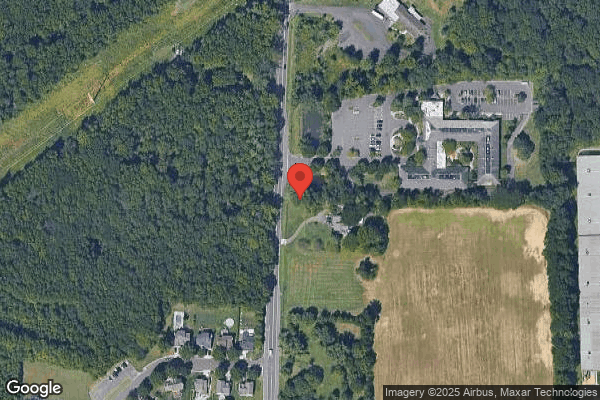
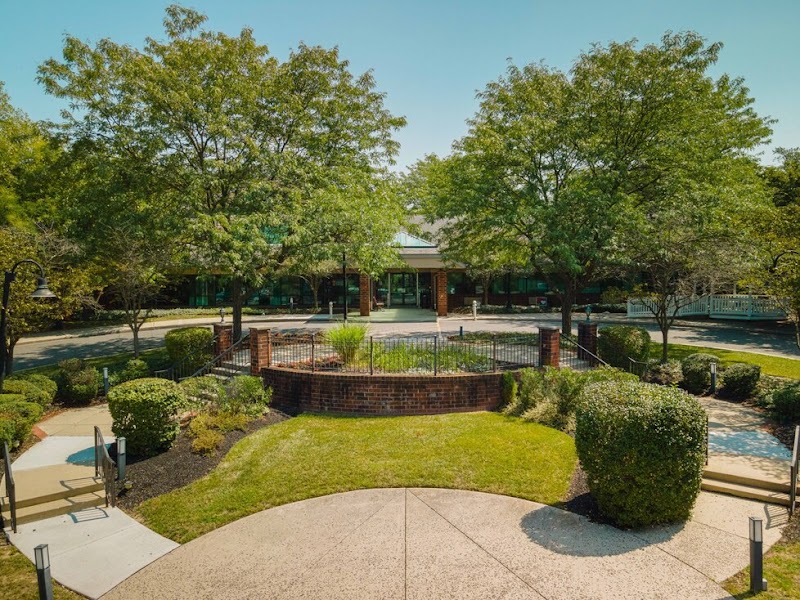
2305 RANCOCAS ROAD, BURLINGTON, NJ 08016 (609) 387-9300
For profit - Limited Liability company 150 Beds COMPLETE CARE Data: November 2025
Trust Grade
85/100
#27 of 344 in NJ
Last Inspection: July 2025

Inspected within the last 6 months. Data reflects current conditions.

Overview

Complete Care at Marcella, LLC holds a Trust Grade of B+, indicating it is above average in quality and recommended for potential residents. Ranked #27 out of 344 facilities in New Jersey, it is in the top half of the state, and it is #2 out of 17 in Burlington County, meaning only one local facility ranks higher. However, the facility is facing a worsening trend, with issues increasing from 1 in 2024 to 3 in 2025. While the staffing situation is average with a 3/5 rating and a 44% turnover rate, the RN coverage is concerning, being lower than 88% of New Jersey facilities, which may impact care quality. Notably, recent inspections revealed specific incidents such as staff failing to properly document care for residents and inadequate adherence to infection control practices during wound care, which raises concerns about overall resident safety and care compliance.

Trust Score
B+
85/100
In New Jersey
#27/344
Top 7%
Safety Record
Low Risk
No red flags
Inspections
Getting Worse
1 → 3 violations
Staff Stability
○ Average
44% turnover. Near New Jersey's 48% average. Typical for the industry.
Penalties
✓ Good
No fines on record. Clean compliance history, better than most New Jersey facilities.
Skilled Nurses
⚠ Watch
Each resident gets only 19 minutes of Registered Nurse (RN) attention daily — below average for New Jersey. Fewer RN minutes means fewer trained eyes watching for problems.
Violations
⚠ Watch
16 deficiencies on record. Higher than average. Multiple issues found across inspections.
★★★★★
5.0
Overall Rating
★★★☆☆
3.0
Staff Levels
★★★★★
5.0
Care Quality
★★★★☆
4.0
Inspection Score
Stable
2024: 1 issues
2025: 3 issues

The Good

  • 5-Star Quality Measures · Strong clinical quality outcomes
  • Full Sprinkler Coverage · Fire safety systems throughout facility
  • No fines on record
  • Staff turnover below average (44%)

    4 points below New Jersey average of 48%

Facility shows strength in quality measures, fire safety.

The Bad

Staff Turnover: 44%

Near New Jersey avg (46%)

Typical for the industry

Chain: COMPLETE CARE

Part of a multi-facility chain

Ask about local staffing decisions and management

The Ugly 16 deficiencies on record

Jul 2025 2 deficiencies
CONCERN (D) 📢 Someone Reported This

A family member, employee, or ombudsman was alarmed enough to file a formal complaint

Potential for Harm - no one hurt, but risky conditions existed

Deficiency F0760 (Tag F0760)

Could have caused harm · This affected 1 resident

Complaint # 185832, 186185 Based on observation, interview, record review, and review of pertinent facility documents it was determined that the facility failed to administer medications within the sc...

Read full inspector narrative →
Complaint # 185832, 186185 Based on observation, interview, record review, and review of pertinent facility documents it was determined that the facility failed to administer medications within the scheduled medication administration times. The deficient practice was identified for 2 of 2 residents (Resident # 12, # 159) reviewed for significant medication errors. The deficient practice was evidenced by the following: 1.) On 07/16/2025 at 10:16 AM, the surveyor observed Resident # 12 in bed in their room. At that time, he/she declined to be interviewed due to experiencing pain. The resident displayed facial grimacing as he/she spoke. A review of Resident # 12's Electronic Medical Record (EMR) under Orders revealed that Resident # 12 was prescribed Morphine Sulfate (medication used to treat pain) ER (Extended Release) 15 milligrams (mg) tablet to be given one time a day for Chronic Pain. He/she was also prescribed gabapentin (medication used to treat nerve pain) capsule 300mg to be given at 9:00 AM and 1:00 PM for nerve pain. A review of Resident # 12's Care Plan located in the EMR revealed a focus that Resident # 12 has chronic pain related to physical disability, multiple wounds, and neuropathy that was initiated on 2/19/2025. The Care Plan revealed an intervention to, Administer analgesia (Morphine ER and Oxycodone IR; Tylenol) as per orders . A review of the Medication Audit Report for Resident # 12 revealed that Morphine Sulfate ER 15 mg to be given at 9:00 AM was given on the following date and times: 7/5/25 - 10:35 AM 7/12/25 - 11:32 AM 7/13/25 - 10:50 AM A review of the Medication Audit Report for Resident # 12 revealed that gabapentin 300 mg to be given at 9:00 AM and 1:00 PM was given on the following date and times: 7/5/25 - 10:32 AM 7/5/25 - 15:17 PM (1 PM dose) 7/7/25 - 2:12 (1PM dose) 7/10/25 - 2:27 PM 7/11/25 - 2:13 PM 7/12/25 - 11:32 (9 AM dose) 7/12/25 - 2:20 PM ( 1 PM dose) 7/13/25 - 10:51 AM (9:00 AM) 7/13/25 - 2:35 PM (1:00 PM) On 7/22/2025 at 11:04 AM during an interview with the surveyor, the Licensed Practical Nurse/Unit Manager (LPN/UM) # 1 replied that the nurses may not document the medication as administered at the administration time due to various distractions. She confirmed that Resident # 12 does take their medications for pain. On the same date at 11:16 AM during an interview with the surveyor, the Director of Nursing (DON) replied, One hour before and one hour after when the surveyor asked how early and how late can a medication be administered past the scheduled time. A review of the facility policy titled, Medication Administration implemented on 9/1/2024 revealed that, Medications are administered by licensed nurses, or other staff who are legally authorized to do so in this state, as ordered by the physician and in accordance with professional standards of practice . The policy also reflected that, 10. Ensure that the six right of medication administration are followed: a. Right resident, b. Right drug, c. Right dosage, d. Right route, e. Right time . 2.) A review of Resident # 159’s admission record revealed that he/she was admitted with but not limited to paroxysmal atrial fibrillation (an irregular heartbeat that starts and stops on its own), neuropathy (damage or disease affecting the nerves outside the brain and spinal cord), and asthma (inflammation and narrowing of airways that affects the lungs). A review of Resident # 159's Electronic Medical Record (EMR) under Orders revealed that Resident # 159 was prescribed gabapentin (medication used to treat nerve pain) 300 milligrams (mg) capsule to be given three times a day for neuropathy. He/she was also prescribed metoprolol succinate (medication used to treat high blood pressure) ER (extended release) 25 mg tab one time a day for hypertension. He/she was also prescribed dabigatran etexilate mesylate (a medication used to thin blood) 150mg two times a day for atrial fibrillation. He/She was also prescribed Advair diskus inhalation aerosol powder (a medication used to treat asthma) 500 MCT/ACT (micrograms that is given per activated clotting time) one puff two times a day for asthma. A review of Resident # 159's Care Plan located in the EMR revealed a focus that Resident # 159 was on anticoagulant therapy (dabigatran Etexilate Mesylate) related to a-fib was initiated on 04/22/2025. The Care Plan revealed an intervention to, Administer anticoagulant medication as per orders . A review of the Medication Audit Report for Resident # 159 revealed that Gabapentin 300 mg to be given at 2:00 PM was given on the following date and times: 4/23/23 – 3:10 PM 4/24/25 – 3:09 PM A review of the Medication Audit Report for Resident # 159 revealed that dabigatran etexilate mesylate150 mg to be given at 9:00 PM was given on the following date and times: 4/22/25- 11:30 PM 4/23/25- 2:03 AM 4/24/25-10:09 PM A review of the Medication Audit Report for Resident #159 revealed that Advair diskus inhalation aerosol powder 500-50 mcg/act to be give at 9:00 PM was given on the following date and times: 4/23/25-10:55 PM 4/24/25-10:10 PM On 7/22/2025 at 9:55 AM during an interview with the surveyor, the Licensed Practical Nurse said medications should be given within one hour before or after their scheduled time to ensure the effectiveness of the medications. On the same date at 10:01 AM during an interview with the surveyor, Director of Nursing (DON) said that medications could be given an hour before up to an hour after their scheduled time and signed out when given. The DON also said that if a medication was to be given late, the doctor was to be called, and an order would need to be given for that medication. A review of the facility policy titled, Medication Administration implemented on 9/1/2024 revealed that, “12, b. Administer with in 60 minutes prior to or after scheduled time unless otherwise ordered by physician.” N.J.A.C.§ 8:39-27.1(a)
CONCERN (D)

Potential for Harm - no one hurt, but risky conditions existed

Infection Control (Tag F0880)

Could have caused harm · This affected 1 resident

Based on observation, interviews, record review, and review of facility documentation, it was determined that the facility failed to ensure infection control practices were followed for the handling a...

Read full inspector narrative →
Based on observation, interviews, record review, and review of facility documentation, it was determined that the facility failed to ensure infection control practices were followed for the handling and storage of respiratory equipment for 1 of 2 residents reviewed for respiratory care (Resident #92).On 7/16/2025 at 10:06 AM, during rounds the surveyor observed Resident #92 laying in bed in their room with the nasal cannula (a tube used to deliver oxygen through the nose). The tube was labeled 7/13/2025 and coiled directly on top of the oxygen concentrator (a medical device that delivers extra oxygen to the resident). The tube was not in a bag and exposed to air. On 7/17/2025 at 9:04 AM, during rounds the surveyor observed Resident #92 lying flat in bed. The oxygen tubing was now bagged, but continued to be labeled with the date 7/13/2025, indicating the tubing has been previously exposed and potentially reused.On 7/18/2025 at 12:18 PM, during rounds the surveyor observed Resident #92's nebulizer mask (a mask used to deliver aerosolized medication through the nose) and tubing was exposed and open to air on top of a stuffed animal on the windowsill. The nebulizer mask and tubing was not in a bag and exposed to air. A review of Resident # 92's admissions record revealed that, Resident # 92 was admitted with but not limited to atherosclerotic heart disease of native coronary artery without angina pectoris (a buildup of fatty deposits in the arteries of the heart, which can slow blood flow, however not having chest pain).A review of Resident #92's Electronic Medical Record revealed an active physician's order with a state date of 02/03/2025 for oxygen at 2 liters via nasal cannula as needed (PRN) for shortness of breath, wheezing, or if the SP02 (a device that measures oxygen level) falls below 93%.During an interview on 07/18/2025 at 11:06 AM with the surveyor, the Infection Preventionist (IP) said that all respiratory equipment should be kept in a bag when not in use and changed weekly for infection control. The IP further stated, if the respiratory equipment is found open to air, it should be thrown away and replaced. During an interview on 07/22/2025 at 10:04 AM with the surveyor, the Licensed Practical Nurse (LPN) #1 said that respiratory equipment should be stored in a bag and labeled with a date and name and kept in the resident's room. LPN # 1 further stated that oxygen tubbing is changed weekly on Wednesday night, and if it is found open to air, it would be discarded and changed for infection control.During an interview on 07/22/2025 at 12:02 PM with the surveyor, the Director of Nursing (DON) said the respiratory equipment should be kept in a plastic bag, not open to air, when not in use for infection control.A review of a facility provided policy titled Oxygen Administration, implemented on 09/01/2024 revealed under section, Policy Explanation and Compliance Guidelines: that, 5. b. Change oxygen tubing and mask/cannula weekly and as needed if it becomes soiled or contaminated. and 5. e. Keep delivery devices covered in plastic bag when not in use.8:39-19.4 (k)
Jan 2025 1 deficiency
CONCERN (E) 📢 Someone Reported This

A family member, employee, or ombudsman was alarmed enough to file a formal complaint

Potential for Harm - no one hurt, but risky conditions existed

Medical Records (Tag F0842)

Could have caused harm · This affected multiple residents

Complaint #: NJ00180123 Based on interviews, medical record review, and review of other pertinent facility documents on 1/21/2025 it was determined that the facility staff failed to consistently docum...

Read full inspector narrative →
Complaint #: NJ00180123 Based on interviews, medical record review, and review of other pertinent facility documents on 1/21/2025 it was determined that the facility staff failed to consistently document in the Documentation Survey Report (DSR) the Activities of Daily Living (ADL) status and care provided to the residents and to follow the Certified Nursing Assistant (CNA) job description and follow its policy titled Activities of Daily Living (ADLs). This deficient practice was identified for 4 of 4 residents (Resident #1, Resident #2, Resident #3, and Resident #4) reviewed for ADL documentation. This deficient practice was evidenced by the following: 1. According to the admission Record (AR), Resident #1 was admitted to the facility with diagnoses that included but were not limited to: moderate protein calorie malnutrition; muscle weakness (generalized); unspecified dementia, unspecified severity, without behavioral disturbance, psychotic disturbance, mood disturbance, and anxiety; and adult failure to thrive (a process of physical and psychological decline associated with advanced age, manifesting as a pronounced overall deterioration). A review of Resident #1's Minimum Data Set (MDS), an assessment tool, revealed a Brief Interview of Mental Status (BIMS) score of eight out of 15, which indicated that the resident's cognition was moderately impaired. The MDS further revealed that the resident was dependent on a helper to eat, to roll left and right, and for personal hygiene. A review of Resident #1's Care Plan (CP) initiated on 08/20/2024 revealed a Focus that the resident had an ADL self-care performance deficit related to activity intolerance, fatigue, and limited mobility. The CP revealed that Resident #1 had potential/actual skin impairment related to incontinence, and pressure ulcers. The CP also revealed that Resident #1 had a history of unplanned weight loss and met the criteria for moderate malnutrition. A review of Resident #1's DSR (ADL Record) and the progress notes (PNs) for the month of December 2024 revealed no documented evidence to indicate that the resident's ADL care was provided, or that the resident refused care on the following dates and shifts: Eating: 7:00 AM- 3:00 PM shift on: 11/01/2024, 12/06/2024, 12/07/2024, 12/09/2024, 12/10/2024, 12/12/2024, 12/17/2024, 12/20/2024, 12/25/2024, 12/28/2024, and 12/29/2024 3:00 PM - 11:00 PM shift on: 12/13/2024, 12/16/2024, 12/17/2024, 12/18/2024, 12/20/2024, 12/24/2024, and 12/25/2024. Meal intake: 7:00 AM - 3:00 PM shift on: 12/01/2024, 12/06/2024, 12/07/2024, 12/09/2024, 121/10/2024, 12/12/2024, 12/17/2024, 12/20/2024, 12/25/2024, 12/28/2024, and 12/29/2024. 3:00 PM - 11:00 PM shift on: 12/13/2024, 12/16/2024, 12/17/2024, 12/18/2024, 12/20/2024, 12/24/2024, and 12/25/2024. Turned and repositioned: 7:00 AM-3:00 PM shift on: 12/01/2024, 12/06/2024, 12/07/2024, 12/09/2024, 12/10/2024, 12/12/2024, 12/17/2024, 12/20/2024, 12/25/2024, 12/28/2024, and 12/29/2024 3:00 PM-11:00 PM shift on: 12/13/2024, 12/16/2024, 12/17/2024, 12/18/2024, 12/20/2024, 12/24/2024, and 12/25/2024. 11:00 PM- 7:00 AM shift on: 12/01/2024, 12/02/2024, 12/04/2024, 12/05/2024, 12/07/2024, 12/10/2024, 12/13/2024, 12/14/2024, 12/15/2024, 12/16/2024, 12/17/2024, 12/22/2024, 12/23/2024, 12/24/2024, 12/25/2024, 12/26/2024, 12/27/2024, 12/28/2024, 12/29/2024, 12/30/2024, and 12/31/2024. Personal hygiene: 7:00 AM to 3:00 PM shift on: 12/01/2024, 12/06/2024, 12/07/2024, 12/09/2024, 12/10/2024, 12/12/2024, 12/17/2024, 12/20/2024, 12/25/2024, 12/28/2024, and 12/29/2024. 3:00 PM to 11:00 PM shift on: 12/13/2024, 12/16/2024, 12/17/2024, 12/18/2024, 12/20/2024, 12/24/2024, and 12/25/2024. 2. According to the AR, Resident #2 was admitted to the facility with diagnoses which included but were not limited to muscle wasting and atrophy (wasting or thinning of muscle mass), and moderate protein calorie malnutrition. A review of Resident #2's MDS revealed a BIMS of 11 out of 15 which indicated the resident's cognition was moderately impaired. The MDS further revealed that the resident required setup and/or cleanup assistance with eating. The MDS also revealed that the resident required touch assist or supervision with personal hygiene. A review of Resident #2's CP initiated on 03/22/2023 and revised on 09/12/2023 revealed under Focus, that the resident met the criteria for moderate malnutrition and had a history of downward trending weights. CP interventions included, monitor intake PRN [as needed]. Further review of the CP revealed a Focus, of potential/actual impairment to skin integrity initiated on 09/25/2024. Interventions included Encourage good nutrition and hydration in order to promote healthier skin. A review of Resident #2's DSR and PNs for the month of December 2024 revealed no documented evidence to indicate that the resident's meal intake or refusal of meals was monitored at the following mealtimes: 8:00 AM on: 12/02/2024, 12/05/2024, 12/07/2024, 12/08/2024, 12/10/2024, 12/11/2024, 12/13/2024, 12/14/2024, 12/15/2024, 12/16/2024, 12/17/2024, 12/18/2024, 12/19/2024, 12/21/2024- 12/23/2024, 12/28/2024, and 12/31/2024. 12:00 PM on: 12/02/2024, 12/05/2024, 12/07/2024, 12/08/2024, 12/10/2024, 12/11/2024, 12/13/2024, 12/14/2024, 12/15/2024, 12/16/2024, 12/17/2024, 12/18/2024, 12/19/2024, 12/21/2024, 12/22/2024, 12/23/2024, 12/28/2024, and 12/31/2024. 5:00 PM on:12/07/2024, 12/11/2024, 12/18/2024, 12/19/2024, 12/20/2024, 12/21/2024, 12/23/2024, 12/25/2024, 12/28/2024, 12/29/2024, and 12/31/2024. 3. According to the AR, Resident #3 was admitted to the facility with diagnoses that included but were not limited to dehydration; unspecified dementia, unspecified severity, without behavioral disturbance, psychotic disturbance, mood disturbance, and anxiety; moderate protein-calorie malnutrition; muscle weakness; and need for assistance with personal care. A review of Resident #3's MDS revealed a BIMS of four out of 15 which indicated the resident's cognition was severely impaired. The MDS further revealed that Resident #3 was dependent on a helper for eating, personal hygiene, and to roll left and right. A review of Resident #3's CP initiated on 10/07/2024 revealed that the resident had an ADL self-care performance deficit and required assistance with bed mobility, and personal hygiene. Resident #3's CP contained a Focus related to Resident #3's refusal to eat and resistance to feeding initiated on 10/21/2024. Interventions included Explain importance of prescribed diet to the resident and the need for adequate nutritional intake, initiated on 10/21/2024. Resident #3's CP included a Focus related to the resident's potential for fluid deficit due to poor intake, initiated on 10/07/2024. Interventions included Notify Physician if [ .] persistent output exceeding intake past 48 hours, initiated on 10/07/2024. Resident #3's CP contained a Focus that the resident met the criteria for moderate protein calorie malnutrition and had a history of unintended significant weight loss, initiated on 10/03/2024 and revised on 11/11/2024. Interventions included assistance with meals PRN, monitor for signs of dehydration, and provide diet as ordered. Further review of Resident #3's CP revealed a Focus of impaired skin integrity initiated on 10/03/2024 and updated to reflect the presence of wounds and deep tissue injury (DTI) on 11/22/2024. Interventions included Encourage good nutrition and hydration in order to promote healthier skin. A review of Resident #3's DSR and PNs for the month of November 2024 revealed no documented evidence to indicate that the resident's meal intake and or refusal of meals were monitored at the following mealtimes: 8:00 AM on: 11/01/2024, 11/06/2024, 11/07/2024, 11/09/2024, 11/10/2024, 11/15/2024, 11/20/2024, 11/23/2024, 11/24/2024, and 11/29/2024. 12:00 PM on: 11/01/2024, 11/06/2024, 11/07/2024, 11/09/2024, 11/10/2024, 11/15/2024, 11/23/2024, 11/24/2024, and 11/29/2024. 5:00 PM on: 11/01/2024, 11/02/2024, 11/03/2024, 11/04/2024, 11/05/2024, 11/06/2024, 11/08/2024, 11/10/2024, 11/11/2024, 11/17/2024, 11/21/2024, and 11/22/2024. A review of Resident #3's DSR and PNs for the month of November 2024 revealed no documentation to indicate that the resident's ADL care was provided or that the resident refused care on the following dates and shifts: Eating: 7:00 AM to 3:00 PM on: 11/01/2024, 11/06/2024, 11/07/2024, 11/09/2024, 11/10/2024, 11/15/2024, 11/20/2024, 11/23/2024, 11/24/2024, and 11/29/2024. 3:00 to 11:00 PM on: 11/01/2024, 11/02/2024, 11/03/2024, 11/04/2024, 11/05/2024, and 11/06/2024, 11/08/2024, 11/10/2024, 11/11/2024, 11/17/2024, 11/21/2024, and 11/22/2024. Personal hygiene: 7:00 AM to 3:00 PM on: 11/01/2024, 11/06/2024, 11/07/2024, 11/09/2024, 11/10/2024, 11/15/2024, 11/20/2024, 11/23/2024, 11/24/2024, and 11/29/2024. 3:00 PM to 11:00 PM on: 11/01/2024, 11/02/2024, 11/03/2024, 11/04/2024, 11/05/2024, 11/06/2024, 11/08/2024, 11/10/2024, 11/11/2024, 11/17/2024, 11/21/2024, and 11/22/2024. 11:00 PM to 7:00 AM on: 11/01/2024, 11/05/2024, 11/07/2024, 11/08/2024, 11/09/2024, 11/10/2024, 11/13/2024, 11/20/2024, 11/21/2024, and 11/25/2024. Turned and repositioned: 7:00 AM to 3:00 PM shift on: 11/01/2024, 11/06/2024, 11/07/2024, 11/09/2024, 11/10/2024, 11/15/2024, 11/20/2024, 11/23/2024, 11/24/2024, and 11/29/2024. 3:00 PM to 11:00 PM shift on: 11/01/2024, 11/02/2024, 11/03/2024, 11/04/2024, 11/05/2024, 11/06/2024, 11/08/2024, 11/10/2024, 11/11/2024, 11/17/2024, 11/21/2024, and 11/22/2024. 11:00 PM to 7:00 AM on:11/01/2024, 11/05/2024, 11/07/2024, 11/08/2024, 11/09/2024, 11/10/2024, 11/13/2024, 11/20/202411/21/2024, and 11/25/2024. 4. According to the AR, Resident #4 was admitted to the facility with diagnoses that included but were not limited to hemiplegia (paralysis that affects either side of the body) and hemiparesis (loss of strength and mobility on one side of the body) following cerebral infarction affecting left non-dominant side; other lack of coordination; and need for assistance with personal care. A review of Resident #4's MDS revealed a BIMS of 12 out of 15 which indicated the resident's cognition was moderately impaired. The MDS revealed that Resident #4 required partial/moderate assistance with personal hygiene. The MDS revealed that the resident required substantial or maximal assistance with toileting hygiene. The MDS further revealed that Resident #4 required partial or moderate assistance to transfer to and from a bed to a chair or wheelchair. A review of Resident #4's CP initiated on 09/09/2024 revealed a Focus that the resident had self-care performance deficits related to fatigue and difficulties with using the right side of the body. Interventions included: assistance of one staff with personal hygiene, and one or two staff for toileting hygiene. The CP further revealed that Resident #4 required the assistance of one or two staff to move between surfaces as needed. A review of Resident #4's DSR and PNs for the month of October 2024 revealed no documented evidence to indicate that the resident's ADL care was provided or that the resident refused care on the following dates and shifts: Personal hygiene: 7:00 AM to 3:00 PM shift on: 10/08/2024, 10/23/2024, and 10/31/2024. 3:00 PM to 11:00 PM shift on: 10/02/2024, 10/03/2024, 10/08/2024, 10/09/2024, 10/12/2024, and 10/13/2024. Toileting Hygiene: 7:00 AM to 3:00 PM shift on: 10/08/2024, 10/23/2024, and 10/31/2024. 3:00 PM to 11:00 PM shift on: 10/02/2024, 10/03/2024, 10/08/2024, 10/09/2024, 10/12/2024, and 10/13/2024, 11:00 PM to 7:00 AM shift on: 10/03/2024, 10/14/2024, 10/15/2024, 10/17/2024, 10/18/2024, 10/19/2024, 10/20/2024, 10/21/2024, 10/22/2024, 10/24/2024, 10/25/2024, 10/26/2024, 10/27/2024, 10/28/2024, 10/29/2024, 10/30/2024, and 10/31/2024. Chair/bed-to-chair transfer: 7:00 AM to 3:00 PM shift on: 10/08/2024, 10/23/2024, and 10/31/2024. 3:00 PM to 11:00 PM shift on: 10/03/2024, 10/08/2024, 10/09/2024, 10/12/2024, and 10/13/2024. 11:00 PM to 7:00 AM shift on: 10/03/2024, 10/14/2024, 10/15/2024, 10/17/2024, 10/18/2024, 10/19/2024, 10/20/2024, 10/21/2024, 10/22/2024, 10/24/2024, 10/25/2024, 10/26/2024, 10/27/2024, 10/28/2024, 10/29/2024, 10/30/2024, and 10/31/2024. During an interview with the surveyor on 01/21/2025 at 1:55 PM, the CNA stated that care provided, including the assistance residents required to eat and the percentage of meals eaten were documented on the residents' ADL sheets. The CNA further stated that residents who stayed in bed were turned and positioned every two hours. During an interview with the surveyor on 01/21/2025 at 4:34 PM, the Director of Nursing (DON) stated that turning and positioning were standard care for residents who lacked bed mobility. The DON stated that turning and positioning was expected to occur every two hours and that CNAs and any staff could do position changes. During the same interview the DON stated that documentation was important in order to have a record of the care that was provided to residents. The DON stated that documentation was a way for staff to take accountability for their actions. The DON confirmed the presence of blank spaces on Resident #3's DSR. The DON stated that CNAs were responsible for completing ADL documentation in POC, (a computer system which enables CNAs to document ALDs). The DON further stated that documentation expectations was a part of the orientation that the facility provided to all employees. Review of the facility policy, Activities of Daily Living (ADLs), with a Date Implemented, of 9/1/2024, revealed, Care and services will be provided for the following activities of daily living: 1. Bathing, dressing, grooming, and oral care; 2. Transfer and ambulation; 3. Toileting; 4. Eating to include meals and snacks. Further review of this policy revealed, A resident who is unable to carry out activities of daily living will receive the necessary services to maintain good nutrition, grooming, and personal and oral hygiene. Review of the facility's undated job description document for the position Certified Nurse Assistant revealed that the following under Major Duties and Responsibilities, Assists residents with or performs activities of daily living for resident in accordance with care plans and established policies and procedures. This section of the CNA job description document further revealed, Completes flow sheets daily to indicate that the specified task was done. NJAC 8:39-35.2 (f)
Jun 2024 1 deficiency
CONCERN (D) 📢 Someone Reported This

A family member, employee, or ombudsman was alarmed enough to file a formal complaint

Potential for Harm - no one hurt, but risky conditions existed

Infection Control (Tag F0880)

Could have caused harm · This affected 1 resident

COMPLAINT #NJ00174308 Based on interviews, review of medical records and other pertinent facility documentation on 06/07/24, it was determined that the facility failed to perform skin scrapings to con...

Read full inspector narrative →
COMPLAINT #NJ00174308 Based on interviews, review of medical records and other pertinent facility documentation on 06/07/24, it was determined that the facility failed to perform skin scrapings to confirm the presence of scabies (an infestation of the skin by a human itch mite). The deficient practice was identified for 2 of 4 residents (Resident #1 and Resident #4) sampled and was evidenced by the following: During a review of Resident #1's electronic medical record (EMR), a physician note, dated 02/22/24, at 08:53 A.M. revealed that one of the resident's chief complaints included a rash that had developed across his/her lower extremities, trunk and back. The note further revealed that Ivermectin (an oral medication effective in treating scabies) was ordered for Scabies. The surveyor reviewed the resident's Order Summary Report from 03/01/24, which revealed an active physician's order for Ivermectin 18 MG to be given for Scabies on 02/22/2024. The surveyor reviewed Resident #1's February 2024 Medication Administration Record (MAR), that revealed that Ivermectin was administered on 02/22/24. A review of Resident #1's progress notes and physician orders, did not contain an order for a skin scraping. During a review of Resident #4's electronic medical record (EMR), the surveyor reviewed the following progress notes: -Nursing note [signed by the Unit Manager], dated 02/15/24, at 01:40 P.M. that revealed that that the resident had returned from a dermatology appointment and that Permetherin External Cream 5% (a topical medication used to treat scabies) was prescribed. -Physician note, dated 02/20/24, at 12:00 A.M that contained, Nursing reports the patient did not have a scraping at dermatology to confirm diagnosis of scabies . The note further revealed that Ivermectin was then ordered. The surveyor reviewed the resident's Order Summary Report from 03/01/24, which revealed an active physician's order for Ivermectin 15 MG on 02/22/24. The surveyor reviewed Resident #1's February 2024 Medication Administration Record (MAR), that revealed that Ivermectin was administered on 02/20/24 and Permetherin Cream was administered on 02/15/24. A review of the Resident #1's progress notes and physician orders, did not contain an order for a skin scraping. During an interview with the Director of Nursing (DON), on 06/07/24, at 11:12 A.M. she stated that the Infection Preventionist Nurse was not available for interview. She further stated that she [the DON] would be able to assist the surveyor with any Infection Control concerns. The surveyor asked if there had been any positive cases of scabies in the facility since February 2024, the DON stated No. She further added that there had been multiple skin flare-ups with different presentations involving many residents, but that there was no pattern. She also added that residents had responded to different courses of treatments but that no confirmed case of scabies was reported. During an interview with the Unit Manager (UM), on 06/07/24, at 01:57 P.M. she stated that she had called the dermatology office to confirm whether a skin scraping had been done for Resident #4 and they told her that they had not performed one. She stated that she provided the facility physician with this information. She stated that there was no outbreak of scabies at the facility because there were no positive skin scrapings. When the surveyor asked if she was aware of any skin scrapings that had been done at the facility, she stated, Not that I was aware of. During a telephone interview with the treating Physician on 06/07/24, at 02:44 P.M., he stated that Ivermectin and Permetherin were commonly used in the treatment of scabies, and other conditions as well, and that no one at the facility was reported to have a positive scraping. When asked about the dermatology visit for Resident #4, the physician stated that the facility had called the dermatology office and confirmed that although the resident was given the diagnosis, the office had not performed a skin scrape and since they had not, the physician did not consider it as a confirmed diagnosis. The physician stated that although the skin scraping had not been completed the recommendation was to continue to follow the dermatologist's recommended course of treatment. The surveyor asked the physician about the diagnosis of scabies in the physician note for resident #1, to which the physician stated, This [scabies] was the working diagnosis at the time, since the other patient [Resident #4] had been seen by dermatology. He went on to state that since the scraping was confirmed as not being done, they went on to treat Resident #1 accordingly because, It could have been scabies. The surveyor asked if he had ordered skin scrapings for Resident #1 or Resident #4 to confirm whether they had scabies, and he stated that he had not. The surveyor reviewed the facility's Scabies Identification, Treatment and Environmental Cleaning, dated 12/06/23, which revealed that the purpose of the procedure was to treat infected residents and to prevent the spread of scabies to other residents and staff. The policy further explained the equipment and supplies needed, along with the steps to perform the skin scraping for microscopic identification. Under the Reporting section, the policy revealed that reporting should be, . in accordance with facility policy and professional standards of practice. During a follow-up interview with the DON at 04:04 P.M., the surveyor reviewed the scabies policy provided by her. The surveyor asked the DON if it was policy that skin scapings be conducted at the facility, to which the DON stated, Yes. The surveyor asked the DON if a skin scraping had been done for Resident #1, who had a written diagnosis in the chart for scabies and she stated, No. The surveyor asked the DON if a skin scraping had been done for Resident #4 who had been seen by the dermatologist and was diagnosed with scabies and she stated, No. When asked why these two aforementioned residents did not receive skin scrapings, she stated, I am not a doctor. The surveyor asked the DON if any resident had received a positive skin scraping result for scabies what would the facility have done, to which the DON stated, We would have notified the Department of Health. 8:39-19.4
Nov 2023 7 deficiencies
CONCERN (D)

Potential for Harm - no one hurt, but risky conditions existed

Deficiency F0558 (Tag F0558)

Could have caused harm · This affected 1 resident

Based on observation, interview, record review, and review of other pertinent facility documents, it was determined that the facility failed to provide an appropriately sized bed for 1 of 28 residents...

Read full inspector narrative →
Based on observation, interview, record review, and review of other pertinent facility documents, it was determined that the facility failed to provide an appropriately sized bed for 1 of 28 residents (Resident #44) reviewed for accommodation of needs and was evidenced by the following: On 11/13/23 at 11:10 AM, during initial tour of the facility, the surveyor observed Resident #44 resting in bed in their room. The resident was laying diagonally in bed, had both knees bent to keep their legs and feet on the mattress. The resident's feet were up against the foot board while the resident's head was propped on a pillow extending past the edge of the mattress. Resident #44 informed the surveyor that their legs hurt from being bent and that he/she is seven feet tall and in a short bed and is uncomfortable. The resident further stated that they asked the facility staff for a longer bed, to which they informed the resident that this was the longest the bed can go as it is already extended and is the biggest one they have. On 11/16/23 at 11:34 AM, the surveyor observed the resident in bed in the same position as previously observed. This time the footboard of the bed had a type of padding material on it to keep the resident's feet off the wood of the footboard, which the resident confirmed was placed to keep my feet from rubbing on the wood, but they rub anyway because the bed is too small. The resident stated they requested a longer bed over a year ago from a previous social worker, who has since left the facility, and had requested a couple times for a longer bed. The resident stated they had been at the facility for a couple of years and does not sleep well at night due to discomfort in bed. The resident also stated that when the nursing aids provide care, they make comments such as, you must not be comfortable in that bed. On 11/16/23 at 11:44 AM, the surveyor interviewed the Licensed Practical Nurse/Unit Manager (LPN/UM) and asked her to accompany the surveyor to Resident #44's room to check on the bed size, and if it is appropriate for the resident's needs. Upon inspecting the bed in the presence of the surveyor, the LPN/UM confirmed that the bed was extended and that it may still be too short for the resident, and will bring it to the attention of the interdisciplinary team (IDT) to request a longer bed to accommodate the resident's needs. On 11/16/23 at 11:59 AM, the surveyor and the Director of Nursing (DON) went to the resident's room and the DON confirmed the need for a longer bed. The DON stated they have had tall residents in the past and typically the administrator automatically orders equipment needed to accommodate resident needs. Review of Resident #44's admission Record revealed the resident was initially admitted to the facility in March of 2021 with diagnosis which included but was not limited to hemiplegia and hemiparesis following nontraumatic intracerebral hemorrhage affecting left non-dominant side (paralysis and weakness of the left side due to nontraumatic brain bleed), insomnia (inability or difficulty getting to sleep), and chronic pain syndrome. Review of the quarterly Minimum Data Set (MDS) (a comprehensive assessment tool) dated 9/6/23, indicated the resident had a brief interview of mental status (BIMS) score of 14 out of 15 indicating intact cognition, and a height of 82 inches (six feet ten inches). On 11/16/23 at 12:56 PM, in the presence of the survey team, the surveyor interviewed the Licensed Nursing Home Administrator (LNHA), who stated he visits this resident almost every day, and confirmed the resident appeared to be a bit tight in the bed. The LNHA informed the surveyor that when medical equipment is ordered, they typically are delivered the same day from the facility's vendor. The LNHA informed the surveyor that he ordered a longer bed for Resident #44, and it will be delivered by the end of the day. On 11/17/23 at 9:56 AM, the surveyor observed Resident #44 laying in the newly ordered bed. The resident was laying on their back with legs straight and their entire body fitting within the limits of the mattress without resting or rubbing on the head or footboards. The Resident stated this is so much better; I can actually stretch my legs out in this bed now. I was in the last bed for two years, this is so much more comfortable, thank you. On 11/17/23 at 11:43 AM, the surveyor asked the Facility Maintenance Director (FMD) to measure and compare the two beds. The FMD, using his own tape measure, in the presence of the surveyor measured the new bed to be 88.5 inches, while the extended previous bed measured 78 inches. The LNHA provided the surveyor a Mechanical and Electrical Information sheet indicating the new bed was delivered with specifications to meet the needs of the resident. NJAC 8:39- 31.8 (c)(1)
CONCERN (D)

Potential for Harm - no one hurt, but risky conditions existed

Assessment Accuracy (Tag F0641)

Could have caused harm · This affected 1 resident

**NOTE- TERMS IN BRACKETS HAVE BEEN EDITED TO PROTECT CONFIDENTIALITY** Based on observation, interview, and review of medical records and other facility documentation, it was determined that the faci...

Read full inspector narrative →
**NOTE- TERMS IN BRACKETS HAVE BEEN EDITED TO PROTECT CONFIDENTIALITY** Based on observation, interview, and review of medical records and other facility documentation, it was determined that the facility failed to accurately complete the Minimum Data Set (MDS) for 1 of 2 residents (Resident #63) reviewed for smoking. This deficient practice was evidenced by the following: On 11/13/23 at 10:23 AM, during the tour of the facility, Resident #63 was identified by the Licensed Practical Nurse/Nurse Manager LPN/UM as a smoker. At that time the surveyor observed Resident #63 ambulating in his/her room. The resident stated that he/she went out to smoke four to five times a day. The surveyor reviewed the admission Record for Resident #63 which reflected that the resident was admitted with diagnoses that included diabetes (high blood sugar) and depression. The surveyor reviewed the nursing quarterly assessment dated [DATE], which indicated that Resident #63 currently smokes. The surveyor reviewed the smoking assessment dated [DATE], which indicated that Resident #63 currently smokes. The surveyor reviewed the care plan initiated 10/22/19, which reflects that this resident may smoke independently. The surveyor reviewed Resident #63's Annual Minimum Data Set (MDS), an assessment tool, dated 8/22/23. The section for current tobacco use was coded as zero (0) indicating that Resident #63 does not currently use tobacco. On 11/16/23 at 01:45 PM, the surveyor interviewed the MDS Coordinator. She stated the process to identify the resident's that smoke was to look into policy to identify smokers, to look at the notes, orders and care plans to determine if the resident smokes. She stated that she would have to look to determine if Resident #63 smokes. It should be on the MDS if the resident does smoke, and the information was on the chart. She reviewed the August Annual MDS and stated that Resident #63 was not coded for tobacco use. She stated that the purpose of coding resident would be to paint a picture of the patient, the care plan development, and review. She stated that from what she sees, Resident #63 should have been coded as a smoker in the August MDS dated [DATE]. A review of the facility provided policy Resident Assessment (RAI) Policy and Procedures reflects It is the policy of the facility that the completion of the RAI shall be based on the guidelines of the RAI manual. On 11/20/23 at 12:15 PM, the Director of Nursing and Licensed Nursing Home Administrator were made aware of the Annual MDS dated [DATE] for Resident # 63 not having tobacco use documented as required. NJAC 8:39-2(e)1
CONCERN (D) 📢 Someone Reported This

A family member, employee, or ombudsman was alarmed enough to file a formal complaint

Potential for Harm - no one hurt, but risky conditions existed

Deficiency F0655 (Tag F0655)

Could have caused harm · This affected 1 resident

**NOTE- TERMS IN BRACKETS HAVE BEEN EDITED TO PROTECT CONFIDENTIALITY** Based on interview and review of pertinent facility documentation it was determined the facility failed to develop a person-cent...

Read full inspector narrative →
**NOTE- TERMS IN BRACKETS HAVE BEEN EDITED TO PROTECT CONFIDENTIALITY** Based on interview and review of pertinent facility documentation it was determined the facility failed to develop a person-centered baseline care plan for a fall risk resident within 48 hours of admission to a facility. This deficient practice was identified in 1 of 28 residents reviewed for baseline care plans (Resident #185) and was evidenced by the following: On 11/13/23 at 11:15 AM, the surveyor reviewed facility documentation which revealed the resident left the facility against medical advice (AMA) on 03/07/23. Review of the admission Record indicated that the resident was admitted to the facility with medical diagnoses which included but were not limited to heart failure, diabetes (high blood sugar), difficulty in walking, and muscle weakness. Review of the entry Minimum Data Set (MDS), an assessment tool dated 03/07/23 the resident had a Brief Interview of Mental Status of 8, meaning Resident #185 had moderate cognitive impairment. Review of section J of the MDS, Health Conditions showed that the resident had a fall in the last month prior to admission to the facility. On 11/16/23 at 01:57 PM, the surveyor reviewed Resident #185 incidents and accidents. The incidents revealed that on 03/05/23 the resident had a fall and was found on the floor next to the bed. The resident was alert, confused, and suffered no injury. Following the investigation, the resident was not able to verbalize the incident. On 11/17/23 at 09:00 AM, the surveyor reviewed Residents #185 admission Nursing Comprehensive assessment dated [DATE]. Under the mobility section it indicated the resident was total dependence for walking in the room or in the corridor. Under the section for fall risk it revealed the resident had a fall in the last month prior to admission to the facility and the resident had sustained a fracture in the 6 months prior to admission to the facility. The score of the assessment indicated Resident #185 was at risk for falls. On 11/17/23 09:44 AM, the surveyor reviewed Resident #185 care plan which showed a focus of falls was initiated on 03/06/23, following the fall at the facility. Prior to the resident falling on 03/05/23 the resident did not have a fall care plan in place or fall prevention interventions. The fall care plan was initiated on 03/06/23 and interventions of bed and chair alarms, frequent monitoring for 72 hours, neurological checks, and physical therapy were put in place on 03/06/23. On 11/17/23 at 11:23 AM, the surveyor met with the Director of Nursing (DON). The DON provided surveyor with the resident's care plan. The DON told the surveyor, I'm going to be honest, the baseline care plan and regular care plan were completed on the 6th. The surveyor asked if it was in the time frame to complete a baseline care plan and the DON responded, no. On 11/22/23 at 01:28 PM, the surveyor reviewed the care plan titled, Managing Falls and Fall Risks. The policy had a reviewed date of 01/2023. Under the section titled, Resident Centered Approaches to Managing Falls and Fall Risk, number one indicated the staff, with the input of the attending physician will implement a resident centered fall prevention plan toreduce specific risk factors for falls for each resident at risk or with a history of falls. NJAC 8:39-11.2 (d)
CONCERN (D)

Potential for Harm - no one hurt, but risky conditions existed

Deficiency F0658 (Tag F0658)

Could have caused harm · This affected 1 resident

**NOTE- TERMS IN BRACKETS HAVE BEEN EDITED TO PROTECT CONFIDENTIALITY** 2. On 11/14/2023 at 12:34 PM, the surveyor observed Resident #61 lying in bed with his/her eyes closed. The surveyor observed th...

Read full inspector narrative →
**NOTE- TERMS IN BRACKETS HAVE BEEN EDITED TO PROTECT CONFIDENTIALITY** 2. On 11/14/2023 at 12:34 PM, the surveyor observed Resident #61 lying in bed with his/her eyes closed. The surveyor observed that the head of the bed was elevate in an upright position and the resident was being administered enteral tube feeding formula via a feeding pump through a tube inserted in the resident's abdomen. A review of Resident Quarterly Minimum Data Set (an assessment tool) dated 09/19/2023, revealed that Resident #61 had a feeding tube while a resident in the facility. A review of Resident #61's November 2023 physician orders located in the electronic medical record (EMR) revealed an order for Jevity 1.5 (nutritional formula) to be administered at 40 milliliters (mL) /hour with a total volume of 800 mL's. There were no additional orders for the care of the gastrostomy site. On 11/16/2023 at 10:36 AM, the surveyor interviewed the resident's Hospice aide and observed Resident #61 during morning care. The resident had an abdominal binder in place and on request of the surveyor, the binder was removed to reveal the gastrostomy tube site. The tube entrance site on the abdomen did not have a dressing, was clean and intact. The Hospice aid stated that the nurse takes care of the gastrostomy site. Shortly later, the nurse came into the room and cleaned the abdominal site with normal saline solution (NSS) and then placed a gauze pad at the tube site. When the surveyor asked the nurse what the physician orders were for the gastrostomy site, the nurse was unable to confirm, stating she wasn't sure, but she believed it was protocol to use NSS and place gauze at the gastrostomy site. Review of the Resident #61's November Care Plan (CP) indicated that the resident required tube feeding (Gastrostomy tube (G-Tube) that was placed 7/3/2023). The CP included nursing interventions to care of the feeding tube that included: Provide local care to G-Tube site as ordered. Report results to MD and follow up as indicated. Review of the November 2023 Treatment Administration Record (TAR) as well as the Medication Administration Record (MAR), did not reveal documentation of the assessment, care, or treatment of the feeding tube site. During an interview with the Director of Nursing (DON), she acknowledged that a physician order for the care of the gastrostomy tube site as well as documentation of the care, is required as per facility policy. Review of the facility's policy for enteral feeding, titled, Enteral Feedings-Safety Precautions, with a review date of 1/2023, found under Preventing Skin Breakdown, # 2: Assess for leaking around the gastrostomy or jejunostomy frequently during the first 48 hours after tube insertion, and then with each feeding or medication administration. In addition, under #3: Observe for signs of skin breakdown, infection and irritation; and Document all assessments, findings and interventions in the medical record. NJAC 8:39-27.1 (a) Based on observation, interview, and review of pertinent facility documentation it was determined the facility failed to 1. Obtain physician orders to change oxygen tubing on a resident who was ordered nasal cannula (a devices that delivers oxygen through a tube into the nose) oxygen and 2. Obtain physician orders for care of a Percutaneous endoscopic gastrostomy (PEG) tube (tube passed through abdominal wall into the stomach to provide a means of feeding) site for a resident. This was identified in 1 of 2 residents reviewed for PEG tubes (Resident #61) and 1 of 2 residents reviewed for oxygen (Resident #31 ) and was identified by the following: Reference: New Jersey Statues, Annotated Title 45, Chapter. Nursing Board The Nurse Practice Act for the State of New Jersey states; The practice of nursing as a registered professional nurse is defined as diagnosing and treating human responses to actual or potential physical and emotional health problems, through such services as case finding, health teaching, health counseling, and provision of care supportive to or restorative of life and well-being, and executing a medical regimens as prescribed by a licensed or otherwise legally authorized physician or dentist. Reference: New Jersey Statutes Annotated, Title 45, Chapter 11. Nursing Board. The Nurse Practice Act for the State of New Jersey states: The practice of nursing as a licensed practical nurse is defined as performing tasks and responsibilities with in the framework of case finding; reinforcing the patient and family teaching program through health teaching, health counseling and provision of supportive and restorative care, under the direction of a registered nurse or licensed or otherwise legally authorized physician or dentist. 1.On 11/13/23 at 11:11 AM, during initial tour of the facility the surveyor observed Resident #31 in bed. Resident #31 was wearing nasal cannula oxygen being delivered via concentrator (medical devices that separates nitrogen from the air around you so you can breathe up to 95 percent pure oxygen) at two liters per minute. The oxygen tubing and humidity bottle was dated 11/13/23. Review of Resident #31 admission record revealed the resident had medical diagnoses which included but were not limited to heart disease, diabetes (high blood sugar), hypertension (high blood pressure), and muscle weakness. Review of the quarterly Minimum Data Set (MDS), an assessment tool dated 08/24/23 indicated the resident had severe cognitive impairment and the Brief Interview of Mental Status could not be completed. On 11/14/23 at 09:58 AM, the surveyor reviewed the physician orders which showed an order for oxygen at two liters per minute for shortness of breath. It was an active order dated 07/03/23. On 11/14/23 at 10:16 AM, the surveyor reviewed Resident # care plan which included a focus of respiratory and shortness of breath and one intervention was to apply oxygen as prescribed by the doctor. On 11/14/23 at 10:27 AM, the surveyor reviewed the physician orders and could not locate an order to change nasal cannula oxygen tubing. On 11/16/23 at 10:10 AM, the surveyor observed the resident in bed, eyes closed wearing oxygen at two liters nasal cannula. The oxygen tubing and the humidity bottle were dated 11/16/23. On 11/17/23 at 10:14 AM, the surveyor interviewed the subacute unit Registered Nurse (RN) regarding nasal cannula tubing changes. The RN told the surveyor the tubing was changed once per week. The surveyor asked who was responsible and how would we know it was changed and the RN stated, (it is hanged by whoever is on shift, and they sign it off on the Treatment Administration Record (TAR) or the Medication Administration Record (MAR). The surveyor asked if there was a specific day they were changed on the unit and she told the surveyor the days are different based on when the resident was admitted to the facility. The surveyor then asked the RN to look on the MAR and TAR and show the surveyor where it was signed. The RN could not locate the tubing changes on the MAR or TAR. On 11/17/23 at 1030 AM the surveyor interviewed unit LPN ([NAME]) who told the surveyor, It should it be on the Mar or Tar, yes it should be and we will fix it. On 11/22/23 at 11:12 AM, the surveyor reviewed the policy titled, Oxygen Administration with an updated date of 10/2019. The purpose of the policy was to provide guidelines for safe oxygen administration. The policy did not include changing of nasal cannula tubing.
CONCERN (D)

Potential for Harm - no one hurt, but risky conditions existed

Pharmacy Services (Tag F0755)

Could have caused harm · This affected 1 resident

Based on observations, interviews, review of medical records (MR) and other pertinent facility documentation, it was determined that the facility failed to administer medications in accordance with th...

Read full inspector narrative →
Based on observations, interviews, review of medical records (MR) and other pertinent facility documentation, it was determined that the facility failed to administer medications in accordance with the medication's cautionary statement, and manufacturer specifications. This deficient practice was identified for 1 of 2 nurses who administered medications to 2 of 4 (Residents #27 and #98) observed during medication pass and was evidenced by the following: On 11/15/2023 at 08:18 AM, the surveyor observed Licensed Professional Nurse (LPN) #1 who prepared seven medications, which included Potassium Chloride ER (extended release) tablet 10 Milliequivalents (meq) give one tablet by mouth one time a day for hypokalemia (deficiency of potassium in blood stream), for Resident #27. LPN #1 reviewed the Potassium Chloride ER label that was on the bingo card (blister pack) in the presence of the surveyor and failed to acknowledge a pharmacy cautionary statement that specified, Take with food . prior to administration. On 11/15/23 at 8:31 AM, the surveyor observed LPN #1 who prepared nine medications, which included Potassium Chloride ER tablet 20 meq give one tablet by mouth two times a day for supplement and Carvedilol Oral tablet 6.25 mg give one tablet by mouth two times a day for HTN (hypertension, high blood pressure), for Resident #98. LPN #1 reviewed the Potassium Chloride ER label and the Carvedilol labels that was on the bingo card in the presence of the surveyor and failed to acknowledge a pharmacy cautionary statement that specified, Take with food . prior to administration. On 11/15/23 at 8:41 AM, the surveyor interviewed LPN #1 who stated that she did not note the cautionary labels which cautioned that both Potassium Chloride ER and Carvedilol were required to have been administered with food. LPN #1 stated she thought that breakfast would have been served by now. LPN #1 further stated that she could have given the resident's medications with an oral supplement or a snack, if the breakfast trays were not yet provided. LPN #1 then continued to prepare medications for the next resident without first providing Resident #27 and #98 with nourishment post-medication administration as she had described. On 11/16/2023 at 10:37 AM, the surveyor interviewed the Licensed Practical Nurse/Unit Manager (LPN/UM) who stated that it was standard practice for nursing to review the medication label for cautionary instructions which indicated that the medication was required to have been given with a meal. LPN/UM further stated that LPN #1 should have either waited for meal delivery or obtained something comparable to a meal from the pantry prior to medication administration. On 11/17/2023 at 09:28 AM, the surveyor interviewed the Licensed Practical Nurse/Assistant Director of Nursing/ Educator (LPN/ADON/Ed) who stated that she told nursing to perform three checks prior to medication administration. She further stated that if a cautionary label indicated to give the medication with food then the resident's tray should be in front of the resident or the nurse should wait to give the medication until the meal arrived prior to medication administration. She stated that if a cautionary label was not observed, and the medication was not given with food, the resident could experience upset stomach or irritation of the lining of the stomach. The LPN/ADON/Ed further stated that Potassium should be separated and given with food and a full glass of water to avoid stomach upset or nausea may result. On 11/17/23 at 10:36 AM, the surveyor interviewed the Consultant Pharmacist (CP) via telephone. The CP stated that both Carvedilol and Potassium Chloride should be given with a meal. The CP explained that with Potassium Chloride there was a potential for upset stomach. The CP further stated that she was not sure with Carvedilol, though the manufacturer specified to take it with food as a matter of timing. On 11/20/23 at 11:27 AM, the surveyor interviewed the Director of Nursing (DON) who stated that nursing was required to review and follow the cautionary statements as directed. The DON further stated that if the cautionary statement directed to give a medication with food, then the nurse should wait until the resident's meal tray arrived prior to medication administration. Review of the facility's policy titled, Administering Medications, did not address medication cautionary instructions. NJAC 8:39-29.2(d)
CONCERN (E)

Potential for Harm - no one hurt, but risky conditions existed

Infection Control (Tag F0880)

Could have caused harm · This affected multiple residents

**NOTE- TERMS IN BRACKETS HAVE BEEN EDITED TO PROTECT CONFIDENTIALITY** Based on observation, interview, and review of pertinent facility records, it was determined that the facility failed to a.) ens...

Read full inspector narrative →
**NOTE- TERMS IN BRACKETS HAVE BEEN EDITED TO PROTECT CONFIDENTIALITY** Based on observation, interview, and review of pertinent facility records, it was determined that the facility failed to a.) ensure infection control practices were adhered to in a manner that would decrease the possibility of the spread of infection during wound care, and b.) medication administration. This deficient practice was observed with 1 of 2 residents (Resident# 5) reviewed for pressure ulcers, and for 1 of 2 nurses observed during the medication observation pass on 1 of 3 nursing units, (Second Floor). This deficient practice was evidenced by the following: a.) On 11/13/23 at 10:32 AM, during initial tour of the facility, the surveyor observed Resident #5 resting in bed in their room. On the wall outside of the resident's room door was an Enhanced Barrier Precaution sign and a plastic bin with three drawers containing disposable gloves and disposable gowns. The Clinical Supervisor (CS) informed the surveyor that this resident was on transmission-based precautions due to having a pressure ulcer. Review of Resident #5's admission Record indicated the resident was admitted to the facility with diagnosis which included but not limited to multiple sclerosis (a long-lasting (chronic) disease of the central nervous system) and paraplegia (paralysis of the legs and lower body). Review of Resident #5's quarterly Minimum Data Set (MDS) (a comprehensive assessment tool) dated 9/14/2023, indicated the resident had a brief interview of mental status (BIMS) score of 14 out of 15 indicating intact cognition, was at risk for developing pressure ulcers, had a stage four pressure ulcer (full thickness tissue loss with exposed bone, tendon, or muscle) which was being treated with ointments/medication and application of nonsurgical dressings. Review of the resident's care plan indicated an active care focus area with an initiation date of 6/29/2021 for potential and actual impairment to skin integrity with a goal to have no complications related to stage four coccyx (tail bone) wound and will display improvement or will be healed through the review date. This care focus had intervention planning which included but was not limited to, follow facility protocols for treatment of injury. Review of the resident's physician's orders and the Order Summary Report included the following orders: Coccyx: cleanse with acetic acid 0.25% (a solution used to prevent bacterial growth), apply mix of medihoney and collagen powder (medications used to promote wound healing) to wound base, cover with calcium alginate (promotes wound healing and absorption of excess moisture) (cut to size), apply mix of zinc oxide paste and lotrisone 1% (medications used to prevent skin breakdown or irritation) to surrounding skin, cover with large bordered foam/silicone dressing daily and as needed, start date of 10/27/2023. Review of the November 2023 treatment administration record (TAR) revealed this wound care treatment was completed as ordered daily. On 11/17/23 at 9:23 AM, the surveyor observed the Licensed Practical Nurse/Wound Care Nurse (LPN/WC) perform the ordered wound care treatment. The following was observed: After bringing the wound treatment cart to the resident's doorway, (keeping it in the hallway outside the room door), washing her hands, and gathering all the required materials and medications to be used, donning (putting on) a disposable gown and gloves, the LPN/WC brought the mediations and dressings, which she had gathered on a clean barrier pad, [NAME] the pad with the supplies into the room and placed it on the resident's tray table, then proceeded with the wound care. The LPN/WC first doffed (removed) the gloves she was wearing while preparing the working area and the trash bag, without performing hand hygiene, donned new gloves. With the assistance of another nurse, they turned the resident onto their right side, removed the old wound dressing, disposed of it into the trash bag, doffed and disposed gloves, did not perform hand hygiene, donned new gloves, patted the wound with acetic acid soaked gauze, disposed of the gauze, doffed gloves, no hand hygiene, donned new gloves, patted the wound with more acetic acid gauze, disposed of the gauze, doffed gloves, no hand hygiene, donned new gloves, used clean dry gauze to pat the cleaned wound dry, disposed of that gauze, doffed gloves, no hand hygiene, donned new gloves, repeated pat dry with new clean gauze, doffed gloves, no hand hygiene, donned new gloves, went to the glove box hanging on the wall by the room door, obtained a handful of more clean gloves, placed them on the barrier pad, doffed gloves, no hand hygiene, donned new gloves, using a clean application stick she applied the zinc/lotrisone mixture to the resident's skin surrounding the wound, disposed of medication cup and stick, doffed gloves, no hand hygiene, donned new gloves, applied the medihoney/collagen mixture and the calcium alginate pad to the wound, doffed gloves, no hand hygiene, donned new gloves, applied the large foam dressing to the wound, replaced the resident's adult incontinence brief, repositioned the resident onto their back, doffed gloves, no hand hygiene, donned new gloves, disposed of all remaining supplies and barrier pad into trash bag, disposed the trash bag into a trash bin, doffed the gown, used hand sanitizer to perform hand hygiene, then proceeded to the bathroom to wash her hands. On 11/17/23 at 9:49 AM, once the LPN/WC returned to the treatment cart, the surveyor interviewed her. The LPN/WC informed the surveyor that she is the facility's wound care nurse and is usually the one performing wound care for residents requiring it. The LPN/WC informed the surveyor that she had reviewed the regs prior to this observed treatment and that just glove changes are required during care and there is no more sanitizer (hand hygiene) in between glove changes. The LPN/WC acknowledged she did not perform any hand hygiene in between glove changes during the process of wound care, and stated, there's supposed to be hand sanitizing, I apologize. At 10:25 AM, the LPN/WC provided the surveyor with the facility policy regarding wound care and stated, I should have been doing hand hygiene in between glove changes. On 11/17/23 at 10:50 AM, the surveyor interviewed the Infection Preventionist Registered Nurse (IP), who stated, regardless of what you're doing, if there is glove change, there should be hand hygiene in between glove changes. b.) On 11/15/23 from 08:48 AM to 9:12 AM, the surveyor observed Licensed Practical Nurse (LPN) #2 as she prepared medications for administration to two residents (an unsampled Resident and Resident #49) during the Medication Pass: On 11/15/23 at 8:50 AM, the surveyor observed LPN#2 as she came out of an unsampled resident's room with an Insulin pen in her gloved hands. LPN #2 then proceeded to reach into her uniform pocket, obtained keys and unlocked the medication cart. LPN #2 then opened the top drawer of the medication cart and proceeded to return the insulin pen to a plastic bag and closed the drawer. LPN #2 then doffed (removed) her gloves and did not perform hand hygiene before she responded to a resident's call light and reportedly assisted the resident to open their milk carton. The surveyor did not observe LPN #2 perform hand hygiene as she exited the resident's room with alcohol based hand rub (ABHR) that was present at the entrance of the room before she prepared and administered medications to an unsampled resident. On 11/15/23 at 8:58 AM, the surveyor observed LPN#2 who opened a new bottle of Vitamin D (supplement) and removed the protective foil with her bare hands before she poured the medication into a medication cup and and prepared additional medications which were then administered to Resident #49. On 11/15/23 at 8:57 AM, the surveyor observed LPN #2 perform hang hygiene with ABHR before she prepared medications for Resident #100. LPN #2 then proceeded to enter the supply room and touched the exterior of the door with her right hand. LPN #2 then returned to the medication cart and opened a new bottle of acetaminophen arthritis (pain reliever) and removed the protective foil with her bare hands before she poured the medication into a medication cup and prepared additional medications which were then administered to the resident. LPN #2 handed the resident a cup of water upon request then proceeded to touch the back of the resident's shirt when the resident complained that the tag inside the shirt needed to be cut as it reportedly caused the resident to complain of itching. LPN #2 then left the resident's room and failed to perform hand hygiene before she accessed the computer on top of the medication cart and charted the resident's medications. On 11/15/23 at 9:12 AM, the surveyor interviewed LPN #2 who stated that she was supposed to perform hand hygiene when she doffed her gloves after insulin administration for infection control reasons . LPN #2 stated that when she answered the resident's call bell and opened the resident's milk carton immediately after insulin administration it was also an infection control issue. LPN #2 stated that when she touched Resident #100's cup and back she should have performed hand hygiene prior to accessing both the computer and medication cart as failure to do so, could result in the spread of germs. On 11/16/23 at 10:37 AM, the surveyor interviewed the Licensed Practical nurse/Unit Manager (LPN/UM) who stated that staff must wash their hands when they doffed their gloves before they moved onto any other task for infection control purposes. The LPN/UM added that if the nurse administered medications and touched a resident without washing their hands afterward, they could spread germs. On 11/17/23 at 09:47 AM, the Infection Preventionist/Registered Nurse (IP/RN) stated that nursing could potentially contaminate all of the surfaces touched if hand hygiene was not performed. The IP/RN stated that hand hygiene should be performed when gloves were doffed to prevent the spread of infection. On 11/20/23 at 11:27 AM, the surveyor interviewed the Director of Nursing (DON) who stated that hand hygiene should be performed after gloves were doffed to avoid cross-contamination. The DON stated that contamination was possible if you did not wash your hands after you have doffed your gloves and accessed the medication cart. The DON stated that nursing should perform hand hygiene before opening a new bottle of medications and pouring them. The DON further stated that hand hygiene should be performed after touching a resident to prevent contamination. On 11/20/23 at 12:20 PM, the DON and the Administrator were made aware of the surveyor's concerns related to Medication Administration. The LPN/ADON/Educator provided the surveyor with an in-service sign-in sheet which indicated that LPN #2 received education on COVID-Handwashing/PPE (personal protective equipment, equipment worn to protect the body from harm or disease) on 11/16/23. Review of the facility's Handwashing/Hand Hygiene policy Reviewed 1/2023, revealed the following: Policy Statement: This facility considers hand hygiene the primary means to prevent the spread of infections. use an alcohol-based hand rub containing at least 62% alcohol; or alternatively, soap (antimicrobial or non-antimicrobial) and water for the following situations: .before and after direct contact with residents . before handling clean or soiled dressings, gauze pads, etc, . before moving from contaminated body site to a clean body site during resident care, . after contact with a resident's skin, after contact with blood or body fluids, after handling used dressings, contaminated equipment, etc . after removing gloves .before and after assisting a resident with meals; The use of gloves does not replace hand washing/hand hygiene. Integration of glove use along with routine hand hygiene is recognized as the best practice for preventing healthcare-associated infections. Review of the facility's Wound Care policy with a review date of 1/2023 included: .put on clean gloves. Loosen tape and remove dressing. Pull glove over dressing and discard into appropriate receptacle. Perform hand hygiene. Put on gloves . NJAC 8:39-19.4(a)(b)(c)(d); 27.1(a)
CONCERN (F)

Potential for Harm - no one hurt, but risky conditions existed

Food Safety (Tag F0812)

Could have caused harm · This affected most or all residents

Based on observation, interview, and document review, it was determined that the facility failed to handle potentially hazardous foods and maintain sanitation in a safe consistent manner. This deficie...

Read full inspector narrative →
Based on observation, interview, and document review, it was determined that the facility failed to handle potentially hazardous foods and maintain sanitation in a safe consistent manner. This deficient practice was evidenced by the following: On 11/13/23 from 09:25 AM until 10:35 AM the surveyor, who were accompanied by the Food Service Director (FSD), observed the following in the kitchen: 1.A Food Service Worker (FSW) was observed with a hairnet on with the hair near her ears exposed. Another FSW was observed with a surgical mask on his face. His facial hair was exposed. The FSD stated that hairnets should cover all hair. He also stated that the FSW should be wearing a beard guard. 2. In the snack refrigerator there were five individual cartons of commercially prepared vanilla shakes with no use by date. The FSD stated the staff should place a use by date on them once they come out of the freezer. He furthered the shakes are not outdated but should have a used by date placed. 3. In the third refrigerator, there 2 hardboiled eggs 2 in a bin with no label and no date. The FSD stated the eggs should be dated. 4. In the third refrigerator there were individual cups of cream cheese in an opened box with a received date of 5/16. The FSD stated he will throw them out. 5. In the third refrigerator, there were fresh tomatoes in an opened box dated 10/31. The FSD stated the tomatoes are good for 10 days. There was a box of zucchini dated 10/17. The FSD stated they are good for 15 days. He said he will throw them out. 6. In the freezer, there were closed plastic sleeves of turkey burgers and vegetable burgers with no label and no date. The FSD stated his staff took them out of the box. He stated they should be labeled and dated. On 11/15/23 at 09:57 AM, the surveyor observed the Unit 200 ice machine with the Unit 200 Nurse Manager (NM). A black substance was observed on the plastic downspout. The NM is not sure who takes care of cleaning the machine but will get back to this surveyor. On 11/15/23 at 11:08 AM, the Licensed Nursing Home Administrator (LNHA) stated that the ice machine is cleaned quarterly. He stated that it is due at the end of this month. On 11/15/23 at 12:04 PM, the LNHA stated that he observed the Unit 200 ice machine and it needs to be cleaned. He stated that it will be cleaned tonight. The surveyor reviewed the 6/15/18 personal hygiene policy provided by the facility Administrator. The policy reflected 7. Hair restraints such as hats, hair coverings, or nets are worn to effectively keep hair from contacting exposed food. Facial hair coverings are used to cover all facial hair. The surveyor reviewed a 6/15/18 Refrigerated/Frozen Storage policy provided by the LNHA. The policy reflected 1.4 All foods are labeled with name of product and the date received and use by date once opened. Manufacturer use by dates are used until opened. 1.5 Prepared foods are labeled and dated with the name of product, date opened, and use by date. 1.9 Frozen, commercially prepared shakes are thawed under refrigeration; the date removed from the freezer is marked on the case. 1.9.2 Individual shakes are labeled with use by date when removed from the original container. The surveyor reviewed the Food Storage and Retention Guide provided by the LNHA. The policy reflected that cream cheese can be stored for two weeks. It reflected that fresh fruit and vegetables can be stored for one week or until visual decline is noted. The surveyor reviewed the Work History Report provided by the LNHA. It reflected that preventative maintenance was completed on the ice machines on 8/31/23. NJAC 8:39-17.2(g)
Nov 2022 1 deficiency
CONCERN (D) 📢 Someone Reported This

A family member, employee, or ombudsman was alarmed enough to file a formal complaint

Potential for Harm - no one hurt, but risky conditions existed

Deficiency F0576 (Tag F0576)

Could have caused harm · This affected 1 resident

**NOTE- TERMS IN BRACKETS HAVE BEEN EDITED TO PROTECT CONFIDENTIALITY** Complaint: #NJ155583 and #NJ156394 Based on record review, interviews, and facility policy review, the facility failed to ensure...

Read full inspector narrative →
**NOTE- TERMS IN BRACKETS HAVE BEEN EDITED TO PROTECT CONFIDENTIALITY** Complaint: #NJ155583 and #NJ156394 Based on record review, interviews, and facility policy review, the facility failed to ensure mail was delivered unopened to protect a resident's right to private communications for 1 (Resident #8) of 3 sampled residents who received mail at the facility. Findings included: A review of an admission Record revealed the facility admitted Resident #8 on 01/20/2021 with diagnoses that included idiopathic aseptic necrosis (a condition that occurs when there is loss of blood supply to the bone, resulting in bone death) of the right femur (long bone between the hip and the knee), rheumatoid arthritis, and chronic pain syndrome. A review of a quarterly Minimum Data Set (MDS), dated [DATE], revealed Resident #8 had a Brief Interview for Mental Status (BIMS) score of 15, indicating the resident was cognitively intact. The MDS indicated the resident required extensive assistance with bed mobility. Review of a facility investigation revealed on 07/01/2022, the facility completed an investigation indicating Resident #8's mail was accidentally opened due to improper labeling of mail and unintentional opening due to being in the wrong stack of mail. During an interview on 11/17/2022 at 11:32 AM, Resident #8 reported that during the beginning of the year 2022, the resident's mail was delivered opened more than once. During an interview on 11/18/2022 at 9:24 AM, the Office Manager (OM) stated she was responsible for opening the facility's mail but not mail addressed to residents. She reported in July of 2022, she accidentally opened Resident #8's mail. She stated she was in the process of opening the facility's mail, and Resident #8's mail was mixed up in the facility's pile of mail. She reported she apologized to the resident, and she was in-serviced regarding providing residents' mail unopened. During an interview on 11/18/2022 at 9:56 AM, the admission Coordinator (AC) indicated she was working on a weekend as the receptionist and offered to help with opening the facility's mail. She reported she accidentally opened Resident #8's mail. The AC indicated she was in-serviced regarding a resident's right to receive mail unopened. She indicated that since her in-service, she had not opened any resident's mail. During an interview with the Administrator on 11/18/2022 at 10:49 AM, he indicated Resident #8's mail was accidentally opened on more than one occasion by the staff at the facility. The Administrator indicated the staff who accidentally opened the mail were in-serviced. Review of an undated facility policy titled, Mail, email and package distribution, revealed, Mail is to be delivered unopened. The policy also indicated residents were to be provided with, the choice of privately opening the mail or receiving assistance from the staff. Keep all reading materials confidential unless the resident specifies. New Jersey Administrative Code § 8.39-4.1
Aug 2021 4 deficiencies
CONCERN (D)

Potential for Harm - no one hurt, but risky conditions existed

Pressure Ulcer Prevention (Tag F0686)

Could have caused harm · This affected 1 resident

Based on observation, interview, review of medical records, and other facility documentation, it was determined that the facility failed to follow a physician's order for 1 of 2 residents (Resident #4...

Read full inspector narrative →
Based on observation, interview, review of medical records, and other facility documentation, it was determined that the facility failed to follow a physician's order for 1 of 2 residents (Resident #44) reviewed for pressure ulcers. This deficient practice was evidenced by: On 08/06/2021 at 8:25 AM, the surveyor observed Resident #44 lying in bed. With the resident's permission, the resident pulled the blankets off his/her feet to reveal he/she was wearing non-skid socks and his/her heels were resting directly on the mattress. There was no pillow or offloading device in the vicinity of the foot of the bed. On 08/09/2021 at 9:00 AM, the surveyor observed Resident #44 lying in bed. With the resident's permission, the resident pulled the blankets off his/her feet to reveal he/she was wearing non-skid socks and his/her heels were resting directly on the mattress. There was no pillow or offloading device in the vicinity of the foot of the bed. According to the admission Record, Resident #44 was admitted with diagnoses that included, but were not limited to: Osteoarthritis of the Hip, Dementia without Behavioral Disturbance, and Type 2 Diabetes. Review of the resident's Quarterly Minimum Data Set (MDS), an assessment tool, dated 06/09/2021, included the resident had a Brief Interview for Mental Status of 3 which indicated the resident's cognition was severely impaired. Further review of the MDS included the resident had a stage 4 pressure ulcer. Review of the resident's Care Plan included, Pressure wound to heel, with an intervention to Off Load/Float heels while in bed with pillows as tolerated, with a date initiated of 03/13/2021. Review of the resident's August 2021 Order Summary Report included a physician's order to offload bilateral heels as tolerated every shift with a start date of 07/08/2021. Review of the resident's August 2021 Treatment Administration Record (TAR) included the aforementioned order was recorded as complete by the nurse on 08/06/2021 and 08/09/2021 for the day shift. Review of the resident's August 2021 Progress Notes did not include any progress notes related to the resident's refusal or non-compliance with offloading heels. Review of the resident's Wound Care Consult, dated 08/05/2021, included that the resident's Left Heel Stage 4 Pressure Injury was improving. During an interview with the surveyor on 08/10/2021 at 08:45 AM, the Certified Nursing Assistant assigned to Resident #44 stated she was uncertain if the resident had a wound and that the resident did not have any positioning devices while in bed. During an interview with the surveyor on 08/10/2021 at 8:49 AM, the Licensed Practical Nurse (LPN) assigned to Resident #44 stated she was unsure if the resident had a wound. The LPN then checked the TAR and stated the resident had a left heel wound. When asked if the resident had any positioning or offloading devices for the bed, the LPN stated she would have to go to the resident's room to check. In the presence of the surveyor, the LPN entered Resident #44's room, pulled the resident's blanket of his/her feet, and revealed the resident was wearing non-skid socks, with heels resting directly on the mattress. The LPN then took one of the pillows at the head of the resident's bed and placed it under the resident's legs to offload the heels. During an interview with the surveyor on 08/10/2021 at 8:57 AM, the Unit Manager (UM) stated that Resident #44 had a left heel wound and that staff encourage the resident to offload heels using a pillow under the resident's legs. The UM further stated the resident could remove the pillows, but that staff are expected to reapply the pillow throughout the shift. During an interview with the surveyor on 08/10/2021 at 9:17 AM, the Assistant Director of Nursing (ADON) stated that Resident #44 had a foot wound and to her knowledge, the resident did not refuse offloading. The ADON further stated if a resident refuses a treatment, the nurse should document no on the TAR which would also initiate a corresponding progress note to explain why the order was not completed. Review of the facility's Wound Care policy, updated 5/2021, included, The following information should be recorded in the resident's medical record: . Any problems or complaints made by the resident related to the procedure . If the resident refused the treatment and the reasons why. NJAC 8:39-27.1(a)
CONCERN (D)

Potential for Harm - no one hurt, but risky conditions existed

Unnecessary Medications (Tag F0759)

Could have caused harm · This affected 1 resident

Based on observation, interview, review of medical records, and other facility documentation, it was determined that the facility failed to maintain a medication error rate of less than 5%. This defic...

Read full inspector narrative →
Based on observation, interview, review of medical records, and other facility documentation, it was determined that the facility failed to maintain a medication error rate of less than 5%. This deficient practice was identified for 1 of 3 nurses, on 1 of 2 units (Unit 3), who administered medication to 1 of 5 residents. There were 2 medication errors out of 31 medication opportunities (Resident #50), which resulted in a medication error rate of 6%. This deficient practice was evidenced by the following: On 08/06/2021 at 8:40 AM, the surveyor observed the Licensed Practical Nurse (LPN) administer medications to Resident #50. The LPN dispensed seven oral (by mouth) medications, including a Biotin 5,000 mcg (microgram) capsule and one Gabapentin 100 mg (milligram) capsule. The LPN recorded the medications were administered in the electronic Medical Administration Record (eMAR). Review of the August 2021 Order Summary Report for Resident #50 included the following orders: Gabapentin Capsule 300 mg Give 1 capsule by mouth two times a day for Diabetic Neuropathy, (Error #1) and Biotin Capsule Give 1,000 IU (International Units) by mouth one time a day for supplement, (Error #2). Review of the August 2021 eMAR for Resident #50 revealed that the LPN recorded the aforementioned orders as administered. On 08/06/2021 at 11:12 AM, in the presence of two surveyors, the LPN removed all medications from the medication cart that were administered during the morning medication observation for Resident #50, which included Gabapentin 100 mg capsules and Biotin 5,000 mcg capsules. The LPN confirmed that she administered one capsule of the Gabapentin 100 mg, and that according to the physician's order, she should have administered the Gabapentin 300 mg capsule. The LPN then checked the medication cart and showed the surveyors the resident's Gabapentin 300 mg capsules. The LPN also confirmed the order for Biotin was 1,000 IU and did not know if the Biotin 5,000 mcg she administered that morning was equivalent to the physician's order. During an interview with the surveyor on 08/09/2021 at 11:03 AM, the Unit Manager (UM) stated that nurses should be checking the residents' medications during medication pass, to ensure the medication and dose match the physician's order. The UM further stated that if the medication strength does not match the physician's order, the nurse should clarify the order with the physician. During an interview with the surveyor on 08/09/2021 at 12:13 PM, the Assistant Director of Nursing (ADON) stated nurses should be checking the physician's order against the medication to ensure it is the correct medication and dose. The ADON further stated that the LPN should have clarified the order for Biotin before administering the Biotin 5,000 mcg capsule and administered Gabapentin 300 mg, as ordered. Review of the facility's policy Administering Medications, revised 10/2019, included, Medications must be administered in accordance with the orders, and, The individual administering the medication must check the label against the Physician's order to verify the right resident, right medication, right dosage, right time and right method (route) of administration before giving the medication. NJAC 8:39 - 29.2(d)
MINOR (B)

Minor Issue - procedural, no safety impact

Comprehensive Assessments (Tag F0636)

Minor procedural issue · This affected multiple residents

Based on interview and record review, it was determined that the facility failed to complete a comprehensive Minimum Data Set Assessment (MDS), an assessment tool used to facilitate the management of ...

Read full inspector narrative →
Based on interview and record review, it was determined that the facility failed to complete a comprehensive Minimum Data Set Assessment (MDS), an assessment tool used to facilitate the management of care for residents, for Resident #8. This deficient practice was identified for 1 of 11 residents reviewed for Resident Assessment and was evidenced by the following: A review of the MDS section of the Electronic Medical Record (EMR) for Resident #8 revealed that the Quarterly MDS on 03/30/21 was in progress. The facility provided the Centers for Medicare Services (CMS) Submission Final Validation Report, dated 04/07/21, revealed that the 03/30/21 Quarterly MDS was completed. The EMR did not reflect that the facility initiated the Annual Comprehensive Assessment as the next MDS assessment. During an interview with the surveyor on 08/10/21 at 10:04 AM, the MDS Coordinator stated that the facility was under new ownership as of 04/01/21. During the transfer of the MDS records from the former company, there was a glitch in the transition of files and about eight residents, completed during the last week of March 2021, did not transfer over correctly. The MDS Coordinator confirmed that the resident did not trigger for the next Annual Comprehensive Assessment MDS until the June schedule. During an interview with the surveyor on 08/10/21 at 1:42 PM, the Administrator stated that the next MDS should have been completed three months after March 2021. A review of the facility's MDS Completion and Submission Timeframes undated policy reflected that Timeframes for completion and submission of assessments is based on the current requirements published in the Resident Assessment Instrument Manual. According to the Long-Term Care Facility Resident Assessment Instrument 3.0 User's Manual, Version 1.17.1, dated October 2019, in Chapter 2, on page 2-21, The Annual assessment is a comprehensive assessment for a resident that must be completed on an annual basis (at least every 366 days) N.J.A.C. 8:39-11.1
MINOR (B)

Minor Issue - procedural, no safety impact

Deficiency F0638 (Tag F0638)

Minor procedural issue · This affected multiple residents

Based on interview and record review, it was determined that the facility failed to complete a quarterly Minimum Data Set Assessment (MDS), an assessment tool used to facilitate the management of care...

Read full inspector narrative →
Based on interview and record review, it was determined that the facility failed to complete a quarterly Minimum Data Set Assessment (MDS), an assessment tool used to facilitate the management of care for residents, for Residents #1, #2, #3, #4, #5, #6, #7, #9, #10 and #11. This deficient practice was identified for 10 of 11 residents reviewed for Resident Assessment and was evidenced by the following: A review of the MDS section of the Electronic Medical Record (EMR) for Resident #1 revealed that the Quarterly MDS on 03/22/21 was in progress. The facility provided the Centers for Medicare Services (CMS) Submission Final Validation Report, dated 04/05/21, that revealed the 03/22/21 Quarterly MDS was completed. The EMR did not reflect that the facility initiated the next quarterly MDS assessment. A review of the MDS section of the EMR for Resident #2 revealed that the Annual MDS on 03/23/21 was in progress. The facility provided the Centers for Medicare Services (CMS) Submission Final Validation Report, dated 04/06/21, that revealed the 03/23/21 Annual MDS was completed. The EMR did not reflect that the facility initiated the next quarterly MDS assessment. A review of the MDS section of the EMR for Resident #3 revealed that the Quarterly MDS on 03/23/21 was in progress. The facility provided the Centers for Medicare Services (CMS) Submission Final Validation Report, dated 04/06/21, that revealed the 03/23/21 Quarterly MDS was completed. The EMR did not reflect that the facility initiated the next quarterly MDS assessment. A review of the MDS section of the EMR for Resident #4 revealed that the admission MDS on 03/30/21 was in progress. The facility provided the Centers for Medicare Services (CMS) Submission Final Validation Report, dated 04/02/21, that revealed the 03/30/21 admission MDS was completed. The EMR did not reflect that the facility initiated the next quarterly MDS assessment. A review of the MDS section of the EMR for Resident #5 revealed that the Quarterly MDS on 03/24/21 in progress. The facility provided the Centers for Medicare Services (CMS) Submission Final Validation Report, dated 04/07/21, that revealed the 03/24/21 Quarterly MDS was completed. The EMR did not reflect that the facility initiated the next quarterly MDS assessment. A review of the MDS section of the EMR for Resident #6 revealed that the Quarterly MDS on 03/30/21 was in progress. The facility provided the Centers for Medicare Services (CMS) Submission Final Validation Report, dated 04/15/21, that revealed the 03/30/21 Quarterly MDS was completed. The EMR did not reflect that the facility initiated the next quarterly MDS assessment. A review of the MDS section of the EMR for Resident #7 revealed that the Quarterly MDS on 03/31/21 was in progress. The facility provided the Centers for Medicare Services (CMS) Submission Final Validation Report, dated 04/15/21, that revealed the 03/31/21 Quarterly MDS was completed. The EMR did not reflect that the facility initiated the next quarterly MDS assessment. A review of the MDS section of the EMR for Resident #9 revealed that the Quarterly MDS on 03/30/21 was in progress. The facility provided the Centers for Medicare Services (CMS) Submission Final Validation Report, dated 04/15/21, that revealed the 03/30/21 Quarterly MDS was completed. The EMR did not reflect that the facility initiated the next quarterly MDS assessment. A review of the MDS section of the EMR for Resident #10 revealed that the Quarterly MDS on 03/30/21 was in progress. The facility provided the Centers for Medicare Services (CMS) Submission Final Validation Report, dated 04/15/21, that revealed the 03/30/21 Quarterly MDS was completed. The EMR did not reflect that the facility initiated the next quarterly MDS assessment. A review of the MDS section of the EMR for Resident #11 revealed that the Quarterly MDS on 03/30/21 was in progress. The facility provided the Centers for Medicare Services (CMS) Submission Final Validation Report, dated 04/15/21, that revealed the 03/30/21 Quarterly MDS was completed. The EMR did not reflect that the facility initiated the next annual MDS assessment. During an interview with the surveyor on 08/10/21 at 10:04 AM, the MDS Coordinator stated that the facility was under new ownership as of 04/01/21. During the transfer of the MDS records from the former company, there was a glitch in the transition of files and about eight residents, completed during the last week of March 2021, did not transfer over correctly. The MDS Coordinator confirmed that the residents did not trigger for the next MDS until the June schedule. During an interview with the surveyor on 08/10/21 at 1:42 PM, the Administrator stated that the next MDS should have been completed three months after March 2021. A review of the facility's MDS Completion and Submission Timeframes undated policy reflected that Timeframes for completion and submission of assessments is based on the current requirements published in the Resident Assessment Instrument Manual. According to the Long-Term Care Facility Resident Assessment Instrument 3.0 User's Manual, Version 1.17.1, Chapter 2, on page 2-33, the Quarterly assessment is a non-comprehensive assessment for a resident that must be completed at least every 92 days N.J.A.C. 8:39-11.1
Understanding Severity Codes (click to expand)
Life-Threatening (Immediate Jeopardy)
J - Isolated K - Pattern L - Widespread
Actual Harm
G - Isolated H - Pattern I - Widespread
Potential for Harm
D - Isolated E - Pattern F - Widespread
No Harm (Minor)
A - Isolated B - Pattern C - Widespread

Questions to Ask on Your Visit

  • "Can I speak with families of current residents?"
  • "What's your RN coverage like on weekends and overnight?"

Our Honest Assessment

Strengths
  • • Grade B+ (85/100). Above average facility, better than most options in New Jersey.
  • • No major safety red flags. No abuse findings, life-threatening violations, or SFF status.
  • • No fines on record. Clean compliance history, better than most New Jersey facilities.
  • • 44% turnover. Below New Jersey's 48% average. Good staff retention means consistent care.
Concerns
  • • 16 deficiencies on record. Higher than average. Multiple issues found across inspections.
Bottom line: Generally positive indicators. Standard due diligence and a personal visit recommended.

About This Facility

What is Complete Care At Marcella, Llc's CMS Rating?

CMS assigns COMPLETE CARE AT MARCELLA, LLC an overall rating of 5 out of 5 stars, which is considered much above average nationally. Within New Jersey, this rating places the facility higher than 99% of the state's 100 nursing homes. This rating reflects solid performance across the metrics CMS uses to evaluate nursing home quality.
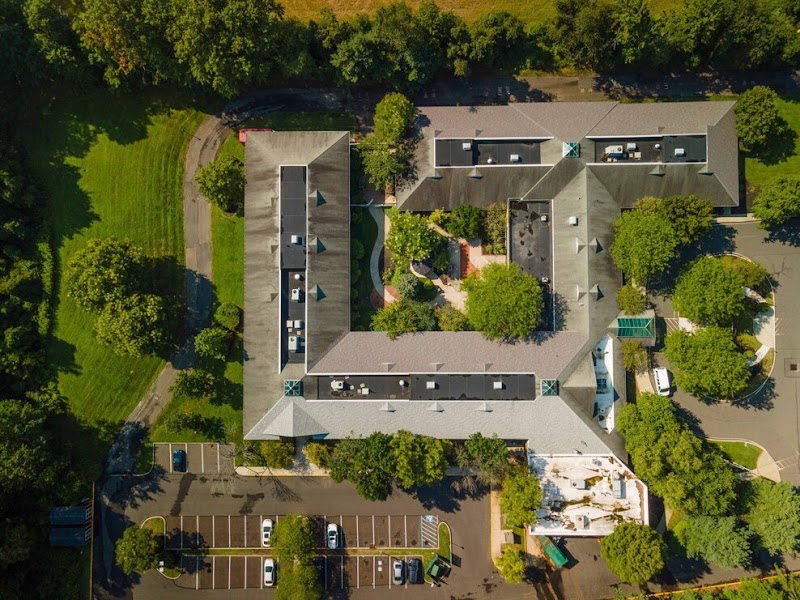
How is Complete Care At Marcella, Llc Staffed?

CMS rates COMPLETE CARE AT MARCELLA, LLC's staffing level at 3 out of 5 stars, which is average compared to other nursing homes. Staff turnover is 44%, compared to the New Jersey average of 46%. This relatively stable workforce can support continuity of care.

What Have Inspectors Found at Complete Care At Marcella, Llc?

State health inspectors documented 16 deficiencies at COMPLETE CARE AT MARCELLA, LLC during 2021 to 2025. These included: 14 with potential for harm and 2 minor or isolated issues.
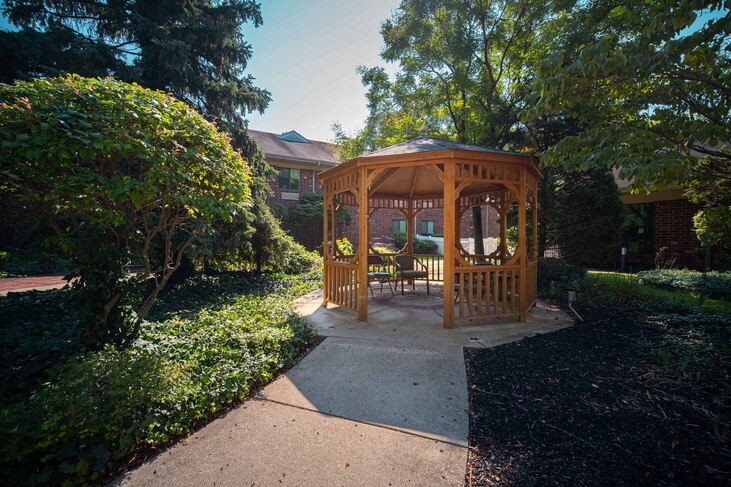
Who Owns and Operates Complete Care At Marcella, Llc?

COMPLETE CARE AT MARCELLA, LLC is owned by a for-profit company. For-profit facilities operate as businesses with obligations to shareholders or private owners. The facility is operated by COMPLETE CARE, a chain that manages multiple nursing homes. With 150 certified beds and approximately 138 residents (about 92% occupancy), it is a mid-sized facility located in BURLINGTON, New Jersey.

How Does Complete Care At Marcella, Llc Compare to Other New Jersey Nursing Homes?

Compared to the 100 nursing homes in New Jersey, COMPLETE CARE AT MARCELLA, LLC's overall rating (5 stars) is above the state average of 3.3, staff turnover (44%) is near the state average of 46%, and health inspection rating (4 stars) is above the national benchmark.

What Should Families Ask When Visiting Complete Care At Marcella, Llc?

Based on this facility's data, families visiting should ask: "Can I visit during a mealtime to observe dining assistance and food quality?" "How do you handle medical emergencies, and what is your hospital transfer rate?" "Can I speak with family members of current residents about their experience?"

Is Complete Care At Marcella, Llc Safe?

Based on CMS inspection data, COMPLETE CARE AT MARCELLA, LLC has a clean safety record: no substantiated abuse findings (meaning no confirmed cases of resident harm), no Immediate Jeopardy citations (the most serious violation level indicating risk of serious injury or death), and is not on the Special Focus Facility watch list (a federal program monitoring the lowest-performing 1% of nursing homes). The facility has a 5-star overall rating and ranks #1 of 100 nursing homes in New Jersey. While no facility is perfect, families should still ask about staff-to-resident ratios and recent inspection results during their visit.

Do Nurses at Complete Care At Marcella, Llc Stick Around?

COMPLETE CARE AT MARCELLA, LLC has a staff turnover rate of 44%, which is about average for New Jersey nursing homes (state average: 46%). Moderate turnover is common in nursing homes, but families should still ask about staff tenure and how the facility maintains care continuity when employees leave.

Was Complete Care At Marcella, Llc Ever Fined?

COMPLETE CARE AT MARCELLA, LLC has no federal fines on record. CMS issues fines when nursing homes fail to meet care standards or don't correct problems found during inspections. The absence of fines suggests the facility has either maintained compliance or corrected any issues before penalties were assessed. This is a positive indicator, though families should still review recent inspection reports for the full picture.

Is Complete Care At Marcella, Llc on Any Federal Watch List?

COMPLETE CARE AT MARCELLA, LLC is not on any federal watch list. The most significant is the Special Focus Facility (SFF) program, which identifies the bottom 1% of nursing homes nationally based on persistent, serious quality problems. Not being on this list means the facility has avoided the pattern of deficiencies that triggers enhanced federal oversight. This is a positive indicator, though families should still review the facility's inspection history directly.