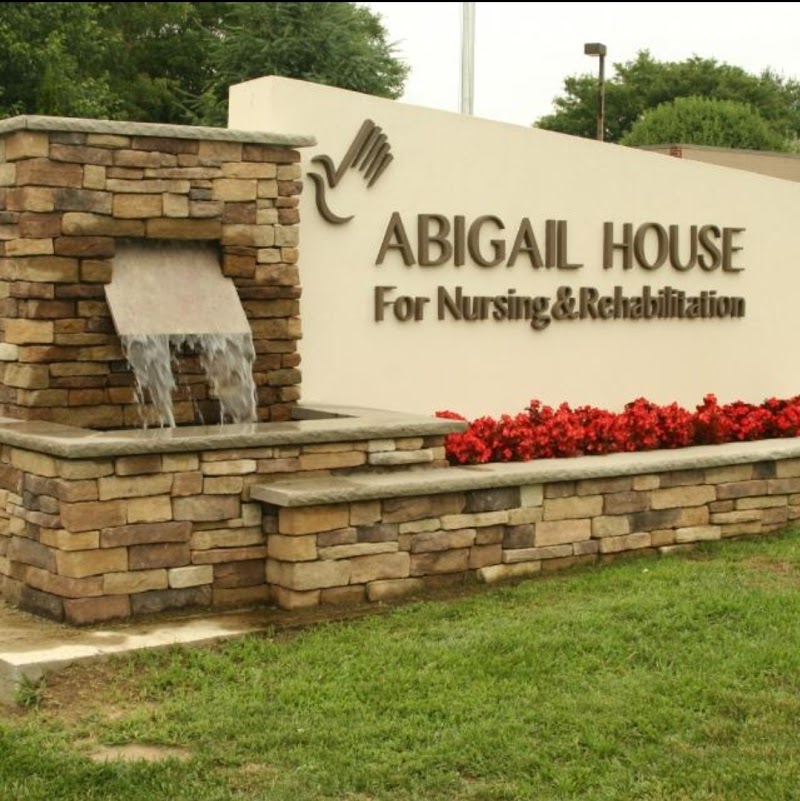
ABIGAIL HOUSE FOR NURSING & REHABILITATION

1105 -1115 LINDEN STREET, CAMDEN, NJ 08102 (856) 365-8500
For profit - Partnership 188 Beds Independent Data: November 2025 1 Immediate Jeopardy citation
Trust Grade
33/100
#232 of 344 in NJ
Last Inspection: April 2025

Within standard 12-15 month inspection cycle. Federal law requires annual inspections.

Overview

Abigail House for Nursing & Rehabilitation in Camden, New Jersey has a Trust Grade of F, indicating poor quality and significant concerns about care. It ranks #232 out of 344 facilities in the state, placing it in the bottom half, and #12 out of 20 in Camden County, suggesting limited better options nearby. Although the facility is improving, with a reduction in issues from 22 in 2023 to 17 in 2025, it still faces serious challenges, including a critical finding where staff failed to follow proper hygiene protocols while performing blood sugar tests. Staffing is average with a turnover rate of 38%, better than the state average, but the facility has concerning RN coverage, with less than 15% of facilities provide more RN support. Additionally, the facility experienced fines totaling $37,544, indicating ongoing compliance issues, and there have been repeated sanitation concerns, like an unsanitary ice machine, which could pose health risks. While there are some strengths, such as good quality measures, the overall picture suggests families should carefully consider their options.

Trust Score
F
33/100
In New Jersey
#232/344
Bottom 33%
Safety Record
High Risk
Review needed
Inspections
Getting Better
22 → 17 violations
Staff Stability
○ Average
38% turnover. Near New Jersey's 48% average. Typical for the industry.
Penalties
✓ Good
$37,544 in fines. Lower than most New Jersey facilities. Relatively clean record.
Skilled Nurses
⚠ Watch
Each resident gets only 19 minutes of Registered Nurse (RN) attention daily — below average for New Jersey. Fewer RN minutes means fewer trained eyes watching for problems.
Violations
⚠ Watch
40 deficiencies on record. Higher than average. Multiple issues found across inspections.
★★☆☆☆
2.0
Overall Rating
★★★☆☆
3.0
Staff Levels
★★★★★
5.0
Care Quality
★☆☆☆☆
1.0
Inspection Score
Stable
2023: 22 issues
2025: 17 issues

The Good

  • 5-Star Quality Measures · Strong clinical quality outcomes
  • Full Sprinkler Coverage · Fire safety systems throughout facility
  • No fines on record
  • Staff turnover below average (38%)

    10 points below New Jersey average of 48%

Facility shows strength in quality measures, fire safety.

The Bad

2-Star Overall Rating

Below New Jersey average (3.2)

Below average - review inspection findings carefully

Staff Turnover: 38%

Near New Jersey avg (46%)

Typical for the industry

Federal Fines: $37,544

Above median ($33,413)

Moderate penalties - review what triggered them

The Ugly 40 deficiencies on record

1 life-threatening
Apr 2025 17 deficiencies
CONCERN (D)

Potential for Harm - no one hurt, but risky conditions existed

Deficiency F0569 (Tag F0569)

Could have caused harm · This affected 1 resident

Based on interview and document review, it was determined that the facility failed to ensure that all residents that maintained a Personal Needs Account (PNA) that approached the limit that could jeop...

Read full inspector narrative →
Based on interview and document review, it was determined that the facility failed to ensure that all residents that maintained a Personal Needs Account (PNA) that approached the limit that could jeopardize a resident's eligibility for Medicaid or Supplemental Security Income (SSI) received a written notification. This deficient practice was identified for all residents who maintained Personal Needs Accounts at the facility and was evidenced by: A review of the Patient Fund Balances Report through 4/4/2025 revealed a list of 171 active resident names with a balance of $104,879.71. There were nine (9) residents listed with PNA funds that range from $2,014.77 to $2,723.14. There were ten (10) residents listed with PNA funds that range from $1,801.93 to $1,965.65 On 4/7/25 at 12:02 PM, the surveyor interviewed the Business Office Manager (BOM) in the presence of the survey team who stated her role regarding the PNA was that she reviewed the monthly balances and completed the transfers and maintained the trust account. The BOM stated that she tried to maintain each resident's PNA balance under $2000.00. She stated that if she noticed the account was close to $2000.00, she would reach out to the resident to see what they needed or wanted. The BOM stated that she went to the units twice a week and resident were also able to come to her office. At that time, the BOM stated Resident #40 had just received the $50.00 for the month and was over by $14.00; for Residents #42, #45, #46, and #63 she would find out what they needed; for Resident #79 they were recently transferred to the facility with a high amount but would speak with the resident; for Resident #165 their social security benefits were deposited into the account and needed to be refunded; for Resident #109 there were on hospice and would speak with the family; and for Resident #12 the resident saved their money as they went on a trip with their family once a year. On 4/8/25 at 11:06 AM, the surveyor conducted a follow-up interview with the BOM and when asked to provide copies of the notices for residents whose balances were within or approaching $200 of the maximum allowed, the BOM stated she did not provide written notices, nor does she document in the resident's medical record that the resident/representative was notified. She stated, I don't have that capability in my system. On 4/10/25 at 12:22 PM, the surveyor presented the concerns regarding the PNA balances to the facility administration. On 4/11/24 at 9:43 AM, the facility administration had no further information to provide regarding the PNA balances. On 4/11/25 at 10:25 AM, the BOM stated that she rectified each one that was over the $2000.00. The BOM stated that she provided quarterly statements and when requested but reiterated she did not provide a written statement to residents whose balances were within or approaching $200 of the maximum allowed. She stated she was aware the balance was supposed to be under $2000.00 but was not aware of the written notification to the residents. A review of the facility's Job Description - Business Office Employee included, 2. PNA funds a. To post the PNA balances timely. A review of the facility's undated Personal Needs Accountants Disbursements policy did not include the process for residents whose balances were within or approaching $200 of the maximum allowed. NJAC 8:39-9.5(c)
CONCERN (D)

Potential for Harm - no one hurt, but risky conditions existed

Deficiency F0576 (Tag F0576)

Could have caused harm · This affected 1 resident

Based on interviews and a review of facility provided documents, it was determined that the facility failed to provide Saturday mail services to residents. This deficient practice was identified for o...

Read full inspector narrative →
Based on interviews and a review of facility provided documents, it was determined that the facility failed to provide Saturday mail services to residents. This deficient practice was identified for one (1) of one (1) resident interviewed during the Resident Council group meeting (Residents #50) and was evidenced by the following: On 4/7/25 at 10:44 AM, the surveyor conducted the Resident Council (RC) meeting with Residents #50, #74, #115, #137, and #152. During RC, the surveyor asked the residents if they received mail on Saturdays and Resident #50 stated that he/she never received mail on a Saturday while living at the facility. Residents #115 and #137 stated they did not normally receive mail on a regular basis because nobody sent them mail. Residents #74 and #152 did not reply when asked if they received mail on Saturdays. On 4/10/2025 at 12:20 PM, the Licensed Nursing Home Administrator (LNHA), in the presence of the DON and the survey team, stated that he was not sure if the facility received mail on Saturdays. He further stated that the mail was delivered to the business office, which was closed on Saturdays. The LNHA stated that he stopped the mail from coming on Saturdays because the mail was getting lost. On 4/11/2025 at 9:55 AM, the LNHA, in the presence of the survey team stated that there were times that the facility did not get mail. He further stated that he was not sure if it was placed on hold because they were considered a business. The LNHA acknowledged the issue should have been looked into but none of the residents complained. On 4/11/25 at 10:28 AM, the surveyor interviewed the Business Office Manager (BOM), who stated that mail was received in the business office, sorted, given to the Activities staff to be distributed to the residents. She stated that the facility had never received mail on Saturdays in the 20 years she has been employed there. She further stated that after surveyor inquiry, she called the post office to see if they could deliver mail to the facility on Saturdays. A review of the facility's undated Resident Mail policy, included, Residents . have the right to send and receive mail privately. .N.J.A.C. 8:39-4.1 (a)(19)
CONCERN (D)

Potential for Harm - no one hurt, but risky conditions existed

Safe Environment (Tag F0584)

Could have caused harm · This affected 1 resident

**NOTE- TERMS IN BRACKETS HAVE BEEN EDITED TO PROTECT CONFIDENTIALITY** Based on observation, interview, and review of other facility documentation, it was determined that the facility failed to maint...

Read full inspector narrative →
**NOTE- TERMS IN BRACKETS HAVE BEEN EDITED TO PROTECT CONFIDENTIALITY** Based on observation, interview, and review of other facility documentation, it was determined that the facility failed to maintain the resident's room in a sanitary and homelike manner. This deficient practice was evidenced on 1 of 3 resident units (C-Wing) and was evidenced by the following: On 4/4/25 at 10:10 AM, during the initial tour, the surveyor entered an unsampled resident's room (room [ROOM NUMBER]-B). The bed remote was noted to have a buildup of a hard brown substance. The bed frame contained a buildup of dust and small particles. The windowsill was also noted to have a buildup of dust. On 4/8/25 at 10:41 AM, the surveyor interviewed the Housekeeper (HSK), who stated that she cleaned the bed frames and windowsills every day. On 4/8/25 at 12:34 PM, the surveyor interviewed the Environmental Services Director (EVSD), who stated that she was fully staffed. She further stated that the high-touch areas in the resident rooms were cleaned daily, and any areas that were visibly dirty should be cleaned. She also stated that the bed frames were cleaned each month when the room was carbolized (sanitizing or disinfecting equipment or surfaces to kill germs and prevent the spread of infection). The EVSD stated that room [ROOM NUMBER]-B was last cabolized on 3/6/25 and the next carbolization was scheduled for 5/6/25. At that time, the EVSD confirmed that each room was not scheduled to be carbolized monthly. At that time, the surveyor showed the EVSD a photo of the dirty areas in the resident's room, she confirmed that it was dirty and should have been cleaned. On 4/8/25 at 12:47 PM, during a follow-up visit to room [ROOM NUMBER]-B, the surveyor observed the bed remote, the bed frame, and the windowsill were still not cleaned. On 04/10/25 at 12:23 PM, the Licensed Nursing Home Administrator (LNHA), in the presence of the survey team, stated each resident's room was carbolized once a month. He further stated high touch areas should be cleaned daily and as needed. A review of the facility's undated Resident Room Cleaning policy included, Steps in the Daily Cleaning of a Resident .2. Clean and dust all horizontal surfaces, including furniture, over-bed tables, floormats A review of the facility's undated Complete Room Cleaning policy included, 1. Complete room cleaning is performed monthly. Each housekeeper will be responsible for one per day.3. Complete room cleaning includes moving of all furniture away from walls and cleaning underneath and behind. 4. Complete room cleaning includes disinfection of furniture and any beds or floormats located within the room. NJAC 8:39 - 31.4 (a)
CONCERN (D)

Potential for Harm - no one hurt, but risky conditions existed

Transfer Requirements (Tag F0622)

Could have caused harm · This affected 1 resident

Based on the interview, record review, and review of pertinent documents, it was determined that the facility failed to ensure residents who were discharged to the community had a discharge summary th...

Read full inspector narrative →
Based on the interview, record review, and review of pertinent documents, it was determined that the facility failed to ensure residents who were discharged to the community had a discharge summary that was completed by the physician. This deficient practice was identified for 1 of 1 resident, (Resident #179), reviewed for discharge. This deficient practice was evidenced by the following: On 4/7/25 at 10:16 AM, the surveyor reviewed the medical record for Resident #179. A review of the admission Record (an admission summary) reflected that the resident was admitted to the facility with diagnoses that included, but not limited to, high blood pressure, diabetes, and complications of amputation stump. A review of the most recent Discharge Return Not Anticipated (DRNA) Minimum Data Set (MDS), an assessment tool used to facilitate the management of care, dated 1/31/24, revealed in Section A Identification Information that the discharge (d/c) status was coded 01 (home/community). Further review of the medical records revealed that there was no documented evidence that the physician completed a d/c summary. On 4/7/25 at 12:39 PM, the surveyor interviewed the Director of Nursing (DON) who stated that the physicians completed a discharge summary and documented in the electronic medical record (EMR) within 72 hours of the resident being discharged . On 4/8/25 at 8:35 AM, the surveyor conducted a follow up interview with the DON who stated that the physicians did not complete a discharge summary but completed weekly visit notes. She further stated the only time the physician would complete a discharge summary was if the discharge day fell on the same day as the weekly visit. On 4/10/25 at 10:13 AM, the surveyor interviewed the Registered Nurse/Unit Manager (RN/UM #1) who stated for the discharge summary the nurses ensure they received the orders from the physician. She stated that all departments completed a section on the discharge summary, and anything related to care the nurses filled out. RN/UM #1 stated that the physician wrote a discharge summary in the Progress Notes (PN) and that every resident should have a discharge summary. On 4/10/25 at 10:16 AM, the surveyor interviewed the Physician for Resident #179 in the presence of the Advance Practice Nurse (APN) who stated that residents who were scheduled to be discharged would have a discharge summary which included what was done during the resident's stay at the facility and medications that were ordered for post-discharge. He stated that the notes were done in a separate system from the facility and had to be uploaded into the EMR. The Physician stated that there should be a discharge summary for every resident that was discharged to the community to ensure they were discharged in stable condition. The Physician stated that the APN could also complete a physician's discharge summary. On 4/10/25 at 10:20 AM, the APN stated that she was the APN for the Physician. She stated that she remembered Resident #179's name but did not remember if a discharge summary was completed. At that time, both the Physician and the APN reviewed the EMR. On 4/10/25 at 10:21 AM, upon review of the EMR, the Physician stated that it was probably one they missed. At that time, they both stated they were away during the timeframe the resident was discharged . The Physician stated they had coverage but did not have anyone to complete the discharge summaries. The Physician confirmed there was no physician's discharge summary for the resident. He stated he would have to add a note in there now. He further stated they tried to complete and upload the discharge summary into the EMR within 30 days. They both acknowledged it was longer than 30 days and that it should have been completed prior to surveyor inquiry, On 4/11/25 at 9:52 AM, the DON in the presence of the Licensed Nursing Home Administrator (LNHA), the Assistant DON (ADON), and the survey team stated that the physician's discharge summary should have been completed. The DON and the ADON confirmed it was not done prior to surveyor inquiry. The DON acknowledged it should have been done within 30 days of the resident's discharge. A review of the facility's Interdisciplinary Discharge Summaries policy dated reviewed September 2024, included, 4. The Unit Manager will notify the Physician. The Physician will supply necessary orders and scripts. The Physician will also write his/her Physician Discharge Summary/Progress Note to be put in the patient's chart. A review of the facility's Transfer and Discharges policy dated reviewed September 2024, included, 4. Documentation a. the attending physician will document the reason for the transfer/discharge in the resident's medical records. NJAC 8:39-4.1(a)(31); 36.1(b)(c)
CONCERN (D)

Potential for Harm - no one hurt, but risky conditions existed

Deficiency F0658 (Tag F0658)

Could have caused harm · This affected 1 resident

Based on observation, interview, record review, and review of facility documents, it was determined that the facility failed to administer pain medication according to the physician prescribed pain sc...

Read full inspector narrative →
Based on observation, interview, record review, and review of facility documents, it was determined that the facility failed to administer pain medication according to the physician prescribed pain scale for 1 of 3 residents (Resident #33) reviewed for pain. This deficient practice was evidenced by: Reference: New Jersey Statutes, Annotated Title 45, Chapter 11. Nursing Board. The Nurse Practice Act for the state of New Jersey states: The practice of nursing as a registered professional nurse is defined as diagnosing and treating human responses to actual or potential physical and emotional health problems, through such services as case finding, health teaching, health counseling and provision of care supportive to or restorative of life and wellbeing, and executing medical regimes as prescribed by a licensed or otherwise legally authorized physician or dentist. Reference: New Jersey Statutes, Annotated Title 45, Chapter 11. Nursing Board. The Nurse Practice Act for the state of New Jersey states: The practice of nursing as a licensed practical nurse is defined as performing tasks and responsibilities within the framework of case finding, reinforcing the patient and family teaching program through health teaching, health counseling and provision of supportive and restorative care, under the direction of a registered nurse or licensed or otherwise legally authorized physician or dentist. On 4/8/25 at 10:19 AM, the surveyor observed Resident #33 sitting in the dayroom participating in an activity. The resident was not available for interview, but had no visible signs or symptoms of pain. A review of the admission Record, an admission summary, revealed the resident had diagnoses which included, but were not limited to, unspecified psychosis, opioid dependence, and chronic pain syndrome. A review of the quarterly Minimum Data Set (MDS), an assessment tool used to facilitate the management of care, dated 3/29/25, included the resident had a Brief Interview for Mental Status (BIMS) score of 15 out of 15, which indicated the resident's cognition was intact. Further review of the MDS included the resident had pain almost constantly and rated the intensity of his/her worst pain as severe. A review of the individual comprehensive care plan (ICCP) included a focus area, revised 6/21/13, that the resident had chronic back pain related to spinal stenosis and had a long history of opiate dependency. Interventions included: Assess for pain on ongoing basis, and Administer pain medication as ordered. A review of the Order Summary Report (OSR), dated as of 4/9/25, included the following physician orders (PO): A PO, dated 1/17/25, for Tramadol 50 milligrams (mg) give 0.5 tablet by mouth every eight hours for pain (0.25 tablet = 25 mg). A PO, dated 11/21/21, for Tylenol 325 mg give two tablets by mouth every four hours as needed for mild pain; pain scale 1-3. A review of the April 2025 Medication Administration Record (MAR) included the PO for Tylenol. The Tylenol was administered for pain greater than 3 on the following dates: On 4/1/25 at 4:40 AM, Tylenol was given for a pain rating of 7. On 4/1/25 at 4:26 PM, Tylenol was given for a pain rating of 10. On 4/1/25 at 9:56 PM, Tylenol was given for a pain rating of 9. On 4/3/25 at 5:00 AM, Tylenol was given for a pain rating of 9. On 4/4/25 at 4:48 AM, Tylenol was given for a pain rating of 8. On 4/5/25 at 11:13 AM, Tylenol was given for a pain rating of 5. On 4/6/25 at 4:01 PM, Tylenol was given for a pain rating of 7. On 4/6/25 at 8:46 PM, Tylenol was given for a pain rating of 7. On 4/7/25 at 4:45 AM, Tylenol was given for a pain rating of 7. On 4/9/25 at 6:00 AM, Tylenol was given for a pain rating of 8. On 4/9/25 at 11:26 AM, the surveyor interviewed Licensed Practical Nurse/Unit Manager (LPN/UM) #1 who stated that if the resident's pain level was greater than the pain scale for the as needed pain medication, the nurse should call the physician for clarification and further recommendations. The LPN/UM explained that it was important to administer pain medication according to the physician's order so the resident could have relief and ensure the pain medication was effective. On 4/9/25 at 12:28 PM, the surveyor interviewed the Consultant Pharmacist (CP) who stated the nurse should clarify the as needed pain medication order prior to administering the medication if the resident's pain level did not match the physician's order. On 4/9/25 at 1:12 PM, the surveyor interviewed the Director of Nursing (DON) who stated if a resident's pain level did not match the PO for as needed pain medication, the nurse should notify the physician. The DON explained it was important to administer pain medication according to the physician's order so the resident is being taken care of. A review of the facility's Pain Management policy, dated September 2024, included the following: 2. The best modality for pain relief will be established and ordered by the physician. 3. Modality and/or medication will be changed in accordance with need to control discomfort. 4. Modality and/or medication will be utilized, as needed, to enhance maximum level of functioning. 5. Pain management will be addressed as an approach to a problem/need or plan of care. NJAC 8:39-27.1(a)
CONCERN (D)

Potential for Harm - no one hurt, but risky conditions existed

Accident Prevention (Tag F0689)

Could have caused harm · This affected 1 resident

Based on observation, interview, and review of facility documents, it was determined that the facility failed to ensure a) fall interventions were in place for a resident with a history of falls. This...

Read full inspector narrative →
Based on observation, interview, and review of facility documents, it was determined that the facility failed to ensure a) fall interventions were in place for a resident with a history of falls. This deficient practice was identified for 1 of 2 residents reviewed for falls (Resident #382) On 4/4/25 at 10:43 AM, the surveyor observed Resident #382 awake and alert lying in bed. The surveyor observed two blue floor mats folded and stored at the head of the bed leaning against the wall. The resident stated he/she has had falls and stated, That's why I am here. On 4/7/25 at 9:00 AM, the surveyor observed Resident #382 lying in bed with his/her eyes closed. The resident had a floor mat in place to the resident's left side, but the floor mat for the resident's right side was folded up and not in place. On 4/9/25 at 8:18 AM, the surveyor observed Resident #382 in bed with their eyes closed. The resident had a floor mat in place to the resident's left side, but the floor mat for the resident's right side was folded up and not in place. The surveyor reviewed the medical record for Resident #382. A review of the admission Record face sheet, an admission summary, revealed the resident had diagnoses which included but were not limited to, syncope (another word for fainting or passing out) and collapse, unspecified dementia, abnormalities with gait and mobility and weakness. A review of the admission Minimum Data Set (MDS), an assessment tool used to facilitate the management of care, dated 1/30/25, included the resident had a Brief Interview for Mental Status (BIMS) score of 10 out of 15, which indicated the resident's cognition was moderately impaired. Further review of the MDS revealed the resident had a fall in the last month prior to admission to the facility. A review of the individualized comprehensive care plan (ICCP) included a focus area that the resident was at risk for falls and had a fall on 3/17/25. Interventions included: Continue the use of safety alarm and floor mats both sides of the bed. A review of the Order Summary Report (OSR) dated as of 4/1/25, included the following physician's order (PO): -A PO dated 1/24/25, for Fall Precautions: Low bed. Fall mats. A review of the April 2025 Medication Administration Record (MAR) and Treatment Administration Record (TAR) did not include the above physician's order for nursing staff to sign off that the floor mats were being checked for proper placement. On 4/9/25 at 12:30 PM, the surveyor interviewed Certified Nursing Assistant (CNA #4), who stated Resident #382 sometimes needed moderate assistance for transfers but today needed maximal assistance. CNA #4 further stated that the resident was on fall precautions and that both floor mats should be in place when the resident was in bed. On 4/9/25 at 12:34 PM, the surveyor interviewed Licensed Practical Nurse (LPN #3), who stated that every time the resident was in bed, that both floor mats should be in place. LPN #2 also stated that there should be a physician's order for floor mats and the nurse would document that the floor mats were in place in the TAR. On 4/9/25 at 12:39 PM, the surveyor interviewed Licensed Practical Nurse/Unit Manager (LPN/UM #1) who stated that residents with floor mats should have mats down in place any time the resident was in bed. LPN/UM #1 confirmed that there was not a PO in the TAR that the nurses could document the placement of the mats. On 4/9/25 at 1:01 PM, the surveyor interviewed the Director of Nursing (DON) who stated residents should have floor mats in place whenever the resident was in bed. The DON further stated that residents should have a PO on the TAR so the nurses could document that the floor mats were in place. A review of the facility's Fall Prevention Intervention policy, revised 4/13/24, included the facility's policy is to ensure residents who have the potential to fall, and /or has a history of falls, they will be identified at the time of admission by way resident history and the nursing fall risk assessment; Interventions include: Bed and chair alarm, positioning the bed, floor mats at the bedside, low bed and persona; items and call bell within reach of the resident. NJAC 8:39-27.1 (a)
CONCERN (D)

Potential for Harm - no one hurt, but risky conditions existed

Respiratory Care (Tag F0695)

Could have caused harm · This affected 1 resident

**NOTE- TERMS IN BRACKETS HAVE BEEN EDITED TO PROTECT CONFIDENTIALITY** 2). On [DATE] at 9:50 AM, during the initial tour, the surveyor observed Resident #57 awake and alert, sitting on the bed with o...

Read full inspector narrative →
**NOTE- TERMS IN BRACKETS HAVE BEEN EDITED TO PROTECT CONFIDENTIALITY** 2). On [DATE] at 9:50 AM, during the initial tour, the surveyor observed Resident #57 awake and alert, sitting on the bed with oxygen (O2) infusing at 2 liters via a nasal cannula (n/c). The oxygen tubing was connected to a concentrator and did not contain a date on the tubing. At that time, a BiPAP machine (a machine that delivers oxygen while asleep) was observed on the nightstand with the mask uncovered lying on top of the machine. On [DATE] at 11:52 AM, during a follow-up visit with Resident #57, he/she was alert and awake, sitting upright on the bed, receiving oxygen via a nasal cannula. The oxygen tubing remained undated. Resident #57 stated that he/she requested that the oxygen tubing be changed and was told that the facility did not have the long tubing that allowed him/her to walk to the bathroom while receiving oxygen. The resident removed the nasal cannula from their nose to show the surveyor. The nasal prongs and reservoir were light brown and no longer clear. At that time, Resident #57 had a nebulizer machine (a machine that converts liquid medication into a fine mist, allowing for inhalation into the lungs and respiratory system) on their overbed table. The nebulizer mask was lying on top of the nebulizer machine and was noted to be uncovered and not in use. The resident stated that they used the nebulizer when they walked to the bathroom and planned to use it shortly. At that time, the surveyor observed the BiPAP mask was again uncovered and lying on the BiPAP machine on the resident's nightstand. A review of the admission Record, revealed the resident had diagnoses which included but were not limited to, chronic obstructive pulmonary disease (COPD), obstructive sleep apnea (OSA), chronic respiratory failure, chronic congestive heart failure, and generalized anxiety disorder. A review of the resident's comprehensive Minimum Data Set (MDS), an assessment tool used to facilitate the management of care, dated [DATE], revealed that the resident had a Brief Interview for Mental Status (BIMS) score of 15 out of 15, which indicated the resident's cognition was intact. Further review of the MDS revealed that the resident was on continuous oxygen therapy and used a BiPAP. A review of the resident's individual comprehensive care plan (ICCP), dated [DATE], included a focus area that the resident had COPD and OSA. Interventions included: giving aerosol or bronchodilators as ordered, applying BiPAP as ordered, and oxygen at 2 liters. A review of the Order Summary Report (OSR), dated as of [DATE], included the following: A physician's order (PO) dated [DATE], for continuous oxygen via nasal canula at 2 liters for shortness of breath every shift. A PO dated [DATE], to apply BiPAP at 14/5 settings at bedtime. The OSR did not include an order to change and date the oxygen tubing. On [DATE] at 12:05 PM, the surveyor interviewed the Licensed Practical Nurse (LPN #1) who stated, the oxygen tubing was changed on Wednesdays. LPN #1 further stated the tubing should be dated when it was changed. On [DATE] at 12:25 PM, the surveyor interviewed the Licensed Practical Nurse/Unit Manager (LPN/UM) #2, who stated that the oxygen tubing was changed weekly and should be dated when it was changed. LPN/UM #2 further stated that a schedule was posted at the nurses' station indicating when the oxygen tubing should be changed. LPN/UM #2 also stated that the BiPAP and nebulizer mask should be covered when not used for infection control. At that time, LPN/UM #2 accompanied the surveyor to the resident's room and confirmed that the oxygen tubing was undated and that the nebulizer and BiPAP mask were uncovered. On [DATE] at 2:01 PM, the surveyor interviewed the Director of Nursing (DON), who stated that the oxygen tubing should be changed weekly and dated when it was changed. Further review of the PO revealed an incorrect PO dated [DATE] for Ipratropium-Albuterol inhalation solution 0.5-2.5 (3) milligram(mg)/3 milliliter (ml) (Ipratropium-albuterol): 1 puff (error), inhale orally every 6 hours as needed for SOB. A review of the Consultant Pharmacist Review NON PHYSICIAN REPORT (CPRR - a report generated by the pharmacist after reviewing the resident's medications to ensure safe and effective medication therapy) dated [DATE] indicated no irregularities. A review of the CPRR dated [DATE] and [DATE], did not include recommendations regarding ipratropium-albuterol. On [DATE] at 9:51 AM, the surveyor conducted a follow-up interview with the DON regarding the albuterol order. The DON stated that the order was incorrect and should have indicated that one (1) vial should be given instead of 1 puff. The DON further stated that the nurse should have immediately clarified the order and called the doctor for any discrepancy. On [DATE] at 10:16 AM, the surveyor interviewed the Pharmacy Consultant (PC), who stated that he reviewed each resident's medication regimen every month and sometimes more often. He further stated that the order for ipratropium-albuterol was incorrect, and the PO should have been clarified and indicated that 3 mls or 1 ampule should be administered. A review of the facility's C-pap/Bi-pap Machine Cleaning and Maintenance policy, dated [DATE], included that masks should be wiped down daily after each use and place mask in a plastic bag. A review of the facility's Infection Control and Prevention Program, revised [DATE], included that the program objective was to minimize the risk of transmitting infections associated with the use of procedures, medical equipment and medical devices. N.J.A.C. 8:39- 19.4(a); 27.1(a) Based on observation, interview, record review, and review of facility documents, it was determined that the facility failed to ensure respiratory equipment was stored in an appropriate way to prevent the spread of infection for 2 of 4 residents (Resident #28 and #57) reviewed for respiratory care. This deficient practice was evidenced by the following: 1.) On [DATE] at 10:31 AM, the surveyor observed that Resident #28 was not in their room. The surveyor observed a nebulizer mask (a device used with a nebulizer machine to deliver medication in the form of a mist directly to the lungs through the nose and mouth) was lying directly on the nebulizer machine located on the bedside table, uncovered and not stored in a plastic bag. The surveyor observed oxygen tubing not in use lying directly on the floor. On [DATE] at 8:15 AM, the surveyor observed Resident #28 awake and alert lying in bed. Resident #28 had an intact tracheostomy (an opening created in the neck to insert a tube into the trachea (windpipe) This allows air to flow directly into the lungs, bypassing the mouth and nose) clean and dry and on room air (not using oxygen) The surveyor observed the nebulizer mask lying directly on the nebulizer machine located on the bedside table and the oxygen tubing lying directly on the floor, both uncovered and not stored in a plastic bag. Resident# 28 stated that he/she did not use oxygen at that time and only received the nebulizer by way of the facial mask. On [DATE] at 10:11 AM, the surveyor observed the nebulizer mask lying directly on the nebulizer machine located on the bedside table and the oxygen tubing lying directly on the floor, both uncovered and not stored in a plastic bag. A review of the admission Record, an admission summary, revealed the resident had diagnoses which included, but were not limited to, acute respiratory failure with hypoxia (not receiving enough oxygen), and chronic obstructive pulmonary disease (COPD). A review of the resident's quarterly Minimum Data Set (MDS), an assessment tool used to facilitate the management of care, dated [DATE], included the resident had a Brief Interview for Mental Status (BIMS) score of 13 out of 15, which indicated the resident's cognition was intact. Further review of the MDS revealed the resident had tracheostomy care and did not use oxygen A review of the resident's individual comprehensive care plan (ICCP) included a focus area, dated [DATE], that the resident has oxygen therapy but refuses to wear oxygen. Interventions included: to give medications as ordered physician. A review of the Order Summary Report (OSR), dated as of [DATE], included the following physician orders (PO): A PO, dated [DATE], for oxygen every shift as needed (PRN) at six (6) liters (L) via humified Trach collar to keep oxygen saturation (SpO2) at 92% or greater as need for shortness of breath (SOB). A PO, dated [DATE], for Ipratropium-Albuterol Solution 0.5-2.5(3) milligram/ 3milliliters (mg/ml) give 3 ml via trach every 8 hours as needed for COPD. A review of the [DATE] Medication Administration Record (MAR) revealed that Resident #28 had received the nebulizer per physician's order three times a day. A review of the March and [DATE] Treatment Administration Record (TAR) revealed that the resident had not used the oxygen as needed. On [DATE] at 11:56 AM, the surveyor interviewed the Licensed Practical Nurse (LPN #1) who stated that when a nebulizer mask and oxygen tubing was not in use, the mask and tubing should be stored in a plastic bag. LPN #1 stated that it was important to keep the nebulizer mask and oxygen tubing, when not in use, in a plastic bag for infection control reasons. On [DATE] at 12:08 PM, the surveyor interviewed LPN #2 who was Resident #28's assigned nurse for that day. LPN #2 stated that when a nebulizer mask or oxygen tubing was not being used, the mask and tubing should be stored in a plastic bag. At that time, LPN #2 and the surveyor went to Resident #28's room and LPN #2 confirmed that the nebulizer mask was not stored in a plastic bag and the nasal oxygen tubing was lying directly on the floor and not stored in a plastic bag. On [DATE] at 12:23 PM, the surveyor interviewed the Licensed Practical Nurse Unit Manger (LPN/UM #1) who stated that the nebulizer mask and oxygen tubing should be stored in a plastic bag when not being used. LPN/UM #1 further stated that the oxygen tubing should not be touching the floor. LPN/UM #1 stated that it was important to store respiratory equipment in a plastic bag when not being used so the resident would not get an infection, and dust would not get on the equipment. On [DATE] at 1:06 PM, the surveyor interviewed the Director of Nursing (DON) who stated that oxygen tubing should not be on the floor and the nebulizer mask and tubing should be stored in a plastic bag when not being used. This was important so that dust, germs or bacteria did not get on the tubing or mask. On [DATE] at 12:38 PM, the Licensed Nursing Home Administrator (LNHA), in the presence of the DON, the Assistant DON, the Administrator in Training (AIT) and the survey team, acknowledged that the oxygen and nebulizer mask should have been stored in a plastic bag when not being used.
CONCERN (D)

Potential for Harm - no one hurt, but risky conditions existed

Deficiency F0700 (Tag F0700)

Could have caused harm · This affected 1 resident

Based on observation, interview, record review and review of facility documents, it was determined that the facility failed to a.) obtain a physician's order b.) obtain consent, c.) perform a side rai...

Read full inspector narrative →
Based on observation, interview, record review and review of facility documents, it was determined that the facility failed to a.) obtain a physician's order b.) obtain consent, c.) perform a side rail safety assessment, and d.) follow the facility's policy for side rail assessment and protocol prior to the application of two half side rails and two quarter side rails to a resident's bed. This deficient practice was identified for 1 of 1 resident (#13), reviewed for restraints and was evidenced by the following: On 4/4/25 at 11:15 AM, during the initial tour of the facility, the surveyor observed Resident #13 lying in bed with two bilateral half side rails and two bilateral quarter side rails in the raised position on the resident's bed. When interviewed, the resident stated that he/she used the upper side rails to reposition in bed. The resident was unable to state when the side rails were placed on the bed. On 4/7/25 at 10:31 AM, the surveyor reviewed the medical record for Resident #13. A review of the admission Record (an admission summary), revealed the resident had diagnoses which included, but were not limited to: Unspecified Dementia, moderate with mood disturbance, morbid (severe) obesity due to excess calories, and hemiplegia (paralysis on one side of the body) and hemiparesis (weakness or paralysis on one side of the body) following cerebral infarction (stroke) affecting non-dominant side, and contracture (a condition of shortening and hardening of muscles, tendons, often leading to deformity and rigidity of joints) unspecified hand. A review of the resident's comprehensive Minimum Data Set (MDS), an assessment tool used to facilitate the management of care, dated 1/25/25, included the resident had a Brief Interview for Mental Status (BIMS) score of 10 out of 15, which indicated the resident's cognition was moderately impaired and had impairment on one side of the body in both the upper and lower extremities. Further review of the the MDS revealed that bed rails were not coded on the assessment as a physical restraint (defined: physical restraints are any manual or physical or mechanical device, material or equipment attached or adjacent to the resident's body that the individual can not remove easily which restricts freedom of movement or normal access to one's body). A review of the resident's individual comprehensive care plan (ICCP) included a focus area, with a revision date of 5/17/21, that the resident had an ADL (activities of daily living) self-care performance deficit r/t (related to) hemiplegia. Interventions included .Side Rails: half rails up as per Dr.s order for safety during care provision, to assist with bed mobility. Observe for injury or entrapment related to side rail use. Reposition Q 2 H (every two hours) and as necessary to avoid injury . A review of the Order Summary Report (OSR) revealed an order dated 7/12/19, for Siderails x 2 (two) Both sides for improved bed mobility. Further review of the OSR revealed that there was no documented evidence of an order for quarter side rails to both sides of the resident's bed. A review of the progress notes failed to include any documentation regarding the resident's use of side rails. A review of a Side Rail Assessment with an effective date of 1/25/25, included that the use of side rails was recommended to provide safety, with side rails on both the left and the right side of the bed, half rails were specified. Further review of Rails portion of the assessment included when full rails (four rails) were used (Must complete Restraint Assessment). Further review of the medical record failed to indicate that a Restraint Assessment was completed as indicated on the Side Rail Assessment form. On 4/7/25 at 11:18 am, the surveyor observed Resident #13 self-propelling in their wheelchair in the hallway. The surveyor observed that the resident's bed was made and all four side rails were maintained in the upright position. On 4/8/25 at 10:39 AM, the surveyor observed Resident #13 lying in bed fully dressed with all four side rails up on the bed. The resident stated that he/she was waiting for assistance to get out of bed. On 4/8/25 at 10:40 AM, the surveyor observed three Certified Nursing Assistants (CNA) enter Resident #13's room with a mechanical lift (a device used to assist a dependent resident out of bed) and closed the door to render care to the resident. On 4/8/25 at 10:50 AM, the surveyor interviewed CNA #3 who stated that she had worked at the facility for 16 years. CNA #3 stated that Resident #13 had four side rails on the bed to prevent falls and used the side rails to hold onto while he/she turned in bed. CNA #3 was unable to state when the side rails were placed onto the bed. At that time, the resident had already been assisted out of bed to the wheelchair and only the left upper half side rail had been lowered while the three remaining side rails were noted to be maintained in a raised, upright position. On 4/8/25 at 10:58 AM, the surveyor interviewed Licensed Practical Nurse (LPN) #1 who stated that he worked at the facility for two years. LPN #1 stated that the resident required four side rails on the bed because he/she placed their legs off of the side of the bed. LPN #1 stated that the resident used the side rails to assist themselves and the staff with mobility and the side rails were not considered a restraint. On 4/8/25 at 1:04 PM, the surveyor interviewed Licensed Practical Nurse/Unit Manager (LPN/UM) #2 who stated that the lower side rails were only placed in the upright position during care for safety. LPN/UM #2 stated that the side rails were not a restraint and were used so that the resident did not roll out of bed. LPN/UM #2 further stated that the bottom side rails should have been lowered when the resident was not receiving care. On 4/8/25 at 1:24 PM, the surveyor interviewed the MDS Coordinator who stated that the facility did not use restraints, so she would not code the MDS for side rails to be considered as a restraint. The MDS Coordinator stated that the facility was only permitted to use bilateral half rails to promote balance or safety and mobility. The MDS Coordinator stated that if two half rails and two quarter rails were permitted to be upright simultaneously, that was a restraint, and it was not permitted. The MDS Coordinator stated that she observed the resident quarterly and only saw two bilateral top half rails were used to aid in mobility. The MDS Coordinator further stated that she reviewed the Care Plans quarterly for new admissions and readmissions and would have expected to see that both two half rails and two quarter rails were implemented on the resident's Care Plan because it was part of their care. The MDS stated that there absolutely should have been an order for all four side rails to be used. On 4/8/25 at 1:42 PM, the surveyor interviewed the Director of Nursing (DON) who stated that the facility only used four side rails with care to prevent falls and did not use four side rails as a restraint. The DON stated that a physician's order was only necessary for the quarter rails if the side rails were up all of the time. The DON stated that she would have expected for the use of four side rails to be care planned. The DON stated that the Care Plan was updated as needed, and quarterly. The DON stated that she would check with medical records to determine if a consent was obtained prior to all side rail initiation. The DON stated that she was not aware and should have been advised of the implementation of the use of four side rails in the daily clinical care meeting. The DON further stated that Maintenance would have put the side rails on the resident's bed. On 4/8/25 at 2:00 PM, the surveyor interviewed the Director of Maintenance (DM) who stated that he placed both the upper and lower side rails on the resident's bed to prevent falls. The DM was unable to state when he put the side rails on the bed. The DM was also unable to provide the surveyor with documented evidence of any requests for side rail placement. On 4/9/25 at 10:20 AM, the surveyor reviewed both the resident's electronic health record and paper chart both of which failed to contain a consent for side rail usage. The surveyor interviewed LPN/UM #2 at that time, who stated that she was not aware of the facility policy for side rail use off of the top of her head. LPN/UM #2 stated that the resident's family member was responsible to sign consent on behalf of the resident when indicated. LPN/UM #2 stated that she would look into the matter further to determine if a consent for side rail application was obtained prior to application. On 4/9/25 at 1:32 PM, the surveyor interviewed the DON who stated that she would not find a consent in the resident's medical records because the four side rails should not have been up, because the facility was a restraint free building. The DON stated that she would have expected there to be a signed consent if the side rails were in use. On 4/9/25 at 1:44 PM, the surveyor interviewed the Assistant Director of Nursing (ADON) who stated that the resident had half rails for many years, but she had no knowledge of the lower rails being applied to the bed. The ADON stated that consents were not required when the side rails were used for bed mobility. The ADON stated that an order should have been obtained when the quarter rails were added, they should have been added to the care plan and a consent should have been obtained prior to use. The ADON confirmed that there was never an order, side rail safety assessment, consent, or care plan entry for the addition of quarter side rail use, or the use of four side rails to be used simultaneously, but there should have been. On 4/10/25 at 12:40 PM, the surveyor interviewed the Licensed Nursing Home Administrator (LNHA) who stated that the quarter rails had to be removed since there was no order for use. The LNHA stated that the facility administration did weekly walking rounds inspections of the resident's rooms, but the use of four side rails was missed. A review of the facility's Side Rails Assessment Protocol/Rational policy reviewed July 2024, included: Residents of this facility, shall have the right to be free from any physical restraint. .Alternate methods are investigated and side rail usage is determined to be necessary, and side rails meet the definition of a restraint (restricts movement), a physicians' order should be obtained and the side rail should be assessed as an approach to a problem/need on the resident's care plan. If side rails are raised, staff should allow residents the opportunity to toilet and assist with repositioning at least every two hours. However, if residents are independent in bed mobility and have not demonstrated a need to be toileted during the night and are not incontinent, the residents may choose not to be disturbed every two hours while asleep for the purpose of lowering the side rails. Each resident's decision must be documented. NJAC 8:39-27.1 (a) (1)(3)(i)
CONCERN (D)

Potential for Harm - no one hurt, but risky conditions existed

Medication Errors (Tag F0758)

Could have caused harm · This affected 1 resident

Based on observation, interview and record review, it was determined that the facility failed to ensure that as-needed (PRN) psychotropic medications were ordered for no more than 14 days. This was id...

Read full inspector narrative →
Based on observation, interview and record review, it was determined that the facility failed to ensure that as-needed (PRN) psychotropic medications were ordered for no more than 14 days. This was identified for 1 of 5 residents (Resident #40) reviewed for psychotropic medication use . This deficient practice was evidenced by the following: On 04/10/2025, at 11:35 AM, the surveyor observed Resident #40 sitting quietly and calmly in the day room, smiling. A review of the admission Record, an admission summary, revealed the resident had diagnoses which included, but were not limited to: dementia, and major depressive disorder with psychotic symptoms. A review of the resident's quarterly Minimum Data Set (MDS), an assessment tool used to facilitate the management of care, dated 3/10/2025, included the resident had a Brief Interview for Mental Status (BIMS) score of 2 out of 15, which indicated the resident's cognition was severely impaired. A review of the resident's individual comprehensive care plan (ICCP) included a focus area, dated 6/15/2024, that the resident is at risk for injury related to psychotropic drug use. Interventions included: Psychiatrist to evaluate and attempt gradual dose reduction as clinically appropriate and psychiatric evaluations as needed. A review of Resident # 40's Physician Order Sheet (POS) included an order with a start date of 12/9/2024 for Xanax oral tablet 0.5 MG, give 1 tablet by mouth every 6 hours as needed for restlessness/agitation. The order did not include an end date. A review of the Medication Administration Record (MAR) for December 9th, 2024, through April 10th, 2025, revealed that Resident #40 was not administered Xanax. A review of the Consultant Pharmacist Review PHYSICIAN REPORT dated 1/12/2025 revealed, please eval (evaluate) prn Xanax per CMS (Centers for Medicaid Services) 14 d (day) rule. Suggest order include an end date. It further revealed that the nurse obtained a Telephone Verbal Order (TVO) from the psychiatrist that he would evaluate the Xanax order. A review of the Consultant Pharmacist Review PHYSICIAN REPORT dated 3/21/2025 revealed, please eval (evaluate) prn Xanax per CMS (Centers for Medicaid Services) 14 d (day) rule. Suggest order include an end date. It further revealed that the nurse obtained a Telephone Verbal Order (TVO) from the psychiatrist that he would evaluate the Xanax order. On 4/10/2025 at 10:31 AM, the surveyor interviewed the Licensed Practical Nurse (LPN) #1 who stated, that when the resident does not use the PRN (as needed) medication, the nurse would call the psychiatrist and inform them that the resident has not been using the medication. He further stated that the doctor would come and speak with the resident, and sometimes, the doctor would discontinue the medication and then reassess the resident in a couple of months. On 4/10/2025 at 10:33 AM, the surveyor interviewed the Licensed Practical Nurse/Unit Manager (LPN/UM) # 2, who stated that if the resident is not using the PRN psychotropics, the nurse would contact the doctor to see if they want to discontinue the medication and document it in the medical record. The LPN/UM #2 further stated that she would give the Consultant Pharmacist Review PHYSICIAN REPORT to the psychiatrist to decide to continue or discontinue the medication, and a lot of times, the psychiatrist would tell the nurse that he would re-evaluate the need for the medication on the next weekly round. On 4/10/2025 at 10:56 AM, the surveyor interviewed the Psychiatrist who stated that he did not recall seeing the Consultant Pharmacist PHYSICIAN REPORT dated January 12, 2025, however he was aware of the CMS 14 day rule for PRN psychotropics. He further stated that he believed that when he wrote a PRN order such as Xanax, it would automatically expire after 2 weeks. He also stated that he reviewed the resident's medical record this morning (4/10/2025) and noted that the resident has not been taking the Xanax; therefore, he does not see any reason why he should be on it and plans to discontinue it. On 4/10/2025 at 11:16 AM, the surveyor interviewed the Director of Nursing (DON) who stated that if the resident does not use a PRN medication in three to four months the nurse should have called the doctor and have it discontinued. The DON further stated that the PRN Xanax should have had a 14-day duration in accordance with CMS (Center for Medicare and Medicaid Services) requirements. A review of the facility's Psychotropic Usage undated policy revealed, PRN psychotropic usage is allowed per CMS regulation if certain documentation is met. All initial prn psychotropics must contain an end date not to exceed 14 days. After 14 days, the prescribers must reassess the resident to renew the medication. Justification is needed in the medical record to document further use.There are no exceptions to the above policy for prn psychotropics including residents on hospice. NJAC 8:39-27.1(a)
CONCERN (D)

Potential for Harm - no one hurt, but risky conditions existed

Medical Records (Tag F0842)

Could have caused harm · This affected 1 resident

**NOTE- TERMS IN BRACKETS HAVE BEEN EDITED TO PROTECT CONFIDENTIALITY** Based on observation, interview, record review, and review other facility documentation, it was determined that the facility fai...

Read full inspector narrative →
**NOTE- TERMS IN BRACKETS HAVE BEEN EDITED TO PROTECT CONFIDENTIALITY** Based on observation, interview, record review, and review other facility documentation, it was determined that the facility failed to ensure residents' records were kept confidential for 3 of 6 residents (Resident #30, #231, and #232) observed during the medication administration pass. This deficient practice was evidenced by the following: On 4/7/25 at 8:20 AM, the surveyor observed Licensed Practical Nurse (LPN) #3 prepare medications for Resident #30. When the nurse left the medication cart to administer the resident's medications, she did not put up a privacy screen to cover the resident's record displayed on the nurse's laptop. On 4/7/25 at 8:30 AM, the surveyor observed LPN #3 prepare medications for Resident #231. When the nurse left the medication cart to administer the resident's medications, she did not put up a privacy screen to cover the resident's record displayed on the nurse's laptop. On 4/7/25 at 9:00 AM, the surveyor observed LPN #3 prepare medications for Resident #232. When the nurse left the medication cart to administer the resident's medications, she did not put up a privacy screen to cover the resident's record displayed on the nurse's laptop. On 4/7/25 at 9:15 AM, the surveyor interviewed LPN #3 who stated that should have put up the privacy screen when she left her medication cart unattended to protect the residents' privacy. On 4/9/25 at 11;26 AM, the surveyor interviewed Licensed Practical Nurse/Unit Manager (LPN/UM) #1 who stated the nurses should make sure the privacy screen was on when they leave their medication cart unattended so that no one could read the residents' information on the laptop. On 4/9/25 at 1:12 PM, the surveyor interviewed the Director of Nursing (DON) who stated that when the nurses leave their medication carts unattended, they should make sure to turn on the privacy screen so that no one sees the residents' information. A review of the facility's Confidentiality of Medical Records, policy, dated 8/2024, included, It is the policy of [NAME] House to respect and protect resident's rights to confidentiality of clinical and personal information. NJAC 8:39-4.1 (a)(18)
CONCERN (D)

Potential for Harm - no one hurt, but risky conditions existed

Infection Control (Tag F0880)

Could have caused harm · This affected 1 resident

Based on observation, interview, and review of facility documents, it was determined that the facility failed to maintain proper infection control practices to ensure: a.) kitchen staff performed hand...

Read full inspector narrative →
Based on observation, interview, and review of facility documents, it was determined that the facility failed to maintain proper infection control practices to ensure: a.) kitchen staff performed hand hygiene at the appropriate times and adhered to proper food handling procedures during the tray line observation b.) staff performed appropriate hand hygiene during meal service for 1 of 3 dining rooms observed (A Wing). This deficient practice was evidenced by the following: 1. On 4/9/25 at 12:16 PM, during a follow-up visit to the kitchen to observe the lunch meal tray line service, the surveyor observed [NAME] #1 who washed her hands at the handwashing sink for 21 seconds. [NAME] #1 then proceeded to donn (put on) a pair of gloves prior to preparing to obtain food temperatures from the steam table. [NAME] #1 placed several scoops and ladles in direct contact with the surface of the preparation area of the steam table. As [NAME] #1 proceeded to obtain food temperatures, her right arm brushed up against the scoops and ladles which caused them all to fall onto the floor. At 12:25 PM, the Food Service Director (FSD) observed the scoops and ladles that laid on the floor and directed [NAME] #1 to pick them up and run them through the dish washer. [NAME] #1 picked up the scoops and ladles with her gloved hands and took them over to the dish washer to be cleaned. [NAME] #1 then proceeded to doff (remove) her gloves and donned clean gloves without first performing hand hygiene. At 12:32 PM, [NAME] #1 began plating food. At 12:37 PM, [NAME] # 1 was observed using her right gloved hand to move a sausage and oven roasted potatoes around on the plate in order to redistribute the food. At 12:45 PM, the FSD accompanied the surveyor and observed [NAME] #1 who continued to use her right gloved hand to move both sausages and potatoes around on the plate in order to accommodate additional food items that were added to the plates. At that time, the FSD stated that [NAME] #1 should have washed her hands after she doffed her gloves and before donning new gloves prior to plating food. The FSD stated that there was a concern for contamination. On 4/9/25 at 12:52 PM, the surveyor interviewed the Infection Preventionist (IP) who stated that hand hygiene should occur after you doff your gloves. The IP further stated that there was a concern for contamination if [NAME] #1's hands were not washed after she touched the soiled utensils and then touched food on the tray line. On 4/9/25 at 1:20 PM, the surveyor interviewed [NAME] #1 who stated that she should have washed her hands after she doffed her gloves and before she donned new gloves and started plating food on the tray line. [NAME] #1 further stated that if she failed to wash her hands and then touched food with her gloved hands it may result in food borne illness or contamination. On 4/10/25 at 12:35 PM, in the presence of the survey team the Licensed Nursing Home Administrator (LNHA) was made aware of the surveyors findings. 2. On 4/9/25 at 12:48 PM, the surveyor observed the lunch meal service in the A Wing dining room. At that time, the surveyor observed Certified Nursing Assistant (CNA) #1 touch Resident#382's slice of white bread, and then proceeded to place the meat inside of the slice of bread and folded the bread over to make a sandwich with her ungloved hands. CNA # 1 then obtained a tray from the lunch cart and served the lunch tray to Resident # 100 without first performing hand hygiene. On 4/10/25 at 09:19 AM, the surveyor interviewed CNA #2 who stated that when assisting residents at mealtime you don't touch the food with bare hands. On 4/10/25 at 09:23 AM, The surveyor interviewed the Licensed Practical Nurse Unit Manager (LPN/UM) #1 for A Wing who stated that when CNAs are assisting residents during meal service, the CNAs should wear gloves when touching a resident's food and should not touch food with their bare hands. The LPN/UM #1 further stated that the staff should perform hand hygiene between serving meal trays to each resident. On 4/10/25 at 10:09 AM, the surveyor interviewed CNA #1 who confirmed that she was the CNA who assisted Resident #382 and Resident #100 with their lunch trays the previous day. CNA #1 stated that hand hygiene should be performed before and after assisting a resident with their meal tray and you don't touch residents' food with your bare hands. On 4/10/25 at 10:51 AM, the surveyor interviewed the Director of Nursing (DON) who stated that hand hygiene should be performed before and after serving a resident their meal tray. The DON further stated that a staff member should not use their ungloved (bare hands) to touch a residents' food. The DON stated that the staff should have worn gloves when touching a resident's food and this was important so that you do not pass any germs on to the resident. A review of the facility's Food Storage and Handling, undated, included: All employees shall ensure proper hand-washing techniques are used .If food servers' hands must be in direct contact with food, the <designated person> shall ensure food servers are wearing single-use gloves. A review of the facility's Handwashing policy, review date 2/2025, included: employees must thoroughly wash their hands when: . before handling food/medications . And including: immediately before touching a resident, .after touching a resident or the resident's immediate environment ., immediately after glove removal NJAC 8:39-19.4(n)
CONCERN (D)

Potential for Harm - no one hurt, but risky conditions existed

Antibiotic Stewardship (Tag F0881)

Could have caused harm · This affected 1 resident

Based on interview and review of other pertinent facility documentation, it was determined that the facility failed to ensure full implementation of the antibiotic stewardship program, including ongoi...

Read full inspector narrative →
Based on interview and review of other pertinent facility documentation, it was determined that the facility failed to ensure full implementation of the antibiotic stewardship program, including ongoing monitoring and use of a nationally recognized surveillance criteria when antibiotics were being prescribed. This deficient practice was identified for 3 of 3 residents (Resident #50, #78, and #124) reviewed for antibiotic stewardship. This deficient practice was evidenced by the following: On 4/9/2025 at 11:04 AM, the surveyor interviewed the Infection Preventionist (IP) regarding the facility's Antibiotic Stewardship Program (efforts to ensure that antibiotics are used only when necessary and appropriate). The IP stated that she had worked at the facility full-time since February 24, 2025. The IP stated that she used the McGeer criteria (clinical and laboratory findings used to define and track infections in long-term care facilities). At that time, the surveyor reviewed the IP Checklist (a list of residents prescribed antibiotics). The IP checklist indicated the following: Resident #50 was prescribed antibiotics for a urinary tract infection (UTI) 3/31-4/5/2025, and he/she met the criteria for antibiotics. Resident #78 was prescribed antibiotics for a left foot toe infection from 4/2 to 4/12/2025, and he/she met the criteria for antibiotics. Resident #124 was prescribed an antibiotic for osteomyelitis (an infection of the bone), and he/she met the criteria. When the surveyor asked the IP how she determined that the resident met the criteria, she stated that she was aware of the requirements. The IP further stated that she had no documented evidence of the McGreer Criteria Assessment usage and had not completed the assessment form since she started working there. On 4/10/25 at 12:23 PM, the surveyor interviewed the Director of Nursing (DON) in the presence of the survey team, who stated that the McGeer Criteria for Infection Checklist should have been completed for each resident to ensure that the resident met the criteria for antibiotic usage. A review of the facility's Antibiotic Stewardship policy, reviewed 9/2024 revealed: POLICY: To promote appropriate use of antibiotics, while optimizing the treatment of infections, at the same time reducing the possible adverse events associated with antibiotics use. NJAC 8:39-19.4(c) (d)
CONCERN (E)

Potential for Harm - no one hurt, but risky conditions existed

Deficiency F0657 (Tag F0657)

Could have caused harm · This affected multiple residents

Based on observation, interview, record review, and review of pertinent facility documents, it was determined that the facility failed to revise a resident's individual comprehensive care plan after p...

Read full inspector narrative →
Based on observation, interview, record review, and review of pertinent facility documents, it was determined that the facility failed to revise a resident's individual comprehensive care plan after psychotropic medications were discontinued for 1 of 3 residents (Resident #38) reviewed for mood and behavior. This deficient practice was evidenced by the following: On 4/4/25 at 10:13 AM, the surveyor observed Resident #38 lying in bed. The resident was not experiencing any behaviors at that time. A review of the admission Record, an admission summary, revealed the resident had diagnoses which included, but were not limited to, unspecified dementia and unspecified psychosis. A review of the resident's quarterly Minimum Data Set (MDS), an assessment tool used to facilitate the management of care, dated 1/30/25, included the resident had a Brief Interview for Mental Status (BIMS) score of 1 out of 15, which indicated the resident's cognition was severely impaired. Further review of the MDS revealed the only psychotropic medication the resident received in the last seven days was an antipsychotic. A review of the individual comprehensive care plan (ICCP) included a focus area, initiated 2/5/25, that the resident was on an antidepressant medication (Remeron) related to depression. Further review of the ICCP included a focus area, initiated 2/5/25, that the resident was on an antianxiety medication (Buspar) related to anxiety disorder. A review of the Order Summary Report (OSR), dated as of 4/9/25, included the following physician orders (PO) for psychotropic medications: A PO, dated 2/5/25, for Seroquel 50 milligrams (mg) give one tablet by mouth at bedtime for unspecified psychosis. There were no active orders for antidepressant or antianxiety medications. A review of the discontinued medications listed in the resident's Electronic Medical Record (EMR) revealed the following: The PO for Remeron was discontinued with an end date of 12/12/24. The PO for Buspar was discontinued with an end date of 6/19/23. On 4/9/25 at 11:26 AM, the surveyor interviewed Licensed Practical Nurse/Unit Manager (LPN/UM) #1 who stated the UMs were responsible for updating the residents' care plans. When asked about discontinued psychotropic medications, the LPN/UM stated the care plan should be revised the same day the medication was discontinued. The LPN/UM explained that it was important for the care plans to accurately reflect the residents for continuity of care and so the staff know how to take care of the resident as a whole. On 4/9/25 at 1:12 PM, the surveyor interviewed the Director of Nursing (DON) who stated the UMs were responsible for updating the residents' care plans. When asked about discontinued psychotropic medications, the DON stated the care plan should be revised the same day the medication was discontinued. The DON explained that it was important for the care plans to accurately reflect the residents to make sure the resident received appropriate care. A review of the facility's Care Plans policy, dated July 2024, included, Assessments of the resident are ongoing and care plans are revised as information about the residents and the residents' conditions change. Further review of the policy also included: The Interdisciplinary Team must review and update the care plan: a. When there has been a significant change in the resident's condition; b. When the desired outcome is not met; c. When the resident has been readmitted ; and d. At least quarterly, in conjunction with the required quarterly MDS assessment. NJAC 8:39-27.1(a)
CONCERN (E)

Potential for Harm - no one hurt, but risky conditions existed

Pharmacy Services (Tag F0755)

Could have caused harm · This affected multiple residents

Based on observation, interview, record review, and review of facility documentation, it was determined that the facility failed to: a.) administer medications according to manufacturers' instructions...

Read full inspector narrative →
Based on observation, interview, record review, and review of facility documentation, it was determined that the facility failed to: a.) administer medications according to manufacturers' instructions for 1 of 2 nurses observed during the medication administration pass, b.) ensure the accountability of the narcotic shift to shift count logs were completed for 1 of 3 medication carts inspected, and c.) complete and maintain copies of Federal narcotic order forms (DEA 222 forms) for 3 of 3 DEA 222 forms reviewed. This deficient practice was evidenced by the following: 1.) On 4/7/25 at 9:20 AM, the surveyor observed Licensed Practical Nurse (LPN) #5 prepare medications for Resident #95. The LPN dispensed six medications, including a ferrous sulfate elixir 220 mg (milligrams)/5 ml (milliliters). The LPN poured 7.5 ml into a medicine cup and administered the medication to the resident without diluting it in water or juice. When the resident drank the ferrous sulfate elixir, he/she grimaced. A review of the Order Summary Report (OSR), dated as of 4/7/25, included a physician's order for Ferrous Sulfate Oral Solution 220 mg/5 ml Give 7.5 ml by mouth two times a day for anemia, with a start date of 4/1/25. On 4/7/25 at 11:38 AM, the surveyor interviewed LPN #5 who stated she was not aware of any special instructions for ferrous sulfate elixir but reviewed the bottle of ferrous sulfate which included instructions to mix with water or juice to prevent staining of the teeth. The LPN then stated she should have mixed the ferrous sulfate elixir with water or juice. On 4/9/25 at 11:26 AM, the surveyor interviewed Licensed Practical Nurse/Unit Manager (LPN/UM) #1 who stated ferrous sulfate elixir should be mixed with juice because it could stain the resident's teeth. On 4/9/25 at 12:28 PM, the surveyor interviewed the Consultant Pharmacist (CP) who stated that ferrous sulfate elixir could be mixed with water or juice because it has a taste to it. A review of the manufacturer's instructions for Ferrous Sulfate Elixir, provided by the facility, included directions to mix with water or fruit juice to avoid temporary staining of the teeth . A review of the facility's Administering Medications policy, undated, included, Occasionally oral liquid medications must be diluted prior to administration. The specific directions for the individual medication should be followed carefully to prevent untoward effects due to administration of an improperly diluted medication. 2.) On 4/7/25 at 9:40 AM, the surveyor observed LPN #5 prepare medications for Resident #137. The LPN dispensed seven medications, including a Trelegy Ellipta 100-62.5-25 mcg/act (milligrams per actuation) inhaler. The LPN donned gloves and administered the inhaler to the resident without offering the resident water to rinse his/her mouth afterwards. A review of the OSR, dated as of 4/7/25, included a physician's order for Trelegy Ellipta 100-62.5-25 mcg/act 1 inhalation inhale orally in the morning for COPD [Chronic Obstructive Pulmonary Disease] with a start date of 4/2/25. On 4/7/25 at 9:50 AM, the surveyor interviewed LPN #5 who stated she was unsure if she was supposed to offer Resident #137 a rinse after administering the inhaler but reviewed the Trelegy Ellipta box which included instructions on the label to rinse mouth thoroughly after each use. The LPN then stated she should have offered water for the resident to rinse his/her mouth because the inhaler could cause thrush (a fungal infection caused by the yeast Candida albicans). On 4/9/25 at 11:26 AM, the surveyor interviewed LPN/UM #1 who stated the nurse should instruct the residents to rinse their mouths with water after administering an inhaler to prevent thrush. On 4/9/25 at 12:28 PM, the surveyor interviewed the CP who stated after administering Trelegy Ellipta, the nurse should offer the resident water to rinse their mouth with to prevent thrush. On 4/9/25 at 1:12 PM, the surveyor interviewed the DON who stated nurses should offer residents water to rinse their mouths after administering an inhaler to remove any aerosol films in the resident's mouth. A review of the manufacturer's instructions for Trelegy Ellipta, provided by the facility, included under Warnings and Precautions, Candida albicans infection of the mouth and pharynx [throat] may occur. Monitor patients periodically. Advise the patient to rinse his/her mouth with water without swallowing after inhalation to help reduce the risk. A review of the facility's Administering Medications policy, undated, included, After administering oral inhalation medications, the resident may experience dry mouth and hoarseness. Gargling and rinsing the mouth with water after each dose may help lessen the discomfort. 3.) On 4/9/25 at 9:00 AM, the surveyor inspected the A Wing medication cart in the presence of LPN #2 and LPN/UM #1. Upon reviewing the narcotic binder kept on the medication cart (Cart 2), the surveyor observed there were blanks where the nurse did not sign the shift to shift narcotic count log on the following dates: -4/4/25 7:00 AM Incoming Nurse -4/4/25 3:00 PM Incoming Nurse -4/4/25 3:00 PM Outgoing Nurse -4/4/25 11:00 PM Outgoing Nurse -4/8/25 11:00 PM Incoming Nurse On 4/9/25 at 9:17 AM, the surveyor interviewed LPN/UM #1 who acknowledged the omitted signatures on the narcotic shift to shift count log and stated the nurses were supposed to sign the narcotic shift to shift count log every shift to ensure the narcotic count on the medication cart was accurate. On 4/9/25 at 12:28 PM, the surveyor interviewed the CP who stated the nurses should sign the narcotic shift to shift count log because the nurses were responsible for ensuring the narcotic medications were accounted for. On 4/9/25 at 1:12 PM, the surveyor interviewed the DON who stated the nurses should sign the narcotic shift to shift count log located on the medication carts every shift. A review of the facility's Controlled Substances policy, dated 4/2024, included, An inventory of controlled substances retained in each nursing unit must be made at the termination of each shift. This record will be signed by both the outgoing and incoming nurse who meet the criteria for handling controlled substances. 4.) On 4/9/25 at 1:45 PM, the DON provided copies of the facility's DEA 222 forms for the last year. The following forms did not have PART 5: TO BE FILLED IN BY THE PURCHASER filled out which would have indicated the number received and date received for each Schedule I and II narcotic drug that was ordered by the facility: -Order Form Number: 220095970 dated 3/15/24 -Order Form Number: 220095965 dated 1/23/25 -Order Form Number: 240815653 dated 3/31/25 On 4/10/25 at 8:10 AM, the surveyor interviewed the DON who stated the facility did not keep the packing slips when the Schedule I & II narcotic drugs were delivered to the facility. On 4/10/25 at 9:51 AM, the surveyor conducted a follow-up interview with the DON who stated she was responsible for filling out the DEA 222 forms, but that she only completed PART 1 and PART 2. When asked about the importance of PART 5 of the form, the DON stated that it showed the number of narcotic drugs received and the date they were received. The DON further stated that PART 5 was to be filled out when the narcotic drugs were received by the facility. The DON explained that it was important to fill out PART 5 to prevent drug diversion. On 4/10/25 at 12:00 PM, the DON provided the copies of the packing slips for each DEA 222 form and stated she had to obtain the copies from the pharmacy. The DON further stated that the facility was not keeping copies of the DEA 222 forms after sending them to the pharmacy, and that the copies provided to the surveyor were also provided by the pharmacy after surveyor inquiry. The DON explained that the facility did not have the copies of the DEA 222 forms upon receipt of the narcotic drugs to complete PART 5 at that time. A review of the Instructions for DEA Form 222, located on the back of each DEA 222 Form, included the following: PART 5. CONTROLLED SUBSTANCE RECEIPT 1. The purchaser fills out this section on its copy of the original order form. 2. Enter the number of packages received and date received for each line item. 3. Purchaser must keep its copy of each executed order form and all copies of unaccepted or defective forms and any attached statements or other related documents available for inspection for a period of two years. NJAC 8:39-27.1 (a) NJAC 8:39-29.7 (c)
CONCERN (E)

Potential for Harm - no one hurt, but risky conditions existed

Unnecessary Medications (Tag F0759)

Could have caused harm · This affected multiple residents

REPEAT DEFICIENCY Based on observation, interview, record review, and review other facility documentation, it was determined that the facility failed to maintain a medication error rate of less than 5...

Read full inspector narrative →
REPEAT DEFICIENCY Based on observation, interview, record review, and review other facility documentation, it was determined that the facility failed to maintain a medication error rate of less than 5%. This deficient practice was identified for 2 of 2 nurses on 2 of 3 units (A Wing and C Wing) administering medications to 2 of 6 residents (Resident #137 and #231) making 2 errors out of 26 medication opportunities which resulted in a medication error rate of 7%. This deficient practice was evidenced by the following: 1.) On 4/7/25 at 8:30 AM, the surveyor observed Licensed Practical Nurse (LPN) #3 administer medications to Resident #231. The LPN dispensed four medications, including one tab of multivitamin with minerals. After administering the medications, the LPN signed off an order for plain multivitamin as administered (Error #1). A review of the Order Summary Report (OSR), as of 4/7/25, included a physician's order for Thera Oral Tablet (Multiple Vitamin) Give 1 tablet by mouth one time a day for vitamin deficiency, with a start date of 3/29/25. A review of the April 2025 Medication Administration Record (MAR) included the aforementioned order scheduled at 9:00 AM was signed out as administered on 4/7/25. On 4/7/25 at 11:47 AM, the surveyor interviewed LPN #3 who reviewed Resident #231's physician's orders and verified the order was for plain multivitamin, not multivitamin with minerals. The LPN then opened her medication cart and verified there was no plain multivitamin in her medication cart. The LPN stated she should have given the plain multivitamin as ordered. On 4/9/25 at 11:26 AM, the surveyor interviewed Licensed Practical Nurse/Unit Manager (LPN/UM) #1 who stated the nurse should check the physician's orders to verify which type of multivitamin is ordered prior to administration. The LPN/UM explained that if the order was for Thera Oral Tablet that it was the plain multivitamin, and that Thera-M was the order for multivitamin with minerals. On 4/9/25 at 12:28 PM, the surveyor interviewed the Consultant Pharmacist (CP) for the facility who stated a nurse should not administer multivitamin with minerals if the physician's order was for a plain multivitamin. On 4/9/25 at 1:12 PM, the surveyor interviewed the Director of Nursing (DON) who stated the nurses should check the physician's order to verify which type of multivitamin to administer so that the resident received the correct medication. 2.) On 4/7/25 at 9:40 AM, the surveyor observed LPN #5 administer medications to Resident #137. The LPN dispensed seven medications, including a Fluticasone Propionate nasal spray 50 mcg/act (micrograms per actuation). After entering the resident's room, the nurse donned gloves and prepared to administer the nasal spray, but the resident took the nasal spray from the LPN's hands and administered one spray to each nostril. The resident then asked the LPN, one spray in each side, right? to which the LPN acknowledged as correct. After administering Resident #137's medications, the LPN signed off the Fluticasone Propionate order as administered. A review of the OSR, as of 4/7/25, included a physician's order for, Fluticasone Propionate Nasal Suspension 50 mcg/act 2 sprays in both nostrils one time a day for allergies, with a start date of 4/25/24 (Error #2). A review of the April 2025 MAR included the aforementioned order was scheduled at 9:00 AM was signed out as administered on 4/7/25. On 4/7/25 at 11:38 AM, the surveyor interviewed LPN #5 who reviewed Resident #137's physician's orders and verified the order for Fluticasone Propionate was for two sprays in each nostril. The LPN then confirmed that only one spray was administered to each nostril during the medication pass and stated she should have instructed the resident to administer two sprays to each nostril so that the medication would have the correct effectiveness. On 4/9/ 25 at 11:26 AM, the surveyor interviewed LPN/UM #1 who stated the nurse should follow the physician's order for the correct number of nasal sprays for each nostril. On 4/9/25 at 12:28 PM, the surveyor interviewed the CP who stated nurses should be following the physician's order and administer the number of nasal sprays as ordered. On 4/9/25 at 1:12 PM, the surveyor interviewed the DON who stated the nurses should check the physician's order to verify the correct number of nasal sprays to administer so that the resident received the right dose. A review of the facility's Administering Medications policy, undated, included the following: General rules for administering medications 1. Observe the five rights in giving each medication a. The right resident b. The right time c. The right medication d. The right dose e. The right method of administration 4. Check the MAR with the label on the medication three times, reading the name of the medication, the route of administration, and the strength of dosage. NJAC 8:39 - 29.2(d)
CONCERN (E)

Potential for Harm - no one hurt, but risky conditions existed

Deficiency F0761 (Tag F0761)

Could have caused harm · This affected multiple residents

Based on observation, interview, record review, and review other facility documentation, it was determined that the facility failed to a.) properly secure medication within the medication cart for 2 o...

Read full inspector narrative →
Based on observation, interview, record review, and review other facility documentation, it was determined that the facility failed to a.) properly secure medication within the medication cart for 2 of 2 nurses observed during the medication administration pass, and b.) store medications within acceptable temperature ranges for 2 of 3 medication storage areas (B Wing and C Wing) reviewed for medication storage. This deficient practice was evidenced by the following: 1.) On 4/7/25 at 8:20 AM, the surveyor observed Licensed Practical Nurse (LPN) #3 prepare medications for Resident #30. When the nurse entered the resident's room to administer the resident's medications, she did not lock the medication cart before leaving the medication cart unattended. On 4/7/25 at 8:30 AM, the surveyor observed LPN #3 prepare medications for Resident #231. When the nurse entered the resident's room to administer the resident's medications, she did not lock the medication cart before leaving the medication cart unattended. On 4/7/25 at 9:00 AM, the surveyor observed LPN #3 prepare medications for Resident #232. When the nurse entered the resident's room to administer the resident's medications, she did not lock the medication cart before leaving the medication cart unattended. On 4/7/25 at 9:15 AM, the surveyor interviewed LPN #3 who stated that should have locked the medication cart before leaving it unattended for the residents' safety and to prevent anyone from removing medications from the cart. On 4/7/25 at 9:35 AM, the surveyor observed LPN #5 prepare medications for Resident #134. When the nurse entered the resident's room to administer the resident's medications, she did not lock the medication cart before leaving the medication cart unattended. On 4/7/25 at 9:50 AM, the surveyor interviewed LPN #5 who stated she should have locked the medication cart before leaving it unattended to make sure no one could get into the cart. On 4/9/25 at 11;26 AM, the surveyor interviewed Licensed Practical Nurse/Unit Manager (LPN/UM) #1 who stated the nurses should make sure to lock the medication cart before leaving the cart unattended so that no staff, residents, or visitors could go into the cart. On 4/9/25 at 12:28 PM, the surveyor interviewed the Consultant Pharmacist (CP) who stated the nurses should ensure their medication carts were locked when unattended because otherwise someone could access the medications. On 4/9/25 at 1:12 PM, the surveyor interviewed the Director of Nursing (DON) who stated that when the nurses leave their medication carts unattended, they should make sure to lock the cart to prevent anyone from going into the medication cart. A review of the facility's Storage of Medications in Rooms and Carts policy, dated 8/2024, included, Unless ordered by the physician, medications shall be stored in a locked area unless under the supervision of a licensed personnel. 2.) On 4/9/25 at 9:17 AM, the surveyor inspected the B Wing medication room in the presence of Registered Nurse/Unit Manager (RN/UM) #1. Upon opening the medication refrigerator, the surveyor observed the temperature on the thermometer read 26 F (degrees Fahrenheit). Stored in the refrigerator was a vial of Retacrit (a medication used to help make more red blood cells), a bottle of omeprazole (a medication to treat reflux), and three insulin pens. At that time, the RN/UM stated the medication refrigerator should be between 36 F and 46 F, but was unsure the reasoning. The surveyor reviewed the B Wing Temperature Monitoring Sheet for the medication refrigerator which revealed a recorded temperature of 34 F on 4/2/25 at 6:00 AM. On 4/9/25 at 9:38 AM, the surveyor inspected the C Wing medication room in the presence of Licensed Practical Nurse/Unit Manager (LPN/UM) #3. Upon opening the medication refrigerator, the surveyor observed the temperature on the thermometer read 32 F. Stored in the refrigerator were nine bags of insulin pens, two insulin vials, and a COVID-19 vaccine vial. At that time, the LPN/UM stated the medication refrigerator should be between 36 F and 46 F so that the medications did not freeze. The surveyor reviewed the C Wing Temperature Monitoring Sheet for the medication refrigerator which revealed the following recorded temperatures: 30 F on 4/1/25 at 6:00 AM 30 F on 4/2/25 at 6:00 AM 32 F on 4/3/25 at 6:00 AM 30 F on 4/9/25 at 6:00 AM On 4/9/25 at 12:28 PM, the surveyor interviewed the Consultant Pharmacist (CP) who stated that the medication refrigerator should be kept between 36 F and 46 F because medications could be destroyed at temperatures outside of that range. On 4/9/25 at 1:12 PM, the surveyor interviewed the Director of Nursing (DON) who stated the medication refrigerator should be kept between 36 F and 46 F because the medications could go bad if stored at the incorrect temperature. A review of the facility's Storage of Medications in Rooms and Carts policy, dated 8/2024, included, Medications should be kept in the facility in accordance with the manufacturer's guidelines. That is, medications requiring refrigeration should be stored between 36 and 46 degree Fahrenheit . NJAC 8:39-29.4(h)
CONCERN (F)

Potential for Harm - no one hurt, but risky conditions existed

Food Safety (Tag F0812)

Could have caused harm · This affected most or all residents

This is a repeat deficiency. Based on observation, interview, and record review, it was determined that the facility failed to handle potentially hazardous foods and maintain sanitation in a safe con...

Read full inspector narrative →
This is a repeat deficiency. Based on observation, interview, and record review, it was determined that the facility failed to handle potentially hazardous foods and maintain sanitation in a safe consistent manner. This deficient practice was evidenced by the following: On 4/4/25 from 9:39 AM until 10:37 AM, the surveyor observed the following in the presence of the Food Service Director (FSD): 1. The FSD lifted the lid of the ice machine to display its contents. The surveyor noted that the ice release cover had multiple areas of brown and gray debris on it. The surveyor asked the FSD to wipe the area with a paper towel. The FSD wiped the ice release cover and then showed the surveyor the paper towel which was then soiled with a brown substance. The FSD stated that if the substance were mold, it would be black, not brown in color. The FSD stated that the ice machine was not sanitary and might be unsafe for use. The FSD stated that the ice machine should be cleaned every month, but he was unsure when it was last cleaned. There was no maintenance log maintained on the ice machine to demonstrate how frequently it was cleaned. 2. The FSD removed the cap from the juice gun which was covered with a brown, moist substance. The FSD maintained that the juice gun was cleaned last night, and if it were dirty, there would be fruit flies around it. 3. On the drying rack in the Pot Room, the surveyor noted that there were three plastic cutting boards with deep nicks and scratches in them. The FSD stated, These are going in the trash. The FSD further stated that the cutting boards were not safe for use because bacteria could stay on them. 4. In the three compartment sink inside of the Pot Room, the surveyor noted that there were multiple gnats flying out of the drain. The FSD stated that the three compartment sink was not used, and the pots and pans were washed in the dish machine. 5. In the galley of the kitchen, the surveyor noted a scoop inside of a two gallon container of instant mashed potatoes. The FSD stated that it was unsanitary to store the scoop directly inside of the container. 6. In the galley of the kitchen, on a shelf below the prep area, there was a bucket of detergent with a rag stored inside of it. The surveyor asked to view the sanitation log for the detergent for the measurement of the sanitation levels. The FSD stated that he did not keep a log, but then proceeded to demonstrate that the water to detergent ratio was ample for sanitization with the use of a test strip. The FSD stated that he did not maintain a log, but checked the sanitizer level in the bucket each morning prior to use. 7. In the galley of the kitchen, the surveyor observed an insect that ran across the top of the stove. The FSD stated that it was a fruit fly. 8. On the second shelf of a five tiered wired rack, an opened packet of one pound chicken base was noted. The FSD stated that the packet should not have been stored opened because insects and bacteria could get inside of the packet. The FSD then proceeded to take the opened packet of chicken base to the food preparation area in the galley of the kitchen where he indicated it would be used to prepare the luncheon meal. 9. On the top shelf of a five tiered wired rack, a two pound container of thyme with a received date of 6/22, had an opened date of 6/1, with no year indicated on the label. And a two pound container of cilantro with a received date of 6/22 had a checked date of 12/31, with no year specified. The FSD stated that spices were good for two to three years after opening. The FSD stated that he did not have a policy for the shelf life of spices after opening. 10. In the walk-in refrigerator, a rolling cart had four trays of canned pears that were stored in individual clear plastic containers, that were not labeled or dated. 11. On the second shelf of a three-tiered wired rack, an opened eight ounce container of salsa was not labeled or dated. The FSD stated that it was from the last taco Tuesday and should have been dated so that you knew when it expired. 12. On the second shelf of a three-tiered wired rack, a hotel pan of cooked breakfast sausage links were not labeled or dated. The FSD stated that they were left over from this morning and should have been labeled and dated. 13. In the dry storage room, there were two ten pound containers of sugar and flour and both of the containers had their scoops stored directly inside of the bins. The FSD stated that the scoops should not have been stored inside of the bins for sanitary reasons. 14. Inside of the ice cream freezer, there was no thermometer present, and there was no temperature log to indicate when the temperature was last checked. The ice cream was hard to touch, but there was water running down the back of the freezer wall. The FSD stated that he wanted to ensure that the ice cream was hard, and was not melted. 15. In the galley of the kitchen, the FSD pulled the table mounted can opener from its' sheathe and the exposed the can opener blade that had a dried, brown debris on it. The FSD stated that it was important to clean the can opener after use or the debris may get in the food. 16. In the galley of the kitchen, there was a soiled two-tiered rolling rack with scoop dishes and bowls on it in the tray line area. The bowls had solid, black debris on them. The Assistant Food Service Director (AFSD) stated that the rolling cart should have been cleaned after the breakfast meal. On 4/8/25 at 8:40 AM, the surveyor interviewed the Director of Maintenance (DM) who stated that he cleaned the ice machines in the facility on a quarterly basis, but he cleaned the ice machine more frequently in the kitchen, and documented it on a piece of paper in his own records the day that it was completed. The DM stated, they told me there was mold in there. The DM stated, from what I know, you can get sick from it, and I would not drink it. The DM stated that the facility informed him verbally that the ice machine was dirty prior to him cleaning it. On 4/10/25 at 12:35 PM, in the presence of the survey team the surveyor informed the Licensed Nursing Home Administrator (LNHA) of all concerns related to the kitchen observations. The LNHA stated that the FSD reported directly to him and he was responsible to provide oversight over the kitchen. The LNHA stated that the DM had to clean the ice machine more frequently and keep a log of it. A review of the facility policy Food Storage And Handling Policy undated, included: Dry food and food supplies shall be stored in a clean, dry location not exposed to splash, dust, or other contamination. .Food packages shall be in good condition and protect the integrity of the contents so that the food is not exposed to adulteration or potential contaminants. .Food inventories shall be rotated on a first-in, first-out (FIFO) basis. Each product shall be marked with date of entry and expiration date. .The temperature of all freezer units shall be kept at 0 F (Fahrenheit) or lower. .Temperatures shall be monitored in all refrigeration and freezer units, checked daily (or more often if there is a problem), and recorded . .All food-contact equipment and utensils shall be stored in a sanitary manner. .Food Service Equipment shall be: .Kept clean and free of debris, breaks, open seams, cracks, chips, pits, inclusions, or similar imperfections .Kept in good repair and in operation. Any equipment not in use shall be removed, repaired, or replaced. .Cutting boards and blocks shall be made from plastic washable materials or hard maple that is not absorbent, meets all code requirements, and is free of seams and cracks .Cutting boards should be replaced when boards become excessively worn or develop hard-to-clean grooves . NJAC 8:39-17.4
Dec 2023 1 deficiency
CONCERN (D) 📢 Someone Reported This

A family member, employee, or ombudsman was alarmed enough to file a formal complaint

Potential for Harm - no one hurt, but risky conditions existed

ADL Care (Tag F0677)

Could have caused harm · This affected 1 resident

Complaint #: 165979 Based on observation, interviews, review of the medical record, and other pertinent facility documentation on 12/29/23, it was determined that the facility failed to consistently d...

Read full inspector narrative →
Complaint #: 165979 Based on observation, interviews, review of the medical record, and other pertinent facility documentation on 12/29/23, it was determined that the facility failed to consistently document Activities of Daily Living (ADL) care as being provided to Resident #3 on the ADL Documentation form. This deficient practice was identified for 1 of 5 residents (Resident #3) reviewed for ADL care and evidenced by the following: Review of the admission Record revealed that Resident #3 was admitted to the facility on 6/2023 with medical diagnoses which included but were not limited to: Unspecified Dementia, Cerebral Palsy (a condition marked by impaired muscle coordination), Cerebral Infarction (disrupted blood flow to the brain), and Anxiety. Review of Resident #3's comprehensive Minimum Data Set (MDS) an assessment tool, dated 7/6/23, indicated that Resident #3 had a Brief Interview for Mental Status (BIMS) score of 5 out of a possible 15 which indicated severe cognitive impairment. The MDS also indicated Resident #3 needed extensive assistance with ADL tasks including toileting, personal hygiene, transfers, dressing and bed mobility. Review of the Resident #3's Care Plan (CP) dated 6/26/23, under the Focus section, revealed Resident #3 required extensive assistance with ADLs due to multiple strokes. Under the Goals section, revealed to be dressed appropriately, well groomed, and comfortable daily. Under the Interventions/Tasks section, revealed incontinent of both bowel and bladder and unable to use bedpan. Check and change every 2 hours and as needed. Review of Resident #3's ADL Documentation form for 6/27/23 through 7/12/23 revealed blank spaces indicating the tasks were not documented as being completed as follows: Eating on the day shift on 7/1/23. Transfers, toilet use, and personal hygiene on the evening shift on 7/2/23. Transfers, toilet use, personal hygiene, eating, and bed mobility on the evening shift on 7/3/23. Transfers, toilet use, personal hygiene, eating, and bed mobility on the overnight shift on 7/1/23, 7/2/23, 7/3/23, 7/5/23 and 7/11/23. During an interview with the surveyor on 12/29/23 at 9:12 AM, the Assistant Director of Nursing (ADON) stated the Certified Nursing Assistants (CNAs) were responsible for recording ADL care, when completed, by the end of their shift. The ADON stated if there were blank spaces on the ADL form, it indicates it's not recorded in the kiosk. The ADON further stated, It is important to record ADL care, so we know ADL care was being done. If it's not recorded, it's not done. During an interview with the surveyor on 12/29/23 at 9:43 AM, the Director of Nursing (DON) stated that the CNAs were responsible for documenting ADL care immediately after care was provided. The DON stated if ADL care was not documented, there was really no proof that it was done. The DON stated it was important to document ADL care to keep a record and follow-up of any changes in the future. The DON further stated, If ADL care was not provided, the CNAs should have recorded a not applicable (n/a) in the blank spaces. All blank spaces should be filled in. During an interview with the surveyor on 12/29/23 at 9:50 AM, the Licensed Practical Nurse (LPN) stated the CNAs were responsible for ADL care and it should be documented in the kiosk. The LPN stated that if it was not documented on the ADL documentation sheet in the kiosk, it meant ADL care wasn't rendered. The LPN, in the presence of the surveyor, reviewed the ADL documentation sheets for Resident #3. The LPN stated, I wouldn't know if ADL care was completed if there were blank spaces on the ADL documentation sheet. The LPN further stated, It is important to document on the ADL documentation sheet because it is used as a communication tool for the nurses. The facility policy, ADL Documentation dated 9/2023 indicated under the Procedure section, 1. CNA staff responsibility is to chart ADLs in Point Click Care (PCC) for residents who they are assigned, 2. CNA staff are prompted by PCC in each category of ADLs, 3. Staff should indicate level of assistance and/or if the ADL did not occur on their shift, 4. Documentation is to be completed each shift, and 5. Unit Managers (UMs), supervisors and nurses are responsible for completing audit checklist for point of care (POC) monitoring each shift to ensure that all documentation is done. NJAC 8:39-27.1 (a) 8:39-35.2(g).
Apr 2023 21 deficiencies 1 IJ (1 affecting multiple)
CRITICAL (K)

Immediate Jeopardy (IJ) - the most serious Medicare violation

Infection Control (Tag F0880)

Someone could have died · This affected multiple residents

**NOTE- TERMS IN BRACKETS HAVE BEEN EDITED TO PROTECT CONFIDENTIALITY** b. Nursing staff failed to wear gloves and/or perform hand hygiene while performing FSBS. 1. Review of R61's admission Record, l...

Read full inspector narrative →
**NOTE- TERMS IN BRACKETS HAVE BEEN EDITED TO PROTECT CONFIDENTIALITY** b. Nursing staff failed to wear gloves and/or perform hand hygiene while performing FSBS. 1. Review of R61's admission Record, located under the Profile tab of the EMR revealed the resident was admitted to the facility on [DATE] with diagnoses that included type 2 diabetes mellitus with diabetic neuropathy and dementia with behavioral disturbance. Review of R61's Physician Order, dated 06/28/22 and located under the Orders tab of the EMR, revealed R61 was to receive a fingerstick blood sugar (FSBS) test two times a day every two days. 2. Review of R150's admission Record, located under the Profile tab of the EMR, revealed the resident was admitted to the facility on [DATE] with diagnoses that included diabetes mellitus and schizoaffective disorder. Review of R150's Physician Order, dated 01/25/23, indicated R15 was to receive a FSBS test two times a day every seven days. During an observation on 04/04/23 at 4:02 PM, LPN3 performed finger stick blood sugar (FSBS) tests for Residents (R61 and R150). LPN3 retrieved the glucometer from the top drawer of the medication cart. The surveyor observed two brown smears across the screen of the glucometer. LPN3 wiped the glucometer with a Sani-Cloth and placed the glucometer directly onto the top of the medication cart. The Sani-Cloth appeared dirty. When asked about the dirty appearance on the Sani-Cloth, LPN3 stated Oh, that must be my makeup, that's what that is. LPN3 proceeded to the dining room and located R61 at a table sitting with two other residents. LPN3 wiped R61's finger with an alcohol swab, placed the used alcohol swab onto the dining room table, performed the finger stick, and placed the glucometer (containing the used strip) directly onto the dining room table. LPN3 picked up the used alcohol swab from the table and used it to wipe R61's finger. LPN3 gathered all supplies into ungloved hands, proceeded back to medication cart, and placed all supplies onto the top of the cart. LPN3 obtained a clean strip out of the glucose strip bottle with ungloved hands, replaced the used glucose strip with an unused strip, and touched the used strip to the clean strip to transfer a drop of blood. When asked the purpose of this, LPN3 stated, sometimes it doesn't register, and you have to get a new strip to get it to register. LPN3 removed the bloody strip from the glucometer ungloved, discarded both strips and the used alcohol swab into the trash. Continuing with the observation on 04/04/23 at 4:07 PM, LPN3 retrieved a lancet and an alcohol swab from the top drawer of the medication cart, gathered all supplies with ungloved hands, and proceeded back to dining room. LPN3 located R150 sitting at a dining room table with three other residents. LPN3 wiped R150's finger with an alcohol swab, placed the used alcohol swab onto the dining room table, performed the FSBS test, and placed the glucometer (containing the used strip) directly onto the dining room table. LPN3 picked up the used alcohol swab from the table and used it to wipe R150's finger. LPN3 gathered all supplies with ungloved hands, proceeded back to medication cart, and placed all supplies onto the top of the cart. LPN3 obtained a clean strip out of the glucose strip bottle with ungloved hands, replaced with used strip with the unused glucose strip, and touched the used strip to the clean strip to transfer a drop of blood, stating, this one didn't register either. LPN3 gathered both used strips and alcohol swab with ungloved hands to discard into the trash. LPN3 wiped the glucometer with a Sani-Cloth, placed it back into the top drawer of the medication cart and stated, that's it. LPN3 walked over to sit at the nurse's station without performing any type of hand hygiene. LPN3 failed to perform hand hygiene or don gloves throughout the entire observation. LPN3 did not sanitize the glucometer between resident tests. During an interview on 04/04/23 at 4:16 PM, when asked about donning gloves for FSBS procedure, LPN3 stated, Do you think I should be wearing gloves? LPN3 was asked about the facility's policy on wearing gloves during FSBS procedure and before LPN3 answered, the unit manager LPN5 stated, yes, we're supposed to wear gloves. LPN3 stated she did not know she was supposed to wear gloves while performing a FSBS test. LPN3 stated the facility policy was to wash hands before and after performing a FSBS test. LPN3 stated she did not wash her hands before, after, or between performing FSBS test on R61 and R150. LPN3 also stated that she failed to sanitize the glucometer between resident usage. During an interview on 04/06/23 at 12:01 PM, the Director of Nursing (DON) stated the facility's policy on infection control practices during FSBS tests was to sanitize the glucometer with Sani-Cloth before and after use. The DON stated the nurses should don gloves for the procedure and should perform hand hygiene before and afterwards. NJAC 8:39-19.4(a)(l) 6. Review of R13's admission Record, located under the Profile tab of the electronic medical record (EMR), revealed R13 had diagnoses that included diabetes mellitus type 2. Review of R13's Physician Order, dated 01/24/23 and located under the Orders tab of the EMR, revealed R13 was to receive a fingerstick blood sugar (FSBS) test twice daily. 7. Review of R133's admission Record, located under the Profile tab of the EMR, revealed R133 had diagnoses that included diabetes mellitus type 2. Review of R133's Physician Order, dated 12/06/21 and located under the Orders tab of the EMR, revealed R133 was to receive a FSBS test twice daily. 8. Review of R139's admission Record, located under the Profile tab of the EMR, revealed R139 had diagnoses that included diabetes mellitus type 2. Review of R139's Physician Order, dated 01/23/23 and located under the Orders tab of the EMR, revealed R139 was to receive a FSBS test twice daily. 9. Review of R30's admission Record, located under the Profile tab of the EMR, revealed R30 had diagnoses that included diabetes mellitus. Review of R30's Physician Order, dated 08/31/22 and located under the Orders tab of the EMR, revealed R30 was to receive a FSBS test twice daily, every three days. 10. Review of R152's admission Record, located under the Profile tab of the EMR, revealed R152 had diagnoses that included diabetes mellitus type 2. Review of R152's Physician Order, dated 10/11/22 and located under the Orders tab of the EMR, revealed R152 was to receive a FSBS test twice daily, every two days. Observation on 04/04/23 at 4:07 PM revealed Licensed Practical Nurse (LPN) 7 removing a basket of FSBS testing supplies, including a glucometer, lancets, and alcohol wipes, from the top drawer of the medication cart used on the back portion of Hall 100. LPN7 placed the basket of supplies on top of the medication cart. Continuing with the observation on 04/04/23 at 4:09 PM, LPN7 obtained the glucometer from the basket and completed a FSBS test for R13. LPN7 returned to the medication cart and placed the glucometer on top of the medication cart. LPN7 did not sanitize the glucometer appropriately prior to or after use. Continuing with the observation on 04/04/23 at 4:11 PM, LPN7 obtained the glucometer, wiped the glucometer with an alcohol wipe, and completed a FSBS test for R54. LPN7 returned to the medication cart, wiped the glucometer with an alcohol wipe, and placed the glucometer on top of the medication cart. Continuing with the observation on 04/04/23 at 4:15 PM, LPN7 obtained the glucometer, completed a FSBS test for R133, returned to the medication cart, and placed the glucometer on top of the medication cart. LPN7 did not sanitize the glucometer appropriately prior to or after use. Continuing with the observation and a concurrent interview on 04/04/23 at 4:17 PM, LPN7 obtained the glucometer, wiped the glucometer with an alcohol wipe and completed a FSBS test for R139. LPN7 returned to the medication cart, wiped the glucometer with an alcohol wipe, and placed the glucometer on top of the medication cart. LPN7 confirmed she was wiping the glucometer with an alcohol wipe. LPN7 did not sanitize the glucometer appropriately prior to or after use. Continuing with the observation on 04/04/23 at 4:22 PM, LPN7 7 obtained the glucometer and completed a FSBS test for R30. LPN7 returned to the medication cart, wiped the glucometer with an alcohol wipe, and placed the glucometer on top of the medication cart. LPN7 did not sanitize the glucometer appropriately prior to or after use. Continuing with the observation on 04/04/23 at 4:25 PM, LPN7 obtained the glucometer, wiped the glucometer with an alcohol wipe, and completed a FSBS test for R152. LPN7 returned to the medication cart and placed the glucometer back in the basket with the other supplies. LPN7 did not sanitize the glucometer appropriately prior to or after use. During an observation and concurrent interview on 04/04/23 at 4:31 PM, LPN7 confirmed a container of Super Sani-Cloth sanitizing wipes was in the bottom left drawer of the medication cart. During an interview on 04/04/23 at 5:29 PM, the Director of Nursing (DON) confirmed staff should be using sanitizing wipes, such as Sani-Cloth wipes when sanitizing the glucometer and the glucometer should be sanitized between each use. During an interview on 04/05/23 at 3:19 PM, LPN7 stated she had used alcohol wipes to clean the glucometer because that is what she thought they were supposed to do. An interview with the DON 04/04/23 at 5:29 PM revealed she was not aware of any problems with staff not cleaning and sanitizing the glucometers before and after each resident's use. ICP nurse joined the interview and was surprised at the observations. Both DON and ICP stated the Pharmacy Consultant last rounds in December 2022 and that he did not identify any problems; however, he did recommend training for nurses on cleaning and sanitizing the glucometers. The ICP nurse provided an In-service sheet dated 12/19/22 and 12/21/22 in which she discussed how to clean and sanitize the Assure Prism Glucose Monitoring Unit according to manufacturer's instructions Neither DON nor the ICP could explain what monitoring system was in place to ensure the staff were following glucometers disinfectant procedures as trained. Both staff members were aware that the facility had some residents with diagnoses of viral hepatitis C and HIV. But the issue of transmission of blood borne pathogens and the number of residents with the diagnosis had not been discussed in the QA/QAPI meetings. A list of residents diagnosed with viral hepatitis C and HIV was requested from the facility. A review of the list revealed the facility had 47 residents that required fingerstick for glucose monitoring: 15 residents with viral hepatitis C and three residents with HIV. On 04/05/23 at 9:48 AM an interview was held with the Medical Director. The Medical Director was unaware of the numbers of residents residing in the facility with the diagnoses of viral hepatitis C and HIV. It was explained to the Medical Director that the failure to clean and sanitize the glucometer after each resident's use had placed the facility in immediate jeopardy situation. The Medical Director stated that he understood the concern and felt the DON and ICP nurse should have been monitoring this situation. The Medical Director also stated he was very concerned about this problem; it should never have happened. Based on observation, interview, record review, and policy review, the facility failed to: a. sanitize glucometers between uses for 10 (Resident (R)54, R92, R25, R110, R143, R13, R133, R139, R30, and R152) of 10 residents observed receiving fasting blood sugar tests (FSBS) out of a total sample of 47 residents; b. perform hand hygiene and or wear gloves during FSBS for two residents (R61 and R150). The failure to sanitize glucometers between residents resulted in an Immediate Jeopardy (IJ) at F880-K: Infection Control due to the increased likelihood to cause serious harm due to the potential of cross-contamination of blood-borne pathogens. On 04/04/23 at 7:43 PM, the Administrator, Director of Nursing (DON), and Infection Control Preventionist were notified of the Immediate Jeopardy (IJ) at F880-K Infection Control related to multi-use glucometers not being cleaned and sanitized between each resident including residents identified with blood borne pathogen concerns. The facility submitted an acceptable removal plan on 04/06/23 at 9:31 AM. The removal plan included educating the DON on system management and education of staff, sanitizing all glucometers, retraining, and ensuring competency of all Licensed Practical Nurses (LPN), and Registered Nurses (RN) on the use and sanitization of glucometers, securing hepatitis C screenings for all residents receiving FSBS tests, and updating the policy on blood sampling and glucometer sanitization to include using a manufacturer's approved sanitizing method. Through interviews with facility staff, observations of FSBS tests, review of staff in-services and facility policy, the survey team verified all elements of the facility's IJ Removal Plan and therefore removed the IJ, effective 04/06/23 at 10:39 AM. The deficient practice remained at an E (pattern of potential for more than minimal harm) scope and severity following the removal of the immediate jeopardy. Findings include: a. The facility failed to sanitize glucometers according to manufacturer's instructions. 1.Review of R54's admission Record, located under the Profile tab of the electronic medical record (EMR), revealed R54 had diagnoses that included diabetes mellitus and human immunodeficiency virus (HIV) disease. 2. Review of R92's admission Record, located under the Profile tab of the EMR, revealed R92 had diagnoses that included diabetes mellitus and viral hepatitis C (infectious disease of the liver that can lead to liver disease). 3. Review of R25's admission Record, located under the Profile tab of the EMR, revealed R25 had diagnoses that included diabetes mellitus. 4.Review of R110's admission Record, located under the Profile tab of the EMR, revealed R110 had diagnoses that included diabetes mellitus. 5. Review of R143's admission Record, located under the Profile tab of the EMR, revealed R143 had diagnoses that included diabetes mellitus. Observation on 04/04/23 at 11:02 AM revealed Licensed Practical Nurse (LPN)6 performed hand hygiene and donned gloves to obtain a glucose reading on R110. The nurse did not clean or sanitize the glucometer after she removed it from the medication cart. Once LPN6 performed the accucheck she wiped the glucometer with an alcohol wipe and placed it back in the cart. On 04/04/23 at 11:13 AM LPN 6 next used the glucometer on R92 who has a diagnosis of Hepatitis C. The nurse removed the glucometer from the medication cart and performed hand hygiene but did not sanitize the glucometer. LPN6 obtained the blood glucose reading and removed her gloves. The nurse placed the glucometer in her uniform jacket pocket. When the nurse returned to the medication cart, she removed the glucometer from her pocket and wiped it with an alcohol wipe and placed the glucometer in the medication cart drawer. Observation on 04/04/23 at 11:42 AM LPN6 removed the glucometer from the medication cart drawer to obtain a blood glucose reading on R146. The nurse performed hand hygiene and donned gloves; however, she did not clean or sanitize the glucometer. After obtaining the resident's blood glucose reading the nurse put the glucometer in her jacket pocket, performed hand hygiene and returned to the medication cart. The nurse put the glucometer in the medication cart without cleaning or sanitizing the unit. The nurse was asked if she had used the glucometer since she used it on R92 and she stated no. LPN6 stated that she uses alcohol wipes to clean the glucometer and the Super Sani-Cloth germicidal wipes are to clean spills and the medication cart. During the interview, the nurse opened the container of Sani wipes and started wiping down her medication cart. An additional interview with LPN6 on 04/04/23 at 2:11 PM revealed she uses the Sani-wipes to wipe down the glucometer before the start of her shift, and in between each resident. However, the nurse admitted today she used alcohol wipes on the glucometer after testing R92, R110, and R146. LPN6 also stated she was not aware of R92's diagnosis of viral hepatitis C. On 04/04/23 at 11:21 AM, Registered Nurse (RN) 2 was observed to remove a glucometer from the medication cart to perform a blood glucose reading on R54, who has a diagnosis of HIV. LPN2 did not clean or sanitize the glucometer and entered the resident's room and obtained a blood glucose reading. After obtaining the blood glucose reading LPN2 returned the glucometer to the medication cart without cleaning or sanitizing it at all. Continuing observation on 04/05/23 at 11:21 AM, RN2 then moved to R25's room and prepared to obtain a blood glucose reading on R25. RN2 removed the same glucometer from the cart without cleaning or sanitizing the unit. RN2 obtained the blood reading from R25 and returned the unit to the medication cart without cleaning or sanitizing the unit at all. During an interview on 04/04/23 at 2:05 PM with RN2, he stated that used the Santi Cloth wipes before and after each resident uses the glucometer. RN2 was asked to show the container of Santi Cloth germicidal wipes that he used to clean the glucometer. The nurse opened the cart and could not find the container of Santi Cloth wipes. RN2 went to the closet behind the nurses' station and brought a container of Santi Cloth wipes stating he used that container to clean the glucometer. LPN6 was also at the nurses' station listening to the interview. I was asked was that not the same container of Sani Cloth wipes that she had just opened, and she replied yes. RN 2 did not say anything else.
CONCERN (D)

Potential for Harm - no one hurt, but risky conditions existed

Deficiency F0565 (Tag F0565)

Could have caused harm · This affected 1 resident

Based on interview, record review, and policy review, the facility failed to facilitate resident council meetings for three of three consecutive months (January 2023, February 2023, and March 2023) an...

Read full inspector narrative →
Based on interview, record review, and policy review, the facility failed to facilitate resident council meetings for three of three consecutive months (January 2023, February 2023, and March 2023) and to consistently respond to issues and concerns presented by resident council members, and/or discuss and document its responses to the resident's grievances and recommendations with the Resident Council President (Resident (R) 79). Findings include: Review of the resident council meeting minutes for January 2023, February 2023, and March 2023 provided by the Director of Social Work (SSD) 1 on 04/04/23 at 1:45 PM, revealed that the facility did not have resident council meetings for those three consecutive months. Furthermore, there were repetitive concerns from month to month without any documentation of the facility responses or of the concerns being addressed. Review of documents titled, Residents' Council, for January 2023, February 2023, and March 2023 stated, ln lieu of resident's council meetings, activity staff were doing room-by-room visits during months of lockdown. Residents were asked if they have any concerns, ideas, and suggestions they would like to share. One-to-One visit to residents that attend Residents' Council regularly. Review of documents titled, Residents' Council, January 2023, stated a concern, . the food menu needs some changes and different options on the menu. food needs more taste . Review of documents titled, Residents' Council, February 2023, stated a concern, . the food menu needs some changes and different options on the menu. Review of documents titled, Residents' Council, March 2023, stated a concern, . food needs some extra taste to it . the food is not always up to his liking . During an interview on 04/04/23 at 1:55 PM, R 79, the Resident Council President, stated that the Resident Council had not had a meeting since December 2022 because of the renovations and because of the lockdown for COVID-19. R79 stated that Activities employees come around once a month and ask if anyone has any grievances, but no one follows up with him with the outcome or resolutions to the grievances. During an interview on 04/05/23 at 12:05 PM, the Activities Director (AD) stated that the Resident Council had not met as a group since December 2022 due to the facility having been on lockdown for three months. The AD stated members of the Resident Council were interviewed individually each month to allow them to voice concerns and grievances and to make recommendations. When asked how the residents' concerns were addressed, the AD stated that the minutes were distributed to all department managers, so they could address the concerns that related to their department. The AD stated that it was the responsibility of the department managers to follow up with the residents' concerns that related to their department. The AD stated that Resident Council grievance responses were not documented on the minutes. The facility was unable to provide any documentation that any of the resident council concerns from January 2023, February 2023, and March 2023 were addressed. Review of the facility's policy titled, Activity Department Resident Council Policy, revised April 2020, indicated, Follow up to comments and concerns recorded in the minutes by utilizing a resident council response form. Keep minutes and completed response forms in a binder in the activity office. NJAC 8:39-4.1(a) 24,29
CONCERN (D)

Potential for Harm - no one hurt, but risky conditions existed

Deficiency F0578 (Tag F0578)

Could have caused harm · This affected 1 resident

**NOTE- TERMS IN BRACKETS HAVE BEEN EDITED TO PROTECT CONFIDENTIALITY** Based on record review, interview, and facility policy review, the facility failed to ensure that residents received assistance ...

Read full inspector narrative →
**NOTE- TERMS IN BRACKETS HAVE BEEN EDITED TO PROTECT CONFIDENTIALITY** Based on record review, interview, and facility policy review, the facility failed to ensure that residents received assistance with formulating Advance Directives and had completed Physician's Orders for Life-Sustaining Treatment (POLST) forms for three (Residents (R)18, R93, and R76) of 12 residents reviewed for Advance Directives in a total sample of 47 residents. Findings include: 1. Review of R18's 5 day scheduled Minimum Data Set (MDS), located in the electronic medical record (EMR) under the MDS tab, with an Assessment Reference Date (ARD) of 02/27/23, revealed R18 was originally admitted to the facility on [DATE] and re-admitted to the facility on [DATE] with diagnoses that included anemia, dementia, neutropenia (low white blood cell count), and schizoaffective disorder (serious mental illness of hallucinations (hearing, seeing, smelling, touching objects not real) and delusions (firmly held beliefs not base on reality). R18 had a Brief Interview for Mental Status (BIMS) score of seven out of 15, indicating severe cognitive impairment. Review of R18's Orders, located in the EMR under the Orders tab, revealed a physician's order dated 03/20/23 for a DNR/DNI (do not resuscitate, do not intubate) code status. Review of care conference notes dated 02/23/23 obtained by the facility revealed R18 is alert and oriented and can make her needs known . is currently on comfort care . she has chosen to be DNI, DNR, DNH . Review of the paper chart for R18 revealed a blank POLST form in the chart. A POLST is used by emergency personnel during transport to identify the individual's wishes in the event of a medical emergency. 2. Review of R93's quarterly MDS, located in the EMR under the MDS tab, with an ARD of 12/12/22, revealed R93 was originally admitted to the facility on [DATE] and re-admitted to the facility on [DATE], and had no BIMS score recorded as R93 was severely cognitively impaired. Review of R93's 01/30/22 Orders, located in the EMR under the Orders tab, revealed a physician's order for DNR/DNI/DNH (Do not resuscitate/ do not intubate, do not hospitalize). Review of the paper chart for R18 revealed a blank POLST form. During an interview with the Social Service Director (SSD)1 on 04/04/23 5:45 PM, she presented an Advance Directive form which the SSD1 stated she presented to residents and their representatives but stated most residents declined to complete it. The SSD1 further stated she presented the Advance Directives form to the residents when she did her initial social service assessment with the residents. During an interview with the Administrator on 04/04/23 at 7:08 PM, the Administrator stated the facility did have an Advance Directives policy which addressed what residents want medically in their care, and this is discussed during care conferences by the social worker. The Administrator further stated that during admission, the office assistant goes over Advance Directives information in the admission packet with residents. Interview with the Director of Admissions (DOA) on 04/06/23 at 10:00 AM revealed that she or the Admissions Assistant explained Advance Directives to residents on admission. The DOA stated a resident handbook is given to the resident and they are told to bring their Advance Directives if they have one. When asked how Advance Directives are explained to the resident, she stated all she does is give the resident handbook to the resident, give them a heads up of what is written in the handbook, and it is then up to the social services to explain Advance Directives to the resident. The DOA further stated she explains an Advance Directive as a living will, in which a person decides if they want to be on a ventilator and other lifesaving measures and asks if the resident has one or not and have them sign the acknowledgement about Advance Directive information in their admission packet. The DOA acknowledged that she had the residents sign the admission agreement stating that they understood and had received Advance Directions information. The DOA stated she deferred the explanations of how to formulate Advance Directives to social services. Review of the facility's policy titled Advance Directives, reviewed 7/2018, revealed as follows: 1. At the time of or prior to admission, the Facility shall provide the resident and/or the responsible party with a copy of Your Right to Make Health Care Decisions in New Jersey; 2. The resident and/or the responsible party will be asked to acknowledge receipt of the above information in writing. This acknowledgment will be maintained in the Business Office file. 3. The Admissions Director or designee will inquire as to the existence of an Advance Directive. If a Directive has been executed, the Director or designee will ask that a copy be provided to the Facility. The Social Worker will do necessary follow-up . 10. Upon admission/readmission, the Advance Directive will be reviewed in care planning or in a meeting with the Social Worker, Director of Nursing and Resident. Thereafter, the Advance Directive will be reviewed quarterly with the Resident, if appropriate. NJAC 8:39-4.1(a)2 NJAC 8:39-9.6(a)
CONCERN (D)

Potential for Harm - no one hurt, but risky conditions existed

Comprehensive Care Plan (Tag F0656)

Could have caused harm · This affected 1 resident

**NOTE- TERMS IN BRACKETS HAVE BEEN EDITED TO PROTECT CONFIDENTIALITY** Based on observations, record review, and interview, the facility failed to develop all care plans for two residents (Resident (...

Read full inspector narrative →
**NOTE- TERMS IN BRACKETS HAVE BEEN EDITED TO PROTECT CONFIDENTIALITY** Based on observations, record review, and interview, the facility failed to develop all care plans for two residents (Resident (R)76 and R159) out of a total sample of 47 residents. Findings include: 1. Review of R76's admission Record, located under the Profile tab of the electronic medical record (EMR), revealed the resident had diagnoses that included post-traumatic stress disorder (PTSD). Review of R76's admission Minimum Data Set (MDS) with an Assessment Reference Date (ARD) of 03/07/23, located in the EMR MDS tab, revealed a Brief Interview for Mental Status (BIMS) score of eight out of 15 which indicated R76 had moderately impaired cognition. R76 also exhibited signs and symptoms of feeling depressed, poor concentration, poor appetite, and trouble sleeping. Further review of this MDS revealed R76 had an active diagnosis of PTSD and received antidepressant medication daily. Review of the resident's psychological evaluation, dated 03/15/23 and located in EMR Miscellaneous tab, revealed diagnoses which included PTSD, old cerebral infarct (stroke), and septic encephalopathy (abnormal brain function). Resident anxious to go home but feels that her sister does not want her to come home. The resident is showing improvement since last evaluation 11/22. Resident currently on Lexapro [antidepressant] and does not want to change the medication since the resident is showing some improvement. Review of R76's Care Plan, dated 03/20/23 and located in the EMR Care Plans tab, revealed interventions for depressive behaviors but did not address the resident's PTSD diagnosis and/or and triggers. 2. Observation on 04/04/23 at 11:53 AM revealed R159 smoking outside in the smoking area. The resident maintained his own smoking materials. R159 was sitting in his wheelchair with both legs elevated. The resident had an ace wrap dressing on both feet. Review of R159's admission Record, located in the EMR Profile tab, documented the resident was admitted to the facility on [DATE] with diagnoses that included an unspecified foot wound. Review of the resident's admission MDS with an ARD of 03/06/23, located in the EMR MDS tab, documented a BIMS score of 15 out of 15 which indicated R159's cognition was intact. The resident was assessed to have surgical wounds. Review of the monthly physician's orders, located in the EMR Orders tab, documented the resident was to have dressings to both feet. Review of the resident's Smoking assessment, dated 02/27/23 and located in the EMR Assessments tab, documented the resident could smoke with supervision. Review of the resident's Care Plan, dated 2/27/23 located in the EMR Care Plans tab, revealed the care plan did not address the physician ordered wound care or smoking interventions for R159. Interview with the Licensed Practical Nurse (LPN) 4 on 04/06/23 at 11:10 AM revealed that she was responsible for developing and revising the resident care plans. LPN 4 acknowledged care plans were not developed to reflect R76's diagnosis of PTSD or R159's smoking and wound care. NJAC 8:39-11.2(e)
CONCERN (D)

Potential for Harm - no one hurt, but risky conditions existed

Deficiency F0657 (Tag F0657)

Could have caused harm · This affected 1 resident

Based on observations, record review, interview, and review of facility policy, the facility failed to revise care plans for one resident (Resident (R)64) out of a total sample of 47 residents. Findi...

Read full inspector narrative →
Based on observations, record review, interview, and review of facility policy, the facility failed to revise care plans for one resident (Resident (R)64) out of a total sample of 47 residents. Findings include: Observation 04/06/23 at 2:10 PM revealed R64 lying on a low air mattress with bolster pads on the sides to prevent entrapment. The head of bed (HOB) was elevated 45 degrees. Tube feeding of 2 Cal HN (name of tube feeding formula) was hanging with the pump turned off with 100cc (cubic centimeters) of formula remaining. R64 was observed wearing a heel lift boot in bed. Review of R64's admission Sheet, located in the EMR Profile tab, documented the resident was admitted with diagnoses that included dysphagia (difficulty swallowing), right below the know amputation (BKA), and type II diabetes mellitus. Review of the resident's Medicare five-day Minimum Data Set (MDS) with an Assessment Reference Date (ARD) of 03/16/23, located in the EMR MDS tab, documented a BIMS score of one out of 15 which indicated R64 had severely impaired cognition. R64 was dependent on staff for all activities of daily living, was malnourished and required enteral tube feedings, and had pressure ulcers. Review of the monthly Physicians Orders, in the EMR Orders tab, revealed R64 was to be NPO (nothing by mouth); wear heel lift boot to left foot; and enteral tube feeding of Two Cal HN (calorie and protein dense nutrition supplement) at 60 centimeters (cc) each hour for 12 hours. Review of the resident's Care Plan, dated 03/21/23 in the EMR Care Plans tab, documented R64 was receiving a mechanically altered renal diet with nectar thick liquids in addition to the tube feeding. The care plan identified the resident had pressure ulcers, but it did not include the heel lift boot for the resident's left foot as an intervention to prevent further breakdown. On 04/06/23 at 2:55 PM an interview was conducted with Licensed Practical Nurse (LPN) 4. She stated nursing was responsible for the development and revision of the care plan. LPN4 reviewed R64's care plan and agreed the care plan should have been revised to reflect the resident was no longer receiving an oral diet with thickened liquids and the use of the heel lift boot. NJAC 8:39-11.2(h)
CONCERN (D)

Potential for Harm - no one hurt, but risky conditions existed

Pressure Ulcer Prevention (Tag F0686)

Could have caused harm · This affected 1 resident

**NOTE- TERMS IN BRACKETS HAVE BEEN EDITED TO PROTECT CONFIDENTIALITY** Based on observation, interview, record review, and facility policy review, the facility failed to consistently implement necess...

Read full inspector narrative →
**NOTE- TERMS IN BRACKETS HAVE BEEN EDITED TO PROTECT CONFIDENTIALITY** Based on observation, interview, record review, and facility policy review, the facility failed to consistently implement necessary treatment and services to a pressure ulcer to for one of five residents (Resident (R)41) reviewed for pressure ulcers out of total sample of 47 residents Findings include: Review of R41's admission Record, located in the electronic medical record (EMR) under the Profile tab, revealed the resident was admitted to the facility on [DATE] with diagnoses of hemiplegia and hemiparesis (paralysis and weakness) following cerebral infarction (stroke), psychosis (out of touch with reality), severe dementia with mood disturbance, convulsions, and repeated falls. Review of R41's quarterly Minimum Data Set (MDS) with an Assessment Reference Date (ARD) of 02/05/23 revealed a Brief Interview for Mental Status (BIMS) score of two out of 15, which indicated R41 was severely cognitively impaired, required extensive assistance from the staff for bed mobility, and was at risk of developing pressure ulcers. Further review of this MDS revealed R41 had no pressure ulcers and had a pressure reducing device on the bed and chair. Review of R41's Care Plan, initiated 06/16/21 and located in the EMR under the Care Plan tab, listed the focus for R 41 as has potential impairment to skin integrity related to impaired mobility. The care plan listed the interventions initiated 03/06/23, as Treatment ordered by MD [Doctor of Medicine] and initiated .heel lift suspension boot to right foot at all times. The care plan was revised on 04/06/23 to indicate bilateral heel boots were to be on R41's feet at all times. Review of R41's Physician's Orders, located in the EMR under the Orders tab, revealed orders dated 02/28/23 for boots to bilateral heels. Review of R41's progress notes located in the EMR under the Prog Notes tab revealed no refusals by R41 to wear boots to bilateral feet. A document titled; Podiatry Progress Notes, dated 04/03/23 and provided by Licensed Practical Nurse (LPN) 5 indicated R41 was to have pressure relief boots on at all times except during AM care. Observation on 04/03/23 at 10:03 AM in R41's room revealed R41 was lying in bed on his back with the head of the bed elevated. R41's legs and heels were resting on the flat sheet on the mattress without the heel boots to relieve pressure. The heel boots were observed on the counter in the room. An additional observation made on 04/04/23 at 8:45 AM in R41's room revealed R41 was lying in bed on his back with the head of the bed elevated. R41 was leaning to the right with a pillow under his right leg. The back of R41's legs and heels were resting on the flat sheet on the mattress without the heel boots to relieve pressure. The heel boots were observed on the counter in the room. A final observation and concurrent interview on 04/06/23 at 9:40 AM in R41's room revealed R41 was lying in bed with the head of the bed elevated. R41 was leaning to the right with the back of his legs and heels resting on the flat sheet on the mattress. The heel boots were observed on the counter in the room. Certified Nursing Assistant (CNA) 5, in the room at the time of the observation, verified that she had been responsible for R41's care over the last two days on the day shift and had not placed boots on either day. Licensed Practical Nurse (LPN)5, also in R41's room at the time of the observation, stated R41 should always be wearing heel boots to prevent pressure areas. During an interview on 04/06/23 at 12:01 PM, the Director of Nursing (DON) stated the CNAs were to apply pressure relieving devices as physician's orders specify. Review of the facility's policy titled Pressure Ulcer Prevention, reviewed July 2018, provided by the facility, revealed All residents with pressure ulcers will receive the appropriate treatment as prescribed by a physician. To promote optimum healing of pressure ulcers. NJAC 8:39-25.2(c) NJAC 8:39-27.1(e)
CONCERN (D)

Potential for Harm - no one hurt, but risky conditions existed

Accident Prevention (Tag F0689)

Could have caused harm · This affected 1 resident

**NOTE- TERMS IN BRACKETS HAVE BEEN EDITED TO PROTECT CONFIDENTIALITY** Based on observation, interview, record review, and facility policy review, the facility failed to provide adequate monitoring a...

Read full inspector narrative →
**NOTE- TERMS IN BRACKETS HAVE BEEN EDITED TO PROTECT CONFIDENTIALITY** Based on observation, interview, record review, and facility policy review, the facility failed to provide adequate monitoring and supervision for 12 (Resident (R) 98, R36, R149, R159, R5, R99, R113, R32, R100, R102, R124, and R129) of 32 residents that required supervision per the smoking safety screen out of a total of 43 residents who smoked. The facility further failed to assess one (R129) of 42 residents that smoke.The facility failed to ensure a medication cart was locked during medication administration. The medication cart on the A 100 wing remained unlocked for 15 minutes with eye drops on top on the cart with staff members and residents passing by. Findings include: 1. Review of R98's admission Record, located in the electronic medical record (EMR) under the Profile tab, revealed the resident was admitted to the facility on [DATE] with diagnoses of undifferentiated schizophrenia (serious mental illness of hallucinations (hearing, smelling, tasting, seeing objects not present) and delusions (firmly held beliefs not based in reality), major depressive disorder, and unspecified dementia. Review of R98's quarterly Minimum Data Set (MDS), located in the EMR under the MDS tab, with an Assessment Reference Date (ARD) of 02/18/23, revealed the resident had a Brief Interview for Mental Status (BIMS) score of eight out of 15, indicating R98 was moderately cognitively impaired. Review of R98's Care Plan, located in the EMR under the Care Plan tab, revealed Resident is a smoker; Interventions: Instruct resident about the facility policy on smoking: locations, times, safety concerns. Review of R98's Smoking Safety Screen, dated 08/16/22, located in the EMR under the Assessments tab, revealed the IDTC [Interdisciplinary Team Committee] Decision - safe to smoke with supervision. 2. Review of R36's admission Record, located in the EMR under the Profile tab, revealed the resident was admitted to the facility on [DATE] with diagnoses of opioid dependence, sedative, hypnotic or anxiolytic dependence, and psychosis (out of touch with reality). Review of R36's quarterly MDS, located in the EMR under the MDS tab, with an ARD of 12/30/22, revealed the resident had a BIMS score of 14 out of 15, indicating R36 was cognitively intact. Review of R36's Care Plan, located in the EMR under the Care Plan tab, revealed Resident is a smoker; Interventions: Instruct resident about the facility policy on smoking: locations, times, safety concerns. Review of R36's Smoking Safety Screen, dated 09/27/22, located in the EMR under the Assessments tab, revealed the IDTC Decision - safe to smoke with supervision. 3. Review of R149's admission Record, located in the EMR under the Profile tab, revealed the resident was admitted to the facility on [DATE] with diagnoses of traumatic hemorrhage of cerebrum (bleed into brain), unspecified, suicidal ideations, other psychoactive substance dependence. Review of R149's quarterly MDS, located in the EMR under the MDS tab, with an ARD of 02/07/23, revealed the resident had a BIMS score of nine out of 15, indicating R149 was moderately impaired. Review of R149's Care Plan, located in the EMR under the Care Plan tab, revealed Resident is a smoker; Interventions: Instruct resident about the facility policy on smoking: locations, times, safety concerns. Review of R149's Smoking Safety Screen, dated 11/08/22 and located in the EMR under the Assessments tab, revealed the IDTC Decision - safe to smoke with supervision. During an observation on 04/03/23 at 12:15 PM, R98, R36, and R149 were observed smoking in the courtyard. There were no staff observed outside at the time of this observation. During the interview on 04/03/23 at 12:18 PM, Certified Nursing Assistant (CNA) 4 stated that the Activities department was required to monitor the residents while smoking. CNA4 confirmed there were no staff outside during this observation. 4. Review of R159's admission Record, located in the EMR under the Profile tab, revealed the resident was admitted to the facility on [DATE] with diagnoses of metabolic encephalopathy (altered brain function). Review of R159's admission MDS, located in the EMR under the MDS tab, with an ARD of 03/06/23, revealed the resident had a BIMS that was not assessed. Review of R159's Care Plan, located in the EMR under the Care Plan tab, revealed the absence of a smoking care plan. Review of R159's Smoking Safety Screen, dated 02/27/23, located in the EMR under the Assessments tab, revealed the IDTC Decision - safe to smoke with supervision. During an observation on 04/04/23 at 9:05 AM, Activities Assistant (AA) 2 stood inside the doorway of the memory care unit day room and handed cigarettes to residents as they went out to the courtyard to smoke. AA2 remained inside the facility while the residents were outside smoking. There were three residents facing away from AA2 during this observation. During an interview on 04/06/23 at 6:54 PM, R159 stated that most of the time the staff stay on the inside of the building unless they come out to smoke. 5. Review of R5's admission Record, located in the EMR under the Profile tab, revealed the resident was admitted to the facility on [DATE] with diagnoses of dementia and schizophrenia. Review of R5's quarterly MDS, located in the EMR under the MDS tab, with an ARD of 01/22/23, revealed the resident had a BIMS score of 13 out of 15, indicating R5 was cognitively intact. Review of R5's Care Plan, located in the EMR under the Care Plan tab, revealed Is a smoker; Interventions: The resident requires supervision while smoking. Review of R5's Smoking Safety Screen, dated 07/24/22 and located in the EMR under the Assessments tab, revealed the IDTC Decision - safe to smoke with supervision. 6. Review of R99's admission Record, located in the EMR under the Profile tab, revealed the resident was admitted to the facility on [DATE] with diagnoses of schizophrenia and diabetes. Review of R99's quarterly MDS, located in the EMR under the MDS tab, with an ARD of 12/13/22, revealed the resident had a BIMS score of four out of 15, indicating R99 was severely cognitively impaired. Review of R99's Care Plan, located in the EMR under the Care Plan tab, revealed Resident is a smoker; Interventions: Can smoke supervised in B wing courtyard with activities during smoking times. Review of R99's Smoking Safety Screen, dated 06/14/22 and located in the EMR under the Assessments tab, revealed the IDTC Decision - safe to smoke with supervision. 7. Review of R113's admission Record, located in the EMR under the Profile tab, revealed the resident was admitted to the facility on [DATE] with diagnoses of psychotic disorder. Review of R113's annual MDS, located in the EMR under the MDS tab with an ARD of 02/24/23, revealed the resident had a BIMS score of zero out of 15, indicating R113 was severely cognitively impaired. Review of R113's Care Plan, located in the EMR under the Care Plan tab, revealed Resident is a smoker; Interventions: Make sure someone is directly supervising him while he smokes as he inhales the cigarette very rapidly in a couple of minutes; The resident requires supervision while smoking. Review of R113's Smoking Safety Screen, dated 09/01/22, located in the EMR under the Assessments tab revealed the IDTC Decision - safe to smoke with supervision. During an observation and concurrent interview with the Activity Director (AD) on 04/05/23 at 12:02 PM, R5, R36, R99, and R113 were observed smoking in the courtyard. There were no staff observed outside supervising the residents at the time of the observation. The AD and surveyor observed the residents through the activity department window, the AD director stated that her assistant was supervising them from the other side of the memory care unit door because of the exposure to secondhand smoke. 8. Review of R32's admission Record, located in the EMR under the Profile tab, revealed the resident was admitted to the facility on [DATE] with diagnoses of Parkinson's disease and schizophrenia. Review of R32's annual MDS, located in the EMR under the MDS tab, with an ARD of 12/26/22, revealed the resident had a BIMS score of 15 out of 15, indicating R32 was cognitively intact. Review of R32's Care Plan, located in the EMR under the Care Plan tab, revealed Resident is a smoker; Goals: The resident will not smoke without supervision through the review date. Review of R32's Smoking Safety Screen, dated 12/27/22, located in the EMR under the Assessments tab revealed the IDTC Decision - safe to smoke with supervision. 9. Review of R100's admission Record, located in the EMR under the Profile tab revealed the resident was admitted to the facility on [DATE] with diagnoses of chronic obstructive pulmonary disease and diabetes. Review of R100's quarterly MDS, located in the EMR under the MDS tab, with an ARD of 01/09/23, revealed the resident had a BIMS score of 15 out of 15, indicating R100 was cognitively intact. Review of R100's Care Plan, located in the EMR under the Care Plan tab revealed: Resident is a smoker; Goals: The resident will not smoke without supervision through the review date. Review of R100's Smoking Safety Screen, dated 01/09/23, located in the EMR under the Assessments tab, revealed the IDTC Decision - safe to smoke with supervision. 10. Review of R102's admission Record, located in the EMR under the Profile tab, revealed the resident was admitted to the facility on [DATE] with diagnoses of dementia and schizoaffective disorder. Review of R102's quarterly MDS, located in the EMR under the MDS tab, with an ARD of 02/21/23, revealed the resident had a BIMS score of 12 out of 15, indicating R102 was moderately cognitively impaired. Review of R102's Care Plan, located in the EMR under the Care Plan tab, revealed Resident is a smoker; Interventions: The resident requires supervision while smoking. Review of R102's Smoking Safety Screen, dated 02/21/23, located in the EMR under the Assessments tab, revealed the IDTC Decision - safe to smoke with supervision. 11. Review of R124's admission Record, located in the EMR under the Profile tab revealed the resident was admitted to the facility on [DATE] with diagnoses of schizoaffective disorder and cerebral infarction (stroke). Review of R124's quarterly MDS, located in the EMR under the MDS tab, with an ARD of 01/10/23, revealed the resident had a BIMS score of 14 out of 15, indicating R124 was cognitively intact. Review of R124's Care Plan, located in the EMR under the Care Plan tab, revealed Resident is a smoker; Interventions: The resident requires supervision while smoking. Review of R124's Smoking Safety Screen, dated 01/02/23, located in the EMR under the Assessments tab, revealed the IDTC Decision - safe to smoke with supervision. 12. Review of R129's admission Record, located in the EMR under the Profile tab, revealed the resident was admitted to the facility on [DATE] with diagnoses of diabetes and cerebral infarction. Review of R129's annual MDS, located in the EMR under the MDS tab, with an ARD of 12/31/22, revealed the resident had a BIMS score of 12 out of 15, indicating R129 was moderately cognitively impaired. Review of R129's Care Plan, located in the EMR under the Care Plan tab, revealed: Resident is a smoker; Goals: The resident will not smoke without supervision through the review date. Review of R129's complete EMR and paper record revealed the absence of a Smoking Safety Screen. During an interview on 04/06/23 at 6:53 PM, R100 stated that dayshift staff let them (residents)] out the door and watched them through the door only coming out on rare occasions. R100 stated that the evening shift guards let them (residents)out to smoke and they never come outside with them. During an interview on 04/06/23 at 10:03 AM, CNA 5 stated that the Activities department is responsible for supervising the residents during smoke breaks. An observation of resident smoke break made on 04/06/23 at 8:37 AM revealed seven residents in the designated courtyard smoking area without supervision. Two of the seven residents were out of view and three residents were facing away from AA1 who was observed sitting in a chair on the inside of the building behind the door of the courtyard. During an interview with AA1 on 04/06/23 at 8:45 AM, AA1 stated she was allowed to sit on the inside of the building because of her asthma. When asked if all residents were in her line of sight, AA1 stated, No, I could not see all of them. AA1 stated that the residents with their backs facing away from the door were not in full view. During an interview on 04/05/23 at 12:40 PM, LPN5 said that she is responsible for completing the smoking safety assessments and the expectation is for staff to be near the residents if they require supervision while smoking. During an interview on 04/06/23 at 12:01 PM, Director of Nursing (DON) stated that the expectation is that staff must be outside with the residents during smoke breaks to make sure the residents are not burned by ashes or cigarettes. During an interview on 04/05/23 2:15 PM, the Administrator stated the employees must remain in constant vision and near the residents during smoke breaks, however he had not mandated that the employees be outside with the residents while they smoke because the staff members that do not smoke have may have a problem with the second-hand smoke. Review of the facility's undated policy titled, Smoking Policy, indicated, Residents of [NAME] House are permitted to smoke in the designated smoking area, with supervision at specified times. 13. An observation of medication administration on 04/05/23 at 5:06 PM revealed Licensed Practical Nurse (LPN)7 setting up medications for R87 which included combigen eye drops (gtts) and timodol eye gtt. After setting up the medications the nurse entered the resident's room leaving the medication cart unlocked with the timodol eye gtts on top of the cart. The nurse gave the resident the oral medication then went in the resident's bathroom to perform hand hygiene and don gloves to administer the resident's combigen eye gtts. At this time, the nurse was out of eyesight of her cart. While the nurse was in the room there were residents passing the hallway on their way to dinner and other staff members passing in the hallway by the unlocked medication cart. After the administering the combigen eye gtts, LPN7 entered the resident's bathroom again to remove her gloves and perform hand hygiene. Again, the unlocked medication cart was out of eyesight of LPN7. The nurse returned to cart to get resident's eye drops left on top of the cart and donned gloves to administer the second set of eye gtts. At 5:14 PM the med cart remained unlocked, and LPN 7 moved onto the next resident's room. During an interview with LPN7 on 04/05/23 at 5:20 PM, LPN7 acknowledged that she had left the cart unlocked but she had positioned the cart in such a way that no one could tell the cart was unlocked and she felt that she could see the cart all the time that she was in the resident's room. The nurse was asked if she could see the cart while she was in the bathroom washing her hands and the nurse agreed that she could not see the cart and that she should not have left the eye drops on top of the cart. Interview with the LPN4 on 04/06/23 at 10:45 AM revealed it was an expectation for the nurses to lock the medication cart when not in use and not leave medications (including eye drops) on top of the cart. The medication cart when administering medications must be within the nurse's eyesight. Failure to do this posed a safety concern for the residents especially those cognitively impaired residents. Review of the facility policy titled Medication Pass, with a review date of 07/2018, instructed the staff Med cart must be visible to the nurse, or locked. The narcotic drawer must be locked Medications should never be left on top med cart. NJAC 8:39-27.1(a)
CONCERN (D)

Potential for Harm - no one hurt, but risky conditions existed

Deficiency F0760 (Tag F0760)

Could have caused harm · This affected 1 resident

Based on observation, record review, interview, and review of facility policy, the facility failed to ensure one resident (Resident (R) 6) of eight residents observed during medication administration ...

Read full inspector narrative →
Based on observation, record review, interview, and review of facility policy, the facility failed to ensure one resident (Resident (R) 6) of eight residents observed during medication administration received the correct insulin and dosage according physicians' orders. This failure has the potential for R6 to experience either hypoglycemic (low blood sugar) or hyperglycemic (high blood sugar) readings. Findings include: During medication pass on 04/05/23 at 4:50 PM Registered Nurse (RN)1 performed a glucose reading on R6. RN1 stated the reading was 290 and according to the physician's orders the resident was on sliding scale coverage. The resident was to receive 10 units of Lispro with the evening meal. And according to the sliding scale the resident was to receive an additional 4 units of the Lispro Insulin which R6 would receive a total 14 units of Lispro Insulin. RN1 drew up 14 units of Lispro Insulin and administered to R6's left arm subcutaneously (subq). Review of the resident's Physicians Orders, located in the electronic medical record (EMR) Orders tab, revealed orders for accucheck (fingerstick blood glucose test) before meals for diabetes mellitus. Call the physician if blood glucose is less than 70 or over 250. For insulin coverage the resident was to receive Novolog solution (Insulin Aspart) 20 units subq before meals, hold if blood glucose is less than 110. The nurse did not notify the physician of R6's abnormal glucose reading. In an interview 04/06/23 at 10:45 AM the Licensed Practical Nurse (LPN) 4 stated resident was not on sliding scale insulin coverage for meals and according to MD's orders the resident should have received Novolog 20 units before the evening meal. LPN4 stated the resident received the wrong insulin coverage. Review of facility's undated policy titled Insulin Administration directed staff to .Check the blood glucose per physician order or facility protocol Check to order for the amount of insulin ordered. NJAC 8:39-29.2(d)
CONCERN (D)

Potential for Harm - no one hurt, but risky conditions existed

Deficiency F0919 (Tag F0919)

Could have caused harm · This affected 1 resident

**NOTE- TERMS IN BRACKETS HAVE BEEN EDITED TO PROTECT CONFIDENTIALITY** Based on observation, interview, record review and policy review, the facility failed to ensure one (Resident (R) 68) of 47 samp...

Read full inspector narrative →
**NOTE- TERMS IN BRACKETS HAVE BEEN EDITED TO PROTECT CONFIDENTIALITY** Based on observation, interview, record review and policy review, the facility failed to ensure one (Resident (R) 68) of 47 sampled residents had a functioning call light system. Findings include: Review of R68's admission Record, located in the electronic medical record (EMR) under the Profile tab, revealed the resident was admitted to the facility on [DATE] with diagnoses of dementia and diabetes. Review of R68's quarterly Minimum Data Set (MDS) with an Assessment Reference Date (ARD) of 01/25/23, revealed the resident had a Brief Interview for Mental Status (BIMS) score that was not assessed due to cognitive impairment. During an observation on 04/03/23 at 12:52 PM and 04/04/24 at 8:34 AM, R68's call light outlet was observed with no call light cord attached. There was no call light cord observed in the room. During a concurrent observation and interview on 04/05/23 at 12:30 PM, the Maintenance Director (MD) observed the call light outlet with the surveyor and confirmed the call light cord was not present in the room. The MD stated that staff report environmental issues by writing them in a binder located at the nurses' station and he was unaware of R68's call light not functioning. During an interview on 04/06/23 at 9:44 AM, Licensed Practical Nurse (LPN) 5 stated that the issue with R68's call light had not been reported and she was unaware that the call light had been broken from the outlet. LPN5 explained that call light issues are reported to maintenance via the maintenance log that is located at the nurses' station. Review of an Abigail House Maintenance Log, provided by LPN5, revealed no documentation that staff reported R68's nonfunctioning call light. During an interview on 04/06/23 at 12:01 PM, the Director of Nursing (DON) stated she expected the call lights to be functioning and that the staff are to inform maintenance of any nonfunctional call lights. During an interview on 04/05/23 at 2:15 PM, the Administrator stated he expected the call lights to be available to all residents and to function properly. Review of the facility's policy titled, Answering the Call Light, reviewed July 2018, indicated, Be sure that the call light is plugged in at all times. This policy further indicated, Report all defective call lights to the nurse supervisor promptly. NJAC 8:39-31.8(c)9
CONCERN (E)

Potential for Harm - no one hurt, but risky conditions existed

Deficiency F0558 (Tag F0558)

Could have caused harm · This affected multiple residents

**NOTE- TERMS IN BRACKETS HAVE BEEN EDITED TO PROTECT CONFIDENTIALITY** Based on observation, interview, record review, and policy review, the facility failed to ensure a call light was within reach f...

Read full inspector narrative →
**NOTE- TERMS IN BRACKETS HAVE BEEN EDITED TO PROTECT CONFIDENTIALITY** Based on observation, interview, record review, and policy review, the facility failed to ensure a call light was within reach for four of four residents (Resident (R) 14, R41, R65, R68) reviewed for call lights out a total sample of 47 residents. Findings include: 1. Review of R14's admission Record, located in the electronic medical record (EMR) under the Profile tab, revealed the resident was admitted to the facility on [DATE] with diagnoses of hemiplegia and hemiparesis (paralysis and weakness) following unspecified cerebrovascular disease (stroke) affecting left non-dominant side. Review of R14's quarterly Minimum Data Set (MDS) with an Assessment Reference Date (ARD) of 01/18/23 revealed the resident required limited assistance with bed mobility and transfers and extensive assistance with dressing, toileting, and personal hygiene. Further review revealed a Brief Interview for Mental Status (BIMS) score of 12 out of 15 indicating R14 was cognitively intact. Review of R14's Care Plan, initiated 08/06/16, located in the EMR under the Care Plan tab, revealed: Resident is at risk for falls; Intervention: Keep call light and most frequently used personal items within reach. During a concurrent observation and interview on 04/03/23 at 12:50 PM, R14 was observed lying in bed, unable to reach call light. R14 appeared unshaven, and stated he would like to be helped with shaving. During an additional observation and interview on 04/04/23 at 8:42 AM, R14 was lying in bed, unable to reach the call light. R14 stated he needed to shave but would have to wait until he could get some help when the staff made rounds. 2. Review of R41's admission Record, located in the EMR under the Profile tab, revealed the resident was admitted to the facility on [DATE] with diagnoses of hemiplegia and hemiparesis following cerebral infarction, and repeated falls. Review of R41's quarterly MDS with an ARD of 02/05/23 revealed the resident had a Brief Interview for Mental Status (BIMS) score of two out of 15, which indicated the resident was severely impaired and the resident required extensive assistance from the staff for bed mobility and dressing and was total dependent on the staff for personal hygiene, toileting, and transfers. Review of R41's Care Plan, initiated 03/08/23 and located in the EMR under the Care Plan tab, revealed: Resident is at risk for falls; Intervention: Be sure the resident's call light is within reach and encourage the resident to use it for assistance as needed. The resident needs prompt response to all requests for assistance. During an observation on 04/03/23 at 10:03 AM, R41 was lying in bed, unable to reach the call light that was wrapped around the bedrail on the right side of the bed. During an observation and interview on, 04/03/23 at 2:58 PM, R41 was observed sitting in a chair on the left side of the bed. R41's personal items and the call light were hanging on the opposite side of the bed completely out of reach. Interview with R41 revealed he could not find or reach the call light. During an additional observation on 04/04/23 at 8:45 AM, R41 was observed lying in bed, with the call light hanging by the bed out of reach. During a concurrent observation and interview on 04/05/23 at 8:36 AM, R41 was observed lying in bed with the call light out of reach. R41 stated that he could not reach the call light. The surveyor placed the call light within reach and R41 was able to demonstrate the ability to press the call light upon request. 3. Review of R65's admission Record, located in the EMR under the Profile tab, revealed the resident was admitted to the facility on [DATE] with diagnoses of dysphagia (difficulty swallowing) following cerebral infarction (stroke), chronic kidney disease, diabetes mellitus, and asthma. Review of R65's annual MDS with an ARD of 03/12/23 revealed the resident required extensive assistance from the staff for bed mobility and was totally dependent on the staff for dressing, eating, toileting, and transfers. Further review revealed no BIMS due to the resident being rarely/never understood. Review of R65's Care Plan, initiated 09/11/19 located in the EMR under the Care Plan tab, revealed: communication problem r/t [related to] aphasia [difficulty speaking]; Intervention: Ensure/provide a safe environment: Call light in reach. During an observation on 04/03/23 at 9:47 AM, R65 was observed lying in bed, the call light cord was lying on the floor along the wall behind the bed. During an additional observation and interview on 04/04/23 at 8:29 AM, R65 was lying in bed, the call light cord remained on the floor alongside the wall behind the bed. R65 could not find or reach the call light. When asked how to get in touch with the staff for assistance, R65 indicated, They [staff] come in here. During an observation and interview on 04/05/23 at 8:36 AM, R65 was lying in bed with the call light cord hanging on the bedrail on the right side of the bed which was R65's weak side due to a stroke. The surveyor placed the call light within reach and R65 was able to press the call light upon request. During an additional observation and interview on 04/06/23 at 9:27 AM, R65 was lying in bed with the call light cord hanging on the bedrail on the right side of the bed. R65 was unable to reach the call light. 4. Review of R68's admission Record, located in the EMR under the Profile tab, revealed the resident was admitted to the facility on [DATE] with diagnoses of hemiplegia and hemiparesis following cerebral infarction affecting right dominant side, dementia, and diabetes mellitus. Review of R68's quarterly MDS with an ARD of 01/25/23 revealed the resident required extensive assistance from the staff for bed mobility, dressing and eating and was totally dependent on the staff for toileting, and transfers. Further review revealed no BIMS score due to R68 being rarely/never understood. Review of R68's Care Plan, initiated 11/16/20 located in the EMR under the Care Plan tab, revealed the resident is: at risk for falls; Intervention: Ensure that call bell is within easy reach. During an observation on 04/03/23 at 9:59 AM, R68 was observed lying in bed with no available call light to call for assistance. The call light outlet was observed with no call light cord attached. There was no call light cord observed. During additional observations on 04/03/23 at 12:52 PM, and 04/04/23 at 8:34 AM, R68 was observed lying in bed without access to a call light. There was no call light cord observed. During a concurrent observation and interview on 04/05/23 at 8:36 AM, R68 was observed lying in bed, no call light available. Utilizing the call light cord of the adjacent bed, the surveyor requested R68 to press the call light. R68 was able to press the call light. During a concurrent observation and interview on 04/05/23 at 12:30 PM, the Maintenance Director observed the call light outlet with the surveyor and confirmed the call light cord was not present in the room. During an interview on 04/06/23 at 9:44 AM Licensed Practical Nurse (LPN) 5 stated she was unaware of the call light cord missing. LPN5 stated that all residents should have and be able to reach their call lights. During an interview on 04/06/23 at 12:01 PM, the Director of Nursing stated that the expectation is that all residents have a call light within reach. During an interview on 04/05/23 at 2:15 PM, the Administrator stated that the expectation is that the residents have a call light available and within reach. Review of policy titled Answering the Call Light, reviewed July 2018, revealed .be sure that the call light is plugged in at all times. When the resident is in the bed or confined to a chair be sure the call light is within easy reach of the resident. NJAC 8:39-4.1(a)11
CONCERN (E)

Potential for Harm - no one hurt, but risky conditions existed

Deficiency F0574 (Tag F0574)

Could have caused harm · This affected multiple residents

**NOTE- TERMS IN BRACKETS HAVE BEEN EDITED TO PROTECT CONFIDENTIALITY** Based on interview, observation, and record review, the facility failed to ensure information on the role of the State Ombudsman...

Read full inspector narrative →
**NOTE- TERMS IN BRACKETS HAVE BEEN EDITED TO PROTECT CONFIDENTIALITY** Based on interview, observation, and record review, the facility failed to ensure information on the role of the State Ombudsman as an advocate was provided for three of three residents (Resident (R) 79, R46, and R88) reviewed in a total sample of 47 residents. This deficient practice resulted in the potential for lack of access to the State Ombudsman Advocacy Group. Findings include: 1.Review of R79's admission Record, located in the electronic medical record (EMR) under the Profile tab, revealed the resident was admitted to the facility on [DATE] with diabetes mellitus, hypertension, and acute kidney failure. Review of R79's quarterly Minimum Data Set (MDS), located in the EMR under the MDS tab, with an Assessment Reference Date (ARD) of 03/09/23, revealed the resident had a Brief Interview for Mental Status (BIMS) score of 15 out of 15, indicating R79 was cognitively intact. During an interview on 04/04/23 at 1:55 PM, R79 stated that he had been the Resident Council President of the facility for a year and a half. R79 was not aware that the facility had an ombudsman/resident advocate. Furthermore, R79 was not familiar with what an ombudsman was or who the facility's ombudsman was. He stated during his time as the Resident Council President, the ombudsman had not been to a resident council meeting, nor had he spoken with the ombudsman. R79 was unaware of how to contact the ombudsman. 2. Review of R46's admission Record, located in the EMR under the Profile tab, revealed the resident was admitted to the facility on [DATE] with diabetes mellitus, hypertension, and major depressive disorder. Review of R46's quarterly MDS, located in the EMR under the MDS tab, with an ARD of 03/05/23, revealed the resident had a BIMS score of 14 out of 15, indicating R46 was cognitively intact. During an interview on 04/06/23 at 11:45 AM, R46 stated that she attended resident council meetings regularly and was not aware that the facility had an ombudsman/resident advocate. R46 was not familiar with what an ombudsman was or who the facility's ombudsman was. R46 was unaware of how to file a formal grievance with the ombudsman. 3. Review of R88's admission Record, located in the EMR under the Profile tab, revealed the resident was admitted to the facility on [DATE] with morbid obesity, hypertension, and schizoaffective disorder (severe mental illness of hallucinations (seeing, hearing, smelling, tasting things not real) and delusions (firmly held beliefs not based on reality). Review of R88's quarterly MDS, located in the EMR under the MDS tab, with an ARD of 01/14/23, revealed the resident had a BIMS score of 15 out of 15, indicating R88 was cognitively intact. During an interview on 04/06/23 at 11:55 AM, R88 stated that she attended resident council meetings regularly and was not aware that the facility had an ombudsman/resident advocate. R88 was unaware of how to file a formal grievance with the ombudsman. R88 was not familiar with what an ombudsman was or who the facility's ombudsman was. During an interview on 04/05/23 2:15 PM, the Administrator stated the residents should be aware of how to file a grievance with the ombudsman and have access to the ombudsman's contact information. NJAC 8:39-4.1(a)33
CONCERN (E)

Potential for Harm - no one hurt, but risky conditions existed

Deficiency F0575 (Tag F0575)

Could have caused harm · This affected multiple residents

Based on observation and staff interviews, the facility failed to post in prominent locations the contact information for the Office of the State Long-Term Care Ombudsman program to include the name o...

Read full inspector narrative →
Based on observation and staff interviews, the facility failed to post in prominent locations the contact information for the Office of the State Long-Term Care Ombudsman program to include the name of the ombudsman, business address (mailing and email) and business number to ensure residents and resident representative were able to file a complaint. The resident census was 164 on the first day of survey. Findings include: Observations by five surveyors of the facility's lobby, hallways, resident units, and common areas of all three units throughout the entirety of the survey from 04/03/23 through 04/06/23, revealed the absence of postings of the contact information for the Office of the State Long-Term Care Ombudsman program. During an interview on 04/05/23 at 12:05 PM, the Activities Director (AD) confirmed the above required information was not posted. The AD stated that the ombudsman contact information posting had been removed during facility renovations in December 2022. During an interview on 04/05/23 at 2:15 PM, the Administrator stated the ombudsman posting had been removed during the renovations. NJAC 8:39-4.1(a)35
CONCERN (E)

Potential for Harm - no one hurt, but risky conditions existed

Grievances (Tag F0585)

Could have caused harm · This affected multiple residents

Based on interviews, record review, and policy review, the facility failed to make prompt efforts to resolve grievances, document evidence of investigations and resolutions for five of 12 grievances p...

Read full inspector narrative →
Based on interviews, record review, and policy review, the facility failed to make prompt efforts to resolve grievances, document evidence of investigations and resolutions for five of 12 grievances provided by the facility for review. Additionally, the facility failed to discuss the resolution or lack thereof with residents and family members. Findings include: Review of documents titled, Resident Concern Report, provided by the Director of Social Work (SSD) 2 from a binder located in her office, revealed five resident concern reports without resolution statements, documentation of the date that the grievance was turned over to the Social Work Department, the date the grievance with either resolved or unresolved, and/or if the resolution or the lack thereof was discussed with the resident or family. During an interview on 04/04/23 at 2:48 PM with the SSD1, she stated the grievances that are heard by the social workers are written up on a concern form and sent to the department manager of which the grievance correlates. SSD1 stated that the department managers follow up on their own grievances. SSD1 stated that she does not maintain a grievance log. During an interview on 04/04/23 at 3:00 PM, SSD2 stated, I write up the grievances that are given to me and pass them along to the department that they belong to, and I give the Administrator a copy. SSD2 also stated that the Activity Director (AD) also takes grievances. SSD2 stated that she does not maintain a grievance log. During an interview on 04/05/23 at 12:05 PM, the AD stated that the department managers maintain and follow up with resident grievances. She stated that any grievances heard in the resident council meetings are taken to the department meetings and distributed to the appropriate manager for that grievance. During an interview on 04/06/23 at 11:56 AM, the Director of Nursing (DON) stated that the social workers document all grievances on a concern report and the facility investigates the grievance until a resolution is reached. The DON stated that any of the department managers could be responsible for following up on grievances, depending on the type of complaint. The DON stated the grievance officers in the facility are the social workers. During an interview on 04/05/23 at 2:15 PM, the Administrator stated that the social workers are the grievance officers for the facility, they should follow up on all grievances, and maintain a grievance log. Review of facility policy titled, Resident Grievances/Resolutions-Use of the Concern Report, reviewed July 2018, indicated When a concern is resolved, the Social Worker will notify all departments involved of the resolution by distributing a copy of the resolution statement on the concern report form. The completed form is kept on file in a notebook with Social Services. The grievance forms are kept for 3 years. Notification of final outcome in written form will be given to the individuals filing the complaint by the social worker or designee. If a concern has not been resolved in a reasonable amount of time, the Social Worker will reexamine the situation and make a second attempt at the process. NJAC 8:39-4.1(a)35 NJAC 8:39-13.2(c)
CONCERN (E)

Potential for Harm - no one hurt, but risky conditions existed

PASARR Coordination (Tag F0644)

Could have caused harm · This affected multiple residents

**NOTE- TERMS IN BRACKETS HAVE BEEN EDITED TO PROTECT CONFIDENTIALITY** 2. Review of R34's undated Face Sheet, located in the electronic medical record (EMR) under the Face Sheet tab revealed the resi...

Read full inspector narrative →
**NOTE- TERMS IN BRACKETS HAVE BEEN EDITED TO PROTECT CONFIDENTIALITY** 2. Review of R34's undated Face Sheet, located in the electronic medical record (EMR) under the Face Sheet tab revealed the resident was admitted to the facility on [DATE], a readmission date of 02/24/22, with diagnoses including multiple sclerosis, and dementia. Further review of the resident's face sheet revealed the diagnoses of schizoaffective disorder depressive type was added on 03/14/23. Review of R34's Level One Nursing Pre-admission Screening for Mental Illness/Mental Retardation or Related Condition, dated 11/02/10, located in the resident's EMR under the Documents tab revealed, Section B: Level One Screening Criteria for Serious Mental Illness: 2. Has this person ever been diagnosed as having a major mental health disorder: No [no was selected]. Further review of R34's entire EMR revealed there was no additional documented evidence of a PASARR assessment being completed after the diagnoses of schizoaffective disorder was added to the resident's overall diagnoses on 03/14/23. During an interview on 04/05/23 at 9:09 AM, the Social Services Director (SSD)1 stated, she was unaware a new PASARR Level I was required to be completed for a new major mental diagnosis. She stated that she is not made aware when residents receive new mental diagnoses from physicians. When PASARR's are received from hospitals they are downloaded and filed. During an interview on 04/05/23, at 11:23 AM, LPN 3 stated, any information about a new mental diagnosis for a resident would be passed on to social services in a morning meeting. During an interview on 04/05/23, at 11:45 AM the Administrator said PASARR screenings are completed by hospital staff and sent in the resident's admission paperwork. He said this information is filed. He did not know the information should be reviewed or updated when there are new diagnoses. 3. Review of R141's admission Record, located in the Profile tab of EMR revealed R141 was admitted to the facility on [DATE] with diagnoses that included post-traumatic stress disorder, unspecified lack of expected normal physiological development in childhood, undifferentiated schizophrenia, and other psychoactive substance abuse. Review of R141's Pre-admission Screening and Resident Review (PASARR), dated 07/13/21 and provided by the facility, revealed a check of no to whether R141 had a diagnosis of a major mental illness. During an interview with the Social Services Director (SSD) 2 on 04/06/2023 at 12:22 PM the SSD2 stated when residents are admitted with a PASARR screen from the hospital, it is reviewed to see if it is positive or not. SSD2 stated the PASARRs are not reviewed for accuracy. Once it is determined whether they are positive or negative (whether a level II screen is required), we don't ever look at them again. During an interview with the Administrator on 04/05/23 at 3:18 PM, the Administrator stated the PASARR comes with the admission paperwork for the resident and is filed in the chart. There is no process to review the form, it goes in the file. The Administrator further stated that he did not know if a new PASARR is needed when the resident has a new major mental diagnosis, or if or how that is communicated to Social Services. Review of the undated policy provided by the facility titled Preadmission Screening and Annual Resident Review (PASARR) Policy revealed, It is the policy to screen all potential admissions on an individualized basis. As part of the preadmission process, the facility participates in the Preadmission Screening and Resident Review (PASARR) screening process (Level I) for all new and readmissions per requirement to determine if the individual meets the criterion for mental disorder (SMI/SMD), intellectual disability (ID) or related condition. Based upon the Level I screen, the facility will not admit an individual with a mental disorder or intellectual disability until the Level Il screening process has been completed and the recommendations allow for a nursing facility admission and the facility's ability to provide the specialized services determined in the Level Il screen. NJAC 8:39-5.1(a) Based on interview and record review, the facility failed to complete Pre-admission Screening and Resident Review (PASRR) Level 1 Screenings accurately and/or with new major mental illness diagnoses for three (Resident (R) 152, R34, and R141) of 47 sampled residents. Findings include: 1. Review of R152's admission Record, located under the Profile tab of the electronic medical record, revealed R152's principal admitting on diagnosis on 09/23/22 was schizoaffective disorder. Review of R152's Pre-admission Screening and Resident Review (PASRR) Level 1 Screen, dated 09/28/22 and located under the Misc tab of the EMR, indicated, . Does the individual have a diagnosis or evidence of a major mental illness limited to the following disorders . schizoaffective . The form was marked No and signed by Director of Social Work (SSD) 1. During an interview on 04/05/23 at 9:00 AM, SSD1 verified she had completed the Level 1 PASRR screening for R152. SSD1 stated she had obtained the diagnoses to complete the form from R152's admission Record. SSD1 reviewed R152's admission Record and stated she was just seeing R152 had a diagnosis of schizoaffective disorder on admission. SSD1 stated she would have to redo the PASRR Level 1 Screen for R152. SSD1 stated she did not know what the facility's policy was for completing or reviewing PASRR screenings. During an interview on 04/05/23 at 3:18 PM, the Administrator stated there was no policy on reviewing PASRR forms. The Administrator stated the forms were completed and placed in the residents' files.
CONCERN (E)

Potential for Harm - no one hurt, but risky conditions existed

ADL Care (Tag F0677)

Could have caused harm · This affected multiple residents

**NOTE- TERMS IN BRACKETS HAVE BEEN EDITED TO PROTECT CONFIDENTIALITY** 2. Review of R41's admission Record, located in the EMR under the Profile tab, revealed the resident was admitted to the facilit...

Read full inspector narrative →
**NOTE- TERMS IN BRACKETS HAVE BEEN EDITED TO PROTECT CONFIDENTIALITY** 2. Review of R41's admission Record, located in the EMR under the Profile tab, revealed the resident was admitted to the facility on [DATE] with diagnoses of hemiplegia and hemiparesis (paralysis and weakness) following cerebral infarction (stroke), and repeated falls. Review of R41's quarterly MDS with an ARD of 02/05/23 revealed the resident had a Brief Interview for Mental Status (BIMS) score of two out of 15, which indicated R41 was severely cognitively impaired and was totally dependent on the staff for personal hygiene. Review of R41's Care Plan, initiated 05/03/21 and located in the EMR under the Care Plan tab, revealed: R 41 requires extensive assist with daily bathing, dressing and hygiene; Intervention: R41 will need extensive assist of . hygiene. During an observation and interview on, 04/03/23 at 10:03 AM, R41 was observed appearing unshaven. R41 indicated to the surveyor that he would like a shave but would need assistance. R41's nails were observed dirty, with a dark brown substance underneath the nails and around the nail beds. During an additional observation on 04/04/23 at 8:45 AM, R41 was observed lying in bed, appearing unkempt, remaining unshaven, wearing a hospital-type gown that was stained and appeared dirty. R41 reported that he had not received assistance with shaving or bathing. On 04/06/23 at 9:40 AM, Licensed Practical Nurse (LPN)5 and Certified Nursing Assistant (CNA)5 both verified R41's nails were long and dirty. 3. Review of R65's admission Record, located in the EMR under the Profile tab revealed the resident was admitted to the facility on [DATE] with diagnoses of dysphagia (difficulty swallowing) following cerebral infarction, chronic kidney disease, diabetes mellitus, and asthma. Review of R65's annual MDS with an ARD of 03/12/23 revealed the resident was totally dependent on the staff for personal hygiene. Further review revealed no BIMS score due to not being able to assess R65 due to her impaired cognition. Review of R65's Care Plan, initiated 09/11/19 and located in the EMR under the Care Plan tab, revealed: has a Self-Care Deficit r/t CVA [stroke] with right side weakness/contracture of upper extremity; Goal: To be dressed appropriately, well-groomed, and comfortable daily . During an observation on 04/03/23 at 9:47 AM, R65 was observed lying in bed, appearing unkempt, wearing a hospital-type gown that was stained and appeared dirty. During an observation and interview on 04/04/23 at 8:29 AM, R65 was observed lying in bed, her hair appearing disheveled as it had the day before. R65 stated that staff had not assisted her with her hair. During an observation on 04/05/23 at 8:36 AM, R65 was observed lying in bed, with her hair disheveled, appearing the same as it had the day before. During an additional observation and interview on 04/06/23 9:27 AM in the resident's room, R65's hair remained disheveled as it had been during the entirety of the survey from 04/03/23 through 04/06/23. When asked how long it had been since the staff had helped her with her hair, R65 held up two fingers and whispered two weeks. During an observation on 04/06/23 at 5:22 PM, R65 was observed sitting in a wheelchair at the nurse's station, outside of the dayroom. R65's hair was combed and styled. When R65 was asked if she felt better with her hair nice and neat, she smiled and nodded her head to indicate yes. During an interview on 04/05/23 at 12:42 PM, LPN 5 stated the CNAs are to assist with resident's daily care. LPN5 stated the CNAs are to make sure the residents are bathed, hair washed and clean, and nails are clean. During an interview on 04/06/23 at 12:01 PM, the Director of Nursing (DON) stated the expectation of the staff is to assist the residents with personal hygiene and grooming care. The DON stated residents are to have clean clothing, be groomed, shaved if they prefer, with their nails trimmed and clean, and their hair clean and neat. NJAC 8:39-27.2(g) Based on observation, interview, record review, and policy review, the facility failed to provide assistance with nail care, facial grooming, and/or hair care for three (Resident (R) 30, R41, and R65) of 47 sampled residents. Findings include: 1. Review of R30's admission Record, located under the Profile tab of the electronic medical record (EMR) revealed R30 was admitted with diagnoses that included diabetes mellitus. Review of R30's quarterly Minimum Data Set (MDS), with an Assessment Reference Date (ARD) of 01/03/23, located in the EMR under the MDS tab, revealed R30 had a Brief Interview for Mental Status (BIMS) score of 14 out of 15, which indicated R30 was cognitively intact. The MDS indicated R30 required limited assistance of one staff member for personal hygiene. Review of R30's Care Plan, last revised 03/23/23 and located under the Care Plan tab of the EMR, indicated R30 had a problem related to renal insufficiency and staff was to assist R30 with activities of daily living, as necessary. Review of R30's Treatment Records, dated March 2023 and April 2023 and located under the Orders tab of the EMR, revealed no documentation of nail care for R30. Review of R30's Task Records, dated March 2023 and April 2023 and located under the Tasks tab of the EMR, revealed no documentation of nail care for R30. During a concurrent interview and observation on 04/03/23 at 10:52 AM, R30's fingernails on the left third, fourth, and fifth fingers were observed to extend approximately 0.25 inches past the tip of his fingers. The fingernail on R30's left thumb extended approximately 0.50 inches past the tip of the finger. R30's fingernails on his right hand extended approximately 0.25 inches past the tip of the fingers. R30 stated he did not like his nails being so long and he had asked for the nails to be trimmed but staff told him they could not trim them. During an interview on 04/05/23 at 3:22 PM, Certified Nurse Aide (CNA) 1 stated the CNAs could not clip R30's nails because he was a diabetic. CNA1 stated clipping R30's nails would be the responsibility of the nurse. During an interview on 04/05/23 at 3:27 PM, Licensed Practical Nurse (LPN) 7 stated nurses were responsible for completing nail care for R30 and she did not know the last time R30's nails had been clipped. LPN7 stated she had recently asked R30 if she could clip his nails, but he had refused. During an observation on 04/05/23 at 3:33 PM, LPN7 was asked to confirm the length of R30's nails. LPN7 removed nail clippers from the medication cart and entered R30's room. Without speaking, R30 stretched out his right hand so his nails could be clipped. LPN7 confirmed the nails should not be left to grow to that length for R30. During an interview on 04/06/23 at 5:24 PM, the Assistant Director of Nursing (ADON) stated the expectation was for staff to complete nail care as needed. Review of the facility's policy titled, Nail Care Policy, revised July 2018, revealed, . All residents at [NAME] House will receive proper nail care as part as [sic] their daily care, as appropriate .
CONCERN (E)

Potential for Harm - no one hurt, but risky conditions existed

Unnecessary Medications (Tag F0759)

Could have caused harm · This affected multiple residents

Based on observation, record review, interview and review of facility policy, the facility failed maintain a medication error rate below five percent. Out of 37 opportunities there were five errors/om...

Read full inspector narrative →
Based on observation, record review, interview and review of facility policy, the facility failed maintain a medication error rate below five percent. Out of 37 opportunities there were five errors/omissions occurred during medication administration on one (A Wing) of three wings. The facility's medication error rate was 13.51% Findings include: Observation of medication passes throughout the facility on 04/04/23 and 04/05/23 revealed the following medication errors or omissions: 1. On A Wing 04/05/23 at 4:37 PM revealed Registered Nurse (RN)1 setting up medications for R92. A review of R92's physician orders located in the electronic medical records (EMR) Orders tab documented the resident was to receive cyclobenzaprine HCl Oral Tablet 10 milligrams (mg.) for muscle spasm. The resident did not receive the cyclobenzaprine for muscle spasm during the medication observation. Interview on 04/05/23 at 5:40 PM, RN1 verified she did not give the Cyclobenzaprine during the medication pass because none was available in the resident's medication box. 2. Observation on A Wing on 04/05/23 at 4:50 PM revealed RN1 performed a glucose blood reading on R6. The glucose reading was 290. RN1 stated the reading was 290 and according to the physician's orders the resident was on sliding scale coverage. The resident was to receive 10 units of Lispro with the evening meal. And according to the sliding scale the resident was to receive an additional 4 units of the Lispro Insulin which the resident would receive a total of 14 units of Lispro Insulin. RN1 drew up 14 units of Lispro Insulin and placed it in the resident's left arm subcutaneously (subq). Review of the resident's physicians orders in EMR located in the Orders tab revealed orders for accucheck before meals for diabetes mellitus. Call the physician if blood glucose is less than 70 or over 250. For insulin coverage the resident was to Novolog solution (Insulin Aspart) 20 units subq before meals, hold if blood glucose is less than 110. Also, the resident was to receive famotidine (agent to reduce stomach acid) 10 mgm two tabs twice a day (scheduled for 4:30pm); metformin (hyperglycemic agent)1000 mgm one tab; and klonopin (for seizures) .5mgm four times a day. The nurse administered an incorrect dosage of insulin and did not notify the physician of the resident elevated blood glucose. The nurse did not administer the famotidine, metformin, and klonopin during the evening administration of medications. In an interview 04/06/23 at 10:45 AM the Licensed Practical Nurse (LPN) 4 stated resident was not on sliding scale insulin coverage for meals and according to MD's orders the resident should have received Lispro 20 units before the evening meal. LPN4 stated the resident received the wrong insulin coverage. LPN4 also stated the nurse should have given the famotidine, metformin, and klonopin. A review of the facility policy titled Medication Pass, with a review date of July 2018, stated, All medications will be administered with physicians' orders and in a safe manner. NJAC 8:39-29.2(d)
CONCERN (E)

Potential for Harm - no one hurt, but risky conditions existed

Food Safety (Tag F0812)

Could have caused harm · This affected multiple residents

Based on observation, interview, record review, and review of facility policy, the facility failed to provide food storage in a safe and consistent manner, for one of three (Unit B) pantry refrigerato...

Read full inspector narrative →
Based on observation, interview, record review, and review of facility policy, the facility failed to provide food storage in a safe and consistent manner, for one of three (Unit B) pantry refrigerators, and for one of one kitchen observed for food storage. This had the potential to affect 161 of 164 residents who consumed food from the kitchen, with possible foodborne illnesses related to the sanitation of food being stored and served. Findings include: During the initial tour of the main kitchen on 04/03/23 at 9:17 AM, accompanied by the Dietary Manager (DM) revealed dry spices [seasoning salt and cumin] and open liquid condiments [soy sauce] that were not labeled with either a received or opened dates. During observations of the Unit B refrigerator on 04/06/23 at 11:12 AM, revealed the second clear plastic shelf was covered with a light orange liquid substance. The refrigerator had five bottles of water, two which were opened and labeled with initials, but with no dates on them. There was leftover food in a plastic reusable container with initials and no date on top. During an interview on 04/06/23, at 11:13 AM, Licensed Practical Nurse (LPN)1, said staff and resident items are kept in the Unit B refrigerator. She did not know who the items in the refrigerator belonged to, as there were only initials on the items. LPN1 did not know how long anything had been in the refrigerator. During an interview on 04/06/23, at 11:24 AM, the Dietary Manager (DM) said he was unaware that dietary staff were responsible for the resident refrigerators on the unit. The DM confirmed the Unit B refrigerator was not clean, and the items were not marked properly. During an interview on 04/06/23, at 11:48 AM, the Director of Nurses (DON) stated that all kitchen and unit refrigerators for residents should be clean, and items properly marked. Review of the facility's undated policy titled Food Storage revealed .2. Plastic containers with tight fitting covers will be used for storing products such as grains, sugar, dried vegetables and broken lots of bulk foods. All containers must be legible and accurately labeled and dated. Review of the facility's undated policy titled Food Brought in from Outside Sources and Personal Food Storage revealed . 5. Foods that are intended for later consumption, the designated staff will. a. Ensure the food is in a sealed container to prevent cross contamination. b. Label the food with the resident's name, room number and the date which the food was brought in. c. Determine if the food should be stored at room temperature or under refrigeration. 6. Foods that require refrigeration/freezing: a. Ensure the food is in a sealed container to prevent cross contamination. b. Label the food with the resident's name, room number and the date which the food was brought in. c. Must be stored in a refrigerator outside of the food service department .on the nursing unit or in personal refrigerators in the resident's room. d. Food will be held in the refrigerator for three (3) days following the date on the label and will be discarded by staff upon notification to resident. NJAC 8:39-17.2(g) NJAC 8:39-19.7(d)
CONCERN (E)

Potential for Harm - no one hurt, but risky conditions existed

Medical Records (Tag F0842)

Could have caused harm · This affected multiple residents

**NOTE- TERMS IN BRACKETS HAVE BEEN EDITED TO PROTECT CONFIDENTIALITY** Based on interview, record review, and policy review, the facility failed to ensure that an admission record was completed for t...

Read full inspector narrative →
**NOTE- TERMS IN BRACKETS HAVE BEEN EDITED TO PROTECT CONFIDENTIALITY** Based on interview, record review, and policy review, the facility failed to ensure that an admission record was completed for three residents (Resident (R)18, R137, and R141) in a total sample of 47 residents. Findings include: 1. Review of R18's 5 day scheduled Minimum Data Set (MDS), located in the electronic medical record (EMR) under the MDS tab, with an Assessment Reference Date (ARD) of 02/27/23, revealed R18 was originally admitted to the facility on [DATE] and re-admitted to the facility on [DATE] with a Brief Interview for Mental Status (BIMS) score of seven out of 15, indicating severe cognitive impairment. 2.Review of R137's quarterly MDS located in the EMR under the MDS tab, with an ARD of 02/21/23, revealed R137 was admitted to the facility on [DATE] with a BIMS score of 13 out of 15, indicating mild cognitive impairment. 3.Review of R141's quarterly MDS located in the EMR under the MDS tab, with an ARD of 02/11/23, revealed R141 was admitted to the facility on [DATE] with a BIMS score of 00 out of 15, indicating severe cognitive impairment. During an interview with the Business Office Manager (BOM) on 04/04/23 at 5:30 PM, she stated there was no admission packet for R18 and had no further explanation for not having it. During an interview on 04/06/23 at 9:44 AM with the Director of Admissions (DOA), a request was made for the admission agreements for R18, R137, and R141. The DOA stated no admission records existed for those residents. The DOA stated the facility's practice was that whenever a resident was unable to sign admission paperwork, and had no representative with them, there would be a statement on the folder of the resident's business file. Review of the inside flap of R137's business folder provided by the DOA revealed a handwritten statement dated 12/07/21 as follows: medically unable to sign. No contact/phone numbers. All numbers we have on file are incorrect. Review of the inside flap of R141's business folder provided by the DOA revealed a handwritten statement dated 08/10/21 as follows: medically unable to sign due to not having fingers on both hands from burn. During an interview with the Social Services Director (SSD)2on 04/06/2023 at 12:22 PM, she stated R137 was virtually homeless when he arrived at the facility and unable to sign any paperwork. When asked why an agreement packet was not created for residents who are unable to sign with notation that it had been presented to the resident who was unable to sign, the SSD2 stated it would be a waste of paper. Review of the facility's policy titled MEDICAL RECORDS POLICIES AND PROCEDURES POLICY, reviewed 07/2018, revealed: .A separate medical record shall be maintained for each resident admitted to the facility and the resident's name will be placed on all medical record forms. All physicians, nursing staff and other health care professionals involved in the resident's care will be responsible for making prompt, appropriate entries in the record and authenticating them with date, signature, and title. OBJECTIVE: To provide complete and accurate resident information for continuity of care. PROCEDURES .The resident's medical record shall contain at least the following information: .Appropriate consent forms for treatment are signed by the resident or legal representative and entered in the medical record by admission office staff. NJAC 8:39-35.2(d)
CONCERN (E)

Potential for Harm - no one hurt, but risky conditions existed

Deficiency F0847 (Tag F0847)

Could have caused harm · This affected multiple residents

**NOTE- TERMS IN BRACKETS HAVE BEEN EDITED TO PROTECT CONFIDENTIALITY** Based on record review, interviews, and policy review, the facility failed to ensure that binding arbitration agreements were ex...

Read full inspector narrative →
**NOTE- TERMS IN BRACKETS HAVE BEEN EDITED TO PROTECT CONFIDENTIALITY** Based on record review, interviews, and policy review, the facility failed to ensure that binding arbitration agreements were explained in a form and manner that residents understood, and failed to inform the resident that they had the right to rescind the agreement within 30 days of signing, for three residents (Resident (R)101, R103, and R152) of three residents reviewed for binding arbitration agreements out of a total sample of 47 residents Findings include: 1. Review of R101's quarterly Minimum Data Set (MDS), located in the electronic medical record (EMR) under the MDS tab, with an Assessment Reference Date (ARD) of 01/04/23 revealed R101 was admitted to the facility on [DATE] with diagnoses that included schizophrenia, major depressive disorder, and anxiety disorder and had a Brief Interview for Mental Status (BIMS) score of 13 out of 15, indicating she was mildly cognitively impaired. 2. Review of R103's quarterly MDS, located in the electronic medical record (EMR) under the MDS tab, with an ARD of 03/04/23, revealed R103 was admitted to the facility on [DATE] with diagnoses that included dementia and paranoid schizophrenia had a BIMS score of 12 out of 15, indicating he was mildly cognitively impaired. 3. Review of R152's quarterly MDS, located in the EMR under the MDS tab, with an ARD of 12/29/22, revealed R152 was admitted to the facility on [DATE] with diagnoses that included depression and schizophrenia had a BIMS score of five out of 15, indicating she was severely cognitively impaired. Review of binding arbitration agreements provided by the facility revealed R101 had signed a binding arbitration on 10/30/22. R103 signed a binding arbitration agreement on 09/02/22. R152 signed a binding arbitration agreement on 09/23/22 with the current admission Administrative Assistant (AA2) witnessing the signing. During an interview with R101 on 04/06/23 at 4:37 PM, R101 stated she signed a lot of papers upon admission but did not remember. When asked if she knew what a binding arbitration agreement was, she stated they [the staff] would go over it. R101 stated she could not remember and could provide no further responses. During the survey, R103 was unavailable for interview. During an interview on 04/06/23 at 4:42 PM, R152 was unable to understand and give clear responses about whether he had signed a binding arbitration agreement. During an interview with the Director of Admissions on 04/06/23 at 10:00 AM she stated her assistant was the one who explained binding arbitration agreements to the residents before they signed. During an interview with the Admissions Administrative Assistant (AA2) on 04/06/23 at 10:20 AM she stated she had not fully read the arbitration agreement when she first started to explain it to residents. AA2 stated that after reading the agreement, she would tell residents, If you need to pursue a lawsuit against the facility then you waive your rights if you sign the paperwork. AA2 admitted she did not understand the contents of the facility's binding arbitration agreement. When asked how she could explain the contents to a resident and elicit their understanding, she admitted that she could not ensure residents understood what they were signing, yet she obtained their signature stating they understood they were giving up their right to sue the facility. Review of the Binding Arbitration Agreement provided by the facility, revealed as follows: .8. Miscellaneous . (2) this Agreement may be rescinded by written notice to the Facility from the Resident within 10 days of signature. If alleged acts underlying a dispute governed by the Agreement are committed prior to the rescission date, this Agreement shall be binding with respect to such alleged acts. If not rescinded within 10 days, this Agreement shall remain in effect for all care and services subsequently rendered at the Facility, even if such care and services are rendered following the Resident's discharge and readmission to the Facility. Review of the undated and untitled policy provided by the facility revealed: It is the policy of the facility not to participate in any form of arbitration between the facility and the resident, resident representative. Procedure: the facility will not initiate or require any resident or his or her representative to sign an agreement for binding arbitration as a condition of admission to, or as a requirement to continue to receive care at the facility. During an interview with the Assistant Director of Nursing (ADON) on 04/06/23 at 3:33 PM, she stated that she had retrieved the above policy from an old policy book and did not know what a binding arbitration was. NJAC 8:39-4.1(a)8
CONCERN (E)

Potential for Harm - no one hurt, but risky conditions existed

QAPI Program (Tag F0867)

Could have caused harm · This affected multiple residents

Based on interview and review of facility documentation, the Quality Assurance (QA) committee failed to identify and take corrective action related to the following quality deficiencies: 1. sanitizing...

Read full inspector narrative →
Based on interview and review of facility documentation, the Quality Assurance (QA) committee failed to identify and take corrective action related to the following quality deficiencies: 1. sanitizing multi-use glucometers before and after each resident; 2. binding arbitration agreements; 3. surety bond; and 4. medication administration errors. Findings include: 1. The facility staff failed to sanitize multi -use glucometers before and after each resident increasing the risk of transmission of blood borne pathogens to residents undergoing blood sugar checks. Cross reference: F880-K Infection Control. 2. The facility failed to ensure residents understood the binding arbitration agreements prior to signing and failed to ensure residents were given a choice of a neutral arbitrator and the option to rescind the agreement within 30 days of signing. Cross reference: F847-E Entering into Binding Arbitration Agreements and F848-E Binding Arbitration Agreements. 3. The facility failed to ensure that the facility's surety bond covered all the residents in the facility. Cross reference: F570-F Surety Bond Protection of Personal Funds. 4. The facility failed to ensure that the facility was free of a medication administration error rate of 5% or more. Cross reference: F759-D Free from Medication Error Rates of 5% or More. During an interview on 04/06/23 at 6:14 PM, Director of Nursing (DON) stated the facility was working on several performance improvement projects, none of which included the identified deficient practices. Review of a document provided by the facility titled Quality Assurance/Quality Improvement, reviewed 07/2018, indicated . The facility develops and maintains an active, continuous quality assurance/quality improvement process that involves staff, residents, and families . 4. The program shall identify problems in the care and services provided to all residents. 5. The quality assurance committee will monitor measures or indicators that lead to improved outcomes in care, operational and financial performance, and objective data to support claims of quality . NJAC 8:39-33.2(a)
CONCERN (F)

Potential for Harm - no one hurt, but risky conditions existed

Deficiency F0570 (Tag F0570)

Could have caused harm · This affected most or all residents

**NOTE- TERMS IN BRACKETS HAVE BEEN EDITED TO PROTECT CONFIDENTIALITY** Based on interview and record review, the facility failed to have a surety bond in an amount large enough to cover the highest d...

Read full inspector narrative →
**NOTE- TERMS IN BRACKETS HAVE BEEN EDITED TO PROTECT CONFIDENTIALITY** Based on interview and record review, the facility failed to have a surety bond in an amount large enough to cover the highest daily balance of the residents' trust fund account. This had the potential to affect 164 of 164 residents whose trust fund monies were held by the facility. Findings include: Review of the Resident Fund Trust Account bank statement, for the period of [DATE] through [DATE], revealed the lowest daily balance for the period was $202,548.31 on [DATE] and the highest daily balance for the period was $278,324.65 on [DATE]. Review of the Resident Fund Trust Account bank statement, for the period of [DATE] through [DATE], revealed the lowest daily balance for the period was $275,915.65 on [DATE] and the highest daily balance for the period was $354,435.91 on [DATE]. Review of the Resident Fund Trust Account bank statement, for the period of [DATE] through [DATE], revealed the lowest daily balance for the period was $350,361.47 on [DATE] and the highest daily balance for the period was $430,027.92 on [DATE]. During an interview on [DATE] at 7:03 PM, the Business Office Manager (BOM) provided a Continuation Certificate surety bond, dated [DATE], for the residents' trust account. The certificate indicated the bond was issued in the amount of $200,000.00 on behalf of [NAME] House for Nursing and Rehabilitation in favor of the US Department of Health and Human Services for the term beginning on [DATE] and ending on [DATE]. The BOM stated the facility's comptroller, who was unavailable for interview, stated it was a continuing bond. The BOM stated she hoped there was another bond as this one was expired. The BOM verified the bond was for $200,000.00 and was not enough to cover the funds in the resident trust account on any day for the last three months. NJAC 8:39-9.5(c)3

Jan 2021 1 deficiency
CONCERN (E)

Potential for Harm - no one hurt, but risky conditions existed

Food Safety (Tag F0812)

Could have caused harm · This affected multiple residents

**NOTE- TERMS IN BRACKETS HAVE BEEN EDITED TO PROTECT CONFIDENTIALITY** Based on observation, interview, and record review, it was determined that the facility failed to handle potentially hazardous f...

Read full inspector narrative →
**NOTE- TERMS IN BRACKETS HAVE BEEN EDITED TO PROTECT CONFIDENTIALITY** Based on observation, interview, and record review, it was determined that the facility failed to handle potentially hazardous foods and maintain sanitation in a safe and consistent manner in order to prevent foodborne illness. This deficient practice was evidenced by the following: On 1/20/21 from 9:00 AM to 9:32 AM, the surveyor, accompanied by the Floor Manager (FM), observed the following the kitchen area: 1. In the reach-in refrigerator, a plastic bin contained sliced deli ham. The plastic bin was dated, 1-12-21, which indicated that the sliced deli ham had been in the refrigerator for 8 days. A Labeling and Dating System Protocol on the refrigerator door stated, Deli Meat opened. Sliced three days. During an interview, the FM said, This is trash, I'm throwing it away. The FM threw the sliced deli ham in the trash in the presence of the surveyor. 2. In the walk-in freezer, an unidentified red substance was on the floor under the 3-tiered rear storage shelf. Unidentified food debris was also on the floor throughout the walk-in freezer and below the 3-tiered rack on the right side of the refrigerator. During the FM interview, the surveyor asked how often the walk-in was cleaned. The FM replied, I think it gets cleaned every couple of days. We are getting a delivery today, so it will probably be cleaned today. On 1/27/21 at 1:40 PM, the surveyor, accompanied by the Food Service Director (FSD), observed the following in the kitchen: 1. The multi-tiered wire storage racks in the rear and right and left side of the walk-in freezer were covered with rust. When interviewed, the FSD stated, I took these out, and power washed them in the summer, but they're rusted again. I'm going to talk to administration and see if we can get some new ones. The surveyor reviewed the provided facility's Dietary Cleaning Assignment, dated for the weeks 1/10/2021 to 1/16/2021 and 1/17/2021 to 1/23/2021. On review, the assignment did not specify what staff was responsible for cleaning the walk-in refrigerator floor. The surveyor interviewed with the FSD on 1/28/21 at 9:39 AM. The FSD stated, I'll have to check which position number is responsible for that. The #4 position is responsible to clean the walk-in refrigerator floor at 300 Sweep and Mop Area. The FSD further stated, Our delivery day is on Thursday. Whoever is assigned to receive and stock the delivery on Thursday is also required to clean the walk-in refrigerator floor. The surveyor reviewed the facility provided policy titled Food Storage, Policy & Procedure Manual 3-17 2013 [NAME] & Associates, Inc. The following was revealed under the Policy heading: Food is stored in an area that is clean, dry, and free from contaminants. The policy further stated in the Procedure section at 14. Refrigerated Food Storage: f. All foods should be covered, labeled, and dated. All foods will be checked to assure that foods (including leftovers) will be consumed by their safe use-by dates, or frozen (where applicable), or discarded. NJAC 8:39-17.2(g)
Understanding Severity Codes (click to expand)
Life-Threatening (Immediate Jeopardy)
J - Isolated K - Pattern L - Widespread
Actual Harm
G - Isolated H - Pattern I - Widespread
Potential for Harm
D - Isolated E - Pattern F - Widespread
No Harm (Minor)
A - Isolated B - Pattern C - Widespread

Questions to Ask on Your Visit

  • "What changes have you made since the serious inspection findings?"
  • "Can I speak with families of current residents?"
  • "What's your RN coverage like on weekends and overnight?"

Our Honest Assessment

Strengths
  • • 38% turnover. Below New Jersey's 48% average. Good staff retention means consistent care.
Concerns
  • • Multiple safety concerns identified: 1 life-threatening violation(s), $37,544 in fines, Payment denial on record. Review inspection reports carefully.
  • • 40 deficiencies on record, including 1 critical (life-threatening) violation. These warrant careful review before choosing this facility.
  • • $37,544 in fines. Higher than 94% of New Jersey facilities, suggesting repeated compliance issues.
  • • Grade F (33/100). Below average facility with significant concerns.
Bottom line: Trust Score of 33/100 indicates significant concerns. Thoroughly evaluate alternatives.

About This Facility

What is Abigail House For Nursing & Rehabilitation's CMS Rating?

CMS assigns ABIGAIL HOUSE FOR NURSING & REHABILITATION an overall rating of 2 out of 5 stars, which is considered below average nationally. Within New Jersey, this rating places the facility higher than 0% of the state's 100 nursing homes. A rating at this level reflects concerns identified through health inspections, staffing assessments, or quality measures that families should carefully consider.

How is Abigail House For Nursing & Rehabilitation Staffed?

CMS rates ABIGAIL HOUSE FOR NURSING & REHABILITATION's staffing level at 3 out of 5 stars, which is average compared to other nursing homes. Staff turnover is 38%, compared to the New Jersey average of 46%. This relatively stable workforce can support continuity of care.

What Have Inspectors Found at Abigail House For Nursing & Rehabilitation?

State health inspectors documented 40 deficiencies at ABIGAIL HOUSE FOR NURSING & REHABILITATION during 2021 to 2025. These included: 1 Immediate Jeopardy (the most serious level, indicating potential for serious harm or death) and 39 with potential for harm. Immediate Jeopardy findings are rare and represent the most serious regulatory concerns. They require immediate corrective action.

Who Owns and Operates Abigail House For Nursing & Rehabilitation?

ABIGAIL HOUSE FOR NURSING & REHABILITATION is owned by a for-profit company. For-profit facilities operate as businesses with obligations to shareholders or private owners. The facility operates independently rather than as part of a larger chain. With 188 certified beds and approximately 177 residents (about 94% occupancy), it is a mid-sized facility located in CAMDEN, New Jersey.

How Does Abigail House For Nursing & Rehabilitation Compare to Other New Jersey Nursing Homes?

Compared to the 100 nursing homes in New Jersey, ABIGAIL HOUSE FOR NURSING & REHABILITATION's overall rating (2 stars) is below the state average of 3.2, staff turnover (38%) is near the state average of 46%, and health inspection rating (1 stars) is much below the national benchmark.

What Should Families Ask When Visiting Abigail House For Nursing & Rehabilitation?

Based on this facility's data, families visiting should ask: "What changes have been made since the serious inspection findings, and how are you preventing similar issues?" "Can I visit during a mealtime to observe dining assistance and food quality?" "How do you handle medical emergencies, and what is your hospital transfer rate?" "Can I speak with family members of current residents about their experience?" These questions are particularly relevant given the facility's Immediate Jeopardy citations.

Is Abigail House For Nursing & Rehabilitation Safe?

Based on CMS inspection data, ABIGAIL HOUSE FOR NURSING & REHABILITATION has documented safety concerns. Inspectors have issued 1 Immediate Jeopardy citation (the most serious violation level indicating risk of serious injury or death). The facility has a 2-star overall rating and ranks #100 of 100 nursing homes in New Jersey. Families considering this facility should ask detailed questions about what corrective actions have been taken since these incidents.

Do Nurses at Abigail House For Nursing & Rehabilitation Stick Around?

ABIGAIL HOUSE FOR NURSING & REHABILITATION has a staff turnover rate of 38%, which is about average for New Jersey nursing homes (state average: 46%). Moderate turnover is common in nursing homes, but families should still ask about staff tenure and how the facility maintains care continuity when employees leave.

Was Abigail House For Nursing & Rehabilitation Ever Fined?

ABIGAIL HOUSE FOR NURSING & REHABILITATION has been fined $37,544 across 1 penalty action. The New Jersey average is $33,454. While any fine indicates a compliance issue, fines under $50,000 are relatively common and typically reflect isolated problems that were subsequently corrected. Families should ask what specific issues led to these fines and confirm they've been resolved.

Is Abigail House For Nursing & Rehabilitation on Any Federal Watch List?

ABIGAIL HOUSE FOR NURSING & REHABILITATION is not on any federal watch list. The most significant is the Special Focus Facility (SFF) program, which identifies the bottom 1% of nursing homes nationally based on persistent, serious quality problems. Not being on this list means the facility has avoided the pattern of deficiencies that triggers enhanced federal oversight. This is a positive indicator, though families should still review the facility's inspection history directly.