THE SUBACUTE AT AUTUMN LAKE HEALTHCARE
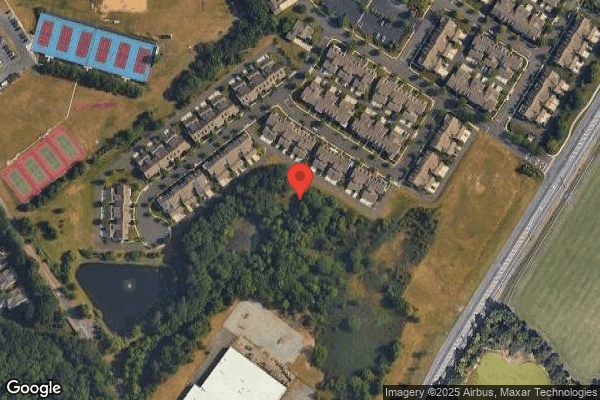
113 ROUTE 73, VOORHEES, NJ 08043 (856) 809-3500
For profit - Individual 124 Beds AUTUMN LAKE HEALTHCARE Data: November 2025 1 Immediate Jeopardy citation
Trust Grade
61/100
#74 of 344 in NJ
Last Inspection: October 2024

Within standard 12-15 month inspection cycle. Federal law requires annual inspections.

Overview

The Subacute at Autumn Lake Healthcare has a Trust Grade of C+, indicating it's slightly above average but not exceptional. With a state ranking of #74 out of 344 facilities in New Jersey, they are in the top half, and they rank #2 out of 20 in Camden County, suggesting they are one of the better local options. However, the facility is showing a worsening trend, with issues increasing from 5 in 2023 to 8 in 2024. Staffing is a concern, with a low rating of 2 out of 5 stars and a high turnover rate of 63%, significantly above the state average of 41%. While there have been some issues, such as a resident receiving the wrong diet that led to choking and failures in fall management resulting in serious injury, the facility does boast strong quality measures and excellent overall star ratings.

Trust Score
C+
61/100
In New Jersey
#74/344
Top 21%
Safety Record
High Risk
Review needed
Inspections
Getting Worse
5 → 8 violations
Staff Stability
⚠ Watch
63% turnover. Above average. Higher turnover means staff may not know residents' routines.
Penalties
⚠ Watch
$10,039 in fines. Higher than 95% of New Jersey facilities. Major compliance failures.
Skilled Nurses
○ Average
Each resident gets 30 minutes of Registered Nurse (RN) attention daily — about average for New Jersey. RNs are the most trained staff who monitor for health changes.
Violations
⚠ Watch
17 deficiencies on record. Higher than average. Multiple issues found across inspections.
★★★★★
5.0
Overall Rating
★★☆☆☆
2.0
Staff Levels
★★★★★
5.0
Care Quality
★★★★☆
4.0
Inspection Score
Stable
2023: 5 issues
2024: 8 issues

The Good

  • 5-Star Quality Measures · Strong clinical quality outcomes
  • Full Sprinkler Coverage · Fire safety systems throughout facility
  • No fines on record

Facility shows strength in quality measures, fire safety.

The Bad

Staff Turnover: 63%

17pts above New Jersey avg (46%)

Frequent staff changes - ask about care continuity

Federal Fines: $10,039

Below median ($33,413)

Minor penalties assessed

Chain: AUTUMN LAKE HEALTHCARE

Part of a multi-facility chain

Ask about local staffing decisions and management

Staff turnover is elevated (63%)

15 points above New Jersey average of 48%

The Ugly 17 deficiencies on record

1 life-threatening 1 actual harm
Nov 2024 2 deficiencies 1 IJ
CRITICAL (J) 📢 Someone Reported This

A family member, employee, or ombudsman was alarmed enough to file a formal complaint

Immediate Jeopardy (IJ) - the most serious Medicare violation

Deficiency F0808 (Tag F0808)

Someone could have died · This affected 1 resident

Complaint #: NJ00180094 Based on interviews, medical record review, and review of other pertinent facility documentation on 11/26/2024 and 11/27/2024, it was determined that: the facility failed to pr...

Read full inspector narrative →
Complaint #: NJ00180094 Based on interviews, medical record review, and review of other pertinent facility documentation on 11/26/2024 and 11/27/2024, it was determined that: the facility failed to provide the correct therapeutic diet to a cognitively impaired resident (Resident #3) with a known diagnosis of dysphagia, pharyngeal phase who had a physician's order and plan of care for ground diet and required feeding assistance. It was determined that on 11/12/2024 a Certified Nursing Assistant (CNA) delivered a meal tray containing a regular texture meal to Resident #3, who had orders for a ground diet. The regular texture meal was left with Resident #3. The CNA confirmed that Resident #3's meal tray included corn and tortillas that were not ground texture. The resident's family arrived shortly after the tray was left with Resident #3 and observed the resident with food in her/his mouth. The family reported to facility staff that Resident #3 was choking. The facility also failed to follow its policies titled Therapeutic Diet Orders and Comprehensive Care Plans. This deficient practice was identified for 1of 3 residents (Resident #3) reviewed for therapeutic diet orders and posed a hazard to residents with the need for mechanically altered diets. This deficient practice had the potential to result in serious injury or death. The past noncompliance and Immediate Jeopardy began on 11/12/24 and ended on 11/13/2024 after the facility implemented a systemic plan before this complaint survey began. The facility's plan included the following: On 11/12/2024 Resident #3 was assessed for aspiration precautions. On 11/12/2024 Resident #3's physician was notified of the incident. On 11/12/2024 the DON (Director of Nursing) was notified of the incident. On 11/12/2024 at 2:00 P.M., the CNA was in-serviced regarding verification of tray and ticket information. On 11/13/2024 resident care staff was in-serviced regarding meal tray accuracy. On 11/13/2024 kitchen staff were in-serviced regarding ensuring resident meals are of the correct texture. On 11/13/2024 the [NAME] on shift at the time of the incident was given an Employee Corrective Action related to failure to follow the meal tracker ticket as read. On 11/13/2024, 11/14/2024, 11/15/2024, 11/16/2024, and 11/17/2024 tray accuracy audits were performed for Resident #3's breakfast, lunch, and dinner trays. 100% accuracy was documented. On 11/13/2024 the facility initiated weekly meal tray audits for texture meals and tray accuracy for all residents. On 11/13/2024 a system compliance plan was developed to submit texture meals and tray accuracy results to Quality Assurance and Performance Improvement (QAPI) on an ongoing basis. According to the admission Record, Resident #3 was admitted to the facility with diagnoses which included but were not limited to dysphagia, pharyngeal phase (difficulty swallowing); other lack of coordination; and need for assistance with personal care. According to the most recent Minimum Data Set (MDS), an assessment tool, Resident #3 had a Brief Interview of Mental Status (BIMS) score of 5 out of 15, which indicated the Resident #3's cognition was severely impaired. Review of the facility's untitled document dated 11/12/2024 and timed 21:55 (9:55 PM) under Incident Description revealed Aid identified that resident received the incorrect tray. Tray was removed and a new diet tray was provided to resident. Review of Resident #3's Progress Notes (PNs) revealed an undated and untimed LATE ENTRY authored by the facility's Director of Nursing (DON) that revealed Patient was assessed and monitored for aspiration precautions. Review of Resident #3's Care Plan (CP), undated, included a focus of, nutritional status (Resident #3) is at nutrition risk due to inadequate oral intakes, chewing difficulties, self feeding deficits and recent wt [weight] loss. Dysphagia pharyngeal phase [.] mechanically altered diet Ground. The CP included an undated intervention to Provide diet as ordered: 2 gm [gram] Na [sodium] ground, 1500cc [cubic centimeter] FR [fluid restriction]. Review of the facility document Order Summary Report (OSR), dated 11/26/2024, revealed an order, dated 11/05/2024 for a ground texture diet with sodium and fluid restrictions. The OSR also revealed an order dated 11/06/2024 which indicated that Resident #3 required assistance and extra time for feeding. Review of Resident #3's dinner meal ticket, dated 11/12/2024, revealed 2 Gm Na- Ground at the top of the ticket in bold lettering. The items selected for Resident #3 included mashed potatoes, pureed stewed tomatoes, and pureed cinnamon brown sugar blondie. During an interview on 11/26/2024 at 12:52 PM, Licensed Practical Nurse (LPN) #1 stated that there should be a diet order for each resident. LPN #1 stated that CNAs passed trays to each resident at mealtimes. LPN #1 stated that the expectation was that trays were checked at the residents' bedside and matched to the meal ticket. LPN #1 stated that the CNA should have notified a nurse if a tray seemed wrong for any reason. The nurse should then address the issue with the kitchen. LPN #1 further stated that CNAs did the feedings and should have notified nurse with any feeding concerns. During a telephone interview on 11/26/2024 at 3:56 P.M., the CNA informed the surveyor that on 11/12/2024 she delivered a regular texture tray to Resident #3. The CNA stated that Resident #3 got tortillas, corn, and something else. The CNA stated that she set the tray up for Resident #3 and the resident started eating. The CNA further stated that she was not aware that Resident #3 was on a altered texture diet or that the resident required feeding assistance. The CNA further stated that 10 minutes later Resident #3's family reported that the resident was choking. The CNA stated, The resident had food in (their) mouth, I think (they) just couldn't chew it. During an interview on 11/27/2024 at 11:00 AM, the Food Service Director (FSD) stated that tray accuracy was important because getting the wrong food could have caused harm and possibly death to a resident because of choking or allergies. The FSD stated that the current process was for nursing staff to complete diet slips for each resident. The diet slips included name, room number, allergies, diet, and preferences. The FSD further stated that the FSD then entered the diet slip information into MealTracker (a nutrition management software) and printed a ticket to ensure accuracy. The FSD stated that as a tray was prepared it moved down a tray line where a Dietary Aide (DA) placed liquids and condiments. The [NAME] would have then looked at the ticket to determine what went on the resident's plate. The last person working on the tray line was usually a DA who was supposed to verify that the meal matched the ticket. The FSD stated that the expectation was for the [NAME] to make sure the correct texture food went on the residents' meal tray. The FSD stated that the facility did not follow its policy related to resident diet because a resident received the wrong meal. The FSD went on to state that the [NAME] on the P.M. shift on 11/12/2024 was given a verbal warning due to the meal ticket not being followed. During an interview on 11/27/2024 at 1:15 PM, LPN #2 stated that it was important to follow doctors' orders to make sure that residents received the care that they needed. LPN #2 stated that it was the expectation that residents' care plans (CPs) were followed by all staff. LPN #2 stated that if care plans were not followed errors or neglect could have happened. During an interview on 11/27/2024 at 1:49 P.M., the DON stated that it was expected that meals received by residents were in accordance with physician orders. The DON further stated that the expectation was that staff verified the ordered diet to what came on the meal tray to ensure accuracy. The DON stated that if a resident received the wrong diet and consumed it the outcome would have to be evaluated on a case-by-case basis. The DON stated that resident CPs were individualized to every resident and tailored to their needs. The DON further stated that CPs should have been followed by all staff and that there could be a hindrance to the resident if their CPs were not followed. Review of the facility's Therapeutic Diets policy, revised 10/2022, revealed under the Policy Statement All residents have a diet order [.] that is prescribed by the attending physician, physician extender, or credentialed practitioner. Under Procedures the policy revealed Diets are prepared in accordance with guidelines in the approved Diet Manual and the individualized plan of care. Review of the facility policy titled Comprehensive Care plans revealed Qualified staff responsible for carrying out interventions specified in the care plan will be notified of their roles and responsibilities for carrying out the interventions, initially and when changes are made. Review of the facility document titled Diet and Nutrition Care Manual IDDSI Level 5: Minced and Moist with ground handwritten at the top of the pages was conducted on 11/27/2024. This section of the Diet and Nutrition Care Manual revealed This diet may be appropriate for individuals with swallowing or dental problems and requires no chewing or biting. The list of food examples in this category included but were not limited to Vegetables cooked, finely mashed or use a blender to finely chop it into 4mm [millimeter] lump size pieces and Breads are gelled or pureed following a recipe. NJAC 8:39-17.4(a)(2)
CONCERN (D) 📢 Someone Reported This

A family member, employee, or ombudsman was alarmed enough to file a formal complaint

Potential for Harm - no one hurt, but risky conditions existed

Deficiency F0561 (Tag F0561)

Could have caused harm · This affected 1 resident

Complaint #: NJ00180094 Based on observation, interview, and record review, it was determined that the facility failed to appropriately respond to a resident family's request regarding resident food p...

Read full inspector narrative →
Complaint #: NJ00180094 Based on observation, interview, and record review, it was determined that the facility failed to appropriately respond to a resident family's request regarding resident food preferences and follow the facility policy related to resident self-determination. This deficient practice was identified for 1 of 1 resident reviewed for choices (Resident #3) and was evidenced by the following: A review of the admission Record (AR) reflected that Resident #3 was admitted to the facility with diagnoses which included but were not limited to dysphagia, pharyngeal phase (difficulty swallowing); other lack of coordination; and need for assistance with personal care. According to the most recent Minimum Data Set (MDS), an assessment tool, Resident #3 had a Brief Interview of Mental Status (BIMS) score of 5 out of 15, which indicated the resident's cognition was severely impaired. During a unit tour on 11/26/2024 at 11:57 A.M., the surveyor observed a large sign with large writing that read please do not feed pudding or milk on the room door of Resident #3. No milk, no pudding was also observed written on the whiteboard in Resident #3's room. The same signage remained in place during a meal observation on 11/27/2024. During a lunchtime meal observation on the third floor on 11/27/2024 at 12:44 P.M., the surveyor observed Resident #3's meal tray arrive. The tray contained a clear plastic cup filled with a creamy appearing yellow substance. The Assistant Director of Nursing (ADON) confirmed that the creamy yellow substance was pudding. During an interview on 11/27/2024 at 1:01 P.M., the ADON stated that Resident #3's family placed the signs about pudding on the resident's door. The ADON stated that if pudding was against the family's preferences, then it should not have been on the resident's tray. The ADON further stated that Nurses or Dieticians were responsible to notify the kitchen of this type of preference. During an interview on 11/27/2024 at 1:15 P.M., Licensed Practical Nurse (LPN) #2 stated everyone should follow resident preferences. LPN #2 went on to state that the person who was notified of a resident's preference should have made other staff aware. LPN #2 stated that everyone could have passed Resident #3's preference for no pudding along to dietary. The undated facility policy Resident Self Determination and Participation (Schedules) was reviewed. Under the section titled Policy Explanation and Compliance Guidelines the document revealed According to federal regulations the resident has the right to [.] c. Make choices about aspects of his or her life in the facility that are significant to the resident. Review of the Policy Explanation and Compliance Guidelines section of the Resident Self Determination and Participation (Schedules) policy document further revealed If the resident is unable to communicate preferences, the resident's family members should be asked for input. NJAC 8:39-17.4 (a)1
Oct 2024 4 deficiencies
CONCERN (D) 📢 Someone Reported This

A family member, employee, or ombudsman was alarmed enough to file a formal complaint

Potential for Harm - no one hurt, but risky conditions existed

Comprehensive Assessments (Tag F0636)

Could have caused harm · This affected 1 resident

Based on interview and record review, it was determined that the facility failed to complete a comprehensive Minimum Data Set (MDS), an assessment tool, within 14 days of resident admission to the fac...

Read full inspector narrative →
Based on interview and record review, it was determined that the facility failed to complete a comprehensive Minimum Data Set (MDS), an assessment tool, within 14 days of resident admission to the facility. This deficient practice was identified for 1 of 25 sampled residents, (Resident #241) and was evidenced by the following: On 10/24/2024 at 09:55 AM, the surveyor reviewed the electronic medical record (EMR) for Resident #241. The surveyor accessed the MDS tab in the EMR and reviewed the following: 10/17/2024 Admission/Medicare - 5 Day Status: In Progress In addition, review of the Next Tracking/Dischrg bar revealed that Resident #241's ARD (assessment reference date) was 10/24/2024 and was 5 days overdue. On 10/29/2024 at 09:42 AM, the surveyor conducted an interview with the facility MDS coordinator. The surveyor asked the MDS coordinator what the timeframe for completion of a comprehensive admission assessment for residents was admitted to the facility. The MDS coordinator told the surveyor that the residents admitted are either mostly Medicare or private insurance. We do get some Medicaid. The MDS coordinator went on to explain that a 5-day assessment must be completed within 14 days of admission. The surveyor asked the MDS coordinator to look up Resident #241's comprehensive admission assessment in the EMR. The MDS coordinator after viewing Resident #241's MDS admission assessment told the surveyor, I haven't completed the admission assessment. The surveyor asked the MDS coordinator if the MDS admission assessment was overdue and the MDS coordinator replied, Yes, according to the admission date, the admission assessment should've been completed on 10/24/2024. On 10/29/2024 at 1:20 PM, the Regional Director of Nursing confirmed to the surveyor that the admission assessment should have been completed on or before the 17th (of October) and stated that they had a MDS coordinator recently had resign. A review of the facility policy titled MDS 3.0 Completion, undated, revealed the following: 2. Types of OBRA (Omnibus Budget Reconciliation Act of 1987) Assessments: b. admission Assessment - completed within 14 days of admission counting the day of admission as day #1 when: i. The resident has no prior admission, or ii. The prior admission was less than 14 days and no admission assessment was completed during the prior admission, or iii. Prior admission ended with a Discharge Return Not Anticipated; or iv. Prior admission ended with a Discharge Return Anticipated and re-entry occurred > 30 days after the discharge date . NJAC 8:39-11.2(e)
CONCERN (D) 📢 Someone Reported This

A family member, employee, or ombudsman was alarmed enough to file a formal complaint

Potential for Harm - no one hurt, but risky conditions existed

Deficiency F0655 (Tag F0655)

Could have caused harm · This affected 1 resident

2.) On 10/23/2024 at 11:24 AM during the initial tour of the facility Resident #241 told the surveyor that he/she had a urinary catheter, but they removed it yesterday and I haven't gone to the bathro...

Read full inspector narrative →
2.) On 10/23/2024 at 11:24 AM during the initial tour of the facility Resident #241 told the surveyor that he/she had a urinary catheter, but they removed it yesterday and I haven't gone to the bathroom yet. It's been almost 24 hours. According to the admission Record Resident #241 was admitted to the facility with the following but not limited to diagnoses: Rhabdomyolysis (a condition in which damaged skeletal muscle breaks down rapidly), sepsis (a condition in which the body responds improperly to infection), type 2 diabetes mellitus, urinary tract infection and pressure ulcer of sacral region. A review of the [facility initials] Baseline Care Plan - V4 revealed that there are seven (7) sections to the baseline care plan as follows: 1. General Information and Initial Goals 2. Functional Status 3. Health Conditions 4. Dietary 5. Therapy 6. Social Services 7. BCP Summary and Signatures. On 10/24/2024 at 10:13 AM, the surveyor reviewed the baseline care plan for Resident #241. During the review of the baseline care plan on this date revealed that sections 1-7 were not completed within 48 hours of admission. On 10/29/2024 the surveyor again reviewed the baseline care plan for Resident #241 via the EMR. On this date the baseline care plan revealed that sections 1-7 had been completed on 10/24/2024. During an interview with the surveyor on 10/28/2024 at 12:27 PM, Licensed Practical Nurse (LPN #1) When is the baseline care plan to be completed. LPN #1 said LPN's don't do the care plans. The Unit Manager is responsible for the care plans. During an interview with the surveyor on 10/28/2024 at 12:33 PM, Licensed Practical Nurse/Unit Manager (LPN/UM #1) said baseline care plan should be initiated by the admitting nurse. I will then go in and make corrections as needed. We have up to 48 hours for base line to be completed. Dietary, therapy and nursing complete this and I make sure it is signed and completed. I make sure the whole baseline care is appropriate and then I sign as completed. During an interview with the survey team on 10/29/2024 at 01:44 PM, the Director of Nursing (DON) was asked when is the baseline care plan to be completed. The DON replied within 48 hours of admission. The Regional Registered Nurse confirmed the timeframe of 48 hours for completion of the baseline care plan. The surveyor questioned what is expected to be on a baseline care plan. The DON replied initial assessment and care needs until comprehensive cae plan is done. It does not carry over to the comprehensive care plan, it is a tool and some of the items trigger and then carry over to comprehensive care plan. A review of a facility policy titled Baseline Care Plan with revised date of October 2022 revealed under the Policy Statement section The facility will develop and implement a baseline care plan for each resident that includes the instructions needed to provide effective and person-centered care of the resident that meets professional standards of quality care. Under the Policy Interpretation and implementation section 1. The baseline care plan will: a. Be developed within 48 hours of a resident's admission., b. Include the minimum healthcare information necessary to properly care for a resident including but not limited to: i. Initial goals based on admission orders. ii. Physician orders. iii. Dietary orders iv. Therapy Services. v. Social services Under 3. A supervising nurse shall verify within 48 hours that a baseline care plan has been developed. NJAC 8:39-11.2(d) Based on observation, interview, review of the Electronic Medical Record (EMR) and review of other facility documentation, it was determined that the facility failed to develop and implement a baseline care plan (BCP) within 48 hours of admission that included the minimum healthcare information necessary to properly care for the immediate needs of the resident. This deficient practice was identified for 2 of 25 sampled residents (Resident #90, #241) and was evidenced by the following: 1.) According to the admission Record, Resident #90 was admitted to the facility with diagnoses including but not limited to: Malignant Neoplasm of the Mandible, Type 2 Diabetes, unspecified Protein-Calorie Malnutrition, and Tracheostomy (a surgical procedure that creates an opening in the neck to provide an airway and help with breathing). A review of the [facility initials] Baseline Care Plan -V4 revealed that there are seven (7) sections to the baseline care plan as follows: 1. General Information and Initial Goals 2. Functional abilities 3. Health conditions 4. Dietary 5. Therapy 6. Social Services 7. BCP summary and signatures. A review Resident #90's baseline care plan revealed that section #2 and #3 were not completed within 48 hours of admission. The BCP summary was incomplete, Signature of Resident and Representative was blank, as well as representative signature and date. The only staff who signed was the Director of Rehab and Director of Social Services.
CONCERN (D) 📢 Someone Reported This

A family member, employee, or ombudsman was alarmed enough to file a formal complaint

Potential for Harm - no one hurt, but risky conditions existed

Deficiency F0868 (Tag F0868)

Could have caused harm · This affected 1 resident

Based on interview and review of facility documentation, it was determined that the facility failed to ensure that the Infection Preventionist was at 1 of 1 Quality Assurance Performance Improvement (...

Read full inspector narrative →
Based on interview and review of facility documentation, it was determined that the facility failed to ensure that the Infection Preventionist was at 1 of 1 Quality Assurance Performance Improvement (QAPI) quarterly meeting and that QAPI meetings were held on a quarterly basis . This deficient practice was identified for 1 of the last 3 quarters and 2 of the last 3 quarters and was evidenced by the following: During a review of the facility QAPI 2024 book on 10/29/2024 at 08:44 AM, there was a sign in sheet with the topic of QAPI/QA Quarter 3. There was no signature or name for the Infection Preventionist. On 10/29/2024 at 09:25 AM the surveyor requested all of the last 3 quarter sign in sheets from the Regional DON (RDON) who said I came to the building in April and I asked where is the QAPI. There was nothing done since last year for QAPI. I have a QAPI that identified this concern for there being no QAPI. I provided all department heads and staff with education and power points to all staff on QAPI requirements in April of 2024. As new department heads and staff start they get trained and CNA's as well. We also have a QAPI board so families can see what we are doing. I sat with each department and assisted them to identify concerns, use audits, and process and structure changes. We met weekly for 1st month to make sure they are capturing the data and then we moved to monthly. When asked was there a quarterly meeting in July, the RDON said I guess we could have had a quarterly but the team wasn't there yet. A review of the facility policy titled Quality Assurance and Performance Improvement (QAPI) undated revealed 2. the QAA committee shall be interdisciplinary and shall: a. consists at a minimum of: i. The Director of Nursing ii. The Medical director iii. At least 3 other members of facility staff, at least one of which must be the Administrator, owner, a Board Member or other individual in a leadership role and the Infection Preventionist. must meet at least quarterly, develop and implement appropriate plans of action to correct identified quality deficiencies. NJAC 8:39-33.1(b)
CONCERN (E) 📢 Someone Reported This

A family member, employee, or ombudsman was alarmed enough to file a formal complaint

Potential for Harm - no one hurt, but risky conditions existed

Comprehensive Care Plan (Tag F0656)

Could have caused harm · This affected multiple residents

**NOTE- TERMS IN BRACKETS HAVE BEEN EDITED TO PROTECT CONFIDENTIALITY** 3.) On 10/23/2024 at 11:50 AM, during the initial tour, Resident #6 was identified by the nurse as having advanced dementia. A ...

Read full inspector narrative →
**NOTE- TERMS IN BRACKETS HAVE BEEN EDITED TO PROTECT CONFIDENTIALITY** 3.) On 10/23/2024 at 11:50 AM, during the initial tour, Resident #6 was identified by the nurse as having advanced dementia. A review of Resident #6's admission Record revealed that he/she had a diagnosis that included but not limited to, Dementia, Depression, Chronic Kidney Disease, Urinary Tract Infection, Cognitive Communication deficit, and history of Transient Ischemic Attacks and Cerebral Infarction. A review of the most recent comprehensive MDS dated [DATE], under section V: Care Area Assessment (CAA) Summary; the following care areas were identified as problems to address in the Individual Comprehensive Care Plan: Cognitive Loss/Dementia, Communication, Urinary Incontinence and Indwelling Catheter, Falls, Nutritional Status, Pressure Ulcer, and Psychotropic Drug Use. A review of Resident #6's Individualized Comprehensive Care Plan with an initiation date 09/25/2024, only included the following focus areas: [resident name] is at risk for behavior symptoms r/t Alzheimer's disease/dementia, mental illness, inappropriate comments. The CP further showed a Focus area of Nutritional status [resident name] is at nutrition risk due to inadequate oral intakes. Based on observation, interview, record review, and review of other facility documentation, it was determined that the facility failed to develop an individualized person-centered comprehensive care plan to address the needs of the resident for 4 of 25 sampled residents (Resident #1, #6, #96, and #99). This deficient practice was evidenced by the following: 1). On 10/23/2024 at 11:04 AM during the initial tour of the facility the surveyor observed Resident #1 who was seated on their bed eating breakfast. According to the admission record Resident #1 was admitted to the facility with the following but not limited to diagnoses: Type 2 diabetes mellitus. alcohol abuse, anxiety disorder, encounter for surgical aftercare following surgery on the circulatory system, and acute embolism and thrombosis of right tibial vein (conditions that disrupt blood flow). A review of the comprehensive Minimum Data Set (MDS), an assessment tool dated 09/29/2024, revealed under section Section V the following areas were to be care planned as checked off in column B: ADL/Functional Rehabilitation Potential, Urinary Incontinence and Indwelling Catheter, Psychosocial Well-Being, Mood State, Activities, Falls, Nutritional Status, Pressure Ulcer, Psychotropic Drug Use, and Pain. On 10/28/2024 at 10:38 AM the surveyor conducted a review of the electronic medical record (EMR) of Resident #1. The EMR revealed under the care plan tab that Resident #1 had a comprehensive care plan that consisted of pain. The comprehensive care plan had the following Focus: The resident has (Specify: acute/chronic) pain r/t (related to) Date Initiated: 09/23/2024. Resident #1's care plan Goal was the resident will verbalize adequate relief of pain or ability to cope with incompletely relieved pain through the review date. Date Initiated: 09/23/2024 Target Date: 10/08/2024 Cancelled Date: 10/29/2024.A further review of the comprehensive care plan (CP) revealed that Resident #1 had no care planned interventions for pain. There were no other Focus areas on the CP for Resident #1 prior to discharge from the facility. 2.) Resident #99 was reviewed by the surveyor for activities of daily living. On 10/24/2024 at 12:43 PM the surveyor reviewed Resident #99's EMR. A review of the admission Record revealed that Resident #99 was admitted to the facility with the following but not limited to diagnoses: Cardiac arrest, fracture of right foot, fall, pain in left knee, protein-calorie malnutrition, and type 2 diabetes mellitus. A review of the MDS dated [DATE], revealed that according to Section V of the MDS, Resident #99 was triggered and proceeded to care plan for the following care areas according to column B: ADL (activities daily living) Functional/Rehabilitation Potential, Urinary Incontinence and Indwelling Catheter, Falls, Nutritional Status, and Pressure Ulcer. On 10/24/2024 at 01:02 PM, the surveyor reviewed Resident #99's individualized comprehensive care plan. The care plan revealed that Resident #99 had only one (1) care planned area (nutritional status). 4.) A review of Resident # 96's EMR was completed on 10/30/2024 at 08:35 AM, as follows: According to the admission Record Resident #96 was admitted to the facility with diagnoses including but not limited to: Traumatic Subarachnoid Hemorrhage (bleeding in the brain), Pulmonary Embolism (blood clot in the lung), Type 2 Diabetes Mellitus with Diabetic Neuropathy, and colostomy status. A review of the most recent comprehensive MDS dated [DATE], revealed under section V the CAA Summary under A. Care Area Triggered the following areas were triggered Cognitive Loss/Dementia, ADL Function/Rehabilitation Potential, Urinary Incontinence and Indwelling Catheter, Psychosocial well-being, Activities, Falls, Nutritional Status, Pressure Ulcer, and Psychotropic Drug Use. Under B. Care Planning Decision Of the triggered areas, the CP decision was marked as yes for all except psychosocial well-being. A review of Resident #96's Individualized Comprehensive Care Plan revealed a Focus area of [resident name] has a potential nutritional problem r/t Diet restrictions for diabetes and weight gain. The CP also showed a Focus area of [resident name] is independent in his/her recreational choice. There were no other Focus areas that were identified in section V for care planning decision. There were no other Focus areas prior to Resident #96's discahrge from the facility. During an interview with the surveyor on 10/28/2024 at 12:33 PM, the Licensed Practical Nurse /Unit Manager (LPN/UM #1) said I was told to open it (CP) once the base line care plan is closed out within 48 hours of admission and then the comprehensive care plan is opened. LPN/UM #1 confirmed that the baseline care plan is closed out 48 hours after admission. When questioned as to what should be on the CP LPN/UM #1 said that is done as related to patient. If they are on psychotropic meds, anticoagulant, diagnoses and whatever else arises while they are here. LPN/UM #1 went on to say also Skin, ADL's, pain, catheter, ostomies, ABT, PICC line. I believe it is with in 21 days of patient being here the comprehensive care plan needs to be completed. During an interview with the surveyor on 10/29/2024 at 11:36 AM, LPN/UM #2, stated that the Comprehensive Care Plan is due after 26 days. The LPN/UM #2 was unable to speak to the Care Area Assessment (CAA) Summary or its role in developing the Comprehensive Care Plan. On 10/29/2024 at 01:53 PM, the surveyors team conducted an interview with the facility administrative staff which included the Licensed Nursing Home Administrator, Director of Nursing, and two (2) Regional Directors of Nursing (RDON). When interviewed both RDON's agreed that any Care Area Assessment (CAA) areas that are triggered should be care planned. The RDON's told the surveyors that comprehensive care plans should be completed within 7 days after the comprehensive assessment (MDS). A review of a facility policy on 10/29/2024 at 10:07 AM, an undated facility policy titled, Care Plans, Comprehensive Person-Centered, under #2: The comprehensive, person-centered care plan is developed within seven (7) days of the completion of the required MDS assessment (Admission, Annual or Significant Change in Status), and no more than 21 days after admission. NJAC 8:39-11.2(f)
Jul 2024 1 deficiency
CONCERN (D) 📢 Someone Reported This

A family member, employee, or ombudsman was alarmed enough to file a formal complaint

Potential for Harm - no one hurt, but risky conditions existed

Quality of Care (Tag F0684)

Could have caused harm · This affected 1 resident

**NOTE- TERMS IN BRACKETS HAVE BEEN EDITED TO PROTECT CONFIDENTIALITY** Complaint # NJ00175045 Based on interview, record review, and review of pertinent facility documentation, it was determined that...

Read full inspector narrative →
**NOTE- TERMS IN BRACKETS HAVE BEEN EDITED TO PROTECT CONFIDENTIALITY** Complaint # NJ00175045 Based on interview, record review, and review of pertinent facility documentation, it was determined that the facility failed to ensure residents received treatment and care in accordance with professional standards of practice that meet each resident's physical, mental and psychosocial needs for a resident with a history of falls. This deficient practice was identified for 1 of 3 residents reviewed for quality of care, (Resident #3) and was evidenced by the following: Review of the Electronic Medical record revealed the following: According to the admission Record, Resident #3 was admitted to the facility on [DATE] with diagnoses which included but not limited to: Difficulty Walking, Fall Risk and Muscle Weakness and Fall. A review of the Minimum Data Set (MDS), an assessment tool dated 02/09/2024, showed that Resident #3 had a Brief Interview for Mental Status (BIMS) score of 1, which indicated the resident was cognitively impaired. The MDS also showed Resident #3 required extensive assistance with bed mobility, personal hygiene, transfer two persons assist, toileting total dependence, meal setup. A review of the Baseline Care Plan (BCP) indicated on 04/01/24 revealed, Resident #3 was on hourly checks by staff and Perimeter mattress in placed on bed. Resident #3 required extensive one person assistance with bed mobility and personal care. The Surveyor reviewed the Facility Reportable Event (FRE) dated 4/5/2024 for Resident #3, that was provided by the facility. The FRE revealed that on 04/05/24, the day shift staff noted Resident #3 on the floor mat next to the resident's bed. An attempt to interview Resident #3, who was not able to recall details of the event. The facility was notified by the family that the resident was on the floor for some time, per a video monitoring device that was recording at that time. This device was placed in the room with the resident by the family with the facility's permission. The family reported to the staff that the resident was ''yelling'' prior to the fall. The family member reported that the nurse assigned to the resident had closed the door instead of checking on the resident based on the facility's policy for making rounds on residents identified for the need for regular checking due to history of falls. The reportable also revealed that the family requested that the resident be sent out to the hospital. The resident was sent out to the hospital and did not return to the facility. The facility determined the staff that was on that night was a License Practical Nurse #2 (LPN), that worked for an outside agency that was used by the facility to supplement staffing for the assigned floor. The FRE indicated that LPN#2 had reported to the day shift staff nurse that Resident #3 was disturbing other residents prompting her to close the resident's door. On 07/30/24 at 10:31a.m., the Surveyor interviewed Certified Nurse Assistant #1 (CNA) who stated that fall risk resident should be monitor every fifteen to thirty minutes. On 07/30/24 at 1:44 p.m., the Surveyor interviewed LPN #5, he stated that he found the resident on the mat lying on the left side. He took the resident's vital signs and neurological check was done. LPN #5, also spoke to a family member from the monitoring device at that time. The Director of Nursing, (who is no longer at the facility) also came into the room and completed a physical and neurological assessment on Resident #3. There were no injuries noted and the resident was assisted back to bed. The resident had floor mats located on each side of the bed due to history of falls. The family requested to the facility staff to send Resident #3 to the hospital for an evaluation. On 07/30/24 at 2:24 p.m., the Surveyor interviewed Assistant Director of Nursing (ADON), who stated Resident #3 was a fall risk and was dependent on staff in all aspects of care. The ADON stated LPN #5 reported that Resident #3 was on the floor mat and in need of assistance and the night shift nurse LPN #2 had gone and closed the resident door. The ADON stated that LPN #2 was suspended immediately and was not permitted to work at the facility anymore. The ADON stated that when residents fall on mats the incident was considered a fall. A review of the facility's policy 'Purposeful Rounding. Policy statement. Purposeful rounding is an initiative approach to the care of an identified resident that involves regularly checking on the resident to address their anticipated needs, prevent problems, and enhance their overall well-being. Frequency of Rounding: The established process of an individual schedule for purposeful rounding is determined by the IDT team may varies depending on the needs of the residents and which can include but not limited to hourly every 30 minutes, and every 15 minutes. NJAC 8:39-27.1(a).
Jan 2024 1 deficiency
CONCERN (E) 📢 Someone Reported This

A family member, employee, or ombudsman was alarmed enough to file a formal complaint

Potential for Harm - no one hurt, but risky conditions existed

Deficiency F0725 (Tag F0725)

Could have caused harm · This affected multiple residents

**NOTE- TERMS IN BRACKETS HAVE BEEN EDITED TO PROTECT CONFIDENTIALITY** 7. On 1/11/24 at 5:45 A.M., Surveyor # 2 arrived on the Second Floor to complete a tour of the unit. Per the 11:00 P.M. to 7:00 ...

Read full inspector narrative →
**NOTE- TERMS IN BRACKETS HAVE BEEN EDITED TO PROTECT CONFIDENTIALITY** 7. On 1/11/24 at 5:45 A.M., Surveyor # 2 arrived on the Second Floor to complete a tour of the unit. Per the 11:00 P.M. to 7:00 A.M. CNA Shift Assignment, the surveyor noted that the floor had two CNAs working on the unit. On 1/11/24 at 5:47 A.M., Surveyor #2 interviewed Registered Nurse (RN) #1, who said that there were 14 residents assigned to them and that there was one CNA [CNA #2] on that side. On 1/11/24 at 5:53 A.M., Surveyor #2 observed CNA #2 exiting a room. CNA #2 said that she had just completed providing care to a resident. CNA #2 further stated that she was unsure how many residents were assigned to her as she had an entire side [Rooms 232 - 262] to herself. CNA #2 also said that she thought that there should at least be two CNAs on that side. CNA #2 said that incontinent checks are to be completed every two hours by the CNA to prevent bed sores. When asked if CNA #2 was able to check everyone throughout the night, the CNA said, Yes, since the nurses helped with checking the residents. On 1/11/24 at 6:00 A.M., Surveyor #2 interviewed LPN #2 who said that there were 15 residents assigned to them and that there was only one CNA [CNA #2] on that side. LPN #2 added that the nurses are to complete all their work, in addition to assisting the CNA to get everything completed. On 1/11/24 at 6:10 A.M., Surveyor #2 interviewed LPN #4 who said that there were 12 residents assigned to them and one CNA on that side [CNA #3]. LPN #4 said that the CNAs are responsible for providing incontinent care to residents. On 1/11/24 at 6:20 A.M., Surveyor #2 interviewed LPN #5 who said that there were 12 residents assigned to them and one CNA working on that side [CNA #3]. When asked if the residents were able to receive all care throughout the shift, the LPN said, Yes, we're able to get all our work done. We [CNAs and nurses] just work together and it gets done. On 1/11/24 at 7:38 A.M., Surveyor #2 interviewed the Staffing Coordinator (SC). The SC said that six CNAs were scheduled to work the overnight shift on the 1/10/24, 11:00 P.M. to 7:00 A.M. The SC said that she found out this morning (1/11/24) that three CNAs called out at approximately 10:30 P.M. last night. Of the three CNAs that did work, two were on the second-floor long-term care unit, and one was assigned to the third-floor sub-acute unit. The SC said that the night-shift supervisor did leave a message regarding the call outs, but that she missed it. The SC added that the Administrator and DON were also to be informed of the call outs. The SC further stated that it was her responsibility to staff the facility and that staffing effects the well-being of the residents. On 01/11/24 at 8:30 A.M., Surveyor #2 returned to the Second Floor Long-Term Care Unit to complete an incontinent tour accompanied by the Unit Manager LPN (UM/LPN). The UM/LPN stated that CNAs are responsible for all incontinent care, and that they should be rounding every two hours for those that are totally dependent, and more if needed. The UM/LPN stated that CNAs would document all care in the facility's electronic system. The UM/LPN added that the morning shift should have checked on the residents when they arrived on the floor. On 1/11/24 at 8:40 A.M., Surveyor #2 and the UM/LPN knocked and entered the room of Resident #7, who was lying in bed, wearing a t-shirt, and covered by a blanket. The resident, at that time, granted permission for Surveyor #2 and the UM/LPN to observe his/her incontinence diaper. When UM/LPN opened and checked Resident #7's incontinence diaper, it was completely saturated with urine. Resident #7 stated, Sometimes I am changed overnight and sometimes I'm not. I was not changed last night. At that time, the UM/LPN apologized to the resident and stated that the facility would work on addressing the overnight concern. The UM/LPN was unaware of the last time the resident was changed. A review of Resident #7's AR reflected that the resident was admitted to the facility with diagnoses which included but were not limited to Muscle Wasting and Atrophy (decrease in size of a body part or tissue), Difficulty in Walking, and Congestive Heart Failure. A review of Resident #7's Quarterly MDS, dated [DATE], revealed Resident #7 had a BIMS score of 15 out of 15 which indicated Resident #7 was cognitively intact. The MDS further revealed that the resident needed staff assistance for personal hygiene, and that he/she was always incontinent of bladder and frequently incontinent of bowel. The MDS also revealed the resident was at risk for developing pressure ulcers/injury. A review of Resident #7's PNs and weekly skin assessments from December 1st, 2023, to January 10th, 2024, revealed no documentation of skin breakdown. 8. On 01/11/24 at 08:50 A.M., Surveyor #2 and the UM/LPN knocked and entered the room of Resident #8, who was lying in bed, wearing a t-shirt, and covered by a blanket. The resident, at that time, granted permission for Surveyor #2 and the UM/LPN to observe his/her incontinence diaper. The resident said, I'm wet. I wasn't changed last night. When UM/LPN opened and checked Resident #8's incontinence diaper, it was completely saturated with urine. Resident #8 further stated, This was just one night. On the weekends I can go a couple of days without being changed. Surveyor #2 asked the resident if he/she had reported these concerns to any staff, to which Resident #8 said, I let the CNAs know because I don't want to bother the nurses with that. The UM/LPN apologized to the resident and explained that the resident should report incontinence to any staff member so that it can be addressed. The UM/LPN was unaware of the last time the resident was changed. A review of Resident #8's AR reflected that the resident was admitted to the facility with diagnoses which included but were not limited to Muscle Weakness, Spinal Stenosis (a narrowing of the spinal canal in the lower back), and Difficulty in Walking. A review of Resident #8's Quarterly MDS, dated [DATE], revealed Resident #8 had a BIMS score of 15 out of 15 which indicated Resident #8 was cognitively intact. The MDS further revealed that the resident was frequently incontinent of bowel, continent of urine, and that the resident was at risk for developing pressure ulcers/injury. A review of Resident #8's PNs and weekly skin assessments from December 1st, 2023, to January 10th, 2024, revealed no documentation of skin breakdown. During a follow-up interview with UM/LPN on 1/11/24 at 9:03 A.M., the UM/LPN said that she expected the CNAs to complete incontinent rounds every two hours for incontinent residents. The UM/LPN stated that soaking wet diapers are not acceptable for residents. UM/LPN further stated that it is unacceptable that any resident would go an entire night without being checked as verbalized by Resident #7 and Resident #8. A review of the facility's staff assignment sheets dated 1/10/24 revealed the facility had one CNA for rooms 201-231, one CNA for rooms 232-262, and one CNA for the third floor. During an interview with the Administrator and the DON on 1/11/24 at 10 A.M., they confirmed the census of 53 residents on the second floor and 49 residents on the third floor. A review of the Facility's policy titled Activities of Daily Living, dated 8/8/2023, indicated .The facility will, based on the resident's comprehensive assessment and consistent with the resident's needs and choices, ensure a resident's abilities in ADLs do not deteriorate unless deterioration is unavoidable. Care and services will be provided for the following activities of daily living: 3. Toileting. Under the Policy Explanation and Compliance Guideline section revealed #3. A resident who is unable to carry out activities of daily living will receive the necessary services to maintain good nutrition, grooming and personal and oral hygiene. A review of the facility's policy titled Staffing, dated 8/8/23, revealed that It is the policy of this facility to provide adequate staffing to meet needed care and services for our resident population. N.J.A.C. 8:39-27.1 (a) Complaint # NJ170236 Based on observations, interviews, and review of pertinent facility documents on 1/11/24, it was determined that the facility failed to ensure there were sufficient nursing staff to provide care for all residents on 1/10/2024 on the 11:00 P.M. to 7:00 A.M. shift. The facility also failed to follow its policy titled Staffing. This deficient practice occurred on 2 of 2 units, affected 8 of 8 residents (Resident #1, #2, #3, #4, #5, #6, #7 and #8) reviewed and had the potential to affect all other residents. This deficient practice was evidenced by the following: 1.) On 1/11/2024 at 5:50 A.M., Surveyor #1 accompanied by the Licensed Practical Nurse (LPN#1) completed an incontinence tour on the third floor (Subacute Nursing Unit). LPN#1 identified 6 random residents as being dependent on staff for care. Surveyor #1, at this time, observed these residents for incontinence care. Surveyor #1 and LPN #1 entered Resident #1's room, who was in bed wearing a hospital style gown. The resident, at that time, granted permission for Surveyor #1 and LPN #1 to observe his/her incontinence diaper. When LPN #1 opened and checked Resident #1's incontinence diaper, it was saturated with urine. Resident #1 stated, I don't remember the last time I was changed. LPN #1 observed and agreed that Resident #1's incontinence diaper was saturated. LPN #1 was unaware of the last time the resident was changed. A review of Resident #1's admission Record (AR) reflected that the resident was admitted to the facility with diagnoses which included but were not limited to Dementia, Adult Failure to Thrive and Anxiety. A review of Resident #1's admission Minimum Data Set (MDS), an assessment tool dated 10/23/23, revealed Resident #1 had a Brief Interview for Mental Status (BIMS) score of 4 out of 15 which indicated Resident #1 had a severe cognitive impairment. The MDS further revealed that the resident was dependent on staff for personal hygiene, and he/she was always incontinent of bowel and bladder. A review of Resident #1's progress notes (PNs) and weekly skin assessments from December 1st, 2023, to January 10th, 2024, revealed no documentation of skin breakdown. 2. On 1/11/2024 at 5:53 A.M., Surveyor #1 and LPN #1 entered Resident #2's room, who was in bed wearing a hospital style gown and covered with a blanket. At that time, the resident granted permission for Surveyor #1 and LPN #1 to observe his/her incontinence diaper. LPN #1 opened and checked Resident #2's incontinence diaper which was saturated with urine. Resident #2 stated, I did not get changed during the night, the last time I got changed was before bedtime. Resident #2 denied having a pressure ulcer. LPN #1 agreed that Resident #2's incontinence diaper was saturated. LPN #1 was unaware of the last the the resident was changed. A review of Resident #2's AR reflected that the resident was admitted to the facility with diagnoses which included but were not limited to Muscle Weakness, Severe Obesity, Edema (swelling of the lower legs), and Hypertension. A review of Resident #2's admission MDS, dated [DATE], revealed Resident #2 had a BIMS score of 7 out of 15 which indicated Resident #2 had severe cognitive impairment. The MDS further revealed the resident was dependent on staff for personal hygiene, and he/she was always incontinent of bowel and bladder. A review of Resident #2's PNs and weekly skin assessments from December 1st, 2023, to January 10th, 2024, revealed no documentation of skin breakdown. 3. On 1/11/2024 at 5:58 A.M., Surveyor #1 and LPN #1 entered Resident #3's room, who was in bed wearing a hospital style gown and covered with a blanket. At that time, the resident granted permission for Surveyor #1 and LPN #1 to observe his/her incontinence diaper. LPN #1 opened and checked Resident #3's incontinence diaper which was saturated with urine. Resident #3 stated, I did not get changed during the night. Every time I put the light on, the girl [Certified Nursing Aide (CNA)] comes in and turned the light off. When asked by Surveyor #1 if he/she knew the name of the girl [ CNA], Resident #3 said No. The resident continued to state, the last time I got changed was before bedtime. Resident #3 denied having a pressure ulcer. LPN #1 agreed that Resident #3's incontinence diaper was saturated. LPN #1 was unaware of the last time the resident was changed. A review of Resident #3's AR reflected that the resident was admitted to the facility with diagnoses which included but were not limited to Hypertension, Adult Failure to Thrive, Major Depression and Anxiety. A review of Resident #3's MDS dated [DATE] revealed Resident #3 had a BIMS score of 14 out of 15 which indicated Resident #3 was cognitively intact. The MDS further revealed that the resident needed staff assistance for personal hygiene, and he/she was occasionally incontinent of bladder. The MDS also revealed the resident was at risk for skin breakdown. A review of Resident #3's PNs and weekly skin assessments from December 1st, 2023, to January 10th, 2024, revealed no documentation of skin breakdown. 4. On 1/11/2024 at 6:05 A.M., Surveyor #1 and LPN #1 entered Resident #4's room. Resident #4 was in bed wearing a hospital style gown, awake and watching television. At that time, the resident granted permission for Surveyor #1 and LPN #1 to observe his/her incontinence diaper. LPN #1 opened and checked Resident #4's incontinence diaper which was wet with urine. Resident #4 stated, I was last changed before bedtime and did not get changed during the night. LPN #1 acknowledged the resident was saturated and should not be wet. LPN #1 was unaware of the last time the resident was changed. A review of Resident #4's AR reflected that the resident was admitted to the facility with diagnoses which included but were not limited to Muscle Weakness, Major Depression, Tremor and Congested Heart Failure. A review of Resident #4's Quarterly MDS, dated [DATE], revealed Resident #4 had a BIMS score of 12 out of 15 which indicated Resident #4's cognition was moderately impaired. The MDS further revealed that the resident needed staff assistance for personal hygiene, and he/she was frequently incontinent of bowel and bladder. The MDS also revealed the resident was at risk for developing pressure ulcers/injury. A review of Resident #4's PNs and weekly skin assessments from December 1st, 2023, to January 10th, 2024, revealed no documentation of skin breakdown. 5. On 11/11/2024 at 6:15 A.M., Surveyor #1 and LPN #1 entered Resident #5's room. Resident #5 was in bed wearing a pajama set with a clean sheet covering him/her. At that time, the resident granted permission for Surveyor #1 and LPN #1 to observe his/her incontinence diaper. LPN #1 opened and checked Resident #5's incontinence diaper which was saturated with urine. Resident #5 stated, I did not get changed during the night, I was last changed before bedtime. LPN #1 acknowledged the resident was saturated. LPN #1 was unaware of the last time the resident was changed. A review of Resident #5's AR reflected that the resident was admitted to the facility with diagnoses which included but were not limited to Acute Respiratory Failure, Dysphagia (difficulty swallowing food or water), and Parkinson's Disease. A review of Resident #5's Quarterly MDS, dated [DATE], revealed Resident #5 had a BIMS score of 8 out of 15 which indicated Resident #5's cognition was moderately impaired. The MDS further revealed that the resident needed staff assistance for personal hygiene, and he/she was frequently incontinent of bowel and bladder. The MDS also revealed the resident was at risk for developing pressure ulcers/injury. A review of Resident #5's PNs and weekly skin assessments from December 1st, 2023, to January 10th, 2024, revealed no documentation of skin breakdown. 6. On 1/11/2024 at 6:25 A.M., Surveyor #1, in the presence LPN #1, observed Resident #6 in bed with a hospital style gown on. Resident #6's sheets were dry, and no odor was discovered. At that time, the resident granted permission for Surveyor #1 and LPN #1 to observe his/her incontinence diaper. LPN #1 opened the resident's incontinence diaper exposing an additional incontinence diaper underneath. The additional incontinence diaper was wet. At that time, LPN #1 stated that residents should never be double diapered. He acknowledged both incontinence diapers were saturated. Resident #6 stated he/she was last changed before bedtime and did not get changed during the night. LPN #1 was unaware of the last time the resident was changed. A review of Resident #6's AR reflected that the resident was admitted to the facility with diagnoses which included but were not limited to Hypertension, Obesity, Need for Assistance with Personal Care and Spinal Stenosis (the spaces inside of the bones get to small). A review of Resident #6's Quarterly MDS, dated [DATE], revealed Resident #6 had a BIMS score of 13 out of 15 which indicated Resident #6 was cognitively intact. The MDS further revealed that the resident needed staff assistance for personal hygiene, and he/she was always incontinent of bowel and bladder. The MDS also revealed the resident had a preexisting pressure injury to the sacrum upon admission. A review of Resident #6's PNs and weekly skin assessments from December 1st, 2023, to January 10th, 2024, revealed no documentation of worsening of pressure injury to sacrum. On 1/11/2024 at 6:55 A.M., LPN #1 confirmed all residents observed during the incontinence tour were wet. He further stated residents should be checked and changed every two hours and as needed. He said, I would say the residents were not checked or changed during the night shift for incontinence care. LPN #1 further stated for the Subacute Unit with a census of 49 residents today, there should have been more than one CNA assigned on the unit. As per LPN #1, the third floor had a census of 49 residents, 4 LPNs and 1 CNA on the 11:00 P.M. to 7:00 A.M. shift. On 1/11/2024 at 7:08 A.M., CNA #1, who was assigned to the Subacute Unit, stated, I was the only CNA working and I tried to do the best I could but did not get to all the residents. When asked how often incontinence rounds should be done, CNA #1 said, care [rounds] should be provided every two hours and as needed. She said No, I was not able to provide care to all the residents last night. CNA #1 added that not providing incontinence care could affect the resident's wellbeing. On 1/11/2024 at 10:00 A.M., Surveyor #1 interviewed the Director of Nursing (DON), in the presence of the Administrator, regarding the aforementioned concerns with the incontinent rounds. The DON stated that incontinent care was to be provided every 2 hours and as needed by the CNAs. She stated that it is important to provide incontinence care to prevent any skin break down. The DON further stated, no resident should be double diapered, it increases the risk of skin break down. During the same interview, both the DON and Administrator acknowledged that they were aware that there was only one CNA working on the Subacute Unit on 1/10/2024 on the 11:00 P.M. to 7:00 A.M. shift.
Jun 2023 5 deficiencies
CONCERN (D) 📢 Someone Reported This

A family member, employee, or ombudsman was alarmed enough to file a formal complaint

Potential for Harm - no one hurt, but risky conditions existed

Report Alleged Abuse (Tag F0609)

Could have caused harm · This affected 1 resident

Deficiency Text Not Available

Read full inspector narrative →
Deficiency Text Not Available
CONCERN (D)

Potential for Harm - no one hurt, but risky conditions existed

Deficiency F0658 (Tag F0658)

Could have caused harm · This affected 1 resident

Based on observation, interview, and record review, it was determined that the facility failed to consistently document in the Treatment Administration Record (TAR) for 1 of 1 resident (Resident #28) ...

Read full inspector narrative →
Based on observation, interview, and record review, it was determined that the facility failed to consistently document in the Treatment Administration Record (TAR) for 1 of 1 resident (Resident #28) reviewed for pressure ulcer. This deficient practice was evidenced by the following: Reference: New Jersey Statutes, Annotated Title 45, Chapter 11. Nursing Board The nurse practice act for the State of New Jersey states; The practice of nursing as a registered professional nurse is defined as diagnosing and treating human responses to actual or potential physical and emotional health problems, through such services as case finding, health teaching, health counseling, and provision of care supportive to or restorative of life and wellbeing, and executing medical regimens as prescribed by a licensed or otherwise legally authorized physician or dentist. Reference: New Jersey Statutes Annotated, Title 45, Chapter 11. Nursing Board. The Nurse Practice Act for the State of New Jersey states: The practice of nursing as a licensed practical nurse is defined as performing tasks and responsibilities within the framework of case finding; reinforcing the patient and family teaching program through health teaching, health counseling and provision of supportive and restorative care, under the direction of a registered nurse or licensed or otherwise legally authorized physician or dentist. On 06/13/2023 at 9:38 AM, the surveyor observed Resident #28 lying in bed, awake and alert,with his/her daughter at the bedside. The daughter stated that the resident had a wound on his/her buttocks and that the treatment was just done. The surveyor observed an air mattress on the bed. According to the admission Record, Resident #28 was admitted with medical diagnoses which included but not limited to: malignant neoplasm of bone and articular cartilage, malignant neoplasm of unspecified female breast, unspecified dementia, and other low back pain. Review of the Resident #28's June 2023 Order Summary Report and the June 2023 TAR for Resident#15 revealed that there was no documentation to indicate treatments were administered as ordered on the following dates and times: WOUND CARE TO RIGHT BREAST (Under) - Apply Medihoney, ABD, Lachydrin b/l breasts, QD(every day)/PRN(as needed) every night shift for Right breast wound, ordered 05/31/2023: 7PM-7AM: 06/04/2023, 06/09/2023, 06/10/2023, 06/14/2023, 06/15/2023, and 06/18/2023 WOUND CARE TO SACRUM - Pressure Ulcer - Cleanse with NS, apply Medihoney and foam dressing, QD & PRN every night shift for Sacral wound, ordered 05/31/23: 7PM-7AM: 06/04/2023, 06/09/2023, 06/10/2023, 06/14/2023, 06/15/2023, and 06/18/2023 WOUND CARE TO SACRUM - surrounding pressure ulcer - Apply Zinc Oxide QD/PRN every night shift for Sacral wound, ordered 05/31/23: 7PM-7AM: 06/04/2023, 06/09/2023, 06/10/2023, 06/14/2023, 06/15/2023, and 06/18/2023 Cleanse Sacrum with soap and water and dry completely. Apply antifungal powder BID and PRN for soilage every day and night shift for Skin Care Prophylaxis AND as needed for Wound Care, ordered 03/28/2023: Day Shift: 06/10/2023 Night Shift: 06/04/2023, 06/09/2023, 06/10/2023, 06/14/2023, 06/15/2023, and 06/18/2023 Nystop (Nystatin) Powder 100000 UNIT/Gram(GM) ( anti-fungal) Apply to under left breast topically every day and night shift for fungal rash AND Apply to Abdominal fold topically every day and night shift for fungal rash AND Apply to Groin topically every day and night shift for fungal rash, ordered 02/28/2023: Day Shift: 06/10/2023 Night Shift: 06/04/2023, 06/09/2023, 06/10/2023, 06/14/2023, 06/15/2023, and 06/18/2023 During an interview with the surveyor on 06/21/2023 at 11:20 AM, the Registered Nurse (RN) stated that a resident's treatment would be located on the TAR. When a treatment was completed, the nurse would document (sign their initials) in the TAR. If there were blanks in the TAR(not signed off) the nurse would not know if the treatment was administered. The RN stated, if it wasn't signed off, it wasn't done. The RN further stated that it was important to sign off the treatments in the TAR to show that the treatment was completed, and it is a physician's order. During an interview with the surveyor on 06/21/2023 at 11:25 AM, the Licensed Practical Nurse Unit Manager (LPN/UM #2) stated that the nurses would look at the TAR for treatment orders. After completing a treatment order, the nurses would document in the TAR as completed and should also document in the progress notes or skilled nursing notes. If the treatment order was not signed off as completed the nurse would need to investigate if the treatment was done during wound rounds, if the treatment was completed by another nurse, or review the progress notes to see if it was documented that the treatment was completed. If the nurse didn't sign off that the treatment was completed it would look like it wasn't done. LPN/UM #2 further stated that it was important to sign off the treatments in the TAR to make sure that the resident's treatment was done in a timely manner. During an interview with the surveyor on 06/21/2023 at 11:25 AM, the Director of Nursing (DON) stated that after a treatment was performed the nurses would document in the TAR. The way to check and see if a treatment was completed would be to check the TAR that the treatment was signed off and review the skilled nursing notes or the progress notes to see if the nurse documented about the treatment. The nurse could also check the dressing for the date the dressing was completed. The DON further stated that it was important to sign off the treatment in the TAR so that you know that the treatment was done. The TAR had codes the nurses should use if the resident refused or was unavailable and that the TAR should not be left blank. Review of Resident #28's progress notes for June 2023 did not reveal any documentation that the treatments were adminsitered or refused on the above dates. Review of the policy titled Charting and Documentation, undated, revealed that documentation of procedures and treatments will include: (a) the date and time the procedure/treatment was provided and (g) the signature and title of the individual documenting. NJAC 8:39- 29.2(d)
CONCERN (D)

Potential for Harm - no one hurt, but risky conditions existed

Infection Control (Tag F0880)

Could have caused harm · This affected 1 resident

Based on observation, interview, record review, and review of pertinent facility documentation, it was determined that the facility failed to maintain infection control standards and procedures by fai...

Read full inspector narrative →
Based on observation, interview, record review, and review of pertinent facility documentation, it was determined that the facility failed to maintain infection control standards and procedures by failing to follow appropriate hand hygiene practices and perform wound treatment in a safe and sanitary manner for 1 of 1 resident (Resident #28) reviewed for pressure ulcers. This deficient practice was evidenced by the following: On 06/13/23 at 9:38 AM, the surveyor observed Resident #28 lying in bed, awake and alert, with his/her daughter at the bedside. The daughter stated that the resident had a wound on his/her buttocks and that the treatment was just done. The surveyor observed an air mattress on the bed. According to the admission Record, Resident #28 was admitted with medical diagnoses which included but not limited to: malignant neoplasm of bone and articular cartilage, malignant neoplasm of unspecified female breast, unspecified dementia, and other low back pain. Review of Resident #28's Quarterly Minimum data Set (MDS), an assessment tool, dated 06/03/23, revealed a Brief Interview for Mental Status (BIMS) score of 15 which indicated that the resident was cognitively intact. Further review of the MDS indicated that the resident needed extensive assistance of two people for bed mobility and personal hygiene and was non-ambulatory. Section M of the MDS revealed that the resident had one (1) stage 3 pressure ulcer and one (1) surgical wound. Review of the Resident #28's Treatment Administration Record, dated 06/2023, revealed the following wound care orders: WOUND CARE TO RIGHT BREAST (Under) - Apply Medihoney ( a gel used for wound healing), ABD(dressing), Lachydrin (moisturizer) b/l(bilateral) breasts, QD (every day) /PRN(as needed) every night shift for Right breast wound, ordered 05/31/2023 WOUND CARE TO SACRUM - Pressure Ulcer - Cleanse with NS(Normal saline), apply Medihoney and foam dressing, QD & PRN every night shift for Sacral wound, ordered 05/31/23 WOUND CARE TO SACRUM - surrounding pressure ulcer - Apply Zinc Oxide QD/PRN every night shift for Sacral wound, ordered 05/31/23 On 06/20/23 at 10:20 AM, the surveyor observed the Licensed Practical Nurse Unit Manager (LPN/UM#2) and the Physician Assistant Wound Care Consultant (PA) completing wound rounds on the third floor. Resident #28's daughter was present in the room and both the resident, and the daughter agreed that the surveyor could observe the wound treatments. The LPN/UM #2 stated that during wound rounds the PA would remove the dressings and obtain wound measurements and the LPN/UM#2 would document the measurements and any new wound treatment orders that were recommended. The surveyor observed the PA perform handwashing which included the following: turned on the faucet, wet both hands, applied soap, lathered outside the stream of water for 10 seconds, turned off the faucet with his hand, opened the cabinet that contained the paper towels with his hand, pulled out the paper towel, then dried both hands with the paper towel. The surveyor observed the LPN/UM#2 perform handwashing which included the following: turned on the faucet, wet both hands, applied soap, lathered both hands outside the stream of water for 20 seconds, turned off faucet with her left elbow, opened the cabinet that contained the paper towels with her hand, pulled out the paper towel, then dried both hands with the paper towels At 10:20 AM, the surveyor observed the following during wound care treatment: The PA and the LPN /UM#2 donned (put on) a pair of gloves and the resident's daughter also donned a pair of gloves. 1.The PA was standing on the resident's right side; he removed the old dressing from the right breast area and placed the dressing on resident's bed sheet by the resident's feet. The PA then obtained the wound measurement using a paper measuring tape. The LPN/UM#2 then removed the glove from her right hand and used a pen to document the measurement and the recommended treatment on a piece of paper. 2. At 10:24 AM, the PA and the daughter repositioned the resident onto the resident's right side, opening the brief and exposing the sacral dressing. The PA then walked to the resident's left side and removed the old dressing from the sacral wound, placed the soiled dressing on the bedsheet without changing gloves and preforming hand hygiene. The PA then obtained the measurement of the sacral wound using the same paper measuring tape and the same gloved hands. 3. Using the same gloved hands, the PA then removed the dressing from a new skin tear located on the Resident#28's right thigh. The PA obtained the wound measurements using the same gloved hands and the same paper measuring tape. The PA then gathered all the soiled dressings that were on the bedsheet and disposed them in the trash can located under the sink. 5. The LPN/UM #2, with the one left hand gloved, walked to the treatment cart that was in the hallway outside the resident's room. The LPN/UM#2 obtained the supplies for the wound treatments without removing the glove and performing hand hygiene. The LPN/UM#2 then placed the wound care supplies directly on the bedsheet where the soiled dressings were previously located (not on a clean field). 6. The PA removed both gloves from his hands, threw the gloves in the trash and donned a new pair of gloves without performing hand hygiene. The PA then went and positioned himself on the resident's right side. 7. The LPN/UM #2 removed the left glove and donned a new pair of gloves without performing hand hygiene 8.The LPN/UM #2 then applied the saline solution to the gauze and cleansed the sacral wound then placed the soiled gauze directly on the bedsheet. The LPN/UM #2 then went to the treatment cart to obtain more wound treatment supplies wearing the same gloves. 9. Using the same gloved hands, the LPN/Um #2 then used a wooden applicator to apply the wound gel treatment to the foam dressing then placed the dressing on the sacral wound. Another larger waterproof dressing was then placed over the sacral wound. The dressing was not dated or initialed. 10. Without changing gloves and performing hand hygiene , the LPN/UM #2 then went to the cart again and obtained more supplies for the thigh treatment and placed the supplies directly on the bedsheet. The LPN/UM #2 then performed the wound treatment to the right thigh skin tear without changing gloves and performing hand hygiene. The dressing was not dated or initialed. 11.Using the same gloved hands, the LPN/UM#2 then applied zinc oxide to the buttock area around the sacral dressing. 12. At 10:30 AM, the PA, with gloved hands, assisted the resident to reposition onto their back. The PA then removed his gloves and donned a new pair of gloves without performing hand hygiene. 13. At 10:36 AM, the PA then lifted the resident's right breast to expose the wound. The LPN/UM #2, wearing the same soiled gloves, applied the wound treatment to the right breast. The dressing was not dated or initialed. 14. The PA and the LPN/UM #2 then removed their gloves and disposed of them in the trash can. The surveyor observed LPN/UM #2 perform handwashing as follows: turned on the faucet, wet hands, applied soap, lathered for 28 seconds, turned off the faucet with her hand, opened the cabinet that contained the paper towels, obtained a paper towel, dried her hands, and discarded the paper towel in the trash can. The PA then performed handwashing as follows: turned on the faucet, wet hands, applied soap, lathered hands for 15 seconds, turned off the faucet with his hand, opened the cabinet with his hand to obtain the paper towels, dried his hands then disposed the paper towel in the trash can. During an interview with the surveyor on 06/20/23 at 12:19 PM, in the presence of the PA, the LPN/UM #2 stated that the process for handwashing included the following steps: Turn on the water, rinse your hands, soap your hands for 30 seconds, rinse your hands, turn off the water with a paper towel, then use another paper towel to dry your hands. The LPN/UM#2 further stated that if you need to get more supplies for your treatment, you need to change your gloves. She further stated that handwashing is completed when you go into a room and when you go out of a room. The LPN/UM #2 stated the process for wound care treatment included the following: knock on the resident's door and introduce yourself and ask if it is ok to change their dressing. When we do wound rounds, the PA would remove the old dressings and obtain the measurements, then the LPN/UM#2 would document the measurements and if the treatment would stay the same or a new order would be recommended. The LPN/UM#2 then stated she would don gloves, get the treatment supplies from the cart, apply a new pair of gloves, do the treatments as ordered then will date the dressing when completed. The LPN/UM #2 further stated that gloves would be changed between every resident. If I am doing multiple treatments on the same resident, I would use the same gloves to put on all the clean dressings. I would wear one pair of gloves to remove all the old dressings then one pair of gloves to apply all the new dressings. The PA then stated the gloves should be worn to remove dressings and take the measurements, remove the gloves, wash your hands then put on new gloves to remove the next wound dressing and take measurements. During an interview with the surveyor on 06/20/23 12:59 PM, in the presence of the Assisted Director of Nursing (ADON) and the Infection Preventionist (IP,) the Director of Nursing (DON) stated that the process for handwashing included the following: turn on the faucet, apply soap, get a good lather and friction, sing happy birthday twice (15 plus seconds), rinse your hands, get a paper towel to turn off the faucet and another paper towel to dry your hands. The DON further stated that the process for wound treatment included the following: check the resident's ID, check the order for the treatments, assess the residents if they have any pain and medicate if needed, makes sure there is a clean field by wiping down the table or using a chux, get your supplies and open your dressings, label the dressings with date and time and set the supplies on the clean area. Perform handwashing, apply gloves, position the resident to do the treatment, remove gloves, handwash then put on new gloves, then start the treatment process and work quickly and efficiently so you don't expose the wound for a long time. The DON further stated that if the resident had multiple wounds, the nurse would start with the least severe wound then to most severe wound. Gloves and hand hygiene should be performed for each dressing change and a disposable measuring tape for each wound. At that time, the surveyor reviewed the wound care observations with the DON, ADON and IP. The DON stated that removing all the old dressings at one time, wearing the same gloves, and using the same paper measuring tape can cause cross contamination. When there are multiple wounds, each wound treatment should be completed from start to finish at that time. The DON further stated that hand hygiene was to be performed and gloves were to be changed between each wound site and the soiled dressing should be placed in a trash can once removed. When asked what the PA and LPM/UM #2 should have done, the ADON stated What the DON just said. The facility provided the LPN/UM #2's hand hygiene and wound care treatment/technique competency dated 06/14/2022. The facility did not have a competency for the PA since he was a contracted employee. A review of the facility's policy titled Hand Hygiene,, undated, revealed that staff will perform hand hygiene when indicated, using proper technique consistent with accepted standards of practice. Hand hygiene technique when using soap and water include wet hands with water, apply to hands the amount of soap recommended by manufacturer, rub hands together vigorously for at least 20 seconds covering all surfaces of the hands and fingers, rinse hands with water, dry thoroughly with a single use towel and use a clean towel to turn off faucet. The use of gloves does not replace hand hygiene. If your task requires gloves, perform hand hygiene prior to donning gloves and immediately after removing gloves. A review of the facility's policy titled Clean Dressing Change, undated, revealed that the facility will provide wound care in a manner to decrease potential for infection and/or cross-contamination. Guidelines included but not limited to: -Each wound will be treated individually -When multiple wounds are being dressed, the dressings will be changed in order of the least contaminated to most contaminated. -Set up a field on the overbed table with needed supplies for wound cleansing and dressing application: if table is soiled, wipe clean, place a disposable cloth, or line saver on the overbed table, , place only supplies to be used per wound on the clean field at one time, use no-touch techniques to remove ointments and creams from their containers (i.e., Use a tongue blade or applicator) -Establish an area for soiled products to be placed (chux or plastic bag) -Wash hand and put on gloves -Place a barrier cloth or pad next to resident , under the wound to protect the bed linen and other body sites -Loosen the tape and remove existing dressing -Remove gloves, pulling inside out over the dressing. Discard in the appropriate receptacle -Wash hands and put on clean gloves -Cleanse the wound as ordered, taking care to not contaminate other surfaces. Pat dry with gauze. -Measure the wound using disposable measuring guide. -Wash hands and put on clean gloves -Apply topical ointments or creams and dress the w as ordered -Secure dressing -Discard disposable item and gloves into the appropriate trash receptable and wash hands. NJAC 8:39-27.1; NJAC 8:39-19.4(a) (1)
CONCERN (E)

Potential for Harm - no one hurt, but risky conditions existed

Comprehensive Care Plan (Tag F0656)

Could have caused harm · This affected multiple residents

**NOTE- TERMS IN BRACKETS HAVE BEEN EDITED TO PROTECT CONFIDENTIALITY** 4.) On 6/14/2023 at 12:57 PM, during the initial tour of the facility, Surveyor #3 observed Resident #44 in his/her room sitting...

Read full inspector narrative →
**NOTE- TERMS IN BRACKETS HAVE BEEN EDITED TO PROTECT CONFIDENTIALITY** 4.) On 6/14/2023 at 12:57 PM, during the initial tour of the facility, Surveyor #3 observed Resident #44 in his/her room sitting in a chair with a meal in front of him/her. The resident was pleasant and able to conduct an interview. A review of Resident #44's diagnosis located in the Electronic Medical Record (EMR) revealed a diagnosis that included but was not limited to, Malignant Neoplasm (Cancer) of Abdomen, liver and ovary, Hypertension (high blood pressure, Tachycardia (a fast, abnormal heart rate, and Pancytopenia (a condition in which there is a lower-than-normal number of red and white blood cells and platelets in the blood). A review of Resident #44's Physician Orders in the EMR revealed orders for Lovenox Injection Solution Prefilled Syringe 60 MG (milligrams) 0.6 ML (milliliters) (anticoagulant used to prevent blood clots), subcutaneously, every 12 hours for DVT (Deep Vein Thrombosis and Pulmonary Embolism). A review of Resident #44's Minimum Data Set (MDS) an assessment tool, dated May 27, 2023, revealed under section N (Medications), that Resident #44 received anticoagulant medication (medication used to thin blood and prolong clotting time). A review of Resident #44's Care Plan with an initiation date of 4/3/2023, did not include a Care Plan focus or interventions for anticoagulants. On 6/21/2023 at 9:22 AM, during an interview with Surveyor #3, the Licensed Practical Nurse/Unit Manager #2 stated that she was recently advised that she has not been doing the Care Plans correctly but has yet to be in-serviced on the correct process. On 6/21/2023 at 9:44 AM, during an interview with the team, the Assistant Director of Nursing (ADON) stated that the charge nurses were not educated to do Care Plans and that it's been a problem. The ADON further stated that a resident on an anticoagulant should have a Care Plan to monitor for risk associated with anticoagulants such as bleeding and bruising. A review of the facility policy titled, Care Plan Preparation, Long-Term Care with a review date of May 20, 2022, revealed under Elements of a Care Plan that, Care planning is driven by a resident's conditions and issues as well as a resident's unique characteristics and . based on assessment information with necessary monitoring and follow-up. Complaint #NJ161715 Based on observation, interview, record review, and review of other pertinent facility documentation, it was determined that the facility failed to develop and implement a comprehensive person-centered care plan for 4 of 20 residents (Resident #6, Resident #364, Resident #41, and Resident #44) reviewed for comprehensive care plans. The deficient practice was evidenced by the following: 1.) On 06/13/2023 at 08:44 AM, Surveyor #1 observed Resident #6 sitting up in bed eating breakfast. The resident was able to state his/her name but could not remember why he/she was in the facility or for how long. On 06/20/2023 at 12:20 PM, Surveyor #1 observed Resident # 6 sitting in a wheelchair in the resident's room eating his/her lunch meal. The resident was feeding himself/herself. While smiling, Resident #6 stated that he/she was doing well. According to the admission Record, Resident #6 was admitted to the facility on [DATE] with diagnoses which included, but were not limited to, cerebral infarct (disrupted blood flow to the brain), heart failure, Type 2 diabetes mellitus, and essential (primary) hypertension (high blood pressure). Review of the quarterly Minimum Data Set (MDS), an assessment tool used to facilitate the management of care, dated 06/10/2023, indicated that Resident #6 had a Brief Interview for Mental Status score of 12 out of 15, which indicated that the resident's cognition was moderately impaired. The MDS also revealed that Resident #6 received insulin injections, that they needed extensive assistance from two staff members to transfer (from the bed to a wheelchair) and did not walk in their room during the assessment window of the MDS. Review of the Physician's Order Form indicated that Resident #6 had active physician orders for the following: a) Glimepiride Oral Tablet 1 MG give 1 tablet by mouth one time a day for DM (diabetes mellitus), dated 04/30/23; b) Offer patient a snack HS (hours of sleep) at bedtime for AM hypoglycemia (low blood sugar), dated 06/08/23; c) Basaglar KwikPen Solution Pen-injector 100unit/ML (Insulin Glargine) inject 30 units subcutaneously one time a day for diabetes, dated 06/16/23. Review of the Physician's progress note (PN) dated 05/18/23 indicated that the resident was being assessed for a hypoglycemic (low blood sugar) event during his/her physical therapy session. Resident #6 had become dizzy and feeling like he/she wanted to vomit. The PN indicated that it was the first episode of hypoglycemia (low blood sugar) experienced by the resident after an insulin increase on 05/09/2023. The physician's plan was to continue trending Resident #6's blood sugar, provide a bedtime snack along with regular meals to prevent future episodes of hypoglycemia. Review of the Physician's PN's dated 05/25/2023, 06/12/2023, and 06/16/2023 all indicated that Resident #6 continued with low blood sugars in the morning and the physician adjusting insulin doses accordingly. Review of Resident #6's care plan did not include that the resident was diabetic, on insulin, or having episodes of hypoglycemia (low blood sugar). During an interview with Surveyor #1 on 06/21/2023 at 08:48 AM, the Licensed Practical Nurse/Unit Manager #1 (LPN/UM #1) stated resident base line care plans were on paper, and then at the end of April 2023 the care plans were entered back into the electronic medical records. She added that in 14 to 21 days after admission the comprehensive care plan would be completed. On admission, the electronic medical records triggered five focus issues to care plan such as, falls, pain, activities of daily living (ADL's), skin, and discharge. Residents receiving hemodialysis and psychotropic medications would have to be added to the care plan on admission. The LPN/UM #1 revealed that diabetes and/or insulin was not care planned and would only be care planned if there was a problem discussed or identified at a care conference. Unit Managers review the care plans the next day or the Monday after the weekend to make sure the 5 focus areas were triggered in the care plans. The LPN/UM #1 stated that the comprehensive care plan should be completed in 48 hours after admission, and that the unit manager (UM) or any nurse can add to the resident's care plan if an issue is identified. During an interview with Surveyor #1 on 06/21/23 at 09:43 AM, the Director of Nursing (DON) stated that the current process for care plans was that on admission the resident's electronic medical record would initiate 5 main triggers to care plan. After observations, the nurse can add additional problems such as antibiotics, skin wounds, special diet, and feeders. The DON revealed that if a resident was diabetic or on insulin it would be care planned. The DON added that the care plans should be updated by the UM and reflect any new medical issues of the resident. The DON stated that she was aware there was a problem with the care plans and the staff had to be re-educated on the process. During an interview with Surveyor #1 on 06/22/2023 at 01:03 PM, in the presence of the survey team, the Licensed Nursing Home Administrator (LNHA) and the DON stated that resident issues of Diabetes Mellitus (DM) and insulin should be care planned on the resident's baseline and comprehensive person-centered care plan. The DON added that the care plan should be updated within 24 to 72 hours after admission. A review of the facility's care plan policy titled, Care Plan Preparation, Long Term Care, with a review date of 05/20/22, indicated, but were not limited to, The care plan must be person-specific and include measurable objectives and time frames in order to reflect the resident's progress toward goals. An interdisciplinary team works together to create a comprehensive care plan that guides a resident's care from admission to discharge. 2.) A review of Resident #364's closed-record 5-Day Minimum Data Set (MDS; an assessment tool) dated 11/14/2022 revealed, under section C that he/she had a brief interview for mental status score of 3 indicating his/her cognition was severely impaired. The MDS revealed further under section N that Resident #364 received anticoagulant medication (medication used to thin blood and prolong clotting time), diuretic medication (medication used to promote increased urine production). A review of Resident #364 diagnoses located in the Electronic Medical Record (EMR) revealed diagnoses of but not limited to, hereditary and idiopathic neuropathy (a condition characterized by nerve abnormalities), systolic (congestive) heart failure (failure that occurs in the heart's left ventricle), atrial fibrillation (irregular heart rhythm), and a pacemaker (implanted device to treat some arrhythmias). A review of Resident #364's Physician Orders in the EMR revealed orders for Clopidogrel tablet 75mg (milligram; medication used to prevent blood clots) ordered 11/10/2022, Eliquis tablet 2.5mg (medication used to prevent blood clots) ordered 11/10/2022, and furosemide tablet 40mg (medication used to promote urination) ordered 12/9/2022. A review of the Physician's Progress Note dated 11/11/2022 revealed dictation to, monitor for bleeding related to anticoagulation therapy. A review of Resident #364's Care Plan with an initiation date of 11/11/2022 did not reveal a care plan focus or interventions for anticoagulants. A review of Resident #364's Care Plan with an initiation date of 12/11/2022 did not reveal a care plan focus or interventions for anticoagulants and diuretic use. On 6/21/2023 at 9:22 AM, during an interview with surveyor #2, Licensed Practical Nurse/Unit Manager #1 stated, when asked by surveyor #2 if there should be a care plan for anticoagulants, Not at first. That is not one we would do unless it was an issue. On 6/21/2023 at 9:44 AM, during an interview with surveyor #2, the Director of Nursing (DON) stated, Yes. when asked if a resident is admitted on an anticoagulant, should they have a care plan. She further stated, The care plan must be updated for a new diagnosis. The care plan should reflect what they had as a readmission. when asked if a resident is sent to the hospital and returned, would the care plan be updated. On 6/22/2023 at 12:58 PM, during an interview with surveyor #2, the Assistant Director of Nursing stated the Care Plan should be updated to include anticoagulants and furosemide. During the same interview, when asked what the facility's time frame for the Care Plan update should be, the DON stated, 24 to 72 hours. A review of the undated facility policy titled, High Risk Medications - Anticoagulants under section, Policy Explanation and Compliance Guidelines number 4 revealed, The resident's plan of care shall alert staff to monitor for adverse consequences. Risks associated with anticoagulants include: a. Bleeding and hemorrhage (bleeding gums, nosebleed, unusual bruising, blood in urine or stool), b. Fall in hematocrit or blood pressure, c. Thromboembolism A review of the facility policy titled, Care plan preparation, long-term care with a review date of May 20, 2022 revealed under Elements of a Care Plan that, Each resident's care plan should be based on assessment of the resident, effective clinical decision making, and must be compatible with current standards of clinical practice. 3.) On 6/14/2023 at 09:25 AM surveyor#4 observed Resident #41 in their room during the initial tour of the facility. Resident #41 stated that he/she had been diabetic greater than 10 years and utilized sliding scale insulin (a diabetes management method where someone with diabetes determines their fast-acting insulin dosage needs based on food intake and their current blood sugar levels). According to the admission Record Resident #41 was admitted to the facility with the following but not limited to diagnoses: Partial traumatic amputation of left foot, acute osteomyelitis of the left ankle and foot, peripheral vascular disease, type 2 diabetes mellitus, and long term (current) use of insulin. A review of the Minimum Data Set (MDS), a screening tool, dated May 15, 2023, revealed that Resident #41 had a Brief Interview for Mental Status score of 15, indicating he/she was cognitively intact. Section G revealed that Resident #41 required limited assistance with most activities of daily living. Section I revealed an active diagnosis of diabetes mellitus and Section N indicated that Resident #41 had received insulin injections for 7 days of the 7-day observation period. A review of the Order Summary Sheet, dated 6/22/2023 revealed the following physician orders for Resident #41: Humalog Kwikpen Subcutaneous Solution Pen-injector 100 UNIT/ML (Insulin Lispro) Inject as per sliding scale: if 151-200 = 2 units; 201-250 = 4 units; 251-300 = 6 units; 301-350 = 8 units; 351-400 = 10 units. Call MD if BS (blood sugar) < 70 or >400, subcutaneously before meals for DM, order date 05/09/2023. Insulin Glargine-yfgn 100 UNIT/ML Solution Inject 22 unit subcutaneously at bedtime for DM (diabetes mellitus), order date 06/12/2023. Surveyor #4 reviewed the 6/1/2023-6/30/2023 Medication Administration Record (MAR) for Resident #41. The MAR indicated that Resident #41 received Insulin Glargine-yfgn 100 UNIT/ML Solution Inject 20 unit subcutaneously at bedtime for DM on the following dates: 6/2/2023, 6/3/2023, 6/4/2023, 6/7/2023, and 6/8/2023. Resident #41 refused on the following dates: 6/1/2023, 6/5/2023, 6/6/2023, 6/9/2023, 6/10/2023, and 6/11/2023. Order was discontinued on 6/12/2023 at 1344. Order was changed to 22 units on 6/12/2023 and Resident #41 received the new dosage on 6/12/2023, 6/13/2023, 6/16/2023, 6/17/2023, 6/18/2023, 6/20/2023, and 6/21/2023. Resident #41 refused medication on 6/14 and 6/15/2023. The MAR also revealed that Resident #41 received blood sugar checks daily at 0730, 1130, and 1630 and was provided insulin coverage per sliding scale parameters. Surveyor#4 reviewed Resident #41's comprehensive care plan on 06/15/23 at 09:50 AM. Review of the comprehensive care plan revealed that Resident #41 had no care plan addressing diabetes mellitus or the use of insulin. On 06/20/2023 at 12:08 PM surveyor#4 conducted an interview with RN#2. Surveyor#4 asked RN#2 how care plans are developed when a resident is admitted to the facility and who is responsible for developing the care plan. RN#2 told the surveyor, The PCC program (PointClickCare, a full medication and treatment administration system that is securely accessed over the internet for real time accuracy and dependability with the option to integrate with your pharmacy where available) admit/readmit screener will automatically trigger care plans for pain, fall risk, skin integrity, etc. Also, the nurse will be responsible for updating care plans if a new fall occurs or a skin issue changes. The unit manager the next day (after admission) is responsible for the development of the comprehensive care plan. On 06/22/2023 at 09:29 AM Surveyor#4 conducted an interview with LPN/UM#1 of the 2nd Floor. Surveyor#4 asked LPN/UM#1 who in the facility was responsible for the development of the comprehensive care plans. LPN/UM#1 told surveyor#4, It started off at first under the care plan section in PCC but under assessments there is also a baseline care plan in assessments, and they used that up until the day 14 care conference. It (baseline care plan) would then be discontinued, and I would look in section V of the MDS for what was triggered, and I would develop the comprehensive care plan after that. Surveyor#4 then asked LPN/UM#1 if the use of insulin should be care planned for a resident prescribed insulin. LPN/UM#1 stated that insulin is a care plannable treatment in her opinion and that, Yes, insulin use is something we usually care plan. It's on the baseline care plan under medications and insulin is in there. On 06/23/2023 at 10:02 AM during a meeting with the Regional Nurse, facility LNHA, and facility DON, the DON and LNHA admitted that We discovered we had issues with the new baseline care plan process in April and it is ongoing. We identified that the electronic format is not working. We are in the process of trying to merge the two at this time. It's an issue because sometimes we get admissions at 12 or 1 AM in the morning. Surveyor #4 reviewed the facility provided policy titled ProMedica Senior Care, Care plan preparation, long-term care, Reviewed: May 20, 2022. The following was revealed under the heading Introduction: The resident's interdisciplinary team must develop a baseline care plan within 48 hours after the resident's admission to the facility. On completion of the comprehensive care plan, the facility must provide the resident and the resident representative, if applicable, with a written summary of the baseline care plan. The interdisciplinary team then collaborates with the resident and reviews and revises the care plan, as necessary, to meet the resident's needs throughout the stay in the facility. This document becomes part of the resident's permanent medical record. The following was revealed under the heading Documentation: Document all pertinent resident problems, expected outcomes, interventions, and evaluations of expected outcomes. Write the care plan clearly and concisely so that other members of the health care team can understand it. Record the resident's progress (or lack of progress) toward meeting set goals. 4.) On 6/14/2023 at 12:57 PM, during the initial tour of the facility, Surveyor #3 observed Resident #44 in his/her room sitting in a chair with a meal in front of him/her. The resident was pleasant and able to conduct an interview. A review of Resident #44's diagnosis located in the Electronic Medical Record (EMR) revealed a diagnosis that included but was not limited to, Malignant Neoplasm (Cancer) of Abdomen, liver and ovary, Hypertension (high blood pressure, Tachycardia (a fast, abnormal heart rate, and Pancytopenia (a condition in which there is a lower-than-normal number of red and white blood cells and platelets in the blood). A review of Resident #44's Physician Orders in the EMR revealed orders for Lovenox Injection Solution Prefilled Syringe 60 MG (milligrams) 0.6 ML (milliliters) (anticoagulant used to prevent blood clots), subcutaneously, every 12 hours for DVT (Deep Vein Thrombosis and Pulmonary Embolism). A review of Resident #44's Minimum Data Set (MDS) an assessment tool, dated May 27, 2023, revealed under section N (Medications), that Resident #44 received anticoagulant medication (medication used to thin blood and prolong clotting time). A review of Resident #44's Care Plan with an initiation date of 4/3/2023, did not include a Care Plan focus or interventions for anticoagulants. On 6/21/2023 at 9:22 AM, during an interview with Surveyor #3, the Licensed Practical Nurse/Unit Manager #2 stated that she was recently advised that she has not been doing the Care Plans correctly but has yet to be in-serviced on the correct process. On 6/21/2023 at 9:44 AM, during an interview with the team, the Assistant Director of Nursing (ADON) stated that the charge nurses were not educated to do Care Plans and that it's been a problem. The ADON further stated that a resident on an anticoagulant should have a Care Plan to monitor for risk associated with anticoagulants such as bleeding and bruising. A review of the facility policy titled, Care Plan Preparation, Long-Term Care with a review date of May 20, 2022, revealed under Elements of a Care Plan that, Care planning is driven by a resident's conditions and issues as well as a resident's unique characteristics and . based on assessment information with necessary monitoring and follow-up. NJAC 8:39-11.2(e)
CONCERN (E)

Potential for Harm - no one hurt, but risky conditions existed

Food Safety (Tag F0812)

Could have caused harm · This affected multiple residents

Based on observation, interview, and record review, it was determined that the facility failed to handle potentially hazardous foods and maintain sanitation in a safe and consistent manner to prevent ...

Read full inspector narrative →
Based on observation, interview, and record review, it was determined that the facility failed to handle potentially hazardous foods and maintain sanitation in a safe and consistent manner to prevent food borne illness. This deficient practice was evidenced by the following: On 6/13/2023 from 9:05 to 9:43 AM the surveyor, accompanied by the District Manager (DM) and the Food Service Director (FSD), observed the following in the kitchen: 1. On the Metro Storage Rack stacks of what the FSD described as dessert plates, desert bowls, and salad bowls were cleaned and sanitized. The plates and bowls were not covered and were not in the inverted position leaving the cleaned and sanitized dishware exposed to contamination. On interview the FSD was not aware at the time that cleaned and sanitized equipment needs to be covered/inverted to not expose the equipment to contamination. 2. On a middle rack of a multi-tiered cart in the walk-in refrigerator a 1/2 pan of scalloped potatoes had no use by date. The FSD stated, we made that last night. They didn't put a label on it. The surveyor asked the FSD what the facility process was for labeling and dating of foods. The FSD responded, Our process is everything has to be labeled and dated, yes 3. In the walk-in freezer on a middle shelf a sponge cake was previously opened and replaced. The cake had no dates. On an upper shelf (2) additional sponge cakes were removed from their original container and had no dates. When interviewed the DM stated, We'll do an in-service on that. On 6/19/2023 at 11:09 AM the surveyor observed the 2nd floor pantry. During the observation the surveyor asked the Licensed Practical Nurse/Unit Manager (LPN/UM#1) who was responsible for monitoring personal room refrigerators in the facility. LPN/UM#1 responded that she thought dietary is responsible for monitoring the pantry and monitoring refrigeration temperatures. LPN/UM #1 then stated I believe housekeeping is responsible for monitoring the refrigerator temps in the resident rooms. On 6/19/2023 at 11:20 AM LPN/UM#1 confirmed with the surveyor that housekeeping is responsible for monitoring in room refrigerator temperatures for personal refrigerators. The surveyor then requested to see the refrigeration temperature log for personal refrigerators in resident rooms for the facility. On 6/19/2023 at 11:31 AM the Plant Operations/Director of Maintenance (PO/DOM) explained to the surveyor that personal in room refrigerator checks are completed daily by the housekeeping staff assigned to those rooms. The PO/DOM provided the surveyor with a copy of the June 2023 Patient Room Refrigerator/Freezer Log for the 2nd and 3rd floor of the facility. Review of the 2nd floor log revealed that no temperature checks were completed for the dates of 6/1/2023 through 6/13/2023. Review of the 3rd floor temperature log revealed that no temperatures had been recorded for the dates of 6/1/2023 through 6/13/2023. The surveyor asked the PO/DOM why no temperatures were recorded for the 6/1/2023 through 6/13/2023 period. The PO/DOM responded, We had some challenges at the end of the pandemic but were good now. The surveyor asked the PO/DOM if temperatures should have been monitored and recorded on a daily basis. The PO/DOM responded, Yes, the temps should have been done every day. The Housekeeping supervisor should be monitoring the temps and ensuring they are completed on a daily basis. It's a responsibility of both of us. Observation of the 2nd Floor Patient Room Refrigerator/Freezer Log revealed at the top of the log: Check temperature daily. Refrigerator temperature must remain between 32 degrees & 40 F (Fahrenheit) and Freezer Temperature must remain between -10 & 0 F. Deviations must be reported to Plant Operations. On 6/19/2023 from 11:00 to 11:13 AM the surveyor, accompanied by the FSD, observed the following in the kitchen: 1. In the Three Door Reach-In refrigerator on a top shelf, a hard, clear, plastic container contained pear halves. The container was labeled, Made on: 6/17/23 and Used by: 6/19/23 The FSD removed the pears to the trash The surveyor reviewed the facility policy titled Resident Refrigerators, undated. The following was revealed under the heading Policy: This facility does provide a refrigerator in each resident's room. However, it is the policy of this facility to ensure safe and sanitary use of any resident refrigerators. The following was revealed under the heading Policy Explanation and Compliance Guidelines: 2. Maintenance and or housekeeping staff shall record refrigerator temperatures daily on a temperature log. The surveyor reviewed the facility policy for Dishmachine Washing, Manual Warewashing, and Storage, dated 2010. Under the Storage heading the following was revealed: Glasses, cups, and dishware should be stored upside-down. N.J.A.C. 18:39-17.2(g)
Jun 2021 4 deficiencies 1 Harm
SERIOUS (G)

Actual Harm - a resident was hurt due to facility failures

Accident Prevention (Tag F0689)

A resident was harmed · This affected 1 resident

**NOTE- TERMS IN BRACKETS HAVE BEEN EDITED TO PROTECT CONFIDENTIALITY** Complaint # NJ00145015 Based on interview, review of medical records and other pertinent facility documentation it was determine...

Read full inspector narrative →
**NOTE- TERMS IN BRACKETS HAVE BEEN EDITED TO PROTECT CONFIDENTIALITY** Complaint # NJ00145015 Based on interview, review of medical records and other pertinent facility documentation it was determined that the facility failed to ensure: a.) the facility policy for the management of residents at risk for falls was followed, b.) a resident admitted to the facility with a known history of falls was assessed as a fall risk, c.) staff developed a care plan (CP) for falls and implemented interventions to reduce the risk for injury from falls. This deficient practice was identified for 1 of 1 residents reviewed for accidents (Resident #262), who fell on [DATE] at 18:40 hours (6:40 PM) and hit his/her head. The resident had a subsequent fall on 04/25/21 at 15:56 (3:56 PM) and sustained a laceration to the left elbow. The resident was then transferred to the emergency room on [DATE] at approximately 3:37 PM, and was diagnosed with an acute left subdural hematoma (a type of bleeding in the brain usually associated with traumatic injuries). This deficient practice was evidenced by the following: The surveyor reviewed the medical record for Resident #262 which revealed the following: According to the admission Record Report (ARR), Resident #262 was admitted to the facility with a diagnosis of unspecified fracture resulted from a fall at home. The Diagnosis Sheet reflected Resident #262 had an unspecified fracture of the third thoracic vertebra (spine) and subsequent encounter for fracture with routine healing. The Progress Note (PN) dated 04/23/21 at 14:11 (2:11 PM) revealed, No Indication of Delirium and was based on the following questions/results: There was no evidence of an acute change in mental status and behavior did not fluctuate during the day. The patient did not have difficulty focusing attention. The patient's thinking was not disorganized or incoherent and overall, the level of consciousness appeared alert. The Admission/re-admission Evaluation (AE) dated 04/23/21 at 14:30 PM (2:30 PM), indicated that Resident #262 was admitted to the facility from an acute care hospital with pain in the left rib area. The AE indicated that the resident was oriented to situation, place, person, and time and was able to understand verbal content and express ideas and wants. It also indicated that Resident #262's pupils were equal and reactive; the resident had generalized weakness and was unable to determine standing balance. The AE clinical evaluation of the musculoskeletal system indicated that Resident #262 had an impairment of the upper extremities range of motion (ROM) on both sides related to pain. There was no documentation on the AE that a fall risk assessment was performed. Review of the initial admission Care Plan (CP) dated 04/23/21, revealed that the resident had alterations in: a.) The musculoskeletal system with decreased range of motion (ROM) related to (r/t) pain. b.) Altered in the respiratory status r/t chest compression caused by the resident wearing a back brace. c.) Difficulty communicating due to hearing impairment. d.) Expressed wishes to discharge home. e.) Nutritional status r/t pain. f.) Pain r/t inoperable rib fracture. The surveyor was unable to locate evidence in the resident's medical record that indicated Resident #262 was assessed as a fall risk, or that a CP for falls was developed upon admission that included interventions implemented to reduce the risk for falls and injury for a resident who had a history of a fall with injuries. The untimed History and Physical (H&P) dated 04/24/21, completed by the physician, indicated that Resident #262 had a past medical history of coronary artery disease (CAD), hypertension (HTN), hyperlipidemia, atrial fibrillation (AF), osteoarthritis, osteoporosis, peripheral vascular disease, COPD, frequent UTIs (bladder infections), and valvular heart disease, who presented to the hospital after sustaining a fall at home. The H&P indicated that the resident had an acute burst fracture of the third thoracic (T3) vertebral body, acute T3 spinous process fracture, and a compression fracture of fifth thoracic (T5). The resident was evaluated by a neurosurgeon and no surgical interventions were required at that time. The H&P indicated that the resident was transferred to the facility for subacute rehabilitation and medical management. The surveyor reviewed the Occupational Therapy (OT) Initial Evaluation dated 04/24/21 and signed 4:46 PM, which indicated that Resident #262 was hallucinating throughout the session and required redirection to task constantly for safety. The evaluation also reflected that the resident had full ROM to all extremities and was within normal limits, however strength was weak and standing balance was poor. The surveyor reviewed an untimed Physical Therapy (PT) Initial Evaluation dated 04/24/21, that revealed an assessment summary. The summary indicated that Resident #262 required skilled therapy services to address the following functional areas to include: bed mobility, transfers, ambulation, and stair negotiation. The summary also indicated that these functional deficits were a result of the resident's pain, impaired strength and impaired balance and due to the documented physical impairments and associated functional deficits, without skilled therapeutic interventions, the resident was at risk for falls, decreased ability to return to prior living arrangements, decreased participation in functional task, hospitalization and inability to return home. 1. The general Progress Note (PN) dated 04/24/21 at 18:40 hours (6:40 PM), indicated that the nurse heard Resident #262 calling out for help. The nurse found the resident lying on the floor, close to bathroom door, and the resident stated I fell. The resident told the nurse that he/she had gone to the bathroom and was walking back to the bed when he/she fell. The nurse also documented that the resident told the nurse that he/she hit his/her head and had pain in his/her head. The nurse documented that the resident had no bumps, lacerations, or bleeding, and a Neurological evaluation flow sheet (NEFS) (an assessment tool used to assess an individual's neurological function and level of consciousness). The documentation indicated that the resident was assisted off the floor with the help of staff into the bed. The note revealed that the resident was experiencing hallucinations and appeared to be in a conversation with an unseen participant. The nurse then documented that pain medications were administered for pain. The surveyor reviewed the facility form titled, Incident Report-Patient Involved (IR) and dated 04/24/21 at 18:30 (6:30 PM), which reflected that Resident #262 had an unwitnessed fall at 18:30 hours (6:30 PM). According to the report, the assigned nurse heard Resident #262 calling out for help and observed the resident was on the floor. The nurse then interviewed Resident #262 and the resident stated that he/she had gone to the bathroom and was walking back to the bed when he/she fell. The resident told the nurse that he/she hit her head but denied pain. No other injuries were noted. A NEFS was initiated, the family and the medical doctor (MD) were notified and the MD did not provide the reporting nurse with any new orders for Resident #262 at that time. According to the report the resident was alert and was forgetful with confusion noted. The surveyor reviewed LPN#1's undated written Witness Statement (WS) which was attached to the IR for the fall of 04/24/21. The LPN #1's WS revealed that Resident #262 was heard calling for help and was found lying on the floor close to the bathroom and when LPN #1 approached the resident the resident stated I fell. LPN#1 was told by the resident that he/she had gone to the bathroom and was walking back to bed and fell and that he/she hit his/her head and felt pain (WS did not specify where the resident felt pain). LPN #1 documented that there were no bumps, lacerations or bleeding assessed and neuro-checks (neurological examination assesses motor and sensory skills, hearing and speech, vision, coordination, and balance) were initiated. LPN#1 also documented that the resident appeared to be hallucinating and was in a conversation with an unseen participant. The NEFS dated 04/24/21 indicated that the initial neurological evaluation was performed and then was performed every 15 minutes for the first 2 hours, then every 30 minutes for 2 hours, then evaluate every 4 hours, and then every 8 hours. According to the NEFS the resident was alert, oriented to person, could follow simple commands, normal response to pain, pupils were equal and reactive to light, and was able to move all extremities with equal strength and vital signs were within normal limits. The Situation Background Assessment Recommendation (SBAR) dated 04/24/21and untimed, indicated that Resident #262 had a change in condition and was evaluated for falls. The SBAR Background area was blank for the Diagnosis, Medication Alert section which included anticoagulants (blood thinner). The SBAR indicated that the resident had signs of delirium and had a fall. Section ten under Neurological Evaluation indicated that the resident was confused. There was no documentation under the section Summarize your Observations and Evaluation and there were no new interventions listed for fall reduction or injury reduction documented on the SBAR Interventions section. The entire Intervention section was blank. The surveyor reviewed the Telehealth Evaluation (TE) dated 04/24/21 at 8:21 PM which revealed: Resident #262 was being evaluated for the Primary Chief Complaint: Fall with Head Injury. The TE indicated that Resident #262 was walking in the hallway with his/her four wheeled walker and accidentally tripped while walking. When he/she fell he/she hit his/her head without (w/o) loss of consciousness (LOC). The TE indicated that the resident did not have LOC, was awake, alert, speaking in full, fluent sentences, and had no complaints of pain, had no facial edema, was moving all extremities equally with normal ROM and was without deficits. The TE Diagnosis and Assessment/Plan indicated that the resident had a history of falls and had a fall with a head injury without change in LOC. The TE further revealed that staff were to continue with fall precautions, neuro-checks and the resident was advised to call for assistance when getting out of bed. The surveyor reviewed the clinical medical record and could not locate documentation regarding the development of a CP which included fall prevention interventions after Resident #262 sustained a fall with injury on 04/24/21 at 6:30 PM. 2. According to a PN dated 04/25/21 at 13:00 (1:00 PM), Resident #262 was heard calling for help and was found lying on the floor near the bathroom. The resident told the nurse I fell. The PN indicated that Resident #262 was not able to verbalize what transpired before the fall and during the assessment the Resident was noted to have a laceration to the left elbow. No other injuries were documented on the PN. The PN further indicated that the resident was not able to state if he/she bumped his/her head. Neuro-checks were initiated and the laceration of the left elbow was covered with a dressing. Resident #262 was provided with first aid at that time. The surveyor reviewed the IR dated 04/25/21 at 13:00 hours (1:00 PM), and according to the IR report, Resident #262 was heard calling for help and was found on the floor near the bathroom. The resident was unable to verbalize where he/she was going. Resident #262 was assessed and was noted to have a laceration to his/her left elbow. According to the IR the resident denied hitting his/her head. The IR also indicated that the Resident did not have any other injuries and that a neuro-check was initiated. The IR indicated that the resident was seen by the Nurse Practitioner (NP) and was ordered a treatment for the left elbow skin tear. The IR reflected that the responsible party for Resident #262 was notified and requested that the resident was sent to the emergency room for an evaluation. The untimed WS, dated 04/25/21, and was attached to the IR was written by a Registered Nurse (RN #2). The WS revealed that Resident #262 had no complaints of pain after the fall and was able to ambulate with a walker without difficulty. The WS dated 04/25/21 at 13:00 hours (1:00 PM) was written by a Certified Nursing Assistant (CNA #1), indicated that that she observed Resident #262 ten minutes prior to the fall and the resident was sitting in a chair and looking outside the window. The WS dated 04/25/21 at 13:00 hours (01:00 PM) and written by LPN#1, indicated that she heard the resident calling for help and found the resident on the floor near the bathroom. The resident was unable to verbalize why he/she fell. An assessment showed that Resident #262 sustained a laceration to the left elbow and no other injuries. No head injuries or bumps were noted, and neuro-checks were initiated. The undated and untimed WS written by RN#2 and attached to the IR dated 04/25/21, indicated that Resident #262 sustained a laceration on the left forearm and first aid was applied. The MD and family were notified of the fall and that Resident #262 had ROM to bilateral upper and lower extremities and the resident had no complaints of pain after the fall and was able to ambulate with a walker without difficulty. The nurse put the bed in a low position and the call bell was put within the resident reach. This intervention was not added to the CP to ensure consistent implementation. The NEFS dated 04/25/21 at 13:00 (1:00 PM), reflected that a neurological checks initial evaluation was performed and then was performed every 15 minutes for the first 2 hours. The NEFS indicated that Resident #262 was alert, oriented to person, could follow simple commands, normal response to pain, pupils were equal and reactive to light, and was able to move all extremities with equal strength. The resident's vital signs were within normal limits up to 15:00 (3:00 PM), and then the resident was sent to the hospital emergency room (ER) for evaluation. The untimed SBAR dated 04/25/21, indicated that Resident #262 was being evaluated for falls. There was documentation on the SBAR that revealed Resident #262 was on an anticoagulant medication and had signs and symptoms of delirium. Under section 10 Neurological Evaluation, there was a check mark that indicated, Not clinically applicable to the change in condition being reported. There were no new interventions for fall reduction documented in the Intervention section of the SBAR for this second fall. The PN dated 4/25/2021 at 15:12 hours (3:12 PM), revealed that Resident #262 had a obtained a skin tear on the left forearm after a fall. The PN reflected that the Nurse Practitioner (NP) was made aware and ordered the LPN #1 to cleanse the left forearm skin tear with normal saline solution (NSS), pat dry, apply an antibiotic cream, and cover with a clean, dry dressing (CDD) daily until resolved. The PN also indicated that the responsible party requested to have a one-on-one aid put in place for Resident #262 and the administrator had denied the request. Per the PN the responsible party then requested that the resident be sent to the hospital for evaluation and was then approved by the NP. According to the CP initiated after the second fall on 04/25/21, the resident was noted to be at risk for falls due to a history of falls, had impaired balance and poor coordination. Interventions included: 1.) Bed in low position. 2.) Encourage to transfer and change positions slowly. 3.) Low bed. The NP PN dated 04/25/21 and signed at 3:37 PM, indicated that the NP examined Resident #262 after sustaining two falls. The NP documentation revealed that the resident was confused, denied having a headache and a neuro exam was nonfocal (no neurologic deficit is a problem with nerve, spinal cord, or brain function). The PN also indicated that Resident #262 was on a blood thinner for deep vein thrombosis (DVT) (blood clots) prophylaxis (action taken to prevent disease) and complained of back pain at a 4/10 on the pain scale. The PN also indicated that the resident's family requested that the resident be sent to hospital for evaluation. On 06/03/21 at 11:40 AM the surveyor conducted a telephone interview with the Registered Nurse (RN #3) who signed and prepared the IR dated 04/24/21 at 9:52 PM for a fall that occurred at 06:30 PM. The RN #3 stated that she did not remember any details of the incident and was not able to speak any further. On 06/03/21 at 11:21 AM, the surveyor interviewed the Registered Nurse Care Manager (RN CM #1) for the 2nd floor 3:00 PM - 11:00 PM shift. The RN CM #1 stated that she could not recall the fall incidents that occurred on 04/24/21 and 04/25/21 and would like to review Resident #262s clinical medical record prior to being interviewed. RM CM #1 was not able to be contacted after the initial interview. On 06/03/21 at 11:33 AM, the surveyor conducted a telephone interview with an agency Licensed Practical Nurse (LPN#1), who was assigned to Resident #262 on 04/24/21 and 04/25/21, and found Resident #262 lying on the floor after both falls. LPN#1 stated that she did not know all the details of the events because she worked at many different places. LPN #1 stated that she was unaware if the facility had a policy regarding residents who had an unwitnessed fall, hit their head and were also on anticoagulant medications. LPN #1 stated that if a resident hit their head and was on anticoagulant medication, then the resident would not automatically go to the hospital. She stated neuro-checks would be completed and the nurse would then call the MD. LPN #1 then stated the MD would evaluate the resident via telehealth (internet video) and then the MD would make the determination if the resident needed to be sent to the hospital. She further stated that when Resident # 262 fell and hit his/her head on 4/24/21 and was seen by the MD on telehealth and the MD made the determination that the resident did not need to be examined at the hospital because the neuro-checks were within normal limits (WNL) and there was no change in mental status. LPN #1 stated to the surveyor to refer to her witness statement (WS) that she wrote and that was included in the IR for any further information. On 06/03/21 at 12:30 PM the surveyor requested to interview the NP that examined Resident #262 on 4/25/21, and the NP was not available for an interview. On 06/03/21 at 12:23 PM the surveyor interviewed the Director of Nursing (DON), in the presence of the survey team. The DON stated that Resident #262 had a fall prior to admission to the facility and had vertebrae fractures. The DON stated that she did not know if a fall risk assessment needed to be completed upon admission and the facility treated all the residents as if they were at risk for falls. The DON stated that she did not know why the nurses did not add fall prevention interventions to the CP for Resident #262 at the time of admission, or after the resident fell on [DATE] at 06:30 PM. The DON stated if a resident had a fall, interventions should be added to the resident's care plan to reduce the risk for falls or injury. The DON also explained that the facility did not have a specific policy for nurses to follow regarding falls for the residents taking blood thinning medications. On 06/04/21 at 10:22 AM the DON stated, in the presence of the survey team, that the fall risk assessment was part of the CP process. The DON confirmed that this was not completed for Resident #262 at the time of admission, or after the resident's first fall on 04/24/21 at 06:30 PM. She further stated the resident should have been assessed for falls at the time of admission and a CP should have been initiated with interventions to reduce risk for falls. The DON stated this was especially important after the first fall and interventions should have been put in place to prevent additional falls. On 06/04/21 at 11:06 AM the surveyor interviewed a Registered Nurse (RN #4) about the admission process. RN #4 stated she has been employed with the facility for 8 years. RN #4 explained the admission process to the surveyor and stated when residents were admitted to the facility that the resident's vital signs (VS) were taken and an admission assessment was performed. She added that staff were provided with an intake sheet or report from the hospital which explained why the resident was being admitted including the diagnoses and that helped to prepare the facility for the admission. She stated that the facility was made aware that any resident was a fall risk even before admission, because it was usually written on the hospital report. RN#4 added that if the resident was a fall risk, fall precautions would be implemented and a CP would be formulated with interventions to prevent falls. RN#4 revealed that when a resident had a fall in the facility an incident report was completed, neuro-checks were completed, the MD and family were notified, and employee statements were obtained. RN #4 stated the CP would also be updated to include new interventions to reduce the risk for falls. RN#4 also stated, if a resident was on blood thinners and fell, and hit their head, we would let the MD know and then monitor the resident for bleeding. She stated the MD would then make the determination if a resident needed to be sent to the hospital or not. On 06/04/21 at 11:16 AM the surveyor interviewed CNA #1 who was employed in the facility for 3 years and provided care for Resident #262. CNA #1 stated she took care of Resident #262 on Friday night 04/23/21 (3:00 PM - 11:00 PM) and Saturday 04/24/21 (7:00 AM-3:00 PM), and on 04/25/21 (7:00 AM - 3:00 PM). CNA #1 explained to the surveyor that Resident #262 was very confused, and she had thought he/she was at risk for falls and ambulated with an unsteady gait. CNA #1 explained that the resident had a decreased cognitive status upon admission, and this was unchanged during the resident's time at the facility. CNA #1 stated that she told one of the nurses at the nurse station that Resident #262 needed a baby monitor because he/she was at risk for falls and was unsteady at times. She further stated that the facility did not have CNA care plans and the CNA's obtained report from the nurses and that was how they knew what care the residents required. CNA#1 added that she did not remember any fall interventions that were in place for Resident #262 and she did not witness the fall. She also added that she did not remember if the resident had any head injuries or complaints of pain in any extremities. On 06/04/21 at 11:45 AM the surveyor interviewed the Director of Rehabilitation (DOR) who confirmed to the surveyor that during the initial PT evaluation for Resident #262 that the therapist identified Resident #262 was at risk for falls related to reduced dynamic balance, decreased strength and limited painful movements. The DOR stated that Resident # 262 was also evaluated by OT on 4/24/21, and the resident had function ROM WNL of bilateral upper extremities, but strength was weak and was at a risk for falls. On 06/07/21 at 9:27 AM, the surveyor interviewed the Physical Therapy Assistant (PTA) who treated Resident #262 on 04/25/21, after the resident's 2nd fall. The PTA explained that the resident was a fall risk and the he/she complained of back pain. The PTA added that she notified the nurse about the resident's complaint of pain but was unable to provide the nurse's name. The PTA stated, if she noticed any bruising or swelling of the resident's face or complaints of pain in any of the resident's extremities, she would have documented that in the treatment note. The PTA then added that if she did not document it, then she did not see it. The PTA added that she always documented anything that was unusual going on with the resident and that she did not notice anything unusual in Resident #262's upper and lower body extremity movements. She stated to the surveyor that she did not observed any bruising or swelling on the resident's face or head. On 06/08/21 at 10:01 AM, the surveyor interviewed the Administrator who stated that if a resident was admitted to the facility with a history of falls then the staff should have implemented interventions on the CP to reduce the risk for falls/injury and a CP should have been initiated. He added that if a resident fall after admission in the facility then the nurses should have developed a CP for falls with interventions to reduce the risk for falls. He admitted that the staff should have followed the facility policy for Falls Management and initiated a CP with fall reduction interventions for Resident #262 on admission and after the 1st fall on 04/24/21 at 6:30 PM. On 06/10/21 at 08:47 AM, the surveyor interviewed the Administrator and DON who agreed that Resident #262 should have had a CP developed on admission and after fall of 04/24/21, which included interventions to reduce the risk for falls. Resident #262 sustained a fall at the facility on 04/24/21. The resident had a subsequent fall on 04/25/21 and was transferred to the hospital for evaluation. The hospital records were reviewed and reflected that a computerized tomography scan (CAT) scan was performed of Resident #262's head on 04/25/21 at 5:20 PM and the resident was diagnosed with an acute left subdural hematoma measuring up to 7 mm thick. The facility policy titled, Falls Management with a revision date of 11/01/19, revealed that policies and procedures are guidelines and are not intended to replace the informed judgement and professional discretion of individual clinicians, nor are they intended to establish the standard of care applicable to the assessment or treatment of any particular condition and unique needs of each patient. The policy indicated that patients will be assessed for falls risk and will receive appropriate interventions to reduce risk and minimize injury. The purpose of the policy was to reduce risk for falls and minimize the actual occurrence of falls. The policy by addressed the Practice Standards to identify the patient's fall risk by reviewing the Nursing Assessment, Fall Risk Evaluation, Communicate the patient's fall risk, develop an individualized plan of care and Review the Care Plan regularly. The policy indicated that if a resident falls the Care Plan should be updated to reflect a new intervention. The facility policy titled, Falls Care Delivery Process dated 07/25/16, revealed that the process was designed to assist the nursing staff in: Recognizing patients at risk for falls, Identifying appropriate interventions to reduce risk and minimize injury and initiating appropriate care and investigating the cause for patients that experience a fall. a.) Problem Management: 1.) Document the Care Plan focus. 2.) Develop a plan of care including general and specific interventions to address all areas of risk. Ensure that patient and family expectations and wishes are compatible with plan of care. 3.) Refer to following tools to develop an individualized plan of care which addresses environmental modifications, sensory capacity, functional deficits, orthostatic hypotension, and medications that affect balance or level of consciousness, and appropriate restorative/rehabilitation services. b.) Response to a patient Fall: 1.) Evaluate and monitor the resident for 72 hours after a fall and perform Neurological assessment for all unwitnessed falls and witnessed fall with a head injury complete change in condition note and review the residents medical record and assessments to identify any causes that may have contributed to the fall. 2.) Investigate. 3.) Implement new interventions immediately after the fall. 4.) Notify physician and family. 5.) Update the care plan with new interventions and communicate interventions to the staff. 6.) Monitor the resident's response. NJAC 8:39-27.1(a)
CONCERN (E)

Potential for Harm - no one hurt, but risky conditions existed

Deficiency F0886 (Tag F0886)

Could have caused harm · This affected multiple residents

Based on interview, record review, and review of other pertinent facility documentation, it was determined that the facility failed to: a.) keep complete and accurate documentation of resident and sta...

Read full inspector narrative →
Based on interview, record review, and review of other pertinent facility documentation, it was determined that the facility failed to: a.) keep complete and accurate documentation of resident and staff rapid COVID-19 testing, and b.) re-test residents per facility policy and per the Center for Disease Control and Prevention (CDC) guidelines. This deficient practice was evidenced by the following: 1. On 06/07/21 at 10:50 AM, the Registered Nurse Infection Preventionist (RN/IP) stated the facility had a Licensed Practical Nurse (LPN) who had tested positive for COVID-19. The RN/IP stated that the LPN had informed the facility she was not feeling well on 04/20/21, and the RN/IP had the LPN come to the facility parking lot to perform a rapid COVID-19 test. The RN/IP stated the test was positive and the LPN had symptoms therefore, there were no additional COVID-19 tests performed on the LPN. The RN/IP further stated the LPN had last worked at the facility on 04/18/21 and that the facility then began rapid COVID-19 testing for all the residents and staff. The RN/IP stated all the residents and staff tested negative. The surveyor reviewed the, Employee COVID-19 POC (Point of Care) Testing Log - BD Veritor (A nasal swab test used for rapid detection of SARS-CoV-2 antigen tests that that detects proteins from the SARS-CoV-2 virus) and the Patient/Resident COVID-19 POC Testing Log. Review of the facility on-going, Patient/Resident COVID-19 POC Testing Log revealed two different logs which included the following areas to be completed: DOB (date of birth ); date; room; name; time of specimen collection; name of nurse collecting specimen; lot #/ expiration date of test card; time of test analysis; procedural controls validated ; test result; name of card analyzer; test operator name. The surveyor reviewed 27 pages of the resident logs with 191 resident entries. The dates ranged from 04/19/21 through 05/06/21 and revealed the following missing or incomplete documentation: Date 187, time of specimen collection 142, name of nurse collecting specimen 148, test lot #/expiration date 150, time of test analysis 158, test results 21, test operator name 141. The resident logs consisted of five pages with 63 residents where the procedure control validation entries were required. Out of the 63 possible procedure control validation entries, 55 were either missing or incomplete. The surveyor reviewed 43 pages of the, Employee COVID-19 POC Testing Log with 289 employee entries that ranged from 04/16/21 through 05/19/21 and revealed the following missing or incomplete documentation: Date 222, time of specimen collection 200, name of nurse collecting specimen 200, test log #/expiration date 231, time of test analysis 234, test results 34, name of card analyzer 196. Out of the 211 possible procedure control validation entries, 100 were either missing or incomplete. On 06/07/21 at 12:11 PM, the surveyor in the presence of the RN/IP reviewed the COVID-19 rapid testing logs for residents and employees. The RN/IP stated the testing log dates should have accurately specified the year, because it could have been last year, the log should always have the full name of the nurse collecting the specimen so the facility could ask questions if needed, that the time of the analysis test should be documented to specify AM or PM, the procedure control should always have a check mark to ensure it was performed, the test results should be negative or positive to negate any confusion, and the name of the card analyzer and test operator should have the full name so they can refer back to the staff member if needed. The RN/IP further stated she reviewed the logs when she entered the information into the computer, but she did not clarify the information and had made assumptions. The RN/IP further stated the facility testing logs needed to be done correctly because the information was also needed to conduct facility contact tracing. On 06/07/21 at 12:46 PM, the Director of Nursing (DON) reviewed the COVID-19 rapid testing logs with the surveyor. The DON stated the facility had a schedule to review the COVID-19 test logs for results. The DON stated the logs should reflect the complete date which included the month, day, and year for accurate documentation; the name should include first and last name in case of a similar or same name; the time of specimen collection should have AM or PM indicated; the nurse obtaining the specimen should document their first and last name so the facility would know who collected it; the lot/expiration date would be important; the time of analysis should be in AM or PM; the procedures control v needs to have that check mark filled out entirely, the test results should indicate neg (negative) or pos (positive). The DON further stated that she wanted the staff to write out neg or pos to avoid confusion; and the name of the staff who read/interpreted the test should have documented their full name. The DON further stated the information would be entered into the system, should be documented completely, and if there were gaps, the gaps should have been questioned. The DON stated she would be the one person responsible to review the logs but did not think to question the gaps. The facility could not provide a procedure that indicated how to fill out the COVID-19 Testing Logs. 2. On 06/08/21 at 9:41 AM, the surveyors conducted an interview with the RN/IP and DON. The RN/IP stated the facility had tested all staff and residents after the LPN tested COVID-19 positive on 04/20/21. The RN/IP further stated she had only retested the staff and not the residents after the initial test. The RN/IP stated the staff were retested because they could still test positive after being exposed. The DON stated that when the LPN worked on 04/18/21, the resident's that she cared for were all on full Transmission-Based Precautions and the LPN was wearing a N95 mask, eye protection, a gown, gloves, and performed appropriate infection control practices according to CDC guidelines when she provided care to the resident's on her assignment. On 06/09/21 at 10:58 AM, the DON stated the facility retested the residents as they were supposed to be retested based on guidance from the local health department and CDC guidelines. On 06/09/21 at 11:34 AM, the DON then clarified to the survey team that the residents who were initially tested related to the positive staff member had not been retested. Review of the facility provided, Understanding and Managing COVID-19, COVID-19 Testing Plan, dated 05/12/21, revealed upon identification of a single new case in any staff or patient, all staff and patients will be tested. Staff and patients who test negative will be retested every 3-7 days until testing identified no new cases of COVID-19 among staff or patients for a period of at least 14 days since the most recent positive test. Review of the Center for Disease Control and Prevention (CDC) COVID-19, Interim Infection and Control Recommendations to Prevent SARS-CoV-2 Spread in Nursing Homes updated 03/29/2021 indicated that when there was a new infection in healthcare personnel or resident in a long term care facility, continue repeat viral testing of all previously negative residents in addition to testing of HCP [healthcare personnel], generally every 3 days to 7 days, until the testing identifies no new cases of SARS-CoV-2 infection among residents or HCP for a period of at least 14 days since the most recent positive result. Review of the CDC COVID-19, Updated Healthcare Infection Prevention and Control Recommendations in Response to COVID-19 Vaccination updated 04/27/2021 indicated in regard to SARS-CoV-2 Testing, Asymptomatic HCP with a higher-risk exposure and patients or residents with prolonged close contact with someone with a SARS-CoV-2 infection, regardless of vaccination status, should have a series of two viral tests for SARS-CoV-2 infection. In these situations, testing is recommended immediately and 5 - 7 days after exposure. NJAC 8:39-19.4(a),(d),(e),(g)
CONCERN (F)

Potential for Harm - no one hurt, but risky conditions existed

Food Safety (Tag F0812)

Could have caused harm · This affected most or all residents

Based on observation, interview and document review it was determined that the facility failed to ensure a.) the dish machine temperature gauge functioned in a manner to ensure proper operating temper...

Read full inspector narrative →
Based on observation, interview and document review it was determined that the facility failed to ensure a.) the dish machine temperature gauge functioned in a manner to ensure proper operating temperatures, b.) the kitchen environment, ice machine and food service equipment was maintained in a clean and sanitary manner, c.) refrigerated food items were labeled and dated with a use by date, d.) staff utilized appropriate facial hair restraints, and e.) staff utilized the appropriate method to clean a thermometer probe to prevent potential food contamination. The deficient practice was evidenced by the following: On 06/02/21 from 9:40 AM through 10:30 AM, the surveyor conducted an initial tour the kitchen, in the presence of the Food Service Director (FSD) and observed the following: 1. The FSD was observed with facial hair and was wearing a beard restraint over his chin area with a surgical mask underneath the beard restraint. Both coverings did not fully cover his facial hair. The surveyor inquired to the FSD the purpose of the beard restraint. The FSD stated it was used to cover excess hair. 2. A five-pound package of shredded mozzarella cheese was opened and was not sealed. The package had a manufactured date of April 10, 2021 stamped on the outside of the package. The package was not labeled with a date the package was opened or a use by date. The FSD stated the process was to label and date the item when it was opened, and he confirmed it was not labeled or dated. 3. The fans located inside of the walk-in refrigerator had a build-up of a dark substance on the grates and around the fans. The FSD was interviewed at that time regarding the substance and he confirmed the surveyor's observation. 4. A sealed plastic bag of kale was located on a shelf in the walk-in refrigerator. The kale did not contain a use by date. The FSD stated the the perishables were not dated. 5. The baffle inside of the ice machine had areas of a dark substance affixed to it. The FSD stated the maintenance department was responsible to clean it and stated, it looks like it could be cleaner. The FSD proceeded to take a paper towel and wipe the baffle. The FSD showed the surveyor the paper towel which had dark spots on it. 6. An ice scoop was observed affixed to the side of the ice machine in an open metal holder. Debris was observed stuck to the metal holder. 7. A covered blender was stored the on the metal counter next to the ice machine. The FSD removed the lid and showed the surveyor the inside of the blender which was visibly wet with pooled liquid inside. The FSD stated the blender should not have been stored that way. 8. Two knife holders were affixed to a wall in the kitchen. Both holders contained large knives and were enclosed in a clear plastic type cover. The interior of both knife holders had crumb type debris throughout the bottom. The surveyor inquired to the FSD when the holders were cleaned. The FSD stated the holders looked like they needed to be cleaned. The surveyor reviewed the weekly cleaning schedule with the FSD who stated the knives were not listed on the schedule. 9. The baseboards throughout the kitchen were noted to have dark colored debris in the corners where the wall met the floor. The FSD stated that cleaning the baseboards was not on the cleaning schedule. The FSD explained that he and the kitchen staff were part of a management company and the kitchen staff were responsible to only sweep and mop the floor. The FSD stated any deep cleaning was the responsibility of the facility. The FSD stated the floor baseboards should be cleaned once per month. 10. At 10:17 AM, the dish machine was observed in operation and a ceiling vent in the area of the dish machine had a copious build-up of black debris on the vent. A ceiling tile located next to the dish machine was dripping a fluid. The FSD stated maintenance was responsible for fixing the leaking ceiling tile. The FSD then showed the surveyor the dish machine temperature gauge which was located under the machine. The surveyor attempted to read the gauge and was unable to do so due to a build up of caked on debris. The surveyor used a paper towel and scraped off the debris and showed the paper towel to the FSD and he acknowledged it was soiled and did not offer any explanation as to how the temperature was recorded if the thermometer could not be read. The FSD then stated the dish machine temperature should be 120 degrees Fahrenheit (F) and that the temperatures varied due to the booster. At that time the dish machine temperature log was reviewed with the FSD and the documented dish machine temperature for 06/02/21 at 7:00 AM was 150 degrees F. The FSD then stated the air conditioner line that leaked had affected the dish machine temperatures and if the dish machine temperature was between 100-115 degrees F the dish machine could not be used. At that time the surveyor observed the dish machine temperature at 117 degrees F. 11. At 10:27, AM the Maintenance Director (MD) entered the kitchen and he informed the surveyor the leaking ceiling was a condensate leak due to the air conditioner and the line needed to be flushed. The MD stated he was responsible for housekeeping, maintenance and laundry and that those departments were not responsible for doing any cleaning the kitchen. At 12:52 PM, the surveyor interviewed the District Manager (DM) for the food service management company in the presence of the facility Administrator (LHNA). The DM stated the dish machine was not a high temperature dish machine and that the temperature was not something that was regularly checked. The DM stated that test strips were used instead to test the chemical, therefore the temperature gauge would not be used and the booster was something that was used for an old dish machine. The LHNA stated he was unsure why the FSD referenced the dish machine booster and could not speak to the temperature of the dish machine. On 06/04/21 9:49 AM, the LHNA provided a Regular Service Call document, dated 06/02/21 at 3:36 PM, and completed by the dish machine maintenance company. The document revealed that under Machine Condition: Issue Found, Comments: Machine tank thermometer replaced. Under Chemical Sanitation, Comments: booster thermostat turned up. The LHNA also provided the specifications for the operation of the dish machine which revealed the minimum wash and sanitizing rinse temperature was 120 degrees F. On 06/07/21 at 11:02 AM, the surveyor conducted a telephone interview with the service technician (ST) who completed the 06/02/21 service call for the dish machine. The ST confirmed the gauge the surveyor observed was broken and he replaced it on 06/02/21. The ST stated the temperature on the gauge should not read less then 120 degrees F to properly clean dishes and he also increased the booster temperature during the service call on 06/02/21. He stated the final rinse temperature needed to increase and that is why the booster temperature was increased. On 06/08/21 at 8:34 AM, the surveyor interviewed the MD regarding any preventative maintenance for the kitchen. He stated he cleaned the vents and flushed out the condensation line and if something was leaking he should have been notified. He further stated that the kitchen can contact him at any time for any maintenance issues. On 06/08/21 at 8:54 AM, the surveyor interviewed the facility Registered Nurse/Infection Preventionist (RN/IP) regarding the cleanliness of the ice machine. The RN/IP stated if the ice machine was not maintained, particles could get into the ice. On 06/08/21 at 11:46 AM, during the meal preparation, the surveyor inquired to the FSD regarding the food temperatures of the cold salads in an open service station. At 11:48 AM the FSD, in the presence of the surveyor, removed a packet from a clear bin located on in the steam table area, opened the packet and used the enclosed wipe to wipe the thermometer probe. The surveyor observed the package of the wipe was labeled, Hand Sanitizing. The surveyor inquired to the product that the FSD used and the FSD stated that was what was used regularly to sanitize the thermometer probe. The surveyor asked the FSD to read the package, and the FSD stated the wipe was for hand sanitizing. The FSD then went into the same plastic bin and removed another type of wipe. The FSD proceeded to wipe the thermometer probe with the wipe. The wipe was labeled, Obstetrical Cleansing Towelette. The thermometer did not touch the food and the surveyor requested additional information from the FSD. On 06/08/21 at 12:06 PM, the surveyor informed the LHNA about the products utilized by the FSD to clean the thermometer probe. The LHNA acknowledged the products were not intended for cleaning thermometer probes. On 06/09/21 at 8:52 AM, the LHNA provided the Safety Data Sheet (SDS) for the Hand Sanitizing Wipe and the Obstetrical Cleansing Towelettes. The SDS for the Hand Sanitizing Wipe revealed the recommended use was Hand Sanitizer. The SDS for the Obstetrical Cleansing Towelettes revealed the recommended use was for cleansing the intended area. Neither product was indicated for use of cleaning a thermometer probe. The LHNA also provided the surveyor with the SDS for the Thermometer Probe Wipes that he stated should have been used, which revealed the recommended use was to effectively cleanse food thermometers and meat probes. The LHNA could not provide information as to why the FSD utilized wipes that were not intended for food service use. Review of the Staff Attire Policy #024, dated 5/2014, revealed all staff members will have their hair off the shoulders, confined in a hair net or cap and facial hair properly restrained. Review of the Food Preparation Policy #016, dated 5/2014, revealed dining services staff will be responsible for food preparation procedures that avoid contamination by potentially harmful physical, biological and chemical contamination, all utensils, food contact equipment, and food contact surfaces will be cleaned and sanitized after every use. Review of the Environment Policy #028, dated 5/2014, revealed all food preparation areas, food service areas, and dining areas will be maintained in a clean and sanitary condition. The Dining Services Director will ensure that the kitchen is maintained in a clean and sanitary manner, including floors, walls, ceilings, lighting and ventilation. All food contact surfaces will be cleaned and sanitized after each use and the Dining Services Director will ensure that a routine cleaning schedule is in place for all cooking equipment, food storage areas, and surfaces. Review of a Food Storage: Cold Foods Policy #019, dated 5/2014, revealed all foods will be stored wrapped or in covered containers, labeled and dated, and arranged in a manner to prevent cross contamination. Review of 4.4 Machine Warewashing and Sanitizing Policy, dated 07/01/98, revealed for a low temperature machine, the minimum wash cycle temperature is 120 degrees F with 50 PPM of chlorine based chemical sanitizer. If temperatures fall below the standard for either wash or final rinse, or the chemical sanitizer does not test at the appropriate concentration, the Director of Dining Services or Maintenance Department is notified immediately. If the issue cannot be corrected by facility staff, the chemical supply service representative is notified and warewashing is discontinued until the issue is corrected. Review of undated Dining Services Director/Account Manager job description revealed under Job Function/Food Preparation and Safety: Ensures that established sanitation and safety standards are maintained. Review of the undated Food Storage and Retention Guide provided by the DM on 06/09/21 at 12:28 PM revealed Cheese, Shredded (mozzarella, cheddar) is stored at < 41 degrees F for one month. N.J.A.C. 8:39-17.2g
MINOR (B)

Minor Issue - procedural, no safety impact

Transfer Notice (Tag F0623)

Minor procedural issue · This affected multiple residents

**NOTE- TERMS IN BRACKETS HAVE BEEN EDITED TO PROTECT CONFIDENTIALITY** Based on interview, record review, and review of other pertinent facility documentation, it was determined that the facility fai...

Read full inspector narrative →
**NOTE- TERMS IN BRACKETS HAVE BEEN EDITED TO PROTECT CONFIDENTIALITY** Based on interview, record review, and review of other pertinent facility documentation, it was determined that the facility failed to provide written notification for an unplanned transfer to the hospital for 1 of 1 residents, (Resident #162) reviewed for written notification of transfer. The deficient practice was evidenced by the following: On 06/08/21 at 12:00 PM, the Licensed Nursing Home Administrator (LNHA) stated the facility did not send any written notification to the resident/resident representative regarding Resident #162's transfer to the hospital on [DATE]. Upon surveyor inquiry, the facility was further unable to provide any written notification. The surveyor reviewed the medical record for Resident #162. Review of the admission Record Report revealed Resident #162 was admitted to the facility in May of 2021. Review of the admission Minimum Data Set (MDS), an assessment tool used to facilitate the management of care dated 05/30/21, revealed the resident had a Brief Interview for Mental Status (BIMS) score of 15 out of 15 which indicated the resident was cognitively intact. A further review of the resident's MDS - Section Q0400, discharge plan indicated that the resident was planned to be discharged back into the community after his/her stay at the facility. Review of the Progress Notes dated 05/13/21, revealed Resident #162 had an abnormal hemoglobin (protein responsible for transporting oxygen in the blood) blood test result. The Progress Notes further stated that the resident was sent to and admitted to the hospital. Review of the facility provided policy, Discharge and Transfer, revision date of 02/01/19, revealed Policy - Transfer and discharge includes movement of a patient to a bed outside the certified center whether that bed is in the same physical plant or not. A Center must immediately inform the patient/resident representative, consult with the patient's physician, and notify when there is a decision to transfer or discharge the patient from the Center. The patient and resident representative must be notified in writing and in a language and manner they understand. 5) For patients transferred to a hospital: 5.1 for unplanned, acute transfers where it is planned for the patient to return to the Center, the patient and/or resident representative will be notified verbally followed by written notification. NJAC 8:39-4.1(a)
Understanding Severity Codes (click to expand)
Life-Threatening (Immediate Jeopardy)
J - Isolated K - Pattern L - Widespread
Actual Harm
G - Isolated H - Pattern I - Widespread
Potential for Harm
D - Isolated E - Pattern F - Widespread
No Harm (Minor)
A - Isolated B - Pattern C - Widespread

Questions to Ask on Your Visit

  • "What changes have you made since the serious inspection findings?"
  • "Why is there high staff turnover? How do you retain staff?"
  • "Can I speak with families of current residents?"
  • "What's your RN coverage like on weekends and overnight?"

Our Honest Assessment

Strengths
  • • Licensed and certified facility. Meets minimum state requirements.
Concerns
  • • Multiple safety concerns identified: 1 life-threatening violation(s), 1 harm violation(s). Review inspection reports carefully.
  • • 17 deficiencies on record, including 1 critical (life-threatening) violation. These warrant careful review before choosing this facility.
  • • $10,039 in fines. Above average for New Jersey. Some compliance problems on record.
  • • 63% turnover. Above average. Higher turnover means staff may not know residents' routines.
Bottom line: Mixed indicators with Trust Score of 61/100. Visit in person and ask pointed questions.

About This Facility

What is The Subacute At Autumn Lake Healthcare's CMS Rating?

CMS assigns THE SUBACUTE AT AUTUMN LAKE HEALTHCARE an overall rating of 5 out of 5 stars, which is considered much above average nationally. Within New Jersey, this rating places the facility higher than 99% of the state's 100 nursing homes. This rating reflects solid performance across the metrics CMS uses to evaluate nursing home quality.

How is The Subacute At Autumn Lake Healthcare Staffed?

CMS rates THE SUBACUTE AT AUTUMN LAKE HEALTHCARE's staffing level at 2 out of 5 stars, which is below average compared to other nursing homes. Staff turnover is 63%, which is 17 percentage points above the New Jersey average of 46%. High turnover can affect care consistency as new staff learn residents' individual needs.

What Have Inspectors Found at The Subacute At Autumn Lake Healthcare?

State health inspectors documented 17 deficiencies at THE SUBACUTE AT AUTUMN LAKE HEALTHCARE during 2021 to 2024. These included: 1 Immediate Jeopardy (the most serious level, indicating potential for serious harm or death), 1 that caused actual resident harm, 14 with potential for harm, and 1 minor or isolated issues. Immediate Jeopardy findings are rare and represent the most serious regulatory concerns. They require immediate corrective action.

Who Owns and Operates The Subacute At Autumn Lake Healthcare?

THE SUBACUTE AT AUTUMN LAKE HEALTHCARE is owned by a for-profit company. For-profit facilities operate as businesses with obligations to shareholders or private owners. The facility is operated by AUTUMN LAKE HEALTHCARE, a chain that manages multiple nursing homes. With 124 certified beds and approximately 111 residents (about 90% occupancy), it is a mid-sized facility located in VOORHEES, New Jersey.

How Does The Subacute At Autumn Lake Healthcare Compare to Other New Jersey Nursing Homes?

Compared to the 100 nursing homes in New Jersey, THE SUBACUTE AT AUTUMN LAKE HEALTHCARE's overall rating (5 stars) is above the state average of 3.3, staff turnover (63%) is significantly higher than the state average of 46%, and health inspection rating (4 stars) is above the national benchmark.

What Should Families Ask When Visiting The Subacute At Autumn Lake Healthcare?

Based on this facility's data, families visiting should ask: "What changes have been made since the serious inspection findings, and how are you preventing similar issues?" "How do you ensure continuity of care given staff turnover, and what is your staff retention strategy?" "Can you walk me through typical staffing levels on day, evening, and night shifts?" "Can I visit during a mealtime to observe dining assistance and food quality?" These questions are particularly relevant given the facility's Immediate Jeopardy citations, the facility's high staff turnover rate, and the below-average staffing rating.

Is The Subacute At Autumn Lake Healthcare Safe?

Based on CMS inspection data, THE SUBACUTE AT AUTUMN LAKE HEALTHCARE has documented safety concerns. Inspectors have issued 1 Immediate Jeopardy citation (the most serious violation level indicating risk of serious injury or death). The facility has a 5-star overall rating and ranks #1 of 100 nursing homes in New Jersey. Families considering this facility should ask detailed questions about what corrective actions have been taken since these incidents.

Do Nurses at The Subacute At Autumn Lake Healthcare Stick Around?

Staff turnover at THE SUBACUTE AT AUTUMN LAKE HEALTHCARE is high. At 63%, the facility is 17 percentage points above the New Jersey average of 46%. High turnover means new staff may not know residents' individual needs, medications, or preferences. It can also be disorienting for residents, especially those with dementia who rely on familiar faces. Families should ask: What is causing the turnover? What retention programs are in place? How do you ensure care continuity during staff transitions?

Was The Subacute At Autumn Lake Healthcare Ever Fined?

THE SUBACUTE AT AUTUMN LAKE HEALTHCARE has been fined $10,039 across 1 penalty action. This is below the New Jersey average of $33,179. While any fine indicates a compliance issue, fines under $50,000 are relatively common and typically reflect isolated problems that were subsequently corrected. Families should ask what specific issues led to these fines and confirm they've been resolved.

Is The Subacute At Autumn Lake Healthcare on Any Federal Watch List?

THE SUBACUTE AT AUTUMN LAKE HEALTHCARE is not on any federal watch list. The most significant is the Special Focus Facility (SFF) program, which identifies the bottom 1% of nursing homes nationally based on persistent, serious quality problems. Not being on this list means the facility has avoided the pattern of deficiencies that triggers enhanced federal oversight. This is a positive indicator, though families should still review the facility's inspection history directly.