COMPLETE CARE AT COURT HOUSE, LLC

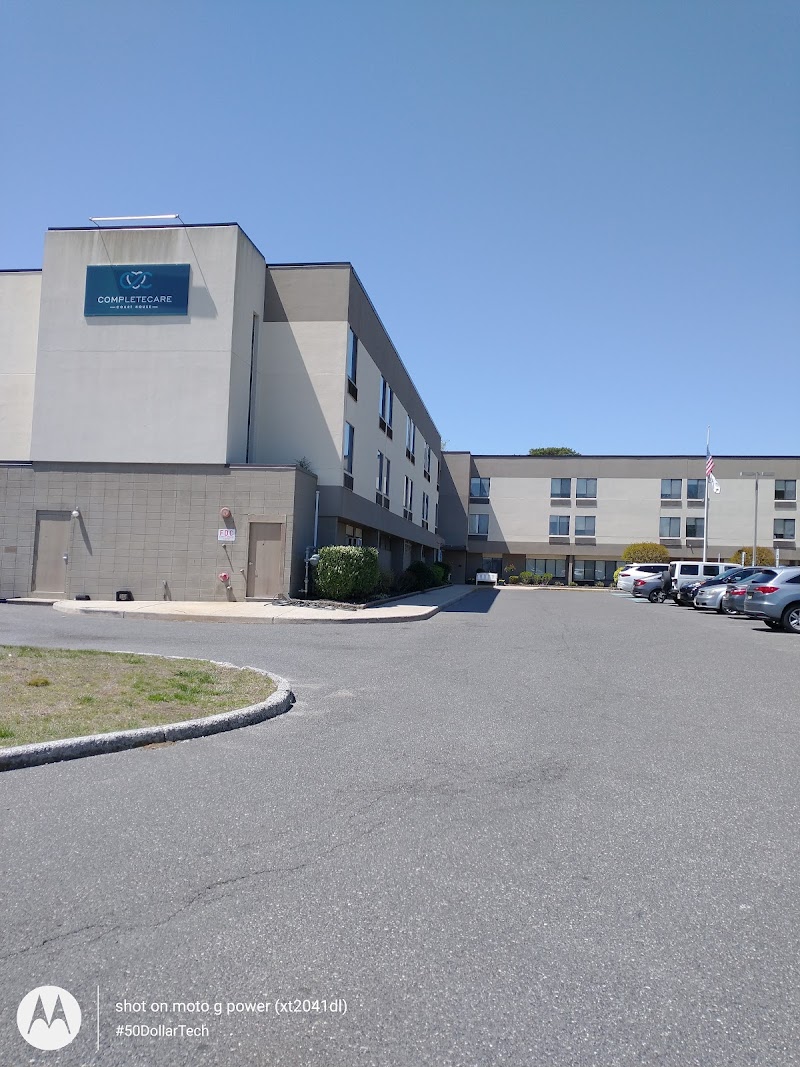
144 MAGNOLIA DRIVE, CAPE MAY COURT HOUSE, NJ 08210 (609) 465-7171
For profit - Limited Liability company 120 Beds COMPLETE CARE Data: November 2025
Trust Grade
80/100
#24 of 344 in NJ
Last Inspection: March 2025

Within standard 12-15 month inspection cycle. Federal law requires annual inspections.

Overview

Complete Care at Court House, LLC has a Trust Grade of B+, indicating it is above average and recommended for families considering care options. The facility ranks #24 out of 344 nursing homes in New Jersey, placing it in the top half, and is the best option among 7 facilities in Cape May County. Although the facility is improving, with issues decreasing from 7 in 2023 to 6 in 2025, it has a concerning staffing rating of 2/5 stars and a turnover rate of 57%, which is higher than the state average of 41%. There have been no fines on record, which is a positive sign, but there is less RN coverage than 89% of state facilities, potentially impacting the quality of care. Specific concerns noted by inspectors include inadequate kitchen sanitation practices, such as uncovered food items and expired products, as well as maintenance issues like rusted toilet paper holders and chipped paint in resident areas. Overall, while there are strengths in the facility's rankings and absence of fines, families should consider the staffing challenges and health safety issues.

Trust Score
B+
80/100
In New Jersey
#24/344
Top 6%
Safety Record
Low Risk
No red flags
Inspections
Getting Better
7 → 6 violations
Staff Stability
⚠ Watch
57% turnover. Above average. Higher turnover means staff may not know residents' routines.
Penalties
✓ Good
No fines on record. Clean compliance history, better than most New Jersey facilities.
Skilled Nurses
⚠ Watch
Each resident gets only 20 minutes of Registered Nurse (RN) attention daily — below average for New Jersey. Fewer RN minutes means fewer trained eyes watching for problems.
Violations
⚠ Watch
14 deficiencies on record. Higher than average. Multiple issues found across inspections.
★★★★★
5.0
Overall Rating
★★☆☆☆
2.0
Staff Levels
★★★★★
5.0
Care Quality
★★★★☆
4.0
Inspection Score
Stable
2023: 7 issues
2025: 6 issues

The Good

  • 5-Star Quality Measures · Strong clinical quality outcomes
  • Full Sprinkler Coverage · Fire safety systems throughout facility
  • No fines on record

Facility shows strength in quality measures, fire safety.

The Bad

Staff Turnover: 57%

11pts above New Jersey avg (46%)

Frequent staff changes - ask about care continuity

Chain: COMPLETE CARE

Part of a multi-facility chain

Ask about local staffing decisions and management

Staff turnover is elevated (57%)

9 points above New Jersey average of 48%

The Ugly 14 deficiencies on record

Mar 2025 6 deficiencies
CONCERN (D) 📢 Someone Reported This

A family member, employee, or ombudsman was alarmed enough to file a formal complaint

Potential for Harm - no one hurt, but risky conditions existed

Deficiency F0658 (Tag F0658)

Could have caused harm · This affected 1 resident

NJ 173198 Based on observation, interview and record review, and review of other facility documentation, it was determined that the facility failed to; a) ensure proper administration of medication du...

Read full inspector narrative →
NJ 173198 Based on observation, interview and record review, and review of other facility documentation, it was determined that the facility failed to; a) ensure proper administration of medication during medication pass observation for 1 of 5 residents observed (Resident #43); b) document the administration of a medication in the Electronic Medication Administration Record (EMAR) for 1 of 2 residents sampled for pain (Resident #196); c) clarify physician's admitting medication orders for 1 of 1 post orthopedic surgery residents admitted for rehabilitation services sampled for anticoagulation therapy (Resident #196), in accordance with professional standards of practice. This deficient practice was evidenced as follows: Reference: New Jersey Statutes Annotated, Title 45. Chapter 11. Nursing Board. The Nurse Practice Act for the State of New Jersey states: The practice of nursing as a registered professional nurse is defined as diagnosing and treating human responses to actual and potential physical and emotional health problems, through such services as casefinding, health teaching, health counseling, and provision of care supportive to or restorative of life and wellbeing, and executing medical regimens as prescribed by a licensed or otherwise legally authorized physician or dentist. Reference: New Jersey Statutes Annotated, Title 45, Chapter 11. Nursing Board. The Nurse Practice Act for the State of New Jersey states: The practice of nursing as a licensed practical nurse is defined as performing tasks and responsibilities within the framework of casefinding; reinforcing the patient and family teaching program through health teaching, health counseling and provision of supportive and restorative care, under the direction of a registered nurse or licensed or otherwise legally authorized physician or dentist. 1. On 03/10/2025 at 08:23 AM, the surveyor observed the Licensed Practical Nurse (LPN #1) prepare five medications for Resident #43, for medication pass observation. One of the medications was potassium chloride 10 mEq (milliequivalent) ER (extended release), give one tablet by mouth daily (a medication used for low potassium levels), that had a cautionary instruction to take with food. LPN #1 placed the potassium into a medicine cup with one teaspoonful of vanilla pudding and placed the remaining medications in a second medicine cup. At 8:32 AM, the resident's breakfast tray was delivered, and LPN #1 and surveyor entered the resident's room where the resident was eating breakfast. LPN #1 administered the potassium in the pudding then handed the resident the other medicine cup containing the four remaining pills. The resident shook the pills into their mouth then proceeded to spit out two small pills. LPN #1 reached over and retrieved the pills from the resident's shirt placed them in a cup with pudding and administered the medications to the resident. The surveyor and LPN #1 returned to the medication cart and the surveyor asked LPN #1 whether she should have used the pills that had fallen on the resident's shirt and the LPN #1 replied, probably not, that she should have poured new ones. On 03/12/2025 at 02:20 PM, the survey team met with the Director of Nursing (DON), Licensed Nursing Home Administrator (LNHA) and the regional corporate staff. After discussing the medication pass concerns, the DON acknowledged that the nurse should have discarded the two medications the resident had spit out and poured new pills instead. 2. On 03/12/2025 at 9:03 AM, the surveyor reviewed the closed medical record of discharged Resident #196. A review of the Resident admission Record reflected the resident was admitted to the facility with diagnoses which included aftercare following joint replacement surgery, pain due to internal orthopedic prosthetic devices, implants and grafts ( piece of living tissue that is transplanted surgically) and morbid (severe) obesity due to excess calories. A review of the resident's undated Clinical Summary provided by the hospital included the following: This is a summary of your care that will provide useful information to your Primary Care Provider and specialists, please give this to your care team at your first visit following discharge. A further review of this document revealed Patient education information Instructions: .Universal discharge instructions for same day knee surgery; total joint replacement; included Eliquis oral tablet 2.5mg (milligram) (anticoagulant, medication used to help prevent blood clots). A review of the Medication Discharge Report dated 3/26/2024 timed at 1:23 PM, did not include an order for Eliquis. A review of the Medication Report for External Facility dated 3/26/2024 timed at 1:23 PM, revealed active medication orders for Eliquis (apixaban) 2.5 mg = 1 tab (tablet), oral, BID ( twice a day), routine 3/23/2024 10:00 AM, 90 days, stop 6/21/24. Last taken: Tuesday, 3/26/24 8:39 AM. A review of the Order Summary Report (OSR) with an order date range of 3/1/2024- 3/31/2024 did not include a physician order (PO) for Eliquis or any other anticoagulant. A review of the resident's Nursing Progress Notes with a date range of 3/26/2024 - 3/29/2024 did not include documentation that a nurse had clarified with the resident's physician if the resident should continue to take Eliquis while at the facility. On 03/12/2025 at 11:43 AM, the surveyor interviewed the Licensed Practical Nurse/Unit Manager (LPN/UM #2) who stated the resident would bring or the sending facility may send over the form before the resident arrives called the External discharge for External facility report. This report would include the active medication orders. The nurse would then contact the physician and review the orders for confirmation to continue the orders, change the orders or add new orders. There were standard protocols for certain disease or diagnoses including post-surgical orthopedic rehabilitation and would expect the orders would include an anticoagulant such as Eliquis to prevent DVT (Deep Vein Thrombosis) (a blood clot) a potential complication after surgery. On 03/12/2025 at 12:05 PM, the surveyor interviewed the Assistant Director of Nursing (ADON) who stated the nurses would use the transfer summary with discharge medication list for new orders on admission. He further stated if there were a question regarding the medication list the nurse should clarify the orders with the physician. At that time the surveyor and the ADON reviewed the Clinical Summary report and the ADON acknowledged there was no order for an anticoagulant. The process for new admission orders was for a double check by the night shift nurse and a triple check by the clinical team in the morning during the clinical meeting. The ADON further acknowledged someone, should have clarified with the physician if the resident required anticoagulation therapy. On 03/12/2025 at 1:00 PM, the surveyor interviewed the DON in the presence of the LNHA. The DON stated the nurse would review the discharge summary with the medication list then they would call the admitting physician and review the orders with them. If the physician agreed with the orders, then the orders were entered in the resident's medical record. The DON stated if the resident were a post operative orthopedic resident, she would expect to see orders for pain management as well as anticoagulant medications like Eliquis. The surveyor, DON and LNHA together reviewed the hospital discharge summary for the resident and agreed the summary did not include Eliquis and acknowledged that the nurse(s) should have questioned the need for an anticoagulant. That discussion should then be recorded in the nursing progress notes. The DON and the LNHA reviewed the nursing progress notes from 3/26/2024- 3/29/2024 and confirmed there was not a progress note documenting the physician had been contacted and the order clarified. 3. A further review of Resident #196's OSR with an order date range of 3/1/2024- 3/31/24 included a (PO) dated 3/26/24: Tramadol HCL (an opioid pain medication) oral tablet 50 mg; give 1 tablet by mouth every 6 hours as needed for moderate pain for 14 days. A review of the corresponding March 2024 MAR reflected the following: A nurse documented the resident received tramadol four times: 3/27/24 at 8:34 AM, 3/27/24 at 2:21 PM, 3/8/24 at 8:22 AM, 3/29/24 at 8:38 AM. A review of the automated medication dispensing machine Transactions by Patient report with a date range of 3/1/24- 3/30/24 reflected the following: A nurse had removed a dose of tramadol for Resident #196 seven times: 3/26/24 at 8:37 PM, 3/27/24 at 8:28 AM, 3/27/24 at 2:05 PM, 3/27/24 at 7:49 PM, 3/28/24 at 8:20 Am, 3/28/24 at 7:42 PM, and 3/29/24 at 8:31 AM. A review of the corresponding Back of Controlled Substance Administration Record for tramadol confirmed the nurse and a witness had manually signed the reverse of the sheet indicating seven times the medication was removed for Resident #196. The surveyor was unable to interview the nurse who dispensed the medications as above as he no longer was employed at the facility. On 03/12/2025 at 12:27 PM, the surveyor met with the DON and the LNHA and together reviewed the resident's physician's orders for tramadol, then together reviewed the resident's MAR for March 2024. The DON reviewed and confirmed the resident, according to the MAR, received tramadol four times. Next together they reviewed the automated medication dispensing machine Transaction Report by Patient which revealed the nurse had removed tramadol for the resident seven times. The [NAME] confirmed the nurse had removed the tramadol from the machine but had not signed it out on the MAR as given. The [NAME] stated the process is for the nurse with a witness nurse, should remove the medication from the medication machine, sign the reverse side of the administration record, take the medication to the cart. The nurse should then verify the medication was correct comparing it to the order in the computer, then administer the medication to the resident and immediately sign the MAR in the computer. The DON and the LNHA acknowledged the nurse should have signed the MAR that the medication had been administered. A review of the facility's Medication Administration policy dated 9/1/24 revealed: Administer medication as ordered in accordance with manufacturer specification . provide appropriate amount of food and fluid . A review of the facility's admission Orders policy implemented date of 9/1/24 revealed: . The orders should allow facility staff to provide essential care to the resident consistent with the resident's mental and physical status on admission . A review of the facility's Medication Orders policy implemented date of 9/1/24 revealed: Specific procedures for Medication orders . written transfer orders (sent with a resident by a hospital .if the order is unsigned, or signed by another physician .the receiving nurse should verify the order with the current attending physician before medications are administered. The nurse should document verification on the admission order record. A review of the facility's Pain Management policy implemented date of 9/1/24 revealed: . The facility must ensure that pain management is provided to residents who require such services, consistent with professional standards of practice, the comprehensive person-centered care plan, and the resident's goals and preferences. A review of the facility's Controlled Substance Administration and Accountability policy implemented date of 9/1/24 did not address the process for administering controlled substances to residents. NJAC 8:39-27.1(a)
CONCERN (D) 📢 Someone Reported This

A family member, employee, or ombudsman was alarmed enough to file a formal complaint

Potential for Harm - no one hurt, but risky conditions existed

Pressure Ulcer Prevention (Tag F0686)

Could have caused harm · This affected 1 resident

**NOTE- TERMS IN BRACKETS HAVE BEEN EDITED TO PROTECT CONFIDENTIALITY** Based on observation, interview, review of medical record and other facility documentation, it was determined that the facility ...

Read full inspector narrative →
**NOTE- TERMS IN BRACKETS HAVE BEEN EDITED TO PROTECT CONFIDENTIALITY** Based on observation, interview, review of medical record and other facility documentation, it was determined that the facility failed to follow a physician's order to promote the prevention of pressure ulcer development. This deficient practice was identified for 1 of 1 resident reviewed for pressure ulcer (Resident #86) and was evidenced by the following: On 03/10/2025 at 8:25 AM, the surveyor observed Resident #86 in bed with eyes opened. The resident was lying on their left side with both legs bent on the knees. The surveyor did not observe any heel boots on the resident or visible in the room. On 03/10/2025 at 10:39 AM, the surveyor observed the resident in bed with eyes opened. The resident laid in bed on their left side with both legs bent on the knees. The surveyor did not observe any heel boots on the resident or visible in the room. On 03/06/2025 at 1:27 PM, a review of the electronic medical record (EMR) revealed the following: A review of the admission Record reflected the resident had diagnoses that included Cerebral Infarction (a medical condition where blood flow to the brain is reduced or blocked) and abnormal posture. A review of the most current comprehensive Minimum Data Set (MDS), an assessment tool with assessment dated [DATE], reflected that the resident was not able to speak but their short- and long-term memory was intact. A further review of the MDS indicated that the resident had no open lesion on the feet but was at risk for developing pressure ulcer and had a pressure reducing device on bed. A review of the Order Summary Report with active orders as of 03/12/2025 at 9:49 AM, revealed the following physician orders: Heel boots while in bed every shift started on 2/2/2025. Offload heels with foam heel lift boots while in bed every shift for pressure ulcer relief started on 1/29/2025. A review of the Treatment Administration Record (TAR) for the month of March 2025, reflected that the nurses checked administered for the heel boots while in bed daily from 7:00 AM to 3:00 PM until the order was discontinued on 3/13/2025 at 9:01 AM. The TAR also reflected that the nurses checked administered the order for the resident's heels to be offloaded with foam heel boots while in bed from 7:00 AM to 3:00 PM until the order was discontinued on 3/13/2025 at 9:27 AM. A review of the resident's comprehensive care plan revealed a focus for potential/ actual impairment to skin integrity related to immobility. Interventions included but were not limited to: encouraging the resident to offload their heels. During an interview with the surveyor on 03/11/2025 at 8:48 AM, the Director of Nursing stated that it was important to follow treatment orders to help heal of prevent pressure ulcers. A review of the facility provided policy titled Pressure Injury Prevention and Management dated implemented on 9/1/2024 indicated under Policy Explanation and Compliance Guidelines 4.) (c) Evidence-based interventions for prevention will be implemented for all residents who are assessed at risk or who have a pressure injury present. NJAC 8:39-27.1 (e)
CONCERN (D) 📢 Someone Reported This

A family member, employee, or ombudsman was alarmed enough to file a formal complaint

Potential for Harm - no one hurt, but risky conditions existed

Respiratory Care (Tag F0695)

Could have caused harm · This affected 1 resident

Based on observation, interviews, record reviews and review of facility provided documents, it was determined that the facility failed to consistently implement a physician order for supplemental oxyg...

Read full inspector narrative →
Based on observation, interviews, record reviews and review of facility provided documents, it was determined that the facility failed to consistently implement a physician order for supplemental oxygen. This deficient practice was identified for 1 of 3 residents (Resident #249) reviewed for respiratory care. The deficient practice was evidenced by the following: On 03/06/2025 at 10:22 AM, during the initial tour of the facility, the surveyor observed Resident #249 seated in their wheel chair with the oxygen (O2) nasal cannula (n/c) (a device that delivers extra oxygen through a tube and into your nose) on his/her lap. The oxygen concentrator was in operation and was observed to be set at two (2) liters (L) per minute (min). Oxygen in use signage was posted on the door frame upon entry to the room. On 03/10/2025 at 11:20 AM, the surveyor observed Resident #249 seated in their wheelchair and playing a game on their tablet. Resident #249 did not have O2 on at this time and stated that it ran out when the surveyor asked why they were not receiving their supplemental oxygen. Resident #249 did not display any shortness of breath (sob) or respiratory distress on observation. The oxygen concentrator was turned off and the tubing was enclosed in a plastic bag and suspended from the oxygen concentrator. The tubing appeared to be new and was not connected to the oxygen concentrator. On 03/11/2025 at 08:54 AM, Resident #249 was observed lying in bed with his/her eyes closed. Easily arousable. Resident#249 did not have oxygen on at this time. The O2 concentrator was turned off and the oxygen tubing and n/c were enclosed in a plastic bag and attached to the oxygen concentrator. No signs or symptoms of respiratory distress were noted. Resident #249 had no complaints of SOB. On 03/12/2025 at 12:16 PM, the surveyor observed Resident #249 seated in their wheel chair in their room and playing on their electronic tablet. The oxygen concentrator was not present in the room and Resident #249 told the surveyor that they took it away. On 03/06/2025 10:22 AM, the surveyor conducted a review of the electronic medical record (EMR). According to the admission Record, Resident #249 was admitted to the facility with the following but not limited to diagnoses: abnormal posture, muscle weakness, morbid obesity, rheumatoid arthritis, and dorsalgia (pain in the back). According to the Minimum Data Set (MDS), an assessment tool, dated 02/25/2025, Resident #249 had a Brief Interview for Mental Status score of 13, which indicated intact cognition. According to Section GG Resident #249 was dependent for care with oral hygiene, toileting hygiene, shower/bathe self, lower body dressing and putting on/taking off footwear. A review of the order summary report on 03/06/2025, revealed the following physician order for Resident #249 with a start date of 03/03/2025: Oxygen at 2L/min via Nasal Cannula (n/c) continuously. every shift Post Tx (treatment): Evaluate heart rate, respiratory rate, pulse oximetry (a non-invasive medical procedure that measures the oxygen saturation in the blood), skin color, and breath sounds (3/3/2025). A review of the Treatment Administration Record (TAR) dated 03/01/2025-03/31/2025, revealed that Resident #249 received oxygen at 2L/min via nasal cannula continuously starting on 03/03/2025 evening shift (3-11 PM) and ending on 03/12/2025 day shift (7AM-3PM). On 03/12/2025 at 12:51 PM, the surveyor reviewed the March 2025 TAR for Resident #249. The TAR revealed that Resident #249 had a current physician order, dated 03/03/2025 for Oxygen at 2L/min via Nasal Cannula and was administered for Day 7 (7-3 shift) on 3/12/2025, as evidenced by the assigned nurse initials in the Day 7 box. On 03/12/2025 at 01:06 PM, the surveyor returned to Resident #249's room and observed the resident seated in his/her wheel chair without oxygen via n/c. The oxygen concentrator was not present in the room and the resident was not receiving oxygen, as ordered, and as indicated on the treatment record for day shift (7AM-3PM) 03/12/2025. The bag that contained the oxygen tubing previously and dated 03/06/2025 was suspended from the drawer handle of the bedside table and no oxygen tubing was present in the bag. On 03/12/2025 at 01:11 PM, the surveyor conducted an interview with the Licensed Practical Nurse (LPN #2) who was assigned to Resident #249 on that shift. The surveyor asked LPN #2 if Resident #249 had a physician order for continuous oxygen at 2L/min. LPN #2 told the surveyor that when he/she is in the room he/she is to wear the oxygen at 2L/min. LPN #2 further explained I give it (oxygen) to him/ her every AM. The surveyor then explained that Resident #249 was observed to not have an oxygen concentrator in their room at this time. LPN #2 stated we just got the order now to discontinue the oxygen continuously and we just removed the concentrator out of the room. LPN #2 further said I have not completed the order to discontinue but I am going to do it right now. When told that the resident had not been observed wearing oxygen since the initial tour LPN #2 told the surveyor that sometimes the resident will pull it down. On 03/12/2025 at 02:11 PM the surveyor met with the facility administrative staff which included the Director of Nursing (DON). The surveyor asked the DON if Resident #249 should have been receiving oxygen via nasal cannula at 2L/min, according to the physician order. The DON responded, Yes, the oxygen should have been applied as ordered or discontinued sooner if not needed. A review of the facility policy titled Oxygen Administration; date implemented: 9/1/2024, revealed under Policy: Oxygen is administered to residents who need it, consistent with professional standards of practice, the comprehensive care plans, and the resident's goals and preferences. In addition, the following was revealed under Policy Explanation and Compliance Guidelines: 1. Oxygen is administered under orders of a physician, except in the case of an emergency. In such case, oxygen is administered and orders for oxygen are obtained as soon as practicable when the situation is under control. N.J.A.C. 8:39- 27.1 (a)
CONCERN (D) 📢 Someone Reported This

A family member, employee, or ombudsman was alarmed enough to file a formal complaint

Potential for Harm - no one hurt, but risky conditions existed

Deficiency F0761 (Tag F0761)

Could have caused harm · This affected 1 resident

Based on observation, interview, review of medical records, and other pertinent facility documentation, it was determined that the facility failed to properly store medication for 1of 25 residents (Re...

Read full inspector narrative →
Based on observation, interview, review of medical records, and other pertinent facility documentation, it was determined that the facility failed to properly store medication for 1of 25 residents (Resident #352) reviewed. This deficient practice was evidenced by the following: On 3/10/2025 at 8:31 AM, the surveyor observed Resident #352 in their room seated on the bed and connected to an oxygen concentrator (a medical device that takes in air from the room and filter out nitrogen providing higher amount of oxygen) via nasal cannula (tube used to deliver oxygen through the nostrils) at 2 liters per minute. The resident was cognitively intact and indicated to the surveyor through nodding their head that they were good. The surveyor observed an inhaler (a portable device for administering a drug which is to be breathed in) beside a pink wash basin on top of the bedside table to the right. The surveyor pointed to the inhaler and asked the resident what it was. The resident took the inhaler from the bedside table, gave themselves one puff and put the inhaler inside the right pocket of their black jacket. The resident's bedside curtain on the left side was pulled close. No other resident was noted on the other bed. On 3/10/2025 at 9:37 AM, the surveyor and Licensed Practical Nurse (LPN #3) went to the resident's room. The surveyor asked the nurse if the resident was supposed to have medications in their possession. LPN #3 stated no. The resident nodded her head when asked by LPN #3 if the inhaler was from home. The surveyor asked LPN #3 if the resident had another inhaler in the medication cart. LPN #3 and the surveyor went to the medication cart located in the hallway near the nurses' station. The inhaler from the resident's bedside table was labeled Albuterol Sulfate 90 mcg (microgram) with no patient's name. LPN #3 showed the surveyor an unopened and unused Albuterol Sulfate 108 (90 Base) mcg/act (microgram per actuation or inhalation) labeled with the resident's name and dated 3/4/2025 from the medication cart. On 3/10/2025 at 12:01 PM, a review of the electronic medical record (EMR) revealed the following: A review of the admission Record reflected the resident had diagnoses that included Acute Respiratory Failure with Hypoxia (a condition when lungs fail to deliver oxygen to the blood) and Malignant Neoplasm of the Liver and Intrahepatic Bile Duct (a type of cancer that originates in the bile ducts within the liver). A review of the most current comprehensive Minimum Data Set (MDS), an assessment tool with an assessment reference date of 3/9/2025, reflected that the resident had a Brief Interview for Mental Status score of 15 out of 15 which indicated that the resident was cognitively intact. A review of the Clinical Physician Orders active and discontinued as of 3/10/2025 at 12:01 PM revealed the following orders: ProAir HFA Inhalation Aerosol Solution 108 (90 Base) mcg/act (Albuterol Sulfate) 2 puff inhale orally every 6 hours as needed for s/p (status post) respiratory failure albuterol started on 3/4/2025 at 1:30 AM and discontinued on 3/10/2025 at 10:25 AM. ProAir HFA Inhalation Aerosol Solution 108 (90 Base) mcg/act (Albuterol Sulfate) 2 puff inhale orally every 6 hours as needed for s/p respiratory failure unsupervised self-administration may keep at bedside and self-administer was started on 3/10/2025 at 10:30 AM created by Licensed Practical Nurse/ Unit Manager (LPN/UM) #2. A review of the Medication Administration Record (MAR) for the month of March 2025 reflected the following orders: ProAir HFA Inhalation Aerosol Solution 108 (90 Base) mcg/act (Albuterol Sulfate) 2 puff inhale orally every 6 hours as needed for s/p respiratory failure albuterol with order date 3/4/2025 at 0:55 AM and discontinued on 3/10/2025 at 10:25 AM. This medication was not administered to the resident. ProAir HFA Inhalation Aerosol Solution 108 (90 Base) mcg/act (Albuterol Sulfate) 2 puff inhale orally every 6 hours as needed for s/p respiratory failure unsupervised self-administration may keep at bedside and self-administer with order date 3/10/2025 at 10:25 AM. This medication was marked administered to the resident on 3/10/2025. A review of the resident's baseline care plan dated 3/4/2025 reflected a no answer in section 3 for self-administer medication. A review of the comprehensive care plan on 3/10/2025 at 12:06 PM did not address medication self-administration. During an interview with the surveyor on 3/11/2025 at 9:23 AM, LPN/UM #2 was asked for the process of medication self-administration. According to LPN/UM #2, the nurse had to go through the medication with the resident and review the use and indication. LPN/UM #2 stated that the resident had to verbalize side effects of the medication and demonstrate the usage to the nurse. The unit manager further stated that the nurse had to talk to the resident about proper storage, call the doctor, verify that the resident can self-administer, and get an order. LPN/UM #2 acknowledged that medications should be properly stored. During an interview with the survey team on 3/12/2025 at 2:10 PM, the facility Director of Nursing (DON) stated that the facility does not allow bedside medications. The DON further stated that for medication self-administration, an assessment and physician order was needed. A review of the Medication Storage policy dated implemented 9/1/2024 provided on 3/6/2025 by the facility administrator revealed the following: It is the policy of this facility to ensure all medications housed on our premises will be stored in the pharmacy and/ or medication rooms according to the manufacturer's recommendations and sufficient to ensure proper sanitation, temperature, light, ventilation, moisture control, segregation, and security. NJAC 8:39 - 29.4 (h)
CONCERN (D) 📢 Someone Reported This

A family member, employee, or ombudsman was alarmed enough to file a formal complaint

Potential for Harm - no one hurt, but risky conditions existed

Infection Control (Tag F0880)

Could have caused harm · This affected 1 resident

Based on observation, interview, review of medical records, and other facility documentation, it was determined that the facility failed to use appropriate infection control practices to prevent the p...

Read full inspector narrative →
Based on observation, interview, review of medical records, and other facility documentation, it was determined that the facility failed to use appropriate infection control practices to prevent the potential spread of infection in accordance with the Center for Disease Control and Prevention (CDC) guidelines and standards of clinical practice, specifically by a.) failing to transport soiled laundry appropriately and b.) failing to wear a the appropriate Personal Protective Equipment (PPE) while transferring a resident who was on Enhanced Barrier Precautions (EBP). The deficient practice was identified for 1 of 2 residents reviewed for EBP (Resident #86) and was evidenced by the following: Reference: Use personal protective equipment (PPE) appropriately, including gloves and gown. Wear a gown and gloves for all interactions that may involve contact with the patient or the patient's environment. Donning PPE upon room entry and properly discarding before exiting the patient room is done to contain pathogens. https://www.cdc.gov/infection-control/hcp/basics/transmission-based-precautions.html On 03/06/2025 at 9:55 AM, during the initial tour of the facility, the surveyor observed Certified Nursing Assistant (CNA#1) pull a plastic bag of soiled laundry on the floor from an unsampled resident's room into the soiled utility room. On 03/10/2025 at 11:27 AM, the surveyor observed CNA #2 and CNA #3 transfer Resident #86 from bed to wheelchair wearing gloves but without wearing gowns. When surveyor reviewed the EBP signage outside the resident's room with CNA #3, she stated that they did not know about the EBP and what PPE to wear because they were new in the facility. The surveyor read with CNA #3 the EBP signage that indicated providers and staff must also wear gloves and gown for high-contact resident care activities including transferring. When surveyor showed CNA #2 the EBP signage outside the resident's room, CNA #2 stated who has time here while walking away carrying a plastic bag of soiled laundry. On 03/06/2025 at 1:27 PM, a review of the Resident #86's electronic medical record (EMR) revealed the following: A review of the admission Record reflected the resident had diagnoses that included gastrostomy status (the presence of surgically created opening in the stomach through which a tube can be inserted for feeding), muscle weakness and cerebral infarction (a medical condition where brain tissue dies due to lack of blood flow). A review of the Order Summary Report (OSR) active as of 3/12/2025 revealed a physician order for maintenance of EBP related to gastrostomy status and wounds started on 2/11/2025. A review of the comprehensive care plan initiated on 1/9/2025 revealed a focus for requiring EBP related to the feeding tube and wound dressing. Interventions included the following: Gown and gloves to be worn by staff during high-contact resident care activities that provide opportunities for transfer of MDROs (Multidrug-Resistant Organisms) to staff hands and clothing. Includes dressing, bathing/ showering, transferring, providing hygiene, changing linens, changing briefs or assisting with toileting, device care or use, and wound care. During an interview with the surveyor on 03/11/2025 at 11:00 AM, the Infection Preventionist (IP) stated that soiled laundry bags should not be dragged on the ground to prevent cross contamination. The IP also stated that PPE is required when transferring residents with EBP orders inside the room. During an interview with the survey team on 03/12/2025 at 2:09 PM, the Director of Nursing (DON) stated that soiled laundry bag should not be dragged on the floor when being transported. The DON also stated that the CNAs were educated on EBP which is required during high-touch activities including transferring. A review of a facility provided policy titled Handling Soiled Linen dated implemented on 9/1/2024 did not include how to transport bagged soiled laundry. A review of a facility provided policy titled Enhanced Barrier Precautions dated implemented on 9/1/2024 included under Definitions: EBP refers to an infection control intervention designed to reduce transmission of multidrug-resistant organisms that employs targeted gown, and gloves use during high contact resident care activities. Under Policy Explanation and Compliance Guidelines: 4.) High-contact resident care activities include c.) Transferring. NJAC 8:39-19.4 (a)
CONCERN (E) 📢 Someone Reported This

A family member, employee, or ombudsman was alarmed enough to file a formal complaint

Potential for Harm - no one hurt, but risky conditions existed

Safe Environment (Tag F0584)

Could have caused harm · This affected multiple residents

**NOTE- TERMS IN BRACKETS HAVE BEEN EDITED TO PROTECT CONFIDENTIALITY** Based on observation and interview it was determined that the facility failed to maintain the facility in a clean and sanitary e...

Read full inspector narrative →
**NOTE- TERMS IN BRACKETS HAVE BEEN EDITED TO PROTECT CONFIDENTIALITY** Based on observation and interview it was determined that the facility failed to maintain the facility in a clean and sanitary environment. This deficient practice was identified for 2 of 2 units, (2nd and 3rd floor) and was evidenced by the following: On 03/06/2025 at 11:06 AM, in the 3rd floor shower/bathroom the surveyor observed the toilet paper holder was rusted and the toilet paper roll was on the floor. There was no roller observed on the toilet paper holder. On 03/11/2025 at 08:45 AM, the surveyor completed environmental rounds on the 3rd floor as follows: *Door trim on all rooms of the 3rd floor noted with chipped paint and black colored marks. *cove base board between rooms [ROOM NUMBERS] has areas bubbled out. *bottom of exit door at both ends of hallway has brown colored marks and what appears to be rust. *resident doors on bottom tan color have black colored scuff type marks on all rooms. *room [ROOM NUMBER], 313 and 315 floor with gap in flooring joints upon entering. *door casings on bathroom doors of all room's low numbers with chipped paint. *common area has dark scuff marks on blue wall approximately 4 feet up from the floor *tables in common area have tan colored marks on the center support. *food stuck on the floor *med cart with hair and threads wrapped around wheels. *base gray bumpers on emergency cart with dirt and debris. *room [ROOM NUMBER], 325 drawers don't sit in dresser correctly. *mechanical lift end of high hall had hair wrapped around wheels. *hole observed in wall by hand rail to left of nurse's station. *corner hard plastic door casing outside storage room chipped and cracked, walls scraped and chipped paint. On 03/11/2025 at 09:19 AM, the surveyor observed on the 2nd floor environmental rounds as follows: *door casings entering to resident bathroom with chipped paint all rooms. *hard plastic door casing on door rooms noted with scuff marks, chipped paint, cracks. *soiled utility room door casing has chipped paint. *common area windows noted with hand marks, drips and runs from the drip. *door casings for storage rooms by nurses' station chipped paint and hole by base board. *nourishment room door casings had chipped paint and rust. *emergency cart gray bumpers with stains. *beauty salon door chipped paint * 2nd floor mechanical lift had hair wrapped around wheels. *trash can lid on med cart with dried, unidentifiable tan material. *room [ROOM NUMBER] dark marks on hard plastic door casing lower left side. *emergency exit doors to stairwell both ends of hallways, chipped paint and scuff marks. *upper door frames to all resident rooms have chipped paint. *elevator door casings with unidentified dark marks, and chipped paint. On 03/12/2025 at 10:03 AM, the surveyor observed a stained ceiling tile outside room [ROOM NUMBER]. During an interview with the surveyor on 03/12/2025 at 09:34 AM, the Assistant Director of Maintenance was asked what type of environmental rounds are completed by your department. The ADOM replied I check rooms everyday as we are always on the floors and in and out of rooms. We use [name of the system] system for work orders, and I use personal note pads. There is no formal system for rounds. When questioned who is responsible for ensuring that the facility interior is maintained such as painting, floor repairs. The ADOM said Maintenance would be responsible for that. We have a lot of communication and I work well with housekeeping. The director is new, and we spoke about doing paint touch ups and getting a plan in place. On 03/12/2025 at 01:59 PM, the above noted issues were reviewed with the facility management team. At that time, the Licensed Nursing Home Administrator said the mechanical lifts should be on a cleaning schedule and that includes medication carts wheels. NJAC 8:39-31.4(a)
Feb 2023 7 deficiencies
CONCERN (D)

Potential for Harm - no one hurt, but risky conditions existed

Incontinence Care (Tag F0690)

Could have caused harm · This affected 1 resident

Based on observation, interview, record review and review of pertinent facility documentation, it was determined that the facility failed to ensure that an indwelling urinary catheter drainage bag is ...

Read full inspector narrative →
Based on observation, interview, record review and review of pertinent facility documentation, it was determined that the facility failed to ensure that an indwelling urinary catheter drainage bag is maintained off the floor in accordance with professional standards of practice and facility policy. This deficient practice was identified for 1 of 1 Resident reviewed for an indwelling urinary catheter (Resident # 75) and was evidenced by the following: During the initial tour of the unit on 1/25/2023 at 10:17 AM, Resident #75 was observed resting in bed with eyes closed and with an indwelling urinary catheter. The urinary catheter drainage bag was observed resting on the floor. On 1/27/2023 at 8:54 AM Resident #75 was observed awake, alert and nonverbal resting in bed. Resident #75's urinary catheter drainage bag was observed touching the floor. A review of the admission Record revealed that Resident #75 was admitted with a diagnosis including but not limited to: Neurogenic bladder or obstructive uropathy . A review of the Order Summary Report of active orders as of 2/2/2023, revealed a physician's order for Foley catheter 16 FR (French) with 10 cc (cubic centimeters) balloon for diagnosis (Neurogenic bladder or obstructive uropathy). A review of the Care Plan with an initiated date of 1/30/2023 and revised on 2/2/2023 revealed the Focus area of Resident #75 requires indwelling catheter due to urinary retention. The Interventions included but were not limited to: Keep catheter off floor. During an interview with the Surveyor on 2/1/2023 at 9:17 AM, Nurse's Aide (NA #1) stated, I usually hook it on the side of the bed, when asked where should the urine catheter bag be placed when a resident is in bed. NA #1 further stated that the catheter bag should never be on the floor. During an interview with the Surveyor on 2/1/2023 09:20 AM, Licensed Practical Nurse (LPN #1) replied, it should be below the waist, when asked where should the urine catheter bag be placed when a resident is in bed. LPN #1 further stated that the catheter bag should be kept off the floor. During an interview with the Surveyor on 2/1/2023 at 11:17 AM, Registered Nurse/Unit Manager (RN/ UM #2) replied, they hang on the bed, never touch the floor, when asked where should the catheter bag be placed when a resident is in bed. A review of a facility policy titled, Catheter Care, Urinary revealed, Infection Control 2. Be sure the catheter tubing and drainage bag are kept off the floor. NJAC 8.39 19.4(a)(5)
CONCERN (D)

Potential for Harm - no one hurt, but risky conditions existed

Tube Feeding (Tag F0693)

Could have caused harm · This affected 1 resident

Based on observation, interview, record review, and review of other pertinent facility documentation, it was determined that the facility failed to ensure nutritional formula connected to a feeding tu...

Read full inspector narrative →
Based on observation, interview, record review, and review of other pertinent facility documentation, it was determined that the facility failed to ensure nutritional formula connected to a feeding tube (surgically placed tube into the stomach to provide nutritional formula) was accurately labeled for 1 of 1 resident (Resident #26) reviewed for tube feeding. The deficient practice was evidenced by the following: On 1/30/2023 at 9:04 AM, the surveyor observed a bottle of nutritional formula hanging from a pole that was connected to a feeding pump that was attached to Resident #26's feeding tube while he/she was in bed. The feeding pump was operating. At that time, the surveyor observed that the date written on the bottle was 1/27, indicating that the nutritional formula was opened on January 27th. A review of Resident #26's Quarterly Minimum Data Set (an assessment tool) dated 11/25/22, revealed that he/she had a feeding tube while a resident in the facility. A review of Resident #26's physician orders located in the electronic medical record (EMR) revealed an order for Jevity 1.5 (nutritional formula) to be given at 60mL (milliliters) an hour via pump infusion through the feeding tube at 6:00 PM to infuse a total of 840mL/24 hours. On 1/30/2023 at 9:39 AM, during an interview with the surveyor, Licensed Practical Nurse (LPN #1) replied, Absolutely not. when asked if the nutritional formula should have been running since January 27th. Further, LPN #1 replied, No. when asked if there was any reason it was up for that long. A review of the Jevity 1.5 manufacturer instructions located on the bottle revealed, Hang product up to 48 hours after initial connection when clean technique and only one new feeding set are used. Otherwise, hang no longer than 24 hours. On 2/02/2023 at 1:29 PM, during an interview with the surveyor, the Director of Nursing stated, I have a statement from the nurse stating she hung the bottle on the 28th. She dated it wrong. When asked if the other nurses on shifts are responsible to also look at the feeding bottle, the DON said yes. A review of the facility policy titled, Enteral Tube Feeding via Continuous Pump updated on 10/2019, revealed under General Guidelines number 5., Refer to facility procedures for hang times and administration set changes. The facility was unable to provide facility procedures for hang times and administration set changes. NJAC 8:39-27.1(a)
CONCERN (D)

Potential for Harm - no one hurt, but risky conditions existed

Deficiency F0698 (Tag F0698)

Could have caused harm · This affected 1 resident

**NOTE- TERMS IN BRACKETS HAVE BEEN EDITED TO PROTECT CONFIDENTIALITY** Resident #89 Based on observation, interview, record review and review of other pertinent facility records, it was determined th...

Read full inspector narrative →
**NOTE- TERMS IN BRACKETS HAVE BEEN EDITED TO PROTECT CONFIDENTIALITY** Resident #89 Based on observation, interview, record review and review of other pertinent facility records, it was determined that the facility failed to a.) accurately implement a physician prescribed fluid restriction order for 1 of 2 resident's (Resident #89) reviewed for dialysis, and b.) provide a meal or nourishment to a resident before or after completion of their dialysis treatment for 1 of 2 resident's (Resident #89) reviewed for dialysis. This deficient practice was evidenced by the following: On 01/26/2023 at 12:16 PM the surveyor observed and interviewed Resident #89 in his/her room accompanied by resident's lifelong friend. Resident #89 stated that he/she was up at approximately 4 AM for a 4:30 AM pick-up time to go to dialysis. Resident stated that he/she was provided an apple juice and a bag of Goldfish by nursing prior to leaving the facility, which he/she consumed. The surveyor questioned Resident #89 whether he/she received a breakfast meal on dialysis days. Resident #89 replied, It's usually what I got today or nothing. The surveyor questioned if the facility saved a breakfast tray for him/her to consume upon return to the facility and the resident responded, No. According to Resident #89's admission Record, Resident #89 was admitted to the facility with diagnoses including but not limited to: End stage renal disease (kidneys no longer work as they should to meet your body's needs), dependence on renal dialysis (a treatment to clean your blood when your kidneys are not able to), and type 2 diabetes mellitus. According to the comprehensive Minimum Data Set (MDS), dated [DATE], an assessment tool, Resident #89 had a Brief Interview for Mental Status score of 15/15 indicating that Resident #89 was cognitively intact. According to Section G of the MDS, Resident #89 required extensive assist with most activities of daily living and was able to eat and drink independently. The MDS also revealed that Resident #89 had an active diagnosis of end stage renal disease in Section I and received dialysis according to Section O. A review of Resident #89's Order Summary Report with Active Orders As Of: 1/27/2023, Resident #89 had the following physician's orders: Fluid restriction 1,000 ML (milliliters) per/day - 700 ML from dietary, 300 ML from nursing, Nursing to give 100ML per shift every shift for ESRD (end stage renal disease) Fluid restriction excludes liquid meds, supplements, and gravies. HD (hemodialysis) Tuesdays. Thursdays. and Saturdays. 5:30am Chair time. (12/13/2022). According to Resident #89's comprehensive care plan, Resident #89 had a Focus of: [resident name] Nutrition Resident at risk for malnutrition r/t reliance on HD, multiple comorbidities, varied PO intake, weakness, limited mobility Date Initiated: 12/14/2022 Revision on: 12/14/2022. The following was revealed under Goal: o Resident meal intake will be >50%Date Initiated: 12/14/2022Target Date: 03/23/2023o Resident will follow diet as ordered. Interventions included: o Fluid restriction 1,000 ML per/day Date Initiated: 01/25/2023 Revision on: 01/26/2023 and Provide diet as ordered Date Initiated: 12/14/2022. The surveyor reviewed Resident #89's Friday 1/26/2023 Breakfast meal ticket. The meal ticket indicated that Resident #89 was to receive a CCD (consistent carbohydrate diet) Renal. The meal ticket revealed that Resident #89 was to receive the following Beverages at the breakfast meal: Milk 8 Oz (ounces), Hot Coffee 6 Oz, and Special Requests Apple Juice 6 Oz. The total fluid provided at the breakfast meal was 20 Oz or equivalent to 600ML. The meal ticket did not indicate that Resident #89 had a 700ML/day fluid restriction from dietary. On 1/27/2023 at 08:26 AM, the surveyor observed Resident #89 lying in bed after the breakfast meal. The surveyor observed Resident #89's breakfast tray on the over the bed table. Resident #89 consumed 100% of his/her breakfast meal. The surveyor observed a 6 oz coffee on the breakfast tray, an 8 oz 2% milk, a 6oz apple juice and a 16 oz water on the bedside table (total volume of fluid was 36 oz or 1,080ML). A review of the breakfast meal ticket revealed that no fluid restriction was listed on breakfast meal ticket for 1/27/2023. The ticket revealed a diet order for CCD/Renal diet and the following beverages: Milk 8 Oz, Hot Coffee 6 Oz, and Special Request Apple Juice 6 Oz. On interview Resident #89 said I've always been on a fluid restriction; I was on one in another state. I do ok. Resident #89 further stated, I only drank some of the milk because I know I need to watch my fluids. On 1/27/2023 at 10:10 AM the surveyor interviewed the nurse on Resident #89's floor regarding the process for ordering a fluid restriction. The nurse stated, Nursing, speech therapy or the registered dietitian will provide a change in diet slip to the Director of Dining (DOD) for any diet changes. There is a box located at each unit to put the diet change recommendations in and dietary staff collect them and bring them to the DOD. The DOD then makes the changes in the Matrix meal tracker (a computerized meal ticket system) according to the diet recommendation form and it will reflect the diet change for particular resident. The surveyor asked if the nursing staff was required to keep a copy of the diet recommendation forms. The nurse stated, Physical ticket forms are saved by the DOD for records and a copy is kept in the resident's physical medical record. Communication is not electronic but completed via paper. On 1/27/2023 at 12:30 PM, the surveyor reviewed Resident #89's paper medical record. The surveyor observed (3) separate DIET REQUISITION FORMS in the medical record under the dietary tab. One form indicated that resident #89 was a new admission and was to receive a Regular, Renal diet, the form was undated. The second DIET REQUISITIO FORM, date unreadable (12/?/2022 under comments revealed Fluid restriction 1000ML a day 300 cc (cubic centimeters, a measure of volume) nursing. A third DIET REQUISITION FORM, dated 12/20/2022, revealed a fluid restriction for 1000 ml with a Dietary Total of 700 ml and a Nursing Total of 300 ml. On 1/27/2023 at 1:12 PM, the surveyor observed Resident #89 seated in his/her room eating the lunch meal. Resident #89 had consumed 6 oz of iced tea and had received an 8 oz 2% milk on his/her tray. Resident #89 did not drink the milk. Resident #89 stated, I'm trying not to drink too much fluid. I'm watching it myself. On 1/30/2023 at 8:27 AM, the surveyor observed Resident #89 lying in bed with his/her breakfast tray on the over the bed table. The surveyor observed an 8 oz 2 % milk (4 oz consumed), 6 oz coffee, (not consumed), and 6 oz apple juice (100% consumed). Resident #89 stated to the surveyor, My fluid restriction isn't on my ticket. I've been on a fluid restriction since I came here. Resident #89 further stated, Last night the CNA (certified nursing assistant) asked me if I was on a fluid restriction because he/she shouldn't be giving me water between meals. The CNA stated that I should let her know that I was on a fluid restriction. I think they (staff) should know I'm on a fluid restriction. On 1/30/2023 at 1:04 PM, the surveyor made another meal observation with Resident #89 at the lunch meal. The surveyor observed an 8 oz 2% milk and a 6oz cup of lemonade on the resident's tray. The milk was 50% consumed and the lemonade was still full. Review of Resident #89's lunch meal ticket did not identify that Resident #89 was on a fluid restriction. On 1/30/2023 at 1:07 PM the surveyor conducted an interview with the Licensed Practical Nurse (LPN #3) assigned to Resident #89 on that shift. The surveyor questioned LPN #3 regarding Resident #89's 1,000ML fluid restriction. LPN #3 replied, We (nursing) are allowed to provide 100 ml of fluid per shift. Generally, we just give it to swallow medications. The additional amount comes from dietary, whatever is on the tray. LPN #3 further stated, Nursing and the CNAs are trained to monitor the tray to ensure they don't get what they are not supposed too. He/she (Resident #89) gets a milk and a glass full of juice, usually. Dietary should monitor for their own quantity of fluid provided. On 1/30/2023 at 1:34 PM, the surveyor conducted an interview with the nursing assistant (NA #2) assigned to Resident #89 for that shift. The surveyor questioned NA #2 how she determines if a resident is on a fluid restriction. NA #2 responded, Usually I look at the residents ticket. And we have what is called handoff at report where we communicate prior to the start of our shift. NA #2 also stated, The ticket (meal ticket) should say what fluids the resident is to receive. I am familiar with fluid restrictions. If I notice a tray with too much fluid, I immediately report it to the nurse. On 1/30/2023 at 1:52 PM, the surveyor conducted an interview with the facility DOD. The surveyor asked the DOD to explain the process for a resident prescribed a fluid restriction. The DOD explained, The dietitian provides a copy of the order. The dietitian then tells me what to give at each meal. It is written on the ticket that the resident is on a fluid restriction and how many milliliters the restriction is. That allows the people on tray-line to know what to put on the tray fluid wise. The DOD further stated, The last person on the tray-line is to ensure the accuracy of the meal and food prior to putting the tray on the meal cart. The surveyor then presented a copy of Resident #89's meal ticket to the DOD and asked her if the ticket revealed that Resident #89 was on a fluid restriction. The DOD stated that the ticket should have fluid restriction on the top of the meal ticket/card. The DOD went on to say I agree that this ticket does not indicate that this resident is on a fluid restriction. The DOD said, I'm going to have to check into that. Staff wouldn't be able to determine what fluids are on the tray because there is no indication of a fluid restriction. On 2/1/2023 at 10:50 AM, the surveyor conducted an interview with the facility Director of Nursing (DON) concerning Resident #89's 1,000ML fluid restriction and why it was not on the resident's meal ticket. The DON explained, We reviewed the fluid restriction order. Nursing was aware because they (fluid restrictions) show up on the MAR (medication administration record). There is a physical diet slip order that gets sent from nursing to the kitchen. The DOD is responsible to get the fluid restriction order on the meal ticket. In absence of the director, any other trained kitchen personnel should be able to transfer the order (new) to the meal ticket. There should have been a fluid restriction order on the meal ticket. On a follow up interview on 2/2/2023 at 11:39 AM, the facility DON admitted , Dietary tickets were not completed to reflect the fluid restriction. b.) On 2/1/2023 at 10:18 AM, the surveyor interviewed Resident #89 concerning his/her complaint of not getting something to eat prior to or after attending dialysis. Resident #89 explained, If I don't have something in the room already before dialysis, I don't get anything. Sometimes they have snacks. Yesterday (1/30/2023) I had a cookie before dialysis. I had the cookie from the night before. My friend had brought me some oatmeal cookies and I had one left. The surveyor asked Resident # 89 if she received a breakfast meal upon return to the facility at 10:45 AM. Resident #89 stated, I had no food, and they did not save my breakfast tray. They did not offer me a snack upon return. I did not ask for anything either because yesterday my bones were aching. The surveyor asked the resident if he/she is hungry upon return to the facility from dialysis? Resident #89 responded, Not really. I would prefer that they provide me with something to eat before I leave. On 2/1/2023 at 10:33 AM, the surveyor interviewed LPN #4, who was assigned to Resident #89 on that shift. The surveyor asked LPN #4 if they provide Resident #89 a meal prior to or after dialysis. LPN #4 responded, The resident leaves at 4:30 AM. The dialysis center does not allow residents to eat at the facility. We call for a fresh breakfast tray when they return to the facility. 02/01/23 10:44 AM, the surveyor interviewed the facility Registered Dietitian/Nutritionist regarding how the facility provides missed meals for dialysis residents. The RDN replied, Either we send them with a bagged sandwich, or we send an early tray and upon return to the center we will provide a tray. She further explained, It depends on the resident and what they prefer. Resident #89 should have a tray when he/she returns to the facility post dialysis. Nursing is responsible for calling the kitchen and getting a tray for the resident upon return to the facility. On 2/1/2023 at 11:00 AM, the surveyor asked the facility DON if the facility had a policy for providing food prior to or upon return to the facility after dialysis treatment. The DON stated, We don't have a specific policy for that. Our facility practice is that nursing will call the kitchen upon the resident's return to the facility and get the resident something to eat. We don't save meal trays due to temperature concerns and dialysis centers do not allow residents to eat at the dialysis facility anymore. The surveyor reviewed the facility policy titled [facility name] Encouraging and Restricting Fluids Level II, updated 10/2022. The policy revealed the following under the heading Purpose: The purpose of this procedure is to provide the resident with the amount of fluids necessary to maintain optimum health. This may include encouraging or restricting fluids. The following was observed under the heading General Guidelines: 1. Follow specific instructions concerning fluid intake or restrictions. N.J.A.C. 8:39-27.1 (a)
CONCERN (D)

Potential for Harm - no one hurt, but risky conditions existed

Garbage Disposal (Tag F0814)

Could have caused harm · This affected 1 resident

FACILITY Based on observation, interview, and review of other facility documentation, it was determined that the facility failed to provide a sanitary environment for residents, staff, and the public ...

Read full inspector narrative →
FACILITY Based on observation, interview, and review of other facility documentation, it was determined that the facility failed to provide a sanitary environment for residents, staff, and the public by failing to have a cover over the opening of 1 of 1 garbage dumpsters. This deficient practice was evidenced by the following: On 1/25/2023 at approximately 10:30 AM, the surveyors, accompanied by the Director of Dining Services (DODS) and the Senior Maintenance Director (SMD), observed the following in the facility designated garbage area: Two green dumpsters were behind a chain link fence with a gate. The dumpster closest to the building and designated as a garbage dumpster by the DODS and SMD was observed to have 1 of 2 black hinged lids opened and the bagged garbage was exposed. On interview the DOD stated that doors should be closed at all times to prevent access to rodents. When asked why it is important to keep the lids to the garbage closed the SMD also agreed doors are to be kept shut due to birds and the smell. A review of a facility policy titled Dispose of Garbage and Refuse [company name] Policy 030 dated Original 8/2017, revealed under the heading Policy Statement: All garbage and refuse will be collected and disposed of in a safe and efficient manner. NJAC 8:39-19.3(c)
CONCERN (D)

Potential for Harm - no one hurt, but risky conditions existed

Infection Control (Tag F0880)

Could have caused harm · This affected 1 resident

**NOTE- TERMS IN BRACKETS HAVE BEEN EDITED TO PROTECT CONFIDENTIALITY** During the initial tour of the 2nd floor unit on 1/25/2023 at 10:17 AM, Resident #75 was observed resting in bed with eyes clos...

Read full inspector narrative →
**NOTE- TERMS IN BRACKETS HAVE BEEN EDITED TO PROTECT CONFIDENTIALITY** During the initial tour of the 2nd floor unit on 1/25/2023 at 10:17 AM, Resident #75 was observed resting in bed with eyes closed and with an indwelling urinary catheter. The urinary catheter drainage bag was observed resting on the floor. On 1/27/2023 at 8:54 AM Resident #75 was observed awake, alert and nonverbal resting in bed. Resident #75's urinary catheter drainage bag was observed touching the floor. During an interview with the Surveyor on 2/1/2023 at 9:17 AM, Nurse's Aide (NA #1) stated, I usually hook it on the side of the bed, when asked where should the urine catheter bag be placed when a resident is in bed. NA #1 further stated that the catheter bag should never be on the floor. During an interview with the Surveyor on 2/1/2023 09:20 AM, Licensed Practical Nurse (LPN #1) replied, it should be below the waist, when asked where should the urine catheter bag be placed when a resident is in bed. LPN #1 further stated that the catheter bag should be kept off the floor. During an interview with the Surveyor on 2/1/2023 11:17 AM, Registered Nurse/Unit Manager (RN/ UM #2) replied, they hang on the bed, never touch the floor, when asked where should the urinary catheter be placed when a resident is in bed. A review of facility policy titled, Catheter Care, Urinary revealed, Infection Control 2. Be sure the catheter tubing and drainage bag are kept off the floor. NJAC 8:39-19.4(a) Based on observation, interview, record review and review of other pertinent facility documents, it was determined that the facility failed a) to ensure proper use of personal protective equipment (PPE) for staff on 1 of 2 units (unit 2), a COVID-19 designated unit, in accordance with the Centers for Disease Control and Prevention guidelines for infection control and b). failed to implement infection control measures by maintaining the urine catheter drainage bag off the floor to prevent the spread of infection. This deficient practice was evidenced by the following: On 1/25/2023, during the entrance conference, the facility Assistant Director of Nursing (ADON) provided the surveyors a copy of the facility floor plan. The ADON coded rooms 229, 230, 231, and 232 yellow on the floor plan and stated that these are our COVID-19 positive rooms. On 1/26/2023 at 9:11 AM, the surveyor observed the following while touring the facility's 2nd floor unit. A Registered Nurse (RN#1) was observed to enter room [ROOM NUMBER]. RN#1 was observed to don a face shield and N95 mask while in the room. RN#1 did not don a gown or gloves prior to entering room [ROOM NUMBER]. The surveyor observed RN#1 speak to Resident #196 from their position outside the door in the hallway. RN #1 had no physical contact with Resident #196 who was lying on the bed. After approximately 10-15 seconds RN #1 exited the room. Upon exiting room [ROOM NUMBER] the surveyor questioned RN #1 if she should have donned a gown and gloves to enter room [ROOM NUMBER], as indicated by the droplet precaution signage posted on the door. RN #1 responded, I don't have to wear full PPE because I just went in the room to answer the call light. I didn't have any contact with the resident. The surveyor asked RN #1 after she returned to the medication cart in the hallway in front of room [ROOM NUMBER] if she was required to wear full PPE when entering a room with droplet precaution signage. RN #1 responded, Your right. I just went in really quick to answer the call light and I didn't have any contact with the resident. The surveyor explained that the droplet precaution signage posted on the doorway to room [ROOM NUMBER] indicated that staff were to wear full PPE prior to entering the room. RN#1 responded, I agree. I just ran in quick, and I didn't touch the resident. You are right, I should have worn full PPE. The surveyor asked the RN if room [ROOM NUMBER] was designated as a COVID positive room. The RN stated, Yes, room [ROOM NUMBER] is a Covid-19 room. On 1/26/2023 at 9:22 AM, the surveyor immediately conducted an interview with the Registered Nurse/Unit Manager (RN/UM #1) of the 2nd floor unit. The surveyor explained that RN #1 had entered room [ROOM NUMBER], a COVID -19 designated room, and had only donned an N95 mask and face shield. The surveyor further explained that the droplet precaution signage posted on room [ROOM NUMBER]'s door indicated that the following was required upon entry to the room: PPE required upon entry: Gown Gloves Mask-N-95 or higher Protective eyewear: Shield, Goggles, or Safety glasses. A review of Resident #197's medical record (MR) revealed that Resident #196 was tested for SARS-CoV-2 (COVID-19) on 1/23/2023 and was determined to have a DETECTED result on 1/25/2023 at 9:32 PM. Resident #197 resided in room [ROOM NUMBER] without a roommate. Resident #196 was removed off droplet precautions on 1/27/2023 and moved to a new room. RN/UM #1 stated, I agree, full PPE is required in COVID rooms prior to entering the room. I will in-service her now. COVID-19 designated rooms and all rooms designated with droplet precaution signage on the door require staff to don full PPE, gown, gloves, N95 mask, and face shield prior to entering the room. Absolutely. On 1/26/2023 at 11:01 AM, the surveyors conducted an interview with the facility designated Infection Preventionist (IP). During the interview the surveyor asked the IP what the expectation is for staff entering resident rooms that have droplet precaution signage posted on the doorway. The IP explained, My expectation is that they follow the signage and that they follow the education they were provided on wearing the appropriate PPE. The surveyor asked the IP what PPE would be required for a staff to enter a room with droplet precaution signage posted on the doorway. The IP responded, I would expect staff to wear N95, gown, gloves, and face shield. The surveyor then inquired what staff are expected to wear answering a resident call light in a room with droplet precautions. The IP explained, To enter the room to answer the call light, regardless of resident contact, it would require the staff member to wear full PPE including N95 mask, face shield, gown and gloves. On 2/2/2023 at 11:28 AM, the surveyor interviewed the facility Licensed Nursing Home Administrator (LNHA) concerning the infection control breach that occurred with RN #1 entering room [ROOM NUMBER] on the 2nd floor unit. The LNHA told the surveyor, We had to make some changes with that RN. She was properly educated prior to the incident. She was in-serviced again after the incident.
CONCERN (D)

Potential for Harm - no one hurt, but risky conditions existed

Deficiency F0919 (Tag F0919)

Could have caused harm · This affected 1 resident

Based on observation, interview and review of pertinent facility documentation, it was determined that the facility failed to ensure their resident call system was intact, functioning properly and acc...

Read full inspector narrative →
Based on observation, interview and review of pertinent facility documentation, it was determined that the facility failed to ensure their resident call system was intact, functioning properly and accessible in 1 of 9 rooms, as well as failed to follow their own facility policy, Call Lights. This deficient practice was evidenced by the following: On 1/25/2023 at 10:34 AM, Resident #61 was noted resting in bed, alert and awake. The cord belonging to the call device was noted attached to the wall, hanging and resting on the floor. On 1/26/2023 at 10:14 AM, a tour of the same room that both Resident #58 and Resident #61 resided in, revealed that the calling device was not functioning. The distal end of the call device was not intact. During an interview with the Surveyor, Resident #61 stated, It's broken, when asked, could you tell me where your call device is located. Resident #61 replied yes when asked, did you inform anyone. Resident #61 further stated that the call device was broken for approximately 1 to 2 weeks. During an interview with the surveyor on 1/26/2023 at 1:57 PM, Certified Nursing Assistant (CNA #1) stated I always make sure they have their call bell, when asked, if a resident needed help, how would they call for help? CNA #1 further stated, most of the residents know my name or will call out. Most of the time they use their call lights. I would look for the call light to see if residents need assistance. They make me nervous, so I just check on them all the time. I do my round, then I go up and down to make sure they are in the safest position possible. I have a few nonverbal residents so I keep checking on them because they can't tell you if they need help or not. CNA #1 replied Yes, when I first come in, in the morning and start rounds, every room I go in, I check to make sure the call lights work. CNA #1 confirmed that she was assigned to care for Resident #58 and Resident #61. In addition, CNA #1 replied no when asked if any of the calling devices of her assigned residents were not functioning. During an interview with the surveyor on 1/26/2023 at 2:11 PM, Licensed Practical Nurse (LPN #2) when asked, if a resident needed help, how would they call for help,replied , There is different ways, there is a call bell, that's what we go by, if resident needed assistance they would use their call light. The call bell always has to be in reach. When asked, who ensures that the call bell is within reach, LPN #2 stated, everybody, before you leave the patient you always make sure the call bell is in reach. LPN #2 confirmed that she was assigned to care for Resident #58 and Resident #61. LPN #2 further stated that all the call devices in her assigned area were functioning and none of her assigned residents had a tap bell. During an interview with the surveyor on 1/26/2023 at 2:24 PM, the Registered Nurse/ Unit Manager (RN/UM #2) replied, Every resident gets a call light and we educate them on how to use it, the call lights are checked every shift, the aides check to see if they come on. when asked, how does a resident call for help. When asked are there any call bells that are not functioning RN/UM #2 replied No. The RN/UM #2 further stated, we do not have anyone with a bell when asked, are there any Residents with a tap bell. On 1/26/2023 at 2:28 PM, RN/UM #2 and the surveyor toured the room of Resident #58 and Resident #61, and RN/UM #2 confirmed that the calling device was not functioning. During an interview with the surveyor on 1/26/2023 at 2:43 PM, the Administrator replied, We have a bunch of tap bells, staff are aware of where they are, when asked, what is your process when you have a call device that is not functioning. The Administrator further stated, when the CNA goes to provide care, they should be checking the call bell for functioning. I have maintenance up there now. During an interview with surveyor on 1/27/2023 at 8:59 AM, Resident #61 stated they brought it here last night after you left, referring to his call device. The calling device was observed attached to Resident #61's linen, within reach. A review of facility policy titled, Call Lights last updated on 1/2022, revealed, Purpose: To use a light and/or sound system to alert staff to patient needs.Procedure: .6. Always position call light conveniently for use and within the reach of the resident.8. Check lights when providing care to ensure that cord length is appropriate , and that light is in working order. Report defective call lights promptly to maintenance for immediate repair and arranges for alternate call system or change patient's room and frequent checks on resident. NJAC 8:39 31.8(c)9
CONCERN (F)

Potential for Harm - no one hurt, but risky conditions existed

Food Safety (Tag F0812)

Could have caused harm · This affected most or all residents

Based on observation, interview, and record review, it was determined that the facility failed to maintain kitchen sanitation in a safe and consistent manner to prevent food borne illness. This defici...

Read full inspector narrative →
Based on observation, interview, and record review, it was determined that the facility failed to maintain kitchen sanitation in a safe and consistent manner to prevent food borne illness. This deficient practice was evidenced by the following: On 1/25/2023 from 9:47 to 10:43 AM, the surveyors, accompanied by the Director of Dining (DOD) observed the following in the kitchen: 1. Upon entry to the kitchen the surveyors observed a dietary aide (DA) in the cook's area. The female DA had a hair net that only partially covered their hair and the forehead to the middle of the head area was uncovered and exposed. On interview the DOD stated, The hair should be fully enclosed in the hair net. 2. On a lower shelf in the dry storage area, a previously opened bag of egg noodles had no open or use by dates. When interviewed, the DOD responded, It should be labeled with an open date and use by date. Pasta goes 30 days after being opened. I'm throwing it out. 3. In the walk-in refrigerator on an upper shelf a white plastic container contained grated parmesan cheese. The container was dated received on 1/12 and open on 1/18, according to the DOD. The lid was not completely sealed, and the cheese was exposed to the air. 4. In the walk-in freezer on an upper shelf a package of previously opened Kielbasa was wrapped in plastic wrap and dated 1/21. The Kielbasa had no identifiable open or use by date. 5. On a middle shelf of the pot/pan storage rack, a stack of (3) quarter pans were stacked on top of each other. The surveyor removed the top pan on the stack and observed a wet, watery substance on the base of the pan below. The surveyor touched the pan base, and it was determined to be wet to the touch. the surveyor then removed another pan and observed the pan base below to be wet with a watery substance and wet to the touch. The DOD observed the same quarter pans and stated, They're wet. I'm going to re-wash them. On 1/30/2023 from 12:14 to 12:21 PM, the surveyor, accompanied by the Licensed Practical Nurse (LPN #3), observed the following in the 3rd floor Nourishment room: 1. On a middle shelf of the nourishment room refrigerator, (2) 4 fluid ounce vanilla shakes had no use by date and no manufacturer use by date. On interview, the LPN stated, I will get rid of these immediately. The kitchen usually dates these and labels them. I'm throwing these away. On a follow up interview on with the facility DOD on 2/1/2023 House shakes are dated when pulled from the freezer. I go 7 days from the freezer pull date. All house shakes should be labeled with a use by date 7 days from the freezer pull date. On 2/1/2023 from 11;37 AM to 12:14 PM, the surveyors, accompanied by the DOD and Account Manager (AM), observed the following in the kitchen: 1. Upon entering the steam table area the surveyor observed three uncooked cheese sandwiches on white bread sitting on the steam table ledge. The sandwiches were uncovered and exposed. The surveyor questioned why the sandwiches were sitting on the steam table ledge and were left uncovered. The DOD stated that the PM cook had set them there and was going to make grilled cheese sandwiches for the lunch meal service. The PM cook removed the sandwiches and threw them in the trash. 2. The AM assisted the DOD with the food temperature monitoring process during the lunch meal observation. The AM had a solid bonnet style hair covering over top of a hair net. The AM had lengthy hair. The hair net only partially covered the back of their hair and the hair extended down to the shoulder area and was exposed. In addition, the DOD also had donned a hair net. The hair net only partially covered the hair on top of the head. The DOD had hair extending down to the shoulder area on the back of the head that was exposed while taking temperatures of the food to be served to facility residents at the lunch meal. When made aware that her hair was not fully enclosed in her hair net, the AM responded, I'll shave my hair then. 3. During the observation of the lunch meal food temperature monitoring the surveyor asked the DOD to take the internal temperature of the dessert to be served for the lunch meal. The dessert was identified as a chocolate marble cake with vanilla frosting, made in house and did not contain eggs. The DOD wiped the thermometer probe with an alcohol wipe and then placed the thermometer probe in the middle of the cake. The DOD obtained a temperature of 42 F. The DA then took the cake from the DOD and placed the cake back on the dessert cart with the rest of the desserts to be served at the lunch meal. The surveyor asked the DOD if the DA had placed the cake that was used to measure temperature back on the cart to be served during the lunch meal. The DA responded, It's here (pointed to an upper rack of a multi-tiered cart.) Do you wanna throw it away? The DOD instructed the DA to throw the cake that had been used to measure temperature in the trash. A review of a facility policy titled [company name] Policy 019 Food Storage: Cold Foods with revised date of 4/2018, revealed under the heading Policy Statement: All Time/Temperature Control for Safety (TCS) foods, frozen and refrigerated, will be appropriately stored in accordance with guidelines of the FDA (Food and Drug Administration) Food Code. In addition, the following was revealed under the Procedures heading: 5. All foods will be stored wrapped or in covered containers, labeled and dated, and arranged in a manner to prevent cross contamination. A review of a the facility policy titled [company name] Policy 022 Warewashing with a revised date of 9/2017, revealed under the Procedures heading: 4. All dishware will be air dried and properly stored. A review of a facility policy titled [company name] Policy 024 with revised date of 9/2017, under Policy Statement revealed, All employees wear approved attire for the performance of their duties. In addition, under the heading Procedures it was revealed that 1. All staff members will have their hair off the shoulders, confined in a hair net or cap, and facial hair properly restrained. A review of a facility policy titled [company name] Policy 017 Receiving with revised date of 9/2017 under the the Policy Statement revealed: Safe food handling procedures for time and temperature control will be practiced in the transportation, delivery, and subsequent storage of all foods. The following was revealed under the heading Procedures: 5. All food items will be appropriately labeled and dated either through manufacturer packaging or staff notation. 7. All non-perishable foods and supplies will be stored appropriately. NJAC 8:39-17.2 (g)
Feb 2021 1 deficiency
CONCERN (E)

Potential for Harm - no one hurt, but risky conditions existed

Food Safety (Tag F0812)

Could have caused harm · This affected multiple residents

Based on observation, interview and review of other facility documentation, it was determined that the facility failed to handle potentially hazardous foods and maintain sanitation in a safe and consi...

Read full inspector narrative →
Based on observation, interview and review of other facility documentation, it was determined that the facility failed to handle potentially hazardous foods and maintain sanitation in a safe and consistent manner designed to prevent food borne illness. This deficient practice was evidenced by the following: On 2/4/2021 from 8:58 AM to 9:45 AM the surveyor, accompanied by the Director of Dining Services (DODS), observed the following in the kitchen: 1. In the dry storage area on a middle rack of a multi-tiered rack, a sleeve of plastic cups for resident use were opened and exposed. The DODS on interview stated, They are exposed, I usually just throw them away. The DOD threw the plastic cups in the trash. 2. A red bucket with a white label dated 2/4 and half filled with a water-like substance was observed on a lower shelf in the prep area. On interview the DODS stated, We use a quat (quaternary ammonium compounds, potent disinfectant chemicals commonly found in disinfectant wipes, sprays and other household cleaners that are designed to kill germs) sanitizer to disinfect our work areas. The surveyor requested the DODS to perform a test to determine the concentration of sanitizer. On the initial test the DODS utilized a HYDRION QT-40 test strip. Test strip instructions included dip paper in quat solution, not foam surface for 10 seconds. Don't shake. Compare colors at once. Test strip showed 0 ppm (parts per million) on initial test. The DODS then performed a second test of the sanitizer solution using the same process and same procedure as previously done. Test strip 2 showed 0 ppm. On interview the DODS stated, It should read at least 200 ppm, I'm going to dump it and check the sanitizing solution concentration. The DOD dumped the red bucket of sanitizer in the presence of the surveyor. 3. A cleaned, and sanitized stand-up mixer was observed on a metal shelf and was covered completely with a plastic bag while not in use. The surveyor removed the plastic bag and observed unidentified food debris on the upper housing around the mixer attachment area. On interview the DODS stated, Yes, I see where they missed cleaning it. The DODS instructed a staff member to re-clean and sanitize the stand-up mixer in the presence of the surveyor. The surveyor reviewed the undated facility policy, provided by the facility, titled Healthcare Services Group Cleaning and Sanitizing. Under the PURPOSE section the policy revealed the following: To educate all new hires and current employees on the importance of and proper method for cleaning and sanitizing to ensure safety for all staff and residents. The policy further revealed under the Sanitizing heading, Sanitizing follows cleaning. Sanitizing is the application of heat or chemicals to a properly cleaned (and thoroughly rinsed) food-contact surface. This reduces the number of microorganisms on a clean surface to safe levels, and Sanitizer solution should be tested for correct PPM frequently. Consult manufacturer's directions for proper dilution rate for the chemical in use at your facility. Under the How to test Sanitizer Solution heading the policy revealed the following at 3. Follow manufacturer guidelines for correct dilution/PPM for the chemical in use at your facility. NJAC 8:39-17.2(g)
Understanding Severity Codes (click to expand)
Life-Threatening (Immediate Jeopardy)
J - Isolated K - Pattern L - Widespread
Actual Harm
G - Isolated H - Pattern I - Widespread
Potential for Harm
D - Isolated E - Pattern F - Widespread
No Harm (Minor)
A - Isolated B - Pattern C - Widespread

Questions to Ask on Your Visit

  • "Why is there high staff turnover? How do you retain staff?"
  • "Can I speak with families of current residents?"
  • "What's your RN coverage like on weekends and overnight?"

Our Honest Assessment

Strengths
  • • Grade B+ (80/100). Above average facility, better than most options in New Jersey.
  • • No major safety red flags. No abuse findings, life-threatening violations, or SFF status.
  • • No fines on record. Clean compliance history, better than most New Jersey facilities.
Concerns
  • • 14 deficiencies on record. Higher than average. Multiple issues found across inspections.
  • • 57% turnover. Above average. Higher turnover means staff may not know residents' routines.
Bottom line: Generally positive indicators. Standard due diligence and a personal visit recommended.

About This Facility

What is Complete Care At Court House, Llc's CMS Rating?

CMS assigns COMPLETE CARE AT COURT HOUSE, LLC an overall rating of 5 out of 5 stars, which is considered much above average nationally. Within New Jersey, this rating places the facility higher than 99% of the state's 100 nursing homes. This rating reflects solid performance across the metrics CMS uses to evaluate nursing home quality.
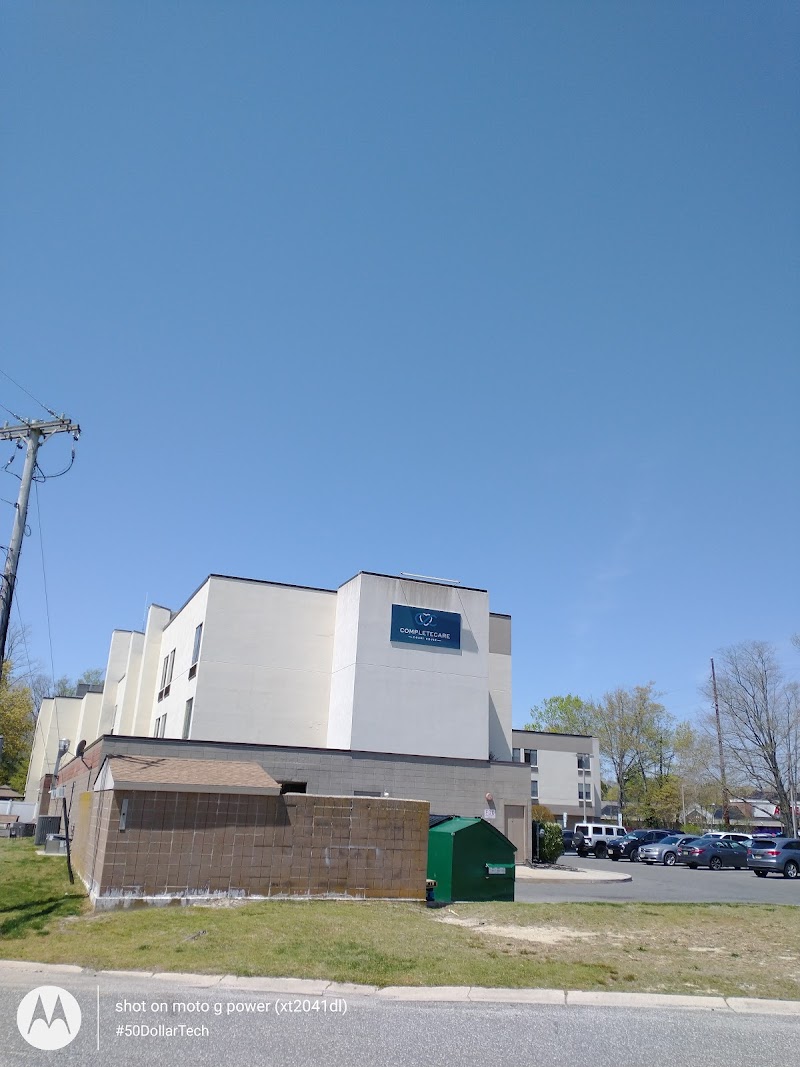
How is Complete Care At Court House, Llc Staffed?

CMS rates COMPLETE CARE AT COURT HOUSE, LLC's staffing level at 2 out of 5 stars, which is below average compared to other nursing homes. Staff turnover is 57%, which is 11 percentage points above the New Jersey average of 46%. High turnover can affect care consistency as new staff learn residents' individual needs.

What Have Inspectors Found at Complete Care At Court House, Llc?

State health inspectors documented 14 deficiencies at COMPLETE CARE AT COURT HOUSE, LLC during 2021 to 2025. These included: 14 with potential for harm.
Who Owns and Operates Complete Care At Court House, Llc?

COMPLETE CARE AT COURT HOUSE, LLC is owned by a for-profit company. For-profit facilities operate as businesses with obligations to shareholders or private owners. The facility is operated by COMPLETE CARE, a chain that manages multiple nursing homes. With 120 certified beds and approximately 99 residents (about 82% occupancy), it is a mid-sized facility located in CAPE MAY COURT HOUSE, New Jersey.
How Does Complete Care At Court House, Llc Compare to Other New Jersey Nursing Homes?

Compared to the 100 nursing homes in New Jersey, COMPLETE CARE AT COURT HOUSE, LLC's overall rating (5 stars) is above the state average of 3.3, staff turnover (57%) is significantly higher than the state average of 46%, and health inspection rating (4 stars) is above the national benchmark.

What Should Families Ask When Visiting Complete Care At Court House, Llc?

Based on this facility's data, families visiting should ask: "How do you ensure continuity of care given staff turnover, and what is your staff retention strategy?" "Can you walk me through typical staffing levels on day, evening, and night shifts?" "Can I visit during a mealtime to observe dining assistance and food quality?" "How do you handle medical emergencies, and what is your hospital transfer rate?" These questions are particularly relevant given the facility's high staff turnover rate and the below-average staffing rating.

Is Complete Care At Court House, Llc Safe?

Based on CMS inspection data, COMPLETE CARE AT COURT HOUSE, LLC has a clean safety record: no substantiated abuse findings (meaning no confirmed cases of resident harm), no Immediate Jeopardy citations (the most serious violation level indicating risk of serious injury or death), and is not on the Special Focus Facility watch list (a federal program monitoring the lowest-performing 1% of nursing homes). The facility has a 5-star overall rating and ranks #1 of 100 nursing homes in New Jersey. While no facility is perfect, families should still ask about staff-to-resident ratios and recent inspection results during their visit.

Do Nurses at Complete Care At Court House, Llc Stick Around?

Staff turnover at COMPLETE CARE AT COURT HOUSE, LLC is high. At 57%, the facility is 11 percentage points above the New Jersey average of 46%. High turnover means new staff may not know residents' individual needs, medications, or preferences. It can also be disorienting for residents, especially those with dementia who rely on familiar faces. Families should ask: What is causing the turnover? What retention programs are in place? How do you ensure care continuity during staff transitions?

Was Complete Care At Court House, Llc Ever Fined?

COMPLETE CARE AT COURT HOUSE, LLC has no federal fines on record. CMS issues fines when nursing homes fail to meet care standards or don't correct problems found during inspections. The absence of fines suggests the facility has either maintained compliance or corrected any issues before penalties were assessed. This is a positive indicator, though families should still review recent inspection reports for the full picture.

Is Complete Care At Court House, Llc on Any Federal Watch List?

COMPLETE CARE AT COURT HOUSE, LLC is not on any federal watch list. The most significant is the Special Focus Facility (SFF) program, which identifies the bottom 1% of nursing homes nationally based on persistent, serious quality problems. Not being on this list means the facility has avoided the pattern of deficiencies that triggers enhanced federal oversight. This is a positive indicator, though families should still review the facility's inspection history directly.