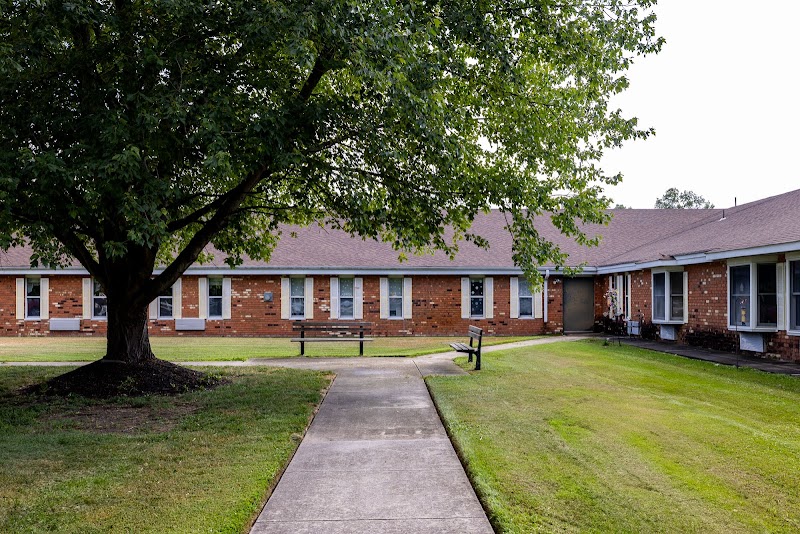
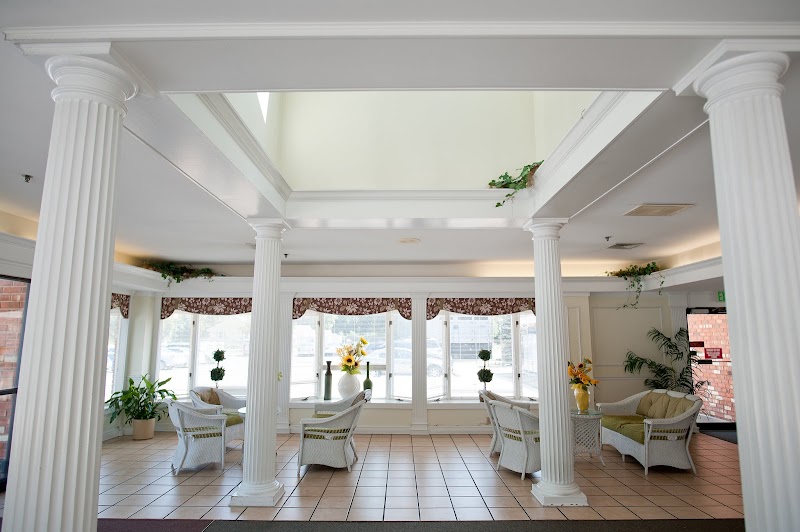
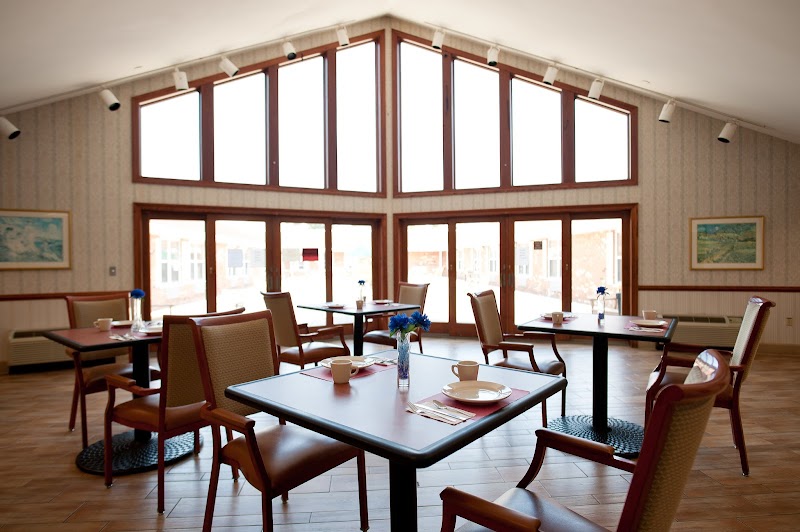
AUTUMN LAKE HEALTHCARE AT SOUTHGATE

449 S PENNSVILLE-AUBURN ROAD, CARNEYS POINT, NJ 08069 (856) 299-8900
For profit - Limited Liability company 152 Beds AUTUMN LAKE HEALTHCARE Data: November 2025
Trust Grade
55/100
#246 of 344 in NJ
Last Inspection: February 2025

Within standard 12-15 month inspection cycle. Federal law requires annual inspections.

Overview

Autumn Lake Healthcare at Southgate has a Trust Grade of C, indicating an average level of care that is neither great nor terrible. Ranked #246 out of 344 facilities in New Jersey, they are in the bottom half of the state, and at #3 out of 4 in Salem County, only one local option is better. The facility's trend is worsening, with issues increasing from 8 in 2023 to 11 in 2025. Staffing is a concern, with a rating of only 2 out of 5 stars and a high turnover rate of 42%, similar to the state average. While there are no fines reported, which is a positive sign, the facility has been cited for serious sanitation issues, such as improperly handling food and maintaining a clean environment, which raises concerns about resident safety and well-being. Overall, while there are strengths in the lack of fines, the facility faces significant challenges that families should consider.

Trust Score
C
55/100
In New Jersey
#246/344
Bottom 29%
Safety Record
Low Risk
No red flags
Inspections
Getting Worse
8 → 11 violations
Staff Stability
○ Average
42% turnover. Near New Jersey's 48% average. Typical for the industry.
Penalties
✓ Good
No fines on record. Clean compliance history, better than most New Jersey facilities.
Skilled Nurses
⚠ Watch
Each resident gets only 16 minutes of Registered Nurse (RN) attention daily — below average for New Jersey. Fewer RN minutes means fewer trained eyes watching for problems.
Violations
⚠ Watch
20 deficiencies on record. Higher than average. Multiple issues found across inspections.
★★☆☆☆
2.0
Overall Rating
★★☆☆☆
2.0
Staff Levels
★★★☆☆
3.0
Care Quality
★★☆☆☆
2.0
Inspection Score
Stable
2023: 8 issues
2025: 11 issues

The Good

  • Full Sprinkler Coverage · Fire safety systems throughout facility
  • No fines on record
  • Staff turnover below average (42%)

    6 points below New Jersey average of 48%

Facility shows strength in fire safety.

The Bad

2-Star Overall Rating

Below New Jersey average (3.2)

Below average - review inspection findings carefully

Staff Turnover: 42%

Near New Jersey avg (46%)

Typical for the industry

Chain: AUTUMN LAKE HEALTHCARE

Part of a multi-facility chain

Ask about local staffing decisions and management

The Ugly 20 deficiencies on record

May 2025 1 deficiency
CONCERN (D) 📢 Someone Reported This

A family member, employee, or ombudsman was alarmed enough to file a formal complaint

Potential for Harm - no one hurt, but risky conditions existed

Pharmacy Services (Tag F0755)

Could have caused harm · This affected 1 resident

**NOTE- TERMS IN BRACKETS HAVE BEEN EDITED TO PROTECT CONFIDENTIALITY** Complaint #: NJ186169 Based on interviews, review of the Medical Records (MR), and pertinent facility documents on 5/22/2025, it...

Read full inspector narrative →
**NOTE- TERMS IN BRACKETS HAVE BEEN EDITED TO PROTECT CONFIDENTIALITY** Complaint #: NJ186169 Based on interviews, review of the Medical Records (MR), and pertinent facility documents on 5/22/2025, it was determined that the facility failed to ensure that the medication ordered by the physician was received and available to be administered for 1 out of 3 sampled residents (Resident #2). The deficient practice was evidenced by the following: According to Resident #2's MR, Resident #2 had diagnoses which included but were not limited to Chronic Kidney Disease, Aneurysm of Artery of Lower Extremity, and Peripheral Vascular Disease, Unspecified. According to the Minimum Data Set (MDS), an assessment tool dated 4/24/2025, Resident #2 had a Brief Interview for Mental Status (BIMS) score of 15/15, indicating Resident #2 was cognitively intact. A review of Resident #2's Order Summary Report (OSR) received on 5/22/2025 from the Director of Nursing (DON), indicated, Xarelto Tablet 20MG (Milligram)(Rivaroxaban) give 1 tablet by mouth one time a day for Afib (Atrial fibrillation - an irregular and often very rapid heart rhythm), with an order date of 9/16/2021. A review of Resident #2's Medication Administration Report (MAR) schedule for 5/2025, indicated a blank and there was no Xarelto Tablet 20MG administered on 5/2/2025 for the 3:00 p.m. to 11:00 p.m. shift. During an interview with the surveyor on 5/22/25 at 1:52 p.m., the Director of Nursing (DON) stated, if a medication was ordered for a resident and it was not available on the medication cart, the nurse is expected to look in the back up Pixes/filing cabinet, contact pharmacy to see if and when the medication was coming. If there is a missed dose, the nurse should call the doctor and make doctor aware. During an interview with the surveyor on 5/22/25 at 2:38 p.m., the Infection Preventionist (IP) nurse stated, we attempted to borrow, but none was available on any other unit. During the Exit Conference with surveyor on 5/22/25, the Administrator indicated that the Agency nurse only worked on 5/2/25. A review of Resident #2's progress note revealed no documentation on 5/2/25, that the doctor was notified of the missed dose of Xarelto Tablet 20MG. A review of facility's E-Rx Resupply for Resident #2's Xarelto Tablet 20MG, indicated a Message Type RESUPP (Resupply) with Message Date/Time on 5/3/2025 18:18 from Point Click Care (PCC). The same document revealed that the dispense date from the contracted Pharmacy was on 5/4/25. A review of facility's Manifest: [NAME] Lake at [NAME] - 2nd Floor revealed a staff signed manually that Resident #2's Xarelto Tab 20MG was received from the contracted Pharmacy on 5/3/25. A review of facility's Manifest: [NAME] Lake at [NAME] - 2nd Floor revealed a staff signed electronically that Resident #2's Xarelto Tab 20MG was received from the contracted Pharmacy on 5/4/25. A review of the facility's policy titled Physician Orders updated in April 2024 revealed, All nurses will follow physician orders and recommendations. NJAC 8:39-27.1(a)
Feb 2025 10 deficiencies
CONCERN (D)

Potential for Harm - no one hurt, but risky conditions existed

Pressure Ulcer Prevention (Tag F0686)

Could have caused harm · This affected 1 resident

Based on observation, interview, and record review, it was determined that the facility failed to follow a physician's order for bilateral heel boots (a pressure-relieving device) for a resident at ri...

Read full inspector narrative →
Based on observation, interview, and record review, it was determined that the facility failed to follow a physician's order for bilateral heel boots (a pressure-relieving device) for a resident at risk for developing pressure ulcers. This deficient practice was identified for 1 of 1 resident (Resident #7) reviewed for positioning and mobility and was evidenced by the following: On 2/20/25 at 12:37 PM, the surveyor observed Resident #7 resting in bed. The resident was awake and stated that he/she was not wearing heel boots at that time and would like to wear them. The resident's feet were noted to be resting on two green pillows. There were no heel boots observed in the resident's room. The surveyor reviewed the medical record for Resident #7. A review of the admission Record, an admission summary, revealed the resident had diagnoses which included, but were not limited to, hemiplegia and hemiparesis, morbid obesity, mild protein calorie malnutrition, and restless leg syndrome. A review of the resident's quarterly Minimum Data Set (MDS), an assessment tool used to facilitate the management of care, dated 12/11/24, included the resident had a Brief Interview for Mental Status (BIMS) score of 8 out of 15, which indicated the resident's cognition was moderately impaired. Further review of the MDS revealed the resident was at risk for developing pressure ulcers. A review of the resident's individual comprehensive care plan (ICCP) included a focus area that the resident was at risk for skin breakdown. Interventions included: heel boots. A review of the Order Summary Report (OSR), dated 2/24/25, included a physician's order for bilateral (B/L) heel boots when in bed as tolerated every shift for prevention. On 2/20/25 at 12:44 PM, the surveyor interviewed the Licensed Practical Nurse (LPN #7) who stated Resident #7 wears B/L heel boots and the caretaker would put them on and take them off. She also stated that the resident did not refuse them and was always offered them. LPN #7 further stated that the heel boots were used to prevent heel pressure ulcers. On 2/20/25 at 12:48 PM, the surveyor interviewed the Certified Nursing Assistant (CNA) #8 who stated, the resident had pads on, and I put those under her feet. She further stated that Resident #7 did not decline treatment. She further stated the nurse would be notified if the resident declined any treatment. The surveyor, accompanied by the CNA #8, returned to the resident's room and CNA #8 stated this is what I use, and pointed to a green pillow. On 2/20/25 at 1:05 PM, the surveyor asked the Director of Nursing (DON) to show the surveyor a pair of heel boots. The DON presented a pair of heel boots and stated, This is what we use. At that time, the surveyor accompanied the DON and the CNA into the resident's room. The DON and CNA both applied the B/L heel boots. The resident accepted the heel boots and stated, It feels fine. On 2/21/25 at 1:38 PM, the surveyor conducted a follow-up interview with the DON, who stated that if there was an order in place for heel boots, it should be followed. A review of the facility's Physician Orders policy, updated April 2024, included All nurses will follow physician orders and recommendations. NJAC 8:39-27.1(e)
CONCERN (D)

Potential for Harm - no one hurt, but risky conditions existed

Respiratory Care (Tag F0695)

Could have caused harm · This affected 1 resident

Complaint #: NJ167424 Based on observation, interview, and review of pertinent facility documents, it was determined that the facility failed to follow a physician's order for a resident who required ...

Read full inspector narrative →
Complaint #: NJ167424 Based on observation, interview, and review of pertinent facility documents, it was determined that the facility failed to follow a physician's order for a resident who required continuous oxygen. This deficient practice was identified for 1 of 3 residents (Resident #31) reviewed for respiratory care and was evidenced by the following: On 2/19/25 at 9:57 AM, during the initial tour of the facility, the surveyor observed Resident #31 resting in bed with their eyes closed and receiving oxygen via nasal cannula (N/C; a device that delivers extra oxygen through a tube and into the nose). On 2/20/25 at 9:02 AM, the surveyor observed Resident #31 resting in bed with their eyes closed. At that time, the surveyor observed the resident wearing a N/C which was connected to an empty portable oxygen tank on the back of the resident's wheelchair. At 9:06 AM, the surveyor interviewed Certified Nurse Aide (CNA) #4 who stated that she was assigned to care for Resident #31. She stated that the resident had not yet gotten out of bed that morning. At 9:10 AM, the surveyor returned to the resident's room accompanied by Licensed Practical Nurse (LPN) #3, who confirmed that the N/C that the resident was using was connected to an empty portable oxygen tank. LPN #3 connected the N/C to the oxygen concentrator (a medical device that filters nitrogen out of air to deliver oxygen-enriched air) and replaced the portable oxygen tank. At 9:28 AM, the surveyor conducted a follow-up interview with LPN #3 who stated that the resident required checks to ensure that the resident was receiving oxygen. He further stated that upon entering the room, normally he would check to ensure that everything was connected properly and the portable tank had oxygen in it. LPN #3 stated that it was important for Resident #31 to get oxygen to maintain safe oxygen levels. At 9:38 AM, the surveyor interviewed Registered Nurse/Unit Manager (RN/UM) #1 who stated, Resident #31's oxygen should be administered continuously as per the physician's order. She stated that everyone was responsible for ensuring that the resident was receiving oxygen. She then stated that the portable oxygen tanks did not last too long, therefore, every person that went in the resident's room should be checking to ensure there was oxygen in the tank. On 2/20/25 at 11:00 AM, the surveyor reviewed the medical record for Resident #31. A review of the admission Record, an admission summary, revealed Resident #31 had diagnoses which included chronic obstructive pulmonary disease (COPD) with acute exacerbation and anxiety disorder. A review of the resident's comprehensive Minimum Data Set (MDS), an assessment tool, dated 12/12/24, included the resident had a Brief Interview for Mental Status (BIMS) score of 11 out of 15, which indicated the resident's cognition was moderately impaired. Further review of the MDS revealed the resident experienced shortness of breath or trouble breathing when lying flat and received continuous oxygen therapy. A review of the Order Summary Report (OSR) revealed a physician's order (PO), dated 1/31/25 at 11:00 PM, for oxygen at two liters via N/C continuously. A review of the resident's individualized comprehensive care plan (ICCP) revealed a focus area of oxygen therapy and nebulizer use related to ineffective gas exchange due to chronic obstructive pulmonary disease (COPD) via concentrator and portable oxygen tank (E tank). Interventions included: oxygen via N/C at two liters continuously. On 2/21/25 at 1:30 PM, the surveyor interviewed the Director of Nursing (DON), who stated that Resident #31's oxygen should be administered continuously as per the physician's order. She stated that the staff should be aware that it was in place and the resident was receiving it. She further stated that the resident was ambulatory and should have a portable oxygen tank containing oxygen readily available. A review of the facility's Physician Orders policy, updated April 2024, included All nurses will follow physician orders and recommendations. NJAC 8:39-27.1(a)
CONCERN (D)

Potential for Harm - no one hurt, but risky conditions existed

Deficiency F0804 (Tag F0804)

Could have caused harm · This affected 1 resident

Based on observation, interview, and review of facility documents, it was determined that the facility failed to ensure a palatable temperature of food for 1 of 1 lunch meals observed on 1 of 3 nursin...

Read full inspector narrative →
Based on observation, interview, and review of facility documents, it was determined that the facility failed to ensure a palatable temperature of food for 1 of 1 lunch meals observed on 1 of 3 nursing units (300 Unit). This deficient practice was evidenced by the following: On 2/20/25 at 10:35 AM, the surveyor conducted a Resident Council Meeting with five residents (Resident #5, #14, #28, #44, and #64). Four out of five residents stated that if meals were served in the resident's room the meals were cold, that only the dining room received warms meals, and that the eggs were always cold. Resident #28 stated that the meals were delivered on open racks that did not keep the food warm and that the last unit served, nursing unit 100, was served cold food. On 2/21/25 at 11:34 AM, the surveyors observed [NAME] #1 testing the temperatures of the food on the steam table. The temperatures were as follows: Pureed baked fish (tilapia) 173 F (degrees Fahrenheit) Pureed rice 144.9 F Mashed potatoes 143.4 F Green beans 199 F Pureed green beans 192 F Yellow rice 202 F Baked fish (tilapia) 168 F. Upon interview, [NAME] #1 stated that the desired temperature of the food on the steam table was 150 F, however [NAME] #1 stated that the preferred temperature was 180 F. The Regional Food Service Director (RFSD) who was present, stated that food items should be held above 135 F on the steam table. On 2/21/25 at 11:57 AM, the surveyors requested to have a regular meal tray and a pureed tray prepared and placed on the food truck for nursing unit 300 as a test tray. The surveyor requested that the RFSD record temperatures of the food in the presence of the surveyors on the nursing unit using a calibrated (procedure used to confirm accuracy) thermometer. On 2/21/25 at 12:15 PM, the surveyors observed the lunch meal service for the unit 300 A tray line prep in the kitchen, in the presence of [NAME] #1, Dietary Aides (DA) #2, DA #4, DA #5, and DA #6. Dinner plates were observed being picked up by hand by [NAME] #1 who portioned food from the steam table onto the plates. The plates were covered with a plastic insulated dome and were placed on the trays. The completed trays were placed on an uncovered food truck at the end of the line. At 12:24 PM, the surveyor and the RFSD accompanied DA #6 and the 300 A food cart to the unit. At 12:26 PM, DA#6 arrived on nursing unit 300 and the nursing staff proceeded to deliver meal trays to the residents in the dining room. At 12:30 PM, the RFSD confirmed the last tray was delivered on nursing unit 300 and the surveyors observed the RFSD obtain the temperatures using a calibrated thermometer of the lunch meal trays. The temperatures were as follows: Pureed baked fish 125 F Pureed green beans 127.2 F Pureed rice 129 F Pureed pears 61 F Milk 40 F Regular baked fish 150 F Regular rice 141 F Regular green beans 147 F Regular pears 62 F At that time, the RFSD stated that the puree foods were not meeting the desired temperatures of 135 F for hot foods, and that the cold items should be 41 F or below. The RFSD also stated that if the temperature fell out of range it may cause bacterial growth in the food and that food items were in the temperature danger zones. Review of the undated facility's, Record of Food Temperatures policy included: .Policy Explanation and Compliance Guidelines: 1. Food temperatures will be checked on all items prepared in the dietary department. 2. Hot foods will be held at 135 degrees Fahrenheit greater 4. Potentially hazardous cold food temperatures will be kept at 41 degrees Fahrenheit .8. If food temperature falls into an unsafe range, immediately follow procedures for previously cooked food .11. No food will be served that does not meet the food code standard temperatures. NJAC 8:39-17.4(a)(2)
CONCERN (D)

Potential for Harm - no one hurt, but risky conditions existed

Infection Control (Tag F0880)

Could have caused harm · This affected 1 resident

Based on observation, interview, record review, and review of facility documents, it was determined that the facility failed to minimize the spread of infection to residents during incontinence care r...

Read full inspector narrative →
Based on observation, interview, record review, and review of facility documents, it was determined that the facility failed to minimize the spread of infection to residents during incontinence care rounds. This deficient practice was identified on 1 of 3 nursing units (100 Unit) and was evidenced by the following: On 2/21/25 at 9:09 AM, the surveyor interviewed Certified Nursing Assistant (CNA) #7 who stated that she was assigned to eight residents and had four residents who still awaited incontinence care. On 2/21/25 at 9:11 AM, the surveyor accompanied CNA #7 into Resident #17's room with the resident's permission. Resident #17 stated that he/she was wet and needed to be changed. CNA #7 donned (put on) gloves. CNA #7 then proceeded to unfasten the resident's brief and adjusted the resident's linens to demonstrate the resident's incontinence status. The resident's brief was mildly wet and it was not soaked through. When finished, CNA #7 then proceeded to doff (remove) her gloves and washed her hands out of the stream of running water for 10 seconds before rinsing her hands and drying them on a paper towel. On 2/21/25 at 9:19 AM, the surveyor accompanied CNA #7 to Resident #35's room. There was a sign posted on the outside of the door which indicated that the resident was on Enhanced Barrier Precautions [EBP; a set of infection control practices that used gowns and gloves to reduce the spread of multi-drug resistant organisms (MDROs)] and CNA #7 stated that a gown and gloves were required to be worn when direct care was provided to the resident. CNA #7 then proceeded to donn a gown and gloves before she entered the room. CNA #7 stated that Resident #35 had a tracheostomy tube [a tube inserted into the trachea (windpipe) through a surgically created opening in the neck] and he/she did not respond verbally when CNA #7 requested to check his/her brief. CNA #7 unfastened the resident's brief and stated that the resident's brief was dry and then proceeded to fasten the residents brief. When finished, CNA #7 doffed both her gown and gloves and used ABHR (alcohol based hand rub) to clean her hands afterward. On 2/21/25 at 9:26 AM, the surveyor accompanied CNA #7 to Resident #1's room. There was a sign posted on the outside of the door which indicated that the resident was on EBP. CNA #7 then proceeded to donn a gown and gloves before she entered the room. CNA #7 stated that Resident #1 had a gastrostomy tube (a feeding tube that is surgically inserted through the abdominal wall into the stomach). Resident #1 did not respond verbally when CNA #7 requested to check his/her brief. The resident's brief was mildly wet, and was not soaked through. When finished, CNA #7 doffed both her gown and gloves. CNA #7 then proceeded to wash her hands out of the stream of running water for nine seconds before rinsing her hands and drying them on a paper towel. When interviewed at that time, CNA #7 stated that she was supposed to wash her hands for 20 to 30 seconds out of the stream of running water and she sang happy birthday once to ensure that she had washed her hands long enough. On 2/21/25 at 10:07 AM, the surveyor interviewed Licensed Practical Nurse/Unit Manager (LPN/UM) #1 who stated that the process for hand washing was to scrub your hands for at least 20 seconds. LPN/UM #1 further stated that if hand washing was not performed for a full 20 seconds it was an infection control issue and could spread germs around. On 2/25/25 at 11:00 AM, the surveyor interviewed the Infection Preventionist (IP) who stated that staff should sing at least two rounds of the happy birthday song to ensure they washed their hands for the required 20 to 30 seconds. The IP stated that if hands were washed for less than 20 seconds, you were not killing any bacteria. The IP further stated that it could be a potential disaster if hands were only washed for nine seconds during incontinence care. On 2/25/25 at 2:27 PM, the surveyor interviewed the Director of Nursing (DON) who stated that it was her expectation that staff followed the protocol to wash their hands for a minimum of 20 seconds otherwise their hands were not clean. A review of the facility's Hand Hygiene policy, accessed April 2023, included: All staff will perform hand hygiene procedures to prevent the spread of infection to other personnel, residents, and visitors . Hand hygiene technique when using soap and water: .Rub hands together vigorously for at least 20 seconds, covering all surfaces of the hands and fingers . NJAC 8:39-19.4
CONCERN (E) 📢 Someone Reported This

A family member, employee, or ombudsman was alarmed enough to file a formal complaint

Potential for Harm - no one hurt, but risky conditions existed

Safe Environment (Tag F0584)

Could have caused harm · This affected multiple residents

**NOTE- TERMS IN BRACKETS HAVE BEEN EDITED TO PROTECT CONFIDENTIALITY** Complaint #NJ 169844 Based on observation, interview, and review of other facility documentation, it was determined that the fac...

Read full inspector narrative →
**NOTE- TERMS IN BRACKETS HAVE BEEN EDITED TO PROTECT CONFIDENTIALITY** Complaint #NJ 169844 Based on observation, interview, and review of other facility documentation, it was determined that the facility failed to maintain the resident environment, equipment, and living areas in a safe, sanitary, and homelike manner. This deficient practice was evidenced on 3 of 3 resident units (100, 200, and 300 Unit) and was evidenced by the following: 1.) On 2/20/25 at 9:58 AM, the surveyor, in the presence of Registered Nurse/Unit Manager (RN/UM) #1, observed the following in the pantry area on the 300 unit: -A water cooler had a build-up of white streaks and grime. -An ice cart that contained a plastic liner with multiple rips and brown stains. -The black lid on a large gray trash can contained a build-up of white and brown substances. At that same time in the day room, the following was observed: -The black lid on a large gray trash can also contained a build-up of white and brown grime throughout. On 2/20/25 at 10:14 AM , the surveyor interviewed Housekeeper (HSK) #5, who stated that when she cleaned the pantry area, she sweeps, checks for paper towels and soap, cleans next to and behind the refrigerator, makes sure there was nothing on top of the counter, takes out the trash, sweeps and mops the floor. She did not include cleaning the water cooler or trash can lids. On 2/20/2025 at 10:20 AM, the surveyor interviewed the Infection Preventionist (IP) who stated that the water cooler should be kept sparkling and should be cleaned twice a shift. She further stated that the ice cart should be taken to the kitchen daily to be cleaned by the dietary staff. On 2/25/25 at 10:06 AM, the surveyor interviewed the Food Service Director (FSD) who stated that the kitchen staff was responsible for cleaning the ice carts and they should be cleaned once per week. She further stated, when they bring them to us, we clean them. Some units never brings them to us at all. 2.) On 2/20/25 at 10:30 AM, the surveyor conducted resident council with five (5) oriented residents (Resident #5, #14, #28, #44 and #64). Resident # 28 stated that the windows have not been washed and there were cobwebs in the windows. Resident #28 further stated that the housekeeping department was short staffed. Four (4) out of five (5) residents verbalized agreement that the windows were not clean, and there were cobwebs present on both the inside and the outside of the windows at the facility. On 2/21/25 at 10:46 AM, the surveyor observed the following on the 200 Unit: -The large atrium windows with a large windowsill in the resident lounge had large cobwebs located in each corner. One large window had a large crack. The doors and windows that led to a courtyard had a film on the inside and black debris at the edge of the doors that met the flooring. -Resident #89's shower located the resident's bathroom had a black substance on the floor and a shower chair with washcloths hanging on the chair. On 2/21/25 at 10:49 AM, the surveyor observed the following on the 100 unit: -The window and doors located at the end of the hallway by room [ROOM NUMBER] had large number of cobwebs on the outside of the window and the door. -The window located in Resident #28's room had a film on the window and a dark colored cobweb outside in the right corner of the window. -In the resident lounge, the large atrium window located above the doors had several large cobwebs in the corners. On 2/21/25 at 11:00 AM, the surveyor observed the following in the 300-Unit lounge: -Cobwebs in the corners of the large atrium window -A white substance with black dots on the ceiling in the middle of the vaulted ceiling. On 2/21/25 at 11:03 AM, the surveyor interviewed Housekeeper (HSK) #1 on the 200 Unit who stated she had been employed with the facility for about three weeks. She stated her responsibilities included to clean both resident hallways, including the resident's rooms, the lounge, and offices. She further stated that every day the lounge was swept and mopped, the tables were wiped, and the inside windows were cleaned. HSK #1 stated dusting was done where needed, but she doesn't dust up high by the atrium windowsills. On 2/21/25 at 11:10 AM, the surveyor interviewed HSK #2 on the 100 Unit who stated she had been employed with the facility for one month. She stated she was responsible to clean both hallways including the resident rooms and the lounge. HSK #2 further stated that everyday she swept and mopped the lounge and wiped the tables and countertops before breakfast. She stated that she does not dust up high by the atrium windowsills. On 2/21/25 at 11:26 AM, the surveyor interviewed the Interim Director of Housekeeping (IDH) who stated he had been employed at the facility in the housekeeping department since 1994. The IDH stated that each unit was supposed to have two housekeepers each but at this time each unit only had one housekeeper. The IDH further stated the housekeeping department had one laundry aide and one floor technician on the 3-11 PM shift. The IDH explained the floor technician would empty trash, mop the floors, and would clean a resident's room on occasion if needed for an admission. The IDH further stated that housekeeping was responsible for cleaning the units, the resident's rooms, the lounge, and inside and outside windows. The IDH stated the outside windows have not been cleaned in over five years. He also stated that housekeeping was responsible for dusting the atrium windowsills in the unit lounges, but it has been over five years since they were cleaned because a ladder would be needed to clean the atrium windowsills. The IDH stated that cobwebs should not be in the lounges where the residents eat and do activities. He explained that it was important that the facility be kept clean because the facility should be kept like it is their home. On 2/21/25 at 12:25 PM, the surveyor was accompanied by the Licensed Nursing Home Administrator (LNHA) and toured the 100, 200, and 300 units. The LNHA stated that he completes environmental rounding of the building and looked for cleanliness and safety maintenance. At that time, residents were eating lunch in all three lounges. The LNHA confirmed the presence of the cobwebs in each unit lounge and the cobwebs outside the facility on the windows and doors. The LNHA stated, about the window located at the end of the 100-unit hallway, it's a beautiful window you want to look out of it. The LNHA stated that he will have someone clean all the cobwebs in the windows that day and clean the outside of the building. The LNHA stated it's hard to keep up with the outside of the building and we try to do what's needed. On 2/21/25 at 12:25 PM, the surveyor interviewed the Director of Maintenance (DM) who stated he had been the director for 15 years. The DM stated that the facility should be kept in good repair. He further stated that the housekeeping department was responsible for dusting the lounges, A review of the facility's Trashcan [sic.] Receptacle Management and Disinfection Procedures policy, updated January 2025, included Trash cans and surrounding areas must be disinfected at least once daily or more frequently if soiled or contaminated. A review of the facility's Ice Machines and Ice Storage Chests policy, updated January 2025 included To help prevent contamination of ice machines, ice storage chests/containers or ice, staff shall follow these precautions: clean and sanitize the chest and ice scoop daily; Regular cleaning of ice chests or coolers, especially before use and when contaminated or soiled. A review of the facility's Routine Cleaning and Disinfection policy, undated, included that the facility is to ensure the provision of routine cleaning and disinfection in order to provide a safe, sanitary environment and to prevent the development and transmission of infections to the extent possible Clean from top to bottom (bring dirt from high levels down to floor levels Horizontal surfaces with infrequent hand contact (window sill and hard surface flooring) in routine resident care area should be cleaned on a regular basis and when soiling and spills occur Area around the buildings shall be maintained in a safe and orderly manner. NJAC 8:39-4.1 (a)11; 31.2(e)
CONCERN (E)

Potential for Harm - no one hurt, but risky conditions existed

Abuse Prevention Policies (Tag F0607)

Could have caused harm · This affected multiple residents

Based on interview and review of pertinent documentation provided by the facility it was determined that the facility failed to implement the facility's abuse policy to ensure reference checks were co...

Read full inspector narrative →
Based on interview and review of pertinent documentation provided by the facility it was determined that the facility failed to implement the facility's abuse policy to ensure reference checks were completed for 10 of 10 employee files reviewed. This deficient practice was evidenced by the following: On 2/25/25 at 11:00 AM, the surveyor reviewed the 10 randomly selected employee files, which revealed the following: 1. Registered Nurse (RN #1), with a hire date of 4/16/24, did not have a previous employee reference on file. 2. Licensed Practical Nurse (LPN #5), with a hire date of 1/21/25, did not have a previous employee reference on file. 3. Certified Nursing Assistant (CNA #5), with a hire date of 1/7/25, did not have a previous employee reference on file. 4. Housekeeper (HSK #8), with a hire date of 1/30/25, did not have a previous employee reference on file. 5. CNA #6, with a hire date of 10/15/24, did not have a previous employee reference on file. 6. LPN #6, with a hire date of 6/12/24, did not have a previous employee reference on file. 7. Dietary Aide (DA #4), with a hire date of 6/13/23, did not have a previous employee reference on file. 8. RN #2, with a hire date of 3/14/23, did not have a previous employee reference on file. 9. HSK #9, with a hire date of 3/19/24, did not have a previous employee reference on file. 10. [NAME] #3, with a hire date of 9/14/24, did not have a previous employee reference on file. On 2/25/25 at 11:59 AM, the surveyor interviewed the Director of Human Resources (DHR) who stated she completed the reference checks, but a lot of times she was not successful with reaching the references. The DHR stated she normally attempted three times if not successful. She then stated that most of the hires were re-hires, or they knew a current employee whom she obtained the reference from. The DHR stated that the references would be documented on the reference form or on the back page of the application. She stated if the employee was a re-hire, then she did not complete the reference check unless it was more than a year. The DHR stated most of the references were current employee references, and so they were a verbal conversation. She stated she was the only one that did the reference checks. At that time, the DHR confirmed the verbal references were not documented. She stated it was important to document to ensure it was done and to know if there were any issues in their prior jobs. The DHR stated that was one of her weaknesses not documenting after she talked to someone. The surveyor continued to interview the DHR who stated that RN #1, CNA #5, HSK #8, and HSK#9 were all re-hires; LPN #5 and DA #4 had verbal references from current employees; CNA #6 and LPN #6 were agency staff they liked and became employees; and for RN #2 she did not call the references. The DHR then stated she utilized the Health Care Facility Inquiry Regarding Health Care Professional form as part of the reference check for RN #2. She stated she was unsure where it was, but confirmed it was not in the folder; and [NAME] #3 she stated the reference check sheet was accidentally shredded. On 2/25/25 at 12:31 PM, the surveyor interviewed the Licensed Nursing Home Administrator (LNHA) who stated that the DHR kept him in the loop regarding new hires and that the reference checks were done as needed. He then stated that the DHR oversaw the reference checks. When asked did employees that were re-hired, or hired from agency need a reference check, the LNHA stated he would have to ask the DHR regarding if reference checks were needed. On 2/25/25 at 12:38 PM, the LNHA stated that for an agency staff who became their staff, they obtained the reference checks from the current staff. He stated he was not sure if those reference checks were a verbal conversation or documented. The LHNA stated for employees that were re-hired, then it was based on their prior history at the facility in a short period of time. The LNHA stated that it was important to ensure reference checks were done for the safety of the residents. On 2/25/25 at 12:42 PM, the DHR provided her job description and an applicant employment verification form. At that time, the DHR confirmed she did not have any documented evidence that the 10 employees reference checks were completed. On 2/25/25 at 2:00 PM, the DHR confirmed she did not complete an applicant employment verification form and provided blank forms for the 10 of 10 employees reviewed. A review of the DHR's job description, included check applications and references of prospective employees. A review of the facility's Abuse, Neglect and Exploitation policy undated, included, 1. Screening: a. potential employees will be screened for a history of abuse, neglect, exploitation, or misappropriation of resident property .reference checks shall be conducted on potential employees, contracted temporary staff, students affiliated with academic institutions, volunteers, and consultants. NJAC 8:39-9.3(b)
CONCERN (E) 📢 Someone Reported This

A family member, employee, or ombudsman was alarmed enough to file a formal complaint

Potential for Harm - no one hurt, but risky conditions existed

Comprehensive Care Plan (Tag F0656)

Could have caused harm · This affected multiple residents

2.) On 2/19/25 at 10:05 AM, during the initial tour, the surveyor observed Resident #108 lying in bed. At that time, a nurse entered the room to administer the resident's medications and asked the res...

Read full inspector narrative →
2.) On 2/19/25 at 10:05 AM, during the initial tour, the surveyor observed Resident #108 lying in bed. At that time, a nurse entered the room to administer the resident's medications and asked the resident if he/she had pain. The resident complained of nine out of 10 pain to his/her back. When the nurse left the room to get the resident pain medication, the resident stated his pain was not being managed properly. The resident explained that he/she had pain in his/her back from a prior surgery and that he/she had esophageal cancer as well. On 2/21/25 at 9:35 AM, the surveyor reviewed the medical record for Resident #108. A review of the admission Record, an admission summary, revealed the resident had diagnoses which included, but were not limited to, multiple fractures of ribs, encounter for other orthopedic aftercare, and malignant neoplasm (cancer) of the esophagus. A review of the quarterly Minimum Data Set (MDS), an assessment tool used to facilitate the management of care, dated 12/27/24, included the resident had a Brief Interview for Mental Status (BIMS) score of 15 out of 15, which indicated the resident's cognition was intact. Further review of the MDS revealed the resident frequently had pain that limited his/her day-to-day activities and rated the pain level as moderate. A review of the Medical Visit evaluation, dated 10/8/24, revealed the resident had recently fell, sustained right sided rib fractures, and had surgery to correct the fractures. Further review of the evaluation included a recommendation from the Nurse Practitioner (NP) for a pain management appointment. A review of the Order Summary Report, dated as of 2/25/25, included the following physician's order (PO): -A PO, dated 11/20/24, for oxycodone 10 milligrams one tablet every eight hours as needed for pain. A review of the February 2025 Medication Administration Record revealed the above order for oxycodone was administered 31 times from 2/1/25 through 2/25/25 for a pain level ranging from five to nine out of 10 on the pain scale. A review of the individual comprehensive care plan (ICCP) did not include a care plan related to the resident's pain. On 2/25/25 at 10:44 AM, the surveyor interviewed Licensed Practical Nurse (LPN) #1 who stated the Unit Managers (UM) were responsible for creating resident care plans right away so that staff know the needs of the resident, the resident's history, and how to accommodate the resident. The LPN further stated that interventions for a resident with pain included adjusting pain medications, making sure pain was not affecting activities of daily living, assessing pain level, and notifying the physician of any issues with pain management. The LPN added that pain should be included on the care plan for a resident with pain. On 2/25/25 at 10:52 AM, the surveyor interviewed Licensed Practical Nurse/Unit Manager (LPN/UM) #1 who stated care plans were created collaboratively by the nursing, social services, activities, and dietary departments within 24 hours of the initial care conference which takes place within the first two weeks of the resident's admission. The LPN/UM added that if there was a change in the resident's condition, the care plan would be updated within 48 hours. The LPN/UM further stated that interventions for a resident with pain included monitoring pain levels, attempting non-pharmacological interventions, providing pain medication as ordered, and notifying the physician of inadequate pain management. The LPN/UM also stated that pain should be included on the care plan for a resident with pain. On 2/25/25 at 1:54 PM, the surveyor interviewed the Director of Nursing (DON), in the presence of the survey team, the Regional Nurse, and the Licensed Nursing Home Administrator. The DON stated that the comprehensive care plans were created within 21 days of the resident's admission and updated quarterly and as needed. When asked about Resident #108, the DON stated the resident should have had a care plan related to pain. 3.) On 2/20/25 at 10:01 AM, the surveyor reviewed the closed medical record for Resident #391. A review of the admission Record, an admission summary, revealed the resident had diagnoses which included, but were not limited to, COPD (Chronic Obstructive Pulmonary Disease) and acute and chronic respiratory failure. A review of the comprehensive Minimum Data Set (MDS), an assessment tool used to facilitate the management of care, dated 9/14/23, included the resident had a Brief Interview for Mental Status (BIMS) score of 15 out of 15, which indicated the resident's cognition was intact. Further review of the MDS revealed the resident received oxygen therapy. A review of the September, October, November, and December 2023 Treatment Administration Records revealed the resident was receiving oxygen at a rate of two to three liters continuously via nasal cannula. A review of the individual comprehensive care plan (ICCP) did not include a care plan related to the resident's oxygen use. On 2/25/25 at 10:44 AM, the surveyor interviewed Licensed Practical Nurse (LPN) #1 who stated the Unit Managers (UM) were responsible for creating resident care plans right away so that staff know the needs of the resident, the resident's history, and how to accommodate the resident. The LPN further stated that interventions for a resident with oxygen included ensuring the resident was wearing the oxygen as ordered, ensuring the oxygen equipment was functioning properly, and checking the resident's pulse oximetry (measures oxygen saturation in the blood) every shift and as needed. The LPN added that oxygen use should be included on the care plan for a resident who wears oxygen. On 2/25/25 at 10:52 AM, the surveyor interviewed Licensed Practical Nurse/Unit Manager (LPN/UM) #1 who stated care plans were created collaboratively by the nursing, social services, activities, and dietary departments within 24 hours of the initial care conference which takes place within the first two weeks of the resident's admission. The LPN/UM added that if there was a change in the resident's condition, the care plan would be updated within 48 hours. The LPN/UM further stated that interventions for a resident with oxygen included monitoring pulse oximetry, ensuring oxygen tanks were not empty, and following the physician's order for oxygen use. The LPN/UM also stated that oxygen use should be included on the care plan for a resident who wears oxygen. On 2/25/25 at 1:54 PM, the surveyor interviewed the Director of Nursing (DON), in the presence of the survey team, the Regional Nurse, and the Licensed Nursing Home Administrator. The DON stated that the comprehensive care plans were created within 21 days of the resident's admission and updated quarterly and as needed. When asked about Resident #391, the DON stated the resident should have had a care plan related to oxygen use. A review of the facility's Comprehensive Care Plans policy, updated 10/17/23, included the following: 2. The comprehensive care plan will be developed within 7 days after the completion of the comprehensive MDS assessment. 3. The comprehensive care plan will describe, at a minimum, the following: a. The services that are to be furnished to attain or maintain the resident's highest practicable physical, mental, and psychosocial well-being. 5. The comprehensive care plan will be reviewed and revised by the interdisciplinary team after each comprehensive and quarterly MDS assessment. NJAC 8:39-11.2 (e)(f) Complaint #: NJ167424, NJ169906, NJ170986 Based on observation, interview, record review, and review of facility documents, it was determined that the facility failed to develop an individual comprehensive care plan (ICCP) to include a.) tube feeding, b.) risk for pain, and c.) oxygen use. This deficient practice was identified in 3 of 28 residents (Resident #85, #108, and #391) reviewed and was evidenced by the following: 1.) On 2/25/25 at 10:14 AM, the surveyor reviewed the medical record for Resident #85. A review of the admission Record, an admission summary, revealed the resident had diagnoses which included, but were not limited to, encounter for surgical aftercare following surgery on the digestive sysytem and gastrostomy (a flexible tube inserted through the abdominal wall and into the stomach). A review of the Minimum Data Set (MDS), an assessment tool, dated 2/3/25, included the resident had a Brief Interview for Mental Status (BIMS) score of 9 out of 15, which indicated the resident's cognition was moderately impaired. Further review of the MDS in Section K -Swallowing/Nutritional Status indicated the resident had a feeding tube on admission and while a resident. A review of the physician's orders (PO) revealed the following: -A PO, dated 1/31/25, for enteral feed (a method of providing nutrition directly into the stomach through a tube) every shift for percutaneous endoscopic gastrostomy (PEG- a flexible, thin tube inserted through the abdominal wall into the stomach) tube maintenance. Check residual and hold if greater than 100 millitiers (ml) -A PO, dated 2/3/25, for enteral feed one (1) time a day start (nutritional supplement) at 65 cubic centimeters (ccs)/hour (hr) until total volume (TV) 800ccs infused. -A PO, dated 2/12/25, enteral feed four (4) times a day flush peg tube with (w/) 240 ccs water (H20). -A PO, dated 2/15/25, for enteral feed four (4) times a day flush peg tube w/ 240ccs H20 -A PO, dated 2/18/25, for enteral feed four (4) times a day flush peg tube with w/ 240 ccs of H2O A review of the individualized comprehensive care plan (ICCP) did not include a focus area for the peg tube. On 2/25/25 at 11:11 AM, the surveyor interviewed the Director of Nursing (DON) who stated that a baseline care plan was done upon admission and that the ICCP was placed sometime after. The DON stated that care plans should be reviewed upon admission or re-admission. The DON stated she was unable to state the importance of keeping the care plan up to date. On 2/25/25 at 11:43 AM, during tour of the 200 Unit's dining room, Resident #85 was observed awake and alert, sitting in a wheelchair. At that time, the surveyor interviewed Resident #85 who stated they did not have any concerns with the tube feeding. On 2/25/25 at 12:25 PM, the surveyor interviewed the Regional Nurse, who stated that the care plan should be updated to reflect care for the peg tube and tube feeding, however, the timing depended on if the MDS was due. The Regional Nurse also stated that the DON was responsible for the ICCP.
CONCERN (E) 📢 Someone Reported This

A family member, employee, or ombudsman was alarmed enough to file a formal complaint

Potential for Harm - no one hurt, but risky conditions existed

Deficiency F0697 (Tag F0697)

Could have caused harm · This affected multiple residents

Complaint #: NJ169906 Based on observation, interview, record review, and review of facility documents, it was determined that the facility failed to follow-up on a healthcare provider's recommendatio...

Read full inspector narrative →
Complaint #: NJ169906 Based on observation, interview, record review, and review of facility documents, it was determined that the facility failed to follow-up on a healthcare provider's recommendation for a pain management appointment in a timely manner for 1 of 2 residents (Resident #108) reviewed for pain management. This deficient practice was evidenced by the following: On 2/19/25 at 10:05 AM, during the initial tour, the surveyor observed Resident #108 lying in bed. At that time, the nurse entered the room to administer the resident's medications and asked the resident if he/she had pain. The resident complained of nine out of 10 pain to his/her back. When the nurse left the room to get the resident pain medication, the resident stated his pain was not being managed properly. The resident explained that he/she had pain in his/her back from a prior surgery and that he/she had esophageal cancer as well. The resident further stated that he/she had been asking to see a pain management specialist, but that nothing is being done about it. On 2/21/25 at 9:35 AM, the surveyor reviewed the medical record for Resident #108. A review of the admission Record, an admission summary, revealed the resident had diagnoses which included, but were not limited to, multiple fractures of ribs, encounter for other orthopedic aftercare, and malignant neoplasm (cancer) of the esophagus. A review of the quarterly Minimum Data Set (MDS), an assessment tool used to facilitate the management of care, dated 12/27/24, included the resident had a Brief Interview for Mental Status (BIMS) score of 15 out of 15, which indicated the resident's cognition was intact. Further review of the MDS revealed the resident frequently had pain that limited his/her day-to-day activities and rated the pain level as moderate. A review of the individual comprehensive care plan (ICCP) did not include a care plan related to the resident's pain. A review of the Order Summary Report, dated as of 2/25/25, included the following physician's order (PO): -A PO, dated 11/20/24, for oxycodone 10 milligrams one tablet every eight hours as needed for pain. A review of the February 2025 Medication Administration Record revealed the above order for oxycodone was administered 31 times from 2/1/25 through 2/25/25 for a pain level ranging from five to nine out of 10. A review of the Medical Visit evaluation, dated 10/8/24, revealed the resident had recently fell, sustained right sided rib fractures, and had surgery to correct the fractures. Further review of the evaluation included a recommendation from the Nurse Practitioner (NP) for a pain management appointment. A review of the Appointment/Outing Note, dated 10/28/24, included, Resident needs pain management consult r/t [related to] chronic pain. A review of the Medical Visit evaluation, dated 11/04/24, revealed the NP again recommended a pain management appointment related to the resident's chronic pain. Further review of the Appointment/Outing Notes revealed the next note regarding the pain management appointment was on 12/26/24, which was written by Unit Clerk (UC) #1 and included the following: called [pain management specialist] and they did not take [his/her] insurance. A review of the census tab in the resident's electronic medical record (EMR) revealed the resident's room was switched from the 300 unit to the 100 unit on 1/7/25. Further review of the Appointment/Outing Notes revealed the next note regarding the pain management appointment was on 1/27/25, which was written by UC #2 and included that she spoke with the NP who gave the okay to send the resident to a pain management appointment. The note further indicated that she called a pain management specialist (the same one UC #1 called on 12/26/24) and that they did not take the resident's insurance. The note also included that UC #2 asked the Admissions Director (AD) to call the resident's insurance company to see where the resident could go for pain management. There were no further Appointment/Outgoing Notes related to the resident's pain management appointment after 1/27/25 through 2/25/25. On 2/25/25 at 10:44 AM, the surveyor interviewed Licensed Practical Nurse (LPN) #1 who stated that when a recommendation was made for a resident to be scheduled for an appointment, the UC was notified to set up the appointment and transportation. The LPN further stated that it was the Unit Manager's (UM) responsibility to ensure that resident appointments were being scheduled as recommended. The LPN added that it was important to ensure resident appointments were scheduled for the resident's progress and overall health, and that the resident, should live the same here as at home. On 2/25/25 at 10:52 AM, the surveyor interviewed Licensed Practical Nurse/Unit Manager (LPN/UM) #1 who stated when an appointment was recommended, the nurse would notify the UC to set up the appointment and transportation. The LPN/UM further stated that it was the UM's responsibility to ensure appointments were being made as recommended. The LPN/UM added that it was important for resident appointments to be scheduled because, if the physician recommends a specialist, it is something they feel the resident needs. When asked about Resident #108, the LPN/UM stated the UC was handling his/her pain management appointment and was trying to find one that takes his/her insurance. The LPN/UM was unsure when the process for finding a pain management specialist had started. On 2/25/25 at 11:02 AM, the surveyor interviewed the UC for the 100 unit (UC #2) who stated she was made aware of appointment recommendations through the Appointment/Outings Notes in the residents' EMR. The UC stated that appointments should be scheduled right away to ensure the resident is healthy. When asked about Resident #108, the UC stated she had to find a pain management specialist that took the resident's insurance. The UC added that she received a prescription from the NP on 1/27/25, for the resident to consult pain management related to chronic pain and that she was given a list of pain management specialists that took the resident's insurance. The UC was unable to recall when she received the list or who gave the list to her. The UC removed the list from the bottom of her drawer designated for scheduling appointments, and the 1/27/25 prescription for pain management was paperclipped to the list. The surveyor reviewed the list with the UC and observed there were 16 pain management specialists highlighted. The UC explained that the highlighted offices took the resident's insurance. When asked which offices the UC had already attempted to call, the UC stated she had not yet tried to schedule the resident for any of the highlighted offices. On 2/25/25 at 11:18 AM, the surveyor interviewed the UC for the 300 unit (UC #1) who stated appointment recommendations were communicated to her verbally or through the Appointment/Outings Notes in the EMR. The UC stated that appointments should be scheduled within 24-72 hours of receiving the recommendation and that she documented when she called the doctors' offices in the Appointment/Outing Notes. The UC stated it was important to schedule recommended appointments to continue the resident's care, and that it's part of the resident's treatment. When asked about Resident #108, the UC could not recall any specifics related to his/her pain management appointment. On 2/25/25 at 11:21 AM, the surveyor interviewed the NP who stated she was managing Resident #108's pain at the facility. She further stated that the facility was having difficulty finding a pain specialist office that would take the resident's insurance and that the issue had been ongoing. At that time, the surveyor informed the NP that UC #2 had a list of pain management specialists that accepted the resident's insurance, and the NP verified that Resident #108 should still be scheduled to see a pain management specialist. On 2/25/25 at 12:06 PM, the surveyor interviewed the Admissions Director (AD). The surveyor asked the AD about the Appointment/Outings Note, dated 1/27/25, which indicated UC #2 had asked the AD to call the resident's insurance to find a pain management specialist that will accept the resident's insurance. The AD stated that the note was not accurate and that he never called the resident's insurance. On 2/25/25 at 1:54 PM, the surveyor interviewed the Director of Nursing (DON), in the presence of the survey team, the Regional Nurse, and the Licensed Nursing Home Administrator. The surveyor informed the DON that the NP recommended Resident #108 see a pain management specialist on 10/8/24, and that the first documented attempt to schedule the appointment was on 12/26/24 (approximately two months later). The surveyor also informed the DON that UC #2 had since received a list of pain management specialists to call, but had not yet made any attempts to contact their offices. The DON confirmed that whoever obtained the recommendation from the NP should have notified the UC to schedule the appointment in a reasonable amount of time, within three to four days. A review of the facility's Medical Follow-Up Appointments policy, updated 1/2025, included, Medical follow-up appointments will be scheduled as per the recommendations made by the attending physician or other healthcare provider during initial assessments, hospital discharges, or routine evaluations. Further review of the policy revealed, A consulting physician/practitioner may include, but not limited to a resident's . specialists. NJAC 8:39-27.1(a)
CONCERN (E)

Potential for Harm - no one hurt, but risky conditions existed

Room Equipment (Tag F0908)

Could have caused harm · This affected multiple residents

Based on observation, interview, and review of facility documents, it was determined that the facility failed to maintain dryer machines in a safe operating condition for 2 of 4 dryer machines observe...

Read full inspector narrative →
Based on observation, interview, and review of facility documents, it was determined that the facility failed to maintain dryer machines in a safe operating condition for 2 of 4 dryer machines observed. This deficient practice was evidenced by the following: On 2/21/25 at 12:20 PM, the surveyor, accompanied by the Interim Housekeeping Director (IDH), toured the facility's laundry room. The IDH explained that the laundry staff clean the dyer lint traps every two hours and sign off the completion in a logbook. The IDH retrieved the dyer lint trap cleaning log binder, opened the binder to review it, and stated the laundry staff had not completed the logs per the facility's policy. When asked when the logs were last completed, the IDH opened the binder and turned to the last page that was filled out which contained the dates for 8/20 and 8/21. The dates did not indicate the year it was completed. At that time, the surveyor requested to see the lint traps for the four dryer machines which revealed two out of the four dryer machines had a moderate amount of lint accumulation in the lint traps. The IDH then stated, there should not be that much lint in the trap if it was cleaned two hours ago. The IDH further stated the staff should be following the facility's policy for dryer lint trap cleaning to prevent fires. At that time, the IDH removed a policy that was hanging up on the wall of the laundry room. A review of the policy titled, Laundry Drain and Dryer Lint Trap Cleaning, effective 1/28/11, included, Lint traps are to be cleaned of debris every (2) two hours, and, Document cleaning in the laundry activity log book (Lint Trap Cleaning Tracking Form). On 2/25/25 at 12:38 PM, the surveyor interviewed the Licensed Nursing Home Administrator (LNHA) who stated he expected the laundry staff to clean the lint traps every two hours to prevent fires. At that time, the surveyor informed the LNHA of the two dryer machine lint traps observed and the LNHA stated he was concerned about the lack of documentation related to the lint trap cleaning. A review of the facility's Lint Cleaning Policy for Dryers in Long-Term Care Facilities, updated, 1/2025, included the following: 1. Daily Maintenance: -Staff must inspect and clean lint traps in all dryers every two hours. This helps to prevent lint buildup, which can pose a fire risk and reduce the efficiency of the dryer. 4. Record Keeping: -Maintain a log of all cleaning and maintenance activities. This log should include dates of lint trap cleaning, inspections, and any maintenance work performed on the dryers. NJAC 8:39-31.2(e) NJAC 8:39-31.7(e)
CONCERN (F)

Potential for Harm - no one hurt, but risky conditions existed

Food Safety (Tag F0812)

Could have caused harm · This affected most or all residents

**NOTE- TERMS IN BRACKETS HAVE BEEN EDITED TO PROTECT CONFIDENTIALITY** Based on observations, interview, and record review, it was determined that the facility failed to handle potentially hazardous ...

Read full inspector narrative →
**NOTE- TERMS IN BRACKETS HAVE BEEN EDITED TO PROTECT CONFIDENTIALITY** Based on observations, interview, and record review, it was determined that the facility failed to handle potentially hazardous foods and maintain sanitation in a safe consistent manner. This deficient practice was evidenced by the following: On 2/19/25 from 9:26 AM to 10:55 AM, the surveyor observed the following in the presence of [NAME] #1: 1. The Receptionist was observed exiting the walk-in refrigerator with a tray of food items and proceeded to give the tray to Dietary Aide (DA) #3. When interviewed, DA #3 stated that he was instructed to throw eight containers of the pudding in the trash. [NAME] #1 who was present, then proceeded to reach into the trash can and retrieved a single container which she identified as butterscotch pudding, and she stated that it was not labeled or dated. The surveyor interviewed DA #1, who was also present, stated that it was important to label and date food items to ensure that they were not out of date. 2. The surveyor observed [NAME] #1 wash her hands for nine seconds out of the stream of running water prior to resuming the tour of the kitchen. 3. In the walk-in freezer, on the second shelf from the top of a four-tiered wired rack, there were ten pounds of frozen meatballs that were opened and exposed to air. [NAME] #1 stated that it should have been fully covered. 4. When the surveyor asked where the temperature logs were for the walk-in refrigerator and walk-in freezer [NAME] #1 stated that they were in the office. The surveyor reviewed the temperature logs and noted that there were no temperatures recorded on 2/19/25. [NAME] #1 stated that they should have been done, but she worked short staffed today. 5. In the walk-in refrigerator, on the third shelf from the top of a four-tiered wired rack, there were three six-inch pans which each had two ten-pound logs of meatloaf wrapped in parchment paper in them that were surrounded by a thick coating of a white and brown substance. [NAME] #1 stated that she started to cook them yesterday but she left the facility around 3:00 PM, before they were finished cooking. [NAME] #1 stated that there were no temperature logs to demonstrate the cooling process that was used. Cook #1 then proceeded to remove a tray of meatloaf from the walk-in refrigerator and used a calibrated thermometer to obtain the temperature of the meatloaf which was 48.6 F (Fahrenheit). [NAME] #1 stated that items in the refrigerator should be held at a temperature of 41 F or less. [NAME] #1 stated that the meatloaf should have been taken out of their juices, drained and placed in separate pans for the cool down process. [NAME] #1 further stated that meatloaf was on the menu for lunch today and it was safe to serve. At 10:25 AM, the Regional Food Service Director (RFSD) described the cooling process for meatloaf. The RFSD stated that the meatloaf should have been cooled within two hours to get the temperature from 135 F to 70 F, and then from 70 F to 41 F within four hours, but not greater than six hours to cool. The RFSD stated that the meatloaf should be 41 F and it was unacceptable for the meatloaf to be 48 F at this time. The RFSD stated and there was a potential for bacterial growth if the meatloaf was not properly cooled as it was a potentially hazardous food. The RFSD stated that the meatloaf would have to be discarded and replaced with another meal. 6. In the galley of the kitchen, the surveyor observed DA #1 use a table mounted can opener to open a seven pound can of vanilla pudding. [NAME] #1 pulled the can opener out of the sheathe when requested by the surveyor, which revealed that the tip of the can opener had a thick, dried, black substance on it. [NAME] #1 stated that the can opener should be cleaned after every use. 7. In the galley of the kitchen, there was a pink coat, a travel mug, and a 24 ounce coffee cup in the food preparation area. [NAME] #1 stated that the coat and drinks should not be in the galley of the kitchen. 8. There was a thick layer of dried food particles on the side of the tilt skillet next to the deep fryer and both a thick, black shiny substance and food particles were noted on the floor beneath and around the deep fryer. [NAME] #1 stated that there were was only an AM [NAME] and a PM [NAME] here to clean. [NAME] #1 stated that the floor was cleaned every night, but grease dripped onto the floor from the deep fryer. 9. In the galley of the kitchen, in the reach-in refrigerator, there was a package of hot dogs in a hotel pan that was opened to the air and was not labeled or dated. There was a hotel pan with grape jelly in it that was not labeled or dated. There was no thermometer inside of the refrigerator. [NAME] #1 stated that everything should be labeled and dated. [NAME] #1 further stated that there should have been a thermometer inside of the refrigerator. 10. In the galley of the kitchen, there was a double steamer which had cleaning solutions, and cleaning supplies stored in both the upper and lower units. [NAME] #1 stated that the steamer did not work, but they should not store stuff in there. 11. In the galley of the kitchen, there was a plunger under the prep area beside a drain on the floor. [NAME] #1 stated that the plunger was kept there because the drain gets clogged sometimes. 12. In the galley of the kitchen, on the third shelf from the top of a rolling rack, there was a cutting board with cuts in it, and a personal drinking cup was on top of it. [NAME] #1 stated that they should not use the cutting board. 13. In the galley of the kitchen, [NAME] #1 placed a plastic cutting board on the prep area with multiple cuts in it beside the meatloaf pan. [NAME] #1 stated that this is what we have until we get new ones. [NAME] #1 then placed parchment paper over the cutting board surface. 14. In the dry storage area, on the canned goods rack, there was a six pound container of creamed corn that was dented at both the top and the bottom of the can. [NAME] #1 stated that it should not have been in the rack. 15. On the second shelf from the top of a four-tiered wired rack, there was an opened bag of acine de [NAME] pasta that was opened to the air. [NAME] #1 removed it from the storage area. 16. On the lower shelf, second shelf, and third shelf of a four-tiered drying rack, a reddish-brown substance was noted on the racks where cookware had been placed in direct contact of the substance to dry. 17. A three-tiered rolling cart was noted in front of the drying rack and there were serving trays noted on top of the cart which was soiled with dried food particles. DA #1 was interviewed, and she stated that the serving trays were cleaned in the dish washer and were then placed on the rolling cart which was dirty. DA #1 stated that the trays could become contaminated. 18. On the third shelf from the top of a four-tiered drying rack, there was a white hot beverage carafe that had a dried brown substance around the outer edge. DA #1 then proceeded to wipe the brown stain off with her finger and she stated that the staining came off. DA #1 then proceeded to place the hot beverage carafe in the dish machine. 19. In the dish machine area, the surveyor reviewed the dish machine log which instructed that the minimum wash and rinse temperature was 140 F and should the temperature drop below, inform the manager. The log also indicated that the test strip for chemical sanitizer should register 50-100 parts per million (PPM). The wash temperature was recorded as 143 F, and the rinse temperature was recorded as 130 F, and the chemical sanitizer level was recorded as 100 PPM. The surveyor interviewed DA #2 in the presence of the RFSD. DA #2 agreed to demonstrate the dish machine usage. A laminated data strip affixed to the dish machine indicated: low temp wash 140 F, rinse 140 F. DA #2 stated that both the wash and rinse cycle values should be 140 F. DA #2 ran a tray of dishes through the dish machine and the gauges for both the wash and rinse cycles did not move and were fixed in place at 146 F for the wash cycle and 130 F for the rinse cycle. DA #2 stated that the gauges moved sometimes during use. DA #2 ran a second tray through the dish machine and the RFSD stated that she did not see the dish machine gauges move and stated that she planned to shut down the dish machine. The RFSD stated that the dishes were not properly sanitized if the the gauges were not functional. 20. In the paper storage area, two ceiling tiles were observed to have black circular stains surrounded by outer brown stains. An insect was observed flying around the black stain. On 2/19/25 at 11:15 AM, the surveyor interviewed [NAME] #2 in the presence of the survey team. [NAME] #2 stated that he worked yesterday from 10 AM to 6:30 PM. [NAME] #2 stated that [NAME] #1 prepared the meatloaf between 2:00 PM and 2:30 PM, and he removed it from the oven around 3:30 PM. [NAME] #2 stated that he opened the oven door and allowed the meatloaf to cool for five to ten minutes. Then he put it on the speed rack (an open rolling rack) on the side of the oven and let it cool for 20 to 30 minutes before he placed it on the middle rack of a covered rolling rack and then placed it in the middle of the walk-in refrigerator. Cook #2 further stated that he did not normally document the cooling of the meat during the cooling process. [NAME] #2 further stated that the only temperatures that he obtained were for the tray line during meal service. [NAME] #2 stated that if meat were not properly cooled before it were placed in the refrigerator, bacteria could result. [NAME] #2 stated that the temperature of the meatloaf after being in the refrigerator over night should have been 41 F. [NAME] #2 stated that the importance of keeping a food temperature log for cooling meat was to ensure that residents did not get sick. On 2/19/25 at 11:44 AM, in a later interview with the RFSD, she stated that [NAME] #1 should have washed her hands vigorously for twenty seconds out of the stream of running water or cross contamination could result. On 2/21/25 from 11:26 AM to 12:24 PM, the surveyor observed the following in the presence of the RFSD: 1. During the tray line lunch meal service, Dietary Aide (DA) #5 wore a hair net that did not fully cover her hair and left a large part of the back of her head exposed. 2. During the tray line lunch meal service, DA #2 and DA #5 were observed returning from the dining room with trays and lids and placed them back on the tray line. When interviewed, DA #2 confirmed that both the trays and lids were previously used to serve residents in the dining room and were then brought back to the kitchen to be reused. DA #5 stated that lids should not be reused once taken out to the dining room because of the potential for germs. 3. The surveyor requested to see the temperature log book and noted that during the month of February 2025, meal temperatures were not obtained from the meal service tray line as follows: -On 2/3/25, A Daily Food Temperature Log was not found. -On 2/6/25, the dinner meal section of the form was not completed. -On 2/9/25, the dinner meal section of the form was not completed. -On 2/10/25, the dinner meal section of the form was not completed. -On 2/12/25, both the breakfast and lunch meal sections of the form were not completed. -On 2/13/25, a Daily Food Temperature Log was not found. -On 2/14/25, both the breakfast and lunch meal sections of the form were not completed. -On 2/18/25, both the breakfast and lunch meal sections of the form were not completed. -On 2/18/25, both the breakfast and lunch meal sections of the form were not completed. -On 2/19/25, both the breakfast and lunch meal sections of the form were not completed. The RFSD stated that temperatures were supposed to be checked at every meal. On 2/21/25 at 1:08 PM, the surveyor observed the 300 Unit Nourishment Room in the presence of Registered Nurse/Unit Manager (RN/UM) #1. 1. There was a lunch bag in the refrigerator that RN/UM #1 stated belonged to a staff nurse. 2. There was a prepackaged frozen lasagna in the freezer that was not labeled and dated. When interviewed, RN/UM #1 referred to signage on the refrigerator door which indicated, Please label and date all food items and beverages with the following: name, room number, date and discard after three days. Any items not having the above information is to be discarded on the 11-7 shift. On 2/21/25 at 1:24 PM, the surveyor observed the 100 Unit Nourishment Room in the presence of Licensed Practical Nurse/Unit Manager (LPN/UM) #1. 1. A lunch bag was noted within the refrigerator. LPN/UM #1 stated that it should not have been in the refrigerator if did not belong to a resident. 2. There was a dried brown liquid on top shelf of the interior door of the refrigerator. 3. There was pink matter on the bottom of the freezer. LPN/UM #1 stated that Housekeeping was responsible to clean it. On 2/21/25 at 1:37 PM, the surveyor observed the 200 Unit Refrigerator in the presence of Licensed Practical Nurse (LPN) #4. 1. A lunch bag as noted within the refrigerator. LPN #4 reviewed the contents which included containers of food that were not labeled and dated. LPN #4 stated that the food was brought in today. LPN #4 further stated that you would not know if the contents were safe to eat if it were not labeled and dated. On 2/25/25 at 9:43 AM, the surveyor interviewed the Food Service Director (FSD) who stated that there should be no personal items in the unit nourishment room refrigerators because it was a resident refrigerator and the staff had been told about that before. The FSD stated that the kitchen staff did not adhere to a cleaning schedule. The FSD stated, Cleaning was done by word of mouth when delegated and when we have enough staff. The FSD further stated that staffing has been a real challenge. A review of the facility's undated Nutrition and Dining Services policy, included: Cooling food .Never cool large amounts of hot food in a cooler. Transfer cooked product to a container (s) with a depth no greater than two inches. Label and date the container(s). Leave container uncovered or loosely covered during the cooling process. Take temperature of product. Document temperature on cooling log. The food must be cooled from 135 * to 70* within 2 (two) hours and cooled from 70*F to 41*F within 4 (four) more hours .Record action taken to achieve proper temperature on cooling log. When temperature reaches 41*F, cover tightly and store in refrigerator or freezer .Danger Zone 41*F and 135*F. A review of the facility's undated Record of Food Temperatures policy, included: It is the policy of this facility to record food temperatures daily to ensure food is at the proper serving temperature (s) before trays are assembled. Potentially Hazardous Food (PHF) .means food that requires time/temperature control for safety to limit the growth of pathogens such as bacterial or viral organisms capable of causing disease. Food temperatures will be checked on all items prepared in the dietary department. .Potentially hazardous cold food temperatures will be kept at or below 41 degrees Fahrenheit. A review of the facility's Sanitization policy, reviewed and updated January 2025, included: The food service area shall be maintained in a clean and sanitary manner. All kitchens, kitchen areas and dining areas shall be kept clean . .Once cutting boards has scars from knife usage they must be replaced. Dishwashing machines must be operated using the following specifications: Low-temperature Dishwasher (Chemical Sanitization) Wash temperature (120*F) Final rinse with 50 parts per million (PPM) hypochlorite (chlorine) for at least 10 seconds . .The Food Services Manager will be responsible for scheduling staff for regular cleaning of kitchen and dining areas A review of the facility's Hair Restraint (Net) Policy updated January 2025, included: Hair restraints must cover all head hair completely. This includes securing bangs and other loose strands that might escape from primary restraints. .Hair restraints (Net) help maintain standards of hygiene and safety in food handling, crucial for patient health and compliance with health regulations. A review of the facility's Dented Can Policy for Dietary Services policy, updated April 2024, included: .Dented cans that are deemed unsafe must be disposed of in accordance with the facility's waste management policies . A review of the facility's Unit Refrigerators policy, updated April 2024, included: .Housekeeping staff should clean the refrigerator daily and as needed. Nursing staff should discard any foods that are out of compliance and clean up spills as needed, or refer to housekeeping staff .No staff food personal food to be in refrigerator . A review of the facility's Hand Hygiene policy accessed 2023, included: All staff will perform hand hygiene procedures to prevent the spread of infection to other personnel, residents, and visitors. This applies to all staff working in all locations within the facility .Rub hands together vigorously for at least 20 seconds, covering all surfaces of the hands and fingers . A review of the facility's Dating and Labeling Policy updated January 2025, included: It is the policy of this facility for the kitchen to assure food safety by maintaining proper dates and labels to all ready to eat food products . NJAC 8:39-17.2(g), 19.4
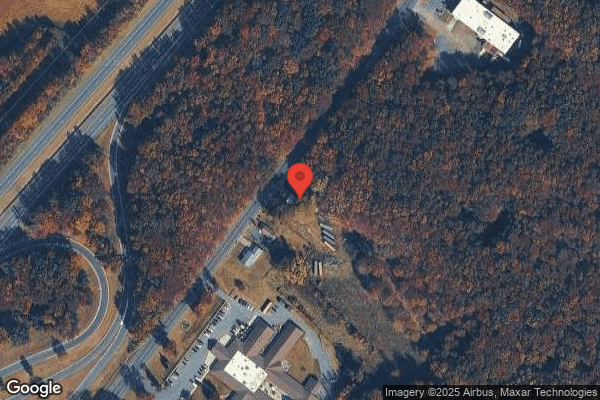
Jan 2023 8 deficiencies
CONCERN (D)

Potential for Harm - no one hurt, but risky conditions existed

Safe Environment (Tag F0584)

Could have caused harm · This affected 1 resident

Based on observation, interview, and review of pertinent facility documentation, it was identified that the facility failed to: a.) maintain the cleanliness of floors on the 100-unit and b.) maintain ...

Read full inspector narrative →
Based on observation, interview, and review of pertinent facility documentation, it was identified that the facility failed to: a.) maintain the cleanliness of floors on the 100-unit and b.) maintain the cleanliness of a resident's room who was receiving a tube feeding. This deficient practice was identified on one (1) of three (3) nursing units, (100-unit) and for one (1) of 23 residents, (Resident #15) reviewed for comfortable, clean rooms. This was evidenced by the following: 1. On 01/04/23 at 10:52 AM, during initial tour the surveyor observed that the left and right hallway floors on the 100 unit were visibly dirty with brown debris, discolored with brownish/black upraised oval and circular marks scattered throughout out the halls. There was also paper debris and a used inside out glove lying on the hallway floor. On 01/04/23 at 10:30 AM, the surveyor interviewed the Director of Housekeeping (DOH) who stated that renovations were occurring on the 100 unit and that the floors were not scrubbed with the scrubber since November. The surveyor asked the DOH regarding infection control aspect of clean floors and he stated that the floors in the halls were cleaned with disinfectant every evening shift. When the surveyor questioned the DOH regarding the condition of the floors and the dirt on the floor, he stated that the floors were usually cleaned at night on the evening shift. On 01/04/23 at 10:45 AM, the surveyor approached the nurse station and interviewed a nurse that identified herself and a Regional Register Nurse (RRN). The RRN was in agreement that the floors were dirty, however could not provide the surveyor with addition information and referred the surveyor to speak with the DOH. On 01/04/23 at 12:09 PM, the surveyor observed the same used glove laying inside out on the hallway floor on the 100 unit. On 01/05/23 at 11:08 AM, the surveyor observed the hallway floors on the 100 unit to have improved in the cleanliness after surveyor inquiry. On 01/13/23 at 11:06 AM, in the presence of the survey team, the surveyor interviewed the Administrator who stated that regardless of how old or new the floors on the 100 unit were, he would always expect the building to be in tip top shape. He agreed that the hallways in 100 unit looked a little dirty but that the housekeeping department took care of it right away. He stated that the facility never stopped mopping the floors but was not sure about the scrubbing of the floors. He stated that every floor should be stripped and waxed every six months and that every night the floors were mopped. 2. On 01/05/23 at 11:38 AM, the surveyor observed Resident #15 laying in bed. The surveyor further observed the resident was receiving nutrition via a tube feeding (a therapy where a feeding tube supplies nutrients to people who cannot get enough through eating). The surveyor observed that there was tan, brown spillage on the bottom of the tube feeding pole in the room and on the floor beneath the tube feeding pole. The surveyor attempted to interview the resident. The resident was able to answer questions by shaking his/her head for yes and no answers. On 01/09/23 at 10:19 AM, the surveyor observed the resident laying in bed with his/her eyes closed. The surveyor further observed tan, brown colored spillage on the tube feeding pole and underneath the tube feeding pole in the resident's room. On 01/10/23 at 10:15 AM, the surveyor observed the same tan, brown colored spillage on the tube feeding pole and underneath the tube feeding pole in the resident's room. At that time, the surveyor interviewed the housekeeper on the 200-unit. The housekeeper stated that it was her responsibility to clean the tube feeding pumps, poles, and floors whenever she saw that it was dirty. On 01/10/23 at 10:36 AM, the surveyor entered Resident #15's room with the resident's Certified Nursing Aide (CNA) and Licensed Practical Nurse (LPN) and observed the housekeeper cleaning the floor underneath the resident's tube feeding pole. Both the CNA and LPN stated that it was the housekeeper's responsibility to clean the floor if the tube feeding formula spilled. They further stated that if they had known the floor was dirty, they would have notified housekeeping staff to clean it On 01/13/23 at 11:05 AM, the surveyor interviewed the Director of Nursing (DON) who stated that the tube feeding formula should have been cleaned by the housekeeping staff and it was part of their daily cleaning routine. A review of the facility's Housekeepers Job Description indicated, The housekeeper works to ensure continued sanitary conditions within the facility. The housekeeper performs all tasks in assigned areas such as dusting, vacuuming rugs, spot cleaning walls, cleaning doors, washing beds, and cleaning floors in all specified areas of the facility. A review of the undated facility policy titled, Routine Cleaning and Disinfection indicated it was the policy of the facility to ensure the provision of routine cleaning and disinfection in order to provide a safe, sanitary environment and to prevent the development and transmission of infection to the extent possible. The policy specified that the definition of cleaning refers to the removal of visible soil from objects and surfaces and is normally accomplished manually or mechanically using water and detergents or enzymatic products. NJAC 8:39-31.4(a)
CONCERN (D)

Potential for Harm - no one hurt, but risky conditions existed

Abuse Prevention Policies (Tag F0607)

Could have caused harm · This affected 1 resident

Based on observation, interview, record review, and review of pertinent facility documentation it was identified that facility staff failed to appropriately implement their Abuse, Neglect and Exploita...

Read full inspector narrative →
Based on observation, interview, record review, and review of pertinent facility documentation it was identified that facility staff failed to appropriately implement their Abuse, Neglect and Exploitation Policy and Procedure. This deficient practice was identified for one (1) of one (1) resident's reviewed, (Resident #24) for abuse and was evidenced by the following: On 01/05/23 at 12:16 PM, the surveyor observed Resident #24 seated in the lounge area of the 200 unit. The resident was observed wearing a surgical mask, with their rolling walker next to the table. The surveyor attempted to interview the resident. The resident did not respond verbally back to the surveyor, instead the resident lifted his/her cup up and nodded at the surveyor. The surveyor reviewed the medical record for Resident #24. A review of the resident's admission Record reflected that the resident was admitted to the facility in February 2019 and had diagnoses which included but were not limited to Alzheimer's disease, altered mental status, dementia with behavioral disturbances, and major depressive disorder. A review of the resident's quarterly Minimum Data Set (MDS), an assessment tool used to facilitate the management of care dated 11/13/22, revealed that the resident had a Brief Interview for Mental Status, (BIMS) score of six (6) out of 15 which indicated the resident had impaired cognition. A further review of the resident's MDS, Section E - Behavior reflected that the resident had exhibited physical behavioral symptoms directed toward others one (1) to three (3) days during the seven-day assessment review period. A review of the resident's behavioral Progress Notes (PN) dated 11/13/22 and timed at 13:12 (1:12 PM), revealed a note written by Licensed Practical Nurse (LPN#1) which indicated, this resident began shoving the table in dining room into another patient [resident], patient redirected by staff, resident moved to another table away from patient. Resident then began kicking another patient and was redirected by staff. A complete review of the resident's behavioral PN did not reveal that the resident had any prior incidents of a physical or verbal altercation with another resident. A review of the facility's Reportable Event Record/Report completed by the Director of Nursing (DON) dated 01/09/23 and timed at 3:00 PM, reflected that on 01/09/23 at approximately 2:15 PM, the DON was made aware of the PN dated 11/13/22, by a New Jersey Department of Health surveyor. The DON's Investigation and Summary of the event revealed that she met with LPN#1 who wrote the PN on 11/13/22 to determine what events that had occurred. When the DON asked LPN#1 what happened LPN#1 clarified that Resident #24 did not make physical contact with another resident nor did the table. LPN#1 told the DON that the resident was shaking the table back and forth but did not touch anyone. The DON explained in her Investigation and Summary that a lounge aide was present at the time of the event and when she started to redirect the resident, the resident started kicking his/her legs under the table, in the direction of another resident but did not actually kick anyone. A further review of the Investigation and Summary revealed that the DON interviewed the lounge aide who did not recall Resident #24 hitting another resident with a table or kicking another resident. The lounge aide further indicated in her statement to the DON that when the resident became agitated, he/she would shake or bang on the table, but never touched another resident. The Investigation and Summary further revealed that the lounge aide elaborated that the resident was easily redirected to another table and remained calm for the rest of the day and the residents seated at the table with Resident #24 and the other residents in the lounge were not phased by the resident's behaviors. The DON concluded in her Investigation and Summary that a physical altercation between Resident #24 and another resident had not taken place based on interviews with staff that were present at the time. The DON documented that she had educated LPN#1 to document objectively with specific details. A review of the resident's Care Plan (CP) reflected a focus area that the resident had a diagnosis of dementia with behavioral disturbances, depression, anxiety, and a behavioral history of becoming agitated, throwing items, rearranging items in room, verbal, and physical outbursts, refusing medications at times, restlessness, and pacing. The goal of the resident's CP was the resident's behaviors would be managed over the next quarter. Interventions in the residents CP included to always approach the resident in a calm reassuring manner and attempt to re-direct behaviors with distraction, make a one-on-one connection, take the resident to a calm, quiet place, offer the resident a walk outside or movies to watch. A complete review of the resident's CP did not reveal that the resident had physical behaviors directed toward other residents. On 01/11/23 at 11:19 AM, the surveyor conducted an interview over the telephone with LPN#1 who stated that she had been a nurse for almost two years. LPN#1 further stated that the resident was confused and easily agitated if he/she was over stimulated. LPN#1 explained that the resident was easy to re-direct by asking the resident if he/she wanted to go for a walk. LPN#1 told the surveyor that Resident #24 was seated at a small square table in the lounge area on 11/13/22, directly across from another resident. LPN#1 explained that she was standing at the medication cart in the hallway and observed the resident shoving the table back and forth and kicking his/her feet underneath the table. LPN#1 stated that we asked the resident if he/she wanted to move and the resident agreed, so she moved the resident to another table alone. The surveyor asked LPN#1 what constituted abuse. LPN#1 stated that physical contact and bodily harm would be considered resident to resident abuse. LPN#1 further stated that if the resident would have made physical contact, she would have reported it to a supervisor and it appeared as if the resident could have hit another resident if he/she continued kicking his/her feet, so she documented in the behavioral PN that the resident could have hit another resident if staff was not there to intervene. LPN#1's statement contradicted what was documented in the resident's behavioral PN. On 01/11/23 at 11:50 AM, the surveyor interviewed the lounge aide who stated that her job responsibility included making sure the residents were safe while seated in the lounge area. The lounge aide stated that Resident #24 walked with a rolling walker, was alert, able to verbalize needs, and had behaviors when he/she became agitated such as cursing at staff, shaking tables, and throwing things. The surveyor asked the lounge aide if she recalled an incident that happened on 11/13/22. The lounge aide stated that the DON had recently asked her to write a statement about that the incident. The lounge aide further stated she recalled that she was in the lounge the entire time that day and saw that there was no physical contact between Resident #24 and another resident. The lounge aide told the surveyor that she recalled the resident seated at a table, and the resident was shaking the table, so her and LPN#1 moved the resident away from other residents and he/she was, fine. The lounge aide stated that she did not recall the resident kicking his/her feet under the table. On 01/11/23 at 12:09 PM, the surveyor interviewed the resident's Certified Nursing Aide (CNA) who stated that the resident was alert and oriented and could express their needs. The CNA stated that she had seen the resident throw water at staff before, but she had never observed the resident to have had physical behaviors toward other residents. The CNA told the surveyor that she was unaware of any event that ever happened in the lounge area. On 01/11/23 at 12:18 PM, the surveyor interviewed the resident's LPN#2 who stated that the resident was alert and oriented toward self, had days where he/she was more confused than others, and had a diagnosis of dementia. LPN#2 stated that the resident liked to sit in the lounge area during the day, would sometimes become confused, would look for his/her spouse, and had to be reminded where he/she was. LPN#2 told the surveyor that the resident could be verbally inappropriate and would yell or speak loudly. LPN#2 could not speak to an incident in the lounge area on 11/13/22. LPN#2 told the surveyor that if he read a note where another a resident kicked another resident, he would report it to a nurse manager because it was considered physical abuse. On 01/11/23 at 12:41 PM, the surveyor interviewed the Licensed Practical Nurse/Unit Manger (LPN/UM) who stated that the resident had resided at the facility for a long time and throughout the resident's time at the facility, their dementia had progressed. The LPN/UM told the surveyor that the resident's behaviors were more prominent at nighttime and sometimes the resident would yell at staff, but he/she had never become physical with another resident. The LPN/UM stated that she usually would review the behavioral PN, but she couldn't get to them all. The surveyor reviewed the behavioral PN documented by LPN#1 on 11/13/22 with the LPN/UM and asked what she would have done if she read the note. The LPN/UM stated that she would have immediately investigated the documented behavioral PN as abuse and notified the DON. On 01/11/23 at 12:55 PM, the surveyor interviewed the DON in the presence of the Regional/Registered Nurse (R/RN) who stated that if she read the behavioral PN she would have immediately followed up with an abuse investigation. The DON further stated that she educated LPN#1 that she should not have written a PN that indicated physical abuse occured between two residents, when it did not happen. The DON could not speak to why LPN#1 would have written a note like that if abuse did not occur. On 01/13/23 at 11:30 AM, the surveyor interviewed the Administrator who stated that if physical contact was not made and it was a behavior of the resident, it should have been appropriately documented and clarified in the behavioral PN. A review of LPN#1 education file reflected that she had been educated on abuse and understanding abuse on 03/09/21, 06/22/21, 07/27/21, and 09/16/22. The 03/09/21, 07/27/21, and 09/16/22 education gave an example of abuse and when asked on a multiple-choice test, LPN#1 indicated that she would have reported her observation of abuse to the supervisor right away. The education material did not include information on documenting abuse. A review of the facility's Abuse, Neglect, and Exploitation Policy and Procedure revised October 2022 indicated, that physical abuse, includes, but is not limited to hitting, slapping, punching, biting and kicking. The Policy Explanation and Compliance Guidelines indicated that the facility would develop and implement written policies and procedures that include training for new and existing staff on activities that constitute abuse, neglect, exploitation, and misappropriation of resident's property, reporting procedures, dementia management, and resident abuse prevention. The facility's Abuse, Neglect, and Exploitation Policy and Procedure further included that employee training would include identifying what constitutes abuse such as physical indicators and the reporting process for abuse. In regard to Reporting /Response to abuse allegations the facility's Abuse, Neglect, and Exploitation Policy revealed that the facility would train staff on changes made and demonstration of staff competency after training was implemented. NJAC 8:39-13.4(c)2.
CONCERN (D)

Potential for Harm - no one hurt, but risky conditions existed

PASARR Coordination (Tag F0644)

Could have caused harm · This affected 1 resident

**NOTE- TERMS IN BRACKETS HAVE BEEN EDITED TO PROTECT CONFIDENTIALITY** Based on interview, review of medical records and review of other pertinent facility documentation, it was determined that the f...

Read full inspector narrative →
**NOTE- TERMS IN BRACKETS HAVE BEEN EDITED TO PROTECT CONFIDENTIALITY** Based on interview, review of medical records and review of other pertinent facility documentation, it was determined that the facility failed to conduct a new Preadmission Screening and Resident Review (PASRR) level I assessment after residents were newly diagnosed with a major mental illness. This deficient practice was identified for Residents #1 and Resident #25, (two) 2 of (two) 2 residents reviewed for the PASRR requirement and was evidenced by: 1. The admission Record (AR) dated 08/09/22, indicated that Resident #1 initial admission to the facility was on 05/04/19 with a diagnoses of anxiety. The AR reflected that on 05/13/19 the resident was diagnosed with major depressive disorder and on 05/19/20 was diagnosed with bipolar disorder. The AR also reflected that on 02/27/20 the resident was diagnosed with schizoaffective disorder. Resident #1's annual Minimum Data Set (MDS), an assessment tool used to facilitate the management of care dated 05/25/22, indicated that the resident was cognitively intact and had the diagnoses of major depressive disorder, bipolar disorder, and schizophrenia. The MDS also revealed that the resident was not considered by the state for a state level 2 PASRR (Preadmission Screening and Resident Review) even though the resident had major mental illness. Resident #1's Care Plan (CP) page nine (9) reflected that the resident had the diagnoses of major depressive disorder, schizoaffective disorder, and bipolar disorder. The PASRR that was completed prior to admission by the facilities Social Worker (SW) dated 05/04/19, indicated that the resident did not have a diagnoses or evidence of a major mental illness such as schizophrenia, schizoaffective disorder, or bipolar disorder. The PASRR reflected a negative screen for Mental Illness (MI) and therefore the resident was not referred for a PASRR Level II (two). Resident #1 had an initial psychiatric evaluation dated 05/06/19 which reflected that the resident was diagnosed with bipolar disorder which is a major mental illness. The resident had a negative Level I pre-screen on preadmission dated 05/04/2019 and was later identified with newly evident or possible serious MI was not referred to the appropriate state-designated authority for Level II PASARR evaluation and determination. 2.) The AR dated 11/11/21 indicated that Resident #25 was admitted to the facility however there were no diagnoses documented on the AR form. The annual MDS dated [DATE] indicated that the resident had the diagnose of anxiety disorder, depression, bipolar disorder, and schizophrenia. The MDS also revealed that the resident was not considered by the state for a state level 2 PASRR (Preadmission Screening and Resident Review) even though the resident had major mental illness. The resident's PASRR Level one (1) Screen that was completed by the facility's SW prior to the resident's admission to the facility dated 11/10/21, indicated that Resident #25 did not have a diagnoses or evidence of a major mental illness limited to the following disorders: schizophrenia, schizoaffective, mood (bipolar or major depressive type), paranoid or delusional, panic or severe anxiety disorder somatoform or paranoid disorder, personality disorder, atypical psychosis, or other psychotic disorder. A review of the progress note dated 02/22/22, indicated that the psychiatrist evaluated Resident #25 regarding his/her complaints of visual hallucinations along with extreme paranoia. The progress notes also indicated that the psychiatrist and the primary care physician determined that the resident had classic signs of untreated schizophrenia/schizoaffective disorder. On 02/22/22, the resident was diagnosed with schizophrenia/schizoaffective disorder. On 01/06/23 at 09:53 AM, the surveyor interviewed the facility SW for the 100 unit who completed Resident #1 and Resident #25 initial PASRR. The SW stated that he had been employed in the facility for four (4) years. The SW stated that if a resident was diagnosed with major mental illness such a schizophrenia it would be required to have a PASRR level two (2) completed. The SW stated that he was not aware of any resident in the facility that was newly diagnosed with a major mental disorder after admission, so he never had to do a PASRR two (2) for someone newly diagnosed. The SW stated that Resident #25 had PASRR level one (1) screening done on 11/10/22 but did not know the resident had the diagnosis of schizophrenia because it was not on the residents' diagnoses form. The SW stated that he was not sure why he wasn't aware that the resident was newly diagnosed with schizophrenia after admission considering the facility had quarterly care conferences. He stated that once the resident was diagnosed with major mental illness that he should have been notified so he could have completed a PASRR level two (2) and referral should have been sent to the proper authorities. On 01/06/23 at 10:52 AM, in the presence of the survey team the surveyor interviewed the DON who stated she would get the surveyor more information about the PASRR one (1) and level two (2) as she was not familiar with this process and not sure why Resident #25 would have had to have a level two (2) PASAR completed after newly diagnoses with schizophrenia. On 01/13/23 at 11:14 AM, in the presence of the surveyor team the Licensed Practical Nurse Infection Preventionist and the Regional Director of Nursing (RDON) stated that the Unit Manager should add the new psych diagnoses into the system and forward any new major mental illness diagnoses to the SW. The RDON stated she would meet with SW and MDS Coordinator regarding policy on PASRR to assure that the process for PASRR was being followed. According to the instructions on the PASRR level one (1) screen, for first time identification of MI and/or Intellectual Disability/Developmental Disability/Related Condition (ID/DD/RC), the level one (1) screener must provide written notice to the applicant and/or legal representative the MI and/or ID/DD/RC is suspected or known and that a referral is being made to the Division of Mental Health and Addiction Services (DMHAS) and/or Division of Developmental Disabilities (DDD) for a PASRR level (two) 2 evaluation. The facility policy titled, Resident Assessment -Coordination with PASARR Program. The facility's policy indicated that the facility coordinates assessment with preadmission screening and resident review (PASARR) program under Medicaid to ensure that individuals with a mental disorder, intellectual disability, or a related condition receives care and services in the most integrated setting appropriate to their needs. The policy explanation and compliance guidelines indicated that all applicants to the facility would be screened for serious mental disorders and or intellectual disabilities and related condition in accordance with the state's Medicaid rules for screening. The policy specified that if the resident had a negative level 1 (one) screen- permits admission to proceed and ends the PASRR process unless a possible serious mental disorder or intellectual disability arises later. NJAC 8:39-27.1 (a)
CONCERN (E)

Potential for Harm - no one hurt, but risky conditions existed

Deficiency F0658 (Tag F0658)

Could have caused harm · This affected multiple residents

Based on observation, interview, and record review, it was determined that the facility failed to maintain professional standards of nursing practice for not following a physician's order for one (1) ...

Read full inspector narrative →
Based on observation, interview, and record review, it was determined that the facility failed to maintain professional standards of nursing practice for not following a physician's order for one (1) of 23 residents, (Resident #74) reviewed. The deficient practice was evidenced by the following: Refer to 756 Reference: New Jersey Statutes, Annotated Title 45, Chapter 11. Nursing Board The nurse practice act for the State of New Jersey states; The practice of nursing as a registered professional nurse is defined as diagnosing and treating human responses to actual or potential physical and emotional health problems, through such services as case finding, health teaching, health counseling, and provision of care supportive to or restorative of life and wellbeing, and executing medical regimens as prescribed by a licensed or otherwise legally authorized physician or dentist. Reference: New Jersey Statutes Annotated, Title 45, Chapter 11. Nursing Board. The Nurse Practice Act for the State of New Jersey states: The practice of nursing as a licensed practical nurse is defined as performing tasks and responsibilities within the framework of case finding; reinforcing the patient and family teaching program through health teaching, health counseling and provision of supportive and restorative care, under the direction of a registered nurse or licensed or otherwise legally authorized physician or dentist. 01/05/23 at 10:00 AM, the Resident #74 was observed in the room sitting up in the wheelchair. The resident had no complaints or issues to discuss with the surveyor and appeared to be getting ready for the day. The surveyor reviewed the medical record for Resident #74. According to the admission Record, Resident #74 was admitted with diagnoses which included but was not limited to; end stage renal disease, diabetes mellites and glaucoma. The quarterly Minimum Data Set (MDS) an assessment tool that facilitates the management of care dated 12/03/22, indicated that the resident was cognitively intact and required limited assistance with activities of daily living. The MDS further reflected that the resident received dialysis services. A review of Resident #74's Electronic Medication Administration Record (EMAR) dated July 1, 2022 to July 31, 2022, reflected a Physician's Order (PO) dated 07/07/22, for Midodrine Hydrochloride (a medication that works by constricting [narrowing] the blood vessels and increasing blood pressure. Midodrine is used to treat low blood pressure) oral tablet 10 milligrams (mg) give one tablet by mouth one time a day every Monday, Wednesday, and Friday for low blood pressure (BP) below 110/60. Give Midodrine prior to leaving for dialysis. The EMAR indicated that on Wednesday 07/13/22, the residents blood pressure was 94/58 and on Wednesday 07/15/22, the resident BP was 98/58. There was no documentation on the EMAR that the medication Midodrine was administered as ordered by the physician for blood pressure less than 110/60. A review of Resident #74's EMAR dated August 1, 2022, to August 31, 2022, reflected PO dated 08/17/22, to monitor Resident #74's BP prior to dialysis on Monday, Wednesday, and Friday and if the resident's BP was less than 110/60 then to administer prn (as needed) Midodrine one time a day. There was a separate PO dated 08/17/22, for Midodrine 10mg oral tablet to be given as needed for hypotension (low blood pressure) every Monday, Wednesday, and Friday for BP below 110/60, give prior to leaving for dialysis. The EMAR revealed that on Wednesday 08/31/22, the resident was documented as having a BP of 108/70 at 7:30 AM and there was no documentation on the EMAR that the medication Midodrine was administered as ordered by the physician for blood pressure less than 110/60. A review of Resident #74's EMAR dated September 1, 2022 to September 30, 2022, reflected a PO dated 08/17/22, to monitor Resident #74's BP prior to dialysis on Monday, Wednesday, and Friday and if the resident's BP was less than 110/60 then to administer prn (as needed) Midodrine one time a day. There was a separate PO dated 08/17/22 for Midodrine 10mg oral tablet to be given as needed for hypotension every Monday, Wednesday, and Friday for BP below 110/60, give prior to leaving for dialysis. The EMAR revealed that on 09/09/22 at 7:30 AM the resident's BP was 108/68 and on 09/16/22 at 7:30 AM the resident's BP was 100/60 and there was no documentation on the EMAR that the medication Midodrine was administered as ordered by the physician for blood pressure less than 110/60. A review of Resident #74's EMAR dated October 1, 2022 to October 31, 2022, reflected a PO dated 09/28/22, to monitor Resident #74's BP prior to dialysis on Monday, Wednesday and Friday and if the resident's BP was less than 110/60 then to administer prn (as needed) Midodrine one time a day. There was a separate PO for Midodrine oral tablet administer one tablet by mouth as needed for BP less than 110/60 prior to dialysis. The EMAR revealed that the resident's BP on 10/08/22 at 7:30 AM the resident's BP was 106/60 and on 10/12/22 at 7:30 AM the resident's BP was 106/64 and on 10/19/22 at 7:30 AM the resident's BP was 106/78. There was no documentation on the EMAR that the medication Midodrine was administered as ordered by the physician for blood pressure less than 110/60. A review of Resident #74's EMAR dated November 1, 2022 to November 30, 2022, reflected a PO dated 09/28/22, to monitor Resident #74's BP prior to dialysis on Monday, Wednesday and Friday and if the BP was lower than 110/60 to administer the medication Midodrine. There was a separate PO dated 09/28/22, for Midodrine 10 mg give one tablet by mouth as needed for BP lower than 110/60 prior to dialysis. The EMAR revealed that on Wednesday 11/23/22 at 7:30 AM, the resident's BP was 98/53 and there was no documentation on the EMAR that the medication Midodrine was administered as ordered by the physician for blood pressure less than 110/60. A review of Resident #74's EMAR dated December 1, 2022 to December 31, 2022, reflected a PO dated 09/28/22, to monitor Resident #74's BP prior to dialysis on Monday, Wednesday and Friday and if the BP was lower than 110/60 then to administer prn (as needed) Midodrine one time a day. There was a PO dated 09/28/22, for Midodrine 10 mg give one tablet by mouth as needed for BP lower than 110/60 prior to dialysis. The EMAR revealed that on Wednesday 12/21/22 at 07:30 AM the resident's BP was 91/58 and on 12/23/22 at 07:30 AM the resident's BP was 105/61 and there was no documentation on the EMAR that the medication Midodrine was administered as ordered by the physician for blood pressure less than 110/60. On 01/10/23 at 11:44 AM, the surveyor interviewed the Licensed Practical Nurse (LPN #1) for the 100 unit who stated that when a nurse administered a medication on the computer system (EMAR), it would show as a check mark on the EMAR. She stated that if a medication was held or not given due to resident refusals or if there were physician ordered parameters, the nurse would have to select a code on the computer program that the medication was held or refused. The LPN#1 further stated if a medication was not administered, the reason the medication was not given would need to be documented on the EMAR. LPN#1 also confirmed that if a medication was an as needed (prn) medication, then the nurse would be expected to document that the medication was given on the prn order on the EMAR. LPN#1 further explained that if there was no documentation on the EMAR indicating that a prn medication had been administered, it was not administered. On 01/10/23 at 11:49 AM, the surveyor interviewed the LPN #2 on the 100 unit. LPN #2 stated that if a medication was administered it would show up that it was given on the EMAR by check mark on the EMAR. She added that if a medication was held or not administered, the nurse would document the reason why the medication was not administered on the EMAR. LPN#2 further stated that the nurse would be expected to write a progress note and call the MD if a medication was held or not given. LPN #2 stated that she never administered the medication Midodrine to Resident # 74. She stated that according to the PO she thought she was just monitoring Resident #74's blood pressure. She explained that according to the way the order was written in the computer, she could not see the entire order and did not know that there was a medication included in the order. She stated that the order needed to be clarified and changed so that any nurse could see that there was a medication order for Midodrine with parameters included in the order. LPN#2 admitted that it could be, an issue and that the resident did not receive the medication as ordered by the physician when the BP was out of physician ordered parameters. On 01/10/23 at 12:15 PM, the surveyor interviewed the Licensed Practical Nurse Unit Manager (LPN/UM) for the 100 unit. The LPN/UM reviewed Resident #74's EMAR in the presence of the surveyor and stated that the PO for the medication Midodrine was confusing and she could not tell by looking at the EMAR if Resident #74 received the medication Midodrine or not. On 01/10/23 at 12:47 PM, the surveyor interviewed the Director of Nursing (DON) who stated that the PO for Midodrine for Resident #74 was confusing in the EMAR and that the medication Midodrine was a prn (as needed) order. The DON further stated according to the EMAR when the blood pressure was recorded as being low and out of physician ordered parameters, the resident should have received the medication Midodrine. The DON confirmed that there was no documentation in the EMAR that the medication Midodrine was administered according to physician ordered BP parameters. On 01/11/23 at 10:19 AM, the surveyor interviewed the resident's Primary Care Physician (PCP) who stated that according to the order he gave for the medication Midodrine for Resident #74, he would have expected that the medication Midodrine be administered if Resident #74's systolic blood pressure (the top number-measures the pressure in your arteries when your heart beats) was less than 110. The PCP further stated that the resident could experience low blood pressure during dialysis because during the dialysis process, fluid was being removed from the resident and could cause a fluctuation in the BP. He added that the resident's systolic number would be the most important number to monitor especially with a dialysis resident. He stated that the medication should be administered if the systolic blood pressure was less than 110. The PCP explained that he was not concerned with the diastolic (bottom number of the blood pressure) number, just the systolic number. On 01/13/23 at 11:22 AM, the DON confirmed that there was an error regarding following PO for Resident #74's medication Midodrine and that the PO was changed so that the order was not confusing to the nurses. The DON also added that Resident #74 did not experience a negative outcome to the resident's health and provided a history of the resident's blood pressures to the surveyor. The undated facility policy titled, Administering Medications indicated that medication shall be administered in a safe and timely manner, and as prescribed and that medications must be administered in accordance with orders. NJAC 8:39-27.1(a)
CONCERN (E)

Potential for Harm - no one hurt, but risky conditions existed

Drug Regimen Review (Tag F0756)

Could have caused harm · This affected multiple residents

Based on interview, record review and review of other pertinent facility documentation, it was determined that the facility failed to ensure the Consultant Pharmacist (CP) identified and reported on i...

Read full inspector narrative →
Based on interview, record review and review of other pertinent facility documentation, it was determined that the facility failed to ensure the Consultant Pharmacist (CP) identified and reported on irregularities in the resident's medical record to the facility staff and the attending physician. This deficient practice was identified for one (1) of 23 residents reviewed, (Resident #74) for medication management and was evidenced by the following: Refer to F658 According to the admission Record, Resident #74 was admitted with the diagnoses which included but was not limited to ESRD, diabetes mellites, and glaucoma. The quarterly Minimum Data Set (MDS), an assessment tool used to facilitate the management of care dated 12/03/22, indicated that the resident was cognitively intact and required limited assistance with activities of daily living. The MDS reflected that the resident received dialysis services. The surveyor reviewed the medical record for Resident #74. 1. A review of Resident #74's Electronic Medication Administration Record (EMAR) dated July 1, 2022 to July 31, 2022, reflected a PO dated 07/07/22, for Midodrine Hydrochloride (works by constricting [narrowing] the blood vessels and increasing blood pressure. Midodrine is used to treat low blood pressure [hypotension]) oral tablet 10 mg give 1 (one) tablet by mouth one time a day every Monday, Wednesday, and Friday for low blood pressure (BP) below 110/60. Give Midodrine prior to leaving for dialysis. The EMAR indicated that on Wednesday 07/13/22, the residents blood pressure was 94/58 and on Wednesday 07/15/22, the resident BP was 98/58. There was no documentation on the EMAR that the medication Midodrine was administered as ordered by the physician for blood pressure less than 110/60. 2. A review of Resident #74's EMAR dated August 1, 2022, to August 31, 2022, reflected a PO dated 08/17/22, to monitor Resident #74's BP prior to dialysis on Monday, Wednesday, and Friday and if the resident's BP was less than 110/60 then to administer prn (as needed) Midodrine one time a day. There was a separate PO dated 08/17/22 for Midodrine 10mg oral tablet to be given as needed for hypotension every Monday, Wednesday, and Friday for BP below 110/60, give prior to leaving for dialysis. The EMAR revealed that on Wednesday 08/31/22, the resident was documented as having a BP of 108/70 at 07:30 AM and there was no documentation on the EMAR that the medication Midodrine was administered as ordered by the physician for blood pressure less than 110/60. 3. A review of Resident #74's EMAR dated September 1, 2022 to September 30, 2022, reflected a PO dated 08/17/22, to monitor Resident #74's BP prior to dialysis on Monday, Wednesday, and Friday and if the resident's BP was less than 110/60 then to administer prn (as needed) Midodrine one time a day. There was a separate PO dated 08/17/22 for Midodrine 10mg oral tablet to be given as needed for hypotension every Monday, Wednesday, and Friday for BP below 110/60, give prior to leaving for dialysis. The EMAR revealed that on 09/09/22 at 7:30 AM the resident's BP was 108/68 and on 09/16/22 at 7:30 AM the resident's BP was 100/60 and there was no documentation on the EMAR that the medication Midodrine was administered as ordered by the physician for blood pressure less than 110/60. 4. A review of Resident #74's EMAR dated October 1, 2022 to October 31, 2022, reflected a PO dated 09/28/22, to monitor Resident #74's BP prior to dialysis on Monday, Wednesday and Friday and if the resident's BP was less than 110/60 then to administer prn (as needed) Midodrine one time a day. There was a separate PO for Midodrine oral tablet administer 1 tablet by mouth as needed for BP less than 110/60 prior to dialysis. The EMAR revealed that the resident's BP on 10/08/22 at 7:30 AM the resident's BP was 106/60 and on 10/12/22 at 7:30 AM the resident's BP was 106/64 and on 10/19/22 at 07:30 AM the resident's BP was 106/78. There was no documentation on the EMAR that the medication Midodrine was administered as ordered by the physician for blood pressure less than 110/60. 5. A review of Resident #74's EMAR dated November 1, 2022 to November 30, 2022, reflected a PO dated 09/28/22, to monitor Resident #74's BP prior to dialysis on Monday, Wednesday and Friday and if the BP was lower than 110/60 to administer the medication Midodrine. There was a separate PO dated 09/28/22, for Midodrine 10 mg give 1 tablet by mouth as needed for BP lower than 110/60 prior to dialysis. The EMAR revealed that on Wednesday 11/23/22 at 07:30 AM, the resident's BP was 98/53 and there was no documentation on the EMAR that the medication Midodrine was administered as ordered by the physician for blood pressure less than 110/60. 6. A review of Resident #74's EMAR dated December 1, 2022 to December 31, 2022, reflected a PO dated 09/28/22, to monitor Resident #74's BP prior to dialysis on Monday, Wednesday and Friday and if the BP was lower than 110/60 then to administer prn (as needed) Midodrine one time a day. There was a PO dated 09/28/22, for Midodrine 10 mg give 1 tablet by mouth as needed for BP lower than 110/60 prior to dialysis. The EMAR revealed that on Wednesday 12/21/22 at 7:30 AM the resident's BP was 91/58 and on 12/23/22 at 07:30 AM the resident's BP was 105/61 and there was no documentation on the EMAR that the medication Midodrine was administered as ordered by the physician for blood pressure less than 110/60. The surveyor reviewed the Consultant Pharmacist Monthly Reports (CPMR) dated 08/05/22, 09/08/22, 10/07/22, 11/03/22, and 12/06/22 and the CPMR did not reflect documentation from the CP that the medication Midodrine HCL10 mg was not being administered when Resident #74's blood pressure was out of physician ordered parameters. On 01/11/23 at 11:01 AM, the surveyor conducted a telephone interview with the facility's CP in the presence of another surveyor who stated that she had been coming to the facility for 1 (one) and 1/2 years. She explained what her job responsibilities included such as reporting in with the Administrator and Director of Nursing (DON), performed 1 medication pass each month, performed resident chart medication review, unit inspections, inspections of storage rooms, medication carts, and in-services. The CP further added that she reported discrepancies with medication review to the Unit Manager, DON, and Administrator. The CP explained that after inspection and review of resident's medication reviews, she would email the Administrator and DON the results of her review. She stated that resident medication reviews were completed monthly. The CP stated that medication reviews included the review of allergies, crushable medication, medication interactions, duplicate therapies, medications with physician ordered parameters, appropriateness of drugs, appropriate of antibiotic selected according to cultures and made sure medications were being held or given according to physician ordered parameters. The PC stated that on 01/10/23, the facility made her aware that there were concerns regarding Resident #74's medication orders for the medication Midodrine not being administered as ordered and confirmed that she did overlook the fact that the resident was not given the medication as ordered by the physician. The CP stated, I did review the resident's medical record to see how the error occurred and I usually complete a thorough evaluation of each patient and unfortunately this error occurred and was not picked up. I will assure that this is not going to happen again. On 01/13/23 at 11:22 AM, the DON confirmed that there was an error regarding following physician's orders for Resident #74's medication Midodrine and that the PO was changed so that the order was not confusing to the nurses. She also added that resident #74 did not experience a negative outcome to the resident's health and provided a history of the resident's blood pressures to the surveyor. The DON confirmed that the CP should have detected the error during the monthly medication review that Resident #74 was not administered the medication Midodrine when the resident was hypotensive (low blood pressure), and that the medication was not administered as the physician ordered. The facility policy dated April 2021 and titled, Pharmacy Services-Role of the Consultant Pharmacist indicated that the CP shall develop mechanisms for communicating, addressing, and resolving issues related to pharmaceutical services, strive to assure that medications are requested, received and administered in a timely manner as ordered by authorized prescriber and provide appropriate communication of information to prescribers and facility leadership about potential or actual problems to any aspect of medication and pharmacy services including medication irregularities and pertinent resident specific documentation in the medical record. NJAC8:39-29.3(c)
CONCERN (E)

Potential for Harm - no one hurt, but risky conditions existed

Food Safety (Tag F0812)

Could have caused harm · This affected multiple residents

Based on observation, interview, and review of facility documentation, it was determined that the facility failed to: a.) store, label, and date potentially hazardous foods to prevent food-borne illne...

Read full inspector narrative →
Based on observation, interview, and review of facility documentation, it was determined that the facility failed to: a.) store, label, and date potentially hazardous foods to prevent food-borne illness and b.) discard potentially hazardous foods past their date of expiration. This was evidenced by the following: On 01/04/23 at 10:10 AM, the surveyor conducted an initial tour of the kitchen in the presence of the Food Service Director (FSD). 1. At 10:18 AM, the surveyor observed above the sink in the kitchen a spice rack that contained a variety of 20 different spices. Five of the spice's lids were observed to be open, in the upright position. At that time, the FSD stated that the lids to the spices should not have been left open. 2. At 10:23 AM, the surveyor inspected the dairy walk in refrigerator and observed in a cardboard box on the right bottom shelf 12 sweet potatoes that were covered in a white film. The FSD removed the items in the presence of the surveyor. 3. At 10:25 AM, the surveyor inspected the meat walk in refrigerator and observed a one gallon opened container of mayo that was dated 12/1. The manufacturer expiration date on the one-gallon container of mayo was dated 10/6/22. 4. The surveyor observed in the meat walk in refrigerator, an opened and undated bottle of chocolate syrup. The bottle of chocolate syrup had a white coating surrounding the container. 5. The surveyor observed in the meat walk in refrigerator, an undated one-gallon container of coleslaw that was half full. 6. The surveyor observed in the meat walk in refrigerator, an opened one-gallon container of deli mustard dated 8/15. There was no use by date on the deli mustard container. 7. The surveyor observed in the meat walk in refrigerator, an opened one-gallon container of relish dated 6/22. The manufacturer use by date on the container was dated 12/26/22. 8. The surveyor observed in the meat walk in refrigerator, an opened one-gallon container of Italian dressing dated 9/29. The manufacturer use by date on the container was dated 8/24/22 9. The surveyor further observed in the meat walk in refrigerator, an opened and undated one-gallon container of maraschino cherries. The expiration date on the container was dated 12/24/22. 10. At 10:32 AM, the surveyor observed in the walk-in freezer an undated, unsealed plastic bag of unidentifiable food. The FSD stated that the food in the bag were ribs and threw the bag away in the presence of the surveyor. 11. At 10:34 AM, the surveyor observed in the reach-in nourishment refrigerator three, nine once salads that were undated. 12. On 01/10/23 at 9:56 AM, the surveyor re-entered the kitchen and observed in the second meat walk-in refrigerator in the presence of the FSD, 16 small plastic containers of pears. One of the containers of pears was dated 1/9. The FSD stated that the pears were made the night before and 1/9 was, probably supposed to be date for the whole tray. The FSD further stated that the staff should have labeled the pears individually or the whole tray. The FSD did not speak to if there was a use by date for the containers of pears. On 01/11/23 at 10:04 AM, the surveyor interviewed the facility's Administrator who stated that the FSD oversaw all functions of the kitchen and was required to have knowledge regarding food safety and food preparation to prevent food borne illness. A review of the facility's Dating and Labeling Policy reviewed, and updated November 2022 indicated that it was the policy of the facility for the kitchen to assure food safety by maintaining proper dates and labels to all food products. The facility's Dating and Labeling Policy further indicated, use a pen, marker, stickers, or date gun with legible writing to date and label products and to throw away all foods that were expired immediately. NJAC 8:39-17.2(g)
CONCERN (E)

Potential for Harm - no one hurt, but risky conditions existed

Infection Control (Tag F0880)

Could have caused harm · This affected multiple residents

Based on observation, interview, and review of other pertinent documentation, it was determined that the facility failed to ensure: a.) staff practiced appropriate hand hygiene in accordance with the ...

Read full inspector narrative →
Based on observation, interview, and review of other pertinent documentation, it was determined that the facility failed to ensure: a.) staff practiced appropriate hand hygiene in accordance with the Centers for Disease Control (CDC) and Prevention guidelines for infection control during the distribution of the lunch meal trays to residents on the 300 unit (Resident #58, #102, #316, #318, #319, #320, and #321), b.) staff performed appropriate hand hygiene prior to donning (putting on) appropriate Personal Protective Equipment (PPE) in accordance with CDC guidelines for infection prevention and control upon entering the room of residents who were identified as COVID-19 positive, c.) staff maintained appropriate CDC guidelines by bringing a dietary meal cart into a resident's room who were COVID-19 positive during the lunch meal tray distribution on the 300 unit, (Resident #322 and #323), d.) store respiratory equipment in a way to prevent the spread of infection for, (Resident #315) and e.) adhere to accepted standards of infection control practices for the proper storage of an indwelling urinary catheter drainage bag for, (Resident #315). This deficient practice was evidenced by the following: 1). On 01/05/23 at 11:54 AM, the surveyor observed a staff member (who was later identified as a Nursing Assistant (NA)) remove a meal tray off the meal truck on the 300 unit, entered the room of Resident #316 and placed the meal tray on the overbed table. The NA then removed the dome lid of the meal plate to assist with setting up the resident's meal tray. The NA asked the resident if he/she needed anything else prior to exiting the room. On 01/05/23 at 11:56 AM, the surveyor observed the NA wearing a black hand brace on her right hand and without performing hand hygiene, the NA retrieved another meal tray off the meal truck and entered the room of Resident #102 and placed the meal tray on the resident's overbed table. The NA asked the resident if he/she needed anything else prior to exiting the room. Without performing hand hygiene, the NA went back to the meal truck and retrieved the meal tray for Resident #58. The NA placed the meal tray on the overbed table and asked the resident if they needed any further assistance prior to exiting the room. Upon exiting the room, the NA did not perform hand hygiene and proceeded back to the meal truck and retrieved another meal tray and entered the room of Resident #318 and placed the meal tray in the overbed table without performing hand hygiene and then exited the room. The NA went back to the meal truck and retrieved another meal tray. On 01/05/23 at 11:58 AM, the NA entered the room of Resident #320 placed the meal tray on the overbed table. The NA then removed the dome lid of the meal plate to assist with setting up the resident's meal tray. The NA asked the resident if he/she needed anything else prior to exiting the room. On 01/05/23 at 11:59 AM, the NA entered the room of Resident #319 and placed the meal tray on the overbed table. The NA then removed the dome lid of the meal plate to assist with setting up the resident's meal tray. The NA asked the resident if he/she needed anything else prior to exiting the room. The NA retrieved another meal tray without performing hand hygiene in between residents. At that time, the NA entered the room of Resident #321 and placed the meal tray on the overbed table. The NA asked the resident if he/she needed anything. The NA exited the room and without performing hand hygiene proceeded back towards the meal carts that was in the hallway. The surveyor observed the NA go from resident room to resident room delivering meal trays and setting up meal trays without performing hand hygiene in between residents. On 01/05/23 at 12:05 PM, the surveyor interviewed the NA regarding hand hygiene during passing of the meal trays. The NA stated that the only times she performed hand hygiene was before she began passing the meal trays, if something had got on her hands, and after she was done passing all the meal trays. The NA stated that she did not have to use hand sanitizer in between the resident during the passing of the meal trays unless something had gotten on her hands. On 01/06/23 at 10:37 AM, the surveyor interviewed the Licensed Practical Nurse/Infection Preventionist (LPN/IP), who stated that staff should perform hand hygiene before and after setting up each resident's meal tray. She then stated that if the staff was not setting up the meal tray, then staff did not have to perform hand hygiene between each resident. On 01/06/23 at 11:28 AM, the surveyor interviewed the Certified Nursing Assistant (CNA) who stated that regardless of the isolation status, hand hygiene should always be performed during the passing of the meal trays between each resident. On 01/10/23 at 10:10 AM, the surveyor interviewed the Director of Nursing (DON) who stated that if staff was setting up meal trays, then the staff should perform hand hygiene in between each resident and especially for resident's that are on isolation. On 01/13/23 at 11:40 AM, in the presence of Licensed Nursing Home Administrator (LNHA), the Regional Nurse and survey team both the DON and LPN/IP acknowledged that the NA should have performed hand hygiene in between each resident during the passing of meal trays. A review of the facility's Serving a Meal Policy updated 10/2022, reflected 2. Place tray on dining table or overbed table if the resident eats in their room. 3. Remove dome lid from the tray, and check to be sure everything is included on the meal tray that is required by the diet card, and the resident's preference. 4. Arrange the dishes and silverware so the resident can reach them easily. A review of the facility's Hand Hygiene Policy undated, reflected all staff will perform proper hand hygiene procedures to prevent the spread of infections to other personnel, residents, and visitors. This applies to all staff working in all locations within the facility. 2.) On 01/05/23 at 12:01 PM, the surveyor observed the meal pass on the 300 units for the residents identified as COVID-19 positive. At that time, that surveyor observed the NA wearing Personal Protective Equipment (PPE) an N-95 mask with a surgical mask over it and eye protection. The NA donned (put on) a yellow disposable gown and retrieved a pair of gloves from the PPE caddy. The surveyor observed the NA wearing a black hand brace on her right hand and without performing hand hygiene, she donned a pair of gloves. The NA doffed her yellow disposable gown and gloves prior to exiting the room. The NA then removed the black hand brace from her right hand and performed hand hygiene at the sink located near the nurses' station. On 01/05/23 at 12:05 PM, the surveyor interviewed the NA who stated, you don't have to perform hand hygiene before you gown up. The NA further stated, she only had to perform hand hygiene after she doffed (removed) the PPE. On 01/06/23 at 10:37 AM, the surveyor interviewed the Licensed Practical Nurse/Infection Preventionist (LPN/IP), who stated it was the facility's first time sheltering in place (refers to quarantining in room) of with COVID-19 since the guidelines have changed. The LPN/IP stated the process for entry into a resident's room that was on Transmission Based Precautions (TBP) should be hand hygiene first and then donning a gown and a pair of gloves. She stated that since the facility was in an outbreak all staff wore an N-95 mask with a surgical mask over it and eye protection. On 01/06/23 at 11:25 AM, the surveyor interviewed the Certified Nursing Assistant (CNA) who stated that the process for entry into a TBP room was to perform hand hygiene before donning PPE which included a gown, a pair of gloves, N-95 mask with a surgical mask over it and eye protection. On 01/10/23 at 10:10 AM, the surveyor interviewed the Director of Nursing (DON) who stated that prior to entry into a TBP, staff should perform hand hygiene prior to donning the full PPE which included the N-95 mask with a surgical mask over it, a gown, a pair of gloves, and eye protection. On 01/13/23 at 11:40 AM, in the presence of the Administrator, the Regional Nurse and survey team both the DON and LPN/IP acknowledged that the NA should have performed hand hygiene prior to donning PPE. A review of the facility's Hand Hygiene Policy undated, reflected the use of gloves does not replace hand hygiene. If your task requires gloves, perform hygiene prior to donning gloves, and immediately after removing gloves. 3.) On 01/05/23 at 12:01 PM, the surveyor observed the meal pass on the 300 units for residents identified as positive for COVID-19. At that time, that surveyor observed the NA push a black meal cart down the hallway that had two (2) regular meal trays with disposable items on it. The surveyor observed the NA enter the COVID-19 positive room with the black meal cart that had the two (2) meal trays on it. The NA delivered the lunch meal trays to both Resident #322 and #323. The NA doffed (removed) her yellow disposable gown and gloves prior to exiting the room. The NA placed the black meal cart next to the other two (2) meal carts and meal truck that was on the unit. On 01/05/23 at 12:05 PM, the surveyor interviewed the NA who stated that the staff utilized the black meal carts by placing the meal trays on them to deliver the meals to the residents. She explained the black meal carts made it easier for staff during the passing of the meal trays to the residents. She further explained, the black meal carts ensured the food did not get cold. The NA then stated that staff was allowed to bring the black meal carts into the rooms including resident's rooms that were on TBP for COVID-19. She further stated they also used the black meal carts to collect the meal trays. The NA stated it did not matter which black meal cart was used to collect the meal trays because the carts goes back to the kitchen to be cleaned and disinfected. The NA explained the staff could identify the black isolation meal cart because it was smaller than the other two (2) meal carts on the unit. On 01/06/23 at 10:37 AM, the surveyor interviewed the Licensed Practical Nurse/Infection Preventionist (LPN/IP), who stated it was the facility's first time sheltering in place with COVID-19 since the guidelines have changed. The LPN/IP stated the black meal carts were allowed in the non-covid rooms but not the covid positive rooms. The LPN/IP explained prior to this new process of sheltering in place they had a COVID-19 positive unit and there was a designated covid meal cart. She stated that since they started this new process there was no specific covid meal tray. She then stated the isolation meal trays arrived on a separate meal cart from the meal truck. The LPN/IP stated that the kitchen did disinfect the black meal carts. The LPN/IP acknowledged the black meal cart should not have been brought inside of the isolation room. On 01/06/23 at 11:25 AM, the surveyor interviewed the Certified Nursing Assistant (CNA) who stated that the black meal carts were not brought inside of the resident's room that were on TBP because of potential spread of infection and that the meal carts should remain in the hallway. On 01/10/23 at 10:10 AM, the surveyor interviewed the Director of Nursing (DON) who stated that the black meal carts should not be taking inside of the resident's rooms that were COVID-19 positive and was not sure if the black meal carts were disinfected. 4.) On 01/04/23 at 11:45 AM, during the initial tour, the surveyor observed Resident #315 lying in bed resting with his/her eyes closed. The surveyor observed Resident #315 wearing the nasal cannula (a medical device to provide supplemental oxygen therapy to people who have lower oxygen levels) and an oxygen (O2) concentrator (medical device used to deliver oxygen) next to their bed running and set at three (3) liters (L). At that time, the surveyor observed the nasal cannula and humidification bottle were not labeled and dated. Resident #315 acknowledged the surveyor and stated they were doing great and that the staff changed the oxygen tubing. On 01/05/23 at 11:11 AM, the surveyor observed an O2 concentrator in Resident #315's room next to their bed. The O2 concentrator was not running at the time of the surveyor observation. The surveyor observed the O2 tubing dated 01/05/23. The surveyor further observed the nasal cannula tubing draped over the O2 concentrator with the prongs of the nasal cannula tubing in direct contact to the surface of the O2 concentrator. The surveyor reviewed Resident #315's electronic medical record: The admission Record revealed that the resident was admitted to the facility in December of 2022, with diagnoses which included: congestive heart failure (heart disease that affects pumping action of the heart muscles that causes fatigue and shortness of breath-SOB) The January Order Summary Report revealed that Resident #315 had a 12/27/22 active physician order for the following: - Change oxygen tubing and clean concentrator filter with water, pat dry, and replace in concentrator every night shifts every Wednesday. - O2 at 2 [two] Liters, via n/c [nasal cannula], continuously. A review of the electronic individualized comprehensive Care Plan (CP) for January 2023, reflected the resident had oxygen therapy related to shortness of breath (SOB). On 01/06/23 at 10:27 AM, the surveyor entered Resident #315's unoccupied room and observed the O2 concentrator in the room. The nasal cannula tubing dated 01/05/23 and was observed draped over the O2 concentrator with the prongs of the nasal cannula tubing lying in direct contact to the surface of the O2 concentrator. On 01/06/23 at 10:44 AM, the surveyor interviewed the LPN/IP who stated that the O2 tubing was dated every Wednesday and when the nasal cannula tubing was not in use, it was stored in a plastic bag. The LPN/IP stated that the nasal cannula tubing should not be lying directly on the surface of the O2 concentrator. She further stated the reason the nasal cannula tubing should be kept inside of the plastic bag when not in use was to prevent the tubing from falling on the floor and because of infection control. On 01/06/23 at 10:55 AM, the surveyor interviewed the LPN who stated Resident #315 used oxygen, but his oxygen levels were around 96 percent (%). He stated that he was going to inform the medical doctor (MD) and therapy to see if Resident #315 could change the oxygen order to as needed (PRN). At that time, the surveyor inquired the last time Resident #315 used the oxygen. The LPN stated that Resident #315 was wearing the oxygen that morning while he/she was lying in bed. On 01/06/23 at 11:30 AM, the surveyor interviewed the CNA who stated the proper way to store the oxygen tubing was to place it inside of the plastic bag. He stated that the oxygen tubing should not be hanging directly on the surface of the O2 concentrator because it could fall on the floor and because it could become contaminated and breech infection control. The CNA concluded that staff could not watch the oxygen tubing 24/7 and that placing it in the plastic bag ensured it did not become contaminated. On 01/09/23 at 10:30 AM, the surveyor entered Resident #315's unoccupied room and observed a plastic bag attached to the O2 concentrator in the room. The nasal cannula tubing dated 01/05/23 was observed draped over the O2 concentrator with the prongs of the nasal cannula tubing lying in direct contact of the O2 concentrator surface. On 01/10/23 at 10:20 AM, the surveyor interviewed the DON who stated that when not in use the oxygen tubing should be stored in the plastic bag to prevent infections. On 01/13/23 at 11:40 AM, in the presence of Administrator, Regional Nurse and survey team both the DON and LPN/IP acknowledged that the nasal cannula tubing dated 01/05/23 should have been changed immediately after the surveyor informed them of the nasal cannula prongs lying directly on the O2 concentrator surface. A review of the facility's Oxygen Administration undated, reflected under General Guidelines - The oxygen tubing is to be placed in a bag when not in use. 5.) On 01/04/23 at 11:45 AM, during the initial tour the surveyor observed Resident #315 lying in bed resting with his/her eyes closed. At that time, the surveyor observed Resident #315 urinary catheter (a tube used to empty the bladder and collect urine into a drainage bag) with a drainage bag with a privacy cover flap over it, lying directly on the floor. Resident #315 acknowledged the surveyor and stated they were doing great and that the staff was responsible for emptying the urinary bag. On 01/05/23 at 11:11 AM, the surveyor observed Resident #315 lying in bed with his/her eyes closed. At that time, the surveyor observed the drainage bag hanging off the side of the resident's bed with the bottom of the indwelling urinary bag touching the floor. The surveyor reviewed Resident #315's electronic medical record: The admission Record revealed that the resident was admitted to the facility in December of 2022, with diagnoses which included: hypertension (high blood pressure), congestive heart failure (heart disease that affects pumping action of the heart muscles that causes fatigue and shortness of breath-SOB), and chronic kidney disease. The January Order Summary Report revealed that Resident #315 had a 12/27/22 active physician order for the following: - Change urinary drainage bag monthly on the 15th, and as needed every night shift starting on 15th and ending on the 15th every month. - Urinary Catheter care every shift. A review of the electronic individualized comprehensive CP for January 2023 reflected the resident had potential alteration in urinary output due to hx [history] of urinary retention and having an indwelling urinary catheter. On 01/06/23 at 10:27 AM, the surveyor observed the indwelling urinary catheter bag lying flat directly on the floor. At that time, a staff member (who was later identified as the LPN/IP) entered the room of Resident #315 and picked up the urinary catheter bag off the floor. The LPN/IP stated that it must've fell on the floor The surveyor informed the LPN/IP that it was observed on the floor on prior occasions. The LPN/IIP stated that the urinary catheter bag should be hung on the side of the bed and not be lying on the floor. She emphasized that it was not okay because the resident could get an infection. The LPN/IP stated the resident was new but did not think he/she had a urinary tract infection (UTI), and that the resident had a hx of chronic urinary retention. On 01/06/23 at 11:29 AM, the surveyor interviewed the CNA who stated that the urinary bag should be hung on the side of the bed and below the level of the bladder to prevent the urine from backing up into the bladder. The CNA stated the indwelling urinary bag should not be touching the floor or lying directly in contact with the floor because the floor was dirty, and the catheter could get contaminated and cause an infection. On 01/10/23 at 10:15 AM, the surveyor interviewed the DON who acknowledged the indwelling urinary catheter bag should not have been lying directly on the floor. The DON stated that this process could put the resident at risk for injury if it was dragged along the floor and at risk for infection. She stated that the indwelling urinary bag should be hung on the side of the bed or attached to the resident's wheelchair. A review of the facility's Catheter Care, Urinary Policy undated, reflected under Infection Control - Be sure the catheter tubing and draining bag are kept off the floor. NJAC 8:39-27.1(a)
MINOR (B)

Minor Issue - procedural, no safety impact

Staffing Information (Tag F0732)

Minor procedural issue · This affected multiple residents

Based on observation, interview, and review of facility documentation, it was determined that the facility failed to post the nurse staffing information in a prominent location that was readily access...

Read full inspector narrative →
Based on observation, interview, and review of facility documentation, it was determined that the facility failed to post the nurse staffing information in a prominent location that was readily accessible for residents and visitors to see. This deficient practice was evidenced by the following: On 01/04/23, 01/05/23, and 01/06/23, the surveyors did not observe the nurse staffing information posted in the facility. On 01/09/23 at 10:12 AM, the surveyor asked the facility's Administrator where the nurse staffing information was posted. The surveyor observed the Administrator call the Director of Nursing (DON) on his cell phone to ask where the nurse staffing information was posted and overheard him say, it's on the board. The surveyor followed the Administrator down the hallway to a bulletin board that had no nurse staffing information posted at that time. The surveyor observed the location of the bulletin board. It was located to the left of the 100-unit hallway and connected to the 200-unit hallway making it not prominent and readily accessible to residents and visitors in the 100-unit hallway. At that time, the Administrator stated that the DON just took down the daily nurse staffing information to update it. The DON came down the hallway and posted the nurse staffing information in front of the surveyor. The surveyor observed that the nurse staffing information included the staffing for the 7:00 AM - 3:00 PM shift for that day. The surveyor did not observe nurse staffing information posted for the 3:00 PM - 11:00 PM shift or the 11:00 PM to 7:00 AM shift for that day. On 01/10/23 at 12:52 PM, the surveyor interviewed the DON who stated that the nurse staffing information was to be posted in a common area that was visible to residents and family members and the posted staffing information should contain information for all shifts that day. A review of the facility's Nurse Staffing Posting Information Policy revised October 2022 indicated, It is the policy of this facility to make nurse staffing information readily available in a readable format to residents and visitors at any given time. The facility's Nurse Staffing Posting Information Policy further indicated that the nurse staffing information was to be posted in a clear and readable format and in a prominent place readily accessible to residents and visitors. NJAC 8:39-41.2
Oct 2020 1 deficiency
CONCERN (E)

Potential for Harm - no one hurt, but risky conditions existed

Food Safety (Tag F0812)

Could have caused harm · This affected multiple residents

Based on observation, interview, and record review, it was determined that the facility failed to handle potentially hazardous foods and maintain sanitation in a safe, consistent manner designed to pr...

Read full inspector narrative →
Based on observation, interview, and record review, it was determined that the facility failed to handle potentially hazardous foods and maintain sanitation in a safe, consistent manner designed to prevent foodborne illness. This deficient practice was evidenced by the following: On 10/14/20 from 8:36 to 9:22 AM, the surveyor, accompanied by the Food Service Director (FSD), observed the following in the kitchen: 1. In the dry storage area on a middle shelf of a multi-tiered rack, a box of plastic knives was opened and exposed. When interviewed at that time, the FSD stated, I'm gonna discard these right now. The FSD threw the plastic knives in the trash. 2. Several steam table 1/2 pans (a pan used to hold cooked food on the steam table) were stacked on top of each other on a middle shelf in the pot rack/drying area. When separated by the surveyor, the top pan was wet to the touch. A watery substance was on the outside surface of the pan below. When interviewed at that time, the FSD stated, They are wet nesting (occurs when wet dishes or pots and pans are stacked which prevents them from drying properly), they should be dry before being stacked. I'm gonna have those pans re-washed and sanitized. 3. There were 3 boxes of Foodservice Film (plastic wrap) opened and exposed on the prep table. The FSD stated, They should be covered when not in use, I'm gonna throw them away. The FSD threw the plastic wrap in the trash. 4. There was an unidentifiable brownish/black substance on the plastic backsplash inside the ice machine. The FSD wiped the backsplash with a clean white cloth, and a brownish/black substance was on the cloth after wiping. The FSD stated, the outside contractor comes every 3 months. Right now, we don't have an in-house schedule to clean the ice machine. Maintenance has the contractor schedule. I'm not sure when they were here last. The FSD provided the surveyor with invoices dated 5-4-2020 and 7-31-2020 from (name of company) Refrigeration for cleaning and sanitizing kitchen ice machine as per manufacturer's guidelines. 5. On an upper shelf in the walk-in freezer, a box of frozen beef patties was opened and exposed. The box was underneath the refrigeration unit. When interviewed, the FSD stated, That should be sealed and not exposed. The FSD threw the beef patties in the trash. 6. On an upper shelf of the dairy/produce walk-in refrigerator, an opened bag of Parmesan cheese, wrapped in plastic wrap, had no opened or use by date. The FSD stated, That should be labeled with an open and use by date. The FSD threw the parmesan cheese in the trash. In addition, an opened bag of shredded cheddar cheese on the same shelf had no open or use by date. The cheddar cheese was thrown in the trash by the FSD. On 10/20/20, from 9:50 to 10:20 AM, the surveyor, accompanied by the FSD, observed the following in the kitchen: 1. On a counter in the cook's area/deli box, (2) stacks of cleaned and sanitized plates used to serve resident meals were uncovered and not inverted. When interviewed, the FSD stated, they should be inverted or covered. I'm going to run them through the dish machine. The FSD removed the plates and took them to the dish machine to be re-washed. 2. The electrical outlet covers and an electrical cord attached to the deli box were covered with an unidentifiable brown debris/grease-like substance. When interviewed, the FSD stated, I will get that cleaned right now. The AM utility (kitchen staff member position) is responsible for cleaning this area daily. Yeah, I would agree it hasn't been done daily. It will get done. On further interview with the Administrator on 10/20/20 at 1:20 PM, the Administrator stated, I am having maintenance remove the covers to the outlets so they can be cleaned safely. The surveyor reviewed the facility policy CLEANING LIST FOR AM UTILITY WORKER, revised 10/20/20. The revised cleaning list included the AM utility worker was responsible to CLEAN THE KNIFE BOX AND DELI BOX AREA and WIPE DOWN ICE MACHINE. The revised cleaning list also included the following: note: maintenance to clean the electrical portion on the side of the deli fridge area weekly on Thursday. The surveyor reviewed the facility policy titled Food Receiving and Storage, undated. Under Policy Interpretation and Implementation, the following was included: Non-refrigerated foods, disposable dishware and napkins will be stored in a designated dry storage unit, which is temperature and humidity controlled, free of insects and rodents, and kept clean. All foods stored in the refrigerator or freezer will be covered, labeled, and dated. The freezer must keep frozen foods frozen solid. Wrappers of frozen foods to stay intact until thawing. The surveyor reviewed the facility policy titled Equipment Drying, undated. The policy included the following under Policy Interpretation and Implementation: Allow equipment to air dry before stacking. Food preparation equipment and utensils that are manually washed will be allowed to air dry whenever practical. The surveyor reviewed the facility policy titled Dating and Labeling Policy, undated. The policy included the following under Policy Statement: It is the policy of this facility for the kitchen to assure food safety by maintaining proper dates and labels to all ready to eat food products. The surveyor reviewed the facility policy titled Disposable Dishes and Utensils, undated. The Policy Interpretation and Implementation section included the following: Single-service articles related to food services used by this facility will be stored in the original protective package or stored by using other means that provide protection from contamination until used. NJAC 8:39-17.2 (g)
Understanding Severity Codes (click to expand)
Life-Threatening (Immediate Jeopardy)
J - Isolated K - Pattern L - Widespread
Actual Harm
G - Isolated H - Pattern I - Widespread
Potential for Harm
D - Isolated E - Pattern F - Widespread
No Harm (Minor)
A - Isolated B - Pattern C - Widespread

Questions to Ask on Your Visit

  • "Can I speak with families of current residents?"
  • "What's your RN coverage like on weekends and overnight?"

Our Honest Assessment

Strengths
  • • No major safety red flags. No abuse findings, life-threatening violations, or SFF status.
  • • No fines on record. Clean compliance history, better than most New Jersey facilities.
  • • 42% turnover. Below New Jersey's 48% average. Good staff retention means consistent care.
Concerns
  • • 20 deficiencies on record. Higher than average. Multiple issues found across inspections.
  • • Grade C (55/100). Below average facility with significant concerns.
Bottom line: Mixed indicators with Trust Score of 55/100. Visit in person and ask pointed questions.

About This Facility

What is Autumn Lake Healthcare At Southgate's CMS Rating?

CMS assigns AUTUMN LAKE HEALTHCARE AT SOUTHGATE an overall rating of 2 out of 5 stars, which is considered below average nationally. Within New Jersey, this rating places the facility higher than 0% of the state's 100 nursing homes. A rating at this level reflects concerns identified through health inspections, staffing assessments, or quality measures that families should carefully consider.

How is Autumn Lake Healthcare At Southgate Staffed?

CMS rates AUTUMN LAKE HEALTHCARE AT SOUTHGATE's staffing level at 2 out of 5 stars, which is below average compared to other nursing homes. Staff turnover is 42%, compared to the New Jersey average of 46%. This relatively stable workforce can support continuity of care.

What Have Inspectors Found at Autumn Lake Healthcare At Southgate?

State health inspectors documented 20 deficiencies at AUTUMN LAKE HEALTHCARE AT SOUTHGATE during 2020 to 2025. These included: 19 with potential for harm and 1 minor or isolated issues.

Who Owns and Operates Autumn Lake Healthcare At Southgate?

AUTUMN LAKE HEALTHCARE AT SOUTHGATE is owned by a for-profit company. For-profit facilities operate as businesses with obligations to shareholders or private owners. The facility is operated by AUTUMN LAKE HEALTHCARE, a chain that manages multiple nursing homes. With 152 certified beds and approximately 139 residents (about 91% occupancy), it is a mid-sized facility located in CARNEYS POINT, New Jersey.

How Does Autumn Lake Healthcare At Southgate Compare to Other New Jersey Nursing Homes?

Compared to the 100 nursing homes in New Jersey, AUTUMN LAKE HEALTHCARE AT SOUTHGATE's overall rating (2 stars) is below the state average of 3.2, staff turnover (42%) is near the state average of 46%, and health inspection rating (2 stars) is below the national benchmark.

What Should Families Ask When Visiting Autumn Lake Healthcare At Southgate?

Based on this facility's data, families visiting should ask: "Can you walk me through typical staffing levels on day, evening, and night shifts?" "Can I visit during a mealtime to observe dining assistance and food quality?" "How do you handle medical emergencies, and what is your hospital transfer rate?" "Can I speak with family members of current residents about their experience?" These questions are particularly relevant given the below-average staffing rating.

Is Autumn Lake Healthcare At Southgate Safe?

Based on CMS inspection data, AUTUMN LAKE HEALTHCARE AT SOUTHGATE has a clean safety record: no substantiated abuse findings (meaning no confirmed cases of resident harm), no Immediate Jeopardy citations (the most serious violation level indicating risk of serious injury or death), and is not on the Special Focus Facility watch list (a federal program monitoring the lowest-performing 1% of nursing homes). The facility has a 2-star overall rating and ranks #100 of 100 nursing homes in New Jersey. While no facility is perfect, families should still ask about staff-to-resident ratios and recent inspection results during their visit.

Do Nurses at Autumn Lake Healthcare At Southgate Stick Around?

AUTUMN LAKE HEALTHCARE AT SOUTHGATE has a staff turnover rate of 42%, which is about average for New Jersey nursing homes (state average: 46%). Moderate turnover is common in nursing homes, but families should still ask about staff tenure and how the facility maintains care continuity when employees leave.

Was Autumn Lake Healthcare At Southgate Ever Fined?

AUTUMN LAKE HEALTHCARE AT SOUTHGATE has no federal fines on record. CMS issues fines when nursing homes fail to meet care standards or don't correct problems found during inspections. The absence of fines suggests the facility has either maintained compliance or corrected any issues before penalties were assessed. This is a positive indicator, though families should still review recent inspection reports for the full picture.

Is Autumn Lake Healthcare At Southgate on Any Federal Watch List?

AUTUMN LAKE HEALTHCARE AT SOUTHGATE is not on any federal watch list. The most significant is the Special Focus Facility (SFF) program, which identifies the bottom 1% of nursing homes nationally based on persistent, serious quality problems. Not being on this list means the facility has avoided the pattern of deficiencies that triggers enhanced federal oversight. This is a positive indicator, though families should still review the facility's inspection history directly.