SILVER HEALTHCARE CENTER
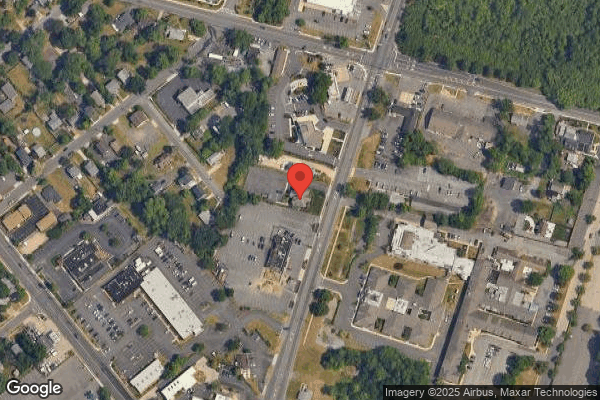
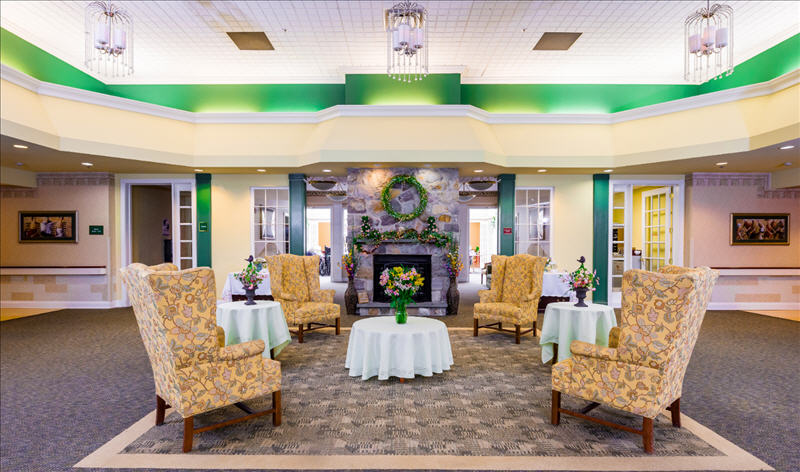
1417 BRACE ROAD, CHERRY HILL, NJ 08034 (856) 795-3131
For profit - Limited Liability company 256 Beds BENJAMIN LANDA Data: November 2025
Trust Grade
68/100
#154 of 344 in NJ
Last Inspection: June 2025

Inspected within the last 6 months. Data reflects current conditions.

Overview

Silver Healthcare Center in Cherry Hill, New Jersey has a Trust Grade of C+, indicating it is slightly above average and decent overall. It ranks #154 out of 344 facilities in the state, placing it in the top half, and is #5 out of 20 in Camden County, meaning only four local options are better. The facility is improving, with issues decreasing from 15 in 2024 to just 4 in 2025. Staffing is rated at 4 out of 5 stars, but the turnover rate is 51%, which is average for New Jersey. However, the facility has faced some concerning incidents, such as failing to maintain clean kitchen equipment and not handling potentially hazardous foods properly, which could increase the risk of foodborne illness. Despite these weaknesses, the overall ratings in health inspections and staffing are decent, suggesting there are strengths to consider as well.

Trust Score
C+
68/100
In New Jersey
#154/344
Top 44%
Safety Record
Low Risk
No red flags
Inspections
Getting Better
15 → 4 violations
Staff Stability
⚠ Watch
51% turnover. Above average. Higher turnover means staff may not know residents' routines.
Penalties
✓ Good
$15,593 in fines. Lower than most New Jersey facilities. Relatively clean record.
Skilled Nurses
✓ Good
Each resident gets 47 minutes of Registered Nurse (RN) attention daily — more than average for New Jersey. RNs are trained to catch health problems early.
Violations
⚠ Watch
26 deficiencies on record. Higher than average. Multiple issues found across inspections.
★★★★☆
4.0
Overall Rating
★★★★☆
4.0
Staff Levels
★★★☆☆
3.0
Care Quality
★★★★☆
4.0
Inspection Score
Stable
2024: 15 issues
2025: 4 issues

The Good

  • 4-Star Staffing Rating · Above-average nurse staffing levels
  • Full Sprinkler Coverage · Fire safety systems throughout facility
  • No fines on record

Facility shows strength in staffing levels, fire safety.

The Bad

Staff Turnover: 51%

Near New Jersey avg (46%)

Higher turnover may affect care consistency

Federal Fines: $15,593

Below median ($33,413)

Minor penalties assessed

Chain: BENJAMIN LANDA

Part of a multi-facility chain

Ask about local staffing decisions and management

The Ugly 26 deficiencies on record

Jun 2025 4 deficiencies
CONCERN (D)

Potential for Harm - no one hurt, but risky conditions existed

Respiratory Care (Tag F0695)

Could have caused harm · This affected 1 resident

Based on observation, interview, record review, and review of facility documents, it was determined that the facility failed to ensure that oxygen was administered in accordance with a physician's ord...

Read full inspector narrative →
Based on observation, interview, record review, and review of facility documents, it was determined that the facility failed to ensure that oxygen was administered in accordance with a physician's order. This deficient practice was identified for 1 of 2 residents (Resident #40) reviewed for respiratory care and was evidenced by the following: On 6/6/25 at 8:45 AM, the surveyor observed Resident #40 lying in bed with his/her eyes closed. Resident #40 had a tracheostomy tube [a surgical opening in the neck directly into the trachea (windpipe)] and a tracheostomy (trach) collar with oxygen tubing attached to an oxygen concentrator (a medical device that extracts and concentrates ambient air. The surveyor observed that the oxygen concentrator was set to three (3) liters. On 6/9/25 at 12:26 PM, the surveyor observed Resident #40 lying in bed with his/her eyes closed. The surveyor observed the resident had a tracheostomy tube and a trach collar attached to the oxygen concentrator set to three (3) liters of oxygen (instead of two (2) liters as ordered.) On 6/9/25 at 12:40 PM, the surveyor interviewed Licensed Practical Nurse (LPN) #1 who stated that the resident was ordered to have two (2) liters (L) of oxygen continuously with 28% humidification via the tracheotomy collar. The surveyor and the LPN entered Resident #40's room and the LPN confirmed that the oxygen concentrator was set to three (3) liters and stated, it should be set to two (2) liters. The LPN then proceeded to turn the concentrator dial down from 3L to 2L. On 6/9/25 at 12:51 PM, the surveyor interviewed the Licensed Practical Nurse/Unit Manager (LPN/UM) #1 who stated that the nurses should check that the oxygen was set at the correct liters every time they were in the resident's room. The surveyor reviewed the medical record for Resident #40. A review of the admission Record, an admission summary, revealed the resident had diagnoses which included, but were not limited to, acute respiratory failure with hypoxia (oxygen deficient), encephalopathy (a broad range of brain diseases or disorders characterized by impaired brain function), tracheostomy status, and nontraumatic subdural hemorrhage (a collection of blood within the subdural space, the area between the brain and the dura mater (the outermost layer of tissue covering the brain), that does not result from a head injury). A review of the comprehensive Minimum Data Set (MDS), an assessment tool used to facilitate the management of care, dated 3/23/25, included the resident had a Brief Interview for Mental Status (BIMS) score of 0 out of 15, which indicated that the resident cognition was severely impaired. Further review of the MDS revealed the resident was dependent for activities of daily living and mobility, used continuous oxygen and received tracheostomy care. A review of the Individual Comprehensive Care Plan (ICCP) included a focus area, dated 3/18/25, that the resident had a tracheostomy. Interventions included: humidified oxygen (O2) via trach at 2 liters Fraction of Inspired Oxygen (FiO2- refers to the percentage of oxygen in the air a person is breathing) 28 % continuous. A review of the Order Summary Report (OSR), dated as of 6/1/25 to 6/30/25, included the following physician orders (PO): A PO, dated 3/18/25, for Trach collar FiO2 at 28% humidified oxygen 2 L via concentrator every shift. A PO, dated 6/5/25, for oxygen at 2 liters continuous concentrator via trach collar every shift for trach. A review of the Treatment Administration Record (TAR) revealed that the PO for oxygen inhalation at 2 liters was signed out as administered on 6/6/25 and 6/9/25 for the day shift. On 6/10/25 at 10:06 AM, the surveyor interviewed the Assistant Director of Nursing (ADON) who stated that nursing should have assessed the oxygen concentrator and ensured that it was set to the correct setting as determined by the physician's order at the beginning of their shift and multiple times during their shift. The ADON further stated that it was important that the nurses followed the physician order for oxygen administration because the doctor gave the order based on the residents' needs. On 6/11/25 at 11:00 AM, the surveyor made the Licensed Nursing Home Administrator (LNHA) aware of the concerns that were identified with the resident's oxygen concentrator settings. A review of the facility's Oxygen Administration policy, revised May 2025, included oxygen administration will be carried out only with a physician's order. A licensed nurse or tother staff person trained in the use of oxygen will be on duty and be responsible for the correct administration of oxygen to the resident. The policy also included to check physician's order for liter flow and method of administration. NJAC 8:39-27.1(a)
CONCERN (D)

Potential for Harm - no one hurt, but risky conditions existed

Pharmacy Services (Tag F0755)

Could have caused harm · This affected 1 resident

Based on observation, interview, record review, and review of facility documents, it was determined that the facility failed to ensure that medications were administered timely and in accordance with ...

Read full inspector narrative →
Based on observation, interview, record review, and review of facility documents, it was determined that the facility failed to ensure that medications were administered timely and in accordance with the medication's cautionary statement, manufacturer specifications, and physician's orders. This deficient practice was identified for 1 of 2 nurses who administered medications to 1 of 3 residents (Resident #55) on 1 of 5 nursing units (Court One) during the medication administration pass observation. This deficient practice was evidenced by the following: On 6/9/25 at 9:28 AM, the surveyor met with Licensed Practical Nurse (LPN) #1 who stated that she needed to obtain vital signs for Resident #55 prior to medication administration. LPN #1 then proceeded to place an automated blood pressure cuff on Resident #55's left upper arm and then placed a pulse oximetry probe (device used to measure the amount of oxygen in the blood) on the resident's left index finger. LPN #1 stated that the resident's blood pressure was 173/85, pulse (heart rate) was 66, and the resident's pulse oximetry was 89%. LPN #1 then stated that she needed to phone the physician prior to medication administration and she proceeded to do so. The resident left the nursing unit at that time. On 6/9/25 at 9:53 AM, the surveyor observed LPN #1 as she prepared medications for Resident #55. LPN #1 then reviewed a physician's order aloud from the resident's electronic health record (EHR) for Metoprolol Tartrate Tablet 25 mg, Give 0.5 tablet by mouth one time a day for HTN (hypertension) (1/2 tab = 12.5 mg) hold if under 60 beats per minute (bpm). LPN #1 then proceeded to remove a bingo card (blister package) from the medication cart and compared the package labeling against the physician's order in the EHR to confirm accuracy. The medication was scheduled to be administered at 8:00 AM. At that time, LPN #1 stated that a new order was obtained from the physician and she reviewed a physician's order aloud from the resident's EHR for Metoprolol Tartrate Oral Tablet 25 MG give 0.5 tablet by mouth one time only. Give 1/2 tab (12.5 mg) x 1 (one) now. LPN #1 then proceeded to prepare the medication for administration. LPN #1 then reviewed a physician's order aloud from the resident's EHR for Potassium Oral Tablet give 20 milliequivalents (meq) by mouth for supplement. LPN #1 then proceeded to remove a bingo card from the medication cart and compared the package labeling against the physician's order in the EHR to confirm accuracy. The surveyor noted that there was a cautionary statement on the packaging which specified to give the medication with meals. The medication was scheduled to be administered at 8:00 AM. LPN #1 then reviewed a physician's order aloud from the resident's EHR for Oxycodone HCL oral tablet 10 mg give one (1) tablet by mouth six (6) times a day for phantom/leg pain. LPN #1 then proceeded to remove a bingo card from the medication cart and compared the package labeling against the physician's order in the EHR to confirm accuracy. The medication was scheduled to be administered at 8:00 AM. LPN #1 then reviewed a physician's order aloud for Metformin hydrochloride (HCL) 500 milligrams (mg) give 1 tablet by mouth two (2) times a day for diabetes mellitus (DM). LPN #1 then proceeded to remove a bingo card from the medication cart and compared the package labeling against the physician's order to confirm accuracy. The surveyor noted that there was a cautionary statement on the packaging which specified to give the medication with food. The medication was scheduled to be administered at 9:00 AM. LPN #1 then reviewed a physician's order aloud for Digoxin tablet 125 micrograms (mcg) give 1 tablet by mouth 1 time a day for atrial fibrillation (Afib, an irregular heart beat). LPN #1 then proceeded to remove a bingo card from the medication cart and compared the package labeling against the physician's order in the EHR to confirm accuracy. The medication was scheduled to be administered at 9:00 AM. On 6/9/25 at 10:16 AM, Resident #55 returned to the nursing unit and the surveyor observed LPN #1 as she administered the aforementioned medications and 11 additional medications to the resident without offering food to the resident or assessing the resident's apical pulse (a stethoscope is placed on the left upper chest to determine the number of heart beats heard in one minute) as indicated according to the cautionary statements. At that time, the surveyor asked Resident #55 if he/she had eaten breakfast? The resident stated that they had eaten 60% of the breakfast meal at 9:10 AM. LPN #1 who was present stated that the resident had eaten within the hour. LPN #1 stated that this was not her usual nursing unit and she normally gave the medications to the residents when their breakfast tray was present. LPN #1 further stated that Metformin should have been given with a snack. On 6/9/25 at 12:01 PM, the surveyor reviewed the medical record for Resident #55. A review of the admission Record, an admission summary, revealed that the resident had diagnoses which included but were not limited to, diabetes mellitus due to underlying condition with diabetic autonomic (Poly) neuropathy (numbness/tingling), essential (primary) hypertension (elevated blood pressure), paroxysmal atrial fibrillation (an irregular heart beat that comes and goes), and acute on chronic combined systolic (congestive) and diastolic (congestive) heart failure. A review of the resident's quarterly Minimum Data Set (MDS), an assessment tool, dated 5/4/25, revealed that the resident had a Brief Interview for Mental Status (BIMS) Score of 15 out of 15, which indicated that the resident was cognitively intact. A review of the Order Summary Report (OSR), included the following physician orders (PO): A PO, dated 7/29/24 for Metoprolol Tartrate Tablet 25 MG Give 1 (one) tablet by mouth two times a day for HTN (1/2 tab=12.5 mg). Hold if under 60 bpm. A PO, dated 6/9/25, for Metoprolol Tartrate Tablet 25 MG Give 0.5 tablet by mouth one time only for b/p (blood pressure) for 1 (one) day. Give 1/2 tab (12.5 mg) x 1 (one) now. A PO, dated 12/10/24, for Potassium Oral Tablet (Potassium) Give 20 meq by mouth with meals for supplement. Give with meals. A PO, dated 2/20/24, for Oxycodone HCL (an opioid controlled medication used to treat pain) oral tablet 10 mg give 1 (one) tablet by mouth six times a day for phantom/leg pain. A PO, dated 5/13/25, for Metformin HCL (hydrochloride) oral tablet 500 MG (Metformin HCL) Give 1 (one) tablet by moth two times a day for DM (diabetes mellitus). Give with meals. A PO, dated 2/2/24, for Digoxin Tablet 125 MCG Give 1 (one) tablet by mouth one time a day for AFIB. Hold for aprical [sic.] pulse < (less than) 60. A review of the Progress Notes (PN) included a nurse's note (NN), dated 6/9/25 at 12:14 PM revealed, During AM med pass, vital signs were collected. BP 173/85, HR (heart rate) 66, O2 (oxygen) 89 RA (Room Air). This nurse placed a call to doctor (name redacted). During the call, BP, O2 and narc (narcotic, referred to Oxycodone) administration scheduled for 8 am being given at 10 am was relied [sic] to MD. [Name redacted) Ok narc administration at a later time .Verbal orders to change Metoprolol Tartrate 25 mg half tab to Metoprolol 25 mg BID (twice a day) and monitor BP. Send patient out for signs or symptoms of stroke. Orders placed and carried out. On 6/9/25 at 12:57 PM, the surveyor interviewed LPN #1 who stated today was a hectic morning. LPN #1 stated that she saw that Potassium was ordered to be given with meals. LPN #1 stated that after the surveyor left she gave the resident a pack of tea biscuit crackers and a juice. When the surveyor asked LPN #1 why she had not offered the resident food at the time of medication administration she stated that she thought about it after and noted that lunch would not be served for awhile. LPN #1 further stated that it was important to administer Metformin with food because there was a chance of the resident's blood sugar dropping. LPN #1 stated that it was important to give Potassium with a meal because the chance of stomach ulcers was high and it helped to lessen the side effects of the medication. On 6/9/25 at 1:06 PM, the surveyor interviewed Licensed Practical Nurse/Unit Manager (LPN/UM) #1 who stated that it was her expectation that medications were to be administered with meals. LPN/UM #1 stated that our breakfast trays were delivered to the nursing unit at 8 AM, and nursing was able to confirm which residents to medicate first. LPN/UM #1 stated that gastrointestinal (GI)) upset was the reason why it was important to give the medications with meals as ordered. LPN/UM #1 stated that tea biscuits was not a meal, and the medications needed to be given with something more substantial at the time of administration. On 6/9/25 at 9:51 AM, the surveyor interviewed the Assistant Director of Nursing (ADON) who stated that if medications were scheduled to be given with food, and the resident had not eaten within the past 15 minutes, then the nurse should offer the food with the medications, or call the doctor and see what they wanted to do. The ADON stated that following the cautionary statements on the bingo cards was important for better absorption of the medication and to reduce GI side effects depending on the medication. On 6/11/25 at 9:10 AM, the surveyor interviewed LPN #2 who stated that it was important to obtain an apical pulse prior to Digoxin administration because it was more accurate to assess if it were necessary to hold the medication if the pulse were less than 60 bpm (beats per minute). On 6/11/25 at 10:15 AM, the surveyor interviewed the ADON who stated that it was her expectation that medications were given within one hour before or one hour after the scheduled administration time. On 6/11/25 at 9:13 AM, the surveyor interviewed LPN/UM #1 who stated that it was important to follow the order to obtain an apical pulse prior to Digoxin administration. LPN/UM #1 stated that a stethoscope should be used to do it because it was not an accurate reading if the blood pressure machine were used instead of a stethoscope. On 6/11/25 at 9:53 AM, the surveyor interviewed the Consultant Pharmacist (CP) who stated that you wanted to give Metformin with a meal because it may cause flatulence and your stomach may hurt, but it did not cause hypoglycemia (low blood sugar). The CP stated that Potassium should be given with a meal because it caused stomach irritation. At that time, the CP stated that if there were an order to obtain an apical pulse, then a stethoscope should have been placed over the heart to obtain the pulse. The CP stated that the automated blood pressure machine provided a radial pulse (from the radial artery in the arm) and there was some difference between a radial pulse and an apical pulse. On 6/11/25 at 10:15 AM, the surveyor interviewed the ADON who stated that an apical pulse was supposed to be take if that was what the physician's order specified because we have to follow the order. On 6/11/25 at 11:01 AM, in the presence of the survey team the surveyor informed the Licensed Nursing Home Administrator (LNHA) of the concerns with the medication administration pass observation. A review of the facility's Administering Medications policy, revised February 2025, included: Medications shall be administered safely and timely, as prescribed. Medications must be administered in accordance with the orders, including any required time frame .Medications must be administered within one (1) hour of their prescribed time, unless otherwise specified (for example, before and after meal orders). NJAC 8:39-29.2(d)
CONCERN (D)

Potential for Harm - no one hurt, but risky conditions existed

Infection Control (Tag F0880)

Could have caused harm · This affected 1 resident

Based on observation, interview, record review, and review of facility documents, it was determined that the facility failed to maintain proper infection control practices during the medication admini...

Read full inspector narrative →
Based on observation, interview, record review, and review of facility documents, it was determined that the facility failed to maintain proper infection control practices during the medication administration pass observation. This deficient practice was identified for 1 of 2 nurses who administered medications to 2 of 3 residents (Resident #55 and Resident #123) on 1 of 5 nursing units (Court One) during the medication administration pass observation. This deficient practice was evidenced by the following: On 6/9/25 at 9:27 AM, the surveyor observed Licensed Practical Nurse (LPN) #1 sanitize her hands with alcohol based hand rub (ABHR) and donn (put on) gloves before she placed an automated blood pressure cuff on Resident #55's left upper extremity. LPN #1 then proceeded to place a pulse oximetry probe (a device used to measure the amount of oxygen in the blood) on the resident's left index finger. The resident's shirt was noted to be heavily soiled with a black substance. When finished, LPN #1 reviewed the resident's vital signs (blood pressure, pulse, and pulse oximetry level). LPN #1 then proceeded to doff (remove) her gloves and she accessed the computer and reviewed the resident's Electronic Health Record (EHR) without first performing hand hygiene. At 9:34 AM, LPN #1 stated that she planned to hold off on administering any medications to Resident #55 until after she had spoken with the physician regarding the resident's blood pressure reading. LPN #1 then proceeded to the nurse's station without first performing hand hygiene and used a cell phone that was provided by another staff member to call the resident's physician. At 9:40 AM, LPN #1 returned to the nursing medication cart, accessed the computer, and then proceeded to prepare four medications for Resident #123 without first performing hand hygiene. At 9:48 AM, LPN #1 sanitized her hands with ABHR (alcohol based hand rub) and donned gloves prior to entering Resident #123's room to administer the resident's medications. On 6/9/25 at 12:57 PM, the surveyor interviewed LPN #1 who stated that cross-contamination was a concern if hand hygiene were not performed after she doffed her gloves, used the phone, and prepared medications for administration. On 6/9/25 at 1:06 PM, the surveyor interviewed the Licensed Practical Nurse/Unit Manager (LPN/UM) #1 who stated that it was an infection control issue if nursing had not sanitized or washed her hands after she doffed her gloves. The LPN/UM #1 stated that she definitely would have washed her hands after she touched the resident's dirty clothing. The LPN/UM #1 stated that she would have also sanitized her hands after she used the phone and prior to medication preparation. The LPN/UM #1 stated that there was a whole lot of germs that were passed from one object to another when the nurse failed to perform hand hygiene at the required intervals. On 6/10/25 at 9:51 AM, the surveyor interviewed the Assistant Director of Nursing (ADON) who stated that after doffing gloves you have to perform hand hygiene with hand sanitizer or wash your hands for infection control purposes. On 6/11/25 at 11:01 AM, the surveyor in the presence of the survey team informed the Licensed Nursing Home Administrator (LNHA) of the identified concerns with infection control practices identified during the medication administration pass observation. A review of the the facility's Administering Medications policy, revised February 2025, included: .Staff shall follow established facility infection control procedures (e.g., handwashing, antiseptic technique, gloves, isolation precautions, etc.) for the administration of medications, as applicable . A review of the facility's Hand Hygiene Policy and Procedure revised 3/24/2025, included: Effective hand hygiene reduces the incidence of healthcare-associated infections. Indications for Handwashing and use of Alcohol Based Hand Rub: .After contact with a patient's intact skin (when taking a pulse or blood pressure, and lifting a patient) . .After contact with inanimate objects (including medical equipment) in the immediate vicinity of the patient After removing gloves . NJAC 8:39-19.4
CONCERN (F)

Potential for Harm - no one hurt, but risky conditions existed

Food Safety (Tag F0812)

Could have caused harm · This affected most or all residents

Based on observation, interview, and record review, it was determined that the facility failed to maintain kitchen equipment in a clean and sanitary manner as evidenced by the following: On 6/5/25 at ...

Read full inspector narrative →
Based on observation, interview, and record review, it was determined that the facility failed to maintain kitchen equipment in a clean and sanitary manner as evidenced by the following: On 6/5/25 at 9:35 AM, in the presence of the Food Service Director (FSD), the surveyor observed the following: 1. The microwave had multicolored dried stuck on debris on the interior ceiling of the unit. The FSD acknowledge it was not properly cleaned according to facility policy. 2. Two of two upper and lower convection ovens were soiled with baked on brown coloring on the glass doors making them opaque and not transparent. There were baked on debris on the interior corners of the units. The FSD acknowledged and stated, it was not cleaned according to facility policy. 3. The steamer unit had brown and crusted debris on the interior door and seal of door. The seal of the door was cracked and missing in some spots. The FSD acknowledged and stated, it was not cleaned according to facility policy. 4. The six-burner stove top and oven were not clean. The interior of the oven had food sediment and build up on the interior door. The catch tray that was lined with foil had burnt liquid, and food debris covering the entire tray and foil that was peeling. The FSD acknowledged and stated, it was not cleaned according to facility policy. 5. The griddle grease trap had old and congealed grease with debris in it. The FSD confirmed the griddle had not been used that day and it was not cleaned according to facility policy. 6. The fryer had food debris on the ledge of the oil well. The FSD stated it had been used the night before for tater tots, she acknowledged that it was not cleaned according to facility policy. 7. The can opener blade had a metal chip on right side. The FSD stated, she changed it when she first started at the facility in October 2024. She further stated, there was not a maintenance log in place on when to replace the blade. 8. The double holder commercial plate warmer had food debris on the interior plate warmer section. The body of the unit had sticky brown debris around the rim of the plate warmer. The FSD acknowledged that the unit was not clean and that its purpose was too warm clean plates for distribution to the residents. She further stated, it was not cleaned according to facility policy. The facility has two steam tables both with four (4) water wells only one was working during tour. 9. The working steam table 4 water wells that had water ½ way up for 4 of 4 pans. Four of the four pans had white flaky debris and food particles settled at the bottom, i.e. (peas, rice, carrots). The FSD stated it was only cleaned weekly. The FSD was unaware of the manufacturer instructions or facility policy. 10. The non -working steam table had 4 water wells that were full of black liquid and sediment ½ way up for 4 of 4 pans. The FSD stated it had been down about a week and it could not be drained so the water and sediment had been stagnant. She further stated, she was unaware of the manufacturer instructions or facility policy. On 6/10/25 at 10:10 AM the surveyor interviewed the FSD, who acknowledged the surveyors finding and that the equipment should have been cleaned and maintained in a sanitized way to prevent food borne illness and contamination for safety of our residents and staff. On 6/10/25 at 11:10 AM the surveyor interviewed the Licensed Nursing Home Administrator (LNHA), who acknowledged the surveyors concerns after reviewing the pictures of the kitchen equipment. The LNHA stated equipment should have been cleaned and maintained to prevent food borne illness, contamination, or injury. He further stated it ensured the safety of our residents and staff. On 6/11/25 at 11:04 AM, the survey team met with the LNHA, the Assistant LNHA, the Executive Director, and the Director of Nursing (DON), who all acknowledged the surveyor's concerns. No additional information was provided. A review of the facility's, Environment policy dated, February 2025, included policy statement .All food prep areas, food service areas, and dining areas will be maintained in a clean and sanitary condition. Procedures .The director will ensure that the kitchen is maintained in a clean and sanitary manner .ensure that employees are knowledgeable in the proper procedures for cleaning and sanitizing all food service equipment and surfaces. All food contact surfaces will be cleaned and sanitized after each use . A review of the Food Safety Requirement policy, dated January 2025, revealed . Food safety practices shall be followed throughout the facility's entire food handling process . Equipment used in the handling of food, including dishes, utensils, .and other equipment that comes in contact with food .Staff shall follow facility procedure for dishwashing and cleaning fixed cooking equipment .additional strategies to prevent foodborne illness include but are not limited to: cleaning, sanitizing and maintaining the internal components of the machines according to manufacturer's guidelines. A review of the facility's, Kitchen Equipment dated 2/2025, included policy statement . all foodservice equipment will be clean, sanitary and in proper working order. Procedures .All equipment will be routinely cleaned and maintained according to manufacturer's directions and training materials .All food contact equipment will be cleaned and maintained after every use. A review of the, undated, [name redacted] manufacturer's operation guideline policy, provided by the LNHA, for the non-working steam table, revealed cleaning; the inside of the heating compartments should be wiped out daily. A review of the, undated, [name redacted] manufacturer's operation guideline policy provided by the LNHA, for the non-working steam table, revealed Hot Food Table cleaning; to maintain appearance and increase the service life, the food warmer should be cleaned at least daily. NJAC 8:39-17.2(g)
Dec 2024 3 deficiencies
CONCERN (D)

Potential for Harm - no one hurt, but risky conditions existed

Deficiency F0658 (Tag F0658)

Could have caused harm · This affected 1 resident

Based on observation, interview, record review, and review of facility documents, it was determined that the facility failed to: a.) follow a physician's order and b.) adhere to professional standards...

Read full inspector narrative →
Based on observation, interview, record review, and review of facility documents, it was determined that the facility failed to: a.) follow a physician's order and b.) adhere to professional standards of nursing practice during the medication administration observation. This deficient practice was identified for 2 of 2 nurses who administered medications to 2 residents (Residents #34 and #49) on 2 of 4 nursing units (Court 1 and Court 2) and was evidenced by the following: Reference: New Jersey Statutes Annotated, Title 45. Chapter 11. Nursing Board. The Nurse Practice Act for the State of New Jersey states: The practice of nursing as a registered professional nurse is defined as diagnosing and treating human responses to actual and potential physical and emotional health problems, through such services as case finding, health teaching, health counseling, and provision of care supportive to or restorative of life and wellbeing, and executing medical regimens as prescribed by a licensed or otherwise legally authorized physician or dentist. Reference: New Jersey Statutes Annotated, Title 45, Chapter 11. Nursing Board. The Nurse Practice Act for the State of New Jersey states: The practice of nursing as a licensed practical nurse is defined as performing tasks and responsibilities within the framework of case finding; reinforcing the patient and family teaching program through health teaching, health counseling and provision of supportive and restorative care, under the direction of a registered nurse or licensed or otherwise legally authorized physician or dentist. 1.) On 12/17/24 at 8:30 AM, the surveyor observed Licensed Practical Nurse (LPN) #1 as she prepared medications to be administered to Resident #34, which included a Lidocaine 4% External Patch (used to help relieve pain) to be applied to the resident's left knee. At 8:49 AM, LPN #1 informed Resident #34 that she had to remove his/her Lidocaine Patch before she applied another patch. She proceeded to pull back the resident's blanket and removed a Lidocaine patch from the resident's left knee before she applied the scheduled dosage patch. At 8:53 AM, LPN #1 reviewed the order for Lidocaine 4% Patch with the surveyor and stated that the order specified that the patch was ordered to be removed at bedtime (HS). LPN #1 further stated, the evening shift nurses were supposed to take it off last night (12/16/24). A review of Resident #34's Order Recap Report (ORR) revealed a physician's order (PO) dated 10/25/24, for a Lidocaine External Patch 4% (Lidocaine) apply to left knee topically one time a day for pain, remove at bedtime, and remove per schedule. A review of Resident #34's Medication Administration Record (MAR) revealed an order for Lidocaine External Patch 4% (Lidocaine) apply to left knee topically one time a day for pain, remove at bedtime, and remove per schedule which had a start date of 10/26/24 and was scheduled to apply at 9:00 AM, and remove at 8:59 AM, rather than at 9:00 PM, or bedtime. Further review of the MAR revealed that the order was amended to include a removal time at 9:22 AM on 12/17/24, and the order was then discontinued. Further review of Resident #34's MAR revealed an order for Lidocaine External Patch 4% (Lidocaine) apply to left knee topically one time a day for pain remove at bedtime and remove per schedule with a start date of 12/18/24, that was scheduled to be applied at 9:00 AM and removed at 9:00 PM, after surveyor inquiry. On 12/17/23 at 10:23 AM, the surveyor interviewed Licensed Practical Nurse/Unit Manager (LPN/UM) #1 who stated that if there was an order to remove a Lidocaine Patch at night they are supposed to take it off at night as ordered. LPN/UM #1 stated that she believed that most had orders to remove it. LPN/UM #1 further stated that she was always told by the pharmacy that it was not effective anymore if it were left on longer than the prescribed time. On 12/18/24 at 1:09 PM, the surveyor interviewed the Director of Nursing (DON) who stated that a Lidocaine 4% Patch was only good for 12 hours and would not be beneficial if it were left on for more than 12 hours. The DON stated that the expectation was for the Lidocaine 4% Patch to be removed at HS as it was ordered. On 12/18/24 at 1:38 PM, the Licensed Nursing Home Administrator (LNHA) in the presence of another surveyor and the DON, was informed of the facility's failure to follow Resident #34's order for Lidocaine 4% Patch and properly schedule the application and removal of the medication as it were ordered. On 12/19/24 at 9:18 AM, the surveyor interviewed the Chief Executive Officer/Consultant Pharmacist (CEO/CP) who stated that an order for Lidocaine 4% Patch should be removed at HS as ordered. The CEO/CP stated that it should have been taken off because you have to follow the order. On 12/20/24 at 9:22 AM, the surveyor interviewed the DON who stated that it was determined that the nurse had a transcription error when the physician's order for Lidocaine 4% Patch was entered into the electronic health record (EHR). The DON stated that the order was scheduled for removal at 8:59 AM, and should have been scheduled at 9:00 PM, so it did not show up on the MAR for the evening shift to remove it. The DON further stated that neither the Consultant Pharmacy review or the 24 Hour chart check noticed that the wrong time was entered into the MAR for removal. 2.) On 12/17/24 at 9:37 AM, the surveyor observed Resident #49 who was seated in a chair in their room. LPN #2 entered the resident's room with permission and used an automated (electronic) blood pressure (BP) machine to obtain the resident's BP and pulse (heart rate -HR). LPN #2 stated that the resident's BP was 108/40 and the HR was 64 (the American Heart Association (AHA) recommends a target blood pressure below 120 millimeters of mercury (mm Hg) systolic (top number of BP) and 80 mm Hg diastolic (bottom number of BP); and defined hypotension (low blood pressure) as a BP of 90/60). At 9:40 AM, LPN #2 checked the resident's medication orders in the electronic health record (EHR) and noted that the resident was scheduled to receive amlodipine (used to treat high blood pressure) and Torsemide (used to treat high blood pressure, heart failure and a build up of fluid in the body). LPN #2 stated that there were no parameters (guidelines on when to hold or administer a medication based on numerical values of the systolic blood pressure, diastolic blood pressure or pulse). LPN #2 hesitated on whether or not to administer the medications based on the resident's diastolic BP reading of 40. LPN #2 then instructed the resident to take the medications without first rechecking the blood pressure to confirm accuracy or notifying the physician to relay the concern. When interviewed at that time, LPN #2 stated that she was definitely going to let the physician know and see if he wanted parameters added to the medication's orders. When the surveyor asked LPN #2 if she should have let the doctor know of her concerns with the resident's diastolic blood pressure value before or after medication administration, LPN #2 stated that since the resident did not show any signs or symptoms of distress she had waited until after the mediation was already administered to notify the physician. A review of the resident's admission Record, an admission summary, revealed the resident had diagnoses which included, but were not limited to: End-stage renal disease (kidney disease), dependence on renal dialysis (a treatment that removes excess water, solutes, and toxins from the blood when the kidneys no longer performed these functions). A review of the resident's quarterly Minimum Data Set (MDS), an assessment tool, dated 11/2/24, included the resident had a Brief Interview for Mental Status (BIMS) score of 15 out of 15, which indicated the resident's cognition was intact. A review of the resident's individual comprehensive care plan (ICCP) included a focus area, dated 2/22/22, of resident has hypertension (high blood pressure) related to Chronic Kidney Disease (CKD). Interventions included: Give all hypertensive medications as ordered. Monitor for side effects such as orthostatic hypotension and tachycardia (increased heart rate) and effectiveness. Obtain blood pressure readings as ordered. Take blood pressure readings under the same conditions each time. A review of the Order Summary Report (OSR) included the following physician's orders PO: A PO, dated 10/25/24, for Amlodipine Besylate Tablet 10 milligrams (MG) Give one (1) tablet by mouth one time a day every Tuesday, Thursday, Saturday, and Sunday related to Essential (primary) hypertension. Administer on non-dialysis days. A PO, dated 3/5/24, for Torsemide Tablet 20 MG Give 1 tablet by mouth one time a day for edema related to primary hypertension. On 12/17/24 at 10:07 AM, the surveyor interviewed LPN/UM #1 who stated that she would have expected for the nurse to recheck the resident's blood pressure and if it were still low, hold the medication and call the doctor. LPN/UM #1 stated that the issue would be with a blood pressure of 130/40, the BP could drop even more. LPN/UM #1 further stated that if you made a nursing judgement to check a blood pressure, she would expect the nurse to check the order and follow it all of the way through. On 12/18/24 at 11:09 AM, the surveyor interviewed the DON who stated that if a resident had a BP of 130/40, she would recheck the blood pressure to make sure that it was accurate. The DON stated that she would not have given the medication until she called the physician because the BP was already low and the medication could lower the BP even more. A review of the resident's Weights and Vitals Summary revealed that the resident's last documented blood pressure reading was on 12/15/24 at 2:16 AM, and was 136/73. Further review of the Weights and Vitals Summary revealed that the resident's diastolic blood pressure from June 2024 through December 2024 only dropped below 60 on 11/11/24 (120/59) and 11/13/24 (125/54). A review of the Progress Notes (PN) included a Nursing Progress Note (NPN), dated 12/18/24 at 3:02 PM, which included, the physician was notified of the diastolic pressure was less than 60 on 12/17 and stated that he was okay to administer the BP medication. Further review indicated the resident remained stable during the shift with no complaint of (c/o) discomfort nor dizziness. The physician was notified after surveyor inquiry. On 12/18/24 at 1:38 PM, in the presence of another surveyor and the DON, the surveyor informed the LNHA of concerns that were identified during the Medication Observation. On 12/19/24 at 1:04 PM, the surveyor interviewed the CEO/CP who stated that the nurse should have called the physician first before she administered the blood pressure medication. The CEO/CP further stated that, you should recheck the blood pressure to ensure that it was not off and alert the doctor to make extra sure because it was very, very low. A review of the facility's Administering Medications policy reviewed/revised February 2024, included: Medications shall be administered safely and timely, as prescribed. Medications must be administered in accordance with the orders, including any required time frame If a dosage is believed to be inappropriate or excessive for a resident, or a medication has been identified as having potential adverse consequences for the resident or is suspected of being associated with adverse consequences, the person preparing or administering the medication shall contact the resident's Attending Physician or the facility's Medical Director to discuss the concerns The following information must be checked/verified for each resident prior to administering mediations .Vital signs, if necessary, per physician's order . NJAC 8:39-29.2(d)
CONCERN (D)

Potential for Harm - no one hurt, but risky conditions existed

Infection Control (Tag F0880)

Could have caused harm · This affected 1 resident

Based on observation, interview, record review, and review of facility documents, it was determined that the facility failed to adhere to proper infection control practices during the medication admin...

Read full inspector narrative →
Based on observation, interview, record review, and review of facility documents, it was determined that the facility failed to adhere to proper infection control practices during the medication administration observation. This deficient practice was identified for 1 of 2 nurses on 1 of 2 units (Court Two) observed for medication administration and was evidenced by the following: On 12/17/24 at 8:59 AM, the surveyor observed Licensed Practical Nurse (LPN) #1 as she prepared medications for Resident #33. LPN #1 donned (applied) gloves and obtained the resident's blood pressure (BP). LPN #1 then doffed (removed) her gloves before she returned to the computer to review the resident's physcians orders (PO) before she administered the medications to the resident. LPN #1 then proceeded to wash her hands for 15 seconds. LPN #1 stated that there was no paper towels available to dry her hands. LPN #1 then proceeded to turn the faucet off with her bare hands. LPN #1 returned to the medication cart and obtained a tissue to dry her hands. LPN #1 failed to sanitize her hands after she dried them. On 12/17/24 at 9:27 AM, LPN #1 then pushed the medication cart and blood pressure machine over to the outside of Resident #49's room. LPN #1 then proceeded to prepare the resident's medications without first performing hand hygiene. LPN #1 stated that the resident was on Enhanced Barrier Precautions (EBP, an approach of targeted gown and glove use during high resident care activities, designed to reduce the transmission of drug resistant organisms) before she donned a gown, gloves, and mask without first performing hand hygiene. LPN #1 then entered the resident's room and obtained the resident's BP without first cleaning the BP cuff. LPN #1 then doffed her gown and gloves and washed her hands in the resident's bathroom. On 12/17/24 at 9:58 AM, LPN #1 brought the blood pressure machine out into the hallway. When interviewed, LPN #1 stated that she should have used hand sanitizer after she turned the faucet off with her bare hands because there was a risk of spreading germs. When the surveyor asked LPN #1 what the process was for sanitizing the blood pressure cuff and machine, she stated that she planned to clean it after she used it for Resident #49 because the resident was on EBP. LPN #1 stated that she did not typically clean it between residents but because the resident was on precautions, she would clean it. LPN #1 further stated that if the blood pressure cuff and machine were not cleaned between residents there was a potential to spread germs. On 12/17/24 at 10:23 AM, the surveyor interviewed Licensed Practical Nurse/Unit Manager (LPN/UM) #1 who stated that LPN #1 should have washed her hands after she touched the faucet for infection control standards of practice. LPN/UM #1 stated that the nurses were supposed to wipe down the blood pressure machine with disinfectant wipes before the shift and between each resident for infection control purposes. On 12/18/24 at 10:47 AM, the surveyor interviewed the Licensed Practical Nurse/Infection Preventionist (LPN/IP) who stated that LPN #1 could have used a tissue product, though not effective, to shut off the water and then used hand sanitizer to clean her hands as a precautionary measure to kill bacteria on her hands. The LPN/IP stated that LPN #1 should have stopped and cleaned her hands between residents and rooms to reduce the spread of infection so that she did not bring any bacteria from one room to another. The LPN/IP further stated the blood pressure cuff should have been cleaned with a disinfectant wipe between each resident or a bleach wipe if it were used in an isolation room. The LPN/IP stated that they were not taking the proper infection control steps if the blood pressure machine were not cleaned between residents. On 12/18/24 at 11:09 AM, the surveyor interviewed the Director of Nursing (DON)who stated that she would have walked into another bathroom and washed her hands and used hand sanitizer if there were no paper towels in the restroom. The DON stated that it could have been an infection control issue because LPN #1 turned off the faucet with her hands. The DON further stated they have to disinfectant the blood pressure cuff with an antibacterial wipe between each patient. The DON stated that a failure to clean the blood pressure cuff could also be an infection control issue. On 12/18/24 at 1:38 PM, in the presence of another surveyor and the DON, the Licensed Nursing Home Administrator (LNHA) was informed of the infection control concerns that were identified during the medication administration observation. A review of the facility's Handwashing/Hand Hygiene policy reviewed/revised April 2024, included: The facility considers hand hygiene the primary means toprevent the spread of infections All personnel shall follow the Handwashing/hand hygiene procedures to help prevent the spread of infections to other personnel, residents, and visitors .Use an alcohol-based hand rub containing at least 62% alcohol; or, alternatively, soap (antimicrobial or non-antimicrobial) and water for the following situations: .Before and after direct contact with residents; Before preparing or handling mediations; .After contact with a resident's intact skin; .After removing gloves; .Before and after entering isolation precaution settings. A review of the facility's Cleaning of Non-Critical, Reusable Resident Care Equipment policy reviewed/revised January 24 included: .Reusable patient care equipment will be cleaned, disinfected, and/or reprocessed before reuse with another patient or before being placed in storage . NJAC 8:39-19.4
CONCERN (E)

Potential for Harm - no one hurt, but risky conditions existed

Pharmacy Services (Tag F0755)

Could have caused harm · This affected multiple residents

Based on interview, record review, and review of facility documents, it was determined that the facility failed to ensure that all Drug Enforcement Administration (DEA) 222 forms were completed with s...

Read full inspector narrative →
Based on interview, record review, and review of facility documents, it was determined that the facility failed to ensure that all Drug Enforcement Administration (DEA) 222 forms were completed with sufficient detail to enable accurate accountability and reconciliation for controlled medications. This deficient practice was identified for 6 of 6 DEA 222 forms reviewed in 1 of 1 back up controlled medication storage area and was evidenced by the following: On 12/17/24 at 1:01 PM, the surveyor reviewed the facility's DEA-222 records for the back up controlled medication storage and noted that on 8/15/24, 9/4/24, 9/30/24, 11/1/24, 11/27/24, and 12/16/24, Part 5 of the forms that were required to be filled in by the purchaser failed to include the number of controlled medications received by the facility and the date that they were received. On 12/18/24 at 11:22 AM, the surveyor interviewed the Director of Nursing (DON) regarding the DEA 222 Forms. The DON stated that she did not know that she was supposed to fill in Part 5 of the DEA-222 form which indicated that it was to be filled in by the Purchaser. When the surveyor asked the DON why she had not filled in Part 5 of the DEA 222 Form she stated, no one, not even the pharmacy, ever told me that. The surveyor reviewed the instructions with the DON that were printed on the back of the form and she stated that she had not read the instructions. The DON stated that someone showed her how to complete the form previously and she followed their instructions. On 12/18/24 at 11:40 AM, the surveyor interviewed the Pharmacist of the facility's pharmacy provider, who stated that the process was for the DEA-222 forms to be filled in completely by the purchaser, or nursing home. The Pharmacist stated that the form was highlighted and specified which section of the forms needed to be completed by the purchaser. The Pharmacist stated that Part 5 had to be dated and had to specify the number of controlled medications received upon delivery. The Pharmacist stated that the Medical Director (MD) was responsible to ensure that Part 5 was filled in as the purchaser because a valid DEA Number was needed. On 12/18/24 at 12:06 PM, the surveyor interviewed the MD who stated that he only signed the DEA 222 Forms and filled out his DEA number and the DON or Assistant Director of Nursing (ADON) completed the form and sent it out to the pharmacy. The MD stated he had never seen any medications delivered to the facility. The MD stated that when the facility received the shipment from the pharmacy, nursing was supposed to count the amount of controlled medications received and put them in a secured box. The MD stated the process was like that everywhere. On 12/18/24 at 1:09 PM, the surveyor conducted a telephone interview with the Chief Executive Officer/Consultant Pharmacist (CEO/CP) who stated the DON or the person who received the delivery of the controlled medications were responsible to document the quantity received and the date they received it under Part 5. The CEO/CP stated that the MD should review but the DON, or nursing department, was confirming the quantity received. When the surveyor asked why it was important to completed Part 5 of the DEA 222 form the CEO/CP stated, you want to make sure the quantity is right and it is a Board of Pharmacy Regulation for Part 5 of the DEA-222 completion. The CEO/CP stated that it was mandatory to fill in Part 5 of the DEA-222 form. At that time, the CEO/CP stated that there were directions or on the back of the form which instructed to fill in Part 5 and indicated that it were to be completed by the receiver. The CEO/CP stated that the assigned Consultant Pharmacist (CP) who came into the facility on a quarterly basis checked to see if it were done. The CEO/CP further stated that the DEA-222 forms would have been checked by the CP, but he was not sure when. On 12/18/24 at 1:38 PM, in the presence of another surveyor and the DON, the Licensed Nursing Home Administrator (LNHA) was informed that the facility failed to completed Part 5 on six out of six DEA-222 forms. On 12/19/24 at 9:16 AM, during a follow-up interview the CEO/CP stated that the assigned CP, who was not available for an interview, had not checked the DEA-222 forms but he should have. A review of the facility's undated DEA 222 Completion policy included: Completed Required Sections #1-6 .Number of items and Date Received: Once the order is received, complete the number of items and date they were received on your photocopy. You must retain a copy of this form for your records and auditing purposes . NJAC- 8:39-29.7 (C)
Jun 2024 12 deficiencies
CONCERN (D)

Potential for Harm - no one hurt, but risky conditions existed

Deficiency F0558 (Tag F0558)

Could have caused harm · This affected 1 resident

**NOTE- TERMS IN BRACKETS HAVE BEEN EDITED TO PROTECT CONFIDENTIALITY** Based on observations, interviews, and review of pertinent facility documents, it was determined that the facility failed to pro...

Read full inspector narrative →
**NOTE- TERMS IN BRACKETS HAVE BEEN EDITED TO PROTECT CONFIDENTIALITY** Based on observations, interviews, and review of pertinent facility documents, it was determined that the facility failed to promote resident dignity and ensure a safe, clean, comfortable, homelike, environment when a resident was transferred into a private room without a functional bathroom or accessible handwashing sink. This deficient practice was identified on 1 of 4 Units (Pavilion) and for 1 of 1 resident (Resident #37) observed for accommodation of needs. This deficient practice was evidenced by the following: On 05/29/2024 at 10:07 AM, the surveyor entered Resident #37's room and noted that the room smelled of dampness and the resident's bathroom had a sign posted on the door that depicted a toilet and the door was bolted shut from the outside. The resident was not in the room at the time of the observation. The surveyor observed Maintenance outside of the room in the hallway. When interviewed, Maintenance stated that the resident's bathroom was closed off after the sheet rock buckled due to water damage both on the inside and outside of the bathroom wall which rendered the bathroom unsafe for resident use so he locked it shut. Maintenance was unable to state when the door was locked shut. Maintenance stated that sheet rock was ordered last week and he had not yet received the materials to begin the repairs. A review of Resident #37's admission Record revealed that the resident was admitted to the facility with diagnosis which included but were not limited to: acute respiratory failure with hypoxia (deficiency in the amount of oxygen), chronic obstructive pulmonary disease (COPD) with (acute) exacerbation (a condition involving constriction of the airways and difficulty or discomfort in breathing), chronic diastolic (congestive) heart failure (the heart's capacity to pump blood cannot keep up with the body's need), and aphasia (a language disorder that affects a person's ability to communicate). A review of Resident #37's Quarterly Minimum Data Set (MDS) an assessment tool, indicated that the resident had a brief interview for mental status (BIMS) score of 6 out of 15, which indicated that the resident had severe cognitive impairment. A further review of the MDS revealed that the resident was always incontinent of bowel and bladder. On 05/31/2024 at 10:26 AM, the surveyor interviewed Certified Nursing Assistant (CNA) #1 who stated Resident #37 required minimal assistance and used a walker to transfer to and from the wheelchair. When the surveyor asked CNA #1 about the condition of the resident's bathroom, she stated the resident was supposed to change rooms soon because of a clogged toilet. On 05/31/2024 at 10:34 AM, the surveyor interviewed Licensed Practical Nurse (LPN) #3 who stated she did not know when Resident #37's bathroom door was bolted closed. LPN #3 stated that the resident had a 50/50 continence rate and used the bathroom in the hall when needed. LPN #3 stated the resident was allowed to transfer independently or with help. On 05/31/2024 at 12:22 PM, the surveyor interviewed the Maintenance Director (MD) who stated that Maintenance brought it to his attention last week about Resident #37's bathroom and the bathroom should have a pad lock on it since the wall needed to be cut. The MD stated that we locked the resident's bathroom door shut to keep the resident safe. He further stated that the resident could use the tub room bathroom instead. On 05/31/2024 at 2:25 PM, the Licensed Nursing Home Administrator (LNHA) provided the surveyor with a receipt dated 05/23/2024 at 11:26 AM, from a home supply store for materials needed to repair Resident #37's wall. On 06/03/2024 at 9:13 AM, the surveyor viewed Resident #37's Electronic Health Record (EHR) under the census tab and noted that the resident was moved from a semi-private room to a private room on 05/08/2024. On 06/03/2024 at 9:56 AM, in a follow up interview with Maintenance, he stated someone who no longer worked at the facility moved Resident #37 into room [ROOM NUMBER], but the resident should have never been moved into that room because the wall was buckled both at the entrance and in the bathroom and required more work than he had anticipated. He stated the work was now in progress since the resident's room had now been changed after surveyor inquiry last Saturday. On 06/03/2024 at 10:45 AM, the surveyor interviewed Licensed Practical Nurse/Unit Manager (LPN/UM) #4 who stated that the former Unit Manager moved Resident #37 from a semi-private room to a private room. LPN/UM #4 stated that the resident should have been moved from the semi-private room to a room with a bathroom for handwashing and cleanliness. LPN/UM #4 stated it was an infection control issue. LPN/UM #4 stated that both the resident and the staff needed the ability to wash. LPN/UM #4 stated she was stumped by the decision to move the resident into that room. On 06/03/2024 at 12:59 PM, the surveyor interviewed the LNHA who stated that it was an error on behalf of the former Unit Manager when Resident #37 was moved into a private room room that had damage. The LNHA stated that the room should have been locked down prior and that was what I believed happened. The LNHA stated, I was not aware. The LNHA stated he told them the resident had to have a working bath as the wall was crumbling. The LNHA further stated that was not how it should have been, as the resident needed a working bathroom for both privacy and dignity. On 06/03/2024 at 1:52 PM, the LNHA provided the surveyor with both Open and in Progress Work Orders which indicated that on 02/23/23, it was noted to be a high priority that the paneling on the wall was coming off and could result in injury to the resident in room [ROOM NUMBER]. On 05/30/2024, a second high priority request was made to Maintenance which indicated there was a hole in the wall behind the resident's door in room [ROOM NUMBER]. There was not documented evidence that the repairs were made when requested. A review of the facility policy, Environment of Care (Last Revised/Reviewed 04/01/24) revealed the following: Policy: To ensure that the facility's buildings, grounds, and equipment are always maintained in a safe and operable manner. The facility shall implement a policy to assure that the facility is periodically maintained to assure its effective and efficient operation. Procedure: The Maintenance Department will operate the facility in compliance with current federal, state and local laws, regulations and guidelines that may include, maintaining: The building is in good repair and free from hazards .The plumbing system is in good working order .The Maintenance Department will work with facility administration and corporate Facility Services staff to establish priorities for repair and replacement of critical building components of infrastructure. The Maintenance Department will provide and document routine and emergency maintenance service to all areas of the facility. The Maintenance Department will perform other tasks and/or functions that may become necessary or appropriate. A review of the facility policy, Resident Rights (Created 05/30/24) revealed the following: .The resident has a right to a safe, clean, comfortable and Homelike [sic.] environment, including but not limited to receiving treatment and supports for daily living safely. NJAC 8:39-27.1(a), 31.4(a),4.1(a)(12)
CONCERN (D)

Potential for Harm - no one hurt, but risky conditions existed

Deficiency F0658 (Tag F0658)

Could have caused harm · This affected 1 resident

Based on observation, interviews, review of medical records and other facility documentation, it was determined that the facility failed to follow physician's orders following hospitalization to ensur...

Read full inspector narrative →
Based on observation, interviews, review of medical records and other facility documentation, it was determined that the facility failed to follow physician's orders following hospitalization to ensure that a resident who was readmitted to the facility with a closed fracture of the fourth metacarpal bone (the bones that form the intermediate part of the hand between the fingers and wrist bones) was scheduled for a follow-up appointment with an Orthopedic Surgeon (treats muscoskeletal injuries) and resident usage of a prescribed splint. This deficient practice was identified for 1 of 1 resident (Resident #108) reviewed for a change in condition. This deficient practice was evidenced by the following: Reference: New Jersey Statutes Annotated, Title 45. Chapter 11. Nursing Board. The Nurse Practice Act for the State of New Jersey states: The practice of nursing as a registered professional nurse is defined as diagnosing and treating human responses to actual and potential physical and emotional health problems, through such services as case finding, health teaching, health counseling, and provision of care supportive to or restorative of life and wellbeing, and executing medical regimens as prescribed by a licensed or otherwise legally authorized physician or dentist. Reference: New Jersey Statutes Annotated, Title 45, Chapter 11. Nursing Board. The Nurse Practice Act for the State of New Jersey states: The practice of nursing as a licensed practical nurse is defined as performing tasks and responsibilities within the framework of case finding; reinforcing the patient and family teaching program through health teaching, health counseling and provision of supportive and restorative care, under the direction of a registered nurse or licensed or otherwise legally authorized physician or dentist. On 05/31/24 at 10:10 AM, the surveyor observed Resident #108 seated in a chair in the dining room. The resident appeared to be confused to place and time when spoken to. The resident did not have a splint on the left upper extremity at that time or upon subsequent observations throughout the survey. Review of Resident #108's admission Record (an admission summary) revealed that the resident was readmitted to the facility with diagnosis which included but were not limited to: unspecified fracture of the fourth metacarpal bone, left hand, subsequent encounter for fracture with routine healing and unspecified dementia, unspecified severity, with psychotic disturbance. Review of Resident #108's Significant Change Minimum Data Set (MDS), an assessment tool dated 04/28/24, revealed the resident had a brief interview for mental status (BIMS) score of 3 out of 15 which indicated the resident was severely cognitively impaired. Review of Resident #108's Care Plan revealed an entry that was revised on 03/05/24, with a Focus that specified resident presented with a balance deficit limiting his/her ability to complete ADL's (activities of daily living) and functional mobility as independently as possible. The goal included resident will maximize I (independence) with all bed mobility, functional mobility, and transfers through next review date. Interventions/Tasks included: Assist x 1 with ADL's, NWB (non-weightbearing) LUE (left upper extremity), follow up with ortho for further instructions (revision dated 05/06/24). Further review of Resident #108's Care Plan revealed an entry dated 04/22/24, with a Focus which indicated the resident had a fracture of the left fourth metacarpal bone. The Goal included resident will not have increase in pain/discomfort R/T (related to) FX (fracture). Interventions included: .Will remain NWB to L arm and L hand until ortho Follow up. Review of Resident #108's Order Summary Report (OSR) dated 04/23/24 specified: F/U (follow-up) with Orthopedic Surgeon, NWB to L hand and L arm, and Ulnar Gutter Splint to be worn at all times to L hand and L arm until follow up with ortho. Assess skin integrity, pulse and circulation every shift for L fourth Metacarpal FX. Review of Resident #108's Progress Notes (PN) revealed an entry dated 4/17/24 at 12:01 PM, which indicated Primary nurse notified this nurse of resident's L hand c/o (complaint of). Upon assessment, L hand presents with +2 edema (swelling) to L thumb, L 1st digit, and L second digit, with swelling to knuckles. Slight redness noted, cool to touch. Resident c/o pain 8/10. Describes pain, hurts when I squeeze or use anything.Verbal obtained for STAT complete X-ray to L hand, noted and carried out. On 04/17/24 at 3:40 PM, Xray for left hand/wrist results came back. There was no evidence of an acute fracture or dislocation .A physician's note dated 04/19/24 at 9:47 AM, indicated resident's Xray negative for Fx, resident reported hitting a wall. Appears to be bruised with some swelling, no erythema (redness or warmth). Decreased ROM (range of motion). Resident did not report to staff he/she punched the wall, poor historian, was not witnessed. Will check u/s (ultrasound) to rule out DVT (deep vein thrombosis, blood clot). Further review of the PN revealed that on 04/20/24 at 10:13 PM, resident was transferred to ER for altered mental status and back pain. On 04/22/24 at 9:35 PM, resdient returned from hospital at approximately 8:15 PM. Resident express [sic.] no pain nor distress throughout reminder [sic.] of shift and return with fracture case to the left arm .Will continue to monitor for further changes in condition. Review of Resident #108's hospital Discharge Instructions dated 04/21/24, revealed in the Brief Summary of Hospital Course and Important Follow Up Information included .You had no repeat episodes of altered mental status or dizziness during hospitalization. You were also noted to have a fracture of your hand for which orthopedic doctors were consulted. They recommended you to follow up with them in 1 (one) week and you had a splint placed on the hand . Further review of the Discharge Instructions revealed the following: Weight bearing: Non weight bearing left arm .Keep your bandage/splint clean, dry and intact, .Follow-up as instructed. Review of Resident #108's facility Incident titled, Fracture, dated 04/22/24 at 8:45 PM, revealed Resident returned to the facility as a readmission with a Dx (diagnosis): Closed fracture of the 4th (fourth) metacarpal bone Immediate Action Taken: Orders verified and carried out per hospital instruction as follows: 1. Non-weight bearing (NWB) to Left hand and L arm 2. Returned with Ulnar Gutter Splint (type of splint) to L hand and L arm, to be worn at all times 3. Follow up with orthopedics, provider listed on D/C instructions. On 06/03/24 at 11:27 AM, the surveyor interviewed Licensed Practical Nurse/Unit Manager (LPN/UM) #4 who reviewed Resident #108's Electronic Health Record (EHR) in the presence of the surveyor and stated the resident's splint was in place. The surveyor questioned splint usage, as it was not observed on the resident. LPN/UM #4 asked a Certified Nursing Assistant (CNA) who was present at that time, who stated that resident had a splint on when they returned from the hospital. LPN/UM #4 further stated that there was no order or indication that the resident went out to see Ortho (orthopedics) for their follow-up appointment. On 06/03/24 11:41 AM, the surveyor interviewed CNA #3 who stated she had not seen Resident #108 with their splint on at all. On 06/03/24 at 11:43 AM, in a later interview with LPN/UM #4, she stated in May 2024, nursing charted that Resident #108 had not worn their splint five times. LPN/UM #4 stated on 05/04/24, nursing documented that resident removed their splint. LPN/UM #4 stated the order was never discontinued. LPN/UM #4 stated the resident should have had an Ortho consult and she was not sure why it was not done, but the rationale should have been documented by the former unit manager. LPN/UM #4 stated, The resident had Medicaid (type of insurance) and somebody would have taken him/her. LPN/UM #4 stated, I am sick. The surveyor reviewed the Medication Administration Record (MAR) for May 2024 and noted an entry for Ulnar Gutter Splint to be worn to L hand and L arm until follow up with Ortho. Assess skin integrity, pulse and circulation every shift for L 4th Metacarpal Fx was signed as administered every shift (day, evening and night) on all shifts except for day shifts on 05/16/24, 05/22/24, 05/26/24, evening shifts: 05/04/24, and 05/29/24. The order was signed as completed on all shifts in June 2024 with the exception of evening shift on 06/02/24. On 06/03/24 at 11:47 AM, the surveyor interviewed the Director of Rehabilitation (DOR) in the presence of LPN/UM #4, who stated we did not screen the resident post hospital and awaited Ortho follow-up. DOR stated they (hospital) sent a splint, and the resident took it off and refused to put it back on. LPN/UM #4 stated We did not DC (discontinue) the order for the splint and that was the problem. The DOR agreed to furnish the surveyor with the Occupational Therapists initial screening. Review of a Rehabilitation Screen Form dated 04/23/24 revealed the following: Pt screened s/p hospitalization 04/20-04/22/24 secondary to dizziness and fracture to LUE 4th (fourth) metacarpal s/p hitting wall in frustration. Patient came back NWB (non-weightbearing) with gutter ulnar cast and ortho f/u within a week .Await Ortho follow-up appt. (appointment) within a week for further instructions, orders for skilled therapy services. No therapy at this time. On 06/03/24 at 11:50 AM, the surveyor interviewed the Unit Clerk (UC) in the presence of LPN/UM #4, who stated Resident #108 was Medicaid Pending (not yet approved) and Ortho would not accept the resident. The UC stated she informed the former Unit Manager (UM) and the Business Office Manager (BOM) on 04/23/24. The UC was unable to provide the surveyor with documented evidence of her attempt to schedule the resident to be seen by orthopedics or notification of the former UM or BOM as described. On 06/03/24 at 12:26 PM, the surveyor interviewed the BOM who stated if medically necessary, the facility had to pay and send the resident to their scheduled appointment with transportation. BOM stated that she notified the former Unit Manager at morning meeting that we were responsible to follow through. BOM stated that this was not the first time that she told them that resident care was not to be interrupted. BOM stated she was not aware this was still an issue and the resident did not go to their appointment on the spot. BOM confirmed that she learned the resident's insurance was activated on 05/20/24. On 06/03/24 at 12:42 PM, the surveyor interviewed the Licensed Nursing Home Administrator (LNHA) who stated that the facility would have paid for the cost of the services Resident #108 required and the facility would have been reimbursed by Medicaid once approved. The LNHA stated it sounded like they did not follow-up for approval. The LNHA stated, there was no way around it, there was a delay in treatment for the resident due to either the former Unit Manager, BOM, or UC's failure to push through and ensure the appointment was made. The LNHA was unable to provide the surveyor with a policy that pertained to delay in resident treatment when requested. On 06/03/24 at 1:52 PM, After surveyor inquiry the LNHA confirmed that Resident #108 was scheduled to for a follow-up appointment with Orthopedics on 06/11/24 at 11:30 AM. On 06/04/24 at 1:03 PM, the surveyor interviewed the Regional Executive Director (RED) who stated if a resident were noncompliant with splint usage, then staff should encourage use, and if the resident still refused, they should have updated the care plan and notified the physician so that the order may have been discontinued. On 06/04/24 at 01:31 PM, the surveyor interviewed the Occupational Therapist (OT) who stated when Resident #108 returned from the hospital with a fx in the hand she was asked to screen him/her as the resident was made nwb in their upper extremity. She stated he/she had an ulnar collateral splint with ace around it, and the 4th and 5th fingers were out. She stated the fx was in 4th digit, ring finger and was covered, as that was the one with the fracture. She stated that EHR notes and hospital discharge instructions recommend follow-up with Ortho in one week. She stated if a prescription for therapy were received post-ortho follow-up, then we evaluate to see if therapy was necessary. She stated a Splint was issued from the ER. She described the splint as hard, like fiberglass, and described it as very hard to be removed independently. She further stated the splint was like fiberglass and was hard to maintain for a resident with cognitive deficits. On 06/05/24 at 10:05 AM, The surveyor interviewed the Director of Nursing (DON) who stated nursing should document splint use every shift, document removal every shift for skin assessment and document refusal if indicated. Review of the facility policy, Incident and Accident Report and Investigation (Reviewed April 2024) revealed the following: .Based on the clinical assessment conducted by the licensed professional nurse, necessary measures will be taken to address the situation in accordance with accepted standards of practice and facility policies. .All incidents and accidents reported in the facility must be investigated thoroughly to eliminate any possible mishandling and neglect that occurred with the resident. Investigations must be started as soon as the event has been reported and a final disposition/conclusion must be completed accordingly. Review of an undated policy, Splinting Procedure revealed the following: .Nursing staff in-serviced on appropriate application techniques and monitoring requirements specifically associated with equipment (signatures are obtained and a form is placed in patient chart and in therapy binder). NJAC 8:39-27.1 (a),
CONCERN (D)

Potential for Harm - no one hurt, but risky conditions existed

Incontinence Care (Tag F0690)

Could have caused harm · This affected 1 resident

Based on observation, interview, record review, and review of pertinent facility documents, it was determined that the facility failed to ensure that a resident received appropriate care and sufficien...

Read full inspector narrative →
Based on observation, interview, record review, and review of pertinent facility documents, it was determined that the facility failed to ensure that a resident received appropriate care and sufficient services based upon current standards of practice for a urinary catheter. The deficient practice was identified for 1 of 1 residents (Resident # 64) investigated under the Urinary Catheter investigation. This deficient practice was evidenced by the following: On 05/29/2024 at 10:21 AM, during the initial tour of the facility, the surveyor observed Resident # 64 in bed in their room. At that time, the surveyor observed a catheter drainage bag (collection bag for urine from an indwelling catheter) inside a blue, privacy bag in contact with the floor. The catheter drainage bag plastic hook was not secured to the bed frame. On 05/30/2024 at 11:28 AM, the surveyor observed Resident # 64 in bed in their room. At that time, the surveyor observed the catheter drainage bag maintained outside of the privacy bag exposing the collection bag and it's contents. The privacy bag was located further up the bed frame from the drainage bag. A review of Resident # 64's Electronic Medical Record (EMR) revealed under, Orders that there was a Physician's Order that indicated, Foley Urinary bag below bladder off floor with privacy bag every shift. The order was started on 03/13/2024. A review of Resident # 64's Care Plan located in the EMR revealed an intervention for staff to, Ensure drainage bag is positioned below the bladder and off the floor. That intervention was initiated on 02/21/2023. The Care Plan revealed another intervention for staff to, Utilize dignity bag when OOB [Out of Bed] and when in low bed. That intervention was initiated on 02/21/2023. On 06/03/2024 at 10:33 AM, during an interview with the surveyor, the Infection Preventionist stated, It shouldn't be on the floor. after reviewing the surveyor's observations. On 06/05/2024 at 09:54 AM, during an interview with the surveyor, the Director of Nursing (DON) replied, No after the surveyor asked if catheter drainage bags should be in contact with the floor. The DON replied, Risk infection after the surveyor asked if there was any reason why the catheter drainage bag should not be in contact with floor. A review of the facility policy titled Urinary Catheters dated 04/2024 revealed under procedure that, 6. Do not allow the catheter tubing, bag, or spigot to touch the floor. The policy concludes under General Information that, Residents requiring a urinary catheter are at higher risk for infection. NJAC 8:39-27.1 (a)
CONCERN (D)

Potential for Harm - no one hurt, but risky conditions existed

Respiratory Care (Tag F0695)

Could have caused harm · This affected 1 resident

2. During the initial tour on 05/29/24 at 10:07 AM, inside Resident #33's room, the surveyor observed Resident #33 in bed. There was a tracheostomy mask over the tracheostomy (surgical incision in the...

Read full inspector narrative →
2. During the initial tour on 05/29/24 at 10:07 AM, inside Resident #33's room, the surveyor observed Resident #33 in bed. There was a tracheostomy mask over the tracheostomy (surgical incision in the neck used to facilitate breathing) that was attached to ribbed tubing which was connected to a humidification compressor (a machine that humidifies oxygen) which was attached to oxygen tubing and connected to the oxygen concentrator (a machine that delivers oxygen). The oxygen concentrator was set to deliver 5 liters of oxygen per minute (lpm). The humidification compressor was set at 28%. There was no date written on the canister of sterile water and the date on the tubing indicated that it had last been changed 4/28/24. According to the admission Record, Resident #33 was admitted to the facility with diagnoses which include, Chronic Respiratory Failure with Hypoxia, Tracheostomy, Morbid Obesity, Cerebral Infarction with Hemiplegia and Hemiparesis, Bipolar Disorder, Anxiety, and Alzheimer's Disease. Review of Resident #33's Annual Minimum Data Set (MDS) an assessment tool dated 05/2024, under section O, Special Treatments, Procedures, and Programs, it identified that Resident #33 received, Oxygen therapy, suctioning, and Tracheostomy care. Review of Resident #33's Care Plan (CP) with an initiation date of 03/20/23 and a revision date of 06/03/24, revealed the following: Focus: Tracheostomy: Change oxygen tubing, humidification bottle, oxygen filter, in-line suctioning tubing and yankauer weekly. In addition, the intervention for Oxygen settings indicated: 28% trach collar #4 Shiley. The Oxygen flow rate was not addressed. Review of Resident #33's Order Summary Report revealed the following physician order; TRACH COLLAR 28% AROUND THE CLOCK PMSV AS TOLERATED DAILY FIO2 28% SHILEY TITRATE FIO2 TO MAINTAIN 02 SATURATION GREATER THAN 92%. There was no order pertaining to Oxygen flow rate, dating/changing of respiratory equipment. On 05/31/2024 at 01:28 PM, during an interview with the surveyor, the Infection Control Preventionist Nurse (IP) was present in Resident #33's room and verified that the respiratory equipment was not dated appropriately or according to professional standards of practice. The IP stated that the respiratory equipment should be changed weekly and dated. On 06/05/2024 at 09:49 AM, during an interview with the surveyor, the Unit Manager (LPN/UM #1) acknowledged that there was no order for Oxygen and stated that the Physician would be called. Review of the facility policy, Oxygen Administration (Revised/Reviewed April 2024) revealed the following: Purpose: To safely administer oxygen to the resident when insufficient oxygen is carried by the blood to the tissues. .A licensed nurse or other staff person trained in the use of oxygen will be on duty and be responsible for the correct administration of oxygen to the resident. .At regular intervals, check and clean oxygen equipment, change and label masks, tubing and cannulas weekly. Check resident's respirations and oxygen saturation levels and observe at regular intervals to assess need for further oxygen therapy PRN (as needed) as well as after oxygen has been discontinued. Check physician's order for liter flow and method of administration. Under Care and Use of Prefilled Disposable Humidifiers, letter I: Label humidifier with date and time opened. Change humidifier and tubing weekly. NJAC 8:39- 19.4(a); 27.1(a), 11.2(b) Based on observations, interviews, review of medical records and other facility documentation, it was determined that the facility failed to ensure: a) continuous oxygen was administered to an oxygen dependent resident in accordance with physician's orders in a safe and sanitary manner b) residents who were dependent upon oxygen via a tracheostomy tube (a surgically created hole (stoma) in the windpipe (trachea), received oxygen in accordance with professional standards of practice, ensured respiratory equipment was properly dated and obtained a physician order for oxygen delivery. This deficient practice was identified for 2 of 4 residents (Resident #37 and Resident #33) reviewed for respiratory care. This deficient practice was evidenced by the following: 1. During the initial tour of the facility on 05/29/24 at 10:17 AM, the surveyor observed Resident #37 seated in a wheelchair in the dining area. The resident had a portable oxygen tank on the back of their wheelchair and no oxygen tubing was noted on or around the resident's face to indicate that oxygen was actively being delivered to the resident. On 05/29/24 at 10:19 AM, the surveyor observed a staff member who approached Resident #37 and told the resident he/she was supposed to have their oxygen on. The staff member then placed a nasal cannula (part of the oxygen tubing that is inserted into the resident's nostrils for oxygen delivery) into the residents nostrils. Review of the admission Record (an admission summary) revealed that the resident was admitted to the facility with diagnosis which included but were not limited to: acute respiratory failure with hypoxia (deficiency in the amount of oxygen), chronic obstructive pulmonary disease (COPD) with (acute) exacerbation (a condition involving constriction of the airways and difficulty or discomfort in breathing), chronic diastolic (congestive) heart failure (the heart's capacity to pump blood cannot keep up with the body's need), and aphasia (a language disorder that affects a person's ability to communicate). Review of Resident #37's Quarterly Minimum Data Set (MDS) an assessment tool, indicated that the resident had a brief interview for mental status (BIMS) score of 6 out of 15, which indicated that the resident was severely, cognitively impaired. Further review of the MDS revealed that the resident received oxygen therapy. Review of Resident #37's Order Summary Report revealed an order dated 02/19/24, for Oxygen inhalation (via nasal cannula @ 3 LPM (liters per minute) every shift for hypoxia. A second order dated 01/31/24, was noted for Oxygen equipment-Change tubing every 7 (seven) days every night shift every Mon (Monday) for Change O2 (oxygen) tubing (Date O2 tubing). Review of Resident #37's Care Plan revealed an entry dated 04/24/22, which indicated the resident was at risk for respiratory distress related to COPD diagnosis. The Goal was for the resident to be free of s/s (signs and symptoms) of respiratory distress through the review date (Target date 07/31/24). Interventions/Tasks included but were not limited to: Administer oxygen as ordered and Monitor for difficulty breathing (dyspnea) on exertion . On 05/31/24 at 10:22 AM, the surveyor knocked on Resident #37's closed door and entered with resident permission. The surveyor observed Resident #37 lying in bed awake. The surveyor observed the resident received oxygen via nasal cannula from an empty oxygen tank that was on the back of the resident's wheelchair at the bedside. The surveyor observed an oxygen concentrator (a device used for continuous oxygen delivery) at the foot of the resident's bed that was not in use with oxygen tubing attached to it that was dated 05/14/24. The resident's call bell was noted on the floor behind the bed and was out of the resident's reach. On 05/31/24 at 10:26 AM, the surveyor interviewed Certified Nursing Assistant (CNA) #1 who stated that Resident #37 required minimal assistance to transfer with a walker to the bed or wheelchair. CNA #1 stated that when she got here the resident was not in their room and she had not been in the resident's room yet. CNA #1 then proceeded to reach behind the resident's bed and then handed the resident their call bell. CNA #1 stated that if she noted the resident's oxygen tank were empty she informed the nurse to replace the oxygen canister. CNA #1 observed the oxygen gauge attached to the oxygen tank and stated that it needed to be refilled. CNA #1 stated I will put the oxygen concentrator on the resident now and inform the nurse. CNA #1 then proceeded to remove the resident's oxygen tubing from the portable oxygen tank on the back of the resident's wheelchair and attached it to the oxygen concentrator which she attempted to set at three liters. The concentrator beeped and a red light flashed with a wrench symbol that flashed off and on and the meter was set at zero. On 05/31/24 at 10:34 AM, Licensed Practical Nurse (LPN) #3 entered Resident #37's room. When interviewed, she stated she checked the resident's oxygen tank every 30-40 minutes to ensure it was full. LPN #3 looked at the portable oxygen tank on the back of the resident's wheelchair and confirmed that it was empty. LPN #3 stated that the resident was not supposed to be in bed and only used the concentrator when in bed. LPN #3 stated she was unaware that the resident was in bed. LPN #3 stated the resident was allowed to transfer independently or with help. LPN #3 stated CNA #1 was not supposed to touch the concentrator and was instead supposed to let the nurse know. LPN #3 then turned the liter flow on the concentrator to 3 liters, and confirmed that it was set at zero prior. The oxygen tubing was dated 05/14/24, according to LPN #3 and was supposed to be changed weekly by night shift. LPN #3 stated that the tubing was not current. LPN #3 stated the resident was last seen on oxygen at 9:15 AM and their pulse oximetry (percentage of oxygen in the blood obtained by a probe placed on the index finger) was 97% on three liters of oxygen at that time when the resident received their medications in their wheelchair. LPN #3 stated that the resident's call bell should have been clipped to their bed to call for help. LPN #3 further stated that if the resident's oxygen tank were empty and the call bell was out of reach that could mean trouble for the resident. LPN #3 then proceeded to bring a portable oxygen tank into the room and offered to assist the resident into the wheelchair and the resident declined. The resident did not appear to be in immediate distress and attempted to converse with both the LPN #3 and the surveyor. LPN #3 failed to further assess the resident at that time. Review of Resident #37's Treatment Administration Record (TAR) revealed an order for Oxygen Equipment Change tubing every 7 (seven) days every night shift every Mon for Change O2 Tubing (Date O2 Tubing) that was signed as administered on 05/13/24 and 05/27/24. On 05/31/24 at 2:03 PM, the surveyor interviewed the Director of Nursing (DON) who stated the resident's assigned nurse was responsible for oxygen function. The DON stated the nurse was responsible to place the resident on the oxygen concentrator once the resident was back in bed. The DON stated that the aides should not have touched the oxygen controls because they have to know the liter flow. The DON stated the issue was that the resident went without oxygen and could not get to the call bell. The DON stated the aide should have gotten the nurse immediately and should not have touched the concentrator. The DON stated that oxygen tubing on the concentrator was changed weekly by the 11-7 nurse. The DON stated that if the oxygen tubing on the concentrator were dated 05/14/24, it was not changed weekly. The DON stated that if nursing documented that the tubing were changed weekly and it was not, then it was false documentation. On 06/03/24 at 10:45 AM, the surveyor interviewed Licensed Practical Nurse/Unit Manager (LPN/UM) #4 who stated staff were supposed to check the portable oxygen tank to ensure it was full based on the duration of the tank. LPN/UM #4 questioned why the resident went to bed by themselves. LPN/UM #4 stated that the aide was not allowed to touch the oxygen concentrator because they were not educated on oxygen administration. LPN/UM #4 stated that the call bell should have been on the resident's bed because hypoxia was a concern.
CONCERN (D)

Potential for Harm - no one hurt, but risky conditions existed

Pharmacy Services (Tag F0755)

Could have caused harm · This affected 1 resident

Based on observation, interview, and pertinent record review, it was determined that the facility failed to ensure the accountability of the narcotic Shift Count logs were completed in accordance with...

Read full inspector narrative →
Based on observation, interview, and pertinent record review, it was determined that the facility failed to ensure the accountability of the narcotic Shift Count logs were completed in accordance with facility policy. This deficient practice was identified for 2 of 4 medication carts reviewed and was evidenced by the following: On 5/30/24 at 9:29 AM, the surveyor, in the presence of the Licensed Practical Nurse (LPN #1), reviewed the Pavilion nursing unit's medication cart #1 and the narcotic logbook for that cart. The following was observed: May 2024 Narcotic Book Shift to Shift Signature Sheet missing a nursing signature for 5/5 3-11 Out column and 5/30 pre-signed nursing signatures in the 7-3 Out and 3-11 In columns. May 2024 Shift to Shift Count/Sign in Sheet 5/13 column for Out 7A-3P was missing documentation for Initials Cards # Bottles # and Patches # At that time LPN #1 confirmed to the surveyor that there should be no pre-signed sections, nor should there be any missing nursing signatures or count documentation for past nursing shift. She stated that the incoming and outgoing nurses are to count the narcotics in the medication cart together and sign the shift log confirming the count at the time the count is completed. On 5/30/24 at 10:51 AM, the surveyor, in the presence of LPN #2, reviewed the Vent nursing unit's medication cart #2 and the narcotic logbook for that cart. The following was observed: May 2024 Narcotic Book Shift to Shift Signature Sheet missing a nursing signature for 5/12 7-3 In and 7-3 Out and 5/26 7-3 Out columns. At that time LPN #2 stated that every incoming and outgoing nurse should be completing narcotic counts for the medication cart together and signing the shift-to-shift log sheet together for accountability of the narcotic count. LPN #2 further confirmed that if its not documented, it's not done. On 06/04/24 at 9:58 AM, the surveyor interviewed the Assistant Director of Nursing (ADON) who stated that during counts of narcotics, the incoming and outgoing nurses count together and sign the logs together. The ADON said the expectation is there should be no missing signatures for previous counts, and there should be no pre-signed for later in the shift or day. A review of the facility's Controlled Substances policy with a reviewed/revised date of 1/2024, included, but was not limited to, nursing staff must count controlled medications at the end of each shift. The nurse coming on duty and the nurse going off duty must make the count together. They must document and report any discrepancies to the Director of Nursing Services. NJAC 8:39-29.7(c)
CONCERN (D)

Potential for Harm - no one hurt, but risky conditions existed

Deficiency F0761 (Tag F0761)

Could have caused harm · This affected 1 resident

Based on observation, interview, and review of pertinent facility documentation, it was determined that the facility failed to properly store and properly label opened multidose medications. This defi...

Read full inspector narrative →
Based on observation, interview, and review of pertinent facility documentation, it was determined that the facility failed to properly store and properly label opened multidose medications. This deficient practice was identified in 1 of 4 medication carts and 1 of 2 medication storage rooms reviewed for medication storage and labeling and was evidenced by the following: On 5/30/24 at 10:51 AM, the surveyor, in the presence of Licensed Practical Nurse (LPN #2), observed the Vent nursing unit's medication cart #2. The following was observed: Three (3) opened prescription fluticasone propionate nasal spray bottles (medication used to treat seasonal allergies), which were not dated with opened date or labeled with resident identifying information on the medication container. At that time LPN #2 stated once multi-dose medications are opened, the nurses are to date the medication container and ensure the resident's name is on it as well as on the outside box or bag it came in. LPN #2 stated this is to ensure proper identification of when the medication was opened and the resident for whom it was prescribed in case the box and the medication get separated. On 5/30/24 at 11:35 AM, the surveyor, in the presence of Unit Manager/LPN (UM/LPN #1), observed the Court 1 nursing unit's medication storage room. The following was observed: One (1) opened and undated vial of tuberculin purified protein (PPD) (a medication used to test for tuberculosis) which was stored in the medication refrigerator. At that time, UM/LPN #1 stated that this medication vial should be dated with the opened date on the medication vial and not just the box as it is possible for the vial to be mixed into a different box. On 06/04/24 at 9:58 AM, the surveyor interviewed the Assistant Director of Nursing (ADON) who stated that once multi-dose medication containers are opened, expectation is to date it with the date its opened. She further stated that the PPD should have been labeled with the opened date on the vial itself since it will be used for different people. She explained that the purpose is that some medications have a shorter expiration date than what is labeled from the manufacturer once it is opened. A review of the facility's Storage of Medications policy with a reviewed/revised date of 1/2024, included but was not limited to: Policy statement: the facility shall store all drugs and biologicals in a safe, secure, and orderly manner. Furthermore, the policy included: drug containers that have missing, incomplete, improper, or incorrect labels shall be returned to the pharmacy for proper labeling before storing. The facility shall not use discontinued, outdated, or deteriorated drugs or biologicals. All such drugs shall be returned to the dispensing pharmacy or destroyed. N.J.A.C. 8:39-29.4
CONCERN (D)

Potential for Harm - no one hurt, but risky conditions existed

Infection Control (Tag F0880)

Could have caused harm · This affected 1 resident

b.) A review of Resident #42's admission Record indicated the resident was admitted to the facility with diagnosis which included but was not limited to: chronic respiratory failure with hypoxia (low ...

Read full inspector narrative →
b.) A review of Resident #42's admission Record indicated the resident was admitted to the facility with diagnosis which included but was not limited to: chronic respiratory failure with hypoxia (low oxygen levels), tracheostomy (trach) (an incision in the windpipe made to relieve an obstruction to breathing) and dependence on respirator [ventilator]. A Review of the resident's quarterly Minimum Data Set (MDS) a comprehensive assessment tool dated 4/7/24, indicated Resident #42 had a Brief Interview for Mental Status (BIMS) score of 15 out of 15 indicating the resident was cognitively intact and required tracheostomy care and mechanical ventilator. A review of the physician's orders included an order with start date of 3/21/24 for tracheostomy care as needed and every shift related to tracheostomy status. A review of the Resident #42's care plan focus areas included but not limited to: ventilator dependence, trach-dependent, enhanced barrier precaution related to trach, and impaired immunity related to trach and ventilator status. On 06/04/2024 from 11:30 AM to 11:38 AM, Surveyor #2 observed RT #2 perform tracheostomy care for Resident #42. The following was observed: At 11:31 AM, RT #2 approached the resident's room door where there was a bin outside the room door containing disposable personal protective equipment including, disposable gowns, gloves, masks, and a bottle of alcohol-based hand rub (ABHR) (sanitizing solution used for hand hygiene). After performing hand hygiene with the ABHR, RT #2 donned (put on) a clean gown and gloves and proceeded to obtain a disinfectant wipe and entered the resident's room to wipe down the bedside tray table in preparation to place the tracheostomy care products. After wiping the table, RT #2 disposed of the sanitizing wipe, doffed (took off) the gloves and disposed of them as well. She then went back to the bin outside the resident's room, obtained new clean gloves, and without using ABHR or any other form of hand hygiene, donned the new gloves and brought in the tracheostomy supplies and placed them on a clean barrier pad which she placed on the recently sanitized tray table. She then proceeded with the ordered tracheostomy care. At 11:39 AM, Surveyor #2 interviewed RT #2 and inquired about hand hygiene in between the glove change. RT #2 stated it was not necessary as her procedure she follows does not indicate it. RT #2 provided Surveyor #2 with a copy of this document titled Advantage Respiratory Care Services Policy Procedure Manual 'Tracheostomy care, decannulation, suctioning, cuff care, weaning trial methods/procedures' with a revised date of October 15, 2016. When asked if this is the most up to date revision and how often this policy and procedure is reviewed and revised, RT #2 stated she was unsure. On 06/04/2024 at 11:48 AM, Surveyor #2 interviewed the IP, who stated that all the residents on the ventilation (vent) unit are on an enhanced barrier or contact precaution depending on their individual diagnosis, and that hand hygiene should be done upon entering and exiting the resident's rooms as well as in between all glove changes. The surveyor inquired about the policy and procedure document provided by RT #2, to which the IP reviewed and stated, this is an old policy, and respiratory care should be done following the updated policy. The IP stated she would provide Surveyor #2 with the most current and updated policy that is to be followed. A review of the facility's undated Hand Hygiene Policy and Procedure document provided by the IP included but was not limited to: under the section titled Indications for alcohol based hand rub included use of ABHR after contact with inanimate objects (including medical equipment) in the immediate vicinity of the patient, and after removing gloves. NJAC 8:39-19.4 (a) (1, 2) Based on observation, interview, and record review, it was determined that the facility failed to a) adhere to accepted standards of infection control practices for the proper storage of respiratory tubing after use, and b) perform proper hand hygiene during respiratory care treatment. This deficient practice was observed for 2 of 4 residents (Resident #33 and Resident #42) reviewed for respiratory care. This deficient practice was evidenced by the following: a.) During the initial tour of the facility on 05/29/2024 at 10:07 AM, the Surveyor #1 observed Resident #33 in his/her bedroom, lying in bed. Surveyor #1 observed a portable suction machine on the bedside table with tubing leading to the bottom drawer of the table. The suction catheter (Yankauer) used to orally suction secretions from the mouth, was found lying exposed, open to air, touching the contents of the drawer. The Yankauer was not dated. On 05/30/2024 at 09:07 AM, Surveyor #1 observed Resident #33's suction catheter lying in the bottom drawer of the bedside table, uncovered, directly touching the inside of the bottom drawer. On 05/31/2024 at 08:16 AM, Surveyor #1 observed Resident #33's suction catheter lying in the bottom drawer of the bedside table, uncovered, directly touching the inside of the bottom drawer. A review of the admission Record medical record Resident #33 was admitted with a diagnosis that included but not limited to, Chronic Respiratory Failure with Hypoxia, Tracheostomy. The medical record also revealed that the resident had a tracheostomy, requiring Oxygen (O2) and suctioning. On 05/31/2024 at 1:28 PM, during an interview with Surveyor #1, the Infection Preventionist (IP) who was present in Resident #33's room, was questioned as to whether the suctioning respiratory equipment (Yankauer) was stored properly. At that time, the IP observed the suction catheter lying in the bottom drawer of the bedside table, uncovered, open to air, touching other items in drawer. The IP responded, No, the Yankauer is not being stored properly. That is an infection control concern. It should be stored in a bag/container for the health and safety of the client. 06/03/24 at 10:28 AM, during an interview with Surveyor #1, the Respiratory Therapist (RT #1) was questioned as to the procedure for oral suctioning. RT #1 responded, it's not a sterile procedure, but is clean. After suctioning, the catheter (Yankauer) must be put into the plastic sleeve and then into a bag. RT #1 added that the care of respiratory equipment is based on standards of care and policy. 06/03/24 10:41 AM, during an interview with Surveyor #1, the Unit Manager/Licensed Practical Nurse (UM/LPN#1) was questioned as to the proper care of suctioning equipment. The UM/LPN #1 stated that it is based on facility policy. The UM/LPN #1 verified that the storage of suctioning equipment after each use is to be stored in the original sleeve and/or clean bag. A review of a policy provided by the facility titled, Suctioning: Oral, with a revised date of 1/2024, revealed under procedure: Once the Yankauer is out, flush it through with water to remove secretions and place the packaging back on to keep it clean.
CONCERN (D)

Potential for Harm - no one hurt, but risky conditions existed

Deficiency F0883 (Tag F0883)

Could have caused harm · This affected 1 resident

Based on interview and record review, it was determined that the facility failed to ensure that the pneumococcal vaccination was offered to all residents upon admission to the facility to prevent inci...

Read full inspector narrative →
Based on interview and record review, it was determined that the facility failed to ensure that the pneumococcal vaccination was offered to all residents upon admission to the facility to prevent incidence of pneumonia for 1 of 5 residents (Resident #100) reviewed for immunization administration. This deficient practice was evidenced by the following: On 05/29/2024 at 10:44 AM, during the initial tour of the facility, the surveyor observed Resident #100 lying in bed with stitches noted over their left eyebrow. When interviewed, the resident was unable to state how the injury occurred. A review of Resident #100's admission record revealed that the resident was admitted to the facility with diagnosis which included but were not limited to: Alzheimer's Disease, unspecified, altered mental status, unspecified, and a personal history of COVID-19. A further review of the admission Record revealed that the resident had no known allergies. A review of Resident #100's immunization status within the Electronic Health Record (EHR), revealed an undated entry for Pneumovax 20 (an active immunizing agent used to prevent infection caused by certain types of bacteria (streptococcus pneumoniae) administration which indicated Pneumovax 20 Immunization Req. A review of Resident #100's Annual Minimum Data Set (MDS), an assessment tool, revealed that the resident had both a both short-term and long-term memory problem. A further review of the MDS revealed that the resident's pneumonia vaccine was not up to date, as resident was determined to be ineligible, due to an unspecified medical contraindication. On 05/31/2024 at 11:45 AM, the surveyor interviewed the Licensed Practical Nurse (LPN) # 3 who reviewed Resident #100's immunization status in the presence of the surveyor in the EHR. LPN #3 stated that the resident required consent to receive the Pneumovax 20 vaccination. LPN # 3 further stated that she was unsure who was responsible to obtain consent for immunization administration. LPN #3 further stated that she knew that it was definitely not the nurse's responsibility to obtain consent for immunization administration. On 05/31/2024 at 11:48 AM, the surveyor interviewed the Infection Preventionist (IP) who stated Resident #100 should have been offered the Pneumovax 20 vaccination upon admission to the facility. The IP stated the resident's family member was required to sign consent on behalf of the resident if the resident was deemed to be cognitively impaired. The IP reviewed Resident #100's EHR and stated that the reason for the delay in Pneumovax 20 may have been related to a need for family consent. The IP stated that either the Unit Manager, Social Worker or the IP was responsible to follow-up to ensure consent was obtained. The IP further stated there was currently no Unit Manager assigned to the nursing unit. On 06/04/2024 at 8:23 AM, in a later interview with the IP, she stated that Resident #100 did not receive the Pneumovax 20 vaccination upon admission to the facility as consent was not obtained on behalf of the resident. The IP confirmed that after surveyor inquiry, the resident's responsible party was contacted, and the resident received the Pneumovax 20 vaccination yesterday. The IP further stated that she was unsure why the consent was not completed timely, as the need for consent should have come up on a check list on three subsequent shifts following admission for supervisor review to ensure completion. A review of a facility policy titled, Pneumococcal Immunization Vaccine (Revised 03/2024) revealed the following: All residents shall be offered pneumococcal vaccines to aide in preventing pneumonia/pneumococcal infections. Prior to or upon admission, residents shall be assessed for eligibility to receive the pneumococcal vaccine series, and when indicated, shall be offered the vaccine series within thirty (30) days of admission to the facility unless medically contraindicated or the resident has already been vaccinated. Assessments of pneumococcal vaccination status shall be conducted within five (5) working days of the resident's admission if not conducted prior to admission. .Pneumococcal vaccines shall be administered to residents (unless medically contraindicated, already given, or refused) per the facility's physician-approved pneumococcal vaccination protocol. .Administration of the pneumococcal vaccines or revaccinations shall be made in accordance with current Centers for Disease Control and Prevention (CDC) recommendations at the time of vaccination. NJAC 8:39-19.4 (h) (i)
CONCERN (E)

Potential for Harm - no one hurt, but risky conditions existed

Safe Environment (Tag F0584)

Could have caused harm · This affected multiple residents

**NOTE- TERMS IN BRACKETS HAVE BEEN EDITED TO PROTECT CONFIDENTIALITY** On 05/29/2024 at 10:51 AM during initial tour on the pavilion unit, surveyor #3 observed a missing drawer to the dresser in room...

Read full inspector narrative →
**NOTE- TERMS IN BRACKETS HAVE BEEN EDITED TO PROTECT CONFIDENTIALITY** On 05/29/2024 at 10:51 AM during initial tour on the pavilion unit, surveyor #3 observed a missing drawer to the dresser in room [ROOM NUMBER]. On 05/30/2024 at 11:54 AM while touring the pavilion unit surveyor #3 observed, the top drawer from a dresser in room [ROOM NUMBER] was missing. On 05/30/2024 at 12:06 PM in the tub room on the Pavilion Unit surveyor #3 observed, 2 out of 4 ceiling lights were not working, a shower stall missing a shower curtain, brown stains on a ceiling tile in the shower stall and a hole above a call light box. Also, in the bathroom, connected to the tub room the surveyor observed a hole in the wall behind the toilet. On 05/30/2024 at 12:30 PM in the front sunroom on the pavilion unit, surveyor #3 observed, a deteriorated windowsill with exposed rusted metal and rotted wood. On 05/31/24 at 10:54 AM, in the rear sunroom on the pavilion unit, surveyor #3 observed, a deteriorated windowsill with exposed rusted metal, rotted wood, protruding screws and jagged edges. The surveyor also observed the door frame, split with jagged edges at the bottom and a broken corner piece. On 05/31/2024 at 11:10 am during an interview with t surveyor #3, a certified nurse's aide (CNA)#1 said. When asked if it should be exposed, they replied, No, residents can get hurt. CNA#1 said it should be reported to maintenance. On 05/31/2024 at 12:22 PM during an interview with surveyor #3, the Maintenance Director stated, We do rounds every day. If we see something that needs to be fixed, we load up the cart and fix it that day. When asked if they had known about the windowsills, the Maintenance Director stated, I was notified last week, it needs to be sheet rocked When asked if it was safe for the resident's they replied, no. On 06/04/2024 during an interview with surveyor #3 the Executive Director stated, No, the drawers should not be missing, windowsills should not be exposed. Residents in that unit destroy things. We are working with Maintenance to be rounding more often and fix what they see having to do with the environment as well. Based on observation, interview, and review of pertinent facility documents, it was determined that the facility failed to keep all areas clean and safe. The deficient practice was identified on 4 of 4 Units (Court 1, Court 2, Pavilion, and Vent). The deficient practice was evidenced by the following: On 05/29/2024 at 10:37 AM during the initial tour of the facility on Court 1, the surveyor visited Resident # 5 in their room. At that time, the surveyor observed a trash receptacle. There was not a bag liner in the receptacle. On the other side of the room, a clear trash bag was left on the floor. There was various items of trash within the bag. On the same date at 10:48 AM during the initial tour of the facility on Court 1, surveyor # 1 visited Resident # 24 in their room. At that time, the surveyor observed food debris such as crumbs on the floor. The surveyor also observed the bathroom. The surveyor observed that the trash receptacle did not have a bag liner. At that time, Resident # 24 informed the surveyor that the staff does not sweep at all. The trash receptacle was filled with trash at the time of observation. On 06/03/2024 at 9:41 AM, surveyor # 1 visited Resident # 24 in their room. At that time, surveyor # 1 observed a trash receptacle. There was not a bag liner in the receptacle. The trash within the receptacle included but was not limited to a soiled wound care pad, commonly referred to as an, ABD Pad. The surveyor also observed the bathroom. The surveyor observed that the trash receptacle did not have a bag liner. The trash within the receptacle included but was not limited to a soiled pull-up style incontinence brief. On 06/03/2024 at 11:34 AM during an interview with surveyor # 1, the Housekeeping Director (HKD) said that rooms are cleaned daily. Secondly, the HKD included sweeping in her dictation of her expectations from staff when they clean a room. The surveyor asked if trash receptacles should have bag liners. The HKD replied, They should. The surveyor asked if soiled bandages or incontinence briefs be placed in resident room trash receptacles. The HKD replied, No, they should not. On 06/05/2024 at 9:54 AM, during an interview with surveyor # 1, the Licensed Nursing Home Administrator (LNHA) confirmed that trash receptacles should have bag liners. Also at that time, the Regional Executive Director (ED) confirmed that trash receptacles should have bag liners. Further the ED clarified that if wound care bandages are in the resident trash receptacles, Housekeeping staff would have to empty and disinfect the can. On 05/30/24 at 8:50 AM during a tour of the Pavilion Unit room [ROOM NUMBER]A/B, Surveyor #4 observed the following: A broken wall panel at the bottom left of the entrance to the bathroom. A large hole in the panel located against the back wall, which was also noted to be detached from the wall. A large hole in the panel located near the radiator. An opening in the wall near the boarder. On 06/04/2024 at 12:15 PM during an interview with Surveyor #4, the Maintenance Director (MD) stated, No when asked if he was aware of the damaged panel and damaged wall near the border. The MD also stated No when asked should there be holes in the panel and the wall near the border and radiator. On 06/04/2024 at 12:35 PM during an interview with Surveyor #4, the LNHA stated Yes when asked should the brown panel, wall and boarder be intact. On 05/31/2024 at 10:10 AM Surveyor # 5 made the following observations on the Court 2 dining/activity room, The window to the left of the stairwell door has\d the wallpaper peeled away. The window to the left of the entry door is not closed completely. All windows are observed to be dirty with a whitish unidentified substance. The lower window adjacent to the activities supply cabinet has an unidentified black/green mold-like substance on the exterior of the lower window, which covers approximately the top 3-4 inches of the window. On 05/31/2024 at 12:18 PM Surveyor # 5 made the following observations on the Court 2 dining/activity room: The window to the left of the entry door and next to table #9 had unidentified debris in the window sill, including a dead bee. The wallpaper on the left side of the window is peeling away from the wall. The screen on the right side window has an approximate 4 inch x 2 inch hole. A review of a facility provided document titled, Housekeeping Daily Routine revealed that at 8:00 AM housekeeping is expected to, Walk through rooms (policing) Replenish all dispensers inside of rooms, sweep, and remove trash . A review of a facility provided document titled, 7-Step Cleaning Process revealed under number one to, PULL TRASH, Remove liners and clean inside and outside of the waste receptacle, Reline waste receptacle 3-5 bags per can. The document revealed under number five to, DUST MOP FLOOR, Dust behind all furniture and doors. Review of the facility policy, Maintenance Services (Policy NO:RF-EC-S-0704) (Last Revised/Reviewed 04/01/24) revealed the following: The Maintenance Department will operate the facility in compliance with federal, state and local laws, regulations and guidelines that include, maintaining: The building in good repair and free from hazards. The Maintenance Department will work with the facility administration and corporate Facility Services staff to establish priorities for repair and replacement of critical building components and and infrastructure. A review of a facility policy titled, Maintenance Services revealed, To ensure that the facility's buildings, grounds and equipment are always maintained in a safe and operable manner. A review of the facility provided document titled, Environment of care. revised on 04/01/2024 under Procedure that 1. The Maintenance Department will operate the facility in compliance with current federal, state, and local laws, regulations and guidelines that may include, maintaining: The building in good repair and free from hazards. § 8:39-31.4 (a) On 05/29/24 at 10:25 AM during the initial tour of the facility, surveyor # 2 entered room [ROOM NUMBER] and noted a stained ceiling tile over B bed. The bottom drawer of the resident's night stand was missing. There was a hole in the wall between the two resident's wardrobes. Surveyor # 2 noted that there were no personal effects in the resident's living space. On 05/31/24 at 10:10 AM, surveyor # 2 observed Resident #108 seated in a chair in the dining room. When interviewed, the resident stated he/she moved into room [ROOM NUMBER] a couple of weeks ago. The resident stated he/she was not happy about the missing bottom drawer in the nightstand, but had not told anyone about it. On 05/31/24 at 12:00 PM, surveyor # 2 interviewed CNA #1 who stated Resident #108 recently moved into room [ROOM NUMBER]. CNA #1 stated she had not noticed the stained ceiling tile over resident's bed, the missing bottom drawer, or broken window blinds. CNA #1 stated the resident may have done that because they were not like that. CNA #1 stated we decorated the resident's room if their family brings things in from home. CNA #1 stated she either called housekeeping or Maintenance to report needed repairs. On 05/31/24 at 12:11 PM, surveyor # 2 reviewed the Maintenance Log Book which revealed a written request was placed on 09/12/23, which indicated that the blinds in room [ROOM NUMBER] were broken and needed to be replaced. On 05/31/24 at 12:22 PM, surveyor # 2 interviewed the Maintenance Director (MD) who stated he worked at the facility for six months. The MD stated he rounded daily. The MD stated staff notified Maintenance when repairs were needed through an electronic submission. The MD stated that maintenance kept supplies on their carts and completed the work as it was received. On 06/03/24 at 10:17 AM, surveyor # 2 interviewed Maintenance in room [ROOM NUMBER]. He stated he was not aware of the stained ceiling tile that was over Resident #108's bed. He stated the stain was related to a roof leak. He stated the roof was repaired, but continued to leak. Maintenance stated he was notified of the broken blind via electronic submission, but had not gotten around to it. He stated he was also aware of the large stained ceiling tile in entryway of room. He stated the pipe was clamped, but not replaced, and continued to leak. He stated administration came in on Saturday and did walking rounds and replaced the resident's damaged night stand. He stated he recently noted a hole in the sheet rock (wall covering) that was covered by clothing and was previously missed during rounds. He stated the large ceiling tile, blind, and night stand should have been addressed prior, but it was just him here to do all of the work. On 06/03/24 at 10:59 AM, surveyor # 2 interviewed Licensed Practical Nurse/Unit Manager (LPN/UM) #4 who stated she never saw the stained ceiling tile over Resident #108's bed. She stated it could potentially cause an allergy, as it looked rusty and could turn into mold if it sat too long. She stated the large ceiling tile had leaked in the past and has been reported to Maintenance. She stated, It was not like that when I left. LPN/UM #4 stated the window blinds were reported, and replaced, but she was unsure of which rooms were addressed. On 06/03/24 at 12:59 PM, surveyor # 2 interviewed the Licensed Nursing Home Administrator (LNHA) who stated if room [ROOM NUMBER] 's leak was bad it could leak onto the resident. He stated he was aware the blinds needed replacement, but he did not know there were broken pieces. On 06/03/24 at 1:52 PM, the LNHA provided the surveyor with Work Orders that were open and in progress. Review of the Work Orders revealed an entry dated 05/07/24, which indicated broken furniture, hole in wall, and stained tile, that was entered with high priority. On 06/04/24 at 10:31 AM, surveyor # 2 interviewed the Infection Preventionist (IP) who stated if water were to pool in the ceiling tile, then it may present a risk for bacterial growth, but she was not sure and would have to see it. She stated it was more of a safety concern if the ceiling tile pieces were to fall from the ceiling.
CONCERN (E)

Potential for Harm - no one hurt, but risky conditions existed

Comprehensive Care Plan (Tag F0656)

Could have caused harm · This affected multiple residents

**NOTE- TERMS IN BRACKETS HAVE BEEN EDITED TO PROTECT CONFIDENTIALITY** Repeat deficiency from the recertification survey of 12/12/2023. Based on observation, interview, review of the medical record ...

Read full inspector narrative →
**NOTE- TERMS IN BRACKETS HAVE BEEN EDITED TO PROTECT CONFIDENTIALITY** Repeat deficiency from the recertification survey of 12/12/2023. Based on observation, interview, review of the medical record and review of other facility documentation, it was determined that the facility failed to develop a comprehensive resident centered care plan for 2 of 35 sampled residents (Resident #28 and Resident #116). This deficient practice was evidenced by the following: 1. During the initial tour on 05/29/2024 at 11:07 AM, Resident #28 was observed lying in bed with the head of the bed elevated. Resident #28 had a tracheostomy (trach) (an incision in the windpipe made to relieve an obstruction to breathing) to the ventilator (a machine or device used medically to support or replace the breathing of a person who is ill, injured, or anesthetized). A review of the admission Record revealed Resident #28 was admitted to the facility with diagnoses including but not limited to: Acute Respiratory Failure with Hypoxia (low levels of oxygen in your body tissues), and Dependence on Respirator (Ventilator). A review of the most recent comprehensive Minimum Data Set (MDS), an assessment tool used to facilitate care, dated 05/08/2024, indicated Resident #28 had a Brief Interview for Mental Status (BIMS) score of 15/15 indicating Resident #28 was cognitively intact. Section O indicated Resident #28 was on continuous oxygen while a resident, received suctioning, trach care and, yes was marked for invasive mechanical ventilator. A review of the Order Recap Summary dated 05/01/2024-05/30/2024 revealed the following physician orders: with a start date of 04/28/2024 Ventilator settings: PCV Pressure Control Ventilation) 20/450/+5/40% PC (Pressure Control) 35 Weaning: [X]yes []no every shift. Perform assessment of tracheostomy site including skin around stoma and trach ties every shift. Perform tracheostomy care with inner cannula change every shift. Perform tracheal suction every shift AND as needed. Spot check SPO2 (oxygen) every shift AND as needed. Change ventilator circuits with bacterial filter every day shift every 4 weeks on Wednesday. Change nebulizer setup on ventilator patients every night shift every Tuesday. A review of the care plan revealed a FOCUS area: Has/At risk for respiratory impairment related to [nothing documented] with Date Initiated: 04/28/2024. Under the GOAL section: indicated Will maintain a patent airway with Date Initiated: 05/16/2024. Interventions included but were not limited to: Administer medications/treatments per physician orders with Date Initiated: 04/28/2024, Nursing staff Obtain labs/diagnostic tests as ordered then notify physician of results with Date Initiated: 04/28/2024, Nursing staff oxygen with Date Initiated: 04/28/2024, and Tracheostomy care per protocol with Date Initiated: 04/28/2024. The care plan did not include documentation or address that Resident #28 had a tracheostomy, ventilator, required suctioning, or used oxygen. During an interview with the surveyor on 06/03/2024 at 9:19 AM, Unit Manger/Licensed Practical Nurse (UM/LPN #2) was asked who is responsible for doing care plans. UM/LPN #2 responded, On admission the nurses should do the care plan based on diagnosis and needs of the residents like ADL's (activities of daily living). The surveyor asked what should be on the care plan. UM/LPN #2 responded any diagnosis, vent, trach, any psychotropic med's, diuretics', antibiotics, Intravenous lines, and ADL's. It should be done on admission, but we have 24 hours. I come in the next day and review it. I make sure they are all updated. Both the nurses and I update the care plans. On 06/03/2024 at 9:24 AM, the surveyor requested that the UM/LPN #2 UM bring Resident #28's care plan up on the computer screen. UM/LPN #2 confirmed date initiated for the vent care plan was 5/31/2024. The surveyor asked if the vent care plan was done upon admission. UM/LPN #2 said No, the vent care plan was not done at time of admission. I did this on Friday. The surveyor then asked UM/LPN #2 if the care plan should have been completed within 24 hours of admission. UM/LPN #2 said, Yes, it should have been on the care plan upon admission. 2. According to the admission Record, Resident #116 was admitted to the facility with diagnoses including but not limited to: Acute and Chronic Respiratory Failure, dependence on Respirator (Ventilator). According to the most recent MDS dated [DATE], Resident #116 had BIMS 15/15. A review of the Order Recap Report dated 04/01/2024-04/30/2024 revealed the following physician orders: With start date of 02/27/2024 PCV 20 400 60% +5peep PC35. Trach (tracheostomy) care Qshift every shift for prevention related to tracheostomy and as needed. Titrate Fio2 to maintain SPO2>92% or greater PRN as needed related to Acute and Chronic Respiratory Failure with hypoxia. #6 Shiley XLT Proximal change Q60days and prn. A review of the care plan for Resident #116 revealed under FOCUS area with an initiated date of 02/23/2024: [Resident name] has altered respiratory status/difficulty breathing r/t (related to) chronic respiratory failure, sarcoidosis (inflammatory disease results in growth of tiny granulomas in different parts of the body, including the lungs, eyes, skin and heart), pulmonary fibrosis (a disease where there is scarring of the lungs-called fibrosis-which makes it difficult to breathe), and pneumonia. Under GOAL: The resident will have no complications related to SOB (shortness of breath) through the review date. Interventions included: Maintain a clear airway by encouraging resident to clear own secretions with effective coughing. If secretions cannot be cleared, suction as ordered/required to clear secretions date initiated 02/23/2024. Monitor/document changes in orientation, increased restlessness, anxiety, and air hunger with initiated date of 02/23/2024. The care plan did not include documentation that Resident #116 had a tracheostomy, ventilator, required suctioning, and used oxygen. During an interview with the surveyor on 06/03/2024 at 9:19 AM, UM/LPN #2 was asked who is responsible for doing care plans. UM/LPN #2 responded on admission the nurses should do the care plan based on diagnosis and needs of the residents like ADL's (activities of daily living. The surveyor asked what should be on the care plan. UM/LPN #2 responded any diagnosis, vent, trach, any psychotropic meds, diuretics', antibiotics, Intravenous lines, and ADL's. It should be done on admission, but we have 24 hours. I come in the next day and review it. I make sure they are all updated. Both the nurses and I update the care plans. The surveyor asked UM/LPN #2 to bring up Resident #116's care plan on the computer. On 06/03/2024 at 9:26 AM, UM/LPN #2 said Resident #116 was up here before I started. UM/LPN #2 confirmed there was no vent care plan just respiratory impairment. UM/LPN #2 said They need to specify he/she was on a vent. During an interview with the surveyor on 06/04/2024 at 10:28 AM, the Assistant Director of Nursing (ADON) was asked who is responsible to complete a care plan for an admission. The ADON responded we have the baseline care plan completed on the day of admission. This could be initiated by the nurse who is admitting the resident. Overall unit managers are in charge of and responsible for care plans. When asked what the process is for readmissions, the ADON said it depends on if there is a new problem, if so, we have to update. If a resident had a comprehensive care plan in place and the resident goes out to the hospital, we can update that care plan. The surveyor asked what should be on the care plan. The ADON said Active diagnoses, problems, ADL's, pain, fall, skin, oxygen. When asked if a vent should be on the care plan the ADON said, Yes, ventilator should be on the care plan. If ventilator is the primary diagnosis, yes, it should be on the baseline care plan. The ADON was unsure of when the comprehensive care plan was to be completed. During a follow up interview on 06/04/2024 at 10:49 AM, the ADON said we have 14 days to complete the MDS and 7 days after MDS completed to complete the comprehensive care plan. A review of a facility policy with subject Care Plan with reviewed date of April 2024, revealed under the Policy section: It is the policy of [facility name] that all residents admitted to the facility will have adequate person-centered care plans that provide for all their needs in a timely manner. Under the Procedure section 2. They will include initial goals, MD (physician) orders, medications, treatments, dietary orders, therapy orders, social services and PASARR recommendations. NJAC 8:39-11.2(f) Repeat deficiency from the recertification survey of 12/12/2023. Based on observation, interview, review of the medical record and review of other facility documentation, it was determined that the facility failed to develop a comprehensive resident centered care plan for 2 of 35 sampled residents (Resident #28 and Resident #116). This deficient practice was evidenced by the following: 1. During the initial tour on 05/29/2024 at 11:07 AM, Resident #28 was observed lying in bed with the head of the bed elevated. Resident #28 had a tracheostomy (trach) (an incision in the windpipe made to relieve an obstruction to breathing) to the ventilator (a machine or device used medically to support or replace the breathing of a person who is ill, injured, or anesthetized). A review of the admission Record revealed Resident #28 was admitted to the facility with diagnoses including but not limited to: Acute Respiratory Failure with Hypoxia (low levels of oxygen in your body tissues), and Dependence on Respirator (Ventilator). A review of the most recent comprehensive Minimum Data Set (MDS), an assessment tool used to facilitate care, dated 05/08/2024, indicated Resident #28 had a Brief Interview for Mental Status (BIMS) score of 15/15 indicating Resident #28 was cognitively intact. Section O indicated Resident #28 was on continuous oxygen while a resident, received suctioning, trach care and, yes was marked for invasive mechanical ventilator. A review of the Order Recap Summary dated 05/01/2024-05/30/2024 revealed the following physician orders: with a start date of 04/28/2024 Ventilator settings: PCV Pressure Control Ventilation) 20/450/+5/40% PC (Pressure Control) 35 Weaning: [X]yes []no every shift. Perform assessment of tracheostomy site including skin around stoma and trach ties every shift. Perform tracheostomy care with inner cannula change every shift. Perform tracheal suction every shift AND as needed. Spot check SPO2 (oxygen) every shift AND as needed. Change ventilator circuits with bacterial filter every day shift every 4 weeks on Wednesday. Change nebulizer setup on ventilator patients every night shift every Tuesday. A review of the care plan revealed a FOCUS area: Has/At risk for respiratory impairment related to [nothing documented] with Date Initiated: 04/28/2024. Under the GOAL section: indicated Will maintain a patent airway with Date Initiated: 05/16/2024. Interventions included but were not limited to: Administer medications/treatments per physician orders with Date Initiated: 04/28/2024, Nursing staff Obtain labs/diagnostic tests as ordered then notify physician of results with Date Initiated: 04/28/2024, Nursing staff oxygen with Date Initiated: 04/28/2024, and Tracheostomy care per protocol with Date Initiated: 04/28/2024. The care plan did not include documentation or address that Resident #28 had a tracheostomy, ventilator, required suctioning, or used oxygen. During an interview with the surveyor on 06/03/2024 at 9:19 AM, Unit Manger/Licensed Practical Nurse (UM/LPN #2) was asked who is responsible for doing care plans. UM/LPN #2 responded, On admission the nurses should do the care plan based on diagnosis and needs of the residents like ADL's (activities of daily living). The surveyor asked what should be on the care plan. UM/LPN #2 responded any diagnosis, vent, trach, any psychotropic med's, diuretics', antibiotics, Intravenous lines, and ADL's. It should be done on admission, but we have 24 hours. I come in the next day and review it. I make sure they are all updated. Both the nurses and I update the care plans. On 06/03/2024 at 9:24 AM, the surveyor requested that the UM/LPN #2 UM bring Resident #28's care plan up on the computer screen. UM/LPN #2 confirmed date initiated for the vent care plan was 5/31/2024. The surveyor asked if the vent care plan was done upon admission. UM/LPN #2 said No, the vent care plan was not done at time of admission. I did this on Friday. The surveyor then asked UM/LPN #2 if the care plan should have been completed within 24 hours of admission. UM/LPN #2 said, Yes, it should have been on the care plan upon admission. 2. According to the admission Record, Resident #116 was admitted to the facility with diagnoses including but not limited to: Acute and Chronic Respiratory Failure, dependence on Respirator (Ventilator). According to the most recent MDS dated [DATE], Resident #116 had BIMS 15/15. A review of the Order Recap Report dated 04/01/2024-04/30/2024 revealed the following physician orders: With start date of 02/27/2024 PCV 20 400 60% +5peep PC35. Trach (tracheostomy) care Qshift every shift for prevention related to tracheostomy and as needed. Titrate Fio2 to maintain SPO2>92% or greater PRN as needed related to Acute and Chronic Respiratory Failure with hypoxia. #6 Shiley XLT Proximal change Q60days and prn. A review of the care plan for Resident #116 revealed under FOCUS area with an initiated date of 02/23/2024: [Resident name] has altered respiratory status/difficulty breathing r/t (related to) chronic respiratory failure, sarcoidosis (inflammatory disease results in growth of tiny granulomas in different parts of the body, including the lungs, eyes, skin and heart), pulmonary fibrosis (a disease where there is scarring of the lungs-called fibrosis-which makes it difficult to breathe), and pneumonia. Under GOAL: The resident will have no complications related to SOB (shortness of breath) through the review date. Interventions included: Maintain a clear airway by encouraging resident to clear own secretions with effective coughing. If secretions cannot be cleared, suction as ordered/required to clear secretions date initiated 02/23/2024. Monitor/document changes in orientation, increased restlessness, anxiety, and air hunger with initiated date of 02/23/2024. The care plan did not include documentation that Resident #116 had a tracheostomy, ventilator, required suctioning, and used oxygen. During an interview with the surveyor on 06/03/2024 at 9:19 AM, UM/LPN #2 was asked who is responsible for doing care plans. UM/LPN #2 responded on admission the nurses should do the care plan based on diagnosis and needs of the residents like ADL's (activities of daily living. The surveyor asked what should be on the care plan. UM/LPN #2 responded any diagnosis, vent, trach, any psychotropic meds, diuretics', antibiotics, Intravenous lines, and ADL's. It should be done on admission, but we have 24 hours. I come in the next day and review it. I make sure they are all updated. Both the nurses and I update the care plans. The surveyor asked UM/LPN #2 to bring up Resident #116's care plan on the computer. On 06/03/2024 at 9:26 AM, UM/LPN #2 said Resident #116 was up here before I started. UM/LPN #2 confirmed there was no vent care plan just respiratory impairment. UM/LPN #2 said They need to specify he/she was on a vent. During an interview with the surveyor on 06/04/2024 at 10:28 AM, the Assistant Director of Nursing (ADON) was asked who is responsible to complete a care plan for an admission. The ADON responded we have the baseline care plan completed on the day of admission. This could be initiated by the nurse who is admitting the resident. Overall unit managers are in charge of and responsible for care plans. When asked what the process is for readmissions, the ADON said it depends on if there is a new problem, if so, we have to update. If a resident had a comprehensive care plan in place and the resident goes out to the hospital, we can update that care plan. The surveyor asked what should be on the care plan. The ADON said Active diagnoses, problems, ADL's, pain, fall, skin, oxygen. When asked if a vent should be on the care plan the ADON said, Yes, ventilator should be on the care plan. If ventilator is the primary diagnosis, yes, it should be on the baseline care plan. The ADON was unsure of when the comprehensive care plan was to be completed. During a follow up interview on 06/04/2024 at 10:49 AM, the ADON said we have 14 days to complete the MDS and 7 days after MDS completed to complete the comprehensive care plan. A review of a facility policy with subject Care Plan with reviewed date of April 2024, revealed under the Policy section: It is the policy of [facility name] that all residents admitted to the facility will have adequate person-centered care plans that provide for all their needs in a timely manner. Under the Procedure section 2. They will include initial goals, MD (physician) orders, medications, treatments, dietary orders, therapy orders, social services and PASARR recommendations. NJAC 8:39-11.2(f)
CONCERN (F)

Potential for Harm - no one hurt, but risky conditions existed

Food Safety (Tag F0812)

Could have caused harm · This affected most or all residents

Based on observation, interview, and review of other pertinent facility documents, it was determined that the facility failed to handle potentially hazardous foods and maintain sanitation in a safe an...

Read full inspector narrative →
Based on observation, interview, and review of other pertinent facility documents, it was determined that the facility failed to handle potentially hazardous foods and maintain sanitation in a safe and consistent manner to prevent food borne illness. This deficient practice was evidenced by the following: On 05/29/2024 from 09:32 to 10:06 AM, the surveyor, accompanied by the interim Food Service Director (FSD) observed the following in the kitchen: 1. In the dry storage area of the kitchen on a middle shelf an opened bag of rainbow pasta had no open or use by date. The bag had a hole in it and was exposed to contamination. The FSD removed the pasta from the dry storage. 2. In the rear of the walk-in freezer an opened box of frozen pancakes and an opened box of frozen French Toast slices were placed on top of milk crates. The boxes were opened, and the pancakes and French Toast were exposed to contamination. The FSD removed the exposed products from the walk-in freezer. 3. Upon entry to the walk-in refrigerator the surveyor observed an excessive amount of dust-like debris on the fan guard on the roof of the walk-in refrigerator. The FSD stated, I contacted maintenance last week to come clean it. The surveyor asked the FSD if it was verbal or formal communication. The FSD replied, I think the administrator told maintenance to clean it. It was verbal communication. 4. On a middle shelf of what the FSD described as the freezer an opened box contained frozen breaded chicken patties. Inside the box a plastic bag was previously opened, and the chicken patties were exposed. The FSD agreed that the product should not be exposed to contamination. The product was removed from the freezer. On 05/31/2024 from 10:25 to 10:35 AM, the surveyor, accompanied by the Unit Manager/Licensed Practical Nurse (UM/LPN #3) mad the following observation in the Court 2 Pantry: 1. The surveyor opened the lid to the ice machine in the Court 2 pantry, which was used for residents residing on Court 2. The scoop was stored external. Upon inspection of the interior of the ice machine the surveyor observed a brown/green/black substance on the bottom of the white drip ledge above the clean ice supply. The surveyor used their right index finger and applied pressure in a scraping motion on the lower edge of the drip ledge. Once the surveyor removed their finger the right index finger had a green/brown slimy substance on it. The surveyor showed the UM/LPN #3 their finger who agreed that the ice machine was dirty and needed cleaning. When asked who was responsible for the cleaning of the ice machine UM/LPN #3 stated that maintenance cleans the machine and that it was done about a month ago. I'm not really sure who does what. On 05/31/2024 from 10:37 to 10:53 AM, the surveyor, accompanied by UM/LPN #1 observed the following on Court 1 pantry: 1. In a cabinet above the sink area on the top shelf the surveyor observed an opened plastic bottle of Refresher Antibac Foam (an antimicrobial hand wash). The label on the bottle stated, For external use only. The lid was removed, and the product was exposed. The Antibac foam was stored in the same cabinet as multiple single serve cold cereal packages, hand towels, artificial sweeteners (sweet' n low), sugar packets, and coffee mate. In addition, a plastic take-out style container with a clear plastic lid was next to the Antibac foam on the upper shelf. The container had a sticky note on it that stated a name (illegible) and a date of 12/9/23. There was dried food debris in the container and a metal fork. On interview the UM/LPN #1 stated, No you can't store chemicals and food together. I know that. UM/LPN #1 removed the take-out container to the trash and removed the Antibac foam from the cabinet in the presence of the surveyor. On 05/31/2024 at 12:33 PM, the surveyor conducted an interview with the facility Director of Maintenance (DOM). The DOM provided the surveyor with the following information when asked who was responsible for the ice machine maintenance. The DOM stated, I'm almost finished cleaning the ice machine. I clean them every 3 months. In fact. it was due to be cleaned next month. I'll provide you with a copy of the schedule. The DOM provided the surveyor with a schedule of cleaning for the Court 2. The documentation indicated that the Court 2 fixed ice machine was cleaned on December 29, 2023, and last cleaned on March 28, 2024. The next scheduled cleaning was to be completed June of 2024. On 06/03/2024 at 10:27 AM, the surveyor entered the facility kitchen while dish washing was actively taking place. The surveyor approached the dietary aide (DA). The surveyor asked if the dish machine that was in operation was a low temperature or high temperature dish machine. The DA stated it was a low temperature dish machine. The surveyor asked what chemical was being utilized for sanitation. The DA stated, I don't know. We ran out. The surveyor asked the DA if he was running the dish machine without any chemical sanitizer. The DA stated, Yeah, we ran out. They know about it; they said just wash the dishes anyway. The DA then pointed to the empty 5-gallon bucket under the dish machine that was to hold the chlorine sanitizer. The bucket was observed to be empty and confirmed to be empty by the surveyor picking up the bucket and looking into the opening on top of the bucket. The bucket had no chlorine. The surveyor then observed the machine wash temperature at 150 degrees Fahrenheit (F). The rinse temperature was observed to be 140 F. Rinse temperature must be 180 F or greater for heat sanitization. On 06/03/2024 at 10:35 AM, the surveyor conducted an interview with the interim FSD. The surveyor asked the interim FSD if she was aware that dish washing was being performed without chemical sanitizer with a low temperature dish machine. The interim FSD stated, I was made aware that there was no sanitizer for the dish machine this AM. Yes, I am aware that we washed the dishes without sanitizer. A review of the June 2024 Dish Machine Ware Washing - Low Temperature log the following was documented prior to dish washing at breakfast on June 3rd: Wash Temp: 135 F, Final Rinse Temp: 145 F, Chlorine Sanitizer PPM (parts per million): The Regional Director (RD) was asked to obtain a chlorine test strip to assess the chlorine level of the dish machine. A plastic pellet bottom was placed on a plastic dish rack and was sent through the dish machine for an entire wash and rinse cycle. Upon exiting the dish machine, the RD obtained a white chlorine test strip and placed it on the wet pellet lid. The test strip remained white in color, which indicated 0 ppm of chlorine. On 06/03/2024 at 10:43 AM, the RD was able to obtain liquid bleach from the housekeeping department. The 5-gallon chlorine bucket was observed to be approximately one quarter full. The surveyor observed the RD again place a plastic pellet bottom on a rack and run the rack through the dish machine for a full wash and rinse cycle. Upon the rack exiting the dish machine the RD again obtained a white chlorine test strip and placed the test strip against the wet pellet base. The white test strip turned deep purple in color indicating that the chlorine level is 50-100ppm, sufficient for sanitization. The RD went on to explain, We ran out this morning. Santec (a foodservice service company) was here Friday and had to replace the nozzles on the machine. When asked who is responsible for ensuring that the facility has an adequate supply of sanitizer the RD stated, The dietary manager is responsible for ordering the chemicals, but she just took over a week ago. The RD instructed kitchen staff to re-wash and sanitize all dishes that went through the dish machine prior to obtaining a satisfactory chlorine level. On 06/03/2024 at 10:55 AM, the surveyor conducted an interview with the facility Licensed Nursing Home Administrator (LNHA). Upon telling the LNHA that the facility was washing dirty dishes and utensils used to serve resident meals without sanitizer for the low temperature dish machine the LNHA responded, Our Regional Director (RD) told me that he tested the chlorine level this morning at 60 ppm. We ran out when the breakfast dishes were being done. We borrowed from house keeping and we are now going to re-wash and sanitize all dishes that went through the machine to ensure that they are properly sanitized. On 06/06/2024 from 9:52 to 10:12 AM, the surveyor, accompanied by the RD and the interim FSD made the following observations in the kitchen: 1. On a bottom shelf of the reach-in refrigerator a quarter pan contained grape jelly. The grape jelly had plastic wrap that only partially covered it and the grape jelly was exposed. The RD removed the grape jelly from the refrigerator and instructed the interim FSD to throw it away in the presence of the surveyor. The surveyor reviewed the facility policy titled Food Storage, undated. The following was revealed under the PROCEDURES heading: 5. Chemicals must be clearly labeled, kept in original containers when possible, and kept in a locked area away from food. 13. Food is stored a minimum of 6 inches above the floor on clean racks, dollies, or other clean surfaces, and is protected from splash, overhead pipes, or other contamination. 15. Leftover food is stored in covered containers or wrapped carefully and securely. Each item is clearly labeled and dated before being refrigerated. Leftover food is used within 48 hours or discarded. 17. Freezer Temperatures: e. Rewrap packages of frozen food which have been opened. This prevents freezer burns and spoilage. The surveyor reviewed the facility policy titled Dishwasher Temperature, Date Reviewed/Revised: 3/24/24. The following was revealed under the heading Policy: It is the policy of this facility to ensure dishes and utensils are cleaned under sanitary conditions through adequate dishwasher temperatures. In addition, the policy further revealed the following under Policy Explanation and Compliance Guidelines: 4. For low temperature dishwashers (chemical sanitization): a. The wash temperature shall be 120 F. b. The sanitizing solution shall be 50 ppm (parts per million) hypochlorite (chlorine) on dish surface in final rinse. The surveyor reviewed the facility policy titled Food Brought in from outside sources, undated. The following was observed under the heading Procedure: 4. Staff will monitor resident's room, unit pantry, refrigerator/freezer units for food and beverage for disposal. The surveyor reviewed the facility provided 'PM - Special Duty Cleaning list for May 12, 19, and 26th of 2024. The special duty cleaning list for Sunday through Saturday failed to address cleaning of the fan in the walk-in refrigerator/freezer. The surveyor reviewed the facility provided Food Service Closing Checklist for May 19, and May 26th, 2024. The closing checklist started on Sunday and ended on Monday. The Food Service Closing Checklist failed to address cleaning of the fan in the walk-in refrigerator/freezer. The surveyor reviewed the facility provided A.M. SHIFT DAILY CLEANING LIST dated June 1, June 2, and June 3/2024. The cleaning list failed to address the cleaning of the fan in the walk-in refrigerator/freezer. NJAC 18:39-17.2(g)
MINOR (C)

Minor Issue - procedural, no safety impact

Deficiency F0836 (Tag F0836)

Minor procedural issue · This affected most or all residents

Based on interview, and review of other facility documentation, it was determined that the facility failed to notify CMS (Centers for Medicare & Medicaid Services) and apply for a change in name to in...

Read full inspector narrative →
Based on interview, and review of other facility documentation, it was determined that the facility failed to notify CMS (Centers for Medicare & Medicaid Services) and apply for a change in name to include Doing Business As in accordance with 42 CFR (Code of Federal Regulations) 424.516. This deficient practice was evidenced by the following: According to 42 CFR 424.516 Additional provider and supplier requirements for enrolling and maintaining active enrollment status in the Medicare Program: (a) Certifying compliance. CMS enrolls and maintains an active enrollment status for a provider or supplier when that provider or supplier certifies that it meets, and continues to meet, and CMS verifies that it meets, and continues to meet, all of the following requirements: (1) Compliance with title XVIII of the Act and applicable Medicare regulations. (2) Compliance with Federal and State licensure, certification, and regulatory requirements, as required, based on the type of services, or supplies the provider or supplier type will furnish and bill Medicare. (3) Not employing or contracting with individuals or entities that meet either of the following conditions: (i) Excluded from participation in any Federal health care programs, for the provision of items and services covered under the programs, in violation of section 1128 A(a)(6) of the Act. (ii) Debarred by the General Services Administration (GSA) from any other Executive Branch procurement or nonprocurement programs or activities, in accordance with the Federal Acquisition and Streamlining Act of 1994, and with the HHS Common Rule at 45 CFR part 76 (d) Reporting requirements for physicians, nonphysician practitioners, and physician and nonphysician practitioner organizations. Physicians, nonphysician practitioners, and physician and nonphysician practitioner organizations must report the following reportable events to their Medicare contractor within the specified timeframes: (1) Within 30 days - (i) A change of ownership; (ii) Any adverse legal action; or (iii) A change in practice location. (2) All other changes in enrollment must be reported within 90 days. A review of the facility admission agreement and arbitration agreement, revealed under the facility name section as The Grove Center for Rehabilitation and Healthcare. A review of the Arbitration Agreement also part of the admission packet indicated, This agreement is optional for residents and The Grove at Cherry Hill. The Business cards provided to the surveyors upon entrance reflected the facility name as The Grove at Cherry Hill. During an interview with the surveyor on 5/31/2024 at 12:00 PM, the facility Licensed Nursing Home Administration (LNHA) and the Executive Director (ED) said they never applied for a CMS 855/chow (Change of Ownership). The ED said we are still Silver Health as on the license but for marketing we use The Grove and the community knows us as The Grove. The surveyor indicated the admission agreements and arbitration agreements have The Grove name as well and the ED said, That is an easy change to make. The ED also said, They are Doing Business As (DBA) so we can use both names but have not done an 855 B form. A review of the facility license that was issued by the New Jersey Department of Health Division of Certificate of Need and Licensing with an issue date of December 28, 2023, and an expiration date of December 31, 2024. The NJDOH issued the license for the facility name of Silver Healthcare Center, not The Grove or The Grove at Cherry Hill. NJAC 8:39-5.1 (a)
Dec 2023 1 deficiency
CONCERN (D) 📢 Someone Reported This

A family member, employee, or ombudsman was alarmed enough to file a formal complaint

Potential for Harm - no one hurt, but risky conditions existed

Safe Environment (Tag F0584)

Could have caused harm · This affected 1 resident

Based observation, interview, and pertinent facility documents it was determined that the facility failed to maintain services necessary to maintain a sanitary, orderly, and comfortable interior speci...

Read full inspector narrative →
Based observation, interview, and pertinent facility documents it was determined that the facility failed to maintain services necessary to maintain a sanitary, orderly, and comfortable interior specifically by but not limited to leaving stains on the floor and wall, wrappers, and a soiled brief in a resident bathroom. The deficient practice was observed for 1 of 3 residents (Resident #48) during the Environmental Task. The deficient practice was evidenced by the following: On 11/28/2023 at 10:45 AM during the initial tour of the facility, the surveyor observed the bathroom in Resident 48's room. At that time, the surveyor observed a brown substance on the floor adjacent to the toilet. On 11/29/2023 at 10:38 AM, the surveyor observed the bathroom in Resident 48's room. At that time, the surveyor observed a brown substance on the floor adjacent to the toilet. On 11/30/2023 at 10:12 AM, the surveyor observed the bathroom in Resident 48's room. At that time the surveyor observed the same brown stain on the floor adjacent to the toilet. In addition, the surveyor also observed a wrapper on the floor, an unpackaged white incontinence brief on top of the toilet tank, and a plastic pan on the floor with a plastic cup and discarded paper towel in it. On 12/01/2023 at 09:36 AM, the surveyor observed the bathroom in Resident 48's room. At that time, the surveyor observed clothing on the floor. On 12/04/2023 at 09:35 AM, the surveyor observed the bathroom in Resident 48's room. At that time, the surveyor observed an unpackaged white incontinence brief on the floor. The brief appeared to have been soiled. The surveyor also observed brown stains on the floor adjacent to the sink. The plastic pan previously observed remained on the floor. On 12/05/2023 at 10:17 AM, the surveyor observed the bathroom in Resident 48's room. At that time, the surveyor observed the same stains on the wall adjacent to the sink. Also on the sink, the surveyor observed a container of body wash that had a thick, discolored crust around the cap. The surveyor also observed that the lid of the toilet tank was not affixed leaving a small opening at the top of the tank. On 12/07/2023 at 12:55 PM, the surveyor observed the bathroom in Resident 48's room. At that time, the surveyor observed a brown substance smeared on the toilet seat. The surveyor also observed a dry, yellow, stain that appeared to have been liquid on the floor. Toilet paper and paper towels were also observed on the floor adjacent to the toilet. Lastly, the surveyor observed that the trash bin did not have a trash bag in it. On 12/01/2023 at 09:58 AM during an interview with the surveyor, the Director of Housekeeping (DHK) replied, Cleaned daily. when the surveyor asked how often rooms are cleaned. Secondly, the DHK replied, Daily cleaning is disinfect bathrooms, trash . when the surveyor asked what does daily cleaning consist of. On 12/05/2023 at 10:32 AM during an interview with the surveyor, Housekeeper #1 said to disinfect, remove trash, spray every piece of furniture, spray floor, dust, and mop when asked what cleaning a resident room entails. On 12/11/2023 at 09:31 AM during an interview with the surveyor, the DHK said that resident rooms, including the bathrooms get cleaned everyday. Further, she added that housekeeping does a final walk-through at the end of their shift to see if anything needs to be refreshed. The DHK also said that Resident 48's room is a target room inferring that the room is checked by housekeeping more than once a day. The DHK replied, No when the surveyor asked if she would consider Resident #48's bathroom a sanitary, orderly, and comfortable interior. A review of the undated facility provided document titled, 7-Step Cleaning Process revealed under, 4. Clean Bathroom to, Start with the door and end with the toilet. Use a bowl mop inside of the toilet and use disinfectant and a damp wiper for the outside of the bowl. N.J.A.C. § 8:39-31.4 (a)
May 2023 2 deficiencies
CONCERN (D) 📢 Someone Reported This

A family member, employee, or ombudsman was alarmed enough to file a formal complaint

Potential for Harm - no one hurt, but risky conditions existed

Comprehensive Care Plan (Tag F0656)

Could have caused harm · This affected 1 resident

**NOTE- TERMS IN BRACKETS HAVE BEEN EDITED TO PROTECT CONFIDENTIALITY** Complaint #NJ00163818 Based on interview, record review and review of pertinent facility documentation it was determined that th...

Read full inspector narrative →
**NOTE- TERMS IN BRACKETS HAVE BEEN EDITED TO PROTECT CONFIDENTIALITY** Complaint #NJ00163818 Based on interview, record review and review of pertinent facility documentation it was determined that the facility failed to develop a Comprehensive Care Plan for the care of a resident's dentures. This deficient practice was identified for 1 of 34 residents, (Resident #232) reviewed for the Comprehensive Care Plans and was evidenced by the following. On 05/25/23 at 10:49 AM, the surveyor interviewed the Licensed Practical Nurse/Unit Manager (LPN/UM) who stated that when a resident was admitted to the facility, an inventory sheet would be included in the resident's medical record documenting all the personal items that the resident brought into the facility. The LPN/UM did not speak to personal items that would be documented on the resident's admission Assessment. The LPN/UM stated that after Resident #232 was discharged from the facility, the resident representative visited the facility for the resident's belongings, and she provided the resident representative with dentures that she thought belonged to Resident #232. On 05/25/23 at 11:07 AM, the surveyor conducted an interview over the telephone with the resident representative who stated that the resident was admitted to the facility with upper dentures and came to the facility wearing them. The resident representative stated that after the resident was discharged from the facility, the LPN/UM provided the resident representative with upper dentures that she thought could have been the residents, but unfortunately, they did not fit the resident and according to the resident representative, they must have belonged to someone else. The resident representative stated that he/she had not been in contact with the facility but was going to bring back the dentures that didn't fit the resident. The surveyor reviewed the closed medical record for Resident #232. A review of the resident's admission Record (an admission Summary) reflected that the resident was admitted to the facility on [DATE], had since been discharged from the facility and had diagnoses which included but were not limited to Alzheimer's disease, dementia with mood disturbance, delusional disorder, anxiety, depression, hypertension (high blood pressure), and type 1 (one) diabetes mellitus. A review of the resident's admission Minimum Data Set (MDS), an assessment tool used to facilitate the management of care dated, 04/03/23 indicated that the resident's cognitive skills for decision making were severely impaired. A review of the resident's New Jersey Universal Transfer Form dated 4/22/23, indicated that the resident was not sent from the facility to the hospital with dentures. A review of the resident's Admission/readmission Nursing Evaluation, Section X. dated 03/28/23, Oral/Dental Evaluation indicated that the resident had full upper dentures when he/she was admitted to the facility. A review of the resident's Comprehensive Care Plan dated 03/29/23, indicated that the resident did not have a Care Plan in place for the care of their dentures. On 05/25/23 at 12:09 PM, the surveyor interviewed Certified Nursing Aide (CNA)#1 who had cared for the resident. CNA#1 stated that the resident was alert and oriented with confusion, walked a little wobbly, and to her knowledge, was unsure if the resident wore dentures. CNA#1 told the surveyor that if the resident wore dentures, the staff would put them in for the resident in the morning. CNA#1 told the surveyor that if the resident's dentures went missing, she would inform the nurse. On 05/25/23 at 12:12 PM, the surveyor interviewed CNA#2 who remembered the resident when the surveyor showed her a picture of him/her. CNA#2 stated that the resident was pleasant and would feed himself/herself during meals. CNA#2 told the surveyor that she was unsure if the resident had dentures. CNA#2 told the surveyor that if a resident had dentures, the 7:00 AM - 3:00 PM CNA would receive the dentures from the nurse and put them in the resident's mouth. CNA#2 further explained the 3:00 PM - 11:00 PM CNA would remove them from the resident's mouth, clean them, and give them to the nurse to lock up in the medication cart. On 05/25/23 at 12:17 PM, the surveyor interviewed CNA#3 who stated that she never took care of the resident but recalled that the resident was confused and would walk around the unit. CNA#3 told the surveyor that if a resident had dentures, the dentures would be soaked and cleaned at nighttime and then put into the resident's mouth in the morning. CNA#3 stated that for the most part, the dentures were kept in the resident's rooms. CNA#3 further stated that if a resident's dentures were lost, she would notify the LPN/UM and dentures would be included in the residents Care Plan. On 05/26/23 at 10:02 AM, the surveyor interviewed the resident's Licensed Practical Nurse (LPN) who stated that if a resident came into the facility on admission and had dentures, it would be captured in the admission evaluation in the section that assessed oral and dental health. The LPN explained that the process for when a resident had dentures was the CNAs would help the resident put them in their mouth in the morning and the nurse would lock the dentures in the medication cart at night. The LPN further stated that it was easy for the residents on the unit to lose their dentures due to their diagnoses of dementia. The LPN stated that if a resident had dentures, the care of them would be expected to be documented in the resident's care plan. On 05/26/23 at 10:13 AM, the surveyor conducted a follow up interview with the LPN/UM who stated that if the resident wore dentures, it would be included in their plan of care On 05/26/23 at 12:25 PM, the surveyor interviewed the Executive Director in the presence of the survey team who stated that if the facility was culpable of losing the item, they would do a, check request reimbursement and the facility's corporate office would provide reimbursement to the resident and family. On 05/31/23 at 09:48 AM, the surveyor interviewed the facility's Director of Nursing who stated that the care of the dentures would be something that should be included in the plan of care and the admitting nurse or unit manager were responsible for creating the care plan for the resident. A review of the facility's Care Plan Policy and Procedure dated May 2022, indicated that it was the policy of the facility, that all residents admitted to the facility would be provided adequate person-centered care plans that provide for all their needs in a timely manner. NJAC 8:39-11.2(e)1,2
CONCERN (D) 📢 Someone Reported This

A family member, employee, or ombudsman was alarmed enough to file a formal complaint

Potential for Harm - no one hurt, but risky conditions existed

Quality of Care (Tag F0684)

Could have caused harm · This affected 1 resident

**NOTE- TERMS IN BRACKETS HAVE BEEN EDITED TO PROTECT CONFIDENTIALITY** Complaint #NJ00163818 Based on interview, facility closed record review, and hospital record review it was determined that the f...

Read full inspector narrative →
**NOTE- TERMS IN BRACKETS HAVE BEEN EDITED TO PROTECT CONFIDENTIALITY** Complaint #NJ00163818 Based on interview, facility closed record review, and hospital record review it was determined that the facility failed to remove a hospital bracelet from a resident's wrist. This deficient practice was identified for 1 of 34 resident's, (Resident #232) reviewed for quality of care and was evidenced by the following: On 05/25/23 at 11:07 AM, the surveyor interviewed Resident #232's resident representative who told the surveyor that he/she was present in the emergency room (ER) when the resident was sent from the facility to the hospital. The resident representative further stated that the resident's hospital bracelet from their previous hospitalization was still attached to the resident's wrist and had not been removed at the facility. The surveyor reviewed the facility's closed medical record for Resident #232. A review of the resident's admission Record (an admission Summary) reflected that the resident was admitted to the facility on [DATE], and had since been discharged from the facility. The admission Record further revealed the resident had diagnoses which included but were not limited to Alzheimer's disease, dementia with mood disturbance, delusional disorder, anxiety, depression, hypertension (high blood pressure), and type 1 (one) diabetes mellitus. A review of the resident's admission Minimum Data Set (MDS), an assessment tool used to facilitate the management of care dated 04/03/23, indicated that the resident's cognitive skills for decision making were severely impaired. A review of the New Jersey Universal Transfer Form reflected that the resident was sent from the facility to the hospital for a change in mental status and low blood pressure on 04/22/23 at 12:24 PM. A review of the resident's Progress Notes (PN) reflected a PN written by the Nurse Practitioner (NP) dated 4/22/23 and timed at 15:33 (3:33 PM). The PN revealed that the Licensed Practical Nurse (LPN) notified the NP that the resident had increased lethargy (tiredness) and a change in condition. The PN further indicated that the NP called another physician to discuss the resident's condition and the two physicians' along with the family agreed to send the resident to the hospital for an evaluation. A review of the resident's Care Plan dated 03/29/23, reflected a focus area that the resident was at risk for skin breakdown and bruising related to medications that thinned the blood and impaired mobility. The goal of the residents Care Plan revealed that the resident would not develop skin impairments till the next review date. Interventions within the residents Care Plan included to keep skin clean and dry. A further review of the resident's Care Plan reflected that the resident was on an anticoagulant (medication that thins the blood) related to atrial fibrillation (an abnormal heart rhythm). The goal of the residents Care Plan indicated that the resident would be free from discomfort or adverse reactions related to anticoagulant use through the next review date. The interventions in the resident's Care Plan included daily skin inspections and report abnormalities to the nurse. A complete review of the resident's closed facility medical record did not indicate that the facility staff removed the resident's hospital bracelet upon admission to the facility or that facility staff was evaluating the resident's skin on his/her bilateral upper extremities daily as the resident's Care Plan specified. The surveyor reviewed the closed hospital medical record for Resident #232. A review of the resident's Emergency Departments admission Record reflected that the resident was admitted to the ER on [DATE] with diagnoses which included but were not limited to altered mental status, anemia (low red blood cells), and transminitis (elevated liver enzymes). A review of the initial Emergency Department History and Physical (H&P) indicated that per Emergency Medical Services (EMS), Resident #232 was found at the facility somnolent (sleepy) but arousable. The Emergency Department H&P further indicated that the EMS told the medical personnel working in the ER the resident was wearing an old hospital bracelet. A review of the ER Registered Nurse (RN) notes dated 4/22/23 and time at 1323 (1:23 PM) indicated, Left forearm skin breakdown noted after removal of old patient ID [identification] bracelet with name no longer visible. Awaiting diagnostic studies. This PN indicated that the resident's hospital bracelet was located on the resident's left forearm. A review of imaging results from an x-ray dated 4/22/23, reflected that the resident's had no fractures or subluxation (dislocation) of the left humerus (forearm). A review of the closed hospital record did not reflect that the resident had an x-ray taken of his/her left wrist. A review of the Medical Doctor's (MD) H&P dated 04/22/23 at 8:46 PM, reflected that the resident was wearing an old hospital bracelet upon admission to the ER and when the hospital bracelet was removed, there was skin breakdown on the resident's wrist. The MD documentation did not specify which wrist the hospital bracelet was located on and removed from. A review of the Licensed Social Workers (SW) evaluation and PNs dated 04/23/23 at 9:00 AM, reflected that the ER documentation indicated that the resident had skin breakdown related to the hospital bracelet that was not removed at the facility. A review of a black and white picture of Resident #232's hospital bracelet taken in the ER on [DATE], revealed a white, long, rectangular hospital bracelet that had been cut off the resident's wrist. There was a gloved hand in the picture. The gloved hands thumb was at the bottom of the hospital bracelet and the middle finger was stretched out, touching the top of the hospital bracelet. The picture indicated that the white hospital bracelet had black smudges throughout, where it had been in contact with the resident's skin. The picture revealed that the hospital bracelet had to be stretched out to prevent it from curling up at the edges. This was evident in the picture due to the area in front of the gloved hands thumb curling at the top. The surveyor continued to review the pictures taken in the ER on [DATE], an additional picture reflected the hospital bracelet placed on a counter and curled up. The outside of the hospital bracelet was white and depicted fewer black smudges then the previous picture. There was no observable writing on the hospital bracelet. The inside of the resident's hospital bracelet revealed that the hospital bracelet had black smudges throughout, the same as the previous picture. A review of a picture of Resident #232's wrist and forearm taken in the ER on [DATE], indicated that there was skin breakdown on the resident's wrist. The outline of the skin breakdown was consistent with the shape and size of the pictures of the hospital bracelet. NJAC 8:39-27.1(a)
Feb 2023 4 deficiencies
CONCERN (D) 📢 Someone Reported This

A family member, employee, or ombudsman was alarmed enough to file a formal complaint

Potential for Harm - no one hurt, but risky conditions existed

Comprehensive Care Plan (Tag F0656)

Could have caused harm · This affected 1 resident

**NOTE- TERMS IN BRACKETS HAVE BEEN EDITED TO PROTECT CONFIDENTIALITY** COMPLAINT#: NJ160013, NJ160679 Based on interviews, medical records review, and review of other pertinent facility documents on ...

Read full inspector narrative →
**NOTE- TERMS IN BRACKETS HAVE BEEN EDITED TO PROTECT CONFIDENTIALITY** COMPLAINT#: NJ160013, NJ160679 Based on interviews, medical records review, and review of other pertinent facility documents on 2/24/2023, 2/27/2023, and 2/28/2023, it was determined that the facility a) failed to implement Care Plan (CP) interventions to check the function, placement, and the urinary output of a resident (Resident #2) and b) failed to develop and to implement a baseline CP for a resident (Resident #8) with an active diagnosis of Recurrent Urinary Tract Infection (UTI). The facility also failed to follow its policy titled Care Plan. This deficient practice was evident in 2 of 13 care plans (Resident #2 & Resident #8), as evidenced by the following: A review of the Electronic Medical Record (EMR) was as follows: 1. According to the admission record (AR), Resident #2 was originally admitted on [DATE] and readmitted on [DATE] and 1/27/2023 with diagnoses which included but were not limited to Other Encephalopathy, Acute Respiratory Failure with Hypoxia, Unspecified Obstructive and Reflux Uropathy and Unspecified Stage Pressure Ulcer of Sacral Region. According to the Minimum Data Set (MDS), an assessment tool dated 11/28/2022, Resident #2 had no Brief Interview of Mental Status (BIMS) score indicating the Resident had a memory problem. The MDS also showed the Resident was dependent on staff for most Activities of Daily Living (ADLs), admitted with an indwelling catheter and wounds that required a pressure-reducing device for the bed. A review of the Resident #2's CP initiated on 08/01/2022 revealed under Focus: Resident #2 has an Indwelling Catheter (IC): Dx. [Diagnosis] Obstructive and reflux Uropathy. The CP also included under Goal: Resident #2 will show no s/sx (sign/symptoms) of Urinary infection through review date. Resident #2 will be/remain free from catheter-related trauma through [the] review date. Also, under Interventions: included change foley catheter PRN (as needed) for dislodgement, Check tubing for kinks each shift, Ensure drainage bag is positioned below the bladder and off the floor, Monitor for urinary output q (every) shift, Monitor /document for pain/discomfort due to catheter, Monitor/record/report to MD (Medical Doctor) for s/sx UTI (Urinary Tract Infection): pain, burning, blood-tinged urine, cloudiness, no output, deepening of urine color, increased pulse, increased temp (temperature), Urinary frequency, foul smelling urine, fever, chills, altered mental status, change in behavior, change in eating patterns, pain assessment q shift, administer medication as ordered . Review of Resident #2's medical record showed no evidence that the CP interventions were being implemented. 2. According to the AR, Resident #8 was admitted to the facility on [DATE] with diagnoses which included but were not limited to Recurrent Urinary Tract Infection, Other Retention of Urine, Dementia in Other Diseases Classified Elsewhere, and Abnormalities of Gait and Mobility. A review of the MDS, dated [DATE], Resident #8 had a BIMS score of 0/15, which indicated the Resident had severely impaired cognition. The MDS also showed Resident #8 was dependent on staff for all ADLs and had an indwelling catheter. A review of Resident #8's CP initiated on 10/9/2021 indicated that Resident #8 had no CP in place for an active diagnosis of recurrent UTI. During an interview on 2/27/2023 at 12:01 p.m., when asked if there should be a CP for an active diagnosis of UTI, the Unit Manager/Licensed Practical Nurse (UM/LPN) responded by saying, yes, if a resident has an active diagnosis of recurrent UTI, it should be on the CP. She further stated all department heads, including nurses, can update their sections of the CP. She explained the CP should also be updated as soon as there is any change in the Resident's treatment, and the expectation is for all active diagnosis to have a CP. During an interview on 2/27/2023 at 2:40 p.m., when the Surveyor asked the ADON about documenting urinary output, she stated, I don't know the policy for urinary output. If [the] facility documents input and output, [it] is documented on the Treatment Administration Record (TAR), but I don't know the policy off [the] top of my head. When the Surveyor asked if there was a separate monitoring sheet, the ADON stated there is no sheet to monitor, to check the tubing for kinks or urinary output. There's no documentation. [The] interventions are on the care plan to monitor. During a second interview on 2/28/2023 at 1:04 p.m., the ADON informed the Surveyor there should be a CP initiated upon admission for all active diagnosis listed for a resident. The ADON also stated the importance of the CP because it helps with the goal and interventions and what is needed for the Resident. The CP also sets the baseline for the Resident to be able to identify any abnormalities and to be able to see if the treatments and interventions that are in place are working for the Resident. The ADON continued, my expectation is for all active diagnosis to have a CP. She further stated that all nurses could initiate and update the CP, including the Unit Manager, Director of Nursing (DON), ADON, and all department heads. A review of the facility policy titled Care Plan with a reviewed date of May 2022 revealed the following: Under Policy: included: It is the policy of The Facility that all residents admitted to the facility will have adequate person-centered care plans that provide for all their needs in a timely manner. Under Procedure, 1. Baseline Care Plans for all new admissions will be initiated within 48 hours of admission. 2. They will include initial goals, MD orders, medications, treatments, dietary orders, therapy orders, social services, and PASARR recommendations .11. Care Plans will be updated timely and necessary revisions will be made . N.J.A.C.: 8:39-11.2(d)(2) N.J.A.C.: 8:39 -27.1 (a) .
CONCERN (D) 📢 Someone Reported This

A family member, employee, or ombudsman was alarmed enough to file a formal complaint

Potential for Harm - no one hurt, but risky conditions existed

Pressure Ulcer Prevention (Tag F0686)

Could have caused harm · This affected 1 resident

**NOTE- TERMS IN BRACKETS HAVE BEEN EDITED TO PROTECT CONFIDENTIALITY** COMPLAINT#: NJ160013 Based on interviews, medical records review, and review of other pertinent facility documentation on 2/24/2...

Read full inspector narrative →
**NOTE- TERMS IN BRACKETS HAVE BEEN EDITED TO PROTECT CONFIDENTIALITY** COMPLAINT#: NJ160013 Based on interviews, medical records review, and review of other pertinent facility documentation on 2/24/2023, 2/27/2023, and 2/28/2023, it was determined that the facility failed a) to provide an air mattress on readmission and b) to check placement and function of an air mattress for a resident readmitted with a sacral wound for 1 of 13 residents (Resident #2). The facility also failed to follow its policy titled Skin & Wound Care. This deficient practice was evidenced by the following: A review of the Electronic Medical Record (EMR) was as follows: According to the admission record (AR), Resident #2 was originally admitted on [DATE] and readmitted on [DATE] and 1/27/2023 with diagnoses which included but were not limited to Other Encephalopathy, Acute Respiratory Failure with Hypoxia, Unspecified Obstructive and Reflux Uropathy and Unspecified Stage Pressure Ulcer of Sacral Region. According to the Minimum Data Set (MDS), an assessment tool dated 11/28/2022, Resident #2 had no Brief Interview of Mental Status (BIMS) score indicating the Resident had a memory problem. The MDS also showed the Resident was totally dependent on staff for most Activities of Daily Living (ADLs), admitted with an indwelling catheter and wounds that required a pressure-reducing device for the bed. A review of Resident #2's Care Plan date initiated 12/11/2022, included under Focus,: Resident #2 has impaired skin (sacral and right heel pressure wounds), and he/she remains potential for pressure ulcer development r/t (related/to) Disease process: cardiac and respiratory disorder, cognitive impairment, fragile skin, incontinence, Hx (history) of ulcers, impaired mobility. Sacral stage 4 pressure wound . Under Goal: included: Resident #2's pressure wound and abrasion will show signs of healing and remain free of infection by/through review date. Under Interventions: included: Administer treatments as ordered and monitor for effectiveness .LOW [low] air-loss mattress . A review of Resident #2's MR showed the Resident was admitted to the hospital on [DATE] and readmitted to the facility on [DATE]. Review of Resident #2's Progress Notes (PNs) revealed the following: On 12/3/2022 at 9:02 p.m. written by the Licensed Practice Nurse (LPN #1) included, Received [the] resident from [the] hospital .has sacral wound currently at Stage 3 with treatment in place . On 12/5/2022 at 12:43 p.m., the Nurse Practitioner Progress Note (NPPN) readmission Notes revealed, . Reported just seen by Wound Care today . He/She continues to have Sacral stage 4 . On 12/5/2022 at 2:17 p.m. written by LPN #2 revealed, .Air mattress in place . On 2/05/2022 at 08:31 p.m., the Wound Care Visit Report (WCVR) written by the Advanced Practice Nurse (APN) revealed, under Wound Care Physician Recommendation Details included: Wound #2 Sacral, Under Additional Orders included: Other Orders Off-loading[-] Recommend a Low Air-Loss (LAL) mattress with turning and repositioning measures in place . A review of Resident #2's WCVRs dated 12/5/2022 through 2/20/2023 revealed no adverse outcome to the sacral wound from not having the air mattress at the time of readmission. A review of Resident #2's Physician's Orders (POs) dated 12/6/2022 revealed an order for Low Air Loss Mattress c (with) turning and repositioning in place [.] During an interview on 2/23/2023 at 2:55 p.m., LPN#3, who cared for Resident #2, stated, the protocol for an air mattress is for a resident to be bed bound or [to] have a wound. During a telephone interview on 2/23/2023 at 2:20 p.m. with the Resident's representative, she stated when Resident #2 returned from the hospital on [DATE], there was a regular mattress on the bed until 12/5/2022 when she notified the Assistant Director of Nursing (ADON). During an interview on 2/27/2023 at 8:35 a.m. with the Assistant Director of Nursing (ADON), when the Surveyor asked her about the air mattress, she stated, Yes, there should be an order [Physician's order] to check for [the] functionality and placement [of the air mattress]. I will check to see if there is an order on the POs. There should be treatment orders to check for placement and function every shift for Resident #2. At 9:20 a.m., the ADON stated, there is a Physician's order for [the] low air mattress on 12/6/2022 .the air mattress is on the care plan. The nurse should check for the placement of the air mattress. There should be an order for it. At 2:40 p.m., when the Surveyor asked the ADON about the protocol for an air mattress, she stated, [the] air mattress can be used for preventive measures, for skin breakdown, [the] nurse assesses [the resident], gets doctor [physician] order and put[s] order to be initiated [in the chart] and [puts] on [the] care plan, then put the order on the TAR (Treatment Administration Record) to check placement and function [that the air mattress is] in place. She continued to say the order is written, on [the] care plan, but the nurse did not transcribe it [the order] on[to] TAR, I didn't see it. The check placement and functionality should be on the TAR. [A] resident comes in [to the facility] from [the] hospital with a Stage 4 [wound] needs an air mattress . During an interview on 2/28/2023 at 1:04 p.m., the ADON explained that if a resident is on an air mattress before going to the hospital, they should be placed on the air mattress upon returning to the facility. She stated that if Resident #2 went into the same room when he/she returned from the hospital, the Resident was likely on an air mattress. At 2:35 p.m., the ADON stated Resident #2 went to another room upon returning from the hospital in December. So I don't know what happened. I will have to do an audit. At the time of the survey, the LPN who readmitted Resident #2 on 12/3/2022 was unavailable for an interview. A review of the facility policy with a revised date of 5/2022, titled Skin & Wound Care, revealed the following: Under Policy included: Skin & Wound Care Protocol Under Purpose included: Provide a plan of nursing care in prevention and treatment of skin breakdown for all residents/patients which promotes the prevention of wound or ulcer development, enhances the healing of wounds and to prevent re-occurrence of wounds. Under Scope included: all residents/ patients will have a documented assessment upon admission to the facility. If the initial review reveals either an existing wound or the potential for breakdown, preventive measures will be implemented. It is the responsibility of a Licensed Nurse to implement both the Preventative Measures and the Wound Care Program. All Nursing Personnel, Dieticians, & Physicians shall be involved in wound care planning. Under Procedure included: Preventive Measures are implemented for all patients and residents- .Air mattress for existing and pressure injuries . N.J.A.C.:8:39-27.1 (e)
CONCERN (D) 📢 Someone Reported This

A family member, employee, or ombudsman was alarmed enough to file a formal complaint

Potential for Harm - no one hurt, but risky conditions existed

Incontinence Care (Tag F0690)

Could have caused harm · This affected 1 resident

**NOTE- TERMS IN BRACKETS HAVE BEEN EDITED TO PROTECT CONFIDENTIALITY** COMPLAINT#: NJ160013, NJ160679 Based on observations, interviews, medical record reviews, and review of other pertinent facility...

Read full inspector narrative →
**NOTE- TERMS IN BRACKETS HAVE BEEN EDITED TO PROTECT CONFIDENTIALITY** COMPLAINT#: NJ160013, NJ160679 Based on observations, interviews, medical record reviews, and review of other pertinent facility documents on 2/24/2023, 2/27/2023, and 2/28/2023, it was determined that the facility failed to obtain a Physician's Order (PO) for a foley/indwelling urinary catheter and the care and management of the catheter for 2 of 13 residents (Resident #2 & Resident #8). The facility also failed to follow its facility policies titled Physician Orders and Urinary Catheters and the Licensed Practice Nurse (LPN) job description. This deficient practice was evidenced by the following: A review of the Electronic Medical Record (EMR) was as follows: 1. According to the admission record (AR), Resident #2 was originally admitted on [DATE] and readmitted on [DATE] and 1/27/2023 with diagnoses which included but were not limited to Other Encephalopathy, Acute Respiratory Failure with Hypoxia, Unspecified Obstructive and Reflux Uropathy and Unspecified Stage Pressure Ulcer of Sacral Region. According to the Minimum Data Set (MDS), an assessment tool dated 11/28/2022, Resident #2 had no Brief Interview of Mental Status (BIMS) score indicating the Resident had a memory problem. The MDS also showed the Resident was dependent on staff for most Activities of Daily Living (ADLs), admitted with an indwelling catheter and wounds that required a pressure-reducing device for the bed. A review of Resident #2's MDS [NAME] Report for the Facility undated revealed Under Appliances included: indwelling catheter IC. A review of Resident #2's Physician's Orders (POs) dated 12/6/22 revealed no POs for a foley cathether, to check the placement every shift, and to monitor and record output for the indwelling catheter (IC). 2. According to the AR, Resident #8 was admitted to the facility on [DATE] with diagnoses which included but were not limited to Recurrent Urinary Tract Infection, Other Retention of Urine, Dementia in Other Diseases Classified Elsewhere, and Abnormalities of Gait and Mobility. A review of the MDS, dated [DATE], Resident #8 had a BIMS score of 0/15, which indicated the Resident had severely impaired cognition. The MDS also showed Resident #8 was dependent on staff for all ADLs and had an indwelling catheter. A review of Resident #8's Physician's Orders (POs) dated 10/7/2022 through 10/31/2022 revealed no POs for a foley cathether and to check the placement every shift, to monitor and record output for the IC. During an interview on 2/24/2023 at 2:55 p.m., the Licensed Practice Nurse (LPN) who cared for Resident #2 stated, the CNAs (Certified Nursing Assistants) empty the catheter as needed and during rounding every 2 hours and the nurse checks the placement every shift and documented in the treatment book, the TAR (Treatment Administration Record). During an interview on 2/24/2023 at 3:46 p.m., the Assistant Director of Nursing (ADON) stated, [the] nurse provides catheter care, [the] nurse checks placement every shift is the expectation and documented on the treatment [record][and] the CNAs empty the catheter every shift and document on the plan of care (kiosk). However, review of Resident #2's and Resident #8's kiosk showed no documentation for urinary output for Resident #2. During a second interview on 2/28/2023 at 1:04 p.m., when the Surveyor asked the ADON about the foley catheter (FC), she stated, there could be a PRN (as needed) order [Physician's Order] to change the FC if there is a blockage. There should be [an] order to monitor the FC output. There also should [be] orders to change the FC bags weekly. There should also be FC orders for FC care. The ADON further stated there were no orders on the POS [physician order sheet] for the foley catheter or the management and care of the foley. When asked by the Surveyor if the foley and its interventions should be on the POS/TAR, the ADON responded, Yes [,] these interventions should be on the POS/TAR. She further stated after reviewing the chart, the admitting nurse should ensure these orders are in place for the Resident and the UM [Unit Manager]. According to the ADON, [The] expectation is that there should be a Physician's Order in place to check the urine output, provide FC care [and] change the drainage bag weekly. A review of the facility policy dated 5-2022 titled Urinary Catheters revealed Under Policy included: To provide guidance in the preventive measures for controlling common infections for residents with a urinary catheter as part of the overall infection control program. The facility is committed to providing a safe and healthy environment for residents and to minimize or prevent the spread of infections. Under Procedure included: .2. Use catheters only when they must be used, and only with documented medical justification by a physician .10. Indwelling catheters should be properly secured to prevent movement and urethral traction 12. Empty drainage bag regularly (every shift, using a separate measuring graduate for each resident) .14. Keep catheter and collecting tube free from kinking . A review of the facility policy with a last date reviewed 05/2022 titled Physician Orders revealed Under Policy included: It is the policy of this facility to secure physician orders for care and services for residents as required by state and federal law. Physician orders will be dated and signed according to state and federal guidelines. Under Procedure included: 1. Physician orders will include the medication and/or treatment and a correlating medical diagnosis or reason . A review of the LPN job description undated revealed Under Duties: included: .Assumes responsibility and accountability for nursing services delivered to residents, Provides direct care, Administers treatments, and medications, Organizes and distributes daily assignments to direct care staff consistent with each individual resident's comprehensive assessment and plan of care, .Ensures the Flow of Care is followed . N.J.A.C. 8:39-27.1 (a)
CONCERN (E) 📢 Someone Reported This

A family member, employee, or ombudsman was alarmed enough to file a formal complaint

Potential for Harm - no one hurt, but risky conditions existed

Medical Records (Tag F0842)

Could have caused harm · This affected multiple residents

**NOTE- TERMS IN BRACKETS HAVE BEEN EDITED TO PROTECT CONFIDENTIALITY** Complaint#: NJ160013, NJ160679, NJ161662, NJ161679, NJ161680, NJ161681, NJ161683 Based on interviews, medical records review, an...

Read full inspector narrative →
**NOTE- TERMS IN BRACKETS HAVE BEEN EDITED TO PROTECT CONFIDENTIALITY** Complaint#: NJ160013, NJ160679, NJ161662, NJ161679, NJ161680, NJ161681, NJ161683 Based on interviews, medical records review, and review of other pertinent facility documentation on 2/24/2023, 2/27/2023, and 2/28/2023, it was determined that the facility failed to consistently complete the Resident's Documentation Survey Report v2 for 10 of 13 residents (Resident #1, #2, #3, #4, #5, #8, #10, #11, #12 & #13) reviewed for Activities of Daily Living (ADLs). The facility also failed to follow its policy titled Resident Care-Grooming as required by the Job Description for the Certified Nursing Assistant (CNA). This deficient practice was evidenced by the following: A review of the Electronic Medical Record (EMR) was as follows: 1. According to the admission Record (AR), Resident #1 was originally admitted on [DATE] and readmitted on [DATE] with diagnoses which included but were not limited to Acute Diastolic (Congestive) Heart Failure, Unspecified Dementia, Moderate, With Other Behavioral Disturbance and Unspecified Bipolar Disorder. According to the Minimum Data Set (MDS), an assessment tool dated 1/12/2023, Resident #1 had a Brief Interview of Mental Status (BIMS) score of 2/15, indicating the Resident was severely cognitively impaired. The MDS also showed the Resident needed limited assistance with one-person physical assist with most Activities of Daily Living (ADLs). The Surveyor reviewed Resident #1's Documentation Survey Report v2 (DSR), an ADL care task provided to the Resident and documented by the Certified Nursing Assistants (CNAs) during their assigned shift. The DSR from December 1, 2022, through December 31, 2022, revealed the following: A review of the DSR form used for ADL documentation of Intervention/Tasks, ADL - Bathing, dated 12/1/2022 through 12/31/2022 revealed blank spaces which indicated the task was not documented as being completed as follows: on the 7:00 a.m.-3:00 p.m. shift, on 12/1/2022, 12/2/2022, 12/3/2022, 12/4/2022, 12/5/2022, 12/6/2022, 12/7/2022, 12/8/2022, 12/9/2022, 12/10/2022, 12/11/2022, 12/12/2022, 12/13/2022, 12/15/2022, 12/17/2022, 12/18/2022, 12/20/2022, 12/21/2022, 12/22/2022, 12/23/2022, 12/24/2022, 12/25/2022, 12/26/2022, 12/27/2022, 12/29/2022, 12/30/2022, and 12/31/2022; and on the 3:00 p.m.-11:00 p.m. shift, on 12/2/2022, 12/3/2022, 12/6/2022, 12/7/2022, 12/8/2022, 12/9/2022, 12/10/2022, 12/11/2022, 12/12/2022, 12/17/2022, 12/18/2022, 12/22/2022, 12/24/2022, 12/25/2022, 12/26/2022, 12/28/2022, 12/29/2022, 12/30/2022, and 12/31/2022. A review of the DSR form used for ADL documentation of Intervention/Tasks, ADL - Bed Mobility dated 12//1/2022 through 12/31/2022 revealed blank spaces which indicated the task was not documented as being completed as follows: on the 7:00 a.m.-3:00 p.m. shift, on 12/1/2022, 12/2/2022, 12/3/2022, 12/4/2022, 12/5/2022, 12/6/2022, 12/7/2022, 12/8/2022, 12/9/2022, 12/10/2022, 12/11/2022, 12/12/2022, 12/13/2022, 12/15/2022, 12/17/2022, 12/18/2022, 12/20/2022, 12/21/2022, 12/22/2022, 12/23/2022, 12/24/2022, 12/25/2022, 12/26/2022, 12/27/2022, 12/29/2022, 12/30/2022, and 12/31/2022; and on the 3:00 p.m.-11:00 p.m. shift, on 12/2/2022, 12/3/2022, 12/6/2022, 12/7/2022, 12/8/2022, 12/9/2022, 12/10/2022, 12/11/2022, 12/12/2022, 12/17/2022, 12/18/2022, 12/22/2022, 12/24/2022, 12/25/2022, 12/26/2022, 12/28/2022, 12/29/2022, 12/30/2022, and 12/31/2022. A review of the DSR form used for ADL documentation of Intervention/Tasks, ADL - Bladder Continence, dated 12/1/2022 through 12/31/2022 revealed blank spaces which indicated the task was not documented as being completed as follows: on the 7:00 a.m.-3:00 p.m. shift, on 12/1/2022, 12/2/2022, 12/3/2022, 12/4/2022, 12/5/2022, 12/6/2022, 12/7/2022, 12/8/2022, 12/9/2022, 12/10/2022, 12/11/2022, 12/12/2022, 12/13/2022, 12/15/2022, 12/17/2022, 12/18/2022, 12/20/2022, 12/21/2022, 12/22/2022, 12/23/2022 12/24/2022, 12/25/2022, 12/26/2022, 12/27/2022, 12/29/2022, 12/30/2022, and 12/31/2022; and on the 3:00 p.m.-11:00 p.m. shift, on 12/2/2022, 12/3/2022, 12/6/2022, 12/7/2022, 12/8/2022, 12/9/2022, 12/10/2022, 12/11/2022, 12/12/2022,12/17/2022, 12/18/2022, 12/22/2022, 12/24/2022, 12/25/2022, 12/26/2022, 12/28/2022, 12/29/2022, 12/30/2022, and 12/31/2022. A review of the DSR form used for ADL documentation of Intervention/Tasks, ADL - Bowel Continence, dated 12/1/2022 through 12/31/2022 revealed blank spaces which indicated the task was not documented as being completed as follows: on the 7:00 a.m.-3:00 p.m. shift, on 12/1/2022, 12/2/2022, 12/3/2022, 12/4/2022, 12/5/2022, 12/6/2022, 12/7/2022, 12/8/2022, 12/9/2022, 12/10/2022, 12/11/2022, 12/12/2022, 12/13/2022, 12/15/2022, 12/17/2022, 12/18/2022, 12/20/2022, 12/21/2022, 12/22/2022, 12/23/2022 12/24/2022, 12/25/2022, 12/26/2022, 12/27/2022, 12/29/2022, 12/30/2022, and 12/31/2022; and the 3:00 p.m.-11:00 p.m. shift, on 12/2/2022, 12/3/2022, 12/6/2022, 12/7/2022, 12/8/2022, 12/9/2022, 12/10/2022, 12/11/2022, 12/12/2022,12/17/2022, 12/18/2022, 12/22/2022, 12/24/2022, 12/25/2022, 12/26/2022, 12/28/2022, 12/29/2022, 12/30/2022, and 12/31/2022. A review of the DSR form used for ADL documentation of Intervention/Tasks, ADL - Dressing, dated 12/1/2022 through 12/31/2022 revealed blank spaces which indicated the task was not documented as being completed as follows: on the 7:00 a.m.-3:00 p.m. shift, on 12/1/2022, 12/2/2022, 12/3/2022, 12/4/2022, 12/5/2022, 12/6/2022, 12/7/2022, 12/8/2022, 12/9/2022, 12/10/2022, 12/11/2022, 12/12/2022, 12/13/2022, 12/15/2022, 12/17/2022, 12/18/2022, 12/20/2022, 12/21/2022, 12/22/2022, 12/23/2022 12/24/2022, 12/25/2022, 12/26/2022, 12/27/2022, 12/29/2022, 12/30/2022, and 12/31/2022; and the 3:00 p.m.-11:00 p.m. shift, on 12/2/2022, 12/3/2022, 12/6/2022, 12/7/2022, 12/8/2022, 12/9/2022, 12/10/2022, 12/11/2022, 12/12/2022,12/17/2022, 12/18/2022, 12/22/2022, 12/24/2022, 12/25/2022, 12/26/2022, 12/28/2022, 12/29/2022, 12/30/2022, and 12/31/2022. A review of the DSR form used for ADL documentation of Intervention/Tasks, ADL - Personal Hygiene, dated 12/1/2022 through 12/31/2022 revealed blank spaces which indicated the task was not documented as being completed as follows: on the 7:00 a.m.-3:00 p.m. shifts, on 12/1/2022, 12/2/2022, 12/3/2022, 12/4/2022, 12/5/2022, 12/6/2022, 12/7/2022, 12/8/2022, 12/9/2022, 12/10/2022, 12/11/2022, 12/12/2022, 12/13/2022, 12/15/2022, 12/17/2022, 12/18/2022, 12/20/2022, 12/21/2022, 12/22/2022, 12/23/2022 12/24/2022, 12/25/2022, 12/26/2022, 12/27/2022, 12/29/2022, 12/30/2022, and 12/31/2022; on the 3:00 p.m.-11:00 p.m. shift, on 12/2/2022, 12/3/2022, 12/6/2022, 12/7/2022, 12/8/2022, 12/9/2022, 12/10/2022, 12/11/2022, 12/12/2022,12/17/2022, 12/18/2022, 12/22/2022, 12/24/2022, 12/25/2022, 12/26/2022, 12/28/2022, 12/29/2022, 12/30/2022, and 12/31/2022. A review of the DSR form used for ADL documentation of Intervention/Tasks, ADL - Toilet Use, dated 12/1/2022 through 12/31/2022 revealed blank spaces which indicated the task was not documented as being completed as follows: on the 7:00 a.m.-3:00 p.m. shift, on 12/1/2022 through 12/13/2022, 12/15/2022, 12/17/2022, through the 12/18/2022, 12/27/2022, 12/29/2022, 12/30/2022, and 12/31/2022; at 3:00 p.m.-11:00 p.m. shift, on 12/2/2022, 12/3/2022, 12/6/2022, 12/7/2022, 12/8/2022, 12/9/2022, 12/10/2022, 12/11/2022, 12/12/2022,12/17/2022, 12/18/2022, 12/22/2022, 12/24/2022, 12/25/2022, 12/26/2022, 12/28/2022, 12/29/2022, 12/30/2022, and 12/31/2022. A review of the DSR form used for ADL documentation of Intervention/Tasks, ADL - Transferring, dated 12/1/2022 through 12/31/2022, revealed blank spaces which indicated the task was not documented as being completed as follows: on the 7:00 a.m.-3:00 p.m. shift, on 12/1/2022, 12/2/2022, 12/3/2022, 12/4/2022, 12/5/2022, 12/6/2022, 12/7/2022, 12/8/2022, 12/9/2022, 12/10/2022, 12/11/2022, 12/12/2022, 12/13/2022, 12/15/2022, 12/17/2022, 12/18/2022, 12/20/2022, 12/21/2022, 12/22/2022, 12/23/2022 12/24/2022, 12/25/2022, 12/26/2022, 12/27/2022, 12/29/2022, 12/30/2022, and 12/31/2022; and the 3:00 p.m.-11:00 p.m. shift, on 12/2/2022, 12/3/2022, 12/6/2022, 12/7/2022, 12/8/2022, 12/9/2022, 12/10/2022, 12/11/2022, 12/12/2022,12/17/2022, 12/18/2022, 12/22/2022, 12/24/2022, 12/25/2022, 12/26/2022, 12/28/2022, 12/29/2022, 12/30/2022, and 12/31/2022. A review of the DSR form used for ADL documentation of Intervention/Tasks, ADL - Turning and Repositioning, dated 12/1/2022 through 12/31/2022 revealed blank spaces which indicated the task was not documented as being completed as follows: on the 7:00 a.m.-3:00 p.m. shift, on 12/1/2022, 12/2/2022, 12/3/2022, 12/4/2022, 12/5/2022, 12/6/2022, 12/7/2022, 12/8/2022, 12/9/2022, 12/10/2022, 12/11/2022, 12/12/2022, 12/13/2022, 12/15/2022, 12/17/2022, 12/18/2022, 12/20/2022, 12/21/2022, 12/22/2022, 12/23/2022 12/24/2022, 12/25/2022, 12/26/2022, 12/27/2022, 12/29/2022, 12/30/2022, and 12/31/2022; and on the 3:00 p.m.-11:00 p.m. shift, on 12/2/2022, 12/3/2022, 12/6/2022, 12/7/2022, 12/8/2022, 12/9/2022, 12/10/2022, 12/11/2022, 12/12/2022,12/17/2022, 12/18/2022, 12/22/2022, 12/24/2022, 12/25/2022, 12/26/2022, 12/28/2022, 12/29/2022, 12/30/2022, and 12/31/2022. 2. According to the AR, Resident #2 was originally admitted on [DATE] and readmitted on [DATE] and 1/27/2023 with diagnoses which included but were not limited to Other Encephalopathy, Acute Respiratory Failure with Hypoxia, Unspecified Obstructive and Reflux Uropathy and Unspecified Stage Pressure Ulcer of Sacral Region. According to the MDS, dated [DATE], Resident #2 had no BIMS score indicating the Resident had a memory problem. The MDS also showed the Resident was totally dependent on staff for most ADLs, admitted with an indwelling catheter and wounds that required a pressure-reducing device for the bed. The Surveyor reviewed Resident #2's DSR, an ADL care task provided to the Resident, and documented by the CNAs during their assigned shift. The DSR from December 1, 2022, through December 31, 2022, revealed the following: A review of the DSR form used for ADL documentation of Intervention/Tasks, ADL - Bathing dated 12/1/2022 through 12/31/2022 revealed blank spaces which indicated the task was not documented as being completed as follows: on the 7:00 a.m.-3:00 p.m. shift, on 12/5/2022, 12/6/2022, 12/8/2022, 12/10/2022, 12/11/2022, 12/12/2022, 12/13/2022, 12/15/2022, 12/16/2022, 12/17/2022, 12/20/2022-12/25/2022, and 12/30/2022; on the 3:00 p.m.-11:00 p.m. shift, on 12/6/2022, 12/10/2022, 12/11/2022, 12/12/2022, 12/15/2022, 12/18/2022, 12/20/2022, 12/23/2022 12/24/2022, 12/25/2022,12/26/2022, 12/27/2022, 12/28/2022, 12/29/2022; and the 11:00 p.m.-7:00 a.m. shift, on 12/3/2022, 12/14/2022, 12/16/2022, 12/20/2022, 12/22/2022, 12/24/2022 and 12/31/2022. A review of the DSR form used for ADL documentation of Intervention/Tasks, ADL -Bed Mobility dated 12/1/2022 through 12/31/2022 revealed blank spaces which indicated the task was not documented as being completed as follows: on the 7:00 a.m.-3:00 p.m.shift, on 12/5/2022, 12/6/2022, 12/8/2022, 12/10/2022, 12/11/2022, 12/12/2022, 12/13/2022, 12/15/2022, 12/16/2022, 12/17/2022, 12/20/2022-12/25/2022 and 12/30/2022; on the 3:00 p.m.-11:00 p.m.shift, on 12/6/2022, 12/10/2022, 12/11/2022, 12/12/2022, 12/15/2022, 12/18/2022, 12/20/2022, 12/23/2022 12/24/2022, 12/25/2022,12/26/2022, 12/27/2022, 12/28/2022, and 12/29/2022; and on the 11:00 p.m.-7:00 a.m. shift, on 12/3/2022, 12/14/2022, 12/16/2022, 12/20/2022, 12/22/2022, 12/24/2022 and 12/31/2022. A review of the DSR form used for ADL documentation of Intervention/Tasks, ADL -Bladder Continence dated 12/1/2022 through 12/31/2022 revealed blank spaces which indicated the task was not documented as being completed as follows: on the 7:00 a.m.-3:00 p.m. shift, on 12/5/2022, 12/6/2022, 12/8/2022, 12/10/2022, 12/11/2022, 12/12/2022, 12/13/2022, 12/15/2022, 12/16/2022, 12/17/2022, 12/20/2022-12/25/2022 and 12/30/2022; on the 3:00 p.m.-11:00 p.m. shift, on 12/6/2022, 12/10/2022, 12/11/2022, 12/12/2022, 12/15/2022, 12/18/2022, 12/20/2022, 12/23/2022 12/24/2022, 12/25/2022,12/26/2022, 12/27/2022, 12/28/2022, and 12/29/2022; and the 11:00 p.m.-7:00 a.m. shift, on 12/3/2022, 12/14/2022, 12/16/2022, 12/20/2022, 12/22/2022, 12/24/2022 and 12/31/2022. A review of the DSR form used for ADL documentation of Intervention/Tasks, ADL -Bowel Management dated 12/1/2022 through 12/31/2022 revealed blank spaces which indicated the task was not documented as being completed as follows: on the 7:00 a.m.-3:00 p.m. shift, on 12/5/2022, 12/6/2022, 12/8/2022, 12/10/2022, 12/11/2022, 12/12/2022, 12/13/2022, 12/15/2022, 12/16/2022, 12/17/2022, 12/20/2022-12/25/2022, and 12/30/2022; on the 3:00 p.m.-11:00 p.m. shift, on 12/6/2022, 12/10/2022, 12/11/2022, 12/12/2022, 12/15/2022, 12/18/2022, 12/20/2022, 12/23/2022 12/24/2022, 12/25/2022,12/26/2022, 12/27/2022, 12/28/2022, and 12/29/2022 A review of the DSR form used for ADL documentation of Intervention/Tasks, ADL -Dressing dated 12/1/2022 through 12/31/2022 revealed blank spaces which indicated the task was not documented as being completed as follows: on the 7:00 a.m.-3:00 p.m. shift, on 12/5/2022, 12/6/2022, 12/8/2022, 12/10/2022, 12/11/2022, 12/12/2022, 12/13/2022, 12/15/2022, 12/16/2022, 12/17/2022, 12/20/2022-12/25/2022 and 12/30/2022; and on the 3:00 p.m.-11:00 p.m. shift, on 12/6/2022, 12/10/2022, 12/11/2022, 12/12/2022, 12/15/2022, 12/18/2022, 12/20/2022, 12/23/2022 12/24/2022, 12/25/2022,12/26/2022, 12/27/2022, 12/28/2022, and 12/29/2022. A review of the DSR form used for ADL documentation of Intervention/Tasks, ADL -Personal Hygiene dated 12/1/2022 through 12/31/2022 revealed blank spaces which indicated the task was not documented as being completed as follows: on the 7:00 a.m.-3:00 p.m. shift, on 12/5/2022, 12/6/2022, 12/8/2022, 12/10/2022, 12/11/2022, 12/12/2022, 12/13/2022, 12/15/2022, 12/16/2022, 12/17/2022, 12/20/2022-12/25/2022 and 12/30/2022; on the 3:00 p.m.-11:00 p.m. shift, on 12/6/2022, 12/10/2022, 12/11/2022, 12/12/2022, 12/15/2022, 12/18/2022, 12/20/2022, 12/23/2022 12/24/2022, 12/25/2022,12/26/2022, 12/27/2022, 12/28/2022, and 12/29/2022; on the 11:00 p.m.-7:00 a.m. shift, on 12/3/2022, 12/14/2022, 12/16/2022, 12/20/2022, 12/22/2022, 12/24/2022 and 12/31/2022. A review of the DSR form used for ADL documentation of Intervention/Tasks, ADL - Toilet Use dated 12/1/2022 through 12/31/2022 revealed blank spaces which indicated the task was not documented as being completed as follows: on the 7:00 a.m.-3:00 p.m. shift, on 12/5/2022, 12/6/2022, 12/8/2022, 12/10/2022, 12/11/2022, 12/12/2022, 12/13/2022, 12/15/2022, 12/16/2022, 12/17/2022, 12/20/2022-12/25/2022 and 12/30/2022; on the 3:00 p.m.-11:00 p.m. shift, on 12/6/2022, 12/10/2022, 12/11/2022, 12/12/2022, 12/15/2022, 12/18/2022, 12/20/2022-12/25/2022,12/26/2022, 12/27/2022, 12/28/2022, 12/29/2022; and 11:00 p.m.-7:00 a.m. shift, on 12/3/2022, 12/14/2022, 12/16/2022, 12/20/2022, 12/22/2022, 12/24/2022 and 12/31/2022. A review of the DSR form used for ADL documentation of Intervention/Tasks, ADL - Transferring dated 12/1/2022 through 12/31/2022 revealed blank spaces which indicated the task was not documented as being completed as follows: on the 7:00 a.m.-3:00 p.m. shift, on 12/5/2022, 12/6/2022, 12/8/2022, 12/10/2022, 12/11/2022, 12/12/2022, 12/13/2022, 12/15/2022, 12/16/2022, 12/17/2022, 12/20/2022-12/25/2022 and 12/30/2022; on the 3:00 p.m.-11:00 p.m. shift, on 12/6/2022, 12/10/2022, 12/11/2022, 12/12/2022, 12/15/2022, 12/18/2022, 12/20/2022, 12/23/2022 12/24/2022, 12/25/2022,12/26/2022, 12/27/2022, 12/28/2022, and 12/29/2022; and the 11:00 p.m.-7:00 a.m. shift, on 12/3/2022, 12/14/2022, 12/16/2022, 12/20/2022, 12/22/2022, 12/24/2022 and 12/31/2022. A review of the DSR form used for ADL documentation of Intervention/Tasks, ADL - Turning and Repositioning dated 12/1/2022 through 12/31/2022 revealed blank spaces which indicated the task was not documented as being completed as follows: on the 7:00 a.m.-3:00 p.m. shift, on 12/5/2022, 12/6/2022, 12/8/2022, 12/10/2022, 12/11/2022, 12/12/2022, 12/13/2022, 12/15/2022, 12/16/2022, 12/17/2022, 12/20/2022-12/25/2022, and 12/30/2022; on the 3:00 p.m.-11:00 p.m. shift, on 12/6/2022, 12/10/2022, 12/11/2022, 12/12/2022, 12/15/2022, 12/18/2022, 12/20/2022, 12/23/2022 12/24/2022, 12/25/2022,12/26/2022, 12/27/2022, 12/28/2022, and 12/29/2022; and the 11:00 p.m.-7:00 a.m. shift, on 12/3/2022, 12/14/2022, 12/16/2022, 12/20/2022, 12/22/2022, 12/24/2022 and 12/31/2022. The DSR for Resident #2 from January 1, 2023, through January 31, 2023, revealed the following: A review of the DSR form used for ADL documentation of Intervention/Tasks, ADL -Bathing dated 1/1/2023 through 1/31/2023 revealed blank spaces which indicated the task was not documented as being completed as follows: on the 7:00 a.m.-3:00 p.m. shift, on 1/1/2023, 1/2/2023, 1/4/2023, 1/9/2023, 1/14/2023, 1/15/2023, 1/20/23-1/22/2023, and 1/29/2023-1/31/2023, on the 3:00 p.m.-11:00 p.m. shift, on 1/1/2023, 1/3/2023, 1/5/2023, 1/8/2023-1/10/2023, 1/22/2023, 1/27/2023, 1/28/2023, 1/30/2023 and 1/31/2023; and the 11:00 p.m.-7:00 a.m. shift, on 1/2/2023, 1/4/2023, 1/9/2023, 1/22/2023, and 1/27/2023. A review of the DSR form used for ADL documentation of Intervention/Tasks, ADL -Bed Mobility dated 1/1/2023 through 1/31/2023 revealed blank spaces which indicated the task was not completed as follows: on the 7:00 a.m.-3:00 p.m. shift, on 1/1/2023, 1/2/2023, 1/4/2023, 1/9/2023, 1/14/2023, 1/15/2023, 1/20/23-1/22/2023, and 1/29/2023-1/31/2023, on the 3:00 p.m.-11:00 p.m. shift, on 1/1/2023, 1/3/2023, 1/5/2023, 1/8/2023-1/10/2023, 1/22/2023, 1/27/2023, 1/28/2023, 1/30/2023 and 1/31/2023; the 11:00 p.m.-7:00 a.m. shift, on 1/2/2023, 1/4/2023, 1/9/2023, 1/22/2023, and 1/27/2023. A review of the DSR form used for ADL documentation of Intervention/Tasks, ADL -Bladder Continence dated 1/1/2023 through 1/31/2023 revealed blank spaces which indicated the task was not documented as being completed as follows: on the 7:00 a.m.-3:00 p.m. shift, on 1/1/2023, 1/2/2023, 1/4/2023, 1/9/2023, 1/14/2023, 1/15/2023, 1/20/23-1/22/2023, and 1/29/2023-1/31/2023, on the 3:00 p.m.-11:00 p.m. shift, on 1/1/2023, 1/3/2023, 1/5/2023, 1/8/2023-1/10/2023, 1/22/2023, 1/27/2023, 1/28/2023, 1/30/2023 and 1/31/2023; and the 11:00 p.m.-7:00 a.m. shift, on 1/2/2023, 1/4/2023, 1/9/2023, 1/22/2023, and 1/27/2023. A review of the DSR form used for ADL documentation of Intervention/Tasks, ADL -Bowel Management dated 1/1/2023 through 1/31/2023 revealed blank spaces which indicated the task was not documented as being completed as follows: on the 7:00 a.m.-3:00 p.m. shift, on 1/1/2023, 1/2/2023, 1/4/2023, 1/9/2023, 1/14/2023, 1/15/2023, 1/20/23-1/22/2023, and 1/29/2023-1/31/2023, on the 3:00 p.m.-11:00 p.m. shift, on 1/1/2023, 1/3/2023, 1/5/2023, 1/8/2023-1/10/2023, 1/22/2023, 1/27/2023, 1/28/2023, 1/30/2023 and 1/31/2023; and the 11:00 p.m.-7:00 a.m. shift, on 1/2/2023, 1/4/2023, 1/9/2023, 1/22/2023, and 1/27/2023. A review of the DSR form used for ADL documentation of Intervention/Tasks, ADL -Dressing dated 1/1/2023 through 1/31/2023 revealed blank spaces which indicated the task was not documented as being completed as follows: on the 7:00 a.m.-3:00 p.m. shift, on 1/1/2023, 1/2/2023, 1/4/2023, 1/9/2023, 1/14/2023, 1/15/2023, 1/20/23-1/22/2023, and 1/29/2023-1/31/2023, on the 3:00 p.m.-11:00 p.m. shift, on 1/1/2023, 1/3/2023, 1/5/2023, 1/8/2023-1/10/2023, 1/22/2023, 1/27/2023, 1/28/2023, 1/30/2023 and 1/31/2023; and the 11:00 p.m.-7:00 a.m. shift, on 1/2/2023, 1/4/2023, 1/9/2023, 1/22/2023, and 1/27/2023. A review of the DSR form used for ADL documentation of Intervention/Tasks, ADL -Personal Hygiene dated 1/1/2023 through 1/31/2023 revealed blank spaces which indicated the task was not documented as being completed as follows: on the 7:00 a.m.-3:00 p.m. shift, on 1/1/2023, 1/2/2023, 1/4/2023, 1/9/2023, 1/14/2023, 1/15/2023, 1/20/23-1/22/2023, and 1/29/2023-1/31/2023, on the 3:00 p.m.-11:00 p.m. shift, on 1/1/2023, 1/3/2023, 1/5/2023, 1/8/2023-1/10/2023, 1/22/2023, 1/27/2023, 1/28/2023, 1/30/2023 and 1/31/2023; and the 11:00 p.m.-7:00 a.m. shift, on 1/2/2023, 1/4/2023, 1/9/2023, 1/22/2023, and 1/27/2023. A review of the DSR form used for ADL documentation of Intervention/Tasks, ADL -Toilet Use dated 1/1/2023 through 1/31/2023 revealed blank spaces which indicated the task was not documented as being completed as follows: on the 7:00 a.m.-3:00 p.m. shift, on 1/1/2023, 1/2/2023, 1/4/2023, 1/9/2023, 1/14/2023, 1/15/2023, 1/20/23-1/22/2023, and 1/29/2023-1/31/2023, on the 3:00 p.m.-11:00 p.m. shift, on 1/1/2023, 1/3/2023, 1/5/2023, 1/8/2023-1/10/2023, 1/22/2023, 1/27/2023, 1/28/2023, 1/30/2023 and 1/31/2023; and the 11:00 p.m.-7:00 a.m. shift, on 1/2/2023, 1/4/2023, 1/9/2023, 1/22/2023, and 1/27/2023. A review of the DSR form used for ADL documentation of Intervention/Tasks, ADL -Transferring dated 1/1/2023 through 1/31/2023 revealed blank spaces which indicated the task was not documented as being completed as follows: on the 7:00 a.m.-3:00 p.m. shift, on 1/1/2023, 1/2/2023, 1/4/2023, 1/9/2023, 1/14/2023, 1/15/2023, 1/20/23-1/22/2023, 1/29/2023-1/31/2023, at 3:00 p.m.-11:00 p.m. on 1/1/2023, 1/3/2023, 1/5/2023, 1/8/2023-1/10/2023, 1/22/2023, 1/27/2023, 1/28/2023, 1/30/2023 and 1/31/2023. A review of the DSR form used for ADL documentation of Intervention/Tasks, ADL -Turning and Repositioning dated 1/1/2023 through 1/31/2023 revealed blank spaces which indicated the task was not documented as being completed as follows: on the 7:00 a.m.-3:00 p.m. shift, on 1/1/2023, 1/2/2023, 1/4/2023, 1/9/2023, 1/14/2023, 1/15/2023, 1/20/23-1/22/2023, and 1/29/2023-1/31/2023, on the 3:00 p.m.-11:00 p.m. shift, on 1/1/2023, 1/3/2023, 1/5/2023, 1/8/2023-1/10/2023, 1/22/2023, 1/27/2023, 1/28/2023, 1/30/2023 and 1/31/2023; and the 11:00 p.m.-7:00 a.m. shift, on 1/2/2023, 1/4/2023, 1/9/2023, 1/22/2023, and 1/27/2023. The DSR for Resident #2 from February 1, 2023, through February 28, 2023, revealed the following: A review of the DSR form used for ADL documentation of Intervention/Tasks, ADL - Bathing dated 2/1/2023 through 2/28/2023 revealed blank spaces which indicated the task was not documented as being completed as follows: on the 7:00 a.m.-3:00 p.m. shift, on 2/1/2023, 2/4/2023, 2/5/2023, 2/8/2023, 2/13/2023, 2/18/2023, 2/22/2023, and 2/25/2023-2/28/2023; on the 3:00 p.m.-11:00 p.m. shift, on 2/3/2023-2/5/2023, 2/7/2023, 2/8/2023, 2/10/2023, 2/13/2023, 2/17/2023, 2/18/2023, 2/21/2023, 2/22/2023, and 2/24/2023-2/28/2023. A review of the DSR form used for ADL documentation of Intervention/Tasks, ADL - Bed Mobility dated 2/1/2023 through 2/28/2023 revealed blank spaces which indicated the task was not documented as being completed as follows: on the 7:00 a.m.-3:00 p.m. shift, on 2/1/2023, 2/4/2023, 2/5/2023, 2/8/2023, 2/13/2023, 2/18/2023, 2/22/2023, and 2/25/2023-2/28/2023; on the 3:00 p.m.-11:00 p.m. shift, on 2/3/2023-2/5/2023, 2/7/2023, 2/8/2023, 2/10/2023, 2/13/2023, 2/17/2023, 2/18/2023, 2/21/2023, 2/22/2023, and 2/24/2023-2/28/2023; and the 11:00 p.m. -7:00 a.m. shift, on 2/6/2023, 2/8/2023, 2/12/2023, 2/17/2023, 2/19/2023, 2/23/2023, and 2/25/2023-2/28/2023. A review of the DSR form used for ADL documentation of Intervention/Tasks, ADL - Behavior Symptoms dated 2/1/2023 through 2/28/2023 revealed blank spaces which indicated the task was not documented as being completed as follows: on the 7:00 a.m.-3:00 p.m. shift, on 2/1/2023, 2/4/2023, 2/5/2023, 2/8/2023, 2/13/2023, 2/18/2023, 2/22/2023, and 2/25/2023-2/28/2023; on the 3:00 p.m.-11:00 p.m. shift, on 2/3/2023-2/5/2023, 2/7/2023, 2/8/2023, 2/10/2023, 2/13/2023, 2/17/2023, 2/18/2023, 2/21/2023, 2/22/2023 and 2/24/2023-2/28/2023; and the 11:00 p.m. -7:00 a.m. shift, on 2/6/2023, 2/8/2023, 2/12/2023, 2/17/2023, 2/19/2023, 2/23/2023, and 2/25/2023-2/28/2023. A review of the DSR form used for ADL documentation of Intervention/Tasks, ADL - Bladder Continence dated 2/1/2023 through 2/28/2023 revealed blank spaces which indicated the task was not documented as being completed as follows: on the 7:00 a.m.-3:00 p.m. shift, on 2/1/2023, 2/4/2023, 2/5/2023, 2/8/2023, 2/13/2023, 2/18/2023, 2/22/2023, and 2/25/2023-2/28/2023; on the 3:00 p.m.-11:00 p.m. shift, on 2/3/2023-2/5/2023, 2/7/2023, 2/8/2023, 2/10/2023, 2/13/2023, 2/17/2023, 2/18/2023, 2/21/2023, 2/22/2023 and 2/24/2023-2/28/2023; and the 11:00 p.m. -7:00 a.m. shift, on 2/6/2023, 2/8/2023, 2/12/2023, 2/17/2023, 2/19/2023, 2/23/2023, and 2/25/2023-2/28/2023. A review of the DSR form used for ADL documentation of Intervention/Tasks, ADL - Bowel Management dated 2/1/2023 through 2/28/2023 revealed blank spaces which indicated the task was not documented as being completed as follows: on the 7:00 a.m.-3:00 p.m. shift, on 2/1/2023, 2/4/2023, 2/5/2023, 2/8/2023, 2/13/2023, 2/18/2023, 2/22/2023, and 2/25/2023-2/28/2023; on the 3:00 p.m.-11:00 p.m. shift, on 2/3/2023-2/5/2023, 2/7/2023, 2/8/2023, 2/10/2023, 2/13/2023, 2/17/2023, 2/18/2023, 2/21/2023, 2/22/2023, and 2/24/2023-2/28/2023; and the 11:00 p.m. -7:00 a.m. shift, on 2/6/2023, 2/8/2023, 2/12/2023, 2/17/2023, 2/19/2023, 2/23/2023, and 2/25/2023-2/28/2023. A review of the DSR form used for ADL documentation of Intervention/Tasks, ADL - Dressing dated 2/1/2023 through 2/28/2023 revealed blank spaces which indicated the task was not documented as being completed as follows: on the 7:00 a.m.-3:00 p.m. shift, on 2/1/2023, 2/4/2023, 2/5/2023, 2/8/2023, 2/13/2023, 2/18/2023, 2/22/2023, and 2/25/2023-2/28/2023; on the 3:00 p.m.-11:00 p.m. shift, on 2/3/2023-2/5/2023, 2/7/2023, 2/8/2023, 2/10/2023, 2/13/2023, 2/17/2023, 2/18/2023, 2/21/2023, 2/22/2023, and 2/24/2023-2/28/2023. A review of the DSR form used for ADL documentation of Intervention/Tasks, ADL - Personal Hygiene dated 2/1/2023 through 2/28/2023 revealed blank spaces which indicated the task was not documented as being completed as follows: on the 7:00 a.m.-3:00 p.m. shift, on 2/1/2023, 2/4/2023, 2/5/2023, 2/8/2023, 2/13/2023, 2/18/2023, 2/22/2023, 2/25/2023-2/28/2023; on the 3:00 p.m.-11:00 p.m. shift, on 2/3/2023-2/5/2023, 2/7/2023, 2/8/2023, 2/10/2023, 2/13/2023, 2/17/2023, 2/18/2023, 2/21/2023, 2/22/2023, and 2/24/2023-2/28/2023; and the 11:00 p.m. -7:00 a.m. shift, on 2/6/2023, 2/8/2023, 2/12/2023, 2/17/2023, 2/19/2023, 2/23/2023, and 2/25/2023-2/28/2023. A review of the DSR form used for ADL documentation of Intervention/Tasks, ADL - Toilet Use dated 2/1/2023 through 2/28/2023 revealed blank spaces which indicated the task was not documented as being completed as follows: on the 7:00 a.m.-3:00 p.m. shift, on 2/1/2023, 2/4/2023, 2/5/2023, 2/8/2023, 2/13/2023, 2/18/2023, 2/22/2023, and 2/25/2023-2/28/2023; on the 3:00 p.m.-11:00 p.m. shift, on 2/3/2023-2/5/2023, 2/7/2023, 2/8/2023, 2/10/2023, 2/13/2023, 2/17/2023, 2/18/2023, 2/21/2023, 2/22/2023, and 2/24/2023-2/28/2023; and the 11:00 p.m. -7:00 a.m. shift, on 2/6/2023, 2/8/2023, 2/12/2023, 2/17/2023, 2/19/2023, 2/23/2023, and 2/25/2023-2/28/2023. A review of the DSR form used for ADL documentation of Intervention/Tasks, ADL - Transferring dated 2/1/2023 through 2/28/2023 revealed blank spaces which indicated the task was not documented as being completed as follows: on the 7:00 a.m.-3:00 p.m. on 2/1/2023, 2/4/2023, 2/5/2023, 2/8/2023, 2/13/2023, 2/18/2023, 2/22/2023, and 2/25/2023-2/28/2023; on the 3:00 p.m.-11:00 p.m. shift, on 2/3/2023-2/5/2023, 2/7/2023, 2/8/2023, 2/10/2023, 2/13/2023, 2/17/2023, 2/18/2023, 2/21/2023, 2/22/2023, and 2/24/2023-2/28/2023; and the 11:00 p.m. -7:00 a.m. shift, on 2/6/2023, 2/8/2023, 2/12/2023, 2/17/2023, 2/19/2023, 2/23/2023, and 2/25/2023-2/28/2023. A review of the DSR form used for ADL documentation of Intervention/Tasks, ADL - Turning and Repositioning dated 2/1/2023 through 2/28/2023 revealed blank spaces which indicated the task was not documented as being completed as follows: on the 7:00 a.m.-3:00 p.m. shift, on 2/1/2023, 2/4/2023, 2/5/2023, 2/8/2023, 2/13/2023, 2/18/2023, 2/22/2023, and 2/25/2023-2/28/2023; on the 3:00 p.m.-11:00 p.m. shift, on 2/3/2023-2/5/2023, 2/7/2023, 2/8/2023, 2/10/2023, 2/13/2023, 2/17/2023, 2/18/2023, 2/21/2023, 2/22/2023, and 2/24/2023-2/28/2023; and the 11:00 p.m. -7:00 a.m. shift, on 2/6/2023, 2/8/2023, 2/12/2023, 2/17/2023, 2/19/2023, 2/23/2023, and 2/25/2023-2/28/2023. 3. According to the AR, Resident #3 was admitted on [DATE] with diagnoses which included but were not limited to Unspecified Alzheimer's Disease, Unspecified Psychosis Not Due to a Substance or Known Physiological Condition, and Unspecified Dementia, Unspecified Severity, Without Behavioral Disturbance, Psychotic Disturbance Mood Disturbance and Anxiety. According to the MDS, dated [DATE], Resident #3 had a BIMS score of 99, indicating the Resident was severely cognitively impaired. The MDS also showed the Resident required extensive assistance and one-person physical assist with most ADLs and total dependence on staff for transfers. The Surveyor reviewed Resident #3's DSR, an ADL care task provided to the Resident, and documented by the CNAs during their assigned shift. The DSR from February 1, 2023, through February 28, 2023, revealed the following: A review of the DSR form used for ADL documentation of Intervention/Tasks, ADLs -Bathing dated 2/1/2023 through 2/28/2023 revealed blank spaces which indicated the task was not documented as being completed as follows: on the 7:00 a.m.-3:00 p.m. shift, on 2/1/2023, 2/2/2023, 2/4/2023, 2/6/2023, 2/8/2023, 2/9/2023, 2/11/2023-2/13/2023, 2/19/2023, 2/22/2023, and 2/26/2023-2/28/2023; on the 3:00 p.m.-11:00 p.m. shift, on 2/1/2023, 2/2/2023, 2/4/2023-2/6/2023, 2/8/2023, 2/9/2023, 2/12/2023-2/14/2023, 2/16/2023, 2/18/2023, 2/19/2023, 2/22/2023, 2/24/2023, 2/25/2023, 2/27/2023, and 2/28/2023; and the 11:00 p.m.-7:00 a.m. shift, on 2/20/2023 and 2/28/2023. A review of the DSR form used for ADL documentation of Intervention/Tasks, ADL -Bed Mobility dated 2/1/2023 through 2/28/2023 revealed blank spaces which indicated the task was not documented as being completed as follows: on the 7:00 a.m.-3:00 p.m. shift, on 2/1/2023, 2/2/2023, 2/4/2023, 2/6/2023, 2/8/2023, 2/9/2023, 2/11/2023-2/13/2023, 2/19/2023, 2/22/2023, and 2/26/2023-2/28/2023; on the 3:00 p.m.-11:00 p.m. shift, on 2/1/2023, 2/2/2023, 2/4/2023-2/6/2023, 2/8/2023, 2/9/2023, 2/12/2023-2/14/2023, 2/16/2023, 2/18/2023, 2/19/2023, 2/22/2023, 2/24/2023, 2/25/2023, 2/27/2023, and 2/28/2023; and the 11:00 p.m.-7:00 a.m. shift, on 2/20/2023 and 2/28/2023. A review of the DSR form used for ADL documentation of Intervention/Tasks, ADL -Bladder Continence dated 2/1/2023 through 2/28/2023 revealed blank spaces which indicated the task was not documented as being completed as follows: on the 7:00 a.m.-3:00 p.m. shift, on 2/1/2023, 2/2/2023, 2/4/2023, 2/6/2023, 2/8/2023, 2/9/2023, 2/11/2023-2/13/2023, 2/19/2023, 2/22/2023, and 2/26/2023-2/28/2023; on the 3:00 p.m.-11:00 p.m. shift, on 2/1/2023, 2/2/2023, 2/4/2023-2/6/2023, 2/8/2023, 2/9/2023, 2/12/2023-2/14/2023, 2/16/2023, 2/18/2023, 2/19/2023, 2/22/2023, 2/24/2023, 2/25/2023, 2/27/2023, and 2/28/2023; and the 11:00 p.m.-7:00 a.m. shift, on 2/20/2023 and 2/28/2023. A review of the DSR form used for ADL documentation of Intervention/Tasks, ADL -Bowel Management dated 2/1/2023 through 2/28/2023 revealed blank spaces which indicated the task was not documented as being completed as follows: on the 7:00 a.m.-3:00 p.m. shift, on 2/1/2023, 2/2/2023, 2/4/2023, 2/6/2023, 2/8/2023, 2/9/2023, 2/11/2023-2/13/2023, 2/19/2023, 2/22/2023, and 2/26/2023-2/28/2023; on the 3:00 p.m.-11:00 p.m. shift, on 2/1/2023, 2/2/2023, 2/4/2023-2/6/2023, 2/8/2023, 2/9/2023, 2/12/2023-2/14/2023, 2/16/2023, 2/18/2023, 2/19/2023, 2/22/2023, 2/24/2023, 2/25/2023, 2/27/2023, and 2/28/2023; and the 11:00 p.m.-7:00 a.m. shift, on 2/20/2023 and 2/28/2023. A review of the DSR form used for ADL documentation of Intervention/Tasks, ADL -Dressing dated 2/1/2023 through 2/28/2023 revealed blank spaces which indicated the task was not documented as being completed as follows: on the 7:00 a.m.-3:00 p.m. shift, on 2/1/2023, 2/2/2023, 2/4/2023, 2/6/2023, 2/8/2023, 2/9/2023, 2/11/2023-2/13/2[TRUNCATED]
Understanding Severity Codes (click to expand)
Life-Threatening (Immediate Jeopardy)
J - Isolated K - Pattern L - Widespread
Actual Harm
G - Isolated H - Pattern I - Widespread
Potential for Harm
D - Isolated E - Pattern F - Widespread
No Harm (Minor)
A - Isolated B - Pattern C - Widespread

Questions to Ask on Your Visit

  • "Can I speak with families of current residents?"
  • "What's your RN coverage like on weekends and overnight?"

Our Honest Assessment

Strengths
  • • No major safety red flags. No abuse findings, life-threatening violations, or SFF status.
Concerns
  • • 26 deficiencies on record. Higher than average. Multiple issues found across inspections.
  • • $15,593 in fines. Above average for New Jersey. Some compliance problems on record.
Bottom line: Mixed indicators with Trust Score of 68/100. Visit in person and ask pointed questions.

About This Facility

What is Silver Healthcare Center's CMS Rating?

CMS assigns SILVER HEALTHCARE CENTER an overall rating of 4 out of 5 stars, which is considered above average nationally. Within New Jersey, this rating places the facility higher than 99% of the state's 100 nursing homes. This rating reflects solid performance across the metrics CMS uses to evaluate nursing home quality.
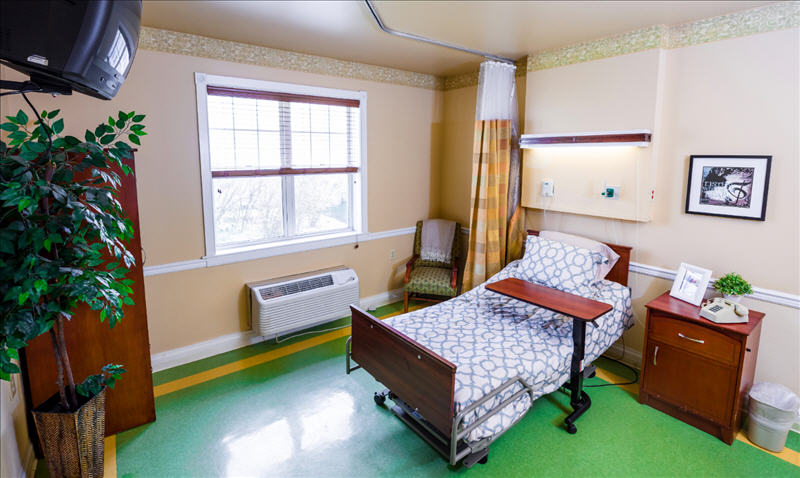
How is Silver Healthcare Center Staffed?

CMS rates SILVER HEALTHCARE CENTER's staffing level at 4 out of 5 stars, which is above average compared to other nursing homes. Staff turnover is 51%, compared to the New Jersey average of 46%.

What Have Inspectors Found at Silver Healthcare Center?

State health inspectors documented 26 deficiencies at SILVER HEALTHCARE CENTER during 2023 to 2025. These included: 25 with potential for harm and 1 minor or isolated issues.
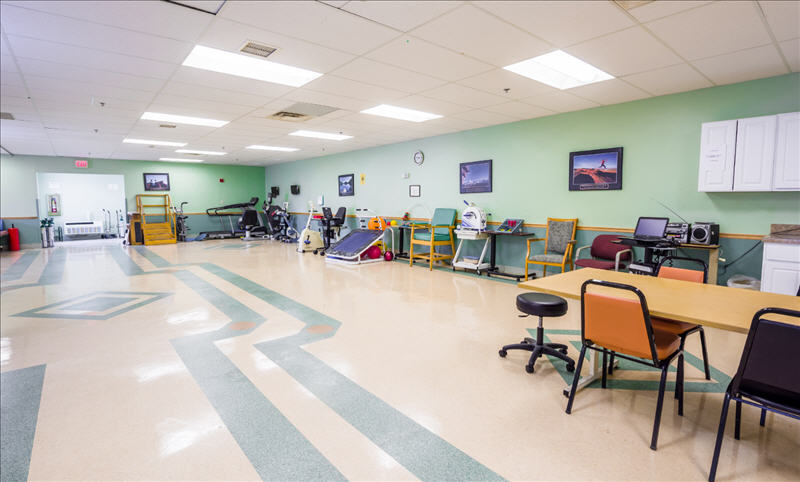
Who Owns and Operates Silver Healthcare Center?

SILVER HEALTHCARE CENTER is owned by a for-profit company. For-profit facilities operate as businesses with obligations to shareholders or private owners. The facility is operated by BENJAMIN LANDA, a chain that manages multiple nursing homes. With 256 certified beds and approximately 142 residents (about 55% occupancy), it is a large facility located in CHERRY HILL, New Jersey.
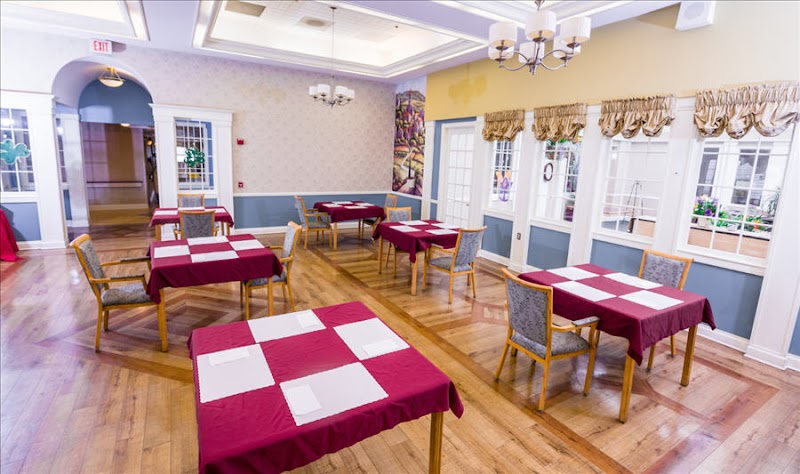
How Does Silver Healthcare Center Compare to Other New Jersey Nursing Homes?

Compared to the 100 nursing homes in New Jersey, SILVER HEALTHCARE CENTER's overall rating (4 stars) is above the state average of 3.3, staff turnover (51%) is near the state average of 46%, and health inspection rating (4 stars) is above the national benchmark.

What Should Families Ask When Visiting Silver Healthcare Center?

Based on this facility's data, families visiting should ask: "Can I visit during a mealtime to observe dining assistance and food quality?" "How do you handle medical emergencies, and what is your hospital transfer rate?" "Can I speak with family members of current residents about their experience?"

Is Silver Healthcare Center Safe?

Based on CMS inspection data, SILVER HEALTHCARE CENTER has a clean safety record: no substantiated abuse findings (meaning no confirmed cases of resident harm), no Immediate Jeopardy citations (the most serious violation level indicating risk of serious injury or death), and is not on the Special Focus Facility watch list (a federal program monitoring the lowest-performing 1% of nursing homes). The facility has a 4-star overall rating and ranks #1 of 100 nursing homes in New Jersey. While no facility is perfect, families should still ask about staff-to-resident ratios and recent inspection results during their visit.

Do Nurses at Silver Healthcare Center Stick Around?

SILVER HEALTHCARE CENTER has a staff turnover rate of 51%, which is about average for New Jersey nursing homes (state average: 46%). Moderate turnover is common in nursing homes, but families should still ask about staff tenure and how the facility maintains care continuity when employees leave.

Was Silver Healthcare Center Ever Fined?

SILVER HEALTHCARE CENTER has been fined $15,593 across 1 penalty action. This is below the New Jersey average of $33,235. While any fine indicates a compliance issue, fines under $50,000 are relatively common and typically reflect isolated problems that were subsequently corrected. Families should ask what specific issues led to these fines and confirm they've been resolved.

Is Silver Healthcare Center on Any Federal Watch List?

SILVER HEALTHCARE CENTER is not on any federal watch list. The most significant is the Special Focus Facility (SFF) program, which identifies the bottom 1% of nursing homes nationally based on persistent, serious quality problems. Not being on this list means the facility has avoided the pattern of deficiencies that triggers enhanced federal oversight. This is a positive indicator, though families should still review the facility's inspection history directly.