COMPLETE CARE AT CLARK LLC

1213 WESTFIELD AVENUE, CLARK, NJ 07066 (732) 396-7100
For profit - Corporation 140 Beds COMPLETE CARE Data: November 2025
Trust Grade
75/100
#23 of 344 in NJ
Last Inspection: May 2025

Inspected within the last 6 months. Data reflects current conditions.

Overview

Complete Care at Clark LLC in Clark, New Jersey, has a Trust Grade of B, indicating it is a good choice among nursing homes. Ranked #23 out of 344 statewide, it falls in the top half of facilities in New Jersey, and #3 out of 23 in Union County, meaning only two local options are better. The facility is improving, with issues decreasing from eight in 2023 to three by 2025. However, staffing is a concern, rated at 2 out of 5 stars, with a turnover rate of 46%, which is about average for New Jersey. Additionally, the facility has been fined $25,753, which is typical, but indicates some compliance issues. There are strengths as well; the overall care quality is rated 5 out of 5 stars, and the facility has excellent quality measures. However, specific incidents raise concerns, such as a serious failure to prevent a resident from developing a stage III pressure ulcer, which worsened within days due to a lack of proper care. Additionally, there were issues with following physician orders and timely medication administration, which could impact resident safety. Families should weigh these strengths and weaknesses when considering this facility for their loved ones.

Trust Score
B
75/100
In New Jersey
#23/344
Top 6%
Safety Record
Moderate
Needs review
Inspections
Getting Better
8 → 3 violations
Staff Stability
⚠ Watch
46% turnover. Above average. Higher turnover means staff may not know residents' routines.
Penalties
○ Average
$25,753 in fines. Higher than 60% of New Jersey facilities. Some compliance issues.
Skilled Nurses
⚠ Watch
Each resident gets only 26 minutes of Registered Nurse (RN) attention daily — below average for New Jersey. Fewer RN minutes means fewer trained eyes watching for problems.
Violations
⚠ Watch
14 deficiencies on record. Higher than average. Multiple issues found across inspections.
★★★★★
5.0
Overall Rating
★★☆☆☆
2.0
Staff Levels
★★★★★
5.0
Care Quality
★★★★☆
4.0
Inspection Score
Stable
2023: 8 issues
2025: 3 issues

The Good

  • 5-Star Quality Measures · Strong clinical quality outcomes
  • Full Sprinkler Coverage · Fire safety systems throughout facility
  • No fines on record

Facility shows strength in quality measures, fire safety.

The Bad

Staff Turnover: 46%

Near New Jersey avg (46%)

Higher turnover may affect care consistency

Federal Fines: $25,753

Below median ($33,413)

Moderate penalties - review what triggered them

Chain: COMPLETE CARE

Part of a multi-facility chain

Ask about local staffing decisions and management

The Ugly 14 deficiencies on record

1 actual harm
May 2025 3 deficiencies
CONCERN (D)

Potential for Harm - no one hurt, but risky conditions existed

Abuse Prevention Policies (Tag F0607)

Could have caused harm · This affected 1 resident

Based on interviews, employee file review, and review of other pertinent documents, it was determined that the facility failed to implement their abuse policy to ensure a criminal background check was...

Read full inspector narrative →
Based on interviews, employee file review, and review of other pertinent documents, it was determined that the facility failed to implement their abuse policy to ensure a criminal background check was completed for one (1) of ten (10) newly hired staff (Licensed Practical Nurse #1) reviewed for criminal background checks. This deficient practice was evidenced by the following: On 5/14/25, the surveyor reviewed ten (10) randomly selected new employee files which revealed the following: - LPN #1 had a date of hire (DOH) of 1/28/24. Review of the file revealed a physical dated 1/29/24, a criminal background check dated 10/10/22, and reference checks dated 1/9/24 and 1/19/24. On 5/14/25 at 2:10 PM, during a meeting with the survey team, the Regional Nurse Consultant (RNC) and the Regional Director of Operations (RDO) confirmed LPN #1 was onboarded (hired) by the facility on 1/28/24. They stated prior to that date, she worked at the facility but was employed by an agency. The RNC confirmed that LPN #1 was officially employed by the facility on 1/28/24. On 5/15/25 at 10:31 AM, the surveyor interviewed the Human Resource Director (HRD). When asked about the hiring process for new staff, she stated when the interview was done, and the facility was offering the position, she tells the applicant I am offering you the position based on results of the background check and the reference checks. The HRD stated the Registered Nurse Assessment (RNA) and the physical would be done once the background check was completed. She stated the RNA would be done on the first day of work and then the Advanced Practical Nurse would complete the physical within 30 days of hire. At that time the HRD reviewed the employee file for LPN #1 in the presence of the surveyor, she confirmed the DOH of 1/28/24, the physical dated 1/29/24, and the background check dated 10/10/22. She stated LPN #1 had worked for an agency prior to starting with the facility. She stated the facility had done the background check on LPN #1 for the agency at that time (10/10/22) but could not speak to why a background check was not done upon hire by the facility. She stated, it looks like a background check should have been ran before she started here. She confirmed the RNA was not in the file. On 5/15/25 at 10:41 AM, the surveyor interviewed the RNC, the RDO and the Director of Nursing (DON) regarding the hiring process. They all stated the background check would be done upon hire, prior to starting work. The surveyor made them aware of the above concerns for LPN #1's background check and her physical. 05/15/25 11:28 AM, the RNC provided the RNA for LPN #1, dated 1/28/24. No additional information was provided. A review of the facility's policy Abuse, Neglect and Exploitation revised: 5/1/2025 revealed Policy: It is the Policy of this facility to provide protections for health, welfare and rights of each resident by developing and implementing written policies and procedures that prohibit and prevent abuse, neglect, exploitation and misappropriation of resident property. I. Screening: A Potential employees will be screened for a history of abuse, neglect, exploitation, or misappropriation of resident property. 1. Background, reference, and credentials' checks shall be conducted on potential employees . A review of the undated facility's policy Background Check Policy and Procedure revealed all offers of employment at Complete Care are contingent upon clear results of a thorough background check .Human Resources will order the background check upon receipt of the signed release form, and either internal HR staff or an employment screening service will conduct the checks. NJAC 8:39-9.3(b)
CONCERN (E)

Potential for Harm - no one hurt, but risky conditions existed

Deficiency F0658 (Tag F0658)

Could have caused harm · This affected multiple residents

Based on observation, interviews, record review, and facility documents, it was determined that the facility failed to ensure Licensed Practical Nurse's (LPN) followed the physician's order (PO) in ac...

Read full inspector narrative →
Based on observation, interviews, record review, and facility documents, it was determined that the facility failed to ensure Licensed Practical Nurse's (LPN) followed the physician's order (PO) in accordance with professional standards of nursing practice for 1 of 6 residents (Resident #58) reviewed for unnecessary medications. Reference: New Jersey Statutes Annotated, Title 45. Chapter 11. Nursing Board. The Nurse Practice Act for the State of New Jersey states: The practice of nursing as a registered professional nurse is defined as diagnosing and treating human responses to actual and potential physical and emotional health problems, through such services as case finding, health teaching, health counseling, and provision of care supportive to or restorative of life and wellbeing, and executing medical regimens as prescribed by a licensed or otherwise legally authorized physician or dentist. Reference: New Jersey Statutes Annotated, Title 45, Chapter 11. Nursing Board. The Nurse Practice Act for the State of New Jersey states: The practice of nursing as a licensed practical nurse is defined as performing tasks and responsibilities within the framework of case finding; reinforcing the patient and family teaching program through health teaching, health counseling and provision of supportive and restorative care, under the direction of a registered nurse or licensed or otherwise legally authorized physician or dentist. This deficient practice was evidenced by the following: On 5/09/25 at 11:38 AM, during the initial tour of the 1 floor unit, the surveyor observed Resident #58 in bed with their eyes closed. The surveyor reviewed the electronic medical record (EMR) for Resident #58. A review of the admission Record (an admission summary) revealed the resident was admitted to the facility with diagnoses which included but were not limited to; unspecified atrial fibrillation (an abnormal heart beat), acute systolic (Congestive) heart failure (CHF-the heart can't pump with enough force to push enough blood into circulation) and acute respiratory failure with hypoxia (the lungs fail to adequately exchange oxygen and carbon dioxide in the blood). A review of the comprehensive Minimum Data Set, an assessment tool dated 4/8/25, revealed the resident had a Brief Interview for Mental Status of 15 out of 15, indicating the resident was cognitively intact. A review of the individual comprehensive care plan (ICCP) revealed a focus of altered cardiovascular status r/t (related to) alteration in heart rate, rhythm, and conduction, CHF, Decreased Oxygenation, Impaired Contractility. Date Initiated: 04/02/2025. Further review of the ICCP revealed a focus of being on IV Medications (Milrinone-a medication uses to treat severe heart failure) r/t heart failure, Date Initiated: 04/02/2025 with an Interventions of DO NOT FLUSH IV LINE. A review of the Order Summary Report revealed the following PO's: -CHANGE MILRINONE IV (Intravenous) DAILY AT 2 PM. MUST BE CHANGED BY AN RN (Registered Nurse). in the afternoon. Order Date- 04/02/2025;D/C (Discontinued) Date-04/24/2025. -CHANGE MILRINONE IV DAILY AT 2 PM. MUST BE CHANGED BY AN RN. one time a day. Order date: 4/24/2025; D/C date: 5/11/2025 -CHANGE MILRINONE IV DAILY ON 7-3 SHIFT UPON COMPLETION. MUST BE CHANGED BY AN RN. every day shift for milrinone use. Order date: 5/11/2025. A review of the April 2025 Medication Administration Records (MARs) revealed the following: -LPN #1 signed the MARs on 4/7, 4/8, 4/9, 4/12, 4/16, 4/17,4/18, 4/21, and 4/23 with a check and her initials. A review of the Chart Codes revealed a check=administered. -LPN #2 signed the MARs on 4/14 with a check and her initials. -LPN #3 signed the MARs on 4/15 with a check and her initials. -LPN #4 signed the MARs on 4/27 with a check and her initials. A review of the May 2025 MARs revealed the following: -LPN #4 signed the MARs on 5/2, 5/3 and 5/11 with a check and her initials. -LPN #5 signed the MARs on 5/10 with a check and her initials. A review of the progress notes did not reveal a progress note that the RN administered the medication on the above mentioned dates. On 5/13/25 at 1:00 PM, the surveyor interviewed the Registered Nurse/Infection Preventionist (RN/IP), who stated the Milrinone had to be changed by an RN because it was a high risk medication and it was the facility's protocol. She stated that if a nurse signed the MARs with a check, it meant the order was administered and completed by the person who signed it. On 5/13/25 at 1:30 PM, the surveyor interviewed LPN #4, who stated she was Resident #58's assigned nurse. She stated the resident was on IV Milrinone and when it (the Milrinone) had to be changed, she would call the RN. She stated if the RN changed the milrinone she (LPN #4) would sign the MARs that it was done. When the surveyor asked what it meant to sign the MARs, she stated that I gave the medicine. She could not speak to why she signed the MARs but did not administer the medication. LPN #4 stated that she had not received an inservice on the IV Milrinone. On 5/13/25 at 2:13 PM, the surveyor interviewed the Director of Nursing (DON), who stated a check mark with initials on the MAR meant it (the medication) was administered and completed by the person signing it. He stated that a high risk medication included Milrinone. He confirmed if a PO read a RN then it meant it must be done by an RN and it had to be performed by an RN. A review of the facility's policy High Risk Medications date implemented 1/1/20 revealed: Policy: This facility recognizes that some medications are associated with greater risks of adverse consequences than other medications .This policy addresses the facility's collaborative, systematic approach to managing high risk medications for efficacy and safety .Policy Explanation and Compliance Guidelines: 2. The facility will obtain and document specific parameters for administration or withholding certain high-risk medications (e.g. inulin, anticoagulants, certain cardiac medications) as per the physician's or practitioner's orders. NJAC 8:39-29.2(d)
CONCERN (E) 📢 Someone Reported This

A family member, employee, or ombudsman was alarmed enough to file a formal complaint

Potential for Harm - no one hurt, but risky conditions existed

Pharmacy Services (Tag F0755)

Could have caused harm · This affected multiple residents

COMPLAINT #NJ00183738 Based on observation, interview, record review and review of pertinent facility documents, it was determined that the facility failed to provide pharmaceutical services in accord...

Read full inspector narrative →
COMPLAINT #NJ00183738 Based on observation, interview, record review and review of pertinent facility documents, it was determined that the facility failed to provide pharmaceutical services in accordance with professional standards by not ensuring; a.) timely administration and accurate documentation of a medication (Fluticasone-Salmeterol Inhalation Aerosol (Advair Inhaler) (a combination medication used to reduce inflammation and open airways) for one (1) of 12 residents, (Resident #173), reviewed for medication management for 14 out of 50 doses and b.) proper technique was performed for administration of an Insulin pen injector by one (1) of three (3) nurses who administered medications to one (1) of five (5) residents, (unsampled Resident #110), during the medication administration observation. The deficient practices were evidenced by the following: Reference: New Jersey Statutes Annotated, Title 45. Chapter 11. Nursing Board. The Nurse Practice Act for the State of New Jersey states: The practice of nursing as a registered professional nurse is defined as diagnosing and treating human responses to actual and potential physical and emotional health problems, through such services as case finding, health teaching, health counseling, and provision of care supportive to or restorative of life and wellbeing, and executing medical regimens as prescribed by a licensed or otherwise legally authorized physician or dentist. Reference: New Jersey Statutes Annotated, Title 45, Chapter 11. Nursing Board. The Nurse Practice Act for the State of New Jersey states: The practice of nursing as a licensed practical nurse is defined as performing tasks and responsibilities within the framework of case finding; reinforcing the patient and family teaching program through health teaching, health counseling and provision of supportive and restorative care, under the direction of a registered nurse or licensed or otherwise legally authorized physician or dentist. 1. The surveyor reviewed the medical record for Resident #173. A review of the admission Record revealed diagnoses which included, but not limited to, asthma (a medical condition that causes inflamed, narrowing airways) and pneumonia (infection in the lungs). A review of the February and March 2025 electronic medication administration records (EMARs) revealed a physician's order (PO) dated 2/12/25 for Fluticasone-Salmeterol Inhalation Aerosol Powder Breath Activated 250-50 MCG (micrograms)/ACT (per actuation) (Fluticasone-Salmeterol) 1 puff inhale orally every 12 hours for COPD (chronic obstructive pulmonary disease) (an ongoing lung condition caused by damage to the lungs) rinse mouth after use. The time of administration indicated was 9AM and 9 PM. The EMARs indicated the Advair Inhaler was not administered and designated with the number 7 which correlated to other/see nurses notes for the 9AM doses on 2/13/25 and 3/8/25 and for the 9 PM doses on 2/12/25 and 2/13/25. A review of the nursing progress notes revealed the following for the corresponding dates and times of Advair Inhaler administration for the dates and times above: -on 2/12/25 at 9:24 PM the nurse documented not available. -on 2/13/25 at 12:29 PM the nurse documented awaiting for pharmacy to deliver. -on 2/13/25 at 10:20 PM the nurse documented not available. -on 3/8/25 at 8:11 AM the nurse documented ordered. There were no progress notes indicating that the physician was contacted regarding the Advair Inhaler not being administered. Further review of the February and March EMARs indicated the Advair Inhaler times for administration were 9 AM and 9 PM and was documented as administered from 2/14/25 until 3/13/25 (except for 9 AM on 3/8/25 as noted above). A review of the Medication Admin (Administration) Audit Record (a report that identifies the actual electronic time stamp of administration that a medication was administered) revealed that Advair Inhaler was administered outside of the acceptable timeframe for medication administration for 10 out of 50 doses. The 9AM time for Advair Inhaler had actual administration times as follows: -on 2/14/25 the administration time was 11:50 AM. -on 2/18/25 the administration time was 11:01 AM. -on 2/19/25 the administration time was 11:16 AM. -on 2/22/25 the administration time was 10:48 AM. -on 2/25/25 the administration time was 10:11 AM. -on 2/26/25 the administration time was 11:07 AM. -on 2/27/25 the administration time was 10:53 AM. -on 3/7/25 the administration time was 10:21 AM. -on 3/11/25 the administration time was 10:34 AM. -on 3/12/25 the administration time was 10:37 AM. There were no progress notes indicating the reason the Advair Inhaler was administered late or that the physician was contacted regarding the late administration times for the above dates and times. On 5/13/25 at 12:47 PM, the surveyor interviewed the Supervisor/Licensed Practical Nurse (S/LPN) via telephone who stated that she was a per diem weekend supervisor. The S/LPN stated that if there was a concern expressed by a resident or family member regarding medications or late medications then she would have to get the specific concern and follow up. The S/LPN added that she would make a report and document electronically in the progress notes. The S/LPN also stated that there was a complaint form available if any resident or family member wanted to complete or she would complete it, and the report would go to the Director of Nursing (DON) especially because she only worked weekends, and the DON would have to follow up. The S/LPN added that if there were late medications then she would first check the medication list and times that the medications were due because the nurses were allowed to administer medications between one (1) hour before and one (1) hour after the time of administration indicated on the EMAR. The S/LPN also stated that the nurses would have to make her aware if there was an issue with medications and was unable to recall any time from February to March that there was an issue with medications being administered late. The S/LPN added that she would remember if there was an issue with late medications because she would have had to help administer medications so that the medications were all administered and not late and would document the issue. The S/LPN was unable to speak to any concerns regarding Resident #173. On 5/13/25 at 2:35 PM, the surveyor interviewed the Consultant Pharmacist (CP), who stated that if he had observed medications being administered late during a medication administration observation, he would have to follow up with the Unit Manager to see if there was an emergency or what was the cause of the problem. The CP added that if a resident was unable to receive their medications within the allowed timeframe usually the physician should be contacted and made aware but was unsure of the facility policy. On 5/14/25 at 2:39 PM, the survey team met with the Director of Nursing (DON), Regional Nurse Consultant (RNC), Regional Social Worker and Regional Director of Operations. The RNC stated there was documentation that the resident refused the Advair Inhaler as indicated on the EMAR and provided documented refusals in the progress notes. The RNC then stated she would have to review the Medication Admin Audit Report for the late administration times for Advair Inhaler. A review of the EMARs and progress notes for the dates and times of refusals of the Advair Inhaler had not correlated to the late administration dates and times. On 5/15/25 at 11:28AM, the survey team met with the DON, ADON, RNC, Regional Social Worker and Regional Director of Operations. The RNC stated that she had reviewed the EMARs and Medication Admin Audit Report and was able to call four (4) nurses who had signed the EMAR for 9 AM and the Medication Admin Audit Report indicated a late administration time. The RNC added that the nurses had told her that Resident #173 refused medications at times and would take the medications later. The RNC also stated that the nurses had said a family member would visit usually around 11 AM to 12 PM and that's when the resident would take the Advair Inhaler. The RNC stated that she thought the nurses could indicate on the EMAR refused and then when the resident took the medication could erase the refusal and indicate medication was administered. The RNC stated she would expect the nurses to notify the physician and document when a medication was late in the progress notes. The RNC added the physician should be called because the PO had twice a day dosing and would need to review if the time was too close and a PO would have to be obtained to administer the medication at a different time. The RNC acknowledged that there was no documentation explaining the late time of administration or that the physician was notified. On 5/15/25 at 12:06 PM, the surveyor interviewed the DON, who stated the current policy for Medication Administration had not addressed what the nurses were to do when medications were administered late or refused. The DON also stated that he would expect documentation of refusals, late medication administration and notification to the physician in progress notes. The DON acknowledged the nurses had not followed the PO. A review of the facility policy with a date implemented of 1/1/2020, titled Medication Administration provided by the DON reflected that medications were to be administered as ordered by the physician and in accordance with professional standards of practice. In addition, the policy revealed Policy Explanation and Compliance Guidelines to ensure that the six rights of medication administration are followed which included right time and Right documentation and Administer within 60 minutes prior to or after scheduled time unless otherwise ordered by physician. 2. On 5/12/25 at 8:17 AM, the surveyor observed the Registered Nurse (RN#1) preparing to administer four (4) medications to an unsampled resident (Resident #110) which included Insulin Lispro (a fast-acting insulin (medication used to lower blood sugar)) in a pen injector. The surveyor observed RN #1 place a needle cap on the Insulin Lispro pen injector, which had an opened date of 5/5/25 written on the label. On 5/12/25 at 8:24 AM, the surveyor observed RN #1 enter Resident #110's room with the Insulin Lispro pen injector and obtained a blood sugar result of 133 using a glucometer (a device used to measure the amount of sugar in the blood). The surveyor observed Resident #110 in bed with a breakfast tray on the overbed table. Resident #110 stated that they had not started to eat yet. RN #1 stated that the resident had a standing physician's order (PO) for six (6) units(U) to be administered and dialed the Insulin Lispro pen injector to 6 U. On 5/12/25 at 8:26 AM, the surveyor observed RN #1 inject the Insulin Lispro pen into Resident #110's left upper arm by pushing down on the plunger of the pen injector. The surveyor heard a click of the pen injector as the RN #1 pushed down on the plunger and then observed RN #1 remove the pen injector one (1) second after pushing the plunger down. The surveyor had not observed RN #1 prime the pen injector containing Insulin Lispro prior to dialing the six (6) U. On 5/12/25 at 8:45 AM, the surveyor interviewed RN #1, at the medication cart. RN #1 stated that she had worked at the facility for approximately a month and a half and knew there was a technique when using the Insulin pen injector to check if the pen was working by wasting one (1) U. RN #1 added that she did not have to waste 1 U because she asked the previous nurse, and the pen was working. RN #1 added that after the plunger was pushed down and she heard the click then, it's in, meaning that the insulin was injected into the resident, and she only had to hold the pen injector in for two (2) seconds. RN #1 stated that she had been trained recently by the Consultant Pharmacist (CP) and was unsure if the CP had observed Insulin being administered by pen injector or if the CP had just reviewed the technique. The surveyor reviewed the medical record for unsampled Resident #110. A review of the most recent quarterly comprehensive Minimum Data Set (MDS), an assessment tool used to facilitate the management of care dated 4/16/25, reflected the resident had a brief interview for mental status (BIMS) score of 13 out of 15, indicating that the resident had an intact cognition. A review of the resident's admission Record revealed diagnoses, which included, but not limited to; Type 2 Diabetes Mellitus (high blood sugar) with unspecified Retinopathy without macular edema (a complication of Diabetes causing damage to blood vessels in the tissue of the back of the eye without swelling) A review of the EMAR revealed a PO dated 4/3/25 for Insulin Lispro (1 Unit Dial) Subcutaneous Solution Pen-injector 100 U/milliliter (Insulin Lispro), Inject 6 U subcutaneously with meals for DM with a time of administration of 8 AM. On 5/12/25 at 1:40 PM, the DON acknowledged there was a technique for insulin administration via a pen injector and there had been an inservice. A review of an inservice dated 3/28/25 titled Insulin Pen Administration provided by the DON and had been performed by the Assistant Director of Nursing (ADON) instructed Prime the insulin pen: dial 2 units by turning the dose selector clockwise. With the needle pointing up, push the plunger, and watch to see at least one drop of insulin appears on the tip of the needle. If not, repeat until at least one drop appears. Press the injection button to release your insulin dose. Hold the button down while keeping the needle inserted and count to 10. This helps make sure that you receive your full dose of insulin. After you finish counting, remove the needle. A review of the Insulin Pen Administration Sign-In Sheet revealed that RN #1 had not attended the inservice. On 5/12/25 at 3:16 PM, the surveyor interviewed the CP, via telephone. The CP stated he had completed medication pass observations and insulin pen technique was listed on his forms. The CP added that if he had not observed an insulin pen injector being administered then he verbally reviewed the technique with the nurse. The CP also stated that he knew he had recently done a medication observation with RN #1 and thought he had reviewed the technique with her. The CP explained the proper technique for insulin pen injectors was to prime the needle first by wasting two (2) U and after pushing the plunger down to make sure to hold the pen injector in for at least 5 seconds to ensure the entire dose had been injected. A review of a Medication Pass Observation Worksheet completed by the CP dated 4/22/25, reflected RN #1 had a medication observation performed with a Nurse error rate of 0%. The worksheet indicated for Proper technique with insulin pen there was N/A checked (meaning not applicable) and the section Comments of the worksheet reflected Reviewed eye drop administration, glucometer handling and insulin pen administration with the nurse. On 5/15/25 at 11:28 AM, the survey team met with the Regional Director of Operations, [NAME] President of Clinical Services, DON, ADON, RNC and Regional Social Worker. The RNC acknowledged RN #1 had not performed the appropriate technique for the administration of the insulin pen injector to ensure the appropriate dose of Insulin Lispro and was inserviced. A review of a policy dated 1/1/20 titled Insulin Pen provided by the DON reflected Policy Explanation and Compliance Guidelines: Insulin pens will be primed prior to each use to avoid collection of air in the insulin reservoir. In addition, the policy reflected Procedure: Prime the insulin pen: h. i.Dial 2 units by turning the dose selector clockwise. i.With the needle pointing up, push the plunger, and watch to see at least one drop of insulin appears on the tip of the needle. If not, repeat until at least one drop appears. The procedure also included, j.Injecting the insulin: iv. Fully depress plunger until the dosing numbers count back to zero. v. While still pressing the plunger, keep the needle in the skin for up to 6-10 seconds and then remove the needle from the skin. A review of the manufacturer's specifications for Instructions for use Humalog KwikPen (Insulin Lispro) reflected that the steps required to properly administer an insulin pen included Prime before each injection. Priming your pen means removing the air from the needle and cartridge that may collect during normal use and ensures that the pen is working correctly. If you do not prime before each injection, you may get too much or too little insulin. The instructions also revealed Step 6: To prime your pen, turn the dose knob to select 2 units. Step 7: Hold your pen with the needle pointing up. Tap the cartridge holder gently to collect air bubbles at the top. Step 8: Continue holding your pen with the needle pointing up. Push the dose knob in until it stops, and 0 is seen in the dose window. Hold the Dose Knob in and count to 5 slowly, You should see insulin at the tip of the needle. If you do not see insulin, repeat priming steps 6 to 8. In addition, the instructions for giving the injection reflected Step 11: Insert he needle into your skin. Push the dose knob all the way in. Continue to hold the dose knob in and slowly count to 5 before removing the needle. NJAC 8:39-11.2 (b); 29.2(a)(d); 29.3(a)(5)
Nov 2023 8 deficiencies 1 Harm
SERIOUS (G)

Actual Harm - a resident was hurt due to facility failures

Pressure Ulcer Prevention (Tag F0686)

A resident was harmed · This affected 1 resident

**NOTE- TERMS IN BRACKETS HAVE BEEN EDITED TO PROTECT CONFIDENTIALITY** Based on observation, interview, record review and review of pertinent facility documents, it was determined that the facility f...

Read full inspector narrative →
**NOTE- TERMS IN BRACKETS HAVE BEEN EDITED TO PROTECT CONFIDENTIALITY** Based on observation, interview, record review and review of pertinent facility documents, it was determined that the facility failed to ensure that preventative measures to prevent and promote healing of a facility acquired stage III (full thickness tissue loss) pressure ulcer to the coccyx (tailbone) were in place and consistently followed as well as follow facility policy and procedures for Prevention of Pressure Ulcers/Injuries. This deficient practice was identified for 1 of 5 residents (Resident # 27) who was assessed with intact skin on 10/5/23 and identified with a stage III pressure ulcer on 10/8/23 (3 days later). The wound required excisional debridement (removal of dead tissue using a blade or scalpel) on 10/23/23 and was assessed as worsening on 10/30/23. This deficient practice was evidenced by the following: On 10/31/23 at 11:46 AM, the surveyor observed Resident #27 in their room in the presence of a second surveyor. The resident was dressed, groomed and seated in a wheelchair. The resident stated that he/she developed a pressure sore at the facility on the behind due to immobility and was stuck in the room for two weeks due to being COVID-19 positive. The resident stated that two weeks ago the wound care doctor stated that he/she required an air mattress and was still waiting for it. The surveyor did not observe an air mattress at that time. The resident stated the Registered Nurse/ Unit Manager (RN/UM) told him/her the air mattress would be provided today. The resident also stated that his/her roommate was disruptive, however the resident had not requested a room change since he/she thought that would prevent obtaining the air mattress. The resident stated, I don't want to miss it, I need it to heal. On 11/02/23 at 10:30 AM, the surveyor observed the wound treatment performed by the RN/UM. The wound was observed to be clean with no drainage or odor. The surveyor reviewed the medical record for Resident #27. Review of the admission Record (an admission summary) included diagnoses which were not limited to; morbid obesity, Diabetes Mellitus, unspecified abnormalities of gait and mobility, generalized muscle weakness, and congestive heart failure. Review of the admission Minimum Data Set (MDS) dated [DATE], a tool used to facilitate the management of care, included a Brief Interview for Mental Status (BIMS) score of 15 out of 15 which indicated an intact cognition. It also included that the resident required extensive assistance with one person assistance for bed mobility, transfers, locomotion on and off the unit, toileting and personal hygiene. In addition, the MDS indicated that the resident was frequently incontinent of bowel and bladder. Review of the Braden Scale Pressure Ulcer assessment (a tool that identifies the risk for developing a PU) dated 8/16/23 and 8/24/23, indicated the resident was at low risk for developing a PU. Further review of the Braden Scale Pressure Ulcer assessments dated 8/30/23 and 9/6/23, indicated the resident was at moderate risk for developing a PU. Further review of the Braden Scale Pressure Ulcer assessment dated [DATE] and signed by the RN/UM, indicated that the resident was assessed to be at low risk for developing a PU. Review of the residents comprehensive individualized care plan (CP) revealed a pressure ulcer CP dated 10/23/23, which was 15 days after the resident developed a stage III facility acquired PU. The goal of the CP was to maintain clean and intact skin and to encourage good nutrition and hydration in order to promote healthier skin. The CP interventions dated 10/23/23, included consult dietary for nutritional needs. an intervention dated 10/27/23, the patient refused air mattress and an intervention dated 11/2/23, for adaptive equipment: low air mattress. There was also a nutritional care plan CP dated 10/30/23, which indicated the resident required more protein due to a wound. Review of the Weekly Skin assessment dated [DATE] and signed by the RN/UM, indicated that the resident's skin was intact. Review of the Weekly Skin assessment dated [DATE] and signed by the RN/UM, indicated that the resident had a stage III sacral PU (1.5 centimeters (cm) x 1.5 cm x 0.2 cm). Review of an incomplete Wound Investigation Report dated 10/8/23, indicated the resident had a stage III coccyx wound which measured 1.6 cm x 1.6 cm x 0.2 cm. The wound investigation did not include a summary, a conclusion or a root cause analysis (RCA). According to the investigation, the facility identified a stage III PU for Resident # 27 which was three (3) days after the 10/5/23 Weekly Skin assessment which indicated the resident had intact skin. There was no documented evidence in the medical record that the wound was identified and assessed on 10/8/23. Review of the wound care consult reports included the following: - On 10/9/23, wound location coccyx, wound type PU, wound status unknown, measurements L x W x D 1.5 cm x 1.5 cm x 0.2 cm, stage III, treatment recommendations included cleanse area with normal saline, a primary dressing of Calcium Alginate and bordered foam dressing daily as well as a low air loss mattress. - On 10/16/23, wound location coccyx, wound type PU, wound status unchanged, measurements L x W x D 1.5 cm x 1.3 cm x 0.3 cm, stage III, treatment recommendations included cleanse area with normal saline, a primary dressing of Calcium Alginate and bordered foam dressing daily, dietitian consult and a low air loss mattress. - On 10/23/23, wound location coccyx, wound type PU, wound status improving, measurements L x W x D 1.2 cm x 1.1 cm x 0.3 cm, stage III, necrotic material (dead tissue) between 0% and 25%, and treatment recommendations included cleanse area with normal saline, a primary dressing of Calcium Alginate and bordered foam dressing daily as well as a low air loss mattress. The PU required excisional debridement. - On 10/30/23, wound location coccyx, wound type PU, wound status worsening, measurements L x W x D 2 cm x 4 cm x 0.3 cm, stage III, necrotic material (dead tissue) between 25% and 50%, and treatment recommendations included cleanse area with normal saline, a primary dressing Honey (Medical Grade) Gel, secondary dressing of Calcium Alginate and bordered foam dressing daily as well as a low air loss mattress. This recommended treatment change was not implemented until 11/1/23, (2 days later) and after surveyor inquiry. The 10/9/23 recommendation for a low air loss mattress was not implemented for Resident # 27 until 10/31/23, (23 days later) and after surveyor inquiry. Review of the Order Summary Report (OSR) included the following Physician's Order (PO): - 10/9/23, for Calcium Alginate-Silver External Pad 2 (Calcium Alginate-Silver) apply to coccyx topically every-day shift for wound healing. - 10/23/23, for Calcium Alginate-Silver External Pad 2 (Calcium Alginate-Silver) apply to coccyx topically every-day shift for pressure wound cleanse with NSS [normal saline solution], pat dry Calcium Alginate to wound base, bordered foam dressing. - 11/1/23, for Calcium Alginate-Silver External Pad 2 (Calcium Alginate-Silver) apply to coccyx topically every-day shift for pressure wound cleanse with NSS, pat dry apply Medi honey to wound base cover with Calcium Alginate and bordered foam dressing. Review of the October 2023 electronic treatment administration record (eTAR) reflected the above corresponding PO for 10/23/23. There was no documented evidence the wound treatment was performed on 10/28/23 and 10/29/23. According to the wound care consult report dated 10/30/23, the wound worsened. Review of the electronic medication administration record (eMAR) for October 2023, included a PO dated 10/30/23 for Prostat SF AWC (a liquid supplement that provides 100 calories, 17 grams (g) of protein, with added arginine (an amino acid that helps the body build protein), vitamin C and zinc per 30 milliliters (ml) portion) 30 ml by mouth one time a day for wound. Review of the resident's Lab Results Reports dated 8/16/23 and 9/19/23, reflected a depleted Albumin (protein in the blood) level of 2.9 grams (g) / deciliter (dl) and 2.8 g/dl, respectively. Review of the Nutrition/Dietary Wound note dated 10/30/23, included the Registered Dietitian (RD) recommended a protein supplement [Prostat SF AWC] once a day to aid in wound healing. The documentation included the resident had a low Albumin level 2.8 g/dl, dated 9/19/23. The recommended protein supplement was not implemented until 22 days later and after surveyor inquiry. Review of the progress notes Skilled Charting reflected the following: On 10/8/23 14:56 Changes to skin integrity: na, Description of wounds: 0, Changes to wound: . On 10/9/23 15:38 Changes to skin integrity: na, Description of wounds: 0, Changes to wound: na . On 10/9/23 22:57 Changes to skin integrity: 0, Description of wounds: 0, Changes to wound: . On 10/10/23 16:00 Changes to skin integrity: na, Description of wounds: 0, Changes to wound: na . On 10/10/23 22:01 Changes to skin integrity: na, Description of wounds: 0, Changes to wound: na. On 10/13/23 15:43 Changes to skin integrity: na, Description of wounds: 0, Changes to wound: na. On 10/13/23 15:45 Changes to skin integrity: na, Description of wounds: 0, Changes to wound: na. On 10/13/23 22:54 Changes to skin integrity: 0, Description of wounds: 0, Changes to wound: . On 10/14/23 15:07 Changes to skin integrity: 0, Description of wounds: 0, Changes to wound: . On 10/15/23 16:03 Changes to skin integrity: 0, Description of wounds: , Changes to wound: . On 10/16/23 13:48 Changes to skin integrity: na, Description of wounds: 0, Changes to wound: na. On 10/17/23 13:56 Changes to skin integrity: na, Description of wounds: 0, Changes to wound: na. On 10/18/23 13:58 Changes to skin integrity: na, Description of wounds: 0, Changes to wound: na. On 10/18/23 23:09 Changes to skin integrity: 0, Description of wounds: 0, Changes to wound: . On 10/19/23 13:52 Changes to skin integrity: na, Description of wounds: 0, Changes to wound: na. On 10/19/23 14:00 Changes to skin integrity: na, Description of wounds: 0, Changes to wound: na. On 10/20/23 23:22 Changes to skin integrity: 0, Description of wounds: 0, Changes to wound: . On 10/21/23 13:54 Changes to skin integrity: na, Description of wounds: , Changes to wound: . On 10/22/23 12:09 Changes to skin integrity: 0, Description of wounds: 0, Changes to wound: . On 10/22/23 22:48 Changes to skin integrity: na, Description of wounds: 0, Changes to wound: na. On 10/24/23 03:16 Changes to skin integrity: 0, Description of wounds: 0, Changes to wound: . On 10/25/23 13:03 Changes to skin integrity: na, Description of wounds: , Changes to wound: . On 10/25/23 22:45 Changes to skin integrity: 0, Description of wounds: , Changes to wound: . On 10/26/23 01:09 Changes to skin integrity: 0, Description of wounds: 0, Changes to wound: . On 10/27/23 12:14 Changes to skin integrity: 0, Description of wounds: , Changes to wound: . On 10/28/23 19:16 Changes to skin integrity; 0, Description of wounds: 0, Changes to wound: . On 10/29/23 14:40 Changes to skin integrity: , Description of wounds: Sacral, Changes to wound: . On 10/30/23 19:49 Changes to skin integrity: , Description of wounds: Sacral, Changes to wound: . On 10/31/23 16:05 Changes to skin integrity: none, Description of wounds: 0, Changes to wound: none . On 10/31/23 19:15 Changes to skin integrity: 0, Description of wounds: 0, Changes to wound: . On 11/1/23 06:26 Changes to skin integrity; 0, Description of wounds: 0, Changes to wound: . On 11/1/23 16:01 Changes to skin integrity: none, Description of wounds: 0, Changes to wound: none . On 11/2/23 03:48 Changes to skin integrity: 0, Description of wounds: 0, Changes to wound: . Review of a Skin/Wound Note dated 10/23/23 21:28, included Seen by [name redacted] wound care for PU on coccyx. Treatment and care plan in progress. Review of the General Note dated 10/31/23 12:44, included Spoke with patient again about risks vs (verse) benefits associated with wound healing. Patient agreed to try an air mattress for the night. Patient OOB (out of bed). Maintenance notified to change mattress. Further review of the medical record revealed there was no documented evidence that Resident #27 refused an air mattress which was recommended on 10/9/23, not until 23 days later and after surveyor inquiry. On 11/01/23 at 10:34 AM, the surveyor interviewed the RN/UM in the presence of a second surveyor. She stated that wound care rounds were conducted on Monday mornings at approximately 7 AM or earlier. The RN/UM further stated that the updates/assessments were available to review by the end of the day on Monday's. She stated, I believe [name redacted] scans their assessments into the electronic medical record [EMR]. She stated the previous Director of Nursing (DON) used to conduct wound care rounds with the wound care consultant and now the Licensed Practical Nurse (LPN)/UM has been conducting rounds recently since the DON resigned. She stated that the UM's were ultimately responsible to ensure that the wound care consultant's recommendations were followed and implemented. On that same date and time, the RN/UM stated maintenance kept the air mattresses in the building and if a resident needed one, she can get it almost immediately. She stated that originally Resident #27 did not want an air mattress which the wound care consultant recommended as part of the treatment plan. The RN/UM further stated that she spoke to the resident yesterday and reviewed risk verse benefits of the air mattress and the resident agreed to use it last night. She acknowledged that on 10/31/23, was the first time the resident had an air mattress in place. During this same interview, the surveyor inquired how often careplan's were updated. The RN/UM stated, care plans are updated as needed and further stated, I try to do mine as soon as possible. She also stated that if a resident refused a treatment, it should be documented in the progress notes or in a change of condition/risk management report (a report that was completed after the residents skin change was identified). The RN/UM was unable to provide a change of condition/risk management report or show the surveyor documented evidence in the progress notes. At that same time and in the presence of both surveyors, the RN/UM reviewed the wound care report dated 10/30/23 in the EMR. She acknowledged that there was a recommendation to add Medi honey (a medical grade honey for wounds that's has antibacterial and bacterial resistant properties) to the wound treatment plan. The RN/UM acknowledged that she had not seen, addressed or added this to the resident's PO's prior to surveyor inquiry. In the presence of both surveyors, she reviewed the PO's in the EMR and stated, it's not there, I am gonna add it right away. She could not speak to why the recommendation was not addressed timely. She further acknowledged that the 10/30/23 wound care report identified the wound status as worsened. She could not speak to why the wound may have worsened but added nutrition plays a role. In addition, she stated, I think it's based solely on measurements and its growing in size. On 11/02/23 at 9:25 AM, the surveyor interviewed the LPN/UM in the presence of a second surveyor. She stated that the previous DON used to conduct wound care rounds with the wound care consultant and would implement all the recommendations and update the care plans for all units. The LPN/UM stated that she used to assist the DON but since she left, now I do wound rounds. She added that she did not work on Monday 10/30/23. She stated that wound care rounds were on Monday mornings. The LPN/UM stated she maintained a list of which residents needed to be seen on all units, including the wound locations but she did not track sizes and staging. She further stated that the wound care consultant sent the reports Monday evening. She stated that each UM was responsible to review the reports, implement recommendations, and update care plans. She further stated the new DON had not been involved with wound rounds as of yet. On that same date and time, the LPN/UM stated if the consultant identified that a resident required an air mattress, she communicated that to maintenance right away via phone. She further stated, we communicate right then and there. She stated that maintenance had air mattresses in the facility and even if they had to order one, it would be available the same day. The LPN/UM stated the purpose of an air mattress was to assist wound healing, it relieves pressure, it provides off-loading. In addition, she stated that weight, nutrition, comorbidities (the simultaneous presence of two or more diseases or medical conditions in a patient), hydration and positioning played an important role as well. She also stated that a new wound or a change in status should have been documented in the progress notes. During this same interview, she stated that a new Braden scale should have been completed after the wound was identified to determine a RCA. This tool would determine what had changed in the resident's status, how the risk assessment had changed and what could have contributed to a skin change or PU. She stated, if a resident refused a treatment, it should have been documented in the medical record as soon as it occurred. The LPN/UM added, she was unaware that Resident #27 had refused the air mattress. She also could not speak to why the wound had worsened and stated that if it did, the nurse/UM should have done an RCA to determine why this occurred. The LPN/UM stated, Resident #27 was so eager to have it healed. On 11/02/23 at 10:06 AM, the surveyor interviewed the Director of Maintenance (DOM) in the presence of a second surveyor. He stated that a nurse would contact him via phone when a resident required an air mattress. He stated that he kept seven to eight air mattresses in the building. He stated, we provide the air mattress the same day, and that he ensured the air mattress functioned properly before it was provided. He could not speak to if or when there was a request for an air mattress for Resident #27 and would look into it. On 11/02/23 at 10:45 AM, in the presence of the survey team, the DOM provided a list of residents that had an air mattress which included Resident #27. He stated that the first time an air mattress was requested for Resident #27 was on Tuesday, 10/31/23 (22 days) after the recommendation for an air mattress was made. On 11/02/23 at 11:32 AM, the surveyor conducted a phone interview with the wound care Physician's Assistant (PA). She stated she conducted wound care rounds on Mondays and she usually rounds with the LPN/UM except on 10/30/23. The PA stated she conducted rounds with someone else on 10/30/23. She further stated the LPN/UM maintained a list of which residents needed to be seen and during rounds the LPN/UM took notes related to the wound status and new recommendations. She stated at the end of rounds she verbally communicated updates and any required treatment changes to the UM's so they could make changes right away. In addition, the PA stated that she sent an email to the facility at the end of the day with her signed reports. On that same date and time, the PA stated that her expectation was that changes are carried out the same day or at least by the next day. She stated that Resident #27 was relatively new to her and stated that she reviewed the notes during the phone interview. The PA stated she expected to be informed by the nurse if a resident refused a treatment; however, she was not informed that Resident #27 refused an air mattress. The PA acknowledged that she assessed the resident's coccyx wound on 10/30/23 as worsened, and stated it was larger in size. She also stated that on 10/30/23 the LPN/UM was out, and the RN/UM was unavailable to speak with after wound rounds. The PA stated that she verbally informed the DON about wound changes (improvements and worsening) prior to leaving the facility. On 11/02/23 at 11:50 AM, the surveyor interviewed Resident #27 who stated that he/she never refused the air mattress and the first time he/she received the air mattress was two days ago. On 11/02/23 at 1:49 PM, the survey team met the Licensed Nursing Home Administrator (LNHA), DON, Regional RN (RRN) #1 and RRN #2. The surveyor discussed the above findings for Resident #27. RRN #1 stated that Braden scales were completed on admission, quarterly and when there was a change in condition. She acknowledged that last Braden scale that was completed on 9/13/23, and that there should have been another completed after the coccyx wound was identified on 10/8/23. RRN #1 stated the purpose of the Braden scale was to identify and determine the possible causes and risks associated with a skin status change and to identify interventions needed to prevent further decline. The facility provided an incomplete Wound Investigation Report dated 10/8/23. The RRN #1 stated the investigation was an internal quality assurance tool and was not part of the medical record. On 11/06/23 at 9:34 AM, the survey team met with the LNHA, RRN #1, RRN #2 and the Regional RD (RRD). The RRD stated the facility RD worked full time and was not at work today. She acknowledged that the RD's wound note dated 10/30/23, was not comprehensive and could not speak to how the RD assessed the resident's protein needs. She stated the RD typically received weekly wound updates. The RRN #1 further stated, the RD was always part of the communication related to wounds. She stated that 10/6/23 was the previous DON's last day and she used to conduct wound care rounds with the consultant and provided updated information to the team via email, but now there was a new DON. She further stated that the LPN/UM conducted rounds but did not provide updated information to everyone. The RRN #1 and RRN #2 also stated, the RD attended morning meetings at which time wounds were discussed. During this same interview, the LNHA stated the RD attended morning meetings and new wounds and wound changes were discussed. The RRD stated the RD should have received information about the wounds and could not speak to how this one was missed. On 11/06/23 at 9:42 AM, the RRN #1 acknowledged that a few nursing notes stated the wound location was sacral and that the wound was always on the coccyx. She stated those were documentation errors. The RRN #1 and RRN #2 acknowledged but could not speak to why nursing did not document the development and assessment of a new PU on 10/8/23 and thereafter. In addition, they acknowledged and could not speak to the following: why a care plan for the PU was not initiated until 10/23/23; why the CP intervention Consult dietary for my nutritional needs dated 10/23/23, was not communicated to the RD; why the CP intervention Patient refused air mattress dated 10/27/23, was the first-time refusal was documented in the medical record; and how the resident developed a stage III coccyx wound on 10/8/23 (three days after a skin assessment dated [DATE] reflected intact skin) for a resident assessed as low risk for developing a PU on Braden scale dated 9/13/23. The RRN #1 stated that the facility's standard process was distracted. On 11/06/23 at 9:55 AM, the RRN #1 acknowledged that if she observed omissions on the eTAR she would have followed up with staff because if there was a blank and no progress note I could not be sure if the treatment was done or not. On 11/06/23 at 11:30 AM, the surveyor conducted a phone interview with the RD. She stated she typically received weekly wound reports which she reviewed for any changes in resident's skin status (worsened or improved). She further stated that she received wound information from the LPN/UM. The RD also stated that she had not received a wound tracking sheet and although new or changes in wounds were typically discussed in morning meetings which she attended, she was not informed of Resident #27's wound until last week. The RD could not recall the date she was notified. She also stated that she was unaware that there was an intervention on the wound care plan Consult dietary for my nutritional needs, dated 10/23/23. On this same date and time, the RD acknowledged that her wound note dated 10/30/23, was not comprehensive. She acknowledged that the resident was not consuming enough protein via the diet and that was why she added a protein supplement. The RD acknowledged that she had not compared the resident's nutritional needs verse what the resident consumed to ensure supplementation was adequate. She stated, she typically documented on resident's with wounds once a month. In addition, she stated that she would document timelier if a resident was determined to be at high risk and/or had a high risk wound. The RD further stated that she considered a stage III PU a high risk wound. She acknowledged that nutrition played a role in wound healing. She stated that adequate calories, protein, vitamins and minerals are needed to help the wound healing process. The RD also stated the protein supplement she recommended provided zinc, arginine and protein which are very good source of nutrients to promote wound healing, and was used for advanced wounds such as stage III and IV wounds. On 11/06/23 at 12:46 PM, the survey team met with the LNHA, DON, RRN #1 and RRN #2. No additional information was provided at this time. Review of the facility policy titled Pressure Ulcer/Injury Risk Assessment dated 10/2023, included the purpose of a structured risk assessment was to identify all risk factors and then to determine which can be modified and which cannot, which included but were not limited to; under nutrition, impaired/decreased mobility and decreased functional ability, exposure of skin to urinary and fecal incontinence, diabetes and refusal of care and treatment. It further indicated to complete a Braden scale to determine the risk factor for skin injury and repeat when there is a change in condition. The policy also included information that should be documented in the resident's medical record. This information included but was not limited to; a change in the resident's condition, the condition of the resident's skin (size and location, etc.), if the resident refused any treatment, the reason for the refusal, the resident's response to the explanation of the risks of refusing the treatment and the benefits of accepting and available alternatives. Review of the facility policy titled Prevention of Pressure Ulcers/Injuries dated 5/2023, included to conduct a risk assessment for pressure ulcer/injuries on admission and when there is a change in condition. It further identified areas for prevention which included moisture, to keep skin clean and free of exposure to urine and fecal matter; nutrition, monitor the resident's intake of food and fluids and include nutritional supplements to increase calories and protein as indicated; mobility and repositioning, reposition the resident based on mobility, the support surface in use, skin condition and tolerance; support surface and pressure redistribution, select appropriate support surfaces based on the resident's mobility, continence, skin moisture and perfusion, body size, weight, and overall risk factors; and monitoring, evaluate, report and document potential changes in the skin. In addition, it also included to review interventions and strategies for effectiveness on an ongoing basis. Review of the facility policy titled Physicians Orders dated 12/2022, included the nurse should notify the attending physician the findings and recommendation from a consultant. The attending physician, if in agreement, will order specific treatments as outlined by the consultant. Review of the facility policy titled Documentation of Mediation Administration dated 10/2023, included The facility shall maintain a medication administration record to document all medications administered. It further included that a nurse should document all medications administered to each resident on the resident eMAR and treatment administration on the eTAR. It also included that administration of medication or treatment must be documented immediately after it was given. In addition, it included that if a medication was withheld, not administered or refused, the nurse should document the reason. Review of the facility policy titled Charting and Documentation dated 1/2023, included all services provided to the resident, progress toward the care plan goals, or any changes in the resident's medical, physical, or functional condition should be documented in the medical record. The medical record should facilitate communication between the interdisciplinary team regarding the resident's condition and response to care. It further reflected treatments or services performed and changes in the resident's condition should be documented in the medical record, which included whether a resident refused a treatment. Review of the facility policy titled Care Plans, Comprehensive Person-Centered dated 10/2023, included A comprehensive, person-centered care plan that includes measurable objectives and timetables to meet the resident's physical, psychosocial and functional needs is developed and implemented for each resident. It further included that the care plan should describe services that would otherwise be provided for the above but are not provide due to the resident's right to refuse treatment. In addition, the care plan should incorporate identified problem areas, risk factors associated with identified problems, and reflect treatment goals, timetables and objectives in measurable outcomes. The policy included that the care plan should be reviewed and updated if the resident experienced a change in condition. Review of an undated policy titled Medical Nutrition Therapy (MNT) Documentation, included the focus of a comprehensive MNT assessment is to identify risk factors that may contribute to undernutrition, protein energy malnutrition, dehydration, unintended weight loss, pressure injuries and other nutrition problems, as well as identifying other nutritional needs. It also included that an MNT reassessment should be completed when there is a significant change in the resident's condition. In further included that each time an MNT assessment or reassessment is completed, a care plan or care plan revision should be completed, and the person-centered care plan is based on the MNT assessment, identified risk factors and nutritional needs. Problems, risk factors, or concerns are described along with nutrition interventions and goals for improvement. In addition, it included progress notes should be completed according to facility policy and state and federal guidelines. When significant changes occur, notes should be updated. Individuals with high-risk conditions will need to be reviewed more frequently. Each time a re-assessment or progress note is completed, the care plan should
CONCERN (D)

Potential for Harm - no one hurt, but risky conditions existed

Deficiency F0637 (Tag F0637)

Could have caused harm · This affected 1 resident

**NOTE- TERMS IN BRACKETS HAVE BEEN EDITED TO PROTECT CONFIDENTIALITY** Based on observation, interview and record review, it was determined that the facility failed to complete a Significant Change i...

Read full inspector narrative →
**NOTE- TERMS IN BRACKETS HAVE BEEN EDITED TO PROTECT CONFIDENTIALITY** Based on observation, interview and record review, it was determined that the facility failed to complete a Significant Change in Status Assessment (SCSA) Minimum Data Assessment (MDS) for 1 of 29 (Resident # 57) residents reviewed. This deficient practice was evidenced as follows: According to the Resident Assessment Instrument Manual Version 3.0 of Centers for Medicaid and Medicare Services (CMS) guidelines, updated October 2019, a SCSA MDS is required within 14 days after the facility determines or should have determined that there has been a significant change in the resident's physical or mental condition, a SCSA/MDS must be completed. (For purpose of this section, a significant change is a decline or improvement in the resident's status that will not normally resolve itself without further intervention by staff or by implementing standard disease-related interventions, that has an impact on more than one area of the resident's health status and requires interdisciplinary review or revision of the care plan, or both.) On 10/27/23 at 11:13 AM, the surveyor observed the resident in the third floor dining room seated in their wheelchair waiting for lunch. The surveyor reviewed the medical record for Resident # 57. Review of the admission Record revealed that the resident was admitted to the facility with diagnoses that included but were not limited to Alzheimer's disease (progression disease that destroys memory and other mental functions), basal cell carcinoma (skin cancer) and adjustment insomnia (sleep disturbance that last a few months and brought on by stress). Review of the annual MDS dated [DATE], revealed a Brief Interview for Mental Status (BIMS) score of 5 out of 15, which indicated that the resident had severe cognitive impairment. A review of the resident's progress notes (PN) revealed a Health Status Note (Nurses note) dated 03/22/23 at 16:06 (04:06 PM) with the following documentation Hospice has been seeing the resident as of today the resident has been discharged due to staying stable and no longer needing hospice services. A review of the resident's PN revealed a Nutrition/Dietary note dated 07/07/23 at 9:57 AM with the following documentation Quarterly review: 111#(Jul), 118.6#(Jun), 120#(May), 120.6#(Apr)- indicates sig (significant) wt (weight) loss x 1 mo (month) of 6.7%/8#. BMI (Body Mass Index) 21- underweight. Continues regular diet, regular texture, thin liquid consistency-PO (oral) intake has been noted decreasing and has increase wandering habits throughout floor as of recent. A review of Resident #57's MDS history revealed there was no SCSA initiated after the resident was discharged from hospice services on 3/22/23 and when the resident was identified as having a significant weight lost on 7/07/23. On 11/2/23 at 11:46 AM, the MDS coordinator in the presence of the surveyor reviewed Resident #57's medical record. She acknowledge there was no SCSA initiated for the resident after the resident was discharged from Hospice services on 3/22/23 and when the resident was identified as having a significant weight lost on 7/7/23. The MDS coordinator further stated that when a resident has a positive change of condition such as being discharged from hospice services that a SCSA should have been initiated. She also stated if a resident had been identified as having a major decline such as a significant weight loss that a SCSA should have also been initiated. On 11/2/23 at 1:30 PM, the surveyor discussed the above findings to the facility administration team which included the Director of Nursing (DON), Licensed Nursing Home Administrator (LNHA), MDS Coordinator, and the Regional Clinical Nurse (RCN). No additional information was provided. A review of the facility's policy for Change in a Resident's Condition and Status dated 5/23, provided by the LNHA indicated the following: 2. A significant change of condition is a major decline or improvement in the resident's status that: a. Will not normally resolve itself without intervention by staff or by implementing standard disease-related clinical interventions (is not self-limiting), b. Impacts more than one area of the resident's health status, c. Requires interdisciplinary review and/or revision to the care plan. NJAC 8:39-11.2(i)
CONCERN (D)

Potential for Harm - no one hurt, but risky conditions existed

MDS Data Transmission (Tag F0640)

Could have caused harm · This affected 1 resident

**NOTE- TERMS IN BRACKETS HAVE BEEN EDITED TO PROTECT CONFIDENTIALITY** Based on interview and record review, it was determined that the facility failed a) to complete a Tracking Record (Discharge) Mi...

Read full inspector narrative →
**NOTE- TERMS IN BRACKETS HAVE BEEN EDITED TO PROTECT CONFIDENTIALITY** Based on interview and record review, it was determined that the facility failed a) to complete a Tracking Record (Discharge) Minimum Data Set (MDS), an assessment tool used to facilitate the management of care of all residents, and b) electronically transmit an MDS, for 2 of 29 residents (Residents #23 and #68) reviewed for resident assessments. The deficient practice was evidenced by the following: 1. On 10/30/23 at 01:11 PM, the surveyor completed record review of Resident #23 specific to MDS assessment. The resident was admitted to the facility on [DATE]. The resident was discharged to home with Hospice Care on 8/2/23. The discharge MDS was not completed for 8/2/23. The discharge MDS was 75 days overdue. On 10/31/23 at 11:10 AM, the surveyor interviewed the facility MDS Coordinator who had been working in facility since 2018. She stated she transmits weekly and just transmitted last week. On 11/02/23 at 12:51 PM, the surveyor reviewed the facility Policy and Procedure given by the Regional MDS. The policy stated, According to the Resident Assessment Instrument (RAI) Manual, a discharge assessment must be completed within 14 days of the discharge date . The surveyor reviewed findings with the Regional MDS and facility MDS Coordinator. 2. The Resident #68 was admitted on [DATE] with Brief Interview for Mental Status (BIMS) score of 5 indicating moderate cognitive impairment. The resident's admission MDS, with an ARD of 8/6/23, was completed on 8/13/23, however, the MDS was submitted late into the Center for Medicare/Medicaid Services (CMS) System on 8/28/23. 0n 11/01/23 at 10:23 AM, the surveyor interviewed the Regional MDS and facility MDS Coordinator. The surveyor reviewed the validation reports, and it was confirmed with the MDS Regional that the MDS assessment was submitted late. Submissions as per regulations are 14 days from the completion date of the MDS. The surveyor reviewed the facility Policy and Procedure for MDS submission which stated All assessments shall be transmitted to the designated CMS system within 14 days of completion. NJAC 8:39-11.2
CONCERN (D)

Potential for Harm - no one hurt, but risky conditions existed

Respiratory Care (Tag F0695)

Could have caused harm · This affected 1 resident

Based on observation, interview, and record review, it was determined that the facility failed to obtain a physician's order for the administration of oxygen in accordance with professional standards ...

Read full inspector narrative →
Based on observation, interview, and record review, it was determined that the facility failed to obtain a physician's order for the administration of oxygen in accordance with professional standards of practice and according to facility policy. This deficient practice was observed for 1 of 1 resident (Resident #6) reviewed for respiratory care. The deficient practice was evidenced by the following: On 10/27/2023 at 12:08 PM, the surveyor observed Resident #6 sitting in the wheelchair. The resident received Oxygen (O2) at two liters per minute by way of a nasal cannula attached to an oxygen concentrator (a free-standing device used to deliver oxygen). The surveyor reviewed the hybrid medical record: The admission Record indicated that the resident had medical diagnoses that included but were not limited to chronic obstructive pulmonary disease. The 09/19/2023 admission Minimum Data Set (AMDS), an assessment tool used to facilitate the management of care, did not indicate oxygen was used or the presence of shortness of breath. The Brief Interview for Mental Status (BIMS) score of 9 out of 15 indicated the resident's cognition was moderately impaired. The 10/28/2023 at 5:55 AM a Health Status Note indicated that the Resident was noted with shortness of breath at 5:30 AM while on oxygen 2L via NC. The 10/16/2023 at 8:35 an MD Progress Note indicated that [resident] Gets SOB with minimal exertion, currently maintains supplemental O2. The 09/12/2023 at 23:21 (11:21 PM) an admission Summary indicated that [resident was] alert with confusion; denies pain; able to make needs known at times; easy breathing and unlabored, no sob - O2 @ 3L NC continuous. The Order Summary Report (OSR) for the month of October 2023 failed to indicate a physician order for oxygen therapy. The Medical Record showed that the October 2023 electronic Treatment Administration Record (eTAR) did not reflect an active physician's order. On 10/31/2023 at 12:57 PM, the surveyor interviewed the Assistant Director of Nursing/Unit Manager (ADON/UM). She confirmed that Resident #6 was receiving oxygen continuously and should have a physician order. On 11/01/2023 at 2:00 PM, the surveyors discussed the concern with the Licensed Nursing Home Administrator (LNHA), Director of Clinical Services, Regional Nurse, and Director of Nursing (DON). No further information was provided as to why the facility failed to obtain a physician's order for oxygen used by Resident #6. A review of the facility policy, Oxygen Administration dated 1/2023, indicated under Preparation 1. Verify that there is a physician's order for this procedure. Review the physician's order for oxygen administration. NJAC 8:39-25.2(a)
CONCERN (D)

Potential for Harm - no one hurt, but risky conditions existed

Deficiency F0761 (Tag F0761)

Could have caused harm · This affected 1 resident

**NOTE- TERMS IN BRACKETS HAVE BEEN EDITED TO PROTECT CONFIDENTIALITY** Based on observation, interview, and record review, it was determined that the facility failed to properly label, store, and dis...

Read full inspector narrative →
**NOTE- TERMS IN BRACKETS HAVE BEEN EDITED TO PROTECT CONFIDENTIALITY** Based on observation, interview, and record review, it was determined that the facility failed to properly label, store, and dispose of medications in 4 of 6 medication carts and 1 of 3 medication room refrigerators inspected. This deficient practice was evidenced by the following: 1. On [DATE] at 10:20 AM, the surveyor inspected the first floor medication cart #1 in the presence of a Licensed Practical Nurse (LPN#1). The surveyor observed an opened bottle of Xatmep (Methotrexate) oral solution (treats inflammatory conditions such as arthritis) with an opened date of [DATE] and was expired. The surveyor interviewed LPN#1 who stated that the medication belongs to a resident who was discharged from the facility. LPN#1 further stated that all medications belonging to a discharged resident should have been removed from the medication cart. On [DATE] at 10:30 AM, the surveyor inspected the first floor medication room refrigerator in the presence of LPN#1. The surveyor observed an opened and undated bottle of Lopinavir/Ritonavir (medication for HIV) 400 mg/10 mg/5 ml oral solution. The surveyor and LPN#1 reviewed the packaging information for Lopinavir/Ritonavir which revealed that once opened the medication had a 60-day expiration date. At that same time, the surveyor interviewed LPN#1 who stated that an opened bottle of Lopinavir/Ritonavir oral solution should have been dated. On [DATE] at 10:40 AM, the surveyor inspected the 1st floor medication cart #2 in the presence of LPN#2. The surveyor observed a bottle of Ciloxan eye drops (infection in the eye) with an opened date of [DATE]. At that same time, LPN#2 in the presence of the surveyor reviewed the resident's physician's orders which revealed that the Ciloxan eye drops were discontinued. The surveyor interviewed LPN#2 who acknowledge that Ciloxan eye drops was a discontinued medication and that all medications that have been discontinued should have been removed from the medication cart. On [DATE] at 10:55 AM, the surveyor inspected the second floor medication cart #1 in the presence of LPN#3. The surveyor observed an unopened and undated Lantus (insulin Glargine) insulin pen (medication for diabetes) stored in the medication cart. The surveyor interviewed LPN#3 who stated that an unopened Lantus insulin pen should have been stored inside the medication refrigerator. LPN#3 further stated that once an insulin pen is removed from the medication refrigerator it should have been dated. On [DATE] at 11:05 AM, the surveyor inspected the second floor medication cart#2 in the presence of a Registered Nurse (RN#1). The surveyor observed an unopened and undated Lantus insulin pen stored in the medication cart and the surveyor also observed two insulin pens (a Humalog insulin pen and a Lantus insulin pen) belonging to two different residents and stored in the same bag. The insulin pens both had a closed cap. The surveyor interviewed RN#1 who stated that an unopened Lantus insulin pen should have been stored inside the medication refrigerator and once it's removed from the refrigerator it should have been dated. RN#1 further stated that each insulin pen should be stored in an individual plastic bag that corresponds to each resident. She also stated that prior to administering insulin to a resident that a nurse will check the name of the resident that is located on the insulin pen. A review of the Manufacturer's Specifications for the following medications revealed the following: 1. Xatmep oral solution once opened had an expiration date of 60-days. 2. Lopinavir/Ritonavir solution once opened had an expiration date of 60-days. 3. Lantus insulin pen once opened/removed from refrigeration had an expiration date of 28-days. On [DATE] at 1:30 PM, the surveyor discussed the above observations and findings with the Licensed Nursing Home Administrator (LNHA), Director of Nursing (DON) and Regional Clinical Nurse (RCN). There was no additional information provided. A review of the facility's policy for Medication Storage dated 11/22 and provided by the RCN included the following: 1. Medications and biological's shall be stored in the packaging, containers, or other dispensing systems in which they are received. 5. Expired, discontinued and / or contaminated medications will be removed from the medication storage areas and dispose as per state guidelines. 6. Medications will be stored at the appropriate temperatures in accordance with pharmacy and manufacturing labeling. 7. Medications requiring refrigeration will be stored in a refrigerator that is maintained between 2 - 8 degrees Celsius (36-46 degrees F (Fahrenheit). NJAC: 8:39-29.4 (a) (h) (d)
CONCERN (E)

Potential for Harm - no one hurt, but risky conditions existed

Assessment Accuracy (Tag F0641)

Could have caused harm · This affected multiple residents

**NOTE- TERMS IN BRACKETS HAVE BEEN EDITED TO PROTECT CONFIDENTIALITY** Based on the interview and record review, it was determined that the facility failed to code the Minimum Data Set (MDS), an asse...

Read full inspector narrative →
**NOTE- TERMS IN BRACKETS HAVE BEEN EDITED TO PROTECT CONFIDENTIALITY** Based on the interview and record review, it was determined that the facility failed to code the Minimum Data Set (MDS), an assessment tool used to facilitate the management of care of all residents, accurately for 2 of 31 residents (Resident #6 and #109). The deficient practice was evidenced by the following: 1. On 10/27/2023 at 12:08 PM, the surveyor observed Resident #6 sitting in a wheelchair. The resident received Oxygen (O2) at two liters per minute through a nasal cannula attached to an oxygen concentrator (a free-standing device to deliver oxygen). The surveyor reviewed the hybrid medical record: The admission Record indicated that the resident had medical diagnoses that included but were not limited to chronic obstructive pulmonary disease. The admission MDS dated [DATE] in section O, Special Treatments, Procedures, and Programs, C. Oxygen 1. While NOT a Resident, coded No. 2. While a Resident, coded No. The Order Summary Report (OSR) with a start order date of 9/18/23 stated that HOB (head of bed) elevated to avoid SOB (shortness of breath) while lying flat every shift. On 10/16/2023 at 8:35 AM, MD Progress Note indicated that Gets SOB with minimal exertion, currently maintains supplemental O2. The admission summary dated [DATE] at 23:21 (11:21 PM) indicated that alert with confusion; denies pain; able to make needs known at times; easy breathing and unlabored, no sob - O2 @ 3L NC continuous. The hospital records dated 9/8/23 at 2:21 am revealed that Patient with SOB and grunting Sating at 87% on 3 L NC. Patient was put to 4L NC and was sating at 88% NC. Dr. [Name Redacted] was made aware @2116. Dr. [Name Redacted] came to the unit to assess the patient. A new pulsox was applied and patient was titrated to 3L NC Sating at 95 %. On 11/02/23 at 11:13 AM, the surveyor interviewed the facility's Registered Nurse (RN)/MDS Coordinator (MDSC), responsible for completing and transmitting the MDS assessments, and agreed that the oxygen use should be coded in the MDS assessment. 2. The surveyor reviewed Resident #109's records. The resident was discharged from the facility and according to the Discharge Return not Anticipated MDS dated [DATE], the resident was assessed as being discharged to the hospital. A review of Resident #109's discharge summary and progress notes, dated 7/31/23, the resident was discharged to home/lesser care and was picked up by a family member. On 11/02/23 at 11:45 AM, the surveyor interviewed the MDSC, who stated that the MDS for Resident #109, dated 7/31/23, should have been accurately coded for discharge to home and not hospitalization. During an interview on 11/2/23 at 1:41 PM, the surveyor brought the above concerns to the attention of the Regional Director of Nursing, Director of Nursing and Administrator. NJAC 8:39-11.1, 11.2(e)1
CONCERN (E)

Potential for Harm - no one hurt, but risky conditions existed

Deficiency F0658 (Tag F0658)

Could have caused harm · This affected multiple residents

Based on observation, interview, record review, and review of other pertinent documentation, it was determined that the facility failed to (a.) ensure medication and treatment were administered in acc...

Read full inspector narrative →
Based on observation, interview, record review, and review of other pertinent documentation, it was determined that the facility failed to (a.) ensure medication and treatment were administered in accordance with professional standards of clinical practice and (b.) monitor behavior for anti-psychotic, anti-anxiety, and anti-depressant medications. The deficient practice was identified for 7 of 29 residents (Residents #41, 68, 50, 67, 6, 33, and #54). The deficient practice was evidenced by the following: 1. The surveyor reviewed the medical records for Resident #41 which revealed the following: Resident #41 had diagnoses which included but not limited to anxiety, dementia (memory loss) with behavioral disturbance and major depressive disorder. According to the Physician Orders (PO) on 11/20/22, Resident #41 had a PO to monitor for behaviors for antianxiety and antidepressant medications. The October 2023 electronic Behavior Monitoring Record (eBMR) for each shift in the month of October 2023 revealed blanks on the record where the nurses did not sign that behavior monitoring occurred for anxiety and depression for 15 of 93 opportunities. On 10/27/23 at 11:25 AM, the surveyor interviewed the resident who was seated in a wheelchair in the resident's room. The resident was not able to answer most questions. On 11/02/23 at 11:40 AM, the surveyor interviewed the Unit Manager (UM) on the third floor. She stated, The blanks on the behavior monitoring record could probably be due to when there was an agency nurse working. On 11/02/23 at 12:00 PM, the surveyor reviewed the facility policy and procedure for behavior monitoring which stated, The Interdisciplinary Team (IDT) will monitor the progress of behavior. 2. The surveyor reviewed the medical records for Resident #68 which revealed the following: Resident #68 had diagnoses which included but were not limited to anxiety, unspecified dementia unspecified severity with other behavioral disturbances and major depressive disorder. Resident #68 had PO to monitor for behaviors for antianxiety and antidepressant medications. The September 2023 eBMR for each shift in the month of September 2023 revealed blanks on the record where the nurses did not sign that behavior monitoring occurred for anxiety and depression for 3 of 90 opportunities. The October 2023 eBMR for each shift in the month of October 2023 revealed blanks on the record where the nurses did not sign that behavior monitoring occurred for anxiety and depression for 11 of 93 opportunities. On 11/02/23 at 11:15 AM, the surveyor interviewed the resident's primary nurse. The surveyor and the nurse reviewed the behavior monitoring record in the Electronic Health Record (EHR) for October. The nurse stated, I don't know why there are some blanks on the behavior monitoring record. 5. The admission Record (AR) indicated that Resident #6 had medical diagnoses that included but were not limited to chronic obstructive pulmonary disease, long-term use of anti-coagulant, and chronic kidney disease. The October 2023 electronic Treatment Administration Record (eTAR) revealed that the following treatments had inconsistent nursing documentation indicating treatments were completed. - Monitor indwelling catheter and drainage every shift; 8 omissions of 83 opportunities. - Indwelling urinary catheter care every shift; 2 omissions of 83 opportunities. - HOB (head of bed) elevated to avoid SOB (shortness of breath) while lying flat; 2 omissions of 83 opportunities. - Anticoagulant medication - Monitor for discolored urine, black tarry stools, sudden severe headache, N&V (nausea and vomiting) diarrhea, muscle joint pain, lethargy, bruising, sudden changes in mental status and/or vital signs, SOB, and nosebleed; 2 omissions of 83 opportunities. The October 2023 eBMR for each shift in October 2023 revealed blanks where the nurses did not sign that behavior monitoring occurred for anti-depressants for 16 of 84 opportunities. 6. The AR indicated that Resident #33 had medical diagnoses that included but were not limited to psychosis and hyperlipidemia. The October 2023 electronic Medication Administration Record (eMAR) revealed that the following medications that were due had no documentation of being administered as evidenced by blanks on the record where the nurses did not sign. - Atorvastatin calcium (high cholesterol) for 1 of 31 doses. - Melatonin (sleep) for 1 of 31 doses due. - Acetaminophen (pain) for 2 of 93 doses due. - Prostat (supplement) for 1 of 93 doses due. - Monitor for pain every shift every 8 hours for 5 of 93 opportunities. - Vital signs every shift for 3 of 93 opportunities. The October 2023 eTAR revealed that the following treatment that was due indicated blanks on the record where the nurses did not sign the following: - Medihoney wound dressing for 3 of 15 doses. - Weight-bearing as tolerated for 9 of 93 opportunities. - Adaptive equipment for 9 of 93 opportunities. The October 2023 eBMR for each shift in October 2023 revealed blanks where the nurses did not sign that behavior monitoring occurred for sleep pattern disturbances for 21 of 93 opportunities. 7. The AR indicated that Resident #54 had medical diagnoses that included but were not limited to left shoulder effusion (fluid accumulation), chronic obstructive pulmonary disease, and psychosis. The October 2023 eMAR revealed that the following medications that were due had no documentation of being administered as indicated by blanks on the record where the nurses did not sign the following: - Ceftriaxone (antibiotic) for 1 of 7 doses. - IV (intravenous) midline change for 1 of 8 opportunities. The October 2023 eTAR revealed that the following treatments that were due indicated blanks on the record where the nurses did not sign the following: - Check wanderguard right wrist for 2 of 29 opportunities. - Adaptive equipment 3 of 27 opportunities. - HOB elevated to avoid SOB while lying flat for 3 of 15 opportunities. - Incentive spirometer 3 of 14 opportunities. The October 2023 eBMR for each shift in October 2023 revealed blanks where the nurses did not sign that behavior monitoring occurred for sleep pattern disturbances for 19 of 91 opportunities. The October 2023 eBMR for each shift in October 2023 revealed blanks where the nurses did not sign that behavior monitoring occurred for anxiety for 20 of 91 opportunities. The October 2023 eBMR for each shift in October 2023 revealed blanks where the nurses did not sign that behavior monitoring occurred for anti-psychotics for 20 of 91 opportunities. The October 2023 eBMR for each shift in October 2023 revealed blanks where the nurses did not sign that behavior monitoring occurred for anti-depressants for 20 of 91 opportunities. The policy titled Administering Medications dated 10/22, stated under Policy Interpretation and Implementation 11. If a drug is withheld, refused, or given at a time other than the scheduled time, the individual administering the medication will document in medication administration record. The Policy titled Behavioral Assessment, Intervention and Monitoring dated 10/22, stated under Monitoring 1. If the resident is being treated for altered behavior or mood, the IDT will seek and document any improvements or worsening in the individual's behavior, mood, and function. 2. The IDT will monitor the progress of individuals with impaired cognition and behavior until stable. New or emergent symptoms will be documented and reported. NJAC 8:39-3.2(a),(b) 3. The surveyor reviewed the medical records for Resident #50 that revealed the following: According to the PO, Resident #50 had POs to monitor for behaviors for antipsychotic medication used and to monitor behaviors for anxiety. The October 2023 eBMR for each shift in the month of October 2023 revealed blanks on the record where the nurses did not sign that behavior monitoring occurred for anxiety for 15 of 93 opportunities. The October 2023 eBMR for each shift in the month of October 2023 revealed blanks on the record where the nurses did not sign that behavior monitoring occurred for antipsychotic medication use for 15 of 93 opportunities as well. 4. The surveyor reviewed the medical records for Resident #67 which revealed the following: Resident #67 had diagnoses which included anxiety disorder, psychosis, and major depressive disorder. According to the PO, Resident #67 had POs to monitor for behaviors for antipsychotic and antianxiety medications. The September 2023 eBMR for each shift in the month of September 2023 revealed blanks on the record where the nurses did not sign that behavior monitoring occurred for anxiety and psychosis for 13 of 90 opportunities. The October 2023 eBMR for each shift in the month of October 2023 revealed blanks on the record where the nurses did not sign that behavior monitoring occurred for anxiety and psychosis for 18 of 93 opportunities. On 11/02/23 at 11:46 AM the surveyor interviewed the first floor registered nurse unit manager (RNUM). She stated there should be no blanks on behavior monitoring. She stated no one in particular is assigned to check the sheets, but since she is the RNUM, she should be doing it.
CONCERN (E) 📢 Someone Reported This

A family member, employee, or ombudsman was alarmed enough to file a formal complaint

Potential for Harm - no one hurt, but risky conditions existed

Deficiency F0725 (Tag F0725)

Could have caused harm · This affected multiple residents

Complaints NJ00167370; NJ00163024, NJ00157820; NJ00161456, NJ00166876. Based on interviews of facility staff, residents, and a resident representative (Residents #72, 63, 31, 61, 41) and review of per...

Read full inspector narrative →
Complaints NJ00167370; NJ00163024, NJ00157820; NJ00161456, NJ00166876. Based on interviews of facility staff, residents, and a resident representative (Residents #72, 63, 31, 61, 41) and review of pertinent facility documentation, it was determined the facility failed to maintain the required minimum direct care staff-to-resident ratios as mandated by the State of New Jersey. This deficient practice was evidenced by the following: Reference: NJ State requirement, CHAPTER 112. An Act concerning staffing requirements for nursing homes and supplementing Title 30 of the Revised Statutes. Be It Enacted by the Senate and General Assembly of the State of New Jersey: C.30:13-18 Minimum staffing requirements for nursing homes effective 2/1/21. 1. a. Notwithstanding any other staffing requirements as may be established by law, every nursing home as defined in section 2 of P.L.1976, c.120 (C.30:13-2) or licensed pursuant to P.L.1971, c.136 (C.26:2H-1 et seq.) shall maintain the following minimum direct care staff -to-resident ratios: (1) one certified nurse aide to every eight residents for the day shift. (2) one direct care staff member to every 10 residents for the evening shift, provided that no fewer than half of all staff members shall be certified nurse aides, and each staff member shall be signed in to work as a certified nurse aide and shall perform certified nurse aide duties, and (3) one direct care staff member to every 14 residents for the night shift, provided that each direct care staff member shall sign in to work as a certified nurse aide and perform certified nurse aide duties b. Upon any expansion of resident census by the nursing home, the nursing home shall be exempt from any increase in direct care staffing ratios for a period of nine consecutive shifts from the date of the expansion of the resident census. c. (1) The computation of minimum direct care staffing ratios shall be carried to the hundredth place. (2) If the application of the ratios listed in subsection a. of this section results in other than a whole number of direct care staff, including certified nurse aides, for a shift, the number of required direct care staff members shall be rounded to the next higher whole number when the resulting ratio, carried to the hundredth place, is fifty-one hundredths or higher. (3) All computations shall be based on the midnight census for the day in which the shift begins. d. Nothing in this section shall be construed to affect any minimum staffing requirements for nursing homes as may be required by the Commissioner of Health for staff other than direct care staff, including certified nurse aides (CNA), or to restrict the ability of a nursing home to increase staffing levels, at any time, beyond the established minimum. A review of the New Jersey Department of Health Long Term Care Assessment and Survey Program Nurse Staffing Reports for the following time periods revealed shortages in CNA staffing: 1. For the week of Complaint staffing from 09/04/2022 to 09/10/2022, the facility was deficient in CNA staffing for residents on 1 of 7 day shifts as follows: -09/04/22 had 10 CNAs for 93 residents on the day shift, required at least 12 CNAs. 2. For the 2 weeks of Complaint staffing from 02/05/2023 to 02/18/2023, the facility was deficient in CNA staffing for residents on 9 of 14 day shifts as follows: -02/05/23 had 10 CNAs for 114 residents on the day shift, required at least 14 CNAs. -02/06/23 had 13 CNAs for 112 residents on the day shift, required at least 14 CNAs. -02/11/23 had 11 CNAs for 112 residents on the day shift, required at least 14 CNAs. -02/12/23 had 9 CNAs for 112 residents on the day shift, required at least 14 CNAs. -02/13/23 had 10 CNAs for 112 residents on the day shift, required at least 14 CNAs. -02/14/23 had 12 CNAs for 112 residents on the day shift, required at least 14 CNAs. -02/15/23 had 9 CNAs for 112 residents on the day shift, required at least 14 CNAs. -02/16/23 had 11 CNAs for 112 residents on the day shift, required at least 14 CNAs. -02/17/23 had 13 CNAs for 119 residents on the day shift, required at least 15 CNAs. 3. For the week of Complaint staffing from 03/26/2023 to 04/01/2023, the facility was deficient in CNA staffing for residents on 1 of 7 day shifts as follows: -03/29/23 had 12 CNAs for 108 residents on the day shift, required at least 13 CNAs. 4. For the 4 weeks of Complaint staffing from 08/06/2023 to 09/02/2023, the facility was deficient in CNA staffing for residents on 27 of 28 day shifts as follows: -08/06/23 had 12 CNAs for 105 residents on the day shift, required at least 13 CNAs. -08/07/23 had 11 CNAs for 104 residents on the day shift, required at least 13 CNAs. -08/08/23 had 10 CNAs for 104 residents on the day shift, required at least 13 CNAs. -08/09/23 had 12 CNAs for 104 residents on the day shift, required at least 13 CNAs. -08/10/23 had 12 CNAs for 104 residents on the day shift, required at least 13 CNAs. -08/11/23 had 13 CNAs for 109 residents on the day shift, required at least 14 CNAs. -08/12/23 had 12 CNAs for 109 residents on the day shift, required at least 14 CNAs. -08/13/23 had 12 CNAs for 107 residents on the day shift, required at least 13 CNAs. -08/14/23 had 12 CNAs for 107 residents on the day shift, required at least 13 CNAs. -08/15/23 had 12 CNAs for 107 residents on the day shift, required at least 13 CNAs. -08/16/23 had 12 CNAs for 107 residents on the day shift, required at least 13 CNAs. -08/17/23 had 12 CNAs for 110 residents on the day shift, required at least 13 CNAs. -08/18/23 had 12 CNAs for 110 residents on the day shift, required at least 13 CNAs. -08/19/23 had 12 CNAs for 107 residents on the day shift, required at least 13 CNAs. -08/20/23 had 12 CNAs for 107 residents on the day shift, required at least 13 CNAs. -08/21/23 had 10 CNAs for 106 residents on the day shift, required at least 13 CNAs. -08/22/23 had 12 CNAs for 104 residents on the day shift, required at least 13 CNAs. -08/24/23 had 12 CNAs for 104 residents on the day shift, required at least 13 CNAs. -08/25/23 had 12 CNAs for 104 residents on the day shift, required at least 13 CNAs. -08/26/23 had 10 CNAs for 110 residents on the day shift, required at least 14 CNAs. -08/27/23 had 8 CNAs for 110 residents on the day shift, required at least 14 CNAs. -08/28/23 had 12 CNAs for 109 residents on the day shift, required at least 14 CNAs. -08/29/23 had 12 CNAs for 108 residents on the day shift, required at least 13 CNAs. -08/30/23 had 12 CNAs for 108 residents on the day shift, required at least 13 CNAs. -08/31/23 had 12 CNAs for 108 residents on the day shift, required at least 13 CNAs. -09/01/23 had 12 CNAs for 108 residents on the day shift, required at least 13 CNAs. -09/02/23 had 12 CNAs for 113 residents on the day shift, required at least 14 CNAs. 5. For the 2 weeks of staffing prior to the Standard Recertification Survey from 10/08/2023 to 10/21/2023, the facility was deficient in CNA staffing for residents on 8 of 14 day shifts as follows: -10/08/23 had 12 CNAs for 120 residents on the day shift, required at least 15 CNAs. -10/09/23 had 13 CNAs for 118 residents on the day shift, required at least 15 CNAs. -10/12/23 had 13 CNAs for 114 residents on the day shift, required at least 14 CNAs. -10/14/23 had 14 CNAs for 114 residents on the day shift, required at least 15 CNAs. -10/15/23 had 10 CNAs for 116 residents on the day shift, required at least 14 CNAs. -10/19/23 had 14 CNAs for 120 residents on the day shift, required at least 15 CNAs. -10/20/23 had 14 CNAs for 120 residents on the day shift, required at least 15 CNAs. -10/21/23 had 14 CNAs for 120 residents on the day shift, required at least 15 CNAs. On 11/01/23 at 10:53 AM, the surveyor interviewed 4 residents in attendance at the resident council meeting (Residents 72, 63, 31, 61). The alert and oriented residents were selected by the facility to attend the meeting. The 4 residents stated they felt the facility was short-staffed of CNAs on a regular basis for all shifts. The 4 residents added that the CNAs worked very hard and did the best that they could but felt there were not enough of them. On 11/01/23 at 10:48 AM, the surveyor interviewed CNA #1 who stated there needed to be 2 CNAs on the first floor ventilator hallway and 1 on the first floor regular hallway. She stated there are times when there is only 1 CNA on the ventilator hallway necessitating the CNA from the regular hallway to leave their assignment and work with the 1 CNA on the ventilator hallway. She stated agency staffing is frequently used, especially on weekends. She stated agency staff often does not show or they just walk off the unit or they refuse to work with certain residents or on certain units. On 11/01/23 at 10:55 AM, the surveyor interviewed CNA #2. The CNA stated the same 3 areas of concern with agency staff as CNA #1. She further stated poor performing agency CNAs are not blocked from returning to the facility. She also stated regular staff does not want to work weekends, so agency staff is brought in, and they may not show up for their shift. Agency staff often refuses to work on the ventilator unit. 11/01/23 at 11:12 AM, the surveyor interviewed CNA #3. She stated in the past when agency staff refused to work on the ventilator unit, she had been pulled to work alone on the vent unit. She stated poorly performing agency staff are allowed to return to work at the facility. She stated when staffing is short, she must do very fast care. She stated sometimes she cannot finish all her resident assignments. She must either leave them to the next shift or stay later to get the assignment done. She stated the full staffing on her unit should be 1 CNA to 8 or 9 residents. Many of the residents are total care requiring transfers with mechanical lifts. She stated mechanical lift transfers required 2 caregivers. She stated she has worked with 3 CNAs caring for a total of 40 residents. On 11/01/23 at 11:30 AM, the surveyor interviewed CNA #4. She stated that she if she can't finish her tasks by the end of her shift, she will stay late and finish them after her shift has ended. On 10/30/23 at 1:10 PM, the surveyor spoke with a family member of Resident #41. The family member asked to speak with the surveyor regarding staffing concerns. She stated the facility has a shortage with staff. She stated there have been times when 14 to 18 residents were under the care of 1 CNA. She stated CNAs have complained to her that they are short staffed. She stated some agency staff are not properly trained and are unfamiliar with the residents. On 11/6/23 at 1:30 PM, the surveyor informed the Director of Nursing and the Licensed Nursing Home Administrator of the shifts when the minimum direct care staff to resident ratio was not met along with interviews with a resident representative and multiple CNAs. The facility provided their policy for staffing (updated 1/2023) on 11/6/23 which indicated staffing numbers and the skill requirements of direct care staff are determined by the needs of the residents based on each resident's plan of care. NJAC 8:39-5.1(a)
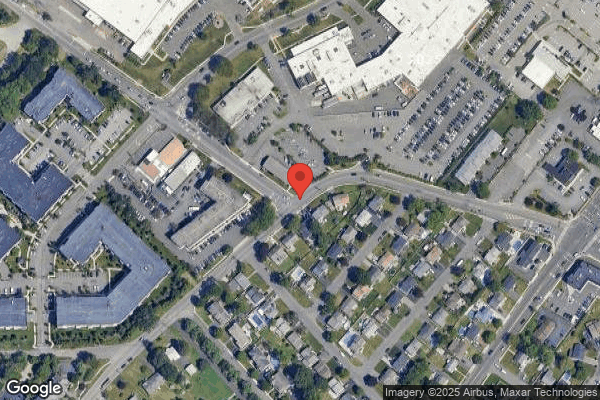
Jan 2022 3 deficiencies
CONCERN (D)

Potential for Harm - no one hurt, but risky conditions existed

Deficiency F0658 (Tag F0658)

Could have caused harm · This affected 1 resident

Based on observation, interview, and record review it was determined that the facility failed to obtain a physician's order for a restorative nursing program and accurately document the continuation o...

Read full inspector narrative →
Based on observation, interview, and record review it was determined that the facility failed to obtain a physician's order for a restorative nursing program and accurately document the continuation of the restorative nursing program services in accordance with professional standards of nursing practice. This deficient practice was identified for 1 of 1 residents reviewed for restorative nursing services (Resident #49). Reference: New Jersey Statutes Annotated, Title 45. Chapter 11. Nursing Board. The Nurse Practice Act for the State of New Jersey states: The practice of nursing as a registered professional nurse is defined as diagnosing and treating human responses to actual and potential physical and emotional health problems, through such services as casefinding, health teaching, health counseling, and provision of care supportive to or restorative of life and wellbeing, and executing medical regimens as prescribed by a licensed or otherwise legally authorized physician or dentist. Reference: New Jersey Statutes Annotated, Title 45, Chapter 11. Nursing Board. The Nurse Practice Act for the State of New Jersey states: The practice of nursing as a licensed practical nurse is defined as performing tasks and responsibilities within the framework of casefinding; reinforcing the patient and family teaching program through health teaching, health counseling and provision of supportive and restorative care, under the direction of a registered nurse or licensed or otherwise legally authorized physician or dentist. The evidence was as follows: On 12/15/21 at 10:05 AM, the surveyor observed Resident #49 in the dayroom in a specialized reclining chair. The resident was dressed and wearing gripper socks, and the resident's eyes were closed. The resident did not respond to surveyor inquiry. The surveyor reviewed the medical records for Resident #49. A review of the resident's admission Record face sheet (an admission summary) indicated that the resident had resided at the facility since July 2021 and had diagnoses which included Parkinson's Disease and dementia without behavior disturbances. A review of the resident's most recent quarterly Minimum Data Set (MDS), an assessment tool used to facilitate the management of care, dated 09/09/2021 reflected that the resident's cognitive skills for decision making were severely impaired. A review of the resident's individualized Care Plan (CP) revised on 7/15/2021 reflected that the resident had a focus area for ADL (activities of daily living) self-care performance deficit related to weakness, poor endurance and limited ADL function, functional mobility and transfer due to recent hospital stay. The goal of the resident's ADL care plan indicated that the resident would improve his/her current level of function in his/her ADL's functional mobility and transfer through the review date. The interventions of the resident's CP reflected physical and occupational evaluation and treatment per physician orders. A review of the resident's occupational therapy discharge summary note dated 8/24/2021, revealed resident had reached their highest practical level and recommendations for restorative range of motion program. Patient is currently able to raise arms above head, and tier is functional and with restorative nursing program, patient will be able to touch face and touch top of head by performing the following restorative nursing interventions: active ROM (range of motion). A review of the August and September 2021 physician's order sheet did not reveal evidence of a physician's order for the resident to receive restorative nursing services in accordance with the Occupational Therapy discharge summary recommendation dated 8/24/21. On 12/21/21 at 10:37 AM, the surveyor interviewed the resident's primary nurse. The Licensed Practical Nurse (LPN) stated the resident required full physical assist by staff and that the resident could not perform any ADLs for themselves. The LPN stated since Resident #49 was moved to that floor and that they had maintained their function. On 12/21/21 at 11:18 AM, the surveyor interviewed the facility's Rehabilitation Director who stated that according to Resident #49's therapy notes the resident had not met their therapy goals, that resident's functional level at discharge was that maximum assistance was needed and that the resident demonstrated fluctuating levels of assistance and that Resident #49 should be on restorative nursing program based on her review of the notes. On 12/21/21 at 12:35 PM, the surveyor interviewed the Certified Nursing Assistant (CNA) responsible for performing restorative nursing care in the facility. The Restorative CNA stated Resident #49 had been on a restorative nursing program for range of motion exercises. On 12/22/21 at 11:15 AM, the Director of Nursing (DON) in the presence of the Licensed Nursing Home Administrator (LNHA) and survey team stated therapy gives nursing a form with a recommendation for services, then nursing obtains a physician's order for those recommendations. The DON further stated once the physician's order was obtained, the Restorative CNA along with therapy ensure the orders are carried out. The DON was unable to provide documented evidence for the accountability of the restorative nursing services for Resident #49. The DON acknowledged that there should have a been a physician's order and documentation for the accountability of restorative services for the resident. A review of the undated facility policy titled Goals and Objectives, Restorative Services, revealed Specialized rehabilitative service goals and objectives shall be developed for problems identified through resident assessment/evaluations. NJAC 8:39-11.2(b)
CONCERN (D)

Potential for Harm - no one hurt, but risky conditions existed

Unnecessary Medications (Tag F0759)

Could have caused harm · This affected 1 resident

Based on observation, interview, and record review, it was determined that the facility failed to ensure that all medications were administered without error of 5% or more. During the medication pass ...

Read full inspector narrative →
Based on observation, interview, and record review, it was determined that the facility failed to ensure that all medications were administered without error of 5% or more. During the medication pass on 12/16/21 and 12/20/21, the surveyor observed three nurses passing medications to four residents with 27 opportunities for error. There were two errors which calculated to a medication administration error rate of 7.41%. This deficient practice was identified for 2 of 3 nurses for 2 of 4 residents (Resident #64 and #33) and was evidenced by the following: 1. On 12/16/21 at 8:24 AM, the surveyor conducted a medication pass observation in the presence of a second surveyor. The surveyor observed the Licensed Practical Nurse (LPN #1) crush eight (8) medications including one 200 milligram (mg) tablet of carbamazepine ER (extended release), a medication used to treat bipolar disorder for Resident #64. LPN #1 confirmed that she was ready to administer the crushed medications to Resident #64. (Error 1) On 12/16/2021 at 8:35 AM, the surveyor asked LPN #1 to review the electronic Medication Administration Record (eMAR) for the carbamazepine ER which revealed a cautionary warning do not crushed. At this time, LPN #1 confirmed that ER products should not be crushed. The surveyor reviewed the medical record for Resident #64. A review of the December 2021 Medication Review Report reflected a physician order (PO) dated 7/23/21, that May Have Medications Crushed and administered with apple sauce/water if Appropriate. A further review indicated a PO dated 7/27/21, for carbamazepine ER 12 hour 200 mg tablet; give one tablet two times a day; do not crush. On 12/21/21 at 10:51 AM, the surveyor attempted to interview the Consultant Pharmacist (CP) via telephone with no answer. The surveyor was unable to leave a voice message at this time. On 12/21/21 at 1:34 PM, the surveyor, in the presence of the survey team, reviewed the medication pass results with the Licensed Nursing Home Administrator (LNHA) and the Director of Nursing (DON). The DON acknowledged that ER medications should not be crushed. A review of the manufacturer's specifications for carbamazepine ER tablets included to swallow the tablet whole and do not crush, chew, or break the tablet. 2. On 12/16/21 at 9:29 AM, the surveyor in the presence of another surveyor, conducted a medication pass observation for LPN #2. The surveyor observed LPN #2 preparing eight (8) medications which included two (2) 600 mg tablets of guaifenesin ER, a medication used to treat congestion for Resident #33. LPN #2 obtained guaifenesin ER 600 mg from an over the counter (OTC) stock container. LPN #2 stated that the guaifenesin ER 600 mg was a house stock medication meaning that the facility purchased a supply of OTC medications that were not resident specific. LPN #2 stated that she was administering two tablets of guaifenesin ER 600 mg to equal 1200 mg because the facility did not have guaifenesin ER 1200 mg in stock. (Error #2) At that time, the surveyor asked LPN #2 to review the eMAR with the medications that had been prepared. The surveyor with LPN #2 reviewed the eMAR which reflected a PO dated 10/14/2018, for guaifenesin ER 1200 mg; give one (1) tablet by mouth every 12 hours for congestion. The surveyor and LPN #2 reviewed the house stock container that was in the medication cart which was for Guaifenesin ER 600 mg tablets and not 1200 mg tablets. The surveyor asked LPN #2 if a substitution of a medication can be administered without a PO and LPN #2 acknowledged that she should not administer medications without a PO and she would call the Physician. On 12/21/2021 at 1:34 PM, the surveyor, in the presence of the survey team, reviewed the medication pass results with the LNHA and the DON. The DON acknowledged that medications must be administered exactly as ordered and the Physician/Prescriber must be called for an alternative. A review of the facility's undated Administering Medications policy included medications must be administered in accordance with the orders. NJAC 8:39-11.2(b), 29.2(d), 29.4(c)
CONCERN (E)

Potential for Harm - no one hurt, but risky conditions existed

Infection Control (Tag F0880)

Could have caused harm · This affected multiple residents

2. On 12/14/21 at 9:40 AM, the surveyor observed Resident #354 resting in bed. The resident had a dated dressing covering the first and second toes on the left foot and had multiple sutures (a row of ...

Read full inspector narrative →
2. On 12/14/21 at 9:40 AM, the surveyor observed Resident #354 resting in bed. The resident had a dated dressing covering the first and second toes on the left foot and had multiple sutures (a row of stitches holding together the edges of a wound or surgical incision) and healing surgical incision sites on the left foot. The resident stated that he/she had surgery recently and had stapled surgical wounds extending from the left groin area down to the left foot. The surveyor reviewed the medical record for Resident #354. A review of the admission Record face sheet (an admission summary) reflected that the resident was admitted to the facility in December 2021, with diagnosis which included sepsis (a serious condition resulting from the presence of harmful microorganisms in the blood or other tissues). A review of the active Order Summary Report (OSR) reflected physicians orders (PO) dated 12/4/21, to apply skin prep (a water-proof liquid that forms a transparent film over the skin to protect it from possible irritation while allowing you to visibly inspect the skin) to the post-surgical incision sites of the left anterior ankle, left lateral ankle, left groin, left knee, left leg, left medial thigh, and left lateral foot and to leave uncovered twice daily. The PO also reflected to apply skin prep to the post-surgical incisions of the left first toe and second left toe and to cover with dry dressing twice daily. On 12/16/21 from 11:01 AM to 11:26 AM, the surveyor observed LPN #2 perform the wound treatment to Resident 354's left leg and foot surgical wounds and observed the following: LPN #2, without performing hand hygiene and with bare hands began to gather wound care supplies from the wound care treatment cart in the hallway located three resident room doors away from Resident 354's room. The supplies gathered consisted of multiple sterile skin prep swabs, a full package of clean 4x4 gauze, an individually packaged gauze wrap, and sterile surgical dressing. LPN #2 then brought all these supplies plus a container of surface sanitizing wipes down the hallway to Resident 354's room. The LPN placed all the supplies on the resident's unclean/not sanitized dresser top. The LPN then brought over a bedside tray table to the resident's bedside, closed the room door, performed hand hygiene using alcohol-based hand rub (ABHR), and donned gloves. The LPN proceeded to sanitize the tray table with the sanitizing wipes and disposed of the used wipes and soiled gloves. Without performing hand hygiene, the LPN donned new gloves, opened the gauze wrap package, placed the opened package directly onto the tray table, opened the sterile surgical dressing package and laid it onto the table. The LPN stated at this time that she was only using this as a sterile barrier for the other supplies. The LPN then placed the entire package of 4x4 clean gauze directly on the tray table. The LPN then used a sanitizing wipe to clean a pair of scissors and a pen, placed these items directly onto the tray table, and disposed the sanitizing wipe. The LPN the without changing her gloves or performing hand hygiene, reached into the package of 4x4 gauze and grabbed a handful of gauze, which were then placed onto the sterile package dressing package laid out earlier. At this time, the surveyor interviewed the LPN who acknowledged that she did not perform any hand hygiene in between any glove changes and should have. The LPN then proceeded to the resident's bathroom performed hand hygiene using soap and water followed by the use of ABHR. The LPN then donned gloves and she began to perform wound care by opening a skin prep pad and wiping the first surgical incision site in the groin area. The LPN used a single skin-prep pad for each incision site extending from the resident's groin area down to the ankle totaling five sites and a single skin-prep pad to clean the first and second toe suture sites. After cleaning all the surgical incisions and without changing gloves or performing hand hygiene, the LPN grabbed the clean 4x4 gauze and applied it in between the resident's affected toes, grabbed the gauze wrap and wrapped the resident's left foot and ankle and secured with tape. The LPN then removed her gloves. At this time, the surveyor asked the LPN if hand hygiene and glove change should be performed after the skin prep application and prior to applying the new clean gauze and dressing, to which the LPN replied, I suppose it should be done and confirmed that she did not perform this step. The LPN, without performing hand hygiene and with bare hands, grabbed the unused remaining supplies, including the package of 4x4 gauze and placed them back on the resident's non-sanitized dresser. The LPN performed hand hygiene and removed all the remaining supplies from the resident's room and placed them back into the treatment cart. On 12/16/21 at 12:08 PM, the surveyor interviewed the DON who stated that nurses should only bring in the amount of packaged gauze needed to perform the treatment and not the entire package into resident rooms. Any unused supplies that remained after the treatment were to be discarded. The DON stated that supplies should always be placed on a clean/sanitized surface, and staff should change gloves and perform hand hygiene after using sanitizing wipes prior to touching anything else. The DON also confirmed that glove change and hand hygiene should be performed after skin prep cleaning and prior to applying new wound dressing. Review of the facility provided undated Wound Care Policy and Procedure Level III included that all items to be used during the treatment should be placed on a clean field; only the amount of disposable supplies needed for the treatment should be brought into the room; disposable supplies cannot be returned to the treatment cart; hand hygiene should be performed after glove removal and prior to putting on new clean gloves; gloves used for cleaning of wound should be removed and hand hygiene performed prior to putting on new clean gloves to dress wound as per treatment order. 3. On 12/20/21 at 9:20 AM, the surveyor in the presence of another surveyor observed during medication pass observation LPN #3 administer eye drops used for glaucoma (a progressive eye disease associated with increased pressure in the eye) to Resident #203. After administering the eye drops, the LPN used the same tissue to blot the resident's right eye and then the left eye. On 12/20/21 at 9:28 AM, the surveyor interviewed the LPN who stated that she should not have used the same tissue to blot both eyes after she administered the resident's eye drops because you could potentially transfer bacteria from one eye to the next. On 12/21/21 at 11:03 AM, the surveyor interviewed the LPN/UM who stated that if a resident received eye drops in both eyes; you would need two tissues. You would use one tissue per eye to blot the tears and eyedrops in the corner of the eye. You should use two different tissues so that you do not spread bacteria from one eye to the other eye. The LPN/UM confirmed that LPN #3 should not have used the same tissue for both eyes and that would be considered an infection control issue. On 12/21/21 at 1:43 PM, the DON in the presence of the LNHA and the survey team confirmed that the nurse should have administered eye drops with two tissues if the drops were for both eyes; one tissue per eye to avoid cross contamination. The bacteria can go from one eye to the other via the tissue. The DON acknowledged that this would be an infection control problem. A review of the facility provided policy titled Infection Prevention and Control Program dated revised date of 7/2020 included: 4. Standard Precautions: a. All Staff shall assume that all residents are potentially infected or colonized with an organism that could be transmitted during the course of providing resident care services. NJAC 8:39-19.4(a)(b)(c)(d); 27.1(a) Based on observation, interview, record review, and review of other pertinent facility documentation, it was determined that the facility failed to: a.) implement mitigation strategies in accordance with the Center for Disease Control guidance to prevent the transmission of COVID-19; b.) ensure infection control practices were adhered during wound care as previously cited during last standard survey; and c.) ensure a clean tissue was used for optical drops to prevent cross contamination. These deficient practices were identified for 2 of 2 residents (Resident #86 and #154) newly admitted unvaccinated residents; 1 of 1 resident (Resident #354) during wound care; and 1 of 4 residents (Resident #203) during medication pass and evidenced by the following: 1. Reference: Center for Disease Control (CDC) Interim Infection Prevention and Control Recommendations to Prevent SARS-CoV-2 Spread in Nursing Homes updated 9/10/21: All unvaccinated residents who are new admissions and readmissions should be placed on a 14-day quarantine, even if they have a negative test upon admission .Guidance for addressing recommended PPE (personal protective equipment) when caring for residents in quarantine is described in Section: Manage Residents who had Close Contact with Someone with SARS-CoV-2 Infection . HCP (Healthcare personnel) caring for residents with suspected or confirmed SARS-CoV-2 Infection should use full PPE (gowns, gloves, eye protection, and NIOSH-approved N95 or equivalent or higher-level respirator. During entrance conference on 12/14/21 at 9:32 AM, Clinical Nurse Manager/Registered Nurse (CNM/RN) in the presence of the Licensed Nursing Home Administrator (LNHA) informed the surveyor that the facility had 100% of their staff vaccinated for SARS-CoV-2 (COVID-19) and all but three residents were vaccinated. The CNM/RN stated that there were two newly admitted unvaccinated residents on the second floor placed on a fourteen-day quarantine for possible exposure to COVID-19 (referred to by the CDC as PUI). On 12/14/21 at 10:50 AM, the surveyor observed both Resident #86 and #154's doors to their respective rooms were closed. Both doors had signage on their respective door of a stop sign indicating QUARANTINE ROOM -- PPE NEEDED GLOVES GOWNS SURGICAL MASK FACE SHIELD or GOGGLES. The surveyor observed PPE bins hanging from their respective doors. The bins contained gloves and surgical masks only. At this time, the surveyor interviewed the Licensed Practical Nurse/Unit Manager (LPN/UM) who stated that both Resident #86 and #154 were newly admitted residents who were both unvaccinated for COVID-19 so they were on quarantine for fourteen days. The LPN/UM stated that staff do not don (wear) N95 masks in these rooms because they tested negative for COVID-19 prior to being admitted to the facility. On 12/14/21 at 10:56 AM, the surveyor observed Certified Nursing Aide (CNA #1) open from the inside Resident #86's door and throw garments into a bin located outside the resident's room in the hallway. The CNA was observed to be wearing two surgical masks, a reusable gown, and gloves only. The surveyor did not observe eye protection at this time. The surveyor interviewed CNA #1 who stated that she was performing care on the resident. The CNA confirmed that she was wearing two surgical masks and a gown for protection since the resident sometimes coughed. On 12/14/21 at 11:50 AM, the surveyor interviewed the Director of Nursing (DON) via telephone who stated that all newly admitted or readmitted unvaccinated residents were placed on a fourteen-day quarantine upon admission as a PUI. Residents tested negative at the hospital prior to admission and then the facility tested the resident within twenty-four hours of admission, then again between day five and seven, and then again at day fourteen to be taken off quarantine. The DON stated that staff prior to entering the room donned surgical masks, eye protection, gown, and gloves. The DON stated that staff only donned N95 masks if the resident was COVID-19 positive. The DON stated that the facility received their guidance from CDC, Centers for Medicare & Medicaid Services (CMS), and local and state Department of Health (DOH). On 12/14/21 at 12:35 PM, the surveyor interviewed Resident #86 and #154's Licensed Practical Nurse (LPN #1) who confirmed that both residents were on quarantine for fourteen-days for possible COVID-19. The LPN stated that you donned a surgical mask, eye protection, gown, and gloves prior to entering these rooms and doffed (removed) the gown and gloves prior to exiting the room and then changed your surgical mask. The LPN stated that a N95 mask was not required since both residents had tested negative for COVID-19. The LPN confirmed that she was fit tested (a test protocol conducted to verify that a respirator is both comfortable and correctly fits the user) for a N95 mask. On 12/14/21 at 12:36 PM, the surveyor observed CNA #1 reaching out of Resident #154's room with a completed meal tray in hand and placed the tray onto a meal cart positioned outside the resident's room. The CNA was observed wearing only gloves and two surgical masks. At this time, the surveyor asked CNA #1 what PPE was required to be worn to be in this resident's room? The CNA replied, I take precautions with this resident because they have MRSA (a highly infectious bacterial infection) so I don a gown, face shield, and two surgical masks which were required in this resident's room. The CNA stated that she went inside to remove the meal tray only, not to perform care and I only had gloves on, no gown, I'm not going to lie. On 12/14/21 at 12:42 PM, the surveyor reinterviewed the LPN/UM who stated that the facility's quarantine process for newly or readmitted residents who were not fully vaccinated for COVID-19 was to place these residents on quarantine for fourteen-days. The residents were tested for COVID-19 upon admission, on day seven, and on day fourteen. Staff donned surgical masks, gowns, gloves, and face shields prior to entering the room. Staff was not required to wear a N95 mask since the residents were not COVID-19 positive. The LPN/UM confirmed that all staff were fit tested for N95 masks, but there were no N95 masks located on this unit. The LPN/UM stated that the N95 masks were stored in the basement. On 12/14/21 at 1:01 PM, the surveyor interviewed the Infection Preventionist/Registered (IP/RN) via telephone who stated that she was new to the facility and worked part-time as the infection preventionist. The IP/RN stated that she went by facility protocol for COVID-19 precautions and that any resident newly or readmitted to the facility who was unvaccinated for COVID-19 was placed in a private room on a fourteen-day quarantine and tested for COVID-19. The IP/RN stated that staff donned a surgical mask, eye protection, gown, and gloves prior to entering these rooms. The IP/RN confirmed that staff did not don N95 masks in these rooms. When asked why staff do not don N95 masks, the I/RNP stated that she would need to speak with the DON and then follow-up with the surveyor. A review of the facility's COVID-19 Plan dated revised 8/12/21, included that the facility will provide PPE (e.g. respirators, gloves, gowns, goggles, face shields) to each employee in accordance with Standard and Transmission-Based Precautions in healthcare settings in accordance to CDC's Guidelines for Isolation Precautions. On 12/14/21 at 1:38 PM, the surveyor interviewed the CNM/RN and the LNHA who confirmed that anyone entering a quarantine room would don a surgical mask and not a N95 mask. The CNM/RN confirmed that the facility received their guidance from the CDC, CMS, and the State DOH. On 12/16/21 at 9:59 AM, the surveyor observed outside Resident #86 and #154's room PPE which included surgical masks, disposable gowns, and gloves. There was no eye protection or N95 mask easily accessible. On 12/16/21 at 10:02 AM, the surveyor re-interviewed the LPN/UM who stared that the disposable gowns were provided by Central Supply and that there were no gowns the other day because she was waiting for Central Supply or Housekeeping to bring them to the floor. The LPN/UM stated staff should have their own eye protection so no eye protection was provided at the residents' doors. On 12/16/21 at 12:08 PM, the surveyor interviewed the DON and the IP/RN who confirmed that the facility did not have a separate policy for cohorting PUI residents, but these residents were placed on a fourteen-day quarantine and anyone entering that room was expected to don a surgical mask, gown, gloves, and eye protection prior to entering the room. This PPE was located outside the resident's room. The DON stated that since the residents were being monitored every shift for signs and symptoms of COVID-19 as well as being tested for COVID-19 so staff was not required to wear a N95 mask because the residents were not COVID-19 positive. When questioned, the DON confirmed that a person can be COVID-19 positive with no signs and symptoms; a person can spread COVID-19 forty-eight hours prior to testing positive or symptoms starting; and the incubation period for COVID-19 was up to fourteen days. At this time, the surveyor requested the facility to provide CDC, CMS, or State DOH guidance for the PPE recommended for PUI residents. On 12/20/21 at 8:35 AM, the DON provided the surveyor with CDC's Use Personal Protective Equipment (PPE) When Caring for Patients with Confirmed or Suspected COVID-19 dated 6/3/2020. The guidance indicated preferred PPE was a N95 or higher respirator. The DON stated that since the guidance also included acceptable alternative PPE was a facemask so the facility thought it was acceptable. The DON at this time confirmed that the facility had an adequate supply of N95 masks; there was no shortage of N95 masks; and that the facility had not contacted the Local DOH that the facility needed N95 masks and was having difficulty obtaining. The DON acknowledged that the facility should have been using N95 masks for their PUI residents.
Understanding Severity Codes (click to expand)
Life-Threatening (Immediate Jeopardy)
J - Isolated K - Pattern L - Widespread
Actual Harm
G - Isolated H - Pattern I - Widespread
Potential for Harm
D - Isolated E - Pattern F - Widespread
No Harm (Minor)
A - Isolated B - Pattern C - Widespread

Questions to Ask on Your Visit

  • "Can I speak with families of current residents?"
  • "What's your RN coverage like on weekends and overnight?"

Our Honest Assessment

Strengths
  • • Licensed and certified facility. Meets minimum state requirements.
Concerns
  • • 14 deficiencies on record, including 1 serious (caused harm) violation. Ask about corrective actions taken.
  • • $25,753 in fines. Higher than 94% of New Jersey facilities, suggesting repeated compliance issues.
Bottom line: Generally positive indicators. Standard due diligence and a personal visit recommended.

About This Facility

What is Complete Care At Clark Llc's CMS Rating?

CMS assigns COMPLETE CARE AT CLARK LLC an overall rating of 5 out of 5 stars, which is considered much above average nationally. Within New Jersey, this rating places the facility higher than 99% of the state's 100 nursing homes. This rating reflects solid performance across the metrics CMS uses to evaluate nursing home quality.

How is Complete Care At Clark Llc Staffed?

CMS rates COMPLETE CARE AT CLARK LLC's staffing level at 2 out of 5 stars, which is below average compared to other nursing homes. Staff turnover is 46%, compared to the New Jersey average of 46%. This relatively stable workforce can support continuity of care. RN turnover specifically is 61%, which is notably high. RNs provide skilled clinical oversight, so turnover in this role can affect medical care quality.

What Have Inspectors Found at Complete Care At Clark Llc?

State health inspectors documented 14 deficiencies at COMPLETE CARE AT CLARK LLC during 2022 to 2025. These included: 1 that caused actual resident harm and 13 with potential for harm. Deficiencies causing actual harm indicate documented cases where residents experienced negative health consequences.

Who Owns and Operates Complete Care At Clark Llc?

COMPLETE CARE AT CLARK LLC is owned by a for-profit company. For-profit facilities operate as businesses with obligations to shareholders or private owners. The facility is operated by COMPLETE CARE, a chain that manages multiple nursing homes. With 140 certified beds and approximately 125 residents (about 89% occupancy), it is a mid-sized facility located in CLARK, New Jersey.

How Does Complete Care At Clark Llc Compare to Other New Jersey Nursing Homes?

Compared to the 100 nursing homes in New Jersey, COMPLETE CARE AT CLARK LLC's overall rating (5 stars) is above the state average of 3.3, staff turnover (46%) is near the state average of 46%, and health inspection rating (4 stars) is above the national benchmark.

What Should Families Ask When Visiting Complete Care At Clark Llc?

Based on this facility's data, families visiting should ask: "Can you walk me through typical staffing levels on day, evening, and night shifts?" "Can I visit during a mealtime to observe dining assistance and food quality?" "How do you handle medical emergencies, and what is your hospital transfer rate?" "Can I speak with family members of current residents about their experience?" These questions are particularly relevant given the below-average staffing rating.

Is Complete Care At Clark Llc Safe?

Based on CMS inspection data, COMPLETE CARE AT CLARK LLC has a clean safety record: no substantiated abuse findings (meaning no confirmed cases of resident harm), no Immediate Jeopardy citations (the most serious violation level indicating risk of serious injury or death), and is not on the Special Focus Facility watch list (a federal program monitoring the lowest-performing 1% of nursing homes). The facility has a 5-star overall rating and ranks #1 of 100 nursing homes in New Jersey. While no facility is perfect, families should still ask about staff-to-resident ratios and recent inspection results during their visit.

Do Nurses at Complete Care At Clark Llc Stick Around?

COMPLETE CARE AT CLARK LLC has a staff turnover rate of 46%, which is about average for New Jersey nursing homes (state average: 46%). Moderate turnover is common in nursing homes, but families should still ask about staff tenure and how the facility maintains care continuity when employees leave.

Was Complete Care At Clark Llc Ever Fined?

COMPLETE CARE AT CLARK LLC has been fined $25,753 across 1 penalty action. This is below the New Jersey average of $33,336. While any fine indicates a compliance issue, fines under $50,000 are relatively common and typically reflect isolated problems that were subsequently corrected. Families should ask what specific issues led to these fines and confirm they've been resolved.

Is Complete Care At Clark Llc on Any Federal Watch List?

COMPLETE CARE AT CLARK LLC is not on any federal watch list. The most significant is the Special Focus Facility (SFF) program, which identifies the bottom 1% of nursing homes nationally based on persistent, serious quality problems. Not being on this list means the facility has avoided the pattern of deficiencies that triggers enhanced federal oversight. This is a positive indicator, though families should still review the facility's inspection history directly.